


Insulated Box Producer Laboratory Samples: Practical Supplier and Packaging Guide
Insulated Box Producer Laboratory Samples: Practical Supplier and Packaging Guide

Insulated Box Producer Laboratory Samples
The best way to evaluate insulated box producer laboratory samples is to treat it as part of a complete cold-chain system, not as a stand-alone container. For laboratory sample logistics, the right box must fit the product, payload volume, coolant plan, route duration, handling environment, and documentation needs. It should also be easy for warehouse staff to pack consistently. This guide explains how to judge practical fit, where to verify supplier claims, and when an insulated box needs additional qualification before routine use.
For general temperature-controlled shipping, the most reliable approach is to define the required condition first and then choose the box, coolant, packout, and monitoring plan. Thermal references such as ISTA 7E can guide evaluation, but they should not be treated as a guarantee for every lane.
Start with the product requirement, not the box label
The first step is to define the product requirement in writing. For clinical, diagnostic, research, and environmental samples that may be temperature sensitive, that requirement may be a storage range, a transport condition, a protocol instruction, an SDS limitation, a buyer specification, or a local regulatory expectation. Without that input, the phrase insulated box producer laboratory samples is too broad to support a safe purchase.
An insulated box is a passive packaging component. It can reduce heat transfer, protect the packout, and support a route plan, but it does not create compliance on its own. Coolant, payload arrangement, monitoring, labels, receiving steps, and documented evidence may all be needed depending on the product. This boundary should be clear before procurement compares suppliers.
The buyer should also decide what level of proof is necessary. Low-risk shipments may only need a sensible packout and internal acceptance checks. High-value, regulated, or stability-sensitive shipments may require test reports, lane qualification, quality approval, and change-control expectations. The right documentation burden depends on risk, not on the box name.
Turn the route into a packaging specification
A route specification should describe every period when the goods are outside controlled storage. Include warehouse staging, pickup delay, carrier transfer, airport or cross-dock handling, customs review, weekend dwell, final-mile delivery, and receiver processing. These details are not administrative; they determine how much thermal protection the package needs.
For clinic-to-lab pickup, hospital network logistics, research sample transfer, central lab receiving, and courier handoffs, buyers should also consider seasonal variation. A route that performs acceptably in mild weather may need a different packout or a stronger shipper in summer or winter. Seasonal qualification does not mean guessing. It means asking whether supplier data, internal tests, or pilot shipments cover the exposure conditions the lane can realistically face.
The route specification should be shared with potential suppliers before samples are requested. When a supplier understands route risk, they can recommend box size, insulation type, coolant configuration, and assembly instructions more responsibly. Without the route, most recommendations become assumptions.
Evidence buyers should request before scaling
| Evidence to request | What it should clarify | How to use it |
|---|---|---|
| Material and construction description | Insulation type, outer carton, liner, closure, and special inserts. | Confirm the sample and production units match. |
| Thermal test summary | Payload, coolant, ambient exposure, duration, and pass criteria. | Check whether the test resembles your lane and product. |
| Packout instruction | Conditioning, loading order, logger placement, and closure steps. | Use it for warehouse training and audit checks. |
| Change notification process | How material or design changes are communicated. | Protect sample-to-production consistency. |
| Receiving and exception guidance | What the receiver should record if the shipment is delayed or damaged. | Reduce disputes and support quality review. |
This evidence list is not meant to turn every purchase into a formal validation project. It helps buyers decide whether the insulated box producer laboratory samples is supported by enough information for the risk level of the shipment.
For sensitive goods, the most important detail is often whether the tested configuration matches the real configuration. If the report used a different payload, coolant amount, or box construction, the buyer should treat the result as a starting point, not a final answer.
Material choices and sustainability trade-offs
Material selection should be connected to the route and recovery plan. Foam systems may provide strong insulation and impact resistance, but they can raise disposal questions. Paper-lined or fiberboard systems may support lower-waste goals, but they must be checked for moisture tolerance and thermal performance. Reusable boxes can be attractive on closed loops, yet they need inspection, cleaning, return tracking, and loss control.
Rigid or semi-rigid insulation, absorbent and secondary containment compatibility, coolant separation from specimens, lid seal, and data logger placement when proof is needed should be evaluated as practical design factors, not isolated product claims. A high-performance material can be weakened by poor lid fit. A sustainable liner can fail if condensation damages it. A compact pouch can reduce freight volume but may not suit a long or uncertain route. The trade-off should be documented before ordering in bulk.
When sustainability is part of the buying decision, ask for the evidence behind the claim. Is the material recyclable where the receiver operates? Does the packaging require separation of components? Can the buyer recover coolants or reusable boxes? A sustainability benefit that works only in theory may not help the actual supply chain.
Operational controls after the boxes arrive
Operational controls turn packaging design into repeatable performance. Before production use, create a short packing instruction that covers product starting condition, coolant conditioning, loading order, void fill, logger placement, lid closure, label placement, and storage before pickup. The instruction should be easy enough for a busy warehouse team to follow without interpretation.
Receiving inspection is part of the same system. The receiver should know what to do if the box is damaged, delayed, warm to the touch, missing a label, or lacking the expected logger. If the shipment is regulated or quality-sensitive, the exception path should be defined before the first shipment moves.
A practical pilot can reveal problems that a specification sheet misses. For example, staff may discover that the box is hard to close when the payload count is correct, that gel packs slide into the wrong position, or that the label area is too small after tape is applied. Fixing these issues before scale-up is cheaper than correcting them after routine distribution begins.
When to involve quality, logistics, and suppliers together
The best insulated-box decisions usually involve procurement, logistics, quality, and the supplier. Procurement sees cost and availability. Logistics sees route difficulty and labor. Quality sees product risk and documentation. The supplier sees material choices, production constraints, and packout options. When one group decides alone, important assumptions are often missed.
For lab managers, specimen logistics coordinators, procurement teams, and quality staff, a useful internal review can be short. Confirm the required condition, route risk, payload configuration, evidence needed, and change-control expectation. If the product is sensitive or regulated, include the quality team before the purchase order is placed. If the route is operationally difficult, include the warehouse or carrier team before samples are approved.
This collaborative review is especially important for supplier changes, new destinations, seasonal packouts, and scale-up from samples to bulk orders. The box selected for a pilot may be suitable, but the process around it must also scale. Good packaging decisions protect the product and reduce confusion for the people who pack, carry, and receive it.
A final purchase decision should include a simple go-or-no-go review. Can the team state the product requirement? Can the route risk be described? Is the sample construction the same as production? Does the packout fit the payload without forcing shortcuts? Is there enough documentation for the risk level? If any answer is unclear, the buyer should resolve it before scaling.
The goal is not to make every shipment complicated. The goal is to prevent avoidable assumptions. For low-risk goods, the process may be brief. For high-risk goods, it may involve formal qualification. In both cases, the buyer benefits from treating the insulated box producer laboratory samples as a designed part of the route rather than a generic insulated container.
Additional field notes for purchasing teams
When teams compare insulated box producer laboratory samples, they should document which assumptions are proven and which are still only estimates. Proven information might include material description, measured dimensions, agreed packout steps, and a sample construction that matches production. Estimated information might include delay risk, seasonal exposure, receiver discipline, and how consistently staff will condition coolant. Keeping those categories separate helps procurement avoid treating an assumption as a fact.
Another useful practice is to prepare a small exception plan before the first shipment. Decide what staff should do if the box arrives crushed, the label is unreadable, a logger is missing, or the receiver reports a delayed handover. The plan does not need to be long, but it should identify who reviews the shipment and what evidence should be kept. This turns a packaging purchase into a manageable cold-chain process.
Buyers ordering in volume should also ask how the supplier handles substitutions. A change in carton grade, liner material, insulation insert, closure tape, or coolant recommendation can affect handling and thermal behavior. The safest arrangement is a written specification with notification before material or construction changes. That is especially important for laboratory sample logistics, where small process changes can create repeated issues across many shipments.
Finally, do not overlook storage before use. Empty boxes, liners, and coolant packs can be staged in ways that make packing harder or less consistent. Warehouses should know where materials are stored, when coolants are conditioned, how damaged boxes are rejected, and who checks that the packout instruction is current. Those routines are often more important than a small difference between two catalog specifications.
It is also useful to define what the shipment is not expected to survive. No passive package should be treated as unlimited protection against long delays, rough handling, prolonged sun exposure, or a different temperature range from the one reviewed. Stating these limits in the purchasing file helps sales, logistics, and customer service teams avoid overpromising. It also gives the supplier a clearer boundary for any recommendation they provide.
For repeat programs, keep a small reference packout. This may include a photo of the correct loading sequence, the approved carton or liner name, the coolant count or conditioning instruction if applicable, and the receiver note. When new staff join or a busy season begins, the reference packout reduces variation. That consistency is often what separates a workable insulated package from a fragile process that depends on one experienced employee.
Finally, align the ordering unit with the way the warehouse works. If the team stores cartons, liners, and coolants in separate areas, the purchase specification should make that workflow visible. If the buyer needs pre-assembled kits, nested units, or clear labels on component cartons, ask before approving the order. These details are not decorative; they influence whether the intended packout is actually used during daily shipping.
FAQ
Is insulated box producer laboratory samples automatically suitable for regulated healthcare shipments?
No. An insulated box may be part of a healthcare shipping system, but suitability depends on the product requirement, route, packout, coolant, monitoring plan, and supporting evidence. Regulated or quality-sensitive shipments often require quality-team review and documentation. Buyers should not treat a box label as proof of compliance.
Should I use a temperature data logger inside the box?
Use a logger when the shipment risk, customer requirement, protocol, or quality system needs temperature evidence. A logger does not protect the payload; it records what happened. Placement, accuracy documentation, alarm settings, and data retrieval should match the purpose of the record.
Can one box cover refrigerated, frozen, and ambient products?
Usually not without separate packouts and evidence. The same outer box may be used in different systems, but each temperature condition needs the correct coolant, payload arrangement, and verification. The product label, protocol, or technical specification should define the range before packaging is selected.
What should I ask before ordering samples?
Share the product type, required range, route duration, worst likely dwell point, payload count, receiver process, and documentation needs. Ask the supplier whether the sample will match production units and whether any test data reflects a comparable packout.
Conclusion
A good decision about insulated box producer laboratory samples begins with product requirements and route reality. The box should be judged by how it fits clinical, diagnostic, research, and environmental samples that may be temperature sensitive, how consistently staff can pack it, and what evidence supports its use on the intended route.
The safest purchasing process is not complicated, but it is disciplined: define the temperature or handling condition, map the lane, confirm usable payload space, review coolant compatibility, and ask for documentation that matches the risk level. Avoid universal claims, especially when the product is regulated, high value, or sensitive to freezing, heat, moisture, or delay.
Once a sample works, protect that result by controlling changes. Make sure production units match the sample, warehouse instructions are clear, and receiving teams know what to inspect. That is how an insulated box becomes part of a dependable cold-chain process rather than just another packaging line item.
About Tempk
At Tempk, we approach insulated packaging as a product-and-route fit decision. We help buyers think through the practical questions behind insulated box producer laboratory samples: required condition, payload space, coolant arrangement, handling steps, and whether supplier evidence is enough for the shipment risk. For laboratory sample logistics, our role is to support clearer packaging conversations before buyers move from samples to repeated orders, custom sizing, or bulk purchasing. We keep the discussion grounded in route conditions and packout details rather than broad promises.
Insulated Box Manufacturer Laboratory Samples: Practical Supplier and Packaging Guide

Insulated Box Manufacturer Laboratory Samples
The best way to evaluate insulated box manufacturer laboratory samples is to treat it as part of a complete cold-chain system, not as a stand-alone container. For laboratory sample logistics, the right box must fit the product, payload volume, coolant plan, route duration, handling environment, and documentation needs. It should also be easy for warehouse staff to pack consistently. This guide explains how to judge practical fit, where to verify supplier claims, and when an insulated box needs additional qualification before routine use.
For general temperature-controlled shipping, the most reliable approach is to define the required condition first and then choose the box, coolant, packout, and monitoring plan. Thermal references such as ISTA 7E can guide evaluation, but they should not be treated as a guarantee for every lane.
Start with the product requirement, not the box label
The first step is to define the product requirement in writing. For clinical, diagnostic, research, and environmental samples that may be temperature sensitive, that requirement may be a storage range, a transport condition, a protocol instruction, an SDS limitation, a buyer specification, or a local regulatory expectation. Without that input, the phrase insulated box manufacturer laboratory samples is too broad to support a safe purchase.
An insulated box is a passive packaging component. It can reduce heat transfer, protect the packout, and support a route plan, but it does not create compliance on its own. Coolant, payload arrangement, monitoring, labels, receiving steps, and documented evidence may all be needed depending on the product. This boundary should be clear before procurement compares suppliers.
The buyer should also decide what level of proof is necessary. Low-risk shipments may only need a sensible packout and internal acceptance checks. High-value, regulated, or stability-sensitive shipments may require test reports, lane qualification, quality approval, and change-control expectations. The right documentation burden depends on risk, not on the box name.
Turn the route into a packaging specification
A route specification should describe every period when the goods are outside controlled storage. Include warehouse staging, pickup delay, carrier transfer, airport or cross-dock handling, customs review, weekend dwell, final-mile delivery, and receiver processing. These details are not administrative; they determine how much thermal protection the package needs.
For clinic-to-lab pickup, hospital network logistics, research sample transfer, central lab receiving, and courier handoffs, buyers should also consider seasonal variation. A route that performs acceptably in mild weather may need a different packout or a stronger shipper in summer or winter. Seasonal qualification does not mean guessing. It means asking whether supplier data, internal tests, or pilot shipments cover the exposure conditions the lane can realistically face.
The route specification should be shared with potential suppliers before samples are requested. When a supplier understands route risk, they can recommend box size, insulation type, coolant configuration, and assembly instructions more responsibly. Without the route, most recommendations become assumptions.
Evidence buyers should request before scaling
| Evidence to request | What it should clarify | How to use it |
|---|---|---|
| Material and construction description | Insulation type, outer carton, liner, closure, and special inserts. | Confirm the sample and production units match. |
| Thermal test summary | Payload, coolant, ambient exposure, duration, and pass criteria. | Check whether the test resembles your lane and product. |
| Packout instruction | Conditioning, loading order, logger placement, and closure steps. | Use it for warehouse training and audit checks. |
| Change notification process | How material or design changes are communicated. | Protect sample-to-production consistency. |
| Receiving and exception guidance | What the receiver should record if the shipment is delayed or damaged. | Reduce disputes and support quality review. |
This evidence list is not meant to turn every purchase into a formal validation project. It helps buyers decide whether the insulated box manufacturer laboratory samples is supported by enough information for the risk level of the shipment.
For sensitive goods, the most important detail is often whether the tested configuration matches the real configuration. If the report used a different payload, coolant amount, or box construction, the buyer should treat the result as a starting point, not a final answer.
Material choices and sustainability trade-offs
Material selection should be connected to the route and recovery plan. Foam systems may provide strong insulation and impact resistance, but they can raise disposal questions. Paper-lined or fiberboard systems may support lower-waste goals, but they must be checked for moisture tolerance and thermal performance. Reusable boxes can be attractive on closed loops, yet they need inspection, cleaning, return tracking, and loss control.
Rigid or semi-rigid insulation, absorbent and secondary containment compatibility, coolant separation from specimens, lid seal, and data logger placement when proof is needed should be evaluated as practical design factors, not isolated product claims. A high-performance material can be weakened by poor lid fit. A sustainable liner can fail if condensation damages it. A compact pouch can reduce freight volume but may not suit a long or uncertain route. The trade-off should be documented before ordering in bulk.
When sustainability is part of the buying decision, ask for the evidence behind the claim. Is the material recyclable where the receiver operates? Does the packaging require separation of components? Can the buyer recover coolants or reusable boxes? A sustainability benefit that works only in theory may not help the actual supply chain.
Operational controls after the boxes arrive
Operational controls turn packaging design into repeatable performance. Before production use, create a short packing instruction that covers product starting condition, coolant conditioning, loading order, void fill, logger placement, lid closure, label placement, and storage before pickup. The instruction should be easy enough for a busy warehouse team to follow without interpretation.
Receiving inspection is part of the same system. The receiver should know what to do if the box is damaged, delayed, warm to the touch, missing a label, or lacking the expected logger. If the shipment is regulated or quality-sensitive, the exception path should be defined before the first shipment moves.
A practical pilot can reveal problems that a specification sheet misses. For example, staff may discover that the box is hard to close when the payload count is correct, that gel packs slide into the wrong position, or that the label area is too small after tape is applied. Fixing these issues before scale-up is cheaper than correcting them after routine distribution begins.
When to involve quality, logistics, and suppliers together
The best insulated-box decisions usually involve procurement, logistics, quality, and the supplier. Procurement sees cost and availability. Logistics sees route difficulty and labor. Quality sees product risk and documentation. The supplier sees material choices, production constraints, and packout options. When one group decides alone, important assumptions are often missed.
For lab managers, specimen logistics coordinators, procurement teams, and quality staff, a useful internal review can be short. Confirm the required condition, route risk, payload configuration, evidence needed, and change-control expectation. If the product is sensitive or regulated, include the quality team before the purchase order is placed. If the route is operationally difficult, include the warehouse or carrier team before samples are approved.
This collaborative review is especially important for supplier changes, new destinations, seasonal packouts, and scale-up from samples to bulk orders. The box selected for a pilot may be suitable, but the process around it must also scale. Good packaging decisions protect the product and reduce confusion for the people who pack, carry, and receive it.
A final purchase decision should include a simple go-or-no-go review. Can the team state the product requirement? Can the route risk be described? Is the sample construction the same as production? Does the packout fit the payload without forcing shortcuts? Is there enough documentation for the risk level? If any answer is unclear, the buyer should resolve it before scaling.
The goal is not to make every shipment complicated. The goal is to prevent avoidable assumptions. For low-risk goods, the process may be brief. For high-risk goods, it may involve formal qualification. In both cases, the buyer benefits from treating the insulated box manufacturer laboratory samples as a designed part of the route rather than a generic insulated container.
Additional field notes for purchasing teams
When teams compare insulated box manufacturer laboratory samples, they should document which assumptions are proven and which are still only estimates. Proven information might include material description, measured dimensions, agreed packout steps, and a sample construction that matches production. Estimated information might include delay risk, seasonal exposure, receiver discipline, and how consistently staff will condition coolant. Keeping those categories separate helps procurement avoid treating an assumption as a fact.
Another useful practice is to prepare a small exception plan before the first shipment. Decide what staff should do if the box arrives crushed, the label is unreadable, a logger is missing, or the receiver reports a delayed handover. The plan does not need to be long, but it should identify who reviews the shipment and what evidence should be kept. This turns a packaging purchase into a manageable cold-chain process.
Buyers ordering in volume should also ask how the supplier handles substitutions. A change in carton grade, liner material, insulation insert, closure tape, or coolant recommendation can affect handling and thermal behavior. The safest arrangement is a written specification with notification before material or construction changes. That is especially important for laboratory sample logistics, where small process changes can create repeated issues across many shipments.
Finally, do not overlook storage before use. Empty boxes, liners, and coolant packs can be staged in ways that make packing harder or less consistent. Warehouses should know where materials are stored, when coolants are conditioned, how damaged boxes are rejected, and who checks that the packout instruction is current. Those routines are often more important than a small difference between two catalog specifications.
It is also useful to define what the shipment is not expected to survive. No passive package should be treated as unlimited protection against long delays, rough handling, prolonged sun exposure, or a different temperature range from the one reviewed. Stating these limits in the purchasing file helps sales, logistics, and customer service teams avoid overpromising. It also gives the supplier a clearer boundary for any recommendation they provide.
For repeat programs, keep a small reference packout. This may include a photo of the correct loading sequence, the approved carton or liner name, the coolant count or conditioning instruction if applicable, and the receiver note. When new staff join or a busy season begins, the reference packout reduces variation. That consistency is often what separates a workable insulated package from a fragile process that depends on one experienced employee.
Finally, align the ordering unit with the way the warehouse works. If the team stores cartons, liners, and coolants in separate areas, the purchase specification should make that workflow visible. If the buyer needs pre-assembled kits, nested units, or clear labels on component cartons, ask before approving the order. These details are not decorative; they influence whether the intended packout is actually used during daily shipping.
FAQ
Is insulated box manufacturer laboratory samples automatically suitable for regulated healthcare shipments?
No. An insulated box may be part of a healthcare shipping system, but suitability depends on the product requirement, route, packout, coolant, monitoring plan, and supporting evidence. Regulated or quality-sensitive shipments often require quality-team review and documentation. Buyers should not treat a box label as proof of compliance.
Should I use a temperature data logger inside the box?
Use a logger when the shipment risk, customer requirement, protocol, or quality system needs temperature evidence. A logger does not protect the payload; it records what happened. Placement, accuracy documentation, alarm settings, and data retrieval should match the purpose of the record.
Can one box cover refrigerated, frozen, and ambient products?
Usually not without separate packouts and evidence. The same outer box may be used in different systems, but each temperature condition needs the correct coolant, payload arrangement, and verification. The product label, protocol, or technical specification should define the range before packaging is selected.
What should I ask before ordering samples?
Share the product type, required range, route duration, worst likely dwell point, payload count, receiver process, and documentation needs. Ask the supplier whether the sample will match production units and whether any test data reflects a comparable packout.
Conclusion
A good decision about insulated box manufacturer laboratory samples begins with product requirements and route reality. The box should be judged by how it fits clinical, diagnostic, research, and environmental samples that may be temperature sensitive, how consistently staff can pack it, and what evidence supports its use on the intended route.
The safest purchasing process is not complicated, but it is disciplined: define the temperature or handling condition, map the lane, confirm usable payload space, review coolant compatibility, and ask for documentation that matches the risk level. Avoid universal claims, especially when the product is regulated, high value, or sensitive to freezing, heat, moisture, or delay.
Once a sample works, protect that result by controlling changes. Make sure production units match the sample, warehouse instructions are clear, and receiving teams know what to inspect. That is how an insulated box becomes part of a dependable cold-chain process rather than just another packaging line item.
About Tempk
At Tempk, we approach insulated packaging as a product-and-route fit decision. We help buyers think through the practical questions behind insulated box manufacturer laboratory samples: required condition, payload space, coolant arrangement, handling steps, and whether supplier evidence is enough for the shipment risk. For laboratory sample logistics, our role is to support clearer packaging conversations before buyers move from samples to repeated orders, custom sizing, or bulk purchasing. We keep the discussion grounded in route conditions and packout details rather than broad promises.
Insulated Box Manufacturer High Performance: Practical Supplier and Packaging Guide

Insulated Box Manufacturer High Performance
The best way to evaluate insulated box manufacturer high performance is to treat it as part of a complete cold-chain system, not as a stand-alone container. For high-performance insulated shipping, the right box must fit the product, payload volume, coolant plan, route duration, handling environment, and documentation needs. It should also be easy for warehouse staff to pack consistently. This guide explains how to judge practical fit, where to verify supplier claims, and when an insulated box needs additional qualification before routine use.
For general temperature-controlled shipping, the most reliable approach is to define the required condition first and then choose the box, coolant, packout, and monitoring plan. Thermal references such as ISTA 7E can guide evaluation, but they should not be treated as a guarantee for every lane.
Start with the product requirement, not the box label
The first step is to define the product requirement in writing. For high-value pharmaceuticals, biotech kits, clinical materials, specialty food, and sensitive industrial products, that requirement may be a storage range, a transport condition, a protocol instruction, an SDS limitation, a buyer specification, or a local regulatory expectation. Without that input, the phrase insulated box manufacturer high performance is too broad to support a safe purchase.
An insulated box is a passive packaging component. It can reduce heat transfer, protect the packout, and support a route plan, but it does not create compliance on its own. Coolant, payload arrangement, monitoring, labels, receiving steps, and documented evidence may all be needed depending on the product. This boundary should be clear before procurement compares suppliers.
The buyer should also decide what level of proof is necessary. Low-risk shipments may only need a sensible packout and internal acceptance checks. High-value, regulated, or stability-sensitive shipments may require test reports, lane qualification, quality approval, and change-control expectations. The right documentation burden depends on risk, not on the box name.
Turn the route into a packaging specification
A route specification should describe every period when the goods are outside controlled storage. Include warehouse staging, pickup delay, carrier transfer, airport or cross-dock handling, customs review, weekend dwell, final-mile delivery, and receiver processing. These details are not administrative; they determine how much thermal protection the package needs.
For longer parcel lanes, air cargo, high-risk seasonal routes, high-value payloads, and multi-handover distribution, buyers should also consider seasonal variation. A route that performs acceptably in mild weather may need a different packout or a stronger shipper in summer or winter. Seasonal qualification does not mean guessing. It means asking whether supplier data, internal tests, or pilot shipments cover the exposure conditions the lane can realistically face.
The route specification should be shared with potential suppliers before samples are requested. When a supplier understands route risk, they can recommend box size, insulation type, coolant configuration, and assembly instructions more responsibly. Without the route, most recommendations become assumptions.
Evidence buyers should request before scaling
| Evidence to request | What it should clarify | How to use it |
|---|---|---|
| Material and construction description | Insulation type, outer carton, liner, closure, and special inserts. | Confirm the sample and production units match. |
| Thermal test summary | Payload, coolant, ambient exposure, duration, and pass criteria. | Check whether the test resembles your lane and product. |
| Packout instruction | Conditioning, loading order, logger placement, and closure steps. | Use it for warehouse training and audit checks. |
| Change notification process | How material or design changes are communicated. | Protect sample-to-production consistency. |
| Receiving and exception guidance | What the receiver should record if the shipment is delayed or damaged. | Reduce disputes and support quality review. |
This evidence list is not meant to turn every purchase into a formal validation project. It helps buyers decide whether the insulated box manufacturer high performance is supported by enough information for the risk level of the shipment.
For sensitive goods, the most important detail is often whether the tested configuration matches the real configuration. If the report used a different payload, coolant amount, or box construction, the buyer should treat the result as a starting point, not a final answer.
Material choices and sustainability trade-offs
Material selection should be connected to the route and recovery plan. Foam systems may provide strong insulation and impact resistance, but they can raise disposal questions. Paper-lined or fiberboard systems may support lower-waste goals, but they must be checked for moisture tolerance and thermal performance. Reusable boxes can be attractive on closed loops, yet they need inspection, cleaning, return tracking, and loss control.
Thermal resistance, thermal mass, payload cavity design, closure leakage, material robustness, logger placement, and dimensional efficiency should be evaluated as practical design factors, not isolated product claims. A high-performance material can be weakened by poor lid fit. A sustainable liner can fail if condensation damages it. A compact pouch can reduce freight volume but may not suit a long or uncertain route. The trade-off should be documented before ordering in bulk.
When sustainability is part of the buying decision, ask for the evidence behind the claim. Is the material recyclable where the receiver operates? Does the packaging require separation of components? Can the buyer recover coolants or reusable boxes? A sustainability benefit that works only in theory may not help the actual supply chain.
Operational controls after the boxes arrive
Operational controls turn packaging design into repeatable performance. Before production use, create a short packing instruction that covers product starting condition, coolant conditioning, loading order, void fill, logger placement, lid closure, label placement, and storage before pickup. The instruction should be easy enough for a busy warehouse team to follow without interpretation.
Receiving inspection is part of the same system. The receiver should know what to do if the box is damaged, delayed, warm to the touch, missing a label, or lacking the expected logger. If the shipment is regulated or quality-sensitive, the exception path should be defined before the first shipment moves.
A practical pilot can reveal problems that a specification sheet misses. For example, staff may discover that the box is hard to close when the payload count is correct, that gel packs slide into the wrong position, or that the label area is too small after tape is applied. Fixing these issues before scale-up is cheaper than correcting them after routine distribution begins.
When to involve quality, logistics, and suppliers together
The best insulated-box decisions usually involve procurement, logistics, quality, and the supplier. Procurement sees cost and availability. Logistics sees route difficulty and labor. Quality sees product risk and documentation. The supplier sees material choices, production constraints, and packout options. When one group decides alone, important assumptions are often missed.
For packaging engineers, strategic buyers, quality teams, and operations managers, a useful internal review can be short. Confirm the required condition, route risk, payload configuration, evidence needed, and change-control expectation. If the product is sensitive or regulated, include the quality team before the purchase order is placed. If the route is operationally difficult, include the warehouse or carrier team before samples are approved.
This collaborative review is especially important for supplier changes, new destinations, seasonal packouts, and scale-up from samples to bulk orders. The box selected for a pilot may be suitable, but the process around it must also scale. Good packaging decisions protect the product and reduce confusion for the people who pack, carry, and receive it.
A final purchase decision should include a simple go-or-no-go review. Can the team state the product requirement? Can the route risk be described? Is the sample construction the same as production? Does the packout fit the payload without forcing shortcuts? Is there enough documentation for the risk level? If any answer is unclear, the buyer should resolve it before scaling.
The goal is not to make every shipment complicated. The goal is to prevent avoidable assumptions. For low-risk goods, the process may be brief. For high-risk goods, it may involve formal qualification. In both cases, the buyer benefits from treating the insulated box manufacturer high performance as a designed part of the route rather than a generic insulated container.
Additional field notes for purchasing teams
When teams compare insulated box manufacturer high performance, they should document which assumptions are proven and which are still only estimates. Proven information might include material description, measured dimensions, agreed packout steps, and a sample construction that matches production. Estimated information might include delay risk, seasonal exposure, receiver discipline, and how consistently staff will condition coolant. Keeping those categories separate helps procurement avoid treating an assumption as a fact.
Another useful practice is to prepare a small exception plan before the first shipment. Decide what staff should do if the box arrives crushed, the label is unreadable, a logger is missing, or the receiver reports a delayed handover. The plan does not need to be long, but it should identify who reviews the shipment and what evidence should be kept. This turns a packaging purchase into a manageable cold-chain process.
Buyers ordering in volume should also ask how the supplier handles substitutions. A change in carton grade, liner material, insulation insert, closure tape, or coolant recommendation can affect handling and thermal behavior. The safest arrangement is a written specification with notification before material or construction changes. That is especially important for high-performance insulated shipping, where small process changes can create repeated issues across many shipments.
Finally, do not overlook storage before use. Empty boxes, liners, and coolant packs can be staged in ways that make packing harder or less consistent. Warehouses should know where materials are stored, when coolants are conditioned, how damaged boxes are rejected, and who checks that the packout instruction is current. Those routines are often more important than a small difference between two catalog specifications.
It is also useful to define what the shipment is not expected to survive. No passive package should be treated as unlimited protection against long delays, rough handling, prolonged sun exposure, or a different temperature range from the one reviewed. Stating these limits in the purchasing file helps sales, logistics, and customer service teams avoid overpromising. It also gives the supplier a clearer boundary for any recommendation they provide.
For repeat programs, keep a small reference packout. This may include a photo of the correct loading sequence, the approved carton or liner name, the coolant count or conditioning instruction if applicable, and the receiver note. When new staff join or a busy season begins, the reference packout reduces variation. That consistency is often what separates a workable insulated package from a fragile process that depends on one experienced employee.
Finally, align the ordering unit with the way the warehouse works. If the team stores cartons, liners, and coolants in separate areas, the purchase specification should make that workflow visible. If the buyer needs pre-assembled kits, nested units, or clear labels on component cartons, ask before approving the order. These details are not decorative; they influence whether the intended packout is actually used during daily shipping.
FAQ
What does insulated box manufacturer high performance actually mean?
It refers to an insulated packaging option used to protect temperature-sensitive goods during a defined route. It may be a carton with insulation, a molded box, a liner system, or a reusable container. The exact meaning depends on the supplier and product design.
How should I compare supplier claims?
Ask what conditions were tested, which payload was used, what coolant was included, and what pass-fail range applied. Avoid comparing hold-time numbers unless the test assumptions are similar to your real shipment.
When is an insulated box not enough?
It may not be enough for long, uncertain, regulated, or highly sensitive routes without additional qualification, monitoring, or active temperature control. The product requirement and route risk should decide the level of packaging evidence needed.
What matters most for repeat orders?
Sample-to-production consistency matters most. Confirm that materials, dimensions, liners, closures, and assembly instructions remain the same unless the supplier provides change notification and your team approves the change.
Conclusion
A good decision about insulated box manufacturer high performance begins with product requirements and route reality. The box should be judged by how it fits high-value pharmaceuticals, biotech kits, clinical materials, specialty food, and sensitive industrial products, how consistently staff can pack it, and what evidence supports its use on the intended route.
The safest purchasing process is not complicated, but it is disciplined: define the temperature or handling condition, map the lane, confirm usable payload space, review coolant compatibility, and ask for documentation that matches the risk level. Avoid universal claims, especially when the product is regulated, high value, or sensitive to freezing, heat, moisture, or delay.
Once a sample works, protect that result by controlling changes. Make sure production units match the sample, warehouse instructions are clear, and receiving teams know what to inspect. That is how an insulated box becomes part of a dependable cold-chain process rather than just another packaging line item.
About Tempk
At Tempk, we approach insulated packaging as a product-and-route fit decision. We help buyers think through the practical questions behind insulated box manufacturer high performance: required condition, payload space, coolant arrangement, handling steps, and whether supplier evidence is enough for the shipment risk. For high-performance insulated shipping, our role is to support clearer packaging conversations before buyers move from samples to repeated orders, custom sizing, or bulk purchasing. We keep the discussion grounded in route conditions and packout details rather than broad promises.
Insulated Box Industrial Standard: Practical Supplier and Packaging Guide

Insulated Box Industrial Standard
The best way to evaluate insulated box industrial standard is to treat it as part of a complete cold-chain system, not as a stand-alone container. For industrial insulated box specification, the right box must fit the product, payload volume, coolant plan, route duration, handling environment, and documentation needs. It should also be easy for warehouse staff to pack consistently. This guide explains how to judge practical fit, where to verify supplier claims, and when an insulated box needs additional qualification before routine use.
For general temperature-controlled shipping, the most reliable approach is to define the required condition first and then choose the box, coolant, packout, and monitoring plan. Thermal references such as ISTA 7E can guide evaluation, but they should not be treated as a guarantee for every lane.
Start with the product requirement, not the box label
The first step is to define the product requirement in writing. For food, pharmaceutical, biotech, chemical, and temperature-sensitive industrial payloads, that requirement may be a storage range, a transport condition, a protocol instruction, an SDS limitation, a buyer specification, or a local regulatory expectation. Without that input, the phrase insulated box industrial standard is too broad to support a safe purchase.
An insulated box is a passive packaging component. It can reduce heat transfer, protect the packout, and support a route plan, but it does not create compliance on its own. Coolant, payload arrangement, monitoring, labels, receiving steps, and documented evidence may all be needed depending on the product. This boundary should be clear before procurement compares suppliers.
The buyer should also decide what level of proof is necessary. Low-risk shipments may only need a sensible packout and internal acceptance checks. High-value, regulated, or stability-sensitive shipments may require test reports, lane qualification, quality approval, and change-control expectations. The right documentation burden depends on risk, not on the box name.
Turn the route into a packaging specification
A route specification should describe every period when the goods are outside controlled storage. Include warehouse staging, pickup delay, carrier transfer, airport or cross-dock handling, customs review, weekend dwell, final-mile delivery, and receiver processing. These details are not administrative; they determine how much thermal protection the package needs.
For supplier qualification, tender comparison, quality audits, scale-up purchasing, and route qualification planning, buyers should also consider seasonal variation. A route that performs acceptably in mild weather may need a different packout or a stronger shipper in summer or winter. Seasonal qualification does not mean guessing. It means asking whether supplier data, internal tests, or pilot shipments cover the exposure conditions the lane can realistically face.
The route specification should be shared with potential suppliers before samples are requested. When a supplier understands route risk, they can recommend box size, insulation type, coolant configuration, and assembly instructions more responsibly. Without the route, most recommendations become assumptions.
Evidence buyers should request before scaling
| Evidence to request | What it should clarify | How to use it |
|---|---|---|
| Material and construction description | Insulation type, outer carton, liner, closure, and special inserts. | Confirm the sample and production units match. |
| Thermal test summary | Payload, coolant, ambient exposure, duration, and pass criteria. | Check whether the test resembles your lane and product. |
| Packout instruction | Conditioning, loading order, logger placement, and closure steps. | Use it for warehouse training and audit checks. |
| Change notification process | How material or design changes are communicated. | Protect sample-to-production consistency. |
| Receiving and exception guidance | What the receiver should record if the shipment is delayed or damaged. | Reduce disputes and support quality review. |
This evidence list is not meant to turn every purchase into a formal validation project. It helps buyers decide whether the insulated box industrial standard is supported by enough information for the risk level of the shipment.
For sensitive goods, the most important detail is often whether the tested configuration matches the real configuration. If the report used a different payload, coolant amount, or box construction, the buyer should treat the result as a starting point, not a final answer.
Material choices and sustainability trade-offs
Material selection should be connected to the route and recovery plan. Foam systems may provide strong insulation and impact resistance, but they can raise disposal questions. Paper-lined or fiberboard systems may support lower-waste goals, but they must be checked for moisture tolerance and thermal performance. Reusable boxes can be attractive on closed loops, yet they need inspection, cleaning, return tracking, and loss control.
Material specification, dimensions, closure design, thermal testing, mechanical durability, cleaning, traceability, and change control should be evaluated as practical design factors, not isolated product claims. A high-performance material can be weakened by poor lid fit. A sustainable liner can fail if condensation damages it. A compact pouch can reduce freight volume but may not suit a long or uncertain route. The trade-off should be documented before ordering in bulk.
When sustainability is part of the buying decision, ask for the evidence behind the claim. Is the material recyclable where the receiver operates? Does the packaging require separation of components? Can the buyer recover coolants or reusable boxes? A sustainability benefit that works only in theory may not help the actual supply chain.
Operational controls after the boxes arrive
Operational controls turn packaging design into repeatable performance. Before production use, create a short packing instruction that covers product starting condition, coolant conditioning, loading order, void fill, logger placement, lid closure, label placement, and storage before pickup. The instruction should be easy enough for a busy warehouse team to follow without interpretation.
Receiving inspection is part of the same system. The receiver should know what to do if the box is damaged, delayed, warm to the touch, missing a label, or lacking the expected logger. If the shipment is regulated or quality-sensitive, the exception path should be defined before the first shipment moves.
A practical pilot can reveal problems that a specification sheet misses. For example, staff may discover that the box is hard to close when the payload count is correct, that gel packs slide into the wrong position, or that the label area is too small after tape is applied. Fixing these issues before scale-up is cheaper than correcting them after routine distribution begins.
When to involve quality, logistics, and suppliers together
The best insulated-box decisions usually involve procurement, logistics, quality, and the supplier. Procurement sees cost and availability. Logistics sees route difficulty and labor. Quality sees product risk and documentation. The supplier sees material choices, production constraints, and packout options. When one group decides alone, important assumptions are often missed.
For procurement teams, quality reviewers, packaging engineers, and supplier auditors, a useful internal review can be short. Confirm the required condition, route risk, payload configuration, evidence needed, and change-control expectation. If the product is sensitive or regulated, include the quality team before the purchase order is placed. If the route is operationally difficult, include the warehouse or carrier team before samples are approved.
This collaborative review is especially important for supplier changes, new destinations, seasonal packouts, and scale-up from samples to bulk orders. The box selected for a pilot may be suitable, but the process around it must also scale. Good packaging decisions protect the product and reduce confusion for the people who pack, carry, and receive it.
A final purchase decision should include a simple go-or-no-go review. Can the team state the product requirement? Can the route risk be described? Is the sample construction the same as production? Does the packout fit the payload without forcing shortcuts? Is there enough documentation for the risk level? If any answer is unclear, the buyer should resolve it before scaling.
The goal is not to make every shipment complicated. The goal is to prevent avoidable assumptions. For low-risk goods, the process may be brief. For high-risk goods, it may involve formal qualification. In both cases, the buyer benefits from treating the insulated box industrial standard as a designed part of the route rather than a generic insulated container.
Additional field notes for purchasing teams
When teams compare insulated box industrial standard, they should document which assumptions are proven and which are still only estimates. Proven information might include material description, measured dimensions, agreed packout steps, and a sample construction that matches production. Estimated information might include delay risk, seasonal exposure, receiver discipline, and how consistently staff will condition coolant. Keeping those categories separate helps procurement avoid treating an assumption as a fact.
Another useful practice is to prepare a small exception plan before the first shipment. Decide what staff should do if the box arrives crushed, the label is unreadable, a logger is missing, or the receiver reports a delayed handover. The plan does not need to be long, but it should identify who reviews the shipment and what evidence should be kept. This turns a packaging purchase into a manageable cold-chain process.
Buyers ordering in volume should also ask how the supplier handles substitutions. A change in carton grade, liner material, insulation insert, closure tape, or coolant recommendation can affect handling and thermal behavior. The safest arrangement is a written specification with notification before material or construction changes. That is especially important for industrial insulated box specification, where small process changes can create repeated issues across many shipments.
Finally, do not overlook storage before use. Empty boxes, liners, and coolant packs can be staged in ways that make packing harder or less consistent. Warehouses should know where materials are stored, when coolants are conditioned, how damaged boxes are rejected, and who checks that the packout instruction is current. Those routines are often more important than a small difference between two catalog specifications.
It is also useful to define what the shipment is not expected to survive. No passive package should be treated as unlimited protection against long delays, rough handling, prolonged sun exposure, or a different temperature range from the one reviewed. Stating these limits in the purchasing file helps sales, logistics, and customer service teams avoid overpromising. It also gives the supplier a clearer boundary for any recommendation they provide.
For repeat programs, keep a small reference packout. This may include a photo of the correct loading sequence, the approved carton or liner name, the coolant count or conditioning instruction if applicable, and the receiver note. When new staff join or a busy season begins, the reference packout reduces variation. That consistency is often what separates a workable insulated package from a fragile process that depends on one experienced employee.
Finally, align the ordering unit with the way the warehouse works. If the team stores cartons, liners, and coolants in separate areas, the purchase specification should make that workflow visible. If the buyer needs pre-assembled kits, nested units, or clear labels on component cartons, ask before approving the order. These details are not decorative; they influence whether the intended packout is actually used during daily shipping.
FAQ
What does insulated box industrial standard actually mean?
It refers to an insulated packaging option used to protect temperature-sensitive goods during a defined route. It may be a carton with insulation, a molded box, a liner system, or a reusable container. The exact meaning depends on the supplier and product design.
How should I compare supplier claims?
Ask what conditions were tested, which payload was used, what coolant was included, and what pass-fail range applied. Avoid comparing hold-time numbers unless the test assumptions are similar to your real shipment.
When is an insulated box not enough?
It may not be enough for long, uncertain, regulated, or highly sensitive routes without additional qualification, monitoring, or active temperature control. The product requirement and route risk should decide the level of packaging evidence needed.
What matters most for repeat orders?
Sample-to-production consistency matters most. Confirm that materials, dimensions, liners, closures, and assembly instructions remain the same unless the supplier provides change notification and your team approves the change.
Conclusion
A good decision about insulated box industrial standard begins with product requirements and route reality. The box should be judged by how it fits food, pharmaceutical, biotech, chemical, and temperature-sensitive industrial payloads, how consistently staff can pack it, and what evidence supports its use on the intended route.
The safest purchasing process is not complicated, but it is disciplined: define the temperature or handling condition, map the lane, confirm usable payload space, review coolant compatibility, and ask for documentation that matches the risk level. Avoid universal claims, especially when the product is regulated, high value, or sensitive to freezing, heat, moisture, or delay.
Once a sample works, protect that result by controlling changes. Make sure production units match the sample, warehouse instructions are clear, and receiving teams know what to inspect. That is how an insulated box becomes part of a dependable cold-chain process rather than just another packaging line item.
About Tempk
At Tempk, we approach insulated packaging as a product-and-route fit decision. We help buyers think through the practical questions behind insulated box industrial standard: required condition, payload space, coolant arrangement, handling steps, and whether supplier evidence is enough for the shipment risk. For industrial insulated box specification, our role is to support clearer packaging conversations before buyers move from samples to repeated orders, custom sizing, or bulk purchasing. We keep the discussion grounded in route conditions and packout details rather than broad promises.
Insulated Box for Agricultural Products: Practical Supplier and Packaging Guide

Insulated Box for Agricultural Products
The best way to evaluate insulated box for agricultural products is to treat it as part of a complete cold-chain system, not as a stand-alone container. For agricultural product logistics, the right box must fit the product, payload volume, coolant plan, route duration, handling environment, and documentation needs. It should also be easy for warehouse staff to pack consistently. This guide explains how to judge practical fit, where to verify supplier claims, and when an insulated box needs additional qualification before routine use.
For food and agricultural shipments, sanitary handling, pre-cooling, clean equipment, and receiving inspection matter as much as the insulated package. Food rules vary by market and product, so buyers should treat the box as one part of a broader cold-chain process rather than a substitute for refrigerated control where that control is required.
Start with the product requirement, not the box label
The first step is to define the product requirement in writing. For fresh produce, herbs, flowers, seeds, specialty crops, and value-added farm products, that requirement may be a storage range, a transport condition, a protocol instruction, an SDS limitation, a buyer specification, or a local regulatory expectation. Without that input, the phrase insulated box for agricultural products is too broad to support a safe purchase.
An insulated box is a passive packaging component. It can reduce heat transfer, protect the packout, and support a route plan, but it does not create compliance on its own. Coolant, payload arrangement, monitoring, labels, receiving steps, and documented evidence may all be needed depending on the product. This boundary should be clear before procurement compares suppliers.
The buyer should also decide what level of proof is necessary. Low-risk shipments may only need a sensible packout and internal acceptance checks. High-value, regulated, or stability-sensitive shipments may require test reports, lane qualification, quality approval, and change-control expectations. The right documentation burden depends on risk, not on the box name.
Turn the route into a packaging specification
A route specification should describe every period when the goods are outside controlled storage. Include warehouse staging, pickup delay, carrier transfer, airport or cross-dock handling, customs review, weekend dwell, final-mile delivery, and receiver processing. These details are not administrative; they determine how much thermal protection the package needs.
For farm-to-packhouse, exporter consolidation, air cargo, refrigerated truck, and farmers market or e-commerce delivery, buyers should also consider seasonal variation. A route that performs acceptably in mild weather may need a different packout or a stronger shipper in summer or winter. Seasonal qualification does not mean guessing. It means asking whether supplier data, internal tests, or pilot shipments cover the exposure conditions the lane can realistically face.
The route specification should be shared with potential suppliers before samples are requested. When a supplier understands route risk, they can recommend box size, insulation type, coolant configuration, and assembly instructions more responsibly. Without the route, most recommendations become assumptions.
Evidence buyers should request before scaling
| Evidence to request | What it should clarify | How to use it |
|---|---|---|
| Material and construction description | Insulation type, outer carton, liner, closure, and special inserts. | Confirm the sample and production units match. |
| Thermal test summary | Payload, coolant, ambient exposure, duration, and pass criteria. | Check whether the test resembles your lane and product. |
| Packout instruction | Conditioning, loading order, logger placement, and closure steps. | Use it for warehouse training and audit checks. |
| Change notification process | How material or design changes are communicated. | Protect sample-to-production consistency. |
| Receiving and exception guidance | What the receiver should record if the shipment is delayed or damaged. | Reduce disputes and support quality review. |
This evidence list is not meant to turn every purchase into a formal validation project. It helps buyers decide whether the insulated box for agricultural products is supported by enough information for the risk level of the shipment.
For sensitive goods, the most important detail is often whether the tested configuration matches the real configuration. If the report used a different payload, coolant amount, or box construction, the buyer should treat the result as a starting point, not a final answer.
Material choices and sustainability trade-offs
Material selection should be connected to the route and recovery plan. Foam systems may provide strong insulation and impact resistance, but they can raise disposal questions. Paper-lined or fiberboard systems may support lower-waste goals, but they must be checked for moisture tolerance and thermal performance. Reusable boxes can be attractive on closed loops, yet they need inspection, cleaning, return tracking, and loss control.
Moisture tolerance, breathable packout design, cushioning, box compression, coolant separation from produce, and liner compatibility with humidity should be evaluated as practical design factors, not isolated product claims. A high-performance material can be weakened by poor lid fit. A sustainable liner can fail if condensation damages it. A compact pouch can reduce freight volume but may not suit a long or uncertain route. The trade-off should be documented before ordering in bulk.
When sustainability is part of the buying decision, ask for the evidence behind the claim. Is the material recyclable where the receiver operates? Does the packaging require separation of components? Can the buyer recover coolants or reusable boxes? A sustainability benefit that works only in theory may not help the actual supply chain.
Operational controls after the boxes arrive
Operational controls turn packaging design into repeatable performance. Before production use, create a short packing instruction that covers product starting condition, coolant conditioning, loading order, void fill, logger placement, lid closure, label placement, and storage before pickup. The instruction should be easy enough for a busy warehouse team to follow without interpretation.
Receiving inspection is part of the same system. The receiver should know what to do if the box is damaged, delayed, warm to the touch, missing a label, or lacking the expected logger. If the shipment is regulated or quality-sensitive, the exception path should be defined before the first shipment moves.
A practical pilot can reveal problems that a specification sheet misses. For example, staff may discover that the box is hard to close when the payload count is correct, that gel packs slide into the wrong position, or that the label area is too small after tape is applied. Fixing these issues before scale-up is cheaper than correcting them after routine distribution begins.
When to involve quality, logistics, and suppliers together
The best insulated-box decisions usually involve procurement, logistics, quality, and the supplier. Procurement sees cost and availability. Logistics sees route difficulty and labor. Quality sees product risk and documentation. The supplier sees material choices, production constraints, and packout options. When one group decides alone, important assumptions are often missed.
For produce exporters, farm cooperatives, packhouse managers, and cold-chain buyers, a useful internal review can be short. Confirm the required condition, route risk, payload configuration, evidence needed, and change-control expectation. If the product is sensitive or regulated, include the quality team before the purchase order is placed. If the route is operationally difficult, include the warehouse or carrier team before samples are approved.
This collaborative review is especially important for supplier changes, new destinations, seasonal packouts, and scale-up from samples to bulk orders. The box selected for a pilot may be suitable, but the process around it must also scale. Good packaging decisions protect the product and reduce confusion for the people who pack, carry, and receive it.
A final purchase decision should include a simple go-or-no-go review. Can the team state the product requirement? Can the route risk be described? Is the sample construction the same as production? Does the packout fit the payload without forcing shortcuts? Is there enough documentation for the risk level? If any answer is unclear, the buyer should resolve it before scaling.
The goal is not to make every shipment complicated. The goal is to prevent avoidable assumptions. For low-risk goods, the process may be brief. For high-risk goods, it may involve formal qualification. In both cases, the buyer benefits from treating the insulated box for agricultural products as a designed part of the route rather than a generic insulated container.
Additional field notes for purchasing teams
When teams compare insulated box for agricultural products, they should document which assumptions are proven and which are still only estimates. Proven information might include material description, measured dimensions, agreed packout steps, and a sample construction that matches production. Estimated information might include delay risk, seasonal exposure, receiver discipline, and how consistently staff will condition coolant. Keeping those categories separate helps procurement avoid treating an assumption as a fact.
Another useful practice is to prepare a small exception plan before the first shipment. Decide what staff should do if the box arrives crushed, the label is unreadable, a logger is missing, or the receiver reports a delayed handover. The plan does not need to be long, but it should identify who reviews the shipment and what evidence should be kept. This turns a packaging purchase into a manageable cold-chain process.
Buyers ordering in volume should also ask how the supplier handles substitutions. A change in carton grade, liner material, insulation insert, closure tape, or coolant recommendation can affect handling and thermal behavior. The safest arrangement is a written specification with notification before material or construction changes. That is especially important for agricultural product logistics, where small process changes can create repeated issues across many shipments.
Finally, do not overlook storage before use. Empty boxes, liners, and coolant packs can be staged in ways that make packing harder or less consistent. Warehouses should know where materials are stored, when coolants are conditioned, how damaged boxes are rejected, and who checks that the packout instruction is current. Those routines are often more important than a small difference between two catalog specifications.
It is also useful to define what the shipment is not expected to survive. No passive package should be treated as unlimited protection against long delays, rough handling, prolonged sun exposure, or a different temperature range from the one reviewed. Stating these limits in the purchasing file helps sales, logistics, and customer service teams avoid overpromising. It also gives the supplier a clearer boundary for any recommendation they provide.
For repeat programs, keep a small reference packout. This may include a photo of the correct loading sequence, the approved carton or liner name, the coolant count or conditioning instruction if applicable, and the receiver note. When new staff join or a busy season begins, the reference packout reduces variation. That consistency is often what separates a workable insulated package from a fragile process that depends on one experienced employee.
Finally, align the ordering unit with the way the warehouse works. If the team stores cartons, liners, and coolants in separate areas, the purchase specification should make that workflow visible. If the buyer needs pre-assembled kits, nested units, or clear labels on component cartons, ask before approving the order. These details are not decorative; they influence whether the intended packout is actually used during daily shipping.
FAQ
Can insulated box for agricultural products replace refrigerated transport?
Not by itself. An insulated box can slow heat gain or loss for a defined route, but it cannot replace refrigerated storage or transport when those are required by the product, buyer, or local rule. Use it as part of a planned packout and route strategy.
How do I know the box size is right?
Compare usable payload space after coolant and protection are added, not just external dimensions. A box that is too large can create excess headspace, while a box that is too tight can force product against coolant or walls. Both problems can affect quality.
Are paper or fiberboard options always more sustainable?
Not always. Sustainability depends on the full package, including coatings, insulation inserts, films, coolants, contamination, and local recovery systems. A paper-based option can be useful, but it still needs moisture control and thermal evidence for the route.
What should I test before a bulk order?
Test assembly speed, carton durability, condensation behavior, label readability, payload fit, and arrival condition on a representative route. If the goods are sensitive, ask for evidence tied to the same payload and coolant configuration you plan to use.
Conclusion
A good decision about insulated box for agricultural products begins with product requirements and route reality. The box should be judged by how it fits fresh produce, herbs, flowers, seeds, specialty crops, and value-added farm products, how consistently staff can pack it, and what evidence supports its use on the intended route.
The safest purchasing process is not complicated, but it is disciplined: define the temperature or handling condition, map the lane, confirm usable payload space, review coolant compatibility, and ask for documentation that matches the risk level. Avoid universal claims, especially when the product is regulated, high value, or sensitive to freezing, heat, moisture, or delay.
Once a sample works, protect that result by controlling changes. Make sure production units match the sample, warehouse instructions are clear, and receiving teams know what to inspect. That is how an insulated box becomes part of a dependable cold-chain process rather than just another packaging line item.
About Tempk
At Tempk, we approach insulated packaging as a product-and-route fit decision. We help buyers think through the practical questions behind insulated box for agricultural products: required condition, payload space, coolant arrangement, handling steps, and whether supplier evidence is enough for the shipment risk. For agricultural product logistics, our role is to support clearer packaging conversations before buyers move from samples to repeated orders, custom sizing, or bulk purchasing. We keep the discussion grounded in route conditions and packout details rather than broad promises.
Insulated Box Exporter Vaccines: Practical Supplier and Packaging Guide

Insulated Box Exporter Vaccines
The best way to evaluate insulated box exporter vaccines is to treat it as part of a complete cold-chain system, not as a stand-alone container. For vaccine export and immunization logistics, the right box must fit the product, payload volume, coolant plan, route duration, handling environment, and documentation needs. It should also be easy for warehouse staff to pack consistently. This guide explains how to judge practical fit, where to verify supplier claims, and when an insulated box needs additional qualification before routine use.
For vaccine shipments, refrigerated and frozen ranges must be confirmed from the vaccine label and the relevant health authority guidance. Public-health references often describe refrigerated vaccine storage at 2 degrees C to 8 degrees C and freezer storage at -50 degrees C to -15 degrees C for vaccines that require freezing, but not every vaccine shares the same condition.
Start with the product requirement, not the box label
The first step is to define the product requirement in writing. For routine vaccines, outreach supplies, diluents, ancillary materials, and health-program consignments, that requirement may be a storage range, a transport condition, a protocol instruction, an SDS limitation, a buyer specification, or a local regulatory expectation. Without that input, the phrase insulated box exporter vaccines is too broad to support a safe purchase.
An insulated box is a passive packaging component. It can reduce heat transfer, protect the packout, and support a route plan, but it does not create compliance on its own. Coolant, payload arrangement, monitoring, labels, receiving steps, and documented evidence may all be needed depending on the product. This boundary should be clear before procurement compares suppliers.
The buyer should also decide what level of proof is necessary. Low-risk shipments may only need a sensible packout and internal acceptance checks. High-value, regulated, or stability-sensitive shipments may require test reports, lane qualification, quality approval, and change-control expectations. The right documentation burden depends on risk, not on the box name.
Turn the route into a packaging specification
A route specification should describe every period when the goods are outside controlled storage. Include warehouse staging, pickup delay, carrier transfer, airport or cross-dock handling, customs review, weekend dwell, final-mile delivery, and receiver processing. These details are not administrative; they determine how much thermal protection the package needs.
For central store to clinic, air cargo, outreach distribution, emergency replenishment, and cross-border program supply, buyers should also consider seasonal variation. A route that performs acceptably in mild weather may need a different packout or a stronger shipper in summer or winter. Seasonal qualification does not mean guessing. It means asking whether supplier data, internal tests, or pilot shipments cover the exposure conditions the lane can realistically face.
The route specification should be shared with potential suppliers before samples are requested. When a supplier understands route risk, they can recommend box size, insulation type, coolant configuration, and assembly instructions more responsibly. Without the route, most recommendations become assumptions.
Evidence buyers should request before scaling
| Evidence to request | What it should clarify | How to use it |
|---|---|---|
| Material and construction description | Insulation type, outer carton, liner, closure, and special inserts. | Confirm the sample and production units match. |
| Thermal test summary | Payload, coolant, ambient exposure, duration, and pass criteria. | Check whether the test resembles your lane and product. |
| Packout instruction | Conditioning, loading order, logger placement, and closure steps. | Use it for warehouse training and audit checks. |
| Change notification process | How material or design changes are communicated. | Protect sample-to-production consistency. |
| Receiving and exception guidance | What the receiver should record if the shipment is delayed or damaged. | Reduce disputes and support quality review. |
This evidence list is not meant to turn every purchase into a formal validation project. It helps buyers decide whether the insulated box exporter vaccines is supported by enough information for the risk level of the shipment.
For sensitive goods, the most important detail is often whether the tested configuration matches the real configuration. If the report used a different payload, coolant amount, or box construction, the buyer should treat the result as a starting point, not a final answer.
Material choices and sustainability trade-offs
Material selection should be connected to the route and recovery plan. Foam systems may provide strong insulation and impact resistance, but they can raise disposal questions. Paper-lined or fiberboard systems may support lower-waste goals, but they must be checked for moisture tolerance and thermal performance. Reusable boxes can be attractive on closed loops, yet they need inspection, cleaning, return tracking, and loss control.
Freeze-risk control, coolant conditioning, vaccine carrier or cold box type, lid discipline, payload protection, and temperature monitoring should be evaluated as practical design factors, not isolated product claims. A high-performance material can be weakened by poor lid fit. A sustainable liner can fail if condensation damages it. A compact pouch can reduce freight volume but may not suit a long or uncertain route. The trade-off should be documented before ordering in bulk.
When sustainability is part of the buying decision, ask for the evidence behind the claim. Is the material recyclable where the receiver operates? Does the packaging require separation of components? Can the buyer recover coolants or reusable boxes? A sustainability benefit that works only in theory may not help the actual supply chain.
Operational controls after the boxes arrive
Operational controls turn packaging design into repeatable performance. Before production use, create a short packing instruction that covers product starting condition, coolant conditioning, loading order, void fill, logger placement, lid closure, label placement, and storage before pickup. The instruction should be easy enough for a busy warehouse team to follow without interpretation.
Receiving inspection is part of the same system. The receiver should know what to do if the box is damaged, delayed, warm to the touch, missing a label, or lacking the expected logger. If the shipment is regulated or quality-sensitive, the exception path should be defined before the first shipment moves.
A practical pilot can reveal problems that a specification sheet misses. For example, staff may discover that the box is hard to close when the payload count is correct, that gel packs slide into the wrong position, or that the label area is too small after tape is applied. Fixing these issues before scale-up is cheaper than correcting them after routine distribution begins.
When to involve quality, logistics, and suppliers together
The best insulated-box decisions usually involve procurement, logistics, quality, and the supplier. Procurement sees cost and availability. Logistics sees route difficulty and labor. Quality sees product risk and documentation. The supplier sees material choices, production constraints, and packout options. When one group decides alone, important assumptions are often missed.
For vaccine logistics buyers, public-health supply teams, distributors, and quality reviewers, a useful internal review can be short. Confirm the required condition, route risk, payload configuration, evidence needed, and change-control expectation. If the product is sensitive or regulated, include the quality team before the purchase order is placed. If the route is operationally difficult, include the warehouse or carrier team before samples are approved.
This collaborative review is especially important for supplier changes, new destinations, seasonal packouts, and scale-up from samples to bulk orders. The box selected for a pilot may be suitable, but the process around it must also scale. Good packaging decisions protect the product and reduce confusion for the people who pack, carry, and receive it.
A final purchase decision should include a simple go-or-no-go review. Can the team state the product requirement? Can the route risk be described? Is the sample construction the same as production? Does the packout fit the payload without forcing shortcuts? Is there enough documentation for the risk level? If any answer is unclear, the buyer should resolve it before scaling.
The goal is not to make every shipment complicated. The goal is to prevent avoidable assumptions. For low-risk goods, the process may be brief. For high-risk goods, it may involve formal qualification. In both cases, the buyer benefits from treating the insulated box exporter vaccines as a designed part of the route rather than a generic insulated container.
Additional field notes for purchasing teams
When teams compare insulated box exporter vaccines, they should document which assumptions are proven and which are still only estimates. Proven information might include material description, measured dimensions, agreed packout steps, and a sample construction that matches production. Estimated information might include delay risk, seasonal exposure, receiver discipline, and how consistently staff will condition coolant. Keeping those categories separate helps procurement avoid treating an assumption as a fact.
Another useful practice is to prepare a small exception plan before the first shipment. Decide what staff should do if the box arrives crushed, the label is unreadable, a logger is missing, or the receiver reports a delayed handover. The plan does not need to be long, but it should identify who reviews the shipment and what evidence should be kept. This turns a packaging purchase into a manageable cold-chain process.
Buyers ordering in volume should also ask how the supplier handles substitutions. A change in carton grade, liner material, insulation insert, closure tape, or coolant recommendation can affect handling and thermal behavior. The safest arrangement is a written specification with notification before material or construction changes. That is especially important for vaccine export and immunization logistics, where small process changes can create repeated issues across many shipments.
Finally, do not overlook storage before use. Empty boxes, liners, and coolant packs can be staged in ways that make packing harder or less consistent. Warehouses should know where materials are stored, when coolants are conditioned, how damaged boxes are rejected, and who checks that the packout instruction is current. Those routines are often more important than a small difference between two catalog specifications.
It is also useful to define what the shipment is not expected to survive. No passive package should be treated as unlimited protection against long delays, rough handling, prolonged sun exposure, or a different temperature range from the one reviewed. Stating these limits in the purchasing file helps sales, logistics, and customer service teams avoid overpromising. It also gives the supplier a clearer boundary for any recommendation they provide.
For repeat programs, keep a small reference packout. This may include a photo of the correct loading sequence, the approved carton or liner name, the coolant count or conditioning instruction if applicable, and the receiver note. When new staff join or a busy season begins, the reference packout reduces variation. That consistency is often what separates a workable insulated package from a fragile process that depends on one experienced employee.
Finally, align the ordering unit with the way the warehouse works. If the team stores cartons, liners, and coolants in separate areas, the purchase specification should make that workflow visible. If the buyer needs pre-assembled kits, nested units, or clear labels on component cartons, ask before approving the order. These details are not decorative; they influence whether the intended packout is actually used during daily shipping.
FAQ
Is insulated box exporter vaccines automatically suitable for regulated healthcare shipments?
No. An insulated box may be part of a healthcare shipping system, but suitability depends on the product requirement, route, packout, coolant, monitoring plan, and supporting evidence. Regulated or quality-sensitive shipments often require quality-team review and documentation. Buyers should not treat a box label as proof of compliance.
Should I use a temperature data logger inside the box?
Use a logger when the shipment risk, customer requirement, protocol, or quality system needs temperature evidence. A logger does not protect the payload; it records what happened. Placement, accuracy documentation, alarm settings, and data retrieval should match the purpose of the record.
Can one box cover refrigerated, frozen, and ambient products?
Usually not without separate packouts and evidence. The same outer box may be used in different systems, but each temperature condition needs the correct coolant, payload arrangement, and verification. The product label, protocol, or technical specification should define the range before packaging is selected.
What should I ask before ordering samples?
Share the product type, required range, route duration, worst likely dwell point, payload count, receiver process, and documentation needs. Ask the supplier whether the sample will match production units and whether any test data reflects a comparable packout.
Conclusion
A good decision about insulated box exporter vaccines begins with product requirements and route reality. The box should be judged by how it fits routine vaccines, outreach supplies, diluents, ancillary materials, and health-program consignments, how consistently staff can pack it, and what evidence supports its use on the intended route.
The safest purchasing process is not complicated, but it is disciplined: define the temperature or handling condition, map the lane, confirm usable payload space, review coolant compatibility, and ask for documentation that matches the risk level. Avoid universal claims, especially when the product is regulated, high value, or sensitive to freezing, heat, moisture, or delay.
Once a sample works, protect that result by controlling changes. Make sure production units match the sample, warehouse instructions are clear, and receiving teams know what to inspect. That is how an insulated box becomes part of a dependable cold-chain process rather than just another packaging line item.
About Tempk
At Tempk, we approach insulated packaging as a product-and-route fit decision. We help buyers think through the practical questions behind insulated box exporter vaccines: required condition, payload space, coolant arrangement, handling steps, and whether supplier evidence is enough for the shipment risk. For vaccine export and immunization logistics, our role is to support clearer packaging conversations before buyers move from samples to repeated orders, custom sizing, or bulk purchasing. We keep the discussion grounded in route conditions and packout details rather than broad promises.
Cold Chain Packaging Test Report: Practical Framework

Cold Chain Packaging Test Report: A Practical Framework for Shipment Control
cold chain packaging test report should give a clear answer to one practical question: can this exact packaging configuration protect this product under the route and handling conditions you intend to use? The answer depends on requirements, packout discipline, thermal testing, logger data, and QA review. This optimized framework focuses on the steps that reduce false confidence before a shipment leaves the facility and reduce uncertainty when data is reviewed after delivery.
The decision behind the document
Every serious cold-chain packaging discussion eventually becomes a decision about acceptable risk. The document, report, checklist, or SOP is only useful if it helps the team answer whether the selected configuration is fit for the shipment. For cold chain packaging test report, that means the product requirement, route conditions, packout method, monitoring plan, and review process must be described together. If any one piece is missing, the decision may look formal while still being fragile.
The framework should be simple enough for operations to use and detailed enough for QA to defend. It should avoid broad claims, but it should not become so cautious that no one can act. The goal is a controlled release pathway: what can be shipped, under which conditions, using which materials, by which procedure, and with what evidence.
This is why the strongest version of validation report, thermal test report, qualification report connects technical and operational evidence. The package may have a laboratory result, but the warehouse needs a repeatable packout. The route may have a planned transit time, but QA needs to understand dwell risk. The logger may record a clean profile, but the release reviewer needs to know where it was placed and why.
Map requirements before asking for packaging
Start with requirements that do not depend on any supplier. Define the product temperature range, product sensitivity, payload range, expected order sizes, origin process, receiving process, and documentation needs. If the product is regulated, involve QA before supplier selection. If the lane is new, involve logistics before packout testing. If the product is freeze-sensitive, avoid designing only for warm protection.
The requirement map should also state what is unknown. Perhaps the customs dwell time is unpredictable. Perhaps the receiver cannot always inspect on the same day. Perhaps payload size varies widely. These uncertainties do not prevent progress; they tell the team where margin, monitoring, or additional evidence may be needed. A packaging system that fits a stable lane may need modification for an unstable one.
For QA reviewers, packaging engineers, procurement teams, and auditors, mapping requirements is also a way to manage internal alignment. Procurement can ask for relevant quotations, QA can define approval evidence, operations can prepare the work instruction, and logistics can flag route risks before the package is packed. The result is fewer late-stage surprises.
Build the test around handling reality
A test should challenge the same system that will be used in routine work: objective, product or simulant description, packaging materials, coolant condition, packout diagram, ambient profile, logger map, result summary, deviations, conclusion, and change-control limits. That sounds obvious, yet many weak programs fail because the test is tidier than real operations. The test may use ideal conditioning, immediate dispatch, or a payload that is easier to pack than actual orders. If those conditions will not be repeated, the report should not be the only basis for release.
Handling reality includes human steps. How long can packs be out of conditioning before use? Where is the product staged? What happens when the carrier arrives early or late? Which side of the package faces up? How is the lid sealed? How is the logger activated and protected from direct contact with a cold source? These details should be tested or controlled because routine shipments depend on them.
The best test plan usually includes a reason for the profile selected. A standard thermal profile, historical lane data, or a seasonal lane profile can all be useful when the rationale is clear. A profile should not be chosen only because it is convenient or familiar. If a lane includes exceptional exposure, the team should decide whether the test should represent expected conditions, severe conditions, or both.
Evidence table: what each record can and cannot prove
| Evidence type | What it can support | What it cannot prove alone |
|---|---|---|
| Supplier datasheet | Materials, intended use, available sizes, handling notes, and design options. | It cannot prove performance for your route unless linked to test evidence. |
| Thermal test report | Performance of a defined configuration under defined test conditions. | It cannot guarantee every payload, season, operator variation, or route delay. |
| Packout SOP | Routine repeatability when operators follow the approved steps. | It cannot fix an unqualified configuration or wrong cold source conditioning. |
| Logger report | Recorded exposure at the sensor location during a shipment or test. | It cannot protect product or represent unmonitored locations automatically. |
| Route risk review | Dwell points, handovers, service constraints, and contingency needs. | It cannot replace package testing when product risk requires physical evidence. |
The table keeps expectations realistic. It also helps teams avoid assigning one record too much authority. A defensible cold-chain program is built by combining records, not by stretching a single document beyond its scope.
Use logger data to improve the process
Logger data should feed learning, not just release decisions. If several shipments warm near the end of a route, the route may need faster receiving or a stronger seasonal profile. If cold alarms appear near coolant contact points, the packout may need separation or different conditioning. If data is clean but product questions remain, the logger placement may be too sheltered. Each pattern can improve the packaging program.
To make that learning possible, logger placement must be documented. The report should state whether the logger monitored the product center, edge risk, lid area, or another defined location. Calibration status and alarm settings should be reviewed against the shipment's risk level. For high-value or sensitive products, multiple loggers may be considered during qualification, while routine shipments may use a smaller monitoring plan approved by QA.
Data review should also be timely. A package can arrive within range and still sit at the receiver before inspection. A logger can be downloaded after a delay and create uncertainty about when exposure occurred. Receiving procedures should define who retrieves the logger, when data is reviewed, what constitutes an alarm, and how deviations are escalated.
Procurement checks that reduce rework
Procurement can speed up a project by asking fewer generic questions and more precise ones. Ask the supplier which exact configuration was tested. Ask whether the stated capacity is gross internal volume or usable payload space after coolant and dividers. Ask whether the sample uses the same materials as production units. Ask what changes would require retesting or QA review. Ask what documentation can be provided without external links or unsupported claims.
For this topic, the most important buyer checks are: test objective and profile; packout and materials list; payload and product simulant; logger placement and calibration; and acceptance criteria and conclusion limits. Treat each as a decision point. If the answer is firm and documented, the project can move forward. If the answer is uncertain, write it into the risk review instead of burying it in the purchase file.
Procurement should also align with operations before scale-up. A sample packout that is difficult to reproduce may not survive daily warehouse pressure. A packaging option that depends on precise conditioning may need equipment capacity and staging controls. A reusable option may need cleaning, inspection, return logistics, and replacement parts. The lowest unit price is rarely the lowest risk if the configuration cannot be controlled.
When the current evidence is not enough
Additional review may be needed when the product range changes, the route changes, the season changes, the packaging material changes, the coolant quantity changes, or the operator process changes. None of these changes automatically means the package fails. They mean the previous evidence should be compared against the new condition. Change control is the bridge between useful evidence and routine operations.
A good change review starts with the risk described in this topic: the report headline says passed, but the payload, profile, logger placement, or pass/fail rule differs from the buyer's actual shipment. If the change affects that risk, the team may need a new trial, a documented rationale, an adjusted SOP, or more monitoring. If the change is minor and clearly outside the thermal function, it may be handled through normal document control. The key is to decide deliberately.
This is also the point where overclaiming does the most damage. A team that says a package is validated for everything may have no clear trigger for review. A team that defines the validated configuration and its limits can adapt without losing control.
Field controls that keep the decision usable
A controlled decision is easier to maintain when the field team knows which details are flexible and which are fixed. In cold chain packaging test report, the fixed details usually include product temperature range, packout sequence, cold source state, logger placement, route assumption, and acceptance rule. Flexible details may include outer labels, secondary handling aids, or scheduling details that do not affect thermal performance. The difference should be documented rather than left to memory.
Training should be built around the points where mistakes are most likely. Operators need to know what a properly conditioned cold source looks like, where product can and cannot touch coolant, how long materials may wait before packing, and what to do when a component is unavailable. QA needs a record that shows the approved process was followed. Logistics needs to know when a route event becomes a deviation trigger.
The final field control is review. A program that never reads its logger trends, exception reports, or receiving notes will repeat the same weak point. A short periodic review can reveal whether one route, season, operator step, or packaging component is creating most of the risk. That review turns validation from a one-time file into a living control.
Receiving controls close the loop
The shipment is not finished when the carrier marks it delivered. For cold chain packaging test report, the receiving team needs instructions that match the risk level of the product and lane. Those instructions may include checking package condition, locating and stopping the logger, downloading or preserving data, confirming whether the shipment arrived within the expected time window, and escalating any alarm or visible damage before the product is released.
A receiving step also protects the supplier and shipper conversation. If the package was opened late, stored in an unplanned area, or separated from the logger record, the investigation becomes harder. A simple receiving record can show whether the issue likely occurred during transport, after delivery, or during unpacking. That distinction matters for corrective action because each cause has a different owner.
The receiving process should be written in plain language. It should tell staff what to do when the data looks normal, what to do when an alarm appears, and what to do when data is missing. It should not leave the decision to the busiest person on the dock. When receiving controls are clear, the packaging evidence remains useful all the way through disposition.
Frequently Asked Questions
What makes cold chain packaging test report defensible?
It becomes defensible when the evidence matches the actual shipment. The product requirement, payload, packout, ambient profile, route risk, logger plan, and acceptance criteria should be visible. A defensible decision also explains limitations and identifies what changes would require review.
What should be checked before scaling from sample to routine shipments?
Check that the sample uses the same materials as production, the packout is easy for operators to repeat, cold source conditioning equipment is available, the route assumptions still apply, and the SOP matches the tested configuration. Also confirm who reviews logger data and deviations after delivery.
When is additional testing needed?
Additional testing may be needed when the product range, payload, packaging material, coolant configuration, seasonal exposure, route, or handling process changes in a way that could affect thermal performance. The decision should be risk-based and documented by QA or the responsible product owner.
How can procurement avoid weak quotes?
Procurement can avoid weak quotes by providing product range, payload, route, duration expectations, packaging format, monitoring needs, and documentation requirements before asking for price. Quotes based on incomplete requirements may look fast but often lead to unsuitable samples, missing evidence, or rework.
Conclusion
The strongest cold chain packaging test report framework connects requirement, route, packout, evidence, monitoring, and change control. It avoids universal claims and turns uncertain details into verification points. When each record is used for what it can actually prove, the team can approve shipments with more confidence and investigate deviations with less confusion.
About Tempk
About Tempk: Tempk supports buyers who need practical cold-chain packaging options and clearer packout decisions. Our packaging discussions can include insulated boxes, insulated bags, cold source planning, and pallet-level protection, but the starting point is always the shipment requirement. We help teams translate product range, route, payload, and documentation needs into a more useful packaging brief before samples or routine orders are considered.
Cold Chain Packaging Sop: Practical Framework
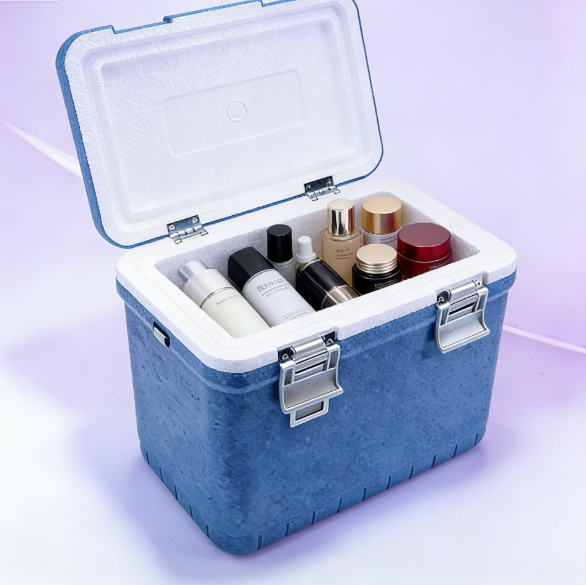
Cold Chain Packaging Sop: A Practical Framework for Shipment Control
cold chain packaging SOP should give a clear answer to one practical question: can this exact packaging configuration protect this product under the route and handling conditions you intend to use? The answer depends on requirements, packout discipline, thermal testing, logger data, and QA review. This optimized framework focuses on the steps that reduce false confidence before a shipment leaves the facility and reduce uncertainty when data is reviewed after delivery.
The decision behind the document
Every serious cold-chain packaging discussion eventually becomes a decision about acceptable risk. The document, report, checklist, or SOP is only useful if it helps the team answer whether the selected configuration is fit for the shipment. For cold chain packaging SOP, that means the product requirement, route conditions, packout method, monitoring plan, and review process must be described together. If any one piece is missing, the decision may look formal while still being fragile.
The framework should be simple enough for operations to use and detailed enough for QA to defend. It should avoid broad claims, but it should not become so cautious that no one can act. The goal is a controlled release pathway: what can be shipped, under which conditions, using which materials, by which procedure, and with what evidence.
This is why the strongest version of packout SOP, packaging work instruction, cold chain procedure connects technical and operational evidence. The package may have a laboratory result, but the warehouse needs a repeatable packout. The route may have a planned transit time, but QA needs to understand dwell risk. The logger may record a clean profile, but the release reviewer needs to know where it was placed and why.
Map requirements before asking for packaging
Start with requirements that do not depend on any supplier. Define the product temperature range, product sensitivity, payload range, expected order sizes, origin process, receiving process, and documentation needs. If the product is regulated, involve QA before supplier selection. If the lane is new, involve logistics before packout testing. If the product is freeze-sensitive, avoid designing only for warm protection.
The requirement map should also state what is unknown. Perhaps the customs dwell time is unpredictable. Perhaps the receiver cannot always inspect on the same day. Perhaps payload size varies widely. These uncertainties do not prevent progress; they tell the team where margin, monitoring, or additional evidence may be needed. A packaging system that fits a stable lane may need modification for an unstable one.
For quality teams, warehouse trainers, cold-chain supervisors, and procurement stakeholders, mapping requirements is also a way to manage internal alignment. Procurement can ask for relevant quotations, QA can define approval evidence, operations can prepare the work instruction, and logistics can flag route risks before the package is packed. The result is fewer late-stage surprises.
Build the test around handling reality
A test should challenge the same system that will be used in routine work: scope, responsibilities, materials list, conditioning instruction, packout sequence, logger setup, label check, timing rule, record form, training, deviation handling, and change control. That sounds obvious, yet many weak programs fail because the test is tidier than real operations. The test may use ideal conditioning, immediate dispatch, or a payload that is easier to pack than actual orders. If those conditions will not be repeated, the report should not be the only basis for release.
Handling reality includes human steps. How long can packs be out of conditioning before use? Where is the product staged? What happens when the carrier arrives early or late? Which side of the package faces up? How is the lid sealed? How is the logger activated and protected from direct contact with a cold source? These details should be tested or controlled because routine shipments depend on them.
The best test plan usually includes a reason for the profile selected. A standard thermal profile, historical lane data, or a seasonal lane profile can all be useful when the rationale is clear. A profile should not be chosen only because it is convenient or familiar. If a lane includes exceptional exposure, the team should decide whether the test should represent expected conditions, severe conditions, or both.
Evidence table: what each record can and cannot prove
| Evidence type | What it can support | What it cannot prove alone |
|---|---|---|
| Supplier datasheet | Materials, intended use, available sizes, handling notes, and design options. | It cannot prove performance for your route unless linked to test evidence. |
| Thermal test report | Performance of a defined configuration under defined test conditions. | It cannot guarantee every payload, season, operator variation, or route delay. |
| Packout SOP | Routine repeatability when operators follow the approved steps. | It cannot fix an unqualified configuration or wrong cold source conditioning. |
| Logger report | Recorded exposure at the sensor location during a shipment or test. | It cannot protect product or represent unmonitored locations automatically. |
| Route risk review | Dwell points, handovers, service constraints, and contingency needs. | It cannot replace package testing when product risk requires physical evidence. |
The table keeps expectations realistic. It also helps teams avoid assigning one record too much authority. A defensible cold-chain program is built by combining records, not by stretching a single document beyond its scope.
Use logger data to improve the process
Logger data should feed learning, not just release decisions. If several shipments warm near the end of a route, the route may need faster receiving or a stronger seasonal profile. If cold alarms appear near coolant contact points, the packout may need separation or different conditioning. If data is clean but product questions remain, the logger placement may be too sheltered. Each pattern can improve the packaging program.
To make that learning possible, logger placement must be documented. The report should state whether the logger monitored the product center, edge risk, lid area, or another defined location. Calibration status and alarm settings should be reviewed against the shipment's risk level. For high-value or sensitive products, multiple loggers may be considered during qualification, while routine shipments may use a smaller monitoring plan approved by QA.
Data review should also be timely. A package can arrive within range and still sit at the receiver before inspection. A logger can be downloaded after a delay and create uncertainty about when exposure occurred. Receiving procedures should define who retrieves the logger, when data is reviewed, what constitutes an alarm, and how deviations are escalated.
Procurement checks that reduce rework
Procurement can speed up a project by asking fewer generic questions and more precise ones. Ask the supplier which exact configuration was tested. Ask whether the stated capacity is gross internal volume or usable payload space after coolant and dividers. Ask whether the sample uses the same materials as production units. Ask what changes would require retesting or QA review. Ask what documentation can be provided without external links or unsupported claims.
For this topic, the most important buyer checks are: approved material list; cold source conditioning method; logger placement and activation; recordkeeping fields; and revision and training controls. Treat each as a decision point. If the answer is firm and documented, the project can move forward. If the answer is uncertain, write it into the risk review instead of burying it in the purchase file.
Procurement should also align with operations before scale-up. A sample packout that is difficult to reproduce may not survive daily warehouse pressure. A packaging option that depends on precise conditioning may need equipment capacity and staging controls. A reusable option may need cleaning, inspection, return logistics, and replacement parts. The lowest unit price is rarely the lowest risk if the configuration cannot be controlled.
When the current evidence is not enough
Additional review may be needed when the product range changes, the route changes, the season changes, the packaging material changes, the coolant quantity changes, or the operator process changes. None of these changes automatically means the package fails. They mean the previous evidence should be compared against the new condition. Change control is the bridge between useful evidence and routine operations.
A good change review starts with the risk described in this topic: a procedure exists, but it is too vague to prevent operators from using different coolant quantities, staging times, or logger positions. If the change affects that risk, the team may need a new trial, a documented rationale, an adjusted SOP, or more monitoring. If the change is minor and clearly outside the thermal function, it may be handled through normal document control. The key is to decide deliberately.
This is also the point where overclaiming does the most damage. A team that says a package is validated for everything may have no clear trigger for review. A team that defines the validated configuration and its limits can adapt without losing control.
Field controls that keep the decision usable
A controlled decision is easier to maintain when the field team knows which details are flexible and which are fixed. In cold chain packaging SOP, the fixed details usually include product temperature range, packout sequence, cold source state, logger placement, route assumption, and acceptance rule. Flexible details may include outer labels, secondary handling aids, or scheduling details that do not affect thermal performance. The difference should be documented rather than left to memory.
Training should be built around the points where mistakes are most likely. Operators need to know what a properly conditioned cold source looks like, where product can and cannot touch coolant, how long materials may wait before packing, and what to do when a component is unavailable. QA needs a record that shows the approved process was followed. Logistics needs to know when a route event becomes a deviation trigger.
The final field control is review. A program that never reads its logger trends, exception reports, or receiving notes will repeat the same weak point. A short periodic review can reveal whether one route, season, operator step, or packaging component is creating most of the risk. That review turns validation from a one-time file into a living control.
Receiving controls close the loop
The shipment is not finished when the carrier marks it delivered. For cold chain packaging SOP, the receiving team needs instructions that match the risk level of the product and lane. Those instructions may include checking package condition, locating and stopping the logger, downloading or preserving data, confirming whether the shipment arrived within the expected time window, and escalating any alarm or visible damage before the product is released.
A receiving step also protects the supplier and shipper conversation. If the package was opened late, stored in an unplanned area, or separated from the logger record, the investigation becomes harder. A simple receiving record can show whether the issue likely occurred during transport, after delivery, or during unpacking. That distinction matters for corrective action because each cause has a different owner.
The receiving process should be written in plain language. It should tell staff what to do when the data looks normal, what to do when an alarm appears, and what to do when data is missing. It should not leave the decision to the busiest person on the dock. When receiving controls are clear, the packaging evidence remains useful all the way through disposition.
Frequently Asked Questions
What makes cold chain packaging SOP defensible?
It becomes defensible when the evidence matches the actual shipment. The product requirement, payload, packout, ambient profile, route risk, logger plan, and acceptance criteria should be visible. A defensible decision also explains limitations and identifies what changes would require review.
What should be checked before scaling from sample to routine shipments?
Check that the sample uses the same materials as production, the packout is easy for operators to repeat, cold source conditioning equipment is available, the route assumptions still apply, and the SOP matches the tested configuration. Also confirm who reviews logger data and deviations after delivery.
When is additional testing needed?
Additional testing may be needed when the product range, payload, packaging material, coolant configuration, seasonal exposure, route, or handling process changes in a way that could affect thermal performance. The decision should be risk-based and documented by QA or the responsible product owner.
How can procurement avoid weak quotes?
Procurement can avoid weak quotes by providing product range, payload, route, duration expectations, packaging format, monitoring needs, and documentation requirements before asking for price. Quotes based on incomplete requirements may look fast but often lead to unsuitable samples, missing evidence, or rework.
Conclusion
The strongest cold chain packaging SOP framework connects requirement, route, packout, evidence, monitoring, and change control. It avoids universal claims and turns uncertain details into verification points. When each record is used for what it can actually prove, the team can approve shipments with more confidence and investigate deviations with less confusion.
About Tempk
About Tempk: Tempk supports buyers who need practical cold-chain packaging options and clearer packout decisions. Our packaging discussions can include insulated boxes, insulated bags, cold source planning, and pallet-level protection, but the starting point is always the shipment requirement. We help teams translate product range, route, payload, and documentation needs into a more useful packaging brief before samples or routine orders are considered.
Cold Chain Compliance Checklist: Practical Framework

Cold Chain Compliance Checklist: A Practical Framework for Shipment Control
cold chain compliance checklist should give a clear answer to one practical question: can this exact packaging configuration protect this product under the route and handling conditions you intend to use? The answer depends on requirements, packout discipline, thermal testing, logger data, and QA review. This optimized framework focuses on the steps that reduce false confidence before a shipment leaves the facility and reduce uncertainty when data is reviewed after delivery.
The decision behind the document
Every serious cold-chain packaging discussion eventually becomes a decision about acceptable risk. The document, report, checklist, or SOP is only useful if it helps the team answer whether the selected configuration is fit for the shipment. For cold chain compliance checklist, that means the product requirement, route conditions, packout method, monitoring plan, and review process must be described together. If any one piece is missing, the decision may look formal while still being fragile.
The framework should be simple enough for operations to use and detailed enough for QA to defend. It should avoid broad claims, but it should not become so cautious that no one can act. The goal is a controlled release pathway: what can be shipped, under which conditions, using which materials, by which procedure, and with what evidence.
This is why the strongest version of shipment readiness checklist, QA checklist, RFQ checklist connects technical and operational evidence. The package may have a laboratory result, but the warehouse needs a repeatable packout. The route may have a planned transit time, but QA needs to understand dwell risk. The logger may record a clean profile, but the release reviewer needs to know where it was placed and why.
Map requirements before asking for packaging
Start with requirements that do not depend on any supplier. Define the product temperature range, product sensitivity, payload range, expected order sizes, origin process, receiving process, and documentation needs. If the product is regulated, involve QA before supplier selection. If the lane is new, involve logistics before packout testing. If the product is freeze-sensitive, avoid designing only for warm protection.
The requirement map should also state what is unknown. Perhaps the customs dwell time is unpredictable. Perhaps the receiver cannot always inspect on the same day. Perhaps payload size varies widely. These uncertainties do not prevent progress; they tell the team where margin, monitoring, or additional evidence may be needed. A packaging system that fits a stable lane may need modification for an unstable one.
For procurement teams, QA reviewers, logistics managers, and supplier qualification teams, mapping requirements is also a way to manage internal alignment. Procurement can ask for relevant quotations, QA can define approval evidence, operations can prepare the work instruction, and logistics can flag route risks before the package is packed. The result is fewer late-stage surprises.
Build the test around handling reality
A test should challenge the same system that will be used in routine work: product range, route, packaging report, SOP, logger plan, labels, documents, carrier booking, receiving readiness, deviation process, and supplier evidence. That sounds obvious, yet many weak programs fail because the test is tidier than real operations. The test may use ideal conditioning, immediate dispatch, or a payload that is easier to pack than actual orders. If those conditions will not be repeated, the report should not be the only basis for release.
Handling reality includes human steps. How long can packs be out of conditioning before use? Where is the product staged? What happens when the carrier arrives early or late? Which side of the package faces up? How is the lid sealed? How is the logger activated and protected from direct contact with a cold source? These details should be tested or controlled because routine shipments depend on them.
The best test plan usually includes a reason for the profile selected. A standard thermal profile, historical lane data, or a seasonal lane profile can all be useful when the rationale is clear. A profile should not be chosen only because it is convenient or familiar. If a lane includes exceptional exposure, the team should decide whether the test should represent expected conditions, severe conditions, or both.
Evidence table: what each record can and cannot prove
| Evidence type | What it can support | What it cannot prove alone |
|---|---|---|
| Supplier datasheet | Materials, intended use, available sizes, handling notes, and design options. | It cannot prove performance for your route unless linked to test evidence. |
| Thermal test report | Performance of a defined configuration under defined test conditions. | It cannot guarantee every payload, season, operator variation, or route delay. |
| Packout SOP | Routine repeatability when operators follow the approved steps. | It cannot fix an unqualified configuration or wrong cold source conditioning. |
| Logger report | Recorded exposure at the sensor location during a shipment or test. | It cannot protect product or represent unmonitored locations automatically. |
| Route risk review | Dwell points, handovers, service constraints, and contingency needs. | It cannot replace package testing when product risk requires physical evidence. |
The table keeps expectations realistic. It also helps teams avoid assigning one record too much authority. A defensible cold-chain program is built by combining records, not by stretching a single document beyond its scope.
Use logger data to improve the process
Logger data should feed learning, not just release decisions. If several shipments warm near the end of a route, the route may need faster receiving or a stronger seasonal profile. If cold alarms appear near coolant contact points, the packout may need separation or different conditioning. If data is clean but product questions remain, the logger placement may be too sheltered. Each pattern can improve the packaging program.
To make that learning possible, logger placement must be documented. The report should state whether the logger monitored the product center, edge risk, lid area, or another defined location. Calibration status and alarm settings should be reviewed against the shipment's risk level. For high-value or sensitive products, multiple loggers may be considered during qualification, while routine shipments may use a smaller monitoring plan approved by QA.
Data review should also be timely. A package can arrive within range and still sit at the receiver before inspection. A logger can be downloaded after a delay and create uncertainty about when exposure occurred. Receiving procedures should define who retrieves the logger, when data is reviewed, what constitutes an alarm, and how deviations are escalated.
Procurement checks that reduce rework
Procurement can speed up a project by asking fewer generic questions and more precise ones. Ask the supplier which exact configuration was tested. Ask whether the stated capacity is gross internal volume or usable payload space after coolant and dividers. Ask whether the sample uses the same materials as production units. Ask what changes would require retesting or QA review. Ask what documentation can be provided without external links or unsupported claims.
For this topic, the most important buyer checks are: product and lane requirements; supplier report and test basis; SOP and training status; logger and label plan; and deviation ownership. Treat each as a decision point. If the answer is firm and documented, the project can move forward. If the answer is uncertain, write it into the risk review instead of burying it in the purchase file.
Procurement should also align with operations before scale-up. A sample packout that is difficult to reproduce may not survive daily warehouse pressure. A packaging option that depends on precise conditioning may need equipment capacity and staging controls. A reusable option may need cleaning, inspection, return logistics, and replacement parts. The lowest unit price is rarely the lowest risk if the configuration cannot be controlled.
When the current evidence is not enough
Additional review may be needed when the product range changes, the route changes, the season changes, the packaging material changes, the coolant quantity changes, or the operator process changes. None of these changes automatically means the package fails. They mean the previous evidence should be compared against the new condition. Change control is the bridge between useful evidence and routine operations.
A good change review starts with the risk described in this topic: the team asks for a quote before it knows the product range, payload, lane risk, report expectations, or who will review excursion data. If the change affects that risk, the team may need a new trial, a documented rationale, an adjusted SOP, or more monitoring. If the change is minor and clearly outside the thermal function, it may be handled through normal document control. The key is to decide deliberately.
This is also the point where overclaiming does the most damage. A team that says a package is validated for everything may have no clear trigger for review. A team that defines the validated configuration and its limits can adapt without losing control.
Field controls that keep the decision usable
A controlled decision is easier to maintain when the field team knows which details are flexible and which are fixed. In cold chain compliance checklist, the fixed details usually include product temperature range, packout sequence, cold source state, logger placement, route assumption, and acceptance rule. Flexible details may include outer labels, secondary handling aids, or scheduling details that do not affect thermal performance. The difference should be documented rather than left to memory.
Training should be built around the points where mistakes are most likely. Operators need to know what a properly conditioned cold source looks like, where product can and cannot touch coolant, how long materials may wait before packing, and what to do when a component is unavailable. QA needs a record that shows the approved process was followed. Logistics needs to know when a route event becomes a deviation trigger.
The final field control is review. A program that never reads its logger trends, exception reports, or receiving notes will repeat the same weak point. A short periodic review can reveal whether one route, season, operator step, or packaging component is creating most of the risk. That review turns validation from a one-time file into a living control.
Receiving controls close the loop
The shipment is not finished when the carrier marks it delivered. For cold chain compliance checklist, the receiving team needs instructions that match the risk level of the product and lane. Those instructions may include checking package condition, locating and stopping the logger, downloading or preserving data, confirming whether the shipment arrived within the expected time window, and escalating any alarm or visible damage before the product is released.
A receiving step also protects the supplier and shipper conversation. If the package was opened late, stored in an unplanned area, or separated from the logger record, the investigation becomes harder. A simple receiving record can show whether the issue likely occurred during transport, after delivery, or during unpacking. That distinction matters for corrective action because each cause has a different owner.
The receiving process should be written in plain language. It should tell staff what to do when the data looks normal, what to do when an alarm appears, and what to do when data is missing. It should not leave the decision to the busiest person on the dock. When receiving controls are clear, the packaging evidence remains useful all the way through disposition.
Frequently Asked Questions
What makes cold chain compliance checklist defensible?
It becomes defensible when the evidence matches the actual shipment. The product requirement, payload, packout, ambient profile, route risk, logger plan, and acceptance criteria should be visible. A defensible decision also explains limitations and identifies what changes would require review.
What should be checked before scaling from sample to routine shipments?
Check that the sample uses the same materials as production, the packout is easy for operators to repeat, cold source conditioning equipment is available, the route assumptions still apply, and the SOP matches the tested configuration. Also confirm who reviews logger data and deviations after delivery.
When is additional testing needed?
Additional testing may be needed when the product range, payload, packaging material, coolant configuration, seasonal exposure, route, or handling process changes in a way that could affect thermal performance. The decision should be risk-based and documented by QA or the responsible product owner.
How can procurement avoid weak quotes?
Procurement can avoid weak quotes by providing product range, payload, route, duration expectations, packaging format, monitoring needs, and documentation requirements before asking for price. Quotes based on incomplete requirements may look fast but often lead to unsuitable samples, missing evidence, or rework.
Conclusion
The strongest cold chain compliance checklist framework connects requirement, route, packout, evidence, monitoring, and change control. It avoids universal claims and turns uncertain details into verification points. When each record is used for what it can actually prove, the team can approve shipments with more confidence and investigate deviations with less confusion.
About Tempk
About Tempk: Tempk supports buyers who need practical cold-chain packaging options and clearer packout decisions. Our packaging discussions can include insulated boxes, insulated bags, cold source planning, and pallet-level protection, but the starting point is always the shipment requirement. We help teams translate product range, route, payload, and documentation needs into a more useful packaging brief before samples or routine orders are considered.
Temperature Logger Placement Cold Chain: Practical Framework
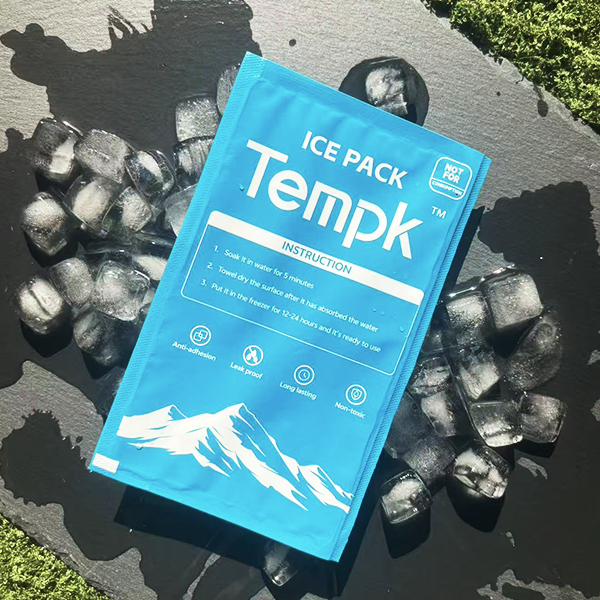
Temperature Logger Placement Cold Chain: A Practical Framework for Shipment Control
temperature logger placement cold chain should give a clear answer to one practical question: can this exact packaging configuration protect this product under the route and handling conditions you intend to use? The answer depends on requirements, packout discipline, thermal testing, logger data, and QA review. This optimized framework focuses on the steps that reduce false confidence before a shipment leaves the facility and reduce uncertainty when data is reviewed after delivery.
The decision behind the document
Every serious cold-chain packaging discussion eventually becomes a decision about acceptable risk. The document, report, checklist, or SOP is only useful if it helps the team answer whether the selected configuration is fit for the shipment. For temperature logger placement cold chain, that means the product requirement, route conditions, packout method, monitoring plan, and review process must be described together. If any one piece is missing, the decision may look formal while still being fragile.
The framework should be simple enough for operations to use and detailed enough for QA to defend. It should avoid broad claims, but it should not become so cautious that no one can act. The goal is a controlled release pathway: what can be shipped, under which conditions, using which materials, by which procedure, and with what evidence.
This is why the strongest version of data logger placement, temperature probe placement connects technical and operational evidence. The package may have a laboratory result, but the warehouse needs a repeatable packout. The route may have a planned transit time, but QA needs to understand dwell risk. The logger may record a clean profile, but the release reviewer needs to know where it was placed and why.
Map requirements before asking for packaging
Start with requirements that do not depend on any supplier. Define the product temperature range, product sensitivity, payload range, expected order sizes, origin process, receiving process, and documentation needs. If the product is regulated, involve QA before supplier selection. If the lane is new, involve logistics before packout testing. If the product is freeze-sensitive, avoid designing only for warm protection.
The requirement map should also state what is unknown. Perhaps the customs dwell time is unpredictable. Perhaps the receiver cannot always inspect on the same day. Perhaps payload size varies widely. These uncertainties do not prevent progress; they tell the team where margin, monitoring, or additional evidence may be needed. A packaging system that fits a stable lane may need modification for an unstable one.
For QA reviewers, warehouse operators, logistics coordinators, and packaging engineers, mapping requirements is also a way to manage internal alignment. Procurement can ask for relevant quotations, QA can define approval evidence, operations can prepare the work instruction, and logistics can flag route risks before the package is packed. The result is fewer late-stage surprises.
Build the test around handling reality
A test should challenge the same system that will be used in routine work: logger type, sensing location, calibration status, start time, protective pouch, probe position, product mass, coolant location, and data review rule. That sounds obvious, yet many weak programs fail because the test is tidier than real operations. The test may use ideal conditioning, immediate dispatch, or a payload that is easier to pack than actual orders. If those conditions will not be repeated, the report should not be the only basis for release.
Handling reality includes human steps. How long can packs be out of conditioning before use? Where is the product staged? What happens when the carrier arrives early or late? Which side of the package faces up? How is the lid sealed? How is the logger activated and protected from direct contact with a cold source? These details should be tested or controlled because routine shipments depend on them.
The best test plan usually includes a reason for the profile selected. A standard thermal profile, historical lane data, or a seasonal lane profile can all be useful when the rationale is clear. A profile should not be chosen only because it is convenient or familiar. If a lane includes exceptional exposure, the team should decide whether the test should represent expected conditions, severe conditions, or both.
Evidence table: what each record can and cannot prove
| Evidence type | What it can support | What it cannot prove alone |
|---|---|---|
| Supplier datasheet | Materials, intended use, available sizes, handling notes, and design options. | It cannot prove performance for your route unless linked to test evidence. |
| Thermal test report | Performance of a defined configuration under defined test conditions. | It cannot guarantee every payload, season, operator variation, or route delay. |
| Packout SOP | Routine repeatability when operators follow the approved steps. | It cannot fix an unqualified configuration or wrong cold source conditioning. |
| Logger report | Recorded exposure at the sensor location during a shipment or test. | It cannot protect product or represent unmonitored locations automatically. |
| Route risk review | Dwell points, handovers, service constraints, and contingency needs. | It cannot replace package testing when product risk requires physical evidence. |
The table keeps expectations realistic. It also helps teams avoid assigning one record too much authority. A defensible cold-chain program is built by combining records, not by stretching a single document beyond its scope.
Use logger data to improve the process
Logger data should feed learning, not just release decisions. If several shipments warm near the end of a route, the route may need faster receiving or a stronger seasonal profile. If cold alarms appear near coolant contact points, the packout may need separation or different conditioning. If data is clean but product questions remain, the logger placement may be too sheltered. Each pattern can improve the packaging program.
To make that learning possible, logger placement must be documented. The report should state whether the logger monitored the product center, edge risk, lid area, or another defined location. Calibration status and alarm settings should be reviewed against the shipment's risk level. For high-value or sensitive products, multiple loggers may be considered during qualification, while routine shipments may use a smaller monitoring plan approved by QA.
Data review should also be timely. A package can arrive within range and still sit at the receiver before inspection. A logger can be downloaded after a delay and create uncertainty about when exposure occurred. Receiving procedures should define who retrieves the logger, when data is reviewed, what constitutes an alarm, and how deviations are escalated.
Procurement checks that reduce rework
Procurement can speed up a project by asking fewer generic questions and more precise ones. Ask the supplier which exact configuration was tested. Ask whether the stated capacity is gross internal volume or usable payload space after coolant and dividers. Ask whether the sample uses the same materials as production units. Ask what changes would require retesting or QA review. Ask what documentation can be provided without external links or unsupported claims.
For this topic, the most important buyer checks are: sensor location and orientation; calibration certificate or status; start and stop procedure; alarm thresholds; and how data will be used for release decisions. Treat each as a decision point. If the answer is firm and documented, the project can move forward. If the answer is uncertain, write it into the risk review instead of burying it in the purchase file.
Procurement should also align with operations before scale-up. A sample packout that is difficult to reproduce may not survive daily warehouse pressure. A packaging option that depends on precise conditioning may need equipment capacity and staging controls. A reusable option may need cleaning, inspection, return logistics, and replacement parts. The lowest unit price is rarely the lowest risk if the configuration cannot be controlled.
When the current evidence is not enough
Additional review may be needed when the product range changes, the route changes, the season changes, the packaging material changes, the coolant quantity changes, or the operator process changes. None of these changes automatically means the package fails. They mean the previous evidence should be compared against the new condition. Change control is the bridge between useful evidence and routine operations.
A good change review starts with the risk described in this topic: a logger records an acceptable temperature because it is protected by a gel pack while product units at the edge or top of the payload experience a different condition. If the change affects that risk, the team may need a new trial, a documented rationale, an adjusted SOP, or more monitoring. If the change is minor and clearly outside the thermal function, it may be handled through normal document control. The key is to decide deliberately.
This is also the point where overclaiming does the most damage. A team that says a package is validated for everything may have no clear trigger for review. A team that defines the validated configuration and its limits can adapt without losing control.
Field controls that keep the decision usable
A controlled decision is easier to maintain when the field team knows which details are flexible and which are fixed. In temperature logger placement cold chain, the fixed details usually include product temperature range, packout sequence, cold source state, logger placement, route assumption, and acceptance rule. Flexible details may include outer labels, secondary handling aids, or scheduling details that do not affect thermal performance. The difference should be documented rather than left to memory.
Training should be built around the points where mistakes are most likely. Operators need to know what a properly conditioned cold source looks like, where product can and cannot touch coolant, how long materials may wait before packing, and what to do when a component is unavailable. QA needs a record that shows the approved process was followed. Logistics needs to know when a route event becomes a deviation trigger.
The final field control is review. A program that never reads its logger trends, exception reports, or receiving notes will repeat the same weak point. A short periodic review can reveal whether one route, season, operator step, or packaging component is creating most of the risk. That review turns validation from a one-time file into a living control.
Receiving controls close the loop
The shipment is not finished when the carrier marks it delivered. For temperature logger placement cold chain, the receiving team needs instructions that match the risk level of the product and lane. Those instructions may include checking package condition, locating and stopping the logger, downloading or preserving data, confirming whether the shipment arrived within the expected time window, and escalating any alarm or visible damage before the product is released.
A receiving step also protects the supplier and shipper conversation. If the package was opened late, stored in an unplanned area, or separated from the logger record, the investigation becomes harder. A simple receiving record can show whether the issue likely occurred during transport, after delivery, or during unpacking. That distinction matters for corrective action because each cause has a different owner.
The receiving process should be written in plain language. It should tell staff what to do when the data looks normal, what to do when an alarm appears, and what to do when data is missing. It should not leave the decision to the busiest person on the dock. When receiving controls are clear, the packaging evidence remains useful all the way through disposition.
Frequently Asked Questions
What makes temperature logger placement cold chain defensible?
It becomes defensible when the evidence matches the actual shipment. The product requirement, payload, packout, ambient profile, route risk, logger plan, and acceptance criteria should be visible. A defensible decision also explains limitations and identifies what changes would require review.
What should be checked before scaling from sample to routine shipments?
Check that the sample uses the same materials as production, the packout is easy for operators to repeat, cold source conditioning equipment is available, the route assumptions still apply, and the SOP matches the tested configuration. Also confirm who reviews logger data and deviations after delivery.
When is additional testing needed?
Additional testing may be needed when the product range, payload, packaging material, coolant configuration, seasonal exposure, route, or handling process changes in a way that could affect thermal performance. The decision should be risk-based and documented by QA or the responsible product owner.
How can procurement avoid weak quotes?
Procurement can avoid weak quotes by providing product range, payload, route, duration expectations, packaging format, monitoring needs, and documentation requirements before asking for price. Quotes based on incomplete requirements may look fast but often lead to unsuitable samples, missing evidence, or rework.
Conclusion
The strongest temperature logger placement cold chain framework connects requirement, route, packout, evidence, monitoring, and change control. It avoids universal claims and turns uncertain details into verification points. When each record is used for what it can actually prove, the team can approve shipments with more confidence and investigate deviations with less confusion.
About Tempk
About Tempk: Tempk supports buyers who need practical cold-chain packaging options and clearer packout decisions. Our packaging discussions can include insulated boxes, insulated bags, cold source planning, and pallet-level protection, but the starting point is always the shipment requirement. We help teams translate product range, route, payload, and documentation needs into a more useful packaging brief before samples or routine orders are considered.