


Gel Packs Vs Pcm Packs: Practical Cold Chain Buyer Guide
Gel Packs Vs Pcm Packs: Practical Cold Chain Buyer Guide
Gel Packs Vs Pcm Packs: Practical Buyer and Packout Guide
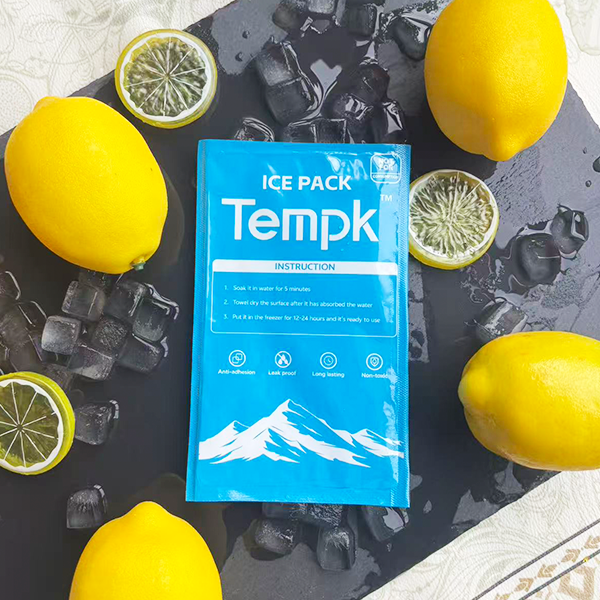
gel packs vs PCM packs should be selected only after the required temperature range, route duration, payload, and handling risks are clear. The product name alone cannot tell you whether it will protect chilled food, refrigerated medicine, frozen seafood, or lab samples. A practical buying process checks the refrigerant, the insulated shipper, the conditioning method, and the evidence you need after delivery. This optimized guide combines product education, material behavior, procurement checks, and field-level packout advice into one decision path.
The Short Decision Rule
Use gel packs vs PCM packs only when it matches the product's temperature requirement, the route risk, and the operating process that will prepare and pack it. That rule sounds basic, but it prevents most wrong purchases. It keeps the buyer from assuming that a cold component automatically creates a qualified cold-chain system. It also encourages the team to define what must be proven before scaling: product range, shipper type, conditioning method, placement, transit duration, ambient exposure, and receiving evidence.
The first boundary is simple: gel packs and PCM packs are refrigerants, not complete shipping systems; the final performance depends on insulation, conditioning, payload, and route exposure. This distinction matters because many cold-chain problems are blamed on the pack when the real cause is an under-insulated box, poor staging, unexpected route delay, or a payload that should never have been placed next to an over-cold surface. In a passive system, cooling media buys time; it does not create an unlimited temperature guarantee. That is why the buyer should treat the refrigerant, insulation, payload arrangement, and handling instructions as one packout rather than separate line items.
Choose by Temperature Range, Duration, and Handling Risk
Regulated and high-value shipments also need cautious wording. Many refrigerated vaccines and medicines are planned around a 2°C to 8°C range, but the correct range must come from the product specification, manufacturer instructions, or quality team. For air transport of temperature-sensitive healthcare cargo, IATA practices and carrier requirements may affect labels, documentation, and handling. Good distribution practice in pharmaceutical logistics often expects temperature conditions to be maintained and records to be available, but requirements vary by product, market, route, and contract. For food shipments, HACCP-style thinking is useful because it focuses attention on hazards, control points, monitoring, and corrective action instead of relying on a cold pack as a substitute for process control.
A practical decision sequence starts with the product rather than the pack. First, confirm whether the product must stay refrigerated, chilled, frozen, or within another controlled range. Second, define the real route, including handovers and possible delays. Third, choose a refrigerant and insulated shipper that can be tested or justified for that route. Finally, decide what proof is needed after delivery. This order of thinking keeps purchasing, warehouse, and quality teams aligned.
How the Cooling Media Behaves in the Box
Cooling media works by absorbing heat from the space around it and slowing the rise of product temperature. Water-based gels, rigid ice bricks, and phase-change materials all use thermal mass, but they are not interchangeable. A gel pack may provide flexible contact and broad cooling capacity. A rigid brick may keep a clean shape and simplify repeated handling. A PCM pack is designed around a phase-change point, so it can be useful when the payload needs a narrower temperature window. Dry ice is different again because it is solid carbon dioxide and sublimates into gas at an extremely low temperature, which creates both cooling power and safety obligations. The right choice depends on the product's tolerance, not on which component looks colder.
Conditioning is the step that turns a refrigerant from inventory into a usable cold-chain component. For gel packs, this may involve freezing, arranging packs so cold air can reach them, and staging them so they do not warm before packing. For PCM packs, conditioning should follow the supplier's instructions because the material must reach the right phase state for the target window. For rigid bricks, freezer loading and airflow matter because a brick with a cold surface and a warm core may look ready but perform inconsistently. The packing team should know whether the product can touch the refrigerant directly, whether separation is needed, and how long packs can sit at the packing table before use.
Confirm the Packout, Not Only the Component
| Question to answer | Good sign | Concern to investigate |
|---|---|---|
| What temperature range must the product stay within? | The range is confirmed by product owner or quality team | The range is guessed from a previous shipment |
| How long and where will the package be exposed? | Route, handovers, and delays are considered | Only ideal transit time is used |
| How is the refrigerant conditioned? | Staff have a repeatable instruction | Packs are selected by appearance or feel |
| Does the supplier specification match the sample? | Dimensions, fill, film, and packing are written | Sample and production details are vague |
| What proof is needed after delivery? | Logger and receiving review are planned when needed | Data is added only after a complaint |
These questions are designed for buyers who need a practical approval path. If a supplier can answer them clearly, you have a better basis for sample review and trial shipping. If the answers are vague, the risk has not disappeared; it has simply moved into the warehouse.
Procurement Checks Before Scaling Up
A useful purchase specification should cover target temperature range, phase-change point, conditioning procedure, payload sensitivity, and documentation requirements. These details are not paperwork for its own sake. They determine whether the sample in your hand will match the units that arrive in production cartons, whether the warehouse can condition enough packs before the morning cut-off, and whether the packout still leaves usable space for the product. If the order includes private label printing or a custom shape, approve the physical sample before approving artwork. A good supplier conversation is specific enough that two people in different departments would pack the same box in the same way.
- Keep one written version of the approved specification and update it only through a controlled change.
- Review actual freezer, staging, and packing capacity before increasing order volume.
- Confirm how printed or custom units will be inspected before shipment.
- Ask whether the stated performance is based on the same shipper and payload you plan to use.
- Decide who reviews logger data or delivery feedback when a route is new.
Common Failure Points at Handover
The most common mistake is using a frozen gel pack near a freeze-sensitive product because it looked cheaper than a PCM pack. Another is treating a supplier's generic recommendation as a validated result for your route. A third is changing a component after a successful trial without asking what else must be retested or reviewed. Small changes can matter: a new box wall thickness, a different gel pack weight, a revised printed film, a higher payload, or a longer time on a loading dock can all change the thermal balance. When a cold-chain team records these changes, it becomes easier to repeat what works and investigate what fails.
Consider three ordinary situations: chilled seafood in insulated cartons, 2°C to 8°C pharmaceutical shipments, and e-commerce perishables with short transit windows. Each may use similar-looking cooling media, but each has a different risk profile. The first may care most about packing speed and customer presentation. The second may need a tidy, repeatable carton plan that survives export handling. The third may need stronger documentation because product release depends on receiving evidence. When the same pack is moved from one situation to another without retesting or at least reviewing the assumptions, the buyer can easily mistake a previous success for a universal rule.
A Practical Example for Buyers
For example, a distributor may ship chilled medical supplies on one route and premium food boxes on another. Both lanes may use insulated shippers, but the first may require tighter documentation and more conservative temperature control, while the second may prioritize presentation, condensation control, and delivery-day freshness. The distributor should not assume that one refrigerant type or pack quantity works across both lanes. A lane-specific review helps avoid overcooling, undercooling, and unnecessary packaging cost.
Monitoring and Review
Evidence matters most after something goes wrong, but it should be planned before the order is placed. Ask what test data, supplier datasheet, conditioning instruction, or packout record supports the claim you are relying on. If the supplier states a hold time, check the ambient profile, payload, insulation, coolant count, and acceptance range used in that test. If a temperature data logger is included, remember that it records exposure; it does not protect the product. Data is most useful when the sensor position, logging interval, alarm threshold, and receiving review process are defined before the shipment leaves the warehouse.
Sustainability goals are increasingly part of cold-chain purchasing, but they must be connected to operations. A reusable pack can reduce single-use waste only when the route supports return, inspection, cleaning, refreezing, and loss control. A lighter water-injection format can reduce inbound shipping weight, but it shifts labor and quality control to the user. A higher-performing PCM pack may reduce excursions on a sensitive route, but it may also require stricter conditioning discipline. The most sustainable choice is the one that protects the product without creating avoidable waste, returns chaos, or repeated shipment failures.
FAQ
Is gel packs vs PCM packs enough to protect a temperature-sensitive shipment?
gel packs vs PCM packs can be part of the protection plan, but it is not enough by itself. The insulated box, payload mass, route duration, ambient exposure, conditioning method, and placement all affect performance. For regulated or high-value goods, buyers should review supplier data, perform a route-appropriate trial, and use monitoring when documentation is required.
How is a PCM pack different from a normal gel pack?
A PCM pack is designed around a phase-change behavior that supports a target temperature zone when conditioned correctly. A normal gel pack may provide broad cooling capacity but may not hold a narrow range as predictably. The right choice depends on the required product range and packout validation.
Can one packout work for food, pharma, and lab samples?
Sometimes a similar packout can work across related products, but it should not be assumed. Food shipments may focus on freshness and presentation, while pharmaceutical and lab shipments may need tighter documentation, defined temperature ranges, and stronger receiving review. Product sensitivity and lane conditions should drive the decision.
How do I know whether I need a data logger?
Use a data logger when you need evidence of temperature exposure, when the product value is high, when the receiving team requires records, or when a route is new or risky. The logger does not cool the package. It helps you see whether the packout and handling process worked as expected.
What is the biggest error buyers make?
The biggest error is treating gel packs vs PCM packs as a commodity and ordering by price before defining the shipment. A low-cost pack can become expensive if it leaks, does not fit the box, overcools a freeze-sensitive product, or cannot be conditioned in time for daily outbound volume.
Conclusion
The practical conclusion is that gel packs vs PCM packs should be chosen as part of a complete cold-chain plan. Start with the product's required temperature range, then define route duration, ambient exposure, payload, insulation, conditioning, and documentation needs. Compare suppliers by the clarity of their specification, sample consistency, and ability to discuss your packout rather than by unit price alone. A refrigerant cannot compensate for an undersized box, poor conditioning, or a route that exceeds the tested thermal profile. When these checks are made early, the order is easier to scale and the receiving team has fewer surprises.
About Tempk
Tempk supports cold-chain packaging buyers who need practical refrigerant and packout options for food, biopharma, and other temperature-sensitive shipments. Our work includes gel ice packs, ice bricks, hydrated dry-ice-style packs, PCM-related cold packs, and related insulated packaging discussions. For gel packs and PCM packs comparison, we focus on matching the component to the route, payload, conditioning process, and purchasing stage. We avoid treating a cold pack as a universal promise; instead, we help buyers define the questions that should be answered before samples, bulk orders, or custom packaging move forward.
CTA
Share your product type, target temperature range, route duration, box format, and expected order volume with Tempk to compare suitable gel packs vs PCM packs options. If you are moving from sample approval to bulk ordering, ask for a recommendation that considers packout fit as well as the component itself.
Gel Ice Pack Manufacturer Global: Practical Cold Chain Buyer Guide

Gel Ice Pack Manufacturer Global: Practical Buyer and Packout Guide
gel ice pack manufacturer global should be selected only after the required temperature range, route duration, payload, and handling risks are clear. The product name alone cannot tell you whether it will protect chilled food, refrigerated medicine, frozen seafood, or lab samples. A practical buying process checks the refrigerant, the insulated shipper, the conditioning method, and the evidence you need after delivery. This optimized guide combines product education, material behavior, procurement checks, and field-level packout advice into one decision path.
The Short Decision Rule
Use gel ice pack manufacturer global only when it matches the product's temperature requirement, the route risk, and the operating process that will prepare and pack it. That rule sounds basic, but it prevents most wrong purchases. It keeps the buyer from assuming that a cold component automatically creates a qualified cold-chain system. It also encourages the team to define what must be proven before scaling: product range, shipper type, conditioning method, placement, transit duration, ambient exposure, and receiving evidence.
The first boundary is simple: a manufacturer can supply components, but the buyer still needs to verify product fit, packout design, export requirements, and quality consistency. This distinction matters because many cold-chain problems are blamed on the pack when the real cause is an under-insulated box, poor staging, unexpected route delay, or a payload that should never have been placed next to an over-cold surface. In a passive system, cooling media buys time; it does not create an unlimited temperature guarantee. That is why the buyer should treat the refrigerant, insulation, payload arrangement, and handling instructions as one packout rather than separate line items.
Choose by Temperature Range, Duration, and Handling Risk
Regulated and high-value shipments also need cautious wording. Many refrigerated vaccines and medicines are planned around a 2°C to 8°C range, but the correct range must come from the product specification, manufacturer instructions, or quality team. For air transport of temperature-sensitive healthcare cargo, IATA practices and carrier requirements may affect labels, documentation, and handling. Good distribution practice in pharmaceutical logistics often expects temperature conditions to be maintained and records to be available, but requirements vary by product, market, route, and contract. For food shipments, HACCP-style thinking is useful because it focuses attention on hazards, control points, monitoring, and corrective action instead of relying on a cold pack as a substitute for process control.
A practical decision sequence starts with the product rather than the pack. First, confirm whether the product must stay refrigerated, chilled, frozen, or within another controlled range. Second, define the real route, including handovers and possible delays. Third, choose a refrigerant and insulated shipper that can be tested or justified for that route. Finally, decide what proof is needed after delivery. This order of thinking keeps purchasing, warehouse, and quality teams aligned.
How the Cooling Media Behaves in the Box
Cooling media works by absorbing heat from the space around it and slowing the rise of product temperature. Water-based gels, rigid ice bricks, and phase-change materials all use thermal mass, but they are not interchangeable. A gel pack may provide flexible contact and broad cooling capacity. A rigid brick may keep a clean shape and simplify repeated handling. A PCM pack is designed around a phase-change point, so it can be useful when the payload needs a narrower temperature window. Dry ice is different again because it is solid carbon dioxide and sublimates into gas at an extremely low temperature, which creates both cooling power and safety obligations. The right choice depends on the product's tolerance, not on which component looks colder.
Conditioning is the step that turns a refrigerant from inventory into a usable cold-chain component. For gel packs, this may involve freezing, arranging packs so cold air can reach them, and staging them so they do not warm before packing. For PCM packs, conditioning should follow the supplier's instructions because the material must reach the right phase state for the target window. For rigid bricks, freezer loading and airflow matter because a brick with a cold surface and a warm core may look ready but perform inconsistently. The packing team should know whether the product can touch the refrigerant directly, whether separation is needed, and how long packs can sit at the packing table before use.
Confirm the Packout, Not Only the Component
| Question to answer | Good sign | Concern to investigate |
|---|---|---|
| What temperature range must the product stay within? | The range is confirmed by product owner or quality team | The range is guessed from a previous shipment |
| How long and where will the package be exposed? | Route, handovers, and delays are considered | Only ideal transit time is used |
| How is the refrigerant conditioned? | Staff have a repeatable instruction | Packs are selected by appearance or feel |
| Does the supplier specification match the sample? | Dimensions, fill, film, and packing are written | Sample and production details are vague |
| What proof is needed after delivery? | Logger and receiving review are planned when needed | Data is added only after a complaint |
These questions are designed for buyers who need a practical approval path. If a supplier can answer them clearly, you have a better basis for sample review and trial shipping. If the answers are vague, the risk has not disappeared; it has simply moved into the warehouse.
Procurement Checks Before Scaling Up
A useful purchase specification should cover manufacturing capability, material selection, sample repeatability, export packing, and change control. These details are not paperwork for its own sake. They determine whether the sample in your hand will match the units that arrive in production cartons, whether the warehouse can condition enough packs before the morning cut-off, and whether the packout still leaves usable space for the product. If the order includes private label printing or a custom shape, approve the physical sample before approving artwork. A good supplier conversation is specific enough that two people in different departments would pack the same box in the same way.
- Keep one written version of the approved specification and update it only through a controlled change.
- Review actual freezer, staging, and packing capacity before increasing order volume.
- Confirm how printed or custom units will be inspected before shipment.
- Ask whether the stated performance is based on the same shipper and payload you plan to use.
- Decide who reviews logger data or delivery feedback when a route is new.
Common Failure Points at Handover
The most common mistake is choosing the supplier with the fastest quote while leaving film, gel formula, artwork, and carton requirements undefined. Another is treating a supplier's generic recommendation as a validated result for your route. A third is changing a component after a successful trial without asking what else must be retested or reviewed. Small changes can matter: a new box wall thickness, a different gel pack weight, a revised printed film, a higher payload, or a longer time on a loading dock can all change the thermal balance. When a cold-chain team records these changes, it becomes easier to repeat what works and investigate what fails.
Consider three ordinary situations: a distributor adding a private-label cold pack line, an online grocery brand expanding into a new region, and a lab supplier comparing overseas vendors. Each may use similar-looking cooling media, but each has a different risk profile. The first may care most about packing speed and customer presentation. The second may need a tidy, repeatable carton plan that survives export handling. The third may need stronger documentation because product release depends on receiving evidence. When the same pack is moved from one situation to another without retesting or at least reviewing the assumptions, the buyer can easily mistake a previous success for a universal rule.
A Practical Example for Buyers
For example, a procurement team may approve a sample that performs well in a small trial, then order a container of production units with printed film and a different master carton arrangement. The product still looks similar, but the freeze time, handling feel, and packout fit can change if fill weight, film thickness, or carton compression changes. Before scaling up, the buyer should confirm that the approved sample, production specification, artwork, carton packing, and receiving inspection all describe the same product.
Monitoring and Review
Evidence matters most after something goes wrong, but it should be planned before the order is placed. Ask what test data, supplier datasheet, conditioning instruction, or packout record supports the claim you are relying on. If the supplier states a hold time, check the ambient profile, payload, insulation, coolant count, and acceptance range used in that test. If a temperature data logger is included, remember that it records exposure; it does not protect the product. Data is most useful when the sensor position, logging interval, alarm threshold, and receiving review process are defined before the shipment leaves the warehouse.
Sustainability goals are increasingly part of cold-chain purchasing, but they must be connected to operations. A reusable pack can reduce single-use waste only when the route supports return, inspection, cleaning, refreezing, and loss control. A lighter water-injection format can reduce inbound shipping weight, but it shifts labor and quality control to the user. A higher-performing PCM pack may reduce excursions on a sensitive route, but it may also require stricter conditioning discipline. The most sustainable choice is the one that protects the product without creating avoidable waste, returns chaos, or repeated shipment failures.
FAQ
Is gel ice pack manufacturer global enough to protect a temperature-sensitive shipment?
gel ice pack manufacturer global can be part of the protection plan, but it is not enough by itself. The insulated box, payload mass, route duration, ambient exposure, conditioning method, and placement all affect performance. For regulated or high-value goods, buyers should review supplier data, perform a route-appropriate trial, and use monitoring when documentation is required.
What should I ask a supplier before ordering gel ice pack manufacturer global?
Ask for the exact dimensions, fill weight or material description, film or container structure, conditioning instructions, carton packing method, sample lead process, and any available test or datasheet information. If the shipment is sensitive, also ask how the supplier handles changes between sample and production.
Can one packout work for food, pharma, and lab samples?
Sometimes a similar packout can work across related products, but it should not be assumed. Food shipments may focus on freshness and presentation, while pharmaceutical and lab shipments may need tighter documentation, defined temperature ranges, and stronger receiving review. Product sensitivity and lane conditions should drive the decision.
How do I know whether I need a data logger?
Use a data logger when you need evidence of temperature exposure, when the product value is high, when the receiving team requires records, or when a route is new or risky. The logger does not cool the package. It helps you see whether the packout and handling process worked as expected.
What is the biggest error buyers make?
The biggest error is treating gel ice pack manufacturer global as a commodity and ordering by price before defining the shipment. A low-cost pack can become expensive if it leaks, does not fit the box, overcools a freeze-sensitive product, or cannot be conditioned in time for daily outbound volume.
Conclusion
The practical conclusion is that gel ice pack manufacturer global should be chosen as part of a complete cold-chain plan. Start with the product's required temperature range, then define route duration, ambient exposure, payload, insulation, conditioning, and documentation needs. Compare suppliers by the clarity of their specification, sample consistency, and ability to discuss your packout rather than by unit price alone. A supplier profile is useful, but the purchase is safer when every performance-sensitive detail is documented before approval. When these checks are made early, the order is easier to scale and the receiving team has fewer surprises.
About Tempk
Tempk supports cold-chain packaging buyers who need practical refrigerant and packout options for food, biopharma, and other temperature-sensitive shipments. Our work includes gel ice packs, ice bricks, hydrated dry-ice-style packs, PCM-related cold packs, and related insulated packaging discussions. For global gel ice pack manufacturer selection, we focus on matching the component to the route, payload, conditioning process, and purchasing stage. We avoid treating a cold pack as a universal promise; instead, we help buyers define the questions that should be answered before samples, bulk orders, or custom packaging move forward.
CTA
Share your product type, target temperature range, route duration, box format, and expected order volume with Tempk to compare suitable gel ice pack manufacturer global options. If you are moving from sample approval to bulk ordering, ask for a recommendation that considers packout fit as well as the component itself.
Gel Ice Pack Bulk: Practical Cold Chain Buyer Guide
Gel Ice Pack Bulk: Practical Buyer and Packout Guide
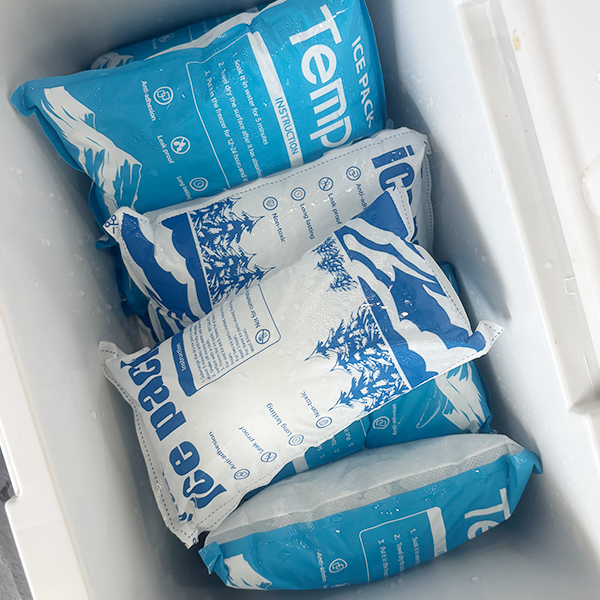
gel ice pack bulk should be selected only after the required temperature range, route duration, payload, and handling risks are clear. The product name alone cannot tell you whether it will protect chilled food, refrigerated medicine, frozen seafood, or lab samples. A practical buying process checks the refrigerant, the insulated shipper, the conditioning method, and the evidence you need after delivery. This optimized guide combines product education, material behavior, procurement checks, and field-level packout advice into one decision path.
The Short Decision Rule
Use gel ice pack bulk only when it matches the product's temperature requirement, the route risk, and the operating process that will prepare and pack it. That rule sounds basic, but it prevents most wrong purchases. It keeps the buyer from assuming that a cold component automatically creates a qualified cold-chain system. It also encourages the team to define what must be proven before scaling: product range, shipper type, conditioning method, placement, transit duration, ambient exposure, and receiving evidence.
The first boundary is simple: a gel ice pack is a passive refrigerant component; it supports temperature control only when used with a suitable insulated shipper, payload, and packout plan. This distinction matters because many cold-chain problems are blamed on the pack when the real cause is an under-insulated box, poor staging, unexpected route delay, or a payload that should never have been placed next to an over-cold surface. In a passive system, cooling media buys time; it does not create an unlimited temperature guarantee. That is why the buyer should treat the refrigerant, insulation, payload arrangement, and handling instructions as one packout rather than separate line items.
Choose by Temperature Range, Duration, and Handling Risk
Regulated and high-value shipments also need cautious wording. Many refrigerated vaccines and medicines are planned around a 2°C to 8°C range, but the correct range must come from the product specification, manufacturer instructions, or quality team. For air transport of temperature-sensitive healthcare cargo, IATA practices and carrier requirements may affect labels, documentation, and handling. Good distribution practice in pharmaceutical logistics often expects temperature conditions to be maintained and records to be available, but requirements vary by product, market, route, and contract. For food shipments, HACCP-style thinking is useful because it focuses attention on hazards, control points, monitoring, and corrective action instead of relying on a cold pack as a substitute for process control.
A practical decision sequence starts with the product rather than the pack. First, confirm whether the product must stay refrigerated, chilled, frozen, or within another controlled range. Second, define the real route, including handovers and possible delays. Third, choose a refrigerant and insulated shipper that can be tested or justified for that route. Finally, decide what proof is needed after delivery. This order of thinking keeps purchasing, warehouse, and quality teams aligned.
How the Cooling Media Behaves in the Box
Cooling media works by absorbing heat from the space around it and slowing the rise of product temperature. Water-based gels, rigid ice bricks, and phase-change materials all use thermal mass, but they are not interchangeable. A gel pack may provide flexible contact and broad cooling capacity. A rigid brick may keep a clean shape and simplify repeated handling. A PCM pack is designed around a phase-change point, so it can be useful when the payload needs a narrower temperature window. Dry ice is different again because it is solid carbon dioxide and sublimates into gas at an extremely low temperature, which creates both cooling power and safety obligations. The right choice depends on the product's tolerance, not on which component looks colder.
Conditioning is the step that turns a refrigerant from inventory into a usable cold-chain component. For gel packs, this may involve freezing, arranging packs so cold air can reach them, and staging them so they do not warm before packing. For PCM packs, conditioning should follow the supplier's instructions because the material must reach the right phase state for the target window. For rigid bricks, freezer loading and airflow matter because a brick with a cold surface and a warm core may look ready but perform inconsistently. The packing team should know whether the product can touch the refrigerant directly, whether separation is needed, and how long packs can sit at the packing table before use.
Confirm the Packout, Not Only the Component
| Question to answer | Good sign | Concern to investigate |
|---|---|---|
| What temperature range must the product stay within? | The range is confirmed by product owner or quality team | The range is guessed from a previous shipment |
| How long and where will the package be exposed? | Route, handovers, and delays are considered | Only ideal transit time is used |
| How is the refrigerant conditioned? | Staff have a repeatable instruction | Packs are selected by appearance or feel |
| Does the supplier specification match the sample? | Dimensions, fill, film, and packing are written | Sample and production details are vague |
| What proof is needed after delivery? | Logger and receiving review are planned when needed | Data is added only after a complaint |
These questions are designed for buyers who need a practical approval path. If a supplier can answer them clearly, you have a better basis for sample review and trial shipping. If the answers are vague, the risk has not disappeared; it has simply moved into the warehouse.
Procurement Checks Before Scaling Up
A useful purchase specification should cover gel weight and format, film strength and seal quality, carton packing method, custom logo and print position, and sample-to-production consistency. These details are not paperwork for its own sake. They determine whether the sample in your hand will match the units that arrive in production cartons, whether the warehouse can condition enough packs before the morning cut-off, and whether the packout still leaves usable space for the product. If the order includes private label printing or a custom shape, approve the physical sample before approving artwork. A good supplier conversation is specific enough that two people in different departments would pack the same box in the same way.
- Keep one written version of the approved specification and update it only through a controlled change.
- Review actual freezer, staging, and packing capacity before increasing order volume.
- Confirm how printed or custom units will be inspected before shipment.
- Ask whether the stated performance is based on the same shipper and payload you plan to use.
- Decide who reviews logger data or delivery feedback when a route is new.
Common Failure Points at Handover
The most common mistake is ordering a cheaper size before confirming usable space in the insulated box. Another is treating a supplier's generic recommendation as a validated result for your route. A third is changing a component after a successful trial without asking what else must be retested or reviewed. Small changes can matter: a new box wall thickness, a different gel pack weight, a revised printed film, a higher payload, or a longer time on a loading dock can all change the thermal balance. When a cold-chain team records these changes, it becomes easier to repeat what works and investigate what fails.
Consider three ordinary situations: meal kits with mixed chilled items, seafood export cartons, and biopharma samples requiring documented packout consistency. Each may use similar-looking cooling media, but each has a different risk profile. The first may care most about packing speed and customer presentation. The second may need a tidy, repeatable carton plan that survives export handling. The third may need stronger documentation because product release depends on receiving evidence. When the same pack is moved from one situation to another without retesting or at least reviewing the assumptions, the buyer can easily mistake a previous success for a universal rule.
A Practical Example for Buyers
For example, a procurement team may approve a sample that performs well in a small trial, then order a container of production units with printed film and a different master carton arrangement. The product still looks similar, but the freeze time, handling feel, and packout fit can change if fill weight, film thickness, or carton compression changes. Before scaling up, the buyer should confirm that the approved sample, production specification, artwork, carton packing, and receiving inspection all describe the same product.
Monitoring and Review
Evidence matters most after something goes wrong, but it should be planned before the order is placed. Ask what test data, supplier datasheet, conditioning instruction, or packout record supports the claim you are relying on. If the supplier states a hold time, check the ambient profile, payload, insulation, coolant count, and acceptance range used in that test. If a temperature data logger is included, remember that it records exposure; it does not protect the product. Data is most useful when the sensor position, logging interval, alarm threshold, and receiving review process are defined before the shipment leaves the warehouse.
Sustainability goals are increasingly part of cold-chain purchasing, but they must be connected to operations. A reusable pack can reduce single-use waste only when the route supports return, inspection, cleaning, refreezing, and loss control. A lighter water-injection format can reduce inbound shipping weight, but it shifts labor and quality control to the user. A higher-performing PCM pack may reduce excursions on a sensitive route, but it may also require stricter conditioning discipline. The most sustainable choice is the one that protects the product without creating avoidable waste, returns chaos, or repeated shipment failures.
FAQ
Is gel ice pack bulk enough to protect a temperature-sensitive shipment?
gel ice pack bulk can be part of the protection plan, but it is not enough by itself. The insulated box, payload mass, route duration, ambient exposure, conditioning method, and placement all affect performance. For regulated or high-value goods, buyers should review supplier data, perform a route-appropriate trial, and use monitoring when documentation is required.
What should I ask a supplier before ordering gel ice pack bulk?
Ask for the exact dimensions, fill weight or material description, film or container structure, conditioning instructions, carton packing method, sample lead process, and any available test or datasheet information. If the shipment is sensitive, also ask how the supplier handles changes between sample and production.
Can one packout work for food, pharma, and lab samples?
Sometimes a similar packout can work across related products, but it should not be assumed. Food shipments may focus on freshness and presentation, while pharmaceutical and lab shipments may need tighter documentation, defined temperature ranges, and stronger receiving review. Product sensitivity and lane conditions should drive the decision.
How do I know whether I need a data logger?
Use a data logger when you need evidence of temperature exposure, when the product value is high, when the receiving team requires records, or when a route is new or risky. The logger does not cool the package. It helps you see whether the packout and handling process worked as expected.
What is the biggest error buyers make?
The biggest error is treating gel ice pack bulk as a commodity and ordering by price before defining the shipment. A low-cost pack can become expensive if it leaks, does not fit the box, overcools a freeze-sensitive product, or cannot be conditioned in time for daily outbound volume.
Conclusion
The practical conclusion is that gel ice pack bulk should be chosen as part of a complete cold-chain plan. Start with the product's required temperature range, then define route duration, ambient exposure, payload, insulation, conditioning, and documentation needs. Compare suppliers by the clarity of their specification, sample consistency, and ability to discuss your packout rather than by unit price alone. It is not enough to ask for a low unit price if the pack cannot be conditioned, packed, and documented consistently. When these checks are made early, the order is easier to scale and the receiving team has fewer surprises.
About Tempk
Tempk supports cold-chain packaging buyers who need practical refrigerant and packout options for food, biopharma, and other temperature-sensitive shipments. Our work includes gel ice packs, ice bricks, hydrated dry-ice-style packs, PCM-related cold packs, and related insulated packaging discussions. For bulk gel ice pack orders, we focus on matching the component to the route, payload, conditioning process, and purchasing stage. We avoid treating a cold pack as a universal promise; instead, we help buyers define the questions that should be answered before samples, bulk orders, or custom packaging move forward.
CTA
Share your product type, target temperature range, route duration, box format, and expected order volume with Tempk to compare suitable gel ice pack bulk options. If you are moving from sample approval to bulk ordering, ask for a recommendation that considers packout fit as well as the component itself.
Water Injection Ice Packs Vs Gel Packs: Practical Cold Chain Buyer Guide
Water Injection Ice Packs Vs Gel Packs: Practical Buyer and Packout Guide
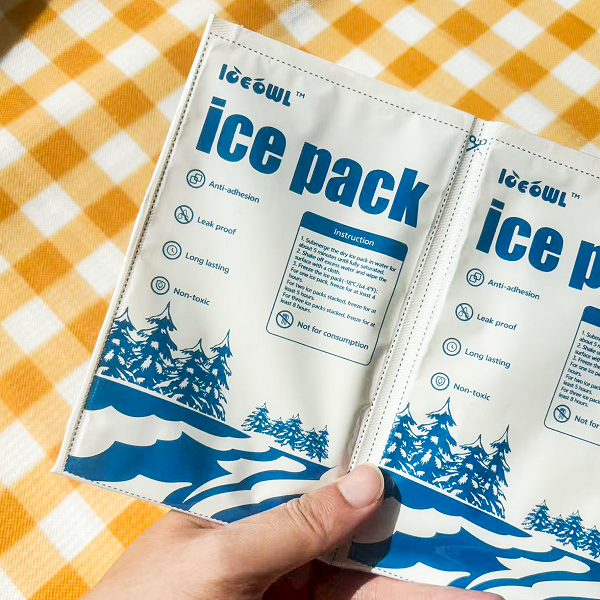
water injection ice packs vs gel packs should be selected only after the required temperature range, route duration, payload, and handling risks are clear. The product name alone cannot tell you whether it will protect chilled food, refrigerated medicine, frozen seafood, or lab samples. A practical buying process checks the refrigerant, the insulated shipper, the conditioning method, and the evidence you need after delivery. This optimized guide combines product education, material behavior, procurement checks, and field-level packout advice into one decision path.
The Short Decision Rule
Use water injection ice packs vs gel packs only when it matches the product's temperature requirement, the route risk, and the operating process that will prepare and pack it. That rule sounds basic, but it prevents most wrong purchases. It keeps the buyer from assuming that a cold component automatically creates a qualified cold-chain system. It also encourages the team to define what must be proven before scaling: product range, shipper type, conditioning method, placement, transit duration, ambient exposure, and receiving evidence.
The first boundary is simple: water injection packs are usually filled by the user before freezing, while pre-filled gel packs arrive ready for conditioning; both still need a correct packout. This distinction matters because many cold-chain problems are blamed on the pack when the real cause is an under-insulated box, poor staging, unexpected route delay, or a payload that should never have been placed next to an over-cold surface. In a passive system, cooling media buys time; it does not create an unlimited temperature guarantee. That is why the buyer should treat the refrigerant, insulation, payload arrangement, and handling instructions as one packout rather than separate line items.
Choose by Temperature Range, Duration, and Handling Risk
Regulated and high-value shipments also need cautious wording. Many refrigerated vaccines and medicines are planned around a 2°C to 8°C range, but the correct range must come from the product specification, manufacturer instructions, or quality team. For air transport of temperature-sensitive healthcare cargo, IATA practices and carrier requirements may affect labels, documentation, and handling. Good distribution practice in pharmaceutical logistics often expects temperature conditions to be maintained and records to be available, but requirements vary by product, market, route, and contract. For food shipments, HACCP-style thinking is useful because it focuses attention on hazards, control points, monitoring, and corrective action instead of relying on a cold pack as a substitute for process control.
A practical decision sequence starts with the product rather than the pack. First, confirm whether the product must stay refrigerated, chilled, frozen, or within another controlled range. Second, define the real route, including handovers and possible delays. Third, choose a refrigerant and insulated shipper that can be tested or justified for that route. Finally, decide what proof is needed after delivery. This order of thinking keeps purchasing, warehouse, and quality teams aligned.
How the Cooling Media Behaves in the Box
Cooling media works by absorbing heat from the space around it and slowing the rise of product temperature. Water-based gels, rigid ice bricks, and phase-change materials all use thermal mass, but they are not interchangeable. A gel pack may provide flexible contact and broad cooling capacity. A rigid brick may keep a clean shape and simplify repeated handling. A PCM pack is designed around a phase-change point, so it can be useful when the payload needs a narrower temperature window. Dry ice is different again because it is solid carbon dioxide and sublimates into gas at an extremely low temperature, which creates both cooling power and safety obligations. The right choice depends on the product's tolerance, not on which component looks colder.
Conditioning is the step that turns a refrigerant from inventory into a usable cold-chain component. For gel packs, this may involve freezing, arranging packs so cold air can reach them, and staging them so they do not warm before packing. For PCM packs, conditioning should follow the supplier's instructions because the material must reach the right phase state for the target window. For rigid bricks, freezer loading and airflow matter because a brick with a cold surface and a warm core may look ready but perform inconsistently. The packing team should know whether the product can touch the refrigerant directly, whether separation is needed, and how long packs can sit at the packing table before use.
Confirm the Packout, Not Only the Component
| Question to answer | Good sign | Concern to investigate |
|---|---|---|
| What temperature range must the product stay within? | The range is confirmed by product owner or quality team | The range is guessed from a previous shipment |
| How long and where will the package be exposed? | Route, handovers, and delays are considered | Only ideal transit time is used |
| How is the refrigerant conditioned? | Staff have a repeatable instruction | Packs are selected by appearance or feel |
| Does the supplier specification match the sample? | Dimensions, fill, film, and packing are written | Sample and production details are vague |
| What proof is needed after delivery? | Logger and receiving review are planned when needed | Data is added only after a complaint |
These questions are designed for buyers who need a practical approval path. If a supplier can answer them clearly, you have a better basis for sample review and trial shipping. If the answers are vague, the risk has not disappeared; it has simply moved into the warehouse.
Procurement Checks Before Scaling Up
A useful purchase specification should cover fill process, sealing method, water quality, labor time, and pack consistency. These details are not paperwork for its own sake. They determine whether the sample in your hand will match the units that arrive in production cartons, whether the warehouse can condition enough packs before the morning cut-off, and whether the packout still leaves usable space for the product. If the order includes private label printing or a custom shape, approve the physical sample before approving artwork. A good supplier conversation is specific enough that two people in different departments would pack the same box in the same way.
- Keep one written version of the approved specification and update it only through a controlled change.
- Review actual freezer, staging, and packing capacity before increasing order volume.
- Confirm how printed or custom units will be inspected before shipment.
- Ask whether the stated performance is based on the same shipper and payload you plan to use.
- Decide who reviews logger data or delivery feedback when a route is new.
Common Failure Points at Handover
The most common mistake is saving inbound freight but creating packing-line delays or inconsistent fill weights. Another is treating a supplier's generic recommendation as a validated result for your route. A third is changing a component after a successful trial without asking what else must be retested or reviewed. Small changes can matter: a new box wall thickness, a different gel pack weight, a revised printed film, a higher payload, or a longer time on a loading dock can all change the thermal balance. When a cold-chain team records these changes, it becomes easier to repeat what works and investigate what fails.
Consider three ordinary situations: a distributor shipping empty packs to regional warehouses, a meal-kit operator freezing pre-filled gel packs, and a seasonal seafood seller reducing inbound freight weight. Each may use similar-looking cooling media, but each has a different risk profile. The first may care most about packing speed and customer presentation. The second may need a tidy, repeatable carton plan that survives export handling. The third may need stronger documentation because product release depends on receiving evidence. When the same pack is moved from one situation to another without retesting or at least reviewing the assumptions, the buyer can easily mistake a previous success for a universal rule.
A Practical Example for Buyers
For example, a distributor may ship chilled medical supplies on one route and premium food boxes on another. Both lanes may use insulated shippers, but the first may require tighter documentation and more conservative temperature control, while the second may prioritize presentation, condensation control, and delivery-day freshness. The distributor should not assume that one refrigerant type or pack quantity works across both lanes. A lane-specific review helps avoid overcooling, undercooling, and unnecessary packaging cost.
Monitoring and Review
Evidence matters most after something goes wrong, but it should be planned before the order is placed. Ask what test data, supplier datasheet, conditioning instruction, or packout record supports the claim you are relying on. If the supplier states a hold time, check the ambient profile, payload, insulation, coolant count, and acceptance range used in that test. If a temperature data logger is included, remember that it records exposure; it does not protect the product. Data is most useful when the sensor position, logging interval, alarm threshold, and receiving review process are defined before the shipment leaves the warehouse.
Sustainability goals are increasingly part of cold-chain purchasing, but they must be connected to operations. A reusable pack can reduce single-use waste only when the route supports return, inspection, cleaning, refreezing, and loss control. A lighter water-injection format can reduce inbound shipping weight, but it shifts labor and quality control to the user. A higher-performing PCM pack may reduce excursions on a sensitive route, but it may also require stricter conditioning discipline. The most sustainable choice is the one that protects the product without creating avoidable waste, returns chaos, or repeated shipment failures.
FAQ
Is water injection ice packs vs gel packs enough to protect a temperature-sensitive shipment?
water injection ice packs vs gel packs can be part of the protection plan, but it is not enough by itself. The insulated box, payload mass, route duration, ambient exposure, conditioning method, and placement all affect performance. For regulated or high-value goods, buyers should review supplier data, perform a route-appropriate trial, and use monitoring when documentation is required.
What should I ask a supplier before ordering water injection ice packs vs gel packs?
Ask for the exact dimensions, fill weight or material description, film or container structure, conditioning instructions, carton packing method, sample lead process, and any available test or datasheet information. If the shipment is sensitive, also ask how the supplier handles changes between sample and production.
Can one packout work for food, pharma, and lab samples?
Sometimes a similar packout can work across related products, but it should not be assumed. Food shipments may focus on freshness and presentation, while pharmaceutical and lab shipments may need tighter documentation, defined temperature ranges, and stronger receiving review. Product sensitivity and lane conditions should drive the decision.
How do I know whether I need a data logger?
Use a data logger when you need evidence of temperature exposure, when the product value is high, when the receiving team requires records, or when a route is new or risky. The logger does not cool the package. It helps you see whether the packout and handling process worked as expected.
What is the biggest error buyers make?
The biggest error is treating water injection ice packs vs gel packs as a commodity and ordering by price before defining the shipment. A low-cost pack can become expensive if it leaks, does not fit the box, overcools a freeze-sensitive product, or cannot be conditioned in time for daily outbound volume.
Conclusion
The practical conclusion is that water injection ice packs vs gel packs should be chosen as part of a complete cold-chain plan. Start with the product's required temperature range, then define route duration, ambient exposure, payload, insulation, conditioning, and documentation needs. Compare suppliers by the clarity of their specification, sample consistency, and ability to discuss your packout rather than by unit price alone. A water-injection format can reduce shipping weight before use, but the operating site must be able to fill, seal, freeze, and check packs consistently. When these checks are made early, the order is easier to scale and the receiving team has fewer surprises.
About Tempk
Tempk supports cold-chain packaging buyers who need practical refrigerant and packout options for food, biopharma, and other temperature-sensitive shipments. Our work includes gel ice packs, ice bricks, hydrated dry-ice-style packs, PCM-related cold packs, and related insulated packaging discussions. For water injection ice packs and pre-filled gel packs, we focus on matching the component to the route, payload, conditioning process, and purchasing stage. We avoid treating a cold pack as a universal promise; instead, we help buyers define the questions that should be answered before samples, bulk orders, or custom packaging move forward.
CTA
Share your product type, target temperature range, route duration, box format, and expected order volume with Tempk to compare suitable water injection ice packs vs gel packs options. If you are moving from sample approval to bulk ordering, ask for a recommendation that considers packout fit as well as the component itself.
Reusable Gel Ice Packs For Shipping: Practical Cold Chain Buyer Guide
Reusable Gel Ice Packs For Shipping: Practical Buyer and Packout Guide
reusable gel ice packs for shipping should be selected only after the required temperature range, route duration, payload, and handling risks are clear. The product name alone cannot tell you whether it will protect chilled food, refrigerated medicine, frozen seafood, or lab samples. A practical buying process checks the refrigerant, the insulated shipper, the conditioning method, and the evidence you need after delivery. This optimized guide combines product education, material behavior, procurement checks, and field-level packout advice into one decision path.
The Short Decision Rule
Use reusable gel ice packs for shipping only when it matches the product's temperature requirement, the route risk, and the operating process that will prepare and pack it. That rule sounds basic, but it prevents most wrong purchases. It keeps the buyer from assuming that a cold component automatically creates a qualified cold-chain system. It also encourages the team to define what must be proven before scaling: product range, shipper type, conditioning method, placement, transit duration, ambient exposure, and receiving evidence.
The first boundary is simple: a reusable gel ice pack can reduce single-use waste only when the operation supports retrieval, inspection, cleaning, refreezing, and packout control. This distinction matters because many cold-chain problems are blamed on the pack when the real cause is an under-insulated box, poor staging, unexpected route delay, or a payload that should never have been placed next to an over-cold surface. In a passive system, cooling media buys time; it does not create an unlimited temperature guarantee. That is why the buyer should treat the refrigerant, insulation, payload arrangement, and handling instructions as one packout rather than separate line items.
Choose by Temperature Range, Duration, and Handling Risk
Regulated and high-value shipments also need cautious wording. Many refrigerated vaccines and medicines are planned around a 2°C to 8°C range, but the correct range must come from the product specification, manufacturer instructions, or quality team. For air transport of temperature-sensitive healthcare cargo, IATA practices and carrier requirements may affect labels, documentation, and handling. Good distribution practice in pharmaceutical logistics often expects temperature conditions to be maintained and records to be available, but requirements vary by product, market, route, and contract. For food shipments, HACCP-style thinking is useful because it focuses attention on hazards, control points, monitoring, and corrective action instead of relying on a cold pack as a substitute for process control.
A practical decision sequence starts with the product rather than the pack. First, confirm whether the product must stay refrigerated, chilled, frozen, or within another controlled range. Second, define the real route, including handovers and possible delays. Third, choose a refrigerant and insulated shipper that can be tested or justified for that route. Finally, decide what proof is needed after delivery. This order of thinking keeps purchasing, warehouse, and quality teams aligned.
How the Cooling Media Behaves in the Box
Cooling media works by absorbing heat from the space around it and slowing the rise of product temperature. Water-based gels, rigid ice bricks, and phase-change materials all use thermal mass, but they are not interchangeable. A gel pack may provide flexible contact and broad cooling capacity. A rigid brick may keep a clean shape and simplify repeated handling. A PCM pack is designed around a phase-change point, so it can be useful when the payload needs a narrower temperature window. Dry ice is different again because it is solid carbon dioxide and sublimates into gas at an extremely low temperature, which creates both cooling power and safety obligations. The right choice depends on the product's tolerance, not on which component looks colder.
Conditioning is the step that turns a refrigerant from inventory into a usable cold-chain component. For gel packs, this may involve freezing, arranging packs so cold air can reach them, and staging them so they do not warm before packing. For PCM packs, conditioning should follow the supplier's instructions because the material must reach the right phase state for the target window. For rigid bricks, freezer loading and airflow matter because a brick with a cold surface and a warm core may look ready but perform inconsistently. The packing team should know whether the product can touch the refrigerant directly, whether separation is needed, and how long packs can sit at the packing table before use.
Confirm the Packout, Not Only the Component
| Question to answer | Good sign | Concern to investigate |
|---|---|---|
| What temperature range must the product stay within? | The range is confirmed by product owner or quality team | The range is guessed from a previous shipment |
| How long and where will the package be exposed? | Route, handovers, and delays are considered | Only ideal transit time is used |
| How is the refrigerant conditioned? | Staff have a repeatable instruction | Packs are selected by appearance or feel |
| Does the supplier specification match the sample? | Dimensions, fill, film, and packing are written | Sample and production details are vague |
| What proof is needed after delivery? | Logger and receiving review are planned when needed | Data is added only after a complaint |
These questions are designed for buyers who need a practical approval path. If a supplier can answer them clearly, you have a better basis for sample review and trial shipping. If the answers are vague, the risk has not disappeared; it has simply moved into the warehouse.
Procurement Checks Before Scaling Up
A useful purchase specification should cover durability, leak inspection, cleaning, reverse logistics, and traceability. These details are not paperwork for its own sake. They determine whether the sample in your hand will match the units that arrive in production cartons, whether the warehouse can condition enough packs before the morning cut-off, and whether the packout still leaves usable space for the product. If the order includes private label printing or a custom shape, approve the physical sample before approving artwork. A good supplier conversation is specific enough that two people in different departments would pack the same box in the same way.
- Keep one written version of the approved specification and update it only through a controlled change.
- Review actual freezer, staging, and packing capacity before increasing order volume.
- Confirm how printed or custom units will be inspected before shipment.
- Ask whether the stated performance is based on the same shipper and payload you plan to use.
- Decide who reviews logger data or delivery feedback when a route is new.
Common Failure Points at Handover
The most common mistake is buying reusable packs without a return and inspection process. Another is treating a supplier's generic recommendation as a validated result for your route. A third is changing a component after a successful trial without asking what else must be retested or reviewed. Small changes can matter: a new box wall thickness, a different gel pack weight, a revised printed film, a higher payload, or a longer time on a loading dock can all change the thermal balance. When a cold-chain team records these changes, it becomes easier to repeat what works and investigate what fails.
Consider three ordinary situations: grocery delivery routes with returnable totes, pharmacy distribution with repeated lanes, and meal-kit programs using customer returns. Each may use similar-looking cooling media, but each has a different risk profile. The first may care most about packing speed and customer presentation. The second may need a tidy, repeatable carton plan that survives export handling. The third may need stronger documentation because product release depends on receiving evidence. When the same pack is moved from one situation to another without retesting or at least reviewing the assumptions, the buyer can easily mistake a previous success for a universal rule.
A Practical Example for Buyers
For example, a distributor may ship chilled medical supplies on one route and premium food boxes on another. Both lanes may use insulated shippers, but the first may require tighter documentation and more conservative temperature control, while the second may prioritize presentation, condensation control, and delivery-day freshness. The distributor should not assume that one refrigerant type or pack quantity works across both lanes. A lane-specific review helps avoid overcooling, undercooling, and unnecessary packaging cost.
Monitoring and Review
Evidence matters most after something goes wrong, but it should be planned before the order is placed. Ask what test data, supplier datasheet, conditioning instruction, or packout record supports the claim you are relying on. If the supplier states a hold time, check the ambient profile, payload, insulation, coolant count, and acceptance range used in that test. If a temperature data logger is included, remember that it records exposure; it does not protect the product. Data is most useful when the sensor position, logging interval, alarm threshold, and receiving review process are defined before the shipment leaves the warehouse.
Sustainability goals are increasingly part of cold-chain purchasing, but they must be connected to operations. A reusable pack can reduce single-use waste only when the route supports return, inspection, cleaning, refreezing, and loss control. A lighter water-injection format can reduce inbound shipping weight, but it shifts labor and quality control to the user. A higher-performing PCM pack may reduce excursions on a sensitive route, but it may also require stricter conditioning discipline. The most sustainable choice is the one that protects the product without creating avoidable waste, returns chaos, or repeated shipment failures.
FAQ
Is reusable gel ice packs for shipping enough to protect a temperature-sensitive shipment?
reusable gel ice packs for shipping can be part of the protection plan, but it is not enough by itself. The insulated box, payload mass, route duration, ambient exposure, conditioning method, and placement all affect performance. For regulated or high-value goods, buyers should review supplier data, perform a route-appropriate trial, and use monitoring when documentation is required.
What should I ask a supplier before ordering reusable gel ice packs for shipping?
Ask for the exact dimensions, fill weight or material description, film or container structure, conditioning instructions, carton packing method, sample lead process, and any available test or datasheet information. If the shipment is sensitive, also ask how the supplier handles changes between sample and production.
Can one packout work for food, pharma, and lab samples?
Sometimes a similar packout can work across related products, but it should not be assumed. Food shipments may focus on freshness and presentation, while pharmaceutical and lab shipments may need tighter documentation, defined temperature ranges, and stronger receiving review. Product sensitivity and lane conditions should drive the decision.
How do I know whether I need a data logger?
Use a data logger when you need evidence of temperature exposure, when the product value is high, when the receiving team requires records, or when a route is new or risky. The logger does not cool the package. It helps you see whether the packout and handling process worked as expected.
What is the biggest error buyers make?
The biggest error is treating reusable gel ice packs for shipping as a commodity and ordering by price before defining the shipment. A low-cost pack can become expensive if it leaks, does not fit the box, overcools a freeze-sensitive product, or cannot be conditioned in time for daily outbound volume.
Conclusion
The practical conclusion is that reusable gel ice packs for shipping should be chosen as part of a complete cold-chain plan. Start with the product's required temperature range, then define route duration, ambient exposure, payload, insulation, conditioning, and documentation needs. Compare suppliers by the clarity of their specification, sample consistency, and ability to discuss your packout rather than by unit price alone. A reusable label does not guarantee lower waste or lower cost if packs are lost, damaged, or handled inconsistently. When these checks are made early, the order is easier to scale and the receiving team has fewer surprises.
About Tempk
Tempk supports cold-chain packaging buyers who need practical refrigerant and packout options for food, biopharma, and other temperature-sensitive shipments. Our work includes gel ice packs, ice bricks, hydrated dry-ice-style packs, PCM-related cold packs, and related insulated packaging discussions. For reusable gel ice packs for shipping programs, we focus on matching the component to the route, payload, conditioning process, and purchasing stage. We avoid treating a cold pack as a universal promise; instead, we help buyers define the questions that should be answered before samples, bulk orders, or custom packaging move forward.
CTA
Share your product type, target temperature range, route duration, box format, and expected order volume with Tempk to compare suitable reusable gel ice packs for shipping options. If you are moving from sample approval to bulk ordering, ask for a recommendation that considers packout fit as well as the component itself.
Ice Bricks Vs Gel Packs: Practical Cold Chain Buyer Guide
Ice Bricks Vs Gel Packs: Practical Buyer and Packout Guide
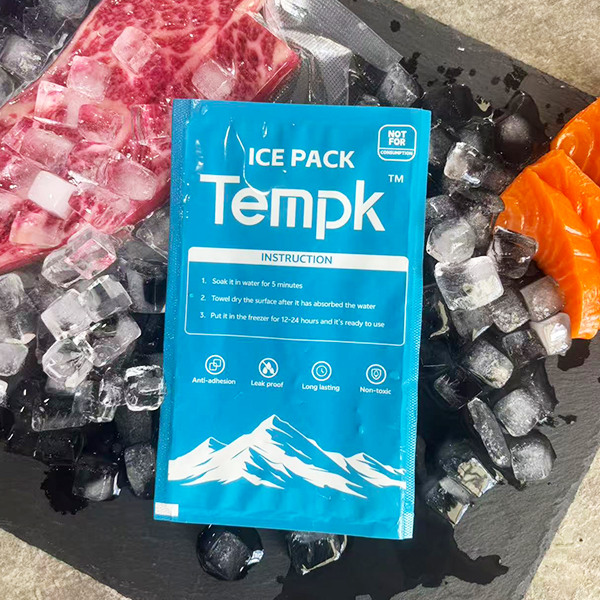
ice bricks vs gel packs should be selected only after the required temperature range, route duration, payload, and handling risks are clear. The product name alone cannot tell you whether it will protect chilled food, refrigerated medicine, frozen seafood, or lab samples. A practical buying process checks the refrigerant, the insulated shipper, the conditioning method, and the evidence you need after delivery. This optimized guide combines product education, material behavior, procurement checks, and field-level packout advice into one decision path.
The Short Decision Rule
Use ice bricks vs gel packs only when it matches the product's temperature requirement, the route risk, and the operating process that will prepare and pack it. That rule sounds basic, but it prevents most wrong purchases. It keeps the buyer from assuming that a cold component automatically creates a qualified cold-chain system. It also encourages the team to define what must be proven before scaling: product range, shipper type, conditioning method, placement, transit duration, ambient exposure, and receiving evidence.
The first boundary is simple: ice bricks and gel packs are both passive refrigerants; neither guarantees hold time without insulation, conditioning, payload fit, and route testing. This distinction matters because many cold-chain problems are blamed on the pack when the real cause is an under-insulated box, poor staging, unexpected route delay, or a payload that should never have been placed next to an over-cold surface. In a passive system, cooling media buys time; it does not create an unlimited temperature guarantee. That is why the buyer should treat the refrigerant, insulation, payload arrangement, and handling instructions as one packout rather than separate line items.
Choose by Temperature Range, Duration, and Handling Risk
Regulated and high-value shipments also need cautious wording. Many refrigerated vaccines and medicines are planned around a 2°C to 8°C range, but the correct range must come from the product specification, manufacturer instructions, or quality team. For air transport of temperature-sensitive healthcare cargo, IATA practices and carrier requirements may affect labels, documentation, and handling. Good distribution practice in pharmaceutical logistics often expects temperature conditions to be maintained and records to be available, but requirements vary by product, market, route, and contract. For food shipments, HACCP-style thinking is useful because it focuses attention on hazards, control points, monitoring, and corrective action instead of relying on a cold pack as a substitute for process control.
A practical decision sequence starts with the product rather than the pack. First, confirm whether the product must stay refrigerated, chilled, frozen, or within another controlled range. Second, define the real route, including handovers and possible delays. Third, choose a refrigerant and insulated shipper that can be tested or justified for that route. Finally, decide what proof is needed after delivery. This order of thinking keeps purchasing, warehouse, and quality teams aligned.
How the Cooling Media Behaves in the Box
Cooling media works by absorbing heat from the space around it and slowing the rise of product temperature. Water-based gels, rigid ice bricks, and phase-change materials all use thermal mass, but they are not interchangeable. A gel pack may provide flexible contact and broad cooling capacity. A rigid brick may keep a clean shape and simplify repeated handling. A PCM pack is designed around a phase-change point, so it can be useful when the payload needs a narrower temperature window. Dry ice is different again because it is solid carbon dioxide and sublimates into gas at an extremely low temperature, which creates both cooling power and safety obligations. The right choice depends on the product's tolerance, not on which component looks colder.
Conditioning is the step that turns a refrigerant from inventory into a usable cold-chain component. For gel packs, this may involve freezing, arranging packs so cold air can reach them, and staging them so they do not warm before packing. For PCM packs, conditioning should follow the supplier's instructions because the material must reach the right phase state for the target window. For rigid bricks, freezer loading and airflow matter because a brick with a cold surface and a warm core may look ready but perform inconsistently. The packing team should know whether the product can touch the refrigerant directly, whether separation is needed, and how long packs can sit at the packing table before use.
Confirm the Packout, Not Only the Component
| Question to answer | Good sign | Concern to investigate |
|---|---|---|
| What temperature range must the product stay within? | The range is confirmed by product owner or quality team | The range is guessed from a previous shipment |
| How long and where will the package be exposed? | Route, handovers, and delays are considered | Only ideal transit time is used |
| How is the refrigerant conditioned? | Staff have a repeatable instruction | Packs are selected by appearance or feel |
| Does the supplier specification match the sample? | Dimensions, fill, film, and packing are written | Sample and production details are vague |
| What proof is needed after delivery? | Logger and receiving review are planned when needed | Data is added only after a complaint |
These questions are designed for buyers who need a practical approval path. If a supplier can answer them clearly, you have a better basis for sample review and trial shipping. If the answers are vague, the risk has not disappeared; it has simply moved into the warehouse.
Procurement Checks Before Scaling Up
A useful purchase specification should cover rigid fit, surface contact, freezing time, return handling, and cleanability. These details are not paperwork for its own sake. They determine whether the sample in your hand will match the units that arrive in production cartons, whether the warehouse can condition enough packs before the morning cut-off, and whether the packout still leaves usable space for the product. If the order includes private label printing or a custom shape, approve the physical sample before approving artwork. A good supplier conversation is specific enough that two people in different departments would pack the same box in the same way.
- Keep one written version of the approved specification and update it only through a controlled change.
- Review actual freezer, staging, and packing capacity before increasing order volume.
- Confirm how printed or custom units will be inspected before shipment.
- Ask whether the stated performance is based on the same shipper and payload you plan to use.
- Decide who reviews logger data or delivery feedback when a route is new.
Common Failure Points at Handover
The most common mistake is choosing rigid bricks for a payload that needs flexible contact around irregular shapes. Another is treating a supplier's generic recommendation as a validated result for your route. A third is changing a component after a successful trial without asking what else must be retested or reviewed. Small changes can matter: a new box wall thickness, a different gel pack weight, a revised printed film, a higher payload, or a longer time on a loading dock can all change the thermal balance. When a cold-chain team records these changes, it becomes easier to repeat what works and investigate what fails.
Consider three ordinary situations: returnable grocery totes, seafood shipments with fixed carton geometry, and pharma samples packed in compact insulated shippers. Each may use similar-looking cooling media, but each has a different risk profile. The first may care most about packing speed and customer presentation. The second may need a tidy, repeatable carton plan that survives export handling. The third may need stronger documentation because product release depends on receiving evidence. When the same pack is moved from one situation to another without retesting or at least reviewing the assumptions, the buyer can easily mistake a previous success for a universal rule.
A Practical Example for Buyers
For example, a distributor may ship chilled medical supplies on one route and premium food boxes on another. Both lanes may use insulated shippers, but the first may require tighter documentation and more conservative temperature control, while the second may prioritize presentation, condensation control, and delivery-day freshness. The distributor should not assume that one refrigerant type or pack quantity works across both lanes. A lane-specific review helps avoid overcooling, undercooling, and unnecessary packaging cost.
Monitoring and Review
Evidence matters most after something goes wrong, but it should be planned before the order is placed. Ask what test data, supplier datasheet, conditioning instruction, or packout record supports the claim you are relying on. If the supplier states a hold time, check the ambient profile, payload, insulation, coolant count, and acceptance range used in that test. If a temperature data logger is included, remember that it records exposure; it does not protect the product. Data is most useful when the sensor position, logging interval, alarm threshold, and receiving review process are defined before the shipment leaves the warehouse.
Sustainability goals are increasingly part of cold-chain purchasing, but they must be connected to operations. A reusable pack can reduce single-use waste only when the route supports return, inspection, cleaning, refreezing, and loss control. A lighter water-injection format can reduce inbound shipping weight, but it shifts labor and quality control to the user. A higher-performing PCM pack may reduce excursions on a sensitive route, but it may also require stricter conditioning discipline. The most sustainable choice is the one that protects the product without creating avoidable waste, returns chaos, or repeated shipment failures.
FAQ
Is ice bricks vs gel packs enough to protect a temperature-sensitive shipment?
ice bricks vs gel packs can be part of the protection plan, but it is not enough by itself. The insulated box, payload mass, route duration, ambient exposure, conditioning method, and placement all affect performance. For regulated or high-value goods, buyers should review supplier data, perform a route-appropriate trial, and use monitoring when documentation is required.
What should I ask a supplier before ordering ice bricks vs gel packs?
Ask for the exact dimensions, fill weight or material description, film or container structure, conditioning instructions, carton packing method, sample lead process, and any available test or datasheet information. If the shipment is sensitive, also ask how the supplier handles changes between sample and production.
Can one packout work for food, pharma, and lab samples?
Sometimes a similar packout can work across related products, but it should not be assumed. Food shipments may focus on freshness and presentation, while pharmaceutical and lab shipments may need tighter documentation, defined temperature ranges, and stronger receiving review. Product sensitivity and lane conditions should drive the decision.
How do I know whether I need a data logger?
Use a data logger when you need evidence of temperature exposure, when the product value is high, when the receiving team requires records, or when a route is new or risky. The logger does not cool the package. It helps you see whether the packout and handling process worked as expected.
What is the biggest error buyers make?
The biggest error is treating ice bricks vs gel packs as a commodity and ordering by price before defining the shipment. A low-cost pack can become expensive if it leaks, does not fit the box, overcools a freeze-sensitive product, or cannot be conditioned in time for daily outbound volume.
Conclusion
The practical conclusion is that ice bricks vs gel packs should be chosen as part of a complete cold-chain plan. Start with the product's required temperature range, then define route duration, ambient exposure, payload, insulation, conditioning, and documentation needs. Compare suppliers by the clarity of their specification, sample consistency, and ability to discuss your packout rather than by unit price alone. A longer hold time claim is not meaningful unless the test condition, shipper, payload, and coolant count are known. When these checks are made early, the order is easier to scale and the receiving team has fewer surprises.
About Tempk
Tempk supports cold-chain packaging buyers who need practical refrigerant and packout options for food, biopharma, and other temperature-sensitive shipments. Our work includes gel ice packs, ice bricks, hydrated dry-ice-style packs, PCM-related cold packs, and related insulated packaging discussions. For ice bricks and gel packs comparison, we focus on matching the component to the route, payload, conditioning process, and purchasing stage. We avoid treating a cold pack as a universal promise; instead, we help buyers define the questions that should be answered before samples, bulk orders, or custom packaging move forward.
CTA
Share your product type, target temperature range, route duration, box format, and expected order volume with Tempk to compare suitable ice bricks vs gel packs options. If you are moving from sample approval to bulk ordering, ask for a recommendation that considers packout fit as well as the component itself.
Insulated Grocery Bag B2B: Optimized Buyer Guide
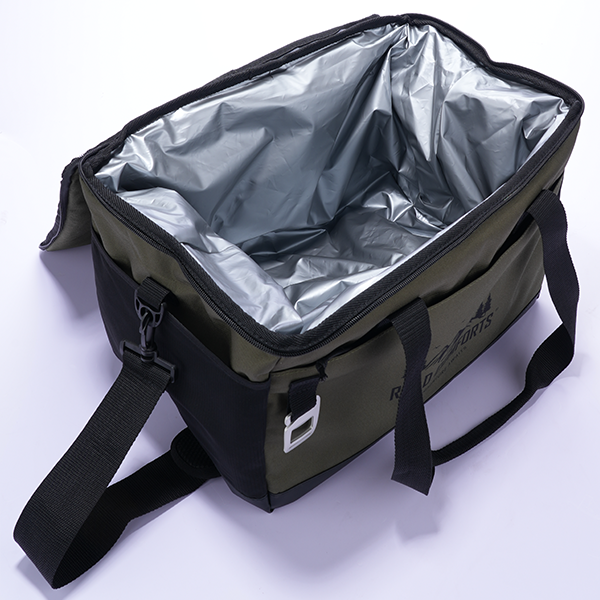
Insulated Grocery Bag B2B: A Practical Buyer Guide for Real Operations
A purchase involving insulated grocery bag b2b should begin with one practical question: where will the bag be used, and what failure would create the biggest problem? For some buyers, the answer is heat exposure during handover. For others, it is poor logo durability, hard cleaning, weak handles, or inconsistent production. A B2B insulated grocery bag is most valuable when the specification connects thermal buffering, user handling, brand needs, and supplier control in one clear brief.
Turn a Product Request Into a Working Brief
The most reliable buying path starts with the lane or workflow, not with the product name. Describe the origin point, storage before loading, vehicle or rider handling, handover delay, expected ambient exposure, payload shape, and receiving inspection. A short office lunch program, a grocery delivery fleet, a promotional retail campaign, and a parcel-shipping route all use insulated bags differently. The same term, insulated grocery bag b2b, can hide very different design requirements.
Once the workflow is visible, trade-offs become easier. A bag that folds flat may be ideal for storage but less structured for delicate contents. A strong backpack may help riders but take more depot space. A large tote may carry more groceries but become hard to close correctly. A thick insulated wall may improve buffering but reduce usable internal volume. There is no perfect bag for every task; there is a bag that fits a defined job.
For global procurement, the same bag may be used in different climates, delivery models, and brand contexts. That means a buyer should define the route, handover points, cleaning process, logo requirements, and acceptance checks before comparing unit prices. A well-written specification reduces arguments later because it turns a general product name into a controlled buying decision.
Decide What Must Be Insulated, Branded, or Reused
The design should match the user. In driver fleets, click-and-collect, freezer-to-door workflows, store replenishment support, and branded grocery programs, users may be shoppers, riders, warehouse pickers, office employees, retail staff, or field distributors. Each user interacts with the bag differently. Shoppers notice handle comfort and appearance. Riders notice balance, access, and cleaning speed. Warehouse teams notice labels, stacking, and compatibility with totes. Promotional teams notice print quality and presentation. A good specification names the user instead of treating the bag as a neutral container.
The thermal role should be described with the same honesty. A B2B insulated grocery bag slows heat transfer. It may be used with gel packs, ice bricks, insulated liners, cartons, or other packaging when the product requires more control. It should not be described as a guaranteed temperature-control system unless the entire packout and route have been tested for that purpose. Sensitive goods need a cautious review of temperature range, duration, payload, and documentation.
For example, a grocery retailer may want one bag for frozen desserts, chilled dairy, and mixed checkout orders. The procurement team should not ask only whether the bag is insulated. It should check whether a full grocery load closes without crushing soft products, whether drivers can separate frozen and chilled items, whether the liner can be wiped between routes, and whether the printed logo remains readable after repeated folding. If the bag is used for customer purchase rather than driver operation, the handle feel and folded size may matter more than route documentation. If it is used by a delivery fleet, cleaning, labeling, and replacement control become more important.
The Buyer Checklist That Actually Reduces Risk
A strong brief should be specific but not overcomplicated. It should include the target use, external dimensions, usable internal dimensions, expected payload, material description, liner finish, insulation type or structure, closure, handle or strap design, logo method, color reference, carton packing, sample approval process, and inspection checklist. If the bag will be used with coolant, the supplier should know the coolant shape and placement. If the bag will be returned and reused, the cleaning and drying process should be included.
| Specification point | Why it deserves attention | Buyer action |
|---|---|---|
| Usable internal space | External dimensions do not show how products fit after insulation and seams | Load real products into the sample and photograph the result |
| Closure design | Open gaps allow air exchange and user shortcuts | Test closure under full load and repeated opening |
| Liner durability | Cleaning and moisture quickly expose weak bonding | Wipe, dry, fold, and inspect the liner during sample review |
| Print method | Brand value drops if the logo fades or cracks | Approve color, position, and abrasion expectations before production |
| Production control | Small material changes can affect use and appearance | Use a golden sample and written change-approval rule |
This table helps prevent a common procurement error: negotiating price before the product is defined. Price comparison becomes meaningful only when all suppliers quote the same functional requirement. Without that discipline, the lowest quote may simply remove the details that matter during use.
Approve the Sample Like a Production Tool
A simple field test can reveal more than a catalogue page. Put the intended payload into the sample. Close it fully. Carry it for the expected distance. Open and close it repeatedly. Place it in the vehicle, cart, locker, or shelf where it will be stored. Clean it using the planned method. Then check for crushed insulation, zipper strain, handle discomfort, liner damage, odor retention, and logo wear. This does not replace formal thermal qualification, but it helps decide whether the bag is suitable for everyday work.
For insulated grocery bag b2b, testing should also include the people who will use the bag. Procurement may focus on unit price, while operations may notice loading speed, and marketing may notice print quality. A short review meeting with all three teams can prevent later complaints. If the bag is used for regulated, highly sensitive, or temperature-documented products, the quality or logistics team should decide whether additional testing, monitoring, or a different packaging system is required.
Before scaling, lock down sample status. Keep one approved sample with the buyer and one with the supplier. Record material, dimensions, color, logo placement, closure type, carton packing, and any accepted tolerances. Ask how mass production will be inspected and what happens if a batch fails inspection. This is not excessive for a bulk order; it is the basic protection against misunderstanding.
When to Escalate Beyond a Soft Bag
The most credible claim for a B2B insulated grocery bag is specific and limited. It can say the bag is designed for reusable insulated carrying, food delivery support, grocery handover, promotional programs, or short-route thermal buffering when used as specified. It should not claim universal refrigeration, guaranteed hold time, or full compliance for all temperature-sensitive products unless supported by the required test data and market review.
Sustainability claims deserve the same discipline. A reusable bag can support waste reduction when the operation truly uses it repeatedly and maintains it well. But reusable does not automatically mean responsible. The buyer should consider durability, cleaning, replacement, storage, end-of-life handling, and whether the material claim can be documented. Specific claims are more trustworthy than broad environmental promises.
When a soft bag is not enough, the solution is not to exaggerate the bag. The buyer may need gel ice packs, ice bricks, an insulated box, a validated shipper, a temperature data logger, or active refrigeration depending on the product and route. Separating these roles protects product quality and keeps the article, brochure, or sales page accurate.
A Supplier Brief That Reduces Back-and-Forth
The fastest way to improve a purchase involving insulated grocery bag b2b is to send a supplier brief that answers the questions a good supplier will ask. The brief should include the target product, use environment, expected payload, desired bag type, thermal role, branding requirements, packaging requirements, quantity range, and approval process. It should also say what is not required. If the bag is only a promotional thermal tote, do not ask the supplier to imply strict refrigerated transport. If the bag will support sensitive goods, say that supporting data or a wider packaging system must be discussed.
A clear brief also helps the supplier recommend alternatives. The first idea may be a simple B2B insulated grocery bag, but the workflow may point toward a backpack, tote, liner, insulated box, or bag plus gel packs. Buyers sometimes avoid giving details because they want a quick quote. In practice, limited information creates quote variation and makes supplier comparison harder. A better brief may take more time to write but reduces revisions, sample waste, and production disputes.
The brief should be reviewed by the team that will actually use the bag. Procurement can control cost and supplier terms, but operations understands loading and cleaning. Marketing understands logo priority. Quality understands claim risk. When those functions agree before sampling, the approved bag is more likely to survive real use without later redesign.
Describe the route, user, payload, cleaning method, and branding need in the first supplier request.
Ask for a sample that matches the proposed production material, not only a similar stock sample.
Include acceptance criteria for seams, closure, liner, logo, dimensions, and carton packing.
State whether the bag is a passive insulated carrier or part of a wider temperature-control system.
FAQ
What makes insulated grocery bag b2b a good B2B purchase?
A good purchase is defined by fit to the route, payload, user, cleaning process, branding requirement, and quality control plan. The lowest unit price is not useful if the bag fails quickly, is hard to clean, or does not match the real operating workflow.
What should not be assumed from a product photo?
Do not assume insulation thickness, liner durability, closure tightness, internal usable volume, print quality, or thermal performance from photos. Request a sample, written specification, and clear production approval process before ordering in bulk.
When is a soft insulated bag not enough?
It is not enough when the product requires strict temperature control, validated packout, active refrigeration, or formal temperature documentation that the bag cannot support alone. In those cases, consider coolant, insulated boxes, qualified shippers, or monitoring devices.
How should Tempk be involved before ordering?
Share the product type, route, payload, temperature requirement, branding plan, and target quantity. That information helps separate a simple promotional bag from a delivery bag, a cooler backpack, or a more controlled cold-chain packaging option.
Conclusion
A successful insulated grocery bag b2b order is built around use conditions: route, payload, user, cleaning, branding, and supplier control. The bag should be described as a passive insulated packaging item unless a wider system has been tested. Buyers who approve samples with real payloads, lock down production details, and use cautious claims are more likely to receive bags that work in the field.
About Tempk
Tempk supports cold-chain and insulated packaging decisions with products such as insulated bags, thermal delivery bags, gel ice packs, dry ice packs, EPP boxes, insulated box liners, and pallet covers. For this category, Tempk can help buyers clarify whether they need a branded soft bag, a delivery backpack, a grocery tote, or a broader temperature-control packaging setup.
CTA
Send Tempk your insulated grocery bag b2b brief with payload, route, user, logo needs, and target quantity to compare suitable options before mass production.
Insulated Backpack Bulk Japan: Optimized Buyer Guide

Insulated Backpack Bulk Japan: A Practical Buyer Guide for Real Operations
A purchase involving insulated backpack bulk japan should begin with one practical question: where will the bag be used, and what failure would create the biggest problem? For some buyers, the answer is heat exposure during handover. For others, it is poor logo durability, hard cleaning, weak handles, or inconsistent production. A bulk insulated backpack is most valuable when the specification connects thermal buffering, user handling, brand needs, and supplier control in one clear brief.
A Practical Buying Path for This Category
The most reliable buying path starts with the lane or workflow, not with the product name. Describe the origin point, storage before loading, vehicle or rider handling, handover delay, expected ambient exposure, payload shape, and receiving inspection. A short office lunch program, a grocery delivery fleet, a promotional retail campaign, and a parcel-shipping route all use insulated bags differently. The same term, insulated backpack bulk japan, can hide very different design requirements.
Once the workflow is visible, trade-offs become easier. A bag that folds flat may be ideal for storage but less structured for delicate contents. A strong backpack may help riders but take more depot space. A large tote may carry more groceries but become hard to close correctly. A thick insulated wall may improve buffering but reduce usable internal volume. There is no perfect bag for every task; there is a bag that fits a defined job.
For Japan-oriented programs, neat appearance, compact storage, cleanliness, and predictable carton handling often matter as much as the insulation layer. Japan also has established systems around container and packaging recycling, so importers and brand owners should confirm material labeling, packaging documentation, and end-of-life messaging with local advisers before launch. The right bag should support a professional delivery image without creating bulky returns or cleaning problems.
Choose Around Payload, Route, and Handling
The design should match the user. In bicycle delivery, compact storage, prepared meals, grocery handover, and brand-controlled fleet use, users may be shoppers, riders, warehouse pickers, office employees, retail staff, or field distributors. Each user interacts with the bag differently. Shoppers notice handle comfort and appearance. Riders notice balance, access, and cleaning speed. Warehouse teams notice labels, stacking, and compatibility with totes. Promotional teams notice print quality and presentation. A good specification names the user instead of treating the bag as a neutral container.
The thermal role should be described with the same honesty. A bulk insulated backpack slows heat transfer. It may be used with gel packs, ice bricks, insulated liners, cartons, or other packaging when the product requires more control. It should not be described as a guaranteed temperature-control system unless the entire packout and route have been tested for that purpose. Sensitive goods need a cautious review of temperature range, duration, payload, and documentation.
A typical delivery-backpack program starts with capacity, but the real issue is rider workflow. A backpack that is too tall may look impressive in a catalogue but become awkward in apartment elevators, narrow shop aisles, or bicycle storage areas. The buyer should load the sample with the same containers, drinks, and cold packs the rider will carry, then check shoulder pressure, balance, zipper access, and cleaning time. The decision is not only thermal performance; it is whether riders can use the backpack correctly throughout a shift.
Bulk Procurement Details Hidden in the Sample
A strong brief should be specific but not overcomplicated. It should include the target use, external dimensions, usable internal dimensions, expected payload, material description, liner finish, insulation type or structure, closure, handle or strap design, logo method, color reference, carton packing, sample approval process, and inspection checklist. If the bag will be used with coolant, the supplier should know the coolant shape and placement. If the bag will be returned and reused, the cleaning and drying process should be included.
| Specification point | Why it deserves attention | Buyer action |
|---|---|---|
| Usable internal space | External dimensions do not show how products fit after insulation and seams | Load real products into the sample and photograph the result |
| Closure design | Open gaps allow air exchange and user shortcuts | Test closure under full load and repeated opening |
| Liner durability | Cleaning and moisture quickly expose weak bonding | Wipe, dry, fold, and inspect the liner during sample review |
| Print method | Brand value drops if the logo fades or cracks | Approve color, position, and abrasion expectations before production |
| Production control | Small material changes can affect use and appearance | Use a golden sample and written change-approval rule |
This table helps prevent a common procurement error: negotiating price before the product is defined. Price comparison becomes meaningful only when all suppliers quote the same functional requirement. Without that discipline, the lowest quote may simply remove the details that matter during use.
What to Verify Before Launch
A simple field test can reveal more than a catalogue page. Put the intended payload into the sample. Close it fully. Carry it for the expected distance. Open and close it repeatedly. Place it in the vehicle, cart, locker, or shelf where it will be stored. Clean it using the planned method. Then check for crushed insulation, zipper strain, handle discomfort, liner damage, odor retention, and logo wear. This does not replace formal thermal qualification, but it helps decide whether the bag is suitable for everyday work.
For insulated backpack bulk japan, testing should also include the people who will use the bag. Procurement may focus on unit price, while operations may notice loading speed, and marketing may notice print quality. A short review meeting with all three teams can prevent later complaints. If the bag is used for regulated, highly sensitive, or temperature-documented products, the quality or logistics team should decide whether additional testing, monitoring, or a different packaging system is required.
Before scaling, lock down sample status. Keep one approved sample with the buyer and one with the supplier. Record material, dimensions, color, logo placement, closure type, carton packing, and any accepted tolerances. Ask how mass production will be inspected and what happens if a batch fails inspection. This is not excessive for a bulk order; it is the basic protection against misunderstanding.
Use Sustainability Claims With Evidence
The most credible claim for a bulk insulated backpack is specific and limited. It can say the bag is designed for reusable insulated carrying, food delivery support, grocery handover, promotional programs, or short-route thermal buffering when used as specified. It should not claim universal refrigeration, guaranteed hold time, or full compliance for all temperature-sensitive products unless supported by the required test data and market review.
Sustainability claims deserve the same discipline. A reusable bag can support waste reduction when the operation truly uses it repeatedly and maintains it well. But reusable does not automatically mean responsible. The buyer should consider durability, cleaning, replacement, storage, end-of-life handling, and whether the material claim can be documented. Specific claims are more trustworthy than broad environmental promises.
When a soft bag is not enough, the solution is not to exaggerate the bag. The buyer may need gel ice packs, ice bricks, an insulated box, a validated shipper, a temperature data logger, or active refrigeration depending on the product and route. Separating these roles protects product quality and keeps the article, brochure, or sales page accurate.
A Supplier Brief That Reduces Back-and-Forth
The fastest way to improve a purchase involving insulated backpack bulk japan is to send a supplier brief that answers the questions a good supplier will ask. The brief should include the target product, use environment, expected payload, desired bag type, thermal role, branding requirements, packaging requirements, quantity range, and approval process. It should also say what is not required. If the bag is only a promotional thermal tote, do not ask the supplier to imply strict refrigerated transport. If the bag will support sensitive goods, say that supporting data or a wider packaging system must be discussed.
A clear brief also helps the supplier recommend alternatives. The first idea may be a simple bulk insulated backpack, but the workflow may point toward a backpack, tote, liner, insulated box, or bag plus gel packs. Buyers sometimes avoid giving details because they want a quick quote. In practice, limited information creates quote variation and makes supplier comparison harder. A better brief may take more time to write but reduces revisions, sample waste, and production disputes.
The brief should be reviewed by the team that will actually use the bag. Procurement can control cost and supplier terms, but operations understands loading and cleaning. Marketing understands logo priority. Quality understands claim risk. When those functions agree before sampling, the approved bag is more likely to survive real use without later redesign.
Describe the route, user, payload, cleaning method, and branding need in the first supplier request.
Ask for a sample that matches the proposed production material, not only a similar stock sample.
Include acceptance criteria for seams, closure, liner, logo, dimensions, and carton packing.
State whether the bag is a passive insulated carrier or part of a wider temperature-control system.
FAQ
What makes insulated backpack bulk japan a good B2B purchase?
A good purchase is defined by fit to the route, payload, user, cleaning process, branding requirement, and quality control plan. The lowest unit price is not useful if the bag fails quickly, is hard to clean, or does not match the real operating workflow.
What should not be assumed from a product photo?
Do not assume insulation thickness, liner durability, closure tightness, internal usable volume, print quality, or thermal performance from photos. Request a sample, written specification, and clear production approval process before ordering in bulk.
When is a soft insulated bag not enough?
It is not enough when the product requires strict temperature control, validated packout, active refrigeration, or formal temperature documentation that the bag cannot support alone. In those cases, consider coolant, insulated boxes, qualified shippers, or monitoring devices.
How should Tempk be involved before ordering?
Share the product type, route, payload, temperature requirement, branding plan, and target quantity. That information helps separate a simple promotional bag from a delivery bag, a cooler backpack, or a more controlled cold-chain packaging option.
Conclusion
A successful insulated backpack bulk japan order is built around use conditions: route, payload, user, cleaning, branding, and supplier control. The bag should be described as a passive insulated packaging item unless a wider system has been tested. Buyers who approve samples with real payloads, lock down production details, and use cautious claims are more likely to receive bags that work in the field.
About Tempk
Tempk supports cold-chain and insulated packaging decisions with products such as insulated bags, thermal delivery bags, gel ice packs, dry ice packs, EPP boxes, insulated box liners, and pallet covers. For this category, Tempk can help buyers clarify whether they need a branded soft bag, a delivery backpack, a grocery tote, or a broader temperature-control packaging setup.
CTA
Send Tempk your insulated backpack bulk japan brief with payload, route, user, logo needs, and target quantity to compare suitable options before mass production.
Cooler Backpack B2B China: Optimized Buyer Guide

Cooler Backpack B2B China: A Practical Buyer Guide for Real Operations
A purchase involving cooler backpack b2b china should begin with one practical question: where will the bag be used, and what failure would create the biggest problem? For some buyers, the answer is heat exposure during handover. For others, it is poor logo durability, hard cleaning, weak handles, or inconsistent production. A B2B cooler backpack is most valuable when the specification connects thermal buffering, user handling, brand needs, and supplier control in one clear brief.
Begin With the Lane, Not the Bag Name
The most reliable buying path starts with the lane or workflow, not with the product name. Describe the origin point, storage before loading, vehicle or rider handling, handover delay, expected ambient exposure, payload shape, and receiving inspection. A short office lunch program, a grocery delivery fleet, a promotional retail campaign, and a parcel-shipping route all use insulated bags differently. The same term, cooler backpack b2b china, can hide very different design requirements.
Once the workflow is visible, trade-offs become easier. A bag that folds flat may be ideal for storage but less structured for delicate contents. A strong backpack may help riders but take more depot space. A large tote may carry more groceries but become hard to close correctly. A thick insulated wall may improve buffering but reduce usable internal volume. There is no perfect bag for every task; there is a bag that fits a defined job.
For China sourcing, the supplier-selection process should separate quotation speed from production control. A clear specification, an approved golden sample, written artwork rules, carton requirements, and inspection criteria make the difference between a low quote and a reliable bulk order. Buyers should also confirm who signs off on material changes when the factory needs to adjust fabric, lining, zipper, or packaging after sampling.
Match the Design to the User
The design should match the user. In food delivery fleets, grocery riders, sampling programs, pharmacy-adjacent delivery, and private-label distribution, users may be shoppers, riders, warehouse pickers, office employees, retail staff, or field distributors. Each user interacts with the bag differently. Shoppers notice handle comfort and appearance. Riders notice balance, access, and cleaning speed. Warehouse teams notice labels, stacking, and compatibility with totes. Promotional teams notice print quality and presentation. A good specification names the user instead of treating the bag as a neutral container.
The thermal role should be described with the same honesty. A B2B cooler backpack slows heat transfer. It may be used with gel packs, ice bricks, insulated liners, cartons, or other packaging when the product requires more control. It should not be described as a guaranteed temperature-control system unless the entire packout and route have been tested for that purpose. Sensitive goods need a cautious review of temperature range, duration, payload, and documentation.
A typical delivery-backpack program starts with capacity, but the real issue is rider workflow. A backpack that is too tall may look impressive in a catalogue but become awkward in apartment elevators, narrow shop aisles, or bicycle storage areas. The buyer should load the sample with the same containers, drinks, and cold packs the rider will carry, then check shoulder pressure, balance, zipper access, and cleaning time. The decision is not only thermal performance; it is whether riders can use the backpack correctly throughout a shift.
Specifications Worth Locking Before Price Talks
A strong brief should be specific but not overcomplicated. It should include the target use, external dimensions, usable internal dimensions, expected payload, material description, liner finish, insulation type or structure, closure, handle or strap design, logo method, color reference, carton packing, sample approval process, and inspection checklist. If the bag will be used with coolant, the supplier should know the coolant shape and placement. If the bag will be returned and reused, the cleaning and drying process should be included.
| Specification point | Why it deserves attention | Buyer action |
|---|---|---|
| Usable internal space | External dimensions do not show how products fit after insulation and seams | Load real products into the sample and photograph the result |
| Closure design | Open gaps allow air exchange and user shortcuts | Test closure under full load and repeated opening |
| Liner durability | Cleaning and moisture quickly expose weak bonding | Wipe, dry, fold, and inspect the liner during sample review |
| Print method | Brand value drops if the logo fades or cracks | Approve color, position, and abrasion expectations before production |
| Production control | Small material changes can affect use and appearance | Use a golden sample and written change-approval rule |
This table helps prevent a common procurement error: negotiating price before the product is defined. Price comparison becomes meaningful only when all suppliers quote the same functional requirement. Without that discipline, the lowest quote may simply remove the details that matter during use.
A Simple Field Test Before Scaling
A simple field test can reveal more than a catalogue page. Put the intended payload into the sample. Close it fully. Carry it for the expected distance. Open and close it repeatedly. Place it in the vehicle, cart, locker, or shelf where it will be stored. Clean it using the planned method. Then check for crushed insulation, zipper strain, handle discomfort, liner damage, odor retention, and logo wear. This does not replace formal thermal qualification, but it helps decide whether the bag is suitable for everyday work.
For cooler backpack b2b china, testing should also include the people who will use the bag. Procurement may focus on unit price, while operations may notice loading speed, and marketing may notice print quality. A short review meeting with all three teams can prevent later complaints. If the bag is used for regulated, highly sensitive, or temperature-documented products, the quality or logistics team should decide whether additional testing, monitoring, or a different packaging system is required.
Before scaling, lock down sample status. Keep one approved sample with the buyer and one with the supplier. Record material, dimensions, color, logo placement, closure type, carton packing, and any accepted tolerances. Ask how mass production will be inspected and what happens if a batch fails inspection. This is not excessive for a bulk order; it is the basic protection against misunderstanding.
Responsible Claims and Realistic Limits
The most credible claim for a B2B cooler backpack is specific and limited. It can say the bag is designed for reusable insulated carrying, food delivery support, grocery handover, promotional programs, or short-route thermal buffering when used as specified. It should not claim universal refrigeration, guaranteed hold time, or full compliance for all temperature-sensitive products unless supported by the required test data and market review.
Sustainability claims deserve the same discipline. A reusable bag can support waste reduction when the operation truly uses it repeatedly and maintains it well. But reusable does not automatically mean responsible. The buyer should consider durability, cleaning, replacement, storage, end-of-life handling, and whether the material claim can be documented. Specific claims are more trustworthy than broad environmental promises.
When a soft bag is not enough, the solution is not to exaggerate the bag. The buyer may need gel ice packs, ice bricks, an insulated box, a validated shipper, a temperature data logger, or active refrigeration depending on the product and route. Separating these roles protects product quality and keeps the article, brochure, or sales page accurate.
A Supplier Brief That Reduces Back-and-Forth
The fastest way to improve a purchase involving cooler backpack b2b china is to send a supplier brief that answers the questions a good supplier will ask. The brief should include the target product, use environment, expected payload, desired bag type, thermal role, branding requirements, packaging requirements, quantity range, and approval process. It should also say what is not required. If the bag is only a promotional thermal tote, do not ask the supplier to imply strict refrigerated transport. If the bag will support sensitive goods, say that supporting data or a wider packaging system must be discussed.
A clear brief also helps the supplier recommend alternatives. The first idea may be a simple B2B cooler backpack, but the workflow may point toward a backpack, tote, liner, insulated box, or bag plus gel packs. Buyers sometimes avoid giving details because they want a quick quote. In practice, limited information creates quote variation and makes supplier comparison harder. A better brief may take more time to write but reduces revisions, sample waste, and production disputes.
The brief should be reviewed by the team that will actually use the bag. Procurement can control cost and supplier terms, but operations understands loading and cleaning. Marketing understands logo priority. Quality understands claim risk. When those functions agree before sampling, the approved bag is more likely to survive real use without later redesign.
Describe the route, user, payload, cleaning method, and branding need in the first supplier request.
Ask for a sample that matches the proposed production material, not only a similar stock sample.
Include acceptance criteria for seams, closure, liner, logo, dimensions, and carton packing.
State whether the bag is a passive insulated carrier or part of a wider temperature-control system.
FAQ
What makes cooler backpack b2b china a good B2B purchase?
A good purchase is defined by fit to the route, payload, user, cleaning process, branding requirement, and quality control plan. The lowest unit price is not useful if the bag fails quickly, is hard to clean, or does not match the real operating workflow.
What should not be assumed from a product photo?
Do not assume insulation thickness, liner durability, closure tightness, internal usable volume, print quality, or thermal performance from photos. Request a sample, written specification, and clear production approval process before ordering in bulk.
When is a soft insulated bag not enough?
It is not enough when the product requires strict temperature control, validated packout, active refrigeration, or formal temperature documentation that the bag cannot support alone. In those cases, consider coolant, insulated boxes, qualified shippers, or monitoring devices.
How should Tempk be involved before ordering?
Share the product type, route, payload, temperature requirement, branding plan, and target quantity. That information helps separate a simple promotional bag from a delivery bag, a cooler backpack, or a more controlled cold-chain packaging option.
Conclusion
A successful cooler backpack b2b china order is built around use conditions: route, payload, user, cleaning, branding, and supplier control. The bag should be described as a passive insulated packaging item unless a wider system has been tested. Buyers who approve samples with real payloads, lock down production details, and use cautious claims are more likely to receive bags that work in the field.
About Tempk
Tempk supports cold-chain and insulated packaging decisions with products such as insulated bags, thermal delivery bags, gel ice packs, dry ice packs, EPP boxes, insulated box liners, and pallet covers. For this category, Tempk can help buyers clarify whether they need a branded soft bag, a delivery backpack, a grocery tote, or a broader temperature-control packaging setup.
CTA
Send Tempk your cooler backpack b2b china brief with payload, route, user, logo needs, and target quantity to compare suitable options before mass production.
Thermal Shipping Bag Polyester: Optimized Buyer Guide
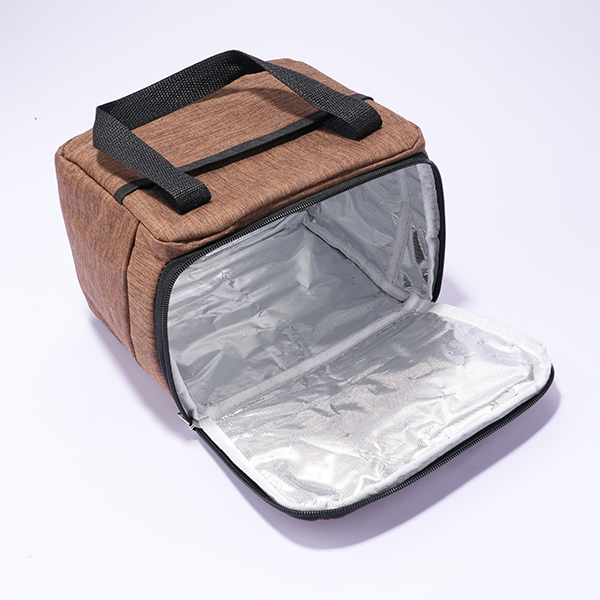
Thermal Shipping Bag Polyester: A Practical Buyer Guide for Real Operations
A purchase involving thermal shipping bag polyester should begin with one practical question: where will the bag be used, and what failure would create the biggest problem? For some buyers, the answer is heat exposure during handover. For others, it is poor logo durability, hard cleaning, weak handles, or inconsistent production. A polyester thermal shipping bag is most valuable when the specification connects thermal buffering, user handling, brand needs, and supplier control in one clear brief.
Begin With the Lane, Not the Bag Name
The most reliable buying path starts with the lane or workflow, not with the product name. Describe the origin point, storage before loading, vehicle or rider handling, handover delay, expected ambient exposure, payload shape, and receiving inspection. A short office lunch program, a grocery delivery fleet, a promotional retail campaign, and a parcel-shipping route all use insulated bags differently. The same term, thermal shipping bag polyester, can hide very different design requirements.
Once the workflow is visible, trade-offs become easier. A bag that folds flat may be ideal for storage but less structured for delicate contents. A strong backpack may help riders but take more depot space. A large tote may carry more groceries but become hard to close correctly. A thick insulated wall may improve buffering but reduce usable internal volume. There is no perfect bag for every task; there is a bag that fits a defined job.
For global procurement, the same bag may be used in different climates, delivery models, and brand contexts. That means a buyer should define the route, handover points, cleaning process, logo requirements, and acceptance checks before comparing unit prices. A well-written specification reduces arguments later because it turns a general product name into a controlled buying decision.
Match the Design to the User
The design should match the user. In meal kits, chilled samples, cosmetics, confectionery, pharmaceuticals only when supported by qualified packaging, and parcel handover, users may be shoppers, riders, warehouse pickers, office employees, retail staff, or field distributors. Each user interacts with the bag differently. Shoppers notice handle comfort and appearance. Riders notice balance, access, and cleaning speed. Warehouse teams notice labels, stacking, and compatibility with totes. Promotional teams notice print quality and presentation. A good specification names the user instead of treating the bag as a neutral container.
The thermal role should be described with the same honesty. A polyester thermal shipping bag slows heat transfer. It may be used with gel packs, ice bricks, insulated liners, cartons, or other packaging when the product requires more control. It should not be described as a guaranteed temperature-control system unless the entire packout and route have been tested for that purpose. Sensitive goods need a cautious review of temperature range, duration, payload, and documentation.
For example, an e-commerce seller may use a polyester thermal shipping bag inside a carton for chilled confectionery. The bag can reduce short-term heat exposure, but it should not be described as a universal cold-chain shipper. The seller still needs to verify product sensitivity, coolant type, carton fit, route duration, carrier handover, and whether any temperature monitoring is needed for claims or quality review.
Specifications Worth Locking Before Price Talks
A strong brief should be specific but not overcomplicated. It should include the target use, external dimensions, usable internal dimensions, expected payload, material description, liner finish, insulation type or structure, closure, handle or strap design, logo method, color reference, carton packing, sample approval process, and inspection checklist. If the bag will be used with coolant, the supplier should know the coolant shape and placement. If the bag will be returned and reused, the cleaning and drying process should be included.
| Specification point | Why it deserves attention | Buyer action |
|---|---|---|
| Usable internal space | External dimensions do not show how products fit after insulation and seams | Load real products into the sample and photograph the result |
| Closure design | Open gaps allow air exchange and user shortcuts | Test closure under full load and repeated opening |
| Liner durability | Cleaning and moisture quickly expose weak bonding | Wipe, dry, fold, and inspect the liner during sample review |
| Print method | Brand value drops if the logo fades or cracks | Approve color, position, and abrasion expectations before production |
| Production control | Small material changes can affect use and appearance | Use a golden sample and written change-approval rule |
This table helps prevent a common procurement error: negotiating price before the product is defined. Price comparison becomes meaningful only when all suppliers quote the same functional requirement. Without that discipline, the lowest quote may simply remove the details that matter during use.
A Simple Field Test Before Scaling
A simple field test can reveal more than a catalogue page. Put the intended payload into the sample. Close it fully. Carry it for the expected distance. Open and close it repeatedly. Place it in the vehicle, cart, locker, or shelf where it will be stored. Clean it using the planned method. Then check for crushed insulation, zipper strain, handle discomfort, liner damage, odor retention, and logo wear. This does not replace formal thermal qualification, but it helps decide whether the bag is suitable for everyday work.
For thermal shipping bag polyester, testing should also include the people who will use the bag. Procurement may focus on unit price, while operations may notice loading speed, and marketing may notice print quality. A short review meeting with all three teams can prevent later complaints. If the bag is used for regulated, highly sensitive, or temperature-documented products, the quality or logistics team should decide whether additional testing, monitoring, or a different packaging system is required.
Before scaling, lock down sample status. Keep one approved sample with the buyer and one with the supplier. Record material, dimensions, color, logo placement, closure type, carton packing, and any accepted tolerances. Ask how mass production will be inspected and what happens if a batch fails inspection. This is not excessive for a bulk order; it is the basic protection against misunderstanding.
Responsible Claims and Realistic Limits
The most credible claim for a polyester thermal shipping bag is specific and limited. It can say the bag is designed for reusable insulated carrying, food delivery support, grocery handover, promotional programs, or short-route thermal buffering when used as specified. It should not claim universal refrigeration, guaranteed hold time, or full compliance for all temperature-sensitive products unless supported by the required test data and market review.
Sustainability claims deserve the same discipline. A reusable bag can support waste reduction when the operation truly uses it repeatedly and maintains it well. But reusable does not automatically mean responsible. The buyer should consider durability, cleaning, replacement, storage, end-of-life handling, and whether the material claim can be documented. Specific claims are more trustworthy than broad environmental promises.
When a soft bag is not enough, the solution is not to exaggerate the bag. The buyer may need gel ice packs, ice bricks, an insulated box, a validated shipper, a temperature data logger, or active refrigeration depending on the product and route. Separating these roles protects product quality and keeps the article, brochure, or sales page accurate.
A Supplier Brief That Reduces Back-and-Forth
The fastest way to improve a purchase involving thermal shipping bag polyester is to send a supplier brief that answers the questions a good supplier will ask. The brief should include the target product, use environment, expected payload, desired bag type, thermal role, branding requirements, packaging requirements, quantity range, and approval process. It should also say what is not required. If the bag is only a promotional thermal tote, do not ask the supplier to imply strict refrigerated transport. If the bag will support sensitive goods, say that supporting data or a wider packaging system must be discussed.
A clear brief also helps the supplier recommend alternatives. The first idea may be a simple polyester thermal shipping bag, but the workflow may point toward a backpack, tote, liner, insulated box, or bag plus gel packs. Buyers sometimes avoid giving details because they want a quick quote. In practice, limited information creates quote variation and makes supplier comparison harder. A better brief may take more time to write but reduces revisions, sample waste, and production disputes.
The brief should be reviewed by the team that will actually use the bag. Procurement can control cost and supplier terms, but operations understands loading and cleaning. Marketing understands logo priority. Quality understands claim risk. When those functions agree before sampling, the approved bag is more likely to survive real use without later redesign.
Describe the route, user, payload, cleaning method, and branding need in the first supplier request.
Ask for a sample that matches the proposed production material, not only a similar stock sample.
Include acceptance criteria for seams, closure, liner, logo, dimensions, and carton packing.
State whether the bag is a passive insulated carrier or part of a wider temperature-control system.
FAQ
What makes thermal shipping bag polyester a good B2B purchase?
A good purchase is defined by fit to the route, payload, user, cleaning process, branding requirement, and quality control plan. The lowest unit price is not useful if the bag fails quickly, is hard to clean, or does not match the real operating workflow.
What should not be assumed from a product photo?
Do not assume insulation thickness, liner durability, closure tightness, internal usable volume, print quality, or thermal performance from photos. Request a sample, written specification, and clear production approval process before ordering in bulk.
When is a soft insulated bag not enough?
It is not enough when the product requires strict temperature control, validated packout, active refrigeration, or formal temperature documentation that the bag cannot support alone. In those cases, consider coolant, insulated boxes, qualified shippers, or monitoring devices.
How should Tempk be involved before ordering?
Share the product type, route, payload, temperature requirement, branding plan, and target quantity. That information helps separate a simple promotional bag from a delivery bag, a cooler backpack, or a more controlled cold-chain packaging option.
Conclusion
A successful thermal shipping bag polyester order is built around use conditions: route, payload, user, cleaning, branding, and supplier control. The bag should be described as a passive insulated packaging item unless a wider system has been tested. Buyers who approve samples with real payloads, lock down production details, and use cautious claims are more likely to receive bags that work in the field.
About Tempk
Tempk supports cold-chain and insulated packaging decisions with products such as insulated bags, thermal delivery bags, gel ice packs, dry ice packs, EPP boxes, insulated box liners, and pallet covers. For this category, Tempk can help buyers clarify whether they need a branded soft bag, a delivery backpack, a grocery tote, or a broader temperature-control packaging setup.
CTA
Send Tempk your thermal shipping bag polyester brief with payload, route, user, logo needs, and target quantity to compare suitable options before mass production.