


Thermal Lunch Bag Enterprise: Optimized Buyer Guide
Thermal Lunch Bag Enterprise: Optimized Buyer Guide

Thermal Lunch Bag Enterprise: A Practical Buyer Guide for Real Operations
A purchase involving thermal lunch bag enterprise should begin with one practical question: where will the bag be used, and what failure would create the biggest problem? For some buyers, the answer is heat exposure during handover. For others, it is poor logo durability, hard cleaning, weak handles, or inconsistent production. A enterprise thermal lunch bag is most valuable when the specification connects thermal buffering, user handling, brand needs, and supplier control in one clear brief.
Turn a Product Request Into a Working Brief
The most reliable buying path starts with the lane or workflow, not with the product name. Describe the origin point, storage before loading, vehicle or rider handling, handover delay, expected ambient exposure, payload shape, and receiving inspection. A short office lunch program, a grocery delivery fleet, a promotional retail campaign, and a parcel-shipping route all use insulated bags differently. The same term, thermal lunch bag enterprise, can hide very different design requirements.
Once the workflow is visible, trade-offs become easier. A bag that folds flat may be ideal for storage but less structured for delicate contents. A strong backpack may help riders but take more depot space. A large tote may carry more groceries but become hard to close correctly. A thick insulated wall may improve buffering but reduce usable internal volume. There is no perfect bag for every task; there is a bag that fits a defined job.
For global procurement, the same bag may be used in different climates, delivery models, and brand contexts. That means a buyer should define the route, handover points, cleaning process, logo requirements, and acceptance checks before comparing unit prices. A well-written specification reduces arguments later because it turns a general product name into a controlled buying decision.
Decide What Must Be Insulated, Branded, or Reused
The design should match the user. In employee lunch programs, office meal pickup, shift-work meals, wellness kits, branded gifts, and cafeteria transport, users may be shoppers, riders, warehouse pickers, office employees, retail staff, or field distributors. Each user interacts with the bag differently. Shoppers notice handle comfort and appearance. Riders notice balance, access, and cleaning speed. Warehouse teams notice labels, stacking, and compatibility with totes. Promotional teams notice print quality and presentation. A good specification names the user instead of treating the bag as a neutral container.
The thermal role should be described with the same honesty. A enterprise thermal lunch bag slows heat transfer. It may be used with gel packs, ice bricks, insulated liners, cartons, or other packaging when the product requires more control. It should not be described as a guaranteed temperature-control system unless the entire packout and route have been tested for that purpose. Sensitive goods need a cautious review of temperature range, duration, payload, and documentation.
Imagine an enterprise ordering lunch bags for employees across several offices. The first sample looks attractive, but daily use exposes different questions: does a standard meal box fit flat, can the zipper be opened with one hand, is the inner liner easy to clean, and does the printed logo survive repeated contact with desks, lockers, and commute bags? A corporate gift that is used twice is mostly a branding cost. A lunch bag that employees actually use becomes a visible, repeated brand touchpoint.
The Buyer Checklist That Actually Reduces Risk
A strong brief should be specific but not overcomplicated. It should include the target use, external dimensions, usable internal dimensions, expected payload, material description, liner finish, insulation type or structure, closure, handle or strap design, logo method, color reference, carton packing, sample approval process, and inspection checklist. If the bag will be used with coolant, the supplier should know the coolant shape and placement. If the bag will be returned and reused, the cleaning and drying process should be included.
| Specification point | Why it deserves attention | Buyer action |
|---|---|---|
| Usable internal space | External dimensions do not show how products fit after insulation and seams | Load real products into the sample and photograph the result |
| Closure design | Open gaps allow air exchange and user shortcuts | Test closure under full load and repeated opening |
| Liner durability | Cleaning and moisture quickly expose weak bonding | Wipe, dry, fold, and inspect the liner during sample review |
| Print method | Brand value drops if the logo fades or cracks | Approve color, position, and abrasion expectations before production |
| Production control | Small material changes can affect use and appearance | Use a golden sample and written change-approval rule |
This table helps prevent a common procurement error: negotiating price before the product is defined. Price comparison becomes meaningful only when all suppliers quote the same functional requirement. Without that discipline, the lowest quote may simply remove the details that matter during use.
Approve the Sample Like a Production Tool
A simple field test can reveal more than a catalogue page. Put the intended payload into the sample. Close it fully. Carry it for the expected distance. Open and close it repeatedly. Place it in the vehicle, cart, locker, or shelf where it will be stored. Clean it using the planned method. Then check for crushed insulation, zipper strain, handle discomfort, liner damage, odor retention, and logo wear. This does not replace formal thermal qualification, but it helps decide whether the bag is suitable for everyday work.
For thermal lunch bag enterprise, testing should also include the people who will use the bag. Procurement may focus on unit price, while operations may notice loading speed, and marketing may notice print quality. A short review meeting with all three teams can prevent later complaints. If the bag is used for regulated, highly sensitive, or temperature-documented products, the quality or logistics team should decide whether additional testing, monitoring, or a different packaging system is required.
Before scaling, lock down sample status. Keep one approved sample with the buyer and one with the supplier. Record material, dimensions, color, logo placement, closure type, carton packing, and any accepted tolerances. Ask how mass production will be inspected and what happens if a batch fails inspection. This is not excessive for a bulk order; it is the basic protection against misunderstanding.
When to Escalate Beyond a Soft Bag
The most credible claim for a enterprise thermal lunch bag is specific and limited. It can say the bag is designed for reusable insulated carrying, food delivery support, grocery handover, promotional programs, or short-route thermal buffering when used as specified. It should not claim universal refrigeration, guaranteed hold time, or full compliance for all temperature-sensitive products unless supported by the required test data and market review.
Sustainability claims deserve the same discipline. A reusable bag can support waste reduction when the operation truly uses it repeatedly and maintains it well. But reusable does not automatically mean responsible. The buyer should consider durability, cleaning, replacement, storage, end-of-life handling, and whether the material claim can be documented. Specific claims are more trustworthy than broad environmental promises.
When a soft bag is not enough, the solution is not to exaggerate the bag. The buyer may need gel ice packs, ice bricks, an insulated box, a validated shipper, a temperature data logger, or active refrigeration depending on the product and route. Separating these roles protects product quality and keeps the article, brochure, or sales page accurate.
A Supplier Brief That Reduces Back-and-Forth
The fastest way to improve a purchase involving thermal lunch bag enterprise is to send a supplier brief that answers the questions a good supplier will ask. The brief should include the target product, use environment, expected payload, desired bag type, thermal role, branding requirements, packaging requirements, quantity range, and approval process. It should also say what is not required. If the bag is only a promotional thermal tote, do not ask the supplier to imply strict refrigerated transport. If the bag will support sensitive goods, say that supporting data or a wider packaging system must be discussed.
A clear brief also helps the supplier recommend alternatives. The first idea may be a simple enterprise thermal lunch bag, but the workflow may point toward a backpack, tote, liner, insulated box, or bag plus gel packs. Buyers sometimes avoid giving details because they want a quick quote. In practice, limited information creates quote variation and makes supplier comparison harder. A better brief may take more time to write but reduces revisions, sample waste, and production disputes.
The brief should be reviewed by the team that will actually use the bag. Procurement can control cost and supplier terms, but operations understands loading and cleaning. Marketing understands logo priority. Quality understands claim risk. When those functions agree before sampling, the approved bag is more likely to survive real use without later redesign.
Describe the route, user, payload, cleaning method, and branding need in the first supplier request.
Ask for a sample that matches the proposed production material, not only a similar stock sample.
Include acceptance criteria for seams, closure, liner, logo, dimensions, and carton packing.
State whether the bag is a passive insulated carrier or part of a wider temperature-control system.
FAQ
What makes thermal lunch bag enterprise a good B2B purchase?
A good purchase is defined by fit to the route, payload, user, cleaning process, branding requirement, and quality control plan. The lowest unit price is not useful if the bag fails quickly, is hard to clean, or does not match the real operating workflow.
What should not be assumed from a product photo?
Do not assume insulation thickness, liner durability, closure tightness, internal usable volume, print quality, or thermal performance from photos. Request a sample, written specification, and clear production approval process before ordering in bulk.
When is a soft insulated bag not enough?
It is not enough when the product requires strict temperature control, validated packout, active refrigeration, or formal temperature documentation that the bag cannot support alone. In those cases, consider coolant, insulated boxes, qualified shippers, or monitoring devices.
How should Tempk be involved before ordering?
Share the product type, route, payload, temperature requirement, branding plan, and target quantity. That information helps separate a simple promotional bag from a delivery bag, a cooler backpack, or a more controlled cold-chain packaging option.
Conclusion
A successful thermal lunch bag enterprise order is built around use conditions: route, payload, user, cleaning, branding, and supplier control. The bag should be described as a passive insulated packaging item unless a wider system has been tested. Buyers who approve samples with real payloads, lock down production details, and use cautious claims are more likely to receive bags that work in the field.
About Tempk
Tempk supports cold-chain and insulated packaging decisions with products such as insulated bags, thermal delivery bags, gel ice packs, dry ice packs, EPP boxes, insulated box liners, and pallet covers. For this category, Tempk can help buyers clarify whether they need a branded soft bag, a delivery backpack, a grocery tote, or a broader temperature-control packaging setup.
CTA
Send Tempk your thermal lunch bag enterprise brief with payload, route, user, logo needs, and target quantity to compare suitable options before mass production.
Thermal Cooler Bag Procurement: Optimized Buyer Guide
Thermal Cooler Bag Procurement: A Practical Buyer Guide for Real Operations
A purchase involving thermal cooler bag procurement should begin with one practical question: where will the bag be used, and what failure would create the biggest problem? For some buyers, the answer is heat exposure during handover. For others, it is poor logo durability, hard cleaning, weak handles, or inconsistent production. A thermal cooler bag is most valuable when the specification connects thermal buffering, user handling, brand needs, and supplier control in one clear brief.
Begin With the Lane, Not the Bag Name
The most reliable buying path starts with the lane or workflow, not with the product name. Describe the origin point, storage before loading, vehicle or rider handling, handover delay, expected ambient exposure, payload shape, and receiving inspection. A short office lunch program, a grocery delivery fleet, a promotional retail campaign, and a parcel-shipping route all use insulated bags differently. The same term, thermal cooler bag procurement, can hide very different design requirements.
Once the workflow is visible, trade-offs become easier. A bag that folds flat may be ideal for storage but less structured for delicate contents. A strong backpack may help riders but take more depot space. A large tote may carry more groceries but become hard to close correctly. A thick insulated wall may improve buffering but reduce usable internal volume. There is no perfect bag for every task; there is a bag that fits a defined job.
For global procurement, the same bag may be used in different climates, delivery models, and brand contexts. That means a buyer should define the route, handover points, cleaning process, logo requirements, and acceptance checks before comparing unit prices. A well-written specification reduces arguments later because it turns a general product name into a controlled buying decision.
Match the Design to the User
The design should match the user. In multi-purpose chilled carrying, food delivery, shopping, pharmacy support items, and events, users may be shoppers, riders, warehouse pickers, office employees, retail staff, or field distributors. Each user interacts with the bag differently. Shoppers notice handle comfort and appearance. Riders notice balance, access, and cleaning speed. Warehouse teams notice labels, stacking, and compatibility with totes. Promotional teams notice print quality and presentation. A good specification names the user instead of treating the bag as a neutral container.
The thermal role should be described with the same honesty. A thermal cooler bag slows heat transfer. It may be used with gel packs, ice bricks, insulated liners, cartons, or other packaging when the product requires more control. It should not be described as a guaranteed temperature-control system unless the entire packout and route have been tested for that purpose. Sensitive goods need a cautious review of temperature range, duration, payload, and documentation.
For example, a buyer evaluating thermal cooler bag samples may receive several bags that look similar in product photos. Once the samples are loaded, the differences become clear. One closes tightly but has weak handles, another has a strong shell but a loose liner, and a third looks premium but folds poorly into cartons. A practical evaluation should include the actual payload, the intended user, the cleaning method, and the carton packing plan before the final price negotiation.
Specifications Worth Locking Before Price Talks
A strong brief should be specific but not overcomplicated. It should include the target use, external dimensions, usable internal dimensions, expected payload, material description, liner finish, insulation type or structure, closure, handle or strap design, logo method, color reference, carton packing, sample approval process, and inspection checklist. If the bag will be used with coolant, the supplier should know the coolant shape and placement. If the bag will be returned and reused, the cleaning and drying process should be included.
| Specification point | Why it deserves attention | Buyer action |
|---|---|---|
| Usable internal space | External dimensions do not show how products fit after insulation and seams | Load real products into the sample and photograph the result |
| Closure design | Open gaps allow air exchange and user shortcuts | Test closure under full load and repeated opening |
| Liner durability | Cleaning and moisture quickly expose weak bonding | Wipe, dry, fold, and inspect the liner during sample review |
| Print method | Brand value drops if the logo fades or cracks | Approve color, position, and abrasion expectations before production |
| Production control | Small material changes can affect use and appearance | Use a golden sample and written change-approval rule |
This table helps prevent a common procurement error: negotiating price before the product is defined. Price comparison becomes meaningful only when all suppliers quote the same functional requirement. Without that discipline, the lowest quote may simply remove the details that matter during use.
A Simple Field Test Before Scaling
A simple field test can reveal more than a catalogue page. Put the intended payload into the sample. Close it fully. Carry it for the expected distance. Open and close it repeatedly. Place it in the vehicle, cart, locker, or shelf where it will be stored. Clean it using the planned method. Then check for crushed insulation, zipper strain, handle discomfort, liner damage, odor retention, and logo wear. This does not replace formal thermal qualification, but it helps decide whether the bag is suitable for everyday work.
For thermal cooler bag procurement, testing should also include the people who will use the bag. Procurement may focus on unit price, while operations may notice loading speed, and marketing may notice print quality. A short review meeting with all three teams can prevent later complaints. If the bag is used for regulated, highly sensitive, or temperature-documented products, the quality or logistics team should decide whether additional testing, monitoring, or a different packaging system is required.
Before scaling, lock down sample status. Keep one approved sample with the buyer and one with the supplier. Record material, dimensions, color, logo placement, closure type, carton packing, and any accepted tolerances. Ask how mass production will be inspected and what happens if a batch fails inspection. This is not excessive for a bulk order; it is the basic protection against misunderstanding.
Responsible Claims and Realistic Limits
The most credible claim for a thermal cooler bag is specific and limited. It can say the bag is designed for reusable insulated carrying, food delivery support, grocery handover, promotional programs, or short-route thermal buffering when used as specified. It should not claim universal refrigeration, guaranteed hold time, or full compliance for all temperature-sensitive products unless supported by the required test data and market review.
Sustainability claims deserve the same discipline. A reusable bag can support waste reduction when the operation truly uses it repeatedly and maintains it well. But reusable does not automatically mean responsible. The buyer should consider durability, cleaning, replacement, storage, end-of-life handling, and whether the material claim can be documented. Specific claims are more trustworthy than broad environmental promises.
When a soft bag is not enough, the solution is not to exaggerate the bag. The buyer may need gel ice packs, ice bricks, an insulated box, a validated shipper, a temperature data logger, or active refrigeration depending on the product and route. Separating these roles protects product quality and keeps the article, brochure, or sales page accurate.
A Supplier Brief That Reduces Back-and-Forth
The fastest way to improve a purchase involving thermal cooler bag procurement is to send a supplier brief that answers the questions a good supplier will ask. The brief should include the target product, use environment, expected payload, desired bag type, thermal role, branding requirements, packaging requirements, quantity range, and approval process. It should also say what is not required. If the bag is only a promotional thermal tote, do not ask the supplier to imply strict refrigerated transport. If the bag will support sensitive goods, say that supporting data or a wider packaging system must be discussed.
A clear brief also helps the supplier recommend alternatives. The first idea may be a simple thermal cooler bag, but the workflow may point toward a backpack, tote, liner, insulated box, or bag plus gel packs. Buyers sometimes avoid giving details because they want a quick quote. In practice, limited information creates quote variation and makes supplier comparison harder. A better brief may take more time to write but reduces revisions, sample waste, and production disputes.
The brief should be reviewed by the team that will actually use the bag. Procurement can control cost and supplier terms, but operations understands loading and cleaning. Marketing understands logo priority. Quality understands claim risk. When those functions agree before sampling, the approved bag is more likely to survive real use without later redesign.
Describe the route, user, payload, cleaning method, and branding need in the first supplier request.
Ask for a sample that matches the proposed production material, not only a similar stock sample.
Include acceptance criteria for seams, closure, liner, logo, dimensions, and carton packing.
State whether the bag is a passive insulated carrier or part of a wider temperature-control system.
FAQ
What makes thermal cooler bag procurement a good B2B purchase?
A good purchase is defined by fit to the route, payload, user, cleaning process, branding requirement, and quality control plan. The lowest unit price is not useful if the bag fails quickly, is hard to clean, or does not match the real operating workflow.
What should not be assumed from a product photo?
Do not assume insulation thickness, liner durability, closure tightness, internal usable volume, print quality, or thermal performance from photos. Request a sample, written specification, and clear production approval process before ordering in bulk.
When is a soft insulated bag not enough?
It is not enough when the product requires strict temperature control, validated packout, active refrigeration, or formal temperature documentation that the bag cannot support alone. In those cases, consider coolant, insulated boxes, qualified shippers, or monitoring devices.
How should Tempk be involved before ordering?
Share the product type, route, payload, temperature requirement, branding plan, and target quantity. That information helps separate a simple promotional bag from a delivery bag, a cooler backpack, or a more controlled cold-chain packaging option.
Conclusion
A successful thermal cooler bag procurement order is built around use conditions: route, payload, user, cleaning, branding, and supplier control. The bag should be described as a passive insulated packaging item unless a wider system has been tested. Buyers who approve samples with real payloads, lock down production details, and use cautious claims are more likely to receive bags that work in the field.
About Tempk
Tempk supports cold-chain and insulated packaging decisions with products such as insulated bags, thermal delivery bags, gel ice packs, dry ice packs, EPP boxes, insulated box liners, and pallet covers. For this category, Tempk can help buyers clarify whether they need a branded soft bag, a delivery backpack, a grocery tote, or a broader temperature-control packaging setup.
CTA
Send Tempk your thermal cooler bag procurement brief with payload, route, user, logo needs, and target quantity to compare suitable options before mass production.
Thermal Carry Bag Branded: Optimized Buyer Guide
Thermal Carry Bag Branded: A Practical Buyer Guide for Real Operations
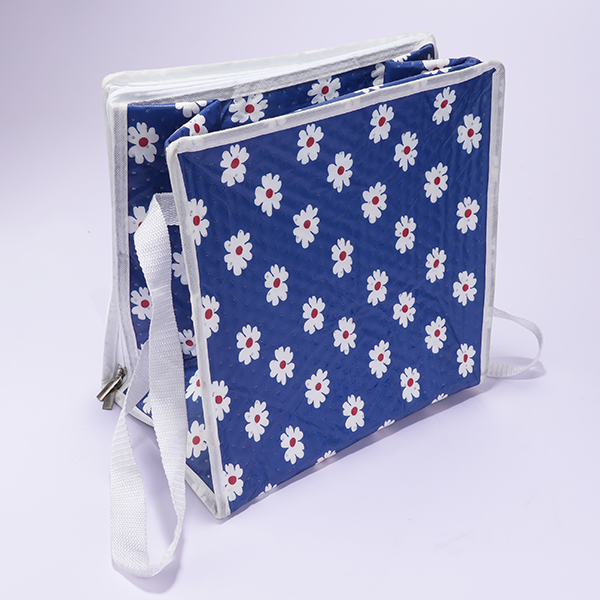
A purchase involving thermal carry bag branded should begin with one practical question: where will the bag be used, and what failure would create the biggest problem? For some buyers, the answer is heat exposure during handover. For others, it is poor logo durability, hard cleaning, weak handles, or inconsistent production. A branded thermal carry bag is most valuable when the specification connects thermal buffering, user handling, brand needs, and supplier control in one clear brief.
Turn a Product Request Into a Working Brief
The most reliable buying path starts with the lane or workflow, not with the product name. Describe the origin point, storage before loading, vehicle or rider handling, handover delay, expected ambient exposure, payload shape, and receiving inspection. A short office lunch program, a grocery delivery fleet, a promotional retail campaign, and a parcel-shipping route all use insulated bags differently. The same term, thermal carry bag branded, can hide very different design requirements.
Once the workflow is visible, trade-offs become easier. A bag that folds flat may be ideal for storage but less structured for delicate contents. A strong backpack may help riders but take more depot space. A large tote may carry more groceries but become hard to close correctly. A thick insulated wall may improve buffering but reduce usable internal volume. There is no perfect bag for every task; there is a bag that fits a defined job.
For global procurement, the same bag may be used in different climates, delivery models, and brand contexts. That means a buyer should define the route, handover points, cleaning process, logo requirements, and acceptance checks before comparing unit prices. A well-written specification reduces arguments later because it turns a general product name into a controlled buying decision.
Decide What Must Be Insulated, Branded, or Reused
The design should match the user. In customer carry-away, food pickup, retail sampling, grocery membership programs, and chilled-product promotion, users may be shoppers, riders, warehouse pickers, office employees, retail staff, or field distributors. Each user interacts with the bag differently. Shoppers notice handle comfort and appearance. Riders notice balance, access, and cleaning speed. Warehouse teams notice labels, stacking, and compatibility with totes. Promotional teams notice print quality and presentation. A good specification names the user instead of treating the bag as a neutral container.
The thermal role should be described with the same honesty. A branded thermal carry bag slows heat transfer. It may be used with gel packs, ice bricks, insulated liners, cartons, or other packaging when the product requires more control. It should not be described as a guaranteed temperature-control system unless the entire packout and route have been tested for that purpose. Sensitive goods need a cautious review of temperature range, duration, payload, and documentation.
For example, a buyer evaluating branded thermal carry bag samples may receive several bags that look similar in product photos. Once the samples are loaded, the differences become clear. One closes tightly but has weak handles, another has a strong shell but a loose liner, and a third looks premium but folds poorly into cartons. A practical evaluation should include the actual payload, the intended user, the cleaning method, and the carton packing plan before the final price negotiation.
The Buyer Checklist That Actually Reduces Risk
A strong brief should be specific but not overcomplicated. It should include the target use, external dimensions, usable internal dimensions, expected payload, material description, liner finish, insulation type or structure, closure, handle or strap design, logo method, color reference, carton packing, sample approval process, and inspection checklist. If the bag will be used with coolant, the supplier should know the coolant shape and placement. If the bag will be returned and reused, the cleaning and drying process should be included.
| Specification point | Why it deserves attention | Buyer action |
|---|---|---|
| Usable internal space | External dimensions do not show how products fit after insulation and seams | Load real products into the sample and photograph the result |
| Closure design | Open gaps allow air exchange and user shortcuts | Test closure under full load and repeated opening |
| Liner durability | Cleaning and moisture quickly expose weak bonding | Wipe, dry, fold, and inspect the liner during sample review |
| Print method | Brand value drops if the logo fades or cracks | Approve color, position, and abrasion expectations before production |
| Production control | Small material changes can affect use and appearance | Use a golden sample and written change-approval rule |
This table helps prevent a common procurement error: negotiating price before the product is defined. Price comparison becomes meaningful only when all suppliers quote the same functional requirement. Without that discipline, the lowest quote may simply remove the details that matter during use.
Approve the Sample Like a Production Tool
A simple field test can reveal more than a catalogue page. Put the intended payload into the sample. Close it fully. Carry it for the expected distance. Open and close it repeatedly. Place it in the vehicle, cart, locker, or shelf where it will be stored. Clean it using the planned method. Then check for crushed insulation, zipper strain, handle discomfort, liner damage, odor retention, and logo wear. This does not replace formal thermal qualification, but it helps decide whether the bag is suitable for everyday work.
For thermal carry bag branded, testing should also include the people who will use the bag. Procurement may focus on unit price, while operations may notice loading speed, and marketing may notice print quality. A short review meeting with all three teams can prevent later complaints. If the bag is used for regulated, highly sensitive, or temperature-documented products, the quality or logistics team should decide whether additional testing, monitoring, or a different packaging system is required.
Before scaling, lock down sample status. Keep one approved sample with the buyer and one with the supplier. Record material, dimensions, color, logo placement, closure type, carton packing, and any accepted tolerances. Ask how mass production will be inspected and what happens if a batch fails inspection. This is not excessive for a bulk order; it is the basic protection against misunderstanding.
When to Escalate Beyond a Soft Bag
The most credible claim for a branded thermal carry bag is specific and limited. It can say the bag is designed for reusable insulated carrying, food delivery support, grocery handover, promotional programs, or short-route thermal buffering when used as specified. It should not claim universal refrigeration, guaranteed hold time, or full compliance for all temperature-sensitive products unless supported by the required test data and market review.
Sustainability claims deserve the same discipline. A reusable bag can support waste reduction when the operation truly uses it repeatedly and maintains it well. But reusable does not automatically mean responsible. The buyer should consider durability, cleaning, replacement, storage, end-of-life handling, and whether the material claim can be documented. Specific claims are more trustworthy than broad environmental promises.
When a soft bag is not enough, the solution is not to exaggerate the bag. The buyer may need gel ice packs, ice bricks, an insulated box, a validated shipper, a temperature data logger, or active refrigeration depending on the product and route. Separating these roles protects product quality and keeps the article, brochure, or sales page accurate.
A Supplier Brief That Reduces Back-and-Forth
The fastest way to improve a purchase involving thermal carry bag branded is to send a supplier brief that answers the questions a good supplier will ask. The brief should include the target product, use environment, expected payload, desired bag type, thermal role, branding requirements, packaging requirements, quantity range, and approval process. It should also say what is not required. If the bag is only a promotional thermal tote, do not ask the supplier to imply strict refrigerated transport. If the bag will support sensitive goods, say that supporting data or a wider packaging system must be discussed.
A clear brief also helps the supplier recommend alternatives. The first idea may be a simple branded thermal carry bag, but the workflow may point toward a backpack, tote, liner, insulated box, or bag plus gel packs. Buyers sometimes avoid giving details because they want a quick quote. In practice, limited information creates quote variation and makes supplier comparison harder. A better brief may take more time to write but reduces revisions, sample waste, and production disputes.
The brief should be reviewed by the team that will actually use the bag. Procurement can control cost and supplier terms, but operations understands loading and cleaning. Marketing understands logo priority. Quality understands claim risk. When those functions agree before sampling, the approved bag is more likely to survive real use without later redesign.
Describe the route, user, payload, cleaning method, and branding need in the first supplier request.
Ask for a sample that matches the proposed production material, not only a similar stock sample.
Include acceptance criteria for seams, closure, liner, logo, dimensions, and carton packing.
State whether the bag is a passive insulated carrier or part of a wider temperature-control system.
FAQ
What makes thermal carry bag branded a good B2B purchase?
A good purchase is defined by fit to the route, payload, user, cleaning process, branding requirement, and quality control plan. The lowest unit price is not useful if the bag fails quickly, is hard to clean, or does not match the real operating workflow.
What should not be assumed from a product photo?
Do not assume insulation thickness, liner durability, closure tightness, internal usable volume, print quality, or thermal performance from photos. Request a sample, written specification, and clear production approval process before ordering in bulk.
When is a soft insulated bag not enough?
It is not enough when the product requires strict temperature control, validated packout, active refrigeration, or formal temperature documentation that the bag cannot support alone. In those cases, consider coolant, insulated boxes, qualified shippers, or monitoring devices.
How should Tempk be involved before ordering?
Share the product type, route, payload, temperature requirement, branding plan, and target quantity. That information helps separate a simple promotional bag from a delivery bag, a cooler backpack, or a more controlled cold-chain packaging option.
Conclusion
A successful thermal carry bag branded order is built around use conditions: route, payload, user, cleaning, branding, and supplier control. The bag should be described as a passive insulated packaging item unless a wider system has been tested. Buyers who approve samples with real payloads, lock down production details, and use cautious claims are more likely to receive bags that work in the field.
About Tempk
Tempk supports cold-chain and insulated packaging decisions with products such as insulated bags, thermal delivery bags, gel ice packs, dry ice packs, EPP boxes, insulated box liners, and pallet covers. For this category, Tempk can help buyers clarify whether they need a branded soft bag, a delivery backpack, a grocery tote, or a broader temperature-control packaging setup.
CTA
Send Tempk your thermal carry bag branded brief with payload, route, user, logo needs, and target quantity to compare suitable options before mass production.
Thermal Bag Promotional Eu: Optimized Buyer Guide
Thermal Bag Promotional Eu: A Practical Buyer Guide for Real Operations
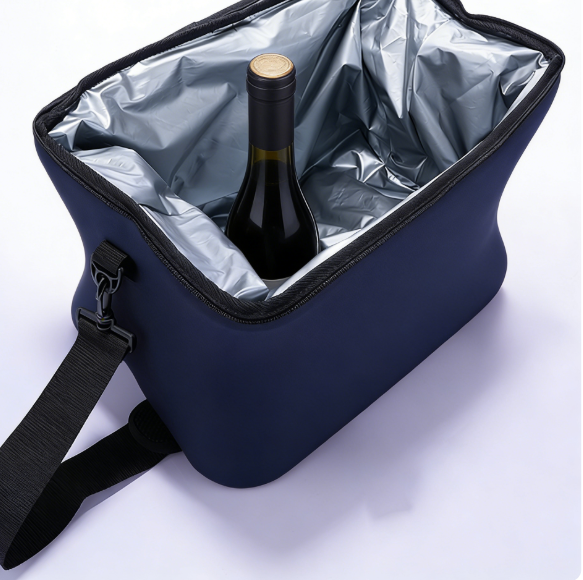
A purchase involving thermal bag promotional eu should begin with one practical question: where will the bag be used, and what failure would create the biggest problem? For some buyers, the answer is heat exposure during handover. For others, it is poor logo durability, hard cleaning, weak handles, or inconsistent production. A promotional thermal bag is most valuable when the specification connects thermal buffering, user handling, brand needs, and supplier control in one clear brief.
A Practical Buying Path for This Category
The most reliable buying path starts with the lane or workflow, not with the product name. Describe the origin point, storage before loading, vehicle or rider handling, handover delay, expected ambient exposure, payload shape, and receiving inspection. A short office lunch program, a grocery delivery fleet, a promotional retail campaign, and a parcel-shipping route all use insulated bags differently. The same term, thermal bag promotional eu, can hide very different design requirements.
Once the workflow is visible, trade-offs become easier. A bag that folds flat may be ideal for storage but less structured for delicate contents. A strong backpack may help riders but take more depot space. A large tote may carry more groceries but become hard to close correctly. A thick insulated wall may improve buffering but reduce usable internal volume. There is no perfect bag for every task; there is a bag that fits a defined job.
Because this program is tied to the European market, procurement should be careful with packaging waste, material, and recyclability claims. EU policy has moved toward waste prevention, reuse, and higher recycling expectations for packaging, so claims should be documented rather than assumed. A buyer does not need to turn a thermal bag project into a legal memo, but the specification should make it clear what material is used, how the bag is packed, and whether any food-contact or importer responsibilities need review.
Choose Around Payload, Route, and Handling
The design should match the user. In retail loyalty rewards, grocery campaigns, chilled-food launches, outdoor events, and corporate gifts, users may be shoppers, riders, warehouse pickers, office employees, retail staff, or field distributors. Each user interacts with the bag differently. Shoppers notice handle comfort and appearance. Riders notice balance, access, and cleaning speed. Warehouse teams notice labels, stacking, and compatibility with totes. Promotional teams notice print quality and presentation. A good specification names the user instead of treating the bag as a neutral container.
The thermal role should be described with the same honesty. A promotional thermal bag slows heat transfer. It may be used with gel packs, ice bricks, insulated liners, cartons, or other packaging when the product requires more control. It should not be described as a guaranteed temperature-control system unless the entire packout and route have been tested for that purpose. Sensitive goods need a cautious review of temperature range, duration, payload, and documentation.
For example, a buyer evaluating promotional thermal bag samples may receive several bags that look similar in product photos. Once the samples are loaded, the differences become clear. One closes tightly but has weak handles, another has a strong shell but a loose liner, and a third looks premium but folds poorly into cartons. A practical evaluation should include the actual payload, the intended user, the cleaning method, and the carton packing plan before the final price negotiation.
Bulk Procurement Details Hidden in the Sample
A strong brief should be specific but not overcomplicated. It should include the target use, external dimensions, usable internal dimensions, expected payload, material description, liner finish, insulation type or structure, closure, handle or strap design, logo method, color reference, carton packing, sample approval process, and inspection checklist. If the bag will be used with coolant, the supplier should know the coolant shape and placement. If the bag will be returned and reused, the cleaning and drying process should be included.
| Specification point | Why it deserves attention | Buyer action |
|---|---|---|
| Usable internal space | External dimensions do not show how products fit after insulation and seams | Load real products into the sample and photograph the result |
| Closure design | Open gaps allow air exchange and user shortcuts | Test closure under full load and repeated opening |
| Liner durability | Cleaning and moisture quickly expose weak bonding | Wipe, dry, fold, and inspect the liner during sample review |
| Print method | Brand value drops if the logo fades or cracks | Approve color, position, and abrasion expectations before production |
| Production control | Small material changes can affect use and appearance | Use a golden sample and written change-approval rule |
This table helps prevent a common procurement error: negotiating price before the product is defined. Price comparison becomes meaningful only when all suppliers quote the same functional requirement. Without that discipline, the lowest quote may simply remove the details that matter during use.
What to Verify Before Launch
A simple field test can reveal more than a catalogue page. Put the intended payload into the sample. Close it fully. Carry it for the expected distance. Open and close it repeatedly. Place it in the vehicle, cart, locker, or shelf where it will be stored. Clean it using the planned method. Then check for crushed insulation, zipper strain, handle discomfort, liner damage, odor retention, and logo wear. This does not replace formal thermal qualification, but it helps decide whether the bag is suitable for everyday work.
For thermal bag promotional eu, testing should also include the people who will use the bag. Procurement may focus on unit price, while operations may notice loading speed, and marketing may notice print quality. A short review meeting with all three teams can prevent later complaints. If the bag is used for regulated, highly sensitive, or temperature-documented products, the quality or logistics team should decide whether additional testing, monitoring, or a different packaging system is required.
Before scaling, lock down sample status. Keep one approved sample with the buyer and one with the supplier. Record material, dimensions, color, logo placement, closure type, carton packing, and any accepted tolerances. Ask how mass production will be inspected and what happens if a batch fails inspection. This is not excessive for a bulk order; it is the basic protection against misunderstanding.
Use Sustainability Claims With Evidence
The most credible claim for a promotional thermal bag is specific and limited. It can say the bag is designed for reusable insulated carrying, food delivery support, grocery handover, promotional programs, or short-route thermal buffering when used as specified. It should not claim universal refrigeration, guaranteed hold time, or full compliance for all temperature-sensitive products unless supported by the required test data and market review.
Sustainability claims deserve the same discipline. A reusable bag can support waste reduction when the operation truly uses it repeatedly and maintains it well. But reusable does not automatically mean responsible. The buyer should consider durability, cleaning, replacement, storage, end-of-life handling, and whether the material claim can be documented. Specific claims are more trustworthy than broad environmental promises.
When a soft bag is not enough, the solution is not to exaggerate the bag. The buyer may need gel ice packs, ice bricks, an insulated box, a validated shipper, a temperature data logger, or active refrigeration depending on the product and route. Separating these roles protects product quality and keeps the article, brochure, or sales page accurate.
A Supplier Brief That Reduces Back-and-Forth
The fastest way to improve a purchase involving thermal bag promotional eu is to send a supplier brief that answers the questions a good supplier will ask. The brief should include the target product, use environment, expected payload, desired bag type, thermal role, branding requirements, packaging requirements, quantity range, and approval process. It should also say what is not required. If the bag is only a promotional thermal tote, do not ask the supplier to imply strict refrigerated transport. If the bag will support sensitive goods, say that supporting data or a wider packaging system must be discussed.
A clear brief also helps the supplier recommend alternatives. The first idea may be a simple promotional thermal bag, but the workflow may point toward a backpack, tote, liner, insulated box, or bag plus gel packs. Buyers sometimes avoid giving details because they want a quick quote. In practice, limited information creates quote variation and makes supplier comparison harder. A better brief may take more time to write but reduces revisions, sample waste, and production disputes.
The brief should be reviewed by the team that will actually use the bag. Procurement can control cost and supplier terms, but operations understands loading and cleaning. Marketing understands logo priority. Quality understands claim risk. When those functions agree before sampling, the approved bag is more likely to survive real use without later redesign.
Describe the route, user, payload, cleaning method, and branding need in the first supplier request.
Ask for a sample that matches the proposed production material, not only a similar stock sample.
Include acceptance criteria for seams, closure, liner, logo, dimensions, and carton packing.
State whether the bag is a passive insulated carrier or part of a wider temperature-control system.
FAQ
What makes thermal bag promotional eu a good B2B purchase?
A good purchase is defined by fit to the route, payload, user, cleaning process, branding requirement, and quality control plan. The lowest unit price is not useful if the bag fails quickly, is hard to clean, or does not match the real operating workflow.
What should not be assumed from a product photo?
Do not assume insulation thickness, liner durability, closure tightness, internal usable volume, print quality, or thermal performance from photos. Request a sample, written specification, and clear production approval process before ordering in bulk.
When is a soft insulated bag not enough?
It is not enough when the product requires strict temperature control, validated packout, active refrigeration, or formal temperature documentation that the bag cannot support alone. In those cases, consider coolant, insulated boxes, qualified shippers, or monitoring devices.
How should Tempk be involved before ordering?
Share the product type, route, payload, temperature requirement, branding plan, and target quantity. That information helps separate a simple promotional bag from a delivery bag, a cooler backpack, or a more controlled cold-chain packaging option.
Conclusion
A successful thermal bag promotional eu order is built around use conditions: route, payload, user, cleaning, branding, and supplier control. The bag should be described as a passive insulated packaging item unless a wider system has been tested. Buyers who approve samples with real payloads, lock down production details, and use cautious claims are more likely to receive bags that work in the field.
About Tempk
Tempk supports cold-chain and insulated packaging decisions with products such as insulated bags, thermal delivery bags, gel ice packs, dry ice packs, EPP boxes, insulated box liners, and pallet covers. For this category, Tempk can help buyers clarify whether they need a branded soft bag, a delivery backpack, a grocery tote, or a broader temperature-control packaging setup.
CTA
Send Tempk your thermal bag promotional eu brief with payload, route, user, logo needs, and target quantity to compare suitable options before mass production.
Thermal Bag Foil Lined: Optimized Buyer Guide
Thermal Bag Foil Lined: A Practical Buyer Guide for Real Operations
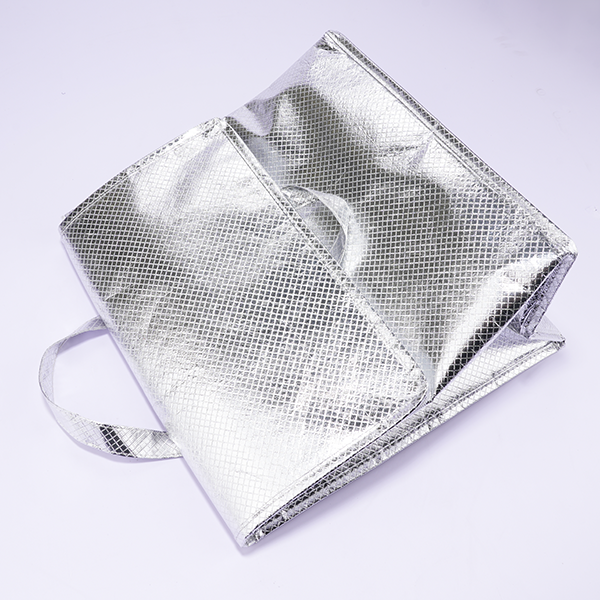
A purchase involving thermal bag foil lined should begin with one practical question: where will the bag be used, and what failure would create the biggest problem? For some buyers, the answer is heat exposure during handover. For others, it is poor logo durability, hard cleaning, weak handles, or inconsistent production. A foil-lined thermal bag is most valuable when the specification connects thermal buffering, user handling, brand needs, and supplier control in one clear brief.
Begin With the Lane, Not the Bag Name
The most reliable buying path starts with the lane or workflow, not with the product name. Describe the origin point, storage before loading, vehicle or rider handling, handover delay, expected ambient exposure, payload shape, and receiving inspection. A short office lunch program, a grocery delivery fleet, a promotional retail campaign, and a parcel-shipping route all use insulated bags differently. The same term, thermal bag foil lined, can hide very different design requirements.
Once the workflow is visible, trade-offs become easier. A bag that folds flat may be ideal for storage but less structured for delicate contents. A strong backpack may help riders but take more depot space. A large tote may carry more groceries but become hard to close correctly. A thick insulated wall may improve buffering but reduce usable internal volume. There is no perfect bag for every task; there is a bag that fits a defined job.
For global procurement, the same bag may be used in different climates, delivery models, and brand contexts. That means a buyer should define the route, handover points, cleaning process, logo requirements, and acceptance checks before comparing unit prices. A well-written specification reduces arguments later because it turns a general product name into a controlled buying decision.
Match the Design to the User
The design should match the user. In short-route grocery, meal, chilled sample, and retail handover work, users may be shoppers, riders, warehouse pickers, office employees, retail staff, or field distributors. Each user interacts with the bag differently. Shoppers notice handle comfort and appearance. Riders notice balance, access, and cleaning speed. Warehouse teams notice labels, stacking, and compatibility with totes. Promotional teams notice print quality and presentation. A good specification names the user instead of treating the bag as a neutral container.
The thermal role should be described with the same honesty. A foil-lined thermal bag slows heat transfer. It may be used with gel packs, ice bricks, insulated liners, cartons, or other packaging when the product requires more control. It should not be described as a guaranteed temperature-control system unless the entire packout and route have been tested for that purpose. Sensitive goods need a cautious review of temperature range, duration, payload, and documentation.
For example, a buyer evaluating foil-lined thermal bag samples may receive several bags that look similar in product photos. Once the samples are loaded, the differences become clear. One closes tightly but has weak handles, another has a strong shell but a loose liner, and a third looks premium but folds poorly into cartons. A practical evaluation should include the actual payload, the intended user, the cleaning method, and the carton packing plan before the final price negotiation.
Specifications Worth Locking Before Price Talks
A strong brief should be specific but not overcomplicated. It should include the target use, external dimensions, usable internal dimensions, expected payload, material description, liner finish, insulation type or structure, closure, handle or strap design, logo method, color reference, carton packing, sample approval process, and inspection checklist. If the bag will be used with coolant, the supplier should know the coolant shape and placement. If the bag will be returned and reused, the cleaning and drying process should be included.
| Specification point | Why it deserves attention | Buyer action |
|---|---|---|
| Usable internal space | External dimensions do not show how products fit after insulation and seams | Load real products into the sample and photograph the result |
| Closure design | Open gaps allow air exchange and user shortcuts | Test closure under full load and repeated opening |
| Liner durability | Cleaning and moisture quickly expose weak bonding | Wipe, dry, fold, and inspect the liner during sample review |
| Print method | Brand value drops if the logo fades or cracks | Approve color, position, and abrasion expectations before production |
| Production control | Small material changes can affect use and appearance | Use a golden sample and written change-approval rule |
This table helps prevent a common procurement error: negotiating price before the product is defined. Price comparison becomes meaningful only when all suppliers quote the same functional requirement. Without that discipline, the lowest quote may simply remove the details that matter during use.
A Simple Field Test Before Scaling
A simple field test can reveal more than a catalogue page. Put the intended payload into the sample. Close it fully. Carry it for the expected distance. Open and close it repeatedly. Place it in the vehicle, cart, locker, or shelf where it will be stored. Clean it using the planned method. Then check for crushed insulation, zipper strain, handle discomfort, liner damage, odor retention, and logo wear. This does not replace formal thermal qualification, but it helps decide whether the bag is suitable for everyday work.
For thermal bag foil lined, testing should also include the people who will use the bag. Procurement may focus on unit price, while operations may notice loading speed, and marketing may notice print quality. A short review meeting with all three teams can prevent later complaints. If the bag is used for regulated, highly sensitive, or temperature-documented products, the quality or logistics team should decide whether additional testing, monitoring, or a different packaging system is required.
Before scaling, lock down sample status. Keep one approved sample with the buyer and one with the supplier. Record material, dimensions, color, logo placement, closure type, carton packing, and any accepted tolerances. Ask how mass production will be inspected and what happens if a batch fails inspection. This is not excessive for a bulk order; it is the basic protection against misunderstanding.
Responsible Claims and Realistic Limits
The most credible claim for a foil-lined thermal bag is specific and limited. It can say the bag is designed for reusable insulated carrying, food delivery support, grocery handover, promotional programs, or short-route thermal buffering when used as specified. It should not claim universal refrigeration, guaranteed hold time, or full compliance for all temperature-sensitive products unless supported by the required test data and market review.
Sustainability claims deserve the same discipline. A reusable bag can support waste reduction when the operation truly uses it repeatedly and maintains it well. But reusable does not automatically mean responsible. The buyer should consider durability, cleaning, replacement, storage, end-of-life handling, and whether the material claim can be documented. Specific claims are more trustworthy than broad environmental promises.
When a soft bag is not enough, the solution is not to exaggerate the bag. The buyer may need gel ice packs, ice bricks, an insulated box, a validated shipper, a temperature data logger, or active refrigeration depending on the product and route. Separating these roles protects product quality and keeps the article, brochure, or sales page accurate.
A Supplier Brief That Reduces Back-and-Forth
The fastest way to improve a purchase involving thermal bag foil lined is to send a supplier brief that answers the questions a good supplier will ask. The brief should include the target product, use environment, expected payload, desired bag type, thermal role, branding requirements, packaging requirements, quantity range, and approval process. It should also say what is not required. If the bag is only a promotional thermal tote, do not ask the supplier to imply strict refrigerated transport. If the bag will support sensitive goods, say that supporting data or a wider packaging system must be discussed.
A clear brief also helps the supplier recommend alternatives. The first idea may be a simple foil-lined thermal bag, but the workflow may point toward a backpack, tote, liner, insulated box, or bag plus gel packs. Buyers sometimes avoid giving details because they want a quick quote. In practice, limited information creates quote variation and makes supplier comparison harder. A better brief may take more time to write but reduces revisions, sample waste, and production disputes.
The brief should be reviewed by the team that will actually use the bag. Procurement can control cost and supplier terms, but operations understands loading and cleaning. Marketing understands logo priority. Quality understands claim risk. When those functions agree before sampling, the approved bag is more likely to survive real use without later redesign.
Describe the route, user, payload, cleaning method, and branding need in the first supplier request.
Ask for a sample that matches the proposed production material, not only a similar stock sample.
Include acceptance criteria for seams, closure, liner, logo, dimensions, and carton packing.
State whether the bag is a passive insulated carrier or part of a wider temperature-control system.
FAQ
What makes thermal bag foil lined a good B2B purchase?
A good purchase is defined by fit to the route, payload, user, cleaning process, branding requirement, and quality control plan. The lowest unit price is not useful if the bag fails quickly, is hard to clean, or does not match the real operating workflow.
What should not be assumed from a product photo?
Do not assume insulation thickness, liner durability, closure tightness, internal usable volume, print quality, or thermal performance from photos. Request a sample, written specification, and clear production approval process before ordering in bulk.
When is a soft insulated bag not enough?
It is not enough when the product requires strict temperature control, validated packout, active refrigeration, or formal temperature documentation that the bag cannot support alone. In those cases, consider coolant, insulated boxes, qualified shippers, or monitoring devices.
How should Tempk be involved before ordering?
Share the product type, route, payload, temperature requirement, branding plan, and target quantity. That information helps separate a simple promotional bag from a delivery bag, a cooler backpack, or a more controlled cold-chain packaging option.
Conclusion
A successful thermal bag foil lined order is built around use conditions: route, payload, user, cleaning, branding, and supplier control. The bag should be described as a passive insulated packaging item unless a wider system has been tested. Buyers who approve samples with real payloads, lock down production details, and use cautious claims are more likely to receive bags that work in the field.
About Tempk
Tempk supports cold-chain and insulated packaging decisions with products such as insulated bags, thermal delivery bags, gel ice packs, dry ice packs, EPP boxes, insulated box liners, and pallet covers. For this category, Tempk can help buyers clarify whether they need a branded soft bag, a delivery backpack, a grocery tote, or a broader temperature-control packaging setup.
CTA
Send Tempk your thermal bag foil lined brief with payload, route, user, logo needs, and target quantity to compare suitable options before mass production.
Thermal Bag Commercial Africa: Optimized Buyer Guide
Thermal Bag Commercial Africa: A Practical Buyer Guide for Real Operations
A purchase involving thermal bag commercial africa should begin with one practical question: where will the bag be used, and what failure would create the biggest problem? For some buyers, the answer is heat exposure during handover. For others, it is poor logo durability, hard cleaning, weak handles, or inconsistent production. A commercial thermal bag is most valuable when the specification connects thermal buffering, user handling, brand needs, and supplier control in one clear brief.
Turn a Product Request Into a Working Brief
The most reliable buying path starts with the lane or workflow, not with the product name. Describe the origin point, storage before loading, vehicle or rider handling, handover delay, expected ambient exposure, payload shape, and receiving inspection. A short office lunch program, a grocery delivery fleet, a promotional retail campaign, and a parcel-shipping route all use insulated bags differently. The same term, thermal bag commercial africa, can hide very different design requirements.
Once the workflow is visible, trade-offs become easier. A bag that folds flat may be ideal for storage but less structured for delicate contents. A strong backpack may help riders but take more depot space. A large tote may carry more groceries but become hard to close correctly. A thick insulated wall may improve buffering but reduce usable internal volume. There is no perfect bag for every task; there is a bag that fits a defined job.
For African commercial routes, the operating environment can include high ambient heat, dust, rough handling, long waiting points, and mixed transport modes. A bag that looks acceptable in a showroom may fail early if zipper teeth, seams, shoulder straps, or liners are not specified for frequent loading and cleaning. Procurement should define whether the bag will be a rider asset, a depot asset, a customer-facing item, or a reusable field kit.
Decide What Must Be Insulated, Branded, or Reused
The design should match the user. In food delivery, grocery transport, vaccine-adjacent handling where qualified systems are also used, field sales, and mobile catering, users may be shoppers, riders, warehouse pickers, office employees, retail staff, or field distributors. Each user interacts with the bag differently. Shoppers notice handle comfort and appearance. Riders notice balance, access, and cleaning speed. Warehouse teams notice labels, stacking, and compatibility with totes. Promotional teams notice print quality and presentation. A good specification names the user instead of treating the bag as a neutral container.
The thermal role should be described with the same honesty. A commercial thermal bag slows heat transfer. It may be used with gel packs, ice bricks, insulated liners, cartons, or other packaging when the product requires more control. It should not be described as a guaranteed temperature-control system unless the entire packout and route have been tested for that purpose. Sensitive goods need a cautious review of temperature range, duration, payload, and documentation.
A distributor serving restaurants and small retailers may use a commercial thermal bag in vans, motorcycles, and hand-carry deliveries during the same week. The bag may be dropped, stacked, exposed to dust, and cleaned with limited equipment. In that situation, seam strength, zipper accessibility, liner durability, and handle reinforcement are not small details. They decide how often the buyer replaces bags and how confidently staff can keep goods separated during handover.
The Buyer Checklist That Actually Reduces Risk
A strong brief should be specific but not overcomplicated. It should include the target use, external dimensions, usable internal dimensions, expected payload, material description, liner finish, insulation type or structure, closure, handle or strap design, logo method, color reference, carton packing, sample approval process, and inspection checklist. If the bag will be used with coolant, the supplier should know the coolant shape and placement. If the bag will be returned and reused, the cleaning and drying process should be included.
| Specification point | Why it deserves attention | Buyer action |
|---|---|---|
| Usable internal space | External dimensions do not show how products fit after insulation and seams | Load real products into the sample and photograph the result |
| Closure design | Open gaps allow air exchange and user shortcuts | Test closure under full load and repeated opening |
| Liner durability | Cleaning and moisture quickly expose weak bonding | Wipe, dry, fold, and inspect the liner during sample review |
| Print method | Brand value drops if the logo fades or cracks | Approve color, position, and abrasion expectations before production |
| Production control | Small material changes can affect use and appearance | Use a golden sample and written change-approval rule |
This table helps prevent a common procurement error: negotiating price before the product is defined. Price comparison becomes meaningful only when all suppliers quote the same functional requirement. Without that discipline, the lowest quote may simply remove the details that matter during use.
Approve the Sample Like a Production Tool
A simple field test can reveal more than a catalogue page. Put the intended payload into the sample. Close it fully. Carry it for the expected distance. Open and close it repeatedly. Place it in the vehicle, cart, locker, or shelf where it will be stored. Clean it using the planned method. Then check for crushed insulation, zipper strain, handle discomfort, liner damage, odor retention, and logo wear. This does not replace formal thermal qualification, but it helps decide whether the bag is suitable for everyday work.
For thermal bag commercial africa, testing should also include the people who will use the bag. Procurement may focus on unit price, while operations may notice loading speed, and marketing may notice print quality. A short review meeting with all three teams can prevent later complaints. If the bag is used for regulated, highly sensitive, or temperature-documented products, the quality or logistics team should decide whether additional testing, monitoring, or a different packaging system is required.
Before scaling, lock down sample status. Keep one approved sample with the buyer and one with the supplier. Record material, dimensions, color, logo placement, closure type, carton packing, and any accepted tolerances. Ask how mass production will be inspected and what happens if a batch fails inspection. This is not excessive for a bulk order; it is the basic protection against misunderstanding.
When to Escalate Beyond a Soft Bag
The most credible claim for a commercial thermal bag is specific and limited. It can say the bag is designed for reusable insulated carrying, food delivery support, grocery handover, promotional programs, or short-route thermal buffering when used as specified. It should not claim universal refrigeration, guaranteed hold time, or full compliance for all temperature-sensitive products unless supported by the required test data and market review.
Sustainability claims deserve the same discipline. A reusable bag can support waste reduction when the operation truly uses it repeatedly and maintains it well. But reusable does not automatically mean responsible. The buyer should consider durability, cleaning, replacement, storage, end-of-life handling, and whether the material claim can be documented. Specific claims are more trustworthy than broad environmental promises.
When a soft bag is not enough, the solution is not to exaggerate the bag. The buyer may need gel ice packs, ice bricks, an insulated box, a validated shipper, a temperature data logger, or active refrigeration depending on the product and route. Separating these roles protects product quality and keeps the article, brochure, or sales page accurate.
A Supplier Brief That Reduces Back-and-Forth
The fastest way to improve a purchase involving thermal bag commercial africa is to send a supplier brief that answers the questions a good supplier will ask. The brief should include the target product, use environment, expected payload, desired bag type, thermal role, branding requirements, packaging requirements, quantity range, and approval process. It should also say what is not required. If the bag is only a promotional thermal tote, do not ask the supplier to imply strict refrigerated transport. If the bag will support sensitive goods, say that supporting data or a wider packaging system must be discussed.
A clear brief also helps the supplier recommend alternatives. The first idea may be a simple commercial thermal bag, but the workflow may point toward a backpack, tote, liner, insulated box, or bag plus gel packs. Buyers sometimes avoid giving details because they want a quick quote. In practice, limited information creates quote variation and makes supplier comparison harder. A better brief may take more time to write but reduces revisions, sample waste, and production disputes.
The brief should be reviewed by the team that will actually use the bag. Procurement can control cost and supplier terms, but operations understands loading and cleaning. Marketing understands logo priority. Quality understands claim risk. When those functions agree before sampling, the approved bag is more likely to survive real use without later redesign.
Describe the route, user, payload, cleaning method, and branding need in the first supplier request.
Ask for a sample that matches the proposed production material, not only a similar stock sample.
Include acceptance criteria for seams, closure, liner, logo, dimensions, and carton packing.
State whether the bag is a passive insulated carrier or part of a wider temperature-control system.
FAQ
What makes thermal bag commercial africa a good B2B purchase?
A good purchase is defined by fit to the route, payload, user, cleaning process, branding requirement, and quality control plan. The lowest unit price is not useful if the bag fails quickly, is hard to clean, or does not match the real operating workflow.
What should not be assumed from a product photo?
Do not assume insulation thickness, liner durability, closure tightness, internal usable volume, print quality, or thermal performance from photos. Request a sample, written specification, and clear production approval process before ordering in bulk.
When is a soft insulated bag not enough?
It is not enough when the product requires strict temperature control, validated packout, active refrigeration, or formal temperature documentation that the bag cannot support alone. In those cases, consider coolant, insulated boxes, qualified shippers, or monitoring devices.
How should Tempk be involved before ordering?
Share the product type, route, payload, temperature requirement, branding plan, and target quantity. That information helps separate a simple promotional bag from a delivery bag, a cooler backpack, or a more controlled cold-chain packaging option.
Conclusion
A successful thermal bag commercial africa order is built around use conditions: route, payload, user, cleaning, branding, and supplier control. The bag should be described as a passive insulated packaging item unless a wider system has been tested. Buyers who approve samples with real payloads, lock down production details, and use cautious claims are more likely to receive bags that work in the field.
About Tempk
Tempk supports cold-chain and insulated packaging decisions with products such as insulated bags, thermal delivery bags, gel ice packs, dry ice packs, EPP boxes, insulated box liners, and pallet covers. For this category, Tempk can help buyers clarify whether they need a branded soft bag, a delivery backpack, a grocery tote, or a broader temperature-control packaging setup.
CTA
Send Tempk your thermal bag commercial africa brief with payload, route, user, logo needs, and target quantity to compare suitable options before mass production.
Refrigerated Bag Procurement Spain: Optimized Buyer Guide
Refrigerated Bag Procurement Spain: A Practical Buyer Guide for Real Operations
A purchase involving refrigerated bag procurement spain should begin with one practical question: where will the bag be used, and what failure would create the biggest problem? For some buyers, the answer is heat exposure during handover. For others, it is poor logo durability, hard cleaning, weak handles, or inconsistent production. A refrigerated delivery bag is most valuable when the specification connects thermal buffering, user handling, brand needs, and supplier control in one clear brief.
Begin With the Lane, Not the Bag Name
The most reliable buying path starts with the lane or workflow, not with the product name. Describe the origin point, storage before loading, vehicle or rider handling, handover delay, expected ambient exposure, payload shape, and receiving inspection. A short office lunch program, a grocery delivery fleet, a promotional retail campaign, and a parcel-shipping route all use insulated bags differently. The same term, refrigerated bag procurement spain, can hide very different design requirements.
Once the workflow is visible, trade-offs become easier. A bag that folds flat may be ideal for storage but less structured for delicate contents. A strong backpack may help riders but take more depot space. A large tote may carry more groceries but become hard to close correctly. A thick insulated wall may improve buffering but reduce usable internal volume. There is no perfect bag for every task; there is a bag that fits a defined job.
Because this program is tied to the European market, procurement should be careful with packaging waste, material, and recyclability claims. EU policy has moved toward waste prevention, reuse, and higher recycling expectations for packaging, so claims should be documented rather than assumed. A buyer does not need to turn a thermal bag project into a legal memo, but the specification should make it clear what material is used, how the bag is packed, and whether any food-contact or importer responsibilities need review.
Match the Design to the User
The design should match the user. In urban grocery delivery, prepared food routes, seafood handover, pharmacy-adjacent non-critical goods, and seasonal retail events, users may be shoppers, riders, warehouse pickers, office employees, retail staff, or field distributors. Each user interacts with the bag differently. Shoppers notice handle comfort and appearance. Riders notice balance, access, and cleaning speed. Warehouse teams notice labels, stacking, and compatibility with totes. Promotional teams notice print quality and presentation. A good specification names the user instead of treating the bag as a neutral container.
The thermal role should be described with the same honesty. A refrigerated delivery bag slows heat transfer. It may be used with gel packs, ice bricks, insulated liners, cartons, or other packaging when the product requires more control. It should not be described as a guaranteed temperature-control system unless the entire packout and route have been tested for that purpose. Sensitive goods need a cautious review of temperature range, duration, payload, and documentation.
A Spain-based grocery platform may run one route through dense city centers and another through hotter inland delivery zones. The same refrigerated bag may be acceptable for one workflow but not for the other. Before placing a bulk order, the buyer should simulate loading, vehicle waiting time, handover delay, and return cleaning. The outcome may show that one general bag is suitable for short prepared-food trips, while a reinforced bag with better closure and coolant compatibility is needed for longer grocery routes.
Specifications Worth Locking Before Price Talks
A strong brief should be specific but not overcomplicated. It should include the target use, external dimensions, usable internal dimensions, expected payload, material description, liner finish, insulation type or structure, closure, handle or strap design, logo method, color reference, carton packing, sample approval process, and inspection checklist. If the bag will be used with coolant, the supplier should know the coolant shape and placement. If the bag will be returned and reused, the cleaning and drying process should be included.
| Specification point | Why it deserves attention | Buyer action |
|---|---|---|
| Usable internal space | External dimensions do not show how products fit after insulation and seams | Load real products into the sample and photograph the result |
| Closure design | Open gaps allow air exchange and user shortcuts | Test closure under full load and repeated opening |
| Liner durability | Cleaning and moisture quickly expose weak bonding | Wipe, dry, fold, and inspect the liner during sample review |
| Print method | Brand value drops if the logo fades or cracks | Approve color, position, and abrasion expectations before production |
| Production control | Small material changes can affect use and appearance | Use a golden sample and written change-approval rule |
This table helps prevent a common procurement error: negotiating price before the product is defined. Price comparison becomes meaningful only when all suppliers quote the same functional requirement. Without that discipline, the lowest quote may simply remove the details that matter during use.
A Simple Field Test Before Scaling
A simple field test can reveal more than a catalogue page. Put the intended payload into the sample. Close it fully. Carry it for the expected distance. Open and close it repeatedly. Place it in the vehicle, cart, locker, or shelf where it will be stored. Clean it using the planned method. Then check for crushed insulation, zipper strain, handle discomfort, liner damage, odor retention, and logo wear. This does not replace formal thermal qualification, but it helps decide whether the bag is suitable for everyday work.
For refrigerated bag procurement spain, testing should also include the people who will use the bag. Procurement may focus on unit price, while operations may notice loading speed, and marketing may notice print quality. A short review meeting with all three teams can prevent later complaints. If the bag is used for regulated, highly sensitive, or temperature-documented products, the quality or logistics team should decide whether additional testing, monitoring, or a different packaging system is required.
Before scaling, lock down sample status. Keep one approved sample with the buyer and one with the supplier. Record material, dimensions, color, logo placement, closure type, carton packing, and any accepted tolerances. Ask how mass production will be inspected and what happens if a batch fails inspection. This is not excessive for a bulk order; it is the basic protection against misunderstanding.
Responsible Claims and Realistic Limits
The most credible claim for a refrigerated delivery bag is specific and limited. It can say the bag is designed for reusable insulated carrying, food delivery support, grocery handover, promotional programs, or short-route thermal buffering when used as specified. It should not claim universal refrigeration, guaranteed hold time, or full compliance for all temperature-sensitive products unless supported by the required test data and market review.
Sustainability claims deserve the same discipline. A reusable bag can support waste reduction when the operation truly uses it repeatedly and maintains it well. But reusable does not automatically mean responsible. The buyer should consider durability, cleaning, replacement, storage, end-of-life handling, and whether the material claim can be documented. Specific claims are more trustworthy than broad environmental promises.
When a soft bag is not enough, the solution is not to exaggerate the bag. The buyer may need gel ice packs, ice bricks, an insulated box, a validated shipper, a temperature data logger, or active refrigeration depending on the product and route. Separating these roles protects product quality and keeps the article, brochure, or sales page accurate.
A Supplier Brief That Reduces Back-and-Forth
The fastest way to improve a purchase involving refrigerated bag procurement spain is to send a supplier brief that answers the questions a good supplier will ask. The brief should include the target product, use environment, expected payload, desired bag type, thermal role, branding requirements, packaging requirements, quantity range, and approval process. It should also say what is not required. If the bag is only a promotional thermal tote, do not ask the supplier to imply strict refrigerated transport. If the bag will support sensitive goods, say that supporting data or a wider packaging system must be discussed.
A clear brief also helps the supplier recommend alternatives. The first idea may be a simple refrigerated delivery bag, but the workflow may point toward a backpack, tote, liner, insulated box, or bag plus gel packs. Buyers sometimes avoid giving details because they want a quick quote. In practice, limited information creates quote variation and makes supplier comparison harder. A better brief may take more time to write but reduces revisions, sample waste, and production disputes.
The brief should be reviewed by the team that will actually use the bag. Procurement can control cost and supplier terms, but operations understands loading and cleaning. Marketing understands logo priority. Quality understands claim risk. When those functions agree before sampling, the approved bag is more likely to survive real use without later redesign.
Describe the route, user, payload, cleaning method, and branding need in the first supplier request.
Ask for a sample that matches the proposed production material, not only a similar stock sample.
Include acceptance criteria for seams, closure, liner, logo, dimensions, and carton packing.
State whether the bag is a passive insulated carrier or part of a wider temperature-control system.
FAQ
What makes refrigerated bag procurement spain a good B2B purchase?
A good purchase is defined by fit to the route, payload, user, cleaning process, branding requirement, and quality control plan. The lowest unit price is not useful if the bag fails quickly, is hard to clean, or does not match the real operating workflow.
What should not be assumed from a product photo?
Do not assume insulation thickness, liner durability, closure tightness, internal usable volume, print quality, or thermal performance from photos. Request a sample, written specification, and clear production approval process before ordering in bulk.
When is a soft insulated bag not enough?
It is not enough when the product requires strict temperature control, validated packout, active refrigeration, or formal temperature documentation that the bag cannot support alone. In those cases, consider coolant, insulated boxes, qualified shippers, or monitoring devices.
How should Tempk be involved before ordering?
Share the product type, route, payload, temperature requirement, branding plan, and target quantity. That information helps separate a simple promotional bag from a delivery bag, a cooler backpack, or a more controlled cold-chain packaging option.
Conclusion
A successful refrigerated bag procurement spain order is built around use conditions: route, payload, user, cleaning, branding, and supplier control. The bag should be described as a passive insulated packaging item unless a wider system has been tested. Buyers who approve samples with real payloads, lock down production details, and use cautious claims are more likely to receive bags that work in the field.
About Tempk
Tempk supports cold-chain and insulated packaging decisions with products such as insulated bags, thermal delivery bags, gel ice packs, dry ice packs, EPP boxes, insulated box liners, and pallet covers. For this category, Tempk can help buyers clarify whether they need a branded soft bag, a delivery backpack, a grocery tote, or a broader temperature-control packaging setup.
CTA
Send Tempk your refrigerated bag procurement spain brief with payload, route, user, logo needs, and target quantity to compare suitable options before mass production.
Insulated Shopping Bag Procurement: Optimized Buyer Guide

Insulated Shopping Bag Procurement: A Practical Buyer Guide for Real Operations
A purchase involving insulated shopping bag procurement should begin with one practical question: where will the bag be used, and what failure would create the biggest problem? For some buyers, the answer is heat exposure during handover. For others, it is poor logo durability, hard cleaning, weak handles, or inconsistent production. A insulated shopping bag is most valuable when the specification connects thermal buffering, user handling, brand needs, and supplier control in one clear brief.
A Practical Buying Path for This Category
The most reliable buying path starts with the lane or workflow, not with the product name. Describe the origin point, storage before loading, vehicle or rider handling, handover delay, expected ambient exposure, payload shape, and receiving inspection. A short office lunch program, a grocery delivery fleet, a promotional retail campaign, and a parcel-shipping route all use insulated bags differently. The same term, insulated shopping bag procurement, can hide very different design requirements.
Once the workflow is visible, trade-offs become easier. A bag that folds flat may be ideal for storage but less structured for delicate contents. A strong backpack may help riders but take more depot space. A large tote may carry more groceries but become hard to close correctly. A thick insulated wall may improve buffering but reduce usable internal volume. There is no perfect bag for every task; there is a bag that fits a defined job.
For global procurement, the same bag may be used in different climates, delivery models, and brand contexts. That means a buyer should define the route, handover points, cleaning process, logo requirements, and acceptance checks before comparing unit prices. A well-written specification reduces arguments later because it turns a general product name into a controlled buying decision.
Choose Around Payload, Route, and Handling
The design should match the user. In customer shopping trips, frozen-food aisles, loyalty gifts, curbside pickup, and retail events, users may be shoppers, riders, warehouse pickers, office employees, retail staff, or field distributors. Each user interacts with the bag differently. Shoppers notice handle comfort and appearance. Riders notice balance, access, and cleaning speed. Warehouse teams notice labels, stacking, and compatibility with totes. Promotional teams notice print quality and presentation. A good specification names the user instead of treating the bag as a neutral container.
The thermal role should be described with the same honesty. A insulated shopping bag slows heat transfer. It may be used with gel packs, ice bricks, insulated liners, cartons, or other packaging when the product requires more control. It should not be described as a guaranteed temperature-control system unless the entire packout and route have been tested for that purpose. Sensitive goods need a cautious review of temperature range, duration, payload, and documentation.
For example, a buyer evaluating insulated shopping bag samples may receive several bags that look similar in product photos. Once the samples are loaded, the differences become clear. One closes tightly but has weak handles, another has a strong shell but a loose liner, and a third looks premium but folds poorly into cartons. A practical evaluation should include the actual payload, the intended user, the cleaning method, and the carton packing plan before the final price negotiation.
Bulk Procurement Details Hidden in the Sample
A strong brief should be specific but not overcomplicated. It should include the target use, external dimensions, usable internal dimensions, expected payload, material description, liner finish, insulation type or structure, closure, handle or strap design, logo method, color reference, carton packing, sample approval process, and inspection checklist. If the bag will be used with coolant, the supplier should know the coolant shape and placement. If the bag will be returned and reused, the cleaning and drying process should be included.
| Specification point | Why it deserves attention | Buyer action |
|---|---|---|
| Usable internal space | External dimensions do not show how products fit after insulation and seams | Load real products into the sample and photograph the result |
| Closure design | Open gaps allow air exchange and user shortcuts | Test closure under full load and repeated opening |
| Liner durability | Cleaning and moisture quickly expose weak bonding | Wipe, dry, fold, and inspect the liner during sample review |
| Print method | Brand value drops if the logo fades or cracks | Approve color, position, and abrasion expectations before production |
| Production control | Small material changes can affect use and appearance | Use a golden sample and written change-approval rule |
This table helps prevent a common procurement error: negotiating price before the product is defined. Price comparison becomes meaningful only when all suppliers quote the same functional requirement. Without that discipline, the lowest quote may simply remove the details that matter during use.
What to Verify Before Launch
A simple field test can reveal more than a catalogue page. Put the intended payload into the sample. Close it fully. Carry it for the expected distance. Open and close it repeatedly. Place it in the vehicle, cart, locker, or shelf where it will be stored. Clean it using the planned method. Then check for crushed insulation, zipper strain, handle discomfort, liner damage, odor retention, and logo wear. This does not replace formal thermal qualification, but it helps decide whether the bag is suitable for everyday work.
For insulated shopping bag procurement, testing should also include the people who will use the bag. Procurement may focus on unit price, while operations may notice loading speed, and marketing may notice print quality. A short review meeting with all three teams can prevent later complaints. If the bag is used for regulated, highly sensitive, or temperature-documented products, the quality or logistics team should decide whether additional testing, monitoring, or a different packaging system is required.
Before scaling, lock down sample status. Keep one approved sample with the buyer and one with the supplier. Record material, dimensions, color, logo placement, closure type, carton packing, and any accepted tolerances. Ask how mass production will be inspected and what happens if a batch fails inspection. This is not excessive for a bulk order; it is the basic protection against misunderstanding.
Use Sustainability Claims With Evidence
The most credible claim for a insulated shopping bag is specific and limited. It can say the bag is designed for reusable insulated carrying, food delivery support, grocery handover, promotional programs, or short-route thermal buffering when used as specified. It should not claim universal refrigeration, guaranteed hold time, or full compliance for all temperature-sensitive products unless supported by the required test data and market review.
Sustainability claims deserve the same discipline. A reusable bag can support waste reduction when the operation truly uses it repeatedly and maintains it well. But reusable does not automatically mean responsible. The buyer should consider durability, cleaning, replacement, storage, end-of-life handling, and whether the material claim can be documented. Specific claims are more trustworthy than broad environmental promises.
When a soft bag is not enough, the solution is not to exaggerate the bag. The buyer may need gel ice packs, ice bricks, an insulated box, a validated shipper, a temperature data logger, or active refrigeration depending on the product and route. Separating these roles protects product quality and keeps the article, brochure, or sales page accurate.
A Supplier Brief That Reduces Back-and-Forth
The fastest way to improve a purchase involving insulated shopping bag procurement is to send a supplier brief that answers the questions a good supplier will ask. The brief should include the target product, use environment, expected payload, desired bag type, thermal role, branding requirements, packaging requirements, quantity range, and approval process. It should also say what is not required. If the bag is only a promotional thermal tote, do not ask the supplier to imply strict refrigerated transport. If the bag will support sensitive goods, say that supporting data or a wider packaging system must be discussed.
A clear brief also helps the supplier recommend alternatives. The first idea may be a simple insulated shopping bag, but the workflow may point toward a backpack, tote, liner, insulated box, or bag plus gel packs. Buyers sometimes avoid giving details because they want a quick quote. In practice, limited information creates quote variation and makes supplier comparison harder. A better brief may take more time to write but reduces revisions, sample waste, and production disputes.
The brief should be reviewed by the team that will actually use the bag. Procurement can control cost and supplier terms, but operations understands loading and cleaning. Marketing understands logo priority. Quality understands claim risk. When those functions agree before sampling, the approved bag is more likely to survive real use without later redesign.
Describe the route, user, payload, cleaning method, and branding need in the first supplier request.
Ask for a sample that matches the proposed production material, not only a similar stock sample.
Include acceptance criteria for seams, closure, liner, logo, dimensions, and carton packing.
State whether the bag is a passive insulated carrier or part of a wider temperature-control system.
FAQ
What makes insulated shopping bag procurement a good B2B purchase?
A good purchase is defined by fit to the route, payload, user, cleaning process, branding requirement, and quality control plan. The lowest unit price is not useful if the bag fails quickly, is hard to clean, or does not match the real operating workflow.
What should not be assumed from a product photo?
Do not assume insulation thickness, liner durability, closure tightness, internal usable volume, print quality, or thermal performance from photos. Request a sample, written specification, and clear production approval process before ordering in bulk.
When is a soft insulated bag not enough?
It is not enough when the product requires strict temperature control, validated packout, active refrigeration, or formal temperature documentation that the bag cannot support alone. In those cases, consider coolant, insulated boxes, qualified shippers, or monitoring devices.
How should Tempk be involved before ordering?
Share the product type, route, payload, temperature requirement, branding plan, and target quantity. That information helps separate a simple promotional bag from a delivery bag, a cooler backpack, or a more controlled cold-chain packaging option.
Conclusion
A successful insulated shopping bag procurement order is built around use conditions: route, payload, user, cleaning, branding, and supplier control. The bag should be described as a passive insulated packaging item unless a wider system has been tested. Buyers who approve samples with real payloads, lock down production details, and use cautious claims are more likely to receive bags that work in the field.
About Tempk
Tempk supports cold-chain and insulated packaging decisions with products such as insulated bags, thermal delivery bags, gel ice packs, dry ice packs, EPP boxes, insulated box liners, and pallet covers. For this category, Tempk can help buyers clarify whether they need a branded soft bag, a delivery backpack, a grocery tote, or a broader temperature-control packaging setup.
CTA
Send Tempk your insulated shopping bag procurement brief with payload, route, user, logo needs, and target quantity to compare suitable options before mass production.
Insulated Lunch Bag Logo: Optimized Buyer Guide
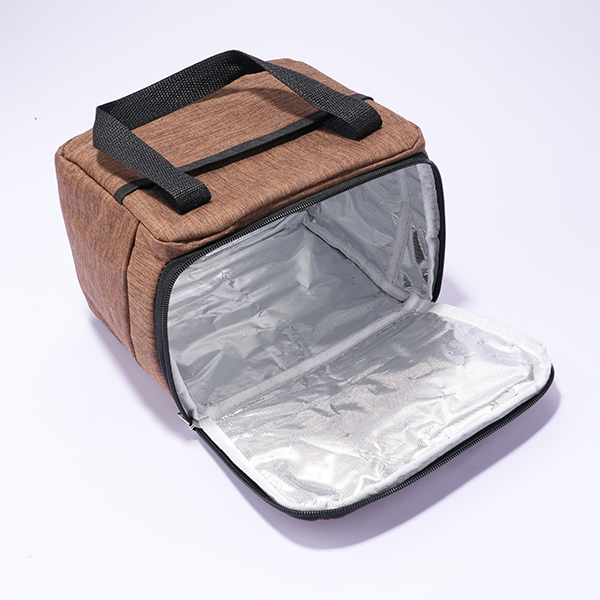
Insulated Lunch Bag Logo: A Practical Buyer Guide for Real Operations
A purchase involving insulated lunch bag logo should begin with one practical question: where will the bag be used, and what failure would create the biggest problem? For some buyers, the answer is heat exposure during handover. For others, it is poor logo durability, hard cleaning, weak handles, or inconsistent production. A logo insulated lunch bag is most valuable when the specification connects thermal buffering, user handling, brand needs, and supplier control in one clear brief.
Turn a Product Request Into a Working Brief
The most reliable buying path starts with the lane or workflow, not with the product name. Describe the origin point, storage before loading, vehicle or rider handling, handover delay, expected ambient exposure, payload shape, and receiving inspection. A short office lunch program, a grocery delivery fleet, a promotional retail campaign, and a parcel-shipping route all use insulated bags differently. The same term, insulated lunch bag logo, can hide very different design requirements.
Once the workflow is visible, trade-offs become easier. A bag that folds flat may be ideal for storage but less structured for delicate contents. A strong backpack may help riders but take more depot space. A large tote may carry more groceries but become hard to close correctly. A thick insulated wall may improve buffering but reduce usable internal volume. There is no perfect bag for every task; there is a bag that fits a defined job.
For global procurement, the same bag may be used in different climates, delivery models, and brand contexts. That means a buyer should define the route, handover points, cleaning process, logo requirements, and acceptance checks before comparing unit prices. A well-written specification reduces arguments later because it turns a general product name into a controlled buying decision.
Decide What Must Be Insulated, Branded, or Reused
The design should match the user. In employee meals, brand campaigns, catered meetings, school programs, and light retail use, users may be shoppers, riders, warehouse pickers, office employees, retail staff, or field distributors. Each user interacts with the bag differently. Shoppers notice handle comfort and appearance. Riders notice balance, access, and cleaning speed. Warehouse teams notice labels, stacking, and compatibility with totes. Promotional teams notice print quality and presentation. A good specification names the user instead of treating the bag as a neutral container.
The thermal role should be described with the same honesty. A logo insulated lunch bag slows heat transfer. It may be used with gel packs, ice bricks, insulated liners, cartons, or other packaging when the product requires more control. It should not be described as a guaranteed temperature-control system unless the entire packout and route have been tested for that purpose. Sensitive goods need a cautious review of temperature range, duration, payload, and documentation.
Imagine an enterprise ordering lunch bags for employees across several offices. The first sample looks attractive, but daily use exposes different questions: does a standard meal box fit flat, can the zipper be opened with one hand, is the inner liner easy to clean, and does the printed logo survive repeated contact with desks, lockers, and commute bags? A corporate gift that is used twice is mostly a branding cost. A lunch bag that employees actually use becomes a visible, repeated brand touchpoint.
The Buyer Checklist That Actually Reduces Risk
A strong brief should be specific but not overcomplicated. It should include the target use, external dimensions, usable internal dimensions, expected payload, material description, liner finish, insulation type or structure, closure, handle or strap design, logo method, color reference, carton packing, sample approval process, and inspection checklist. If the bag will be used with coolant, the supplier should know the coolant shape and placement. If the bag will be returned and reused, the cleaning and drying process should be included.
| Specification point | Why it deserves attention | Buyer action |
|---|---|---|
| Usable internal space | External dimensions do not show how products fit after insulation and seams | Load real products into the sample and photograph the result |
| Closure design | Open gaps allow air exchange and user shortcuts | Test closure under full load and repeated opening |
| Liner durability | Cleaning and moisture quickly expose weak bonding | Wipe, dry, fold, and inspect the liner during sample review |
| Print method | Brand value drops if the logo fades or cracks | Approve color, position, and abrasion expectations before production |
| Production control | Small material changes can affect use and appearance | Use a golden sample and written change-approval rule |
This table helps prevent a common procurement error: negotiating price before the product is defined. Price comparison becomes meaningful only when all suppliers quote the same functional requirement. Without that discipline, the lowest quote may simply remove the details that matter during use.
Approve the Sample Like a Production Tool
A simple field test can reveal more than a catalogue page. Put the intended payload into the sample. Close it fully. Carry it for the expected distance. Open and close it repeatedly. Place it in the vehicle, cart, locker, or shelf where it will be stored. Clean it using the planned method. Then check for crushed insulation, zipper strain, handle discomfort, liner damage, odor retention, and logo wear. This does not replace formal thermal qualification, but it helps decide whether the bag is suitable for everyday work.
For insulated lunch bag logo, testing should also include the people who will use the bag. Procurement may focus on unit price, while operations may notice loading speed, and marketing may notice print quality. A short review meeting with all three teams can prevent later complaints. If the bag is used for regulated, highly sensitive, or temperature-documented products, the quality or logistics team should decide whether additional testing, monitoring, or a different packaging system is required.
Before scaling, lock down sample status. Keep one approved sample with the buyer and one with the supplier. Record material, dimensions, color, logo placement, closure type, carton packing, and any accepted tolerances. Ask how mass production will be inspected and what happens if a batch fails inspection. This is not excessive for a bulk order; it is the basic protection against misunderstanding.
When to Escalate Beyond a Soft Bag
The most credible claim for a logo insulated lunch bag is specific and limited. It can say the bag is designed for reusable insulated carrying, food delivery support, grocery handover, promotional programs, or short-route thermal buffering when used as specified. It should not claim universal refrigeration, guaranteed hold time, or full compliance for all temperature-sensitive products unless supported by the required test data and market review.
Sustainability claims deserve the same discipline. A reusable bag can support waste reduction when the operation truly uses it repeatedly and maintains it well. But reusable does not automatically mean responsible. The buyer should consider durability, cleaning, replacement, storage, end-of-life handling, and whether the material claim can be documented. Specific claims are more trustworthy than broad environmental promises.
When a soft bag is not enough, the solution is not to exaggerate the bag. The buyer may need gel ice packs, ice bricks, an insulated box, a validated shipper, a temperature data logger, or active refrigeration depending on the product and route. Separating these roles protects product quality and keeps the article, brochure, or sales page accurate.
A Supplier Brief That Reduces Back-and-Forth
The fastest way to improve a purchase involving insulated lunch bag logo is to send a supplier brief that answers the questions a good supplier will ask. The brief should include the target product, use environment, expected payload, desired bag type, thermal role, branding requirements, packaging requirements, quantity range, and approval process. It should also say what is not required. If the bag is only a promotional thermal tote, do not ask the supplier to imply strict refrigerated transport. If the bag will support sensitive goods, say that supporting data or a wider packaging system must be discussed.
A clear brief also helps the supplier recommend alternatives. The first idea may be a simple logo insulated lunch bag, but the workflow may point toward a backpack, tote, liner, insulated box, or bag plus gel packs. Buyers sometimes avoid giving details because they want a quick quote. In practice, limited information creates quote variation and makes supplier comparison harder. A better brief may take more time to write but reduces revisions, sample waste, and production disputes.
The brief should be reviewed by the team that will actually use the bag. Procurement can control cost and supplier terms, but operations understands loading and cleaning. Marketing understands logo priority. Quality understands claim risk. When those functions agree before sampling, the approved bag is more likely to survive real use without later redesign.
Describe the route, user, payload, cleaning method, and branding need in the first supplier request.
Ask for a sample that matches the proposed production material, not only a similar stock sample.
Include acceptance criteria for seams, closure, liner, logo, dimensions, and carton packing.
State whether the bag is a passive insulated carrier or part of a wider temperature-control system.
FAQ
What makes insulated lunch bag logo a good B2B purchase?
A good purchase is defined by fit to the route, payload, user, cleaning process, branding requirement, and quality control plan. The lowest unit price is not useful if the bag fails quickly, is hard to clean, or does not match the real operating workflow.
What should not be assumed from a product photo?
Do not assume insulation thickness, liner durability, closure tightness, internal usable volume, print quality, or thermal performance from photos. Request a sample, written specification, and clear production approval process before ordering in bulk.
When is a soft insulated bag not enough?
It is not enough when the product requires strict temperature control, validated packout, active refrigeration, or formal temperature documentation that the bag cannot support alone. In those cases, consider coolant, insulated boxes, qualified shippers, or monitoring devices.
How should Tempk be involved before ordering?
Share the product type, route, payload, temperature requirement, branding plan, and target quantity. That information helps separate a simple promotional bag from a delivery bag, a cooler backpack, or a more controlled cold-chain packaging option.
Conclusion
A successful insulated lunch bag logo order is built around use conditions: route, payload, user, cleaning, branding, and supplier control. The bag should be described as a passive insulated packaging item unless a wider system has been tested. Buyers who approve samples with real payloads, lock down production details, and use cautious claims are more likely to receive bags that work in the field.
About Tempk
Tempk supports cold-chain and insulated packaging decisions with products such as insulated bags, thermal delivery bags, gel ice packs, dry ice packs, EPP boxes, insulated box liners, and pallet covers. For this category, Tempk can help buyers clarify whether they need a branded soft bag, a delivery backpack, a grocery tote, or a broader temperature-control packaging setup.
CTA
Send Tempk your insulated lunch bag logo brief with payload, route, user, logo needs, and target quantity to compare suitable options before mass production.
Insulated Grocery Bag Procurement: Optimized Buyer Guide
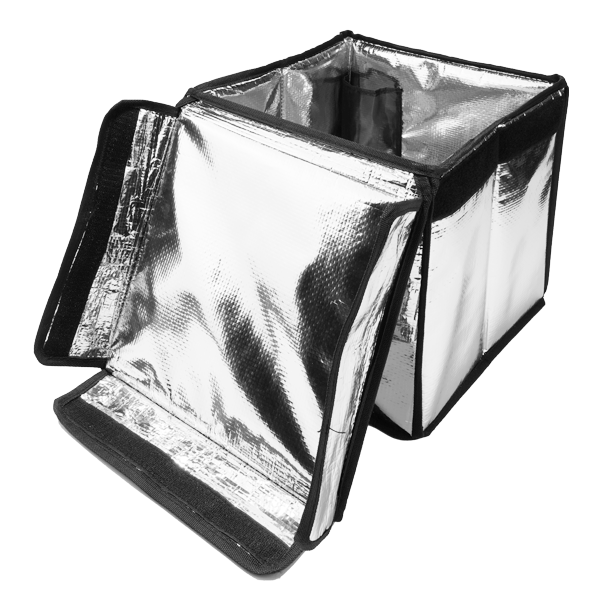
Insulated Grocery Bag Procurement: A Practical Buyer Guide for Real Operations
A purchase involving insulated grocery bag procurement should begin with one practical question: where will the bag be used, and what failure would create the biggest problem? For some buyers, the answer is heat exposure during handover. For others, it is poor logo durability, hard cleaning, weak handles, or inconsistent production. A insulated grocery bag is most valuable when the specification connects thermal buffering, user handling, brand needs, and supplier control in one clear brief.
A Practical Buying Path for This Category
The most reliable buying path starts with the lane or workflow, not with the product name. Describe the origin point, storage before loading, vehicle or rider handling, handover delay, expected ambient exposure, payload shape, and receiving inspection. A short office lunch program, a grocery delivery fleet, a promotional retail campaign, and a parcel-shipping route all use insulated bags differently. The same term, insulated grocery bag procurement, can hide very different design requirements.
Once the workflow is visible, trade-offs become easier. A bag that folds flat may be ideal for storage but less structured for delicate contents. A strong backpack may help riders but take more depot space. A large tote may carry more groceries but become hard to close correctly. A thick insulated wall may improve buffering but reduce usable internal volume. There is no perfect bag for every task; there is a bag that fits a defined job.
For global procurement, the same bag may be used in different climates, delivery models, and brand contexts. That means a buyer should define the route, handover points, cleaning process, logo requirements, and acceptance checks before comparing unit prices. A well-written specification reduces arguments later because it turns a general product name into a controlled buying decision.
Choose Around Payload, Route, and Handling
The design should match the user. In frozen aisle pickup, curbside orders, last-mile grocery delivery, and customer reusable-bag programs, users may be shoppers, riders, warehouse pickers, office employees, retail staff, or field distributors. Each user interacts with the bag differently. Shoppers notice handle comfort and appearance. Riders notice balance, access, and cleaning speed. Warehouse teams notice labels, stacking, and compatibility with totes. Promotional teams notice print quality and presentation. A good specification names the user instead of treating the bag as a neutral container.
The thermal role should be described with the same honesty. A insulated grocery bag slows heat transfer. It may be used with gel packs, ice bricks, insulated liners, cartons, or other packaging when the product requires more control. It should not be described as a guaranteed temperature-control system unless the entire packout and route have been tested for that purpose. Sensitive goods need a cautious review of temperature range, duration, payload, and documentation.
For example, a grocery retailer may want one bag for frozen desserts, chilled dairy, and mixed checkout orders. The procurement team should not ask only whether the bag is insulated. It should check whether a full grocery load closes without crushing soft products, whether drivers can separate frozen and chilled items, whether the liner can be wiped between routes, and whether the printed logo remains readable after repeated folding. If the bag is used for customer purchase rather than driver operation, the handle feel and folded size may matter more than route documentation. If it is used by a delivery fleet, cleaning, labeling, and replacement control become more important.
Bulk Procurement Details Hidden in the Sample
A strong brief should be specific but not overcomplicated. It should include the target use, external dimensions, usable internal dimensions, expected payload, material description, liner finish, insulation type or structure, closure, handle or strap design, logo method, color reference, carton packing, sample approval process, and inspection checklist. If the bag will be used with coolant, the supplier should know the coolant shape and placement. If the bag will be returned and reused, the cleaning and drying process should be included.
| Specification point | Why it deserves attention | Buyer action |
|---|---|---|
| Usable internal space | External dimensions do not show how products fit after insulation and seams | Load real products into the sample and photograph the result |
| Closure design | Open gaps allow air exchange and user shortcuts | Test closure under full load and repeated opening |
| Liner durability | Cleaning and moisture quickly expose weak bonding | Wipe, dry, fold, and inspect the liner during sample review |
| Print method | Brand value drops if the logo fades or cracks | Approve color, position, and abrasion expectations before production |
| Production control | Small material changes can affect use and appearance | Use a golden sample and written change-approval rule |
This table helps prevent a common procurement error: negotiating price before the product is defined. Price comparison becomes meaningful only when all suppliers quote the same functional requirement. Without that discipline, the lowest quote may simply remove the details that matter during use.
What to Verify Before Launch
A simple field test can reveal more than a catalogue page. Put the intended payload into the sample. Close it fully. Carry it for the expected distance. Open and close it repeatedly. Place it in the vehicle, cart, locker, or shelf where it will be stored. Clean it using the planned method. Then check for crushed insulation, zipper strain, handle discomfort, liner damage, odor retention, and logo wear. This does not replace formal thermal qualification, but it helps decide whether the bag is suitable for everyday work.
For insulated grocery bag procurement, testing should also include the people who will use the bag. Procurement may focus on unit price, while operations may notice loading speed, and marketing may notice print quality. A short review meeting with all three teams can prevent later complaints. If the bag is used for regulated, highly sensitive, or temperature-documented products, the quality or logistics team should decide whether additional testing, monitoring, or a different packaging system is required.
Before scaling, lock down sample status. Keep one approved sample with the buyer and one with the supplier. Record material, dimensions, color, logo placement, closure type, carton packing, and any accepted tolerances. Ask how mass production will be inspected and what happens if a batch fails inspection. This is not excessive for a bulk order; it is the basic protection against misunderstanding.
Use Sustainability Claims With Evidence
The most credible claim for a insulated grocery bag is specific and limited. It can say the bag is designed for reusable insulated carrying, food delivery support, grocery handover, promotional programs, or short-route thermal buffering when used as specified. It should not claim universal refrigeration, guaranteed hold time, or full compliance for all temperature-sensitive products unless supported by the required test data and market review.
Sustainability claims deserve the same discipline. A reusable bag can support waste reduction when the operation truly uses it repeatedly and maintains it well. But reusable does not automatically mean responsible. The buyer should consider durability, cleaning, replacement, storage, end-of-life handling, and whether the material claim can be documented. Specific claims are more trustworthy than broad environmental promises.
When a soft bag is not enough, the solution is not to exaggerate the bag. The buyer may need gel ice packs, ice bricks, an insulated box, a validated shipper, a temperature data logger, or active refrigeration depending on the product and route. Separating these roles protects product quality and keeps the article, brochure, or sales page accurate.
A Supplier Brief That Reduces Back-and-Forth
The fastest way to improve a purchase involving insulated grocery bag procurement is to send a supplier brief that answers the questions a good supplier will ask. The brief should include the target product, use environment, expected payload, desired bag type, thermal role, branding requirements, packaging requirements, quantity range, and approval process. It should also say what is not required. If the bag is only a promotional thermal tote, do not ask the supplier to imply strict refrigerated transport. If the bag will support sensitive goods, say that supporting data or a wider packaging system must be discussed.
A clear brief also helps the supplier recommend alternatives. The first idea may be a simple insulated grocery bag, but the workflow may point toward a backpack, tote, liner, insulated box, or bag plus gel packs. Buyers sometimes avoid giving details because they want a quick quote. In practice, limited information creates quote variation and makes supplier comparison harder. A better brief may take more time to write but reduces revisions, sample waste, and production disputes.
The brief should be reviewed by the team that will actually use the bag. Procurement can control cost and supplier terms, but operations understands loading and cleaning. Marketing understands logo priority. Quality understands claim risk. When those functions agree before sampling, the approved bag is more likely to survive real use without later redesign.
Describe the route, user, payload, cleaning method, and branding need in the first supplier request.
Ask for a sample that matches the proposed production material, not only a similar stock sample.
Include acceptance criteria for seams, closure, liner, logo, dimensions, and carton packing.
State whether the bag is a passive insulated carrier or part of a wider temperature-control system.
FAQ
What makes insulated grocery bag procurement a good B2B purchase?
A good purchase is defined by fit to the route, payload, user, cleaning process, branding requirement, and quality control plan. The lowest unit price is not useful if the bag fails quickly, is hard to clean, or does not match the real operating workflow.
What should not be assumed from a product photo?
Do not assume insulation thickness, liner durability, closure tightness, internal usable volume, print quality, or thermal performance from photos. Request a sample, written specification, and clear production approval process before ordering in bulk.
When is a soft insulated bag not enough?
It is not enough when the product requires strict temperature control, validated packout, active refrigeration, or formal temperature documentation that the bag cannot support alone. In those cases, consider coolant, insulated boxes, qualified shippers, or monitoring devices.
How should Tempk be involved before ordering?
Share the product type, route, payload, temperature requirement, branding plan, and target quantity. That information helps separate a simple promotional bag from a delivery bag, a cooler backpack, or a more controlled cold-chain packaging option.
Conclusion
A successful insulated grocery bag procurement order is built around use conditions: route, payload, user, cleaning, branding, and supplier control. The bag should be described as a passive insulated packaging item unless a wider system has been tested. Buyers who approve samples with real payloads, lock down production details, and use cautious claims are more likely to receive bags that work in the field.
About Tempk
Tempk supports cold-chain and insulated packaging decisions with products such as insulated bags, thermal delivery bags, gel ice packs, dry ice packs, EPP boxes, insulated box liners, and pallet covers. For this category, Tempk can help buyers clarify whether they need a branded soft bag, a delivery backpack, a grocery tote, or a broader temperature-control packaging setup.
CTA
Send Tempk your insulated grocery bag procurement brief with payload, route, user, logo needs, and target quantity to compare suitable options before mass production.