


Refrigerated Bag Custom Canada: How to Choose, Test, and Order
Refrigerated Bag Custom Canada: How to Choose, Test, and Order

How to Choose Refrigerated Bag Custom Canada for Real Routes, Payloads, and Brand Use
The best way to choose refrigerated bag custom canada is to define the real route before you define the bag. The product must fit winter and summer delivery, grocery pickup, pharmacy handover, meal programs, and branded reusable bags, but it also has to match the payload, user behavior, cleaning method, climate, branding, and production scale. A passive insulated bag can reduce temperature change; it does not automatically refrigerate goods or prove compliance. This final guide brings the key buyer, material, operational, and sustainability questions into one practical workflow for Canadian food brands, grocery teams, healthcare distributors, and promotional buyers.
Define the promise before choosing the construction
For custom refrigerated bags for Canada, the first question is what the bag is supposed to promise. Is it a branded customer carrier? A short-distance delivery tool? A promotional pouch? A parcel mailer? A distributor item? A support component in a cold-chain process? Each answer creates a different risk level. The bag may only need to protect perceived freshness and brand image, or it may need to support a documented temperature process. Mixing these promises creates confusion.
Use plain language in the specification. Write that the bag is passive, insulated, reusable or single-use as applicable, and designed for a defined handling condition. If coolants are required, specify them as part of the packout. If the product is food, pharmacy, laboratory, or healthcare related, ask quality and logistics teams to confirm requirements. Clear wording prevents the bag from being sold internally as more capable than the evidence supports.
Build the specification around the route
A route-first specification starts with the product and the journey. For refrigerated bag custom canada, note the starting temperature of the goods, estimated handling time, number of openings, staging location, vehicle type, handover point, and receiver behavior. For Canada, include realistic exposure such as wide seasonal temperature swings, snow or rain exposure, vehicle staging, urban and regional routes, and bilingual or market-specific labeling needs. If the bag will be reused, include the cleaning and drying process. If it will be exported, include carton storage and inspection requirements.
This route description should be short enough to use in supplier communication. A good supplier can use it to suggest bag shape, liner type, closure, insulation layer, and carton packing. A vague request invites generic samples. A route-based request helps the buyer see why one sample costs more, why another packs smaller, and why a third may be inappropriate even if it looks attractive.
| Specification point | Good buyer wording | Avoid assuming |
|---|---|---|
| Function | Passive insulated bag for a defined route or carrying task | That the bag actively cools or qualifies every shipment. |
| Payload | Actual product dimensions, weight, and packing shape | That outside bag size equals usable internal space. |
| Temperature concern | Target handling condition and whether coolant is used | That insulation alone creates a required temperature range. |
| Branding | Artwork method, color tolerance, logo position, and sample approval | That any logo method works on any fabric or shape. |
| Production | Approved sample, material lock, inspection checklist, and substitution control | That mass production will match a prototype automatically. |
This table is designed for procurement meetings. It turns common assumptions into checkable language. When teams use this wording, the supplier quote becomes easier to compare and the final product is less likely to disappoint operations.
Match materials to daily handling, not catalog appeal
The right material set for refrigerated bag custom canada depends on the users and the environment. A premium canvas outer shell may support a retail or outdoor brand, but it still needs a cleanable liner and a strong base. A foil liner can look technical, but if the seam is weak it may stain or leak. A thin mailer may be efficient for parcel shipping, but it may not suit heavy grocery loads. A backpack may solve rider ergonomics, but it adds strap, sweat, cleaning, and storage questions.
Look for balance. The outer shell should handle abrasion and branding. The insulation should be consistent and not overly compressed at corners. The liner should suit moisture, odor, and cleaning requirements. The closure should match opening frequency. The handle or strap system should carry the real load. A good sample review touches, loads, opens, cleans, folds, and packs the bag rather than judging it on a desk.
Supplier evidence that actually helps
Helpful evidence does not always need to be complicated, but it should match the claim. For a simple branded shopping or promotional bag, an approved sample, material description, artwork proof, and inspection checklist may be enough. For a delivery or grocery operation, cleaning guidance, liner checks, and packout instructions may be needed. For temperature-sensitive healthcare or pharmaceutical use, quality teams may expect documented testing, logger data, and route-specific review.
For assuming one custom bag design will handle both summer heat and winter freezing risk without route-specific testing, ask for proof in the right form. If the supplier mentions a hold time, ask what payload, starting temperature, ambient profile, coolant, and acceptance criteria were used. If the supplier mentions compliance, ask which product, market, standard, and document support the statement. If the supplier mentions sustainability, ask whether the claim refers to material, reuse, recyclability, reduced waste, or a complete product life cycle. Precise questions protect both buyer and supplier.
From sample to bulk order
Bulk procurement for refrigerated bag custom canada should not move directly from a promising sample to a purchase order. Approve a functional sample first. Then approve a decorated sample if branding matters. Confirm whether the sample was made using production materials and production methods. Ask what tolerances apply to size, color, stitching, liner appearance, and logo position. Confirm carton quantity and carton weight because packing affects freight, storage, and damage risk.
Before production, create a short inspection list. It can include dimensions, liner finish, odor, stains, zipper movement, handle reinforcement, seam quality, logo accuracy, carton count, and packaging condition. Keep this list practical. A buyer does not need an elaborate laboratory process for every order, but repeatable checks are essential when the product will be used by many stores, riders, distributors, or customers.
Practical example: choosing the better sample
A team sourcing refrigerated bag custom canada receives three samples. The first is the lowest price and packs tightly, but the liner smells strong and the handle stitching looks uneven. The second has a premium outer material and a large logo, but the closure is slow for staff to use. The third is not the thickest, but it fits the payload, closes cleanly, wipes down easily, and its logo remains clear after filling. If the route is winter and summer delivery, grocery pickup, pharmacy handover, meal programs, and branded reusable bags, the third sample may be the best operational choice even if it is not the most dramatic product in the meeting.
Sustainability and cost should be reviewed together
A lower unit price is not always the lower operating cost. If handles fail, liners stain, cartons collapse, or the product is too large for the payload, the program pays in replacements, complaints, freight, and waste. Sustainability has the same logic. A reusable product only helps if it is easy to reuse. A recyclable claim only helps if the material system and local recovery path support it. A right-sized, durable, cleanable bag with realistic use instructions may create better value than a more impressive but poorly matched design.
For Canadian food brands, grocery teams, healthcare distributors, and promotional buyers, cost review should include sample rounds, artwork setup, carton efficiency, warehouse storage, inspection time, expected reuse, replacement policy, and whether a different packaging format would reduce risk. Sometimes a simple insulated bag is enough. Sometimes a rigid box, insulated liner, pallet cover, or qualified shipper is the better choice. The goal is not to buy the most advanced product. The goal is to buy the most appropriate system.
FAQ
What is the first step when sourcing refrigerated bag custom canada?
Write a route and use-case brief before requesting prices. Include the product type, payload, handling time, number of openings, cleaning method, logo needs, carton requirements, and any temperature or documentation concern. This helps suppliers quote the right design and prevents the buying team from comparing samples that solve different problems.
How do I know whether a soft bag is enough?
A soft insulated bag may be enough for short, lower-risk carrying when the product starts at the right temperature and users follow the process. It may not be enough for long, regulated, high-value, or uncertain routes. When risk is higher, review coolant, packout, monitoring, and qualification needs with your quality or logistics team.
What makes a logo program fail?
Logo programs fail when artwork is approved without testing the product as used. Curved surfaces, textured fabric, folding lines, dark colors, heat, cleaning, and carton compression can affect appearance. Request a decorated sample and check the logo after filling, folding, wiping, and packing. Brand quality depends on the whole product, not only the artwork file.
Should a buyer ask for standards or certificates?
Ask for documents that match the claim. Material documents, inspection records, sample approvals, and test reports can all be useful. For food, healthcare, or pharmaceutical use, requirements vary by product, market, and route. Standards should not be used as decoration in a proposal. They should support a specific packaging function and be reviewed by the appropriate team.
Conclusion
Choosing refrigerated bag custom canada is a practical route-design exercise. Define what the bag must promise, match materials to real handling, ask for evidence that supports the claim, approve samples carefully, and control the move from prototype to bulk production. If the contents are temperature-sensitive, do not treat insulation as a substitute for a complete cold-chain process. With clear specifications, Canadian food brands, grocery teams, healthcare distributors, and promotional buyers can order a product that supports the brand and the operation at the same time.
About Tempk
Tempk helps buyers evaluate insulated bags, thermal bags, gel packs, ice bricks, EPP boxes, box liners, and other cold-chain packaging components. For refrigerated bag custom canada, we can help translate a route, payload, and branding plan into a clearer sample request and production discussion. We focus on fit, limits, and repeatability so buyers can avoid overpromising and reduce avoidable sample revisions.
CTA
Share your route, payload, order scale, and logo requirements with Tempk. We can help you compare refrigerated bag custom canada options and decide what should be tested before production.
Operational note before approval
Before approving refrigerated bag custom canada, write down how the bag will actually move through the operation. A design used by a supermarket shopper has different stress points from a bag used by a courier, a pharmacy counter, or a distributor rep. The route may include staging, loading, waiting, handover, and return storage. Each step changes what the bag must tolerate. This is why a useful specification should cover payload, closure behavior, cleaning method, branding method, carton packing, and the evidence you expect from the supplier. Without that written baseline, teams often compare samples by touch and appearance rather than by how they will perform in daily work.
Receiving and inspection details
A receiving inspection for refrigerated bag custom canada should be simple enough for warehouse staff to repeat, but specific enough to catch costly variation. Check dimensions, odor, liner finish, zipper movement, handle stitching, logo alignment, carton quantity, stains, and obvious seam damage. For a thermal project, keep the approved sample and approved artwork together so buyers, quality staff, and suppliers are comparing against the same reference. If the product will be reused, ask how the liner should be cleaned and dried. If it will ship in bulk, check whether cartons protect the shape and logo during export storage.
Insulated Shopping Bag OEM: How to Choose, Test, and Order
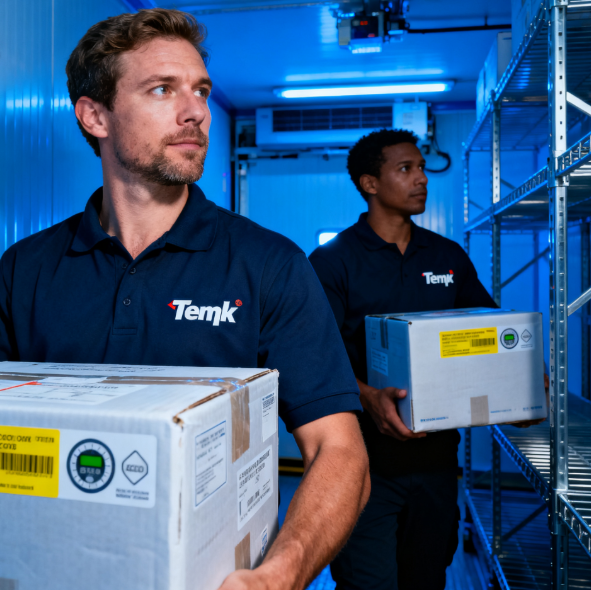
How to Choose Insulated Shopping Bag OEM for Real Routes, Payloads, and Brand Use
The best way to choose insulated shopping bag oem is to define the real route before you define the bag. The product must fit branded shopping, grocery pickup, chilled retail goods, and loyalty programs, but it also has to match the payload, user behavior, cleaning method, climate, branding, and production scale. A passive insulated bag can reduce temperature change; it does not automatically refrigerate goods or prove compliance. This final guide brings the key buyer, material, operational, and sustainability questions into one practical workflow for retail brands, grocery chains, and promotional purchasing teams.
Define the promise before choosing the construction
For OEM insulated shopping bags, the first question is what the bag is supposed to promise. Is it a branded customer carrier? A short-distance delivery tool? A promotional pouch? A parcel mailer? A distributor item? A support component in a cold-chain process? Each answer creates a different risk level. The bag may only need to protect perceived freshness and brand image, or it may need to support a documented temperature process. Mixing these promises creates confusion.
Use plain language in the specification. Write that the bag is passive, insulated, reusable or single-use as applicable, and designed for a defined handling condition. If coolants are required, specify them as part of the packout. If the product is food, pharmacy, laboratory, or healthcare related, ask quality and logistics teams to confirm requirements. Clear wording prevents the bag from being sold internally as more capable than the evidence supports.
Build the specification around the route
A route-first specification starts with the product and the journey. For insulated shopping bag oem, note the starting temperature of the goods, estimated handling time, number of openings, staging location, vehicle type, handover point, and receiver behavior. For global, include realistic exposure such as mixed indoor and outdoor handling, checkout queues, car trips, and repeat consumer use. If the bag will be reused, include the cleaning and drying process. If it will be exported, include carton storage and inspection requirements.
This route description should be short enough to use in supplier communication. A good supplier can use it to suggest bag shape, liner type, closure, insulation layer, and carton packing. A vague request invites generic samples. A route-based request helps the buyer see why one sample costs more, why another packs smaller, and why a third may be inappropriate even if it looks attractive.
| Specification point | Good buyer wording | Avoid assuming |
|---|---|---|
| Function | Passive insulated bag for a defined route or carrying task | That the bag actively cools or qualifies every shipment. |
| Payload | Actual product dimensions, weight, and packing shape | That outside bag size equals usable internal space. |
| Temperature concern | Target handling condition and whether coolant is used | That insulation alone creates a required temperature range. |
| Branding | Artwork method, color tolerance, logo position, and sample approval | That any logo method works on any fabric or shape. |
| Production | Approved sample, material lock, inspection checklist, and substitution control | That mass production will match a prototype automatically. |
This table is designed for procurement meetings. It turns common assumptions into checkable language. When teams use this wording, the supplier quote becomes easier to compare and the final product is less likely to disappoint operations.
Match materials to daily handling, not catalog appeal
The right material set for insulated shopping bag oem depends on the users and the environment. A premium canvas outer shell may support a retail or outdoor brand, but it still needs a cleanable liner and a strong base. A foil liner can look technical, but if the seam is weak it may stain or leak. A thin mailer may be efficient for parcel shipping, but it may not suit heavy grocery loads. A backpack may solve rider ergonomics, but it adds strap, sweat, cleaning, and storage questions.
Look for balance. The outer shell should handle abrasion and branding. The insulation should be consistent and not overly compressed at corners. The liner should suit moisture, odor, and cleaning requirements. The closure should match opening frequency. The handle or strap system should carry the real load. A good sample review touches, loads, opens, cleans, folds, and packs the bag rather than judging it on a desk.
Supplier evidence that actually helps
Helpful evidence does not always need to be complicated, but it should match the claim. For a simple branded shopping or promotional bag, an approved sample, material description, artwork proof, and inspection checklist may be enough. For a delivery or grocery operation, cleaning guidance, liner checks, and packout instructions may be needed. For temperature-sensitive healthcare or pharmaceutical use, quality teams may expect documented testing, logger data, and route-specific review.
For a promotional bag that looks good but loses shape, leaks, or cannot hold the planned payload, ask for proof in the right form. If the supplier mentions a hold time, ask what payload, starting temperature, ambient profile, coolant, and acceptance criteria were used. If the supplier mentions compliance, ask which product, market, standard, and document support the statement. If the supplier mentions sustainability, ask whether the claim refers to material, reuse, recyclability, reduced waste, or a complete product life cycle. Precise questions protect both buyer and supplier.
From sample to bulk order
Bulk procurement for insulated shopping bag oem should not move directly from a promising sample to a purchase order. Approve a functional sample first. Then approve a decorated sample if branding matters. Confirm whether the sample was made using production materials and production methods. Ask what tolerances apply to size, color, stitching, liner appearance, and logo position. Confirm carton quantity and carton weight because packing affects freight, storage, and damage risk.
Before production, create a short inspection list. It can include dimensions, liner finish, odor, stains, zipper movement, handle reinforcement, seam quality, logo accuracy, carton count, and packaging condition. Keep this list practical. A buyer does not need an elaborate laboratory process for every order, but repeatable checks are essential when the product will be used by many stores, riders, distributors, or customers.
Practical example: choosing the better sample
A team sourcing insulated shopping bag oem receives three samples. The first is the lowest price and packs tightly, but the liner smells strong and the handle stitching looks uneven. The second has a premium outer material and a large logo, but the closure is slow for staff to use. The third is not the thickest, but it fits the payload, closes cleanly, wipes down easily, and its logo remains clear after filling. If the route is branded shopping, grocery pickup, chilled retail goods, and loyalty programs, the third sample may be the best operational choice even if it is not the most dramatic product in the meeting.
Sustainability and cost should be reviewed together
A lower unit price is not always the lower operating cost. If handles fail, liners stain, cartons collapse, or the product is too large for the payload, the program pays in replacements, complaints, freight, and waste. Sustainability has the same logic. A reusable product only helps if it is easy to reuse. A recyclable claim only helps if the material system and local recovery path support it. A right-sized, durable, cleanable bag with realistic use instructions may create better value than a more impressive but poorly matched design.
For retail brands, grocery chains, and promotional purchasing teams, cost review should include sample rounds, artwork setup, carton efficiency, warehouse storage, inspection time, expected reuse, replacement policy, and whether a different packaging format would reduce risk. Sometimes a simple insulated bag is enough. Sometimes a rigid box, insulated liner, pallet cover, or qualified shipper is the better choice. The goal is not to buy the most advanced product. The goal is to buy the most appropriate system.
FAQ
What is the first step when sourcing insulated shopping bag oem?
Write a route and use-case brief before requesting prices. Include the product type, payload, handling time, number of openings, cleaning method, logo needs, carton requirements, and any temperature or documentation concern. This helps suppliers quote the right design and prevents the buying team from comparing samples that solve different problems.
How do I know whether a soft bag is enough?
A soft insulated bag may be enough for short, lower-risk carrying when the product starts at the right temperature and users follow the process. It may not be enough for long, regulated, high-value, or uncertain routes. When risk is higher, review coolant, packout, monitoring, and qualification needs with your quality or logistics team.
What makes a logo program fail?
Logo programs fail when artwork is approved without testing the product as used. Curved surfaces, textured fabric, folding lines, dark colors, heat, cleaning, and carton compression can affect appearance. Request a decorated sample and check the logo after filling, folding, wiping, and packing. Brand quality depends on the whole product, not only the artwork file.
Should a buyer ask for standards or certificates?
Ask for documents that match the claim. Material documents, inspection records, sample approvals, and test reports can all be useful. For food, healthcare, or pharmaceutical use, requirements vary by product, market, and route. Standards should not be used as decoration in a proposal. They should support a specific packaging function and be reviewed by the appropriate team.
Conclusion
Choosing insulated shopping bag oem is a practical route-design exercise. Define what the bag must promise, match materials to real handling, ask for evidence that supports the claim, approve samples carefully, and control the move from prototype to bulk production. If the contents are temperature-sensitive, do not treat insulation as a substitute for a complete cold-chain process. With clear specifications, retail brands, grocery chains, and promotional purchasing teams can order a product that supports the brand and the operation at the same time.
About Tempk
Tempk helps buyers evaluate insulated bags, thermal bags, gel packs, ice bricks, EPP boxes, box liners, and other cold-chain packaging components. For insulated shopping bag oem, we can help translate a route, payload, and branding plan into a clearer sample request and production discussion. We focus on fit, limits, and repeatability so buyers can avoid overpromising and reduce avoidable sample revisions.
CTA
Share your route, payload, order scale, and logo requirements with Tempk. We can help you compare insulated shopping bag oem options and decide what should be tested before production.
Operational note before approval
Before approving insulated shopping bag oem, write down how the bag will actually move through the operation. A design used by a supermarket shopper has different stress points from a bag used by a courier, a pharmacy counter, or a distributor rep. The route may include staging, loading, waiting, handover, and return storage. Each step changes what the bag must tolerate. This is why a useful specification should cover payload, closure behavior, cleaning method, branding method, carton packing, and the evidence you expect from the supplier. Without that written baseline, teams often compare samples by touch and appearance rather than by how they will perform in daily work.
Receiving and inspection details
A receiving inspection for insulated shopping bag oem should be simple enough for warehouse staff to repeat, but specific enough to catch costly variation. Check dimensions, odor, liner finish, zipper movement, handle stitching, logo alignment, carton quantity, stains, and obvious seam damage. For a thermal project, keep the approved sample and approved artwork together so buyers, quality staff, and suppliers are comparing against the same reference. If the product will be reused, ask how the liner should be cleaned and dried. If it will ship in bulk, check whether cartons protect the shape and logo during export storage.
Insulated Shopping Bag Exporter: How to Choose, Test, and Order
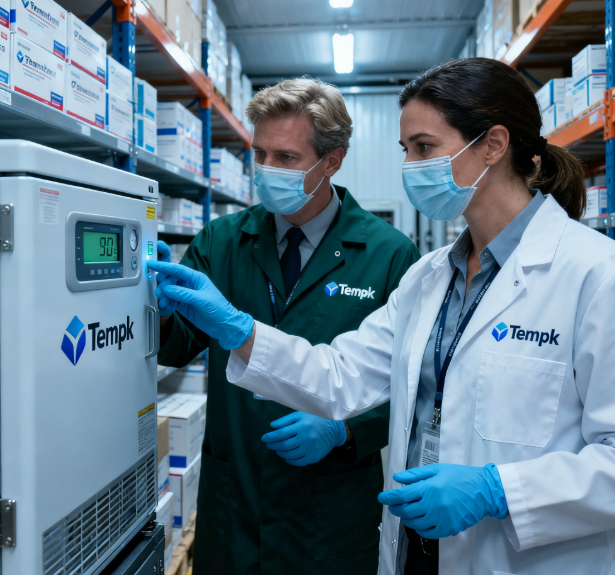
How to Choose Insulated Shopping Bag Exporter for Real Routes, Payloads, and Brand Use
The best way to choose insulated shopping bag exporter is to define the real route before you define the bag. The product must fit retail campaigns, grocery programs, corporate gifts, and chilled shopping support, but it also has to match the payload, user behavior, cleaning method, climate, branding, and production scale. A passive insulated bag can reduce temperature change; it does not automatically refrigerate goods or prove compliance. This final guide brings the key buyer, material, operational, and sustainability questions into one practical workflow for importers, distributors, retail chains, and promotional agencies.
Define the promise before choosing the construction
For export-ready insulated shopping bags, the first question is what the bag is supposed to promise. Is it a branded customer carrier? A short-distance delivery tool? A promotional pouch? A parcel mailer? A distributor item? A support component in a cold-chain process? Each answer creates a different risk level. The bag may only need to protect perceived freshness and brand image, or it may need to support a documented temperature process. Mixing these promises creates confusion.
Use plain language in the specification. Write that the bag is passive, insulated, reusable or single-use as applicable, and designed for a defined handling condition. If coolants are required, specify them as part of the packout. If the product is food, pharmacy, laboratory, or healthcare related, ask quality and logistics teams to confirm requirements. Clear wording prevents the bag from being sold internally as more capable than the evidence supports.
Build the specification around the route
A route-first specification starts with the product and the journey. For insulated shopping bag exporter, note the starting temperature of the goods, estimated handling time, number of openings, staging location, vehicle type, handover point, and receiver behavior. For global export markets, include realistic exposure such as carton compression, long sea or air shipment, customs inspection, warehouse storage, and mixed market labeling. If the bag will be reused, include the cleaning and drying process. If it will be exported, include carton storage and inspection requirements.
This route description should be short enough to use in supplier communication. A good supplier can use it to suggest bag shape, liner type, closure, insulation layer, and carton packing. A vague request invites generic samples. A route-based request helps the buyer see why one sample costs more, why another packs smaller, and why a third may be inappropriate even if it looks attractive.
| Specification point | Good buyer wording | Avoid assuming |
|---|---|---|
| Function | Passive insulated bag for a defined route or carrying task | That the bag actively cools or qualifies every shipment. |
| Payload | Actual product dimensions, weight, and packing shape | That outside bag size equals usable internal space. |
| Temperature concern | Target handling condition and whether coolant is used | That insulation alone creates a required temperature range. |
| Branding | Artwork method, color tolerance, logo position, and sample approval | That any logo method works on any fabric or shape. |
| Production | Approved sample, material lock, inspection checklist, and substitution control | That mass production will match a prototype automatically. |
This table is designed for procurement meetings. It turns common assumptions into checkable language. When teams use this wording, the supplier quote becomes easier to compare and the final product is less likely to disappoint operations.
Match materials to daily handling, not catalog appeal
The right material set for insulated shopping bag exporter depends on the users and the environment. A premium canvas outer shell may support a retail or outdoor brand, but it still needs a cleanable liner and a strong base. A foil liner can look technical, but if the seam is weak it may stain or leak. A thin mailer may be efficient for parcel shipping, but it may not suit heavy grocery loads. A backpack may solve rider ergonomics, but it adds strap, sweat, cleaning, and storage questions.
Look for balance. The outer shell should handle abrasion and branding. The insulation should be consistent and not overly compressed at corners. The liner should suit moisture, odor, and cleaning requirements. The closure should match opening frequency. The handle or strap system should carry the real load. A good sample review touches, loads, opens, cleans, folds, and packs the bag rather than judging it on a desk.
Supplier evidence that actually helps
Helpful evidence does not always need to be complicated, but it should match the claim. For a simple branded shopping or promotional bag, an approved sample, material description, artwork proof, and inspection checklist may be enough. For a delivery or grocery operation, cleaning guidance, liner checks, and packout instructions may be needed. For temperature-sensitive healthcare or pharmaceutical use, quality teams may expect documented testing, logger data, and route-specific review.
For export problems caused by unclear specifications, inconsistent samples, and weak packing control, ask for proof in the right form. If the supplier mentions a hold time, ask what payload, starting temperature, ambient profile, coolant, and acceptance criteria were used. If the supplier mentions compliance, ask which product, market, standard, and document support the statement. If the supplier mentions sustainability, ask whether the claim refers to material, reuse, recyclability, reduced waste, or a complete product life cycle. Precise questions protect both buyer and supplier.
From sample to bulk order
Bulk procurement for insulated shopping bag exporter should not move directly from a promising sample to a purchase order. Approve a functional sample first. Then approve a decorated sample if branding matters. Confirm whether the sample was made using production materials and production methods. Ask what tolerances apply to size, color, stitching, liner appearance, and logo position. Confirm carton quantity and carton weight because packing affects freight, storage, and damage risk.
Before production, create a short inspection list. It can include dimensions, liner finish, odor, stains, zipper movement, handle reinforcement, seam quality, logo accuracy, carton count, and packaging condition. Keep this list practical. A buyer does not need an elaborate laboratory process for every order, but repeatable checks are essential when the product will be used by many stores, riders, distributors, or customers.
Practical example: choosing the better sample
A team sourcing insulated shopping bag exporter receives three samples. The first is the lowest price and packs tightly, but the liner smells strong and the handle stitching looks uneven. The second has a premium outer material and a large logo, but the closure is slow for staff to use. The third is not the thickest, but it fits the payload, closes cleanly, wipes down easily, and its logo remains clear after filling. If the route is retail campaigns, grocery programs, corporate gifts, and chilled shopping support, the third sample may be the best operational choice even if it is not the most dramatic product in the meeting.
Sustainability and cost should be reviewed together
A lower unit price is not always the lower operating cost. If handles fail, liners stain, cartons collapse, or the product is too large for the payload, the program pays in replacements, complaints, freight, and waste. Sustainability has the same logic. A reusable product only helps if it is easy to reuse. A recyclable claim only helps if the material system and local recovery path support it. A right-sized, durable, cleanable bag with realistic use instructions may create better value than a more impressive but poorly matched design.
For importers, distributors, retail chains, and promotional agencies, cost review should include sample rounds, artwork setup, carton efficiency, warehouse storage, inspection time, expected reuse, replacement policy, and whether a different packaging format would reduce risk. Sometimes a simple insulated bag is enough. Sometimes a rigid box, insulated liner, pallet cover, or qualified shipper is the better choice. The goal is not to buy the most advanced product. The goal is to buy the most appropriate system.
FAQ
What is the first step when sourcing insulated shopping bag exporter?
Write a route and use-case brief before requesting prices. Include the product type, payload, handling time, number of openings, cleaning method, logo needs, carton requirements, and any temperature or documentation concern. This helps suppliers quote the right design and prevents the buying team from comparing samples that solve different problems.
How do I know whether a soft bag is enough?
A soft insulated bag may be enough for short, lower-risk carrying when the product starts at the right temperature and users follow the process. It may not be enough for long, regulated, high-value, or uncertain routes. When risk is higher, review coolant, packout, monitoring, and qualification needs with your quality or logistics team.
What makes a logo program fail?
Logo programs fail when artwork is approved without testing the product as used. Curved surfaces, textured fabric, folding lines, dark colors, heat, cleaning, and carton compression can affect appearance. Request a decorated sample and check the logo after filling, folding, wiping, and packing. Brand quality depends on the whole product, not only the artwork file.
Should a buyer ask for standards or certificates?
Ask for documents that match the claim. Material documents, inspection records, sample approvals, and test reports can all be useful. For food, healthcare, or pharmaceutical use, requirements vary by product, market, and route. Standards should not be used as decoration in a proposal. They should support a specific packaging function and be reviewed by the appropriate team.
Conclusion
Choosing insulated shopping bag exporter is a practical route-design exercise. Define what the bag must promise, match materials to real handling, ask for evidence that supports the claim, approve samples carefully, and control the move from prototype to bulk production. If the contents are temperature-sensitive, do not treat insulation as a substitute for a complete cold-chain process. With clear specifications, importers, distributors, retail chains, and promotional agencies can order a product that supports the brand and the operation at the same time.
About Tempk
Tempk helps buyers evaluate insulated bags, thermal bags, gel packs, ice bricks, EPP boxes, box liners, and other cold-chain packaging components. For insulated shopping bag exporter, we can help translate a route, payload, and branding plan into a clearer sample request and production discussion. We focus on fit, limits, and repeatability so buyers can avoid overpromising and reduce avoidable sample revisions.
CTA
Share your route, payload, order scale, and logo requirements with Tempk. We can help you compare insulated shopping bag exporter options and decide what should be tested before production.
Operational note before approval
Before approving insulated shopping bag exporter, write down how the bag will actually move through the operation. A design used by a supermarket shopper has different stress points from a bag used by a courier, a pharmacy counter, or a distributor rep. The route may include staging, loading, waiting, handover, and return storage. Each step changes what the bag must tolerate. This is why a useful specification should cover payload, closure behavior, cleaning method, branding method, carton packing, and the evidence you expect from the supplier. Without that written baseline, teams often compare samples by touch and appearance rather than by how they will perform in daily work.
Receiving and inspection details
A receiving inspection for insulated shopping bag exporter should be simple enough for warehouse staff to repeat, but specific enough to catch costly variation. Check dimensions, odor, liner finish, zipper movement, handle stitching, logo alignment, carton quantity, stains, and obvious seam damage. For a thermal project, keep the approved sample and approved artwork together so buyers, quality staff, and suppliers are comparing against the same reference. If the product will be reused, ask how the liner should be cleaned and dried. If it will ship in bulk, check whether cartons protect the shape and logo during export storage.
Why wording matters
The terms insulated, thermal, cooler, and refrigerated are often used loosely in commercial conversations. For insulated shopping bag exporter, it is safer to define the function in plain language. The bag slows heat transfer. It does not automatically chill a warm product and it does not prove compliance by itself. If a product must remain within a required range, the starting temperature, packout, coolant, route, and monitoring plan should be evaluated together. Clear wording prevents sales, procurement, and quality teams from assuming more protection than the bag can provide.
Insulated Pouch Logo Africa: How to Choose, Test, and Order
How to Choose Insulated Pouch Logo Africa for Real Routes, Payloads, and Brand Use
The best way to choose insulated pouch logo africa is to define the real route before you define the bag. The product must fit small promotional cool pouches, pharmacy handouts, chilled snack promotions, and sample transport, but it also has to match the payload, user behavior, cleaning method, climate, branding, and production scale. A passive insulated bag can reduce temperature change; it does not automatically refrigerate goods or prove compliance. This final guide brings the key buyer, material, operational, and sustainability questions into one practical workflow for importers, retail promotion teams, healthcare sample distributors, and food brands.
Define the promise before choosing the construction
For logo insulated pouches for African markets, the first question is what the bag is supposed to promise. Is it a branded customer carrier? A short-distance delivery tool? A promotional pouch? A parcel mailer? A distributor item? A support component in a cold-chain process? Each answer creates a different risk level. The bag may only need to protect perceived freshness and brand image, or it may need to support a documented temperature process. Mixing these promises creates confusion.
Use plain language in the specification. Write that the bag is passive, insulated, reusable or single-use as applicable, and designed for a defined handling condition. If coolants are required, specify them as part of the packout. If the product is food, pharmacy, laboratory, or healthcare related, ask quality and logistics teams to confirm requirements. Clear wording prevents the bag from being sold internally as more capable than the evidence supports.
Build the specification around the route
A route-first specification starts with the product and the journey. For insulated pouch logo africa, note the starting temperature of the goods, estimated handling time, number of openings, staging location, vehicle type, handover point, and receiver behavior. For Africa, include realistic exposure such as hot weather, longer handovers, dust, humidity, varied road conditions, and mixed retail storage. If the bag will be reused, include the cleaning and drying process. If it will be exported, include carton storage and inspection requirements.
This route description should be short enough to use in supplier communication. A good supplier can use it to suggest bag shape, liner type, closure, insulation layer, and carton packing. A vague request invites generic samples. A route-based request helps the buyer see why one sample costs more, why another packs smaller, and why a third may be inappropriate even if it looks attractive.
| Specification point | Good buyer wording | Avoid assuming |
|---|---|---|
| Function | Passive insulated bag for a defined route or carrying task | That the bag actively cools or qualifies every shipment. |
| Payload | Actual product dimensions, weight, and packing shape | That outside bag size equals usable internal space. |
| Temperature concern | Target handling condition and whether coolant is used | That insulation alone creates a required temperature range. |
| Branding | Artwork method, color tolerance, logo position, and sample approval | That any logo method works on any fabric or shape. |
| Production | Approved sample, material lock, inspection checklist, and substitution control | That mass production will match a prototype automatically. |
This table is designed for procurement meetings. It turns common assumptions into checkable language. When teams use this wording, the supplier quote becomes easier to compare and the final product is less likely to disappoint operations.
Match materials to daily handling, not catalog appeal
The right material set for insulated pouch logo africa depends on the users and the environment. A premium canvas outer shell may support a retail or outdoor brand, but it still needs a cleanable liner and a strong base. A foil liner can look technical, but if the seam is weak it may stain or leak. A thin mailer may be efficient for parcel shipping, but it may not suit heavy grocery loads. A backpack may solve rider ergonomics, but it adds strap, sweat, cleaning, and storage questions.
Look for balance. The outer shell should handle abrasion and branding. The insulation should be consistent and not overly compressed at corners. The liner should suit moisture, odor, and cleaning requirements. The closure should match opening frequency. The handle or strap system should carry the real load. A good sample review touches, loads, opens, cleans, folds, and packs the bag rather than judging it on a desk.
Supplier evidence that actually helps
Helpful evidence does not always need to be complicated, but it should match the claim. For a simple branded shopping or promotional bag, an approved sample, material description, artwork proof, and inspection checklist may be enough. For a delivery or grocery operation, cleaning guidance, liner checks, and packout instructions may be needed. For temperature-sensitive healthcare or pharmaceutical use, quality teams may expect documented testing, logger data, and route-specific review.
For a low-cost pouch that carries a logo but fails in heat, stains quickly, or ships inefficiently, ask for proof in the right form. If the supplier mentions a hold time, ask what payload, starting temperature, ambient profile, coolant, and acceptance criteria were used. If the supplier mentions compliance, ask which product, market, standard, and document support the statement. If the supplier mentions sustainability, ask whether the claim refers to material, reuse, recyclability, reduced waste, or a complete product life cycle. Precise questions protect both buyer and supplier.
From sample to bulk order
Bulk procurement for insulated pouch logo africa should not move directly from a promising sample to a purchase order. Approve a functional sample first. Then approve a decorated sample if branding matters. Confirm whether the sample was made using production materials and production methods. Ask what tolerances apply to size, color, stitching, liner appearance, and logo position. Confirm carton quantity and carton weight because packing affects freight, storage, and damage risk.
Before production, create a short inspection list. It can include dimensions, liner finish, odor, stains, zipper movement, handle reinforcement, seam quality, logo accuracy, carton count, and packaging condition. Keep this list practical. A buyer does not need an elaborate laboratory process for every order, but repeatable checks are essential when the product will be used by many stores, riders, distributors, or customers.
Practical example: choosing the better sample
A team sourcing insulated pouch logo africa receives three samples. The first is the lowest price and packs tightly, but the liner smells strong and the handle stitching looks uneven. The second has a premium outer material and a large logo, but the closure is slow for staff to use. The third is not the thickest, but it fits the payload, closes cleanly, wipes down easily, and its logo remains clear after filling. If the route is small promotional cool pouches, pharmacy handouts, chilled snack promotions, and sample transport, the third sample may be the best operational choice even if it is not the most dramatic product in the meeting.
Sustainability and cost should be reviewed together
A lower unit price is not always the lower operating cost. If handles fail, liners stain, cartons collapse, or the product is too large for the payload, the program pays in replacements, complaints, freight, and waste. Sustainability has the same logic. A reusable product only helps if it is easy to reuse. A recyclable claim only helps if the material system and local recovery path support it. A right-sized, durable, cleanable bag with realistic use instructions may create better value than a more impressive but poorly matched design.
For importers, retail promotion teams, healthcare sample distributors, and food brands, cost review should include sample rounds, artwork setup, carton efficiency, warehouse storage, inspection time, expected reuse, replacement policy, and whether a different packaging format would reduce risk. Sometimes a simple insulated bag is enough. Sometimes a rigid box, insulated liner, pallet cover, or qualified shipper is the better choice. The goal is not to buy the most advanced product. The goal is to buy the most appropriate system.
FAQ
What is the first step when sourcing insulated pouch logo africa?
Write a route and use-case brief before requesting prices. Include the product type, payload, handling time, number of openings, cleaning method, logo needs, carton requirements, and any temperature or documentation concern. This helps suppliers quote the right design and prevents the buying team from comparing samples that solve different problems.
How do I know whether a soft bag is enough?
A soft insulated bag may be enough for short, lower-risk carrying when the product starts at the right temperature and users follow the process. It may not be enough for long, regulated, high-value, or uncertain routes. When risk is higher, review coolant, packout, monitoring, and qualification needs with your quality or logistics team.
What makes a logo program fail?
Logo programs fail when artwork is approved without testing the product as used. Curved surfaces, textured fabric, folding lines, dark colors, heat, cleaning, and carton compression can affect appearance. Request a decorated sample and check the logo after filling, folding, wiping, and packing. Brand quality depends on the whole product, not only the artwork file.
Should a buyer ask for standards or certificates?
Ask for documents that match the claim. Material documents, inspection records, sample approvals, and test reports can all be useful. For food, healthcare, or pharmaceutical use, requirements vary by product, market, and route. Standards should not be used as decoration in a proposal. They should support a specific packaging function and be reviewed by the appropriate team.
Conclusion
Choosing insulated pouch logo africa is a practical route-design exercise. Define what the bag must promise, match materials to real handling, ask for evidence that supports the claim, approve samples carefully, and control the move from prototype to bulk production. If the contents are temperature-sensitive, do not treat insulation as a substitute for a complete cold-chain process. With clear specifications, importers, retail promotion teams, healthcare sample distributors, and food brands can order a product that supports the brand and the operation at the same time.
About Tempk
Tempk helps buyers evaluate insulated bags, thermal bags, gel packs, ice bricks, EPP boxes, box liners, and other cold-chain packaging components. For insulated pouch logo africa, we can help translate a route, payload, and branding plan into a clearer sample request and production discussion. We focus on fit, limits, and repeatability so buyers can avoid overpromising and reduce avoidable sample revisions.
CTA
Share your route, payload, order scale, and logo requirements with Tempk. We can help you compare insulated pouch logo africa options and decide what should be tested before production.
Operational note before approval
Before approving insulated pouch logo africa, write down how the bag will actually move through the operation. A design used by a supermarket shopper has different stress points from a bag used by a courier, a pharmacy counter, or a distributor rep. The route may include staging, loading, waiting, handover, and return storage. Each step changes what the bag must tolerate. This is why a useful specification should cover payload, closure behavior, cleaning method, branding method, carton packing, and the evidence you expect from the supplier. Without that written baseline, teams often compare samples by touch and appearance rather than by how they will perform in daily work.
Receiving and inspection details
A receiving inspection for insulated pouch logo africa should be simple enough for warehouse staff to repeat, but specific enough to catch costly variation. Check dimensions, odor, liner finish, zipper movement, handle stitching, logo alignment, carton quantity, stains, and obvious seam damage. For a thermal project, keep the approved sample and approved artwork together so buyers, quality staff, and suppliers are comparing against the same reference. If the product will be reused, ask how the liner should be cleaned and dried. If it will ship in bulk, check whether cartons protect the shape and logo during export storage.
Insulated Mailer Bag Branded: How to Choose, Test, and Order
How to Choose Insulated Mailer Bag Branded for Real Routes, Payloads, and Brand Use
The best way to choose insulated mailer bag branded is to define the real route before you define the bag. The product must fit parcel mailers for chocolates, meal components, cosmetics, pharmacy items, and temperature-sensitive samples, but it also has to match the payload, user behavior, cleaning method, climate, branding, and production scale. A passive insulated bag can reduce temperature change; it does not automatically refrigerate goods or prove compliance. This final guide brings the key buyer, material, operational, and sustainability questions into one practical workflow for e-commerce food brands, pharmacy fulfillment teams, cosmetics sellers, and subscription businesses.
Define the promise before choosing the construction
For branded insulated mailer bags, the first question is what the bag is supposed to promise. Is it a branded customer carrier? A short-distance delivery tool? A promotional pouch? A parcel mailer? A distributor item? A support component in a cold-chain process? Each answer creates a different risk level. The bag may only need to protect perceived freshness and brand image, or it may need to support a documented temperature process. Mixing these promises creates confusion.
Use plain language in the specification. Write that the bag is passive, insulated, reusable or single-use as applicable, and designed for a defined handling condition. If coolants are required, specify them as part of the packout. If the product is food, pharmacy, laboratory, or healthcare related, ask quality and logistics teams to confirm requirements. Clear wording prevents the bag from being sold internally as more capable than the evidence supports.
Build the specification around the route
A route-first specification starts with the product and the journey. For insulated mailer bag branded, note the starting temperature of the goods, estimated handling time, number of openings, staging location, vehicle type, handover point, and receiver behavior. For global, include realistic exposure such as parcel compression, sorting belts, doorstep exposure, and limited receiver control. If the bag will be reused, include the cleaning and drying process. If it will be exported, include carton storage and inspection requirements.
This route description should be short enough to use in supplier communication. A good supplier can use it to suggest bag shape, liner type, closure, insulation layer, and carton packing. A vague request invites generic samples. A route-based request helps the buyer see why one sample costs more, why another packs smaller, and why a third may be inappropriate even if it looks attractive.
| Specification point | Good buyer wording | Avoid assuming |
|---|---|---|
| Function | Passive insulated bag for a defined route or carrying task | That the bag actively cools or qualifies every shipment. |
| Payload | Actual product dimensions, weight, and packing shape | That outside bag size equals usable internal space. |
| Temperature concern | Target handling condition and whether coolant is used | That insulation alone creates a required temperature range. |
| Branding | Artwork method, color tolerance, logo position, and sample approval | That any logo method works on any fabric or shape. |
| Production | Approved sample, material lock, inspection checklist, and substitution control | That mass production will match a prototype automatically. |
This table is designed for procurement meetings. It turns common assumptions into checkable language. When teams use this wording, the supplier quote becomes easier to compare and the final product is less likely to disappoint operations.
Match materials to daily handling, not catalog appeal
The right material set for insulated mailer bag branded depends on the users and the environment. A premium canvas outer shell may support a retail or outdoor brand, but it still needs a cleanable liner and a strong base. A foil liner can look technical, but if the seam is weak it may stain or leak. A thin mailer may be efficient for parcel shipping, but it may not suit heavy grocery loads. A backpack may solve rider ergonomics, but it adds strap, sweat, cleaning, and storage questions.
Look for balance. The outer shell should handle abrasion and branding. The insulation should be consistent and not overly compressed at corners. The liner should suit moisture, odor, and cleaning requirements. The closure should match opening frequency. The handle or strap system should carry the real load. A good sample review touches, loads, opens, cleans, folds, and packs the bag rather than judging it on a desk.
Supplier evidence that actually helps
Helpful evidence does not always need to be complicated, but it should match the claim. For a simple branded shopping or promotional bag, an approved sample, material description, artwork proof, and inspection checklist may be enough. For a delivery or grocery operation, cleaning guidance, liner checks, and packout instructions may be needed. For temperature-sensitive healthcare or pharmaceutical use, quality teams may expect documented testing, logger data, and route-specific review.
For a mailer that is treated like a qualified shipper even though the lane, coolant, and payload were never tested, ask for proof in the right form. If the supplier mentions a hold time, ask what payload, starting temperature, ambient profile, coolant, and acceptance criteria were used. If the supplier mentions compliance, ask which product, market, standard, and document support the statement. If the supplier mentions sustainability, ask whether the claim refers to material, reuse, recyclability, reduced waste, or a complete product life cycle. Precise questions protect both buyer and supplier.
From sample to bulk order
Bulk procurement for insulated mailer bag branded should not move directly from a promising sample to a purchase order. Approve a functional sample first. Then approve a decorated sample if branding matters. Confirm whether the sample was made using production materials and production methods. Ask what tolerances apply to size, color, stitching, liner appearance, and logo position. Confirm carton quantity and carton weight because packing affects freight, storage, and damage risk.
Before production, create a short inspection list. It can include dimensions, liner finish, odor, stains, zipper movement, handle reinforcement, seam quality, logo accuracy, carton count, and packaging condition. Keep this list practical. A buyer does not need an elaborate laboratory process for every order, but repeatable checks are essential when the product will be used by many stores, riders, distributors, or customers.
Practical example: choosing the better sample
A team sourcing insulated mailer bag branded receives three samples. The first is the lowest price and packs tightly, but the liner smells strong and the handle stitching looks uneven. The second has a premium outer material and a large logo, but the closure is slow for staff to use. The third is not the thickest, but it fits the payload, closes cleanly, wipes down easily, and its logo remains clear after filling. If the route is parcel mailers for chocolates, meal components, cosmetics, pharmacy items, and temperature-sensitive samples, the third sample may be the best operational choice even if it is not the most dramatic product in the meeting.
Sustainability and cost should be reviewed together
A lower unit price is not always the lower operating cost. If handles fail, liners stain, cartons collapse, or the product is too large for the payload, the program pays in replacements, complaints, freight, and waste. Sustainability has the same logic. A reusable product only helps if it is easy to reuse. A recyclable claim only helps if the material system and local recovery path support it. A right-sized, durable, cleanable bag with realistic use instructions may create better value than a more impressive but poorly matched design.
For e-commerce food brands, pharmacy fulfillment teams, cosmetics sellers, and subscription businesses, cost review should include sample rounds, artwork setup, carton efficiency, warehouse storage, inspection time, expected reuse, replacement policy, and whether a different packaging format would reduce risk. Sometimes a simple insulated bag is enough. Sometimes a rigid box, insulated liner, pallet cover, or qualified shipper is the better choice. The goal is not to buy the most advanced product. The goal is to buy the most appropriate system.
FAQ
What is the first step when sourcing insulated mailer bag branded?
Write a route and use-case brief before requesting prices. Include the product type, payload, handling time, number of openings, cleaning method, logo needs, carton requirements, and any temperature or documentation concern. This helps suppliers quote the right design and prevents the buying team from comparing samples that solve different problems.
How do I know whether a soft bag is enough?
A soft insulated bag may be enough for short, lower-risk carrying when the product starts at the right temperature and users follow the process. It may not be enough for long, regulated, high-value, or uncertain routes. When risk is higher, review coolant, packout, monitoring, and qualification needs with your quality or logistics team.
What makes a logo program fail?
Logo programs fail when artwork is approved without testing the product as used. Curved surfaces, textured fabric, folding lines, dark colors, heat, cleaning, and carton compression can affect appearance. Request a decorated sample and check the logo after filling, folding, wiping, and packing. Brand quality depends on the whole product, not only the artwork file.
Should a buyer ask for standards or certificates?
Ask for documents that match the claim. Material documents, inspection records, sample approvals, and test reports can all be useful. For food, healthcare, or pharmaceutical use, requirements vary by product, market, and route. Standards should not be used as decoration in a proposal. They should support a specific packaging function and be reviewed by the appropriate team.
Conclusion
Choosing insulated mailer bag branded is a practical route-design exercise. Define what the bag must promise, match materials to real handling, ask for evidence that supports the claim, approve samples carefully, and control the move from prototype to bulk production. If the contents are temperature-sensitive, do not treat insulation as a substitute for a complete cold-chain process. With clear specifications, e-commerce food brands, pharmacy fulfillment teams, cosmetics sellers, and subscription businesses can order a product that supports the brand and the operation at the same time.
About Tempk
Tempk helps buyers evaluate insulated bags, thermal bags, gel packs, ice bricks, EPP boxes, box liners, and other cold-chain packaging components. For insulated mailer bag branded, we can help translate a route, payload, and branding plan into a clearer sample request and production discussion. We focus on fit, limits, and repeatability so buyers can avoid overpromising and reduce avoidable sample revisions.
CTA
Share your route, payload, order scale, and logo requirements with Tempk. We can help you compare insulated mailer bag branded options and decide what should be tested before production.
Operational note before approval
Before approving insulated mailer bag branded, write down how the bag will actually move through the operation. A design used by a supermarket shopper has different stress points from a bag used by a courier, a pharmacy counter, or a distributor rep. The route may include staging, loading, waiting, handover, and return storage. Each step changes what the bag must tolerate. This is why a useful specification should cover payload, closure behavior, cleaning method, branding method, carton packing, and the evidence you expect from the supplier. Without that written baseline, teams often compare samples by touch and appearance rather than by how they will perform in daily work.
Receiving and inspection details
A receiving inspection for insulated mailer bag branded should be simple enough for warehouse staff to repeat, but specific enough to catch costly variation. Check dimensions, odor, liner finish, zipper movement, handle stitching, logo alignment, carton quantity, stains, and obvious seam damage. For a thermal project, keep the approved sample and approved artwork together so buyers, quality staff, and suppliers are comparing against the same reference. If the product will be reused, ask how the liner should be cleaned and dried. If it will ship in bulk, check whether cartons protect the shape and logo during export storage.
Insulated Grocery Bag Logo: How to Choose, Test, and Order
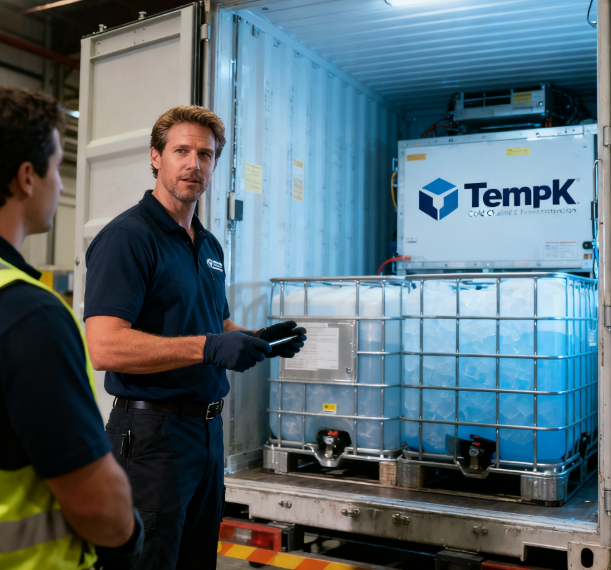
How to Choose Insulated Grocery Bag Logo for Real Routes, Payloads, and Brand Use
The best way to choose insulated grocery bag logo is to define the real route before you define the bag. The product must fit branded grocery shopping, frozen aisle support, pickup counters, and retail campaigns, but it also has to match the payload, user behavior, cleaning method, climate, branding, and production scale. A passive insulated bag can reduce temperature change; it does not automatically refrigerate goods or prove compliance. This final guide brings the key buyer, material, operational, and sustainability questions into one practical workflow for grocery chains, private-label retail teams, food brands, and promotional buyers.
Define the promise before choosing the construction
For logo insulated grocery bags, the first question is what the bag is supposed to promise. Is it a branded customer carrier? A short-distance delivery tool? A promotional pouch? A parcel mailer? A distributor item? A support component in a cold-chain process? Each answer creates a different risk level. The bag may only need to protect perceived freshness and brand image, or it may need to support a documented temperature process. Mixing these promises creates confusion.
Use plain language in the specification. Write that the bag is passive, insulated, reusable or single-use as applicable, and designed for a defined handling condition. If coolants are required, specify them as part of the packout. If the product is food, pharmacy, laboratory, or healthcare related, ask quality and logistics teams to confirm requirements. Clear wording prevents the bag from being sold internally as more capable than the evidence supports.
Build the specification around the route
A route-first specification starts with the product and the journey. For insulated grocery bag logo, note the starting temperature of the goods, estimated handling time, number of openings, staging location, vehicle type, handover point, and receiver behavior. For global, include realistic exposure such as heavy groceries, chilled items next to dry goods, customer reuse, car trunk exposure, and folded storage. If the bag will be reused, include the cleaning and drying process. If it will be exported, include carton storage and inspection requirements.
This route description should be short enough to use in supplier communication. A good supplier can use it to suggest bag shape, liner type, closure, insulation layer, and carton packing. A vague request invites generic samples. A route-based request helps the buyer see why one sample costs more, why another packs smaller, and why a third may be inappropriate even if it looks attractive.
| Specification point | Good buyer wording | Avoid assuming |
|---|---|---|
| Function | Passive insulated bag for a defined route or carrying task | That the bag actively cools or qualifies every shipment. |
| Payload | Actual product dimensions, weight, and packing shape | That outside bag size equals usable internal space. |
| Temperature concern | Target handling condition and whether coolant is used | That insulation alone creates a required temperature range. |
| Branding | Artwork method, color tolerance, logo position, and sample approval | That any logo method works on any fabric or shape. |
| Production | Approved sample, material lock, inspection checklist, and substitution control | That mass production will match a prototype automatically. |
This table is designed for procurement meetings. It turns common assumptions into checkable language. When teams use this wording, the supplier quote becomes easier to compare and the final product is less likely to disappoint operations.
Match materials to daily handling, not catalog appeal
The right material set for insulated grocery bag logo depends on the users and the environment. A premium canvas outer shell may support a retail or outdoor brand, but it still needs a cleanable liner and a strong base. A foil liner can look technical, but if the seam is weak it may stain or leak. A thin mailer may be efficient for parcel shipping, but it may not suit heavy grocery loads. A backpack may solve rider ergonomics, but it adds strap, sweat, cleaning, and storage questions.
Look for balance. The outer shell should handle abrasion and branding. The insulation should be consistent and not overly compressed at corners. The liner should suit moisture, odor, and cleaning requirements. The closure should match opening frequency. The handle or strap system should carry the real load. A good sample review touches, loads, opens, cleans, folds, and packs the bag rather than judging it on a desk.
Supplier evidence that actually helps
Helpful evidence does not always need to be complicated, but it should match the claim. For a simple branded shopping or promotional bag, an approved sample, material description, artwork proof, and inspection checklist may be enough. For a delivery or grocery operation, cleaning guidance, liner checks, and packout instructions may be needed. For temperature-sensitive healthcare or pharmaceutical use, quality teams may expect documented testing, logger data, and route-specific review.
For a logo bag that earns attention but cannot carry real groceries without sagging or leaking, ask for proof in the right form. If the supplier mentions a hold time, ask what payload, starting temperature, ambient profile, coolant, and acceptance criteria were used. If the supplier mentions compliance, ask which product, market, standard, and document support the statement. If the supplier mentions sustainability, ask whether the claim refers to material, reuse, recyclability, reduced waste, or a complete product life cycle. Precise questions protect both buyer and supplier.
From sample to bulk order
Bulk procurement for insulated grocery bag logo should not move directly from a promising sample to a purchase order. Approve a functional sample first. Then approve a decorated sample if branding matters. Confirm whether the sample was made using production materials and production methods. Ask what tolerances apply to size, color, stitching, liner appearance, and logo position. Confirm carton quantity and carton weight because packing affects freight, storage, and damage risk.
Before production, create a short inspection list. It can include dimensions, liner finish, odor, stains, zipper movement, handle reinforcement, seam quality, logo accuracy, carton count, and packaging condition. Keep this list practical. A buyer does not need an elaborate laboratory process for every order, but repeatable checks are essential when the product will be used by many stores, riders, distributors, or customers.
Practical example: choosing the better sample
A team sourcing insulated grocery bag logo receives three samples. The first is the lowest price and packs tightly, but the liner smells strong and the handle stitching looks uneven. The second has a premium outer material and a large logo, but the closure is slow for staff to use. The third is not the thickest, but it fits the payload, closes cleanly, wipes down easily, and its logo remains clear after filling. If the route is branded grocery shopping, frozen aisle support, pickup counters, and retail campaigns, the third sample may be the best operational choice even if it is not the most dramatic product in the meeting.
Sustainability and cost should be reviewed together
A lower unit price is not always the lower operating cost. If handles fail, liners stain, cartons collapse, or the product is too large for the payload, the program pays in replacements, complaints, freight, and waste. Sustainability has the same logic. A reusable product only helps if it is easy to reuse. A recyclable claim only helps if the material system and local recovery path support it. A right-sized, durable, cleanable bag with realistic use instructions may create better value than a more impressive but poorly matched design.
For grocery chains, private-label retail teams, food brands, and promotional buyers, cost review should include sample rounds, artwork setup, carton efficiency, warehouse storage, inspection time, expected reuse, replacement policy, and whether a different packaging format would reduce risk. Sometimes a simple insulated bag is enough. Sometimes a rigid box, insulated liner, pallet cover, or qualified shipper is the better choice. The goal is not to buy the most advanced product. The goal is to buy the most appropriate system.
FAQ
What is the first step when sourcing insulated grocery bag logo?
Write a route and use-case brief before requesting prices. Include the product type, payload, handling time, number of openings, cleaning method, logo needs, carton requirements, and any temperature or documentation concern. This helps suppliers quote the right design and prevents the buying team from comparing samples that solve different problems.
How do I know whether a soft bag is enough?
A soft insulated bag may be enough for short, lower-risk carrying when the product starts at the right temperature and users follow the process. It may not be enough for long, regulated, high-value, or uncertain routes. When risk is higher, review coolant, packout, monitoring, and qualification needs with your quality or logistics team.
What makes a logo program fail?
Logo programs fail when artwork is approved without testing the product as used. Curved surfaces, textured fabric, folding lines, dark colors, heat, cleaning, and carton compression can affect appearance. Request a decorated sample and check the logo after filling, folding, wiping, and packing. Brand quality depends on the whole product, not only the artwork file.
Should a buyer ask for standards or certificates?
Ask for documents that match the claim. Material documents, inspection records, sample approvals, and test reports can all be useful. For food, healthcare, or pharmaceutical use, requirements vary by product, market, and route. Standards should not be used as decoration in a proposal. They should support a specific packaging function and be reviewed by the appropriate team.
Conclusion
Choosing insulated grocery bag logo is a practical route-design exercise. Define what the bag must promise, match materials to real handling, ask for evidence that supports the claim, approve samples carefully, and control the move from prototype to bulk production. If the contents are temperature-sensitive, do not treat insulation as a substitute for a complete cold-chain process. With clear specifications, grocery chains, private-label retail teams, food brands, and promotional buyers can order a product that supports the brand and the operation at the same time.
About Tempk
Tempk helps buyers evaluate insulated bags, thermal bags, gel packs, ice bricks, EPP boxes, box liners, and other cold-chain packaging components. For insulated grocery bag logo, we can help translate a route, payload, and branding plan into a clearer sample request and production discussion. We focus on fit, limits, and repeatability so buyers can avoid overpromising and reduce avoidable sample revisions.
CTA
Share your route, payload, order scale, and logo requirements with Tempk. We can help you compare insulated grocery bag logo options and decide what should be tested before production.
Operational note before approval
Before approving insulated grocery bag logo, write down how the bag will actually move through the operation. A design used by a supermarket shopper has different stress points from a bag used by a courier, a pharmacy counter, or a distributor rep. The route may include staging, loading, waiting, handover, and return storage. Each step changes what the bag must tolerate. This is why a useful specification should cover payload, closure behavior, cleaning method, branding method, carton packing, and the evidence you expect from the supplier. Without that written baseline, teams often compare samples by touch and appearance rather than by how they will perform in daily work.
Receiving and inspection details
A receiving inspection for insulated grocery bag logo should be simple enough for warehouse staff to repeat, but specific enough to catch costly variation. Check dimensions, odor, liner finish, zipper movement, handle stitching, logo alignment, carton quantity, stains, and obvious seam damage. For a thermal project, keep the approved sample and approved artwork together so buyers, quality staff, and suppliers are comparing against the same reference. If the product will be reused, ask how the liner should be cleaned and dried. If it will ship in bulk, check whether cartons protect the shape and logo during export storage.
Cooler Bag Promotional USA: Buying Guide for Brands
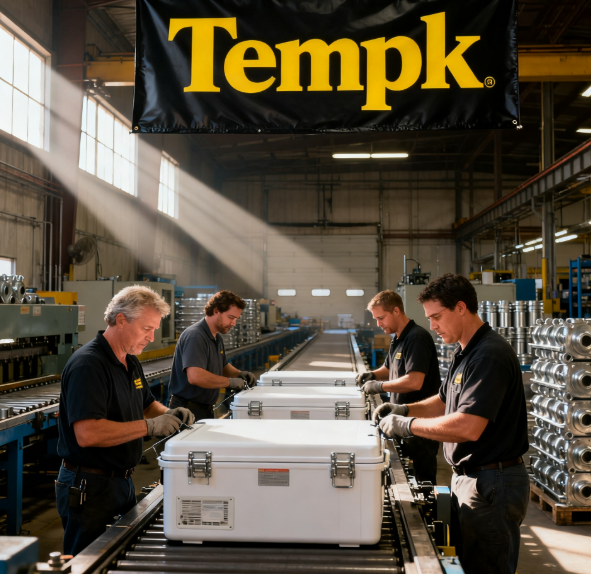
Cooler Bag Promotional USA: Practical Buying Guide for Cold-Chain and Brand Teams
A cooler bag promotional usa should be selected as a working product, not as a keyword on a quotation sheet. It has to fit the item being carried, the people handling it, the temperature expectation, the logo or private-label plan, and the documentation your channel requires. When those parts are not aligned, the problem usually appears after the first bulk order, not during the sample photo review.
The following guide combines product education, material judgment, sourcing checks, and realistic cold-chain boundaries into one buying framework for B2B teams.
What the Bag Can Do, and What It Cannot Do
A promotional cooler bag can make short-distance transport more organized, reduce direct exposure to ambient conditions, protect the appearance of meals or groceries, and create a reusable brand touchpoint. It can also support users who carry food, beverages, or small temperature-sensitive items between a preparation point and a receiving point. Those benefits are real, but they are not the same as active refrigeration or validated pharmaceutical shipping.
USDA food-safety guidance emphasizes cold sources and safe temperature handling for perishable foods, so promotional copy should not imply that a bag alone controls food safety. This boundary should be clear in the product brief and sales copy. If the item is used for ordinary lunches, groceries, delivery meals, or promotional programs, the claim should focus on insulated carrying and practical convenience. If the item is used for regulated, high-value, or highly temperature-sensitive goods, the buyer should ask for a qualified packout, cold-source design, logger plan, and documentation review.
This distinction helps buyers avoid two opposite mistakes. The first is overbuying a complex cold-chain solution for a simple daily-use bag. The second is underbuying a casual bag for a product that needs documented temperature control. A good sourcing process identifies the use case before selecting the format.
Build the Specification Around Route, Payload, and User Behavior
The best specification for cooler bag promotional usa starts with the route. Where is the product packed? How long is it inside the bag? Does the bag travel in a car, bicycle basket, scooter box, van, retail cart, warehouse, school, office, or outdoor event? Is the bag opened once, or many times? Does it return for cleaning, or does the end user keep it?
Next comes payload. The buyer should test actual containers, not just measure volume. Square meal boxes, round bowls, bottles, cartons, trays, ice packs, and grocery packs all use space differently. Heavy beverages stress handles and bases. Tall containers need vertical clearance. Cold sources reduce usable space. Dividers can improve organization but also reduce flexibility.
Finally, look at user behavior. Riders may need fast access and comfortable straps. Grocery staff may need a bag that stands open during loading. Office users may need a compact format that fits under a desk. Retail customers may value folding and storage. A bag that ignores the user will not be reused, no matter how well it is decorated.
Material Choices in Practical Language
A promotional cooler bag has to look brand-ready while still using a liner, insulation layer, closure, and handle system that can handle real food and drink use. The buyer should understand each layer in practical terms. The outer surface must suit handling and branding. The insulation layer must be continuous enough to avoid weak spots. The liner must be wipeable and appropriate for the intended food or product exposure. The closure must reduce air exchange without slowing the user. Reinforcement must match the expected loaded weight.
There is no universal best material. Canvas may suit a premium or lifestyle lunch bag, but it needs a suitable liner. Polyester may support delivery or promotional use, but fabric weight and coating matter. Aluminum foil liners can help with radiant heat and cleaning, but they must be durable at folds and seams. Non-woven materials may serve lower-cost programs, but they need realistic durability expectations. Rigid cooler boxes may be better when impact resistance and defined packout space matter more than foldability.
A buyer should ask the supplier to separate material facts from marketing terms. Words such as thermal, premium, food grade, heavy duty, or eco-friendly need explanation. What layer is being described? What evidence supports the claim? What use conditions apply? If a claim cannot be explained, it should not drive the purchase decision.
Supplier Checks That Actually Reduce Risk
| Procurement question | Good supplier answer | Warning sign |
|---|---|---|
| What exactly is the bag made of? | The supplier separates outer material, insulation, liner, closure, base, and decoration method | The supplier gives only a vague phrase such as premium thermal material |
| How is performance described? | Claims are linked to use conditions, loading, cold sources, and any available testing | The supplier promises a fixed hold time without explaining conditions |
| How are samples controlled? | Approved samples, drawings, material names, and color tolerances are recorded | Bulk production can change materials without written review |
| How is logo quality managed? | Artwork proof, decoration method, position tolerance, and inspection criteria are defined | The quote shows only a digital mockup |
| What happens after delivery? | The supplier can discuss packaging, spare parts where relevant, cleaning, complaints, and reorders | The supplier focuses only on unit price |
These questions are valuable because they reveal whether the supplier understands the bag as a functional product. A serious answer does not need to be complicated, but it should be specific. It should mention materials, production controls, samples, artwork, packaging, and claim limits. If the answer is only price and delivery date, the buyer is left carrying the operational risk.
Check artwork proofing, imprint tolerance, carton labeling, food-contact suitability of the liner, sample approval, and whether the bag supports common cans, bottles, and lunch containers. Buyers should also keep a written record of the approved sample. The record should include material stack, dimensions, artwork proof, logo position, liner, closure, base, label, and carton packing. This is especially important for importers, distributors, and private-label programs because the next order must match the first one.
A Review Workflow Before Bulk Ordering
A practical review can be done in five steps. First, define the use case and temperature expectation. Second, load a sample with the real payload and cold source, if one will be used. Third, inspect cleaning, closure, handle comfort, and decoration after repeated opening and carrying. Fourth, check documentation needs for the destination market and channel. Fifth, approve a pre-production sample and keep it as a production reference.
For example, a buyer sourcing a promotional cooler bag for sports event giveaways may begin with a good-looking sample. During use testing, the team discovers that the bag is large enough when empty but too tight after adding two gel packs and the normal product mix. Instead of accepting the first sample, the buyer revises the gusset and opening width, adjusts the logo position, and asks the supplier to confirm carton packing so the bag does not arrive crushed.
That workflow is more reliable than comparing unit prices across loosely defined quotations. It gives the supplier a clearer target and gives the buyer a better basis for inspection. It also reduces the chance that a bulk shipment will fail for reasons that were visible in the sample stage.
Regional and Channel Considerations
For United States promotional products and branded merchandise, the buyer should think beyond the bag itself. Region-specific orders may involve importer labels, language requirements, packaging composition, food-contact review, carton marks, retail packaging, or distributor documentation. Even when regulations do not require a formal test for a simple promotional bag, the channel may still ask for declarations or product information.
EU importers should be aware of food-contact frameworks when the liner may interact with food or food containers, and packaging-waste rules are becoming more important for reusable product programs. USA promotional buyers should avoid food-safety claims that conflict with USDA or FDA guidance on safe handling. Delivery operators should define cleaning and rider safety expectations. Beverage and grocery buyers should consider heavy loads and condensation. China sourcing projects should use samples and written specifications to control logo and material consistency.
The common thread is evidence. When a statement affects safety, compliance, performance, or import review, it should be supported or written as a verification point. When a statement is only a broad marketing claim, it should be removed or made more precise.
When This Product Is the Right Fit
A cooler bag promotional usa is a good fit when the buyer needs short-duration insulated carrying, reusable brand visibility, organized handover, and practical protection for meals, groceries, beverages, or similar items. It is especially useful when the user needs a light, portable format rather than a rigid box. It can also support corporate gifting, promotional programs, delivery fleets, grocery pickup, and retail merchandising when the specification matches the channel.
It is not the right fit when the product requires strict temperature control over a defined route without supporting test data. It is not a substitute for refrigeration, hot holding, dry ice systems, qualified insulated shippers, temperature loggers, or receiving inspection. It is also not a good fit when the payload is so heavy that a soft bag will deform, unless the base and handles are specifically designed for that load.
The risk in USA promotional programs is approving the cheapest option without checking liner odor, print durability, shipping deformation, or whether the bag feels useful after the event. The safest buying decision is to state the limit clearly. A well-specified passive bag can be very useful inside its proper role. Problems happen when a buyer expects it to do the job of a different product category.
Quality Control for Logo and Reorder Consistency
USA promotional customization should confirm imprint area, PMS matching limits, embroidery suitability, safety labels, and distributor packaging requirements. Decoration should be treated as a controlled production process. A logo can look different depending on fabric texture, print method, heat, stitching, panel curve, and folding. Buyers should approve real samples, not only digital mockups. For personalized products, proofing and data control are just as important as decoration quality.
Reorder consistency matters for distributors and brand programs. A second production run with a slightly different fabric, liner shade, zipper color, or logo position can create complaints even if the functional difference is small. Ask the supplier how material substitutions are handled and whether the approved sample is kept as a reference. For large or repeated programs, this question is more important than small unit-price differences.
A reusable cooler bag can support a lower-waste message, but the claim should be about reuse potential, not guaranteed environmental impact. Reuse claims also depend on quality control. If a bag feels durable and convenient, users are more likely to keep it in circulation. If it fails quickly or looks inconsistent, the sustainability and brand story weakens.
FAQ
What makes a cooler bag promotional usa suitable for B2B buying?
Suitability comes from matching the product to the route, payload, user, branding plan, and documentation needs. A B2B buyer should examine material stack, usable dimensions, handling comfort, cleaning, sample consistency, and whether claims are supported. A low price is not useful if it creates complaints or cannot be reordered consistently.
What should be avoided in product claims?
Avoid fixed temperature or hold-time claims unless the specific bag, payload, coolant, ambient profile, and acceptance criteria were tested. Also avoid suggesting that waterproof fabric, a foil liner, or a reusable design automatically makes the bag compliant for every food, grocery, or pharmaceutical use.
How many samples should a buyer review before bulk production?
The number depends on order complexity, but at least one functional sample and one decorated sample are useful. For personalized or private-label programs, buyers should also confirm packaging, labels, carton marks, and a pre-production sample because artwork and material changes can appear only after decoration.
What role can Tempk play in this decision?
Tempk can help buyers compare insulated bag formats, cooler bags, ice packs, liners, and related cold-chain packaging options. The useful conversation starts with route, payload, temperature expectation, use duration, logo plan, and market requirements rather than a generic request for the cheapest insulated bag.
Conclusion
A practical cooler bag promotional usa buying decision starts with the route, payload, user, and claim boundary. The right bag slows temperature exposure during suitable short-use scenarios, supports organized carrying, and can carry a brand into daily use. It should not be oversold as a guaranteed temperature-control system unless the exact conditions are tested. Buyers should compare material stack, liner, closure, reinforcement, decoration, documentation, and sample control before placing a bulk order.
About Tempk
Tempk helps B2B buyers compare insulated bag and cold-chain packaging options for food delivery, grocery, promotional, and temperature-sensitive handling programs. For a promotional cooler bag, we can discuss the route, payload, user behavior, cold-source plan, logo requirements, sample approval, and documentation needs before recommending a practical direction. The goal is a bag that fits the job, not a generic insulated product with unsupported claims.
Next Step
Send Tempk your route, payload, temperature expectation, and logo requirements to build a practical promotional cooler bag specification for sampling and quotation.
Cooler Bag Logo China: Buying Guide for Brands
Cooler Bag Logo China: Practical Buying Guide for Cold-Chain and Brand Teams
A cooler bag logo china should be selected as a working product, not as a keyword on a quotation sheet. It has to fit the item being carried, the people handling it, the temperature expectation, the logo or private-label plan, and the documentation your channel requires. When those parts are not aligned, the problem usually appears after the first bulk order, not during the sample photo review.
The following guide combines product education, material judgment, sourcing checks, and realistic cold-chain boundaries into one buying framework for B2B teams.
What the Bag Can Do, and What It Cannot Do
A custom logo cooler bag from China can make short-distance transport more organized, reduce direct exposure to ambient conditions, protect the appearance of meals or groceries, and create a reusable brand touchpoint. It can also support users who carry food, beverages, or small temperature-sensitive items between a preparation point and a receiving point. Those benefits are real, but they are not the same as active refrigeration or validated pharmaceutical shipping.
A logo cooler bag should not make a precise insulation claim unless the supplier provides test conditions and acceptance criteria. This boundary should be clear in the product brief and sales copy. If the item is used for ordinary lunches, groceries, delivery meals, or promotional programs, the claim should focus on insulated carrying and practical convenience. If the item is used for regulated, high-value, or highly temperature-sensitive goods, the buyer should ask for a qualified packout, cold-source design, logger plan, and documentation review.
This distinction helps buyers avoid two opposite mistakes. The first is overbuying a complex cold-chain solution for a simple daily-use bag. The second is underbuying a casual bag for a product that needs documented temperature control. A good sourcing process identifies the use case before selecting the format.
Build the Specification Around Route, Payload, and User Behavior
The best specification for cooler bag logo china starts with the route. Where is the product packed? How long is it inside the bag? Does the bag travel in a car, bicycle basket, scooter box, van, retail cart, warehouse, school, office, or outdoor event? Is the bag opened once, or many times? Does it return for cleaning, or does the end user keep it?
Next comes payload. The buyer should test actual containers, not just measure volume. Square meal boxes, round bowls, bottles, cartons, trays, ice packs, and grocery packs all use space differently. Heavy beverages stress handles and bases. Tall containers need vertical clearance. Cold sources reduce usable space. Dividers can improve organization but also reduce flexibility.
Finally, look at user behavior. Riders may need fast access and comfortable straps. Grocery staff may need a bag that stands open during loading. Office users may need a compact format that fits under a desk. Retail customers may value folding and storage. A bag that ignores the user will not be reused, no matter how well it is decorated.
Material Choices in Practical Language
Logo quality depends on the chosen surface and production method; polyester, canvas, non-woven fabric, and foil-lined formats each behave differently during printing or embroidery. The buyer should understand each layer in practical terms. The outer surface must suit handling and branding. The insulation layer must be continuous enough to avoid weak spots. The liner must be wipeable and appropriate for the intended food or product exposure. The closure must reduce air exchange without slowing the user. Reinforcement must match the expected loaded weight.
There is no universal best material. Canvas may suit a premium or lifestyle lunch bag, but it needs a suitable liner. Polyester may support delivery or promotional use, but fabric weight and coating matter. Aluminum foil liners can help with radiant heat and cleaning, but they must be durable at folds and seams. Non-woven materials may serve lower-cost programs, but they need realistic durability expectations. Rigid cooler boxes may be better when impact resistance and defined packout space matter more than foldability.
A buyer should ask the supplier to separate material facts from marketing terms. Words such as thermal, premium, food grade, heavy duty, or eco-friendly need explanation. What layer is being described? What evidence supports the claim? What use conditions apply? If a claim cannot be explained, it should not drive the purchase decision.
Supplier Checks That Actually Reduce Risk
| Procurement question | Good supplier answer | Warning sign |
|---|---|---|
| What exactly is the bag made of? | The supplier separates outer material, insulation, liner, closure, base, and decoration method | The supplier gives only a vague phrase such as premium thermal material |
| How is performance described? | Claims are linked to use conditions, loading, cold sources, and any available testing | The supplier promises a fixed hold time without explaining conditions |
| How are samples controlled? | Approved samples, drawings, material names, and color tolerances are recorded | Bulk production can change materials without written review |
| How is logo quality managed? | Artwork proof, decoration method, position tolerance, and inspection criteria are defined | The quote shows only a digital mockup |
| What happens after delivery? | The supplier can discuss packaging, spare parts where relevant, cleaning, complaints, and reorders | The supplier focuses only on unit price |
These questions are valuable because they reveal whether the supplier understands the bag as a functional product. A serious answer does not need to be complicated, but it should be specific. It should mention materials, production controls, samples, artwork, packaging, and claim limits. If the answer is only price and delivery date, the buyer is left carrying the operational risk.
Confirm logo files, color tolerance, sample lead process, material substitutions, carton marks, inspection criteria, import labels, and whether the supplier can repeat the approved sample. Buyers should also keep a written record of the approved sample. The record should include material stack, dimensions, artwork proof, logo position, liner, closure, base, label, and carton packing. This is especially important for importers, distributors, and private-label programs because the next order must match the first one.
A Review Workflow Before Bulk Ordering
A practical review can be done in five steps. First, define the use case and temperature expectation. Second, load a sample with the real payload and cold source, if one will be used. Third, inspect cleaning, closure, handle comfort, and decoration after repeated opening and carrying. Fourth, check documentation needs for the destination market and channel. Fifth, approve a pre-production sample and keep it as a production reference.
For example, a buyer sourcing a custom logo cooler bag from China for promotional cooler bags may begin with a good-looking sample. During use testing, the team discovers that the bag is large enough when empty but too tight after adding two gel packs and the normal product mix. Instead of accepting the first sample, the buyer revises the gusset and opening width, adjusts the logo position, and asks the supplier to confirm carton packing so the bag does not arrive crushed.
That workflow is more reliable than comparing unit prices across loosely defined quotations. It gives the supplier a clearer target and gives the buyer a better basis for inspection. It also reduces the chance that a bulk shipment will fail for reasons that were visible in the sample stage.
Regional and Channel Considerations
For China export and custom logo production, the buyer should think beyond the bag itself. Region-specific orders may involve importer labels, language requirements, packaging composition, food-contact review, carton marks, retail packaging, or distributor documentation. Even when regulations do not require a formal test for a simple promotional bag, the channel may still ask for declarations or product information.
EU importers should be aware of food-contact frameworks when the liner may interact with food or food containers, and packaging-waste rules are becoming more important for reusable product programs. USA promotional buyers should avoid food-safety claims that conflict with USDA or FDA guidance on safe handling. Delivery operators should define cleaning and rider safety expectations. Beverage and grocery buyers should consider heavy loads and condensation. China sourcing projects should use samples and written specifications to control logo and material consistency.
The common thread is evidence. When a statement affects safety, compliance, performance, or import review, it should be supported or written as a verification point. When a statement is only a broad marketing claim, it should be removed or made more precise.
When This Product Is the Right Fit
A cooler bag logo china is a good fit when the buyer needs short-duration insulated carrying, reusable brand visibility, organized handover, and practical protection for meals, groceries, beverages, or similar items. It is especially useful when the user needs a light, portable format rather than a rigid box. It can also support corporate gifting, promotional programs, delivery fleets, grocery pickup, and retail merchandising when the specification matches the channel.
It is not the right fit when the product requires strict temperature control over a defined route without supporting test data. It is not a substitute for refrigeration, hot holding, dry ice systems, qualified insulated shippers, temperature loggers, or receiving inspection. It is also not a good fit when the payload is so heavy that a soft bag will deform, unless the base and handles are specifically designed for that load.
The common risk is approving a nice digital mockup without checking real material, print texture, color shift, and how the bag looks after folding and shipping. The safest buying decision is to state the limit clearly. A well-specified passive bag can be very useful inside its proper role. Problems happen when a buyer expects it to do the job of a different product category.
Quality Control for Logo and Reorder Consistency
China logo projects should control artwork proof, sample sign-off, production inspection, packaging marks, and reorder specifications. Decoration should be treated as a controlled production process. A logo can look different depending on fabric texture, print method, heat, stitching, panel curve, and folding. Buyers should approve real samples, not only digital mockups. For personalized products, proofing and data control are just as important as decoration quality.
Reorder consistency matters for distributors and brand programs. A second production run with a slightly different fabric, liner shade, zipper color, or logo position can create complaints even if the functional difference is small. Ask the supplier how material substitutions are handled and whether the approved sample is kept as a reference. For large or repeated programs, this question is more important than small unit-price differences.
Reusable cooler bags can support brand reuse programs, but buyers should avoid vague environmental claims unless material and reuse assumptions are documented. Reuse claims also depend on quality control. If a bag feels durable and convenient, users are more likely to keep it in circulation. If it fails quickly or looks inconsistent, the sustainability and brand story weakens.
FAQ
What makes a cooler bag logo china suitable for B2B buying?
Suitability comes from matching the product to the route, payload, user, branding plan, and documentation needs. A B2B buyer should examine material stack, usable dimensions, handling comfort, cleaning, sample consistency, and whether claims are supported. A low price is not useful if it creates complaints or cannot be reordered consistently.
What should be avoided in product claims?
Avoid fixed temperature or hold-time claims unless the specific bag, payload, coolant, ambient profile, and acceptance criteria were tested. Also avoid suggesting that waterproof fabric, a foil liner, or a reusable design automatically makes the bag compliant for every food, grocery, or pharmaceutical use.
How many samples should a buyer review before bulk production?
The number depends on order complexity, but at least one functional sample and one decorated sample are useful. For personalized or private-label programs, buyers should also confirm packaging, labels, carton marks, and a pre-production sample because artwork and material changes can appear only after decoration.
What role can Tempk play in this decision?
Tempk can help buyers compare insulated bag formats, cooler bags, ice packs, liners, and related cold-chain packaging options. The useful conversation starts with route, payload, temperature expectation, use duration, logo plan, and market requirements rather than a generic request for the cheapest insulated bag.
Conclusion
A practical cooler bag logo china buying decision starts with the route, payload, user, and claim boundary. The right bag slows temperature exposure during suitable short-use scenarios, supports organized carrying, and can carry a brand into daily use. It should not be oversold as a guaranteed temperature-control system unless the exact conditions are tested. Buyers should compare material stack, liner, closure, reinforcement, decoration, documentation, and sample control before placing a bulk order.
About Tempk
Tempk helps B2B buyers compare insulated bag and cold-chain packaging options for food delivery, grocery, promotional, and temperature-sensitive handling programs. For a custom logo cooler bag from China, we can discuss the route, payload, user behavior, cold-source plan, logo requirements, sample approval, and documentation needs before recommending a practical direction. The goal is a bag that fits the job, not a generic insulated product with unsupported claims.
Next Step
Send Tempk your route, payload, temperature expectation, and logo requirements to build a practical custom logo cooler bag from China specification for sampling and quotation.
Cooler Bag Industrial Beverage: Buying Guide for Brands
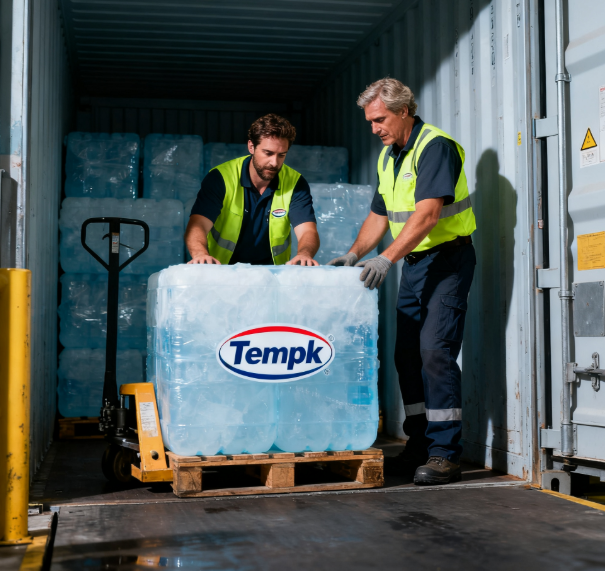
Cooler Bag Industrial Beverage: Practical Buying Guide for Cold-Chain and Brand Teams
A cooler bag industrial beverage should be selected as a working product, not as a keyword on a quotation sheet. It has to fit the item being carried, the people handling it, the temperature expectation, the logo or private-label plan, and the documentation your channel requires. When those parts are not aligned, the problem usually appears after the first bulk order, not during the sample photo review.
The following guide combines product education, material judgment, sourcing checks, and realistic cold-chain boundaries into one buying framework for B2B teams.
What the Bag Can Do, and What It Cannot Do
A industrial beverage cooler bag can make short-distance transport more organized, reduce direct exposure to ambient conditions, protect the appearance of meals or groceries, and create a reusable brand touchpoint. It can also support users who carry food, beverages, or small temperature-sensitive items between a preparation point and a receiving point. Those benefits are real, but they are not the same as active refrigeration or validated pharmaceutical shipping.
A cooler bag can help beverages remain cold for service windows, but the required performance depends on pre-chilling, coolant, ambient exposure, and how often the bag is opened. This boundary should be clear in the product brief and sales copy. If the item is used for ordinary lunches, groceries, delivery meals, or promotional programs, the claim should focus on insulated carrying and practical convenience. If the item is used for regulated, high-value, or highly temperature-sensitive goods, the buyer should ask for a qualified packout, cold-source design, logger plan, and documentation review.
This distinction helps buyers avoid two opposite mistakes. The first is overbuying a complex cold-chain solution for a simple daily-use bag. The second is underbuying a casual bag for a product that needs documented temperature control. A good sourcing process identifies the use case before selecting the format.
Build the Specification Around Route, Payload, and User Behavior
The best specification for cooler bag industrial beverage starts with the route. Where is the product packed? How long is it inside the bag? Does the bag travel in a car, bicycle basket, scooter box, van, retail cart, warehouse, school, office, or outdoor event? Is the bag opened once, or many times? Does it return for cleaning, or does the end user keep it?
Next comes payload. The buyer should test actual containers, not just measure volume. Square meal boxes, round bowls, bottles, cartons, trays, ice packs, and grocery packs all use space differently. Heavy beverages stress handles and bases. Tall containers need vertical clearance. Cold sources reduce usable space. Dividers can improve organization but also reduce flexibility.
Finally, look at user behavior. Riders may need fast access and comfortable straps. Grocery staff may need a bag that stands open during loading. Office users may need a compact format that fits under a desk. Retail customers may value folding and storage. A bag that ignores the user will not be reused, no matter how well it is decorated.
Material Choices in Practical Language
Beverage loads stress seams, bases, zippers, and handles because cans and bottles are dense; insulation matters, but structure matters first. The buyer should understand each layer in practical terms. The outer surface must suit handling and branding. The insulation layer must be continuous enough to avoid weak spots. The liner must be wipeable and appropriate for the intended food or product exposure. The closure must reduce air exchange without slowing the user. Reinforcement must match the expected loaded weight.
There is no universal best material. Canvas may suit a premium or lifestyle lunch bag, but it needs a suitable liner. Polyester may support delivery or promotional use, but fabric weight and coating matter. Aluminum foil liners can help with radiant heat and cleaning, but they must be durable at folds and seams. Non-woven materials may serve lower-cost programs, but they need realistic durability expectations. Rigid cooler boxes may be better when impact resistance and defined packout space matter more than foldability.
A buyer should ask the supplier to separate material facts from marketing terms. Words such as thermal, premium, food grade, heavy duty, or eco-friendly need explanation. What layer is being described? What evidence supports the claim? What use conditions apply? If a claim cannot be explained, it should not drive the purchase decision.
Supplier Checks That Actually Reduce Risk
| Procurement question | Good supplier answer | Warning sign |
|---|---|---|
| What exactly is the bag made of? | The supplier separates outer material, insulation, liner, closure, base, and decoration method | The supplier gives only a vague phrase such as premium thermal material |
| How is performance described? | Claims are linked to use conditions, loading, cold sources, and any available testing | The supplier promises a fixed hold time without explaining conditions |
| How are samples controlled? | Approved samples, drawings, material names, and color tolerances are recorded | Bulk production can change materials without written review |
| How is logo quality managed? | Artwork proof, decoration method, position tolerance, and inspection criteria are defined | The quote shows only a digital mockup |
| What happens after delivery? | The supplier can discuss packaging, spare parts where relevant, cleaning, complaints, and reorders | The supplier focuses only on unit price |
These questions are valuable because they reveal whether the supplier understands the bag as a functional product. A serious answer does not need to be complicated, but it should be specific. It should mention materials, production controls, samples, artwork, packaging, and claim limits. If the answer is only price and delivery date, the buyer is left carrying the operational risk.
Confirm loaded weight assumptions, base reinforcement, drainage or wipe-clean needs, bottle orientation, divider options, shoulder strap strength, and logo visibility in the field. Buyers should also keep a written record of the approved sample. The record should include material stack, dimensions, artwork proof, logo position, liner, closure, base, label, and carton packing. This is especially important for importers, distributors, and private-label programs because the next order must match the first one.
A Review Workflow Before Bulk Ordering
A practical review can be done in five steps. First, define the use case and temperature expectation. Second, load a sample with the real payload and cold source, if one will be used. Third, inspect cleaning, closure, handle comfort, and decoration after repeated opening and carrying. Fourth, check documentation needs for the destination market and channel. Fifth, approve a pre-production sample and keep it as a production reference.
For example, a buyer sourcing a industrial beverage cooler bag for route sales may begin with a good-looking sample. During use testing, the team discovers that the bag is large enough when empty but too tight after adding two gel packs and the normal product mix. Instead of accepting the first sample, the buyer revises the gusset and opening width, adjusts the logo position, and asks the supplier to confirm carton packing so the bag does not arrive crushed.
That workflow is more reliable than comparing unit prices across loosely defined quotations. It gives the supplier a clearer target and gives the buyer a better basis for inspection. It also reduces the chance that a bulk shipment will fail for reasons that were visible in the sample stage.
Regional and Channel Considerations
For industrial beverage distribution and event support, the buyer should think beyond the bag itself. Region-specific orders may involve importer labels, language requirements, packaging composition, food-contact review, carton marks, retail packaging, or distributor documentation. Even when regulations do not require a formal test for a simple promotional bag, the channel may still ask for declarations or product information.
EU importers should be aware of food-contact frameworks when the liner may interact with food or food containers, and packaging-waste rules are becoming more important for reusable product programs. USA promotional buyers should avoid food-safety claims that conflict with USDA or FDA guidance on safe handling. Delivery operators should define cleaning and rider safety expectations. Beverage and grocery buyers should consider heavy loads and condensation. China sourcing projects should use samples and written specifications to control logo and material consistency.
The common thread is evidence. When a statement affects safety, compliance, performance, or import review, it should be supported or written as a verification point. When a statement is only a broad marketing claim, it should be removed or made more precise.
When This Product Is the Right Fit
A cooler bag industrial beverage is a good fit when the buyer needs short-duration insulated carrying, reusable brand visibility, organized handover, and practical protection for meals, groceries, beverages, or similar items. It is especially useful when the user needs a light, portable format rather than a rigid box. It can also support corporate gifting, promotional programs, delivery fleets, grocery pickup, and retail merchandising when the specification matches the channel.
It is not the right fit when the product requires strict temperature control over a defined route without supporting test data. It is not a substitute for refrigeration, hot holding, dry ice systems, qualified insulated shippers, temperature loggers, or receiving inspection. It is also not a good fit when the payload is so heavy that a soft bag will deform, unless the base and handles are specifically designed for that load.
The common failure is treating beverage use like lunch use; dense loads quickly reveal weak handles, thin bases, and poor zipper alignment. The safest buying decision is to state the limit clearly. A well-specified passive bag can be very useful inside its proper role. Problems happen when a buyer expects it to do the job of a different product category.
Quality Control for Logo and Reorder Consistency
Industrial beverage customization should define panel size, color accuracy, shoulder strap branding, divider configuration, and carton protection for bulk shipment. Decoration should be treated as a controlled production process. A logo can look different depending on fabric texture, print method, heat, stitching, panel curve, and folding. Buyers should approve real samples, not only digital mockups. For personalized products, proofing and data control are just as important as decoration quality.
Reorder consistency matters for distributors and brand programs. A second production run with a slightly different fabric, liner shade, zipper color, or logo position can create complaints even if the functional difference is small. Ask the supplier how material substitutions are handled and whether the approved sample is kept as a reference. For large or repeated programs, this question is more important than small unit-price differences.
Reusable beverage cooler bags can replace some disposable ice-and-box setups when the cleaning, return, and storage system is planned. Reuse claims also depend on quality control. If a bag feels durable and convenient, users are more likely to keep it in circulation. If it fails quickly or looks inconsistent, the sustainability and brand story weakens.
FAQ
What makes a cooler bag industrial beverage suitable for B2B buying?
Suitability comes from matching the product to the route, payload, user, branding plan, and documentation needs. A B2B buyer should examine material stack, usable dimensions, handling comfort, cleaning, sample consistency, and whether claims are supported. A low price is not useful if it creates complaints or cannot be reordered consistently.
What should be avoided in product claims?
Avoid fixed temperature or hold-time claims unless the specific bag, payload, coolant, ambient profile, and acceptance criteria were tested. Also avoid suggesting that waterproof fabric, a foil liner, or a reusable design automatically makes the bag compliant for every food, grocery, or pharmaceutical use.
How many samples should a buyer review before bulk production?
The number depends on order complexity, but at least one functional sample and one decorated sample are useful. For personalized or private-label programs, buyers should also confirm packaging, labels, carton marks, and a pre-production sample because artwork and material changes can appear only after decoration.
What role can Tempk play in this decision?
Tempk can help buyers compare insulated bag formats, cooler bags, ice packs, liners, and related cold-chain packaging options. The useful conversation starts with route, payload, temperature expectation, use duration, logo plan, and market requirements rather than a generic request for the cheapest insulated bag.
Conclusion
A practical cooler bag industrial beverage buying decision starts with the route, payload, user, and claim boundary. The right bag slows temperature exposure during suitable short-use scenarios, supports organized carrying, and can carry a brand into daily use. It should not be oversold as a guaranteed temperature-control system unless the exact conditions are tested. Buyers should compare material stack, liner, closure, reinforcement, decoration, documentation, and sample control before placing a bulk order.
About Tempk
Tempk helps B2B buyers compare insulated bag and cold-chain packaging options for food delivery, grocery, promotional, and temperature-sensitive handling programs. For a industrial beverage cooler bag, we can discuss the route, payload, user behavior, cold-source plan, logo requirements, sample approval, and documentation needs before recommending a practical direction. The goal is a bag that fits the job, not a generic insulated product with unsupported claims.
Next Step
Send Tempk your route, payload, temperature expectation, and logo requirements to build a practical industrial beverage cooler bag specification for sampling and quotation.
Thermal Lunch Bag Canvas: Buying Guide for Brands
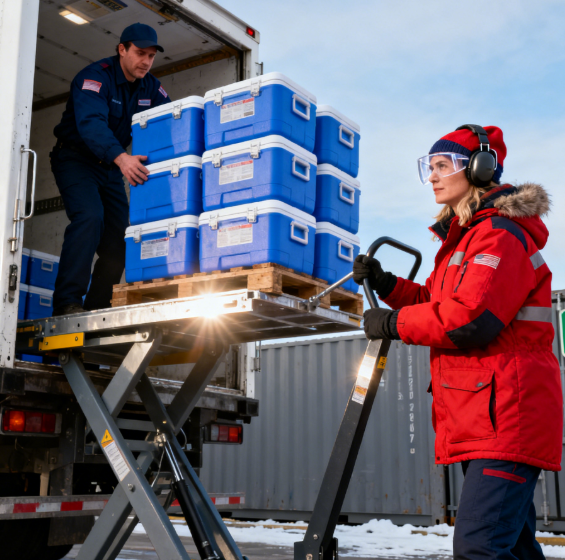
Thermal Lunch Bag Canvas: Practical Buying Guide for Cold-Chain and Brand Teams
A thermal lunch bag canvas should be selected as a working product, not as a keyword on a quotation sheet. It has to fit the item being carried, the people handling it, the temperature expectation, the logo or private-label plan, and the documentation your channel requires. When those parts are not aligned, the problem usually appears after the first bulk order, not during the sample photo review.
The following guide combines product education, material judgment, sourcing checks, and realistic cold-chain boundaries into one buying framework for B2B teams.
What the Bag Can Do, and What It Cannot Do
A canvas thermal lunch bag can make short-distance transport more organized, reduce direct exposure to ambient conditions, protect the appearance of meals or groceries, and create a reusable brand touchpoint. It can also support users who carry food, beverages, or small temperature-sensitive items between a preparation point and a receiving point. Those benefits are real, but they are not the same as active refrigeration or validated pharmaceutical shipping.
A lunch bag is usually a short-duration carrier; it should not be described as validated temperature-controlled packaging unless testing supports that claim. This boundary should be clear in the product brief and sales copy. If the item is used for ordinary lunches, groceries, delivery meals, or promotional programs, the claim should focus on insulated carrying and practical convenience. If the item is used for regulated, high-value, or highly temperature-sensitive goods, the buyer should ask for a qualified packout, cold-source design, logger plan, and documentation review.
This distinction helps buyers avoid two opposite mistakes. The first is overbuying a complex cold-chain solution for a simple daily-use bag. The second is underbuying a casual bag for a product that needs documented temperature control. A good sourcing process identifies the use case before selecting the format.
Build the Specification Around Route, Payload, and User Behavior
The best specification for thermal lunch bag canvas starts with the route. Where is the product packed? How long is it inside the bag? Does the bag travel in a car, bicycle basket, scooter box, van, retail cart, warehouse, school, office, or outdoor event? Is the bag opened once, or many times? Does it return for cleaning, or does the end user keep it?
Next comes payload. The buyer should test actual containers, not just measure volume. Square meal boxes, round bowls, bottles, cartons, trays, ice packs, and grocery packs all use space differently. Heavy beverages stress handles and bases. Tall containers need vertical clearance. Cold sources reduce usable space. Dividers can improve organization but also reduce flexibility.
Finally, look at user behavior. Riders may need fast access and comfortable straps. Grocery staff may need a bag that stands open during loading. Office users may need a compact format that fits under a desk. Retail customers may value folding and storage. A bag that ignores the user will not be reused, no matter how well it is decorated.
Material Choices in Practical Language
The canvas shell gives the bag a textile feel, better embroidery options, and a more durable visual identity, while the liner and insulation still decide how well it slows heat transfer. The buyer should understand each layer in practical terms. The outer surface must suit handling and branding. The insulation layer must be continuous enough to avoid weak spots. The liner must be wipeable and appropriate for the intended food or product exposure. The closure must reduce air exchange without slowing the user. Reinforcement must match the expected loaded weight.
There is no universal best material. Canvas may suit a premium or lifestyle lunch bag, but it needs a suitable liner. Polyester may support delivery or promotional use, but fabric weight and coating matter. Aluminum foil liners can help with radiant heat and cleaning, but they must be durable at folds and seams. Non-woven materials may serve lower-cost programs, but they need realistic durability expectations. Rigid cooler boxes may be better when impact resistance and defined packout space matter more than foldability.
A buyer should ask the supplier to separate material facts from marketing terms. Words such as thermal, premium, food grade, heavy duty, or eco-friendly need explanation. What layer is being described? What evidence supports the claim? What use conditions apply? If a claim cannot be explained, it should not drive the purchase decision.
Supplier Checks That Actually Reduce Risk
| Procurement question | Good supplier answer | Warning sign |
|---|---|---|
| What exactly is the bag made of? | The supplier separates outer material, insulation, liner, closure, base, and decoration method | The supplier gives only a vague phrase such as premium thermal material |
| How is performance described? | Claims are linked to use conditions, loading, cold sources, and any available testing | The supplier promises a fixed hold time without explaining conditions |
| How are samples controlled? | Approved samples, drawings, material names, and color tolerances are recorded | Bulk production can change materials without written review |
| How is logo quality managed? | Artwork proof, decoration method, position tolerance, and inspection criteria are defined | The quote shows only a digital mockup |
| What happens after delivery? | The supplier can discuss packaging, spare parts where relevant, cleaning, complaints, and reorders | The supplier focuses only on unit price |
These questions are valuable because they reveal whether the supplier understands the bag as a functional product. A serious answer does not need to be complicated, but it should be specific. It should mention materials, production controls, samples, artwork, packaging, and claim limits. If the answer is only price and delivery date, the buyer is left carrying the operational risk.
A buyer should compare fabric weight, seam construction, liner wipeability, zipper strength, print method, and sample-to-production color consistency before placing a large order. Buyers should also keep a written record of the approved sample. The record should include material stack, dimensions, artwork proof, logo position, liner, closure, base, label, and carton packing. This is especially important for importers, distributors, and private-label programs because the next order must match the first one.
A Review Workflow Before Bulk Ordering
A practical review can be done in five steps. First, define the use case and temperature expectation. Second, load a sample with the real payload and cold source, if one will be used. Third, inspect cleaning, closure, handle comfort, and decoration after repeated opening and carrying. Fourth, check documentation needs for the destination market and channel. Fifth, approve a pre-production sample and keep it as a production reference.
For example, a buyer sourcing a canvas thermal lunch bag for campus meal kits may begin with a good-looking sample. During use testing, the team discovers that the bag is large enough when empty but too tight after adding two gel packs and the normal product mix. Instead of accepting the first sample, the buyer revises the gusset and opening width, adjusts the logo position, and asks the supplier to confirm carton packing so the bag does not arrive crushed.
That workflow is more reliable than comparing unit prices across loosely defined quotations. It gives the supplier a clearer target and gives the buyer a better basis for inspection. It also reduces the chance that a bulk shipment will fail for reasons that were visible in the sample stage.
Regional and Channel Considerations
For global retail and corporate wellness programs, the buyer should think beyond the bag itself. Region-specific orders may involve importer labels, language requirements, packaging composition, food-contact review, carton marks, retail packaging, or distributor documentation. Even when regulations do not require a formal test for a simple promotional bag, the channel may still ask for declarations or product information.
EU importers should be aware of food-contact frameworks when the liner may interact with food or food containers, and packaging-waste rules are becoming more important for reusable product programs. USA promotional buyers should avoid food-safety claims that conflict with USDA or FDA guidance on safe handling. Delivery operators should define cleaning and rider safety expectations. Beverage and grocery buyers should consider heavy loads and condensation. China sourcing projects should use samples and written specifications to control logo and material consistency.
The common thread is evidence. When a statement affects safety, compliance, performance, or import review, it should be supported or written as a verification point. When a statement is only a broad marketing claim, it should be removed or made more precise.
When This Product Is the Right Fit
A thermal lunch bag canvas is a good fit when the buyer needs short-duration insulated carrying, reusable brand visibility, organized handover, and practical protection for meals, groceries, beverages, or similar items. It is especially useful when the user needs a light, portable format rather than a rigid box. It can also support corporate gifting, promotional programs, delivery fleets, grocery pickup, and retail merchandising when the specification matches the channel.
It is not the right fit when the product requires strict temperature control over a defined route without supporting test data. It is not a substitute for refrigeration, hot holding, dry ice systems, qualified insulated shippers, temperature loggers, or receiving inspection. It is also not a good fit when the payload is so heavy that a soft bag will deform, unless the base and handles are specifically designed for that load.
The common failure is choosing the exterior fabric first and discovering later that the liner wrinkles, leaks at seams, or is hard to clean. The safest buying decision is to state the limit clearly. A well-specified passive bag can be very useful inside its proper role. Problems happen when a buyer expects it to do the job of a different product category.
Quality Control for Logo and Reorder Consistency
Personalization works best when artwork limits, thread colors, print tolerance, and logo placement are confirmed on a pre-production sample. Decoration should be treated as a controlled production process. A logo can look different depending on fabric texture, print method, heat, stitching, panel curve, and folding. Buyers should approve real samples, not only digital mockups. For personalized products, proofing and data control are just as important as decoration quality.
Reorder consistency matters for distributors and brand programs. A second production run with a slightly different fabric, liner shade, zipper color, or logo position can create complaints even if the functional difference is small. Ask the supplier how material substitutions are handled and whether the approved sample is kept as a reference. For large or repeated programs, this question is more important than small unit-price differences.
Durability and reuse are the main sustainability arguments, but they depend on actual user behavior, cleaning, and whether the bag survives repeated carrying. Reuse claims also depend on quality control. If a bag feels durable and convenient, users are more likely to keep it in circulation. If it fails quickly or looks inconsistent, the sustainability and brand story weakens.
FAQ
What makes a thermal lunch bag canvas suitable for B2B buying?
Suitability comes from matching the product to the route, payload, user, branding plan, and documentation needs. A B2B buyer should examine material stack, usable dimensions, handling comfort, cleaning, sample consistency, and whether claims are supported. A low price is not useful if it creates complaints or cannot be reordered consistently.
What should be avoided in product claims?
Avoid fixed temperature or hold-time claims unless the specific bag, payload, coolant, ambient profile, and acceptance criteria were tested. Also avoid suggesting that waterproof fabric, a foil liner, or a reusable design automatically makes the bag compliant for every food, grocery, or pharmaceutical use.
How many samples should a buyer review before bulk production?
The number depends on order complexity, but at least one functional sample and one decorated sample are useful. For personalized or private-label programs, buyers should also confirm packaging, labels, carton marks, and a pre-production sample because artwork and material changes can appear only after decoration.
What role can Tempk play in this decision?
Tempk can help buyers compare insulated bag formats, cooler bags, ice packs, liners, and related cold-chain packaging options. The useful conversation starts with route, payload, temperature expectation, use duration, logo plan, and market requirements rather than a generic request for the cheapest insulated bag.
Conclusion
A practical thermal lunch bag canvas buying decision starts with the route, payload, user, and claim boundary. The right bag slows temperature exposure during suitable short-use scenarios, supports organized carrying, and can carry a brand into daily use. It should not be oversold as a guaranteed temperature-control system unless the exact conditions are tested. Buyers should compare material stack, liner, closure, reinforcement, decoration, documentation, and sample control before placing a bulk order.
About Tempk
Tempk helps B2B buyers compare insulated bag and cold-chain packaging options for food delivery, grocery, promotional, and temperature-sensitive handling programs. For a canvas thermal lunch bag, we can discuss the route, payload, user behavior, cold-source plan, logo requirements, sample approval, and documentation needs before recommending a practical direction. The goal is a bag that fits the job, not a generic insulated product with unsupported claims.
Next Step
Send Tempk your route, payload, temperature expectation, and logo requirements to build a practical canvas thermal lunch bag specification for sampling and quotation.