


Insulated Tote Bag Distributor: Buying Guide for Brands
Insulated Tote Bag Distributor: Buying Guide for Brands
Insulated Tote Bag Distributor: Practical Buying Guide for Cold-Chain and Brand Teams
A insulated tote bag distributor should be selected as a working product, not as a keyword on a quotation sheet. It has to fit the item being carried, the people handling it, the temperature expectation, the logo or private-label plan, and the documentation your channel requires. When those parts are not aligned, the problem usually appears after the first bulk order, not during the sample photo review.
The following guide combines product education, material judgment, sourcing checks, and realistic cold-chain boundaries into one buying framework for B2B teams.
What the Bag Can Do, and What It Cannot Do
A insulated tote bag can make short-distance transport more organized, reduce direct exposure to ambient conditions, protect the appearance of meals or groceries, and create a reusable brand touchpoint. It can also support users who carry food, beverages, or small temperature-sensitive items between a preparation point and a receiving point. Those benefits are real, but they are not the same as active refrigeration or validated pharmaceutical shipping.
An insulated tote supports short transport of chilled or warm items but should not be sold as a guaranteed temperature-control system without test evidence. This boundary should be clear in the product brief and sales copy. If the item is used for ordinary lunches, groceries, delivery meals, or promotional programs, the claim should focus on insulated carrying and practical convenience. If the item is used for regulated, high-value, or highly temperature-sensitive goods, the buyer should ask for a qualified packout, cold-source design, logger plan, and documentation review.
This distinction helps buyers avoid two opposite mistakes. The first is overbuying a complex cold-chain solution for a simple daily-use bag. The second is underbuying a casual bag for a product that needs documented temperature control. A good sourcing process identifies the use case before selecting the format.
Build the Specification Around Route, Payload, and User Behavior
The best specification for insulated tote bag distributor starts with the route. Where is the product packed? How long is it inside the bag? Does the bag travel in a car, bicycle basket, scooter box, van, retail cart, warehouse, school, office, or outdoor event? Is the bag opened once, or many times? Does it return for cleaning, or does the end user keep it?
Next comes payload. The buyer should test actual containers, not just measure volume. Square meal boxes, round bowls, bottles, cartons, trays, ice packs, and grocery packs all use space differently. Heavy beverages stress handles and bases. Tall containers need vertical clearance. Cold sources reduce usable space. Dividers can improve organization but also reduce flexibility.
Finally, look at user behavior. Riders may need fast access and comfortable straps. Grocery staff may need a bag that stands open during loading. Office users may need a compact format that fits under a desk. Retail customers may value folding and storage. A bag that ignores the user will not be reused, no matter how well it is decorated.
Material Choices in Practical Language
Distributors need tote bags that can be explained simply to end customers: outer material, liner, insulation, closure, dimensions, and decoration options must be clear. The buyer should understand each layer in practical terms. The outer surface must suit handling and branding. The insulation layer must be continuous enough to avoid weak spots. The liner must be wipeable and appropriate for the intended food or product exposure. The closure must reduce air exchange without slowing the user. Reinforcement must match the expected loaded weight.
There is no universal best material. Canvas may suit a premium or lifestyle lunch bag, but it needs a suitable liner. Polyester may support delivery or promotional use, but fabric weight and coating matter. Aluminum foil liners can help with radiant heat and cleaning, but they must be durable at folds and seams. Non-woven materials may serve lower-cost programs, but they need realistic durability expectations. Rigid cooler boxes may be better when impact resistance and defined packout space matter more than foldability.
A buyer should ask the supplier to separate material facts from marketing terms. Words such as thermal, premium, food grade, heavy duty, or eco-friendly need explanation. What layer is being described? What evidence supports the claim? What use conditions apply? If a claim cannot be explained, it should not drive the purchase decision.
Supplier Checks That Actually Reduce Risk
| Procurement question | Good supplier answer | Warning sign |
|---|---|---|
| What exactly is the bag made of? | The supplier separates outer material, insulation, liner, closure, base, and decoration method | The supplier gives only a vague phrase such as premium thermal material |
| How is performance described? | Claims are linked to use conditions, loading, cold sources, and any available testing | The supplier promises a fixed hold time without explaining conditions |
| How are samples controlled? | Approved samples, drawings, material names, and color tolerances are recorded | Bulk production can change materials without written review |
| How is logo quality managed? | Artwork proof, decoration method, position tolerance, and inspection criteria are defined | The quote shows only a digital mockup |
| What happens after delivery? | The supplier can discuss packaging, spare parts where relevant, cleaning, complaints, and reorders | The supplier focuses only on unit price |
These questions are valuable because they reveal whether the supplier understands the bag as a functional product. A serious answer does not need to be complicated, but it should be specific. It should mention materials, production controls, samples, artwork, packaging, and claim limits. If the answer is only price and delivery date, the buyer is left carrying the operational risk.
Confirm specification sheets, image accuracy, sample availability, packaging, MOQ questions, imprint methods, carton dimensions, and how substitutions are handled. Buyers should also keep a written record of the approved sample. The record should include material stack, dimensions, artwork proof, logo position, liner, closure, base, label, and carton packing. This is especially important for importers, distributors, and private-label programs because the next order must match the first one.
A Review Workflow Before Bulk Ordering
A practical review can be done in five steps. First, define the use case and temperature expectation. Second, load a sample with the real payload and cold source, if one will be used. Third, inspect cleaning, closure, handle comfort, and decoration after repeated opening and carrying. Fourth, check documentation needs for the destination market and channel. Fifth, approve a pre-production sample and keep it as a production reference.
For example, a buyer sourcing a insulated tote bag for grocery store programs may begin with a good-looking sample. During use testing, the team discovers that the bag is large enough when empty but too tight after adding two gel packs and the normal product mix. Instead of accepting the first sample, the buyer revises the gusset and opening width, adjusts the logo position, and asks the supplier to confirm carton packing so the bag does not arrive crushed.
That workflow is more reliable than comparing unit prices across loosely defined quotations. It gives the supplier a clearer target and gives the buyer a better basis for inspection. It also reduces the chance that a bulk shipment will fail for reasons that were visible in the sample stage.
Regional and Channel Considerations
For distributor-led insulated tote programs, the buyer should think beyond the bag itself. Region-specific orders may involve importer labels, language requirements, packaging composition, food-contact review, carton marks, retail packaging, or distributor documentation. Even when regulations do not require a formal test for a simple promotional bag, the channel may still ask for declarations or product information.
EU importers should be aware of food-contact frameworks when the liner may interact with food or food containers, and packaging-waste rules are becoming more important for reusable product programs. USA promotional buyers should avoid food-safety claims that conflict with USDA or FDA guidance on safe handling. Delivery operators should define cleaning and rider safety expectations. Beverage and grocery buyers should consider heavy loads and condensation. China sourcing projects should use samples and written specifications to control logo and material consistency.
The common thread is evidence. When a statement affects safety, compliance, performance, or import review, it should be supported or written as a verification point. When a statement is only a broad marketing claim, it should be removed or made more precise.
When This Product Is the Right Fit
A insulated tote bag distributor is a good fit when the buyer needs short-duration insulated carrying, reusable brand visibility, organized handover, and practical protection for meals, groceries, beverages, or similar items. It is especially useful when the user needs a light, portable format rather than a rigid box. It can also support corporate gifting, promotional programs, delivery fleets, grocery pickup, and retail merchandising when the specification matches the channel.
It is not the right fit when the product requires strict temperature control over a defined route without supporting test data. It is not a substitute for refrigeration, hot holding, dry ice systems, qualified insulated shippers, temperature loggers, or receiving inspection. It is also not a good fit when the payload is so heavy that a soft bag will deform, unless the base and handles are specifically designed for that load.
Distributor risk appears when the product in the catalog does not match the sample or when a decoration method changes the bag surface unexpectedly. The safest buying decision is to state the limit clearly. A well-specified passive bag can be very useful inside its proper role. Problems happen when a buyer expects it to do the job of a different product category.
Quality Control for Logo and Reorder Consistency
Distributor customization requires clear art templates, approved decoration positions, packaging options, and a process for client sample sign-off. Decoration should be treated as a controlled production process. A logo can look different depending on fabric texture, print method, heat, stitching, panel curve, and folding. Buyers should approve real samples, not only digital mockups. For personalized products, proofing and data control are just as important as decoration quality.
Reorder consistency matters for distributors and brand programs. A second production run with a slightly different fabric, liner shade, zipper color, or logo position can create complaints even if the functional difference is small. Ask the supplier how material substitutions are handled and whether the approved sample is kept as a reference. For large or repeated programs, this question is more important than small unit-price differences.
Reusable totes align with lower-waste programs when they are durable and convenient enough for repeated shopping or lunch use. Reuse claims also depend on quality control. If a bag feels durable and convenient, users are more likely to keep it in circulation. If it fails quickly or looks inconsistent, the sustainability and brand story weakens.
FAQ
What makes a insulated tote bag distributor suitable for B2B buying?
Suitability comes from matching the product to the route, payload, user, branding plan, and documentation needs. A B2B buyer should examine material stack, usable dimensions, handling comfort, cleaning, sample consistency, and whether claims are supported. A low price is not useful if it creates complaints or cannot be reordered consistently.
What should be avoided in product claims?
Avoid fixed temperature or hold-time claims unless the specific bag, payload, coolant, ambient profile, and acceptance criteria were tested. Also avoid suggesting that waterproof fabric, a foil liner, or a reusable design automatically makes the bag compliant for every food, grocery, or pharmaceutical use.
How many samples should a buyer review before bulk production?
The number depends on order complexity, but at least one functional sample and one decorated sample are useful. For personalized or private-label programs, buyers should also confirm packaging, labels, carton marks, and a pre-production sample because artwork and material changes can appear only after decoration.
What role can Tempk play in this decision?
Tempk can help buyers compare insulated bag formats, cooler bags, ice packs, liners, and related cold-chain packaging options. The useful conversation starts with route, payload, temperature expectation, use duration, logo plan, and market requirements rather than a generic request for the cheapest insulated bag.
Conclusion
A practical insulated tote bag distributor buying decision starts with the route, payload, user, and claim boundary. The right bag slows temperature exposure during suitable short-use scenarios, supports organized carrying, and can carry a brand into daily use. It should not be oversold as a guaranteed temperature-control system unless the exact conditions are tested. Buyers should compare material stack, liner, closure, reinforcement, decoration, documentation, and sample control before placing a bulk order.
About Tempk
Tempk helps B2B buyers compare insulated bag and cold-chain packaging options for food delivery, grocery, promotional, and temperature-sensitive handling programs. For a insulated tote bag, we can discuss the route, payload, user behavior, cold-source plan, logo requirements, sample approval, and documentation needs before recommending a practical direction. The goal is a bag that fits the job, not a generic insulated product with unsupported claims.
Next Step
Send Tempk your route, payload, temperature expectation, and logo requirements to build a practical insulated tote bag specification for sampling and quotation.
Insulated Tote Bag Business: Buying Guide for Brands
Insulated Tote Bag Business: Practical Buying Guide for Cold-Chain and Brand Teams
A insulated tote bag business should be selected as a working product, not as a keyword on a quotation sheet. It has to fit the item being carried, the people handling it, the temperature expectation, the logo or private-label plan, and the documentation your channel requires. When those parts are not aligned, the problem usually appears after the first bulk order, not during the sample photo review.
The following guide combines product education, material judgment, sourcing checks, and realistic cold-chain boundaries into one buying framework for B2B teams.
What the Bag Can Do, and What It Cannot Do
A insulated tote bag can make short-distance transport more organized, reduce direct exposure to ambient conditions, protect the appearance of meals or groceries, and create a reusable brand touchpoint. It can also support users who carry food, beverages, or small temperature-sensitive items between a preparation point and a receiving point. Those benefits are real, but they are not the same as active refrigeration or validated pharmaceutical shipping.
An insulated tote is useful for short grocery or lunch transfers, but cold holding still requires appropriate cold sources and proper product loading. This boundary should be clear in the product brief and sales copy. If the item is used for ordinary lunches, groceries, delivery meals, or promotional programs, the claim should focus on insulated carrying and practical convenience. If the item is used for regulated, high-value, or highly temperature-sensitive goods, the buyer should ask for a qualified packout, cold-source design, logger plan, and documentation review.
This distinction helps buyers avoid two opposite mistakes. The first is overbuying a complex cold-chain solution for a simple daily-use bag. The second is underbuying a casual bag for a product that needs documented temperature control. A good sourcing process identifies the use case before selecting the format.
Build the Specification Around Route, Payload, and User Behavior
The best specification for insulated tote bag business starts with the route. Where is the product packed? How long is it inside the bag? Does the bag travel in a car, bicycle basket, scooter box, van, retail cart, warehouse, school, office, or outdoor event? Is the bag opened once, or many times? Does it return for cleaning, or does the end user keep it?
Next comes payload. The buyer should test actual containers, not just measure volume. Square meal boxes, round bowls, bottles, cartons, trays, ice packs, and grocery packs all use space differently. Heavy beverages stress handles and bases. Tall containers need vertical clearance. Cold sources reduce usable space. Dividers can improve organization but also reduce flexibility.
Finally, look at user behavior. Riders may need fast access and comfortable straps. Grocery staff may need a bag that stands open during loading. Office users may need a compact format that fits under a desk. Retail customers may value folding and storage. A bag that ignores the user will not be reused, no matter how well it is decorated.
Material Choices in Practical Language
An insulated tote depends on its opening, gusset, base strength, liner, and carry handle more than on a single insulation claim. The buyer should understand each layer in practical terms. The outer surface must suit handling and branding. The insulation layer must be continuous enough to avoid weak spots. The liner must be wipeable and appropriate for the intended food or product exposure. The closure must reduce air exchange without slowing the user. Reinforcement must match the expected loaded weight.
There is no universal best material. Canvas may suit a premium or lifestyle lunch bag, but it needs a suitable liner. Polyester may support delivery or promotional use, but fabric weight and coating matter. Aluminum foil liners can help with radiant heat and cleaning, but they must be durable at folds and seams. Non-woven materials may serve lower-cost programs, but they need realistic durability expectations. Rigid cooler boxes may be better when impact resistance and defined packout space matter more than foldability.
A buyer should ask the supplier to separate material facts from marketing terms. Words such as thermal, premium, food grade, heavy duty, or eco-friendly need explanation. What layer is being described? What evidence supports the claim? What use conditions apply? If a claim cannot be explained, it should not drive the purchase decision.
Supplier Checks That Actually Reduce Risk
| Procurement question | Good supplier answer | Warning sign |
|---|---|---|
| What exactly is the bag made of? | The supplier separates outer material, insulation, liner, closure, base, and decoration method | The supplier gives only a vague phrase such as premium thermal material |
| How is performance described? | Claims are linked to use conditions, loading, cold sources, and any available testing | The supplier promises a fixed hold time without explaining conditions |
| How are samples controlled? | Approved samples, drawings, material names, and color tolerances are recorded | Bulk production can change materials without written review |
| How is logo quality managed? | Artwork proof, decoration method, position tolerance, and inspection criteria are defined | The quote shows only a digital mockup |
| What happens after delivery? | The supplier can discuss packaging, spare parts where relevant, cleaning, complaints, and reorders | The supplier focuses only on unit price |
These questions are valuable because they reveal whether the supplier understands the bag as a functional product. A serious answer does not need to be complicated, but it should be specific. It should mention materials, production controls, samples, artwork, packaging, and claim limits. If the answer is only price and delivery date, the buyer is left carrying the operational risk.
Confirm usable volume, folded size, handle drop, logo placement, bottom reinforcement, and whether the bag stands open during packing. Buyers should also keep a written record of the approved sample. The record should include material stack, dimensions, artwork proof, logo position, liner, closure, base, label, and carton packing. This is especially important for importers, distributors, and private-label programs because the next order must match the first one.
A Review Workflow Before Bulk Ordering
A practical review can be done in five steps. First, define the use case and temperature expectation. Second, load a sample with the real payload and cold source, if one will be used. Third, inspect cleaning, closure, handle comfort, and decoration after repeated opening and carrying. Fourth, check documentation needs for the destination market and channel. Fifth, approve a pre-production sample and keep it as a production reference.
For example, a buyer sourcing a insulated tote bag for farmers market shopping may begin with a good-looking sample. During use testing, the team discovers that the bag is large enough when empty but too tight after adding two gel packs and the normal product mix. Instead of accepting the first sample, the buyer revises the gusset and opening width, adjusts the logo position, and asks the supplier to confirm carton packing so the bag does not arrive crushed.
That workflow is more reliable than comparing unit prices across loosely defined quotations. It gives the supplier a clearer target and gives the buyer a better basis for inspection. It also reduces the chance that a bulk shipment will fail for reasons that were visible in the sample stage.
Regional and Channel Considerations
For business retail and promotional tote programs, the buyer should think beyond the bag itself. Region-specific orders may involve importer labels, language requirements, packaging composition, food-contact review, carton marks, retail packaging, or distributor documentation. Even when regulations do not require a formal test for a simple promotional bag, the channel may still ask for declarations or product information.
EU importers should be aware of food-contact frameworks when the liner may interact with food or food containers, and packaging-waste rules are becoming more important for reusable product programs. USA promotional buyers should avoid food-safety claims that conflict with USDA or FDA guidance on safe handling. Delivery operators should define cleaning and rider safety expectations. Beverage and grocery buyers should consider heavy loads and condensation. China sourcing projects should use samples and written specifications to control logo and material consistency.
The common thread is evidence. When a statement affects safety, compliance, performance, or import review, it should be supported or written as a verification point. When a statement is only a broad marketing claim, it should be removed or made more precise.
When This Product Is the Right Fit
A insulated tote bag business is a good fit when the buyer needs short-duration insulated carrying, reusable brand visibility, organized handover, and practical protection for meals, groceries, beverages, or similar items. It is especially useful when the user needs a light, portable format rather than a rigid box. It can also support corporate gifting, promotional programs, delivery fleets, grocery pickup, and retail merchandising when the specification matches the channel.
It is not the right fit when the product requires strict temperature control over a defined route without supporting test data. It is not a substitute for refrigeration, hot holding, dry ice systems, qualified insulated shippers, temperature loggers, or receiving inspection. It is also not a good fit when the payload is so heavy that a soft bag will deform, unless the base and handles are specifically designed for that load.
A weak base or narrow opening can slow checkout, frustrate packers, and make the product feel cheap even if the insulation layer is acceptable. The safest buying decision is to state the limit clearly. A well-specified passive bag can be very useful inside its proper role. Problems happen when a buyer expects it to do the job of a different product category.
Quality Control for Logo and Reorder Consistency
Business customization should define panel artwork, print distortion on seams, color matching, barcode or label needs, and retail packaging format. Decoration should be treated as a controlled production process. A logo can look different depending on fabric texture, print method, heat, stitching, panel curve, and folding. Buyers should approve real samples, not only digital mockups. For personalized products, proofing and data control are just as important as decoration quality.
Reorder consistency matters for distributors and brand programs. A second production run with a slightly different fabric, liner shade, zipper color, or logo position can create complaints even if the functional difference is small. Ask the supplier how material substitutions are handled and whether the approved sample is kept as a reference. For large or repeated programs, this question is more important than small unit-price differences.
Reuse value depends on comfort, cleaning, and storage; a tote that is awkward to fold or carry often becomes waste faster than planned. Reuse claims also depend on quality control. If a bag feels durable and convenient, users are more likely to keep it in circulation. If it fails quickly or looks inconsistent, the sustainability and brand story weakens.
FAQ
What makes a insulated tote bag business suitable for B2B buying?
Suitability comes from matching the product to the route, payload, user, branding plan, and documentation needs. A B2B buyer should examine material stack, usable dimensions, handling comfort, cleaning, sample consistency, and whether claims are supported. A low price is not useful if it creates complaints or cannot be reordered consistently.
What should be avoided in product claims?
Avoid fixed temperature or hold-time claims unless the specific bag, payload, coolant, ambient profile, and acceptance criteria were tested. Also avoid suggesting that waterproof fabric, a foil liner, or a reusable design automatically makes the bag compliant for every food, grocery, or pharmaceutical use.
How many samples should a buyer review before bulk production?
The number depends on order complexity, but at least one functional sample and one decorated sample are useful. For personalized or private-label programs, buyers should also confirm packaging, labels, carton marks, and a pre-production sample because artwork and material changes can appear only after decoration.
What role can Tempk play in this decision?
Tempk can help buyers compare insulated bag formats, cooler bags, ice packs, liners, and related cold-chain packaging options. The useful conversation starts with route, payload, temperature expectation, use duration, logo plan, and market requirements rather than a generic request for the cheapest insulated bag.
Conclusion
A practical insulated tote bag business buying decision starts with the route, payload, user, and claim boundary. The right bag slows temperature exposure during suitable short-use scenarios, supports organized carrying, and can carry a brand into daily use. It should not be oversold as a guaranteed temperature-control system unless the exact conditions are tested. Buyers should compare material stack, liner, closure, reinforcement, decoration, documentation, and sample control before placing a bulk order.
About Tempk
Tempk helps B2B buyers compare insulated bag and cold-chain packaging options for food delivery, grocery, promotional, and temperature-sensitive handling programs. For a insulated tote bag, we can discuss the route, payload, user behavior, cold-source plan, logo requirements, sample approval, and documentation needs before recommending a practical direction. The goal is a bag that fits the job, not a generic insulated product with unsupported claims.
Next Step
Send Tempk your route, payload, temperature expectation, and logo requirements to build a practical insulated tote bag specification for sampling and quotation.
Insulated Pouch Enterprise Turkey: Buying Guide for Brands

Insulated Pouch Enterprise Turkey: Practical Buying Guide for Cold-Chain and Brand Teams
A insulated pouch enterprise turkey should be selected as a working product, not as a keyword on a quotation sheet. It has to fit the item being carried, the people handling it, the temperature expectation, the logo or private-label plan, and the documentation your channel requires. When those parts are not aligned, the problem usually appears after the first bulk order, not during the sample photo review.
The following guide combines product education, material judgment, sourcing checks, and realistic cold-chain boundaries into one buying framework for B2B teams.
What the Bag Can Do, and What It Cannot Do
A enterprise insulated pouch can make short-distance transport more organized, reduce direct exposure to ambient conditions, protect the appearance of meals or groceries, and create a reusable brand touchpoint. It can also support users who carry food, beverages, or small temperature-sensitive items between a preparation point and a receiving point. Those benefits are real, but they are not the same as active refrigeration or validated pharmaceutical shipping.
A pouch may support short handovers of chilled or warm items, but product temperature requirements must be defined before the bag design is selected. This boundary should be clear in the product brief and sales copy. If the item is used for ordinary lunches, groceries, delivery meals, or promotional programs, the claim should focus on insulated carrying and practical convenience. If the item is used for regulated, high-value, or highly temperature-sensitive goods, the buyer should ask for a qualified packout, cold-source design, logger plan, and documentation review.
This distinction helps buyers avoid two opposite mistakes. The first is overbuying a complex cold-chain solution for a simple daily-use bag. The second is underbuying a casual bag for a product that needs documented temperature control. A good sourcing process identifies the use case before selecting the format.
Build the Specification Around Route, Payload, and User Behavior
The best specification for insulated pouch enterprise turkey starts with the route. Where is the product packed? How long is it inside the bag? Does the bag travel in a car, bicycle basket, scooter box, van, retail cart, warehouse, school, office, or outdoor event? Is the bag opened once, or many times? Does it return for cleaning, or does the end user keep it?
Next comes payload. The buyer should test actual containers, not just measure volume. Square meal boxes, round bowls, bottles, cartons, trays, ice packs, and grocery packs all use space differently. Heavy beverages stress handles and bases. Tall containers need vertical clearance. Cold sources reduce usable space. Dividers can improve organization but also reduce flexibility.
Finally, look at user behavior. Riders may need fast access and comfortable straps. Grocery staff may need a bag that stands open during loading. Office users may need a compact format that fits under a desk. Retail customers may value folding and storage. A bag that ignores the user will not be reused, no matter how well it is decorated.
Material Choices in Practical Language
A pouch is lighter and more flexible than a box, so insulation, closure pressure, lining durability, and ease of cleaning become the critical material questions. The buyer should understand each layer in practical terms. The outer surface must suit handling and branding. The insulation layer must be continuous enough to avoid weak spots. The liner must be wipeable and appropriate for the intended food or product exposure. The closure must reduce air exchange without slowing the user. Reinforcement must match the expected loaded weight.
There is no universal best material. Canvas may suit a premium or lifestyle lunch bag, but it needs a suitable liner. Polyester may support delivery or promotional use, but fabric weight and coating matter. Aluminum foil liners can help with radiant heat and cleaning, but they must be durable at folds and seams. Non-woven materials may serve lower-cost programs, but they need realistic durability expectations. Rigid cooler boxes may be better when impact resistance and defined packout space matter more than foldability.
A buyer should ask the supplier to separate material facts from marketing terms. Words such as thermal, premium, food grade, heavy duty, or eco-friendly need explanation. What layer is being described? What evidence supports the claim? What use conditions apply? If a claim cannot be explained, it should not drive the purchase decision.
Supplier Checks That Actually Reduce Risk
| Procurement question | Good supplier answer | Warning sign |
|---|---|---|
| What exactly is the bag made of? | The supplier separates outer material, insulation, liner, closure, base, and decoration method | The supplier gives only a vague phrase such as premium thermal material |
| How is performance described? | Claims are linked to use conditions, loading, cold sources, and any available testing | The supplier promises a fixed hold time without explaining conditions |
| How are samples controlled? | Approved samples, drawings, material names, and color tolerances are recorded | Bulk production can change materials without written review |
| How is logo quality managed? | Artwork proof, decoration method, position tolerance, and inspection criteria are defined | The quote shows only a digital mockup |
| What happens after delivery? | The supplier can discuss packaging, spare parts where relevant, cleaning, complaints, and reorders | The supplier focuses only on unit price |
These questions are valuable because they reveal whether the supplier understands the bag as a functional product. A serious answer does not need to be complicated, but it should be specific. It should mention materials, production controls, samples, artwork, packaging, and claim limits. If the answer is only price and delivery date, the buyer is left carrying the operational risk.
Enterprise buyers should confirm sample specifications, labeling language, packaging cartons, import documentation, logo approval, and whether the pouch can be reordered consistently. Buyers should also keep a written record of the approved sample. The record should include material stack, dimensions, artwork proof, logo position, liner, closure, base, label, and carton packing. This is especially important for importers, distributors, and private-label programs because the next order must match the first one.
A Review Workflow Before Bulk Ordering
A practical review can be done in five steps. First, define the use case and temperature expectation. Second, load a sample with the real payload and cold source, if one will be used. Third, inspect cleaning, closure, handle comfort, and decoration after repeated opening and carrying. Fourth, check documentation needs for the destination market and channel. Fifth, approve a pre-production sample and keep it as a production reference.
For example, a buyer sourcing a enterprise insulated pouch for retail click-and-collect may begin with a good-looking sample. During use testing, the team discovers that the bag is large enough when empty but too tight after adding two gel packs and the normal product mix. Instead of accepting the first sample, the buyer revises the gusset and opening width, adjusts the logo position, and asks the supplier to confirm carton packing so the bag does not arrive crushed.
That workflow is more reliable than comparing unit prices across loosely defined quotations. It gives the supplier a clearer target and gives the buyer a better basis for inspection. It also reduces the chance that a bulk shipment will fail for reasons that were visible in the sample stage.
Regional and Channel Considerations
For Turkey enterprise procurement and cross-border supply programs, the buyer should think beyond the bag itself. Region-specific orders may involve importer labels, language requirements, packaging composition, food-contact review, carton marks, retail packaging, or distributor documentation. Even when regulations do not require a formal test for a simple promotional bag, the channel may still ask for declarations or product information.
EU importers should be aware of food-contact frameworks when the liner may interact with food or food containers, and packaging-waste rules are becoming more important for reusable product programs. USA promotional buyers should avoid food-safety claims that conflict with USDA or FDA guidance on safe handling. Delivery operators should define cleaning and rider safety expectations. Beverage and grocery buyers should consider heavy loads and condensation. China sourcing projects should use samples and written specifications to control logo and material consistency.
The common thread is evidence. When a statement affects safety, compliance, performance, or import review, it should be supported or written as a verification point. When a statement is only a broad marketing claim, it should be removed or made more precise.
When This Product Is the Right Fit
A insulated pouch enterprise turkey is a good fit when the buyer needs short-duration insulated carrying, reusable brand visibility, organized handover, and practical protection for meals, groceries, beverages, or similar items. It is especially useful when the user needs a light, portable format rather than a rigid box. It can also support corporate gifting, promotional programs, delivery fleets, grocery pickup, and retail merchandising when the specification matches the channel.
It is not the right fit when the product requires strict temperature control over a defined route without supporting test data. It is not a substitute for refrigeration, hot holding, dry ice systems, qualified insulated shippers, temperature loggers, or receiving inspection. It is also not a good fit when the payload is so heavy that a soft bag will deform, unless the base and handles are specifically designed for that load.
A pouch that looks compact can fail operationally if staff cannot load it quickly, if it traps odors, or if the closure leaves a large thermal gap. The safest buying decision is to state the limit clearly. A well-specified passive bag can be very useful inside its proper role. Problems happen when a buyer expects it to do the job of a different product category.
Quality Control for Logo and Reorder Consistency
For Turkey enterprise programs, customization should include language requirements, brand color tolerances, carton marks, and approval samples before scaling. Decoration should be treated as a controlled production process. A logo can look different depending on fabric texture, print method, heat, stitching, panel curve, and folding. Buyers should approve real samples, not only digital mockups. For personalized products, proofing and data control are just as important as decoration quality.
Reorder consistency matters for distributors and brand programs. A second production run with a slightly different fabric, liner shade, zipper color, or logo position can create complaints even if the functional difference is small. Ask the supplier how material substitutions are handled and whether the approved sample is kept as a reference. For large or repeated programs, this question is more important than small unit-price differences.
Reusable pouches can support waste reduction, but only when the return path, washing responsibility, and loss rate are managed. Reuse claims also depend on quality control. If a bag feels durable and convenient, users are more likely to keep it in circulation. If it fails quickly or looks inconsistent, the sustainability and brand story weakens.
FAQ
What makes a insulated pouch enterprise turkey suitable for B2B buying?
Suitability comes from matching the product to the route, payload, user, branding plan, and documentation needs. A B2B buyer should examine material stack, usable dimensions, handling comfort, cleaning, sample consistency, and whether claims are supported. A low price is not useful if it creates complaints or cannot be reordered consistently.
What should be avoided in product claims?
Avoid fixed temperature or hold-time claims unless the specific bag, payload, coolant, ambient profile, and acceptance criteria were tested. Also avoid suggesting that waterproof fabric, a foil liner, or a reusable design automatically makes the bag compliant for every food, grocery, or pharmaceutical use.
How many samples should a buyer review before bulk production?
The number depends on order complexity, but at least one functional sample and one decorated sample are useful. For personalized or private-label programs, buyers should also confirm packaging, labels, carton marks, and a pre-production sample because artwork and material changes can appear only after decoration.
What role can Tempk play in this decision?
Tempk can help buyers compare insulated bag formats, cooler bags, ice packs, liners, and related cold-chain packaging options. The useful conversation starts with route, payload, temperature expectation, use duration, logo plan, and market requirements rather than a generic request for the cheapest insulated bag.
Conclusion
A practical insulated pouch enterprise turkey buying decision starts with the route, payload, user, and claim boundary. The right bag slows temperature exposure during suitable short-use scenarios, supports organized carrying, and can carry a brand into daily use. It should not be oversold as a guaranteed temperature-control system unless the exact conditions are tested. Buyers should compare material stack, liner, closure, reinforcement, decoration, documentation, and sample control before placing a bulk order.
About Tempk
Tempk helps B2B buyers compare insulated bag and cold-chain packaging options for food delivery, grocery, promotional, and temperature-sensitive handling programs. For a enterprise insulated pouch, we can discuss the route, payload, user behavior, cold-source plan, logo requirements, sample approval, and documentation needs before recommending a practical direction. The goal is a bag that fits the job, not a generic insulated product with unsupported claims.
Next Step
Send Tempk your route, payload, temperature expectation, and logo requirements to build a practical enterprise insulated pouch specification for sampling and quotation.
Insulated Lunch Bag Personalized: Buying Guide for Brands
Insulated Lunch Bag Personalized: Practical Buying Guide for Cold-Chain and Brand Teams
A insulated lunch bag personalized should be selected as a working product, not as a keyword on a quotation sheet. It has to fit the item being carried, the people handling it, the temperature expectation, the logo or private-label plan, and the documentation your channel requires. When those parts are not aligned, the problem usually appears after the first bulk order, not during the sample photo review.
The following guide combines product education, material judgment, sourcing checks, and realistic cold-chain boundaries into one buying framework for B2B teams.
What the Bag Can Do, and What It Cannot Do
A personalized insulated lunch bag can make short-distance transport more organized, reduce direct exposure to ambient conditions, protect the appearance of meals or groceries, and create a reusable brand touchpoint. It can also support users who carry food, beverages, or small temperature-sensitive items between a preparation point and a receiving point. Those benefits are real, but they are not the same as active refrigeration or validated pharmaceutical shipping.
For perishable food, personalization does not change the basic need for chilled food, cold sources, and proper timing. This boundary should be clear in the product brief and sales copy. If the item is used for ordinary lunches, groceries, delivery meals, or promotional programs, the claim should focus on insulated carrying and practical convenience. If the item is used for regulated, high-value, or highly temperature-sensitive goods, the buyer should ask for a qualified packout, cold-source design, logger plan, and documentation review.
This distinction helps buyers avoid two opposite mistakes. The first is overbuying a complex cold-chain solution for a simple daily-use bag. The second is underbuying a casual bag for a product that needs documented temperature control. A good sourcing process identifies the use case before selecting the format.
Build the Specification Around Route, Payload, and User Behavior
The best specification for insulated lunch bag personalized starts with the route. Where is the product packed? How long is it inside the bag? Does the bag travel in a car, bicycle basket, scooter box, van, retail cart, warehouse, school, office, or outdoor event? Is the bag opened once, or many times? Does it return for cleaning, or does the end user keep it?
Next comes payload. The buyer should test actual containers, not just measure volume. Square meal boxes, round bowls, bottles, cartons, trays, ice packs, and grocery packs all use space differently. Heavy beverages stress handles and bases. Tall containers need vertical clearance. Cold sources reduce usable space. Dividers can improve organization but also reduce flexibility.
Finally, look at user behavior. Riders may need fast access and comfortable straps. Grocery staff may need a bag that stands open during loading. Office users may need a compact format that fits under a desk. Retail customers may value folding and storage. A bag that ignores the user will not be reused, no matter how well it is decorated.
Material Choices in Practical Language
Personalization adds value only when the base bag is still practical: the liner must wipe clean, the handle must survive daily use, and the decoration must not peel after normal handling. The buyer should understand each layer in practical terms. The outer surface must suit handling and branding. The insulation layer must be continuous enough to avoid weak spots. The liner must be wipeable and appropriate for the intended food or product exposure. The closure must reduce air exchange without slowing the user. Reinforcement must match the expected loaded weight.
There is no universal best material. Canvas may suit a premium or lifestyle lunch bag, but it needs a suitable liner. Polyester may support delivery or promotional use, but fabric weight and coating matter. Aluminum foil liners can help with radiant heat and cleaning, but they must be durable at folds and seams. Non-woven materials may serve lower-cost programs, but they need realistic durability expectations. Rigid cooler boxes may be better when impact resistance and defined packout space matter more than foldability.
A buyer should ask the supplier to separate material facts from marketing terms. Words such as thermal, premium, food grade, heavy duty, or eco-friendly need explanation. What layer is being described? What evidence supports the claim? What use conditions apply? If a claim cannot be explained, it should not drive the purchase decision.
Supplier Checks That Actually Reduce Risk
| Procurement question | Good supplier answer | Warning sign |
|---|---|---|
| What exactly is the bag made of? | The supplier separates outer material, insulation, liner, closure, base, and decoration method | The supplier gives only a vague phrase such as premium thermal material |
| How is performance described? | Claims are linked to use conditions, loading, cold sources, and any available testing | The supplier promises a fixed hold time without explaining conditions |
| How are samples controlled? | Approved samples, drawings, material names, and color tolerances are recorded | Bulk production can change materials without written review |
| How is logo quality managed? | Artwork proof, decoration method, position tolerance, and inspection criteria are defined | The quote shows only a digital mockup |
| What happens after delivery? | The supplier can discuss packaging, spare parts where relevant, cleaning, complaints, and reorders | The supplier focuses only on unit price |
These questions are valuable because they reveal whether the supplier understands the bag as a functional product. A serious answer does not need to be complicated, but it should be specific. It should mention materials, production controls, samples, artwork, packaging, and claim limits. If the answer is only price and delivery date, the buyer is left carrying the operational risk.
Before bulk personalization, confirm the artwork workflow, name-list accuracy, minimum quantity by design, sample approval, packaging sequence, and how replacements are handled. Buyers should also keep a written record of the approved sample. The record should include material stack, dimensions, artwork proof, logo position, liner, closure, base, label, and carton packing. This is especially important for importers, distributors, and private-label programs because the next order must match the first one.
A Review Workflow Before Bulk Ordering
A practical review can be done in five steps. First, define the use case and temperature expectation. Second, load a sample with the real payload and cold source, if one will be used. Third, inspect cleaning, closure, handle comfort, and decoration after repeated opening and carrying. Fourth, check documentation needs for the destination market and channel. Fifth, approve a pre-production sample and keep it as a production reference.
For example, a buyer sourcing a personalized insulated lunch bag for employee onboarding gifts may begin with a good-looking sample. During use testing, the team discovers that the bag is large enough when empty but too tight after adding two gel packs and the normal product mix. Instead of accepting the first sample, the buyer revises the gusset and opening width, adjusts the logo position, and asks the supplier to confirm carton packing so the bag does not arrive crushed.
That workflow is more reliable than comparing unit prices across loosely defined quotations. It gives the supplier a clearer target and gives the buyer a better basis for inspection. It also reduces the chance that a bulk shipment will fail for reasons that were visible in the sample stage.
Regional and Channel Considerations
For personalized merchandise and daily-use lunch programs, the buyer should think beyond the bag itself. Region-specific orders may involve importer labels, language requirements, packaging composition, food-contact review, carton marks, retail packaging, or distributor documentation. Even when regulations do not require a formal test for a simple promotional bag, the channel may still ask for declarations or product information.
EU importers should be aware of food-contact frameworks when the liner may interact with food or food containers, and packaging-waste rules are becoming more important for reusable product programs. USA promotional buyers should avoid food-safety claims that conflict with USDA or FDA guidance on safe handling. Delivery operators should define cleaning and rider safety expectations. Beverage and grocery buyers should consider heavy loads and condensation. China sourcing projects should use samples and written specifications to control logo and material consistency.
The common thread is evidence. When a statement affects safety, compliance, performance, or import review, it should be supported or written as a verification point. When a statement is only a broad marketing claim, it should be removed or made more precise.
When This Product Is the Right Fit
A insulated lunch bag personalized is a good fit when the buyer needs short-duration insulated carrying, reusable brand visibility, organized handover, and practical protection for meals, groceries, beverages, or similar items. It is especially useful when the user needs a light, portable format rather than a rigid box. It can also support corporate gifting, promotional programs, delivery fleets, grocery pickup, and retail merchandising when the specification matches the channel.
It is not the right fit when the product requires strict temperature control over a defined route without supporting test data. It is not a substitute for refrigeration, hot holding, dry ice systems, qualified insulated shippers, temperature loggers, or receiving inspection. It is also not a good fit when the payload is so heavy that a soft bag will deform, unless the base and handles are specifically designed for that load.
The main risk is production complexity: misspelled names, inconsistent logo placement, mixed carton packing, or decoration that fails on the chosen material. The safest buying decision is to state the limit clearly. A well-specified passive bag can be very useful inside its proper role. Problems happen when a buyer expects it to do the job of a different product category.
Quality Control for Logo and Reorder Consistency
Name printing, embroidery, heat transfer, woven labels, and color-block panels all need different artwork and quality-control checks. Decoration should be treated as a controlled production process. A logo can look different depending on fabric texture, print method, heat, stitching, panel curve, and folding. Buyers should approve real samples, not only digital mockups. For personalized products, proofing and data control are just as important as decoration quality.
Reorder consistency matters for distributors and brand programs. A second production run with a slightly different fabric, liner shade, zipper color, or logo position can create complaints even if the functional difference is small. Ask the supplier how material substitutions are handled and whether the approved sample is kept as a reference. For large or repeated programs, this question is more important than small unit-price differences.
Personalization may encourage reuse because people keep items that feel assigned to them, but durability still determines whether that happens. Reuse claims also depend on quality control. If a bag feels durable and convenient, users are more likely to keep it in circulation. If it fails quickly or looks inconsistent, the sustainability and brand story weakens.
FAQ
What makes a insulated lunch bag personalized suitable for B2B buying?
Suitability comes from matching the product to the route, payload, user, branding plan, and documentation needs. A B2B buyer should examine material stack, usable dimensions, handling comfort, cleaning, sample consistency, and whether claims are supported. A low price is not useful if it creates complaints or cannot be reordered consistently.
What should be avoided in product claims?
Avoid fixed temperature or hold-time claims unless the specific bag, payload, coolant, ambient profile, and acceptance criteria were tested. Also avoid suggesting that waterproof fabric, a foil liner, or a reusable design automatically makes the bag compliant for every food, grocery, or pharmaceutical use.
How many samples should a buyer review before bulk production?
The number depends on order complexity, but at least one functional sample and one decorated sample are useful. For personalized or private-label programs, buyers should also confirm packaging, labels, carton marks, and a pre-production sample because artwork and material changes can appear only after decoration.
What role can Tempk play in this decision?
Tempk can help buyers compare insulated bag formats, cooler bags, ice packs, liners, and related cold-chain packaging options. The useful conversation starts with route, payload, temperature expectation, use duration, logo plan, and market requirements rather than a generic request for the cheapest insulated bag.
Conclusion
A practical insulated lunch bag personalized buying decision starts with the route, payload, user, and claim boundary. The right bag slows temperature exposure during suitable short-use scenarios, supports organized carrying, and can carry a brand into daily use. It should not be oversold as a guaranteed temperature-control system unless the exact conditions are tested. Buyers should compare material stack, liner, closure, reinforcement, decoration, documentation, and sample control before placing a bulk order.
About Tempk
Tempk helps B2B buyers compare insulated bag and cold-chain packaging options for food delivery, grocery, promotional, and temperature-sensitive handling programs. For a personalized insulated lunch bag, we can discuss the route, payload, user behavior, cold-source plan, logo requirements, sample approval, and documentation needs before recommending a practical direction. The goal is a bag that fits the job, not a generic insulated product with unsupported claims.
Next Step
Send Tempk your route, payload, temperature expectation, and logo requirements to build a practical personalized insulated lunch bag specification for sampling and quotation.
Insulated Lunch Bag Business: Buying Guide for Brands
Insulated Lunch Bag Business: Practical Buying Guide for Cold-Chain and Brand Teams
A insulated lunch bag business should be selected as a working product, not as a keyword on a quotation sheet. It has to fit the item being carried, the people handling it, the temperature expectation, the logo or private-label plan, and the documentation your channel requires. When those parts are not aligned, the problem usually appears after the first bulk order, not during the sample photo review.
The following guide combines product education, material judgment, sourcing checks, and realistic cold-chain boundaries into one buying framework for B2B teams.
What the Bag Can Do, and What It Cannot Do
A business insulated lunch bag can make short-distance transport more organized, reduce direct exposure to ambient conditions, protect the appearance of meals or groceries, and create a reusable brand touchpoint. It can also support users who carry food, beverages, or small temperature-sensitive items between a preparation point and a receiving point. Those benefits are real, but they are not the same as active refrigeration or validated pharmaceutical shipping.
For perishable lunches, users still need chilled food and cold sources; the bag alone does not make unsafe food safe. This boundary should be clear in the product brief and sales copy. If the item is used for ordinary lunches, groceries, delivery meals, or promotional programs, the claim should focus on insulated carrying and practical convenience. If the item is used for regulated, high-value, or highly temperature-sensitive goods, the buyer should ask for a qualified packout, cold-source design, logger plan, and documentation review.
This distinction helps buyers avoid two opposite mistakes. The first is overbuying a complex cold-chain solution for a simple daily-use bag. The second is underbuying a casual bag for a product that needs documented temperature control. A good sourcing process identifies the use case before selecting the format.
Build the Specification Around Route, Payload, and User Behavior
The best specification for insulated lunch bag business starts with the route. Where is the product packed? How long is it inside the bag? Does the bag travel in a car, bicycle basket, scooter box, van, retail cart, warehouse, school, office, or outdoor event? Is the bag opened once, or many times? Does it return for cleaning, or does the end user keep it?
Next comes payload. The buyer should test actual containers, not just measure volume. Square meal boxes, round bowls, bottles, cartons, trays, ice packs, and grocery packs all use space differently. Heavy beverages stress handles and bases. Tall containers need vertical clearance. Cold sources reduce usable space. Dividers can improve organization but also reduce flexibility.
Finally, look at user behavior. Riders may need fast access and comfortable straps. Grocery staff may need a bag that stands open during loading. Office users may need a compact format that fits under a desk. Retail customers may value folding and storage. A bag that ignores the user will not be reused, no matter how well it is decorated.
Material Choices in Practical Language
A business lunch bag has to balance a presentable outer shell with practical insulation, a cleanable liner, a closure that users actually close, and handles that survive daily use. The buyer should understand each layer in practical terms. The outer surface must suit handling and branding. The insulation layer must be continuous enough to avoid weak spots. The liner must be wipeable and appropriate for the intended food or product exposure. The closure must reduce air exchange without slowing the user. Reinforcement must match the expected loaded weight.
There is no universal best material. Canvas may suit a premium or lifestyle lunch bag, but it needs a suitable liner. Polyester may support delivery or promotional use, but fabric weight and coating matter. Aluminum foil liners can help with radiant heat and cleaning, but they must be durable at folds and seams. Non-woven materials may serve lower-cost programs, but they need realistic durability expectations. Rigid cooler boxes may be better when impact resistance and defined packout space matter more than foldability.
A buyer should ask the supplier to separate material facts from marketing terms. Words such as thermal, premium, food grade, heavy duty, or eco-friendly need explanation. What layer is being described? What evidence supports the claim? What use conditions apply? If a claim cannot be explained, it should not drive the purchase decision.
Supplier Checks That Actually Reduce Risk
| Procurement question | Good supplier answer | Warning sign |
|---|---|---|
| What exactly is the bag made of? | The supplier separates outer material, insulation, liner, closure, base, and decoration method | The supplier gives only a vague phrase such as premium thermal material |
| How is performance described? | Claims are linked to use conditions, loading, cold sources, and any available testing | The supplier promises a fixed hold time without explaining conditions |
| How are samples controlled? | Approved samples, drawings, material names, and color tolerances are recorded | Bulk production can change materials without written review |
| How is logo quality managed? | Artwork proof, decoration method, position tolerance, and inspection criteria are defined | The quote shows only a digital mockup |
| What happens after delivery? | The supplier can discuss packaging, spare parts where relevant, cleaning, complaints, and reorders | The supplier focuses only on unit price |
These questions are valuable because they reveal whether the supplier understands the bag as a functional product. A serious answer does not need to be complicated, but it should be specific. It should mention materials, production controls, samples, artwork, packaging, and claim limits. If the answer is only price and delivery date, the buyer is left carrying the operational risk.
Ask for a sample, inspect stitching, test common containers, confirm logo durability, and make sure carton packing protects the shape during shipment. Buyers should also keep a written record of the approved sample. The record should include material stack, dimensions, artwork proof, logo position, liner, closure, base, label, and carton packing. This is especially important for importers, distributors, and private-label programs because the next order must match the first one.
A Review Workflow Before Bulk Ordering
A practical review can be done in five steps. First, define the use case and temperature expectation. Second, load a sample with the real payload and cold source, if one will be used. Third, inspect cleaning, closure, handle comfort, and decoration after repeated opening and carrying. Fourth, check documentation needs for the destination market and channel. Fifth, approve a pre-production sample and keep it as a production reference.
For example, a buyer sourcing a business insulated lunch bag for school meal support may begin with a good-looking sample. During use testing, the team discovers that the bag is large enough when empty but too tight after adding two gel packs and the normal product mix. Instead of accepting the first sample, the buyer revises the gusset and opening width, adjusts the logo position, and asks the supplier to confirm carton packing so the bag does not arrive crushed.
That workflow is more reliable than comparing unit prices across loosely defined quotations. It gives the supplier a clearer target and gives the buyer a better basis for inspection. It also reduces the chance that a bulk shipment will fail for reasons that were visible in the sample stage.
Regional and Channel Considerations
For business procurement and employee-use programs, the buyer should think beyond the bag itself. Region-specific orders may involve importer labels, language requirements, packaging composition, food-contact review, carton marks, retail packaging, or distributor documentation. Even when regulations do not require a formal test for a simple promotional bag, the channel may still ask for declarations or product information.
EU importers should be aware of food-contact frameworks when the liner may interact with food or food containers, and packaging-waste rules are becoming more important for reusable product programs. USA promotional buyers should avoid food-safety claims that conflict with USDA or FDA guidance on safe handling. Delivery operators should define cleaning and rider safety expectations. Beverage and grocery buyers should consider heavy loads and condensation. China sourcing projects should use samples and written specifications to control logo and material consistency.
The common thread is evidence. When a statement affects safety, compliance, performance, or import review, it should be supported or written as a verification point. When a statement is only a broad marketing claim, it should be removed or made more precise.
When This Product Is the Right Fit
A insulated lunch bag business is a good fit when the buyer needs short-duration insulated carrying, reusable brand visibility, organized handover, and practical protection for meals, groceries, beverages, or similar items. It is especially useful when the user needs a light, portable format rather than a rigid box. It can also support corporate gifting, promotional programs, delivery fleets, grocery pickup, and retail merchandising when the specification matches the channel.
It is not the right fit when the product requires strict temperature control over a defined route without supporting test data. It is not a substitute for refrigeration, hot holding, dry ice systems, qualified insulated shippers, temperature loggers, or receiving inspection. It is also not a good fit when the payload is so heavy that a soft bag will deform, unless the base and handles are specifically designed for that load.
The hidden risk is over-ordering a design that photographs well but does not fit the containers, bottles, and ice packs people actually carry. The safest buying decision is to state the limit clearly. A well-specified passive bag can be very useful inside its proper role. Problems happen when a buyer expects it to do the job of a different product category.
Quality Control for Logo and Reorder Consistency
Personal names, department colors, embroidered logos, and custom packaging can work, but every personalization option should be checked against cost, production control, and lead-time risk. Decoration should be treated as a controlled production process. A logo can look different depending on fabric texture, print method, heat, stitching, panel curve, and folding. Buyers should approve real samples, not only digital mockups. For personalized products, proofing and data control are just as important as decoration quality.
Reorder consistency matters for distributors and brand programs. A second production run with a slightly different fabric, liner shade, zipper color, or logo position can create complaints even if the functional difference is small. Ask the supplier how material substitutions are handled and whether the approved sample is kept as a reference. For large or repeated programs, this question is more important than small unit-price differences.
Business buyers can reduce throwaway packaging when the bag is durable enough that employees keep using it beyond the first event. Reuse claims also depend on quality control. If a bag feels durable and convenient, users are more likely to keep it in circulation. If it fails quickly or looks inconsistent, the sustainability and brand story weakens.
FAQ
What makes a insulated lunch bag business suitable for B2B buying?
Suitability comes from matching the product to the route, payload, user, branding plan, and documentation needs. A B2B buyer should examine material stack, usable dimensions, handling comfort, cleaning, sample consistency, and whether claims are supported. A low price is not useful if it creates complaints or cannot be reordered consistently.
What should be avoided in product claims?
Avoid fixed temperature or hold-time claims unless the specific bag, payload, coolant, ambient profile, and acceptance criteria were tested. Also avoid suggesting that waterproof fabric, a foil liner, or a reusable design automatically makes the bag compliant for every food, grocery, or pharmaceutical use.
How many samples should a buyer review before bulk production?
The number depends on order complexity, but at least one functional sample and one decorated sample are useful. For personalized or private-label programs, buyers should also confirm packaging, labels, carton marks, and a pre-production sample because artwork and material changes can appear only after decoration.
What role can Tempk play in this decision?
Tempk can help buyers compare insulated bag formats, cooler bags, ice packs, liners, and related cold-chain packaging options. The useful conversation starts with route, payload, temperature expectation, use duration, logo plan, and market requirements rather than a generic request for the cheapest insulated bag.
Conclusion
A practical insulated lunch bag business buying decision starts with the route, payload, user, and claim boundary. The right bag slows temperature exposure during suitable short-use scenarios, supports organized carrying, and can carry a brand into daily use. It should not be oversold as a guaranteed temperature-control system unless the exact conditions are tested. Buyers should compare material stack, liner, closure, reinforcement, decoration, documentation, and sample control before placing a bulk order.
About Tempk
Tempk helps B2B buyers compare insulated bag and cold-chain packaging options for food delivery, grocery, promotional, and temperature-sensitive handling programs. For a business insulated lunch bag, we can discuss the route, payload, user behavior, cold-source plan, logo requirements, sample approval, and documentation needs before recommending a practical direction. The goal is a bag that fits the job, not a generic insulated product with unsupported claims.
Next Step
Send Tempk your route, payload, temperature expectation, and logo requirements to build a practical business insulated lunch bag specification for sampling and quotation.
Insulated Grocery Bag Custom: Buying Guide for Brands
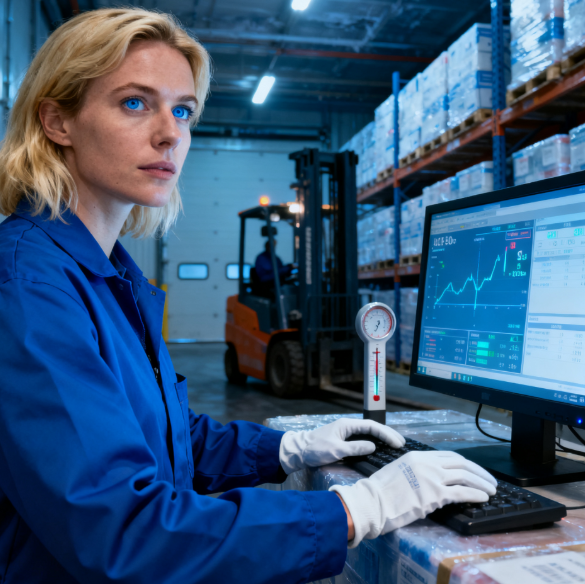
Insulated Grocery Bag Custom: Practical Buying Guide for Cold-Chain and Brand Teams
A insulated grocery bag custom should be selected as a working product, not as a keyword on a quotation sheet. It has to fit the item being carried, the people handling it, the temperature expectation, the logo or private-label plan, and the documentation your channel requires. When those parts are not aligned, the problem usually appears after the first bulk order, not during the sample photo review.
The following guide combines product education, material judgment, sourcing checks, and realistic cold-chain boundaries into one buying framework for B2B teams.
What the Bag Can Do, and What It Cannot Do
A custom insulated grocery bag can make short-distance transport more organized, reduce direct exposure to ambient conditions, protect the appearance of meals or groceries, and create a reusable brand touchpoint. It can also support users who carry food, beverages, or small temperature-sensitive items between a preparation point and a receiving point. Those benefits are real, but they are not the same as active refrigeration or validated pharmaceutical shipping.
For chilled groceries, an insulated bag helps reduce heat gain during short transport, but safe handling still depends on cold product, cold sources when needed, and prompt refrigeration. This boundary should be clear in the product brief and sales copy. If the item is used for ordinary lunches, groceries, delivery meals, or promotional programs, the claim should focus on insulated carrying and practical convenience. If the item is used for regulated, high-value, or highly temperature-sensitive goods, the buyer should ask for a qualified packout, cold-source design, logger plan, and documentation review.
This distinction helps buyers avoid two opposite mistakes. The first is overbuying a complex cold-chain solution for a simple daily-use bag. The second is underbuying a casual bag for a product that needs documented temperature control. A good sourcing process identifies the use case before selecting the format.
Build the Specification Around Route, Payload, and User Behavior
The best specification for insulated grocery bag custom starts with the route. Where is the product packed? How long is it inside the bag? Does the bag travel in a car, bicycle basket, scooter box, van, retail cart, warehouse, school, office, or outdoor event? Is the bag opened once, or many times? Does it return for cleaning, or does the end user keep it?
Next comes payload. The buyer should test actual containers, not just measure volume. Square meal boxes, round bowls, bottles, cartons, trays, ice packs, and grocery packs all use space differently. Heavy beverages stress handles and bases. Tall containers need vertical clearance. Cold sources reduce usable space. Dividers can improve organization but also reduce flexibility.
Finally, look at user behavior. Riders may need fast access and comfortable straps. Grocery staff may need a bag that stands open during loading. Office users may need a compact format that fits under a desk. Retail customers may value folding and storage. A bag that ignores the user will not be reused, no matter how well it is decorated.
Material Choices in Practical Language
A grocery bag needs a stronger base, wider opening, and more predictable usable volume than a small lunch carrier because packers handle mixed shapes and heavier loads. The buyer should understand each layer in practical terms. The outer surface must suit handling and branding. The insulation layer must be continuous enough to avoid weak spots. The liner must be wipeable and appropriate for the intended food or product exposure. The closure must reduce air exchange without slowing the user. Reinforcement must match the expected loaded weight.
There is no universal best material. Canvas may suit a premium or lifestyle lunch bag, but it needs a suitable liner. Polyester may support delivery or promotional use, but fabric weight and coating matter. Aluminum foil liners can help with radiant heat and cleaning, but they must be durable at folds and seams. Non-woven materials may serve lower-cost programs, but they need realistic durability expectations. Rigid cooler boxes may be better when impact resistance and defined packout space matter more than foldability.
A buyer should ask the supplier to separate material facts from marketing terms. Words such as thermal, premium, food grade, heavy duty, or eco-friendly need explanation. What layer is being described? What evidence supports the claim? What use conditions apply? If a claim cannot be explained, it should not drive the purchase decision.
Supplier Checks That Actually Reduce Risk
| Procurement question | Good supplier answer | Warning sign |
|---|---|---|
| What exactly is the bag made of? | The supplier separates outer material, insulation, liner, closure, base, and decoration method | The supplier gives only a vague phrase such as premium thermal material |
| How is performance described? | Claims are linked to use conditions, loading, cold sources, and any available testing | The supplier promises a fixed hold time without explaining conditions |
| How are samples controlled? | Approved samples, drawings, material names, and color tolerances are recorded | Bulk production can change materials without written review |
| How is logo quality managed? | Artwork proof, decoration method, position tolerance, and inspection criteria are defined | The quote shows only a digital mockup |
| What happens after delivery? | The supplier can discuss packaging, spare parts where relevant, cleaning, complaints, and reorders | The supplier focuses only on unit price |
These questions are valuable because they reveal whether the supplier understands the bag as a functional product. A serious answer does not need to be complicated, but it should be specific. It should mention materials, production controls, samples, artwork, packaging, and claim limits. If the answer is only price and delivery date, the buyer is left carrying the operational risk.
Confirm standing stability, bottom board design, handle strength, folded storage, cashier loading speed, liner cleanability, carton count, and artwork location. Buyers should also keep a written record of the approved sample. The record should include material stack, dimensions, artwork proof, logo position, liner, closure, base, label, and carton packing. This is especially important for importers, distributors, and private-label programs because the next order must match the first one.
A Review Workflow Before Bulk Ordering
A practical review can be done in five steps. First, define the use case and temperature expectation. Second, load a sample with the real payload and cold source, if one will be used. Third, inspect cleaning, closure, handle comfort, and decoration after repeated opening and carrying. Fourth, check documentation needs for the destination market and channel. Fifth, approve a pre-production sample and keep it as a production reference.
For example, a buyer sourcing a custom insulated grocery bag for farmers market retail may begin with a good-looking sample. During use testing, the team discovers that the bag is large enough when empty but too tight after adding two gel packs and the normal product mix. Instead of accepting the first sample, the buyer revises the gusset and opening width, adjusts the logo position, and asks the supplier to confirm carton packing so the bag does not arrive crushed.
That workflow is more reliable than comparing unit prices across loosely defined quotations. It gives the supplier a clearer target and gives the buyer a better basis for inspection. It also reduces the chance that a bulk shipment will fail for reasons that were visible in the sample stage.
Regional and Channel Considerations
For custom grocery retail and online pickup programs, the buyer should think beyond the bag itself. Region-specific orders may involve importer labels, language requirements, packaging composition, food-contact review, carton marks, retail packaging, or distributor documentation. Even when regulations do not require a formal test for a simple promotional bag, the channel may still ask for declarations or product information.
EU importers should be aware of food-contact frameworks when the liner may interact with food or food containers, and packaging-waste rules are becoming more important for reusable product programs. USA promotional buyers should avoid food-safety claims that conflict with USDA or FDA guidance on safe handling. Delivery operators should define cleaning and rider safety expectations. Beverage and grocery buyers should consider heavy loads and condensation. China sourcing projects should use samples and written specifications to control logo and material consistency.
The common thread is evidence. When a statement affects safety, compliance, performance, or import review, it should be supported or written as a verification point. When a statement is only a broad marketing claim, it should be removed or made more precise.
When This Product Is the Right Fit
A insulated grocery bag custom is a good fit when the buyer needs short-duration insulated carrying, reusable brand visibility, organized handover, and practical protection for meals, groceries, beverages, or similar items. It is especially useful when the user needs a light, portable format rather than a rigid box. It can also support corporate gifting, promotional programs, delivery fleets, grocery pickup, and retail merchandising when the specification matches the channel.
It is not the right fit when the product requires strict temperature control over a defined route without supporting test data. It is not a substitute for refrigeration, hot holding, dry ice systems, qualified insulated shippers, temperature loggers, or receiving inspection. It is also not a good fit when the payload is so heavy that a soft bag will deform, unless the base and handles are specifically designed for that load.
A custom grocery bag can fail when the buyer focuses on maximum capacity without considering how heavy the load becomes for the customer. The safest buying decision is to state the limit clearly. A well-specified passive bag can be very useful inside its proper role. Problems happen when a buyer expects it to do the job of a different product category.
Quality Control for Logo and Reorder Consistency
Custom grocery orders should specify gusset dimensions, base board, logo panels, barcode labels, retail tags, and whether the bag folds flat. Decoration should be treated as a controlled production process. A logo can look different depending on fabric texture, print method, heat, stitching, panel curve, and folding. Buyers should approve real samples, not only digital mockups. For personalized products, proofing and data control are just as important as decoration quality.
Reorder consistency matters for distributors and brand programs. A second production run with a slightly different fabric, liner shade, zipper color, or logo position can create complaints even if the functional difference is small. Ask the supplier how material substitutions are handled and whether the approved sample is kept as a reference. For large or repeated programs, this question is more important than small unit-price differences.
The strongest sustainability argument is repeated use in a managed shopping routine, not a vague claim that insulation automatically makes packaging green. Reuse claims also depend on quality control. If a bag feels durable and convenient, users are more likely to keep it in circulation. If it fails quickly or looks inconsistent, the sustainability and brand story weakens.
FAQ
What makes a insulated grocery bag custom suitable for B2B buying?
Suitability comes from matching the product to the route, payload, user, branding plan, and documentation needs. A B2B buyer should examine material stack, usable dimensions, handling comfort, cleaning, sample consistency, and whether claims are supported. A low price is not useful if it creates complaints or cannot be reordered consistently.
What should be avoided in product claims?
Avoid fixed temperature or hold-time claims unless the specific bag, payload, coolant, ambient profile, and acceptance criteria were tested. Also avoid suggesting that waterproof fabric, a foil liner, or a reusable design automatically makes the bag compliant for every food, grocery, or pharmaceutical use.
How many samples should a buyer review before bulk production?
The number depends on order complexity, but at least one functional sample and one decorated sample are useful. For personalized or private-label programs, buyers should also confirm packaging, labels, carton marks, and a pre-production sample because artwork and material changes can appear only after decoration.
What role can Tempk play in this decision?
Tempk can help buyers compare insulated bag formats, cooler bags, ice packs, liners, and related cold-chain packaging options. The useful conversation starts with route, payload, temperature expectation, use duration, logo plan, and market requirements rather than a generic request for the cheapest insulated bag.
Conclusion
A practical insulated grocery bag custom buying decision starts with the route, payload, user, and claim boundary. The right bag slows temperature exposure during suitable short-use scenarios, supports organized carrying, and can carry a brand into daily use. It should not be oversold as a guaranteed temperature-control system unless the exact conditions are tested. Buyers should compare material stack, liner, closure, reinforcement, decoration, documentation, and sample control before placing a bulk order.
About Tempk
Tempk helps B2B buyers compare insulated bag and cold-chain packaging options for food delivery, grocery, promotional, and temperature-sensitive handling programs. For a custom insulated grocery bag, we can discuss the route, payload, user behavior, cold-source plan, logo requirements, sample approval, and documentation needs before recommending a practical direction. The goal is a bag that fits the job, not a generic insulated product with unsupported claims.
Next Step
Send Tempk your route, payload, temperature expectation, and logo requirements to build a practical custom insulated grocery bag specification for sampling and quotation.
Insulated Delivery Bag Trade: Buying Guide for Brands
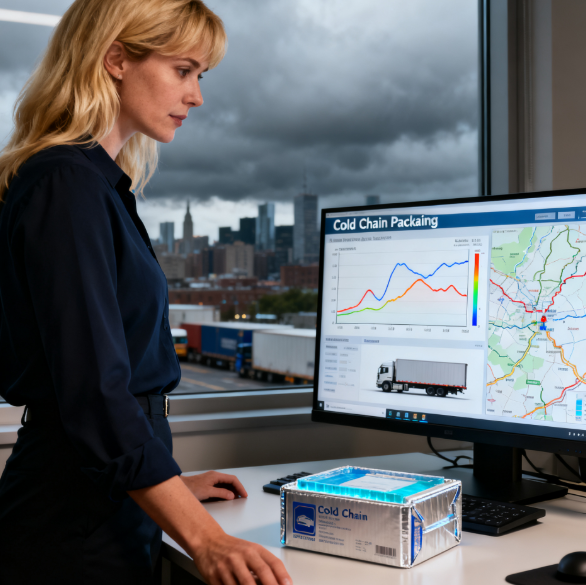
Insulated Delivery Bag Trade: Practical Buying Guide for Cold-Chain and Brand Teams
A insulated delivery bag trade should be selected as a working product, not as a keyword on a quotation sheet. It has to fit the item being carried, the people handling it, the temperature expectation, the logo or private-label plan, and the documentation your channel requires. When those parts are not aligned, the problem usually appears after the first bulk order, not during the sample photo review.
The following guide combines product education, material judgment, sourcing checks, and realistic cold-chain boundaries into one buying framework for B2B teams.
What the Bag Can Do, and What It Cannot Do
A insulated delivery bag can make short-distance transport more organized, reduce direct exposure to ambient conditions, protect the appearance of meals or groceries, and create a reusable brand touchpoint. It can also support users who carry food, beverages, or small temperature-sensitive items between a preparation point and a receiving point. Those benefits are real, but they are not the same as active refrigeration or validated pharmaceutical shipping.
An insulated delivery bag helps slow temperature change during transport, but it does not replace food safety procedures, hot holding, cold sources, or local compliance controls. This boundary should be clear in the product brief and sales copy. If the item is used for ordinary lunches, groceries, delivery meals, or promotional programs, the claim should focus on insulated carrying and practical convenience. If the item is used for regulated, high-value, or highly temperature-sensitive goods, the buyer should ask for a qualified packout, cold-source design, logger plan, and documentation review.
This distinction helps buyers avoid two opposite mistakes. The first is overbuying a complex cold-chain solution for a simple daily-use bag. The second is underbuying a casual bag for a product that needs documented temperature control. A good sourcing process identifies the use case before selecting the format.
Build the Specification Around Route, Payload, and User Behavior
The best specification for insulated delivery bag trade starts with the route. Where is the product packed? How long is it inside the bag? Does the bag travel in a car, bicycle basket, scooter box, van, retail cart, warehouse, school, office, or outdoor event? Is the bag opened once, or many times? Does it return for cleaning, or does the end user keep it?
Next comes payload. The buyer should test actual containers, not just measure volume. Square meal boxes, round bowls, bottles, cartons, trays, ice packs, and grocery packs all use space differently. Heavy beverages stress handles and bases. Tall containers need vertical clearance. Cold sources reduce usable space. Dividers can improve organization but also reduce flexibility.
Finally, look at user behavior. Riders may need fast access and comfortable straps. Grocery staff may need a bag that stands open during loading. Office users may need a compact format that fits under a desk. Retail customers may value folding and storage. A bag that ignores the user will not be reused, no matter how well it is decorated.
Material Choices in Practical Language
For delivery bags, material performance is less about one layer and more about the full stack: outer fabric, insulation, liner, closure, bottom reinforcement, and rider handling. The buyer should understand each layer in practical terms. The outer surface must suit handling and branding. The insulation layer must be continuous enough to avoid weak spots. The liner must be wipeable and appropriate for the intended food or product exposure. The closure must reduce air exchange without slowing the user. Reinforcement must match the expected loaded weight.
There is no universal best material. Canvas may suit a premium or lifestyle lunch bag, but it needs a suitable liner. Polyester may support delivery or promotional use, but fabric weight and coating matter. Aluminum foil liners can help with radiant heat and cleaning, but they must be durable at folds and seams. Non-woven materials may serve lower-cost programs, but they need realistic durability expectations. Rigid cooler boxes may be better when impact resistance and defined packout space matter more than foldability.
A buyer should ask the supplier to separate material facts from marketing terms. Words such as thermal, premium, food grade, heavy duty, or eco-friendly need explanation. What layer is being described? What evidence supports the claim? What use conditions apply? If a claim cannot be explained, it should not drive the purchase decision.
Supplier Checks That Actually Reduce Risk
| Procurement question | Good supplier answer | Warning sign |
|---|---|---|
| What exactly is the bag made of? | The supplier separates outer material, insulation, liner, closure, base, and decoration method | The supplier gives only a vague phrase such as premium thermal material |
| How is performance described? | Claims are linked to use conditions, loading, cold sources, and any available testing | The supplier promises a fixed hold time without explaining conditions |
| How are samples controlled? | Approved samples, drawings, material names, and color tolerances are recorded | Bulk production can change materials without written review |
| How is logo quality managed? | Artwork proof, decoration method, position tolerance, and inspection criteria are defined | The quote shows only a digital mockup |
| What happens after delivery? | The supplier can discuss packaging, spare parts where relevant, cleaning, complaints, and reorders | The supplier focuses only on unit price |
These questions are valuable because they reveal whether the supplier understands the bag as a functional product. A serious answer does not need to be complicated, but it should be specific. It should mention materials, production controls, samples, artwork, packaging, and claim limits. If the answer is only price and delivery date, the buyer is left carrying the operational risk.
Before ordering, compare cargo dimensions, closure method, divider options, rider comfort, reflective safety details, cleaning process, and replacement part policy. Buyers should also keep a written record of the approved sample. The record should include material stack, dimensions, artwork proof, logo position, liner, closure, base, label, and carton packing. This is especially important for importers, distributors, and private-label programs because the next order must match the first one.
A Review Workflow Before Bulk Ordering
A practical review can be done in five steps. First, define the use case and temperature expectation. Second, load a sample with the real payload and cold source, if one will be used. Third, inspect cleaning, closure, handle comfort, and decoration after repeated opening and carrying. Fourth, check documentation needs for the destination market and channel. Fifth, approve a pre-production sample and keep it as a production reference.
For example, a buyer sourcing a insulated delivery bag for grocery express dispatch may begin with a good-looking sample. During use testing, the team discovers that the bag is large enough when empty but too tight after adding two gel packs and the normal product mix. Instead of accepting the first sample, the buyer revises the gusset and opening width, adjusts the logo position, and asks the supplier to confirm carton packing so the bag does not arrive crushed.
That workflow is more reliable than comparing unit prices across loosely defined quotations. It gives the supplier a clearer target and gives the buyer a better basis for inspection. It also reduces the chance that a bulk shipment will fail for reasons that were visible in the sample stage.
Regional and Channel Considerations
For trade distribution and last-mile food delivery, the buyer should think beyond the bag itself. Region-specific orders may involve importer labels, language requirements, packaging composition, food-contact review, carton marks, retail packaging, or distributor documentation. Even when regulations do not require a formal test for a simple promotional bag, the channel may still ask for declarations or product information.
EU importers should be aware of food-contact frameworks when the liner may interact with food or food containers, and packaging-waste rules are becoming more important for reusable product programs. USA promotional buyers should avoid food-safety claims that conflict with USDA or FDA guidance on safe handling. Delivery operators should define cleaning and rider safety expectations. Beverage and grocery buyers should consider heavy loads and condensation. China sourcing projects should use samples and written specifications to control logo and material consistency.
The common thread is evidence. When a statement affects safety, compliance, performance, or import review, it should be supported or written as a verification point. When a statement is only a broad marketing claim, it should be removed or made more precise.
When This Product Is the Right Fit
A insulated delivery bag trade is a good fit when the buyer needs short-duration insulated carrying, reusable brand visibility, organized handover, and practical protection for meals, groceries, beverages, or similar items. It is especially useful when the user needs a light, portable format rather than a rigid box. It can also support corporate gifting, promotional programs, delivery fleets, grocery pickup, and retail merchandising when the specification matches the channel.
It is not the right fit when the product requires strict temperature control over a defined route without supporting test data. It is not a substitute for refrigeration, hot holding, dry ice systems, qualified insulated shippers, temperature loggers, or receiving inspection. It is also not a good fit when the payload is so heavy that a soft bag will deform, unless the base and handles are specifically designed for that load.
The most expensive mistake is buying a low-cost bag that collapses, smells, absorbs spills, or forces riders to overpack orders in ways that damage food presentation. The safest buying decision is to state the limit clearly. A well-specified passive bag can be very useful inside its proper role. Problems happen when a buyer expects it to do the job of a different product category.
Quality Control for Logo and Reorder Consistency
Trade customization should specify panel layout, courier visibility, restaurant neutral branding, and whether the distributor needs private label packaging. Decoration should be treated as a controlled production process. A logo can look different depending on fabric texture, print method, heat, stitching, panel curve, and folding. Buyers should approve real samples, not only digital mockups. For personalized products, proofing and data control are just as important as decoration quality.
Reorder consistency matters for distributors and brand programs. A second production run with a slightly different fabric, liner shade, zipper color, or logo position can create complaints even if the functional difference is small. Ask the supplier how material substitutions are handled and whether the approved sample is kept as a reference. For large or repeated programs, this question is more important than small unit-price differences.
Reusable delivery bags can reduce single-use packaging pressure only if they are cleanable, repairable, trackable, and acceptable to riders. Reuse claims also depend on quality control. If a bag feels durable and convenient, users are more likely to keep it in circulation. If it fails quickly or looks inconsistent, the sustainability and brand story weakens.
FAQ
What makes a insulated delivery bag trade suitable for B2B buying?
Suitability comes from matching the product to the route, payload, user, branding plan, and documentation needs. A B2B buyer should examine material stack, usable dimensions, handling comfort, cleaning, sample consistency, and whether claims are supported. A low price is not useful if it creates complaints or cannot be reordered consistently.
What should be avoided in product claims?
Avoid fixed temperature or hold-time claims unless the specific bag, payload, coolant, ambient profile, and acceptance criteria were tested. Also avoid suggesting that waterproof fabric, a foil liner, or a reusable design automatically makes the bag compliant for every food, grocery, or pharmaceutical use.
How many samples should a buyer review before bulk production?
The number depends on order complexity, but at least one functional sample and one decorated sample are useful. For personalized or private-label programs, buyers should also confirm packaging, labels, carton marks, and a pre-production sample because artwork and material changes can appear only after decoration.
What role can Tempk play in this decision?
Tempk can help buyers compare insulated bag formats, cooler bags, ice packs, liners, and related cold-chain packaging options. The useful conversation starts with route, payload, temperature expectation, use duration, logo plan, and market requirements rather than a generic request for the cheapest insulated bag.
Conclusion
A practical insulated delivery bag trade buying decision starts with the route, payload, user, and claim boundary. The right bag slows temperature exposure during suitable short-use scenarios, supports organized carrying, and can carry a brand into daily use. It should not be oversold as a guaranteed temperature-control system unless the exact conditions are tested. Buyers should compare material stack, liner, closure, reinforcement, decoration, documentation, and sample control before placing a bulk order.
About Tempk
Tempk helps B2B buyers compare insulated bag and cold-chain packaging options for food delivery, grocery, promotional, and temperature-sensitive handling programs. For a insulated delivery bag, we can discuss the route, payload, user behavior, cold-source plan, logo requirements, sample approval, and documentation needs before recommending a practical direction. The goal is a bag that fits the job, not a generic insulated product with unsupported claims.
Next Step
Send Tempk your route, payload, temperature expectation, and logo requirements to build a practical insulated delivery bag specification for sampling and quotation.
Insulated Delivery Bag Supplier: Buying Guide for Brands
Insulated Delivery Bag Supplier: Practical Buying Guide for Cold-Chain and Brand Teams
A insulated delivery bag supplier should be selected as a working product, not as a keyword on a quotation sheet. It has to fit the item being carried, the people handling it, the temperature expectation, the logo or private-label plan, and the documentation your channel requires. When those parts are not aligned, the problem usually appears after the first bulk order, not during the sample photo review.
The following guide combines product education, material judgment, sourcing checks, and realistic cold-chain boundaries into one buying framework for B2B teams.
What the Bag Can Do, and What It Cannot Do
A insulated delivery bag can make short-distance transport more organized, reduce direct exposure to ambient conditions, protect the appearance of meals or groceries, and create a reusable brand touchpoint. It can also support users who carry food, beverages, or small temperature-sensitive items between a preparation point and a receiving point. Those benefits are real, but they are not the same as active refrigeration or validated pharmaceutical shipping.
Delivery bags assist with thermal stability; they do not create a compliant food-safety program by themselves. This boundary should be clear in the product brief and sales copy. If the item is used for ordinary lunches, groceries, delivery meals, or promotional programs, the claim should focus on insulated carrying and practical convenience. If the item is used for regulated, high-value, or highly temperature-sensitive goods, the buyer should ask for a qualified packout, cold-source design, logger plan, and documentation review.
This distinction helps buyers avoid two opposite mistakes. The first is overbuying a complex cold-chain solution for a simple daily-use bag. The second is underbuying a casual bag for a product that needs documented temperature control. A good sourcing process identifies the use case before selecting the format.
Build the Specification Around Route, Payload, and User Behavior
The best specification for insulated delivery bag supplier starts with the route. Where is the product packed? How long is it inside the bag? Does the bag travel in a car, bicycle basket, scooter box, van, retail cart, warehouse, school, office, or outdoor event? Is the bag opened once, or many times? Does it return for cleaning, or does the end user keep it?
Next comes payload. The buyer should test actual containers, not just measure volume. Square meal boxes, round bowls, bottles, cartons, trays, ice packs, and grocery packs all use space differently. Heavy beverages stress handles and bases. Tall containers need vertical clearance. Cold sources reduce usable space. Dividers can improve organization but also reduce flexibility.
Finally, look at user behavior. Riders may need fast access and comfortable straps. Grocery staff may need a bag that stands open during loading. Office users may need a compact format that fits under a desk. Retail customers may value folding and storage. A bag that ignores the user will not be reused, no matter how well it is decorated.
Material Choices in Practical Language
A supplier should explain the fabric, insulation, liner, closure, base, stitching, and cleaning approach as one system rather than selling a single material as the solution. The buyer should understand each layer in practical terms. The outer surface must suit handling and branding. The insulation layer must be continuous enough to avoid weak spots. The liner must be wipeable and appropriate for the intended food or product exposure. The closure must reduce air exchange without slowing the user. Reinforcement must match the expected loaded weight.
There is no universal best material. Canvas may suit a premium or lifestyle lunch bag, but it needs a suitable liner. Polyester may support delivery or promotional use, but fabric weight and coating matter. Aluminum foil liners can help with radiant heat and cleaning, but they must be durable at folds and seams. Non-woven materials may serve lower-cost programs, but they need realistic durability expectations. Rigid cooler boxes may be better when impact resistance and defined packout space matter more than foldability.
A buyer should ask the supplier to separate material facts from marketing terms. Words such as thermal, premium, food grade, heavy duty, or eco-friendly need explanation. What layer is being described? What evidence supports the claim? What use conditions apply? If a claim cannot be explained, it should not drive the purchase decision.
Supplier Checks That Actually Reduce Risk
| Procurement question | Good supplier answer | Warning sign |
|---|---|---|
| What exactly is the bag made of? | The supplier separates outer material, insulation, liner, closure, base, and decoration method | The supplier gives only a vague phrase such as premium thermal material |
| How is performance described? | Claims are linked to use conditions, loading, cold sources, and any available testing | The supplier promises a fixed hold time without explaining conditions |
| How are samples controlled? | Approved samples, drawings, material names, and color tolerances are recorded | Bulk production can change materials without written review |
| How is logo quality managed? | Artwork proof, decoration method, position tolerance, and inspection criteria are defined | The quote shows only a digital mockup |
| What happens after delivery? | The supplier can discuss packaging, spare parts where relevant, cleaning, complaints, and reorders | The supplier focuses only on unit price |
These questions are valuable because they reveal whether the supplier understands the bag as a functional product. A serious answer does not need to be complicated, but it should be specific. It should mention materials, production controls, samples, artwork, packaging, and claim limits. If the answer is only price and delivery date, the buyer is left carrying the operational risk.
Ask about sample control, production tolerances, logo durability, carton packing, material changes, inspection process, after-sales replacement, and whether thermal claims are test-supported. Buyers should also keep a written record of the approved sample. The record should include material stack, dimensions, artwork proof, logo position, liner, closure, base, label, and carton packing. This is especially important for importers, distributors, and private-label programs because the next order must match the first one.
A Review Workflow Before Bulk Ordering
A practical review can be done in five steps. First, define the use case and temperature expectation. Second, load a sample with the real payload and cold source, if one will be used. Third, inspect cleaning, closure, handle comfort, and decoration after repeated opening and carrying. Fourth, check documentation needs for the destination market and channel. Fifth, approve a pre-production sample and keep it as a production reference.
For example, a buyer sourcing a insulated delivery bag for restaurant delivery programs may begin with a good-looking sample. During use testing, the team discovers that the bag is large enough when empty but too tight after adding two gel packs and the normal product mix. Instead of accepting the first sample, the buyer revises the gusset and opening width, adjusts the logo position, and asks the supplier to confirm carton packing so the bag does not arrive crushed.
That workflow is more reliable than comparing unit prices across loosely defined quotations. It gives the supplier a clearer target and gives the buyer a better basis for inspection. It also reduces the chance that a bulk shipment will fail for reasons that were visible in the sample stage.
Regional and Channel Considerations
For global supplier evaluation for delivery bags, the buyer should think beyond the bag itself. Region-specific orders may involve importer labels, language requirements, packaging composition, food-contact review, carton marks, retail packaging, or distributor documentation. Even when regulations do not require a formal test for a simple promotional bag, the channel may still ask for declarations or product information.
EU importers should be aware of food-contact frameworks when the liner may interact with food or food containers, and packaging-waste rules are becoming more important for reusable product programs. USA promotional buyers should avoid food-safety claims that conflict with USDA or FDA guidance on safe handling. Delivery operators should define cleaning and rider safety expectations. Beverage and grocery buyers should consider heavy loads and condensation. China sourcing projects should use samples and written specifications to control logo and material consistency.
The common thread is evidence. When a statement affects safety, compliance, performance, or import review, it should be supported or written as a verification point. When a statement is only a broad marketing claim, it should be removed or made more precise.
When This Product Is the Right Fit
A insulated delivery bag supplier is a good fit when the buyer needs short-duration insulated carrying, reusable brand visibility, organized handover, and practical protection for meals, groceries, beverages, or similar items. It is especially useful when the user needs a light, portable format rather than a rigid box. It can also support corporate gifting, promotional programs, delivery fleets, grocery pickup, and retail merchandising when the specification matches the channel.
It is not the right fit when the product requires strict temperature control over a defined route without supporting test data. It is not a substitute for refrigeration, hot holding, dry ice systems, qualified insulated shippers, temperature loggers, or receiving inspection. It is also not a good fit when the payload is so heavy that a soft bag will deform, unless the base and handles are specifically designed for that load.
A supplier that cannot define materials, sample consistency, or inspection criteria may create hidden costs even if the unit price is low. The safest buying decision is to state the limit clearly. A well-specified passive bag can be very useful inside its proper role. Problems happen when a buyer expects it to do the job of a different product category.
Quality Control for Logo and Reorder Consistency
For supplier projects, customization should be controlled through drawings, approved samples, logo files, packaging instructions, and change-control communication. Decoration should be treated as a controlled production process. A logo can look different depending on fabric texture, print method, heat, stitching, panel curve, and folding. Buyers should approve real samples, not only digital mockups. For personalized products, proofing and data control are just as important as decoration quality.
Reorder consistency matters for distributors and brand programs. A second production run with a slightly different fabric, liner shade, zipper color, or logo position can create complaints even if the functional difference is small. Ask the supplier how material substitutions are handled and whether the approved sample is kept as a reference. For large or repeated programs, this question is more important than small unit-price differences.
Supplier evaluation should include durability, cleanability, repair or replacement plans, and packaging waste, not only recycled-content claims. Reuse claims also depend on quality control. If a bag feels durable and convenient, users are more likely to keep it in circulation. If it fails quickly or looks inconsistent, the sustainability and brand story weakens.
FAQ
What makes a insulated delivery bag supplier suitable for B2B buying?
Suitability comes from matching the product to the route, payload, user, branding plan, and documentation needs. A B2B buyer should examine material stack, usable dimensions, handling comfort, cleaning, sample consistency, and whether claims are supported. A low price is not useful if it creates complaints or cannot be reordered consistently.
What should be avoided in product claims?
Avoid fixed temperature or hold-time claims unless the specific bag, payload, coolant, ambient profile, and acceptance criteria were tested. Also avoid suggesting that waterproof fabric, a foil liner, or a reusable design automatically makes the bag compliant for every food, grocery, or pharmaceutical use.
How many samples should a buyer review before bulk production?
The number depends on order complexity, but at least one functional sample and one decorated sample are useful. For personalized or private-label programs, buyers should also confirm packaging, labels, carton marks, and a pre-production sample because artwork and material changes can appear only after decoration.
What role can Tempk play in this decision?
Tempk can help buyers compare insulated bag formats, cooler bags, ice packs, liners, and related cold-chain packaging options. The useful conversation starts with route, payload, temperature expectation, use duration, logo plan, and market requirements rather than a generic request for the cheapest insulated bag.
Conclusion
A practical insulated delivery bag supplier buying decision starts with the route, payload, user, and claim boundary. The right bag slows temperature exposure during suitable short-use scenarios, supports organized carrying, and can carry a brand into daily use. It should not be oversold as a guaranteed temperature-control system unless the exact conditions are tested. Buyers should compare material stack, liner, closure, reinforcement, decoration, documentation, and sample control before placing a bulk order.
About Tempk
Tempk helps B2B buyers compare insulated bag and cold-chain packaging options for food delivery, grocery, promotional, and temperature-sensitive handling programs. For a insulated delivery bag, we can discuss the route, payload, user behavior, cold-source plan, logo requirements, sample approval, and documentation needs before recommending a practical direction. The goal is a bag that fits the job, not a generic insulated product with unsupported claims.
Next Step
Send Tempk your route, payload, temperature expectation, and logo requirements to build a practical insulated delivery bag specification for sampling and quotation.
Insulated Bag Importer EU: Buying Guide for Brands
Insulated Bag Importer EU: Practical Buying Guide for Cold-Chain and Brand Teams
A insulated bag importer eu should be selected as a working product, not as a keyword on a quotation sheet. It has to fit the item being carried, the people handling it, the temperature expectation, the logo or private-label plan, and the documentation your channel requires. When those parts are not aligned, the problem usually appears after the first bulk order, not during the sample photo review.
The following guide combines product education, material judgment, sourcing checks, and realistic cold-chain boundaries into one buying framework for B2B teams.
What the Bag Can Do, and What It Cannot Do
A insulated bag for EU import can make short-distance transport more organized, reduce direct exposure to ambient conditions, protect the appearance of meals or groceries, and create a reusable brand touchpoint. It can also support users who carry food, beverages, or small temperature-sensitive items between a preparation point and a receiving point. Those benefits are real, but they are not the same as active refrigeration or validated pharmaceutical shipping.
An insulated bag should be positioned as passive support for short transport unless validated test data supports a more specific performance claim. This boundary should be clear in the product brief and sales copy. If the item is used for ordinary lunches, groceries, delivery meals, or promotional programs, the claim should focus on insulated carrying and practical convenience. If the item is used for regulated, high-value, or highly temperature-sensitive goods, the buyer should ask for a qualified packout, cold-source design, logger plan, and documentation review.
This distinction helps buyers avoid two opposite mistakes. The first is overbuying a complex cold-chain solution for a simple daily-use bag. The second is underbuying a casual bag for a product that needs documented temperature control. A good sourcing process identifies the use case before selecting the format.
Build the Specification Around Route, Payload, and User Behavior
The best specification for insulated bag importer eu starts with the route. Where is the product packed? How long is it inside the bag? Does the bag travel in a car, bicycle basket, scooter box, van, retail cart, warehouse, school, office, or outdoor event? Is the bag opened once, or many times? Does it return for cleaning, or does the end user keep it?
Next comes payload. The buyer should test actual containers, not just measure volume. Square meal boxes, round bowls, bottles, cartons, trays, ice packs, and grocery packs all use space differently. Heavy beverages stress handles and bases. Tall containers need vertical clearance. Cold sources reduce usable space. Dividers can improve organization but also reduce flexibility.
Finally, look at user behavior. Riders may need fast access and comfortable straps. Grocery staff may need a bag that stands open during loading. Office users may need a compact format that fits under a desk. Retail customers may value folding and storage. A bag that ignores the user will not be reused, no matter how well it is decorated.
Material Choices in Practical Language
An EU importer must consider the outer textile or film, the inner food-contact surface, insulation, labels, packaging waste obligations, and documentation as separate review points. The buyer should understand each layer in practical terms. The outer surface must suit handling and branding. The insulation layer must be continuous enough to avoid weak spots. The liner must be wipeable and appropriate for the intended food or product exposure. The closure must reduce air exchange without slowing the user. Reinforcement must match the expected loaded weight.
There is no universal best material. Canvas may suit a premium or lifestyle lunch bag, but it needs a suitable liner. Polyester may support delivery or promotional use, but fabric weight and coating matter. Aluminum foil liners can help with radiant heat and cleaning, but they must be durable at folds and seams. Non-woven materials may serve lower-cost programs, but they need realistic durability expectations. Rigid cooler boxes may be better when impact resistance and defined packout space matter more than foldability.
A buyer should ask the supplier to separate material facts from marketing terms. Words such as thermal, premium, food grade, heavy duty, or eco-friendly need explanation. What layer is being described? What evidence supports the claim? What use conditions apply? If a claim cannot be explained, it should not drive the purchase decision.
Supplier Checks That Actually Reduce Risk
| Procurement question | Good supplier answer | Warning sign |
|---|---|---|
| What exactly is the bag made of? | The supplier separates outer material, insulation, liner, closure, base, and decoration method | The supplier gives only a vague phrase such as premium thermal material |
| How is performance described? | Claims are linked to use conditions, loading, cold sources, and any available testing | The supplier promises a fixed hold time without explaining conditions |
| How are samples controlled? | Approved samples, drawings, material names, and color tolerances are recorded | Bulk production can change materials without written review |
| How is logo quality managed? | Artwork proof, decoration method, position tolerance, and inspection criteria are defined | The quote shows only a digital mockup |
| What happens after delivery? | The supplier can discuss packaging, spare parts where relevant, cleaning, complaints, and reorders | The supplier focuses only on unit price |
These questions are valuable because they reveal whether the supplier understands the bag as a functional product. A serious answer does not need to be complicated, but it should be specific. It should mention materials, production controls, samples, artwork, packaging, and claim limits. If the answer is only price and delivery date, the buyer is left carrying the operational risk.
Request material declarations, food-contact suitability where relevant, packaging composition, artwork proofs, importer labels, test reports if claims are made, and production samples. Buyers should also keep a written record of the approved sample. The record should include material stack, dimensions, artwork proof, logo position, liner, closure, base, label, and carton packing. This is especially important for importers, distributors, and private-label programs because the next order must match the first one.
A Review Workflow Before Bulk Ordering
A practical review can be done in five steps. First, define the use case and temperature expectation. Second, load a sample with the real payload and cold source, if one will be used. Third, inspect cleaning, closure, handle comfort, and decoration after repeated opening and carrying. Fourth, check documentation needs for the destination market and channel. Fifth, approve a pre-production sample and keep it as a production reference.
For example, a buyer sourcing a insulated bag for EU import for grocery reusable programs may begin with a good-looking sample. During use testing, the team discovers that the bag is large enough when empty but too tight after adding two gel packs and the normal product mix. Instead of accepting the first sample, the buyer revises the gusset and opening width, adjusts the logo position, and asks the supplier to confirm carton packing so the bag does not arrive crushed.
That workflow is more reliable than comparing unit prices across loosely defined quotations. It gives the supplier a clearer target and gives the buyer a better basis for inspection. It also reduces the chance that a bulk shipment will fail for reasons that were visible in the sample stage.
Regional and Channel Considerations
For European Union import and distribution, the buyer should think beyond the bag itself. Region-specific orders may involve importer labels, language requirements, packaging composition, food-contact review, carton marks, retail packaging, or distributor documentation. Even when regulations do not require a formal test for a simple promotional bag, the channel may still ask for declarations or product information.
EU importers should be aware of food-contact frameworks when the liner may interact with food or food containers, and packaging-waste rules are becoming more important for reusable product programs. USA promotional buyers should avoid food-safety claims that conflict with USDA or FDA guidance on safe handling. Delivery operators should define cleaning and rider safety expectations. Beverage and grocery buyers should consider heavy loads and condensation. China sourcing projects should use samples and written specifications to control logo and material consistency.
The common thread is evidence. When a statement affects safety, compliance, performance, or import review, it should be supported or written as a verification point. When a statement is only a broad marketing claim, it should be removed or made more precise.
When This Product Is the Right Fit
A insulated bag importer eu is a good fit when the buyer needs short-duration insulated carrying, reusable brand visibility, organized handover, and practical protection for meals, groceries, beverages, or similar items. It is especially useful when the user needs a light, portable format rather than a rigid box. It can also support corporate gifting, promotional programs, delivery fleets, grocery pickup, and retail merchandising when the specification matches the channel.
It is not the right fit when the product requires strict temperature control over a defined route without supporting test data. It is not a substitute for refrigeration, hot holding, dry ice systems, qualified insulated shippers, temperature loggers, or receiving inspection. It is also not a good fit when the payload is so heavy that a soft bag will deform, unless the base and handles are specifically designed for that load.
The biggest EU import risk is assuming that a bag sold for food use elsewhere automatically satisfies the documentation expected by European buyers. The safest buying decision is to state the limit clearly. A well-specified passive bag can be very useful inside its proper role. Problems happen when a buyer expects it to do the job of a different product category.
Quality Control for Logo and Reorder Consistency
For EU imports, customization should include label language, country-of-origin marking, packaging material information, and brand color checks before production. Decoration should be treated as a controlled production process. A logo can look different depending on fabric texture, print method, heat, stitching, panel curve, and folding. Buyers should approve real samples, not only digital mockups. For personalized products, proofing and data control are just as important as decoration quality.
Reorder consistency matters for distributors and brand programs. A second production run with a slightly different fabric, liner shade, zipper color, or logo position can create complaints even if the functional difference is small. Ask the supplier how material substitutions are handled and whether the approved sample is kept as a reference. For large or repeated programs, this question is more important than small unit-price differences.
The EU Packaging and Packaging Waste Regulation increases attention on recyclability, reuse, labeling, and packaging reduction, so vague green claims should be avoided. Reuse claims also depend on quality control. If a bag feels durable and convenient, users are more likely to keep it in circulation. If it fails quickly or looks inconsistent, the sustainability and brand story weakens.
FAQ
What makes a insulated bag importer eu suitable for B2B buying?
Suitability comes from matching the product to the route, payload, user, branding plan, and documentation needs. A B2B buyer should examine material stack, usable dimensions, handling comfort, cleaning, sample consistency, and whether claims are supported. A low price is not useful if it creates complaints or cannot be reordered consistently.
What should be avoided in product claims?
Avoid fixed temperature or hold-time claims unless the specific bag, payload, coolant, ambient profile, and acceptance criteria were tested. Also avoid suggesting that waterproof fabric, a foil liner, or a reusable design automatically makes the bag compliant for every food, grocery, or pharmaceutical use.
How many samples should a buyer review before bulk production?
The number depends on order complexity, but at least one functional sample and one decorated sample are useful. For personalized or private-label programs, buyers should also confirm packaging, labels, carton marks, and a pre-production sample because artwork and material changes can appear only after decoration.
What role can Tempk play in this decision?
Tempk can help buyers compare insulated bag formats, cooler bags, ice packs, liners, and related cold-chain packaging options. The useful conversation starts with route, payload, temperature expectation, use duration, logo plan, and market requirements rather than a generic request for the cheapest insulated bag.
Conclusion
A practical insulated bag importer eu buying decision starts with the route, payload, user, and claim boundary. The right bag slows temperature exposure during suitable short-use scenarios, supports organized carrying, and can carry a brand into daily use. It should not be oversold as a guaranteed temperature-control system unless the exact conditions are tested. Buyers should compare material stack, liner, closure, reinforcement, decoration, documentation, and sample control before placing a bulk order.
About Tempk
Tempk helps B2B buyers compare insulated bag and cold-chain packaging options for food delivery, grocery, promotional, and temperature-sensitive handling programs. For a insulated bag for EU import, we can discuss the route, payload, user behavior, cold-source plan, logo requirements, sample approval, and documentation needs before recommending a practical direction. The goal is a bag that fits the job, not a generic insulated product with unsupported claims.
Next Step
Send Tempk your route, payload, temperature expectation, and logo requirements to build a practical insulated bag for EU import specification for sampling and quotation.
Insulated Backpack Aluminum Foil: Buying Guide for Brands

Insulated Backpack Aluminum Foil: Practical Buying Guide for Cold-Chain and Brand Teams
A insulated backpack aluminum foil should be selected as a working product, not as a keyword on a quotation sheet. It has to fit the item being carried, the people handling it, the temperature expectation, the logo or private-label plan, and the documentation your channel requires. When those parts are not aligned, the problem usually appears after the first bulk order, not during the sample photo review.
The following guide combines product education, material judgment, sourcing checks, and realistic cold-chain boundaries into one buying framework for B2B teams.
What the Bag Can Do, and What It Cannot Do
A aluminum-foil insulated delivery backpack can make short-distance transport more organized, reduce direct exposure to ambient conditions, protect the appearance of meals or groceries, and create a reusable brand touchpoint. It can also support users who carry food, beverages, or small temperature-sensitive items between a preparation point and a receiving point. Those benefits are real, but they are not the same as active refrigeration or validated pharmaceutical shipping.
A foil-lined backpack helps slow heat exchange; it is not a refrigerator and should be paired with proper loading, preconditioned goods, or cold sources when required. This boundary should be clear in the product brief and sales copy. If the item is used for ordinary lunches, groceries, delivery meals, or promotional programs, the claim should focus on insulated carrying and practical convenience. If the item is used for regulated, high-value, or highly temperature-sensitive goods, the buyer should ask for a qualified packout, cold-source design, logger plan, and documentation review.
This distinction helps buyers avoid two opposite mistakes. The first is overbuying a complex cold-chain solution for a simple daily-use bag. The second is underbuying a casual bag for a product that needs documented temperature control. A good sourcing process identifies the use case before selecting the format.
Build the Specification Around Route, Payload, and User Behavior
The best specification for insulated backpack aluminum foil starts with the route. Where is the product packed? How long is it inside the bag? Does the bag travel in a car, bicycle basket, scooter box, van, retail cart, warehouse, school, office, or outdoor event? Is the bag opened once, or many times? Does it return for cleaning, or does the end user keep it?
Next comes payload. The buyer should test actual containers, not just measure volume. Square meal boxes, round bowls, bottles, cartons, trays, ice packs, and grocery packs all use space differently. Heavy beverages stress handles and bases. Tall containers need vertical clearance. Cold sources reduce usable space. Dividers can improve organization but also reduce flexibility.
Finally, look at user behavior. Riders may need fast access and comfortable straps. Grocery staff may need a bag that stands open during loading. Office users may need a compact format that fits under a desk. Retail customers may value folding and storage. A bag that ignores the user will not be reused, no matter how well it is decorated.
Material Choices in Practical Language
Aluminum foil liner can reflect radiant heat and create a wipeable surface, but the backpack still depends on foam thickness, closure design, seams, structure, and rider behavior. The buyer should understand each layer in practical terms. The outer surface must suit handling and branding. The insulation layer must be continuous enough to avoid weak spots. The liner must be wipeable and appropriate for the intended food or product exposure. The closure must reduce air exchange without slowing the user. Reinforcement must match the expected loaded weight.
There is no universal best material. Canvas may suit a premium or lifestyle lunch bag, but it needs a suitable liner. Polyester may support delivery or promotional use, but fabric weight and coating matter. Aluminum foil liners can help with radiant heat and cleaning, but they must be durable at folds and seams. Non-woven materials may serve lower-cost programs, but they need realistic durability expectations. Rigid cooler boxes may be better when impact resistance and defined packout space matter more than foldability.
A buyer should ask the supplier to separate material facts from marketing terms. Words such as thermal, premium, food grade, heavy duty, or eco-friendly need explanation. What layer is being described? What evidence supports the claim? What use conditions apply? If a claim cannot be explained, it should not drive the purchase decision.
Supplier Checks That Actually Reduce Risk
| Procurement question | Good supplier answer | Warning sign |
|---|---|---|
| What exactly is the bag made of? | The supplier separates outer material, insulation, liner, closure, base, and decoration method | The supplier gives only a vague phrase such as premium thermal material |
| How is performance described? | Claims are linked to use conditions, loading, cold sources, and any available testing | The supplier promises a fixed hold time without explaining conditions |
| How are samples controlled? | Approved samples, drawings, material names, and color tolerances are recorded | Bulk production can change materials without written review |
| How is logo quality managed? | Artwork proof, decoration method, position tolerance, and inspection criteria are defined | The quote shows only a digital mockup |
| What happens after delivery? | The supplier can discuss packaging, spare parts where relevant, cleaning, complaints, and reorders | The supplier focuses only on unit price |
These questions are valuable because they reveal whether the supplier understands the bag as a functional product. A serious answer does not need to be complicated, but it should be specific. It should mention materials, production controls, samples, artwork, packaging, and claim limits. If the answer is only price and delivery date, the buyer is left carrying the operational risk.
Confirm backpack volume, frame support, shoulder strap padding, ventilation, liner durability, divider layout, zipper access, reflective strips, and cleaning method. Buyers should also keep a written record of the approved sample. The record should include material stack, dimensions, artwork proof, logo position, liner, closure, base, label, and carton packing. This is especially important for importers, distributors, and private-label programs because the next order must match the first one.
A Review Workflow Before Bulk Ordering
A practical review can be done in five steps. First, define the use case and temperature expectation. Second, load a sample with the real payload and cold source, if one will be used. Third, inspect cleaning, closure, handle comfort, and decoration after repeated opening and carrying. Fourth, check documentation needs for the destination market and channel. Fifth, approve a pre-production sample and keep it as a production reference.
For example, a buyer sourcing a aluminum-foil insulated delivery backpack for bicycle grocery delivery may begin with a good-looking sample. During use testing, the team discovers that the bag is large enough when empty but too tight after adding two gel packs and the normal product mix. Instead of accepting the first sample, the buyer revises the gusset and opening width, adjusts the logo position, and asks the supplier to confirm carton packing so the bag does not arrive crushed.
That workflow is more reliable than comparing unit prices across loosely defined quotations. It gives the supplier a clearer target and gives the buyer a better basis for inspection. It also reduces the chance that a bulk shipment will fail for reasons that were visible in the sample stage.
Regional and Channel Considerations
For last-mile delivery and rider backpack programs, the buyer should think beyond the bag itself. Region-specific orders may involve importer labels, language requirements, packaging composition, food-contact review, carton marks, retail packaging, or distributor documentation. Even when regulations do not require a formal test for a simple promotional bag, the channel may still ask for declarations or product information.
EU importers should be aware of food-contact frameworks when the liner may interact with food or food containers, and packaging-waste rules are becoming more important for reusable product programs. USA promotional buyers should avoid food-safety claims that conflict with USDA or FDA guidance on safe handling. Delivery operators should define cleaning and rider safety expectations. Beverage and grocery buyers should consider heavy loads and condensation. China sourcing projects should use samples and written specifications to control logo and material consistency.
The common thread is evidence. When a statement affects safety, compliance, performance, or import review, it should be supported or written as a verification point. When a statement is only a broad marketing claim, it should be removed or made more precise.
When This Product Is the Right Fit
A insulated backpack aluminum foil is a good fit when the buyer needs short-duration insulated carrying, reusable brand visibility, organized handover, and practical protection for meals, groceries, beverages, or similar items. It is especially useful when the user needs a light, portable format rather than a rigid box. It can also support corporate gifting, promotional programs, delivery fleets, grocery pickup, and retail merchandising when the specification matches the channel.
It is not the right fit when the product requires strict temperature control over a defined route without supporting test data. It is not a substitute for refrigeration, hot holding, dry ice systems, qualified insulated shippers, temperature loggers, or receiving inspection. It is also not a good fit when the payload is so heavy that a soft bag will deform, unless the base and handles are specifically designed for that load.
The common mistake is selecting a large cube-shaped bag that looks efficient on paper but becomes unstable or uncomfortable for riders. The safest buying decision is to state the limit clearly. A well-specified passive bag can be very useful inside its proper role. Problems happen when a buyer expects it to do the job of a different product category.
Quality Control for Logo and Reorder Consistency
Customization should include rider visibility, logo placement on curved panels, divider options, phone or receipt pockets, and replacement policy. Decoration should be treated as a controlled production process. A logo can look different depending on fabric texture, print method, heat, stitching, panel curve, and folding. Buyers should approve real samples, not only digital mockups. For personalized products, proofing and data control are just as important as decoration quality.
Reorder consistency matters for distributors and brand programs. A second production run with a slightly different fabric, liner shade, zipper color, or logo position can create complaints even if the functional difference is small. Ask the supplier how material substitutions are handled and whether the approved sample is kept as a reference. For large or repeated programs, this question is more important than small unit-price differences.
A durable backpack can reduce replacement frequency and single-use delivery packaging, but only if cleaning and repair are realistic in the fleet. Reuse claims also depend on quality control. If a bag feels durable and convenient, users are more likely to keep it in circulation. If it fails quickly or looks inconsistent, the sustainability and brand story weakens.
FAQ
What makes a insulated backpack aluminum foil suitable for B2B buying?
Suitability comes from matching the product to the route, payload, user, branding plan, and documentation needs. A B2B buyer should examine material stack, usable dimensions, handling comfort, cleaning, sample consistency, and whether claims are supported. A low price is not useful if it creates complaints or cannot be reordered consistently.
What should be avoided in product claims?
Avoid fixed temperature or hold-time claims unless the specific bag, payload, coolant, ambient profile, and acceptance criteria were tested. Also avoid suggesting that waterproof fabric, a foil liner, or a reusable design automatically makes the bag compliant for every food, grocery, or pharmaceutical use.
How many samples should a buyer review before bulk production?
The number depends on order complexity, but at least one functional sample and one decorated sample are useful. For personalized or private-label programs, buyers should also confirm packaging, labels, carton marks, and a pre-production sample because artwork and material changes can appear only after decoration.
What role can Tempk play in this decision?
Tempk can help buyers compare insulated bag formats, cooler bags, ice packs, liners, and related cold-chain packaging options. The useful conversation starts with route, payload, temperature expectation, use duration, logo plan, and market requirements rather than a generic request for the cheapest insulated bag.
Conclusion
A practical insulated backpack aluminum foil buying decision starts with the route, payload, user, and claim boundary. The right bag slows temperature exposure during suitable short-use scenarios, supports organized carrying, and can carry a brand into daily use. It should not be oversold as a guaranteed temperature-control system unless the exact conditions are tested. Buyers should compare material stack, liner, closure, reinforcement, decoration, documentation, and sample control before placing a bulk order.
About Tempk
Tempk helps B2B buyers compare insulated bag and cold-chain packaging options for food delivery, grocery, promotional, and temperature-sensitive handling programs. For a aluminum-foil insulated delivery backpack, we can discuss the route, payload, user behavior, cold-source plan, logo requirements, sample approval, and documentation needs before recommending a practical direction. The goal is a bag that fits the job, not a generic insulated product with unsupported claims.
Next Step
Send Tempk your route, payload, temperature expectation, and logo requirements to build a practical aluminum-foil insulated delivery backpack specification for sampling and quotation.