


Cooler Bag Wholesaler Germany: Buying Guide for Brands
Cooler Bag Wholesaler Germany: Buying Guide for Brands
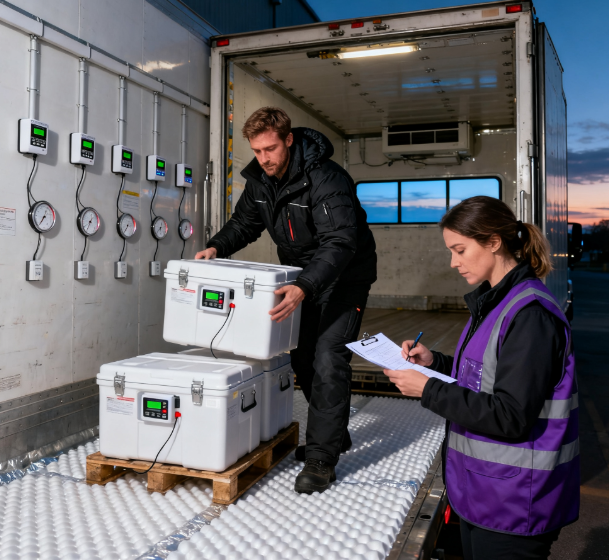
Cooler Bag Wholesaler Germany: Practical Buying Guide for Cold-Chain and Brand Teams
A cooler bag wholesaler germany should be selected as a working product, not as a keyword on a quotation sheet. It has to fit the item being carried, the people handling it, the temperature expectation, the logo or private-label plan, and the documentation your channel requires. When those parts are not aligned, the problem usually appears after the first bulk order, not during the sample photo review.
The following guide combines product education, material judgment, sourcing checks, and realistic cold-chain boundaries into one buying framework for B2B teams.
What the Bag Can Do, and What It Cannot Do
A wholesale cooler bag can make short-distance transport more organized, reduce direct exposure to ambient conditions, protect the appearance of meals or groceries, and create a reusable brand touchpoint. It can also support users who carry food, beverages, or small temperature-sensitive items between a preparation point and a receiving point. Those benefits are real, but they are not the same as active refrigeration or validated pharmaceutical shipping.
Cooler bags can support short cold transport, but specific holding performance must be tested under the actual load, opening pattern, and ambient conditions. This boundary should be clear in the product brief and sales copy. If the item is used for ordinary lunches, groceries, delivery meals, or promotional programs, the claim should focus on insulated carrying and practical convenience. If the item is used for regulated, high-value, or highly temperature-sensitive goods, the buyer should ask for a qualified packout, cold-source design, logger plan, and documentation review.
This distinction helps buyers avoid two opposite mistakes. The first is overbuying a complex cold-chain solution for a simple daily-use bag. The second is underbuying a casual bag for a product that needs documented temperature control. A good sourcing process identifies the use case before selecting the format.
Build the Specification Around Route, Payload, and User Behavior
The best specification for cooler bag wholesaler germany starts with the route. Where is the product packed? How long is it inside the bag? Does the bag travel in a car, bicycle basket, scooter box, van, retail cart, warehouse, school, office, or outdoor event? Is the bag opened once, or many times? Does it return for cleaning, or does the end user keep it?
Next comes payload. The buyer should test actual containers, not just measure volume. Square meal boxes, round bowls, bottles, cartons, trays, ice packs, and grocery packs all use space differently. Heavy beverages stress handles and bases. Tall containers need vertical clearance. Cold sources reduce usable space. Dividers can improve organization but also reduce flexibility.
Finally, look at user behavior. Riders may need fast access and comfortable straps. Grocery staff may need a bag that stands open during loading. Office users may need a compact format that fits under a desk. Retail customers may value folding and storage. A bag that ignores the user will not be reused, no matter how well it is decorated.
Material Choices in Practical Language
A wholesaler needs materials that are consistent enough for repeat orders: outer fabric, liner, insulation, zipper, handles, labels, and cartons all influence sell-through and complaints. The buyer should understand each layer in practical terms. The outer surface must suit handling and branding. The insulation layer must be continuous enough to avoid weak spots. The liner must be wipeable and appropriate for the intended food or product exposure. The closure must reduce air exchange without slowing the user. Reinforcement must match the expected loaded weight.
There is no universal best material. Canvas may suit a premium or lifestyle lunch bag, but it needs a suitable liner. Polyester may support delivery or promotional use, but fabric weight and coating matter. Aluminum foil liners can help with radiant heat and cleaning, but they must be durable at folds and seams. Non-woven materials may serve lower-cost programs, but they need realistic durability expectations. Rigid cooler boxes may be better when impact resistance and defined packout space matter more than foldability.
A buyer should ask the supplier to separate material facts from marketing terms. Words such as thermal, premium, food grade, heavy duty, or eco-friendly need explanation. What layer is being described? What evidence supports the claim? What use conditions apply? If a claim cannot be explained, it should not drive the purchase decision.
Supplier Checks That Actually Reduce Risk
| Procurement question | Good supplier answer | Warning sign |
|---|---|---|
| What exactly is the bag made of? | The supplier separates outer material, insulation, liner, closure, base, and decoration method | The supplier gives only a vague phrase such as premium thermal material |
| How is performance described? | Claims are linked to use conditions, loading, cold sources, and any available testing | The supplier promises a fixed hold time without explaining conditions |
| How are samples controlled? | Approved samples, drawings, material names, and color tolerances are recorded | Bulk production can change materials without written review |
| How is logo quality managed? | Artwork proof, decoration method, position tolerance, and inspection criteria are defined | The quote shows only a digital mockup |
| What happens after delivery? | The supplier can discuss packaging, spare parts where relevant, cleaning, complaints, and reorders | The supplier focuses only on unit price |
These questions are valuable because they reveal whether the supplier understands the bag as a functional product. A serious answer does not need to be complicated, but it should be specific. It should mention materials, production controls, samples, artwork, packaging, and claim limits. If the answer is only price and delivery date, the buyer is left carrying the operational risk.
Check sample quality, retail packaging, German or multilingual labeling, EU food-contact documentation where relevant, carton marks, and repeat-order consistency. Buyers should also keep a written record of the approved sample. The record should include material stack, dimensions, artwork proof, logo position, liner, closure, base, label, and carton packing. This is especially important for importers, distributors, and private-label programs because the next order must match the first one.
A Review Workflow Before Bulk Ordering
A practical review can be done in five steps. First, define the use case and temperature expectation. Second, load a sample with the real payload and cold source, if one will be used. Third, inspect cleaning, closure, handle comfort, and decoration after repeated opening and carrying. Fourth, check documentation needs for the destination market and channel. Fifth, approve a pre-production sample and keep it as a production reference.
For example, a buyer sourcing a wholesale cooler bag for grocery reusable programs may begin with a good-looking sample. During use testing, the team discovers that the bag is large enough when empty but too tight after adding two gel packs and the normal product mix. Instead of accepting the first sample, the buyer revises the gusset and opening width, adjusts the logo position, and asks the supplier to confirm carton packing so the bag does not arrive crushed.
That workflow is more reliable than comparing unit prices across loosely defined quotations. It gives the supplier a clearer target and gives the buyer a better basis for inspection. It also reduces the chance that a bulk shipment will fail for reasons that were visible in the sample stage.
Regional and Channel Considerations
For Germany and EU wholesale distribution, the buyer should think beyond the bag itself. Region-specific orders may involve importer labels, language requirements, packaging composition, food-contact review, carton marks, retail packaging, or distributor documentation. Even when regulations do not require a formal test for a simple promotional bag, the channel may still ask for declarations or product information.
EU importers should be aware of food-contact frameworks when the liner may interact with food or food containers, and packaging-waste rules are becoming more important for reusable product programs. USA promotional buyers should avoid food-safety claims that conflict with USDA or FDA guidance on safe handling. Delivery operators should define cleaning and rider safety expectations. Beverage and grocery buyers should consider heavy loads and condensation. China sourcing projects should use samples and written specifications to control logo and material consistency.
The common thread is evidence. When a statement affects safety, compliance, performance, or import review, it should be supported or written as a verification point. When a statement is only a broad marketing claim, it should be removed or made more precise.
When This Product Is the Right Fit
A cooler bag wholesaler germany is a good fit when the buyer needs short-duration insulated carrying, reusable brand visibility, organized handover, and practical protection for meals, groceries, beverages, or similar items. It is especially useful when the user needs a light, portable format rather than a rigid box. It can also support corporate gifting, promotional programs, delivery fleets, grocery pickup, and retail merchandising when the specification matches the channel.
It is not the right fit when the product requires strict temperature control over a defined route without supporting test data. It is not a substitute for refrigeration, hot holding, dry ice systems, qualified insulated shippers, temperature loggers, or receiving inspection. It is also not a good fit when the payload is so heavy that a soft bag will deform, unless the base and handles are specifically designed for that load.
A wholesaler carries the complaint risk when a low-cost product arrives with odor, inconsistent stitching, poor liner finish, or packaging that looks unready for retail. The safest buying decision is to state the limit clearly. A well-specified passive bag can be very useful inside its proper role. Problems happen when a buyer expects it to do the job of a different product category.
Quality Control for Logo and Reorder Consistency
Customization should cover language labels, retail hangtags, barcode placement, packaging reduction, logo proofing, and carton-level identification. Decoration should be treated as a controlled production process. A logo can look different depending on fabric texture, print method, heat, stitching, panel curve, and folding. Buyers should approve real samples, not only digital mockups. For personalized products, proofing and data control are just as important as decoration quality.
Reorder consistency matters for distributors and brand programs. A second production run with a slightly different fabric, liner shade, zipper color, or logo position can create complaints even if the functional difference is small. Ask the supplier how material substitutions are handled and whether the approved sample is kept as a reference. For large or repeated programs, this question is more important than small unit-price differences.
For Germany and the EU, reusable product value and packaging-waste expectations make durability, labeling, and material transparency commercially important. Reuse claims also depend on quality control. If a bag feels durable and convenient, users are more likely to keep it in circulation. If it fails quickly or looks inconsistent, the sustainability and brand story weakens.
FAQ
What makes a cooler bag wholesaler germany suitable for B2B buying?
Suitability comes from matching the product to the route, payload, user, branding plan, and documentation needs. A B2B buyer should examine material stack, usable dimensions, handling comfort, cleaning, sample consistency, and whether claims are supported. A low price is not useful if it creates complaints or cannot be reordered consistently.
What should be avoided in product claims?
Avoid fixed temperature or hold-time claims unless the specific bag, payload, coolant, ambient profile, and acceptance criteria were tested. Also avoid suggesting that waterproof fabric, a foil liner, or a reusable design automatically makes the bag compliant for every food, grocery, or pharmaceutical use.
How many samples should a buyer review before bulk production?
The number depends on order complexity, but at least one functional sample and one decorated sample are useful. For personalized or private-label programs, buyers should also confirm packaging, labels, carton marks, and a pre-production sample because artwork and material changes can appear only after decoration.
What role can Tempk play in this decision?
Tempk can help buyers compare insulated bag formats, cooler bags, ice packs, liners, and related cold-chain packaging options. The useful conversation starts with route, payload, temperature expectation, use duration, logo plan, and market requirements rather than a generic request for the cheapest insulated bag.
Conclusion
A practical cooler bag wholesaler germany buying decision starts with the route, payload, user, and claim boundary. The right bag slows temperature exposure during suitable short-use scenarios, supports organized carrying, and can carry a brand into daily use. It should not be oversold as a guaranteed temperature-control system unless the exact conditions are tested. Buyers should compare material stack, liner, closure, reinforcement, decoration, documentation, and sample control before placing a bulk order.
About Tempk
Tempk helps B2B buyers compare insulated bag and cold-chain packaging options for food delivery, grocery, promotional, and temperature-sensitive handling programs. For a wholesale cooler bag, we can discuss the route, payload, user behavior, cold-source plan, logo requirements, sample approval, and documentation needs before recommending a practical direction. The goal is a bag that fits the job, not a generic insulated product with unsupported claims.
Next Step
Send Tempk your route, payload, temperature expectation, and logo requirements to build a practical wholesale cooler bag specification for sampling and quotation.
validated cold chain packaging: Practical Selection and Risk Checks
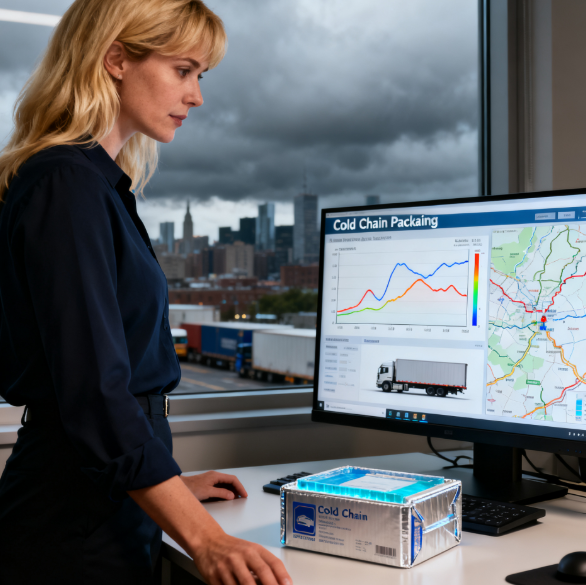
validated cold chain packaging: A Practical Way to Match Packaging, Route, and Evidence
The safest way to evaluate validated cold chain packaging is to begin with the product requirement and work outward to the route, packout, monitoring plan, and documentation. Validated cold chain packaging should be understood as packaging used within a documented process that shows the product can remain within its required limits under defined conditions. The package may look simple, but the decision is not. A reliable choice depends on whether the supplier evidence matches your payload, your lane, your delay margin, and the way the shipment will be opened and accepted after delivery.
Begin with the product requirement, not the package claim
Validated cold chain packaging should be understood as packaging used within a documented process that shows the product can remain within its required limits under defined conditions. This sentence sounds basic, but it is the step that prevents many weak packaging decisions. A package cannot be judged until the acceptable range is defined. A label such as refrigerated, frozen, cool, ambient, or room temperature may be too vague for procurement and operations. The buyer should translate the requirement into a range, a shipment duration, a delay margin, and any special restrictions.
Once the product requirement is clear, the package claim can be read properly. A supplier may state that a system was tested for a certain duration, but the buyer needs to ask what that statement means. Was the payload similar? Was the ambient profile realistic? Was the coolant conditioned the same way the warehouse will condition it? Was the pass criterion based on product temperature or air temperature? These questions help prevent a marketing claim from becoming an unsupported quality assumption.
Turn the lane into packaging requirements
A procurement team may receive a supplier statement that a shipper was tested for a long duration. Before accepting it, QA should ask what ambient profile, payload, coolant conditioning, logger placement, and acceptance limits were used. A route map should include more than pickup and delivery. It should show staging before collection, carrier handoff, sortation or airport handling, customs or security checks when relevant, final-mile delivery, and receiving. Each stage can add heat exposure, cold exposure, delay, or opening risk. Once those points are visible, the buyer can decide whether the packaging needs more thermal buffer, clearer labeling, different coolant, a data logger, or a different carrier arrangement.
This route-based approach also helps avoid overdesign. Some lanes are short, direct, and controlled. Others are unpredictable and need more conservative protection. Treating every shipment as the same can either waste money or create risk. A better system groups routes by risk and assigns packaging, monitoring, and receiving procedures to each group.
What to verify before approving a packout
| Decision area | What to verify | Why it protects the shipment |
|---|---|---|
| Temperature range | Use the label, stability file, or quality instruction. | Prevents vague wording from hiding acceptance limits. |
| Payload fit | Check usable space, mass, air gaps, and product placement. | Keeps the tested packout close to the real shipment. |
| Thermal evidence | Review test duration, ambient profile, coolant, and acceptance criteria. | Shows whether the claim applies to your lane. |
| Handling process | Confirm who packs, stages, ships, receives, and reviews alarms. | Reduces errors during handovers and daily warehouse work. |
| Supplier change control | Ask what material, size, or coolant changes trigger notification. | Protects repeatability after sample approval. |
This table can be used as a short approval checklist before routine shipment. It does not replace your quality process, but it helps procurement, operations, and QA ask the same questions. When one of the answers is missing, the safest decision is to treat it as a verification item rather than assume the package will behave as hoped.
Qualification evidence should match the way you ship
WHO GDP guidance, USP good storage and distribution practices, IATA temperature control practices, and ISTA thermal testing standards all support risk-based thinking, but validation evidence must match the shipment being made. These references are valuable because they encourage defined procedures, temperature-range communication, and risk-based review. They should not be used as shortcuts. A packout tested under one profile may not fit another route. A supplier’s successful laboratory test may not cover a buyer’s payload, route season, or receiving practice.
Good evidence usually has a narrow scope. It states the package configuration, coolant type and conditioning, payload or simulator, probe locations, external profile, duration, and acceptance limits. A narrow claim is more useful than a broad promise because it tells the buyer exactly what is supported. If a shipment is outside that scope, the buyer can decide whether additional testing, a conservative packout, or a different service level is needed.
The packout has to be repeatable by real people
Cold chain packaging often fails in ordinary operations rather than in design meetings. A packer may select the wrong coolant, skip a spacer, close a lid poorly, or stage a box too long before dispatch. A receiving team may leave the shipment at ambient conditions while paperwork is checked. These are not unusual mistakes; they are predictable points in the process. Packout instructions should therefore be visual, short, and easy to audit.
Repeatability also depends on packaging condition. Reusable containers need damage checks and cleaning rules. Single-use shippers need consistent materials and clear component kits. If a shipment is packed by several sites, each site should use the same version of the instruction and the same component list. The more sensitive the product, the less room there is for informal substitution.
When the package is not enough
A passive package may not be enough when the duration is uncertain, the route crosses severe climate conditions, the payload is highly sensitive, or the receiving site cannot act quickly. In those cases, buyers may need a different carrier service, active temperature-controlled transport, additional monitoring, changed delivery timing, or a lane-specific qualification. Packaging is one layer of control, not the whole cold chain.
The same principle applies to data. A logger is valuable, but it does not maintain temperature. An alarm tells the quality team that review is needed; it does not decide product disposition by itself. The most reliable systems connect the physical packout with carrier instructions, receiving rules, monitoring responsibilities, and escalation steps.
A practical example of a better approval conversation
Instead of asking a supplier for a generic package recommendation, a buyer can say: the shipment must stay within a defined range, the expected transit time is a certain period with a delay margin, the payload has these dimensions and mass, the route includes these handovers, and the receiving team can transfer the goods to storage within a defined workflow. The supplier can then discuss a specific insulation and coolant configuration, packaging size, logger placement, and evidence package.
That conversation is more useful for both sides. The buyer avoids paying for features that do not address the risk. The supplier avoids guessing. The quality team receives a clearer basis for approval. Most importantly, warehouse teams receive a packout that can be repeated, not a design that only works when every hidden assumption is perfect.
A usable approval file for validated cold chain packaging
A practical approval file should not be a pile of disconnected brochures. It should connect product temperature limits, route conditions, packout design, component specifications, test evidence, logger procedures, training expectations, and change control. If the shipment is high risk, QA may require additional qualification or lane data. If the shipment is low risk, a simpler file may be acceptable. The scope should be intentional.
The approval file should also state what is outside scope. For example, it may not cover a different payload mass, a longer delay, a different coolant, a different carrier, or a new climate zone. Writing exclusions clearly protects the buyer from reusing evidence beyond its intended purpose.
Extra buyer checks before routine shipment
Before routine shipment begins, compare the packout against the way the operation actually works. Confirm that the packing area has enough space, that coolant conditioning capacity is available, that component labels are clear, and that staging time is controlled. validated cold chain packaging should not depend on one experienced packer remembering informal steps. It should be repeatable by a trained team using the same materials and the same instruction every time.
Also review how exceptions will be handled. If a courier arrives late, can the closed package be returned to controlled storage, or must it be repacked? If a component is missing, is substitution allowed? If a temperature alarm occurs, who decides whether the product can be used? These details are easy to skip during purchase, but they decide how well the packaging performs under pressure.
Receiving checks are part of the package decision
The cold chain does not end when the package reaches the destination door. Receiving staff should know where to move the payload, when to read or download the temperature record, how to inspect the package, and who to contact if an alarm or visible damage appears. If the package sits unopened in an uncontrolled area while paperwork is resolved, a well-designed packout can still lose its safety margin.
For buyers, this means supplier selection should include usability at the destination. Clear labels, simple opening steps, visible component order, and a defined logger retrieval point reduce confusion. A packaging system that requires special interpretation by the sender may not be suitable for distributed clinics, pharmacies, depots, or international receivers with different training levels.
FAQ
What is the first step in choosing validated cold chain packaging?
Define the product temperature requirement and route conditions before evaluating package claims. The supplier needs the range, duration, delay margin, payload, transport mode, and handling restrictions to recommend a packout with realistic evidence.
How should I read a hold-time or performance claim?
Read it as a tested result under specific conditions. Ask for the ambient profile, payload, coolant conditioning, packout diagram, probe placement, duration, and acceptance criteria. If those details do not match your shipment, the claim may still be informative but should not be treated as direct proof.
What should be included in a cold chain packaging approval file?
A practical file may include product temperature limits, route description, packaging specification, packout instruction, thermal evidence, logger procedure, receiving instruction, and supplier change-control expectations. The exact file depends on product risk and quality requirements.
When should a buyer review the packaging again?
Review the packout when the route changes, shipment duration changes, payload changes, coolant or insulation changes, carrier service changes, seasonal exposure increases, or temperature records show repeated alarms. A packaging decision is not permanent when the operating conditions change.
Conclusion
A good decision on validated cold chain packaging is built from four connected facts: the product range, the route risk, the tested packout, and the operational process. Do not rely on box size, advertised duration, or generic compliance language alone. Ask what was tested, what will be repeated, what will be monitored, and who will review the result. That is how packaging becomes a controlled part of the cold chain rather than a last-minute purchase.
About Tempk
Tempk helps buyers discuss cold chain packaging in practical terms: required range, packout, route duration, monitoring, and documentation. For validated or qualification-aware projects, that means clarifying what evidence is available and what still needs to be reviewed by the buyer’s quality team.
Discuss Your Shipment With Tempk
Ask Tempk to review your route, payload, required temperature range, and evidence expectations before you scale a cold chain packaging choice from sample to regular shipment.
vaccine cold chain packaging: Practical Selection and Risk Checks

vaccine cold chain packaging: A Practical Way to Match Packaging, Route, and Evidence
The safest way to evaluate vaccine cold chain packaging is to begin with the product requirement and work outward to the route, packout, monitoring plan, and documentation. Many refrigerated vaccines are stored and transported at 2°C to 8°C, while some vaccines have frozen or ultra-cold requirements, so the label and program guidance must be checked before any packout is chosen. The package may look simple, but the decision is not. A reliable choice depends on whether the supplier evidence matches your payload, your lane, your delay margin, and the way the shipment will be opened and accepted after delivery.
Begin with the product requirement, not the package claim
Many refrigerated vaccines are stored and transported at 2°C to 8°C, while some vaccines have frozen or ultra-cold requirements, so the label and program guidance must be checked before any packout is chosen. This sentence sounds basic, but it is the step that prevents many weak packaging decisions. A package cannot be judged until the acceptable range is defined. A label such as refrigerated, frozen, cool, ambient, or room temperature may be too vague for procurement and operations. The buyer should translate the requirement into a range, a shipment duration, a delay margin, and any special restrictions.
Once the product requirement is clear, the package claim can be read properly. A supplier may state that a system was tested for a certain duration, but the buyer needs to ask what that statement means. Was the payload similar? Was the ambient profile realistic? Was the coolant conditioned the same way the warehouse will condition it? Was the pass criterion based on product temperature or air temperature? These questions help prevent a marketing claim from becoming an unsupported quality assumption.
Turn the lane into packaging requirements
A clinic replenishment shipment may leave a district store in good condition but then wait in a vehicle, sit at a reception desk, or be opened repeatedly during distribution. The packaging plan must account for these moments, not only the planned driving time. A route map should include more than pickup and delivery. It should show staging before collection, carrier handoff, sortation or airport handling, customs or security checks when relevant, final-mile delivery, and receiving. Each stage can add heat exposure, cold exposure, delay, or opening risk. Once those points are visible, the buyer can decide whether the packaging needs more thermal buffer, clearer labeling, different coolant, a data logger, or a different carrier arrangement.
This route-based approach also helps avoid overdesign. Some lanes are short, direct, and controlled. Others are unpredictable and need more conservative protection. Treating every shipment as the same can either waste money or create risk. A better system groups routes by risk and assigns packaging, monitoring, and receiving procedures to each group.
What to verify before approving a packout
| Decision area | What to verify | Why it protects the shipment |
|---|---|---|
| Temperature range | Use the label, stability file, or quality instruction. | Prevents vague wording from hiding acceptance limits. |
| Payload fit | Check usable space, mass, air gaps, and product placement. | Keeps the tested packout close to the real shipment. |
| Thermal evidence | Review test duration, ambient profile, coolant, and acceptance criteria. | Shows whether the claim applies to your lane. |
| Handling process | Confirm who packs, stages, ships, receives, and reviews alarms. | Reduces errors during handovers and daily warehouse work. |
| Supplier change control | Ask what material, size, or coolant changes trigger notification. | Protects repeatability after sample approval. |
This table can be used as a short approval checklist before routine shipment. It does not replace your quality process, but it helps procurement, operations, and QA ask the same questions. When one of the answers is missing, the safest decision is to treat it as a verification item rather than assume the package will behave as hoped.
Qualification evidence should match the way you ship
WHO PQS specifications for vaccine carriers and cold boxes, CDC storage and handling guidance, and IATA healthcare cargo practices all emphasize that temperature limits, labeling, documentation, and handling discipline matter. These references are valuable because they encourage defined procedures, temperature-range communication, and risk-based review. They should not be used as shortcuts. A packout tested under one profile may not fit another route. A supplier’s successful laboratory test may not cover a buyer’s payload, route season, or receiving practice.
Good evidence usually has a narrow scope. It states the package configuration, coolant type and conditioning, payload or simulator, probe locations, external profile, duration, and acceptance limits. A narrow claim is more useful than a broad promise because it tells the buyer exactly what is supported. If a shipment is outside that scope, the buyer can decide whether additional testing, a conservative packout, or a different service level is needed.
The packout has to be repeatable by real people
Cold chain packaging often fails in ordinary operations rather than in design meetings. A packer may select the wrong coolant, skip a spacer, close a lid poorly, or stage a box too long before dispatch. A receiving team may leave the shipment at ambient conditions while paperwork is checked. These are not unusual mistakes; they are predictable points in the process. Packout instructions should therefore be visual, short, and easy to audit.
Repeatability also depends on packaging condition. Reusable containers need damage checks and cleaning rules. Single-use shippers need consistent materials and clear component kits. If a shipment is packed by several sites, each site should use the same version of the instruction and the same component list. The more sensitive the product, the less room there is for informal substitution.
When the package is not enough
A passive package may not be enough when the duration is uncertain, the route crosses severe climate conditions, the payload is highly sensitive, or the receiving site cannot act quickly. In those cases, buyers may need a different carrier service, active temperature-controlled transport, additional monitoring, changed delivery timing, or a lane-specific qualification. Packaging is one layer of control, not the whole cold chain.
The same principle applies to data. A logger is valuable, but it does not maintain temperature. An alarm tells the quality team that review is needed; it does not decide product disposition by itself. The most reliable systems connect the physical packout with carrier instructions, receiving rules, monitoring responsibilities, and escalation steps.
A practical example of a better approval conversation
Instead of asking a supplier for a generic package recommendation, a buyer can say: the shipment must stay within a defined range, the expected transit time is a certain period with a delay margin, the payload has these dimensions and mass, the route includes these handovers, and the receiving team can transfer the goods to storage within a defined workflow. The supplier can then discuss a specific insulation and coolant configuration, packaging size, logger placement, and evidence package.
That conversation is more useful for both sides. The buyer avoids paying for features that do not address the risk. The supplier avoids guessing. The quality team receives a clearer basis for approval. Most importantly, warehouse teams receive a packout that can be repeated, not a design that only works when every hidden assumption is perfect.
Vaccine-specific checks before approval
Before approving vaccine cold chain packaging, confirm the exact vaccine group, required storage range, freeze sensitivity, diluent handling, transport duration, opening pattern, and receiving responsibility. If the package will be used in a clinic replenishment route, make sure clinic staff can understand the logger or indicator and transfer vaccines promptly. If it will be used in field outreach, review how many times it may be opened and whether the design is suitable for that use.
A vaccine package is successful when it protects potency, prevents freezing where freezing is harmful, and gives the receiving or field team a clear process. The packaging decision should not depend on one person’s memory or a vague instruction to keep the products cold.
Extra buyer checks before routine shipment
Before routine shipment begins, compare the packout against the way the operation actually works. Confirm that the packing area has enough space, that coolant conditioning capacity is available, that component labels are clear, and that staging time is controlled. vaccine cold chain packaging should not depend on one experienced packer remembering informal steps. It should be repeatable by a trained team using the same materials and the same instruction every time.
Also review how exceptions will be handled. If a courier arrives late, can the closed package be returned to controlled storage, or must it be repacked? If a component is missing, is substitution allowed? If a temperature alarm occurs, who decides whether the product can be used? These details are easy to skip during purchase, but they decide how well the packaging performs under pressure.
Receiving checks are part of the package decision
The cold chain does not end when the package reaches the destination door. Receiving staff should know where to move the payload, when to read or download the temperature record, how to inspect the package, and who to contact if an alarm or visible damage appears. If the package sits unopened in an uncontrolled area while paperwork is resolved, a well-designed packout can still lose its safety margin.
For buyers, this means supplier selection should include usability at the destination. Clear labels, simple opening steps, visible component order, and a defined logger retrieval point reduce confusion. A packaging system that requires special interpretation by the sender may not be suitable for distributed clinics, pharmacies, depots, or international receivers with different training levels.
FAQ
What is the first step in choosing vaccine cold chain packaging?
Define the product temperature requirement and route conditions before evaluating package claims. The supplier needs the range, duration, delay margin, payload, transport mode, and handling restrictions to recommend a packout with realistic evidence.
How should I read a hold-time or performance claim?
Read it as a tested result under specific conditions. Ask for the ambient profile, payload, coolant conditioning, packout diagram, probe placement, duration, and acceptance criteria. If those details do not match your shipment, the claim may still be informative but should not be treated as direct proof.
What should be included in a cold chain packaging approval file?
A practical file may include product temperature limits, route description, packaging specification, packout instruction, thermal evidence, logger procedure, receiving instruction, and supplier change-control expectations. The exact file depends on product risk and quality requirements.
When should a buyer review the packaging again?
Review the packout when the route changes, shipment duration changes, payload changes, coolant or insulation changes, carrier service changes, seasonal exposure increases, or temperature records show repeated alarms. A packaging decision is not permanent when the operating conditions change.
Conclusion
A good decision on vaccine cold chain packaging is built from four connected facts: the product range, the route risk, the tested packout, and the operational process. Do not rely on box size, advertised duration, or generic compliance language alone. Ask what was tested, what will be repeated, what will be monitored, and who will review the result. That is how packaging becomes a controlled part of the cold chain rather than a last-minute purchase.
About Tempk
Tempk helps cold chain buyers think through packaging, coolant, and monitoring choices for sensitive logistics workflows. For vaccine movements, that means separating the questions of thermal protection, freeze prevention, documentation, and ease of use for handlers who may not be packaging engineers.
Discuss Your Shipment With Tempk
Discuss your vaccine route, storage range, packout process, and receiving workflow with Tempk before choosing a carrier or shipper for routine use.
gel packs and PCM packs for pharma: Practical Selection and Risk Checks

Gel Packs vs PCM Packs Pharma: How to Choose the Right Coolant
The safest way to evaluate gel packs and PCM packs for pharma is to begin with the product requirement and work outward to the route, packout, monitoring plan, and documentation. Both gel packs and phase change material packs can be used in passive pharma packaging, but their suitability depends on the required temperature range, pack conditioning, route risk, payload, and qualification data. The package may look simple, but the decision is not. A reliable choice depends on whether the supplier evidence matches your payload, your lane, your delay margin, and the way the shipment will be opened and accepted after delivery.
Practical approval note: If procurement wants to standardize one coolant across several products, QA should first group the routes by temperature range, freeze sensitivity, shipment duration, and receiving control. Standardization can reduce complexity, but only when each approved packout has evidence for the product group and lane where it will be used.
A coolant is only useful inside a defined packout
Gel packs and PCM packs are often discussed as if they can be judged on their own. In pharmaceutical logistics, that is risky. The same coolant can perform differently depending on the insulated box, payload mass, spacers, conditioning state, season, and handling pattern. A buyer should evaluate the finished packout and the resulting payload temperature profile, not the component name.
Gel packs, water packs, ice packs, and PCM packs are coolant components. They are not validated packaging systems until they are used in a defined packout and tested against acceptance criteria. This distinction protects buyers from overclaiming. A PCM pack is not automatically a validated solution. A gel pack is not automatically too basic. Each can be useful when the evidence matches the product and route.
Use product sensitivity to choose the starting direction
If the product can be harmed by freezing, start by reviewing cold-side risk. Frozen gel packs may need barriers, spacing, or a different conditioning method. PCM may be useful if its intended range reduces the chance of local overcooling, but the actual packout still needs review. If the product is primarily heat-sensitive and has a less narrow range, gel packs may remain practical for controlled short routes.
If the product has a narrow controlled range, longer transport time, or unpredictable handovers, PCM becomes more interesting because it can buffer around a selected phase-change zone. The buyer should still ask whether the warehouse can condition the packs correctly and whether the supplier has data for the proposed route.
Decision table for QA and procurement
| Question | If the answer points to gel packs | If the answer points to PCM packs |
|---|---|---|
| How narrow is the product range? | Wider range or lower sensitivity. | Narrower range or higher sensitivity. |
| Is freezing a major concern? | Use only with proven separation and conditioning. | Consider targeted phase-change buffering with evidence. |
| How complex can the warehouse process be? | Familiar conditioning may be easier to repeat. | Stricter conditioning can be controlled by trained teams. |
| What is the route risk? | Short, direct, and predictable route. | Longer, variable, or delay-prone route. |
| What evidence is available? | Full packout data supports the gel configuration. | Full packout data supports the PCM configuration. |
The table does not produce an automatic answer. It helps the buyer choose which option deserves deeper testing. The final approval should still be based on the full system, including shipper, coolant, payload, logger, and operating procedure.
Look beyond component price
Component price is easy to compare, but it can be misleading. A lower-cost gel pack may require more coolant, a larger shipper, or more investigations if the route is marginal. A higher-cost PCM pack may lower risk or improve payload space in the right lane, but it may also add conditioning time and inventory complexity. Total cost includes labor, waste, returns, shipping weight, storage, quality review, and the cost of product loss.
This is why commercial and quality teams should review the decision together. Procurement can compare cost and supply reliability. Operations can judge packout complexity. QA can review evidence and excursion handling. A coolant decision made by only one department can miss the constraints faced by the others.
Evidence checklist before routine use
Before approving either option, ask for a packout diagram, conditioning instructions, component specification, thermal test summary, payload assumptions, probe placement, and acceptance criteria. Confirm whether the supplier has a change-control process for material or dimension changes. Confirm that production components will match samples. If the supplier cannot provide data for your exact lane, decide whether additional testing or a more conservative packout is needed.
For higher-risk products, test data should show both heat and cold-side performance. A temperature profile that hides a local cold spot can create false confidence. During qualification, probe placement should include the areas most likely to experience thermal stress. Routine monitoring can then be designed around the risk revealed during testing.
A practical selection scenario
Imagine two products using the same parcel carrier. Product A has a wider allowed range, travels overnight, and is received by a trained warehouse team. Product B is freeze-sensitive, travels over a weekend, and has variable receiving times. Gel packs may be reasonable for Product A if the packout is supported. Product B may need PCM, a different route, or tighter monitoring. The carrier is the same, but the packaging decision is not.
This example shows why buyers should not standardize too aggressively. A single coolant policy can simplify purchasing but create quality risk. A better approach is to define approved packouts by product group, route type, and season, then train teams to use the right kit.
How to avoid weak conclusions
Avoid saying that PCM is always better, that gel packs are always cheaper, or that a data logger makes either option safe. These statements are too broad. A stronger conclusion is conditional: this packout, using this coolant, with this payload and route profile, has evidence that meets the product limits accepted by the quality team.
That wording may sound less dramatic, but it is more useful. It keeps the decision inside the real cold chain, where product requirements, route exposure, and repeatable process matter more than the name of the coolant.
Extra buyer checks before routine shipment
Before routine shipment begins, compare the packout against the way the operation actually works. Confirm that the packing area has enough space, that coolant conditioning capacity is available, that component labels are clear, and that staging time is controlled. gel packs and PCM packs for pharma should not depend on one experienced packer remembering informal steps. It should be repeatable by a trained team using the same materials and the same instruction every time.
Also review how exceptions will be handled. If a courier arrives late, can the closed package be returned to controlled storage, or must it be repacked? If a component is missing, is substitution allowed? If a temperature alarm occurs, who decides whether the product can be used? These details are easy to skip during purchase, but they decide how well the packaging performs under pressure.
Receiving checks are part of the package decision
The cold chain does not end when the package reaches the destination door. Receiving staff should know where to move the payload, when to read or download the temperature record, how to inspect the package, and who to contact if an alarm or visible damage appears. If the package sits unopened in an uncontrolled area while paperwork is resolved, a well-designed packout can still lose its safety margin.
For buyers, this means supplier selection should include usability at the destination. Clear labels, simple opening steps, visible component order, and a defined logger retrieval point reduce confusion. A packaging system that requires special interpretation by the sender may not be suitable for distributed clinics, pharmacies, depots, or international receivers with different training levels.
How to compare samples without overtrusting them
A sample shipment can show whether components are easy to handle and whether the payload physically fits, but it should not be treated as final proof unless it was tested under relevant conditions. Buyers should record the sample version, component list, coolant preparation, and any changes requested before production. If the sample is modified for cost, branding, or size, the original thermal assumption may no longer apply.
A useful sample review includes warehouse feedback. Ask packers whether the instructions are clear, whether any parts can be confused, whether the closure feels secure, and whether the assembled package is practical for the carrier service. Small handling problems become larger when the packout is repeated every day or across multiple sites.
Seasonal review should not be an afterthought
A package approved in mild weather may need review before summer heat, winter cold, or a new trade lane. Seasonal exposure affects both the external challenge and the way coolant should be conditioned. A configuration that protects against heat may create cold-side risk in winter, while a winter packout may not have enough thermal buffer for hot staging or delayed delivery.
The safest approach is to define when review is triggered: a new carrier, longer dwell time, different product load, changed coolant, different destination climate, or repeated temperature alarms. This turns packaging control into a living process instead of a one-time purchasing decision.
What not to assume from a supplier quotation
A quotation may list a box size, a coolant type, and an estimated duration, but it may not define the tested payload, the ambient profile, or the acceptance criteria. Buyers should not assume that unstated details match their shipment. If the quote says suitable for pharmaceutical use, ask suitable under what conditions. If it says reusable, ask how damage inspection and cleaning are controlled.
The best supplier conversations are specific. They turn a broad request into a defined packout with stated limits. That helps procurement compare options fairly, helps QA review evidence, and helps operations repeat the process without improvising.
FAQ
Should I replace gel packs with PCM packs for all pharma shipments?
Not necessarily. Some routes and products do not need PCM. Review product sensitivity, route duration, freeze risk, conditioning capacity, and evidence. A lane-by-lane or product-group approach is usually safer than a blanket replacement.
Can PCM packs prevent all temperature excursions?
No. PCM can improve thermal buffering in suitable packouts, but it cannot overcome every delay, wrong conditioning step, poor insulation choice, or receiving error. It still needs testing and controlled handling.
What is the most important evidence to request?
Request evidence for the full packout: shipper, coolant, payload, conditioning, external profile, probe positions, duration, and pass criteria. Component datasheets help, but they do not prove shipment performance on their own.
How should I involve QA in the decision?
QA should review product limits, excursion procedures, qualification evidence, logger placement, and supplier change-control expectations. Procurement and operations should provide cost, availability, and packout repeatability information.
Conclusion
The gel packs vs PCM packs pharma decision is best made by asking what the product needs, what the route exposes it to, and what the packout evidence proves. Gel packs can be suitable and efficient. PCM packs can add valuable control. Neither is a shortcut around qualification, monitoring, or disciplined warehouse work.
About Tempk
Tempk can help buyers compare coolant choices in the context of the whole packout, not as isolated accessories. The useful starting point is the product temperature range, route duration, payload mass, pack conditioning workflow, and the evidence needed by QA after delivery.
Discuss Your Shipment With Tempk
Share your target range, shipment duration, payload details, and current packout with Tempk to compare whether gel packs, PCM packs, or another configuration makes better operational sense.
48h 72h cold chain packaging: Practical Selection and Risk Checks

48h 72h cold chain packaging: A Practical Way to Match Packaging, Route, and Evidence
The safest way to evaluate 48h 72h cold chain packaging is to begin with the product requirement and work outward to the route, packout, monitoring plan, and documentation. A 48-hour or 72-hour claim only has meaning when the required temperature range, ambient profile, payload, coolant conditioning, and acceptance criteria are stated. The package may look simple, but the decision is not. A reliable choice depends on whether the supplier evidence matches your payload, your lane, your delay margin, and the way the shipment will be opened and accepted after delivery.
Begin with the product requirement, not the package claim
A 48-hour or 72-hour claim only has meaning when the required temperature range, ambient profile, payload, coolant conditioning, and acceptance criteria are stated. This sentence sounds basic, but it is the step that prevents many weak packaging decisions. A package cannot be judged until the acceptable range is defined. A label such as refrigerated, frozen, cool, ambient, or room temperature may be too vague for procurement and operations. The buyer should translate the requirement into a range, a shipment duration, a delay margin, and any special restrictions.
Once the product requirement is clear, the package claim can be read properly. A supplier may state that a system was tested for a certain duration, but the buyer needs to ask what that statement means. Was the payload similar? Was the ambient profile realistic? Was the coolant conditioned the same way the warehouse will condition it? Was the pass criterion based on product temperature or air temperature? These questions help prevent a marketing claim from becoming an unsupported quality assumption.
Turn the lane into packaging requirements
A planned next-day parcel shipment can become a two-day exposure when a courier misses collection, a weekend delay occurs, or receiving staff do not transfer goods immediately to storage. Duration selection should include those predictable margins. A route map should include more than pickup and delivery. It should show staging before collection, carrier handoff, sortation or airport handling, customs or security checks when relevant, final-mile delivery, and receiving. Each stage can add heat exposure, cold exposure, delay, or opening risk. Once those points are visible, the buyer can decide whether the packaging needs more thermal buffer, clearer labeling, different coolant, a data logger, or a different carrier arrangement.
This route-based approach also helps avoid overdesign. Some lanes are short, direct, and controlled. Others are unpredictable and need more conservative protection. Treating every shipment as the same can either waste money or create risk. A better system groups routes by risk and assigns packaging, monitoring, and receiving procedures to each group.
What to verify before approving a packout
| Decision area | What to verify | Why it protects the shipment |
|---|---|---|
| Temperature range | Use the label, stability file, or quality instruction. | Prevents vague wording from hiding acceptance limits. |
| Payload fit | Check usable space, mass, air gaps, and product placement. | Keeps the tested packout close to the real shipment. |
| Thermal evidence | Review test duration, ambient profile, coolant, and acceptance criteria. | Shows whether the claim applies to your lane. |
| Handling process | Confirm who packs, stages, ships, receives, and reviews alarms. | Reduces errors during handovers and daily warehouse work. |
| Supplier change control | Ask what material, size, or coolant changes trigger notification. | Protects repeatability after sample approval. |
This table can be used as a short approval checklist before routine shipment. It does not replace your quality process, but it helps procurement, operations, and QA ask the same questions. When one of the answers is missing, the safest decision is to treat it as a verification item rather than assume the package will behave as hoped.
Qualification evidence should match the way you ship
ISTA 7E profiles and similar laboratory tests can help compare insulated shippers, while GDP-style risk management reminds shippers to connect the test profile with real route hazards. These references are valuable because they encourage defined procedures, temperature-range communication, and risk-based review. They should not be used as shortcuts. A packout tested under one profile may not fit another route. A supplier’s successful laboratory test may not cover a buyer’s payload, route season, or receiving practice.
Good evidence usually has a narrow scope. It states the package configuration, coolant type and conditioning, payload or simulator, probe locations, external profile, duration, and acceptance limits. A narrow claim is more useful than a broad promise because it tells the buyer exactly what is supported. If a shipment is outside that scope, the buyer can decide whether additional testing, a conservative packout, or a different service level is needed.
The packout has to be repeatable by real people
Cold chain packaging often fails in ordinary operations rather than in design meetings. A packer may select the wrong coolant, skip a spacer, close a lid poorly, or stage a box too long before dispatch. A receiving team may leave the shipment at ambient conditions while paperwork is checked. These are not unusual mistakes; they are predictable points in the process. Packout instructions should therefore be visual, short, and easy to audit.
Repeatability also depends on packaging condition. Reusable containers need damage checks and cleaning rules. Single-use shippers need consistent materials and clear component kits. If a shipment is packed by several sites, each site should use the same version of the instruction and the same component list. The more sensitive the product, the less room there is for informal substitution.
When the package is not enough
A passive package may not be enough when the duration is uncertain, the route crosses severe climate conditions, the payload is highly sensitive, or the receiving site cannot act quickly. In those cases, buyers may need a different carrier service, active temperature-controlled transport, additional monitoring, changed delivery timing, or a lane-specific qualification. Packaging is one layer of control, not the whole cold chain.
The same principle applies to data. A logger is valuable, but it does not maintain temperature. An alarm tells the quality team that review is needed; it does not decide product disposition by itself. The most reliable systems connect the physical packout with carrier instructions, receiving rules, monitoring responsibilities, and escalation steps.
A practical example of a better approval conversation
Instead of asking a supplier for a generic package recommendation, a buyer can say: the shipment must stay within a defined range, the expected transit time is a certain period with a delay margin, the payload has these dimensions and mass, the route includes these handovers, and the receiving team can transfer the goods to storage within a defined workflow. The supplier can then discuss a specific insulation and coolant configuration, packaging size, logger placement, and evidence package.
That conversation is more useful for both sides. The buyer avoids paying for features that do not address the risk. The supplier avoids guessing. The quality team receives a clearer basis for approval. Most importantly, warehouse teams receive a packout that can be repeated, not a design that only works when every hidden assumption is perfect.
A better way to choose between 48h and 72h
Choose 48h when the planned route is shorter, the handovers are controlled, the delay margin is modest, and the evidence matches your temperature range and payload. Consider 72h when delay risk is predictable, the route crosses multiple custody points, receiving is less controlled, or the cost of investigation is high. Then verify that the 72h claim was tested under conditions relevant to your lane.
Do not treat 72h as automatically safer. More coolant, larger boxes, or colder components can create handling burden or cold-side risk. The best duration is the shortest system that provides sufficient margin for the real route while staying within product limits.
Extra buyer checks before routine shipment
Before routine shipment begins, compare the packout against the way the operation actually works. Confirm that the packing area has enough space, that coolant conditioning capacity is available, that component labels are clear, and that staging time is controlled. 48h 72h cold chain packaging should not depend on one experienced packer remembering informal steps. It should be repeatable by a trained team using the same materials and the same instruction every time.
Also review how exceptions will be handled. If a courier arrives late, can the closed package be returned to controlled storage, or must it be repacked? If a component is missing, is substitution allowed? If a temperature alarm occurs, who decides whether the product can be used? These details are easy to skip during purchase, but they decide how well the packaging performs under pressure.
Receiving checks are part of the package decision
The cold chain does not end when the package reaches the destination door. Receiving staff should know where to move the payload, when to read or download the temperature record, how to inspect the package, and who to contact if an alarm or visible damage appears. If the package sits unopened in an uncontrolled area while paperwork is resolved, a well-designed packout can still lose its safety margin.
For buyers, this means supplier selection should include usability at the destination. Clear labels, simple opening steps, visible component order, and a defined logger retrieval point reduce confusion. A packaging system that requires special interpretation by the sender may not be suitable for distributed clinics, pharmacies, depots, or international receivers with different training levels.
FAQ
What is the first step in choosing 48h 72h cold chain packaging?
Define the product temperature requirement and route conditions before evaluating package claims. The supplier needs the range, duration, delay margin, payload, transport mode, and handling restrictions to recommend a packout with realistic evidence.
How should I read a hold-time or performance claim?
Read it as a tested result under specific conditions. Ask for the ambient profile, payload, coolant conditioning, packout diagram, probe placement, duration, and acceptance criteria. If those details do not match your shipment, the claim may still be informative but should not be treated as direct proof.
What should be included in a cold chain packaging approval file?
A practical file may include product temperature limits, route description, packaging specification, packout instruction, thermal evidence, logger procedure, receiving instruction, and supplier change-control expectations. The exact file depends on product risk and quality requirements.
When should a buyer review the packaging again?
Review the packout when the route changes, shipment duration changes, payload changes, coolant or insulation changes, carrier service changes, seasonal exposure increases, or temperature records show repeated alarms. A packaging decision is not permanent when the operating conditions change.
Conclusion
A good decision on 48h 72h cold chain packaging is built from four connected facts: the product range, the route risk, the tested packout, and the operational process. Do not rely on box size, advertised duration, or generic compliance language alone. Ask what was tested, what will be repeated, what will be monitored, and who will review the result. That is how packaging becomes a controlled part of the cold chain rather than a last-minute purchase.
About Tempk
Tempk helps buyers evaluate cold chain packaging by looking at route duration, temperature range, payload fit, and monitoring needs together. For 48h and 72h projects, the practical question is which tested packout is appropriate for the lane, not simply which carton has a longer advertised hold time.
Discuss Your Shipment With Tempk
Send Tempk your planned transit time, delay margin, payload, temperature range, and route conditions to compare a practical 48h or 72h cold chain packaging option.
15-25°C pharmaceutical packaging: Practical Selection and Risk Checks
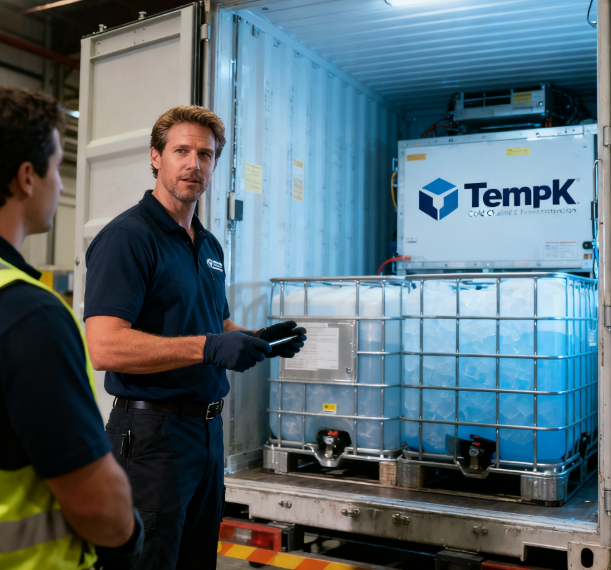
15-25°C pharmaceutical packaging: A Practical Way to Match Packaging, Route, and Evidence
The safest way to evaluate 15-25°C pharmaceutical packaging is to begin with the product requirement and work outward to the route, packout, monitoring plan, and documentation. A 15-25°C requirement should be treated as a defined product handling range, not as a loose “room temperature” instruction. The product label, stability data, and market requirements should drive the packout. The package may look simple, but the decision is not. A reliable choice depends on whether the supplier evidence matches your payload, your lane, your delay margin, and the way the shipment will be opened and accepted after delivery.
Begin with the product requirement, not the package claim
A 15-25°C requirement should be treated as a defined product handling range, not as a loose “room temperature” instruction. The product label, stability data, and market requirements should drive the packout. This sentence sounds basic, but it is the step that prevents many weak packaging decisions. A package cannot be judged until the acceptable range is defined. A label such as refrigerated, frozen, cool, ambient, or room temperature may be too vague for procurement and operations. The buyer should translate the requirement into a range, a shipment duration, a delay margin, and any special restrictions.
Once the product requirement is clear, the package claim can be read properly. A supplier may state that a system was tested for a certain duration, but the buyer needs to ask what that statement means. Was the payload similar? Was the ambient profile realistic? Was the coolant conditioned the same way the warehouse will condition it? Was the pass criterion based on product temperature or air temperature? These questions help prevent a marketing claim from becoming an unsupported quality assumption.
Turn the lane into packaging requirements
A medicine labeled for controlled ambient distribution may be safe in a warehouse but vulnerable during a summer airport transfer or a winter courier route. A simple carton may be acceptable for one lane and insufficient for another. A route map should include more than pickup and delivery. It should show staging before collection, carrier handoff, sortation or airport handling, customs or security checks when relevant, final-mile delivery, and receiving. Each stage can add heat exposure, cold exposure, delay, or opening risk. Once those points are visible, the buyer can decide whether the packaging needs more thermal buffer, clearer labeling, different coolant, a data logger, or a different carrier arrangement.
This route-based approach also helps avoid overdesign. Some lanes are short, direct, and controlled. Others are unpredictable and need more conservative protection. Treating every shipment as the same can either waste money or create risk. A better system groups routes by risk and assigns packaging, monitoring, and receiving procedures to each group.
What to verify before approving a packout
| Decision area | What to verify | Why it protects the shipment |
|---|---|---|
| Temperature range | Use the label, stability file, or quality instruction. | Prevents vague wording from hiding acceptance limits. |
| Payload fit | Check usable space, mass, air gaps, and product placement. | Keeps the tested packout close to the real shipment. |
| Thermal evidence | Review test duration, ambient profile, coolant, and acceptance criteria. | Shows whether the claim applies to your lane. |
| Handling process | Confirm who packs, stages, ships, receives, and reviews alarms. | Reduces errors during handovers and daily warehouse work. |
| Supplier change control | Ask what material, size, or coolant changes trigger notification. | Protects repeatability after sample approval. |
This table can be used as a short approval checklist before routine shipment. It does not replace your quality process, but it helps procurement, operations, and QA ask the same questions. When one of the answers is missing, the safest decision is to treat it as a verification item rather than assume the package will behave as hoped.
Qualification evidence should match the way you ship
USP and FDA discussions of controlled room temperature emphasize defined conditions and records, while IATA healthcare cargo practices require clear temperature labeling for time- and temperature-sensitive cargo booked as such. These references are valuable because they encourage defined procedures, temperature-range communication, and risk-based review. They should not be used as shortcuts. A packout tested under one profile may not fit another route. A supplier’s successful laboratory test may not cover a buyer’s payload, route season, or receiving practice.
Good evidence usually has a narrow scope. It states the package configuration, coolant type and conditioning, payload or simulator, probe locations, external profile, duration, and acceptance limits. A narrow claim is more useful than a broad promise because it tells the buyer exactly what is supported. If a shipment is outside that scope, the buyer can decide whether additional testing, a conservative packout, or a different service level is needed.
The packout has to be repeatable by real people
Cold chain packaging often fails in ordinary operations rather than in design meetings. A packer may select the wrong coolant, skip a spacer, close a lid poorly, or stage a box too long before dispatch. A receiving team may leave the shipment at ambient conditions while paperwork is checked. These are not unusual mistakes; they are predictable points in the process. Packout instructions should therefore be visual, short, and easy to audit.
Repeatability also depends on packaging condition. Reusable containers need damage checks and cleaning rules. Single-use shippers need consistent materials and clear component kits. If a shipment is packed by several sites, each site should use the same version of the instruction and the same component list. The more sensitive the product, the less room there is for informal substitution.
When the package is not enough
A passive package may not be enough when the duration is uncertain, the route crosses severe climate conditions, the payload is highly sensitive, or the receiving site cannot act quickly. In those cases, buyers may need a different carrier service, active temperature-controlled transport, additional monitoring, changed delivery timing, or a lane-specific qualification. Packaging is one layer of control, not the whole cold chain.
The same principle applies to data. A logger is valuable, but it does not maintain temperature. An alarm tells the quality team that review is needed; it does not decide product disposition by itself. The most reliable systems connect the physical packout with carrier instructions, receiving rules, monitoring responsibilities, and escalation steps.
A practical example of a better approval conversation
Instead of asking a supplier for a generic package recommendation, a buyer can say: the shipment must stay within a defined range, the expected transit time is a certain period with a delay margin, the payload has these dimensions and mass, the route includes these handovers, and the receiving team can transfer the goods to storage within a defined workflow. The supplier can then discuss a specific insulation and coolant configuration, packaging size, logger placement, and evidence package.
That conversation is more useful for both sides. The buyer avoids paying for features that do not address the risk. The supplier avoids guessing. The quality team receives a clearer basis for approval. Most importantly, warehouse teams receive a packout that can be repeated, not a design that only works when every hidden assumption is perfect.
A practical approval path for 15-25°C shipments
Start by confirming whether 15-25°C is the required transport range or whether another controlled room temperature interpretation applies to the product. Then map the lane for heat and cold exposure. Next, select insulation, PCM or other thermal components, monitoring, and receiving instructions based on that exposure. Finally, review whether the supplier evidence was generated under conditions close to the route.
This path prevents controlled ambient packaging from being treated as a simple carton purchase. The shipment may not require refrigerated logistics, but it still requires defined temperature control, handler instructions, and documented review when the product is sensitive or regulated.
Extra buyer checks before routine shipment
Before routine shipment begins, compare the packout against the way the operation actually works. Confirm that the packing area has enough space, that coolant conditioning capacity is available, that component labels are clear, and that staging time is controlled. 15-25°C pharmaceutical packaging should not depend on one experienced packer remembering informal steps. It should be repeatable by a trained team using the same materials and the same instruction every time.
Also review how exceptions will be handled. If a courier arrives late, can the closed package be returned to controlled storage, or must it be repacked? If a component is missing, is substitution allowed? If a temperature alarm occurs, who decides whether the product can be used? These details are easy to skip during purchase, but they decide how well the packaging performs under pressure.
Receiving checks are part of the package decision
The cold chain does not end when the package reaches the destination door. Receiving staff should know where to move the payload, when to read or download the temperature record, how to inspect the package, and who to contact if an alarm or visible damage appears. If the package sits unopened in an uncontrolled area while paperwork is resolved, a well-designed packout can still lose its safety margin.
For buyers, this means supplier selection should include usability at the destination. Clear labels, simple opening steps, visible component order, and a defined logger retrieval point reduce confusion. A packaging system that requires special interpretation by the sender may not be suitable for distributed clinics, pharmacies, depots, or international receivers with different training levels.
FAQ
What is the first step in choosing 15-25°C pharmaceutical packaging?
Define the product temperature requirement and route conditions before evaluating package claims. The supplier needs the range, duration, delay margin, payload, transport mode, and handling restrictions to recommend a packout with realistic evidence.
How should I read a hold-time or performance claim?
Read it as a tested result under specific conditions. Ask for the ambient profile, payload, coolant conditioning, packout diagram, probe placement, duration, and acceptance criteria. If those details do not match your shipment, the claim may still be informative but should not be treated as direct proof.
What should be included in a cold chain packaging approval file?
A practical file may include product temperature limits, route description, packaging specification, packout instruction, thermal evidence, logger procedure, receiving instruction, and supplier change-control expectations. The exact file depends on product risk and quality requirements.
When should a buyer review the packaging again?
Review the packout when the route changes, shipment duration changes, payload changes, coolant or insulation changes, carrier service changes, seasonal exposure increases, or temperature records show repeated alarms. A packaging decision is not permanent when the operating conditions change.
Conclusion
A good decision on 15-25°C pharmaceutical packaging is built from four connected facts: the product range, the route risk, the tested packout, and the operational process. Do not rely on box size, advertised duration, or generic compliance language alone. Ask what was tested, what will be repeated, what will be monitored, and who will review the result. That is how packaging becomes a controlled part of the cold chain rather than a last-minute purchase.
About Tempk
Tempk helps buyers evaluate packaging and monitoring choices for controlled temperature logistics. For 15-25°C pharmaceutical shipments, the useful discussion starts with the label range, lane exposure, thermal buffer, monitoring method, and handover discipline.
Discuss Your Shipment With Tempk
Share your 15-25°C route, product sensitivity, shipment size, and documentation needs with Tempk to compare packaging and monitoring options before routine shipment.
2-8°C pharmaceutical shipping box: Practical Selection and Risk Checks
2-8°C pharmaceutical shipping box: A Practical Way to Match Packaging, Route, and Evidence
The safest way to evaluate 2-8°C pharmaceutical shipping box is to begin with the product requirement and work outward to the route, packout, monitoring plan, and documentation. Many refrigerated medicines and vaccines are handled around a 2°C to 8°C range, but the required range must always come from the product label, stability file, quality agreement, or shipper instruction. The package may look simple, but the decision is not. A reliable choice depends on whether the supplier evidence matches your payload, your lane, your delay margin, and the way the shipment will be opened and accepted after delivery.
Begin with the product requirement, not the package claim
Many refrigerated medicines and vaccines are handled around a 2°C to 8°C range, but the required range must always come from the product label, stability file, quality agreement, or shipper instruction. This sentence sounds basic, but it is the step that prevents many weak packaging decisions. A package cannot be judged until the acceptable range is defined. A label such as refrigerated, frozen, cool, ambient, or room temperature may be too vague for procurement and operations. The buyer should translate the requirement into a range, a shipment duration, a delay margin, and any special restrictions.
Once the product requirement is clear, the package claim can be read properly. A supplier may state that a system was tested for a certain duration, but the buyer needs to ask what that statement means. Was the payload similar? Was the ambient profile realistic? Was the coolant conditioned the same way the warehouse will condition it? Was the pass criterion based on product temperature or air temperature? These questions help prevent a marketing claim from becoming an unsupported quality assumption.
Turn the lane into packaging requirements
A distributor moving refrigerated biologics from a central warehouse to a regional hospital may have a short scheduled transit time, yet the risk can sit at airport acceptance, courier collection, or receiving after business hours. A route map should include more than pickup and delivery. It should show staging before collection, carrier handoff, sortation or airport handling, customs or security checks when relevant, final-mile delivery, and receiving. Each stage can add heat exposure, cold exposure, delay, or opening risk. Once those points are visible, the buyer can decide whether the packaging needs more thermal buffer, clearer labeling, different coolant, a data logger, or a different carrier arrangement.
This route-based approach also helps avoid overdesign. Some lanes are short, direct, and controlled. Others are unpredictable and need more conservative protection. Treating every shipment as the same can either waste money or create risk. A better system groups routes by risk and assigns packaging, monitoring, and receiving procedures to each group.
What to verify before approving a packout
| Decision area | What to verify | Why it protects the shipment |
|---|---|---|
| Temperature range | Use the label, stability file, or quality instruction. | Prevents vague wording from hiding acceptance limits. |
| Payload fit | Check usable space, mass, air gaps, and product placement. | Keeps the tested packout close to the real shipment. |
| Thermal evidence | Review test duration, ambient profile, coolant, and acceptance criteria. | Shows whether the claim applies to your lane. |
| Handling process | Confirm who packs, stages, ships, receives, and reviews alarms. | Reduces errors during handovers and daily warehouse work. |
| Supplier change control | Ask what material, size, or coolant changes trigger notification. | Protects repeatability after sample approval. |
This table can be used as a short approval checklist before routine shipment. It does not replace your quality process, but it helps procurement, operations, and QA ask the same questions. When one of the answers is missing, the safest decision is to treat it as a verification item rather than assume the package will behave as hoped.
Qualification evidence should match the way you ship
CDC vaccine handling guidance, WHO good distribution guidance, IATA temperature-sensitive cargo practices, and ISTA 7E thermal transport testing are useful references, but none of them replaces product-specific qualification. These references are valuable because they encourage defined procedures, temperature-range communication, and risk-based review. They should not be used as shortcuts. A packout tested under one profile may not fit another route. A supplier’s successful laboratory test may not cover a buyer’s payload, route season, or receiving practice.
Good evidence usually has a narrow scope. It states the package configuration, coolant type and conditioning, payload or simulator, probe locations, external profile, duration, and acceptance limits. A narrow claim is more useful than a broad promise because it tells the buyer exactly what is supported. If a shipment is outside that scope, the buyer can decide whether additional testing, a conservative packout, or a different service level is needed.
The packout has to be repeatable by real people
Cold chain packaging often fails in ordinary operations rather than in design meetings. A packer may select the wrong coolant, skip a spacer, close a lid poorly, or stage a box too long before dispatch. A receiving team may leave the shipment at ambient conditions while paperwork is checked. These are not unusual mistakes; they are predictable points in the process. Packout instructions should therefore be visual, short, and easy to audit.
Repeatability also depends on packaging condition. Reusable containers need damage checks and cleaning rules. Single-use shippers need consistent materials and clear component kits. If a shipment is packed by several sites, each site should use the same version of the instruction and the same component list. The more sensitive the product, the less room there is for informal substitution.
When the package is not enough
A passive package may not be enough when the duration is uncertain, the route crosses severe climate conditions, the payload is highly sensitive, or the receiving site cannot act quickly. In those cases, buyers may need a different carrier service, active temperature-controlled transport, additional monitoring, changed delivery timing, or a lane-specific qualification. Packaging is one layer of control, not the whole cold chain.
The same principle applies to data. A logger is valuable, but it does not maintain temperature. An alarm tells the quality team that review is needed; it does not decide product disposition by itself. The most reliable systems connect the physical packout with carrier instructions, receiving rules, monitoring responsibilities, and escalation steps.
A practical example of a better approval conversation
Instead of asking a supplier for a generic package recommendation, a buyer can say: the shipment must stay within a defined range, the expected transit time is a certain period with a delay margin, the payload has these dimensions and mass, the route includes these handovers, and the receiving team can transfer the goods to storage within a defined workflow. The supplier can then discuss a specific insulation and coolant configuration, packaging size, logger placement, and evidence package.
That conversation is more useful for both sides. The buyer avoids paying for features that do not address the risk. The supplier avoids guessing. The quality team receives a clearer basis for approval. Most importantly, warehouse teams receive a packout that can be repeated, not a design that only works when every hidden assumption is perfect.
Extra buyer checks before routine shipment
Before routine shipment begins, compare the packout against the way the operation actually works. Confirm that the packing area has enough space, that coolant conditioning capacity is available, that component labels are clear, and that staging time is controlled. 2-8°C pharmaceutical shipping box should not depend on one experienced packer remembering informal steps. It should be repeatable by a trained team using the same materials and the same instruction every time.
Also review how exceptions will be handled. If a courier arrives late, can the closed package be returned to controlled storage, or must it be repacked? If a component is missing, is substitution allowed? If a temperature alarm occurs, who decides whether the product can be used? These details are easy to skip during purchase, but they decide how well the packaging performs under pressure.
Receiving checks are part of the package decision
The cold chain does not end when the package reaches the destination door. Receiving staff should know where to move the payload, when to read or download the temperature record, how to inspect the package, and who to contact if an alarm or visible damage appears. If the package sits unopened in an uncontrolled area while paperwork is resolved, a well-designed packout can still lose its safety margin.
For buyers, this means supplier selection should include usability at the destination. Clear labels, simple opening steps, visible component order, and a defined logger retrieval point reduce confusion. A packaging system that requires special interpretation by the sender may not be suitable for distributed clinics, pharmacies, depots, or international receivers with different training levels.
How to compare samples without overtrusting them
A sample shipment can show whether components are easy to handle and whether the payload physically fits, but it should not be treated as final proof unless it was tested under relevant conditions. Buyers should record the sample version, component list, coolant preparation, and any changes requested before production. If the sample is modified for cost, branding, or size, the original thermal assumption may no longer apply.
A useful sample review includes warehouse feedback. Ask packers whether the instructions are clear, whether any parts can be confused, whether the closure feels secure, and whether the assembled package is practical for the carrier service. Small handling problems become larger when the packout is repeated every day or across multiple sites.
FAQ
What is the first step in choosing 2-8°C pharmaceutical shipping box?
Define the product temperature requirement and route conditions before evaluating package claims. The supplier needs the range, duration, delay margin, payload, transport mode, and handling restrictions to recommend a packout with realistic evidence.
How should I read a hold-time or performance claim?
Read it as a tested result under specific conditions. Ask for the ambient profile, payload, coolant conditioning, packout diagram, probe placement, duration, and acceptance criteria. If those details do not match your shipment, the claim may still be informative but should not be treated as direct proof.
What should be included in a cold chain packaging approval file?
A practical file may include product temperature limits, route description, packaging specification, packout instruction, thermal evidence, logger procedure, receiving instruction, and supplier change-control expectations. The exact file depends on product risk and quality requirements.
When should a buyer review the packaging again?
Review the packout when the route changes, shipment duration changes, payload changes, coolant or insulation changes, carrier service changes, seasonal exposure increases, or temperature records show repeated alarms. A packaging decision is not permanent when the operating conditions change.
Conclusion
A good decision on 2-8°C pharmaceutical shipping box is built from four connected facts: the product range, the route risk, the tested packout, and the operational process. Do not rely on box size, advertised duration, or generic compliance language alone. Ask what was tested, what will be repeated, what will be monitored, and who will review the result. That is how packaging becomes a controlled part of the cold chain rather than a last-minute purchase.
About Tempk
Tempk supports buyers who need to compare insulated packaging options, coolant choices, and temperature monitoring requirements for temperature-sensitive shipments. For a refrigerated pharmaceutical lane, the useful discussion is not only box size. It is the required range, route duration, payload fit, packing method, and evidence the receiving team needs after delivery.
Discuss Your Shipment With Tempk
Share your route, payload, required temperature range, and expected handover points with Tempk so the packaging discussion starts from the real shipment conditions, not from box size alone.
Insulated Pouch Trade India: Procurement Guide
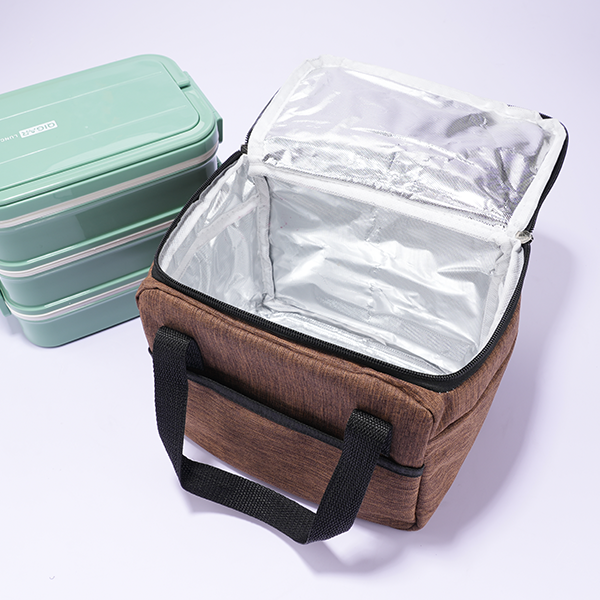
Insulated Pouch Trade India: A Practical Procurement and Use Guide
A search for insulated pouch trade india usually starts with a product name, but a good purchase starts with the job the package must perform. insulated pouches for Indian trade may help protect goods during short handling windows, brand deliveries, or controlled hand-carry routes. They are not automatically qualified cold-chain systems. The safer approach is to match material, payload, closure, coolant, route duration, cleaning, and documentation to the product you are moving. This guide gives procurement and operations teams a practical way to make that judgment.
Define the job before choosing the format
The first useful step in insulated pouch trade india procurement is to write a simple job statement. For example: this bag must carry sealed chilled meals for a short delivery route; this pouch must buffer small retail products during hand-carry; this branded cooler must support an outreach program but not replace a vaccine carrier; this backpack must help a field worker move samples while maintaining a monitored process. A clear job statement prevents the buyer from comparing products that look similar but solve different problems.
For Indian importers, exporters, online sellers, food brands, pharma support teams, and packaging distributors, the job statement should include product sensitivity, route duration, expected ambient exposure, payload, loading process, opening frequency, and whether records are required after delivery. It should also name the product boundary. A thermal bag is a passive package. It slows temperature change. It may hold coolant. It may support brand presentation. It does not actively refrigerate, and it does not prove compliance without the surrounding process.
A five-part decision framework
A useful framework is easier to apply than a long specification wish list. Start with temperature requirement, then move to payload, route, handling, and evidence. Temperature requirement defines whether the purchase is a convenience package or part of a controlled logistics process. Payload tells you whether the bag will be stable, overloaded, or mostly air. Route and handling decide how much warm exposure the product will see. Evidence decides whether the organization can defend the choice if a problem occurs.
| Decision question | Why it changes the choice | Better procurement wording |
|---|---|---|
| What product is being moved? | Food, beverage, biotech, vaccine support, and retail use have different risk levels | Describe the product and whether it is sealed, direct-contact, regulated, or promotional |
| What temperature expectation applies? | A bag alone does not define the required range | Confirm the product-specific range and whether coolant or monitoring is needed |
| How much usable space is needed? | Internal volume shrinks after coolant and separators are added | Request usable dimensions with the intended packout, not only outside size |
| How will the bag be handled? | Opening, carrying, stacking, and cleaning affect daily performance | Share route steps, stop count, operator behavior, and return process |
| What evidence is required? | Commercial convenience and regulated logistics need different proof | Ask for relevant test data or define an internal verification plan |
This framework keeps the purchase practical. It does not force every buyer into a pharmaceutical-style qualification process. It simply asks the level of evidence to match the level of risk.
Where the product helps, and where it is not enough
Insulated Pouch Trade India can be a good fit when the goal is short-term thermal buffering, easier carrying, brand presentation, small-payload organization, or a reusable delivery routine. It can also support a larger cold-chain process when the packout is designed, monitored, and approved. The format is less suitable when the route is long, uncontrolled, repeatedly opened, exposed to high ambient heat, or used for products that require strict documented temperature maintenance without proper evidence.
This distinction is especially important in vaccine, biologic, and pharmaceutical contexts. Vaccine storage and handling guidance generally treats cold chain as a complete system of equipment, procedures, and shared responsibility. Drug-product quality expectations also focus on appropriate storage and transport conditions. A branded or insulated bag may be useful in the program, but it should not be described as universally compliant. The quality team should decide what proof is needed for the specific route and product.
Material and construction choices with real trade-offs
The material choices behind insulated pouches for Indian trade usually involve trade-offs rather than simple upgrades. A thicker foam layer can slow heat transfer but may reduce usable space and increase shipping volume. A soft fabric shell can improve brand appearance and comfort but may need careful cleaning rules. A paper-based surface can support a certain sustainability message, but moisture and coating questions become more important. A reflective liner can help with radiant heat and visual cleanliness, yet seams and closures may still dominate performance.
Closures deserve particular attention. A loose flap, weak zipper, or difficult opening can undo a strong material stack because operators may leave the bag partly open. Handles and bases also matter. A bag that is comfortable when empty may sag when loaded with beverages, gel packs, or dense meal containers. If the product is heavy, test the loaded sample, not only the empty bag. If the bag is returned for reuse, inspect how the liner and stitching respond after cleaning and drying.
Procurement controls before a bulk order
Before scaling from sample to production, check whether the sample is truly representative. Confirm dimensions, liner finish, foam feel, stitching, artwork, closure, handle strength, carton packing, and label placement. Ask what happens if the supplier changes a material or production method. For printed or logoed bags, approve artwork on the same material and color that will be used in production. For pouches and paper formats, check edge sealing, moisture response, and how the package opens after compression in a carton.
Bulk purchasing also needs a receiving plan. Decide who checks the first delivery, which defects require rejection, and how the team records changes. If the bag is used in a quality-sensitive process, connect receiving inspection to the quality system. If it is used for retail or promotional distribution, connect inspection to brand standards and customer experience. The right inspection plan depends on the job statement, but every repeat order benefits from a written standard.
Operational controls after purchase
Even well-selected insulated pouches for Indian trade can underperform if the operating process is weak. Store bags dry and clean. Pre-condition products or coolant as required by the process. Avoid loading warm goods into a bag and expecting insulation to fix the starting condition. Train operators to close the bag fully and minimize unnecessary opening. Define where the bag sits in a vehicle, especially when the route includes sun exposure, warm docks, or multiple handovers.
Receiving teams also need instructions. If the product is sensitive, they should know whether to check a logger, inspect coolant condition, review a temperature indicator, or quarantine a shipment with evidence of mishandling. If the bag is reusable, they should inspect damage, odor, residue, moisture, zipper function, and handle strain before return. These steps are ordinary, but they are often missing from low-cost packaging programs.
A typical buyer scenario
A procurement team may need insulated pouch trade india for a program that combines brand presentation with temperature-sensitive handling. The first supplier offers a low price and fast sample, but cannot explain usable volume after coolant placement. The second supplier asks for product dimensions, route duration, cleaning expectations, and artwork method before quoting. The second conversation takes more effort, yet it gives the buyer a safer basis for comparison. The supplier is not promising that one bag solves every route. The supplier is helping define the conditions the bag must meet.
In many programs, that difference matters more than a small unit-price gap. A better-defined sample reduces artwork surprises, loading problems, rejected deliveries, and unsupported performance claims. It also gives operations and quality teams a clearer path for approving or rejecting the packaging before money is committed to a large order.
Additional buyer checks before approval
For insulated pouch trade india, sample approval should include more than a quick look at color and stitching. Load the product exactly as planned, add any coolant or separators, close the bag as an operator would close it, and leave it in the expected handling position. If the bag will be carried by hand, test comfort and balance with the real payload. If the bag will be returned, test cleaning and drying. If the order will be repeated, record the accepted sample details so the next production run can be compared against the same baseline.
Also decide which claims are allowed in your own sales or operating materials. If the bag has not been tested for a specific route, avoid writing a fixed hold-time claim. If the package is not approved for direct food contact, keep food in sealed primary packaging. If it is not a qualified medical shipper, describe it as a supporting insulated carry package rather than a compliance solution. Clear internal wording prevents misuse after procurement hands the product to sales, logistics, or field teams.
A final check is packaging around the packaging. Carton quantity, compression during export, pallet stability, and warehouse humidity can all affect what the buyer receives. A soft bag that looks good one by one may arrive creased if it is packed too tightly. A paper thermal bag may need protection from moisture. A printed outer surface may rub against neighboring units. These details sound small, but they shape the first impression and daily usability of a bulk order.
Frequently Asked Questions
Can insulated pouches for Indian trade replace a qualified cold-chain shipper?
Not by themselves. An insulated bag may reduce heat gain during a short handover or delivery window, but a qualified cold-chain shipper depends on a tested packout, coolant configuration, payload, ambient profile, and acceptance criteria. For regulated medicines, vaccines, biologics, or clinical samples, ask the quality team what evidence is needed before approving the bag for use.
What information should I send a supplier before asking for a quote?
Send the product type, target temperature range, expected route duration, quantity per bag, package dimensions, weight, handling method, cleaning needs, branding requirements, and any documentation expectations. If the bag will touch food directly or support regulated shipments, say that clearly. A better supplier discussion starts when the use case is defined instead of hidden behind a general product name.
Are reusable insulated bags always more sustainable?
Not always. Reuse can reduce repeated single-use packaging, but the result depends on return rate, cleaning, damage, storage, transport back to the origin, and how many trips the bag actually completes. A reusable option makes the most sense when routes are repeatable, the bag can be recovered, and the team has a process for inspection and hygiene.
Which specification is most often misunderstood?
Many buyers focus on outside size or a general insulation claim. Usable internal volume is often more important because coolant, liners, dividers, and product packaging reduce available space. For temperature-sensitive goods, stated performance should be checked against the same payload and route conditions you plan to use, not a generic marketing statement.
Conclusion
A useful insulated pouch trade india decision connects three things: the product risk, the physical package, and the operating process around it. The right choice is not always the thickest, most decorated, or lowest-cost bag. It is the option that can be explained clearly, tested sensibly, handled consistently, and reviewed by the people responsible for product quality.
About Tempk
Tempk supports buyers evaluating insulated bags, cooler bags, thermal pouches, and related cold-chain packaging choices. For this subject, the most useful support is practical: matching the bag format to the route, product sensitivity, handling method, payload, and documentation expectation. When the shipment is regulated or high risk, we encourage buyers to confirm qualification evidence and quality approval instead of relying on insulation claims alone.
CTA
Send Tempk your Indian trade lane, pouch size, product contact condition, and quantity plan so sourcing questions are clear before supplier comparison.
Insulated Lunch Bag Packaging: Procurement Guide
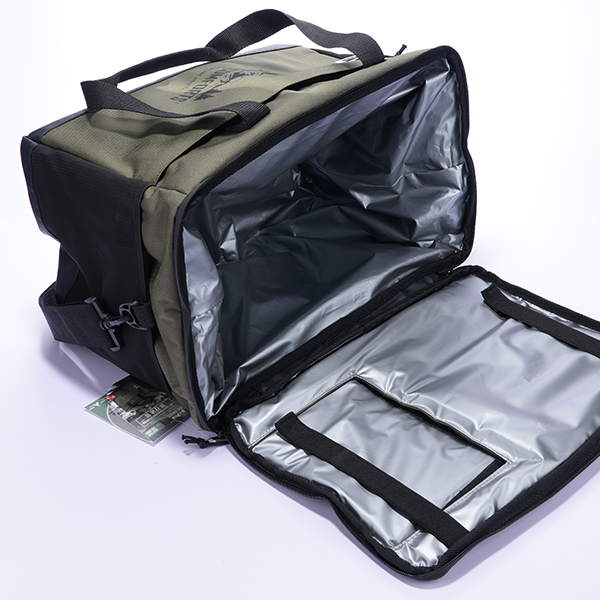
Insulated Lunch Bag Packaging: A Practical Procurement and Use Guide
A search for insulated lunch bag packaging usually starts with a product name, but a good purchase starts with the job the package must perform. insulated lunch bags may help protect goods during short handling windows, brand deliveries, or controlled hand-carry routes. They are not automatically qualified cold-chain systems. The safer approach is to match material, payload, closure, coolant, route duration, cleaning, and documentation to the product you are moving. This guide gives procurement and operations teams a practical way to make that judgment.
Define the job before choosing the format
The first useful step in insulated lunch bag packaging procurement is to write a simple job statement. For example: this bag must carry sealed chilled meals for a short delivery route; this pouch must buffer small retail products during hand-carry; this branded cooler must support an outreach program but not replace a vaccine carrier; this backpack must help a field worker move samples while maintaining a monitored process. A clear job statement prevents the buyer from comparing products that look similar but solve different problems.
For retail packaging buyers, office program managers, school suppliers, brand teams, and food-service wholesalers, the job statement should include product sensitivity, route duration, expected ambient exposure, payload, loading process, opening frequency, and whether records are required after delivery. It should also name the product boundary. A thermal bag is a passive package. It slows temperature change. It may hold coolant. It may support brand presentation. It does not actively refrigerate, and it does not prove compliance without the surrounding process.
A five-part decision framework
A useful framework is easier to apply than a long specification wish list. Start with temperature requirement, then move to payload, route, handling, and evidence. Temperature requirement defines whether the purchase is a convenience package or part of a controlled logistics process. Payload tells you whether the bag will be stable, overloaded, or mostly air. Route and handling decide how much warm exposure the product will see. Evidence decides whether the organization can defend the choice if a problem occurs.
| Decision question | Why it changes the choice | Better procurement wording |
|---|---|---|
| What product is being moved? | Food, beverage, biotech, vaccine support, and retail use have different risk levels | Describe the product and whether it is sealed, direct-contact, regulated, or promotional |
| What temperature expectation applies? | A bag alone does not define the required range | Confirm the product-specific range and whether coolant or monitoring is needed |
| How much usable space is needed? | Internal volume shrinks after coolant and separators are added | Request usable dimensions with the intended packout, not only outside size |
| How will the bag be handled? | Opening, carrying, stacking, and cleaning affect daily performance | Share route steps, stop count, operator behavior, and return process |
| What evidence is required? | Commercial convenience and regulated logistics need different proof | Ask for relevant test data or define an internal verification plan |
This framework keeps the purchase practical. It does not force every buyer into a pharmaceutical-style qualification process. It simply asks the level of evidence to match the level of risk.
Where the product helps, and where it is not enough
Insulated Lunch Bag Packaging can be a good fit when the goal is short-term thermal buffering, easier carrying, brand presentation, small-payload organization, or a reusable delivery routine. It can also support a larger cold-chain process when the packout is designed, monitored, and approved. The format is less suitable when the route is long, uncontrolled, repeatedly opened, exposed to high ambient heat, or used for products that require strict documented temperature maintenance without proper evidence.
This distinction is especially important in vaccine, biologic, and pharmaceutical contexts. Vaccine storage and handling guidance generally treats cold chain as a complete system of equipment, procedures, and shared responsibility. Drug-product quality expectations also focus on appropriate storage and transport conditions. A branded or insulated bag may be useful in the program, but it should not be described as universally compliant. The quality team should decide what proof is needed for the specific route and product.
Material and construction choices with real trade-offs
The material choices behind insulated lunch bags usually involve trade-offs rather than simple upgrades. A thicker foam layer can slow heat transfer but may reduce usable space and increase shipping volume. A soft fabric shell can improve brand appearance and comfort but may need careful cleaning rules. A paper-based surface can support a certain sustainability message, but moisture and coating questions become more important. A reflective liner can help with radiant heat and visual cleanliness, yet seams and closures may still dominate performance.
Closures deserve particular attention. A loose flap, weak zipper, or difficult opening can undo a strong material stack because operators may leave the bag partly open. Handles and bases also matter. A bag that is comfortable when empty may sag when loaded with beverages, gel packs, or dense meal containers. If the product is heavy, test the loaded sample, not only the empty bag. If the bag is returned for reuse, inspect how the liner and stitching respond after cleaning and drying.
Procurement controls before a bulk order
Before scaling from sample to production, check whether the sample is truly representative. Confirm dimensions, liner finish, foam feel, stitching, artwork, closure, handle strength, carton packing, and label placement. Ask what happens if the supplier changes a material or production method. For printed or logoed bags, approve artwork on the same material and color that will be used in production. For pouches and paper formats, check edge sealing, moisture response, and how the package opens after compression in a carton.
Bulk purchasing also needs a receiving plan. Decide who checks the first delivery, which defects require rejection, and how the team records changes. If the bag is used in a quality-sensitive process, connect receiving inspection to the quality system. If it is used for retail or promotional distribution, connect inspection to brand standards and customer experience. The right inspection plan depends on the job statement, but every repeat order benefits from a written standard.
Operational controls after purchase
Even well-selected insulated lunch bags can underperform if the operating process is weak. Store bags dry and clean. Pre-condition products or coolant as required by the process. Avoid loading warm goods into a bag and expecting insulation to fix the starting condition. Train operators to close the bag fully and minimize unnecessary opening. Define where the bag sits in a vehicle, especially when the route includes sun exposure, warm docks, or multiple handovers.
Receiving teams also need instructions. If the product is sensitive, they should know whether to check a logger, inspect coolant condition, review a temperature indicator, or quarantine a shipment with evidence of mishandling. If the bag is reusable, they should inspect damage, odor, residue, moisture, zipper function, and handle strain before return. These steps are ordinary, but they are often missing from low-cost packaging programs.
A typical buyer scenario
A procurement team may need insulated lunch bag packaging for a program that combines brand presentation with temperature-sensitive handling. The first supplier offers a low price and fast sample, but cannot explain usable volume after coolant placement. The second supplier asks for product dimensions, route duration, cleaning expectations, and artwork method before quoting. The second conversation takes more effort, yet it gives the buyer a safer basis for comparison. The supplier is not promising that one bag solves every route. The supplier is helping define the conditions the bag must meet.
In many programs, that difference matters more than a small unit-price gap. A better-defined sample reduces artwork surprises, loading problems, rejected deliveries, and unsupported performance claims. It also gives operations and quality teams a clearer path for approving or rejecting the packaging before money is committed to a large order.
Additional buyer checks before approval
For insulated lunch bag packaging, sample approval should include more than a quick look at color and stitching. Load the product exactly as planned, add any coolant or separators, close the bag as an operator would close it, and leave it in the expected handling position. If the bag will be carried by hand, test comfort and balance with the real payload. If the bag will be returned, test cleaning and drying. If the order will be repeated, record the accepted sample details so the next production run can be compared against the same baseline.
Also decide which claims are allowed in your own sales or operating materials. If the bag has not been tested for a specific route, avoid writing a fixed hold-time claim. If the package is not approved for direct food contact, keep food in sealed primary packaging. If it is not a qualified medical shipper, describe it as a supporting insulated carry package rather than a compliance solution. Clear internal wording prevents misuse after procurement hands the product to sales, logistics, or field teams.
A final check is packaging around the packaging. Carton quantity, compression during export, pallet stability, and warehouse humidity can all affect what the buyer receives. A soft bag that looks good one by one may arrive creased if it is packed too tightly. A paper thermal bag may need protection from moisture. A printed outer surface may rub against neighboring units. These details sound small, but they shape the first impression and daily usability of a bulk order.
Frequently Asked Questions
Can insulated lunch bags replace a qualified cold-chain shipper?
Not by themselves. An insulated bag may reduce heat gain during a short handover or delivery window, but a qualified cold-chain shipper depends on a tested packout, coolant configuration, payload, ambient profile, and acceptance criteria. For regulated medicines, vaccines, biologics, or clinical samples, ask the quality team what evidence is needed before approving the bag for use.
What information should I send a supplier before asking for a quote?
Send the product type, target temperature range, expected route duration, quantity per bag, package dimensions, weight, handling method, cleaning needs, branding requirements, and any documentation expectations. If the bag will touch food directly or support regulated shipments, say that clearly. A better supplier discussion starts when the use case is defined instead of hidden behind a general product name.
Are reusable insulated bags always more sustainable?
Not always. Reuse can reduce repeated single-use packaging, but the result depends on return rate, cleaning, damage, storage, transport back to the origin, and how many trips the bag actually completes. A reusable option makes the most sense when routes are repeatable, the bag can be recovered, and the team has a process for inspection and hygiene.
Which specification is most often misunderstood?
Many buyers focus on outside size or a general insulation claim. Usable internal volume is often more important because coolant, liners, dividers, and product packaging reduce available space. For temperature-sensitive goods, stated performance should be checked against the same payload and route conditions you plan to use, not a generic marketing statement.
Conclusion
A useful insulated lunch bag packaging decision connects three things: the product risk, the physical package, and the operating process around it. The right choice is not always the thickest, most decorated, or lowest-cost bag. It is the option that can be explained clearly, tested sensibly, handled consistently, and reviewed by the people responsible for product quality.
About Tempk
Tempk supports buyers evaluating insulated bags, cooler bags, thermal pouches, and related cold-chain packaging choices. For this subject, the most useful support is practical: matching the bag format to the route, product sensitivity, handling method, payload, and documentation expectation. When the shipment is regulated or high risk, we encourage buyers to confirm qualification evidence and quality approval instead of relying on insulation claims alone.
CTA
Share your meal format, brand artwork needs, and daily use expectations with Tempk to narrow insulated lunch bag packaging choices.
Insulated Cooler Bag Logo: Procurement Guide
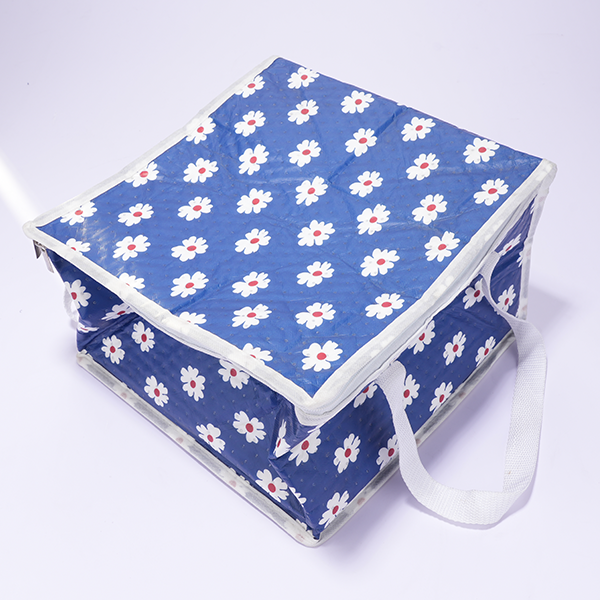
Insulated Cooler Bag Logo: A Practical Procurement and Use Guide
A search for insulated cooler bag logo usually starts with a product name, but a good purchase starts with the job the package must perform. logoed insulated cooler bags may help protect goods during short handling windows, brand deliveries, or controlled hand-carry routes. They are not automatically qualified cold-chain systems. The safer approach is to match material, payload, closure, coolant, route duration, cleaning, and documentation to the product you are moving. This guide gives procurement and operations teams a practical way to make that judgment.
Define the job before choosing the format
The first useful step in insulated cooler bag logo procurement is to write a simple job statement. For example: this bag must carry sealed chilled meals for a short delivery route; this pouch must buffer small retail products during hand-carry; this branded cooler must support an outreach program but not replace a vaccine carrier; this backpack must help a field worker move samples while maintaining a monitored process. A clear job statement prevents the buyer from comparing products that look similar but solve different problems.
For brand managers, promotional product buyers, food retailers, pharma marketing teams, and procurement staff, the job statement should include product sensitivity, route duration, expected ambient exposure, payload, loading process, opening frequency, and whether records are required after delivery. It should also name the product boundary. A thermal bag is a passive package. It slows temperature change. It may hold coolant. It may support brand presentation. It does not actively refrigerate, and it does not prove compliance without the surrounding process.
A five-part decision framework
A useful framework is easier to apply than a long specification wish list. Start with temperature requirement, then move to payload, route, handling, and evidence. Temperature requirement defines whether the purchase is a convenience package or part of a controlled logistics process. Payload tells you whether the bag will be stable, overloaded, or mostly air. Route and handling decide how much warm exposure the product will see. Evidence decides whether the organization can defend the choice if a problem occurs.
| Decision question | Why it changes the choice | Better procurement wording |
|---|---|---|
| What product is being moved? | Food, beverage, biotech, vaccine support, and retail use have different risk levels | Describe the product and whether it is sealed, direct-contact, regulated, or promotional |
| What temperature expectation applies? | A bag alone does not define the required range | Confirm the product-specific range and whether coolant or monitoring is needed |
| How much usable space is needed? | Internal volume shrinks after coolant and separators are added | Request usable dimensions with the intended packout, not only outside size |
| How will the bag be handled? | Opening, carrying, stacking, and cleaning affect daily performance | Share route steps, stop count, operator behavior, and return process |
| What evidence is required? | Commercial convenience and regulated logistics need different proof | Ask for relevant test data or define an internal verification plan |
This framework keeps the purchase practical. It does not force every buyer into a pharmaceutical-style qualification process. It simply asks the level of evidence to match the level of risk.
Where the product helps, and where it is not enough
Insulated Cooler Bag Logo can be a good fit when the goal is short-term thermal buffering, easier carrying, brand presentation, small-payload organization, or a reusable delivery routine. It can also support a larger cold-chain process when the packout is designed, monitored, and approved. The format is less suitable when the route is long, uncontrolled, repeatedly opened, exposed to high ambient heat, or used for products that require strict documented temperature maintenance without proper evidence.
This distinction is especially important in vaccine, biologic, and pharmaceutical contexts. Vaccine storage and handling guidance generally treats cold chain as a complete system of equipment, procedures, and shared responsibility. Drug-product quality expectations also focus on appropriate storage and transport conditions. A branded or insulated bag may be useful in the program, but it should not be described as universally compliant. The quality team should decide what proof is needed for the specific route and product.
Material and construction choices with real trade-offs
The material choices behind logoed insulated cooler bags usually involve trade-offs rather than simple upgrades. A thicker foam layer can slow heat transfer but may reduce usable space and increase shipping volume. A soft fabric shell can improve brand appearance and comfort but may need careful cleaning rules. A paper-based surface can support a certain sustainability message, but moisture and coating questions become more important. A reflective liner can help with radiant heat and visual cleanliness, yet seams and closures may still dominate performance.
Closures deserve particular attention. A loose flap, weak zipper, or difficult opening can undo a strong material stack because operators may leave the bag partly open. Handles and bases also matter. A bag that is comfortable when empty may sag when loaded with beverages, gel packs, or dense meal containers. If the product is heavy, test the loaded sample, not only the empty bag. If the bag is returned for reuse, inspect how the liner and stitching respond after cleaning and drying.
Procurement controls before a bulk order
Before scaling from sample to production, check whether the sample is truly representative. Confirm dimensions, liner finish, foam feel, stitching, artwork, closure, handle strength, carton packing, and label placement. Ask what happens if the supplier changes a material or production method. For printed or logoed bags, approve artwork on the same material and color that will be used in production. For pouches and paper formats, check edge sealing, moisture response, and how the package opens after compression in a carton.
Bulk purchasing also needs a receiving plan. Decide who checks the first delivery, which defects require rejection, and how the team records changes. If the bag is used in a quality-sensitive process, connect receiving inspection to the quality system. If it is used for retail or promotional distribution, connect inspection to brand standards and customer experience. The right inspection plan depends on the job statement, but every repeat order benefits from a written standard.
Operational controls after purchase
Even well-selected logoed insulated cooler bags can underperform if the operating process is weak. Store bags dry and clean. Pre-condition products or coolant as required by the process. Avoid loading warm goods into a bag and expecting insulation to fix the starting condition. Train operators to close the bag fully and minimize unnecessary opening. Define where the bag sits in a vehicle, especially when the route includes sun exposure, warm docks, or multiple handovers.
Receiving teams also need instructions. If the product is sensitive, they should know whether to check a logger, inspect coolant condition, review a temperature indicator, or quarantine a shipment with evidence of mishandling. If the bag is reusable, they should inspect damage, odor, residue, moisture, zipper function, and handle strain before return. These steps are ordinary, but they are often missing from low-cost packaging programs.
A typical buyer scenario
A procurement team may need insulated cooler bag logo for a program that combines brand presentation with temperature-sensitive handling. The first supplier offers a low price and fast sample, but cannot explain usable volume after coolant placement. The second supplier asks for product dimensions, route duration, cleaning expectations, and artwork method before quoting. The second conversation takes more effort, yet it gives the buyer a safer basis for comparison. The supplier is not promising that one bag solves every route. The supplier is helping define the conditions the bag must meet.
In many programs, that difference matters more than a small unit-price gap. A better-defined sample reduces artwork surprises, loading problems, rejected deliveries, and unsupported performance claims. It also gives operations and quality teams a clearer path for approving or rejecting the packaging before money is committed to a large order.
Additional buyer checks before approval
For insulated cooler bag logo, sample approval should include more than a quick look at color and stitching. Load the product exactly as planned, add any coolant or separators, close the bag as an operator would close it, and leave it in the expected handling position. If the bag will be carried by hand, test comfort and balance with the real payload. If the bag will be returned, test cleaning and drying. If the order will be repeated, record the accepted sample details so the next production run can be compared against the same baseline.
Also decide which claims are allowed in your own sales or operating materials. If the bag has not been tested for a specific route, avoid writing a fixed hold-time claim. If the package is not approved for direct food contact, keep food in sealed primary packaging. If it is not a qualified medical shipper, describe it as a supporting insulated carry package rather than a compliance solution. Clear internal wording prevents misuse after procurement hands the product to sales, logistics, or field teams.
A final check is packaging around the packaging. Carton quantity, compression during export, pallet stability, and warehouse humidity can all affect what the buyer receives. A soft bag that looks good one by one may arrive creased if it is packed too tightly. A paper thermal bag may need protection from moisture. A printed outer surface may rub against neighboring units. These details sound small, but they shape the first impression and daily usability of a bulk order.
Frequently Asked Questions
Can logoed insulated cooler bags replace a qualified cold-chain shipper?
Not by themselves. An insulated bag may reduce heat gain during a short handover or delivery window, but a qualified cold-chain shipper depends on a tested packout, coolant configuration, payload, ambient profile, and acceptance criteria. For regulated medicines, vaccines, biologics, or clinical samples, ask the quality team what evidence is needed before approving the bag for use.
What information should I send a supplier before asking for a quote?
Send the product type, target temperature range, expected route duration, quantity per bag, package dimensions, weight, handling method, cleaning needs, branding requirements, and any documentation expectations. If the bag will touch food directly or support regulated shipments, say that clearly. A better supplier discussion starts when the use case is defined instead of hidden behind a general product name.
Are reusable insulated bags always more sustainable?
Not always. Reuse can reduce repeated single-use packaging, but the result depends on return rate, cleaning, damage, storage, transport back to the origin, and how many trips the bag actually completes. A reusable option makes the most sense when routes are repeatable, the bag can be recovered, and the team has a process for inspection and hygiene.
Which specification is most often misunderstood?
Many buyers focus on outside size or a general insulation claim. Usable internal volume is often more important because coolant, liners, dividers, and product packaging reduce available space. For temperature-sensitive goods, stated performance should be checked against the same payload and route conditions you plan to use, not a generic marketing statement.
Conclusion
A useful insulated cooler bag logo decision connects three things: the product risk, the physical package, and the operating process around it. The right choice is not always the thickest, most decorated, or lowest-cost bag. It is the option that can be explained clearly, tested sensibly, handled consistently, and reviewed by the people responsible for product quality.
About Tempk
Tempk supports buyers evaluating insulated bags, cooler bags, thermal pouches, and related cold-chain packaging choices. For this subject, the most useful support is practical: matching the bag format to the route, product sensitivity, handling method, payload, and documentation expectation. When the shipment is regulated or high risk, we encourage buyers to confirm qualification evidence and quality approval instead of relying on insulation claims alone.
CTA
Share your logo method, artwork area, product use, and quality expectations with Tempk before approving samples for a branded insulated cooler bag.