


Insulated Bag Paper Manufacturer: Procurement Guide
Insulated Bag Paper Manufacturer: Procurement Guide

Insulated Bag Paper Manufacturer: A Practical Procurement and Use Guide
A search for insulated bag paper manufacturer usually starts with a product name, but a good purchase starts with the job the package must perform. paper insulated bags may help protect goods during short handling windows, brand deliveries, or controlled hand-carry routes. They are not automatically qualified cold-chain systems. The safer approach is to match material, payload, closure, coolant, route duration, cleaning, and documentation to the product you are moving. This guide gives procurement and operations teams a practical way to make that judgment.
Define the job before choosing the format
The first useful step in insulated bag paper manufacturer procurement is to write a simple job statement. For example: this bag must carry sealed chilled meals for a short delivery route; this pouch must buffer small retail products during hand-carry; this branded cooler must support an outreach program but not replace a vaccine carrier; this backpack must help a field worker move samples while maintaining a monitored process. A clear job statement prevents the buyer from comparing products that look similar but solve different problems.
For packaging developers, food brands, retail buyers, sustainability teams, and sourcing managers, the job statement should include product sensitivity, route duration, expected ambient exposure, payload, loading process, opening frequency, and whether records are required after delivery. It should also name the product boundary. A thermal bag is a passive package. It slows temperature change. It may hold coolant. It may support brand presentation. It does not actively refrigerate, and it does not prove compliance without the surrounding process.
A five-part decision framework
A useful framework is easier to apply than a long specification wish list. Start with temperature requirement, then move to payload, route, handling, and evidence. Temperature requirement defines whether the purchase is a convenience package or part of a controlled logistics process. Payload tells you whether the bag will be stable, overloaded, or mostly air. Route and handling decide how much warm exposure the product will see. Evidence decides whether the organization can defend the choice if a problem occurs.
| Decision question | Why it changes the choice | Better procurement wording |
|---|---|---|
| What product is being moved? | Food, beverage, biotech, vaccine support, and retail use have different risk levels | Describe the product and whether it is sealed, direct-contact, regulated, or promotional |
| What temperature expectation applies? | A bag alone does not define the required range | Confirm the product-specific range and whether coolant or monitoring is needed |
| How much usable space is needed? | Internal volume shrinks after coolant and separators are added | Request usable dimensions with the intended packout, not only outside size |
| How will the bag be handled? | Opening, carrying, stacking, and cleaning affect daily performance | Share route steps, stop count, operator behavior, and return process |
| What evidence is required? | Commercial convenience and regulated logistics need different proof | Ask for relevant test data or define an internal verification plan |
This framework keeps the purchase practical. It does not force every buyer into a pharmaceutical-style qualification process. It simply asks the level of evidence to match the level of risk.
Where the product helps, and where it is not enough
Insulated Bag Paper Manufacturer can be a good fit when the goal is short-term thermal buffering, easier carrying, brand presentation, small-payload organization, or a reusable delivery routine. It can also support a larger cold-chain process when the packout is designed, monitored, and approved. The format is less suitable when the route is long, uncontrolled, repeatedly opened, exposed to high ambient heat, or used for products that require strict documented temperature maintenance without proper evidence.
This distinction is especially important in vaccine, biologic, and pharmaceutical contexts. Vaccine storage and handling guidance generally treats cold chain as a complete system of equipment, procedures, and shared responsibility. Drug-product quality expectations also focus on appropriate storage and transport conditions. A branded or insulated bag may be useful in the program, but it should not be described as universally compliant. The quality team should decide what proof is needed for the specific route and product.
Material and construction choices with real trade-offs
The material choices behind paper insulated bags usually involve trade-offs rather than simple upgrades. A thicker foam layer can slow heat transfer but may reduce usable space and increase shipping volume. A soft fabric shell can improve brand appearance and comfort but may need careful cleaning rules. A paper-based surface can support a certain sustainability message, but moisture and coating questions become more important. A reflective liner can help with radiant heat and visual cleanliness, yet seams and closures may still dominate performance.
Closures deserve particular attention. A loose flap, weak zipper, or difficult opening can undo a strong material stack because operators may leave the bag partly open. Handles and bases also matter. A bag that is comfortable when empty may sag when loaded with beverages, gel packs, or dense meal containers. If the product is heavy, test the loaded sample, not only the empty bag. If the bag is returned for reuse, inspect how the liner and stitching respond after cleaning and drying.
Procurement controls before a bulk order
Before scaling from sample to production, check whether the sample is truly representative. Confirm dimensions, liner finish, foam feel, stitching, artwork, closure, handle strength, carton packing, and label placement. Ask what happens if the supplier changes a material or production method. For printed or logoed bags, approve artwork on the same material and color that will be used in production. For pouches and paper formats, check edge sealing, moisture response, and how the package opens after compression in a carton.
Bulk purchasing also needs a receiving plan. Decide who checks the first delivery, which defects require rejection, and how the team records changes. If the bag is used in a quality-sensitive process, connect receiving inspection to the quality system. If it is used for retail or promotional distribution, connect inspection to brand standards and customer experience. The right inspection plan depends on the job statement, but every repeat order benefits from a written standard.
Operational controls after purchase
Even well-selected paper insulated bags can underperform if the operating process is weak. Store bags dry and clean. Pre-condition products or coolant as required by the process. Avoid loading warm goods into a bag and expecting insulation to fix the starting condition. Train operators to close the bag fully and minimize unnecessary opening. Define where the bag sits in a vehicle, especially when the route includes sun exposure, warm docks, or multiple handovers.
Receiving teams also need instructions. If the product is sensitive, they should know whether to check a logger, inspect coolant condition, review a temperature indicator, or quarantine a shipment with evidence of mishandling. If the bag is reusable, they should inspect damage, odor, residue, moisture, zipper function, and handle strain before return. These steps are ordinary, but they are often missing from low-cost packaging programs.
A typical buyer scenario
A procurement team may need insulated bag paper manufacturer for a program that combines brand presentation with temperature-sensitive handling. The first supplier offers a low price and fast sample, but cannot explain usable volume after coolant placement. The second supplier asks for product dimensions, route duration, cleaning expectations, and artwork method before quoting. The second conversation takes more effort, yet it gives the buyer a safer basis for comparison. The supplier is not promising that one bag solves every route. The supplier is helping define the conditions the bag must meet.
In many programs, that difference matters more than a small unit-price gap. A better-defined sample reduces artwork surprises, loading problems, rejected deliveries, and unsupported performance claims. It also gives operations and quality teams a clearer path for approving or rejecting the packaging before money is committed to a large order.
Additional buyer checks before approval
For insulated bag paper manufacturer, sample approval should include more than a quick look at color and stitching. Load the product exactly as planned, add any coolant or separators, close the bag as an operator would close it, and leave it in the expected handling position. If the bag will be carried by hand, test comfort and balance with the real payload. If the bag will be returned, test cleaning and drying. If the order will be repeated, record the accepted sample details so the next production run can be compared against the same baseline.
Also decide which claims are allowed in your own sales or operating materials. If the bag has not been tested for a specific route, avoid writing a fixed hold-time claim. If the package is not approved for direct food contact, keep food in sealed primary packaging. If it is not a qualified medical shipper, describe it as a supporting insulated carry package rather than a compliance solution. Clear internal wording prevents misuse after procurement hands the product to sales, logistics, or field teams.
Frequently Asked Questions
Can paper insulated bags replace a qualified cold-chain shipper?
Not by themselves. An insulated bag may reduce heat gain during a short handover or delivery window, but a qualified cold-chain shipper depends on a tested packout, coolant configuration, payload, ambient profile, and acceptance criteria. For regulated medicines, vaccines, biologics, or clinical samples, ask the quality team what evidence is needed before approving the bag for use.
What information should I send a supplier before asking for a quote?
Send the product type, target temperature range, expected route duration, quantity per bag, package dimensions, weight, handling method, cleaning needs, branding requirements, and any documentation expectations. If the bag will touch food directly or support regulated shipments, say that clearly. A better supplier discussion starts when the use case is defined instead of hidden behind a general product name.
Are reusable insulated bags always more sustainable?
Not always. Reuse can reduce repeated single-use packaging, but the result depends on return rate, cleaning, damage, storage, transport back to the origin, and how many trips the bag actually completes. A reusable option makes the most sense when routes are repeatable, the bag can be recovered, and the team has a process for inspection and hygiene.
Which specification is most often misunderstood?
Many buyers focus on outside size or a general insulation claim. Usable internal volume is often more important because coolant, liners, dividers, and product packaging reduce available space. For temperature-sensitive goods, stated performance should be checked against the same payload and route conditions you plan to use, not a generic marketing statement.
Can paper thermal bags handle moisture?
Some paper thermal formats include coatings or inner layers that improve moisture resistance, but moisture tolerance depends on the structure. Condensation, melted ice, leaking food containers, and humid storage can weaken paper-based packaging. Buyers should request samples and test the actual loading and handling conditions before scaling an order.
Conclusion
A useful insulated bag paper manufacturer decision connects three things: the product risk, the physical package, and the operating process around it. The right choice is not always the thickest, most decorated, or lowest-cost bag. It is the option that can be explained clearly, tested sensibly, handled consistently, and reviewed by the people responsible for product quality.
About Tempk
Tempk supports buyers evaluating insulated bags, cooler bags, thermal pouches, and related cold-chain packaging choices. For this subject, the most useful support is practical: matching the bag format to the route, product sensitivity, handling method, payload, and documentation expectation. When the shipment is regulated or high risk, we encourage buyers to confirm qualification evidence and quality approval instead of relying on insulation claims alone.
CTA
Ask Tempk to review your paper preference, product weight, direct-contact condition, route length, and sustainability claim before selecting a manufacturing structure.
Insulated Backpack Insulated Liner: Procurement Guide
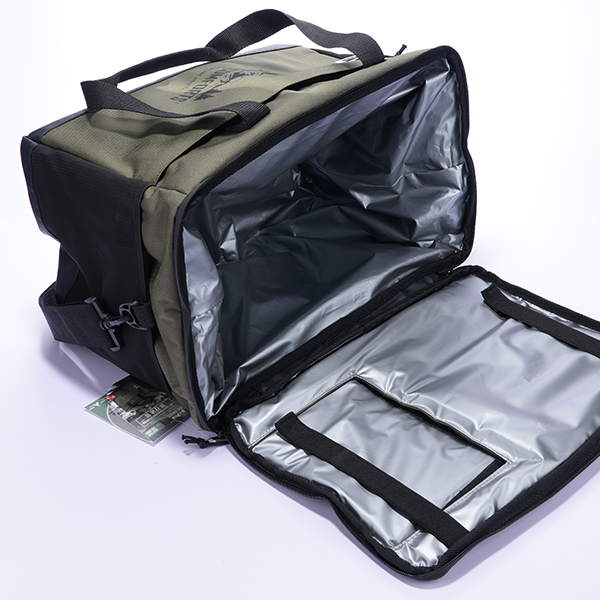
Insulated Backpack Insulated Liner: A Practical Procurement and Use Guide
A search for insulated backpack insulated liner usually starts with a product name, but a good purchase starts with the job the package must perform. insulated backpacks with thermal liners may help protect goods during short handling windows, brand deliveries, or controlled hand-carry routes. They are not automatically qualified cold-chain systems. The safer approach is to match material, payload, closure, coolant, route duration, cleaning, and documentation to the product you are moving. This guide gives procurement and operations teams a practical way to make that judgment.
Define the job before choosing the format
The first useful step in insulated backpack insulated liner procurement is to write a simple job statement. For example: this bag must carry sealed chilled meals for a short delivery route; this pouch must buffer small retail products during hand-carry; this branded cooler must support an outreach program but not replace a vaccine carrier; this backpack must help a field worker move samples while maintaining a monitored process. A clear job statement prevents the buyer from comparing products that look similar but solve different problems.
For field delivery teams, grocery couriers, pharmacy operators, sample collectors, and equipment buyers, the job statement should include product sensitivity, route duration, expected ambient exposure, payload, loading process, opening frequency, and whether records are required after delivery. It should also name the product boundary. A thermal bag is a passive package. It slows temperature change. It may hold coolant. It may support brand presentation. It does not actively refrigerate, and it does not prove compliance without the surrounding process.
A five-part decision framework
A useful framework is easier to apply than a long specification wish list. Start with temperature requirement, then move to payload, route, handling, and evidence. Temperature requirement defines whether the purchase is a convenience package or part of a controlled logistics process. Payload tells you whether the bag will be stable, overloaded, or mostly air. Route and handling decide how much warm exposure the product will see. Evidence decides whether the organization can defend the choice if a problem occurs.
| Decision question | Why it changes the choice | Better procurement wording |
|---|---|---|
| What product is being moved? | Food, beverage, biotech, vaccine support, and retail use have different risk levels | Describe the product and whether it is sealed, direct-contact, regulated, or promotional |
| What temperature expectation applies? | A bag alone does not define the required range | Confirm the product-specific range and whether coolant or monitoring is needed |
| How much usable space is needed? | Internal volume shrinks after coolant and separators are added | Request usable dimensions with the intended packout, not only outside size |
| How will the bag be handled? | Opening, carrying, stacking, and cleaning affect daily performance | Share route steps, stop count, operator behavior, and return process |
| What evidence is required? | Commercial convenience and regulated logistics need different proof | Ask for relevant test data or define an internal verification plan |
This framework keeps the purchase practical. It does not force every buyer into a pharmaceutical-style qualification process. It simply asks the level of evidence to match the level of risk.
Where the product helps, and where it is not enough
Insulated Backpack Insulated Liner can be a good fit when the goal is short-term thermal buffering, easier carrying, brand presentation, small-payload organization, or a reusable delivery routine. It can also support a larger cold-chain process when the packout is designed, monitored, and approved. The format is less suitable when the route is long, uncontrolled, repeatedly opened, exposed to high ambient heat, or used for products that require strict documented temperature maintenance without proper evidence.
This distinction is especially important in vaccine, biologic, and pharmaceutical contexts. Vaccine storage and handling guidance generally treats cold chain as a complete system of equipment, procedures, and shared responsibility. Drug-product quality expectations also focus on appropriate storage and transport conditions. A branded or insulated bag may be useful in the program, but it should not be described as universally compliant. The quality team should decide what proof is needed for the specific route and product.
Material and construction choices with real trade-offs
The material choices behind insulated backpacks with thermal liners usually involve trade-offs rather than simple upgrades. A thicker foam layer can slow heat transfer but may reduce usable space and increase shipping volume. A soft fabric shell can improve brand appearance and comfort but may need careful cleaning rules. A paper-based surface can support a certain sustainability message, but moisture and coating questions become more important. A reflective liner can help with radiant heat and visual cleanliness, yet seams and closures may still dominate performance.
Closures deserve particular attention. A loose flap, weak zipper, or difficult opening can undo a strong material stack because operators may leave the bag partly open. Handles and bases also matter. A bag that is comfortable when empty may sag when loaded with beverages, gel packs, or dense meal containers. If the product is heavy, test the loaded sample, not only the empty bag. If the bag is returned for reuse, inspect how the liner and stitching respond after cleaning and drying.
Procurement controls before a bulk order
Before scaling from sample to production, check whether the sample is truly representative. Confirm dimensions, liner finish, foam feel, stitching, artwork, closure, handle strength, carton packing, and label placement. Ask what happens if the supplier changes a material or production method. For printed or logoed bags, approve artwork on the same material and color that will be used in production. For pouches and paper formats, check edge sealing, moisture response, and how the package opens after compression in a carton.
Bulk purchasing also needs a receiving plan. Decide who checks the first delivery, which defects require rejection, and how the team records changes. If the bag is used in a quality-sensitive process, connect receiving inspection to the quality system. If it is used for retail or promotional distribution, connect inspection to brand standards and customer experience. The right inspection plan depends on the job statement, but every repeat order benefits from a written standard.
Operational controls after purchase
Even well-selected insulated backpacks with thermal liners can underperform if the operating process is weak. Store bags dry and clean. Pre-condition products or coolant as required by the process. Avoid loading warm goods into a bag and expecting insulation to fix the starting condition. Train operators to close the bag fully and minimize unnecessary opening. Define where the bag sits in a vehicle, especially when the route includes sun exposure, warm docks, or multiple handovers.
Receiving teams also need instructions. If the product is sensitive, they should know whether to check a logger, inspect coolant condition, review a temperature indicator, or quarantine a shipment with evidence of mishandling. If the bag is reusable, they should inspect damage, odor, residue, moisture, zipper function, and handle strain before return. These steps are ordinary, but they are often missing from low-cost packaging programs.
A typical buyer scenario
A procurement team may need insulated backpack insulated liner for a program that combines brand presentation with temperature-sensitive handling. The first supplier offers a low price and fast sample, but cannot explain usable volume after coolant placement. The second supplier asks for product dimensions, route duration, cleaning expectations, and artwork method before quoting. The second conversation takes more effort, yet it gives the buyer a safer basis for comparison. The supplier is not promising that one bag solves every route. The supplier is helping define the conditions the bag must meet.
In many programs, that difference matters more than a small unit-price gap. A better-defined sample reduces artwork surprises, loading problems, rejected deliveries, and unsupported performance claims. It also gives operations and quality teams a clearer path for approving or rejecting the packaging before money is committed to a large order.
Additional buyer checks before approval
For insulated backpack insulated liner, sample approval should include more than a quick look at color and stitching. Load the product exactly as planned, add any coolant or separators, close the bag as an operator would close it, and leave it in the expected handling position. If the bag will be carried by hand, test comfort and balance with the real payload. If the bag will be returned, test cleaning and drying. If the order will be repeated, record the accepted sample details so the next production run can be compared against the same baseline.
Also decide which claims are allowed in your own sales or operating materials. If the bag has not been tested for a specific route, avoid writing a fixed hold-time claim. If the package is not approved for direct food contact, keep food in sealed primary packaging. If it is not a qualified medical shipper, describe it as a supporting insulated carry package rather than a compliance solution. Clear internal wording prevents misuse after procurement hands the product to sales, logistics, or field teams.
A final check is packaging around the packaging. Carton quantity, compression during export, pallet stability, and warehouse humidity can all affect what the buyer receives. A soft bag that looks good one by one may arrive creased if it is packed too tightly. A paper thermal bag may need protection from moisture. A printed outer surface may rub against neighboring units. These details sound small, but they shape the first impression and daily usability of a bulk order.
Frequently Asked Questions
Can insulated backpacks with thermal liners replace a qualified cold-chain shipper?
Not by themselves. An insulated bag may reduce heat gain during a short handover or delivery window, but a qualified cold-chain shipper depends on a tested packout, coolant configuration, payload, ambient profile, and acceptance criteria. For regulated medicines, vaccines, biologics, or clinical samples, ask the quality team what evidence is needed before approving the bag for use.
What information should I send a supplier before asking for a quote?
Send the product type, target temperature range, expected route duration, quantity per bag, package dimensions, weight, handling method, cleaning needs, branding requirements, and any documentation expectations. If the bag will touch food directly or support regulated shipments, say that clearly. A better supplier discussion starts when the use case is defined instead of hidden behind a general product name.
Are reusable insulated bags always more sustainable?
Not always. Reuse can reduce repeated single-use packaging, but the result depends on return rate, cleaning, damage, storage, transport back to the origin, and how many trips the bag actually completes. A reusable option makes the most sense when routes are repeatable, the bag can be recovered, and the team has a process for inspection and hygiene.
Which specification is most often misunderstood?
Many buyers focus on outside size or a general insulation claim. Usable internal volume is often more important because coolant, liners, dividers, and product packaging reduce available space. For temperature-sensitive goods, stated performance should be checked against the same payload and route conditions you plan to use, not a generic marketing statement.
Conclusion
A useful insulated backpack insulated liner decision connects three things: the product risk, the physical package, and the operating process around it. The right choice is not always the thickest, most decorated, or lowest-cost bag. It is the option that can be explained clearly, tested sensibly, handled consistently, and reviewed by the people responsible for product quality.
About Tempk
Tempk supports buyers evaluating insulated bags, cooler bags, thermal pouches, and related cold-chain packaging choices. For this subject, the most useful support is practical: matching the bag format to the route, product sensitivity, handling method, payload, and documentation expectation. When the shipment is regulated or high risk, we encourage buyers to confirm qualification evidence and quality approval instead of relying on insulation claims alone.
CTA
Ask Tempk to compare liner construction, carry comfort, payload fit, and cleaning expectations for your field route before confirming a backpack format.
Cooler Bag Procurement EU: Procurement Guide

Cooler Bag Procurement EU: A Practical Procurement and Use Guide
A search for cooler bag procurement eu usually starts with a product name, but a good purchase starts with the job the package must perform. cooler bags for EU procurement may help protect goods during short handling windows, brand deliveries, or controlled hand-carry routes. They are not automatically qualified cold-chain systems. The safer approach is to match material, payload, closure, coolant, route duration, cleaning, and documentation to the product you are moving. This guide gives procurement and operations teams a practical way to make that judgment.
Define the job before choosing the format
The first useful step in cooler bag procurement eu procurement is to write a simple job statement. For example: this bag must carry sealed chilled meals for a short delivery route; this pouch must buffer small retail products during hand-carry; this branded cooler must support an outreach program but not replace a vaccine carrier; this backpack must help a field worker move samples while maintaining a monitored process. A clear job statement prevents the buyer from comparing products that look similar but solve different problems.
For EU procurement teams, distributors, food brands, pharma support buyers, and sustainability managers, the job statement should include product sensitivity, route duration, expected ambient exposure, payload, loading process, opening frequency, and whether records are required after delivery. It should also name the product boundary. A thermal bag is a passive package. It slows temperature change. It may hold coolant. It may support brand presentation. It does not actively refrigerate, and it does not prove compliance without the surrounding process.
A five-part decision framework
A useful framework is easier to apply than a long specification wish list. Start with temperature requirement, then move to payload, route, handling, and evidence. Temperature requirement defines whether the purchase is a convenience package or part of a controlled logistics process. Payload tells you whether the bag will be stable, overloaded, or mostly air. Route and handling decide how much warm exposure the product will see. Evidence decides whether the organization can defend the choice if a problem occurs.
| Decision question | Why it changes the choice | Better procurement wording |
|---|---|---|
| What product is being moved? | Food, beverage, biotech, vaccine support, and retail use have different risk levels | Describe the product and whether it is sealed, direct-contact, regulated, or promotional |
| What temperature expectation applies? | A bag alone does not define the required range | Confirm the product-specific range and whether coolant or monitoring is needed |
| How much usable space is needed? | Internal volume shrinks after coolant and separators are added | Request usable dimensions with the intended packout, not only outside size |
| How will the bag be handled? | Opening, carrying, stacking, and cleaning affect daily performance | Share route steps, stop count, operator behavior, and return process |
| What evidence is required? | Commercial convenience and regulated logistics need different proof | Ask for relevant test data or define an internal verification plan |
This framework keeps the purchase practical. It does not force every buyer into a pharmaceutical-style qualification process. It simply asks the level of evidence to match the level of risk.
Where the product helps, and where it is not enough
Cooler Bag Procurement EU can be a good fit when the goal is short-term thermal buffering, easier carrying, brand presentation, small-payload organization, or a reusable delivery routine. It can also support a larger cold-chain process when the packout is designed, monitored, and approved. The format is less suitable when the route is long, uncontrolled, repeatedly opened, exposed to high ambient heat, or used for products that require strict documented temperature maintenance without proper evidence.
This distinction is especially important in vaccine, biologic, and pharmaceutical contexts. Vaccine storage and handling guidance generally treats cold chain as a complete system of equipment, procedures, and shared responsibility. Drug-product quality expectations also focus on appropriate storage and transport conditions. A branded or insulated bag may be useful in the program, but it should not be described as universally compliant. The quality team should decide what proof is needed for the specific route and product.
Material and construction choices with real trade-offs
The material choices behind cooler bags for EU procurement usually involve trade-offs rather than simple upgrades. A thicker foam layer can slow heat transfer but may reduce usable space and increase shipping volume. A soft fabric shell can improve brand appearance and comfort but may need careful cleaning rules. A paper-based surface can support a certain sustainability message, but moisture and coating questions become more important. A reflective liner can help with radiant heat and visual cleanliness, yet seams and closures may still dominate performance.
Closures deserve particular attention. A loose flap, weak zipper, or difficult opening can undo a strong material stack because operators may leave the bag partly open. Handles and bases also matter. A bag that is comfortable when empty may sag when loaded with beverages, gel packs, or dense meal containers. If the product is heavy, test the loaded sample, not only the empty bag. If the bag is returned for reuse, inspect how the liner and stitching respond after cleaning and drying.
Procurement controls before a bulk order
Before scaling from sample to production, check whether the sample is truly representative. Confirm dimensions, liner finish, foam feel, stitching, artwork, closure, handle strength, carton packing, and label placement. Ask what happens if the supplier changes a material or production method. For printed or logoed bags, approve artwork on the same material and color that will be used in production. For pouches and paper formats, check edge sealing, moisture response, and how the package opens after compression in a carton.
Bulk purchasing also needs a receiving plan. Decide who checks the first delivery, which defects require rejection, and how the team records changes. If the bag is used in a quality-sensitive process, connect receiving inspection to the quality system. If it is used for retail or promotional distribution, connect inspection to brand standards and customer experience. The right inspection plan depends on the job statement, but every repeat order benefits from a written standard.
Operational controls after purchase
Even well-selected cooler bags for EU procurement can underperform if the operating process is weak. Store bags dry and clean. Pre-condition products or coolant as required by the process. Avoid loading warm goods into a bag and expecting insulation to fix the starting condition. Train operators to close the bag fully and minimize unnecessary opening. Define where the bag sits in a vehicle, especially when the route includes sun exposure, warm docks, or multiple handovers.
Receiving teams also need instructions. If the product is sensitive, they should know whether to check a logger, inspect coolant condition, review a temperature indicator, or quarantine a shipment with evidence of mishandling. If the bag is reusable, they should inspect damage, odor, residue, moisture, zipper function, and handle strain before return. These steps are ordinary, but they are often missing from low-cost packaging programs.
A typical buyer scenario
A procurement team may need cooler bag procurement eu for a program that combines brand presentation with temperature-sensitive handling. The first supplier offers a low price and fast sample, but cannot explain usable volume after coolant placement. The second supplier asks for product dimensions, route duration, cleaning expectations, and artwork method before quoting. The second conversation takes more effort, yet it gives the buyer a safer basis for comparison. The supplier is not promising that one bag solves every route. The supplier is helping define the conditions the bag must meet.
In many programs, that difference matters more than a small unit-price gap. A better-defined sample reduces artwork surprises, loading problems, rejected deliveries, and unsupported performance claims. It also gives operations and quality teams a clearer path for approving or rejecting the packaging before money is committed to a large order.
Additional buyer checks before approval
For cooler bag procurement eu, sample approval should include more than a quick look at color and stitching. Load the product exactly as planned, add any coolant or separators, close the bag as an operator would close it, and leave it in the expected handling position. If the bag will be carried by hand, test comfort and balance with the real payload. If the bag will be returned, test cleaning and drying. If the order will be repeated, record the accepted sample details so the next production run can be compared against the same baseline.
Also decide which claims are allowed in your own sales or operating materials. If the bag has not been tested for a specific route, avoid writing a fixed hold-time claim. If the package is not approved for direct food contact, keep food in sealed primary packaging. If it is not a qualified medical shipper, describe it as a supporting insulated carry package rather than a compliance solution. Clear internal wording prevents misuse after procurement hands the product to sales, logistics, or field teams.
A final check is packaging around the packaging. Carton quantity, compression during export, pallet stability, and warehouse humidity can all affect what the buyer receives. A soft bag that looks good one by one may arrive creased if it is packed too tightly. A paper thermal bag may need protection from moisture. A printed outer surface may rub against neighboring units. These details sound small, but they shape the first impression and daily usability of a bulk order.
Frequently Asked Questions
Can cooler bags for EU procurement replace a qualified cold-chain shipper?
Not by themselves. An insulated bag may reduce heat gain during a short handover or delivery window, but a qualified cold-chain shipper depends on a tested packout, coolant configuration, payload, ambient profile, and acceptance criteria. For regulated medicines, vaccines, biologics, or clinical samples, ask the quality team what evidence is needed before approving the bag for use.
What information should I send a supplier before asking for a quote?
Send the product type, target temperature range, expected route duration, quantity per bag, package dimensions, weight, handling method, cleaning needs, branding requirements, and any documentation expectations. If the bag will touch food directly or support regulated shipments, say that clearly. A better supplier discussion starts when the use case is defined instead of hidden behind a general product name.
Are reusable insulated bags always more sustainable?
Not always. Reuse can reduce repeated single-use packaging, but the result depends on return rate, cleaning, damage, storage, transport back to the origin, and how many trips the bag actually completes. A reusable option makes the most sense when routes are repeatable, the bag can be recovered, and the team has a process for inspection and hygiene.
Which specification is most often misunderstood?
Many buyers focus on outside size or a general insulation claim. Usable internal volume is often more important because coolant, liners, dividers, and product packaging reduce available space. For temperature-sensitive goods, stated performance should be checked against the same payload and route conditions you plan to use, not a generic marketing statement.
Conclusion
A useful cooler bag procurement eu decision connects three things: the product risk, the physical package, and the operating process around it. The right choice is not always the thickest, most decorated, or lowest-cost bag. It is the option that can be explained clearly, tested sensibly, handled consistently, and reviewed by the people responsible for product quality.
About Tempk
Tempk supports buyers evaluating insulated bags, cooler bags, thermal pouches, and related cold-chain packaging choices. For this subject, the most useful support is practical: matching the bag format to the route, product sensitivity, handling method, payload, and documentation expectation. When the shipment is regulated or high risk, we encourage buyers to confirm qualification evidence and quality approval instead of relying on insulation claims alone.
CTA
Send Tempk your EU market list, product category, reuse expectations, and documentation needs so cooler bag procurement can be reviewed before supplier commitment.
Cooler Bag Procurement Biotech: Procurement Guide
Cooler Bag Procurement Biotech: A Practical Procurement and Use Guide
A search for cooler bag procurement biotech usually starts with a product name, but a good purchase starts with the job the package must perform. cooler bags for biotech logistics may help protect goods during short handling windows, brand deliveries, or controlled hand-carry routes. They are not automatically qualified cold-chain systems. The safer approach is to match material, payload, closure, coolant, route duration, cleaning, and documentation to the product you are moving. This guide gives procurement and operations teams a practical way to make that judgment.
Define the job before choosing the format
The first useful step in cooler bag procurement biotech procurement is to write a simple job statement. For example: this bag must carry sealed chilled meals for a short delivery route; this pouch must buffer small retail products during hand-carry; this branded cooler must support an outreach program but not replace a vaccine carrier; this backpack must help a field worker move samples while maintaining a monitored process. A clear job statement prevents the buyer from comparing products that look similar but solve different problems.
For biotech procurement teams, lab managers, clinical supply coordinators, and quality reviewers, the job statement should include product sensitivity, route duration, expected ambient exposure, payload, loading process, opening frequency, and whether records are required after delivery. It should also name the product boundary. A thermal bag is a passive package. It slows temperature change. It may hold coolant. It may support brand presentation. It does not actively refrigerate, and it does not prove compliance without the surrounding process.
A five-part decision framework
A useful framework is easier to apply than a long specification wish list. Start with temperature requirement, then move to payload, route, handling, and evidence. Temperature requirement defines whether the purchase is a convenience package or part of a controlled logistics process. Payload tells you whether the bag will be stable, overloaded, or mostly air. Route and handling decide how much warm exposure the product will see. Evidence decides whether the organization can defend the choice if a problem occurs.
| Decision question | Why it changes the choice | Better procurement wording |
|---|---|---|
| What product is being moved? | Food, beverage, biotech, vaccine support, and retail use have different risk levels | Describe the product and whether it is sealed, direct-contact, regulated, or promotional |
| What temperature expectation applies? | A bag alone does not define the required range | Confirm the product-specific range and whether coolant or monitoring is needed |
| How much usable space is needed? | Internal volume shrinks after coolant and separators are added | Request usable dimensions with the intended packout, not only outside size |
| How will the bag be handled? | Opening, carrying, stacking, and cleaning affect daily performance | Share route steps, stop count, operator behavior, and return process |
| What evidence is required? | Commercial convenience and regulated logistics need different proof | Ask for relevant test data or define an internal verification plan |
This framework keeps the purchase practical. It does not force every buyer into a pharmaceutical-style qualification process. It simply asks the level of evidence to match the level of risk.
Where the product helps, and where it is not enough
Cooler Bag Procurement Biotech can be a good fit when the goal is short-term thermal buffering, easier carrying, brand presentation, small-payload organization, or a reusable delivery routine. It can also support a larger cold-chain process when the packout is designed, monitored, and approved. The format is less suitable when the route is long, uncontrolled, repeatedly opened, exposed to high ambient heat, or used for products that require strict documented temperature maintenance without proper evidence.
This distinction is especially important in vaccine, biologic, and pharmaceutical contexts. Vaccine storage and handling guidance generally treats cold chain as a complete system of equipment, procedures, and shared responsibility. Drug-product quality expectations also focus on appropriate storage and transport conditions. A branded or insulated bag may be useful in the program, but it should not be described as universally compliant. The quality team should decide what proof is needed for the specific route and product.
Material and construction choices with real trade-offs
The material choices behind cooler bags for biotech logistics usually involve trade-offs rather than simple upgrades. A thicker foam layer can slow heat transfer but may reduce usable space and increase shipping volume. A soft fabric shell can improve brand appearance and comfort but may need careful cleaning rules. A paper-based surface can support a certain sustainability message, but moisture and coating questions become more important. A reflective liner can help with radiant heat and visual cleanliness, yet seams and closures may still dominate performance.
Closures deserve particular attention. A loose flap, weak zipper, or difficult opening can undo a strong material stack because operators may leave the bag partly open. Handles and bases also matter. A bag that is comfortable when empty may sag when loaded with beverages, gel packs, or dense meal containers. If the product is heavy, test the loaded sample, not only the empty bag. If the bag is returned for reuse, inspect how the liner and stitching respond after cleaning and drying.
Procurement controls before a bulk order
Before scaling from sample to production, check whether the sample is truly representative. Confirm dimensions, liner finish, foam feel, stitching, artwork, closure, handle strength, carton packing, and label placement. Ask what happens if the supplier changes a material or production method. For printed or logoed bags, approve artwork on the same material and color that will be used in production. For pouches and paper formats, check edge sealing, moisture response, and how the package opens after compression in a carton.
Bulk purchasing also needs a receiving plan. Decide who checks the first delivery, which defects require rejection, and how the team records changes. If the bag is used in a quality-sensitive process, connect receiving inspection to the quality system. If it is used for retail or promotional distribution, connect inspection to brand standards and customer experience. The right inspection plan depends on the job statement, but every repeat order benefits from a written standard.
Operational controls after purchase
Even well-selected cooler bags for biotech logistics can underperform if the operating process is weak. Store bags dry and clean. Pre-condition products or coolant as required by the process. Avoid loading warm goods into a bag and expecting insulation to fix the starting condition. Train operators to close the bag fully and minimize unnecessary opening. Define where the bag sits in a vehicle, especially when the route includes sun exposure, warm docks, or multiple handovers.
Receiving teams also need instructions. If the product is sensitive, they should know whether to check a logger, inspect coolant condition, review a temperature indicator, or quarantine a shipment with evidence of mishandling. If the bag is reusable, they should inspect damage, odor, residue, moisture, zipper function, and handle strain before return. These steps are ordinary, but they are often missing from low-cost packaging programs.
A typical buyer scenario
A procurement team may need cooler bag procurement biotech for a program that combines brand presentation with temperature-sensitive handling. The first supplier offers a low price and fast sample, but cannot explain usable volume after coolant placement. The second supplier asks for product dimensions, route duration, cleaning expectations, and artwork method before quoting. The second conversation takes more effort, yet it gives the buyer a safer basis for comparison. The supplier is not promising that one bag solves every route. The supplier is helping define the conditions the bag must meet.
In many programs, that difference matters more than a small unit-price gap. A better-defined sample reduces artwork surprises, loading problems, rejected deliveries, and unsupported performance claims. It also gives operations and quality teams a clearer path for approving or rejecting the packaging before money is committed to a large order.
Additional buyer checks before approval
For cooler bag procurement biotech, sample approval should include more than a quick look at color and stitching. Load the product exactly as planned, add any coolant or separators, close the bag as an operator would close it, and leave it in the expected handling position. If the bag will be carried by hand, test comfort and balance with the real payload. If the bag will be returned, test cleaning and drying. If the order will be repeated, record the accepted sample details so the next production run can be compared against the same baseline.
Also decide which claims are allowed in your own sales or operating materials. If the bag has not been tested for a specific route, avoid writing a fixed hold-time claim. If the package is not approved for direct food contact, keep food in sealed primary packaging. If it is not a qualified medical shipper, describe it as a supporting insulated carry package rather than a compliance solution. Clear internal wording prevents misuse after procurement hands the product to sales, logistics, or field teams.
A final check is packaging around the packaging. Carton quantity, compression during export, pallet stability, and warehouse humidity can all affect what the buyer receives. A soft bag that looks good one by one may arrive creased if it is packed too tightly. A paper thermal bag may need protection from moisture. A printed outer surface may rub against neighboring units. These details sound small, but they shape the first impression and daily usability of a bulk order.
Frequently Asked Questions
Can cooler bags for biotech logistics replace a qualified cold-chain shipper?
Not by themselves. An insulated bag may reduce heat gain during a short handover or delivery window, but a qualified cold-chain shipper depends on a tested packout, coolant configuration, payload, ambient profile, and acceptance criteria. For regulated medicines, vaccines, biologics, or clinical samples, ask the quality team what evidence is needed before approving the bag for use.
What information should I send a supplier before asking for a quote?
Send the product type, target temperature range, expected route duration, quantity per bag, package dimensions, weight, handling method, cleaning needs, branding requirements, and any documentation expectations. If the bag will touch food directly or support regulated shipments, say that clearly. A better supplier discussion starts when the use case is defined instead of hidden behind a general product name.
Are reusable insulated bags always more sustainable?
Not always. Reuse can reduce repeated single-use packaging, but the result depends on return rate, cleaning, damage, storage, transport back to the origin, and how many trips the bag actually completes. A reusable option makes the most sense when routes are repeatable, the bag can be recovered, and the team has a process for inspection and hygiene.
Which specification is most often misunderstood?
Many buyers focus on outside size or a general insulation claim. Usable internal volume is often more important because coolant, liners, dividers, and product packaging reduce available space. For temperature-sensitive goods, stated performance should be checked against the same payload and route conditions you plan to use, not a generic marketing statement.
Conclusion
A useful cooler bag procurement biotech decision connects three things: the product risk, the physical package, and the operating process around it. The right choice is not always the thickest, most decorated, or lowest-cost bag. It is the option that can be explained clearly, tested sensibly, handled consistently, and reviewed by the people responsible for product quality.
About Tempk
Tempk supports buyers evaluating insulated bags, cooler bags, thermal pouches, and related cold-chain packaging choices. For this subject, the most useful support is practical: matching the bag format to the route, product sensitivity, handling method, payload, and documentation expectation. When the shipment is regulated or high risk, we encourage buyers to confirm qualification evidence and quality approval instead of relying on insulation claims alone.
CTA
Give Tempk your sample type, target temperature range, payload size, route duration, and documentation expectations before moving from sample approval to bulk procurement.
Cooler Bag Branded Vaccine: Procurement Guide
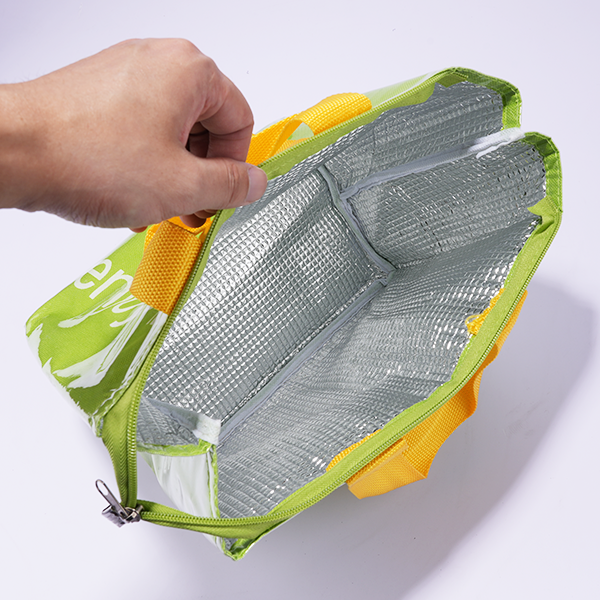
Cooler Bag Branded Vaccine: A Practical Procurement and Use Guide
A search for cooler bag branded vaccine usually starts with a product name, but a good purchase starts with the job the package must perform. branded cooler bags for vaccine support may help protect goods during short handling windows, brand deliveries, or controlled hand-carry routes. They are not automatically qualified cold-chain systems. The safer approach is to match material, payload, closure, coolant, route duration, cleaning, and documentation to the product you are moving. This guide gives procurement and operations teams a practical way to make that judgment.
Define the job before choosing the format
The first useful step in cooler bag branded vaccine procurement is to write a simple job statement. For example: this bag must carry sealed chilled meals for a short delivery route; this pouch must buffer small retail products during hand-carry; this branded cooler must support an outreach program but not replace a vaccine carrier; this backpack must help a field worker move samples while maintaining a monitored process. A clear job statement prevents the buyer from comparing products that look similar but solve different problems.
For vaccine outreach teams, pharmaceutical brand managers, healthcare distributors, and procurement staff, the job statement should include product sensitivity, route duration, expected ambient exposure, payload, loading process, opening frequency, and whether records are required after delivery. It should also name the product boundary. A thermal bag is a passive package. It slows temperature change. It may hold coolant. It may support brand presentation. It does not actively refrigerate, and it does not prove compliance without the surrounding process.
A five-part decision framework
A useful framework is easier to apply than a long specification wish list. Start with temperature requirement, then move to payload, route, handling, and evidence. Temperature requirement defines whether the purchase is a convenience package or part of a controlled logistics process. Payload tells you whether the bag will be stable, overloaded, or mostly air. Route and handling decide how much warm exposure the product will see. Evidence decides whether the organization can defend the choice if a problem occurs.
| Decision question | Why it changes the choice | Better procurement wording |
|---|---|---|
| What product is being moved? | Food, beverage, biotech, vaccine support, and retail use have different risk levels | Describe the product and whether it is sealed, direct-contact, regulated, or promotional |
| What temperature expectation applies? | A bag alone does not define the required range | Confirm the product-specific range and whether coolant or monitoring is needed |
| How much usable space is needed? | Internal volume shrinks after coolant and separators are added | Request usable dimensions with the intended packout, not only outside size |
| How will the bag be handled? | Opening, carrying, stacking, and cleaning affect daily performance | Share route steps, stop count, operator behavior, and return process |
| What evidence is required? | Commercial convenience and regulated logistics need different proof | Ask for relevant test data or define an internal verification plan |
This framework keeps the purchase practical. It does not force every buyer into a pharmaceutical-style qualification process. It simply asks the level of evidence to match the level of risk.
Where the product helps, and where it is not enough
Cooler Bag Branded Vaccine can be a good fit when the goal is short-term thermal buffering, easier carrying, brand presentation, small-payload organization, or a reusable delivery routine. It can also support a larger cold-chain process when the packout is designed, monitored, and approved. The format is less suitable when the route is long, uncontrolled, repeatedly opened, exposed to high ambient heat, or used for products that require strict documented temperature maintenance without proper evidence.
This distinction is especially important in vaccine, biologic, and pharmaceutical contexts. Vaccine storage and handling guidance generally treats cold chain as a complete system of equipment, procedures, and shared responsibility. Drug-product quality expectations also focus on appropriate storage and transport conditions. A branded or insulated bag may be useful in the program, but it should not be described as universally compliant. The quality team should decide what proof is needed for the specific route and product.
Material and construction choices with real trade-offs
The material choices behind branded cooler bags for vaccine support usually involve trade-offs rather than simple upgrades. A thicker foam layer can slow heat transfer but may reduce usable space and increase shipping volume. A soft fabric shell can improve brand appearance and comfort but may need careful cleaning rules. A paper-based surface can support a certain sustainability message, but moisture and coating questions become more important. A reflective liner can help with radiant heat and visual cleanliness, yet seams and closures may still dominate performance.
Closures deserve particular attention. A loose flap, weak zipper, or difficult opening can undo a strong material stack because operators may leave the bag partly open. Handles and bases also matter. A bag that is comfortable when empty may sag when loaded with beverages, gel packs, or dense meal containers. If the product is heavy, test the loaded sample, not only the empty bag. If the bag is returned for reuse, inspect how the liner and stitching respond after cleaning and drying.
Procurement controls before a bulk order
Before scaling from sample to production, check whether the sample is truly representative. Confirm dimensions, liner finish, foam feel, stitching, artwork, closure, handle strength, carton packing, and label placement. Ask what happens if the supplier changes a material or production method. For printed or logoed bags, approve artwork on the same material and color that will be used in production. For pouches and paper formats, check edge sealing, moisture response, and how the package opens after compression in a carton.
Bulk purchasing also needs a receiving plan. Decide who checks the first delivery, which defects require rejection, and how the team records changes. If the bag is used in a quality-sensitive process, connect receiving inspection to the quality system. If it is used for retail or promotional distribution, connect inspection to brand standards and customer experience. The right inspection plan depends on the job statement, but every repeat order benefits from a written standard.
Operational controls after purchase
Even well-selected branded cooler bags for vaccine support can underperform if the operating process is weak. Store bags dry and clean. Pre-condition products or coolant as required by the process. Avoid loading warm goods into a bag and expecting insulation to fix the starting condition. Train operators to close the bag fully and minimize unnecessary opening. Define where the bag sits in a vehicle, especially when the route includes sun exposure, warm docks, or multiple handovers.
Receiving teams also need instructions. If the product is sensitive, they should know whether to check a logger, inspect coolant condition, review a temperature indicator, or quarantine a shipment with evidence of mishandling. If the bag is reusable, they should inspect damage, odor, residue, moisture, zipper function, and handle strain before return. These steps are ordinary, but they are often missing from low-cost packaging programs.
A typical buyer scenario
A procurement team may need cooler bag branded vaccine for a program that combines brand presentation with temperature-sensitive handling. The first supplier offers a low price and fast sample, but cannot explain usable volume after coolant placement. The second supplier asks for product dimensions, route duration, cleaning expectations, and artwork method before quoting. The second conversation takes more effort, yet it gives the buyer a safer basis for comparison. The supplier is not promising that one bag solves every route. The supplier is helping define the conditions the bag must meet.
In many programs, that difference matters more than a small unit-price gap. A better-defined sample reduces artwork surprises, loading problems, rejected deliveries, and unsupported performance claims. It also gives operations and quality teams a clearer path for approving or rejecting the packaging before money is committed to a large order.
Additional buyer checks before approval
For cooler bag branded vaccine, sample approval should include more than a quick look at color and stitching. Load the product exactly as planned, add any coolant or separators, close the bag as an operator would close it, and leave it in the expected handling position. If the bag will be carried by hand, test comfort and balance with the real payload. If the bag will be returned, test cleaning and drying. If the order will be repeated, record the accepted sample details so the next production run can be compared against the same baseline.
Also decide which claims are allowed in your own sales or operating materials. If the bag has not been tested for a specific route, avoid writing a fixed hold-time claim. If the package is not approved for direct food contact, keep food in sealed primary packaging. If it is not a qualified medical shipper, describe it as a supporting insulated carry package rather than a compliance solution. Clear internal wording prevents misuse after procurement hands the product to sales, logistics, or field teams.
A final check is packaging around the packaging. Carton quantity, compression during export, pallet stability, and warehouse humidity can all affect what the buyer receives. A soft bag that looks good one by one may arrive creased if it is packed too tightly. A paper thermal bag may need protection from moisture. A printed outer surface may rub against neighboring units. These details sound small, but they shape the first impression and daily usability of a bulk order.
Frequently Asked Questions
Can a branded cooler bag be used for vaccine transport?
Only if the actual carrier, packout, monitoring process, and handling procedure are approved for the vaccine and route. Branding does not make a bag suitable for vaccines. Public health and healthcare teams should follow their vaccine storage and handling procedures and verify whether a qualified vaccine carrier or cold box is required.
What information should I send a supplier before asking for a quote?
Send the product type, target temperature range, expected route duration, quantity per bag, package dimensions, weight, handling method, cleaning needs, branding requirements, and any documentation expectations. If the bag will touch food directly or support regulated shipments, say that clearly. A better supplier discussion starts when the use case is defined instead of hidden behind a general product name.
Are reusable insulated bags always more sustainable?
Not always. Reuse can reduce repeated single-use packaging, but the result depends on return rate, cleaning, damage, storage, transport back to the origin, and how many trips the bag actually completes. A reusable option makes the most sense when routes are repeatable, the bag can be recovered, and the team has a process for inspection and hygiene.
Which specification is most often misunderstood?
Many buyers focus on outside size or a general insulation claim. Usable internal volume is often more important because coolant, liners, dividers, and product packaging reduce available space. For temperature-sensitive goods, stated performance should be checked against the same payload and route conditions you plan to use, not a generic marketing statement.
Conclusion
A useful cooler bag branded vaccine decision connects three things: the product risk, the physical package, and the operating process around it. The right choice is not always the thickest, most decorated, or lowest-cost bag. It is the option that can be explained clearly, tested sensibly, handled consistently, and reviewed by the people responsible for product quality.
About Tempk
Tempk supports buyers evaluating insulated bags, cooler bags, thermal pouches, and related cold-chain packaging choices. For this subject, the most useful support is practical: matching the bag format to the route, product sensitivity, handling method, payload, and documentation expectation. When the shipment is regulated or high risk, we encourage buyers to confirm qualification evidence and quality approval instead of relying on insulation claims alone.
CTA
Share your vaccine program use case, branding goal, temperature expectation, and quality constraints with Tempk before selecting a branded cooler bag format.
Thermal Lunch Bag Wholesaler: Procurement Guide
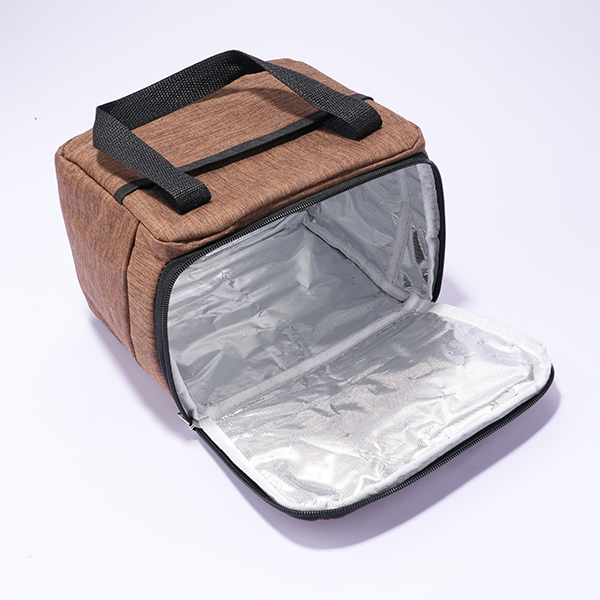
Thermal Lunch Bag Wholesaler: A Practical Procurement and Use Guide
A search for thermal lunch bag wholesaler usually starts with a product name, but a good purchase starts with the job the package must perform. thermal lunch bags for wholesale programs may help protect goods during short handling windows, brand deliveries, or controlled hand-carry routes. They are not automatically qualified cold-chain systems. The safer approach is to match material, payload, closure, coolant, route duration, cleaning, and documentation to the product you are moving. This guide gives procurement and operations teams a practical way to make that judgment.
Define the job before choosing the format
The first useful step in thermal lunch bag wholesaler procurement is to write a simple job statement. For example: this bag must carry sealed chilled meals for a short delivery route; this pouch must buffer small retail products during hand-carry; this branded cooler must support an outreach program but not replace a vaccine carrier; this backpack must help a field worker move samples while maintaining a monitored process. A clear job statement prevents the buyer from comparing products that look similar but solve different problems.
For wholesalers, retailers, corporate gift buyers, school suppliers, and food-service procurement teams, the job statement should include product sensitivity, route duration, expected ambient exposure, payload, loading process, opening frequency, and whether records are required after delivery. It should also name the product boundary. A thermal bag is a passive package. It slows temperature change. It may hold coolant. It may support brand presentation. It does not actively refrigerate, and it does not prove compliance without the surrounding process.
A five-part decision framework
A useful framework is easier to apply than a long specification wish list. Start with temperature requirement, then move to payload, route, handling, and evidence. Temperature requirement defines whether the purchase is a convenience package or part of a controlled logistics process. Payload tells you whether the bag will be stable, overloaded, or mostly air. Route and handling decide how much warm exposure the product will see. Evidence decides whether the organization can defend the choice if a problem occurs.
| Decision question | Why it changes the choice | Better procurement wording |
|---|---|---|
| What product is being moved? | Food, beverage, biotech, vaccine support, and retail use have different risk levels | Describe the product and whether it is sealed, direct-contact, regulated, or promotional |
| What temperature expectation applies? | A bag alone does not define the required range | Confirm the product-specific range and whether coolant or monitoring is needed |
| How much usable space is needed? | Internal volume shrinks after coolant and separators are added | Request usable dimensions with the intended packout, not only outside size |
| How will the bag be handled? | Opening, carrying, stacking, and cleaning affect daily performance | Share route steps, stop count, operator behavior, and return process |
| What evidence is required? | Commercial convenience and regulated logistics need different proof | Ask for relevant test data or define an internal verification plan |
This framework keeps the purchase practical. It does not force every buyer into a pharmaceutical-style qualification process. It simply asks the level of evidence to match the level of risk.
Where the product helps, and where it is not enough
Thermal Lunch Bag Wholesaler can be a good fit when the goal is short-term thermal buffering, easier carrying, brand presentation, small-payload organization, or a reusable delivery routine. It can also support a larger cold-chain process when the packout is designed, monitored, and approved. The format is less suitable when the route is long, uncontrolled, repeatedly opened, exposed to high ambient heat, or used for products that require strict documented temperature maintenance without proper evidence.
This distinction is especially important in vaccine, biologic, and pharmaceutical contexts. Vaccine storage and handling guidance generally treats cold chain as a complete system of equipment, procedures, and shared responsibility. Drug-product quality expectations also focus on appropriate storage and transport conditions. A branded or insulated bag may be useful in the program, but it should not be described as universally compliant. The quality team should decide what proof is needed for the specific route and product.
Material and construction choices with real trade-offs
The material choices behind thermal lunch bags for wholesale programs usually involve trade-offs rather than simple upgrades. A thicker foam layer can slow heat transfer but may reduce usable space and increase shipping volume. A soft fabric shell can improve brand appearance and comfort but may need careful cleaning rules. A paper-based surface can support a certain sustainability message, but moisture and coating questions become more important. A reflective liner can help with radiant heat and visual cleanliness, yet seams and closures may still dominate performance.
Closures deserve particular attention. A loose flap, weak zipper, or difficult opening can undo a strong material stack because operators may leave the bag partly open. Handles and bases also matter. A bag that is comfortable when empty may sag when loaded with beverages, gel packs, or dense meal containers. If the product is heavy, test the loaded sample, not only the empty bag. If the bag is returned for reuse, inspect how the liner and stitching respond after cleaning and drying.
Procurement controls before a bulk order
Before scaling from sample to production, check whether the sample is truly representative. Confirm dimensions, liner finish, foam feel, stitching, artwork, closure, handle strength, carton packing, and label placement. Ask what happens if the supplier changes a material or production method. For printed or logoed bags, approve artwork on the same material and color that will be used in production. For pouches and paper formats, check edge sealing, moisture response, and how the package opens after compression in a carton.
Bulk purchasing also needs a receiving plan. Decide who checks the first delivery, which defects require rejection, and how the team records changes. If the bag is used in a quality-sensitive process, connect receiving inspection to the quality system. If it is used for retail or promotional distribution, connect inspection to brand standards and customer experience. The right inspection plan depends on the job statement, but every repeat order benefits from a written standard.
Operational controls after purchase
Even well-selected thermal lunch bags for wholesale programs can underperform if the operating process is weak. Store bags dry and clean. Pre-condition products or coolant as required by the process. Avoid loading warm goods into a bag and expecting insulation to fix the starting condition. Train operators to close the bag fully and minimize unnecessary opening. Define where the bag sits in a vehicle, especially when the route includes sun exposure, warm docks, or multiple handovers.
Receiving teams also need instructions. If the product is sensitive, they should know whether to check a logger, inspect coolant condition, review a temperature indicator, or quarantine a shipment with evidence of mishandling. If the bag is reusable, they should inspect damage, odor, residue, moisture, zipper function, and handle strain before return. These steps are ordinary, but they are often missing from low-cost packaging programs.
A typical buyer scenario
A procurement team may need thermal lunch bag wholesaler for a program that combines brand presentation with temperature-sensitive handling. The first supplier offers a low price and fast sample, but cannot explain usable volume after coolant placement. The second supplier asks for product dimensions, route duration, cleaning expectations, and artwork method before quoting. The second conversation takes more effort, yet it gives the buyer a safer basis for comparison. The supplier is not promising that one bag solves every route. The supplier is helping define the conditions the bag must meet.
In many programs, that difference matters more than a small unit-price gap. A better-defined sample reduces artwork surprises, loading problems, rejected deliveries, and unsupported performance claims. It also gives operations and quality teams a clearer path for approving or rejecting the packaging before money is committed to a large order.
Additional buyer checks before approval
For thermal lunch bag wholesaler, sample approval should include more than a quick look at color and stitching. Load the product exactly as planned, add any coolant or separators, close the bag as an operator would close it, and leave it in the expected handling position. If the bag will be carried by hand, test comfort and balance with the real payload. If the bag will be returned, test cleaning and drying. If the order will be repeated, record the accepted sample details so the next production run can be compared against the same baseline.
Also decide which claims are allowed in your own sales or operating materials. If the bag has not been tested for a specific route, avoid writing a fixed hold-time claim. If the package is not approved for direct food contact, keep food in sealed primary packaging. If it is not a qualified medical shipper, describe it as a supporting insulated carry package rather than a compliance solution. Clear internal wording prevents misuse after procurement hands the product to sales, logistics, or field teams.
A final check is packaging around the packaging. Carton quantity, compression during export, pallet stability, and warehouse humidity can all affect what the buyer receives. A soft bag that looks good one by one may arrive creased if it is packed too tightly. A paper thermal bag may need protection from moisture. A printed outer surface may rub against neighboring units. These details sound small, but they shape the first impression and daily usability of a bulk order.
Frequently Asked Questions
Can thermal lunch bags for wholesale programs replace a qualified cold-chain shipper?
Not by themselves. An insulated bag may reduce heat gain during a short handover or delivery window, but a qualified cold-chain shipper depends on a tested packout, coolant configuration, payload, ambient profile, and acceptance criteria. For regulated medicines, vaccines, biologics, or clinical samples, ask the quality team what evidence is needed before approving the bag for use.
What information should I send a supplier before asking for a quote?
Send the product type, target temperature range, expected route duration, quantity per bag, package dimensions, weight, handling method, cleaning needs, branding requirements, and any documentation expectations. If the bag will touch food directly or support regulated shipments, say that clearly. A better supplier discussion starts when the use case is defined instead of hidden behind a general product name.
Are reusable insulated bags always more sustainable?
Not always. Reuse can reduce repeated single-use packaging, but the result depends on return rate, cleaning, damage, storage, transport back to the origin, and how many trips the bag actually completes. A reusable option makes the most sense when routes are repeatable, the bag can be recovered, and the team has a process for inspection and hygiene.
Which specification is most often misunderstood?
Many buyers focus on outside size or a general insulation claim. Usable internal volume is often more important because coolant, liners, dividers, and product packaging reduce available space. For temperature-sensitive goods, stated performance should be checked against the same payload and route conditions you plan to use, not a generic marketing statement.
Conclusion
A useful thermal lunch bag wholesaler decision connects three things: the product risk, the physical package, and the operating process around it. The right choice is not always the thickest, most decorated, or lowest-cost bag. It is the option that can be explained clearly, tested sensibly, handled consistently, and reviewed by the people responsible for product quality.
About Tempk
Tempk supports buyers evaluating insulated bags, cooler bags, thermal pouches, and related cold-chain packaging choices. For this subject, the most useful support is practical: matching the bag format to the route, product sensitivity, handling method, payload, and documentation expectation. When the shipment is regulated or high risk, we encourage buyers to confirm qualification evidence and quality approval instead of relying on insulation claims alone.
CTA
Share your target quantity, artwork plan, retail price point, and quality concerns with Tempk before shortlisting thermal lunch bag wholesaler options.
Thermal Carry Bag Paper: Procurement Guide
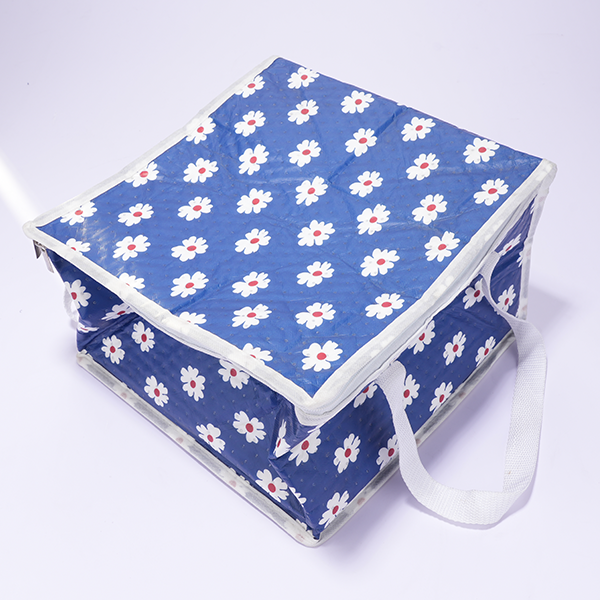
Thermal Carry Bag Paper: A Practical Procurement and Use Guide
A search for thermal carry bag paper usually starts with a product name, but a good purchase starts with the job the package must perform. paper thermal carry bags may help protect goods during short handling windows, brand deliveries, or controlled hand-carry routes. They are not automatically qualified cold-chain systems. The safer approach is to match material, payload, closure, coolant, route duration, cleaning, and documentation to the product you are moving. This guide gives procurement and operations teams a practical way to make that judgment.
Define the job before choosing the format
The first useful step in thermal carry bag paper procurement is to write a simple job statement. For example: this bag must carry sealed chilled meals for a short delivery route; this pouch must buffer small retail products during hand-carry; this branded cooler must support an outreach program but not replace a vaccine carrier; this backpack must help a field worker move samples while maintaining a monitored process. A clear job statement prevents the buyer from comparing products that look similar but solve different problems.
For retail brands, food-service chains, sustainability managers, and packaging procurement teams, the job statement should include product sensitivity, route duration, expected ambient exposure, payload, loading process, opening frequency, and whether records are required after delivery. It should also name the product boundary. A thermal bag is a passive package. It slows temperature change. It may hold coolant. It may support brand presentation. It does not actively refrigerate, and it does not prove compliance without the surrounding process.
A five-part decision framework
A useful framework is easier to apply than a long specification wish list. Start with temperature requirement, then move to payload, route, handling, and evidence. Temperature requirement defines whether the purchase is a convenience package or part of a controlled logistics process. Payload tells you whether the bag will be stable, overloaded, or mostly air. Route and handling decide how much warm exposure the product will see. Evidence decides whether the organization can defend the choice if a problem occurs.
| Decision question | Why it changes the choice | Better procurement wording |
|---|---|---|
| What product is being moved? | Food, beverage, biotech, vaccine support, and retail use have different risk levels | Describe the product and whether it is sealed, direct-contact, regulated, or promotional |
| What temperature expectation applies? | A bag alone does not define the required range | Confirm the product-specific range and whether coolant or monitoring is needed |
| How much usable space is needed? | Internal volume shrinks after coolant and separators are added | Request usable dimensions with the intended packout, not only outside size |
| How will the bag be handled? | Opening, carrying, stacking, and cleaning affect daily performance | Share route steps, stop count, operator behavior, and return process |
| What evidence is required? | Commercial convenience and regulated logistics need different proof | Ask for relevant test data or define an internal verification plan |
This framework keeps the purchase practical. It does not force every buyer into a pharmaceutical-style qualification process. It simply asks the level of evidence to match the level of risk.
Where the product helps, and where it is not enough
Thermal Carry Bag Paper can be a good fit when the goal is short-term thermal buffering, easier carrying, brand presentation, small-payload organization, or a reusable delivery routine. It can also support a larger cold-chain process when the packout is designed, monitored, and approved. The format is less suitable when the route is long, uncontrolled, repeatedly opened, exposed to high ambient heat, or used for products that require strict documented temperature maintenance without proper evidence.
This distinction is especially important in vaccine, biologic, and pharmaceutical contexts. Vaccine storage and handling guidance generally treats cold chain as a complete system of equipment, procedures, and shared responsibility. Drug-product quality expectations also focus on appropriate storage and transport conditions. A branded or insulated bag may be useful in the program, but it should not be described as universally compliant. The quality team should decide what proof is needed for the specific route and product.
Material and construction choices with real trade-offs
The material choices behind paper thermal carry bags usually involve trade-offs rather than simple upgrades. A thicker foam layer can slow heat transfer but may reduce usable space and increase shipping volume. A soft fabric shell can improve brand appearance and comfort but may need careful cleaning rules. A paper-based surface can support a certain sustainability message, but moisture and coating questions become more important. A reflective liner can help with radiant heat and visual cleanliness, yet seams and closures may still dominate performance.
Closures deserve particular attention. A loose flap, weak zipper, or difficult opening can undo a strong material stack because operators may leave the bag partly open. Handles and bases also matter. A bag that is comfortable when empty may sag when loaded with beverages, gel packs, or dense meal containers. If the product is heavy, test the loaded sample, not only the empty bag. If the bag is returned for reuse, inspect how the liner and stitching respond after cleaning and drying.
Procurement controls before a bulk order
Before scaling from sample to production, check whether the sample is truly representative. Confirm dimensions, liner finish, foam feel, stitching, artwork, closure, handle strength, carton packing, and label placement. Ask what happens if the supplier changes a material or production method. For printed or logoed bags, approve artwork on the same material and color that will be used in production. For pouches and paper formats, check edge sealing, moisture response, and how the package opens after compression in a carton.
Bulk purchasing also needs a receiving plan. Decide who checks the first delivery, which defects require rejection, and how the team records changes. If the bag is used in a quality-sensitive process, connect receiving inspection to the quality system. If it is used for retail or promotional distribution, connect inspection to brand standards and customer experience. The right inspection plan depends on the job statement, but every repeat order benefits from a written standard.
Operational controls after purchase
Even well-selected paper thermal carry bags can underperform if the operating process is weak. Store bags dry and clean. Pre-condition products or coolant as required by the process. Avoid loading warm goods into a bag and expecting insulation to fix the starting condition. Train operators to close the bag fully and minimize unnecessary opening. Define where the bag sits in a vehicle, especially when the route includes sun exposure, warm docks, or multiple handovers.
Receiving teams also need instructions. If the product is sensitive, they should know whether to check a logger, inspect coolant condition, review a temperature indicator, or quarantine a shipment with evidence of mishandling. If the bag is reusable, they should inspect damage, odor, residue, moisture, zipper function, and handle strain before return. These steps are ordinary, but they are often missing from low-cost packaging programs.
A typical buyer scenario
A procurement team may need thermal carry bag paper for a program that combines brand presentation with temperature-sensitive handling. The first supplier offers a low price and fast sample, but cannot explain usable volume after coolant placement. The second supplier asks for product dimensions, route duration, cleaning expectations, and artwork method before quoting. The second conversation takes more effort, yet it gives the buyer a safer basis for comparison. The supplier is not promising that one bag solves every route. The supplier is helping define the conditions the bag must meet.
In many programs, that difference matters more than a small unit-price gap. A better-defined sample reduces artwork surprises, loading problems, rejected deliveries, and unsupported performance claims. It also gives operations and quality teams a clearer path for approving or rejecting the packaging before money is committed to a large order.
Additional buyer checks before approval
For thermal carry bag paper, sample approval should include more than a quick look at color and stitching. Load the product exactly as planned, add any coolant or separators, close the bag as an operator would close it, and leave it in the expected handling position. If the bag will be carried by hand, test comfort and balance with the real payload. If the bag will be returned, test cleaning and drying. If the order will be repeated, record the accepted sample details so the next production run can be compared against the same baseline.
Also decide which claims are allowed in your own sales or operating materials. If the bag has not been tested for a specific route, avoid writing a fixed hold-time claim. If the package is not approved for direct food contact, keep food in sealed primary packaging. If it is not a qualified medical shipper, describe it as a supporting insulated carry package rather than a compliance solution. Clear internal wording prevents misuse after procurement hands the product to sales, logistics, or field teams.
Frequently Asked Questions
Can paper thermal carry bags replace a qualified cold-chain shipper?
Not by themselves. An insulated bag may reduce heat gain during a short handover or delivery window, but a qualified cold-chain shipper depends on a tested packout, coolant configuration, payload, ambient profile, and acceptance criteria. For regulated medicines, vaccines, biologics, or clinical samples, ask the quality team what evidence is needed before approving the bag for use.
What information should I send a supplier before asking for a quote?
Send the product type, target temperature range, expected route duration, quantity per bag, package dimensions, weight, handling method, cleaning needs, branding requirements, and any documentation expectations. If the bag will touch food directly or support regulated shipments, say that clearly. A better supplier discussion starts when the use case is defined instead of hidden behind a general product name.
Are reusable insulated bags always more sustainable?
Not always. Reuse can reduce repeated single-use packaging, but the result depends on return rate, cleaning, damage, storage, transport back to the origin, and how many trips the bag actually completes. A reusable option makes the most sense when routes are repeatable, the bag can be recovered, and the team has a process for inspection and hygiene.
Which specification is most often misunderstood?
Many buyers focus on outside size or a general insulation claim. Usable internal volume is often more important because coolant, liners, dividers, and product packaging reduce available space. For temperature-sensitive goods, stated performance should be checked against the same payload and route conditions you plan to use, not a generic marketing statement.
Can paper thermal bags handle moisture?
Some paper thermal formats include coatings or inner layers that improve moisture resistance, but moisture tolerance depends on the structure. Condensation, melted ice, leaking food containers, and humid storage can weaken paper-based packaging. Buyers should request samples and test the actual loading and handling conditions before scaling an order.
Conclusion
A useful thermal carry bag paper decision connects three things: the product risk, the physical package, and the operating process around it. The right choice is not always the thickest, most decorated, or lowest-cost bag. It is the option that can be explained clearly, tested sensibly, handled consistently, and reviewed by the people responsible for product quality.
About Tempk
Tempk supports buyers evaluating insulated bags, cooler bags, thermal pouches, and related cold-chain packaging choices. For this subject, the most useful support is practical: matching the bag format to the route, product sensitivity, handling method, payload, and documentation expectation. When the shipment is regulated or high risk, we encourage buyers to confirm qualification evidence and quality approval instead of relying on insulation claims alone.
CTA
Tell Tempk whether your priority is paper appearance, thermal buffering, direct food contact, or sustainability messaging so the carry bag design can be framed correctly.
Thermal Carry Bag Commercial: Procurement Guide

Thermal Carry Bag Commercial: A Practical Procurement and Use Guide
A search for thermal carry bag commercial usually starts with a product name, but a good purchase starts with the job the package must perform. commercial thermal carry bags may help protect goods during short handling windows, brand deliveries, or controlled hand-carry routes. They are not automatically qualified cold-chain systems. The safer approach is to match material, payload, closure, coolant, route duration, cleaning, and documentation to the product you are moving. This guide gives procurement and operations teams a practical way to make that judgment.
Define the job before choosing the format
The first useful step in thermal carry bag commercial procurement is to write a simple job statement. For example: this bag must carry sealed chilled meals for a short delivery route; this pouch must buffer small retail products during hand-carry; this branded cooler must support an outreach program but not replace a vaccine carrier; this backpack must help a field worker move samples while maintaining a monitored process. A clear job statement prevents the buyer from comparing products that look similar but solve different problems.
For caterers, restaurants, grocery teams, corporate meal programs, and regional distributors, the job statement should include product sensitivity, route duration, expected ambient exposure, payload, loading process, opening frequency, and whether records are required after delivery. It should also name the product boundary. A thermal bag is a passive package. It slows temperature change. It may hold coolant. It may support brand presentation. It does not actively refrigerate, and it does not prove compliance without the surrounding process.
A five-part decision framework
A useful framework is easier to apply than a long specification wish list. Start with temperature requirement, then move to payload, route, handling, and evidence. Temperature requirement defines whether the purchase is a convenience package or part of a controlled logistics process. Payload tells you whether the bag will be stable, overloaded, or mostly air. Route and handling decide how much warm exposure the product will see. Evidence decides whether the organization can defend the choice if a problem occurs.
| Decision question | Why it changes the choice | Better procurement wording |
|---|---|---|
| What product is being moved? | Food, beverage, biotech, vaccine support, and retail use have different risk levels | Describe the product and whether it is sealed, direct-contact, regulated, or promotional |
| What temperature expectation applies? | A bag alone does not define the required range | Confirm the product-specific range and whether coolant or monitoring is needed |
| How much usable space is needed? | Internal volume shrinks after coolant and separators are added | Request usable dimensions with the intended packout, not only outside size |
| How will the bag be handled? | Opening, carrying, stacking, and cleaning affect daily performance | Share route steps, stop count, operator behavior, and return process |
| What evidence is required? | Commercial convenience and regulated logistics need different proof | Ask for relevant test data or define an internal verification plan |
This framework keeps the purchase practical. It does not force every buyer into a pharmaceutical-style qualification process. It simply asks the level of evidence to match the level of risk.
Where the product helps, and where it is not enough
Thermal Carry Bag Commercial can be a good fit when the goal is short-term thermal buffering, easier carrying, brand presentation, small-payload organization, or a reusable delivery routine. It can also support a larger cold-chain process when the packout is designed, monitored, and approved. The format is less suitable when the route is long, uncontrolled, repeatedly opened, exposed to high ambient heat, or used for products that require strict documented temperature maintenance without proper evidence.
This distinction is especially important in vaccine, biologic, and pharmaceutical contexts. Vaccine storage and handling guidance generally treats cold chain as a complete system of equipment, procedures, and shared responsibility. Drug-product quality expectations also focus on appropriate storage and transport conditions. A branded or insulated bag may be useful in the program, but it should not be described as universally compliant. The quality team should decide what proof is needed for the specific route and product.
Material and construction choices with real trade-offs
The material choices behind commercial thermal carry bags usually involve trade-offs rather than simple upgrades. A thicker foam layer can slow heat transfer but may reduce usable space and increase shipping volume. A soft fabric shell can improve brand appearance and comfort but may need careful cleaning rules. A paper-based surface can support a certain sustainability message, but moisture and coating questions become more important. A reflective liner can help with radiant heat and visual cleanliness, yet seams and closures may still dominate performance.
Closures deserve particular attention. A loose flap, weak zipper, or difficult opening can undo a strong material stack because operators may leave the bag partly open. Handles and bases also matter. A bag that is comfortable when empty may sag when loaded with beverages, gel packs, or dense meal containers. If the product is heavy, test the loaded sample, not only the empty bag. If the bag is returned for reuse, inspect how the liner and stitching respond after cleaning and drying.
Procurement controls before a bulk order
Before scaling from sample to production, check whether the sample is truly representative. Confirm dimensions, liner finish, foam feel, stitching, artwork, closure, handle strength, carton packing, and label placement. Ask what happens if the supplier changes a material or production method. For printed or logoed bags, approve artwork on the same material and color that will be used in production. For pouches and paper formats, check edge sealing, moisture response, and how the package opens after compression in a carton.
Bulk purchasing also needs a receiving plan. Decide who checks the first delivery, which defects require rejection, and how the team records changes. If the bag is used in a quality-sensitive process, connect receiving inspection to the quality system. If it is used for retail or promotional distribution, connect inspection to brand standards and customer experience. The right inspection plan depends on the job statement, but every repeat order benefits from a written standard.
Operational controls after purchase
Even well-selected commercial thermal carry bags can underperform if the operating process is weak. Store bags dry and clean. Pre-condition products or coolant as required by the process. Avoid loading warm goods into a bag and expecting insulation to fix the starting condition. Train operators to close the bag fully and minimize unnecessary opening. Define where the bag sits in a vehicle, especially when the route includes sun exposure, warm docks, or multiple handovers.
Receiving teams also need instructions. If the product is sensitive, they should know whether to check a logger, inspect coolant condition, review a temperature indicator, or quarantine a shipment with evidence of mishandling. If the bag is reusable, they should inspect damage, odor, residue, moisture, zipper function, and handle strain before return. These steps are ordinary, but they are often missing from low-cost packaging programs.
A typical buyer scenario
A procurement team may need thermal carry bag commercial for a program that combines brand presentation with temperature-sensitive handling. The first supplier offers a low price and fast sample, but cannot explain usable volume after coolant placement. The second supplier asks for product dimensions, route duration, cleaning expectations, and artwork method before quoting. The second conversation takes more effort, yet it gives the buyer a safer basis for comparison. The supplier is not promising that one bag solves every route. The supplier is helping define the conditions the bag must meet.
In many programs, that difference matters more than a small unit-price gap. A better-defined sample reduces artwork surprises, loading problems, rejected deliveries, and unsupported performance claims. It also gives operations and quality teams a clearer path for approving or rejecting the packaging before money is committed to a large order.
Additional buyer checks before approval
For thermal carry bag commercial, sample approval should include more than a quick look at color and stitching. Load the product exactly as planned, add any coolant or separators, close the bag as an operator would close it, and leave it in the expected handling position. If the bag will be carried by hand, test comfort and balance with the real payload. If the bag will be returned, test cleaning and drying. If the order will be repeated, record the accepted sample details so the next production run can be compared against the same baseline.
Also decide which claims are allowed in your own sales or operating materials. If the bag has not been tested for a specific route, avoid writing a fixed hold-time claim. If the package is not approved for direct food contact, keep food in sealed primary packaging. If it is not a qualified medical shipper, describe it as a supporting insulated carry package rather than a compliance solution. Clear internal wording prevents misuse after procurement hands the product to sales, logistics, or field teams.
A final check is packaging around the packaging. Carton quantity, compression during export, pallet stability, and warehouse humidity can all affect what the buyer receives. A soft bag that looks good one by one may arrive creased if it is packed too tightly. A paper thermal bag may need protection from moisture. A printed outer surface may rub against neighboring units. These details sound small, but they shape the first impression and daily usability of a bulk order.
Frequently Asked Questions
Can commercial thermal carry bags replace a qualified cold-chain shipper?
Not by themselves. An insulated bag may reduce heat gain during a short handover or delivery window, but a qualified cold-chain shipper depends on a tested packout, coolant configuration, payload, ambient profile, and acceptance criteria. For regulated medicines, vaccines, biologics, or clinical samples, ask the quality team what evidence is needed before approving the bag for use.
What information should I send a supplier before asking for a quote?
Send the product type, target temperature range, expected route duration, quantity per bag, package dimensions, weight, handling method, cleaning needs, branding requirements, and any documentation expectations. If the bag will touch food directly or support regulated shipments, say that clearly. A better supplier discussion starts when the use case is defined instead of hidden behind a general product name.
Are reusable insulated bags always more sustainable?
Not always. Reuse can reduce repeated single-use packaging, but the result depends on return rate, cleaning, damage, storage, transport back to the origin, and how many trips the bag actually completes. A reusable option makes the most sense when routes are repeatable, the bag can be recovered, and the team has a process for inspection and hygiene.
Which specification is most often misunderstood?
Many buyers focus on outside size or a general insulation claim. Usable internal volume is often more important because coolant, liners, dividers, and product packaging reduce available space. For temperature-sensitive goods, stated performance should be checked against the same payload and route conditions you plan to use, not a generic marketing statement.
Conclusion
A useful thermal carry bag commercial decision connects three things: the product risk, the physical package, and the operating process around it. The right choice is not always the thickest, most decorated, or lowest-cost bag. It is the option that can be explained clearly, tested sensibly, handled consistently, and reviewed by the people responsible for product quality.
About Tempk
Tempk supports buyers evaluating insulated bags, cooler bags, thermal pouches, and related cold-chain packaging choices. For this subject, the most useful support is practical: matching the bag format to the route, product sensitivity, handling method, payload, and documentation expectation. When the shipment is regulated or high risk, we encourage buyers to confirm qualification evidence and quality approval instead of relying on insulation claims alone.
CTA
Tell Tempk how the bag will be loaded, carried, cleaned, and returned so the commercial recommendation fits daily operations.
Thermal Bag Factory UAE: Procurement Guide
Thermal Bag Factory UAE: A Practical Procurement and Use Guide
A search for thermal bag factory uae usually starts with a product name, but a good purchase starts with the job the package must perform. thermal bags for UAE distribution may help protect goods during short handling windows, brand deliveries, or controlled hand-carry routes. They are not automatically qualified cold-chain systems. The safer approach is to match material, payload, closure, coolant, route duration, cleaning, and documentation to the product you are moving. This guide gives procurement and operations teams a practical way to make that judgment.
Define the job before choosing the format
The first useful step in thermal bag factory uae procurement is to write a simple job statement. For example: this bag must carry sealed chilled meals for a short delivery route; this pouch must buffer small retail products during hand-carry; this branded cooler must support an outreach program but not replace a vaccine carrier; this backpack must help a field worker move samples while maintaining a monitored process. A clear job statement prevents the buyer from comparing products that look similar but solve different problems.
For UAE food delivery brands, hospitality buyers, grocery platforms, importers, and corporate procurement teams, the job statement should include product sensitivity, route duration, expected ambient exposure, payload, loading process, opening frequency, and whether records are required after delivery. It should also name the product boundary. A thermal bag is a passive package. It slows temperature change. It may hold coolant. It may support brand presentation. It does not actively refrigerate, and it does not prove compliance without the surrounding process.
A five-part decision framework
A useful framework is easier to apply than a long specification wish list. Start with temperature requirement, then move to payload, route, handling, and evidence. Temperature requirement defines whether the purchase is a convenience package or part of a controlled logistics process. Payload tells you whether the bag will be stable, overloaded, or mostly air. Route and handling decide how much warm exposure the product will see. Evidence decides whether the organization can defend the choice if a problem occurs.
| Decision question | Why it changes the choice | Better procurement wording |
|---|---|---|
| What product is being moved? | Food, beverage, biotech, vaccine support, and retail use have different risk levels | Describe the product and whether it is sealed, direct-contact, regulated, or promotional |
| What temperature expectation applies? | A bag alone does not define the required range | Confirm the product-specific range and whether coolant or monitoring is needed |
| How much usable space is needed? | Internal volume shrinks after coolant and separators are added | Request usable dimensions with the intended packout, not only outside size |
| How will the bag be handled? | Opening, carrying, stacking, and cleaning affect daily performance | Share route steps, stop count, operator behavior, and return process |
| What evidence is required? | Commercial convenience and regulated logistics need different proof | Ask for relevant test data or define an internal verification plan |
This framework keeps the purchase practical. It does not force every buyer into a pharmaceutical-style qualification process. It simply asks the level of evidence to match the level of risk.
Where the product helps, and where it is not enough
Thermal Bag Factory UAE can be a good fit when the goal is short-term thermal buffering, easier carrying, brand presentation, small-payload organization, or a reusable delivery routine. It can also support a larger cold-chain process when the packout is designed, monitored, and approved. The format is less suitable when the route is long, uncontrolled, repeatedly opened, exposed to high ambient heat, or used for products that require strict documented temperature maintenance without proper evidence.
This distinction is especially important in vaccine, biologic, and pharmaceutical contexts. Vaccine storage and handling guidance generally treats cold chain as a complete system of equipment, procedures, and shared responsibility. Drug-product quality expectations also focus on appropriate storage and transport conditions. A branded or insulated bag may be useful in the program, but it should not be described as universally compliant. The quality team should decide what proof is needed for the specific route and product.
Material and construction choices with real trade-offs
The material choices behind thermal bags for UAE distribution usually involve trade-offs rather than simple upgrades. A thicker foam layer can slow heat transfer but may reduce usable space and increase shipping volume. A soft fabric shell can improve brand appearance and comfort but may need careful cleaning rules. A paper-based surface can support a certain sustainability message, but moisture and coating questions become more important. A reflective liner can help with radiant heat and visual cleanliness, yet seams and closures may still dominate performance.
Closures deserve particular attention. A loose flap, weak zipper, or difficult opening can undo a strong material stack because operators may leave the bag partly open. Handles and bases also matter. A bag that is comfortable when empty may sag when loaded with beverages, gel packs, or dense meal containers. If the product is heavy, test the loaded sample, not only the empty bag. If the bag is returned for reuse, inspect how the liner and stitching respond after cleaning and drying.
Procurement controls before a bulk order
Before scaling from sample to production, check whether the sample is truly representative. Confirm dimensions, liner finish, foam feel, stitching, artwork, closure, handle strength, carton packing, and label placement. Ask what happens if the supplier changes a material or production method. For printed or logoed bags, approve artwork on the same material and color that will be used in production. For pouches and paper formats, check edge sealing, moisture response, and how the package opens after compression in a carton.
Bulk purchasing also needs a receiving plan. Decide who checks the first delivery, which defects require rejection, and how the team records changes. If the bag is used in a quality-sensitive process, connect receiving inspection to the quality system. If it is used for retail or promotional distribution, connect inspection to brand standards and customer experience. The right inspection plan depends on the job statement, but every repeat order benefits from a written standard.
Operational controls after purchase
Even well-selected thermal bags for UAE distribution can underperform if the operating process is weak. Store bags dry and clean. Pre-condition products or coolant as required by the process. Avoid loading warm goods into a bag and expecting insulation to fix the starting condition. Train operators to close the bag fully and minimize unnecessary opening. Define where the bag sits in a vehicle, especially when the route includes sun exposure, warm docks, or multiple handovers.
Receiving teams also need instructions. If the product is sensitive, they should know whether to check a logger, inspect coolant condition, review a temperature indicator, or quarantine a shipment with evidence of mishandling. If the bag is reusable, they should inspect damage, odor, residue, moisture, zipper function, and handle strain before return. These steps are ordinary, but they are often missing from low-cost packaging programs.
A typical buyer scenario
A procurement team may need thermal bag factory uae for a program that combines brand presentation with temperature-sensitive handling. The first supplier offers a low price and fast sample, but cannot explain usable volume after coolant placement. The second supplier asks for product dimensions, route duration, cleaning expectations, and artwork method before quoting. The second conversation takes more effort, yet it gives the buyer a safer basis for comparison. The supplier is not promising that one bag solves every route. The supplier is helping define the conditions the bag must meet.
In many programs, that difference matters more than a small unit-price gap. A better-defined sample reduces artwork surprises, loading problems, rejected deliveries, and unsupported performance claims. It also gives operations and quality teams a clearer path for approving or rejecting the packaging before money is committed to a large order.
Additional buyer checks before approval
For thermal bag factory uae, sample approval should include more than a quick look at color and stitching. Load the product exactly as planned, add any coolant or separators, close the bag as an operator would close it, and leave it in the expected handling position. If the bag will be carried by hand, test comfort and balance with the real payload. If the bag will be returned, test cleaning and drying. If the order will be repeated, record the accepted sample details so the next production run can be compared against the same baseline.
Also decide which claims are allowed in your own sales or operating materials. If the bag has not been tested for a specific route, avoid writing a fixed hold-time claim. If the package is not approved for direct food contact, keep food in sealed primary packaging. If it is not a qualified medical shipper, describe it as a supporting insulated carry package rather than a compliance solution. Clear internal wording prevents misuse after procurement hands the product to sales, logistics, or field teams.
A final check is packaging around the packaging. Carton quantity, compression during export, pallet stability, and warehouse humidity can all affect what the buyer receives. A soft bag that looks good one by one may arrive creased if it is packed too tightly. A paper thermal bag may need protection from moisture. A printed outer surface may rub against neighboring units. These details sound small, but they shape the first impression and daily usability of a bulk order.
Frequently Asked Questions
Can thermal bags for UAE distribution replace a qualified cold-chain shipper?
Not by themselves. An insulated bag may reduce heat gain during a short handover or delivery window, but a qualified cold-chain shipper depends on a tested packout, coolant configuration, payload, ambient profile, and acceptance criteria. For regulated medicines, vaccines, biologics, or clinical samples, ask the quality team what evidence is needed before approving the bag for use.
What information should I send a supplier before asking for a quote?
Send the product type, target temperature range, expected route duration, quantity per bag, package dimensions, weight, handling method, cleaning needs, branding requirements, and any documentation expectations. If the bag will touch food directly or support regulated shipments, say that clearly. A better supplier discussion starts when the use case is defined instead of hidden behind a general product name.
Are reusable insulated bags always more sustainable?
Not always. Reuse can reduce repeated single-use packaging, but the result depends on return rate, cleaning, damage, storage, transport back to the origin, and how many trips the bag actually completes. A reusable option makes the most sense when routes are repeatable, the bag can be recovered, and the team has a process for inspection and hygiene.
Which specification is most often misunderstood?
Many buyers focus on outside size or a general insulation claim. Usable internal volume is often more important because coolant, liners, dividers, and product packaging reduce available space. For temperature-sensitive goods, stated performance should be checked against the same payload and route conditions you plan to use, not a generic marketing statement.
Conclusion
A useful thermal bag factory uae decision connects three things: the product risk, the physical package, and the operating process around it. The right choice is not always the thickest, most decorated, or lowest-cost bag. It is the option that can be explained clearly, tested sensibly, handled consistently, and reviewed by the people responsible for product quality.
About Tempk
Tempk supports buyers evaluating insulated bags, cooler bags, thermal pouches, and related cold-chain packaging choices. For this subject, the most useful support is practical: matching the bag format to the route, product sensitivity, handling method, payload, and documentation expectation. When the shipment is regulated or high risk, we encourage buyers to confirm qualification evidence and quality approval instead of relying on insulation claims alone.
CTA
Ask Tempk to review your UAE route, delivery duration, bag size, printing need, and expected handling before discussing factory-scale production.
Refrigerated Bag Packaging Germany: Procurement Guide
Refrigerated Bag Packaging Germany: A Practical Procurement and Use Guide
A search for refrigerated bag packaging germany usually starts with a product name, but a good purchase starts with the job the package must perform. refrigerated bags may help protect goods during short handling windows, brand deliveries, or controlled hand-carry routes. They are not automatically qualified cold-chain systems. The safer approach is to match material, payload, closure, coolant, route duration, cleaning, and documentation to the product you are moving. This guide gives procurement and operations teams a practical way to make that judgment.
Define the job before choosing the format
The first useful step in refrigerated bag packaging germany procurement is to write a simple job statement. For example: this bag must carry sealed chilled meals for a short delivery route; this pouch must buffer small retail products during hand-carry; this branded cooler must support an outreach program but not replace a vaccine carrier; this backpack must help a field worker move samples while maintaining a monitored process. A clear job statement prevents the buyer from comparing products that look similar but solve different problems.
For German distributors, meal-kit operators, lab sample coordinators, and chilled retail buyers, the job statement should include product sensitivity, route duration, expected ambient exposure, payload, loading process, opening frequency, and whether records are required after delivery. It should also name the product boundary. A thermal bag is a passive package. It slows temperature change. It may hold coolant. It may support brand presentation. It does not actively refrigerate, and it does not prove compliance without the surrounding process.
A five-part decision framework
A useful framework is easier to apply than a long specification wish list. Start with temperature requirement, then move to payload, route, handling, and evidence. Temperature requirement defines whether the purchase is a convenience package or part of a controlled logistics process. Payload tells you whether the bag will be stable, overloaded, or mostly air. Route and handling decide how much warm exposure the product will see. Evidence decides whether the organization can defend the choice if a problem occurs.
| Decision question | Why it changes the choice | Better procurement wording |
|---|---|---|
| What product is being moved? | Food, beverage, biotech, vaccine support, and retail use have different risk levels | Describe the product and whether it is sealed, direct-contact, regulated, or promotional |
| What temperature expectation applies? | A bag alone does not define the required range | Confirm the product-specific range and whether coolant or monitoring is needed |
| How much usable space is needed? | Internal volume shrinks after coolant and separators are added | Request usable dimensions with the intended packout, not only outside size |
| How will the bag be handled? | Opening, carrying, stacking, and cleaning affect daily performance | Share route steps, stop count, operator behavior, and return process |
| What evidence is required? | Commercial convenience and regulated logistics need different proof | Ask for relevant test data or define an internal verification plan |
This framework keeps the purchase practical. It does not force every buyer into a pharmaceutical-style qualification process. It simply asks the level of evidence to match the level of risk.
Where the product helps, and where it is not enough
Refrigerated Bag Packaging Germany can be a good fit when the goal is short-term thermal buffering, easier carrying, brand presentation, small-payload organization, or a reusable delivery routine. It can also support a larger cold-chain process when the packout is designed, monitored, and approved. The format is less suitable when the route is long, uncontrolled, repeatedly opened, exposed to high ambient heat, or used for products that require strict documented temperature maintenance without proper evidence.
This distinction is especially important in vaccine, biologic, and pharmaceutical contexts. Vaccine storage and handling guidance generally treats cold chain as a complete system of equipment, procedures, and shared responsibility. Drug-product quality expectations also focus on appropriate storage and transport conditions. A branded or insulated bag may be useful in the program, but it should not be described as universally compliant. The quality team should decide what proof is needed for the specific route and product.
Material and construction choices with real trade-offs
The material choices behind refrigerated bags usually involve trade-offs rather than simple upgrades. A thicker foam layer can slow heat transfer but may reduce usable space and increase shipping volume. A soft fabric shell can improve brand appearance and comfort but may need careful cleaning rules. A paper-based surface can support a certain sustainability message, but moisture and coating questions become more important. A reflective liner can help with radiant heat and visual cleanliness, yet seams and closures may still dominate performance.
Closures deserve particular attention. A loose flap, weak zipper, or difficult opening can undo a strong material stack because operators may leave the bag partly open. Handles and bases also matter. A bag that is comfortable when empty may sag when loaded with beverages, gel packs, or dense meal containers. If the product is heavy, test the loaded sample, not only the empty bag. If the bag is returned for reuse, inspect how the liner and stitching respond after cleaning and drying.
Procurement controls before a bulk order
Before scaling from sample to production, check whether the sample is truly representative. Confirm dimensions, liner finish, foam feel, stitching, artwork, closure, handle strength, carton packing, and label placement. Ask what happens if the supplier changes a material or production method. For printed or logoed bags, approve artwork on the same material and color that will be used in production. For pouches and paper formats, check edge sealing, moisture response, and how the package opens after compression in a carton.
Bulk purchasing also needs a receiving plan. Decide who checks the first delivery, which defects require rejection, and how the team records changes. If the bag is used in a quality-sensitive process, connect receiving inspection to the quality system. If it is used for retail or promotional distribution, connect inspection to brand standards and customer experience. The right inspection plan depends on the job statement, but every repeat order benefits from a written standard.
Operational controls after purchase
Even well-selected refrigerated bags can underperform if the operating process is weak. Store bags dry and clean. Pre-condition products or coolant as required by the process. Avoid loading warm goods into a bag and expecting insulation to fix the starting condition. Train operators to close the bag fully and minimize unnecessary opening. Define where the bag sits in a vehicle, especially when the route includes sun exposure, warm docks, or multiple handovers.
Receiving teams also need instructions. If the product is sensitive, they should know whether to check a logger, inspect coolant condition, review a temperature indicator, or quarantine a shipment with evidence of mishandling. If the bag is reusable, they should inspect damage, odor, residue, moisture, zipper function, and handle strain before return. These steps are ordinary, but they are often missing from low-cost packaging programs.
A typical buyer scenario
A procurement team may need refrigerated bag packaging germany for a program that combines brand presentation with temperature-sensitive handling. The first supplier offers a low price and fast sample, but cannot explain usable volume after coolant placement. The second supplier asks for product dimensions, route duration, cleaning expectations, and artwork method before quoting. The second conversation takes more effort, yet it gives the buyer a safer basis for comparison. The supplier is not promising that one bag solves every route. The supplier is helping define the conditions the bag must meet.
In many programs, that difference matters more than a small unit-price gap. A better-defined sample reduces artwork surprises, loading problems, rejected deliveries, and unsupported performance claims. It also gives operations and quality teams a clearer path for approving or rejecting the packaging before money is committed to a large order.
Additional buyer checks before approval
For refrigerated bag packaging germany, sample approval should include more than a quick look at color and stitching. Load the product exactly as planned, add any coolant or separators, close the bag as an operator would close it, and leave it in the expected handling position. If the bag will be carried by hand, test comfort and balance with the real payload. If the bag will be returned, test cleaning and drying. If the order will be repeated, record the accepted sample details so the next production run can be compared against the same baseline.
Also decide which claims are allowed in your own sales or operating materials. If the bag has not been tested for a specific route, avoid writing a fixed hold-time claim. If the package is not approved for direct food contact, keep food in sealed primary packaging. If it is not a qualified medical shipper, describe it as a supporting insulated carry package rather than a compliance solution. Clear internal wording prevents misuse after procurement hands the product to sales, logistics, or field teams.
A final check is packaging around the packaging. Carton quantity, compression during export, pallet stability, and warehouse humidity can all affect what the buyer receives. A soft bag that looks good one by one may arrive creased if it is packed too tightly. A paper thermal bag may need protection from moisture. A printed outer surface may rub against neighboring units. These details sound small, but they shape the first impression and daily usability of a bulk order.
Frequently Asked Questions
Can refrigerated bags replace a qualified cold-chain shipper?
Not by themselves. An insulated bag may reduce heat gain during a short handover or delivery window, but a qualified cold-chain shipper depends on a tested packout, coolant configuration, payload, ambient profile, and acceptance criteria. For regulated medicines, vaccines, biologics, or clinical samples, ask the quality team what evidence is needed before approving the bag for use.
What information should I send a supplier before asking for a quote?
Send the product type, target temperature range, expected route duration, quantity per bag, package dimensions, weight, handling method, cleaning needs, branding requirements, and any documentation expectations. If the bag will touch food directly or support regulated shipments, say that clearly. A better supplier discussion starts when the use case is defined instead of hidden behind a general product name.
Are reusable insulated bags always more sustainable?
Not always. Reuse can reduce repeated single-use packaging, but the result depends on return rate, cleaning, damage, storage, transport back to the origin, and how many trips the bag actually completes. A reusable option makes the most sense when routes are repeatable, the bag can be recovered, and the team has a process for inspection and hygiene.
Which specification is most often misunderstood?
Many buyers focus on outside size or a general insulation claim. Usable internal volume is often more important because coolant, liners, dividers, and product packaging reduce available space. For temperature-sensitive goods, stated performance should be checked against the same payload and route conditions you plan to use, not a generic marketing statement.
Conclusion
A useful refrigerated bag packaging germany decision connects three things: the product risk, the physical package, and the operating process around it. The right choice is not always the thickest, most decorated, or lowest-cost bag. It is the option that can be explained clearly, tested sensibly, handled consistently, and reviewed by the people responsible for product quality.
About Tempk
Tempk supports buyers evaluating insulated bags, cooler bags, thermal pouches, and related cold-chain packaging choices. For this subject, the most useful support is practical: matching the bag format to the route, product sensitivity, handling method, payload, and documentation expectation. When the shipment is regulated or high risk, we encourage buyers to confirm qualification evidence and quality approval instead of relying on insulation claims alone.
CTA
Share your German delivery route, product type, and handling points with Tempk so the discussion can focus on packaging that fits the lane instead of only the catalog image.