


Refrigerated Bag Industrial Beverage: Procurement Guide
Refrigerated Bag Industrial Beverage: Procurement Guide
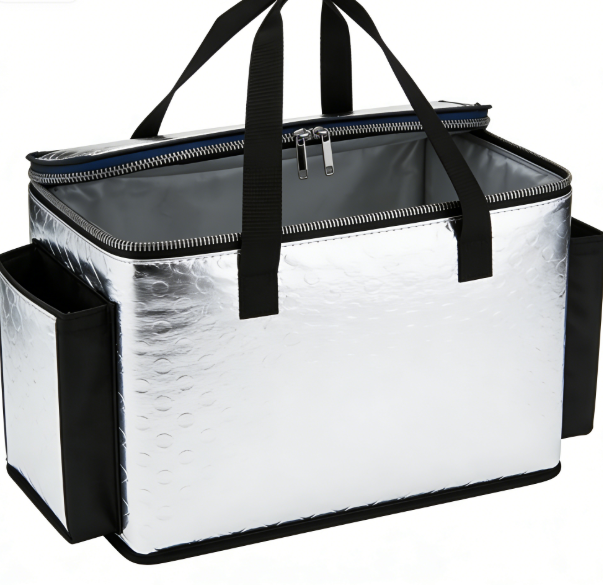
Refrigerated Bag Industrial Beverage: A Practical Procurement and Use Guide
A search for refrigerated bag industrial beverage usually starts with a product name, but a good purchase starts with the job the package must perform. refrigerated beverage bags may help protect goods during short handling windows, brand deliveries, or controlled hand-carry routes. They are not automatically qualified cold-chain systems. The safer approach is to match material, payload, closure, coolant, route duration, cleaning, and documentation to the product you are moving. This guide gives procurement and operations teams a practical way to make that judgment.
Define the job before choosing the format
The first useful step in refrigerated bag industrial beverage procurement is to write a simple job statement. For example: this bag must carry sealed chilled meals for a short delivery route; this pouch must buffer small retail products during hand-carry; this branded cooler must support an outreach program but not replace a vaccine carrier; this backpack must help a field worker move samples while maintaining a monitored process. A clear job statement prevents the buyer from comparing products that look similar but solve different problems.
For beverage brands, breweries, juice suppliers, event distributors, and industrial procurement teams, the job statement should include product sensitivity, route duration, expected ambient exposure, payload, loading process, opening frequency, and whether records are required after delivery. It should also name the product boundary. A thermal bag is a passive package. It slows temperature change. It may hold coolant. It may support brand presentation. It does not actively refrigerate, and it does not prove compliance without the surrounding process.
A five-part decision framework
A useful framework is easier to apply than a long specification wish list. Start with temperature requirement, then move to payload, route, handling, and evidence. Temperature requirement defines whether the purchase is a convenience package or part of a controlled logistics process. Payload tells you whether the bag will be stable, overloaded, or mostly air. Route and handling decide how much warm exposure the product will see. Evidence decides whether the organization can defend the choice if a problem occurs.
| Decision question | Why it changes the choice | Better procurement wording |
|---|---|---|
| What product is being moved? | Food, beverage, biotech, vaccine support, and retail use have different risk levels | Describe the product and whether it is sealed, direct-contact, regulated, or promotional |
| What temperature expectation applies? | A bag alone does not define the required range | Confirm the product-specific range and whether coolant or monitoring is needed |
| How much usable space is needed? | Internal volume shrinks after coolant and separators are added | Request usable dimensions with the intended packout, not only outside size |
| How will the bag be handled? | Opening, carrying, stacking, and cleaning affect daily performance | Share route steps, stop count, operator behavior, and return process |
| What evidence is required? | Commercial convenience and regulated logistics need different proof | Ask for relevant test data or define an internal verification plan |
This framework keeps the purchase practical. It does not force every buyer into a pharmaceutical-style qualification process. It simply asks the level of evidence to match the level of risk.
Where the product helps, and where it is not enough
Refrigerated Bag Industrial Beverage can be a good fit when the goal is short-term thermal buffering, easier carrying, brand presentation, small-payload organization, or a reusable delivery routine. It can also support a larger cold-chain process when the packout is designed, monitored, and approved. The format is less suitable when the route is long, uncontrolled, repeatedly opened, exposed to high ambient heat, or used for products that require strict documented temperature maintenance without proper evidence.
This distinction is especially important in vaccine, biologic, and pharmaceutical contexts. Vaccine storage and handling guidance generally treats cold chain as a complete system of equipment, procedures, and shared responsibility. Drug-product quality expectations also focus on appropriate storage and transport conditions. A branded or insulated bag may be useful in the program, but it should not be described as universally compliant. The quality team should decide what proof is needed for the specific route and product.
Material and construction choices with real trade-offs
The material choices behind refrigerated beverage bags usually involve trade-offs rather than simple upgrades. A thicker foam layer can slow heat transfer but may reduce usable space and increase shipping volume. A soft fabric shell can improve brand appearance and comfort but may need careful cleaning rules. A paper-based surface can support a certain sustainability message, but moisture and coating questions become more important. A reflective liner can help with radiant heat and visual cleanliness, yet seams and closures may still dominate performance.
Closures deserve particular attention. A loose flap, weak zipper, or difficult opening can undo a strong material stack because operators may leave the bag partly open. Handles and bases also matter. A bag that is comfortable when empty may sag when loaded with beverages, gel packs, or dense meal containers. If the product is heavy, test the loaded sample, not only the empty bag. If the bag is returned for reuse, inspect how the liner and stitching respond after cleaning and drying.
Procurement controls before a bulk order
Before scaling from sample to production, check whether the sample is truly representative. Confirm dimensions, liner finish, foam feel, stitching, artwork, closure, handle strength, carton packing, and label placement. Ask what happens if the supplier changes a material or production method. For printed or logoed bags, approve artwork on the same material and color that will be used in production. For pouches and paper formats, check edge sealing, moisture response, and how the package opens after compression in a carton.
Bulk purchasing also needs a receiving plan. Decide who checks the first delivery, which defects require rejection, and how the team records changes. If the bag is used in a quality-sensitive process, connect receiving inspection to the quality system. If it is used for retail or promotional distribution, connect inspection to brand standards and customer experience. The right inspection plan depends on the job statement, but every repeat order benefits from a written standard.
Operational controls after purchase
Even well-selected refrigerated beverage bags can underperform if the operating process is weak. Store bags dry and clean. Pre-condition products or coolant as required by the process. Avoid loading warm goods into a bag and expecting insulation to fix the starting condition. Train operators to close the bag fully and minimize unnecessary opening. Define where the bag sits in a vehicle, especially when the route includes sun exposure, warm docks, or multiple handovers.
Receiving teams also need instructions. If the product is sensitive, they should know whether to check a logger, inspect coolant condition, review a temperature indicator, or quarantine a shipment with evidence of mishandling. If the bag is reusable, they should inspect damage, odor, residue, moisture, zipper function, and handle strain before return. These steps are ordinary, but they are often missing from low-cost packaging programs.
A typical buyer scenario
A procurement team may need refrigerated bag industrial beverage for a program that combines brand presentation with temperature-sensitive handling. The first supplier offers a low price and fast sample, but cannot explain usable volume after coolant placement. The second supplier asks for product dimensions, route duration, cleaning expectations, and artwork method before quoting. The second conversation takes more effort, yet it gives the buyer a safer basis for comparison. The supplier is not promising that one bag solves every route. The supplier is helping define the conditions the bag must meet.
In many programs, that difference matters more than a small unit-price gap. A better-defined sample reduces artwork surprises, loading problems, rejected deliveries, and unsupported performance claims. It also gives operations and quality teams a clearer path for approving or rejecting the packaging before money is committed to a large order.
Additional buyer checks before approval
For refrigerated bag industrial beverage, sample approval should include more than a quick look at color and stitching. Load the product exactly as planned, add any coolant or separators, close the bag as an operator would close it, and leave it in the expected handling position. If the bag will be carried by hand, test comfort and balance with the real payload. If the bag will be returned, test cleaning and drying. If the order will be repeated, record the accepted sample details so the next production run can be compared against the same baseline.
Also decide which claims are allowed in your own sales or operating materials. If the bag has not been tested for a specific route, avoid writing a fixed hold-time claim. If the package is not approved for direct food contact, keep food in sealed primary packaging. If it is not a qualified medical shipper, describe it as a supporting insulated carry package rather than a compliance solution. Clear internal wording prevents misuse after procurement hands the product to sales, logistics, or field teams.
A final check is packaging around the packaging. Carton quantity, compression during export, pallet stability, and warehouse humidity can all affect what the buyer receives. A soft bag that looks good one by one may arrive creased if it is packed too tightly. A paper thermal bag may need protection from moisture. A printed outer surface may rub against neighboring units. These details sound small, but they shape the first impression and daily usability of a bulk order.
Frequently Asked Questions
Can refrigerated beverage bags replace a qualified cold-chain shipper?
Not by themselves. An insulated bag may reduce heat gain during a short handover or delivery window, but a qualified cold-chain shipper depends on a tested packout, coolant configuration, payload, ambient profile, and acceptance criteria. For regulated medicines, vaccines, biologics, or clinical samples, ask the quality team what evidence is needed before approving the bag for use.
What information should I send a supplier before asking for a quote?
Send the product type, target temperature range, expected route duration, quantity per bag, package dimensions, weight, handling method, cleaning needs, branding requirements, and any documentation expectations. If the bag will touch food directly or support regulated shipments, say that clearly. A better supplier discussion starts when the use case is defined instead of hidden behind a general product name.
Are reusable insulated bags always more sustainable?
Not always. Reuse can reduce repeated single-use packaging, but the result depends on return rate, cleaning, damage, storage, transport back to the origin, and how many trips the bag actually completes. A reusable option makes the most sense when routes are repeatable, the bag can be recovered, and the team has a process for inspection and hygiene.
Which specification is most often misunderstood?
Many buyers focus on outside size or a general insulation claim. Usable internal volume is often more important because coolant, liners, dividers, and product packaging reduce available space. For temperature-sensitive goods, stated performance should be checked against the same payload and route conditions you plan to use, not a generic marketing statement.
Conclusion
A useful refrigerated bag industrial beverage decision connects three things: the product risk, the physical package, and the operating process around it. The right choice is not always the thickest, most decorated, or lowest-cost bag. It is the option that can be explained clearly, tested sensibly, handled consistently, and reviewed by the people responsible for product quality.
About Tempk
Tempk supports buyers evaluating insulated bags, cooler bags, thermal pouches, and related cold-chain packaging choices. For this subject, the most useful support is practical: matching the bag format to the route, product sensitivity, handling method, payload, and documentation expectation. When the shipment is regulated or high risk, we encourage buyers to confirm qualification evidence and quality approval instead of relying on insulation claims alone.
CTA
Share your beverage container type, case weight, trip length, and event handling routine with Tempk before choosing an industrial refrigerated bag format.
Insulated Pouch Wholesale Malaysia: Procurement Guide
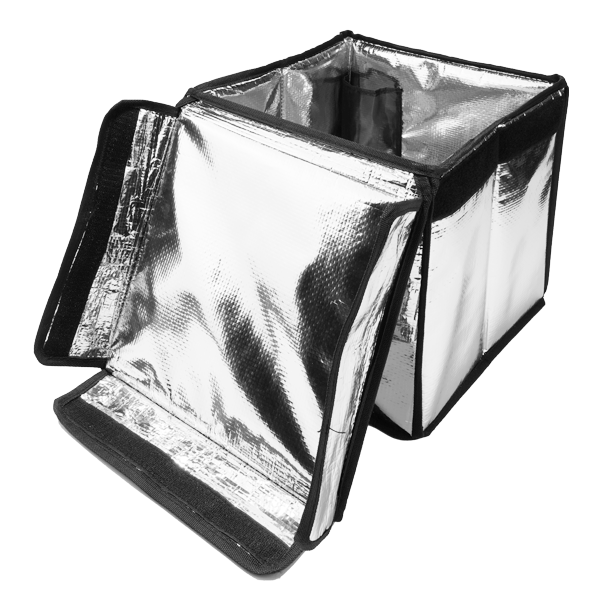
Insulated Pouch Wholesale Malaysia: A Practical Procurement and Use Guide
A search for insulated pouch wholesale malaysia usually starts with a product name, but a good purchase starts with the job the package must perform. insulated pouches may help protect goods during short handling windows, brand deliveries, or controlled hand-carry routes. They are not automatically qualified cold-chain systems. The safer approach is to match material, payload, closure, coolant, route duration, cleaning, and documentation to the product you are moving. This guide gives procurement and operations teams a practical way to make that judgment.
Define the job before choosing the format
The first useful step in insulated pouch wholesale malaysia procurement is to write a simple job statement. For example: this bag must carry sealed chilled meals for a short delivery route; this pouch must buffer small retail products during hand-carry; this branded cooler must support an outreach program but not replace a vaccine carrier; this backpack must help a field worker move samples while maintaining a monitored process. A clear job statement prevents the buyer from comparing products that look similar but solve different problems.
For Malaysian wholesalers, seafood exporters, food delivery brands, pharmacy suppliers, and promotional packaging buyers, the job statement should include product sensitivity, route duration, expected ambient exposure, payload, loading process, opening frequency, and whether records are required after delivery. It should also name the product boundary. A thermal bag is a passive package. It slows temperature change. It may hold coolant. It may support brand presentation. It does not actively refrigerate, and it does not prove compliance without the surrounding process.
A five-part decision framework
A useful framework is easier to apply than a long specification wish list. Start with temperature requirement, then move to payload, route, handling, and evidence. Temperature requirement defines whether the purchase is a convenience package or part of a controlled logistics process. Payload tells you whether the bag will be stable, overloaded, or mostly air. Route and handling decide how much warm exposure the product will see. Evidence decides whether the organization can defend the choice if a problem occurs.
| Decision question | Why it changes the choice | Better procurement wording |
|---|---|---|
| What product is being moved? | Food, beverage, biotech, vaccine support, and retail use have different risk levels | Describe the product and whether it is sealed, direct-contact, regulated, or promotional |
| What temperature expectation applies? | A bag alone does not define the required range | Confirm the product-specific range and whether coolant or monitoring is needed |
| How much usable space is needed? | Internal volume shrinks after coolant and separators are added | Request usable dimensions with the intended packout, not only outside size |
| How will the bag be handled? | Opening, carrying, stacking, and cleaning affect daily performance | Share route steps, stop count, operator behavior, and return process |
| What evidence is required? | Commercial convenience and regulated logistics need different proof | Ask for relevant test data or define an internal verification plan |
This framework keeps the purchase practical. It does not force every buyer into a pharmaceutical-style qualification process. It simply asks the level of evidence to match the level of risk.
Where the product helps, and where it is not enough
Insulated Pouch Wholesale Malaysia can be a good fit when the goal is short-term thermal buffering, easier carrying, brand presentation, small-payload organization, or a reusable delivery routine. It can also support a larger cold-chain process when the packout is designed, monitored, and approved. The format is less suitable when the route is long, uncontrolled, repeatedly opened, exposed to high ambient heat, or used for products that require strict documented temperature maintenance without proper evidence.
This distinction is especially important in vaccine, biologic, and pharmaceutical contexts. Vaccine storage and handling guidance generally treats cold chain as a complete system of equipment, procedures, and shared responsibility. Drug-product quality expectations also focus on appropriate storage and transport conditions. A branded or insulated bag may be useful in the program, but it should not be described as universally compliant. The quality team should decide what proof is needed for the specific route and product.
Material and construction choices with real trade-offs
The material choices behind insulated pouches usually involve trade-offs rather than simple upgrades. A thicker foam layer can slow heat transfer but may reduce usable space and increase shipping volume. A soft fabric shell can improve brand appearance and comfort but may need careful cleaning rules. A paper-based surface can support a certain sustainability message, but moisture and coating questions become more important. A reflective liner can help with radiant heat and visual cleanliness, yet seams and closures may still dominate performance.
Closures deserve particular attention. A loose flap, weak zipper, or difficult opening can undo a strong material stack because operators may leave the bag partly open. Handles and bases also matter. A bag that is comfortable when empty may sag when loaded with beverages, gel packs, or dense meal containers. If the product is heavy, test the loaded sample, not only the empty bag. If the bag is returned for reuse, inspect how the liner and stitching respond after cleaning and drying.
Procurement controls before a bulk order
Before scaling from sample to production, check whether the sample is truly representative. Confirm dimensions, liner finish, foam feel, stitching, artwork, closure, handle strength, carton packing, and label placement. Ask what happens if the supplier changes a material or production method. For printed or logoed bags, approve artwork on the same material and color that will be used in production. For pouches and paper formats, check edge sealing, moisture response, and how the package opens after compression in a carton.
Bulk purchasing also needs a receiving plan. Decide who checks the first delivery, which defects require rejection, and how the team records changes. If the bag is used in a quality-sensitive process, connect receiving inspection to the quality system. If it is used for retail or promotional distribution, connect inspection to brand standards and customer experience. The right inspection plan depends on the job statement, but every repeat order benefits from a written standard.
Operational controls after purchase
Even well-selected insulated pouches can underperform if the operating process is weak. Store bags dry and clean. Pre-condition products or coolant as required by the process. Avoid loading warm goods into a bag and expecting insulation to fix the starting condition. Train operators to close the bag fully and minimize unnecessary opening. Define where the bag sits in a vehicle, especially when the route includes sun exposure, warm docks, or multiple handovers.
Receiving teams also need instructions. If the product is sensitive, they should know whether to check a logger, inspect coolant condition, review a temperature indicator, or quarantine a shipment with evidence of mishandling. If the bag is reusable, they should inspect damage, odor, residue, moisture, zipper function, and handle strain before return. These steps are ordinary, but they are often missing from low-cost packaging programs.
A typical buyer scenario
A procurement team may need insulated pouch wholesale malaysia for a program that combines brand presentation with temperature-sensitive handling. The first supplier offers a low price and fast sample, but cannot explain usable volume after coolant placement. The second supplier asks for product dimensions, route duration, cleaning expectations, and artwork method before quoting. The second conversation takes more effort, yet it gives the buyer a safer basis for comparison. The supplier is not promising that one bag solves every route. The supplier is helping define the conditions the bag must meet.
In many programs, that difference matters more than a small unit-price gap. A better-defined sample reduces artwork surprises, loading problems, rejected deliveries, and unsupported performance claims. It also gives operations and quality teams a clearer path for approving or rejecting the packaging before money is committed to a large order.
Additional buyer checks before approval
For insulated pouch wholesale malaysia, sample approval should include more than a quick look at color and stitching. Load the product exactly as planned, add any coolant or separators, close the bag as an operator would close it, and leave it in the expected handling position. If the bag will be carried by hand, test comfort and balance with the real payload. If the bag will be returned, test cleaning and drying. If the order will be repeated, record the accepted sample details so the next production run can be compared against the same baseline.
Also decide which claims are allowed in your own sales or operating materials. If the bag has not been tested for a specific route, avoid writing a fixed hold-time claim. If the package is not approved for direct food contact, keep food in sealed primary packaging. If it is not a qualified medical shipper, describe it as a supporting insulated carry package rather than a compliance solution. Clear internal wording prevents misuse after procurement hands the product to sales, logistics, or field teams.
A final check is packaging around the packaging. Carton quantity, compression during export, pallet stability, and warehouse humidity can all affect what the buyer receives. A soft bag that looks good one by one may arrive creased if it is packed too tightly. A paper thermal bag may need protection from moisture. A printed outer surface may rub against neighboring units. These details sound small, but they shape the first impression and daily usability of a bulk order.
Frequently Asked Questions
Can insulated pouches replace a qualified cold-chain shipper?
Not by themselves. An insulated bag may reduce heat gain during a short handover or delivery window, but a qualified cold-chain shipper depends on a tested packout, coolant configuration, payload, ambient profile, and acceptance criteria. For regulated medicines, vaccines, biologics, or clinical samples, ask the quality team what evidence is needed before approving the bag for use.
What information should I send a supplier before asking for a quote?
Send the product type, target temperature range, expected route duration, quantity per bag, package dimensions, weight, handling method, cleaning needs, branding requirements, and any documentation expectations. If the bag will touch food directly or support regulated shipments, say that clearly. A better supplier discussion starts when the use case is defined instead of hidden behind a general product name.
Are reusable insulated bags always more sustainable?
Not always. Reuse can reduce repeated single-use packaging, but the result depends on return rate, cleaning, damage, storage, transport back to the origin, and how many trips the bag actually completes. A reusable option makes the most sense when routes are repeatable, the bag can be recovered, and the team has a process for inspection and hygiene.
Which specification is most often misunderstood?
Many buyers focus on outside size or a general insulation claim. Usable internal volume is often more important because coolant, liners, dividers, and product packaging reduce available space. For temperature-sensitive goods, stated performance should be checked against the same payload and route conditions you plan to use, not a generic marketing statement.
Conclusion
A useful insulated pouch wholesale malaysia decision connects three things: the product risk, the physical package, and the operating process around it. The right choice is not always the thickest, most decorated, or lowest-cost bag. It is the option that can be explained clearly, tested sensibly, handled consistently, and reviewed by the people responsible for product quality.
About Tempk
Tempk supports buyers evaluating insulated bags, cooler bags, thermal pouches, and related cold-chain packaging choices. For this subject, the most useful support is practical: matching the bag format to the route, product sensitivity, handling method, payload, and documentation expectation. When the shipment is regulated or high risk, we encourage buyers to confirm qualification evidence and quality approval instead of relying on insulation claims alone.
CTA
Send Tempk the pouch size, intended product, quantity target, and delivery conditions so wholesale options can be compared against actual handling needs.
Insulated Mailer Bag Promotional: What Buyers Should Verify
Insulated Mailer Bag Promotional: What Buyers Should Verify Before Ordering
A buyer looking for insulated mailer bag promotional is usually trying to reduce uncertainty before an order. The product may need to protect a grocery handoff, carry a brand logo, support an ecommerce shipment, serve a retail importer, or fit an OEM program. The safest decision is not to ask which bag is best in general. It is to verify whether the insulated mailer bag matches your payload, route, artwork, supplier process, and temperature-risk level.
The optimized view is simple: define the job first, then compare evidence. A flexible mailer can reduce heat transfer and protect the customer experience, but payload, coolant, ambient exposure, and transit time still determine suitability.
A practical definition for procurement
A insulated mailer bag is a soft insulated packaging or carrying product designed to slow temperature change and improve handling compared with a non-insulated bag. Depending on construction, it may be used for ecommerce chilled goods, meal components, subscription shipments, and promotional mailouts. It can be consumer-facing, courier-facing, retail-facing, or part of a broader packout. It is not automatically an active refrigeration device. It is not automatically a qualified thermal shipper. It is not proof that goods stayed in range.
This definition matters because many purchasing mistakes start when the product is given too broad a role. A brand team may see a logo opportunity. A logistics team may see an insulated handling tool. A quality team may see a potential temperature-control risk. All three viewpoints can be valid. The purchasing brief should bring them together instead of allowing each department to assume a different purpose.
For buyers in global channels, the word order in the search phrase often signals procurement intent. Terms such as wholesale, bulk, OEM, importer, manufacturer, supplier, company, and factory mean the buyer is not only choosing a product style. The buyer is also selecting a production partner. That selection should include sample discipline, document clarity, and honest limits on performance claims.
Where the product fits and where it is not enough
A insulated mailer bag fits well when the goal is portable insulated handling, brand presentation, reusable customer value, or short-distance support between controlled spaces. It may be used between a store and a customer, between a warehouse and a vehicle, at an event booth, in a retail display, or inside a larger packaging workflow. It is useful because it changes user behavior: people are more likely to keep chilled or warm items separated, close the bag, and handle the goods with intention.
The product is not enough when the shipment requires strict temperature proof, validated lane performance, or regulated distribution controls. In those cases, the buyer may need a complete packaging system that includes insulation, coolant or PCM, conditioning instructions, tested packout, monitoring, labeling, documentation, and receiving procedures. A soft insulated item may still play a role, but it should not be sold internally or externally as the entire solution.
This boundary is especially important for vaccine and pharmaceutical applications. Many refrigerated vaccines are handled within a narrow refrigerated range, and exposure to freezing can be damaging for some products. A pouch or bag may help with short handling steps only if the overall process supports the temperature requirement. For food and grocery, the buyer should also consider storage before packing, route time, vehicle conditions, and receiving behavior.
Decision checkpoints before approving a sample
| Decision point | What to confirm before ordering | Poor assumption to avoid |
|---|---|---|
| Use-case boundary | Whether the insulated mailer bag is for retail carry, delivery, mailer use, or temperature-sensitive shipment support. | Assuming every insulated product is a cold-chain shipper. |
| Thermal evidence | Any test basis, coolant configuration, payload, and ambient profile behind performance claims. | Treating a marketing duration as route qualification. |
| Brand and artwork | Logo method, color control, placement, wash or rub resistance, and packaging presentation. | Approving artwork without checking production fabric and liner. |
| Supplier control | Sample-to-production consistency, tolerances, packaging, inspection process, and change notice. | Ordering bulk units after only reviewing a photo. |
| Operational rollout | Storage, conditioning, cleaning, return, receiving checks, and user instructions. | Expecting the bag to solve process gaps alone. |
Use these checkpoints before the order becomes difficult to change. The goal is not to make every insulated mailer bag project complicated. The goal is to avoid approving a sample for the wrong reason. A physical sample should answer practical questions about fit, handling, appearance, and construction before the buyer discusses large quantities or rollout dates.
Specifications that deserve written confirmation
Dimensions should be separated into external size, internal size, and usable payload space. Usable space may be reduced by insulation, liners, seams, dividers, coolant, or the way the lid closes. Material specifications should describe the outer shell, insulation layer, liner, stitching or welding, closure, handles, straps, label areas, and unit packaging. Branding specifications should include logo method, placement, color reference, size, and acceptance limits.
If the supplier mentions thermal performance, ask what conditions support the statement. Was the finished product tested? What payload was used? Was coolant included? What was the starting temperature? What ambient exposure was applied? Was the item opened during testing? Were the same materials and construction used as the production version? Without this context, the number may not help your operation.
For wholesale, OEM, importer, and enterprise orders, change control is a real specification. Ask whether the supplier may substitute liners, foam, fabric, zippers, webbing, or logo methods without prior approval. Even a change that looks minor can alter folding behavior, durability, weight, packing, and customer perception. A sample approval sheet should become the reference for production inspection.
Operational rollout: what happens after the cartons arrive
The purchase is only successful if the product works after delivery. For grocery and delivery operations, that means staff know how to pack, close, clean, store, and inspect the bag. For retail programs, it means the product arrives with acceptable appearance, labels, and shelf-ready packaging. For promotional campaigns, it means the brand presentation is consistent across the batch. For healthcare-adjacent use, it means the quality team has reviewed the exact role of the bag.
Receiving inspection should be simple but deliberate. Check a sample of units for odor, stains, liner defects, loose threads, uneven seams, logo placement, closure function, and handle strength. Compare carton labels and packing methods with the approved order. If the bag will be used repeatedly, inspect cleaning response and folding behavior. If it will carry temperature-sensitive goods, confirm that any required conditioning, coolant placement, monitoring, and receiving process is documented separately.
A small pilot can reveal issues that office review misses. Have real users pack the intended contents, carry the product, open and close it under normal pressure, and report where the process feels awkward. A user who leaves a closure partly open because it is slow or inconvenient can undermine the insulation. Good design supports the behavior you need.
Cost, sustainability, and customer perception
The lowest unit price is rarely the full cost. A weak insulated mailer bag can create complaints, rework, damaged artwork, poor reuse, slow packing, or higher freight due to inefficient carton dimensions. A product that costs slightly more may be better if it reduces defects, supports reuse, and fits the workflow. Buyers should compare total operational fit, not only the quotation line.
Sustainability should be discussed in concrete terms. Reusable, foldable, cleanable, repairable, recyclable, lightweight, or reduced-packaging claims each mean different things. A laminated insulated product may be hard to recycle even if it is durable. A lightweight product may reduce freight but fail sooner. A reusable grocery bag may offer value only if customers actually keep it or the business manages return loops. Describe what the product truly supports and avoid broad claims that cannot be evidenced.
Customer perception is also part of value. A bag that feels clean, closes confidently, carries comfortably, and displays the logo well can support trust. A bag that arrives wrinkled, smells strongly, leaks condensation, or has uneven printing can weaken the brand even if it was inexpensive. For buyer-facing products, appearance and performance should be checked together.
Supplier questions that actually matter
Ask suppliers to explain the intended use cases for the proposed insulated mailer bag. Ask what they would not recommend it for. Ask whether the production batch will match the sample and what changes require buyer approval. Ask how the logo method is selected for the material. Ask how the item is packed for export or domestic distribution. Ask whether thermal claims have documented conditions. Ask whether the supplier can support custom sizing, branding, or packaging only when those requirements are clearly defined.
Good suppliers do not need to promise universal performance. They need to help you match the design to the job. A supplier who asks about route, payload, temperature concern, artwork, order volume, and cleaning is giving you a better basis for decision than one who only sends a price list. This is particularly important when the order moves from a marketing idea to an operational rollout.
For importers and regional distributors, communication quality matters. You need clear specifications, consistent samples, sensible packing, and prompt notice if materials or production methods change. For enterprise users, you need a product that works across multiple locations or teams. For vaccine or medical contexts, you need quality review and careful documentation. The right supplier conversation reflects these differences.
Brand value depends on the product being kept
For insulated mailer bag promotional, a good result is not only a sharp logo. The product should be useful enough that customers, staff, or delivery teams keep using it. Buyers should therefore compare logo quality with comfort, foldability, liner cleanliness, and storage behavior. A product that is reused extends the brand moment; a product that fails in daily use shortens it.
FAQ
What is the most important factor when buying insulated mailer bag promotional?
The most important factor is use-case fit. Define the payload, route, user, branding requirement, and temperature-risk level before comparing quotations. Construction details matter, but they only make sense when tied to the job the insulated mailer bag must perform.
Should I approve a digital mockup before production?
A digital mockup is useful for early layout, but it should not replace a physical sample for logo, color, size, closure, and handling approval. Real materials can change color appearance, print edge quality, folding behavior, and the way the product feels when loaded.
How do I evaluate thermal performance without a formal test?
For low-risk use, you can run an internal handling trial with the actual payload and route behavior. For temperature-sensitive or regulated goods, ask for documented test conditions or involve your quality team. Never treat an unsupported thermal duration as proof for every route.
Is reusable packaging always more sustainable?
Not automatically. Reuse value depends on durability, cleaning, return behavior, storage efficiency, and whether users keep or return the product. A reusable bag that is discarded quickly may not deliver the intended benefit. Buyers should use concrete, evidence-based sustainability statements.
When should a buyer consider a different packaging format?
Consider a rigid cooler, insulated box, liner, qualified shipper, or active container if the payload is fragile, heavy, highly temperature-sensitive, regulated, or exposed for longer routes. A soft insulated bag is useful, but it is not the right answer for every cold-chain problem.
Conclusion
The best insulated mailer bag promotional decision is built on verification. Confirm the real job, the payload, the route, the artwork, the sample, the production controls, and any temperature evidence before ordering. Use the insulated mailer bag where it fits: portable insulated handling, brand presentation, reusable customer value, or support within a broader cold-chain process. Do not use it as a shortcut for validation, documentation, or process control when sensitive goods require more.
About Tempk
Tempk works with buyers comparing thermal bags, insulated delivery bags, cooler bags, ice packs, insulated liners, and related cold-chain packaging materials. For insulated mailer bag projects, we can help clarify whether the request is mainly about branding, grocery handling, ecommerce packaging, OEM supply, or temperature-sensitive support. We keep the conversation practical by discussing payload, route, logo needs, and evidence boundaries before recommending a format.
CTA
Share your product type, expected contents, route, branding plan, and order quantity with Tempk to review suitable insulated mailer bag options before committing to bulk production.
Insulated Grocery Bag Personalized: What Buyers Should Verify
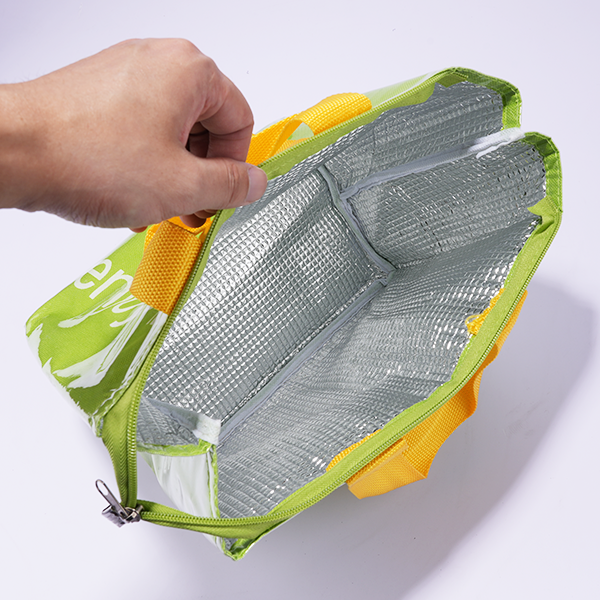
Insulated Grocery Bag Personalized: What Buyers Should Verify Before Ordering
A buyer looking for insulated grocery bag personalized is usually trying to reduce uncertainty before an order. The product may need to protect a grocery handoff, carry a brand logo, support an ecommerce shipment, serve a retail importer, or fit an OEM program. The safest decision is not to ask which bag is best in general. It is to verify whether the insulated grocery bag matches your payload, route, artwork, supplier process, and temperature-risk level.
The optimized view is simple: define the job first, then compare evidence. For grocery use, an insulated bag supports temperature retention during handling, but it does not replace controlled storage or disciplined delivery timing.
A practical definition for procurement
A insulated grocery bag is a soft insulated packaging or carrying product designed to slow temperature change and improve handling compared with a non-insulated bag. Depending on construction, it may be used for grocery pickup, store-to-door delivery, retail loyalty programs, and consumer reuse. It can be consumer-facing, courier-facing, retail-facing, or part of a broader packout. It is not automatically an active refrigeration device. It is not automatically a qualified thermal shipper. It is not proof that goods stayed in range.
This definition matters because many purchasing mistakes start when the product is given too broad a role. A brand team may see a logo opportunity. A logistics team may see an insulated handling tool. A quality team may see a potential temperature-control risk. All three viewpoints can be valid. The purchasing brief should bring them together instead of allowing each department to assume a different purpose.
For buyers in global channels, the word order in the search phrase often signals procurement intent. Terms such as wholesale, bulk, OEM, importer, manufacturer, supplier, company, and factory mean the buyer is not only choosing a product style. The buyer is also selecting a production partner. That selection should include sample discipline, document clarity, and honest limits on performance claims.
Where the product fits and where it is not enough
A insulated grocery bag fits well when the goal is portable insulated handling, brand presentation, reusable customer value, or short-distance support between controlled spaces. It may be used between a store and a customer, between a warehouse and a vehicle, at an event booth, in a retail display, or inside a larger packaging workflow. It is useful because it changes user behavior: people are more likely to keep chilled or warm items separated, close the bag, and handle the goods with intention.
The product is not enough when the shipment requires strict temperature proof, validated lane performance, or regulated distribution controls. In those cases, the buyer may need a complete packaging system that includes insulation, coolant or PCM, conditioning instructions, tested packout, monitoring, labeling, documentation, and receiving procedures. A soft insulated item may still play a role, but it should not be sold internally or externally as the entire solution.
This boundary is especially important for vaccine and pharmaceutical applications. Many refrigerated vaccines are handled within a narrow refrigerated range, and exposure to freezing can be damaging for some products. A pouch or bag may help with short handling steps only if the overall process supports the temperature requirement. For food and grocery, the buyer should also consider storage before packing, route time, vehicle conditions, and receiving behavior.
Decision checkpoints before approving a sample
| Decision point | What to confirm before ordering | Poor assumption to avoid |
|---|---|---|
| Use-case boundary | Whether the insulated grocery bag is for retail carry, delivery, mailer use, or temperature-sensitive shipment support. | Assuming every insulated product is a cold-chain shipper. |
| Thermal evidence | Any test basis, coolant configuration, payload, and ambient profile behind performance claims. | Treating a marketing duration as route qualification. |
| Brand and artwork | Logo method, color control, placement, wash or rub resistance, and packaging presentation. | Approving artwork without checking production fabric and liner. |
| Supplier control | Sample-to-production consistency, tolerances, packaging, inspection process, and change notice. | Ordering bulk units after only reviewing a photo. |
| Operational rollout | Storage, conditioning, cleaning, return, receiving checks, and user instructions. | Expecting the bag to solve process gaps alone. |
Use these checkpoints before the order becomes difficult to change. The goal is not to make every insulated grocery bag project complicated. The goal is to avoid approving a sample for the wrong reason. A physical sample should answer practical questions about fit, handling, appearance, and construction before the buyer discusses large quantities or rollout dates.
Specifications that deserve written confirmation
Dimensions should be separated into external size, internal size, and usable payload space. Usable space may be reduced by insulation, liners, seams, dividers, coolant, or the way the lid closes. Material specifications should describe the outer shell, insulation layer, liner, stitching or welding, closure, handles, straps, label areas, and unit packaging. Branding specifications should include logo method, placement, color reference, size, and acceptance limits.
If the supplier mentions thermal performance, ask what conditions support the statement. Was the finished product tested? What payload was used? Was coolant included? What was the starting temperature? What ambient exposure was applied? Was the item opened during testing? Were the same materials and construction used as the production version? Without this context, the number may not help your operation.
For wholesale, OEM, importer, and enterprise orders, change control is a real specification. Ask whether the supplier may substitute liners, foam, fabric, zippers, webbing, or logo methods without prior approval. Even a change that looks minor can alter folding behavior, durability, weight, packing, and customer perception. A sample approval sheet should become the reference for production inspection.
Operational rollout: what happens after the cartons arrive
The purchase is only successful if the product works after delivery. For grocery and delivery operations, that means staff know how to pack, close, clean, store, and inspect the bag. For retail programs, it means the product arrives with acceptable appearance, labels, and shelf-ready packaging. For promotional campaigns, it means the brand presentation is consistent across the batch. For healthcare-adjacent use, it means the quality team has reviewed the exact role of the bag.
Receiving inspection should be simple but deliberate. Check a sample of units for odor, stains, liner defects, loose threads, uneven seams, logo placement, closure function, and handle strength. Compare carton labels and packing methods with the approved order. If the bag will be used repeatedly, inspect cleaning response and folding behavior. If it will carry temperature-sensitive goods, confirm that any required conditioning, coolant placement, monitoring, and receiving process is documented separately.
A small pilot can reveal issues that office review misses. Have real users pack the intended contents, carry the product, open and close it under normal pressure, and report where the process feels awkward. A user who leaves a closure partly open because it is slow or inconvenient can undermine the insulation. Good design supports the behavior you need.
Cost, sustainability, and customer perception
The lowest unit price is rarely the full cost. A weak insulated grocery bag can create complaints, rework, damaged artwork, poor reuse, slow packing, or higher freight due to inefficient carton dimensions. A product that costs slightly more may be better if it reduces defects, supports reuse, and fits the workflow. Buyers should compare total operational fit, not only the quotation line.
Sustainability should be discussed in concrete terms. Reusable, foldable, cleanable, repairable, recyclable, lightweight, or reduced-packaging claims each mean different things. A laminated insulated product may be hard to recycle even if it is durable. A lightweight product may reduce freight but fail sooner. A reusable grocery bag may offer value only if customers actually keep it or the business manages return loops. Describe what the product truly supports and avoid broad claims that cannot be evidenced.
Customer perception is also part of value. A bag that feels clean, closes confidently, carries comfortably, and displays the logo well can support trust. A bag that arrives wrinkled, smells strongly, leaks condensation, or has uneven printing can weaken the brand even if it was inexpensive. For buyer-facing products, appearance and performance should be checked together.
Supplier questions that actually matter
Ask suppliers to explain the intended use cases for the proposed insulated grocery bag. Ask what they would not recommend it for. Ask whether the production batch will match the sample and what changes require buyer approval. Ask how the logo method is selected for the material. Ask how the item is packed for export or domestic distribution. Ask whether thermal claims have documented conditions. Ask whether the supplier can support custom sizing, branding, or packaging only when those requirements are clearly defined.
Good suppliers do not need to promise universal performance. They need to help you match the design to the job. A supplier who asks about route, payload, temperature concern, artwork, order volume, and cleaning is giving you a better basis for decision than one who only sends a price list. This is particularly important when the order moves from a marketing idea to an operational rollout.
For importers and regional distributors, communication quality matters. You need clear specifications, consistent samples, sensible packing, and prompt notice if materials or production methods change. For enterprise users, you need a product that works across multiple locations or teams. For vaccine or medical contexts, you need quality review and careful documentation. The right supplier conversation reflects these differences.
Brand value depends on the product being kept
For insulated grocery bag personalized, a good result is not only a sharp logo. The product should be useful enough that customers, staff, or delivery teams keep using it. Buyers should therefore compare logo quality with comfort, foldability, liner cleanliness, and storage behavior. A product that is reused extends the brand moment; a product that fails in daily use shortens it.
FAQ
What is the most important factor when buying insulated grocery bag personalized?
The most important factor is use-case fit. Define the payload, route, user, branding requirement, and temperature-risk level before comparing quotations. Construction details matter, but they only make sense when tied to the job the insulated grocery bag must perform.
Should I approve a digital mockup before production?
A digital mockup is useful for early layout, but it should not replace a physical sample for logo, color, size, closure, and handling approval. Real materials can change color appearance, print edge quality, folding behavior, and the way the product feels when loaded.
How do I evaluate thermal performance without a formal test?
For low-risk use, you can run an internal handling trial with the actual payload and route behavior. For temperature-sensitive or regulated goods, ask for documented test conditions or involve your quality team. Never treat an unsupported thermal duration as proof for every route.
Is reusable packaging always more sustainable?
Not automatically. Reuse value depends on durability, cleaning, return behavior, storage efficiency, and whether users keep or return the product. A reusable bag that is discarded quickly may not deliver the intended benefit. Buyers should use concrete, evidence-based sustainability statements.
When should a buyer consider a different packaging format?
Consider a rigid cooler, insulated box, liner, qualified shipper, or active container if the payload is fragile, heavy, highly temperature-sensitive, regulated, or exposed for longer routes. A soft insulated bag is useful, but it is not the right answer for every cold-chain problem.
Conclusion
The best insulated grocery bag personalized decision is built on verification. Confirm the real job, the payload, the route, the artwork, the sample, the production controls, and any temperature evidence before ordering. Use the insulated grocery bag where it fits: portable insulated handling, brand presentation, reusable customer value, or support within a broader cold-chain process. Do not use it as a shortcut for validation, documentation, or process control when sensitive goods require more.
About Tempk
Tempk works with buyers comparing thermal bags, insulated delivery bags, cooler bags, ice packs, insulated liners, and related cold-chain packaging materials. For insulated grocery bag projects, we can help clarify whether the request is mainly about branding, grocery handling, ecommerce packaging, OEM supply, or temperature-sensitive support. We keep the conversation practical by discussing payload, route, logo needs, and evidence boundaries before recommending a format.
CTA
Share your product type, expected contents, route, branding plan, and order quantity with Tempk to review suitable insulated grocery bag options before committing to bulk production.
Insulated Cooler Bag OEM: What Buyers Should Verify

Insulated Cooler Bag OEM: What Buyers Should Verify Before Ordering
A buyer looking for insulated cooler bag oem is usually trying to reduce uncertainty before an order. The product may need to protect a grocery handoff, carry a brand logo, support an ecommerce shipment, serve a retail importer, or fit an OEM program. The safest decision is not to ask which bag is best in general. It is to verify whether the insulated cooler bag matches your payload, route, artwork, supplier process, and temperature-risk level.
The optimized view is simple: define the job first, then compare evidence. Soft insulated packaging is useful for controlled handling, but it must be matched to the product, route, and expected exposure.
A practical definition for procurement
A insulated cooler bag is a soft insulated packaging or carrying product designed to slow temperature change and improve handling compared with a non-insulated bag. Depending on construction, it may be used for food delivery, grocery routes, samples, catering, and business-to-business cold-chain support. It can be consumer-facing, courier-facing, retail-facing, or part of a broader packout. It is not automatically an active refrigeration device. It is not automatically a qualified thermal shipper. It is not proof that goods stayed in range.
This definition matters because many purchasing mistakes start when the product is given too broad a role. A brand team may see a logo opportunity. A logistics team may see an insulated handling tool. A quality team may see a potential temperature-control risk. All three viewpoints can be valid. The purchasing brief should bring them together instead of allowing each department to assume a different purpose.
For buyers in global channels, the word order in the search phrase often signals procurement intent. Terms such as wholesale, bulk, OEM, importer, manufacturer, supplier, company, and factory mean the buyer is not only choosing a product style. The buyer is also selecting a production partner. That selection should include sample discipline, document clarity, and honest limits on performance claims.
Where the product fits and where it is not enough
A insulated cooler bag fits well when the goal is portable insulated handling, brand presentation, reusable customer value, or short-distance support between controlled spaces. It may be used between a store and a customer, between a warehouse and a vehicle, at an event booth, in a retail display, or inside a larger packaging workflow. It is useful because it changes user behavior: people are more likely to keep chilled or warm items separated, close the bag, and handle the goods with intention.
The product is not enough when the shipment requires strict temperature proof, validated lane performance, or regulated distribution controls. In those cases, the buyer may need a complete packaging system that includes insulation, coolant or PCM, conditioning instructions, tested packout, monitoring, labeling, documentation, and receiving procedures. A soft insulated item may still play a role, but it should not be sold internally or externally as the entire solution.
This boundary is especially important for vaccine and pharmaceutical applications. Many refrigerated vaccines are handled within a narrow refrigerated range, and exposure to freezing can be damaging for some products. A pouch or bag may help with short handling steps only if the overall process supports the temperature requirement. For food and grocery, the buyer should also consider storage before packing, route time, vehicle conditions, and receiving behavior.
Decision checkpoints before approving a sample
| Decision point | What to confirm before ordering | Poor assumption to avoid |
|---|---|---|
| Use-case boundary | Whether the insulated cooler bag is for retail carry, delivery, mailer use, or temperature-sensitive shipment support. | Assuming every insulated product is a cold-chain shipper. |
| Thermal evidence | Any test basis, coolant configuration, payload, and ambient profile behind performance claims. | Treating a marketing duration as route qualification. |
| Brand and artwork | Logo method, color control, placement, wash or rub resistance, and packaging presentation. | Approving artwork without checking production fabric and liner. |
| Supplier control | Sample-to-production consistency, tolerances, packaging, inspection process, and change notice. | Ordering bulk units after only reviewing a photo. |
| Operational rollout | Storage, conditioning, cleaning, return, receiving checks, and user instructions. | Expecting the bag to solve process gaps alone. |
Use these checkpoints before the order becomes difficult to change. The goal is not to make every insulated cooler bag project complicated. The goal is to avoid approving a sample for the wrong reason. A physical sample should answer practical questions about fit, handling, appearance, and construction before the buyer discusses large quantities or rollout dates.
Specifications that deserve written confirmation
Dimensions should be separated into external size, internal size, and usable payload space. Usable space may be reduced by insulation, liners, seams, dividers, coolant, or the way the lid closes. Material specifications should describe the outer shell, insulation layer, liner, stitching or welding, closure, handles, straps, label areas, and unit packaging. Branding specifications should include logo method, placement, color reference, size, and acceptance limits.
If the supplier mentions thermal performance, ask what conditions support the statement. Was the finished product tested? What payload was used? Was coolant included? What was the starting temperature? What ambient exposure was applied? Was the item opened during testing? Were the same materials and construction used as the production version? Without this context, the number may not help your operation.
For wholesale, OEM, importer, and enterprise orders, change control is a real specification. Ask whether the supplier may substitute liners, foam, fabric, zippers, webbing, or logo methods without prior approval. Even a change that looks minor can alter folding behavior, durability, weight, packing, and customer perception. A sample approval sheet should become the reference for production inspection.
Operational rollout: what happens after the cartons arrive
The purchase is only successful if the product works after delivery. For grocery and delivery operations, that means staff know how to pack, close, clean, store, and inspect the bag. For retail programs, it means the product arrives with acceptable appearance, labels, and shelf-ready packaging. For promotional campaigns, it means the brand presentation is consistent across the batch. For healthcare-adjacent use, it means the quality team has reviewed the exact role of the bag.
Receiving inspection should be simple but deliberate. Check a sample of units for odor, stains, liner defects, loose threads, uneven seams, logo placement, closure function, and handle strength. Compare carton labels and packing methods with the approved order. If the bag will be used repeatedly, inspect cleaning response and folding behavior. If it will carry temperature-sensitive goods, confirm that any required conditioning, coolant placement, monitoring, and receiving process is documented separately.
A small pilot can reveal issues that office review misses. Have real users pack the intended contents, carry the product, open and close it under normal pressure, and report where the process feels awkward. A user who leaves a closure partly open because it is slow or inconvenient can undermine the insulation. Good design supports the behavior you need.
Cost, sustainability, and customer perception
The lowest unit price is rarely the full cost. A weak insulated cooler bag can create complaints, rework, damaged artwork, poor reuse, slow packing, or higher freight due to inefficient carton dimensions. A product that costs slightly more may be better if it reduces defects, supports reuse, and fits the workflow. Buyers should compare total operational fit, not only the quotation line.
Sustainability should be discussed in concrete terms. Reusable, foldable, cleanable, repairable, recyclable, lightweight, or reduced-packaging claims each mean different things. A laminated insulated product may be hard to recycle even if it is durable. A lightweight product may reduce freight but fail sooner. A reusable grocery bag may offer value only if customers actually keep it or the business manages return loops. Describe what the product truly supports and avoid broad claims that cannot be evidenced.
Customer perception is also part of value. A bag that feels clean, closes confidently, carries comfortably, and displays the logo well can support trust. A bag that arrives wrinkled, smells strongly, leaks condensation, or has uneven printing can weaken the brand even if it was inexpensive. For buyer-facing products, appearance and performance should be checked together.
Supplier questions that actually matter
Ask suppliers to explain the intended use cases for the proposed insulated cooler bag. Ask what they would not recommend it for. Ask whether the production batch will match the sample and what changes require buyer approval. Ask how the logo method is selected for the material. Ask how the item is packed for export or domestic distribution. Ask whether thermal claims have documented conditions. Ask whether the supplier can support custom sizing, branding, or packaging only when those requirements are clearly defined.
Good suppliers do not need to promise universal performance. They need to help you match the design to the job. A supplier who asks about route, payload, temperature concern, artwork, order volume, and cleaning is giving you a better basis for decision than one who only sends a price list. This is particularly important when the order moves from a marketing idea to an operational rollout.
For importers and regional distributors, communication quality matters. You need clear specifications, consistent samples, sensible packing, and prompt notice if materials or production methods change. For enterprise users, you need a product that works across multiple locations or teams. For vaccine or medical contexts, you need quality review and careful documentation. The right supplier conversation reflects these differences.
Regional procurement should lock the approved version
For insulated cooler bag oem, buyers should keep the approved sample, specification, artwork file, and packing method connected. This is especially useful for importer, supplier, factory, bulk, or OEM orders, where small production changes can affect market acceptance after the order arrives.
FAQ
What is the most important factor when buying insulated cooler bag oem?
The most important factor is use-case fit. Define the payload, route, user, branding requirement, and temperature-risk level before comparing quotations. Construction details matter, but they only make sense when tied to the job the insulated cooler bag must perform.
Should I approve a digital mockup before production?
A digital mockup is useful for early layout, but it should not replace a physical sample for logo, color, size, closure, and handling approval. Real materials can change color appearance, print edge quality, folding behavior, and the way the product feels when loaded.
How do I evaluate thermal performance without a formal test?
For low-risk use, you can run an internal handling trial with the actual payload and route behavior. For temperature-sensitive or regulated goods, ask for documented test conditions or involve your quality team. Never treat an unsupported thermal duration as proof for every route.
Is reusable packaging always more sustainable?
Not automatically. Reuse value depends on durability, cleaning, return behavior, storage efficiency, and whether users keep or return the product. A reusable bag that is discarded quickly may not deliver the intended benefit. Buyers should use concrete, evidence-based sustainability statements.
When should a buyer consider a different packaging format?
Consider a rigid cooler, insulated box, liner, qualified shipper, or active container if the payload is fragile, heavy, highly temperature-sensitive, regulated, or exposed for longer routes. A soft insulated bag is useful, but it is not the right answer for every cold-chain problem.
Conclusion
The best insulated cooler bag oem decision is built on verification. Confirm the real job, the payload, the route, the artwork, the sample, the production controls, and any temperature evidence before ordering. Use the insulated cooler bag where it fits: portable insulated handling, brand presentation, reusable customer value, or support within a broader cold-chain process. Do not use it as a shortcut for validation, documentation, or process control when sensitive goods require more.
About Tempk
Tempk works with buyers comparing thermal bags, insulated delivery bags, cooler bags, ice packs, insulated liners, and related cold-chain packaging materials. For insulated cooler bag projects, we can help clarify whether the request is mainly about branding, grocery handling, ecommerce packaging, OEM supply, or temperature-sensitive support. We keep the conversation practical by discussing payload, route, logo needs, and evidence boundaries before recommending a format.
CTA
Share your product type, expected contents, route, branding plan, and order quantity with Tempk to review suitable insulated cooler bag options before committing to bulk production.
Insulated Cooler Bag Enterprise: What Buyers Should Verify
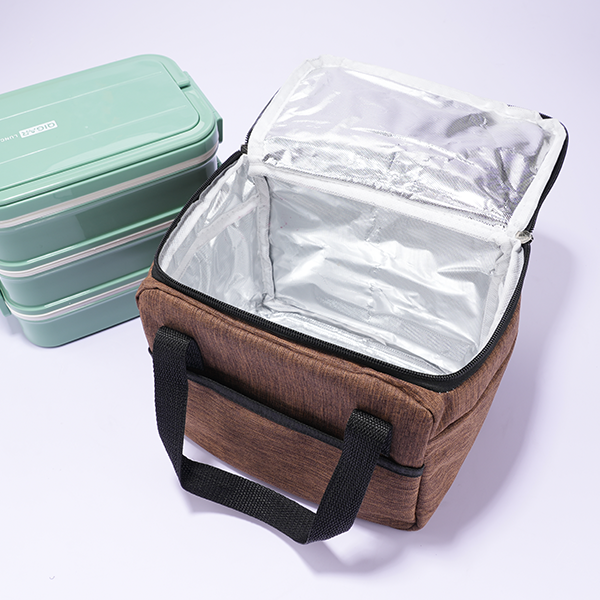
Insulated Cooler Bag Enterprise: What Buyers Should Verify Before Ordering
A buyer looking for insulated cooler bag enterprise is usually trying to reduce uncertainty before an order. The product may need to protect a grocery handoff, carry a brand logo, support an ecommerce shipment, serve a retail importer, or fit an OEM program. The safest decision is not to ask which bag is best in general. It is to verify whether the insulated cooler bag matches your payload, route, artwork, supplier process, and temperature-risk level.
The optimized view is simple: define the job first, then compare evidence. Soft insulated packaging is useful for controlled handling, but it must be matched to the product, route, and expected exposure.
A practical definition for procurement
A insulated cooler bag is a soft insulated packaging or carrying product designed to slow temperature change and improve handling compared with a non-insulated bag. Depending on construction, it may be used for food delivery, grocery routes, samples, catering, and business-to-business cold-chain support. It can be consumer-facing, courier-facing, retail-facing, or part of a broader packout. It is not automatically an active refrigeration device. It is not automatically a qualified thermal shipper. It is not proof that goods stayed in range.
This definition matters because many purchasing mistakes start when the product is given too broad a role. A brand team may see a logo opportunity. A logistics team may see an insulated handling tool. A quality team may see a potential temperature-control risk. All three viewpoints can be valid. The purchasing brief should bring them together instead of allowing each department to assume a different purpose.
For buyers in global channels, the word order in the search phrase often signals procurement intent. Terms such as wholesale, bulk, OEM, importer, manufacturer, supplier, company, and factory mean the buyer is not only choosing a product style. The buyer is also selecting a production partner. That selection should include sample discipline, document clarity, and honest limits on performance claims.
Where the product fits and where it is not enough
A insulated cooler bag fits well when the goal is portable insulated handling, brand presentation, reusable customer value, or short-distance support between controlled spaces. It may be used between a store and a customer, between a warehouse and a vehicle, at an event booth, in a retail display, or inside a larger packaging workflow. It is useful because it changes user behavior: people are more likely to keep chilled or warm items separated, close the bag, and handle the goods with intention.
The product is not enough when the shipment requires strict temperature proof, validated lane performance, or regulated distribution controls. In those cases, the buyer may need a complete packaging system that includes insulation, coolant or PCM, conditioning instructions, tested packout, monitoring, labeling, documentation, and receiving procedures. A soft insulated item may still play a role, but it should not be sold internally or externally as the entire solution.
This boundary is especially important for vaccine and pharmaceutical applications. Many refrigerated vaccines are handled within a narrow refrigerated range, and exposure to freezing can be damaging for some products. A pouch or bag may help with short handling steps only if the overall process supports the temperature requirement. For food and grocery, the buyer should also consider storage before packing, route time, vehicle conditions, and receiving behavior.
Decision checkpoints before approving a sample
| Decision point | What to confirm before ordering | Poor assumption to avoid |
|---|---|---|
| Use-case boundary | Whether the insulated cooler bag is for retail carry, delivery, mailer use, or temperature-sensitive shipment support. | Assuming every insulated product is a cold-chain shipper. |
| Thermal evidence | Any test basis, coolant configuration, payload, and ambient profile behind performance claims. | Treating a marketing duration as route qualification. |
| Brand and artwork | Logo method, color control, placement, wash or rub resistance, and packaging presentation. | Approving artwork without checking production fabric and liner. |
| Supplier control | Sample-to-production consistency, tolerances, packaging, inspection process, and change notice. | Ordering bulk units after only reviewing a photo. |
| Operational rollout | Storage, conditioning, cleaning, return, receiving checks, and user instructions. | Expecting the bag to solve process gaps alone. |
Use these checkpoints before the order becomes difficult to change. The goal is not to make every insulated cooler bag project complicated. The goal is to avoid approving a sample for the wrong reason. A physical sample should answer practical questions about fit, handling, appearance, and construction before the buyer discusses large quantities or rollout dates.
Specifications that deserve written confirmation
Dimensions should be separated into external size, internal size, and usable payload space. Usable space may be reduced by insulation, liners, seams, dividers, coolant, or the way the lid closes. Material specifications should describe the outer shell, insulation layer, liner, stitching or welding, closure, handles, straps, label areas, and unit packaging. Branding specifications should include logo method, placement, color reference, size, and acceptance limits.
If the supplier mentions thermal performance, ask what conditions support the statement. Was the finished product tested? What payload was used? Was coolant included? What was the starting temperature? What ambient exposure was applied? Was the item opened during testing? Were the same materials and construction used as the production version? Without this context, the number may not help your operation.
For wholesale, OEM, importer, and enterprise orders, change control is a real specification. Ask whether the supplier may substitute liners, foam, fabric, zippers, webbing, or logo methods without prior approval. Even a change that looks minor can alter folding behavior, durability, weight, packing, and customer perception. A sample approval sheet should become the reference for production inspection.
Operational rollout: what happens after the cartons arrive
The purchase is only successful if the product works after delivery. For grocery and delivery operations, that means staff know how to pack, close, clean, store, and inspect the bag. For retail programs, it means the product arrives with acceptable appearance, labels, and shelf-ready packaging. For promotional campaigns, it means the brand presentation is consistent across the batch. For healthcare-adjacent use, it means the quality team has reviewed the exact role of the bag.
Receiving inspection should be simple but deliberate. Check a sample of units for odor, stains, liner defects, loose threads, uneven seams, logo placement, closure function, and handle strength. Compare carton labels and packing methods with the approved order. If the bag will be used repeatedly, inspect cleaning response and folding behavior. If it will carry temperature-sensitive goods, confirm that any required conditioning, coolant placement, monitoring, and receiving process is documented separately.
A small pilot can reveal issues that office review misses. Have real users pack the intended contents, carry the product, open and close it under normal pressure, and report where the process feels awkward. A user who leaves a closure partly open because it is slow or inconvenient can undermine the insulation. Good design supports the behavior you need.
Cost, sustainability, and customer perception
The lowest unit price is rarely the full cost. A weak insulated cooler bag can create complaints, rework, damaged artwork, poor reuse, slow packing, or higher freight due to inefficient carton dimensions. A product that costs slightly more may be better if it reduces defects, supports reuse, and fits the workflow. Buyers should compare total operational fit, not only the quotation line.
Sustainability should be discussed in concrete terms. Reusable, foldable, cleanable, repairable, recyclable, lightweight, or reduced-packaging claims each mean different things. A laminated insulated product may be hard to recycle even if it is durable. A lightweight product may reduce freight but fail sooner. A reusable grocery bag may offer value only if customers actually keep it or the business manages return loops. Describe what the product truly supports and avoid broad claims that cannot be evidenced.
Customer perception is also part of value. A bag that feels clean, closes confidently, carries comfortably, and displays the logo well can support trust. A bag that arrives wrinkled, smells strongly, leaks condensation, or has uneven printing can weaken the brand even if it was inexpensive. For buyer-facing products, appearance and performance should be checked together.
Supplier questions that actually matter
Ask suppliers to explain the intended use cases for the proposed insulated cooler bag. Ask what they would not recommend it for. Ask whether the production batch will match the sample and what changes require buyer approval. Ask how the logo method is selected for the material. Ask how the item is packed for export or domestic distribution. Ask whether thermal claims have documented conditions. Ask whether the supplier can support custom sizing, branding, or packaging only when those requirements are clearly defined.
Good suppliers do not need to promise universal performance. They need to help you match the design to the job. A supplier who asks about route, payload, temperature concern, artwork, order volume, and cleaning is giving you a better basis for decision than one who only sends a price list. This is particularly important when the order moves from a marketing idea to an operational rollout.
For importers and regional distributors, communication quality matters. You need clear specifications, consistent samples, sensible packing, and prompt notice if materials or production methods change. For enterprise users, you need a product that works across multiple locations or teams. For vaccine or medical contexts, you need quality review and careful documentation. The right supplier conversation reflects these differences.
FAQ
What is the most important factor when buying insulated cooler bag enterprise?
The most important factor is use-case fit. Define the payload, route, user, branding requirement, and temperature-risk level before comparing quotations. Construction details matter, but they only make sense when tied to the job the insulated cooler bag must perform.
Should I approve a digital mockup before production?
A digital mockup is useful for early layout, but it should not replace a physical sample for logo, color, size, closure, and handling approval. Real materials can change color appearance, print edge quality, folding behavior, and the way the product feels when loaded.
How do I evaluate thermal performance without a formal test?
For low-risk use, you can run an internal handling trial with the actual payload and route behavior. For temperature-sensitive or regulated goods, ask for documented test conditions or involve your quality team. Never treat an unsupported thermal duration as proof for every route.
Is reusable packaging always more sustainable?
Not automatically. Reuse value depends on durability, cleaning, return behavior, storage efficiency, and whether users keep or return the product. A reusable bag that is discarded quickly may not deliver the intended benefit. Buyers should use concrete, evidence-based sustainability statements.
When should a buyer consider a different packaging format?
Consider a rigid cooler, insulated box, liner, qualified shipper, or active container if the payload is fragile, heavy, highly temperature-sensitive, regulated, or exposed for longer routes. A soft insulated bag is useful, but it is not the right answer for every cold-chain problem.
Conclusion
The best insulated cooler bag enterprise decision is built on verification. Confirm the real job, the payload, the route, the artwork, the sample, the production controls, and any temperature evidence before ordering. Use the insulated cooler bag where it fits: portable insulated handling, brand presentation, reusable customer value, or support within a broader cold-chain process. Do not use it as a shortcut for validation, documentation, or process control when sensitive goods require more.
About Tempk
Tempk works with buyers comparing thermal bags, insulated delivery bags, cooler bags, ice packs, insulated liners, and related cold-chain packaging materials. For insulated cooler bag projects, we can help clarify whether the request is mainly about branding, grocery handling, ecommerce packaging, OEM supply, or temperature-sensitive support. We keep the conversation practical by discussing payload, route, logo needs, and evidence boundaries before recommending a format.
CTA
Share your product type, expected contents, route, branding plan, and order quantity with Tempk to review suitable insulated cooler bag options before committing to bulk production.
Cooler Backpack Neoprene Manufacturer: What Buyers Should Verify
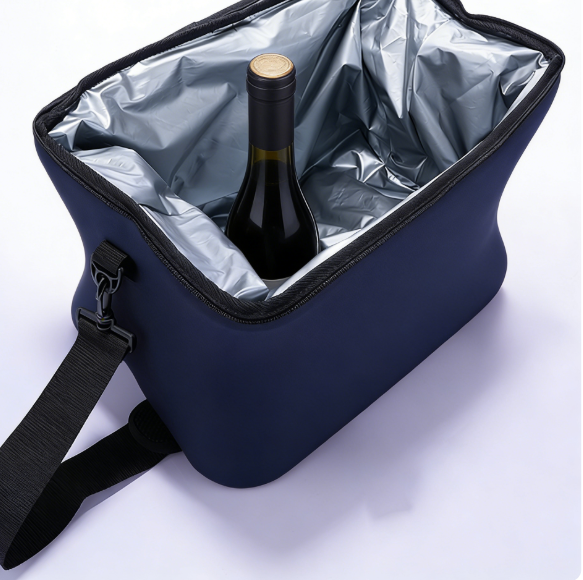
Cooler Backpack Neoprene Manufacturer: What Buyers Should Verify Before Ordering
A buyer looking for cooler backpack neoprene manufacturer is usually trying to reduce uncertainty before an order. The product may need to protect a grocery handoff, carry a brand logo, support an ecommerce shipment, serve a retail importer, or fit an OEM program. The safest decision is not to ask which bag is best in general. It is to verify whether the neoprene cooler backpack matches your payload, route, artwork, supplier process, and temperature-risk level.
The optimized view is simple: define the job first, then compare evidence. Neoprene and soft insulation can improve comfort and flexibility, but construction details matter more than material name alone.
A practical definition for procurement
A neoprene cooler backpack is a soft insulated packaging or carrying product designed to slow temperature change and improve handling compared with a non-insulated bag. Depending on construction, it may be used for hands-free delivery, event retail, outdoor food service, and branded beverage programs. It can be consumer-facing, courier-facing, retail-facing, or part of a broader packout. It is not automatically an active refrigeration device. It is not automatically a qualified thermal shipper. It is not proof that goods stayed in range.
This definition matters because many purchasing mistakes start when the product is given too broad a role. A brand team may see a logo opportunity. A logistics team may see an insulated handling tool. A quality team may see a potential temperature-control risk. All three viewpoints can be valid. The purchasing brief should bring them together instead of allowing each department to assume a different purpose.
For buyers in global channels, the word order in the search phrase often signals procurement intent. Terms such as wholesale, bulk, OEM, importer, manufacturer, supplier, company, and factory mean the buyer is not only choosing a product style. The buyer is also selecting a production partner. That selection should include sample discipline, document clarity, and honest limits on performance claims.
Where the product fits and where it is not enough
A neoprene cooler backpack fits well when the goal is portable insulated handling, brand presentation, reusable customer value, or short-distance support between controlled spaces. It may be used between a store and a customer, between a warehouse and a vehicle, at an event booth, in a retail display, or inside a larger packaging workflow. It is useful because it changes user behavior: people are more likely to keep chilled or warm items separated, close the bag, and handle the goods with intention.
The product is not enough when the shipment requires strict temperature proof, validated lane performance, or regulated distribution controls. In those cases, the buyer may need a complete packaging system that includes insulation, coolant or PCM, conditioning instructions, tested packout, monitoring, labeling, documentation, and receiving procedures. A soft insulated item may still play a role, but it should not be sold internally or externally as the entire solution.
This boundary is especially important for vaccine and pharmaceutical applications. Many refrigerated vaccines are handled within a narrow refrigerated range, and exposure to freezing can be damaging for some products. A pouch or bag may help with short handling steps only if the overall process supports the temperature requirement. For food and grocery, the buyer should also consider storage before packing, route time, vehicle conditions, and receiving behavior.
Decision checkpoints before approving a sample
| Decision point | What to confirm before ordering | Poor assumption to avoid |
|---|---|---|
| Use-case boundary | Whether the neoprene cooler backpack is for retail carry, delivery, mailer use, or temperature-sensitive shipment support. | Assuming every insulated product is a cold-chain shipper. |
| Thermal evidence | Any test basis, coolant configuration, payload, and ambient profile behind performance claims. | Treating a marketing duration as route qualification. |
| Brand and artwork | Logo method, color control, placement, wash or rub resistance, and packaging presentation. | Approving artwork without checking production fabric and liner. |
| Supplier control | Sample-to-production consistency, tolerances, packaging, inspection process, and change notice. | Ordering bulk units after only reviewing a photo. |
| Operational rollout | Storage, conditioning, cleaning, return, receiving checks, and user instructions. | Expecting the bag to solve process gaps alone. |
Use these checkpoints before the order becomes difficult to change. The goal is not to make every neoprene cooler backpack project complicated. The goal is to avoid approving a sample for the wrong reason. A physical sample should answer practical questions about fit, handling, appearance, and construction before the buyer discusses large quantities or rollout dates.
Specifications that deserve written confirmation
Dimensions should be separated into external size, internal size, and usable payload space. Usable space may be reduced by insulation, liners, seams, dividers, coolant, or the way the lid closes. Material specifications should describe the outer shell, insulation layer, liner, stitching or welding, closure, handles, straps, label areas, and unit packaging. Branding specifications should include logo method, placement, color reference, size, and acceptance limits.
If the supplier mentions thermal performance, ask what conditions support the statement. Was the finished product tested? What payload was used? Was coolant included? What was the starting temperature? What ambient exposure was applied? Was the item opened during testing? Were the same materials and construction used as the production version? Without this context, the number may not help your operation.
For wholesale, OEM, importer, and enterprise orders, change control is a real specification. Ask whether the supplier may substitute liners, foam, fabric, zippers, webbing, or logo methods without prior approval. Even a change that looks minor can alter folding behavior, durability, weight, packing, and customer perception. A sample approval sheet should become the reference for production inspection.
Operational rollout: what happens after the cartons arrive
The purchase is only successful if the product works after delivery. For grocery and delivery operations, that means staff know how to pack, close, clean, store, and inspect the bag. For retail programs, it means the product arrives with acceptable appearance, labels, and shelf-ready packaging. For promotional campaigns, it means the brand presentation is consistent across the batch. For healthcare-adjacent use, it means the quality team has reviewed the exact role of the bag.
Receiving inspection should be simple but deliberate. Check a sample of units for odor, stains, liner defects, loose threads, uneven seams, logo placement, closure function, and handle strength. Compare carton labels and packing methods with the approved order. If the bag will be used repeatedly, inspect cleaning response and folding behavior. If it will carry temperature-sensitive goods, confirm that any required conditioning, coolant placement, monitoring, and receiving process is documented separately.
A small pilot can reveal issues that office review misses. Have real users pack the intended contents, carry the product, open and close it under normal pressure, and report where the process feels awkward. A user who leaves a closure partly open because it is slow or inconvenient can undermine the insulation. Good design supports the behavior you need.
Cost, sustainability, and customer perception
The lowest unit price is rarely the full cost. A weak neoprene cooler backpack can create complaints, rework, damaged artwork, poor reuse, slow packing, or higher freight due to inefficient carton dimensions. A product that costs slightly more may be better if it reduces defects, supports reuse, and fits the workflow. Buyers should compare total operational fit, not only the quotation line.
Sustainability should be discussed in concrete terms. Reusable, foldable, cleanable, repairable, recyclable, lightweight, or reduced-packaging claims each mean different things. A laminated insulated product may be hard to recycle even if it is durable. A lightweight product may reduce freight but fail sooner. A reusable grocery bag may offer value only if customers actually keep it or the business manages return loops. Describe what the product truly supports and avoid broad claims that cannot be evidenced.
Customer perception is also part of value. A bag that feels clean, closes confidently, carries comfortably, and displays the logo well can support trust. A bag that arrives wrinkled, smells strongly, leaks condensation, or has uneven printing can weaken the brand even if it was inexpensive. For buyer-facing products, appearance and performance should be checked together.
Supplier questions that actually matter
Ask suppliers to explain the intended use cases for the proposed neoprene cooler backpack. Ask what they would not recommend it for. Ask whether the production batch will match the sample and what changes require buyer approval. Ask how the logo method is selected for the material. Ask how the item is packed for export or domestic distribution. Ask whether thermal claims have documented conditions. Ask whether the supplier can support custom sizing, branding, or packaging only when those requirements are clearly defined.
Good suppliers do not need to promise universal performance. They need to help you match the design to the job. A supplier who asks about route, payload, temperature concern, artwork, order volume, and cleaning is giving you a better basis for decision than one who only sends a price list. This is particularly important when the order moves from a marketing idea to an operational rollout.
For importers and regional distributors, communication quality matters. You need clear specifications, consistent samples, sensible packing, and prompt notice if materials or production methods change. For enterprise users, you need a product that works across multiple locations or teams. For vaccine or medical contexts, you need quality review and careful documentation. The right supplier conversation reflects these differences.
Wearable and lunch products need loaded-user testing
For cooler backpack neoprene manufacturer, approve the product while loaded. Check strap comfort, zipper access, logo visibility, liner reach, and whether the item holds its shape. Empty-sample approval often misses the issues that cause retail returns or delivery frustration.
FAQ
What is the most important factor when buying cooler backpack neoprene manufacturer?
The most important factor is use-case fit. Define the payload, route, user, branding requirement, and temperature-risk level before comparing quotations. Construction details matter, but they only make sense when tied to the job the neoprene cooler backpack must perform.
Should I approve a digital mockup before production?
A digital mockup is useful for early layout, but it should not replace a physical sample for logo, color, size, closure, and handling approval. Real materials can change color appearance, print edge quality, folding behavior, and the way the product feels when loaded.
How do I evaluate thermal performance without a formal test?
For low-risk use, you can run an internal handling trial with the actual payload and route behavior. For temperature-sensitive or regulated goods, ask for documented test conditions or involve your quality team. Never treat an unsupported thermal duration as proof for every route.
Is reusable packaging always more sustainable?
Not automatically. Reuse value depends on durability, cleaning, return behavior, storage efficiency, and whether users keep or return the product. A reusable bag that is discarded quickly may not deliver the intended benefit. Buyers should use concrete, evidence-based sustainability statements.
When should a buyer consider a different packaging format?
Consider a rigid cooler, insulated box, liner, qualified shipper, or active container if the payload is fragile, heavy, highly temperature-sensitive, regulated, or exposed for longer routes. A soft insulated bag is useful, but it is not the right answer for every cold-chain problem.
Conclusion
The best cooler backpack neoprene manufacturer decision is built on verification. Confirm the real job, the payload, the route, the artwork, the sample, the production controls, and any temperature evidence before ordering. Use the neoprene cooler backpack where it fits: portable insulated handling, brand presentation, reusable customer value, or support within a broader cold-chain process. Do not use it as a shortcut for validation, documentation, or process control when sensitive goods require more.
About Tempk
Tempk works with buyers comparing thermal bags, insulated delivery bags, cooler bags, ice packs, insulated liners, and related cold-chain packaging materials. For neoprene cooler backpack projects, we can help clarify whether the request is mainly about branding, grocery handling, ecommerce packaging, OEM supply, or temperature-sensitive support. We keep the conversation practical by discussing payload, route, logo needs, and evidence boundaries before recommending a format.
CTA
Share your product type, expected contents, route, branding plan, and order quantity with Tempk to review suitable neoprene cooler backpack options before committing to bulk production.
Thermal Lunch Bag Importer: What Buyers Should Verify
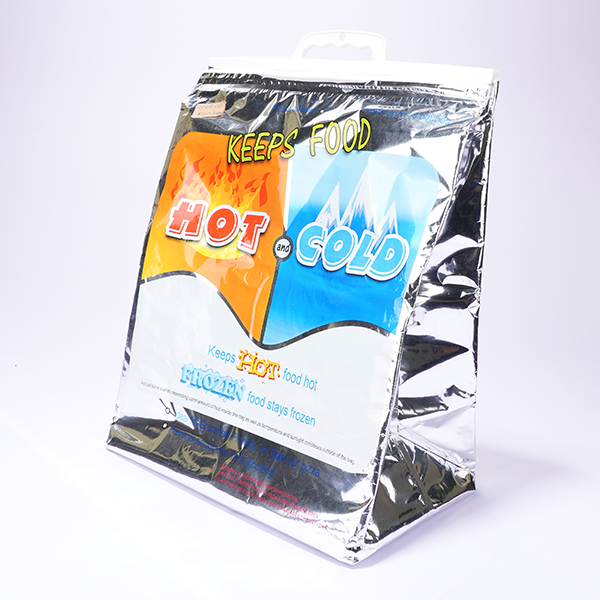
Thermal Lunch Bag Importer: What Buyers Should Verify Before Ordering
A buyer looking for thermal lunch bag importer is usually trying to reduce uncertainty before an order. The product may need to protect a grocery handoff, carry a brand logo, support an ecommerce shipment, serve a retail importer, or fit an OEM program. The safest decision is not to ask which bag is best in general. It is to verify whether the thermal lunch bag matches your payload, route, artwork, supplier process, and temperature-risk level.
The optimized view is simple: define the job first, then compare evidence. A lunch bag is usually a convenience and retail product first; it should not be presented as a validated pharmaceutical shipper without supporting evidence.
A practical definition for procurement
A thermal lunch bag is a soft insulated packaging or carrying product designed to slow temperature change and improve handling compared with a non-insulated bag. Depending on construction, it may be used for lunch programs, employee meal benefits, school retail, and importer-led distribution. It can be consumer-facing, courier-facing, retail-facing, or part of a broader packout. It is not automatically an active refrigeration device. It is not automatically a qualified thermal shipper. It is not proof that goods stayed in range.
This definition matters because many purchasing mistakes start when the product is given too broad a role. A brand team may see a logo opportunity. A logistics team may see an insulated handling tool. A quality team may see a potential temperature-control risk. All three viewpoints can be valid. The purchasing brief should bring them together instead of allowing each department to assume a different purpose.
For buyers in global channels, the word order in the search phrase often signals procurement intent. Terms such as wholesale, bulk, OEM, importer, manufacturer, supplier, company, and factory mean the buyer is not only choosing a product style. The buyer is also selecting a production partner. That selection should include sample discipline, document clarity, and honest limits on performance claims.
Where the product fits and where it is not enough
A thermal lunch bag fits well when the goal is portable insulated handling, brand presentation, reusable customer value, or short-distance support between controlled spaces. It may be used between a store and a customer, between a warehouse and a vehicle, at an event booth, in a retail display, or inside a larger packaging workflow. It is useful because it changes user behavior: people are more likely to keep chilled or warm items separated, close the bag, and handle the goods with intention.
The product is not enough when the shipment requires strict temperature proof, validated lane performance, or regulated distribution controls. In those cases, the buyer may need a complete packaging system that includes insulation, coolant or PCM, conditioning instructions, tested packout, monitoring, labeling, documentation, and receiving procedures. A soft insulated item may still play a role, but it should not be sold internally or externally as the entire solution.
This boundary is especially important for vaccine and pharmaceutical applications. Many refrigerated vaccines are handled within a narrow refrigerated range, and exposure to freezing can be damaging for some products. A pouch or bag may help with short handling steps only if the overall process supports the temperature requirement. For food and grocery, the buyer should also consider storage before packing, route time, vehicle conditions, and receiving behavior.
Decision checkpoints before approving a sample
| Decision point | What to confirm before ordering | Poor assumption to avoid |
|---|---|---|
| Use-case boundary | Whether the thermal lunch bag is for retail carry, delivery, mailer use, or temperature-sensitive shipment support. | Assuming every insulated product is a cold-chain shipper. |
| Thermal evidence | Any test basis, coolant configuration, payload, and ambient profile behind performance claims. | Treating a marketing duration as route qualification. |
| Brand and artwork | Logo method, color control, placement, wash or rub resistance, and packaging presentation. | Approving artwork without checking production fabric and liner. |
| Supplier control | Sample-to-production consistency, tolerances, packaging, inspection process, and change notice. | Ordering bulk units after only reviewing a photo. |
| Operational rollout | Storage, conditioning, cleaning, return, receiving checks, and user instructions. | Expecting the bag to solve process gaps alone. |
Use these checkpoints before the order becomes difficult to change. The goal is not to make every thermal lunch bag project complicated. The goal is to avoid approving a sample for the wrong reason. A physical sample should answer practical questions about fit, handling, appearance, and construction before the buyer discusses large quantities or rollout dates.
Specifications that deserve written confirmation
Dimensions should be separated into external size, internal size, and usable payload space. Usable space may be reduced by insulation, liners, seams, dividers, coolant, or the way the lid closes. Material specifications should describe the outer shell, insulation layer, liner, stitching or welding, closure, handles, straps, label areas, and unit packaging. Branding specifications should include logo method, placement, color reference, size, and acceptance limits.
If the supplier mentions thermal performance, ask what conditions support the statement. Was the finished product tested? What payload was used? Was coolant included? What was the starting temperature? What ambient exposure was applied? Was the item opened during testing? Were the same materials and construction used as the production version? Without this context, the number may not help your operation.
For wholesale, OEM, importer, and enterprise orders, change control is a real specification. Ask whether the supplier may substitute liners, foam, fabric, zippers, webbing, or logo methods without prior approval. Even a change that looks minor can alter folding behavior, durability, weight, packing, and customer perception. A sample approval sheet should become the reference for production inspection.
Operational rollout: what happens after the cartons arrive
The purchase is only successful if the product works after delivery. For grocery and delivery operations, that means staff know how to pack, close, clean, store, and inspect the bag. For retail programs, it means the product arrives with acceptable appearance, labels, and shelf-ready packaging. For promotional campaigns, it means the brand presentation is consistent across the batch. For healthcare-adjacent use, it means the quality team has reviewed the exact role of the bag.
Receiving inspection should be simple but deliberate. Check a sample of units for odor, stains, liner defects, loose threads, uneven seams, logo placement, closure function, and handle strength. Compare carton labels and packing methods with the approved order. If the bag will be used repeatedly, inspect cleaning response and folding behavior. If it will carry temperature-sensitive goods, confirm that any required conditioning, coolant placement, monitoring, and receiving process is documented separately.
A small pilot can reveal issues that office review misses. Have real users pack the intended contents, carry the product, open and close it under normal pressure, and report where the process feels awkward. A user who leaves a closure partly open because it is slow or inconvenient can undermine the insulation. Good design supports the behavior you need.
Cost, sustainability, and customer perception
The lowest unit price is rarely the full cost. A weak thermal lunch bag can create complaints, rework, damaged artwork, poor reuse, slow packing, or higher freight due to inefficient carton dimensions. A product that costs slightly more may be better if it reduces defects, supports reuse, and fits the workflow. Buyers should compare total operational fit, not only the quotation line.
Sustainability should be discussed in concrete terms. Reusable, foldable, cleanable, repairable, recyclable, lightweight, or reduced-packaging claims each mean different things. A laminated insulated product may be hard to recycle even if it is durable. A lightweight product may reduce freight but fail sooner. A reusable grocery bag may offer value only if customers actually keep it or the business manages return loops. Describe what the product truly supports and avoid broad claims that cannot be evidenced.
Customer perception is also part of value. A bag that feels clean, closes confidently, carries comfortably, and displays the logo well can support trust. A bag that arrives wrinkled, smells strongly, leaks condensation, or has uneven printing can weaken the brand even if it was inexpensive. For buyer-facing products, appearance and performance should be checked together.
Supplier questions that actually matter
Ask suppliers to explain the intended use cases for the proposed thermal lunch bag. Ask what they would not recommend it for. Ask whether the production batch will match the sample and what changes require buyer approval. Ask how the logo method is selected for the material. Ask how the item is packed for export or domestic distribution. Ask whether thermal claims have documented conditions. Ask whether the supplier can support custom sizing, branding, or packaging only when those requirements are clearly defined.
Good suppliers do not need to promise universal performance. They need to help you match the design to the job. A supplier who asks about route, payload, temperature concern, artwork, order volume, and cleaning is giving you a better basis for decision than one who only sends a price list. This is particularly important when the order moves from a marketing idea to an operational rollout.
For importers and regional distributors, communication quality matters. You need clear specifications, consistent samples, sensible packing, and prompt notice if materials or production methods change. For enterprise users, you need a product that works across multiple locations or teams. For vaccine or medical contexts, you need quality review and careful documentation. The right supplier conversation reflects these differences.
Wearable and lunch products need loaded-user testing
For thermal lunch bag importer, approve the product while loaded. Check strap comfort, zipper access, logo visibility, liner reach, and whether the item holds its shape. Empty-sample approval often misses the issues that cause retail returns or delivery frustration.
FAQ
What is the most important factor when buying thermal lunch bag importer?
The most important factor is use-case fit. Define the payload, route, user, branding requirement, and temperature-risk level before comparing quotations. Construction details matter, but they only make sense when tied to the job the thermal lunch bag must perform.
Should I approve a digital mockup before production?
A digital mockup is useful for early layout, but it should not replace a physical sample for logo, color, size, closure, and handling approval. Real materials can change color appearance, print edge quality, folding behavior, and the way the product feels when loaded.
How do I evaluate thermal performance without a formal test?
For low-risk use, you can run an internal handling trial with the actual payload and route behavior. For temperature-sensitive or regulated goods, ask for documented test conditions or involve your quality team. Never treat an unsupported thermal duration as proof for every route.
Is reusable packaging always more sustainable?
Not automatically. Reuse value depends on durability, cleaning, return behavior, storage efficiency, and whether users keep or return the product. A reusable bag that is discarded quickly may not deliver the intended benefit. Buyers should use concrete, evidence-based sustainability statements.
When should a buyer consider a different packaging format?
Consider a rigid cooler, insulated box, liner, qualified shipper, or active container if the payload is fragile, heavy, highly temperature-sensitive, regulated, or exposed for longer routes. A soft insulated bag is useful, but it is not the right answer for every cold-chain problem.
Conclusion
The best thermal lunch bag importer decision is built on verification. Confirm the real job, the payload, the route, the artwork, the sample, the production controls, and any temperature evidence before ordering. Use the thermal lunch bag where it fits: portable insulated handling, brand presentation, reusable customer value, or support within a broader cold-chain process. Do not use it as a shortcut for validation, documentation, or process control when sensitive goods require more.
About Tempk
Tempk works with buyers comparing thermal bags, insulated delivery bags, cooler bags, ice packs, insulated liners, and related cold-chain packaging materials. For thermal lunch bag projects, we can help clarify whether the request is mainly about branding, grocery handling, ecommerce packaging, OEM supply, or temperature-sensitive support. We keep the conversation practical by discussing payload, route, logo needs, and evidence boundaries before recommending a format.
CTA
Share your product type, expected contents, route, branding plan, and order quantity with Tempk to review suitable thermal lunch bag options before committing to bulk production.
Thermal Carry Bag Logo: What Buyers Should Verify
Thermal Carry Bag Logo: What Buyers Should Verify Before Ordering
A buyer looking for thermal carry bag logo is usually trying to reduce uncertainty before an order. The product may need to protect a grocery handoff, carry a brand logo, support an ecommerce shipment, serve a retail importer, or fit an OEM program. The safest decision is not to ask which bag is best in general. It is to verify whether the thermal carry bag matches your payload, route, artwork, supplier process, and temperature-risk level.
The optimized view is simple: define the job first, then compare evidence. Soft insulated packaging is useful for controlled handling, but it must be matched to the product, route, and expected exposure.
A practical definition for procurement
A thermal carry bag is a soft insulated packaging or carrying product designed to slow temperature change and improve handling compared with a non-insulated bag. Depending on construction, it may be used for food pickup, retail campaigns, staff meal programs, and short hand-carry routes. It can be consumer-facing, courier-facing, retail-facing, or part of a broader packout. It is not automatically an active refrigeration device. It is not automatically a qualified thermal shipper. It is not proof that goods stayed in range.
This definition matters because many purchasing mistakes start when the product is given too broad a role. A brand team may see a logo opportunity. A logistics team may see an insulated handling tool. A quality team may see a potential temperature-control risk. All three viewpoints can be valid. The purchasing brief should bring them together instead of allowing each department to assume a different purpose.
For buyers in global channels, the word order in the search phrase often signals procurement intent. Terms such as wholesale, bulk, OEM, importer, manufacturer, supplier, company, and factory mean the buyer is not only choosing a product style. The buyer is also selecting a production partner. That selection should include sample discipline, document clarity, and honest limits on performance claims.
Where the product fits and where it is not enough
A thermal carry bag fits well when the goal is portable insulated handling, brand presentation, reusable customer value, or short-distance support between controlled spaces. It may be used between a store and a customer, between a warehouse and a vehicle, at an event booth, in a retail display, or inside a larger packaging workflow. It is useful because it changes user behavior: people are more likely to keep chilled or warm items separated, close the bag, and handle the goods with intention.
The product is not enough when the shipment requires strict temperature proof, validated lane performance, or regulated distribution controls. In those cases, the buyer may need a complete packaging system that includes insulation, coolant or PCM, conditioning instructions, tested packout, monitoring, labeling, documentation, and receiving procedures. A soft insulated item may still play a role, but it should not be sold internally or externally as the entire solution.
This boundary is especially important for vaccine and pharmaceutical applications. Many refrigerated vaccines are handled within a narrow refrigerated range, and exposure to freezing can be damaging for some products. A pouch or bag may help with short handling steps only if the overall process supports the temperature requirement. For food and grocery, the buyer should also consider storage before packing, route time, vehicle conditions, and receiving behavior.
Decision checkpoints before approving a sample
| Decision point | What to confirm before ordering | Poor assumption to avoid |
|---|---|---|
| Use-case boundary | Whether the thermal carry bag is for retail carry, delivery, mailer use, or temperature-sensitive shipment support. | Assuming every insulated product is a cold-chain shipper. |
| Thermal evidence | Any test basis, coolant configuration, payload, and ambient profile behind performance claims. | Treating a marketing duration as route qualification. |
| Brand and artwork | Logo method, color control, placement, wash or rub resistance, and packaging presentation. | Approving artwork without checking production fabric and liner. |
| Supplier control | Sample-to-production consistency, tolerances, packaging, inspection process, and change notice. | Ordering bulk units after only reviewing a photo. |
| Operational rollout | Storage, conditioning, cleaning, return, receiving checks, and user instructions. | Expecting the bag to solve process gaps alone. |
Use these checkpoints before the order becomes difficult to change. The goal is not to make every thermal carry bag project complicated. The goal is to avoid approving a sample for the wrong reason. A physical sample should answer practical questions about fit, handling, appearance, and construction before the buyer discusses large quantities or rollout dates.
Specifications that deserve written confirmation
Dimensions should be separated into external size, internal size, and usable payload space. Usable space may be reduced by insulation, liners, seams, dividers, coolant, or the way the lid closes. Material specifications should describe the outer shell, insulation layer, liner, stitching or welding, closure, handles, straps, label areas, and unit packaging. Branding specifications should include logo method, placement, color reference, size, and acceptance limits.
If the supplier mentions thermal performance, ask what conditions support the statement. Was the finished product tested? What payload was used? Was coolant included? What was the starting temperature? What ambient exposure was applied? Was the item opened during testing? Were the same materials and construction used as the production version? Without this context, the number may not help your operation.
For wholesale, OEM, importer, and enterprise orders, change control is a real specification. Ask whether the supplier may substitute liners, foam, fabric, zippers, webbing, or logo methods without prior approval. Even a change that looks minor can alter folding behavior, durability, weight, packing, and customer perception. A sample approval sheet should become the reference for production inspection.
Operational rollout: what happens after the cartons arrive
The purchase is only successful if the product works after delivery. For grocery and delivery operations, that means staff know how to pack, close, clean, store, and inspect the bag. For retail programs, it means the product arrives with acceptable appearance, labels, and shelf-ready packaging. For promotional campaigns, it means the brand presentation is consistent across the batch. For healthcare-adjacent use, it means the quality team has reviewed the exact role of the bag.
Receiving inspection should be simple but deliberate. Check a sample of units for odor, stains, liner defects, loose threads, uneven seams, logo placement, closure function, and handle strength. Compare carton labels and packing methods with the approved order. If the bag will be used repeatedly, inspect cleaning response and folding behavior. If it will carry temperature-sensitive goods, confirm that any required conditioning, coolant placement, monitoring, and receiving process is documented separately.
A small pilot can reveal issues that office review misses. Have real users pack the intended contents, carry the product, open and close it under normal pressure, and report where the process feels awkward. A user who leaves a closure partly open because it is slow or inconvenient can undermine the insulation. Good design supports the behavior you need.
Cost, sustainability, and customer perception
The lowest unit price is rarely the full cost. A weak thermal carry bag can create complaints, rework, damaged artwork, poor reuse, slow packing, or higher freight due to inefficient carton dimensions. A product that costs slightly more may be better if it reduces defects, supports reuse, and fits the workflow. Buyers should compare total operational fit, not only the quotation line.
Sustainability should be discussed in concrete terms. Reusable, foldable, cleanable, repairable, recyclable, lightweight, or reduced-packaging claims each mean different things. A laminated insulated product may be hard to recycle even if it is durable. A lightweight product may reduce freight but fail sooner. A reusable grocery bag may offer value only if customers actually keep it or the business manages return loops. Describe what the product truly supports and avoid broad claims that cannot be evidenced.
Customer perception is also part of value. A bag that feels clean, closes confidently, carries comfortably, and displays the logo well can support trust. A bag that arrives wrinkled, smells strongly, leaks condensation, or has uneven printing can weaken the brand even if it was inexpensive. For buyer-facing products, appearance and performance should be checked together.
Supplier questions that actually matter
Ask suppliers to explain the intended use cases for the proposed thermal carry bag. Ask what they would not recommend it for. Ask whether the production batch will match the sample and what changes require buyer approval. Ask how the logo method is selected for the material. Ask how the item is packed for export or domestic distribution. Ask whether thermal claims have documented conditions. Ask whether the supplier can support custom sizing, branding, or packaging only when those requirements are clearly defined.
Good suppliers do not need to promise universal performance. They need to help you match the design to the job. A supplier who asks about route, payload, temperature concern, artwork, order volume, and cleaning is giving you a better basis for decision than one who only sends a price list. This is particularly important when the order moves from a marketing idea to an operational rollout.
For importers and regional distributors, communication quality matters. You need clear specifications, consistent samples, sensible packing, and prompt notice if materials or production methods change. For enterprise users, you need a product that works across multiple locations or teams. For vaccine or medical contexts, you need quality review and careful documentation. The right supplier conversation reflects these differences.
Brand value depends on the product being kept
For thermal carry bag logo, a good result is not only a sharp logo. The product should be useful enough that customers, staff, or delivery teams keep using it. Buyers should therefore compare logo quality with comfort, foldability, liner cleanliness, and storage behavior. A product that is reused extends the brand moment; a product that fails in daily use shortens it.
FAQ
What is the most important factor when buying thermal carry bag logo?
The most important factor is use-case fit. Define the payload, route, user, branding requirement, and temperature-risk level before comparing quotations. Construction details matter, but they only make sense when tied to the job the thermal carry bag must perform.
Should I approve a digital mockup before production?
A digital mockup is useful for early layout, but it should not replace a physical sample for logo, color, size, closure, and handling approval. Real materials can change color appearance, print edge quality, folding behavior, and the way the product feels when loaded.
How do I evaluate thermal performance without a formal test?
For low-risk use, you can run an internal handling trial with the actual payload and route behavior. For temperature-sensitive or regulated goods, ask for documented test conditions or involve your quality team. Never treat an unsupported thermal duration as proof for every route.
Is reusable packaging always more sustainable?
Not automatically. Reuse value depends on durability, cleaning, return behavior, storage efficiency, and whether users keep or return the product. A reusable bag that is discarded quickly may not deliver the intended benefit. Buyers should use concrete, evidence-based sustainability statements.
When should a buyer consider a different packaging format?
Consider a rigid cooler, insulated box, liner, qualified shipper, or active container if the payload is fragile, heavy, highly temperature-sensitive, regulated, or exposed for longer routes. A soft insulated bag is useful, but it is not the right answer for every cold-chain problem.
Conclusion
The best thermal carry bag logo decision is built on verification. Confirm the real job, the payload, the route, the artwork, the sample, the production controls, and any temperature evidence before ordering. Use the thermal carry bag where it fits: portable insulated handling, brand presentation, reusable customer value, or support within a broader cold-chain process. Do not use it as a shortcut for validation, documentation, or process control when sensitive goods require more.
About Tempk
Tempk works with buyers comparing thermal bags, insulated delivery bags, cooler bags, ice packs, insulated liners, and related cold-chain packaging materials. For thermal carry bag projects, we can help clarify whether the request is mainly about branding, grocery handling, ecommerce packaging, OEM supply, or temperature-sensitive support. We keep the conversation practical by discussing payload, route, logo needs, and evidence boundaries before recommending a format.
CTA
Share your product type, expected contents, route, branding plan, and order quantity with Tempk to review suitable thermal carry bag options before committing to bulk production.
Thermal Bag Supplier Spain: What Buyers Should Verify
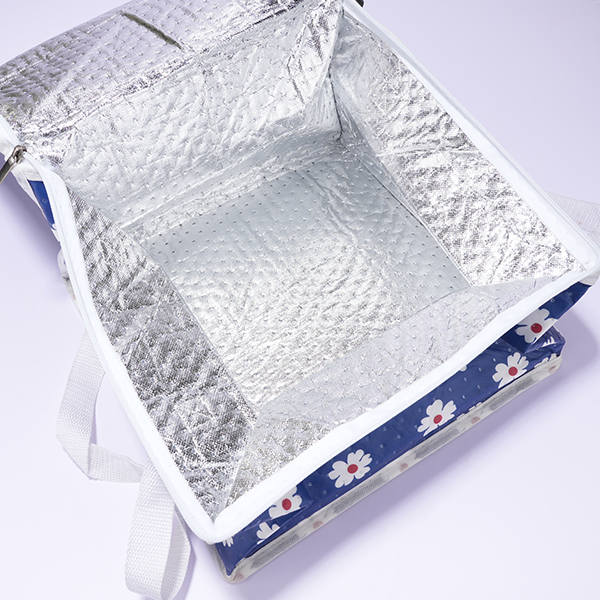
Thermal Bag Supplier Spain: What Buyers Should Verify Before Ordering
A buyer looking for thermal bag supplier spain is usually trying to reduce uncertainty before an order. The product may need to protect a grocery handoff, carry a brand logo, support an ecommerce shipment, serve a retail importer, or fit an OEM program. The safest decision is not to ask which bag is best in general. It is to verify whether the thermal bag matches your payload, route, artwork, supplier process, and temperature-risk level.
The optimized view is simple: define the job first, then compare evidence. Soft insulated packaging is useful for controlled handling, but it must be matched to the product, route, and expected exposure.
A practical definition for procurement
A thermal bag is a soft insulated packaging or carrying product designed to slow temperature change and improve handling compared with a non-insulated bag. Depending on construction, it may be used for food delivery, grocery routes, promotional use, and distributor inventories. It can be consumer-facing, courier-facing, retail-facing, or part of a broader packout. It is not automatically an active refrigeration device. It is not automatically a qualified thermal shipper. It is not proof that goods stayed in range.
This definition matters because many purchasing mistakes start when the product is given too broad a role. A brand team may see a logo opportunity. A logistics team may see an insulated handling tool. A quality team may see a potential temperature-control risk. All three viewpoints can be valid. The purchasing brief should bring them together instead of allowing each department to assume a different purpose.
For buyers in Spain channels, the word order in the search phrase often signals procurement intent. Terms such as wholesale, bulk, OEM, importer, manufacturer, supplier, company, and factory mean the buyer is not only choosing a product style. The buyer is also selecting a production partner. That selection should include sample discipline, document clarity, and honest limits on performance claims.
Where the product fits and where it is not enough
A thermal bag fits well when the goal is portable insulated handling, brand presentation, reusable customer value, or short-distance support between controlled spaces. It may be used between a store and a customer, between a warehouse and a vehicle, at an event booth, in a retail display, or inside a larger packaging workflow. It is useful because it changes user behavior: people are more likely to keep chilled or warm items separated, close the bag, and handle the goods with intention.
The product is not enough when the shipment requires strict temperature proof, validated lane performance, or regulated distribution controls. In those cases, the buyer may need a complete packaging system that includes insulation, coolant or PCM, conditioning instructions, tested packout, monitoring, labeling, documentation, and receiving procedures. A soft insulated item may still play a role, but it should not be sold internally or externally as the entire solution.
This boundary is especially important for vaccine and pharmaceutical applications. Many refrigerated vaccines are handled within a narrow refrigerated range, and exposure to freezing can be damaging for some products. A pouch or bag may help with short handling steps only if the overall process supports the temperature requirement. For food and grocery, the buyer should also consider storage before packing, route time, vehicle conditions, and receiving behavior.
Decision checkpoints before approving a sample
| Decision point | What to confirm before ordering | Poor assumption to avoid |
|---|---|---|
| Use-case boundary | Whether the thermal bag is for retail carry, delivery, mailer use, or temperature-sensitive shipment support. | Assuming every insulated product is a cold-chain shipper. |
| Thermal evidence | Any test basis, coolant configuration, payload, and ambient profile behind performance claims. | Treating a marketing duration as route qualification. |
| Brand and artwork | Logo method, color control, placement, wash or rub resistance, and packaging presentation. | Approving artwork without checking production fabric and liner. |
| Supplier control | Sample-to-production consistency, tolerances, packaging, inspection process, and change notice. | Ordering bulk units after only reviewing a photo. |
| Operational rollout | Storage, conditioning, cleaning, return, receiving checks, and user instructions. | Expecting the bag to solve process gaps alone. |
Use these checkpoints before the order becomes difficult to change. The goal is not to make every thermal bag project complicated. The goal is to avoid approving a sample for the wrong reason. A physical sample should answer practical questions about fit, handling, appearance, and construction before the buyer discusses large quantities or rollout dates.
Specifications that deserve written confirmation
Dimensions should be separated into external size, internal size, and usable payload space. Usable space may be reduced by insulation, liners, seams, dividers, coolant, or the way the lid closes. Material specifications should describe the outer shell, insulation layer, liner, stitching or welding, closure, handles, straps, label areas, and unit packaging. Branding specifications should include logo method, placement, color reference, size, and acceptance limits.
If the supplier mentions thermal performance, ask what conditions support the statement. Was the finished product tested? What payload was used? Was coolant included? What was the starting temperature? What ambient exposure was applied? Was the item opened during testing? Were the same materials and construction used as the production version? Without this context, the number may not help your operation.
For wholesale, OEM, importer, and enterprise orders, change control is a real specification. Ask whether the supplier may substitute liners, foam, fabric, zippers, webbing, or logo methods without prior approval. Even a change that looks minor can alter folding behavior, durability, weight, packing, and customer perception. A sample approval sheet should become the reference for production inspection.
Operational rollout: what happens after the cartons arrive
The purchase is only successful if the product works after delivery. For grocery and delivery operations, that means staff know how to pack, close, clean, store, and inspect the bag. For retail programs, it means the product arrives with acceptable appearance, labels, and shelf-ready packaging. For promotional campaigns, it means the brand presentation is consistent across the batch. For healthcare-adjacent use, it means the quality team has reviewed the exact role of the bag.
Receiving inspection should be simple but deliberate. Check a sample of units for odor, stains, liner defects, loose threads, uneven seams, logo placement, closure function, and handle strength. Compare carton labels and packing methods with the approved order. If the bag will be used repeatedly, inspect cleaning response and folding behavior. If it will carry temperature-sensitive goods, confirm that any required conditioning, coolant placement, monitoring, and receiving process is documented separately.
A small pilot can reveal issues that office review misses. Have real users pack the intended contents, carry the product, open and close it under normal pressure, and report where the process feels awkward. A user who leaves a closure partly open because it is slow or inconvenient can undermine the insulation. Good design supports the behavior you need.
Cost, sustainability, and customer perception
The lowest unit price is rarely the full cost. A weak thermal bag can create complaints, rework, damaged artwork, poor reuse, slow packing, or higher freight due to inefficient carton dimensions. A product that costs slightly more may be better if it reduces defects, supports reuse, and fits the workflow. Buyers should compare total operational fit, not only the quotation line.
Sustainability should be discussed in concrete terms. Reusable, foldable, cleanable, repairable, recyclable, lightweight, or reduced-packaging claims each mean different things. A laminated insulated product may be hard to recycle even if it is durable. A lightweight product may reduce freight but fail sooner. A reusable grocery bag may offer value only if customers actually keep it or the business manages return loops. Describe what the product truly supports and avoid broad claims that cannot be evidenced.
Customer perception is also part of value. A bag that feels clean, closes confidently, carries comfortably, and displays the logo well can support trust. A bag that arrives wrinkled, smells strongly, leaks condensation, or has uneven printing can weaken the brand even if it was inexpensive. For buyer-facing products, appearance and performance should be checked together.
Supplier questions that actually matter
Ask suppliers to explain the intended use cases for the proposed thermal bag. Ask what they would not recommend it for. Ask whether the production batch will match the sample and what changes require buyer approval. Ask how the logo method is selected for the material. Ask how the item is packed for export or domestic distribution. Ask whether thermal claims have documented conditions. Ask whether the supplier can support custom sizing, branding, or packaging only when those requirements are clearly defined.
Good suppliers do not need to promise universal performance. They need to help you match the design to the job. A supplier who asks about route, payload, temperature concern, artwork, order volume, and cleaning is giving you a better basis for decision than one who only sends a price list. This is particularly important when the order moves from a marketing idea to an operational rollout.
For importers and regional distributors, communication quality matters. You need clear specifications, consistent samples, sensible packing, and prompt notice if materials or production methods change. For enterprise users, you need a product that works across multiple locations or teams. For vaccine or medical contexts, you need quality review and careful documentation. The right supplier conversation reflects these differences.
Regional procurement should lock the approved version
For thermal bag supplier spain, buyers should keep the approved sample, specification, artwork file, and packing method connected. This is especially useful for importer, supplier, factory, bulk, or OEM orders, where small production changes can affect market acceptance after the order arrives.
FAQ
What is the most important factor when buying thermal bag supplier spain?
The most important factor is use-case fit. Define the payload, route, user, branding requirement, and temperature-risk level before comparing quotations. Construction details matter, but they only make sense when tied to the job the thermal bag must perform.
Should I approve a digital mockup before production?
A digital mockup is useful for early layout, but it should not replace a physical sample for logo, color, size, closure, and handling approval. Real materials can change color appearance, print edge quality, folding behavior, and the way the product feels when loaded.
How do I evaluate thermal performance without a formal test?
For low-risk use, you can run an internal handling trial with the actual payload and route behavior. For temperature-sensitive or regulated goods, ask for documented test conditions or involve your quality team. Never treat an unsupported thermal duration as proof for every route.
Is reusable packaging always more sustainable?
Not automatically. Reuse value depends on durability, cleaning, return behavior, storage efficiency, and whether users keep or return the product. A reusable bag that is discarded quickly may not deliver the intended benefit. Buyers should use concrete, evidence-based sustainability statements.
When should a buyer consider a different packaging format?
Consider a rigid cooler, insulated box, liner, qualified shipper, or active container if the payload is fragile, heavy, highly temperature-sensitive, regulated, or exposed for longer routes. A soft insulated bag is useful, but it is not the right answer for every cold-chain problem.
Conclusion
The best thermal bag supplier spain decision is built on verification. Confirm the real job, the payload, the route, the artwork, the sample, the production controls, and any temperature evidence before ordering. Use the thermal bag where it fits: portable insulated handling, brand presentation, reusable customer value, or support within a broader cold-chain process. Do not use it as a shortcut for validation, documentation, or process control when sensitive goods require more.
About Tempk
Tempk works with buyers comparing thermal bags, insulated delivery bags, cooler bags, ice packs, insulated liners, and related cold-chain packaging materials. For thermal bag projects, we can help clarify whether the request is mainly about branding, grocery handling, ecommerce packaging, OEM supply, or temperature-sensitive support. We keep the conversation practical by discussing payload, route, logo needs, and evidence boundaries before recommending a format.
CTA
Share your product type, expected contents, route, branding plan, and order quantity with Tempk to review suitable thermal bag options before committing to bulk production.