


Thermal Bag Bulk UK: What Buyers Should Verify
Thermal Bag Bulk UK: What Buyers Should Verify
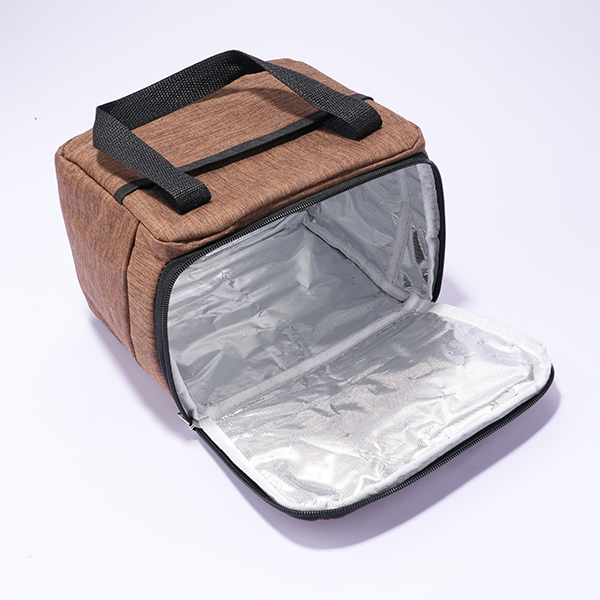
Thermal Bag Bulk UK: What Buyers Should Verify Before Ordering
A buyer looking for thermal bag bulk uk is usually trying to reduce uncertainty before an order. The product may need to protect a grocery handoff, carry a brand logo, support an ecommerce shipment, serve a retail importer, or fit an OEM program. The safest decision is not to ask which bag is best in general. It is to verify whether the thermal bag matches your payload, route, artwork, supplier process, and temperature-risk level.
The optimized view is simple: define the job first, then compare evidence. Soft insulated packaging is useful for controlled handling, but it must be matched to the product, route, and expected exposure.
A practical definition for procurement
A thermal bag is a soft insulated packaging or carrying product designed to slow temperature change and improve handling compared with a non-insulated bag. Depending on construction, it may be used for food delivery, grocery routes, promotional use, and distributor inventories. It can be consumer-facing, courier-facing, retail-facing, or part of a broader packout. It is not automatically an active refrigeration device. It is not automatically a qualified thermal shipper. It is not proof that goods stayed in range.
This definition matters because many purchasing mistakes start when the product is given too broad a role. A brand team may see a logo opportunity. A logistics team may see an insulated handling tool. A quality team may see a potential temperature-control risk. All three viewpoints can be valid. The purchasing brief should bring them together instead of allowing each department to assume a different purpose.
For buyers in UK channels, the word order in the search phrase often signals procurement intent. Terms such as wholesale, bulk, OEM, importer, manufacturer, supplier, company, and factory mean the buyer is not only choosing a product style. The buyer is also selecting a production partner. That selection should include sample discipline, document clarity, and honest limits on performance claims.
Where the product fits and where it is not enough
A thermal bag fits well when the goal is portable insulated handling, brand presentation, reusable customer value, or short-distance support between controlled spaces. It may be used between a store and a customer, between a warehouse and a vehicle, at an event booth, in a retail display, or inside a larger packaging workflow. It is useful because it changes user behavior: people are more likely to keep chilled or warm items separated, close the bag, and handle the goods with intention.
The product is not enough when the shipment requires strict temperature proof, validated lane performance, or regulated distribution controls. In those cases, the buyer may need a complete packaging system that includes insulation, coolant or PCM, conditioning instructions, tested packout, monitoring, labeling, documentation, and receiving procedures. A soft insulated item may still play a role, but it should not be sold internally or externally as the entire solution.
This boundary is especially important for vaccine and pharmaceutical applications. Many refrigerated vaccines are handled within a narrow refrigerated range, and exposure to freezing can be damaging for some products. A pouch or bag may help with short handling steps only if the overall process supports the temperature requirement. For food and grocery, the buyer should also consider storage before packing, route time, vehicle conditions, and receiving behavior.
Decision checkpoints before approving a sample
| Decision point | What to confirm before ordering | Poor assumption to avoid |
|---|---|---|
| Use-case boundary | Whether the thermal bag is for retail carry, delivery, mailer use, or temperature-sensitive shipment support. | Assuming every insulated product is a cold-chain shipper. |
| Thermal evidence | Any test basis, coolant configuration, payload, and ambient profile behind performance claims. | Treating a marketing duration as route qualification. |
| Brand and artwork | Logo method, color control, placement, wash or rub resistance, and packaging presentation. | Approving artwork without checking production fabric and liner. |
| Supplier control | Sample-to-production consistency, tolerances, packaging, inspection process, and change notice. | Ordering bulk units after only reviewing a photo. |
| Operational rollout | Storage, conditioning, cleaning, return, receiving checks, and user instructions. | Expecting the bag to solve process gaps alone. |
Use these checkpoints before the order becomes difficult to change. The goal is not to make every thermal bag project complicated. The goal is to avoid approving a sample for the wrong reason. A physical sample should answer practical questions about fit, handling, appearance, and construction before the buyer discusses large quantities or rollout dates.
Specifications that deserve written confirmation
Dimensions should be separated into external size, internal size, and usable payload space. Usable space may be reduced by insulation, liners, seams, dividers, coolant, or the way the lid closes. Material specifications should describe the outer shell, insulation layer, liner, stitching or welding, closure, handles, straps, label areas, and unit packaging. Branding specifications should include logo method, placement, color reference, size, and acceptance limits.
If the supplier mentions thermal performance, ask what conditions support the statement. Was the finished product tested? What payload was used? Was coolant included? What was the starting temperature? What ambient exposure was applied? Was the item opened during testing? Were the same materials and construction used as the production version? Without this context, the number may not help your operation.
For wholesale, OEM, importer, and enterprise orders, change control is a real specification. Ask whether the supplier may substitute liners, foam, fabric, zippers, webbing, or logo methods without prior approval. Even a change that looks minor can alter folding behavior, durability, weight, packing, and customer perception. A sample approval sheet should become the reference for production inspection.
Operational rollout: what happens after the cartons arrive
The purchase is only successful if the product works after delivery. For grocery and delivery operations, that means staff know how to pack, close, clean, store, and inspect the bag. For retail programs, it means the product arrives with acceptable appearance, labels, and shelf-ready packaging. For promotional campaigns, it means the brand presentation is consistent across the batch. For healthcare-adjacent use, it means the quality team has reviewed the exact role of the bag.
Receiving inspection should be simple but deliberate. Check a sample of units for odor, stains, liner defects, loose threads, uneven seams, logo placement, closure function, and handle strength. Compare carton labels and packing methods with the approved order. If the bag will be used repeatedly, inspect cleaning response and folding behavior. If it will carry temperature-sensitive goods, confirm that any required conditioning, coolant placement, monitoring, and receiving process is documented separately.
A small pilot can reveal issues that office review misses. Have real users pack the intended contents, carry the product, open and close it under normal pressure, and report where the process feels awkward. A user who leaves a closure partly open because it is slow or inconvenient can undermine the insulation. Good design supports the behavior you need.
Cost, sustainability, and customer perception
The lowest unit price is rarely the full cost. A weak thermal bag can create complaints, rework, damaged artwork, poor reuse, slow packing, or higher freight due to inefficient carton dimensions. A product that costs slightly more may be better if it reduces defects, supports reuse, and fits the workflow. Buyers should compare total operational fit, not only the quotation line.
Sustainability should be discussed in concrete terms. Reusable, foldable, cleanable, repairable, recyclable, lightweight, or reduced-packaging claims each mean different things. A laminated insulated product may be hard to recycle even if it is durable. A lightweight product may reduce freight but fail sooner. A reusable grocery bag may offer value only if customers actually keep it or the business manages return loops. Describe what the product truly supports and avoid broad claims that cannot be evidenced.
Customer perception is also part of value. A bag that feels clean, closes confidently, carries comfortably, and displays the logo well can support trust. A bag that arrives wrinkled, smells strongly, leaks condensation, or has uneven printing can weaken the brand even if it was inexpensive. For buyer-facing products, appearance and performance should be checked together.
Supplier questions that actually matter
Ask suppliers to explain the intended use cases for the proposed thermal bag. Ask what they would not recommend it for. Ask whether the production batch will match the sample and what changes require buyer approval. Ask how the logo method is selected for the material. Ask how the item is packed for export or domestic distribution. Ask whether thermal claims have documented conditions. Ask whether the supplier can support custom sizing, branding, or packaging only when those requirements are clearly defined.
Good suppliers do not need to promise universal performance. They need to help you match the design to the job. A supplier who asks about route, payload, temperature concern, artwork, order volume, and cleaning is giving you a better basis for decision than one who only sends a price list. This is particularly important when the order moves from a marketing idea to an operational rollout.
For importers and regional distributors, communication quality matters. You need clear specifications, consistent samples, sensible packing, and prompt notice if materials or production methods change. For enterprise users, you need a product that works across multiple locations or teams. For vaccine or medical contexts, you need quality review and careful documentation. The right supplier conversation reflects these differences.
Regional procurement should lock the approved version
For thermal bag bulk uk, buyers should keep the approved sample, specification, artwork file, and packing method connected. This is especially useful for importer, supplier, factory, bulk, or OEM orders, where small production changes can affect market acceptance after the order arrives.
FAQ
What is the most important factor when buying thermal bag bulk uk?
The most important factor is use-case fit. Define the payload, route, user, branding requirement, and temperature-risk level before comparing quotations. Construction details matter, but they only make sense when tied to the job the thermal bag must perform.
Should I approve a digital mockup before production?
A digital mockup is useful for early layout, but it should not replace a physical sample for logo, color, size, closure, and handling approval. Real materials can change color appearance, print edge quality, folding behavior, and the way the product feels when loaded.
How do I evaluate thermal performance without a formal test?
For low-risk use, you can run an internal handling trial with the actual payload and route behavior. For temperature-sensitive or regulated goods, ask for documented test conditions or involve your quality team. Never treat an unsupported thermal duration as proof for every route.
Is reusable packaging always more sustainable?
Not automatically. Reuse value depends on durability, cleaning, return behavior, storage efficiency, and whether users keep or return the product. A reusable bag that is discarded quickly may not deliver the intended benefit. Buyers should use concrete, evidence-based sustainability statements.
When should a buyer consider a different packaging format?
Consider a rigid cooler, insulated box, liner, qualified shipper, or active container if the payload is fragile, heavy, highly temperature-sensitive, regulated, or exposed for longer routes. A soft insulated bag is useful, but it is not the right answer for every cold-chain problem.
Conclusion
The best thermal bag bulk uk decision is built on verification. Confirm the real job, the payload, the route, the artwork, the sample, the production controls, and any temperature evidence before ordering. Use the thermal bag where it fits: portable insulated handling, brand presentation, reusable customer value, or support within a broader cold-chain process. Do not use it as a shortcut for validation, documentation, or process control when sensitive goods require more.
About Tempk
Tempk works with buyers comparing thermal bags, insulated delivery bags, cooler bags, ice packs, insulated liners, and related cold-chain packaging materials. For thermal bag projects, we can help clarify whether the request is mainly about branding, grocery handling, ecommerce packaging, OEM supply, or temperature-sensitive support. We keep the conversation practical by discussing payload, route, logo needs, and evidence boundaries before recommending a format.
CTA
Share your product type, expected contents, route, branding plan, and order quantity with Tempk to review suitable thermal bag options before committing to bulk production.
Refrigerated Bag Enterprise Grocery: What Buyers Should Verify

Refrigerated Bag Enterprise Grocery: What Buyers Should Verify Before Ordering
A buyer looking for refrigerated bag enterprise grocery is usually trying to reduce uncertainty before an order. The product may need to protect a grocery handoff, carry a brand logo, support an ecommerce shipment, serve a retail importer, or fit an OEM program. The safest decision is not to ask which bag is best in general. It is to verify whether the refrigerated bag matches your payload, route, artwork, supplier process, and temperature-risk level.
The optimized view is simple: define the job first, then compare evidence. For grocery use, an insulated bag supports temperature retention during handling, but it does not replace controlled storage or disciplined delivery timing.
A practical definition for procurement
A refrigerated bag is a soft insulated packaging or carrying product designed to slow temperature change and improve handling compared with a non-insulated bag. Depending on construction, it may be used for enterprise grocery delivery, prepared food transport, curbside pickup, and route handovers. It can be consumer-facing, courier-facing, retail-facing, or part of a broader packout. It is not automatically an active refrigeration device. It is not automatically a qualified thermal shipper. It is not proof that goods stayed in range.
This definition matters because many purchasing mistakes start when the product is given too broad a role. A brand team may see a logo opportunity. A logistics team may see an insulated handling tool. A quality team may see a potential temperature-control risk. All three viewpoints can be valid. The purchasing brief should bring them together instead of allowing each department to assume a different purpose.
For buyers in global channels, the word order in the search phrase often signals procurement intent. Terms such as wholesale, bulk, OEM, importer, manufacturer, supplier, company, and factory mean the buyer is not only choosing a product style. The buyer is also selecting a production partner. That selection should include sample discipline, document clarity, and honest limits on performance claims.
Where the product fits and where it is not enough
A refrigerated bag fits well when the goal is portable insulated handling, brand presentation, reusable customer value, or short-distance support between controlled spaces. It may be used between a store and a customer, between a warehouse and a vehicle, at an event booth, in a retail display, or inside a larger packaging workflow. It is useful because it changes user behavior: people are more likely to keep chilled or warm items separated, close the bag, and handle the goods with intention.
The product is not enough when the shipment requires strict temperature proof, validated lane performance, or regulated distribution controls. In those cases, the buyer may need a complete packaging system that includes insulation, coolant or PCM, conditioning instructions, tested packout, monitoring, labeling, documentation, and receiving procedures. A soft insulated item may still play a role, but it should not be sold internally or externally as the entire solution.
This boundary is especially important for vaccine and pharmaceutical applications. Many refrigerated vaccines are handled within a narrow refrigerated range, and exposure to freezing can be damaging for some products. A pouch or bag may help with short handling steps only if the overall process supports the temperature requirement. For food and grocery, the buyer should also consider storage before packing, route time, vehicle conditions, and receiving behavior.
Decision checkpoints before approving a sample
| Decision point | What to confirm before ordering | Poor assumption to avoid |
|---|---|---|
| Use-case boundary | Whether the refrigerated bag is for retail carry, delivery, mailer use, or temperature-sensitive shipment support. | Assuming every insulated product is a cold-chain shipper. |
| Thermal evidence | Any test basis, coolant configuration, payload, and ambient profile behind performance claims. | Treating a marketing duration as route qualification. |
| Brand and artwork | Logo method, color control, placement, wash or rub resistance, and packaging presentation. | Approving artwork without checking production fabric and liner. |
| Supplier control | Sample-to-production consistency, tolerances, packaging, inspection process, and change notice. | Ordering bulk units after only reviewing a photo. |
| Operational rollout | Storage, conditioning, cleaning, return, receiving checks, and user instructions. | Expecting the bag to solve process gaps alone. |
Use these checkpoints before the order becomes difficult to change. The goal is not to make every refrigerated bag project complicated. The goal is to avoid approving a sample for the wrong reason. A physical sample should answer practical questions about fit, handling, appearance, and construction before the buyer discusses large quantities or rollout dates.
Specifications that deserve written confirmation
Dimensions should be separated into external size, internal size, and usable payload space. Usable space may be reduced by insulation, liners, seams, dividers, coolant, or the way the lid closes. Material specifications should describe the outer shell, insulation layer, liner, stitching or welding, closure, handles, straps, label areas, and unit packaging. Branding specifications should include logo method, placement, color reference, size, and acceptance limits.
If the supplier mentions thermal performance, ask what conditions support the statement. Was the finished product tested? What payload was used? Was coolant included? What was the starting temperature? What ambient exposure was applied? Was the item opened during testing? Were the same materials and construction used as the production version? Without this context, the number may not help your operation.
For wholesale, OEM, importer, and enterprise orders, change control is a real specification. Ask whether the supplier may substitute liners, foam, fabric, zippers, webbing, or logo methods without prior approval. Even a change that looks minor can alter folding behavior, durability, weight, packing, and customer perception. A sample approval sheet should become the reference for production inspection.
Operational rollout: what happens after the cartons arrive
The purchase is only successful if the product works after delivery. For grocery and delivery operations, that means staff know how to pack, close, clean, store, and inspect the bag. For retail programs, it means the product arrives with acceptable appearance, labels, and shelf-ready packaging. For promotional campaigns, it means the brand presentation is consistent across the batch. For healthcare-adjacent use, it means the quality team has reviewed the exact role of the bag.
Receiving inspection should be simple but deliberate. Check a sample of units for odor, stains, liner defects, loose threads, uneven seams, logo placement, closure function, and handle strength. Compare carton labels and packing methods with the approved order. If the bag will be used repeatedly, inspect cleaning response and folding behavior. If it will carry temperature-sensitive goods, confirm that any required conditioning, coolant placement, monitoring, and receiving process is documented separately.
A small pilot can reveal issues that office review misses. Have real users pack the intended contents, carry the product, open and close it under normal pressure, and report where the process feels awkward. A user who leaves a closure partly open because it is slow or inconvenient can undermine the insulation. Good design supports the behavior you need.
Cost, sustainability, and customer perception
The lowest unit price is rarely the full cost. A weak refrigerated bag can create complaints, rework, damaged artwork, poor reuse, slow packing, or higher freight due to inefficient carton dimensions. A product that costs slightly more may be better if it reduces defects, supports reuse, and fits the workflow. Buyers should compare total operational fit, not only the quotation line.
Sustainability should be discussed in concrete terms. Reusable, foldable, cleanable, repairable, recyclable, lightweight, or reduced-packaging claims each mean different things. A laminated insulated product may be hard to recycle even if it is durable. A lightweight product may reduce freight but fail sooner. A reusable grocery bag may offer value only if customers actually keep it or the business manages return loops. Describe what the product truly supports and avoid broad claims that cannot be evidenced.
Customer perception is also part of value. A bag that feels clean, closes confidently, carries comfortably, and displays the logo well can support trust. A bag that arrives wrinkled, smells strongly, leaks condensation, or has uneven printing can weaken the brand even if it was inexpensive. For buyer-facing products, appearance and performance should be checked together.
Supplier questions that actually matter
Ask suppliers to explain the intended use cases for the proposed refrigerated bag. Ask what they would not recommend it for. Ask whether the production batch will match the sample and what changes require buyer approval. Ask how the logo method is selected for the material. Ask how the item is packed for export or domestic distribution. Ask whether thermal claims have documented conditions. Ask whether the supplier can support custom sizing, branding, or packaging only when those requirements are clearly defined.
Good suppliers do not need to promise universal performance. They need to help you match the design to the job. A supplier who asks about route, payload, temperature concern, artwork, order volume, and cleaning is giving you a better basis for decision than one who only sends a price list. This is particularly important when the order moves from a marketing idea to an operational rollout.
For importers and regional distributors, communication quality matters. You need clear specifications, consistent samples, sensible packing, and prompt notice if materials or production methods change. For enterprise users, you need a product that works across multiple locations or teams. For vaccine or medical contexts, you need quality review and careful documentation. The right supplier conversation reflects these differences.
Grocery rollout succeeds when the bag fits the worker
For refrigerated bag enterprise grocery, the worker’s behavior is part of the specification. If the product is difficult to load, slow to close, hard to clean, or awkward to store, users will work around it. Buyers should test the sample with real store and delivery tasks before approving the final batch.
FAQ
What is the most important factor when buying refrigerated bag enterprise grocery?
The most important factor is use-case fit. Define the payload, route, user, branding requirement, and temperature-risk level before comparing quotations. Construction details matter, but they only make sense when tied to the job the refrigerated bag must perform.
Should I approve a digital mockup before production?
A digital mockup is useful for early layout, but it should not replace a physical sample for logo, color, size, closure, and handling approval. Real materials can change color appearance, print edge quality, folding behavior, and the way the product feels when loaded.
How do I evaluate thermal performance without a formal test?
For low-risk use, you can run an internal handling trial with the actual payload and route behavior. For temperature-sensitive or regulated goods, ask for documented test conditions or involve your quality team. Never treat an unsupported thermal duration as proof for every route.
Is reusable packaging always more sustainable?
Not automatically. Reuse value depends on durability, cleaning, return behavior, storage efficiency, and whether users keep or return the product. A reusable bag that is discarded quickly may not deliver the intended benefit. Buyers should use concrete, evidence-based sustainability statements.
When should a buyer consider a different packaging format?
Consider a rigid cooler, insulated box, liner, qualified shipper, or active container if the payload is fragile, heavy, highly temperature-sensitive, regulated, or exposed for longer routes. A soft insulated bag is useful, but it is not the right answer for every cold-chain problem.
Conclusion
The best refrigerated bag enterprise grocery decision is built on verification. Confirm the real job, the payload, the route, the artwork, the sample, the production controls, and any temperature evidence before ordering. Use the refrigerated bag where it fits: portable insulated handling, brand presentation, reusable customer value, or support within a broader cold-chain process. Do not use it as a shortcut for validation, documentation, or process control when sensitive goods require more.
About Tempk
Tempk works with buyers comparing thermal bags, insulated delivery bags, cooler bags, ice packs, insulated liners, and related cold-chain packaging materials. For refrigerated bag projects, we can help clarify whether the request is mainly about branding, grocery handling, ecommerce packaging, OEM supply, or temperature-sensitive support. We keep the conversation practical by discussing payload, route, logo needs, and evidence boundaries before recommending a format.
CTA
Share your product type, expected contents, route, branding plan, and order quantity with Tempk to review suitable refrigerated bag options before committing to bulk production.
Insulated Shopping Bag Importer: What Buyers Should Verify
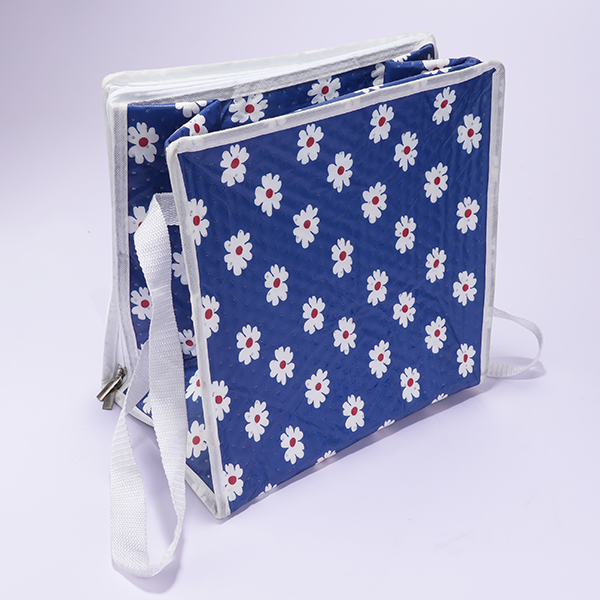
Insulated Shopping Bag Importer: What Buyers Should Verify Before Ordering
A buyer looking for insulated shopping bag importer is usually trying to reduce uncertainty before an order. The product may need to protect a grocery handoff, carry a brand logo, support an ecommerce shipment, serve a retail importer, or fit an OEM program. The safest decision is not to ask which bag is best in general. It is to verify whether the insulated shopping bag matches your payload, route, artwork, supplier process, and temperature-risk level.
The optimized view is simple: define the job first, then compare evidence. For grocery use, an insulated bag supports temperature retention during handling, but it does not replace controlled storage or disciplined delivery timing.
A practical definition for procurement
A insulated shopping bag is a soft insulated packaging or carrying product designed to slow temperature change and improve handling compared with a non-insulated bag. Depending on construction, it may be used for supermarket programs, retail resale, loyalty campaigns, and grocery import channels. It can be consumer-facing, courier-facing, retail-facing, or part of a broader packout. It is not automatically an active refrigeration device. It is not automatically a qualified thermal shipper. It is not proof that goods stayed in range.
This definition matters because many purchasing mistakes start when the product is given too broad a role. A brand team may see a logo opportunity. A logistics team may see an insulated handling tool. A quality team may see a potential temperature-control risk. All three viewpoints can be valid. The purchasing brief should bring them together instead of allowing each department to assume a different purpose.
For buyers in global channels, the word order in the search phrase often signals procurement intent. Terms such as wholesale, bulk, OEM, importer, manufacturer, supplier, company, and factory mean the buyer is not only choosing a product style. The buyer is also selecting a production partner. That selection should include sample discipline, document clarity, and honest limits on performance claims.
Where the product fits and where it is not enough
A insulated shopping bag fits well when the goal is portable insulated handling, brand presentation, reusable customer value, or short-distance support between controlled spaces. It may be used between a store and a customer, between a warehouse and a vehicle, at an event booth, in a retail display, or inside a larger packaging workflow. It is useful because it changes user behavior: people are more likely to keep chilled or warm items separated, close the bag, and handle the goods with intention.
The product is not enough when the shipment requires strict temperature proof, validated lane performance, or regulated distribution controls. In those cases, the buyer may need a complete packaging system that includes insulation, coolant or PCM, conditioning instructions, tested packout, monitoring, labeling, documentation, and receiving procedures. A soft insulated item may still play a role, but it should not be sold internally or externally as the entire solution.
This boundary is especially important for vaccine and pharmaceutical applications. Many refrigerated vaccines are handled within a narrow refrigerated range, and exposure to freezing can be damaging for some products. A pouch or bag may help with short handling steps only if the overall process supports the temperature requirement. For food and grocery, the buyer should also consider storage before packing, route time, vehicle conditions, and receiving behavior.
Decision checkpoints before approving a sample
| Decision point | What to confirm before ordering | Poor assumption to avoid |
|---|---|---|
| Use-case boundary | Whether the insulated shopping bag is for retail carry, delivery, mailer use, or temperature-sensitive shipment support. | Assuming every insulated product is a cold-chain shipper. |
| Thermal evidence | Any test basis, coolant configuration, payload, and ambient profile behind performance claims. | Treating a marketing duration as route qualification. |
| Brand and artwork | Logo method, color control, placement, wash or rub resistance, and packaging presentation. | Approving artwork without checking production fabric and liner. |
| Supplier control | Sample-to-production consistency, tolerances, packaging, inspection process, and change notice. | Ordering bulk units after only reviewing a photo. |
| Operational rollout | Storage, conditioning, cleaning, return, receiving checks, and user instructions. | Expecting the bag to solve process gaps alone. |
Use these checkpoints before the order becomes difficult to change. The goal is not to make every insulated shopping bag project complicated. The goal is to avoid approving a sample for the wrong reason. A physical sample should answer practical questions about fit, handling, appearance, and construction before the buyer discusses large quantities or rollout dates.
Specifications that deserve written confirmation
Dimensions should be separated into external size, internal size, and usable payload space. Usable space may be reduced by insulation, liners, seams, dividers, coolant, or the way the lid closes. Material specifications should describe the outer shell, insulation layer, liner, stitching or welding, closure, handles, straps, label areas, and unit packaging. Branding specifications should include logo method, placement, color reference, size, and acceptance limits.
If the supplier mentions thermal performance, ask what conditions support the statement. Was the finished product tested? What payload was used? Was coolant included? What was the starting temperature? What ambient exposure was applied? Was the item opened during testing? Were the same materials and construction used as the production version? Without this context, the number may not help your operation.
For wholesale, OEM, importer, and enterprise orders, change control is a real specification. Ask whether the supplier may substitute liners, foam, fabric, zippers, webbing, or logo methods without prior approval. Even a change that looks minor can alter folding behavior, durability, weight, packing, and customer perception. A sample approval sheet should become the reference for production inspection.
Operational rollout: what happens after the cartons arrive
The purchase is only successful if the product works after delivery. For grocery and delivery operations, that means staff know how to pack, close, clean, store, and inspect the bag. For retail programs, it means the product arrives with acceptable appearance, labels, and shelf-ready packaging. For promotional campaigns, it means the brand presentation is consistent across the batch. For healthcare-adjacent use, it means the quality team has reviewed the exact role of the bag.
Receiving inspection should be simple but deliberate. Check a sample of units for odor, stains, liner defects, loose threads, uneven seams, logo placement, closure function, and handle strength. Compare carton labels and packing methods with the approved order. If the bag will be used repeatedly, inspect cleaning response and folding behavior. If it will carry temperature-sensitive goods, confirm that any required conditioning, coolant placement, monitoring, and receiving process is documented separately.
A small pilot can reveal issues that office review misses. Have real users pack the intended contents, carry the product, open and close it under normal pressure, and report where the process feels awkward. A user who leaves a closure partly open because it is slow or inconvenient can undermine the insulation. Good design supports the behavior you need.
Cost, sustainability, and customer perception
The lowest unit price is rarely the full cost. A weak insulated shopping bag can create complaints, rework, damaged artwork, poor reuse, slow packing, or higher freight due to inefficient carton dimensions. A product that costs slightly more may be better if it reduces defects, supports reuse, and fits the workflow. Buyers should compare total operational fit, not only the quotation line.
Sustainability should be discussed in concrete terms. Reusable, foldable, cleanable, repairable, recyclable, lightweight, or reduced-packaging claims each mean different things. A laminated insulated product may be hard to recycle even if it is durable. A lightweight product may reduce freight but fail sooner. A reusable grocery bag may offer value only if customers actually keep it or the business manages return loops. Describe what the product truly supports and avoid broad claims that cannot be evidenced.
Customer perception is also part of value. A bag that feels clean, closes confidently, carries comfortably, and displays the logo well can support trust. A bag that arrives wrinkled, smells strongly, leaks condensation, or has uneven printing can weaken the brand even if it was inexpensive. For buyer-facing products, appearance and performance should be checked together.
Supplier questions that actually matter
Ask suppliers to explain the intended use cases for the proposed insulated shopping bag. Ask what they would not recommend it for. Ask whether the production batch will match the sample and what changes require buyer approval. Ask how the logo method is selected for the material. Ask how the item is packed for export or domestic distribution. Ask whether thermal claims have documented conditions. Ask whether the supplier can support custom sizing, branding, or packaging only when those requirements are clearly defined.
Good suppliers do not need to promise universal performance. They need to help you match the design to the job. A supplier who asks about route, payload, temperature concern, artwork, order volume, and cleaning is giving you a better basis for decision than one who only sends a price list. This is particularly important when the order moves from a marketing idea to an operational rollout.
For importers and regional distributors, communication quality matters. You need clear specifications, consistent samples, sensible packing, and prompt notice if materials or production methods change. For enterprise users, you need a product that works across multiple locations or teams. For vaccine or medical contexts, you need quality review and careful documentation. The right supplier conversation reflects these differences.
Grocery rollout succeeds when the bag fits the worker
For insulated shopping bag importer, the worker’s behavior is part of the specification. If the product is difficult to load, slow to close, hard to clean, or awkward to store, users will work around it. Buyers should test the sample with real store and delivery tasks before approving the final batch.
FAQ
What is the most important factor when buying insulated shopping bag importer?
The most important factor is use-case fit. Define the payload, route, user, branding requirement, and temperature-risk level before comparing quotations. Construction details matter, but they only make sense when tied to the job the insulated shopping bag must perform.
Should I approve a digital mockup before production?
A digital mockup is useful for early layout, but it should not replace a physical sample for logo, color, size, closure, and handling approval. Real materials can change color appearance, print edge quality, folding behavior, and the way the product feels when loaded.
How do I evaluate thermal performance without a formal test?
For low-risk use, you can run an internal handling trial with the actual payload and route behavior. For temperature-sensitive or regulated goods, ask for documented test conditions or involve your quality team. Never treat an unsupported thermal duration as proof for every route.
Is reusable packaging always more sustainable?
Not automatically. Reuse value depends on durability, cleaning, return behavior, storage efficiency, and whether users keep or return the product. A reusable bag that is discarded quickly may not deliver the intended benefit. Buyers should use concrete, evidence-based sustainability statements.
When should a buyer consider a different packaging format?
Consider a rigid cooler, insulated box, liner, qualified shipper, or active container if the payload is fragile, heavy, highly temperature-sensitive, regulated, or exposed for longer routes. A soft insulated bag is useful, but it is not the right answer for every cold-chain problem.
Conclusion
The best insulated shopping bag importer decision is built on verification. Confirm the real job, the payload, the route, the artwork, the sample, the production controls, and any temperature evidence before ordering. Use the insulated shopping bag where it fits: portable insulated handling, brand presentation, reusable customer value, or support within a broader cold-chain process. Do not use it as a shortcut for validation, documentation, or process control when sensitive goods require more.
About Tempk
Tempk works with buyers comparing thermal bags, insulated delivery bags, cooler bags, ice packs, insulated liners, and related cold-chain packaging materials. For insulated shopping bag projects, we can help clarify whether the request is mainly about branding, grocery handling, ecommerce packaging, OEM supply, or temperature-sensitive support. We keep the conversation practical by discussing payload, route, logo needs, and evidence boundaries before recommending a format.
CTA
Share your product type, expected contents, route, branding plan, and order quantity with Tempk to review suitable insulated shopping bag options before committing to bulk production.
Insulated Pouch Factory India: What Buyers Should Verify

Insulated Pouch Factory India: What Buyers Should Verify Before Ordering
A buyer looking for insulated pouch factory india is usually trying to reduce uncertainty before an order. The product may need to protect a grocery handoff, carry a brand logo, support an ecommerce shipment, serve a retail importer, or fit an OEM program. The safest decision is not to ask which bag is best in general. It is to verify whether the insulated pouch matches your payload, route, artwork, supplier process, and temperature-risk level.
The optimized view is simple: define the job first, then compare evidence. Soft insulated packaging is useful for controlled handling, but it must be matched to the product, route, and expected exposure.
A practical definition for procurement
A insulated pouch is a soft insulated packaging or carrying product designed to slow temperature change and improve handling compared with a non-insulated bag. Depending on construction, it may be used for sample kits, small chilled items, pharmacy accessories, and light last-mile deliveries. It can be consumer-facing, courier-facing, retail-facing, or part of a broader packout. It is not automatically an active refrigeration device. It is not automatically a qualified thermal shipper. It is not proof that goods stayed in range.
This definition matters because many purchasing mistakes start when the product is given too broad a role. A brand team may see a logo opportunity. A logistics team may see an insulated handling tool. A quality team may see a potential temperature-control risk. All three viewpoints can be valid. The purchasing brief should bring them together instead of allowing each department to assume a different purpose.
For buyers in India channels, the word order in the search phrase often signals procurement intent. Terms such as wholesale, bulk, OEM, importer, manufacturer, supplier, company, and factory mean the buyer is not only choosing a product style. The buyer is also selecting a production partner. That selection should include sample discipline, document clarity, and honest limits on performance claims.
Where the product fits and where it is not enough
A insulated pouch fits well when the goal is portable insulated handling, brand presentation, reusable customer value, or short-distance support between controlled spaces. It may be used between a store and a customer, between a warehouse and a vehicle, at an event booth, in a retail display, or inside a larger packaging workflow. It is useful because it changes user behavior: people are more likely to keep chilled or warm items separated, close the bag, and handle the goods with intention.
The product is not enough when the shipment requires strict temperature proof, validated lane performance, or regulated distribution controls. In those cases, the buyer may need a complete packaging system that includes insulation, coolant or PCM, conditioning instructions, tested packout, monitoring, labeling, documentation, and receiving procedures. A soft insulated item may still play a role, but it should not be sold internally or externally as the entire solution.
This boundary is especially important for vaccine and pharmaceutical applications. Many refrigerated vaccines are handled within a narrow refrigerated range, and exposure to freezing can be damaging for some products. A pouch or bag may help with short handling steps only if the overall process supports the temperature requirement. For food and grocery, the buyer should also consider storage before packing, route time, vehicle conditions, and receiving behavior.
Decision checkpoints before approving a sample
| Decision point | What to confirm before ordering | Poor assumption to avoid |
|---|---|---|
| Use-case boundary | Whether the insulated pouch is for retail carry, delivery, mailer use, or temperature-sensitive shipment support. | Assuming every insulated product is a cold-chain shipper. |
| Thermal evidence | Any test basis, coolant configuration, payload, and ambient profile behind performance claims. | Treating a marketing duration as route qualification. |
| Brand and artwork | Logo method, color control, placement, wash or rub resistance, and packaging presentation. | Approving artwork without checking production fabric and liner. |
| Supplier control | Sample-to-production consistency, tolerances, packaging, inspection process, and change notice. | Ordering bulk units after only reviewing a photo. |
| Operational rollout | Storage, conditioning, cleaning, return, receiving checks, and user instructions. | Expecting the bag to solve process gaps alone. |
Use these checkpoints before the order becomes difficult to change. The goal is not to make every insulated pouch project complicated. The goal is to avoid approving a sample for the wrong reason. A physical sample should answer practical questions about fit, handling, appearance, and construction before the buyer discusses large quantities or rollout dates.
Specifications that deserve written confirmation
Dimensions should be separated into external size, internal size, and usable payload space. Usable space may be reduced by insulation, liners, seams, dividers, coolant, or the way the lid closes. Material specifications should describe the outer shell, insulation layer, liner, stitching or welding, closure, handles, straps, label areas, and unit packaging. Branding specifications should include logo method, placement, color reference, size, and acceptance limits.
If the supplier mentions thermal performance, ask what conditions support the statement. Was the finished product tested? What payload was used? Was coolant included? What was the starting temperature? What ambient exposure was applied? Was the item opened during testing? Were the same materials and construction used as the production version? Without this context, the number may not help your operation.
For wholesale, OEM, importer, and enterprise orders, change control is a real specification. Ask whether the supplier may substitute liners, foam, fabric, zippers, webbing, or logo methods without prior approval. Even a change that looks minor can alter folding behavior, durability, weight, packing, and customer perception. A sample approval sheet should become the reference for production inspection.
Operational rollout: what happens after the cartons arrive
The purchase is only successful if the product works after delivery. For grocery and delivery operations, that means staff know how to pack, close, clean, store, and inspect the bag. For retail programs, it means the product arrives with acceptable appearance, labels, and shelf-ready packaging. For promotional campaigns, it means the brand presentation is consistent across the batch. For healthcare-adjacent use, it means the quality team has reviewed the exact role of the bag.
Receiving inspection should be simple but deliberate. Check a sample of units for odor, stains, liner defects, loose threads, uneven seams, logo placement, closure function, and handle strength. Compare carton labels and packing methods with the approved order. If the bag will be used repeatedly, inspect cleaning response and folding behavior. If it will carry temperature-sensitive goods, confirm that any required conditioning, coolant placement, monitoring, and receiving process is documented separately.
A small pilot can reveal issues that office review misses. Have real users pack the intended contents, carry the product, open and close it under normal pressure, and report where the process feels awkward. A user who leaves a closure partly open because it is slow or inconvenient can undermine the insulation. Good design supports the behavior you need.
Cost, sustainability, and customer perception
The lowest unit price is rarely the full cost. A weak insulated pouch can create complaints, rework, damaged artwork, poor reuse, slow packing, or higher freight due to inefficient carton dimensions. A product that costs slightly more may be better if it reduces defects, supports reuse, and fits the workflow. Buyers should compare total operational fit, not only the quotation line.
Sustainability should be discussed in concrete terms. Reusable, foldable, cleanable, repairable, recyclable, lightweight, or reduced-packaging claims each mean different things. A laminated insulated product may be hard to recycle even if it is durable. A lightweight product may reduce freight but fail sooner. A reusable grocery bag may offer value only if customers actually keep it or the business manages return loops. Describe what the product truly supports and avoid broad claims that cannot be evidenced.
Customer perception is also part of value. A bag that feels clean, closes confidently, carries comfortably, and displays the logo well can support trust. A bag that arrives wrinkled, smells strongly, leaks condensation, or has uneven printing can weaken the brand even if it was inexpensive. For buyer-facing products, appearance and performance should be checked together.
Supplier questions that actually matter
Ask suppliers to explain the intended use cases for the proposed insulated pouch. Ask what they would not recommend it for. Ask whether the production batch will match the sample and what changes require buyer approval. Ask how the logo method is selected for the material. Ask how the item is packed for export or domestic distribution. Ask whether thermal claims have documented conditions. Ask whether the supplier can support custom sizing, branding, or packaging only when those requirements are clearly defined.
Good suppliers do not need to promise universal performance. They need to help you match the design to the job. A supplier who asks about route, payload, temperature concern, artwork, order volume, and cleaning is giving you a better basis for decision than one who only sends a price list. This is particularly important when the order moves from a marketing idea to an operational rollout.
For importers and regional distributors, communication quality matters. You need clear specifications, consistent samples, sensible packing, and prompt notice if materials or production methods change. For enterprise users, you need a product that works across multiple locations or teams. For vaccine or medical contexts, you need quality review and careful documentation. The right supplier conversation reflects these differences.
Regional procurement should lock the approved version
For insulated pouch factory india, buyers should keep the approved sample, specification, artwork file, and packing method connected. This is especially useful for importer, supplier, factory, bulk, or OEM orders, where small production changes can affect market acceptance after the order arrives.
FAQ
What is the most important factor when buying insulated pouch factory india?
The most important factor is use-case fit. Define the payload, route, user, branding requirement, and temperature-risk level before comparing quotations. Construction details matter, but they only make sense when tied to the job the insulated pouch must perform.
Should I approve a digital mockup before production?
A digital mockup is useful for early layout, but it should not replace a physical sample for logo, color, size, closure, and handling approval. Real materials can change color appearance, print edge quality, folding behavior, and the way the product feels when loaded.
How do I evaluate thermal performance without a formal test?
For low-risk use, you can run an internal handling trial with the actual payload and route behavior. For temperature-sensitive or regulated goods, ask for documented test conditions or involve your quality team. Never treat an unsupported thermal duration as proof for every route.
Is reusable packaging always more sustainable?
Not automatically. Reuse value depends on durability, cleaning, return behavior, storage efficiency, and whether users keep or return the product. A reusable bag that is discarded quickly may not deliver the intended benefit. Buyers should use concrete, evidence-based sustainability statements.
When should a buyer consider a different packaging format?
Consider a rigid cooler, insulated box, liner, qualified shipper, or active container if the payload is fragile, heavy, highly temperature-sensitive, regulated, or exposed for longer routes. A soft insulated bag is useful, but it is not the right answer for every cold-chain problem.
Conclusion
The best insulated pouch factory india decision is built on verification. Confirm the real job, the payload, the route, the artwork, the sample, the production controls, and any temperature evidence before ordering. Use the insulated pouch where it fits: portable insulated handling, brand presentation, reusable customer value, or support within a broader cold-chain process. Do not use it as a shortcut for validation, documentation, or process control when sensitive goods require more.
About Tempk
Tempk works with buyers comparing thermal bags, insulated delivery bags, cooler bags, ice packs, insulated liners, and related cold-chain packaging materials. For insulated pouch projects, we can help clarify whether the request is mainly about branding, grocery handling, ecommerce packaging, OEM supply, or temperature-sensitive support. We keep the conversation practical by discussing payload, route, logo needs, and evidence boundaries before recommending a format.
CTA
Share your product type, expected contents, route, branding plan, and order quantity with Tempk to review suitable insulated pouch options before committing to bulk production.
Insulated Pouch Exporter Vaccine: What Buyers Should Verify
Insulated Pouch Exporter Vaccine: What Buyers Should Verify Before Ordering
A buyer looking for insulated pouch exporter vaccine is usually trying to reduce uncertainty before an order. The product may need to protect a grocery handoff, carry a brand logo, support an ecommerce shipment, serve a retail importer, or fit an OEM program. The safest decision is not to ask which bag is best in general. It is to verify whether the insulated pouch matches your payload, route, artwork, supplier process, and temperature-risk level.
The optimized view is simple: define the job first, then compare evidence. For vaccine use, a pouch or bag should be treated as one component of a qualified packout, not as proof of temperature control by itself.
A practical definition for procurement
A insulated pouch is a soft insulated packaging or carrying product designed to slow temperature change and improve handling compared with a non-insulated bag. Depending on construction, it may be used for sample kits, small chilled items, pharmacy accessories, and light last-mile deliveries. It can be consumer-facing, courier-facing, retail-facing, or part of a broader packout. It is not automatically an active refrigeration device. It is not automatically a qualified thermal shipper. It is not proof that goods stayed in range.
This definition matters because many purchasing mistakes start when the product is given too broad a role. A brand team may see a logo opportunity. A logistics team may see an insulated handling tool. A quality team may see a potential temperature-control risk. All three viewpoints can be valid. The purchasing brief should bring them together instead of allowing each department to assume a different purpose.
For buyers in global channels, the word order in the search phrase often signals procurement intent. Terms such as wholesale, bulk, OEM, importer, manufacturer, supplier, company, and factory mean the buyer is not only choosing a product style. The buyer is also selecting a production partner. That selection should include sample discipline, document clarity, and honest limits on performance claims.
Where the product fits and where it is not enough
A insulated pouch fits well when the goal is portable insulated handling, brand presentation, reusable customer value, or short-distance support between controlled spaces. It may be used between a store and a customer, between a warehouse and a vehicle, at an event booth, in a retail display, or inside a larger packaging workflow. It is useful because it changes user behavior: people are more likely to keep chilled or warm items separated, close the bag, and handle the goods with intention.
The product is not enough when the shipment requires strict temperature proof, validated lane performance, or regulated distribution controls. In those cases, the buyer may need a complete packaging system that includes insulation, coolant or PCM, conditioning instructions, tested packout, monitoring, labeling, documentation, and receiving procedures. A soft insulated item may still play a role, but it should not be sold internally or externally as the entire solution.
This boundary is especially important for vaccine and pharmaceutical applications. Many refrigerated vaccines are handled within a narrow refrigerated range, and exposure to freezing can be damaging for some products. A pouch or bag may help with short handling steps only if the overall process supports the temperature requirement. For food and grocery, the buyer should also consider storage before packing, route time, vehicle conditions, and receiving behavior.
Decision checkpoints before approving a sample
| Decision point | What to confirm before ordering | Poor assumption to avoid |
|---|---|---|
| Use-case boundary | Whether the insulated pouch is for retail carry, delivery, mailer use, or temperature-sensitive shipment support. | Assuming every insulated product is a cold-chain shipper. |
| Thermal evidence | Any test basis, coolant configuration, payload, and ambient profile behind performance claims. | Treating a marketing duration as route qualification. |
| Brand and artwork | Logo method, color control, placement, wash or rub resistance, and packaging presentation. | Approving artwork without checking production fabric and liner. |
| Supplier control | Sample-to-production consistency, tolerances, packaging, inspection process, and change notice. | Ordering bulk units after only reviewing a photo. |
| Operational rollout | Storage, conditioning, cleaning, return, receiving checks, and user instructions. | Expecting the bag to solve process gaps alone. |
Use these checkpoints before the order becomes difficult to change. The goal is not to make every insulated pouch project complicated. The goal is to avoid approving a sample for the wrong reason. A physical sample should answer practical questions about fit, handling, appearance, and construction before the buyer discusses large quantities or rollout dates.
Specifications that deserve written confirmation
Dimensions should be separated into external size, internal size, and usable payload space. Usable space may be reduced by insulation, liners, seams, dividers, coolant, or the way the lid closes. Material specifications should describe the outer shell, insulation layer, liner, stitching or welding, closure, handles, straps, label areas, and unit packaging. Branding specifications should include logo method, placement, color reference, size, and acceptance limits.
If the supplier mentions thermal performance, ask what conditions support the statement. Was the finished product tested? What payload was used? Was coolant included? What was the starting temperature? What ambient exposure was applied? Was the item opened during testing? Were the same materials and construction used as the production version? Without this context, the number may not help your operation.
For wholesale, OEM, importer, and enterprise orders, change control is a real specification. Ask whether the supplier may substitute liners, foam, fabric, zippers, webbing, or logo methods without prior approval. Even a change that looks minor can alter folding behavior, durability, weight, packing, and customer perception. A sample approval sheet should become the reference for production inspection.
Operational rollout: what happens after the cartons arrive
The purchase is only successful if the product works after delivery. For grocery and delivery operations, that means staff know how to pack, close, clean, store, and inspect the bag. For retail programs, it means the product arrives with acceptable appearance, labels, and shelf-ready packaging. For promotional campaigns, it means the brand presentation is consistent across the batch. For healthcare-adjacent use, it means the quality team has reviewed the exact role of the bag.
Receiving inspection should be simple but deliberate. Check a sample of units for odor, stains, liner defects, loose threads, uneven seams, logo placement, closure function, and handle strength. Compare carton labels and packing methods with the approved order. If the bag will be used repeatedly, inspect cleaning response and folding behavior. If it will carry temperature-sensitive goods, confirm that any required conditioning, coolant placement, monitoring, and receiving process is documented separately.
A small pilot can reveal issues that office review misses. Have real users pack the intended contents, carry the product, open and close it under normal pressure, and report where the process feels awkward. A user who leaves a closure partly open because it is slow or inconvenient can undermine the insulation. Good design supports the behavior you need.
Cost, sustainability, and customer perception
The lowest unit price is rarely the full cost. A weak insulated pouch can create complaints, rework, damaged artwork, poor reuse, slow packing, or higher freight due to inefficient carton dimensions. A product that costs slightly more may be better if it reduces defects, supports reuse, and fits the workflow. Buyers should compare total operational fit, not only the quotation line.
Sustainability should be discussed in concrete terms. Reusable, foldable, cleanable, repairable, recyclable, lightweight, or reduced-packaging claims each mean different things. A laminated insulated product may be hard to recycle even if it is durable. A lightweight product may reduce freight but fail sooner. A reusable grocery bag may offer value only if customers actually keep it or the business manages return loops. Describe what the product truly supports and avoid broad claims that cannot be evidenced.
Customer perception is also part of value. A bag that feels clean, closes confidently, carries comfortably, and displays the logo well can support trust. A bag that arrives wrinkled, smells strongly, leaks condensation, or has uneven printing can weaken the brand even if it was inexpensive. For buyer-facing products, appearance and performance should be checked together.
Supplier questions that actually matter
Ask suppliers to explain the intended use cases for the proposed insulated pouch. Ask what they would not recommend it for. Ask whether the production batch will match the sample and what changes require buyer approval. Ask how the logo method is selected for the material. Ask how the item is packed for export or domestic distribution. Ask whether thermal claims have documented conditions. Ask whether the supplier can support custom sizing, branding, or packaging only when those requirements are clearly defined.
Good suppliers do not need to promise universal performance. They need to help you match the design to the job. A supplier who asks about route, payload, temperature concern, artwork, order volume, and cleaning is giving you a better basis for decision than one who only sends a price list. This is particularly important when the order moves from a marketing idea to an operational rollout.
For importers and regional distributors, communication quality matters. You need clear specifications, consistent samples, sensible packing, and prompt notice if materials or production methods change. For enterprise users, you need a product that works across multiple locations or teams. For vaccine or medical contexts, you need quality review and careful documentation. The right supplier conversation reflects these differences.
Vaccine-related wording must be conservative
For insulated pouch exporter vaccine, buyer language should stay conservative unless qualification evidence supports a stronger claim. It is safer to say that the pouch may support short handling or organization within a controlled workflow than to claim vaccine shipment suitability. The required temperature range, packout, monitoring, and quality approval should be confirmed for the actual product.
FAQ
What is the most important factor when buying insulated pouch exporter vaccine?
The most important factor is use-case fit. Define the payload, route, user, branding requirement, and temperature-risk level before comparing quotations. Construction details matter, but they only make sense when tied to the job the insulated pouch must perform.
Should I approve a digital mockup before production?
A digital mockup is useful for early layout, but it should not replace a physical sample for logo, color, size, closure, and handling approval. Real materials can change color appearance, print edge quality, folding behavior, and the way the product feels when loaded.
How do I evaluate thermal performance without a formal test?
For low-risk use, you can run an internal handling trial with the actual payload and route behavior. For temperature-sensitive or regulated goods, ask for documented test conditions or involve your quality team. Never treat an unsupported thermal duration as proof for every route.
Is reusable packaging always more sustainable?
Not automatically. Reuse value depends on durability, cleaning, return behavior, storage efficiency, and whether users keep or return the product. A reusable bag that is discarded quickly may not deliver the intended benefit. Buyers should use concrete, evidence-based sustainability statements.
When should a buyer consider a different packaging format?
Consider a rigid cooler, insulated box, liner, qualified shipper, or active container if the payload is fragile, heavy, highly temperature-sensitive, regulated, or exposed for longer routes. A soft insulated bag is useful, but it is not the right answer for every cold-chain problem.
Conclusion
The best insulated pouch exporter vaccine decision is built on verification. Confirm the real job, the payload, the route, the artwork, the sample, the production controls, and any temperature evidence before ordering. Use the insulated pouch where it fits: portable insulated handling, brand presentation, reusable customer value, or support within a broader cold-chain process. Do not use it as a shortcut for validation, documentation, or process control when sensitive goods require more.
About Tempk
Tempk works with buyers comparing thermal bags, insulated delivery bags, cooler bags, ice packs, insulated liners, and related cold-chain packaging materials. For insulated pouch projects, we can help clarify whether the request is mainly about branding, grocery handling, ecommerce packaging, OEM supply, or temperature-sensitive support. We keep the conversation practical by discussing payload, route, logo needs, and evidence boundaries before recommending a format.
CTA
Share your product type, expected contents, route, branding plan, and order quantity with Tempk to review suitable insulated pouch options before committing to bulk production.
Insulated Pouch Company EU: What Buyers Should Verify
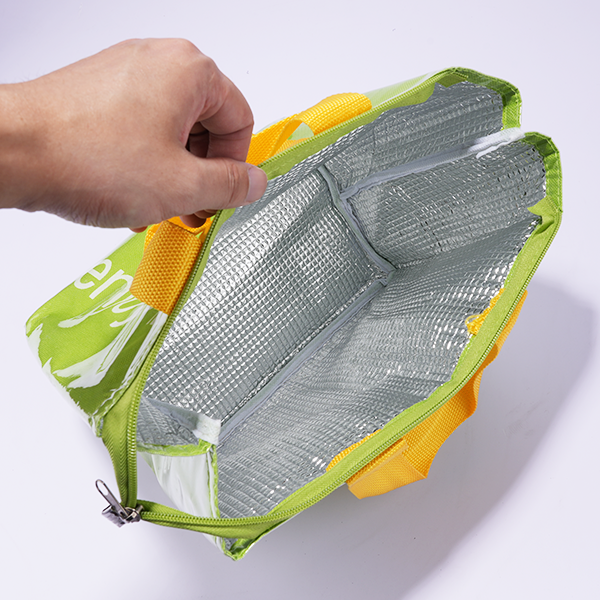
Insulated Pouch Company EU: What Buyers Should Verify Before Ordering
A buyer looking for insulated pouch company eu is usually trying to reduce uncertainty before an order. The product may need to protect a grocery handoff, carry a brand logo, support an ecommerce shipment, serve a retail importer, or fit an OEM program. The safest decision is not to ask which bag is best in general. It is to verify whether the insulated pouch matches your payload, route, artwork, supplier process, and temperature-risk level.
The optimized view is simple: define the job first, then compare evidence. Soft insulated packaging is useful for controlled handling, but it must be matched to the product, route, and expected exposure.
A practical definition for procurement
A insulated pouch is a soft insulated packaging or carrying product designed to slow temperature change and improve handling compared with a non-insulated bag. Depending on construction, it may be used for sample kits, small chilled items, pharmacy accessories, and light last-mile deliveries. It can be consumer-facing, courier-facing, retail-facing, or part of a broader packout. It is not automatically an active refrigeration device. It is not automatically a qualified thermal shipper. It is not proof that goods stayed in range.
This definition matters because many purchasing mistakes start when the product is given too broad a role. A brand team may see a logo opportunity. A logistics team may see an insulated handling tool. A quality team may see a potential temperature-control risk. All three viewpoints can be valid. The purchasing brief should bring them together instead of allowing each department to assume a different purpose.
For buyers in EU channels, the word order in the search phrase often signals procurement intent. Terms such as wholesale, bulk, OEM, importer, manufacturer, supplier, company, and factory mean the buyer is not only choosing a product style. The buyer is also selecting a production partner. That selection should include sample discipline, document clarity, and honest limits on performance claims.
Where the product fits and where it is not enough
A insulated pouch fits well when the goal is portable insulated handling, brand presentation, reusable customer value, or short-distance support between controlled spaces. It may be used between a store and a customer, between a warehouse and a vehicle, at an event booth, in a retail display, or inside a larger packaging workflow. It is useful because it changes user behavior: people are more likely to keep chilled or warm items separated, close the bag, and handle the goods with intention.
The product is not enough when the shipment requires strict temperature proof, validated lane performance, or regulated distribution controls. In those cases, the buyer may need a complete packaging system that includes insulation, coolant or PCM, conditioning instructions, tested packout, monitoring, labeling, documentation, and receiving procedures. A soft insulated item may still play a role, but it should not be sold internally or externally as the entire solution.
This boundary is especially important for vaccine and pharmaceutical applications. Many refrigerated vaccines are handled within a narrow refrigerated range, and exposure to freezing can be damaging for some products. A pouch or bag may help with short handling steps only if the overall process supports the temperature requirement. For food and grocery, the buyer should also consider storage before packing, route time, vehicle conditions, and receiving behavior.
Decision checkpoints before approving a sample
| Decision point | What to confirm before ordering | Poor assumption to avoid |
|---|---|---|
| Use-case boundary | Whether the insulated pouch is for retail carry, delivery, mailer use, or temperature-sensitive shipment support. | Assuming every insulated product is a cold-chain shipper. |
| Thermal evidence | Any test basis, coolant configuration, payload, and ambient profile behind performance claims. | Treating a marketing duration as route qualification. |
| Brand and artwork | Logo method, color control, placement, wash or rub resistance, and packaging presentation. | Approving artwork without checking production fabric and liner. |
| Supplier control | Sample-to-production consistency, tolerances, packaging, inspection process, and change notice. | Ordering bulk units after only reviewing a photo. |
| Operational rollout | Storage, conditioning, cleaning, return, receiving checks, and user instructions. | Expecting the bag to solve process gaps alone. |
Use these checkpoints before the order becomes difficult to change. The goal is not to make every insulated pouch project complicated. The goal is to avoid approving a sample for the wrong reason. A physical sample should answer practical questions about fit, handling, appearance, and construction before the buyer discusses large quantities or rollout dates.
Specifications that deserve written confirmation
Dimensions should be separated into external size, internal size, and usable payload space. Usable space may be reduced by insulation, liners, seams, dividers, coolant, or the way the lid closes. Material specifications should describe the outer shell, insulation layer, liner, stitching or welding, closure, handles, straps, label areas, and unit packaging. Branding specifications should include logo method, placement, color reference, size, and acceptance limits.
If the supplier mentions thermal performance, ask what conditions support the statement. Was the finished product tested? What payload was used? Was coolant included? What was the starting temperature? What ambient exposure was applied? Was the item opened during testing? Were the same materials and construction used as the production version? Without this context, the number may not help your operation.
For wholesale, OEM, importer, and enterprise orders, change control is a real specification. Ask whether the supplier may substitute liners, foam, fabric, zippers, webbing, or logo methods without prior approval. Even a change that looks minor can alter folding behavior, durability, weight, packing, and customer perception. A sample approval sheet should become the reference for production inspection.
Operational rollout: what happens after the cartons arrive
The purchase is only successful if the product works after delivery. For grocery and delivery operations, that means staff know how to pack, close, clean, store, and inspect the bag. For retail programs, it means the product arrives with acceptable appearance, labels, and shelf-ready packaging. For promotional campaigns, it means the brand presentation is consistent across the batch. For healthcare-adjacent use, it means the quality team has reviewed the exact role of the bag.
Receiving inspection should be simple but deliberate. Check a sample of units for odor, stains, liner defects, loose threads, uneven seams, logo placement, closure function, and handle strength. Compare carton labels and packing methods with the approved order. If the bag will be used repeatedly, inspect cleaning response and folding behavior. If it will carry temperature-sensitive goods, confirm that any required conditioning, coolant placement, monitoring, and receiving process is documented separately.
A small pilot can reveal issues that office review misses. Have real users pack the intended contents, carry the product, open and close it under normal pressure, and report where the process feels awkward. A user who leaves a closure partly open because it is slow or inconvenient can undermine the insulation. Good design supports the behavior you need.
Cost, sustainability, and customer perception
The lowest unit price is rarely the full cost. A weak insulated pouch can create complaints, rework, damaged artwork, poor reuse, slow packing, or higher freight due to inefficient carton dimensions. A product that costs slightly more may be better if it reduces defects, supports reuse, and fits the workflow. Buyers should compare total operational fit, not only the quotation line.
Sustainability should be discussed in concrete terms. Reusable, foldable, cleanable, repairable, recyclable, lightweight, or reduced-packaging claims each mean different things. A laminated insulated product may be hard to recycle even if it is durable. A lightweight product may reduce freight but fail sooner. A reusable grocery bag may offer value only if customers actually keep it or the business manages return loops. Describe what the product truly supports and avoid broad claims that cannot be evidenced.
Customer perception is also part of value. A bag that feels clean, closes confidently, carries comfortably, and displays the logo well can support trust. A bag that arrives wrinkled, smells strongly, leaks condensation, or has uneven printing can weaken the brand even if it was inexpensive. For buyer-facing products, appearance and performance should be checked together.
Supplier questions that actually matter
Ask suppliers to explain the intended use cases for the proposed insulated pouch. Ask what they would not recommend it for. Ask whether the production batch will match the sample and what changes require buyer approval. Ask how the logo method is selected for the material. Ask how the item is packed for export or domestic distribution. Ask whether thermal claims have documented conditions. Ask whether the supplier can support custom sizing, branding, or packaging only when those requirements are clearly defined.
Good suppliers do not need to promise universal performance. They need to help you match the design to the job. A supplier who asks about route, payload, temperature concern, artwork, order volume, and cleaning is giving you a better basis for decision than one who only sends a price list. This is particularly important when the order moves from a marketing idea to an operational rollout.
For importers and regional distributors, communication quality matters. You need clear specifications, consistent samples, sensible packing, and prompt notice if materials or production methods change. For enterprise users, you need a product that works across multiple locations or teams. For vaccine or medical contexts, you need quality review and careful documentation. The right supplier conversation reflects these differences.
Regional procurement should lock the approved version
For insulated pouch company eu, buyers should keep the approved sample, specification, artwork file, and packing method connected. This is especially useful for importer, supplier, factory, bulk, or OEM orders, where small production changes can affect market acceptance after the order arrives.
FAQ
What is the most important factor when buying insulated pouch company eu?
The most important factor is use-case fit. Define the payload, route, user, branding requirement, and temperature-risk level before comparing quotations. Construction details matter, but they only make sense when tied to the job the insulated pouch must perform.
Should I approve a digital mockup before production?
A digital mockup is useful for early layout, but it should not replace a physical sample for logo, color, size, closure, and handling approval. Real materials can change color appearance, print edge quality, folding behavior, and the way the product feels when loaded.
How do I evaluate thermal performance without a formal test?
For low-risk use, you can run an internal handling trial with the actual payload and route behavior. For temperature-sensitive or regulated goods, ask for documented test conditions or involve your quality team. Never treat an unsupported thermal duration as proof for every route.
Is reusable packaging always more sustainable?
Not automatically. Reuse value depends on durability, cleaning, return behavior, storage efficiency, and whether users keep or return the product. A reusable bag that is discarded quickly may not deliver the intended benefit. Buyers should use concrete, evidence-based sustainability statements.
When should a buyer consider a different packaging format?
Consider a rigid cooler, insulated box, liner, qualified shipper, or active container if the payload is fragile, heavy, highly temperature-sensitive, regulated, or exposed for longer routes. A soft insulated bag is useful, but it is not the right answer for every cold-chain problem.
Conclusion
The best insulated pouch company eu decision is built on verification. Confirm the real job, the payload, the route, the artwork, the sample, the production controls, and any temperature evidence before ordering. Use the insulated pouch where it fits: portable insulated handling, brand presentation, reusable customer value, or support within a broader cold-chain process. Do not use it as a shortcut for validation, documentation, or process control when sensitive goods require more.
About Tempk
Tempk works with buyers comparing thermal bags, insulated delivery bags, cooler bags, ice packs, insulated liners, and related cold-chain packaging materials. For insulated pouch projects, we can help clarify whether the request is mainly about branding, grocery handling, ecommerce packaging, OEM supply, or temperature-sensitive support. We keep the conversation practical by discussing payload, route, logo needs, and evidence boundaries before recommending a format.
CTA
Share your product type, expected contents, route, branding plan, and order quantity with Tempk to review suitable insulated pouch options before committing to bulk production.
Insulated Mailer Bag Wholesale: What Buyers Should Verify
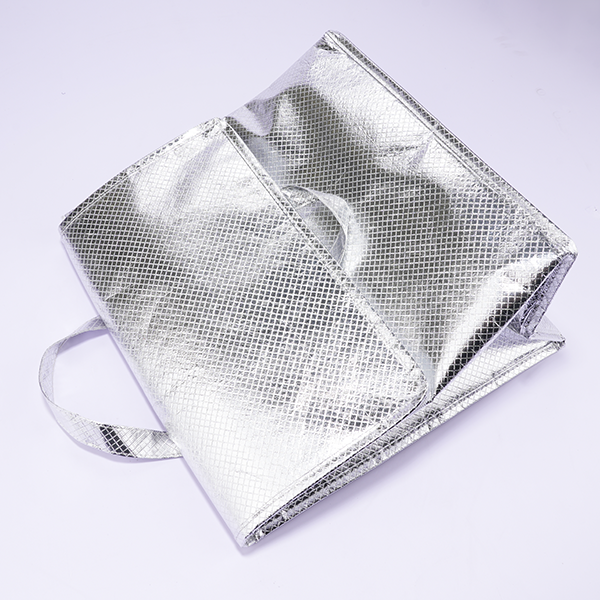
Insulated Mailer Bag Wholesale: What Buyers Should Verify Before Ordering
A buyer looking for insulated mailer bag wholesale is usually trying to reduce uncertainty before an order. The product may need to protect a grocery handoff, carry a brand logo, support an ecommerce shipment, serve a retail importer, or fit an OEM program. The safest decision is not to ask which bag is best in general. It is to verify whether the insulated mailer bag matches your payload, route, artwork, supplier process, and temperature-risk level.
The optimized view is simple: define the job first, then compare evidence. A flexible mailer can reduce heat transfer and protect the customer experience, but payload, coolant, ambient exposure, and transit time still determine suitability.
A practical definition for procurement
A insulated mailer bag is a soft insulated packaging or carrying product designed to slow temperature change and improve handling compared with a non-insulated bag. Depending on construction, it may be used for ecommerce chilled goods, meal components, subscription shipments, and promotional mailouts. It can be consumer-facing, courier-facing, retail-facing, or part of a broader packout. It is not automatically an active refrigeration device. It is not automatically a qualified thermal shipper. It is not proof that goods stayed in range.
This definition matters because many purchasing mistakes start when the product is given too broad a role. A brand team may see a logo opportunity. A logistics team may see an insulated handling tool. A quality team may see a potential temperature-control risk. All three viewpoints can be valid. The purchasing brief should bring them together instead of allowing each department to assume a different purpose.
For buyers in global channels, the word order in the search phrase often signals procurement intent. Terms such as wholesale, bulk, OEM, importer, manufacturer, supplier, company, and factory mean the buyer is not only choosing a product style. The buyer is also selecting a production partner. That selection should include sample discipline, document clarity, and honest limits on performance claims.
Where the product fits and where it is not enough
A insulated mailer bag fits well when the goal is portable insulated handling, brand presentation, reusable customer value, or short-distance support between controlled spaces. It may be used between a store and a customer, between a warehouse and a vehicle, at an event booth, in a retail display, or inside a larger packaging workflow. It is useful because it changes user behavior: people are more likely to keep chilled or warm items separated, close the bag, and handle the goods with intention.
The product is not enough when the shipment requires strict temperature proof, validated lane performance, or regulated distribution controls. In those cases, the buyer may need a complete packaging system that includes insulation, coolant or PCM, conditioning instructions, tested packout, monitoring, labeling, documentation, and receiving procedures. A soft insulated item may still play a role, but it should not be sold internally or externally as the entire solution.
This boundary is especially important for vaccine and pharmaceutical applications. Many refrigerated vaccines are handled within a narrow refrigerated range, and exposure to freezing can be damaging for some products. A pouch or bag may help with short handling steps only if the overall process supports the temperature requirement. For food and grocery, the buyer should also consider storage before packing, route time, vehicle conditions, and receiving behavior.
Decision checkpoints before approving a sample
| Decision point | What to confirm before ordering | Poor assumption to avoid |
|---|---|---|
| Use-case boundary | Whether the insulated mailer bag is for retail carry, delivery, mailer use, or temperature-sensitive shipment support. | Assuming every insulated product is a cold-chain shipper. |
| Thermal evidence | Any test basis, coolant configuration, payload, and ambient profile behind performance claims. | Treating a marketing duration as route qualification. |
| Brand and artwork | Logo method, color control, placement, wash or rub resistance, and packaging presentation. | Approving artwork without checking production fabric and liner. |
| Supplier control | Sample-to-production consistency, tolerances, packaging, inspection process, and change notice. | Ordering bulk units after only reviewing a photo. |
| Operational rollout | Storage, conditioning, cleaning, return, receiving checks, and user instructions. | Expecting the bag to solve process gaps alone. |
Use these checkpoints before the order becomes difficult to change. The goal is not to make every insulated mailer bag project complicated. The goal is to avoid approving a sample for the wrong reason. A physical sample should answer practical questions about fit, handling, appearance, and construction before the buyer discusses large quantities or rollout dates.
Specifications that deserve written confirmation
Dimensions should be separated into external size, internal size, and usable payload space. Usable space may be reduced by insulation, liners, seams, dividers, coolant, or the way the lid closes. Material specifications should describe the outer shell, insulation layer, liner, stitching or welding, closure, handles, straps, label areas, and unit packaging. Branding specifications should include logo method, placement, color reference, size, and acceptance limits.
If the supplier mentions thermal performance, ask what conditions support the statement. Was the finished product tested? What payload was used? Was coolant included? What was the starting temperature? What ambient exposure was applied? Was the item opened during testing? Were the same materials and construction used as the production version? Without this context, the number may not help your operation.
For wholesale, OEM, importer, and enterprise orders, change control is a real specification. Ask whether the supplier may substitute liners, foam, fabric, zippers, webbing, or logo methods without prior approval. Even a change that looks minor can alter folding behavior, durability, weight, packing, and customer perception. A sample approval sheet should become the reference for production inspection.
Operational rollout: what happens after the cartons arrive
The purchase is only successful if the product works after delivery. For grocery and delivery operations, that means staff know how to pack, close, clean, store, and inspect the bag. For retail programs, it means the product arrives with acceptable appearance, labels, and shelf-ready packaging. For promotional campaigns, it means the brand presentation is consistent across the batch. For healthcare-adjacent use, it means the quality team has reviewed the exact role of the bag.
Receiving inspection should be simple but deliberate. Check a sample of units for odor, stains, liner defects, loose threads, uneven seams, logo placement, closure function, and handle strength. Compare carton labels and packing methods with the approved order. If the bag will be used repeatedly, inspect cleaning response and folding behavior. If it will carry temperature-sensitive goods, confirm that any required conditioning, coolant placement, monitoring, and receiving process is documented separately.
A small pilot can reveal issues that office review misses. Have real users pack the intended contents, carry the product, open and close it under normal pressure, and report where the process feels awkward. A user who leaves a closure partly open because it is slow or inconvenient can undermine the insulation. Good design supports the behavior you need.
Cost, sustainability, and customer perception
The lowest unit price is rarely the full cost. A weak insulated mailer bag can create complaints, rework, damaged artwork, poor reuse, slow packing, or higher freight due to inefficient carton dimensions. A product that costs slightly more may be better if it reduces defects, supports reuse, and fits the workflow. Buyers should compare total operational fit, not only the quotation line.
Sustainability should be discussed in concrete terms. Reusable, foldable, cleanable, repairable, recyclable, lightweight, or reduced-packaging claims each mean different things. A laminated insulated product may be hard to recycle even if it is durable. A lightweight product may reduce freight but fail sooner. A reusable grocery bag may offer value only if customers actually keep it or the business manages return loops. Describe what the product truly supports and avoid broad claims that cannot be evidenced.
Customer perception is also part of value. A bag that feels clean, closes confidently, carries comfortably, and displays the logo well can support trust. A bag that arrives wrinkled, smells strongly, leaks condensation, or has uneven printing can weaken the brand even if it was inexpensive. For buyer-facing products, appearance and performance should be checked together.
Supplier questions that actually matter
Ask suppliers to explain the intended use cases for the proposed insulated mailer bag. Ask what they would not recommend it for. Ask whether the production batch will match the sample and what changes require buyer approval. Ask how the logo method is selected for the material. Ask how the item is packed for export or domestic distribution. Ask whether thermal claims have documented conditions. Ask whether the supplier can support custom sizing, branding, or packaging only when those requirements are clearly defined.
Good suppliers do not need to promise universal performance. They need to help you match the design to the job. A supplier who asks about route, payload, temperature concern, artwork, order volume, and cleaning is giving you a better basis for decision than one who only sends a price list. This is particularly important when the order moves from a marketing idea to an operational rollout.
For importers and regional distributors, communication quality matters. You need clear specifications, consistent samples, sensible packing, and prompt notice if materials or production methods change. For enterprise users, you need a product that works across multiple locations or teams. For vaccine or medical contexts, you need quality review and careful documentation. The right supplier conversation reflects these differences.
The mailer must fit the full parcel economics
For insulated mailer bag wholesale, the right decision includes pack speed, carton size, coolant placement, leakage control, and customer unboxing. A mailer can look inexpensive on the unit quote while increasing labor or freight cost. The buyer should compare total parcel fit, not only the insulated material.
FAQ
What is the most important factor when buying insulated mailer bag wholesale?
The most important factor is use-case fit. Define the payload, route, user, branding requirement, and temperature-risk level before comparing quotations. Construction details matter, but they only make sense when tied to the job the insulated mailer bag must perform.
Should I approve a digital mockup before production?
A digital mockup is useful for early layout, but it should not replace a physical sample for logo, color, size, closure, and handling approval. Real materials can change color appearance, print edge quality, folding behavior, and the way the product feels when loaded.
How do I evaluate thermal performance without a formal test?
For low-risk use, you can run an internal handling trial with the actual payload and route behavior. For temperature-sensitive or regulated goods, ask for documented test conditions or involve your quality team. Never treat an unsupported thermal duration as proof for every route.
Is reusable packaging always more sustainable?
Not automatically. Reuse value depends on durability, cleaning, return behavior, storage efficiency, and whether users keep or return the product. A reusable bag that is discarded quickly may not deliver the intended benefit. Buyers should use concrete, evidence-based sustainability statements.
When should a buyer consider a different packaging format?
Consider a rigid cooler, insulated box, liner, qualified shipper, or active container if the payload is fragile, heavy, highly temperature-sensitive, regulated, or exposed for longer routes. A soft insulated bag is useful, but it is not the right answer for every cold-chain problem.
Conclusion
The best insulated mailer bag wholesale decision is built on verification. Confirm the real job, the payload, the route, the artwork, the sample, the production controls, and any temperature evidence before ordering. Use the insulated mailer bag where it fits: portable insulated handling, brand presentation, reusable customer value, or support within a broader cold-chain process. Do not use it as a shortcut for validation, documentation, or process control when sensitive goods require more.
About Tempk
Tempk works with buyers comparing thermal bags, insulated delivery bags, cooler bags, ice packs, insulated liners, and related cold-chain packaging materials. For insulated mailer bag projects, we can help clarify whether the request is mainly about branding, grocery handling, ecommerce packaging, OEM supply, or temperature-sensitive support. We keep the conversation practical by discussing payload, route, logo needs, and evidence boundaries before recommending a format.
CTA
Share your product type, expected contents, route, branding plan, and order quantity with Tempk to review suitable insulated mailer bag options before committing to bulk production.
Insulated Cooler Bag Wholesaler: Complete 2026 Guide
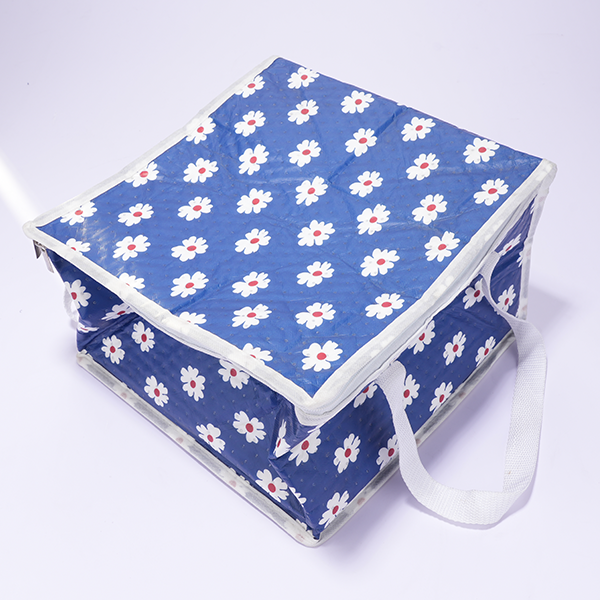
Insulated Cooler Bag Wholesaler: Complete 2026 Procurement Guide
This guide helps you answer:
How to define a insulated cooler bag wholesaler specification for your product, route, and customer.
Which materials, liners, closures, and handles create dependable daily performance.
How to evaluate thermal data, compliance requirements, and supplier quality control.
How to control cost, branding, packaging, and reorder risk in bulk production.
How to choose a practical next step with Tempk.
What is the smartest way to define a insulated cooler bag wholesaler?
The smartest way to define a insulated cooler bag wholesaler is to begin with the journey, not the catalog. Write down what the bag carries, how cold or warm the product must remain, who handles it, how long the route lasts, and how often the bag opens. This simple exercise prevents most buying mistakes. It also gives suppliers enough information to recommend the right material stack instead of guessing.
A insulated cooler bag wholesaler used for beverage campaigns needs different priorities from a bag used for pharmaceutical samples. One may need fast access and cleaning. Another may need stronger abrasion resistance or more brand space. Another may need packout validation with gel packs. The product name may be the same, but the operating job is different. Treat the bag as a tool matched to a job.
Your specification should include size, target payload, route time, ambient condition, insulation type, liner type, closure, handle, color, decoration, carton packing, inspection criteria, and reorder expectation. This sounds detailed, but it saves time. A one-page specification makes every quote easier to compare and every sample easier to judge.
One-page insulated cooler bag wholesaler specification framework
| Specification item | Decision to make | Why it matters |
|---|---|---|
| Use case | beverage campaigns, and picnic and seafood retail | Sets the real performance target |
| Thermal range | 2-8 C chilled products, and 0-5 C fresh food handling | Defines packout and testing logic |
| Material stack | tarpaulin or polyester shell, closed-cell foam, and food-safe PEVA liner | Controls strength, cleaning, and cost |
| Branding | logo printing, size adjustment, and color matching | Connects the bag to your campaign or operation |
Which insulated cooler bag wholesaler materials deliver the best balance?
The best material balance depends on how the insulated cooler bag wholesaler will be used. Outer fabric creates the first impression and protects the structure. Insulation slows heat movement. The liner controls cleaning, food-contact feel, and moisture handling. The closure reduces warm-air exchange. Handles transfer the load to the user. If one layer is weak, the whole design suffers.
For many projects, a practical stack uses a durable outer shell, closed-cell foam, and a wipe-clean liner. For rough environments, choose stronger coated fabric and reinforced webbing. For premium or sustainability-led programs, consider recycled outer fabric, wool insulation, or PVC-free liner options where they fit the performance target. For shipping and healthcare routes, design the bag around a qualified packout rather than a single material claim.
Avoid over-engineering. A insulated cooler bag wholesaler does not always need the thickest foam or most complex closure. Extra features add cost, weight, and carton volume. The best design is the simplest design that passes the real use case. That may mean better handle placement, a clearer packout instruction, or a stronger zipper rather than a more expensive insulation layer.
Material selection rules
Choose the outer fabric based on handling, branding, abrasion, and water exposure.
Choose the liner based on cleaning, odor control, moisture, and food-contact expectations.
Choose insulation thickness only after defining time, payload, and climate.
Choose closure design based on how often users open the bag during the route.
Choose carton packing early because bulky bags can raise total landed cost.
How do you prove insulated cooler bag wholesaler thermal performance?
You prove insulated cooler bag wholesaler thermal performance with a defined test, not a slogan. The test should state the starting product temperature, ambient profile, payload weight, coolant condition, bag size, logger location, opening frequency, and time target. These details make the result useful. Without them, a claim such as "keeps cold for hours" does not tell you enough.
For food and grocery routes, test the bag with realistic dispatch and customer handoff conditions. For parcel routes, include waiting time and handling. For industrial and healthcare routes, use temperature loggers and document the packout. If the product risk is high, repeat testing and create a formal operating instruction. If the product risk is low, still run a basic practical test so your team knows what to expect.
Remember that the insulated cooler bag wholesaler protects the temperature you start with. It is not a refrigerator. Pre-chilled goods, conditioned coolant, closed zippers, and short staging time all matter. Many failures blamed on the bag are actually packout or training failures. A good supplier helps you prevent these problems with practical instructions.
Thermal proof checklist
Define the acceptable temperature range and route duration.
Use the real payload or a realistic substitute with similar mass.
Condition gel packs exactly as workers will condition them in real use.
Record ambient temperature and every planned bag opening.
Keep the test record with the approved sample and production file.
Which compliance details matter for a insulated cooler bag wholesaler?
Compliance starts with the product you carry. If the insulated cooler bag wholesaler supports food programs, focus on sanitary handling, cleanable materials, appropriate temperature control, and basic food-contact review for liners where needed. If it supports healthcare or laboratory routes, focus on qualified packouts, documentation, temperature monitoring, and chain-of-custody expectations. If it supports industrial routes, focus on site rules, safety, durability, traceability, and cleaning compatibility.
Important reference frameworks include food transportation hygiene principles, FDA Food Code thinking for time and temperature control, IATA Temperature Control Regulations for pharmaceutical air cargo, ISTA thermal qualification concepts for insulated shipping systems, and USP good storage and distribution principles for drug products. You do not need every framework for every order. You need the level that matches the risk and market.
A buyer-friendly way to manage this is to classify the insulated cooler bag wholesaler project into low, medium, or high risk. Low-risk promotional lunch bags need material and workmanship checks. Medium-risk food delivery bags need cleaning instructions and route testing. High-risk healthcare or regulated shipments need documented packouts, monitoring, and stricter qualification. This keeps compliance practical.
Risk-based insulated cooler bag wholesaler approval levels
| Risk level | Typical use | Approval focus |
|---|---|---|
| Low | General promotion or personal lunch | Appearance, comfort, liner, basic quality |
| Medium | Food delivery or grocery route | Cleaning, closure, thermal test, user instruction |
| High | Healthcare or critical industrial transfer | Validation, logging, documentation, traceability |
How do you control insulated cooler bag wholesaler cost without losing value?
Cost control begins with separating must-have features from nice-to-have features. A insulated cooler bag wholesaler must fit the payload, hold the route, survive handling, and represent the brand. Features that do not support those goals can often be simplified. This is better than cutting hidden quality, because weak seams, poor liners, and unreliable zippers create complaints after delivery.
Compare total landed cost. Include unit price, sampling, artwork, inspection, freight, duty, carton volume, storage, replacements, and the cost of delays. A direct factory may offer more customization and production control. A wholesaler may offer faster availability and lower development effort. An OEM program may be best when you need exact performance and appearance. Match the buying model to your timeline and risk tolerance.
Bulk orders should include a clear inspection plan. Confirm measurements, material, color, print, zipper, handle, liner, carton marks, and packed quantity. Keep the approved sample. If the project is repeatable, ask the supplier how they control material changes. A insulated cooler bag wholesaler that is consistent across reorders is more valuable than one good first shipment.
Cost and quality trade-off table
| Choice | Cost effect | Best decision |
|---|---|---|
| Thicker insulation | Higher material and carton cost | Use when route testing proves the need |
| Complex printing | Higher setup and defect risk | Use when brand value justifies it |
| Premium fabric | Higher unit cost | Use for rough handling or premium campaigns |
| Standard size | Lower development risk | Use when it fits the payload well |
How should sustainability guide insulated cooler bag wholesaler sourcing?
Sustainability should make the insulated cooler bag wholesaler more useful, not less practical. Start with reuse. If users keep the bag, clean it easily, and trust it, the product can reduce reliance on disposable alternatives. If the bag is uncomfortable, hard to clean, or poorly sized, it may be discarded early. Durable design is a sustainability feature.
Next, consider materials and logistics. Recycled polyester, renewable wool insulation, PVC-free liners, fold-flat structures, and efficient carton packing can all help when they fit the project. Right-sizing is often the simplest improvement. A correctly sized insulated cooler bag wholesaler uses less material, less coolant, less carton space, and less transport volume than an oversized design.
Be careful with claims. Do not call a bag sustainable only because one layer uses a better material. Explain how the complete design supports reuse, lower waste, or better durability. A clear and honest message is more credible for customers, auditors, and internal teams.
Sustainability checklist
Design for the number of trips the bag is expected to survive.
Make cleaning easy enough that users actually do it.
Choose lower-impact materials only when they still meet performance needs.
Reduce carton volume with foldable or stackable construction when possible.
Avoid vague environmental claims that are not tied to the full product.
What is the best procurement process for insulated cooler bag wholesaler?
A reliable procurement process moves in stages. First, define the business goal. Second, write the specification. Third, request samples. Fourth, test the sample. Fifth, approve artwork and the golden sample. Sixth, place the order with inspection criteria. Seventh, review the first shipment and document lessons for reorder. This structure works for a small campaign and for a large operational rollout.
The most common mistake is ordering too quickly after seeing a good photo. A insulated cooler bag wholesaler has many hidden details: liner feel, closure strength, odor, cleaning, fold behavior, carton efficiency, and temperature performance. Sampling exposes these details while changes are still affordable. Mass production is not the right time to discover that the opening is too narrow or the print rubs off.
Communication also matters. Keep one version of the specification, artwork, and approval sample. Record changes clearly. If you need multiple colors or regional variants, use a simple naming system. This avoids confusion during cutting, printing, packing, and inspection. A clear process saves money because it prevents avoidable corrections.
Step-by-step insulated cooler bag wholesaler buying workflow
Define payload, route, user, quantity, deadline, and budget.
Create a one-page specification with materials, size, print, and packing needs.
Request an undecorated sample first if performance is uncertain.
Request a decorated sample after material and shape are approved.
Run practical tests and record the results.
Approve a golden sample and inspection checklist before mass production.
Review the first order and improve the next reorder specification.
2026 trends that will shape insulated cooler bag wholesaler decisions
The 2026 market is rewarding products that are reusable, documented, and easy to operate. Cold chain packaging is growing because customers expect fresh food, temperature-aware healthcare, and convenient e-commerce. At the same time, companies are trying to reduce waste and improve visibility. A insulated cooler bag wholesaler can support these goals when it is designed as part of a process, not as a loose accessory.
Expect more buyers to ask for material declarations, sample test records, batch control, and packout instructions. Expect more campaigns to request recycled materials, PVC-free options, or natural insulation where practical. Expect more operators to add QR instructions, batch labels, or data loggers for important routes. These trends make supplier competence more important than ever.
The winning insulated cooler bag wholesaler in 2026 is not the most complicated product. It is the product that does the necessary job reliably, looks right for the brand, can be produced consistently, and can be explained simply to users. That is the standard worth aiming for.
Latest developments at a glance
Reusable thermal bags are replacing some single-use packaging in delivery and grocery programs.
Practical temperature evidence is becoming a normal procurement question.
Sustainability requests are shifting from slogans to measurable design choices.
Customization is becoming more precise, including regional colors and serialized labels.
Supplier documentation is becoming more important for repeat orders and regulated uses.
Practical case: A buyer planning a bulk insulated cooler bag wholesaler program compared two samples with the same chilled payload and route time. The thicker bag looked stronger, but the medium-weight bag with a better closure and clearer packing instruction performed more consistently. The buyer approved the simpler design, reduced carton volume, and used the savings for better inspection and decorated samples.
Frequently asked questions about insulated cooler bag wholesaler
What is the first thing to decide before buying a insulated cooler bag wholesaler?
Decide the use case first. The route, payload, user, temperature range, and cleaning process should guide the design. This prevents you from buying a bag that looks good but does not fit daily work.
How many samples should I test before a bulk insulated cooler bag wholesaler order?
Test at least one functional sample and one decorated sample. For higher-risk routes, test multiple samples from the same production method so you can see consistency before approving mass production.
Can a insulated cooler bag wholesaler be both promotional and functional?
Yes. The best promotional thermal bags are useful first and branded second. Strong handles, cleanable liners, good shape, and durable decoration make users keep the bag longer.
What temperature range should my insulated cooler bag wholesaler support?
The range depends on the product. Common goals include 2-8 C chilled products, and 0-5 C fresh food handling. Define the target before testing, and remember that the bag protects the starting temperature rather than creating cold or heat by itself.
Is a factory, wholesaler, or OEM partner better for insulated cooler bag wholesaler?
Choose a wholesaler for speed and stock, a factory for direct production control, and an OEM partner for custom specifications. The best option depends on timing, customization, risk, and repeat-order needs.
What should be included in a insulated cooler bag wholesaler inspection?
Inspect dimensions, materials, color, print, liner, zipper, handles, seams, odor, stains, cartons, labels, and packed quantity. For thermal projects, also keep the approved packout and any test records.
How do I make a insulated cooler bag wholesaler more sustainable?
Design it for real reuse, easy cleaning, right size, durable construction, efficient packing, and suitable lower-impact materials. Avoid claims that are not supported by the full product design.
When should I use data loggers with a insulated cooler bag wholesaler?
Use data loggers when temperature risk, customer requirements, or compliance expectations justify proof. They are especially useful for healthcare, industrial samples, long routes, and validation work.
Summary and recommendations
A insulated cooler bag wholesaler is a strong purchase when it is built around a clear route, realistic packout, durable materials, and practical user behavior. Focus on the full system: product, coolant, bag, closure, handling, cleaning, documentation, and supplier control. A good-looking bag is not enough. The best result comes from evidence, not assumptions.
Your next step is to write a one-page specification and request samples that match it. Test the insulated cooler bag wholesaler under realistic conditions, approve a decorated sample, and define the inspection plan before bulk production. This process protects your brand, your products, and your budget.
About Tempk
Tempk provides insulated bags and temperature-control packaging support for cold chain, delivery, retail, promotional, enterprise, and industrial buyers. We help turn route requirements into practical product specifications, samples, tests, and production communication. For a insulated cooler bag wholesaler, we focus on thermal logic, clean construction, brand-ready design, and repeatable supply.
Share your payload, target temperature, route time, quantity, artwork, and sustainability goals with Tempk to receive a focused recommendation and sample plan.
Insulated Bag Wool Manufacturer: Complete 2026 Guide
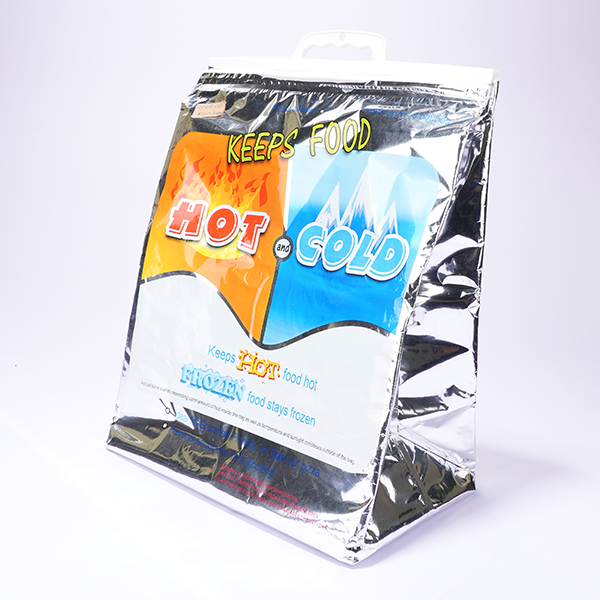
Insulated Bag Wool Manufacturer: Complete 2026 Procurement Guide
This guide helps you answer:
How to define a insulated bag wool manufacturer specification for your product, route, and customer.
Which materials, liners, closures, and handles create dependable daily performance.
How to evaluate thermal data, compliance requirements, and supplier quality control.
How to control cost, branding, packaging, and reorder risk in bulk production.
How to choose a practical next step with Tempk.
What is the smartest way to define a insulated bag wool manufacturer?
The smartest way to define a insulated bag wool manufacturer is to begin with the journey, not the catalog. Write down what the bag carries, how cold or warm the product must remain, who handles it, how long the route lasts, and how often the bag opens. This simple exercise prevents most buying mistakes. It also gives suppliers enough information to recommend the right material stack instead of guessing.
A insulated bag wool manufacturer used for premium grocery delivery needs different priorities from a bag used for sustainable meal kits. One may need fast access and cleaning. Another may need stronger abrasion resistance or more brand space. Another may need packout validation with gel packs. The product name may be the same, but the operating job is different. Treat the bag as a tool matched to a job.
Your specification should include size, target payload, route time, ambient condition, insulation type, liner type, closure, handle, color, decoration, carton packing, inspection criteria, and reorder expectation. This sounds detailed, but it saves time. A one-page specification makes every quote easier to compare and every sample easier to judge.
One-page insulated bag wool manufacturer specification framework
| Specification item | Decision to make | Why it matters |
|---|---|---|
| Use case | premium grocery delivery, and farm-to-door subscriptions | Sets the real performance target |
| Thermal range | short chilled routes, and room-temperature buffering | Defines packout and testing logic |
| Material stack | natural wool fiber insulation, cotton or recycled polyester outer fabric, and washable food-contact liner | Controls strength, cleaning, and cost |
| Branding | logo printing, size adjustment, and color matching | Connects the bag to your campaign or operation |
Which insulated bag wool manufacturer materials deliver the best balance?
The best material balance depends on how the insulated bag wool manufacturer will be used. Outer fabric creates the first impression and protects the structure. Insulation slows heat movement. The liner controls cleaning, food-contact feel, and moisture handling. The closure reduces warm-air exchange. Handles transfer the load to the user. If one layer is weak, the whole design suffers.
For many projects, a practical stack uses a durable outer shell, closed-cell foam, and a wipe-clean liner. For rough environments, choose stronger coated fabric and reinforced webbing. For premium or sustainability-led programs, consider recycled outer fabric, wool insulation, or PVC-free liner options where they fit the performance target. For shipping and healthcare routes, design the bag around a qualified packout rather than a single material claim.
Avoid over-engineering. A insulated bag wool manufacturer does not always need the thickest foam or most complex closure. Extra features add cost, weight, and carton volume. The best design is the simplest design that passes the real use case. That may mean better handle placement, a clearer packout instruction, or a stronger zipper rather than a more expensive insulation layer.
Material selection rules
Choose the outer fabric based on handling, branding, abrasion, and water exposure.
Choose the liner based on cleaning, odor control, moisture, and food-contact expectations.
Choose insulation thickness only after defining time, payload, and climate.
Choose closure design based on how often users open the bag during the route.
Choose carton packing early because bulky bags can raise total landed cost.
How do you prove insulated bag wool manufacturer thermal performance?
You prove insulated bag wool manufacturer thermal performance with a defined test, not a slogan. The test should state the starting product temperature, ambient profile, payload weight, coolant condition, bag size, logger location, opening frequency, and time target. These details make the result useful. Without them, a claim such as "keeps cold for hours" does not tell you enough.
For food and grocery routes, test the bag with realistic dispatch and customer handoff conditions. For parcel routes, include waiting time and handling. For industrial and healthcare routes, use temperature loggers and document the packout. If the product risk is high, repeat testing and create a formal operating instruction. If the product risk is low, still run a basic practical test so your team knows what to expect.
Remember that the insulated bag wool manufacturer protects the temperature you start with. It is not a refrigerator. Pre-chilled goods, conditioned coolant, closed zippers, and short staging time all matter. Many failures blamed on the bag are actually packout or training failures. A good supplier helps you prevent these problems with practical instructions.
Thermal proof checklist
Define the acceptable temperature range and route duration.
Use the real payload or a realistic substitute with similar mass.
Condition gel packs exactly as workers will condition them in real use.
Record ambient temperature and every planned bag opening.
Keep the test record with the approved sample and production file.
Which compliance details matter for a insulated bag wool manufacturer?
Compliance starts with the product you carry. If the insulated bag wool manufacturer supports food programs, focus on sanitary handling, cleanable materials, appropriate temperature control, and basic food-contact review for liners where needed. If it supports healthcare or laboratory routes, focus on qualified packouts, documentation, temperature monitoring, and chain-of-custody expectations. If it supports industrial routes, focus on site rules, safety, durability, traceability, and cleaning compatibility.
Important reference frameworks include food transportation hygiene principles, FDA Food Code thinking for time and temperature control, IATA Temperature Control Regulations for pharmaceutical air cargo, ISTA thermal qualification concepts for insulated shipping systems, and USP good storage and distribution principles for drug products. You do not need every framework for every order. You need the level that matches the risk and market.
A buyer-friendly way to manage this is to classify the insulated bag wool manufacturer project into low, medium, or high risk. Low-risk promotional lunch bags need material and workmanship checks. Medium-risk food delivery bags need cleaning instructions and route testing. High-risk healthcare or regulated shipments need documented packouts, monitoring, and stricter qualification. This keeps compliance practical.
Risk-based insulated bag wool manufacturer approval levels
| Risk level | Typical use | Approval focus |
|---|---|---|
| Low | General promotion or personal lunch | Appearance, comfort, liner, basic quality |
| Medium | Food delivery or grocery route | Cleaning, closure, thermal test, user instruction |
| High | Healthcare or critical industrial transfer | Validation, logging, documentation, traceability |
How do you control insulated bag wool manufacturer cost without losing value?
Cost control begins with separating must-have features from nice-to-have features. A insulated bag wool manufacturer must fit the payload, hold the route, survive handling, and represent the brand. Features that do not support those goals can often be simplified. This is better than cutting hidden quality, because weak seams, poor liners, and unreliable zippers create complaints after delivery.
Compare total landed cost. Include unit price, sampling, artwork, inspection, freight, duty, carton volume, storage, replacements, and the cost of delays. A direct factory may offer more customization and production control. A wholesaler may offer faster availability and lower development effort. An OEM program may be best when you need exact performance and appearance. Match the buying model to your timeline and risk tolerance.
Bulk orders should include a clear inspection plan. Confirm measurements, material, color, print, zipper, handle, liner, carton marks, and packed quantity. Keep the approved sample. If the project is repeatable, ask the supplier how they control material changes. A insulated bag wool manufacturer that is consistent across reorders is more valuable than one good first shipment.
Cost and quality trade-off table
| Choice | Cost effect | Best decision |
|---|---|---|
| Thicker insulation | Higher material and carton cost | Use when route testing proves the need |
| Complex printing | Higher setup and defect risk | Use when brand value justifies it |
| Premium fabric | Higher unit cost | Use for rough handling or premium campaigns |
| Standard size | Lower development risk | Use when it fits the payload well |
How should sustainability guide insulated bag wool manufacturer sourcing?
Sustainability should make the insulated bag wool manufacturer more useful, not less practical. Start with reuse. If users keep the bag, clean it easily, and trust it, the product can reduce reliance on disposable alternatives. If the bag is uncomfortable, hard to clean, or poorly sized, it may be discarded early. Durable design is a sustainability feature.
Next, consider materials and logistics. Recycled polyester, renewable wool insulation, PVC-free liners, fold-flat structures, and efficient carton packing can all help when they fit the project. Right-sizing is often the simplest improvement. A correctly sized insulated bag wool manufacturer uses less material, less coolant, less carton space, and less transport volume than an oversized design.
Be careful with claims. Do not call a bag sustainable only because one layer uses a better material. Explain how the complete design supports reuse, lower waste, or better durability. A clear and honest message is more credible for customers, auditors, and internal teams.
Sustainability checklist
Design for the number of trips the bag is expected to survive.
Make cleaning easy enough that users actually do it.
Choose lower-impact materials only when they still meet performance needs.
Reduce carton volume with foldable or stackable construction when possible.
Avoid vague environmental claims that are not tied to the full product.
What is the best procurement process for insulated bag wool manufacturer?
A reliable procurement process moves in stages. First, define the business goal. Second, write the specification. Third, request samples. Fourth, test the sample. Fifth, approve artwork and the golden sample. Sixth, place the order with inspection criteria. Seventh, review the first shipment and document lessons for reorder. This structure works for a small campaign and for a large operational rollout.
The most common mistake is ordering too quickly after seeing a good photo. A insulated bag wool manufacturer has many hidden details: liner feel, closure strength, odor, cleaning, fold behavior, carton efficiency, and temperature performance. Sampling exposes these details while changes are still affordable. Mass production is not the right time to discover that the opening is too narrow or the print rubs off.
Communication also matters. Keep one version of the specification, artwork, and approval sample. Record changes clearly. If you need multiple colors or regional variants, use a simple naming system. This avoids confusion during cutting, printing, packing, and inspection. A clear process saves money because it prevents avoidable corrections.
Step-by-step insulated bag wool manufacturer buying workflow
Define payload, route, user, quantity, deadline, and budget.
Create a one-page specification with materials, size, print, and packing needs.
Request an undecorated sample first if performance is uncertain.
Request a decorated sample after material and shape are approved.
Run practical tests and record the results.
Approve a golden sample and inspection checklist before mass production.
Review the first order and improve the next reorder specification.
2026 trends that will shape insulated bag wool manufacturer decisions
The 2026 market is rewarding products that are reusable, documented, and easy to operate. Cold chain packaging is growing because customers expect fresh food, temperature-aware healthcare, and convenient e-commerce. At the same time, companies are trying to reduce waste and improve visibility. A insulated bag wool manufacturer can support these goals when it is designed as part of a process, not as a loose accessory.
Expect more buyers to ask for material declarations, sample test records, batch control, and packout instructions. Expect more campaigns to request recycled materials, PVC-free options, or natural insulation where practical. Expect more operators to add QR instructions, batch labels, or data loggers for important routes. These trends make supplier competence more important than ever.
The winning insulated bag wool manufacturer in 2026 is not the most complicated product. It is the product that does the necessary job reliably, looks right for the brand, can be produced consistently, and can be explained simply to users. That is the standard worth aiming for.
Latest developments at a glance
Reusable thermal bags are replacing some single-use packaging in delivery and grocery programs.
Practical temperature evidence is becoming a normal procurement question.
Sustainability requests are shifting from slogans to measurable design choices.
Customization is becoming more precise, including regional colors and serialized labels.
Supplier documentation is becoming more important for repeat orders and regulated uses.
Practical case: A buyer planning a bulk insulated bag wool manufacturer program compared two samples with the same chilled payload and route time. The thicker bag looked stronger, but the medium-weight bag with a better closure and clearer packing instruction performed more consistently. The buyer approved the simpler design, reduced carton volume, and used the savings for better inspection and decorated samples.
Frequently asked questions about insulated bag wool manufacturer
What is the first thing to decide before buying a insulated bag wool manufacturer?
Decide the use case first. The route, payload, user, temperature range, and cleaning process should guide the design. This prevents you from buying a bag that looks good but does not fit daily work.
How many samples should I test before a bulk insulated bag wool manufacturer order?
Test at least one functional sample and one decorated sample. For higher-risk routes, test multiple samples from the same production method so you can see consistency before approving mass production.
Can a insulated bag wool manufacturer be both promotional and functional?
Yes. The best promotional thermal bags are useful first and branded second. Strong handles, cleanable liners, good shape, and durable decoration make users keep the bag longer.
What temperature range should my insulated bag wool manufacturer support?
The range depends on the product. Common goals include short chilled routes, and room-temperature buffering. Define the target before testing, and remember that the bag protects the starting temperature rather than creating cold or heat by itself.
Is a factory, wholesaler, or OEM partner better for insulated bag wool manufacturer?
Choose a wholesaler for speed and stock, a factory for direct production control, and an OEM partner for custom specifications. The best option depends on timing, customization, risk, and repeat-order needs.
What should be included in a insulated bag wool manufacturer inspection?
Inspect dimensions, materials, color, print, liner, zipper, handles, seams, odor, stains, cartons, labels, and packed quantity. For thermal projects, also keep the approved packout and any test records.
How do I make a insulated bag wool manufacturer more sustainable?
Design it for real reuse, easy cleaning, right size, durable construction, efficient packing, and suitable lower-impact materials. Avoid claims that are not supported by the full product design.
When should I use data loggers with a insulated bag wool manufacturer?
Use data loggers when temperature risk, customer requirements, or compliance expectations justify proof. They are especially useful for healthcare, industrial samples, long routes, and validation work.
Summary and recommendations
A insulated bag wool manufacturer is a strong purchase when it is built around a clear route, realistic packout, durable materials, and practical user behavior. Focus on the full system: product, coolant, bag, closure, handling, cleaning, documentation, and supplier control. A good-looking bag is not enough. The best result comes from evidence, not assumptions.
Your next step is to write a one-page specification and request samples that match it. Test the insulated bag wool manufacturer under realistic conditions, approve a decorated sample, and define the inspection plan before bulk production. This process protects your brand, your products, and your budget.
About Tempk
Tempk provides insulated bags and temperature-control packaging support for cold chain, delivery, retail, promotional, enterprise, and industrial buyers. We help turn route requirements into practical product specifications, samples, tests, and production communication. For a insulated bag wool manufacturer, we focus on thermal logic, clean construction, brand-ready design, and repeatable supply.
Share your payload, target temperature, route time, quantity, artwork, and sustainability goals with Tempk to receive a focused recommendation and sample plan.
Cooler Bag Bulk Order: Complete 2026 Guide
Cooler Bag Bulk Order: Complete 2026 Procurement Guide
This guide helps you answer:
How to define a cooler bag bulk order specification for your product, route, and customer.
Which materials, liners, closures, and handles create dependable daily performance.
How to evaluate thermal data, compliance requirements, and supplier quality control.
How to control cost, branding, packaging, and reorder risk in bulk production.
How to choose a practical next step with Tempk.
What is the smartest way to define a cooler bag bulk order?
The smartest way to define a cooler bag bulk order is to begin with the journey, not the catalog. Write down what the bag carries, how cold or warm the product must remain, who handles it, how long the route lasts, and how often the bag opens. This simple exercise prevents most buying mistakes. It also gives suppliers enough information to recommend the right material stack instead of guessing.
A cooler bag bulk order used for beverage campaigns needs different priorities from a bag used for pharmaceutical samples. One may need fast access and cleaning. Another may need stronger abrasion resistance or more brand space. Another may need packout validation with gel packs. The product name may be the same, but the operating job is different. Treat the bag as a tool matched to a job.
Your specification should include size, target payload, route time, ambient condition, insulation type, liner type, closure, handle, color, decoration, carton packing, inspection criteria, and reorder expectation. This sounds detailed, but it saves time. A one-page specification makes every quote easier to compare and every sample easier to judge.
One-page cooler bag bulk order specification framework
| Specification item | Decision to make | Why it matters |
|---|---|---|
| Use case | beverage campaigns, and picnic and seafood retail | Sets the real performance target |
| Thermal range | 2-8 C chilled products, and 0-5 C fresh food handling | Defines packout and testing logic |
| Material stack | tarpaulin or polyester shell, closed-cell foam, and food-safe PEVA liner | Controls strength, cleaning, and cost |
| Branding | assorted sizes, carton marking, and private-label packaging | Connects the bag to your campaign or operation |
Which cooler bag bulk order materials deliver the best balance?
The best material balance depends on how the cooler bag bulk order will be used. Outer fabric creates the first impression and protects the structure. Insulation slows heat movement. The liner controls cleaning, food-contact feel, and moisture handling. The closure reduces warm-air exchange. Handles transfer the load to the user. If one layer is weak, the whole design suffers.
For many projects, a practical stack uses a durable outer shell, closed-cell foam, and a wipe-clean liner. For rough environments, choose stronger coated fabric and reinforced webbing. For premium or sustainability-led programs, consider recycled outer fabric, wool insulation, or PVC-free liner options where they fit the performance target. For shipping and healthcare routes, design the bag around a qualified packout rather than a single material claim.
Avoid over-engineering. A cooler bag bulk order does not always need the thickest foam or most complex closure. Extra features add cost, weight, and carton volume. The best design is the simplest design that passes the real use case. That may mean better handle placement, a clearer packout instruction, or a stronger zipper rather than a more expensive insulation layer.
Material selection rules
Choose the outer fabric based on handling, branding, abrasion, and water exposure.
Choose the liner based on cleaning, odor control, moisture, and food-contact expectations.
Choose insulation thickness only after defining time, payload, and climate.
Choose closure design based on how often users open the bag during the route.
Choose carton packing early because bulky bags can raise total landed cost.
How do you prove cooler bag bulk order thermal performance?
You prove cooler bag bulk order thermal performance with a defined test, not a slogan. The test should state the starting product temperature, ambient profile, payload weight, coolant condition, bag size, logger location, opening frequency, and time target. These details make the result useful. Without them, a claim such as "keeps cold for hours" does not tell you enough.
For food and grocery routes, test the bag with realistic dispatch and customer handoff conditions. For parcel routes, include waiting time and handling. For industrial and healthcare routes, use temperature loggers and document the packout. If the product risk is high, repeat testing and create a formal operating instruction. If the product risk is low, still run a basic practical test so your team knows what to expect.
Remember that the cooler bag bulk order protects the temperature you start with. It is not a refrigerator. Pre-chilled goods, conditioned coolant, closed zippers, and short staging time all matter. Many failures blamed on the bag are actually packout or training failures. A good supplier helps you prevent these problems with practical instructions.
Thermal proof checklist
Define the acceptable temperature range and route duration.
Use the real payload or a realistic substitute with similar mass.
Condition gel packs exactly as workers will condition them in real use.
Record ambient temperature and every planned bag opening.
Keep the test record with the approved sample and production file.
Which compliance details matter for a cooler bag bulk order?
Compliance starts with the product you carry. If the cooler bag bulk order supports food programs, focus on sanitary handling, cleanable materials, appropriate temperature control, and basic food-contact review for liners where needed. If it supports healthcare or laboratory routes, focus on qualified packouts, documentation, temperature monitoring, and chain-of-custody expectations. If it supports industrial routes, focus on site rules, safety, durability, traceability, and cleaning compatibility.
Important reference frameworks include food transportation hygiene principles, FDA Food Code thinking for time and temperature control, IATA Temperature Control Regulations for pharmaceutical air cargo, ISTA thermal qualification concepts for insulated shipping systems, and USP good storage and distribution principles for drug products. You do not need every framework for every order. You need the level that matches the risk and market.
A buyer-friendly way to manage this is to classify the cooler bag bulk order project into low, medium, or high risk. Low-risk promotional lunch bags need material and workmanship checks. Medium-risk food delivery bags need cleaning instructions and route testing. High-risk healthcare or regulated shipments need documented packouts, monitoring, and stricter qualification. This keeps compliance practical.
Risk-based cooler bag bulk order approval levels
| Risk level | Typical use | Approval focus |
|---|---|---|
| Low | General promotion or personal lunch | Appearance, comfort, liner, basic quality |
| Medium | Food delivery or grocery route | Cleaning, closure, thermal test, user instruction |
| High | Healthcare or critical industrial transfer | Validation, logging, documentation, traceability |
How do you control cooler bag bulk order cost without losing value?
Cost control begins with separating must-have features from nice-to-have features. A cooler bag bulk order must fit the payload, hold the route, survive handling, and represent the brand. Features that do not support those goals can often be simplified. This is better than cutting hidden quality, because weak seams, poor liners, and unreliable zippers create complaints after delivery.
Compare total landed cost. Include unit price, sampling, artwork, inspection, freight, duty, carton volume, storage, replacements, and the cost of delays. A direct factory may offer more customization and production control. A wholesaler may offer faster availability and lower development effort. An OEM program may be best when you need exact performance and appearance. Match the buying model to your timeline and risk tolerance.
Bulk orders should include a clear inspection plan. Confirm measurements, material, color, print, zipper, handle, liner, carton marks, and packed quantity. Keep the approved sample. If the project is repeatable, ask the supplier how they control material changes. A cooler bag bulk order that is consistent across reorders is more valuable than one good first shipment.
Cost and quality trade-off table
| Choice | Cost effect | Best decision |
|---|---|---|
| Thicker insulation | Higher material and carton cost | Use when route testing proves the need |
| Complex printing | Higher setup and defect risk | Use when brand value justifies it |
| Premium fabric | Higher unit cost | Use for rough handling or premium campaigns |
| Standard size | Lower development risk | Use when it fits the payload well |
How should sustainability guide cooler bag bulk order sourcing?
Sustainability should make the cooler bag bulk order more useful, not less practical. Start with reuse. If users keep the bag, clean it easily, and trust it, the product can reduce reliance on disposable alternatives. If the bag is uncomfortable, hard to clean, or poorly sized, it may be discarded early. Durable design is a sustainability feature.
Next, consider materials and logistics. Recycled polyester, renewable wool insulation, PVC-free liners, fold-flat structures, and efficient carton packing can all help when they fit the project. Right-sizing is often the simplest improvement. A correctly sized cooler bag bulk order uses less material, less coolant, less carton space, and less transport volume than an oversized design.
Be careful with claims. Do not call a bag sustainable only because one layer uses a better material. Explain how the complete design supports reuse, lower waste, or better durability. A clear and honest message is more credible for customers, auditors, and internal teams.
Sustainability checklist
Design for the number of trips the bag is expected to survive.
Make cleaning easy enough that users actually do it.
Choose lower-impact materials only when they still meet performance needs.
Reduce carton volume with foldable or stackable construction when possible.
Avoid vague environmental claims that are not tied to the full product.
What is the best procurement process for cooler bag bulk order?
A reliable procurement process moves in stages. First, define the business goal. Second, write the specification. Third, request samples. Fourth, test the sample. Fifth, approve artwork and the golden sample. Sixth, place the order with inspection criteria. Seventh, review the first shipment and document lessons for reorder. This structure works for a small campaign and for a large operational rollout.
The most common mistake is ordering too quickly after seeing a good photo. A cooler bag bulk order has many hidden details: liner feel, closure strength, odor, cleaning, fold behavior, carton efficiency, and temperature performance. Sampling exposes these details while changes are still affordable. Mass production is not the right time to discover that the opening is too narrow or the print rubs off.
Communication also matters. Keep one version of the specification, artwork, and approval sample. Record changes clearly. If you need multiple colors or regional variants, use a simple naming system. This avoids confusion during cutting, printing, packing, and inspection. A clear process saves money because it prevents avoidable corrections.
Step-by-step cooler bag bulk order buying workflow
Define payload, route, user, quantity, deadline, and budget.
Create a one-page specification with materials, size, print, and packing needs.
Request an undecorated sample first if performance is uncertain.
Request a decorated sample after material and shape are approved.
Run practical tests and record the results.
Approve a golden sample and inspection checklist before mass production.
Review the first order and improve the next reorder specification.
2026 trends that will shape cooler bag bulk order decisions
The 2026 market is rewarding products that are reusable, documented, and easy to operate. Cold chain packaging is growing because customers expect fresh food, temperature-aware healthcare, and convenient e-commerce. At the same time, companies are trying to reduce waste and improve visibility. A cooler bag bulk order can support these goals when it is designed as part of a process, not as a loose accessory.
Expect more buyers to ask for material declarations, sample test records, batch control, and packout instructions. Expect more campaigns to request recycled materials, PVC-free options, or natural insulation where practical. Expect more operators to add QR instructions, batch labels, or data loggers for important routes. These trends make supplier competence more important than ever.
The winning cooler bag bulk order in 2026 is not the most complicated product. It is the product that does the necessary job reliably, looks right for the brand, can be produced consistently, and can be explained simply to users. That is the standard worth aiming for.
Latest developments at a glance
Reusable thermal bags are replacing some single-use packaging in delivery and grocery programs.
Practical temperature evidence is becoming a normal procurement question.
Sustainability requests are shifting from slogans to measurable design choices.
Customization is becoming more precise, including regional colors and serialized labels.
Supplier documentation is becoming more important for repeat orders and regulated uses.
Practical case: A buyer planning a bulk cooler bag bulk order program compared two samples with the same chilled payload and route time. The thicker bag looked stronger, but the medium-weight bag with a better closure and clearer packing instruction performed more consistently. The buyer approved the simpler design, reduced carton volume, and used the savings for better inspection and decorated samples.
Frequently asked questions about cooler bag bulk order
What is the first thing to decide before buying a cooler bag bulk order?
Decide the use case first. The route, payload, user, temperature range, and cleaning process should guide the design. This prevents you from buying a bag that looks good but does not fit daily work.
How many samples should I test before a bulk cooler bag bulk order order?
Test at least one functional sample and one decorated sample. For higher-risk routes, test multiple samples from the same production method so you can see consistency before approving mass production.
Can a cooler bag bulk order be both promotional and functional?
Yes. The best promotional thermal bags are useful first and branded second. Strong handles, cleanable liners, good shape, and durable decoration make users keep the bag longer.
What temperature range should my cooler bag bulk order support?
The range depends on the product. Common goals include 2-8 C chilled products, and 0-5 C fresh food handling. Define the target before testing, and remember that the bag protects the starting temperature rather than creating cold or heat by itself.
Is a factory, wholesaler, or OEM partner better for cooler bag bulk order?
Choose a wholesaler for speed and stock, a factory for direct production control, and an OEM partner for custom specifications. The best option depends on timing, customization, risk, and repeat-order needs.
What should be included in a cooler bag bulk order inspection?
Inspect dimensions, materials, color, print, liner, zipper, handles, seams, odor, stains, cartons, labels, and packed quantity. For thermal projects, also keep the approved packout and any test records.
How do I make a cooler bag bulk order more sustainable?
Design it for real reuse, easy cleaning, right size, durable construction, efficient packing, and suitable lower-impact materials. Avoid claims that are not supported by the full product design.
When should I use data loggers with a cooler bag bulk order?
Use data loggers when temperature risk, customer requirements, or compliance expectations justify proof. They are especially useful for healthcare, industrial samples, long routes, and validation work.
Summary and recommendations
A cooler bag bulk order is a strong purchase when it is built around a clear route, realistic packout, durable materials, and practical user behavior. Focus on the full system: product, coolant, bag, closure, handling, cleaning, documentation, and supplier control. A good-looking bag is not enough. The best result comes from evidence, not assumptions.
Your next step is to write a one-page specification and request samples that match it. Test the cooler bag bulk order under realistic conditions, approve a decorated sample, and define the inspection plan before bulk production. This process protects your brand, your products, and your budget.
About Tempk
Tempk provides insulated bags and temperature-control packaging support for cold chain, delivery, retail, promotional, enterprise, and industrial buyers. We help turn route requirements into practical product specifications, samples, tests, and production communication. For a cooler bag bulk order, we focus on thermal logic, clean construction, brand-ready design, and repeatable supply.
Share your payload, target temperature, route time, quantity, artwork, and sustainability goals with Tempk to receive a focused recommendation and sample plan.