


Thermal Shipping Bag Factory: Complete 2026 Guide
Thermal Shipping Bag Factory: Complete 2026 Guide

Thermal Shipping Bag Factory: Complete 2026 Procurement Guide
This guide helps you answer:
How to define a thermal shipping bag factory specification for your product, route, and customer.
Which materials, liners, closures, and handles create dependable daily performance.
How to evaluate thermal data, compliance requirements, and supplier quality control.
How to control cost, branding, packaging, and reorder risk in bulk production.
How to choose a practical next step with Tempk.
What is the smartest way to define a thermal shipping bag factory?
The smartest way to define a thermal shipping bag factory is to begin with the journey, not the catalog. Write down what the bag carries, how cold or warm the product must remain, who handles it, how long the route lasts, and how often the bag opens. This simple exercise prevents most buying mistakes. It also gives suppliers enough information to recommend the right material stack instead of guessing.
A thermal shipping bag factory used for e-commerce perishables needs different priorities from a bag used for specialty food parcels. One may need fast access and cleaning. Another may need stronger abrasion resistance or more brand space. Another may need packout validation with gel packs. The product name may be the same, but the operating job is different. Treat the bag as a tool matched to a job.
Your specification should include size, target payload, route time, ambient condition, insulation type, liner type, closure, handle, color, decoration, carton packing, inspection criteria, and reorder expectation. This sounds detailed, but it saves time. A one-page specification makes every quote easier to compare and every sample easier to judge.
One-page thermal shipping bag factory specification framework
| Specification item | Decision to make | Why it matters |
|---|---|---|
| Use case | e-commerce perishables, and diagnostic samples | Sets the real performance target |
| Thermal range | 2-8 C parcel routes, and 15-25 C controlled room-temperature protection | Defines packout and testing logic |
| Material stack | metalized bubble or foam laminate, phase change pack compatibility, and tamper-evident closure options | Controls strength, cleaning, and cost |
| Branding | mailing label panel, tamper strip, and size graded envelopes | Connects the bag to your campaign or operation |
Which thermal shipping bag factory materials deliver the best balance?
The best material balance depends on how the thermal shipping bag factory will be used. Outer fabric creates the first impression and protects the structure. Insulation slows heat movement. The liner controls cleaning, food-contact feel, and moisture handling. The closure reduces warm-air exchange. Handles transfer the load to the user. If one layer is weak, the whole design suffers.
For many projects, a practical stack uses a durable outer shell, closed-cell foam, and a wipe-clean liner. For rough environments, choose stronger coated fabric and reinforced webbing. For premium or sustainability-led programs, consider recycled outer fabric, wool insulation, or PVC-free liner options where they fit the performance target. For shipping and healthcare routes, design the bag around a qualified packout rather than a single material claim.
Avoid over-engineering. A thermal shipping bag factory does not always need the thickest foam or most complex closure. Extra features add cost, weight, and carton volume. The best design is the simplest design that passes the real use case. That may mean better handle placement, a clearer packout instruction, or a stronger zipper rather than a more expensive insulation layer.
Material selection rules
Choose the outer fabric based on handling, branding, abrasion, and water exposure.
Choose the liner based on cleaning, odor control, moisture, and food-contact expectations.
Choose insulation thickness only after defining time, payload, and climate.
Choose closure design based on how often users open the bag during the route.
Choose carton packing early because bulky bags can raise total landed cost.
How do you prove thermal shipping bag factory thermal performance?
You prove thermal shipping bag factory thermal performance with a defined test, not a slogan. The test should state the starting product temperature, ambient profile, payload weight, coolant condition, bag size, logger location, opening frequency, and time target. These details make the result useful. Without them, a claim such as "keeps cold for hours" does not tell you enough.
For food and grocery routes, test the bag with realistic dispatch and customer handoff conditions. For parcel routes, include waiting time and handling. For industrial and healthcare routes, use temperature loggers and document the packout. If the product risk is high, repeat testing and create a formal operating instruction. If the product risk is low, still run a basic practical test so your team knows what to expect.
Remember that the thermal shipping bag factory protects the temperature you start with. It is not a refrigerator. Pre-chilled goods, conditioned coolant, closed zippers, and short staging time all matter. Many failures blamed on the bag are actually packout or training failures. A good supplier helps you prevent these problems with practical instructions.
Thermal proof checklist
Define the acceptable temperature range and route duration.
Use the real payload or a realistic substitute with similar mass.
Condition gel packs exactly as workers will condition them in real use.
Record ambient temperature and every planned bag opening.
Keep the test record with the approved sample and production file.
Which compliance details matter for a thermal shipping bag factory?
Compliance starts with the product you carry. If the thermal shipping bag factory supports food programs, focus on sanitary handling, cleanable materials, appropriate temperature control, and basic food-contact review for liners where needed. If it supports healthcare or laboratory routes, focus on qualified packouts, documentation, temperature monitoring, and chain-of-custody expectations. If it supports industrial routes, focus on site rules, safety, durability, traceability, and cleaning compatibility.
Important reference frameworks include food transportation hygiene principles, FDA Food Code thinking for time and temperature control, IATA Temperature Control Regulations for pharmaceutical air cargo, ISTA thermal qualification concepts for insulated shipping systems, and USP good storage and distribution principles for drug products. You do not need every framework for every order. You need the level that matches the risk and market.
A buyer-friendly way to manage this is to classify the thermal shipping bag factory project into low, medium, or high risk. Low-risk promotional lunch bags need material and workmanship checks. Medium-risk food delivery bags need cleaning instructions and route testing. High-risk healthcare or regulated shipments need documented packouts, monitoring, and stricter qualification. This keeps compliance practical.
Risk-based thermal shipping bag factory approval levels
| Risk level | Typical use | Approval focus |
|---|---|---|
| Low | General promotion or personal lunch | Appearance, comfort, liner, basic quality |
| Medium | Food delivery or grocery route | Cleaning, closure, thermal test, user instruction |
| High | Healthcare or critical industrial transfer | Validation, logging, documentation, traceability |
How do you control thermal shipping bag factory cost without losing value?
Cost control begins with separating must-have features from nice-to-have features. A thermal shipping bag factory must fit the payload, hold the route, survive handling, and represent the brand. Features that do not support those goals can often be simplified. This is better than cutting hidden quality, because weak seams, poor liners, and unreliable zippers create complaints after delivery.
Compare total landed cost. Include unit price, sampling, artwork, inspection, freight, duty, carton volume, storage, replacements, and the cost of delays. A direct factory may offer more customization and production control. A wholesaler may offer faster availability and lower development effort. An OEM program may be best when you need exact performance and appearance. Match the buying model to your timeline and risk tolerance.
Bulk orders should include a clear inspection plan. Confirm measurements, material, color, print, zipper, handle, liner, carton marks, and packed quantity. Keep the approved sample. If the project is repeatable, ask the supplier how they control material changes. A thermal shipping bag factory that is consistent across reorders is more valuable than one good first shipment.
Cost and quality trade-off table
| Choice | Cost effect | Best decision |
|---|---|---|
| Thicker insulation | Higher material and carton cost | Use when route testing proves the need |
| Complex printing | Higher setup and defect risk | Use when brand value justifies it |
| Premium fabric | Higher unit cost | Use for rough handling or premium campaigns |
| Standard size | Lower development risk | Use when it fits the payload well |
How should sustainability guide thermal shipping bag factory sourcing?
Sustainability should make the thermal shipping bag factory more useful, not less practical. Start with reuse. If users keep the bag, clean it easily, and trust it, the product can reduce reliance on disposable alternatives. If the bag is uncomfortable, hard to clean, or poorly sized, it may be discarded early. Durable design is a sustainability feature.
Next, consider materials and logistics. Recycled polyester, renewable wool insulation, PVC-free liners, fold-flat structures, and efficient carton packing can all help when they fit the project. Right-sizing is often the simplest improvement. A correctly sized thermal shipping bag factory uses less material, less coolant, less carton space, and less transport volume than an oversized design.
Be careful with claims. Do not call a bag sustainable only because one layer uses a better material. Explain how the complete design supports reuse, lower waste, or better durability. A clear and honest message is more credible for customers, auditors, and internal teams.
Sustainability checklist
Design for the number of trips the bag is expected to survive.
Make cleaning easy enough that users actually do it.
Choose lower-impact materials only when they still meet performance needs.
Reduce carton volume with foldable or stackable construction when possible.
Avoid vague environmental claims that are not tied to the full product.
What is the best procurement process for thermal shipping bag factory?
A reliable procurement process moves in stages. First, define the business goal. Second, write the specification. Third, request samples. Fourth, test the sample. Fifth, approve artwork and the golden sample. Sixth, place the order with inspection criteria. Seventh, review the first shipment and document lessons for reorder. This structure works for a small campaign and for a large operational rollout.
The most common mistake is ordering too quickly after seeing a good photo. A thermal shipping bag factory has many hidden details: liner feel, closure strength, odor, cleaning, fold behavior, carton efficiency, and temperature performance. Sampling exposes these details while changes are still affordable. Mass production is not the right time to discover that the opening is too narrow or the print rubs off.
Communication also matters. Keep one version of the specification, artwork, and approval sample. Record changes clearly. If you need multiple colors or regional variants, use a simple naming system. This avoids confusion during cutting, printing, packing, and inspection. A clear process saves money because it prevents avoidable corrections.
Step-by-step thermal shipping bag factory buying workflow
Define payload, route, user, quantity, deadline, and budget.
Create a one-page specification with materials, size, print, and packing needs.
Request an undecorated sample first if performance is uncertain.
Request a decorated sample after material and shape are approved.
Run practical tests and record the results.
Approve a golden sample and inspection checklist before mass production.
Review the first order and improve the next reorder specification.
2026 trends that will shape thermal shipping bag factory decisions
The 2026 market is rewarding products that are reusable, documented, and easy to operate. Cold chain packaging is growing because customers expect fresh food, temperature-aware healthcare, and convenient e-commerce. At the same time, companies are trying to reduce waste and improve visibility. A thermal shipping bag factory can support these goals when it is designed as part of a process, not as a loose accessory.
Expect more buyers to ask for material declarations, sample test records, batch control, and packout instructions. Expect more campaigns to request recycled materials, PVC-free options, or natural insulation where practical. Expect more operators to add QR instructions, batch labels, or data loggers for important routes. These trends make supplier competence more important than ever.
The winning thermal shipping bag factory in 2026 is not the most complicated product. It is the product that does the necessary job reliably, looks right for the brand, can be produced consistently, and can be explained simply to users. That is the standard worth aiming for.
Latest developments at a glance
Reusable thermal bags are replacing some single-use packaging in delivery and grocery programs.
Practical temperature evidence is becoming a normal procurement question.
Sustainability requests are shifting from slogans to measurable design choices.
Customization is becoming more precise, including regional colors and serialized labels.
Supplier documentation is becoming more important for repeat orders and regulated uses.
Practical case: A buyer planning a bulk thermal shipping bag factory program compared two samples with the same chilled payload and route time. The thicker bag looked stronger, but the medium-weight bag with a better closure and clearer packing instruction performed more consistently. The buyer approved the simpler design, reduced carton volume, and used the savings for better inspection and decorated samples.
Frequently asked questions about thermal shipping bag factory
What is the first thing to decide before buying a thermal shipping bag factory?
Decide the use case first. The route, payload, user, temperature range, and cleaning process should guide the design. This prevents you from buying a bag that looks good but does not fit daily work.
How many samples should I test before a bulk thermal shipping bag factory order?
Test at least one functional sample and one decorated sample. For higher-risk routes, test multiple samples from the same production method so you can see consistency before approving mass production.
Can a thermal shipping bag factory be both promotional and functional?
Yes. The best promotional thermal bags are useful first and branded second. Strong handles, cleanable liners, good shape, and durable decoration make users keep the bag longer.
What temperature range should my thermal shipping bag factory support?
The range depends on the product. Common goals include 2-8 C parcel routes, and 15-25 C controlled room-temperature protection. Define the target before testing, and remember that the bag protects the starting temperature rather than creating cold or heat by itself.
Is a factory, wholesaler, or OEM partner better for thermal shipping bag factory?
Choose a wholesaler for speed and stock, a factory for direct production control, and an OEM partner for custom specifications. The best option depends on timing, customization, risk, and repeat-order needs.
What should be included in a thermal shipping bag factory inspection?
Inspect dimensions, materials, color, print, liner, zipper, handles, seams, odor, stains, cartons, labels, and packed quantity. For thermal projects, also keep the approved packout and any test records.
How do I make a thermal shipping bag factory more sustainable?
Design it for real reuse, easy cleaning, right size, durable construction, efficient packing, and suitable lower-impact materials. Avoid claims that are not supported by the full product design.
When should I use data loggers with a thermal shipping bag factory?
Use data loggers when temperature risk, customer requirements, or compliance expectations justify proof. They are especially useful for healthcare, industrial samples, long routes, and validation work.
Summary and recommendations
A thermal shipping bag factory is a strong purchase when it is built around a clear route, realistic packout, durable materials, and practical user behavior. Focus on the full system: product, coolant, bag, closure, handling, cleaning, documentation, and supplier control. A good-looking bag is not enough. The best result comes from evidence, not assumptions.
Your next step is to write a one-page specification and request samples that match it. Test the thermal shipping bag factory under realistic conditions, approve a decorated sample, and define the inspection plan before bulk production. This process protects your brand, your products, and your budget.
About Tempk
Tempk provides insulated bags and temperature-control packaging support for cold chain, delivery, retail, promotional, enterprise, and industrial buyers. We help turn route requirements into practical product specifications, samples, tests, and production communication. For a thermal shipping bag factory, we focus on thermal logic, clean construction, brand-ready design, and repeatable supply.
Share your payload, target temperature, route time, quantity, artwork, and sustainability goals with Tempk to receive a focused recommendation and sample plan.
Thermal Lunch Bag Personalized: Complete 2026 Guide

Thermal Lunch Bag Personalized: Complete 2026 Procurement Guide
This guide helps you answer:
How to define a thermal lunch bag personalized specification for your product, route, and customer.
Which materials, liners, closures, and handles create dependable daily performance.
How to evaluate thermal data, compliance requirements, and supplier quality control.
How to control cost, branding, packaging, and reorder risk in bulk production.
How to choose a practical next step with Tempk.
What is the smartest way to define a thermal lunch bag personalized?
The smartest way to define a thermal lunch bag personalized is to begin with the journey, not the catalog. Write down what the bag carries, how cold or warm the product must remain, who handles it, how long the route lasts, and how often the bag opens. This simple exercise prevents most buying mistakes. It also gives suppliers enough information to recommend the right material stack instead of guessing.
A thermal lunch bag personalized used for retail loyalty gifts needs different priorities from a bag used for corporate employee kits. One may need fast access and cleaning. Another may need stronger abrasion resistance or more brand space. Another may need packout validation with gel packs. The product name may be the same, but the operating job is different. Treat the bag as a tool matched to a job.
Your specification should include size, target payload, route time, ambient condition, insulation type, liner type, closure, handle, color, decoration, carton packing, inspection criteria, and reorder expectation. This sounds detailed, but it saves time. A one-page specification makes every quote easier to compare and every sample easier to judge.
One-page thermal lunch bag personalized specification framework
| Specification item | Decision to make | Why it matters |
|---|---|---|
| Use case | retail loyalty gifts, and food delivery promotions | Sets the real performance target |
| Thermal range | 2-6 hour chilled lunch support, and room-temperature snack protection | Defines packout and testing logic |
| Material stack | lightweight polyester or RPET fabric, PEVA liner, and soft foam insulation | Controls strength, cleaning, and cost |
| Branding | silk-screen logo, heat transfer print, and digital print | Connects the bag to your campaign or operation |
Which thermal lunch bag personalized materials deliver the best balance?
The best material balance depends on how the thermal lunch bag personalized will be used. Outer fabric creates the first impression and protects the structure. Insulation slows heat movement. The liner controls cleaning, food-contact feel, and moisture handling. The closure reduces warm-air exchange. Handles transfer the load to the user. If one layer is weak, the whole design suffers.
For many projects, a practical stack uses a durable outer shell, closed-cell foam, and a wipe-clean liner. For rough environments, choose stronger coated fabric and reinforced webbing. For premium or sustainability-led programs, consider recycled outer fabric, wool insulation, or PVC-free liner options where they fit the performance target. For shipping and healthcare routes, design the bag around a qualified packout rather than a single material claim.
Avoid over-engineering. A thermal lunch bag personalized does not always need the thickest foam or most complex closure. Extra features add cost, weight, and carton volume. The best design is the simplest design that passes the real use case. That may mean better handle placement, a clearer packout instruction, or a stronger zipper rather than a more expensive insulation layer.
Material selection rules
Choose the outer fabric based on handling, branding, abrasion, and water exposure.
Choose the liner based on cleaning, odor control, moisture, and food-contact expectations.
Choose insulation thickness only after defining time, payload, and climate.
Choose closure design based on how often users open the bag during the route.
Choose carton packing early because bulky bags can raise total landed cost.
How do you prove thermal lunch bag personalized thermal performance?
You prove thermal lunch bag personalized thermal performance with a defined test, not a slogan. The test should state the starting product temperature, ambient profile, payload weight, coolant condition, bag size, logger location, opening frequency, and time target. These details make the result useful. Without them, a claim such as "keeps cold for hours" does not tell you enough.
For food and grocery routes, test the bag with realistic dispatch and customer handoff conditions. For parcel routes, include waiting time and handling. For industrial and healthcare routes, use temperature loggers and document the packout. If the product risk is high, repeat testing and create a formal operating instruction. If the product risk is low, still run a basic practical test so your team knows what to expect.
Remember that the thermal lunch bag personalized protects the temperature you start with. It is not a refrigerator. Pre-chilled goods, conditioned coolant, closed zippers, and short staging time all matter. Many failures blamed on the bag are actually packout or training failures. A good supplier helps you prevent these problems with practical instructions.
Thermal proof checklist
Define the acceptable temperature range and route duration.
Use the real payload or a realistic substitute with similar mass.
Condition gel packs exactly as workers will condition them in real use.
Record ambient temperature and every planned bag opening.
Keep the test record with the approved sample and production file.
Which compliance details matter for a thermal lunch bag personalized?
Compliance starts with the product you carry. If the thermal lunch bag personalized supports food programs, focus on sanitary handling, cleanable materials, appropriate temperature control, and basic food-contact review for liners where needed. If it supports healthcare or laboratory routes, focus on qualified packouts, documentation, temperature monitoring, and chain-of-custody expectations. If it supports industrial routes, focus on site rules, safety, durability, traceability, and cleaning compatibility.
Important reference frameworks include food transportation hygiene principles, FDA Food Code thinking for time and temperature control, IATA Temperature Control Regulations for pharmaceutical air cargo, ISTA thermal qualification concepts for insulated shipping systems, and USP good storage and distribution principles for drug products. You do not need every framework for every order. You need the level that matches the risk and market.
A buyer-friendly way to manage this is to classify the thermal lunch bag personalized project into low, medium, or high risk. Low-risk promotional lunch bags need material and workmanship checks. Medium-risk food delivery bags need cleaning instructions and route testing. High-risk healthcare or regulated shipments need documented packouts, monitoring, and stricter qualification. This keeps compliance practical.
Risk-based thermal lunch bag personalized approval levels
| Risk level | Typical use | Approval focus |
|---|---|---|
| Low | General promotion or personal lunch | Appearance, comfort, liner, basic quality |
| Medium | Food delivery or grocery route | Cleaning, closure, thermal test, user instruction |
| High | Healthcare or critical industrial transfer | Validation, logging, documentation, traceability |
How do you control thermal lunch bag personalized cost without losing value?
Cost control begins with separating must-have features from nice-to-have features. A thermal lunch bag personalized must fit the payload, hold the route, survive handling, and represent the brand. Features that do not support those goals can often be simplified. This is better than cutting hidden quality, because weak seams, poor liners, and unreliable zippers create complaints after delivery.
Compare total landed cost. Include unit price, sampling, artwork, inspection, freight, duty, carton volume, storage, replacements, and the cost of delays. A direct factory may offer more customization and production control. A wholesaler may offer faster availability and lower development effort. An OEM program may be best when you need exact performance and appearance. Match the buying model to your timeline and risk tolerance.
Bulk orders should include a clear inspection plan. Confirm measurements, material, color, print, zipper, handle, liner, carton marks, and packed quantity. Keep the approved sample. If the project is repeatable, ask the supplier how they control material changes. A thermal lunch bag personalized that is consistent across reorders is more valuable than one good first shipment.
Cost and quality trade-off table
| Choice | Cost effect | Best decision |
|---|---|---|
| Thicker insulation | Higher material and carton cost | Use when route testing proves the need |
| Complex printing | Higher setup and defect risk | Use when brand value justifies it |
| Premium fabric | Higher unit cost | Use for rough handling or premium campaigns |
| Standard size | Lower development risk | Use when it fits the payload well |
How should sustainability guide thermal lunch bag personalized sourcing?
Sustainability should make the thermal lunch bag personalized more useful, not less practical. Start with reuse. If users keep the bag, clean it easily, and trust it, the product can reduce reliance on disposable alternatives. If the bag is uncomfortable, hard to clean, or poorly sized, it may be discarded early. Durable design is a sustainability feature.
Next, consider materials and logistics. Recycled polyester, renewable wool insulation, PVC-free liners, fold-flat structures, and efficient carton packing can all help when they fit the project. Right-sizing is often the simplest improvement. A correctly sized thermal lunch bag personalized uses less material, less coolant, less carton space, and less transport volume than an oversized design.
Be careful with claims. Do not call a bag sustainable only because one layer uses a better material. Explain how the complete design supports reuse, lower waste, or better durability. A clear and honest message is more credible for customers, auditors, and internal teams.
Sustainability checklist
Design for the number of trips the bag is expected to survive.
Make cleaning easy enough that users actually do it.
Choose lower-impact materials only when they still meet performance needs.
Reduce carton volume with foldable or stackable construction when possible.
Avoid vague environmental claims that are not tied to the full product.
What is the best procurement process for thermal lunch bag personalized?
A reliable procurement process moves in stages. First, define the business goal. Second, write the specification. Third, request samples. Fourth, test the sample. Fifth, approve artwork and the golden sample. Sixth, place the order with inspection criteria. Seventh, review the first shipment and document lessons for reorder. This structure works for a small campaign and for a large operational rollout.
The most common mistake is ordering too quickly after seeing a good photo. A thermal lunch bag personalized has many hidden details: liner feel, closure strength, odor, cleaning, fold behavior, carton efficiency, and temperature performance. Sampling exposes these details while changes are still affordable. Mass production is not the right time to discover that the opening is too narrow or the print rubs off.
Communication also matters. Keep one version of the specification, artwork, and approval sample. Record changes clearly. If you need multiple colors or regional variants, use a simple naming system. This avoids confusion during cutting, printing, packing, and inspection. A clear process saves money because it prevents avoidable corrections.
Step-by-step thermal lunch bag personalized buying workflow
Define payload, route, user, quantity, deadline, and budget.
Create a one-page specification with materials, size, print, and packing needs.
Request an undecorated sample first if performance is uncertain.
Request a decorated sample after material and shape are approved.
Run practical tests and record the results.
Approve a golden sample and inspection checklist before mass production.
Review the first order and improve the next reorder specification.
2026 trends that will shape thermal lunch bag personalized decisions
The 2026 market is rewarding products that are reusable, documented, and easy to operate. Cold chain packaging is growing because customers expect fresh food, temperature-aware healthcare, and convenient e-commerce. At the same time, companies are trying to reduce waste and improve visibility. A thermal lunch bag personalized can support these goals when it is designed as part of a process, not as a loose accessory.
Expect more buyers to ask for material declarations, sample test records, batch control, and packout instructions. Expect more campaigns to request recycled materials, PVC-free options, or natural insulation where practical. Expect more operators to add QR instructions, batch labels, or data loggers for important routes. These trends make supplier competence more important than ever.
The winning thermal lunch bag personalized in 2026 is not the most complicated product. It is the product that does the necessary job reliably, looks right for the brand, can be produced consistently, and can be explained simply to users. That is the standard worth aiming for.
Latest developments at a glance
Reusable thermal bags are replacing some single-use packaging in delivery and grocery programs.
Practical temperature evidence is becoming a normal procurement question.
Sustainability requests are shifting from slogans to measurable design choices.
Customization is becoming more precise, including regional colors and serialized labels.
Supplier documentation is becoming more important for repeat orders and regulated uses.
Practical case: A buyer planning a bulk thermal lunch bag personalized program compared two samples with the same chilled payload and route time. The thicker bag looked stronger, but the medium-weight bag with a better closure and clearer packing instruction performed more consistently. The buyer approved the simpler design, reduced carton volume, and used the savings for better inspection and decorated samples.
Frequently asked questions about thermal lunch bag personalized
What is the first thing to decide before buying a thermal lunch bag personalized?
Decide the use case first. The route, payload, user, temperature range, and cleaning process should guide the design. This prevents you from buying a bag that looks good but does not fit daily work.
How many samples should I test before a bulk thermal lunch bag personalized order?
Test at least one functional sample and one decorated sample. For higher-risk routes, test multiple samples from the same production method so you can see consistency before approving mass production.
Can a thermal lunch bag personalized be both promotional and functional?
Yes. The best promotional thermal bags are useful first and branded second. Strong handles, cleanable liners, good shape, and durable decoration make users keep the bag longer.
What temperature range should my thermal lunch bag personalized support?
The range depends on the product. Common goals include 2-6 hour chilled lunch support, and room-temperature snack protection. Define the target before testing, and remember that the bag protects the starting temperature rather than creating cold or heat by itself.
Is a factory, wholesaler, or OEM partner better for thermal lunch bag personalized?
Choose a wholesaler for speed and stock, a factory for direct production control, and an OEM partner for custom specifications. The best option depends on timing, customization, risk, and repeat-order needs.
What should be included in a thermal lunch bag personalized inspection?
Inspect dimensions, materials, color, print, liner, zipper, handles, seams, odor, stains, cartons, labels, and packed quantity. For thermal projects, also keep the approved packout and any test records.
How do I make a thermal lunch bag personalized more sustainable?
Design it for real reuse, easy cleaning, right size, durable construction, efficient packing, and suitable lower-impact materials. Avoid claims that are not supported by the full product design.
When should I use data loggers with a thermal lunch bag personalized?
Use data loggers when temperature risk, customer requirements, or compliance expectations justify proof. They are especially useful for healthcare, industrial samples, long routes, and validation work.
Summary and recommendations
A thermal lunch bag personalized is a strong purchase when it is built around a clear route, realistic packout, durable materials, and practical user behavior. Focus on the full system: product, coolant, bag, closure, handling, cleaning, documentation, and supplier control. A good-looking bag is not enough. The best result comes from evidence, not assumptions.
Your next step is to write a one-page specification and request samples that match it. Test the thermal lunch bag personalized under realistic conditions, approve a decorated sample, and define the inspection plan before bulk production. This process protects your brand, your products, and your budget.
About Tempk
Tempk provides insulated bags and temperature-control packaging support for cold chain, delivery, retail, promotional, enterprise, and industrial buyers. We help turn route requirements into practical product specifications, samples, tests, and production communication. For a thermal lunch bag personalized, we focus on thermal logic, clean construction, brand-ready design, and repeatable supply.
Share your payload, target temperature, route time, quantity, artwork, and sustainability goals with Tempk to receive a focused recommendation and sample plan.
Thermal Lunch Bag Manufacturer: Complete 2026 Guide
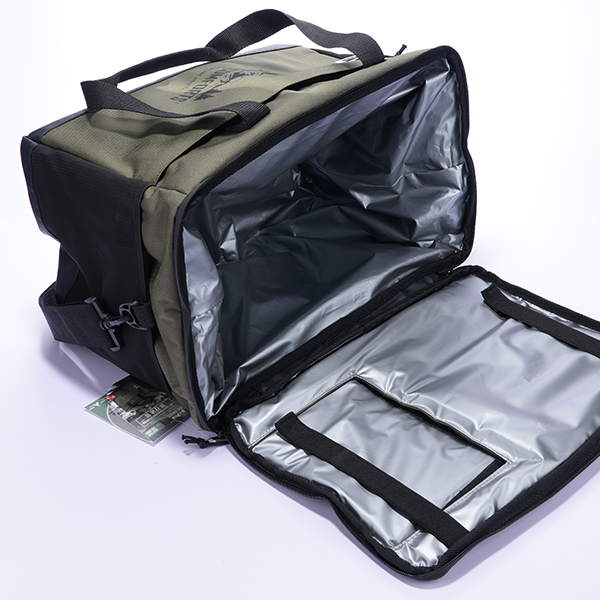
Thermal Lunch Bag Manufacturer: Complete 2026 Procurement Guide
This guide helps you answer:
How to define a thermal lunch bag manufacturer specification for your product, route, and customer.
Which materials, liners, closures, and handles create dependable daily performance.
How to evaluate thermal data, compliance requirements, and supplier quality control.
How to control cost, branding, packaging, and reorder risk in bulk production.
How to choose a practical next step with Tempk.
What is the smartest way to define a thermal lunch bag manufacturer?
The smartest way to define a thermal lunch bag manufacturer is to begin with the journey, not the catalog. Write down what the bag carries, how cold or warm the product must remain, who handles it, how long the route lasts, and how often the bag opens. This simple exercise prevents most buying mistakes. It also gives suppliers enough information to recommend the right material stack instead of guessing.
A thermal lunch bag manufacturer used for employee wellness kits needs different priorities from a bag used for corporate gifts. One may need fast access and cleaning. Another may need stronger abrasion resistance or more brand space. Another may need packout validation with gel packs. The product name may be the same, but the operating job is different. Treat the bag as a tool matched to a job.
Your specification should include size, target payload, route time, ambient condition, insulation type, liner type, closure, handle, color, decoration, carton packing, inspection criteria, and reorder expectation. This sounds detailed, but it saves time. A one-page specification makes every quote easier to compare and every sample easier to judge.
One-page thermal lunch bag manufacturer specification framework
| Specification item | Decision to make | Why it matters |
|---|---|---|
| Use case | employee wellness kits, and school lunch programs | Sets the real performance target |
| Thermal range | 2-6 hour chilled lunch support, and room-temperature snack protection | Defines packout and testing logic |
| Material stack | lightweight polyester or RPET fabric, PEVA liner, and soft foam insulation | Controls strength, cleaning, and cost |
| Branding | embroidery, heat transfer printing, and woven label | Connects the bag to your campaign or operation |
Which thermal lunch bag manufacturer materials deliver the best balance?
The best material balance depends on how the thermal lunch bag manufacturer will be used. Outer fabric creates the first impression and protects the structure. Insulation slows heat movement. The liner controls cleaning, food-contact feel, and moisture handling. The closure reduces warm-air exchange. Handles transfer the load to the user. If one layer is weak, the whole design suffers.
For many projects, a practical stack uses a durable outer shell, closed-cell foam, and a wipe-clean liner. For rough environments, choose stronger coated fabric and reinforced webbing. For premium or sustainability-led programs, consider recycled outer fabric, wool insulation, or PVC-free liner options where they fit the performance target. For shipping and healthcare routes, design the bag around a qualified packout rather than a single material claim.
Avoid over-engineering. A thermal lunch bag manufacturer does not always need the thickest foam or most complex closure. Extra features add cost, weight, and carton volume. The best design is the simplest design that passes the real use case. That may mean better handle placement, a clearer packout instruction, or a stronger zipper rather than a more expensive insulation layer.
Material selection rules
Choose the outer fabric based on handling, branding, abrasion, and water exposure.
Choose the liner based on cleaning, odor control, moisture, and food-contact expectations.
Choose insulation thickness only after defining time, payload, and climate.
Choose closure design based on how often users open the bag during the route.
Choose carton packing early because bulky bags can raise total landed cost.
How do you prove thermal lunch bag manufacturer thermal performance?
You prove thermal lunch bag manufacturer thermal performance with a defined test, not a slogan. The test should state the starting product temperature, ambient profile, payload weight, coolant condition, bag size, logger location, opening frequency, and time target. These details make the result useful. Without them, a claim such as "keeps cold for hours" does not tell you enough.
For food and grocery routes, test the bag with realistic dispatch and customer handoff conditions. For parcel routes, include waiting time and handling. For industrial and healthcare routes, use temperature loggers and document the packout. If the product risk is high, repeat testing and create a formal operating instruction. If the product risk is low, still run a basic practical test so your team knows what to expect.
Remember that the thermal lunch bag manufacturer protects the temperature you start with. It is not a refrigerator. Pre-chilled goods, conditioned coolant, closed zippers, and short staging time all matter. Many failures blamed on the bag are actually packout or training failures. A good supplier helps you prevent these problems with practical instructions.
Thermal proof checklist
Define the acceptable temperature range and route duration.
Use the real payload or a realistic substitute with similar mass.
Condition gel packs exactly as workers will condition them in real use.
Record ambient temperature and every planned bag opening.
Keep the test record with the approved sample and production file.
Which compliance details matter for a thermal lunch bag manufacturer?
Compliance starts with the product you carry. If the thermal lunch bag manufacturer supports food programs, focus on sanitary handling, cleanable materials, appropriate temperature control, and basic food-contact review for liners where needed. If it supports healthcare or laboratory routes, focus on qualified packouts, documentation, temperature monitoring, and chain-of-custody expectations. If it supports industrial routes, focus on site rules, safety, durability, traceability, and cleaning compatibility.
Important reference frameworks include food transportation hygiene principles, FDA Food Code thinking for time and temperature control, IATA Temperature Control Regulations for pharmaceutical air cargo, ISTA thermal qualification concepts for insulated shipping systems, and USP good storage and distribution principles for drug products. You do not need every framework for every order. You need the level that matches the risk and market.
A buyer-friendly way to manage this is to classify the thermal lunch bag manufacturer project into low, medium, or high risk. Low-risk promotional lunch bags need material and workmanship checks. Medium-risk food delivery bags need cleaning instructions and route testing. High-risk healthcare or regulated shipments need documented packouts, monitoring, and stricter qualification. This keeps compliance practical.
Risk-based thermal lunch bag manufacturer approval levels
| Risk level | Typical use | Approval focus |
|---|---|---|
| Low | General promotion or personal lunch | Appearance, comfort, liner, basic quality |
| Medium | Food delivery or grocery route | Cleaning, closure, thermal test, user instruction |
| High | Healthcare or critical industrial transfer | Validation, logging, documentation, traceability |
How do you control thermal lunch bag manufacturer cost without losing value?
Cost control begins with separating must-have features from nice-to-have features. A thermal lunch bag manufacturer must fit the payload, hold the route, survive handling, and represent the brand. Features that do not support those goals can often be simplified. This is better than cutting hidden quality, because weak seams, poor liners, and unreliable zippers create complaints after delivery.
Compare total landed cost. Include unit price, sampling, artwork, inspection, freight, duty, carton volume, storage, replacements, and the cost of delays. A direct factory may offer more customization and production control. A wholesaler may offer faster availability and lower development effort. An OEM program may be best when you need exact performance and appearance. Match the buying model to your timeline and risk tolerance.
Bulk orders should include a clear inspection plan. Confirm measurements, material, color, print, zipper, handle, liner, carton marks, and packed quantity. Keep the approved sample. If the project is repeatable, ask the supplier how they control material changes. A thermal lunch bag manufacturer that is consistent across reorders is more valuable than one good first shipment.
Cost and quality trade-off table
| Choice | Cost effect | Best decision |
|---|---|---|
| Thicker insulation | Higher material and carton cost | Use when route testing proves the need |
| Complex printing | Higher setup and defect risk | Use when brand value justifies it |
| Premium fabric | Higher unit cost | Use for rough handling or premium campaigns |
| Standard size | Lower development risk | Use when it fits the payload well |
How should sustainability guide thermal lunch bag manufacturer sourcing?
Sustainability should make the thermal lunch bag manufacturer more useful, not less practical. Start with reuse. If users keep the bag, clean it easily, and trust it, the product can reduce reliance on disposable alternatives. If the bag is uncomfortable, hard to clean, or poorly sized, it may be discarded early. Durable design is a sustainability feature.
Next, consider materials and logistics. Recycled polyester, renewable wool insulation, PVC-free liners, fold-flat structures, and efficient carton packing can all help when they fit the project. Right-sizing is often the simplest improvement. A correctly sized thermal lunch bag manufacturer uses less material, less coolant, less carton space, and less transport volume than an oversized design.
Be careful with claims. Do not call a bag sustainable only because one layer uses a better material. Explain how the complete design supports reuse, lower waste, or better durability. A clear and honest message is more credible for customers, auditors, and internal teams.
Sustainability checklist
Design for the number of trips the bag is expected to survive.
Make cleaning easy enough that users actually do it.
Choose lower-impact materials only when they still meet performance needs.
Reduce carton volume with foldable or stackable construction when possible.
Avoid vague environmental claims that are not tied to the full product.
What is the best procurement process for thermal lunch bag manufacturer?
A reliable procurement process moves in stages. First, define the business goal. Second, write the specification. Third, request samples. Fourth, test the sample. Fifth, approve artwork and the golden sample. Sixth, place the order with inspection criteria. Seventh, review the first shipment and document lessons for reorder. This structure works for a small campaign and for a large operational rollout.
The most common mistake is ordering too quickly after seeing a good photo. A thermal lunch bag manufacturer has many hidden details: liner feel, closure strength, odor, cleaning, fold behavior, carton efficiency, and temperature performance. Sampling exposes these details while changes are still affordable. Mass production is not the right time to discover that the opening is too narrow or the print rubs off.
Communication also matters. Keep one version of the specification, artwork, and approval sample. Record changes clearly. If you need multiple colors or regional variants, use a simple naming system. This avoids confusion during cutting, printing, packing, and inspection. A clear process saves money because it prevents avoidable corrections.
Step-by-step thermal lunch bag manufacturer buying workflow
Define payload, route, user, quantity, deadline, and budget.
Create a one-page specification with materials, size, print, and packing needs.
Request an undecorated sample first if performance is uncertain.
Request a decorated sample after material and shape are approved.
Run practical tests and record the results.
Approve a golden sample and inspection checklist before mass production.
Review the first order and improve the next reorder specification.
2026 trends that will shape thermal lunch bag manufacturer decisions
The 2026 market is rewarding products that are reusable, documented, and easy to operate. Cold chain packaging is growing because customers expect fresh food, temperature-aware healthcare, and convenient e-commerce. At the same time, companies are trying to reduce waste and improve visibility. A thermal lunch bag manufacturer can support these goals when it is designed as part of a process, not as a loose accessory.
Expect more buyers to ask for material declarations, sample test records, batch control, and packout instructions. Expect more campaigns to request recycled materials, PVC-free options, or natural insulation where practical. Expect more operators to add QR instructions, batch labels, or data loggers for important routes. These trends make supplier competence more important than ever.
The winning thermal lunch bag manufacturer in 2026 is not the most complicated product. It is the product that does the necessary job reliably, looks right for the brand, can be produced consistently, and can be explained simply to users. That is the standard worth aiming for.
Latest developments at a glance
Reusable thermal bags are replacing some single-use packaging in delivery and grocery programs.
Practical temperature evidence is becoming a normal procurement question.
Sustainability requests are shifting from slogans to measurable design choices.
Customization is becoming more precise, including regional colors and serialized labels.
Supplier documentation is becoming more important for repeat orders and regulated uses.
Practical case: A buyer planning a bulk thermal lunch bag manufacturer program compared two samples with the same chilled payload and route time. The thicker bag looked stronger, but the medium-weight bag with a better closure and clearer packing instruction performed more consistently. The buyer approved the simpler design, reduced carton volume, and used the savings for better inspection and decorated samples.
Frequently asked questions about thermal lunch bag manufacturer
What is the first thing to decide before buying a thermal lunch bag manufacturer?
Decide the use case first. The route, payload, user, temperature range, and cleaning process should guide the design. This prevents you from buying a bag that looks good but does not fit daily work.
How many samples should I test before a bulk thermal lunch bag manufacturer order?
Test at least one functional sample and one decorated sample. For higher-risk routes, test multiple samples from the same production method so you can see consistency before approving mass production.
Can a thermal lunch bag manufacturer be both promotional and functional?
Yes. The best promotional thermal bags are useful first and branded second. Strong handles, cleanable liners, good shape, and durable decoration make users keep the bag longer.
What temperature range should my thermal lunch bag manufacturer support?
The range depends on the product. Common goals include 2-6 hour chilled lunch support, and room-temperature snack protection. Define the target before testing, and remember that the bag protects the starting temperature rather than creating cold or heat by itself.
Is a factory, wholesaler, or OEM partner better for thermal lunch bag manufacturer?
Choose a wholesaler for speed and stock, a factory for direct production control, and an OEM partner for custom specifications. The best option depends on timing, customization, risk, and repeat-order needs.
What should be included in a thermal lunch bag manufacturer inspection?
Inspect dimensions, materials, color, print, liner, zipper, handles, seams, odor, stains, cartons, labels, and packed quantity. For thermal projects, also keep the approved packout and any test records.
How do I make a thermal lunch bag manufacturer more sustainable?
Design it for real reuse, easy cleaning, right size, durable construction, efficient packing, and suitable lower-impact materials. Avoid claims that are not supported by the full product design.
When should I use data loggers with a thermal lunch bag manufacturer?
Use data loggers when temperature risk, customer requirements, or compliance expectations justify proof. They are especially useful for healthcare, industrial samples, long routes, and validation work.
Summary and recommendations
A thermal lunch bag manufacturer is a strong purchase when it is built around a clear route, realistic packout, durable materials, and practical user behavior. Focus on the full system: product, coolant, bag, closure, handling, cleaning, documentation, and supplier control. A good-looking bag is not enough. The best result comes from evidence, not assumptions.
Your next step is to write a one-page specification and request samples that match it. Test the thermal lunch bag manufacturer under realistic conditions, approve a decorated sample, and define the inspection plan before bulk production. This process protects your brand, your products, and your budget.
About Tempk
Tempk provides insulated bags and temperature-control packaging support for cold chain, delivery, retail, promotional, enterprise, and industrial buyers. We help turn route requirements into practical product specifications, samples, tests, and production communication. For a thermal lunch bag manufacturer, we focus on thermal logic, clean construction, brand-ready design, and repeatable supply.
Share your payload, target temperature, route time, quantity, artwork, and sustainability goals with Tempk to receive a focused recommendation and sample plan.
Thermal Carry Bag Industrial: Complete 2026 Guide

Thermal Carry Bag Industrial: Complete 2026 Procurement Guide
This guide helps you answer:
How to define a thermal carry bag industrial specification for your product, route, and customer.
Which materials, liners, closures, and handles create dependable daily performance.
How to evaluate thermal data, compliance requirements, and supplier quality control.
How to control cost, branding, packaging, and reorder risk in bulk production.
How to choose a practical next step with Tempk.
What is the smartest way to define a thermal carry bag industrial?
The smartest way to define a thermal carry bag industrial is to begin with the journey, not the catalog. Write down what the bag carries, how cold or warm the product must remain, who handles it, how long the route lasts, and how often the bag opens. This simple exercise prevents most buying mistakes. It also gives suppliers enough information to recommend the right material stack instead of guessing.
A thermal carry bag industrial used for factory meal programs needs different priorities from a bag used for controlled transport between plants. One may need fast access and cleaning. Another may need stronger abrasion resistance or more brand space. Another may need packout validation with gel packs. The product name may be the same, but the operating job is different. Treat the bag as a tool matched to a job.
Your specification should include size, target payload, route time, ambient condition, insulation type, liner type, closure, handle, color, decoration, carton packing, inspection criteria, and reorder expectation. This sounds detailed, but it saves time. A one-page specification makes every quote easier to compare and every sample easier to judge.
One-page thermal carry bag industrial specification framework
| Specification item | Decision to make | Why it matters |
|---|---|---|
| Use case | factory meal programs, and field samples | Sets the real performance target |
| Thermal range | 15-25 C heat buffering, and 2-8 C sample support | Defines packout and testing logic |
| Material stack | abrasion-resistant outer fabric, closed-cell foam, and chemical-resistant liner options | Controls strength, cleaning, and cost |
| Branding | logo printing, size adjustment, and color matching | Connects the bag to your campaign or operation |
Which thermal carry bag industrial materials deliver the best balance?
The best material balance depends on how the thermal carry bag industrial will be used. Outer fabric creates the first impression and protects the structure. Insulation slows heat movement. The liner controls cleaning, food-contact feel, and moisture handling. The closure reduces warm-air exchange. Handles transfer the load to the user. If one layer is weak, the whole design suffers.
For many projects, a practical stack uses a durable outer shell, closed-cell foam, and a wipe-clean liner. For rough environments, choose stronger coated fabric and reinforced webbing. For premium or sustainability-led programs, consider recycled outer fabric, wool insulation, or PVC-free liner options where they fit the performance target. For shipping and healthcare routes, design the bag around a qualified packout rather than a single material claim.
Avoid over-engineering. A thermal carry bag industrial does not always need the thickest foam or most complex closure. Extra features add cost, weight, and carton volume. The best design is the simplest design that passes the real use case. That may mean better handle placement, a clearer packout instruction, or a stronger zipper rather than a more expensive insulation layer.
Material selection rules
Choose the outer fabric based on handling, branding, abrasion, and water exposure.
Choose the liner based on cleaning, odor control, moisture, and food-contact expectations.
Choose insulation thickness only after defining time, payload, and climate.
Choose closure design based on how often users open the bag during the route.
Choose carton packing early because bulky bags can raise total landed cost.
How do you prove thermal carry bag industrial thermal performance?
You prove thermal carry bag industrial thermal performance with a defined test, not a slogan. The test should state the starting product temperature, ambient profile, payload weight, coolant condition, bag size, logger location, opening frequency, and time target. These details make the result useful. Without them, a claim such as "keeps cold for hours" does not tell you enough.
For food and grocery routes, test the bag with realistic dispatch and customer handoff conditions. For parcel routes, include waiting time and handling. For industrial and healthcare routes, use temperature loggers and document the packout. If the product risk is high, repeat testing and create a formal operating instruction. If the product risk is low, still run a basic practical test so your team knows what to expect.
Remember that the thermal carry bag industrial protects the temperature you start with. It is not a refrigerator. Pre-chilled goods, conditioned coolant, closed zippers, and short staging time all matter. Many failures blamed on the bag are actually packout or training failures. A good supplier helps you prevent these problems with practical instructions.
Thermal proof checklist
Define the acceptable temperature range and route duration.
Use the real payload or a realistic substitute with similar mass.
Condition gel packs exactly as workers will condition them in real use.
Record ambient temperature and every planned bag opening.
Keep the test record with the approved sample and production file.
Which compliance details matter for a thermal carry bag industrial?
Compliance starts with the product you carry. If the thermal carry bag industrial supports food programs, focus on sanitary handling, cleanable materials, appropriate temperature control, and basic food-contact review for liners where needed. If it supports healthcare or laboratory routes, focus on qualified packouts, documentation, temperature monitoring, and chain-of-custody expectations. If it supports industrial routes, focus on site rules, safety, durability, traceability, and cleaning compatibility.
Important reference frameworks include food transportation hygiene principles, FDA Food Code thinking for time and temperature control, IATA Temperature Control Regulations for pharmaceutical air cargo, ISTA thermal qualification concepts for insulated shipping systems, and USP good storage and distribution principles for drug products. You do not need every framework for every order. You need the level that matches the risk and market.
A buyer-friendly way to manage this is to classify the thermal carry bag industrial project into low, medium, or high risk. Low-risk promotional lunch bags need material and workmanship checks. Medium-risk food delivery bags need cleaning instructions and route testing. High-risk healthcare or regulated shipments need documented packouts, monitoring, and stricter qualification. This keeps compliance practical.
Risk-based thermal carry bag industrial approval levels
| Risk level | Typical use | Approval focus |
|---|---|---|
| Low | General promotion or personal lunch | Appearance, comfort, liner, basic quality |
| Medium | Food delivery or grocery route | Cleaning, closure, thermal test, user instruction |
| High | Healthcare or critical industrial transfer | Validation, logging, documentation, traceability |
How do you control thermal carry bag industrial cost without losing value?
Cost control begins with separating must-have features from nice-to-have features. A thermal carry bag industrial must fit the payload, hold the route, survive handling, and represent the brand. Features that do not support those goals can often be simplified. This is better than cutting hidden quality, because weak seams, poor liners, and unreliable zippers create complaints after delivery.
Compare total landed cost. Include unit price, sampling, artwork, inspection, freight, duty, carton volume, storage, replacements, and the cost of delays. A direct factory may offer more customization and production control. A wholesaler may offer faster availability and lower development effort. An OEM program may be best when you need exact performance and appearance. Match the buying model to your timeline and risk tolerance.
Bulk orders should include a clear inspection plan. Confirm measurements, material, color, print, zipper, handle, liner, carton marks, and packed quantity. Keep the approved sample. If the project is repeatable, ask the supplier how they control material changes. A thermal carry bag industrial that is consistent across reorders is more valuable than one good first shipment.
Cost and quality trade-off table
| Choice | Cost effect | Best decision |
|---|---|---|
| Thicker insulation | Higher material and carton cost | Use when route testing proves the need |
| Complex printing | Higher setup and defect risk | Use when brand value justifies it |
| Premium fabric | Higher unit cost | Use for rough handling or premium campaigns |
| Standard size | Lower development risk | Use when it fits the payload well |
How should sustainability guide thermal carry bag industrial sourcing?
Sustainability should make the thermal carry bag industrial more useful, not less practical. Start with reuse. If users keep the bag, clean it easily, and trust it, the product can reduce reliance on disposable alternatives. If the bag is uncomfortable, hard to clean, or poorly sized, it may be discarded early. Durable design is a sustainability feature.
Next, consider materials and logistics. Recycled polyester, renewable wool insulation, PVC-free liners, fold-flat structures, and efficient carton packing can all help when they fit the project. Right-sizing is often the simplest improvement. A correctly sized thermal carry bag industrial uses less material, less coolant, less carton space, and less transport volume than an oversized design.
Be careful with claims. Do not call a bag sustainable only because one layer uses a better material. Explain how the complete design supports reuse, lower waste, or better durability. A clear and honest message is more credible for customers, auditors, and internal teams.
Sustainability checklist
Design for the number of trips the bag is expected to survive.
Make cleaning easy enough that users actually do it.
Choose lower-impact materials only when they still meet performance needs.
Reduce carton volume with foldable or stackable construction when possible.
Avoid vague environmental claims that are not tied to the full product.
What is the best procurement process for thermal carry bag industrial?
A reliable procurement process moves in stages. First, define the business goal. Second, write the specification. Third, request samples. Fourth, test the sample. Fifth, approve artwork and the golden sample. Sixth, place the order with inspection criteria. Seventh, review the first shipment and document lessons for reorder. This structure works for a small campaign and for a large operational rollout.
The most common mistake is ordering too quickly after seeing a good photo. A thermal carry bag industrial has many hidden details: liner feel, closure strength, odor, cleaning, fold behavior, carton efficiency, and temperature performance. Sampling exposes these details while changes are still affordable. Mass production is not the right time to discover that the opening is too narrow or the print rubs off.
Communication also matters. Keep one version of the specification, artwork, and approval sample. Record changes clearly. If you need multiple colors or regional variants, use a simple naming system. This avoids confusion during cutting, printing, packing, and inspection. A clear process saves money because it prevents avoidable corrections.
Step-by-step thermal carry bag industrial buying workflow
Define payload, route, user, quantity, deadline, and budget.
Create a one-page specification with materials, size, print, and packing needs.
Request an undecorated sample first if performance is uncertain.
Request a decorated sample after material and shape are approved.
Run practical tests and record the results.
Approve a golden sample and inspection checklist before mass production.
Review the first order and improve the next reorder specification.
2026 trends that will shape thermal carry bag industrial decisions
The 2026 market is rewarding products that are reusable, documented, and easy to operate. Cold chain packaging is growing because customers expect fresh food, temperature-aware healthcare, and convenient e-commerce. At the same time, companies are trying to reduce waste and improve visibility. A thermal carry bag industrial can support these goals when it is designed as part of a process, not as a loose accessory.
Expect more buyers to ask for material declarations, sample test records, batch control, and packout instructions. Expect more campaigns to request recycled materials, PVC-free options, or natural insulation where practical. Expect more operators to add QR instructions, batch labels, or data loggers for important routes. These trends make supplier competence more important than ever.
The winning thermal carry bag industrial in 2026 is not the most complicated product. It is the product that does the necessary job reliably, looks right for the brand, can be produced consistently, and can be explained simply to users. That is the standard worth aiming for.
Latest developments at a glance
Reusable thermal bags are replacing some single-use packaging in delivery and grocery programs.
Practical temperature evidence is becoming a normal procurement question.
Sustainability requests are shifting from slogans to measurable design choices.
Customization is becoming more precise, including regional colors and serialized labels.
Supplier documentation is becoming more important for repeat orders and regulated uses.
Practical case: A buyer planning a bulk thermal carry bag industrial program compared two samples with the same chilled payload and route time. The thicker bag looked stronger, but the medium-weight bag with a better closure and clearer packing instruction performed more consistently. The buyer approved the simpler design, reduced carton volume, and used the savings for better inspection and decorated samples.
Frequently asked questions about thermal carry bag industrial
What is the first thing to decide before buying a thermal carry bag industrial?
Decide the use case first. The route, payload, user, temperature range, and cleaning process should guide the design. This prevents you from buying a bag that looks good but does not fit daily work.
How many samples should I test before a bulk thermal carry bag industrial order?
Test at least one functional sample and one decorated sample. For higher-risk routes, test multiple samples from the same production method so you can see consistency before approving mass production.
Can a thermal carry bag industrial be both promotional and functional?
Yes. The best promotional thermal bags are useful first and branded second. Strong handles, cleanable liners, good shape, and durable decoration make users keep the bag longer.
What temperature range should my thermal carry bag industrial support?
The range depends on the product. Common goals include 15-25 C heat buffering, and 2-8 C sample support. Define the target before testing, and remember that the bag protects the starting temperature rather than creating cold or heat by itself.
Is a factory, wholesaler, or OEM partner better for thermal carry bag industrial?
Choose a wholesaler for speed and stock, a factory for direct production control, and an OEM partner for custom specifications. The best option depends on timing, customization, risk, and repeat-order needs.
What should be included in a thermal carry bag industrial inspection?
Inspect dimensions, materials, color, print, liner, zipper, handles, seams, odor, stains, cartons, labels, and packed quantity. For thermal projects, also keep the approved packout and any test records.
How do I make a thermal carry bag industrial more sustainable?
Design it for real reuse, easy cleaning, right size, durable construction, efficient packing, and suitable lower-impact materials. Avoid claims that are not supported by the full product design.
When should I use data loggers with a thermal carry bag industrial?
Use data loggers when temperature risk, customer requirements, or compliance expectations justify proof. They are especially useful for healthcare, industrial samples, long routes, and validation work.
Summary and recommendations
A thermal carry bag industrial is a strong purchase when it is built around a clear route, realistic packout, durable materials, and practical user behavior. Focus on the full system: product, coolant, bag, closure, handling, cleaning, documentation, and supplier control. A good-looking bag is not enough. The best result comes from evidence, not assumptions.
Your next step is to write a one-page specification and request samples that match it. Test the thermal carry bag industrial under realistic conditions, approve a decorated sample, and define the inspection plan before bulk production. This process protects your brand, your products, and your budget.
About Tempk
Tempk provides insulated bags and temperature-control packaging support for cold chain, delivery, retail, promotional, enterprise, and industrial buyers. We help turn route requirements into practical product specifications, samples, tests, and production communication. For a thermal carry bag industrial, we focus on thermal logic, clean construction, brand-ready design, and repeatable supply.
Share your payload, target temperature, route time, quantity, artwork, and sustainability goals with Tempk to receive a focused recommendation and sample plan.
Thermal Carry Bag Enterprise: Complete 2026 Guide
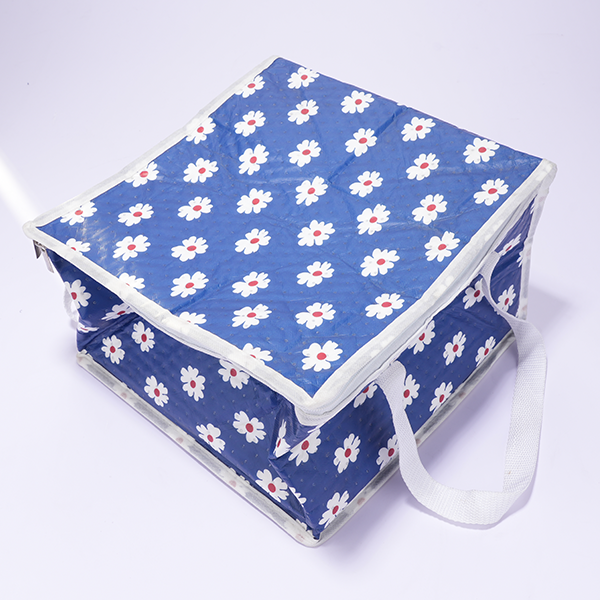
Thermal Carry Bag Enterprise: Complete 2026 Procurement Guide
This guide helps you answer:
How to define a thermal carry bag enterprise specification for your product, route, and customer.
Which materials, liners, closures, and handles create dependable daily performance.
How to evaluate thermal data, compliance requirements, and supplier quality control.
How to control cost, branding, packaging, and reorder risk in bulk production.
How to choose a practical next step with Tempk.
What is the smartest way to define a thermal carry bag enterprise?
The smartest way to define a thermal carry bag enterprise is to begin with the journey, not the catalog. Write down what the bag carries, how cold or warm the product must remain, who handles it, how long the route lasts, and how often the bag opens. This simple exercise prevents most buying mistakes. It also gives suppliers enough information to recommend the right material stack instead of guessing.
A thermal carry bag enterprise used for employee meal programs needs different priorities from a bag used for branded staff benefits. One may need fast access and cleaning. Another may need stronger abrasion resistance or more brand space. Another may need packout validation with gel packs. The product name may be the same, but the operating job is different. Treat the bag as a tool matched to a job.
Your specification should include size, target payload, route time, ambient condition, insulation type, liner type, closure, handle, color, decoration, carton packing, inspection criteria, and reorder expectation. This sounds detailed, but it saves time. A one-page specification makes every quote easier to compare and every sample easier to judge.
One-page thermal carry bag enterprise specification framework
| Specification item | Decision to make | Why it matters |
|---|---|---|
| Use case | employee meal programs, and multi-site retail pickup | Sets the real performance target |
| Thermal range | short chilled carrying, and hot meal transfer | Defines packout and testing logic |
| Material stack | rugged polyester or tarpaulin, PEVA liner, and reinforced webbing | Controls strength, cleaning, and cost |
| Branding | department color coding, serialized labels, and regional kit variations | Connects the bag to your campaign or operation |
Which thermal carry bag enterprise materials deliver the best balance?
The best material balance depends on how the thermal carry bag enterprise will be used. Outer fabric creates the first impression and protects the structure. Insulation slows heat movement. The liner controls cleaning, food-contact feel, and moisture handling. The closure reduces warm-air exchange. Handles transfer the load to the user. If one layer is weak, the whole design suffers.
For many projects, a practical stack uses a durable outer shell, closed-cell foam, and a wipe-clean liner. For rough environments, choose stronger coated fabric and reinforced webbing. For premium or sustainability-led programs, consider recycled outer fabric, wool insulation, or PVC-free liner options where they fit the performance target. For shipping and healthcare routes, design the bag around a qualified packout rather than a single material claim.
Avoid over-engineering. A thermal carry bag enterprise does not always need the thickest foam or most complex closure. Extra features add cost, weight, and carton volume. The best design is the simplest design that passes the real use case. That may mean better handle placement, a clearer packout instruction, or a stronger zipper rather than a more expensive insulation layer.
Material selection rules
Choose the outer fabric based on handling, branding, abrasion, and water exposure.
Choose the liner based on cleaning, odor control, moisture, and food-contact expectations.
Choose insulation thickness only after defining time, payload, and climate.
Choose closure design based on how often users open the bag during the route.
Choose carton packing early because bulky bags can raise total landed cost.
How do you prove thermal carry bag enterprise thermal performance?
You prove thermal carry bag enterprise thermal performance with a defined test, not a slogan. The test should state the starting product temperature, ambient profile, payload weight, coolant condition, bag size, logger location, opening frequency, and time target. These details make the result useful. Without them, a claim such as "keeps cold for hours" does not tell you enough.
For food and grocery routes, test the bag with realistic dispatch and customer handoff conditions. For parcel routes, include waiting time and handling. For industrial and healthcare routes, use temperature loggers and document the packout. If the product risk is high, repeat testing and create a formal operating instruction. If the product risk is low, still run a basic practical test so your team knows what to expect.
Remember that the thermal carry bag enterprise protects the temperature you start with. It is not a refrigerator. Pre-chilled goods, conditioned coolant, closed zippers, and short staging time all matter. Many failures blamed on the bag are actually packout or training failures. A good supplier helps you prevent these problems with practical instructions.
Thermal proof checklist
Define the acceptable temperature range and route duration.
Use the real payload or a realistic substitute with similar mass.
Condition gel packs exactly as workers will condition them in real use.
Record ambient temperature and every planned bag opening.
Keep the test record with the approved sample and production file.
Which compliance details matter for a thermal carry bag enterprise?
Compliance starts with the product you carry. If the thermal carry bag enterprise supports food programs, focus on sanitary handling, cleanable materials, appropriate temperature control, and basic food-contact review for liners where needed. If it supports healthcare or laboratory routes, focus on qualified packouts, documentation, temperature monitoring, and chain-of-custody expectations. If it supports industrial routes, focus on site rules, safety, durability, traceability, and cleaning compatibility.
Important reference frameworks include food transportation hygiene principles, FDA Food Code thinking for time and temperature control, IATA Temperature Control Regulations for pharmaceutical air cargo, ISTA thermal qualification concepts for insulated shipping systems, and USP good storage and distribution principles for drug products. You do not need every framework for every order. You need the level that matches the risk and market.
A buyer-friendly way to manage this is to classify the thermal carry bag enterprise project into low, medium, or high risk. Low-risk promotional lunch bags need material and workmanship checks. Medium-risk food delivery bags need cleaning instructions and route testing. High-risk healthcare or regulated shipments need documented packouts, monitoring, and stricter qualification. This keeps compliance practical.
Risk-based thermal carry bag enterprise approval levels
| Risk level | Typical use | Approval focus |
|---|---|---|
| Low | General promotion or personal lunch | Appearance, comfort, liner, basic quality |
| Medium | Food delivery or grocery route | Cleaning, closure, thermal test, user instruction |
| High | Healthcare or critical industrial transfer | Validation, logging, documentation, traceability |
How do you control thermal carry bag enterprise cost without losing value?
Cost control begins with separating must-have features from nice-to-have features. A thermal carry bag enterprise must fit the payload, hold the route, survive handling, and represent the brand. Features that do not support those goals can often be simplified. This is better than cutting hidden quality, because weak seams, poor liners, and unreliable zippers create complaints after delivery.
Compare total landed cost. Include unit price, sampling, artwork, inspection, freight, duty, carton volume, storage, replacements, and the cost of delays. A direct factory may offer more customization and production control. A wholesaler may offer faster availability and lower development effort. An OEM program may be best when you need exact performance and appearance. Match the buying model to your timeline and risk tolerance.
Bulk orders should include a clear inspection plan. Confirm measurements, material, color, print, zipper, handle, liner, carton marks, and packed quantity. Keep the approved sample. If the project is repeatable, ask the supplier how they control material changes. A thermal carry bag enterprise that is consistent across reorders is more valuable than one good first shipment.
Cost and quality trade-off table
| Choice | Cost effect | Best decision |
|---|---|---|
| Thicker insulation | Higher material and carton cost | Use when route testing proves the need |
| Complex printing | Higher setup and defect risk | Use when brand value justifies it |
| Premium fabric | Higher unit cost | Use for rough handling or premium campaigns |
| Standard size | Lower development risk | Use when it fits the payload well |
How should sustainability guide thermal carry bag enterprise sourcing?
Sustainability should make the thermal carry bag enterprise more useful, not less practical. Start with reuse. If users keep the bag, clean it easily, and trust it, the product can reduce reliance on disposable alternatives. If the bag is uncomfortable, hard to clean, or poorly sized, it may be discarded early. Durable design is a sustainability feature.
Next, consider materials and logistics. Recycled polyester, renewable wool insulation, PVC-free liners, fold-flat structures, and efficient carton packing can all help when they fit the project. Right-sizing is often the simplest improvement. A correctly sized thermal carry bag enterprise uses less material, less coolant, less carton space, and less transport volume than an oversized design.
Be careful with claims. Do not call a bag sustainable only because one layer uses a better material. Explain how the complete design supports reuse, lower waste, or better durability. A clear and honest message is more credible for customers, auditors, and internal teams.
Sustainability checklist
Design for the number of trips the bag is expected to survive.
Make cleaning easy enough that users actually do it.
Choose lower-impact materials only when they still meet performance needs.
Reduce carton volume with foldable or stackable construction when possible.
Avoid vague environmental claims that are not tied to the full product.
What is the best procurement process for thermal carry bag enterprise?
A reliable procurement process moves in stages. First, define the business goal. Second, write the specification. Third, request samples. Fourth, test the sample. Fifth, approve artwork and the golden sample. Sixth, place the order with inspection criteria. Seventh, review the first shipment and document lessons for reorder. This structure works for a small campaign and for a large operational rollout.
The most common mistake is ordering too quickly after seeing a good photo. A thermal carry bag enterprise has many hidden details: liner feel, closure strength, odor, cleaning, fold behavior, carton efficiency, and temperature performance. Sampling exposes these details while changes are still affordable. Mass production is not the right time to discover that the opening is too narrow or the print rubs off.
Communication also matters. Keep one version of the specification, artwork, and approval sample. Record changes clearly. If you need multiple colors or regional variants, use a simple naming system. This avoids confusion during cutting, printing, packing, and inspection. A clear process saves money because it prevents avoidable corrections.
Step-by-step thermal carry bag enterprise buying workflow
Define payload, route, user, quantity, deadline, and budget.
Create a one-page specification with materials, size, print, and packing needs.
Request an undecorated sample first if performance is uncertain.
Request a decorated sample after material and shape are approved.
Run practical tests and record the results.
Approve a golden sample and inspection checklist before mass production.
Review the first order and improve the next reorder specification.
2026 trends that will shape thermal carry bag enterprise decisions
The 2026 market is rewarding products that are reusable, documented, and easy to operate. Cold chain packaging is growing because customers expect fresh food, temperature-aware healthcare, and convenient e-commerce. At the same time, companies are trying to reduce waste and improve visibility. A thermal carry bag enterprise can support these goals when it is designed as part of a process, not as a loose accessory.
Expect more buyers to ask for material declarations, sample test records, batch control, and packout instructions. Expect more campaigns to request recycled materials, PVC-free options, or natural insulation where practical. Expect more operators to add QR instructions, batch labels, or data loggers for important routes. These trends make supplier competence more important than ever.
The winning thermal carry bag enterprise in 2026 is not the most complicated product. It is the product that does the necessary job reliably, looks right for the brand, can be produced consistently, and can be explained simply to users. That is the standard worth aiming for.
Latest developments at a glance
Reusable thermal bags are replacing some single-use packaging in delivery and grocery programs.
Practical temperature evidence is becoming a normal procurement question.
Sustainability requests are shifting from slogans to measurable design choices.
Customization is becoming more precise, including regional colors and serialized labels.
Supplier documentation is becoming more important for repeat orders and regulated uses.
Practical case: A buyer planning a bulk thermal carry bag enterprise program compared two samples with the same chilled payload and route time. The thicker bag looked stronger, but the medium-weight bag with a better closure and clearer packing instruction performed more consistently. The buyer approved the simpler design, reduced carton volume, and used the savings for better inspection and decorated samples.
Frequently asked questions about thermal carry bag enterprise
What is the first thing to decide before buying a thermal carry bag enterprise?
Decide the use case first. The route, payload, user, temperature range, and cleaning process should guide the design. This prevents you from buying a bag that looks good but does not fit daily work.
How many samples should I test before a bulk thermal carry bag enterprise order?
Test at least one functional sample and one decorated sample. For higher-risk routes, test multiple samples from the same production method so you can see consistency before approving mass production.
Can a thermal carry bag enterprise be both promotional and functional?
Yes. The best promotional thermal bags are useful first and branded second. Strong handles, cleanable liners, good shape, and durable decoration make users keep the bag longer.
What temperature range should my thermal carry bag enterprise support?
The range depends on the product. Common goals include short chilled carrying, and hot meal transfer. Define the target before testing, and remember that the bag protects the starting temperature rather than creating cold or heat by itself.
Is a factory, wholesaler, or OEM partner better for thermal carry bag enterprise?
Choose a wholesaler for speed and stock, a factory for direct production control, and an OEM partner for custom specifications. The best option depends on timing, customization, risk, and repeat-order needs.
What should be included in a thermal carry bag enterprise inspection?
Inspect dimensions, materials, color, print, liner, zipper, handles, seams, odor, stains, cartons, labels, and packed quantity. For thermal projects, also keep the approved packout and any test records.
How do I make a thermal carry bag enterprise more sustainable?
Design it for real reuse, easy cleaning, right size, durable construction, efficient packing, and suitable lower-impact materials. Avoid claims that are not supported by the full product design.
When should I use data loggers with a thermal carry bag enterprise?
Use data loggers when temperature risk, customer requirements, or compliance expectations justify proof. They are especially useful for healthcare, industrial samples, long routes, and validation work.
Summary and recommendations
A thermal carry bag enterprise is a strong purchase when it is built around a clear route, realistic packout, durable materials, and practical user behavior. Focus on the full system: product, coolant, bag, closure, handling, cleaning, documentation, and supplier control. A good-looking bag is not enough. The best result comes from evidence, not assumptions.
Your next step is to write a one-page specification and request samples that match it. Test the thermal carry bag enterprise under realistic conditions, approve a decorated sample, and define the inspection plan before bulk production. This process protects your brand, your products, and your budget.
About Tempk
Tempk provides insulated bags and temperature-control packaging support for cold chain, delivery, retail, promotional, enterprise, and industrial buyers. We help turn route requirements into practical product specifications, samples, tests, and production communication. For a thermal carry bag enterprise, we focus on thermal logic, clean construction, brand-ready design, and repeatable supply.
Share your payload, target temperature, route time, quantity, artwork, and sustainability goals with Tempk to receive a focused recommendation and sample plan.
Refrigerated Bag Promotional UAE: Complete 2026 Guide
Refrigerated Bag Promotional UAE: Complete 2026 Procurement Guide
This guide helps you answer:
How to define a refrigerated bag promotional uae specification for your product, route, and customer.
Which materials, liners, closures, and handles create dependable daily performance.
How to evaluate thermal data, compliance requirements, and supplier quality control.
How to control cost, branding, packaging, and reorder risk in bulk production.
How to choose a practical next step with Tempk.
What is the smartest way to define a refrigerated bag promotional uae?
The smartest way to define a refrigerated bag promotional uae is to begin with the journey, not the catalog. Write down what the bag carries, how cold or warm the product must remain, who handles it, how long the route lasts, and how often the bag opens. This simple exercise prevents most buying mistakes. It also gives suppliers enough information to recommend the right material stack instead of guessing.
A refrigerated bag promotional uae used for UAE grocery promotions needs different priorities from a bag used for corporate giveaways. One may need fast access and cleaning. Another may need stronger abrasion resistance or more brand space. Another may need packout validation with gel packs. The product name may be the same, but the operating job is different. Treat the bag as a tool matched to a job.
Your specification should include size, target payload, route time, ambient condition, insulation type, liner type, closure, handle, color, decoration, carton packing, inspection criteria, and reorder expectation. This sounds detailed, but it saves time. A one-page specification makes every quote easier to compare and every sample easier to judge.
One-page refrigerated bag promotional uae specification framework
| Specification item | Decision to make | Why it matters |
|---|---|---|
| Use case | UAE grocery promotions, and hotel and catering campaigns | Sets the real performance target |
| Thermal range | 2-8 C chilled support in hot climates, and heat protection during 38-45 C outdoor exposure | Defines packout and testing logic |
| Material stack | reflective or light-color outer fabric, closed-cell foam, and PEVA liner | Controls strength, cleaning, and cost |
| Branding | silk-screen logo, heat transfer print, and digital print | Connects the bag to your campaign or operation |
Which refrigerated bag promotional uae materials deliver the best balance?
The best material balance depends on how the refrigerated bag promotional uae will be used. Outer fabric creates the first impression and protects the structure. Insulation slows heat movement. The liner controls cleaning, food-contact feel, and moisture handling. The closure reduces warm-air exchange. Handles transfer the load to the user. If one layer is weak, the whole design suffers.
For many projects, a practical stack uses a durable outer shell, closed-cell foam, and a wipe-clean liner. For rough environments, choose stronger coated fabric and reinforced webbing. For premium or sustainability-led programs, consider recycled outer fabric, wool insulation, or PVC-free liner options where they fit the performance target. For shipping and healthcare routes, design the bag around a qualified packout rather than a single material claim.
Avoid over-engineering. A refrigerated bag promotional uae does not always need the thickest foam or most complex closure. Extra features add cost, weight, and carton volume. The best design is the simplest design that passes the real use case. That may mean better handle placement, a clearer packout instruction, or a stronger zipper rather than a more expensive insulation layer.
Material selection rules
Choose the outer fabric based on handling, branding, abrasion, and water exposure.
Choose the liner based on cleaning, odor control, moisture, and food-contact expectations.
Choose insulation thickness only after defining time, payload, and climate.
Choose closure design based on how often users open the bag during the route.
Choose carton packing early because bulky bags can raise total landed cost.
How do you prove refrigerated bag promotional uae thermal performance?
You prove refrigerated bag promotional uae thermal performance with a defined test, not a slogan. The test should state the starting product temperature, ambient profile, payload weight, coolant condition, bag size, logger location, opening frequency, and time target. These details make the result useful. Without them, a claim such as "keeps cold for hours" does not tell you enough.
For food and grocery routes, test the bag with realistic dispatch and customer handoff conditions. For parcel routes, include waiting time and handling. For industrial and healthcare routes, use temperature loggers and document the packout. If the product risk is high, repeat testing and create a formal operating instruction. If the product risk is low, still run a basic practical test so your team knows what to expect.
Remember that the refrigerated bag promotional uae protects the temperature you start with. It is not a refrigerator. Pre-chilled goods, conditioned coolant, closed zippers, and short staging time all matter. Many failures blamed on the bag are actually packout or training failures. A good supplier helps you prevent these problems with practical instructions.
Thermal proof checklist
Define the acceptable temperature range and route duration.
Use the real payload or a realistic substitute with similar mass.
Condition gel packs exactly as workers will condition them in real use.
Record ambient temperature and every planned bag opening.
Keep the test record with the approved sample and production file.
Which compliance details matter for a refrigerated bag promotional uae?
Compliance starts with the product you carry. If the refrigerated bag promotional uae supports food programs, focus on sanitary handling, cleanable materials, appropriate temperature control, and basic food-contact review for liners where needed. If it supports healthcare or laboratory routes, focus on qualified packouts, documentation, temperature monitoring, and chain-of-custody expectations. If it supports industrial routes, focus on site rules, safety, durability, traceability, and cleaning compatibility.
Important reference frameworks include food transportation hygiene principles, FDA Food Code thinking for time and temperature control, IATA Temperature Control Regulations for pharmaceutical air cargo, ISTA thermal qualification concepts for insulated shipping systems, and USP good storage and distribution principles for drug products. You do not need every framework for every order. You need the level that matches the risk and market.
A buyer-friendly way to manage this is to classify the refrigerated bag promotional uae project into low, medium, or high risk. Low-risk promotional lunch bags need material and workmanship checks. Medium-risk food delivery bags need cleaning instructions and route testing. High-risk healthcare or regulated shipments need documented packouts, monitoring, and stricter qualification. This keeps compliance practical.
Risk-based refrigerated bag promotional uae approval levels
| Risk level | Typical use | Approval focus |
|---|---|---|
| Low | General promotion or personal lunch | Appearance, comfort, liner, basic quality |
| Medium | Food delivery or grocery route | Cleaning, closure, thermal test, user instruction |
| High | Healthcare or critical industrial transfer | Validation, logging, documentation, traceability |
How do you control refrigerated bag promotional uae cost without losing value?
Cost control begins with separating must-have features from nice-to-have features. A refrigerated bag promotional uae must fit the payload, hold the route, survive handling, and represent the brand. Features that do not support those goals can often be simplified. This is better than cutting hidden quality, because weak seams, poor liners, and unreliable zippers create complaints after delivery.
Compare total landed cost. Include unit price, sampling, artwork, inspection, freight, duty, carton volume, storage, replacements, and the cost of delays. A direct factory may offer more customization and production control. A wholesaler may offer faster availability and lower development effort. An OEM program may be best when you need exact performance and appearance. Match the buying model to your timeline and risk tolerance.
Bulk orders should include a clear inspection plan. Confirm measurements, material, color, print, zipper, handle, liner, carton marks, and packed quantity. Keep the approved sample. If the project is repeatable, ask the supplier how they control material changes. A refrigerated bag promotional uae that is consistent across reorders is more valuable than one good first shipment.
Cost and quality trade-off table
| Choice | Cost effect | Best decision |
|---|---|---|
| Thicker insulation | Higher material and carton cost | Use when route testing proves the need |
| Complex printing | Higher setup and defect risk | Use when brand value justifies it |
| Premium fabric | Higher unit cost | Use for rough handling or premium campaigns |
| Standard size | Lower development risk | Use when it fits the payload well |
How should sustainability guide refrigerated bag promotional uae sourcing?
Sustainability should make the refrigerated bag promotional uae more useful, not less practical. Start with reuse. If users keep the bag, clean it easily, and trust it, the product can reduce reliance on disposable alternatives. If the bag is uncomfortable, hard to clean, or poorly sized, it may be discarded early. Durable design is a sustainability feature.
Next, consider materials and logistics. Recycled polyester, renewable wool insulation, PVC-free liners, fold-flat structures, and efficient carton packing can all help when they fit the project. Right-sizing is often the simplest improvement. A correctly sized refrigerated bag promotional uae uses less material, less coolant, less carton space, and less transport volume than an oversized design.
Be careful with claims. Do not call a bag sustainable only because one layer uses a better material. Explain how the complete design supports reuse, lower waste, or better durability. A clear and honest message is more credible for customers, auditors, and internal teams.
Sustainability checklist
Design for the number of trips the bag is expected to survive.
Make cleaning easy enough that users actually do it.
Choose lower-impact materials only when they still meet performance needs.
Reduce carton volume with foldable or stackable construction when possible.
Avoid vague environmental claims that are not tied to the full product.
What is the best procurement process for refrigerated bag promotional uae?
A reliable procurement process moves in stages. First, define the business goal. Second, write the specification. Third, request samples. Fourth, test the sample. Fifth, approve artwork and the golden sample. Sixth, place the order with inspection criteria. Seventh, review the first shipment and document lessons for reorder. This structure works for a small campaign and for a large operational rollout.
The most common mistake is ordering too quickly after seeing a good photo. A refrigerated bag promotional uae has many hidden details: liner feel, closure strength, odor, cleaning, fold behavior, carton efficiency, and temperature performance. Sampling exposes these details while changes are still affordable. Mass production is not the right time to discover that the opening is too narrow or the print rubs off.
Communication also matters. Keep one version of the specification, artwork, and approval sample. Record changes clearly. If you need multiple colors or regional variants, use a simple naming system. This avoids confusion during cutting, printing, packing, and inspection. A clear process saves money because it prevents avoidable corrections.
Step-by-step refrigerated bag promotional uae buying workflow
Define payload, route, user, quantity, deadline, and budget.
Create a one-page specification with materials, size, print, and packing needs.
Request an undecorated sample first if performance is uncertain.
Request a decorated sample after material and shape are approved.
Run practical tests and record the results.
Approve a golden sample and inspection checklist before mass production.
Review the first order and improve the next reorder specification.
2026 trends that will shape refrigerated bag promotional uae decisions
The 2026 market is rewarding products that are reusable, documented, and easy to operate. Cold chain packaging is growing because customers expect fresh food, temperature-aware healthcare, and convenient e-commerce. At the same time, companies are trying to reduce waste and improve visibility. A refrigerated bag promotional uae can support these goals when it is designed as part of a process, not as a loose accessory.
Expect more buyers to ask for material declarations, sample test records, batch control, and packout instructions. Expect more campaigns to request recycled materials, PVC-free options, or natural insulation where practical. Expect more operators to add QR instructions, batch labels, or data loggers for important routes. These trends make supplier competence more important than ever.
The winning refrigerated bag promotional uae in 2026 is not the most complicated product. It is the product that does the necessary job reliably, looks right for the brand, can be produced consistently, and can be explained simply to users. That is the standard worth aiming for.
Latest developments at a glance
Reusable thermal bags are replacing some single-use packaging in delivery and grocery programs.
Practical temperature evidence is becoming a normal procurement question.
Sustainability requests are shifting from slogans to measurable design choices.
Customization is becoming more precise, including regional colors and serialized labels.
Supplier documentation is becoming more important for repeat orders and regulated uses.
Practical case: A buyer planning a bulk refrigerated bag promotional uae program compared two samples with the same chilled payload and route time. The thicker bag looked stronger, but the medium-weight bag with a better closure and clearer packing instruction performed more consistently. The buyer approved the simpler design, reduced carton volume, and used the savings for better inspection and decorated samples.
Frequently asked questions about refrigerated bag promotional uae
What is the first thing to decide before buying a refrigerated bag promotional uae?
Decide the use case first. The route, payload, user, temperature range, and cleaning process should guide the design. This prevents you from buying a bag that looks good but does not fit daily work.
How many samples should I test before a bulk refrigerated bag promotional uae order?
Test at least one functional sample and one decorated sample. For higher-risk routes, test multiple samples from the same production method so you can see consistency before approving mass production.
Can a refrigerated bag promotional uae be both promotional and functional?
Yes. The best promotional thermal bags are useful first and branded second. Strong handles, cleanable liners, good shape, and durable decoration make users keep the bag longer.
What temperature range should my refrigerated bag promotional uae support?
The range depends on the product. Common goals include 2-8 C chilled support in hot climates, and heat protection during 38-45 C outdoor exposure. Define the target before testing, and remember that the bag protects the starting temperature rather than creating cold or heat by itself.
Is a factory, wholesaler, or OEM partner better for refrigerated bag promotional uae?
Choose a wholesaler for speed and stock, a factory for direct production control, and an OEM partner for custom specifications. The best option depends on timing, customization, risk, and repeat-order needs.
What should be included in a refrigerated bag promotional uae inspection?
Inspect dimensions, materials, color, print, liner, zipper, handles, seams, odor, stains, cartons, labels, and packed quantity. For thermal projects, also keep the approved packout and any test records.
How do I make a refrigerated bag promotional uae more sustainable?
Design it for real reuse, easy cleaning, right size, durable construction, efficient packing, and suitable lower-impact materials. Avoid claims that are not supported by the full product design.
When should I use data loggers with a refrigerated bag promotional uae?
Use data loggers when temperature risk, customer requirements, or compliance expectations justify proof. They are especially useful for healthcare, industrial samples, long routes, and validation work.
Summary and recommendations
A refrigerated bag promotional uae is a strong purchase when it is built around a clear route, realistic packout, durable materials, and practical user behavior. Focus on the full system: product, coolant, bag, closure, handling, cleaning, documentation, and supplier control. A good-looking bag is not enough. The best result comes from evidence, not assumptions.
Your next step is to write a one-page specification and request samples that match it. Test the refrigerated bag promotional uae under realistic conditions, approve a decorated sample, and define the inspection plan before bulk production. This process protects your brand, your products, and your budget.
About Tempk
Tempk provides insulated bags and temperature-control packaging support for cold chain, delivery, retail, promotional, enterprise, and industrial buyers. We help turn route requirements into practical product specifications, samples, tests, and production communication. For a refrigerated bag promotional uae, we focus on thermal logic, clean construction, brand-ready design, and repeatable supply.
Share your payload, target temperature, route time, quantity, artwork, and sustainability goals with Tempk to receive a focused recommendation and sample plan.
Insulated Mailer Bag Industrial: Complete 2026 Guide
Insulated Mailer Bag Industrial: Complete 2026 Procurement Guide
This guide helps you answer:
How to define a insulated mailer bag industrial specification for your product, route, and customer.
Which materials, liners, closures, and handles create dependable daily performance.
How to evaluate thermal data, compliance requirements, and supplier quality control.
How to control cost, branding, packaging, and reorder risk in bulk production.
How to choose a practical next step with Tempk.
What is the smartest way to define a insulated mailer bag industrial?
The smartest way to define a insulated mailer bag industrial is to begin with the journey, not the catalog. Write down what the bag carries, how cold or warm the product must remain, who handles it, how long the route lasts, and how often the bag opens. This simple exercise prevents most buying mistakes. It also gives suppliers enough information to recommend the right material stack instead of guessing.
A insulated mailer bag industrial used for factory meal programs needs different priorities from a bag used for controlled transport between plants. One may need fast access and cleaning. Another may need stronger abrasion resistance or more brand space. Another may need packout validation with gel packs. The product name may be the same, but the operating job is different. Treat the bag as a tool matched to a job.
Your specification should include size, target payload, route time, ambient condition, insulation type, liner type, closure, handle, color, decoration, carton packing, inspection criteria, and reorder expectation. This sounds detailed, but it saves time. A one-page specification makes every quote easier to compare and every sample easier to judge.
One-page insulated mailer bag industrial specification framework
| Specification item | Decision to make | Why it matters |
|---|---|---|
| Use case | factory meal programs, and field samples | Sets the real performance target |
| Thermal range | 15-25 C heat buffering, and 2-8 C sample support | Defines packout and testing logic |
| Material stack | abrasion-resistant outer fabric, closed-cell foam, and chemical-resistant liner options | Controls strength, cleaning, and cost |
| Branding | logo printing, size adjustment, and color matching | Connects the bag to your campaign or operation |
Which insulated mailer bag industrial materials deliver the best balance?
The best material balance depends on how the insulated mailer bag industrial will be used. Outer fabric creates the first impression and protects the structure. Insulation slows heat movement. The liner controls cleaning, food-contact feel, and moisture handling. The closure reduces warm-air exchange. Handles transfer the load to the user. If one layer is weak, the whole design suffers.
For many projects, a practical stack uses a durable outer shell, closed-cell foam, and a wipe-clean liner. For rough environments, choose stronger coated fabric and reinforced webbing. For premium or sustainability-led programs, consider recycled outer fabric, wool insulation, or PVC-free liner options where they fit the performance target. For shipping and healthcare routes, design the bag around a qualified packout rather than a single material claim.
Avoid over-engineering. A insulated mailer bag industrial does not always need the thickest foam or most complex closure. Extra features add cost, weight, and carton volume. The best design is the simplest design that passes the real use case. That may mean better handle placement, a clearer packout instruction, or a stronger zipper rather than a more expensive insulation layer.
Material selection rules
Choose the outer fabric based on handling, branding, abrasion, and water exposure.
Choose the liner based on cleaning, odor control, moisture, and food-contact expectations.
Choose insulation thickness only after defining time, payload, and climate.
Choose closure design based on how often users open the bag during the route.
Choose carton packing early because bulky bags can raise total landed cost.
How do you prove insulated mailer bag industrial thermal performance?
You prove insulated mailer bag industrial thermal performance with a defined test, not a slogan. The test should state the starting product temperature, ambient profile, payload weight, coolant condition, bag size, logger location, opening frequency, and time target. These details make the result useful. Without them, a claim such as "keeps cold for hours" does not tell you enough.
For food and grocery routes, test the bag with realistic dispatch and customer handoff conditions. For parcel routes, include waiting time and handling. For industrial and healthcare routes, use temperature loggers and document the packout. If the product risk is high, repeat testing and create a formal operating instruction. If the product risk is low, still run a basic practical test so your team knows what to expect.
Remember that the insulated mailer bag industrial protects the temperature you start with. It is not a refrigerator. Pre-chilled goods, conditioned coolant, closed zippers, and short staging time all matter. Many failures blamed on the bag are actually packout or training failures. A good supplier helps you prevent these problems with practical instructions.
Thermal proof checklist
Define the acceptable temperature range and route duration.
Use the real payload or a realistic substitute with similar mass.
Condition gel packs exactly as workers will condition them in real use.
Record ambient temperature and every planned bag opening.
Keep the test record with the approved sample and production file.
Which compliance details matter for a insulated mailer bag industrial?
Compliance starts with the product you carry. If the insulated mailer bag industrial supports food programs, focus on sanitary handling, cleanable materials, appropriate temperature control, and basic food-contact review for liners where needed. If it supports healthcare or laboratory routes, focus on qualified packouts, documentation, temperature monitoring, and chain-of-custody expectations. If it supports industrial routes, focus on site rules, safety, durability, traceability, and cleaning compatibility.
Important reference frameworks include food transportation hygiene principles, FDA Food Code thinking for time and temperature control, IATA Temperature Control Regulations for pharmaceutical air cargo, ISTA thermal qualification concepts for insulated shipping systems, and USP good storage and distribution principles for drug products. You do not need every framework for every order. You need the level that matches the risk and market.
A buyer-friendly way to manage this is to classify the insulated mailer bag industrial project into low, medium, or high risk. Low-risk promotional lunch bags need material and workmanship checks. Medium-risk food delivery bags need cleaning instructions and route testing. High-risk healthcare or regulated shipments need documented packouts, monitoring, and stricter qualification. This keeps compliance practical.
Risk-based insulated mailer bag industrial approval levels
| Risk level | Typical use | Approval focus |
|---|---|---|
| Low | General promotion or personal lunch | Appearance, comfort, liner, basic quality |
| Medium | Food delivery or grocery route | Cleaning, closure, thermal test, user instruction |
| High | Healthcare or critical industrial transfer | Validation, logging, documentation, traceability |
How do you control insulated mailer bag industrial cost without losing value?
Cost control begins with separating must-have features from nice-to-have features. A insulated mailer bag industrial must fit the payload, hold the route, survive handling, and represent the brand. Features that do not support those goals can often be simplified. This is better than cutting hidden quality, because weak seams, poor liners, and unreliable zippers create complaints after delivery.
Compare total landed cost. Include unit price, sampling, artwork, inspection, freight, duty, carton volume, storage, replacements, and the cost of delays. A direct factory may offer more customization and production control. A wholesaler may offer faster availability and lower development effort. An OEM program may be best when you need exact performance and appearance. Match the buying model to your timeline and risk tolerance.
Bulk orders should include a clear inspection plan. Confirm measurements, material, color, print, zipper, handle, liner, carton marks, and packed quantity. Keep the approved sample. If the project is repeatable, ask the supplier how they control material changes. A insulated mailer bag industrial that is consistent across reorders is more valuable than one good first shipment.
Cost and quality trade-off table
| Choice | Cost effect | Best decision |
|---|---|---|
| Thicker insulation | Higher material and carton cost | Use when route testing proves the need |
| Complex printing | Higher setup and defect risk | Use when brand value justifies it |
| Premium fabric | Higher unit cost | Use for rough handling or premium campaigns |
| Standard size | Lower development risk | Use when it fits the payload well |
How should sustainability guide insulated mailer bag industrial sourcing?
Sustainability should make the insulated mailer bag industrial more useful, not less practical. Start with reuse. If users keep the bag, clean it easily, and trust it, the product can reduce reliance on disposable alternatives. If the bag is uncomfortable, hard to clean, or poorly sized, it may be discarded early. Durable design is a sustainability feature.
Next, consider materials and logistics. Recycled polyester, renewable wool insulation, PVC-free liners, fold-flat structures, and efficient carton packing can all help when they fit the project. Right-sizing is often the simplest improvement. A correctly sized insulated mailer bag industrial uses less material, less coolant, less carton space, and less transport volume than an oversized design.
Be careful with claims. Do not call a bag sustainable only because one layer uses a better material. Explain how the complete design supports reuse, lower waste, or better durability. A clear and honest message is more credible for customers, auditors, and internal teams.
Sustainability checklist
Design for the number of trips the bag is expected to survive.
Make cleaning easy enough that users actually do it.
Choose lower-impact materials only when they still meet performance needs.
Reduce carton volume with foldable or stackable construction when possible.
Avoid vague environmental claims that are not tied to the full product.
What is the best procurement process for insulated mailer bag industrial?
A reliable procurement process moves in stages. First, define the business goal. Second, write the specification. Third, request samples. Fourth, test the sample. Fifth, approve artwork and the golden sample. Sixth, place the order with inspection criteria. Seventh, review the first shipment and document lessons for reorder. This structure works for a small campaign and for a large operational rollout.
The most common mistake is ordering too quickly after seeing a good photo. A insulated mailer bag industrial has many hidden details: liner feel, closure strength, odor, cleaning, fold behavior, carton efficiency, and temperature performance. Sampling exposes these details while changes are still affordable. Mass production is not the right time to discover that the opening is too narrow or the print rubs off.
Communication also matters. Keep one version of the specification, artwork, and approval sample. Record changes clearly. If you need multiple colors or regional variants, use a simple naming system. This avoids confusion during cutting, printing, packing, and inspection. A clear process saves money because it prevents avoidable corrections.
Step-by-step insulated mailer bag industrial buying workflow
Define payload, route, user, quantity, deadline, and budget.
Create a one-page specification with materials, size, print, and packing needs.
Request an undecorated sample first if performance is uncertain.
Request a decorated sample after material and shape are approved.
Run practical tests and record the results.
Approve a golden sample and inspection checklist before mass production.
Review the first order and improve the next reorder specification.
2026 trends that will shape insulated mailer bag industrial decisions
The 2026 market is rewarding products that are reusable, documented, and easy to operate. Cold chain packaging is growing because customers expect fresh food, temperature-aware healthcare, and convenient e-commerce. At the same time, companies are trying to reduce waste and improve visibility. A insulated mailer bag industrial can support these goals when it is designed as part of a process, not as a loose accessory.
Expect more buyers to ask for material declarations, sample test records, batch control, and packout instructions. Expect more campaigns to request recycled materials, PVC-free options, or natural insulation where practical. Expect more operators to add QR instructions, batch labels, or data loggers for important routes. These trends make supplier competence more important than ever.
The winning insulated mailer bag industrial in 2026 is not the most complicated product. It is the product that does the necessary job reliably, looks right for the brand, can be produced consistently, and can be explained simply to users. That is the standard worth aiming for.
Latest developments at a glance
Reusable thermal bags are replacing some single-use packaging in delivery and grocery programs.
Practical temperature evidence is becoming a normal procurement question.
Sustainability requests are shifting from slogans to measurable design choices.
Customization is becoming more precise, including regional colors and serialized labels.
Supplier documentation is becoming more important for repeat orders and regulated uses.
Practical case: A buyer planning a bulk insulated mailer bag industrial program compared two samples with the same chilled payload and route time. The thicker bag looked stronger, but the medium-weight bag with a better closure and clearer packing instruction performed more consistently. The buyer approved the simpler design, reduced carton volume, and used the savings for better inspection and decorated samples.
Frequently asked questions about insulated mailer bag industrial
What is the first thing to decide before buying a insulated mailer bag industrial?
Decide the use case first. The route, payload, user, temperature range, and cleaning process should guide the design. This prevents you from buying a bag that looks good but does not fit daily work.
How many samples should I test before a bulk insulated mailer bag industrial order?
Test at least one functional sample and one decorated sample. For higher-risk routes, test multiple samples from the same production method so you can see consistency before approving mass production.
Can a insulated mailer bag industrial be both promotional and functional?
Yes. The best promotional thermal bags are useful first and branded second. Strong handles, cleanable liners, good shape, and durable decoration make users keep the bag longer.
What temperature range should my insulated mailer bag industrial support?
The range depends on the product. Common goals include 15-25 C heat buffering, and 2-8 C sample support. Define the target before testing, and remember that the bag protects the starting temperature rather than creating cold or heat by itself.
Is a factory, wholesaler, or OEM partner better for insulated mailer bag industrial?
Choose a wholesaler for speed and stock, a factory for direct production control, and an OEM partner for custom specifications. The best option depends on timing, customization, risk, and repeat-order needs.
What should be included in a insulated mailer bag industrial inspection?
Inspect dimensions, materials, color, print, liner, zipper, handles, seams, odor, stains, cartons, labels, and packed quantity. For thermal projects, also keep the approved packout and any test records.
How do I make a insulated mailer bag industrial more sustainable?
Design it for real reuse, easy cleaning, right size, durable construction, efficient packing, and suitable lower-impact materials. Avoid claims that are not supported by the full product design.
When should I use data loggers with a insulated mailer bag industrial?
Use data loggers when temperature risk, customer requirements, or compliance expectations justify proof. They are especially useful for healthcare, industrial samples, long routes, and validation work.
Summary and recommendations
A insulated mailer bag industrial is a strong purchase when it is built around a clear route, realistic packout, durable materials, and practical user behavior. Focus on the full system: product, coolant, bag, closure, handling, cleaning, documentation, and supplier control. A good-looking bag is not enough. The best result comes from evidence, not assumptions.
Your next step is to write a one-page specification and request samples that match it. Test the insulated mailer bag industrial under realistic conditions, approve a decorated sample, and define the inspection plan before bulk production. This process protects your brand, your products, and your budget.
About Tempk
Tempk provides insulated bags and temperature-control packaging support for cold chain, delivery, retail, promotional, enterprise, and industrial buyers. We help turn route requirements into practical product specifications, samples, tests, and production communication. For a insulated mailer bag industrial, we focus on thermal logic, clean construction, brand-ready design, and repeatable supply.
Share your payload, target temperature, route time, quantity, artwork, and sustainability goals with Tempk to receive a focused recommendation and sample plan.
Insulated Lunch Bag Waterproof: Complete 2026 Guide
Insulated Lunch Bag Waterproof: Complete 2026 Procurement Guide
This guide helps you answer:
How to define a insulated lunch bag waterproof specification for your product, route, and customer.
Which materials, liners, closures, and handles create dependable daily performance.
How to evaluate thermal data, compliance requirements, and supplier quality control.
How to control cost, branding, packaging, and reorder risk in bulk production.
How to choose a practical next step with Tempk.
What is the smartest way to define a insulated lunch bag waterproof?
The smartest way to define a insulated lunch bag waterproof is to begin with the journey, not the catalog. Write down what the bag carries, how cold or warm the product must remain, who handles it, how long the route lasts, and how often the bag opens. This simple exercise prevents most buying mistakes. It also gives suppliers enough information to recommend the right material stack instead of guessing.
A insulated lunch bag waterproof used for rainy commutes needs different priorities from a bag used for wellness giveaways. One may need fast access and cleaning. Another may need stronger abrasion resistance or more brand space. Another may need packout validation with gel packs. The product name may be the same, but the operating job is different. Treat the bag as a tool matched to a job.
Your specification should include size, target payload, route time, ambient condition, insulation type, liner type, closure, handle, color, decoration, carton packing, inspection criteria, and reorder expectation. This sounds detailed, but it saves time. A one-page specification makes every quote easier to compare and every sample easier to judge.
One-page insulated lunch bag waterproof specification framework
| Specification item | Decision to make | Why it matters |
|---|---|---|
| Use case | rainy commutes, and outdoor work lunch | Sets the real performance target |
| Thermal range | 2-6 hour chilled lunch support, and room-temperature snack protection | Defines packout and testing logic |
| Material stack | TPU-coated or laminated fabric, sealed or protected seams, and PEVA liner | Controls strength, cleaning, and cost |
| Branding | embroidery, heat transfer printing, and woven label | Connects the bag to your campaign or operation |
Which insulated lunch bag waterproof materials deliver the best balance?
The best material balance depends on how the insulated lunch bag waterproof will be used. Outer fabric creates the first impression and protects the structure. Insulation slows heat movement. The liner controls cleaning, food-contact feel, and moisture handling. The closure reduces warm-air exchange. Handles transfer the load to the user. If one layer is weak, the whole design suffers.
For many projects, a practical stack uses a durable outer shell, closed-cell foam, and a wipe-clean liner. For rough environments, choose stronger coated fabric and reinforced webbing. For premium or sustainability-led programs, consider recycled outer fabric, wool insulation, or PVC-free liner options where they fit the performance target. For shipping and healthcare routes, design the bag around a qualified packout rather than a single material claim.
Avoid over-engineering. A insulated lunch bag waterproof does not always need the thickest foam or most complex closure. Extra features add cost, weight, and carton volume. The best design is the simplest design that passes the real use case. That may mean better handle placement, a clearer packout instruction, or a stronger zipper rather than a more expensive insulation layer.
Material selection rules
Choose the outer fabric based on handling, branding, abrasion, and water exposure.
Choose the liner based on cleaning, odor control, moisture, and food-contact expectations.
Choose insulation thickness only after defining time, payload, and climate.
Choose closure design based on how often users open the bag during the route.
Choose carton packing early because bulky bags can raise total landed cost.
How do you prove insulated lunch bag waterproof thermal performance?
You prove insulated lunch bag waterproof thermal performance with a defined test, not a slogan. The test should state the starting product temperature, ambient profile, payload weight, coolant condition, bag size, logger location, opening frequency, and time target. These details make the result useful. Without them, a claim such as "keeps cold for hours" does not tell you enough.
For food and grocery routes, test the bag with realistic dispatch and customer handoff conditions. For parcel routes, include waiting time and handling. For industrial and healthcare routes, use temperature loggers and document the packout. If the product risk is high, repeat testing and create a formal operating instruction. If the product risk is low, still run a basic practical test so your team knows what to expect.
Remember that the insulated lunch bag waterproof protects the temperature you start with. It is not a refrigerator. Pre-chilled goods, conditioned coolant, closed zippers, and short staging time all matter. Many failures blamed on the bag are actually packout or training failures. A good supplier helps you prevent these problems with practical instructions.
Thermal proof checklist
Define the acceptable temperature range and route duration.
Use the real payload or a realistic substitute with similar mass.
Condition gel packs exactly as workers will condition them in real use.
Record ambient temperature and every planned bag opening.
Keep the test record with the approved sample and production file.
Which compliance details matter for a insulated lunch bag waterproof?
Compliance starts with the product you carry. If the insulated lunch bag waterproof supports food programs, focus on sanitary handling, cleanable materials, appropriate temperature control, and basic food-contact review for liners where needed. If it supports healthcare or laboratory routes, focus on qualified packouts, documentation, temperature monitoring, and chain-of-custody expectations. If it supports industrial routes, focus on site rules, safety, durability, traceability, and cleaning compatibility.
Important reference frameworks include food transportation hygiene principles, FDA Food Code thinking for time and temperature control, IATA Temperature Control Regulations for pharmaceutical air cargo, ISTA thermal qualification concepts for insulated shipping systems, and USP good storage and distribution principles for drug products. You do not need every framework for every order. You need the level that matches the risk and market.
A buyer-friendly way to manage this is to classify the insulated lunch bag waterproof project into low, medium, or high risk. Low-risk promotional lunch bags need material and workmanship checks. Medium-risk food delivery bags need cleaning instructions and route testing. High-risk healthcare or regulated shipments need documented packouts, monitoring, and stricter qualification. This keeps compliance practical.
Risk-based insulated lunch bag waterproof approval levels
| Risk level | Typical use | Approval focus |
|---|---|---|
| Low | General promotion or personal lunch | Appearance, comfort, liner, basic quality |
| Medium | Food delivery or grocery route | Cleaning, closure, thermal test, user instruction |
| High | Healthcare or critical industrial transfer | Validation, logging, documentation, traceability |
How do you control insulated lunch bag waterproof cost without losing value?
Cost control begins with separating must-have features from nice-to-have features. A insulated lunch bag waterproof must fit the payload, hold the route, survive handling, and represent the brand. Features that do not support those goals can often be simplified. This is better than cutting hidden quality, because weak seams, poor liners, and unreliable zippers create complaints after delivery.
Compare total landed cost. Include unit price, sampling, artwork, inspection, freight, duty, carton volume, storage, replacements, and the cost of delays. A direct factory may offer more customization and production control. A wholesaler may offer faster availability and lower development effort. An OEM program may be best when you need exact performance and appearance. Match the buying model to your timeline and risk tolerance.
Bulk orders should include a clear inspection plan. Confirm measurements, material, color, print, zipper, handle, liner, carton marks, and packed quantity. Keep the approved sample. If the project is repeatable, ask the supplier how they control material changes. A insulated lunch bag waterproof that is consistent across reorders is more valuable than one good first shipment.
Cost and quality trade-off table
| Choice | Cost effect | Best decision |
|---|---|---|
| Thicker insulation | Higher material and carton cost | Use when route testing proves the need |
| Complex printing | Higher setup and defect risk | Use when brand value justifies it |
| Premium fabric | Higher unit cost | Use for rough handling or premium campaigns |
| Standard size | Lower development risk | Use when it fits the payload well |
How should sustainability guide insulated lunch bag waterproof sourcing?
Sustainability should make the insulated lunch bag waterproof more useful, not less practical. Start with reuse. If users keep the bag, clean it easily, and trust it, the product can reduce reliance on disposable alternatives. If the bag is uncomfortable, hard to clean, or poorly sized, it may be discarded early. Durable design is a sustainability feature.
Next, consider materials and logistics. Recycled polyester, renewable wool insulation, PVC-free liners, fold-flat structures, and efficient carton packing can all help when they fit the project. Right-sizing is often the simplest improvement. A correctly sized insulated lunch bag waterproof uses less material, less coolant, less carton space, and less transport volume than an oversized design.
Be careful with claims. Do not call a bag sustainable only because one layer uses a better material. Explain how the complete design supports reuse, lower waste, or better durability. A clear and honest message is more credible for customers, auditors, and internal teams.
Sustainability checklist
Design for the number of trips the bag is expected to survive.
Make cleaning easy enough that users actually do it.
Choose lower-impact materials only when they still meet performance needs.
Reduce carton volume with foldable or stackable construction when possible.
Avoid vague environmental claims that are not tied to the full product.
What is the best procurement process for insulated lunch bag waterproof?
A reliable procurement process moves in stages. First, define the business goal. Second, write the specification. Third, request samples. Fourth, test the sample. Fifth, approve artwork and the golden sample. Sixth, place the order with inspection criteria. Seventh, review the first shipment and document lessons for reorder. This structure works for a small campaign and for a large operational rollout.
The most common mistake is ordering too quickly after seeing a good photo. A insulated lunch bag waterproof has many hidden details: liner feel, closure strength, odor, cleaning, fold behavior, carton efficiency, and temperature performance. Sampling exposes these details while changes are still affordable. Mass production is not the right time to discover that the opening is too narrow or the print rubs off.
Communication also matters. Keep one version of the specification, artwork, and approval sample. Record changes clearly. If you need multiple colors or regional variants, use a simple naming system. This avoids confusion during cutting, printing, packing, and inspection. A clear process saves money because it prevents avoidable corrections.
Step-by-step insulated lunch bag waterproof buying workflow
Define payload, route, user, quantity, deadline, and budget.
Create a one-page specification with materials, size, print, and packing needs.
Request an undecorated sample first if performance is uncertain.
Request a decorated sample after material and shape are approved.
Run practical tests and record the results.
Approve a golden sample and inspection checklist before mass production.
Review the first order and improve the next reorder specification.
2026 trends that will shape insulated lunch bag waterproof decisions
The 2026 market is rewarding products that are reusable, documented, and easy to operate. Cold chain packaging is growing because customers expect fresh food, temperature-aware healthcare, and convenient e-commerce. At the same time, companies are trying to reduce waste and improve visibility. A insulated lunch bag waterproof can support these goals when it is designed as part of a process, not as a loose accessory.
Expect more buyers to ask for material declarations, sample test records, batch control, and packout instructions. Expect more campaigns to request recycled materials, PVC-free options, or natural insulation where practical. Expect more operators to add QR instructions, batch labels, or data loggers for important routes. These trends make supplier competence more important than ever.
The winning insulated lunch bag waterproof in 2026 is not the most complicated product. It is the product that does the necessary job reliably, looks right for the brand, can be produced consistently, and can be explained simply to users. That is the standard worth aiming for.
Latest developments at a glance
Reusable thermal bags are replacing some single-use packaging in delivery and grocery programs.
Practical temperature evidence is becoming a normal procurement question.
Sustainability requests are shifting from slogans to measurable design choices.
Customization is becoming more precise, including regional colors and serialized labels.
Supplier documentation is becoming more important for repeat orders and regulated uses.
Practical case: A buyer planning a bulk insulated lunch bag waterproof program compared two samples with the same chilled payload and route time. The thicker bag looked stronger, but the medium-weight bag with a better closure and clearer packing instruction performed more consistently. The buyer approved the simpler design, reduced carton volume, and used the savings for better inspection and decorated samples.
Frequently asked questions about insulated lunch bag waterproof
What is the first thing to decide before buying a insulated lunch bag waterproof?
Decide the use case first. The route, payload, user, temperature range, and cleaning process should guide the design. This prevents you from buying a bag that looks good but does not fit daily work.
How many samples should I test before a bulk insulated lunch bag waterproof order?
Test at least one functional sample and one decorated sample. For higher-risk routes, test multiple samples from the same production method so you can see consistency before approving mass production.
Can a insulated lunch bag waterproof be both promotional and functional?
Yes. The best promotional thermal bags are useful first and branded second. Strong handles, cleanable liners, good shape, and durable decoration make users keep the bag longer.
What temperature range should my insulated lunch bag waterproof support?
The range depends on the product. Common goals include 2-6 hour chilled lunch support, and room-temperature snack protection. Define the target before testing, and remember that the bag protects the starting temperature rather than creating cold or heat by itself.
Is a factory, wholesaler, or OEM partner better for insulated lunch bag waterproof?
Choose a wholesaler for speed and stock, a factory for direct production control, and an OEM partner for custom specifications. The best option depends on timing, customization, risk, and repeat-order needs.
What should be included in a insulated lunch bag waterproof inspection?
Inspect dimensions, materials, color, print, liner, zipper, handles, seams, odor, stains, cartons, labels, and packed quantity. For thermal projects, also keep the approved packout and any test records.
How do I make a insulated lunch bag waterproof more sustainable?
Design it for real reuse, easy cleaning, right size, durable construction, efficient packing, and suitable lower-impact materials. Avoid claims that are not supported by the full product design.
When should I use data loggers with a insulated lunch bag waterproof?
Use data loggers when temperature risk, customer requirements, or compliance expectations justify proof. They are especially useful for healthcare, industrial samples, long routes, and validation work.
Summary and recommendations
A insulated lunch bag waterproof is a strong purchase when it is built around a clear route, realistic packout, durable materials, and practical user behavior. Focus on the full system: product, coolant, bag, closure, handling, cleaning, documentation, and supplier control. A good-looking bag is not enough. The best result comes from evidence, not assumptions.
Your next step is to write a one-page specification and request samples that match it. Test the insulated lunch bag waterproof under realistic conditions, approve a decorated sample, and define the inspection plan before bulk production. This process protects your brand, your products, and your budget.
About Tempk
Tempk provides insulated bags and temperature-control packaging support for cold chain, delivery, retail, promotional, enterprise, and industrial buyers. We help turn route requirements into practical product specifications, samples, tests, and production communication. For a insulated lunch bag waterproof, we focus on thermal logic, clean construction, brand-ready design, and repeatable supply.
Share your payload, target temperature, route time, quantity, artwork, and sustainability goals with Tempk to receive a focused recommendation and sample plan.
Insulated Grocery Bag Factory: Complete 2026 Guide
Insulated Grocery Bag Factory: Complete 2026 Procurement Guide
This guide helps you answer:
How to define a insulated grocery bag factory specification for your product, route, and customer.
Which materials, liners, closures, and handles create dependable daily performance.
How to evaluate thermal data, compliance requirements, and supplier quality control.
How to control cost, branding, packaging, and reorder risk in bulk production.
How to choose a practical next step with Tempk.
What is the smartest way to define a insulated grocery bag factory?
The smartest way to define a insulated grocery bag factory is to begin with the journey, not the catalog. Write down what the bag carries, how cold or warm the product must remain, who handles it, how long the route lasts, and how often the bag opens. This simple exercise prevents most buying mistakes. It also gives suppliers enough information to recommend the right material stack instead of guessing.
A insulated grocery bag factory used for supermarket pickup needs different priorities from a bag used for fresh seafood and dairy retail. One may need fast access and cleaning. Another may need stronger abrasion resistance or more brand space. Another may need packout validation with gel packs. The product name may be the same, but the operating job is different. Treat the bag as a tool matched to a job.
Your specification should include size, target payload, route time, ambient condition, insulation type, liner type, closure, handle, color, decoration, carton packing, inspection criteria, and reorder expectation. This sounds detailed, but it saves time. A one-page specification makes every quote easier to compare and every sample easier to judge.
One-page insulated grocery bag factory specification framework
| Specification item | Decision to make | Why it matters |
|---|---|---|
| Use case | supermarket pickup, and club-store checkout | Sets the real performance target |
| Thermal range | 0-5 C fresh food support, and frozen top-up trips with gel packs | Defines packout and testing logic |
| Material stack | nonwoven PP or polyester shell, foil or PEVA liner, and wide-bottom foam panel | Controls strength, cleaning, and cost |
| Branding | logo printing, size adjustment, and color matching | Connects the bag to your campaign or operation |
Which insulated grocery bag factory materials deliver the best balance?
The best material balance depends on how the insulated grocery bag factory will be used. Outer fabric creates the first impression and protects the structure. Insulation slows heat movement. The liner controls cleaning, food-contact feel, and moisture handling. The closure reduces warm-air exchange. Handles transfer the load to the user. If one layer is weak, the whole design suffers.
For many projects, a practical stack uses a durable outer shell, closed-cell foam, and a wipe-clean liner. For rough environments, choose stronger coated fabric and reinforced webbing. For premium or sustainability-led programs, consider recycled outer fabric, wool insulation, or PVC-free liner options where they fit the performance target. For shipping and healthcare routes, design the bag around a qualified packout rather than a single material claim.
Avoid over-engineering. A insulated grocery bag factory does not always need the thickest foam or most complex closure. Extra features add cost, weight, and carton volume. The best design is the simplest design that passes the real use case. That may mean better handle placement, a clearer packout instruction, or a stronger zipper rather than a more expensive insulation layer.
Material selection rules
Choose the outer fabric based on handling, branding, abrasion, and water exposure.
Choose the liner based on cleaning, odor control, moisture, and food-contact expectations.
Choose insulation thickness only after defining time, payload, and climate.
Choose closure design based on how often users open the bag during the route.
Choose carton packing early because bulky bags can raise total landed cost.
How do you prove insulated grocery bag factory thermal performance?
You prove insulated grocery bag factory thermal performance with a defined test, not a slogan. The test should state the starting product temperature, ambient profile, payload weight, coolant condition, bag size, logger location, opening frequency, and time target. These details make the result useful. Without them, a claim such as "keeps cold for hours" does not tell you enough.
For food and grocery routes, test the bag with realistic dispatch and customer handoff conditions. For parcel routes, include waiting time and handling. For industrial and healthcare routes, use temperature loggers and document the packout. If the product risk is high, repeat testing and create a formal operating instruction. If the product risk is low, still run a basic practical test so your team knows what to expect.
Remember that the insulated grocery bag factory protects the temperature you start with. It is not a refrigerator. Pre-chilled goods, conditioned coolant, closed zippers, and short staging time all matter. Many failures blamed on the bag are actually packout or training failures. A good supplier helps you prevent these problems with practical instructions.
Thermal proof checklist
Define the acceptable temperature range and route duration.
Use the real payload or a realistic substitute with similar mass.
Condition gel packs exactly as workers will condition them in real use.
Record ambient temperature and every planned bag opening.
Keep the test record with the approved sample and production file.
Which compliance details matter for a insulated grocery bag factory?
Compliance starts with the product you carry. If the insulated grocery bag factory supports food programs, focus on sanitary handling, cleanable materials, appropriate temperature control, and basic food-contact review for liners where needed. If it supports healthcare or laboratory routes, focus on qualified packouts, documentation, temperature monitoring, and chain-of-custody expectations. If it supports industrial routes, focus on site rules, safety, durability, traceability, and cleaning compatibility.
Important reference frameworks include food transportation hygiene principles, FDA Food Code thinking for time and temperature control, IATA Temperature Control Regulations for pharmaceutical air cargo, ISTA thermal qualification concepts for insulated shipping systems, and USP good storage and distribution principles for drug products. You do not need every framework for every order. You need the level that matches the risk and market.
A buyer-friendly way to manage this is to classify the insulated grocery bag factory project into low, medium, or high risk. Low-risk promotional lunch bags need material and workmanship checks. Medium-risk food delivery bags need cleaning instructions and route testing. High-risk healthcare or regulated shipments need documented packouts, monitoring, and stricter qualification. This keeps compliance practical.
Risk-based insulated grocery bag factory approval levels
| Risk level | Typical use | Approval focus |
|---|---|---|
| Low | General promotion or personal lunch | Appearance, comfort, liner, basic quality |
| Medium | Food delivery or grocery route | Cleaning, closure, thermal test, user instruction |
| High | Healthcare or critical industrial transfer | Validation, logging, documentation, traceability |
How do you control insulated grocery bag factory cost without losing value?
Cost control begins with separating must-have features from nice-to-have features. A insulated grocery bag factory must fit the payload, hold the route, survive handling, and represent the brand. Features that do not support those goals can often be simplified. This is better than cutting hidden quality, because weak seams, poor liners, and unreliable zippers create complaints after delivery.
Compare total landed cost. Include unit price, sampling, artwork, inspection, freight, duty, carton volume, storage, replacements, and the cost of delays. A direct factory may offer more customization and production control. A wholesaler may offer faster availability and lower development effort. An OEM program may be best when you need exact performance and appearance. Match the buying model to your timeline and risk tolerance.
Bulk orders should include a clear inspection plan. Confirm measurements, material, color, print, zipper, handle, liner, carton marks, and packed quantity. Keep the approved sample. If the project is repeatable, ask the supplier how they control material changes. A insulated grocery bag factory that is consistent across reorders is more valuable than one good first shipment.
Cost and quality trade-off table
| Choice | Cost effect | Best decision |
|---|---|---|
| Thicker insulation | Higher material and carton cost | Use when route testing proves the need |
| Complex printing | Higher setup and defect risk | Use when brand value justifies it |
| Premium fabric | Higher unit cost | Use for rough handling or premium campaigns |
| Standard size | Lower development risk | Use when it fits the payload well |
How should sustainability guide insulated grocery bag factory sourcing?
Sustainability should make the insulated grocery bag factory more useful, not less practical. Start with reuse. If users keep the bag, clean it easily, and trust it, the product can reduce reliance on disposable alternatives. If the bag is uncomfortable, hard to clean, or poorly sized, it may be discarded early. Durable design is a sustainability feature.
Next, consider materials and logistics. Recycled polyester, renewable wool insulation, PVC-free liners, fold-flat structures, and efficient carton packing can all help when they fit the project. Right-sizing is often the simplest improvement. A correctly sized insulated grocery bag factory uses less material, less coolant, less carton space, and less transport volume than an oversized design.
Be careful with claims. Do not call a bag sustainable only because one layer uses a better material. Explain how the complete design supports reuse, lower waste, or better durability. A clear and honest message is more credible for customers, auditors, and internal teams.
Sustainability checklist
Design for the number of trips the bag is expected to survive.
Make cleaning easy enough that users actually do it.
Choose lower-impact materials only when they still meet performance needs.
Reduce carton volume with foldable or stackable construction when possible.
Avoid vague environmental claims that are not tied to the full product.
What is the best procurement process for insulated grocery bag factory?
A reliable procurement process moves in stages. First, define the business goal. Second, write the specification. Third, request samples. Fourth, test the sample. Fifth, approve artwork and the golden sample. Sixth, place the order with inspection criteria. Seventh, review the first shipment and document lessons for reorder. This structure works for a small campaign and for a large operational rollout.
The most common mistake is ordering too quickly after seeing a good photo. A insulated grocery bag factory has many hidden details: liner feel, closure strength, odor, cleaning, fold behavior, carton efficiency, and temperature performance. Sampling exposes these details while changes are still affordable. Mass production is not the right time to discover that the opening is too narrow or the print rubs off.
Communication also matters. Keep one version of the specification, artwork, and approval sample. Record changes clearly. If you need multiple colors or regional variants, use a simple naming system. This avoids confusion during cutting, printing, packing, and inspection. A clear process saves money because it prevents avoidable corrections.
Step-by-step insulated grocery bag factory buying workflow
Define payload, route, user, quantity, deadline, and budget.
Create a one-page specification with materials, size, print, and packing needs.
Request an undecorated sample first if performance is uncertain.
Request a decorated sample after material and shape are approved.
Run practical tests and record the results.
Approve a golden sample and inspection checklist before mass production.
Review the first order and improve the next reorder specification.
2026 trends that will shape insulated grocery bag factory decisions
The 2026 market is rewarding products that are reusable, documented, and easy to operate. Cold chain packaging is growing because customers expect fresh food, temperature-aware healthcare, and convenient e-commerce. At the same time, companies are trying to reduce waste and improve visibility. A insulated grocery bag factory can support these goals when it is designed as part of a process, not as a loose accessory.
Expect more buyers to ask for material declarations, sample test records, batch control, and packout instructions. Expect more campaigns to request recycled materials, PVC-free options, or natural insulation where practical. Expect more operators to add QR instructions, batch labels, or data loggers for important routes. These trends make supplier competence more important than ever.
The winning insulated grocery bag factory in 2026 is not the most complicated product. It is the product that does the necessary job reliably, looks right for the brand, can be produced consistently, and can be explained simply to users. That is the standard worth aiming for.
Latest developments at a glance
Reusable thermal bags are replacing some single-use packaging in delivery and grocery programs.
Practical temperature evidence is becoming a normal procurement question.
Sustainability requests are shifting from slogans to measurable design choices.
Customization is becoming more precise, including regional colors and serialized labels.
Supplier documentation is becoming more important for repeat orders and regulated uses.
Practical case: A buyer planning a bulk insulated grocery bag factory program compared two samples with the same chilled payload and route time. The thicker bag looked stronger, but the medium-weight bag with a better closure and clearer packing instruction performed more consistently. The buyer approved the simpler design, reduced carton volume, and used the savings for better inspection and decorated samples.
Frequently asked questions about insulated grocery bag factory
What is the first thing to decide before buying a insulated grocery bag factory?
Decide the use case first. The route, payload, user, temperature range, and cleaning process should guide the design. This prevents you from buying a bag that looks good but does not fit daily work.
How many samples should I test before a bulk insulated grocery bag factory order?
Test at least one functional sample and one decorated sample. For higher-risk routes, test multiple samples from the same production method so you can see consistency before approving mass production.
Can a insulated grocery bag factory be both promotional and functional?
Yes. The best promotional thermal bags are useful first and branded second. Strong handles, cleanable liners, good shape, and durable decoration make users keep the bag longer.
What temperature range should my insulated grocery bag factory support?
The range depends on the product. Common goals include 0-5 C fresh food support, and frozen top-up trips with gel packs. Define the target before testing, and remember that the bag protects the starting temperature rather than creating cold or heat by itself.
Is a factory, wholesaler, or OEM partner better for insulated grocery bag factory?
Choose a wholesaler for speed and stock, a factory for direct production control, and an OEM partner for custom specifications. The best option depends on timing, customization, risk, and repeat-order needs.
What should be included in a insulated grocery bag factory inspection?
Inspect dimensions, materials, color, print, liner, zipper, handles, seams, odor, stains, cartons, labels, and packed quantity. For thermal projects, also keep the approved packout and any test records.
How do I make a insulated grocery bag factory more sustainable?
Design it for real reuse, easy cleaning, right size, durable construction, efficient packing, and suitable lower-impact materials. Avoid claims that are not supported by the full product design.
When should I use data loggers with a insulated grocery bag factory?
Use data loggers when temperature risk, customer requirements, or compliance expectations justify proof. They are especially useful for healthcare, industrial samples, long routes, and validation work.
Summary and recommendations
A insulated grocery bag factory is a strong purchase when it is built around a clear route, realistic packout, durable materials, and practical user behavior. Focus on the full system: product, coolant, bag, closure, handling, cleaning, documentation, and supplier control. A good-looking bag is not enough. The best result comes from evidence, not assumptions.
Your next step is to write a one-page specification and request samples that match it. Test the insulated grocery bag factory under realistic conditions, approve a decorated sample, and define the inspection plan before bulk production. This process protects your brand, your products, and your budget.
About Tempk
Tempk provides insulated bags and temperature-control packaging support for cold chain, delivery, retail, promotional, enterprise, and industrial buyers. We help turn route requirements into practical product specifications, samples, tests, and production communication. For a insulated grocery bag factory, we focus on thermal logic, clean construction, brand-ready design, and repeatable supply.
Share your payload, target temperature, route time, quantity, artwork, and sustainability goals with Tempk to receive a focused recommendation and sample plan.
Insulated Delivery Bag Promotional: Complete 2026 Guide
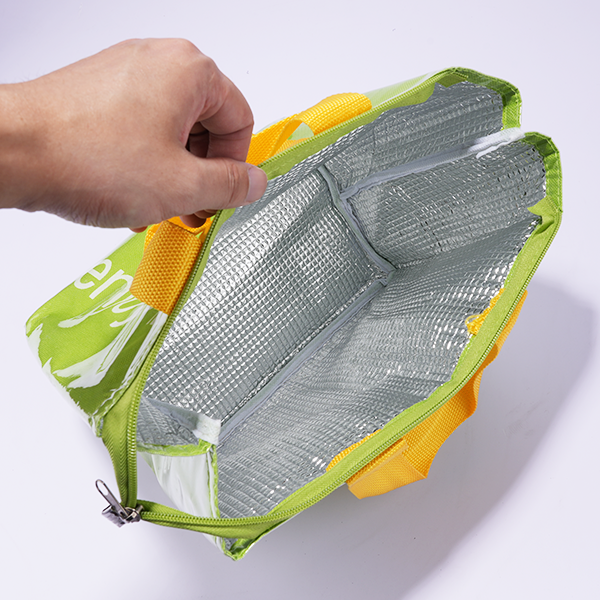
Insulated Delivery Bag Promotional: Complete 2026 Procurement Guide
This guide helps you answer:
How to define a insulated delivery bag promotional specification for your product, route, and customer.
Which materials, liners, closures, and handles create dependable daily performance.
How to evaluate thermal data, compliance requirements, and supplier quality control.
How to control cost, branding, packaging, and reorder risk in bulk production.
How to choose a practical next step with Tempk.
What is the smartest way to define a insulated delivery bag promotional?
The smartest way to define a insulated delivery bag promotional is to begin with the journey, not the catalog. Write down what the bag carries, how cold or warm the product must remain, who handles it, how long the route lasts, and how often the bag opens. This simple exercise prevents most buying mistakes. It also gives suppliers enough information to recommend the right material stack instead of guessing.
A insulated delivery bag promotional used for retail loyalty gifts needs different priorities from a bag used for corporate employee kits. One may need fast access and cleaning. Another may need stronger abrasion resistance or more brand space. Another may need packout validation with gel packs. The product name may be the same, but the operating job is different. Treat the bag as a tool matched to a job.
Your specification should include size, target payload, route time, ambient condition, insulation type, liner type, closure, handle, color, decoration, carton packing, inspection criteria, and reorder expectation. This sounds detailed, but it saves time. A one-page specification makes every quote easier to compare and every sample easier to judge.
One-page insulated delivery bag promotional specification framework
| Specification item | Decision to make | Why it matters |
|---|---|---|
| Use case | retail loyalty gifts, and food delivery promotions | Sets the real performance target |
| Thermal range | hot meal holding around 60 C, and cold grocery holding below 5 C | Defines packout and testing logic |
| Material stack | high-denier polyester, water-resistant coating, and EPE or PE foam | Controls strength, cleaning, and cost |
| Branding | silk-screen logo, heat transfer print, and digital print | Connects the bag to your campaign or operation |
Which insulated delivery bag promotional materials deliver the best balance?
The best material balance depends on how the insulated delivery bag promotional will be used. Outer fabric creates the first impression and protects the structure. Insulation slows heat movement. The liner controls cleaning, food-contact feel, and moisture handling. The closure reduces warm-air exchange. Handles transfer the load to the user. If one layer is weak, the whole design suffers.
For many projects, a practical stack uses a durable outer shell, closed-cell foam, and a wipe-clean liner. For rough environments, choose stronger coated fabric and reinforced webbing. For premium or sustainability-led programs, consider recycled outer fabric, wool insulation, or PVC-free liner options where they fit the performance target. For shipping and healthcare routes, design the bag around a qualified packout rather than a single material claim.
Avoid over-engineering. A insulated delivery bag promotional does not always need the thickest foam or most complex closure. Extra features add cost, weight, and carton volume. The best design is the simplest design that passes the real use case. That may mean better handle placement, a clearer packout instruction, or a stronger zipper rather than a more expensive insulation layer.
Material selection rules
Choose the outer fabric based on handling, branding, abrasion, and water exposure.
Choose the liner based on cleaning, odor control, moisture, and food-contact expectations.
Choose insulation thickness only after defining time, payload, and climate.
Choose closure design based on how often users open the bag during the route.
Choose carton packing early because bulky bags can raise total landed cost.
How do you prove insulated delivery bag promotional thermal performance?
You prove insulated delivery bag promotional thermal performance with a defined test, not a slogan. The test should state the starting product temperature, ambient profile, payload weight, coolant condition, bag size, logger location, opening frequency, and time target. These details make the result useful. Without them, a claim such as "keeps cold for hours" does not tell you enough.
For food and grocery routes, test the bag with realistic dispatch and customer handoff conditions. For parcel routes, include waiting time and handling. For industrial and healthcare routes, use temperature loggers and document the packout. If the product risk is high, repeat testing and create a formal operating instruction. If the product risk is low, still run a basic practical test so your team knows what to expect.
Remember that the insulated delivery bag promotional protects the temperature you start with. It is not a refrigerator. Pre-chilled goods, conditioned coolant, closed zippers, and short staging time all matter. Many failures blamed on the bag are actually packout or training failures. A good supplier helps you prevent these problems with practical instructions.
Thermal proof checklist
Define the acceptable temperature range and route duration.
Use the real payload or a realistic substitute with similar mass.
Condition gel packs exactly as workers will condition them in real use.
Record ambient temperature and every planned bag opening.
Keep the test record with the approved sample and production file.
Which compliance details matter for a insulated delivery bag promotional?
Compliance starts with the product you carry. If the insulated delivery bag promotional supports food programs, focus on sanitary handling, cleanable materials, appropriate temperature control, and basic food-contact review for liners where needed. If it supports healthcare or laboratory routes, focus on qualified packouts, documentation, temperature monitoring, and chain-of-custody expectations. If it supports industrial routes, focus on site rules, safety, durability, traceability, and cleaning compatibility.
Important reference frameworks include food transportation hygiene principles, FDA Food Code thinking for time and temperature control, IATA Temperature Control Regulations for pharmaceutical air cargo, ISTA thermal qualification concepts for insulated shipping systems, and USP good storage and distribution principles for drug products. You do not need every framework for every order. You need the level that matches the risk and market.
A buyer-friendly way to manage this is to classify the insulated delivery bag promotional project into low, medium, or high risk. Low-risk promotional lunch bags need material and workmanship checks. Medium-risk food delivery bags need cleaning instructions and route testing. High-risk healthcare or regulated shipments need documented packouts, monitoring, and stricter qualification. This keeps compliance practical.
Risk-based insulated delivery bag promotional approval levels
| Risk level | Typical use | Approval focus |
|---|---|---|
| Low | General promotion or personal lunch | Appearance, comfort, liner, basic quality |
| Medium | Food delivery or grocery route | Cleaning, closure, thermal test, user instruction |
| High | Healthcare or critical industrial transfer | Validation, logging, documentation, traceability |
How do you control insulated delivery bag promotional cost without losing value?
Cost control begins with separating must-have features from nice-to-have features. A insulated delivery bag promotional must fit the payload, hold the route, survive handling, and represent the brand. Features that do not support those goals can often be simplified. This is better than cutting hidden quality, because weak seams, poor liners, and unreliable zippers create complaints after delivery.
Compare total landed cost. Include unit price, sampling, artwork, inspection, freight, duty, carton volume, storage, replacements, and the cost of delays. A direct factory may offer more customization and production control. A wholesaler may offer faster availability and lower development effort. An OEM program may be best when you need exact performance and appearance. Match the buying model to your timeline and risk tolerance.
Bulk orders should include a clear inspection plan. Confirm measurements, material, color, print, zipper, handle, liner, carton marks, and packed quantity. Keep the approved sample. If the project is repeatable, ask the supplier how they control material changes. A insulated delivery bag promotional that is consistent across reorders is more valuable than one good first shipment.
Cost and quality trade-off table
| Choice | Cost effect | Best decision |
|---|---|---|
| Thicker insulation | Higher material and carton cost | Use when route testing proves the need |
| Complex printing | Higher setup and defect risk | Use when brand value justifies it |
| Premium fabric | Higher unit cost | Use for rough handling or premium campaigns |
| Standard size | Lower development risk | Use when it fits the payload well |
How should sustainability guide insulated delivery bag promotional sourcing?
Sustainability should make the insulated delivery bag promotional more useful, not less practical. Start with reuse. If users keep the bag, clean it easily, and trust it, the product can reduce reliance on disposable alternatives. If the bag is uncomfortable, hard to clean, or poorly sized, it may be discarded early. Durable design is a sustainability feature.
Next, consider materials and logistics. Recycled polyester, renewable wool insulation, PVC-free liners, fold-flat structures, and efficient carton packing can all help when they fit the project. Right-sizing is often the simplest improvement. A correctly sized insulated delivery bag promotional uses less material, less coolant, less carton space, and less transport volume than an oversized design.
Be careful with claims. Do not call a bag sustainable only because one layer uses a better material. Explain how the complete design supports reuse, lower waste, or better durability. A clear and honest message is more credible for customers, auditors, and internal teams.
Sustainability checklist
Design for the number of trips the bag is expected to survive.
Make cleaning easy enough that users actually do it.
Choose lower-impact materials only when they still meet performance needs.
Reduce carton volume with foldable or stackable construction when possible.
Avoid vague environmental claims that are not tied to the full product.
What is the best procurement process for insulated delivery bag promotional?
A reliable procurement process moves in stages. First, define the business goal. Second, write the specification. Third, request samples. Fourth, test the sample. Fifth, approve artwork and the golden sample. Sixth, place the order with inspection criteria. Seventh, review the first shipment and document lessons for reorder. This structure works for a small campaign and for a large operational rollout.
The most common mistake is ordering too quickly after seeing a good photo. A insulated delivery bag promotional has many hidden details: liner feel, closure strength, odor, cleaning, fold behavior, carton efficiency, and temperature performance. Sampling exposes these details while changes are still affordable. Mass production is not the right time to discover that the opening is too narrow or the print rubs off.
Communication also matters. Keep one version of the specification, artwork, and approval sample. Record changes clearly. If you need multiple colors or regional variants, use a simple naming system. This avoids confusion during cutting, printing, packing, and inspection. A clear process saves money because it prevents avoidable corrections.
Step-by-step insulated delivery bag promotional buying workflow
Define payload, route, user, quantity, deadline, and budget.
Create a one-page specification with materials, size, print, and packing needs.
Request an undecorated sample first if performance is uncertain.
Request a decorated sample after material and shape are approved.
Run practical tests and record the results.
Approve a golden sample and inspection checklist before mass production.
Review the first order and improve the next reorder specification.
2026 trends that will shape insulated delivery bag promotional decisions
The 2026 market is rewarding products that are reusable, documented, and easy to operate. Cold chain packaging is growing because customers expect fresh food, temperature-aware healthcare, and convenient e-commerce. At the same time, companies are trying to reduce waste and improve visibility. A insulated delivery bag promotional can support these goals when it is designed as part of a process, not as a loose accessory.
Expect more buyers to ask for material declarations, sample test records, batch control, and packout instructions. Expect more campaigns to request recycled materials, PVC-free options, or natural insulation where practical. Expect more operators to add QR instructions, batch labels, or data loggers for important routes. These trends make supplier competence more important than ever.
The winning insulated delivery bag promotional in 2026 is not the most complicated product. It is the product that does the necessary job reliably, looks right for the brand, can be produced consistently, and can be explained simply to users. That is the standard worth aiming for.
Latest developments at a glance
Reusable thermal bags are replacing some single-use packaging in delivery and grocery programs.
Practical temperature evidence is becoming a normal procurement question.
Sustainability requests are shifting from slogans to measurable design choices.
Customization is becoming more precise, including regional colors and serialized labels.
Supplier documentation is becoming more important for repeat orders and regulated uses.
Practical case: A buyer planning a bulk insulated delivery bag promotional program compared two samples with the same chilled payload and route time. The thicker bag looked stronger, but the medium-weight bag with a better closure and clearer packing instruction performed more consistently. The buyer approved the simpler design, reduced carton volume, and used the savings for better inspection and decorated samples.
Frequently asked questions about insulated delivery bag promotional
What is the first thing to decide before buying a insulated delivery bag promotional?
Decide the use case first. The route, payload, user, temperature range, and cleaning process should guide the design. This prevents you from buying a bag that looks good but does not fit daily work.
How many samples should I test before a bulk insulated delivery bag promotional order?
Test at least one functional sample and one decorated sample. For higher-risk routes, test multiple samples from the same production method so you can see consistency before approving mass production.
Can a insulated delivery bag promotional be both promotional and functional?
Yes. The best promotional thermal bags are useful first and branded second. Strong handles, cleanable liners, good shape, and durable decoration make users keep the bag longer.
What temperature range should my insulated delivery bag promotional support?
The range depends on the product. Common goals include hot meal holding around 60 C, and cold grocery holding below 5 C. Define the target before testing, and remember that the bag protects the starting temperature rather than creating cold or heat by itself.
Is a factory, wholesaler, or OEM partner better for insulated delivery bag promotional?
Choose a wholesaler for speed and stock, a factory for direct production control, and an OEM partner for custom specifications. The best option depends on timing, customization, risk, and repeat-order needs.
What should be included in a insulated delivery bag promotional inspection?
Inspect dimensions, materials, color, print, liner, zipper, handles, seams, odor, stains, cartons, labels, and packed quantity. For thermal projects, also keep the approved packout and any test records.
How do I make a insulated delivery bag promotional more sustainable?
Design it for real reuse, easy cleaning, right size, durable construction, efficient packing, and suitable lower-impact materials. Avoid claims that are not supported by the full product design.
When should I use data loggers with a insulated delivery bag promotional?
Use data loggers when temperature risk, customer requirements, or compliance expectations justify proof. They are especially useful for healthcare, industrial samples, long routes, and validation work.
Summary and recommendations
A insulated delivery bag promotional is a strong purchase when it is built around a clear route, realistic packout, durable materials, and practical user behavior. Focus on the full system: product, coolant, bag, closure, handling, cleaning, documentation, and supplier control. A good-looking bag is not enough. The best result comes from evidence, not assumptions.
Your next step is to write a one-page specification and request samples that match it. Test the insulated delivery bag promotional under realistic conditions, approve a decorated sample, and define the inspection plan before bulk production. This process protects your brand, your products, and your budget.
About Tempk
Tempk provides insulated bags and temperature-control packaging support for cold chain, delivery, retail, promotional, enterprise, and industrial buyers. We help turn route requirements into practical product specifications, samples, tests, and production communication. For a insulated delivery bag promotional, we focus on thermal logic, clean construction, brand-ready design, and repeatable supply.
Share your payload, target temperature, route time, quantity, artwork, and sustainability goals with Tempk to receive a focused recommendation and sample plan.