


Insulated Delivery Bag OEM: Complete 2026 Guide
Insulated Delivery Bag OEM: Complete 2026 Guide
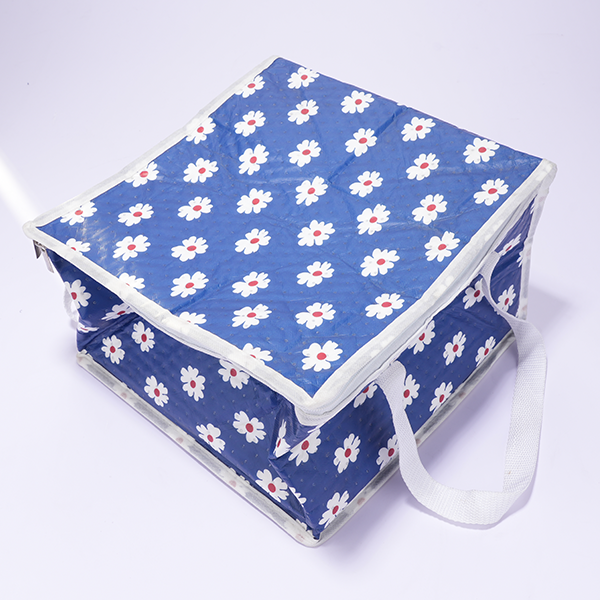
Insulated Delivery Bag OEM: Complete 2026 Procurement Guide
This guide helps you answer:
How to define a insulated delivery bag oem specification for your product, route, and customer.
Which materials, liners, closures, and handles create dependable daily performance.
How to evaluate thermal data, compliance requirements, and supplier quality control.
How to control cost, branding, packaging, and reorder risk in bulk production.
How to choose a practical next step with Tempk.
What is the smartest way to define a insulated delivery bag oem?
The smartest way to define a insulated delivery bag oem is to begin with the journey, not the catalog. Write down what the bag carries, how cold or warm the product must remain, who handles it, how long the route lasts, and how often the bag opens. This simple exercise prevents most buying mistakes. It also gives suppliers enough information to recommend the right material stack instead of guessing.
A insulated delivery bag oem used for restaurant delivery needs different priorities from a bag used for dark kitchen dispatch. One may need fast access and cleaning. Another may need stronger abrasion resistance or more brand space. Another may need packout validation with gel packs. The product name may be the same, but the operating job is different. Treat the bag as a tool matched to a job.
Your specification should include size, target payload, route time, ambient condition, insulation type, liner type, closure, handle, color, decoration, carton packing, inspection criteria, and reorder expectation. This sounds detailed, but it saves time. A one-page specification makes every quote easier to compare and every sample easier to judge.
One-page insulated delivery bag oem specification framework
| Specification item | Decision to make | Why it matters |
|---|---|---|
| Use case | restaurant delivery, and pizza and catering runs | Sets the real performance target |
| Thermal range | hot meal holding around 60 C, and cold grocery holding below 5 C | Defines packout and testing logic |
| Material stack | high-denier polyester, water-resistant coating, and EPE or PE foam | Controls strength, cleaning, and cost |
| Branding | custom mold or pattern, private-label logo, and special liner color | Connects the bag to your campaign or operation |
Which insulated delivery bag oem materials deliver the best balance?
The best material balance depends on how the insulated delivery bag oem will be used. Outer fabric creates the first impression and protects the structure. Insulation slows heat movement. The liner controls cleaning, food-contact feel, and moisture handling. The closure reduces warm-air exchange. Handles transfer the load to the user. If one layer is weak, the whole design suffers.
For many projects, a practical stack uses a durable outer shell, closed-cell foam, and a wipe-clean liner. For rough environments, choose stronger coated fabric and reinforced webbing. For premium or sustainability-led programs, consider recycled outer fabric, wool insulation, or PVC-free liner options where they fit the performance target. For shipping and healthcare routes, design the bag around a qualified packout rather than a single material claim.
Avoid over-engineering. A insulated delivery bag oem does not always need the thickest foam or most complex closure. Extra features add cost, weight, and carton volume. The best design is the simplest design that passes the real use case. That may mean better handle placement, a clearer packout instruction, or a stronger zipper rather than a more expensive insulation layer.
Material selection rules
Choose the outer fabric based on handling, branding, abrasion, and water exposure.
Choose the liner based on cleaning, odor control, moisture, and food-contact expectations.
Choose insulation thickness only after defining time, payload, and climate.
Choose closure design based on how often users open the bag during the route.
Choose carton packing early because bulky bags can raise total landed cost.
How do you prove insulated delivery bag oem thermal performance?
You prove insulated delivery bag oem thermal performance with a defined test, not a slogan. The test should state the starting product temperature, ambient profile, payload weight, coolant condition, bag size, logger location, opening frequency, and time target. These details make the result useful. Without them, a claim such as "keeps cold for hours" does not tell you enough.
For food and grocery routes, test the bag with realistic dispatch and customer handoff conditions. For parcel routes, include waiting time and handling. For industrial and healthcare routes, use temperature loggers and document the packout. If the product risk is high, repeat testing and create a formal operating instruction. If the product risk is low, still run a basic practical test so your team knows what to expect.
Remember that the insulated delivery bag oem protects the temperature you start with. It is not a refrigerator. Pre-chilled goods, conditioned coolant, closed zippers, and short staging time all matter. Many failures blamed on the bag are actually packout or training failures. A good supplier helps you prevent these problems with practical instructions.
Thermal proof checklist
Define the acceptable temperature range and route duration.
Use the real payload or a realistic substitute with similar mass.
Condition gel packs exactly as workers will condition them in real use.
Record ambient temperature and every planned bag opening.
Keep the test record with the approved sample and production file.
Which compliance details matter for a insulated delivery bag oem?
Compliance starts with the product you carry. If the insulated delivery bag oem supports food programs, focus on sanitary handling, cleanable materials, appropriate temperature control, and basic food-contact review for liners where needed. If it supports healthcare or laboratory routes, focus on qualified packouts, documentation, temperature monitoring, and chain-of-custody expectations. If it supports industrial routes, focus on site rules, safety, durability, traceability, and cleaning compatibility.
Important reference frameworks include food transportation hygiene principles, FDA Food Code thinking for time and temperature control, IATA Temperature Control Regulations for pharmaceutical air cargo, ISTA thermal qualification concepts for insulated shipping systems, and USP good storage and distribution principles for drug products. You do not need every framework for every order. You need the level that matches the risk and market.
A buyer-friendly way to manage this is to classify the insulated delivery bag oem project into low, medium, or high risk. Low-risk promotional lunch bags need material and workmanship checks. Medium-risk food delivery bags need cleaning instructions and route testing. High-risk healthcare or regulated shipments need documented packouts, monitoring, and stricter qualification. This keeps compliance practical.
Risk-based insulated delivery bag oem approval levels
| Risk level | Typical use | Approval focus |
|---|---|---|
| Low | General promotion or personal lunch | Appearance, comfort, liner, basic quality |
| Medium | Food delivery or grocery route | Cleaning, closure, thermal test, user instruction |
| High | Healthcare or critical industrial transfer | Validation, logging, documentation, traceability |
How do you control insulated delivery bag oem cost without losing value?
Cost control begins with separating must-have features from nice-to-have features. A insulated delivery bag oem must fit the payload, hold the route, survive handling, and represent the brand. Features that do not support those goals can often be simplified. This is better than cutting hidden quality, because weak seams, poor liners, and unreliable zippers create complaints after delivery.
Compare total landed cost. Include unit price, sampling, artwork, inspection, freight, duty, carton volume, storage, replacements, and the cost of delays. A direct factory may offer more customization and production control. A wholesaler may offer faster availability and lower development effort. An OEM program may be best when you need exact performance and appearance. Match the buying model to your timeline and risk tolerance.
Bulk orders should include a clear inspection plan. Confirm measurements, material, color, print, zipper, handle, liner, carton marks, and packed quantity. Keep the approved sample. If the project is repeatable, ask the supplier how they control material changes. A insulated delivery bag oem that is consistent across reorders is more valuable than one good first shipment.
Cost and quality trade-off table
| Choice | Cost effect | Best decision |
|---|---|---|
| Thicker insulation | Higher material and carton cost | Use when route testing proves the need |
| Complex printing | Higher setup and defect risk | Use when brand value justifies it |
| Premium fabric | Higher unit cost | Use for rough handling or premium campaigns |
| Standard size | Lower development risk | Use when it fits the payload well |
How should sustainability guide insulated delivery bag oem sourcing?
Sustainability should make the insulated delivery bag oem more useful, not less practical. Start with reuse. If users keep the bag, clean it easily, and trust it, the product can reduce reliance on disposable alternatives. If the bag is uncomfortable, hard to clean, or poorly sized, it may be discarded early. Durable design is a sustainability feature.
Next, consider materials and logistics. Recycled polyester, renewable wool insulation, PVC-free liners, fold-flat structures, and efficient carton packing can all help when they fit the project. Right-sizing is often the simplest improvement. A correctly sized insulated delivery bag oem uses less material, less coolant, less carton space, and less transport volume than an oversized design.
Be careful with claims. Do not call a bag sustainable only because one layer uses a better material. Explain how the complete design supports reuse, lower waste, or better durability. A clear and honest message is more credible for customers, auditors, and internal teams.
Sustainability checklist
Design for the number of trips the bag is expected to survive.
Make cleaning easy enough that users actually do it.
Choose lower-impact materials only when they still meet performance needs.
Reduce carton volume with foldable or stackable construction when possible.
Avoid vague environmental claims that are not tied to the full product.
What is the best procurement process for insulated delivery bag oem?
A reliable procurement process moves in stages. First, define the business goal. Second, write the specification. Third, request samples. Fourth, test the sample. Fifth, approve artwork and the golden sample. Sixth, place the order with inspection criteria. Seventh, review the first shipment and document lessons for reorder. This structure works for a small campaign and for a large operational rollout.
The most common mistake is ordering too quickly after seeing a good photo. A insulated delivery bag oem has many hidden details: liner feel, closure strength, odor, cleaning, fold behavior, carton efficiency, and temperature performance. Sampling exposes these details while changes are still affordable. Mass production is not the right time to discover that the opening is too narrow or the print rubs off.
Communication also matters. Keep one version of the specification, artwork, and approval sample. Record changes clearly. If you need multiple colors or regional variants, use a simple naming system. This avoids confusion during cutting, printing, packing, and inspection. A clear process saves money because it prevents avoidable corrections.
Step-by-step insulated delivery bag oem buying workflow
Define payload, route, user, quantity, deadline, and budget.
Create a one-page specification with materials, size, print, and packing needs.
Request an undecorated sample first if performance is uncertain.
Request a decorated sample after material and shape are approved.
Run practical tests and record the results.
Approve a golden sample and inspection checklist before mass production.
Review the first order and improve the next reorder specification.
2026 trends that will shape insulated delivery bag oem decisions
The 2026 market is rewarding products that are reusable, documented, and easy to operate. Cold chain packaging is growing because customers expect fresh food, temperature-aware healthcare, and convenient e-commerce. At the same time, companies are trying to reduce waste and improve visibility. A insulated delivery bag oem can support these goals when it is designed as part of a process, not as a loose accessory.
Expect more buyers to ask for material declarations, sample test records, batch control, and packout instructions. Expect more campaigns to request recycled materials, PVC-free options, or natural insulation where practical. Expect more operators to add QR instructions, batch labels, or data loggers for important routes. These trends make supplier competence more important than ever.
The winning insulated delivery bag oem in 2026 is not the most complicated product. It is the product that does the necessary job reliably, looks right for the brand, can be produced consistently, and can be explained simply to users. That is the standard worth aiming for.
Latest developments at a glance
Reusable thermal bags are replacing some single-use packaging in delivery and grocery programs.
Practical temperature evidence is becoming a normal procurement question.
Sustainability requests are shifting from slogans to measurable design choices.
Customization is becoming more precise, including regional colors and serialized labels.
Supplier documentation is becoming more important for repeat orders and regulated uses.
Practical case: A buyer planning a bulk insulated delivery bag oem program compared two samples with the same chilled payload and route time. The thicker bag looked stronger, but the medium-weight bag with a better closure and clearer packing instruction performed more consistently. The buyer approved the simpler design, reduced carton volume, and used the savings for better inspection and decorated samples.
Frequently asked questions about insulated delivery bag oem
What is the first thing to decide before buying a insulated delivery bag oem?
Decide the use case first. The route, payload, user, temperature range, and cleaning process should guide the design. This prevents you from buying a bag that looks good but does not fit daily work.
How many samples should I test before a bulk insulated delivery bag oem order?
Test at least one functional sample and one decorated sample. For higher-risk routes, test multiple samples from the same production method so you can see consistency before approving mass production.
Can a insulated delivery bag oem be both promotional and functional?
Yes. The best promotional thermal bags are useful first and branded second. Strong handles, cleanable liners, good shape, and durable decoration make users keep the bag longer.
What temperature range should my insulated delivery bag oem support?
The range depends on the product. Common goals include hot meal holding around 60 C, and cold grocery holding below 5 C. Define the target before testing, and remember that the bag protects the starting temperature rather than creating cold or heat by itself.
Is a factory, wholesaler, or OEM partner better for insulated delivery bag oem?
Choose a wholesaler for speed and stock, a factory for direct production control, and an OEM partner for custom specifications. The best option depends on timing, customization, risk, and repeat-order needs.
What should be included in a insulated delivery bag oem inspection?
Inspect dimensions, materials, color, print, liner, zipper, handles, seams, odor, stains, cartons, labels, and packed quantity. For thermal projects, also keep the approved packout and any test records.
How do I make a insulated delivery bag oem more sustainable?
Design it for real reuse, easy cleaning, right size, durable construction, efficient packing, and suitable lower-impact materials. Avoid claims that are not supported by the full product design.
When should I use data loggers with a insulated delivery bag oem?
Use data loggers when temperature risk, customer requirements, or compliance expectations justify proof. They are especially useful for healthcare, industrial samples, long routes, and validation work.
Summary and recommendations
A insulated delivery bag oem is a strong purchase when it is built around a clear route, realistic packout, durable materials, and practical user behavior. Focus on the full system: product, coolant, bag, closure, handling, cleaning, documentation, and supplier control. A good-looking bag is not enough. The best result comes from evidence, not assumptions.
Your next step is to write a one-page specification and request samples that match it. Test the insulated delivery bag oem under realistic conditions, approve a decorated sample, and define the inspection plan before bulk production. This process protects your brand, your products, and your budget.
About Tempk
Tempk provides insulated bags and temperature-control packaging support for cold chain, delivery, retail, promotional, enterprise, and industrial buyers. We help turn route requirements into practical product specifications, samples, tests, and production communication. For a insulated delivery bag oem, we focus on thermal logic, clean construction, brand-ready design, and repeatable supply.
Share your payload, target temperature, route time, quantity, artwork, and sustainability goals with Tempk to receive a focused recommendation and sample plan.
Insulated Delivery Bag Factory: Complete 2026 Guide
Insulated Delivery Bag Factory: Complete 2026 Procurement Guide
This guide helps you answer:
How to define a insulated delivery bag factory specification for your product, route, and customer.
Which materials, liners, closures, and handles create dependable daily performance.
How to evaluate thermal data, compliance requirements, and supplier quality control.
How to control cost, branding, packaging, and reorder risk in bulk production.
How to choose a practical next step with Tempk.
What is the smartest way to define a insulated delivery bag factory?
The smartest way to define a insulated delivery bag factory is to begin with the journey, not the catalog. Write down what the bag carries, how cold or warm the product must remain, who handles it, how long the route lasts, and how often the bag opens. This simple exercise prevents most buying mistakes. It also gives suppliers enough information to recommend the right material stack instead of guessing.
A insulated delivery bag factory used for restaurant delivery needs different priorities from a bag used for dark kitchen dispatch. One may need fast access and cleaning. Another may need stronger abrasion resistance or more brand space. Another may need packout validation with gel packs. The product name may be the same, but the operating job is different. Treat the bag as a tool matched to a job.
Your specification should include size, target payload, route time, ambient condition, insulation type, liner type, closure, handle, color, decoration, carton packing, inspection criteria, and reorder expectation. This sounds detailed, but it saves time. A one-page specification makes every quote easier to compare and every sample easier to judge.
One-page insulated delivery bag factory specification framework
| Specification item | Decision to make | Why it matters |
|---|---|---|
| Use case | restaurant delivery, and pizza and catering runs | Sets the real performance target |
| Thermal range | hot meal holding around 60 C, and cold grocery holding below 5 C | Defines packout and testing logic |
| Material stack | high-denier polyester, water-resistant coating, and EPE or PE foam | Controls strength, cleaning, and cost |
| Branding | logo printing, size adjustment, and color matching | Connects the bag to your campaign or operation |
Which insulated delivery bag factory materials deliver the best balance?
The best material balance depends on how the insulated delivery bag factory will be used. Outer fabric creates the first impression and protects the structure. Insulation slows heat movement. The liner controls cleaning, food-contact feel, and moisture handling. The closure reduces warm-air exchange. Handles transfer the load to the user. If one layer is weak, the whole design suffers.
For many projects, a practical stack uses a durable outer shell, closed-cell foam, and a wipe-clean liner. For rough environments, choose stronger coated fabric and reinforced webbing. For premium or sustainability-led programs, consider recycled outer fabric, wool insulation, or PVC-free liner options where they fit the performance target. For shipping and healthcare routes, design the bag around a qualified packout rather than a single material claim.
Avoid over-engineering. A insulated delivery bag factory does not always need the thickest foam or most complex closure. Extra features add cost, weight, and carton volume. The best design is the simplest design that passes the real use case. That may mean better handle placement, a clearer packout instruction, or a stronger zipper rather than a more expensive insulation layer.
Material selection rules
Choose the outer fabric based on handling, branding, abrasion, and water exposure.
Choose the liner based on cleaning, odor control, moisture, and food-contact expectations.
Choose insulation thickness only after defining time, payload, and climate.
Choose closure design based on how often users open the bag during the route.
Choose carton packing early because bulky bags can raise total landed cost.
How do you prove insulated delivery bag factory thermal performance?
You prove insulated delivery bag factory thermal performance with a defined test, not a slogan. The test should state the starting product temperature, ambient profile, payload weight, coolant condition, bag size, logger location, opening frequency, and time target. These details make the result useful. Without them, a claim such as "keeps cold for hours" does not tell you enough.
For food and grocery routes, test the bag with realistic dispatch and customer handoff conditions. For parcel routes, include waiting time and handling. For industrial and healthcare routes, use temperature loggers and document the packout. If the product risk is high, repeat testing and create a formal operating instruction. If the product risk is low, still run a basic practical test so your team knows what to expect.
Remember that the insulated delivery bag factory protects the temperature you start with. It is not a refrigerator. Pre-chilled goods, conditioned coolant, closed zippers, and short staging time all matter. Many failures blamed on the bag are actually packout or training failures. A good supplier helps you prevent these problems with practical instructions.
Thermal proof checklist
Define the acceptable temperature range and route duration.
Use the real payload or a realistic substitute with similar mass.
Condition gel packs exactly as workers will condition them in real use.
Record ambient temperature and every planned bag opening.
Keep the test record with the approved sample and production file.
Which compliance details matter for a insulated delivery bag factory?
Compliance starts with the product you carry. If the insulated delivery bag factory supports food programs, focus on sanitary handling, cleanable materials, appropriate temperature control, and basic food-contact review for liners where needed. If it supports healthcare or laboratory routes, focus on qualified packouts, documentation, temperature monitoring, and chain-of-custody expectations. If it supports industrial routes, focus on site rules, safety, durability, traceability, and cleaning compatibility.
Important reference frameworks include food transportation hygiene principles, FDA Food Code thinking for time and temperature control, IATA Temperature Control Regulations for pharmaceutical air cargo, ISTA thermal qualification concepts for insulated shipping systems, and USP good storage and distribution principles for drug products. You do not need every framework for every order. You need the level that matches the risk and market.
A buyer-friendly way to manage this is to classify the insulated delivery bag factory project into low, medium, or high risk. Low-risk promotional lunch bags need material and workmanship checks. Medium-risk food delivery bags need cleaning instructions and route testing. High-risk healthcare or regulated shipments need documented packouts, monitoring, and stricter qualification. This keeps compliance practical.
Risk-based insulated delivery bag factory approval levels
| Risk level | Typical use | Approval focus |
|---|---|---|
| Low | General promotion or personal lunch | Appearance, comfort, liner, basic quality |
| Medium | Food delivery or grocery route | Cleaning, closure, thermal test, user instruction |
| High | Healthcare or critical industrial transfer | Validation, logging, documentation, traceability |
How do you control insulated delivery bag factory cost without losing value?
Cost control begins with separating must-have features from nice-to-have features. A insulated delivery bag factory must fit the payload, hold the route, survive handling, and represent the brand. Features that do not support those goals can often be simplified. This is better than cutting hidden quality, because weak seams, poor liners, and unreliable zippers create complaints after delivery.
Compare total landed cost. Include unit price, sampling, artwork, inspection, freight, duty, carton volume, storage, replacements, and the cost of delays. A direct factory may offer more customization and production control. A wholesaler may offer faster availability and lower development effort. An OEM program may be best when you need exact performance and appearance. Match the buying model to your timeline and risk tolerance.
Bulk orders should include a clear inspection plan. Confirm measurements, material, color, print, zipper, handle, liner, carton marks, and packed quantity. Keep the approved sample. If the project is repeatable, ask the supplier how they control material changes. A insulated delivery bag factory that is consistent across reorders is more valuable than one good first shipment.
Cost and quality trade-off table
| Choice | Cost effect | Best decision |
|---|---|---|
| Thicker insulation | Higher material and carton cost | Use when route testing proves the need |
| Complex printing | Higher setup and defect risk | Use when brand value justifies it |
| Premium fabric | Higher unit cost | Use for rough handling or premium campaigns |
| Standard size | Lower development risk | Use when it fits the payload well |
How should sustainability guide insulated delivery bag factory sourcing?
Sustainability should make the insulated delivery bag factory more useful, not less practical. Start with reuse. If users keep the bag, clean it easily, and trust it, the product can reduce reliance on disposable alternatives. If the bag is uncomfortable, hard to clean, or poorly sized, it may be discarded early. Durable design is a sustainability feature.
Next, consider materials and logistics. Recycled polyester, renewable wool insulation, PVC-free liners, fold-flat structures, and efficient carton packing can all help when they fit the project. Right-sizing is often the simplest improvement. A correctly sized insulated delivery bag factory uses less material, less coolant, less carton space, and less transport volume than an oversized design.
Be careful with claims. Do not call a bag sustainable only because one layer uses a better material. Explain how the complete design supports reuse, lower waste, or better durability. A clear and honest message is more credible for customers, auditors, and internal teams.
Sustainability checklist
Design for the number of trips the bag is expected to survive.
Make cleaning easy enough that users actually do it.
Choose lower-impact materials only when they still meet performance needs.
Reduce carton volume with foldable or stackable construction when possible.
Avoid vague environmental claims that are not tied to the full product.
What is the best procurement process for insulated delivery bag factory?
A reliable procurement process moves in stages. First, define the business goal. Second, write the specification. Third, request samples. Fourth, test the sample. Fifth, approve artwork and the golden sample. Sixth, place the order with inspection criteria. Seventh, review the first shipment and document lessons for reorder. This structure works for a small campaign and for a large operational rollout.
The most common mistake is ordering too quickly after seeing a good photo. A insulated delivery bag factory has many hidden details: liner feel, closure strength, odor, cleaning, fold behavior, carton efficiency, and temperature performance. Sampling exposes these details while changes are still affordable. Mass production is not the right time to discover that the opening is too narrow or the print rubs off.
Communication also matters. Keep one version of the specification, artwork, and approval sample. Record changes clearly. If you need multiple colors or regional variants, use a simple naming system. This avoids confusion during cutting, printing, packing, and inspection. A clear process saves money because it prevents avoidable corrections.
Step-by-step insulated delivery bag factory buying workflow
Define payload, route, user, quantity, deadline, and budget.
Create a one-page specification with materials, size, print, and packing needs.
Request an undecorated sample first if performance is uncertain.
Request a decorated sample after material and shape are approved.
Run practical tests and record the results.
Approve a golden sample and inspection checklist before mass production.
Review the first order and improve the next reorder specification.
2026 trends that will shape insulated delivery bag factory decisions
The 2026 market is rewarding products that are reusable, documented, and easy to operate. Cold chain packaging is growing because customers expect fresh food, temperature-aware healthcare, and convenient e-commerce. At the same time, companies are trying to reduce waste and improve visibility. A insulated delivery bag factory can support these goals when it is designed as part of a process, not as a loose accessory.
Expect more buyers to ask for material declarations, sample test records, batch control, and packout instructions. Expect more campaigns to request recycled materials, PVC-free options, or natural insulation where practical. Expect more operators to add QR instructions, batch labels, or data loggers for important routes. These trends make supplier competence more important than ever.
The winning insulated delivery bag factory in 2026 is not the most complicated product. It is the product that does the necessary job reliably, looks right for the brand, can be produced consistently, and can be explained simply to users. That is the standard worth aiming for.
Latest developments at a glance
Reusable thermal bags are replacing some single-use packaging in delivery and grocery programs.
Practical temperature evidence is becoming a normal procurement question.
Sustainability requests are shifting from slogans to measurable design choices.
Customization is becoming more precise, including regional colors and serialized labels.
Supplier documentation is becoming more important for repeat orders and regulated uses.
Practical case: A buyer planning a bulk insulated delivery bag factory program compared two samples with the same chilled payload and route time. The thicker bag looked stronger, but the medium-weight bag with a better closure and clearer packing instruction performed more consistently. The buyer approved the simpler design, reduced carton volume, and used the savings for better inspection and decorated samples.
Frequently asked questions about insulated delivery bag factory
What is the first thing to decide before buying a insulated delivery bag factory?
Decide the use case first. The route, payload, user, temperature range, and cleaning process should guide the design. This prevents you from buying a bag that looks good but does not fit daily work.
How many samples should I test before a bulk insulated delivery bag factory order?
Test at least one functional sample and one decorated sample. For higher-risk routes, test multiple samples from the same production method so you can see consistency before approving mass production.
Can a insulated delivery bag factory be both promotional and functional?
Yes. The best promotional thermal bags are useful first and branded second. Strong handles, cleanable liners, good shape, and durable decoration make users keep the bag longer.
What temperature range should my insulated delivery bag factory support?
The range depends on the product. Common goals include hot meal holding around 60 C, and cold grocery holding below 5 C. Define the target before testing, and remember that the bag protects the starting temperature rather than creating cold or heat by itself.
Is a factory, wholesaler, or OEM partner better for insulated delivery bag factory?
Choose a wholesaler for speed and stock, a factory for direct production control, and an OEM partner for custom specifications. The best option depends on timing, customization, risk, and repeat-order needs.
What should be included in a insulated delivery bag factory inspection?
Inspect dimensions, materials, color, print, liner, zipper, handles, seams, odor, stains, cartons, labels, and packed quantity. For thermal projects, also keep the approved packout and any test records.
How do I make a insulated delivery bag factory more sustainable?
Design it for real reuse, easy cleaning, right size, durable construction, efficient packing, and suitable lower-impact materials. Avoid claims that are not supported by the full product design.
When should I use data loggers with a insulated delivery bag factory?
Use data loggers when temperature risk, customer requirements, or compliance expectations justify proof. They are especially useful for healthcare, industrial samples, long routes, and validation work.
Summary and recommendations
A insulated delivery bag factory is a strong purchase when it is built around a clear route, realistic packout, durable materials, and practical user behavior. Focus on the full system: product, coolant, bag, closure, handling, cleaning, documentation, and supplier control. A good-looking bag is not enough. The best result comes from evidence, not assumptions.
Your next step is to write a one-page specification and request samples that match it. Test the insulated delivery bag factory under realistic conditions, approve a decorated sample, and define the inspection plan before bulk production. This process protects your brand, your products, and your budget.
About Tempk
Tempk provides insulated bags and temperature-control packaging support for cold chain, delivery, retail, promotional, enterprise, and industrial buyers. We help turn route requirements into practical product specifications, samples, tests, and production communication. For a insulated delivery bag factory, we focus on thermal logic, clean construction, brand-ready design, and repeatable supply.
Share your payload, target temperature, route time, quantity, artwork, and sustainability goals with Tempk to receive a focused recommendation and sample plan.
cooler bag company brazil Complete Guide 2026
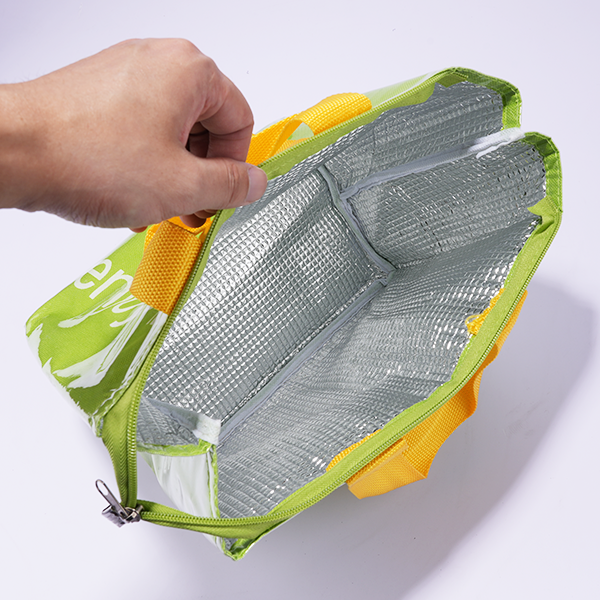
Best cooler bag company brazil Strategy for 2026 Buyers?
The best cooler bag company brazil decision in 2026 combines product education, material evidence, supplier control, and market awareness. You need a bag that protects the payload, fits the route, supports cleaning, looks professional, and can be repeated at scale. This optimized guide brings together buyer guidance, material science, compliance context, industry scenarios, and sustainability planning for Brazilian distributors, importers, exporters, grocery networks, and brand owners. Use it to build a stronger sourcing brief, compare samples fairly, and choose a cooler bag company brazil that works in real operations.
What should a cooler bag company brazil solve for your business?
A cooler bag company brazil should solve a specific operating problem. For fresh food, beverages, pharma samples, promotional kits, and cross-border trade shipments, that problem may be temperature drift, moisture, slow packing, driver confusion, customer complaints, or short bag life. The right bag reduces those problems without creating new ones.
Start by writing a simple use profile. Include product type, payload weight, target temperature range, route duration, outside temperature, coolant plan, handoff steps, cleaning routine, and branding needs. This profile is more useful than a generic catalog request because it tells the supplier what performance means.
Then define pass and fail conditions. A cooler bag company brazil passes if it protects temperature, keeps products presentable, survives handling, and fits the team workflow. It fails if it only looks good in a photo but leaks, collapses, overheats, freezes goods, or slows the route.
| Business goal | Bag requirement | How to check it | Success signal |
|---|---|---|---|
| Protect product quality | Right insulation and closure | Thermal pilot with real payload | Temperature remains in range |
| Improve delivery speed | Easy loading and clear sorting | Timed packing trial | Staff can repeat the process |
| Support brand trust | Clean print and professional handoff | Customer-facing sample review | Presentation looks consistent |
| Control cost | Durable design and right size | Cost per use estimate | Fewer replacements and complaints |
| Support sustainability | Reuse, right-sizing, or clearer materials | Lifecycle comparison | Lower waste without higher failure |
How do you choose cooler bag company brazil materials wisely?
Material choice should follow risk. If the route is wet, focus on liner and seam management. If the route is hot, focus on insulation and closure. If the route involves repeat use, focus on reinforcement and cleaning. If the product is sensitive, focus on pack-out testing and temperature evidence.
Closed-cell foam, reflective film, woven or nonwoven outer layers, leak-resistant liners, and reinforced stitching can all be useful in a cooler bag company brazil when they are chosen for a reason. Do not buy insulation by thickness alone. Do not buy waterproof claims without checking seams. Do not buy a printed bag without rubbing, cleaning, and folding the sample.
The best material stack balances thermal hold, payload space, durability, cleaning, cost, and brand appearance. A small improvement in closure design may outperform a large increase in insulation thickness. A cleaner liner may save more money than a cheaper outer fabric if it extends service life.
Material decision matrix for cooler bag company brazil
| Route condition | Recommended focus | Sample question | Reason |
|---|---|---|---|
| Hot weather | Insulation plus tight closure | How was warm exposure tested? | Heat enters through walls and openings |
| Wet or frozen goods | Waterproof liner and seam design | Where can liquid escape or collect? | Moisture causes odor and damage |
| High reuse | Reinforced handles and cleanable liner | How many cycles are expected? | Durability controls cost per use |
| Brand program | Print durability and shape retention | Will the logo scuff or distort? | Presentation affects trust |
| Sensitive payloads | Qualified pack-out and data logging | Where were loggers placed? | Evidence reduces excursion risk |
What testing should a cooler bag company brazil program include?
Testing should be simple enough to run and strong enough to guide a decision. Start with a bench test to compare designs. Then run a route pilot with real staff. For parcel or shipping stress, consider ISTA 3A or ASTM D4169 style thinking. For refrigerated services, ISO 23412 language can help structure responsibilities and communication.
Use standards as a practical language for risk, not as decoration. ISO 23412 defines requirements for indirect temperature-controlled refrigerated delivery services for food parcels in land transport, while IATA Temperature Control Regulations and CEIV Pharma guide pharmaceutical air cargo. ISTA 3A helps teams test parcel delivery stress, and ASTM D4169 is often used to evaluate shipping units against distribution hazards in a laboratory.
Thermal tests should include product mass, coolant type, loading temperature, ambient profile, logger location, route time, and opening frequency. Durability tests should include load carrying, closure cycling, stacking, cleaning, and abrasion. A cooler bag company brazil that passes both thermal and usability checks is far safer to scale.
| Test type | What it reveals | Minimum practical method | When to repeat |
|---|---|---|---|
| Thermal hold | Temperature protection over time | Logger test with real payload and coolant | New product, route, or coolant |
| Closure cycling | Air leak and wear risk | Repeated opening under normal use | New zipper, flap, or liner |
| Load handling | Handle and seam strength | Carry at expected weight | New size or heavier payload |
| Cleaning test | Hygiene and service life | Use normal cleaning method | New liner or reusable program |
| Carton and shipping | Distribution damage risk | Stack, drop, and vibration review | New carton or export lane |
How does cooler bag company brazil fit compliance and standards?
Compliance begins with intended use. A food delivery cooler bag company brazil needs hygiene, temperature discipline, and cleaning control. A biotech or healthcare bag may need qualification records, temperature logs, and documented pack-out steps. An export program may need carton marks, material declarations, and destination-specific review.
IATA TCR and CEIV Pharma are important references when pharmaceuticals move by air. ISO 23412 is relevant for indirect refrigerated delivery services in land transport for refrigerated parcels, especially foods. ISTA and ASTM references help buyers discuss distribution hazards. These standards do not replace local law, but they give teams a shared vocabulary.
For Brazil, including humid coastal cities, inland routes, and export lanes, build compliance into the sourcing brief. Ask where the bag will be used, who will clean it, what product it touches, how it is labeled, and whether it crosses borders. Your supplier should support evidence, but your team should define the final operating procedure.
Compliance-ready sourcing checklist
Define the exact product category and temperature range.
Confirm whether the bag touches food, medicine, samples, or only outer packaging.
Request material and production details that match your risk level.
Create pack-out instructions that normal staff can follow.
Record pilot data before approving repeated shipments.
Review market-specific labeling, import, and waste rules when products cross borders.
What does sustainability mean for cooler bag company brazil in 2026?
In 2026, sustainability is no longer only a brand message. The EU Packaging and Packaging Waste Regulation generally applies from August 12, 2026 and pushes packaging toward recyclable design by 2030, so buyers increasingly ask for reusable formats, clear material choices, and less single-use waste.
A sustainable cooler bag company brazil should reduce waste without increasing product loss. That means the bag must protect temperature first. Then evaluate reuse cycles, material clarity, carton size, coolant quantity, cleaning resources, repairability, and end-of-life options. Sustainability is strongest when performance data supports the claim.
Reusable designs are attractive when routes repeat and returns are practical. Single-use or limited-use designs may still be needed for some long-distance or one-way shipments. The right answer depends on service life, failure rate, labor, cleaning, and customer behavior.
| Sustainability path | Works best when | Risk to manage | Metric to track |
|---|---|---|---|
| Reuse | Routes repeat and bags return | Cleaning and loss rate | Cycles per bag |
| Right-sizing | Payload is predictable | Too little buffer space | Carton volume and coolant use |
| Material clarity | Customers or teams handle disposal | Confusing claims | Material specification and label clarity |
| Durability | High handling frequency | Higher first cost | Cost per use |
| Waste prevention | Product value is high | Under-tested packaging | Spoilage or complaint rate |
How should you compare cooler bag company brazil suppliers?
Compare suppliers with the same brief. Give each supplier the same dimensions, payload, route time, temperature target, artwork, quantity, packaging requirements, and evidence expectations. If one supplier receives a vague request and another receives details, the quotes will not be comparable.
Look beyond the sample. Ask about retained approval samples, incoming material checks, print controls, seam inspection, final random inspection, carton packing, and reorder stability. A cooler bag company brazil program succeeds when production repeats the approved design.
For supplier evaluation, catalog selection, product customization, and post-order support, communication is part of quality. A supplier who asks specific questions may seem slower at first, but those questions prevent mistakes. A supplier who immediately says yes to every request may be hiding risk.
| Supplier factor | Why it matters | Strong signal | Weak signal |
|---|---|---|---|
| Technical questions | Shows understanding | Asks about route, payload, and cleaning | Only asks quantity |
| Sample control | Protects repeat orders | Keeps golden sample and written spec | No clear approval record |
| Testing support | Reduces risk | Offers pilot or lab-style data | Only makes hour claims |
| Production QC | Protects scale | Defines inspection points | Vague final checks |
| After-sales support | Helps long programs | Handles feedback and revisions | Disappears after shipment |
Decision tool: build a cooler bag company brazil sourcing brief
Use this brief before contacting a supplier. It reduces back-and-forth, improves sample relevance, and makes quotes easier to compare. It also helps internal teams agree on what the cooler bag company brazil must accomplish.
Product and payload: list item types, dimensions, weights, and sensitivity.
Temperature goal: define chilled, frozen, hot, or controlled room temperature range.
Route profile: include time, ambient temperature, door openings, and transport mode.
Handling profile: describe packing, carrying, stacking, return, and storage.
Cleaning plan: define who cleans the bag and how often.
Branding: include logo size, print method, color, and customer-facing instructions.
Testing: define pilot duration, logger locations, pass-fail range, and review date.
Commercial terms: include quantity, delivery schedule, carton requirements, and reorder plan.
When a supplier responds, score each cooler bag company brazil sample on thermal fit, usability, durability, cleaning, supplier control, and sustainability. A sample that scores well across all categories is more valuable than one feature that looks impressive but does not support the route.
2026 trends shaping cooler bag company brazil programs
In 2026, buyers are moving toward evidence-based sourcing. They want bags that protect product quality, fit route operations, reduce waste, and support customer experience. This is especially clear in grocery, beverages, biotech, healthcare, and regional distribution, where small failures can create visible complaints or costly product loss.
More teams also evaluate total cost per use. A higher-priced cooler bag company brazil may be cheaper if it lasts longer, reduces complaints, lowers coolant use, or prevents replacements. Procurement, operations, sustainability, and brand teams should review the same pilot data before final approval.
Latest developments at a glance
Cold chain packaging demand is rising across healthcare, food, beverage, and e-commerce.
Reusable systems are gaining attention where routes repeat and cleaning can be controlled.
Buyers increasingly ask for test data, not only catalog claims.
Packaging rules and brand standards are pushing clearer material and end-of-life decisions.
Temperature loggers and simple monitoring workflows are becoming more common in pilot programs.
Frequently asked questions
What is the first step in buying a cooler bag company brazil?
Write the route profile before choosing a product. Include payload, temperature range, time, climate, coolant, cleaning, quantity, and branding. This makes the cooler bag company brazil sourcing process more accurate.
How many cooler bag company brazil samples should I test?
Test at least two designs when risk or volume is meaningful. Compare a baseline option and a higher-performance option under the same route conditions so the decision is based on evidence.
Can a cooler bag company brazil replace refrigerated transport?
Usually no. It can add a passive temperature buffer, support last-mile delivery, or protect small payloads, but it should be tested for the specific route and product. Active refrigeration may still be needed for long or high-risk lanes.
How do I avoid overpaying for a cooler bag company brazil?
Avoid buying features you do not need, but do not underbuy core performance. Calculate cost per use, failure cost, cleaning labor, replacement rate, and customer complaint risk.
What makes a cooler bag company brazil suitable for custom branding?
A good branded bag has stable shape, durable print, clean seams, and a surface that stays presentable after use. Branding should not weaken insulation, closure, or cleaning.
How does Tempk help with cooler bag company brazil projects?
Tempk helps define the use case, suggest material stacks, create samples, support pilot testing, and control production details so the final bag matches the approved plan.
Summary and recommendation
A cooler bag company brazil should be selected through a practical process: define the route, choose materials for the real risk, test the pack-out, review compliance needs, plan sustainability honestly, and compare suppliers with the same brief. This gives you a bag that protects product quality and supports the team using it.
Do not approve bulk production until the sample performs in your pilot. The best cooler bag company brazil is not the most expensive or the most heavily promoted. It is the one that keeps your product, team, customer, and budget aligned.
About Tempk
Tempk provides cold chain packaging solutions for food, beverage, healthcare, grocery, and industrial logistics. We support cooler bag company brazil projects from route analysis and material selection to custom printing, sample review, testing support, and production control. Our focus is practical protection that can be repeated at scale.
Prepare your payload details, target temperature range, route time, climate exposure, quantity, and branding goals. With those details, Tempk can help create a sample plan that is easier to test and approve.
cooler bag business grocery Complete Guide 2026
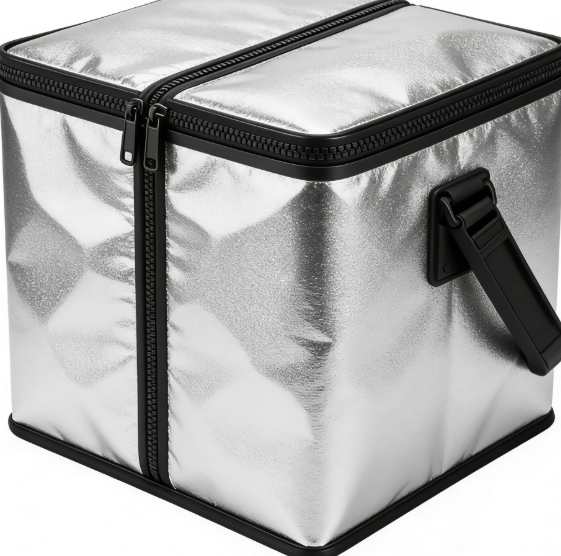
Best cooler bag business grocery Strategy for 2026 Buyers?
The best cooler bag business grocery decision in 2026 combines product education, material evidence, supplier control, and market awareness. You need a bag that protects the payload, fits the route, supports cleaning, looks professional, and can be repeated at scale. This optimized guide brings together buyer guidance, material science, compliance context, industry scenarios, and sustainability planning for grocery operations teams, store managers, regional distributors, and private-label buyers. Use it to build a stronger sourcing brief, compare samples fairly, and choose a cooler bag business grocery that works in real operations.
What should a cooler bag business grocery solve for your business?
A cooler bag business grocery should solve a specific operating problem. For fresh produce, dairy, meat, seafood, frozen goods, and mixed basket home delivery, that problem may be temperature drift, moisture, slow packing, driver confusion, customer complaints, or short bag life. The right bag reduces those problems without creating new ones.
Start by writing a simple use profile. Include product type, payload weight, target temperature range, route duration, outside temperature, coolant plan, handoff steps, cleaning routine, and branding needs. This profile is more useful than a generic catalog request because it tells the supplier what performance means.
Then define pass and fail conditions. A cooler bag business grocery passes if it protects temperature, keeps products presentable, survives handling, and fits the team workflow. It fails if it only looks good in a photo but leaks, collapses, overheats, freezes goods, or slows the route.
| Business goal | Bag requirement | How to check it | Success signal |
|---|---|---|---|
| Protect product quality | Right insulation and closure | Thermal pilot with real payload | Temperature remains in range |
| Improve delivery speed | Easy loading and clear sorting | Timed packing trial | Staff can repeat the process |
| Support brand trust | Clean print and professional handoff | Customer-facing sample review | Presentation looks consistent |
| Control cost | Durable design and right size | Cost per use estimate | Fewer replacements and complaints |
| Support sustainability | Reuse, right-sizing, or clearer materials | Lifecycle comparison | Lower waste without higher failure |
How do you choose cooler bag business grocery materials wisely?
Material choice should follow risk. If the route is wet, focus on liner and seam management. If the route is hot, focus on insulation and closure. If the route involves repeat use, focus on reinforcement and cleaning. If the product is sensitive, focus on pack-out testing and temperature evidence.
Closed-cell foam, reflective film, woven or nonwoven outer layers, leak-resistant liners, and reinforced stitching can all be useful in a cooler bag business grocery when they are chosen for a reason. Do not buy insulation by thickness alone. Do not buy waterproof claims without checking seams. Do not buy a printed bag without rubbing, cleaning, and folding the sample.
The best material stack balances thermal hold, payload space, durability, cleaning, cost, and brand appearance. A small improvement in closure design may outperform a large increase in insulation thickness. A cleaner liner may save more money than a cheaper outer fabric if it extends service life.
Material decision matrix for cooler bag business grocery
| Route condition | Recommended focus | Sample question | Reason |
|---|---|---|---|
| Hot weather | Insulation plus tight closure | How was warm exposure tested? | Heat enters through walls and openings |
| Wet or frozen goods | Waterproof liner and seam design | Where can liquid escape or collect? | Moisture causes odor and damage |
| High reuse | Reinforced handles and cleanable liner | How many cycles are expected? | Durability controls cost per use |
| Brand program | Print durability and shape retention | Will the logo scuff or distort? | Presentation affects trust |
| Sensitive payloads | Qualified pack-out and data logging | Where were loggers placed? | Evidence reduces excursion risk |
What testing should a cooler bag business grocery program include?
Testing should be simple enough to run and strong enough to guide a decision. Start with a bench test to compare designs. Then run a route pilot with real staff. For parcel or shipping stress, consider ISTA 3A or ASTM D4169 style thinking. For refrigerated services, ISO 23412 language can help structure responsibilities and communication.
Use standards as a practical language for risk, not as decoration. ISO 23412 defines requirements for indirect temperature-controlled refrigerated delivery services for food parcels in land transport, while IATA Temperature Control Regulations and CEIV Pharma guide pharmaceutical air cargo. ISTA 3A helps teams test parcel delivery stress, and ASTM D4169 is often used to evaluate shipping units against distribution hazards in a laboratory.
Thermal tests should include product mass, coolant type, loading temperature, ambient profile, logger location, route time, and opening frequency. Durability tests should include load carrying, closure cycling, stacking, cleaning, and abrasion. A cooler bag business grocery that passes both thermal and usability checks is far safer to scale.
| Test type | What it reveals | Minimum practical method | When to repeat |
|---|---|---|---|
| Thermal hold | Temperature protection over time | Logger test with real payload and coolant | New product, route, or coolant |
| Closure cycling | Air leak and wear risk | Repeated opening under normal use | New zipper, flap, or liner |
| Load handling | Handle and seam strength | Carry at expected weight | New size or heavier payload |
| Cleaning test | Hygiene and service life | Use normal cleaning method | New liner or reusable program |
| Carton and shipping | Distribution damage risk | Stack, drop, and vibration review | New carton or export lane |
How does cooler bag business grocery fit compliance and standards?
Compliance begins with intended use. A food delivery cooler bag business grocery needs hygiene, temperature discipline, and cleaning control. A biotech or healthcare bag may need qualification records, temperature logs, and documented pack-out steps. An export program may need carton marks, material declarations, and destination-specific review.
IATA TCR and CEIV Pharma are important references when pharmaceuticals move by air. ISO 23412 is relevant for indirect refrigerated delivery services in land transport for refrigerated parcels, especially foods. ISTA and ASTM references help buyers discuss distribution hazards. These standards do not replace local law, but they give teams a shared vocabulary.
For global B2B distribution, build compliance into the sourcing brief. Ask where the bag will be used, who will clean it, what product it touches, how it is labeled, and whether it crosses borders. Your supplier should support evidence, but your team should define the final operating procedure.
Compliance-ready sourcing checklist
Define the exact product category and temperature range.
Confirm whether the bag touches food, medicine, samples, or only outer packaging.
Request material and production details that match your risk level.
Create pack-out instructions that normal staff can follow.
Record pilot data before approving repeated shipments.
Review market-specific labeling, import, and waste rules when products cross borders.
What does sustainability mean for cooler bag business grocery in 2026?
In 2026, sustainability is no longer only a brand message. The EU Packaging and Packaging Waste Regulation generally applies from August 12, 2026 and pushes packaging toward recyclable design by 2030, so buyers increasingly ask for reusable formats, clear material choices, and less single-use waste.
A sustainable cooler bag business grocery should reduce waste without increasing product loss. That means the bag must protect temperature first. Then evaluate reuse cycles, material clarity, carton size, coolant quantity, cleaning resources, repairability, and end-of-life options. Sustainability is strongest when performance data supports the claim.
Reusable designs are attractive when routes repeat and returns are practical. Single-use or limited-use designs may still be needed for some long-distance or one-way shipments. The right answer depends on service life, failure rate, labor, cleaning, and customer behavior.
| Sustainability path | Works best when | Risk to manage | Metric to track |
|---|---|---|---|
| Reuse | Routes repeat and bags return | Cleaning and loss rate | Cycles per bag |
| Right-sizing | Payload is predictable | Too little buffer space | Carton volume and coolant use |
| Material clarity | Customers or teams handle disposal | Confusing claims | Material specification and label clarity |
| Durability | High handling frequency | Higher first cost | Cost per use |
| Waste prevention | Product value is high | Under-tested packaging | Spoilage or complaint rate |
How should you compare cooler bag business grocery suppliers?
Compare suppliers with the same brief. Give each supplier the same dimensions, payload, route time, temperature target, artwork, quantity, packaging requirements, and evidence expectations. If one supplier receives a vague request and another receives details, the quotes will not be comparable.
Look beyond the sample. Ask about retained approval samples, incoming material checks, print controls, seam inspection, final random inspection, carton packing, and reorder stability. A cooler bag business grocery program succeeds when production repeats the approved design.
For custom production, wholesale supply, and repeat replenishment, communication is part of quality. A supplier who asks specific questions may seem slower at first, but those questions prevent mistakes. A supplier who immediately says yes to every request may be hiding risk.
| Supplier factor | Why it matters | Strong signal | Weak signal |
|---|---|---|---|
| Technical questions | Shows understanding | Asks about route, payload, and cleaning | Only asks quantity |
| Sample control | Protects repeat orders | Keeps golden sample and written spec | No clear approval record |
| Testing support | Reduces risk | Offers pilot or lab-style data | Only makes hour claims |
| Production QC | Protects scale | Defines inspection points | Vague final checks |
| After-sales support | Helps long programs | Handles feedback and revisions | Disappears after shipment |
Decision tool: build a cooler bag business grocery sourcing brief
Use this brief before contacting a supplier. It reduces back-and-forth, improves sample relevance, and makes quotes easier to compare. It also helps internal teams agree on what the cooler bag business grocery must accomplish.
Product and payload: list item types, dimensions, weights, and sensitivity.
Temperature goal: define chilled, frozen, hot, or controlled room temperature range.
Route profile: include time, ambient temperature, door openings, and transport mode.
Handling profile: describe packing, carrying, stacking, return, and storage.
Cleaning plan: define who cleans the bag and how often.
Branding: include logo size, print method, color, and customer-facing instructions.
Testing: define pilot duration, logger locations, pass-fail range, and review date.
Commercial terms: include quantity, delivery schedule, carton requirements, and reorder plan.
When a supplier responds, score each cooler bag business grocery sample on thermal fit, usability, durability, cleaning, supplier control, and sustainability. A sample that scores well across all categories is more valuable than one feature that looks impressive but does not support the route.
2026 trends shaping cooler bag business grocery programs
In 2026, buyers are moving toward evidence-based sourcing. They want bags that protect product quality, fit route operations, reduce waste, and support customer experience. This is especially clear in grocery, beverages, biotech, healthcare, and regional distribution, where small failures can create visible complaints or costly product loss.
More teams also evaluate total cost per use. A higher-priced cooler bag business grocery may be cheaper if it lasts longer, reduces complaints, lowers coolant use, or prevents replacements. Procurement, operations, sustainability, and brand teams should review the same pilot data before final approval.
Latest developments at a glance
Cold chain packaging demand is rising across healthcare, food, beverage, and e-commerce.
Reusable systems are gaining attention where routes repeat and cleaning can be controlled.
Buyers increasingly ask for test data, not only catalog claims.
Packaging rules and brand standards are pushing clearer material and end-of-life decisions.
Temperature loggers and simple monitoring workflows are becoming more common in pilot programs.
Frequently asked questions
What is the first step in buying a cooler bag business grocery?
Write the route profile before choosing a product. Include payload, temperature range, time, climate, coolant, cleaning, quantity, and branding. This makes the cooler bag business grocery sourcing process more accurate.
How many cooler bag business grocery samples should I test?
Test at least two designs when risk or volume is meaningful. Compare a baseline option and a higher-performance option under the same route conditions so the decision is based on evidence.
Can a cooler bag business grocery replace refrigerated transport?
Usually no. It can add a passive temperature buffer, support last-mile delivery, or protect small payloads, but it should be tested for the specific route and product. Active refrigeration may still be needed for long or high-risk lanes.
How do I avoid overpaying for a cooler bag business grocery?
Avoid buying features you do not need, but do not underbuy core performance. Calculate cost per use, failure cost, cleaning labor, replacement rate, and customer complaint risk.
What makes a cooler bag business grocery suitable for custom branding?
A good branded bag has stable shape, durable print, clean seams, and a surface that stays presentable after use. Branding should not weaken insulation, closure, or cleaning.
How does Tempk help with cooler bag business grocery projects?
Tempk helps define the use case, suggest material stacks, create samples, support pilot testing, and control production details so the final bag matches the approved plan.
Summary and recommendation
A cooler bag business grocery should be selected through a practical process: define the route, choose materials for the real risk, test the pack-out, review compliance needs, plan sustainability honestly, and compare suppliers with the same brief. This gives you a bag that protects product quality and supports the team using it.
Do not approve bulk production until the sample performs in your pilot. The best cooler bag business grocery is not the most expensive or the most heavily promoted. It is the one that keeps your product, team, customer, and budget aligned.
About Tempk
Tempk provides cold chain packaging solutions for food, beverage, healthcare, grocery, and industrial logistics. We support cooler bag business grocery projects from route analysis and material selection to custom printing, sample review, testing support, and production control. Our focus is practical protection that can be repeated at scale.
Prepare your payload details, target temperature range, route time, climate exposure, quantity, and branding goals. With those details, Tempk can help create a sample plan that is easier to test and approve.
thermal cooler bag wholesaler Complete Guide 2026
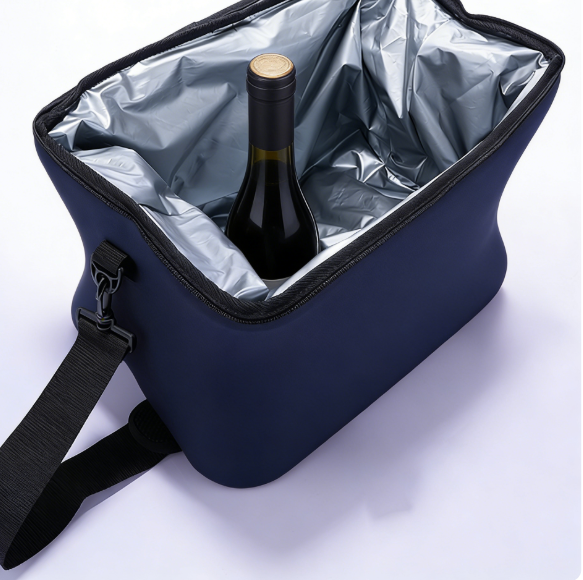
Best thermal cooler bag wholesaler Strategy for 2026 Buyers?
The best thermal cooler bag wholesaler decision in 2026 combines product education, material evidence, supplier control, and market awareness. You need a bag that protects the payload, fits the route, supports cleaning, looks professional, and can be repeated at scale. This optimized guide brings together buyer guidance, material science, compliance context, industry scenarios, and sustainability planning for operations teams, procurement managers, and brand owners. Use it to build a stronger sourcing brief, compare samples fairly, and choose a thermal cooler bag wholesaler that works in real operations.
What should a thermal cooler bag wholesaler solve for your business?
A thermal cooler bag wholesaler should solve a specific operating problem. For daily delivery routes, sample movement, and controlled promotional shipments, that problem may be temperature drift, moisture, slow packing, driver confusion, customer complaints, or short bag life. The right bag reduces those problems without creating new ones.
Start by writing a simple use profile. Include product type, payload weight, target temperature range, route duration, outside temperature, coolant plan, handoff steps, cleaning routine, and branding needs. This profile is more useful than a generic catalog request because it tells the supplier what performance means.
Then define pass and fail conditions. A thermal cooler bag wholesaler passes if it protects temperature, keeps products presentable, survives handling, and fits the team workflow. It fails if it only looks good in a photo but leaks, collapses, overheats, freezes goods, or slows the route.
| Business goal | Bag requirement | How to check it | Success signal |
|---|---|---|---|
| Protect product quality | Right insulation and closure | Thermal pilot with real payload | Temperature remains in range |
| Improve delivery speed | Easy loading and clear sorting | Timed packing trial | Staff can repeat the process |
| Support brand trust | Clean print and professional handoff | Customer-facing sample review | Presentation looks consistent |
| Control cost | Durable design and right size | Cost per use estimate | Fewer replacements and complaints |
| Support sustainability | Reuse, right-sizing, or clearer materials | Lifecycle comparison | Lower waste without higher failure |
How do you choose thermal cooler bag wholesaler materials wisely?
Material choice should follow risk. If the route is wet, focus on liner and seam management. If the route is hot, focus on insulation and closure. If the route involves repeat use, focus on reinforcement and cleaning. If the product is sensitive, focus on pack-out testing and temperature evidence.
Closed-cell foam, reflective film, woven or nonwoven outer layers, leak-resistant liners, and reinforced stitching can all be useful in a thermal cooler bag wholesaler when they are chosen for a reason. Do not buy insulation by thickness alone. Do not buy waterproof claims without checking seams. Do not buy a printed bag without rubbing, cleaning, and folding the sample.
The best material stack balances thermal hold, payload space, durability, cleaning, cost, and brand appearance. A small improvement in closure design may outperform a large increase in insulation thickness. A cleaner liner may save more money than a cheaper outer fabric if it extends service life.
Material decision matrix for thermal cooler bag wholesaler
| Route condition | Recommended focus | Sample question | Reason |
|---|---|---|---|
| Hot weather | Insulation plus tight closure | How was warm exposure tested? | Heat enters through walls and openings |
| Wet or frozen goods | Waterproof liner and seam design | Where can liquid escape or collect? | Moisture causes odor and damage |
| High reuse | Reinforced handles and cleanable liner | How many cycles are expected? | Durability controls cost per use |
| Brand program | Print durability and shape retention | Will the logo scuff or distort? | Presentation affects trust |
| Sensitive payloads | Qualified pack-out and data logging | Where were loggers placed? | Evidence reduces excursion risk |
What testing should a thermal cooler bag wholesaler program include?
Testing should be simple enough to run and strong enough to guide a decision. Start with a bench test to compare designs. Then run a route pilot with real staff. For parcel or shipping stress, consider ISTA 3A or ASTM D4169 style thinking. For refrigerated services, ISO 23412 language can help structure responsibilities and communication.
Use standards as a practical language for risk, not as decoration. ISO 23412 defines requirements for indirect temperature-controlled refrigerated delivery services for food parcels in land transport, while IATA Temperature Control Regulations and CEIV Pharma guide pharmaceutical air cargo. ISTA 3A helps teams test parcel delivery stress, and ASTM D4169 is often used to evaluate shipping units against distribution hazards in a laboratory.
Thermal tests should include product mass, coolant type, loading temperature, ambient profile, logger location, route time, and opening frequency. Durability tests should include load carrying, closure cycling, stacking, cleaning, and abrasion. A thermal cooler bag wholesaler that passes both thermal and usability checks is far safer to scale.
| Test type | What it reveals | Minimum practical method | When to repeat |
|---|---|---|---|
| Thermal hold | Temperature protection over time | Logger test with real payload and coolant | New product, route, or coolant |
| Closure cycling | Air leak and wear risk | Repeated opening under normal use | New zipper, flap, or liner |
| Load handling | Handle and seam strength | Carry at expected weight | New size or heavier payload |
| Cleaning test | Hygiene and service life | Use normal cleaning method | New liner or reusable program |
| Carton and shipping | Distribution damage risk | Stack, drop, and vibration review | New carton or export lane |
How does thermal cooler bag wholesaler fit compliance and standards?
Compliance begins with intended use. A food delivery thermal cooler bag wholesaler needs hygiene, temperature discipline, and cleaning control. A biotech or healthcare bag may need qualification records, temperature logs, and documented pack-out steps. An export program may need carton marks, material declarations, and destination-specific review.
IATA TCR and CEIV Pharma are important references when pharmaceuticals move by air. ISO 23412 is relevant for indirect refrigerated delivery services in land transport for refrigerated parcels, especially foods. ISTA and ASTM references help buyers discuss distribution hazards. These standards do not replace local law, but they give teams a shared vocabulary.
For global B2B distribution, build compliance into the sourcing brief. Ask where the bag will be used, who will clean it, what product it touches, how it is labeled, and whether it crosses borders. Your supplier should support evidence, but your team should define the final operating procedure.
Compliance-ready sourcing checklist
Define the exact product category and temperature range.
Confirm whether the bag touches food, medicine, samples, or only outer packaging.
Request material and production details that match your risk level.
Create pack-out instructions that normal staff can follow.
Record pilot data before approving repeated shipments.
Review market-specific labeling, import, and waste rules when products cross borders.
What does sustainability mean for thermal cooler bag wholesaler in 2026?
In 2026, sustainability is no longer only a brand message. The EU Packaging and Packaging Waste Regulation generally applies from August 12, 2026 and pushes packaging toward recyclable design by 2030, so buyers increasingly ask for reusable formats, clear material choices, and less single-use waste.
A sustainable thermal cooler bag wholesaler should reduce waste without increasing product loss. That means the bag must protect temperature first. Then evaluate reuse cycles, material clarity, carton size, coolant quantity, cleaning resources, repairability, and end-of-life options. Sustainability is strongest when performance data supports the claim.
Reusable designs are attractive when routes repeat and returns are practical. Single-use or limited-use designs may still be needed for some long-distance or one-way shipments. The right answer depends on service life, failure rate, labor, cleaning, and customer behavior.
| Sustainability path | Works best when | Risk to manage | Metric to track |
|---|---|---|---|
| Reuse | Routes repeat and bags return | Cleaning and loss rate | Cycles per bag |
| Right-sizing | Payload is predictable | Too little buffer space | Carton volume and coolant use |
| Material clarity | Customers or teams handle disposal | Confusing claims | Material specification and label clarity |
| Durability | High handling frequency | Higher first cost | Cost per use |
| Waste prevention | Product value is high | Under-tested packaging | Spoilage or complaint rate |
How should you compare thermal cooler bag wholesaler suppliers?
Compare suppliers with the same brief. Give each supplier the same dimensions, payload, route time, temperature target, artwork, quantity, packaging requirements, and evidence expectations. If one supplier receives a vague request and another receives details, the quotes will not be comparable.
Look beyond the sample. Ask about retained approval samples, incoming material checks, print controls, seam inspection, final random inspection, carton packing, and reorder stability. A thermal cooler bag wholesaler program succeeds when production repeats the approved design.
For bulk purchase programs, carton-level pricing, SKU rationalization, and fast reorder planning, communication is part of quality. A supplier who asks specific questions may seem slower at first, but those questions prevent mistakes. A supplier who immediately says yes to every request may be hiding risk.
| Supplier factor | Why it matters | Strong signal | Weak signal |
|---|---|---|---|
| Technical questions | Shows understanding | Asks about route, payload, and cleaning | Only asks quantity |
| Sample control | Protects repeat orders | Keeps golden sample and written spec | No clear approval record |
| Testing support | Reduces risk | Offers pilot or lab-style data | Only makes hour claims |
| Production QC | Protects scale | Defines inspection points | Vague final checks |
| After-sales support | Helps long programs | Handles feedback and revisions | Disappears after shipment |
Decision tool: build a thermal cooler bag wholesaler sourcing brief
Use this brief before contacting a supplier. It reduces back-and-forth, improves sample relevance, and makes quotes easier to compare. It also helps internal teams agree on what the thermal cooler bag wholesaler must accomplish.
Product and payload: list item types, dimensions, weights, and sensitivity.
Temperature goal: define chilled, frozen, hot, or controlled room temperature range.
Route profile: include time, ambient temperature, door openings, and transport mode.
Handling profile: describe packing, carrying, stacking, return, and storage.
Cleaning plan: define who cleans the bag and how often.
Branding: include logo size, print method, color, and customer-facing instructions.
Testing: define pilot duration, logger locations, pass-fail range, and review date.
Commercial terms: include quantity, delivery schedule, carton requirements, and reorder plan.
When a supplier responds, score each thermal cooler bag wholesaler sample on thermal fit, usability, durability, cleaning, supplier control, and sustainability. A sample that scores well across all categories is more valuable than one feature that looks impressive but does not support the route.
2026 trends shaping thermal cooler bag wholesaler programs
In 2026, buyers are moving toward evidence-based sourcing. They want bags that protect product quality, fit route operations, reduce waste, and support customer experience. This is especially clear in grocery, beverages, biotech, healthcare, and regional distribution, where small failures can create visible complaints or costly product loss.
More teams also evaluate total cost per use. A higher-priced thermal cooler bag wholesaler may be cheaper if it lasts longer, reduces complaints, lowers coolant use, or prevents replacements. Procurement, operations, sustainability, and brand teams should review the same pilot data before final approval.
Latest developments at a glance
Cold chain packaging demand is rising across healthcare, food, beverage, and e-commerce.
Reusable systems are gaining attention where routes repeat and cleaning can be controlled.
Buyers increasingly ask for test data, not only catalog claims.
Packaging rules and brand standards are pushing clearer material and end-of-life decisions.
Temperature loggers and simple monitoring workflows are becoming more common in pilot programs.
Frequently asked questions
What is the first step in buying a thermal cooler bag wholesaler?
Write the route profile before choosing a product. Include payload, temperature range, time, climate, coolant, cleaning, quantity, and branding. This makes the thermal cooler bag wholesaler sourcing process more accurate.
How many thermal cooler bag wholesaler samples should I test?
Test at least two designs when risk or volume is meaningful. Compare a baseline option and a higher-performance option under the same route conditions so the decision is based on evidence.
Can a thermal cooler bag wholesaler replace refrigerated transport?
Usually no. It can add a passive temperature buffer, support last-mile delivery, or protect small payloads, but it should be tested for the specific route and product. Active refrigeration may still be needed for long or high-risk lanes.
How do I avoid overpaying for a thermal cooler bag wholesaler?
Avoid buying features you do not need, but do not underbuy core performance. Calculate cost per use, failure cost, cleaning labor, replacement rate, and customer complaint risk.
What makes a thermal cooler bag wholesaler suitable for custom branding?
A good branded bag has stable shape, durable print, clean seams, and a surface that stays presentable after use. Branding should not weaken insulation, closure, or cleaning.
How does Tempk help with thermal cooler bag wholesaler projects?
Tempk helps define the use case, suggest material stacks, create samples, support pilot testing, and control production details so the final bag matches the approved plan.
Summary and recommendation
A thermal cooler bag wholesaler should be selected through a practical process: define the route, choose materials for the real risk, test the pack-out, review compliance needs, plan sustainability honestly, and compare suppliers with the same brief. This gives you a bag that protects product quality and supports the team using it.
Do not approve bulk production until the sample performs in your pilot. The best thermal cooler bag wholesaler is not the most expensive or the most heavily promoted. It is the one that keeps your product, team, customer, and budget aligned.
About Tempk
Tempk provides cold chain packaging solutions for food, beverage, healthcare, grocery, and industrial logistics. We support thermal cooler bag wholesaler projects from route analysis and material selection to custom printing, sample review, testing support, and production control. Our focus is practical protection that can be repeated at scale.
Prepare your payload details, target temperature range, route time, climate exposure, quantity, and branding goals. With those details, Tempk can help create a sample plan that is easier to test and approve.
thermal cooler bag industrial Complete Guide 2026

Best thermal cooler bag industrial Strategy for 2026 Buyers?
The best thermal cooler bag industrial decision in 2026 combines product education, material evidence, supplier control, and market awareness. You need a bag that protects the payload, fits the route, supports cleaning, looks professional, and can be repeated at scale. This optimized guide brings together buyer guidance, material science, compliance context, industry scenarios, and sustainability planning for industrial buyers, maintenance teams, food processors, chemical sample coordinators, and equipment distributors. Use it to build a stronger sourcing brief, compare samples fairly, and choose a thermal cooler bag industrial that works in real operations.
What should a thermal cooler bag industrial solve for your business?
A thermal cooler bag industrial should solve a specific operating problem. For plant-floor sampling, shift handovers, technician kits, maintenance routes, and field testing, that problem may be temperature drift, moisture, slow packing, driver confusion, customer complaints, or short bag life. The right bag reduces those problems without creating new ones.
Start by writing a simple use profile. Include product type, payload weight, target temperature range, route duration, outside temperature, coolant plan, handoff steps, cleaning routine, and branding needs. This profile is more useful than a generic catalog request because it tells the supplier what performance means.
Then define pass and fail conditions. A thermal cooler bag industrial passes if it protects temperature, keeps products presentable, survives handling, and fits the team workflow. It fails if it only looks good in a photo but leaks, collapses, overheats, freezes goods, or slows the route.
| Business goal | Bag requirement | How to check it | Success signal |
|---|---|---|---|
| Protect product quality | Right insulation and closure | Thermal pilot with real payload | Temperature remains in range |
| Improve delivery speed | Easy loading and clear sorting | Timed packing trial | Staff can repeat the process |
| Support brand trust | Clean print and professional handoff | Customer-facing sample review | Presentation looks consistent |
| Control cost | Durable design and right size | Cost per use estimate | Fewer replacements and complaints |
| Support sustainability | Reuse, right-sizing, or clearer materials | Lifecycle comparison | Lower waste without higher failure |
How do you choose thermal cooler bag industrial materials wisely?
Material choice should follow risk. If the route is wet, focus on liner and seam management. If the route is hot, focus on insulation and closure. If the route involves repeat use, focus on reinforcement and cleaning. If the product is sensitive, focus on pack-out testing and temperature evidence.
Closed-cell foam, reflective film, woven or nonwoven outer layers, leak-resistant liners, and reinforced stitching can all be useful in a thermal cooler bag industrial when they are chosen for a reason. Do not buy insulation by thickness alone. Do not buy waterproof claims without checking seams. Do not buy a printed bag without rubbing, cleaning, and folding the sample.
The best material stack balances thermal hold, payload space, durability, cleaning, cost, and brand appearance. A small improvement in closure design may outperform a large increase in insulation thickness. A cleaner liner may save more money than a cheaper outer fabric if it extends service life.
Material decision matrix for thermal cooler bag industrial
| Route condition | Recommended focus | Sample question | Reason |
|---|---|---|---|
| Hot weather | Insulation plus tight closure | How was warm exposure tested? | Heat enters through walls and openings |
| Wet or frozen goods | Waterproof liner and seam design | Where can liquid escape or collect? | Moisture causes odor and damage |
| High reuse | Reinforced handles and cleanable liner | How many cycles are expected? | Durability controls cost per use |
| Brand program | Print durability and shape retention | Will the logo scuff or distort? | Presentation affects trust |
| Sensitive payloads | Qualified pack-out and data logging | Where were loggers placed? | Evidence reduces excursion risk |
What testing should a thermal cooler bag industrial program include?
Testing should be simple enough to run and strong enough to guide a decision. Start with a bench test to compare designs. Then run a route pilot with real staff. For parcel or shipping stress, consider ISTA 3A or ASTM D4169 style thinking. For refrigerated services, ISO 23412 language can help structure responsibilities and communication.
Use standards as a practical language for risk, not as decoration. ISO 23412 defines requirements for indirect temperature-controlled refrigerated delivery services for food parcels in land transport, while IATA Temperature Control Regulations and CEIV Pharma guide pharmaceutical air cargo. ISTA 3A helps teams test parcel delivery stress, and ASTM D4169 is often used to evaluate shipping units against distribution hazards in a laboratory.
Thermal tests should include product mass, coolant type, loading temperature, ambient profile, logger location, route time, and opening frequency. Durability tests should include load carrying, closure cycling, stacking, cleaning, and abrasion. A thermal cooler bag industrial that passes both thermal and usability checks is far safer to scale.
| Test type | What it reveals | Minimum practical method | When to repeat |
|---|---|---|---|
| Thermal hold | Temperature protection over time | Logger test with real payload and coolant | New product, route, or coolant |
| Closure cycling | Air leak and wear risk | Repeated opening under normal use | New zipper, flap, or liner |
| Load handling | Handle and seam strength | Carry at expected weight | New size or heavier payload |
| Cleaning test | Hygiene and service life | Use normal cleaning method | New liner or reusable program |
| Carton and shipping | Distribution damage risk | Stack, drop, and vibration review | New carton or export lane |
How does thermal cooler bag industrial fit compliance and standards?
Compliance begins with intended use. A food delivery thermal cooler bag industrial needs hygiene, temperature discipline, and cleaning control. A biotech or healthcare bag may need qualification records, temperature logs, and documented pack-out steps. An export program may need carton marks, material declarations, and destination-specific review.
IATA TCR and CEIV Pharma are important references when pharmaceuticals move by air. ISO 23412 is relevant for indirect refrigerated delivery services in land transport for refrigerated parcels, especially foods. ISTA and ASTM references help buyers discuss distribution hazards. These standards do not replace local law, but they give teams a shared vocabulary.
For global B2B distribution, build compliance into the sourcing brief. Ask where the bag will be used, who will clean it, what product it touches, how it is labeled, and whether it crosses borders. Your supplier should support evidence, but your team should define the final operating procedure.
Compliance-ready sourcing checklist
Define the exact product category and temperature range.
Confirm whether the bag touches food, medicine, samples, or only outer packaging.
Request material and production details that match your risk level.
Create pack-out instructions that normal staff can follow.
Record pilot data before approving repeated shipments.
Review market-specific labeling, import, and waste rules when products cross borders.
What does sustainability mean for thermal cooler bag industrial in 2026?
In 2026, sustainability is no longer only a brand message. The EU Packaging and Packaging Waste Regulation generally applies from August 12, 2026 and pushes packaging toward recyclable design by 2030, so buyers increasingly ask for reusable formats, clear material choices, and less single-use waste.
A sustainable thermal cooler bag industrial should reduce waste without increasing product loss. That means the bag must protect temperature first. Then evaluate reuse cycles, material clarity, carton size, coolant quantity, cleaning resources, repairability, and end-of-life options. Sustainability is strongest when performance data supports the claim.
Reusable designs are attractive when routes repeat and returns are practical. Single-use or limited-use designs may still be needed for some long-distance or one-way shipments. The right answer depends on service life, failure rate, labor, cleaning, and customer behavior.
| Sustainability path | Works best when | Risk to manage | Metric to track |
|---|---|---|---|
| Reuse | Routes repeat and bags return | Cleaning and loss rate | Cycles per bag |
| Right-sizing | Payload is predictable | Too little buffer space | Carton volume and coolant use |
| Material clarity | Customers or teams handle disposal | Confusing claims | Material specification and label clarity |
| Durability | High handling frequency | Higher first cost | Cost per use |
| Waste prevention | Product value is high | Under-tested packaging | Spoilage or complaint rate |
How should you compare thermal cooler bag industrial suppliers?
Compare suppliers with the same brief. Give each supplier the same dimensions, payload, route time, temperature target, artwork, quantity, packaging requirements, and evidence expectations. If one supplier receives a vague request and another receives details, the quotes will not be comparable.
Look beyond the sample. Ask about retained approval samples, incoming material checks, print controls, seam inspection, final random inspection, carton packing, and reorder stability. A thermal cooler bag industrial program succeeds when production repeats the approved design.
For custom production, wholesale supply, and repeat replenishment, communication is part of quality. A supplier who asks specific questions may seem slower at first, but those questions prevent mistakes. A supplier who immediately says yes to every request may be hiding risk.
| Supplier factor | Why it matters | Strong signal | Weak signal |
|---|---|---|---|
| Technical questions | Shows understanding | Asks about route, payload, and cleaning | Only asks quantity |
| Sample control | Protects repeat orders | Keeps golden sample and written spec | No clear approval record |
| Testing support | Reduces risk | Offers pilot or lab-style data | Only makes hour claims |
| Production QC | Protects scale | Defines inspection points | Vague final checks |
| After-sales support | Helps long programs | Handles feedback and revisions | Disappears after shipment |
Decision tool: build a thermal cooler bag industrial sourcing brief
Use this brief before contacting a supplier. It reduces back-and-forth, improves sample relevance, and makes quotes easier to compare. It also helps internal teams agree on what the thermal cooler bag industrial must accomplish.
Product and payload: list item types, dimensions, weights, and sensitivity.
Temperature goal: define chilled, frozen, hot, or controlled room temperature range.
Route profile: include time, ambient temperature, door openings, and transport mode.
Handling profile: describe packing, carrying, stacking, return, and storage.
Cleaning plan: define who cleans the bag and how often.
Branding: include logo size, print method, color, and customer-facing instructions.
Testing: define pilot duration, logger locations, pass-fail range, and review date.
Commercial terms: include quantity, delivery schedule, carton requirements, and reorder plan.
When a supplier responds, score each thermal cooler bag industrial sample on thermal fit, usability, durability, cleaning, supplier control, and sustainability. A sample that scores well across all categories is more valuable than one feature that looks impressive but does not support the route.
2026 trends shaping thermal cooler bag industrial programs
In 2026, buyers are moving toward evidence-based sourcing. They want bags that protect product quality, fit route operations, reduce waste, and support customer experience. This is especially clear in grocery, beverages, biotech, healthcare, and regional distribution, where small failures can create visible complaints or costly product loss.
More teams also evaluate total cost per use. A higher-priced thermal cooler bag industrial may be cheaper if it lasts longer, reduces complaints, lowers coolant use, or prevents replacements. Procurement, operations, sustainability, and brand teams should review the same pilot data before final approval.
Latest developments at a glance
Cold chain packaging demand is rising across healthcare, food, beverage, and e-commerce.
Reusable systems are gaining attention where routes repeat and cleaning can be controlled.
Buyers increasingly ask for test data, not only catalog claims.
Packaging rules and brand standards are pushing clearer material and end-of-life decisions.
Temperature loggers and simple monitoring workflows are becoming more common in pilot programs.
Frequently asked questions
What is the first step in buying a thermal cooler bag industrial?
Write the route profile before choosing a product. Include payload, temperature range, time, climate, coolant, cleaning, quantity, and branding. This makes the thermal cooler bag industrial sourcing process more accurate.
How many thermal cooler bag industrial samples should I test?
Test at least two designs when risk or volume is meaningful. Compare a baseline option and a higher-performance option under the same route conditions so the decision is based on evidence.
Can a thermal cooler bag industrial replace refrigerated transport?
Usually no. It can add a passive temperature buffer, support last-mile delivery, or protect small payloads, but it should be tested for the specific route and product. Active refrigeration may still be needed for long or high-risk lanes.
How do I avoid overpaying for a thermal cooler bag industrial?
Avoid buying features you do not need, but do not underbuy core performance. Calculate cost per use, failure cost, cleaning labor, replacement rate, and customer complaint risk.
What makes a thermal cooler bag industrial suitable for custom branding?
A good branded bag has stable shape, durable print, clean seams, and a surface that stays presentable after use. Branding should not weaken insulation, closure, or cleaning.
How does Tempk help with thermal cooler bag industrial projects?
Tempk helps define the use case, suggest material stacks, create samples, support pilot testing, and control production details so the final bag matches the approved plan.
Summary and recommendation
A thermal cooler bag industrial should be selected through a practical process: define the route, choose materials for the real risk, test the pack-out, review compliance needs, plan sustainability honestly, and compare suppliers with the same brief. This gives you a bag that protects product quality and supports the team using it.
Do not approve bulk production until the sample performs in your pilot. The best thermal cooler bag industrial is not the most expensive or the most heavily promoted. It is the one that keeps your product, team, customer, and budget aligned.
About Tempk
Tempk provides cold chain packaging solutions for food, beverage, healthcare, grocery, and industrial logistics. We support thermal cooler bag industrial projects from route analysis and material selection to custom printing, sample review, testing support, and production control. Our focus is practical protection that can be repeated at scale.
Prepare your payload details, target temperature range, route time, climate exposure, quantity, and branding goals. With those details, Tempk can help create a sample plan that is easier to test and approve.
thermal bag packaging canada Complete Guide 2026
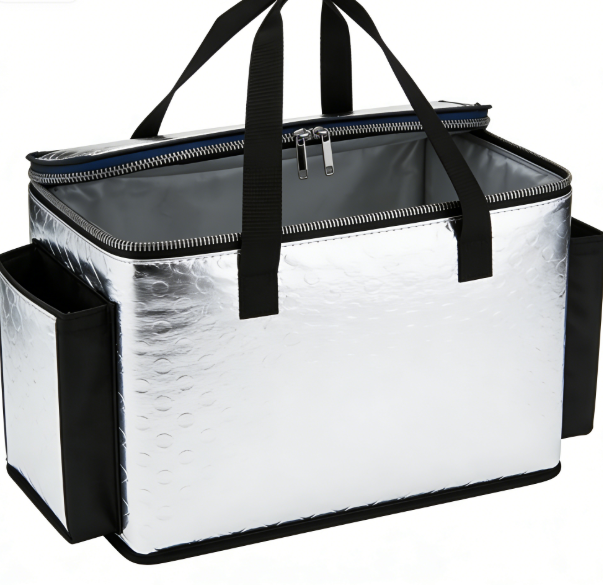
Best thermal bag packaging canada Strategy for 2026 Buyers?
The best thermal bag packaging canada decision in 2026 combines product education, material evidence, supplier control, and market awareness. You need a bag that protects the payload, fits the route, supports cleaning, looks professional, and can be repeated at scale. This optimized guide brings together buyer guidance, material science, compliance context, industry scenarios, and sustainability planning for Canadian distributors, packaging importers, grocery platforms, and regional brands. Use it to build a stronger sourcing brief, compare samples fairly, and choose a thermal bag packaging canada that works in real operations.
What should a thermal bag packaging canada solve for your business?
A thermal bag packaging canada should solve a specific operating problem. For fresh food, pharmacy handoffs, meal kits, beverage promotions, and remote delivery lanes, that problem may be temperature drift, moisture, slow packing, driver confusion, customer complaints, or short bag life. The right bag reduces those problems without creating new ones.
Start by writing a simple use profile. Include product type, payload weight, target temperature range, route duration, outside temperature, coolant plan, handoff steps, cleaning routine, and branding needs. This profile is more useful than a generic catalog request because it tells the supplier what performance means.
Then define pass and fail conditions. A thermal bag packaging canada passes if it protects temperature, keeps products presentable, survives handling, and fits the team workflow. It fails if it only looks good in a photo but leaks, collapses, overheats, freezes goods, or slows the route.
| Business goal | Bag requirement | How to check it | Success signal |
|---|---|---|---|
| Protect product quality | Right insulation and closure | Thermal pilot with real payload | Temperature remains in range |
| Improve delivery speed | Easy loading and clear sorting | Timed packing trial | Staff can repeat the process |
| Support brand trust | Clean print and professional handoff | Customer-facing sample review | Presentation looks consistent |
| Control cost | Durable design and right size | Cost per use estimate | Fewer replacements and complaints |
| Support sustainability | Reuse, right-sizing, or clearer materials | Lifecycle comparison | Lower waste without higher failure |
How do you choose thermal bag packaging canada materials wisely?
Material choice should follow risk. If the route is wet, focus on liner and seam management. If the route is hot, focus on insulation and closure. If the route involves repeat use, focus on reinforcement and cleaning. If the product is sensitive, focus on pack-out testing and temperature evidence.
Closed-cell foam, reflective film, woven or nonwoven outer layers, leak-resistant liners, and reinforced stitching can all be useful in a thermal bag packaging canada when they are chosen for a reason. Do not buy insulation by thickness alone. Do not buy waterproof claims without checking seams. Do not buy a printed bag without rubbing, cleaning, and folding the sample.
The best material stack balances thermal hold, payload space, durability, cleaning, cost, and brand appearance. A small improvement in closure design may outperform a large increase in insulation thickness. A cleaner liner may save more money than a cheaper outer fabric if it extends service life.
Material decision matrix for thermal bag packaging canada
| Route condition | Recommended focus | Sample question | Reason |
|---|---|---|---|
| Hot weather | Insulation plus tight closure | How was warm exposure tested? | Heat enters through walls and openings |
| Wet or frozen goods | Waterproof liner and seam design | Where can liquid escape or collect? | Moisture causes odor and damage |
| High reuse | Reinforced handles and cleanable liner | How many cycles are expected? | Durability controls cost per use |
| Brand program | Print durability and shape retention | Will the logo scuff or distort? | Presentation affects trust |
| Sensitive payloads | Qualified pack-out and data logging | Where were loggers placed? | Evidence reduces excursion risk |
What testing should a thermal bag packaging canada program include?
Testing should be simple enough to run and strong enough to guide a decision. Start with a bench test to compare designs. Then run a route pilot with real staff. For parcel or shipping stress, consider ISTA 3A or ASTM D4169 style thinking. For refrigerated services, ISO 23412 language can help structure responsibilities and communication.
Use standards as a practical language for risk, not as decoration. ISO 23412 defines requirements for indirect temperature-controlled refrigerated delivery services for food parcels in land transport, while IATA Temperature Control Regulations and CEIV Pharma guide pharmaceutical air cargo. ISTA 3A helps teams test parcel delivery stress, and ASTM D4169 is often used to evaluate shipping units against distribution hazards in a laboratory.
Thermal tests should include product mass, coolant type, loading temperature, ambient profile, logger location, route time, and opening frequency. Durability tests should include load carrying, closure cycling, stacking, cleaning, and abrasion. A thermal bag packaging canada that passes both thermal and usability checks is far safer to scale.
| Test type | What it reveals | Minimum practical method | When to repeat |
|---|---|---|---|
| Thermal hold | Temperature protection over time | Logger test with real payload and coolant | New product, route, or coolant |
| Closure cycling | Air leak and wear risk | Repeated opening under normal use | New zipper, flap, or liner |
| Load handling | Handle and seam strength | Carry at expected weight | New size or heavier payload |
| Cleaning test | Hygiene and service life | Use normal cleaning method | New liner or reusable program |
| Carton and shipping | Distribution damage risk | Stack, drop, and vibration review | New carton or export lane |
How does thermal bag packaging canada fit compliance and standards?
Compliance begins with intended use. A food delivery thermal bag packaging canada needs hygiene, temperature discipline, and cleaning control. A biotech or healthcare bag may need qualification records, temperature logs, and documented pack-out steps. An export program may need carton marks, material declarations, and destination-specific review.
IATA TCR and CEIV Pharma are important references when pharmaceuticals move by air. ISO 23412 is relevant for indirect refrigerated delivery services in land transport for refrigerated parcels, especially foods. ISTA and ASTM references help buyers discuss distribution hazards. These standards do not replace local law, but they give teams a shared vocabulary.
For Canada, including winter freeze risk and summer delivery heat, build compliance into the sourcing brief. Ask where the bag will be used, who will clean it, what product it touches, how it is labeled, and whether it crosses borders. Your supplier should support evidence, but your team should define the final operating procedure.
Compliance-ready sourcing checklist
Define the exact product category and temperature range.
Confirm whether the bag touches food, medicine, samples, or only outer packaging.
Request material and production details that match your risk level.
Create pack-out instructions that normal staff can follow.
Record pilot data before approving repeated shipments.
Review market-specific labeling, import, and waste rules when products cross borders.
What does sustainability mean for thermal bag packaging canada in 2026?
In 2026, sustainability is no longer only a brand message. The EU Packaging and Packaging Waste Regulation generally applies from August 12, 2026 and pushes packaging toward recyclable design by 2030, so buyers increasingly ask for reusable formats, clear material choices, and less single-use waste.
A sustainable thermal bag packaging canada should reduce waste without increasing product loss. That means the bag must protect temperature first. Then evaluate reuse cycles, material clarity, carton size, coolant quantity, cleaning resources, repairability, and end-of-life options. Sustainability is strongest when performance data supports the claim.
Reusable designs are attractive when routes repeat and returns are practical. Single-use or limited-use designs may still be needed for some long-distance or one-way shipments. The right answer depends on service life, failure rate, labor, cleaning, and customer behavior.
| Sustainability path | Works best when | Risk to manage | Metric to track |
|---|---|---|---|
| Reuse | Routes repeat and bags return | Cleaning and loss rate | Cycles per bag |
| Right-sizing | Payload is predictable | Too little buffer space | Carton volume and coolant use |
| Material clarity | Customers or teams handle disposal | Confusing claims | Material specification and label clarity |
| Durability | High handling frequency | Higher first cost | Cost per use |
| Waste prevention | Product value is high | Under-tested packaging | Spoilage or complaint rate |
How should you compare thermal bag packaging canada suppliers?
Compare suppliers with the same brief. Give each supplier the same dimensions, payload, route time, temperature target, artwork, quantity, packaging requirements, and evidence expectations. If one supplier receives a vague request and another receives details, the quotes will not be comparable.
Look beyond the sample. Ask about retained approval samples, incoming material checks, print controls, seam inspection, final random inspection, carton packing, and reorder stability. A thermal bag packaging canada program succeeds when production repeats the approved design.
For packaging system design, transit testing, sustainability review, and volume scaling, communication is part of quality. A supplier who asks specific questions may seem slower at first, but those questions prevent mistakes. A supplier who immediately says yes to every request may be hiding risk.
| Supplier factor | Why it matters | Strong signal | Weak signal |
|---|---|---|---|
| Technical questions | Shows understanding | Asks about route, payload, and cleaning | Only asks quantity |
| Sample control | Protects repeat orders | Keeps golden sample and written spec | No clear approval record |
| Testing support | Reduces risk | Offers pilot or lab-style data | Only makes hour claims |
| Production QC | Protects scale | Defines inspection points | Vague final checks |
| After-sales support | Helps long programs | Handles feedback and revisions | Disappears after shipment |
Decision tool: build a thermal bag packaging canada sourcing brief
Use this brief before contacting a supplier. It reduces back-and-forth, improves sample relevance, and makes quotes easier to compare. It also helps internal teams agree on what the thermal bag packaging canada must accomplish.
Product and payload: list item types, dimensions, weights, and sensitivity.
Temperature goal: define chilled, frozen, hot, or controlled room temperature range.
Route profile: include time, ambient temperature, door openings, and transport mode.
Handling profile: describe packing, carrying, stacking, return, and storage.
Cleaning plan: define who cleans the bag and how often.
Branding: include logo size, print method, color, and customer-facing instructions.
Testing: define pilot duration, logger locations, pass-fail range, and review date.
Commercial terms: include quantity, delivery schedule, carton requirements, and reorder plan.
When a supplier responds, score each thermal bag packaging canada sample on thermal fit, usability, durability, cleaning, supplier control, and sustainability. A sample that scores well across all categories is more valuable than one feature that looks impressive but does not support the route.
2026 trends shaping thermal bag packaging canada programs
In 2026, buyers are moving toward evidence-based sourcing. They want bags that protect product quality, fit route operations, reduce waste, and support customer experience. This is especially clear in grocery, beverages, biotech, healthcare, and regional distribution, where small failures can create visible complaints or costly product loss.
More teams also evaluate total cost per use. A higher-priced thermal bag packaging canada may be cheaper if it lasts longer, reduces complaints, lowers coolant use, or prevents replacements. Procurement, operations, sustainability, and brand teams should review the same pilot data before final approval.
Latest developments at a glance
Cold chain packaging demand is rising across healthcare, food, beverage, and e-commerce.
Reusable systems are gaining attention where routes repeat and cleaning can be controlled.
Buyers increasingly ask for test data, not only catalog claims.
Packaging rules and brand standards are pushing clearer material and end-of-life decisions.
Temperature loggers and simple monitoring workflows are becoming more common in pilot programs.
Frequently asked questions
What is the first step in buying a thermal bag packaging canada?
Write the route profile before choosing a product. Include payload, temperature range, time, climate, coolant, cleaning, quantity, and branding. This makes the thermal bag packaging canada sourcing process more accurate.
How many thermal bag packaging canada samples should I test?
Test at least two designs when risk or volume is meaningful. Compare a baseline option and a higher-performance option under the same route conditions so the decision is based on evidence.
Can a thermal bag packaging canada replace refrigerated transport?
Usually no. It can add a passive temperature buffer, support last-mile delivery, or protect small payloads, but it should be tested for the specific route and product. Active refrigeration may still be needed for long or high-risk lanes.
How do I avoid overpaying for a thermal bag packaging canada?
Avoid buying features you do not need, but do not underbuy core performance. Calculate cost per use, failure cost, cleaning labor, replacement rate, and customer complaint risk.
What makes a thermal bag packaging canada suitable for custom branding?
A good branded bag has stable shape, durable print, clean seams, and a surface that stays presentable after use. Branding should not weaken insulation, closure, or cleaning.
How does Tempk help with thermal bag packaging canada projects?
Tempk helps define the use case, suggest material stacks, create samples, support pilot testing, and control production details so the final bag matches the approved plan.
Summary and recommendation
A thermal bag packaging canada should be selected through a practical process: define the route, choose materials for the real risk, test the pack-out, review compliance needs, plan sustainability honestly, and compare suppliers with the same brief. This gives you a bag that protects product quality and supports the team using it.
Do not approve bulk production until the sample performs in your pilot. The best thermal bag packaging canada is not the most expensive or the most heavily promoted. It is the one that keeps your product, team, customer, and budget aligned.
About Tempk
Tempk provides cold chain packaging solutions for food, beverage, healthcare, grocery, and industrial logistics. We support thermal bag packaging canada projects from route analysis and material selection to custom printing, sample review, testing support, and production control. Our focus is practical protection that can be repeated at scale.
Prepare your payload details, target temperature range, route time, climate exposure, quantity, and branding goals. With those details, Tempk can help create a sample plan that is easier to test and approve.
thermal bag exporter brazil Complete Guide 2026
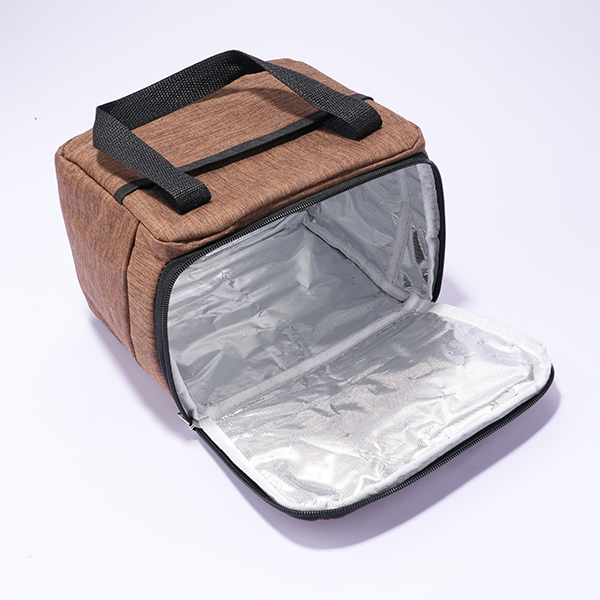
Best thermal bag exporter brazil Strategy for 2026 Buyers?
The best thermal bag exporter brazil decision in 2026 combines product education, material evidence, supplier control, and market awareness. You need a bag that protects the payload, fits the route, supports cleaning, looks professional, and can be repeated at scale. This optimized guide brings together buyer guidance, material science, compliance context, industry scenarios, and sustainability planning for Brazilian distributors, importers, exporters, grocery networks, and brand owners. Use it to build a stronger sourcing brief, compare samples fairly, and choose a thermal bag exporter brazil that works in real operations.
What should a thermal bag exporter brazil solve for your business?
A thermal bag exporter brazil should solve a specific operating problem. For fresh food, beverages, pharma samples, promotional kits, and cross-border trade shipments, that problem may be temperature drift, moisture, slow packing, driver confusion, customer complaints, or short bag life. The right bag reduces those problems without creating new ones.
Start by writing a simple use profile. Include product type, payload weight, target temperature range, route duration, outside temperature, coolant plan, handoff steps, cleaning routine, and branding needs. This profile is more useful than a generic catalog request because it tells the supplier what performance means.
Then define pass and fail conditions. A thermal bag exporter brazil passes if it protects temperature, keeps products presentable, survives handling, and fits the team workflow. It fails if it only looks good in a photo but leaks, collapses, overheats, freezes goods, or slows the route.
| Business goal | Bag requirement | How to check it | Success signal |
|---|---|---|---|
| Protect product quality | Right insulation and closure | Thermal pilot with real payload | Temperature remains in range |
| Improve delivery speed | Easy loading and clear sorting | Timed packing trial | Staff can repeat the process |
| Support brand trust | Clean print and professional handoff | Customer-facing sample review | Presentation looks consistent |
| Control cost | Durable design and right size | Cost per use estimate | Fewer replacements and complaints |
| Support sustainability | Reuse, right-sizing, or clearer materials | Lifecycle comparison | Lower waste without higher failure |
How do you choose thermal bag exporter brazil materials wisely?
Material choice should follow risk. If the route is wet, focus on liner and seam management. If the route is hot, focus on insulation and closure. If the route involves repeat use, focus on reinforcement and cleaning. If the product is sensitive, focus on pack-out testing and temperature evidence.
Closed-cell foam, reflective film, woven or nonwoven outer layers, leak-resistant liners, and reinforced stitching can all be useful in a thermal bag exporter brazil when they are chosen for a reason. Do not buy insulation by thickness alone. Do not buy waterproof claims without checking seams. Do not buy a printed bag without rubbing, cleaning, and folding the sample.
The best material stack balances thermal hold, payload space, durability, cleaning, cost, and brand appearance. A small improvement in closure design may outperform a large increase in insulation thickness. A cleaner liner may save more money than a cheaper outer fabric if it extends service life.
Material decision matrix for thermal bag exporter brazil
| Route condition | Recommended focus | Sample question | Reason |
|---|---|---|---|
| Hot weather | Insulation plus tight closure | How was warm exposure tested? | Heat enters through walls and openings |
| Wet or frozen goods | Waterproof liner and seam design | Where can liquid escape or collect? | Moisture causes odor and damage |
| High reuse | Reinforced handles and cleanable liner | How many cycles are expected? | Durability controls cost per use |
| Brand program | Print durability and shape retention | Will the logo scuff or distort? | Presentation affects trust |
| Sensitive payloads | Qualified pack-out and data logging | Where were loggers placed? | Evidence reduces excursion risk |
What testing should a thermal bag exporter brazil program include?
Testing should be simple enough to run and strong enough to guide a decision. Start with a bench test to compare designs. Then run a route pilot with real staff. For parcel or shipping stress, consider ISTA 3A or ASTM D4169 style thinking. For refrigerated services, ISO 23412 language can help structure responsibilities and communication.
Use standards as a practical language for risk, not as decoration. ISO 23412 defines requirements for indirect temperature-controlled refrigerated delivery services for food parcels in land transport, while IATA Temperature Control Regulations and CEIV Pharma guide pharmaceutical air cargo. ISTA 3A helps teams test parcel delivery stress, and ASTM D4169 is often used to evaluate shipping units against distribution hazards in a laboratory.
Thermal tests should include product mass, coolant type, loading temperature, ambient profile, logger location, route time, and opening frequency. Durability tests should include load carrying, closure cycling, stacking, cleaning, and abrasion. A thermal bag exporter brazil that passes both thermal and usability checks is far safer to scale.
| Test type | What it reveals | Minimum practical method | When to repeat |
|---|---|---|---|
| Thermal hold | Temperature protection over time | Logger test with real payload and coolant | New product, route, or coolant |
| Closure cycling | Air leak and wear risk | Repeated opening under normal use | New zipper, flap, or liner |
| Load handling | Handle and seam strength | Carry at expected weight | New size or heavier payload |
| Cleaning test | Hygiene and service life | Use normal cleaning method | New liner or reusable program |
| Carton and shipping | Distribution damage risk | Stack, drop, and vibration review | New carton or export lane |
How does thermal bag exporter brazil fit compliance and standards?
Compliance begins with intended use. A food delivery thermal bag exporter brazil needs hygiene, temperature discipline, and cleaning control. A biotech or healthcare bag may need qualification records, temperature logs, and documented pack-out steps. An export program may need carton marks, material declarations, and destination-specific review.
IATA TCR and CEIV Pharma are important references when pharmaceuticals move by air. ISO 23412 is relevant for indirect refrigerated delivery services in land transport for refrigerated parcels, especially foods. ISTA and ASTM references help buyers discuss distribution hazards. These standards do not replace local law, but they give teams a shared vocabulary.
For Brazil, including humid coastal cities, inland routes, and export lanes, build compliance into the sourcing brief. Ask where the bag will be used, who will clean it, what product it touches, how it is labeled, and whether it crosses borders. Your supplier should support evidence, but your team should define the final operating procedure.
Compliance-ready sourcing checklist
Define the exact product category and temperature range.
Confirm whether the bag touches food, medicine, samples, or only outer packaging.
Request material and production details that match your risk level.
Create pack-out instructions that normal staff can follow.
Record pilot data before approving repeated shipments.
Review market-specific labeling, import, and waste rules when products cross borders.
What does sustainability mean for thermal bag exporter brazil in 2026?
In 2026, sustainability is no longer only a brand message. The EU Packaging and Packaging Waste Regulation generally applies from August 12, 2026 and pushes packaging toward recyclable design by 2030, so buyers increasingly ask for reusable formats, clear material choices, and less single-use waste.
A sustainable thermal bag exporter brazil should reduce waste without increasing product loss. That means the bag must protect temperature first. Then evaluate reuse cycles, material clarity, carton size, coolant quantity, cleaning resources, repairability, and end-of-life options. Sustainability is strongest when performance data supports the claim.
Reusable designs are attractive when routes repeat and returns are practical. Single-use or limited-use designs may still be needed for some long-distance or one-way shipments. The right answer depends on service life, failure rate, labor, cleaning, and customer behavior.
| Sustainability path | Works best when | Risk to manage | Metric to track |
|---|---|---|---|
| Reuse | Routes repeat and bags return | Cleaning and loss rate | Cycles per bag |
| Right-sizing | Payload is predictable | Too little buffer space | Carton volume and coolant use |
| Material clarity | Customers or teams handle disposal | Confusing claims | Material specification and label clarity |
| Durability | High handling frequency | Higher first cost | Cost per use |
| Waste prevention | Product value is high | Under-tested packaging | Spoilage or complaint rate |
How should you compare thermal bag exporter brazil suppliers?
Compare suppliers with the same brief. Give each supplier the same dimensions, payload, route time, temperature target, artwork, quantity, packaging requirements, and evidence expectations. If one supplier receives a vague request and another receives details, the quotes will not be comparable.
Look beyond the sample. Ask about retained approval samples, incoming material checks, print controls, seam inspection, final random inspection, carton packing, and reorder stability. A thermal bag exporter brazil program succeeds when production repeats the approved design.
For export documentation, pack-out consistency, carton optimization, and destination-ready labeling, communication is part of quality. A supplier who asks specific questions may seem slower at first, but those questions prevent mistakes. A supplier who immediately says yes to every request may be hiding risk.
| Supplier factor | Why it matters | Strong signal | Weak signal |
|---|---|---|---|
| Technical questions | Shows understanding | Asks about route, payload, and cleaning | Only asks quantity |
| Sample control | Protects repeat orders | Keeps golden sample and written spec | No clear approval record |
| Testing support | Reduces risk | Offers pilot or lab-style data | Only makes hour claims |
| Production QC | Protects scale | Defines inspection points | Vague final checks |
| After-sales support | Helps long programs | Handles feedback and revisions | Disappears after shipment |
Decision tool: build a thermal bag exporter brazil sourcing brief
Use this brief before contacting a supplier. It reduces back-and-forth, improves sample relevance, and makes quotes easier to compare. It also helps internal teams agree on what the thermal bag exporter brazil must accomplish.
Product and payload: list item types, dimensions, weights, and sensitivity.
Temperature goal: define chilled, frozen, hot, or controlled room temperature range.
Route profile: include time, ambient temperature, door openings, and transport mode.
Handling profile: describe packing, carrying, stacking, return, and storage.
Cleaning plan: define who cleans the bag and how often.
Branding: include logo size, print method, color, and customer-facing instructions.
Testing: define pilot duration, logger locations, pass-fail range, and review date.
Commercial terms: include quantity, delivery schedule, carton requirements, and reorder plan.
When a supplier responds, score each thermal bag exporter brazil sample on thermal fit, usability, durability, cleaning, supplier control, and sustainability. A sample that scores well across all categories is more valuable than one feature that looks impressive but does not support the route.
2026 trends shaping thermal bag exporter brazil programs
In 2026, buyers are moving toward evidence-based sourcing. They want bags that protect product quality, fit route operations, reduce waste, and support customer experience. This is especially clear in grocery, beverages, biotech, healthcare, and regional distribution, where small failures can create visible complaints or costly product loss.
More teams also evaluate total cost per use. A higher-priced thermal bag exporter brazil may be cheaper if it lasts longer, reduces complaints, lowers coolant use, or prevents replacements. Procurement, operations, sustainability, and brand teams should review the same pilot data before final approval.
Latest developments at a glance
Cold chain packaging demand is rising across healthcare, food, beverage, and e-commerce.
Reusable systems are gaining attention where routes repeat and cleaning can be controlled.
Buyers increasingly ask for test data, not only catalog claims.
Packaging rules and brand standards are pushing clearer material and end-of-life decisions.
Temperature loggers and simple monitoring workflows are becoming more common in pilot programs.
Frequently asked questions
What is the first step in buying a thermal bag exporter brazil?
Write the route profile before choosing a product. Include payload, temperature range, time, climate, coolant, cleaning, quantity, and branding. This makes the thermal bag exporter brazil sourcing process more accurate.
How many thermal bag exporter brazil samples should I test?
Test at least two designs when risk or volume is meaningful. Compare a baseline option and a higher-performance option under the same route conditions so the decision is based on evidence.
Can a thermal bag exporter brazil replace refrigerated transport?
Usually no. It can add a passive temperature buffer, support last-mile delivery, or protect small payloads, but it should be tested for the specific route and product. Active refrigeration may still be needed for long or high-risk lanes.
How do I avoid overpaying for a thermal bag exporter brazil?
Avoid buying features you do not need, but do not underbuy core performance. Calculate cost per use, failure cost, cleaning labor, replacement rate, and customer complaint risk.
What makes a thermal bag exporter brazil suitable for custom branding?
A good branded bag has stable shape, durable print, clean seams, and a surface that stays presentable after use. Branding should not weaken insulation, closure, or cleaning.
How does Tempk help with thermal bag exporter brazil projects?
Tempk helps define the use case, suggest material stacks, create samples, support pilot testing, and control production details so the final bag matches the approved plan.
Summary and recommendation
A thermal bag exporter brazil should be selected through a practical process: define the route, choose materials for the real risk, test the pack-out, review compliance needs, plan sustainability honestly, and compare suppliers with the same brief. This gives you a bag that protects product quality and supports the team using it.
Do not approve bulk production until the sample performs in your pilot. The best thermal bag exporter brazil is not the most expensive or the most heavily promoted. It is the one that keeps your product, team, customer, and budget aligned.
About Tempk
Tempk provides cold chain packaging solutions for food, beverage, healthcare, grocery, and industrial logistics. We support thermal bag exporter brazil projects from route analysis and material selection to custom printing, sample review, testing support, and production control. Our focus is practical protection that can be repeated at scale.
Prepare your payload details, target temperature range, route time, climate exposure, quantity, and branding goals. With those details, Tempk can help create a sample plan that is easier to test and approve.
thermal bag distributor australia Complete Guide 2026
Best thermal bag distributor australia Strategy for 2026 Buyers?
The best thermal bag distributor australia decision in 2026 combines product education, material evidence, supplier control, and market awareness. You need a bag that protects the payload, fits the route, supports cleaning, looks professional, and can be repeated at scale. This optimized guide brings together buyer guidance, material science, compliance context, industry scenarios, and sustainability planning for Australian distributors, grocery groups, beverage brands, and packaging importers. Use it to build a stronger sourcing brief, compare samples fairly, and choose a thermal bag distributor australia that works in real operations.
What should a thermal bag distributor australia solve for your business?
A thermal bag distributor australia should solve a specific operating problem. For hot-weather grocery routes, chilled beverages, regional store replenishment, and event delivery, that problem may be temperature drift, moisture, slow packing, driver confusion, customer complaints, or short bag life. The right bag reduces those problems without creating new ones.
Start by writing a simple use profile. Include product type, payload weight, target temperature range, route duration, outside temperature, coolant plan, handoff steps, cleaning routine, and branding needs. This profile is more useful than a generic catalog request because it tells the supplier what performance means.
Then define pass and fail conditions. A thermal bag distributor australia passes if it protects temperature, keeps products presentable, survives handling, and fits the team workflow. It fails if it only looks good in a photo but leaks, collapses, overheats, freezes goods, or slows the route.
| Business goal | Bag requirement | How to check it | Success signal |
|---|---|---|---|
| Protect product quality | Right insulation and closure | Thermal pilot with real payload | Temperature remains in range |
| Improve delivery speed | Easy loading and clear sorting | Timed packing trial | Staff can repeat the process |
| Support brand trust | Clean print and professional handoff | Customer-facing sample review | Presentation looks consistent |
| Control cost | Durable design and right size | Cost per use estimate | Fewer replacements and complaints |
| Support sustainability | Reuse, right-sizing, or clearer materials | Lifecycle comparison | Lower waste without higher failure |
How do you choose thermal bag distributor australia materials wisely?
Material choice should follow risk. If the route is wet, focus on liner and seam management. If the route is hot, focus on insulation and closure. If the route involves repeat use, focus on reinforcement and cleaning. If the product is sensitive, focus on pack-out testing and temperature evidence.
Closed-cell foam, reflective film, woven or nonwoven outer layers, leak-resistant liners, and reinforced stitching can all be useful in a thermal bag distributor australia when they are chosen for a reason. Do not buy insulation by thickness alone. Do not buy waterproof claims without checking seams. Do not buy a printed bag without rubbing, cleaning, and folding the sample.
The best material stack balances thermal hold, payload space, durability, cleaning, cost, and brand appearance. A small improvement in closure design may outperform a large increase in insulation thickness. A cleaner liner may save more money than a cheaper outer fabric if it extends service life.
Material decision matrix for thermal bag distributor australia
| Route condition | Recommended focus | Sample question | Reason |
|---|---|---|---|
| Hot weather | Insulation plus tight closure | How was warm exposure tested? | Heat enters through walls and openings |
| Wet or frozen goods | Waterproof liner and seam design | Where can liquid escape or collect? | Moisture causes odor and damage |
| High reuse | Reinforced handles and cleanable liner | How many cycles are expected? | Durability controls cost per use |
| Brand program | Print durability and shape retention | Will the logo scuff or distort? | Presentation affects trust |
| Sensitive payloads | Qualified pack-out and data logging | Where were loggers placed? | Evidence reduces excursion risk |
What testing should a thermal bag distributor australia program include?
Testing should be simple enough to run and strong enough to guide a decision. Start with a bench test to compare designs. Then run a route pilot with real staff. For parcel or shipping stress, consider ISTA 3A or ASTM D4169 style thinking. For refrigerated services, ISO 23412 language can help structure responsibilities and communication.
Use standards as a practical language for risk, not as decoration. ISO 23412 defines requirements for indirect temperature-controlled refrigerated delivery services for food parcels in land transport, while IATA Temperature Control Regulations and CEIV Pharma guide pharmaceutical air cargo. ISTA 3A helps teams test parcel delivery stress, and ASTM D4169 is often used to evaluate shipping units against distribution hazards in a laboratory.
Thermal tests should include product mass, coolant type, loading temperature, ambient profile, logger location, route time, and opening frequency. Durability tests should include load carrying, closure cycling, stacking, cleaning, and abrasion. A thermal bag distributor australia that passes both thermal and usability checks is far safer to scale.
| Test type | What it reveals | Minimum practical method | When to repeat |
|---|---|---|---|
| Thermal hold | Temperature protection over time | Logger test with real payload and coolant | New product, route, or coolant |
| Closure cycling | Air leak and wear risk | Repeated opening under normal use | New zipper, flap, or liner |
| Load handling | Handle and seam strength | Carry at expected weight | New size or heavier payload |
| Cleaning test | Hygiene and service life | Use normal cleaning method | New liner or reusable program |
| Carton and shipping | Distribution damage risk | Stack, drop, and vibration review | New carton or export lane |
How does thermal bag distributor australia fit compliance and standards?
Compliance begins with intended use. A food delivery thermal bag distributor australia needs hygiene, temperature discipline, and cleaning control. A biotech or healthcare bag may need qualification records, temperature logs, and documented pack-out steps. An export program may need carton marks, material declarations, and destination-specific review.
IATA TCR and CEIV Pharma are important references when pharmaceuticals move by air. ISO 23412 is relevant for indirect refrigerated delivery services in land transport for refrigerated parcels, especially foods. ISTA and ASTM references help buyers discuss distribution hazards. These standards do not replace local law, but they give teams a shared vocabulary.
For Australia, including metro routes and long regional delivery lanes, build compliance into the sourcing brief. Ask where the bag will be used, who will clean it, what product it touches, how it is labeled, and whether it crosses borders. Your supplier should support evidence, but your team should define the final operating procedure.
Compliance-ready sourcing checklist
Define the exact product category and temperature range.
Confirm whether the bag touches food, medicine, samples, or only outer packaging.
Request material and production details that match your risk level.
Create pack-out instructions that normal staff can follow.
Record pilot data before approving repeated shipments.
Review market-specific labeling, import, and waste rules when products cross borders.
What does sustainability mean for thermal bag distributor australia in 2026?
In 2026, sustainability is no longer only a brand message. The EU Packaging and Packaging Waste Regulation generally applies from August 12, 2026 and pushes packaging toward recyclable design by 2030, so buyers increasingly ask for reusable formats, clear material choices, and less single-use waste.
A sustainable thermal bag distributor australia should reduce waste without increasing product loss. That means the bag must protect temperature first. Then evaluate reuse cycles, material clarity, carton size, coolant quantity, cleaning resources, repairability, and end-of-life options. Sustainability is strongest when performance data supports the claim.
Reusable designs are attractive when routes repeat and returns are practical. Single-use or limited-use designs may still be needed for some long-distance or one-way shipments. The right answer depends on service life, failure rate, labor, cleaning, and customer behavior.
| Sustainability path | Works best when | Risk to manage | Metric to track |
|---|---|---|---|
| Reuse | Routes repeat and bags return | Cleaning and loss rate | Cycles per bag |
| Right-sizing | Payload is predictable | Too little buffer space | Carton volume and coolant use |
| Material clarity | Customers or teams handle disposal | Confusing claims | Material specification and label clarity |
| Durability | High handling frequency | Higher first cost | Cost per use |
| Waste prevention | Product value is high | Under-tested packaging | Spoilage or complaint rate |
How should you compare thermal bag distributor australia suppliers?
Compare suppliers with the same brief. Give each supplier the same dimensions, payload, route time, temperature target, artwork, quantity, packaging requirements, and evidence expectations. If one supplier receives a vague request and another receives details, the quotes will not be comparable.
Look beyond the sample. Ask about retained approval samples, incoming material checks, print controls, seam inspection, final random inspection, carton packing, and reorder stability. A thermal bag distributor australia program succeeds when production repeats the approved design.
For reseller supply, regional inventory, private-label catalogs, and predictable replenishment, communication is part of quality. A supplier who asks specific questions may seem slower at first, but those questions prevent mistakes. A supplier who immediately says yes to every request may be hiding risk.
| Supplier factor | Why it matters | Strong signal | Weak signal |
|---|---|---|---|
| Technical questions | Shows understanding | Asks about route, payload, and cleaning | Only asks quantity |
| Sample control | Protects repeat orders | Keeps golden sample and written spec | No clear approval record |
| Testing support | Reduces risk | Offers pilot or lab-style data | Only makes hour claims |
| Production QC | Protects scale | Defines inspection points | Vague final checks |
| After-sales support | Helps long programs | Handles feedback and revisions | Disappears after shipment |
Decision tool: build a thermal bag distributor australia sourcing brief
Use this brief before contacting a supplier. It reduces back-and-forth, improves sample relevance, and makes quotes easier to compare. It also helps internal teams agree on what the thermal bag distributor australia must accomplish.
Product and payload: list item types, dimensions, weights, and sensitivity.
Temperature goal: define chilled, frozen, hot, or controlled room temperature range.
Route profile: include time, ambient temperature, door openings, and transport mode.
Handling profile: describe packing, carrying, stacking, return, and storage.
Cleaning plan: define who cleans the bag and how often.
Branding: include logo size, print method, color, and customer-facing instructions.
Testing: define pilot duration, logger locations, pass-fail range, and review date.
Commercial terms: include quantity, delivery schedule, carton requirements, and reorder plan.
When a supplier responds, score each thermal bag distributor australia sample on thermal fit, usability, durability, cleaning, supplier control, and sustainability. A sample that scores well across all categories is more valuable than one feature that looks impressive but does not support the route.
2026 trends shaping thermal bag distributor australia programs
In 2026, buyers are moving toward evidence-based sourcing. They want bags that protect product quality, fit route operations, reduce waste, and support customer experience. This is especially clear in grocery, beverages, biotech, healthcare, and regional distribution, where small failures can create visible complaints or costly product loss.
More teams also evaluate total cost per use. A higher-priced thermal bag distributor australia may be cheaper if it lasts longer, reduces complaints, lowers coolant use, or prevents replacements. Procurement, operations, sustainability, and brand teams should review the same pilot data before final approval.
Latest developments at a glance
Cold chain packaging demand is rising across healthcare, food, beverage, and e-commerce.
Reusable systems are gaining attention where routes repeat and cleaning can be controlled.
Buyers increasingly ask for test data, not only catalog claims.
Packaging rules and brand standards are pushing clearer material and end-of-life decisions.
Temperature loggers and simple monitoring workflows are becoming more common in pilot programs.
Frequently asked questions
What is the first step in buying a thermal bag distributor australia?
Write the route profile before choosing a product. Include payload, temperature range, time, climate, coolant, cleaning, quantity, and branding. This makes the thermal bag distributor australia sourcing process more accurate.
How many thermal bag distributor australia samples should I test?
Test at least two designs when risk or volume is meaningful. Compare a baseline option and a higher-performance option under the same route conditions so the decision is based on evidence.
Can a thermal bag distributor australia replace refrigerated transport?
Usually no. It can add a passive temperature buffer, support last-mile delivery, or protect small payloads, but it should be tested for the specific route and product. Active refrigeration may still be needed for long or high-risk lanes.
How do I avoid overpaying for a thermal bag distributor australia?
Avoid buying features you do not need, but do not underbuy core performance. Calculate cost per use, failure cost, cleaning labor, replacement rate, and customer complaint risk.
What makes a thermal bag distributor australia suitable for custom branding?
A good branded bag has stable shape, durable print, clean seams, and a surface that stays presentable after use. Branding should not weaken insulation, closure, or cleaning.
How does Tempk help with thermal bag distributor australia projects?
Tempk helps define the use case, suggest material stacks, create samples, support pilot testing, and control production details so the final bag matches the approved plan.
Summary and recommendation
A thermal bag distributor australia should be selected through a practical process: define the route, choose materials for the real risk, test the pack-out, review compliance needs, plan sustainability honestly, and compare suppliers with the same brief. This gives you a bag that protects product quality and supports the team using it.
Do not approve bulk production until the sample performs in your pilot. The best thermal bag distributor australia is not the most expensive or the most heavily promoted. It is the one that keeps your product, team, customer, and budget aligned.
About Tempk
Tempk provides cold chain packaging solutions for food, beverage, healthcare, grocery, and industrial logistics. We support thermal bag distributor australia projects from route analysis and material selection to custom printing, sample review, testing support, and production control. Our focus is practical protection that can be repeated at scale.
Prepare your payload details, target temperature range, route time, climate exposure, quantity, and branding goals. With those details, Tempk can help create a sample plan that is easier to test and approve.
refrigerated bag manufacturer brazil: Complete Guide
Best refrigerated bag manufacturer brazil Strategy for 2026 Buyers?
The best refrigerated bag manufacturer brazil decision in 2026 combines product education, material evidence, supplier control, and market awareness. You need a bag that protects the payload, fits the route, supports cleaning, looks professional, and can be repeated at scale. This optimized guide brings together buyer guidance, material science, compliance context, industry scenarios, and sustainability planning for Brazilian distributors, importers, exporters, grocery networks, and brand owners. Use it to build a stronger sourcing brief, compare samples fairly, and choose a refrigerated bag manufacturer brazil that works in real operations.
What should a refrigerated bag manufacturer brazil solve for your business?
A refrigerated bag manufacturer brazil should solve a specific operating problem. For fresh food, beverages, pharma samples, promotional kits, and cross-border trade shipments, that problem may be temperature drift, moisture, slow packing, driver confusion, customer complaints, or short bag life. The right bag reduces those problems without creating new ones.
Start by writing a simple use profile. Include product type, payload weight, target temperature range, route duration, outside temperature, coolant plan, handoff steps, cleaning routine, and branding needs. This profile is more useful than a generic catalog request because it tells the supplier what performance means.
Then define pass and fail conditions. A refrigerated bag manufacturer brazil passes if it protects temperature, keeps products presentable, survives handling, and fits the team workflow. It fails if it only looks good in a photo but leaks, collapses, overheats, freezes goods, or slows the route.
| Business goal | Bag requirement | How to check it | Success signal |
|---|---|---|---|
| Protect product quality | Right insulation and closure | Thermal pilot with real payload | Temperature remains in range |
| Improve delivery speed | Easy loading and clear sorting | Timed packing trial | Staff can repeat the process |
| Support brand trust | Clean print and professional handoff | Customer-facing sample review | Presentation looks consistent |
| Control cost | Durable design and right size | Cost per use estimate | Fewer replacements and complaints |
| Support sustainability | Reuse, right-sizing, or clearer materials | Lifecycle comparison | Lower waste without higher failure |
How do you choose refrigerated bag manufacturer brazil materials wisely?
Material choice should follow risk. If the route is wet, focus on liner and seam management. If the route is hot, focus on insulation and closure. If the route involves repeat use, focus on reinforcement and cleaning. If the product is sensitive, focus on pack-out testing and temperature evidence.
Closed-cell foam, reflective film, woven or nonwoven outer layers, leak-resistant liners, and reinforced stitching can all be useful in a refrigerated bag manufacturer brazil when they are chosen for a reason. Do not buy insulation by thickness alone. Do not buy waterproof claims without checking seams. Do not buy a printed bag without rubbing, cleaning, and folding the sample.
The best material stack balances thermal hold, payload space, durability, cleaning, cost, and brand appearance. A small improvement in closure design may outperform a large increase in insulation thickness. A cleaner liner may save more money than a cheaper outer fabric if it extends service life.
Material decision matrix for refrigerated bag manufacturer brazil
| Route condition | Recommended focus | Sample question | Reason |
|---|---|---|---|
| Hot weather | Insulation plus tight closure | How was warm exposure tested? | Heat enters through walls and openings |
| Wet or frozen goods | Waterproof liner and seam design | Where can liquid escape or collect? | Moisture causes odor and damage |
| High reuse | Reinforced handles and cleanable liner | How many cycles are expected? | Durability controls cost per use |
| Brand program | Print durability and shape retention | Will the logo scuff or distort? | Presentation affects trust |
| Sensitive payloads | Qualified pack-out and data logging | Where were loggers placed? | Evidence reduces excursion risk |
What testing should a refrigerated bag manufacturer brazil program include?
Testing should be simple enough to run and strong enough to guide a decision. Start with a bench test to compare designs. Then run a route pilot with real staff. For parcel or shipping stress, consider ISTA 3A or ASTM D4169 style thinking. For refrigerated services, ISO 23412 language can help structure responsibilities and communication.
Use standards as a practical language for risk, not as decoration. ISO 23412 defines requirements for indirect temperature-controlled refrigerated delivery services for food parcels in land transport, while IATA Temperature Control Regulations and CEIV Pharma guide pharmaceutical air cargo. ISTA 3A helps teams test parcel delivery stress, and ASTM D4169 is often used to evaluate shipping units against distribution hazards in a laboratory.
Thermal tests should include product mass, coolant type, loading temperature, ambient profile, logger location, route time, and opening frequency. Durability tests should include load carrying, closure cycling, stacking, cleaning, and abrasion. A refrigerated bag manufacturer brazil that passes both thermal and usability checks is far safer to scale.
| Test type | What it reveals | Minimum practical method | When to repeat |
|---|---|---|---|
| Thermal hold | Temperature protection over time | Logger test with real payload and coolant | New product, route, or coolant |
| Closure cycling | Air leak and wear risk | Repeated opening under normal use | New zipper, flap, or liner |
| Load handling | Handle and seam strength | Carry at expected weight | New size or heavier payload |
| Cleaning test | Hygiene and service life | Use normal cleaning method | New liner or reusable program |
| Carton and shipping | Distribution damage risk | Stack, drop, and vibration review | New carton or export lane |
How does refrigerated bag manufacturer brazil fit compliance and standards?
Compliance begins with intended use. A food delivery refrigerated bag manufacturer brazil needs hygiene, temperature discipline, and cleaning control. A biotech or healthcare bag may need qualification records, temperature logs, and documented pack-out steps. An export program may need carton marks, material declarations, and destination-specific review.
IATA TCR and CEIV Pharma are important references when pharmaceuticals move by air. ISO 23412 is relevant for indirect refrigerated delivery services in land transport for refrigerated parcels, especially foods. ISTA and ASTM references help buyers discuss distribution hazards. These standards do not replace local law, but they give teams a shared vocabulary.
For Brazil, including humid coastal cities, inland routes, and export lanes, build compliance into the sourcing brief. Ask where the bag will be used, who will clean it, what product it touches, how it is labeled, and whether it crosses borders. Your supplier should support evidence, but your team should define the final operating procedure.
Compliance-ready sourcing checklist
Define the exact product category and temperature range.
Confirm whether the bag touches food, medicine, samples, or only outer packaging.
Request material and production details that match your risk level.
Create pack-out instructions that normal staff can follow.
Record pilot data before approving repeated shipments.
Review market-specific labeling, import, and waste rules when products cross borders.
What does sustainability mean for refrigerated bag manufacturer brazil in 2026?
In 2026, sustainability is no longer only a brand message. The EU Packaging and Packaging Waste Regulation generally applies from August 12, 2026 and pushes packaging toward recyclable design by 2030, so buyers increasingly ask for reusable formats, clear material choices, and less single-use waste.
A sustainable refrigerated bag manufacturer brazil should reduce waste without increasing product loss. That means the bag must protect temperature first. Then evaluate reuse cycles, material clarity, carton size, coolant quantity, cleaning resources, repairability, and end-of-life options. Sustainability is strongest when performance data supports the claim.
Reusable designs are attractive when routes repeat and returns are practical. Single-use or limited-use designs may still be needed for some long-distance or one-way shipments. The right answer depends on service life, failure rate, labor, cleaning, and customer behavior.
| Sustainability path | Works best when | Risk to manage | Metric to track |
|---|---|---|---|
| Reuse | Routes repeat and bags return | Cleaning and loss rate | Cycles per bag |
| Right-sizing | Payload is predictable | Too little buffer space | Carton volume and coolant use |
| Material clarity | Customers or teams handle disposal | Confusing claims | Material specification and label clarity |
| Durability | High handling frequency | Higher first cost | Cost per use |
| Waste prevention | Product value is high | Under-tested packaging | Spoilage or complaint rate |
How should you compare refrigerated bag manufacturer brazil suppliers?
Compare suppliers with the same brief. Give each supplier the same dimensions, payload, route time, temperature target, artwork, quantity, packaging requirements, and evidence expectations. If one supplier receives a vague request and another receives details, the quotes will not be comparable.
Look beyond the sample. Ask about retained approval samples, incoming material checks, print controls, seam inspection, final random inspection, carton packing, and reorder stability. A refrigerated bag manufacturer brazil program succeeds when production repeats the approved design.
For OEM or ODM manufacturing, sampling, test reporting, and repeat production control, communication is part of quality. A supplier who asks specific questions may seem slower at first, but those questions prevent mistakes. A supplier who immediately says yes to every request may be hiding risk.
| Supplier factor | Why it matters | Strong signal | Weak signal |
|---|---|---|---|
| Technical questions | Shows understanding | Asks about route, payload, and cleaning | Only asks quantity |
| Sample control | Protects repeat orders | Keeps golden sample and written spec | No clear approval record |
| Testing support | Reduces risk | Offers pilot or lab-style data | Only makes hour claims |
| Production QC | Protects scale | Defines inspection points | Vague final checks |
| After-sales support | Helps long programs | Handles feedback and revisions | Disappears after shipment |
Decision tool: build a refrigerated bag manufacturer brazil sourcing brief
Use this brief before contacting a supplier. It reduces back-and-forth, improves sample relevance, and makes quotes easier to compare. It also helps internal teams agree on what the refrigerated bag manufacturer brazil must accomplish.
Product and payload: list item types, dimensions, weights, and sensitivity.
Temperature goal: define chilled, frozen, hot, or controlled room temperature range.
Route profile: include time, ambient temperature, door openings, and transport mode.
Handling profile: describe packing, carrying, stacking, return, and storage.
Cleaning plan: define who cleans the bag and how often.
Branding: include logo size, print method, color, and customer-facing instructions.
Testing: define pilot duration, logger locations, pass-fail range, and review date.
Commercial terms: include quantity, delivery schedule, carton requirements, and reorder plan.
When a supplier responds, score each refrigerated bag manufacturer brazil sample on thermal fit, usability, durability, cleaning, supplier control, and sustainability. A sample that scores well across all categories is more valuable than one feature that looks impressive but does not support the route.
2026 trends shaping refrigerated bag manufacturer brazil programs
In 2026, buyers are moving toward evidence-based sourcing. They want bags that protect product quality, fit route operations, reduce waste, and support customer experience. This is especially clear in grocery, beverages, biotech, healthcare, and regional distribution, where small failures can create visible complaints or costly product loss.
More teams also evaluate total cost per use. A higher-priced refrigerated bag manufacturer brazil may be cheaper if it lasts longer, reduces complaints, lowers coolant use, or prevents replacements. Procurement, operations, sustainability, and brand teams should review the same pilot data before final approval.
Latest developments at a glance
Cold chain packaging demand is rising across healthcare, food, beverage, and e-commerce.
Reusable systems are gaining attention where routes repeat and cleaning can be controlled.
Buyers increasingly ask for test data, not only catalog claims.
Packaging rules and brand standards are pushing clearer material and end-of-life decisions.
Temperature loggers and simple monitoring workflows are becoming more common in pilot programs.
Frequently asked questions
What is the first step in buying a refrigerated bag manufacturer brazil?
Write the route profile before choosing a product. Include payload, temperature range, time, climate, coolant, cleaning, quantity, and branding. This makes the refrigerated bag manufacturer brazil sourcing process more accurate.
How many refrigerated bag manufacturer brazil samples should I test?
Test at least two designs when risk or volume is meaningful. Compare a baseline option and a higher-performance option under the same route conditions so the decision is based on evidence.
Can a refrigerated bag manufacturer brazil replace refrigerated transport?
Usually no. It can add a passive temperature buffer, support last-mile delivery, or protect small payloads, but it should be tested for the specific route and product. Active refrigeration may still be needed for long or high-risk lanes.
How do I avoid overpaying for a refrigerated bag manufacturer brazil?
Avoid buying features you do not need, but do not underbuy core performance. Calculate cost per use, failure cost, cleaning labor, replacement rate, and customer complaint risk.
What makes a refrigerated bag manufacturer brazil suitable for custom branding?
A good branded bag has stable shape, durable print, clean seams, and a surface that stays presentable after use. Branding should not weaken insulation, closure, or cleaning.
How does Tempk help with refrigerated bag manufacturer brazil projects?
Tempk helps define the use case, suggest material stacks, create samples, support pilot testing, and control production details so the final bag matches the approved plan.
Summary and recommendation
A refrigerated bag manufacturer brazil should be selected through a practical process: define the route, choose materials for the real risk, test the pack-out, review compliance needs, plan sustainability honestly, and compare suppliers with the same brief. This gives you a bag that protects product quality and supports the team using it.
Do not approve bulk production until the sample performs in your pilot. The best refrigerated bag manufacturer brazil is not the most expensive or the most heavily promoted. It is the one that keeps your product, team, customer, and budget aligned.
About Tempk
Tempk provides cold chain packaging solutions for food, beverage, healthcare, grocery, and industrial logistics. We support refrigerated bag manufacturer brazil projects from route analysis and material selection to custom printing, sample review, testing support, and production control. Our focus is practical protection that can be repeated at scale.
Prepare your payload details, target temperature range, route time, climate exposure, quantity, and branding goals. With those details, Tempk can help create a sample plan that is easier to test and approve.