


Supplier Dry Ice Pack for Seafood Logistics: Pro Optimized Cold Chain Guide
Supplier Dry Ice Pack for Seafood Logistics: Pro Optimized Cold Chain Guide

Supplier Dry Ice Pack for Seafood Logistics: A Practical Guide for Safer, More Consistent Shipments
A supplier dry ice pack for seafood logistics order should be treated as a temperature-control decision, not just a purchase of cold packs. The pack has to match the product, shipment duration, insulation, ambient exposure, and handling process. For prepared meals, dairy foods, frozen foods, sauces, desserts, and mixed perishable orders, the objective is not simply to make the carton cold. The objective is to keep the payload within its acceptable condition without creating freeze damage, condensation, leakage, pressure risk, or receiving confusion.
The phrase dry ice pack can describe different products. It may refer to true dry ice, which is solid carbon dioxide and extremely cold, or to a hydrate dry ice sheet, reusable cold pack, gel pack, ice brick, or dry-ice-style refrigerant that is frozen before use. These products are not interchangeable. A supplier evaluator should define the refrigerant type before comparing size, price, or supplier claims.
For seafood logistics, the better starting point is the required outcome: ambient, chilled, frozen, or controlled cool profiles depending on the food and shelf-life requirement. Once that is clear, the buyer can choose the cold source, insulated container, packout pattern, and receiving process. A dry ice pack may be useful, but it should be selected as one component in a complete shipping system rather than as a standalone guarantee.
What the Pack Must Do for Seafood Logistics
The first job of the pack is to absorb heat that enters the shipper through walls, lid seams, air gaps, payload mass, and handling exposure. The same pack can behave differently in a small insulated mailer, a molded EPP box, a foam shipper, or a pallet-level system. Performance depends on the full packout, not only on refrigerant weight.
Buyers should describe the temperature goal in operational terms. Does the product need to stay frozen, stay refrigerator-cold, avoid melting, avoid heat spikes, or only slow warming during a short delivery window? These are different problems. A frozen shipment may justify true dry ice, while a chilled shipment may be safer with gel packs, PCM packs, or ice bricks.
Define failure before ordering. For some shipments, failure is a temperature reading outside a limit. For others, it is softened texture, label damage, sweating, leakage, bruising, odor, or customer rejection. This definition helps the buyer evaluate sample results and supplier promises more realistically.
Dry Ice Packs, Gel Packs, PCM Packs, and Ice Bricks Are Different
True dry ice is solid carbon dioxide. It is extremely cold, leaves no liquid water as it sublimates, and can support frozen or ultracold profiles when the product and package are designed for that temperature. It also releases carbon dioxide gas, so the package must allow venting and may require specific marks, labels, and documentation for air transport.
Gel packs are commonly used for refrigerated or cool shipments. Flexible packs can conform around products, while rigid ice bricks can be easier to stack, clean, and reuse. Their performance depends on fill volume, gel formulation, outer film strength, conditioning temperature, and placement in the shipper.
PCM packs are selected around a defined phase-change temperature. They can be useful for narrower ranges such as 2 to 8 degrees C or controlled room temperature, but only when selected and conditioned correctly. The strongest coolant is not always the safest coolant; the best option is the one that matches the product range and route.
Packout Design Changes Real-World Performance
The cold source performs inside a specific configuration. For prepared meals, dairy foods, frozen foods, sauces, desserts, and mixed perishable orders, results depend on payload load, insulation thickness, cold-pack position, headspace, and preconditioning. A partially filled carton has more air to cool. A dense payload may need more pull-down time. A thin liner may allow more heat gain than a molded insulated container.
Separators, dividers, and void fill can be more important than they look. They prevent direct contact with products that should not be frozen, reduce movement, and help operators place packs the same way every time. A simple loading diagram can reduce errors when order volume changes or temporary labor is used.
The receiving process belongs in the packout design. A shipment may be well packed but still fail if the receiver leaves it unopened, does not check temperature, or misunderstands what to do with dry ice or reusable packs. Business-to-business lanes should include receiving checks in the packaging plan.
Product-Specific Risks Buyers Should Not Overlook
The most common mistake is focusing only on hold time. Hold time matters, but it is not the same as product protection. In perishable food packaging, a poorly matched cold source can cause warm arrivals or freeze damage, both of which create rejection or waste. A packout can hold a low temperature and still fail if it freezes a sensitive product, wets a label, blocks ventilation, shifts during handling, or creates a poor receiving experience.
Common use scenarios include meal-kit fulfillment, frozen dessert delivery, and regional prepared food distribution. Each scenario changes the packaging decision. A short regional route may need a lightweight reusable setup, while a parcel lane may need more insulation and more thermal margin because dwell time is less predictable.
Important watchouts include mixed payloads, leak prevention, recipient instructions, and seasonal packouts. These details influence customer acceptance, complaint rates, and whether a packout can be repeated at scale. They should be part of the supplier discussion before a bulk, wholesale, distributor, or manufacturer order is placed.
Safety, Documentation, and Compliance Boundaries
Compliance depends on the product, route, carrier, and jurisdiction. For seafood logistics, buyers should not assume that a cold pack makes a shipment compliant. The packaging must support the product owner's temperature requirement and documented procedure. Regulated healthcare lanes may require additional qualification, monitoring, and quality review before approval.
When true dry ice is used for air transport, it is commonly handled as Carbon dioxide, solid, with UN1845 marking and dry ice information on the transport documents. Packages must allow gas release and should not be airtight. Requirements can include the proper shipping name, net weight of dry ice, package count, and a Class 9 label. Carrier and state variations may apply.
For this category, the documentation package may also include food safety plans, labeling, sanitation, and dry ice transport requirements when applicable. A useful boundary is simple: a cold pack is a component, an insulated box is a container, and a qualified shipping system is a defined packout with procedures and evidence.
Data, Testing, and Route Qualification
A useful test asks a specific question: can this packout maintain the required range for this payload, duration, and ambient profile? The test should include the actual insulated shipper, representative payload, exact pack quantity, loading pattern, and logger locations that reflect likely hot and cold spots.
Data logger placement changes what the data appears to prove. A logger against a cold pack may show an artificially low reading, while a logger near a lid air gap may show a warmer reading than the product core. For regulated lanes, the monitoring plan should be reviewed by quality or logistics teams.
Route qualification should include real exposure points: warehouse staging, carrier pickup, airport or hub handling, customs, delivery attempts, and receiving delay. After launch, review exceptions such as excursions, melted packs, crushed cartons, wet labels, rejected shipments, and customer complaints.
What Supplier Evaluators Should Ask Before Ordering
Supplier evaluation should go beyond a price list. A supplier evaluator should evaluate technical fit, documentation, sample review, quality consistency, and support for repeated cold chain use. The goal is to find a product and supplier process that can repeat the same performance after the first sample approval. This is especially important when the packout will be used in recurring food, healthcare, or wholesale cold chain programs.
Start with dimensions. External dimensions affect carton fit and freight cost, but internal dimensions and usable volume determine whether the product will fit with insulation, cold packs, separators, and documents. Ask for product thickness after hydration or freezing if the pack changes shape. Ask whether the recommended pack quantity assumes a full or partial payload.
Review construction and quality controls. Important questions include film type, seal method, puncture resistance, water absorption, closure style, leak control, food or healthcare suitability, and repeated freeze-thaw stability if reuse is expected. Ask how sample-to-production consistency is controlled and how changes are communicated before they affect your packout.
Practical Use: Conditioning, Loading, and Receiving
A dry ice pack program needs a written operating method. Operators should know when to hydrate or freeze the pack, how long it must be conditioned, how it should be staged before loading, and where it belongs in the shipper. Small variations can create large differences in final package temperature when teams prepare many orders in a short window.
For prepared meals, dairy foods, frozen foods, sauces, desserts, and mixed perishable orders, avoid direct contact between an aggressive refrigerant and a freeze-sensitive payload unless the packout has been designed for that exposure. Use barriers, dividers, or product cartons to control contact. Keep liquid or condensation away from labels and closures. Do not block ventilation where gas release or airflow is required.
Receiving teams should open shipments promptly and follow a defined inspection procedure. Depending on the product, that may include checking product temperature, looking for ice crystals, inspecting for leakage or condensation, reading a data logger, recording arrival time, and deciding what to do if the shipment is outside expectation.
Sustainability and Total Cost Should Be Evaluated Together
Sustainability is not only about choosing a recyclable material. It is also about preventing product loss. Wasted prepared meals, dairy foods, frozen foods, sauces, desserts, and mixed perishable orders can carry a larger environmental and financial cost than the packaging itself, especially when replacement shipment is needed. A package that reduces spoilage without excessive material is usually the more practical choice.
Reusable packs may reduce material waste, but they need recovery, cleaning, inspection, and return economics. If the return process is weak, reusable assets can disappear, become contaminated, or cost more than expected. Right-sizing is often the simplest improvement because an oversized box needs more coolant and void fill.
Dry ice also deserves a sustainability and safety review. It can be effective for frozen lanes, but it sublimates during storage and transport, requires ventilation, and may introduce additional labeling and handling steps. Buyers should use it where its performance is needed, not as a default.
When a Dry Ice Pack Is Not Enough
A dry ice pack is not enough when the product or route needs a qualified thermal system. Dry ice is useful for frozen products but may be unnecessary or unsafe for refrigerated food unless the packout and carrier requirements support it. Buyers should also be cautious with mixed products that have different temperature tolerances. A single coolant strategy may protect one item while damaging another.
It is also not enough when insulation is weak, the lane is too long, the shipper is loaded inconsistently, or the receiver cannot inspect the arrival condition. More coolant will not fix poor carton construction, weekend delays, unclear labels, or missing procedures. In many failures, the issue is the uncontrolled system around the pack.
A good supplier will be willing to explain when a dry ice pack is not the right answer. That honesty may point the buyer toward a gel pack, PCM pack, ice brick, insulated box, active refrigerated vehicle, or different service level that better fits the shipment.
FAQ
Is a dry ice pack always the best option for prepared meals, dairy foods, frozen foods, sauces, desserts, and mixed perishable orders?
No. True dry ice is very cold and may fit frozen or ultracold profiles. Chilled products often need gel packs, PCM packs, ice bricks, separators, or a different shipping system.
Can performance be judged by pack weight alone?
No. Weight matters, but performance also depends on insulation, payload mass, conditioning, placement, ambient exposure, and transit duration. Ask for a packout recommendation, not only a unit weight.
What should be tested before a large order?
Test the real packout with representative payload, actual insulation, expected transit duration, and realistic ambient conditions. Review temperature data and physical arrival condition.
What is a common supplier selection mistake?
Approving a sample without locking the specification. Confirm dimensions, materials, fill, sealing, packaging, instructions, and change-control expectations before repeat orders.
About Tempk
Tempk focuses on cold chain packaging products such as dry ice packs, gel ice packs, ice bricks, insulated bags, EPP insulated boxes, cold shipping boxes, insulated liners, pallet covers, and related temperature-control materials. We support food, pharmaceutical, and logistics applications with practical packaging options for different payload sizes and routes. For this topic, our relevant strengths are cold-source selection and matching packs with insulated packaging so buyers can build a more repeatable shipping process.
Talk with Tempk about your product, temperature range, route duration, and order volume. We can help you compare suitable pack types and discuss bulk or custom packaging options without overcomplicating the shipment.
Supplier Dry Ice Pack for Milk Logistics: Pro Optimized Cold Chain Guide
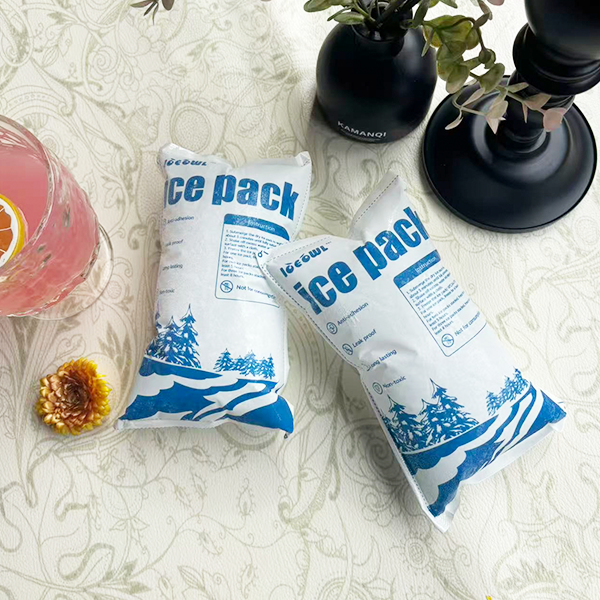
Supplier Dry Ice Pack for Milk Logistics: A Practical Guide for Safer, More Consistent Shipments
A supplier dry ice pack for milk logistics order should be treated as a temperature-control decision, not just a purchase of cold packs. The pack has to match the product, shipment duration, insulation, ambient exposure, and handling process. For milk, flavored milk, cultured dairy drinks, refrigerated dairy assortments, and retail dairy cartons, the objective is not simply to make the carton cold. The objective is to keep the payload within its acceptable condition without creating freeze damage, condensation, leakage, pressure risk, or receiving confusion.
The phrase dry ice pack can describe different products. It may refer to true dry ice, which is solid carbon dioxide and extremely cold, or to a hydrate dry ice sheet, reusable cold pack, gel pack, ice brick, or dry-ice-style refrigerant that is frozen before use. These products are not interchangeable. A supplier evaluator should define the refrigerant type before comparing size, price, or supplier claims.
For milk logistics, the better starting point is the required outcome: refrigerated dairy conditions defined by product specifications, local rules, route duration, and receiving requirements. Once that is clear, the buyer can choose the cold source, insulated container, packout pattern, and receiving process. A dry ice pack may be useful, but it should be selected as one component in a complete shipping system rather than as a standalone guarantee.
What the Pack Must Do for Milk Logistics
The first job of the pack is to absorb heat that enters the shipper through walls, lid seams, air gaps, payload mass, and handling exposure. The same pack can behave differently in a small insulated mailer, a molded EPP box, a foam shipper, or a pallet-level system. Performance depends on the full packout, not only on refrigerant weight.
Buyers should describe the temperature goal in operational terms. Does the product need to stay frozen, stay refrigerator-cold, avoid melting, avoid heat spikes, or only slow warming during a short delivery window? These are different problems. A frozen shipment may justify true dry ice, while a chilled shipment may be safer with gel packs, PCM packs, or ice bricks.
Define failure before ordering. For some shipments, failure is a temperature reading outside a limit. For others, it is softened texture, label damage, sweating, leakage, bruising, odor, or customer rejection. This definition helps the buyer evaluate sample results and supplier promises more realistically.
Dry Ice Packs, Gel Packs, PCM Packs, and Ice Bricks Are Different
True dry ice is solid carbon dioxide. It is extremely cold, leaves no liquid water as it sublimates, and can support frozen or ultracold profiles when the product and package are designed for that temperature. It also releases carbon dioxide gas, so the package must allow venting and may require specific marks, labels, and documentation for air transport.
Gel packs are commonly used for refrigerated or cool shipments. Flexible packs can conform around products, while rigid ice bricks can be easier to stack, clean, and reuse. Their performance depends on fill volume, gel formulation, outer film strength, conditioning temperature, and placement in the shipper.
PCM packs are selected around a defined phase-change temperature. They can be useful for narrower ranges such as 2 to 8 degrees C or controlled room temperature, but only when selected and conditioned correctly. The strongest coolant is not always the safest coolant; the best option is the one that matches the product range and route.
Packout Design Changes Real-World Performance
The cold source performs inside a specific configuration. For milk, flavored milk, cultured dairy drinks, refrigerated dairy assortments, and retail dairy cartons, results depend on payload load, insulation thickness, cold-pack position, headspace, and preconditioning. A partially filled carton has more air to cool. A dense payload may need more pull-down time. A thin liner may allow more heat gain than a molded insulated container.
Separators, dividers, and void fill can be more important than they look. They prevent direct contact with products that should not be frozen, reduce movement, and help operators place packs the same way every time. A simple loading diagram can reduce errors when order volume changes or temporary labor is used.
The receiving process belongs in the packout design. A shipment may be well packed but still fail if the receiver leaves it unopened, does not check temperature, or misunderstands what to do with dry ice or reusable packs. Business-to-business lanes should include receiving checks in the packaging plan.
Product-Specific Risks Buyers Should Not Overlook
The most common mistake is focusing only on hold time. Hold time matters, but it is not the same as product protection. In milk and dairy logistics, milk quality can deteriorate quickly when cold chain discipline breaks, and leaks can contaminate the shipment. A packout can hold a low temperature and still fail if it freezes a sensitive product, wets a label, blocks ventilation, shifts during handling, or creates a poor receiving experience.
Common use scenarios include subscription milk delivery, daily dairy replenishment, and retail sample lots. Each scenario changes the packaging decision. A short regional route may need a lightweight reusable setup, while a parcel lane may need more insulation and more thermal margin because dwell time is less predictable.
Important watchouts include freeze damage, leakage, route dwell time, pack return cycles, and receiving temperature checks. These details influence customer acceptance, complaint rates, and whether a packout can be repeated at scale. They should be part of the supplier discussion before a bulk, wholesale, distributor, or manufacturer order is placed.
Safety, Documentation, and Compliance Boundaries
Compliance depends on the product, route, carrier, and jurisdiction. For milk logistics, buyers should not assume that a cold pack makes a shipment compliant. The packaging must support the product owner's temperature requirement and documented procedure. Regulated healthcare lanes may require additional qualification, monitoring, and quality review before approval.
When true dry ice is used for air transport, it is commonly handled as Carbon dioxide, solid, with UN1845 marking and dry ice information on the transport documents. Packages must allow gas release and should not be airtight. Requirements can include the proper shipping name, net weight of dry ice, package count, and a Class 9 label. Carrier and state variations may apply.
For this category, the documentation package may also include dairy regulations, sanitation, temperature records, receiving inspection, cleaning procedures, and carrier requirements. A useful boundary is simple: a cold pack is a component, an insulated box is a container, and a qualified shipping system is a defined packout with procedures and evidence.
Data, Testing, and Route Qualification
A useful test asks a specific question: can this packout maintain the required range for this payload, duration, and ambient profile? The test should include the actual insulated shipper, representative payload, exact pack quantity, loading pattern, and logger locations that reflect likely hot and cold spots.
Data logger placement changes what the data appears to prove. A logger against a cold pack may show an artificially low reading, while a logger near a lid air gap may show a warmer reading than the product core. For regulated lanes, the monitoring plan should be reviewed by quality or logistics teams.
Route qualification should include real exposure points: warehouse staging, carrier pickup, airport or hub handling, customs, delivery attempts, and receiving delay. After launch, review exceptions such as excursions, melted packs, crushed cartons, wet labels, rejected shipments, and customer complaints.
What Supplier Evaluators Should Ask Before Ordering
Supplier evaluation should go beyond a price list. A supplier evaluator should evaluate technical fit, documentation, sample review, quality consistency, and support for repeated cold chain use. The goal is to find a product and supplier process that can repeat the same performance after the first sample approval. This is especially important when the packout will be used in recurring food, healthcare, or wholesale cold chain programs.
Start with dimensions. External dimensions affect carton fit and freight cost, but internal dimensions and usable volume determine whether the product will fit with insulation, cold packs, separators, and documents. Ask for product thickness after hydration or freezing if the pack changes shape. Ask whether the recommended pack quantity assumes a full or partial payload.
Review construction and quality controls. Important questions include film type, seal method, puncture resistance, water absorption, closure style, leak control, food or healthcare suitability, and repeated freeze-thaw stability if reuse is expected. Ask how sample-to-production consistency is controlled and how changes are communicated before they affect your packout.
Practical Use: Conditioning, Loading, and Receiving
A dry ice pack program needs a written operating method. Operators should know when to hydrate or freeze the pack, how long it must be conditioned, how it should be staged before loading, and where it belongs in the shipper. Small variations can create large differences in final package temperature when teams prepare many orders in a short window.
For milk, flavored milk, cultured dairy drinks, refrigerated dairy assortments, and retail dairy cartons, avoid direct contact between an aggressive refrigerant and a freeze-sensitive payload unless the packout has been designed for that exposure. Use barriers, dividers, or product cartons to control contact. Keep liquid or condensation away from labels and closures. Do not block ventilation where gas release or airflow is required.
Receiving teams should open shipments promptly and follow a defined inspection procedure. Depending on the product, that may include checking product temperature, looking for ice crystals, inspecting for leakage or condensation, reading a data logger, recording arrival time, and deciding what to do if the shipment is outside expectation.
Sustainability and Total Cost Should Be Evaluated Together
Sustainability is not only about choosing a recyclable material. It is also about preventing product loss. Wasted milk, flavored milk, cultured dairy drinks, refrigerated dairy assortments, and retail dairy cartons can carry a larger environmental and financial cost than the packaging itself, especially when replacement shipment is needed. A package that reduces spoilage without excessive material is usually the more practical choice.
Reusable packs may reduce material waste, but they need recovery, cleaning, inspection, and return economics. If the return process is weak, reusable assets can disappear, become contaminated, or cost more than expected. Right-sizing is often the simplest improvement because an oversized box needs more coolant and void fill.
Dry ice also deserves a sustainability and safety review. It can be effective for frozen lanes, but it sublimates during storage and transport, requires ventilation, and may introduce additional labeling and handling steps. Buyers should use it where its performance is needed, not as a default.
When a Dry Ice Pack Is Not Enough
A dry ice pack is not enough when the product or route needs a qualified thermal system. True dry ice is usually not the first choice for standard milk transport because it can overcool liquid dairy and adds handling requirements. Buyers should also be cautious with mixed products that have different temperature tolerances. A single coolant strategy may protect one item while damaging another.
It is also not enough when insulation is weak, the lane is too long, the shipper is loaded inconsistently, or the receiver cannot inspect the arrival condition. More coolant will not fix poor carton construction, weekend delays, unclear labels, or missing procedures. In many failures, the issue is the uncontrolled system around the pack.
A good supplier will be willing to explain when a dry ice pack is not the right answer. That honesty may point the buyer toward a gel pack, PCM pack, ice brick, insulated box, active refrigerated vehicle, or different service level that better fits the shipment.
FAQ
Is a dry ice pack always the best option for milk, flavored milk, cultured dairy drinks, refrigerated dairy assortments, and retail dairy cartons?
No. True dry ice is very cold and may fit frozen or ultracold profiles. Chilled products often need gel packs, PCM packs, ice bricks, separators, or a different shipping system.
Can performance be judged by pack weight alone?
No. Weight matters, but performance also depends on insulation, payload mass, conditioning, placement, ambient exposure, and transit duration. Ask for a packout recommendation, not only a unit weight.
What should be tested before a large order?
Test the real packout with representative payload, actual insulation, expected transit duration, and realistic ambient conditions. Review temperature data and physical arrival condition.
What is a common supplier selection mistake?
Approving a sample without locking the specification. Confirm dimensions, materials, fill, sealing, packaging, instructions, and change-control expectations before repeat orders.
About Tempk
Tempk focuses on cold chain packaging products such as dry ice packs, gel ice packs, ice bricks, insulated bags, EPP insulated boxes, cold shipping boxes, insulated liners, pallet covers, and related temperature-control materials. We support food, pharmaceutical, and logistics applications with practical packaging options for different payload sizes and routes. For this topic, our relevant strengths are cold-source selection and matching packs with insulated packaging so buyers can build a more repeatable shipping process.
Talk with Tempk about your product, temperature range, route duration, and order volume. We can help you compare suitable pack types and discuss bulk or custom packaging options without overcomplicating the shipment.
Manufacturer Dry Ice Pack for Vegetable Packaging: Pro Optimized Cold Chain Guide
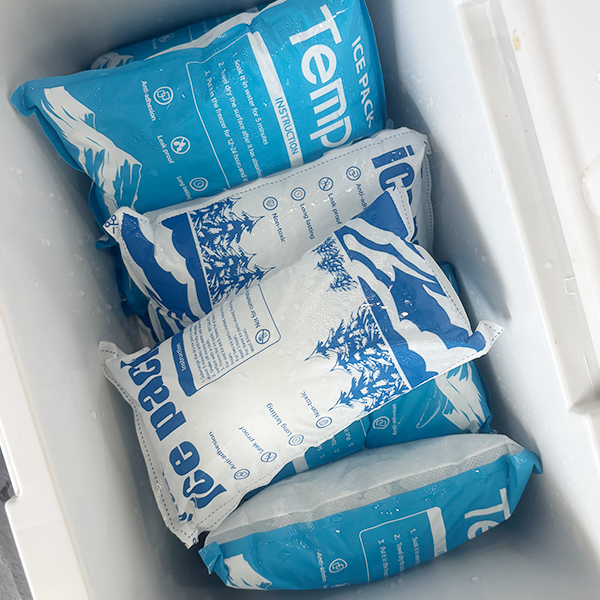
Manufacturer Dry Ice Pack for Vegetable Packaging: A Practical Guide for Safer, More Consistent Shipments
A manufacturer dry ice pack for vegetable packaging order should be treated as a temperature-control decision, not just a purchase of cold packs. The pack has to match the product, shipment duration, insulation, ambient exposure, and handling process. For leafy greens, herbs, brassicas, root vegetables, fresh-cut vegetables, and mixed vegetable packs, the objective is not simply to make the carton cold. The objective is to keep the payload within its acceptable condition without creating freeze damage, condensation, leakage, pressure risk, or receiving confusion.
The phrase dry ice pack can describe different products. It may refer to true dry ice, which is solid carbon dioxide and extremely cold, or to a hydrate dry ice sheet, reusable cold pack, gel pack, ice brick, or dry-ice-style refrigerant that is frozen before use. These products are not interchangeable. A manufacturer evaluator should define the refrigerant type before comparing size, price, or supplier claims.
For vegetable packaging, the better starting point is the required outcome: crop-specific chilled conditions with attention to humidity, airflow, and ethylene sensitivity. Once that is clear, the buyer can choose the cold source, insulated container, packout pattern, and receiving process. A dry ice pack may be useful, but it should be selected as one component in a complete shipping system rather than as a standalone guarantee.
What the Pack Must Do for Vegetable Packaging
The first job of the pack is to absorb heat that enters the shipper through walls, lid seams, air gaps, payload mass, and handling exposure. The same pack can behave differently in a small insulated mailer, a molded EPP box, a foam shipper, or a pallet-level system. Performance depends on the full packout, not only on refrigerant weight.
Buyers should describe the temperature goal in operational terms. Does the product need to stay frozen, stay refrigerator-cold, avoid melting, avoid heat spikes, or only slow warming during a short delivery window? These are different problems. A frozen shipment may justify true dry ice, while a chilled shipment may be safer with gel packs, PCM packs, or ice bricks.
Define failure before ordering. For some shipments, failure is a temperature reading outside a limit. For others, it is softened texture, label damage, sweating, leakage, bruising, odor, or customer rejection. This definition helps the buyer evaluate sample results and supplier promises more realistically.
Dry Ice Packs, Gel Packs, PCM Packs, and Ice Bricks Are Different
True dry ice is solid carbon dioxide. It is extremely cold, leaves no liquid water as it sublimates, and can support frozen or ultracold profiles when the product and package are designed for that temperature. It also releases carbon dioxide gas, so the package must allow venting and may require specific marks, labels, and documentation for air transport.
Gel packs are commonly used for refrigerated or cool shipments. Flexible packs can conform around products, while rigid ice bricks can be easier to stack, clean, and reuse. Their performance depends on fill volume, gel formulation, outer film strength, conditioning temperature, and placement in the shipper.
PCM packs are selected around a defined phase-change temperature. They can be useful for narrower ranges such as 2 to 8 degrees C or controlled room temperature, but only when selected and conditioned correctly. The strongest coolant is not always the safest coolant; the best option is the one that matches the product range and route.
Packout Design Changes Real-World Performance
The cold source performs inside a specific configuration. For leafy greens, herbs, brassicas, root vegetables, fresh-cut vegetables, and mixed vegetable packs, results depend on payload load, insulation thickness, cold-pack position, headspace, and preconditioning. A partially filled carton has more air to cool. A dense payload may need more pull-down time. A thin liner may allow more heat gain than a molded insulated container.
Separators, dividers, and void fill can be more important than they look. They prevent direct contact with products that should not be frozen, reduce movement, and help operators place packs the same way every time. A simple loading diagram can reduce errors when order volume changes or temporary labor is used.
The receiving process belongs in the packout design. A shipment may be well packed but still fail if the receiver leaves it unopened, does not check temperature, or misunderstands what to do with dry ice or reusable packs. Business-to-business lanes should include receiving checks in the packaging plan.
Product-Specific Risks Buyers Should Not Overlook
The most common mistake is focusing only on hold time. Hold time matters, but it is not the same as product protection. In fresh produce shipping, poor temperature control can accelerate respiration, wilting, moisture loss, decay, or chilling injury depending on the crop. A packout can hold a low temperature and still fail if it freezes a sensitive product, wets a label, blocks ventilation, shifts during handling, or creates a poor receiving experience.
Common use scenarios include mixed vegetable boxes, restaurant distribution, and fresh-cut kits. Each scenario changes the packaging decision. A short regional route may need a lightweight reusable setup, while a parcel lane may need more insulation and more thermal margin because dwell time is less predictable.
Important watchouts include humidity control, ethylene compatibility, chilling injury, vent blockage, and moisture migration. These details influence customer acceptance, complaint rates, and whether a packout can be repeated at scale. They should be part of the supplier discussion before a bulk, wholesale, distributor, or manufacturer order is placed.
Safety, Documentation, and Compliance Boundaries
Compliance depends on the product, route, carrier, and jurisdiction. For vegetable packaging, buyers should not assume that a cold pack makes a shipment compliant. The packaging must support the product owner's temperature requirement and documented procedure. Regulated healthcare lanes may require additional qualification, monitoring, and quality review before approval.
When true dry ice is used for air transport, it is commonly handled as Carbon dioxide, solid, with UN1845 marking and dry ice information on the transport documents. Packages must allow gas release and should not be airtight. Requirements can include the proper shipping name, net weight of dry ice, package count, and a Class 9 label. Carrier and state variations may apply.
For this category, the documentation package may also include food safety programs, sanitation controls, traceability labels, and receiving checks. A useful boundary is simple: a cold pack is a component, an insulated box is a container, and a qualified shipping system is a defined packout with procedures and evidence.
Data, Testing, and Route Qualification
A useful test asks a specific question: can this packout maintain the required range for this payload, duration, and ambient profile? The test should include the actual insulated shipper, representative payload, exact pack quantity, loading pattern, and logger locations that reflect likely hot and cold spots.
Data logger placement changes what the data appears to prove. A logger against a cold pack may show an artificially low reading, while a logger near a lid air gap may show a warmer reading than the product core. For regulated lanes, the monitoring plan should be reviewed by quality or logistics teams.
Route qualification should include real exposure points: warehouse staging, carrier pickup, airport or hub handling, customs, delivery attempts, and receiving delay. After launch, review exceptions such as excursions, melted packs, crushed cartons, wet labels, rejected shipments, and customer complaints.
What Manufacturer Evaluators Should Ask Before Ordering
Supplier evaluation should go beyond a price list. A manufacturer evaluator should evaluate film selection, sealing quality, custom sizing, dimensional tolerance, production repeatability, and change control. The goal is to find a product and supplier process that can repeat the same performance after the first sample approval. This is especially important when the packout will be used in recurring food, healthcare, or wholesale cold chain programs.
Start with dimensions. External dimensions affect carton fit and freight cost, but internal dimensions and usable volume determine whether the product will fit with insulation, cold packs, separators, and documents. Ask for product thickness after hydration or freezing if the pack changes shape. Ask whether the recommended pack quantity assumes a full or partial payload.
Review construction and quality controls. Important questions include film type, seal method, puncture resistance, water absorption, closure style, leak control, food or healthcare suitability, and repeated freeze-thaw stability if reuse is expected. Ask how sample-to-production consistency is controlled and how changes are communicated before they affect your packout.
Practical Use: Conditioning, Loading, and Receiving
A dry ice pack program needs a written operating method. Operators should know when to hydrate or freeze the pack, how long it must be conditioned, how it should be staged before loading, and where it belongs in the shipper. Small variations can create large differences in final package temperature when teams prepare many orders in a short window.
For leafy greens, herbs, brassicas, root vegetables, fresh-cut vegetables, and mixed vegetable packs, avoid direct contact between an aggressive refrigerant and a freeze-sensitive payload unless the packout has been designed for that exposure. Use barriers, dividers, or product cartons to control contact. Keep liquid or condensation away from labels and closures. Do not block ventilation where gas release or airflow is required.
Receiving teams should open shipments promptly and follow a defined inspection procedure. Depending on the product, that may include checking product temperature, looking for ice crystals, inspecting for leakage or condensation, reading a data logger, recording arrival time, and deciding what to do if the shipment is outside expectation.
Sustainability and Total Cost Should Be Evaluated Together
Sustainability is not only about choosing a recyclable material. It is also about preventing product loss. Wasted leafy greens, herbs, brassicas, root vegetables, fresh-cut vegetables, and mixed vegetable packs can carry a larger environmental and financial cost than the packaging itself, especially when replacement shipment is needed. A package that reduces spoilage without excessive material is usually the more practical choice.
Reusable packs may reduce material waste, but they need recovery, cleaning, inspection, and return economics. If the return process is weak, reusable assets can disappear, become contaminated, or cost more than expected. Right-sizing is often the simplest improvement because an oversized box needs more coolant and void fill.
Dry ice also deserves a sustainability and safety review. It can be effective for frozen lanes, but it sublimates during storage and transport, requires ventilation, and may introduce additional labeling and handling steps. Buyers should use it where its performance is needed, not as a default.
When a Dry Ice Pack Is Not Enough
A dry ice pack is not enough when the product or route needs a qualified thermal system. Dry ice packs are not universal for vegetables because direct or excessive cold can freeze tissue or injure sensitive crops. Buyers should also be cautious with mixed products that have different temperature tolerances. A single coolant strategy may protect one item while damaging another.
It is also not enough when insulation is weak, the lane is too long, the shipper is loaded inconsistently, or the receiver cannot inspect the arrival condition. More coolant will not fix poor carton construction, weekend delays, unclear labels, or missing procedures. In many failures, the issue is the uncontrolled system around the pack.
A good supplier will be willing to explain when a dry ice pack is not the right answer. That honesty may point the buyer toward a gel pack, PCM pack, ice brick, insulated box, active refrigerated vehicle, or different service level that better fits the shipment.
FAQ
Is a dry ice pack always the best option for leafy greens, herbs, brassicas, root vegetables, fresh-cut vegetables, and mixed vegetable packs?
No. True dry ice is very cold and may fit frozen or ultracold profiles. Chilled products often need gel packs, PCM packs, ice bricks, separators, or a different shipping system.
Can performance be judged by pack weight alone?
No. Weight matters, but performance also depends on insulation, payload mass, conditioning, placement, ambient exposure, and transit duration. Ask for a packout recommendation, not only a unit weight.
What should be tested before a large order?
Test the real packout with representative payload, actual insulation, expected transit duration, and realistic ambient conditions. Review temperature data and physical arrival condition.
What is a common supplier selection mistake?
Approving a sample without locking the specification. Confirm dimensions, materials, fill, sealing, packaging, instructions, and change-control expectations before repeat orders.
About Tempk
Tempk focuses on cold chain packaging products such as dry ice packs, gel ice packs, ice bricks, insulated bags, EPP insulated boxes, cold shipping boxes, insulated liners, pallet covers, and related temperature-control materials. We support food, pharmaceutical, and logistics applications with practical packaging options for different payload sizes and routes. For this topic, our relevant strengths are cold-source selection and matching packs with insulated packaging so buyers can build a more repeatable shipping process.
Talk with Tempk about your product, temperature range, route duration, and order volume. We can help you compare suitable pack types and discuss bulk or custom packaging options without overcomplicating the shipment.
Manufacturer Dry Ice Pack for Cheese Shipping: Pro Optimized Cold Chain Guide
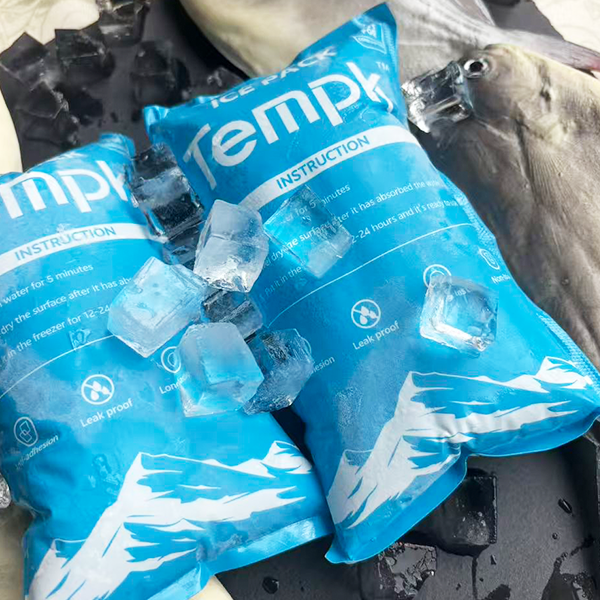
Manufacturer Dry Ice Pack for Cheese Shipping: A Practical Guide for Safer, More Consistent Shipments
A manufacturer dry ice pack for cheese shipping order should be treated as a temperature-control decision, not just a purchase of cold packs. The pack has to match the product, shipment duration, insulation, ambient exposure, and handling process. For soft cheese, semi-soft cheese, hard cheese, aged cheese, cheese boards, and dairy gift packs, the objective is not simply to make the carton cold. The objective is to keep the payload within its acceptable condition without creating freeze damage, condensation, leakage, pressure risk, or receiving confusion.
The phrase dry ice pack can describe different products. It may refer to true dry ice, which is solid carbon dioxide and extremely cold, or to a hydrate dry ice sheet, reusable cold pack, gel pack, ice brick, or dry-ice-style refrigerant that is frozen before use. These products are not interchangeable. A manufacturer evaluator should define the refrigerant type before comparing size, price, or supplier claims.
For cheese shipping, the better starting point is the required outcome: chilled or controlled cool conditions for most cheese, with tolerance depending on style and package. Once that is clear, the buyer can choose the cold source, insulated container, packout pattern, and receiving process. A dry ice pack may be useful, but it should be selected as one component in a complete shipping system rather than as a standalone guarantee.
What the Pack Must Do for Cheese Shipping
The first job of the pack is to absorb heat that enters the shipper through walls, lid seams, air gaps, payload mass, and handling exposure. The same pack can behave differently in a small insulated mailer, a molded EPP box, a foam shipper, or a pallet-level system. Performance depends on the full packout, not only on refrigerant weight.
Buyers should describe the temperature goal in operational terms. Does the product need to stay frozen, stay refrigerator-cold, avoid melting, avoid heat spikes, or only slow warming during a short delivery window? These are different problems. A frozen shipment may justify true dry ice, while a chilled shipment may be safer with gel packs, PCM packs, or ice bricks.
Define failure before ordering. For some shipments, failure is a temperature reading outside a limit. For others, it is softened texture, label damage, sweating, leakage, bruising, odor, or customer rejection. This definition helps the buyer evaluate sample results and supplier promises more realistically.
Dry Ice Packs, Gel Packs, PCM Packs, and Ice Bricks Are Different
True dry ice is solid carbon dioxide. It is extremely cold, leaves no liquid water as it sublimates, and can support frozen or ultracold profiles when the product and package are designed for that temperature. It also releases carbon dioxide gas, so the package must allow venting and may require specific marks, labels, and documentation for air transport.
Gel packs are commonly used for refrigerated or cool shipments. Flexible packs can conform around products, while rigid ice bricks can be easier to stack, clean, and reuse. Their performance depends on fill volume, gel formulation, outer film strength, conditioning temperature, and placement in the shipper.
PCM packs are selected around a defined phase-change temperature. They can be useful for narrower ranges such as 2 to 8 degrees C or controlled room temperature, but only when selected and conditioned correctly. The strongest coolant is not always the safest coolant; the best option is the one that matches the product range and route.
Packout Design Changes Real-World Performance
The cold source performs inside a specific configuration. For soft cheese, semi-soft cheese, hard cheese, aged cheese, cheese boards, and dairy gift packs, results depend on payload load, insulation thickness, cold-pack position, headspace, and preconditioning. A partially filled carton has more air to cool. A dense payload may need more pull-down time. A thin liner may allow more heat gain than a molded insulated container.
Separators, dividers, and void fill can be more important than they look. They prevent direct contact with products that should not be frozen, reduce movement, and help operators place packs the same way every time. A simple loading diagram can reduce errors when order volume changes or temporary labor is used.
The receiving process belongs in the packout design. A shipment may be well packed but still fail if the receiver leaves it unopened, does not check temperature, or misunderstands what to do with dry ice or reusable packs. Business-to-business lanes should include receiving checks in the packaging plan.
Product-Specific Risks Buyers Should Not Overlook
The most common mistake is focusing only on hold time. Hold time matters, but it is not the same as product protection. In cheese cold chain transport, temperature abuse can affect texture, moisture, rind condition, flavor development, and receiving acceptance. A packout can hold a low temperature and still fail if it freezes a sensitive product, wets a label, blocks ventilation, shifts during handling, or creates a poor receiving experience.
Common use scenarios include specialty distributor replenishment, artisan e-commerce, and wholesale samples. Each scenario changes the packaging decision. A short regional route may need a lightweight reusable setup, while a parcel lane may need more insulation and more thermal margin because dwell time is less predictable.
Important watchouts include freeze damage, condensation, mixed cheese styles, rind moisture, and label integrity. These details influence customer acceptance, complaint rates, and whether a packout can be repeated at scale. They should be part of the supplier discussion before a bulk, wholesale, distributor, or manufacturer order is placed.
Safety, Documentation, and Compliance Boundaries
Compliance depends on the product, route, carrier, and jurisdiction. For cheese shipping, buyers should not assume that a cold pack makes a shipment compliant. The packaging must support the product owner's temperature requirement and documented procedure. Regulated healthcare lanes may require additional qualification, monitoring, and quality review before approval.
When true dry ice is used for air transport, it is commonly handled as Carbon dioxide, solid, with UN1845 marking and dry ice information on the transport documents. Packages must allow gas release and should not be airtight. Requirements can include the proper shipping name, net weight of dry ice, package count, and a Class 9 label. Carrier and state variations may apply.
For this category, the documentation package may also include dairy handling rules, food safety programs, carrier requirements, and receiving documentation. A useful boundary is simple: a cold pack is a component, an insulated box is a container, and a qualified shipping system is a defined packout with procedures and evidence.
Data, Testing, and Route Qualification
A useful test asks a specific question: can this packout maintain the required range for this payload, duration, and ambient profile? The test should include the actual insulated shipper, representative payload, exact pack quantity, loading pattern, and logger locations that reflect likely hot and cold spots.
Data logger placement changes what the data appears to prove. A logger against a cold pack may show an artificially low reading, while a logger near a lid air gap may show a warmer reading than the product core. For regulated lanes, the monitoring plan should be reviewed by quality or logistics teams.
Route qualification should include real exposure points: warehouse staging, carrier pickup, airport or hub handling, customs, delivery attempts, and receiving delay. After launch, review exceptions such as excursions, melted packs, crushed cartons, wet labels, rejected shipments, and customer complaints.
What Manufacturer Evaluators Should Ask Before Ordering
Supplier evaluation should go beyond a price list. A manufacturer evaluator should evaluate film selection, sealing quality, custom sizing, dimensional tolerance, production repeatability, and change control. The goal is to find a product and supplier process that can repeat the same performance after the first sample approval. This is especially important when the packout will be used in recurring food, healthcare, or wholesale cold chain programs.
Start with dimensions. External dimensions affect carton fit and freight cost, but internal dimensions and usable volume determine whether the product will fit with insulation, cold packs, separators, and documents. Ask for product thickness after hydration or freezing if the pack changes shape. Ask whether the recommended pack quantity assumes a full or partial payload.
Review construction and quality controls. Important questions include film type, seal method, puncture resistance, water absorption, closure style, leak control, food or healthcare suitability, and repeated freeze-thaw stability if reuse is expected. Ask how sample-to-production consistency is controlled and how changes are communicated before they affect your packout.
Practical Use: Conditioning, Loading, and Receiving
A dry ice pack program needs a written operating method. Operators should know when to hydrate or freeze the pack, how long it must be conditioned, how it should be staged before loading, and where it belongs in the shipper. Small variations can create large differences in final package temperature when teams prepare many orders in a short window.
For soft cheese, semi-soft cheese, hard cheese, aged cheese, cheese boards, and dairy gift packs, avoid direct contact between an aggressive refrigerant and a freeze-sensitive payload unless the packout has been designed for that exposure. Use barriers, dividers, or product cartons to control contact. Keep liquid or condensation away from labels and closures. Do not block ventilation where gas release or airflow is required.
Receiving teams should open shipments promptly and follow a defined inspection procedure. Depending on the product, that may include checking product temperature, looking for ice crystals, inspecting for leakage or condensation, reading a data logger, recording arrival time, and deciding what to do if the shipment is outside expectation.
Sustainability and Total Cost Should Be Evaluated Together
Sustainability is not only about choosing a recyclable material. It is also about preventing product loss. Wasted soft cheese, semi-soft cheese, hard cheese, aged cheese, cheese boards, and dairy gift packs can carry a larger environmental and financial cost than the packaging itself, especially when replacement shipment is needed. A package that reduces spoilage without excessive material is usually the more practical choice.
Reusable packs may reduce material waste, but they need recovery, cleaning, inspection, and return economics. If the return process is weak, reusable assets can disappear, become contaminated, or cost more than expected. Right-sizing is often the simplest improvement because an oversized box needs more coolant and void fill.
Dry ice also deserves a sustainability and safety review. It can be effective for frozen lanes, but it sublimates during storage and transport, requires ventilation, and may introduce additional labeling and handling steps. Buyers should use it where its performance is needed, not as a default.
When a Dry Ice Pack Is Not Enough
A dry ice pack is not enough when the product or route needs a qualified thermal system. True dry ice is often too cold for direct use around cheese unless the shipment is designed for frozen service. Buyers should also be cautious with mixed products that have different temperature tolerances. A single coolant strategy may protect one item while damaging another.
It is also not enough when insulation is weak, the lane is too long, the shipper is loaded inconsistently, or the receiver cannot inspect the arrival condition. More coolant will not fix poor carton construction, weekend delays, unclear labels, or missing procedures. In many failures, the issue is the uncontrolled system around the pack.
A good supplier will be willing to explain when a dry ice pack is not the right answer. That honesty may point the buyer toward a gel pack, PCM pack, ice brick, insulated box, active refrigerated vehicle, or different service level that better fits the shipment.
FAQ
Is a dry ice pack always the best option for soft cheese, semi-soft cheese, hard cheese, aged cheese, cheese boards, and dairy gift packs?
No. True dry ice is very cold and may fit frozen or ultracold profiles. Chilled products often need gel packs, PCM packs, ice bricks, separators, or a different shipping system.
Can performance be judged by pack weight alone?
No. Weight matters, but performance also depends on insulation, payload mass, conditioning, placement, ambient exposure, and transit duration. Ask for a packout recommendation, not only a unit weight.
What should be tested before a large order?
Test the real packout with representative payload, actual insulation, expected transit duration, and realistic ambient conditions. Review temperature data and physical arrival condition.
What is a common supplier selection mistake?
Approving a sample without locking the specification. Confirm dimensions, materials, fill, sealing, packaging, instructions, and change-control expectations before repeat orders.
About Tempk
Tempk focuses on cold chain packaging products such as dry ice packs, gel ice packs, ice bricks, insulated bags, EPP insulated boxes, cold shipping boxes, insulated liners, pallet covers, and related temperature-control materials. We support food, pharmaceutical, and logistics applications with practical packaging options for different payload sizes and routes. For this topic, our relevant strengths are cold-source selection and matching packs with insulated packaging so buyers can build a more repeatable shipping process.
Talk with Tempk about your product, temperature range, route duration, and order volume. We can help you compare suitable pack types and discuss bulk or custom packaging options without overcomplicating the shipment.
Distributor Dry Ice Pack for Vegetable Shipping: Pro Optimized Cold Chain Guide

Distributor Dry Ice Pack for Vegetable Shipping: A Practical Guide for Safer, More Consistent Shipments
A distributor dry ice pack for vegetable shipping order should be treated as a temperature-control decision, not just a purchase of cold packs. The pack has to match the product, shipment duration, insulation, ambient exposure, and handling process. For leafy greens, herbs, brassicas, root vegetables, fresh-cut vegetables, and mixed vegetable packs, the objective is not simply to make the carton cold. The objective is to keep the payload within its acceptable condition without creating freeze damage, condensation, leakage, pressure risk, or receiving confusion.
The phrase dry ice pack can describe different products. It may refer to true dry ice, which is solid carbon dioxide and extremely cold, or to a hydrate dry ice sheet, reusable cold pack, gel pack, ice brick, or dry-ice-style refrigerant that is frozen before use. These products are not interchangeable. A distributor should define the refrigerant type before comparing size, price, or supplier claims.
For vegetable shipping, the better starting point is the required outcome: crop-specific chilled conditions with attention to humidity, airflow, and ethylene sensitivity. Once that is clear, the buyer can choose the cold source, insulated container, packout pattern, and receiving process. A dry ice pack may be useful, but it should be selected as one component in a complete shipping system rather than as a standalone guarantee.
What the Pack Must Do for Vegetable Shipping
The first job of the pack is to absorb heat that enters the shipper through walls, lid seams, air gaps, payload mass, and handling exposure. The same pack can behave differently in a small insulated mailer, a molded EPP box, a foam shipper, or a pallet-level system. Performance depends on the full packout, not only on refrigerant weight.
Buyers should describe the temperature goal in operational terms. Does the product need to stay frozen, stay refrigerator-cold, avoid melting, avoid heat spikes, or only slow warming during a short delivery window? These are different problems. A frozen shipment may justify true dry ice, while a chilled shipment may be safer with gel packs, PCM packs, or ice bricks.
Define failure before ordering. For some shipments, failure is a temperature reading outside a limit. For others, it is softened texture, label damage, sweating, leakage, bruising, odor, or customer rejection. This definition helps the buyer evaluate sample results and supplier promises more realistically.
Dry Ice Packs, Gel Packs, PCM Packs, and Ice Bricks Are Different
True dry ice is solid carbon dioxide. It is extremely cold, leaves no liquid water as it sublimates, and can support frozen or ultracold profiles when the product and package are designed for that temperature. It also releases carbon dioxide gas, so the package must allow venting and may require specific marks, labels, and documentation for air transport.
Gel packs are commonly used for refrigerated or cool shipments. Flexible packs can conform around products, while rigid ice bricks can be easier to stack, clean, and reuse. Their performance depends on fill volume, gel formulation, outer film strength, conditioning temperature, and placement in the shipper.
PCM packs are selected around a defined phase-change temperature. They can be useful for narrower ranges such as 2 to 8 degrees C or controlled room temperature, but only when selected and conditioned correctly. The strongest coolant is not always the safest coolant; the best option is the one that matches the product range and route.
Packout Design Changes Real-World Performance
The cold source performs inside a specific configuration. For leafy greens, herbs, brassicas, root vegetables, fresh-cut vegetables, and mixed vegetable packs, results depend on payload load, insulation thickness, cold-pack position, headspace, and preconditioning. A partially filled carton has more air to cool. A dense payload may need more pull-down time. A thin liner may allow more heat gain than a molded insulated container.
Separators, dividers, and void fill can be more important than they look. They prevent direct contact with products that should not be frozen, reduce movement, and help operators place packs the same way every time. A simple loading diagram can reduce errors when order volume changes or temporary labor is used.
The receiving process belongs in the packout design. A shipment may be well packed but still fail if the receiver leaves it unopened, does not check temperature, or misunderstands what to do with dry ice or reusable packs. Business-to-business lanes should include receiving checks in the packaging plan.
Product-Specific Risks Buyers Should Not Overlook
The most common mistake is focusing only on hold time. Hold time matters, but it is not the same as product protection. In fresh produce shipping, poor temperature control can accelerate respiration, wilting, moisture loss, decay, or chilling injury depending on the crop. A packout can hold a low temperature and still fail if it freezes a sensitive product, wets a label, blocks ventilation, shifts during handling, or creates a poor receiving experience.
Common use scenarios include mixed vegetable boxes, restaurant distribution, and fresh-cut kits. Each scenario changes the packaging decision. A short regional route may need a lightweight reusable setup, while a parcel lane may need more insulation and more thermal margin because dwell time is less predictable.
Important watchouts include humidity control, ethylene compatibility, chilling injury, vent blockage, and moisture migration. These details influence customer acceptance, complaint rates, and whether a packout can be repeated at scale. They should be part of the supplier discussion before a bulk, wholesale, distributor, or manufacturer order is placed.
Safety, Documentation, and Compliance Boundaries
Compliance depends on the product, route, carrier, and jurisdiction. For vegetable shipping, buyers should not assume that a cold pack makes a shipment compliant. The packaging must support the product owner's temperature requirement and documented procedure. Regulated healthcare lanes may require additional qualification, monitoring, and quality review before approval.
When true dry ice is used for air transport, it is commonly handled as Carbon dioxide, solid, with UN1845 marking and dry ice information on the transport documents. Packages must allow gas release and should not be airtight. Requirements can include the proper shipping name, net weight of dry ice, package count, and a Class 9 label. Carrier and state variations may apply.
For this category, the documentation package may also include food safety programs, sanitation controls, traceability labels, and receiving checks. A useful boundary is simple: a cold pack is a component, an insulated box is a container, and a qualified shipping system is a defined packout with procedures and evidence.
Data, Testing, and Route Qualification
A useful test asks a specific question: can this packout maintain the required range for this payload, duration, and ambient profile? The test should include the actual insulated shipper, representative payload, exact pack quantity, loading pattern, and logger locations that reflect likely hot and cold spots.
Data logger placement changes what the data appears to prove. A logger against a cold pack may show an artificially low reading, while a logger near a lid air gap may show a warmer reading than the product core. For regulated lanes, the monitoring plan should be reviewed by quality or logistics teams.
Route qualification should include real exposure points: warehouse staging, carrier pickup, airport or hub handling, customs, delivery attempts, and receiving delay. After launch, review exceptions such as excursions, melted packs, crushed cartons, wet labels, rejected shipments, and customer complaints.
What Distributors Should Ask Before Ordering
Supplier evaluation should go beyond a price list. A distributor should evaluate inventory range, resale packaging, regional support, lot traceability, and reliable supply for recurring customers. The goal is to find a product and supplier process that can repeat the same performance after the first sample approval. This is especially important when the packout will be used in recurring food, healthcare, or wholesale cold chain programs.
Start with dimensions. External dimensions affect carton fit and freight cost, but internal dimensions and usable volume determine whether the product will fit with insulation, cold packs, separators, and documents. Ask for product thickness after hydration or freezing if the pack changes shape. Ask whether the recommended pack quantity assumes a full or partial payload.
Review construction and quality controls. Important questions include film type, seal method, puncture resistance, water absorption, closure style, leak control, food or healthcare suitability, and repeated freeze-thaw stability if reuse is expected. Ask how sample-to-production consistency is controlled and how changes are communicated before they affect your packout.
Practical Use: Conditioning, Loading, and Receiving
A dry ice pack program needs a written operating method. Operators should know when to hydrate or freeze the pack, how long it must be conditioned, how it should be staged before loading, and where it belongs in the shipper. Small variations can create large differences in final package temperature when teams prepare many orders in a short window.
For leafy greens, herbs, brassicas, root vegetables, fresh-cut vegetables, and mixed vegetable packs, avoid direct contact between an aggressive refrigerant and a freeze-sensitive payload unless the packout has been designed for that exposure. Use barriers, dividers, or product cartons to control contact. Keep liquid or condensation away from labels and closures. Do not block ventilation where gas release or airflow is required.
Receiving teams should open shipments promptly and follow a defined inspection procedure. Depending on the product, that may include checking product temperature, looking for ice crystals, inspecting for leakage or condensation, reading a data logger, recording arrival time, and deciding what to do if the shipment is outside expectation.
Sustainability and Total Cost Should Be Evaluated Together
Sustainability is not only about choosing a recyclable material. It is also about preventing product loss. Wasted leafy greens, herbs, brassicas, root vegetables, fresh-cut vegetables, and mixed vegetable packs can carry a larger environmental and financial cost than the packaging itself, especially when replacement shipment is needed. A package that reduces spoilage without excessive material is usually the more practical choice.
Reusable packs may reduce material waste, but they need recovery, cleaning, inspection, and return economics. If the return process is weak, reusable assets can disappear, become contaminated, or cost more than expected. Right-sizing is often the simplest improvement because an oversized box needs more coolant and void fill.
Dry ice also deserves a sustainability and safety review. It can be effective for frozen lanes, but it sublimates during storage and transport, requires ventilation, and may introduce additional labeling and handling steps. Buyers should use it where its performance is needed, not as a default.
When a Dry Ice Pack Is Not Enough
A dry ice pack is not enough when the product or route needs a qualified thermal system. Dry ice packs are not universal for vegetables because direct or excessive cold can freeze tissue or injure sensitive crops. Buyers should also be cautious with mixed products that have different temperature tolerances. A single coolant strategy may protect one item while damaging another.
It is also not enough when insulation is weak, the lane is too long, the shipper is loaded inconsistently, or the receiver cannot inspect the arrival condition. More coolant will not fix poor carton construction, weekend delays, unclear labels, or missing procedures. In many failures, the issue is the uncontrolled system around the pack.
A good supplier will be willing to explain when a dry ice pack is not the right answer. That honesty may point the buyer toward a gel pack, PCM pack, ice brick, insulated box, active refrigerated vehicle, or different service level that better fits the shipment.
FAQ
Is a dry ice pack always the best option for leafy greens, herbs, brassicas, root vegetables, fresh-cut vegetables, and mixed vegetable packs?
No. True dry ice is very cold and may fit frozen or ultracold profiles. Chilled products often need gel packs, PCM packs, ice bricks, separators, or a different shipping system.
Can performance be judged by pack weight alone?
No. Weight matters, but performance also depends on insulation, payload mass, conditioning, placement, ambient exposure, and transit duration. Ask for a packout recommendation, not only a unit weight.
What should be tested before a large order?
Test the real packout with representative payload, actual insulation, expected transit duration, and realistic ambient conditions. Review temperature data and physical arrival condition.
What is a common supplier selection mistake?
Approving a sample without locking the specification. Confirm dimensions, materials, fill, sealing, packaging, instructions, and change-control expectations before repeat orders.
About Tempk
Tempk focuses on cold chain packaging products such as dry ice packs, gel ice packs, ice bricks, insulated bags, EPP insulated boxes, cold shipping boxes, insulated liners, pallet covers, and related temperature-control materials. We support food, pharmaceutical, and logistics applications with practical packaging options for different payload sizes and routes. For this topic, our relevant strengths are cold-source selection and matching packs with insulated packaging so buyers can build a more repeatable shipping process.
Talk with Tempk about your product, temperature range, route duration, and order volume. We can help you compare suitable pack types and discuss bulk or custom packaging options without overcomplicating the shipment.
Distributor Dry Ice Pack for Milk Transport: Pro Optimized Cold Chain Guide
Distributor Dry Ice Pack for Milk Transport: A Practical Guide for Safer, More Consistent Shipments
A distributor dry ice pack for milk transport order should be treated as a temperature-control decision, not just a purchase of cold packs. The pack has to match the product, shipment duration, insulation, ambient exposure, and handling process. For milk, flavored milk, cultured dairy drinks, refrigerated dairy assortments, and retail dairy cartons, the objective is not simply to make the carton cold. The objective is to keep the payload within its acceptable condition without creating freeze damage, condensation, leakage, pressure risk, or receiving confusion.
The phrase dry ice pack can describe different products. It may refer to true dry ice, which is solid carbon dioxide and extremely cold, or to a hydrate dry ice sheet, reusable cold pack, gel pack, ice brick, or dry-ice-style refrigerant that is frozen before use. These products are not interchangeable. A distributor should define the refrigerant type before comparing size, price, or supplier claims.
For milk transport, the better starting point is the required outcome: refrigerated dairy conditions defined by product specifications, local rules, route duration, and receiving requirements. Once that is clear, the buyer can choose the cold source, insulated container, packout pattern, and receiving process. A dry ice pack may be useful, but it should be selected as one component in a complete shipping system rather than as a standalone guarantee.
What the Pack Must Do for Milk Transport
The first job of the pack is to absorb heat that enters the shipper through walls, lid seams, air gaps, payload mass, and handling exposure. The same pack can behave differently in a small insulated mailer, a molded EPP box, a foam shipper, or a pallet-level system. Performance depends on the full packout, not only on refrigerant weight.
Buyers should describe the temperature goal in operational terms. Does the product need to stay frozen, stay refrigerator-cold, avoid melting, avoid heat spikes, or only slow warming during a short delivery window? These are different problems. A frozen shipment may justify true dry ice, while a chilled shipment may be safer with gel packs, PCM packs, or ice bricks.
Define failure before ordering. For some shipments, failure is a temperature reading outside a limit. For others, it is softened texture, label damage, sweating, leakage, bruising, odor, or customer rejection. This definition helps the buyer evaluate sample results and supplier promises more realistically.
Dry Ice Packs, Gel Packs, PCM Packs, and Ice Bricks Are Different
True dry ice is solid carbon dioxide. It is extremely cold, leaves no liquid water as it sublimates, and can support frozen or ultracold profiles when the product and package are designed for that temperature. It also releases carbon dioxide gas, so the package must allow venting and may require specific marks, labels, and documentation for air transport.
Gel packs are commonly used for refrigerated or cool shipments. Flexible packs can conform around products, while rigid ice bricks can be easier to stack, clean, and reuse. Their performance depends on fill volume, gel formulation, outer film strength, conditioning temperature, and placement in the shipper.
PCM packs are selected around a defined phase-change temperature. They can be useful for narrower ranges such as 2 to 8 degrees C or controlled room temperature, but only when selected and conditioned correctly. The strongest coolant is not always the safest coolant; the best option is the one that matches the product range and route.
Packout Design Changes Real-World Performance
The cold source performs inside a specific configuration. For milk, flavored milk, cultured dairy drinks, refrigerated dairy assortments, and retail dairy cartons, results depend on payload load, insulation thickness, cold-pack position, headspace, and preconditioning. A partially filled carton has more air to cool. A dense payload may need more pull-down time. A thin liner may allow more heat gain than a molded insulated container.
Separators, dividers, and void fill can be more important than they look. They prevent direct contact with products that should not be frozen, reduce movement, and help operators place packs the same way every time. A simple loading diagram can reduce errors when order volume changes or temporary labor is used.
The receiving process belongs in the packout design. A shipment may be well packed but still fail if the receiver leaves it unopened, does not check temperature, or misunderstands what to do with dry ice or reusable packs. Business-to-business lanes should include receiving checks in the packaging plan.
Product-Specific Risks Buyers Should Not Overlook
The most common mistake is focusing only on hold time. Hold time matters, but it is not the same as product protection. In milk and dairy logistics, milk quality can deteriorate quickly when cold chain discipline breaks, and leaks can contaminate the shipment. A packout can hold a low temperature and still fail if it freezes a sensitive product, wets a label, blocks ventilation, shifts during handling, or creates a poor receiving experience.
Common use scenarios include subscription milk delivery, daily dairy replenishment, and retail sample lots. Each scenario changes the packaging decision. A short regional route may need a lightweight reusable setup, while a parcel lane may need more insulation and more thermal margin because dwell time is less predictable.
Important watchouts include freeze damage, leakage, route dwell time, pack return cycles, and receiving temperature checks. These details influence customer acceptance, complaint rates, and whether a packout can be repeated at scale. They should be part of the supplier discussion before a bulk, wholesale, distributor, or manufacturer order is placed.
Safety, Documentation, and Compliance Boundaries
Compliance depends on the product, route, carrier, and jurisdiction. For milk transport, buyers should not assume that a cold pack makes a shipment compliant. The packaging must support the product owner's temperature requirement and documented procedure. Regulated healthcare lanes may require additional qualification, monitoring, and quality review before approval.
When true dry ice is used for air transport, it is commonly handled as Carbon dioxide, solid, with UN1845 marking and dry ice information on the transport documents. Packages must allow gas release and should not be airtight. Requirements can include the proper shipping name, net weight of dry ice, package count, and a Class 9 label. Carrier and state variations may apply.
For this category, the documentation package may also include dairy regulations, sanitation, temperature records, receiving inspection, cleaning procedures, and carrier requirements. A useful boundary is simple: a cold pack is a component, an insulated box is a container, and a qualified shipping system is a defined packout with procedures and evidence.
Data, Testing, and Route Qualification
A useful test asks a specific question: can this packout maintain the required range for this payload, duration, and ambient profile? The test should include the actual insulated shipper, representative payload, exact pack quantity, loading pattern, and logger locations that reflect likely hot and cold spots.
Data logger placement changes what the data appears to prove. A logger against a cold pack may show an artificially low reading, while a logger near a lid air gap may show a warmer reading than the product core. For regulated lanes, the monitoring plan should be reviewed by quality or logistics teams.
Route qualification should include real exposure points: warehouse staging, carrier pickup, airport or hub handling, customs, delivery attempts, and receiving delay. After launch, review exceptions such as excursions, melted packs, crushed cartons, wet labels, rejected shipments, and customer complaints.
What Distributors Should Ask Before Ordering
Supplier evaluation should go beyond a price list. A distributor should evaluate inventory range, resale packaging, regional support, lot traceability, and reliable supply for recurring customers. The goal is to find a product and supplier process that can repeat the same performance after the first sample approval. This is especially important when the packout will be used in recurring food, healthcare, or wholesale cold chain programs.
Start with dimensions. External dimensions affect carton fit and freight cost, but internal dimensions and usable volume determine whether the product will fit with insulation, cold packs, separators, and documents. Ask for product thickness after hydration or freezing if the pack changes shape. Ask whether the recommended pack quantity assumes a full or partial payload.
Review construction and quality controls. Important questions include film type, seal method, puncture resistance, water absorption, closure style, leak control, food or healthcare suitability, and repeated freeze-thaw stability if reuse is expected. Ask how sample-to-production consistency is controlled and how changes are communicated before they affect your packout.
Practical Use: Conditioning, Loading, and Receiving
A dry ice pack program needs a written operating method. Operators should know when to hydrate or freeze the pack, how long it must be conditioned, how it should be staged before loading, and where it belongs in the shipper. Small variations can create large differences in final package temperature when teams prepare many orders in a short window.
For milk, flavored milk, cultured dairy drinks, refrigerated dairy assortments, and retail dairy cartons, avoid direct contact between an aggressive refrigerant and a freeze-sensitive payload unless the packout has been designed for that exposure. Use barriers, dividers, or product cartons to control contact. Keep liquid or condensation away from labels and closures. Do not block ventilation where gas release or airflow is required.
Receiving teams should open shipments promptly and follow a defined inspection procedure. Depending on the product, that may include checking product temperature, looking for ice crystals, inspecting for leakage or condensation, reading a data logger, recording arrival time, and deciding what to do if the shipment is outside expectation.
Sustainability and Total Cost Should Be Evaluated Together
Sustainability is not only about choosing a recyclable material. It is also about preventing product loss. Wasted milk, flavored milk, cultured dairy drinks, refrigerated dairy assortments, and retail dairy cartons can carry a larger environmental and financial cost than the packaging itself, especially when replacement shipment is needed. A package that reduces spoilage without excessive material is usually the more practical choice.
Reusable packs may reduce material waste, but they need recovery, cleaning, inspection, and return economics. If the return process is weak, reusable assets can disappear, become contaminated, or cost more than expected. Right-sizing is often the simplest improvement because an oversized box needs more coolant and void fill.
Dry ice also deserves a sustainability and safety review. It can be effective for frozen lanes, but it sublimates during storage and transport, requires ventilation, and may introduce additional labeling and handling steps. Buyers should use it where its performance is needed, not as a default.
When a Dry Ice Pack Is Not Enough
A dry ice pack is not enough when the product or route needs a qualified thermal system. True dry ice is usually not the first choice for standard milk transport because it can overcool liquid dairy and adds handling requirements. Buyers should also be cautious with mixed products that have different temperature tolerances. A single coolant strategy may protect one item while damaging another.
It is also not enough when insulation is weak, the lane is too long, the shipper is loaded inconsistently, or the receiver cannot inspect the arrival condition. More coolant will not fix poor carton construction, weekend delays, unclear labels, or missing procedures. In many failures, the issue is the uncontrolled system around the pack.
A good supplier will be willing to explain when a dry ice pack is not the right answer. That honesty may point the buyer toward a gel pack, PCM pack, ice brick, insulated box, active refrigerated vehicle, or different service level that better fits the shipment.
FAQ
Is a dry ice pack always the best option for milk, flavored milk, cultured dairy drinks, refrigerated dairy assortments, and retail dairy cartons?
No. True dry ice is very cold and may fit frozen or ultracold profiles. Chilled products often need gel packs, PCM packs, ice bricks, separators, or a different shipping system.
Can performance be judged by pack weight alone?
No. Weight matters, but performance also depends on insulation, payload mass, conditioning, placement, ambient exposure, and transit duration. Ask for a packout recommendation, not only a unit weight.
What should be tested before a large order?
Test the real packout with representative payload, actual insulation, expected transit duration, and realistic ambient conditions. Review temperature data and physical arrival condition.
What is a common supplier selection mistake?
Approving a sample without locking the specification. Confirm dimensions, materials, fill, sealing, packaging, instructions, and change-control expectations before repeat orders.
About Tempk
Tempk focuses on cold chain packaging products such as dry ice packs, gel ice packs, ice bricks, insulated bags, EPP insulated boxes, cold shipping boxes, insulated liners, pallet covers, and related temperature-control materials. We support food, pharmaceutical, and logistics applications with practical packaging options for different payload sizes and routes. For this topic, our relevant strengths are cold-source selection and matching packs with insulated packaging so buyers can build a more repeatable shipping process.
Talk with Tempk about your product, temperature range, route duration, and order volume. We can help you compare suitable pack types and discuss bulk or custom packaging options without overcomplicating the shipment.
Distributor Dry Ice Pack for Food Packaging: Pro Optimized Cold Chain Guide
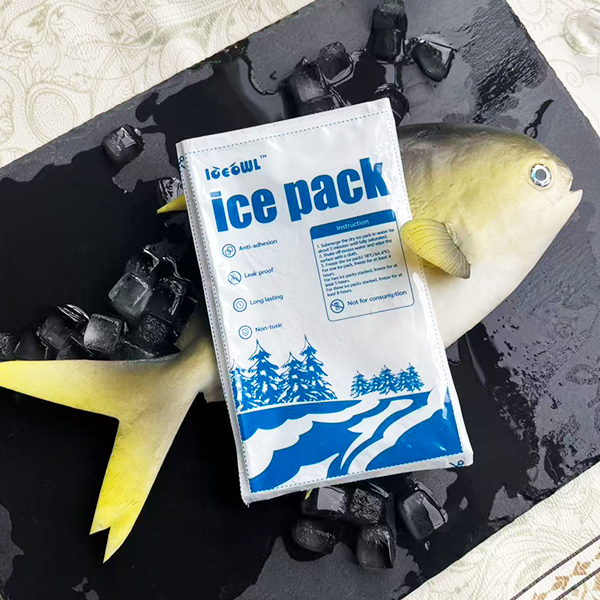
Distributor Dry Ice Pack for Food Packaging: A Practical Guide for Safer, More Consistent Shipments
A distributor dry ice pack for food packaging order should be treated as a temperature-control decision, not just a purchase of cold packs. The pack has to match the product, shipment duration, insulation, ambient exposure, and handling process. For prepared meals, dairy foods, frozen foods, sauces, desserts, and mixed perishable orders, the objective is not simply to make the carton cold. The objective is to keep the payload within its acceptable condition without creating freeze damage, condensation, leakage, pressure risk, or receiving confusion.
The phrase dry ice pack can describe different products. It may refer to true dry ice, which is solid carbon dioxide and extremely cold, or to a hydrate dry ice sheet, reusable cold pack, gel pack, ice brick, or dry-ice-style refrigerant that is frozen before use. These products are not interchangeable. A distributor should define the refrigerant type before comparing size, price, or supplier claims.
For food packaging, the better starting point is the required outcome: ambient, chilled, frozen, or controlled cool profiles depending on the food and shelf-life requirement. Once that is clear, the buyer can choose the cold source, insulated container, packout pattern, and receiving process. A dry ice pack may be useful, but it should be selected as one component in a complete shipping system rather than as a standalone guarantee.
What the Pack Must Do for Food Packaging
The first job of the pack is to absorb heat that enters the shipper through walls, lid seams, air gaps, payload mass, and handling exposure. The same pack can behave differently in a small insulated mailer, a molded EPP box, a foam shipper, or a pallet-level system. Performance depends on the full packout, not only on refrigerant weight.
Buyers should describe the temperature goal in operational terms. Does the product need to stay frozen, stay refrigerator-cold, avoid melting, avoid heat spikes, or only slow warming during a short delivery window? These are different problems. A frozen shipment may justify true dry ice, while a chilled shipment may be safer with gel packs, PCM packs, or ice bricks.
Define failure before ordering. For some shipments, failure is a temperature reading outside a limit. For others, it is softened texture, label damage, sweating, leakage, bruising, odor, or customer rejection. This definition helps the buyer evaluate sample results and supplier promises more realistically.
Dry Ice Packs, Gel Packs, PCM Packs, and Ice Bricks Are Different
True dry ice is solid carbon dioxide. It is extremely cold, leaves no liquid water as it sublimates, and can support frozen or ultracold profiles when the product and package are designed for that temperature. It also releases carbon dioxide gas, so the package must allow venting and may require specific marks, labels, and documentation for air transport.
Gel packs are commonly used for refrigerated or cool shipments. Flexible packs can conform around products, while rigid ice bricks can be easier to stack, clean, and reuse. Their performance depends on fill volume, gel formulation, outer film strength, conditioning temperature, and placement in the shipper.
PCM packs are selected around a defined phase-change temperature. They can be useful for narrower ranges such as 2 to 8 degrees C or controlled room temperature, but only when selected and conditioned correctly. The strongest coolant is not always the safest coolant; the best option is the one that matches the product range and route.
Packout Design Changes Real-World Performance
The cold source performs inside a specific configuration. For prepared meals, dairy foods, frozen foods, sauces, desserts, and mixed perishable orders, results depend on payload load, insulation thickness, cold-pack position, headspace, and preconditioning. A partially filled carton has more air to cool. A dense payload may need more pull-down time. A thin liner may allow more heat gain than a molded insulated container.
Separators, dividers, and void fill can be more important than they look. They prevent direct contact with products that should not be frozen, reduce movement, and help operators place packs the same way every time. A simple loading diagram can reduce errors when order volume changes or temporary labor is used.
The receiving process belongs in the packout design. A shipment may be well packed but still fail if the receiver leaves it unopened, does not check temperature, or misunderstands what to do with dry ice or reusable packs. Business-to-business lanes should include receiving checks in the packaging plan.
Product-Specific Risks Buyers Should Not Overlook
The most common mistake is focusing only on hold time. Hold time matters, but it is not the same as product protection. In perishable food packaging, a poorly matched cold source can cause warm arrivals or freeze damage, both of which create rejection or waste. A packout can hold a low temperature and still fail if it freezes a sensitive product, wets a label, blocks ventilation, shifts during handling, or creates a poor receiving experience.
Common use scenarios include meal-kit fulfillment, frozen dessert delivery, and regional prepared food distribution. Each scenario changes the packaging decision. A short regional route may need a lightweight reusable setup, while a parcel lane may need more insulation and more thermal margin because dwell time is less predictable.
Important watchouts include mixed payloads, leak prevention, recipient instructions, and seasonal packouts. These details influence customer acceptance, complaint rates, and whether a packout can be repeated at scale. They should be part of the supplier discussion before a bulk, wholesale, distributor, or manufacturer order is placed.
Safety, Documentation, and Compliance Boundaries
Compliance depends on the product, route, carrier, and jurisdiction. For food packaging, buyers should not assume that a cold pack makes a shipment compliant. The packaging must support the product owner's temperature requirement and documented procedure. Regulated healthcare lanes may require additional qualification, monitoring, and quality review before approval.
When true dry ice is used for air transport, it is commonly handled as Carbon dioxide, solid, with UN1845 marking and dry ice information on the transport documents. Packages must allow gas release and should not be airtight. Requirements can include the proper shipping name, net weight of dry ice, package count, and a Class 9 label. Carrier and state variations may apply.
For this category, the documentation package may also include food safety plans, labeling, sanitation, and dry ice transport requirements when applicable. A useful boundary is simple: a cold pack is a component, an insulated box is a container, and a qualified shipping system is a defined packout with procedures and evidence.
Data, Testing, and Route Qualification
A useful test asks a specific question: can this packout maintain the required range for this payload, duration, and ambient profile? The test should include the actual insulated shipper, representative payload, exact pack quantity, loading pattern, and logger locations that reflect likely hot and cold spots.
Data logger placement changes what the data appears to prove. A logger against a cold pack may show an artificially low reading, while a logger near a lid air gap may show a warmer reading than the product core. For regulated lanes, the monitoring plan should be reviewed by quality or logistics teams.
Route qualification should include real exposure points: warehouse staging, carrier pickup, airport or hub handling, customs, delivery attempts, and receiving delay. After launch, review exceptions such as excursions, melted packs, crushed cartons, wet labels, rejected shipments, and customer complaints.
What Distributors Should Ask Before Ordering
Supplier evaluation should go beyond a price list. A distributor should evaluate inventory range, resale packaging, regional support, lot traceability, and reliable supply for recurring customers. The goal is to find a product and supplier process that can repeat the same performance after the first sample approval. This is especially important when the packout will be used in recurring food, healthcare, or wholesale cold chain programs.
Start with dimensions. External dimensions affect carton fit and freight cost, but internal dimensions and usable volume determine whether the product will fit with insulation, cold packs, separators, and documents. Ask for product thickness after hydration or freezing if the pack changes shape. Ask whether the recommended pack quantity assumes a full or partial payload.
Review construction and quality controls. Important questions include film type, seal method, puncture resistance, water absorption, closure style, leak control, food or healthcare suitability, and repeated freeze-thaw stability if reuse is expected. Ask how sample-to-production consistency is controlled and how changes are communicated before they affect your packout.
Practical Use: Conditioning, Loading, and Receiving
A dry ice pack program needs a written operating method. Operators should know when to hydrate or freeze the pack, how long it must be conditioned, how it should be staged before loading, and where it belongs in the shipper. Small variations can create large differences in final package temperature when teams prepare many orders in a short window.
For prepared meals, dairy foods, frozen foods, sauces, desserts, and mixed perishable orders, avoid direct contact between an aggressive refrigerant and a freeze-sensitive payload unless the packout has been designed for that exposure. Use barriers, dividers, or product cartons to control contact. Keep liquid or condensation away from labels and closures. Do not block ventilation where gas release or airflow is required.
Receiving teams should open shipments promptly and follow a defined inspection procedure. Depending on the product, that may include checking product temperature, looking for ice crystals, inspecting for leakage or condensation, reading a data logger, recording arrival time, and deciding what to do if the shipment is outside expectation.
Sustainability and Total Cost Should Be Evaluated Together
Sustainability is not only about choosing a recyclable material. It is also about preventing product loss. Wasted prepared meals, dairy foods, frozen foods, sauces, desserts, and mixed perishable orders can carry a larger environmental and financial cost than the packaging itself, especially when replacement shipment is needed. A package that reduces spoilage without excessive material is usually the more practical choice.
Reusable packs may reduce material waste, but they need recovery, cleaning, inspection, and return economics. If the return process is weak, reusable assets can disappear, become contaminated, or cost more than expected. Right-sizing is often the simplest improvement because an oversized box needs more coolant and void fill.
Dry ice also deserves a sustainability and safety review. It can be effective for frozen lanes, but it sublimates during storage and transport, requires ventilation, and may introduce additional labeling and handling steps. Buyers should use it where its performance is needed, not as a default.
When a Dry Ice Pack Is Not Enough
A dry ice pack is not enough when the product or route needs a qualified thermal system. Dry ice is useful for frozen products but may be unnecessary or unsafe for refrigerated food unless the packout and carrier requirements support it. Buyers should also be cautious with mixed products that have different temperature tolerances. A single coolant strategy may protect one item while damaging another.
It is also not enough when insulation is weak, the lane is too long, the shipper is loaded inconsistently, or the receiver cannot inspect the arrival condition. More coolant will not fix poor carton construction, weekend delays, unclear labels, or missing procedures. In many failures, the issue is the uncontrolled system around the pack.
A good supplier will be willing to explain when a dry ice pack is not the right answer. That honesty may point the buyer toward a gel pack, PCM pack, ice brick, insulated box, active refrigerated vehicle, or different service level that better fits the shipment.
FAQ
Is a dry ice pack always the best option for prepared meals, dairy foods, frozen foods, sauces, desserts, and mixed perishable orders?
No. True dry ice is very cold and may fit frozen or ultracold profiles. Chilled products often need gel packs, PCM packs, ice bricks, separators, or a different shipping system.
Can performance be judged by pack weight alone?
No. Weight matters, but performance also depends on insulation, payload mass, conditioning, placement, ambient exposure, and transit duration. Ask for a packout recommendation, not only a unit weight.
What should be tested before a large order?
Test the real packout with representative payload, actual insulation, expected transit duration, and realistic ambient conditions. Review temperature data and physical arrival condition.
What is a common supplier selection mistake?
Approving a sample without locking the specification. Confirm dimensions, materials, fill, sealing, packaging, instructions, and change-control expectations before repeat orders.
About Tempk
Tempk focuses on cold chain packaging products such as dry ice packs, gel ice packs, ice bricks, insulated bags, EPP insulated boxes, cold shipping boxes, insulated liners, pallet covers, and related temperature-control materials. We support food, pharmaceutical, and logistics applications with practical packaging options for different payload sizes and routes. For this topic, our relevant strengths are cold-source selection and matching packs with insulated packaging so buyers can build a more repeatable shipping process.
Talk with Tempk about your product, temperature range, route duration, and order volume. We can help you compare suitable pack types and discuss bulk or custom packaging options without overcomplicating the shipment.
Bulk Dry Ice Pack for Meat Transport: Supplier Selection and Packout Guide
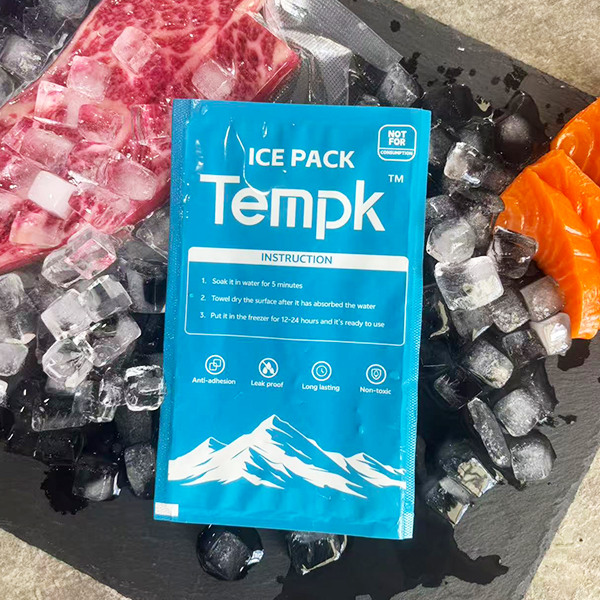
Bulk Dry Ice Pack for Meat Transport: A Practical Guide for Bulk Buyers
The best bulk dry ice pack for meat transport is the one that matches the product, route, temperature target, and operating process. For meat transport, the buying decision should begin with product sensitivity and end with a supplier who can support repeatable pack preparation, clear handling instructions, and sample-to-production consistency. A dry ice pack can be valuable, but it is not a universal answer for every cold chain problem.
Frozen beef, pork, poultry, prepared meat, and insulated parcels that need reserve cooling during long dwell times may be a good fit for a very cold packout. Gel packs, ice bricks, refrigerated trucks, or chilled pcm can be more suitable for fresh meat lanes. This distinction is important because purchasing teams often compare products by unit cost or advertised hold time while overlooking usable volume, pack separation, payload placement, and receiving inspection. Those details decide whether the shipment stays within the intended condition.
A strong supplier conversation should cover material definition, dimensions, pack mass, insulation compatibility, route assumptions, cleaning needs, labeling, traceability, change control, and lead-time planning. The goal is not to buy the coldest pack. The goal is to buy a repeatable packaging component that works inside a complete cold chain system.
What a Dry Ice Pack Actually Means in Procurement
The term dry ice pack can mean different things in different catalogs. Some suppliers use it for solid carbon dioxide placed in a shipper as a refrigerant. Other suppliers use it for a hydrated, reusable cold pack that is soaked or prepared, frozen, and then used as a strong cooling source. A bulk buyer should never assume both products have the same handling rules, safety profile, or thermal behavior.
This distinction matters in meat transport. Solid dry ice releases carbon dioxide gas and requires packaging that is not airtight. A reusable hydrated pack behaves more like a cold pack, although it may be marketed for very cold performance. Before ordering from a bulk, ask for the material description, preparation instructions, storage requirements, and whether the pack is intended to replace, supplement, or avoid true dry ice.
When Dry Ice Packs Fit Meat Transport
Dry ice packs or dry-ice-style packs make the most sense when the product can tolerate very cold conditions and the lane needs strong reserve cooling. For meat, that usually means frozen beef, pork, poultry, prepared meat, and insulated parcels that need reserve cooling during long dwell times. The pack must be used with appropriate insulation, separation from the payload, and a packing configuration that has been checked against the expected route.
A good fit is not defined by the product name alone. It is defined by the acceptable temperature range, shipment duration, payload mass, carton size, ambient exposure, and handling delays. Buyers should compare the packout to the route rather than comparing packs in isolation.
When a Dry Ice Pack Is the Wrong Choice
The wrong dry ice pack can create as much risk as a warm shipment. In meat transport, dry ice is powerful for frozen meat but can be too cold for chilled cuts, retail packs, or products that need temperature uniformity without surface freezing. A very cold source placed against a product carton may freeze the surface while the center of the payload remains at a different condition. Sensitive products may also be affected by condensation, packaging brittleness, label damage, or handling hazards.
The safer alternative is sometimes less dramatic: gel packs, ice bricks, refrigerated trucks, or chilled PCM can be more suitable for fresh meat lanes. A milder cold source can be easier to qualify, easier to train warehouse teams to use, and easier to receive without special handling. Buyers should not select dry ice simply because the route is hot or long.
Specifications Buyers Should Compare Before Ordering
The first specification is dimension, but buyers should separate external size from usable volume. A pack that fits the carton on paper may reduce the product cavity so much that the payload is compressed or shifted. For meat transport, usable space matters because the packout must leave room for separators, temperature monitors, cushioning, and the actual meat load.
Other practical checks include pack strength, leak resistance, surface finish, label area, carton count, storage footprint, freezing time, cleanability, odor, and staff handling. For repeat orders, ask about lot identification and whether the supplier will notify buyers before changing film, absorbent material, cell layout, dimensions, or packing quantity.
Bulk Supplier Evaluation Checklist
A useful bulk conversation should go beyond unit price. Ask for internal and external dimensions, pack weight or fill specification, cell count or layout, preparation method, carton quantity, case dimensions, pallet quantity, and recommended freezing or storage conditions. These details help the buyer calculate usable volume, warehouse space, and labor steps before the first bulk order arrives.
Ask how the supplier controls sample-to-production consistency. Many problems appear only after a buyer approves a sample and then receives a large order with small changes in film thickness, pack size, absorbency, sealing strength, or carton count. For meat transport, those small changes can affect pack placement, cooling rate, and staff training. Written specifications reduce that risk.
Ask about customization only after the technical fit is clear. Custom size, printed instructions, private label packaging, carton configuration, or different pack counts can be valuable, but they should not hide weak thermal assumptions.
Packout Design: More Than the Pack Itself
A cold chain packout is a system. It includes the outer carton or box, insulation thickness, cold source, separator, product load, void fill, closure method, label placement, and sometimes a temperature monitor. Changing any one part can change the result. That is why buyers should avoid approving a dry ice pack based only on a freezer test or a supplier photograph.
For meat, pack location is especially important. Refrigerant placed on top, below, or around the payload can create different temperature patterns. A full payload behaves differently from a half-empty carton. Palletized cartons behave differently from single parcels. A pilot packout should reflect the real loading pattern rather than a simplified sample box.
Safety, Food Quality, and Compliance Boundaries
If actual solid dry ice is used, packaging must allow carbon dioxide gas to escape. Airtight containers are unsafe because pressure can build as dry ice sublimates. Staff also need training for ventilation, glove use, eye protection where appropriate, and safe disposal. These precautions are not optional details; they are part of using dry ice responsibly in a shipping operation.
Food shipments require hygienic handling as well as temperature control. Vehicles, cartons, liners, and packing surfaces should be kept clean, and products should be protected from contamination during transport. For meat transport, a cold pack cannot compensate for poor sanitation, crushed retail packaging, leaking products, or a dirty loading environment.
Pharmaceutical and biologic shipments need an even clearer boundary. A cold pack, insulated box, or reusable container is not automatically a qualified temperature-controlled shipping system. Product requirements, route conditions, packing configuration, monitoring, documentation, and receiving inspection all need to be reviewed by the buyer quality or logistics team before routine use.
Cost, Waste, and Operational Fit
Bulk buyers often start with unit cost, but the real cost of a pack includes labor, freezer capacity, storage space, carton cube, product loss, carrier restrictions, and disposal or return handling. A pack that is cheaper per piece may cost more if it requires extra freezer time, slows packing, or increases the number of cartons rejected at receiving.
Reusable packs can reduce single-use waste when there is a practical recovery loop. They are less useful when shipments go to unknown consumers, distant receivers, or locations without a return process. For frozen meat e-commerce, butcher supply, and wholesale protein distribution, the sustainability decision should be tied to real operations: return rate, cleaning process, pack life, damage rate, and whether the pack can be sorted and reused without confusing warehouse staff.
Common Ordering Mistakes to Avoid
One common mistake is asking for maximum hold time without defining the payload. Hold time changes with product mass, carton size, insulation, ambient temperature, starting temperature, pack quantity, and handling delays. A claimed hold time is not a universal guarantee, especially for meat transport. Buyers should ask what conditions were used to discuss performance.
Another mistake is ignoring dimensional change from sample to bulk order. A small change in pack width can block the shipper from closing correctly or push the product against the refrigerant. A change in carton count can disrupt the packing line. Written incoming inspection criteria help prevent these surprises.
How to Turn Supplier Claims Into a Usable Specification
Convert every supplier statement into a condition. If a supplier says the pack holds cold for a long time, ask in what box, with what payload, under what ambient profile, and with how many packs. If a supplier says the pack is suitable for meat transport, ask which product temperature range and which handling limits were assumed.
Build the purchasing specification around measurable details: dimensions, pack mass, material description, carton quantity, preparation method, compatibility with the chosen shipper, labeling needs, acceptable appearance, leakage criteria, and change-notification expectations. This specification is more valuable than a broad marketing claim because it can be inspected when bulk deliveries arrive.
After approval, keep the packout controlled. Do not allow warehouse staff to substitute a different insulated box, reduce pack quantity, change product loading, or skip freezing time without review. Most cold chain failures come from small changes that appear harmless until the route is stressed.
Practical FAQ
Can a dry ice pack be used for every refrigerated shipment?
No. Dry ice and dry-ice-style packs are usually considered when strong cooling reserve is needed. Many chilled products need a milder gel pack or phase change material so the product does not freeze.
Should the pack touch the product directly?
Direct contact is usually a mistake. A separator, liner, or internal layout is often needed to reduce local freezing, moisture transfer, abrasion, and label damage.
What should be tested before a bulk order?
Test the full packout, not only the pack. The insulated shipper, product load, refrigerant amount, carton closure, ambient profile, and dwell time all affect performance.
Is a hydrated dry ice pack the same as solid dry ice?
Not always. Some buyers use the phrase for a reusable cold pack that is hydrated and frozen. Others mean solid carbon dioxide. Confirm the material, handling method, and transport rules with the supplier.
About Tempk
Tempk supplies cold chain packaging products for food, pharmaceutical, and temperature-sensitive shipments, including ice packs, hydrated dry ice packs, insulated bags, insulated carton systems, EPP cooler boxes, VIP medical boxes, and related cold chain packaging options. We support buyers who need practical packout choices rather than a single generic product. For dry ice pack projects, our role is to help match the cold source, insulation format, payload, shipment duration, and handling method before a bulk order is placed.
Talk to Tempk
Share the product type, target temperature range, expected transit time, shipment size, and route conditions for your meat transport project. Tempk can help you compare bulk dry ice pack options, insulated packaging formats, and custom packing configurations before you commit to production quantities.
Practical Rollout Notes
Before the first routine shipment, create a one-page packing instruction for meat transport. It should show the pack preparation method, number of packs, pack location, separator material, product orientation, carton closure, label location, and receiving steps. This document reduces training drift and helps purchasing, quality, and warehouse teams discuss the same configuration.
Bulk Dry Ice Pack for Food Shipping: Supplier Selection and Packout Guide
Bulk Dry Ice Pack for Food Shipping: A Practical Guide for Bulk Buyers
The best bulk dry ice pack for food shipping is the one that matches the product, route, temperature target, and operating process. For food shipping, the buying decision should begin with product sensitivity and end with a supplier who can support repeatable pack preparation, clear handling instructions, and sample-to-production consistency. A dry ice pack can be valuable, but it is not a universal answer for every cold chain problem.
Frozen food, frozen desserts, and validated multi-day shipments that need strong reserve cooling may be a good fit for a very cold packout. Gel packs, water-based ice packs, pcm plates, and insulated liners may be better for chilled or freeze-sensitive foods. This distinction is important because purchasing teams often compare products by unit cost or advertised hold time while overlooking usable volume, pack separation, payload placement, and receiving inspection. Those details decide whether the shipment stays within the intended condition.
A strong supplier conversation should cover material definition, dimensions, pack mass, insulation compatibility, route assumptions, cleaning needs, labeling, traceability, change control, and lead-time planning. The goal is not to buy the coldest pack. The goal is to buy a repeatable packaging component that works inside a complete cold chain system.
What a Dry Ice Pack Actually Means in Procurement
The term dry ice pack can mean different things in different catalogs. Some suppliers use it for solid carbon dioxide placed in a shipper as a refrigerant. Other suppliers use it for a hydrated, reusable cold pack that is soaked or prepared, frozen, and then used as a strong cooling source. A bulk buyer should never assume both products have the same handling rules, safety profile, or thermal behavior.
This distinction matters in food shipping. Solid dry ice releases carbon dioxide gas and requires packaging that is not airtight. A reusable hydrated pack behaves more like a cold pack, although it may be marketed for very cold performance. Before ordering from a bulk, ask for the material description, preparation instructions, storage requirements, and whether the pack is intended to replace, supplement, or avoid true dry ice.
When Dry Ice Packs Fit Food Shipping
Dry ice packs or dry-ice-style packs make the most sense when the product can tolerate very cold conditions and the lane needs strong reserve cooling. For perishable food, that usually means frozen food, frozen desserts, and validated multi-day shipments that need strong reserve cooling. The pack must be used with appropriate insulation, separation from the payload, and a packing configuration that has been checked against the expected route.
A good fit is not defined by the product name alone. It is defined by the acceptable temperature range, shipment duration, payload mass, carton size, ambient exposure, and handling delays. Buyers should compare the packout to the route rather than comparing packs in isolation.
When a Dry Ice Pack Is the Wrong Choice
The wrong dry ice pack can create as much risk as a warm shipment. In food shipping, a single cold source cannot protect every food product because freezing, moisture, and hygiene risks vary by item. A very cold source placed against a product carton may freeze the surface while the center of the payload remains at a different condition. Sensitive products may also be affected by condensation, packaging brittleness, label damage, or handling hazards.
The safer alternative is sometimes less dramatic: gel packs, water-based ice packs, PCM plates, and insulated liners may be better for chilled or freeze-sensitive foods. A milder cold source can be easier to qualify, easier to train warehouse teams to use, and easier to receive without special handling. Buyers should not select dry ice simply because the route is hot or long.
Specifications Buyers Should Compare Before Ordering
The first specification is dimension, but buyers should separate external size from usable volume. A pack that fits the carton on paper may reduce the product cavity so much that the payload is compressed or shifted. For food shipping, usable space matters because the packout must leave room for separators, temperature monitors, cushioning, and the actual perishable food load.
Other practical checks include pack strength, leak resistance, surface finish, label area, carton count, storage footprint, freezing time, cleanability, odor, and staff handling. For repeat orders, ask about lot identification and whether the supplier will notify buyers before changing film, absorbent material, cell layout, dimensions, or packing quantity.
Bulk Supplier Evaluation Checklist
A useful bulk conversation should go beyond unit price. Ask for internal and external dimensions, pack weight or fill specification, cell count or layout, preparation method, carton quantity, case dimensions, pallet quantity, and recommended freezing or storage conditions. These details help the buyer calculate usable volume, warehouse space, and labor steps before the first bulk order arrives.
Ask how the supplier controls sample-to-production consistency. Many problems appear only after a buyer approves a sample and then receives a large order with small changes in film thickness, pack size, absorbency, sealing strength, or carton count. For food shipping, those small changes can affect pack placement, cooling rate, and staff training. Written specifications reduce that risk.
Ask about customization only after the technical fit is clear. Custom size, printed instructions, private label packaging, carton configuration, or different pack counts can be valuable, but they should not hide weak thermal assumptions.
Packout Design: More Than the Pack Itself
A cold chain packout is a system. It includes the outer carton or box, insulation thickness, cold source, separator, product load, void fill, closure method, label placement, and sometimes a temperature monitor. Changing any one part can change the result. That is why buyers should avoid approving a dry ice pack based only on a freezer test or a supplier photograph.
For perishable food, pack location is especially important. Refrigerant placed on top, below, or around the payload can create different temperature patterns. A full payload behaves differently from a half-empty carton. Palletized cartons behave differently from single parcels. A pilot packout should reflect the real loading pattern rather than a simplified sample box.
Safety, Food Quality, and Compliance Boundaries
If actual solid dry ice is used, packaging must allow carbon dioxide gas to escape. Airtight containers are unsafe because pressure can build as dry ice sublimates. Staff also need training for ventilation, glove use, eye protection where appropriate, and safe disposal. These precautions are not optional details; they are part of using dry ice responsibly in a shipping operation.
Food shipments require hygienic handling as well as temperature control. Vehicles, cartons, liners, and packing surfaces should be kept clean, and products should be protected from contamination during transport. For food shipping, a cold pack cannot compensate for poor sanitation, crushed retail packaging, leaking products, or a dirty loading environment.
Pharmaceutical and biologic shipments need an even clearer boundary. A cold pack, insulated box, or reusable container is not automatically a qualified temperature-controlled shipping system. Product requirements, route conditions, packing configuration, monitoring, documentation, and receiving inspection all need to be reviewed by the buyer quality or logistics team before routine use.
Cost, Waste, and Operational Fit
Bulk buyers often start with unit cost, but the real cost of a pack includes labor, freezer capacity, storage space, carton cube, product loss, carrier restrictions, and disposal or return handling. A pack that is cheaper per piece may cost more if it requires extra freezer time, slows packing, or increases the number of cartons rejected at receiving.
Reusable packs can reduce single-use waste when there is a practical recovery loop. They are less useful when shipments go to unknown consumers, distant receivers, or locations without a return process. For e-commerce food fulfillment and wholesale food distribution, the sustainability decision should be tied to real operations: return rate, cleaning process, pack life, damage rate, and whether the pack can be sorted and reused without confusing warehouse staff.
Common Ordering Mistakes to Avoid
One common mistake is asking for maximum hold time without defining the payload. Hold time changes with product mass, carton size, insulation, ambient temperature, starting temperature, pack quantity, and handling delays. A claimed hold time is not a universal guarantee, especially for food shipping. Buyers should ask what conditions were used to discuss performance.
Another mistake is ignoring dimensional change from sample to bulk order. A small change in pack width can block the shipper from closing correctly or push the product against the refrigerant. A change in carton count can disrupt the packing line. Written incoming inspection criteria help prevent these surprises.
How to Turn Supplier Claims Into a Usable Specification
Convert every supplier statement into a condition. If a supplier says the pack holds cold for a long time, ask in what box, with what payload, under what ambient profile, and with how many packs. If a supplier says the pack is suitable for food shipping, ask which product temperature range and which handling limits were assumed.
Build the purchasing specification around measurable details: dimensions, pack mass, material description, carton quantity, preparation method, compatibility with the chosen shipper, labeling needs, acceptable appearance, leakage criteria, and change-notification expectations. This specification is more valuable than a broad marketing claim because it can be inspected when bulk deliveries arrive.
After approval, keep the packout controlled. Do not allow warehouse staff to substitute a different insulated box, reduce pack quantity, change product loading, or skip freezing time without review. Most cold chain failures come from small changes that appear harmless until the route is stressed.
Practical FAQ
Can a dry ice pack be used for every refrigerated shipment?
No. Dry ice and dry-ice-style packs are usually considered when strong cooling reserve is needed. Many chilled products need a milder gel pack or phase change material so the product does not freeze.
Should the pack touch the product directly?
Direct contact is usually a mistake. A separator, liner, or internal layout is often needed to reduce local freezing, moisture transfer, abrasion, and label damage.
What should be tested before a bulk order?
Test the full packout, not only the pack. The insulated shipper, product load, refrigerant amount, carton closure, ambient profile, and dwell time all affect performance.
Is a hydrated dry ice pack the same as solid dry ice?
Not always. Some buyers use the phrase for a reusable cold pack that is hydrated and frozen. Others mean solid carbon dioxide. Confirm the material, handling method, and transport rules with the supplier.
About Tempk
Tempk supplies cold chain packaging products for food, pharmaceutical, and temperature-sensitive shipments, including ice packs, hydrated dry ice packs, insulated bags, insulated carton systems, EPP cooler boxes, VIP medical boxes, and related cold chain packaging options. We support buyers who need practical packout choices rather than a single generic product. For dry ice pack projects, our role is to help match the cold source, insulation format, payload, shipment duration, and handling method before a bulk order is placed.
Talk to Tempk
Share the product type, target temperature range, expected transit time, shipment size, and route conditions for your food shipping project. Tempk can help you compare bulk dry ice pack options, insulated packaging formats, and custom packing configurations before you commit to production quantities.
Practical Rollout Notes
Before the first routine shipment, create a one-page packing instruction for food shipping. It should show the pack preparation method, number of packs, pack location, separator material, product orientation, carton closure, label location, and receiving steps. This document reduces training drift and helps purchasing, quality, and warehouse teams discuss the same configuration.
Bulk Dry Ice Pack for Flowers Delivery: Supplier Selection and Packout Guide
Bulk Dry Ice Pack for Flowers Delivery: A Practical Guide for Bulk Buyers
The best bulk dry ice pack for flowers delivery is the one that matches the product, route, temperature target, and operating process. For flowers delivery, the buying decision should begin with product sensitivity and end with a supplier who can support repeatable pack preparation, clear handling instructions, and sample-to-production consistency. A dry ice pack can be valuable, but it is not a universal answer for every cold chain problem.
Limited emergency reserve cooling applications where the pack is isolated from stems and petals may be a good fit for a very cold packout. Refrigerated handling, gel packs, insulated sleeves, and short delivery windows are often safer choices. This distinction is important because purchasing teams often compare products by unit cost or advertised hold time while overlooking usable volume, pack separation, payload placement, and receiving inspection. Those details decide whether the shipment stays within the intended condition.
A strong supplier conversation should cover material definition, dimensions, pack mass, insulation compatibility, route assumptions, cleaning needs, labeling, traceability, change control, and lead-time planning. The goal is not to buy the coldest pack. The goal is to buy a repeatable packaging component that works inside a complete cold chain system.
What a Dry Ice Pack Actually Means in Procurement
The term dry ice pack can mean different things in different catalogs. Some suppliers use it for solid carbon dioxide placed in a shipper as a refrigerant. Other suppliers use it for a hydrated, reusable cold pack that is soaked or prepared, frozen, and then used as a strong cooling source. A bulk buyer should never assume both products have the same handling rules, safety profile, or thermal behavior.
This distinction matters in flowers delivery. Solid dry ice releases carbon dioxide gas and requires packaging that is not airtight. A reusable hydrated pack behaves more like a cold pack, although it may be marketed for very cold performance. Before ordering from a bulk, ask for the material description, preparation instructions, storage requirements, and whether the pack is intended to replace, supplement, or avoid true dry ice.
When Dry Ice Packs Fit Flowers Delivery
Dry ice packs or dry-ice-style packs make the most sense when the product can tolerate very cold conditions and the lane needs strong reserve cooling. For cut flowers, that usually means limited emergency reserve cooling applications where the pack is isolated from stems and petals. The pack must be used with appropriate insulation, separation from the payload, and a packing configuration that has been checked against the expected route.
A good fit is not defined by the product name alone. It is defined by the acceptable temperature range, shipment duration, payload mass, carton size, ambient exposure, and handling delays. Buyers should compare the packout to the route rather than comparing packs in isolation.
When a Dry Ice Pack Is the Wrong Choice
The wrong dry ice pack can create as much risk as a warm shipment. In flowers delivery, dry ice can freeze delicate plant tissue and create presentation defects if the packout is not separated and tested. A very cold source placed against a product carton may freeze the surface while the center of the payload remains at a different condition. Sensitive products may also be affected by condensation, packaging brittleness, label damage, or handling hazards.
The safer alternative is sometimes less dramatic: refrigerated handling, gel packs, insulated sleeves, and short delivery windows are often safer choices. A milder cold source can be easier to qualify, easier to train warehouse teams to use, and easier to receive without special handling. Buyers should not select dry ice simply because the route is hot or long.
Specifications Buyers Should Compare Before Ordering
The first specification is dimension, but buyers should separate external size from usable volume. A pack that fits the carton on paper may reduce the product cavity so much that the payload is compressed or shifted. For flowers delivery, usable space matters because the packout must leave room for separators, temperature monitors, cushioning, and the actual cut flowers load.
Other practical checks include pack strength, leak resistance, surface finish, label area, carton count, storage footprint, freezing time, cleanability, odor, and staff handling. For repeat orders, ask about lot identification and whether the supplier will notify buyers before changing film, absorbent material, cell layout, dimensions, or packing quantity.
Bulk Supplier Evaluation Checklist
A useful bulk conversation should go beyond unit price. Ask for internal and external dimensions, pack weight or fill specification, cell count or layout, preparation method, carton quantity, case dimensions, pallet quantity, and recommended freezing or storage conditions. These details help the buyer calculate usable volume, warehouse space, and labor steps before the first bulk order arrives.
Ask how the supplier controls sample-to-production consistency. Many problems appear only after a buyer approves a sample and then receives a large order with small changes in film thickness, pack size, absorbency, sealing strength, or carton count. For flowers delivery, those small changes can affect pack placement, cooling rate, and staff training. Written specifications reduce that risk.
Ask about customization only after the technical fit is clear. Custom size, printed instructions, private label packaging, carton configuration, or different pack counts can be valuable, but they should not hide weak thermal assumptions.
Packout Design: More Than the Pack Itself
A cold chain packout is a system. It includes the outer carton or box, insulation thickness, cold source, separator, product load, void fill, closure method, label placement, and sometimes a temperature monitor. Changing any one part can change the result. That is why buyers should avoid approving a dry ice pack based only on a freezer test or a supplier photograph.
For cut flowers, pack location is especially important. Refrigerant placed on top, below, or around the payload can create different temperature patterns. A full payload behaves differently from a half-empty carton. Palletized cartons behave differently from single parcels. A pilot packout should reflect the real loading pattern rather than a simplified sample box.
Safety, Food Quality, and Compliance Boundaries
If actual solid dry ice is used, packaging must allow carbon dioxide gas to escape. Airtight containers are unsafe because pressure can build as dry ice sublimates. Staff also need training for ventilation, glove use, eye protection where appropriate, and safe disposal. These precautions are not optional details; they are part of using dry ice responsibly in a shipping operation.
Food shipments require hygienic handling as well as temperature control. Vehicles, cartons, liners, and packing surfaces should be kept clean, and products should be protected from contamination during transport. For flowers delivery, a cold pack cannot compensate for poor sanitation, crushed retail packaging, leaking products, or a dirty loading environment.
Pharmaceutical and biologic shipments need an even clearer boundary. A cold pack, insulated box, or reusable container is not automatically a qualified temperature-controlled shipping system. Product requirements, route conditions, packing configuration, monitoring, documentation, and receiving inspection all need to be reviewed by the buyer quality or logistics team before routine use.
Cost, Waste, and Operational Fit
Bulk buyers often start with unit cost, but the real cost of a pack includes labor, freezer capacity, storage space, carton cube, product loss, carrier restrictions, and disposal or return handling. A pack that is cheaper per piece may cost more if it requires extra freezer time, slows packing, or increases the number of cartons rejected at receiving.
Reusable packs can reduce single-use waste when there is a practical recovery loop. They are less useful when shipments go to unknown consumers, distant receivers, or locations without a return process. For last-mile floral delivery and wholesale flower distribution, the sustainability decision should be tied to real operations: return rate, cleaning process, pack life, damage rate, and whether the pack can be sorted and reused without confusing warehouse staff.
Common Ordering Mistakes to Avoid
One common mistake is asking for maximum hold time without defining the payload. Hold time changes with product mass, carton size, insulation, ambient temperature, starting temperature, pack quantity, and handling delays. A claimed hold time is not a universal guarantee, especially for flowers delivery. Buyers should ask what conditions were used to discuss performance.
Another mistake is ignoring dimensional change from sample to bulk order. A small change in pack width can block the shipper from closing correctly or push the product against the refrigerant. A change in carton count can disrupt the packing line. Written incoming inspection criteria help prevent these surprises.
How to Turn Supplier Claims Into a Usable Specification
Convert every supplier statement into a condition. If a supplier says the pack holds cold for a long time, ask in what box, with what payload, under what ambient profile, and with how many packs. If a supplier says the pack is suitable for flowers delivery, ask which product temperature range and which handling limits were assumed.
Build the purchasing specification around measurable details: dimensions, pack mass, material description, carton quantity, preparation method, compatibility with the chosen shipper, labeling needs, acceptable appearance, leakage criteria, and change-notification expectations. This specification is more valuable than a broad marketing claim because it can be inspected when bulk deliveries arrive.
After approval, keep the packout controlled. Do not allow warehouse staff to substitute a different insulated box, reduce pack quantity, change product loading, or skip freezing time without review. Most cold chain failures come from small changes that appear harmless until the route is stressed.
Practical FAQ
Is dry ice a normal choice for flower delivery?
Usually no. Most cut flowers need cool handling above freezing. Dry ice can damage petals and stems if it is not isolated and tested.
When might a very cold pack be considered?
It may be considered only as reserve cooling in a separated layout, for a controlled route, and after a small trial confirms that no freezing or presentation damage occurs.
What should a flower distributor compare first?
Compare product sensitivity, box size, insulation, airflow, stem placement, pack separation, and dwell time. The lowest temperature is not always the safest result.
Are reusable packs helpful for floral routes?
They can be useful when the buyer has a recovery and cleaning process. Without return control, the lowest-cost pack may not be the best operational choice.
About Tempk
Tempk supplies cold chain packaging products for food, pharmaceutical, and temperature-sensitive shipments, including ice packs, hydrated dry ice packs, insulated bags, insulated carton systems, EPP cooler boxes, VIP medical boxes, and related cold chain packaging options. We support buyers who need practical packout choices rather than a single generic product. For dry ice pack projects, our role is to help match the cold source, insulation format, payload, shipment duration, and handling method before a bulk order is placed.
Talk to Tempk
Share the product type, target temperature range, expected transit time, shipment size, and route conditions for your flowers delivery project. Tempk can help you compare bulk dry ice pack options, insulated packaging formats, and custom packing configurations before you commit to production quantities.
Practical Rollout Notes
Before the first routine shipment, create a one-page packing instruction for flowers delivery. It should show the pack preparation method, number of packs, pack location, separator material, product orientation, carton closure, label location, and receiving steps. This document reduces training drift and helps purchasing, quality, and warehouse teams discuss the same configuration.
A second useful step is to define incoming inspection for bulk pack deliveries. Staff should confirm carton count, visible damage, pack dimensions, leakage, seal appearance, and lot markings before the packs enter production use. This is especially important when the order is customized or when a supplier changes film, absorbent material, cell layout, or outer carton style.