


Dry Ice Pack Manufacturer in the Middle East: A Practical Audit Guide
Dry Ice Pack Manufacturer in the Middle East: A Practical Audit Guide
Dry Ice Pack Manufacturer in the Middle East: A Practical Audit Guide
If you are evaluating dry ice pack manufacturer in the Middle East, start with one principle: buy the shipping outcome, not just the pack. In this category, unit price means very little without clear dimensions, hydrated weight, material construction, route fit, and evidence that the supplier can reproduce the same pack again and again. In the Middle East, very high ambient temperatures, airport and customs dwell, and cross-border distribution lanes make route realism a core purchasing issue.
First, Define the Product Correctly
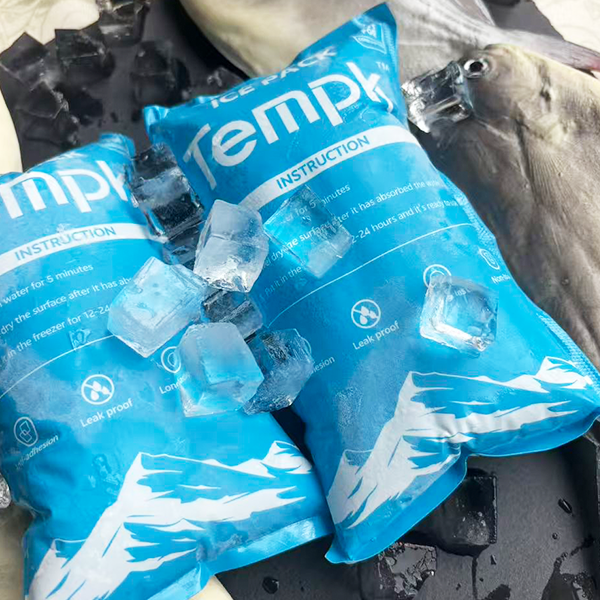
Before comparing vendors or prices, make sure everyone means the same product. In many industrial listings, a dry ice pack is a dry-form pack or sheet that is hydrated with water, frozen, and then used as a refrigerant inside an insulated shipper. It may arrive as a small cell sheet, a larger blanket, a brick-style pouch, or another gel-based format. That is not the same as carbon dioxide dry ice, which reaches much lower temperatures, vents gas as it sublimates, and is subject to specific transport and safety rules. Confusing the two terms can create specification mistakes, cost surprises, and even compliance issues in air shipments.
Most products in this category use a sealed film or film-plus-nonwoven structure that holds a water-absorbing medium. In many commercial designs that medium is a superabsorbent polymer, sometimes paired with a gel or phase-change formulation. After water enters the pack, the internal material swells and traps the liquid inside separate cells. Once frozen, those cells absorb heat from the payload and help slow temperature rise. Sheet formats can wrap around corners and spread cooling more evenly than rigid bricks, while brick or pouch formats are easier to stack in repeatable layers.
Compare the Main Refrigerant Options Before You Buy
A dry-state sheet is attractive when you want flexible coverage and low inbound storage volume. A pre-filled gel pack is attractive when you want simple preparation and repeatable handling. A rigid brick or PCM brick is useful when stacking discipline matters. Carbon dioxide dry ice sits in a different class: it is the choice for much colder applications, but it brings venting, handling, and transport obligations that do not belong to ordinary hydrated gel packs.
| Format | Best fit | Main watch-out |
|---|---|---|
| Hydrated sheet pack | Wraparound coverage and lower inbound storage volume | Needs hydration workflow and space to swell |
| Pre-filled gel pack | Quick deployment and consistent handling | Higher storage cube and freight weight |
| Rigid brick or PCM brick | Repeatable layer packing and strong support | Less flexible around corners and odd shapes |
| Carbon dioxide dry ice | Ultra-cold frozen applications | Vent, safety, and dry-ice transport rules |
Where These Packs Fit Best in Practice
Dry-state packs and sheet refrigerants are commonly used when teams need a lightweight cold source for one-way or repeat shipments of seafood, meat, dairy, bakery fillings, meal kits, fresh produce, and laboratory or diagnostic items. They are also used in secondary pharmaceutical packaging when the full shipper has been matched to a known temperature band and route duration. Flexible sheet formats are especially useful when the payload is irregularly shaped or when coverage around the top and sides matters more than building a rigid wall of cold bricks.
They are less suitable when you need true ultra-low temperature transport, when you do not control the hydration and freezing workflow, or when the lane is so harsh that a higher-performance insulated shipper and a better-defined refrigerant strategy are required. In many cases, the right answer is not "more packs." It is a better combination of pre-conditioning, pack placement, insulation, and shipment timing.
In hot-climate lanes, performance margins shrink quickly. Packs may spend time in staging, in vehicles, or in depots that are far hotter than a laboratory test room. That makes proper pre-chilling, route discipline, and sufficient insulation more important than the nominal capability of the pack alone.
Conditioning Workflow Matters More Than Many Buyers Expect
Dry-state packs introduce one extra operational step compared with pre-filled gel packs: activation. That step sounds simple, yet it can determine whether the program works smoothly. Teams need a repeatable method for soaking or hydrating the pack, removing excess surface water, and freezing the pack for long enough to reach the intended condition. If hydration is inconsistent, some cells may remain underfilled. If packs are stacked too densely in the freezer, freezing can be uneven. If excess surface water is left on the outside, the pack may freeze together with neighboring packs or create unnecessary frost.
For low-volume programs, those problems are manageable. For wholesale or bulk programs, they become process questions. Buyers should ask whether their own operation can support the supplier's recommended routine at scale. A very compact dry sheet can look ideal during procurement but become awkward if the warehouse has limited freezer capacity or if operators need fast turnaround. That does not make the product poor. It simply means the product and the process have to be designed together.
Thermal performance is always a system question, not a pack-only question. The same pack can behave very differently depending on the starting temperature of the goods, the insulation type, how tightly the payload is loaded, how much empty air remains in the box, and whether the shipment sits in a van, on a tarmac, or in a depot cage. That is why experienced buyers look past a headline hold-time claim and ask for a route-specific packout logic, not just a single marketing statement.
What Good Evidence Looks Like
Cold-chain evidence does not need to be complicated, but it does need to be relevant. Useful evidence explains the conditioning method, the shipper type, the amount of payload, the placement of the refrigerant, and the ambient exposure used during the test. Better evidence also distinguishes between easy and hard lanes rather than presenting one broad claim for every use case.
For buyers, the practical move is to ask for two levels of proof. The first is supplier-level proof: specification sheets, material information, and any test or handling guidance the supplier already has. The second is program-level proof: a pilot shipment or thermal check using your own packout and route logic. That second level is where purchasing decisions become reliable, because it shows whether the format survives real handling and supports the target band under realistic conditions.
Route Reality In The Middle East
In the Middle East, the decisive question is often heat management over unpredictable dwell times. A sheet or gel pack that looks acceptable in a short-room-temperature demonstration may not be enough after loading, ramp exposure, customs delay, and last-mile delivery. Strong buyers in this region push for realistic hot-lane evaluation and often prefer suppliers who can support the refrigerant together with the insulated shipper.
For this region, the ability to combine refrigerant packs with insulated boxes or liners often matters more than the pack alone.
How to Evaluate a Manufacturer in the Middle East
If you are specifically looking for a manufacturer in the Middle East, the main question is process control. A factory is valuable when you need custom sizing, repeatability, private-label printing, or tighter cost control at scale. But a claimed manufacturer is only useful if it can explain material sourcing, sealing method, quality inspection, and change control in a way that holds up under audit.
Ask what films and nonwoven substrates are used, how cell pattern and seal width are controlled, and how the absorbent system is dosed or assembled. Request dry and hydrated reference samples from the same line that would be used for production. Then ask how they manage supplier changes in resin, absorbent media, or print substrate. These are the points that often separate a real manufacturing partner from a catalog assembler.
In the Middle East, very high ambient temperatures, airport and customs dwell, and cross-border distribution lanes make route realism a core purchasing issue. A capable factory should also describe its incoming inspection, in-process checks, final leak control, and carton verification. If you need special shapes, dual-language printing, or route-specific formats, ask who owns the tooling and how revisions are approved. That matters later when you scale or second-source the design.
For a manufacturer audit, focus on:
- Material specifications and approved substitutions.
- Seal strength and leak-control method.
- Sample retention and lot traceability.
- Production capacity by format, not just headline monthly capacity.
- Change notification process for materials, artwork, or cell layout.
- Moisture protection of dry packs during finished-goods storage and export.
A Practical Supplier Checklist
Before you move from sample stage to production or repeat purchase, make sure the review covers most of these points:
- Internal and external fit: dry size, hydrated size, and how the pack sits inside the actual shipper.
- Usable cold mass: hydrated weight, conditioned temperature, and how much of the box volume the refrigerant consumes.
- Material construction: film or laminate type, nonwoven reinforcement, and any stated resin or absorbent system.
- Closure and integrity: seal pattern, leak resistance, burst control, and tolerance for weak cells.
- Handling efficiency: stackability, cut-to-fit guidance, wraparound suitability, and whether the thawed pack stays clean to handle.
- Hygiene and traceability: SDS, lot coding, carton labels, and any material or food-contact declarations you need.
- Commercial terms: MOQ, stock versus custom lead time, print setup conditions, and carton or pallet quantities.
- Consistency: how approval samples are matched to production and how changes are communicated.
- Route suitability: whether the pack was selected for your actual temperature band, transit duration, and handling environment.
Compliance, Qualification, and Documentation
Cold packs are components, not compliance shortcuts. For pharmaceutical or healthcare use, the critical question is whether the full shipping configuration can maintain the intended temperature range over the intended route. Public guidance from Health Canada and GDP-oriented regulatory material emphasizes transport according to labelled storage conditions or transport conditions supported by data. That principle applies whether you are using a simple gel pack, a hydrated sheet, a PCM brick, or true carbon dioxide dry ice.
Documentation should therefore be matched to the application. For food-related distribution, buyers may need material declarations, SDS information, and relevant food-contact or indirect-contact statements. For laboratory and pharmaceutical programs, traceability, packout instructions, thermal evidence, and change-control discipline are more important than generic marketing certificates. If the shipment uses actual carbon dioxide dry ice, additional transport obligations apply because the package must vent gas and follow dry-ice-specific marking and handling requirements. Hydrated gel packs avoid that particular dry ice hazard profile, but they still need fit-for-purpose evidence.
A practical compliance review also distinguishes between a reusable handling container and a qualified temperature-control system. A clean reusable crate can improve handling and hygiene, yet still offer no meaningful thermal protection. A flexible dry sheet can provide useful cooling, yet still be inadequate without the right insulated box and route validation. Buyers in regulated sectors should treat those distinctions as basic, not optional.
FAQ
Are dry ice packs the same as carbon dioxide dry ice?
No. In many packaging catalogs, a dry ice pack is a dry-state gel or refrigerant pack that is hydrated and frozen before use. Carbon dioxide dry ice is a different refrigerant entirely. It sublimates, requires venting, and has transport and safety rules that do not apply in the same way to hydrated gel packs.
Can these packs be used for pharmaceutical shipments?
They may be suitable as part of a qualified insulated shipper, but suitability depends on the product, temperature range, route duration, and packout design. For drug products, buyers should work from labelled storage conditions or transport conditions supported by data rather than assuming any cold pack is automatically acceptable.
What should I test before approving a bulk order?
Test the actual packout on your intended insulated box or liner. Include starting product temperature, conditioning method, hot and cold seasonal exposure, parcel handling if relevant, and receiving checks. Also compare approval samples with production samples so size, hydrated mass, and seal quality do not drift later.
What is the most common buying mistake?
The most common mistake is comparing packs only by quoted hold time or price per piece. A buyer gets better results by comparing dry and hydrated dimensions, film construction, hydrate-and-freeze workflow, and evidence that the supplier can reproduce the same pack consistently.
Conclusion
A strong buying decision in this category is rarely about finding the coldest or cheapest pack. It is about matching the right refrigerant format to the right insulated system, then choosing a supplier that can reproduce that specification consistently. Once you define the lane, the target temperature band, and the packout workflow clearly, the comparison becomes much more objective.
About Tempk
At Tempk, we work on temperature-controlled packaging for food, pharmaceutical, and other sensitive shipments. Our public product range includes gel ice packs, hydration dry ice packs, insulated bags, cooler boxes, thermal pallet covers, and broader custom packaging solutions across multiple temperature zones. We focus on matching refrigerant format and shipper structure to real transport conditions so buyers can compare practical options before scaling a program.
Next Step
If you are comparing pack formats or suppliers, ask for a recommendation built around your target temperature, transit time, and handling conditions. That makes bulk purchasing and customization decisions far easier to get right.
Dry Ice Pack Distributor in the Middle East: Choosing a Reliable Partner
Dry Ice Pack Distributor in the Middle East: Choosing a Reliable Partner
If you are evaluating dry ice pack distributor in the Middle East, start with one principle: buy the shipping outcome, not just the pack. In this category, unit price means very little without clear dimensions, hydrated weight, material construction, route fit, and evidence that the supplier can reproduce the same pack again and again. In the Middle East, very high ambient temperatures, airport and customs dwell, and cross-border distribution lanes make route realism a core purchasing issue.
First, Define the Product Correctly
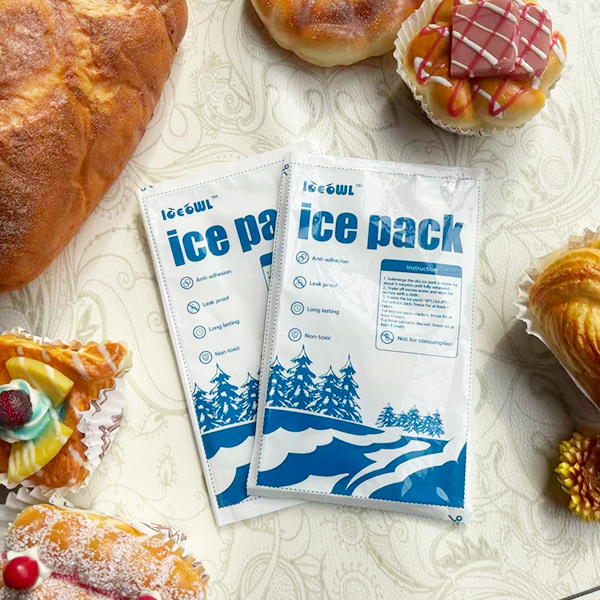
Before comparing vendors or prices, make sure everyone means the same product. In many industrial listings, a dry ice pack is a dry-form pack or sheet that is hydrated with water, frozen, and then used as a refrigerant inside an insulated shipper. It may arrive as a small cell sheet, a larger blanket, a brick-style pouch, or another gel-based format. That is not the same as carbon dioxide dry ice, which reaches much lower temperatures, vents gas as it sublimates, and is subject to specific transport and safety rules. Confusing the two terms can create specification mistakes, cost surprises, and even compliance issues in air shipments.
Most products in this category use a sealed film or film-plus-nonwoven structure that holds a water-absorbing medium. In many commercial designs that medium is a superabsorbent polymer, sometimes paired with a gel or phase-change formulation. After water enters the pack, the internal material swells and traps the liquid inside separate cells. Once frozen, those cells absorb heat from the payload and help slow temperature rise. Sheet formats can wrap around corners and spread cooling more evenly than rigid bricks, while brick or pouch formats are easier to stack in repeatable layers.
Compare the Main Refrigerant Options Before You Buy
A dry-state sheet is attractive when you want flexible coverage and low inbound storage volume. A pre-filled gel pack is attractive when you want simple preparation and repeatable handling. A rigid brick or PCM brick is useful when stacking discipline matters. Carbon dioxide dry ice sits in a different class: it is the choice for much colder applications, but it brings venting, handling, and transport obligations that do not belong to ordinary hydrated gel packs.
| Format | Best fit | Main watch-out |
|---|---|---|
| Hydrated sheet pack | Wraparound coverage and lower inbound storage volume | Needs hydration workflow and space to swell |
| Pre-filled gel pack | Quick deployment and consistent handling | Higher storage cube and freight weight |
| Rigid brick or PCM brick | Repeatable layer packing and strong support | Less flexible around corners and odd shapes |
| Carbon dioxide dry ice | Ultra-cold frozen applications | Vent, safety, and dry-ice transport rules |
Where These Packs Fit Best in Practice
Dry-state packs and sheet refrigerants are commonly used when teams need a lightweight cold source for one-way or repeat shipments of seafood, meat, dairy, bakery fillings, meal kits, fresh produce, and laboratory or diagnostic items. They are also used in secondary pharmaceutical packaging when the full shipper has been matched to a known temperature band and route duration. Flexible sheet formats are especially useful when the payload is irregularly shaped or when coverage around the top and sides matters more than building a rigid wall of cold bricks.
They are less suitable when you need true ultra-low temperature transport, when you do not control the hydration and freezing workflow, or when the lane is so harsh that a higher-performance insulated shipper and a better-defined refrigerant strategy are required. In many cases, the right answer is not "more packs." It is a better combination of pre-conditioning, pack placement, insulation, and shipment timing.
In hot-climate lanes, performance margins shrink quickly. Packs may spend time in staging, in vehicles, or in depots that are far hotter than a laboratory test room. That makes proper pre-chilling, route discipline, and sufficient insulation more important than the nominal capability of the pack alone.
Conditioning Workflow Matters More Than Many Buyers Expect
Dry-state packs introduce one extra operational step compared with pre-filled gel packs: activation. That step sounds simple, yet it can determine whether the program works smoothly. Teams need a repeatable method for soaking or hydrating the pack, removing excess surface water, and freezing the pack for long enough to reach the intended condition. If hydration is inconsistent, some cells may remain underfilled. If packs are stacked too densely in the freezer, freezing can be uneven. If excess surface water is left on the outside, the pack may freeze together with neighboring packs or create unnecessary frost.
For low-volume programs, those problems are manageable. For wholesale or bulk programs, they become process questions. Buyers should ask whether their own operation can support the supplier's recommended routine at scale. A very compact dry sheet can look ideal during procurement but become awkward if the warehouse has limited freezer capacity or if operators need fast turnaround. That does not make the product poor. It simply means the product and the process have to be designed together.
Thermal performance is always a system question, not a pack-only question. The same pack can behave very differently depending on the starting temperature of the goods, the insulation type, how tightly the payload is loaded, how much empty air remains in the box, and whether the shipment sits in a van, on a tarmac, or in a depot cage. That is why experienced buyers look past a headline hold-time claim and ask for a route-specific packout logic, not just a single marketing statement.
What Good Evidence Looks Like
Cold-chain evidence does not need to be complicated, but it does need to be relevant. Useful evidence explains the conditioning method, the shipper type, the amount of payload, the placement of the refrigerant, and the ambient exposure used during the test. Better evidence also distinguishes between easy and hard lanes rather than presenting one broad claim for every use case.
For buyers, the practical move is to ask for two levels of proof. The first is supplier-level proof: specification sheets, material information, and any test or handling guidance the supplier already has. The second is program-level proof: a pilot shipment or thermal check using your own packout and route logic. That second level is where purchasing decisions become reliable, because it shows whether the format survives real handling and supports the target band under realistic conditions.
Route Reality In The Middle East
In the Middle East, the decisive question is often heat management over unpredictable dwell times. A sheet or gel pack that looks acceptable in a short-room-temperature demonstration may not be enough after loading, ramp exposure, customs delay, and last-mile delivery. Strong buyers in this region push for realistic hot-lane evaluation and often prefer suppliers who can support the refrigerant together with the insulated shipper.
For this region, the ability to combine refrigerant packs with insulated boxes or liners often matters more than the pack alone.
What to Expect from a Distributor in the Middle East
A distributor can be the right choice when you need local stock, faster replenishment, mixed-SKU orders, or regional customer support rather than factory-direct complexity. The best distributors add value by holding inventory, helping you compare formats, and solving urgent supply gaps. The weak ones simply pass on a product list with very little technical support.
When assessing a distributor in the Middle East, ask which formats they actually stock, how quickly they can replenish, and whether they can trace each carton back to a manufacturing batch. If they are supporting cold-chain applications, they should also be able to explain recommended hydration, freezing, and packout logic even if they do not manufacture the pack themselves.
For this region, the ability to combine refrigerant packs with insulated boxes or liners often matters more than the pack alone. A serious distributor should also tell you what happens when you need a special format: do they have enough engineering support to help, or will you need to go direct to the factory for development and then use the distributor only for stockholding?
Use this shortlist for distributor selection:
- Stock depth on your preferred pack size.
- Ability to supply both samples and repeat production from the same source.
- Local warehousing, emergency replenishment, and buffer-stock policy.
- Batch traceability and document availability.
- Willingness to support pilot shipments before you move to full rollout.
A Practical Supplier Checklist
Before you move from sample stage to production or repeat purchase, make sure the review covers most of these points:
- Internal and external fit: dry size, hydrated size, and how the pack sits inside the actual shipper.
- Usable cold mass: hydrated weight, conditioned temperature, and how much of the box volume the refrigerant consumes.
- Material construction: film or laminate type, nonwoven reinforcement, and any stated resin or absorbent system.
- Closure and integrity: seal pattern, leak resistance, burst control, and tolerance for weak cells.
- Handling efficiency: stackability, cut-to-fit guidance, wraparound suitability, and whether the thawed pack stays clean to handle.
- Hygiene and traceability: SDS, lot coding, carton labels, and any material or food-contact declarations you need.
- Commercial terms: MOQ, stock versus custom lead time, print setup conditions, and carton or pallet quantities.
- Consistency: how approval samples are matched to production and how changes are communicated.
- Route suitability: whether the pack was selected for your actual temperature band, transit duration, and handling environment.
Compliance, Qualification, and Documentation
Cold packs are components, not compliance shortcuts. For pharmaceutical or healthcare use, the critical question is whether the full shipping configuration can maintain the intended temperature range over the intended route. Public guidance from Health Canada and GDP-oriented regulatory material emphasizes transport according to labelled storage conditions or transport conditions supported by data. That principle applies whether you are using a simple gel pack, a hydrated sheet, a PCM brick, or true carbon dioxide dry ice.
Documentation should therefore be matched to the application. For food-related distribution, buyers may need material declarations, SDS information, and relevant food-contact or indirect-contact statements. For laboratory and pharmaceutical programs, traceability, packout instructions, thermal evidence, and change-control discipline are more important than generic marketing certificates. If the shipment uses actual carbon dioxide dry ice, additional transport obligations apply because the package must vent gas and follow dry-ice-specific marking and handling requirements. Hydrated gel packs avoid that particular dry ice hazard profile, but they still need fit-for-purpose evidence.
A practical compliance review also distinguishes between a reusable handling container and a qualified temperature-control system. A clean reusable crate can improve handling and hygiene, yet still offer no meaningful thermal protection. A flexible dry sheet can provide useful cooling, yet still be inadequate without the right insulated box and route validation. Buyers in regulated sectors should treat those distinctions as basic, not optional.
FAQ
Are dry ice packs the same as carbon dioxide dry ice?
No. In many packaging catalogs, a dry ice pack is a dry-state gel or refrigerant pack that is hydrated and frozen before use. Carbon dioxide dry ice is a different refrigerant entirely. It sublimates, requires venting, and has transport and safety rules that do not apply in the same way to hydrated gel packs.
Can these packs be used for pharmaceutical shipments?
They may be suitable as part of a qualified insulated shipper, but suitability depends on the product, temperature range, route duration, and packout design. For drug products, buyers should work from labelled storage conditions or transport conditions supported by data rather than assuming any cold pack is automatically acceptable.
What should I test before approving a bulk order?
Test the actual packout on your intended insulated box or liner. Include starting product temperature, conditioning method, hot and cold seasonal exposure, parcel handling if relevant, and receiving checks. Also compare approval samples with production samples so size, hydrated mass, and seal quality do not drift later.
What is the most common buying mistake?
The most common mistake is comparing packs only by quoted hold time or price per piece. A buyer gets better results by comparing dry and hydrated dimensions, film construction, hydrate-and-freeze workflow, and evidence that the supplier can reproduce the same pack consistently.
Conclusion
A strong buying decision in this category is rarely about finding the coldest or cheapest pack. It is about matching the right refrigerant format to the right insulated system, then choosing a supplier that can reproduce that specification consistently. Once you define the lane, the target temperature band, and the packout workflow clearly, the comparison becomes much more objective.
About Tempk
At Tempk, we work on temperature-controlled packaging for food, pharmaceutical, and other sensitive shipments. Our public product range includes gel ice packs, hydration dry ice packs, insulated bags, cooler boxes, thermal pallet covers, and broader custom packaging solutions across multiple temperature zones. We focus on matching refrigerant format and shipper structure to real transport conditions so buyers can compare practical options before scaling a program.
Next Step
If you are comparing pack formats or suppliers, ask for a recommendation built around your target temperature, transit time, and handling conditions. That makes bulk purchasing and customization decisions far easier to get right.
Distributor dry ice pack for candy logistics: Practical buying guide
What to check before buying Distributor dry ice pack for candy logistics
If you are evaluating distributor dry ice pack for candy logistics, the most important insight is simple: buy the shipping system for the product condition you must protect, not for the name of the pack. The phrase dry ice pack can refer to several very different refrigerant formats, and in candy logistics those differences matter. Some shipments genuinely need deep-cold protection. Many others need controlled refrigeration, moisture management, structural protection, or a cleaner pack-out design more than they need maximum cold intensity.
A distributor dry ice pack for candy logistics is not automatically a deep-cold problem. In many candy programs, the real enemies are heat spikes, humidity, crushing, and condensation. Hard candy, gummies, and sugar confectionery often need a different solution from chocolate-coated or cream-filled items.
What buyers usually mean by this type of request
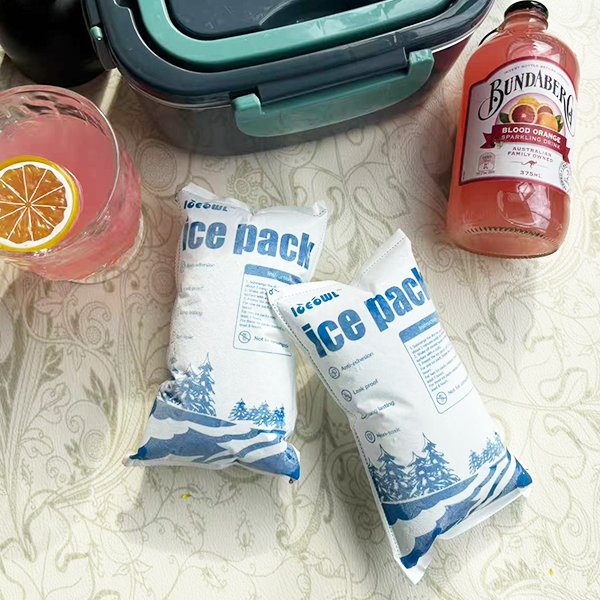
The term dry ice pack is used loosely in confectionery. Some distributors mean solid dry ice, some mean sheet coolants, and others mean standard frozen gel packs. Those options create very different thermal environments, and candy quality is strongly shaped by moisture as well as temperature.
A distributor-led search usually comes from teams that need stocked product, replenishment speed, and consistent specifications across repeat orders.
When a dry-ice-style pack fits and when it does not
A dry-ice-style pack fits when the product state and route actually justify it. That usually means a frozen target or an unusually severe lane that has been thought through as a full insulated system. It does not mean that deeper cold is automatically safer. In candy logistics, the wrong cold source can create freeze damage, condensation, quality loss, or unnecessary handling complexity. The pack has to be evaluated as part of the total design: product starting temperature, insulation, internal spacing, duration, ambient swings, and receiving conditions.
A strong cold source can help during extreme summer lanes or for very heat-sensitive confectionery, but many candy shipments do better with moderate cooling and good moisture control rather than true dry ice. Overcooling can create condensation when the box is opened, which can damage the finish you were trying to protect.
True dry ice: Strong heat defense for severe cases. Main limitation: Often too cold for standard candy and can increase condensation risk.
Moderate frozen pack: Better suited to melt-sensitive confectionery. Main limitation: Needs good insulation and moisture control.
Insulated carton only: Useful for short lanes and more stable candy types. Main limitation: Limited protection in very hot conditions.
Barrier and structural packaging: Helps with humidity and breakage. Main limitation: Does not actively cool the product.
Build the package around the product, not the pack name
Candy logistics starts with product classification. Is the product mostly threatened by melting, by stickiness, by gloss loss, by odor pickup, or by crushing? The answer determines whether you need a moderate coolant, an insulated carton, a barrier package, or mostly structural protection.
Sugar-based candies respond to humidity and water activity, while fat-based coatings respond strongly to heat and temperature swings. That means the right package often smooths the temperature curve and limits moisture events rather than simply driving the internal temperature as low as possible.
Candy logistics is less regulated than pharmaceutical shipping, but buyers still need food-safe materials, leakage control, strong outer packaging, and route-appropriate refrigerants. If true dry ice is used in air transport, handling rules become more specific.
The refrigerant is only part of the answer. The package system matters just as much: insulation type, box size, internal dead space, pack placement, spacers, dividers, absorbent layers, and the starting temperature of the payload all shape the result. Two suppliers can offer similar frozen pack weights and still produce very different payload outcomes because one system manages heat flow and local cold spots better than the other. For B2B buyers, that is why a system-level conversation is usually more useful than a component-only conversation.
A practical buying framework
A practical buying framework starts with five questions. What temperature condition must the product reach at delivery? How long is the realistic door-to-door exposure? What is the hottest and coldest environment the route may see? How much packing variation can your operation tolerate? And what would failure actually look like: thawing, freezing, leakage, appearance loss, or simply excess packaging cost? When those questions are answered first, supplier recommendations become much easier to judge.
Ask for data that reflects how your operation actually works. A hold-time statement means little unless you know the payload mass, the ambient challenge, the pass-fail definition, and the conditioning method behind it. The more useful questions are how the payload behaves near the cold faces, what happens after a route delay, and whether the pack-out remains inside the intended range after repeated ambient shocks. In practice, a supplier's discipline in explaining the assumptions often tells you more than the headline performance claim.
Procurement success in cold-chain packaging often depends on consistency rather than on one impressive sample. A well-performing pilot can still fail at scale if the production film, gel fill, PCM formulation, carton dimensions, or conditioning steps drift over time. That is why supplier evaluation should cover sample-to-production consistency, change control, packing-line practicality, and storage handling in addition to pure thermal performance.
Ask candy distributors whether they segment recommendations by product family or simply push one pack size for everything. The better partner will talk about candy type, season, humidity risk, and unboxing condition rather than only quoting a frozen insert.
Which candy families are you targeting: hard candy, gummies, chocolate-coated pieces, cream-filled products, or mixed assortments?
Are you offering true dry ice, frozen gel packs, or another moderate coolant format for these lanes?
How do you help prevent condensation, odor transfer, and direct pack-to-product contact damage?
Which insulation formats pair best with your coolant for short parcel routes versus multi-day transit?
Can the recommendation change by season, destination climate, or candy type?
What are your stocking policies, lead times, and replenishment options during holiday or summer surges?
How consistent are pack dimensions and frozen fill from order to order?
Do you support custom kit sizes for mixed candy programs?
What drives real cost
The most expensive packaging program is often not the one with the highest unit price. It is the one that looks inexpensive until you count spoilage, re-shipments, complaint handling, extra freezer space, dimensional weight, and time lost on awkward pack-outs. In cold-chain procurement, the right system often wins by reducing operational friction as much as by protecting the payload.
Sustainability also becomes clearer when the package is correctly matched to the product. Overspecification adds weight, waste, and energy use. Underspecification adds spoilage and repeat shipments. The better path is usually to right-size the shipper, choose a refrigerant that matches the target condition, and keep the packing method simple enough to repeat accurately at scale.
Confectionery logistics is being pushed by e-commerce gifting, hotter last-mile conditions, and stronger expectations around presentation on arrival. That makes right-sized insulation, seasonal pack changes, and better product segmentation more valuable than a one-pack-for-everything approach.
Before rolling out a full distributor program, run a pilot lane that uses the final production components, not a hand-built sample. Pack the real payload, condition the coolant the same way the warehouse will do it, and test the shipment under the most realistic route conditions you can simulate. Then review not only payload temperature, but also packing speed, storage footprint, receiving condition, and the clarity of work instructions. That pilot usually tells you more about launch success than any brochure claim.
Common failure points
Using true dry ice for candy that mainly needs humidity control or moderate heat protection.
Treating all candy as if it has the same sensitivity to heat and moisture.
Ignoring condensation risk when a cold package is opened in a warm room.
Comparing pack price without checking customer complaints, product appearance, and re-shipments.
Forgetting that holiday peaks and summer peaks may need different packaging rules.
Operational details buyers should not skip
Operational discipline matters because the best thermal design can still fail if the warehouse cannot repeat it. In candy logistics, buyers should ask how the coolant is stored, how long it takes to condition, what the acceptable assembly window is once the pack leaves frozen storage, and whether the work instruction is realistic for the people actually building the shipment. A distributor-led search usually comes from teams that need stocked product, replenishment speed, and consistent specifications across repeat orders. A packaging choice that looks efficient on paper but is awkward on the packing line often becomes an expensive program in practice.
Receiving checks also deserve attention. The product does not stop being at risk when the box leaves the warehouse. Think about what the receiver should see, touch, and record at arrival. Should they verify package integrity, look for signs of leakage or condensation, check whether the cold source is still present, or escalate if the product feels unexpectedly hard or warm? In candy logistics, a clear receiving rule can reduce preventable product loss because it turns vague observations into a defined response.
Storage footprint and staging time are part of the buying decision as well. Some cold packs need more freezer space, longer conditioning, or stricter first-in-first-out control than others. If a program ships at volume, that operational burden can matter almost as much as the thermal curve. The better solution is often the one your team can execute cleanly every day, not just the one that looks strongest in a single test.
Short FAQ
Does all candy need a dry ice pack?
No. Many candies mainly need protection from heat spikes and humidity, not deep freezing.
Can cold packaging damage candy?
Yes. Overcooling can create condensation and appearance problems when the product warms.
What matters most when choosing a distributor?
Product classification, seasonal availability, consistent pack specifications, and practical packing guidance.
Should one pack-out be used for every candy SKU?
Usually not. Candy families often need different levels of cooling and moisture control.
Final takeaway
The safest way to buy a distributor dry ice pack for candy logistics is to start with the product requirement and the route, not with the pack name. Once you know the target condition, transit duration, ambient risk, and packaging constraints, the right cold source becomes easier to choose and easier to scale. Buyers who treat the pack as part of a full shipping system usually get better protection, lower waste, and fewer surprises after launch.
About Tempk
We are Tempk, a temperature-control packaging brand established in 2011. Our published product range includes ice packs, insulated bags and boxes, thermal pallet covers, insulin temperature carriers, and custom temperature-controlled packaging solutions for food and pharmaceutical applications. We focus on matching packaging formats to product sensitivity, route conditions, and practical packing needs so buyers can choose a more suitable cold-chain setup instead of relying on a generic cold source. For confectionery and broader food logistics, Tempk’s public range of ice packs, insulated bags, insulated boxes, and custom temperature-controlled packaging is relevant when buyers need to tune the cooling level and package format to a specific food product rather than rely on a one-size-fits-all cold source.
Next step
Separate your candy line into stable, moderately sensitive, and highly heat-sensitive groups before you compare distributor offers. If you are comparing distributors, ask how they handle stocking, replenishment, and consistency over repeat shipments.
Bulk dry ice pack for milk shipping: Practical buying guide
What to check before buying Bulk dry ice pack for milk shipping
If you are evaluating bulk dry ice pack for milk shipping, the most important insight is simple: buy the shipping system for the product condition you must protect, not for the name of the pack. The phrase dry ice pack can refer to several very different refrigerant formats, and in milk shipping those differences matter. Some shipments genuinely need deep-cold protection. Many others need controlled refrigeration, moisture management, structural protection, or a cleaner pack-out design more than they need maximum cold intensity.
A bulk dry ice pack for milk shipping is only a good answer when the milk product truly needs that level of cold. For ordinary chilled milk, the core requirement is refrigeration, not deep freezing. True dry ice can be more aggressive than necessary if the pack-out allows direct freeze exposure.
What buyers usually mean by this type of request
The wording dry ice pack may mean true dry ice, a frozen sheet, or a standard coolant pack. In milk shipping, that distinction matters because the target is usually a chilled payload. A deep-cold format can create local freeze points against the bottle or carton even when the overall box still looks cold and stable.
A bulk-buy search usually signals a repeat program where lot-to-lot consistency, easy packing-line execution, and predictable storage handling matter as much as hold time.
When a dry-ice-style pack fits and when it does not
A dry-ice-style pack fits when the product state and route actually justify it. That usually means a frozen target or an unusually severe lane that has been thought through as a full insulated system. It does not mean that deeper cold is automatically safer. In milk shipping, the wrong cold source can create freeze damage, condensation, quality loss, or unnecessary handling complexity. The pack has to be evaluated as part of the total design: product starting temperature, insulation, internal spacing, duration, ambient swings, and receiving conditions.
A deep-cold solution can make sense for frozen dairy products or specialized severe lanes, but for standard chilled milk shipping it is often stronger than necessary. Many bulk programs do better with a controlled refrigerated coolant, a rigid insulated shipper, and a layout that protects the container from the coldest surface.
True dry ice: Strong for frozen dairy routes. Main limitation: Often too cold for standard chilled milk shipping.
Refrigerated gel or PCM pack: Better fit for chilled milk protection. Main limitation: Needs a good insulated box for longer routes.
Rigid insulated shipper: Improves bottle protection and thermal stability. Main limitation: Adds cost and storage volume compared with a simple carton.
Absorbent backup and dividers: Reduces mess and damage if leakage occurs. Main limitation: Does not replace proper temperature control.
Build the package around the product, not the pack name
Milk shipping depends on temperature control, package strength, and leakage planning. The product should enter the shipper already chilled. The outer box has to tolerate moisture and compression. The internal layout should keep containers stable and reduce movement-related leakage.
Milk has noticeable thermal mass, but it is not immune to local freezing. The key question is not how cold the box can get; it is how evenly the payload stays in its target condition. Small differences in bottle geometry, headspace, or pack position can change the outcome in a bulk program.
Milk shipping should be handled with basic food-safe packaging discipline, strong leakage control, and route-appropriate refrigerants. If true dry ice is involved, handling and transport requirements become more demanding, which is one reason many chilled milk programs prefer more moderate refrigerants.
The refrigerant is only part of the answer. The package system matters just as much: insulation type, box size, internal dead space, pack placement, spacers, dividers, absorbent layers, and the starting temperature of the payload all shape the result. Two suppliers can offer similar frozen pack weights and still produce very different payload outcomes because one system manages heat flow and local cold spots better than the other. For B2B buyers, that is why a system-level conversation is usually more useful than a component-only conversation.
A practical buying framework
A practical buying framework starts with five questions. What temperature condition must the product reach at delivery? How long is the realistic door-to-door exposure? What is the hottest and coldest environment the route may see? How much packing variation can your operation tolerate? And what would failure actually look like: thawing, freezing, leakage, appearance loss, or simply excess packaging cost? When those questions are answered first, supplier recommendations become much easier to judge.
Ask for data that reflects how your operation actually works. A hold-time statement means little unless you know the payload mass, the ambient challenge, the pass-fail definition, and the conditioning method behind it. The more useful questions are how the payload behaves near the cold faces, what happens after a route delay, and whether the pack-out remains inside the intended range after repeated ambient shocks. In practice, a supplier's discipline in explaining the assumptions often tells you more than the headline performance claim.
Procurement success in cold-chain packaging often depends on consistency rather than on one impressive sample. A well-performing pilot can still fail at scale if the production film, gel fill, PCM formulation, carton dimensions, or conditioning steps drift over time. That is why supplier evaluation should cover sample-to-production consistency, change control, packing-line practicality, and storage handling in addition to pure thermal performance.
Bulk buyers should look hard at pack consistency, box fit, and leakage planning. Ask how the supplier prevents cold spots against the container, what absorbent or containment options they recommend, and how the program behaves when packing speed and freezer storage are part of the equation.
Is the recommended pack intended for chilled milk, frozen dairy, or both?
What coolant formats do you offer for refrigerated milk routes other than true dry ice?
How do you prevent localized freezing where the container sits nearest the cold source?
What insulated box, divider, or insert format do you recommend for bottles, cartons, or pouches?
How do you address leakage backup, absorbency, and upright stability inside the shipper?
What payload size, ambient profile, and transit duration support your recommendation?
How consistent are pack dimensions, fill weight, and frozen performance from lot to lot?
What are the MOQ, lead times, and custom options for a repeat bulk milk-shipping program?
What drives real cost
The most expensive packaging program is often not the one with the highest unit price. It is the one that looks inexpensive until you count spoilage, re-shipments, complaint handling, extra freezer space, dimensional weight, and time lost on awkward pack-outs. In cold-chain procurement, the right system often wins by reducing operational friction as much as by protecting the payload.
Sustainability also becomes clearer when the package is correctly matched to the product. Overspecification adds weight, waste, and energy use. Underspecification adds spoilage and repeat shipments. The better path is usually to right-size the shipper, choose a refrigerant that matches the target condition, and keep the packing method simple enough to repeat accurately at scale.
Milk shipping is being influenced by direct-to-consumer food channels, regional specialty delivery, and stronger interest in premium refrigerated products moving outside traditional store networks. That increases demand for packaging that is reliable in parcel conditions but still efficient enough for repeat bulk programs.
Before rolling out a full bulk program, run a pilot lane that uses the final production components, not a hand-built sample. Pack the real payload, condition the coolant the same way the warehouse will do it, and test the shipment under the most realistic route conditions you can simulate. Then review not only payload temperature, but also packing speed, storage footprint, receiving condition, and the clarity of work instructions. That pilot usually tells you more about launch success than any brochure claim.
Common failure points
Using true dry ice for ordinary chilled milk without isolating the product from freeze risk.
Ignoring bottle stability and leakage control while focusing only on temperature retention.
Skipping route-specific testing and relying on a generic cold-duration claim.
Choosing a bulk pack format that slows assembly or wastes freezer space.
Assuming every dairy beverage needs the same coolant strategy as a frozen dairy product.
Operational details buyers should not skip
Operational discipline matters because the best thermal design can still fail if the warehouse cannot repeat it. In milk shipping, buyers should ask how the coolant is stored, how long it takes to condition, what the acceptable assembly window is once the pack leaves frozen storage, and whether the work instruction is realistic for the people actually building the shipment. A bulk-buy search usually signals a repeat program where lot-to-lot consistency, easy packing-line execution, and predictable storage handling matter as much as hold time. A packaging choice that looks efficient on paper but is awkward on the packing line often becomes an expensive program in practice.
Receiving checks also deserve attention. The product does not stop being at risk when the box leaves the warehouse. Think about what the receiver should see, touch, and record at arrival. Should they verify package integrity, look for signs of leakage or condensation, check whether the cold source is still present, or escalate if the product feels unexpectedly hard or warm? In milk shipping, a clear receiving rule can reduce preventable product loss because it turns vague observations into a defined response.
Storage footprint and staging time are part of the buying decision as well. Some cold packs need more freezer space, longer conditioning, or stricter first-in-first-out control than others. If a program ships at volume, that operational burden can matter almost as much as the thermal curve. The better solution is often the one your team can execute cleanly every day, not just the one that looks strongest in a single test.
Short FAQ
Can I ship milk with true dry ice?
It may work for some frozen applications, but for chilled milk it is often colder than necessary and can raise freeze risk.
What matters besides coolant choice?
Bottle stability, leakage protection, insulation, and route duration all matter.
Why request sample-to-production consistency?
Because small differences in pack size or fill can change box fit and thermal behavior in a bulk program.
Is a soft insulated bag enough for milk shipping?
Sometimes for short and controlled routes, but many parcel programs need a more structured insulated shipper.
Final takeaway
The safest way to buy a bulk dry ice pack for milk shipping is to start with the product requirement and the route, not with the pack name. Once you know the target condition, transit duration, ambient risk, and packaging constraints, the right cold source becomes easier to choose and easier to scale. Buyers who treat the pack as part of a full shipping system usually get better protection, lower waste, and fewer surprises after launch.
About Tempk
We are Tempk, a temperature-control packaging brand established in 2011. Our published product range includes ice packs, insulated bags and boxes, thermal pallet covers, insulin temperature carriers, and custom temperature-controlled packaging solutions for food and pharmaceutical applications. We focus on matching packaging formats to product sensitivity, route conditions, and practical packing needs so buyers can choose a more suitable cold-chain setup instead of relying on a generic cold source. For milk and broader refrigerated food shipping, Tempk’s public range of ice packs, insulated bags, insulated boxes, and custom temperature-controlled packaging is relevant when buyers need a controlled chilled solution rather than a one-direction move toward the coldest pack available.
Next step
Define whether the product must arrive chilled or frozen, then review the route, container type, and leakage risk before comparing bulk offers. If you are buying in bulk, request pilot samples that reflect the final production build rather than a hand-made sample.
Bulk dry ice pack for dairy transport: Practical buying guide
What to check before buying Bulk dry ice pack for dairy transport
If you are evaluating bulk dry ice pack for dairy transport, the most important insight is simple: buy the shipping system for the product condition you must protect, not for the name of the pack. The phrase dry ice pack can refer to several very different refrigerant formats, and in dairy transport those differences matter. Some shipments genuinely need deep-cold protection. Many others need controlled refrigeration, moisture management, structural protection, or a cleaner pack-out design more than they need maximum cold intensity.
A bulk dry ice pack for dairy transport can be useful, but only for the dairy products that actually need deep-cold protection. The right transport system depends on whether the product must arrive chilled, cool but not frozen, or fully frozen. One bulk answer for all dairy products usually creates unnecessary cost or avoidable product risk.
What buyers usually mean by this type of request
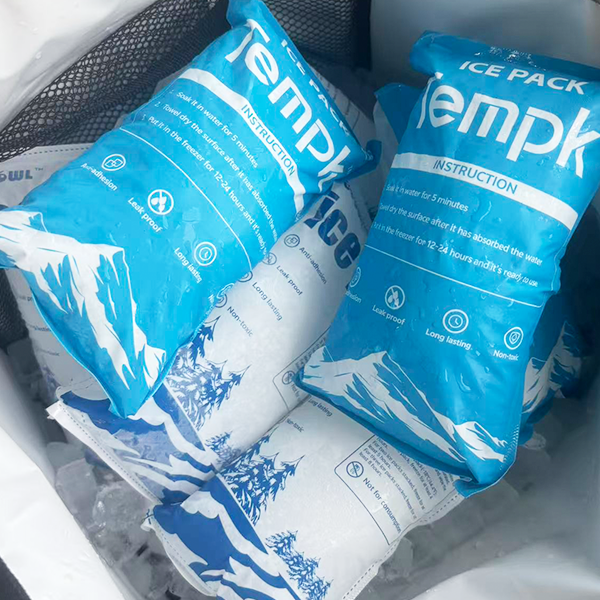
The phrase dry ice pack can hide very different refrigerant formats. One supplier may mean actual dry ice, another a frozen sheet, and another a broader insulated kit. That difference matters because a pack that works for a frozen dairy dessert may be too aggressive for yogurt or fluid milk.
A bulk-buy search usually signals a repeat program where lot-to-lot consistency, easy packing-line execution, and predictable storage handling matter as much as hold time.
When a dry-ice-style pack fits and when it does not
A dry-ice-style pack fits when the product state and route actually justify it. That usually means a frozen target or an unusually severe lane that has been thought through as a full insulated system. It does not mean that deeper cold is automatically safer. In dairy transport, the wrong cold source can create freeze damage, condensation, quality loss, or unnecessary handling complexity. The pack has to be evaluated as part of the total design: product starting temperature, insulation, internal spacing, duration, ambient swings, and receiving conditions.
True dry ice is often appropriate for frozen dairy products and some long or severe routes. It is much less often the right default for chilled dairy transport. Many refrigerated dairy products need cold retention without exposure to very low temperatures, so a more controlled coolant is usually a better starting point.
One deep-cold standard: Simple inventory logic. Main limitation: Often too aggressive for chilled dairy and can add cost.
Separate chilled and frozen standards: Better product fit across the dairy range. Main limitation: Requires clearer packing rules.
Controlled chilled coolant system: Useful for many dairy products. Main limitation: Not enough for frozen dessert targets.
Reusable insulated transport format: Potential value on stable routes. Main limitation: Needs return logistics and sanitation control.
Build the package around the product, not the pack name
Dairy transport needs three kinds of thinking at once: product temperature, route exposure, and operating efficiency. Products should enter the shipper at the correct starting temperature. The package should match the actual transit window and ambient challenge. And the system should be practical for bulk packing, storage, and replenishment.
Dairy products differ in water content, fat structure, package format, and sensitivity to freezing. Some products tolerate colder handling better than others. Some are more vulnerable to leakage or seal stress. The thermal target therefore has to be defined at the product-family level rather than by the word dairy alone.
Dairy transport should be managed with food-safe packaging discipline, route-appropriate refrigerants, and clear handling steps. If true dry ice is part of the system, labeling and handling become more demanding, especially in air movement. That is another reason to use deep-cold solutions only when they are genuinely needed.
The refrigerant is only part of the answer. The package system matters just as much: insulation type, box size, internal dead space, pack placement, spacers, dividers, absorbent layers, and the starting temperature of the payload all shape the result. Two suppliers can offer similar frozen pack weights and still produce very different payload outcomes because one system manages heat flow and local cold spots better than the other. For B2B buyers, that is why a system-level conversation is usually more useful than a component-only conversation.
A practical buying framework
A practical buying framework starts with five questions. What temperature condition must the product reach at delivery? How long is the realistic door-to-door exposure? What is the hottest and coldest environment the route may see? How much packing variation can your operation tolerate? And what would failure actually look like: thawing, freezing, leakage, appearance loss, or simply excess packaging cost? When those questions are answered first, supplier recommendations become much easier to judge.
Ask for data that reflects how your operation actually works. A hold-time statement means little unless you know the payload mass, the ambient challenge, the pass-fail definition, and the conditioning method behind it. The more useful questions are how the payload behaves near the cold faces, what happens after a route delay, and whether the pack-out remains inside the intended range after repeated ambient shocks. In practice, a supplier's discipline in explaining the assumptions often tells you more than the headline performance claim.
Procurement success in cold-chain packaging often depends on consistency rather than on one impressive sample. A well-performing pilot can still fail at scale if the production film, gel fill, PCM formulation, carton dimensions, or conditioning steps drift over time. That is why supplier evaluation should cover sample-to-production consistency, change control, packing-line practicality, and storage handling in addition to pure thermal performance.
Bulk dairy buyers should ask suppliers how they classify the portfolio, what refrigerant options they offer for chilled versus frozen products, and how they control sample-to-production consistency. The right supplier relationship usually behaves like a packaging program rather than a one-SKU purchase.
Which dairy product families is the recommendation intended for: milk, yogurt, butter, cheese, cultured drinks, or frozen desserts?
What coolant formats do you offer for chilled dairy versus frozen dairy transport?
How do you prevent localized freezing or cold shock in refrigerated dairy products?
What insulated boxes, liners, or separators support mixed dairy loads safely?
Can the program be split into simple chilled and frozen standards instead of one universal build?
What are the MOQ, replenishment lead times, and custom options for a recurring bulk dairy program?
How do you manage fill-weight consistency, dimensional consistency, and change control across production lots?
How does the recommended system balance thermal protection, labor efficiency, and packaging waste?
What drives real cost
The most expensive packaging program is often not the one with the highest unit price. It is the one that looks inexpensive until you count spoilage, re-shipments, complaint handling, extra freezer space, dimensional weight, and time lost on awkward pack-outs. In cold-chain procurement, the right system often wins by reducing operational friction as much as by protecting the payload.
Sustainability also becomes clearer when the package is correctly matched to the product. Overspecification adds weight, waste, and energy use. Underspecification adds spoilage and repeat shipments. The better path is usually to right-size the shipper, choose a refrigerant that matches the target condition, and keep the packing method simple enough to repeat accurately at scale.
Dairy transport is increasingly shaped by specialty direct shipping, premium refrigerated foods, and tighter expectations on both product quality and packaging waste. More buyers want packaging that is easier to operate, easier to right-size, and less prone to product loss in variable parcel conditions.
Before rolling out a full bulk program, run a pilot lane that uses the final production components, not a hand-built sample. Pack the real payload, condition the coolant the same way the warehouse will do it, and test the shipment under the most realistic route conditions you can simulate. Then review not only payload temperature, but also packing speed, storage footprint, receiving condition, and the clarity of work instructions. That pilot usually tells you more about launch success than any brochure claim.
Common failure points
Treating all dairy products as one thermal category.
Using true dry ice by default for chilled dairy items.
Ignoring leakage and seal protection in fluid or spoonable dairy formats.
Over-standardizing the packaging system at the expense of product fit.
Comparing bulk quotes without checking route assumptions and operating practicality.
Operational details buyers should not skip
Operational discipline matters because the best thermal design can still fail if the warehouse cannot repeat it. In dairy transport, buyers should ask how the coolant is stored, how long it takes to condition, what the acceptable assembly window is once the pack leaves frozen storage, and whether the work instruction is realistic for the people actually building the shipment. A bulk-buy search usually signals a repeat program where lot-to-lot consistency, easy packing-line execution, and predictable storage handling matter as much as hold time. A packaging choice that looks efficient on paper but is awkward on the packing line often becomes an expensive program in practice.
Receiving checks also deserve attention. The product does not stop being at risk when the box leaves the warehouse. Think about what the receiver should see, touch, and record at arrival. Should they verify package integrity, look for signs of leakage or condensation, check whether the cold source is still present, or escalate if the product feels unexpectedly hard or warm? In dairy transport, a clear receiving rule can reduce preventable product loss because it turns vague observations into a defined response.
Storage footprint and staging time are part of the buying decision as well. Some cold packs need more freezer space, longer conditioning, or stricter first-in-first-out control than others. If a program ships at volume, that operational burden can matter almost as much as the thermal curve. The better solution is often the one your team can execute cleanly every day, not just the one that looks strongest in a single test.
Short FAQ
Can one dry ice pack program cover all dairy transport?
Usually not. Dairy products differ too much in temperature need and package sensitivity.
When is true dry ice a good option in dairy transport?
Mostly for genuinely frozen dairy routes, not as a default for chilled dairy products.
Why classify the dairy portfolio first?
Because milk, yogurt, cheese, butter, and frozen desserts often need different thermal strategies.
What should a bulk buyer ask besides price?
Ask about coolant type, route assumptions, production consistency, pack-out simplicity, and product-family fit.
Final takeaway
The safest way to buy a bulk dry ice pack for dairy transport is to start with the product requirement and the route, not with the pack name. Once you know the target condition, transit duration, ambient risk, and packaging constraints, the right cold source becomes easier to choose and easier to scale. Buyers who treat the pack as part of a full shipping system usually get better protection, lower waste, and fewer surprises after launch.
About Tempk
We are Tempk, a temperature-control packaging brand established in 2011. Our published product range includes ice packs, insulated bags and boxes, thermal pallet covers, insulin temperature carriers, and custom temperature-controlled packaging solutions for food and pharmaceutical applications. We focus on matching packaging formats to product sensitivity, route conditions, and practical packing needs so buyers can choose a more suitable cold-chain setup instead of relying on a generic cold source. For dairy and broader food cold-chain transport, Tempk’s public range of ice packs, insulated bags, insulated boxes, and custom temperature-controlled packaging is relevant when a buyer needs several packaging paths across one product portfolio rather than a single one-size-fits-all cold source.
Next step
Break the dairy range into chilled and frozen groups before you request a bulk recommendation. If you are buying in bulk, request pilot samples that reflect the final production build rather than a hand-made sample.
Bulk dry ice pack for cheese packaging: Practical buying guide
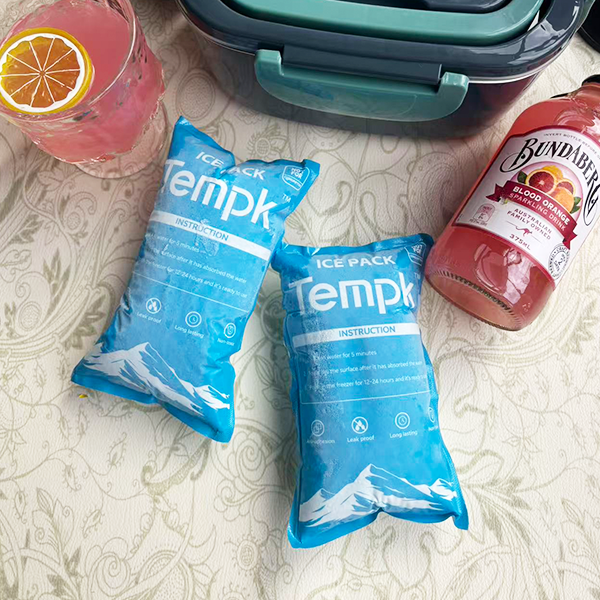
What to check before buying Bulk dry ice pack for cheese packaging
If you are evaluating bulk dry ice pack for cheese packaging, the most important insight is simple: buy the shipping system for the product condition you must protect, not for the name of the pack. The phrase dry ice pack can refer to several very different refrigerant formats, and in cheese packaging those differences matter. Some shipments genuinely need deep-cold protection. Many others need controlled refrigeration, moisture management, structural protection, or a cleaner pack-out design more than they need maximum cold intensity.
A bulk dry ice pack for cheese packaging can be useful in some cases, but cheese is not one product category. Fresh cheese, soft-ripened cheese, cream cheese, and hard aged cheese do not all react to cold in the same way. Many cheese programs need controlled chill rather than maximum cold.
What buyers usually mean by this type of request
Cheese buyers often inherit the phrase dry ice pack from general food-shipping language, but the exact refrigerant matters. Actual dry ice behaves very differently from a gel pack or a refrigerated PCM, and that difference can change texture, condensation, and handling risk.
A bulk-buy search usually signals a repeat program where lot-to-lot consistency, easy packing-line execution, and predictable storage handling matter as much as hold time.
When a dry-ice-style pack fits and when it does not
A dry-ice-style pack fits when the product state and route actually justify it. That usually means a frozen target or an unusually severe lane that has been thought through as a full insulated system. It does not mean that deeper cold is automatically safer. In cheese packaging, the wrong cold source can create freeze damage, condensation, quality loss, or unnecessary handling complexity. The pack has to be evaluated as part of the total design: product starting temperature, insulation, internal spacing, duration, ambient swings, and receiving conditions.
Deep-cold solutions can make sense for frozen cheese products or very severe routes. For many chilled cheese shipments, the goal is controlled refrigeration rather than maximum cold. A milder pack often gives a better overall result because it reduces the chance of localized freezing and excessive condensation during warm-up.
True dry ice: Can support frozen or very demanding routes. Main limitation: Often too aggressive for standard chilled cheese packaging.
Chilled gel or PCM pack: Better for controlled cheese transport. Main limitation: Needs a route-matched insulated structure.
Structured insulated shipper: Supports stable pack placement and product protection. Main limitation: Adds packaging cost and storage volume.
Segmented pack-out by cheese family: Improves quality fit. Main limitation: Adds SKU management and packing rules.
Build the package around the product, not the pack name
Cheese packaging has to balance temperature control with moisture and handling. The package should protect the cheese from external heat, but it should also avoid direct cold shock that affects texture or creates condensation in the wrap. The right answer depends on whether you are packing blocks, wedges, cups, soft-ripened formats, or mixed assortments.
Cheese behavior is shaped by water content, fat composition, ripeness, and pack format. Even where safety is not the immediate issue, sharp temperature swings can affect cut surfaces, texture, and appearance. Controlled spacing and a well-filled cavity often matter more than simply increasing refrigerant weight.
Cheese packaging still needs normal food-shipping discipline: strong containment, clean materials, route-appropriate refrigerants, and practical assembly instructions. If true dry ice is part of the system, handling and transport requirements become more specific.
The refrigerant is only part of the answer. The package system matters just as much: insulation type, box size, internal dead space, pack placement, spacers, dividers, absorbent layers, and the starting temperature of the payload all shape the result. Two suppliers can offer similar frozen pack weights and still produce very different payload outcomes because one system manages heat flow and local cold spots better than the other. For B2B buyers, that is why a system-level conversation is usually more useful than a component-only conversation.
A practical buying framework
A practical buying framework starts with five questions. What temperature condition must the product reach at delivery? How long is the realistic door-to-door exposure? What is the hottest and coldest environment the route may see? How much packing variation can your operation tolerate? And what would failure actually look like: thawing, freezing, leakage, appearance loss, or simply excess packaging cost? When those questions are answered first, supplier recommendations become much easier to judge.
Ask for data that reflects how your operation actually works. A hold-time statement means little unless you know the payload mass, the ambient challenge, the pass-fail definition, and the conditioning method behind it. The more useful questions are how the payload behaves near the cold faces, what happens after a route delay, and whether the pack-out remains inside the intended range after repeated ambient shocks. In practice, a supplier's discipline in explaining the assumptions often tells you more than the headline performance claim.
Procurement success in cold-chain packaging often depends on consistency rather than on one impressive sample. A well-performing pilot can still fail at scale if the production film, gel fill, PCM formulation, carton dimensions, or conditioning steps drift over time. That is why supplier evaluation should cover sample-to-production consistency, change control, packing-line practicality, and storage handling in addition to pure thermal performance.
Bulk buyers should ask cheese-packaging suppliers how they segment recommendations by cheese family, how they prevent overcooling of fresh items, and how consistent the pack dimensions and fill are across production lots. In many cheese programs, precision matters more than maximum cold intensity.
Which cheese families is the pack-out intended for: fresh, soft-ripened, semi-hard, hard, or processed cheese?
Is the proposed solution based on true dry ice or a more moderate chilled coolant?
How do you prevent local freezing or excessive condensation in the cheese package?
What insulated box or divider format works best for blocks, wedges, cups, or mixed cases?
Can you support separate packaging tiers for more sensitive versus more robust cheese products?
How consistent are pack dimensions, frozen condition, and fill weight across repeat bulk orders?
What are the MOQ, lead times, and custom options for standard and seasonal cheese programs?
How does the recommendation balance product quality, packing speed, and packaging waste?
What drives real cost
The most expensive packaging program is often not the one with the highest unit price. It is the one that looks inexpensive until you count spoilage, re-shipments, complaint handling, extra freezer space, dimensional weight, and time lost on awkward pack-outs. In cold-chain procurement, the right system often wins by reducing operational friction as much as by protecting the payload.
Sustainability also becomes clearer when the package is correctly matched to the product. Overspecification adds weight, waste, and energy use. Underspecification adds spoilage and repeat shipments. The better path is usually to right-size the shipper, choose a refrigerant that matches the target condition, and keep the packing method simple enough to repeat accurately at scale.
Cheese packaging is being shaped by specialty food e-commerce, subscription formats, and more direct parcel delivery. Those channels make parcel exposure and unboxing quality more important, which increases demand for controlled chill, clean presentation, and simpler pack-out execution.
Before rolling out a full bulk program, run a pilot lane that uses the final production components, not a hand-built sample. Pack the real payload, condition the coolant the same way the warehouse will do it, and test the shipment under the most realistic route conditions you can simulate. Then review not only payload temperature, but also packing speed, storage footprint, receiving condition, and the clarity of work instructions. That pilot usually tells you more about launch success than any brochure claim.
Common failure points
Assuming all cheese behaves like one category in transit.
Using true dry ice as a default for chilled cheese packaging.
Ignoring condensation and wrap integrity around softer cheeses.
Selecting a pack that is hard for warehouse staff to place consistently.
Comparing bulk options only on pack price instead of saleable product condition.
Operational details buyers should not skip
Operational discipline matters because the best thermal design can still fail if the warehouse cannot repeat it. In cheese packaging, buyers should ask how the coolant is stored, how long it takes to condition, what the acceptable assembly window is once the pack leaves frozen storage, and whether the work instruction is realistic for the people actually building the shipment. A bulk-buy search usually signals a repeat program where lot-to-lot consistency, easy packing-line execution, and predictable storage handling matter as much as hold time. A packaging choice that looks efficient on paper but is awkward on the packing line often becomes an expensive program in practice.
Receiving checks also deserve attention. The product does not stop being at risk when the box leaves the warehouse. Think about what the receiver should see, touch, and record at arrival. Should they verify package integrity, look for signs of leakage or condensation, check whether the cold source is still present, or escalate if the product feels unexpectedly hard or warm? In cheese packaging, a clear receiving rule can reduce preventable product loss because it turns vague observations into a defined response.
Storage footprint and staging time are part of the buying decision as well. Some cold packs need more freezer space, longer conditioning, or stricter first-in-first-out control than others. If a program ships at volume, that operational burden can matter almost as much as the thermal curve. The better solution is often the one your team can execute cleanly every day, not just the one that looks strongest in a single test.
Short FAQ
Can cheese be packed with dry ice?
Sometimes, but many chilled cheese products do better with a controlled refrigerated pack rather than true dry ice.
Do all cheeses need the same pack-out?
No. Fresh and soft cheeses often need different handling from aged hard cheeses.
Why does condensation matter?
Because moisture can affect appearance, wrap condition, and texture, especially in delicate cheese formats.
What should I test before a bulk launch?
Test the final cheese assortment, the real box layout, and the real transit profile rather than a simplified sample.
Final takeaway
The safest way to buy a bulk dry ice pack for cheese packaging is to start with the product requirement and the route, not with the pack name. Once you know the target condition, transit duration, ambient risk, and packaging constraints, the right cold source becomes easier to choose and easier to scale. Buyers who treat the pack as part of a full shipping system usually get better protection, lower waste, and fewer surprises after launch.
About Tempk
We are Tempk, a temperature-control packaging brand established in 2011. Our published product range includes ice packs, insulated bags and boxes, thermal pallet covers, insulin temperature carriers, and custom temperature-controlled packaging solutions for food and pharmaceutical applications. We focus on matching packaging formats to product sensitivity, route conditions, and practical packing needs so buyers can choose a more suitable cold-chain setup instead of relying on a generic cold source. For cheese and other chilled food packaging, Tempk’s public range of ice packs, insulated bags, insulated boxes, and custom temperature-controlled packaging is relevant when buyers need a more controlled chilled solution matched to product style and route conditions.
Next step
Group your cheese products by style and arrival condition before you compare bulk packaging options. If you are buying in bulk, request pilot samples that reflect the final production build rather than a hand-made sample.
Wholesale dry ice pack for vegetable logistics: Practical buying guide

What to check before buying Wholesale dry ice pack for vegetable logistics
If you are evaluating wholesale dry ice pack for vegetable logistics, the most important insight is simple: buy the shipping system for the product condition you must protect, not for the name of the pack. The phrase dry ice pack can refer to several very different refrigerant formats, and in vegetable logistics those differences matter. Some shipments genuinely need deep-cold protection. Many others need controlled refrigeration, moisture management, structural protection, or a cleaner pack-out design more than they need maximum cold intensity.
A wholesale dry ice pack for vegetable logistics sounds simple, but fresh vegetables do not all want the same thermal treatment. Some crops benefit from aggressive cooling. Others are vulnerable to chilling injury. That means a buyer should start with the commodity, not with the pack name.
What buyers usually mean by this type of request
In produce programs, dry ice pack can blur the difference between frozen vegetable shipping and fresh-produce logistics. Suppliers may be talking about actual dry ice, a moderate frozen pack, or simply an insulated format. Those are very different answers, especially when the load includes fresh vegetables rather than frozen products.
A wholesale search usually points to scale: unit economics, seasonal capacity, production consistency, and packaging that works the same way across high order volumes.
When a dry-ice-style pack fits and when it does not
A dry-ice-style pack fits when the product state and route actually justify it. That usually means a frozen target or an unusually severe lane that has been thought through as a full insulated system. It does not mean that deeper cold is automatically safer. In vegetable logistics, the wrong cold source can create freeze damage, condensation, quality loss, or unnecessary handling complexity. The pack has to be evaluated as part of the total design: product starting temperature, insulation, internal spacing, duration, ambient swings, and receiving conditions.
Deep-cold refrigerants fit frozen vegetable products and some very cold processed items. They are much less often the right default for fresh produce. In many fresh-vegetable programs, the better improvement is commodity-specific cooling, better precooling, and a pack-out that protects the crop from both heat and chilling injury.
True dry ice: Useful for frozen vegetable products. Main limitation: Usually unsuitable as the default for fresh produce.
Moderate coolant pack: Better for chilled produce lanes with less freeze risk. Main limitation: Still has to match the commodity and route.
Insulated produce shipper: Helps stabilize already cooled product. Main limitation: Not a substitute for proper precooling.
Vented or breathable packaging: Supports airflow and freshness. Main limitation: Does not actively cool the load.
Build the package around the product, not the pack name
Vegetable logistics depends on what happened before the final shipper was packed. Was the product precooled? Is field heat still present? Does the product need airflow, humidity retention, or venting? The package has to support freshness, not just create a cold box.
Fresh vegetables remain biologically active after harvest. Cooling slows respiration and helps extend shelf life, but excessive cold can damage sensitive commodities. That is why the packaging goal is an even, crop-appropriate thermal environment rather than the most powerful refrigerant available.
Vegetable logistics is guided more by produce handling practice than by the kind of documentation common in pharmaceuticals, but food-safe materials, leakage control, and route-appropriate refrigerants still matter. If true dry ice is used, handling and shipping rules become more specific.
The refrigerant is only part of the answer. The package system matters just as much: insulation type, box size, internal dead space, pack placement, spacers, dividers, absorbent layers, and the starting temperature of the payload all shape the result. Two suppliers can offer similar frozen pack weights and still produce very different payload outcomes because one system manages heat flow and local cold spots better than the other. For B2B buyers, that is why a system-level conversation is usually more useful than a component-only conversation.
A practical buying framework
A practical buying framework starts with five questions. What temperature condition must the product reach at delivery? How long is the realistic door-to-door exposure? What is the hottest and coldest environment the route may see? How much packing variation can your operation tolerate? And what would failure actually look like: thawing, freezing, leakage, appearance loss, or simply excess packaging cost? When those questions are answered first, supplier recommendations become much easier to judge.
Ask for data that reflects how your operation actually works. A hold-time statement means little unless you know the payload mass, the ambient challenge, the pass-fail definition, and the conditioning method behind it. The more useful questions are how the payload behaves near the cold faces, what happens after a route delay, and whether the pack-out remains inside the intended range after repeated ambient shocks. In practice, a supplier's discipline in explaining the assumptions often tells you more than the headline performance claim.
Procurement success in cold-chain packaging often depends on consistency rather than on one impressive sample. A well-performing pilot can still fail at scale if the production film, gel fill, PCM formulation, carton dimensions, or conditioning steps drift over time. That is why supplier evaluation should cover sample-to-production consistency, change control, packing-line practicality, and storage handling in addition to pure thermal performance.
Wholesale buyers in vegetable logistics should prioritize suppliers who ask commodity-level questions. If the seller never asks whether the load is fresh or frozen, whether it is precooled, or whether it is chill-sensitive, the recommendation is probably too generic.
Are these packs intended for fresh vegetables, chilled processed vegetables, or frozen vegetables?
How does the recommendation account for commodity-specific temperature needs and chilling sensitivity?
What insulation, liners, or venting options work with your coolant in produce applications?
How do you avoid local freeze damage where the cold source sits closest to the product?
Should the product be precooled before packing, and how does that affect coolant sizing?
Can you support different standards for leafy greens, cut vegetables, and frozen products under one wholesale program?
What are the MOQ, lead time, and production-consistency controls for seasonal volume changes?
How do you balance freshness protection, package weight, and packaging waste across produce routes?
What drives real cost
The most expensive packaging program is often not the one with the highest unit price. It is the one that looks inexpensive until you count spoilage, re-shipments, complaint handling, extra freezer space, dimensional weight, and time lost on awkward pack-outs. In cold-chain procurement, the right system often wins by reducing operational friction as much as by protecting the payload.
Sustainability also becomes clearer when the package is correctly matched to the product. Overspecification adds weight, waste, and energy use. Underspecification adds spoilage and repeat shipments. The better path is usually to right-size the shipper, choose a refrigerant that matches the target condition, and keep the packing method simple enough to repeat accurately at scale.
Vegetable logistics is being reshaped by e-grocery, shorter inventory cycles, and stronger pressure to reduce food waste. That increases interest in packaging that supports freshness without adding unnecessary refrigerant or material and makes commodity segmentation more valuable than ever.
Before rolling out a full wholesale program, run a pilot lane that uses the final production components, not a hand-built sample. Pack the real payload, condition the coolant the same way the warehouse will do it, and test the shipment under the most realistic route conditions you can simulate. Then review not only payload temperature, but also packing speed, storage footprint, receiving condition, and the clarity of work instructions. That pilot usually tells you more about launch success than any brochure claim.
Common failure points
Treating fresh and frozen vegetables as if they need the same cold source.
Ignoring precooling and trying to fix field heat with more refrigerant in the final shipper.
Using a very cold pack directly against fresh produce.
Forgetting airflow and humidity needs when choosing the package build.
Standardizing one wholesale solution across vegetables with very different temperature sensitivities.
Operational details buyers should not skip
Operational discipline matters because the best thermal design can still fail if the warehouse cannot repeat it. In vegetable logistics, buyers should ask how the coolant is stored, how long it takes to condition, what the acceptable assembly window is once the pack leaves frozen storage, and whether the work instruction is realistic for the people actually building the shipment. A wholesale search usually points to scale: unit economics, seasonal capacity, production consistency, and packaging that works the same way across high order volumes. A packaging choice that looks efficient on paper but is awkward on the packing line often becomes an expensive program in practice.
Receiving checks also deserve attention. The product does not stop being at risk when the box leaves the warehouse. Think about what the receiver should see, touch, and record at arrival. Should they verify package integrity, look for signs of leakage or condensation, check whether the cold source is still present, or escalate if the product feels unexpectedly hard or warm? In vegetable logistics, a clear receiving rule can reduce preventable product loss because it turns vague observations into a defined response.
Storage footprint and staging time are part of the buying decision as well. Some cold packs need more freezer space, longer conditioning, or stricter first-in-first-out control than others. If a program ships at volume, that operational burden can matter almost as much as the thermal curve. The better solution is often the one your team can execute cleanly every day, not just the one that looks strongest in a single test.
Short FAQ
Can fresh vegetables be shipped with dry ice packs?
Some can, but many fresh vegetables need commodity-specific chilling rather than deep-cold exposure. The product type matters.
What matters most before choosing coolant quantity?
Whether the product is fresh or frozen, whether it is precooled, and how long the route lasts.
Is precooling still important if I use insulated packaging?
Yes. Packaging helps maintain temperature; it is not a substitute for removing field heat properly.
Why do vegetable programs often need more than one pack-out?
Because different vegetables have different ideal temperatures and different sensitivity to chilling injury.
Final takeaway
The safest way to buy a wholesale dry ice pack for vegetable logistics is to start with the product requirement and the route, not with the pack name. Once you know the target condition, transit duration, ambient risk, and packaging constraints, the right cold source becomes easier to choose and easier to scale. Buyers who treat the pack as part of a full shipping system usually get better protection, lower waste, and fewer surprises after launch.
About Tempk
We are Tempk, a temperature-control packaging brand established in 2011. Our published product range includes ice packs, insulated bags and boxes, thermal pallet covers, insulin temperature carriers, and custom temperature-controlled packaging solutions for food and pharmaceutical applications. We focus on matching packaging formats to product sensitivity, route conditions, and practical packing needs so buyers can choose a more suitable cold-chain setup instead of relying on a generic cold source. For produce and broader food cold-chain applications, Tempk’s public portfolio of ice packs, insulated bags, insulated boxes, and custom temperature-controlled packaging is relevant when buyers need to match the cooling format and insulated structure to the product category rather than assume one cold source fits every vegetable.
Next step
List the vegetables by fresh, chilled, and frozen category before you request wholesale quotations. If you plan to buy at wholesale volume, align the pack format with labor efficiency, storage footprint, and route risk before comparing price alone.
Wholesale dry ice pack for seafood packaging: Practical buying guide
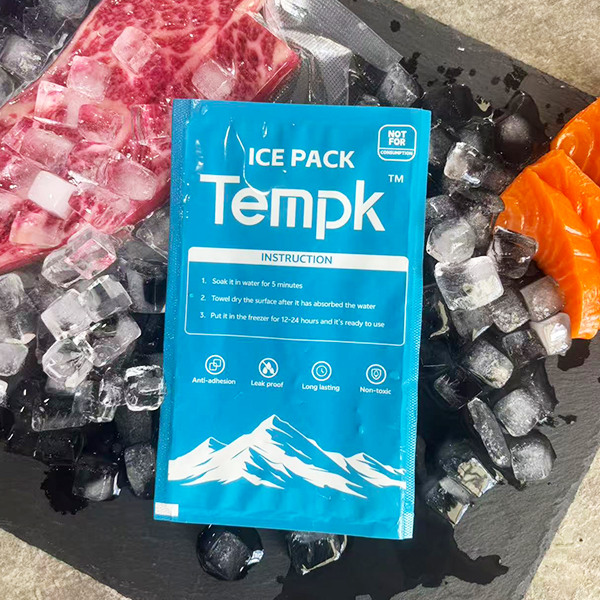
What to check before buying Wholesale dry ice pack for seafood packaging
If you are evaluating wholesale dry ice pack for seafood packaging, the most important insight is simple: buy the shipping system for the product condition you must protect, not for the name of the pack. The phrase dry ice pack can refer to several very different refrigerant formats, and in seafood packaging those differences matter. Some shipments genuinely need deep-cold protection. Many others need controlled refrigeration, moisture management, structural protection, or a cleaner pack-out design more than they need maximum cold intensity.
A wholesale dry ice pack for seafood packaging can be the right choice in some lanes, but only if the seafood type is defined first. Fresh fish, frozen seafood, and live seafood do not belong in one packaging answer. Frozen seafood may justify deep-cold protection. Fresh seafood usually needs a clean, near-ice chilled environment. Live seafood is a different path entirely.
What buyers usually mean by this type of request
Seafood buyers sometimes use dry ice pack to mean any cold insert, but that shortcut is risky. True dry ice is one specific deep-cold refrigerant. Other packs provide milder cooling and may be more suitable for fresh or chilled applications. The seafood state has to drive the decision.
A wholesale search usually points to scale: unit economics, seasonal capacity, production consistency, and packaging that works the same way across high order volumes.
When a dry-ice-style pack fits and when it does not
A dry-ice-style pack fits when the product state and route actually justify it. That usually means a frozen target or an unusually severe lane that has been thought through as a full insulated system. It does not mean that deeper cold is automatically safer. In seafood packaging, the wrong cold source can create freeze damage, condensation, quality loss, or unnecessary handling complexity. The pack has to be evaluated as part of the total design: product starting temperature, insulation, internal spacing, duration, ambient swings, and receiving conditions.
True dry ice is often appropriate for frozen seafood and certain demanding cold routes. It is not a universal answer for fresh seafood, and it is generally unsuitable for live seafood. Wholesale buyers should therefore separate the decision into at least three paths: fresh, frozen, and live.
True dry ice: Strong fit for frozen seafood routes. Main limitation: Not a default answer for fresh or live seafood.
Moderate chilled coolant: Useful for fresh seafood in insulated systems. Main limitation: May not be enough for deep-frozen targets.
Leak-managed insulated shipper: Improves hygiene and route performance. Main limitation: Needs the right refrigerant and inner packaging.
State-specific seafood program: Best fit across mixed seafood portfolios. Main limitation: Requires more upfront operating design.
Build the package around the product, not the pack name
Seafood packaging is about arrival condition as much as transit. Fresh seafood may need to arrive cold, clean, and ready for refrigeration or processing. Frozen seafood may need to remain deeply frozen. Many seafood programs also need strong leakage control, odor control, liners, and absorbent protection.
Seafood quality is highly sensitive to time and temperature, but the relevant target depends on product state. The package should preserve that state without creating unwanted thawing, re-freezing, freeze-burn, or wet-box failure. In practice, liquid management and inner sealing are often as important as refrigerant choice.
Seafood packaging sits close to food-safety handling expectations. Buyers should think about cleanability, leakage prevention, odor containment, and whether the system supports the handling plan for the product. If true dry ice is used, transport documentation, labeling, and venting become more important.
The refrigerant is only part of the answer. The package system matters just as much: insulation type, box size, internal dead space, pack placement, spacers, dividers, absorbent layers, and the starting temperature of the payload all shape the result. Two suppliers can offer similar frozen pack weights and still produce very different payload outcomes because one system manages heat flow and local cold spots better than the other. For B2B buyers, that is why a system-level conversation is usually more useful than a component-only conversation.
A practical buying framework
A practical buying framework starts with five questions. What temperature condition must the product reach at delivery? How long is the realistic door-to-door exposure? What is the hottest and coldest environment the route may see? How much packing variation can your operation tolerate? And what would failure actually look like: thawing, freezing, leakage, appearance loss, or simply excess packaging cost? When those questions are answered first, supplier recommendations become much easier to judge.
Ask for data that reflects how your operation actually works. A hold-time statement means little unless you know the payload mass, the ambient challenge, the pass-fail definition, and the conditioning method behind it. The more useful questions are how the payload behaves near the cold faces, what happens after a route delay, and whether the pack-out remains inside the intended range after repeated ambient shocks. In practice, a supplier's discipline in explaining the assumptions often tells you more than the headline performance claim.
Procurement success in cold-chain packaging often depends on consistency rather than on one impressive sample. A well-performing pilot can still fail at scale if the production film, gel fill, PCM formulation, carton dimensions, or conditioning steps drift over time. That is why supplier evaluation should cover sample-to-production consistency, change control, packing-line practicality, and storage handling in addition to pure thermal performance.
Wholesale seafood buyers should ask suppliers to classify recommendations by fresh, frozen, or live product and to explain how the package manages leakage, absorbency, liners, and arrival condition. The strongest partner narrows the recommendation instead of generalizing across all seafood.
Is the recommendation intended for fresh seafood, frozen seafood, value-added chilled seafood, or live seafood?
Do you offer both deep-cold and moderate chilled refrigerant formats for different seafood states?
How does the package manage leakage, absorbency, liners, and wet-route handling?
What insulation and internal layout prevent direct cold shock or unwanted thawing during transit?
Can the pack-out be adapted for fillets, shell-on products, frozen blocks, or mixed seafood assortments?
What ambient assumptions, transit durations, and hold-time definitions support the recommendation?
How do you manage lot consistency, change control, MOQ, and seasonal replenishment at wholesale volume?
What is the best way to separate fresh, frozen, and live seafood packaging under one supplier program?
What drives real cost
The most expensive packaging program is often not the one with the highest unit price. It is the one that looks inexpensive until you count spoilage, re-shipments, complaint handling, extra freezer space, dimensional weight, and time lost on awkward pack-outs. In cold-chain procurement, the right system often wins by reducing operational friction as much as by protecting the payload.
Sustainability also becomes clearer when the package is correctly matched to the product. Overspecification adds weight, waste, and energy use. Underspecification adds spoilage and repeat shipments. The better path is usually to right-size the shipper, choose a refrigerant that matches the target condition, and keep the packing method simple enough to repeat accurately at scale.
Seafood packaging is being reshaped by direct shipping, premium chilled delivery, and stronger scrutiny of leakage, spoilage, and packaging waste. Buyers increasingly want right-sized insulated systems that protect the product state without adding avoidable material or operational complexity.
Before rolling out a full wholesale program, run a pilot lane that uses the final production components, not a hand-built sample. Pack the real payload, condition the coolant the same way the warehouse will do it, and test the shipment under the most realistic route conditions you can simulate. Then review not only payload temperature, but also packing speed, storage footprint, receiving condition, and the clarity of work instructions. That pilot usually tells you more about launch success than any brochure claim.
Common failure points
Using one deep-cold packaging answer for fresh, frozen, and live seafood.
Ignoring leakage management and odor containment.
Assuming colder is always better for fresh seafood.
Skipping route-specific thinking for products that may thaw or warm differently in parcel transit.
Treating the cold pack as the whole solution instead of part of a full seafood packaging system.
Operational details buyers should not skip
Operational discipline matters because the best thermal design can still fail if the warehouse cannot repeat it. In seafood packaging, buyers should ask how the coolant is stored, how long it takes to condition, what the acceptable assembly window is once the pack leaves frozen storage, and whether the work instruction is realistic for the people actually building the shipment. A wholesale search usually points to scale: unit economics, seasonal capacity, production consistency, and packaging that works the same way across high order volumes. A packaging choice that looks efficient on paper but is awkward on the packing line often becomes an expensive program in practice.
Receiving checks also deserve attention. The product does not stop being at risk when the box leaves the warehouse. Think about what the receiver should see, touch, and record at arrival. Should they verify package integrity, look for signs of leakage or condensation, check whether the cold source is still present, or escalate if the product feels unexpectedly hard or warm? In seafood packaging, a clear receiving rule can reduce preventable product loss because it turns vague observations into a defined response.
Storage footprint and staging time are part of the buying decision as well. Some cold packs need more freezer space, longer conditioning, or stricter first-in-first-out control than others. If a program ships at volume, that operational burden can matter almost as much as the thermal curve. The better solution is often the one your team can execute cleanly every day, not just the one that looks strongest in a single test.
Short FAQ
Should fresh seafood be packed the same way as frozen seafood?
No. Fresh seafood and frozen seafood usually need different temperature targets and different packaging logic.
Can I use dry ice for all seafood products?
No. It may suit frozen products, but it is not a universal answer and is generally unsuitable for live seafood.
What matters besides temperature?
Leak control, absorbency, odor management, inner sealing, and route duration all matter.
Why ask for product-state-specific recommendations?
Because seafood quality and handling requirements change dramatically between fresh, frozen, and live products.
Final takeaway
The safest way to buy a wholesale dry ice pack for seafood packaging is to start with the product requirement and the route, not with the pack name. Once you know the target condition, transit duration, ambient risk, and packaging constraints, the right cold source becomes easier to choose and easier to scale. Buyers who treat the pack as part of a full shipping system usually get better protection, lower waste, and fewer surprises after launch.
About Tempk
We are Tempk, a temperature-control packaging brand established in 2011. Our published product range includes ice packs, insulated bags and boxes, thermal pallet covers, insulin temperature carriers, and custom temperature-controlled packaging solutions for food and pharmaceutical applications. We focus on matching packaging formats to product sensitivity, route conditions, and practical packing needs so buyers can choose a more suitable cold-chain setup instead of relying on a generic cold source. For seafood and other cold-chain food applications, Tempk’s public portfolio of ice packs, insulated bags, insulated boxes, and custom temperature-controlled packaging is relevant when buyers need to build a route-appropriate packaging system instead of relying on one generic refrigerant across very different seafood states.
Next step
Classify the seafood by fresh, frozen, and live condition before you request wholesale quotations. If you plan to buy at wholesale volume, align the pack format with labor efficiency, storage footprint, and route risk before comparing price alone.
Wholesale dry ice pack for chocolate packaging: Practical buying guide
What to check before buying Wholesale dry ice pack for chocolate packaging
If you are evaluating wholesale dry ice pack for chocolate packaging, the most important insight is simple: buy the shipping system for the product condition you must protect, not for the name of the pack. The phrase dry ice pack can refer to several very different refrigerant formats, and in chocolate packaging those differences matter. Some shipments genuinely need deep-cold protection. Many others need controlled refrigeration, moisture management, structural protection, or a cleaner pack-out design more than they need maximum cold intensity.
When wholesale buyers search for a dry ice pack for chocolate packaging, they are usually trying to prevent melting. That concern is real, but deep cold is not automatically the best answer. Chocolate often needs controlled cooling and low humidity more than maximum cold intensity.
What buyers usually mean by this type of request
Dry ice pack can mean actual dry ice, a frozen sheet, or a standard gel pack. For chocolate, those differences matter because the goal is usually to protect finish, shape, and flavor without creating condensation or unnecessary temperature shock.
A wholesale search usually points to scale: unit economics, seasonal capacity, production consistency, and packaging that works the same way across high order volumes.
When a dry-ice-style pack fits and when it does not
A dry-ice-style pack fits when the product state and route actually justify it. That usually means a frozen target or an unusually severe lane that has been thought through as a full insulated system. It does not mean that deeper cold is automatically safer. In chocolate packaging, the wrong cold source can create freeze damage, condensation, quality loss, or unnecessary handling complexity. The pack has to be evaluated as part of the total design: product starting temperature, insulation, internal spacing, duration, ambient swings, and receiving conditions.
A stronger cold source may be useful for very hot climates or long parcel routes, but it is not always safer. Direct contact with a very cold pack or heavy condensation during warm-up can undermine the saleable finish of the product. Many chocolate programs do better with a buffered cool environment instead of the coldest possible one.
True dry ice: High cooling intensity for extreme heat or frozen payloads. Main limitation: Often too aggressive for finished chocolate packaging.
Moderate frozen pack: Helps protect shape without deep-freezing the box. Main limitation: Needs good spacing and moisture control.
Insulated mailer or box: Reduces heat gain and supports cleaner presentation. Main limitation: Needs the right coolant for hot lanes.
Custom insert or separator: Protects finish and controls pack placement. Main limitation: Adds design work and inventory complexity.
Build the package around the product, not the pack name
Chocolate packaging has two core enemies in transit: heat and moisture. Heat softens or deforms the product. Moisture and temperature swings can contribute to bloom or surface defects. That is why the pack-out has to manage insulation, spacing, barrier materials, and dead space instead of simply adding more refrigerant.
Chocolate quality is highly sensitive to both temperature control and humidity control. Rapid shifts between cold and warm conditions are often as damaging as absolute temperature because they trigger moisture events and surface instability. That is why right-sizing and moderate thermal buffering usually matter more than raw pack weight.
Chocolate packaging does not carry the same regulatory profile as medicines, but buyers still need food-safe materials, strong outer packaging, leakage control, and route-appropriate refrigerants. If true dry ice is used in air movement, the shipping conversation becomes more specific.
The refrigerant is only part of the answer. The package system matters just as much: insulation type, box size, internal dead space, pack placement, spacers, dividers, absorbent layers, and the starting temperature of the payload all shape the result. Two suppliers can offer similar frozen pack weights and still produce very different payload outcomes because one system manages heat flow and local cold spots better than the other. For B2B buyers, that is why a system-level conversation is usually more useful than a component-only conversation.
A practical buying framework
A practical buying framework starts with five questions. What temperature condition must the product reach at delivery? How long is the realistic door-to-door exposure? What is the hottest and coldest environment the route may see? How much packing variation can your operation tolerate? And what would failure actually look like: thawing, freezing, leakage, appearance loss, or simply excess packaging cost? When those questions are answered first, supplier recommendations become much easier to judge.
Ask for data that reflects how your operation actually works. A hold-time statement means little unless you know the payload mass, the ambient challenge, the pass-fail definition, and the conditioning method behind it. The more useful questions are how the payload behaves near the cold faces, what happens after a route delay, and whether the pack-out remains inside the intended range after repeated ambient shocks. In practice, a supplier's discipline in explaining the assumptions often tells you more than the headline performance claim.
Procurement success in cold-chain packaging often depends on consistency rather than on one impressive sample. A well-performing pilot can still fail at scale if the production film, gel fill, PCM formulation, carton dimensions, or conditioning steps drift over time. That is why supplier evaluation should cover sample-to-production consistency, change control, packing-line practicality, and storage handling in addition to pure thermal performance.
Wholesale chocolate buyers should look for suppliers that understand appearance risk, not just melt risk. Ask about seasonal recommendations, moderate coolant options, and whether the pack geometry keeps the cold source away from the product finish.
What chocolate types is the recommendation intended for: bars, coated snacks, filled pieces, truffles, or mixed assortments?
Is the proposed pack true dry ice, a moderate frozen pack, or another buffered coolant system?
How do you control condensation risk and avoid direct contact between the product and the cold source?
Which insulation formats, liners, or separators are recommended for the planned transit duration?
Do you provide different summer and mild-weather pack-out recommendations?
Can pack size or quantity be adjusted for retail cartons, gift boxes, or wholesale inner packs?
What are the MOQ, production consistency, and lead times for repeat seasonal programs?
How does the recommended system balance presentation quality, waste, and cost at wholesale volume?
What drives real cost
The most expensive packaging program is often not the one with the highest unit price. It is the one that looks inexpensive until you count spoilage, re-shipments, complaint handling, extra freezer space, dimensional weight, and time lost on awkward pack-outs. In cold-chain procurement, the right system often wins by reducing operational friction as much as by protecting the payload.
Sustainability also becomes clearer when the package is correctly matched to the product. Overspecification adds weight, waste, and energy use. Underspecification adds spoilage and repeat shipments. The better path is usually to right-size the shipper, choose a refrigerant that matches the target condition, and keep the packing method simple enough to repeat accurately at scale.
Chocolate now moves more often through parcel and gifting channels where presentation on arrival matters almost as much as basic product integrity. At the same time, buyers want less packaging waste, which encourages right-sizing, seasonal pack changes, and more selective use of refrigerants.
Before rolling out a full wholesale program, run a pilot lane that uses the final production components, not a hand-built sample. Pack the real payload, condition the coolant the same way the warehouse will do it, and test the shipment under the most realistic route conditions you can simulate. Then review not only payload temperature, but also packing speed, storage footprint, receiving condition, and the clarity of work instructions. That pilot usually tells you more about launch success than any brochure claim.
Common failure points
Using true dry ice as a default for chocolate without considering condensation and bloom risk.
Ignoring humidity and focusing only on temperature.
Leaving too much dead space inside the box, which makes thermal behavior less predictable.
Using the same pack-out for all chocolate types and all seasons.
Comparing wholesale options on unit price alone instead of saleable-on-arrival quality.
Operational details buyers should not skip
Operational discipline matters because the best thermal design can still fail if the warehouse cannot repeat it. In chocolate packaging, buyers should ask how the coolant is stored, how long it takes to condition, what the acceptable assembly window is once the pack leaves frozen storage, and whether the work instruction is realistic for the people actually building the shipment. A wholesale search usually points to scale: unit economics, seasonal capacity, production consistency, and packaging that works the same way across high order volumes. A packaging choice that looks efficient on paper but is awkward on the packing line often becomes an expensive program in practice.
Receiving checks also deserve attention. The product does not stop being at risk when the box leaves the warehouse. Think about what the receiver should see, touch, and record at arrival. Should they verify package integrity, look for signs of leakage or condensation, check whether the cold source is still present, or escalate if the product feels unexpectedly hard or warm? In chocolate packaging, a clear receiving rule can reduce preventable product loss because it turns vague observations into a defined response.
Storage footprint and staging time are part of the buying decision as well. Some cold packs need more freezer space, longer conditioning, or stricter first-in-first-out control than others. If a program ships at volume, that operational burden can matter almost as much as the thermal curve. The better solution is often the one your team can execute cleanly every day, not just the one that looks strongest in a single test.
Short FAQ
Can dry ice be used for chocolate packaging?
It can, but for many finished chocolate products it is stronger than necessary and may increase condensation risk.
What usually matters more for chocolate, cold or dryness?
Both matter, but dry and stable conditions are often just as important as raw cooling power.
Should wholesale buyers change the pack-out by season?
Usually yes. Summer, mild weather, and destination climate can justify different coolant levels.
Why does dead space matter in chocolate packaging?
Because unused air makes thermal behavior less predictable and often forces you to add more refrigerant than necessary.
Final takeaway
The safest way to buy a wholesale dry ice pack for chocolate packaging is to start with the product requirement and the route, not with the pack name. Once you know the target condition, transit duration, ambient risk, and packaging constraints, the right cold source becomes easier to choose and easier to scale. Buyers who treat the pack as part of a full shipping system usually get better protection, lower waste, and fewer surprises after launch.
About Tempk
We are Tempk, a temperature-control packaging brand established in 2011. Our published product range includes ice packs, insulated bags and boxes, thermal pallet covers, insulin temperature carriers, and custom temperature-controlled packaging solutions for food and pharmaceutical applications. We focus on matching packaging formats to product sensitivity, route conditions, and practical packing needs so buyers can choose a more suitable cold-chain setup instead of relying on a generic cold source. For chocolate and other food-sensitive packaging, Tempk’s published product range of ice packs, insulated bags, insulated boxes, and custom temperature-controlled packaging is relevant when buyers need a controlled cooling level and a pack structure that fits the product rather than a generic frozen insert.
Next step
Describe the chocolate format, transit duration, and hottest shipping conditions first. That makes wholesale comparisons much more practical. If you plan to buy at wholesale volume, align the pack format with labor efficiency, storage footprint, and route risk before comparing price alone.
Supplier dry ice pack for insulin shipping: Practical buying guide
What to check before buying Supplier dry ice pack for insulin shipping
If you are evaluating supplier dry ice pack for insulin shipping, the most important insight is simple: buy the shipping system for the product condition you must protect, not for the name of the pack. The phrase dry ice pack can refer to several very different refrigerant formats, and in insulin shipping those differences matter. Some shipments genuinely need deep-cold protection. Many others need controlled refrigeration, moisture management, structural protection, or a cleaner pack-out design more than they need maximum cold intensity.
If you are looking for a supplier dry ice pack for insulin shipping, the real question is not where to buy the cold pack. It is whether a dry-ice-style solution is suitable for insulin at all. In most insulin programs, the goal is refrigerated protection, not deep freezing, and true dry ice can be much colder than the medicine should ever touch.
What buyers usually mean by this type of request
The phrase dry ice pack is unusually confusing here. Some suppliers mean solid carbon dioxide. Others mean a hydrated sheet pack, a frozen gel pack, or a PCM pack. Those options behave very differently. If you compare them as though they are interchangeable, you are likely to choose the wrong system.
A supplier-led search usually means you need technical capability, repeatable production, and a clear answer on how the pack fits the shipper, not just a price quote.
When a dry-ice-style pack fits and when it does not
A dry-ice-style pack fits when the product state and route actually justify it. That usually means a frozen target or an unusually severe lane that has been thought through as a full insulated system. It does not mean that deeper cold is automatically safer. In insulin shipping, the wrong cold source can create freeze damage, condensation, quality loss, or unnecessary handling complexity. The pack has to be evaluated as part of the total design: product starting temperature, insulation, internal spacing, duration, ambient swings, and receiving conditions.
A dry-ice-style solution only fits insulin shipping when the full insulated system has been designed to protect the medicine from deep-cold contact. In many practical programs, a conditioned gel pack or refrigerated PCM is a better starting point because it creates a narrower thermal curve and lowers freeze risk.
True dry ice: Very strong cooling potential for frozen or severe routes. Main limitation: Often too cold for insulin unless the payload is carefully isolated.
Hydrated sheet pack: Compact frozen format with flexible placement. Main limitation: Performance depends heavily on activation, freezing method, and spacing.
Gel pack: Simple and familiar for short to medium refrigerated lanes. Main limitation: Can be insufficient if the box is poorly designed or the route is long.
Refrigerated PCM: Usually gives a tighter and more controlled curve for 2 to 8°C use. Main limitation: Costs more and needs disciplined conditioning.
Build the package around the product, not the pack name
Insulin shipping is a route-design problem before it is a coolant problem. You need to think about pack-out temperature, transit duration, handoff delays, doorstep exposure, winter cold, summer heat, and the chance of the package sitting near the coldest surface of the shipper during the first hours of the trip.
From a thermal standpoint, insulin cares about the shape of the temperature curve, not just the total amount of cold. A very aggressive refrigerant can create local cold spots near the pack face even when the box average looks acceptable. That is why spacing, buffer layers, insulation thickness, and pack placement often matter as much as refrigerant weight.
Insulin shipping also sits close to regulated handling boundaries. A coolant pack is not the same thing as a qualified pharmaceutical shipping system. If true dry ice is involved, transport labeling, venting, and documentation become more important, especially for air movement, and additional qualification may still be needed.
The refrigerant is only part of the answer. The package system matters just as much: insulation type, box size, internal dead space, pack placement, spacers, dividers, absorbent layers, and the starting temperature of the payload all shape the result. Two suppliers can offer similar frozen pack weights and still produce very different payload outcomes because one system manages heat flow and local cold spots better than the other. For B2B buyers, that is why a system-level conversation is usually more useful than a component-only conversation.
A practical buying framework
A practical buying framework starts with five questions. What temperature condition must the product reach at delivery? How long is the realistic door-to-door exposure? What is the hottest and coldest environment the route may see? How much packing variation can your operation tolerate? And what would failure actually look like: thawing, freezing, leakage, appearance loss, or simply excess packaging cost? When those questions are answered first, supplier recommendations become much easier to judge.
Ask for data that reflects how your operation actually works. A hold-time statement means little unless you know the payload mass, the ambient challenge, the pass-fail definition, and the conditioning method behind it. The more useful questions are how the payload behaves near the cold faces, what happens after a route delay, and whether the pack-out remains inside the intended range after repeated ambient shocks. In practice, a supplier's discipline in explaining the assumptions often tells you more than the headline performance claim.
Procurement success in cold-chain packaging often depends on consistency rather than on one impressive sample. A well-performing pilot can still fail at scale if the production film, gel fill, PCM formulation, carton dimensions, or conditioning steps drift over time. That is why supplier evaluation should cover sample-to-production consistency, change control, packing-line practicality, and storage handling in addition to pure thermal performance.
For insulin shipping, the strongest supplier is the one that talks about freeze-risk control, pack geometry, and route assumptions instead of jumping straight to pack weight. Ask how the product is buffered from the coldest surface, how the recommendation changes by season, and how sample-to-production consistency is controlled.
Which coolant are you actually offering for insulin shipping: true dry ice, hydrated dry-ice sheet, gel pack, or refrigerated PCM?
What temperature band is the recommendation intended to protect, and how is that target defined?
How is the pack conditioned before use, and how sensitive is performance to that conditioning step?
What buffer or spacing method prevents the insulin from touching the coldest surface?
Which insulated boxes or liners can you pair with the coolant for short and long routes?
What ambient profile, payload mass, and transit duration support your recommendation?
How do you manage change control for film, gel, PCM, and insulation components after approval?
What are the MOQ, replenishment lead time, and sample-to-production controls for repeat orders?
What drives real cost
The most expensive packaging program is often not the one with the highest unit price. It is the one that looks inexpensive until you count spoilage, re-shipments, complaint handling, extra freezer space, dimensional weight, and time lost on awkward pack-outs. In cold-chain procurement, the right system often wins by reducing operational friction as much as by protecting the payload.
Sustainability also becomes clearer when the package is correctly matched to the product. Overspecification adds weight, waste, and energy use. Underspecification adds spoilage and repeat shipments. The better path is usually to right-size the shipper, choose a refrigerant that matches the target condition, and keep the packing method simple enough to repeat accurately at scale.
Smaller, more direct pharmaceutical shipments are making pack-out precision more important. Buyers increasingly want systems that are easier to assemble correctly, easier to monitor, and less wasteful on repeat lanes, which pushes many programs toward right-sized insulated shippers and more controlled refrigerants.
Before rolling out a full supplier program, run a pilot lane that uses the final production components, not a hand-built sample. Pack the real payload, condition the coolant the same way the warehouse will do it, and test the shipment under the most realistic route conditions you can simulate. Then review not only payload temperature, but also packing speed, storage footprint, receiving condition, and the clarity of work instructions. That pilot usually tells you more about launch success than any brochure claim.
Common failure points
Treating the phrase dry ice pack as proof that the solution is suitable for refrigerated insulin.
Using a very cold refrigerant without buffer layers, spacing, or a tested pack geometry.
Comparing pack price without checking spoilage risk, complaint handling, and re-shipments.
Ignoring winter conditions and only thinking about hot-weather testing.
Treating a packaging component as if it were already a qualified pharmaceutical shipping system.
Operational details buyers should not skip
Operational discipline matters because the best thermal design can still fail if the warehouse cannot repeat it. In insulin shipping, buyers should ask how the coolant is stored, how long it takes to condition, what the acceptable assembly window is once the pack leaves frozen storage, and whether the work instruction is realistic for the people actually building the shipment. A supplier-led search usually means you need technical capability, repeatable production, and a clear answer on how the pack fits the shipper, not just a price quote. A packaging choice that looks efficient on paper but is awkward on the packing line often becomes an expensive program in practice.
Receiving checks also deserve attention. The product does not stop being at risk when the box leaves the warehouse. Think about what the receiver should see, touch, and record at arrival. Should they verify package integrity, look for signs of leakage or condensation, check whether the cold source is still present, or escalate if the product feels unexpectedly hard or warm? In insulin shipping, a clear receiving rule can reduce preventable product loss because it turns vague observations into a defined response.
Storage footprint and staging time are part of the buying decision as well. Some cold packs need more freezer space, longer conditioning, or stricter first-in-first-out control than others. If a program ships at volume, that operational burden can matter almost as much as the thermal curve. The better solution is often the one your team can execute cleanly every day, not just the one that looks strongest in a single test.
Short FAQ
Can true dry ice be used for insulin shipping?
It may be possible inside a carefully engineered system, but for many insulin shipments it is too cold and raises freeze risk. A refrigerated PCM or conditioned gel pack is often a better starting point.
What matters more, coolant weight or box design?
Both matter, but insulation, spacing, coolant placement, and pack shape often determine whether the payload freezes or stays in range.
Is a reusable insulated container enough by itself?
No. The refrigerant, assembly method, and route profile still need to work together. Additional qualification may be needed.
What should I request before a bulk order?
Request the exact coolant specification, conditioning instructions, route assumptions, sample-to-production controls, and the decision logic behind the recommended pack-out.
Final takeaway
The safest way to buy a supplier dry ice pack for insulin shipping is to start with the product requirement and the route, not with the pack name. Once you know the target condition, transit duration, ambient risk, and packaging constraints, the right cold source becomes easier to choose and easier to scale. Buyers who treat the pack as part of a full shipping system usually get better protection, lower waste, and fewer surprises after launch.
About Tempk
We are Tempk, a temperature-control packaging brand established in 2011. Our published product range includes ice packs, insulated bags and boxes, thermal pallet covers, insulin temperature carriers, and custom temperature-controlled packaging solutions for food and pharmaceutical applications. We focus on matching packaging formats to product sensitivity, route conditions, and practical packing needs so buyers can choose a more suitable cold-chain setup instead of relying on a generic cold source. For insulin-related applications, Tempk’s published range includes insulin temperature carriers alongside custom temperature-controlled packaging, which makes the brand relevant when buyers need both medical-use understanding and broader cold-chain packaging support.
Next step
Share the insulin temperature band, transit duration, and the highest freeze-risk points on your route before you choose a pack format. If you are screening suppliers, start with your target temperature band, transit duration, and the risk points that matter most on the route.