


Cool Gel Pack USA Distributor Complete Guide
Cool Gel Pack USA Distributor Complete Guide
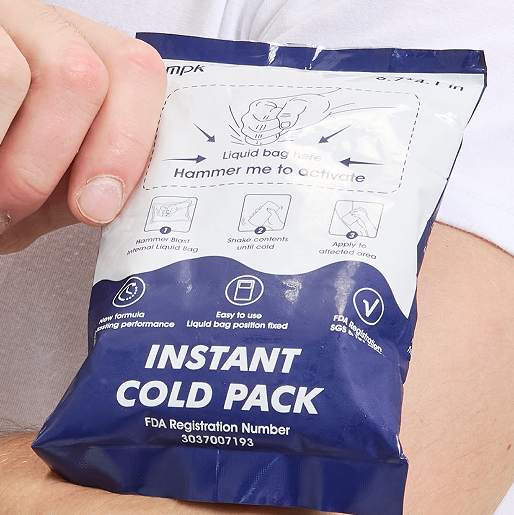
Cool Gel Pack USA Distributor: Complete 2026 Guide
The search phrase "cool gel pack USA distributor" usually means you are trying to protect temperature-sensitive products, food, and medical supplies without slowing down your operation or adding avoidable cost. That takes more than a cold pack. It takes the right cool gel pack, the right conditioning rule, and a packout that still works when the route or weather stops being ideal.
For temperature-controlled logistics, the basics are still clear: general cold-chain buyers still win by matching the pack to the route and payload rather than buying the coldest item on a catalog page. The technical side comes next, including stock depth, regional fulfillment, documentation, and after-sales support, correct conditioning, and a pack geometry that suits the box. USA-focused sourcing can reduce lead-time risk, import uncertainty, and emergency freight. This article blends the buyer view, the technical view, and the market view so you can make one decision that is safer in the lab, on the dock, and in procurement.
What This Article Will Answer
- How a cool gel pack should perform on real routes, not just in a freezer room.
- Which buying signals matter most for temperature-control gel packs.
- How to compare pack format, conditioning rules, and route-matched refrigerants.
- What documentation, validation, and lot control you should expect from a distributor.
- Which 2026 trends are changing sourcing for temperature-controlled logistics.
What Makes a High-Performing Cool Gel Pack in 2026?
A high-performing cool gel pack in 2026 does three jobs at once: it protects the product, fits the workflow, and gives evidence you can trust. For temperature-sensitive products, food, and medical supplies, the pack should control the temperature band without forcing your team into slow or fragile packout steps. That is why the best solutions are designed as systems, not as standalone cold items.
The system view combines the refrigerant format, insulation level, carton size, pack placement, and conditioning rule. When those elements line up, you get steadier arrivals and fewer exceptions. When they do not line up, even a good gel pack becomes expensive because it creates rework, complaints, or avoidable waste.
The Best Pack Is the One That Works Under Pressure
A useful buying standard is simple: would this pack still perform on a rushed shift, on a hot dock, and on the longest realistic route? If the answer depends on perfect timing or heroic handling, it is not a robust design. The practical winner is the packout your operation can repeat correctly every day.
| Performance pillar | What good looks like | Why it matters | Fast check |
|---|---|---|---|
| Thermal fit | Right band for the lane and payload | Protects product quality | Compare against worst-case route |
| Operational fit | Clear conditioning and placement rules | Cuts human error | Test with the actual packout team |
| Evidence fit | Traceable results and documents | Supports QA and procurement | Review trial records and lot control |
Practical Tips
- Define success before you trial: range, duration, and process limits.
- Use the same box family and dunnage you plan to use after launch.
- Judge performance at arrival, not only at dispatch.
Practical case example: a distributor improved both compliance and labor efficiency by simplifying the packout layout around a route-matched gel format instead of adding more packs to an old design.
How Do You Select and Condition It Correctly?
Selecting and conditioning cool gel pack correctly starts with the product’s allowed range and the route’s worst realistic delay. From there, review pack geometry, product contact, void space, and whether the payload is freeze-sensitive. The right thermal mass is the minimum that safely covers the risk, not the maximum you can fit in the box.
Conditioning is just as important as product design. Even a strong pack can fail if soak time is too short, if the freezer setpoint drifts, or if the pack sits warm on the line for too long before box close. Clear staging limits turn a promising design into a dependable one.
Use One Conditioning Rule Per SKU and Box Family
Complex instructions increase error, especially during peak periods. A short, visual SOP that defines freezer temperature, soak time, staging time, and pack placement is easier to audit and easier to repeat. If one format must serve several routes, create route tiers and seasonal rules instead of letting each shift improvise.
| Selection factor | What to review | Typical failure | Best response |
|---|---|---|---|
| Target range | Product label and tolerance | Freeze or warm drift | Choose the correct control band first |
| Pack geometry | Contact area and box fit | Cold spots or short hold | Match shape to product and shipper |
| Conditioning SOP | Soak and staging discipline | Inconsistent outcomes | Standardize freezer and line rules |
Practical Tips
- Treat conditioning time as a controlled parameter, not a suggestion.
- Do a simple dry-run with operators before live validation.
- Separate fragile or freeze-sensitive products from direct pack contact when needed.
Practical case example: a cosmetic shipment stopped arriving overcooled after the team changed both the conditioning window and the pack position. The pack itself did not need to be replaced.
How Do You Compare Suppliers on Proof, Not Promises?
Supplier comparison works best when you rank proof, process control, and support above slogans. A capable distributor should explain the intended temperature band, show how the pack was qualified, and tell you how they control lot-to-lot variation. They should also make it easy for your receiving and QA teams to inspect what arrives.
In many buying decisions, the difference between two acceptable products comes from service quality. Can the supplier respond when a lane changes? Can they support local stock or a faster redesign? Can they explain the cause of an exception without guesswork? Those answers often matter more than a small unit-price gap.
Build a Scorecard That Procurement and QA Can Share
A simple shared scorecard keeps the decision honest. Score thermal fit, documentation, operational ease, lead time, and sustainability as separate lines. When procurement, operations, and QA all see the same criteria, you reduce the chance of choosing a pack that looks cheap but creates expensive exceptions later.
| Scorecard line | What to ask | Strong signal | Business value |
|---|---|---|---|
| Thermal fit | Which route and range is it built for? | Specific lane logic and evidence | Safer launches and fewer retries |
| Quality control | How is consistency maintained? | Defined checks and readable lot codes | Faster investigations and cleaner receiving |
| Support model | How are issues handled after launch? | Clear escalation and responsive changes | Less downtime and fewer emergency fixes |
Practical Tips
- Ask for trial support before the first large order.
- Review both normal supply and peak-season contingency support.
- Keep quality and commercial review in the same supplier file.
Practical case example: one buyer selected a slightly higher-priced supplier because the documentation, lot coding, and route support were stronger. The program saved money later by avoiding repeat failures.
How Do Compliance and Sustainability Shape the Program?
Compliance, sustainability, and operations now shape the same buying decision. For many programs that means aligning the pack with route-based testing, documented storage and distribution procedures, and packaging designs that do not waste material or freight. The direction of travel is clear: prove performance and remove unnecessary mass.
Standards such as WHO guidance, FDA warehousing and distribution rules, EU GDP, IATA handling rules, and route-based test methods all reinforce the same lesson. Control the route, document the process, and make the result traceable. At the same time, upcoming packaging waste pressure means buyers are looking harder at reuse, recyclability, and right-sized systems.
The Leanest System Is Usually the Best-Documented System
When your packout is mapped, validated, and easy to repeat, you stop solving problems by throwing in extra gel or extra corrugate. That lowers cost, reduces waste, and improves confidence across the supply chain. The best 2026 programs are not simply colder. They are better designed and easier to defend.
| Decision area | 2026 expectation | What to document | Benefit to you |
|---|---|---|---|
| Compliance | Clear storage and distribution control | SOPs, lot traceability, trial logic | Stronger audit readiness |
| Sustainability | Less waste and smarter material use | Reuse or right-size rationale | Lower freight and packaging burden |
| Operations | Repeatable packout at scale | Training steps and exception handling | Fewer errors during peak volume |
Practical Tips
- Review waste and excursion rate together, not as separate projects.
- Prefer changes that simplify packout as well as cut material.
- Update the documentation when the lane changes, not months later.
Practical case example: a pharmaceutical distributor cut both packaging waste and exception rate after replacing a bulky generic packout with a leaner, documented, route-tested design.
2026 Trends for Cool Gel Pack USA Distributor
In 2026, the direction for cool gel pack USA distributor is clear: better evidence, better route fit, and less waste. Across temperature-controlled logistics, buyers increasingly want refrigerant formats that are easier to qualify and easier to repeat on the floor. That is why documented conditioning, packout drawings, and simple exception workflows now matter almost as much as raw cooling power.
ISTA’s 7E thermal profiles, built from real-world transport data, continue to encourage route-based comparisons instead of generic hold-time claims. For air lanes, the 2026 edition of IATA Temperature Control Regulations adds updated recommendations such as CBTA training while keeping packaging, documentation, and traceability central. In Europe, packaging-waste regulation begins applying from mid-2026, which adds more pressure to design leaner packouts and clearer reuse or recyclability logic.
Latest Developments at a Glance
- Route-specific qualification is replacing one-size-fits-all pack assumptions.
- Buyers want digital evidence and easier operator training, not just larger refrigerant mass.
- Packaging-waste pressure is making right-sized and reusable systems more attractive.
Frequently Asked Questions
How long can cool gel pack USA distributor hold temperature?
There is no honest single number because hold time depends on route duration, insulation, payload mass, ambient exposure, and conditioning quality. Ask for evidence tied to your box and lane, not a broad claim taken from a different setup.
Can cool gel pack USA distributor replace dry ice?
Sometimes, but only when your product range allows chilled or frozen support without ultra-cold requirements. If the payload truly needs cryogenic or very deep-frozen conditions, a gel-based format is usually the wrong tool.
What documents should a distributor provide for cool gel pack USA distributor?
At minimum, look for specifications, lot identification, conditioning instructions, packout guidance, and any route or profile-based performance evidence. For regulated sectors, you may also need documentation that supports QA review and investigations.
Is reusable cool gel pack always the best option?
No. Reuse only wins when you have a realistic return loop, cleaning rules, inspection criteria, and enough cycles to beat one-way cost. If the reverse flow is weak, a lean single-use design can be the better business decision.
How should you test cool gel pack USA distributor before rollout?
Start with the worst realistic lane, the planned box and dunnage, and sensor placement near the product risk points. Then repeat the test with documented conditioning and packout steps so you know the outcome is repeatable, not lucky.
Summary and Recommendations
The best cool gel pack USA distributor is the one that matches your temperature target, route, box, and operating reality. It should protect the payload, stay repeatable under pressure, and come with enough evidence for receiving, QA, and procurement to trust it. That means judging format, conditioning, documentation, and supplier support together instead of treating them as separate decisions.
If you are reviewing options now, start with your highest-risk lane, define the allowed temperature band, and score suppliers on proof rather than promises. Then simplify the SOP until your team can repeat it consistently. That is the fastest path to safer deliveries and lower total cost.
About Tempk
Tempk describes itself as a cold-chain packaging specialist founded in 2011, with Shanghai-based operations, multiple factories, and a focus on temperature-controlled packaging for food, healthcare, and pharmaceutical use. Its published product range includes gel packs, ice bricks, insulated boxes, and related cold-chain materials.
Tempk also states that its R&D and manufacturing capabilities support route-fit packaging design, testing, and repeatable packout solutions. If you are comparing programs, the practical next step is to review your route, product temperature range, and packout workflow before selecting a final configuration.
Cold Chain Gel Pack Pharmaceutical Distributor
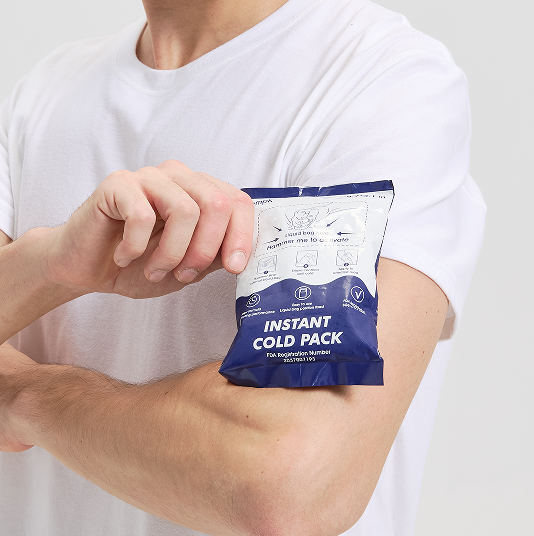
Cold Chain Gel Pack Pharmaceutical Distributor: Complete 2026 Guide
The search phrase "cold chain gel pack pharmaceutical distributor" usually means you are trying to protect vaccines, biologics, and injectables without slowing down your operation or adding avoidable cost. That takes more than a cold pack. It takes the right cold chain gel pack, the right conditioning rule, and a packout that still works when the route or weather stops being ideal.
For pharmaceutical cold chain, the basics are still clear: many refrigerated healthcare products still revolve around a 2–8°C control band. The technical side comes next, including stock depth, regional fulfillment, documentation, and after-sales support, correct conditioning, and a pack geometry that suits the box. This article blends the buyer view, the technical view, and the market view so you can make one decision that is safer in the lab, on the dock, and in procurement.
What This Article Will Answer
- How a cold chain gel pack should perform on real routes, not just in a freezer room.
- Which buying signals matter most for validated cold chain packaging.
- How to compare pack format, conditioning rules, and 2–8°C shipping packs.
- What documentation, validation, and lot control you should expect from a distributor.
- Which 2026 trends are changing sourcing for pharmaceutical cold chain.
What Makes a High-Performing Cold Chain Gel Pack in 2026?
A high-performing cold chain gel pack in 2026 does three jobs at once: it protects the product, fits the workflow, and gives evidence you can trust. For vaccines, biologics, and injectables, the pack should control the temperature band without forcing your team into slow or fragile packout steps. That is why the best solutions are designed as systems, not as standalone cold items.
The system view combines the refrigerant format, insulation level, carton size, pack placement, and conditioning rule. When those elements line up, you get steadier arrivals and fewer exceptions. When they do not line up, even a good gel pack becomes expensive because it creates rework, complaints, or avoidable waste.
The Best Pack Is the One That Works Under Pressure
A useful buying standard is simple: would this pack still perform on a rushed shift, on a hot dock, and on the longest realistic route? If the answer depends on perfect timing or heroic handling, it is not a robust design. The practical winner is the packout your operation can repeat correctly every day.
| Performance pillar | What good looks like | Why it matters | Fast check |
|---|---|---|---|
| Thermal fit | Right band for the lane and payload | Protects product quality | Compare against worst-case route |
| Operational fit | Clear conditioning and placement rules | Cuts human error | Test with the actual packout team |
| Evidence fit | Traceable results and documents | Supports QA and procurement | Review trial records and lot control |
Practical Tips
- Define success before you trial: range, duration, and process limits.
- Use the same box family and dunnage you plan to use after launch.
- Judge performance at arrival, not only at dispatch.
Practical case example: a distributor improved both compliance and labor efficiency by simplifying the packout layout around a route-matched gel format instead of adding more packs to an old design.
How Do You Select and Condition It Correctly?
Selecting and conditioning cold chain gel pack correctly starts with the product’s allowed range and the route’s worst realistic delay. From there, review pack geometry, product contact, void space, and whether the payload is freeze-sensitive. The right thermal mass is the minimum that safely covers the risk, not the maximum you can fit in the box.
Conditioning is just as important as product design. Even a strong pack can fail if soak time is too short, if the freezer setpoint drifts, or if the pack sits warm on the line for too long before box close. Clear staging limits turn a promising design into a dependable one.
Use One Conditioning Rule Per SKU and Box Family
Complex instructions increase error, especially during peak periods. A short, visual SOP that defines freezer temperature, soak time, staging time, and pack placement is easier to audit and easier to repeat. If one format must serve several routes, create route tiers and seasonal rules instead of letting each shift improvise.
| Selection factor | What to review | Typical failure | Best response |
|---|---|---|---|
| Target range | Product label and tolerance | Freeze or warm drift | Choose the correct control band first |
| Pack geometry | Contact area and box fit | Cold spots or short hold | Match shape to product and shipper |
| Conditioning SOP | Soak and staging discipline | Inconsistent outcomes | Standardize freezer and line rules |
Practical Tips
- Treat conditioning time as a controlled parameter, not a suggestion.
- Do a simple dry-run with operators before live validation.
- Separate fragile or freeze-sensitive products from direct pack contact when needed.
Practical case example: a cosmetic shipment stopped arriving overcooled after the team changed both the conditioning window and the pack position. The pack itself did not need to be replaced.
How Do You Compare Suppliers on Proof, Not Promises?
Supplier comparison works best when you rank proof, process control, and support above slogans. A capable distributor should explain the intended temperature band, show how the pack was qualified, and tell you how they control lot-to-lot variation. They should also make it easy for your receiving and QA teams to inspect what arrives.
In many buying decisions, the difference between two acceptable products comes from service quality. Can the supplier respond when a lane changes? Can they support local stock or a faster redesign? Can they explain the cause of an exception without guesswork? Those answers often matter more than a small unit-price gap.
Build a Scorecard That Procurement and QA Can Share
A simple shared scorecard keeps the decision honest. Score thermal fit, documentation, operational ease, lead time, and sustainability as separate lines. When procurement, operations, and QA all see the same criteria, you reduce the chance of choosing a pack that looks cheap but creates expensive exceptions later.
| Scorecard line | What to ask | Strong signal | Business value |
|---|---|---|---|
| Thermal fit | Which route and range is it built for? | Specific lane logic and evidence | Safer launches and fewer retries |
| Quality control | How is consistency maintained? | Defined checks and readable lot codes | Faster investigations and cleaner receiving |
| Support model | How are issues handled after launch? | Clear escalation and responsive changes | Less downtime and fewer emergency fixes |
Practical Tips
- Ask for trial support before the first large order.
- Review both normal supply and peak-season contingency support.
- Keep quality and commercial review in the same supplier file.
Practical case example: one buyer selected a slightly higher-priced supplier because the documentation, lot coding, and route support were stronger. The program saved money later by avoiding repeat failures.
How Do Compliance and Sustainability Shape the Program?
Compliance, sustainability, and operations now shape the same buying decision. For many programs that means aligning the pack with route-based testing, documented storage and distribution procedures, and packaging designs that do not waste material or freight. The direction of travel is clear: prove performance and remove unnecessary mass.
Standards such as WHO guidance, FDA warehousing and distribution rules, EU GDP, IATA handling rules, and route-based test methods all reinforce the same lesson. Control the route, document the process, and make the result traceable. At the same time, upcoming packaging waste pressure means buyers are looking harder at reuse, recyclability, and right-sized systems.
The Leanest System Is Usually the Best-Documented System
When your packout is mapped, validated, and easy to repeat, you stop solving problems by throwing in extra gel or extra corrugate. That lowers cost, reduces waste, and improves confidence across the supply chain. The best 2026 programs are not simply colder. They are better designed and easier to defend.
| Decision area | 2026 expectation | What to document | Benefit to you |
|---|---|---|---|
| Compliance | Clear storage and distribution control | SOPs, lot traceability, trial logic | Stronger audit readiness |
| Sustainability | Less waste and smarter material use | Reuse or right-size rationale | Lower freight and packaging burden |
| Operations | Repeatable packout at scale | Training steps and exception handling | Fewer errors during peak volume |
Practical Tips
- Review waste and excursion rate together, not as separate projects.
- Prefer changes that simplify packout as well as cut material.
- Update the documentation when the lane changes, not months later.
Practical case example: a pharmaceutical distributor cut both packaging waste and exception rate after replacing a bulky generic packout with a leaner, documented, route-tested design.
2026 Trends for Cold Chain Gel Pack Pharmaceutical Distributor
In 2026, the direction for cold chain gel pack pharmaceutical distributor is clear: better evidence, better route fit, and less waste. Across pharmaceutical cold chain, buyers increasingly want refrigerant formats that are easier to qualify and easier to repeat on the floor. That is why documented conditioning, packout drawings, and simple exception workflows now matter almost as much as raw cooling power.
Many refrigerated healthcare products still center on a 2–8°C range, so freeze avoidance remains just as important as warm-side protection. DSCSA keeps U.S. trading partners focused on package-level traceability, which means packaging decisions increasingly sit alongside data and documentation workflows. ISTA’s 7E thermal profiles, built from real-world transport data, continue to encourage route-based comparisons instead of generic hold-time claims.
Latest Developments at a Glance
- WHO guidance still treats temperature-sensitive pharmaceutical distribution as a full system that includes storage, transport, monitoring, and procedures.
- FDA continues to tie safe warehousing and distribution to written procedures, temperature control, and traceability, while DSCSA workflows keep pushing supply chains toward stronger electronic product tracking.
- For U.S. small dispensers, FDA exemptions on some enhanced DSCSA requirements run through November 27, 2026, which keeps packaging, documentation, and partner-readiness planning in focus this year.
Frequently Asked Questions
How long can cold chain gel pack pharmaceutical distributor hold temperature?
There is no honest single number because hold time depends on route duration, insulation, payload mass, ambient exposure, and conditioning quality. Ask for evidence tied to your box and lane, not a broad claim taken from a different setup.
How do you prevent freeze damage when using cold chain gel pack pharmaceutical distributor?
Use the right control band, avoid direct contact when the product is freeze-sensitive, and validate with sensors placed near the cold-risk zone. A pack that is too cold can be just as harmful as a pack that is too warm.
What documents should a distributor provide for cold chain gel pack pharmaceutical distributor?
At minimum, look for specifications, lot identification, conditioning instructions, packout guidance, and any route or profile-based performance evidence. For regulated sectors, you may also need documentation that supports QA review and investigations.
Is reusable cold chain gel pack always the best option?
No. Reuse only wins when you have a realistic return loop, cleaning rules, inspection criteria, and enough cycles to beat one-way cost. If the reverse flow is weak, a lean single-use design can be the better business decision.
How should you test cold chain gel pack pharmaceutical distributor before rollout?
Start with the worst realistic lane, the planned box and dunnage, and sensor placement near the product risk points. Then repeat the test with documented conditioning and packout steps so you know the outcome is repeatable, not lucky.
Summary and Recommendations
The best cold chain gel pack pharmaceutical distributor is the one that matches your temperature target, route, box, and operating reality. It should protect the payload, stay repeatable under pressure, and come with enough evidence for receiving, QA, and procurement to trust it. That means judging format, conditioning, documentation, and supplier support together instead of treating them as separate decisions.
If you are reviewing options now, start with your highest-risk lane, define the allowed temperature band, and score suppliers on proof rather than promises. Then simplify the SOP until your team can repeat it consistently. That is the fastest path to safer deliveries and lower total cost.
About Tempk
Tempk describes itself as a cold-chain packaging specialist founded in 2011, with Shanghai-based operations, multiple factories, and a focus on temperature-controlled packaging for food, healthcare, and pharmaceutical use. Its published product range includes gel packs, ice bricks, insulated boxes, and related cold-chain materials.
Tempk also states that its R&D and manufacturing capabilities support route-fit packaging design, testing, and repeatable packout solutions. If you are comparing programs, the practical next step is to review your route, product temperature range, and packout workflow before selecting a final configuration.
Therapeutic Gel Pack Cosmetics Wholesale Complete Guide

Therapeutic Gel Pack Cosmetics Wholesale: Complete 2026 Guide
The search phrase "therapeutic gel pack cosmetics wholesale" usually means you are trying to protect serums, masks, and active ingredients without slowing down your operation or adding avoidable cost. That takes more than a cold pack. It takes the right therapeutic gel pack, the right conditioning rule, and a packout that still works when the route or weather stops being ideal.
A good therapeutic gel pack program should feel boring in the best possible way. It should behave the same on Monday as it does during a Friday rush, and the instructions should be simple enough for new staff to follow. That kind of repeatability is what protects you from texture drift, oil separation, and returns from heat exposure. This article blends the buyer view, the technical view, and the market view so you can make one decision that is safer in the lab, on the dock, and in procurement.
What This Article Will Answer
- How a therapeutic gel pack should perform on real routes, not just in a freezer room.
- Which buying signals matter most for heat-sensitive beauty shipping.
- How to compare pack format, conditioning rules, and premium skincare cold packs.
- What documentation, validation, and lot control you should expect from a wholesale.
- Which 2026 trends are changing sourcing for cosmetics logistics.
What Makes a High-Performing Therapeutic Gel Pack in 2026?
A high-performing therapeutic gel pack in 2026 does three jobs at once: it protects the product, fits the workflow, and gives evidence you can trust. For serums, masks, and active ingredients, the pack should control the temperature band without forcing your team into slow or fragile packout steps. That is why the best solutions are designed as systems, not as standalone cold items.
The system view combines the refrigerant format, insulation level, carton size, pack placement, and conditioning rule. When those elements line up, you get steadier arrivals and fewer exceptions. When they do not line up, even a good gel pack becomes expensive because it creates rework, complaints, or avoidable waste.
The Best Pack Is the One That Works Under Pressure
A useful buying standard is simple: would this pack still perform on a rushed shift, on a hot dock, and on the longest realistic route? If the answer depends on perfect timing or heroic handling, it is not a robust design. The practical winner is the packout your operation can repeat correctly every day.
| Performance pillar | What good looks like | Why it matters | Fast check |
|---|---|---|---|
| Thermal fit | Right band for the lane and payload | Protects product quality | Compare against worst-case route |
| Operational fit | Clear conditioning and placement rules | Cuts human error | Test with the actual packout team |
| Evidence fit | Traceable results and documents | Supports QA and procurement | Review trial records and lot control |
Practical Tips
- Define success before you trial: range, duration, and process limits.
- Use the same box family and dunnage you plan to use after launch.
- Judge performance at arrival, not only at dispatch.
Practical case example: a distributor improved both compliance and labor efficiency by simplifying the packout layout around a route-matched gel format instead of adding more packs to an old design.
How Do You Select and Condition It Correctly?
Selecting and conditioning therapeutic gel pack correctly starts with the product’s allowed range and the route’s worst realistic delay. From there, review pack geometry, product contact, void space, and whether the payload is freeze-sensitive. The right thermal mass is the minimum that safely covers the risk, not the maximum you can fit in the box.
Conditioning is just as important as product design. Even a strong pack can fail if soak time is too short, if the freezer setpoint drifts, or if the pack sits warm on the line for too long before box close. Clear staging limits turn a promising design into a dependable one.
Use One Conditioning Rule Per SKU and Box Family
Complex instructions increase error, especially during peak periods. A short, visual SOP that defines freezer temperature, soak time, staging time, and pack placement is easier to audit and easier to repeat. If one format must serve several routes, create route tiers and seasonal rules instead of letting each shift improvise.
| Selection factor | What to review | Typical failure | Best response |
|---|---|---|---|
| Target range | Product label and tolerance | Freeze or warm drift | Choose the correct control band first |
| Pack geometry | Contact area and box fit | Cold spots or short hold | Match shape to product and shipper |
| Conditioning SOP | Soak and staging discipline | Inconsistent outcomes | Standardize freezer and line rules |
Practical Tips
- Treat conditioning time as a controlled parameter, not a suggestion.
- Do a simple dry-run with operators before live validation.
- Separate fragile or freeze-sensitive products from direct pack contact when needed.
Practical case example: a cosmetic shipment stopped arriving overcooled after the team changed both the conditioning window and the pack position. The pack itself did not need to be replaced.
How Do You Compare Suppliers on Proof, Not Promises?
Supplier comparison works best when you rank proof, process control, and support above slogans. A capable wholesale should explain the intended temperature band, show how the pack was qualified, and tell you how they control lot-to-lot variation. They should also make it easy for your receiving and QA teams to inspect what arrives.
In many buying decisions, the difference between two acceptable products comes from service quality. Can the supplier respond when a lane changes? Can they support local stock or a faster redesign? Can they explain the cause of an exception without guesswork? Those answers often matter more than a small unit-price gap.
Build a Scorecard That Procurement and QA Can Share
A simple shared scorecard keeps the decision honest. Score thermal fit, documentation, operational ease, lead time, and sustainability as separate lines. When procurement, operations, and QA all see the same criteria, you reduce the chance of choosing a pack that looks cheap but creates expensive exceptions later.
| Scorecard line | What to ask | Strong signal | Business value |
|---|---|---|---|
| Thermal fit | Which route and range is it built for? | Specific lane logic and evidence | Safer launches and fewer retries |
| Quality control | How is consistency maintained? | Defined checks and readable lot codes | Faster investigations and cleaner receiving |
| Support model | How are issues handled after launch? | Clear escalation and responsive changes | Less downtime and fewer emergency fixes |
Practical Tips
- Ask for trial support before the first large order.
- Review both normal supply and peak-season contingency support.
- Keep quality and commercial review in the same supplier file.
Practical case example: one buyer selected a slightly higher-priced supplier because the documentation, lot coding, and route support were stronger. The program saved money later by avoiding repeat failures.
How Do Compliance and Sustainability Shape the Program?
Compliance, sustainability, and operations now shape the same buying decision. For many programs that means aligning the pack with route-based testing, documented storage and distribution procedures, and packaging designs that do not waste material or freight. The direction of travel is clear: prove performance and remove unnecessary mass.
Standards such as WHO guidance, FDA warehousing and distribution rules, EU GDP, IATA handling rules, and route-based test methods all reinforce the same lesson. Control the route, document the process, and make the result traceable. At the same time, upcoming packaging waste pressure means buyers are looking harder at reuse, recyclability, and right-sized systems.
The Leanest System Is Usually the Best-Documented System
When your packout is mapped, validated, and easy to repeat, you stop solving problems by throwing in extra gel or extra corrugate. That lowers cost, reduces waste, and improves confidence across the supply chain. The best 2026 programs are not simply colder. They are better designed and easier to defend.
| Decision area | 2026 expectation | What to document | Benefit to you |
|---|---|---|---|
| Compliance | Clear storage and distribution control | SOPs, lot traceability, trial logic | Stronger audit readiness |
| Sustainability | Less waste and smarter material use | Reuse or right-size rationale | Lower freight and packaging burden |
| Operations | Repeatable packout at scale | Training steps and exception handling | Fewer errors during peak volume |
Practical Tips
- Review waste and excursion rate together, not as separate projects.
- Prefer changes that simplify packout as well as cut material.
- Update the documentation when the lane changes, not months later.
Practical case example: a pharmaceutical distributor cut both packaging waste and exception rate after replacing a bulky generic packout with a leaner, documented, route-tested design.
2026 Trends for Therapeutic Gel Pack Cosmetics Wholesale
In 2026, the direction for therapeutic gel pack cosmetics wholesale is clear: better evidence, better route fit, and less waste. Across cosmetics logistics, buyers increasingly want refrigerant formats that are easier to qualify and easier to repeat on the floor. That is why documented conditioning, packout drawings, and simple exception workflows now matter almost as much as raw cooling power.
ISTA’s 7E thermal profiles, built from real-world transport data, continue to encourage route-based comparisons instead of generic hold-time claims. For air lanes, the 2026 edition of IATA Temperature Control Regulations adds updated recommendations such as CBTA training while keeping packaging, documentation, and traceability central. In Europe, packaging-waste regulation begins applying from mid-2026, which adds more pressure to design leaner packouts and clearer reuse or recyclability logic.
Latest Developments at a Glance
- Heat-sensitive beauty and wellness products are increasing demand for cooling formats that protect texture and presentation, not just core temperature.
- Sustainability scrutiny is pushing buyers to reduce excess packaging and consider reuse or lower-material packouts.
- Premium brands increasingly ask suppliers for proof of route fit before launch.
Frequently Asked Questions
How long can therapeutic gel pack cosmetics wholesale hold temperature?
There is no honest single number because hold time depends on route duration, insulation, payload mass, ambient exposure, and conditioning quality. Ask for evidence tied to your box and lane, not a broad claim taken from a different setup.
Can therapeutic gel pack cosmetics wholesale replace dry ice?
Sometimes, but only when your product range allows chilled or frozen support without ultra-cold requirements. If the payload truly needs cryogenic or very deep-frozen conditions, a gel-based format is usually the wrong tool.
What documents should a wholesale provide for therapeutic gel pack cosmetics wholesale?
At minimum, look for specifications, lot identification, conditioning instructions, packout guidance, and any route or profile-based performance evidence. For regulated sectors, you may also need documentation that supports QA review and investigations.
Is reusable therapeutic gel pack always the best option?
No. Reuse only wins when you have a realistic return loop, cleaning rules, inspection criteria, and enough cycles to beat one-way cost. If the reverse flow is weak, a lean single-use design can be the better business decision.
How should you test therapeutic gel pack cosmetics wholesale before rollout?
Start with the worst realistic lane, the planned box and dunnage, and sensor placement near the product risk points. Then repeat the test with documented conditioning and packout steps so you know the outcome is repeatable, not lucky.
Summary and Recommendations
The best therapeutic gel pack cosmetics wholesale is the one that matches your temperature target, route, box, and operating reality. It should protect the payload, stay repeatable under pressure, and come with enough evidence for receiving, QA, and procurement to trust it. That means judging format, conditioning, documentation, and supplier support together instead of treating them as separate decisions.
If you are reviewing options now, start with your highest-risk lane, define the allowed temperature band, and score suppliers on proof rather than promises. Then simplify the SOP until your team can repeat it consistently. That is the fastest path to safer deliveries and lower total cost.
About Tempk
Tempk describes itself as a cold-chain packaging specialist founded in 2011, with Shanghai-based operations, multiple factories, and a focus on temperature-controlled packaging for food, healthcare, and pharmaceutical use. Its published product range includes gel packs, ice bricks, insulated boxes, and related cold-chain materials.
Tempk also states that its R&D and manufacturing capabilities support route-fit packaging design, testing, and repeatable packout solutions. If you are comparing programs, the practical next step is to review your route, product temperature range, and packout workflow before selecting a final configuration.
Reusable Gel Pack Personal Care Supplier Complete Guide
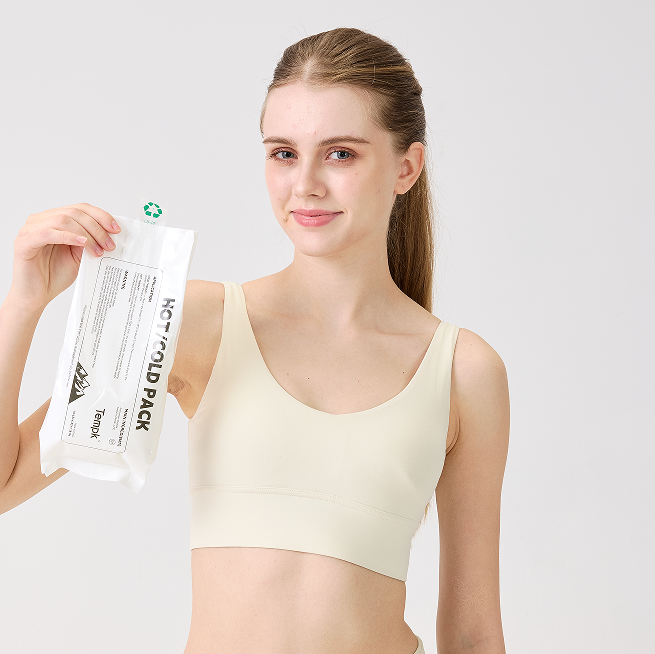
Reusable Gel Pack Personal Care Supplier: Complete 2026 Guide
The search phrase "reusable gel pack personal care supplier" usually means you are trying to protect cooling masks, patches, and wellness packs without slowing down your operation or adding avoidable cost. That takes more than a cold pack. It takes the right reusable gel pack, the right conditioning rule, and a packout that still works when the route or weather stops being ideal.
The strongest teams treat the refrigerant pack, insulation, box size, and sensor plan as one system. That system thinking matters whether you buy direct from a factory, through a distributor, or through a wholesale program. It is also the fastest route to lower waste and cleaner audits. This article blends the buyer view, the technical view, and the market view so you can make one decision that is safer in the lab, on the dock, and in procurement.
What This Article Will Answer
- How a reusable gel pack should perform on real routes, not just in a freezer room.
- Which buying signals matter most for reusable personal care cooling.
- How to compare pack format, conditioning rules, and consumer-friendly gel formats.
- What documentation, validation, and lot control you should expect from a supplier.
- Which 2026 trends are changing sourcing for personal care logistics.
What Makes a High-Performing Reusable Gel Pack in 2026?
A high-performing reusable gel pack in 2026 does three jobs at once: it protects the product, fits the workflow, and gives evidence you can trust. For cooling masks, patches, and wellness packs, the pack should control the temperature band without forcing your team into slow or fragile packout steps. That is why the best solutions are designed as systems, not as standalone cold items.
The system view combines the refrigerant format, insulation level, carton size, pack placement, and conditioning rule. When those elements line up, you get steadier arrivals and fewer exceptions. When they do not line up, even a good gel pack becomes expensive because it creates rework, complaints, or avoidable waste.
The Best Pack Is the One That Works Under Pressure
A useful buying standard is simple: would this pack still perform on a rushed shift, on a hot dock, and on the longest realistic route? If the answer depends on perfect timing or heroic handling, it is not a robust design. The practical winner is the packout your operation can repeat correctly every day.
| Performance pillar | What good looks like | Why it matters | Fast check |
|---|---|---|---|
| Thermal fit | Right band for the lane and payload | Protects product quality | Compare against worst-case route |
| Operational fit | Clear conditioning and placement rules | Cuts human error | Test with the actual packout team |
| Evidence fit | Traceable results and documents | Supports QA and procurement | Review trial records and lot control |
Practical Tips
- Define success before you trial: range, duration, and process limits.
- Use the same box family and dunnage you plan to use after launch.
- Judge performance at arrival, not only at dispatch.
Practical case example: a distributor improved both compliance and labor efficiency by simplifying the packout layout around a route-matched gel format instead of adding more packs to an old design.
How Do You Select and Condition It Correctly?
Selecting and conditioning reusable gel pack correctly starts with the product’s allowed range and the route’s worst realistic delay. From there, review pack geometry, product contact, void space, and whether the payload is freeze-sensitive. The right thermal mass is the minimum that safely covers the risk, not the maximum you can fit in the box.
Conditioning is just as important as product design. Even a strong pack can fail if soak time is too short, if the freezer setpoint drifts, or if the pack sits warm on the line for too long before box close. Clear staging limits turn a promising design into a dependable one.
Use One Conditioning Rule Per SKU and Box Family
Complex instructions increase error, especially during peak periods. A short, visual SOP that defines freezer temperature, soak time, staging time, and pack placement is easier to audit and easier to repeat. If one format must serve several routes, create route tiers and seasonal rules instead of letting each shift improvise.
| Selection factor | What to review | Typical failure | Best response |
|---|---|---|---|
| Target range | Product label and tolerance | Freeze or warm drift | Choose the correct control band first |
| Pack geometry | Contact area and box fit | Cold spots or short hold | Match shape to product and shipper |
| Conditioning SOP | Soak and staging discipline | Inconsistent outcomes | Standardize freezer and line rules |
Practical Tips
- Treat conditioning time as a controlled parameter, not a suggestion.
- Do a simple dry-run with operators before live validation.
- Separate fragile or freeze-sensitive products from direct pack contact when needed.
Practical case example: a cosmetic shipment stopped arriving overcooled after the team changed both the conditioning window and the pack position. The pack itself did not need to be replaced.
How Do You Compare Suppliers on Proof, Not Promises?
Supplier comparison works best when you rank proof, process control, and support above slogans. A capable supplier should explain the intended temperature band, show how the pack was qualified, and tell you how they control lot-to-lot variation. They should also make it easy for your receiving and QA teams to inspect what arrives.
In many buying decisions, the difference between two acceptable products comes from service quality. Can the supplier respond when a lane changes? Can they support local stock or a faster redesign? Can they explain the cause of an exception without guesswork? Those answers often matter more than a small unit-price gap.
Build a Scorecard That Procurement and QA Can Share
A simple shared scorecard keeps the decision honest. Score thermal fit, documentation, operational ease, lead time, and sustainability as separate lines. When procurement, operations, and QA all see the same criteria, you reduce the chance of choosing a pack that looks cheap but creates expensive exceptions later.
| Scorecard line | What to ask | Strong signal | Business value |
|---|---|---|---|
| Thermal fit | Which route and range is it built for? | Specific lane logic and evidence | Safer launches and fewer retries |
| Quality control | How is consistency maintained? | Defined checks and readable lot codes | Faster investigations and cleaner receiving |
| Support model | How are issues handled after launch? | Clear escalation and responsive changes | Less downtime and fewer emergency fixes |
Practical Tips
- Ask for trial support before the first large order.
- Review both normal supply and peak-season contingency support.
- Keep quality and commercial review in the same supplier file.
Practical case example: one buyer selected a slightly higher-priced supplier because the documentation, lot coding, and route support were stronger. The program saved money later by avoiding repeat failures.
How Do Compliance and Sustainability Shape the Program?
Compliance, sustainability, and operations now shape the same buying decision. For many programs that means aligning the pack with route-based testing, documented storage and distribution procedures, and packaging designs that do not waste material or freight. The direction of travel is clear: prove performance and remove unnecessary mass.
Standards such as WHO guidance, FDA warehousing and distribution rules, EU GDP, IATA handling rules, and route-based test methods all reinforce the same lesson. Control the route, document the process, and make the result traceable. At the same time, upcoming packaging waste pressure means buyers are looking harder at reuse, recyclability, and right-sized systems.
The Leanest System Is Usually the Best-Documented System
When your packout is mapped, validated, and easy to repeat, you stop solving problems by throwing in extra gel or extra corrugate. That lowers cost, reduces waste, and improves confidence across the supply chain. The best 2026 programs are not simply colder. They are better designed and easier to defend.
| Decision area | 2026 expectation | What to document | Benefit to you |
|---|---|---|---|
| Compliance | Clear storage and distribution control | SOPs, lot traceability, trial logic | Stronger audit readiness |
| Sustainability | Less waste and smarter material use | Reuse or right-size rationale | Lower freight and packaging burden |
| Operations | Repeatable packout at scale | Training steps and exception handling | Fewer errors during peak volume |
Practical Tips
- Review waste and excursion rate together, not as separate projects.
- Prefer changes that simplify packout as well as cut material.
- Update the documentation when the lane changes, not months later.
Practical case example: a pharmaceutical distributor cut both packaging waste and exception rate after replacing a bulky generic packout with a leaner, documented, route-tested design.
2026 Trends for Reusable Gel Pack Personal Care Supplier
In 2026, the direction for reusable gel pack personal care supplier is clear: better evidence, better route fit, and less waste. Across personal care logistics, buyers increasingly want refrigerant formats that are easier to qualify and easier to repeat on the floor. That is why documented conditioning, packout drawings, and simple exception workflows now matter almost as much as raw cooling power.
ISTA’s 7E thermal profiles, built from real-world transport data, continue to encourage route-based comparisons instead of generic hold-time claims. For air lanes, the 2026 edition of IATA Temperature Control Regulations adds updated recommendations such as CBTA training while keeping packaging, documentation, and traceability central. In Europe, packaging-waste regulation begins applying from mid-2026, which adds more pressure to design leaner packouts and clearer reuse or recyclability logic.
Latest Developments at a Glance
- Heat-sensitive beauty and wellness products are increasing demand for cooling formats that protect texture and presentation, not just core temperature.
- Sustainability scrutiny is pushing buyers to reduce excess packaging and consider reuse or lower-material packouts.
- Premium brands increasingly ask suppliers for proof of route fit before launch.
Frequently Asked Questions
How long can reusable gel pack personal care supplier hold temperature?
There is no honest single number because hold time depends on route duration, insulation, payload mass, ambient exposure, and conditioning quality. Ask for evidence tied to your box and lane, not a broad claim taken from a different setup.
Can reusable gel pack personal care supplier replace dry ice?
Sometimes, but only when your product range allows chilled or frozen support without ultra-cold requirements. If the payload truly needs cryogenic or very deep-frozen conditions, a gel-based format is usually the wrong tool.
What documents should a supplier provide for reusable gel pack personal care supplier?
At minimum, look for specifications, lot identification, conditioning instructions, packout guidance, and any route or profile-based performance evidence. For regulated sectors, you may also need documentation that supports QA review and investigations.
Is reusable reusable gel pack always the best option?
No. Reuse only wins when you have a realistic return loop, cleaning rules, inspection criteria, and enough cycles to beat one-way cost. If the reverse flow is weak, a lean single-use design can be the better business decision.
How should you test reusable gel pack personal care supplier before rollout?
Start with the worst realistic lane, the planned box and dunnage, and sensor placement near the product risk points. Then repeat the test with documented conditioning and packout steps so you know the outcome is repeatable, not lucky.
Summary and Recommendations
The best reusable gel pack personal care supplier is the one that matches your temperature target, route, box, and operating reality. It should protect the payload, stay repeatable under pressure, and come with enough evidence for receiving, QA, and procurement to trust it. That means judging format, conditioning, documentation, and supplier support together instead of treating them as separate decisions.
If you are reviewing options now, start with your highest-risk lane, define the allowed temperature band, and score suppliers on proof rather than promises. Then simplify the SOP until your team can repeat it consistently. That is the fastest path to safer deliveries and lower total cost.
About Tempk
Tempk describes itself as a cold-chain packaging specialist founded in 2011, with Shanghai-based operations, multiple factories, and a focus on temperature-controlled packaging for food, healthcare, and pharmaceutical use. Its published product range includes gel packs, ice bricks, insulated boxes, and related cold-chain materials.
Tempk also states that its R&D and manufacturing capabilities support route-fit packaging design, testing, and repeatable packout solutions. If you are comparing programs, the practical next step is to review your route, product temperature range, and packout workflow before selecting a final configuration.
Refrigeration Gel Pack Grocery Wholesale Complete Guide
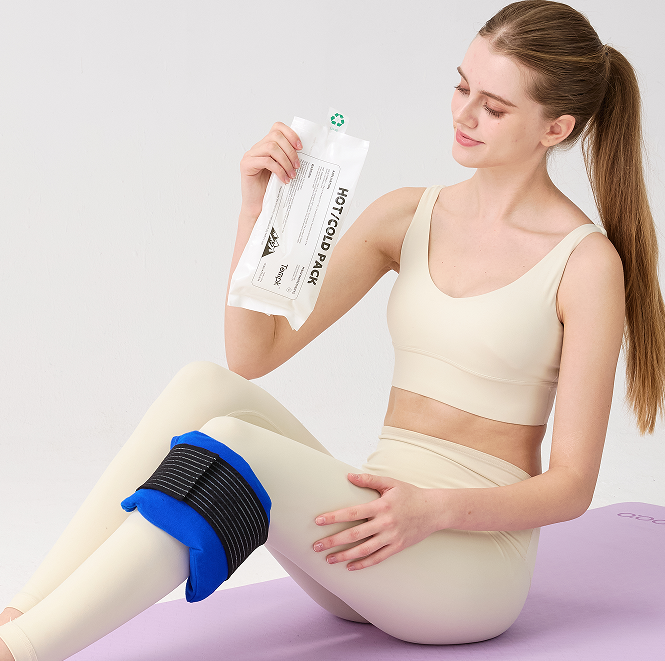
Refrigeration Gel Pack Grocery Wholesale: Complete 2026 Guide
The search phrase "refrigeration gel pack grocery wholesale" usually means you are trying to protect produce, ready meals, and fresh meal kits without slowing down your operation or adding avoidable cost. That takes more than a cold pack. It takes the right refrigeration gel pack, the right conditioning rule, and a packout that still works when the route or weather stops being ideal.
A good refrigeration gel pack program should feel boring in the best possible way. It should behave the same on Monday as it does during a Friday rush, and the instructions should be simple enough for new staff to follow. That kind of repeatability is what protects you from condensation, fast pick-pack windows, and weight cost. This article blends the buyer view, the technical view, and the market view so you can make one decision that is safer in the lab, on the dock, and in procurement.
What This Article Will Answer
- How a refrigeration gel pack should perform on real routes, not just in a freezer room.
- Which buying signals matter most for chilled grocery shipping packs.
- How to compare pack format, conditioning rules, and last-mile food cooling.
- What documentation, validation, and lot control you should expect from a wholesale.
- Which 2026 trends are changing sourcing for grocery cold chain.
What Makes a High-Performing Refrigeration Gel Pack in 2026?
A high-performing refrigeration gel pack in 2026 does three jobs at once: it protects the product, fits the workflow, and gives evidence you can trust. For produce, ready meals, and fresh meal kits, the pack should control the temperature band without forcing your team into slow or fragile packout steps. That is why the best solutions are designed as systems, not as standalone cold items.
The system view combines the refrigerant format, insulation level, carton size, pack placement, and conditioning rule. When those elements line up, you get steadier arrivals and fewer exceptions. When they do not line up, even a good gel pack becomes expensive because it creates rework, complaints, or avoidable waste.
The Best Pack Is the One That Works Under Pressure
A useful buying standard is simple: would this pack still perform on a rushed shift, on a hot dock, and on the longest realistic route? If the answer depends on perfect timing or heroic handling, it is not a robust design. The practical winner is the packout your operation can repeat correctly every day.
| Performance pillar | What good looks like | Why it matters | Fast check |
|---|---|---|---|
| Thermal fit | Right band for the lane and payload | Protects product quality | Compare against worst-case route |
| Operational fit | Clear conditioning and placement rules | Cuts human error | Test with the actual packout team |
| Evidence fit | Traceable results and documents | Supports QA and procurement | Review trial records and lot control |
Practical Tips
- Define success before you trial: range, duration, and process limits.
- Use the same box family and dunnage you plan to use after launch.
- Judge performance at arrival, not only at dispatch.
Practical case example: a distributor improved both compliance and labor efficiency by simplifying the packout layout around a route-matched gel format instead of adding more packs to an old design.
How Do You Select and Condition It Correctly?
Selecting and conditioning refrigeration gel pack correctly starts with the product’s allowed range and the route’s worst realistic delay. From there, review pack geometry, product contact, void space, and whether the payload is freeze-sensitive. The right thermal mass is the minimum that safely covers the risk, not the maximum you can fit in the box.
Conditioning is just as important as product design. Even a strong pack can fail if soak time is too short, if the freezer setpoint drifts, or if the pack sits warm on the line for too long before box close. Clear staging limits turn a promising design into a dependable one.
Use One Conditioning Rule Per SKU and Box Family
Complex instructions increase error, especially during peak periods. A short, visual SOP that defines freezer temperature, soak time, staging time, and pack placement is easier to audit and easier to repeat. If one format must serve several routes, create route tiers and seasonal rules instead of letting each shift improvise.
| Selection factor | What to review | Typical failure | Best response |
|---|---|---|---|
| Target range | Product label and tolerance | Freeze or warm drift | Choose the correct control band first |
| Pack geometry | Contact area and box fit | Cold spots or short hold | Match shape to product and shipper |
| Conditioning SOP | Soak and staging discipline | Inconsistent outcomes | Standardize freezer and line rules |
Practical Tips
- Treat conditioning time as a controlled parameter, not a suggestion.
- Do a simple dry-run with operators before live validation.
- Separate fragile or freeze-sensitive products from direct pack contact when needed.
Practical case example: a cosmetic shipment stopped arriving overcooled after the team changed both the conditioning window and the pack position. The pack itself did not need to be replaced.
How Do You Compare Suppliers on Proof, Not Promises?
Supplier comparison works best when you rank proof, process control, and support above slogans. A capable wholesale should explain the intended temperature band, show how the pack was qualified, and tell you how they control lot-to-lot variation. They should also make it easy for your receiving and QA teams to inspect what arrives.
In many buying decisions, the difference between two acceptable products comes from service quality. Can the supplier respond when a lane changes? Can they support local stock or a faster redesign? Can they explain the cause of an exception without guesswork? Those answers often matter more than a small unit-price gap.
Build a Scorecard That Procurement and QA Can Share
A simple shared scorecard keeps the decision honest. Score thermal fit, documentation, operational ease, lead time, and sustainability as separate lines. When procurement, operations, and QA all see the same criteria, you reduce the chance of choosing a pack that looks cheap but creates expensive exceptions later.
| Scorecard line | What to ask | Strong signal | Business value |
|---|---|---|---|
| Thermal fit | Which route and range is it built for? | Specific lane logic and evidence | Safer launches and fewer retries |
| Quality control | How is consistency maintained? | Defined checks and readable lot codes | Faster investigations and cleaner receiving |
| Support model | How are issues handled after launch? | Clear escalation and responsive changes | Less downtime and fewer emergency fixes |
Practical Tips
- Ask for trial support before the first large order.
- Review both normal supply and peak-season contingency support.
- Keep quality and commercial review in the same supplier file.
Practical case example: one buyer selected a slightly higher-priced supplier because the documentation, lot coding, and route support were stronger. The program saved money later by avoiding repeat failures.
How Do Compliance and Sustainability Shape the Program?
Compliance, sustainability, and operations now shape the same buying decision. For many programs that means aligning the pack with route-based testing, documented storage and distribution procedures, and packaging designs that do not waste material or freight. The direction of travel is clear: prove performance and remove unnecessary mass.
Standards such as WHO guidance, FDA warehousing and distribution rules, EU GDP, IATA handling rules, and route-based test methods all reinforce the same lesson. Control the route, document the process, and make the result traceable. At the same time, upcoming packaging waste pressure means buyers are looking harder at reuse, recyclability, and right-sized systems.
The Leanest System Is Usually the Best-Documented System
When your packout is mapped, validated, and easy to repeat, you stop solving problems by throwing in extra gel or extra corrugate. That lowers cost, reduces waste, and improves confidence across the supply chain. The best 2026 programs are not simply colder. They are better designed and easier to defend.
| Decision area | 2026 expectation | What to document | Benefit to you |
|---|---|---|---|
| Compliance | Clear storage and distribution control | SOPs, lot traceability, trial logic | Stronger audit readiness |
| Sustainability | Less waste and smarter material use | Reuse or right-size rationale | Lower freight and packaging burden |
| Operations | Repeatable packout at scale | Training steps and exception handling | Fewer errors during peak volume |
Practical Tips
- Review waste and excursion rate together, not as separate projects.
- Prefer changes that simplify packout as well as cut material.
- Update the documentation when the lane changes, not months later.
Practical case example: a pharmaceutical distributor cut both packaging waste and exception rate after replacing a bulky generic packout with a leaner, documented, route-tested design.
2026 Trends for Refrigeration Gel Pack Grocery Wholesale
In 2026, the direction for refrigeration gel pack grocery wholesale is clear: better evidence, better route fit, and less waste. Across grocery cold chain, buyers increasingly want refrigerant formats that are easier to qualify and easier to repeat on the floor. That is why documented conditioning, packout drawings, and simple exception workflows now matter almost as much as raw cooling power.
ISTA’s 7E thermal profiles, built from real-world transport data, continue to encourage route-based comparisons instead of generic hold-time claims. For air lanes, the 2026 edition of IATA Temperature Control Regulations adds updated recommendations such as CBTA training while keeping packaging, documentation, and traceability central. In Europe, packaging-waste regulation begins applying from mid-2026, which adds more pressure to design leaner packouts and clearer reuse or recyclability logic.
Latest Developments at a Glance
- Food programs are moving toward lighter, right-sized refrigerants that still keep cold items at food-safe temperatures.
- Operations are paying more attention to condensation control because wet packaging creates quality and perception problems even when the product is technically cold enough.
- Last-mile variability is pushing more teams to validate summer and winter routes separately.
Frequently Asked Questions
How long can refrigeration gel pack grocery wholesale hold temperature?
There is no honest single number because hold time depends on route duration, insulation, payload mass, ambient exposure, and conditioning quality. Ask for evidence tied to your box and lane, not a broad claim taken from a different setup.
How cold should food shipments stay with refrigeration gel pack grocery wholesale?
That depends on the product, but chilled foods generally need to stay at food-safe cold-holding temperatures, often around 40°F or 4°C and below. Use the product label and your food-safety plan as the primary reference.
What documents should a wholesale provide for refrigeration gel pack grocery wholesale?
At minimum, look for specifications, lot identification, conditioning instructions, packout guidance, and any route or profile-based performance evidence. For regulated sectors, you may also need documentation that supports QA review and investigations.
Is reusable refrigeration gel pack always the best option?
No. Reuse only wins when you have a realistic return loop, cleaning rules, inspection criteria, and enough cycles to beat one-way cost. If the reverse flow is weak, a lean single-use design can be the better business decision.
How should you test refrigeration gel pack grocery wholesale before rollout?
Start with the worst realistic lane, the planned box and dunnage, and sensor placement near the product risk points. Then repeat the test with documented conditioning and packout steps so you know the outcome is repeatable, not lucky.
Summary and Recommendations
The best refrigeration gel pack grocery wholesale is the one that matches your temperature target, route, box, and operating reality. It should protect the payload, stay repeatable under pressure, and come with enough evidence for receiving, QA, and procurement to trust it. That means judging format, conditioning, documentation, and supplier support together instead of treating them as separate decisions.
If you are reviewing options now, start with your highest-risk lane, define the allowed temperature band, and score suppliers on proof rather than promises. Then simplify the SOP until your team can repeat it consistently. That is the fastest path to safer deliveries and lower total cost.
About Tempk
Tempk describes itself as a cold-chain packaging specialist founded in 2011, with Shanghai-based operations, multiple factories, and a focus on temperature-controlled packaging for food, healthcare, and pharmaceutical use. Its published product range includes gel packs, ice bricks, insulated boxes, and related cold-chain materials.
Tempk also states that its R&D and manufacturing capabilities support route-fit packaging design, testing, and repeatable packout solutions. If you are comparing programs, the practical next step is to review your route, product temperature range, and packout workflow before selecting a final configuration.
Refrigerated Gel Pouch Dairy Wholesale Complete Guide

Refrigerated Gel Pouch Dairy Wholesale: Complete 2026 Guide
The search phrase "refrigerated gel pouch dairy wholesale" usually means you are trying to protect yogurt, cheese, and cultured milk products without slowing down your operation or adding avoidable cost. That takes more than a cold pack. It takes the right refrigerated gel pouch, the right conditioning rule, and a packout that still works when the route or weather stops being ideal.
For dairy distribution, the basics are still clear: dairy programs fail as often from moisture and handling issues as from pure thermal failure. The technical side comes next, including volume pricing, pallet efficiency, and fast operational turnover, correct conditioning, and a pack geometry that suits the box. This article blends the buyer view, the technical view, and the market view so you can make one decision that is safer in the lab, on the dock, and in procurement.
What This Article Will Answer
- How a refrigerated gel pouch should perform on real routes, not just in a freezer room.
- Which buying signals matter most for dairy cold chain pouches.
- How to compare pack format, conditioning rules, and low-sweat chilled packaging.
- What documentation, validation, and lot control you should expect from a wholesale.
- Which 2026 trends are changing sourcing for dairy distribution.
What Makes a High-Performing Refrigerated Gel Pouch in 2026?
A high-performing refrigerated gel pouch in 2026 does three jobs at once: it protects the product, fits the workflow, and gives evidence you can trust. For yogurt, cheese, and cultured milk products, the pack should control the temperature band without forcing your team into slow or fragile packout steps. That is why the best solutions are designed as systems, not as standalone cold items.
The system view combines the refrigerant format, insulation level, carton size, pack placement, and conditioning rule. When those elements line up, you get steadier arrivals and fewer exceptions. When they do not line up, even a good gel pack becomes expensive because it creates rework, complaints, or avoidable waste.
The Best Pack Is the One That Works Under Pressure
A useful buying standard is simple: would this pack still perform on a rushed shift, on a hot dock, and on the longest realistic route? If the answer depends on perfect timing or heroic handling, it is not a robust design. The practical winner is the packout your operation can repeat correctly every day.
| Performance pillar | What good looks like | Why it matters | Fast check |
|---|---|---|---|
| Thermal fit | Right band for the lane and payload | Protects product quality | Compare against worst-case route |
| Operational fit | Clear conditioning and placement rules | Cuts human error | Test with the actual packout team |
| Evidence fit | Traceable results and documents | Supports QA and procurement | Review trial records and lot control |
Practical Tips
- Define success before you trial: range, duration, and process limits.
- Use the same box family and dunnage you plan to use after launch.
- Judge performance at arrival, not only at dispatch.
Practical case example: a distributor improved both compliance and labor efficiency by simplifying the packout layout around a route-matched gel format instead of adding more packs to an old design.
How Do You Select and Condition It Correctly?
Selecting and conditioning refrigerated gel pouch correctly starts with the product’s allowed range and the route’s worst realistic delay. From there, review pack geometry, product contact, void space, and whether the payload is freeze-sensitive. The right thermal mass is the minimum that safely covers the risk, not the maximum you can fit in the box.
Conditioning is just as important as product design. Even a strong pack can fail if soak time is too short, if the freezer setpoint drifts, or if the pack sits warm on the line for too long before box close. Clear staging limits turn a promising design into a dependable one.
Use One Conditioning Rule Per SKU and Box Family
Complex instructions increase error, especially during peak periods. A short, visual SOP that defines freezer temperature, soak time, staging time, and pack placement is easier to audit and easier to repeat. If one format must serve several routes, create route tiers and seasonal rules instead of letting each shift improvise.
| Selection factor | What to review | Typical failure | Best response |
|---|---|---|---|
| Target range | Product label and tolerance | Freeze or warm drift | Choose the correct control band first |
| Pack geometry | Contact area and box fit | Cold spots or short hold | Match shape to product and shipper |
| Conditioning SOP | Soak and staging discipline | Inconsistent outcomes | Standardize freezer and line rules |
Practical Tips
- Treat conditioning time as a controlled parameter, not a suggestion.
- Do a simple dry-run with operators before live validation.
- Separate fragile or freeze-sensitive products from direct pack contact when needed.
Practical case example: a cosmetic shipment stopped arriving overcooled after the team changed both the conditioning window and the pack position. The pack itself did not need to be replaced.
How Do You Compare Suppliers on Proof, Not Promises?
Supplier comparison works best when you rank proof, process control, and support above slogans. A capable wholesale should explain the intended temperature band, show how the pack was qualified, and tell you how they control lot-to-lot variation. They should also make it easy for your receiving and QA teams to inspect what arrives.
In many buying decisions, the difference between two acceptable products comes from service quality. Can the supplier respond when a lane changes? Can they support local stock or a faster redesign? Can they explain the cause of an exception without guesswork? Those answers often matter more than a small unit-price gap.
Build a Scorecard That Procurement and QA Can Share
A simple shared scorecard keeps the decision honest. Score thermal fit, documentation, operational ease, lead time, and sustainability as separate lines. When procurement, operations, and QA all see the same criteria, you reduce the chance of choosing a pack that looks cheap but creates expensive exceptions later.
| Scorecard line | What to ask | Strong signal | Business value |
|---|---|---|---|
| Thermal fit | Which route and range is it built for? | Specific lane logic and evidence | Safer launches and fewer retries |
| Quality control | How is consistency maintained? | Defined checks and readable lot codes | Faster investigations and cleaner receiving |
| Support model | How are issues handled after launch? | Clear escalation and responsive changes | Less downtime and fewer emergency fixes |
Practical Tips
- Ask for trial support before the first large order.
- Review both normal supply and peak-season contingency support.
- Keep quality and commercial review in the same supplier file.
Practical case example: one buyer selected a slightly higher-priced supplier because the documentation, lot coding, and route support were stronger. The program saved money later by avoiding repeat failures.
How Do Compliance and Sustainability Shape the Program?
Compliance, sustainability, and operations now shape the same buying decision. For many programs that means aligning the pack with route-based testing, documented storage and distribution procedures, and packaging designs that do not waste material or freight. The direction of travel is clear: prove performance and remove unnecessary mass.
Standards such as WHO guidance, FDA warehousing and distribution rules, EU GDP, IATA handling rules, and route-based test methods all reinforce the same lesson. Control the route, document the process, and make the result traceable. At the same time, upcoming packaging waste pressure means buyers are looking harder at reuse, recyclability, and right-sized systems.
The Leanest System Is Usually the Best-Documented System
When your packout is mapped, validated, and easy to repeat, you stop solving problems by throwing in extra gel or extra corrugate. That lowers cost, reduces waste, and improves confidence across the supply chain. The best 2026 programs are not simply colder. They are better designed and easier to defend.
| Decision area | 2026 expectation | What to document | Benefit to you |
|---|---|---|---|
| Compliance | Clear storage and distribution control | SOPs, lot traceability, trial logic | Stronger audit readiness |
| Sustainability | Less waste and smarter material use | Reuse or right-size rationale | Lower freight and packaging burden |
| Operations | Repeatable packout at scale | Training steps and exception handling | Fewer errors during peak volume |
Practical Tips
- Review waste and excursion rate together, not as separate projects.
- Prefer changes that simplify packout as well as cut material.
- Update the documentation when the lane changes, not months later.
Practical case example: a pharmaceutical distributor cut both packaging waste and exception rate after replacing a bulky generic packout with a leaner, documented, route-tested design.
2026 Trends for Refrigerated Gel Pouch Dairy Wholesale
In 2026, the direction for refrigerated gel pouch dairy wholesale is clear: better evidence, better route fit, and less waste. Across dairy distribution, buyers increasingly want refrigerant formats that are easier to qualify and easier to repeat on the floor. That is why documented conditioning, packout drawings, and simple exception workflows now matter almost as much as raw cooling power.
ISTA’s 7E thermal profiles, built from real-world transport data, continue to encourage route-based comparisons instead of generic hold-time claims. For air lanes, the 2026 edition of IATA Temperature Control Regulations adds updated recommendations such as CBTA training while keeping packaging, documentation, and traceability central. In Europe, packaging-waste regulation begins applying from mid-2026, which adds more pressure to design leaner packouts and clearer reuse or recyclability logic.
Latest Developments at a Glance
- Food programs are moving toward lighter, right-sized refrigerants that still keep cold items at food-safe temperatures.
- Operations are paying more attention to condensation control because wet packaging creates quality and perception problems even when the product is technically cold enough.
- Last-mile variability is pushing more teams to validate summer and winter routes separately.
Frequently Asked Questions
How long can refrigerated gel pouch dairy wholesale hold temperature?
There is no honest single number because hold time depends on route duration, insulation, payload mass, ambient exposure, and conditioning quality. Ask for evidence tied to your box and lane, not a broad claim taken from a different setup.
How cold should food shipments stay with refrigerated gel pouch dairy wholesale?
That depends on the product, but chilled foods generally need to stay at food-safe cold-holding temperatures, often around 40°F or 4°C and below. Use the product label and your food-safety plan as the primary reference.
What documents should a wholesale provide for refrigerated gel pouch dairy wholesale?
At minimum, look for specifications, lot identification, conditioning instructions, packout guidance, and any route or profile-based performance evidence. For regulated sectors, you may also need documentation that supports QA review and investigations.
Is reusable refrigerated gel pouch always the best option?
No. Reuse only wins when you have a realistic return loop, cleaning rules, inspection criteria, and enough cycles to beat one-way cost. If the reverse flow is weak, a lean single-use design can be the better business decision.
How should you test refrigerated gel pouch dairy wholesale before rollout?
Start with the worst realistic lane, the planned box and dunnage, and sensor placement near the product risk points. Then repeat the test with documented conditioning and packout steps so you know the outcome is repeatable, not lucky.
Summary and Recommendations
The best refrigerated gel pouch dairy wholesale is the one that matches your temperature target, route, box, and operating reality. It should protect the payload, stay repeatable under pressure, and come with enough evidence for receiving, QA, and procurement to trust it. That means judging format, conditioning, documentation, and supplier support together instead of treating them as separate decisions.
If you are reviewing options now, start with your highest-risk lane, define the allowed temperature band, and score suppliers on proof rather than promises. Then simplify the SOP until your team can repeat it consistently. That is the fastest path to safer deliveries and lower total cost.
About Tempk
Tempk describes itself as a cold-chain packaging specialist founded in 2011, with Shanghai-based operations, multiple factories, and a focus on temperature-controlled packaging for food, healthcare, and pharmaceutical use. Its published product range includes gel packs, ice bricks, insulated boxes, and related cold-chain materials.
Tempk also states that its R&D and manufacturing capabilities support route-fit packaging design, testing, and repeatable packout solutions. If you are comparing programs, the practical next step is to review your route, product temperature range, and packout workflow before selecting a final configuration.
Phase Change Gel Pack Pharmaceutical Manufacturer
Phase Change Gel Pack Pharmaceutical Manufacturer: Complete 2026 Guide
The search phrase "phase change gel pack pharmaceutical manufacturer" usually means you are trying to protect vaccines, biologics, and injectables without slowing down your operation or adding avoidable cost. That takes more than a cold pack. It takes the right phase change gel pack, the right conditioning rule, and a packout that still works when the route or weather stops being ideal.
For pharmaceutical cold chain, the basics are still clear: many refrigerated healthcare products still revolve around a 2–8°C control band. The technical side comes next, including control over film, gel fill, seams, and repeatable thermal output, correct conditioning, and a pack geometry that suits the box. This article blends the buyer view, the technical view, and the market view so you can make one decision that is safer in the lab, on the dock, and in procurement.
What This Article Will Answer
- How a phase change gel pack should perform on real routes, not just in a freezer room.
- Which buying signals matter most for validated cold chain packaging.
- How to compare pack format, conditioning rules, and 2–8°C shipping packs.
- What documentation, validation, and lot control you should expect from a manufacturer.
- Which 2026 trends are changing sourcing for pharmaceutical cold chain.
What Makes a High-Performing Phase Change Gel Pack in 2026?
A high-performing phase change gel pack in 2026 does three jobs at once: it protects the product, fits the workflow, and gives evidence you can trust. For vaccines, biologics, and injectables, the pack should control the temperature band without forcing your team into slow or fragile packout steps. That is why the best solutions are designed as systems, not as standalone cold items.
The system view combines the refrigerant format, insulation level, carton size, pack placement, and conditioning rule. When those elements line up, you get steadier arrivals and fewer exceptions. When they do not line up, even a good gel pack becomes expensive because it creates rework, complaints, or avoidable waste.
The Best Pack Is the One That Works Under Pressure
A useful buying standard is simple: would this pack still perform on a rushed shift, on a hot dock, and on the longest realistic route? If the answer depends on perfect timing or heroic handling, it is not a robust design. The practical winner is the packout your operation can repeat correctly every day.
| Performance pillar | What good looks like | Why it matters | Fast check |
|---|---|---|---|
| Thermal fit | Right band for the lane and payload | Protects product quality | Compare against worst-case route |
| Operational fit | Clear conditioning and placement rules | Cuts human error | Test with the actual packout team |
| Evidence fit | Traceable results and documents | Supports QA and procurement | Review trial records and lot control |
Practical Tips
- Define success before you trial: range, duration, and process limits.
- Use the same box family and dunnage you plan to use after launch.
- Judge performance at arrival, not only at dispatch.
Practical case example: a distributor improved both compliance and labor efficiency by simplifying the packout layout around a route-matched gel format instead of adding more packs to an old design.
How Do You Select and Condition It Correctly?
Selecting and conditioning phase change gel pack correctly starts with the product’s allowed range and the route’s worst realistic delay. From there, review pack geometry, product contact, void space, and whether the payload is freeze-sensitive. The right thermal mass is the minimum that safely covers the risk, not the maximum you can fit in the box.
Conditioning is just as important as product design. Even a strong pack can fail if soak time is too short, if the freezer setpoint drifts, or if the pack sits warm on the line for too long before box close. Clear staging limits turn a promising design into a dependable one.
Use One Conditioning Rule Per SKU and Box Family
Complex instructions increase error, especially during peak periods. A short, visual SOP that defines freezer temperature, soak time, staging time, and pack placement is easier to audit and easier to repeat. If one format must serve several routes, create route tiers and seasonal rules instead of letting each shift improvise.
| Selection factor | What to review | Typical failure | Best response |
|---|---|---|---|
| Target range | Product label and tolerance | Freeze or warm drift | Choose the correct control band first |
| Pack geometry | Contact area and box fit | Cold spots or short hold | Match shape to product and shipper |
| Conditioning SOP | Soak and staging discipline | Inconsistent outcomes | Standardize freezer and line rules |
Practical Tips
- Treat conditioning time as a controlled parameter, not a suggestion.
- Do a simple dry-run with operators before live validation.
- Separate fragile or freeze-sensitive products from direct pack contact when needed.
Practical case example: a cosmetic shipment stopped arriving overcooled after the team changed both the conditioning window and the pack position. The pack itself did not need to be replaced.
How Do You Compare Suppliers on Proof, Not Promises?
Supplier comparison works best when you rank proof, process control, and support above slogans. A capable manufacturer should explain the intended temperature band, show how the pack was qualified, and tell you how they control lot-to-lot variation. They should also make it easy for your receiving and QA teams to inspect what arrives.
In many buying decisions, the difference between two acceptable products comes from service quality. Can the supplier respond when a lane changes? Can they support local stock or a faster redesign? Can they explain the cause of an exception without guesswork? Those answers often matter more than a small unit-price gap.
Build a Scorecard That Procurement and QA Can Share
A simple shared scorecard keeps the decision honest. Score thermal fit, documentation, operational ease, lead time, and sustainability as separate lines. When procurement, operations, and QA all see the same criteria, you reduce the chance of choosing a pack that looks cheap but creates expensive exceptions later.
| Scorecard line | What to ask | Strong signal | Business value |
|---|---|---|---|
| Thermal fit | Which route and range is it built for? | Specific lane logic and evidence | Safer launches and fewer retries |
| Quality control | How is consistency maintained? | Defined checks and readable lot codes | Faster investigations and cleaner receiving |
| Support model | How are issues handled after launch? | Clear escalation and responsive changes | Less downtime and fewer emergency fixes |
Practical Tips
- Ask for trial support before the first large order.
- Review both normal supply and peak-season contingency support.
- Keep quality and commercial review in the same supplier file.
Practical case example: one buyer selected a slightly higher-priced supplier because the documentation, lot coding, and route support were stronger. The program saved money later by avoiding repeat failures.
How Do Compliance and Sustainability Shape the Program?
Compliance, sustainability, and operations now shape the same buying decision. For many programs that means aligning the pack with route-based testing, documented storage and distribution procedures, and packaging designs that do not waste material or freight. The direction of travel is clear: prove performance and remove unnecessary mass.
Standards such as WHO guidance, FDA warehousing and distribution rules, EU GDP, IATA handling rules, and route-based test methods all reinforce the same lesson. Control the route, document the process, and make the result traceable. At the same time, upcoming packaging waste pressure means buyers are looking harder at reuse, recyclability, and right-sized systems.
The Leanest System Is Usually the Best-Documented System
When your packout is mapped, validated, and easy to repeat, you stop solving problems by throwing in extra gel or extra corrugate. That lowers cost, reduces waste, and improves confidence across the supply chain. The best 2026 programs are not simply colder. They are better designed and easier to defend.
| Decision area | 2026 expectation | What to document | Benefit to you |
|---|---|---|---|
| Compliance | Clear storage and distribution control | SOPs, lot traceability, trial logic | Stronger audit readiness |
| Sustainability | Less waste and smarter material use | Reuse or right-size rationale | Lower freight and packaging burden |
| Operations | Repeatable packout at scale | Training steps and exception handling | Fewer errors during peak volume |
Practical Tips
- Review waste and excursion rate together, not as separate projects.
- Prefer changes that simplify packout as well as cut material.
- Update the documentation when the lane changes, not months later.
Practical case example: a pharmaceutical distributor cut both packaging waste and exception rate after replacing a bulky generic packout with a leaner, documented, route-tested design.
2026 Trends for Phase Change Gel Pack Pharmaceutical Manufacturer
In 2026, the direction for phase change gel pack pharmaceutical manufacturer is clear: better evidence, better route fit, and less waste. Across pharmaceutical cold chain, buyers increasingly want refrigerant formats that are easier to qualify and easier to repeat on the floor. That is why documented conditioning, packout drawings, and simple exception workflows now matter almost as much as raw cooling power.
Many refrigerated healthcare products still center on a 2–8°C range, so freeze avoidance remains just as important as warm-side protection. DSCSA keeps U.S. trading partners focused on package-level traceability, which means packaging decisions increasingly sit alongside data and documentation workflows. ISTA’s 7E thermal profiles, built from real-world transport data, continue to encourage route-based comparisons instead of generic hold-time claims.
Latest Developments at a Glance
- WHO guidance still treats temperature-sensitive pharmaceutical distribution as a full system that includes storage, transport, monitoring, and procedures.
- FDA continues to tie safe warehousing and distribution to written procedures, temperature control, and traceability, while DSCSA workflows keep pushing supply chains toward stronger electronic product tracking.
- For U.S. small dispensers, FDA exemptions on some enhanced DSCSA requirements run through November 27, 2026, which keeps packaging, documentation, and partner-readiness planning in focus this year.
Frequently Asked Questions
How long can phase change gel pack pharmaceutical manufacturer hold temperature?
There is no honest single number because hold time depends on route duration, insulation, payload mass, ambient exposure, and conditioning quality. Ask for evidence tied to your box and lane, not a broad claim taken from a different setup.
How do you prevent freeze damage when using phase change gel pack pharmaceutical manufacturer?
Use the right control band, avoid direct contact when the product is freeze-sensitive, and validate with sensors placed near the cold-risk zone. A pack that is too cold can be just as harmful as a pack that is too warm.
What documents should a manufacturer provide for phase change gel pack pharmaceutical manufacturer?
At minimum, look for specifications, lot identification, conditioning instructions, packout guidance, and any route or profile-based performance evidence. For regulated sectors, you may also need documentation that supports QA review and investigations.
Is reusable phase change gel pack always the best option?
No. Reuse only wins when you have a realistic return loop, cleaning rules, inspection criteria, and enough cycles to beat one-way cost. If the reverse flow is weak, a lean single-use design can be the better business decision.
How should you test phase change gel pack pharmaceutical manufacturer before rollout?
Start with the worst realistic lane, the planned box and dunnage, and sensor placement near the product risk points. Then repeat the test with documented conditioning and packout steps so you know the outcome is repeatable, not lucky.
Summary and Recommendations
The best phase change gel pack pharmaceutical manufacturer is the one that matches your temperature target, route, box, and operating reality. It should protect the payload, stay repeatable under pressure, and come with enough evidence for receiving, QA, and procurement to trust it. That means judging format, conditioning, documentation, and supplier support together instead of treating them as separate decisions.
If you are reviewing options now, start with your highest-risk lane, define the allowed temperature band, and score suppliers on proof rather than promises. Then simplify the SOP until your team can repeat it consistently. That is the fastest path to safer deliveries and lower total cost.
About Tempk
Tempk describes itself as a cold-chain packaging specialist founded in 2011, with Shanghai-based operations, multiple factories, and a focus on temperature-controlled packaging for food, healthcare, and pharmaceutical use. Its published product range includes gel packs, ice bricks, insulated boxes, and related cold-chain materials.
Tempk also states that its R&D and manufacturing capabilities support route-fit packaging design, testing, and repeatable packout solutions. If you are comparing programs, the practical next step is to review your route, product temperature range, and packout workflow before selecting a final configuration.
Gel Refrigerant Pack Cosmetics Supplier Complete Guide

Gel Refrigerant Pack Cosmetics Supplier: Complete 2026 Guide
The search phrase "gel refrigerant pack cosmetics supplier" usually means you are trying to protect serums, masks, and active ingredients without slowing down your operation or adding avoidable cost. That takes more than a cold pack. It takes the right gel refrigerant pack, the right conditioning rule, and a packout that still works when the route or weather stops being ideal.
For cosmetics logistics, the basics are still clear: for cosmetics, product feel and appearance matter almost as much as core temperature. The technical side comes next, including responsive sourcing, format flexibility, and quality consistency, correct conditioning, and a pack geometry that suits the box. This article blends the buyer view, the technical view, and the market view so you can make one decision that is safer in the lab, on the dock, and in procurement.
What This Article Will Answer
- How a gel refrigerant pack should perform on real routes, not just in a freezer room.
- Which buying signals matter most for heat-sensitive beauty shipping.
- How to compare pack format, conditioning rules, and premium skincare cold packs.
- What documentation, validation, and lot control you should expect from a supplier.
- Which 2026 trends are changing sourcing for cosmetics logistics.
What Makes a High-Performing Gel Refrigerant Pack in 2026?
A high-performing gel refrigerant pack in 2026 does three jobs at once: it protects the product, fits the workflow, and gives evidence you can trust. For serums, masks, and active ingredients, the pack should control the temperature band without forcing your team into slow or fragile packout steps. That is why the best solutions are designed as systems, not as standalone cold items.
The system view combines the refrigerant format, insulation level, carton size, pack placement, and conditioning rule. When those elements line up, you get steadier arrivals and fewer exceptions. When they do not line up, even a good gel pack becomes expensive because it creates rework, complaints, or avoidable waste.
The Best Pack Is the One That Works Under Pressure
A useful buying standard is simple: would this pack still perform on a rushed shift, on a hot dock, and on the longest realistic route? If the answer depends on perfect timing or heroic handling, it is not a robust design. The practical winner is the packout your operation can repeat correctly every day.
| Performance pillar | What good looks like | Why it matters | Fast check |
|---|---|---|---|
| Thermal fit | Right band for the lane and payload | Protects product quality | Compare against worst-case route |
| Operational fit | Clear conditioning and placement rules | Cuts human error | Test with the actual packout team |
| Evidence fit | Traceable results and documents | Supports QA and procurement | Review trial records and lot control |
Practical Tips
- Define success before you trial: range, duration, and process limits.
- Use the same box family and dunnage you plan to use after launch.
- Judge performance at arrival, not only at dispatch.
Practical case example: a distributor improved both compliance and labor efficiency by simplifying the packout layout around a route-matched gel format instead of adding more packs to an old design.
How Do You Select and Condition It Correctly?
Selecting and conditioning gel refrigerant pack correctly starts with the product’s allowed range and the route’s worst realistic delay. From there, review pack geometry, product contact, void space, and whether the payload is freeze-sensitive. The right thermal mass is the minimum that safely covers the risk, not the maximum you can fit in the box.
Conditioning is just as important as product design. Even a strong pack can fail if soak time is too short, if the freezer setpoint drifts, or if the pack sits warm on the line for too long before box close. Clear staging limits turn a promising design into a dependable one.
Use One Conditioning Rule Per SKU and Box Family
Complex instructions increase error, especially during peak periods. A short, visual SOP that defines freezer temperature, soak time, staging time, and pack placement is easier to audit and easier to repeat. If one format must serve several routes, create route tiers and seasonal rules instead of letting each shift improvise.
| Selection factor | What to review | Typical failure | Best response |
|---|---|---|---|
| Target range | Product label and tolerance | Freeze or warm drift | Choose the correct control band first |
| Pack geometry | Contact area and box fit | Cold spots or short hold | Match shape to product and shipper |
| Conditioning SOP | Soak and staging discipline | Inconsistent outcomes | Standardize freezer and line rules |
Practical Tips
- Treat conditioning time as a controlled parameter, not a suggestion.
- Do a simple dry-run with operators before live validation.
- Separate fragile or freeze-sensitive products from direct pack contact when needed.
Practical case example: a cosmetic shipment stopped arriving overcooled after the team changed both the conditioning window and the pack position. The pack itself did not need to be replaced.
How Do You Compare Suppliers on Proof, Not Promises?
Supplier comparison works best when you rank proof, process control, and support above slogans. A capable supplier should explain the intended temperature band, show how the pack was qualified, and tell you how they control lot-to-lot variation. They should also make it easy for your receiving and QA teams to inspect what arrives.
In many buying decisions, the difference between two acceptable products comes from service quality. Can the supplier respond when a lane changes? Can they support local stock or a faster redesign? Can they explain the cause of an exception without guesswork? Those answers often matter more than a small unit-price gap.
Build a Scorecard That Procurement and QA Can Share
A simple shared scorecard keeps the decision honest. Score thermal fit, documentation, operational ease, lead time, and sustainability as separate lines. When procurement, operations, and QA all see the same criteria, you reduce the chance of choosing a pack that looks cheap but creates expensive exceptions later.
| Scorecard line | What to ask | Strong signal | Business value |
|---|---|---|---|
| Thermal fit | Which route and range is it built for? | Specific lane logic and evidence | Safer launches and fewer retries |
| Quality control | How is consistency maintained? | Defined checks and readable lot codes | Faster investigations and cleaner receiving |
| Support model | How are issues handled after launch? | Clear escalation and responsive changes | Less downtime and fewer emergency fixes |
Practical Tips
- Ask for trial support before the first large order.
- Review both normal supply and peak-season contingency support.
- Keep quality and commercial review in the same supplier file.
Practical case example: one buyer selected a slightly higher-priced supplier because the documentation, lot coding, and route support were stronger. The program saved money later by avoiding repeat failures.
How Do Compliance and Sustainability Shape the Program?
Compliance, sustainability, and operations now shape the same buying decision. For many programs that means aligning the pack with route-based testing, documented storage and distribution procedures, and packaging designs that do not waste material or freight. The direction of travel is clear: prove performance and remove unnecessary mass.
Standards such as WHO guidance, FDA warehousing and distribution rules, EU GDP, IATA handling rules, and route-based test methods all reinforce the same lesson. Control the route, document the process, and make the result traceable. At the same time, upcoming packaging waste pressure means buyers are looking harder at reuse, recyclability, and right-sized systems.
The Leanest System Is Usually the Best-Documented System
When your packout is mapped, validated, and easy to repeat, you stop solving problems by throwing in extra gel or extra corrugate. That lowers cost, reduces waste, and improves confidence across the supply chain. The best 2026 programs are not simply colder. They are better designed and easier to defend.
| Decision area | 2026 expectation | What to document | Benefit to you |
|---|---|---|---|
| Compliance | Clear storage and distribution control | SOPs, lot traceability, trial logic | Stronger audit readiness |
| Sustainability | Less waste and smarter material use | Reuse or right-size rationale | Lower freight and packaging burden |
| Operations | Repeatable packout at scale | Training steps and exception handling | Fewer errors during peak volume |
Practical Tips
- Review waste and excursion rate together, not as separate projects.
- Prefer changes that simplify packout as well as cut material.
- Update the documentation when the lane changes, not months later.
Practical case example: a pharmaceutical distributor cut both packaging waste and exception rate after replacing a bulky generic packout with a leaner, documented, route-tested design.
2026 Trends for Gel Refrigerant Pack Cosmetics Supplier
In 2026, the direction for gel refrigerant pack cosmetics supplier is clear: better evidence, better route fit, and less waste. Across cosmetics logistics, buyers increasingly want refrigerant formats that are easier to qualify and easier to repeat on the floor. That is why documented conditioning, packout drawings, and simple exception workflows now matter almost as much as raw cooling power.
ISTA’s 7E thermal profiles, built from real-world transport data, continue to encourage route-based comparisons instead of generic hold-time claims. For air lanes, the 2026 edition of IATA Temperature Control Regulations adds updated recommendations such as CBTA training while keeping packaging, documentation, and traceability central. In Europe, packaging-waste regulation begins applying from mid-2026, which adds more pressure to design leaner packouts and clearer reuse or recyclability logic.
Latest Developments at a Glance
- Heat-sensitive beauty and wellness products are increasing demand for cooling formats that protect texture and presentation, not just core temperature.
- Sustainability scrutiny is pushing buyers to reduce excess packaging and consider reuse or lower-material packouts.
- Premium brands increasingly ask suppliers for proof of route fit before launch.
Frequently Asked Questions
How long can gel refrigerant pack cosmetics supplier hold temperature?
There is no honest single number because hold time depends on route duration, insulation, payload mass, ambient exposure, and conditioning quality. Ask for evidence tied to your box and lane, not a broad claim taken from a different setup.
Can gel refrigerant pack cosmetics supplier replace dry ice?
Sometimes, but only when your product range allows chilled or frozen support without ultra-cold requirements. If the payload truly needs cryogenic or very deep-frozen conditions, a gel-based format is usually the wrong tool.
What documents should a supplier provide for gel refrigerant pack cosmetics supplier?
At minimum, look for specifications, lot identification, conditioning instructions, packout guidance, and any route or profile-based performance evidence. For regulated sectors, you may also need documentation that supports QA review and investigations.
Is reusable gel refrigerant pack always the best option?
No. Reuse only wins when you have a realistic return loop, cleaning rules, inspection criteria, and enough cycles to beat one-way cost. If the reverse flow is weak, a lean single-use design can be the better business decision.
How should you test gel refrigerant pack cosmetics supplier before rollout?
Start with the worst realistic lane, the planned box and dunnage, and sensor placement near the product risk points. Then repeat the test with documented conditioning and packout steps so you know the outcome is repeatable, not lucky.
Summary and Recommendations
The best gel refrigerant pack cosmetics supplier is the one that matches your temperature target, route, box, and operating reality. It should protect the payload, stay repeatable under pressure, and come with enough evidence for receiving, QA, and procurement to trust it. That means judging format, conditioning, documentation, and supplier support together instead of treating them as separate decisions.
If you are reviewing options now, start with your highest-risk lane, define the allowed temperature band, and score suppliers on proof rather than promises. Then simplify the SOP until your team can repeat it consistently. That is the fastest path to safer deliveries and lower total cost.
About Tempk
Tempk describes itself as a cold-chain packaging specialist founded in 2011, with Shanghai-based operations, multiple factories, and a focus on temperature-controlled packaging for food, healthcare, and pharmaceutical use. Its published product range includes gel packs, ice bricks, insulated boxes, and related cold-chain materials.
Tempk also states that its R&D and manufacturing capabilities support route-fit packaging design, testing, and repeatable packout solutions. If you are comparing programs, the practical next step is to review your route, product temperature range, and packout workflow before selecting a final configuration.
Gel Ice Sheet United States Distributor Complete Guide

Gel Ice Sheet United States Distributor: Complete 2026 Guide
The search phrase "gel ice sheet United States distributor" usually means you are trying to protect temperature-sensitive products, food, and medical supplies without slowing down your operation or adding avoidable cost. That takes more than a cold pack. It takes the right gel ice sheet, the right conditioning rule, and a packout that still works when the route or weather stops being ideal.
The strongest teams treat the refrigerant pack, insulation, box size, and sensor plan as one system. That system thinking matters whether you buy direct from a factory, through a distributor, or through a wholesale program. It is also the fastest route to lower waste and cleaner audits. This article blends the buyer view, the technical view, and the market view so you can make one decision that is safer in the lab, on the dock, and in procurement.
What This Article Will Answer
- How a gel ice sheet should perform on real routes, not just in a freezer room.
- Which buying signals matter most for temperature-control gel packs.
- How to compare pack format, conditioning rules, and route-matched refrigerants.
- What documentation, validation, and lot control you should expect from a distributor.
- Which 2026 trends are changing sourcing for temperature-controlled logistics.
What Makes a High-Performing Gel Ice Sheet in 2026?
A high-performing gel ice sheet in 2026 does three jobs at once: it protects the product, fits the workflow, and gives evidence you can trust. For temperature-sensitive products, food, and medical supplies, the pack should control the temperature band without forcing your team into slow or fragile packout steps. That is why the best solutions are designed as systems, not as standalone cold items.
The system view combines the refrigerant format, insulation level, carton size, pack placement, and conditioning rule. When those elements line up, you get steadier arrivals and fewer exceptions. When they do not line up, even a good gel pack becomes expensive because it creates rework, complaints, or avoidable waste.
The Best Pack Is the One That Works Under Pressure
A useful buying standard is simple: would this pack still perform on a rushed shift, on a hot dock, and on the longest realistic route? If the answer depends on perfect timing or heroic handling, it is not a robust design. The practical winner is the packout your operation can repeat correctly every day.
| Performance pillar | What good looks like | Why it matters | Fast check |
|---|---|---|---|
| Thermal fit | Right band for the lane and payload | Protects product quality | Compare against worst-case route |
| Operational fit | Clear conditioning and placement rules | Cuts human error | Test with the actual packout team |
| Evidence fit | Traceable results and documents | Supports QA and procurement | Review trial records and lot control |
Practical Tips
- Define success before you trial: range, duration, and process limits.
- Use the same box family and dunnage you plan to use after launch.
- Judge performance at arrival, not only at dispatch.
Practical case example: a distributor improved both compliance and labor efficiency by simplifying the packout layout around a route-matched gel format instead of adding more packs to an old design.
How Do You Select and Condition It Correctly?
Selecting and conditioning gel ice sheet correctly starts with the product’s allowed range and the route’s worst realistic delay. From there, review pack geometry, product contact, void space, and whether the payload is freeze-sensitive. The right thermal mass is the minimum that safely covers the risk, not the maximum you can fit in the box.
Conditioning is just as important as product design. Even a strong pack can fail if soak time is too short, if the freezer setpoint drifts, or if the pack sits warm on the line for too long before box close. Clear staging limits turn a promising design into a dependable one.
Use One Conditioning Rule Per SKU and Box Family
Complex instructions increase error, especially during peak periods. A short, visual SOP that defines freezer temperature, soak time, staging time, and pack placement is easier to audit and easier to repeat. If one format must serve several routes, create route tiers and seasonal rules instead of letting each shift improvise.
| Selection factor | What to review | Typical failure | Best response |
|---|---|---|---|
| Target range | Product label and tolerance | Freeze or warm drift | Choose the correct control band first |
| Pack geometry | Contact area and box fit | Cold spots or short hold | Match shape to product and shipper |
| Conditioning SOP | Soak and staging discipline | Inconsistent outcomes | Standardize freezer and line rules |
Practical Tips
- Treat conditioning time as a controlled parameter, not a suggestion.
- Do a simple dry-run with operators before live validation.
- Separate fragile or freeze-sensitive products from direct pack contact when needed.
Practical case example: a cosmetic shipment stopped arriving overcooled after the team changed both the conditioning window and the pack position. The pack itself did not need to be replaced.
How Do You Compare Suppliers on Proof, Not Promises?
Supplier comparison works best when you rank proof, process control, and support above slogans. A capable distributor should explain the intended temperature band, show how the pack was qualified, and tell you how they control lot-to-lot variation. They should also make it easy for your receiving and QA teams to inspect what arrives.
In many buying decisions, the difference between two acceptable products comes from service quality. Can the supplier respond when a lane changes? Can they support local stock or a faster redesign? Can they explain the cause of an exception without guesswork? Those answers often matter more than a small unit-price gap.
Build a Scorecard That Procurement and QA Can Share
A simple shared scorecard keeps the decision honest. Score thermal fit, documentation, operational ease, lead time, and sustainability as separate lines. When procurement, operations, and QA all see the same criteria, you reduce the chance of choosing a pack that looks cheap but creates expensive exceptions later.
| Scorecard line | What to ask | Strong signal | Business value |
|---|---|---|---|
| Thermal fit | Which route and range is it built for? | Specific lane logic and evidence | Safer launches and fewer retries |
| Quality control | How is consistency maintained? | Defined checks and readable lot codes | Faster investigations and cleaner receiving |
| Support model | How are issues handled after launch? | Clear escalation and responsive changes | Less downtime and fewer emergency fixes |
Practical Tips
- Ask for trial support before the first large order.
- Review both normal supply and peak-season contingency support.
- Keep quality and commercial review in the same supplier file.
Practical case example: one buyer selected a slightly higher-priced supplier because the documentation, lot coding, and route support were stronger. The program saved money later by avoiding repeat failures.
How Do Compliance and Sustainability Shape the Program?
Compliance, sustainability, and operations now shape the same buying decision. For many programs that means aligning the pack with route-based testing, documented storage and distribution procedures, and packaging designs that do not waste material or freight. The direction of travel is clear: prove performance and remove unnecessary mass.
Standards such as WHO guidance, FDA warehousing and distribution rules, EU GDP, IATA handling rules, and route-based test methods all reinforce the same lesson. Control the route, document the process, and make the result traceable. At the same time, upcoming packaging waste pressure means buyers are looking harder at reuse, recyclability, and right-sized systems.
The Leanest System Is Usually the Best-Documented System
When your packout is mapped, validated, and easy to repeat, you stop solving problems by throwing in extra gel or extra corrugate. That lowers cost, reduces waste, and improves confidence across the supply chain. The best 2026 programs are not simply colder. They are better designed and easier to defend.
| Decision area | 2026 expectation | What to document | Benefit to you |
|---|---|---|---|
| Compliance | Clear storage and distribution control | SOPs, lot traceability, trial logic | Stronger audit readiness |
| Sustainability | Less waste and smarter material use | Reuse or right-size rationale | Lower freight and packaging burden |
| Operations | Repeatable packout at scale | Training steps and exception handling | Fewer errors during peak volume |
Practical Tips
- Review waste and excursion rate together, not as separate projects.
- Prefer changes that simplify packout as well as cut material.
- Update the documentation when the lane changes, not months later.
Practical case example: a pharmaceutical distributor cut both packaging waste and exception rate after replacing a bulky generic packout with a leaner, documented, route-tested design.
2026 Trends for Gel Ice Sheet United States Distributor
In 2026, the direction for gel ice sheet United States distributor is clear: better evidence, better route fit, and less waste. Across temperature-controlled logistics, buyers increasingly want refrigerant formats that are easier to qualify and easier to repeat on the floor. That is why documented conditioning, packout drawings, and simple exception workflows now matter almost as much as raw cooling power.
ISTA’s 7E thermal profiles, built from real-world transport data, continue to encourage route-based comparisons instead of generic hold-time claims. For air lanes, the 2026 edition of IATA Temperature Control Regulations adds updated recommendations such as CBTA training while keeping packaging, documentation, and traceability central. In Europe, packaging-waste regulation begins applying from mid-2026, which adds more pressure to design leaner packouts and clearer reuse or recyclability logic.
Latest Developments at a Glance
- Route-specific qualification is replacing one-size-fits-all pack assumptions.
- Buyers want digital evidence and easier operator training, not just larger refrigerant mass.
- Packaging-waste pressure is making right-sized and reusable systems more attractive.
Frequently Asked Questions
How long can gel ice sheet United States distributor hold temperature?
There is no honest single number because hold time depends on route duration, insulation, payload mass, ambient exposure, and conditioning quality. Ask for evidence tied to your box and lane, not a broad claim taken from a different setup.
Can gel ice sheet United States distributor replace dry ice?
Sometimes, but only when your product range allows chilled or frozen support without ultra-cold requirements. If the payload truly needs cryogenic or very deep-frozen conditions, a gel-based format is usually the wrong tool.
What documents should a distributor provide for gel ice sheet United States distributor?
At minimum, look for specifications, lot identification, conditioning instructions, packout guidance, and any route or profile-based performance evidence. For regulated sectors, you may also need documentation that supports QA review and investigations.
Is reusable gel ice sheet always the best option?
No. Reuse only wins when you have a realistic return loop, cleaning rules, inspection criteria, and enough cycles to beat one-way cost. If the reverse flow is weak, a lean single-use design can be the better business decision.
How should you test gel ice sheet United States distributor before rollout?
Start with the worst realistic lane, the planned box and dunnage, and sensor placement near the product risk points. Then repeat the test with documented conditioning and packout steps so you know the outcome is repeatable, not lucky.
Summary and Recommendations
The best gel ice sheet United States distributor is the one that matches your temperature target, route, box, and operating reality. It should protect the payload, stay repeatable under pressure, and come with enough evidence for receiving, QA, and procurement to trust it. That means judging format, conditioning, documentation, and supplier support together instead of treating them as separate decisions.
If you are reviewing options now, start with your highest-risk lane, define the allowed temperature band, and score suppliers on proof rather than promises. Then simplify the SOP until your team can repeat it consistently. That is the fastest path to safer deliveries and lower total cost.
About Tempk
Tempk describes itself as a cold-chain packaging specialist founded in 2011, with Shanghai-based operations, multiple factories, and a focus on temperature-controlled packaging for food, healthcare, and pharmaceutical use. Its published product range includes gel packs, ice bricks, insulated boxes, and related cold-chain materials.
Tempk also states that its R&D and manufacturing capabilities support route-fit packaging design, testing, and repeatable packout solutions. If you are comparing programs, the practical next step is to review your route, product temperature range, and packout workflow before selecting a final configuration.
Gel Ice Blanket Personal Care Manufacturer

Gel Ice Blanket Personal Care Manufacturer: Complete 2026 Guide
The search phrase "gel ice blanket personal care manufacturer" usually means you are trying to protect cooling masks, patches, and wellness packs without slowing down your operation or adding avoidable cost. That takes more than a cold pack. It takes the right gel ice blanket, the right conditioning rule, and a packout that still works when the route or weather stops being ideal.
For personal care logistics, the basics are still clear: personal care buyers increasingly judge a pack by how it performs and how it feels. The technical side comes next, including control over film, gel fill, seams, and repeatable thermal output, correct conditioning, and a pack geometry that suits the box. This article blends the buyer view, the technical view, and the market view so you can make one decision that is safer in the lab, on the dock, and in procurement.
What This Article Will Answer
- How a gel ice blanket should perform on real routes, not just in a freezer room.
- Which buying signals matter most for reusable personal care cooling.
- How to compare pack format, conditioning rules, and consumer-friendly gel formats.
- What documentation, validation, and lot control you should expect from a manufacturer.
- Which 2026 trends are changing sourcing for personal care logistics.
What Makes a High-Performing Gel Ice Blanket in 2026?
A high-performing gel ice blanket in 2026 does three jobs at once: it protects the product, fits the workflow, and gives evidence you can trust. For cooling masks, patches, and wellness packs, the pack should control the temperature band without forcing your team into slow or fragile packout steps. That is why the best solutions are designed as systems, not as standalone cold items.
The system view combines the refrigerant format, insulation level, carton size, pack placement, and conditioning rule. When those elements line up, you get steadier arrivals and fewer exceptions. When they do not line up, even a good gel pack becomes expensive because it creates rework, complaints, or avoidable waste.
The Best Pack Is the One That Works Under Pressure
A useful buying standard is simple: would this pack still perform on a rushed shift, on a hot dock, and on the longest realistic route? If the answer depends on perfect timing or heroic handling, it is not a robust design. The practical winner is the packout your operation can repeat correctly every day.
| Performance pillar | What good looks like | Why it matters | Fast check |
|---|---|---|---|
| Thermal fit | Right band for the lane and payload | Protects product quality | Compare against worst-case route |
| Operational fit | Clear conditioning and placement rules | Cuts human error | Test with the actual packout team |
| Evidence fit | Traceable results and documents | Supports QA and procurement | Review trial records and lot control |
Practical Tips
- Define success before you trial: range, duration, and process limits.
- Use the same box family and dunnage you plan to use after launch.
- Judge performance at arrival, not only at dispatch.
Practical case example: a distributor improved both compliance and labor efficiency by simplifying the packout layout around a route-matched gel format instead of adding more packs to an old design.
How Do You Select and Condition It Correctly?
Selecting and conditioning gel ice blanket correctly starts with the product’s allowed range and the route’s worst realistic delay. From there, review pack geometry, product contact, void space, and whether the payload is freeze-sensitive. The right thermal mass is the minimum that safely covers the risk, not the maximum you can fit in the box.
Conditioning is just as important as product design. Even a strong pack can fail if soak time is too short, if the freezer setpoint drifts, or if the pack sits warm on the line for too long before box close. Clear staging limits turn a promising design into a dependable one.
Use One Conditioning Rule Per SKU and Box Family
Complex instructions increase error, especially during peak periods. A short, visual SOP that defines freezer temperature, soak time, staging time, and pack placement is easier to audit and easier to repeat. If one format must serve several routes, create route tiers and seasonal rules instead of letting each shift improvise.
| Selection factor | What to review | Typical failure | Best response |
|---|---|---|---|
| Target range | Product label and tolerance | Freeze or warm drift | Choose the correct control band first |
| Pack geometry | Contact area and box fit | Cold spots or short hold | Match shape to product and shipper |
| Conditioning SOP | Soak and staging discipline | Inconsistent outcomes | Standardize freezer and line rules |
Practical Tips
- Treat conditioning time as a controlled parameter, not a suggestion.
- Do a simple dry-run with operators before live validation.
- Separate fragile or freeze-sensitive products from direct pack contact when needed.
Practical case example: a cosmetic shipment stopped arriving overcooled after the team changed both the conditioning window and the pack position. The pack itself did not need to be replaced.
How Do You Compare Suppliers on Proof, Not Promises?
Supplier comparison works best when you rank proof, process control, and support above slogans. A capable manufacturer should explain the intended temperature band, show how the pack was qualified, and tell you how they control lot-to-lot variation. They should also make it easy for your receiving and QA teams to inspect what arrives.
In many buying decisions, the difference between two acceptable products comes from service quality. Can the supplier respond when a lane changes? Can they support local stock or a faster redesign? Can they explain the cause of an exception without guesswork? Those answers often matter more than a small unit-price gap.
Build a Scorecard That Procurement and QA Can Share
A simple shared scorecard keeps the decision honest. Score thermal fit, documentation, operational ease, lead time, and sustainability as separate lines. When procurement, operations, and QA all see the same criteria, you reduce the chance of choosing a pack that looks cheap but creates expensive exceptions later.
| Scorecard line | What to ask | Strong signal | Business value |
|---|---|---|---|
| Thermal fit | Which route and range is it built for? | Specific lane logic and evidence | Safer launches and fewer retries |
| Quality control | How is consistency maintained? | Defined checks and readable lot codes | Faster investigations and cleaner receiving |
| Support model | How are issues handled after launch? | Clear escalation and responsive changes | Less downtime and fewer emergency fixes |
Practical Tips
- Ask for trial support before the first large order.
- Review both normal supply and peak-season contingency support.
- Keep quality and commercial review in the same supplier file.
Practical case example: one buyer selected a slightly higher-priced supplier because the documentation, lot coding, and route support were stronger. The program saved money later by avoiding repeat failures.
How Do Compliance and Sustainability Shape the Program?
Compliance, sustainability, and operations now shape the same buying decision. For many programs that means aligning the pack with route-based testing, documented storage and distribution procedures, and packaging designs that do not waste material or freight. The direction of travel is clear: prove performance and remove unnecessary mass.
Standards such as WHO guidance, FDA warehousing and distribution rules, EU GDP, IATA handling rules, and route-based test methods all reinforce the same lesson. Control the route, document the process, and make the result traceable. At the same time, upcoming packaging waste pressure means buyers are looking harder at reuse, recyclability, and right-sized systems.
The Leanest System Is Usually the Best-Documented System
When your packout is mapped, validated, and easy to repeat, you stop solving problems by throwing in extra gel or extra corrugate. That lowers cost, reduces waste, and improves confidence across the supply chain. The best 2026 programs are not simply colder. They are better designed and easier to defend.
| Decision area | 2026 expectation | What to document | Benefit to you |
|---|---|---|---|
| Compliance | Clear storage and distribution control | SOPs, lot traceability, trial logic | Stronger audit readiness |
| Sustainability | Less waste and smarter material use | Reuse or right-size rationale | Lower freight and packaging burden |
| Operations | Repeatable packout at scale | Training steps and exception handling | Fewer errors during peak volume |
Practical Tips
- Review waste and excursion rate together, not as separate projects.
- Prefer changes that simplify packout as well as cut material.
- Update the documentation when the lane changes, not months later.
Practical case example: a pharmaceutical distributor cut both packaging waste and exception rate after replacing a bulky generic packout with a leaner, documented, route-tested design.
2026 Trends for Gel Ice Blanket Personal Care Manufacturer
In 2026, the direction for gel ice blanket personal care manufacturer is clear: better evidence, better route fit, and less waste. Across personal care logistics, buyers increasingly want refrigerant formats that are easier to qualify and easier to repeat on the floor. That is why documented conditioning, packout drawings, and simple exception workflows now matter almost as much as raw cooling power.
ISTA’s 7E thermal profiles, built from real-world transport data, continue to encourage route-based comparisons instead of generic hold-time claims. For air lanes, the 2026 edition of IATA Temperature Control Regulations adds updated recommendations such as CBTA training while keeping packaging, documentation, and traceability central. In Europe, packaging-waste regulation begins applying from mid-2026, which adds more pressure to design leaner packouts and clearer reuse or recyclability logic.
Latest Developments at a Glance
- Heat-sensitive beauty and wellness products are increasing demand for cooling formats that protect texture and presentation, not just core temperature.
- Sustainability scrutiny is pushing buyers to reduce excess packaging and consider reuse or lower-material packouts.
- Premium brands increasingly ask suppliers for proof of route fit before launch.
Frequently Asked Questions
How long can gel ice blanket personal care manufacturer hold temperature?
There is no honest single number because hold time depends on route duration, insulation, payload mass, ambient exposure, and conditioning quality. Ask for evidence tied to your box and lane, not a broad claim taken from a different setup.
Can gel ice blanket personal care manufacturer replace dry ice?
Sometimes, but only when your product range allows chilled or frozen support without ultra-cold requirements. If the payload truly needs cryogenic or very deep-frozen conditions, a gel-based format is usually the wrong tool.
What documents should a manufacturer provide for gel ice blanket personal care manufacturer?
At minimum, look for specifications, lot identification, conditioning instructions, packout guidance, and any route or profile-based performance evidence. For regulated sectors, you may also need documentation that supports QA review and investigations.
Is reusable gel ice blanket always the best option?
No. Reuse only wins when you have a realistic return loop, cleaning rules, inspection criteria, and enough cycles to beat one-way cost. If the reverse flow is weak, a lean single-use design can be the better business decision.
How should you test gel ice blanket personal care manufacturer before rollout?
Start with the worst realistic lane, the planned box and dunnage, and sensor placement near the product risk points. Then repeat the test with documented conditioning and packout steps so you know the outcome is repeatable, not lucky.
Summary and Recommendations
The best gel ice blanket personal care manufacturer is the one that matches your temperature target, route, box, and operating reality. It should protect the payload, stay repeatable under pressure, and come with enough evidence for receiving, QA, and procurement to trust it. That means judging format, conditioning, documentation, and supplier support together instead of treating them as separate decisions.
If you are reviewing options now, start with your highest-risk lane, define the allowed temperature band, and score suppliers on proof rather than promises. Then simplify the SOP until your team can repeat it consistently. That is the fastest path to safer deliveries and lower total cost.
About Tempk
Tempk describes itself as a cold-chain packaging specialist founded in 2011, with Shanghai-based operations, multiple factories, and a focus on temperature-controlled packaging for food, healthcare, and pharmaceutical use. Its published product range includes gel packs, ice bricks, insulated boxes, and related cold-chain materials.
Tempk also states that its R&D and manufacturing capabilities support route-fit packaging design, testing, and repeatable packout solutions. If you are comparing programs, the practical next step is to review your route, product temperature range, and packout workflow before selecting a final configuration.