


How to Choose Refrigerated Gel Pouch Spain in 2026
How to Choose Refrigerated Gel Pouch Spain in 2026

How to Choose the Best Refrigerated Gel Pouch Spain
Choosing the best refrigerated gel pouch Spain wholesale gets easier when you stop treating it as a commodity and start matching thermal target, execution discipline, and supplier capability in one framework. In Spain, summer profiles and packaging tax exposure can change the true cost of a pouch program more than the invoice price suggests. You also need to think about Spain and Iberian distribution lanes, where handling style, ambient exposure, and warehouse practice can change the result far more than a generic brochure suggests. Spain has applied a tax on non-reusable plastic packaging at EUR 0.45 per kilogram since 2023, so packaging composition directly affects landed cost. For healthcare channels, EU GDP expectations still apply, meaning products must be kept in the right conditions throughout storage and transport and documentation has to be available. This guide turns that complexity into plain-language decisions so you can compare offers, validate the right lane, and build a program that works for Spanish wholesalers, food exporters, pharmacies, healthcare distributors, and temperature-sensitive e-commerce brands.
This article will help you answer:
How to define the right temperature window, pack size, and placement before asking for a quote.
Which material, validation, and supply signals separate a strong offer from a risky one.
How to qualify a Spain wholesale without wasting time on weak samples or vague claims.
Which packaging, conditioning, and placement choices reduce leaks, excursions, and avoidable waste.
What 2026 market and policy changes mean for cost, documentation, and sustainability.
What is the clearest way to choose refrigerated gel pouch Spain wholesale?
The first decision is always the temperature window. Buyers often choose the refrigerated gel pouch first and only later think about exposure time, insulation, pack placement, payload mass, and opening frequency. That sequence creates risk. A pack that works on one route can fail on another if the dwell time, loading pattern, or ambient profile changes. The safer approach is simple: start with product sensitivity, then map the lane, then size the coolant plan. That order prevents a surprising number of avoidable exceptions.
The strongest buying method uses a simple sequence: define the thermal target, understand the route, specify the pack geometry and material, then compare supplier capability. That prevents you from buying a technically good pack that does not fit the lane. It also helps you stop arguing over unit price before you know whether the design is actually right.
Decision framework
| Decision area | What to define | What to verify | Why it helps you |
|---|---|---|---|
| Temperature window | Payload sensitivity and allowed range | Real lane exposure and logger plan | You match coolant to the true risk. |
| Pack format | Weight, shape, and placement concept | Film flexibility, seals, and fill tolerance | You improve consistency and reduce avoidable damage. |
| Validation | Summer and winter or equivalent profiles | Acceptance limits and logger positions | You buy against evidence, not guesswork. |
| Supplier capability | Stock plan, customization, and documentation | Response speed and traceability | You lower operational surprises. |
| Sustainability | Material data, reuse, and waste logic | Whether it works without hurting performance | You align cost, policy, and customer expectations. |
Which technical details matter most after the first sample looks good?
Most gel-based cold formats are water-heavy systems held in a polymer network. In many designs, the network limits sloshing, stabilizes the fill, and reduces the mess if a puncture happens. That matters because two packs with the same outside size can behave very differently in use. One may release cold quickly and create a local freeze risk. Another may release it more evenly and protect the payload longer. For refrigerated gel pouch buyers, the practical lesson is that shape, fill ratio, and conditioning method matter almost as much as the gross weight printed on the spec sheet.
Film choice is just as important as gel choice. A pouch, wrap, insert, or bag has to survive stacking pressure, edge contact, repeated cooling cycles, and the friction of moving through corrugated boxes or reusable totes. Thicker film is not automatically better. The right structure balances puncture resistance, seal integrity, flexibility after conditioning, and efficient heat transfer. In real operations, weak seals usually fail before the middle of the film does. That is why careful buyers ask about seal width, leak testing, fill-weight tolerance, and dimensional control instead of assuming every product in the same thickness class is equal.
Validation should mirror reality. That means conditioning the refrigerated gel pouch the way your team will actually do it, loading the shipper with the real payload or a tested equivalent, placing loggers where the risk is highest, and running more than one ambient profile. A clean lab curve is useful, but it is not the same as a route result. Ask how performance changes when transit time, box openings, payload density, or pack placement change. The best suppliers help you understand the margin, not just the best-case result.
If you remember one technical rule, remember this: hold time is not the whole story. A pack can have enough reserve energy and still behave badly because of poor contact pattern, brittle film, inconsistent fill, or a conditioning method that the warehouse cannot repeat consistently.
How do compliance and regional rules change the shortlist?
Regulation changes the shortlist because documented control is part of risk management. Spain has applied a tax on non-reusable plastic packaging at EUR 0.45 per kilogram since 2023, so packaging composition directly affects landed cost. For healthcare channels, EU GDP expectations still apply, meaning products must be kept in the right conditions throughout storage and transport and documentation has to be available. That means a supplier with clear instructions, better records, and route-specific logic is often the lower-risk choice even if the unit price is not the lowest on the page.
Sustainability is moving from marketing language to procurement criterion in 2026. Buyers now ask whether the format is reusable, how much plastic it contains, whether a lighter version can do the same job, and what end-of-life handling will look like. A sensible sustainability answer does not mean choosing the thinnest or cheapest pack. It means cutting avoidable weight, reducing single-use waste where practical, and using documented material choices that fit the lane. Spanish buyers now treat packaging material choice as a sourcing, tax, and sustainability decision at the same time.
What does a stronger 2026 supplier scorecard look like?
For wholesale programs, consistency matters more than a one-time bargain. You need stable quality, realistic MOQs, clear stock planning, and predictable replenishment. That is especially true when the refrigerated gel pouch also affects freight cost, storage volume, disposal cost, or tax exposure. A stronger supply partner helps you simplify SKU count, standardize route rules, reduce emergency buys, and keep account-specific exceptions from taking over the operation.
The EU Packaging and Packaging Waste Regulation entered into force on 11 February 2025 and generally applies from 12 August 2026. That is pushing Spanish buyers to ask harder questions about reusable formats, material data, pack weight, and end-of-life handling instead of buying on unit price alone. Spanish buyers now treat packaging material choice as a sourcing, tax, and sustainability decision at the same time.
Practical supplier scorecard
| Control point | What to ask | What good looks like | Why it matters |
|---|---|---|---|
| Temperature fit | Which temperature band is this design validated for? | The answer references a real range and a real lane type. | You avoid buying a pack that is strong but wrong. |
| Production control | How are fill weight and seal quality controlled? | Documented tolerance and routine quality checks. | You reduce lot-to-lot variation. |
| Validation support | Can you show summer and winter or warm and cool profiles? | Yes, with a clear test method and practical conditioning guidance. | You get evidence that applies to your route. |
| Supply resilience | Where is stock held and what happens during spikes? | Named stock strategy and realistic lead-time commitments. | You avoid scrambling during peak demand. |
| Material strategy | What can you document about film, plastic, reuse, or disposal? | Clear, specific material information. | You support procurement and sustainability review. |
Action plan you can use immediately
Map your domestic chilled distribution and Iberian cross-border shipping lanes by exposure time and ambient risk.
Reduce the conversation to a smaller set of candidate refrigerated gel pouch formats that actually match those lanes.
Request comparable validation data and material details from every serious supplier.
Run one controlled pilot with the real payload or a tested equivalent before scaling up.
Case snapshot: One Spain wholesale standardized a smaller set of refrigerated gel pouch sizes around actual route families instead of customer-by-customer guesswork. That cut packing complexity, improved arrival consistency, and reduced emergency overpacking when ambient conditions became more difficult.
A useful final discipline is to keep post-launch feedback tied to route data. When a shipment succeeds or fails, record the lane, ambient conditions, pack count, pack placement, and any packaging revision so the next decision is based on evidence instead of memory. That habit is especially valuable for Spanish wholesalers, food exporters, pharmacies, healthcare distributors, and temperature-sensitive e-commerce brands, because cold-chain programs often look stable until one season, one new route, or one product-mix change exposes a weak assumption. A simple feedback loop makes the next packaging round sharper.
Sustainability is moving from marketing language to procurement criterion in 2026. Buyers now ask whether the format is reusable, how much plastic it contains, whether a lighter version can do the same job, and what end-of-life handling will look like. A sensible sustainability answer does not mean choosing the thinnest or cheapest pack. It means cutting avoidable weight, reducing single-use waste where practical, and using documented material choices that fit the lane. Spanish buyers now treat packaging material choice as a sourcing, tax, and sustainability decision at the same time.
For wholesale programs, consistency matters more than a one-time bargain. You need stable quality, realistic MOQs, clear stock planning, and predictable replenishment. That is especially true when the refrigerated gel pouch also affects freight cost, storage volume, disposal cost, or tax exposure. A stronger supply partner helps you simplify SKU count, standardize route rules, reduce emergency buys, and keep account-specific exceptions from taking over the operation.
A useful final discipline is to keep post-launch feedback tied to route data. When a shipment succeeds or fails, record the lane, ambient conditions, pack count, pack placement, and any packaging revision so the next decision is based on evidence instead of memory. That habit is especially valuable for Spanish wholesalers, food exporters, pharmacies, healthcare distributors, and temperature-sensitive e-commerce brands, because cold-chain programs often look stable until one season, one new route, or one product-mix change exposes a weak assumption. A simple feedback loop makes the next packaging round sharper.
Frequently asked questions
Why should Spanish buyers model plastic tax in gel-pouch sourcing?
Because Spain taxes non-reusable plastic packaging by weight, so the real cost can differ meaningfully from the invoice price if the pouch uses more taxable plastic.
Does summer validation matter more in Spain?
Yes. Hot-weather performance can differ sharply from spring or shoulder-season results, so a pouch should be tested in realistic summer profiles before rollout.
What should healthcare buyers in Spain ask for?
They should ask for GDP-ready handling logic, usable records, route-specific validation, and clear documentation that supports audit review.
How is 2026 changing pouch selection in Spain?
PPWR-related questions and packaging-cost scrutiny are pushing buyers to look beyond unit price and ask for better material, reuse, and disposal data.
Can one pouch design work for every Iberian lane?
Sometimes, but only if the validation covers the different dwell times, ambient conditions, and service variability across those routes.
Summary and recommendation
The best refrigerated gel pouch decision is rarely the one with the most cold mass or the lowest line-item price. It is the one that fits the route, protects the payload, supports clear operating rules, and gives you documentation you can actually use. If you define the temperature target first, validate the lane honestly, and score suppliers on more than price, you will make a better long-term decision.
Your next step should be simple: shortlist the routes that matter most, request comparable technical and supply information, and run one controlled pilot. That approach gives you evidence fast and keeps procurement, operations, and QA aligned.
About Tempk
At Tempk, we focus on practical cold-chain packaging for food, healthcare, and other temperature-sensitive distribution needs. We work on stable gel formulation, reliable seals, custom sizing, and route-based validation support so buyers can match the pack to the lane instead of guessing.
If you need help comparing formats, refining pack placement, or building a simpler pilot plan, we can help you turn route data into a clearer packaging decision.
How to Choose Perishable Gel Refrigerant Pack in 2026

How to Choose the Best Gel Refrigerant Pack
The clearest way to buy gel refrigerant pack perishable goods wholesaler is to define the real operating need first and only then compare pack design, evidence, and cost. For many perishable lanes, the right pack is the one that keeps the box stable without overcooling delicate produce or soaking labels. You also need to think about global food and mixed cold-chain lanes, where handling style, ambient exposure, and warehouse practice can change the result far more than a generic brochure suggests. FDA consumer guidance still points operators to refrigerator temperatures at or below 4 C and freezer temperatures at 0 F or -18 C. The FSMA sanitary transportation rule is designed to prevent food safety risks caused by failure to refrigerate, poor cleaning between loads, or inadequate product protection. This guide turns that complexity into plain-language decisions so you can compare offers, validate the right lane, and build a program that works for food wholesalers, meal-kit operators, dairy distributors, produce consolidators, and mixed-SKU cold stores.
This article will help you answer:
How to define the right temperature window, pack size, and placement before asking for a quote.
Which material, validation, and supply signals separate a strong offer from a risky one.
How to qualify a perishable goods wholesaler without wasting time on weak samples or vague claims.
Which packaging, conditioning, and placement choices reduce leaks, excursions, and avoidable waste.
What 2026 market and policy changes mean for cost, documentation, and sustainability.
What is the clearest way to choose gel refrigerant pack perishable goods wholesaler?
The first decision is always the temperature window. Buyers often choose the gel refrigerant pack first and only later think about exposure time, insulation, pack placement, payload mass, and opening frequency. That sequence creates risk. A pack that works on one route can fail on another if the dwell time, loading pattern, or ambient profile changes. The safer approach is simple: start with product sensitivity, then map the lane, then size the coolant plan. That order prevents a surprising number of avoidable exceptions.
The strongest buying method uses a simple sequence: define the thermal target, understand the route, specify the pack geometry and material, then compare supplier capability. That prevents you from buying a technically good pack that does not fit the lane. It also helps you stop arguing over unit price before you know whether the design is actually right.
Decision framework
| Decision area | What to define | What to verify | Why it helps you |
|---|---|---|---|
| Temperature window | Payload sensitivity and allowed range | Real lane exposure and logger plan | You match coolant to the true risk. |
| Pack format | Weight, shape, and placement concept | Film flexibility, seals, and fill tolerance | You improve consistency and reduce avoidable damage. |
| Validation | Summer and winter or equivalent profiles | Acceptance limits and logger positions | You buy against evidence, not guesswork. |
| Supplier capability | Stock plan, customization, and documentation | Response speed and traceability | You lower operational surprises. |
| Sustainability | Material data, reuse, and waste logic | Whether it works without hurting performance | You align cost, policy, and customer expectations. |
Which technical details matter most after the first sample looks good?
Most gel-based cold formats are water-heavy systems held in a polymer network. In many designs, the network limits sloshing, stabilizes the fill, and reduces the mess if a puncture happens. That matters because two packs with the same outside size can behave very differently in use. One may release cold quickly and create a local freeze risk. Another may release it more evenly and protect the payload longer. For gel refrigerant pack buyers, the practical lesson is that shape, fill ratio, and conditioning method matter almost as much as the gross weight printed on the spec sheet.
Film choice is just as important as gel choice. A pouch, wrap, insert, or bag has to survive stacking pressure, edge contact, repeated cooling cycles, and the friction of moving through corrugated boxes or reusable totes. Thicker film is not automatically better. The right structure balances puncture resistance, seal integrity, flexibility after conditioning, and efficient heat transfer. In real operations, weak seals usually fail before the middle of the film does. That is why careful buyers ask about seal width, leak testing, fill-weight tolerance, and dimensional control instead of assuming every product in the same thickness class is equal.
Validation should mirror reality. That means conditioning the gel refrigerant pack the way your team will actually do it, loading the shipper with the real payload or a tested equivalent, placing loggers where the risk is highest, and running more than one ambient profile. A clean lab curve is useful, but it is not the same as a route result. Ask how performance changes when transit time, box openings, payload density, or pack placement change. The best suppliers help you understand the margin, not just the best-case result.
If you remember one technical rule, remember this: hold time is not the whole story. A pack can have enough reserve energy and still behave badly because of poor contact pattern, brittle film, inconsistent fill, or a conditioning method that the warehouse cannot repeat consistently.
How do compliance and regional rules change the shortlist?
Regulation changes the shortlist because documented control is part of risk management. FDA consumer guidance still points operators to refrigerator temperatures at or below 4 C and freezer temperatures at 0 F or -18 C. The FSMA sanitary transportation rule is designed to prevent food safety risks caused by failure to refrigerate, poor cleaning between loads, or inadequate product protection. That means a supplier with clear instructions, better records, and route-specific logic is often the lower-risk choice even if the unit price is not the lowest on the page.
Sustainability is moving from marketing language to procurement criterion in 2026. Buyers now ask whether the format is reusable, how much plastic it contains, whether a lighter version can do the same job, and what end-of-life handling will look like. A sensible sustainability answer does not mean choosing the thinnest or cheapest pack. It means cutting avoidable weight, reducing single-use waste where practical, and using documented material choices that fit the lane. Industry data published in 2026 estimated the global cold chain packaging market at USD 33.73 billion in 2025 and projected it to reach USD 93.15 billion by 2033.
What does a stronger 2026 supplier scorecard look like?
For wholesaler programs, consistency matters more than a one-time bargain. You need stable quality, realistic MOQs, clear stock planning, and predictable replenishment. That is especially true when the gel refrigerant pack also affects freight cost, storage volume, disposal cost, or tax exposure. A stronger supply partner helps you simplify SKU count, standardize route rules, reduce emergency buys, and keep account-specific exceptions from taking over the operation.
The cold chain packaging market is still expanding quickly in 2026 as food e-commerce, biologics, and short-shelf-life fulfillment grow. Buyers are asking for cleaner packs, more reusable formats, and better lane validation instead of generic one-size-fits-all quotes. Industry data published in 2026 estimated the global cold chain packaging market at USD 33.73 billion in 2025 and projected it to reach USD 93.15 billion by 2033.
Practical supplier scorecard
| Control point | What to ask | What good looks like | Why it matters |
|---|---|---|---|
| Temperature fit | Which temperature band is this design validated for? | The answer references a real range and a real lane type. | You avoid buying a pack that is strong but wrong. |
| Production control | How are fill weight and seal quality controlled? | Documented tolerance and routine quality checks. | You reduce lot-to-lot variation. |
| Validation support | Can you show summer and winter or warm and cool profiles? | Yes, with a clear test method and practical conditioning guidance. | You get evidence that applies to your route. |
| Supply resilience | Where is stock held and what happens during spikes? | Named stock strategy and realistic lead-time commitments. | You avoid scrambling during peak demand. |
| Material strategy | What can you document about film, plastic, reuse, or disposal? | Clear, specific material information. | You support procurement and sustainability review. |
Action plan you can use immediately
Map your mixed perishable cartons and route delivery replenishment lanes by exposure time and ambient risk.
Reduce the conversation to a smaller set of candidate gel refrigerant pack formats that actually match those lanes.
Request comparable validation data and material details from every serious supplier.
Run one controlled pilot with the real payload or a tested equivalent before scaling up.
Case snapshot: One perishable goods wholesaler standardized a smaller set of gel refrigerant pack sizes around actual route families instead of customer-by-customer guesswork. That cut packing complexity, improved arrival consistency, and reduced emergency overpacking when ambient conditions became more difficult.
A useful final discipline is to keep post-launch feedback tied to route data. When a shipment succeeds or fails, record the lane, ambient conditions, pack count, pack placement, and any packaging revision so the next decision is based on evidence instead of memory. That habit is especially valuable for food wholesalers, meal-kit operators, dairy distributors, produce consolidators, and mixed-SKU cold stores, because cold-chain programs often look stable until one season, one new route, or one product-mix change exposes a weak assumption. A simple feedback loop makes the next packaging round sharper.
Sustainability is moving from marketing language to procurement criterion in 2026. Buyers now ask whether the format is reusable, how much plastic it contains, whether a lighter version can do the same job, and what end-of-life handling will look like. A sensible sustainability answer does not mean choosing the thinnest or cheapest pack. It means cutting avoidable weight, reducing single-use waste where practical, and using documented material choices that fit the lane. Industry data published in 2026 estimated the global cold chain packaging market at USD 33.73 billion in 2025 and projected it to reach USD 93.15 billion by 2033.
For wholesaler programs, consistency matters more than a one-time bargain. You need stable quality, realistic MOQs, clear stock planning, and predictable replenishment. That is especially true when the gel refrigerant pack also affects freight cost, storage volume, disposal cost, or tax exposure. A stronger supply partner helps you simplify SKU count, standardize route rules, reduce emergency buys, and keep account-specific exceptions from taking over the operation.
A useful final discipline is to keep post-launch feedback tied to route data. When a shipment succeeds or fails, record the lane, ambient conditions, pack count, pack placement, and any packaging revision so the next decision is based on evidence instead of memory. That habit is especially valuable for food wholesalers, meal-kit operators, dairy distributors, produce consolidators, and mixed-SKU cold stores, because cold-chain programs often look stable until one season, one new route, or one product-mix change exposes a weak assumption. A simple feedback loop makes the next packaging round sharper.
Frequently asked questions
How many refrigerant packs should a perishable shipment use?
There is no universal number. Pack count depends on product sensitivity, insulation, transit time, box size, and opening frequency. Route-based validation beats generic pack-count rules every time.
Is a heavier pack always safer for food shipments?
Not always. More mass may add reserve time, but it can also crowd the carton, raise freight cost, and create overcooling on sensitive items. Controlled fit matters more than excess weight.
What should a wholesaler ask before buying in bulk?
Ask about fill-weight tolerance, seal controls, seasonal validation, emergency supply, and whether the vendor can help simplify your pack portfolio by lane family.
Why do leaks matter beyond a messy box?
Leaks can damage labels, weaken corrugated boxes, create handling complaints, and reduce confidence in the whole program even if the temperature technically stayed acceptable.
What changes most in 2026 buying?
Buyers are looking harder at total system cost, waste, and documentation. The best programs reduce overpacking and exceptions instead of solving every problem by adding more coolant.
Summary and recommendation
The best gel refrigerant pack decision is rarely the one with the most cold mass or the lowest line-item price. It is the one that fits the route, protects the payload, supports clear operating rules, and gives you documentation you can actually use. If you define the temperature target first, validate the lane honestly, and score suppliers on more than price, you will make a better long-term decision.
Your next step should be simple: shortlist the routes that matter most, request comparable technical and supply information, and run one controlled pilot. That approach gives you evidence fast and keeps procurement, operations, and QA aligned.
About Tempk
At Tempk, we focus on practical cold-chain packaging for food, healthcare, and other temperature-sensitive distribution needs. We work on stable gel formulation, reliable seals, custom sizing, and route-based validation support so buyers can match the pack to the lane instead of guessing.
If you need help comparing formats, refining pack placement, or building a simpler pilot plan, we can help you turn route data into a clearer packaging decision.
How to Choose Gel Ice Wrap Ice Cream in 2026

How to Choose the Best Gel Ice Wrap Ice Cream
The clearest way to buy gel ice wrap ice cream distributor is to define the real operating need first and only then compare pack design, evidence, and cost. A gel ice wrap can be excellent as a short-duration thermal buffer, but it is not a substitute for freezer trucks or dry ice on long and deeply frozen lanes. You also need to think about frozen dessert distribution, where handling style, ambient exposure, and warehouse practice can change the result far more than a generic brochure suggests. FDA food storage guidance still points operators to freezers at 0 F or -18 C, and that remains the practical floor for frozen dessert storage. The job of the wrap is to slow warming during handling, picking, last-mile delivery, and brief door-open events, not to replace core frozen infrastructure. This guide turns that complexity into plain-language decisions so you can compare offers, validate the right lane, and build a program that works for ice cream brands, frozen dessert distributors, specialty retailers, and direct-to-consumer launch teams.
This article will help you answer:
How to define the right temperature window, pack size, and placement before asking for a quote.
Which material, validation, and supply signals separate a strong offer from a risky one.
How to qualify a ice cream distributor without wasting time on weak samples or vague claims.
Which packaging, conditioning, and placement choices reduce leaks, excursions, and avoidable waste.
What 2026 market and policy changes mean for cost, documentation, and sustainability.
What is the clearest way to choose gel ice wrap ice cream distributor?
The first decision is always the temperature window. Buyers often choose the gel ice wrap first and only later think about exposure time, insulation, pack placement, payload mass, and opening frequency. That sequence creates risk. A pack that works on one route can fail on another if the dwell time, loading pattern, or ambient profile changes. The safer approach is simple: start with product sensitivity, then map the lane, then size the coolant plan. That order prevents a surprising number of avoidable exceptions.
The strongest buying method uses a simple sequence: define the thermal target, understand the route, specify the pack geometry and material, then compare supplier capability. That prevents you from buying a technically good pack that does not fit the lane. It also helps you stop arguing over unit price before you know whether the design is actually right.
Decision framework
| Decision area | What to define | What to verify | Why it helps you |
|---|---|---|---|
| Temperature window | Payload sensitivity and allowed range | Real lane exposure and logger plan | You match coolant to the true risk. |
| Pack format | Weight, shape, and placement concept | Film flexibility, seals, and fill tolerance | You improve consistency and reduce avoidable damage. |
| Validation | Summer and winter or equivalent profiles | Acceptance limits and logger positions | You buy against evidence, not guesswork. |
| Supplier capability | Stock plan, customization, and documentation | Response speed and traceability | You lower operational surprises. |
| Sustainability | Material data, reuse, and waste logic | Whether it works without hurting performance | You align cost, policy, and customer expectations. |
Which technical details matter most after the first sample looks good?
Most gel-based cold formats are water-heavy systems held in a polymer network. In many designs, the network limits sloshing, stabilizes the fill, and reduces the mess if a puncture happens. That matters because two packs with the same outside size can behave very differently in use. One may release cold quickly and create a local freeze risk. Another may release it more evenly and protect the payload longer. For gel ice wrap buyers, the practical lesson is that shape, fill ratio, and conditioning method matter almost as much as the gross weight printed on the spec sheet.
Film choice is just as important as gel choice. A pouch, wrap, insert, or bag has to survive stacking pressure, edge contact, repeated cooling cycles, and the friction of moving through corrugated boxes or reusable totes. Thicker film is not automatically better. The right structure balances puncture resistance, seal integrity, flexibility after conditioning, and efficient heat transfer. In real operations, weak seals usually fail before the middle of the film does. That is why careful buyers ask about seal width, leak testing, fill-weight tolerance, and dimensional control instead of assuming every product in the same thickness class is equal.
Validation should mirror reality. That means conditioning the gel ice wrap the way your team will actually do it, loading the shipper with the real payload or a tested equivalent, placing loggers where the risk is highest, and running more than one ambient profile. A clean lab curve is useful, but it is not the same as a route result. Ask how performance changes when transit time, box openings, payload density, or pack placement change. The best suppliers help you understand the margin, not just the best-case result.
If you remember one technical rule, remember this: hold time is not the whole story. A pack can have enough reserve energy and still behave badly because of poor contact pattern, brittle film, inconsistent fill, or a conditioning method that the warehouse cannot repeat consistently.
How do compliance and regional rules change the shortlist?
Regulation changes the shortlist because documented control is part of risk management. FDA food storage guidance still points operators to freezers at 0 F or -18 C, and that remains the practical floor for frozen dessert storage. The job of the wrap is to slow warming during handling, picking, last-mile delivery, and brief door-open events, not to replace core frozen infrastructure. That means a supplier with clear instructions, better records, and route-specific logic is often the lower-risk choice even if the unit price is not the lowest on the page.
Sustainability is moving from marketing language to procurement criterion in 2026. Buyers now ask whether the format is reusable, how much plastic it contains, whether a lighter version can do the same job, and what end-of-life handling will look like. A sensible sustainability answer does not mean choosing the thinnest or cheapest pack. It means cutting avoidable weight, reducing single-use waste where practical, and using documented material choices that fit the lane. Growth in cold chain packaging is being pushed not only by healthcare but also by frozen foods and direct-to-consumer grocery shipments, which is why frozen dessert buyers now have more format choices than they had a few years ago.
What does a stronger 2026 supplier scorecard look like?
For distributor programs, consistency matters more than a one-time bargain. You need stable quality, realistic MOQs, clear stock planning, and predictable replenishment. That is especially true when the gel ice wrap also affects freight cost, storage volume, disposal cost, or tax exposure. A stronger supply partner helps you simplify SKU count, standardize route rules, reduce emergency buys, and keep account-specific exceptions from taking over the operation.
In 2026, frozen dessert brands are using more small-format insulated shippers for sampling, seasonal launches, and premium retail drops. That shift rewards wraps that conform closely to tubs or bricks, reduce meltwater mess, and keep presentation quality high at the moment of opening. Growth in cold chain packaging is being pushed not only by healthcare but also by frozen foods and direct-to-consumer grocery shipments, which is why frozen dessert buyers now have more format choices than they had a few years ago.
Practical supplier scorecard
| Control point | What to ask | What good looks like | Why it matters |
|---|---|---|---|
| Temperature fit | Which temperature band is this design validated for? | The answer references a real range and a real lane type. | You avoid buying a pack that is strong but wrong. |
| Production control | How are fill weight and seal quality controlled? | Documented tolerance and routine quality checks. | You reduce lot-to-lot variation. |
| Validation support | Can you show summer and winter or warm and cool profiles? | Yes, with a clear test method and practical conditioning guidance. | You get evidence that applies to your route. |
| Supply resilience | Where is stock held and what happens during spikes? | Named stock strategy and realistic lead-time commitments. | You avoid scrambling during peak demand. |
| Material strategy | What can you document about film, plastic, reuse, or disposal? | Clear, specific material information. | You support procurement and sustainability review. |
Action plan you can use immediately
Map your short-haul route delivery and sample-box shipping lanes by exposure time and ambient risk.
Reduce the conversation to a smaller set of candidate gel ice wrap formats that actually match those lanes.
Request comparable validation data and material details from every serious supplier.
Run one controlled pilot with the real payload or a tested equivalent before scaling up.
Case snapshot: One ice cream distributor standardized a smaller set of gel ice wrap sizes around actual route families instead of customer-by-customer guesswork. That cut packing complexity, improved arrival consistency, and reduced emergency overpacking when ambient conditions became more difficult.
A useful final discipline is to keep post-launch feedback tied to route data. When a shipment succeeds or fails, record the lane, ambient conditions, pack count, pack placement, and any packaging revision so the next decision is based on evidence instead of memory. That habit is especially valuable for ice cream brands, frozen dessert distributors, specialty retailers, and direct-to-consumer launch teams, because cold-chain programs often look stable until one season, one new route, or one product-mix change exposes a weak assumption. A simple feedback loop makes the next packaging round sharper.
Sustainability is moving from marketing language to procurement criterion in 2026. Buyers now ask whether the format is reusable, how much plastic it contains, whether a lighter version can do the same job, and what end-of-life handling will look like. A sensible sustainability answer does not mean choosing the thinnest or cheapest pack. It means cutting avoidable weight, reducing single-use waste where practical, and using documented material choices that fit the lane. Growth in cold chain packaging is being pushed not only by healthcare but also by frozen foods and direct-to-consumer grocery shipments, which is why frozen dessert buyers now have more format choices than they had a few years ago.
For distributor programs, consistency matters more than a one-time bargain. You need stable quality, realistic MOQs, clear stock planning, and predictable replenishment. That is especially true when the gel ice wrap also affects freight cost, storage volume, disposal cost, or tax exposure. A stronger supply partner helps you simplify SKU count, standardize route rules, reduce emergency buys, and keep account-specific exceptions from taking over the operation.
A useful final discipline is to keep post-launch feedback tied to route data. When a shipment succeeds or fails, record the lane, ambient conditions, pack count, pack placement, and any packaging revision so the next decision is based on evidence instead of memory. That habit is especially valuable for ice cream brands, frozen dessert distributors, specialty retailers, and direct-to-consumer launch teams, because cold-chain programs often look stable until one season, one new route, or one product-mix change exposes a weak assumption. A simple feedback loop makes the next packaging round sharper.
Frequently asked questions
Can a gel ice wrap replace freezer equipment for ice cream?
No. A wrap is a short-duration buffer, not a replacement for freezer trucks, frozen storage, or dry ice where deep-frozen control is required.
What should ice cream brands test first?
Test texture and presentation quality at opening, not only the logger result. Edge softening and meltwater can damage the customer experience quickly.
Why does wrap flexibility matter?
A wrap that turns too stiff after conditioning may lose contact with the pack it is supposed to protect. Good conformity helps thermal efficiency.
Is one wrap design enough for all frozen dessert lanes?
Usually not. Retail replenishment, sampling kits, and DTC launches often need different pack-out logic and exposure assumptions.
What is changing in 2026 frozen dessert logistics?
More premium and consumer-facing shipments are raising expectations for presentation, cleanliness, and route-specific packaging design.
Summary and recommendation
The best gel ice wrap decision is rarely the one with the most cold mass or the lowest line-item price. It is the one that fits the route, protects the payload, supports clear operating rules, and gives you documentation you can actually use. If you define the temperature target first, validate the lane honestly, and score suppliers on more than price, you will make a better long-term decision.
Your next step should be simple: shortlist the routes that matter most, request comparable technical and supply information, and run one controlled pilot. That approach gives you evidence fast and keeps procurement, operations, and QA aligned.
About Tempk
At Tempk, we focus on practical cold-chain packaging for food, healthcare, and other temperature-sensitive distribution needs. We work on stable gel formulation, reliable seals, custom sizing, and route-based validation support so buyers can match the pack to the lane instead of guessing.
If you need help comparing formats, refining pack placement, or building a simpler pilot plan, we can help you turn route data into a clearer packaging decision.
How to Choose Gel Ice Insert North America in 2026

How to Choose the Best Gel Ice Insert North America
Choosing the best gel ice insert North America supplier gets easier when you stop treating it as a commodity and start matching thermal target, execution discipline, and supplier capability in one framework. In North America, speed of replenishment and regional warehousing can matter as much as the thermal performance of the insert itself. You also need to think about North America, where handling style, ambient exposure, and warehouse practice can change the result far more than a generic brochure suggests. Food lanes still center on FDA sanitary transportation expectations, while healthcare buyers expect documented temperature control, data loggers, and clearer incident procedures. Canadian vaccine handling guidance also reinforces the importance of holding refrigerated products at 2 C to 8 C and recording temperatures before and after transport. This guide turns that complexity into plain-language decisions so you can compare offers, validate the right lane, and build a program that works for U.S. and Canadian cold-chain buyers serving pharmacy, meal-delivery, diagnostics, and premium food channels.
This article will help you answer:
How to define the right temperature window, pack size, and placement before asking for a quote.
Which material, validation, and supply signals separate a strong offer from a risky one.
How to qualify a North America supplier without wasting time on weak samples or vague claims.
Which packaging, conditioning, and placement choices reduce leaks, excursions, and avoidable waste.
What 2026 market and policy changes mean for cost, documentation, and sustainability.
What is the clearest way to choose gel ice insert North America supplier?
The first decision is always the temperature window. Buyers often choose the gel ice insert first and only later think about exposure time, insulation, pack placement, payload mass, and opening frequency. That sequence creates risk. A pack that works on one route can fail on another if the dwell time, loading pattern, or ambient profile changes. The safer approach is simple: start with product sensitivity, then map the lane, then size the coolant plan. That order prevents a surprising number of avoidable exceptions.
The strongest buying method uses a simple sequence: define the thermal target, understand the route, specify the pack geometry and material, then compare supplier capability. That prevents you from buying a technically good pack that does not fit the lane. It also helps you stop arguing over unit price before you know whether the design is actually right.
Decision framework
| Decision area | What to define | What to verify | Why it helps you |
|---|---|---|---|
| Temperature window | Payload sensitivity and allowed range | Real lane exposure and logger plan | You match coolant to the true risk. |
| Pack format | Weight, shape, and placement concept | Film flexibility, seals, and fill tolerance | You improve consistency and reduce avoidable damage. |
| Validation | Summer and winter or equivalent profiles | Acceptance limits and logger positions | You buy against evidence, not guesswork. |
| Supplier capability | Stock plan, customization, and documentation | Response speed and traceability | You lower operational surprises. |
| Sustainability | Material data, reuse, and waste logic | Whether it works without hurting performance | You align cost, policy, and customer expectations. |
Which technical details matter most after the first sample looks good?
Most gel-based cold formats are water-heavy systems held in a polymer network. In many designs, the network limits sloshing, stabilizes the fill, and reduces the mess if a puncture happens. That matters because two packs with the same outside size can behave very differently in use. One may release cold quickly and create a local freeze risk. Another may release it more evenly and protect the payload longer. For gel ice insert buyers, the practical lesson is that shape, fill ratio, and conditioning method matter almost as much as the gross weight printed on the spec sheet.
Film choice is just as important as gel choice. A pouch, wrap, insert, or bag has to survive stacking pressure, edge contact, repeated cooling cycles, and the friction of moving through corrugated boxes or reusable totes. Thicker film is not automatically better. The right structure balances puncture resistance, seal integrity, flexibility after conditioning, and efficient heat transfer. In real operations, weak seals usually fail before the middle of the film does. That is why careful buyers ask about seal width, leak testing, fill-weight tolerance, and dimensional control instead of assuming every product in the same thickness class is equal.
Validation should mirror reality. That means conditioning the gel ice insert the way your team will actually do it, loading the shipper with the real payload or a tested equivalent, placing loggers where the risk is highest, and running more than one ambient profile. A clean lab curve is useful, but it is not the same as a route result. Ask how performance changes when transit time, box openings, payload density, or pack placement change. The best suppliers help you understand the margin, not just the best-case result.
If you remember one technical rule, remember this: hold time is not the whole story. A pack can have enough reserve energy and still behave badly because of poor contact pattern, brittle film, inconsistent fill, or a conditioning method that the warehouse cannot repeat consistently.
How do compliance and regional rules change the shortlist?
Regulation changes the shortlist because documented control is part of risk management. Food lanes still center on FDA sanitary transportation expectations, while healthcare buyers expect documented temperature control, data loggers, and clearer incident procedures. Canadian vaccine handling guidance also reinforces the importance of holding refrigerated products at 2 C to 8 C and recording temperatures before and after transport. That means a supplier with clear instructions, better records, and route-specific logic is often the lower-risk choice even if the unit price is not the lowest on the page.
Sustainability is moving from marketing language to procurement criterion in 2026. Buyers now ask whether the format is reusable, how much plastic it contains, whether a lighter version can do the same job, and what end-of-life handling will look like. A sensible sustainability answer does not mean choosing the thinnest or cheapest pack. It means cutting avoidable weight, reducing single-use waste where practical, and using documented material choices that fit the lane. North America held the largest revenue share of the cold chain packaging market in 2025, and a 2026 regional outlook put the reusable cold chain packaging market at USD 3.12 billion in 2024 with projected growth to USD 5.21 billion by 2033.
What does a stronger 2026 supplier scorecard look like?
For supplier programs, consistency matters more than a one-time bargain. You need stable quality, realistic MOQs, clear stock planning, and predictable replenishment. That is especially true when the gel ice insert also affects freight cost, storage volume, disposal cost, or tax exposure. A stronger supply partner helps you simplify SKU count, standardize route rules, reduce emergency buys, and keep account-specific exceptions from taking over the operation.
North America remains the largest cold chain packaging market and buyers are shifting toward reusable and right-sized inserts to lower freight weight, storage volume, and disposal complaints. Cross-border operators also want shorter lead times and clearer customs paperwork for packaged coolants. North America held the largest revenue share of the cold chain packaging market in 2025, and a 2026 regional outlook put the reusable cold chain packaging market at USD 3.12 billion in 2024 with projected growth to USD 5.21 billion by 2033.
Practical supplier scorecard
| Control point | What to ask | What good looks like | Why it matters |
|---|---|---|---|
| Temperature fit | Which temperature band is this design validated for? | The answer references a real range and a real lane type. | You avoid buying a pack that is strong but wrong. |
| Production control | How are fill weight and seal quality controlled? | Documented tolerance and routine quality checks. | You reduce lot-to-lot variation. |
| Validation support | Can you show summer and winter or warm and cool profiles? | Yes, with a clear test method and practical conditioning guidance. | You get evidence that applies to your route. |
| Supply resilience | Where is stock held and what happens during spikes? | Named stock strategy and realistic lead-time commitments. | You avoid scrambling during peak demand. |
| Material strategy | What can you document about film, plastic, reuse, or disposal? | Clear, specific material information. | You support procurement and sustainability review. |
Action plan you can use immediately
Map your parcel cold-chain shipping and warehouse replenishment lanes by exposure time and ambient risk.
Reduce the conversation to a smaller set of candidate gel ice insert formats that actually match those lanes.
Request comparable validation data and material details from every serious supplier.
Run one controlled pilot with the real payload or a tested equivalent before scaling up.
Case snapshot: One North America supplier standardized a smaller set of gel ice insert sizes around actual route families instead of customer-by-customer guesswork. That cut packing complexity, improved arrival consistency, and reduced emergency overpacking when ambient conditions became more difficult.
A useful final discipline is to keep post-launch feedback tied to route data. When a shipment succeeds or fails, record the lane, ambient conditions, pack count, pack placement, and any packaging revision so the next decision is based on evidence instead of memory. That habit is especially valuable for U.S. and Canadian cold-chain buyers serving pharmacy, meal-delivery, diagnostics, and premium food channels, because cold-chain programs often look stable until one season, one new route, or one product-mix change exposes a weak assumption. A simple feedback loop makes the next packaging round sharper.
Sustainability is moving from marketing language to procurement criterion in 2026. Buyers now ask whether the format is reusable, how much plastic it contains, whether a lighter version can do the same job, and what end-of-life handling will look like. A sensible sustainability answer does not mean choosing the thinnest or cheapest pack. It means cutting avoidable weight, reducing single-use waste where practical, and using documented material choices that fit the lane. North America held the largest revenue share of the cold chain packaging market in 2025, and a 2026 regional outlook put the reusable cold chain packaging market at USD 3.12 billion in 2024 with projected growth to USD 5.21 billion by 2033.
For supplier programs, consistency matters more than a one-time bargain. You need stable quality, realistic MOQs, clear stock planning, and predictable replenishment. That is especially true when the gel ice insert also affects freight cost, storage volume, disposal cost, or tax exposure. A stronger supply partner helps you simplify SKU count, standardize route rules, reduce emergency buys, and keep account-specific exceptions from taking over the operation.
A useful final discipline is to keep post-launch feedback tied to route data. When a shipment succeeds or fails, record the lane, ambient conditions, pack count, pack placement, and any packaging revision so the next decision is based on evidence instead of memory. That habit is especially valuable for U.S. and Canadian cold-chain buyers serving pharmacy, meal-delivery, diagnostics, and premium food channels, because cold-chain programs often look stable until one season, one new route, or one product-mix change exposes a weak assumption. A simple feedback loop makes the next packaging round sharper.
Frequently asked questions
Why does regional stock matter so much in North America?
Because lane length, weather spread, and service variation are wider than many buyers expect. Nearby stock can protect you from emergency buys and service failures.
Can one insert program cover both the U.S. and Canada?
Sometimes, but only if the conditioning method, route family, and documentation rules are aligned. Cross-border delays often require a more conservative plan.
What should buyers ask a North America supplier first?
Ask where stock is held, what lead times look like by region, how seasonal validation is handled, and whether the supplier can simplify the insert portfolio instead of multiplying SKUs.
Are reusable inserts always the right answer?
Not always. Reuse helps only when the return flow, sanitation, and durability logic work in real operations. Otherwise, a lighter single-use format may still perform better overall.
What is changing most in 2026?
Buyers are rewarding right-sized, better-documented insert programs that reduce freight weight and complexity without giving up control.
Summary and recommendation
The best gel ice insert decision is rarely the one with the most cold mass or the lowest line-item price. It is the one that fits the route, protects the payload, supports clear operating rules, and gives you documentation you can actually use. If you define the temperature target first, validate the lane honestly, and score suppliers on more than price, you will make a better long-term decision.
Your next step should be simple: shortlist the routes that matter most, request comparable technical and supply information, and run one controlled pilot. That approach gives you evidence fast and keeps procurement, operations, and QA aligned.
About Tempk
At Tempk, we focus on practical cold-chain packaging for food, healthcare, and other temperature-sensitive distribution needs. We work on stable gel formulation, reliable seals, custom sizing, and route-based validation support so buyers can match the pack to the lane instead of guessing.
If you need help comparing formats, refining pack placement, or building a simpler pilot plan, we can help you turn route data into a clearer packaging decision.
How to Choose Gel Ice Bag in 2026
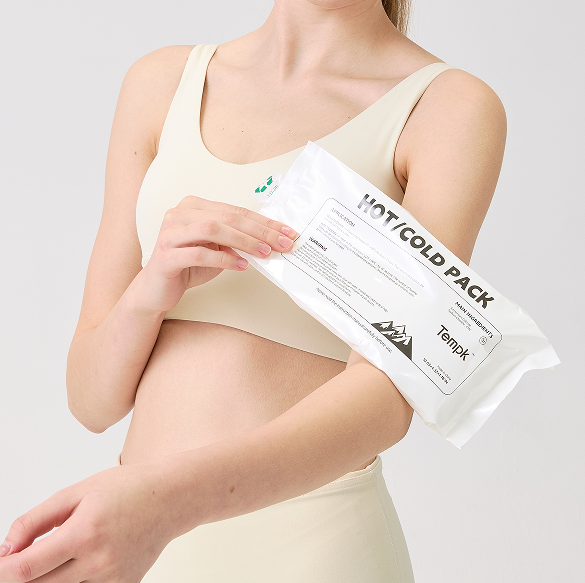
How to Choose the Best Gel Ice Bag Distributor
If you want the strongest gel ice bag distributor strategy in 2026, start with the route, the payload, and the compliance risk rather than the cheapest pack on the quote sheet. A generic-looking gel ice bag can serve many sectors, but the right distributor still separates medical, food, and consumer requirements instead of selling one undifferentiated SKU to everyone. You also need to think about multi-industry cold-chain distribution, where handling style, ambient exposure, and warehouse practice can change the result far more than a generic brochure suggests. Requirements differ by end use, so distributors should map the bag to the actual application: food handling expectations for perishable lanes, validated temperature control for healthcare lanes, and clear labeling and material consistency for consumer channels. In 2026, that category discipline is part of basic risk control. This guide turns that complexity into plain-language decisions so you can compare offers, validate the right lane, and build a program that works for retail distributors, healthcare supply houses, meal-delivery programs, and industrial resellers.
This article will help you answer:
How to define the right temperature window, pack size, and placement before asking for a quote.
Which material, validation, and supply signals separate a strong offer from a risky one.
How to qualify a distributor without wasting time on weak samples or vague claims.
Which packaging, conditioning, and placement choices reduce leaks, excursions, and avoidable waste.
What 2026 market and policy changes mean for cost, documentation, and sustainability.
What is the clearest way to choose gel ice bag distributor?
The first decision is always the temperature window. Buyers often choose the gel ice bag first and only later think about exposure time, insulation, pack placement, payload mass, and opening frequency. That sequence creates risk. A pack that works on one route can fail on another if the dwell time, loading pattern, or ambient profile changes. The safer approach is simple: start with product sensitivity, then map the lane, then size the coolant plan. That order prevents a surprising number of avoidable exceptions.
The strongest buying method uses a simple sequence: define the thermal target, understand the route, specify the pack geometry and material, then compare supplier capability. That prevents you from buying a technically good pack that does not fit the lane. It also helps you stop arguing over unit price before you know whether the design is actually right.
Decision framework
| Decision area | What to define | What to verify | Why it helps you |
|---|---|---|---|
| Temperature window | Payload sensitivity and allowed range | Real lane exposure and logger plan | You match coolant to the true risk. |
| Pack format | Weight, shape, and placement concept | Film flexibility, seals, and fill tolerance | You improve consistency and reduce avoidable damage. |
| Validation | Summer and winter or equivalent profiles | Acceptance limits and logger positions | You buy against evidence, not guesswork. |
| Supplier capability | Stock plan, customization, and documentation | Response speed and traceability | You lower operational surprises. |
| Sustainability | Material data, reuse, and waste logic | Whether it works without hurting performance | You align cost, policy, and customer expectations. |
Which technical details matter most after the first sample looks good?
Most gel-based cold formats are water-heavy systems held in a polymer network. In many designs, the network limits sloshing, stabilizes the fill, and reduces the mess if a puncture happens. That matters because two packs with the same outside size can behave very differently in use. One may release cold quickly and create a local freeze risk. Another may release it more evenly and protect the payload longer. For gel ice bag buyers, the practical lesson is that shape, fill ratio, and conditioning method matter almost as much as the gross weight printed on the spec sheet.
Film choice is just as important as gel choice. A pouch, wrap, insert, or bag has to survive stacking pressure, edge contact, repeated cooling cycles, and the friction of moving through corrugated boxes or reusable totes. Thicker film is not automatically better. The right structure balances puncture resistance, seal integrity, flexibility after conditioning, and efficient heat transfer. In real operations, weak seals usually fail before the middle of the film does. That is why careful buyers ask about seal width, leak testing, fill-weight tolerance, and dimensional control instead of assuming every product in the same thickness class is equal.
Validation should mirror reality. That means conditioning the gel ice bag the way your team will actually do it, loading the shipper with the real payload or a tested equivalent, placing loggers where the risk is highest, and running more than one ambient profile. A clean lab curve is useful, but it is not the same as a route result. Ask how performance changes when transit time, box openings, payload density, or pack placement change. The best suppliers help you understand the margin, not just the best-case result.
If you remember one technical rule, remember this: hold time is not the whole story. A pack can have enough reserve energy and still behave badly because of poor contact pattern, brittle film, inconsistent fill, or a conditioning method that the warehouse cannot repeat consistently.
How do compliance and regional rules change the shortlist?
Regulation changes the shortlist because documented control is part of risk management. Requirements differ by end use, so distributors should map the bag to the actual application: food handling expectations for perishable lanes, validated temperature control for healthcare lanes, and clear labeling and material consistency for consumer channels. In 2026, that category discipline is part of basic risk control. That means a supplier with clear instructions, better records, and route-specific logic is often the lower-risk choice even if the unit price is not the lowest on the page.
Sustainability is moving from marketing language to procurement criterion in 2026. Buyers now ask whether the format is reusable, how much plastic it contains, whether a lighter version can do the same job, and what end-of-life handling will look like. A sensible sustainability answer does not mean choosing the thinnest or cheapest pack. It means cutting avoidable weight, reducing single-use waste where practical, and using documented material choices that fit the lane. The broader cold chain packaging market continues to grow, but buyers are less tolerant of commodity claims without performance data.
What does a stronger 2026 supplier scorecard look like?
For distributor programs, consistency matters more than a one-time bargain. You need stable quality, realistic MOQs, clear stock planning, and predictable replenishment. That is especially true when the gel ice bag also affects freight cost, storage volume, disposal cost, or tax exposure. A stronger supply partner helps you simplify SKU count, standardize route rules, reduce emergency buys, and keep account-specific exceptions from taking over the operation.
As cold-chain packaging options multiply, distributors are winning by carrying fewer but better-defined gel ice bag programs with clearer documentation, stronger films, and better forecasting support. Sustainability pressure is also pushing buyers toward reusable formats and right-sized pack portfolios. The broader cold chain packaging market continues to grow, but buyers are less tolerant of commodity claims without performance data.
Practical supplier scorecard
| Control point | What to ask | What good looks like | Why it matters |
|---|---|---|---|
| Temperature fit | Which temperature band is this design validated for? | The answer references a real range and a real lane type. | You avoid buying a pack that is strong but wrong. |
| Production control | How are fill weight and seal quality controlled? | Documented tolerance and routine quality checks. | You reduce lot-to-lot variation. |
| Validation support | Can you show summer and winter or warm and cool profiles? | Yes, with a clear test method and practical conditioning guidance. | You get evidence that applies to your route. |
| Supply resilience | Where is stock held and what happens during spikes? | Named stock strategy and realistic lead-time commitments. | You avoid scrambling during peak demand. |
| Material strategy | What can you document about film, plastic, reuse, or disposal? | Clear, specific material information. | You support procurement and sustainability review. |
Action plan you can use immediately
Map your retail replenishment and medical support shipments lanes by exposure time and ambient risk.
Reduce the conversation to a smaller set of candidate gel ice bag formats that actually match those lanes.
Request comparable validation data and material details from every serious supplier.
Run one controlled pilot with the real payload or a tested equivalent before scaling up.
Case snapshot: One distributor standardized a smaller set of gel ice bag sizes around actual route families instead of customer-by-customer guesswork. That cut packing complexity, improved arrival consistency, and reduced emergency overpacking when ambient conditions became more difficult.
A useful final discipline is to keep post-launch feedback tied to route data. When a shipment succeeds or fails, record the lane, ambient conditions, pack count, pack placement, and any packaging revision so the next decision is based on evidence instead of memory. That habit is especially valuable for retail distributors, healthcare supply houses, meal-delivery programs, and industrial resellers, because cold-chain programs often look stable until one season, one new route, or one product-mix change exposes a weak assumption. A simple feedback loop makes the next packaging round sharper.
A useful final discipline is to keep post-launch feedback tied to route data. When a shipment succeeds or fails, record the lane, ambient conditions, pack count, pack placement, and any packaging revision so the next decision is based on evidence instead of memory. That habit is especially valuable for retail distributors, healthcare supply houses, meal-delivery programs, and industrial resellers, because cold-chain programs often look stable until one season, one new route, or one product-mix change exposes a weak assumption. A simple feedback loop makes the next packaging round sharper.
Sustainability is moving from marketing language to procurement criterion in 2026. Buyers now ask whether the format is reusable, how much plastic it contains, whether a lighter version can do the same job, and what end-of-life handling will look like. A sensible sustainability answer does not mean choosing the thinnest or cheapest pack. It means cutting avoidable weight, reducing single-use waste where practical, and using documented material choices that fit the lane. The broader cold chain packaging market continues to grow, but buyers are less tolerant of commodity claims without performance data.
For distributor programs, consistency matters more than a one-time bargain. You need stable quality, realistic MOQs, clear stock planning, and predictable replenishment. That is especially true when the gel ice bag also affects freight cost, storage volume, disposal cost, or tax exposure. A stronger supply partner helps you simplify SKU count, standardize route rules, reduce emergency buys, and keep account-specific exceptions from taking over the operation.
A useful final discipline is to keep post-launch feedback tied to route data. When a shipment succeeds or fails, record the lane, ambient conditions, pack count, pack placement, and any packaging revision so the next decision is based on evidence instead of memory. That habit is especially valuable for retail distributors, healthcare supply houses, meal-delivery programs, and industrial resellers, because cold-chain programs often look stable until one season, one new route, or one product-mix change exposes a weak assumption. A simple feedback loop makes the next packaging round sharper.
Frequently asked questions
Can one gel ice bag fit every industry?
No. Food, healthcare, consumer, and general industrial channels have different expectations. A responsible distributor maps the bag to the real use case.
Why is SKU discipline important for distributors?
Too many look-alike SKUs create confusion, stocking inefficiency, and inconsistent sales claims. A smaller, better-defined range is often easier to manage and sell well.
What should distributors ask manufacturers to document?
Ask for fill-weight tolerance, seal quality, film details, recommended use conditions, and any evidence that supports the intended end use.
Is a reusable bag always the best sales answer?
Not always. Reuse only helps when durability, return flow, and cleaning logic make sense in the real channel.
What is changing most in 2026?
Commodity claims are losing value. Buyers want clearer segmentation, stronger documentation, and less guessing by sales teams.
Summary and recommendation
The best gel ice bag decision is rarely the one with the most cold mass or the lowest line-item price. It is the one that fits the route, protects the payload, supports clear operating rules, and gives you documentation you can actually use. If you define the temperature target first, validate the lane honestly, and score suppliers on more than price, you will make a better long-term decision.
Your next step should be simple: shortlist the routes that matter most, request comparable technical and supply information, and run one controlled pilot. That approach gives you evidence fast and keeps procurement, operations, and QA aligned.
About Tempk
At Tempk, we focus on practical cold-chain packaging for food, healthcare, and other temperature-sensitive distribution needs. We work on stable gel formulation, reliable seals, custom sizing, and route-based validation support so buyers can match the pack to the lane instead of guessing.
If you need help comparing formats, refining pack placement, or building a simpler pilot plan, we can help you turn route data into a clearer packaging decision.
How to Choose Gel Cold Pack Vaccine in 2026

How to Choose the Best Gel Cold Pack Vaccine
Choosing the best gel cold pack vaccine supplier gets easier when you stop treating it as a commodity and start matching thermal target, execution discipline, and supplier capability in one framework. A vaccine pack that is too cold can be just as risky as one that is too warm, especially for freeze-sensitive liquid vaccines. You also need to think about global vaccine and biologics cold chain, where handling style, ambient exposure, and warehouse practice can change the result far more than a generic brochure suggests. CDC states that vaccines licensed for refrigerator storage should be kept at 2 C to 8 C, and freeze-sensitive liquid vaccines can permanently lose potency if exposed to freezing temperatures. Canadian immunization guidance also requires 2 C to 8 C transport for refrigerated vaccines, warns against direct contact with ice packs, and tells operators to log temperatures before and after transport. This guide turns that complexity into plain-language decisions so you can compare offers, validate the right lane, and build a program that works for immunization programs, pharmaceutical distributors, hospitals, clinics, and humanitarian health teams.
This article will help you answer:
How to define the right temperature window, pack size, and placement before asking for a quote.
Which material, validation, and supply signals separate a strong offer from a risky one.
How to qualify a vaccine supplier without wasting time on weak samples or vague claims.
Which packaging, conditioning, and placement choices reduce leaks, excursions, and avoidable waste.
What 2026 market and policy changes mean for cost, documentation, and sustainability.
What is the clearest way to choose gel cold pack vaccine supplier?
The first decision is always the temperature window. Buyers often choose the gel cold pack first and only later think about exposure time, insulation, pack placement, payload mass, and opening frequency. That sequence creates risk. A pack that works on one route can fail on another if the dwell time, loading pattern, or ambient profile changes. The safer approach is simple: start with product sensitivity, then map the lane, then size the coolant plan. That order prevents a surprising number of avoidable exceptions.
The strongest buying method uses a simple sequence: define the thermal target, understand the route, specify the pack geometry and material, then compare supplier capability. That prevents you from buying a technically good pack that does not fit the lane. It also helps you stop arguing over unit price before you know whether the design is actually right.
Decision framework
| Decision area | What to define | What to verify | Why it helps you |
|---|---|---|---|
| Temperature window | Payload sensitivity and allowed range | Real lane exposure and logger plan | You match coolant to the true risk. |
| Pack format | Weight, shape, and placement concept | Film flexibility, seals, and fill tolerance | You improve consistency and reduce avoidable damage. |
| Validation | Summer and winter or equivalent profiles | Acceptance limits and logger positions | You buy against evidence, not guesswork. |
| Supplier capability | Stock plan, customization, and documentation | Response speed and traceability | You lower operational surprises. |
| Sustainability | Material data, reuse, and waste logic | Whether it works without hurting performance | You align cost, policy, and customer expectations. |
Which technical details matter most after the first sample looks good?
Most gel-based cold formats are water-heavy systems held in a polymer network. In many designs, the network limits sloshing, stabilizes the fill, and reduces the mess if a puncture happens. That matters because two packs with the same outside size can behave very differently in use. One may release cold quickly and create a local freeze risk. Another may release it more evenly and protect the payload longer. For gel cold pack buyers, the practical lesson is that shape, fill ratio, and conditioning method matter almost as much as the gross weight printed on the spec sheet.
Film choice is just as important as gel choice. A pouch, wrap, insert, or bag has to survive stacking pressure, edge contact, repeated cooling cycles, and the friction of moving through corrugated boxes or reusable totes. Thicker film is not automatically better. The right structure balances puncture resistance, seal integrity, flexibility after conditioning, and efficient heat transfer. In real operations, weak seals usually fail before the middle of the film does. That is why careful buyers ask about seal width, leak testing, fill-weight tolerance, and dimensional control instead of assuming every product in the same thickness class is equal.
Validation should mirror reality. That means conditioning the gel cold pack the way your team will actually do it, loading the shipper with the real payload or a tested equivalent, placing loggers where the risk is highest, and running more than one ambient profile. A clean lab curve is useful, but it is not the same as a route result. Ask how performance changes when transit time, box openings, payload density, or pack placement change. The best suppliers help you understand the margin, not just the best-case result.
If you remember one technical rule, remember this: hold time is not the whole story. A pack can have enough reserve energy and still behave badly because of poor contact pattern, brittle film, inconsistent fill, or a conditioning method that the warehouse cannot repeat consistently.
How do compliance and regional rules change the shortlist?
Regulation changes the shortlist because documented control is part of risk management. CDC states that vaccines licensed for refrigerator storage should be kept at 2 C to 8 C, and freeze-sensitive liquid vaccines can permanently lose potency if exposed to freezing temperatures. Canadian immunization guidance also requires 2 C to 8 C transport for refrigerated vaccines, warns against direct contact with ice packs, and tells operators to log temperatures before and after transport. That means a supplier with clear instructions, better records, and route-specific logic is often the lower-risk choice even if the unit price is not the lowest on the page.
Sustainability is moving from marketing language to procurement criterion in 2026. Buyers now ask whether the format is reusable, how much plastic it contains, whether a lighter version can do the same job, and what end-of-life handling will look like. A sensible sustainability answer does not mean choosing the thinnest or cheapest pack. It means cutting avoidable weight, reducing single-use waste where practical, and using documented material choices that fit the lane. Healthcare remains one of the fastest-growing end uses in cold chain packaging, driven by vaccines, biologics, and specialty medicines that need tighter thermal control.
What does a stronger 2026 supplier scorecard look like?
For supplier programs, consistency matters more than a one-time bargain. You need stable quality, realistic MOQs, clear stock planning, and predictable replenishment. That is especially true when the gel cold pack also affects freight cost, storage volume, disposal cost, or tax exposure. A stronger supply partner helps you simplify SKU count, standardize route rules, reduce emergency buys, and keep account-specific exceptions from taking over the operation.
WHO reported that 14.3 million children in 2024 were still zero-dose, which keeps pressure on reliable immunization supply chains. In 2026, buyers are pairing validated gel packs with data loggers, contingency instructions, and lane-specific conditioning protocols rather than buying generic coolant by weight alone. Healthcare remains one of the fastest-growing end uses in cold chain packaging, driven by vaccines, biologics, and specialty medicines that need tighter thermal control.
Practical supplier scorecard
| Control point | What to ask | What good looks like | Why it matters |
|---|---|---|---|
| Temperature fit | Which temperature band is this design validated for? | The answer references a real range and a real lane type. | You avoid buying a pack that is strong but wrong. |
| Production control | How are fill weight and seal quality controlled? | Documented tolerance and routine quality checks. | You reduce lot-to-lot variation. |
| Validation support | Can you show summer and winter or warm and cool profiles? | Yes, with a clear test method and practical conditioning guidance. | You get evidence that applies to your route. |
| Supply resilience | Where is stock held and what happens during spikes? | Named stock strategy and realistic lead-time commitments. | You avoid scrambling during peak demand. |
| Material strategy | What can you document about film, plastic, reuse, or disposal? | Clear, specific material information. | You support procurement and sustainability review. |
Action plan you can use immediately
Map your routine vaccine replenishment and clinic transfer runs lanes by exposure time and ambient risk.
Reduce the conversation to a smaller set of candidate gel cold pack formats that actually match those lanes.
Request comparable validation data and material details from every serious supplier.
Run one controlled pilot with the real payload or a tested equivalent before scaling up.
Case snapshot: One vaccine supplier standardized a smaller set of gel cold pack sizes around actual route families instead of customer-by-customer guesswork. That cut packing complexity, improved arrival consistency, and reduced emergency overpacking when ambient conditions became more difficult.
A useful final discipline is to keep post-launch feedback tied to route data. When a shipment succeeds or fails, record the lane, ambient conditions, pack count, pack placement, and any packaging revision so the next decision is based on evidence instead of memory. That habit is especially valuable for immunization programs, pharmaceutical distributors, hospitals, clinics, and humanitarian health teams, because cold-chain programs often look stable until one season, one new route, or one product-mix change exposes a weak assumption. A simple feedback loop makes the next packaging round sharper.
Sustainability is moving from marketing language to procurement criterion in 2026. Buyers now ask whether the format is reusable, how much plastic it contains, whether a lighter version can do the same job, and what end-of-life handling will look like. A sensible sustainability answer does not mean choosing the thinnest or cheapest pack. It means cutting avoidable weight, reducing single-use waste where practical, and using documented material choices that fit the lane. Healthcare remains one of the fastest-growing end uses in cold chain packaging, driven by vaccines, biologics, and specialty medicines that need tighter thermal control.
For supplier programs, consistency matters more than a one-time bargain. You need stable quality, realistic MOQs, clear stock planning, and predictable replenishment. That is especially true when the gel cold pack also affects freight cost, storage volume, disposal cost, or tax exposure. A stronger supply partner helps you simplify SKU count, standardize route rules, reduce emergency buys, and keep account-specific exceptions from taking over the operation.
A useful final discipline is to keep post-launch feedback tied to route data. When a shipment succeeds or fails, record the lane, ambient conditions, pack count, pack placement, and any packaging revision so the next decision is based on evidence instead of memory. That habit is especially valuable for immunization programs, pharmaceutical distributors, hospitals, clinics, and humanitarian health teams, because cold-chain programs often look stable until one season, one new route, or one product-mix change exposes a weak assumption. A simple feedback loop makes the next packaging round sharper.
Frequently asked questions
Can a vaccine cold pack be too cold?
Yes. That is one of the biggest risks in refrigerated vaccine transport. Freeze-sensitive vaccines can lose potency if the pack or conditioning method drives them below their safe range.
Why is direct contact with ice packs discouraged for many refrigerated vaccines?
Because direct contact can create a local freezing event even when the average box temperature looks acceptable. A buffer layer or validated pack-out helps control that risk.
What should a vaccine buyer ask a supplier to provide?
Ask for conditioning instructions, route-based validation, logger placement guidance, and documentation that clearly separates refrigerated, frozen, and ultra-cold use cases.
Do all vaccine lanes need the same pack design?
No. Clinic transfer, central distribution, and outreach sessions can have very different dwell times and handling patterns, so the safest design is lane-specific.
What matters most in 2026 vaccine buying?
Validated practice matters more than generic cooling power. Buyers want a pack, a conditioning method, and a documentation set that work together.
Summary and recommendation
The best gel cold pack decision is rarely the one with the most cold mass or the lowest line-item price. It is the one that fits the route, protects the payload, supports clear operating rules, and gives you documentation you can actually use. If you define the temperature target first, validate the lane honestly, and score suppliers on more than price, you will make a better long-term decision.
Your next step should be simple: shortlist the routes that matter most, request comparable technical and supply information, and run one controlled pilot. That approach gives you evidence fast and keeps procurement, operations, and QA aligned.
About Tempk
At Tempk, we focus on practical cold-chain packaging for food, healthcare, and other temperature-sensitive distribution needs. We work on stable gel formulation, reliable seals, custom sizing, and route-based validation support so buyers can match the pack to the lane instead of guessing.
If you need help comparing formats, refining pack placement, or building a simpler pilot plan, we can help you turn route data into a clearer packaging decision.
How to Choose Gel Cold Pack Europe in 2026

How to Choose the Best Gel Cold Pack Europe
The clearest way to buy gel cold pack Europe supplier is to define the real operating need first and only then compare pack design, evidence, and cost. In Europe, the best supplier conversation now covers thermal performance, GDP-readiness, and packaging policy exposure at the same time. You also need to think about Europe, where handling style, ambient exposure, and warehouse practice can change the result far more than a generic brochure suggests. EMA describes GDP as the minimum standard that wholesale distributors must meet to keep the quality and integrity of medicines intact throughout the supply chain. Medicines must be stored in the right conditions at all times, including transportation, and wholesale distributors in the EEA need the proper authorisation. The EU Packaging and Packaging Waste Regulation entered into force on 11 February 2025 and will generally apply from 12 August 2026. This guide turns that complexity into plain-language decisions so you can compare offers, validate the right lane, and build a program that works for European buyers serving pharmaceutical, food, diagnostics, and cross-border e-commerce channels.
This article will help you answer:
How to define the right temperature window, pack size, and placement before asking for a quote.
Which material, validation, and supply signals separate a strong offer from a risky one.
How to qualify a Europe supplier without wasting time on weak samples or vague claims.
Which packaging, conditioning, and placement choices reduce leaks, excursions, and avoidable waste.
What 2026 market and policy changes mean for cost, documentation, and sustainability.
What is the clearest way to choose gel cold pack Europe supplier?
The first decision is always the temperature window. Buyers often choose the gel cold pack first and only later think about exposure time, insulation, pack placement, payload mass, and opening frequency. That sequence creates risk. A pack that works on one route can fail on another if the dwell time, loading pattern, or ambient profile changes. The safer approach is simple: start with product sensitivity, then map the lane, then size the coolant plan. That order prevents a surprising number of avoidable exceptions.
The strongest buying method uses a simple sequence: define the thermal target, understand the route, specify the pack geometry and material, then compare supplier capability. That prevents you from buying a technically good pack that does not fit the lane. It also helps you stop arguing over unit price before you know whether the design is actually right.
Decision framework
| Decision area | What to define | What to verify | Why it helps you |
|---|---|---|---|
| Temperature window | Payload sensitivity and allowed range | Real lane exposure and logger plan | You match coolant to the true risk. |
| Pack format | Weight, shape, and placement concept | Film flexibility, seals, and fill tolerance | You improve consistency and reduce avoidable damage. |
| Validation | Summer and winter or equivalent profiles | Acceptance limits and logger positions | You buy against evidence, not guesswork. |
| Supplier capability | Stock plan, customization, and documentation | Response speed and traceability | You lower operational surprises. |
| Sustainability | Material data, reuse, and waste logic | Whether it works without hurting performance | You align cost, policy, and customer expectations. |
Which technical details matter most after the first sample looks good?
Most gel-based cold formats are water-heavy systems held in a polymer network. In many designs, the network limits sloshing, stabilizes the fill, and reduces the mess if a puncture happens. That matters because two packs with the same outside size can behave very differently in use. One may release cold quickly and create a local freeze risk. Another may release it more evenly and protect the payload longer. For gel cold pack buyers, the practical lesson is that shape, fill ratio, and conditioning method matter almost as much as the gross weight printed on the spec sheet.
Film choice is just as important as gel choice. A pouch, wrap, insert, or bag has to survive stacking pressure, edge contact, repeated cooling cycles, and the friction of moving through corrugated boxes or reusable totes. Thicker film is not automatically better. The right structure balances puncture resistance, seal integrity, flexibility after conditioning, and efficient heat transfer. In real operations, weak seals usually fail before the middle of the film does. That is why careful buyers ask about seal width, leak testing, fill-weight tolerance, and dimensional control instead of assuming every product in the same thickness class is equal.
Validation should mirror reality. That means conditioning the gel cold pack the way your team will actually do it, loading the shipper with the real payload or a tested equivalent, placing loggers where the risk is highest, and running more than one ambient profile. A clean lab curve is useful, but it is not the same as a route result. Ask how performance changes when transit time, box openings, payload density, or pack placement change. The best suppliers help you understand the margin, not just the best-case result.
If you remember one technical rule, remember this: hold time is not the whole story. A pack can have enough reserve energy and still behave badly because of poor contact pattern, brittle film, inconsistent fill, or a conditioning method that the warehouse cannot repeat consistently.
How do compliance and regional rules change the shortlist?
Regulation changes the shortlist because documented control is part of risk management. EMA describes GDP as the minimum standard that wholesale distributors must meet to keep the quality and integrity of medicines intact throughout the supply chain. Medicines must be stored in the right conditions at all times, including transportation, and wholesale distributors in the EEA need the proper authorisation. The EU Packaging and Packaging Waste Regulation entered into force on 11 February 2025 and will generally apply from 12 August 2026. That means a supplier with clear instructions, better records, and route-specific logic is often the lower-risk choice even if the unit price is not the lowest on the page.
Sustainability is moving from marketing language to procurement criterion in 2026. Buyers now ask whether the format is reusable, how much plastic it contains, whether a lighter version can do the same job, and what end-of-life handling will look like. A sensible sustainability answer does not mean choosing the thinnest or cheapest pack. It means cutting avoidable weight, reducing single-use waste where practical, and using documented material choices that fit the lane. Europe is benefiting from overall cold-chain packaging growth, while policy pressure is accelerating the shift toward reusable and more easily documented pack systems.
What does a stronger 2026 supplier scorecard look like?
For supplier programs, consistency matters more than a one-time bargain. You need stable quality, realistic MOQs, clear stock planning, and predictable replenishment. That is especially true when the gel cold pack also affects freight cost, storage volume, disposal cost, or tax exposure. A stronger supply partner helps you simplify SKU count, standardize route rules, reduce emergency buys, and keep account-specific exceptions from taking over the operation.
European buyers in 2026 are asking for more than cold-hold claims. They want material composition data, reusability or recovery strategy, EEA documentation, and supplier resilience across multiple countries. Nearshoring, dual sourcing, and lighter formats are part of the conversation. Europe is benefiting from overall cold-chain packaging growth, while policy pressure is accelerating the shift toward reusable and more easily documented pack systems.
Practical supplier scorecard
| Control point | What to ask | What good looks like | Why it matters |
|---|---|---|---|
| Temperature fit | Which temperature band is this design validated for? | The answer references a real range and a real lane type. | You avoid buying a pack that is strong but wrong. |
| Production control | How are fill weight and seal quality controlled? | Documented tolerance and routine quality checks. | You reduce lot-to-lot variation. |
| Validation support | Can you show summer and winter or warm and cool profiles? | Yes, with a clear test method and practical conditioning guidance. | You get evidence that applies to your route. |
| Supply resilience | Where is stock held and what happens during spikes? | Named stock strategy and realistic lead-time commitments. | You avoid scrambling during peak demand. |
| Material strategy | What can you document about film, plastic, reuse, or disposal? | Clear, specific material information. | You support procurement and sustainability review. |
Action plan you can use immediately
Map your EEA pharmaceutical distribution and cross-border chilled shipping lanes by exposure time and ambient risk.
Reduce the conversation to a smaller set of candidate gel cold pack formats that actually match those lanes.
Request comparable validation data and material details from every serious supplier.
Run one controlled pilot with the real payload or a tested equivalent before scaling up.
Case snapshot: One Europe supplier standardized a smaller set of gel cold pack sizes around actual route families instead of customer-by-customer guesswork. That cut packing complexity, improved arrival consistency, and reduced emergency overpacking when ambient conditions became more difficult.
A useful final discipline is to keep post-launch feedback tied to route data. When a shipment succeeds or fails, record the lane, ambient conditions, pack count, pack placement, and any packaging revision so the next decision is based on evidence instead of memory. That habit is especially valuable for European buyers serving pharmaceutical, food, diagnostics, and cross-border e-commerce channels, because cold-chain programs often look stable until one season, one new route, or one product-mix change exposes a weak assumption. A simple feedback loop makes the next packaging round sharper.
Sustainability is moving from marketing language to procurement criterion in 2026. Buyers now ask whether the format is reusable, how much plastic it contains, whether a lighter version can do the same job, and what end-of-life handling will look like. A sensible sustainability answer does not mean choosing the thinnest or cheapest pack. It means cutting avoidable weight, reducing single-use waste where practical, and using documented material choices that fit the lane. Europe is benefiting from overall cold-chain packaging growth, while policy pressure is accelerating the shift toward reusable and more easily documented pack systems.
For supplier programs, consistency matters more than a one-time bargain. You need stable quality, realistic MOQs, clear stock planning, and predictable replenishment. That is especially true when the gel cold pack also affects freight cost, storage volume, disposal cost, or tax exposure. A stronger supply partner helps you simplify SKU count, standardize route rules, reduce emergency buys, and keep account-specific exceptions from taking over the operation.
A useful final discipline is to keep post-launch feedback tied to route data. When a shipment succeeds or fails, record the lane, ambient conditions, pack count, pack placement, and any packaging revision so the next decision is based on evidence instead of memory. That habit is especially valuable for European buyers serving pharmaceutical, food, diagnostics, and cross-border e-commerce channels, because cold-chain programs often look stable until one season, one new route, or one product-mix change exposes a weak assumption. A simple feedback loop makes the next packaging round sharper.
Frequently asked questions
Why does documentation matter more in Europe now?
Because buyers are balancing thermal performance with GDP expectations and packaging-policy scrutiny. Good documentation shortens audits and purchasing debates.
What should a Europe supplier be ready to explain?
They should explain temperature fit, validation method, material composition, supply resilience, and how the program will make sense after mid-2026 packaging rules take effect.
Is one European pack design enough for every country?
Sometimes, but multi-country routes often differ in service profile, climate, and customer expectation. Validation should reflect that complexity.
How is PPWR affecting sourcing conversations?
It is pushing buyers to ask more specific questions about reuse, material choice, and end-of-life logic instead of treating packaging as a background detail.
What changes most in 2026 Europe buying?
The strongest programs combine temperature control, documentation, and a sustainability roadmap that can survive formal tender or audit review.
Summary and recommendation
The best gel cold pack decision is rarely the one with the most cold mass or the lowest line-item price. It is the one that fits the route, protects the payload, supports clear operating rules, and gives you documentation you can actually use. If you define the temperature target first, validate the lane honestly, and score suppliers on more than price, you will make a better long-term decision.
Your next step should be simple: shortlist the routes that matter most, request comparable technical and supply information, and run one controlled pilot. That approach gives you evidence fast and keeps procurement, operations, and QA aligned.
About Tempk
At Tempk, we focus on practical cold-chain packaging for food, healthcare, and other temperature-sensitive distribution needs. We work on stable gel formulation, reliable seals, custom sizing, and route-based validation support so buyers can match the pack to the lane instead of guessing.
If you need help comparing formats, refining pack placement, or building a simpler pilot plan, we can help you turn route data into a clearer packaging decision.
SAP Gel Pack Personal Care Standards and Data 2026

What Makes SAP Gel Pack Personal Care Perform Better?
Ask for fill-weight tolerance because visual consistency matters in premium personal care programs.
Run freeze-thaw checks if packs may sit in variable storage conditions before final use.
Which technical details matter most when you compare SAP gel pack wholesale offers.
Ask for fill-weight tolerance because visual consistency matters in premium personal care programs.
Premium brands increasingly want lower-waste or reusable packaging stories that still look polished. Material transparency is becoming part of the sales conversation.
Which technical details matter most when you compare SAP gel pack wholesale offers.
Sustainability is moving from marketing language to procurement criterion in 2026. Buyers now ask whether the format is reusable, how much plastic it contains, whether a lighter version can do the same job, and what end-of-life handling will look like. A sensible sustainability answer does not mean choosing the thinnest or cheapest pack. It means cutting avoidable weight, reducing single-use waste where practical, and using documented material choices that fit the lane. Cold chain and reusable packaging growth is widening the supplier base, but premium personal care buyers still reward manufacturers that can combine thermal function with finish quality and private-label discipline.
Are industrial cold-pack specs enough for beauty programs?
A useful final discipline is to keep post-launch feedback tied to route data. When a shipment succeeds or fails, record the lane, ambient conditions, pack count, pack placement, and any packaging revision so the next decision is based on evidence instead of memory. That habit is especially valuable for beauty brands, spa suppliers, promotional kit assemblers, and wellness product wholesalers, because cold-chain programs often look stable until one season, one new route, or one product-mix change exposes a weak assumption. A simple feedback loop makes the next packaging round sharper.
What 2026 market and policy changes mean for cost, documentation, and sustainability.
What is the biggest buying mistake?
Run freeze-thaw checks if packs may sit in variable storage conditions before final use.
Your next step should be simple: shortlist the routes that matter most, request comparable technical and supply information, and run one controlled pilot. That approach gives you evidence fast and keeps procurement, operations, and QA aligned.
A useful final discipline is to keep post-launch feedback tied to route data. When a shipment succeeds or fails, record the lane, ambient conditions, pack count, pack placement, and any packaging revision so the next decision is based on evidence instead of memory. That habit is especially valuable for beauty brands, spa suppliers, promotional kit assemblers, and wellness product wholesalers, because cold-chain programs often look stable until one season, one new route, or one product-mix change exposes a weak assumption. A simple feedback loop makes the next packaging round sharper.
Your next step should be simple: shortlist the routes that matter most, request comparable technical and supply information, and run one controlled pilot. That approach gives you evidence fast and keeps procurement, operations, and QA aligned.
A personal care wholesaler that wants a clean-feeling pack with stable gel distribution, custom branding, and fewer complaints about leaks or stiff edges is a useful example. In that kind of program, the coolant choice changes packing speed, box cleanliness, label condition, and how much nervous overpacking the team does during difficult weeks. In personal care, touch, appearance, and odor matter almost as much as thermal performance, because the pack is often part of the product experience. In practical operations, the pack becomes part of service consistency, not just part of the carton or tote.
How should you compare super absorbent polymer gel pack formats, fill weight, and design?
Refrigerated Gel Pouch Spain Wholesale Guide 2026

What Makes Refrigerated Gel Pouch Spain Perform Better?
Summary and recommendation
Which packaging, conditioning, and placement choices reduce leaks, excursions, and avoidable waste.
Ask suppliers to document plastic content and any reuse or recovery logic before approving a wider rollout.
Practical operating table
A useful final discipline is to keep post-launch feedback tied to route data. When a shipment succeeds or fails, record the lane, ambient conditions, pack count, pack placement, and any packaging revision so the next decision is based on evidence instead of memory. That habit is especially valuable for Spanish wholesalers, food exporters, pharmacies, healthcare distributors, and temperature-sensitive e-commerce brands, because cold-chain programs often look stable until one season, one new route, or one product-mix change exposes a weak assumption. A simple feedback loop makes the next packaging round sharper.
Frequently asked questions
The EU Packaging and Packaging Waste Regulation entered into force on 11 February 2025 and generally applies from 12 August 2026. That is pushing Spanish buyers to ask harder questions about reusable formats, material data, pack weight, and end-of-life handling instead of buying on unit price alone. Spanish buyers now treat packaging material choice as a sourcing, tax, and sustainability decision at the same time.
Sustainability is moving from marketing language to procurement criterion in 2026. Buyers now ask whether the format is reusable, how much plastic it contains, whether a lighter version can do the same job, and what end-of-life handling will look like. A sensible sustainability answer does not mean choosing the thinnest or cheapest pack. It means cutting avoidable weight, reducing single-use waste where practical, and using documented material choices that fit the lane. Spanish buyers now treat packaging material choice as a sourcing, tax, and sustainability decision at the same time.
Supplier scorecard
At Tempk, we focus on practical cold-chain packaging for food, healthcare, and other temperature-sensitive distribution needs. We work on stable gel formulation, reliable seals, custom sizing, and route-based validation support so buyers can match the pack to the lane instead of guessing.
For wholesale programs, consistency matters more than a one-time bargain. You need stable quality, realistic MOQs, clear stock planning, and predictable replenishment. That is especially true when the refrigerated gel pouch also affects freight cost, storage volume, disposal cost, or tax exposure. A stronger supply partner helps you simplify SKU count, standardize route rules, reduce emergency buys, and keep account-specific exceptions from taking over the operation.
How to qualify a Spain wholesale without wasting time on weak samples or vague claims.
Your next step should be simple: shortlist the routes that matter most, request comparable technical and supply information, and run one controlled pilot. That approach gives you evidence fast and keeps procurement, operations, and QA aligned.
For wholesale programs, consistency matters more than a one-time bargain. You need stable quality, realistic MOQs, clear stock planning, and predictable replenishment. That is especially true when the refrigerated gel pouch also affects freight cost, storage volume, disposal cost, or tax exposure. A stronger supply partner helps you simplify SKU count, standardize route rules, reduce emergency buys, and keep account-specific exceptions from taking over the operation.
Sometimes, but only if the validation covers the different dwell times, ambient conditions, and service variability across those routes.
Summary and recommendation
How gel formulation, fill ratio, and film structure change the way refrigerated gel pouch releases cold energy.
Most gel-based cold formats are water-heavy systems held in a polymer network. In many designs, the network limits sloshing, stabilizes the fill, and reduces the mess if a puncture happens. That matters because two packs with the same outside size can behave very differently in use. One may release cold quickly and create a local freeze risk. Another may release it more evenly and protect the payload longer. For refrigerated gel pouch buyers, the practical lesson is that shape, fill ratio, and conditioning method matter almost as much as the gross weight printed on the spec sheet.
If you need help comparing formats, refining pack placement, or building a simpler pilot plan, we can help you turn route data into a clearer packaging decision.
What 2026 market and policy changes mean for cost, documentation, and sustainability.
Why does refrigerated gel pouch Spain wholesale matter for your operation?
Run more than one ambient profile when route conditions vary.
What 2026 market and policy changes mean for cost, documentation, and sustainability.
The first decision is always the temperature window. Buyers often choose the refrigerated gel pouch first and only later think about exposure time, insulation, pack placement, payload mass, and opening frequency. That sequence creates risk. A pack that works on one route can fail on another if the dwell time, loading pattern, or ambient profile changes. The safer approach is simple: start with product sensitivity, then map the lane, then size the coolant plan. That order prevents a surprising number of avoidable exceptions.
Run more than one ambient profile when route conditions vary.
About Tempk
How do film structure and seals affect reliability?
Run more than one ambient profile when route conditions vary.
Does summer validation matter more in Spain?
How do film structure and seals affect reliability?
Run more than one ambient profile when route conditions vary.
How do film structure and seals affect reliability?
About Tempk
Current market table
How are regulation, sustainability, and customer expectations changing?
Current market table
How are regulation, sustainability, and customer expectations changing?
Accepting a good test result without reading the test method is risky.
Current market table
How are regulation, sustainability, and customer expectations changing?
This article will help you answer:
Current market table
How are regulation, sustainability, and customer expectations changing?
This article will help you answer:
Current market table
How are regulation, sustainability, and customer expectations changing?
This article will help you answer:
Current market table
| Control point | What to ask | What good looks like | Why it matters |
|---|---|---|---|
| Temperature fit | Which temperature band is this design validated for? | The answer references a real range and a real lane type. | You avoid buying a pack that is strong but wrong. |
| Production control | How are fill weight and seal quality controlled? | Documented tolerance and routine quality checks. | You reduce lot-to-lot variation. |
| Validation support | Can you show summer and winter or warm and cool profiles? | Yes, with a clear test method and practical conditioning guidance. | You get evidence that applies to your route. |
| Supply resilience | Where is stock held and what happens during spikes? | Named stock strategy and realistic lead-time commitments. | You avoid scrambling during peak demand. |
| Material strategy | What can you document about film, plastic, reuse, or disposal? | Clear, specific material information. | You support procurement and sustainability review. |
This article will help you answer:
Route-specific validation is replacing generic category claims.
Which packaging, conditioning, and placement choices reduce leaks, excursions, and avoidable waste.
This article will help you answer:
Route-specific validation is replacing generic category claims.
Which packaging, conditioning, and placement choices reduce leaks, excursions, and avoidable waste.
This article will help you answer:
Route-specific validation is replacing generic category claims.
Which packaging, conditioning, and placement choices reduce leaks, excursions, and avoidable waste.
This article will help you answer:
Route-specific validation is replacing generic category claims.
Which packaging, conditioning, and placement choices reduce leaks, excursions, and avoidable waste.
This article will help you answer:
Route-specific validation is replacing generic category claims.
Which packaging, conditioning, and placement choices reduce leaks, excursions, and avoidable waste.
This article will help you answer:
Route-specific validation is replacing generic category claims.
Which packaging, conditioning, and placement choices reduce leaks, excursions, and avoidable waste.
This article will help you answer:
Route-specific validation is replacing generic category claims.
Which packaging, conditioning, and placement choices reduce leaks, excursions, and avoidable waste.
This article will help you answer:
Route-specific validation is replacing generic category claims.
Which packaging, conditioning, and placement choices reduce leaks, excursions, and avoidable waste.
This article will help you answer:
Route-specific validation is replacing generic category claims.
Which packaging, conditioning, and placement choices reduce leaks, excursions, and avoidable waste.
This article will help you answer:
Perishable Gel Refrigerant Pack Standards and Data 2026
What Makes Gel Refrigerant Pack Perform Better?
What should a wholesaler ask before buying in bulk?
How do you qualify a perishable goods wholesaler before buying in volume?
Not always. More mass may add reserve time, but it can also crowd the carton, raise freight cost, and create overcooling on sensitive items. Controlled fit matters more than excess weight.
Run more than one ambient profile when route conditions vary.
For wholesaler programs, consistency matters more than a one-time bargain. You need stable quality, realistic MOQs, clear stock planning, and predictable replenishment. That is especially true when the gel refrigerant pack also affects freight cost, storage volume, disposal cost, or tax exposure. A stronger supply partner helps you simplify SKU count, standardize route rules, reduce emergency buys, and keep account-specific exceptions from taking over the operation.
How to qualify a perishable goods wholesaler without wasting time on weak samples or vague claims.
Your next step should be simple: shortlist the routes that matter most, request comparable technical and supply information, and run one controlled pilot. That approach gives you evidence fast and keeps procurement, operations, and QA aligned.
At Tempk, we focus on practical cold-chain packaging for food, healthcare, and other temperature-sensitive distribution needs. We work on stable gel formulation, reliable seals, custom sizing, and route-based validation support so buyers can match the pack to the lane instead of guessing.
How gel refrigerant pack supports mixed perishable cartons and route delivery replenishment.
How should you compare gel refrigerant pack formats, fill weight, and design?
Sustainability is moving from marketing language to procurement criterion in 2026. Buyers now ask whether the format is reusable, how much plastic it contains, whether a lighter version can do the same job, and what end-of-life handling will look like. A sensible sustainability answer does not mean choosing the thinnest or cheapest pack. It means cutting avoidable weight, reducing single-use waste where practical, and using documented material choices that fit the lane. Industry data published in 2026 estimated the global cold chain packaging market at USD 33.73 billion in 2025 and projected it to reach USD 93.15 billion by 2033.
Leaks can damage labels, weaken corrugated boxes, create handling complaints, and reduce confidence in the whole program even if the temperature technically stayed acceptable.
The best gel refrigerant pack decision is rarely the one with the most cold mass or the lowest line-item price. It is the one that fits the route, protects the payload, supports clear operating rules, and gives you documentation you can actually use. If you define the temperature target first, validate the lane honestly, and score suppliers on more than price, you will make a better long-term decision.
What trend is changing gel refrigerant pack buying in 2026?
There is no universal number. Pack count depends on product sensitivity, insulation, transit time, box size, and opening frequency. Route-based validation beats generic pack-count rules every time.
Use logger placement that reflects the warmest or riskiest product zone.
Not always. More mass may add reserve time, but it can also crowd the carton, raise freight cost, and create overcooling on sensitive items. Controlled fit matters more than excess weight.
Keep a simple logger map for the warmest point in the carton, not just the center where performance often looks better than reality.
Most gel-based cold formats are water-heavy systems held in a polymer network. In many designs, the network limits sloshing, stabilizes the fill, and reduces the mess if a puncture happens. That matters because two packs with the same outside size can behave very differently in use. One may release cold quickly and create a local freeze risk. Another may release it more evenly and protect the payload longer. For gel refrigerant pack buyers, the practical lesson is that shape, fill ratio, and conditioning method matter almost as much as the gross weight printed on the spec sheet.
Is a heavier pack always safer for food shipments?
How to Buy Gel Refrigerant Pack in 2026
Bring seal and fill-weight data into the review instead of relying only on brochure claims.
For wholesaler programs, consistency matters more than a one-time bargain. You need stable quality, realistic MOQs, clear stock planning, and predictable replenishment. That is especially true when the gel refrigerant pack also affects freight cost, storage volume, disposal cost, or tax exposure. A stronger supply partner helps you simplify SKU count, standardize route rules, reduce emergency buys, and keep account-specific exceptions from taking over the operation.