


Choosing the Right Medical Gel Refrigerant Bricks
Choosing the Right Medical Gel Refrigerant Bricks

Choosing the Right Medical Gel Refrigerant Bricks
If you are evaluating gel refrigerant bricks for medical logistics, the right starting point is to define the shipping problem before you define the pack. In most buying situations, the goal is keeping medical products or kits within the intended temperature band while maintaining a structured packout that is easier to stage, stack, and repeat at scale. A good refrigerant format should deliver that protection without unnecessary weight, avoidable mess, or hidden operational complexity.
Rigid refrigerant bricks are popular in medical distribution because they create predictable geometry. They can line totes, fit around trays, and support repeatable packing. But the brick is still only one component in a broader temperature-control design. The most reliable buying decisions come from treating the gel pack as one part of a complete system and then checking whether the supplier can keep that part consistent at scale.
That means looking at temperature target, pack geometry, conditioning method, pack placement, route exposure, and supplier change control together. Once those pieces are clear, it becomes much easier to decide whether a standard gel pouch, a rigid brick, or a PCM-based format is the better fit.
Start with the right definition
A gel refrigerant brick for medical shipping is a coolant component designed to slow temperature rise or support a defined shipping window inside a larger packout. In practice, it may be a standard gel pouch, a slim insert, a rigid brick, or a phase change format chosen for a more specific target temperature.
It is not the same thing as a fully qualified insulated shipper. The pack helps, but the final result still depends on insulation, product load, ambient exposure, conditioning, and pack placement. Good buying decisions keep that system view in focus from the start.
Thermal behavior and compliance boundaries
Before approving any supplier, make sure the refrigerant strategy actually matches the target shipping window. For this category, that usually means supporting structured chilled transport, often for 2-8 C style lanes or other defined medical temperature windows depending on product with a pack that can be conditioned repeatably and loaded the same way by operators on every shift.
It is also important to separate thermal capability from regulatory or quality conclusions. A well-made pack can still be wrong for the route, and a technically suitable pack can still require further packout qualification, monitoring, or documentation before it is used in a sensitive program.
For healthcare logistics, qualification depends on the full insulated packout, loading method, route profile, and product requirements.
When clinical or diagnostic specimens are shipped, applicable packaging rules may require primary, secondary, and rigid outer packaging independent of the refrigerant choice.
Formats, materials, and temperature strategy
Formats and materials should be judged together because a well-sized pack with the wrong film can still fail, while a durable pack with the wrong geometry can waste space and cold mass.
Medical bricks may use water-based gel in rigid housings or tougher flexible formats shaped for stable placement.
Compared with soft pouches, rigid bricks often improve repeatability but can reduce flexibility in irregular loads.
PCM bricks are available for applications where precise temperature buffering matters more than simply maximizing cold output.
In most sourcing projects, the best sample is the one that balances thermal duty, pack-line ease, and damage resistance at the same time. A pack that excels in only one of those areas often becomes expensive later.
Best-fit applications and operating contexts
The best application fit comes from matching the coolant to the shipment pattern, not from assuming that one successful test can cover every lane. These are the most common use cases buyers evaluate first.
Many companies eventually discover that dual-SKU or seasonal strategies outperform a one-size-fits-all approach, especially when route conditions are variable.
Chilled shipment of medical kits, reagents, or selected pharmaceuticals inside insulated shippers. Structured placement and application-specific temperature control are usually the deciding factors.
Hospital and laboratory distribution using totes or structured secondary packaging. Structured placement and application-specific temperature control are usually the deciding factors.
Diagnostic kit movement where repeatable pack geometry matters. Structured placement and application-specific temperature control are usually the deciding factors.
Reusable internal cold mass for controlled handling loops. Structured placement and application-specific temperature control are usually the deciding factors.
Practical scenarios and route decisions
Real purchasing decisions improve when the pack is judged in context. The following scenarios capture the questions buyers usually need to resolve.
A diagnostic kit shipper may choose rigid bricks because they lock into a tote layout that operators can pack the same way every time.
For short medical shuttle lanes, repeatability and low excursion risk often matter more than maximizing runtime in a lab test.
Where products are freeze sensitive, buyers may choose a PCM-style brick and add spacers rather than relying on a hard-frozen 0 C pack.
A practical supplier checklist for bulk orders
If the purchase is for manufacturer, supplier, or wholesale use, the most useful shortlist comes from asking operational questions early. That saves time, reduces sample churn, and avoids late-stage surprises.
At minimum, your supplier review should cover internal and external dimensions, usable cold mass, material construction, conditioning method, stackability or storage efficiency, hygiene or cleanability where relevant, labeling and traceability support, and the consistency of sample-to-production output. If the supplier cannot answer those points clearly, the risk of expensive trial-and-error rises quickly.
Ask for exact brick dimensions, corner radius, and tolerance because medical totes and inserts are often tightly engineered. It is a practical filter for separating capable suppliers from look-alike offers.
Check phase point or intended temperature behavior, not just pack weight. It is a practical filter for separating capable suppliers from look-alike offers.
Review shell durability, puncture resistance, and crack resistance after repeated freeze-thaw cycles if reuse is planned. It is a practical filter for separating capable suppliers from look-alike offers.
Confirm label area or color coding options for warehouse identification and route control. It is a practical filter for separating capable suppliers from look-alike offers.
Ask how the supplier controls fill consistency and shell changes across production lots. It is a practical filter for separating capable suppliers from look-alike offers.
Request samples for both thermal and fit testing inside your real shipper. It is a practical filter for separating capable suppliers from look-alike offers.
Mistakes that create cost, damage, and excursions
The easiest way to waste money in cold-chain packaging is to correct the wrong problem. Many shipments are overpacked, under-tested, or matched to the wrong refrigerant family. These are the mistakes that matter most.
In practice, better outcomes usually come from tighter specification and simpler operating instructions, not from endlessly adding more cold mass.
A rigid gel brick does not by itself create a validated medical shipping system. Good pack design and clear supplier communication should reduce this risk before launch, not after complaints appear.
Medical shipments often include products with very different temperature sensitivities, so the right brick temperature and mass are highly application dependent. Good pack design and clear supplier communication should reduce this risk before launch, not after complaints appear.
If the shipment includes specimens or regulated substances, packaging rules may require leakproof layers and rigid outer packaging beyond the refrigerant. Good pack design and clear supplier communication should reduce this risk before launch, not after complaints appear.
Efficiency, sustainability, and total operating cost
Sustainability discussion around gel refrigerant brick for medical shipping is becoming more practical. Buyers are asking not only what the pack is made from, but also whether the format reduces box size, avoids reshipment, fits return loops, and cuts unnecessary cold mass.
Rigid bricks can support reuse when the loop is controlled and the brick can be inspected, cleaned, and reconditioned reliably.
However, a reusable format only creates value if return logistics and loss rates are manageable.
Medical buyers are increasingly comparing structured rigid formats with PCM-based designs to reduce packout variability and freeze-risk exposure.
FAQ
These short answers cover the questions that most often slow down a sourcing decision.
Why choose a brick instead of a flexible pouch?
A brick provides more repeatable geometry and often works better in structured totes or insert systems.
Is a medical gel brick automatically compliant for healthcare shipping?
No. Suitability depends on the complete packout and the specific medical product or shipment type.
Can rigid bricks be reused?
Often yes in controlled loops, but reuse only works when inspection, cleaning, and conditioning are standardized.
Final takeaways
The most effective way to source gel refrigerant bricks for medical logistics is to define the shipment first, then the refrigerant. Once you know the real temperature target, route exposure, packout geometry, and handling method, supplier comparison becomes much more precise.
For medical distribution, strong results usually come from packs that are easy to condition, consistent in size and fill, durable enough for the route, and honest about what they can and cannot do. That combination is usually more valuable than the most aggressive cold claim in the market.
Why sample testing should mirror real operations
Sample review should always move beyond a simple freeze-and-feel test. For medical distribution, the more useful approach is to test the pack in the actual shipper with real product or realistic payload substitutes, using the same conditioning window and loading pattern planned for live operations.
That kind of trial quickly shows whether the format is too bulky, too fragile, too cold at the start, or too inconsistent on the line. It also reveals practical details such as whether the pack interferes with closure, shifts in transit, or creates avoidable condensation at delivery.
When suppliers support this process well, they usually provide clearer conditioning instructions, more stable dimensions, and better alignment between sample material and production material. Those details reduce costly surprises later.
Operational fit matters as much as thermal fit
Operational simplicity is easy to underrate when reviewing cold packs on a conference table, but it becomes critical once the program scales. A pack that requires special tempering steps, awkward staging space, or constant operator judgment may deliver good lab results and still fail commercially.
The best packs are usually easy to store, simple to identify, and straightforward to load in the correct position. They also tolerate reasonable variation in shift pace and warehouse conditions. In high-volume programs, that kind of repeatability often creates more value than chasing marginal gains in cold life.
For this reason, buyers should ask not only whether the pack works, but whether it works cleanly inside their labor model, freezer capacity, and packaging footprint. That question often reshapes the shortlist.
About Tempk
At Tempk, we focus on temperature-controlled packaging and cold-chain shipping materials. Founded in 2011, we offer products such as ice packs, ice bricks, dry ice packs, PCM materials, insulated bags, box liners, cooler boxes, and pallet covers for food and pharmaceutical logistics. We work with customers that need packaging matched to the actual temperature range, transit duration, and handling conditions of the shipment, with customization available when standard formats are not the best fit.
Next step
If you are comparing options for gel refrigerant brick for medical shipping, ask us about your target temperature, transit duration, packout format, and bulk supply needs. We can help you narrow a practical packaging approach before you commit to a large order.
Choosing the Right Gel Ice Wraps for Floral Shipping
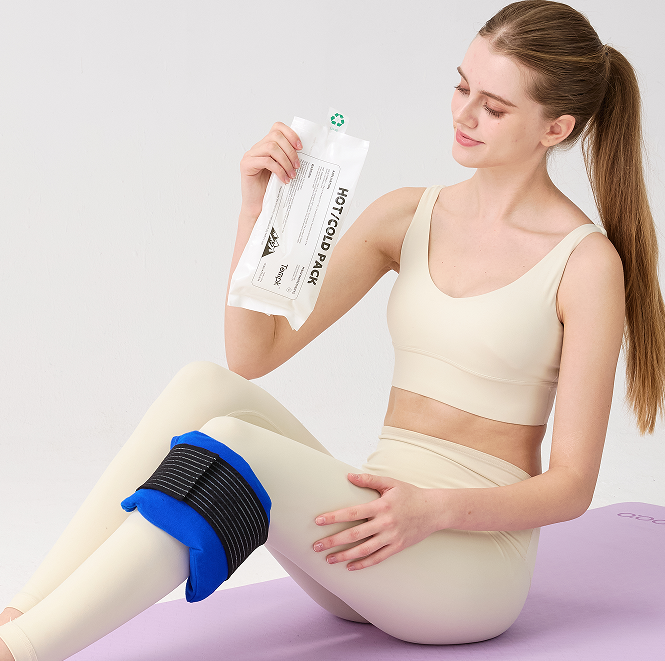
Choosing the Right Gel Ice Wraps for Floral Shipping
If you are evaluating gel ice wraps for floral shipping, the right starting point is to define the shipping problem before you define the pack. In most buying situations, the goal is keeping cut flowers cool and hydrated enough during packing and transit without causing condensation damage, petal burn, or crushed presentation. A good refrigerant format should deliver that protection without unnecessary weight, avoidable mess, or hidden operational complexity.
Flowers are highly sensitive to heat, but they are also easily damaged by poor pack placement. A floral gel wrap must cool gently, fit around stems or bouquet bundles, and avoid creating wet or excessively cold contact near blooms. The most reliable buying decisions come from treating the gel pack as one part of a complete system and then checking whether the supplier can keep that part consistent at scale.
That means looking at temperature target, pack geometry, conditioning method, pack placement, route exposure, and supplier change control together. Once those pieces are clear, it becomes much easier to decide whether a standard gel pouch, a rigid brick, or a PCM-based format is the better fit.
Start with the right definition
A gel ice wrap for floral shipping is a coolant component designed to slow temperature rise or support a defined shipping window inside a larger packout. In practice, it may be a standard gel pouch, a slim insert, a rigid brick, or a phase change format chosen for a more specific target temperature.
It is not the same thing as a fully qualified insulated shipper. The pack helps, but the final result still depends on insulation, product load, ambient exposure, conditioning, and pack placement. Good buying decisions keep that system view in focus from the start.
Thermal behavior and compliance boundaries
Before approving any supplier, make sure the refrigerant strategy actually matches the target shipping window. For this category, that usually means supporting cool floral handling, commonly near low refrigerated temperatures rather than aggressive freezing with a pack that can be conditioned repeatably and loaded the same way by operators on every shift.
It is also important to separate thermal capability from regulatory or quality conclusions. A well-made pack can still be wrong for the route, and a technically suitable pack can still require further packout qualification, monitoring, or documentation before it is used in a sensitive program.
Floral logistics is less regulated than pharmaceutical cold chain, but good handling still depends on temperature control, airflow, and pack placement.
Cooling wraps support freshness; they do not replace broader post-harvest handling and cold-room discipline.
Formats, materials, and temperature strategy
Formats and materials should be judged together because a well-sized pack with the wrong film can still fail, while a durable pack with the wrong geometry can waste space and cold mass.
Floral wraps often favor flexible pouch designs that contour around bundles rather than bulky rigid bricks.
Moderate-temperature coolant or conditioned gel may be preferable to an aggressively frozen pack when blooms are especially cold sensitive.
Outer film softness and condensation behavior can matter as much as thermal mass.
In most sourcing projects, the best sample is the one that balances thermal duty, pack-line ease, and damage resistance at the same time. A pack that excels in only one of those areas often becomes expensive later.
Best-fit applications and operating contexts
The best application fit comes from matching the coolant to the shipment pattern, not from assuming that one successful test can cover every lane. These are the most common use cases buyers evaluate first.
Many companies eventually discover that dual-SKU or seasonal strategies outperform a one-size-fits-all approach, especially when route conditions are variable.
Overnight bouquet shipping for retail and gifting. The aim is gentle, even cooling that supports freshness without creating moisture damage or petal stress.
Wholesale floral box transport from farm to distribution point. The aim is gentle, even cooling that supports freshness without creating moisture damage or petal stress.
Temperature buffering for stem bundles and cut flower assortments. The aim is gentle, even cooling that supports freshness without creating moisture damage or petal stress.
Short-haul protection during warm-season floral dispatch. The aim is gentle, even cooling that supports freshness without creating moisture damage or petal stress.
Practical scenarios and route decisions
Real purchasing decisions improve when the pack is judged in context. The following scenarios capture the questions buyers usually need to resolve.
A bouquet shipper may place a slim conditioned wrap near stems and use insulation to buffer the whole box, rather than laying a frozen pack on top of petals.
For mixed-flower assortments, gentle and even cooling is often better than maximum cold output because different blooms can react differently to direct contact.
During summer promotional peaks, wholesalers often increase pack surface area rather than only increasing pack thickness.
A practical supplier checklist for bulk orders
If the purchase is for manufacturer, supplier, or wholesale use, the most useful shortlist comes from asking operational questions early. That saves time, reduces sample churn, and avoids late-stage surprises.
At minimum, your supplier review should cover internal and external dimensions, usable cold mass, material construction, conditioning method, stackability or storage efficiency, hygiene or cleanability where relevant, labeling and traceability support, and the consistency of sample-to-production output. If the supplier cannot answer those points clearly, the risk of expensive trial-and-error rises quickly.
Ask whether the manufacturer offers long, slim, or wrap-style formats that fit bouquet geometry rather than generic square packs. It is a practical filter for separating capable suppliers from look-alike offers.
Check flexibility after conditioning so the wrap remains usable around bunches and sleeves. It is a practical filter for separating capable suppliers from look-alike offers.
Review condensation behavior and outer-film feel because floral presentation is part of the product value. It is a practical filter for separating capable suppliers from look-alike offers.
Request real-world shipping samples in warm weather, especially if your bouquets move through parcel channels. It is a practical filter for separating capable suppliers from look-alike offers.
Confirm leak resistance and seam integrity because even a small rupture can damage floral paper and branding. It is a practical filter for separating capable suppliers from look-alike offers.
Ask whether color coding or printed handling cues can be added for line-side packing accuracy. It is a practical filter for separating capable suppliers from look-alike offers.
Mistakes that create cost, damage, and excursions
The easiest way to waste money in cold-chain packaging is to correct the wrong problem. Many shipments are overpacked, under-tested, or matched to the wrong refrigerant family. These are the mistakes that matter most.
In practice, better outcomes usually come from tighter specification and simpler operating instructions, not from endlessly adding more cold mass.
Floral cooling packs should not be treated like frozen food coolant. Direct, very cold contact can damage delicate tissue. Good pack design and clear supplier communication should reduce this risk before launch, not after complaints appear.
Condensation matters because wet sleeves, labels, and wraps reduce presentation quality. Good pack design and clear supplier communication should reduce this risk before launch, not after complaints appear.
The best floral wrap depends on stem arrangement, box style, and whether the pack sits near stems or around secondary packaging. Good pack design and clear supplier communication should reduce this risk before launch, not after complaints appear.
Efficiency, sustainability, and total operating cost
Sustainability discussion around gel ice wrap for floral shipping is becoming more practical. Buyers are asking not only what the pack is made from, but also whether the format reduces box size, avoids reshipment, fits return loops, and cuts unnecessary cold mass.
Because floral packaging is presentation driven, buyers increasingly look for formats that reduce excess box size and avoid disposable overpack.
Reusable wraps may work in closed-loop wholesale systems, while one-way packs often make more sense for parcel gifting.
Floral e-commerce has increased demand for flexible, cleaner-looking cooling wraps that preserve bouquet presentation as well as freshness.
FAQ
These short answers cover the questions that most often slow down a sourcing decision.
Can a floral gel wrap touch flower heads directly?
Usually that is not ideal. Most floral packouts place coolant near stems or use buffering layers to avoid cold injury and moisture marks on blooms.
Why use a wrap instead of a block-shaped pack?
Wrap formats can follow bouquet geometry better and provide more even contact near stems without taking as much box space.
Do flowers need the same coolant as frozen food?
No. Floral cooling is usually gentler and more placement-sensitive than frozen food shipping.
Final takeaways
The most effective way to source gel ice wraps for floral shipping is to define the shipment first, then the refrigerant. Once you know the real temperature target, route exposure, packout geometry, and handling method, supplier comparison becomes much more precise.
For floral logistics, strong results usually come from packs that are easy to condition, consistent in size and fill, durable enough for the route, and honest about what they can and cannot do. That combination is usually more valuable than the most aggressive cold claim in the market.
Why sample testing should mirror real operations
Sample review should always move beyond a simple freeze-and-feel test. For floral logistics, the more useful approach is to test the pack in the actual shipper with real product or realistic payload substitutes, using the same conditioning window and loading pattern planned for live operations.
That kind of trial quickly shows whether the format is too bulky, too fragile, too cold at the start, or too inconsistent on the line. It also reveals practical details such as whether the pack interferes with closure, shifts in transit, or creates avoidable condensation at delivery.
When suppliers support this process well, they usually provide clearer conditioning instructions, more stable dimensions, and better alignment between sample material and production material. Those details reduce costly surprises later.
Operational fit matters as much as thermal fit
Operational simplicity is easy to underrate when reviewing cold packs on a conference table, but it becomes critical once the program scales. A pack that requires special tempering steps, awkward staging space, or constant operator judgment may deliver good lab results and still fail commercially.
The best packs are usually easy to store, simple to identify, and straightforward to load in the correct position. They also tolerate reasonable variation in shift pace and warehouse conditions. In high-volume programs, that kind of repeatability often creates more value than chasing marginal gains in cold life.
For this reason, buyers should ask not only whether the pack works, but whether it works cleanly inside their labor model, freezer capacity, and packaging footprint. That question often reshapes the shortlist.
About Tempk
At Tempk, we focus on temperature-controlled packaging and cold-chain shipping materials. Founded in 2011, we offer products such as ice packs, ice bricks, dry ice packs, PCM materials, insulated bags, box liners, cooler boxes, and pallet covers for food and pharmaceutical logistics. We work with customers that need packaging matched to the actual temperature range, transit duration, and handling conditions of the shipment, with customization available when standard formats are not the best fit.
Next step
If you are comparing options for gel ice wrap for floral shipping, ask us about your target temperature, transit duration, packout format, and bulk supply needs. We can help you narrow a practical packaging approach before you commit to a large order.
Choosing the Right Gel Ice Inserts for Beverage Shipping

Choosing the Right Gel Ice Inserts for Beverage Shipping
If you are evaluating gel ice inserts for beverage shipping, the right starting point is to define the shipping problem before you define the pack. In most buying situations, the goal is keeping ready-to-drink products cool through packing, parcel dwell, and customer delivery without wasting space or crushing carton efficiency. A good refrigerant format should deliver that protection without unnecessary weight, avoidable mess, or hidden operational complexity.
For beverages, geometry often matters as much as cold output. An insert that fits neatly beside cans, bottles, or pouches can protect temperature while preserving pack density, presentation, and shipping economics. The most reliable buying decisions come from treating the gel pack as one part of a complete system and then checking whether the supplier can keep that part consistent at scale.
That means looking at temperature target, pack geometry, conditioning method, pack placement, route exposure, and supplier change control together. Once those pieces are clear, it becomes much easier to decide whether a standard gel pouch, a rigid brick, or a PCM-based format is the better fit.
Start with the right definition
A gel ice insert for beverage shipping is a coolant component designed to slow temperature rise or support a defined shipping window inside a larger packout. In practice, it may be a standard gel pouch, a slim insert, a rigid brick, or a phase change format chosen for a more specific target temperature.
It is not the same thing as a fully qualified insulated shipper. The pack helps, but the final result still depends on insulation, product load, ambient exposure, conditioning, and pack placement. Good buying decisions keep that system view in focus from the start.
Thermal behavior and compliance boundaries
Before approving any supplier, make sure the refrigerant strategy actually matches the target shipping window. For this category, that usually means supporting chilled beverage transport, usually cool rather than deep frozen with a pack that can be conditioned repeatably and loaded the same way by operators on every shift.
It is also important to separate thermal capability from regulatory or quality conclusions. A well-made pack can still be wrong for the route, and a technically suitable pack can still require further packout qualification, monitoring, or documentation before it is used in a sensitive program.
Food shippers still need to consider sanitation, loading practices, and temperature control across the full shipping process, not only coolant choice.
If beverages contain dairy, probiotics, or other temperature-sensitive ingredients, your transport target may be narrower than it is for standard soft drinks.
Formats, materials, and temperature strategy
Formats and materials should be judged together because a well-sized pack with the wrong film can still fail, while a durable pack with the wrong geometry can waste space and cold mass.
Many beverage inserts use water-based gel inside PE or laminate films, with tougher constructions selected for heavier glass or rougher parcel handling.
Form factor is critical. A slim insert can cool efficiently without displacing as much product volume as a standard pillow pack.
Some suppliers offer absorbent or sweat-reducing outer constructions to keep labels and unboxing cleaner.
In most sourcing projects, the best sample is the one that balances thermal duty, pack-line ease, and damage resistance at the same time. A pack that excels in only one of those areas often becomes expensive later.
Best-fit applications and operating contexts
The best application fit comes from matching the coolant to the shipment pattern, not from assuming that one successful test can cover every lane. These are the most common use cases buyers evaluate first.
Many companies eventually discover that dual-SKU or seasonal strategies outperform a one-size-fits-all approach, especially when route conditions are variable.
Dtc beverage shipments such as cold brew, kombucha, juice, and functional drinks. The main value is controlled cooling with good carton fit and a clean presentation when the box is opened.
Sample kits and influencer mailers where presentation matters. The main value is controlled cooling with good carton fit and a clean presentation when the box is opened.
Subscription cartons and insulated mailers for chilled drinks. The main value is controlled cooling with good carton fit and a clean presentation when the box is opened.
Short-haul replenishment of temperature-sensitive specialty beverages. The main value is controlled cooling with good carton fit and a clean presentation when the box is opened.
Practical scenarios and route decisions
Real purchasing decisions improve when the pack is judged in context. The following scenarios capture the questions buyers usually need to resolve.
A six-can cold brew shipper may use two thin side inserts instead of one bulky top pack so cans stay stable and presentation remains clean when the box is opened.
For premium glass beverages, buyers often trade a slightly higher pack cost for stronger film and better puncture resistance because one leak can spoil the full order.
Seasonal packouts often change by region. The insert that works in spring may not be the best fit for peak summer parcel dwell.
A practical supplier checklist for bulk orders
If the purchase is for manufacturer, supplier, or wholesale use, the most useful shortlist comes from asking operational questions early. That saves time, reduces sample churn, and avoids late-stage surprises.
At minimum, your supplier review should cover internal and external dimensions, usable cold mass, material construction, conditioning method, stackability or storage efficiency, hygiene or cleanability where relevant, labeling and traceability support, and the consistency of sample-to-production output. If the supplier cannot answer those points clearly, the risk of expensive trial-and-error rises quickly.
Ask whether the manufacturer can produce slim, side-wall, top-pad, or wraparound shapes that match your primary pack pattern. It is a practical filter for separating capable suppliers from look-alike offers.
Check fill consistency and overall thickness because small dimensional changes can affect carton closure and label appearance. It is a practical filter for separating capable suppliers from look-alike offers.
Review no-sweat or condensation-managing options if shelf presentation on delivery matters. It is a practical filter for separating capable suppliers from look-alike offers.
Confirm puncture resistance for glass bottle shipments and corner loads. It is a practical filter for separating capable suppliers from look-alike offers.
Ask about private label, color coding, lot marking, and case-pack options if the insert is part of a branded shipping program. It is a practical filter for separating capable suppliers from look-alike offers.
Request sample runs that reflect the same film and fill settings planned for full production. It is a practical filter for separating capable suppliers from look-alike offers.
Mistakes that create cost, damage, and excursions
The easiest way to waste money in cold-chain packaging is to correct the wrong problem. Many shipments are overpacked, under-tested, or matched to the wrong refrigerant family. These are the mistakes that matter most.
In practice, better outcomes usually come from tighter specification and simpler operating instructions, not from endlessly adding more cold mass.
A beverage gel insert is only one part of the packout. Carton size, insulated liner, dwell time, and loading pattern still control real performance. Good pack design and clear supplier communication should reduce this risk before launch, not after complaints appear.
Not every beverage needs the same target temperature. Some products need chilled protection, while others mainly need defense against summer heat spikes. Good pack design and clear supplier communication should reduce this risk before launch, not after complaints appear.
Too much coolant can raise freight cost, reduce sellable product space, and create an over-cold packout for sensitive beverages. Good pack design and clear supplier communication should reduce this risk before launch, not after complaints appear.
Efficiency, sustainability, and total operating cost
Sustainability discussion around gel ice insert for beverage shipping is becoming more practical. Buyers are asking not only what the pack is made from, but also whether the format reduces box size, avoids reshipment, fits return loops, and cuts unnecessary cold mass.
Lighter inserts can reduce dimensional waste and parcel weight when they are truly matched to the carton.
Some brands now prefer recyclable film structures, higher PCR content, or returnable cold packs for local loops, but the best option depends on route economics.
Reducing damaged labels, leaking packs, and oversize cartons is often the fastest sustainability win.
Chilled beverage e-commerce has pushed demand toward slimmer formats, cleaner presentation, and better-fit inserts that waste less box space.
FAQ
These short answers cover the questions that most often slow down a sourcing decision.
Why choose an insert instead of a standard pillow pack?
An insert can match bottle or can geometry better, preserve more sellable space, and improve pack stability in narrow beverage cartons.
Do no-sweat inserts really matter for beverages?
They often do when labels, cartons, or premium presentation are part of the customer experience.
Should every beverage box use the same coolant weight year-round?
Usually not. Ambient exposure, product starting temperature, and transit duration often justify seasonal adjustments.
Final takeaways
The most effective way to source gel ice inserts for beverage shipping is to define the shipment first, then the refrigerant. Once you know the real temperature target, route exposure, packout geometry, and handling method, supplier comparison becomes much more precise.
For beverages, strong results usually come from packs that are easy to condition, consistent in size and fill, durable enough for the route, and honest about what they can and cannot do. That combination is usually more valuable than the most aggressive cold claim in the market.
Why sample testing should mirror real operations
Sample review should always move beyond a simple freeze-and-feel test. For beverages, the more useful approach is to test the pack in the actual shipper with real product or realistic payload substitutes, using the same conditioning window and loading pattern planned for live operations.
That kind of trial quickly shows whether the format is too bulky, too fragile, too cold at the start, or too inconsistent on the line. It also reveals practical details such as whether the pack interferes with closure, shifts in transit, or creates avoidable condensation at delivery.
When suppliers support this process well, they usually provide clearer conditioning instructions, more stable dimensions, and better alignment between sample material and production material. Those details reduce costly surprises later.
Operational fit matters as much as thermal fit
Operational simplicity is easy to underrate when reviewing cold packs on a conference table, but it becomes critical once the program scales. A pack that requires special tempering steps, awkward staging space, or constant operator judgment may deliver good lab results and still fail commercially.
The best packs are usually easy to store, simple to identify, and straightforward to load in the correct position. They also tolerate reasonable variation in shift pace and warehouse conditions. In high-volume programs, that kind of repeatability often creates more value than chasing marginal gains in cold life.
For this reason, buyers should ask not only whether the pack works, but whether it works cleanly inside their labor model, freezer capacity, and packaging footprint. That question often reshapes the shortlist.
About Tempk
At Tempk, we focus on temperature-controlled packaging and cold-chain shipping materials. Founded in 2011, we offer products such as ice packs, ice bricks, dry ice packs, PCM materials, insulated bags, box liners, cooler boxes, and pallet covers for food and pharmaceutical logistics. We work with customers that need packaging matched to the actual temperature range, transit duration, and handling conditions of the shipment, with customization available when standard formats are not the best fit.
Next step
If you are comparing options for gel ice insert for beverage shipping, ask us about your target temperature, transit duration, packout format, and bulk supply needs. We can help you narrow a practical packaging approach before you commit to a large order.
Choosing the Right Gel Freezer Packs for Cosmetics Shipping
Choosing the Right Gel Freezer Packs for Cosmetics Shipping
If you are evaluating gel freezer packs for cosmetics shipping, the right starting point is to define the shipping problem before you define the pack. In most buying situations, the goal is reducing heat exposure that can destabilize sensitive cosmetic formulas while keeping the unboxing experience clean and commercially acceptable. A good refrigerant format should deliver that protection without unnecessary weight, avoidable mess, or hidden operational complexity.
Cosmetics are not all true cold-chain products, but many formulas suffer from summer heat, prolonged parcel dwell, or temperature spikes that can separate emulsions, soften balms, distort sticks, or stress active ingredients. A freezer pack can help only when its temperature, placement, and condensation behavior match the formula. The most reliable buying decisions come from treating the gel pack as one part of a complete system and then checking whether the supplier can keep that part consistent at scale.
That means looking at temperature target, pack geometry, conditioning method, pack placement, route exposure, and supplier change control together. Once those pieces are clear, it becomes much easier to decide whether a standard gel pouch, a rigid brick, or a PCM-based format is the better fit.
Start with the right definition
A gel freezer pack for cosmetics shipping is a coolant component designed to slow temperature rise or support a defined shipping window inside a larger packout. In practice, it may be a standard gel pouch, a slim insert, a rigid brick, or a phase change format chosen for a more specific target temperature.
It is not the same thing as a fully qualified insulated shipper. The pack helps, but the final result still depends on insulation, product load, ambient exposure, conditioning, and pack placement. Good buying decisions keep that system view in focus from the start.
Thermal behavior and compliance boundaries
Before approving any supplier, make sure the refrigerant strategy actually matches the target shipping window. For this category, that usually means supporting heat protection or chilled transit depending on product sensitivity, often with caution against over-cooling with a pack that can be conditioned repeatably and loaded the same way by operators on every shift.
It is also important to separate thermal capability from regulatory or quality conclusions. A well-made pack can still be wrong for the route, and a technically suitable pack can still require further packout qualification, monitoring, or documentation before it is used in a sensitive program.
Cosmetics rarely need the same regulated cold-chain controls as vaccines or clinical samples, but brands still need a realistic temperature protection strategy for the actual shipping lane.
Claims about product stability should come from the cosmetic brand or formula owner, not from the coolant supplier alone.
Formats, materials, and temperature strategy
Formats and materials should be judged together because a well-sized pack with the wrong film can still fail, while a durable pack with the wrong geometry can waste space and cold mass.
Many cosmetic shipments use water-based gel packs because they are familiar, easy to condition, and available in slim pouch formats.
For freeze-sensitive formulas, a PCM pack that changes phase above 0 C may be more appropriate than a standard hard-frozen gel pack.
Film choice affects feel, puncture resistance, and whether the cold pack looks premium or purely industrial.
In most sourcing projects, the best sample is the one that balances thermal duty, pack-line ease, and damage resistance at the same time. A pack that excels in only one of those areas often becomes expensive later.
Best-fit applications and operating contexts
The best application fit comes from matching the coolant to the shipment pattern, not from assuming that one successful test can cover every lane. These are the most common use cases buyers evaluate first.
Many companies eventually discover that dual-SKU or seasonal strategies outperform a one-size-fits-all approach, especially when route conditions are variable.
Summer parcel protection for serums, creams, masks, and beauty tools. Here the pack is usually buffering heat risk and presentation risk at the same time, not acting as a heavy-duty pharmaceutical coolant.
Temperature-sensitive skin care lines with active ingredients or lower heat tolerance. Here the pack is usually buffering heat risk and presentation risk at the same time, not acting as a heavy-duty pharmaceutical coolant.
Subscription boxes and influencer kits where package appearance matters. Here the pack is usually buffering heat risk and presentation risk at the same time, not acting as a heavy-duty pharmaceutical coolant.
Regional fulfillment of premium cosmetics that cannot tolerate melt, leakage, or texture change. Here the pack is usually buffering heat risk and presentation risk at the same time, not acting as a heavy-duty pharmaceutical coolant.
Practical scenarios and route decisions
Real purchasing decisions improve when the pack is judged in context. The following scenarios capture the questions buyers usually need to resolve.
A vitamin C serum mailer may need only short-duration heat buffering in summer, not an aggressively frozen pack that chills the glass bottle far below the formula comfort zone.
A wax-based balm assortment can survive mild temperature swings but still arrive distorted if the box sits in a hot van. In that case, modest coolant plus good insulation can be more effective than oversized gel mass.
Many beauty brands split packouts by season rather than treating cosmetics as either ambient or full cold chain.
A practical supplier checklist for bulk orders
If the purchase is for manufacturer, supplier, or wholesale use, the most useful shortlist comes from asking operational questions early. That saves time, reduces sample churn, and avoids late-stage surprises.
At minimum, your supplier review should cover internal and external dimensions, usable cold mass, material construction, conditioning method, stackability or storage efficiency, hygiene or cleanability where relevant, labeling and traceability support, and the consistency of sample-to-production output. If the supplier cannot answer those points clearly, the risk of expensive trial-and-error rises quickly.
Ask whether the manufacturer offers softer cold packs, PCM-style packs, or no-sweat options better suited to cosmetics than a hard-frozen standard pack. It is a practical filter for separating capable suppliers from look-alike offers.
Check film clarity, seam quality, and leak resistance because cosmetic packaging is highly sensitive to presentation defects. It is a practical filter for separating capable suppliers from look-alike offers.
Review thickness and flexibility so the pack works inside premium cartons without distorting inserts or causing closure problems. It is a practical filter for separating capable suppliers from look-alike offers.
Request seasonal test samples using your real product load, not only an empty carton. It is a practical filter for separating capable suppliers from look-alike offers.
Confirm whether the supplier can support private labeling, custom sizes, or color choices that fit branded unboxing programs. It is a practical filter for separating capable suppliers from look-alike offers.
Ask how pack conditioning should change between mild and high-heat seasons. It is a practical filter for separating capable suppliers from look-alike offers.
Mistakes that create cost, damage, and excursions
The easiest way to waste money in cold-chain packaging is to correct the wrong problem. Many shipments are overpacked, under-tested, or matched to the wrong refrigerant family. These are the mistakes that matter most.
In practice, better outcomes usually come from tighter specification and simpler operating instructions, not from endlessly adding more cold mass.
A very cold pack can be the wrong choice for emulsions or formulas that should be kept cool but not exposed to freezing surfaces. Good pack design and clear supplier communication should reduce this risk before launch, not after complaints appear.
Condensation control matters because damp cartons and labels can damage brand presentation. Good pack design and clear supplier communication should reduce this risk before launch, not after complaints appear.
The right solution varies by formula, pack size, and lane. Many cosmetics need heat buffering rather than aggressive refrigeration. Good pack design and clear supplier communication should reduce this risk before launch, not after complaints appear.
Efficiency, sustainability, and total operating cost
Sustainability discussion around gel freezer pack for cosmetics shipping is becoming more practical. Buyers are asking not only what the pack is made from, but also whether the format reduces box size, avoids reshipment, fits return loops, and cuts unnecessary cold mass.
Because beauty packaging is design driven, some brands prefer slimmer coolant, reduced box size, and reusable inserts over simply adding more cold mass.
Recyclability and recycled content are growing evaluation points, especially when they do not compromise appearance or leak resistance.
Beauty e-commerce has increased demand for cleaner-looking, lower-condensation coolant formats that protect appearance as well as product integrity.
FAQ
These short answers cover the questions that most often slow down a sourcing decision.
Do cosmetics always need freezer packs in summer?
No. Many need heat buffering rather than deep cooling. The right answer depends on formula sensitivity, transit time, and packaging design.
Can a colder pack damage cosmetics?
Yes. Some emulsions, masks, and active-rich products can suffer from over-cooling or direct contact with frozen surfaces.
What is the biggest sourcing mistake for cosmetic cold packs?
Using a generic pack without testing condensation, presentation, and actual formula response in the finished packout.
Final takeaways
The most effective way to source gel freezer packs for cosmetics shipping is to define the shipment first, then the refrigerant. Once you know the real temperature target, route exposure, packout geometry, and handling method, supplier comparison becomes much more precise.
For cosmetics, strong results usually come from packs that are easy to condition, consistent in size and fill, durable enough for the route, and honest about what they can and cannot do. That combination is usually more valuable than the most aggressive cold claim in the market.
Why sample testing should mirror real operations
Sample review should always move beyond a simple freeze-and-feel test. For cosmetics, the more useful approach is to test the pack in the actual shipper with real product or realistic payload substitutes, using the same conditioning window and loading pattern planned for live operations.
That kind of trial quickly shows whether the format is too bulky, too fragile, too cold at the start, or too inconsistent on the line. It also reveals practical details such as whether the pack interferes with closure, shifts in transit, or creates avoidable condensation at delivery.
When suppliers support this process well, they usually provide clearer conditioning instructions, more stable dimensions, and better alignment between sample material and production material. Those details reduce costly surprises later.
About Tempk
At Tempk, we focus on temperature-controlled packaging and cold-chain shipping materials. Founded in 2011, we offer products such as ice packs, ice bricks, dry ice packs, PCM materials, insulated bags, box liners, cooler boxes, and pallet covers for food and pharmaceutical logistics. We work with customers that need packaging matched to the actual temperature range, transit duration, and handling conditions of the shipment, with customization available when standard formats are not the best fit.
Next step
If you are comparing options for gel freezer pack for cosmetics shipping, ask us about your target temperature, transit duration, packout format, and bulk supply needs. We can help you narrow a practical packaging approach before you commit to a large order.
Choosing the Right Gel Cold Accumulators for Meal Kit Delivery

Choosing the Right Gel Cold Accumulators for Meal Kit Delivery
If you are evaluating gel cold accumulators for meal kit delivery, the right starting point is to define the shipping problem before you define the pack. In most buying situations, the goal is keeping proteins, dairy, sauces, and produce in a safe chilled range through packout, parcel movement, and home delivery without making the box too heavy or messy. A good refrigerant format should deliver that protection without unnecessary weight, avoidable mess, or hidden operational complexity.
Meal kits do not fail only because they get warm. They also fail when boxes arrive soaked, when proteins shift inside the carton, or when the coolant layout cools one component well but leaves another exposed. A good cold accumulator works as part of a balanced food packout. The most reliable buying decisions come from treating the gel pack as one part of a complete system and then checking whether the supplier can keep that part consistent at scale.
That means looking at temperature target, pack geometry, conditioning method, pack placement, route exposure, and supplier change control together. Once those pieces are clear, it becomes much easier to decide whether a standard gel pouch, a rigid brick, or a PCM-based format is the better fit.
Start with the right definition
A gel cold accumulator for meal kit shipping is a coolant component designed to slow temperature rise or support a defined shipping window inside a larger packout. In practice, it may be a standard gel pouch, a slim insert, a rigid brick, or a phase change format chosen for a more specific target temperature.
It is not the same thing as a fully qualified insulated shipper. The pack helps, but the final result still depends on insulation, product load, ambient exposure, conditioning, and pack placement. Good buying decisions keep that system view in focus from the start.
Thermal behavior and compliance boundaries
Before approving any supplier, make sure the refrigerant strategy actually matches the target shipping window. For this category, that usually means supporting chilled food transport with attention to doorstep exposure and mixed ingredient sensitivity with a pack that can be conditioned repeatably and loaded the same way by operators on every shift.
It is also important to separate thermal capability from regulatory or quality conclusions. A well-made pack can still be wrong for the route, and a technically suitable pack can still require further packout qualification, monitoring, or documentation before it is used in a sensitive program.
Food transport programs should evaluate temperature control, sanitation, loading, and handling as a system, not treat coolant as a standalone safety solution.
The required temperature window varies by ingredient. Seafood, raw proteins, dairy, and produce do not always respond the same way to the same packout.
Formats, materials, and temperature strategy
Formats and materials should be judged together because a well-sized pack with the wrong film can still fail, while a durable pack with the wrong geometry can waste space and cold mass.
Meal kit cold accumulators are commonly water-based gel packs in flexible pouches, but some operators evaluate PCM or specialty formats when products are freeze sensitive.
Film strength matters because cartons may contain hard corners, frozen proteins, and significant compression during parcel handling.
Some food programs prefer packs that minimize surface sweat to reduce mess at delivery.
In most sourcing projects, the best sample is the one that balances thermal duty, pack-line ease, and damage resistance at the same time. A pack that excels in only one of those areas often becomes expensive later.
Best-fit applications and operating contexts
The best application fit comes from matching the coolant to the shipment pattern, not from assuming that one successful test can cover every lane. These are the most common use cases buyers evaluate first.
Many companies eventually discover that dual-SKU or seasonal strategies outperform a one-size-fits-all approach, especially when route conditions are variable.
Weekly subscription meal kit boxes with mixed ingredients. The packout needs to cool the full payload, not only the heaviest item, while still working on a fast fulfillment line.
Protein-forward kits that need stronger bottom cooling. The packout needs to cool the full payload, not only the heaviest item, while still working on a fast fulfillment line.
Regional next-day food delivery and insulated doorstep service. The packout needs to cool the full payload, not only the heaviest item, while still working on a fast fulfillment line.
Specialty chilled products such as sauces, dairy, and prepared meals. The packout needs to cool the full payload, not only the heaviest item, while still working on a fast fulfillment line.
Practical scenarios and route decisions
Real purchasing decisions improve when the pack is judged in context. The following scenarios capture the questions buyers usually need to resolve.
A protein-heavy box may need more bottom cooling because thawing risk is highest at the base, while a produce-forward box may do better with side or top buffering to avoid pressure damage.
Some operators run a lighter spring packout and a heavier summer packout rather than forcing one setup across the entire year.
When brands add premium printed inserts, they often switch to lower-condensation packs to protect presentation.
A practical supplier checklist for bulk orders
If the purchase is for manufacturer, supplier, or wholesale use, the most useful shortlist comes from asking operational questions early. That saves time, reduces sample churn, and avoids late-stage surprises.
At minimum, your supplier review should cover internal and external dimensions, usable cold mass, material construction, conditioning method, stackability or storage efficiency, hygiene or cleanability where relevant, labeling and traceability support, and the consistency of sample-to-production output. If the supplier cannot answer those points clearly, the risk of expensive trial-and-error rises quickly.
Ask the supplier whether they can recommend pack shapes for top, side, or bottom placement based on meal kit geometry. It is a practical filter for separating capable suppliers from look-alike offers.
Review leak resistance and seam quality carefully because food boxes are especially sensitive to coolant failures. It is a practical filter for separating capable suppliers from look-alike offers.
Check no-sweat or condensation-management options if branded paper inserts or recipe cards are included. It is a practical filter for separating capable suppliers from look-alike offers.
Confirm storage, freezing, and line-side conditioning instructions so fulfillment workers can load boxes consistently. It is a practical filter for separating capable suppliers from look-alike offers.
Request seasonal test support that reflects actual product mix, not only water bottles or gel dummies. It is a practical filter for separating capable suppliers from look-alike offers.
Ask about pallet efficiency, case count, and replenishment lead time because meal kit volume swings can be sharp. It is a practical filter for separating capable suppliers from look-alike offers.
Mistakes that create cost, damage, and excursions
The easiest way to waste money in cold-chain packaging is to correct the wrong problem. Many shipments are overpacked, under-tested, or matched to the wrong refrigerant family. These are the mistakes that matter most.
In practice, better outcomes usually come from tighter specification and simpler operating instructions, not from endlessly adding more cold mass.
A higher coolant weight does not automatically mean a better meal kit packout if product spacing and liner choice are wrong. Good pack design and clear supplier communication should reduce this risk before launch, not after complaints appear.
Doorstep dwell and warm final-mile vehicles can dominate pack performance even when line-haul conditions are reasonable. Good pack design and clear supplier communication should reduce this risk before launch, not after complaints appear.
Flexible food loads require a pack design that considers proteins, produce, and sauces separately, not as one average payload. Good pack design and clear supplier communication should reduce this risk before launch, not after complaints appear.
Efficiency, sustainability, and total operating cost
Sustainability discussion around gel cold accumulator for meal kit shipping is becoming more practical. Buyers are asking not only what the pack is made from, but also whether the format reduces box size, avoids reshipment, fits return loops, and cuts unnecessary cold mass.
Meal kit operators increasingly measure cold pack decisions by total shipped weight, delivered damage rate, and customer disposal burden.
Right-sized packs and better carton fit can reduce waste more effectively than simply switching materials without redesigning the packout.
Meal kit logistics continues to favor better-fit packs, lower mess, and operational simplicity over generic cold packs that only look strong on paper.
FAQ
These short answers cover the questions that most often slow down a sourcing decision.
What is a cold accumulator in a meal kit packout?
It is the refrigerant component that stores cold energy and releases it during shipment, usually inside an insulated meal kit box.
Are all meal kits suited to the same gel pack?
No. Protein-heavy, produce-heavy, and prepared-meal kits often need different placement, weights, or pack formats.
What is the most useful supplier test for meal kit buyers?
A test using real product mix, true packout geometry, and realistic summer exposure is usually more valuable than a generic lab setup.
Final takeaways
The most effective way to source gel cold accumulators for meal kit delivery is to define the shipment first, then the refrigerant. Once you know the real temperature target, route exposure, packout geometry, and handling method, supplier comparison becomes much more precise.
For meal kits, strong results usually come from packs that are easy to condition, consistent in size and fill, durable enough for the route, and honest about what they can and cannot do. That combination is usually more valuable than the most aggressive cold claim in the market.
Why sample testing should mirror real operations
Sample review should always move beyond a simple freeze-and-feel test. For meal kits, the more useful approach is to test the pack in the actual shipper with real product or realistic payload substitutes, using the same conditioning window and loading pattern planned for live operations.
That kind of trial quickly shows whether the format is too bulky, too fragile, too cold at the start, or too inconsistent on the line. It also reveals practical details such as whether the pack interferes with closure, shifts in transit, or creates avoidable condensation at delivery.
When suppliers support this process well, they usually provide clearer conditioning instructions, more stable dimensions, and better alignment between sample material and production material. Those details reduce costly surprises later.
Operational fit matters as much as thermal fit
Operational simplicity is easy to underrate when reviewing cold packs on a conference table, but it becomes critical once the program scales. A pack that requires special tempering steps, awkward staging space, or constant operator judgment may deliver good lab results and still fail commercially.
The best packs are usually easy to store, simple to identify, and straightforward to load in the correct position. They also tolerate reasonable variation in shift pace and warehouse conditions. In high-volume programs, that kind of repeatability often creates more value than chasing marginal gains in cold life.
For this reason, buyers should ask not only whether the pack works, but whether it works cleanly inside their labor model, freezer capacity, and packaging footprint. That question often reshapes the shortlist.
About Tempk
At Tempk, we focus on temperature-controlled packaging and cold-chain shipping materials. Founded in 2011, we offer products such as ice packs, ice bricks, dry ice packs, PCM materials, insulated bags, box liners, cooler boxes, and pallet covers for food and pharmaceutical logistics. We work with customers that need packaging matched to the actual temperature range, transit duration, and handling conditions of the shipment, with customization available when standard formats are not the best fit.
Next step
If you are comparing options for gel cold accumulator for meal kit shipping, ask us about your target temperature, transit duration, packout format, and bulk supply needs. We can help you narrow a practical packaging approach before you commit to a large order.
Choosing the Right Cold Chain Gel Packs for Vaccine Shipping
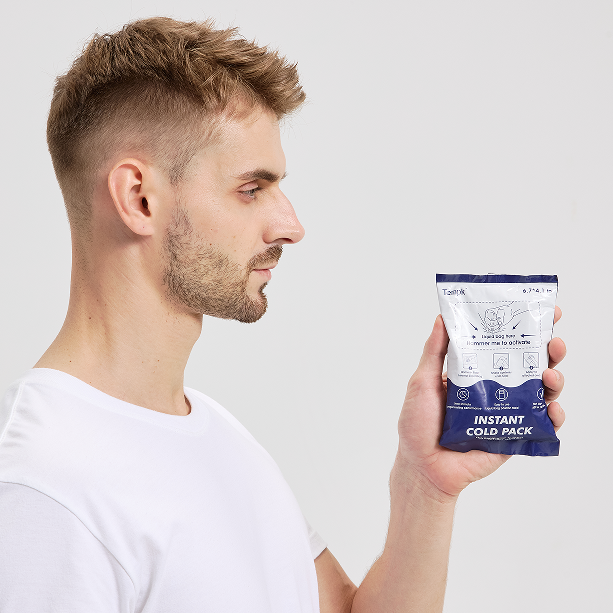
Choosing the Right Cold Chain Gel Packs for Vaccine Shipping
If you are evaluating cold chain gel packs for vaccine shipping, the right starting point is to define the shipping problem before you define the pack. In most buying situations, the goal is keeping refrigerated vaccines inside their required temperature band during handling, short transport, and last-mile transfer without exposing vials to freeze damage. A good refrigerant format should deliver that protection without unnecessary weight, avoidable mess, or hidden operational complexity.
A vaccine gel pack is not a complete shipping system, yet it strongly influences whether a qualified insulated shipper performs as intended. Freeze-sensitive products can be damaged if hard-frozen coolant sits too close to cartons or trays, so pack design and conditioning discipline matter as much as nominal cold life. The most reliable buying decisions come from treating the gel pack as one part of a complete system and then checking whether the supplier can keep that part consistent at scale.
That means looking at temperature target, pack geometry, conditioning method, pack placement, route exposure, and supplier change control together. Once those pieces are clear, it becomes much easier to decide whether a standard gel pouch, a rigid brick, or a PCM-based format is the better fit.
Start with the right definition
A cold chain gel pack for vaccine shipments is a coolant component designed to slow temperature rise or support a defined shipping window inside a larger packout. In practice, it may be a standard gel pouch, a slim insert, a rigid brick, or a phase change format chosen for a more specific target temperature.
It is not the same thing as a fully qualified insulated shipper. The pack helps, but the final result still depends on insulation, product load, ambient exposure, conditioning, and pack placement. Good buying decisions keep that system view in focus from the start.
Thermal behavior and compliance boundaries
Before approving any supplier, make sure the refrigerant strategy actually matches the target shipping window. For this category, that usually means supporting refrigerated, often around 2-8 C, with strong protection against accidental freezing with a pack that can be conditioned repeatably and loaded the same way by operators on every shift.
It is also important to separate thermal capability from regulatory or quality conclusions. A well-made pack can still be wrong for the route, and a technically suitable pack can still require further packout qualification, monitoring, or documentation before it is used in a sensitive program.
Public vaccine handling guidance stresses the use of qualified containers and properly conditioned coolant during transport.
For refrigerated vaccines, packout design should prevent direct contact between freeze-sensitive product and excessively cold coolant surfaces.
Monitoring practices, route qualification, and receiving inspection still matter even when the coolant itself is well designed.
Formats, materials, and temperature strategy
Formats and materials should be judged together because a well-sized pack with the wrong film can still fail, while a durable pack with the wrong geometry can waste space and cold mass.
Most refrigerated gel packs use a water-based fill thickened with polymer or cellulose-based agents so the coolant remains flexible and leak tolerant rather than behaving like loose water.
Some vaccine packouts benefit from PCM packs designed to change phase above 0 C, which can reduce freeze risk for products that must stay refrigerated but not frozen.
Outer films often use polyethylene or tougher laminate structures when puncture resistance and repeated handling matter.
In most sourcing projects, the best sample is the one that balances thermal duty, pack-line ease, and damage resistance at the same time. A pack that excels in only one of those areas often becomes expensive later.
Best-fit applications and operating contexts
The best application fit comes from matching the coolant to the shipment pattern, not from assuming that one successful test can cover every lane. These are the most common use cases buyers evaluate first.
Many companies eventually discover that dual-SKU or seasonal strategies outperform a one-size-fits-all approach, especially when route conditions are variable.
Clinic replenishment and hub-to-site transfers for refrigerated vaccines. In these shipments, repeatable conditioning and pack placement usually matter more than simply maximizing cold mass.
Backup transport during temporary storage disruption or maintenance windows. In these shipments, repeatable conditioning and pack placement usually matter more than simply maximizing cold mass.
Regional distribution in insulated boxes, totes, or parcel shippers. In these shipments, repeatable conditioning and pack placement usually matter more than simply maximizing cold mass.
Temperature-controlled transport of ancillary biologic products that move in the same refrigerated range. In these shipments, repeatable conditioning and pack placement usually matter more than simply maximizing cold mass.
Practical scenarios and route decisions
Real purchasing decisions improve when the pack is judged in context. The following scenarios capture the questions buyers usually need to resolve.
In practice, a regional vaccine lane may use a 5 C PCM-style coolant around an insulated carton so cartons stay buffered during loading and handoff without sitting against a frozen surface.
During a short clinic transfer, teams often care less about maximum cold life on paper and more about repeatable conditioning, pack placement, and receiving checks.
When programs expand to mixed seasonal routes, buyers usually qualify more than one packout rather than forcing the same coolant mass into every lane.
A practical supplier checklist for bulk orders
If the purchase is for manufacturer, supplier, or wholesale use, the most useful shortlist comes from asking operational questions early. That saves time, reduces sample churn, and avoids late-stage surprises.
At minimum, your supplier review should cover internal and external dimensions, usable cold mass, material construction, conditioning method, stackability or storage efficiency, hygiene or cleanability where relevant, labeling and traceability support, and the consistency of sample-to-production output. If the supplier cannot answer those points clearly, the risk of expensive trial-and-error rises quickly.
Ask whether the manufacturer offers standard water-based gel, engineered PCM options around 5 C, or both. It is a practical filter for separating capable suppliers from look-alike offers.
Check film construction, puncture resistance, seam quality, and leak testing because small failures can ruin an entire vaccine packout. It is a practical filter for separating capable suppliers from look-alike offers.
Request conditioning instructions that operators can follow consistently at distribution centers and clinics. It is a practical filter for separating capable suppliers from look-alike offers.
Review size tolerances, weight tolerances, and lot traceability so thermal performance does not drift from batch to batch. It is a practical filter for separating capable suppliers from look-alike offers.
Confirm whether the supplier supports packout development, temperature mapping, or data logger placement guidance. It is a practical filter for separating capable suppliers from look-alike offers.
Ask how formula changes, resin substitutions, or plant changes are controlled and communicated. It is a practical filter for separating capable suppliers from look-alike offers.
Mistakes that create cost, damage, and excursions
The easiest way to waste money in cold-chain packaging is to correct the wrong problem. Many shipments are overpacked, under-tested, or matched to the wrong refrigerant family. These are the mistakes that matter most.
In practice, better outcomes usually come from tighter specification and simpler operating instructions, not from endlessly adding more cold mass.
A gel pack by itself does not make a packout compliant, qualified, or suitable for every vaccine lane. Good pack design and clear supplier communication should reduce this risk before launch, not after complaints appear.
Frozen coolant can create localized cold spots and freeze-sensitive vaccines if pack spacing and conditioning are poorly controlled. Good pack design and clear supplier communication should reduce this risk before launch, not after complaints appear.
Product, route, ambient exposure, and shipper geometry all change performance, so one pack format rarely fits every lane. Good pack design and clear supplier communication should reduce this risk before launch, not after complaints appear.
Reusable coolant may be practical in closed loops, but hygiene, inspection, and conditioning control must be managed. Good pack design and clear supplier communication should reduce this risk before launch, not after complaints appear.
Efficiency, sustainability, and total operating cost
Sustainability discussion around cold chain gel pack for vaccine shipments is becoming more practical. Buyers are asking not only what the pack is made from, but also whether the format reduces box size, avoids reshipment, fits return loops, and cuts unnecessary cold mass.
Many buyers now compare one-way coolant against reusable options only after confirming route control, return logistics, and sanitation feasibility.
Material reduction, better cube utilization, and fewer damaged shipments often matter more than headline sustainability claims.
Some suppliers now offer recyclable or higher-recycled-content films, but operational fit usually comes first in vaccine logistics.
Across refrigerated biopharma shipping, buyers increasingly ask for better freeze protection, clearer conditioning SOPs, and tighter change control from coolant manufacturers.
FAQ
These short answers cover the questions that most often slow down a sourcing decision.
Can a standard frozen gel pack be used for refrigerated vaccines?
Not always. Many refrigerated vaccine packouts need conditioned coolant or PCM that reduces freeze risk, plus a layout that prevents direct cold shock.
Is a gel pack enough to qualify a vaccine shipper?
No. Qualification depends on the full system: insulated container, refrigerant layout, loading method, route profile, and monitoring plan.
What matters most when changing vaccine gel pack suppliers?
The biggest risks are changes in formula, fill weight, dimensions, and film quality because they can shift thermal performance and packout repeatability.
Final takeaways
The most effective way to source cold chain gel packs for vaccine shipping is to define the shipment first, then the refrigerant. Once you know the real temperature target, route exposure, packout geometry, and handling method, supplier comparison becomes much more precise.
For vaccines, strong results usually come from packs that are easy to condition, consistent in size and fill, durable enough for the route, and honest about what they can and cannot do. That combination is usually more valuable than the most aggressive cold claim in the market.
Why sample testing should mirror real operations
Sample review should always move beyond a simple freeze-and-feel test. For vaccines, the more useful approach is to test the pack in the actual shipper with real product or realistic payload substitutes, using the same conditioning window and loading pattern planned for live operations.
That kind of trial quickly shows whether the format is too bulky, too fragile, too cold at the start, or too inconsistent on the line. It also reveals practical details such as whether the pack interferes with closure, shifts in transit, or creates avoidable condensation at delivery.
When suppliers support this process well, they usually provide clearer conditioning instructions, more stable dimensions, and better alignment between sample material and production material. Those details reduce costly surprises later.
About Tempk
At Tempk, we focus on temperature-controlled packaging and cold-chain shipping materials. Founded in 2011, we offer products such as ice packs, ice bricks, dry ice packs, PCM materials, insulated bags, box liners, cooler boxes, and pallet covers for food and pharmaceutical logistics. We work with customers that need packaging matched to the actual temperature range, transit duration, and handling conditions of the shipment, with customization available when standard formats are not the best fit.
Next step
If you are comparing options for cold chain gel pack for vaccine shipments, ask us about your target temperature, transit duration, packout format, and bulk supply needs. We can help you narrow a practical packaging approach before you commit to a large order.
Choosing the Right Cold Chain Gel Packs for Beverage Distribution
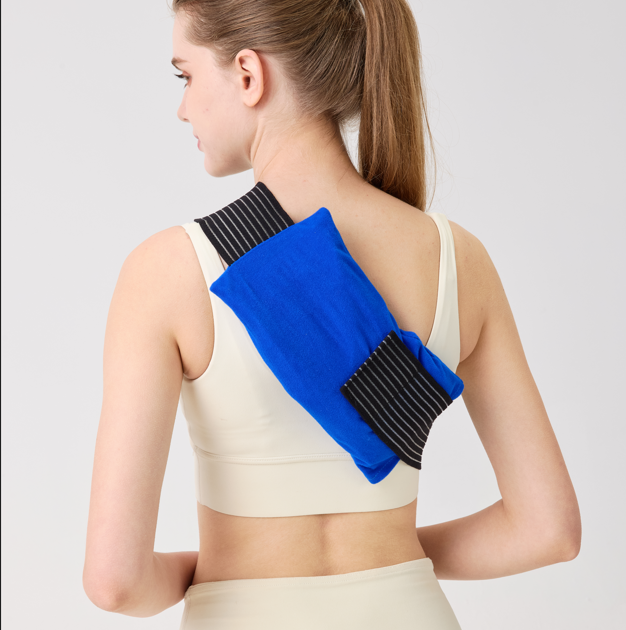
Choosing the Right Cold Chain Gel Packs for Beverage Distribution
If you are evaluating cold chain gel packs for beverage distribution, the right starting point is to define the shipping problem before you define the pack. In most buying situations, the goal is protecting drink temperature and product presentation while controlling parcel weight, carton space, and route-to-route variability. A good refrigerant format should deliver that protection without unnecessary weight, avoidable mess, or hidden operational complexity.
A beverage supplier choice affects more than cold life. It changes carton fit, label appearance, leakage risk, seasonal packout strategy, and how efficiently a fulfillment line can scale. The most reliable buying decisions come from treating the gel pack as one part of a complete system and then checking whether the supplier can keep that part consistent at scale.
That means looking at temperature target, pack geometry, conditioning method, pack placement, route exposure, and supplier change control together. Once those pieces are clear, it becomes much easier to decide whether a standard gel pouch, a rigid brick, or a PCM-based format is the better fit.
Start with the right definition
A cold chain gel pack for beverage shipping is a coolant component designed to slow temperature rise or support a defined shipping window inside a larger packout. In practice, it may be a standard gel pouch, a slim insert, a rigid brick, or a phase change format chosen for a more specific target temperature.
It is not the same thing as a fully qualified insulated shipper. The pack helps, but the final result still depends on insulation, product load, ambient exposure, conditioning, and pack placement. Good buying decisions keep that system view in focus from the start.
Thermal behavior and compliance boundaries
Before approving any supplier, make sure the refrigerant strategy actually matches the target shipping window. For this category, that usually means supporting chilled beverage protection during line-haul, parcel, and last-mile exposure with a pack that can be conditioned repeatably and loaded the same way by operators on every shift.
It is also important to separate thermal capability from regulatory or quality conclusions. A well-made pack can still be wrong for the route, and a technically suitable pack can still require further packout qualification, monitoring, or documentation before it is used in a sensitive program.
For food and beverage shipping, route control, sanitation, and correct loading are part of performance, not separate from it.
If the beverage contains dairy or probiotic content, the acceptable shipping window may be narrower than it is for shelf-stable drinks.
Formats, materials, and temperature strategy
Formats and materials should be judged together because a well-sized pack with the wrong film can still fail, while a durable pack with the wrong geometry can waste space and cold mass.
Chilled beverage packs are commonly water-based gel pouches, with tougher laminates selected when glass, rough handling, or reuse are expected.
Some suppliers also offer PCM-style packs for more controlled temperature buffering where straight 0 C coolant may be too aggressive.
Surface feel and condensation behavior can matter for premium beverage brands.
In most sourcing projects, the best sample is the one that balances thermal duty, pack-line ease, and damage resistance at the same time. A pack that excels in only one of those areas often becomes expensive later.
Best-fit applications and operating contexts
The best application fit comes from matching the coolant to the shipment pattern, not from assuming that one successful test can cover every lane. These are the most common use cases buyers evaluate first.
Many companies eventually discover that dual-SKU or seasonal strategies outperform a one-size-fits-all approach, especially when route conditions are variable.
Ready-to-drink coffee, kombucha, juice, dairy beverages, and wellness drinks. Fit, leak resistance, and seasonal adjustment are often as important as headline runtime.
Subscription shipments and promotional sample kits. Fit, leak resistance, and seasonal adjustment are often as important as headline runtime.
Regional chilled beverage replenishment in insulated cartons. Fit, leak resistance, and seasonal adjustment are often as important as headline runtime.
Mixed-product shippers where drinks move with snacks or accessories. Fit, leak resistance, and seasonal adjustment are often as important as headline runtime.
Practical scenarios and route decisions
Real purchasing decisions improve when the pack is judged in context. The following scenarios capture the questions buyers usually need to resolve.
A chilled juice subscription may prefer side-wall packs that keep the bottle cluster stable and free more top space for inserts or branded cards.
Some beverage suppliers help customers build seasonal pack matrices so a carton can change coolant mass by region without changing the product configuration.
When presentation matters, low-leak and low-condensation packs often outperform cheaper generic alternatives.
A practical supplier checklist for bulk orders
If the purchase is for manufacturer, supplier, or wholesale use, the most useful shortlist comes from asking operational questions early. That saves time, reduces sample churn, and avoids late-stage surprises.
At minimum, your supplier review should cover internal and external dimensions, usable cold mass, material construction, conditioning method, stackability or storage efficiency, hygiene or cleanability where relevant, labeling and traceability support, and the consistency of sample-to-production output. If the supplier cannot answer those points clearly, the risk of expensive trial-and-error rises quickly.
Compare standard pack sizes, slim inserts, and custom shapes against your carton geometry. It is a practical filter for separating capable suppliers from look-alike offers.
Check whether the supplier offers no-sweat options for premium labels and branded presentation. It is a practical filter for separating capable suppliers from look-alike offers.
Ask about stock availability, replenishment speed, and the ability to split summer and mild-season SKUs. It is a practical filter for separating capable suppliers from look-alike offers.
Review leak-rate controls, drop resistance, and seam design for heavier glass formats. It is a practical filter for separating capable suppliers from look-alike offers.
Confirm carton packing, pallet count, and freezer staging requirements so warehouse operations remain practical. It is a practical filter for separating capable suppliers from look-alike offers.
Ask how specification changes are controlled over time. It is a practical filter for separating capable suppliers from look-alike offers.
Mistakes that create cost, damage, and excursions
The easiest way to waste money in cold-chain packaging is to correct the wrong problem. Many shipments are overpacked, under-tested, or matched to the wrong refrigerant family. These are the mistakes that matter most.
In practice, better outcomes usually come from tighter specification and simpler operating instructions, not from endlessly adding more cold mass.
Not every beverage category needs the same degree of refrigeration, and some products are more freeze sensitive than buyers assume. Good pack design and clear supplier communication should reduce this risk before launch, not after complaints appear.
A standard gel pack may look interchangeable across suppliers, but differences in seam quality, film strength, and fill consistency can show up quickly in parcel operations. Good pack design and clear supplier communication should reduce this risk before launch, not after complaints appear.
A beverage cold pack supports the shipping system; it does not replace good carton design and realistic lane testing. Good pack design and clear supplier communication should reduce this risk before launch, not after complaints appear.
Efficiency, sustainability, and total operating cost
Sustainability discussion around cold chain gel pack for beverage shipping is becoming more practical. Buyers are asking not only what the pack is made from, but also whether the format reduces box size, avoids reshipment, fits return loops, and cuts unnecessary cold mass.
Beverage brands increasingly evaluate shipped weight, right-sized cartons, and reduced replacement orders alongside material sustainability claims.
Reusable packs can make sense in local closed loops, but one-way optimized packs often remain more practical for parcel programs.
Beverage cold-chain sourcing is shifting toward better geometry, cleaner presentation, and more consistent seasonal planning rather than one-size-fits-all gel packs.
FAQ
These short answers cover the questions that most often slow down a sourcing decision.
What is the difference between a beverage supplier and a beverage gel pack manufacturer?
A manufacturer controls production, while a supplier may provide stock, inventory support, and logistics value even if it does not make every pack itself.
Why do some drink brands use slim packs?
Slim packs preserve more product space, improve carton stability, and often create a neater unboxing experience.
Should beverage gel packs be reusable?
Only if the business has a practical return loop, cleaning process, and cost structure that makes reuse realistic.
Final takeaways
The most effective way to source cold chain gel packs for beverage distribution is to define the shipment first, then the refrigerant. Once you know the real temperature target, route exposure, packout geometry, and handling method, supplier comparison becomes much more precise.
For chilled beverages, strong results usually come from packs that are easy to condition, consistent in size and fill, durable enough for the route, and honest about what they can and cannot do. That combination is usually more valuable than the most aggressive cold claim in the market.
Why sample testing should mirror real operations
Sample review should always move beyond a simple freeze-and-feel test. For chilled beverages, the more useful approach is to test the pack in the actual shipper with real product or realistic payload substitutes, using the same conditioning window and loading pattern planned for live operations.
That kind of trial quickly shows whether the format is too bulky, too fragile, too cold at the start, or too inconsistent on the line. It also reveals practical details such as whether the pack interferes with closure, shifts in transit, or creates avoidable condensation at delivery.
When suppliers support this process well, they usually provide clearer conditioning instructions, more stable dimensions, and better alignment between sample material and production material. Those details reduce costly surprises later.
Operational fit matters as much as thermal fit
Operational simplicity is easy to underrate when reviewing cold packs on a conference table, but it becomes critical once the program scales. A pack that requires special tempering steps, awkward staging space, or constant operator judgment may deliver good lab results and still fail commercially.
The best packs are usually easy to store, simple to identify, and straightforward to load in the correct position. They also tolerate reasonable variation in shift pace and warehouse conditions. In high-volume programs, that kind of repeatability often creates more value than chasing marginal gains in cold life.
For this reason, buyers should ask not only whether the pack works, but whether it works cleanly inside their labor model, freezer capacity, and packaging footprint. That question often reshapes the shortlist.
About Tempk
At Tempk, we focus on temperature-controlled packaging and cold-chain shipping materials. Founded in 2011, we offer products such as ice packs, ice bricks, dry ice packs, PCM materials, insulated bags, box liners, cooler boxes, and pallet covers for food and pharmaceutical logistics. We work with customers that need packaging matched to the actual temperature range, transit duration, and handling conditions of the shipment, with customization available when standard formats are not the best fit.
Next step
If you are comparing options for cold chain gel pack for beverage shipping, ask us about your target temperature, transit duration, packout format, and bulk supply needs. We can help you narrow a practical packaging approach before you commit to a large order.
Choosing the Right Blue Gel Packs for Dairy Shipping
Choosing the Right Blue Gel Packs for Dairy Shipping
If you are evaluating blue gel packs for dairy shipping, the right starting point is to define the shipping problem before you define the pack. In most buying situations, the goal is keeping dairy products cool through shipping while managing condensation, carton fit, leak risk, and wholesale buying consistency. A good refrigerant format should deliver that protection without unnecessary weight, avoidable mess, or hidden operational complexity.
Blue gel packs are common in dairy logistics because they are easy to identify on a packing line and familiar to food shippers. But color alone says nothing about thermal behavior. Buyers still need the right weight, film, and packout design for the actual dairy product. The most reliable buying decisions come from treating the gel pack as one part of a complete system and then checking whether the supplier can keep that part consistent at scale.
That means looking at temperature target, pack geometry, conditioning method, pack placement, route exposure, and supplier change control together. Once those pieces are clear, it becomes much easier to decide whether a standard gel pouch, a rigid brick, or a PCM-based format is the better fit.
Start with the right definition
A blue gel pack for wholesale dairy shipping is a coolant component designed to slow temperature rise or support a defined shipping window inside a larger packout. In practice, it may be a standard gel pouch, a slim insert, a rigid brick, or a phase change format chosen for a more specific target temperature.
It is not the same thing as a fully qualified insulated shipper. The pack helps, but the final result still depends on insulation, product load, ambient exposure, conditioning, and pack placement. Good buying decisions keep that system view in focus from the start.
Thermal behavior and compliance boundaries
Before approving any supplier, make sure the refrigerant strategy actually matches the target shipping window. For this category, that usually means supporting chilled dairy transport, usually for products that need cooling but not deep-frozen treatment with a pack that can be conditioned repeatably and loaded the same way by operators on every shift.
It is also important to separate thermal capability from regulatory or quality conclusions. A well-made pack can still be wrong for the route, and a technically suitable pack can still require further packout qualification, monitoring, or documentation before it is used in a sensitive program.
Dairy shipping still depends on the complete insulated packout, handling method, and route duration.
Food programs should evaluate sanitation and actual product temperature on delivery, not rely only on coolant presence.
Formats, materials, and temperature strategy
Formats and materials should be judged together because a well-sized pack with the wrong film can still fail, while a durable pack with the wrong geometry can waste space and cold mass.
Many blue dairy packs are water-based gel pouches in PE or laminate films, with color added mainly for visibility and identification.
For dairy shipments, geometry and condensation behavior can matter as much as raw cold mass.
Some wholesale buyers choose tougher outer films to reduce leak risk in mixed-product food boxes.
In most sourcing projects, the best sample is the one that balances thermal duty, pack-line ease, and damage resistance at the same time. A pack that excels in only one of those areas often becomes expensive later.
Best-fit applications and operating contexts
The best application fit comes from matching the coolant to the shipment pattern, not from assuming that one successful test can cover every lane. These are the most common use cases buyers evaluate first.
Many companies eventually discover that dual-SKU or seasonal strategies outperform a one-size-fits-all approach, especially when route conditions are variable.
Cheese, yogurt, cultured products, and chilled dairy parcels. Condensation control and a sensible chilled target often matter as much as the gross cold-pack weight.
Meal kits and grocery delivery containing dairy components. Condensation control and a sensible chilled target often matter as much as the gross cold-pack weight.
Regional dairy distribution in insulated boxes and totes. Condensation control and a sensible chilled target often matter as much as the gross cold-pack weight.
Specialty dairy sampler packs and subscription shipments. Condensation control and a sensible chilled target often matter as much as the gross cold-pack weight.
Practical scenarios and route decisions
Real purchasing decisions improve when the pack is judged in context. The following scenarios capture the questions buyers usually need to resolve.
A cheese sampler may need modest cooling with very clean presentation, while a yogurt shipment may need more aggressive chilled support and tighter delivery control.
Many dairies standardize on blue packs for visual control at the pack station, then vary pack size by season or order size.
If a dairy program includes frozen items, it often runs a separate frozen packout rather than asking the blue gel pack to do everything.
A practical supplier checklist for bulk orders
If the purchase is for manufacturer, supplier, or wholesale use, the most useful shortlist comes from asking operational questions early. That saves time, reduces sample churn, and avoids late-stage surprises.
At minimum, your supplier review should cover internal and external dimensions, usable cold mass, material construction, conditioning method, stackability or storage efficiency, hygiene or cleanability where relevant, labeling and traceability support, and the consistency of sample-to-production output. If the supplier cannot answer those points clearly, the risk of expensive trial-and-error rises quickly.
Ask about fill chemistry, phase behavior, and intended application rather than assuming all blue packs are the same. It is a practical filter for separating capable suppliers from look-alike offers.
Check puncture resistance and seam quality because dairy cartons and glass jars can create hard edges in transit. It is a practical filter for separating capable suppliers from look-alike offers.
Review no-sweat or lower-condensation options if paper labels or premium presentation matter. It is a practical filter for separating capable suppliers from look-alike offers.
Confirm case-pack, pallet count, and warehouse handling efficiency for wholesale volumes. It is a practical filter for separating capable suppliers from look-alike offers.
Ask about color consistency, labeling, and traceability if the packs are used on multi-SKU lines. It is a practical filter for separating capable suppliers from look-alike offers.
Request real-product testing for your heaviest and most temperature-sensitive dairy load. It is a practical filter for separating capable suppliers from look-alike offers.
Mistakes that create cost, damage, and excursions
The easiest way to waste money in cold-chain packaging is to correct the wrong problem. Many shipments are overpacked, under-tested, or matched to the wrong refrigerant family. These are the mistakes that matter most.
In practice, better outcomes usually come from tighter specification and simpler operating instructions, not from endlessly adding more cold mass.
A blue gel pack is not automatically better than a clear or white pack; performance depends on formulation and construction. Good pack design and clear supplier communication should reduce this risk before launch, not after complaints appear.
Some dairy products tolerate moderate cooling, while others need tighter chilled control or better condensation management. Good pack design and clear supplier communication should reduce this risk before launch, not after complaints appear.
Ice cream and deeply frozen desserts typically require a different frozen strategy than standard dairy cold packs. Good pack design and clear supplier communication should reduce this risk before launch, not after complaints appear.
Efficiency, sustainability, and total operating cost
Sustainability discussion around blue gel pack for wholesale dairy shipping is becoming more practical. Buyers are asking not only what the pack is made from, but also whether the format reduces box size, avoids reshipment, fits return loops, and cuts unnecessary cold mass.
Bulk dairy buyers increasingly compare carton right-sizing, lower leak rates, and fewer reships alongside recycled content or recyclability claims.
A better-fitting gel pack can reduce both coolant weight and box size in mature dairy programs.
Wholesale dairy buyers are moving beyond color-based buying and toward packouts that balance visibility, condensation control, and actual route performance.
FAQ
These short answers cover the questions that most often slow down a sourcing decision.
Does blue color change gel pack performance?
Not by itself. Color mainly helps identification; real performance depends on formulation, size, and packout design.
Are blue gel packs suitable for all dairy products?
They can work for many chilled dairy items, but the right size and packout still depend on product sensitivity and transit time.
Should dairy buyers use the same pack for ice cream?
Usually no. Deep-frozen desserts often need a separate frozen solution.
Final takeaways
The most effective way to source blue gel packs for dairy shipping is to define the shipment first, then the refrigerant. Once you know the real temperature target, route exposure, packout geometry, and handling method, supplier comparison becomes much more precise.
For dairy logistics, strong results usually come from packs that are easy to condition, consistent in size and fill, durable enough for the route, and honest about what they can and cannot do. That combination is usually more valuable than the most aggressive cold claim in the market.
Why sample testing should mirror real operations
Sample review should always move beyond a simple freeze-and-feel test. For dairy logistics, the more useful approach is to test the pack in the actual shipper with real product or realistic payload substitutes, using the same conditioning window and loading pattern planned for live operations.
That kind of trial quickly shows whether the format is too bulky, too fragile, too cold at the start, or too inconsistent on the line. It also reveals practical details such as whether the pack interferes with closure, shifts in transit, or creates avoidable condensation at delivery.
When suppliers support this process well, they usually provide clearer conditioning instructions, more stable dimensions, and better alignment between sample material and production material. Those details reduce costly surprises later.
Operational fit matters as much as thermal fit
Operational simplicity is easy to underrate when reviewing cold packs on a conference table, but it becomes critical once the program scales. A pack that requires special tempering steps, awkward staging space, or constant operator judgment may deliver good lab results and still fail commercially.
The best packs are usually easy to store, simple to identify, and straightforward to load in the correct position. They also tolerate reasonable variation in shift pace and warehouse conditions. In high-volume programs, that kind of repeatability often creates more value than chasing marginal gains in cold life.
For this reason, buyers should ask not only whether the pack works, but whether it works cleanly inside their labor model, freezer capacity, and packaging footprint. That question often reshapes the shortlist.
About Tempk
At Tempk, we focus on temperature-controlled packaging and cold-chain shipping materials. Founded in 2011, we offer products such as ice packs, ice bricks, dry ice packs, PCM materials, insulated bags, box liners, cooler boxes, and pallet covers for food and pharmaceutical logistics. We work with customers that need packaging matched to the actual temperature range, transit duration, and handling conditions of the shipment, with customization available when standard formats are not the best fit.
Next step
If you are comparing options for blue gel pack for wholesale dairy shipping, ask us about your target temperature, transit duration, packout format, and bulk supply needs. We can help you narrow a practical packaging approach before you commit to a large order.
Choosing the Right Gel Cold Pack for Temperature-Sensitive Shipping

Choosing the Right Gel Cold Pack for Temperature-Sensitive Shipping
If you are evaluating gel cold pack options for temperature-sensitive shipping, fit matters more than headline claims. The product has to fit the payload, the shipper, the route, and the packing discipline your team can actually repeat.
When those elements line up, a gel cold pack can be a very practical cold source. When they do not, even a well-made pack can disappoint in the field.
What this product is and where it fits
A gel cold pack is best understood as a controlled cold source for passive packaging. It can be very effective in temperature-sensitive shipping when the payload needs temporary thermal protection and the operation can precondition, place, and handle the pack consistently.
It is not automatically a complete temperature-controlled shipping system, and it is not automatically suitable for every payload. A gel cold pack supports a temperature-controlled pack-out, but it is not the whole shipping system on its own. The correct decision comes from matching refrigerant, insulation, route, and operating discipline.
Food distribution brings its own discipline. Sanitary transport rules focus on keeping food properly refrigerated and protecting it from contamination during movement. In practice, that means buyers should consider not just hold time, but also leak resistance, condensation management, carton integrity, and how easily the coolant can be staged in busy packing lines.
How performance is really determined
Commercial products on the market show how wide the category really is. Standard refrigerated gels are commonly built around a 0°C phase profile for chilled distribution, while specialized frozen formulas can suppress the freezing point to roughly -23°C for lower-temperature programs. Public product literature also shows differences in construction: some packs use thick polyethylene films around 4 mil, others use puncture-resistant nylon laminates, and some no-sweat designs add an absorbent outer layer to manage condensation. More precise PCM-style gels are also available in the market around controlled-cool set points such as 3°C, 5°C, 7°C, or even 17°C when the goal is to protect against overcooling rather than simply stay cold.
Conditioning matters more than many buyers expect. A good gel pack can still perform poorly if it is frozen unevenly, loaded warm, or staged too long before assembly. Published operating guidance in the market often recommends freezing packs flat at around -18°C or below for 12 to 24 hours, then building the shipper according to a defined pack-out pattern. That process sounds basic, but it is where consistency is won or lost. Two suppliers may offer packs with similar dimensions, yet one may give clearer conditioning instructions, tighter fill-weight control, and more stable repeat performance.
Geometry changes thermal behavior as much as chemistry does. A very thin pack gives fast surface contact but also melts faster. A thicker brick stores more cold energy but takes more space and can create sharper temperature gradients near the payload. That is why the right gel cold pack is usually the one that matches the product arrangement inside the shipper. If the carton has tight side gaps, a flat side panel may work better than an overfilled pillow pouch. If the payload is heavy and stacked, a semi-rigid brick may create cleaner layers and more predictable separation.
For regulated or high-value shipments, the coolant should be evaluated as part of the whole passive system. That means the outer box, insulation, payload, spacer material, and logger placement all belong in the same conversation. WHO and EU GDP guidance for medicinal distribution emphasize maintaining the required temperature across transport and avoiding direct contact between cool packs and products that could freeze. In other words, a strong pack is useful, but it only becomes a reliable solution when it is matched to the real route and the real product sensitivity.
How to compare formats and constructions
Material choice is not cosmetic. In the market, chilled gel cold pack products are often built around water-based gel systems thickened with agents such as cellulose derivatives or similar stabilizers so the fill stays distributed instead of sloshing like free liquid. That formulation is then matched with a film or laminate that must survive freezing, seal stress, carton abrasion, and repeated handling. A simple polyethylene pouch may be enough for low-risk use, while a nylon-laminate structure can provide better puncture resistance in harder routes. Some packs add an absorbent outer layer to manage surface moisture. Buyers should treat these as functional design choices, not as small aesthetic differences.
Flexible pouches generally use space well and conform around the payload. Bricks bring cleaner stacking and more defined separation. Blanket or wrap formats can cover more surface area and suit bottles or narrow cartons. No single format wins in every lane. The better question is which construction supports the way your pack-out is actually assembled and opened.
What matters in your application
In temperature-sensitive shipping, a gel cold pack is usually chosen because it gives a practical balance of thermal mass, cost control, and packing-line simplicity. It fits well in parcel and tote shipments for chilled or controlled-cool products and can be adapted for payloads such as pharmaceutical samples, diagnostic kits, fresh foods, and specialty ingredients. The real value is not that it is cold. The real value is that it can be specified, conditioned, and packed in a repeatable way.
That repeatability is what separates a useful refrigerant program from a reactive one. If the pack size changes, the seal breaks more easily than expected, or the fill weight drifts during production, the effect shows up in the field as messy cartons, unstable temperatures, and more customer complaints. That is why buyers looking at manufacturers and suppliers should think past brochure descriptions and into operational detail.
Case price matters, but delivered cost often changes the ranking. A cheaper pack that needs more units per shipper, produces higher freight weight, or drives more summer add-ons may end up costing more than a better-matched format. The same is true when the operation uses extra labor to separate packs, wipe condensation, or rework damaged cartons. Procurement teams often get a clearer answer by comparing total pack-out cost and exception cost instead of unit price alone.
What buyers should check before placing a bulk order
For a production decision, the shortlist should answer practical questions, not just product questions:
Internal and external dimensions: check both, because small dimensional drift changes carton fit, product spacing, and logger placement.
Usable thermal mass: ask for nominal fill weight, tolerance, and whether the supplier checks weight automatically during production.
Material construction: confirm film or laminate type, thickness, seal layout, and puncture resistance, especially if packs rub against bottles, corners, or inserts.
Conditioning behavior: ask how long the pack needs to freeze, whether it should be frozen flat, and how the supplier handles conditioning guidance for summer and winter lanes.
Sample-to-production consistency: verify that the production pack will use the same gel formulation, film, and seals as the approved sample.
Change control: require notice before any change to gel formulation, film, dimensions, or pack weight, because these shifts can change field performance.
Hygiene and leakage control: for food, medical, and laboratory work, ask how the pack is cleaned, packed, and protected from leaks or contamination before use.
Labeling and traceability: ask for lot coding, carton labels, and documentation that lets you trace the pack back to a production batch.
MOQ, lead time, and custom options: understand minimum orders, print options, and how the supplier handles urgent replenishment or pilot volumes.
Route fit: give the supplier your actual temperature target, transit duration, insulation type, and payload arrangement instead of asking for a generic recommendation.
Scale-up discipline: compare how the supplier manages pilot orders, first production runs, and ongoing quality checks rather than looking only at case price.
A shortlist should come from evidence, not from catalog photography. The best sequence is usually straightforward: verify dimensions and fill weights, test conditioning behavior, run a small logger-based lane trial, then compare how sample performance matches production documentation. That process quickly filters out suppliers who can sell stock packs but cannot support repeatable cold chain execution.
Before placing a bulk order, it helps to treat the sample as a process sample rather than a sales sample. Measure it, weigh it, freeze it the way your site will really freeze it, and pack it into the exact shipper you plan to use. That quick verification step catches many issues early: overfilled pouches, inconsistent seal margins, awkward carton fit, and unrealistic freezer turnaround assumptions.
Operational mistakes worth avoiding
The first common mistake is buying by weight alone. A heavier pack is not automatically better if its shape wastes volume, pushes product against a carton wall, or creates contact freezing. The second mistake is assuming the same pack-out will work year-round. In real routes, winter, shoulder season, and summer often need different conditioning or pack placement. The third mistake is approving a sample and then forgetting to lock the production specification.
Another avoidable mistake is treating domestic availability as proof of suitability. Fast replenishment is helpful, but it does not answer whether the coolant fits the real thermal risk.
The main failure modes are predictable. Packs may be underfrozen, loaded warm, punctured by sharp corners, stacked too tightly in the freezer, or placed directly against a freeze-sensitive payload. Film stiffness can change at low temperatures, and repeated reuse can eventually weaken seals. Condensation can soften corrugate or wet printed inserts. None of those problems is unusual, but each one should be planned for before the bulk order is approved.
A first production order should behave like a controlled rollout. Confirm freezer capacity, conditioning time, carton assembly instructions, worker training, and receiving checks before volume scales. If multiple sites will assemble the shipment, make sure each site uses the same conditioning window and the same placement map. That simple discipline often prevents the pattern where one location reports good performance and another sees avoidable excursions.
Sustainability decisions work best when they stay practical. Reusable packs make sense when a closed loop, internal return, or repeated local route actually exists. For one-way parcel traffic, buyers may look at drain-safe, paper-forward, or lower-plastic options, but those alternatives still need to protect the payload and survive normal handling. The goal is not to choose the most fashionable sustainability claim. The goal is to reduce avoidable waste without creating product loss, temperature complaints, or more repacking.
Frequently asked questions
What is the first question to answer before choosing a gel pack?
Define the payload temperature requirement first. Without that, pack format, pack count, and conditioning instructions are all guesses.
Can one pack format handle every season?
Sometimes for short, low-risk routes, but many programs need seasonal adjustments in pack count, placement, or conditioning to stay reliable.
What separates a strong supplier from a basic stock seller?
A strong supplier can explain the pack construction, keep production consistent, support controlled rollout, and respond clearly when the route or product changes.
A practical conclusion
The most useful gel cold pack is not the one with the loudest claim. It is the one that fits the payload, the pack-out, and the operating reality of your route. That is the standard worth using when you compare manufacturers, wholesalers, or custom options.
The best gel cold pack decision is usually the one that connects three things: the right thermal behavior, the right physical format, and the right operating discipline. In temperature-sensitive shipping, buyers get better outcomes when they compare suppliers on specification control, conditioning clarity, and route fit rather than on cold language alone.
About Tempk
We are Tempk, a brand of Shanghai Tempk Industrial Co., Ltd., focused on temperature-control products for business and daily use. Our range includes gel ice packs, dry ice packs, freezer ice bricks, insulated bags, EPP cooler boxes, thermal box liners, pallet covers, and medical transport packaging. That breadth is useful when a project needs the refrigerant format and the outer packaging to work together instead of being sourced as separate decisions.
Next step
If you are reviewing a new lane or a bulk purchase, ask for guidance based on the temperature band, transit time, and pack-out structure you actually use. A clearer specification at the start usually prevents expensive trial and error later.
Choosing the Right Freezer Gel Brick for Dairy Distribution
Choosing the Right Freezer Gel Brick for Dairy Distribution
When buyers compare freezer gel brick options for dairy distribution, fit matters more than headline claims. The product has to fit the payload, the shipper, the route, and the packing discipline your team can actually repeat.
When those elements line up, a freezer gel brick can be a very practical cold source. When they do not, even a well-made pack can disappoint in the field.
What this product is and where it fits
A freezer gel brick is best understood as a controlled cold source for passive packaging. It can be very effective in dairy distribution when the payload needs temporary thermal protection and the operation can precondition, place, and handle the pack consistently.
It is not automatically a complete temperature-controlled shipping system, and it is not automatically suitable for every payload. Dairy often needs steady chilled transport, not accidental freezing. A rigid brick can create spacing and consistent stacking, but direct contact with freeze-sensitive packs still needs attention. The correct decision comes from matching refrigerant, insulation, route, and operating discipline.
Food distribution brings its own discipline. Sanitary transport rules focus on keeping food properly refrigerated and protecting it from contamination during movement. In practice, that means buyers should consider not just hold time, but also leak resistance, condensation management, carton integrity, and how easily the coolant can be staged in busy packing lines.
How performance is really determined
Commercial products on the market show how wide the category really is. Standard refrigerated gels are commonly built around a 0°C phase profile for chilled distribution, while specialized frozen formulas can suppress the freezing point to roughly -23°C for lower-temperature programs. Public product literature also shows differences in construction: some packs use thick polyethylene films around 4 mil, others use puncture-resistant nylon laminates, and some no-sweat designs add an absorbent outer layer to manage condensation. More precise PCM-style gels are also available in the market around controlled-cool set points such as 3°C, 5°C, 7°C, or even 17°C when the goal is to protect against overcooling rather than simply stay cold.
Conditioning matters more than many buyers expect. A good gel pack can still perform poorly if it is frozen unevenly, loaded warm, or staged too long before assembly. Published operating guidance in the market often recommends freezing packs flat at around -18°C or below for 12 to 24 hours, then building the shipper according to a defined pack-out pattern. That process sounds basic, but it is where consistency is won or lost. Two suppliers may offer packs with similar dimensions, yet one may give clearer conditioning instructions, tighter fill-weight control, and more stable repeat performance.
Geometry changes thermal behavior as much as chemistry does. A very thin pack gives fast surface contact but also melts faster. A thicker brick stores more cold energy but takes more space and can create sharper temperature gradients near the payload. That is why the right freezer gel brick is usually the one that matches the product arrangement inside the shipper. If the carton has tight side gaps, a flat side panel may work better than an overfilled pillow pouch. If the payload is heavy and stacked, a semi-rigid brick may create cleaner layers and more predictable separation.
For regulated or high-value shipments, the coolant should be evaluated as part of the whole passive system. That means the outer box, insulation, payload, spacer material, and logger placement all belong in the same conversation. WHO and EU GDP guidance for medicinal distribution emphasize maintaining the required temperature across transport and avoiding direct contact between cool packs and products that could freeze. In other words, a strong pack is useful, but it only becomes a reliable solution when it is matched to the real route and the real product sensitivity.
How to compare formats and constructions
Material choice is not cosmetic. In the market, chilled freezer gel brick products are often built around water-based gel systems thickened with agents such as cellulose derivatives or similar stabilizers so the fill stays distributed instead of sloshing like free liquid. That formulation is then matched with a film or laminate that must survive freezing, seal stress, carton abrasion, and repeated handling. A simple polyethylene pouch may be enough for low-risk use, while a nylon-laminate structure can provide better puncture resistance in harder routes. Some packs add an absorbent outer layer to manage surface moisture. Buyers should treat these as functional design choices, not as small aesthetic differences.
Flexible pouches generally use space well and conform around the payload. Bricks bring cleaner stacking and more defined separation. Blanket or wrap formats can cover more surface area and suit bottles or narrow cartons. No single format wins in every lane. The better question is which construction supports the way your pack-out is actually assembled and opened.
What matters in your application
Dairy routes reward consistency. A rigid or semi-rigid gel brick is often chosen because it stacks cleanly, creates defined spacing between product and coolant, and makes the pack-out easier to repeat across totes, crates, or insulated cartons. For cheese, cultured dairy, desserts, and short-shelf-life dairy packs, that repeatability can matter more than theoretical hold time because the same pack-out may be assembled hundreds of times in a busy operation.
The risk profile is nuanced. Many chilled dairy products do not tolerate heat well, but some are also damaged by direct freezing at the product surface. A brick format can help because it is easier to separate from the payload with trays, dividers, or top-and-bottom layers. Still, buyers should confirm whether the intended lane is truly refrigerated, short-duration parcel, or mixed last-mile delivery, because each model places different stress on the coolant.
Case price matters, but delivered cost often changes the ranking. A cheaper pack that needs more units per shipper, produces higher freight weight, or drives more summer add-ons may end up costing more than a better-matched format. The same is true when the operation uses extra labor to separate packs, wipe condensation, or rework damaged cartons. Procurement teams often get a clearer answer by comparing total pack-out cost and exception cost instead of unit price alone.
What buyers should check before placing a bulk order
For a production decision, the shortlist should answer practical questions, not just product questions:
Internal and external dimensions: check both, because small dimensional drift changes carton fit, product spacing, and logger placement.
Usable thermal mass: ask for nominal fill weight, tolerance, and whether the supplier checks weight automatically during production.
Material construction: confirm film or laminate type, thickness, seal layout, and puncture resistance, especially if packs rub against bottles, corners, or inserts.
Format behavior: confirm whether the pack must remain rigid, semi-rigid, or flexible after thawing, and how that behavior supports your pack-out.
Sample-to-production consistency: verify that the production pack will use the same gel formulation, film, and seals as the approved sample.
Change control: require notice before any change to gel formulation, film, dimensions, or pack weight, because these shifts can change field performance.
Hygiene and leakage control: for food, medical, and laboratory work, ask how the pack is cleaned, packed, and protected from leaks or contamination before use.
Labeling and traceability: ask for lot coding, carton labels, and documentation that lets you trace the pack back to a production batch.
MOQ, lead time, and custom options: understand minimum orders, print options, and how the supplier handles urgent replenishment or pilot volumes.
Route fit: give the supplier your actual temperature target, transit duration, insulation type, and payload arrangement instead of asking for a generic recommendation.
Scale-up discipline: compare how the supplier manages pilot orders, first production runs, and ongoing quality checks rather than looking only at case price.
A shortlist should come from evidence, not from catalog photography. The best sequence is usually straightforward: verify dimensions and fill weights, test conditioning behavior, run a small logger-based lane trial, then compare how sample performance matches production documentation. That process quickly filters out suppliers who can sell stock packs but cannot support repeatable cold chain execution.
Before placing a bulk order, it helps to treat the sample as a process sample rather than a sales sample. Measure it, weigh it, freeze it the way your site will really freeze it, and pack it into the exact shipper you plan to use. That quick verification step catches many issues early: overfilled pouches, inconsistent seal margins, awkward carton fit, and unrealistic freezer turnaround assumptions.
Operational mistakes worth avoiding
The first common mistake is buying by weight alone. A heavier pack is not automatically better if its shape wastes volume, pushes product against a carton wall, or creates contact freezing. The second mistake is assuming the same pack-out will work year-round. In real routes, winter, shoulder season, and summer often need different conditioning or pack placement. The third mistake is approving a sample and then forgetting to lock the production specification.
Another avoidable mistake is treating domestic availability as proof of suitability. Fast replenishment is helpful, but it does not answer whether the coolant fits the real thermal risk.
The main failure modes are predictable. Packs may be underfrozen, loaded warm, punctured by sharp corners, stacked too tightly in the freezer, or placed directly against a freeze-sensitive payload. Film stiffness can change at low temperatures, and repeated reuse can eventually weaken seals. Condensation can soften corrugate or wet printed inserts. None of those problems is unusual, but each one should be planned for before the bulk order is approved.
A first production order should behave like a controlled rollout. Confirm freezer capacity, conditioning time, carton assembly instructions, worker training, and receiving checks before volume scales. If multiple sites will assemble the shipment, make sure each site uses the same conditioning window and the same placement map. That simple discipline often prevents the pattern where one location reports good performance and another sees avoidable excursions.
Sustainability decisions work best when they stay practical. Reusable packs make sense when a closed loop, internal return, or repeated local route actually exists. For one-way parcel traffic, buyers may look at drain-safe, paper-forward, or lower-plastic options, but those alternatives still need to protect the payload and survive normal handling. The goal is not to choose the most fashionable sustainability claim. The goal is to reduce avoidable waste without creating product loss, temperature complaints, or more repacking.
Frequently asked questions
What is the first question to answer before choosing a gel pack?
Define the payload temperature requirement first. Without that, pack format, pack count, and conditioning instructions are all guesses.
Can one pack format handle every season?
Sometimes for short, low-risk routes, but many programs need seasonal adjustments in pack count, placement, or conditioning to stay reliable.
What separates a strong supplier from a basic stock seller?
A strong supplier can explain the pack construction, keep production consistent, support controlled rollout, and respond clearly when the route or product changes.
A practical conclusion
The most useful freezer gel brick is not the one with the loudest claim. It is the one that fits the payload, the pack-out, and the operating reality of your route. That is the standard worth using when you compare manufacturers, wholesalers, or custom options.
The best freezer gel brick decision is usually the one that connects three things: the right thermal behavior, the right physical format, and the right operating discipline. In dairy distribution, buyers get better outcomes when they compare suppliers on specification control, conditioning clarity, and route fit rather than on cold language alone.
About Tempk
We are Tempk, a brand of Shanghai Tempk Industrial Co., Ltd., focused on temperature-control products for business and daily use. Our range includes gel ice packs, dry ice packs, freezer ice bricks, insulated bags, EPP cooler boxes, thermal box liners, pallet covers, and medical transport packaging. That breadth is useful when a project needs the refrigerant format and the outer packaging to work together instead of being sourced as separate decisions.
Next step
If you are reviewing a new lane or a bulk purchase, ask for guidance based on the temperature band, transit time, and pack-out structure you actually use. A clearer specification at the start usually prevents expensive trial and error later.