


Choosing the Right Flexible Gel Pack for Cosmetics Shipping
Choosing the Right Flexible Gel Pack for Cosmetics Shipping

Choosing the Right Flexible Gel Pack for Cosmetics Shipping
In practice, choosing flexible gel pack options for cosmetics shipping, fit matters more than headline claims. The product has to fit the payload, the shipper, the route, and the packing discipline your team can actually repeat.
When those elements line up, a flexible gel pack can be a very practical cold source. When they do not, even a well-made pack can disappoint in the field.
What this product is and where it fits
A flexible gel pack is best understood as a controlled cold source for passive packaging. It can be very effective in cosmetics shipping when the payload needs temporary thermal protection and the operation can precondition, place, and handle the pack consistently.
It is not automatically a complete temperature-controlled shipping system, and it is not automatically suitable for every payload. Not every cosmetic needs a cold pack, and a flexible gel pack should not be treated as a substitute for a qualified cold chain system when strict temperature control is required. The correct decision comes from matching refrigerant, insulation, route, and operating discipline.
Food distribution brings its own discipline. Sanitary transport rules focus on keeping food properly refrigerated and protecting it from contamination during movement. In practice, that means buyers should consider not just hold time, but also leak resistance, condensation management, carton integrity, and how easily the coolant can be staged in busy packing lines.
How performance is really determined
Commercial products on the market show how wide the category really is. Standard refrigerated gels are commonly built around a 0°C phase profile for chilled distribution, while specialized frozen formulas can suppress the freezing point to roughly -23°C for lower-temperature programs. Public product literature also shows differences in construction: some packs use thick polyethylene films around 4 mil, others use puncture-resistant nylon laminates, and some no-sweat designs add an absorbent outer layer to manage condensation. More precise PCM-style gels are also available in the market around controlled-cool set points such as 3°C, 5°C, 7°C, or even 17°C when the goal is to protect against overcooling rather than simply stay cold.
Conditioning matters more than many buyers expect. A good gel pack can still perform poorly if it is frozen unevenly, loaded warm, or staged too long before assembly. Published operating guidance in the market often recommends freezing packs flat at around -18°C or below for 12 to 24 hours, then building the shipper according to a defined pack-out pattern. That process sounds basic, but it is where consistency is won or lost. Two suppliers may offer packs with similar dimensions, yet one may give clearer conditioning instructions, tighter fill-weight control, and more stable repeat performance.
Geometry changes thermal behavior as much as chemistry does. A very thin pack gives fast surface contact but also melts faster. A thicker brick stores more cold energy but takes more space and can create sharper temperature gradients near the payload. That is why the right flexible gel pack is usually the one that matches the product arrangement inside the shipper. If the carton has tight side gaps, a flat side panel may work better than an overfilled pillow pouch. If the payload is heavy and stacked, a semi-rigid brick may create cleaner layers and more predictable separation.
For regulated or high-value shipments, the coolant should be evaluated as part of the whole passive system. That means the outer box, insulation, payload, spacer material, and logger placement all belong in the same conversation. WHO and EU GDP guidance for medicinal distribution emphasize maintaining the required temperature across transport and avoiding direct contact between cool packs and products that could freeze. In other words, a strong pack is useful, but it only becomes a reliable solution when it is matched to the real route and the real product sensitivity.
How to compare formats and constructions
Material choice is not cosmetic. In the market, chilled flexible gel pack products are often built around water-based gel systems thickened with agents such as cellulose derivatives or similar stabilizers so the fill stays distributed instead of sloshing like free liquid. That formulation is then matched with a film or laminate that must survive freezing, seal stress, carton abrasion, and repeated handling. A simple polyethylene pouch may be enough for low-risk use, while a nylon-laminate structure can provide better puncture resistance in harder routes. Some packs add an absorbent outer layer to manage surface moisture. Buyers should treat these as functional design choices, not as small aesthetic differences.
Flexible pouches generally use space well and conform around the payload. Bricks bring cleaner stacking and more defined separation. Blanket or wrap formats can cover more surface area and suit bottles or narrow cartons. No single format wins in every lane. The better question is which construction supports the way your pack-out is actually assembled and opened.
What matters in your application
In cosmetics shipping, buyers usually care about two things at once: protecting temperature-sensitive formulas and protecting the presentation of the finished order. A flexible gel pack is attractive because it can sit close to jars, tubes, or refill pouches without the hard edges of a rigid brick. For sheet masks, skincare sets, serums, and professional beauty kits, that close contact can help reduce hot spots inside a small parcel shipper. It also helps packing teams use smaller cartons and less void fill. But wholesale cosmetic buying should still start with the formulation risk. If the product is only moderately heat-sensitive, a light seasonal pack-out may be enough. If it is highly sensitive, the buyer should think in terms of a defined insulated system, not just a low-cost gel pouch.
Cosmetic programs also notice aesthetic details that industrial buyers sometimes ignore. A pack that sweats heavily can soften carton walls, stain inserts, or make a premium unboxing experience look sloppy. A pack that smells strongly of plastic can be a bad fit for fragrance or skin-care brands. That is why no-sweat constructions, clean seals, smooth corner radii, and stable print quality often matter more in beauty shipping than they do in basic grocery distribution.
Case price matters, but delivered cost often changes the ranking. A cheaper pack that needs more units per shipper, produces higher freight weight, or drives more summer add-ons may end up costing more than a better-matched format. The same is true when the operation uses extra labor to separate packs, wipe condensation, or rework damaged cartons. Procurement teams often get a clearer answer by comparing total pack-out cost and exception cost instead of unit price alone.
What buyers should check before placing a bulk order
For a production decision, the shortlist should answer practical questions, not just product questions:
Internal and external dimensions: check both, because small dimensional drift changes carton fit, product spacing, and logger placement.
Usable thermal mass: ask for nominal fill weight, tolerance, and whether the supplier checks weight automatically during production.
Material construction: confirm film or laminate type, thickness, seal layout, and puncture resistance, especially if packs rub against bottles, corners, or inserts.
Conditioning behavior: ask how long the pack needs to freeze, whether it should be frozen flat, and how the supplier handles conditioning guidance for summer and winter lanes.
Sample-to-production consistency: verify that the production pack will use the same gel formulation, film, and seals as the approved sample.
Change control: require notice before any change to gel formulation, film, dimensions, or pack weight, because these shifts can change field performance.
Hygiene and leakage control: for food, medical, and laboratory work, ask how the pack is cleaned, packed, and protected from leaks or contamination before use.
Labeling and traceability: ask for lot coding, carton labels, and documentation that lets you trace the pack back to a production batch.
MOQ, lead time, and custom options: understand minimum orders, print options, and how the supplier handles urgent replenishment or pilot volumes.
Route fit: give the supplier your actual temperature target, transit duration, insulation type, and payload arrangement instead of asking for a generic recommendation.
Scale-up discipline: compare how the supplier manages pilot orders, first production runs, and ongoing quality checks rather than looking only at case price.
A shortlist should come from evidence, not from catalog photography. The best sequence is usually straightforward: verify dimensions and fill weights, test conditioning behavior, run a small logger-based lane trial, then compare how sample performance matches production documentation. That process quickly filters out suppliers who can sell stock packs but cannot support repeatable cold chain execution.
Before placing a bulk order, it helps to treat the sample as a process sample rather than a sales sample. Measure it, weigh it, freeze it the way your site will really freeze it, and pack it into the exact shipper you plan to use. That quick verification step catches many issues early: overfilled pouches, inconsistent seal margins, awkward carton fit, and unrealistic freezer turnaround assumptions.
Operational mistakes worth avoiding
The first common mistake is buying by weight alone. A heavier pack is not automatically better if its shape wastes volume, pushes product against a carton wall, or creates contact freezing. The second mistake is assuming the same pack-out will work year-round. In real routes, winter, shoulder season, and summer often need different conditioning or pack placement. The third mistake is approving a sample and then forgetting to lock the production specification.
Cosmetic programs also make the mistake of choosing the most flexible pack without checking surface finish and leakage risk. A pack can look soft and premium but still sweat too much, crease inserts, or leave an oily impression on a high-end shipment if the outer film is wrong.
The main failure modes are predictable. Packs may be underfrozen, loaded warm, punctured by sharp corners, stacked too tightly in the freezer, or placed directly against a freeze-sensitive payload. Film stiffness can change at low temperatures, and repeated reuse can eventually weaken seals. Condensation can soften corrugate or wet printed inserts. None of those problems is unusual, but each one should be planned for before the bulk order is approved.
A first production order should behave like a controlled rollout. Confirm freezer capacity, conditioning time, carton assembly instructions, worker training, and receiving checks before volume scales. If multiple sites will assemble the shipment, make sure each site uses the same conditioning window and the same placement map. That simple discipline often prevents the pattern where one location reports good performance and another sees avoidable excursions.
Sustainability decisions work best when they stay practical. Reusable packs make sense when a closed loop, internal return, or repeated local route actually exists. For one-way parcel traffic, buyers may look at drain-safe, paper-forward, or lower-plastic options, but those alternatives still need to protect the payload and survive normal handling. The goal is not to choose the most fashionable sustainability claim. The goal is to reduce avoidable waste without creating product loss, temperature complaints, or more repacking.
Frequently asked questions
What is the first question to answer before choosing a gel pack?
Define the payload temperature requirement first. Without that, pack format, pack count, and conditioning instructions are all guesses.
Can one pack format handle every season?
Sometimes for short, low-risk routes, but many programs need seasonal adjustments in pack count, placement, or conditioning to stay reliable.
What separates a strong supplier from a basic stock seller?
A strong supplier can explain the pack construction, keep production consistent, support controlled rollout, and respond clearly when the route or product changes.
A practical conclusion
The most useful flexible gel pack is not the one with the loudest claim. It is the one that fits the payload, the pack-out, and the operating reality of your route. That is the standard worth using when you compare manufacturers, wholesalers, or custom options.
The best flexible gel pack decision is usually the one that connects three things: the right thermal behavior, the right physical format, and the right operating discipline. In cosmetics shipping, buyers get better outcomes when they compare suppliers on specification control, conditioning clarity, and route fit rather than on cold language alone.
About Tempk
We are Tempk, a brand of Shanghai Tempk Industrial Co., Ltd., focused on temperature-control products for business and daily use. Our range includes gel ice packs, dry ice packs, freezer ice bricks, insulated bags, EPP cooler boxes, thermal box liners, pallet covers, and medical transport packaging. That breadth is useful when a project needs the refrigerant format and the outer packaging to work together instead of being sourced as separate decisions.
Next step
If you are reviewing a new lane or a bulk purchase, ask for guidance based on the temperature band, transit time, and pack-out structure you actually use. A clearer specification at the start usually prevents expensive trial and error later.
Choosing the Right Cold Chain Gel Pack for Beverage Shipping
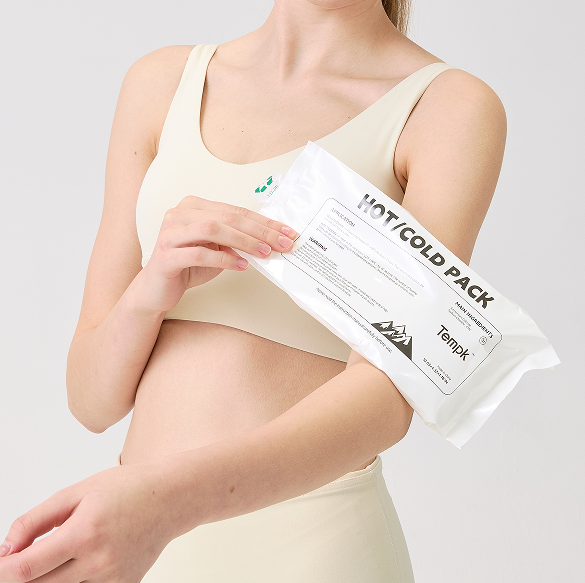
Choosing the Right Cold Chain Gel Pack for Beverage Shipping
For teams sourcing cold chain gel pack options for beverage shipping, fit matters more than headline claims. The product has to fit the payload, the shipper, the route, and the packing discipline your team can actually repeat.
When those elements line up, a cold chain gel pack can be a very practical cold source. When they do not, even a well-made pack can disappoint in the field.
What this product is and where it fits
A cold chain gel pack is best understood as a controlled cold source for passive packaging. It can be very effective in beverage shipping when the payload needs temporary thermal protection and the operation can precondition, place, and handle the pack consistently.
It is not automatically a complete temperature-controlled shipping system, and it is not automatically suitable for every payload. Many beverages are shelf-stable and do not need gel packs at all. This format makes sense when the drink is actually temperature-sensitive or when brand quality drops quickly in summer conditions. The correct decision comes from matching refrigerant, insulation, route, and operating discipline.
Food distribution brings its own discipline. Sanitary transport rules focus on keeping food properly refrigerated and protecting it from contamination during movement. In practice, that means buyers should consider not just hold time, but also leak resistance, condensation management, carton integrity, and how easily the coolant can be staged in busy packing lines.
How performance is really determined
Commercial products on the market show how wide the category really is. Standard refrigerated gels are commonly built around a 0°C phase profile for chilled distribution, while specialized frozen formulas can suppress the freezing point to roughly -23°C for lower-temperature programs. Public product literature also shows differences in construction: some packs use thick polyethylene films around 4 mil, others use puncture-resistant nylon laminates, and some no-sweat designs add an absorbent outer layer to manage condensation. More precise PCM-style gels are also available in the market around controlled-cool set points such as 3°C, 5°C, 7°C, or even 17°C when the goal is to protect against overcooling rather than simply stay cold.
Conditioning matters more than many buyers expect. A good gel pack can still perform poorly if it is frozen unevenly, loaded warm, or staged too long before assembly. Published operating guidance in the market often recommends freezing packs flat at around -18°C or below for 12 to 24 hours, then building the shipper according to a defined pack-out pattern. That process sounds basic, but it is where consistency is won or lost. Two suppliers may offer packs with similar dimensions, yet one may give clearer conditioning instructions, tighter fill-weight control, and more stable repeat performance.
Geometry changes thermal behavior as much as chemistry does. A very thin pack gives fast surface contact but also melts faster. A thicker brick stores more cold energy but takes more space and can create sharper temperature gradients near the payload. That is why the right cold chain gel pack is usually the one that matches the product arrangement inside the shipper. If the carton has tight side gaps, a flat side panel may work better than an overfilled pillow pouch. If the payload is heavy and stacked, a semi-rigid brick may create cleaner layers and more predictable separation.
For regulated or high-value shipments, the coolant should be evaluated as part of the whole passive system. That means the outer box, insulation, payload, spacer material, and logger placement all belong in the same conversation. WHO and EU GDP guidance for medicinal distribution emphasize maintaining the required temperature across transport and avoiding direct contact between cool packs and products that could freeze. In other words, a strong pack is useful, but it only becomes a reliable solution when it is matched to the real route and the real product sensitivity.
How to compare formats and constructions
Material choice is not cosmetic. In the market, chilled cold chain gel pack products are often built around water-based gel systems thickened with agents such as cellulose derivatives or similar stabilizers so the fill stays distributed instead of sloshing like free liquid. That formulation is then matched with a film or laminate that must survive freezing, seal stress, carton abrasion, and repeated handling. A simple polyethylene pouch may be enough for low-risk use, while a nylon-laminate structure can provide better puncture resistance in harder routes. Some packs add an absorbent outer layer to manage surface moisture. Buyers should treat these as functional design choices, not as small aesthetic differences.
Flexible pouches generally use space well and conform around the payload. Bricks bring cleaner stacking and more defined separation. Blanket or wrap formats can cover more surface area and suit bottles or narrow cartons. No single format wins in every lane. The better question is which construction supports the way your pack-out is actually assembled and opened.
What matters in your application
In chilled beverage distribution, the gel pack is usually there to protect brand quality during the most variable parts of the route: staging, courier handoffs, mixed-stop delivery, and the last few meters before receipt. For cold brew, fresh juice, functional beverages, and RTD trial packs, that matters because flavor, carbonation feel, or sensory perception can change quickly when product spends too long in a hot van or on a doorstep. A cold chain gel pack is especially useful in small direct-to-consumer cases, samples, and premium beverage subscriptions where a refrigerated truck is not practical.
At the same time, buyers should avoid applying cold chain logic to every drink. Shelf-stable beverages do not need a gel pack, and even chilled beverages may not need the same coolant mass in winter that they need in summer. Good wholesalers help buyers right-size the pack-out rather than overspecify it, because excess weight raises freight cost and can create unnecessary condensation inside the carton.
Case price matters, but delivered cost often changes the ranking. A cheaper pack that needs more units per shipper, produces higher freight weight, or drives more summer add-ons may end up costing more than a better-matched format. The same is true when the operation uses extra labor to separate packs, wipe condensation, or rework damaged cartons. Procurement teams often get a clearer answer by comparing total pack-out cost and exception cost instead of unit price alone.
What buyers should check before placing a bulk order
For a production decision, the shortlist should answer practical questions, not just product questions:
Internal and external dimensions: check both, because small dimensional drift changes carton fit, product spacing, and logger placement.
Usable thermal mass: ask for nominal fill weight, tolerance, and whether the supplier checks weight automatically during production.
Material construction: confirm film or laminate type, thickness, seal layout, and puncture resistance, especially if packs rub against bottles, corners, or inserts.
Conditioning behavior: ask how long the pack needs to freeze, whether it should be frozen flat, and how the supplier handles conditioning guidance for summer and winter lanes.
Sample-to-production consistency: verify that the production pack will use the same gel formulation, film, and seals as the approved sample.
Change control: require notice before any change to gel formulation, film, dimensions, or pack weight, because these shifts can change field performance.
Hygiene and leakage control: for food, medical, and laboratory work, ask how the pack is cleaned, packed, and protected from leaks or contamination before use.
Labeling and traceability: ask for lot coding, carton labels, and documentation that lets you trace the pack back to a production batch.
MOQ, lead time, and custom options: understand minimum orders, print options, and how the supplier handles urgent replenishment or pilot volumes.
Route fit: give the supplier your actual temperature target, transit duration, insulation type, and payload arrangement instead of asking for a generic recommendation.
Scale-up discipline: compare how the supplier manages pilot orders, first production runs, and ongoing quality checks rather than looking only at case price.
A shortlist should come from evidence, not from catalog photography. The best sequence is usually straightforward: verify dimensions and fill weights, test conditioning behavior, run a small logger-based lane trial, then compare how sample performance matches production documentation. That process quickly filters out suppliers who can sell stock packs but cannot support repeatable cold chain execution.
Before placing a bulk order, it helps to treat the sample as a process sample rather than a sales sample. Measure it, weigh it, freeze it the way your site will really freeze it, and pack it into the exact shipper you plan to use. That quick verification step catches many issues early: overfilled pouches, inconsistent seal margins, awkward carton fit, and unrealistic freezer turnaround assumptions.
Operational mistakes worth avoiding
The first common mistake is buying by weight alone. A heavier pack is not automatically better if its shape wastes volume, pushes product against a carton wall, or creates contact freezing. The second mistake is assuming the same pack-out will work year-round. In real routes, winter, shoulder season, and summer often need different conditioning or pack placement. The third mistake is approving a sample and then forgetting to lock the production specification.
Another avoidable mistake is treating domestic availability as proof of suitability. Fast replenishment is helpful, but it does not answer whether the coolant fits the real thermal risk.
The main failure modes are predictable. Packs may be underfrozen, loaded warm, punctured by sharp corners, stacked too tightly in the freezer, or placed directly against a freeze-sensitive payload. Film stiffness can change at low temperatures, and repeated reuse can eventually weaken seals. Condensation can soften corrugate or wet printed inserts. None of those problems is unusual, but each one should be planned for before the bulk order is approved.
A first production order should behave like a controlled rollout. Confirm freezer capacity, conditioning time, carton assembly instructions, worker training, and receiving checks before volume scales. If multiple sites will assemble the shipment, make sure each site uses the same conditioning window and the same placement map. That simple discipline often prevents the pattern where one location reports good performance and another sees avoidable excursions.
Sustainability decisions work best when they stay practical. Reusable packs make sense when a closed loop, internal return, or repeated local route actually exists. For one-way parcel traffic, buyers may look at drain-safe, paper-forward, or lower-plastic options, but those alternatives still need to protect the payload and survive normal handling. The goal is not to choose the most fashionable sustainability claim. The goal is to reduce avoidable waste without creating product loss, temperature complaints, or more repacking.
Frequently asked questions
What is the first question to answer before choosing a gel pack?
Define the payload temperature requirement first. Without that, pack format, pack count, and conditioning instructions are all guesses.
Can one pack format handle every season?
Sometimes for short, low-risk routes, but many programs need seasonal adjustments in pack count, placement, or conditioning to stay reliable.
What separates a strong supplier from a basic stock seller?
A strong supplier can explain the pack construction, keep production consistent, support controlled rollout, and respond clearly when the route or product changes.
A practical conclusion
The most useful cold chain gel pack is not the one with the loudest claim. It is the one that fits the payload, the pack-out, and the operating reality of your route. That is the standard worth using when you compare manufacturers, wholesalers, or custom options.
The best cold chain gel pack decision is usually the one that connects three things: the right thermal behavior, the right physical format, and the right operating discipline. In beverage shipping, buyers get better outcomes when they compare suppliers on specification control, conditioning clarity, and route fit rather than on cold language alone.
About Tempk
We are Tempk, a brand of Shanghai Tempk Industrial Co., Ltd., focused on temperature-control products for business and daily use. Our range includes gel ice packs, dry ice packs, freezer ice bricks, insulated bags, EPP cooler boxes, thermal box liners, pallet covers, and medical transport packaging. That breadth is useful when a project needs the refrigerant format and the outer packaging to work together instead of being sourced as separate decisions.
Next step
If you are reviewing a new lane or a bulk purchase, ask for guidance based on the temperature band, transit time, and pack-out structure you actually use. A clearer specification at the start usually prevents expensive trial and error later.
Choosing the Right Reusable Gel Pack for Tissue Sample Shipping
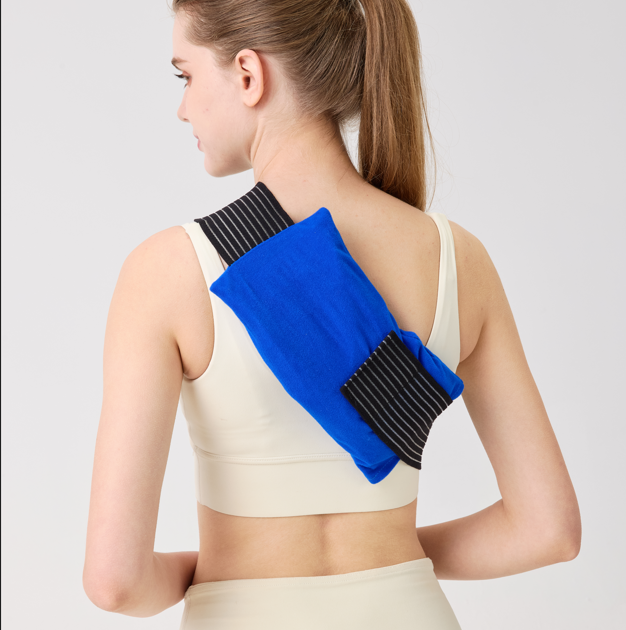
Choosing the Right Reusable Gel Pack for Tissue Sample Shipping
For teams sourcing reusable gel pack options for tissue sample shipping, fit matters more than headline claims. The product has to fit the payload, the shipper, the route, and the packing discipline your team can actually repeat.
When those elements line up, a reusable gel pack can be a very practical cold source. When they do not, even a well-made pack can disappoint in the field.
What this product is and where it fits
A reusable gel pack is best understood as a controlled cold source for passive packaging. It can be very effective in tissue sample shipping when the payload needs temporary thermal protection and the operation can precondition, place, and handle the pack consistently.
It is not automatically a complete temperature-controlled shipping system, and it is not automatically suitable for every payload. For tissue samples, the cold source must be matched to the specimen requirement. Refrigerated gel packs work for many chilled programs, but frozen specimens may still need dry ice and regulated packaging steps. The correct decision comes from matching refrigerant, insulation, route, and operating discipline.
Laboratory and tissue-sample programs add another layer of discipline. Public guidance used in specimen shipping places the refrigerant outside the secondary packaging and stresses that the choice between refrigerated packs, frozen packs, and dry ice depends on the specimen requirement, expected duration, and ambient conditions. That is why experienced lab buyers usually ask not only for a pack sample, but also for clear assembly instructions that can be repeated by receiving teams, couriers, and kit assembly staff.
How performance is really determined
Commercial products on the market show how wide the category really is. Standard refrigerated gels are commonly built around a 0°C phase profile for chilled distribution, while specialized frozen formulas can suppress the freezing point to roughly -23°C for lower-temperature programs. Public product literature also shows differences in construction: some packs use thick polyethylene films around 4 mil, others use puncture-resistant nylon laminates, and some no-sweat designs add an absorbent outer layer to manage condensation. More precise PCM-style gels are also available in the market around controlled-cool set points such as 3°C, 5°C, 7°C, or even 17°C when the goal is to protect against overcooling rather than simply stay cold.
Conditioning matters more than many buyers expect. A good gel pack can still perform poorly if it is frozen unevenly, loaded warm, or staged too long before assembly. Published operating guidance in the market often recommends freezing packs flat at around -18°C or below for 12 to 24 hours, then building the shipper according to a defined pack-out pattern. That process sounds basic, but it is where consistency is won or lost. Two suppliers may offer packs with similar dimensions, yet one may give clearer conditioning instructions, tighter fill-weight control, and more stable repeat performance.
Geometry changes thermal behavior as much as chemistry does. A very thin pack gives fast surface contact but also melts faster. A thicker brick stores more cold energy but takes more space and can create sharper temperature gradients near the payload. That is why the right reusable gel pack is usually the one that matches the product arrangement inside the shipper. If the carton has tight side gaps, a flat side panel may work better than an overfilled pillow pouch. If the payload is heavy and stacked, a semi-rigid brick may create cleaner layers and more predictable separation.
For regulated or high-value shipments, the coolant should be evaluated as part of the whole passive system. That means the outer box, insulation, payload, spacer material, and logger placement all belong in the same conversation. WHO and EU GDP guidance for medicinal distribution emphasize maintaining the required temperature across transport and avoiding direct contact between cool packs and products that could freeze. In other words, a strong pack is useful, but it only becomes a reliable solution when it is matched to the real route and the real product sensitivity.
How to compare formats and constructions
Material choice is not cosmetic. In the market, chilled reusable gel pack products are often built around water-based gel systems thickened with agents such as cellulose derivatives or similar stabilizers so the fill stays distributed instead of sloshing like free liquid. That formulation is then matched with a film or laminate that must survive freezing, seal stress, carton abrasion, and repeated handling. A simple polyethylene pouch may be enough for low-risk use, while a nylon-laminate structure can provide better puncture resistance in harder routes. Some packs add an absorbent outer layer to manage surface moisture. Buyers should treat these as functional design choices, not as small aesthetic differences.
Flexible pouches generally use space well and conform around the payload. Bricks bring cleaner stacking and more defined separation. Blanket or wrap formats can cover more surface area and suit bottles or narrow cartons. No single format wins in every lane. The better question is which construction supports the way your pack-out is actually assembled and opened.
What matters in your application
In tissue sample logistics, the refrigerant has to support specimen integrity, chain-of-custody discipline, and packaging compliance at the same time. A reusable gel pack can be a very practical choice for refrigerated programs involving tissue specimens, swab kits, diagnostic material, and pathology workflows, especially when the lab wants a cleaner alternative to wet ice and a more standardized kit layout. Because the pack can be preconditioned, positioned, and reused, it often fits well into repeat collection programs or scheduled pathology routes.
The limits are just as important as the benefits. A gel pack suitable for chilled specimens is not automatically suitable for frozen materials, and the correct setup depends on the analyte or tissue requirement. That is why the supplier conversation should cover secondary-packaging layout, absorbent materials, the distance between coolant and specimen container, and what happens if transport is delayed. For many labs, the best supplier is the one that can support a repeatable assembly method, not simply the one with the lowest cost per pack.
Case price matters, but delivered cost often changes the ranking. A cheaper pack that needs more units per shipper, produces higher freight weight, or drives more summer add-ons may end up costing more than a better-matched format. The same is true when the operation uses extra labor to separate packs, wipe condensation, or rework damaged cartons. Procurement teams often get a clearer answer by comparing total pack-out cost and exception cost instead of unit price alone.
What buyers should check before placing a bulk order
For a production decision, the shortlist should answer practical questions, not just product questions:
Internal and external dimensions: check both, because small dimensional drift changes carton fit, product spacing, and logger placement.
Usable thermal mass: ask for nominal fill weight, tolerance, and whether the supplier checks weight automatically during production.
Material construction: confirm film or laminate type, thickness, seal layout, and puncture resistance, especially if packs rub against bottles, corners, or inserts.
Conditioning behavior: ask how long the pack needs to freeze, whether it should be frozen flat, and how the supplier handles conditioning guidance for summer and winter lanes.
Sample-to-production consistency: verify that the production pack will use the same gel formulation, film, and seals as the approved sample.
Change control: require notice before any change to gel formulation, film, dimensions, or pack weight, because these shifts can change field performance.
Hygiene and leakage control: for food, medical, and laboratory work, ask how the pack is cleaned, packed, and protected from leaks or contamination before use.
Labeling and traceability: ask for lot coding, carton labels, and documentation that lets you trace the pack back to a production batch.
MOQ, lead time, and custom options: understand minimum orders, print options, and how the supplier handles urgent replenishment or pilot volumes.
Route fit: give the supplier your actual temperature target, transit duration, insulation type, and payload arrangement instead of asking for a generic recommendation.
Pack-out compliance support: ask whether the supplier can support assembly instructions that keep refrigerant outside secondary packaging and away from freeze-sensitive payloads when needed.
Scale-up discipline: compare how the supplier manages pilot orders, first production runs, and ongoing quality checks rather than looking only at case price.
A shortlist should come from evidence, not from catalog photography. The best sequence is usually straightforward: verify dimensions and fill weights, test conditioning behavior, run a small logger-based lane trial, then compare how sample performance matches production documentation. That process quickly filters out suppliers who can sell stock packs but cannot support repeatable cold chain execution.
Before placing a bulk order, it helps to treat the sample as a process sample rather than a sales sample. Measure it, weigh it, freeze it the way your site will really freeze it, and pack it into the exact shipper you plan to use. That quick verification step catches many issues early: overfilled pouches, inconsistent seal margins, awkward carton fit, and unrealistic freezer turnaround assumptions.
Operational mistakes worth avoiding
The first common mistake is buying by weight alone. A heavier pack is not automatically better if its shape wastes volume, pushes product against a carton wall, or creates contact freezing. The second mistake is assuming the same pack-out will work year-round. In real routes, winter, shoulder season, and summer often need different conditioning or pack placement. The third mistake is approving a sample and then forgetting to lock the production specification.
In laboratory work, a frequent mistake is ignoring the assembly process. Even a technically sound refrigerant can fail in the field if the kit assembler puts it inside the wrong layer, skips separation material, or conditions it differently at each site.
The main failure modes are predictable. Packs may be underfrozen, loaded warm, punctured by sharp corners, stacked too tightly in the freezer, or placed directly against a freeze-sensitive payload. Film stiffness can change at low temperatures, and repeated reuse can eventually weaken seals. Condensation can soften corrugate or wet printed inserts. None of those problems is unusual, but each one should be planned for before the bulk order is approved.
A first production order should behave like a controlled rollout. Confirm freezer capacity, conditioning time, carton assembly instructions, worker training, and receiving checks before volume scales. If multiple sites will assemble the shipment, make sure each site uses the same conditioning window and the same placement map. That simple discipline often prevents the pattern where one location reports good performance and another sees avoidable excursions.
Sustainability decisions work best when they stay practical. Reusable packs make sense when a closed loop, internal return, or repeated local route actually exists. For one-way parcel traffic, buyers may look at drain-safe, paper-forward, or lower-plastic options, but those alternatives still need to protect the payload and survive normal handling. The goal is not to choose the most fashionable sustainability claim. The goal is to reduce avoidable waste without creating product loss, temperature complaints, or more repacking.
Frequently asked questions
What is the first question to answer before choosing a gel pack?
Define the payload temperature requirement first. Without that, pack format, pack count, and conditioning instructions are all guesses.
Can one pack format handle every season?
Sometimes for short, low-risk routes, but many programs need seasonal adjustments in pack count, placement, or conditioning to stay reliable.
What separates a strong supplier from a basic stock seller?
A strong supplier can explain the pack construction, keep production consistent, support controlled rollout, and respond clearly when the route or product changes.
A practical conclusion
The most useful reusable gel pack is not the one with the loudest claim. It is the one that fits the payload, the pack-out, and the operating reality of your route. That is the standard worth using when you compare manufacturers, wholesalers, or custom options.
The best reusable gel pack decision is usually the one that connects three things: the right thermal behavior, the right physical format, and the right operating discipline. In tissue sample shipping, buyers get better outcomes when they compare suppliers on specification control, conditioning clarity, and route fit rather than on cold language alone.
About Tempk
We are Tempk, a brand of Shanghai Tempk Industrial Co., Ltd., focused on temperature-control products for business and daily use. Our range includes gel ice packs, dry ice packs, freezer ice bricks, insulated bags, EPP cooler boxes, thermal box liners, pallet covers, and medical transport packaging. That breadth is useful when a project needs the refrigerant format and the outer packaging to work together instead of being sourced as separate decisions.
Next step
If you are reviewing a new lane or a bulk purchase, ask for guidance based on the temperature band, transit time, and pack-out structure you actually use. A clearer specification at the start usually prevents expensive trial and error later.
Choosing the Right Refrigeration Gel Pack for Chilled Shipping In The United States

Choosing the Right Refrigeration Gel Pack for Chilled Shipping In The United States
For teams sourcing refrigeration gel pack options for chilled shipping in the United States, fit matters more than headline claims. The product has to fit the payload, the shipper, the route, and the packing discipline your team can actually repeat.
When those elements line up, a refrigeration gel pack can be a very practical cold source. When they do not, even a well-made pack can disappoint in the field.
What this product is and where it fits
A refrigeration gel pack is best understood as a controlled cold source for passive packaging. It can be very effective in chilled shipping in the United States when the payload needs temporary thermal protection and the operation can precondition, place, and handle the pack consistently.
It is not automatically a complete temperature-controlled shipping system, and it is not automatically suitable for every payload. Domestic availability helps, but performance still depends on pack-out design, carrier dwell time, and the seasonal profile of the lane. The correct decision comes from matching refrigerant, insulation, route, and operating discipline.
Food distribution brings its own discipline. Sanitary transport rules focus on keeping food properly refrigerated and protecting it from contamination during movement. In practice, that means buyers should consider not just hold time, but also leak resistance, condensation management, carton integrity, and how easily the coolant can be staged in busy packing lines.
How performance is really determined
Commercial products on the market show how wide the category really is. Standard refrigerated gels are commonly built around a 0°C phase profile for chilled distribution, while specialized frozen formulas can suppress the freezing point to roughly -23°C for lower-temperature programs. Public product literature also shows differences in construction: some packs use thick polyethylene films around 4 mil, others use puncture-resistant nylon laminates, and some no-sweat designs add an absorbent outer layer to manage condensation. More precise PCM-style gels are also available in the market around controlled-cool set points such as 3°C, 5°C, 7°C, or even 17°C when the goal is to protect against overcooling rather than simply stay cold.
Conditioning matters more than many buyers expect. A good gel pack can still perform poorly if it is frozen unevenly, loaded warm, or staged too long before assembly. Published operating guidance in the market often recommends freezing packs flat at around -18°C or below for 12 to 24 hours, then building the shipper according to a defined pack-out pattern. That process sounds basic, but it is where consistency is won or lost. Two suppliers may offer packs with similar dimensions, yet one may give clearer conditioning instructions, tighter fill-weight control, and more stable repeat performance.
Geometry changes thermal behavior as much as chemistry does. A very thin pack gives fast surface contact but also melts faster. A thicker brick stores more cold energy but takes more space and can create sharper temperature gradients near the payload. That is why the right refrigeration gel pack is usually the one that matches the product arrangement inside the shipper. If the carton has tight side gaps, a flat side panel may work better than an overfilled pillow pouch. If the payload is heavy and stacked, a semi-rigid brick may create cleaner layers and more predictable separation.
For regulated or high-value shipments, the coolant should be evaluated as part of the whole passive system. That means the outer box, insulation, payload, spacer material, and logger placement all belong in the same conversation. WHO and EU GDP guidance for medicinal distribution emphasize maintaining the required temperature across transport and avoiding direct contact between cool packs and products that could freeze. In other words, a strong pack is useful, but it only becomes a reliable solution when it is matched to the real route and the real product sensitivity.
How to compare formats and constructions
Material choice is not cosmetic. In the market, chilled refrigeration gel pack products are often built around water-based gel systems thickened with agents such as cellulose derivatives or similar stabilizers so the fill stays distributed instead of sloshing like free liquid. That formulation is then matched with a film or laminate that must survive freezing, seal stress, carton abrasion, and repeated handling. A simple polyethylene pouch may be enough for low-risk use, while a nylon-laminate structure can provide better puncture resistance in harder routes. Some packs add an absorbent outer layer to manage surface moisture. Buyers should treat these as functional design choices, not as small aesthetic differences.
Flexible pouches generally use space well and conform around the payload. Bricks bring cleaner stacking and more defined separation. Blanket or wrap formats can cover more surface area and suit bottles or narrow cartons. No single format wins in every lane. The better question is which construction supports the way your pack-out is actually assembled and opened.
What matters in your application
In chilled shipping in the United States, a refrigeration gel pack is usually chosen because it gives a practical balance of thermal mass, cost control, and packing-line simplicity. It fits well in regional parcel, courier, and insulated box shipments across the United States and can be adapted for payloads such as meal kits, specialty foods, medical supplies, and laboratory kits. The real value is not that it is cold. The real value is that it can be specified, conditioned, and packed in a repeatable way.
That repeatability is what separates a useful refrigerant program from a reactive one. If the pack size changes, the seal breaks more easily than expected, or the fill weight drifts during production, the effect shows up in the field as messy cartons, unstable temperatures, and more customer complaints. That is why buyers looking at manufacturers and suppliers should think past brochure descriptions and into operational detail.
Regional sourcing in the United States usually comes down to responsiveness and control. Buyers want to know whether the manufacturer can ship from more than one location, how fast sample packs can be conditioned and dispatched, and whether production can be adjusted before a seasonal surge. Domestic sourcing also makes it easier to verify whether the supplier is truly manufacturing the pack, simply distributing it, or outsourcing a critical step such as conditioning.
Case price matters, but delivered cost often changes the ranking. A cheaper pack that needs more units per shipper, produces higher freight weight, or drives more summer add-ons may end up costing more than a better-matched format. The same is true when the operation uses extra labor to separate packs, wipe condensation, or rework damaged cartons. Procurement teams often get a clearer answer by comparing total pack-out cost and exception cost instead of unit price alone.
What buyers should check before placing a bulk order
For a production decision, the shortlist should answer practical questions, not just product questions:
Internal and external dimensions: check both, because small dimensional drift changes carton fit, product spacing, and logger placement.
Usable thermal mass: ask for nominal fill weight, tolerance, and whether the supplier checks weight automatically during production.
Material construction: confirm film or laminate type, thickness, seal layout, and puncture resistance, especially if packs rub against bottles, corners, or inserts.
Conditioning behavior: ask how long the pack needs to freeze, whether it should be frozen flat, and how the supplier handles conditioning guidance for summer and winter lanes.
Sample-to-production consistency: verify that the production pack will use the same gel formulation, film, and seals as the approved sample.
Change control: require notice before any change to gel formulation, film, dimensions, or pack weight, because these shifts can change field performance.
Hygiene and leakage control: for food, medical, and laboratory work, ask how the pack is cleaned, packed, and protected from leaks or contamination before use.
Labeling and traceability: ask for lot coding, carton labels, and documentation that lets you trace the pack back to a production batch.
MOQ, lead time, and custom options: understand minimum orders, print options, and how the supplier handles urgent replenishment or pilot volumes.
Route fit: give the supplier your actual temperature target, transit duration, insulation type, and payload arrangement instead of asking for a generic recommendation.
Domestic supply visibility: ask where production, storage, and conditioning occur within the United States and how the supplier covers regional peaks.
Scale-up discipline: compare how the supplier manages pilot orders, first production runs, and ongoing quality checks rather than looking only at case price.
A shortlist should come from evidence, not from catalog photography. The best sequence is usually straightforward: verify dimensions and fill weights, test conditioning behavior, run a small logger-based lane trial, then compare how sample performance matches production documentation. That process quickly filters out suppliers who can sell stock packs but cannot support repeatable cold chain execution.
Before placing a bulk order, it helps to treat the sample as a process sample rather than a sales sample. Measure it, weigh it, freeze it the way your site will really freeze it, and pack it into the exact shipper you plan to use. That quick verification step catches many issues early: overfilled pouches, inconsistent seal margins, awkward carton fit, and unrealistic freezer turnaround assumptions.
Operational mistakes worth avoiding
The first common mistake is buying by weight alone. A heavier pack is not automatically better if its shape wastes volume, pushes product against a carton wall, or creates contact freezing. The second mistake is assuming the same pack-out will work year-round. In real routes, winter, shoulder season, and summer often need different conditioning or pack placement. The third mistake is approving a sample and then forgetting to lock the production specification.
Another avoidable mistake is treating domestic availability as proof of suitability. Fast replenishment is helpful, but it does not answer whether the coolant fits the real thermal risk.
The main failure modes are predictable. Packs may be underfrozen, loaded warm, punctured by sharp corners, stacked too tightly in the freezer, or placed directly against a freeze-sensitive payload. Film stiffness can change at low temperatures, and repeated reuse can eventually weaken seals. Condensation can soften corrugate or wet printed inserts. None of those problems is unusual, but each one should be planned for before the bulk order is approved.
A first production order should behave like a controlled rollout. Confirm freezer capacity, conditioning time, carton assembly instructions, worker training, and receiving checks before volume scales. If multiple sites will assemble the shipment, make sure each site uses the same conditioning window and the same placement map. That simple discipline often prevents the pattern where one location reports good performance and another sees avoidable excursions.
Sustainability decisions work best when they stay practical. Reusable packs make sense when a closed loop, internal return, or repeated local route actually exists. For one-way parcel traffic, buyers may look at drain-safe, paper-forward, or lower-plastic options, but those alternatives still need to protect the payload and survive normal handling. The goal is not to choose the most fashionable sustainability claim. The goal is to reduce avoidable waste without creating product loss, temperature complaints, or more repacking.
Frequently asked questions
What is the first question to answer before choosing a gel pack?
Define the payload temperature requirement first. Without that, pack format, pack count, and conditioning instructions are all guesses.
Can one pack format handle every season?
Sometimes for short, low-risk routes, but many programs need seasonal adjustments in pack count, placement, or conditioning to stay reliable.
What separates a strong supplier from a basic stock seller?
A strong supplier can explain the pack construction, keep production consistent, support controlled rollout, and respond clearly when the route or product changes.
A practical conclusion
The most useful refrigeration gel pack is not the one with the loudest claim. It is the one that fits the payload, the pack-out, and the operating reality of your route. That is the standard worth using when you compare manufacturers, wholesalers, or custom options.
The best refrigeration gel pack decision is usually the one that connects three things: the right thermal behavior, the right physical format, and the right operating discipline. In chilled shipping in the United States, buyers get better outcomes when they compare suppliers on specification control, conditioning clarity, and route fit rather than on cold language alone.
About Tempk
We are Tempk, a brand of Shanghai Tempk Industrial Co., Ltd., focused on temperature-control products for business and daily use. Our range includes gel ice packs, dry ice packs, freezer ice bricks, insulated bags, EPP cooler boxes, thermal box liners, pallet covers, and medical transport packaging. That breadth is useful when a project needs the refrigerant format and the outer packaging to work together instead of being sourced as separate decisions.
Next step
If you are reviewing a new lane or a bulk purchase, ask for guidance based on the temperature band, transit time, and pack-out structure you actually use. A clearer specification at the start usually prevents expensive trial and error later.
Choosing the Right Medical Gel Pack for Medical Cold Chain Shipping In The United States
Choosing the Right Medical Gel Pack for Medical Cold Chain Shipping In The United States
In practice, choosing medical gel pack options for medical cold chain shipping in the United States, fit matters more than headline claims. The product has to fit the payload, the shipper, the route, and the packing discipline your team can actually repeat.
When those elements line up, a medical gel pack can be a very practical cold source. When they do not, even a well-made pack can disappoint in the field.
What this product is and where it fits
A medical gel pack is best understood as a controlled cold source for passive packaging. It can be very effective in medical cold chain shipping in the United States when the payload needs temporary thermal protection and the operation can precondition, place, and handle the pack consistently.
It is not automatically a complete temperature-controlled shipping system, and it is not automatically suitable for every payload. For medical shipments, buyers should assume that the gel pack is one component in a broader temperature-control system that still requires route-specific qualification. The correct decision comes from matching refrigerant, insulation, route, and operating discipline.
Laboratory and tissue-sample programs add another layer of discipline. Public guidance used in specimen shipping places the refrigerant outside the secondary packaging and stresses that the choice between refrigerated packs, frozen packs, and dry ice depends on the specimen requirement, expected duration, and ambient conditions. That is why experienced lab buyers usually ask not only for a pack sample, but also for clear assembly instructions that can be repeated by receiving teams, couriers, and kit assembly staff. Vaccine and freeze-sensitive medical programs need particular caution. Public handling guidance for refrigerated vaccines warns against using frozen gel packs directly against the payload because overcooling can damage the product just as surely as overheating. The safer approach is usually conditioned coolants, defined separation from the product, and a pack-out that has been checked with data loggers before it is rolled into daily use.
How performance is really determined
Commercial products on the market show how wide the category really is. Standard refrigerated gels are commonly built around a 0°C phase profile for chilled distribution, while specialized frozen formulas can suppress the freezing point to roughly -23°C for lower-temperature programs. Public product literature also shows differences in construction: some packs use thick polyethylene films around 4 mil, others use puncture-resistant nylon laminates, and some no-sweat designs add an absorbent outer layer to manage condensation. More precise PCM-style gels are also available in the market around controlled-cool set points such as 3°C, 5°C, 7°C, or even 17°C when the goal is to protect against overcooling rather than simply stay cold.
Conditioning matters more than many buyers expect. A good gel pack can still perform poorly if it is frozen unevenly, loaded warm, or staged too long before assembly. Published operating guidance in the market often recommends freezing packs flat at around -18°C or below for 12 to 24 hours, then building the shipper according to a defined pack-out pattern. That process sounds basic, but it is where consistency is won or lost. Two suppliers may offer packs with similar dimensions, yet one may give clearer conditioning instructions, tighter fill-weight control, and more stable repeat performance.
Geometry changes thermal behavior as much as chemistry does. A very thin pack gives fast surface contact but also melts faster. A thicker brick stores more cold energy but takes more space and can create sharper temperature gradients near the payload. That is why the right medical gel pack is usually the one that matches the product arrangement inside the shipper. If the carton has tight side gaps, a flat side panel may work better than an overfilled pillow pouch. If the payload is heavy and stacked, a semi-rigid brick may create cleaner layers and more predictable separation.
For regulated or high-value shipments, the coolant should be evaluated as part of the whole passive system. That means the outer box, insulation, payload, spacer material, and logger placement all belong in the same conversation. WHO and EU GDP guidance for medicinal distribution emphasize maintaining the required temperature across transport and avoiding direct contact between cool packs and products that could freeze. In other words, a strong pack is useful, but it only becomes a reliable solution when it is matched to the real route and the real product sensitivity.
How to compare formats and constructions
Material choice is not cosmetic. In the market, chilled medical gel pack products are often built around water-based gel systems thickened with agents such as cellulose derivatives or similar stabilizers so the fill stays distributed instead of sloshing like free liquid. That formulation is then matched with a film or laminate that must survive freezing, seal stress, carton abrasion, and repeated handling. A simple polyethylene pouch may be enough for low-risk use, while a nylon-laminate structure can provide better puncture resistance in harder routes. Some packs add an absorbent outer layer to manage surface moisture. Buyers should treat these as functional design choices, not as small aesthetic differences.
Flexible pouches generally use space well and conform around the payload. Bricks bring cleaner stacking and more defined separation. Blanket or wrap formats can cover more surface area and suit bottles or narrow cartons. No single format wins in every lane. The better question is which construction supports the way your pack-out is actually assembled and opened.
What matters in your application
In medical shipping, buyers usually want a pack that is clean, stable, and compatible with a documented pack-out. For medicines, vaccines, diagnostic kits, and home-delivered healthcare products, the refrigerant is part of a broader effort to protect product efficacy and reduce excursion risk in domestic lanes that may include courier hubs, hospital receiving docks, and residential delivery points. A medical gel pack can be a strong fit when the target range is refrigerated or controlled-cool and when the overall shipper has been designed around it.
The manufacturer decision is important because medical programs frequently revisit configuration as route conditions change. A US-based manufacturer can make sample turns, replenishment, and corrective changes easier to manage, but only if that manufacturer also controls specifications and communicates change effectively. The buyer should assume that accountability, documentation, and seasonal testing matter every bit as much as the cold source itself.
Regional sourcing in the United States usually comes down to responsiveness and control. Buyers want to know whether the manufacturer can ship from more than one location, how fast sample packs can be conditioned and dispatched, and whether production can be adjusted before a seasonal surge. Domestic sourcing also makes it easier to verify whether the supplier is truly manufacturing the pack, simply distributing it, or outsourcing a critical step such as conditioning.
Case price matters, but delivered cost often changes the ranking. A cheaper pack that needs more units per shipper, produces higher freight weight, or drives more summer add-ons may end up costing more than a better-matched format. The same is true when the operation uses extra labor to separate packs, wipe condensation, or rework damaged cartons. Procurement teams often get a clearer answer by comparing total pack-out cost and exception cost instead of unit price alone.
What buyers should check before placing a bulk order
For a production decision, the shortlist should answer practical questions, not just product questions:
Internal and external dimensions: check both, because small dimensional drift changes carton fit, product spacing, and logger placement.
Usable thermal mass: ask for nominal fill weight, tolerance, and whether the supplier checks weight automatically during production.
Material construction: confirm film or laminate type, thickness, seal layout, and puncture resistance, especially if packs rub against bottles, corners, or inserts.
Conditioning behavior: ask how long the pack needs to freeze, whether it should be frozen flat, and how the supplier handles conditioning guidance for summer and winter lanes.
Sample-to-production consistency: verify that the production pack will use the same gel formulation, film, and seals as the approved sample.
Change control: require notice before any change to gel formulation, film, dimensions, or pack weight, because these shifts can change field performance.
Hygiene and leakage control: for food, medical, and laboratory work, ask how the pack is cleaned, packed, and protected from leaks or contamination before use.
Labeling and traceability: ask for lot coding, carton labels, and documentation that lets you trace the pack back to a production batch.
MOQ, lead time, and custom options: understand minimum orders, print options, and how the supplier handles urgent replenishment or pilot volumes.
Route fit: give the supplier your actual temperature target, transit duration, insulation type, and payload arrangement instead of asking for a generic recommendation.
Domestic supply visibility: ask where production, storage, and conditioning occur within the United States and how the supplier covers regional peaks.
Pack-out compliance support: ask whether the supplier can support assembly instructions that keep refrigerant outside secondary packaging and away from freeze-sensitive payloads when needed.
Scale-up discipline: compare how the supplier manages pilot orders, first production runs, and ongoing quality checks rather than looking only at case price.
A shortlist should come from evidence, not from catalog photography. The best sequence is usually straightforward: verify dimensions and fill weights, test conditioning behavior, run a small logger-based lane trial, then compare how sample performance matches production documentation. That process quickly filters out suppliers who can sell stock packs but cannot support repeatable cold chain execution.
Before placing a bulk order, it helps to treat the sample as a process sample rather than a sales sample. Measure it, weigh it, freeze it the way your site will really freeze it, and pack it into the exact shipper you plan to use. That quick verification step catches many issues early: overfilled pouches, inconsistent seal margins, awkward carton fit, and unrealistic freezer turnaround assumptions.
Operational mistakes worth avoiding
The first common mistake is buying by weight alone. A heavier pack is not automatically better if its shape wastes volume, pushes product against a carton wall, or creates contact freezing. The second mistake is assuming the same pack-out will work year-round. In real routes, winter, shoulder season, and summer often need different conditioning or pack placement. The third mistake is approving a sample and then forgetting to lock the production specification.
For sensitive medical and biotech products, the biggest mistake is letting the coolant decision happen separately from the route qualification process. That creates an attractive catalog order but a weak real-world system.
The main failure modes are predictable. Packs may be underfrozen, loaded warm, punctured by sharp corners, stacked too tightly in the freezer, or placed directly against a freeze-sensitive payload. Film stiffness can change at low temperatures, and repeated reuse can eventually weaken seals. Condensation can soften corrugate or wet printed inserts. None of those problems is unusual, but each one should be planned for before the bulk order is approved.
A first production order should behave like a controlled rollout. Confirm freezer capacity, conditioning time, carton assembly instructions, worker training, and receiving checks before volume scales. If multiple sites will assemble the shipment, make sure each site uses the same conditioning window and the same placement map. That simple discipline often prevents the pattern where one location reports good performance and another sees avoidable excursions.
Sustainability decisions work best when they stay practical. Reusable packs make sense when a closed loop, internal return, or repeated local route actually exists. For one-way parcel traffic, buyers may look at drain-safe, paper-forward, or lower-plastic options, but those alternatives still need to protect the payload and survive normal handling. The goal is not to choose the most fashionable sustainability claim. The goal is to reduce avoidable waste without creating product loss, temperature complaints, or more repacking.
Frequently asked questions
What is the first question to answer before choosing a gel pack?
Define the payload temperature requirement first. Without that, pack format, pack count, and conditioning instructions are all guesses.
Can one pack format handle every season?
Sometimes for short, low-risk routes, but many programs need seasonal adjustments in pack count, placement, or conditioning to stay reliable.
What separates a strong supplier from a basic stock seller?
A strong supplier can explain the pack construction, keep production consistent, support controlled rollout, and respond clearly when the route or product changes.
A practical conclusion
The most useful medical gel pack is not the one with the loudest claim. It is the one that fits the payload, the pack-out, and the operating reality of your route. That is the standard worth using when you compare manufacturers, wholesalers, or custom options.
The best medical gel pack decision is usually the one that connects three things: the right thermal behavior, the right physical format, and the right operating discipline. In medical cold chain shipping in the United States, buyers get better outcomes when they compare suppliers on specification control, conditioning clarity, and route fit rather than on cold language alone.
About Tempk
We are Tempk, a brand of Shanghai Tempk Industrial Co., Ltd., focused on temperature-control products for business and daily use. Our range includes gel ice packs, dry ice packs, freezer ice bricks, insulated bags, EPP cooler boxes, thermal box liners, pallet covers, and medical transport packaging. That breadth is useful when a project needs the refrigerant format and the outer packaging to work together instead of being sourced as separate decisions.
Next step
If you are reviewing a new lane or a bulk purchase, ask for guidance based on the temperature band, transit time, and pack-out structure you actually use. A clearer specification at the start usually prevents expensive trial and error later.
Choosing the Right Gel Refrigerant Pack for Laboratory Shipping

Choosing the Right Gel Refrigerant Pack for Laboratory Shipping
If you are evaluating gel refrigerant pack options for laboratory shipping, fit matters more than headline claims. The product has to fit the payload, the shipper, the route, and the packing discipline your team can actually repeat.
When those elements line up, a gel refrigerant pack can be a very practical cold source. When they do not, even a well-made pack can disappoint in the field.
What this product is and where it fits
A gel refrigerant pack is best understood as a controlled cold source for passive packaging. It can be very effective in laboratory shipping when the payload needs temporary thermal protection and the operation can precondition, place, and handle the pack consistently.
It is not automatically a complete temperature-controlled shipping system, and it is not automatically suitable for every payload. Supplier choice matters because laboratory operations depend on repeatability. Small shifts in fill weight, film, or conditioning advice can change field performance. The correct decision comes from matching refrigerant, insulation, route, and operating discipline.
Laboratory and tissue-sample programs add another layer of discipline. Public guidance used in specimen shipping places the refrigerant outside the secondary packaging and stresses that the choice between refrigerated packs, frozen packs, and dry ice depends on the specimen requirement, expected duration, and ambient conditions. That is why experienced lab buyers usually ask not only for a pack sample, but also for clear assembly instructions that can be repeated by receiving teams, couriers, and kit assembly staff.
How performance is really determined
Commercial products on the market show how wide the category really is. Standard refrigerated gels are commonly built around a 0°C phase profile for chilled distribution, while specialized frozen formulas can suppress the freezing point to roughly -23°C for lower-temperature programs. Public product literature also shows differences in construction: some packs use thick polyethylene films around 4 mil, others use puncture-resistant nylon laminates, and some no-sweat designs add an absorbent outer layer to manage condensation. More precise PCM-style gels are also available in the market around controlled-cool set points such as 3°C, 5°C, 7°C, or even 17°C when the goal is to protect against overcooling rather than simply stay cold.
Conditioning matters more than many buyers expect. A good gel pack can still perform poorly if it is frozen unevenly, loaded warm, or staged too long before assembly. Published operating guidance in the market often recommends freezing packs flat at around -18°C or below for 12 to 24 hours, then building the shipper according to a defined pack-out pattern. That process sounds basic, but it is where consistency is won or lost. Two suppliers may offer packs with similar dimensions, yet one may give clearer conditioning instructions, tighter fill-weight control, and more stable repeat performance.
Geometry changes thermal behavior as much as chemistry does. A very thin pack gives fast surface contact but also melts faster. A thicker brick stores more cold energy but takes more space and can create sharper temperature gradients near the payload. That is why the right gel refrigerant pack is usually the one that matches the product arrangement inside the shipper. If the carton has tight side gaps, a flat side panel may work better than an overfilled pillow pouch. If the payload is heavy and stacked, a semi-rigid brick may create cleaner layers and more predictable separation.
For regulated or high-value shipments, the coolant should be evaluated as part of the whole passive system. That means the outer box, insulation, payload, spacer material, and logger placement all belong in the same conversation. WHO and EU GDP guidance for medicinal distribution emphasize maintaining the required temperature across transport and avoiding direct contact between cool packs and products that could freeze. In other words, a strong pack is useful, but it only becomes a reliable solution when it is matched to the real route and the real product sensitivity.
How to compare formats and constructions
Material choice is not cosmetic. In the market, chilled gel refrigerant pack products are often built around water-based gel systems thickened with agents such as cellulose derivatives or similar stabilizers so the fill stays distributed instead of sloshing like free liquid. That formulation is then matched with a film or laminate that must survive freezing, seal stress, carton abrasion, and repeated handling. A simple polyethylene pouch may be enough for low-risk use, while a nylon-laminate structure can provide better puncture resistance in harder routes. Some packs add an absorbent outer layer to manage surface moisture. Buyers should treat these as functional design choices, not as small aesthetic differences.
Flexible pouches generally use space well and conform around the payload. Bricks bring cleaner stacking and more defined separation. Blanket or wrap formats can cover more surface area and suit bottles or narrow cartons. No single format wins in every lane. The better question is which construction supports the way your pack-out is actually assembled and opened.
What matters in your application
For laboratory shipments such as sample logistics, testing kits, reagent distribution, and diagnostic supplies, refrigerant packs are usually selected for cleanliness, repeatability, and ease of assembly. A gel refrigerant pack is appealing because it avoids meltwater handling and can be sized to fit kit boxes, foam shippers, or molded inserts with relatively tight tolerances. In many lab programs, that repeatability reduces assembly errors and gives receiving teams a more consistent unpacking process.
Laboratory buyers also pay close attention to documentation. A supplier that can describe fill tolerance, film type, conditioning instructions, and lot traceability is easier to integrate into regulated or quality-managed workflows. That is especially true when the same pack format will be used across multiple kits or multiple sites and any unannounced specification change could affect validation work.
Case price matters, but delivered cost often changes the ranking. A cheaper pack that needs more units per shipper, produces higher freight weight, or drives more summer add-ons may end up costing more than a better-matched format. The same is true when the operation uses extra labor to separate packs, wipe condensation, or rework damaged cartons. Procurement teams often get a clearer answer by comparing total pack-out cost and exception cost instead of unit price alone.
What buyers should check before placing a bulk order
For a production decision, the shortlist should answer practical questions, not just product questions:
Internal and external dimensions: check both, because small dimensional drift changes carton fit, product spacing, and logger placement.
Usable thermal mass: ask for nominal fill weight, tolerance, and whether the supplier checks weight automatically during production.
Material construction: confirm film or laminate type, thickness, seal layout, and puncture resistance, especially if packs rub against bottles, corners, or inserts.
Conditioning behavior: ask how long the pack needs to freeze, whether it should be frozen flat, and how the supplier handles conditioning guidance for summer and winter lanes.
Sample-to-production consistency: verify that the production pack will use the same gel formulation, film, and seals as the approved sample.
Change control: require notice before any change to gel formulation, film, dimensions, or pack weight, because these shifts can change field performance.
Hygiene and leakage control: for food, medical, and laboratory work, ask how the pack is cleaned, packed, and protected from leaks or contamination before use.
Labeling and traceability: ask for lot coding, carton labels, and documentation that lets you trace the pack back to a production batch.
MOQ, lead time, and custom options: understand minimum orders, print options, and how the supplier handles urgent replenishment or pilot volumes.
Route fit: give the supplier your actual temperature target, transit duration, insulation type, and payload arrangement instead of asking for a generic recommendation.
Pack-out compliance support: ask whether the supplier can support assembly instructions that keep refrigerant outside secondary packaging and away from freeze-sensitive payloads when needed.
Scale-up discipline: compare how the supplier manages pilot orders, first production runs, and ongoing quality checks rather than looking only at case price.
A shortlist should come from evidence, not from catalog photography. The best sequence is usually straightforward: verify dimensions and fill weights, test conditioning behavior, run a small logger-based lane trial, then compare how sample performance matches production documentation. That process quickly filters out suppliers who can sell stock packs but cannot support repeatable cold chain execution.
Before placing a bulk order, it helps to treat the sample as a process sample rather than a sales sample. Measure it, weigh it, freeze it the way your site will really freeze it, and pack it into the exact shipper you plan to use. That quick verification step catches many issues early: overfilled pouches, inconsistent seal margins, awkward carton fit, and unrealistic freezer turnaround assumptions.
Operational mistakes worth avoiding
The first common mistake is buying by weight alone. A heavier pack is not automatically better if its shape wastes volume, pushes product against a carton wall, or creates contact freezing. The second mistake is assuming the same pack-out will work year-round. In real routes, winter, shoulder season, and summer often need different conditioning or pack placement. The third mistake is approving a sample and then forgetting to lock the production specification.
In laboratory work, a frequent mistake is ignoring the assembly process. Even a technically sound refrigerant can fail in the field if the kit assembler puts it inside the wrong layer, skips separation material, or conditions it differently at each site.
The main failure modes are predictable. Packs may be underfrozen, loaded warm, punctured by sharp corners, stacked too tightly in the freezer, or placed directly against a freeze-sensitive payload. Film stiffness can change at low temperatures, and repeated reuse can eventually weaken seals. Condensation can soften corrugate or wet printed inserts. None of those problems is unusual, but each one should be planned for before the bulk order is approved.
A first production order should behave like a controlled rollout. Confirm freezer capacity, conditioning time, carton assembly instructions, worker training, and receiving checks before volume scales. If multiple sites will assemble the shipment, make sure each site uses the same conditioning window and the same placement map. That simple discipline often prevents the pattern where one location reports good performance and another sees avoidable excursions.
Sustainability decisions work best when they stay practical. Reusable packs make sense when a closed loop, internal return, or repeated local route actually exists. For one-way parcel traffic, buyers may look at drain-safe, paper-forward, or lower-plastic options, but those alternatives still need to protect the payload and survive normal handling. The goal is not to choose the most fashionable sustainability claim. The goal is to reduce avoidable waste without creating product loss, temperature complaints, or more repacking.
Frequently asked questions
What is the first question to answer before choosing a gel pack?
Define the payload temperature requirement first. Without that, pack format, pack count, and conditioning instructions are all guesses.
Can one pack format handle every season?
Sometimes for short, low-risk routes, but many programs need seasonal adjustments in pack count, placement, or conditioning to stay reliable.
What separates a strong supplier from a basic stock seller?
A strong supplier can explain the pack construction, keep production consistent, support controlled rollout, and respond clearly when the route or product changes.
A practical conclusion
The most useful gel refrigerant pack is not the one with the loudest claim. It is the one that fits the payload, the pack-out, and the operating reality of your route. That is the standard worth using when you compare manufacturers, wholesalers, or custom options.
The best gel refrigerant pack decision is usually the one that connects three things: the right thermal behavior, the right physical format, and the right operating discipline. In laboratory shipping, buyers get better outcomes when they compare suppliers on specification control, conditioning clarity, and route fit rather than on cold language alone.
About Tempk
We are Tempk, a brand of Shanghai Tempk Industrial Co., Ltd., focused on temperature-control products for business and daily use. Our range includes gel ice packs, dry ice packs, freezer ice bricks, insulated bags, EPP cooler boxes, thermal box liners, pallet covers, and medical transport packaging. That breadth is useful when a project needs the refrigerant format and the outer packaging to work together instead of being sourced as separate decisions.
Next step
If you are reviewing a new lane or a bulk purchase, ask for guidance based on the temperature band, transit time, and pack-out structure you actually use. A clearer specification at the start usually prevents expensive trial and error later.
Choosing the Right Gel Refrigerant Pack for Laboratory Shipping
Choosing the Right Gel Refrigerant Pack for Laboratory Shipping
If you are evaluating gel refrigerant pack options for laboratory shipping, fit matters more than headline claims. The product has to fit the payload, the shipper, the route, and the packing discipline your team can actually repeat.
When those elements line up, a gel refrigerant pack can be a very practical cold source. When they do not, even a well-made pack can disappoint in the field.
What this product is and where it fits
A gel refrigerant pack is best understood as a controlled cold source for passive packaging. It can be very effective in laboratory shipping when the payload needs temporary thermal protection and the operation can precondition, place, and handle the pack consistently.
It is not automatically a complete temperature-controlled shipping system, and it is not automatically suitable for every payload. Laboratory programs usually care as much about consistency and traceability as they do about cold retention. The correct decision comes from matching refrigerant, insulation, route, and operating discipline.
Laboratory and tissue-sample programs add another layer of discipline. Public guidance used in specimen shipping places the refrigerant outside the secondary packaging and stresses that the choice between refrigerated packs, frozen packs, and dry ice depends on the specimen requirement, expected duration, and ambient conditions. That is why experienced lab buyers usually ask not only for a pack sample, but also for clear assembly instructions that can be repeated by receiving teams, couriers, and kit assembly staff.
How performance is really determined
Commercial products on the market show how wide the category really is. Standard refrigerated gels are commonly built around a 0°C phase profile for chilled distribution, while specialized frozen formulas can suppress the freezing point to roughly -23°C for lower-temperature programs. Public product literature also shows differences in construction: some packs use thick polyethylene films around 4 mil, others use puncture-resistant nylon laminates, and some no-sweat designs add an absorbent outer layer to manage condensation. More precise PCM-style gels are also available in the market around controlled-cool set points such as 3°C, 5°C, 7°C, or even 17°C when the goal is to protect against overcooling rather than simply stay cold.
Conditioning matters more than many buyers expect. A good gel pack can still perform poorly if it is frozen unevenly, loaded warm, or staged too long before assembly. Published operating guidance in the market often recommends freezing packs flat at around -18°C or below for 12 to 24 hours, then building the shipper according to a defined pack-out pattern. That process sounds basic, but it is where consistency is won or lost. Two suppliers may offer packs with similar dimensions, yet one may give clearer conditioning instructions, tighter fill-weight control, and more stable repeat performance.
Geometry changes thermal behavior as much as chemistry does. A very thin pack gives fast surface contact but also melts faster. A thicker brick stores more cold energy but takes more space and can create sharper temperature gradients near the payload. That is why the right gel refrigerant pack is usually the one that matches the product arrangement inside the shipper. If the carton has tight side gaps, a flat side panel may work better than an overfilled pillow pouch. If the payload is heavy and stacked, a semi-rigid brick may create cleaner layers and more predictable separation.
For regulated or high-value shipments, the coolant should be evaluated as part of the whole passive system. That means the outer box, insulation, payload, spacer material, and logger placement all belong in the same conversation. WHO and EU GDP guidance for medicinal distribution emphasize maintaining the required temperature across transport and avoiding direct contact between cool packs and products that could freeze. In other words, a strong pack is useful, but it only becomes a reliable solution when it is matched to the real route and the real product sensitivity.
How to compare formats and constructions
Material choice is not cosmetic. In the market, chilled gel refrigerant pack products are often built around water-based gel systems thickened with agents such as cellulose derivatives or similar stabilizers so the fill stays distributed instead of sloshing like free liquid. That formulation is then matched with a film or laminate that must survive freezing, seal stress, carton abrasion, and repeated handling. A simple polyethylene pouch may be enough for low-risk use, while a nylon-laminate structure can provide better puncture resistance in harder routes. Some packs add an absorbent outer layer to manage surface moisture. Buyers should treat these as functional design choices, not as small aesthetic differences.
Flexible pouches generally use space well and conform around the payload. Bricks bring cleaner stacking and more defined separation. Blanket or wrap formats can cover more surface area and suit bottles or narrow cartons. No single format wins in every lane. The better question is which construction supports the way your pack-out is actually assembled and opened.
What matters in your application
For laboratory shipments such as specimen kits, reagents, controls, and collection packs, refrigerant packs are usually selected for cleanliness, repeatability, and ease of assembly. A gel refrigerant pack is appealing because it avoids meltwater handling and can be sized to fit kit boxes, foam shippers, or molded inserts with relatively tight tolerances. In many lab programs, that repeatability reduces assembly errors and gives receiving teams a more consistent unpacking process.
Laboratory buyers also pay close attention to documentation. A supplier that can describe fill tolerance, film type, conditioning instructions, and lot traceability is easier to integrate into regulated or quality-managed workflows. That is especially true when the same pack format will be used across multiple kits or multiple sites and any unannounced specification change could affect validation work.
Case price matters, but delivered cost often changes the ranking. A cheaper pack that needs more units per shipper, produces higher freight weight, or drives more summer add-ons may end up costing more than a better-matched format. The same is true when the operation uses extra labor to separate packs, wipe condensation, or rework damaged cartons. Procurement teams often get a clearer answer by comparing total pack-out cost and exception cost instead of unit price alone.
What buyers should check before placing a bulk order
For a production decision, the shortlist should answer practical questions, not just product questions:
Internal and external dimensions: check both, because small dimensional drift changes carton fit, product spacing, and logger placement.
Usable thermal mass: ask for nominal fill weight, tolerance, and whether the supplier checks weight automatically during production.
Material construction: confirm film or laminate type, thickness, seal layout, and puncture resistance, especially if packs rub against bottles, corners, or inserts.
Conditioning behavior: ask how long the pack needs to freeze, whether it should be frozen flat, and how the supplier handles conditioning guidance for summer and winter lanes.
Sample-to-production consistency: verify that the production pack will use the same gel formulation, film, and seals as the approved sample.
Change control: require notice before any change to gel formulation, film, dimensions, or pack weight, because these shifts can change field performance.
Hygiene and leakage control: for food, medical, and laboratory work, ask how the pack is cleaned, packed, and protected from leaks or contamination before use.
Labeling and traceability: ask for lot coding, carton labels, and documentation that lets you trace the pack back to a production batch.
MOQ, lead time, and custom options: understand minimum orders, print options, and how the supplier handles urgent replenishment or pilot volumes.
Route fit: give the supplier your actual temperature target, transit duration, insulation type, and payload arrangement instead of asking for a generic recommendation.
Pack-out compliance support: ask whether the supplier can support assembly instructions that keep refrigerant outside secondary packaging and away from freeze-sensitive payloads when needed.
Scale-up discipline: compare how the supplier manages pilot orders, first production runs, and ongoing quality checks rather than looking only at case price.
A shortlist should come from evidence, not from catalog photography. The best sequence is usually straightforward: verify dimensions and fill weights, test conditioning behavior, run a small logger-based lane trial, then compare how sample performance matches production documentation. That process quickly filters out suppliers who can sell stock packs but cannot support repeatable cold chain execution.
Before placing a bulk order, it helps to treat the sample as a process sample rather than a sales sample. Measure it, weigh it, freeze it the way your site will really freeze it, and pack it into the exact shipper you plan to use. That quick verification step catches many issues early: overfilled pouches, inconsistent seal margins, awkward carton fit, and unrealistic freezer turnaround assumptions.
Operational mistakes worth avoiding
The first common mistake is buying by weight alone. A heavier pack is not automatically better if its shape wastes volume, pushes product against a carton wall, or creates contact freezing. The second mistake is assuming the same pack-out will work year-round. In real routes, winter, shoulder season, and summer often need different conditioning or pack placement. The third mistake is approving a sample and then forgetting to lock the production specification.
In laboratory work, a frequent mistake is ignoring the assembly process. Even a technically sound refrigerant can fail in the field if the kit assembler puts it inside the wrong layer, skips separation material, or conditions it differently at each site.
The main failure modes are predictable. Packs may be underfrozen, loaded warm, punctured by sharp corners, stacked too tightly in the freezer, or placed directly against a freeze-sensitive payload. Film stiffness can change at low temperatures, and repeated reuse can eventually weaken seals. Condensation can soften corrugate or wet printed inserts. None of those problems is unusual, but each one should be planned for before the bulk order is approved.
A first production order should behave like a controlled rollout. Confirm freezer capacity, conditioning time, carton assembly instructions, worker training, and receiving checks before volume scales. If multiple sites will assemble the shipment, make sure each site uses the same conditioning window and the same placement map. That simple discipline often prevents the pattern where one location reports good performance and another sees avoidable excursions.
Sustainability decisions work best when they stay practical. Reusable packs make sense when a closed loop, internal return, or repeated local route actually exists. For one-way parcel traffic, buyers may look at drain-safe, paper-forward, or lower-plastic options, but those alternatives still need to protect the payload and survive normal handling. The goal is not to choose the most fashionable sustainability claim. The goal is to reduce avoidable waste without creating product loss, temperature complaints, or more repacking.
Frequently asked questions
What is the first question to answer before choosing a gel pack?
Define the payload temperature requirement first. Without that, pack format, pack count, and conditioning instructions are all guesses.
Can one pack format handle every season?
Sometimes for short, low-risk routes, but many programs need seasonal adjustments in pack count, placement, or conditioning to stay reliable.
What separates a strong supplier from a basic stock seller?
A strong supplier can explain the pack construction, keep production consistent, support controlled rollout, and respond clearly when the route or product changes.
A practical conclusion
The most useful gel refrigerant pack is not the one with the loudest claim. It is the one that fits the payload, the pack-out, and the operating reality of your route. That is the standard worth using when you compare manufacturers, wholesalers, or custom options.
The best gel refrigerant pack decision is usually the one that connects three things: the right thermal behavior, the right physical format, and the right operating discipline. In laboratory shipping, buyers get better outcomes when they compare suppliers on specification control, conditioning clarity, and route fit rather than on cold language alone.
About Tempk
We are Tempk, a brand of Shanghai Tempk Industrial Co., Ltd., focused on temperature-control products for business and daily use. Our range includes gel ice packs, dry ice packs, freezer ice bricks, insulated bags, EPP cooler boxes, thermal box liners, pallet covers, and medical transport packaging. That breadth is useful when a project needs the refrigerant format and the outer packaging to work together instead of being sourced as separate decisions.
Next step
If you are reviewing a new lane or a bulk purchase, ask for guidance based on the temperature band, transit time, and pack-out structure you actually use. A clearer specification at the start usually prevents expensive trial and error later.
Choosing the Right Gel Ice Pillow in the UK

Choosing the Right Gel Ice Pillow in the UK
A good gel ice pillow brief starts with the sleep experience you want to deliver, not with a long list of loosely defined features.
The strongest products align cooling feel, support, cover quality, and manufacturing consistency from the first sample through commercial production.
What a gel ice pillow should really deliver
A gel ice pillow is not literally an ice pack inside a pillow. In most sourcing conversations, the phrase refers to a pillow designed to feel cooler than a conventional foam or fiber pillow through some combination of gel, cooler-touch fabric, and airflow-friendly construction. A cooling pillow is not a medical refrigerant or an ice pack. Buyers should distinguish between a true gel layer, gel-infused foam, and simple cool-touch fabric marketing.
From a technical point of view, gel changes the first stage of contact more than it changes the whole night by itself. A cooler-feeling surface can draw heat away quickly when the sleeper first lies down, but ongoing comfort depends on airflow, cover permeability, foam cell structure, room conditions, and how deeply the sleeper sinks into the pillow.
Comfort is not only about temperature. The same pillow can feel pleasantly cool to one sleeper and wrong to another if the loft, firmness, or shape is off. That is why manufacturers should be judged on head-and-neck support, foam recovery, edge shape, and consistency across production lots, not on the presence of gel alone.
Construction honesty matters in this category. If the product relies mainly on cool-touch fabric, the label and selling story should say so. If it uses gel-infused foam, buyers should understand whether that gel is distributed through the core or limited to a surface layer. Clear language helps prevent mismatched expectations and tends to improve long-term customer satisfaction.
How cooling, support, and comfort interact
Foam density, firmness, and rebound affect both feel and durability. A low-density foam may feel plush in a sample but lose structure faster in the field. A very dense foam may support well but trap more heat if the cover and venting are not designed carefully. Buyers comparing manufacturers should therefore ask how the foam recipe, curing method, and cut tolerance are controlled from sample to bulk production.
Cover fabric deserves close attention. Knit covers, woven cool-touch covers, zipper construction, wash durability, and fiber composition all change the user experience. In retail and hospitality channels, the cover also affects perceived quality, return rates, and how credible the cooling story feels once the product is actually used.
Every cooling concept involves trade-offs. A firmer, denser core may hold shape well but feel warmer if ventilation is weak. A softer construction may feel inviting at first but lose support too quickly. A cool-touch cover can improve first impression, yet the sleeper may still judge the pillow mainly by loft and pressure distribution after a full night. That is why support, airflow, and cover feel should be reviewed together.
Different channels emphasize different aspects of the same product. In programs aimed at hot sleepers, summer bedding lines, guest room upgrades, and premium home textiles, buyers may value cooling in different ways. Retail bedding lines often need a clear first-touch story on the shelf or product page. Hospitality buyers usually care more about broad comfort, easy care, and lower replacement friction. Private-label programs often sit between those two needs and require a product that feels distinctive without becoming difficult to explain.
How to compare manufacturers and samples
Sample review works best when buyers test the pillow in the same form the customer will receive. That means checking loft after unpacking, surface feel after a few minutes of use, visible sewing quality, odor after opening, and whether the cover still looks clean and well-fitted after handling. A supplier that welcomes this kind of practical review is usually easier to work with during rollout.
A useful technical review can include compression recovery after unpacking, seam inspection, cover wash testing where relevant, and a simple comfort panel across different sleeping positions. These checks do not need to become a laboratory research project. They simply help buyers separate repeatable construction from attractive but inconsistent prototypes.
Cooling method: confirm whether the product uses a surface gel layer, gel-infused foam, cool-touch fabric, or a combination of these approaches.
Support profile: request target loft, firmness range, and how the pillow is intended to suit back, side, or mixed-position sleepers.
Foam consistency: ask how density, rebound, and cut dimensions are controlled between approved samples and production lots.
Cover construction: confirm fabric type, zipper quality, wash care, pilling resistance, and whether replacement covers are available.
Odor and finish: ask about curing, airing, and packaging steps so the pillow does not arrive with an unpleasant smell or visible deformation.
Labeling and packaging: review carton dimensions, compression or roll-pack method if used, and what branding or private-label options are realistic.
Sample-to-production control: require confirmation that the approved sample reflects the same internal materials and sewing details planned for production.
Lead time and MOQ: understand minimum order volume, fabric lead times, and how the manufacturer handles repeat orders or running changes.
Manufacturing model: clarify whether the pillow is made in the UK, finished locally from imported components, or imported as a completed product.
Range discipline: compare whether the supplier can keep a focused, clearly differentiated product line instead of offering many overlapping SKUs with vague differences.
OEM control is often the difference between a promising sample and a scalable product. Buyers should ask who cuts the foam, who sews the cover, where final packing happens, and how running changes are approved. Even when the cooling idea stays the same, small changes in fabric hand feel, zipper quality, or internal layer placement can alter the final customer experience.
Packaging deserves its own check because it affects both freight efficiency and first impression. Some programs prefer compressed or roll-packed formats, while others want the pillow to arrive in a fuller presentation carton. The choice changes carton dimensions, recovery expectations after opening, and how quickly the product can move through retail, e-commerce, or hospitality replenishment.
What buyers should check before rollout
For UK buyers, sourcing questions often include freight reliability, sample turnaround, labeling, and whether the brand wants a genuine local manufacturing story or simply faster access to stock. Those decisions affect lead time, customization freedom, and how quickly the product can be adjusted after the first round of reviews.
Product-range discipline also matters. A supplier may offer many slight variations in loft, gel story, and cover finish, but a focused range is often easier to market and less confusing for customers. For private-label programs especially, a smaller number of clearly differentiated models can reduce sampling fatigue and make merchandising decisions more confident.
Value is broader than initial cost. A slightly more expensive pillow may still be the stronger sourcing decision if it reduces return claims, photographs better, ships more efficiently, and keeps its feel more consistently across batches. Procurement teams often get better answers when they compare total commercial performance rather than factory price alone.
Cooling claims should stay proportional to the construction. A pillow can legitimately aim to feel cooler or manage heat more comfortably without implying a medically cold effect. This is good for both compliance and customer trust. Buyers usually get better long-term results from plain, accurate product language than from overpromised claims that are hard for the sleeper to feel.
Mistakes worth avoiding
One common mistake is treating any cooling language as proof of meaningful product differentiation. A cool-touch cover, a gel print, and a true gel layer are not the same thing, and buyers should ask the manufacturer to explain the construction plainly.
Another mistake is approving a pillow for cooling feel alone. If the support profile is wrong, return rates can rise even when the pillow initially feels cool. Comfort products live or die on combined performance, not on one headline feature.
Buyers also get into trouble when they compare only finished dimensions. Internal foam cuts, cover tension, and fill consistency can all change how a pillow presents in the carton and how it feels on the bed.
Return risk is rarely driven by temperature feel alone. It often comes from a mismatch between the expected support profile and the actual sleep experience. That is why buyers should collect feedback on neck support, pressure feel, and cover comfort during evaluation. When those basics are right, the cooling feature becomes a credible enhancer instead of the only reason the product is purchased.
Sustainability in this category is rarely about one material switch. It is more often about product longevity, replaceable covers, right-sized packaging, lower return rates, and avoiding unnecessary complexity in the bill of materials. A pillow that lasts longer and generates fewer customer complaints can be a more responsible choice than one that makes a bold eco claim but performs inconsistently.
Frequently asked questions
What should come first in the brief: cooling or support?
Support should be defined alongside cooling. The strongest products deliver both, and the sourcing brief should reflect that balance from the start.
How many sample rounds are usually worth doing?
Enough to confirm comfort, cooling feel, cover finish, and packaging stability. It is better to refine a few critical details early than to approve a vague sample quickly.
What makes a pillow manufacturer easier to work with?
Clear construction language, consistent sampling, honest limits on customization, and reliable control of foam and sewing details usually make the difference.
A practical conclusion
A strong gel ice pillow program starts with the user experience you want to deliver, then works backward into construction, sampling, and manufacturing control.
Additional practical considerations
The wider sleep-products market has been moving toward temperature-comfort positioning, and that influences gel ice pillow sourcing. Demand across sleep-temperature products, cool-touch textile finishes, private-label bedding, and lower-return product design tends to favor products that communicate cooling simply, photograph well, and still deliver a familiar support feel once they are in the home or guest room.
Sustainability in this category is rarely about one material switch. It is more often about product longevity, replaceable covers, right-sized packaging, lower return rates, and avoiding unnecessary complexity in the bill of materials. A pillow that lasts longer and generates fewer customer complaints can be a more responsible choice than one that makes a bold eco claim but performs inconsistently.
About Tempk
We are Tempk, a brand of Shanghai Tempk Industrial Co., Ltd., focused on temperature-control products for business and everyday use. Our public product range spans gel packs, insulated carriers, personal thermotherapy products, and temperature-controlled packaging. That mix helps when buyers need practical advice on cooling formats, user comfort, and product design that still works in transport, storage, and daily handling.
Next step
If you are comparing manufacturers or private-label options, start with the support profile and the cooling method you want the customer to feel. That usually leads to better sourcing decisions than choosing on gel claims alone.
Choosing the Right Gel Ice Pack for Biotech Shipping
Choosing the Right Gel Ice Pack for Biotech Shipping
If you are evaluating gel ice pack options for biotech shipping, fit matters more than headline claims. The product has to fit the payload, the shipper, the route, and the packing discipline your team can actually repeat.
When those elements line up, a gel ice pack can be a very practical cold source. When they do not, even a well-made pack can disappoint in the field.
What this product is and where it fits
A gel ice pack is best understood as a controlled cold source for passive packaging. It can be very effective in biotech shipping when the payload needs temporary thermal protection and the operation can precondition, place, and handle the pack consistently.
It is not automatically a complete temperature-controlled shipping system, and it is not automatically suitable for every payload. Biotech products can have very different thermal limits. One universal gel pack profile rarely suits everything from 2-8°C kits to controlled-room-temperature reagents. The correct decision comes from matching refrigerant, insulation, route, and operating discipline.
Laboratory and tissue-sample programs add another layer of discipline. Public guidance used in specimen shipping places the refrigerant outside the secondary packaging and stresses that the choice between refrigerated packs, frozen packs, and dry ice depends on the specimen requirement, expected duration, and ambient conditions. That is why experienced lab buyers usually ask not only for a pack sample, but also for clear assembly instructions that can be repeated by receiving teams, couriers, and kit assembly staff. Vaccine and freeze-sensitive medical programs need particular caution. Public handling guidance for refrigerated vaccines warns against using frozen gel packs directly against the payload because overcooling can damage the product just as surely as overheating. The safer approach is usually conditioned coolants, defined separation from the product, and a pack-out that has been checked with data loggers before it is rolled into daily use.
How performance is really determined
Commercial products on the market show how wide the category really is. Standard refrigerated gels are commonly built around a 0°C phase profile for chilled distribution, while specialized frozen formulas can suppress the freezing point to roughly -23°C for lower-temperature programs. Public product literature also shows differences in construction: some packs use thick polyethylene films around 4 mil, others use puncture-resistant nylon laminates, and some no-sweat designs add an absorbent outer layer to manage condensation. More precise PCM-style gels are also available in the market around controlled-cool set points such as 3°C, 5°C, 7°C, or even 17°C when the goal is to protect against overcooling rather than simply stay cold.
Conditioning matters more than many buyers expect. A good gel pack can still perform poorly if it is frozen unevenly, loaded warm, or staged too long before assembly. Published operating guidance in the market often recommends freezing packs flat at around -18°C or below for 12 to 24 hours, then building the shipper according to a defined pack-out pattern. That process sounds basic, but it is where consistency is won or lost. Two suppliers may offer packs with similar dimensions, yet one may give clearer conditioning instructions, tighter fill-weight control, and more stable repeat performance.
Geometry changes thermal behavior as much as chemistry does. A very thin pack gives fast surface contact but also melts faster. A thicker brick stores more cold energy but takes more space and can create sharper temperature gradients near the payload. That is why the right gel ice pack is usually the one that matches the product arrangement inside the shipper. If the carton has tight side gaps, a flat side panel may work better than an overfilled pillow pouch. If the payload is heavy and stacked, a semi-rigid brick may create cleaner layers and more predictable separation.
For regulated or high-value shipments, the coolant should be evaluated as part of the whole passive system. That means the outer box, insulation, payload, spacer material, and logger placement all belong in the same conversation. WHO and EU GDP guidance for medicinal distribution emphasize maintaining the required temperature across transport and avoiding direct contact between cool packs and products that could freeze. In other words, a strong pack is useful, but it only becomes a reliable solution when it is matched to the real route and the real product sensitivity.
How to compare formats and constructions
Material choice is not cosmetic. In the market, chilled gel ice pack products are often built around water-based gel systems thickened with agents such as cellulose derivatives or similar stabilizers so the fill stays distributed instead of sloshing like free liquid. That formulation is then matched with a film or laminate that must survive freezing, seal stress, carton abrasion, and repeated handling. A simple polyethylene pouch may be enough for low-risk use, while a nylon-laminate structure can provide better puncture resistance in harder routes. Some packs add an absorbent outer layer to manage surface moisture. Buyers should treat these as functional design choices, not as small aesthetic differences.
Flexible pouches generally use space well and conform around the payload. Bricks bring cleaner stacking and more defined separation. Blanket or wrap formats can cover more surface area and suit bottles or narrow cartons. No single format wins in every lane. The better question is which construction supports the way your pack-out is actually assembled and opened.
What matters in your application
Biotech buyers seldom want a generic ‘cold pack.' They want a refrigerant that suits a defined payload risk profile. For assay kits, research reagents, diagnostic materials, and clinical support materials, the product may need strict refrigerated transport, controlled-cool protection against heat, or freeze protection more than absolute cold. That is why a gel ice pack should be discussed together with the required temperature band, lane length, and the thermal sensitivity of the actual payload.
This is one of the strongest use cases for suppliers that offer more than one formulation or format. A standard 0°C gel may work for some refrigerated kits, while a custom PCM gel or a separated pack-out may be safer for products that are damaged by contact with a fully frozen pack. Wholesale buying in biotech is therefore less about finding a cheap coolant and more about finding a supplier that can stay within a controlled process as programs scale.
Case price matters, but delivered cost often changes the ranking. A cheaper pack that needs more units per shipper, produces higher freight weight, or drives more summer add-ons may end up costing more than a better-matched format. The same is true when the operation uses extra labor to separate packs, wipe condensation, or rework damaged cartons. Procurement teams often get a clearer answer by comparing total pack-out cost and exception cost instead of unit price alone.
What buyers should check before placing a bulk order
For a production decision, the shortlist should answer practical questions, not just product questions:
Internal and external dimensions: check both, because small dimensional drift changes carton fit, product spacing, and logger placement.
Usable thermal mass: ask for nominal fill weight, tolerance, and whether the supplier checks weight automatically during production.
Material construction: confirm film or laminate type, thickness, seal layout, and puncture resistance, especially if packs rub against bottles, corners, or inserts.
Conditioning behavior: ask how long the pack needs to freeze, whether it should be frozen flat, and how the supplier handles conditioning guidance for summer and winter lanes.
Sample-to-production consistency: verify that the production pack will use the same gel formulation, film, and seals as the approved sample.
Change control: require notice before any change to gel formulation, film, dimensions, or pack weight, because these shifts can change field performance.
Hygiene and leakage control: for food, medical, and laboratory work, ask how the pack is cleaned, packed, and protected from leaks or contamination before use.
Labeling and traceability: ask for lot coding, carton labels, and documentation that lets you trace the pack back to a production batch.
MOQ, lead time, and custom options: understand minimum orders, print options, and how the supplier handles urgent replenishment or pilot volumes.
Route fit: give the supplier your actual temperature target, transit duration, insulation type, and payload arrangement instead of asking for a generic recommendation.
Pack-out compliance support: ask whether the supplier can support assembly instructions that keep refrigerant outside secondary packaging and away from freeze-sensitive payloads when needed.
Scale-up discipline: compare how the supplier manages pilot orders, first production runs, and ongoing quality checks rather than looking only at case price.
A shortlist should come from evidence, not from catalog photography. The best sequence is usually straightforward: verify dimensions and fill weights, test conditioning behavior, run a small logger-based lane trial, then compare how sample performance matches production documentation. That process quickly filters out suppliers who can sell stock packs but cannot support repeatable cold chain execution.
Before placing a bulk order, it helps to treat the sample as a process sample rather than a sales sample. Measure it, weigh it, freeze it the way your site will really freeze it, and pack it into the exact shipper you plan to use. That quick verification step catches many issues early: overfilled pouches, inconsistent seal margins, awkward carton fit, and unrealistic freezer turnaround assumptions.
Operational mistakes worth avoiding
The first common mistake is buying by weight alone. A heavier pack is not automatically better if its shape wastes volume, pushes product against a carton wall, or creates contact freezing. The second mistake is assuming the same pack-out will work year-round. In real routes, winter, shoulder season, and summer often need different conditioning or pack placement. The third mistake is approving a sample and then forgetting to lock the production specification.
For sensitive medical and biotech products, the biggest mistake is letting the coolant decision happen separately from the route qualification process. That creates an attractive catalog order but a weak real-world system.
The main failure modes are predictable. Packs may be underfrozen, loaded warm, punctured by sharp corners, stacked too tightly in the freezer, or placed directly against a freeze-sensitive payload. Film stiffness can change at low temperatures, and repeated reuse can eventually weaken seals. Condensation can soften corrugate or wet printed inserts. None of those problems is unusual, but each one should be planned for before the bulk order is approved.
A first production order should behave like a controlled rollout. Confirm freezer capacity, conditioning time, carton assembly instructions, worker training, and receiving checks before volume scales. If multiple sites will assemble the shipment, make sure each site uses the same conditioning window and the same placement map. That simple discipline often prevents the pattern where one location reports good performance and another sees avoidable excursions.
Sustainability decisions work best when they stay practical. Reusable packs make sense when a closed loop, internal return, or repeated local route actually exists. For one-way parcel traffic, buyers may look at drain-safe, paper-forward, or lower-plastic options, but those alternatives still need to protect the payload and survive normal handling. The goal is not to choose the most fashionable sustainability claim. The goal is to reduce avoidable waste without creating product loss, temperature complaints, or more repacking.
Frequently asked questions
What is the first question to answer before choosing a gel pack?
Define the payload temperature requirement first. Without that, pack format, pack count, and conditioning instructions are all guesses.
Can one pack format handle every season?
Sometimes for short, low-risk routes, but many programs need seasonal adjustments in pack count, placement, or conditioning to stay reliable.
What separates a strong supplier from a basic stock seller?
A strong supplier can explain the pack construction, keep production consistent, support controlled rollout, and respond clearly when the route or product changes.
A practical conclusion
The most useful gel ice pack is not the one with the loudest claim. It is the one that fits the payload, the pack-out, and the operating reality of your route. That is the standard worth using when you compare manufacturers, wholesalers, or custom options.
The best gel ice pack decision is usually the one that connects three things: the right thermal behavior, the right physical format, and the right operating discipline. In biotech shipping, buyers get better outcomes when they compare suppliers on specification control, conditioning clarity, and route fit rather than on cold language alone.
About Tempk
We are Tempk, a brand of Shanghai Tempk Industrial Co., Ltd., focused on temperature-control products for business and daily use. Our range includes gel ice packs, dry ice packs, freezer ice bricks, insulated bags, EPP cooler boxes, thermal box liners, pallet covers, and medical transport packaging. That breadth is useful when a project needs the refrigerant format and the outer packaging to work together instead of being sourced as separate decisions.
Next step
If you are reviewing a new lane or a bulk purchase, ask for guidance based on the temperature band, transit time, and pack-out structure you actually use. A clearer specification at the start usually prevents expensive trial and error later.
Choosing the Right Gel Ice Blanket for Wine Shipping
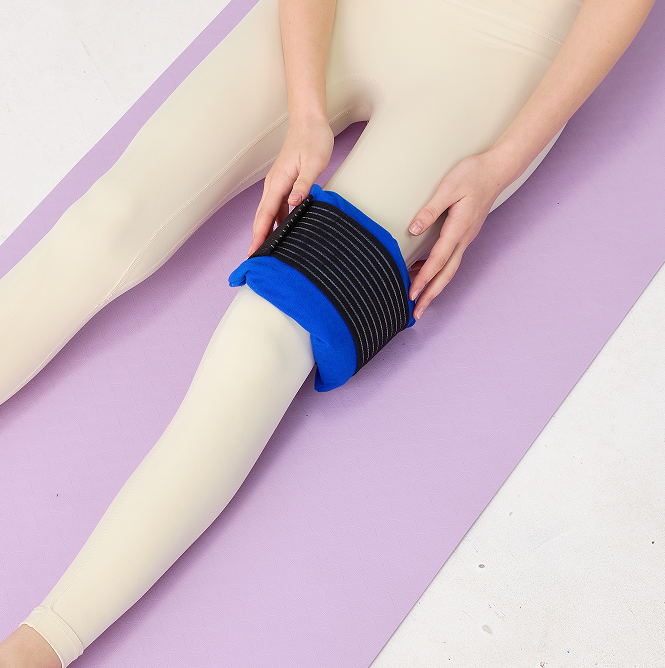
Choosing the Right Gel Ice Blanket for Wine Shipping
If you are evaluating gel ice blanket options for wine shipping, fit matters more than headline claims. The product has to fit the payload, the shipper, the route, and the packing discipline your team can actually repeat.
When those elements line up, a gel ice blanket can be a very practical cold source. When they do not, even a well-made pack can disappoint in the field.
What this product is and where it fits
A gel ice blanket is best understood as a controlled cold source for passive packaging. It can be very effective in wine shipping when the payload needs temporary thermal protection and the operation can precondition, place, and handle the pack consistently.
It is not automatically a complete temperature-controlled shipping system, and it is not automatically suitable for every payload. The goal in wine shipping is usually to keep bottles cool and stable, not to make them arrive ice-cold. A blanket helps moderate heat, but it does not solve poor carton design or excessive dwell time. The correct decision comes from matching refrigerant, insulation, route, and operating discipline.
Wine is a good example of why "cold" and "correct" are not the same thing. The purpose of a gel blanket or bottle wrap is usually to slow temperature rise during handoffs, trucks, and doorstep exposure. It is not to turn the case into a freezer. A pack that arrives soft or partially thawed may still have done its job if the wine stayed cool and stable through transit.
How performance is really determined
Commercial products on the market show how wide the category really is. Standard refrigerated gels are commonly built around a 0°C phase profile for chilled distribution, while specialized frozen formulas can suppress the freezing point to roughly -23°C for lower-temperature programs. Public product literature also shows differences in construction: some packs use thick polyethylene films around 4 mil, others use puncture-resistant nylon laminates, and some no-sweat designs add an absorbent outer layer to manage condensation. More precise PCM-style gels are also available in the market around controlled-cool set points such as 3°C, 5°C, 7°C, or even 17°C when the goal is to protect against overcooling rather than simply stay cold.
Conditioning matters more than many buyers expect. A good gel pack can still perform poorly if it is frozen unevenly, loaded warm, or staged too long before assembly. Published operating guidance in the market often recommends freezing packs flat at around -18°C or below for 12 to 24 hours, then building the shipper according to a defined pack-out pattern. That process sounds basic, but it is where consistency is won or lost. Two suppliers may offer packs with similar dimensions, yet one may give clearer conditioning instructions, tighter fill-weight control, and more stable repeat performance.
Geometry changes thermal behavior as much as chemistry does. A very thin pack gives fast surface contact but also melts faster. A thicker brick stores more cold energy but takes more space and can create sharper temperature gradients near the payload. That is why the right gel ice blanket is usually the one that matches the product arrangement inside the shipper. If the carton has tight side gaps, a flat side panel may work better than an overfilled pillow pouch. If the payload is heavy and stacked, a semi-rigid brick may create cleaner layers and more predictable separation.
For regulated or high-value shipments, the coolant should be evaluated as part of the whole passive system. That means the outer box, insulation, payload, spacer material, and logger placement all belong in the same conversation. WHO and EU GDP guidance for medicinal distribution emphasize maintaining the required temperature across transport and avoiding direct contact between cool packs and products that could freeze. In other words, a strong pack is useful, but it only becomes a reliable solution when it is matched to the real route and the real product sensitivity.
How to compare formats and constructions
Material choice is not cosmetic. In the market, chilled gel ice blanket products are often built around water-based gel systems thickened with agents such as cellulose derivatives or similar stabilizers so the fill stays distributed instead of sloshing like free liquid. That formulation is then matched with a film or laminate that must survive freezing, seal stress, carton abrasion, and repeated handling. A simple polyethylene pouch may be enough for low-risk use, while a nylon-laminate structure can provide better puncture resistance in harder routes. Some packs add an absorbent outer layer to manage surface moisture. Buyers should treat these as functional design choices, not as small aesthetic differences.
Flexible pouches generally use space well and conform around the payload. Bricks bring cleaner stacking and more defined separation. Blanket or wrap formats can cover more surface area and suit bottles or narrow cartons. No single format wins in every lane. The better question is which construction supports the way your pack-out is actually assembled and opened.
What matters in your application
Wine shipping creates a very different thermal problem from pharmaceuticals or laboratory specimens. The aim is usually to buffer bottles against heat spikes during staging, cross-dock handling, parcel trucks, and final delivery. A gel ice blanket works well here because it can wrap around bottle shapes, sit between bottles and carton walls, or line the top of a shipper without taking too much internal volume away from the case. For wine clubs, sampling programs, cellar transfers, and seasonal direct-to-consumer orders, that kind of wraparound geometry is often easier to pack than a hard block.
The product choice should also reflect the real shipping model. A wine club mailing in spring may be comfortable with a lighter seasonal pack-out, while a summer shipment across multiple warm zones may need a heavier wrap, stronger insulation, or even shipment holds during peak heat. Buyers should look for suppliers that understand bottle count, divider style, carton fit, and the difference between keeping wine cool and overchilling it.
Case price matters, but delivered cost often changes the ranking. A cheaper pack that needs more units per shipper, produces higher freight weight, or drives more summer add-ons may end up costing more than a better-matched format. The same is true when the operation uses extra labor to separate packs, wipe condensation, or rework damaged cartons. Procurement teams often get a clearer answer by comparing total pack-out cost and exception cost instead of unit price alone.
What buyers should check before placing a bulk order
For a production decision, the shortlist should answer practical questions, not just product questions:
Internal and external dimensions: check both, because small dimensional drift changes carton fit, product spacing, and logger placement.
Usable thermal mass: ask for nominal fill weight, tolerance, and whether the supplier checks weight automatically during production.
Material construction: confirm film or laminate type, thickness, seal layout, and puncture resistance, especially if packs rub against bottles, corners, or inserts.
Format behavior: confirm whether the pack must remain rigid, semi-rigid, or flexible after thawing, and how that behavior supports your pack-out.
Sample-to-production consistency: verify that the production pack will use the same gel formulation, film, and seals as the approved sample.
Change control: require notice before any change to gel formulation, film, dimensions, or pack weight, because these shifts can change field performance.
Hygiene and leakage control: for food, medical, and laboratory work, ask how the pack is cleaned, packed, and protected from leaks or contamination before use.
Labeling and traceability: ask for lot coding, carton labels, and documentation that lets you trace the pack back to a production batch.
MOQ, lead time, and custom options: understand minimum orders, print options, and how the supplier handles urgent replenishment or pilot volumes.
Route fit: give the supplier your actual temperature target, transit duration, insulation type, and payload arrangement instead of asking for a generic recommendation.
Scale-up discipline: compare how the supplier manages pilot orders, first production runs, and ongoing quality checks rather than looking only at case price.
A shortlist should come from evidence, not from catalog photography. The best sequence is usually straightforward: verify dimensions and fill weights, test conditioning behavior, run a small logger-based lane trial, then compare how sample performance matches production documentation. That process quickly filters out suppliers who can sell stock packs but cannot support repeatable cold chain execution.
Before placing a bulk order, it helps to treat the sample as a process sample rather than a sales sample. Measure it, weigh it, freeze it the way your site will really freeze it, and pack it into the exact shipper you plan to use. That quick verification step catches many issues early: overfilled pouches, inconsistent seal margins, awkward carton fit, and unrealistic freezer turnaround assumptions.
Operational mistakes worth avoiding
The first common mistake is buying by weight alone. A heavier pack is not automatically better if its shape wastes volume, pushes product against a carton wall, or creates contact freezing. The second mistake is assuming the same pack-out will work year-round. In real routes, winter, shoulder season, and summer often need different conditioning or pack placement. The third mistake is approving a sample and then forgetting to lock the production specification.
Wine buyers often overfocus on how cold the bottles feel when they arrive. That can be misleading. A colder-feeling bottle is not always a better-protected bottle if the pack-out caused localized chilling or if the carton design failed elsewhere in the route.
The main failure modes are predictable. Packs may be underfrozen, loaded warm, punctured by sharp corners, stacked too tightly in the freezer, or placed directly against a freeze-sensitive payload. Film stiffness can change at low temperatures, and repeated reuse can eventually weaken seals. Condensation can soften corrugate or wet printed inserts. None of those problems is unusual, but each one should be planned for before the bulk order is approved.
A first production order should behave like a controlled rollout. Confirm freezer capacity, conditioning time, carton assembly instructions, worker training, and receiving checks before volume scales. If multiple sites will assemble the shipment, make sure each site uses the same conditioning window and the same placement map. That simple discipline often prevents the pattern where one location reports good performance and another sees avoidable excursions.
Sustainability decisions work best when they stay practical. Reusable packs make sense when a closed loop, internal return, or repeated local route actually exists. For one-way parcel traffic, buyers may look at drain-safe, paper-forward, or lower-plastic options, but those alternatives still need to protect the payload and survive normal handling. The goal is not to choose the most fashionable sustainability claim. The goal is to reduce avoidable waste without creating product loss, temperature complaints, or more repacking.
Frequently asked questions
What is the first question to answer before choosing a gel pack?
Define the payload temperature requirement first. Without that, pack format, pack count, and conditioning instructions are all guesses.
Can one pack format handle every season?
Sometimes for short, low-risk routes, but many programs need seasonal adjustments in pack count, placement, or conditioning to stay reliable.
What separates a strong supplier from a basic stock seller?
A strong supplier can explain the pack construction, keep production consistent, support controlled rollout, and respond clearly when the route or product changes.
A practical conclusion
The most useful gel ice blanket is not the one with the loudest claim. It is the one that fits the payload, the pack-out, and the operating reality of your route. That is the standard worth using when you compare manufacturers, wholesalers, or custom options.
The best gel ice blanket decision is usually the one that connects three things: the right thermal behavior, the right physical format, and the right operating discipline. In wine shipping, buyers get better outcomes when they compare suppliers on specification control, conditioning clarity, and route fit rather than on cold language alone.
About Tempk
We are Tempk, a brand of Shanghai Tempk Industrial Co., Ltd., focused on temperature-control products for business and daily use. Our range includes gel ice packs, dry ice packs, freezer ice bricks, insulated bags, EPP cooler boxes, thermal box liners, pallet covers, and medical transport packaging. That breadth is useful when a project needs the refrigerant format and the outer packaging to work together instead of being sourced as separate decisions.
Next step
If you are reviewing a new lane or a bulk purchase, ask for guidance based on the temperature band, transit time, and pack-out structure you actually use. A clearer specification at the start usually prevents expensive trial and error later.