


Choosing the Right Gel Cooling Gel Supplier in the UK
Choosing the Right Gel Cooling Gel Supplier in the UK
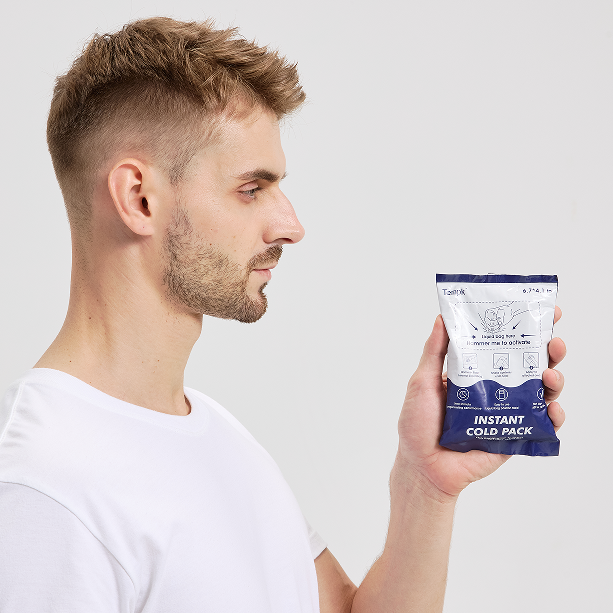
Choosing the Right Gel Cooling Gel Supplier in the UK
A strong gel cooling gel program starts with a clear product brief: what the gel should feel like, how it will be packaged, and what kind of claims it will carry.
Once those points are defined, supplier evaluation becomes much more practical and much less vulnerable to vague cooling language.
What a good cooling gel should deliver
A gel cooling gel is a formula-based product designed to create a cooling feel on the skin. It is different from a frozen pack or a refrigerated compress. In most sourcing discussions, the real issues are formula clarity, claim category, user feel, package compatibility, and supplier reliability. A topical cooling gel is a formula-based product, not a frozen pack. Buyers need to separate cosmetic, wellness, and medical-style claims before choosing a supplier.
Many products in the category create their cooling sensation through evaporation and ingredients such as menthol, camphor, alcohol, or botanical cooling agents rather than through stored cold energy. That matters because the user experience depends on intensity, spreadability, drying time, fragrance, and skin feel-not only on whether the label says cooling.
User experience in this category is built from several small details. Cooling strength, fragrance, residue, drying time, and ease of application all shape whether the product feels refreshing, sporty, soothing, or overly harsh. A good supplier should be able to describe those trade-offs and suggest a formulation direction that matches the intended audience.
Message clarity also matters commercially. Buyers should decide whether the product story centers on post-exercise refreshment, everyday muscle comfort, general wellness, or a more pharmacy-adjacent positioning. That message influences package design, pack size, fragrance profile, and how strong the cooling sensation should feel in normal use.
How formula, claims, and packaging need to match
Formula design usually starts with the base. Water balance, humectants, solvents, thickening agents, fragrance, preservatives, and active cooling ingredients all affect slip, clarity, residue, and drying behavior. A supplier that can explain the formula structure in plain language is usually easier to work with than one that talks only in vague sensation claims.
Rheology, which simply means how the gel flows and sits, is crucial. A gel that is too thin can leak from the hand, run around the closure, or separate in a pump. A gel that is too thick may feel sticky, trap bubbles during filling, or fail to spread smoothly. The best viscosity is the one that matches the intended package and the desired user experience.
Packaging choice changes performance more than many buyers expect. Tubes give good dose control and work well for sports and wellness lines. Pumps can feel cleaner for repeated household use. Sachets support sampling and travel. Roll-ons change the application ritual entirely. Every option requires a gel that remains stable, cleanly filled, and compatible with the closure system.
Category definition matters early. A product sold as a cosmetic or general wellness item can have a different development path from one promoted with stronger medical-style claims. Before choosing a supplier, buyers should decide what they want the product to be, how it will be marketed, and what evidence or review process that positioning implies.
Channel fit is part of product definition. A cooling gel intended for a gym bag or sports counter may need a different pack size and message style from one aimed at pharmacy-adjacent wellness shelves or professional treatment rooms. That does not always require a different formula, but it often affects the most suitable package and the clearest way to position the product.
What buyers should confirm before scale-up
Private-label development is often smoother when the brief is narrowed early. Decide whether the product is meant to feel energizing, soothing, lightly cooling, or strongly cooling, and then choose a package that suits that experience. This helps the supplier produce more representative samples and reduces the chance of repeated reformulation late in the project.
Formula transparency: ask what creates the cooling sensation, how strong it is intended to feel, and whether fragrance or botanical ingredients are optional.
Claim category: decide early whether the product is being positioned as cosmetic, wellness, sports recovery, or something with more explicit medical-style language.
Rheology and package fit: confirm that the gel viscosity suits the intended tube, pump, sachet, or roll-on format.
Stability expectations: ask how the supplier reviews appearance, scent, separation, and closure performance through the intended shelf-life window.
Skin-feel profile: review spreadability, residue, tackiness, drying time, and whether the finish matches your target user and channel.
Private-label support: understand artwork, minimums, filling options, carton pack-outs, and what parts of the formula can be customized.
Sample-to-production consistency: verify that the commercial batch will use the same fragrance, actives, texture, and packaging materials as the approved sample.
Lead time and scale-up planning: ask what changes when volumes rise, especially for fragrance sourcing, packaging components, and filling-line scheduling.
UK operating model: confirm whether the supplier formulates and fills locally, fills an imported base, or simply distributes finished stock.
Portfolio discipline: compare whether the supplier can help narrow the brief to a clear, coherent product instead of multiplying slight formula variants.
A strong sample review should look beyond cooling feel. Buyers should check spreadability, drying speed, residue, packaging cleanliness, fragrance balance, and how the gel looks after standing. If the product is meant for repeat household use, it is also worth checking whether the closure stays clean and whether the gel dispenses consistently toward the end of the package.
Stability is not only a lab concern. If the gel separates, changes color, leaks around the closure, or loses its intended texture during storage, the customer notices immediately. That is why buyers should ask how the supplier checks appearance, viscosity, scent, and closure performance over time in the actual package that will be sold.
Operational detail can save time later. Confirm whether the supplier handles formulation and filling in the same facility, how artwork approval fits the production schedule, and how component changes such as pumps, caps, or tubes are communicated. These points affect scale-up reliability just as much as the formula itself.
Mistakes worth avoiding
A common sourcing mistake is choosing a sensation profile before defining the product category. If claims, packaging, and route to market are not clear, sample feedback becomes confusing very quickly.
Another mistake is treating the package as a last-minute decision. Gels that feel excellent in a jar or open beaker can behave differently in a narrow tube, pump, or roll-on applicator.
Buyers also run into trouble when they ask for a 'stronger cooling feel' without considering fragrance balance, drying time, or potential user sensitivity. A more intense formula is not automatically a better commercial formula.
Fragrance deserves deliberate review because it strongly shapes user perception. A pleasant scent can make a product feel fresher and more premium, but excessive fragrance may clash with a clinical, sports, or everyday wellness positioning. Suppliers should be able to discuss fragrance strength, optional fragrance-free versions, and how scent interacts with the cooling profile.
Secondary packaging and carton pack-out still matter, even for a topical gel. Buyers should check whether the product travels cleanly, whether labels stay presentable, and whether the chosen format supports sampling, retail display, or e-commerce shipment without avoidable leakage or scuffing.
Sustainability choices in this category often come down to package format, carton efficiency, refill logic, and the complexity of the formula itself. A simpler, stable formula in a well-matched package can create less waste than a more complicated concept that leaks, separates, or generates excess returns.
Total cost includes more than fill price. Leakage complaints, unstable texture, excess fragrance rework, or packaging that does not travel well can erase any savings from a low initial quote. A better-matched formula-package combination often reduces commercial friction even if the unit cost is slightly higher.
Frequently asked questions
What should be fixed first: the formula or the packaging?
The brief should define both together. Packaging constraints and formula texture influence each other from the start.
Can one formula serve every channel?
Sometimes, but many brands benefit from adjusting intensity, package format, or finish to suit different retail or professional uses.
What causes the most rework in development?
Unclear claim direction, late packaging changes, and sample formulas that are not representative of production are frequent causes.
A practical conclusion
A strong cooling-gel program starts with a clear brief, then turns that brief into a stable formula, a suitable package, and a supplier relationship that can scale cleanly.
Additional practical considerations
Formula design usually starts with the base. Water balance, humectants, solvents, thickening agents, fragrance, preservatives, and active cooling ingredients all affect slip, clarity, residue, and drying behavior. A supplier that can explain the formula structure in plain language is usually easier to work with than one that talks only in vague sensation claims.
Rheology, which simply means how the gel flows and sits, is crucial. A gel that is too thin can leak from the hand, run around the closure, or separate in a pump. A gel that is too thick may feel sticky, trap bubbles during filling, or fail to spread smoothly. The best viscosity is the one that matches the intended package and the desired user experience.
Packaging choice changes performance more than many buyers expect. Tubes give good dose control and work well for sports and wellness lines. Pumps can feel cleaner for repeated household use. Sachets support sampling and travel. Roll-ons change the application ritual entirely. Every option requires a gel that remains stable, cleanly filled, and compatible with the closure system.
Category definition matters early. A product sold as a cosmetic or general wellness item can have a different development path from one promoted with stronger medical-style claims. Before choosing a supplier, buyers should decide what they want the product to be, how it will be marketed, and what evidence or review process that positioning implies.
In the UK market, demand around cooling gels is shaped by sports recovery, wellness positioning, pharmacy-adjacent products, and private-label development. Across themes such as cleaner ingredient positioning, private label wellness, pump and tube format optimization, and packaging sustainability, buyers are looking for formulas that feel modern, read clearly on-pack, and can be scaled without losing texture or package fit.
About Tempk
We are Tempk, a brand of Shanghai Tempk Industrial Co., Ltd., focused on temperature-control products for business and everyday use. Our public product range spans gel packs, insulated carriers, personal thermotherapy products, and temperature-controlled packaging. That mix helps when buyers need practical advice on cooling formats, user comfort, and product design that still works in transport, storage, and daily handling.
Next step
If you are evaluating a supplier or a private-label brief, define the claim category, the package format, and the target user experience before you lock the formula. That sequence usually saves time during sample review and scale-up.
Choosing the Right Gel Cooler Pack for Temperature-Sensitive Shipping In The Uk
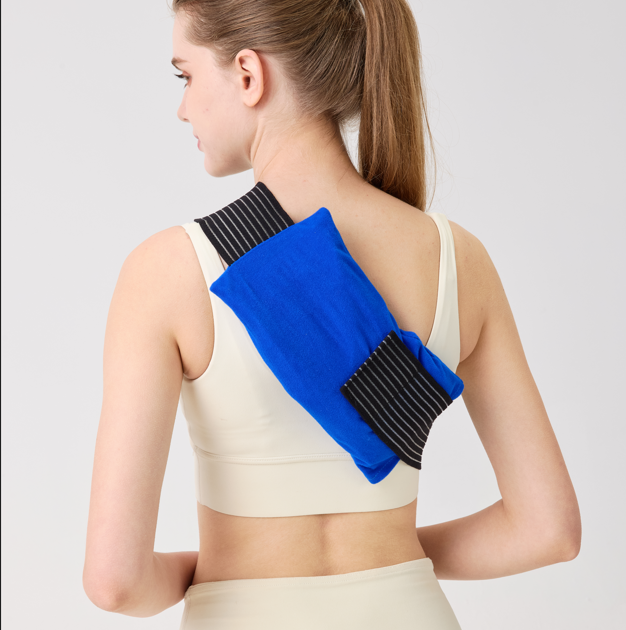
Choosing the Right Gel Cooler Pack for Temperature-Sensitive Shipping In The Uk
If you are evaluating gel cooler pack options for temperature-sensitive shipping in the UK, fit matters more than headline claims. The product has to fit the payload, the shipper, the route, and the packing discipline your team can actually repeat.
When those elements line up, a gel cooler pack can be a very practical cold source. When they do not, even a well-made pack can disappoint in the field.
What this product is and where it fits
A gel cooler pack is best understood as a controlled cold source for passive packaging. It can be very effective in temperature-sensitive shipping in the UK when the payload needs temporary thermal protection and the operation can precondition, place, and handle the pack consistently.
It is not automatically a complete temperature-controlled shipping system, and it is not automatically suitable for every payload. UK buyers should separate true domestic manufacturing from simple local stockholding, because lead time, change control, and replenishment flexibility are not the same thing. The correct decision comes from matching refrigerant, insulation, route, and operating discipline.
Food distribution brings its own discipline. Sanitary transport rules focus on keeping food properly refrigerated and protecting it from contamination during movement. In practice, that means buyers should consider not just hold time, but also leak resistance, condensation management, carton integrity, and how easily the coolant can be staged in busy packing lines.
How performance is really determined
Commercial products on the market show how wide the category really is. Standard refrigerated gels are commonly built around a 0°C phase profile for chilled distribution, while specialized frozen formulas can suppress the freezing point to roughly -23°C for lower-temperature programs. Public product literature also shows differences in construction: some packs use thick polyethylene films around 4 mil, others use puncture-resistant nylon laminates, and some no-sweat designs add an absorbent outer layer to manage condensation. More precise PCM-style gels are also available in the market around controlled-cool set points such as 3°C, 5°C, 7°C, or even 17°C when the goal is to protect against overcooling rather than simply stay cold.
Conditioning matters more than many buyers expect. A good gel pack can still perform poorly if it is frozen unevenly, loaded warm, or staged too long before assembly. Published operating guidance in the market often recommends freezing packs flat at around -18°C or below for 12 to 24 hours, then building the shipper according to a defined pack-out pattern. That process sounds basic, but it is where consistency is won or lost. Two suppliers may offer packs with similar dimensions, yet one may give clearer conditioning instructions, tighter fill-weight control, and more stable repeat performance.
Geometry changes thermal behavior as much as chemistry does. A very thin pack gives fast surface contact but also melts faster. A thicker brick stores more cold energy but takes more space and can create sharper temperature gradients near the payload. That is why the right gel cooler pack is usually the one that matches the product arrangement inside the shipper. If the carton has tight side gaps, a flat side panel may work better than an overfilled pillow pouch. If the payload is heavy and stacked, a semi-rigid brick may create cleaner layers and more predictable separation.
For regulated or high-value shipments, the coolant should be evaluated as part of the whole passive system. That means the outer box, insulation, payload, spacer material, and logger placement all belong in the same conversation. WHO and EU GDP guidance for medicinal distribution emphasize maintaining the required temperature across transport and avoiding direct contact between cool packs and products that could freeze. In other words, a strong pack is useful, but it only becomes a reliable solution when it is matched to the real route and the real product sensitivity.
How to compare formats and constructions
Material choice is not cosmetic. In the market, chilled gel cooler pack products are often built around water-based gel systems thickened with agents such as cellulose derivatives or similar stabilizers so the fill stays distributed instead of sloshing like free liquid. That formulation is then matched with a film or laminate that must survive freezing, seal stress, carton abrasion, and repeated handling. A simple polyethylene pouch may be enough for low-risk use, while a nylon-laminate structure can provide better puncture resistance in harder routes. Some packs add an absorbent outer layer to manage surface moisture. Buyers should treat these as functional design choices, not as small aesthetic differences.
Flexible pouches generally use space well and conform around the payload. Bricks bring cleaner stacking and more defined separation. Blanket or wrap formats can cover more surface area and suit bottles or narrow cartons. No single format wins in every lane. The better question is which construction supports the way your pack-out is actually assembled and opened.
What matters in your application
In temperature-sensitive shipping in the UK, a gel cooler pack is usually chosen because it gives a practical balance of thermal mass, cost control, and packing-line simplicity. It fits well in domestic replenishment, e-commerce, and route-based chilled shipping in the UK and can be adapted for payloads such as food boxes, medical deliveries, sample kits, and retail cold packs. The real value is not that it is cold. The real value is that it can be specified, conditioned, and packed in a repeatable way.
That repeatability is what separates a useful refrigerant program from a reactive one. If the pack size changes, the seal breaks more easily than expected, or the fill weight drifts during production, the effect shows up in the field as messy cartons, unstable temperatures, and more customer complaints. That is why buyers looking at manufacturers and suppliers should think past brochure descriptions and into operational detail.
A UK sourcing lens changes practical questions. Buyers often want shorter lead times, easier sample review, and less exposure to import friction on urgent replenishment. They also want clarity on whether the supplier is genuinely manufacturing in the UK or just holding imported stock. Those are two different operating models, and they have different implications for customization, batch consistency, and change control.
Case price matters, but delivered cost often changes the ranking. A cheaper pack that needs more units per shipper, produces higher freight weight, or drives more summer add-ons may end up costing more than a better-matched format. The same is true when the operation uses extra labor to separate packs, wipe condensation, or rework damaged cartons. Procurement teams often get a clearer answer by comparing total pack-out cost and exception cost instead of unit price alone.
What buyers should check before placing a bulk order
For a production decision, the shortlist should answer practical questions, not just product questions:
Internal and external dimensions: check both, because small dimensional drift changes carton fit, product spacing, and logger placement.
Usable thermal mass: ask for nominal fill weight, tolerance, and whether the supplier checks weight automatically during production.
Material construction: confirm film or laminate type, thickness, seal layout, and puncture resistance, especially if packs rub against bottles, corners, or inserts.
Conditioning behavior: ask how long the pack needs to freeze, whether it should be frozen flat, and how the supplier handles conditioning guidance for summer and winter lanes.
Sample-to-production consistency: verify that the production pack will use the same gel formulation, film, and seals as the approved sample.
Change control: require notice before any change to gel formulation, film, dimensions, or pack weight, because these shifts can change field performance.
Hygiene and leakage control: for food, medical, and laboratory work, ask how the pack is cleaned, packed, and protected from leaks or contamination before use.
Labeling and traceability: ask for lot coding, carton labels, and documentation that lets you trace the pack back to a production batch.
MOQ, lead time, and custom options: understand minimum orders, print options, and how the supplier handles urgent replenishment or pilot volumes.
Route fit: give the supplier your actual temperature target, transit duration, insulation type, and payload arrangement instead of asking for a generic recommendation.
Manufacturing location: confirm whether the product is made in the UK, converted locally, or imported as finished stock, because that affects flexibility and lead time.
Scale-up discipline: compare how the supplier manages pilot orders, first production runs, and ongoing quality checks rather than looking only at case price.
A shortlist should come from evidence, not from catalog photography. The best sequence is usually straightforward: verify dimensions and fill weights, test conditioning behavior, run a small logger-based lane trial, then compare how sample performance matches production documentation. That process quickly filters out suppliers who can sell stock packs but cannot support repeatable cold chain execution.
Before placing a bulk order, it helps to treat the sample as a process sample rather than a sales sample. Measure it, weigh it, freeze it the way your site will really freeze it, and pack it into the exact shipper you plan to use. That quick verification step catches many issues early: overfilled pouches, inconsistent seal margins, awkward carton fit, and unrealistic freezer turnaround assumptions.
Operational mistakes worth avoiding
The first common mistake is buying by weight alone. A heavier pack is not automatically better if its shape wastes volume, pushes product against a carton wall, or creates contact freezing. The second mistake is assuming the same pack-out will work year-round. In real routes, winter, shoulder season, and summer often need different conditioning or pack placement. The third mistake is approving a sample and then forgetting to lock the production specification.
Another avoidable mistake is treating domestic availability as proof of suitability. Fast replenishment is helpful, but it does not answer whether the coolant fits the real thermal risk.
The main failure modes are predictable. Packs may be underfrozen, loaded warm, punctured by sharp corners, stacked too tightly in the freezer, or placed directly against a freeze-sensitive payload. Film stiffness can change at low temperatures, and repeated reuse can eventually weaken seals. Condensation can soften corrugate or wet printed inserts. None of those problems is unusual, but each one should be planned for before the bulk order is approved.
A first production order should behave like a controlled rollout. Confirm freezer capacity, conditioning time, carton assembly instructions, worker training, and receiving checks before volume scales. If multiple sites will assemble the shipment, make sure each site uses the same conditioning window and the same placement map. That simple discipline often prevents the pattern where one location reports good performance and another sees avoidable excursions.
Sustainability decisions work best when they stay practical. Reusable packs make sense when a closed loop, internal return, or repeated local route actually exists. For one-way parcel traffic, buyers may look at drain-safe, paper-forward, or lower-plastic options, but those alternatives still need to protect the payload and survive normal handling. The goal is not to choose the most fashionable sustainability claim. The goal is to reduce avoidable waste without creating product loss, temperature complaints, or more repacking.
Frequently asked questions
What is the first question to answer before choosing a gel pack?
Define the payload temperature requirement first. Without that, pack format, pack count, and conditioning instructions are all guesses.
Can one pack format handle every season?
Sometimes for short, low-risk routes, but many programs need seasonal adjustments in pack count, placement, or conditioning to stay reliable.
What separates a strong supplier from a basic stock seller?
A strong supplier can explain the pack construction, keep production consistent, support controlled rollout, and respond clearly when the route or product changes.
A practical conclusion
The most useful gel cooler pack is not the one with the loudest claim. It is the one that fits the payload, the pack-out, and the operating reality of your route. That is the standard worth using when you compare manufacturers, wholesalers, or custom options.
The best gel cooler pack decision is usually the one that connects three things: the right thermal behavior, the right physical format, and the right operating discipline. In temperature-sensitive shipping in the UK, buyers get better outcomes when they compare suppliers on specification control, conditioning clarity, and route fit rather than on cold language alone.
About Tempk
We are Tempk, a brand of Shanghai Tempk Industrial Co., Ltd., focused on temperature-control products for business and daily use. Our range includes gel ice packs, dry ice packs, freezer ice bricks, insulated bags, EPP cooler boxes, thermal box liners, pallet covers, and medical transport packaging. That breadth is useful when a project needs the refrigerant format and the outer packaging to work together instead of being sourced as separate decisions.
Next step
If you are reviewing a new lane or a bulk purchase, ask for guidance based on the temperature band, transit time, and pack-out structure you actually use. A clearer specification at the start usually prevents expensive trial and error later.
How to Choose the Right Gel Cold Therapy Pack for Healthcare Procurement

How to Choose the Right Gel Cold Therapy Pack for Healthcare Procurement
The right gel cold therapy pack is the one that works for the patient and for the people handling it every day.
That means choosing a format that matches freezer routine, application method, cleaning expectations, and labeling needs before the bulk order is placed.
What the right therapy pack needs to do
A gel cold therapy pack is a reusable or single-patient cold pack designed for therapeutic cooling, not for parcel shipping. In healthcare buying, the main questions are whether the pack stays flexible enough to conform to the body, how cleanly it fits the workflow, and whether its labeling and claim style suit the intended channel. A healthcare cold therapy pack is different from a shipping coolant. Clinical buyers need flexible frozen performance, cleanability, and appropriate claim support for the channel they serve.
These packs are commonly considered for post-procedure cooling, sports medicine, orthopedic rehab, and general patient care. In many settings, the pack is paired with a towel, sleeve, or dedicated wrap so staff can position it quickly and maintain a consistent routine. The practical value is simple: a reusable cold source that is easy to freeze, easy to identify, and easy to hand to the next patient or discharge as part of a take-home kit.
Public healthcare product pages in this category often describe non-toxic gel fills, flexible construction, and reusable hot/cold use. Those baseline features matter, but material behavior still varies. Some packs stay pliable and comfortable after freezing. Others become harder, feel uneven against the body, or show seam stress after repeated cycles. For clinical buying, the difference becomes obvious only when the pack is used in real freezer-to-patient workflows.
Patient experience still matters in B2B buying. A pack that feels too rigid, looks low-quality, or is awkward to hold can reduce compliance even when it technically delivers cold therapy. For programs that include take-home use, clear instructions and a comfortable feel are part of the product's real value.
How to compare format, comfort, and workflow fit
Technically, cold therapy performance depends on three things at once: how cold the pack gets, how evenly it contacts the body, and how long it stays useful without becoming uncomfortable. A pack that is too rigid can create poor surface contact. A very soft pack may drape well but lose shape. Film thickness, seam design, fill level, and any outer cover all influence that balance.
Workflow fit deserves more attention than it usually gets. A pack that performs well in a lab freezer may still create friction if staff cannot identify the right size quickly, if the sleeve is awkward, or if the unit does not fit standard storage bins. For hospitals and clinics, the best format is often the one that balances anatomical fit with simple stocking and training.
Accessories can also change the value of the program. Sleeves, wraps, straps, or simple protective covers may determine whether the pack is positioned correctly and comfortably in day-to-day use. When a supplier offers those accessories, buyers should still confirm whether they are durable, easy to clean, and consistent with the intended storage method.
Storage and turnover deserve a practical review. Packs should fit the freezer space the facility actually has, not the freezer space buyers wish they had. If cartons are too large, or if the pack shape makes stacking awkward, staff may improvise and the program becomes inconsistent. A cleaner result often comes from choosing sizes that match real bins, shelves, and pick routines.
The intended use case also changes size selection. Orthopedic rehab, sports medicine, and general outpatient care do not always need the same form factor. Some teams prefer body-part-specific shapes for knees, shoulders, or ankles. Others deliberately choose a few universal flat packs because they simplify storage and training. The right answer depends on how standardized the workflow needs to be.
What buyers should check before rollout
Channel fit affects packaging, instructions, and perceived value. A product intended for in-clinic treatment may need a different label emphasis from a discharge-kit item or a pack sold through a healthcare-adjacent retail channel. Clarifying that use case early helps suppliers recommend the right format instead of pushing one generic pack into every situation.
Claim boundaries are also important. Some products are sold as general hot/cold packs for wellness or home care, while others are positioned more clearly toward professional healthcare channels. Buyers should align the product category, labeling language, instructions for use, and sales channel before they scale a program, especially when private label is involved.
Frozen flexibility: ask how the pack behaves straight from the freezer and after several minutes of use against the body.
Shape and size range: confirm whether the supplier offers flat universal packs, body-part-specific shapes, or sleeves and wraps that support placement.
Film and seam durability: review how the pack is protected against bursting, splitting, or visible wear after repeated freeze-thaw cycles.
Cleanability: ask how the outer surface should be wiped, how sleeves or covers are cleaned, and whether the product design fits your hygiene routine.
Unit-of-issue and labeling: clarify pack labeling, patient instructions, carton quantities, and whether the product is intended for clinic use, resale, or take-home programs.
Heating compatibility: if dual-use is required, verify safe warming instructions and any cycle limits instead of assuming every pack is equally suitable for heat therapy.
Sample-to-production consistency: make sure the approved sample uses the same fill, film, seams, and any cover materials as planned production.
MOQ, lead time, and customization: understand the limits on printing, shape changes, bundled sleeves, and private-label packaging.
Program fit: compare whether the supplier can support both standard clinic stock and branded patient take-home packs without confusing the product range.
A proper sample review should happen in real workflow conditions. Freeze the pack the way staff will actually freeze it, apply it with the intended towel or sleeve, and see how it feels after a few minutes rather than only at the moment it leaves the freezer. This quickly reveals whether the pack is truly conformable, easy to handle, and suited to the intended body area.
Training should be treated as part of the product. Staff need clear instructions on when the pack should come out of the freezer, whether a barrier layer is needed, how long it is typically used, and how it is cleaned or returned to storage afterward. That kind of routine guidance often matters more than one extra line of marketing copy on the carton.
Take-home programs have their own needs. A pack that works in a clinic may need different labeling, a simpler sleeve, or clearer user instructions when it leaves the facility with the patient. Buyers should review that transition early rather than assuming the professional-use presentation will translate smoothly into home use.
Operational mistakes worth avoiding
A common buying mistake is choosing the pack with the lowest case price without checking how it feels after freezing. If it becomes too hard, the apparent savings often disappear in user dissatisfaction and staff workarounds.
Another mistake is carrying too many near-duplicate SKUs. In many healthcare programs, a smaller range of well-chosen pack sizes is easier to store, train on, and reorder than a large catalog of slightly different shapes.
Buyers also make avoidable errors when they mix shipping-style language with therapy-style use. A therapeutic pack is selected for body contact, comfort, and repeat handling, not for transport hold time.
Many procurement teams improve results by rationalizing the assortment. Instead of carrying many near-duplicate packs, they define a smaller set of formats that cover the most common body areas and workflows. This makes stocking, reordering, staff familiarity, and bundled patient programs easier to manage.
Wholesale cost should be assessed alongside replacement rate, storage efficiency, training time, and workflow simplicity. A cheaper pack that splits early, fits poorly into storage bins, or requires too many specialized sizes may create higher operating cost than a more stable and versatile alternative.
Sustainability in therapy-pack purchasing often shows up as reuse, SKU simplification, and avoiding premature replacement. A durable pack with a clear cleaning routine can reduce waste, but only if the workflow genuinely supports repeated use. In some channels, single-patient distribution or bundled take-home kits may still be the more realistic model.
Frequently asked questions
What is the first thing to define in a healthcare brief?
Start with where and how the pack will be used: in-clinic treatment, discharge kits, retail resale, or a mixed program.
Should buyers prioritize body-part-specific shapes or universal packs?
That depends on the workflow. Some programs benefit from specialized shapes, while others save time with a smaller number of versatile flat packs.
What usually creates rollout problems?
Unclear freezer routines, too many overlapping SKUs, and samples that do not truly match production are common causes.
A practical conclusion
A strong cold-therapy pack program starts with real patient use and staff workflow, then moves into format selection, labeling, and supply consistency.
Additional practical considerations
Public healthcare product pages in this category often describe non-toxic gel fills, flexible construction, and reusable hot/cold use. Those baseline features matter, but material behavior still varies. Some packs stay pliable and comfortable after freezing. Others become harder, feel uneven against the body, or show seam stress after repeated cycles. For clinical buying, the difference becomes obvious only when the pack is used in real freezer-to-patient workflows.
Technically, cold therapy performance depends on three things at once: how cold the pack gets, how evenly it contacts the body, and how long it stays useful without becoming uncomfortable. A pack that is too rigid can create poor surface contact. A very soft pack may drape well but lose shape. Film thickness, seam design, fill level, and any outer cover all influence that balance.
Workflow fit deserves more attention than it usually gets. A pack that performs well in a lab freezer may still create friction if staff cannot identify the right size quickly, if the sleeve is awkward, or if the unit does not fit standard storage bins. For hospitals and clinics, the best format is often the one that balances anatomical fit with simple stocking and training.
Claim boundaries are also important. Some products are sold as general hot/cold packs for wellness or home care, while others are positioned more clearly toward professional healthcare channels. Buyers should align the product category, labeling language, instructions for use, and sales channel before they scale a program, especially when private label is involved.
About Tempk
We are Tempk, a brand of Shanghai Tempk Industrial Co., Ltd., focused on temperature-control products for business and everyday use. Our public product range spans gel packs, insulated carriers, personal thermotherapy products, and temperature-controlled packaging. That mix helps when buyers need practical advice on cooling formats, user comfort, and product design that still works in transport, storage, and daily handling.
Next step
If you are planning a clinic rollout or a bulk program, start with the body area, storage workflow, and cleaning routine you really need. That makes it easier to choose a pack shape and material that staff will actually use correctly.
Gel Ice Wrap Food Supplier: The Practical Guide for Serious Buyers

Choosing a Gel Ice Wrap Supplier for Food Shipments: A Practical Buying and Specification Guide
A good gel ice wrap food supplier decision comes down to fit: fit to the product, fit to the route, fit to the packing routine, and fit to the level of risk you actually carry.
That balanced view is important because buyers often get pushed toward extremes. One side reduces the decision to pouch price and misses leakage, labor, and spoilage costs. The other side over-engineers the program and pays for performance that the lane does not actually need. A better approach is to match the coolant format to the real shipping job and then verify that the supplier can reproduce it consistently.
The sections below combine practical buying advice, public technical reference points, and application-specific cautions so you can make a more confident decision without turning a simple pack review into an overcomplicated project.
USDA and FDA consumer guidance, along with major parcel-carrier instructions, consistently point to frozen gel packs or dry ice inside an insulated container for perishables. They also distinguish between refrigerated foods and truly frozen foods, which is the most important buying boundary.
Where This Format Adds Real Value
A gel ice wrap is usually a strong choice when you need clean handling, predictable placement, moderate thermal buffering, and a format that can be scaled across repeat shipments. It is especially useful when loose melt water would be a problem, when product contact area matters, or when you need a pouch that takes less space than a hard bottle or brick.
It may be the wrong choice when the route is so demanding that the shipment needs a qualified long-duration system, when the product is highly chill-sensitive, or when the pack geometry does not fit the carton without crushing the payload. In those cases, the better answer may be a different refrigerant, a different insulation level, or a complete redesign of the passive system.
That is why the best suppliers do not treat every opportunity as a stock-pack sale. They help you define the temperature target, route risk, handling method, and cost of failure first. Once that is clear, the correct coolant format is usually much easier to defend internally.
How Gel Refrigerants Work in a Real Pack-Out
A gel ice wrap works as a thermal buffer inside a passive shipping system. It does not create cold on its own. It stores cooling energy during refrigeration or freezing, then absorbs incoming heat while the insulated shipper slows the rate of temperature rise. That sounds simple, but real performance changes with conditioning time, pack placement, carton fill, outside temperature, and how often the box is opened.
Public cold-chain guidance and product catalogs point to the same practical truth: hold time is never a fixed number that belongs to the pack alone. A catalog may show a 24 to 48 hour window, but that figure only makes sense together with the insulation value of the box, the ambient profile, and the amount of coolant used. For higher-risk shipments, the right way to compare options is to test the full pack-out rather than to copy a claim from another lane.
In many operations, buyers compare flexible wraps, flat pouches, rigid bricks, and PCM-based elements. Flexible formats improve contact and can wrap around product geometry. Rigid formats can be easier to place predictably and may resist compression better. PCM means phase change material: a coolant engineered to freeze and melt around a more specific temperature point than a standard water-based gel. That can be useful when you want narrower temperature control, but it also raises the need for more disciplined conditioning and pack-out design.
The Format Differences That Matter in Procurement
Most commercial gel packs are built from two elements: a flexible outer film and an inner refrigerant medium. Public product information shows several common approaches. Some packs rely on water-based polymer gels that stay semi-solid instead of turning into a hard block of ice. Some use superabsorbent polymers, often sodium polyacrylate-based materials, to lock water into a hydrogel. Others use carboxymethyl cellulose or related systems to create a leak-resistant gel with a different feel and flow profile.
The outer package is not a minor detail. Durable cold-chain products are commonly described with polyethylene, poly-nylon, nylon laminate, or TPU-based constructions depending on whether the goal is transport durability, moisture control, or body-contact comfort. For shipping packs, puncture resistance and seal strength are critical because a leak can damage cartons, labels, absorbent materials, or the payload itself. For therapy and personal-care packs, softness, flexibility, and repeat heat-or-freeze cycles often become equally important.
Buyers also need to distinguish standard gel packs from more temperature-specific PCM elements. A standard 0°C-style gel pack is widely used for refrigerated shipping. Sub-zero formulas and PCM options are available for frozen or controlled-temperature applications. The right choice depends on the product requirement, not on which option sounds more advanced. A well-fitted standard gel system can outperform an expensive PCM solution when the route is short and the payload is forgiving, while the reverse can be true for longer or narrower-band lanes.
What Food Buyers Need from a Gel Wrap Supplier
Food shipping sounds straightforward until you define the target condition. Public food-safety and parcel-shipping guidance repeatedly distinguishes chilled or refrigerator-cold foods from products that must stay fully frozen. That distinction changes the refrigerant choice, the pack count, the amount of insulation, and even the transit service level you should buy.
A gel ice wrap is often useful for refrigerated foods because it provides broad contact around trays, pouches, or meal components and avoids the free water problem that comes with loose melting ice. It can also be easier to place cleanly in direct-to-consumer meal kits or short-run foodservice cartons. But when the payload must stay hard-frozen, buyers should compare gel packs with dry ice or colder PCM solutions instead of assuming the wrap can cover every use case.
In practice, food buyers should pay close attention to condensation, secondary liners, and carton hygiene. A pack that keeps the payload cold but leaves paper sleeves soaked is not a good food-packaging result. The best suppliers understand the interaction between refrigerant, absorbent or moisture-management layers, and the outer presentation of the shipment.
Conditioning, Testing, and Qualification
Conditioning is often treated as a warehouse detail, but it strongly affects performance. A pack that is only partially frozen, over-thawed, or staged inconsistently before packing will not behave like the pack that was tested. That is one reason suppliers sometimes appear to 'change' performance even when the formulation is the same: the daily operating method changed.
The right validation method depends on risk. For routine chilled consumer goods, a disciplined sample test in the intended shipper may be enough. For laboratory, pharmaceutical, or other sensitive applications, the full packaging system may need formal qualification, route profiling, or at least a more structured temperature study. WHO transport guidance for temperature-sensitive pharmaceutical products also emphasizes that packaging systems should be qualified before use.
When you run a pilot, record more than peak temperature. Record how long the packs were conditioned, how many were used, where they were placed, the payload mass, the ambient profile, and the condition of the carton at receipt. Those details make the results reusable. Without them, teams often repeat the same test without realizing that the packing method changed.
The Decision Points That Separate a Good Quote from a Good Solution
Fit first: compare internal and external dimensions, frozen profile, and usable payload space rather than relying on flat, unfrozen measurements.
Thermal target next: define whether the pack supports frozen, refrigerated, controlled room temperature, or simple heat buffering, then reject anything outside that purpose.
Material and seal quality: ask what the pouch film is, how the seam is made, and how the supplier controls leakage and burst resistance.
Operating method: lock the conditioning routine, freezer dwell time, thaw window if relevant, and exact pack placement in the carton.
Route suitability: test against the real lane, including seasonal exposure, handoff count, and receiving delay risk.
Consistency over marketing: give more weight to lot traceability, change control, and sample-to-production alignment than to generic claims about being premium or eco-friendly.
These decision points are useful because they bring procurement, operations, and quality into the same conversation. When all three groups can read the same written brief and the same supplier answers, it becomes much easier to choose a format that will still work six months from now.
What Food Buyers Should Ask Before Ordering in Bulk
The most useful supplier review is operational, not promotional. Ask the shortlisted supplier to answer the same questions in the same format, then compare written responses side by side. That approach exposes vague claims quickly and makes pilot testing easier to manage.
Confirm the target use first: refrigerated food or frozen food. Gel packs are commonly recommended for keeping foods cold or refrigerator-cold, while dry ice is often preferred when the product must stay fully frozen.
Ask about leak resistance and outer-film hygiene. In food applications, a damaged pack can create a sanitation and presentation problem even if the product itself stays sealed.
Check condensation control. Meal kits, printed sleeves, corrugated inserts, and paper labels can all be damaged by excess moisture.
Review how the wrap sits around the food without crushing delicate bakery, produce, or ready-meal packaging.
Discuss direct-contact assumptions. Even when a pack is non-toxic, buyers should still define whether the pack touches the food package, an inner liner, or a separator layer.
Ask the supplier how the wrap performs in the exact insulated container you use. Hold time depends on the box, liner, ambient profile, and pack placement—not only on the gel itself.
Review stock strategy and lead time, not only the quoted MOQ. A reliable supplier should explain how it handles replenishment, seasonal peaks, and emergency orders.
Clarify whether the supplier is simply reselling a stock item or can coordinate with the manufacturer on custom sizes, print, and specification control.
A supplier that answers these points clearly is usually easier to work with later when a lane changes, a complaint appears, or a new SKU is added.
Where Buyers Commonly Go Wrong
The first common mistake is buying by format name instead of by thermal job. Two suppliers may both offer a gel pack or gel wrap, but one may be built for a short refrigerated parcel lane while the other is intended for direct body therapy or low-cost one-way use. The label does not tell you enough on its own.
The second mistake is assuming that colder is always better. That logic can damage cosmetics, chill-sensitive flowers, and some pharmaceutical products just as easily as it protects them. Good procurement starts with the product’s acceptable range and the full pack-out design.
The third mistake is approving a sample without locking the specification. Small shifts in pouch size, film, or fill mass can change how the pack freezes, fits, and performs. If the supplier cannot keep sample and production aligned, you are effectively re-testing every order without knowing it.
Finally, many teams ignore receiving conditions. Ask what the pack should look like on arrival, what leakage threshold is acceptable, and how warehouse or customer-service staff should report problems. A buying program becomes much stronger when failure criteria are agreed before the first large order ships.
FAQ
Are gel wraps enough for frozen food?
Sometimes for short, controlled routes, but not by default. Public shipping guidance generally points to dry ice for products that must stay fully frozen and to gel packs for foods that need to stay cold or refrigerator-cold. The deciding factors are the product target, insulation, and transit exposure.
What is the fastest way to compare suppliers fairly?
Give each supplier the same written brief: target temperature range, route duration, carton size, payload size, and conditioning method. Then request samples and written answers to the same checklist. This makes differences in clarity and technical discipline easier to spot.
When should you move from a standard gel pack to PCM or a qualified system?
Move up when the product has a narrow temperature tolerance, the route is long or unpredictable, or the cost of failure is high. PCM and qualified shippers add value when they solve a defined problem; they are not automatic upgrades for every lane.
A Short Takeaway Before You Buy
The strongest gel ice wrap program is the one that fits the route, the product, and the operating routine without adding avoidable complexity. That usually means choosing a supplier or manufacturer who can explain the pack in system terms: target temperature, conditioning method, carton fit, durability, and repeatability from sample to production.
If you compare options that way, you are far more likely to reduce temperature complaints, avoid overpackaging, and keep procurement decisions grounded in real shipping performance rather than in generic catalog language.
About Tempk
At Tempk, we work on temperature-control packaging for food, medical, and other temperature-sensitive applications. Our public range includes custom ice packs, dry ice packs, insulated bags and boxes, and thermal pallet covers, along with broader custom temp-control packaging options. We also highlight material selection, quality control, and application-specific formats, which is valuable when you need a food-oriented gel pack program that fits a real shipper instead of a generic cold accessory.
Next Step
If you are preparing a pilot order, define the route, target temperature band, payload size, and pack placement before you request samples. For bulk orders or custom formats, ask for a sample and a clear technical specification before you commit.
Gel Freezer Pack Floral Supplier: How to Choose the Right Supplier or Manufacturer

How to Source Gel Freezer Packs for Floral Cold Chain Use: A Practical Buying and Specification Guide
A good gel freezer pack floral supplier decision comes down to fit: fit to the product, fit to the route, fit to the packing routine, and fit to the level of risk you actually carry.
That balanced view is important because buyers often get pushed toward extremes. One side reduces the decision to pouch price and misses leakage, labor, and spoilage costs. The other side over-engineers the program and pays for performance that the lane does not actually need. A better approach is to match the coolant format to the real shipping job and then verify that the supplier can reproduce it consistently.
The sections below combine practical buying advice, public technical reference points, and application-specific cautions so you can make a more confident decision without turning a simple pack review into an overcomplicated project.
Public flower-cold-chain sources repeatedly stress that rapid cooling and stable temperature are essential to vase life. That means floral buyers should be especially cautious with direct pack placement and with one-size-fits-all freezer packs.
Where This Format Adds Real Value
A gel freezer pack is usually a strong choice when you need clean handling, predictable placement, moderate thermal buffering, and a format that can be scaled across repeat shipments. It is especially useful when loose melt water would be a problem, when product contact area matters, or when you need a pouch that takes less space than a hard bottle or brick.
It may be the wrong choice when the route is so demanding that the shipment needs a qualified long-duration system, when the product is highly chill-sensitive, or when the pack geometry does not fit the carton without crushing the payload. In those cases, the better answer may be a different refrigerant, a different insulation level, or a complete redesign of the passive system.
That is why the best suppliers do not treat every opportunity as a stock-pack sale. They help you define the temperature target, route risk, handling method, and cost of failure first. Once that is clear, the correct coolant format is usually much easier to defend internally.
What the Pack Is Actually Doing During Transit
A gel freezer pack works as a thermal buffer inside a passive shipping system. It does not create cold on its own. It stores cooling energy during refrigeration or freezing, then absorbs incoming heat while the insulated shipper slows the rate of temperature rise. That sounds simple, but real performance changes with conditioning time, pack placement, carton fill, outside temperature, and how often the box is opened.
Public cold-chain guidance and product catalogs point to the same practical truth: hold time is never a fixed number that belongs to the pack alone. A catalog may show a 24 to 48 hour window, but that figure only makes sense together with the insulation value of the box, the ambient profile, and the amount of coolant used. For higher-risk shipments, the right way to compare options is to test the full pack-out rather than to copy a claim from another lane.
In many operations, buyers compare flexible wraps, flat pouches, rigid bricks, and PCM-based elements. Flexible formats improve contact and can wrap around product geometry. Rigid formats can be easier to place predictably and may resist compression better. PCM means phase change material: a coolant engineered to freeze and melt around a more specific temperature point than a standard water-based gel. That can be useful when you want narrower temperature control, but it also raises the need for more disciplined conditioning and pack-out design.
The Format Differences That Matter in Procurement
Most commercial gel packs are built from two elements: a flexible outer film and an inner refrigerant medium. Public product information shows several common approaches. Some packs rely on water-based polymer gels that stay semi-solid instead of turning into a hard block of ice. Some use superabsorbent polymers, often sodium polyacrylate-based materials, to lock water into a hydrogel. Others use carboxymethyl cellulose or related systems to create a leak-resistant gel with a different feel and flow profile.
The outer package is not a minor detail. Durable cold-chain products are commonly described with polyethylene, poly-nylon, nylon laminate, or TPU-based constructions depending on whether the goal is transport durability, moisture control, or body-contact comfort. For shipping packs, puncture resistance and seal strength are critical because a leak can damage cartons, labels, absorbent materials, or the payload itself. For therapy and personal-care packs, softness, flexibility, and repeat heat-or-freeze cycles often become equally important.
Buyers also need to distinguish standard gel packs from more temperature-specific PCM elements. A standard 0°C-style gel pack is widely used for refrigerated shipping. Sub-zero formulas and PCM options are available for frozen or controlled-temperature applications. The right choice depends on the product requirement, not on which option sounds more advanced. A well-fitted standard gel system can outperform an expensive PCM solution when the route is short and the payload is forgiving, while the reverse can be true for longer or narrower-band lanes.
What Floral Buyers Need to Balance
Flowers respond quickly to temperature abuse, but they also do not all tolerate the same temperatures. Public floral cold-chain guidance stresses rapid cooling and stable conditions for non-chilling-sensitive flowers, while extension guidance warns that tropical flowers such as orchids and anthurium can suffer below about 40°F.
That is why floral buyers should be careful with the term freezer pack. A colder pack is not automatically better. A pack placed directly against blooms or sensitive stems can create chilling or freeze injury even while the rest of the carton remains within a reasonable average temperature.
A good floral supplier will talk about pack placement, separation from blooms, pre-cooling, hydration, and airflow—not only about the pack itself. For bouquets and boxed stems, slim formats often help more than bulky bricks because they cool the carton without crushing the product presentation.
How to Validate the Pack-Out Before Scaling Up
Conditioning is often treated as a warehouse detail, but it strongly affects performance. A pack that is only partially frozen, over-thawed, or staged inconsistently before packing will not behave like the pack that was tested. That is one reason suppliers sometimes appear to 'change' performance even when the formulation is the same: the daily operating method changed.
The right validation method depends on risk. For routine chilled consumer goods, a disciplined sample test in the intended shipper may be enough. For laboratory, pharmaceutical, or other sensitive applications, the full packaging system may need formal qualification, route profiling, or at least a more structured temperature study. WHO transport guidance for temperature-sensitive pharmaceutical products also emphasizes that packaging systems should be qualified before use.
When you run a pilot, record more than peak temperature. Record how long the packs were conditioned, how many were used, where they were placed, the payload mass, the ambient profile, and the condition of the carton at receipt. Those details make the results reusable. Without them, teams often repeat the same test without realizing that the packing method changed.
How Experienced Buyers Narrow the Choice
Fit first: compare internal and external dimensions, frozen profile, and usable payload space rather than relying on flat, unfrozen measurements.
Thermal target next: define whether the pack supports frozen, refrigerated, controlled room temperature, or simple heat buffering, then reject anything outside that purpose.
Material and seal quality: ask what the pouch film is, how the seam is made, and how the supplier controls leakage and burst resistance.
Operating method: lock the conditioning routine, freezer dwell time, thaw window if relevant, and exact pack placement in the carton.
Route suitability: test against the real lane, including seasonal exposure, handoff count, and receiving delay risk.
Consistency over marketing: give more weight to lot traceability, change control, and sample-to-production alignment than to generic claims about being premium or eco-friendly.
These decision points are useful because they bring procurement, operations, and quality into the same conversation. When all three groups can read the same written brief and the same supplier answers, it becomes much easier to choose a format that will still work six months from now.
How to Shortlist Suppliers for Floral Shipments
The most useful supplier review is operational, not promotional. Ask the shortlisted supplier to answer the same questions in the same format, then compare written responses side by side. That approach exposes vague claims quickly and makes pilot testing easier to manage.
Define what you are shipping: mixed bouquets, stem bundles, potted plants, tropical flowers, or temperate cut flowers. The same pack-out rarely suits all of them.
Ask whether the freezer pack is meant for direct proximity to blooms or only for separated placement inside an insulated shipper. This is a major quality variable.
Review condensation behavior and moisture control. Excess surface moisture can affect sleeves, paper wraps, and the visual quality of the floral presentation.
Check pack geometry. Slim, evenly distributed packs are often easier to place in bouquet cartons than thick rigid bricks that create pressure points.
Request route guidance for handoff-heavy lanes such as wholesale-to-florist, florist-to-event, or direct-to-consumer delivery.
Confirm whether the supplier understands temperature-sensitive flowers, not just food or pharma logistics. Floral cold chain has its own handling logic.
Review stock strategy and lead time, not only the quoted MOQ. A reliable supplier should explain how it handles replenishment, seasonal peaks, and emergency orders.
Clarify whether the supplier is simply reselling a stock item or can coordinate with the manufacturer on custom sizes, print, and specification control.
A supplier that answers these points clearly is usually easier to work with later when a lane changes, a complaint appears, or a new SKU is added.
Where Buyers Commonly Go Wrong
The first common mistake is buying by format name instead of by thermal job. Two suppliers may both offer a gel pack or gel wrap, but one may be built for a short refrigerated parcel lane while the other is intended for direct body therapy or low-cost one-way use. The label does not tell you enough on its own.
The second mistake is assuming that colder is always better. That logic can damage cosmetics, chill-sensitive flowers, and some pharmaceutical products just as easily as it protects them. Good procurement starts with the product’s acceptable range and the full pack-out design.
The third mistake is approving a sample without locking the specification. Small shifts in pouch size, film, or fill mass can change how the pack freezes, fits, and performs. If the supplier cannot keep sample and production aligned, you are effectively re-testing every order without knowing it.
Finally, many teams ignore receiving conditions. Ask what the pack should look like on arrival, what leakage threshold is acceptable, and how warehouse or customer-service staff should report problems. A buying program becomes much stronger when failure criteria are agreed before the first large order ships.
FAQ
Should floral buyers choose the coldest freezer pack available?
Usually no. Many flowers benefit from cold control, but some varieties are chilling sensitive. The right choice depends on species, pack placement, and route duration. An overly cold pack placed directly against blooms can create damage rather than protection.
What is the fastest way to compare suppliers fairly?
Give each supplier the same written brief: target temperature range, route duration, carton size, payload size, and conditioning method. Then request samples and written answers to the same checklist. This makes differences in clarity and technical discipline easier to spot.
When should you move from a standard gel pack to PCM or a qualified system?
Move up when the product has a narrow temperature tolerance, the route is long or unpredictable, or the cost of failure is high. PCM and qualified shippers add value when they solve a defined problem; they are not automatic upgrades for every lane.
Bottom Line
The strongest gel freezer pack program is the one that fits the route, the product, and the operating routine without adding avoidable complexity. That usually means choosing a supplier or manufacturer who can explain the pack in system terms: target temperature, conditioning method, carton fit, durability, and repeatability from sample to production.
If you compare options that way, you are far more likely to reduce temperature complaints, avoid overpackaging, and keep procurement decisions grounded in real shipping performance rather than in generic catalog language.
About Tempk
At Tempk, we work on temperature-control packaging for food, medical, and other temperature-sensitive applications. Our public range includes custom ice packs, dry ice packs, insulated bags and boxes, and thermal pallet covers, along with broader custom temp-control packaging options. We also highlight material selection, quality control, and application-specific formats, which is valuable when you need a food-oriented gel pack program that fits a real shipper instead of a generic cold accessory.
Next Step
If you are moving from sampling to bulk buying, ask for a written specification, a sample, and a sample-to-production consistency plan. For bulk orders or custom formats, ask for a sample and a clear technical specification before you commit.
Flexible Gel Pack Canada Supplier: The Practical Guide for Serious Buyers
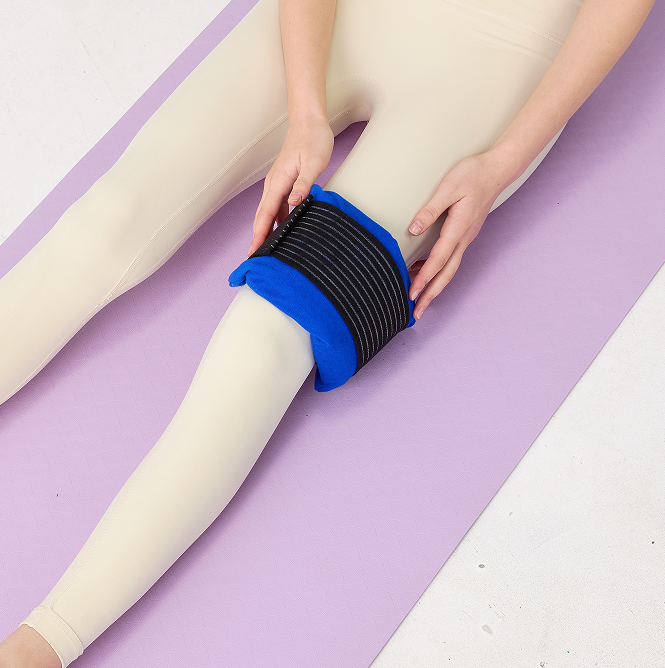
How to Choose a Flexible Gel Pack Supplier in Canada: A Practical Buying and Specification Guide
The best way to buy a flexible gel pack Canada supplier is to treat it neither as a cheap commodity nor as a magic solution. It is a thermal component that can work very well when the application, material system, and supplier controls all line up.
That balanced view is important because buyers often get pushed toward extremes. One side reduces the decision to pouch price and misses leakage, labor, and spoilage costs. The other side over-engineers the program and pays for performance that the lane does not actually need. A better approach is to match the coolant format to the real shipping job and then verify that the supplier can reproduce it consistently.
The sections below combine practical buying advice, public technical reference points, and application-specific cautions so you can make a more confident decision without turning a simple pack review into an overcomplicated project.
Canada adds a practical sourcing layer: cross-country routes can be long, winter and summer conditions can be extreme, and packaging EPR obligations are set provincially. Public Canadian cold-chain suppliers increasingly position gel packs alongside insulated shippers, reusable systems, and temperature indicators rather than as commodity stand-alone items.
Choosing the Format with Fewer Surprises
A flexible gel pack is usually a strong choice when you need clean handling, predictable placement, moderate thermal buffering, and a format that can be scaled across repeat shipments. It is especially useful when loose melt water would be a problem, when product contact area matters, or when you need a pouch that takes less space than a hard bottle or brick.
It may be the wrong choice when the route is so demanding that the shipment needs a qualified long-duration system, when the product is highly chill-sensitive, or when the pack geometry does not fit the carton without crushing the payload. In those cases, the better answer may be a different refrigerant, a different insulation level, or a complete redesign of the passive system.
That is why the best suppliers do not treat every opportunity as a stock-pack sale. They help you define the temperature target, route risk, handling method, and cost of failure first. Once that is clear, the correct coolant format is usually much easier to defend internally.
What the Pack Is Actually Doing During Transit
A flexible gel pack works as a thermal buffer inside a passive shipping system. It does not create cold on its own. It stores cooling energy during refrigeration or freezing, then absorbs incoming heat while the insulated shipper slows the rate of temperature rise. That sounds simple, but real performance changes with conditioning time, pack placement, carton fill, outside temperature, and how often the box is opened.
Public cold-chain guidance and product catalogs point to the same practical truth: hold time is never a fixed number that belongs to the pack alone. A catalog may show a 24 to 48 hour window, but that figure only makes sense together with the insulation value of the box, the ambient profile, and the amount of coolant used. For higher-risk shipments, the right way to compare options is to test the full pack-out rather than to copy a claim from another lane.
In many operations, buyers compare flexible wraps, flat pouches, rigid bricks, and PCM-based elements. Flexible formats improve contact and can wrap around product geometry. Rigid formats can be easier to place predictably and may resist compression better. PCM means phase change material: a coolant engineered to freeze and melt around a more specific temperature point than a standard water-based gel. That can be useful when you want narrower temperature control, but it also raises the need for more disciplined conditioning and pack-out design.
Common Materials and Formats Buyers Will See
Most commercial gel packs are built from two elements: a flexible outer film and an inner refrigerant medium. Public product information shows several common approaches. Some packs rely on water-based polymer gels that stay semi-solid instead of turning into a hard block of ice. Some use superabsorbent polymers, often sodium polyacrylate-based materials, to lock water into a hydrogel. Others use carboxymethyl cellulose or related systems to create a leak-resistant gel with a different feel and flow profile.
The outer package is not a minor detail. Durable cold-chain products are commonly described with polyethylene, poly-nylon, nylon laminate, or TPU-based constructions depending on whether the goal is transport durability, moisture control, or body-contact comfort. For shipping packs, puncture resistance and seal strength are critical because a leak can damage cartons, labels, absorbent materials, or the payload itself. For therapy and personal-care packs, softness, flexibility, and repeat heat-or-freeze cycles often become equally important.
Buyers also need to distinguish standard gel packs from more temperature-specific PCM elements. A standard 0°C-style gel pack is widely used for refrigerated shipping. Sub-zero formulas and PCM options are available for frozen or controlled-temperature applications. The right choice depends on the product requirement, not on which option sounds more advanced. A well-fitted standard gel system can outperform an expensive PCM solution when the route is short and the payload is forgiving, while the reverse can be true for longer or narrower-band lanes.
When a Standard Gel Pack Is Enough
Not every temperature-sensitive shipment needs the same level of engineering. A short domestic route for refrigerated food or consumer goods may work well with a standard gel pack and a modest insulated box. A longer route, a higher-value pharmaceutical payload, or a narrow control band may require a more qualified shipping system, a different refrigerant, or both.
That is why buyers should resist the temptation to compare products by coldness alone. The right question is whether the selected format is appropriate for the product, the transit duration, the handling profile, and the consequence of failure. In many routine applications, a durable gel pack is a sensible and economical answer. In higher-risk operations, it may only be one component of a more demanding thermal design.
Public cold-chain guidance for pharmaceutical and healthcare transport reinforces this point by distinguishing packaging components from qualified systems. A good supplier helps you define that boundary early instead of implying that every refrigerated or frozen problem can be solved by buying a colder pouch.
Conditioning, Testing, and Qualification
Conditioning is often treated as a warehouse detail, but it strongly affects performance. A pack that is only partially frozen, over-thawed, or staged inconsistently before packing will not behave like the pack that was tested. That is one reason suppliers sometimes appear to 'change' performance even when the formulation is the same: the daily operating method changed.
The right validation method depends on risk. For routine chilled consumer goods, a disciplined sample test in the intended shipper may be enough. For laboratory, pharmaceutical, or other sensitive applications, the full packaging system may need formal qualification, route profiling, or at least a more structured temperature study. WHO transport guidance for temperature-sensitive pharmaceutical products also emphasizes that packaging systems should be qualified before use.
When you run a pilot, record more than peak temperature. Record how long the packs were conditioned, how many were used, where they were placed, the payload mass, the ambient profile, and the condition of the carton at receipt. Those details make the results reusable. Without them, teams often repeat the same test without realizing that the packing method changed.
The Decision Points That Separate a Good Quote from a Good Solution
Fit first: compare internal and external dimensions, frozen profile, and usable payload space rather than relying on flat, unfrozen measurements.
Thermal target next: define whether the pack supports frozen, refrigerated, controlled room temperature, or simple heat buffering, then reject anything outside that purpose.
Material and seal quality: ask what the pouch film is, how the seam is made, and how the supplier controls leakage and burst resistance.
Operating method: lock the conditioning routine, freezer dwell time, thaw window if relevant, and exact pack placement in the carton.
Route suitability: test against the real lane, including seasonal exposure, handoff count, and receiving delay risk.
Consistency over marketing: give more weight to lot traceability, change control, and sample-to-production alignment than to generic claims about being premium or eco-friendly.
These decision points are useful because they bring procurement, operations, and quality into the same conversation. When all three groups can read the same written brief and the same supplier answers, it becomes much easier to choose a format that will still work six months from now.
How to Shortlist Suppliers for Canadian Bulk Orders
The most useful supplier review is operational, not promotional. Ask the shortlisted supplier to answer the same questions in the same format, then compare written responses side by side. That approach exposes vague claims quickly and makes pilot testing easier to manage.
Ask for both the flat dimensions and the frozen profile. A flexible pack that bulges too much after conditioning can reduce payload space or create pressure points in insulated boxes.
Clarify whether the supplier can support chilled, frozen, and controlled-room-temperature pack-outs, or only a single standard water-based gel pack.
Review warehouse and replenishment strategy. In Canada, stock continuity across provinces and during seasonal peaks can be as important as the unit price.
Check film type, seal strength, and condensation behavior. For parcel channels, a pack that survives rough handling and limits exterior moisture will usually reduce complaints.
Discuss end-of-life expectations early. Because Canadian EPR programs are set provincially, buyers often need realistic guidance on reuse, separation, and disposal rather than vague sustainability claims.
Ask for a sample program that mirrors real operations: actual carton size, product load, conditioning time, and summer/winter exposure assumptions.
Review stock strategy and lead time, not only the quoted MOQ. A reliable supplier should explain how it handles replenishment, seasonal peaks, and emergency orders.
Clarify whether the supplier is simply reselling a stock item or can coordinate with the manufacturer on custom sizes, print, and specification control.
A supplier that answers these points clearly is usually easier to work with later when a lane changes, a complaint appears, or a new SKU is added.
Where Buyers Commonly Go Wrong
The first common mistake is buying by format name instead of by thermal job. Two suppliers may both offer a gel pack or gel wrap, but one may be built for a short refrigerated parcel lane while the other is intended for direct body therapy or low-cost one-way use. The label does not tell you enough on its own.
The second mistake is assuming that colder is always better. That logic can damage cosmetics, chill-sensitive flowers, and some pharmaceutical products just as easily as it protects them. Good procurement starts with the product’s acceptable range and the full pack-out design.
The third mistake is approving a sample without locking the specification. Small shifts in pouch size, film, or fill mass can change how the pack freezes, fits, and performs. If the supplier cannot keep sample and production aligned, you are effectively re-testing every order without knowing it.
Finally, many teams ignore receiving conditions. Ask what the pack should look like on arrival, what leakage threshold is acceptable, and how warehouse or customer-service staff should report problems. A buying program becomes much stronger when failure criteria are agreed before the first large order ships.
FAQ
How long will a gel pack keep a shipment cold?
There is no honest single number for every shipment. Public product pages often reference a 24 to 48 hour range for certain formats, but actual hold time depends on insulation, ambient conditions, pack count, payload mass, and how the coolant is conditioned and placed.
What is the fastest way to compare suppliers fairly?
Give each supplier the same written brief: target temperature range, route duration, carton size, payload size, and conditioning method. Then request samples and written answers to the same checklist. This makes differences in clarity and technical discipline easier to spot.
Do sustainability claims need extra scrutiny now?
Yes. Packaging rules and EPR pressure are making broad claims less useful. Ask which component is recyclable, compostable, reusable, or easier to separate, and confirm whether that route exists in the markets where the pack will actually be used.
What Good Buying Usually Looks Like
The strongest flexible gel pack program is the one that fits the route, the product, and the operating routine without adding avoidable complexity. That usually means choosing a supplier or manufacturer who can explain the pack in system terms: target temperature, conditioning method, carton fit, durability, and repeatability from sample to production.
If you compare options that way, you are far more likely to reduce temperature complaints, avoid overpackaging, and keep procurement decisions grounded in real shipping performance rather than in generic catalog language.
About Tempk
At Tempk, we focus on temperature-control packaging across food, medical, biopharma, and everyday cooling applications. Our public product range includes custom ice packs, insulated bags and boxes, thermal pallet covers, insulin carriers, and other custom temp-control packaging, and our site highlights material selection, quality control, and a CNAS-certified lab. That gives buyers a practical starting point when they need a gel-pack format tied to real operating conditions instead of a one-size-fits-all recommendation.
Next Step
If you are preparing a pilot order, define the route, target temperature band, payload size, and pack placement before you request samples. A short pilot with the right measurements will usually save far more than another round of generic price quotes.
Cooling Gel Pack India Manufacturer: The Practical Guide for Serious Buyers

How to Evaluate a Cooling Gel Pack Manufacturer in India: A Practical Buying and Specification Guide
Choosing a cooling gel pack India manufacturer is easier when you ignore the generic sales language and focus on four operating truths: target temperature, transit duration, package geometry, and sample-to-production consistency.
That balanced view is important because buyers often get pushed toward extremes. One side reduces the decision to pouch price and misses leakage, labor, and spoilage costs. The other side over-engineers the program and pays for performance that the lane does not actually need. A better approach is to match the coolant format to the real shipping job and then verify that the supplier can reproduce it consistently.
The sections below combine practical buying advice, public technical reference points, and application-specific cautions so you can make a more confident decision without turning a simple pack review into an overcomplicated project.
Public Indian product information increasingly positions gel packs alongside blast freezers, insulated boxes, PCM cartridges, and validated transport solutions. That is a useful signal for buyers: good manufacturers in India are often system-minded, not just pouch sellers.
Choosing the Format with Fewer Surprises
A cooling gel pack is usually a strong choice when you need clean handling, predictable placement, moderate thermal buffering, and a format that can be scaled across repeat shipments. It is especially useful when loose melt water would be a problem, when product contact area matters, or when you need a pouch that takes less space than a hard bottle or brick.
It may be the wrong choice when the route is so demanding that the shipment needs a qualified long-duration system, when the product is highly chill-sensitive, or when the pack geometry does not fit the carton without crushing the payload. In those cases, the better answer may be a different refrigerant, a different insulation level, or a complete redesign of the passive system.
That is why the best suppliers do not treat every opportunity as a stock-pack sale. They help you define the temperature target, route risk, handling method, and cost of failure first. Once that is clear, the correct coolant format is usually much easier to defend internally.
Start with the Thermal Job, Not the Product Label
A cooling gel pack works as a thermal buffer inside a passive shipping system. It does not create cold on its own. It stores cooling energy during refrigeration or freezing, then absorbs incoming heat while the insulated shipper slows the rate of temperature rise. That sounds simple, but real performance changes with conditioning time, pack placement, carton fill, outside temperature, and how often the box is opened.
Public cold-chain guidance and product catalogs point to the same practical truth: hold time is never a fixed number that belongs to the pack alone. A catalog may show a 24 to 48 hour window, but that figure only makes sense together with the insulation value of the box, the ambient profile, and the amount of coolant used. For higher-risk shipments, the right way to compare options is to test the full pack-out rather than to copy a claim from another lane.
In many operations, buyers compare flexible wraps, flat pouches, rigid bricks, and PCM-based elements. Flexible formats improve contact and can wrap around product geometry. Rigid formats can be easier to place predictably and may resist compression better. PCM means phase change material: a coolant engineered to freeze and melt around a more specific temperature point than a standard water-based gel. That can be useful when you want narrower temperature control, but it also raises the need for more disciplined conditioning and pack-out design.
The Format Differences That Matter in Procurement
Most commercial gel packs are built from two elements: a flexible outer film and an inner refrigerant medium. Public product information shows several common approaches. Some packs rely on water-based polymer gels that stay semi-solid instead of turning into a hard block of ice. Some use superabsorbent polymers, often sodium polyacrylate-based materials, to lock water into a hydrogel. Others use carboxymethyl cellulose or related systems to create a leak-resistant gel with a different feel and flow profile.
The outer package is not a minor detail. Durable cold-chain products are commonly described with polyethylene, poly-nylon, nylon laminate, or TPU-based constructions depending on whether the goal is transport durability, moisture control, or body-contact comfort. For shipping packs, puncture resistance and seal strength are critical because a leak can damage cartons, labels, absorbent materials, or the payload itself. For therapy and personal-care packs, softness, flexibility, and repeat heat-or-freeze cycles often become equally important.
Buyers also need to distinguish standard gel packs from more temperature-specific PCM elements. A standard 0°C-style gel pack is widely used for refrigerated shipping. Sub-zero formulas and PCM options are available for frozen or controlled-temperature applications. The right choice depends on the product requirement, not on which option sounds more advanced. A well-fitted standard gel system can outperform an expensive PCM solution when the route is short and the payload is forgiving, while the reverse can be true for longer or narrower-band lanes.
When a Standard Gel Pack Is Enough
Not every temperature-sensitive shipment needs the same level of engineering. A short domestic route for refrigerated food or consumer goods may work well with a standard gel pack and a modest insulated box. A longer route, a higher-value pharmaceutical payload, or a narrow control band may require a more qualified shipping system, a different refrigerant, or both.
That is why buyers should resist the temptation to compare products by coldness alone. The right question is whether the selected format is appropriate for the product, the transit duration, the handling profile, and the consequence of failure. In many routine applications, a durable gel pack is a sensible and economical answer. In higher-risk operations, it may only be one component of a more demanding thermal design.
Public cold-chain guidance for pharmaceutical and healthcare transport reinforces this point by distinguishing packaging components from qualified systems. A good supplier helps you define that boundary early instead of implying that every refrigerated or frozen problem can be solved by buying a colder pouch.
Why Conditioning Discipline Matters More Than Many Buyers Expect
Conditioning is often treated as a warehouse detail, but it strongly affects performance. A pack that is only partially frozen, over-thawed, or staged inconsistently before packing will not behave like the pack that was tested. That is one reason suppliers sometimes appear to 'change' performance even when the formulation is the same: the daily operating method changed.
The right validation method depends on risk. For routine chilled consumer goods, a disciplined sample test in the intended shipper may be enough. For laboratory, pharmaceutical, or other sensitive applications, the full packaging system may need formal qualification, route profiling, or at least a more structured temperature study. WHO transport guidance for temperature-sensitive pharmaceutical products also emphasizes that packaging systems should be qualified before use.
When you run a pilot, record more than peak temperature. Record how long the packs were conditioned, how many were used, where they were placed, the payload mass, the ambient profile, and the condition of the carton at receipt. Those details make the results reusable. Without them, teams often repeat the same test without realizing that the packing method changed.
How Experienced Buyers Narrow the Choice
Fit first: compare internal and external dimensions, frozen profile, and usable payload space rather than relying on flat, unfrozen measurements.
Thermal target next: define whether the pack supports frozen, refrigerated, controlled room temperature, or simple heat buffering, then reject anything outside that purpose.
Material and seal quality: ask what the pouch film is, how the seam is made, and how the supplier controls leakage and burst resistance.
Operating method: lock the conditioning routine, freezer dwell time, thaw window if relevant, and exact pack placement in the carton.
Route suitability: test against the real lane, including seasonal exposure, handoff count, and receiving delay risk.
Consistency over marketing: give more weight to lot traceability, change control, and sample-to-production alignment than to generic claims about being premium or eco-friendly.
These decision points are useful because they bring procurement, operations, and quality into the same conversation. When all three groups can read the same written brief and the same supplier answers, it becomes much easier to choose a format that will still work six months from now.
What Buyers Should Ask Indian Manufacturers
The most useful supplier review is operational, not promotional. Ask the shortlisted manufacturer to answer the same questions in the same format, then compare written responses side by side. That approach exposes vague claims quickly and makes pilot testing easier to manage.
Ask whether the factory can supply only standard frozen gel packs or also PCM variants for 2–8°C, controlled room temperature, and frozen applications.
Review manufacturing control over pouch dimensions, seal quality, and fill mass. These basics matter more than broad claims about being a factory.
Check conditioning support. Public Indian cold-chain suppliers often pair gel packs with blast-freezer or cold-room routines, which can be critical for scale-up.
Discuss domestic versus export usage. A manufacturer may be strong in local replenishment but less prepared for export paperwork, private label programs, or repeated specification control.
Ask about pack formats such as multi-cell pouches, bottle-style refrigerants, and custom sizes. Some Indian manufacturers offer broad format flexibility, which can reduce pack-out waste.
If your routes face high ambient stress, request lane-specific testing or at least a disciplined sample program rather than assuming a catalog gel pack will perform everywhere.
Request change-control discipline. If the factory alters film, fill chemistry, seal settings, or pouch dimensions, you should know before the change reaches production.
Ask who owns technical questions after launch. A strong manufacturer can explain pack behavior, conditioning, and lot traceability without sending you back to sales copy.
A supplier that answers these points clearly is usually easier to work with later when a lane changes, a complaint appears, or a new SKU is added.
Where Buyers Commonly Go Wrong
The first common mistake is buying by format name instead of by thermal job. Two suppliers may both offer a gel pack or gel wrap, but one may be built for a short refrigerated parcel lane while the other is intended for direct body therapy or low-cost one-way use. The label does not tell you enough on its own.
The second mistake is assuming that colder is always better. That logic can damage cosmetics, chill-sensitive flowers, and some pharmaceutical products just as easily as it protects them. Good procurement starts with the product’s acceptable range and the full pack-out design.
The third mistake is approving a sample without locking the specification. Small shifts in pouch size, film, or fill mass can change how the pack freezes, fits, and performs. If the supplier cannot keep sample and production aligned, you are effectively re-testing every order without knowing it.
Finally, many teams ignore receiving conditions. Ask what the pack should look like on arrival, what leakage threshold is acceptable, and how warehouse or customer-service staff should report problems. A buying program becomes much stronger when failure criteria are agreed before the first large order ships.
FAQ
How long will a gel pack keep a shipment cold?
There is no honest single number for every shipment. Public product pages often reference a 24 to 48 hour range for certain formats, but actual hold time depends on insulation, ambient conditions, pack count, payload mass, and how the coolant is conditioned and placed.
What matters more when comparing manufacturers: chemistry or film?
Both matter, but film and seal quality are often overlooked. A good gel is wasted if the pouch leaks, delaminates, or freezes into a shape that damages the payload. The best manufacturers manage gel formulation, fill weight, film choice, and seal control as one specification.
When should you move from a standard gel pack to PCM or a qualified system?
Move up when the product has a narrow temperature tolerance, the route is long or unpredictable, or the cost of failure is high. PCM and qualified shippers add value when they solve a defined problem; they are not automatic upgrades for every lane.
Bottom Line
The strongest cooling gel pack program is the one that fits the route, the product, and the operating routine without adding avoidable complexity. That usually means choosing a supplier or manufacturer who can explain the pack in system terms: target temperature, conditioning method, carton fit, durability, and repeatability from sample to production.
If you compare options that way, you are far more likely to reduce temperature complaints, avoid overpackaging, and keep procurement decisions grounded in real shipping performance rather than in generic catalog language.
About Tempk
At Tempk, we focus on temperature-control packaging across food, medical, biopharma, and everyday cooling applications. Our public product range includes custom ice packs, insulated bags and boxes, thermal pallet covers, insulin carriers, and other custom temp-control packaging, and our site highlights material selection, quality control, and a CNAS-certified lab. That gives buyers a practical starting point when they need a gel-pack format tied to real operating conditions instead of a one-size-fits-all recommendation.
Next Step
If you are narrowing suppliers now, start with a written brief that covers temperature range, transit time, product size, and conditioning routine. A short pilot with the right measurements will usually save far more than another round of generic price quotes.
Therapeutic Gel Pack Personal Care Supplier: A Smarter Way to Compare Options
How to Evaluate a Therapeutic Gel Pack Supplier for Personal Care Products: A Practical Buying and Specification Guide
Choosing a therapeutic gel pack personal care supplier is easier when you ignore the generic sales language and focus on four operating truths: target temperature, transit duration, package geometry, and sample-to-production consistency.
That balanced view is important because buyers often get pushed toward extremes. One side reduces the decision to pouch price and misses leakage, labor, and spoilage costs. The other side over-engineers the program and pays for performance that the lane does not actually need. A better approach is to match the coolant format to the real shipping job and then verify that the supplier can reproduce it consistently.
The sections below combine practical buying advice, public technical reference points, and application-specific cautions so you can make a more confident decision without turning a simple pack review into an overcomplicated project.
Public supplier catalogs show common therapy-pack constructions using TPU, CMC-based gels, water, glycerol, or similar non-toxic contents, while reusable hot/cold packs in healthcare distribution are often described as latex-free and designed for repeated use.
When a therapeutic gel pack Is the Right Choice—and When It Is Not
A therapeutic gel pack is usually a strong choice when you need clean handling, predictable placement, moderate thermal buffering, and a format that can be scaled across repeat shipments. It is especially useful when loose melt water would be a problem, when product contact area matters, or when you need a pouch that takes less space than a hard bottle or brick.
It may be the wrong choice when the route is so demanding that the shipment needs a qualified long-duration system, when the product is highly chill-sensitive, or when the pack geometry does not fit the carton without crushing the payload. In those cases, the better answer may be a different refrigerant, a different insulation level, or a complete redesign of the passive system.
That is why the best suppliers do not treat every opportunity as a stock-pack sale. They help you define the temperature target, route risk, handling method, and cost of failure first. Once that is clear, the correct coolant format is usually much easier to defend internally.
What the Pack Is Actually Doing During Transit
A therapeutic gel pack works as a thermal buffer inside a passive shipping system. It does not create cold on its own. It stores cooling energy during refrigeration or freezing, then absorbs incoming heat while the insulated shipper slows the rate of temperature rise. That sounds simple, but real performance changes with conditioning time, pack placement, carton fill, outside temperature, and how often the box is opened.
Public cold-chain guidance and product catalogs point to the same practical truth: hold time is never a fixed number that belongs to the pack alone. A catalog may show a 24 to 48 hour window, but that figure only makes sense together with the insulation value of the box, the ambient profile, and the amount of coolant used. For higher-risk shipments, the right way to compare options is to test the full pack-out rather than to copy a claim from another lane.
In many operations, buyers compare flexible wraps, flat pouches, rigid bricks, and PCM-based elements. Flexible formats improve contact and can wrap around product geometry. Rigid formats can be easier to place predictably and may resist compression better. PCM means phase change material: a coolant engineered to freeze and melt around a more specific temperature point than a standard water-based gel. That can be useful when you want narrower temperature control, but it also raises the need for more disciplined conditioning and pack-out design.
Common Materials and Formats Buyers Will See
Most commercial gel packs are built from two elements: a flexible outer film and an inner refrigerant medium. Public product information shows several common approaches. Some packs rely on water-based polymer gels that stay semi-solid instead of turning into a hard block of ice. Some use superabsorbent polymers, often sodium polyacrylate-based materials, to lock water into a hydrogel. Others use carboxymethyl cellulose or related systems to create a leak-resistant gel with a different feel and flow profile.
The outer package is not a minor detail. Durable cold-chain products are commonly described with polyethylene, poly-nylon, nylon laminate, or TPU-based constructions depending on whether the goal is transport durability, moisture control, or body-contact comfort. For shipping packs, puncture resistance and seal strength are critical because a leak can damage cartons, labels, absorbent materials, or the payload itself. For therapy and personal-care packs, softness, flexibility, and repeat heat-or-freeze cycles often become equally important.
Buyers also need to distinguish standard gel packs from more temperature-specific PCM elements. A standard 0°C-style gel pack is widely used for refrigerated shipping. Sub-zero formulas and PCM options are available for frozen or controlled-temperature applications. The right choice depends on the product requirement, not on which option sounds more advanced. A well-fitted standard gel system can outperform an expensive PCM solution when the route is short and the payload is forgiving, while the reverse can be true for longer or narrower-band lanes.
What Makes a Good Therapeutic Gel Pack
In personal care, the pack itself becomes part of the product experience. Users notice flexibility, surface texture, how evenly the gel spreads, how quickly the pack becomes uncomfortably cold or pleasantly cool, and whether the pack fits the body area it claims to serve.
That changes the procurement logic. Shipping packs are often optimized for thermal mass, puncture resistance, and cost efficiency inside a box. Therapeutic packs need those basics too, but they also need user instructions, a more refined outer material, and a fill pattern that avoids hard lumps or cold spots. If the product can be heated as well as frozen, the supplier must also think about repeated thermal cycling and the clarity of heating guidance.
For a supplier comparison, do not stop at 'non-toxic'. Ask how the pack behaves after repeated use, whether it stays flexible enough for knees, shoulders, necks, or facial use, and whether the retail-ready version will match the approved sample. That is where many private-label personal care programs succeed or fail.
How to Validate the Pack-Out Before Scaling Up
Conditioning is often treated as a warehouse detail, but it strongly affects performance. A pack that is only partially frozen, over-thawed, or staged inconsistently before packing will not behave like the pack that was tested. That is one reason suppliers sometimes appear to 'change' performance even when the formulation is the same: the daily operating method changed.
The right validation method depends on risk. For routine chilled consumer goods, a disciplined sample test in the intended shipper may be enough. For laboratory, pharmaceutical, or other sensitive applications, the full packaging system may need formal qualification, route profiling, or at least a more structured temperature study. WHO transport guidance for temperature-sensitive pharmaceutical products also emphasizes that packaging systems should be qualified before use.
When you run a pilot, record more than peak temperature. Record how long the packs were conditioned, how many were used, where they were placed, the payload mass, the ambient profile, and the condition of the carton at receipt. Those details make the results reusable. Without them, teams often repeat the same test without realizing that the packing method changed.
How Experienced Buyers Narrow the Choice
Fit first: compare internal and external dimensions, frozen profile, and usable payload space rather than relying on flat, unfrozen measurements.
Thermal target next: define whether the pack supports frozen, refrigerated, controlled room temperature, or simple heat buffering, then reject anything outside that purpose.
Material and seal quality: ask what the pouch film is, how the seam is made, and how the supplier controls leakage and burst resistance.
Operating method: lock the conditioning routine, freezer dwell time, thaw window if relevant, and exact pack placement in the carton.
Route suitability: test against the real lane, including seasonal exposure, handoff count, and receiving delay risk.
Consistency over marketing: give more weight to lot traceability, change control, and sample-to-production alignment than to generic claims about being premium or eco-friendly.
These decision points are useful because they bring procurement, operations, and quality into the same conversation. When all three groups can read the same written brief and the same supplier answers, it becomes much easier to choose a format that will still work six months from now.
A Practical Supplier Checklist for Personal Care and Wellness Buyers
The most useful supplier review is operational, not promotional. Ask the shortlisted supplier to answer the same questions in the same format, then compare written responses side by side. That approach exposes vague claims quickly and makes pilot testing easier to manage.
Ask what the pack is designed to do on the body. A neck wrap, knee pack, facial cooling mask, and flat first-aid pack need different flexibility, strap options, and fill distribution.
Review the outer material closely. For personal care, TPU or fabric-backed constructions may offer a better feel and appearance than an industrial shipping pouch.
Confirm both cold-use and hot-use instructions if the product is marketed as dual purpose. Heating guidance, microwave tolerance, and cycle durability should be clear and repeatable.
Check the contents and supporting paperwork. A supplier should be able to explain the gel system in plain language and provide basic safety information without improvisation.
Look at retail-readiness if the pack will be sold to consumers: color stability, logo printing, pack inserts, multilingual instructions, and carton quality all matter.
If you plan a private-label program, make sure the sample you approve truly matches the future production fill pattern, strap hardware, and outer-shell finish.
Review stock strategy and lead time, not only the quoted MOQ. A reliable supplier should explain how it handles replenishment, seasonal peaks, and emergency orders.
Clarify whether the supplier is simply reselling a stock item or can coordinate with the manufacturer on custom sizes, print, and specification control.
A supplier that answers these points clearly is usually easier to work with later when a lane changes, a complaint appears, or a new SKU is added.
Failure Points You Can Prevent Up Front
The first common mistake is buying by format name instead of by thermal job. Two suppliers may both offer a gel pack or gel wrap, but one may be built for a short refrigerated parcel lane while the other is intended for direct body therapy or low-cost one-way use. The label does not tell you enough on its own.
The second mistake is assuming that colder is always better. That logic can damage cosmetics, chill-sensitive flowers, and some pharmaceutical products just as easily as it protects them. Good procurement starts with the product’s acceptable range and the full pack-out design.
The third mistake is approving a sample without locking the specification. Small shifts in pouch size, film, or fill mass can change how the pack freezes, fits, and performs. If the supplier cannot keep sample and production aligned, you are effectively re-testing every order without knowing it.
Finally, many teams ignore receiving conditions. Ask what the pack should look like on arrival, what leakage threshold is acceptable, and how warehouse or customer-service staff should report problems. A buying program becomes much stronger when failure criteria are agreed before the first large order ships.
FAQ
Can a shipping gel pack be sold as a therapeutic personal care pack?
Not safely by assumption. A body-therapy product needs suitable user instructions, appropriate outer materials, consumer-ready packaging, and a gel system that behaves predictably against the body and across repeated hot or cold cycles.
What is the fastest way to compare suppliers fairly?
Give each supplier the same written brief: target temperature range, route duration, carton size, payload size, and conditioning method. Then request samples and written answers to the same checklist. This makes differences in clarity and technical discipline easier to spot.
When should you move from a standard gel pack to PCM or a qualified system?
Move up when the product has a narrow temperature tolerance, the route is long or unpredictable, or the cost of failure is high. PCM and qualified shippers add value when they solve a defined problem; they are not automatic upgrades for every lane.
Bottom Line
The strongest therapeutic gel pack program is the one that fits the route, the product, and the operating routine without adding avoidable complexity. That usually means choosing a supplier or manufacturer who can explain the pack in system terms: target temperature, conditioning method, carton fit, durability, and repeatability from sample to production.
If you compare options that way, you are far more likely to reduce temperature complaints, avoid overpackaging, and keep procurement decisions grounded in real shipping performance rather than in generic catalog language.
About Tempk
At Tempk, we develop temperature-control products that range from custom ice packs and insulated packaging to reusable body-therapy packs. Our public product pages show hot-and-cold therapy formats alongside broader cold-chain packaging solutions, with attention to material choice, custom development, and quality control. That mix is helpful for personal-care buyers who want a supplier that understands both the consumer-facing product experience and the discipline needed for consistent production.
Next Step
If you are preparing a pilot order, define the route, target temperature band, payload size, and pack placement before you request samples. For bulk orders or custom formats, ask for a sample and a clear technical specification before you commit.
SAP Gel Pack United States Manufacturer: A Smarter Way to Compare Options
Selecting a United States Manufacturer for SAP Gel Packs: A Practical Buying and Specification Guide
A good SAP gel pack United States manufacturer decision comes down to fit: fit to the product, fit to the route, fit to the packing routine, and fit to the level of risk you actually carry.
That balanced view is important because buyers often get pushed toward extremes. One side reduces the decision to pouch price and misses leakage, labor, and spoilage costs. The other side over-engineers the program and pays for performance that the lane does not actually need. A better approach is to match the coolant format to the real shipping job and then verify that the supplier can reproduce it consistently.
The sections below combine practical buying advice, public technical reference points, and application-specific cautions so you can make a more confident decision without turning a simple pack review into an overcomplicated project.
For U.S. buyers, domestic manufacturing is often evaluated for repeatability, lead time, regulatory paperwork, and freight predictability rather than patriotism alone. Public U.S. cold-chain catalogs also show a wide commercial size range, from small 6-ounce packs to large multi-pound formats.
Where This Format Adds Real Value
A SAP gel pack is usually a strong choice when you need clean handling, predictable placement, moderate thermal buffering, and a format that can be scaled across repeat shipments. It is especially useful when loose melt water would be a problem, when product contact area matters, or when you need a pouch that takes less space than a hard bottle or brick.
It may be the wrong choice when the route is so demanding that the shipment needs a qualified long-duration system, when the product is highly chill-sensitive, or when the pack geometry does not fit the carton without crushing the payload. In those cases, the better answer may be a different refrigerant, a different insulation level, or a complete redesign of the passive system.
That is why the best suppliers do not treat every opportunity as a stock-pack sale. They help you define the temperature target, route risk, handling method, and cost of failure first. Once that is clear, the correct coolant format is usually much easier to defend internally.
What the Pack Is Actually Doing During Transit
A SAP gel pack works as a thermal buffer inside a passive shipping system. It does not create cold on its own. It stores cooling energy during refrigeration or freezing, then absorbs incoming heat while the insulated shipper slows the rate of temperature rise. That sounds simple, but real performance changes with conditioning time, pack placement, carton fill, outside temperature, and how often the box is opened.
Public cold-chain guidance and product catalogs point to the same practical truth: hold time is never a fixed number that belongs to the pack alone. A catalog may show a 24 to 48 hour window, but that figure only makes sense together with the insulation value of the box, the ambient profile, and the amount of coolant used. For higher-risk shipments, the right way to compare options is to test the full pack-out rather than to copy a claim from another lane.
In many operations, buyers compare flexible wraps, flat pouches, rigid bricks, and PCM-based elements. Flexible formats improve contact and can wrap around product geometry. Rigid formats can be easier to place predictably and may resist compression better. PCM means phase change material: a coolant engineered to freeze and melt around a more specific temperature point than a standard water-based gel. That can be useful when you want narrower temperature control, but it also raises the need for more disciplined conditioning and pack-out design.
The Format Differences That Matter in Procurement
Most commercial gel packs are built from two elements: a flexible outer film and an inner refrigerant medium. Public product information shows several common approaches. Some packs rely on water-based polymer gels that stay semi-solid instead of turning into a hard block of ice. Some use superabsorbent polymers, often sodium polyacrylate-based materials, to lock water into a hydrogel. Others use carboxymethyl cellulose or related systems to create a leak-resistant gel with a different feel and flow profile.
The outer package is not a minor detail. Durable cold-chain products are commonly described with polyethylene, poly-nylon, nylon laminate, or TPU-based constructions depending on whether the goal is transport durability, moisture control, or body-contact comfort. For shipping packs, puncture resistance and seal strength are critical because a leak can damage cartons, labels, absorbent materials, or the payload itself. For therapy and personal-care packs, softness, flexibility, and repeat heat-or-freeze cycles often become equally important.
Buyers also need to distinguish standard gel packs from more temperature-specific PCM elements. A standard 0°C-style gel pack is widely used for refrigerated shipping. Sub-zero formulas and PCM options are available for frozen or controlled-temperature applications. The right choice depends on the product requirement, not on which option sounds more advanced. A well-fitted standard gel system can outperform an expensive PCM solution when the route is short and the payload is forgiving, while the reverse can be true for longer or narrower-band lanes.
When a Standard Gel Pack Is Enough
Not every temperature-sensitive shipment needs the same level of engineering. A short domestic route for refrigerated food or consumer goods may work well with a standard gel pack and a modest insulated box. A longer route, a higher-value pharmaceutical payload, or a narrow control band may require a more qualified shipping system, a different refrigerant, or both.
That is why buyers should resist the temptation to compare products by coldness alone. The right question is whether the selected format is appropriate for the product, the transit duration, the handling profile, and the consequence of failure. In many routine applications, a durable gel pack is a sensible and economical answer. In higher-risk operations, it may only be one component of a more demanding thermal design.
Public cold-chain guidance for pharmaceutical and healthcare transport reinforces this point by distinguishing packaging components from qualified systems. A good supplier helps you define that boundary early instead of implying that every refrigerated or frozen problem can be solved by buying a colder pouch.
Why Conditioning Discipline Matters More Than Many Buyers Expect
Conditioning is often treated as a warehouse detail, but it strongly affects performance. A pack that is only partially frozen, over-thawed, or staged inconsistently before packing will not behave like the pack that was tested. That is one reason suppliers sometimes appear to 'change' performance even when the formulation is the same: the daily operating method changed.
The right validation method depends on risk. For routine chilled consumer goods, a disciplined sample test in the intended shipper may be enough. For laboratory, pharmaceutical, or other sensitive applications, the full packaging system may need formal qualification, route profiling, or at least a more structured temperature study. WHO transport guidance for temperature-sensitive pharmaceutical products also emphasizes that packaging systems should be qualified before use.
When you run a pilot, record more than peak temperature. Record how long the packs were conditioned, how many were used, where they were placed, the payload mass, the ambient profile, and the condition of the carton at receipt. Those details make the results reusable. Without them, teams often repeat the same test without realizing that the packing method changed.
The Decision Points That Separate a Good Quote from a Good Solution
Fit first: compare internal and external dimensions, frozen profile, and usable payload space rather than relying on flat, unfrozen measurements.
Thermal target next: define whether the pack supports frozen, refrigerated, controlled room temperature, or simple heat buffering, then reject anything outside that purpose.
Material and seal quality: ask what the pouch film is, how the seam is made, and how the supplier controls leakage and burst resistance.
Operating method: lock the conditioning routine, freezer dwell time, thaw window if relevant, and exact pack placement in the carton.
Route suitability: test against the real lane, including seasonal exposure, handoff count, and receiving delay risk.
Consistency over marketing: give more weight to lot traceability, change control, and sample-to-production alignment than to generic claims about being premium or eco-friendly.
These decision points are useful because they bring procurement, operations, and quality into the same conversation. When all three groups can read the same written brief and the same supplier answers, it becomes much easier to choose a format that will still work six months from now.
What Buyers Should Ask a U.S. SAP Gel Pack Manufacturer
The most useful supplier review is operational, not promotional. Ask the shortlisted manufacturer to answer the same questions in the same format, then compare written responses side by side. That approach exposes vague claims quickly and makes pilot testing easier to manage.
Confirm the resin or gel system the factory is actually using. In SAP packs, the polymer chemistry, absorption rate, and final gel texture influence swelling, freeze behavior, and seam stress.
Request the target fill mass tolerance for each SKU. Small deviations can change the shape of the finished pack and the hold time of the pack-out.
Ask whether the pack is intended for single use, multiple reuse cycles, or a limited number of freeze-thaw events. The answer affects cost and film choice.
Review outer-film construction and seal testing. Durable U.S. catalog products commonly use thick polyethylene or puncture-resistant poly-nylon structures to manage handling stress.
Check branding and custom-print capability only after the thermal and mechanical basics are settled. Attractive printing does not fix poor fit or inconsistent fill.
If you need food, lab, or healthcare use, ask for the supporting documents that matter in your category, such as SDS, material declarations, and lot identification practices.
Request change-control discipline. If the factory alters film, fill chemistry, seal settings, or pouch dimensions, you should know before the change reaches production.
Ask who owns technical questions after launch. A strong manufacturer can explain pack behavior, conditioning, and lot traceability without sending you back to sales copy.
A supplier that answers these points clearly is usually easier to work with later when a lane changes, a complaint appears, or a new SKU is added.
Common Mistakes That Create Temperature Problems Later
The first common mistake is buying by format name instead of by thermal job. Two suppliers may both offer a gel pack or gel wrap, but one may be built for a short refrigerated parcel lane while the other is intended for direct body therapy or low-cost one-way use. The label does not tell you enough on its own.
The second mistake is assuming that colder is always better. That logic can damage cosmetics, chill-sensitive flowers, and some pharmaceutical products just as easily as it protects them. Good procurement starts with the product’s acceptable range and the full pack-out design.
The third mistake is approving a sample without locking the specification. Small shifts in pouch size, film, or fill mass can change how the pack freezes, fits, and performs. If the supplier cannot keep sample and production aligned, you are effectively re-testing every order without knowing it.
Finally, many teams ignore receiving conditions. Ask what the pack should look like on arrival, what leakage threshold is acceptable, and how warehouse or customer-service staff should report problems. A buying program becomes much stronger when failure criteria are agreed before the first large order ships.
FAQ
How long will a gel pack keep a shipment cold?
There is no honest single number for every shipment. Public product pages often reference a 24 to 48 hour range for certain formats, but actual hold time depends on insulation, ambient conditions, pack count, payload mass, and how the coolant is conditioned and placed.
What matters more when comparing manufacturers: chemistry or film?
Both matter, but film and seal quality are often overlooked. A good gel is wasted if the pouch leaks, delaminates, or freezes into a shape that damages the payload. The best manufacturers manage gel formulation, fill weight, film choice, and seal control as one specification.
When should you move from a standard gel pack to PCM or a qualified system?
Move up when the product has a narrow temperature tolerance, the route is long or unpredictable, or the cost of failure is high. PCM and qualified shippers add value when they solve a defined problem; they are not automatic upgrades for every lane.
Bottom Line
The strongest SAP gel pack program is the one that fits the route, the product, and the operating routine without adding avoidable complexity. That usually means choosing a supplier or manufacturer who can explain the pack in system terms: target temperature, conditioning method, carton fit, durability, and repeatability from sample to production.
If you compare options that way, you are far more likely to reduce temperature complaints, avoid overpackaging, and keep procurement decisions grounded in real shipping performance rather than in generic catalog language.
About Tempk
At Tempk, we focus on temperature-control packaging across food, medical, biopharma, and everyday cooling applications. Our public product range includes custom ice packs, insulated bags and boxes, thermal pallet covers, insulin carriers, and other custom temp-control packaging, and our site highlights material selection, quality control, and a CNAS-certified lab. That gives buyers a practical starting point when they need a gel-pack format tied to real operating conditions instead of a one-size-fits-all recommendation.
Next Step
If you are preparing a pilot order, define the route, target temperature band, payload size, and pack placement before you request samples. That will make supplier comparison faster and give you a better basis for a successful bulk order.
Refrigerant Gel Package Cosmetics Wholesale: How to Choose the Right Supplier or Manufacturer
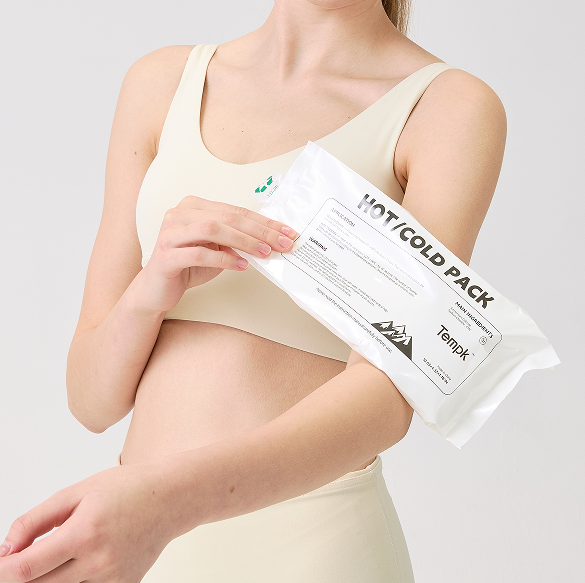
How to Buy Refrigerant Gel Packaging for Cosmetics in Wholesale Volumes: A Practical Buying and Specification Guide
A good refrigerant gel package cosmetics wholesale decision comes down to fit: fit to the product, fit to the route, fit to the packing routine, and fit to the level of risk you actually carry.
That balanced view is important because buyers often get pushed toward extremes. One side reduces the decision to pouch price and misses leakage, labor, and spoilage costs. The other side over-engineers the program and pays for performance that the lane does not actually need. A better approach is to match the coolant format to the real shipping job and then verify that the supplier can reproduce it consistently.
The sections below combine practical buying advice, public technical reference points, and application-specific cautions so you can make a more confident decision without turning a simple pack review into an overcomplicated project.
Public FDA guidance points manufacturers toward cosmetic GMP principles, and ISO guidance on cosmetic stability testing provides a framework for deciding what storage conditions matter. In practice, that means wholesale buyers should treat transport temperature as a formula-specific quality question, not as a generic packaging accessory purchase.
When a refrigerant gel package Is the Right Choice—and When It Is Not
A refrigerant gel package is usually a strong choice when you need clean handling, predictable placement, moderate thermal buffering, and a format that can be scaled across repeat shipments. It is especially useful when loose melt water would be a problem, when product contact area matters, or when you need a pouch that takes less space than a hard bottle or brick.
It may be the wrong choice when the route is so demanding that the shipment needs a qualified long-duration system, when the product is highly chill-sensitive, or when the pack geometry does not fit the carton without crushing the payload. In those cases, the better answer may be a different refrigerant, a different insulation level, or a complete redesign of the passive system.
That is why the best suppliers do not treat every opportunity as a stock-pack sale. They help you define the temperature target, route risk, handling method, and cost of failure first. Once that is clear, the correct coolant format is usually much easier to defend internally.
Start with the Thermal Job, Not the Product Label
A refrigerant gel package works as a thermal buffer inside a passive shipping system. It does not create cold on its own. It stores cooling energy during refrigeration or freezing, then absorbs incoming heat while the insulated shipper slows the rate of temperature rise. That sounds simple, but real performance changes with conditioning time, pack placement, carton fill, outside temperature, and how often the box is opened.
Public cold-chain guidance and product catalogs point to the same practical truth: hold time is never a fixed number that belongs to the pack alone. A catalog may show a 24 to 48 hour window, but that figure only makes sense together with the insulation value of the box, the ambient profile, and the amount of coolant used. For higher-risk shipments, the right way to compare options is to test the full pack-out rather than to copy a claim from another lane.
In many operations, buyers compare flexible wraps, flat pouches, rigid bricks, and PCM-based elements. Flexible formats improve contact and can wrap around product geometry. Rigid formats can be easier to place predictably and may resist compression better. PCM means phase change material: a coolant engineered to freeze and melt around a more specific temperature point than a standard water-based gel. That can be useful when you want narrower temperature control, but it also raises the need for more disciplined conditioning and pack-out design.
Common Materials and Formats Buyers Will See
Most commercial gel packs are built from two elements: a flexible outer film and an inner refrigerant medium. Public product information shows several common approaches. Some packs rely on water-based polymer gels that stay semi-solid instead of turning into a hard block of ice. Some use superabsorbent polymers, often sodium polyacrylate-based materials, to lock water into a hydrogel. Others use carboxymethyl cellulose or related systems to create a leak-resistant gel with a different feel and flow profile.
The outer package is not a minor detail. Durable cold-chain products are commonly described with polyethylene, poly-nylon, nylon laminate, or TPU-based constructions depending on whether the goal is transport durability, moisture control, or body-contact comfort. For shipping packs, puncture resistance and seal strength are critical because a leak can damage cartons, labels, absorbent materials, or the payload itself. For therapy and personal-care packs, softness, flexibility, and repeat heat-or-freeze cycles often become equally important.
Buyers also need to distinguish standard gel packs from more temperature-specific PCM elements. A standard 0°C-style gel pack is widely used for refrigerated shipping. Sub-zero formulas and PCM options are available for frozen or controlled-temperature applications. The right choice depends on the product requirement, not on which option sounds more advanced. A well-fitted standard gel system can outperform an expensive PCM solution when the route is short and the payload is forgiving, while the reverse can be true for longer or narrower-band lanes.
What Makes Cosmetics Shipping Different
Beauty products fail in more than one way. Some emulsions soften, separate, or lose visual appeal after heat exposure. Some active serums or masks are more sensitive to repeated temperature cycling than to brief warm exposure. Some products are mechanically stable but arrive looking wet, dented, or premium-in-name-only because the refrigerant was poorly chosen.
That is why a cosmetics buyer should start with stability knowledge rather than packaging habit. Public FDA cosmetic GMP guidance and ISO-based stability guidance both point in the same direction: manufacturers are responsible for controlling product quality, and stability evaluation is the sensible basis for deciding which transport conditions matter. There is no honest one-size-fits-all temperature rule for all cosmetics.
For wholesale packaging programs, this usually means choosing a refrigerant format that reduces heat spikes without overcooling the product or soaking the outer carton. A softer gel pack, a condensation-managing outer layer, or a milder PCM can sometimes be better than the coldest possible option. The winning design protects the formula and the customer experience at the same time.
Conditioning, Testing, and Qualification
Conditioning is often treated as a warehouse detail, but it strongly affects performance. A pack that is only partially frozen, over-thawed, or staged inconsistently before packing will not behave like the pack that was tested. That is one reason suppliers sometimes appear to 'change' performance even when the formulation is the same: the daily operating method changed.
The right validation method depends on risk. For routine chilled consumer goods, a disciplined sample test in the intended shipper may be enough. For laboratory, pharmaceutical, or other sensitive applications, the full packaging system may need formal qualification, route profiling, or at least a more structured temperature study. WHO transport guidance for temperature-sensitive pharmaceutical products also emphasizes that packaging systems should be qualified before use.
When you run a pilot, record more than peak temperature. Record how long the packs were conditioned, how many were used, where they were placed, the payload mass, the ambient profile, and the condition of the carton at receipt. Those details make the results reusable. Without them, teams often repeat the same test without realizing that the packing method changed.
How Experienced Buyers Narrow the Choice
Fit first: compare internal and external dimensions, frozen profile, and usable payload space rather than relying on flat, unfrozen measurements.
Thermal target next: define whether the pack supports frozen, refrigerated, controlled room temperature, or simple heat buffering, then reject anything outside that purpose.
Material and seal quality: ask what the pouch film is, how the seam is made, and how the supplier controls leakage and burst resistance.
Operating method: lock the conditioning routine, freezer dwell time, thaw window if relevant, and exact pack placement in the carton.
Route suitability: test against the real lane, including seasonal exposure, handoff count, and receiving delay risk.
Consistency over marketing: give more weight to lot traceability, change control, and sample-to-production alignment than to generic claims about being premium or eco-friendly.
These decision points are useful because they bring procurement, operations, and quality into the same conversation. When all three groups can read the same written brief and the same supplier answers, it becomes much easier to choose a format that will still work six months from now.
What Cosmetics Buyers Should Check Before Ordering in Bulk
The most useful supplier review is operational, not promotional. Ask the shortlisted wholesale partner to answer the same questions in the same format, then compare written responses side by side. That approach exposes vague claims quickly and makes pilot testing easier to manage.
Start with the formula, not the pouch. Ask which products actually need temperature buffering in transit and which ones only need leak protection and orderly presentation.
Check condensation behavior. Cosmetic cartons, paper sleeves, folding boxes, and decorated jars are highly visible to end users, so moisture control matters more than many buyers expect.
Ask whether the refrigerant is standard 0°C, a softer gel, or a PCM-based solution designed around a narrower band. The right answer depends on the formula’s heat sensitivity.
Review pouch appearance and print quality if the pack may be seen by consumers or fulfillment staff. A clean, professional-looking pack can matter in premium beauty channels.
Confirm the gel pack does not create crushing stress on glass bottles, pumps, or thin-wall jars when frozen hard in tight cartons.
Request seasonal pack-out guidance for summer lanes, not just a generic indoor test result. Cosmetics damage often shows up in the hottest, least forgiving part of the year.
Clarify MOQ, pallet configuration, and carton count early. In wholesale buying, logistics efficiency can change the true cost more than a small movement in unit price.
Ask what happens after the first order. The right partner should be able to support repeat specifications, lot identification, and realistic production scheduling.
A supplier that answers these points clearly is usually easier to work with later when a lane changes, a complaint appears, or a new SKU is added.
Common Mistakes That Create Temperature Problems Later
The first common mistake is buying by format name instead of by thermal job. Two suppliers may both offer a gel pack or gel wrap, but one may be built for a short refrigerated parcel lane while the other is intended for direct body therapy or low-cost one-way use. The label does not tell you enough on its own.
The second mistake is assuming that colder is always better. That logic can damage cosmetics, chill-sensitive flowers, and some pharmaceutical products just as easily as it protects them. Good procurement starts with the product’s acceptable range and the full pack-out design.
The third mistake is approving a sample without locking the specification. Small shifts in pouch size, film, or fill mass can change how the pack freezes, fits, and performs. If the supplier cannot keep sample and production aligned, you are effectively re-testing every order without knowing it.
Finally, many teams ignore receiving conditions. Ask what the pack should look like on arrival, what leakage threshold is acceptable, and how warehouse or customer-service staff should report problems. A buying program becomes much stronger when failure criteria are agreed before the first large order ships.
FAQ
Do all cosmetics need a refrigerant gel pack in transit?
No. The need depends on the formula, packaging, season, and route. Some products mainly need protection from peak summer heat, while others are stable enough without dedicated cooling. The best source of truth is the product’s stability and compatibility work, not a generic beauty-shipping rule.
What should a wholesale buyer request before the first large order?
At minimum, ask for the specification sheet, dimensions before and after conditioning, material description, recommended use, pallet or carton configuration, lot identification approach, and a sample that reflects production. For higher-risk shipments, request route-specific testing or pack-out guidance.
When should you move from a standard gel pack to PCM or a qualified system?
Move up when the product has a narrow temperature tolerance, the route is long or unpredictable, or the cost of failure is high. PCM and qualified shippers add value when they solve a defined problem; they are not automatic upgrades for every lane.
Bottom Line
The strongest refrigerant gel package program is the one that fits the route, the product, and the operating routine without adding avoidable complexity. That usually means choosing a supplier or manufacturer who can explain the pack in system terms: target temperature, conditioning method, carton fit, durability, and repeatability from sample to production.
If you compare options that way, you are far more likely to reduce temperature complaints, avoid overpackaging, and keep procurement decisions grounded in real shipping performance rather than in generic catalog language.
About Tempk
At Tempk, we build temperature-control packaging that can be adapted across food, healthcare, and consumer product logistics. Our public offerings include custom ice packs, insulated bags and boxes, and other cold-chain packaging components, with a visible emphasis on material choice, custom solutions, and quality control. For beauty and cosmetics programs, that matters because a workable solution usually depends on fit, presentation, and repeatability—not on buying the coldest pack in the catalog.
Next Step
If you are preparing a pilot order, define the route, target temperature band, payload size, and pack placement before you request samples. A short pilot with the right measurements will usually save far more than another round of generic price quotes.