


Refrigerant Gel Liquid France Wholesale: The Practical Guide for Serious Buyers
Refrigerant Gel Liquid France Wholesale: The Practical Guide for Serious Buyers

A Buyer’s Guide to Refrigerant Gel Liquid Wholesale in France: A Practical Buying and Specification Guide
Choosing a refrigerant gel liquid France wholesale is easier when you ignore the generic sales language and focus on four operating truths: target temperature, transit duration, package geometry, and sample-to-production consistency.
That balanced view is important because buyers often get pushed toward extremes. One side reduces the decision to pouch price and misses leakage, labor, and spoilage costs. The other side over-engineers the program and pays for performance that the lane does not actually need. A better approach is to match the coolant format to the real shipping job and then verify that the supplier can reproduce it consistently.
The sections below combine practical buying advice, public technical reference points, and application-specific cautions so you can make a more confident decision without turning a simple pack review into an overcomplicated project.
France adds another packaging layer to the sourcing decision. Public French EPR and AGEC-related resources emphasize recyclability information, producer responsibility, and clear sorting or recycling communication, while the broader EU packaging framework is also tightening. For wholesale programs, that pushes buyers to request more precise packaging documentation.
Choosing the Format with Fewer Surprises
A refrigerant gel liquid is usually a strong choice when you need clean handling, predictable placement, moderate thermal buffering, and a format that can be scaled across repeat shipments. It is especially useful when loose melt water would be a problem, when product contact area matters, or when you need a pouch that takes less space than a hard bottle or brick.
It may be the wrong choice when the route is so demanding that the shipment needs a qualified long-duration system, when the product is highly chill-sensitive, or when the pack geometry does not fit the carton without crushing the payload. In those cases, the better answer may be a different refrigerant, a different insulation level, or a complete redesign of the passive system.
That is why the best suppliers do not treat every opportunity as a stock-pack sale. They help you define the temperature target, route risk, handling method, and cost of failure first. Once that is clear, the correct coolant format is usually much easier to defend internally.
How Gel Refrigerants Work in a Real Pack-Out
A refrigerant gel liquid works as a thermal buffer inside a passive shipping system. It does not create cold on its own. It stores cooling energy during refrigeration or freezing, then absorbs incoming heat while the insulated shipper slows the rate of temperature rise. That sounds simple, but real performance changes with conditioning time, pack placement, carton fill, outside temperature, and how often the box is opened.
Public cold-chain guidance and product catalogs point to the same practical truth: hold time is never a fixed number that belongs to the pack alone. A catalog may show a 24 to 48 hour window, but that figure only makes sense together with the insulation value of the box, the ambient profile, and the amount of coolant used. For higher-risk shipments, the right way to compare options is to test the full pack-out rather than to copy a claim from another lane.
In many operations, buyers compare flexible wraps, flat pouches, rigid bricks, and PCM-based elements. Flexible formats improve contact and can wrap around product geometry. Rigid formats can be easier to place predictably and may resist compression better. PCM means phase change material: a coolant engineered to freeze and melt around a more specific temperature point than a standard water-based gel. That can be useful when you want narrower temperature control, but it also raises the need for more disciplined conditioning and pack-out design.
The Format Differences That Matter in Procurement
Most commercial gel packs are built from two elements: a flexible outer film and an inner refrigerant medium. Public product information shows several common approaches. Some packs rely on water-based polymer gels that stay semi-solid instead of turning into a hard block of ice. Some use superabsorbent polymers, often sodium polyacrylate-based materials, to lock water into a hydrogel. Others use carboxymethyl cellulose or related systems to create a leak-resistant gel with a different feel and flow profile.
The outer package is not a minor detail. Durable cold-chain products are commonly described with polyethylene, poly-nylon, nylon laminate, or TPU-based constructions depending on whether the goal is transport durability, moisture control, or body-contact comfort. For shipping packs, puncture resistance and seal strength are critical because a leak can damage cartons, labels, absorbent materials, or the payload itself. For therapy and personal-care packs, softness, flexibility, and repeat heat-or-freeze cycles often become equally important.
Buyers also need to distinguish standard gel packs from more temperature-specific PCM elements. A standard 0°C-style gel pack is widely used for refrigerated shipping. Sub-zero formulas and PCM options are available for frozen or controlled-temperature applications. The right choice depends on the product requirement, not on which option sounds more advanced. A well-fitted standard gel system can outperform an expensive PCM solution when the route is short and the payload is forgiving, while the reverse can be true for longer or narrower-band lanes.
Choosing the Right Performance Level for the Job
Not every temperature-sensitive shipment needs the same level of engineering. A short domestic route for refrigerated food or consumer goods may work well with a standard gel pack and a modest insulated box. A longer route, a higher-value pharmaceutical payload, or a narrow control band may require a more qualified shipping system, a different refrigerant, or both.
That is why buyers should resist the temptation to compare products by coldness alone. The right question is whether the selected format is appropriate for the product, the transit duration, the handling profile, and the consequence of failure. In many routine applications, a durable gel pack is a sensible and economical answer. In higher-risk operations, it may only be one component of a more demanding thermal design.
Public cold-chain guidance for pharmaceutical and healthcare transport reinforces this point by distinguishing packaging components from qualified systems. A good supplier helps you define that boundary early instead of implying that every refrigerated or frozen problem can be solved by buying a colder pouch.
How to Validate the Pack-Out Before Scaling Up
Conditioning is often treated as a warehouse detail, but it strongly affects performance. A pack that is only partially frozen, over-thawed, or staged inconsistently before packing will not behave like the pack that was tested. That is one reason suppliers sometimes appear to 'change' performance even when the formulation is the same: the daily operating method changed.
The right validation method depends on risk. For routine chilled consumer goods, a disciplined sample test in the intended shipper may be enough. For laboratory, pharmaceutical, or other sensitive applications, the full packaging system may need formal qualification, route profiling, or at least a more structured temperature study. WHO transport guidance for temperature-sensitive pharmaceutical products also emphasizes that packaging systems should be qualified before use.
When you run a pilot, record more than peak temperature. Record how long the packs were conditioned, how many were used, where they were placed, the payload mass, the ambient profile, and the condition of the carton at receipt. Those details make the results reusable. Without them, teams often repeat the same test without realizing that the packing method changed.
A Procurement Lens That Works Across Most Applications
Fit first: compare internal and external dimensions, frozen profile, and usable payload space rather than relying on flat, unfrozen measurements.
Thermal target next: define whether the pack supports frozen, refrigerated, controlled room temperature, or simple heat buffering, then reject anything outside that purpose.
Material and seal quality: ask what the pouch film is, how the seam is made, and how the supplier controls leakage and burst resistance.
Operating method: lock the conditioning routine, freezer dwell time, thaw window if relevant, and exact pack placement in the carton.
Route suitability: test against the real lane, including seasonal exposure, handoff count, and receiving delay risk.
Consistency over marketing: give more weight to lot traceability, change control, and sample-to-production alignment than to generic claims about being premium or eco-friendly.
These decision points are useful because they bring procurement, operations, and quality into the same conversation. When all three groups can read the same written brief and the same supplier answers, it becomes much easier to choose a format that will still work six months from now.
What to Check Before Placing a Wholesale Order in France
The most useful supplier review is operational, not promotional. Ask the shortlisted wholesale partner to answer the same questions in the same format, then compare written responses side by side. That approach exposes vague claims quickly and makes pilot testing easier to manage.
First define whether you need finished gel packs or bulk gel liquid for your own converting line. The packaging, storage, and operational questions are completely different.
Ask for viscosity behavior, fill compatibility, and freeze-thaw performance if you plan to pump or fill the gel into custom pouches.
Review SDS, handling guidance, and spill response information early, especially if the gel will be stored or processed on site before pouch conversion.
If you are buying finished packs, ask about film structure, seam quality, and pallet efficiency—not only the chemistry of the gel.
Clarify the disposal or recyclability story for the final pack placed on the French market. Under current packaging pressure, broad eco claims are not enough.
Request a pilot run that reflects your real carton, liner, and route conditions. For wholesale buyers, one good pilot is worth more than a long catalog.
Clarify MOQ, pallet configuration, and carton count early. In wholesale buying, logistics efficiency can change the true cost more than a small movement in unit price.
Ask what happens after the first order. The right partner should be able to support repeat specifications, lot identification, and realistic production scheduling.
A supplier that answers these points clearly is usually easier to work with later when a lane changes, a complaint appears, or a new SKU is added.
Common Mistakes That Create Temperature Problems Later
The first common mistake is buying by format name instead of by thermal job. Two suppliers may both offer a gel pack or gel wrap, but one may be built for a short refrigerated parcel lane while the other is intended for direct body therapy or low-cost one-way use. The label does not tell you enough on its own.
The second mistake is assuming that colder is always better. That logic can damage cosmetics, chill-sensitive flowers, and some pharmaceutical products just as easily as it protects them. Good procurement starts with the product’s acceptable range and the full pack-out design.
The third mistake is approving a sample without locking the specification. Small shifts in pouch size, film, or fill mass can change how the pack freezes, fits, and performs. If the supplier cannot keep sample and production aligned, you are effectively re-testing every order without knowing it.
Finally, many teams ignore receiving conditions. Ask what the pack should look like on arrival, what leakage threshold is acceptable, and how warehouse or customer-service staff should report problems. A buying program becomes much stronger when failure criteria are agreed before the first large order ships.
FAQ
How long will a gel pack keep a shipment cold?
There is no honest single number for every shipment. Public product pages often reference a 24 to 48 hour range for certain formats, but actual hold time depends on insulation, ambient conditions, pack count, payload mass, and how the coolant is conditioned and placed.
What should a wholesale buyer request before the first large order?
At minimum, ask for the specification sheet, dimensions before and after conditioning, material description, recommended use, pallet or carton configuration, lot identification approach, and a sample that reflects production. For higher-risk shipments, request route-specific testing or pack-out guidance.
Do sustainability claims need extra scrutiny now?
Yes. Packaging rules and EPR pressure are making broad claims less useful. Ask which component is recyclable, compostable, reusable, or easier to separate, and confirm whether that route exists in the markets where the pack will actually be used.
What Good Buying Usually Looks Like
The strongest refrigerant gel liquid program is the one that fits the route, the product, and the operating routine without adding avoidable complexity. That usually means choosing a supplier or manufacturer who can explain the pack in system terms: target temperature, conditioning method, carton fit, durability, and repeatability from sample to production.
If you compare options that way, you are far more likely to reduce temperature complaints, avoid overpackaging, and keep procurement decisions grounded in real shipping performance rather than in generic catalog language.
About Tempk
At Tempk, we focus on temperature-control packaging across food, medical, biopharma, and everyday cooling applications. Our public product range includes custom ice packs, insulated bags and boxes, thermal pallet covers, insulin carriers, and other custom temp-control packaging, and our site highlights material selection, quality control, and a CNAS-certified lab. That gives buyers a practical starting point when they need a gel-pack format tied to real operating conditions instead of a one-size-fits-all recommendation.
Next Step
If you are narrowing suppliers now, start with a written brief that covers temperature range, transit time, product size, and conditioning routine. A short pilot with the right measurements will usually save far more than another round of generic price quotes.
Gel Refrigerant Bag Europe Wholesale: How to Choose the Right Supplier or Manufacturer
A Practical Buying Guide to Gel Refrigerant Bags in Europe: A Practical Buying and Specification Guide
The best way to buy a gel refrigerant bag Europe wholesale is to treat it neither as a cheap commodity nor as a magic solution. It is a thermal component that can work very well when the application, material system, and supplier controls all line up.
That balanced view is important because buyers often get pushed toward extremes. One side reduces the decision to pouch price and misses leakage, labor, and spoilage costs. The other side over-engineers the program and pays for performance that the lane does not actually need. A better approach is to match the coolant format to the real shipping job and then verify that the supplier can reproduce it consistently.
The sections below combine practical buying advice, public technical reference points, and application-specific cautions so you can make a more confident decision without turning a simple pack review into an overcomplicated project.
European sourcing now sits under stronger packaging scrutiny. The European Commission states that the Packaging and Packaging Waste Regulation entered into force in February 2025 and will generally apply from August 2026, with requirements tied to recyclability, composition, and packaging waste management. That means wholesale buyers increasingly ask not only what the refrigerant does, but also what the packaging is made from and how realistic the end-of-life story is.
Where This Format Adds Real Value
A gel refrigerant bag is usually a strong choice when you need clean handling, predictable placement, moderate thermal buffering, and a format that can be scaled across repeat shipments. It is especially useful when loose melt water would be a problem, when product contact area matters, or when you need a pouch that takes less space than a hard bottle or brick.
It may be the wrong choice when the route is so demanding that the shipment needs a qualified long-duration system, when the product is highly chill-sensitive, or when the pack geometry does not fit the carton without crushing the payload. In those cases, the better answer may be a different refrigerant, a different insulation level, or a complete redesign of the passive system.
That is why the best suppliers do not treat every opportunity as a stock-pack sale. They help you define the temperature target, route risk, handling method, and cost of failure first. Once that is clear, the correct coolant format is usually much easier to defend internally.
Start with the Thermal Job, Not the Product Label
A gel refrigerant bag works as a thermal buffer inside a passive shipping system. It does not create cold on its own. It stores cooling energy during refrigeration or freezing, then absorbs incoming heat while the insulated shipper slows the rate of temperature rise. That sounds simple, but real performance changes with conditioning time, pack placement, carton fill, outside temperature, and how often the box is opened.
Public cold-chain guidance and product catalogs point to the same practical truth: hold time is never a fixed number that belongs to the pack alone. A catalog may show a 24 to 48 hour window, but that figure only makes sense together with the insulation value of the box, the ambient profile, and the amount of coolant used. For higher-risk shipments, the right way to compare options is to test the full pack-out rather than to copy a claim from another lane.
In many operations, buyers compare flexible wraps, flat pouches, rigid bricks, and PCM-based elements. Flexible formats improve contact and can wrap around product geometry. Rigid formats can be easier to place predictably and may resist compression better. PCM means phase change material: a coolant engineered to freeze and melt around a more specific temperature point than a standard water-based gel. That can be useful when you want narrower temperature control, but it also raises the need for more disciplined conditioning and pack-out design.
Common Materials and Formats Buyers Will See
Most commercial gel packs are built from two elements: a flexible outer film and an inner refrigerant medium. Public product information shows several common approaches. Some packs rely on water-based polymer gels that stay semi-solid instead of turning into a hard block of ice. Some use superabsorbent polymers, often sodium polyacrylate-based materials, to lock water into a hydrogel. Others use carboxymethyl cellulose or related systems to create a leak-resistant gel with a different feel and flow profile.
The outer package is not a minor detail. Durable cold-chain products are commonly described with polyethylene, poly-nylon, nylon laminate, or TPU-based constructions depending on whether the goal is transport durability, moisture control, or body-contact comfort. For shipping packs, puncture resistance and seal strength are critical because a leak can damage cartons, labels, absorbent materials, or the payload itself. For therapy and personal-care packs, softness, flexibility, and repeat heat-or-freeze cycles often become equally important.
Buyers also need to distinguish standard gel packs from more temperature-specific PCM elements. A standard 0°C-style gel pack is widely used for refrigerated shipping. Sub-zero formulas and PCM options are available for frozen or controlled-temperature applications. The right choice depends on the product requirement, not on which option sounds more advanced. A well-fitted standard gel system can outperform an expensive PCM solution when the route is short and the payload is forgiving, while the reverse can be true for longer or narrower-band lanes.
Choosing the Right Performance Level for the Job
Not every temperature-sensitive shipment needs the same level of engineering. A short domestic route for refrigerated food or consumer goods may work well with a standard gel pack and a modest insulated box. A longer route, a higher-value pharmaceutical payload, or a narrow control band may require a more qualified shipping system, a different refrigerant, or both.
That is why buyers should resist the temptation to compare products by coldness alone. The right question is whether the selected format is appropriate for the product, the transit duration, the handling profile, and the consequence of failure. In many routine applications, a durable gel pack is a sensible and economical answer. In higher-risk operations, it may only be one component of a more demanding thermal design.
Public cold-chain guidance for pharmaceutical and healthcare transport reinforces this point by distinguishing packaging components from qualified systems. A good supplier helps you define that boundary early instead of implying that every refrigerated or frozen problem can be solved by buying a colder pouch.
Why Conditioning Discipline Matters More Than Many Buyers Expect
Conditioning is often treated as a warehouse detail, but it strongly affects performance. A pack that is only partially frozen, over-thawed, or staged inconsistently before packing will not behave like the pack that was tested. That is one reason suppliers sometimes appear to 'change' performance even when the formulation is the same: the daily operating method changed.
The right validation method depends on risk. For routine chilled consumer goods, a disciplined sample test in the intended shipper may be enough. For laboratory, pharmaceutical, or other sensitive applications, the full packaging system may need formal qualification, route profiling, or at least a more structured temperature study. WHO transport guidance for temperature-sensitive pharmaceutical products also emphasizes that packaging systems should be qualified before use.
When you run a pilot, record more than peak temperature. Record how long the packs were conditioned, how many were used, where they were placed, the payload mass, the ambient profile, and the condition of the carton at receipt. Those details make the results reusable. Without them, teams often repeat the same test without realizing that the packing method changed.
How Experienced Buyers Narrow the Choice
Fit first: compare internal and external dimensions, frozen profile, and usable payload space rather than relying on flat, unfrozen measurements.
Thermal target next: define whether the pack supports frozen, refrigerated, controlled room temperature, or simple heat buffering, then reject anything outside that purpose.
Material and seal quality: ask what the pouch film is, how the seam is made, and how the supplier controls leakage and burst resistance.
Operating method: lock the conditioning routine, freezer dwell time, thaw window if relevant, and exact pack placement in the carton.
Route suitability: test against the real lane, including seasonal exposure, handoff count, and receiving delay risk.
Consistency over marketing: give more weight to lot traceability, change control, and sample-to-production alignment than to generic claims about being premium or eco-friendly.
These decision points are useful because they bring procurement, operations, and quality into the same conversation. When all three groups can read the same written brief and the same supplier answers, it becomes much easier to choose a format that will still work six months from now.
What Buyers Should Check Before Placing a European Wholesale Order
The most useful supplier review is operational, not promotional. Ask the shortlisted wholesale partner to answer the same questions in the same format, then compare written responses side by side. That approach exposes vague claims quickly and makes pilot testing easier to manage.
Check the pouch material and sealing method. A bag that leaks inside an insulated carton can damage labels, paperwork, and the product itself.
Ask for the frozen and thawed dimensions, not just the nominal flat size. This matters when you are planning pallet density or automated packing.
Separate chilled from frozen applications. Public product catalogs show that standard 0°C-style gels and sub-zero suppressing formulas are not interchangeable.
Review country coverage and replenishment terms. A wholesale partner serving several European markets should be able to discuss palletization, transit stock, and multilingual documentation.
Scrutinize sustainability claims. Under Europe’s tightening packaging rules, vague language around recyclability or compostability is less useful than precise component-by-component information.
Request real route guidance. Many products can cool for up to 24–48 hours under the right conditions, but the real number depends on insulation, ambient exposure, and pack placement.
Clarify MOQ, pallet configuration, and carton count early. In wholesale buying, logistics efficiency can change the true cost more than a small movement in unit price.
Ask what happens after the first order. The right partner should be able to support repeat specifications, lot identification, and realistic production scheduling.
A supplier that answers these points clearly is usually easier to work with later when a lane changes, a complaint appears, or a new SKU is added.
Failure Points You Can Prevent Up Front
The first common mistake is buying by format name instead of by thermal job. Two suppliers may both offer a gel pack or gel wrap, but one may be built for a short refrigerated parcel lane while the other is intended for direct body therapy or low-cost one-way use. The label does not tell you enough on its own.
The second mistake is assuming that colder is always better. That logic can damage cosmetics, chill-sensitive flowers, and some pharmaceutical products just as easily as it protects them. Good procurement starts with the product’s acceptable range and the full pack-out design.
The third mistake is approving a sample without locking the specification. Small shifts in pouch size, film, or fill mass can change how the pack freezes, fits, and performs. If the supplier cannot keep sample and production aligned, you are effectively re-testing every order without knowing it.
Finally, many teams ignore receiving conditions. Ask what the pack should look like on arrival, what leakage threshold is acceptable, and how warehouse or customer-service staff should report problems. A buying program becomes much stronger when failure criteria are agreed before the first large order ships.
FAQ
How long will a gel pack keep a shipment cold?
There is no honest single number for every shipment. Public product pages often reference a 24 to 48 hour range for certain formats, but actual hold time depends on insulation, ambient conditions, pack count, payload mass, and how the coolant is conditioned and placed.
What should a wholesale buyer request before the first large order?
At minimum, ask for the specification sheet, dimensions before and after conditioning, material description, recommended use, pallet or carton configuration, lot identification approach, and a sample that reflects production. For higher-risk shipments, request route-specific testing or pack-out guidance.
Do sustainability claims need extra scrutiny now?
Yes. Packaging rules and EPR pressure are making broad claims less useful. Ask which component is recyclable, compostable, reusable, or easier to separate, and confirm whether that route exists in the markets where the pack will actually be used.
A Short Takeaway Before You Buy
The strongest gel refrigerant bag program is the one that fits the route, the product, and the operating routine without adding avoidable complexity. That usually means choosing a supplier or manufacturer who can explain the pack in system terms: target temperature, conditioning method, carton fit, durability, and repeatability from sample to production.
If you compare options that way, you are far more likely to reduce temperature complaints, avoid overpackaging, and keep procurement decisions grounded in real shipping performance rather than in generic catalog language.
About Tempk
At Tempk, we focus on temperature-control packaging across food, medical, biopharma, and everyday cooling applications. Our public product range includes custom ice packs, insulated bags and boxes, thermal pallet covers, insulin carriers, and other custom temp-control packaging, and our site highlights material selection, quality control, and a CNAS-certified lab. That gives buyers a practical starting point when they need a gel-pack format tied to real operating conditions instead of a one-size-fits-all recommendation.
Next Step
If you are narrowing suppliers now, start with a written brief that covers temperature range, transit time, product size, and conditioning routine. That will make supplier comparison faster and give you a better basis for a successful bulk order.
Gel Ice Wrap Laboratory Manufacturer: A Smarter Way to Compare Options

Choosing a Gel Ice Wrap Laboratory Manufacturer for Reliable Specimen Transport: A Practical Buying and Specification Guide
Choosing a gel ice wrap laboratory manufacturer is easier when you ignore the generic sales language and focus on four operating truths: target temperature, transit duration, package geometry, and sample-to-production consistency.
That balanced view is important because buyers often get pushed toward extremes. One side reduces the decision to pouch price and misses leakage, labor, and spoilage costs. The other side over-engineers the program and pays for performance that the lane does not actually need. A better approach is to match the coolant format to the real shipping job and then verify that the supplier can reproduce it consistently.
The sections below combine practical buying advice, public technical reference points, and application-specific cautions so you can make a more confident decision without turning a simple pack review into an overcomplicated project.
Where This Format Adds Real Value
A gel ice wrap is usually a strong choice when you need clean handling, predictable placement, moderate thermal buffering, and a format that can be scaled across repeat shipments. It is especially useful when loose melt water would be a problem, when product contact area matters, or when you need a pouch that takes less space than a hard bottle or brick.
It may be the wrong choice when the route is so demanding that the shipment needs a qualified long-duration system, when the product is highly chill-sensitive, or when the pack geometry does not fit the carton without crushing the payload. In those cases, the better answer may be a different refrigerant, a different insulation level, or a complete redesign of the passive system.
That is why the best suppliers do not treat every opportunity as a stock-pack sale. They help you define the temperature target, route risk, handling method, and cost of failure first. Once that is clear, the correct coolant format is usually much easier to defend internally.
Start with the Thermal Job, Not the Product Label
A gel ice wrap works as a thermal buffer inside a passive shipping system. It does not create cold on its own. It stores cooling energy during refrigeration or freezing, then absorbs incoming heat while the insulated shipper slows the rate of temperature rise. That sounds simple, but real performance changes with conditioning time, pack placement, carton fill, outside temperature, and how often the box is opened.
Public cold-chain guidance and product catalogs point to the same practical truth: hold time is never a fixed number that belongs to the pack alone. A catalog may show a 24 to 48 hour window, but that figure only makes sense together with the insulation value of the box, the ambient profile, and the amount of coolant used. For higher-risk shipments, the right way to compare options is to test the full pack-out rather than to copy a claim from another lane.
In many operations, buyers compare flexible wraps, flat pouches, rigid bricks, and PCM-based elements. Flexible formats improve contact and can wrap around product geometry. Rigid formats can be easier to place predictably and may resist compression better. PCM means phase change material: a coolant engineered to freeze and melt around a more specific temperature point than a standard water-based gel. That can be useful when you want narrower temperature control, but it also raises the need for more disciplined conditioning and pack-out design.
Common Materials and Formats Buyers Will See
Most commercial gel packs are built from two elements: a flexible outer film and an inner refrigerant medium. Public product information shows several common approaches. Some packs rely on water-based polymer gels that stay semi-solid instead of turning into a hard block of ice. Some use superabsorbent polymers, often sodium polyacrylate-based materials, to lock water into a hydrogel. Others use carboxymethyl cellulose or related systems to create a leak-resistant gel with a different feel and flow profile.
The outer package is not a minor detail. Durable cold-chain products are commonly described with polyethylene, poly-nylon, nylon laminate, or TPU-based constructions depending on whether the goal is transport durability, moisture control, or body-contact comfort. For shipping packs, puncture resistance and seal strength are critical because a leak can damage cartons, labels, absorbent materials, or the payload itself. For therapy and personal-care packs, softness, flexibility, and repeat heat-or-freeze cycles often become equally important.
Buyers also need to distinguish standard gel packs from more temperature-specific PCM elements. A standard 0°C-style gel pack is widely used for refrigerated shipping. Sub-zero formulas and PCM options are available for frozen or controlled-temperature applications. The right choice depends on the product requirement, not on which option sounds more advanced. A well-fitted standard gel system can outperform an expensive PCM solution when the route is short and the payload is forgiving, while the reverse can be true for longer or narrower-band lanes.
Where a Gel Ice Wrap Fits in Laboratory Shipping
Laboratory shipping is a good example of why buyers should separate a cold component from the rest of the packaging system. CDC specimen-shipping guidance defines cold packs as reusable, leakproof gel or solid refrigerants and shows them placed around sealed secondary packaging inside an insulated secondary container. The same guidance also makes clear that the required pack structure still includes leakproof primary and secondary packaging, cushioning, absorbent materials where appropriate, and a rigid outer package.
That matters when you evaluate a manufacturer. A wrap-style gel pack may be useful because it hugs specimen bags or small secondary packs and reduces dead space. But the useful question is not whether the wrap is 'for labs'. The useful question is whether it supports the intended condition—refrigerated, frozen, or room temperature—without interfering with documentation, absorbent materials, or receiving inspection.
For ambient or controlled room temperature specimens, some wrap-style formats act more as a thermal shield against short-term external swings than as a frozen refrigerant. For refrigerated biological samples, by contrast, the pack usually needs to be conditioned and positioned more deliberately. The exact choice depends on specimen type, route duration, and the consequence of temperature excursion.
Why Conditioning Discipline Matters More Than Many Buyers Expect
Conditioning is often treated as a warehouse detail, but it strongly affects performance. A pack that is only partially frozen, over-thawed, or staged inconsistently before packing will not behave like the pack that was tested. That is one reason suppliers sometimes appear to 'change' performance even when the formulation is the same: the daily operating method changed.
The right validation method depends on risk. For routine chilled consumer goods, a disciplined sample test in the intended shipper may be enough. For laboratory, pharmaceutical, or other sensitive applications, the full packaging system may need formal qualification, route profiling, or at least a more structured temperature study. WHO transport guidance for temperature-sensitive pharmaceutical products also emphasizes that packaging systems should be qualified before use.
When you run a pilot, record more than peak temperature. Record how long the packs were conditioned, how many were used, where they were placed, the payload mass, the ambient profile, and the condition of the carton at receipt. Those details make the results reusable. Without them, teams often repeat the same test without realizing that the packing method changed.
The Decision Points That Separate a Good Quote from a Good Solution
Fit first: compare internal and external dimensions, frozen profile, and usable payload space rather than relying on flat, unfrozen measurements.
Thermal target next: define whether the pack supports frozen, refrigerated, controlled room temperature, or simple heat buffering, then reject anything outside that purpose.
Material and seal quality: ask what the pouch film is, how the seam is made, and how the supplier controls leakage and burst resistance.
Operating method: lock the conditioning routine, freezer dwell time, thaw window if relevant, and exact pack placement in the carton.
Route suitability: test against the real lane, including seasonal exposure, handoff count, and receiving delay risk.
Consistency over marketing: give more weight to lot traceability, change control, and sample-to-production alignment than to generic claims about being premium or eco-friendly.
These decision points are useful because they bring procurement, operations, and quality into the same conversation. When all three groups can read the same written brief and the same supplier answers, it becomes much easier to choose a format that will still work six months from now.
What to Ask a Manufacturer Before Moving from Pilot Packs to Routine Laboratory Shipping
The most useful supplier review is operational, not promotional. Ask the shortlisted manufacturer to answer the same questions in the same format, then compare written responses side by side. That approach exposes vague claims quickly and makes pilot testing easier to manage.
Ask whether the wrap was designed for close contact around specimen pouches, tube racks, or secondary bags, and request the usable dimensions after freezing rather than only the flat, unfrozen size.
Confirm the conditioning method in writing. A lab team may need fully frozen packs, refrigerated packs, or ambient gel wraps depending on whether the target range is frozen, 2–8°C, or controlled room temperature.
Review film toughness and seam integrity. Laboratory pack-outs are often handled by couriers, receiving rooms, and biosample staff, so puncture resistance matters just as much as thermal capacity.
Check how the manufacturer supports lot traceability, specification control, and change notifications. Even small changes in fill mass, gel viscosity, or pouch dimensions can alter pack-out repeatability.
Request sample-to-production consistency evidence. A wrap that performs well in a pilot carton but arrives thicker, stiffer, or heavier in production can disrupt validated packing methods.
If the pack is intended for biological or clinical use, clarify how it fits with absorbent materials, secondary packaging, and documentation workflows rather than evaluating it as an isolated item.
Request change-control discipline. If the factory alters film, fill chemistry, seal settings, or pouch dimensions, you should know before the change reaches production.
Ask who owns technical questions after launch. A strong manufacturer can explain pack behavior, conditioning, and lot traceability without sending you back to sales copy.
A supplier that answers these points clearly is usually easier to work with later when a lane changes, a complaint appears, or a new SKU is added.
Where Buyers Commonly Go Wrong
The first common mistake is buying by format name instead of by thermal job. Two suppliers may both offer a gel pack or gel wrap, but one may be built for a short refrigerated parcel lane while the other is intended for direct body therapy or low-cost one-way use. The label does not tell you enough on its own.
The second mistake is assuming that colder is always better. That logic can damage cosmetics, chill-sensitive flowers, and some pharmaceutical products just as easily as it protects them. Good procurement starts with the product’s acceptable range and the full pack-out design.
The third mistake is approving a sample without locking the specification. Small shifts in pouch size, film, or fill mass can change how the pack freezes, fits, and performs. If the supplier cannot keep sample and production aligned, you are effectively re-testing every order without knowing it.
Finally, many teams ignore receiving conditions. Ask what the pack should look like on arrival, what leakage threshold is acceptable, and how warehouse or customer-service staff should report problems. A buying program becomes much stronger when failure criteria are agreed before the first large order ships.
FAQ
Can a gel ice wrap make a specimen shipment compliant on its own?
No. A gel wrap is a refrigerant component, not the whole shipping system. Laboratory shipments still need the right primary and secondary packaging, cushioning, absorbent materials where required, and a rigid outer package based on the specimen type and transport rules.
What matters more when comparing manufacturers: chemistry or film?
Both matter, but film and seal quality are often overlooked. A good gel is wasted if the pouch leaks, delaminates, or freezes into a shape that damages the payload. The best manufacturers manage gel formulation, fill weight, film choice, and seal control as one specification.
When should you move from a standard gel pack to PCM or a qualified system?
Move up when the product has a narrow temperature tolerance, the route is long or unpredictable, or the cost of failure is high. PCM and qualified shippers add value when they solve a defined problem; they are not automatic upgrades for every lane.
Bottom Line
The strongest gel ice wrap program is the one that fits the route, the product, and the operating routine without adding avoidable complexity. That usually means choosing a supplier or manufacturer who can explain the pack in system terms: target temperature, conditioning method, carton fit, durability, and repeatability from sample to production.
If you compare options that way, you are far more likely to reduce temperature complaints, avoid overpackaging, and keep procurement decisions grounded in real shipping performance rather than in generic catalog language.
About Tempk
At Tempk, we focus on temperature-control packaging for food, biopharma, medical, and daily-use cooling applications. Our public product range includes custom ice packs, insulated bags and boxes, thermal pallet covers, insulin carriers, and medical cooler formats, and our site also highlights quality control and a CNAS-certified lab. For laboratory and temperature-sensitive transport, that combination is useful when you need a gel-pack format matched to a broader packaging system rather than a stock pouch with little technical support.
Next Step
If you are moving from sampling to bulk buying, ask for a written specification, a sample, and a sample-to-production consistency plan. For bulk orders or custom formats, ask for a sample and a clear technical specification before you commit.
SAP Gel Packs for Veterinary Wholesale: How to Choose the Right Supply

SAP Gel Packs for Veterinary Wholesale: How to Choose the Right Supply
Start With the Real Decision
Veterinary sourcing improves when buyers define the animal health product, the route, and the freeze-risk profile before discussing pack size. That sounds obvious, but it is the step that prevents most avoidable mistakes.
The most reliable decision framework begins with intended use. Write down the product being protected, the target temperature band, the route length or use duration, and the operational constraints. Then compare pack formats against those requirements. This sounds simple, but it prevents the most common sourcing error: buying a familiar-looking product before defining the real job.
After that, move through the decision in layers. Layer one is thermal fit. Layer two is operational fit, including storage, conditioning, packing speed, and receiving experience. Layer three is supplier control: lot consistency, change management, and the ability to support growth. When buyers make decisions in that order, they usually get a better result than when they start with price or generic cold claims.
Even a good pack can fail in the wrong system. Insulation thickness, box size, payload density, void space, and pack placement all change the result. In regulated or highly sensitive routes, the refrigerant is only one component of a larger controlled package. In consumer or retail programs, the user experience after delivery can matter just as much as the internal temperature trend.
That is why the pack should always be discussed together with the rest of the build. If you change the carton, the liner, the number of units, or the way the product is preconditioned, you may have changed the performance. Buyers who understand system fit early spend less money on avoidable retesting later.
A route that looks simple on paper can still challenge a SAP gel pack once it enters the real world. First-mile staging, last-mile exposure, weekend delay, receiver availability, and ambient spikes all matter. A refrigerated warehouse departure is not the same thing as a protected home-delivery lane, and a clinic handoff is not the same thing as a hospital receiving dock or an athletic training room.
That is why operational mapping matters. Buyers should ask where the pack spends time outside controlled conditions, how long the product sits after packing, whether cartons are opened immediately on receipt, and what happens when something goes wrong. The more route variables you can define, the less likely you are to overbuy mass, underbuy protection, or choose a format that looks efficient in theory but creates complaints in practice.
When buyers combine that framework with a disciplined shortlist and pilot, they usually end up with a better final choice than any single article, catalog page, or sample review could provide on its own.
A Clear Framework for Choosing the Right Pack
Comparing formats is more useful than comparing slogans. A SAP gel pack range can include flat pouches, pillow packs, sheet packs, and PCM-backed packs, and each format changes packing behavior. Flat or sheeted packs often improve packing speed and layer neatly against cartons or liners. Pillow-style packs can wrap around products and fill voids more naturally. Rigid blocks hold their shape and can be easier to position predictably, but they take more freezer space and may be less forgiving around irregular payloads.
The right comparison method is therefore job-specific. Ask which format works with your current carton footprint, which one stores efficiently in your freezer, which one reduces packer confusion, and which one limits damage or leakage risk. The best answer may not be the one with the most aggressive cold profile. It may be the one your team can condition, identify, and use correctly every day.
How the Product Works Inside a Full System
The working principle is simple, but the buying decision is not. A SAP gel pack absorbs heat while frozen or conditioned and then releases that stored energy gradually. How quickly that happens depends on pack mass, the shape and area of the pack, the surrounding insulation, and the amount of time the payload remains exposed to ambient heat.
Standard water-based gel packs usually freeze around the point where water freezes, which makes them practical and economical for many general cold-chain jobs. Superabsorbent polymer, often abbreviated as SAP, is commonly used to turn the water phase into a gel matrix. That helps the fill resist free-liquid movement when the pouch is stressed. In more demanding programs, or when freeze-sensitive products must be protected, buyers may also consider phase change materials. PCM-based packs can be designed to melt and solidify closer to a target band so they release cold more gently than standard frozen water-based refrigerants.
That is why conditioning matters as much as chemistry. A buyer does not need a pack that feels cold in the freezer. The buyer needs a pack that enters the shipping or usage step in the right thermal state. If the product should remain chilled rather than frozen, a fully frozen water-based pack may create localized overcooling. If the route includes short refrigerated steps but long final-mile exposure, a heavier pack or a higher pack count may be necessary. In other words, the pack can never be judged alone; it has to be judged inside the route and handling process that actually matter.
Material, Quality, and Compliance Points That Should Not Be Skipped
Superabsorbent polymer, often called SAP, turns a free-flowing water phase into a thicker gel matrix. That can improve handling stability and reduce liquid movement if the pouch is punctured or compressed. For buyers, the benefit is mainly operational. The gel is easier to handle consistently, and it usually keeps a more stable shape through repeated freeze-thaw use than plain water alone. But SAP does not create route qualification by itself. Seal quality, mass, conditioning, and packaging architecture still determine performance.
Veterinary compliance boundaries are often product-driven. Many refrigerated animal vaccines and medicines are stored in the 2°C to 8°C range and should not be frozen unless the manufacturer specifically allows it. That makes conditioning discipline essential. A fully frozen water-based pack may be appropriate for one route and too aggressive for another. Buyers should ask suppliers to support route-level testing and to discuss freeze-risk management openly.
Across all of these categories, a stronger technical discussion covers how the pack behaves in real operating conditions: how fast it freezes, whether it needs tempering, how it reacts under compression, and how closely the finished lot matches the approved sample. That kind of depth is more useful than a long list of unsupported claims.
Quality control starts with seal integrity. A pouch that leaks will fail no matter how good its thermal design looks on paper. Buyers should ask how seals are formed, what leak or burst tests are used, how puncture resistance is checked, and what the acceptable fill tolerance is from lot to lot. In repeat programs, small packaging changes can have large operational effects, especially when case counts, cube, freezer storage, or automated packing are involved.
The other part of quality control is change management. Large buyers often assume the quoted specification will stay fixed, but that is not always true in practice. Film supply, seam width, fill ratio, print area, and even carton count can change if there is no defined change-control process. A stronger supplier relationship includes advance notice, retained master specifications, and a way to compare pilot material against full production.
A Practical Supplier Checklist
Bulk buyers should turn supplier conversations into a structured evaluation instead of an open-ended sales discussion. The most useful questions are the ones that define fit before price becomes the only topic.
Whether the pack is being used around products that typically require chilled storage and must not be frozen unless specified by the manufacturer.
Field-use practicality for clinics, mobile vets, farm visits, and long rural routes where receiving conditions may be inconsistent.
Compatibility with secondary packaging, liners, or rigid containers used for medicines, vaccines, or diagnostic materials.
Resistance to puncture, crushing, and rough transport, especially when packs may be handled outside controlled warehouse settings.
Batch traceability and the supplier's willingness to keep specifications stable during vaccination campaigns or contract periods.
Support for route-specific pack-out validation instead of generic claims based only on freezer temperature or pack mass.
Whether the supplier can support SAP formula stability.
Whether the supplier can support seal integrity under rough handling.
Whether the supplier can support 2-8°C route suitability.
Whether the supplier can support sample-to-production consistency.
Whether the supplier can support clinic and field logistics support.
How to Shortlist Suppliers Before Commitment
A strong shortlist is usually built around three questions. First, can the supplier support the intended application honestly rather than forcing every request into the same stock solution? Second, can the supplier explain conditioning, fit, and packaging behavior in practical language? Third, can the supplier hold the specification stable as the program grows?
Buyers should also look for evidence of operational support. That includes sensible sampling, clear case and pallet information, traceability, and a willingness to define what is controlled and what may vary. A weaker supplier often relies on generic hold-time language, vague sizing advice, or a sample that looks good only because it was prepared under ideal conditions.
Implementation Plan Before Full Scale-Up
Once you shortlist a supplier, implementation should follow a disciplined sequence. Approve the specification in writing. Validate the conditioning method your team will actually use. Run a pilot using the intended carton, insulation, payload, and route assumptions. Review the receiving result the same way the internal team or end user will experience it. Then lock down reorder controls so future lots remain within the approved range.
If the program grows, update the system before problems force you to. New box sizes, hotter lanes, longer dwell times, or a change from stock supply to custom print can all shift the result. Teams that revisit the pack-out proactively usually avoid the expensive cycle of complaint, emergency replacement, and rushed requalification.
Frequently Asked Questions
Can veterinary cold packs be packed fully frozen every time?
Not always. Many veterinary vaccines and medicines are chilled products and should not be frozen unless the manufacturer specifically allows it. Conditioning should match the product requirement.
Why does SAP matter in veterinary packs?
SAP can help stabilize the water phase as a gel, which can improve handling and reduce free-liquid movement if the pouch is stressed. But SAP alone does not guarantee route performance.
What should a wholesaler validate first?
The actual lane and product combination. A good sample in a freezer room means less than a repeatable result on a real clinic, farm, or lab route.
Final Recommendation
The most useful way to buy SAP gel pack products is to start with the real job: veterinary vaccines, diagnostic samples, and temperature-sensitive animal medicines. Once that job is clearly defined, the right choice becomes easier to see. You compare format, conditioning, stability, handling, and supplier control instead of getting distracted by broad claims. That is how bulk buyers reduce waste, protect product integrity, and avoid rebuilding the program after the first scale-up.
About Tempk
At Tempk, we focus on cold chain packaging for temperature-sensitive transport. Our publicly listed range includes gel ice packs, water-filled ice packs, dry ice packs, ice bricks, insulated bags, insulated boxes, box liners, pallet covers, and related cold-chain materials. We also support packaging work for food, pharmaceutical, and temperature-sensitive distribution projects. In practice, our strength is helping buyers match refrigerants, insulation, and handling needs instead of relying on a generic cold claim.
Next step: Share your target temperature range, route duration, shipper size, and handling conditions, and we can help you narrow down a more practical bulk packaging plan.
Industrial Gel Ice for Veterinary Logistics: How to Choose the Right Supply

Industrial Gel Ice for Veterinary Logistics: How to Choose the Right Supply
Start With the Real Decision
Veterinary sourcing improves when buyers define the animal health product, the route, and the freeze-risk profile before discussing pack size. That sounds obvious, but it is the step that prevents most avoidable mistakes.
The most reliable decision framework begins with intended use. Write down the product being protected, the target temperature band, the route length or use duration, and the operational constraints. Then compare pack formats against those requirements. This sounds simple, but it prevents the most common sourcing error: buying a familiar-looking product before defining the real job.
After that, move through the decision in layers. Layer one is thermal fit. Layer two is operational fit, including storage, conditioning, packing speed, and receiving experience. Layer three is supplier control: lot consistency, change management, and the ability to support growth. When buyers make decisions in that order, they usually get a better result than when they start with price or generic cold claims.
Even a good pack can fail in the wrong system. Insulation thickness, box size, payload density, void space, and pack placement all change the result. In regulated or highly sensitive routes, the refrigerant is only one component of a larger controlled package. In consumer or retail programs, the user experience after delivery can matter just as much as the internal temperature trend.
That is why the pack should always be discussed together with the rest of the build. If you change the carton, the liner, the number of units, or the way the product is preconditioned, you may have changed the performance. Buyers who understand system fit early spend less money on avoidable retesting later.
A route that looks simple on paper can still challenge a industrial gel ice pack once it enters the real world. First-mile staging, last-mile exposure, weekend delay, receiver availability, and ambient spikes all matter. A refrigerated warehouse departure is not the same thing as a protected home-delivery lane, and a clinic handoff is not the same thing as a hospital receiving dock or an athletic training room.
That is why operational mapping matters. Buyers should ask where the pack spends time outside controlled conditions, how long the product sits after packing, whether cartons are opened immediately on receipt, and what happens when something goes wrong. The more route variables you can define, the less likely you are to overbuy mass, underbuy protection, or choose a format that looks efficient in theory but creates complaints in practice.
When buyers combine that framework with a disciplined shortlist and pilot, they usually end up with a better final choice than any single article, catalog page, or sample review could provide on its own.
A Clear Framework for Choosing the Right Pack
Comparing formats is more useful than comparing slogans. A industrial gel ice pack range can include high-fill pouches, heavy-duty pillow packs, rigid blocks, and custom pallet configurations, and each format changes packing behavior. Flat or sheeted packs often improve packing speed and layer neatly against cartons or liners. Pillow-style packs can wrap around products and fill voids more naturally. Rigid blocks hold their shape and can be easier to position predictably, but they take more freezer space and may be less forgiving around irregular payloads.
The right comparison method is therefore job-specific. Ask which format works with your current carton footprint, which one stores efficiently in your freezer, which one reduces packer confusion, and which one limits damage or leakage risk. The best answer may not be the one with the most aggressive cold profile. It may be the one your team can condition, identify, and use correctly every day.
How the Product Works Inside a Full System
The working principle is simple, but the buying decision is not. A industrial gel ice pack absorbs heat while frozen or conditioned and then releases that stored energy gradually. How quickly that happens depends on pack mass, the shape and area of the pack, the surrounding insulation, and the amount of time the payload remains exposed to ambient heat.
Standard water-based gel packs usually freeze around the point where water freezes, which makes them practical and economical for many general cold-chain jobs. Superabsorbent polymer, often abbreviated as SAP, is commonly used to turn the water phase into a gel matrix. That helps the fill resist free-liquid movement when the pouch is stressed. In more demanding programs, or when freeze-sensitive products must be protected, buyers may also consider phase change materials. PCM-based packs can be designed to melt and solidify closer to a target band so they release cold more gently than standard frozen water-based refrigerants.
That is why conditioning matters as much as chemistry. A buyer does not need a pack that feels cold in the freezer. The buyer needs a pack that enters the shipping or usage step in the right thermal state. If the product should remain chilled rather than frozen, a fully frozen water-based pack may create localized overcooling. If the route includes short refrigerated steps but long final-mile exposure, a heavier pack or a higher pack count may be necessary. In other words, the pack can never be judged alone; it has to be judged inside the route and handling process that actually matter.
Material, Quality, and Compliance Points That Should Not Be Skipped
From a materials perspective, most bulk cold packs are built around water-based fill systems sealed inside multilayer pouch structures. Buyers should focus on the whole package architecture: fill formula, film construction, seam design, and recommended conditioning. Those details influence not only thermal behavior but also leak resistance, storage efficiency, and pack-out consistency.
Veterinary compliance boundaries are often product-driven. Many refrigerated animal vaccines and medicines are stored in the 2°C to 8°C range and should not be frozen unless the manufacturer specifically allows it. That makes conditioning discipline essential. A fully frozen water-based pack may be appropriate for one route and too aggressive for another. Buyers should ask suppliers to support route-level testing and to discuss freeze-risk management openly.
Across all of these categories, a stronger technical discussion covers how the pack behaves in real operating conditions: how fast it freezes, whether it needs tempering, how it reacts under compression, and how closely the finished lot matches the approved sample. That kind of depth is more useful than a long list of unsupported claims.
Quality control starts with seal integrity. A pouch that leaks will fail no matter how good its thermal design looks on paper. Buyers should ask how seals are formed, what leak or burst tests are used, how puncture resistance is checked, and what the acceptable fill tolerance is from lot to lot. In repeat programs, small packaging changes can have large operational effects, especially when case counts, cube, freezer storage, or automated packing are involved.
The other part of quality control is change management. Large buyers often assume the quoted specification will stay fixed, but that is not always true in practice. Film supply, seam width, fill ratio, print area, and even carton count can change if there is no defined change-control process. A stronger supplier relationship includes advance notice, retained master specifications, and a way to compare pilot material against full production.
A Practical Supplier Checklist
Bulk buyers should turn supplier conversations into a structured evaluation instead of an open-ended sales discussion. The most useful questions are the ones that define fit before price becomes the only topic.
Whether the pack is being used around products that typically require chilled storage and must not be frozen unless specified by the manufacturer.
Field-use practicality for clinics, mobile vets, farm visits, and long rural routes where receiving conditions may be inconsistent.
Compatibility with secondary packaging, liners, or rigid containers used for medicines, vaccines, or diagnostic materials.
Resistance to puncture, crushing, and rough transport, especially when packs may be handled outside controlled warehouse settings.
Batch traceability and the supplier's willingness to keep specifications stable during vaccination campaigns or contract periods.
Support for route-specific pack-out validation instead of generic claims based only on freezer temperature or pack mass.
Whether the supplier can support durability in pallet handling.
Whether the supplier can support freezer capacity planning.
Whether the supplier can support route-level pack-out consistency.
Whether the supplier can support warehouse labeling and traceability.
Whether the supplier can support lead time for seasonal demand spikes.
How to Shortlist Suppliers Before Commitment
A strong shortlist is usually built around three questions. First, can the supplier support the intended application honestly rather than forcing every request into the same stock solution? Second, can the supplier explain conditioning, fit, and packaging behavior in practical language? Third, can the supplier hold the specification stable as the program grows?
Buyers should also look for evidence of operational support. That includes sensible sampling, clear case and pallet information, traceability, and a willingness to define what is controlled and what may vary. A weaker supplier often relies on generic hold-time language, vague sizing advice, or a sample that looks good only because it was prepared under ideal conditions.
Implementation Plan Before Full Scale-Up
Once you shortlist a supplier, implementation should follow a disciplined sequence. Approve the specification in writing. Validate the conditioning method your team will actually use. Run a pilot using the intended carton, insulation, payload, and route assumptions. Review the receiving result the same way the internal team or end user will experience it. Then lock down reorder controls so future lots remain within the approved range.
If the program grows, update the system before problems force you to. New box sizes, hotter lanes, longer dwell times, or a change from stock supply to custom print can all shift the result. Teams that revisit the pack-out proactively usually avoid the expensive cycle of complaint, emergency replacement, and rushed requalification.
Frequently Asked Questions
Can veterinary cold packs be packed fully frozen every time?
Not always. Many veterinary vaccines and medicines are chilled products and should not be frozen unless the manufacturer specifically allows it. Conditioning should match the product requirement.
Why does SAP matter in veterinary packs?
SAP can help stabilize the water phase as a gel, which can improve handling and reduce free-liquid movement if the pouch is stressed. But SAP alone does not guarantee route performance.
What should a wholesaler validate first?
The actual lane and product combination. A good sample in a freezer room means less than a repeatable result on a real clinic, farm, or lab route.
Final Recommendation
The most useful way to buy industrial gel ice pack products is to start with the real job: warehouse-to-clinic replenishment, farm and field biologics, and diagnostic and lab transfers. Once that job is clearly defined, the right choice becomes easier to see. You compare format, conditioning, stability, handling, and supplier control instead of getting distracted by broad claims. That is how bulk buyers reduce waste, protect product integrity, and avoid rebuilding the program after the first scale-up.
About Tempk
At Tempk, we focus on cold chain packaging for temperature-sensitive transport. Our publicly listed range includes gel ice packs, water-filled ice packs, dry ice packs, ice bricks, insulated bags, insulated boxes, box liners, pallet covers, and related cold-chain materials. We also support packaging work for food, pharmaceutical, and temperature-sensitive distribution projects. In practice, our strength is helping buyers match refrigerants, insulation, and handling needs instead of relying on a generic cold claim.
Next step: Share your target temperature range, route duration, shipper size, and handling conditions, and we can help you narrow down a more practical bulk packaging plan.
Gel Refrigerant Bags for Blood Transport: How to Choose the Right Supply
Gel Refrigerant Bags for Blood Transport: How to Choose the Right Supply
Start With the Real Decision
Blood-related transport requires the most disciplined buying logic in this keyword group. The pack is never the product. The pack is one controlled component inside a larger protection system, and the best supplier is the one that respects that boundary clearly.
The most reliable decision framework begins with intended use. Write down the product being protected, the target temperature band, the route length or use duration, and the operational constraints. Then compare pack formats against those requirements. This sounds simple, but it prevents the most common sourcing error: buying a familiar-looking product before defining the real job.
After that, move through the decision in layers. Layer one is thermal fit. Layer two is operational fit, including storage, conditioning, packing speed, and receiving experience. Layer three is supplier control: lot consistency, change management, and the ability to support growth. When buyers make decisions in that order, they usually get a better result than when they start with price or generic cold claims.
Even a good pack can fail in the wrong system. Insulation thickness, box size, payload density, void space, and pack placement all change the result. In regulated or highly sensitive routes, the refrigerant is only one component of a larger controlled package. In consumer or retail programs, the user experience after delivery can matter just as much as the internal temperature trend.
That is why the pack should always be discussed together with the rest of the build. If you change the carton, the liner, the number of units, or the way the product is preconditioned, you may have changed the performance. Buyers who understand system fit early spend less money on avoidable retesting later.
A route that looks simple on paper can still challenge a gel refrigerant bag once it enters the real world. First-mile staging, last-mile exposure, weekend delay, receiver availability, and ambient spikes all matter. A refrigerated warehouse departure is not the same thing as a protected home-delivery lane, and a clinic handoff is not the same thing as a hospital receiving dock or an athletic training room.
That is why operational mapping matters. Buyers should ask where the pack spends time outside controlled conditions, how long the product sits after packing, whether cartons are opened immediately on receipt, and what happens when something goes wrong. The more route variables you can define, the less likely you are to overbuy mass, underbuy protection, or choose a format that looks efficient in theory but creates complaints in practice.
When buyers combine that framework with a disciplined shortlist and pilot, they usually end up with a better final choice than any single article, catalog page, or sample review could provide on its own.
A Clear Framework for Choosing the Right Pack
Comparing formats is more useful than comparing slogans. A gel refrigerant bag range can include flat refrigerant bags, precision temperature packs, rigid support bricks, and secondary-bag-compatible pouches, and each format changes packing behavior. Flat or sheeted packs often improve packing speed and layer neatly against cartons or liners. Pillow-style packs can wrap around products and fill voids more naturally. Rigid blocks hold their shape and can be easier to position predictably, but they take more freezer space and may be less forgiving around irregular payloads.
The right comparison method is therefore job-specific. Ask which format works with your current carton footprint, which one stores efficiently in your freezer, which one reduces packer confusion, and which one limits damage or leakage risk. The best answer may not be the one with the most aggressive cold profile. It may be the one your team can condition, identify, and use correctly every day.
How the Product Works Inside a Full System
The working principle is simple, but the buying decision is not. A gel refrigerant bag absorbs heat while frozen or conditioned and then releases that stored energy gradually. How quickly that happens depends on pack mass, the shape and area of the pack, the surrounding insulation, and the amount of time the payload remains exposed to ambient heat.
Standard water-based gel packs usually freeze around the point where water freezes, which makes them practical and economical for many general cold-chain jobs. Superabsorbent polymer, often abbreviated as SAP, is commonly used to turn the water phase into a gel matrix. That helps the fill resist free-liquid movement when the pouch is stressed. In more demanding programs, or when freeze-sensitive products must be protected, buyers may also consider phase change materials. PCM-based packs can be designed to melt and solidify closer to a target band so they release cold more gently than standard frozen water-based refrigerants.
That is why conditioning matters as much as chemistry. A buyer does not need a pack that feels cold in the freezer. The buyer needs a pack that enters the shipping or usage step in the right thermal state. If the product should remain chilled rather than frozen, a fully frozen water-based pack may create localized overcooling. If the route includes short refrigerated steps but long final-mile exposure, a heavier pack or a higher pack count may be necessary. In other words, the pack can never be judged alone; it has to be judged inside the route and handling process that actually matter.
Material, Quality, and Compliance Points That Should Not Be Skipped
From a materials perspective, most bulk cold packs are built around water-based fill systems sealed inside multilayer pouch structures. Buyers should focus on the whole package architecture: fill formula, film construction, seam design, and recommended conditioning. Those details influence not only thermal behavior but also leak resistance, storage efficiency, and pack-out consistency.
Blood and specimen programs sit closer to formal quality management. Public WHO guidance treats the blood cold chain as a system extending through collection, processing, storage, distribution, and receipt. For some diagnostic specimens moving by air, public IATA and PHMSA guidance for Category B adds packaging rules such as triple packaging, absorbent material, a rigid outer package, and required marks. Even when a shipment falls outside that exact classification, the same discipline around layered protection and traceability is valuable.
Across all of these categories, a stronger technical discussion covers how the pack behaves in real operating conditions: how fast it freezes, whether it needs tempering, how it reacts under compression, and how closely the finished lot matches the approved sample. That kind of depth is more useful than a long list of unsupported claims.
Quality control starts with seal integrity. A pouch that leaks will fail no matter how good its thermal design looks on paper. Buyers should ask how seals are formed, what leak or burst tests are used, how puncture resistance is checked, and what the acceptable fill tolerance is from lot to lot. In repeat programs, small packaging changes can have large operational effects, especially when case counts, cube, freezer storage, or automated packing are involved.
The other part of quality control is change management. Large buyers often assume the quoted specification will stay fixed, but that is not always true in practice. Film supply, seam width, fill ratio, print area, and even carton count can change if there is no defined change-control process. A stronger supplier relationship includes advance notice, retained master specifications, and a way to compare pilot material against full production.
A Practical Supplier Checklist
Bulk buyers should turn supplier conversations into a structured evaluation instead of an open-ended sales discussion. The most useful questions are the ones that define fit before price becomes the only topic.
Temperature band suitability for the specific blood product, sample, or reagent being moved, not just a generic cold claim.
Whether the supplier understands the difference between blood components, diagnostic specimens, and other biological materials.
Compatibility with triple-packaging systems, absorbent materials, rigid outers, and the space needed for regulated markings.
Lot traceability, receiving inspection support, and documentation that helps with validation or internal quality review.
Behavior when used with dry ice or other refrigerants in mixed systems, including placement outside the secondary packaging where required.
Clear instructions for conditioning, pack placement, and preventing local freezing in sensitive medical payloads.
Whether the supplier can support temperature band fit.
Whether the supplier can support compatibility with sample packaging.
Whether the supplier can support traceability and lot control.
Whether the supplier can support documentation for validation work.
Whether the supplier can support support for air and ground routes.
How to Shortlist Suppliers Before Commitment
A strong shortlist is usually built around three questions. First, can the supplier support the intended application honestly rather than forcing every request into the same stock solution? Second, can the supplier explain conditioning, fit, and packaging behavior in practical language? Third, can the supplier hold the specification stable as the program grows?
Buyers should also look for evidence of operational support. That includes sensible sampling, clear case and pallet information, traceability, and a willingness to define what is controlled and what may vary. A weaker supplier often relies on generic hold-time language, vague sizing advice, or a sample that looks good only because it was prepared under ideal conditions.
Implementation Plan Before Full Scale-Up
Once you shortlist a supplier, implementation should follow a disciplined sequence. Approve the specification in writing. Validate the conditioning method your team will actually use. Run a pilot using the intended carton, insulation, payload, and route assumptions. Review the receiving result the same way the internal team or end user will experience it. Then lock down reorder controls so future lots remain within the approved range.
If the program grows, update the system before problems force you to. New box sizes, hotter lanes, longer dwell times, or a change from stock supply to custom print can all shift the result. Teams that revisit the pack-out proactively usually avoid the expensive cycle of complaint, emergency replacement, and rushed requalification.
Frequently Asked Questions
Is a gel refrigerant bag alone enough for blood transport?
No. It is one component inside a larger temperature-control and packaging system. Blood workflows usually require a defined shipper, handling process, and receiving checks.
What if blood-related shipments move by air as diagnostic specimens?
Then transport classification matters. Public IATA and PHMSA guidance for Category B points to triple packaging, absorbent material, a rigid outer package, and required markings when those rules apply.
What should quality teams ask for from a supplier?
Lot traceability, conditioning guidance, stable specifications, and enough technical detail to support validation or internal risk assessment.
Final Recommendation
The most useful way to buy gel refrigerant bag products is to start with the real job: blood products, blood samples, and diagnostic and tissue transport. Once that job is clearly defined, the right choice becomes easier to see. You compare format, conditioning, stability, handling, and supplier control instead of getting distracted by broad claims. That is how bulk buyers reduce waste, protect product integrity, and avoid rebuilding the program after the first scale-up.
About Tempk
At Tempk, we focus on cold chain packaging for temperature-sensitive transport. Our publicly listed range includes gel ice packs, water-filled ice packs, dry ice packs, ice bricks, insulated bags, insulated boxes, box liners, pallet covers, and related cold-chain materials. We also support packaging work for food, pharmaceutical, and temperature-sensitive distribution projects. In practice, our strength is helping buyers match refrigerants, insulation, and handling needs instead of relying on a generic cold claim.
Next step: Share your target temperature range, route duration, shipper size, and handling conditions, and we can help you narrow down a more practical bulk packaging plan.
Gel Packs for Meal Kit Wholesalers: How to Choose the Right Supply

Gel Packs for Meal Kit Wholesalers: How to Choose the Right Supply
Start With the Real Decision
Meal-kit sourcing gets better when you stop asking for the strongest pack and start asking for the most dependable system. The right answer is the refrigerant that supports the full box design, the route, and the customer receiving window with the least operational waste.
The most reliable decision framework begins with intended use. Write down the product being protected, the target temperature band, the route length or use duration, and the operational constraints. Then compare pack formats against those requirements. This sounds simple, but it prevents the most common sourcing error: buying a familiar-looking product before defining the real job.
After that, move through the decision in layers. Layer one is thermal fit. Layer two is operational fit, including storage, conditioning, packing speed, and receiving experience. Layer three is supplier control: lot consistency, change management, and the ability to support growth. When buyers make decisions in that order, they usually get a better result than when they start with price or generic cold claims.
Even a good pack can fail in the wrong system. Insulation thickness, box size, payload density, void space, and pack placement all change the result. In regulated or highly sensitive routes, the refrigerant is only one component of a larger controlled package. In consumer or retail programs, the user experience after delivery can matter just as much as the internal temperature trend.
That is why the pack should always be discussed together with the rest of the build. If you change the carton, the liner, the number of units, or the way the product is preconditioned, you may have changed the performance. Buyers who understand system fit early spend less money on avoidable retesting later.
A route that looks simple on paper can still challenge a meal kit gel pack once it enters the real world. First-mile staging, last-mile exposure, weekend delay, receiver availability, and ambient spikes all matter. A refrigerated warehouse departure is not the same thing as a protected home-delivery lane, and a clinic handoff is not the same thing as a hospital receiving dock or an athletic training room.
That is why operational mapping matters. Buyers should ask where the pack spends time outside controlled conditions, how long the product sits after packing, whether cartons are opened immediately on receipt, and what happens when something goes wrong. The more route variables you can define, the less likely you are to overbuy mass, underbuy protection, or choose a format that looks efficient in theory but creates complaints in practice.
When buyers combine that framework with a disciplined shortlist and pilot, they usually end up with a better final choice than any single article, catalog page, or sample review could provide on its own.
A Clear Framework for Choosing the Right Pack
Comparing formats is more useful than comparing slogans. A meal kit gel pack range can include flat pouches, sheet packs, brick-style refrigerants, and no-sweat or paper-faced packs, and each format changes packing behavior. Flat or sheeted packs often improve packing speed and layer neatly against cartons or liners. Pillow-style packs can wrap around products and fill voids more naturally. Rigid blocks hold their shape and can be easier to position predictably, but they take more freezer space and may be less forgiving around irregular payloads.
The right comparison method is therefore job-specific. Ask which format works with your current carton footprint, which one stores efficiently in your freezer, which one reduces packer confusion, and which one limits damage or leakage risk. The best answer may not be the one with the most aggressive cold profile. It may be the one your team can condition, identify, and use correctly every day.
How the Product Works Inside a Full System
The working principle is simple, but the buying decision is not. A meal kit gel pack absorbs heat while frozen or conditioned and then releases that stored energy gradually. How quickly that happens depends on pack mass, the shape and area of the pack, the surrounding insulation, and the amount of time the payload remains exposed to ambient heat.
Standard water-based gel packs usually freeze around the point where water freezes, which makes them practical and economical for many general cold-chain jobs. Superabsorbent polymer, often abbreviated as SAP, is commonly used to turn the water phase into a gel matrix. That helps the fill resist free-liquid movement when the pouch is stressed. In more demanding programs, or when freeze-sensitive products must be protected, buyers may also consider phase change materials. PCM-based packs can be designed to melt and solidify closer to a target band so they release cold more gently than standard frozen water-based refrigerants.
That is why conditioning matters as much as chemistry. A buyer does not need a pack that feels cold in the freezer. The buyer needs a pack that enters the shipping or usage step in the right thermal state. If the product should remain chilled rather than frozen, a fully frozen water-based pack may create localized overcooling. If the route includes short refrigerated steps but long final-mile exposure, a heavier pack or a higher pack count may be necessary. In other words, the pack can never be judged alone; it has to be judged inside the route and handling process that actually matter.
Material, Quality, and Compliance Points That Should Not Be Skipped
From a materials perspective, most bulk cold packs are built around water-based fill systems sealed inside multilayer pouch structures. Buyers should focus on the whole package architecture: fill formula, film construction, seam design, and recommended conditioning. Those details influence not only thermal behavior but also leak resistance, storage efficiency, and pack-out consistency.
For meal-kit programs, compliance begins with food safety outcomes rather than cold slogans. Public food-safety guidance commonly tells consumers to expect perishable food to arrive frozen, partially frozen, or at refrigerator temperature, about 40°F or below. That guidance does not specify a universal pack type. It reinforces that the system has to work under the actual route and receiving condition. As a result, responsible buyers validate the full carton build, not the refrigerant alone.
Across all of these categories, a stronger technical discussion covers how the pack behaves in real operating conditions: how fast it freezes, whether it needs tempering, how it reacts under compression, and how closely the finished lot matches the approved sample. That kind of depth is more useful than a long list of unsupported claims.
Quality control starts with seal integrity. A pouch that leaks will fail no matter how good its thermal design looks on paper. Buyers should ask how seals are formed, what leak or burst tests are used, how puncture resistance is checked, and what the acceptable fill tolerance is from lot to lot. In repeat programs, small packaging changes can have large operational effects, especially when case counts, cube, freezer storage, or automated packing are involved.
The other part of quality control is change management. Large buyers often assume the quoted specification will stay fixed, but that is not always true in practice. Film supply, seam width, fill ratio, print area, and even carton count can change if there is no defined change-control process. A stronger supplier relationship includes advance notice, retained master specifications, and a way to compare pilot material against full production.
A Practical Supplier Checklist
Bulk buyers should turn supplier conversations into a structured evaluation instead of an open-ended sales discussion. The most useful questions are the ones that define fit before price becomes the only topic.
Whether the pack-out is intended to help food arrive at refrigerator temperature or below under realistic final-mile conditions.
How the supplier recommends placing refrigerants relative to proteins, produce, dairy, and sauces inside the box.
Condensation behavior, leak containment, and whether the outer surface is designed to reduce wet carton complaints.
Disposal or reuse instructions suitable for consumers, especially if the brand wants a cleaner post-delivery experience.
Seasonal pack-out adjustments, because summer lanes, winter lanes, and weekend risks rarely perform the same way.
Consistency at scale: freeze-flat profile, warehouse handling ease, and reliable lot-to-lot dimensions for automated packing.
Whether the supplier can support arrival temperature performance.
Whether the supplier can support summer and winter pack-out options.
Whether the supplier can support condensation control.
Whether the supplier can support disposal messaging.
Whether the supplier can support high-volume fulfillment consistency.
How to Shortlist Suppliers Before Commitment
A strong shortlist is usually built around three questions. First, can the supplier support the intended application honestly rather than forcing every request into the same stock solution? Second, can the supplier explain conditioning, fit, and packaging behavior in practical language? Third, can the supplier hold the specification stable as the program grows?
Buyers should also look for evidence of operational support. That includes sensible sampling, clear case and pallet information, traceability, and a willingness to define what is controlled and what may vary. A weaker supplier often relies on generic hold-time language, vague sizing advice, or a sample that looks good only because it was prepared under ideal conditions.
Implementation Plan Before Full Scale-Up
Once you shortlist a supplier, implementation should follow a disciplined sequence. Approve the specification in writing. Validate the conditioning method your team will actually use. Run a pilot using the intended carton, insulation, payload, and route assumptions. Review the receiving result the same way the internal team or end user will experience it. Then lock down reorder controls so future lots remain within the approved range.
If the program grows, update the system before problems force you to. New box sizes, hotter lanes, longer dwell times, or a change from stock supply to custom print can all shift the result. Teams that revisit the pack-out proactively usually avoid the expensive cycle of complaint, emergency replacement, and rushed requalification.
Frequently Asked Questions
How cold should meal-kit ingredients arrive?
Public food-safety guidance says perishable foods should arrive frozen, partially frozen, or at refrigerator temperature, about 40°F or below.
Are more gel packs always safer for meal kits?
No. Too much cold mass can add weight, increase cost, and create crushing or overcooling issues. Placement and system design matter as much as pack count.
What makes a meal-kit supplier shortlist stronger?
A supplier that can talk about seasonality, consumer disposal, wet-box risk, and line-packing efficiency, not only quoted hold time.
Final Recommendation
The most useful way to buy meal kit gel pack products is to start with the real job: proteins and dairy in meal kits, recipe-box cold-chain programs, and regional fresh-food e-commerce. Once that job is clearly defined, the right choice becomes easier to see. You compare format, conditioning, stability, handling, and supplier control instead of getting distracted by broad claims. That is how bulk buyers reduce waste, protect product integrity, and avoid rebuilding the program after the first scale-up.
About Tempk
At Tempk, we focus on cold chain packaging for temperature-sensitive transport. Our publicly listed range includes gel ice packs, water-filled ice packs, dry ice packs, ice bricks, insulated bags, insulated boxes, box liners, pallet covers, and related cold-chain materials. We also support packaging work for food, pharmaceutical, and temperature-sensitive distribution projects. In practice, our strength is helping buyers match refrigerants, insulation, and handling needs instead of relying on a generic cold claim.
Next step: Share your target temperature range, route duration, shipper size, and handling conditions, and we can help you narrow down a more practical bulk packaging plan.
Gel Ice Pouch USA Distributor Guide: How to Choose the Right Supply
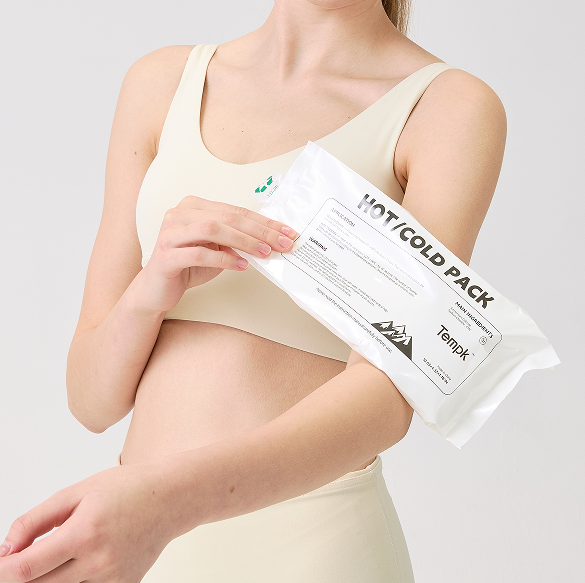
Gel Ice Pouch USA Distributor Guide: How to Choose the Right Supply
Start With the Real Decision
In the U.S. market, the best sourcing strategy balances availability with control. Fast stock is valuable, but only if the specification stays stable and the supplier can support growth without quiet substitutions.
The most reliable decision framework begins with intended use. Write down the product being protected, the target temperature band, the route length or use duration, and the operational constraints. Then compare pack formats against those requirements. This sounds simple, but it prevents the most common sourcing error: buying a familiar-looking product before defining the real job.
After that, move through the decision in layers. Layer one is thermal fit. Layer two is operational fit, including storage, conditioning, packing speed, and receiving experience. Layer three is supplier control: lot consistency, change management, and the ability to support growth. When buyers make decisions in that order, they usually get a better result than when they start with price or generic cold claims.
Even a good pack can fail in the wrong system. Insulation thickness, box size, payload density, void space, and pack placement all change the result. In regulated or highly sensitive routes, the refrigerant is only one component of a larger controlled package. In consumer or retail programs, the user experience after delivery can matter just as much as the internal temperature trend.
That is why the pack should always be discussed together with the rest of the build. If you change the carton, the liner, the number of units, or the way the product is preconditioned, you may have changed the performance. Buyers who understand system fit early spend less money on avoidable retesting later.
A route that looks simple on paper can still challenge a gel ice pouch once it enters the real world. First-mile staging, last-mile exposure, weekend delay, receiver availability, and ambient spikes all matter. A refrigerated warehouse departure is not the same thing as a protected home-delivery lane, and a clinic handoff is not the same thing as a hospital receiving dock or an athletic training room.
That is why operational mapping matters. Buyers should ask where the pack spends time outside controlled conditions, how long the product sits after packing, whether cartons are opened immediately on receipt, and what happens when something goes wrong. The more route variables you can define, the less likely you are to overbuy mass, underbuy protection, or choose a format that looks efficient in theory but creates complaints in practice.
When buyers combine that framework with a disciplined shortlist and pilot, they usually end up with a better final choice than any single article, catalog page, or sample review could provide on its own.
A Clear Framework for Choosing the Right Pack
Comparing formats is more useful than comparing slogans. A gel ice pouch range can include small pouches, mid-weight cold pouches, sheeted pouches, and custom print pouches, and each format changes packing behavior. Flat or sheeted packs often improve packing speed and layer neatly against cartons or liners. Pillow-style packs can wrap around products and fill voids more naturally. Rigid blocks hold their shape and can be easier to position predictably, but they take more freezer space and may be less forgiving around irregular payloads.
The right comparison method is therefore job-specific. Ask which format works with your current carton footprint, which one stores efficiently in your freezer, which one reduces packer confusion, and which one limits damage or leakage risk. The best answer may not be the one with the most aggressive cold profile. It may be the one your team can condition, identify, and use correctly every day.
How the Product Works Inside a Full System
The working principle is simple, but the buying decision is not. A gel ice pouch absorbs heat while frozen or conditioned and then releases that stored energy gradually. How quickly that happens depends on pack mass, the shape and area of the pack, the surrounding insulation, and the amount of time the payload remains exposed to ambient heat.
Standard water-based gel packs usually freeze around the point where water freezes, which makes them practical and economical for many general cold-chain jobs. Superabsorbent polymer, often abbreviated as SAP, is commonly used to turn the water phase into a gel matrix. That helps the fill resist free-liquid movement when the pouch is stressed. In more demanding programs, or when freeze-sensitive products must be protected, buyers may also consider phase change materials. PCM-based packs can be designed to melt and solidify closer to a target band so they release cold more gently than standard frozen water-based refrigerants.
That is why conditioning matters as much as chemistry. A buyer does not need a pack that feels cold in the freezer. The buyer needs a pack that enters the shipping or usage step in the right thermal state. If the product should remain chilled rather than frozen, a fully frozen water-based pack may create localized overcooling. If the route includes short refrigerated steps but long final-mile exposure, a heavier pack or a higher pack count may be necessary. In other words, the pack can never be judged alone; it has to be judged inside the route and handling process that actually matter.
Material, Quality, and Compliance Points That Should Not Be Skipped
From a materials perspective, most bulk cold packs are built around water-based fill systems sealed inside multilayer pouch structures. Buyers should focus on the whole package architecture: fill formula, film construction, seam design, and recommended conditioning. Those details influence not only thermal behavior but also leak resistance, storage efficiency, and pack-out consistency.
For general shipping programs, the deepest compliance point is to avoid implying more than the pack can do. A refrigerant pouch can support a thermal package, but it does not automatically create a validated shipping system. Buyers should use cautious language, define the route and target band, and test the complete pack-out.
Across all of these categories, a stronger technical discussion covers how the pack behaves in real operating conditions: how fast it freezes, whether it needs tempering, how it reacts under compression, and how closely the finished lot matches the approved sample. That kind of depth is more useful than a long list of unsupported claims.
Quality control starts with seal integrity. A pouch that leaks will fail no matter how good its thermal design looks on paper. Buyers should ask how seals are formed, what leak or burst tests are used, how puncture resistance is checked, and what the acceptable fill tolerance is from lot to lot. In repeat programs, small packaging changes can have large operational effects, especially when case counts, cube, freezer storage, or automated packing are involved.
The other part of quality control is change management. Large buyers often assume the quoted specification will stay fixed, but that is not always true in practice. Film supply, seam width, fill ratio, print area, and even carton count can change if there is no defined change-control process. A stronger supplier relationship includes advance notice, retained master specifications, and a way to compare pilot material against full production.
A Practical Supplier Checklist
Bulk buyers should turn supplier conversations into a structured evaluation instead of an open-ended sales discussion. The most useful questions are the ones that define fit before price becomes the only topic.
Internal and external dimensions, plus tolerances that matter for carton fit and layer arrangement.
Actual fill weight per pack and the supplier's acceptable production variance from lot to lot.
Film construction, seam design, puncture resistance, and whether the pouch has been pressure or leak tested.
Recommended storage and conditioning steps, including freezer temperature and tempering guidance if needed.
Expected application range: frozen support, refrigerated protection, or general ambient-shielding support.
Case pack, pallet count, lead time, emergency replenishment options, and change-control notification policy.
Whether the supplier can support stocked sizes.
Whether the supplier can support regional replenishment.
Whether the supplier can support private-label printing.
Whether the supplier can support consistent case weights.
Whether the supplier can support compatibility with existing boxes and liners.
How to Shortlist Suppliers Before Commitment
A strong shortlist is usually built around three questions. First, can the supplier support the intended application honestly rather than forcing every request into the same stock solution? Second, can the supplier explain conditioning, fit, and packaging behavior in practical language? Third, can the supplier hold the specification stable as the program grows?
Buyers should also look for evidence of operational support. That includes sensible sampling, clear case and pallet information, traceability, and a willingness to define what is controlled and what may vary. A weaker supplier often relies on generic hold-time language, vague sizing advice, or a sample that looks good only because it was prepared under ideal conditions.
Implementation Plan Before Full Scale-Up
Once you shortlist a supplier, implementation should follow a disciplined sequence. Approve the specification in writing. Validate the conditioning method your team will actually use. Run a pilot using the intended carton, insulation, payload, and route assumptions. Review the receiving result the same way the internal team or end user will experience it. Then lock down reorder controls so future lots remain within the approved range.
If the program grows, update the system before problems force you to. New box sizes, hotter lanes, longer dwell times, or a change from stock supply to custom print can all shift the result. Teams that revisit the pack-out proactively usually avoid the expensive cycle of complaint, emergency replacement, and rushed requalification.
Frequently Asked Questions
Can one gel pack work for both food and pharmaceutical shipments?
Sometimes, but not automatically. A water-based pack that works for general food delivery may be too cold or too inconsistent for freeze-sensitive pharmaceutical products. The pack has to be judged inside the full insulated system and against the required temperature band.
Is a U.S. distributor always better than buying direct from a factory?
Not always. A U.S. distributor can reduce lead time and support smaller orders, but you still need to verify whether the specification is stable and whether custom options remain controlled as volume grows.
What is the biggest risk in a bulk order?
Lot-to-lot inconsistency. A small change in fill weight, film, or seam quality can change freezing behavior and leak rate even when the pack looks almost the same on paper.
Final Recommendation
The most useful way to buy gel ice pouch products is to start with the real job: general cold-chain shipping, food and pharma fulfillment, and regional distributor stock programs. Once that job is clearly defined, the right choice becomes easier to see. You compare format, conditioning, stability, handling, and supplier control instead of getting distracted by broad claims. That is how bulk buyers reduce waste, protect product integrity, and avoid rebuilding the program after the first scale-up.
About Tempk
At Tempk, we focus on cold chain packaging for temperature-sensitive transport. Our publicly listed range includes gel ice packs, water-filled ice packs, dry ice packs, ice bricks, insulated bags, insulated boxes, box liners, pallet covers, and related cold-chain materials. We also support packaging work for food, pharmaceutical, and temperature-sensitive distribution projects. In practice, our strength is helping buyers match refrigerants, insulation, and handling needs instead of relying on a generic cold claim.
Next step: Share your target temperature range, route duration, shipper size, and handling conditions, and we can help you narrow down a more practical bulk packaging plan.
Gel Ice Pillows in the United States: How to Choose the Right Supply

Gel Ice Pillows in the United States: How to Choose the Right Supply
Start With the Real Decision
The strongest way to buy therapy-oriented gel packs is to start with intended use and channel fit. Once that is clear, materials, instructions, and documentation become easier to compare without mixing retail wellness products with medically positioned ones.
The most reliable decision framework begins with intended use. Write down the product being protected, the target temperature band, the route length or use duration, and the operational constraints. Then compare pack formats against those requirements. This sounds simple, but it prevents the most common sourcing error: buying a familiar-looking product before defining the real job.
After that, move through the decision in layers. Layer one is thermal fit. Layer two is operational fit, including storage, conditioning, packing speed, and receiving experience. Layer three is supplier control: lot consistency, change management, and the ability to support growth. When buyers make decisions in that order, they usually get a better result than when they start with price or generic cold claims.
Even a good pack can fail in the wrong system. Insulation thickness, box size, payload density, void space, and pack placement all change the result. In regulated or highly sensitive routes, the refrigerant is only one component of a larger controlled package. In consumer or retail programs, the user experience after delivery can matter just as much as the internal temperature trend.
That is why the pack should always be discussed together with the rest of the build. If you change the carton, the liner, the number of units, or the way the product is preconditioned, you may have changed the performance. Buyers who understand system fit early spend less money on avoidable retesting later.
A route that looks simple on paper can still challenge a gel ice pillow once it enters the real world. First-mile staging, last-mile exposure, weekend delay, receiver availability, and ambient spikes all matter. A refrigerated warehouse departure is not the same thing as a protected home-delivery lane, and a clinic handoff is not the same thing as a hospital receiving dock or an athletic training room.
That is why operational mapping matters. Buyers should ask where the pack spends time outside controlled conditions, how long the product sits after packing, whether cartons are opened immediately on receipt, and what happens when something goes wrong. The more route variables you can define, the less likely you are to overbuy mass, underbuy protection, or choose a format that looks efficient in theory but creates complaints in practice.
When buyers combine that framework with a disciplined shortlist and pilot, they usually end up with a better final choice than any single article, catalog page, or sample review could provide on its own.
A Clear Framework for Choosing the Right Pack
Comparing formats is more useful than comparing slogans. A gel ice pillow range can include soft gel pillows, insertable neck-support pillows, flat cooling pads, and dual-use hot and cold packs, and each format changes packing behavior. Flat or sheeted packs often improve packing speed and layer neatly against cartons or liners. Pillow-style packs can wrap around products and fill voids more naturally. Rigid blocks hold their shape and can be easier to position predictably, but they take more freezer space and may be less forgiving around irregular payloads.
The right comparison method is therefore job-specific. Ask which format works with your current carton footprint, which one stores efficiently in your freezer, which one reduces packer confusion, and which one limits damage or leakage risk. The best answer may not be the one with the most aggressive cold profile. It may be the one your team can condition, identify, and use correctly every day.
How the Product Works Inside a Full System
The working principle is simple, but the buying decision is not. A gel ice pillow absorbs heat while frozen or conditioned and then releases that stored energy gradually. How quickly that happens depends on pack mass, the shape and area of the pack, the surrounding insulation, and the amount of time the payload remains exposed to ambient heat.
Standard water-based gel packs usually freeze around the point where water freezes, which makes them practical and economical for many general cold-chain jobs. Superabsorbent polymer, often abbreviated as SAP, is commonly used to turn the water phase into a gel matrix. That helps the fill resist free-liquid movement when the pouch is stressed. In more demanding programs, or when freeze-sensitive products must be protected, buyers may also consider phase change materials. PCM-based packs can be designed to melt and solidify closer to a target band so they release cold more gently than standard frozen water-based refrigerants.
That is why conditioning matters as much as chemistry. A buyer does not need a pack that feels cold in the freezer. The buyer needs a pack that enters the shipping or usage step in the right thermal state. If the product should remain chilled rather than frozen, a fully frozen water-based pack may create localized overcooling. If the route includes short refrigerated steps but long final-mile exposure, a heavier pack or a higher pack count may be necessary. In other words, the pack can never be judged alone; it has to be judged inside the route and handling process that actually matter.
Material, Quality, and Compliance Points That Should Not Be Skipped
Therapy-oriented products place more emphasis on post-freeze flexibility, user comfort, and skin-contact materials. That changes the material conversation. Outer films or laminates must tolerate repeated bending without splitting, while the fill formula must remain conformable enough for practical use. A therapy pack that becomes rigid after freezing may still be cold, but it is often a poor product in the user's hands.
For therapy distribution, the deeper compliance boundary is claim discipline. A reusable cold pack is not automatically a regulated medical device. Documentation, instructions for use, and marketing language should fit the intended channel. Buyers that clarify this early usually avoid relabeling work and channel conflict later.
Across all of these categories, a stronger technical discussion covers how the pack behaves in real operating conditions: how fast it freezes, whether it needs tempering, how it reacts under compression, and how closely the finished lot matches the approved sample. That kind of depth is more useful than a long list of unsupported claims.
Quality control starts with seal integrity. A pouch that leaks will fail no matter how good its thermal design looks on paper. Buyers should ask how seals are formed, what leak or burst tests are used, how puncture resistance is checked, and what the acceptable fill tolerance is from lot to lot. In repeat programs, small packaging changes can have large operational effects, especially when case counts, cube, freezer storage, or automated packing are involved.
The other part of quality control is change management. Large buyers often assume the quoted specification will stay fixed, but that is not always true in practice. Film supply, seam width, fill ratio, print area, and even carton count can change if there is no defined change-control process. A stronger supplier relationship includes advance notice, retained master specifications, and a way to compare pilot material against full production.
A Practical Supplier Checklist
Bulk buyers should turn supplier conversations into a structured evaluation instead of an open-ended sales discussion. The most useful questions are the ones that define fit before price becomes the only topic.
Outer material, skin-contact feel, and whether the product stays flexible enough after freezing for comfortable use.
Instructions for cold use, optional heat use, maximum session guidance, and any required fabric cover or sleeve.
Retail packaging quality, barcode readiness, and whether the distributor can support both clinic and consumer channels.
Durability after repeated freeze-thaw cycles and whether seals split when the product is folded or compressed.
Private-label options, print quality, and artwork consistency if the product will sit on shelves or in ecommerce listings.
Channel-fit documentation: wellness accessory, therapy support product, or medical-device documentation where relevant.
Whether the supplier can support skin-contact materials.
Whether the supplier can support flexibility after freezing.
Whether the supplier can support washable covers or sleeves.
Whether the supplier can support retail packaging consistency.
Whether the supplier can support private label readiness.
How to Shortlist Suppliers Before Commitment
A strong shortlist is usually built around three questions. First, can the supplier support the intended application honestly rather than forcing every request into the same stock solution? Second, can the supplier explain conditioning, fit, and packaging behavior in practical language? Third, can the supplier hold the specification stable as the program grows?
Buyers should also look for evidence of operational support. That includes sensible sampling, clear case and pallet information, traceability, and a willingness to define what is controlled and what may vary. A weaker supplier often relies on generic hold-time language, vague sizing advice, or a sample that looks good only because it was prepared under ideal conditions.
Implementation Plan Before Full Scale-Up
Once you shortlist a supplier, implementation should follow a disciplined sequence. Approve the specification in writing. Validate the conditioning method your team will actually use. Run a pilot using the intended carton, insulation, payload, and route assumptions. Review the receiving result the same way the internal team or end user will experience it. Then lock down reorder controls so future lots remain within the approved range.
If the program grows, update the system before problems force you to. New box sizes, hotter lanes, longer dwell times, or a change from stock supply to custom print can all shift the result. Teams that revisit the pack-out proactively usually avoid the expensive cycle of complaint, emergency replacement, and rushed requalification.
Frequently Asked Questions
Should a gel ice pillow stay flexible after freezing?
Usually yes, if comfort and body contact are part of the intended use. A therapy product that turns rigid in normal use often performs poorly even if its cold retention seems strong.
Are all gel ice pillows also hot packs?
No. Some are dual-use and some are cold-use only. Buyers should check the instructions, materials, and heating method rather than assuming microwave use is acceptable.
What matters most for a distributor?
Consistency after repeated use. Retail appearance matters, but seam strength, freezing feel, and clear instructions usually determine whether the product succeeds or comes back as a return.
Final Recommendation
The most useful way to buy gel ice pillow products is to start with the real job: localized cold therapy, headache or neck support products, and sleep-cooling or comfort lines. Once that job is clearly defined, the right choice becomes easier to see. You compare format, conditioning, stability, handling, and supplier control instead of getting distracted by broad claims. That is how bulk buyers reduce waste, protect product integrity, and avoid rebuilding the program after the first scale-up.
About Tempk
At Tempk, we develop cold chain materials and also offer reusable hot and cold therapy packs within our public product range. We work across gel packs, ice bricks, insulated bags, insulated boxes, and related temperature-sensitive applications. Our approach is practical: we pay attention to fill formula, outer material, pack format, and real handling conditions so distributors and buyers can choose products that fit the intended channel instead of relying on broad cold-therapy claims alone.
Next step: If you are comparing distributor stock, private-label options, or custom pack formats, share your channel, target user, and performance expectations and we can suggest a more suitable direction.
Gel Ice Bags for Cosmetics Distribution: How to Choose the Right Supply
Gel Ice Bags for Cosmetics Distribution: How to Choose the Right Supply
Start With the Real Decision
Cosmetics buyers usually get better outcomes when they focus on heat moderation, presentation quality, and right-sized pack-outs rather than on maximum cold intensity.
The most reliable decision framework begins with intended use. Write down the product being protected, the target temperature band, the route length or use duration, and the operational constraints. Then compare pack formats against those requirements. This sounds simple, but it prevents the most common sourcing error: buying a familiar-looking product before defining the real job.
After that, move through the decision in layers. Layer one is thermal fit. Layer two is operational fit, including storage, conditioning, packing speed, and receiving experience. Layer three is supplier control: lot consistency, change management, and the ability to support growth. When buyers make decisions in that order, they usually get a better result than when they start with price or generic cold claims.
Even a good pack can fail in the wrong system. Insulation thickness, box size, payload density, void space, and pack placement all change the result. In regulated or highly sensitive routes, the refrigerant is only one component of a larger controlled package. In consumer or retail programs, the user experience after delivery can matter just as much as the internal temperature trend.
That is why the pack should always be discussed together with the rest of the build. If you change the carton, the liner, the number of units, or the way the product is preconditioned, you may have changed the performance. Buyers who understand system fit early spend less money on avoidable retesting later.
A route that looks simple on paper can still challenge a gel ice bag once it enters the real world. First-mile staging, last-mile exposure, weekend delay, receiver availability, and ambient spikes all matter. A refrigerated warehouse departure is not the same thing as a protected home-delivery lane, and a clinic handoff is not the same thing as a hospital receiving dock or an athletic training room.
That is why operational mapping matters. Buyers should ask where the pack spends time outside controlled conditions, how long the product sits after packing, whether cartons are opened immediately on receipt, and what happens when something goes wrong. The more route variables you can define, the less likely you are to overbuy mass, underbuy protection, or choose a format that looks efficient in theory but creates complaints in practice.
When buyers combine that framework with a disciplined shortlist and pilot, they usually end up with a better final choice than any single article, catalog page, or sample review could provide on its own.
A Clear Framework for Choosing the Right Pack
Comparing formats is more useful than comparing slogans. A gel ice bag range can include small pouches, slim gel bags, sheet packs for cosmetic cartons, and low-condensation refrigerants, and each format changes packing behavior. Flat or sheeted packs often improve packing speed and layer neatly against cartons or liners. Pillow-style packs can wrap around products and fill voids more naturally. Rigid blocks hold their shape and can be easier to position predictably, but they take more freezer space and may be less forgiving around irregular payloads.
The right comparison method is therefore job-specific. Ask which format works with your current carton footprint, which one stores efficiently in your freezer, which one reduces packer confusion, and which one limits damage or leakage risk. The best answer may not be the one with the most aggressive cold profile. It may be the one your team can condition, identify, and use correctly every day.
How the Product Works Inside a Full System
The working principle is simple, but the buying decision is not. A gel ice bag absorbs heat while frozen or conditioned and then releases that stored energy gradually. How quickly that happens depends on pack mass, the shape and area of the pack, the surrounding insulation, and the amount of time the payload remains exposed to ambient heat.
Standard water-based gel packs usually freeze around the point where water freezes, which makes them practical and economical for many general cold-chain jobs. Superabsorbent polymer, often abbreviated as SAP, is commonly used to turn the water phase into a gel matrix. That helps the fill resist free-liquid movement when the pouch is stressed. In more demanding programs, or when freeze-sensitive products must be protected, buyers may also consider phase change materials. PCM-based packs can be designed to melt and solidify closer to a target band so they release cold more gently than standard frozen water-based refrigerants.
That is why conditioning matters as much as chemistry. A buyer does not need a pack that feels cold in the freezer. The buyer needs a pack that enters the shipping or usage step in the right thermal state. If the product should remain chilled rather than frozen, a fully frozen water-based pack may create localized overcooling. If the route includes short refrigerated steps but long final-mile exposure, a heavier pack or a higher pack count may be necessary. In other words, the pack can never be judged alone; it has to be judged inside the route and handling process that actually matter.
Material, Quality, and Compliance Points That Should Not Be Skipped
From a materials perspective, most bulk cold packs are built around water-based fill systems sealed inside multilayer pouch structures. Buyers should focus on the whole package architecture: fill formula, film construction, seam design, and recommended conditioning. Those details influence not only thermal behavior but also leak resistance, storage efficiency, and pack-out consistency.
Cosmetics logistics is less about formal cold-chain qualification and more about protecting formulation stability and presentation under predictable heat stress. The compliance question is usually whether the chosen packaging and refrigerant setup is suitable for the product category and whether labels, cartons, or leakage-sensitive packaging stay acceptable on arrival.
Across all of these categories, a stronger technical discussion covers how the pack behaves in real operating conditions: how fast it freezes, whether it needs tempering, how it reacts under compression, and how closely the finished lot matches the approved sample. That kind of depth is more useful than a long list of unsupported claims.
Quality control starts with seal integrity. A pouch that leaks will fail no matter how good its thermal design looks on paper. Buyers should ask how seals are formed, what leak or burst tests are used, how puncture resistance is checked, and what the acceptable fill tolerance is from lot to lot. In repeat programs, small packaging changes can have large operational effects, especially when case counts, cube, freezer storage, or automated packing are involved.
The other part of quality control is change management. Large buyers often assume the quoted specification will stay fixed, but that is not always true in practice. Film supply, seam width, fill ratio, print area, and even carton count can change if there is no defined change-control process. A stronger supplier relationship includes advance notice, retained master specifications, and a way to compare pilot material against full production.
A Practical Supplier Checklist
Bulk buyers should turn supplier conversations into a structured evaluation instead of an open-ended sales discussion. The most useful questions are the ones that define fit before price becomes the only topic.
Pack size relative to carton size, because beauty shipments often need compact refrigerants rather than oversized cold mass.
Condensation control and secondary containment for products in glass, pumps, droppers, or leak-sensitive retail packaging.
Temperature moderation rather than maximum cold, especially for products that need protection from heat but not deep chilling.
Presentation on arrival, including stain risk, crushed inserts, wet cartons, and the effect of cold surfaces on premium packaging.
Seasonal pack-out logic for hot-weather lanes, regional fulfillment, and deferred doorstep delivery.
Consistency in dimensions and weights so the same box build keeps working across promotions and product launches.
Whether the supplier can support right-sized packs for small cartons.
Whether the supplier can support condensation management.
Whether the supplier can support protection for glass containers.
Whether the supplier can support seasonal pack-out changes.
Whether the supplier can support consistent cosmetic presentation on arrival.
How to Shortlist Suppliers Before Commitment
A strong shortlist is usually built around three questions. First, can the supplier support the intended application honestly rather than forcing every request into the same stock solution? Second, can the supplier explain conditioning, fit, and packaging behavior in practical language? Third, can the supplier hold the specification stable as the program grows?
Buyers should also look for evidence of operational support. That includes sensible sampling, clear case and pallet information, traceability, and a willingness to define what is controlled and what may vary. A weaker supplier often relies on generic hold-time language, vague sizing advice, or a sample that looks good only because it was prepared under ideal conditions.
Implementation Plan Before Full Scale-Up
Once you shortlist a supplier, implementation should follow a disciplined sequence. Approve the specification in writing. Validate the conditioning method your team will actually use. Run a pilot using the intended carton, insulation, payload, and route assumptions. Review the receiving result the same way the internal team or end user will experience it. Then lock down reorder controls so future lots remain within the approved range.
If the program grows, update the system before problems force you to. New box sizes, hotter lanes, longer dwell times, or a change from stock supply to custom print can all shift the result. Teams that revisit the pack-out proactively usually avoid the expensive cycle of complaint, emergency replacement, and rushed requalification.
Frequently Asked Questions
Do cosmetics always need refrigerated shipping?
No. Many products only need protection from heat spikes and prolonged ambient exposure. The required level of control depends on the formulation and packaging.
Why can oversized cold packs be a problem for cosmetics?
They can create condensation, wet cartons, and unnecessary weight, and they may overcool products that only needed heat buffering.
What should a distributor ask for before scaling?
A lane-based recommendation, carton-fit guidance, and a plan for hot-weather pack-outs that protects both product stability and presentation.
Final Recommendation
The most useful way to buy gel ice bag products is to start with the real job: heat-sensitive skincare, melt-prone makeup, and premium cosmetics in glass or leak-sensitive packaging. Once that job is clearly defined, the right choice becomes easier to see. You compare format, conditioning, stability, handling, and supplier control instead of getting distracted by broad claims. That is how bulk buyers reduce waste, protect product integrity, and avoid rebuilding the program after the first scale-up.
About Tempk
At Tempk, we focus on cold chain packaging for temperature-sensitive transport. Our publicly listed range includes gel ice packs, water-filled ice packs, dry ice packs, ice bricks, insulated bags, insulated boxes, box liners, pallet covers, and related cold-chain materials. We also support packaging work for food, pharmaceutical, and temperature-sensitive distribution projects. In practice, our strength is helping buyers match refrigerants, insulation, and handling needs instead of relying on a generic cold claim.
Next step: Share your target temperature range, route duration, shipper size, and handling conditions, and we can help you narrow down a more practical bulk packaging plan.