


Gel Ice Pouch Manufacturer for Medical Use: What Buyers Should Check Before Ordering
Gel Ice Pouch Manufacturer for Medical Use: What Buyers Should Check Before Ordering

Gel Ice Pouch Manufacturer for Medical Use: A Practical Buying Framework
Introduction
A buyer searching for a gel ice pouch manufacturer for medical use usually needs more than a cold pack. The goal is to secure a refrigerant format that fits the route, protects the product, and can be supplied with the same quality every time. That sounds simple, but the right choice depends on temperature range, conditioning method, pack geometry, condensation behavior, and how the outer shipper is built around the payload.
In other words, the smart way to compare gel ice pouch products is to treat them as part of a shipping system. Once you look at the product this way, the key questions become clearer: what temperature behavior do you need, what format fits the packout, what operational risks matter most, and which supplier can keep the approved sample stable over future batches.
What Buyers Usually Mean by This Product
A gel ice pouch is a flexible sealed format that works well when the pack needs to sit close to the payload or conform to an irregular carton. Pouches are common in healthcare, parcel cold chain, and compact retail packouts because they are easy to place and easy to replace. The key technical issue is that flexibility only helps if the film, seal, and fill control are strong enough to survive handling. A pouch that leaks under edge pressure quickly stops being a low-cost option.
Medical use introduces an intended-use question that consumer cold packs do not always raise. A gel pouch or cold pack may be used for therapeutic cooling against the body, for sample transport, or as a refrigerant inside a healthcare shipping system. Those are related but not identical applications. The buyer should first decide which role the product must play, because labeling, quality documentation, and even the most relevant test criteria can differ.
For transport-oriented medical programs, the biggest risk is treating the pack as if it alone creates compliance. In reality, the cold pack is one component in a larger packaging system. You still need to think about product sensitivity, transit time, exposure during handoff, and what the receiving team will do if the shipment arrives warm, overly cold, or physically damaged. For patient-contact products, material safety, intended use, and quality-system questions move further up the buying checklist.
The Design Choices That Change Results
Most gel refrigerants are built around a familiar architecture: a flexible film or laminated pouch filled with water and a gel-forming system that holds the liquid in place. In the public market, the gelling system is often based on materials such as sodium polyacrylate or cellulose-derived thickeners, while the outer pouch may use polyethylene alone or a stronger laminate such as PA/PE for better puncture resistance. What matters for buyers is not the chemistry name by itself, but the way that formulation behaves after conditioning, after repeated handling, and after the pack has been pressed against product corners inside a carton.
Public product ranges also show that one family of gel packs does not cover every temperature need. Some are designed around chilled service near 0°C, some use lower-temperature formulations for frozen distribution, and some phase-change variants are tuned to narrower bands such as 3°C, 5°C, 7°C, or warmer controlled ranges. That matters because a colder pack is not automatically a better pack. For freeze-sensitive products, a narrow-band coolant may be safer than a hard-frozen water gel, while frozen foods may need something much colder than a standard refrigerated gel can provide.
Size ranges in the market are equally broad. Small packs can be only a few ounces, while larger shipping formats extend to heavy pads, large pouches, or 80-ounce class packs and beyond. The nominal size, however, is only part of the story. Shape, fill distribution, and consistency from unit to unit all affect how the refrigerant fits the carton and how operators use it in the field. A well-controlled 16-ounce pack may perform better in practice than a nominally larger pack that varies too much in thickness or fill placement.
A buyer does not need a chemistry degree to use this information well. The practical takeaway is simple: ask the supplier what temperature range the pack is intended for, how it should be conditioned, and whether the exact same film and fill system will be maintained once the order moves from samples to production.
Thermal performance depends on the whole packout. Rough rules of thumb can be useful for early estimation, but they should never replace route-based evaluation. The same refrigerant load can behave very differently depending on carton volume, insulation thickness, payload mass, starting temperatures, and the pattern of ambient exposure through the route. Even the location of the pack inside the box matters, because top loading, side loading, and wrap-around placement change the heat path and the risk of direct cold contact.
Hold time on paper matters less than the real route profile. A short lane with repeated dock exposure can be harder than a longer lane that stays inside a controlled network. Conditioning method matters because a pack frozen solid, half-conditioned, or chilled to a narrow target temperature will behave very differently in the same carton. Packout geometry matters as well. Gaps, direct contact, and the position of the refrigerant around the payload can change both temperature distribution and condensation. For healthcare shipments, receiving checks and excursion decisions are part of the system, so the packaging must be easy for sites or depots to use correctly.
Where It Fits and Where It Does Not
A practical way to compare options is to divide them into three groups. Flexible pouches and pillows are best when the payload shape is irregular and close contact matters. Flatter pads work well when headspace is limited and the shipment is arranged in layers. Blocks and bricks are the better fit when you need repeatable geometry, simpler training, and a pack that stays in a defined position inside the shipper. No-sweat constructions deserve a separate look when wet cartons, labels, or printed sleeves create avoidable complaints.
Shape and surface behavior also affect field results. Flexible pillows and pouches can maximize contact area around irregular items, while blocks and bricks simplify standardized packouts. No-sweat constructions help when label damage or wet cartons are a problem. Semi-rigid packs can improve consistency in repetitive operations, but they may require a better-matched shipper to avoid unused voids. In other words, the best-performing pack is the one that fits the thermal goal and the physical workflow at the same time.
For procurement, the lesson is straightforward: evaluate the gel pack inside the shipping system, not as a stand-alone commodity. Ask for sample testing in the intended carton or tote, and make sure the conditioning instructions are realistic for the people who will actually pack the order.
Temperature-sensitive healthcare logistics requires a clear boundary between a refrigerant component and a qualified shipping system. A gel pack, pouch, block, or brick can be one part of the system, but it does not by itself guarantee compliant transport. For medicinal products and other controlled healthcare materials, buyers normally need to consider route risk, allowable temperature range, insulation, packout instructions, and how excursions will be handled at dispatch and receipt.
Intended use matters as well. If the product will be used as a patient-contact cold compress, device-style quality and labeling questions may apply that do not automatically apply to a transport coolant. If the same format is proposed for shipping, the buyer should ask whether the specification, documentation, and manufacturing controls match that use. In many cases, additional qualification or a separate intended-use statement may be needed.
How to Compare Suppliers Before a Bulk Order
If you are buying gel ice pouch products in volume, the shortlist should be built around repeatability rather than brochure language. The supplier needs to show that the same pack you approved as a sample can be manufactured again with the same gel behavior, seal quality, and dimensions. That is especially important for medical handling, therapy, and healthcare logistics, where a small change in pack thickness or conditioning behavior can alter the result in the field. When you are approaching a manufacturer directly, push beyond the sales sheet and ask about production control, not only finished-goods catalog options.
Regional sourcing still shapes the buying decision even when the keyword does not name a country. Lead time, sampling speed, customs exposure, and after-sales follow-up all influence whether a low unit price translates into a workable supply program. A good supplier conversation should therefore include logistics practicality, not only the gel formula and the quoted piece price.
If you want meaningful technical data, ask for parameters that connect directly to use. Useful items include nominal fill weight, thickness tolerance, external dimensions, film structure, recommended conditioning range, and any guidance on tempering before use. If the pack is reusable, ask how reuse is defined and what signs of wear should trigger removal from service. For healthcare or sensitive-product use, request the clearest available statement on intended use and any relevant quality-system support.
It is also reasonable to ask how the supplier controls production variation. A gel pack can fail even when the chemistry is correct if sealing temperature drifts, fill weights spread too far, or film lots change without notice. That is why sample approval and change notification should be part of the commercial conversation, not an afterthought added after the first issue appears in the field.
Practical Supplier Checklist
Check the internal and external dimensions, fill weight, and thickness range so the pack truly fits the intended carton or tote.
Ask which gel chemistry or phase temperature is used, what conditioning method is required, and whether tempering is needed before packout.
Review film structure, seal style, puncture resistance, and any moisture-control layer if labels or cartons must stay dry.
Confirm lot coding, labeling options, and whether the supplier can support traceability and consistent identification across reorders.
Request sample-to-production controls: approved sample retention, change notification, and batch consistency on fill weight and seal quality.
Discuss MOQ, lead time, case count, pallet pattern, and whether rush replenishment or seasonal allocation is realistic.
If customization is needed, clarify print, size, film, or gel-chemistry options and ask how those changes affect lead time and repeatability.
Ask what documentation is available for intended use, material information, and quality-system support where relevant.
Confirm whether the supplier can support route-specific testing, packout guidance, or verification work if the shipment is temperature controlled.
Mistakes That Cost Time and Money
The first common mistake is treating every gel pack as interchangeable. Two packs with the same size can behave differently because the gel chemistry, conditioning instructions, film, and surface construction are not the same. The second mistake is buying on nominal weight alone. Weight matters, but footprint, thickness, and pack position often matter just as much in the real carton.
Another avoidable error is to ignore condensation and handling. A route may hold temperature but still fail commercially because the pack leaks, the box becomes damp, or operators cannot follow the conditioning instructions consistently. The last mistake is to assume that one successful sample automatically proves long-term supply reliability. The bigger question is whether the supplier can reproduce that sample month after month without silent specification drift.
Sustainability discussions in this category work best when they stay practical. Reusable packs can cut waste and improve packout consistency, but they only make sense when retrieval, inspection, and reconditioning are realistic. One-way packs remain useful for open-loop parcel programs, especially when the return cost would outweigh the material benefit. The right question is not reusable versus disposable in the abstract; it is what solution reduces total waste and failure in your actual network.
Frequently Asked Questions
Q: Is a gel pack alone enough for a compliant healthcare shipment? A: No. It is a component, not the whole system. Route risk, insulation, packout instructions, and receiving checks still need to be addressed.
Q: Can a patient-use cold pack also be used for shipping? A: Sometimes, but the buyer should confirm intended use, documentation, and whether the specification really matches transport requirements.
Q: What is the biggest technical risk for chilled healthcare products? A: Often it is freeze damage from packs that are too cold or positioned too close to a sensitive product.
Summary
The best gel ice pouch program is the one that matches temperature need, pack format, workflow, and supply consistency in a single decision. When buyers compare packs this way, they usually avoid the most expensive mistakes: wrong phase temperature, weak documentation, poor condensation control, and suppliers who cannot repeat an approved sample. That is what turns a simple gel pack into a dependable shipping component.
About Tempk
At Tempk, we focus on cold-chain packaging and temperature-control solutions developed by Shanghai Tempk Industrial Co., Ltd., established in 2011. Our public product range includes gel ice packs, water-filled ice packs, dry ice packs, freezer ice bricks, insulated boxes and liners, pharmaceutical cold-chain equipment, and temperature-control verification services. For healthcare projects, that broader scope helps us think beyond a single coolant item and look at the complete shipping setup.
Next Step
If your shipment has a defined temperature window or quality requirement, ask for guidance that considers route risk, pack placement, and the full insulated system before you scale the order.
Gel Ice Pillow Manufacturer for Wine Shipping: What Buyers Should Check Before Ordering

Gel Ice Pillow Manufacturer for Wine Shipping: A Practical Buying Framework
Introduction
A buyer searching for a gel ice pillow manufacturer for wine shipping usually needs more than a cold pack. The goal is to secure a refrigerant format that fits the route, protects the product, and can be supplied with the same quality every time. That sounds simple, but the right choice depends on temperature range, conditioning method, pack geometry, condensation behavior, and how the outer shipper is built around the payload.
In other words, the smart way to compare gel ice pillow products is to treat them as part of a shipping system. Once you look at the product this way, the key questions become clearer: what temperature behavior do you need, what format fits the packout, what operational risks matter most, and which supplier can keep the approved sample stable over future batches.
What Buyers Usually Mean by This Product
A gel ice pillow is a soft, chambered format that can flex around curved items and fill open space without the hard edges of a brick. That shape can be helpful around bottles, gift sets, and parcel-style inserts where contact area matters. Pillow formats are also easy to handle in fast manual packouts. Their limitation is that flexible shapes can shift during transport, so buyers should confirm that the final carton still protects the payload evenly after vibration and repeated handling.
For wine, the job of a gel pack is usually temperature moderation rather than deep chilling. The pack absorbs heat spikes during loading, parcel sorting, and doorstep delay so the bottle spends less time at stressful temperatures. That is different from trying to make the bottle cold like a beverage bucket. In fact, over-aggressive refrigeration can create its own problems by pushing the wine too low or leaving cartons wet enough to damage labels and gift packaging.
Bottle shipments also highlight the value of format. Pillow shapes can sit beside the bottle, flatter pads can go above or below, and no-sweat constructions can help keep presentation clean. Buyers should ask whether the pack must protect a single premium bottle, a wine club assortment, or a gift set with delicate printed components. The correct choice is the one that balances cooling, carton fit, and visual quality at delivery. A pack that arrives partially thawed may still have done its job if it absorbed heat through the route.
The Design Choices That Change Results
Most gel refrigerants are built around a familiar architecture: a flexible film or laminated pouch filled with water and a gel-forming system that holds the liquid in place. In the public market, the gelling system is often based on materials such as sodium polyacrylate or cellulose-derived thickeners, while the outer pouch may use polyethylene alone or a stronger laminate such as PA/PE for better puncture resistance. What matters for buyers is not the chemistry name by itself, but the way that formulation behaves after conditioning, after repeated handling, and after the pack has been pressed against product corners inside a carton.
Public product ranges also show that one family of gel packs does not cover every temperature need. Some are designed around chilled service near 0°C, some use lower-temperature formulations for frozen distribution, and some phase-change variants are tuned to narrower bands such as 3°C, 5°C, 7°C, or warmer controlled ranges. That matters because a colder pack is not automatically a better pack. For freeze-sensitive products, a narrow-band coolant may be safer than a hard-frozen water gel, while frozen foods may need something much colder than a standard refrigerated gel can provide.
Size ranges in the market are equally broad. Small packs can be only a few ounces, while larger shipping formats extend to heavy pads, large pouches, or 80-ounce class packs and beyond. The nominal size, however, is only part of the story. Shape, fill distribution, and consistency from unit to unit all affect how the refrigerant fits the carton and how operators use it in the field. A well-controlled 16-ounce pack may perform better in practice than a nominally larger pack that varies too much in thickness or fill placement.
A buyer does not need a chemistry degree to use this information well. The practical takeaway is simple: ask the supplier what temperature range the pack is intended for, how it should be conditioned, and whether the exact same film and fill system will be maintained once the order moves from samples to production.
Thermal performance depends on the whole packout. Rough rules of thumb can be useful for early estimation, but they should never replace route-based evaluation. The same refrigerant load can behave very differently depending on carton volume, insulation thickness, payload mass, starting temperatures, and the pattern of ambient exposure through the route. Even the location of the pack inside the box matters, because top loading, side loading, and wrap-around placement change the heat path and the risk of direct cold contact.
Hold time on paper matters less than the real route profile. A short lane with repeated dock exposure can be harder than a longer lane that stays inside a controlled network. Conditioning method matters because a pack frozen solid, half-conditioned, or chilled to a narrow target temperature will behave very differently in the same carton. Packout geometry matters as well. Gaps, direct contact, and the position of the refrigerant around the payload can change both temperature distribution and condensation. Bottle spacing, neck orientation, and the amount of corrugated material around the glass also affect the way heat enters the packout.
Where It Fits and Where It Does Not
A practical way to compare options is to divide them into three groups. Flexible pouches and pillows are best when the payload shape is irregular and close contact matters. Flatter pads work well when headspace is limited and the shipment is arranged in layers. Blocks and bricks are the better fit when you need repeatable geometry, simpler training, and a pack that stays in a defined position inside the shipper. No-sweat constructions deserve a separate look when wet cartons, labels, or printed sleeves create avoidable complaints.
Shape and surface behavior also affect field results. Flexible pillows and pouches can maximize contact area around irregular items, while blocks and bricks simplify standardized packouts. No-sweat constructions help when label damage or wet cartons are a problem. Semi-rigid packs can improve consistency in repetitive operations, but they may require a better-matched shipper to avoid unused voids. In other words, the best-performing pack is the one that fits the thermal goal and the physical workflow at the same time.
For procurement, the lesson is straightforward: evaluate the gel pack inside the shipping system, not as a stand-alone commodity. Ask for sample testing in the intended carton or tote, and make sure the conditioning instructions are realistic for the people who will actually pack the order.
Wine shipping adds a softer but still important boundary: cool protection is not the same as cold storage. A bottle shipper with gel packs is designed to moderate temperature swings through transit, not to hold wine at cellar conditions indefinitely in extreme weather. That is why route planning and shipping windows remain part of the decision.
How to Compare Suppliers Before a Bulk Order
If you are buying gel ice pillow products in volume, the shortlist should be built around repeatability rather than brochure language. The supplier needs to show that the same pack you approved as a sample can be manufactured again with the same gel behavior, seal quality, and dimensions. That is especially important for wine shipping and bottle protection, where a small change in pack thickness or conditioning behavior can alter the result in the field. When you are approaching a manufacturer directly, push beyond the sales sheet and ask about production control, not only finished-goods catalog options.
Regional sourcing still shapes the buying decision even when the keyword does not name a country. Lead time, sampling speed, customs exposure, and after-sales follow-up all influence whether a low unit price translates into a workable supply program. A good supplier conversation should therefore include logistics practicality, not only the gel formula and the quoted piece price.
If you want meaningful technical data, ask for parameters that connect directly to use. Useful items include nominal fill weight, thickness tolerance, external dimensions, film structure, recommended conditioning range, and any guidance on tempering before use. If the pack is reusable, ask how reuse is defined and what signs of wear should trigger removal from service. For healthcare or sensitive-product use, request the clearest available statement on intended use and any relevant quality-system support.
It is also reasonable to ask how the supplier controls production variation. A gel pack can fail even when the chemistry is correct if sealing temperature drifts, fill weights spread too far, or film lots change without notice. That is why sample approval and change notification should be part of the commercial conversation, not an afterthought added after the first issue appears in the field.
Practical Supplier Checklist
Check the internal and external dimensions, fill weight, and thickness range so the pack truly fits the intended carton or tote.
Ask which gel chemistry or phase temperature is used, what conditioning method is required, and whether tempering is needed before packout.
Review film structure, seal style, puncture resistance, and any moisture-control layer if labels or cartons must stay dry.
Confirm lot coding, labeling options, and whether the supplier can support traceability and consistent identification across reorders.
Request sample-to-production controls: approved sample retention, change notification, and batch consistency on fill weight and seal quality.
Discuss MOQ, lead time, case count, pallet pattern, and whether rush replenishment or seasonal allocation is realistic.
If customization is needed, clarify print, size, film, or gel-chemistry options and ask how those changes affect lead time and repeatability.
Review condensation behavior, because protecting labels and gift packaging can be as important as maintaining bottle temperature.
Ask how the pack sits around the bottle and whether the final presentation stays clean after transit.
Mistakes That Cost Time and Money
The first common mistake is treating every gel pack as interchangeable. Two packs with the same size can behave differently because the gel chemistry, conditioning instructions, film, and surface construction are not the same. The second mistake is buying on nominal weight alone. Weight matters, but footprint, thickness, and pack position often matter just as much in the real carton.
Another avoidable error is to ignore condensation and handling. A route may hold temperature but still fail commercially because the pack leaks, the box becomes damp, or operators cannot follow the conditioning instructions consistently. The last mistake is to assume that one successful sample automatically proves long-term supply reliability. The bigger question is whether the supplier can reproduce that sample month after month without silent specification drift.
Sustainability discussions in this category work best when they stay practical. Reusable packs can cut waste and improve packout consistency, but they only make sense when retrieval, inspection, and reconditioning are realistic. One-way packs remain useful for open-loop parcel programs, especially when the return cost would outweigh the material benefit. The right question is not reusable versus disposable in the abstract; it is what solution reduces total waste and failure in your actual network.
Frequently Asked Questions
Q: Should wine gel packs still be frozen when the parcel arrives? A: Not necessarily. A softened or partially melted pack may simply show that it absorbed heat through transit, which is exactly what it was meant to do.
Q: What matters more for wine: colder packs or drier packs? A: Both matter, but many wine shippers prioritize stable cooling with low condensation so labels and gift presentation remain clean.
Q: Can one pack format fit every bottle program? A: Rarely. Single bottles, club packs, and gift sets often need different shapes and placement strategies.
Summary
The best gel ice pillow program is the one that matches temperature need, pack format, workflow, and supply consistency in a single decision. When buyers compare packs this way, they usually avoid the most expensive mistakes: wrong phase temperature, weak documentation, poor condensation control, and suppliers who cannot repeat an approved sample. That is what turns a simple gel pack into a dependable shipping component.
About Tempk
At Tempk, we focus on cold-chain packaging and temperature-control solutions developed by Shanghai Tempk Industrial Co., Ltd., established in 2011. Our public product range includes gel ice packs, dry ice packs, freezer ice bricks, insulated boxes, liners, and other insulation products for temperature-sensitive distribution. That combination is useful when a buyer needs to match the refrigerant to the outer packaging instead of sourcing each piece in isolation.
Next Step
If you are comparing suppliers or planning a custom size, ask for a route-based recommendation before you lock in the bulk specification.
Wholesale Gel Ice Bricks: How to Compare Packs, Suppliers, and Route Fit

Wholesale Gel Ice Bricks: A Practical Buying Framework
Introduction
A buyer searching for a wholesale gel ice bricks usually needs more than a cold pack. The goal is to secure a refrigerant format that fits the route, protects the product, and can be supplied with the same quality every time. That sounds simple, but the right choice depends on temperature range, conditioning method, pack geometry, condensation behavior, and how the outer shipper is built around the payload.
In other words, the smart way to compare gel ice brick products is to treat them as part of a shipping system. Once you look at the product this way, the key questions become clearer: what temperature behavior do you need, what format fits the packout, what operational risks matter most, and which supplier can keep the approved sample stable over future batches.
What Buyers Usually Mean by This Product
A gel ice brick sits in the same general family as refrigerant blocks, but buyers usually choose it when they want a more defined, brick-like format that stacks neatly and holds its footprint. That shape can simplify standard operating procedures in warehouses because the packout is easy to teach and easy to audit. Ice bricks are especially useful when tolerances are tight and the carton has dedicated slots or channels for the coolant. The trade-off is that rigid or semi-rigid shapes may leave gaps around irregular products unless the shipper is designed around them.
Across general cold-chain use cases, the real purpose of a gel refrigerant is to slow temperature rise or stabilize a packout during a defined part of the route. It helps absorb heat load while the shipment waits on the dock, moves through a parcel hub, or sits at the consignee for a short period. That seems simple, but the performance is always tied to the outer shipper, the amount of insulation, the starting product temperature, and the way the pack is placed around the payload.
Because of that, experienced buyers rarely purchase on nominal weight alone. They want to know what the pack is made from, how it should be conditioned, what temperatures it is meant to support, and whether the supplier can repeat the same fill, seal, and dimensions every time. The pack is only one line item in the bill of materials, but it often determines whether the rest of the system performs as expected.
The Design Choices That Change Results
Most gel refrigerants are built around a familiar architecture: a flexible film or laminated pouch filled with water and a gel-forming system that holds the liquid in place. In the public market, the gelling system is often based on materials such as sodium polyacrylate or cellulose-derived thickeners, while the outer pouch may use polyethylene alone or a stronger laminate such as PA/PE for better puncture resistance. What matters for buyers is not the chemistry name by itself, but the way that formulation behaves after conditioning, after repeated handling, and after the pack has been pressed against product corners inside a carton.
Public product ranges also show that one family of gel packs does not cover every temperature need. Some are designed around chilled service near 0°C, some use lower-temperature formulations for frozen distribution, and some phase-change variants are tuned to narrower bands such as 3°C, 5°C, 7°C, or warmer controlled ranges. That matters because a colder pack is not automatically a better pack. For freeze-sensitive products, a narrow-band coolant may be safer than a hard-frozen water gel, while frozen foods may need something much colder than a standard refrigerated gel can provide.
Size ranges in the market are equally broad. Small packs can be only a few ounces, while larger shipping formats extend to heavy pads, large pouches, or 80-ounce class packs and beyond. The nominal size, however, is only part of the story. Shape, fill distribution, and consistency from unit to unit all affect how the refrigerant fits the carton and how operators use it in the field. A well-controlled 16-ounce pack may perform better in practice than a nominally larger pack that varies too much in thickness or fill placement.
A buyer does not need a chemistry degree to use this information well. The practical takeaway is simple: ask the supplier what temperature range the pack is intended for, how it should be conditioned, and whether the exact same film and fill system will be maintained once the order moves from samples to production.
Thermal performance depends on the whole packout. Rough rules of thumb can be useful for early estimation, but they should never replace route-based evaluation. The same refrigerant load can behave very differently depending on carton volume, insulation thickness, payload mass, starting temperatures, and the pattern of ambient exposure through the route. Even the location of the pack inside the box matters, because top loading, side loading, and wrap-around placement change the heat path and the risk of direct cold contact.
Hold time on paper matters less than the real route profile. A short lane with repeated dock exposure can be harder than a longer lane that stays inside a controlled network. Conditioning method matters because a pack frozen solid, half-conditioned, or chilled to a narrow target temperature will behave very differently in the same carton. Packout geometry matters as well. Gaps, direct contact, and the position of the refrigerant around the payload can change both temperature distribution and condensation.
Where It Fits and Where It Does Not
A practical way to compare options is to divide them into three groups. Flexible pouches and pillows are best when the payload shape is irregular and close contact matters. Flatter pads work well when headspace is limited and the shipment is arranged in layers. Blocks and bricks are the better fit when you need repeatable geometry, simpler training, and a pack that stays in a defined position inside the shipper. No-sweat constructions deserve a separate look when wet cartons, labels, or printed sleeves create avoidable complaints.
Shape and surface behavior also affect field results. Flexible pillows and pouches can maximize contact area around irregular items, while blocks and bricks simplify standardized packouts. No-sweat constructions help when label damage or wet cartons are a problem. Semi-rigid packs can improve consistency in repetitive operations, but they may require a better-matched shipper to avoid unused voids. In other words, the best-performing pack is the one that fits the thermal goal and the physical workflow at the same time.
For procurement, the lesson is straightforward: evaluate the gel pack inside the shipping system, not as a stand-alone commodity. Ask for sample testing in the intended carton or tote, and make sure the conditioning instructions are realistic for the people who will actually pack the order.
Temperature-sensitive healthcare logistics requires a clear boundary between a refrigerant component and a qualified shipping system. A gel pack, pouch, block, or brick can be one part of the system, but it does not by itself guarantee compliant transport. For medicinal products and other controlled healthcare materials, buyers normally need to consider route risk, allowable temperature range, insulation, packout instructions, and how excursions will be handled at dispatch and receipt.
How to Compare Suppliers Before a Bulk Order
If you are buying gel ice brick products in volume, the shortlist should be built around repeatability rather than brochure language. The supplier needs to show that the same pack you approved as a sample can be manufactured again with the same gel behavior, seal quality, and dimensions. That is especially important for general passive cold-chain shipping, where a small change in pack thickness or conditioning behavior can alter the result in the field. For wholesale programs, stock depth and replenishment discipline are part of the specification, because an excellent sample is not enough if the seller cannot keep the same item available through seasonal demand.
For buyers who specifically want a wholesale gel ice bricks, domestic sourcing is usually about more than origin. It can simplify sampling, shorten replenishment cycles, and make it easier to resolve quality questions without long international feedback loops. A U.S. program can also align better with shorter seasonal runs, emergency replenishment, and closer oversight of fill-weight control, seal consistency, and carton packing. That does not make every domestic option better than every import option, but it does change the balance between unit cost, response speed, and quality follow-up.
If you want meaningful technical data, ask for parameters that connect directly to use. Useful items include nominal fill weight, thickness tolerance, external dimensions, film structure, recommended conditioning range, and any guidance on tempering before use. If the pack is reusable, ask how reuse is defined and what signs of wear should trigger removal from service. For healthcare or sensitive-product use, request the clearest available statement on intended use and any relevant quality-system support.
It is also reasonable to ask how the supplier controls production variation. A gel pack can fail even when the chemistry is correct if sealing temperature drifts, fill weights spread too far, or film lots change without notice. That is why sample approval and change notification should be part of the commercial conversation, not an afterthought added after the first issue appears in the field.
Practical Supplier Checklist
Check the internal and external dimensions, fill weight, and thickness range so the pack truly fits the intended carton or tote.
Ask which gel chemistry or phase temperature is used, what conditioning method is required, and whether tempering is needed before packout.
Review film structure, seal style, puncture resistance, and any moisture-control layer if labels or cartons must stay dry.
Confirm lot coding, labeling options, and whether the supplier can support traceability and consistent identification across reorders.
Request sample-to-production controls: approved sample retention, change notification, and batch consistency on fill weight and seal quality.
Discuss MOQ, lead time, case count, pallet pattern, and whether rush replenishment or seasonal allocation is realistic.
If customization is needed, clarify print, size, film, or gel-chemistry options and ask how those changes affect lead time and repeatability.
Check stocking strategy and replenishment logic, especially if the program depends on regional availability rather than one-off shipments.
Mistakes That Cost Time and Money
The first common mistake is treating every gel pack as interchangeable. Two packs with the same size can behave differently because the gel chemistry, conditioning instructions, film, and surface construction are not the same. The second mistake is buying on nominal weight alone. Weight matters, but footprint, thickness, and pack position often matter just as much in the real carton.
Another avoidable error is to ignore condensation and handling. A route may hold temperature but still fail commercially because the pack leaks, the box becomes damp, or operators cannot follow the conditioning instructions consistently. The last mistake is to assume that one successful sample automatically proves long-term supply reliability. The bigger question is whether the supplier can reproduce that sample month after month without silent specification drift.
Sustainability discussions in this category work best when they stay practical. Reusable packs can cut waste and improve packout consistency, but they only make sense when retrieval, inspection, and reconditioning are realistic. One-way packs remain useful for open-loop parcel programs, especially when the return cost would outweigh the material benefit. The right question is not reusable versus disposable in the abstract; it is what solution reduces total waste and failure in your actual network.
Frequently Asked Questions
Q: How do I know which gel pack size to buy? A: Start with the route, product sensitivity, insulation, and pack placement. Size is important, but it is only one part of the thermal design.
Q: Are reusable packs always the better option? A: Only when retrieval, inspection, and reconditioning are realistic. Otherwise, a one-way format may be operationally safer.
Q: What documents should I ask from the supplier? A: Ask for a specification sheet, conditioning guidance, material information, lot identification details, and clear statements on any special claims such as food use or intended medical use.
Summary
The best gel ice brick program is the one that matches temperature need, pack format, workflow, and supply consistency in a single decision. When buyers compare packs this way, they usually avoid the most expensive mistakes: wrong phase temperature, weak documentation, poor condensation control, and suppliers who cannot repeat an approved sample. That is what turns a simple gel pack into a dependable shipping component.
About Tempk
At Tempk, we focus on cold-chain packaging and temperature-control solutions developed by Shanghai Tempk Industrial Co., Ltd., established in 2011. Our public product range includes gel ice packs, water-filled ice packs, dry ice packs, freezer ice bricks, insulated boxes and liners, insulated pallet covers, and related cold-chain products. We also provide temperature-control verification services, which supports a more practical discussion about route fit rather than product catalog language alone.
Next Step
If you are comparing case quantities or pallet programs, ask for a recommendation based on route length, target temperature, and the carton or tote you actually use.
Wholesale Gel Cooling Pads for Food Distribution: How to Compare Packs, Suppliers, and Route Fit
Wholesale Gel Cooling Pads for Food Distribution: A Practical Buying Framework
Introduction
A buyer searching for a wholesale gel cooling pads for food distribution usually needs more than a cold pack. The goal is to secure a refrigerant format that fits the route, protects the product, and can be supplied with the same quality every time. That sounds simple, but the right choice depends on temperature range, conditioning method, pack geometry, condensation behavior, and how the outer shipper is built around the payload.
In other words, the smart way to compare gel cooling pad products is to treat them as part of a shipping system. Once you look at the product this way, the key questions become clearer: what temperature behavior do you need, what format fits the packout, what operational risks matter most, and which supplier can keep the approved sample stable over future batches.
What Buyers Usually Mean by This Product
A gel cooling pad is usually chosen when buyers want a flatter contact surface that sits neatly under, over, or around a product layer. Compared with bulky pillows or thick blocks, pads can reduce dead space and make cartons easier to close consistently. That makes them useful for trays, meal kits, low-profile boxes, and other packouts where vertical space is limited. The trade-off is that a very slim pad may carry less thermal mass than a thicker format, so the pad must be matched to route duration rather than selected on shape alone.
In food distribution, a gel cooling pad or pack is usually a buffer that helps keep chilled products inside a safe handling window while the shipment moves through pick, pack, line-haul, and final delivery. It is not a substitute for sanitary transport practices, and it is not automatically the right answer for every food category. Fresh meals, dairy, produce, seafood, and ready-to-cook kits each respond differently to surface contact, free liquid, and partial freezing. That is why a food buyer should look at temperature requirement, moisture tolerance, and carton design together before selecting a format.
One of the most common mistakes in food shipping is to use the same refrigerant plan for both chilled and frozen products. A standard water-based gel pack may be suitable for chilled lanes, but frozen products such as ice cream usually need a more aggressive refrigerant strategy and a better-insulated system. Another frequent issue is assuming that any pack listed as food safe will be appropriate for direct product contact. Film declarations, hygiene controls, and the real use case should all be checked before the order is scaled.
The Design Choices That Change Results
Most gel refrigerants are built around a familiar architecture: a flexible film or laminated pouch filled with water and a gel-forming system that holds the liquid in place. In the public market, the gelling system is often based on materials such as sodium polyacrylate or cellulose-derived thickeners, while the outer pouch may use polyethylene alone or a stronger laminate such as PA/PE for better puncture resistance. What matters for buyers is not the chemistry name by itself, but the way that formulation behaves after conditioning, after repeated handling, and after the pack has been pressed against product corners inside a carton.
Public product ranges also show that one family of gel packs does not cover every temperature need. Some are designed around chilled service near 0°C, some use lower-temperature formulations for frozen distribution, and some phase-change variants are tuned to narrower bands such as 3°C, 5°C, 7°C, or warmer controlled ranges. That matters because a colder pack is not automatically a better pack. For freeze-sensitive products, a narrow-band coolant may be safer than a hard-frozen water gel, while frozen foods may need something much colder than a standard refrigerated gel can provide.
Size ranges in the market are equally broad. Small packs can be only a few ounces, while larger shipping formats extend to heavy pads, large pouches, or 80-ounce class packs and beyond. The nominal size, however, is only part of the story. Shape, fill distribution, and consistency from unit to unit all affect how the refrigerant fits the carton and how operators use it in the field. A well-controlled 16-ounce pack may perform better in practice than a nominally larger pack that varies too much in thickness or fill placement.
A buyer does not need a chemistry degree to use this information well. The practical takeaway is simple: ask the supplier what temperature range the pack is intended for, how it should be conditioned, and whether the exact same film and fill system will be maintained once the order moves from samples to production.
Thermal performance depends on the whole packout. Rough rules of thumb can be useful for early estimation, but they should never replace route-based evaluation. The same refrigerant load can behave very differently depending on carton volume, insulation thickness, payload mass, starting temperatures, and the pattern of ambient exposure through the route. Even the location of the pack inside the box matters, because top loading, side loading, and wrap-around placement change the heat path and the risk of direct cold contact.
Hold time on paper matters less than the real route profile. A short lane with repeated dock exposure can be harder than a longer lane that stays inside a controlled network. Conditioning method matters because a pack frozen solid, half-conditioned, or chilled to a narrow target temperature will behave very differently in the same carton. Packout geometry matters as well. Gaps, direct contact, and the position of the refrigerant around the payload can change both temperature distribution and condensation.
Where It Fits and Where It Does Not
A practical way to compare options is to divide them into three groups. Flexible pouches and pillows are best when the payload shape is irregular and close contact matters. Flatter pads work well when headspace is limited and the shipment is arranged in layers. Blocks and bricks are the better fit when you need repeatable geometry, simpler training, and a pack that stays in a defined position inside the shipper. No-sweat constructions deserve a separate look when wet cartons, labels, or printed sleeves create avoidable complaints.
Shape and surface behavior also affect field results. Flexible pillows and pouches can maximize contact area around irregular items, while blocks and bricks simplify standardized packouts. No-sweat constructions help when label damage or wet cartons are a problem. Semi-rigid packs can improve consistency in repetitive operations, but they may require a better-matched shipper to avoid unused voids. In other words, the best-performing pack is the one that fits the thermal goal and the physical workflow at the same time.
For procurement, the lesson is straightforward: evaluate the gel pack inside the shipping system, not as a stand-alone commodity. Ask for sample testing in the intended carton or tote, and make sure the conditioning instructions are realistic for the people who will actually pack the order.
Food buyers should make the same distinction in a different way. A gel pack can support chilled transport, but it does not replace sanitary handling, cleanable packaging, or route controls. Any direct food-contact claim should match the film structure, the intended use, and the supplier's supporting documentation.
How to Compare Suppliers Before a Bulk Order
If you are buying gel cooling pad products in volume, the shortlist should be built around repeatability rather than brochure language. The supplier needs to show that the same pack you approved as a sample can be manufactured again with the same gel behavior, seal quality, and dimensions. That is especially important for food shipping and chilled distribution, where a small change in pack thickness or conditioning behavior can alter the result in the field. For wholesale programs, stock depth and replenishment discipline are part of the specification, because an excellent sample is not enough if the seller cannot keep the same item available through seasonal demand.
Regional sourcing still shapes the buying decision even when the keyword does not name a country. Lead time, sampling speed, customs exposure, and after-sales follow-up all influence whether a low unit price translates into a workable supply program. A good supplier conversation should therefore include logistics practicality, not only the gel formula and the quoted piece price.
If you want meaningful technical data, ask for parameters that connect directly to use. Useful items include nominal fill weight, thickness tolerance, external dimensions, film structure, recommended conditioning range, and any guidance on tempering before use. If the pack is reusable, ask how reuse is defined and what signs of wear should trigger removal from service. For healthcare or sensitive-product use, request the clearest available statement on intended use and any relevant quality-system support.
It is also reasonable to ask how the supplier controls production variation. A gel pack can fail even when the chemistry is correct if sealing temperature drifts, fill weights spread too far, or film lots change without notice. That is why sample approval and change notification should be part of the commercial conversation, not an afterthought added after the first issue appears in the field.
Practical Supplier Checklist
Check the internal and external dimensions, fill weight, and thickness range so the pack truly fits the intended carton or tote.
Ask which gel chemistry or phase temperature is used, what conditioning method is required, and whether tempering is needed before packout.
Review film structure, seal style, puncture resistance, and any moisture-control layer if labels or cartons must stay dry.
Confirm lot coding, labeling options, and whether the supplier can support traceability and consistent identification across reorders.
Request sample-to-production controls: approved sample retention, change notification, and batch consistency on fill weight and seal quality.
Discuss MOQ, lead time, case count, pallet pattern, and whether rush replenishment or seasonal allocation is realistic.
If customization is needed, clarify print, size, film, or gel-chemistry options and ask how those changes affect lead time and repeatability.
Verify hygiene expectations, cleanability, and any direct-contact or food-use declarations that are relevant to the actual application.
Check how the pack performs after thawing, because leakage and free moisture can create avoidable sanitation problems.
Mistakes That Cost Time and Money
The first common mistake is treating every gel pack as interchangeable. Two packs with the same size can behave differently because the gel chemistry, conditioning instructions, film, and surface construction are not the same. The second mistake is buying on nominal weight alone. Weight matters, but footprint, thickness, and pack position often matter just as much in the real carton.
Another avoidable error is to ignore condensation and handling. A route may hold temperature but still fail commercially because the pack leaks, the box becomes damp, or operators cannot follow the conditioning instructions consistently. The last mistake is to assume that one successful sample automatically proves long-term supply reliability. The bigger question is whether the supplier can reproduce that sample month after month without silent specification drift.
Sustainability discussions in this category work best when they stay practical. Reusable packs can cut waste and improve packout consistency, but they only make sense when retrieval, inspection, and reconditioning are realistic. One-way packs remain useful for open-loop parcel programs, especially when the return cost would outweigh the material benefit. The right question is not reusable versus disposable in the abstract; it is what solution reduces total waste and failure in your actual network.
Frequently Asked Questions
Q: Are gel cooling pads suitable for frozen foods as well as chilled foods? A: Not by default. Chilled and frozen distribution usually need different refrigerant strategies and often different insulated systems.
Q: Can I choose only by pack size? A: No. Film, conditioning method, carton design, and route exposure all influence the result.
Q: What should food buyers verify before a bulk order? A: Check sanitation fit, leakage resistance, conditioning instructions, and whether any direct-contact claim really matches the intended use.
Summary
The best gel cooling pad program is the one that matches temperature need, pack format, workflow, and supply consistency in a single decision. When buyers compare packs this way, they usually avoid the most expensive mistakes: wrong phase temperature, weak documentation, poor condensation control, and suppliers who cannot repeat an approved sample. That is what turns a simple gel pack into a dependable shipping component.
About Tempk
At Tempk, we focus on cold-chain packaging and temperature-control solutions developed by Shanghai Tempk Industrial Co., Ltd., established in 2011. Our public product range includes gel ice packs, dry ice packs, freezer ice bricks, insulated boxes, liners, and other insulation products for temperature-sensitive distribution. That combination is useful when a buyer needs to match the refrigerant to the outer packaging instead of sourcing each piece in isolation.
Next Step
If you are comparing case quantities or pallet programs, ask for a recommendation based on route length, target temperature, and the carton or tote you actually use.
Wholesale Gel Cooling Gels for Wine Shipping: How to Compare Packs, Suppliers, and Route Fit

Wholesale Gel Cooling Gels for Wine Shipping: A Practical Buying Framework
Introduction
A buyer searching for a wholesale gel cooling gels for wine shipping usually needs more than a cold pack. The goal is to secure a refrigerant format that fits the route, protects the product, and can be supplied with the same quality every time. That sounds simple, but the right choice depends on temperature range, conditioning method, pack geometry, condensation behavior, and how the outer shipper is built around the payload.
In other words, the smart way to compare gel cooling gel products is to treat them as part of a shipping system. Once you look at the product this way, the key questions become clearer: what temperature behavior do you need, what format fits the packout, what operational risks matter most, and which supplier can keep the approved sample stable over future batches.
What Buyers Usually Mean by This Product
At the product level, most gel-based refrigerants look simple: a sealed flexible or semi-rigid format filled with a water-based gel or phase-change medium. In practice, however, the choice of format changes how the pack behaves. Soft packs conform better to the payload, while bricks and blocks give a more repeatable footprint. Pack shape affects contact area, carton closure, and the way operators build the packout. That is why the right selection starts with route and handling conditions, not with piece price alone.
For wine, the job of a gel pack is usually temperature moderation rather than deep chilling. The pack absorbs heat spikes during loading, parcel sorting, and doorstep delay so the bottle spends less time at stressful temperatures. That is different from trying to make the bottle cold like a beverage bucket. In fact, over-aggressive refrigeration can create its own problems by pushing the wine too low or leaving cartons wet enough to damage labels and gift packaging.
Bottle shipments also highlight the value of format. Pillow shapes can sit beside the bottle, flatter pads can go above or below, and no-sweat constructions can help keep presentation clean. Buyers should ask whether the pack must protect a single premium bottle, a wine club assortment, or a gift set with delicate printed components. The correct choice is the one that balances cooling, carton fit, and visual quality at delivery. A pack that arrives partially thawed may still have done its job if it absorbed heat through the route.
The Design Choices That Change Results
Most gel refrigerants are built around a familiar architecture: a flexible film or laminated pouch filled with water and a gel-forming system that holds the liquid in place. In the public market, the gelling system is often based on materials such as sodium polyacrylate or cellulose-derived thickeners, while the outer pouch may use polyethylene alone or a stronger laminate such as PA/PE for better puncture resistance. What matters for buyers is not the chemistry name by itself, but the way that formulation behaves after conditioning, after repeated handling, and after the pack has been pressed against product corners inside a carton.
Public product ranges also show that one family of gel packs does not cover every temperature need. Some are designed around chilled service near 0°C, some use lower-temperature formulations for frozen distribution, and some phase-change variants are tuned to narrower bands such as 3°C, 5°C, 7°C, or warmer controlled ranges. That matters because a colder pack is not automatically a better pack. For freeze-sensitive products, a narrow-band coolant may be safer than a hard-frozen water gel, while frozen foods may need something much colder than a standard refrigerated gel can provide.
Size ranges in the market are equally broad. Small packs can be only a few ounces, while larger shipping formats extend to heavy pads, large pouches, or 80-ounce class packs and beyond. The nominal size, however, is only part of the story. Shape, fill distribution, and consistency from unit to unit all affect how the refrigerant fits the carton and how operators use it in the field. A well-controlled 16-ounce pack may perform better in practice than a nominally larger pack that varies too much in thickness or fill placement.
A buyer does not need a chemistry degree to use this information well. The practical takeaway is simple: ask the supplier what temperature range the pack is intended for, how it should be conditioned, and whether the exact same film and fill system will be maintained once the order moves from samples to production.
Thermal performance depends on the whole packout. Rough rules of thumb can be useful for early estimation, but they should never replace route-based evaluation. The same refrigerant load can behave very differently depending on carton volume, insulation thickness, payload mass, starting temperatures, and the pattern of ambient exposure through the route. Even the location of the pack inside the box matters, because top loading, side loading, and wrap-around placement change the heat path and the risk of direct cold contact.
Hold time on paper matters less than the real route profile. A short lane with repeated dock exposure can be harder than a longer lane that stays inside a controlled network. Conditioning method matters because a pack frozen solid, half-conditioned, or chilled to a narrow target temperature will behave very differently in the same carton. Packout geometry matters as well. Gaps, direct contact, and the position of the refrigerant around the payload can change both temperature distribution and condensation. Bottle spacing, neck orientation, and the amount of corrugated material around the glass also affect the way heat enters the packout.
Where It Fits and Where It Does Not
A practical way to compare options is to divide them into three groups. Flexible pouches and pillows are best when the payload shape is irregular and close contact matters. Flatter pads work well when headspace is limited and the shipment is arranged in layers. Blocks and bricks are the better fit when you need repeatable geometry, simpler training, and a pack that stays in a defined position inside the shipper. No-sweat constructions deserve a separate look when wet cartons, labels, or printed sleeves create avoidable complaints.
Shape and surface behavior also affect field results. Flexible pillows and pouches can maximize contact area around irregular items, while blocks and bricks simplify standardized packouts. No-sweat constructions help when label damage or wet cartons are a problem. Semi-rigid packs can improve consistency in repetitive operations, but they may require a better-matched shipper to avoid unused voids. In other words, the best-performing pack is the one that fits the thermal goal and the physical workflow at the same time.
For procurement, the lesson is straightforward: evaluate the gel pack inside the shipping system, not as a stand-alone commodity. Ask for sample testing in the intended carton or tote, and make sure the conditioning instructions are realistic for the people who will actually pack the order.
Wine shipping adds a softer but still important boundary: cool protection is not the same as cold storage. A bottle shipper with gel packs is designed to moderate temperature swings through transit, not to hold wine at cellar conditions indefinitely in extreme weather. That is why route planning and shipping windows remain part of the decision.
How to Compare Suppliers Before a Bulk Order
If you are buying gel cooling gel products in volume, the shortlist should be built around repeatability rather than brochure language. The supplier needs to show that the same pack you approved as a sample can be manufactured again with the same gel behavior, seal quality, and dimensions. That is especially important for wine shipping and bottle protection, where a small change in pack thickness or conditioning behavior can alter the result in the field. For wholesale programs, stock depth and replenishment discipline are part of the specification, because an excellent sample is not enough if the seller cannot keep the same item available through seasonal demand.
Regional sourcing still shapes the buying decision even when the keyword does not name a country. Lead time, sampling speed, customs exposure, and after-sales follow-up all influence whether a low unit price translates into a workable supply program. A good supplier conversation should therefore include logistics practicality, not only the gel formula and the quoted piece price.
If you want meaningful technical data, ask for parameters that connect directly to use. Useful items include nominal fill weight, thickness tolerance, external dimensions, film structure, recommended conditioning range, and any guidance on tempering before use. If the pack is reusable, ask how reuse is defined and what signs of wear should trigger removal from service. For healthcare or sensitive-product use, request the clearest available statement on intended use and any relevant quality-system support.
It is also reasonable to ask how the supplier controls production variation. A gel pack can fail even when the chemistry is correct if sealing temperature drifts, fill weights spread too far, or film lots change without notice. That is why sample approval and change notification should be part of the commercial conversation, not an afterthought added after the first issue appears in the field.
Practical Supplier Checklist
Check the internal and external dimensions, fill weight, and thickness range so the pack truly fits the intended carton or tote.
Ask which gel chemistry or phase temperature is used, what conditioning method is required, and whether tempering is needed before packout.
Review film structure, seal style, puncture resistance, and any moisture-control layer if labels or cartons must stay dry.
Confirm lot coding, labeling options, and whether the supplier can support traceability and consistent identification across reorders.
Request sample-to-production controls: approved sample retention, change notification, and batch consistency on fill weight and seal quality.
Discuss MOQ, lead time, case count, pallet pattern, and whether rush replenishment or seasonal allocation is realistic.
If customization is needed, clarify print, size, film, or gel-chemistry options and ask how those changes affect lead time and repeatability.
Review condensation behavior, because protecting labels and gift packaging can be as important as maintaining bottle temperature.
Ask how the pack sits around the bottle and whether the final presentation stays clean after transit.
Mistakes That Cost Time and Money
The first common mistake is treating every gel pack as interchangeable. Two packs with the same size can behave differently because the gel chemistry, conditioning instructions, film, and surface construction are not the same. The second mistake is buying on nominal weight alone. Weight matters, but footprint, thickness, and pack position often matter just as much in the real carton.
Another avoidable error is to ignore condensation and handling. A route may hold temperature but still fail commercially because the pack leaks, the box becomes damp, or operators cannot follow the conditioning instructions consistently. The last mistake is to assume that one successful sample automatically proves long-term supply reliability. The bigger question is whether the supplier can reproduce that sample month after month without silent specification drift.
Sustainability discussions in this category work best when they stay practical. Reusable packs can cut waste and improve packout consistency, but they only make sense when retrieval, inspection, and reconditioning are realistic. One-way packs remain useful for open-loop parcel programs, especially when the return cost would outweigh the material benefit. The right question is not reusable versus disposable in the abstract; it is what solution reduces total waste and failure in your actual network.
Frequently Asked Questions
Q: Should wine gel packs still be frozen when the parcel arrives? A: Not necessarily. A softened or partially melted pack may simply show that it absorbed heat through transit, which is exactly what it was meant to do.
Q: What matters more for wine: colder packs or drier packs? A: Both matter, but many wine shippers prioritize stable cooling with low condensation so labels and gift presentation remain clean.
Q: Can one pack format fit every bottle program? A: Rarely. Single bottles, club packs, and gift sets often need different shapes and placement strategies.
Summary
The best gel cooling gel program is the one that matches temperature need, pack format, workflow, and supply consistency in a single decision. When buyers compare packs this way, they usually avoid the most expensive mistakes: wrong phase temperature, weak documentation, poor condensation control, and suppliers who cannot repeat an approved sample. That is what turns a simple gel pack into a dependable shipping component.
About Tempk
At Tempk, we focus on cold-chain packaging and temperature-control solutions developed by Shanghai Tempk Industrial Co., Ltd., established in 2011. Our public product range includes gel ice packs, dry ice packs, freezer ice bricks, insulated boxes, liners, and other insulation products for temperature-sensitive distribution. That combination is useful when a buyer needs to match the refrigerant to the outer packaging instead of sourcing each piece in isolation.
Next Step
If you are comparing case quantities or pallet programs, ask for a recommendation based on route length, target temperature, and the carton or tote you actually use.
U.S. Gel Cooling Gel Manufacturer: What Buyers Should Check Before Ordering
U.S. Gel Cooling Gel Manufacturer: A Practical Buying Framework
Introduction
A buyer searching for a U.S. gel cooling gel manufacturer usually needs more than a cold pack. The goal is to secure a refrigerant format that fits the route, protects the product, and can be supplied with the same quality every time. That sounds simple, but the right choice depends on temperature range, conditioning method, pack geometry, condensation behavior, and how the outer shipper is built around the payload.
In other words, the smart way to compare gel cooling gel products is to treat them as part of a shipping system. Once you look at the product this way, the key questions become clearer: what temperature behavior do you need, what format fits the packout, what operational risks matter most, and which supplier can keep the approved sample stable over future batches.
What Buyers Usually Mean by This Product
At the product level, most gel-based refrigerants look simple: a sealed flexible or semi-rigid format filled with a water-based gel or phase-change medium. In practice, however, the choice of format changes how the pack behaves. Soft packs conform better to the payload, while bricks and blocks give a more repeatable footprint. Pack shape affects contact area, carton closure, and the way operators build the packout. That is why the right selection starts with route and handling conditions, not with piece price alone.
Across general cold-chain use cases, the real purpose of a gel refrigerant is to slow temperature rise or stabilize a packout during a defined part of the route. It helps absorb heat load while the shipment waits on the dock, moves through a parcel hub, or sits at the consignee for a short period. That seems simple, but the performance is always tied to the outer shipper, the amount of insulation, the starting product temperature, and the way the pack is placed around the payload.
Because of that, experienced buyers rarely purchase on nominal weight alone. They want to know what the pack is made from, how it should be conditioned, what temperatures it is meant to support, and whether the supplier can repeat the same fill, seal, and dimensions every time. The pack is only one line item in the bill of materials, but it often determines whether the rest of the system performs as expected.
The Design Choices That Change Results
Most gel refrigerants are built around a familiar architecture: a flexible film or laminated pouch filled with water and a gel-forming system that holds the liquid in place. In the public market, the gelling system is often based on materials such as sodium polyacrylate or cellulose-derived thickeners, while the outer pouch may use polyethylene alone or a stronger laminate such as PA/PE for better puncture resistance. What matters for buyers is not the chemistry name by itself, but the way that formulation behaves after conditioning, after repeated handling, and after the pack has been pressed against product corners inside a carton.
Public product ranges also show that one family of gel packs does not cover every temperature need. Some are designed around chilled service near 0°C, some use lower-temperature formulations for frozen distribution, and some phase-change variants are tuned to narrower bands such as 3°C, 5°C, 7°C, or warmer controlled ranges. That matters because a colder pack is not automatically a better pack. For freeze-sensitive products, a narrow-band coolant may be safer than a hard-frozen water gel, while frozen foods may need something much colder than a standard refrigerated gel can provide.
Size ranges in the market are equally broad. Small packs can be only a few ounces, while larger shipping formats extend to heavy pads, large pouches, or 80-ounce class packs and beyond. The nominal size, however, is only part of the story. Shape, fill distribution, and consistency from unit to unit all affect how the refrigerant fits the carton and how operators use it in the field. A well-controlled 16-ounce pack may perform better in practice than a nominally larger pack that varies too much in thickness or fill placement.
A buyer does not need a chemistry degree to use this information well. The practical takeaway is simple: ask the supplier what temperature range the pack is intended for, how it should be conditioned, and whether the exact same film and fill system will be maintained once the order moves from samples to production.
Thermal performance depends on the whole packout. Rough rules of thumb can be useful for early estimation, but they should never replace route-based evaluation. The same refrigerant load can behave very differently depending on carton volume, insulation thickness, payload mass, starting temperatures, and the pattern of ambient exposure through the route. Even the location of the pack inside the box matters, because top loading, side loading, and wrap-around placement change the heat path and the risk of direct cold contact.
Hold time on paper matters less than the real route profile. A short lane with repeated dock exposure can be harder than a longer lane that stays inside a controlled network. Conditioning method matters because a pack frozen solid, half-conditioned, or chilled to a narrow target temperature will behave very differently in the same carton. Packout geometry matters as well. Gaps, direct contact, and the position of the refrigerant around the payload can change both temperature distribution and condensation.
Where It Fits and Where It Does Not
A practical way to compare options is to divide them into three groups. Flexible pouches and pillows are best when the payload shape is irregular and close contact matters. Flatter pads work well when headspace is limited and the shipment is arranged in layers. Blocks and bricks are the better fit when you need repeatable geometry, simpler training, and a pack that stays in a defined position inside the shipper. No-sweat constructions deserve a separate look when wet cartons, labels, or printed sleeves create avoidable complaints.
Shape and surface behavior also affect field results. Flexible pillows and pouches can maximize contact area around irregular items, while blocks and bricks simplify standardized packouts. No-sweat constructions help when label damage or wet cartons are a problem. Semi-rigid packs can improve consistency in repetitive operations, but they may require a better-matched shipper to avoid unused voids. In other words, the best-performing pack is the one that fits the thermal goal and the physical workflow at the same time.
For procurement, the lesson is straightforward: evaluate the gel pack inside the shipping system, not as a stand-alone commodity. Ask for sample testing in the intended carton or tote, and make sure the conditioning instructions are realistic for the people who will actually pack the order.
Temperature-sensitive healthcare logistics requires a clear boundary between a refrigerant component and a qualified shipping system. A gel pack, pouch, block, or brick can be one part of the system, but it does not by itself guarantee compliant transport. For medicinal products and other controlled healthcare materials, buyers normally need to consider route risk, allowable temperature range, insulation, packout instructions, and how excursions will be handled at dispatch and receipt.
How to Compare Suppliers Before a Bulk Order
If you are buying gel cooling gel products in volume, the shortlist should be built around repeatability rather than brochure language. The supplier needs to show that the same pack you approved as a sample can be manufactured again with the same gel behavior, seal quality, and dimensions. That is especially important for general passive cold-chain shipping, where a small change in pack thickness or conditioning behavior can alter the result in the field. When you are approaching a manufacturer directly, push beyond the sales sheet and ask about production control, not only finished-goods catalog options.
For buyers who specifically want a U.S. gel cooling gel manufacturer, domestic sourcing is usually about more than origin. It can simplify sampling, shorten replenishment cycles, and make it easier to resolve quality questions without long international feedback loops. A U.S. program can also align better with shorter seasonal runs, emergency replenishment, and closer oversight of fill-weight control, seal consistency, and carton packing. That does not make every domestic option better than every import option, but it does change the balance between unit cost, response speed, and quality follow-up.
If you want meaningful technical data, ask for parameters that connect directly to use. Useful items include nominal fill weight, thickness tolerance, external dimensions, film structure, recommended conditioning range, and any guidance on tempering before use. If the pack is reusable, ask how reuse is defined and what signs of wear should trigger removal from service. For healthcare or sensitive-product use, request the clearest available statement on intended use and any relevant quality-system support.
It is also reasonable to ask how the supplier controls production variation. A gel pack can fail even when the chemistry is correct if sealing temperature drifts, fill weights spread too far, or film lots change without notice. That is why sample approval and change notification should be part of the commercial conversation, not an afterthought added after the first issue appears in the field.
Practical Supplier Checklist
Check the internal and external dimensions, fill weight, and thickness range so the pack truly fits the intended carton or tote.
Ask which gel chemistry or phase temperature is used, what conditioning method is required, and whether tempering is needed before packout.
Review film structure, seal style, puncture resistance, and any moisture-control layer if labels or cartons must stay dry.
Confirm lot coding, labeling options, and whether the supplier can support traceability and consistent identification across reorders.
Request sample-to-production controls: approved sample retention, change notification, and batch consistency on fill weight and seal quality.
Discuss MOQ, lead time, case count, pallet pattern, and whether rush replenishment or seasonal allocation is realistic.
If customization is needed, clarify print, size, film, or gel-chemistry options and ask how those changes affect lead time and repeatability.
Check stocking strategy and replenishment logic, especially if the program depends on regional availability rather than one-off shipments.
Mistakes That Cost Time and Money
The first common mistake is treating every gel pack as interchangeable. Two packs with the same size can behave differently because the gel chemistry, conditioning instructions, film, and surface construction are not the same. The second mistake is buying on nominal weight alone. Weight matters, but footprint, thickness, and pack position often matter just as much in the real carton.
Another avoidable error is to ignore condensation and handling. A route may hold temperature but still fail commercially because the pack leaks, the box becomes damp, or operators cannot follow the conditioning instructions consistently. The last mistake is to assume that one successful sample automatically proves long-term supply reliability. The bigger question is whether the supplier can reproduce that sample month after month without silent specification drift.
Sustainability discussions in this category work best when they stay practical. Reusable packs can cut waste and improve packout consistency, but they only make sense when retrieval, inspection, and reconditioning are realistic. One-way packs remain useful for open-loop parcel programs, especially when the return cost would outweigh the material benefit. The right question is not reusable versus disposable in the abstract; it is what solution reduces total waste and failure in your actual network.
Frequently Asked Questions
Q: How do I know which gel pack size to buy? A: Start with the route, product sensitivity, insulation, and pack placement. Size is important, but it is only one part of the thermal design.
Q: Are reusable packs always the better option? A: Only when retrieval, inspection, and reconditioning are realistic. Otherwise, a one-way format may be operationally safer.
Q: What documents should I ask from the supplier? A: Ask for a specification sheet, conditioning guidance, material information, lot identification details, and clear statements on any special claims such as food use or intended medical use.
Summary
The best gel cooling gel program is the one that matches temperature need, pack format, workflow, and supply consistency in a single decision. When buyers compare packs this way, they usually avoid the most expensive mistakes: wrong phase temperature, weak documentation, poor condensation control, and suppliers who cannot repeat an approved sample. That is what turns a simple gel pack into a dependable shipping component.
About Tempk
At Tempk, we focus on cold-chain packaging and temperature-control solutions developed by Shanghai Tempk Industrial Co., Ltd., established in 2011. Our public product range includes gel ice packs, water-filled ice packs, dry ice packs, freezer ice bricks, insulated boxes and liners, insulated pallet covers, and related cold-chain products. We also provide temperature-control verification services, which supports a more practical discussion about route fit rather than product catalog language alone.
Next Step
If you are comparing suppliers or planning a custom size, ask for a route-based recommendation before you lock in the bulk specification.
Gel Cold Compress Manufacturer for Clinical Trial Logistics: What Buyers Should Check Before Ordering
Gel Cold Compress Manufacturer for Clinical Trial Logistics: A Practical Buying Framework
Introduction
A buyer searching for a gel cold compress manufacturer for clinical trial logistics usually needs more than a cold pack. The goal is to secure a refrigerant format that fits the route, protects the product, and can be supplied with the same quality every time. That sounds simple, but the right choice depends on temperature range, conditioning method, pack geometry, condensation behavior, and how the outer shipper is built around the payload.
In other words, the smart way to compare gel cold compress products is to treat them as part of a shipping system. Once you look at the product this way, the key questions become clearer: what temperature behavior do you need, what format fits the packout, what operational risks matter most, and which supplier can keep the approved sample stable over future batches.
What Buyers Usually Mean by This Product
A gel cold compress format deserves special attention because the market often mixes two different use cases. One is therapeutic cooling against the body. The other is transport refrigeration inside a package. Some constructions can serve both roles, but buyers should not assume that a comfort pack and a shipping refrigerant are interchangeable. Skin-contact questions, intended use, labeling, and manufacturing controls may differ from what a warehouse needs for passive shipping.
Clinical trial logistics demand a narrower definition of success than ordinary parcel cooling. The question is not only whether the gel pack stayed cold, but whether the total shipping system kept the specific material within its permitted temperature range and provided a process that sites can follow correctly. A gel cold compress or soft refrigerant may be part of that solution, yet it should not be confused with a fully qualified shipper. Outer packaging, insulation, work instructions, conditioning, receiving checks, and excursion handling all matter.
This distinction becomes even more important for freeze-sensitive materials. A very cold pack may create damaging cold spots if it touches a product that should only be refrigerated rather than frozen. For that reason, buyers in trial supply usually review phase temperature, pack position, dunnage, and route duration together. Requirements vary by product and route, and additional qualification may be needed before a component is approved for use in a clinical program.
The Design Choices That Change Results
Most gel refrigerants are built around a familiar architecture: a flexible film or laminated pouch filled with water and a gel-forming system that holds the liquid in place. In the public market, the gelling system is often based on materials such as sodium polyacrylate or cellulose-derived thickeners, while the outer pouch may use polyethylene alone or a stronger laminate such as PA/PE for better puncture resistance. What matters for buyers is not the chemistry name by itself, but the way that formulation behaves after conditioning, after repeated handling, and after the pack has been pressed against product corners inside a carton.
Public product ranges also show that one family of gel packs does not cover every temperature need. Some are designed around chilled service near 0°C, some use lower-temperature formulations for frozen distribution, and some phase-change variants are tuned to narrower bands such as 3°C, 5°C, 7°C, or warmer controlled ranges. That matters because a colder pack is not automatically a better pack. For freeze-sensitive products, a narrow-band coolant may be safer than a hard-frozen water gel, while frozen foods may need something much colder than a standard refrigerated gel can provide.
Size ranges in the market are equally broad. Small packs can be only a few ounces, while larger shipping formats extend to heavy pads, large pouches, or 80-ounce class packs and beyond. The nominal size, however, is only part of the story. Shape, fill distribution, and consistency from unit to unit all affect how the refrigerant fits the carton and how operators use it in the field. A well-controlled 16-ounce pack may perform better in practice than a nominally larger pack that varies too much in thickness or fill placement.
A buyer does not need a chemistry degree to use this information well. The practical takeaway is simple: ask the supplier what temperature range the pack is intended for, how it should be conditioned, and whether the exact same film and fill system will be maintained once the order moves from samples to production.
Thermal performance depends on the whole packout. Rough rules of thumb can be useful for early estimation, but they should never replace route-based evaluation. The same refrigerant load can behave very differently depending on carton volume, insulation thickness, payload mass, starting temperatures, and the pattern of ambient exposure through the route. Even the location of the pack inside the box matters, because top loading, side loading, and wrap-around placement change the heat path and the risk of direct cold contact.
Hold time on paper matters less than the real route profile. A short lane with repeated dock exposure can be harder than a longer lane that stays inside a controlled network. Conditioning method matters because a pack frozen solid, half-conditioned, or chilled to a narrow target temperature will behave very differently in the same carton. Packout geometry matters as well. Gaps, direct contact, and the position of the refrigerant around the payload can change both temperature distribution and condensation. For healthcare shipments, receiving checks and excursion decisions are part of the system, so the packaging must be easy for sites or depots to use correctly.
Where It Fits and Where It Does Not
A practical way to compare options is to divide them into three groups. Flexible pouches and pillows are best when the payload shape is irregular and close contact matters. Flatter pads work well when headspace is limited and the shipment is arranged in layers. Blocks and bricks are the better fit when you need repeatable geometry, simpler training, and a pack that stays in a defined position inside the shipper. No-sweat constructions deserve a separate look when wet cartons, labels, or printed sleeves create avoidable complaints.
Shape and surface behavior also affect field results. Flexible pillows and pouches can maximize contact area around irregular items, while blocks and bricks simplify standardized packouts. No-sweat constructions help when label damage or wet cartons are a problem. Semi-rigid packs can improve consistency in repetitive operations, but they may require a better-matched shipper to avoid unused voids. In other words, the best-performing pack is the one that fits the thermal goal and the physical workflow at the same time.
For procurement, the lesson is straightforward: evaluate the gel pack inside the shipping system, not as a stand-alone commodity. Ask for sample testing in the intended carton or tote, and make sure the conditioning instructions are realistic for the people who will actually pack the order.
Temperature-sensitive healthcare logistics requires a clear boundary between a refrigerant component and a qualified shipping system. A gel pack, pouch, block, or brick can be one part of the system, but it does not by itself guarantee compliant transport. For medicinal products and other controlled healthcare materials, buyers normally need to consider route risk, allowable temperature range, insulation, packout instructions, and how excursions will be handled at dispatch and receipt.
Intended use matters as well. If the product will be used as a patient-contact cold compress, device-style quality and labeling questions may apply that do not automatically apply to a transport coolant. If the same format is proposed for shipping, the buyer should ask whether the specification, documentation, and manufacturing controls match that use. In many cases, additional qualification or a separate intended-use statement may be needed.
Freeze risk deserves special attention in trial supply. Public vaccine handling guidance, for example, warns against using packs that are too cold for materials intended to remain refrigerated rather than frozen. The practical takeaway is broader than vaccines: if the payload is freeze-sensitive, choose the refrigerant and pack placement carefully, and verify the packout rather than assuming that colder is safer.
How to Compare Suppliers Before a Bulk Order
If you are buying gel cold compress products in volume, the shortlist should be built around repeatability rather than brochure language. The supplier needs to show that the same pack you approved as a sample can be manufactured again with the same gel behavior, seal quality, and dimensions. That is especially important for clinical trial logistics and site operations, where a small change in pack thickness or conditioning behavior can alter the result in the field. When you are approaching a manufacturer directly, push beyond the sales sheet and ask about production control, not only finished-goods catalog options.
Regional sourcing still shapes the buying decision even when the keyword does not name a country. Lead time, sampling speed, customs exposure, and after-sales follow-up all influence whether a low unit price translates into a workable supply program. A good supplier conversation should therefore include logistics practicality, not only the gel formula and the quoted piece price.
If you want meaningful technical data, ask for parameters that connect directly to use. Useful items include nominal fill weight, thickness tolerance, external dimensions, film structure, recommended conditioning range, and any guidance on tempering before use. If the pack is reusable, ask how reuse is defined and what signs of wear should trigger removal from service. For healthcare or sensitive-product use, request the clearest available statement on intended use and any relevant quality-system support.
It is also reasonable to ask how the supplier controls production variation. A gel pack can fail even when the chemistry is correct if sealing temperature drifts, fill weights spread too far, or film lots change without notice. That is why sample approval and change notification should be part of the commercial conversation, not an afterthought added after the first issue appears in the field.
Practical Supplier Checklist
Check the internal and external dimensions, fill weight, and thickness range so the pack truly fits the intended carton or tote.
Ask which gel chemistry or phase temperature is used, what conditioning method is required, and whether tempering is needed before packout.
Review film structure, seal style, puncture resistance, and any moisture-control layer if labels or cartons must stay dry.
Confirm lot coding, labeling options, and whether the supplier can support traceability and consistent identification across reorders.
Request sample-to-production controls: approved sample retention, change notification, and batch consistency on fill weight and seal quality.
Discuss MOQ, lead time, case count, pallet pattern, and whether rush replenishment or seasonal allocation is realistic.
If customization is needed, clarify print, size, film, or gel-chemistry options and ask how those changes affect lead time and repeatability.
Ask what documentation is available for intended use, material information, and quality-system support where relevant.
Confirm whether the supplier can support route-specific testing, packout guidance, or verification work if the shipment is temperature controlled.
Mistakes That Cost Time and Money
The first common mistake is treating every gel pack as interchangeable. Two packs with the same size can behave differently because the gel chemistry, conditioning instructions, film, and surface construction are not the same. The second mistake is buying on nominal weight alone. Weight matters, but footprint, thickness, and pack position often matter just as much in the real carton.
Another avoidable error is to ignore condensation and handling. A route may hold temperature but still fail commercially because the pack leaks, the box becomes damp, or operators cannot follow the conditioning instructions consistently. The last mistake is to assume that one successful sample automatically proves long-term supply reliability. The bigger question is whether the supplier can reproduce that sample month after month without silent specification drift.
Sustainability discussions in this category work best when they stay practical. Reusable packs can cut waste and improve packout consistency, but they only make sense when retrieval, inspection, and reconditioning are realistic. One-way packs remain useful for open-loop parcel programs, especially when the return cost would outweigh the material benefit. The right question is not reusable versus disposable in the abstract; it is what solution reduces total waste and failure in your actual network.
Frequently Asked Questions
Q: Is a gel pack alone enough for a compliant healthcare shipment? A: No. It is a component, not the whole system. Route risk, insulation, packout instructions, and receiving checks still need to be addressed.
Q: Can a patient-use cold pack also be used for shipping? A: Sometimes, but the buyer should confirm intended use, documentation, and whether the specification really matches transport requirements.
Q: What is the biggest technical risk for chilled healthcare products? A: Often it is freeze damage from packs that are too cold or positioned too close to a sensitive product.
Summary
The best gel cold compress program is the one that matches temperature need, pack format, workflow, and supply consistency in a single decision. When buyers compare packs this way, they usually avoid the most expensive mistakes: wrong phase temperature, weak documentation, poor condensation control, and suppliers who cannot repeat an approved sample. That is what turns a simple gel pack into a dependable shipping component.
About Tempk
At Tempk, we focus on cold-chain packaging and temperature-control solutions developed by Shanghai Tempk Industrial Co., Ltd., established in 2011. Our public product range includes gel ice packs, water-filled ice packs, dry ice packs, freezer ice bricks, insulated boxes and liners, pharmaceutical cold-chain equipment, and temperature-control verification services. For healthcare projects, that broader scope helps us think beyond a single coolant item and look at the complete shipping setup.
Next Step
If your shipment has a defined temperature window or quality requirement, ask for guidance that considers route risk, pack placement, and the full insulated system before you scale the order.
Cooling Gel Pack Supplier: What Buyers Should Check Before Ordering

Cooling Gel Pack Supplier: A Practical Buying Framework
Introduction
A buyer searching for a cooling gel pack supplier usually needs more than a cold pack. The goal is to secure a refrigerant format that fits the route, protects the product, and can be supplied with the same quality every time. That sounds simple, but the right choice depends on temperature range, conditioning method, pack geometry, condensation behavior, and how the outer shipper is built around the payload.
In other words, the smart way to compare cooling gel pack products is to treat them as part of a shipping system. Once you look at the product this way, the key questions become clearer: what temperature behavior do you need, what format fits the packout, what operational risks matter most, and which supplier can keep the approved sample stable over future batches.
What Buyers Usually Mean by This Product
At the product level, most gel-based refrigerants look simple: a sealed flexible or semi-rigid format filled with a water-based gel or phase-change medium. In practice, however, the choice of format changes how the pack behaves. Soft packs conform better to the payload, while bricks and blocks give a more repeatable footprint. Pack shape affects contact area, carton closure, and the way operators build the packout. That is why the right selection starts with route and handling conditions, not with piece price alone.
Cosmetics shipping is a good example of why thermal control and brand presentation cannot be separated. Creams, serums, masks, and hybrid formulas may suffer from heat, but the parcel can also fail if the outer box becomes wet, crushed, or unattractive. That is why beauty brands often evaluate pack size, condensation behavior, and carton aesthetics together. A technically cold shipment that arrives with soaked inserts or warped cartons can still trigger returns and customer complaints.
The best format depends on product density and packaging shape. Slim pouches and pads fit sample kits and flat cartons well, while thicker reusable packs may work better for heavier jars or insulated mailers with more internal volume. For premium e-commerce, moisture control is often worth paying for. A no-sweat surface, cleaner film finish, or better seal quality can protect both the formula and the unboxing experience.
The Design Choices That Change Results
Most gel refrigerants are built around a familiar architecture: a flexible film or laminated pouch filled with water and a gel-forming system that holds the liquid in place. In the public market, the gelling system is often based on materials such as sodium polyacrylate or cellulose-derived thickeners, while the outer pouch may use polyethylene alone or a stronger laminate such as PA/PE for better puncture resistance. What matters for buyers is not the chemistry name by itself, but the way that formulation behaves after conditioning, after repeated handling, and after the pack has been pressed against product corners inside a carton.
Public product ranges also show that one family of gel packs does not cover every temperature need. Some are designed around chilled service near 0°C, some use lower-temperature formulations for frozen distribution, and some phase-change variants are tuned to narrower bands such as 3°C, 5°C, 7°C, or warmer controlled ranges. That matters because a colder pack is not automatically a better pack. For freeze-sensitive products, a narrow-band coolant may be safer than a hard-frozen water gel, while frozen foods may need something much colder than a standard refrigerated gel can provide.
Size ranges in the market are equally broad. Small packs can be only a few ounces, while larger shipping formats extend to heavy pads, large pouches, or 80-ounce class packs and beyond. The nominal size, however, is only part of the story. Shape, fill distribution, and consistency from unit to unit all affect how the refrigerant fits the carton and how operators use it in the field. A well-controlled 16-ounce pack may perform better in practice than a nominally larger pack that varies too much in thickness or fill placement.
A buyer does not need a chemistry degree to use this information well. The practical takeaway is simple: ask the supplier what temperature range the pack is intended for, how it should be conditioned, and whether the exact same film and fill system will be maintained once the order moves from samples to production.
Thermal performance depends on the whole packout. Rough rules of thumb can be useful for early estimation, but they should never replace route-based evaluation. The same refrigerant load can behave very differently depending on carton volume, insulation thickness, payload mass, starting temperatures, and the pattern of ambient exposure through the route. Even the location of the pack inside the box matters, because top loading, side loading, and wrap-around placement change the heat path and the risk of direct cold contact.
Hold time on paper matters less than the real route profile. A short lane with repeated dock exposure can be harder than a longer lane that stays inside a controlled network. Conditioning method matters because a pack frozen solid, half-conditioned, or chilled to a narrow target temperature will behave very differently in the same carton. Packout geometry matters as well. Gaps, direct contact, and the position of the refrigerant around the payload can change both temperature distribution and condensation. For beauty parcels, the product may survive a route that still damages presentation, so thermal design and condensation control should be reviewed together.
Where It Fits and Where It Does Not
A practical way to compare options is to divide them into three groups. Flexible pouches and pillows are best when the payload shape is irregular and close contact matters. Flatter pads work well when headspace is limited and the shipment is arranged in layers. Blocks and bricks are the better fit when you need repeatable geometry, simpler training, and a pack that stays in a defined position inside the shipper. No-sweat constructions deserve a separate look when wet cartons, labels, or printed sleeves create avoidable complaints.
Shape and surface behavior also affect field results. Flexible pillows and pouches can maximize contact area around irregular items, while blocks and bricks simplify standardized packouts. No-sweat constructions help when label damage or wet cartons are a problem. Semi-rigid packs can improve consistency in repetitive operations, but they may require a better-matched shipper to avoid unused voids. In other words, the best-performing pack is the one that fits the thermal goal and the physical workflow at the same time.
For procurement, the lesson is straightforward: evaluate the gel pack inside the shipping system, not as a stand-alone commodity. Ask for sample testing in the intended carton or tote, and make sure the conditioning instructions are realistic for the people who will actually pack the order.
Cosmetics generally do not sit under one universal cold-chain regulation, yet quality expectations can still be high. The relevant boundary is often internal product stability and presentation quality rather than a single external compliance label. That still makes written specifications, conditioning instructions, and change control worthwhile.
How to Compare Suppliers Before a Bulk Order
If you are buying cooling gel pack products in volume, the shortlist should be built around repeatability rather than brochure language. The supplier needs to show that the same pack you approved as a sample can be manufactured again with the same gel behavior, seal quality, and dimensions. That is especially important for beauty logistics and parcel fulfillment, where a small change in pack thickness or conditioning behavior can alter the result in the field. For supplier-led projects, it is worth confirming whether the seller is the actual producer, a converter, or a stocking distributor, because that affects technical depth and change control.
Regional sourcing still shapes the buying decision even when the keyword does not name a country. Lead time, sampling speed, customs exposure, and after-sales follow-up all influence whether a low unit price translates into a workable supply program. A good supplier conversation should therefore include logistics practicality, not only the gel formula and the quoted piece price.
If you want meaningful technical data, ask for parameters that connect directly to use. Useful items include nominal fill weight, thickness tolerance, external dimensions, film structure, recommended conditioning range, and any guidance on tempering before use. If the pack is reusable, ask how reuse is defined and what signs of wear should trigger removal from service. For healthcare or sensitive-product use, request the clearest available statement on intended use and any relevant quality-system support.
It is also reasonable to ask how the supplier controls production variation. A gel pack can fail even when the chemistry is correct if sealing temperature drifts, fill weights spread too far, or film lots change without notice. That is why sample approval and change notification should be part of the commercial conversation, not an afterthought added after the first issue appears in the field.
Practical Supplier Checklist
Check the internal and external dimensions, fill weight, and thickness range so the pack truly fits the intended carton or tote.
Ask which gel chemistry or phase temperature is used, what conditioning method is required, and whether tempering is needed before packout.
Review film structure, seal style, puncture resistance, and any moisture-control layer if labels or cartons must stay dry.
Confirm lot coding, labeling options, and whether the supplier can support traceability and consistent identification across reorders.
Request sample-to-production controls: approved sample retention, change notification, and batch consistency on fill weight and seal quality.
Discuss MOQ, lead time, case count, pallet pattern, and whether rush replenishment or seasonal allocation is realistic.
If customization is needed, clarify print, size, film, or gel-chemistry options and ask how those changes affect lead time and repeatability.
Mistakes That Cost Time and Money
The first common mistake is treating every gel pack as interchangeable. Two packs with the same size can behave differently because the gel chemistry, conditioning instructions, film, and surface construction are not the same. The second mistake is buying on nominal weight alone. Weight matters, but footprint, thickness, and pack position often matter just as much in the real carton.
Another avoidable error is to ignore condensation and handling. A route may hold temperature but still fail commercially because the pack leaks, the box becomes damp, or operators cannot follow the conditioning instructions consistently. The last mistake is to assume that one successful sample automatically proves long-term supply reliability. The bigger question is whether the supplier can reproduce that sample month after month without silent specification drift.
Sustainability discussions in this category work best when they stay practical. Reusable packs can cut waste and improve packout consistency, but they only make sense when retrieval, inspection, and reconditioning are realistic. One-way packs remain useful for open-loop parcel programs, especially when the return cost would outweigh the material benefit. The right question is not reusable versus disposable in the abstract; it is what solution reduces total waste and failure in your actual network.
Frequently Asked Questions
Q: Why do cosmetics brands care about condensation so much? A: Because a parcel can preserve the formula yet still fail commercially if the box, label, or insert looks wet or damaged.
Q: Are reusable packs better for beauty shipping? A: They can be, but only when the return loop is practical and the packs can be inspected and reconditioned consistently.
Q: What should I test first? A: Test the full parcel with the actual product format, inserts, and carton, not just the gel pack in isolation.
Summary
The best cooling gel pack program is the one that matches temperature need, pack format, workflow, and supply consistency in a single decision. When buyers compare packs this way, they usually avoid the most expensive mistakes: wrong phase temperature, weak documentation, poor condensation control, and suppliers who cannot repeat an approved sample. That is what turns a simple gel pack into a dependable shipping component.
About Tempk
At Tempk, we focus on cold-chain packaging and temperature-control solutions developed by Shanghai Tempk Industrial Co., Ltd., established in 2011. Our public product range includes gel ice packs, dry ice packs, freezer ice bricks, insulated boxes, liners, and other insulation products for temperature-sensitive distribution. That combination is useful when a buyer needs to match the refrigerant to the outer packaging instead of sourcing each piece in isolation.
Next Step
If you are comparing suppliers or planning a custom size, ask for a route-based recommendation before you lock in the bulk specification.
How to Choose the Right Thermal Gel Pack Hospital Manufacturer for Reliable Temperature-Controlled Use
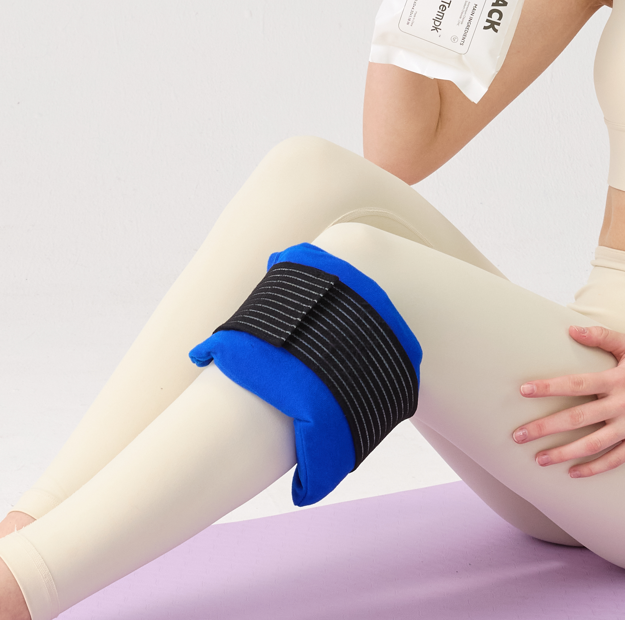
Choosing Thermal Gel Pack Hospital Manufacturer for Real Cold-Chain and Handling Conditions
If you need a practical answer on thermal gel pack hospital manufacturer, start by separating what the pack can do on its own from what the full shipping or handling system still has to control.
For hospital procurement, patient-care hot/cold therapy, and internal healthcare handling, the most reliable answer is usually the same: choose the pack only after you know the target temperature band, the route duration or handling window, the geometry of the payload, and the level of documentation your team needs. That keeps sourcing tied to performance rather than to marketing language.
In a hospital setting, a thermal gel pack usually refers to a reusable hot/cold therapy pack used for pain relief, swelling control, post-operative recovery, or localized patient comfort. Some buyers also use similar packs for short internal transfers of temperature-sensitive items, but that is a different use case with different validation needs.
The first procurement question is therefore functional intent. Are you buying a patient-contact therapy pack, an instant emergency-use cold pack, or a refrigerant component for internal transport? The words sound similar, but the required materials, quality documentation, and performance expectations are not the same.
What it is – and what it is not
In hospitals, a thermal gel pack may look simple, but the intended use changes the documentation burden. A pack used for patient-contact hot or cold therapy sits in a different risk context from a pack used only to support transport, staging, or temporary cooling of supplies.
That is why hospital sourcing should not assume that every cold pack is interchangeable. The pack has to fit the care environment, cleaning routine, staff workflow, and labeling expectations. If it is marketed as a medical device, intended purpose and applicable conformity requirements may also matter.
Where the product is presented for patient-contact therapy or clinical use, documentation expectations may rise substantially. Intended purpose, labeling, and the relevant quality-system controls matter more than the visual similarity between one gel pack and another.
The main performance drivers buyers should understand
Hospital thermal packs sit at the intersection of material science and workflow design. The fill system has to store enough energy for useful therapy, but the gel also has to remain flexible enough for anatomy contact and safe enough for routine patient handling. That is why the same pack chemistry does not suit every healthcare use.
Thermal performance comes from more than the inner fill. The shell or film must stay flexible enough for the intended conditioning state, resist puncture or seam fatigue, and preserve a repeatable geometry around the payload. Even a good refrigerant chemistry can disappoint if the filled shape changes too much after freezing, if the cells distribute mass unevenly, or if the exterior becomes difficult to handle in the real workflow.
Geometry is especially important because heat does not enter a shipper or handling setup uniformly. Flat formats create broader contact and can reduce dead space. Thicker bricks or denser packs may store cooling energy longer, but they also occupy more volume and may create colder local contact points. The correct balance depends on whether you need even coverage, longer hold time, easier packing, cleaner handling, or a more controlled temperature window.
Outer construction matters just as much as the fill. The film or laminate must survive repeated bending at low temperature, resist pinholes, and accept cleaning. If the product includes a fabric sleeve or no-sweat layer, that feature may improve comfort or moisture control but can also change drying time and sanitation practice.
Matching the format to the use case
The best-fit use case depends on the trade-off you care about most: coverage, duration, handling, repeatability, condensation control, receiver experience, or tighter temperature buffering. The common patterns below help buyers compare those trade-offs quickly.
Patient care and post-operative recovery
Hospitals often want a pack that remains pliable when cold, distributes temperature evenly, and fits anatomical areas such as shoulders, knees, backs, or IV sites. In this context, comfort, surface finish, and ease of cleaning matter almost as much as how long the pack stays cold.
A pack that feels too rigid after freezing or develops very hard cold spots can create poor patient experience and extra nursing work. Shape, gel distribution, and sleeve compatibility therefore deserve attention during supplier qualification.
Central supply and ward handling
A hospital also needs repeatability. Packs may be frozen in one area, issued on another floor, wiped down after use, and returned for the next patient. That means the material must tolerate frequent handling and a realistic sanitation routine.
If the pack is single-patient use, packaging and labeling must make that clear. If it is intended for repeated use, staff need a practical inspection rule for leaks, seam damage, or surface degradation.
Healthcare logistics but not full cold-chain qualification
Some facilities ask whether the same thermal gel pack can also support internal medicine transfer or specimen handling. Sometimes it can help, but that does not make it a qualified pharmaceutical shipper. A therapy pack is a protective temperature aid, not an automatic substitute for a documented insulated shipping system.
When medicines, blood products, or laboratory specimens are involved, route, temperature range, and compliance rules still need separate evaluation.
A practical supplier checklist before scale-up
When hospital buyers, clinical procurement teams, and healthcare distributors buy in volume, the best supplier conversation is detailed and specific. It should cover dimensions in conditioned use, material choice, closure or seam quality, handling stress, lot traceability, and the practical instructions needed for the people who will freeze, pack, move, clean, or receive the product. A short list built on those points is usually more reliable than a long list built only on price and MOQ.
Most buying errors happen when teams compare packs before they have written down the real operating requirement. For hospital procurement, patient-care hot/cold therapy, and internal healthcare handling, the decision should start with whether the pack is intended for patient-contact therapy, transport support, or both, then move through pliability after conditioning and how evenly the cold or heat is distributed across the surface, cleanability, wipe-down compatibility, and whether the pack can tolerate the facility routine, and the handling realities behind lot traceability, labeling, and documentation expected by hospital procurement. If the shipment or use case has a visible end user, the evaluation should also include availability of multiple shapes and sizes that map to actual clinical protocols. That sequence keeps the discussion tied to route outcome rather than to catalog language.
Ask if the product is sold into regulated healthcare settings and what documentation accompanies each lot.
Request the material description for the outer film or textile interface and confirm whether it is latex-free or otherwise screened for common facility requirements.
Check how the pack behaves after freezing: pliable, semi-rigid, or rigid. This changes patient comfort and fit.
Confirm cleaning instructions and whether surface printing, sleeves, or seams tolerate repeated wipe-downs.
Verify carton labeling, unit-of-measure consistency, and traceability support for hospital inventory systems.
If the product is marketed as a medical device in your target market, ask for the applicable registration, declaration, or conformity documents.
Run a ward-level user trial before full rollout. Nursing teams often identify handling issues that are invisible in a purchasing meeting.
For long-term procurement, change control matters almost as much as first-pass performance. Buyers should know what happens if the supplier changes film structure, resin grade, fill formulation, seal pattern, artwork, or production site. If those changes are not communicated and re-evaluated, a successful pilot can drift into a less reliable production result without anyone noticing until the field complaints begin.
Qualification and documentation points that matter
ISO 13485 is widely used as the quality management benchmark for the design and manufacture of medical devices. If a thermal gel pack is marketed as a medical device or sold into tightly controlled healthcare channels, buyers often look for this type of quality-system discipline because it supports traceability, risk control, and consistent production.
In Europe, if the product is actually placed on the market as a medical device, buyers should also expect the appropriate CE-marking documentation for that intended use. The important caveat is intended purpose: not every cold pack is a medical device simply because it is used in healthcare.
For internal hospital transport of medicines or samples, remember that a gel pack is still only one component. A therapy pack alone does not satisfy the same requirements as a documented insulated or qualified transport system.
A useful supplier data pack normally includes conditioned dimensions, nominal fill weight or range, material description, conditioning instructions, recommended use window, storage guidance, and any relevant test information on leakage, durability, or route performance. For regulated or quality-sensitive programs, buyers often also want lot traceability, revision control on specifications and artwork, and a clear statement of what the supplier has validated versus what still needs route-specific qualification by the shipper.
Qualification should mirror the lane you actually plan to run. That means defining the payload temperature at packout, the number and location of refrigerants, the insulation configuration, the expected transit duration, and the most credible exposure profile. Temperature loggers or other monitoring tools help confirm whether the packout protects the target range at the warmest and most vulnerable locations, not only at the geometric center of the shipper.
Hospital teams often benefit from testing that goes beyond nominal hot or cold duration. Useful checks include pliability after conditioning, surface temperature feel, wipe-down tolerance, seam reliability, and whether the pack keeps its shape after repeated use in carts, wards, and treatment rooms.
For procurement, sample review should involve the real clinical routine. A pack that is comfortable in a desktop demonstration may become impractical if it is too stiff after freezing, too heavy for routine bedside handling, or too fragile for repeated transport between departments.
Common questions
What makes a thermal gel pack suitable for hospital use?
The right balance of thermal performance, patient comfort, cleanability, traceability, and documentation. Hospital suitability is about workflow control, not only how cold the pack gets.
Does hospital use automatically mean the pack is a medical device?
No. The regulatory status depends on the intended purpose and how the product is placed on the market. Buyers should ask the supplier to define that status clearly.
Can one hospital gel pack cover both therapy and shipping needs?
Sometimes it can support both roles, but they should not be treated as identical applications. Transport of medicines or specimens usually requires separate packaging evaluation and documentation.
Final word
For hospital procurement, the right thermal gel pack is the one that fits the clinical protocol, survives the sanitation routine, and comes with clear documentation. In healthcare, usability and traceability matter as much as temperature retention.
The strongest procurement outcome usually comes from matching the refrigerant to the exact route or use case, then testing the result under realistic conditions, and finally choosing the supplier that can reproduce that result consistently. That approach is slower than buying by catalog description, but it is usually much cheaper than troubleshooting failures after launch.
About Tempk
At Tempk, we work across temperature-controlled packaging and personal thermotherapy-related product categories. Our website presents gel pack and PCM-based solutions alongside insulated shipping products and custom development resources. That mix is helpful when a healthcare buyer needs a supplier who understands both practical pack design and the broader temperature-management workflow around it.
Next step
If you are reviewing suppliers, ask for a proposal that matches the intended use, conditioning routine, packaging format, and documentation level you actually need.
Choosing the Right Reusable Refrigerant Gel Manufacturer in Mexico
Choosing the Right Reusable Refrigerant Gel Manufacturer in Mexico
The safest way to source in this category is to treat the pack as part of a working system. That system may be a cold-chain shipper, a specimen protocol, a retail therapy product, or a premium e-commerce carton. Once you frame the decision that way, supplier selection becomes much more practical and much less guesswork.
When you source directly from a manufacturer, questions about resin availability, sealing equipment, in-process weight checks, and change control become procurement questions, not just technical questions.
What the product should do—and what it should not be expected to do
A reusable refrigerant gel is a packaged cold source used inside an insulated shipper, tote, or liner-based carton to slow down temperature rise during transport. In many lanes it is a soft pouch filled with water-based or polymer gel, although reusable formats can also be made as tougher, more structured packs. Buyers choose this format because it is easier to place around the payload than rigid ice bricks and usually simpler to replenish than active refrigeration.
The point, however, is not to buy cold mass in the abstract. You are trying to protect reusable cold-chain refrigerants for food, medicine, e-commerce perishables, and returnable distribution. That means the correct question is not only how cold the pack gets, but how it behaves after conditioning, how quickly it absorbs heat, whether it leaks or sweats excessively, and how reliably the supplier can reproduce the same pack month after month.
Reusable refrigerant gel is popular because it can be frozen, deployed, recovered, cleaned where appropriate, and used again. That gives buyers a lower operating cost on some closed-loop routes, but it does not remove the need to qualify the full packaging setup. For temperature-sensitive healthcare products, global guidance consistently points toward qualification or validation of the shipping system rather than blind reliance on a component claim. That means you should test the complete pack-out under expected hot and cold conditions, not assume that a phase temperature or a larger pack will automatically solve the route.
How the right format is chosen
Standard gel packs usually rely on a water-based or polymer gel that is frozen before use. They are versatile, cost-effective, and widely available in soft pouches or more structured formats. PCM packs are more specialized. They are designed to absorb and release heat near a chosen transition temperature, which can make them better suited to narrow windows such as 2-8°C or controlled ambient transport. In most day-to-day operations, the pack is preconditioned in a freezer or cold room, then placed around the payload to absorb incoming heat. The rate at which it warms depends on the gel formulation, the mass of refrigerant, the surface area exposed to air, the amount of insulation in the shipper, and how warm the product is when packed.
Commercial cold-chain packs commonly use non-toxic gels sealed inside polyethylene-based or poly-nylon films, while some formats add an absorbent outer layer to handle condensation. Therapy packs may add soft textile covers, shaped wraps, or straps. In every case, the visible format matters because the outer layer affects puncture resistance, cleanability, flexibility, and how the pack transfers cold to the product or the body. Buyers should also pay attention to pack geometry. A thin flexible pouch can wrap the product better and improve heat transfer, but it may be more vulnerable to handling damage if the film or seals are weak. A thicker or reusable format may last longer, yet it can waste space if it does not match the carton footprint. There is no universal best option without reference to the route and payload.
The format is commonly used in closed-loop food totes, short-cycle pharmaceutical secondary distribution, and e-commerce perishables where the cold source may be recovered and reused. In those environments, operators value packs that are easy to condition in standard freezers, quick to place into a repeating pack-out, and dependable enough that staff do not improvise when one size is out of stock. Simplicity matters because packing lines succeed when the routine is clear, not when the design looks clever on paper.
Where buyers gain value and where mistakes start
The main advantages are familiar: flexible placement, relatively simple conditioning, broad size availability, and lower system complexity than active shippers. Many operations also like the fact that packs can be integrated into EPS, EPP, foil-liner, or pallet-cover solutions without changing the basic warehouse routine.
The limits are just as important. A colder pack is not automatically a better pack. Over-frozen media can damage sensitive payloads, especially when product units touch the refrigerant directly. Packs with inconsistent fill weights can create unpredictable run times. And if the supplier changes film, seal width, or gel composition without telling you, the pack-out may drift away from its original performance. treating a factory as interchangeable with a trader, then discovering variation in seals, fill weight, or turnaround time.
Technical buyers should ask for more than a headline size. Fill weight tolerance, film gauge or material family, seal format, recommended conditioning time, pack dimensions after conditioning, and case-pack consistency all influence how the product behaves in use. If the supplier cannot define those basics clearly, the pack may be harder to standardize than it first appears.
Common failure modes are predictable. Packs arrive under-filled or slightly oversized and no longer fit the designed shipper. Staff freeze them harder than intended and place them directly against a sensitive payload. A substitute lot arrives with a different film feel or different thaw profile. Procurement teams often focus first on price, but day-to-day operating stability usually comes from consistency. If the fill weight drifts, the seal width changes, or the supplier substitutes a different film without notice, the package may still look the same while its thermal behavior changes enough to affect the lane.
A practical supplier shortlist
A supplier conversation becomes much more useful when you move beyond the brochure and ask how the pack will behave in your actual operation. A Mexico manufacturer can be attractive because production close to end markets may cut replenishment time and simplify communication for North American programs. But nearshore sourcing only helps if manufacturing control is strong enough to keep every pack within the same usable tolerance.
The right shortlist is built on repeatability, fit, and honest operating boundaries. Ask the supplier to answer the points below in writing so sample approval and bulk approval stay aligned.
Confirm internal and external dimensions, fill weight, and case quantities so the pack fits your current shipper without wasted air space.
Ask which film or outer material is used, how the seals are formed, and what controls are in place to prevent lot-to-lot drift.
Request written conditioning instructions instead of relying on informal freezer habits at the packing bench.
Check whether sample packs and production packs come from the same bill of materials, the same fill routine, and the same quality standard.
Ask how the supplier communicates any formulation, film, print, or pack-dimension change before shipment.
In-process weight checks and tolerance control on each production lot
Seal strength, puncture resistance, and freeze-thaw durability
Custom sizes and print for standard North American cartons or liners
Bilingual labeling and export/shipping support where needed
Lead-time plan for resin or film supply disruptions
Clarify whether the pack is intended to be one component in a qualified shipper or simply a general refrigerant for broader use.
Run a small pilot with a logger before scaling. A reliable supplier should be comfortable supporting that step.
How to validate before scaling
Before a large order, a pilot run is worth the time. Use production-intent packs in the exact insulated shipper, with real payload mass, real conditioning practice, and a logger. That small exercise often reveals whether the problem is refrigerant choice, pack placement, freezer routine, carton fit, or receiving discipline. Record not only the logger trace, but also the loading temperature of the product, the exact number and placement of packs, the time the carton sat open during packing, and the ambient conditions at dispatch.
After the pilot, review more than pass/fail. Look for cold spikes, late warming, condensation, pack breakage, and handling friction. Many teams discover that the main issue was not the gel chemistry at all; it was pack placement, box size, freezer routine, or a mismatch between the sample pack and production-intent supply.
For temperature-sensitive products, the regulatory focus remains on the product and shipping process rather than the gel pouch alone. That is why buyers should evaluate the complete shipper design, handling routine, and receiving checks-not just the country of manufacture. In practical procurement terms, that means you should be wary of claims that a loose gel pack is 'compliant' by itself. What matters is whether the complete pack-out, including conditioning and receiving practice, is suitable for the route and product.
When suppliers answer these questions clearly and consistently, you get a much better sense of which partner can support real operations rather than just first-order sampling.
Where current sourcing priorities are heading
Manufacturers in Mexico are increasingly asked for more than conversion capacity. Buyers want custom dimensions, private print, pallet efficiency, export-ready documentation, and evidence that sample packs match full-scale production. Buyers are also paying closer attention to total landed risk. A pack that arrives late, requires emergency substitution, or forces manual workarounds can cost far more than a slight difference in unit price. That is why supplier resilience, change control, and sample-to-production consistency increasingly belong in the sourcing scorecard.
In regions with long routes or harsh ambient swings, procurement is becoming more lane-specific. Instead of one national pack-out, many teams now use separate configurations for metro, regional, and remote deliveries. A supplier that can support that segmentation is often more valuable than a catalog with hundreds of SKUs but little application guidance.
Conclusion
The most useful way to compare suppliers is to start with the route, the product temperature range, and the packing routine you can actually execute. From there, the right reusable refrigerant gel becomes much easier to define.
If you keep that sequence in place, you are less likely to buy a pack that looks impressive in a sample carton but creates avoidable risk in routine operation.
About Tempk
At Tempk, we focus on cold chain temperature-controlled packaging for food, medicine, and other temperature-sensitive shipments. Our publicly listed product range includes gel ice packs, freezer ice bricks, insulated box liners, EPP boxes, pallet covers, and related packaging materials. We also describe our work around cold chain solution development with in-house R&D and thermal testing support. That helps us discuss both individual refrigerants and the wider packaging system around them.
Next step
If you are reviewing suppliers or planning a new pack-out, start with the real product temperature range and route length. Then ask for a sample set that matches your intended bulk order and test it before scaling.
FAQ
These are the questions that most often remain after the initial comparison is finished.
What proves a Mexico manufacturer is better than a trader?
A manufacturer should be able to discuss tooling, sealing, fill control, production tolerances, and how changes are managed on the line. A trader usually has less visibility into those details. The better choice becomes clear when you test the pack inside your actual insulated configuration and handling routine.
How many reuse cycles should I expect?
That depends on film thickness, seal design, route handling, freezer practice, and cleaning method. A serious manufacturer should help you test reuse in your actual lane instead of giving a generic number. Route length, ambient exposure, and receiving discipline usually matter more than a general catalog claim.
Which customization options matter most?
Pack dimensions, fill weight, printing, outer-film thickness, carton count, and pallet pattern matter more than novelty features because they directly affect pack-out fit and landed cost. For bulk buying, ask the supplier to match the sample batch as closely as possible to production.