


How to Choose the Right No Sweat Gel Pack Industrial Goods Supplier for Reliable Temperature-Controlled Use
How to Choose the Right No Sweat Gel Pack Industrial Goods Supplier for Reliable Temperature-Controlled Use

Choosing No Sweat Gel Pack Industrial Goods Supplier for Real Cold-Chain and Handling Conditions
Most buyers get better results with no sweat gel pack industrial goods supplier when they first define the temperature window, transit profile, and pack geometry the product has to support.
For industrial goods shipping, moisture-sensitive labels, adhesives, reagents, and clean unpacking requirements, the most reliable answer is usually the same: choose the pack only after you know the target temperature band, the route duration or handling window, the geometry of the payload, and the level of documentation your team needs. That keeps sourcing tied to performance rather than to marketing language.
A no-sweat gel pack is a refrigerant pack built to reduce or absorb the moisture that normally forms on the outside of a cold pack as it warms. Some use absorbent outer layers, and some use multi-layered structures designed to control surface wetness during transit.
For industrial goods, that matters because the shipment may be temperature-sensitive without being food or pharma. Think labels, electronics subassemblies, specialty adhesives, diagnostic kits, resins, or components packed in fiberboard. In these cases, condensation can ruin the package even when the temperature itself is acceptable.
Defining the product before you compare suppliers
A no-sweat gel pack is designed to manage surface condensation, but it should not be treated as a cure-all for every industrial cold-chain problem. If the route is thermally underpowered, a dry exterior alone will not protect the product. The pack still has to deliver the right cooling profile for the actual transit conditions.
It also helps to separate anti-condensation performance from pack durability and reuse. Some formats are optimized for cleaner handling. Others are optimized for cycle life or long hold time. Buyers need to decide which failure mode causes the greater operational cost.
Industrial programs may not carry the same regulatory profile as vaccines or specimens, but documentation still matters when packs become repeat-purchase components in multi-site operations. Stable specifications and change communication reduce unpleasant surprises later.
How it works and why format matters
Condensation forms because a cold pack surface drops below the dew point of the surrounding air. No-sweat designs try to manage that effect through outer materials and construction rather than changing the basic physics. The key question is how the surface handles melt-phase moisture and whether that moisture reaches the label, carton, or product area.
Thermal performance comes from more than the inner fill. The shell or film must stay flexible enough for the intended conditioning state, resist puncture or seam fatigue, and preserve a repeatable geometry around the payload. Even a good refrigerant chemistry can disappoint if the filled shape changes too much after freezing, if the cells distribute mass unevenly, or if the exterior becomes difficult to handle in the real workflow.
Geometry is especially important because heat does not enter a shipper or handling setup uniformly. Flat formats create broader contact and can reduce dead space. Thicker bricks or denser packs may store cooling energy longer, but they also occupy more volume and may create colder local contact points. The correct balance depends on whether you need even coverage, longer hold time, easier packing, cleaner handling, or a more controlled temperature window.
The refrigerant inside still matters. Many no-sweat packs are based on water-like systems around 0°C. That may be fine for some industrial goods but too cold for others. In those cases, buyers may need to combine condensation control with a different PCM strategy.
Matching the format to the use case
The best-fit use case depends on the trade-off you care about most: coverage, duration, handling, repeatability, condensation control, receiver experience, or tighter temperature buffering. The common patterns below help buyers compare those trade-offs quickly.
Moisture-sensitive labels and cartons
If the outer carton softens, label ink runs, or barcode readability drops because of condensation, the cold pack has created a secondary damage mechanism. No-sweat formats are designed to reduce that problem and preserve package presentation and scanability.
This is particularly useful in multi-stop distribution or warm receiving areas where packs spend time thawing before unpacking.
Industrial products that need cool, clean handling
Some industrial goods only need moderated temperature, not pharmaceutical-grade qualification. Yet they still need a clean unpacking experience. No-sweat packs help when the receiver opens cartons on a clean bench, in a service van, or near moisture-sensitive paperwork and components.
The gain is operational cleanliness as much as thermal control.
Routes where dry unpacking improves labor efficiency
A wet cold pack slows down receiving. Staff start looking for towels, separating damp paperwork, or waiting to inspect labels. That hidden labor cost is one reason industrial buyers increasingly ask for anti-condensation performance rather than accepting standard gel packs by default.
In many operations, the productivity improvement is as important as the cooling function itself.
A practical supplier checklist before scale-up
When industrial packaging buyers, operations teams, and contract manufacturers buy in volume, the best supplier conversation is detailed and specific. It should cover dimensions in conditioned use, material choice, closure or seam quality, handling stress, lot traceability, and the practical instructions needed for the people who will freeze, pack, move, clean, or receive the product. A short list built on those points is usually more reliable than a long list built only on price and MOQ.
Most buying errors happen when teams compare packs before they have written down the real operating requirement. For industrial goods shipping, moisture-sensitive labels, adhesives, reagents, and clean unpacking requirements, the decision should start with whether condensation is causing real damage or merely inconvenience, then move through how the outer surface behaves after partial thaw in the receiver’s environment, temperature band required by the industrial product and whether 0°C cooling is actually appropriate, and the handling realities behind lint, abrasion, or fiber shedding risk if the outer material is absorbent. If the shipment or use case has a visible end user, the evaluation should also include how the pack fits with labels, inserts, and receiving workflow. That sequence keeps the discussion tied to route outcome rather than to catalog language.
Ask what no-sweat means in measurable terms: absorbent outer, reduced surface condensation, or both.
Request samples and test them in your actual receiving environment, not only in a controlled lab room.
Check whether the outer material sheds fibers or abrades labels when wet.
Confirm the refrigerant transition point. Dry unpacking is helpful, but not if the product is being overcooled.
Review pack dimensions in conditioned state and how they interact with label locations or paperwork pockets.
Ask about custom sizes and whether no-sweat construction is available across multiple SKUs.
If your product is electronic or highly moisture-sensitive, test carton humidity and label condition after transit, not just payload temperature.
For long-term procurement, change control matters almost as much as first-pass performance. Buyers should know what happens if the supplier changes film structure, resin grade, fill formulation, seal pattern, artwork, or production site. If those changes are not communicated and re-evaluated, a successful pilot can drift into a less reliable production result without anyone noticing until the field complaints begin.
How to validate the format before rollout
Industrial-goods shipments usually sit outside the strictest pharma rules, but buyers should still request clear material and safety documentation, especially when products move across regions or into regulated customer sites.
If the product is temperature-sensitive because of adhesive viscosity, reagent stability, or equipment tolerance, it is wise to document the acceptable temperature band internally and align the no-sweat pack choice to that requirement. A dry exterior does not compensate for a wrong thermal design.
When the industrial good is actually part of a laboratory or healthcare workflow, the supplier may need to support a higher documentation level than a normal commercial pack supplier.
A useful supplier data pack normally includes conditioned dimensions, nominal fill weight or range, material description, conditioning instructions, recommended use window, storage guidance, and any relevant test information on leakage, durability, or route performance. For regulated or quality-sensitive programs, buyers often also want lot traceability, revision control on specifications and artwork, and a clear statement of what the supplier has validated versus what still needs route-specific qualification by the shipper.
Qualification should mirror the lane you actually plan to run. That means defining the payload temperature at packout, the number and location of refrigerants, the insulation configuration, the expected transit duration, and the most credible exposure profile. Temperature loggers or other monitoring tools help confirm whether the packout protects the target range at the warmest and most vulnerable locations, not only at the geometric center of the shipper.
Industrial buyers usually get the best picture by testing both temperature retention and exterior behavior. A pack can look good in a thermal graph and still create problems if condensation wets labels, corrodes secondary packaging, or makes handling awkward on fast lines.
Mechanical review is equally important. Industrial lanes expose packs to stacking pressure, abrasion, and repeated movement through mixed-temperature spaces. No-sweat performance has little value if the seam, shell, or outer layer fails during handling.
Frequently asked questions
What does no-sweat actually mean?
It usually means the pack has an outer construction designed to reduce visible condensation or absorb moisture as the pack warms. Buyers should ask exactly how the claim is achieved.
Are no-sweat packs only for food and pharma?
No. They are often very useful for industrial goods when wet labels, damp cartons, or messy receiving create real cost.
Do no-sweat packs solve all moisture problems?
No. They reduce one moisture source—the pack surface—but do not replace broader humidity control if the route or product demands it.
What a good decision looks like
For industrial goods, the right no-sweat gel pack is one that protects both temperature and presentation. If condensation is causing hidden labor, label failure, or carton damage, supplier selection should focus on outer construction as well as cooling performance.
The strongest procurement outcome usually comes from matching the refrigerant to the exact route or use case, then testing the result under realistic conditions, and finally choosing the supplier that can reproduce that result consistently. That approach is slower than buying by catalog description, but it is usually much cheaper than troubleshooting failures after launch.
About Tempk
At Tempk, we build temperature-controlled packaging products such as gel ice packs, PCM solutions, cooler boxes, and insulated shipping options, with custom development support and laboratory resources shown on our website. For industrial buyers, that matters because anti-condensation performance, pack durability, and packout design usually need to be balanced together rather than treated as separate purchases.
Next step
If you are evaluating suppliers, ask for a recommendation built around your target temperature, handling conditions, and bulk-order requirements rather than a generic stock suggestion.
Choosing the Right Gel Refrigerant Pack Supplier in Australia
Choosing the Right Gel Refrigerant Pack Supplier in Australia
A good result from a gel refrigerant pack supplier in Australia should make the operation simpler, not more fragile. Whether you are protecting temperature-sensitive products, supporting a therapy application, or improving warm-weather delivery performance, the right pack is the one that fits the real route, the real handling process, and the real purchasing constraints behind the order.
If the shipment is pharmaceutical, biologic, or diagnostic, use the supplier discussion to confirm whether you are buying a general refrigerant component or a pack that has already been incorporated into a qualified shipper configuration.
What the product should do—and what it should not be expected to do
A gel refrigerant pack is a packaged cold source used inside an insulated shipper, tote, or liner-based carton to slow down temperature rise during transport. In many lanes it is a soft pouch filled with water-based or polymer gel, although reusable formats can also be made as tougher, more structured packs. Buyers choose this format because it is easier to place around the payload than rigid ice bricks and usually simpler to replenish than active refrigeration.
The point, however, is not to buy cold mass in the abstract. You are trying to protect chilled transport for medicines, diagnostics, food, and other temperature-sensitive goods. That means the correct question is not only how cold the pack gets, but how it behaves after conditioning, how quickly it absorbs heat, whether it leaks or sweats excessively, and how reliably the supplier can reproduce the same pack month after month.
A gel refrigerant pack is a cold source, not a complete temperature-controlled shipping system. In healthcare and laboratory work, performance depends on the outer box, insulation, payload mass, lane duration, ambient exposure, and temperature monitoring-not on the refrigerant pouch alone. For temperature-sensitive healthcare products, global guidance consistently points toward qualification or validation of the shipping system rather than blind reliance on a component claim. That means you should test the complete pack-out under expected hot and cold conditions, not assume that a phase temperature or a larger pack will automatically solve the route.
How the right format is chosen
Standard gel packs usually rely on a water-based or polymer gel that is frozen before use. They are versatile, cost-effective, and widely available in soft pouches or more structured formats. PCM packs are more specialized. They are designed to absorb and release heat near a chosen transition temperature, which can make them better suited to narrow windows such as 2-8°C or controlled ambient transport. In most day-to-day operations, the pack is preconditioned in a freezer or cold room, then placed around the payload to absorb incoming heat. The rate at which it warms depends on the gel formulation, the mass of refrigerant, the surface area exposed to air, the amount of insulation in the shipper, and how warm the product is when packed.
Commercial cold-chain packs commonly use non-toxic gels sealed inside polyethylene-based or poly-nylon films, while some formats add an absorbent outer layer to handle condensation. Therapy packs may add soft textile covers, shaped wraps, or straps. In every case, the visible format matters because the outer layer affects puncture resistance, cleanability, flexibility, and how the pack transfers cold to the product or the body. Buyers should also pay attention to pack geometry. A thin flexible pouch can wrap the product better and improve heat transfer, but it may be more vulnerable to handling damage if the film or seals are weak. A thicker or reusable format may last longer, yet it can waste space if it does not match the carton footprint. There is no universal best option without reference to the route and payload.
The format is commonly used in last-mile chilled distribution for pharmacies and clinics, lab shipments that need a cold source but not necessarily a full active shipper, and meal, dairy, or specialty food deliveries where leak resistance and repeat ordering matter. In those environments, operators value packs that are easy to condition in standard freezers, quick to place into a repeating pack-out, and dependable enough that staff do not improvise when one size is out of stock. Simplicity matters because packing lines succeed when the routine is clear, not when the design looks clever on paper.
Where buyers gain value and where mistakes start
The main advantages are familiar: flexible placement, relatively simple conditioning, broad size availability, and lower system complexity than active shippers. Many operations also like the fact that packs can be integrated into EPS, EPP, foil-liner, or pallet-cover solutions without changing the basic warehouse routine.
The limits are just as important. A colder pack is not automatically a better pack. Over-frozen media can damage sensitive payloads, especially when product units touch the refrigerant directly. Packs with inconsistent fill weights can create unpredictable run times. And if the supplier changes film, seal width, or gel composition without telling you, the pack-out may drift away from its original performance. packs that look acceptable on paper but cannot handle hot lanes, remote deliveries, or inconsistent replenishment.
Technical buyers should ask for more than a headline size. Fill weight tolerance, film gauge or material family, seal format, recommended conditioning time, pack dimensions after conditioning, and case-pack consistency all influence how the product behaves in use. If the supplier cannot define those basics clearly, the pack may be harder to standardize than it first appears.
Common failure modes are predictable. Packs arrive under-filled or slightly oversized and no longer fit the designed shipper. Staff freeze them harder than intended and place them directly against a sensitive payload. A substitute lot arrives with a different film feel or different thaw profile. Procurement teams often focus first on price, but day-to-day operating stability usually comes from consistency. If the fill weight drifts, the seal width changes, or the supplier substitutes a different film without notice, the package may still look the same while its thermal behavior changes enough to affect the lane.
A practical supplier shortlist
A supplier conversation becomes much more useful when you move beyond the brochure and ask how the pack will behave in your actual operation. Australian buyers often care less about catalog price and more about what happens after dispatch. Long domestic distances, summer heat, and deliveries into regional or remote areas can magnify small pack-out weaknesses. That is why a supplier with dependable local stock, clear conditioning instructions, and repeatable fill quality often beats a cheaper source that relies on long import lead times.
The right shortlist is built on repeatability, fit, and honest operating boundaries. Ask the supplier to answer the points below in writing so sample approval and bulk approval stay aligned.
Confirm internal and external dimensions, fill weight, and case quantities so the pack fits your current shipper without wasted air space.
Ask which film or outer material is used, how the seals are formed, and what controls are in place to prevent lot-to-lot drift.
Request written conditioning instructions instead of relying on informal freezer habits at the packing bench.
Check whether sample packs and production packs come from the same bill of materials, the same fill routine, and the same quality standard.
Ask how the supplier communicates any formulation, film, print, or pack-dimension change before shipment.
Whether the supplier keeps local Australian stock or ships every order on import lead times
Recommended conditioning time and whether the pack should be used fully frozen, partially conditioned, or paired with PCM
Evidence of seal consistency and fill-weight control across repeat production lots
Pack sizes that fit your existing EPS, EPP, or liner-based shipper without dead space
Emergency replenishment capability during summer peaks or public-health campaigns
Clarify whether the pack is intended to be one component in a qualified shipper or simply a general refrigerant for broader use.
Run a small pilot with a logger before scaling. A reliable supplier should be comfortable supporting that step.
How to validate before scaling
Before a large order, a pilot run is worth the time. Use production-intent packs in the exact insulated shipper, with real payload mass, real conditioning practice, and a logger. That small exercise often reveals whether the problem is refrigerant choice, pack placement, freezer routine, carton fit, or receiving discipline. Record not only the logger trace, but also the loading temperature of the product, the exact number and placement of packs, the time the carton sat open during packing, and the ambient conditions at dispatch.
After the pilot, review more than pass/fail. Look for cold spikes, late warming, condensation, pack breakage, and handling friction. Many teams discover that the main issue was not the gel chemistry at all; it was pack placement, box size, freezer routine, or a mismatch between the sample pack and production-intent supply.
In Australia, vaccine and medicine cold-chain work places strong attention on holding products within their labeled temperature range. Public vaccine guidance uses a +2°C to +8°C window with an operating aim near +5°C, which is one reason buyers scrutinize over-frozen gel packs and poor conditioning practices. In practical procurement terms, that means you should be wary of claims that a loose gel pack is 'compliant' by itself. What matters is whether the complete pack-out, including conditioning and receiving practice, is suitable for the route and product.
When suppliers answer these questions clearly and consistently, you get a much better sense of which partner can support real operations rather than just first-order sampling.
Where current sourcing priorities are heading
Across Australian cold chain programs, buyers increasingly ask suppliers to support lane-specific pack-outs, emergency backup stock, and clearer documentation for receiving checks. Availability and consistency are becoming part of the product specification, not just a service add-on. Buyers are also paying closer attention to total landed risk. A pack that arrives late, requires emergency substitution, or forces manual workarounds can cost far more than a slight difference in unit price. That is why supplier resilience, change control, and sample-to-production consistency increasingly belong in the sourcing scorecard.
In regions with long routes or harsh ambient swings, procurement is becoming more lane-specific. Instead of one national pack-out, many teams now use separate configurations for metro, regional, and remote deliveries. A supplier that can support that segmentation is often more valuable than a catalog with hundreds of SKUs but little application guidance.
Conclusion
The most useful way to compare suppliers is to start with the route, the product temperature range, and the packing routine you can actually execute. From there, the right gel refrigerant pack becomes much easier to define.
If you keep that sequence in place, you are less likely to buy a pack that looks impressive in a sample carton but creates avoidable risk in routine operation.
About Tempk
At Tempk, we focus on cold chain temperature-controlled packaging for food, medicine, and other temperature-sensitive shipments. Our publicly listed product range includes gel ice packs, freezer ice bricks, insulated box liners, EPP boxes, pallet covers, and related packaging materials. We also describe our work around cold chain solution development with in-house R&D and thermal testing support. That helps us discuss both individual refrigerants and the wider packaging system around them.
Next step
If you are reviewing suppliers or planning a new pack-out, start with the real product temperature range and route length. Then ask for a sample set that matches your intended bulk order and test it before scaling.
FAQ
These are the questions that most often remain after the initial comparison is finished.
Do Australian buyers always need PCM instead of standard frozen gel?
Not always. Standard gel works well for many chilled lanes, but PCM becomes more attractive when the product must stay in a tighter range such as 2-8°C and you need to reduce the risk of early overcooling. The better choice becomes clear when you test the pack inside your actual insulated configuration and handling routine.
Is local stock more important than the lowest ex-works unit price?
For many Australian routes, yes. Local availability can reduce replenishment delays, make seasonal planning easier, and lower the risk of emergency substitutions that force you to recheck your pack-out. Route length, ambient exposure, and receiving discipline usually matter more than a general catalog claim.
What should a supplier provide before a large order?
At minimum, ask for dimensions, fill weight, conditioning instructions, outer-film details, case quantities, lead time, and a sample batch you can run in your own insulated configuration. For bulk buying, ask the supplier to match the sample batch as closely as possible to production.
Therapeutic Gel Pack: How to Compare Suppliers, Formats, and Real-World Fit

Therapeutic Gel Pack: A Practical Guide to Comparing Suppliers and Pack Design
The best therapeutic gel pack agriculture manufacturer is the one that matches the job without creating extra risk somewhere else. In practice, buyers need to compare design, phase behavior, route fit, supplier discipline, and bulk-order consistency together. That is the only reliable way to choose a pack that works beyond the first sample lot.
Below is a practical buying guide that focuses on the questions procurement and operations teams usually need answered first: what the product really does, where it fits, what can go wrong, and how to tell a reliable supplier from a catalog-only option.
Starting with the right product definition
A therapeutic gel pack for agriculture is usually not a shipping refrigerant at all. In many buying contexts, it refers to a reusable hot or cold pack used in field first-aid kits, veterinary handling, worker recovery, or treatment support in agriculture-adjacent settings. That is why the first sourcing step is to define the intended use clearly: body or animal contact is a different job from parcel refrigeration.
Once that distinction is clear, the buying priorities also become clearer. A therapy pack needs comfort, flexibility, and clean use instructions. It may be frozen or heated, but it should still feel manageable against skin or through a cloth barrier. A transport pack, by contrast, is optimized for cold retention inside an outer package and may be too stiff, too cold, or simply unsuitable for direct contact use.
For therapy use, clear user instructions and intended-use labeling usually matter more than transport regulations, but buyers should still avoid making clinical or veterinary claims the product cannot support.
How design choices change performance
Therapeutic packs are commonly made with a soft outer film or laminate and a non-toxic gel that stays usable after repeated hot and cold cycles. In public product offerings, soft-touch films, TPU-based constructions, and reusable gel fillings are common because they balance flexibility and durability. The surface should be easy to wipe clean and strong enough to resist seam failure under repeated handling.
For agriculture-related procurement, durability matters because these packs may be used in vehicles, mobile kits, barns, training rooms, or field stations rather than in a controlled clinic environment. Buyers should therefore ask not only about the gel formula but also about puncture resistance, seal strength, thickness, and whether the pack remains flexible enough after freezing.
Therapy performance depends less on shipping-style hold time and more on flexibility after conditioning, contact comfort, gel distribution, and the clarity of use instructions.
Buyers usually learn the most from a short list of hard data points: finished dimensions, net fill weight, frozen thickness, phase-change range or intended temperature band, conditioning instructions, and packaging configuration by case or pallet. Those details allow operations and quality teams to picture how the pack will behave before a trial even starts.
Choosing by application and route
Typical use cases include first-aid support for agricultural workers, recovery care in physically demanding field operations, and veterinary or animal-handling applications where a reusable cold or heat source is helpful. Some buyers also source therapy packs for rural clinics or outreach programs linked to agricultural communities.
What unites those applications is the need for safe, repeatable handling rather than long parcel hold time. The pack should be easy to identify, simple to clean, and accompanied by clear instructions about whether it is intended for cold use, hot use, or both. In many cases, packaging language and user training are just as important as the pack itself.
Therapy performance depends less on shipping-style hold time and more on flexibility after conditioning, contact comfort, gel distribution, and the clarity of use instructions. In other words, selection starts with the operating problem, not the catalog photo. Buyers who define the temperature band, transit time, payload sensitivity, and loading method clearly tend to make faster and safer decisions.
A buyer-friendly comparison usually comes down to six checks:
Choose the pack by intended body area or handling need rather than by maximum gel weight alone.
Prioritize flexibility after freezing so the pack remains comfortable in field or veterinary use.
Check the edge finish and seam profile because comfort matters in real use.
Confirm whether the product is intended for cold use only or for both hot and cold use.
Ask for packaging that suits first-aid kits, clinic supply, or retail distribution, whichever matches your channel.
Do not substitute a parcel refrigerant for a therapy pack just because the outside shape looks similar.
Buyers in this niche usually need a body-use or veterinary-use product, not a standard parcel refrigerant.
What to ask suppliers before ordering in bulk
When assessing a manufacturer, ask about the film type, gel safety profile, available shapes, print options, packaging for kits, and whether the product is intended for repeated hot-and-cold cycles. You should also check the edge finish, because rough seams or overly sharp corners can undermine comfort even if the pack holds temperature well.
Agriculture-oriented buyers may also need practical commercial support: multilingual instructions, carton formats for mobile kit assembly, and consistent labeling by size or intended body area. Those details sound small, but they are often what decide whether the packs are actually usable in the field.
Film or laminate type, seam finish, and freezer flexibility
Whether the pack is cold-only or hot-and-cold use
Gel safety profile and packaging for user instructions
Available shapes, private-label packaging, and kit assembly options
Cleaning expectations and repeated-use durability
MOQ, artwork control, and consistency of feel across batches
Before scale-up, run a simple but disciplined trial. Use the real payload or a close thermal substitute, the actual outer package, the intended conditioning method, and the route duration you expect in the field. Include at least one tougher ambient exposure than your ideal case.
If the product is going into a more controlled environment, ask whether the supplier can keep those data points stable over time and how any change would be communicated. Technical reliability depends as much on process discipline as on the first sample.
Mistakes that create avoidable cost or risk
The most common mistake is to buy a shipping-style gel pack for therapy use because it looks similar and costs less. That can create discomfort, poor flexibility, and unclear instructions. Another mistake is to focus only on gel quantity and ignore the user-facing details such as softness, handling, and cleaning.
It is also worth checking how the pack behaves after many cycles. A therapy product can pass an initial inspection and still disappoint later if the seams harden, the gel clumps, or the outer film becomes brittle. Bulk buyers should ask for cycle testing information or run their own repeated-use trial.
Reusable therapy packs already have a simple sustainability advantage: they can replace disposable instant cold products in many routine settings. That reduces ongoing replenishment and waste if the packs are robust enough to stay in service.
In therapy-oriented procurement, buyers are moving toward products that can serve repeated real-world use rather than one-off promotional items. Durability, clear labeling, and private-label readiness tend to matter more than broad claims.
Practical questions before launch
Where routes, products, or documentation demands are more sensitive, buyers should lock down the intended conditioning method, pack position, and receiving checks before the first larger order. That simple discipline prevents a lot of avoidable confusion later.
During that trial, record not only temperature. Look at surface moisture, pack integrity, loading speed, frozen fit, and the condition of the delivered product or kit. These observations often reveal more about real suitability than a headline hold-time claim.
After the trial, lock the specification. Document the approved dimensions, gel mass, film structure, conditioning method, and pack placement. That simple discipline reduces drift between sample approval and routine production.
Quick answers before you shortlist suppliers
Can a therapy gel pack be used for cold-chain shipping?
Usually that is not the best fit. Therapy packs and shipping refrigerants are designed for different handling and performance goals.
What matters most in agriculture-related use?
Flexibility, seal strength, cleaning, and clear instructions usually matter more than maximum cold duration.
Should buyers request samples?
Yes. Feel, flexibility after freezing, and seam comfort are hard to judge from specifications alone.
The operational side buyers should not skip
Bulk sourcing changes the decision in one important way: you are not approving a single pack, you are approving a repeatable manufacturing and operating method. That means the quotation, the sample, the warehouse SOP, and the reorder specification all have to point to the same product. If one of those pieces is vague, costs usually surface later through leaks, retrials, customer complaints, or slow packing lines rather than in the first purchase order.
Pre-use handling matters here as much as manufacturing. Buyers should check freezer or heating instructions, expected preparation time, and what the end user will experience when the pack is first applied. If a pack feels too rigid, too cold at the surface, or awkward to position, those problems are usually discovered only after purchase unless samples are tested realistically.
When comparing suppliers, ask yourself whether the vendor is helping you make a real decision or only helping you receive a quote. Useful suppliers answer directly on dimensions, conditioning, change control, documentation, and application limits. Less useful ones stay at the level of broad sector language and leave the technical interpretation to you.
A sample review should therefore include more than visual inspection. Freeze the product the way your team would actually freeze it. Load it into the real outer packaging or user format. Check how easy it is to place, how clearly it is labeled, how it behaves after partial thaw, and whether the receiving side would understand how to handle it.
It is also worth comparing total operating cost rather than item price alone. A slightly more expensive therapy pack can still be the lower-cost option if it survives more cycles, needs fewer replacements, and generates fewer complaints about comfort or packaging.
Consistency from sample to production deserves explicit attention. Ask whether the supplier controls fill weight, film gauge, seal quality, outer dimensions, and carton configuration within a known tolerance band. Then ask how a change would be communicated. That question often separates a real production partner from a trader with limited process visibility.
The strongest approval path is usually simple but disciplined. Define the use case, request a controlled sample set, run a realistic route or pack-out trial, document the approved specification, and keep that document attached to every reorder. That sequence is especially important when the product sits inside a more controlled cold-chain or healthcare workflow.
Finally, remember that the right choice is rarely the most extreme one. More gel, a lower temperature, or a heavier format is not automatically safer. The better product is the one that matches the route, the payload, the handling method, and the people who will actually use it day after day.
Forecasting matters as well. If your team expects seasonal swings or promotional spikes, confirm how the supplier will support volume changes without quietly substituting materials or adjusting case counts. A technically acceptable product can still become operationally disruptive when forecast communication is weak.
Receiving-side checks are another overlooked source of learning. Ask what the user or caregiver will notice first: flexibility, seam feel, clarity of instructions, and whether the pack is easy to prepare safely. Those details often determine reorder success.
Buyers should also think about training. A well-specified pack can still perform badly if warehouse or end users do not know how long to condition it, where to place it, or when to reject a damaged unit. Clear instructions from the supplier often reduce these rollout problems more effectively than adding more cooling mass.
Final take
A strong therapeutic gel pack purchase is rarely about buying the coldest, cheapest, or most heavily marketed pack. It is about matching the pack format, conditioning method, and supplier discipline to the job you actually run.
If you define the use case clearly, ask sharper questions about materials and process control, and test the pack in the real route or handling workflow, you are much more likely to choose a supplier that performs well after rollout instead of only in a quotation stage.
About Tempk
At Tempk, we work across both temperature-controlled packaging and body-use hot and cold products. Our public range includes reusable gel ice packs, ice bricks, insulated bags and boxes, thermal pallet covers, and hot and cold therapy packs. That combination helps when buyers need to separate a personal-use compress from a transport refrigerant instead of forcing one product to do both jobs. We also offer custom temp-control packaging and publish a CNAS-certified lab capability for packaging development.
Next step
If you are reviewing bulk options, start with a sample set, check flexibility after freezing or heating, and confirm the exact labeling and user instructions you need. A short fit-for-use trial will tell you more than a polished brochure.
Refrigeration Gel Pack Germany: How to Compare Suppliers and Pack Formats

Refrigeration Gel Pack Buying Guide: Performance, Supplier Fit, and Operational Reality
The best refrigeration gel pack Germany supplier is the one that matches the job without creating extra risk somewhere else. In practice, buyers need to compare design, phase behavior, route fit, supplier discipline, and bulk-order consistency together. That is the only reliable way to choose a pack that works beyond the first sample lot.
Below is a practical buying guide that focuses on the questions procurement and operations teams usually need answered first: what the product really does, where it fits, what can go wrong, and how to tell a reliable supplier from a catalog-only option.
Starting with the right product definition
A gel refrigerant pack or refrigeration gel pack is a sealed cold source used inside an insulated shipper. It is usually filled with a water-based gel or another phase-change formulation so it can absorb heat more slowly and more predictably than loose ice. For buyers, the important point is simple: the pack is one component of the shipping system. It helps maintain temperature, but it is not the same thing as a qualified temperature-controlled shipper on its own.
Public product pages across the market show several common formats. Flexible pouches are widely used where you need close contact with cartons, trays, meal kits, or secondary pharma packaging. Rigid bricks or larger PCM elements are chosen when the lane is longer or when you want easier reuse in a returnable program. Some suppliers also sell low-condensation or moisture-managing variants because surface moisture can matter almost as much as cooling performance in real distribution.
Where pharmaceuticals, diagnostics, or other sensitive products are involved, public guidance emphasizes the shipping system, handling process, and temperature monitoring rather than the refrigerant pack alone. Requirements vary by route and product, and additional qualification may be needed.
How design choices change performance
The thermal behavior of these packs depends on more than size. Film structure affects puncture resistance and leak risk. Gel chemistry affects the freezing point, flexibility, and the way the pack releases or absorbs heat. In public references, chilled applications commonly use water-based formulations that phase around 0 degrees Celsius, while frozen distribution may use suppressed-temperature formulas that stay below that point. That distinction matters because a pack designed for frozen food can be the wrong choice for a product that must stay between 2 and 8 degrees Celsius.
Conditioning is just as important as chemistry. A pack pulled straight from a deep freezer may have a colder surface and a harder thermal hit than the same pack allowed to temper before packing. For freeze-sensitive pharmaceuticals, diagnostics, or produce, that difference can decide whether the shipment stays in range or is damaged by overcooling. Buyers should therefore ask not just what the pack contains, but exactly how the supplier expects it to be conditioned, staged, and loaded.
Key performance drivers include gel mass, phase-change point, conditioning routine, film durability, pack placement, insulation value, and how much warm headspace remains inside the shipper.
Buyers usually learn the most from a short list of hard data points: finished dimensions, net fill weight, frozen thickness, phase-change range or intended temperature band, conditioning instructions, and packaging configuration by case or pallet. Those details allow operations and quality teams to picture how the pack will behave before a trial even starts.
Choosing by application and route
These packs are used across refrigerated food, seafood, meal kits, diagnostic kits, clinical material, e-commerce perishables, and many other cold-chain lanes. In all of those settings, the pack solves the same core problem: it gives the shipper thermal mass that buys time against external heat. The details change, however, depending on whether the shipment is going overnight in a mild climate or crossing a long route with hub delays and hot apron exposure.
In pharmaceutical and laboratory logistics, the boundary between a refrigerant pack and a compliant shipping system is especially important. Guidance for temperature-sensitive products often focuses on route conditions, monitoring, handling, and qualification of the overall package. A gel pack may be part of that solution, but the pack itself does not create compliance. You still need the right outer pack, pack-out pattern, conditioning method, and, where required, documented performance testing.
In Germany, buyers often place a premium on repeatability and documentation. That does not mean the most expensive pack is automatically the best choice. It means the winning option is usually the one with clear dimensions, stable fill weight, reliable seal quality, and a realistic explanation of how it should be conditioned and deployed in the box.
German procurement teams may also look harder at waste handling and packaging efficiency. Reuse potential, recyclability of the film, and clean pallet presentation can matter because the pack is being judged not just as a refrigerant but as part of a wider logistics process.
Key performance drivers include gel mass, phase-change point, conditioning routine, film durability, pack placement, insulation value, and how much warm headspace remains inside the shipper. In other words, selection starts with the operating problem, not the catalog photo. Buyers who define the temperature band, transit time, payload sensitivity, and loading method clearly tend to make faster and safer decisions.
A buyer-friendly comparison usually comes down to six checks:
Choose a smaller flexible pouch when the pack has to sit close to food trays, cartons, or secondary containers without creating dead space.
Choose a larger gel pack or brick when the route is longer and freezer-handling efficiency matters more than close conformity.
Use chilled-formulation packs for refrigerated targets and a separate suppressed-temperature option for frozen distribution rather than trying to force one pack into every lane.
Check whether low-condensation or moisture-managing surfaces are helpful if labels or paper inserts matter.
Confirm the pack’s frozen thickness, not just its room-temperature dimensions, before finalizing the carton fit.
Treat the pack as one part of the shipper. If insulation, route duration, or monitoring requirements are demanding, evaluate the full system.
Buyers usually need a practical pack-out component, not a vague promise of more cooling. German buyers often expect strong specification clarity and repeatability.
What to ask suppliers before ordering in bulk
When comparing manufacturers or suppliers, start with finished dimensions, net fill weight, target temperature range, film structure, and seal design. Those details control how the pack behaves in the box and how often it survives handling without leaks. Ask for the dimensions both before and after freezing if that affects fit, and confirm the tolerance window instead of accepting a nominal size alone.
Next, ask how the supplier controls sample-to-production consistency. A good answer should cover batch coding, incoming material control, fill-weight verification, seal checks, and a clear process for managing any change in gel formula, film gauge, or carton configuration. If the project is export-based or regulated, you should also ask what documents can be provided for product composition, storage, and shipping use so technical or quality teams do not have to reconstruct the basics later.
Finished dimensions at room temperature and after freezing
Net gel mass, target phase range, and conditioning instructions
Film structure, seal width, and leak or burst checks
Low-condensation options, if labels or paper inserts matter
Batch coding, lot traceability, and change-control process
Carton count, pallet pattern, freezer density, MOQ, and lead time
Before scale-up, run a simple but disciplined trial. Use the real payload or a close thermal substitute, the actual outer package, the intended conditioning method, and the route duration you expect in the field. Include at least one tougher ambient exposure than your ideal case.
If the product is going into a more controlled environment, ask whether the supplier can keep those data points stable over time and how any change would be communicated. Technical reliability depends as much on process discipline as on the first sample.
Mistakes that create avoidable cost or risk
One common buying mistake is to compare packs only by price per piece. That can hide large differences in gel mass, usable cold capacity, seal width, or moisture behavior. Another mistake is to run a route trial with a sample pack and then reorder a slightly different commercial version without realizing the specification has changed.
A third mistake is to treat the refrigerant pack as the answer by itself. If your route, payload, or compliance profile is demanding, you need to think in terms of the whole system: outer insulation, pack placement, temperature targets, monitoring, and receiving checks. The best supplier conversations happen when buyers share those system conditions early rather than asking for a generic longer-lasting ice pack.
Sustainability is becoming part of the sourcing conversation, but buyers should keep the claims practical. Reusable packs can reduce material intensity in closed loops, while thinner or more recyclable films may reduce waste in one-way distribution. Those benefits only matter if the pack still survives freezing, transport, and final handling.
Public product offerings suggest buyers are comparing not only standard gel pouches but also moisture-managing versions, dry-ice-style packs, and larger reusable bricks as routes diversify.
Practical questions before launch
Where routes, products, or documentation demands are more sensitive, buyers should lock down the intended conditioning method, pack position, and receiving checks before the first larger order. That simple discipline prevents a lot of avoidable confusion later.
During that trial, record not only temperature. Look at surface moisture, pack integrity, loading speed, frozen fit, and the condition of the delivered product or kit. These observations often reveal more about real suitability than a headline hold-time claim.
After the trial, lock the specification. Document the approved dimensions, gel mass, film structure, conditioning method, and pack placement. That simple discipline reduces drift between sample approval and routine production.
Questions buyers still ask
Can one gel refrigerant pack work for both chilled and frozen shipping?
Sometimes, but usually not well. Chilled and frozen lanes often need different phase-change behavior, conditioning routines, and pack placement.
Is a gel pack enough for pharmaceutical compliance?
No. The pack may be part of the solution, but compliance depends on the qualified shipping system, route profile, and handling process.
What sample information should a supplier provide?
At minimum, ask for finished dimensions, gel mass, film structure, conditioning instructions, storage conditions, and carton packing details.
The operational side buyers should not skip
Bulk sourcing changes the decision in one important way: you are not approving a single pack, you are approving a repeatable manufacturing and operating method. That means the quotation, the sample, the warehouse SOP, and the reorder specification all have to point to the same product. If one of those pieces is vague, costs usually surface later through leaks, retrials, customer complaints, or slow packing lines rather than in the first purchase order.
Another practical point is storage and handling before shipment or use. Performance starts in the freezer room, prep area, or stockroom, not at the final destination. Buyers should check how the product will be stored, how long conditioning takes, whether cartons can be rotated first-in first-out, and how the pack behaves if teams handle it during busy or partially thawed periods. Small operational details can change the delivered result more than catalog language suggests.
When comparing suppliers, ask yourself whether the vendor is helping you make a real decision or only helping you receive a quote. Useful suppliers answer directly on dimensions, conditioning, change control, documentation, and application limits. Less useful ones stay at the level of broad sector language and leave the technical interpretation to you.
What this means for buyers
A strong refrigeration gel pack purchase is rarely about buying the coldest, cheapest, or most heavily marketed pack. It is about matching the pack format, conditioning method, and supplier discipline to the job you actually run.
If you define the use case clearly, ask sharper questions about materials and process control, and test the pack in the real route or handling workflow, you are much more likely to choose a supplier that performs well after rollout instead of only in a quotation stage.
About Tempk
At Tempk, we focus on temperature-controlled packaging for food, pharmaceutical, and other sensitive shipments. Our public range includes gel ice packs, dry ice packs, freezer ice bricks, insulated bags, insulated box liners, EPP insulated boxes, cold shipping boxes, medical cool boxes, and thermal pallet covers. Because we work across both refrigerants and insulated formats, plus custom temp-control packaging backed by a CNAS-certified lab, we can help buyers compare a single pack option within the wider shipping system.
Next step
If you are comparing suppliers, ask for samples, conditioning guidance, and a pack-out recommendation tied to your real temperature band and transit time. A controlled trial with your actual payload and outer pack will reveal far more than a unit-price sheet.
Refrigerant Gel Package: How to Compare Suppliers, Formats, and Real-World Fit

How to Source the Right Refrigerant Gel Package Without Guesswork
The best refrigerant gel package clinical trial supplier is the one that matches the job without creating extra risk somewhere else. In practice, buyers need to compare design, phase behavior, route fit, supplier discipline, and bulk-order consistency together. That is the only reliable way to choose a pack that works beyond the first sample lot.
Below is a practical buying guide that focuses on the questions procurement and operations teams usually need answered first: what the product really does, where it fits, what can go wrong, and how to tell a reliable supplier from a catalog-only option.
Starting with the right product definition
A refrigerant gel package for clinical trials is a controlled cold component used inside a documented trial shipping configuration. It may look like an ordinary gel pack, but the procurement context is very different. Trial shipments involve investigational product stability, site variability, documentation, and, in some programs, specimen return or kit assembly. That means the pack has to fit a process, not just a carton.
The key point for buyers is that the refrigerant is never the whole solution. In clinical trial logistics, temperature performance depends on the outer shipper, the pack-out design, the route profile, and the handling instructions at both origin and destination. A supplier is valuable when it can support that system thinking consistently.
Clinical-trial shipments often require documented pack-out logic, traceability, and controlled change management. The gel package supports that system; it does not replace it.
How design choices change performance
Clinical-trial refrigerants commonly use durable films and water-based or suppressed-temperature formulations chosen for the required lane. Chilled applications may target a narrow band around refrigerated storage, while frozen lanes may require a very different pack and conditioning method. The material choice affects not only thermal behavior but also how the pack can be documented, labeled, and integrated into kit assembly.
Because these programs can run for months or years, seemingly small product changes matter. A different film gauge, altered gel mass, or modified pouch footprint can change performance and may trigger the need for review or requalification. That is why change control is not a bureaucratic extra here. It is a core sourcing criterion.
In trial logistics, performance includes consistency over time, documented use conditions, and the pack’s fit inside a defined configuration, not only raw cold duration.
Buyers usually learn the most from a short list of hard data points: finished dimensions, net fill weight, frozen thickness, phase-change range or intended temperature band, conditioning instructions, and packaging configuration by case or pallet. Those details allow operations and quality teams to picture how the pack will behave before a trial even starts.
Choosing by application and route
These packs are used in investigational medicinal product distribution, site resupply, sample return kits, comparator handling, and other controlled trial flows. Some shipments move through commercial parcel lanes. Others go through specialist couriers or a hybrid model. The pack must therefore work within the expected route and the documented handling steps, including receiving inspection and possible temperature monitoring.
Clinical-trial buyers also need to think about kit architecture. The refrigerant has to coexist with secondary packaging, labels, forms, data loggers, and cushioning. A pack that is thermally strong but operationally awkward can still be the wrong choice.
In trial logistics, performance includes consistency over time, documented use conditions, and the pack’s fit inside a defined configuration, not only raw cold duration. In other words, selection starts with the operating problem, not the catalog photo. Buyers who define the temperature band, transit time, payload sensitivity, and loading method clearly tend to make faster and safer decisions.
A buyer-friendly comparison usually comes down to six checks:
Choose the refrigerant around the actual protocol and lane rather than a generic 2 to 8 degrees label.
Verify lot traceability and change control before comparing on price.
Check how the pack fits around the payload, inserts, absorbent materials, and logger in the final kit.
Review whether a buffer or spacer is needed to avoid direct cold shock to the payload.
Ask how future specification changes will be communicated and controlled.
Treat the refrigerant as one part of a documented shipping configuration, not as a stand-alone commodity.
The real buying question is not whether the pack gets cold, but whether the package performs repeatably through handoffs, delays, and audits.
A practical supplier checklist
When assessing suppliers, ask about phase behavior, conditioning instructions, film and seal specification, dimensional tolerances, lot traceability, document availability, and change-control practice. Then ask the more revealing question: how will the supplier communicate and manage any future change to the product specification? The answer often tells you more about suitability than the first quote does.
You should also verify how the pack is intended to be used in the trial box. Is there a recommended position relative to the payload? Is a buffer or insert expected? Can the supplier support custom sizes or labels if the kit design changes? In trial work, those practicalities often decide whether the product remains usable across protocol amendments and site variability.
Phase point, gel mass, film specification, and conditioning protocol
Dimensional tolerance and fit with the trial kit or shipper design
Lot traceability, document availability, and change-control process
Recommended placement relative to payload, inserts, and data logger
Support for route testing, qualification, or kit redesign
MOQ, lead time, and whether custom labels or footprints are available
Before scale-up, run a simple but disciplined trial. Use the real payload or a close thermal substitute, the actual outer package, the intended conditioning method, and the route duration you expect in the field. Include at least one tougher ambient exposure than your ideal case.
If the product is going into a more controlled environment, ask whether the supplier can keep those data points stable over time and how any change would be communicated. Technical reliability depends as much on process discipline as on the first sample.
Problems buyers can prevent early
The largest mistake is to source the pack as if it were a generic consumable. If the product later changes, or if the pack-out assumption was vague from the start, trial risk rises quickly. Another mistake is to describe the need only as 2 to 8 degrees without sharing route length, ambient exposure, preconditioning steps, and payload geometry.
It is also dangerous to imply that the pack itself creates regulatory compliance. It does not. Compliance and acceptability depend on the validated or qualified shipment design, the handling process, and the actual study requirements.
Sustainability still matters in trial logistics, but it has to be balanced against documentation and stability. A reusable or lighter pack may be attractive, yet the first priority remains temperature protection and repeatability. The strongest sustainability improvement is often reduced waste through fewer failures and fewer emergency reshipments.
Clinical-trial sourcing is moving toward tighter control of documentation, traceability, and configuration management. Even simple consumables are being judged by how well they support a stable trial process.
Practical questions before launch
Where routes, products, or documentation demands are more sensitive, buyers should lock down the intended conditioning method, pack position, and receiving checks before the first larger order. That simple discipline prevents a lot of avoidable confusion later.
During that trial, record not only temperature. Look at surface moisture, pack integrity, loading speed, frozen fit, and the condition of the delivered product or kit. These observations often reveal more about real suitability than a headline hold-time claim.
After the trial, lock the specification. Document the approved dimensions, gel mass, film structure, conditioning method, and pack placement. That simple discipline reduces drift between sample approval and routine production.
FAQ
What is the main difference between a clinical-trial gel package and a standard shipping gel pack?
The clinical-trial version has to fit documented pack-out, change control, and route expectations rather than only general cold retention.
Why is change control so important?
Because even small material or fill changes can affect performance and may require review or requalification.
What should buyers share with suppliers early?
Share the target temperature band, route profile, kit geometry, conditioning plan, and any documentation expectations.
Operational details that deserve attention
Bulk sourcing changes the decision in one important way: you are not approving a single pack, you are approving a repeatable manufacturing and operating method. That means the quotation, the sample, the warehouse SOP, and the reorder specification all have to point to the same product. If one of those pieces is vague, costs usually surface later through leaks, retrials, customer complaints, or slow packing lines rather than in the first purchase order.
Another practical point is storage and handling before shipment or use. Performance starts in the freezer room, prep area, or stockroom, not at the final destination. Buyers should check how the product will be stored, how long conditioning takes, whether cartons can be rotated first-in first-out, and how the pack behaves if teams handle it during busy or partially thawed periods. Small operational details can change the delivered result more than catalog language suggests.
When comparing suppliers, ask yourself whether the vendor is helping you make a real decision or only helping you receive a quote. Useful suppliers answer directly on dimensions, conditioning, change control, documentation, and application limits. Less useful ones stay at the level of broad sector language and leave the technical interpretation to you.
A sample review should therefore include more than visual inspection. Freeze the product the way your team would actually freeze it. Load it into the real outer packaging or user format. Check how easy it is to place, how clearly it is labeled, how it behaves after partial thaw, and whether the receiving side would understand how to handle it.
It is also worth comparing total operating cost rather than item price alone. A slightly more expensive pack can still be the lower-cost option if it reduces freezer congestion, cuts leak rates, improves packing speed, or avoids reshipments. The same is true on the customer side: easier disposal, better presentation, or clearer instructions often save more than buyers expect.
Consistency from sample to production deserves explicit attention. Ask whether the supplier controls fill weight, film gauge, seal quality, outer dimensions, and carton configuration within a known tolerance band. Then ask how a change would be communicated. That question often separates a real production partner from a trader with limited process visibility.
The strongest approval path is usually simple but disciplined. Define the use case, request a controlled sample set, run a realistic route or pack-out trial, document the approved specification, and keep that document attached to every reorder. That sequence is especially important when the product sits inside a more controlled cold-chain or healthcare workflow.
Finally, remember that the right choice is rarely the most extreme one. More gel, a lower temperature, or a heavier format is not automatically safer. The better product is the one that matches the route, the payload, the handling method, and the people who will actually use it day after day.
Forecasting matters as well. If your team expects seasonal swings or promotional spikes, confirm how the supplier will support volume changes without quietly substituting materials or adjusting case counts. A technically acceptable product can still become operationally disruptive when forecast communication is weak.
Receiving-side checks are another overlooked source of learning. Ask what the recipient will see when the pack arrives: surface moisture, stiffness, labeling, and obvious signs of misuse. If the delivered condition is hard to interpret, customer-service and quality teams may spend unnecessary time deciding whether the shipment is acceptable.
What this means for buyers
A strong refrigerant gel package purchase is rarely about buying the coldest, cheapest, or most heavily marketed pack. It is about matching the pack format, conditioning method, and supplier discipline to the job you actually run.
If you define the use case clearly, ask sharper questions about materials and process control, and test the pack in the real route or handling workflow, you are much more likely to choose a supplier that performs well after rollout instead of only in a quotation stage.
About Tempk
At Tempk, we focus on temperature-controlled packaging for food, pharmaceutical, and other sensitive shipments. Our public range includes gel ice packs, dry ice packs, freezer ice bricks, insulated bags, insulated box liners, EPP insulated boxes, cold shipping boxes, medical cool boxes, and thermal pallet covers. Because we work across both refrigerants and insulated formats, plus custom temp-control packaging backed by a CNAS-certified lab, we can help buyers compare a single pack option within the wider shipping system.
Next step
If you are comparing suppliers, ask for samples, conditioning guidance, and a pack-out recommendation tied to your real temperature band and transit time. A controlled trial with your actual payload and outer pack will reveal far more than a unit-price sheet.
Medical Gel Pack UK: How to Compare Suppliers and Pack Formats

Medical Gel Pack Buying Guide: Performance, Supplier Fit, and Operational Reality
The best medical gel pack UK supplier is the one that matches the job without creating extra risk somewhere else. In practice, buyers need to compare design, phase behavior, route fit, supplier discipline, and bulk-order consistency together. That is the only reliable way to choose a pack that works beyond the first sample lot.
Below is a practical buying guide that focuses on the questions procurement and operations teams usually need answered first: what the product really does, where it fits, what can go wrong, and how to tell a reliable supplier from a catalog-only option.
Understanding the product behind the catalog name
The term medical gel pack is broader than many buyers expect. In one context, it means a patient-use hot or cold pack for pain relief, rehabilitation, or clinical routines. In another, it means a refrigerant pack used to protect medicines, diagnostic material, or temperature-sensitive medical items during transport. The two categories overlap in appearance but not in procurement logic.
That is why a good supplier conversation starts with use definition. If the pack will touch the body, buyers care about comfort, surface feel, instructions for use, and repeated hot-and-cold cycles. If the pack will sit inside an insulated shipper, the focus shifts to gel mass, conditioning, phase behavior, leak control, and how the pack performs inside a tested pack-out.
If the medical gel pack is used for transport of medicines, devices, or samples, the wider shipper and route may need qualification. A patient-use compress and a transport refrigerant should not be treated as the same regulated object.
How design choices change performance
Patient-use packs often prioritize softness and flexibility after freezing, with non-toxic gel and an outer film or laminate that stays comfortable through repeated use. Transport packs often prioritize stronger films, heavier fill weights, and robust seals because they may be stacked, compressed, or left against insulated panels for long routes.
Public market offerings also show a wide range of formats, from small therapy pads and compresses to larger shipping packs and ice bricks. Buyers should therefore avoid asking for a medical gel pack without dimensions, intended use, and temperature band. The phrase is too broad to produce a reliable quotation on its own.
In medical use, the meaning of performance changes with the application. For body use it means comfort and repeated usability; for transport it means controlled thermal support within a wider shipper design.
Buyers usually learn the most from a short list of hard data points: finished dimensions, net fill weight, frozen thickness, phase-change range or intended temperature band, conditioning instructions, and packaging configuration by case or pallet. Those details allow operations and quality teams to picture how the pack will behave before a trial even starts.
Choosing by application and route
For patient care, these products are used in clinics, therapy settings, sports medicine, home care, and first-aid programs. For transport, they are used in pharmacy parcels, medical device distribution, specimen movement, and temperature-sensitive deliveries where passive cooling is required. The same broad sector label does not mean the same product specification.
In transport use, medical buyers should remember that a gel pack is only one part of the shipping solution. The final performance depends on insulation, route duration, ambient exposure, pack placement, and the receiving process. In body-use settings, the key variables are different: contact comfort, clear instructions, and the pack’s behavior after many hot-and-cold cycles.
In the United Kingdom, buyers often value stock availability and predictable replenishment as much as a low unit price. Many programs rely on frequent reorders, controlled storage, and consistent fit with existing parcel boxes, tote systems, or lab shippers. A good wholesale or supply partner is usually the one that can keep specifications steady while still responding quickly.
UK procurement teams also tend to ask for practical documentation rather than marketing language. Dimensions, gel mass, conditioning instructions, storage guidance, and traceability details matter because those are the points that determine whether warehouse, QA, and customer service teams can run the product smoothly.
In medical use, the meaning of performance changes with the application. For body use it means comfort and repeated usability; for transport it means controlled thermal support within a wider shipper design. In other words, selection starts with the operating problem, not the catalog photo. Buyers who define the temperature band, transit time, payload sensitivity, and loading method clearly tend to make faster and safer decisions.
A buyer-friendly comparison usually comes down to six checks:
Define intended use first: body contact, transport refrigeration, or both in clearly separated SKUs.
Choose softer films and more user-friendly formats for patient or therapy use.
Choose stronger shipping-oriented films and clear conditioning data for transport use.
Verify whether the pack is meant to touch the product directly or only support the insulated package.
Ask for labeling and instructions that match the care setting or shipping process.
Do not let a broad medical label replace an actual specification.
The phrase is broad, so the first job is to define whether you need a body-use pack or a transport refrigerant. UK buyers often want clear documentation, practical stock availability, and a specification that fits existing workflows.
What to ask suppliers before ordering in bulk
To compare suppliers well, start by separating therapy use from transport use in your RFQ. Then ask for dimensions, gel mass, film type, cold and hot use limits if relevant, conditioning instructions, cycle durability, labeling options, and carton formats. If the pack is for transport, add batch traceability, storage instructions, and change-control expectations.
Medical buyers also benefit from asking how the pack is meant to be used in practice. Is it applied directly, through a sleeve, or only through a towel barrier? Is it intended to contact medicines or to sit outside a secondary container? Those questions reduce the chance of buying a broadly described product that is technically the wrong fit.
Clear intended use: therapy, transport, or separate SKUs for each
Dimensions, gel mass, and behavior after freezing or heating
Film feel, seam quality, and user instructions if body use is involved
Conditioning data, storage conditions, and route-use guidance for transport use
Lot traceability, labeling, and sample-to-production consistency
MOQ, lead time, private label, and artwork control
Before scale-up, run a simple but disciplined trial. Use the real payload or a close thermal substitute, the actual outer package, the intended conditioning method, and the route duration you expect in the field. Include at least one tougher ambient exposure than your ideal case.
If the product is going into a more controlled environment, ask whether the supplier can keep those data points stable over time and how any change would be communicated. Technical reliability depends as much on process discipline as on the first sample.
Common sourcing errors to avoid
A frequent mistake is to treat all medical gel packs as interchangeable because they share the same basic look. That can lead to body-use packs being considered for shipping, or shipping packs being evaluated without enough attention to user comfort and instructions. Another mistake is to focus on general sector language and forget the actual temperature requirement.
For transport, the biggest risk is assuming the pack equals compliance. It does not. If medicines, samples, or other sensitive items need defined temperature control, you still need to evaluate the full package design and route conditions. For patient-use products, the risk is usually more basic: unclear instructions and weak repeat-use durability.
In this category, sustainability usually comes from durability and correct product matching. A therapy pack that survives repeated use can reduce disposable alternatives. A transport pack that is correctly sized can reduce damage, reshipments, and excess material.
The market is increasingly splitting into more clearly defined use cases: therapy-oriented products on one side and transport-oriented refrigerants on the other. Buyers benefit when suppliers make that distinction early.
Practical questions before launch
Where routes, products, or documentation demands are more sensitive, buyers should lock down the intended conditioning method, pack position, and receiving checks before the first larger order. That simple discipline prevents a lot of avoidable confusion later.
During that trial, record not only temperature. Look at surface moisture, pack integrity, loading speed, frozen fit, and the condition of the delivered product or kit. These observations often reveal more about real suitability than a headline hold-time claim.
After the trial, lock the specification. Document the approved dimensions, gel mass, film structure, conditioning method, and pack placement. That simple discipline reduces drift between sample approval and routine production.
Quick answers before you shortlist suppliers
What should a buyer define first for a medical gel pack?
Define whether the pack is for body use or transport use. That decision changes almost every other requirement.
Can one pack serve both medical therapy and shipping?
Sometimes in a limited sense, but it is usually better to source purpose-built products for each job.
What supplier detail matters most?
Clear intended-use documentation. Without that, product comparisons become misleading very quickly.
Practical points that influence rollout
Bulk sourcing changes the decision in one important way: you are not approving a single pack, you are approving a repeatable manufacturing and operating method. That means the quotation, the sample, the warehouse SOP, and the reorder specification all have to point to the same product. If one of those pieces is vague, costs usually surface later through leaks, retrials, customer complaints, or slow packing lines rather than in the first purchase order.
Another practical point is storage and handling before shipment or use. Performance starts in the freezer room, prep area, or stockroom, not at the final destination. Buyers should check how the product will be stored, how long conditioning takes, whether cartons can be rotated first-in first-out, and how the pack behaves if teams handle it during busy or partially thawed periods. Small operational details can change the delivered result more than catalog language suggests.
When comparing suppliers, ask yourself whether the vendor is helping you make a real decision or only helping you receive a quote. Useful suppliers answer directly on dimensions, conditioning, change control, documentation, and application limits. Less useful ones stay at the level of broad sector language and leave the technical interpretation to you.
A sample review should therefore include more than visual inspection. Freeze the product the way your team would actually freeze it. Load it into the real outer packaging or user format. Check how easy it is to place, how clearly it is labeled, how it behaves after partial thaw, and whether the receiving side would understand how to handle it.
It is also worth comparing total operating cost rather than item price alone. A slightly more expensive pack can still be the lower-cost option if it reduces freezer congestion, cuts leak rates, improves packing speed, or avoids reshipments. The same is true on the customer side: easier disposal, better presentation, or clearer instructions often save more than buyers expect.
Consistency from sample to production deserves explicit attention. Ask whether the supplier controls fill weight, film gauge, seal quality, outer dimensions, and carton configuration within a known tolerance band. Then ask how a change would be communicated. That question often separates a real production partner from a trader with limited process visibility.
The strongest approval path is usually simple but disciplined. Define the use case, request a controlled sample set, run a realistic route or pack-out trial, document the approved specification, and keep that document attached to every reorder. That sequence is especially important when the product sits inside a more controlled cold-chain or healthcare workflow.
Bottom line
A strong medical gel pack purchase is rarely about buying the coldest, cheapest, or most heavily marketed pack. It is about matching the pack format, conditioning method, and supplier discipline to the job you actually run.
If you define the use case clearly, ask sharper questions about materials and process control, and test the pack in the real route or handling workflow, you are much more likely to choose a supplier that performs well after rollout instead of only in a quotation stage.
About Tempk
At Tempk, we focus on temperature-controlled packaging for food, pharmaceutical, and other sensitive shipments. Our public range includes gel ice packs, dry ice packs, freezer ice bricks, insulated bags, insulated box liners, EPP insulated boxes, cold shipping boxes, medical cool boxes, and thermal pallet covers. Because we work across both refrigerants and insulated formats, plus custom temp-control packaging backed by a CNAS-certified lab, we can help buyers compare a single pack option within the wider shipping system.
Next step
If you are comparing suppliers, ask for samples, conditioning guidance, and a pack-out recommendation tied to your real temperature band and transit time. A controlled trial with your actual payload and outer pack will reveal far more than a unit-price sheet.
Medical Gel Pack China: How to Compare Suppliers and Pack Formats

How to Source the Right Medical Gel Pack China Without Guesswork
The best medical gel pack China supplier is the one that matches the job without creating extra risk somewhere else. In practice, buyers need to compare design, phase behavior, route fit, supplier discipline, and bulk-order consistency together. That is the only reliable way to choose a pack that works beyond the first sample lot.
Below is a practical buying guide that focuses on the questions procurement and operations teams usually need answered first: what the product really does, where it fits, what can go wrong, and how to tell a reliable supplier from a catalog-only option.
Understanding the product behind the catalog name
The term medical gel pack is broader than many buyers expect. In one context, it means a patient-use hot or cold pack for pain relief, rehabilitation, or clinical routines. In another, it means a refrigerant pack used to protect medicines, diagnostic material, or temperature-sensitive medical items during transport. The two categories overlap in appearance but not in procurement logic.
That is why a good supplier conversation starts with use definition. If the pack will touch the body, buyers care about comfort, surface feel, instructions for use, and repeated hot-and-cold cycles. If the pack will sit inside an insulated shipper, the focus shifts to gel mass, conditioning, phase behavior, leak control, and how the pack performs inside a tested pack-out.
If the medical gel pack is used for transport of medicines, devices, or samples, the wider shipper and route may need qualification. A patient-use compress and a transport refrigerant should not be treated as the same regulated object.
How design choices change performance
Patient-use packs often prioritize softness and flexibility after freezing, with non-toxic gel and an outer film or laminate that stays comfortable through repeated use. Transport packs often prioritize stronger films, heavier fill weights, and robust seals because they may be stacked, compressed, or left against insulated panels for long routes.
Public market offerings also show a wide range of formats, from small therapy pads and compresses to larger shipping packs and ice bricks. Buyers should therefore avoid asking for a medical gel pack without dimensions, intended use, and temperature band. The phrase is too broad to produce a reliable quotation on its own.
In medical use, the meaning of performance changes with the application. For body use it means comfort and repeated usability; for transport it means controlled thermal support within a wider shipper design.
Buyers usually learn the most from a short list of hard data points: finished dimensions, net fill weight, frozen thickness, phase-change range or intended temperature band, conditioning instructions, and packaging configuration by case or pallet. Those details allow operations and quality teams to picture how the pack will behave before a trial even starts.
Choosing by application and route
For patient care, these products are used in clinics, therapy settings, sports medicine, home care, and first-aid programs. For transport, they are used in pharmacy parcels, medical device distribution, specimen movement, and temperature-sensitive deliveries where passive cooling is required. The same broad sector label does not mean the same product specification.
In transport use, medical buyers should remember that a gel pack is only one part of the shipping solution. The final performance depends on insulation, route duration, ambient exposure, pack placement, and the receiving process. In body-use settings, the key variables are different: contact comfort, clear instructions, and the pack’s behavior after many hot-and-cold cycles.
For buyers sourcing in China, the attraction is usually production flexibility. Many projects need custom dimensions, private-label printing, bilingual packaging, or a fast move from sample to commercial volume. Those benefits are real, but only when the manufacturer or supplier can hold film structure, fill weight, seal quality, and carton configuration steady from the first approval batch to later reorders.
China-based sourcing can also make sense when you want several related products from one program, such as gel packs, ice bricks, insulated bags, or liners. In practice, that only saves time if the supplier manages export documentation, palletization, and batch coding clearly enough for receiving and quality teams to work without guesswork.
In medical use, the meaning of performance changes with the application. For body use it means comfort and repeated usability; for transport it means controlled thermal support within a wider shipper design. In other words, selection starts with the operating problem, not the catalog photo. Buyers who define the temperature band, transit time, payload sensitivity, and loading method clearly tend to make faster and safer decisions.
A buyer-friendly comparison usually comes down to six checks:
Define intended use first: body contact, transport refrigeration, or both in clearly separated SKUs.
Choose softer films and more user-friendly formats for patient or therapy use.
Choose stronger shipping-oriented films and clear conditioning data for transport use.
Verify whether the pack is meant to touch the product directly or only support the insulated package.
Ask for labeling and instructions that match the care setting or shipping process.
Do not let a broad medical label replace an actual specification.
Buyers often look to China for scaling and customization, but only if the product definition is precise. China-based supply can work well when the partner can hold dimensions, fill weight, and labeling consistent across reorders.
What to ask suppliers before ordering in bulk
To compare suppliers well, start by separating therapy use from transport use in your RFQ. Then ask for dimensions, gel mass, film type, cold and hot use limits if relevant, conditioning instructions, cycle durability, labeling options, and carton formats. If the pack is for transport, add batch traceability, storage instructions, and change-control expectations.
Medical buyers also benefit from asking how the pack is meant to be used in practice. Is it applied directly, through a sleeve, or only through a towel barrier? Is it intended to contact medicines or to sit outside a secondary container? Those questions reduce the chance of buying a broadly described product that is technically the wrong fit.
Clear intended use: therapy, transport, or separate SKUs for each
Dimensions, gel mass, and behavior after freezing or heating
Film feel, seam quality, and user instructions if body use is involved
Conditioning data, storage conditions, and route-use guidance for transport use
Lot traceability, labeling, and sample-to-production consistency
MOQ, lead time, private label, and artwork control
Before scale-up, run a simple but disciplined trial. Use the real payload or a close thermal substitute, the actual outer package, the intended conditioning method, and the route duration you expect in the field. Include at least one tougher ambient exposure than your ideal case.
If the product is going into a more controlled environment, ask whether the supplier can keep those data points stable over time and how any change would be communicated. Technical reliability depends as much on process discipline as on the first sample.
Problems buyers can prevent early
A frequent mistake is to treat all medical gel packs as interchangeable because they share the same basic look. That can lead to body-use packs being considered for shipping, or shipping packs being evaluated without enough attention to user comfort and instructions. Another mistake is to focus on general sector language and forget the actual temperature requirement.
For transport, the biggest risk is assuming the pack equals compliance. It does not. If medicines, samples, or other sensitive items need defined temperature control, you still need to evaluate the full package design and route conditions. For patient-use products, the risk is usually more basic: unclear instructions and weak repeat-use durability.
In this category, sustainability usually comes from durability and correct product matching. A therapy pack that survives repeated use can reduce disposable alternatives. A transport pack that is correctly sized can reduce damage, reshipments, and excess material.
The market is increasingly splitting into more clearly defined use cases: therapy-oriented products on one side and transport-oriented refrigerants on the other. Buyers benefit when suppliers make that distinction early.
Practical questions before launch
Where routes, products, or documentation demands are more sensitive, buyers should lock down the intended conditioning method, pack position, and receiving checks before the first larger order. That simple discipline prevents a lot of avoidable confusion later.
During that trial, record not only temperature. Look at surface moisture, pack integrity, loading speed, frozen fit, and the condition of the delivered product or kit. These observations often reveal more about real suitability than a headline hold-time claim.
After the trial, lock the specification. Document the approved dimensions, gel mass, film structure, conditioning method, and pack placement. That simple discipline reduces drift between sample approval and routine production.
Questions buyers still ask
What should a buyer define first for a medical gel pack?
Define whether the pack is for body use or transport use. That decision changes almost every other requirement.
Can one pack serve both medical therapy and shipping?
Sometimes in a limited sense, but it is usually better to source purpose-built products for each job.
What supplier detail matters most?
Clear intended-use documentation. Without that, product comparisons become misleading very quickly.
Practical points that influence rollout
Bulk sourcing changes the decision in one important way: you are not approving a single pack, you are approving a repeatable manufacturing and operating method. That means the quotation, the sample, the warehouse SOP, and the reorder specification all have to point to the same product. If one of those pieces is vague, costs usually surface later through leaks, retrials, customer complaints, or slow packing lines rather than in the first purchase order.
Another practical point is storage and handling before shipment or use. Performance starts in the freezer room, prep area, or stockroom, not at the final destination. Buyers should check how the product will be stored, how long conditioning takes, whether cartons can be rotated first-in first-out, and how the pack behaves if teams handle it during busy or partially thawed periods. Small operational details can change the delivered result more than catalog language suggests.
When comparing suppliers, ask yourself whether the vendor is helping you make a real decision or only helping you receive a quote. Useful suppliers answer directly on dimensions, conditioning, change control, documentation, and application limits. Less useful ones stay at the level of broad sector language and leave the technical interpretation to you.
A sample review should therefore include more than visual inspection. Freeze the product the way your team would actually freeze it. Load it into the real outer packaging or user format. Check how easy it is to place, how clearly it is labeled, how it behaves after partial thaw, and whether the receiving side would understand how to handle it.
It is also worth comparing total operating cost rather than item price alone. A slightly more expensive pack can still be the lower-cost option if it reduces freezer congestion, cuts leak rates, improves packing speed, or avoids reshipments. The same is true on the customer side: easier disposal, better presentation, or clearer instructions often save more than buyers expect.
Consistency from sample to production deserves explicit attention. Ask whether the supplier controls fill weight, film gauge, seal quality, outer dimensions, and carton configuration within a known tolerance band. Then ask how a change would be communicated. That question often separates a real production partner from a trader with limited process visibility.
The strongest approval path is usually simple but disciplined. Define the use case, request a controlled sample set, run a realistic route or pack-out trial, document the approved specification, and keep that document attached to every reorder. That sequence is especially important when the product sits inside a more controlled cold-chain or healthcare workflow.
Bottom line
A strong medical gel pack purchase is rarely about buying the coldest, cheapest, or most heavily marketed pack. It is about matching the pack format, conditioning method, and supplier discipline to the job you actually run.
If you define the use case clearly, ask sharper questions about materials and process control, and test the pack in the real route or handling workflow, you are much more likely to choose a supplier that performs well after rollout instead of only in a quotation stage.
About Tempk
At Tempk, we focus on temperature-controlled packaging for food, pharmaceutical, and other sensitive shipments. Our public range includes gel ice packs, dry ice packs, freezer ice bricks, insulated bags, insulated box liners, EPP insulated boxes, cold shipping boxes, medical cool boxes, and thermal pallet covers. Because we work across both refrigerants and insulated formats, plus custom temp-control packaging backed by a CNAS-certified lab, we can help buyers compare a single pack option within the wider shipping system.
Next step
If you are comparing suppliers, ask for samples, conditioning guidance, and a pack-out recommendation tied to your real temperature band and transit time. A controlled trial with your actual payload and outer pack will reveal far more than a unit-price sheet.
Gel Refrigerant Pack China: How to Compare Suppliers and Pack Formats
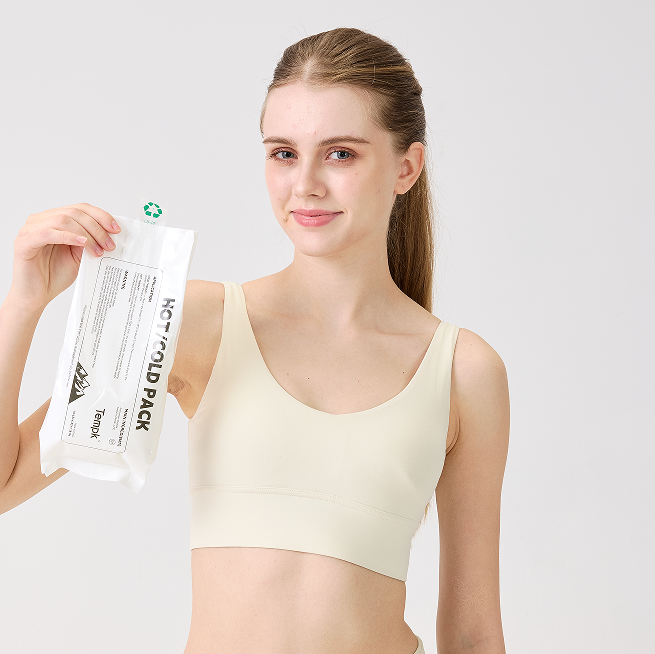
Gel Refrigerant Pack Buying Guide: Performance, Supplier Fit, and Operational Reality
The best gel refrigerant pack China manufacturer is the one that matches the job without creating extra risk somewhere else. In practice, buyers need to compare design, phase behavior, route fit, supplier discipline, and bulk-order consistency together. That is the only reliable way to choose a pack that works beyond the first sample lot.
Below is a practical buying guide that focuses on the questions procurement and operations teams usually need answered first: what the product really does, where it fits, what can go wrong, and how to tell a reliable supplier from a catalog-only option.
Understanding the product behind the catalog name
A gel refrigerant pack or refrigeration gel pack is a sealed cold source used inside an insulated shipper. It is usually filled with a water-based gel or another phase-change formulation so it can absorb heat more slowly and more predictably than loose ice. For buyers, the important point is simple: the pack is one component of the shipping system. It helps maintain temperature, but it is not the same thing as a qualified temperature-controlled shipper on its own.
Public product pages across the market show several common formats. Flexible pouches are widely used where you need close contact with cartons, trays, meal kits, or secondary pharma packaging. Rigid bricks or larger PCM elements are chosen when the lane is longer or when you want easier reuse in a returnable program. Some suppliers also sell low-condensation or moisture-managing variants because surface moisture can matter almost as much as cooling performance in real distribution.
Where pharmaceuticals, diagnostics, or other sensitive products are involved, public guidance emphasizes the shipping system, handling process, and temperature monitoring rather than the refrigerant pack alone. Requirements vary by route and product, and additional qualification may be needed.
How design choices change performance
The thermal behavior of these packs depends on more than size. Film structure affects puncture resistance and leak risk. Gel chemistry affects the freezing point, flexibility, and the way the pack releases or absorbs heat. In public references, chilled applications commonly use water-based formulations that phase around 0 degrees Celsius, while frozen distribution may use suppressed-temperature formulas that stay below that point. That distinction matters because a pack designed for frozen food can be the wrong choice for a product that must stay between 2 and 8 degrees Celsius.
Conditioning is just as important as chemistry. A pack pulled straight from a deep freezer may have a colder surface and a harder thermal hit than the same pack allowed to temper before packing. For freeze-sensitive pharmaceuticals, diagnostics, or produce, that difference can decide whether the shipment stays in range or is damaged by overcooling. Buyers should therefore ask not just what the pack contains, but exactly how the supplier expects it to be conditioned, staged, and loaded.
Key performance drivers include gel mass, phase-change point, conditioning routine, film durability, pack placement, insulation value, and how much warm headspace remains inside the shipper.
Buyers usually learn the most from a short list of hard data points: finished dimensions, net fill weight, frozen thickness, phase-change range or intended temperature band, conditioning instructions, and packaging configuration by case or pallet. Those details allow operations and quality teams to picture how the pack will behave before a trial even starts.
Choosing by application and route
These packs are used across refrigerated food, seafood, meal kits, diagnostic kits, clinical material, e-commerce perishables, and many other cold-chain lanes. In all of those settings, the pack solves the same core problem: it gives the shipper thermal mass that buys time against external heat. The details change, however, depending on whether the shipment is going overnight in a mild climate or crossing a long route with hub delays and hot apron exposure.
In pharmaceutical and laboratory logistics, the boundary between a refrigerant pack and a compliant shipping system is especially important. Guidance for temperature-sensitive products often focuses on route conditions, monitoring, handling, and qualification of the overall package. A gel pack may be part of that solution, but the pack itself does not create compliance. You still need the right outer pack, pack-out pattern, conditioning method, and, where required, documented performance testing.
For buyers sourcing in China, the attraction is usually production flexibility. Many projects need custom dimensions, private-label printing, bilingual packaging, or a fast move from sample to commercial volume. Those benefits are real, but only when the manufacturer or supplier can hold film structure, fill weight, seal quality, and carton configuration steady from the first approval batch to later reorders.
China-based sourcing can also make sense when you want several related products from one program, such as gel packs, ice bricks, insulated bags, or liners. In practice, that only saves time if the supplier manages export documentation, palletization, and batch coding clearly enough for receiving and quality teams to work without guesswork.
Key performance drivers include gel mass, phase-change point, conditioning routine, film durability, pack placement, insulation value, and how much warm headspace remains inside the shipper. In other words, selection starts with the operating problem, not the catalog photo. Buyers who define the temperature band, transit time, payload sensitivity, and loading method clearly tend to make faster and safer decisions.
A buyer-friendly comparison usually comes down to six checks:
Choose a smaller flexible pouch when the pack has to sit close to food trays, cartons, or secondary containers without creating dead space.
Choose a larger gel pack or brick when the route is longer and freezer-handling efficiency matters more than close conformity.
Use chilled-formulation packs for refrigerated targets and a separate suppressed-temperature option for frozen distribution rather than trying to force one pack into every lane.
Check whether low-condensation or moisture-managing surfaces are helpful if labels or paper inserts matter.
Confirm the pack’s frozen thickness, not just its room-temperature dimensions, before finalizing the carton fit.
Treat the pack as one part of the shipper. If insulation, route duration, or monitoring requirements are demanding, evaluate the full system.
Most buyers here are balancing landed cost, OEM flexibility, and production consistency. China can be attractive for high-volume output and custom printing, but only if change control, batch consistency, and export documentation are handled well.
A practical supplier checklist
When comparing manufacturers or suppliers, start with finished dimensions, net fill weight, target temperature range, film structure, and seal design. Those details control how the pack behaves in the box and how often it survives handling without leaks. Ask for the dimensions both before and after freezing if that affects fit, and confirm the tolerance window instead of accepting a nominal size alone.
Next, ask how the supplier controls sample-to-production consistency. A good answer should cover batch coding, incoming material control, fill-weight verification, seal checks, and a clear process for managing any change in gel formula, film gauge, or carton configuration. If the project is export-based or regulated, you should also ask what documents can be provided for product composition, storage, and shipping use so technical or quality teams do not have to reconstruct the basics later.
Finished dimensions at room temperature and after freezing
Net gel mass, target phase range, and conditioning instructions
Film structure, seal width, and leak or burst checks
Low-condensation options, if labels or paper inserts matter
Batch coding, lot traceability, and change-control process
Carton count, pallet pattern, freezer density, MOQ, and lead time
Before scale-up, run a simple but disciplined trial. Use the real payload or a close thermal substitute, the actual outer package, the intended conditioning method, and the route duration you expect in the field. Include at least one tougher ambient exposure than your ideal case.
If the product is going into a more controlled environment, ask whether the supplier can keep those data points stable over time and how any change would be communicated. Technical reliability depends as much on process discipline as on the first sample.
Common sourcing errors to avoid
One common buying mistake is to compare packs only by price per piece. That can hide large differences in gel mass, usable cold capacity, seal width, or moisture behavior. Another mistake is to run a route trial with a sample pack and then reorder a slightly different commercial version without realizing the specification has changed.
A third mistake is to treat the refrigerant pack as the answer by itself. If your route, payload, or compliance profile is demanding, you need to think in terms of the whole system: outer insulation, pack placement, temperature targets, monitoring, and receiving checks. The best supplier conversations happen when buyers share those system conditions early rather than asking for a generic longer-lasting ice pack.
Sustainability is becoming part of the sourcing conversation, but buyers should keep the claims practical. Reusable packs can reduce material intensity in closed loops, while thinner or more recyclable films may reduce waste in one-way distribution. Those benefits only matter if the pack still survives freezing, transport, and final handling.
Public product offerings suggest buyers are comparing not only standard gel pouches but also moisture-managing versions, dry-ice-style packs, and larger reusable bricks as routes diversify.
Practical questions before launch
Where routes, products, or documentation demands are more sensitive, buyers should lock down the intended conditioning method, pack position, and receiving checks before the first larger order. That simple discipline prevents a lot of avoidable confusion later.
During that trial, record not only temperature. Look at surface moisture, pack integrity, loading speed, frozen fit, and the condition of the delivered product or kit. These observations often reveal more about real suitability than a headline hold-time claim.
After the trial, lock the specification. Document the approved dimensions, gel mass, film structure, conditioning method, and pack placement. That simple discipline reduces drift between sample approval and routine production.
Quick answers before you shortlist suppliers
Can one gel refrigerant pack work for both chilled and frozen shipping?
Sometimes, but usually not well. Chilled and frozen lanes often need different phase-change behavior, conditioning routines, and pack placement.
Is a gel pack enough for pharmaceutical compliance?
No. The pack may be part of the solution, but compliance depends on the qualified shipping system, route profile, and handling process.
What sample information should a supplier provide?
At minimum, ask for finished dimensions, gel mass, film structure, conditioning instructions, storage conditions, and carton packing details.
Operational details that deserve attention
Bulk sourcing changes the decision in one important way: you are not approving a single pack, you are approving a repeatable manufacturing and operating method. That means the quotation, the sample, the warehouse SOP, and the reorder specification all have to point to the same product. If one of those pieces is vague, costs usually surface later through leaks, retrials, customer complaints, or slow packing lines rather than in the first purchase order.
Another practical point is storage and handling before shipment or use. Performance starts in the freezer room, prep area, or stockroom, not at the final destination. Buyers should check how the product will be stored, how long conditioning takes, whether cartons can be rotated first-in first-out, and how the pack behaves if teams handle it during busy or partially thawed periods. Small operational details can change the delivered result more than catalog language suggests.
When comparing suppliers, ask yourself whether the vendor is helping you make a real decision or only helping you receive a quote. Useful suppliers answer directly on dimensions, conditioning, change control, documentation, and application limits. Less useful ones stay at the level of broad sector language and leave the technical interpretation to you.
Final take
A strong gel refrigerant pack purchase is rarely about buying the coldest, cheapest, or most heavily marketed pack. It is about matching the pack format, conditioning method, and supplier discipline to the job you actually run.
If you define the use case clearly, ask sharper questions about materials and process control, and test the pack in the real route or handling workflow, you are much more likely to choose a supplier that performs well after rollout instead of only in a quotation stage.
About Tempk
At Tempk, we focus on temperature-controlled packaging for food, pharmaceutical, and other sensitive shipments. Our public range includes gel ice packs, dry ice packs, freezer ice bricks, insulated bags, insulated box liners, EPP insulated boxes, cold shipping boxes, medical cool boxes, and thermal pallet covers. Because we work across both refrigerants and insulated formats, plus custom temp-control packaging backed by a CNAS-certified lab, we can help buyers compare a single pack option within the wider shipping system.
Next step
If you are comparing suppliers, ask for samples, conditioning guidance, and a pack-out recommendation tied to your real temperature band and transit time. A controlled trial with your actual payload and outer pack will reveal far more than a unit-price sheet.
Gel Ice Blanket India: How to Compare Suppliers and Pack Formats

Gel Ice Blanket India: A Practical Guide to Comparing Suppliers and Pack Design
The best gel ice blanket India supplier is the one that matches the job without creating extra risk somewhere else. In practice, buyers need to compare design, phase behavior, route fit, supplier discipline, and bulk-order consistency together. That is the only reliable way to choose a pack that works beyond the first sample lot.
Below is a practical buying guide that focuses on the questions procurement and operations teams usually need answered first: what the product really does, where it fits, what can go wrong, and how to tell a reliable supplier from a catalog-only option.
Understanding the product behind the catalog name
A gel ice blanket is a linked array of small gel cells joined into a flexible sheet. Instead of acting like one large block, it bends around trays, pouches, vials, and other irregular shapes while keeping cooling mass distributed across a wider surface. That makes it useful when a single brick leaves air gaps or creates cold spots only where it touches.
The design looks simple, but the buying variables are quite specific. Cell size affects flexibility. Overall sheet size affects coverage. Film structure affects durability and leak risk. Perforation or panel layout affects how easily the blanket can be folded, cut, or wrapped without stressing the seals.
If a blanket is used around sensitive medical or laboratory payloads, the same system-level caution applies: direct cold contact, route exposure, and qualification of the full package may need review.
How design choices change performance
Public market offerings for this category include connected-cell blankets with water-based gel fills and common chilled phase behavior around 0 degrees Celsius, although custom formats and weights are also widely offered. The advantage of the blanket format is geometric rather than magical: it creates more uniform contact around the load while still fitting into narrow or irregular cavities.
That geometry only helps if the blanket remains flexible after conditioning. A blanket that becomes too stiff when frozen can bridge across corners and leave pockets of warm air. Buyers should therefore evaluate both the frozen feel and the sheet’s actual ability to wrap the intended product or shipper interior.
Blanket performance depends on cell geometry, total gel weight, frozen flexibility, sheet coverage, placement, and whether the blanket can actually conform to the payload after conditioning.
Buyers usually learn the most from a short list of hard data points: finished dimensions, net fill weight, frozen thickness, phase-change range or intended temperature band, conditioning instructions, and packaging configuration by case or pallet. Those details allow operations and quality teams to picture how the pack will behave before a trial even starts.
Choosing by application and route
Gel ice blankets are widely used around meal trays, biological samples, diagnostic kits, seafood packs, and other payloads that benefit from broad-surface cooling. They can be laid flat above a payload, wrapped around it, or used to line internal walls in certain shipper designs. The blanket format is especially attractive when a product lineup changes often and a rigid cold source cannot match every SKU shape.
They are also useful when pack-out labor matters. A single blanket may replace several small packs, which can simplify loading and reduce placement errors. That said, the blanket should still be tested in the actual route, because wide-surface contact can be either helpful or too aggressive depending on what you are shipping.
In India, ambient heat exposure and route variability can dominate performance. Even a well-made gel pack can disappoint if the outer pack, staging time, and delivery lane are not designed for local conditions. Buyers often need to evaluate thermal performance together with puncture resistance, carton strength, and the reality of warehouse and last-mile handling.
Supplier support can be especially important when operations span multiple cities or a mix of metro and regional lanes. Clear conditioning instructions, practical carton counts, and realistic replenishment planning usually matter more than broad claims about hold time.
Blanket performance depends on cell geometry, total gel weight, frozen flexibility, sheet coverage, placement, and whether the blanket can actually conform to the payload after conditioning. In other words, selection starts with the operating problem, not the catalog photo. Buyers who define the temperature band, transit time, payload sensitivity, and loading method clearly tend to make faster and safer decisions.
A buyer-friendly comparison usually comes down to six checks:
Choose smaller cells when you need more bending and closer wrap around irregular products.
Choose heavier blankets only when the route really needs more thermal mass; large sheets add weight quickly.
Confirm whether the blanket is intended to stay as one sheet or be separated into sections.
Test frozen flexibility because a stiff blanket may bridge across corners instead of making real contact.
Check whether the blanket simplifies loading compared with multiple small packs in your specific workflow.
Use a buffer layer when direct wide-surface cold contact may be too aggressive for the payload.
A blanket format can be useful where one rigid block does not match the real load shape. In India, buyers often need to balance hot ambient exposure with practical handling and cost control.
A practical supplier checklist
To compare wholesale or supply options, ask for the blanket’s overall size, number of cells, gel weight per cell or per sheet, film structure, and whether the sheet is intended to be used whole or separated. Then confirm how it should be conditioned and whether it is meant for chilled or frozen applications.
You should also review pack-out practicality. Can the blanket be folded without stressing the seams? Does it fit standard cartons or tote inserts? Is there enough label space or carton differentiation to prevent the wrong blanket from being used at the packing bench? These are the kinds of details that determine success at volume.
Overall blanket size, cell count, and gel weight per sheet
Frozen flexibility and ability to fold or wrap without stressing seams
Film structure and risk of puncture during freezer handling
Whether the blanket is used whole, perforated, or separated
Fit with the target carton or kit and risk of excessive direct contact
MOQ, lead time, custom sheet layouts, and printing if needed
Before scale-up, run a simple but disciplined trial. Use the real payload or a close thermal substitute, the actual outer package, the intended conditioning method, and the route duration you expect in the field. Include at least one tougher ambient exposure than your ideal case.
If the product is going into a more controlled environment, ask whether the supplier can keep those data points stable over time and how any change would be communicated. Technical reliability depends as much on process discipline as on the first sample.
Mistakes that create avoidable cost or risk
A common mistake is to buy by sheet dimensions alone. Two blankets of the same footprint can behave very differently if the gel weight, cell geometry, or film strength changes. Another mistake is to assume that more surface contact is always safer. For some freeze-sensitive payloads, a blanket can create too much direct cold without an adequate buffer layer.
Teams also sometimes forget about freezer handling. A blanket that tangles, sticks, or tears when separated from a stack can slow operations and increase waste. Samples should therefore be reviewed in the freezer room, not only at room temperature.
Blankets can support material efficiency when they replace multiple individual packs and simplify packing. Their flat geometry can also help storage and transport density before freezing. The environmental value, however, depends on durability and correct route matching.
Connected-cell blanket formats continue to attract buyers who want broad coverage without placing many separate packs. That can simplify loading, especially when SKU shapes change.
Practical questions before launch
Where routes, products, or documentation demands are more sensitive, buyers should lock down the intended conditioning method, pack position, and receiving checks before the first larger order. That simple discipline prevents a lot of avoidable confusion later.
During that trial, record not only temperature. Look at surface moisture, pack integrity, loading speed, frozen fit, and the condition of the delivered product or kit. These observations often reveal more about real suitability than a headline hold-time claim.
After the trial, lock the specification. Document the approved dimensions, gel mass, film structure, conditioning method, and pack placement. That simple discipline reduces drift between sample approval and routine production.
FAQ
What makes a gel ice blanket different from standard gel packs?
The connected-cell sheet format gives broader, more flexible coverage around irregular payloads.
Can a blanket be used for pharmaceuticals?
It can be part of a pack-out, but you still need to evaluate the full system and the risk of direct cold contact.
What should buyers test first?
Test frozen flexibility, fit around the payload, and the actual temperature profile in the final shipper.
Operational details that deserve attention
Bulk sourcing changes the decision in one important way: you are not approving a single pack, you are approving a repeatable manufacturing and operating method. That means the quotation, the sample, the warehouse SOP, and the reorder specification all have to point to the same product. If one of those pieces is vague, costs usually surface later through leaks, retrials, customer complaints, or slow packing lines rather than in the first purchase order.
Another practical point is storage and handling before shipment or use. Performance starts in the freezer room, prep area, or stockroom, not at the final destination. Buyers should check how the product will be stored, how long conditioning takes, whether cartons can be rotated first-in first-out, and how the pack behaves if teams handle it during busy or partially thawed periods. Small operational details can change the delivered result more than catalog language suggests.
When comparing suppliers, ask yourself whether the vendor is helping you make a real decision or only helping you receive a quote. Useful suppliers answer directly on dimensions, conditioning, change control, documentation, and application limits. Less useful ones stay at the level of broad sector language and leave the technical interpretation to you.
A sample review should therefore include more than visual inspection. Freeze the product the way your team would actually freeze it. Load it into the real outer packaging or user format. Check how easy it is to place, how clearly it is labeled, how it behaves after partial thaw, and whether the receiving side would understand how to handle it.
It is also worth comparing total operating cost rather than item price alone. A slightly more expensive pack can still be the lower-cost option if it reduces freezer congestion, cuts leak rates, improves packing speed, or avoids reshipments. The same is true on the customer side: easier disposal, better presentation, or clearer instructions often save more than buyers expect.
Consistency from sample to production deserves explicit attention. Ask whether the supplier controls fill weight, film gauge, seal quality, outer dimensions, and carton configuration within a known tolerance band. Then ask how a change would be communicated. That question often separates a real production partner from a trader with limited process visibility.
The strongest approval path is usually simple but disciplined. Define the use case, request a controlled sample set, run a realistic route or pack-out trial, document the approved specification, and keep that document attached to every reorder. That sequence is especially important when the product sits inside a more controlled cold-chain or healthcare workflow.
Final take
A strong gel ice blanket purchase is rarely about buying the coldest, cheapest, or most heavily marketed pack. It is about matching the pack format, conditioning method, and supplier discipline to the job you actually run.
If you define the use case clearly, ask sharper questions about materials and process control, and test the pack in the real route or handling workflow, you are much more likely to choose a supplier that performs well after rollout instead of only in a quotation stage.
About Tempk
At Tempk, we focus on temperature-controlled packaging for food, pharmaceutical, and other sensitive shipments. Our public range includes gel ice packs, dry ice packs, freezer ice bricks, insulated bags, insulated box liners, EPP insulated boxes, cold shipping boxes, medical cool boxes, and thermal pallet covers. Because we work across both refrigerants and insulated formats, plus custom temp-control packaging backed by a CNAS-certified lab, we can help buyers compare a single pack option within the wider shipping system.
Next step
If you are comparing suppliers, ask for samples, conditioning guidance, and a pack-out recommendation tied to your real temperature band and transit time. A controlled trial with your actual payload and outer pack will reveal far more than a unit-price sheet.
Gel Ice Blanket Germany: How to Compare Suppliers and Pack Formats
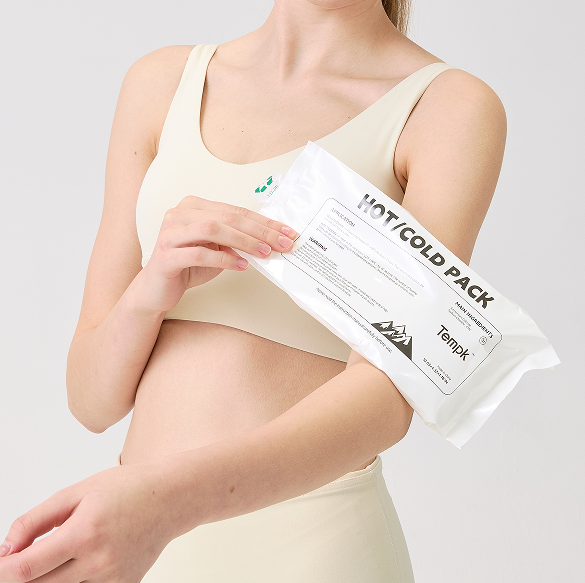
Gel Ice Blanket Buying Guide: Performance, Supplier Fit, and Operational Reality
The best gel ice blanket Germany wholesale is the one that matches the job without creating extra risk somewhere else. In practice, buyers need to compare design, phase behavior, route fit, supplier discipline, and bulk-order consistency together. That is the only reliable way to choose a pack that works beyond the first sample lot.
Below is a practical buying guide that focuses on the questions procurement and operations teams usually need answered first: what the product really does, where it fits, what can go wrong, and how to tell a reliable supplier from a catalog-only option.
Starting with the right product definition
A gel ice blanket is a linked array of small gel cells joined into a flexible sheet. Instead of acting like one large block, it bends around trays, pouches, vials, and other irregular shapes while keeping cooling mass distributed across a wider surface. That makes it useful when a single brick leaves air gaps or creates cold spots only where it touches.
The design looks simple, but the buying variables are quite specific. Cell size affects flexibility. Overall sheet size affects coverage. Film structure affects durability and leak risk. Perforation or panel layout affects how easily the blanket can be folded, cut, or wrapped without stressing the seals.
If a blanket is used around sensitive medical or laboratory payloads, the same system-level caution applies: direct cold contact, route exposure, and qualification of the full package may need review.
How design choices change performance
Public market offerings for this category include connected-cell blankets with water-based gel fills and common chilled phase behavior around 0 degrees Celsius, although custom formats and weights are also widely offered. The advantage of the blanket format is geometric rather than magical: it creates more uniform contact around the load while still fitting into narrow or irregular cavities.
That geometry only helps if the blanket remains flexible after conditioning. A blanket that becomes too stiff when frozen can bridge across corners and leave pockets of warm air. Buyers should therefore evaluate both the frozen feel and the sheet’s actual ability to wrap the intended product or shipper interior.
Blanket performance depends on cell geometry, total gel weight, frozen flexibility, sheet coverage, placement, and whether the blanket can actually conform to the payload after conditioning.
Buyers usually learn the most from a short list of hard data points: finished dimensions, net fill weight, frozen thickness, phase-change range or intended temperature band, conditioning instructions, and packaging configuration by case or pallet. Those details allow operations and quality teams to picture how the pack will behave before a trial even starts.
Choosing by application and route
Gel ice blankets are widely used around meal trays, biological samples, diagnostic kits, seafood packs, and other payloads that benefit from broad-surface cooling. They can be laid flat above a payload, wrapped around it, or used to line internal walls in certain shipper designs. The blanket format is especially attractive when a product lineup changes often and a rigid cold source cannot match every SKU shape.
They are also useful when pack-out labor matters. A single blanket may replace several small packs, which can simplify loading and reduce placement errors. That said, the blanket should still be tested in the actual route, because wide-surface contact can be either helpful or too aggressive depending on what you are shipping.
In Germany, buyers often place a premium on repeatability and documentation. That does not mean the most expensive pack is automatically the best choice. It means the winning option is usually the one with clear dimensions, stable fill weight, reliable seal quality, and a realistic explanation of how it should be conditioned and deployed in the box.
German procurement teams may also look harder at waste handling and packaging efficiency. Reuse potential, recyclability of the film, and clean pallet presentation can matter because the pack is being judged not just as a refrigerant but as part of a wider logistics process.
Blanket performance depends on cell geometry, total gel weight, frozen flexibility, sheet coverage, placement, and whether the blanket can actually conform to the payload after conditioning. In other words, selection starts with the operating problem, not the catalog photo. Buyers who define the temperature band, transit time, payload sensitivity, and loading method clearly tend to make faster and safer decisions.
A buyer-friendly comparison usually comes down to six checks:
Choose smaller cells when you need more bending and closer wrap around irregular products.
Choose heavier blankets only when the route really needs more thermal mass; large sheets add weight quickly.
Confirm whether the blanket is intended to stay as one sheet or be separated into sections.
Test frozen flexibility because a stiff blanket may bridge across corners instead of making real contact.
Check whether the blanket simplifies loading compared with multiple small packs in your specific workflow.
Use a buffer layer when direct wide-surface cold contact may be too aggressive for the payload.
Coverage and frozen flexibility matter more than headline weight alone in this format. German buyers often look closely at repeatability, documentation, and waste-handling practicality.
A practical supplier checklist
To compare wholesale or supply options, ask for the blanket’s overall size, number of cells, gel weight per cell or per sheet, film structure, and whether the sheet is intended to be used whole or separated. Then confirm how it should be conditioned and whether it is meant for chilled or frozen applications.
You should also review pack-out practicality. Can the blanket be folded without stressing the seams? Does it fit standard cartons or tote inserts? Is there enough label space or carton differentiation to prevent the wrong blanket from being used at the packing bench? These are the kinds of details that determine success at volume.
Overall blanket size, cell count, and gel weight per sheet
Frozen flexibility and ability to fold or wrap without stressing seams
Film structure and risk of puncture during freezer handling
Whether the blanket is used whole, perforated, or separated
Fit with the target carton or kit and risk of excessive direct contact
MOQ, lead time, custom sheet layouts, and printing if needed
Before scale-up, run a simple but disciplined trial. Use the real payload or a close thermal substitute, the actual outer package, the intended conditioning method, and the route duration you expect in the field. Include at least one tougher ambient exposure than your ideal case.
If the product is going into a more controlled environment, ask whether the supplier can keep those data points stable over time and how any change would be communicated. Technical reliability depends as much on process discipline as on the first sample.
Problems buyers can prevent early
A common mistake is to buy by sheet dimensions alone. Two blankets of the same footprint can behave very differently if the gel weight, cell geometry, or film strength changes. Another mistake is to assume that more surface contact is always safer. For some freeze-sensitive payloads, a blanket can create too much direct cold without an adequate buffer layer.
Teams also sometimes forget about freezer handling. A blanket that tangles, sticks, or tears when separated from a stack can slow operations and increase waste. Samples should therefore be reviewed in the freezer room, not only at room temperature.
Blankets can support material efficiency when they replace multiple individual packs and simplify packing. Their flat geometry can also help storage and transport density before freezing. The environmental value, however, depends on durability and correct route matching.
Connected-cell blanket formats continue to attract buyers who want broad coverage without placing many separate packs. That can simplify loading, especially when SKU shapes change.
Practical questions before launch
Where routes, products, or documentation demands are more sensitive, buyers should lock down the intended conditioning method, pack position, and receiving checks before the first larger order. That simple discipline prevents a lot of avoidable confusion later.
During that trial, record not only temperature. Look at surface moisture, pack integrity, loading speed, frozen fit, and the condition of the delivered product or kit. These observations often reveal more about real suitability than a headline hold-time claim.
After the trial, lock the specification. Document the approved dimensions, gel mass, film structure, conditioning method, and pack placement. That simple discipline reduces drift between sample approval and routine production.
FAQ
What makes a gel ice blanket different from standard gel packs?
The connected-cell sheet format gives broader, more flexible coverage around irregular payloads.
Can a blanket be used for pharmaceuticals?
It can be part of a pack-out, but you still need to evaluate the full system and the risk of direct cold contact.
What should buyers test first?
Test frozen flexibility, fit around the payload, and the actual temperature profile in the final shipper.
The operational side buyers should not skip
Bulk sourcing changes the decision in one important way: you are not approving a single pack, you are approving a repeatable manufacturing and operating method. That means the quotation, the sample, the warehouse SOP, and the reorder specification all have to point to the same product. If one of those pieces is vague, costs usually surface later through leaks, retrials, customer complaints, or slow packing lines rather than in the first purchase order.
Another practical point is storage and handling before shipment or use. Performance starts in the freezer room, prep area, or stockroom, not at the final destination. Buyers should check how the product will be stored, how long conditioning takes, whether cartons can be rotated first-in first-out, and how the pack behaves if teams handle it during busy or partially thawed periods. Small operational details can change the delivered result more than catalog language suggests.
When comparing suppliers, ask yourself whether the vendor is helping you make a real decision or only helping you receive a quote. Useful suppliers answer directly on dimensions, conditioning, change control, documentation, and application limits. Less useful ones stay at the level of broad sector language and leave the technical interpretation to you.
A sample review should therefore include more than visual inspection. Freeze the product the way your team would actually freeze it. Load it into the real outer packaging or user format. Check how easy it is to place, how clearly it is labeled, how it behaves after partial thaw, and whether the receiving side would understand how to handle it.
It is also worth comparing total operating cost rather than item price alone. A slightly more expensive pack can still be the lower-cost option if it reduces freezer congestion, cuts leak rates, improves packing speed, or avoids reshipments. The same is true on the customer side: easier disposal, better presentation, or clearer instructions often save more than buyers expect.
Consistency from sample to production deserves explicit attention. Ask whether the supplier controls fill weight, film gauge, seal quality, outer dimensions, and carton configuration within a known tolerance band. Then ask how a change would be communicated. That question often separates a real production partner from a trader with limited process visibility.
The strongest approval path is usually simple but disciplined. Define the use case, request a controlled sample set, run a realistic route or pack-out trial, document the approved specification, and keep that document attached to every reorder. That sequence is especially important when the product sits inside a more controlled cold-chain or healthcare workflow.
Finally, remember that the right choice is rarely the most extreme one. More gel, a lower temperature, or a heavier format is not automatically safer. The better product is the one that matches the route, the payload, the handling method, and the people who will actually use it day after day.
What this means for buyers
A strong gel ice blanket purchase is rarely about buying the coldest, cheapest, or most heavily marketed pack. It is about matching the pack format, conditioning method, and supplier discipline to the job you actually run.
If you define the use case clearly, ask sharper questions about materials and process control, and test the pack in the real route or handling workflow, you are much more likely to choose a supplier that performs well after rollout instead of only in a quotation stage.
About Tempk
At Tempk, we focus on temperature-controlled packaging for food, pharmaceutical, and other sensitive shipments. Our public range includes gel ice packs, dry ice packs, freezer ice bricks, insulated bags, insulated box liners, EPP insulated boxes, cold shipping boxes, medical cool boxes, and thermal pallet covers. Because we work across both refrigerants and insulated formats, plus custom temp-control packaging backed by a CNAS-certified lab, we can help buyers compare a single pack option within the wider shipping system.
Next step
If you are comparing suppliers, ask for samples, conditioning guidance, and a pack-out recommendation tied to your real temperature band and transit time. A controlled trial with your actual payload and outer pack will reveal far more than a unit-price sheet.