


Thermal Carry Bag Business: Complete Guide 2026
Thermal Carry Bag Business: Complete Guide 2026

The best thermal carry bag business strategy in 2026 blends three things: correct product design, documented compliance, and a sourcing model you can scale without quality drift. You need the practical buyer logic of a commercial guide, the evidence of a technical review, and the market awareness of a trend report. This optimized article fuses those strengths so you can source faster and with less risk.
What this article will help you answer
- How to choose the right thermal carry bag configuration for your payload, route, and budget.
- Which materials, compliance documents, and validation tests separate safe bags from risky bags.
- How to reduce waste, control cost, and future-proof your bag program for 2026.
- What the latest market, regulation, and sustainability signals mean for your next order.
Thermal Carry Bag Business: what is the best buying strategy in 2026?
The best thermal carry bag business decision starts with route truth. You need to know what you carry, how long you carry it, how often the bag opens, and what condition must be protected when the route ends. Only then can you choose the right thermal carry bag size, insulation class, liner, and supplier model. That sounds simple, but it is the step many buyers skip when they rush straight to quotation.
In 2026, strong sourcing teams treat the bag as part of an operating system. They connect the bag to payload discipline, refrigerant choice, receiving inspection, cleaning, and reorder planning. That system view creates better performance and better SEO-style content because it answers the buyer's real question: how will this product help me succeed? For most projects, the answer lives in route fit, not in a dramatic headline claim.
Why does route-first thinking improve thermal carry bag sourcing?
For thermal carry bag business, the right target is a design that protects short to medium controlled-temperature routes, remains practical for users, and stays commercially repeatable. If a bag is technically impressive but hard to clean, awkward to carry, or unstable in mass production, it is not a good solution. Likewise, if it is cheap and attractive but fails during real handling, it becomes expensive very quickly. The winning option is the one that balances performance, usability, and supply stability.
Route-first decision framework
| Input | Why it matters | What it changes | Meaning for you |
| Payload and temperature target | Sets the protection goal | Bag size, liner, and refrigerant choice | Stops you from buying a bag that solves the wrong problem |
| Route duration and openings | Shapes real heat gain | Insulation level and closure strategy | Turns hold-time claims into useful decisions |
| User handling pattern | Changes wear and cleaning burden | Outer shell, hardware, and ergonomics | Protects daily service quality |
| Reorder plan | Controls scaling risk | Supplier model and documentation | Keeps success repeatable after the pilot |
Actionable buyer tips
- Write a one-page route brief before requesting quotations for thermal carry bag business.
- Choose the bag around the most important lane first, then adapt outward only if the data supports it.
- Keep your buying criteria visible: route fit, compliance, service life, and landed cost should all be scored.
Optimized approach example: a buyer reduced confusion by defining one core route, one payload, and one acceptance standard before talking about decoration. Once the team aligned on those basics, supplier comparison became faster and more objective.
Thermal Carry Bag Business: which specifications separate safe bags from risky bags?
Once the route is clear, the next job is to separate meaningful specifications from decorative noise. For thermal carry bag business, the critical specification layers are the outer shell, insulation core, inner liner, closure system, and carrying structure. Those five areas decide whether the bag feels sturdy, cleans easily, and keeps temperature under control long enough to do the job. Everything else should serve those fundamentals, not distract from them.
In practical terms, common material combinations such as 600D polyester or laminated nonwoven outer shell, EPE or XPE foam insulation, aluminum foil or food-safe lining, and zipper closure and reinforced handles are popular because they give buyers room to balance cost and performance. But no single material name guarantees success. A better foam can be wasted by a weak zipper. A durable shell can be undermined by a poor liner. That is why smart buyers ask suppliers to explain the function of every layer in plain language.
How do you inspect the real build quality of a thermal carry bag?
Your inspection should also focus on the common failure zones: seam leakage can reduce hold time, zipper quality matters, overpacking reduces airflow, and thin foam can look good in photos but perform poorly on route. If those areas look weak in the sample, scale will not fix them later. By contrast, when the sample shows thoughtful reinforcement and a clean inner build, you usually see better performance on route and fewer complaints after rollout. Specification clarity is one of the fastest ways to improve both buying outcomes and content quality.
Specification checklist that matters
| Component | What it controls | Operational effect | Practical meaning |
| Outer shell and coating | Controls wear, moisture resistance, and print result | Daily handling and brand presentation | Helps the bag survive and still look professional |
| Insulation layer | Controls heat flow rate | Route hold time and temperature stability | Affects whether the bag fits the lane |
| Liner quality | Controls leakage, cleanability, and contact suitability | Hygiene and service life | Reduces hidden operational cost |
| Closure and reinforcement | Controls air exchange and structural failure | Thermal loss and durability | Protects performance in real use |
Actionable buyer tips
- Ask for a bill of materials or layer description simple enough that non-engineers on your team can review it.
- Compare samples under handling, loading, and cleaning conditions rather than only under static office inspection.
- Protect the functional specification first when you need to lower cost.
Specification example: one team removed extra decorative trims but kept the stronger liner and reinforced handle points. The bag still delivered the required user experience because the functional layers remained intact.
Thermal Carry Bag Business: how do you qualify suppliers and compliance faster?
Qualification is where commercial confidence becomes operational confidence. For thermal carry bag business, you need a compact approval pack that covers materials, intended use, sample version control, test evidence, and supplier process discipline. This does not need to be bureaucratic. It needs to be clear enough that your quality, purchasing, and operations teams are all approving the same bag, not three different assumptions.
For food-contact builds, US buyers usually ask whether liners, coatings, adhesives, and inks fit the applicable FDA food-contact pathway. Materials used in compliance with the relevant 21 CFR 174 to 179 provisions usually form the starting point of that conversation, and buyers also ask for migration and intended-use clarity. In healthcare and pharmaceutical routes, EU Good Distribution Practice treats temperature protection as a controlled process rather than a product brochure claim. Supplier qualification, documented procedures, correct storage conditions, and retained records all matter when the bag supports medicinal-product distribution. Thermal claims are stronger when they are linked to recognized validation language. Buyers commonly reference ASTM D3103 for thermal insulation performance and ASTM D4169 for distribution hazards such as drops, vibration, stacking, and handling stress.
What should be in the approval pack for a thermal carry bag?
For monitored healthcare routes, the market is also moving toward better temperature visibility. Hospital and vaccine projects now expect better monitoring discipline. CDC guidance continues to favor continuous digital data loggers that record at least every 30 minutes, use a buffered probe, and provide current, minimum, and maximum readings with calibration evidence. Even outside healthcare, the broader lesson applies: evidence lowers approval friction. When you can show what was tested, how it was tested, and what revision was approved, reorders become far easier to defend.
Fast qualification framework
| Element | What it covers | Why it matters | What it means for you |
| Use-case definition | Food, healthcare, retail, export, or general delivery | Clarifies which rules and documents matter | Stops generic claims from derailing the review |
| Material declarations | Liner, fabric, coating, ink, adhesive | Supports food-contact and suitability questions | Helps quality teams review faster |
| Test evidence | Thermal setup and handling validation | Builds trust in real-world performance | Turns sales language into decision-ready evidence |
| Supplier process control | Sample approval and change control | Protects batch consistency | Makes the first successful order repeatable |
Actionable buyer tips
- Keep the approval file short but complete: route brief, sample photos, revision notes, material declarations, and test summary are the essentials.
- Do not accept a thermal claim unless the supplier explains payload, ambient condition, refrigerant, and duration.
- Use the same qualification file for reorders so you can spot drift before it reaches the field.
Qualification example: a buyer shortened internal approval time by storing every sample revision, material note, and test summary in one shared file. The next reorder took less effort because the team was not rebuilding the decision from memory.
Thermal Carry Bag Business: how do you reduce cost and improve sustainability?
The strongest 2026 sourcing plans reduce cost and environmental pressure at the same time. For thermal carry bag business, that usually means right-sizing the bag, simplifying unnecessary decoration, improving reuse cycles, and controlling damage or complaint rates. A bag that lasts longer and fits the route better often creates less waste and less hidden cost. That is why sustainability works best when it is built into the operating model.
EU packaging policy is already changing buyer behavior. The Packaging and Packaging Waste Regulation entered into force in February 2025 and generally applies from August 12, 2026, so EU buyers increasingly ask for recyclable-ready designs, lower packaging waste, and clearer material declarations. Sustainability is no longer just a story on the sales sheet. Buyers increasingly compare single-use and reusable systems by cost per trip, damage rate, cleaning effort, and waste reduction rather than by unit price alone. This does not mean every project should become complex or expensive. It means buyers should ask whether the bag design helps reduce dead space, avoid unnecessary replacement, and support a clearer material story.
Which sustainability choices actually change the economics of a thermal carry bag?
From a financial view, the key metric is not unit price alone. It is total cost over the life of the program, including freight, failures, labor, and reorder stability. For this keyword, the sourcing emphasis is recurring B2B purchasing, margin control, and brand fit across multiple use cases, so your sustainability plan should support that commercial reality instead of fighting it. When operational logic and sustainability logic move together, decision-making gets much easier.
Cost and sustainability together
| Choice | Benefit | Trade-off | Practical meaning |
| Right-sized design | Lower dead space and fewer wasted materials | May reduce SKU flexibility | Improves both thermal efficiency and resource use |
| Stronger reusable build | More trips per bag | Higher unit cost upfront | Can lower total cost over time |
| Simplified decoration | Less complexity and lower scrap risk | Less visual flair | Protects functional value at a better cost |
| Clear material story | Faster buyer acceptance | Needs disciplined documentation | Supports 2026 compliance and sustainability discussions |
Actionable buyer tips
- Track complaint rate and replacement rate as sustainability metrics, not just as service metrics.
- Choose the simplest bag specification that still protects the real route and expected service life.
- Treat waste reduction as a design and forecasting problem, not only as a recycled-material problem.
Optimization example: a buyer lowered replacement frequency and cut receiving issues by standardizing one stronger specification for the highest-volume route. The result was less waste, fewer surprises, and a cleaner total-cost picture.
2026 trends for Thermal Carry Bag Business
The market outlook for thermal carry bag business remains positive, but the quality of buyer demand is changing faster than the size of demand. Published 2025 to 2026 market outlooks point in the same direction even when exact figures vary: insulated food delivery bags and reusable cold-chain packaging are still growing, with many forecasts clustering in the mid- to high-single-digit range and broader cold-chain packaging sometimes growing faster because pharma and biologics pull demand upward. In practice, that means more buyers are entering the category with clearer requirements, tighter approval logic, and less tolerance for unsupported claims. Suppliers that educate well are outperforming suppliers that only quote quickly.
Three forces are shaping 2026 most strongly. First, regulatory and sustainability pressure is pushing buyers toward clearer material stories and lower-waste designs. Second, digital traceability and simple monitoring features are becoming more common. Third, the market now values proven platforms with controlled customization over endless one-off experimentation. Those shifts reward disciplined manufacturers, exporters, and distributors.
Latest developments at a glance
2026 market and sourcing signals
| Signal | What is happening | Why it matters | Meaning for you |
| Proof over promises | More test-backed and document-backed buying | Raises the bar for suppliers | Makes strong suppliers easier to identify |
| Reuse and waste reduction | More cost-per-use thinking | Requires route and service-life data | Rewards durable and right-sized designs |
| Digital visibility | Growing interest in batch traceability and logger-ready details | Needs better process discipline | Improves trust in sensitive routes |
| Platform-based customization | Faster launches with fewer quality surprises | Less freedom for constant redesign | Supports scale with control |
Actionable buyer tips
- Use 2026 trends to sharpen your scorecard, not to chase every new feature.
- Favor suppliers that can explain how a trend changes your route performance or total cost.
- Keep your final buying language practical: measurable performance, measurable service life, measurable documentation quality.
Trend example: companies that standardize a proven bag platform and then customize only the outer layer are often scaling faster than companies that rebuild the entire bag for every new request.
The opportunity for buyers is strong if you move early with a structured scorecard. Choose suppliers that can teach, test, and document. Use one validated route as your proof point. Then scale only when the bag, process, and reorder model all show the same level of control. That is the cleanest way to win with thermal carry bag in 2026.
Frequently asked questions
Is a cheaper thermal carry bag always the better buy?
No. A lower-priced bag can create higher costs through weak zippers, liner failure, short service life, or product loss. Compare the bag by route fit, expected reuse, complaint risk, and landed cost, not by unit price alone.
How do I choose the right size for thermal carry bag business?
Start with your real payload, refrigerant, and loading method. The right size leaves enough room for organized pack-out but avoids too much empty air. Oversized bags often waste cooling capacity and make handling harder.
What should I ask a supplier before approving samples?
Ask for the layer description, critical dimensions, expected use case, thermal test setup, packaging method, and change-control process. A supplier that can explain those clearly is usually easier to work with after the order is placed.
Are reusable bags always more sustainable?
Not automatically. Reuse only works when the bag survives enough trips, can be cleaned practically, and does not create high return or replacement waste. Measure sustainability by actual service life and operational fit.
Do I need thermal testing for every project?
Not every project needs a complex laboratory program, but serious commercial use should still be validated in a way that matches the route. Even a simple pilot test with defined conditions is better than relying on a generic claim.
How can I reduce risk on the first order?
Freeze the specification before mass production, approve one sample file in writing, run a pilot if the route matters, and score suppliers on documentation and response quality as well as on price.
Should I favor customization or a proven platform?
In most cases, start from a proven platform and customize the outer expression. That approach shortens development time, protects functional quality, and makes future reorders easier to control.
How do sustainability rules affect future bag design?
They push buyers toward clearer material declarations, lower waste, and more defensible reuse or recyclability conversations. The best response is to simplify the design where possible and document the material story honestly.
Summary and recommendations
The optimized view of thermal carry bag business is clear. The best bag is the one that matches route reality, uses meaningful specifications, passes a practical approval process, and stays commercially stable as demand grows. When those elements come together, performance, cost control, sustainability, and SEO value all improve.
Your next step is to create one route brief, one sample approval file, and one supplier scorecard. Use them together. That simple framework is usually enough to improve buying quality faster than adding more theory.
About Tempk
At Tempk, we focus on cold-chain packaging with practical route logic behind every recommendation. We work on insulated bags, refrigerants, and shipping solutions that help buyers compare performance, compliance questions, and operating cost with more clarity. Our strength is turning technical packaging choices into plain-language decisions that teams can act on.
If you are evaluating a thermal carry bag business project, the next useful step is a route-based discussion: payload, target temperature band, duration, opening pattern, and reuse plan. With those details, it becomes much easier to recommend a thermal carry bag specification that fits the job.
Thermal Bag Wholesale Hospital: Complete Guide 2026

The best thermal bag wholesale hospital strategy in 2026 blends three things: correct product design, documented compliance, and a sourcing model you can scale without quality drift. You need the practical buyer logic of a commercial guide, the evidence of a technical review, and the market awareness of a trend report. This optimized article fuses those strengths so you can source faster and with less risk.
What this article will help you answer
- How to choose the right thermal bag configuration for your payload, route, and budget.
- Which materials, compliance documents, and validation tests separate safe bags from risky bags.
- How to reduce waste, control cost, and future-proof your bag program for 2026.
- What the latest market, regulation, and sustainability signals mean for your next order.
Thermal Bag Wholesale Hospital: what is the best buying strategy in 2026?
The best thermal bag wholesale hospital decision starts with route truth. You need to know what you carry, how long you carry it, how often the bag opens, and what condition must be protected when the route ends. Only then can you choose the right thermal bag size, insulation class, liner, and supplier model. That sounds simple, but it is the step many buyers skip when they rush straight to quotation.
In 2026, strong sourcing teams treat the bag as part of an operating system. They connect the bag to payload discipline, refrigerant choice, receiving inspection, cleaning, and reorder planning. That system view creates better performance and better SEO-style content because it answers the buyer's real question: how will this product help me succeed? For most projects, the answer lives in route fit, not in a dramatic headline claim.
Why does route-first thinking improve thermal bag sourcing?
For thermal bag wholesale hospital, the right target is a design that protects 2 C to 8 C for chilled healthcare products, with freeze protection when required, remains practical for users, and stays commercially repeatable. If a bag is technically impressive but hard to clean, awkward to carry, or unstable in mass production, it is not a good solution. Likewise, if it is cheap and attractive but fails during real handling, it becomes expensive very quickly. The winning option is the one that balances performance, usability, and supply stability.
Route-first decision framework
| Input | Why it matters | What it changes | Meaning for you |
| Payload and temperature target | Sets the protection goal | Bag size, liner, and refrigerant choice | Stops you from buying a bag that solves the wrong problem |
| Route duration and openings | Shapes real heat gain | Insulation level and closure strategy | Turns hold-time claims into useful decisions |
| User handling pattern | Changes wear and cleaning burden | Outer shell, hardware, and ergonomics | Protects daily service quality |
| Reorder plan | Controls scaling risk | Supplier model and documentation | Keeps success repeatable after the pilot |
Actionable buyer tips
- Write a one-page route brief before requesting quotations for thermal bag wholesale hospital.
- Choose the bag around the most important lane first, then adapt outward only if the data supports it.
- Keep your buying criteria visible: route fit, compliance, service life, and landed cost should all be scored.
Optimized approach example: a buyer reduced confusion by defining one core route, one payload, and one acceptance standard before talking about decoration. Once the team aligned on those basics, supplier comparison became faster and more objective.
Thermal Bag Wholesale Hospital: which specifications separate safe bags from risky bags?
Once the route is clear, the next job is to separate meaningful specifications from decorative noise. For thermal bag wholesale hospital, the critical specification layers are the outer shell, insulation core, inner liner, closure system, and carrying structure. Those five areas decide whether the bag feels sturdy, cleans easily, and keeps temperature under control long enough to do the job. Everything else should serve those fundamentals, not distract from them.
In practical terms, common material combinations such as fabric outer shell, foam or fiber insulation, reflective or polymer liner, and closure and carrying system matched to route are popular because they give buyers room to balance cost and performance. But no single material name guarantees success. A better foam can be wasted by a weak zipper. A durable shell can be undermined by a poor liner. That is why smart buyers ask suppliers to explain the function of every layer in plain language.
How do you inspect the real build quality of a thermal bag?
Your inspection should also focus on the common failure zones: specification drift across batches, unclear use case can lead to overbuying or underbuying, cleaning requirements vary by sector, and thermal claims are often overstated in low-detail quotations. If those areas look weak in the sample, scale will not fix them later. By contrast, when the sample shows thoughtful reinforcement and a clean inner build, you usually see better performance on route and fewer complaints after rollout. Specification clarity is one of the fastest ways to improve both buying outcomes and content quality.
Specification checklist that matters
| Component | What it controls | Operational effect | Practical meaning |
| Outer shell and coating | Controls wear, moisture resistance, and print result | Daily handling and brand presentation | Helps the bag survive and still look professional |
| Insulation layer | Controls heat flow rate | Route hold time and temperature stability | Affects whether the bag fits the lane |
| Liner quality | Controls leakage, cleanability, and contact suitability | Hygiene and service life | Reduces hidden operational cost |
| Closure and reinforcement | Controls air exchange and structural failure | Thermal loss and durability | Protects performance in real use |
Actionable buyer tips
- Ask for a bill of materials or layer description simple enough that non-engineers on your team can review it.
- Compare samples under handling, loading, and cleaning conditions rather than only under static office inspection.
- Protect the functional specification first when you need to lower cost.
Specification example: one team removed extra decorative trims but kept the stronger liner and reinforced handle points. The bag still delivered the required user experience because the functional layers remained intact.
Thermal Bag Wholesale Hospital: how do you qualify suppliers and compliance faster?
Qualification is where commercial confidence becomes operational confidence. For thermal bag wholesale hospital, you need a compact approval pack that covers materials, intended use, sample version control, test evidence, and supplier process discipline. This does not need to be bureaucratic. It needs to be clear enough that your quality, purchasing, and operations teams are all approving the same bag, not three different assumptions.
For food-contact builds, US buyers usually ask whether liners, coatings, adhesives, and inks fit the applicable FDA food-contact pathway. Materials used in compliance with the relevant 21 CFR 174 to 179 provisions usually form the starting point of that conversation, and buyers also ask for migration and intended-use clarity. In healthcare and pharmaceutical routes, EU Good Distribution Practice treats temperature protection as a controlled process rather than a product brochure claim. Supplier qualification, documented procedures, correct storage conditions, and retained records all matter when the bag supports medicinal-product distribution. Thermal claims are stronger when they are linked to recognized validation language. Buyers commonly reference ASTM D3103 for thermal insulation performance and ASTM D4169 for distribution hazards such as drops, vibration, stacking, and handling stress.
What should be in the approval pack for a thermal bag?
For monitored healthcare routes, the market is also moving toward better temperature visibility. Hospital and vaccine projects now expect better monitoring discipline. CDC guidance continues to favor continuous digital data loggers that record at least every 30 minutes, use a buffered probe, and provide current, minimum, and maximum readings with calibration evidence. Even outside healthcare, the broader lesson applies: evidence lowers approval friction. When you can show what was tested, how it was tested, and what revision was approved, reorders become far easier to defend.
Fast qualification framework
| Element | What it covers | Why it matters | What it means for you |
| Use-case definition | Food, healthcare, retail, export, or general delivery | Clarifies which rules and documents matter | Stops generic claims from derailing the review |
| Material declarations | Liner, fabric, coating, ink, adhesive | Supports food-contact and suitability questions | Helps quality teams review faster |
| Test evidence | Thermal setup and handling validation | Builds trust in real-world performance | Turns sales language into decision-ready evidence |
| Supplier process control | Sample approval and change control | Protects batch consistency | Makes the first successful order repeatable |
Actionable buyer tips
- Keep the approval file short but complete: route brief, sample photos, revision notes, material declarations, and test summary are the essentials.
- Do not accept a thermal claim unless the supplier explains payload, ambient condition, refrigerant, and duration.
- Use the same qualification file for reorders so you can spot drift before it reaches the field.
Qualification example: a buyer shortened internal approval time by storing every sample revision, material note, and test summary in one shared file. The next reorder took less effort because the team was not rebuilding the decision from memory.
Thermal Bag Wholesale Hospital: how do you reduce cost and improve sustainability?
The strongest 2026 sourcing plans reduce cost and environmental pressure at the same time. For thermal bag wholesale hospital, that usually means right-sizing the bag, simplifying unnecessary decoration, improving reuse cycles, and controlling damage or complaint rates. A bag that lasts longer and fits the route better often creates less waste and less hidden cost. That is why sustainability works best when it is built into the operating model.
EU packaging policy is already changing buyer behavior. The Packaging and Packaging Waste Regulation entered into force in February 2025 and generally applies from August 12, 2026, so EU buyers increasingly ask for recyclable-ready designs, lower packaging waste, and clearer material declarations. Sustainability is no longer just a story on the sales sheet. Buyers increasingly compare single-use and reusable systems by cost per trip, damage rate, cleaning effort, and waste reduction rather than by unit price alone. This does not mean every project should become complex or expensive. It means buyers should ask whether the bag design helps reduce dead space, avoid unnecessary replacement, and support a clearer material story.
Which sustainability choices actually change the economics of a thermal bag?
From a financial view, the key metric is not unit price alone. It is total cost over the life of the program, including freight, failures, labor, and reorder stability. For this keyword, the sourcing emphasis is bulk healthcare procurement, hygiene discipline, and documentation, so your sustainability plan should support that commercial reality instead of fighting it. When operational logic and sustainability logic move together, decision-making gets much easier.
Cost and sustainability together
| Choice | Benefit | Trade-off | Practical meaning |
| Right-sized design | Lower dead space and fewer wasted materials | May reduce SKU flexibility | Improves both thermal efficiency and resource use |
| Stronger reusable build | More trips per bag | Higher unit cost upfront | Can lower total cost over time |
| Simplified decoration | Less complexity and lower scrap risk | Less visual flair | Protects functional value at a better cost |
| Clear material story | Faster buyer acceptance | Needs disciplined documentation | Supports 2026 compliance and sustainability discussions |
Actionable buyer tips
- Track complaint rate and replacement rate as sustainability metrics, not just as service metrics.
- Choose the simplest bag specification that still protects the real route and expected service life.
- Treat waste reduction as a design and forecasting problem, not only as a recycled-material problem.
Optimization example: a buyer lowered replacement frequency and cut receiving issues by standardizing one stronger specification for the highest-volume route. The result was less waste, fewer surprises, and a cleaner total-cost picture.
2026 trends for Thermal Bag Wholesale Hospital
The market outlook for thermal bag wholesale hospital remains positive, but the quality of buyer demand is changing faster than the size of demand. Published 2025 to 2026 market outlooks point in the same direction even when exact figures vary: insulated food delivery bags and reusable cold-chain packaging are still growing, with many forecasts clustering in the mid- to high-single-digit range and broader cold-chain packaging sometimes growing faster because pharma and biologics pull demand upward. In practice, that means more buyers are entering the category with clearer requirements, tighter approval logic, and less tolerance for unsupported claims. Suppliers that educate well are outperforming suppliers that only quote quickly.
Three forces are shaping 2026 most strongly. First, regulatory and sustainability pressure is pushing buyers toward clearer material stories and lower-waste designs. Second, digital traceability and simple monitoring features are becoming more common. Third, the market now values proven platforms with controlled customization over endless one-off experimentation. Those shifts reward disciplined manufacturers, exporters, and distributors.
Latest developments at a glance
2026 market and sourcing signals
| Signal | What is happening | Why it matters | Meaning for you |
| Proof over promises | More test-backed and document-backed buying | Raises the bar for suppliers | Makes strong suppliers easier to identify |
| Reuse and waste reduction | More cost-per-use thinking | Requires route and service-life data | Rewards durable and right-sized designs |
| Digital visibility | Growing interest in batch traceability and logger-ready details | Needs better process discipline | Improves trust in sensitive routes |
| Platform-based customization | Faster launches with fewer quality surprises | Less freedom for constant redesign | Supports scale with control |
Actionable buyer tips
- Use 2026 trends to sharpen your scorecard, not to chase every new feature.
- Favor suppliers that can explain how a trend changes your route performance or total cost.
- Keep your final buying language practical: measurable performance, measurable service life, measurable documentation quality.
Trend example: companies that standardize a proven bag platform and then customize only the outer layer are often scaling faster than companies that rebuild the entire bag for every new request.
The opportunity for buyers is strong if you move early with a structured scorecard. Choose suppliers that can teach, test, and document. Use one validated route as your proof point. Then scale only when the bag, process, and reorder model all show the same level of control. That is the cleanest way to win with thermal bag in 2026.
Frequently asked questions
Is a cheaper thermal bag always the better buy?
No. A lower-priced bag can create higher costs through weak zippers, liner failure, short service life, or product loss. Compare the bag by route fit, expected reuse, complaint risk, and landed cost, not by unit price alone.
How do I choose the right size for thermal bag wholesale hospital?
Start with your real payload, refrigerant, and loading method. The right size leaves enough room for organized pack-out but avoids too much empty air. Oversized bags often waste cooling capacity and make handling harder.
What should I ask a supplier before approving samples?
Ask for the layer description, critical dimensions, expected use case, thermal test setup, packaging method, and change-control process. A supplier that can explain those clearly is usually easier to work with after the order is placed.
What matters most for hospital or vaccine-related thermal bag use?
Control and documentation matter most. Focus on temperature band, cleanability, route discipline, and whether monitoring or logger-ready details are needed. For refrigerated healthcare products, many projects work around the 2 C to 8 C band and require tighter process control.
Are reusable bags always more sustainable?
Not automatically. Reuse only works when the bag survives enough trips, can be cleaned practically, and does not create high return or replacement waste. Measure sustainability by actual service life and operational fit.
Do I need thermal testing for every project?
Not every project needs a complex laboratory program, but serious commercial use should still be validated in a way that matches the route. Even a simple pilot test with defined conditions is better than relying on a generic claim.
How can I reduce risk on the first order?
Freeze the specification before mass production, approve one sample file in writing, run a pilot if the route matters, and score suppliers on documentation and response quality as well as on price.
Should I favor customization or a proven platform?
In most cases, start from a proven platform and customize the outer expression. That approach shortens development time, protects functional quality, and makes future reorders easier to control.
How do sustainability rules affect future bag design?
They push buyers toward clearer material declarations, lower waste, and more defensible reuse or recyclability conversations. The best response is to simplify the design where possible and document the material story honestly.
Summary and recommendations
The optimized view of thermal bag wholesale hospital is clear. The best bag is the one that matches route reality, uses meaningful specifications, passes a practical approval process, and stays commercially stable as demand grows. When those elements come together, performance, cost control, sustainability, and SEO value all improve.
Your next step is to create one route brief, one sample approval file, and one supplier scorecard. Use them together. That simple framework is usually enough to improve buying quality faster than adding more theory.
About Tempk
At Tempk, we focus on cold-chain packaging with practical route logic behind every recommendation. We work on insulated bags, refrigerants, and shipping solutions that help buyers compare performance, compliance questions, and operating cost with more clarity. Our strength is turning technical packaging choices into plain-language decisions that teams can act on.
If you are evaluating a thermal bag wholesale hospital project, the next useful step is a route-based discussion: payload, target temperature band, duration, opening pattern, and reuse plan. With those details, it becomes much easier to recommend a thermal bag specification that fits the job.
Refrigerated Bag Factory France: Complete Guide 2026

The best refrigerated bag factory France strategy in 2026 blends three things: correct product design, documented compliance, and a sourcing model you can scale without quality drift. You need the practical buyer logic of a commercial guide, the evidence of a technical review, and the market awareness of a trend report. This optimized article fuses those strengths so you can source faster and with less risk.
What this article will help you answer
- How to choose the right refrigerated bag configuration for your payload, route, and budget.
- Which materials, compliance documents, and validation tests separate safe bags from risky bags.
- How to reduce waste, control cost, and future-proof your bag program for 2026.
- What the latest market, regulation, and sustainability signals mean for your next order.
Refrigerated Bag Factory France: what is the best buying strategy in 2026?
The best refrigerated bag factory France decision starts with route truth. You need to know what you carry, how long you carry it, how often the bag opens, and what condition must be protected when the route ends. Only then can you choose the right refrigerated bag size, insulation class, liner, and supplier model. That sounds simple, but it is the step many buyers skip when they rush straight to quotation.
In 2026, strong sourcing teams treat the bag as part of an operating system. They connect the bag to payload discipline, refrigerant choice, receiving inspection, cleaning, and reorder planning. That system view creates better performance and better SEO-style content because it answers the buyer's real question: how will this product help me succeed? For most projects, the answer lives in route fit, not in a dramatic headline claim.
Why does route-first thinking improve refrigerated bag sourcing?
For refrigerated bag factory France, the right target is a design that protects 2 C to 8 C for chilled healthcare products, with freeze protection when required, remains practical for users, and stays commercially repeatable. If a bag is technically impressive but hard to clean, awkward to carry, or unstable in mass production, it is not a good solution. Likewise, if it is cheap and attractive but fails during real handling, it becomes expensive very quickly. The winning option is the one that balances performance, usability, and supply stability.
Route-first decision framework
| Input | Why it matters | What it changes | Meaning for you |
| Payload and temperature target | Sets the protection goal | Bag size, liner, and refrigerant choice | Stops you from buying a bag that solves the wrong problem |
| Route duration and openings | Shapes real heat gain | Insulation level and closure strategy | Turns hold-time claims into useful decisions |
| User handling pattern | Changes wear and cleaning burden | Outer shell, hardware, and ergonomics | Protects daily service quality |
| Reorder plan | Controls scaling risk | Supplier model and documentation | Keeps success repeatable after the pilot |
Actionable buyer tips
- Write a one-page route brief before requesting quotations for refrigerated bag factory France.
- Choose the bag around the most important lane first, then adapt outward only if the data supports it.
- Keep your buying criteria visible: route fit, compliance, service life, and landed cost should all be scored.
Optimized approach example: a buyer reduced confusion by defining one core route, one payload, and one acceptance standard before talking about decoration. Once the team aligned on those basics, supplier comparison became faster and more objective.
Refrigerated Bag Factory France: which specifications separate safe bags from risky bags?
Once the route is clear, the next job is to separate meaningful specifications from decorative noise. For refrigerated bag factory France, the critical specification layers are the outer shell, insulation core, inner liner, closure system, and carrying structure. Those five areas decide whether the bag feels sturdy, cleans easily, and keeps temperature under control long enough to do the job. Everything else should serve those fundamentals, not distract from them.
In practical terms, common material combinations such as heavy-duty polyester or TPU-coated shell, thicker closed-cell foam or hybrid insulation, food-safe or medical-grade easy-clean liner, and robust zipper, base support, and optional logger pocket are popular because they give buyers room to balance cost and performance. But no single material name guarantees success. A better foam can be wasted by a weak zipper. A durable shell can be undermined by a poor liner. That is why smart buyers ask suppliers to explain the function of every layer in plain language.
How do you inspect the real build quality of a refrigerated bag?
Your inspection should also focus on the common failure zones: cost rises quickly with thicker insulation, bag weight can become an issue, poor internal layout leads to hot spots, and cleaning SOPs matter in medical use. If those areas look weak in the sample, scale will not fix them later. By contrast, when the sample shows thoughtful reinforcement and a clean inner build, you usually see better performance on route and fewer complaints after rollout. Specification clarity is one of the fastest ways to improve both buying outcomes and content quality.
Specification checklist that matters
| Component | What it controls | Operational effect | Practical meaning |
| Outer shell and coating | Controls wear, moisture resistance, and print result | Daily handling and brand presentation | Helps the bag survive and still look professional |
| Insulation layer | Controls heat flow rate | Route hold time and temperature stability | Affects whether the bag fits the lane |
| Liner quality | Controls leakage, cleanability, and contact suitability | Hygiene and service life | Reduces hidden operational cost |
| Closure and reinforcement | Controls air exchange and structural failure | Thermal loss and durability | Protects performance in real use |
Actionable buyer tips
- Ask for a bill of materials or layer description simple enough that non-engineers on your team can review it.
- Compare samples under handling, loading, and cleaning conditions rather than only under static office inspection.
- Protect the functional specification first when you need to lower cost.
Specification example: one team removed extra decorative trims but kept the stronger liner and reinforced handle points. The bag still delivered the required user experience because the functional layers remained intact.
Refrigerated Bag Factory France: how do you qualify suppliers and compliance faster?
Qualification is where commercial confidence becomes operational confidence. For refrigerated bag factory France, you need a compact approval pack that covers materials, intended use, sample version control, test evidence, and supplier process discipline. This does not need to be bureaucratic. It needs to be clear enough that your quality, purchasing, and operations teams are all approving the same bag, not three different assumptions.
For food-contact builds, US buyers usually ask whether liners, coatings, adhesives, and inks fit the applicable FDA food-contact pathway. Materials used in compliance with the relevant 21 CFR 174 to 179 provisions usually form the starting point of that conversation, and buyers also ask for migration and intended-use clarity. In healthcare and pharmaceutical routes, EU Good Distribution Practice treats temperature protection as a controlled process rather than a product brochure claim. Supplier qualification, documented procedures, correct storage conditions, and retained records all matter when the bag supports medicinal-product distribution. Thermal claims are stronger when they are linked to recognized validation language. Buyers commonly reference ASTM D3103 for thermal insulation performance and ASTM D4169 for distribution hazards such as drops, vibration, stacking, and handling stress.
What should be in the approval pack for a refrigerated bag?
For monitored healthcare routes, the market is also moving toward better temperature visibility. Hospital and vaccine projects now expect better monitoring discipline. CDC guidance continues to favor continuous digital data loggers that record at least every 30 minutes, use a buffered probe, and provide current, minimum, and maximum readings with calibration evidence. Even outside healthcare, the broader lesson applies: evidence lowers approval friction. When you can show what was tested, how it was tested, and what revision was approved, reorders become far easier to defend.
Fast qualification framework
| Element | What it covers | Why it matters | What it means for you |
| Use-case definition | Food, healthcare, retail, export, or general delivery | Clarifies which rules and documents matter | Stops generic claims from derailing the review |
| Material declarations | Liner, fabric, coating, ink, adhesive | Supports food-contact and suitability questions | Helps quality teams review faster |
| Test evidence | Thermal setup and handling validation | Builds trust in real-world performance | Turns sales language into decision-ready evidence |
| Supplier process control | Sample approval and change control | Protects batch consistency | Makes the first successful order repeatable |
Actionable buyer tips
- Keep the approval file short but complete: route brief, sample photos, revision notes, material declarations, and test summary are the essentials.
- Do not accept a thermal claim unless the supplier explains payload, ambient condition, refrigerant, and duration.
- Use the same qualification file for reorders so you can spot drift before it reaches the field.
Qualification example: a buyer shortened internal approval time by storing every sample revision, material note, and test summary in one shared file. The next reorder took less effort because the team was not rebuilding the decision from memory.
Refrigerated Bag Factory France: how do you reduce cost and improve sustainability?
The strongest 2026 sourcing plans reduce cost and environmental pressure at the same time. For refrigerated bag factory France, that usually means right-sizing the bag, simplifying unnecessary decoration, improving reuse cycles, and controlling damage or complaint rates. A bag that lasts longer and fits the route better often creates less waste and less hidden cost. That is why sustainability works best when it is built into the operating model.
EU packaging policy is already changing buyer behavior. The Packaging and Packaging Waste Regulation entered into force in February 2025 and generally applies from August 12, 2026, so EU buyers increasingly ask for recyclable-ready designs, lower packaging waste, and clearer material declarations. Sustainability is no longer just a story on the sales sheet. Buyers increasingly compare single-use and reusable systems by cost per trip, damage rate, cleaning effort, and waste reduction rather than by unit price alone. This does not mean every project should become complex or expensive. It means buyers should ask whether the bag design helps reduce dead space, avoid unnecessary replacement, and support a clearer material story.
Which sustainability choices actually change the economics of a refrigerated bag?
From a financial view, the key metric is not unit price alone. It is total cost over the life of the program, including freight, failures, labor, and reorder stability. For this keyword, the sourcing emphasis is French and EU sourcing expectations, shorter supply chains, and compliance documentation, so your sustainability plan should support that commercial reality instead of fighting it. When operational logic and sustainability logic move together, decision-making gets much easier.
Cost and sustainability together
| Choice | Benefit | Trade-off | Practical meaning |
| Right-sized design | Lower dead space and fewer wasted materials | May reduce SKU flexibility | Improves both thermal efficiency and resource use |
| Stronger reusable build | More trips per bag | Higher unit cost upfront | Can lower total cost over time |
| Simplified decoration | Less complexity and lower scrap risk | Less visual flair | Protects functional value at a better cost |
| Clear material story | Faster buyer acceptance | Needs disciplined documentation | Supports 2026 compliance and sustainability discussions |
Actionable buyer tips
- Track complaint rate and replacement rate as sustainability metrics, not just as service metrics.
- Choose the simplest bag specification that still protects the real route and expected service life.
- Treat waste reduction as a design and forecasting problem, not only as a recycled-material problem.
Optimization example: a buyer lowered replacement frequency and cut receiving issues by standardizing one stronger specification for the highest-volume route. The result was less waste, fewer surprises, and a cleaner total-cost picture.
2026 trends for Refrigerated Bag Factory France
The market outlook for refrigerated bag factory France remains positive, but the quality of buyer demand is changing faster than the size of demand. Published 2025 to 2026 market outlooks point in the same direction even when exact figures vary: insulated food delivery bags and reusable cold-chain packaging are still growing, with many forecasts clustering in the mid- to high-single-digit range and broader cold-chain packaging sometimes growing faster because pharma and biologics pull demand upward. In practice, that means more buyers are entering the category with clearer requirements, tighter approval logic, and less tolerance for unsupported claims. Suppliers that educate well are outperforming suppliers that only quote quickly.
Three forces are shaping 2026 most strongly. First, regulatory and sustainability pressure is pushing buyers toward clearer material stories and lower-waste designs. Second, digital traceability and simple monitoring features are becoming more common. Third, the market now values proven platforms with controlled customization over endless one-off experimentation. Those shifts reward disciplined manufacturers, exporters, and distributors.
Latest developments at a glance
2026 market and sourcing signals
| Signal | What is happening | Why it matters | Meaning for you |
| Proof over promises | More test-backed and document-backed buying | Raises the bar for suppliers | Makes strong suppliers easier to identify |
| Reuse and waste reduction | More cost-per-use thinking | Requires route and service-life data | Rewards durable and right-sized designs |
| Digital visibility | Growing interest in batch traceability and logger-ready details | Needs better process discipline | Improves trust in sensitive routes |
| Platform-based customization | Faster launches with fewer quality surprises | Less freedom for constant redesign | Supports scale with control |
Actionable buyer tips
- Use 2026 trends to sharpen your scorecard, not to chase every new feature.
- Favor suppliers that can explain how a trend changes your route performance or total cost.
- Keep your final buying language practical: measurable performance, measurable service life, measurable documentation quality.
Trend example: companies that standardize a proven bag platform and then customize only the outer layer are often scaling faster than companies that rebuild the entire bag for every new request.
The opportunity for buyers is strong if you move early with a structured scorecard. Choose suppliers that can teach, test, and document. Use one validated route as your proof point. Then scale only when the bag, process, and reorder model all show the same level of control. That is the cleanest way to win with refrigerated bag in 2026.
Frequently asked questions
Is a cheaper refrigerated bag always the better buy?
No. A lower-priced bag can create higher costs through weak zippers, liner failure, short service life, or product loss. Compare the bag by route fit, expected reuse, complaint risk, and landed cost, not by unit price alone.
How do I choose the right size for refrigerated bag factory France?
Start with your real payload, refrigerant, and loading method. The right size leaves enough room for organized pack-out but avoids too much empty air. Oversized bags often waste cooling capacity and make handling harder.
What should I ask a supplier before approving samples?
Ask for the layer description, critical dimensions, expected use case, thermal test setup, packaging method, and change-control process. A supplier that can explain those clearly is usually easier to work with after the order is placed.
What matters most for hospital or vaccine-related refrigerated bag use?
Control and documentation matter most. Focus on temperature band, cleanability, route discipline, and whether monitoring or logger-ready details are needed. For refrigerated healthcare products, many projects work around the 2 C to 8 C band and require tighter process control.
Are reusable bags always more sustainable?
Not automatically. Reuse only works when the bag survives enough trips, can be cleaned practically, and does not create high return or replacement waste. Measure sustainability by actual service life and operational fit.
Do I need thermal testing for every project?
Not every project needs a complex laboratory program, but serious commercial use should still be validated in a way that matches the route. Even a simple pilot test with defined conditions is better than relying on a generic claim.
How can I reduce risk on the first order?
Freeze the specification before mass production, approve one sample file in writing, run a pilot if the route matters, and score suppliers on documentation and response quality as well as on price.
Should I favor customization or a proven platform?
In most cases, start from a proven platform and customize the outer expression. That approach shortens development time, protects functional quality, and makes future reorders easier to control.
How do sustainability rules affect future bag design?
They push buyers toward clearer material declarations, lower waste, and more defensible reuse or recyclability conversations. The best response is to simplify the design where possible and document the material story honestly.
Summary and recommendations
The optimized view of refrigerated bag factory France is clear. The best bag is the one that matches route reality, uses meaningful specifications, passes a practical approval process, and stays commercially stable as demand grows. When those elements come together, performance, cost control, sustainability, and SEO value all improve.
Your next step is to create one route brief, one sample approval file, and one supplier scorecard. Use them together. That simple framework is usually enough to improve buying quality faster than adding more theory.
About Tempk
At Tempk, we focus on cold-chain packaging with practical route logic behind every recommendation. We work on insulated bags, refrigerants, and shipping solutions that help buyers compare performance, compliance questions, and operating cost with more clarity. Our strength is turning technical packaging choices into plain-language decisions that teams can act on.
If you are evaluating a refrigerated bag factory France project, the next useful step is a route-based discussion: payload, target temperature band, duration, opening pattern, and reuse plan. With those details, it becomes much easier to recommend a refrigerated bag specification that fits the job.
Insulated Shipping Bag B2B: Complete Guide 2026
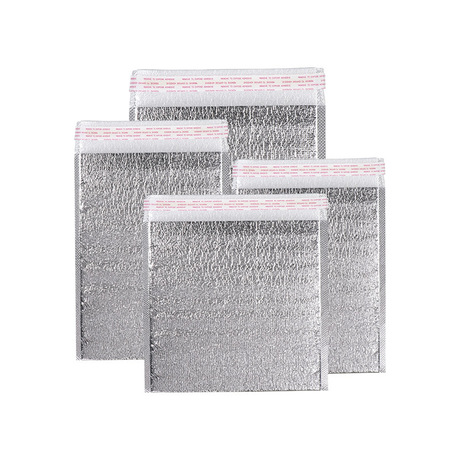
The best insulated shipping bag B2B strategy in 2026 blends three things: correct product design, documented compliance, and a sourcing model you can scale without quality drift. You need the practical buyer logic of a commercial guide, the evidence of a technical review, and the market awareness of a trend report. This optimized article fuses those strengths so you can source faster and with less risk.
What this article will help you answer
- How to choose the right insulated shipping bag configuration for your payload, route, and budget.
- Which materials, compliance documents, and validation tests separate safe bags from risky bags.
- How to reduce waste, control cost, and future-proof your bag program for 2026.
- What the latest market, regulation, and sustainability signals mean for your next order.
Insulated Shipping Bag B2B: what is the best buying strategy in 2026?
The best insulated shipping bag B2B decision starts with route truth. You need to know what you carry, how long you carry it, how often the bag opens, and what condition must be protected when the route ends. Only then can you choose the right insulated shipping bag size, insulation class, liner, and supplier model. That sounds simple, but it is the step many buyers skip when they rush straight to quotation.
In 2026, strong sourcing teams treat the bag as part of an operating system. They connect the bag to payload discipline, refrigerant choice, receiving inspection, cleaning, and reorder planning. That system view creates better performance and better SEO-style content because it answers the buyer's real question: how will this product help me succeed? For most projects, the answer lives in route fit, not in a dramatic headline claim.
Why does route-first thinking improve insulated shipping bag sourcing?
For insulated shipping bag B2B, the right target is a design that protects short to medium controlled-temperature routes, remains practical for users, and stays commercially repeatable. If a bag is technically impressive but hard to clean, awkward to carry, or unstable in mass production, it is not a good solution. Likewise, if it is cheap and attractive but fails during real handling, it becomes expensive very quickly. The winning option is the one that balances performance, usability, and supply stability.
Route-first decision framework
| Input | Why it matters | What it changes | Meaning for you |
| Payload and temperature target | Sets the protection goal | Bag size, liner, and refrigerant choice | Stops you from buying a bag that solves the wrong problem |
| Route duration and openings | Shapes real heat gain | Insulation level and closure strategy | Turns hold-time claims into useful decisions |
| User handling pattern | Changes wear and cleaning burden | Outer shell, hardware, and ergonomics | Protects daily service quality |
| Reorder plan | Controls scaling risk | Supplier model and documentation | Keeps success repeatable after the pilot |
Actionable buyer tips
- Write a one-page route brief before requesting quotations for insulated shipping bag B2B.
- Choose the bag around the most important lane first, then adapt outward only if the data supports it.
- Keep your buying criteria visible: route fit, compliance, service life, and landed cost should all be scored.
Optimized approach example: a buyer reduced confusion by defining one core route, one payload, and one acceptance standard before talking about decoration. Once the team aligned on those basics, supplier comparison became faster and more objective.
Insulated Shipping Bag B2B: which specifications separate safe bags from risky bags?
Once the route is clear, the next job is to separate meaningful specifications from decorative noise. For insulated shipping bag B2B, the critical specification layers are the outer shell, insulation core, inner liner, closure system, and carrying structure. Those five areas decide whether the bag feels sturdy, cleans easily, and keeps temperature under control long enough to do the job. Everything else should serve those fundamentals, not distract from them.
In practical terms, common material combinations such as laminated foil or film structures, foam, bubble, or fiber insulation, heat-sealed or stitched seams, and paired refrigerant configuration are popular because they give buyers room to balance cost and performance. But no single material name guarantees success. A better foam can be wasted by a weak zipper. A durable shell can be undermined by a poor liner. That is why smart buyers ask suppliers to explain the function of every layer in plain language.
How do you inspect the real build quality of a insulated shipping bag?
Your inspection should also focus on the common failure zones: thermal performance depends on the whole system, not only the bag, lane variation matters, seal reliability is critical, and branding space may be limited on some mailer forms. If those areas look weak in the sample, scale will not fix them later. By contrast, when the sample shows thoughtful reinforcement and a clean inner build, you usually see better performance on route and fewer complaints after rollout. Specification clarity is one of the fastest ways to improve both buying outcomes and content quality.
Specification checklist that matters
| Component | What it controls | Operational effect | Practical meaning |
| Outer shell and coating | Controls wear, moisture resistance, and print result | Daily handling and brand presentation | Helps the bag survive and still look professional |
| Insulation layer | Controls heat flow rate | Route hold time and temperature stability | Affects whether the bag fits the lane |
| Liner quality | Controls leakage, cleanability, and contact suitability | Hygiene and service life | Reduces hidden operational cost |
| Closure and reinforcement | Controls air exchange and structural failure | Thermal loss and durability | Protects performance in real use |
Actionable buyer tips
- Ask for a bill of materials or layer description simple enough that non-engineers on your team can review it.
- Compare samples under handling, loading, and cleaning conditions rather than only under static office inspection.
- Protect the functional specification first when you need to lower cost.
Specification example: one team removed extra decorative trims but kept the stronger liner and reinforced handle points. The bag still delivered the required user experience because the functional layers remained intact.
Insulated Shipping Bag B2B: how do you qualify suppliers and compliance faster?
Qualification is where commercial confidence becomes operational confidence. For insulated shipping bag B2B, you need a compact approval pack that covers materials, intended use, sample version control, test evidence, and supplier process discipline. This does not need to be bureaucratic. It needs to be clear enough that your quality, purchasing, and operations teams are all approving the same bag, not three different assumptions.
For food-contact builds, US buyers usually ask whether liners, coatings, adhesives, and inks fit the applicable FDA food-contact pathway. Materials used in compliance with the relevant 21 CFR 174 to 179 provisions usually form the starting point of that conversation, and buyers also ask for migration and intended-use clarity. In healthcare and pharmaceutical routes, EU Good Distribution Practice treats temperature protection as a controlled process rather than a product brochure claim. Supplier qualification, documented procedures, correct storage conditions, and retained records all matter when the bag supports medicinal-product distribution. Thermal claims are stronger when they are linked to recognized validation language. Buyers commonly reference ASTM D3103 for thermal insulation performance and ASTM D4169 for distribution hazards such as drops, vibration, stacking, and handling stress.
What should be in the approval pack for a insulated shipping bag?
For monitored healthcare routes, the market is also moving toward better temperature visibility. Hospital and vaccine projects now expect better monitoring discipline. CDC guidance continues to favor continuous digital data loggers that record at least every 30 minutes, use a buffered probe, and provide current, minimum, and maximum readings with calibration evidence. Even outside healthcare, the broader lesson applies: evidence lowers approval friction. When you can show what was tested, how it was tested, and what revision was approved, reorders become far easier to defend.
Fast qualification framework
| Element | What it covers | Why it matters | What it means for you |
| Use-case definition | Food, healthcare, retail, export, or general delivery | Clarifies which rules and documents matter | Stops generic claims from derailing the review |
| Material declarations | Liner, fabric, coating, ink, adhesive | Supports food-contact and suitability questions | Helps quality teams review faster |
| Test evidence | Thermal setup and handling validation | Builds trust in real-world performance | Turns sales language into decision-ready evidence |
| Supplier process control | Sample approval and change control | Protects batch consistency | Makes the first successful order repeatable |
Actionable buyer tips
- Keep the approval file short but complete: route brief, sample photos, revision notes, material declarations, and test summary are the essentials.
- Do not accept a thermal claim unless the supplier explains payload, ambient condition, refrigerant, and duration.
- Use the same qualification file for reorders so you can spot drift before it reaches the field.
Qualification example: a buyer shortened internal approval time by storing every sample revision, material note, and test summary in one shared file. The next reorder took less effort because the team was not rebuilding the decision from memory.
Insulated Shipping Bag B2B: how do you reduce cost and improve sustainability?
The strongest 2026 sourcing plans reduce cost and environmental pressure at the same time. For insulated shipping bag B2B, that usually means right-sizing the bag, simplifying unnecessary decoration, improving reuse cycles, and controlling damage or complaint rates. A bag that lasts longer and fits the route better often creates less waste and less hidden cost. That is why sustainability works best when it is built into the operating model.
EU packaging policy is already changing buyer behavior. The Packaging and Packaging Waste Regulation entered into force in February 2025 and generally applies from August 12, 2026, so EU buyers increasingly ask for recyclable-ready designs, lower packaging waste, and clearer material declarations. Sustainability is no longer just a story on the sales sheet. Buyers increasingly compare single-use and reusable systems by cost per trip, damage rate, cleaning effort, and waste reduction rather than by unit price alone. This does not mean every project should become complex or expensive. It means buyers should ask whether the bag design helps reduce dead space, avoid unnecessary replacement, and support a clearer material story.
Which sustainability choices actually change the economics of a insulated shipping bag?
From a financial view, the key metric is not unit price alone. It is total cost over the life of the program, including freight, failures, labor, and reorder stability. For this keyword, the sourcing emphasis is contract supply, qualification speed, and total cost of ownership, so your sustainability plan should support that commercial reality instead of fighting it. When operational logic and sustainability logic move together, decision-making gets much easier.
Cost and sustainability together
| Choice | Benefit | Trade-off | Practical meaning |
| Right-sized design | Lower dead space and fewer wasted materials | May reduce SKU flexibility | Improves both thermal efficiency and resource use |
| Stronger reusable build | More trips per bag | Higher unit cost upfront | Can lower total cost over time |
| Simplified decoration | Less complexity and lower scrap risk | Less visual flair | Protects functional value at a better cost |
| Clear material story | Faster buyer acceptance | Needs disciplined documentation | Supports 2026 compliance and sustainability discussions |
Actionable buyer tips
- Track complaint rate and replacement rate as sustainability metrics, not just as service metrics.
- Choose the simplest bag specification that still protects the real route and expected service life.
- Treat waste reduction as a design and forecasting problem, not only as a recycled-material problem.
Optimization example: a buyer lowered replacement frequency and cut receiving issues by standardizing one stronger specification for the highest-volume route. The result was less waste, fewer surprises, and a cleaner total-cost picture.
2026 trends for Insulated Shipping Bag B2B
The market outlook for insulated shipping bag B2B remains positive, but the quality of buyer demand is changing faster than the size of demand. Published 2025 to 2026 market outlooks point in the same direction even when exact figures vary: insulated food delivery bags and reusable cold-chain packaging are still growing, with many forecasts clustering in the mid- to high-single-digit range and broader cold-chain packaging sometimes growing faster because pharma and biologics pull demand upward. In practice, that means more buyers are entering the category with clearer requirements, tighter approval logic, and less tolerance for unsupported claims. Suppliers that educate well are outperforming suppliers that only quote quickly.
Three forces are shaping 2026 most strongly. First, regulatory and sustainability pressure is pushing buyers toward clearer material stories and lower-waste designs. Second, digital traceability and simple monitoring features are becoming more common. Third, the market now values proven platforms with controlled customization over endless one-off experimentation. Those shifts reward disciplined manufacturers, exporters, and distributors.
Latest developments at a glance
2026 market and sourcing signals
| Signal | What is happening | Why it matters | Meaning for you |
| Proof over promises | More test-backed and document-backed buying | Raises the bar for suppliers | Makes strong suppliers easier to identify |
| Reuse and waste reduction | More cost-per-use thinking | Requires route and service-life data | Rewards durable and right-sized designs |
| Digital visibility | Growing interest in batch traceability and logger-ready details | Needs better process discipline | Improves trust in sensitive routes |
| Platform-based customization | Faster launches with fewer quality surprises | Less freedom for constant redesign | Supports scale with control |
Actionable buyer tips
- Use 2026 trends to sharpen your scorecard, not to chase every new feature.
- Favor suppliers that can explain how a trend changes your route performance or total cost.
- Keep your final buying language practical: measurable performance, measurable service life, measurable documentation quality.
Trend example: companies that standardize a proven bag platform and then customize only the outer layer are often scaling faster than companies that rebuild the entire bag for every new request.
The opportunity for buyers is strong if you move early with a structured scorecard. Choose suppliers that can teach, test, and document. Use one validated route as your proof point. Then scale only when the bag, process, and reorder model all show the same level of control. That is the cleanest way to win with insulated shipping bag in 2026.
Frequently asked questions
Is a cheaper insulated shipping bag always the better buy?
No. A lower-priced bag can create higher costs through weak zippers, liner failure, short service life, or product loss. Compare the bag by route fit, expected reuse, complaint risk, and landed cost, not by unit price alone.
How do I choose the right size for insulated shipping bag B2B?
Start with your real payload, refrigerant, and loading method. The right size leaves enough room for organized pack-out but avoids too much empty air. Oversized bags often waste cooling capacity and make handling harder.
What should I ask a supplier before approving samples?
Ask for the layer description, critical dimensions, expected use case, thermal test setup, packaging method, and change-control process. A supplier that can explain those clearly is usually easier to work with after the order is placed.
Are reusable bags always more sustainable?
Not automatically. Reuse only works when the bag survives enough trips, can be cleaned practically, and does not create high return or replacement waste. Measure sustainability by actual service life and operational fit.
Do I need thermal testing for every project?
Not every project needs a complex laboratory program, but serious commercial use should still be validated in a way that matches the route. Even a simple pilot test with defined conditions is better than relying on a generic claim.
How can I reduce risk on the first order?
Freeze the specification before mass production, approve one sample file in writing, run a pilot if the route matters, and score suppliers on documentation and response quality as well as on price.
Should I favor customization or a proven platform?
In most cases, start from a proven platform and customize the outer expression. That approach shortens development time, protects functional quality, and makes future reorders easier to control.
How do sustainability rules affect future bag design?
They push buyers toward clearer material declarations, lower waste, and more defensible reuse or recyclability conversations. The best response is to simplify the design where possible and document the material story honestly.
Summary and recommendations
The optimized view of insulated shipping bag B2B is clear. The best bag is the one that matches route reality, uses meaningful specifications, passes a practical approval process, and stays commercially stable as demand grows. When those elements come together, performance, cost control, sustainability, and SEO value all improve.
Your next step is to create one route brief, one sample approval file, and one supplier scorecard. Use them together. That simple framework is usually enough to improve buying quality faster than adding more theory.
About Tempk
At Tempk, we focus on cold-chain packaging with practical route logic behind every recommendation. We work on insulated bags, refrigerants, and shipping solutions that help buyers compare performance, compliance questions, and operating cost with more clarity. Our strength is turning technical packaging choices into plain-language decisions that teams can act on.
If you are evaluating a insulated shipping bag B2B project, the next useful step is a route-based discussion: payload, target temperature band, duration, opening pattern, and reuse plan. With those details, it becomes much easier to recommend a insulated shipping bag specification that fits the job.
Insulated Mailer Bag Wholesaler: Complete Guide 2026

The best insulated mailer bag wholesaler strategy in 2026 blends three things: correct product design, documented compliance, and a sourcing model you can scale without quality drift. You need the practical buyer logic of a commercial guide, the evidence of a technical review, and the market awareness of a trend report. This optimized article fuses those strengths so you can source faster and with less risk.
What this article will help you answer
- How to choose the right insulated mailer bag configuration for your payload, route, and budget.
- Which materials, compliance documents, and validation tests separate safe bags from risky bags.
- How to reduce waste, control cost, and future-proof your bag program for 2026.
- What the latest market, regulation, and sustainability signals mean for your next order.
Insulated Mailer Bag Wholesaler: what is the best buying strategy in 2026?
The best insulated mailer bag wholesaler decision starts with route truth. You need to know what you carry, how long you carry it, how often the bag opens, and what condition must be protected when the route ends. Only then can you choose the right insulated mailer bag size, insulation class, liner, and supplier model. That sounds simple, but it is the step many buyers skip when they rush straight to quotation.
In 2026, strong sourcing teams treat the bag as part of an operating system. They connect the bag to payload discipline, refrigerant choice, receiving inspection, cleaning, and reorder planning. That system view creates better performance and better SEO-style content because it answers the buyer's real question: how will this product help me succeed? For most projects, the answer lives in route fit, not in a dramatic headline claim.
Why does route-first thinking improve insulated mailer bag sourcing?
For insulated mailer bag wholesaler, the right target is a design that protects 2 C to 8 C for chilled healthcare products, with freeze protection when required, remains practical for users, and stays commercially repeatable. If a bag is technically impressive but hard to clean, awkward to carry, or unstable in mass production, it is not a good solution. Likewise, if it is cheap and attractive but fails during real handling, it becomes expensive very quickly. The winning option is the one that balances performance, usability, and supply stability.
Route-first decision framework
| Input | Why it matters | What it changes | Meaning for you |
| Payload and temperature target | Sets the protection goal | Bag size, liner, and refrigerant choice | Stops you from buying a bag that solves the wrong problem |
| Route duration and openings | Shapes real heat gain | Insulation level and closure strategy | Turns hold-time claims into useful decisions |
| User handling pattern | Changes wear and cleaning burden | Outer shell, hardware, and ergonomics | Protects daily service quality |
| Reorder plan | Controls scaling risk | Supplier model and documentation | Keeps success repeatable after the pilot |
Actionable buyer tips
- Write a one-page route brief before requesting quotations for insulated mailer bag wholesaler.
- Choose the bag around the most important lane first, then adapt outward only if the data supports it.
- Keep your buying criteria visible: route fit, compliance, service life, and landed cost should all be scored.
Optimized approach example: a buyer reduced confusion by defining one core route, one payload, and one acceptance standard before talking about decoration. Once the team aligned on those basics, supplier comparison became faster and more objective.
Insulated Mailer Bag Wholesaler: which specifications separate safe bags from risky bags?
Once the route is clear, the next job is to separate meaningful specifications from decorative noise. For insulated mailer bag wholesaler, the critical specification layers are the outer shell, insulation core, inner liner, closure system, and carrying structure. Those five areas decide whether the bag feels sturdy, cleans easily, and keeps temperature under control long enough to do the job. Everything else should serve those fundamentals, not distract from them.
In practical terms, common material combinations such as foil bubble structures or foam laminates, heat-sealed edges or stitched-laminated constructions, peel-and-seal closure or zip closure, and lightweight outer film or fabric layer are popular because they give buyers room to balance cost and performance. But no single material name guarantees success. A better foam can be wasted by a weak zipper. A durable shell can be undermined by a poor liner. That is why smart buyers ask suppliers to explain the function of every layer in plain language.
How do you inspect the real build quality of a insulated mailer bag?
Your inspection should also focus on the common failure zones: performance depends heavily on refrigerant and carton pairing, edge sealing quality is critical, puncture resistance varies widely, and thin mailers can underperform in summer routes. If those areas look weak in the sample, scale will not fix them later. By contrast, when the sample shows thoughtful reinforcement and a clean inner build, you usually see better performance on route and fewer complaints after rollout. Specification clarity is one of the fastest ways to improve both buying outcomes and content quality.
Specification checklist that matters
| Component | What it controls | Operational effect | Practical meaning |
| Outer shell and coating | Controls wear, moisture resistance, and print result | Daily handling and brand presentation | Helps the bag survive and still look professional |
| Insulation layer | Controls heat flow rate | Route hold time and temperature stability | Affects whether the bag fits the lane |
| Liner quality | Controls leakage, cleanability, and contact suitability | Hygiene and service life | Reduces hidden operational cost |
| Closure and reinforcement | Controls air exchange and structural failure | Thermal loss and durability | Protects performance in real use |
Actionable buyer tips
- Ask for a bill of materials or layer description simple enough that non-engineers on your team can review it.
- Compare samples under handling, loading, and cleaning conditions rather than only under static office inspection.
- Protect the functional specification first when you need to lower cost.
Specification example: one team removed extra decorative trims but kept the stronger liner and reinforced handle points. The bag still delivered the required user experience because the functional layers remained intact.
Insulated Mailer Bag Wholesaler: how do you qualify suppliers and compliance faster?
Qualification is where commercial confidence becomes operational confidence. For insulated mailer bag wholesaler, you need a compact approval pack that covers materials, intended use, sample version control, test evidence, and supplier process discipline. This does not need to be bureaucratic. It needs to be clear enough that your quality, purchasing, and operations teams are all approving the same bag, not three different assumptions.
For food-contact builds, US buyers usually ask whether liners, coatings, adhesives, and inks fit the applicable FDA food-contact pathway. Materials used in compliance with the relevant 21 CFR 174 to 179 provisions usually form the starting point of that conversation, and buyers also ask for migration and intended-use clarity. In healthcare and pharmaceutical routes, EU Good Distribution Practice treats temperature protection as a controlled process rather than a product brochure claim. Supplier qualification, documented procedures, correct storage conditions, and retained records all matter when the bag supports medicinal-product distribution. Thermal claims are stronger when they are linked to recognized validation language. Buyers commonly reference ASTM D3103 for thermal insulation performance and ASTM D4169 for distribution hazards such as drops, vibration, stacking, and handling stress.
What should be in the approval pack for a insulated mailer bag?
For monitored healthcare routes, the market is also moving toward better temperature visibility. Hospital and vaccine projects now expect better monitoring discipline. CDC guidance continues to favor continuous digital data loggers that record at least every 30 minutes, use a buffered probe, and provide current, minimum, and maximum readings with calibration evidence. Even outside healthcare, the broader lesson applies: evidence lowers approval friction. When you can show what was tested, how it was tested, and what revision was approved, reorders become far easier to defend.
Fast qualification framework
| Element | What it covers | Why it matters | What it means for you |
| Use-case definition | Food, healthcare, retail, export, or general delivery | Clarifies which rules and documents matter | Stops generic claims from derailing the review |
| Material declarations | Liner, fabric, coating, ink, adhesive | Supports food-contact and suitability questions | Helps quality teams review faster |
| Test evidence | Thermal setup and handling validation | Builds trust in real-world performance | Turns sales language into decision-ready evidence |
| Supplier process control | Sample approval and change control | Protects batch consistency | Makes the first successful order repeatable |
Actionable buyer tips
- Keep the approval file short but complete: route brief, sample photos, revision notes, material declarations, and test summary are the essentials.
- Do not accept a thermal claim unless the supplier explains payload, ambient condition, refrigerant, and duration.
- Use the same qualification file for reorders so you can spot drift before it reaches the field.
Qualification example: a buyer shortened internal approval time by storing every sample revision, material note, and test summary in one shared file. The next reorder took less effort because the team was not rebuilding the decision from memory.
Insulated Mailer Bag Wholesaler: how do you reduce cost and improve sustainability?
The strongest 2026 sourcing plans reduce cost and environmental pressure at the same time. For insulated mailer bag wholesaler, that usually means right-sizing the bag, simplifying unnecessary decoration, improving reuse cycles, and controlling damage or complaint rates. A bag that lasts longer and fits the route better often creates less waste and less hidden cost. That is why sustainability works best when it is built into the operating model.
EU packaging policy is already changing buyer behavior. The Packaging and Packaging Waste Regulation entered into force in February 2025 and generally applies from August 12, 2026, so EU buyers increasingly ask for recyclable-ready designs, lower packaging waste, and clearer material declarations. Sustainability is no longer just a story on the sales sheet. Buyers increasingly compare single-use and reusable systems by cost per trip, damage rate, cleaning effort, and waste reduction rather than by unit price alone. This does not mean every project should become complex or expensive. It means buyers should ask whether the bag design helps reduce dead space, avoid unnecessary replacement, and support a clearer material story.
Which sustainability choices actually change the economics of a insulated mailer bag?
From a financial view, the key metric is not unit price alone. It is total cost over the life of the program, including freight, failures, labor, and reorder stability. For this keyword, the sourcing emphasis is channel margin, broad SKU coverage, and warehouse-friendly stocking, so your sustainability plan should support that commercial reality instead of fighting it. When operational logic and sustainability logic move together, decision-making gets much easier.
Cost and sustainability together
| Choice | Benefit | Trade-off | Practical meaning |
| Right-sized design | Lower dead space and fewer wasted materials | May reduce SKU flexibility | Improves both thermal efficiency and resource use |
| Stronger reusable build | More trips per bag | Higher unit cost upfront | Can lower total cost over time |
| Simplified decoration | Less complexity and lower scrap risk | Less visual flair | Protects functional value at a better cost |
| Clear material story | Faster buyer acceptance | Needs disciplined documentation | Supports 2026 compliance and sustainability discussions |
Actionable buyer tips
- Track complaint rate and replacement rate as sustainability metrics, not just as service metrics.
- Choose the simplest bag specification that still protects the real route and expected service life.
- Treat waste reduction as a design and forecasting problem, not only as a recycled-material problem.
Optimization example: a buyer lowered replacement frequency and cut receiving issues by standardizing one stronger specification for the highest-volume route. The result was less waste, fewer surprises, and a cleaner total-cost picture.
2026 trends for Insulated Mailer Bag Wholesaler
The market outlook for insulated mailer bag wholesaler remains positive, but the quality of buyer demand is changing faster than the size of demand. Published 2025 to 2026 market outlooks point in the same direction even when exact figures vary: insulated food delivery bags and reusable cold-chain packaging are still growing, with many forecasts clustering in the mid- to high-single-digit range and broader cold-chain packaging sometimes growing faster because pharma and biologics pull demand upward. In practice, that means more buyers are entering the category with clearer requirements, tighter approval logic, and less tolerance for unsupported claims. Suppliers that educate well are outperforming suppliers that only quote quickly.
Three forces are shaping 2026 most strongly. First, regulatory and sustainability pressure is pushing buyers toward clearer material stories and lower-waste designs. Second, digital traceability and simple monitoring features are becoming more common. Third, the market now values proven platforms with controlled customization over endless one-off experimentation. Those shifts reward disciplined manufacturers, exporters, and distributors.
Latest developments at a glance
2026 market and sourcing signals
| Signal | What is happening | Why it matters | Meaning for you |
| Proof over promises | More test-backed and document-backed buying | Raises the bar for suppliers | Makes strong suppliers easier to identify |
| Reuse and waste reduction | More cost-per-use thinking | Requires route and service-life data | Rewards durable and right-sized designs |
| Digital visibility | Growing interest in batch traceability and logger-ready details | Needs better process discipline | Improves trust in sensitive routes |
| Platform-based customization | Faster launches with fewer quality surprises | Less freedom for constant redesign | Supports scale with control |
Actionable buyer tips
- Use 2026 trends to sharpen your scorecard, not to chase every new feature.
- Favor suppliers that can explain how a trend changes your route performance or total cost.
- Keep your final buying language practical: measurable performance, measurable service life, measurable documentation quality.
Trend example: companies that standardize a proven bag platform and then customize only the outer layer are often scaling faster than companies that rebuild the entire bag for every new request.
The opportunity for buyers is strong if you move early with a structured scorecard. Choose suppliers that can teach, test, and document. Use one validated route as your proof point. Then scale only when the bag, process, and reorder model all show the same level of control. That is the cleanest way to win with insulated mailer bag in 2026.
Frequently asked questions
Is a cheaper insulated mailer bag always the better buy?
No. A lower-priced bag can create higher costs through weak zippers, liner failure, short service life, or product loss. Compare the bag by route fit, expected reuse, complaint risk, and landed cost, not by unit price alone.
How do I choose the right size for insulated mailer bag wholesaler?
Start with your real payload, refrigerant, and loading method. The right size leaves enough room for organized pack-out but avoids too much empty air. Oversized bags often waste cooling capacity and make handling harder.
What should I ask a supplier before approving samples?
Ask for the layer description, critical dimensions, expected use case, thermal test setup, packaging method, and change-control process. A supplier that can explain those clearly is usually easier to work with after the order is placed.
What matters most for hospital or vaccine-related insulated mailer bag use?
Control and documentation matter most. Focus on temperature band, cleanability, route discipline, and whether monitoring or logger-ready details are needed. For refrigerated healthcare products, many projects work around the 2 C to 8 C band and require tighter process control.
Are reusable bags always more sustainable?
Not automatically. Reuse only works when the bag survives enough trips, can be cleaned practically, and does not create high return or replacement waste. Measure sustainability by actual service life and operational fit.
Do I need thermal testing for every project?
Not every project needs a complex laboratory program, but serious commercial use should still be validated in a way that matches the route. Even a simple pilot test with defined conditions is better than relying on a generic claim.
How can I reduce risk on the first order?
Freeze the specification before mass production, approve one sample file in writing, run a pilot if the route matters, and score suppliers on documentation and response quality as well as on price.
Should I favor customization or a proven platform?
In most cases, start from a proven platform and customize the outer expression. That approach shortens development time, protects functional quality, and makes future reorders easier to control.
How do sustainability rules affect future bag design?
They push buyers toward clearer material declarations, lower waste, and more defensible reuse or recyclability conversations. The best response is to simplify the design where possible and document the material story honestly.
Summary and recommendations
The optimized view of insulated mailer bag wholesaler is clear. The best bag is the one that matches route reality, uses meaningful specifications, passes a practical approval process, and stays commercially stable as demand grows. When those elements come together, performance, cost control, sustainability, and SEO value all improve.
Your next step is to create one route brief, one sample approval file, and one supplier scorecard. Use them together. That simple framework is usually enough to improve buying quality faster than adding more theory.
About Tempk
At Tempk, we focus on cold-chain packaging with practical route logic behind every recommendation. We work on insulated bags, refrigerants, and shipping solutions that help buyers compare performance, compliance questions, and operating cost with more clarity. Our strength is turning technical packaging choices into plain-language decisions that teams can act on.
If you are evaluating a insulated mailer bag wholesaler project, the next useful step is a route-based discussion: payload, target temperature band, duration, opening pattern, and reuse plan. With those details, it becomes much easier to recommend a insulated mailer bag specification that fits the job.
Insulated Mailer Bag Exporter: Complete Guide 2026
The best insulated mailer bag exporter strategy in 2026 blends three things: correct product design, documented compliance, and a sourcing model you can scale without quality drift. You need the practical buyer logic of a commercial guide, the evidence of a technical review, and the market awareness of a trend report. This optimized article fuses those strengths so you can source faster and with less risk.
What this article will help you answer
- How to choose the right insulated mailer bag configuration for your payload, route, and budget.
- Which materials, compliance documents, and validation tests separate safe bags from risky bags.
- How to reduce waste, control cost, and future-proof your bag program for 2026.
- What the latest market, regulation, and sustainability signals mean for your next order.
Insulated Mailer Bag Exporter: what is the best buying strategy in 2026?
The best insulated mailer bag exporter decision starts with route truth. You need to know what you carry, how long you carry it, how often the bag opens, and what condition must be protected when the route ends. Only then can you choose the right insulated mailer bag size, insulation class, liner, and supplier model. That sounds simple, but it is the step many buyers skip when they rush straight to quotation.
In 2026, strong sourcing teams treat the bag as part of an operating system. They connect the bag to payload discipline, refrigerant choice, receiving inspection, cleaning, and reorder planning. That system view creates better performance and better SEO-style content because it answers the buyer's real question: how will this product help me succeed? For most projects, the answer lives in route fit, not in a dramatic headline claim.
Why does route-first thinking improve insulated mailer bag sourcing?
For insulated mailer bag exporter, the right target is a design that protects cold meals, fresh items, or short hot-hold routes depending on the pack-out, remains practical for users, and stays commercially repeatable. If a bag is technically impressive but hard to clean, awkward to carry, or unstable in mass production, it is not a good solution. Likewise, if it is cheap and attractive but fails during real handling, it becomes expensive very quickly. The winning option is the one that balances performance, usability, and supply stability.
Route-first decision framework
| Input | Why it matters | What it changes | Meaning for you |
| Payload and temperature target | Sets the protection goal | Bag size, liner, and refrigerant choice | Stops you from buying a bag that solves the wrong problem |
| Route duration and openings | Shapes real heat gain | Insulation level and closure strategy | Turns hold-time claims into useful decisions |
| User handling pattern | Changes wear and cleaning burden | Outer shell, hardware, and ergonomics | Protects daily service quality |
| Reorder plan | Controls scaling risk | Supplier model and documentation | Keeps success repeatable after the pilot |
Actionable buyer tips
- Write a one-page route brief before requesting quotations for insulated mailer bag exporter.
- Choose the bag around the most important lane first, then adapt outward only if the data supports it.
- Keep your buying criteria visible: route fit, compliance, service life, and landed cost should all be scored.
Optimized approach example: a buyer reduced confusion by defining one core route, one payload, and one acceptance standard before talking about decoration. Once the team aligned on those basics, supplier comparison became faster and more objective.
Insulated Mailer Bag Exporter: which specifications separate safe bags from risky bags?
Once the route is clear, the next job is to separate meaningful specifications from decorative noise. For insulated mailer bag exporter, the critical specification layers are the outer shell, insulation core, inner liner, closure system, and carrying structure. Those five areas decide whether the bag feels sturdy, cleans easily, and keeps temperature under control long enough to do the job. Everything else should serve those fundamentals, not distract from them.
In practical terms, common material combinations such as foil bubble structures or foam laminates, heat-sealed edges or stitched-laminated constructions, peel-and-seal closure or zip closure, and lightweight outer film or fabric layer are popular because they give buyers room to balance cost and performance. But no single material name guarantees success. A better foam can be wasted by a weak zipper. A durable shell can be undermined by a poor liner. That is why smart buyers ask suppliers to explain the function of every layer in plain language.
How do you inspect the real build quality of a insulated mailer bag?
Your inspection should also focus on the common failure zones: performance depends heavily on refrigerant and carton pairing, edge sealing quality is critical, puncture resistance varies widely, and thin mailers can underperform in summer routes. If those areas look weak in the sample, scale will not fix them later. By contrast, when the sample shows thoughtful reinforcement and a clean inner build, you usually see better performance on route and fewer complaints after rollout. Specification clarity is one of the fastest ways to improve both buying outcomes and content quality.
Specification checklist that matters
| Component | What it controls | Operational effect | Practical meaning |
| Outer shell and coating | Controls wear, moisture resistance, and print result | Daily handling and brand presentation | Helps the bag survive and still look professional |
| Insulation layer | Controls heat flow rate | Route hold time and temperature stability | Affects whether the bag fits the lane |
| Liner quality | Controls leakage, cleanability, and contact suitability | Hygiene and service life | Reduces hidden operational cost |
| Closure and reinforcement | Controls air exchange and structural failure | Thermal loss and durability | Protects performance in real use |
Actionable buyer tips
- Ask for a bill of materials or layer description simple enough that non-engineers on your team can review it.
- Compare samples under handling, loading, and cleaning conditions rather than only under static office inspection.
- Protect the functional specification first when you need to lower cost.
Specification example: one team removed extra decorative trims but kept the stronger liner and reinforced handle points. The bag still delivered the required user experience because the functional layers remained intact.
Insulated Mailer Bag Exporter: how do you qualify suppliers and compliance faster?
Qualification is where commercial confidence becomes operational confidence. For insulated mailer bag exporter, you need a compact approval pack that covers materials, intended use, sample version control, test evidence, and supplier process discipline. This does not need to be bureaucratic. It needs to be clear enough that your quality, purchasing, and operations teams are all approving the same bag, not three different assumptions.
For food-contact builds, US buyers usually ask whether liners, coatings, adhesives, and inks fit the applicable FDA food-contact pathway. Materials used in compliance with the relevant 21 CFR 174 to 179 provisions usually form the starting point of that conversation, and buyers also ask for migration and intended-use clarity. In healthcare and pharmaceutical routes, EU Good Distribution Practice treats temperature protection as a controlled process rather than a product brochure claim. Supplier qualification, documented procedures, correct storage conditions, and retained records all matter when the bag supports medicinal-product distribution. Thermal claims are stronger when they are linked to recognized validation language. Buyers commonly reference ASTM D3103 for thermal insulation performance and ASTM D4169 for distribution hazards such as drops, vibration, stacking, and handling stress.
What should be in the approval pack for a insulated mailer bag?
For monitored healthcare routes, the market is also moving toward better temperature visibility. Hospital and vaccine projects now expect better monitoring discipline. CDC guidance continues to favor continuous digital data loggers that record at least every 30 minutes, use a buffered probe, and provide current, minimum, and maximum readings with calibration evidence. Even outside healthcare, the broader lesson applies: evidence lowers approval friction. When you can show what was tested, how it was tested, and what revision was approved, reorders become far easier to defend.
Fast qualification framework
| Element | What it covers | Why it matters | What it means for you |
| Use-case definition | Food, healthcare, retail, export, or general delivery | Clarifies which rules and documents matter | Stops generic claims from derailing the review |
| Material declarations | Liner, fabric, coating, ink, adhesive | Supports food-contact and suitability questions | Helps quality teams review faster |
| Test evidence | Thermal setup and handling validation | Builds trust in real-world performance | Turns sales language into decision-ready evidence |
| Supplier process control | Sample approval and change control | Protects batch consistency | Makes the first successful order repeatable |
Actionable buyer tips
- Keep the approval file short but complete: route brief, sample photos, revision notes, material declarations, and test summary are the essentials.
- Do not accept a thermal claim unless the supplier explains payload, ambient condition, refrigerant, and duration.
- Use the same qualification file for reorders so you can spot drift before it reaches the field.
Qualification example: a buyer shortened internal approval time by storing every sample revision, material note, and test summary in one shared file. The next reorder took less effort because the team was not rebuilding the decision from memory.
Insulated Mailer Bag Exporter: how do you reduce cost and improve sustainability?
The strongest 2026 sourcing plans reduce cost and environmental pressure at the same time. For insulated mailer bag exporter, that usually means right-sizing the bag, simplifying unnecessary decoration, improving reuse cycles, and controlling damage or complaint rates. A bag that lasts longer and fits the route better often creates less waste and less hidden cost. That is why sustainability works best when it is built into the operating model.
EU packaging policy is already changing buyer behavior. The Packaging and Packaging Waste Regulation entered into force in February 2025 and generally applies from August 12, 2026, so EU buyers increasingly ask for recyclable-ready designs, lower packaging waste, and clearer material declarations. Sustainability is no longer just a story on the sales sheet. Buyers increasingly compare single-use and reusable systems by cost per trip, damage rate, cleaning effort, and waste reduction rather than by unit price alone. This does not mean every project should become complex or expensive. It means buyers should ask whether the bag design helps reduce dead space, avoid unnecessary replacement, and support a clearer material story.
Which sustainability choices actually change the economics of a insulated mailer bag?
From a financial view, the key metric is not unit price alone. It is total cost over the life of the program, including freight, failures, labor, and reorder stability. For this keyword, the sourcing emphasis is cross-border sourcing, documentation, batch consistency, Incoterms planning, and supplier reliability, so your sustainability plan should support that commercial reality instead of fighting it. When operational logic and sustainability logic move together, decision-making gets much easier.
Cost and sustainability together
| Choice | Benefit | Trade-off | Practical meaning |
| Right-sized design | Lower dead space and fewer wasted materials | May reduce SKU flexibility | Improves both thermal efficiency and resource use |
| Stronger reusable build | More trips per bag | Higher unit cost upfront | Can lower total cost over time |
| Simplified decoration | Less complexity and lower scrap risk | Less visual flair | Protects functional value at a better cost |
| Clear material story | Faster buyer acceptance | Needs disciplined documentation | Supports 2026 compliance and sustainability discussions |
Actionable buyer tips
- Track complaint rate and replacement rate as sustainability metrics, not just as service metrics.
- Choose the simplest bag specification that still protects the real route and expected service life.
- Treat waste reduction as a design and forecasting problem, not only as a recycled-material problem.
Optimization example: a buyer lowered replacement frequency and cut receiving issues by standardizing one stronger specification for the highest-volume route. The result was less waste, fewer surprises, and a cleaner total-cost picture.
2026 trends for Insulated Mailer Bag Exporter
The market outlook for insulated mailer bag exporter remains positive, but the quality of buyer demand is changing faster than the size of demand. Published 2025 to 2026 market outlooks point in the same direction even when exact figures vary: insulated food delivery bags and reusable cold-chain packaging are still growing, with many forecasts clustering in the mid- to high-single-digit range and broader cold-chain packaging sometimes growing faster because pharma and biologics pull demand upward. In practice, that means more buyers are entering the category with clearer requirements, tighter approval logic, and less tolerance for unsupported claims. Suppliers that educate well are outperforming suppliers that only quote quickly.
Three forces are shaping 2026 most strongly. First, regulatory and sustainability pressure is pushing buyers toward clearer material stories and lower-waste designs. Second, digital traceability and simple monitoring features are becoming more common. Third, the market now values proven platforms with controlled customization over endless one-off experimentation. Those shifts reward disciplined manufacturers, exporters, and distributors.
Latest developments at a glance
2026 market and sourcing signals
| Signal | What is happening | Why it matters | Meaning for you |
| Proof over promises | More test-backed and document-backed buying | Raises the bar for suppliers | Makes strong suppliers easier to identify |
| Reuse and waste reduction | More cost-per-use thinking | Requires route and service-life data | Rewards durable and right-sized designs |
| Digital visibility | Growing interest in batch traceability and logger-ready details | Needs better process discipline | Improves trust in sensitive routes |
| Platform-based customization | Faster launches with fewer quality surprises | Less freedom for constant redesign | Supports scale with control |
Actionable buyer tips
- Use 2026 trends to sharpen your scorecard, not to chase every new feature.
- Favor suppliers that can explain how a trend changes your route performance or total cost.
- Keep your final buying language practical: measurable performance, measurable service life, measurable documentation quality.
Trend example: companies that standardize a proven bag platform and then customize only the outer layer are often scaling faster than companies that rebuild the entire bag for every new request.
The opportunity for buyers is strong if you move early with a structured scorecard. Choose suppliers that can teach, test, and document. Use one validated route as your proof point. Then scale only when the bag, process, and reorder model all show the same level of control. That is the cleanest way to win with insulated mailer bag in 2026.
Frequently asked questions
Is a cheaper insulated mailer bag always the better buy?
No. A lower-priced bag can create higher costs through weak zippers, liner failure, short service life, or product loss. Compare the bag by route fit, expected reuse, complaint risk, and landed cost, not by unit price alone.
How do I choose the right size for insulated mailer bag exporter?
Start with your real payload, refrigerant, and loading method. The right size leaves enough room for organized pack-out but avoids too much empty air. Oversized bags often waste cooling capacity and make handling harder.
What should I ask a supplier before approving samples?
Ask for the layer description, critical dimensions, expected use case, thermal test setup, packaging method, and change-control process. A supplier that can explain those clearly is usually easier to work with after the order is placed.
Are reusable bags always more sustainable?
Not automatically. Reuse only works when the bag survives enough trips, can be cleaned practically, and does not create high return or replacement waste. Measure sustainability by actual service life and operational fit.
Do I need thermal testing for every project?
Not every project needs a complex laboratory program, but serious commercial use should still be validated in a way that matches the route. Even a simple pilot test with defined conditions is better than relying on a generic claim.
How can I reduce risk on the first order?
Freeze the specification before mass production, approve one sample file in writing, run a pilot if the route matters, and score suppliers on documentation and response quality as well as on price.
Should I favor customization or a proven platform?
In most cases, start from a proven platform and customize the outer expression. That approach shortens development time, protects functional quality, and makes future reorders easier to control.
How do sustainability rules affect future bag design?
They push buyers toward clearer material declarations, lower waste, and more defensible reuse or recyclability conversations. The best response is to simplify the design where possible and document the material story honestly.
Summary and recommendations
The optimized view of insulated mailer bag exporter is clear. The best bag is the one that matches route reality, uses meaningful specifications, passes a practical approval process, and stays commercially stable as demand grows. When those elements come together, performance, cost control, sustainability, and SEO value all improve.
Your next step is to create one route brief, one sample approval file, and one supplier scorecard. Use them together. That simple framework is usually enough to improve buying quality faster than adding more theory.
About Tempk
At Tempk, we focus on cold-chain packaging with practical route logic behind every recommendation. We work on insulated bags, refrigerants, and shipping solutions that help buyers compare performance, compliance questions, and operating cost with more clarity. Our strength is turning technical packaging choices into plain-language decisions that teams can act on.
If you are evaluating a insulated mailer bag exporter project, the next useful step is a route-based discussion: payload, target temperature band, duration, opening pattern, and reuse plan. With those details, it becomes much easier to recommend a insulated mailer bag specification that fits the job.
Insulated Delivery Bag Distributor: Complete Guide 2026

The best insulated delivery bag distributor strategy in 2026 blends three things: correct product design, documented compliance, and a sourcing model you can scale without quality drift. You need the practical buyer logic of a commercial guide, the evidence of a technical review, and the market awareness of a trend report. This optimized article fuses those strengths so you can source faster and with less risk.
What this article will help you answer
- How to choose the right insulated delivery bag configuration for your payload, route, and budget.
- Which materials, compliance documents, and validation tests separate safe bags from risky bags.
- How to reduce waste, control cost, and future-proof your bag program for 2026.
- What the latest market, regulation, and sustainability signals mean for your next order.
Insulated Delivery Bag Distributor: what is the best buying strategy in 2026?
The best insulated delivery bag distributor decision starts with route truth. You need to know what you carry, how long you carry it, how often the bag opens, and what condition must be protected when the route ends. Only then can you choose the right insulated delivery bag size, insulation class, liner, and supplier model. That sounds simple, but it is the step many buyers skip when they rush straight to quotation.
In 2026, strong sourcing teams treat the bag as part of an operating system. They connect the bag to payload discipline, refrigerant choice, receiving inspection, cleaning, and reorder planning. That system view creates better performance and better SEO-style content because it answers the buyer's real question: how will this product help me succeed? For most projects, the answer lives in route fit, not in a dramatic headline claim.
Why does route-first thinking improve insulated delivery bag sourcing?
For insulated delivery bag distributor, the right target is a design that protects cold meals, fresh items, or short hot-hold routes depending on the pack-out, remains practical for users, and stays commercially repeatable. If a bag is technically impressive but hard to clean, awkward to carry, or unstable in mass production, it is not a good solution. Likewise, if it is cheap and attractive but fails during real handling, it becomes expensive very quickly. The winning option is the one that balances performance, usability, and supply stability.
Route-first decision framework
| Input | Why it matters | What it changes | Meaning for you |
| Payload and temperature target | Sets the protection goal | Bag size, liner, and refrigerant choice | Stops you from buying a bag that solves the wrong problem |
| Route duration and openings | Shapes real heat gain | Insulation level and closure strategy | Turns hold-time claims into useful decisions |
| User handling pattern | Changes wear and cleaning burden | Outer shell, hardware, and ergonomics | Protects daily service quality |
| Reorder plan | Controls scaling risk | Supplier model and documentation | Keeps success repeatable after the pilot |
Actionable buyer tips
- Write a one-page route brief before requesting quotations for insulated delivery bag distributor.
- Choose the bag around the most important lane first, then adapt outward only if the data supports it.
- Keep your buying criteria visible: route fit, compliance, service life, and landed cost should all be scored.
Optimized approach example: a buyer reduced confusion by defining one core route, one payload, and one acceptance standard before talking about decoration. Once the team aligned on those basics, supplier comparison became faster and more objective.
Insulated Delivery Bag Distributor: which specifications separate safe bags from risky bags?
Once the route is clear, the next job is to separate meaningful specifications from decorative noise. For insulated delivery bag distributor, the critical specification layers are the outer shell, insulation core, inner liner, closure system, and carrying structure. Those five areas decide whether the bag feels sturdy, cleans easily, and keeps temperature under control long enough to do the job. Everything else should serve those fundamentals, not distract from them.
In practical terms, common material combinations such as heavy-duty polyester shell, foam wall structure with liner, structured panels, straps, and courier-friendly closures, and reflective trim and reinforced base are popular because they give buyers room to balance cost and performance. But no single material name guarantees success. A better foam can be wasted by a weak zipper. A durable shell can be undermined by a poor liner. That is why smart buyers ask suppliers to explain the function of every layer in plain language.
How do you inspect the real build quality of a insulated delivery bag?
Your inspection should also focus on the common failure zones: opening frequency reduces hold time fast, base wear is a common failure point, shape collapse hurts packing speed, and oversize bags can create ergonomic issues. If those areas look weak in the sample, scale will not fix them later. By contrast, when the sample shows thoughtful reinforcement and a clean inner build, you usually see better performance on route and fewer complaints after rollout. Specification clarity is one of the fastest ways to improve both buying outcomes and content quality.
Specification checklist that matters
| Component | What it controls | Operational effect | Practical meaning |
| Outer shell and coating | Controls wear, moisture resistance, and print result | Daily handling and brand presentation | Helps the bag survive and still look professional |
| Insulation layer | Controls heat flow rate | Route hold time and temperature stability | Affects whether the bag fits the lane |
| Liner quality | Controls leakage, cleanability, and contact suitability | Hygiene and service life | Reduces hidden operational cost |
| Closure and reinforcement | Controls air exchange and structural failure | Thermal loss and durability | Protects performance in real use |
Actionable buyer tips
- Ask for a bill of materials or layer description simple enough that non-engineers on your team can review it.
- Compare samples under handling, loading, and cleaning conditions rather than only under static office inspection.
- Protect the functional specification first when you need to lower cost.
Specification example: one team removed extra decorative trims but kept the stronger liner and reinforced handle points. The bag still delivered the required user experience because the functional layers remained intact.
Insulated Delivery Bag Distributor: how do you qualify suppliers and compliance faster?
Qualification is where commercial confidence becomes operational confidence. For insulated delivery bag distributor, you need a compact approval pack that covers materials, intended use, sample version control, test evidence, and supplier process discipline. This does not need to be bureaucratic. It needs to be clear enough that your quality, purchasing, and operations teams are all approving the same bag, not three different assumptions.
For food-contact builds, US buyers usually ask whether liners, coatings, adhesives, and inks fit the applicable FDA food-contact pathway. Materials used in compliance with the relevant 21 CFR 174 to 179 provisions usually form the starting point of that conversation, and buyers also ask for migration and intended-use clarity. In healthcare and pharmaceutical routes, EU Good Distribution Practice treats temperature protection as a controlled process rather than a product brochure claim. Supplier qualification, documented procedures, correct storage conditions, and retained records all matter when the bag supports medicinal-product distribution. Thermal claims are stronger when they are linked to recognized validation language. Buyers commonly reference ASTM D3103 for thermal insulation performance and ASTM D4169 for distribution hazards such as drops, vibration, stacking, and handling stress.
What should be in the approval pack for a insulated delivery bag?
For monitored healthcare routes, the market is also moving toward better temperature visibility. Hospital and vaccine projects now expect better monitoring discipline. CDC guidance continues to favor continuous digital data loggers that record at least every 30 minutes, use a buffered probe, and provide current, minimum, and maximum readings with calibration evidence. Even outside healthcare, the broader lesson applies: evidence lowers approval friction. When you can show what was tested, how it was tested, and what revision was approved, reorders become far easier to defend.
Fast qualification framework
| Element | What it covers | Why it matters | What it means for you |
| Use-case definition | Food, healthcare, retail, export, or general delivery | Clarifies which rules and documents matter | Stops generic claims from derailing the review |
| Material declarations | Liner, fabric, coating, ink, adhesive | Supports food-contact and suitability questions | Helps quality teams review faster |
| Test evidence | Thermal setup and handling validation | Builds trust in real-world performance | Turns sales language into decision-ready evidence |
| Supplier process control | Sample approval and change control | Protects batch consistency | Makes the first successful order repeatable |
Actionable buyer tips
- Keep the approval file short but complete: route brief, sample photos, revision notes, material declarations, and test summary are the essentials.
- Do not accept a thermal claim unless the supplier explains payload, ambient condition, refrigerant, and duration.
- Use the same qualification file for reorders so you can spot drift before it reaches the field.
Qualification example: a buyer shortened internal approval time by storing every sample revision, material note, and test summary in one shared file. The next reorder took less effort because the team was not rebuilding the decision from memory.
Insulated Delivery Bag Distributor: how do you reduce cost and improve sustainability?
The strongest 2026 sourcing plans reduce cost and environmental pressure at the same time. For insulated delivery bag distributor, that usually means right-sizing the bag, simplifying unnecessary decoration, improving reuse cycles, and controlling damage or complaint rates. A bag that lasts longer and fits the route better often creates less waste and less hidden cost. That is why sustainability works best when it is built into the operating model.
EU packaging policy is already changing buyer behavior. The Packaging and Packaging Waste Regulation entered into force in February 2025 and generally applies from August 12, 2026, so EU buyers increasingly ask for recyclable-ready designs, lower packaging waste, and clearer material declarations. Sustainability is no longer just a story on the sales sheet. Buyers increasingly compare single-use and reusable systems by cost per trip, damage rate, cleaning effort, and waste reduction rather than by unit price alone. This does not mean every project should become complex or expensive. It means buyers should ask whether the bag design helps reduce dead space, avoid unnecessary replacement, and support a clearer material story.
Which sustainability choices actually change the economics of a insulated delivery bag?
From a financial view, the key metric is not unit price alone. It is total cost over the life of the program, including freight, failures, labor, and reorder stability. For this keyword, the sourcing emphasis is channel growth, regional stocking, and service support to resellers or end users, so your sustainability plan should support that commercial reality instead of fighting it. When operational logic and sustainability logic move together, decision-making gets much easier.
Cost and sustainability together
| Choice | Benefit | Trade-off | Practical meaning |
| Right-sized design | Lower dead space and fewer wasted materials | May reduce SKU flexibility | Improves both thermal efficiency and resource use |
| Stronger reusable build | More trips per bag | Higher unit cost upfront | Can lower total cost over time |
| Simplified decoration | Less complexity and lower scrap risk | Less visual flair | Protects functional value at a better cost |
| Clear material story | Faster buyer acceptance | Needs disciplined documentation | Supports 2026 compliance and sustainability discussions |
Actionable buyer tips
- Track complaint rate and replacement rate as sustainability metrics, not just as service metrics.
- Choose the simplest bag specification that still protects the real route and expected service life.
- Treat waste reduction as a design and forecasting problem, not only as a recycled-material problem.
Optimization example: a buyer lowered replacement frequency and cut receiving issues by standardizing one stronger specification for the highest-volume route. The result was less waste, fewer surprises, and a cleaner total-cost picture.
2026 trends for Insulated Delivery Bag Distributor
The market outlook for insulated delivery bag distributor remains positive, but the quality of buyer demand is changing faster than the size of demand. Published 2025 to 2026 market outlooks point in the same direction even when exact figures vary: insulated food delivery bags and reusable cold-chain packaging are still growing, with many forecasts clustering in the mid- to high-single-digit range and broader cold-chain packaging sometimes growing faster because pharma and biologics pull demand upward. In practice, that means more buyers are entering the category with clearer requirements, tighter approval logic, and less tolerance for unsupported claims. Suppliers that educate well are outperforming suppliers that only quote quickly.
Three forces are shaping 2026 most strongly. First, regulatory and sustainability pressure is pushing buyers toward clearer material stories and lower-waste designs. Second, digital traceability and simple monitoring features are becoming more common. Third, the market now values proven platforms with controlled customization over endless one-off experimentation. Those shifts reward disciplined manufacturers, exporters, and distributors.
Latest developments at a glance
2026 market and sourcing signals
| Signal | What is happening | Why it matters | Meaning for you |
| Proof over promises | More test-backed and document-backed buying | Raises the bar for suppliers | Makes strong suppliers easier to identify |
| Reuse and waste reduction | More cost-per-use thinking | Requires route and service-life data | Rewards durable and right-sized designs |
| Digital visibility | Growing interest in batch traceability and logger-ready details | Needs better process discipline | Improves trust in sensitive routes |
| Platform-based customization | Faster launches with fewer quality surprises | Less freedom for constant redesign | Supports scale with control |
Actionable buyer tips
- Use 2026 trends to sharpen your scorecard, not to chase every new feature.
- Favor suppliers that can explain how a trend changes your route performance or total cost.
- Keep your final buying language practical: measurable performance, measurable service life, measurable documentation quality.
Trend example: companies that standardize a proven bag platform and then customize only the outer layer are often scaling faster than companies that rebuild the entire bag for every new request.
The opportunity for buyers is strong if you move early with a structured scorecard. Choose suppliers that can teach, test, and document. Use one validated route as your proof point. Then scale only when the bag, process, and reorder model all show the same level of control. That is the cleanest way to win with insulated delivery bag in 2026.
Frequently asked questions
Is a cheaper insulated delivery bag always the better buy?
No. A lower-priced bag can create higher costs through weak zippers, liner failure, short service life, or product loss. Compare the bag by route fit, expected reuse, complaint risk, and landed cost, not by unit price alone.
How do I choose the right size for insulated delivery bag distributor?
Start with your real payload, refrigerant, and loading method. The right size leaves enough room for organized pack-out but avoids too much empty air. Oversized bags often waste cooling capacity and make handling harder.
What should I ask a supplier before approving samples?
Ask for the layer description, critical dimensions, expected use case, thermal test setup, packaging method, and change-control process. A supplier that can explain those clearly is usually easier to work with after the order is placed.
Are reusable bags always more sustainable?
Not automatically. Reuse only works when the bag survives enough trips, can be cleaned practically, and does not create high return or replacement waste. Measure sustainability by actual service life and operational fit.
Do I need thermal testing for every project?
Not every project needs a complex laboratory program, but serious commercial use should still be validated in a way that matches the route. Even a simple pilot test with defined conditions is better than relying on a generic claim.
How can I reduce risk on the first order?
Freeze the specification before mass production, approve one sample file in writing, run a pilot if the route matters, and score suppliers on documentation and response quality as well as on price.
Should I favor customization or a proven platform?
In most cases, start from a proven platform and customize the outer expression. That approach shortens development time, protects functional quality, and makes future reorders easier to control.
How do sustainability rules affect future bag design?
They push buyers toward clearer material declarations, lower waste, and more defensible reuse or recyclability conversations. The best response is to simplify the design where possible and document the material story honestly.
Summary and recommendations
The optimized view of insulated delivery bag distributor is clear. The best bag is the one that matches route reality, uses meaningful specifications, passes a practical approval process, and stays commercially stable as demand grows. When those elements come together, performance, cost control, sustainability, and SEO value all improve.
Your next step is to create one route brief, one sample approval file, and one supplier scorecard. Use them together. That simple framework is usually enough to improve buying quality faster than adding more theory.
About Tempk
At Tempk, we focus on cold-chain packaging with practical route logic behind every recommendation. We work on insulated bags, refrigerants, and shipping solutions that help buyers compare performance, compliance questions, and operating cost with more clarity. Our strength is turning technical packaging choices into plain-language decisions that teams can act on.
If you are evaluating a insulated delivery bag distributor project, the next useful step is a route-based discussion: payload, target temperature band, duration, opening pattern, and reuse plan. With those details, it becomes much easier to recommend a insulated delivery bag specification that fits the job.
Insulated Cooler Bag Polyester: Complete Guide 2026
The best insulated cooler bag polyester strategy in 2026 blends three things: correct product design, documented compliance, and a sourcing model you can scale without quality drift. You need the practical buyer logic of a commercial guide, the evidence of a technical review, and the market awareness of a trend report. This optimized article fuses those strengths so you can source faster and with less risk.
What this article will help you answer
- How to choose the right insulated cooler bag polyester configuration for your payload, route, and budget.
- Which materials, compliance documents, and validation tests separate safe bags from risky bags.
- How to reduce waste, control cost, and future-proof your bag program for 2026.
- What the latest market, regulation, and sustainability signals mean for your next order.
Insulated Cooler Bag Polyester: what is the best buying strategy in 2026?
The best insulated cooler bag polyester decision starts with route truth. You need to know what you carry, how long you carry it, how often the bag opens, and what condition must be protected when the route ends. Only then can you choose the right insulated cooler bag polyester size, insulation class, liner, and supplier model. That sounds simple, but it is the step many buyers skip when they rush straight to quotation.
In 2026, strong sourcing teams treat the bag as part of an operating system. They connect the bag to payload discipline, refrigerant choice, receiving inspection, cleaning, and reorder planning. That system view creates better performance and better SEO-style content because it answers the buyer's real question: how will this product help me succeed? For most projects, the answer lives in route fit, not in a dramatic headline claim.
Why does route-first thinking improve insulated cooler bag polyester sourcing?
For insulated cooler bag polyester, the right target is a design that protects cold meals, fresh items, or short hot-hold routes depending on the pack-out, remains practical for users, and stays commercially repeatable. If a bag is technically impressive but hard to clean, awkward to carry, or unstable in mass production, it is not a good solution. Likewise, if it is cheap and attractive but fails during real handling, it becomes expensive very quickly. The winning option is the one that balances performance, usability, and supply stability.
Route-first decision framework
| Input | Why it matters | What it changes | Meaning for you |
| Payload and temperature target | Sets the protection goal | Bag size, liner, and refrigerant choice | Stops you from buying a bag that solves the wrong problem |
| Route duration and openings | Shapes real heat gain | Insulation level and closure strategy | Turns hold-time claims into useful decisions |
| User handling pattern | Changes wear and cleaning burden | Outer shell, hardware, and ergonomics | Protects daily service quality |
| Reorder plan | Controls scaling risk | Supplier model and documentation | Keeps success repeatable after the pilot |
Actionable buyer tips
- Write a one-page route brief before requesting quotations for insulated cooler bag polyester.
- Choose the bag around the most important lane first, then adapt outward only if the data supports it.
- Keep your buying criteria visible: route fit, compliance, service life, and landed cost should all be scored.
Optimized approach example: a buyer reduced confusion by defining one core route, one payload, and one acceptance standard before talking about decoration. Once the team aligned on those basics, supplier comparison became faster and more objective.
Insulated Cooler Bag Polyester: which specifications separate safe bags from risky bags?
Once the route is clear, the next job is to separate meaningful specifications from decorative noise. For insulated cooler bag polyester, the critical specification layers are the outer shell, insulation core, inner liner, closure system, and carrying structure. Those five areas decide whether the bag feels sturdy, cleans easily, and keeps temperature under control long enough to do the job. Everything else should serve those fundamentals, not distract from them.
In practical terms, common material combinations such as 300D, 600D, or 840D polyester, PU, PVC, or TPU coating options, EPE or XPE insulation, and foil, PEVA, or TPU lining are popular because they give buyers room to balance cost and performance. But no single material name guarantees success. A better foam can be wasted by a weak zipper. A durable shell can be undermined by a poor liner. That is why smart buyers ask suppliers to explain the function of every layer in plain language.
How do you inspect the real build quality of a insulated cooler bag polyester?
Your inspection should also focus on the common failure zones: coating choice affects feel and compliance, low denier fabric may abrade fast, polyester alone does not create thermal performance, and seam construction still drives leakage and life. If those areas look weak in the sample, scale will not fix them later. By contrast, when the sample shows thoughtful reinforcement and a clean inner build, you usually see better performance on route and fewer complaints after rollout. Specification clarity is one of the fastest ways to improve both buying outcomes and content quality.
Specification checklist that matters
| Component | What it controls | Operational effect | Practical meaning |
| Outer shell and coating | Controls wear, moisture resistance, and print result | Daily handling and brand presentation | Helps the bag survive and still look professional |
| Insulation layer | Controls heat flow rate | Route hold time and temperature stability | Affects whether the bag fits the lane |
| Liner quality | Controls leakage, cleanability, and contact suitability | Hygiene and service life | Reduces hidden operational cost |
| Closure and reinforcement | Controls air exchange and structural failure | Thermal loss and durability | Protects performance in real use |
Actionable buyer tips
- Ask for a bill of materials or layer description simple enough that non-engineers on your team can review it.
- Compare samples under handling, loading, and cleaning conditions rather than only under static office inspection.
- Protect the functional specification first when you need to lower cost.
Specification example: one team removed extra decorative trims but kept the stronger liner and reinforced handle points. The bag still delivered the required user experience because the functional layers remained intact.
Insulated Cooler Bag Polyester: how do you qualify suppliers and compliance faster?
Qualification is where commercial confidence becomes operational confidence. For insulated cooler bag polyester, you need a compact approval pack that covers materials, intended use, sample version control, test evidence, and supplier process discipline. This does not need to be bureaucratic. It needs to be clear enough that your quality, purchasing, and operations teams are all approving the same bag, not three different assumptions.
For food-contact builds, US buyers usually ask whether liners, coatings, adhesives, and inks fit the applicable FDA food-contact pathway. Materials used in compliance with the relevant 21 CFR 174 to 179 provisions usually form the starting point of that conversation, and buyers also ask for migration and intended-use clarity. In healthcare and pharmaceutical routes, EU Good Distribution Practice treats temperature protection as a controlled process rather than a product brochure claim. Supplier qualification, documented procedures, correct storage conditions, and retained records all matter when the bag supports medicinal-product distribution. Thermal claims are stronger when they are linked to recognized validation language. Buyers commonly reference ASTM D3103 for thermal insulation performance and ASTM D4169 for distribution hazards such as drops, vibration, stacking, and handling stress.
What should be in the approval pack for a insulated cooler bag polyester?
For monitored healthcare routes, the market is also moving toward better temperature visibility. Hospital and vaccine projects now expect better monitoring discipline. CDC guidance continues to favor continuous digital data loggers that record at least every 30 minutes, use a buffered probe, and provide current, minimum, and maximum readings with calibration evidence. Even outside healthcare, the broader lesson applies: evidence lowers approval friction. When you can show what was tested, how it was tested, and what revision was approved, reorders become far easier to defend.
Fast qualification framework
| Element | What it covers | Why it matters | What it means for you |
| Use-case definition | Food, healthcare, retail, export, or general delivery | Clarifies which rules and documents matter | Stops generic claims from derailing the review |
| Material declarations | Liner, fabric, coating, ink, adhesive | Supports food-contact and suitability questions | Helps quality teams review faster |
| Test evidence | Thermal setup and handling validation | Builds trust in real-world performance | Turns sales language into decision-ready evidence |
| Supplier process control | Sample approval and change control | Protects batch consistency | Makes the first successful order repeatable |
Actionable buyer tips
- Keep the approval file short but complete: route brief, sample photos, revision notes, material declarations, and test summary are the essentials.
- Do not accept a thermal claim unless the supplier explains payload, ambient condition, refrigerant, and duration.
- Use the same qualification file for reorders so you can spot drift before it reaches the field.
Qualification example: a buyer shortened internal approval time by storing every sample revision, material note, and test summary in one shared file. The next reorder took less effort because the team was not rebuilding the decision from memory.
Insulated Cooler Bag Polyester: how do you reduce cost and improve sustainability?
The strongest 2026 sourcing plans reduce cost and environmental pressure at the same time. For insulated cooler bag polyester, that usually means right-sizing the bag, simplifying unnecessary decoration, improving reuse cycles, and controlling damage or complaint rates. A bag that lasts longer and fits the route better often creates less waste and less hidden cost. That is why sustainability works best when it is built into the operating model.
EU packaging policy is already changing buyer behavior. The Packaging and Packaging Waste Regulation entered into force in February 2025 and generally applies from August 12, 2026, so EU buyers increasingly ask for recyclable-ready designs, lower packaging waste, and clearer material declarations. Sustainability is no longer just a story on the sales sheet. Buyers increasingly compare single-use and reusable systems by cost per trip, damage rate, cleaning effort, and waste reduction rather than by unit price alone. This does not mean every project should become complex or expensive. It means buyers should ask whether the bag design helps reduce dead space, avoid unnecessary replacement, and support a clearer material story.
Which sustainability choices actually change the economics of a insulated cooler bag polyester?
From a financial view, the key metric is not unit price alone. It is total cost over the life of the program, including freight, failures, labor, and reorder stability. For this keyword, the sourcing emphasis is fabric performance, denier selection, coating choice, and print durability, so your sustainability plan should support that commercial reality instead of fighting it. When operational logic and sustainability logic move together, decision-making gets much easier.
Cost and sustainability together
| Choice | Benefit | Trade-off | Practical meaning |
| Right-sized design | Lower dead space and fewer wasted materials | May reduce SKU flexibility | Improves both thermal efficiency and resource use |
| Stronger reusable build | More trips per bag | Higher unit cost upfront | Can lower total cost over time |
| Simplified decoration | Less complexity and lower scrap risk | Less visual flair | Protects functional value at a better cost |
| Clear material story | Faster buyer acceptance | Needs disciplined documentation | Supports 2026 compliance and sustainability discussions |
Actionable buyer tips
- Track complaint rate and replacement rate as sustainability metrics, not just as service metrics.
- Choose the simplest bag specification that still protects the real route and expected service life.
- Treat waste reduction as a design and forecasting problem, not only as a recycled-material problem.
Optimization example: a buyer lowered replacement frequency and cut receiving issues by standardizing one stronger specification for the highest-volume route. The result was less waste, fewer surprises, and a cleaner total-cost picture.
2026 trends for Insulated Cooler Bag Polyester
The market outlook for insulated cooler bag polyester remains positive, but the quality of buyer demand is changing faster than the size of demand. Published 2025 to 2026 market outlooks point in the same direction even when exact figures vary: insulated food delivery bags and reusable cold-chain packaging are still growing, with many forecasts clustering in the mid- to high-single-digit range and broader cold-chain packaging sometimes growing faster because pharma and biologics pull demand upward. In practice, that means more buyers are entering the category with clearer requirements, tighter approval logic, and less tolerance for unsupported claims. Suppliers that educate well are outperforming suppliers that only quote quickly.
Three forces are shaping 2026 most strongly. First, regulatory and sustainability pressure is pushing buyers toward clearer material stories and lower-waste designs. Second, digital traceability and simple monitoring features are becoming more common. Third, the market now values proven platforms with controlled customization over endless one-off experimentation. Those shifts reward disciplined manufacturers, exporters, and distributors.
Latest developments at a glance
2026 market and sourcing signals
| Signal | What is happening | Why it matters | Meaning for you |
| Proof over promises | More test-backed and document-backed buying | Raises the bar for suppliers | Makes strong suppliers easier to identify |
| Reuse and waste reduction | More cost-per-use thinking | Requires route and service-life data | Rewards durable and right-sized designs |
| Digital visibility | Growing interest in batch traceability and logger-ready details | Needs better process discipline | Improves trust in sensitive routes |
| Platform-based customization | Faster launches with fewer quality surprises | Less freedom for constant redesign | Supports scale with control |
Actionable buyer tips
- Use 2026 trends to sharpen your scorecard, not to chase every new feature.
- Favor suppliers that can explain how a trend changes your route performance or total cost.
- Keep your final buying language practical: measurable performance, measurable service life, measurable documentation quality.
Trend example: companies that standardize a proven bag platform and then customize only the outer layer are often scaling faster than companies that rebuild the entire bag for every new request.
The opportunity for buyers is strong if you move early with a structured scorecard. Choose suppliers that can teach, test, and document. Use one validated route as your proof point. Then scale only when the bag, process, and reorder model all show the same level of control. That is the cleanest way to win with insulated cooler bag polyester in 2026.
Frequently asked questions
Is a cheaper insulated cooler bag polyester always the better buy?
No. A lower-priced bag can create higher costs through weak zippers, liner failure, short service life, or product loss. Compare the bag by route fit, expected reuse, complaint risk, and landed cost, not by unit price alone.
How do I choose the right size for insulated cooler bag polyester?
Start with your real payload, refrigerant, and loading method. The right size leaves enough room for organized pack-out but avoids too much empty air. Oversized bags often waste cooling capacity and make handling harder.
What should I ask a supplier before approving samples?
Ask for the layer description, critical dimensions, expected use case, thermal test setup, packaging method, and change-control process. A supplier that can explain those clearly is usually easier to work with after the order is placed.
Are reusable bags always more sustainable?
Not automatically. Reuse only works when the bag survives enough trips, can be cleaned practically, and does not create high return or replacement waste. Measure sustainability by actual service life and operational fit.
Do I need thermal testing for every project?
Not every project needs a complex laboratory program, but serious commercial use should still be validated in a way that matches the route. Even a simple pilot test with defined conditions is better than relying on a generic claim.
How can I reduce risk on the first order?
Freeze the specification before mass production, approve one sample file in writing, run a pilot if the route matters, and score suppliers on documentation and response quality as well as on price.
Should I favor customization or a proven platform?
In most cases, start from a proven platform and customize the outer expression. That approach shortens development time, protects functional quality, and makes future reorders easier to control.
How do sustainability rules affect future bag design?
They push buyers toward clearer material declarations, lower waste, and more defensible reuse or recyclability conversations. The best response is to simplify the design where possible and document the material story honestly.
Summary and recommendations
The optimized view of insulated cooler bag polyester is clear. The best bag is the one that matches route reality, uses meaningful specifications, passes a practical approval process, and stays commercially stable as demand grows. When those elements come together, performance, cost control, sustainability, and SEO value all improve.
Your next step is to create one route brief, one sample approval file, and one supplier scorecard. Use them together. That simple framework is usually enough to improve buying quality faster than adding more theory.
About Tempk
At Tempk, we focus on cold-chain packaging with practical route logic behind every recommendation. We work on insulated bags, refrigerants, and shipping solutions that help buyers compare performance, compliance questions, and operating cost with more clarity. Our strength is turning technical packaging choices into plain-language decisions that teams can act on.
If you are evaluating a insulated cooler bag polyester project, the next useful step is a route-based discussion: payload, target temperature band, duration, opening pattern, and reuse plan. With those details, it becomes much easier to recommend a insulated cooler bag polyester specification that fits the job.
Cooler Bag Canvas Manufacturer: Complete Guide 2026
The best cooler bag canvas manufacturer strategy in 2026 blends three things: correct product design, documented compliance, and a sourcing model you can scale without quality drift. You need the practical buyer logic of a commercial guide, the evidence of a technical review, and the market awareness of a trend report. This optimized article fuses those strengths so you can source faster and with less risk.
What this article will help you answer
- How to choose the right cooler bag canvas configuration for your payload, route, and budget.
- Which materials, compliance documents, and validation tests separate safe bags from risky bags.
- How to reduce waste, control cost, and future-proof your bag program for 2026.
- What the latest market, regulation, and sustainability signals mean for your next order.
Cooler Bag Canvas Manufacturer: what is the best buying strategy in 2026?
The best cooler bag canvas manufacturer decision starts with route truth. You need to know what you carry, how long you carry it, how often the bag opens, and what condition must be protected when the route ends. Only then can you choose the right cooler bag canvas size, insulation class, liner, and supplier model. That sounds simple, but it is the step many buyers skip when they rush straight to quotation.
In 2026, strong sourcing teams treat the bag as part of an operating system. They connect the bag to payload discipline, refrigerant choice, receiving inspection, cleaning, and reorder planning. That system view creates better performance and better SEO-style content because it answers the buyer's real question: how will this product help me succeed? For most projects, the answer lives in route fit, not in a dramatic headline claim.
Why does route-first thinking improve cooler bag canvas sourcing?
For cooler bag canvas manufacturer, the right target is a design that protects cold meals, fresh items, or short hot-hold routes depending on the pack-out, remains practical for users, and stays commercially repeatable. If a bag is technically impressive but hard to clean, awkward to carry, or unstable in mass production, it is not a good solution. Likewise, if it is cheap and attractive but fails during real handling, it becomes expensive very quickly. The winning option is the one that balances performance, usability, and supply stability.
Route-first decision framework
| Input | Why it matters | What it changes | Meaning for you |
| Payload and temperature target | Sets the protection goal | Bag size, liner, and refrigerant choice | Stops you from buying a bag that solves the wrong problem |
| Route duration and openings | Shapes real heat gain | Insulation level and closure strategy | Turns hold-time claims into useful decisions |
| User handling pattern | Changes wear and cleaning burden | Outer shell, hardware, and ergonomics | Protects daily service quality |
| Reorder plan | Controls scaling risk | Supplier model and documentation | Keeps success repeatable after the pilot |
Actionable buyer tips
- Write a one-page route brief before requesting quotations for cooler bag canvas manufacturer.
- Choose the bag around the most important lane first, then adapt outward only if the data supports it.
- Keep your buying criteria visible: route fit, compliance, service life, and landed cost should all be scored.
Optimized approach example: a buyer reduced confusion by defining one core route, one payload, and one acceptance standard before talking about decoration. Once the team aligned on those basics, supplier comparison became faster and more objective.
Cooler Bag Canvas Manufacturer: which specifications separate safe bags from risky bags?
Once the route is clear, the next job is to separate meaningful specifications from decorative noise. For cooler bag canvas manufacturer, the critical specification layers are the outer shell, insulation core, inner liner, closure system, and carrying structure. Those five areas decide whether the bag feels sturdy, cleans easily, and keeps temperature under control long enough to do the job. Everything else should serve those fundamentals, not distract from them.
In practical terms, common material combinations such as cotton canvas or canvas-look blends, foam insulation layer, food-safe inner liner, and webbing handles and decorative trims are popular because they give buyers room to balance cost and performance. But no single material name guarantees success. A better foam can be wasted by a weak zipper. A durable shell can be undermined by a poor liner. That is why smart buyers ask suppliers to explain the function of every layer in plain language.
How do you inspect the real build quality of a cooler bag canvas?
Your inspection should also focus on the common failure zones: canvas can absorb moisture without the right finish, print detail is less sharp than polyester on some builds, weight may be higher, and cost is usually above entry polyester. If those areas look weak in the sample, scale will not fix them later. By contrast, when the sample shows thoughtful reinforcement and a clean inner build, you usually see better performance on route and fewer complaints after rollout. Specification clarity is one of the fastest ways to improve both buying outcomes and content quality.
Specification checklist that matters
| Component | What it controls | Operational effect | Practical meaning |
| Outer shell and coating | Controls wear, moisture resistance, and print result | Daily handling and brand presentation | Helps the bag survive and still look professional |
| Insulation layer | Controls heat flow rate | Route hold time and temperature stability | Affects whether the bag fits the lane |
| Liner quality | Controls leakage, cleanability, and contact suitability | Hygiene and service life | Reduces hidden operational cost |
| Closure and reinforcement | Controls air exchange and structural failure | Thermal loss and durability | Protects performance in real use |
Actionable buyer tips
- Ask for a bill of materials or layer description simple enough that non-engineers on your team can review it.
- Compare samples under handling, loading, and cleaning conditions rather than only under static office inspection.
- Protect the functional specification first when you need to lower cost.
Specification example: one team removed extra decorative trims but kept the stronger liner and reinforced handle points. The bag still delivered the required user experience because the functional layers remained intact.
Cooler Bag Canvas Manufacturer: how do you qualify suppliers and compliance faster?
Qualification is where commercial confidence becomes operational confidence. For cooler bag canvas manufacturer, you need a compact approval pack that covers materials, intended use, sample version control, test evidence, and supplier process discipline. This does not need to be bureaucratic. It needs to be clear enough that your quality, purchasing, and operations teams are all approving the same bag, not three different assumptions.
For food-contact builds, US buyers usually ask whether liners, coatings, adhesives, and inks fit the applicable FDA food-contact pathway. Materials used in compliance with the relevant 21 CFR 174 to 179 provisions usually form the starting point of that conversation, and buyers also ask for migration and intended-use clarity. In healthcare and pharmaceutical routes, EU Good Distribution Practice treats temperature protection as a controlled process rather than a product brochure claim. Supplier qualification, documented procedures, correct storage conditions, and retained records all matter when the bag supports medicinal-product distribution. Thermal claims are stronger when they are linked to recognized validation language. Buyers commonly reference ASTM D3103 for thermal insulation performance and ASTM D4169 for distribution hazards such as drops, vibration, stacking, and handling stress.
What should be in the approval pack for a cooler bag canvas?
For monitored healthcare routes, the market is also moving toward better temperature visibility. Hospital and vaccine projects now expect better monitoring discipline. CDC guidance continues to favor continuous digital data loggers that record at least every 30 minutes, use a buffered probe, and provide current, minimum, and maximum readings with calibration evidence. Even outside healthcare, the broader lesson applies: evidence lowers approval friction. When you can show what was tested, how it was tested, and what revision was approved, reorders become far easier to defend.
Fast qualification framework
| Element | What it covers | Why it matters | What it means for you |
| Use-case definition | Food, healthcare, retail, export, or general delivery | Clarifies which rules and documents matter | Stops generic claims from derailing the review |
| Material declarations | Liner, fabric, coating, ink, adhesive | Supports food-contact and suitability questions | Helps quality teams review faster |
| Test evidence | Thermal setup and handling validation | Builds trust in real-world performance | Turns sales language into decision-ready evidence |
| Supplier process control | Sample approval and change control | Protects batch consistency | Makes the first successful order repeatable |
Actionable buyer tips
- Keep the approval file short but complete: route brief, sample photos, revision notes, material declarations, and test summary are the essentials.
- Do not accept a thermal claim unless the supplier explains payload, ambient condition, refrigerant, and duration.
- Use the same qualification file for reorders so you can spot drift before it reaches the field.
Qualification example: a buyer shortened internal approval time by storing every sample revision, material note, and test summary in one shared file. The next reorder took less effort because the team was not rebuilding the decision from memory.
Cooler Bag Canvas Manufacturer: how do you reduce cost and improve sustainability?
The strongest 2026 sourcing plans reduce cost and environmental pressure at the same time. For cooler bag canvas manufacturer, that usually means right-sizing the bag, simplifying unnecessary decoration, improving reuse cycles, and controlling damage or complaint rates. A bag that lasts longer and fits the route better often creates less waste and less hidden cost. That is why sustainability works best when it is built into the operating model.
EU packaging policy is already changing buyer behavior. The Packaging and Packaging Waste Regulation entered into force in February 2025 and generally applies from August 12, 2026, so EU buyers increasingly ask for recyclable-ready designs, lower packaging waste, and clearer material declarations. Sustainability is no longer just a story on the sales sheet. Buyers increasingly compare single-use and reusable systems by cost per trip, damage rate, cleaning effort, and waste reduction rather than by unit price alone. This does not mean every project should become complex or expensive. It means buyers should ask whether the bag design helps reduce dead space, avoid unnecessary replacement, and support a clearer material story.
Which sustainability choices actually change the economics of a cooler bag canvas?
From a financial view, the key metric is not unit price alone. It is total cost over the life of the program, including freight, failures, labor, and reorder stability. For this keyword, the sourcing emphasis is plant capability, incoming material control, and consistent mass production, so your sustainability plan should support that commercial reality instead of fighting it. When operational logic and sustainability logic move together, decision-making gets much easier.
Cost and sustainability together
| Choice | Benefit | Trade-off | Practical meaning |
| Right-sized design | Lower dead space and fewer wasted materials | May reduce SKU flexibility | Improves both thermal efficiency and resource use |
| Stronger reusable build | More trips per bag | Higher unit cost upfront | Can lower total cost over time |
| Simplified decoration | Less complexity and lower scrap risk | Less visual flair | Protects functional value at a better cost |
| Clear material story | Faster buyer acceptance | Needs disciplined documentation | Supports 2026 compliance and sustainability discussions |
Actionable buyer tips
- Track complaint rate and replacement rate as sustainability metrics, not just as service metrics.
- Choose the simplest bag specification that still protects the real route and expected service life.
- Treat waste reduction as a design and forecasting problem, not only as a recycled-material problem.
Optimization example: a buyer lowered replacement frequency and cut receiving issues by standardizing one stronger specification for the highest-volume route. The result was less waste, fewer surprises, and a cleaner total-cost picture.
2026 trends for Cooler Bag Canvas Manufacturer
The market outlook for cooler bag canvas manufacturer remains positive, but the quality of buyer demand is changing faster than the size of demand. Published 2025 to 2026 market outlooks point in the same direction even when exact figures vary: insulated food delivery bags and reusable cold-chain packaging are still growing, with many forecasts clustering in the mid- to high-single-digit range and broader cold-chain packaging sometimes growing faster because pharma and biologics pull demand upward. In practice, that means more buyers are entering the category with clearer requirements, tighter approval logic, and less tolerance for unsupported claims. Suppliers that educate well are outperforming suppliers that only quote quickly.
Three forces are shaping 2026 most strongly. First, regulatory and sustainability pressure is pushing buyers toward clearer material stories and lower-waste designs. Second, digital traceability and simple monitoring features are becoming more common. Third, the market now values proven platforms with controlled customization over endless one-off experimentation. Those shifts reward disciplined manufacturers, exporters, and distributors.
Latest developments at a glance
2026 market and sourcing signals
| Signal | What is happening | Why it matters | Meaning for you |
| Proof over promises | More test-backed and document-backed buying | Raises the bar for suppliers | Makes strong suppliers easier to identify |
| Reuse and waste reduction | More cost-per-use thinking | Requires route and service-life data | Rewards durable and right-sized designs |
| Digital visibility | Growing interest in batch traceability and logger-ready details | Needs better process discipline | Improves trust in sensitive routes |
| Platform-based customization | Faster launches with fewer quality surprises | Less freedom for constant redesign | Supports scale with control |
Actionable buyer tips
- Use 2026 trends to sharpen your scorecard, not to chase every new feature.
- Favor suppliers that can explain how a trend changes your route performance or total cost.
- Keep your final buying language practical: measurable performance, measurable service life, measurable documentation quality.
Trend example: companies that standardize a proven bag platform and then customize only the outer layer are often scaling faster than companies that rebuild the entire bag for every new request.
The opportunity for buyers is strong if you move early with a structured scorecard. Choose suppliers that can teach, test, and document. Use one validated route as your proof point. Then scale only when the bag, process, and reorder model all show the same level of control. That is the cleanest way to win with cooler bag canvas in 2026.
Frequently asked questions
Is a cheaper cooler bag canvas always the better buy?
No. A lower-priced bag can create higher costs through weak zippers, liner failure, short service life, or product loss. Compare the bag by route fit, expected reuse, complaint risk, and landed cost, not by unit price alone.
How do I choose the right size for cooler bag canvas manufacturer?
Start with your real payload, refrigerant, and loading method. The right size leaves enough room for organized pack-out but avoids too much empty air. Oversized bags often waste cooling capacity and make handling harder.
What should I ask a supplier before approving samples?
Ask for the layer description, critical dimensions, expected use case, thermal test setup, packaging method, and change-control process. A supplier that can explain those clearly is usually easier to work with after the order is placed.
Are reusable bags always more sustainable?
Not automatically. Reuse only works when the bag survives enough trips, can be cleaned practically, and does not create high return or replacement waste. Measure sustainability by actual service life and operational fit.
Do I need thermal testing for every project?
Not every project needs a complex laboratory program, but serious commercial use should still be validated in a way that matches the route. Even a simple pilot test with defined conditions is better than relying on a generic claim.
How can I reduce risk on the first order?
Freeze the specification before mass production, approve one sample file in writing, run a pilot if the route matters, and score suppliers on documentation and response quality as well as on price.
Should I favor customization or a proven platform?
In most cases, start from a proven platform and customize the outer expression. That approach shortens development time, protects functional quality, and makes future reorders easier to control.
How do sustainability rules affect future bag design?
They push buyers toward clearer material declarations, lower waste, and more defensible reuse or recyclability conversations. The best response is to simplify the design where possible and document the material story honestly.
Summary and recommendations
The optimized view of cooler bag canvas manufacturer is clear. The best bag is the one that matches route reality, uses meaningful specifications, passes a practical approval process, and stays commercially stable as demand grows. When those elements come together, performance, cost control, sustainability, and SEO value all improve.
Your next step is to create one route brief, one sample approval file, and one supplier scorecard. Use them together. That simple framework is usually enough to improve buying quality faster than adding more theory.
About Tempk
At Tempk, we focus on cold-chain packaging with practical route logic behind every recommendation. We work on insulated bags, refrigerants, and shipping solutions that help buyers compare performance, compliance questions, and operating cost with more clarity. Our strength is turning technical packaging choices into plain-language decisions that teams can act on.
If you are evaluating a cooler bag canvas manufacturer project, the next useful step is a route-based discussion: payload, target temperature band, duration, opening pattern, and reuse plan. With those details, it becomes much easier to recommend a cooler bag canvas specification that fits the job.
Cooler Backpack Trade Hospital: Complete Guide 2026
The best cooler backpack trade hospital strategy in 2026 blends three things: correct product design, documented compliance, and a sourcing model you can scale without quality drift. You need the practical buyer logic of a commercial guide, the evidence of a technical review, and the market awareness of a trend report. This optimized article fuses those strengths so you can source faster and with less risk.
What this article will help you answer
- How to choose the right cooler backpack configuration for your payload, route, and budget.
- Which materials, compliance documents, and validation tests separate safe bags from risky bags.
- How to reduce waste, control cost, and future-proof your bag program for 2026.
- What the latest market, regulation, and sustainability signals mean for your next order.
Cooler Backpack Trade Hospital: what is the best buying strategy in 2026?
The best cooler backpack trade hospital decision starts with route truth. You need to know what you carry, how long you carry it, how often the bag opens, and what condition must be protected when the route ends. Only then can you choose the right cooler backpack size, insulation class, liner, and supplier model. That sounds simple, but it is the step many buyers skip when they rush straight to quotation.
In 2026, strong sourcing teams treat the bag as part of an operating system. They connect the bag to payload discipline, refrigerant choice, receiving inspection, cleaning, and reorder planning. That system view creates better performance and better SEO-style content because it answers the buyer's real question: how will this product help me succeed? For most projects, the answer lives in route fit, not in a dramatic headline claim.
Why does route-first thinking improve cooler backpack sourcing?
For cooler backpack trade hospital, the right target is a design that protects 2 C to 8 C for chilled healthcare products, with freeze protection when required, remains practical for users, and stays commercially repeatable. If a bag is technically impressive but hard to clean, awkward to carry, or unstable in mass production, it is not a good solution. Likewise, if it is cheap and attractive but fails during real handling, it becomes expensive very quickly. The winning option is the one that balances performance, usability, and supply stability.
Route-first decision framework
| Input | Why it matters | What it changes | Meaning for you |
| Payload and temperature target | Sets the protection goal | Bag size, liner, and refrigerant choice | Stops you from buying a bag that solves the wrong problem |
| Route duration and openings | Shapes real heat gain | Insulation level and closure strategy | Turns hold-time claims into useful decisions |
| User handling pattern | Changes wear and cleaning burden | Outer shell, hardware, and ergonomics | Protects daily service quality |
| Reorder plan | Controls scaling risk | Supplier model and documentation | Keeps success repeatable after the pilot |
Actionable buyer tips
- Write a one-page route brief before requesting quotations for cooler backpack trade hospital.
- Choose the bag around the most important lane first, then adapt outward only if the data supports it.
- Keep your buying criteria visible: route fit, compliance, service life, and landed cost should all be scored.
Optimized approach example: a buyer reduced confusion by defining one core route, one payload, and one acceptance standard before talking about decoration. Once the team aligned on those basics, supplier comparison became faster and more objective.
Cooler Backpack Trade Hospital: which specifications separate safe bags from risky bags?
Once the route is clear, the next job is to separate meaningful specifications from decorative noise. For cooler backpack trade hospital, the critical specification layers are the outer shell, insulation core, inner liner, closure system, and carrying structure. Those five areas decide whether the bag feels sturdy, cleans easily, and keeps temperature under control long enough to do the job. Everything else should serve those fundamentals, not distract from them.
In practical terms, common material combinations such as abrasion-resistant polyester shell, foam insulation with reflective liner, ergonomic shoulder straps and back panel, and water-resistant base and leak-resistant inner liner are popular because they give buyers room to balance cost and performance. But no single material name guarantees success. A better foam can be wasted by a weak zipper. A durable shell can be undermined by a poor liner. That is why smart buyers ask suppliers to explain the function of every layer in plain language.
How do you inspect the real build quality of a cooler backpack?
Your inspection should also focus on the common failure zones: strap stitching failure under repeated loading, back comfort drops with poor harness design, heat gain increases when the bag is opened often, and cleaning is harder if the liner has hidden corners. If those areas look weak in the sample, scale will not fix them later. By contrast, when the sample shows thoughtful reinforcement and a clean inner build, you usually see better performance on route and fewer complaints after rollout. Specification clarity is one of the fastest ways to improve both buying outcomes and content quality.
Specification checklist that matters
| Component | What it controls | Operational effect | Practical meaning |
| Outer shell and coating | Controls wear, moisture resistance, and print result | Daily handling and brand presentation | Helps the bag survive and still look professional |
| Insulation layer | Controls heat flow rate | Route hold time and temperature stability | Affects whether the bag fits the lane |
| Liner quality | Controls leakage, cleanability, and contact suitability | Hygiene and service life | Reduces hidden operational cost |
| Closure and reinforcement | Controls air exchange and structural failure | Thermal loss and durability | Protects performance in real use |
Actionable buyer tips
- Ask for a bill of materials or layer description simple enough that non-engineers on your team can review it.
- Compare samples under handling, loading, and cleaning conditions rather than only under static office inspection.
- Protect the functional specification first when you need to lower cost.
Specification example: one team removed extra decorative trims but kept the stronger liner and reinforced handle points. The bag still delivered the required user experience because the functional layers remained intact.
Cooler Backpack Trade Hospital: how do you qualify suppliers and compliance faster?
Qualification is where commercial confidence becomes operational confidence. For cooler backpack trade hospital, you need a compact approval pack that covers materials, intended use, sample version control, test evidence, and supplier process discipline. This does not need to be bureaucratic. It needs to be clear enough that your quality, purchasing, and operations teams are all approving the same bag, not three different assumptions.
For food-contact builds, US buyers usually ask whether liners, coatings, adhesives, and inks fit the applicable FDA food-contact pathway. Materials used in compliance with the relevant 21 CFR 174 to 179 provisions usually form the starting point of that conversation, and buyers also ask for migration and intended-use clarity. In healthcare and pharmaceutical routes, EU Good Distribution Practice treats temperature protection as a controlled process rather than a product brochure claim. Supplier qualification, documented procedures, correct storage conditions, and retained records all matter when the bag supports medicinal-product distribution. Thermal claims are stronger when they are linked to recognized validation language. Buyers commonly reference ASTM D3103 for thermal insulation performance and ASTM D4169 for distribution hazards such as drops, vibration, stacking, and handling stress.
What should be in the approval pack for a cooler backpack?
For monitored healthcare routes, the market is also moving toward better temperature visibility. Hospital and vaccine projects now expect better monitoring discipline. CDC guidance continues to favor continuous digital data loggers that record at least every 30 minutes, use a buffered probe, and provide current, minimum, and maximum readings with calibration evidence. Even outside healthcare, the broader lesson applies: evidence lowers approval friction. When you can show what was tested, how it was tested, and what revision was approved, reorders become far easier to defend.
Fast qualification framework
| Element | What it covers | Why it matters | What it means for you |
| Use-case definition | Food, healthcare, retail, export, or general delivery | Clarifies which rules and documents matter | Stops generic claims from derailing the review |
| Material declarations | Liner, fabric, coating, ink, adhesive | Supports food-contact and suitability questions | Helps quality teams review faster |
| Test evidence | Thermal setup and handling validation | Builds trust in real-world performance | Turns sales language into decision-ready evidence |
| Supplier process control | Sample approval and change control | Protects batch consistency | Makes the first successful order repeatable |
Actionable buyer tips
- Keep the approval file short but complete: route brief, sample photos, revision notes, material declarations, and test summary are the essentials.
- Do not accept a thermal claim unless the supplier explains payload, ambient condition, refrigerant, and duration.
- Use the same qualification file for reorders so you can spot drift before it reaches the field.
Qualification example: a buyer shortened internal approval time by storing every sample revision, material note, and test summary in one shared file. The next reorder took less effort because the team was not rebuilding the decision from memory.
Cooler Backpack Trade Hospital: how do you reduce cost and improve sustainability?
The strongest 2026 sourcing plans reduce cost and environmental pressure at the same time. For cooler backpack trade hospital, that usually means right-sizing the bag, simplifying unnecessary decoration, improving reuse cycles, and controlling damage or complaint rates. A bag that lasts longer and fits the route better often creates less waste and less hidden cost. That is why sustainability works best when it is built into the operating model.
EU packaging policy is already changing buyer behavior. The Packaging and Packaging Waste Regulation entered into force in February 2025 and generally applies from August 12, 2026, so EU buyers increasingly ask for recyclable-ready designs, lower packaging waste, and clearer material declarations. Sustainability is no longer just a story on the sales sheet. Buyers increasingly compare single-use and reusable systems by cost per trip, damage rate, cleaning effort, and waste reduction rather than by unit price alone. This does not mean every project should become complex or expensive. It means buyers should ask whether the bag design helps reduce dead space, avoid unnecessary replacement, and support a clearer material story.
Which sustainability choices actually change the economics of a cooler backpack?
From a financial view, the key metric is not unit price alone. It is total cost over the life of the program, including freight, failures, labor, and reorder stability. For this keyword, the sourcing emphasis is healthcare use, hygiene, route discipline, and documented temperature control, so your sustainability plan should support that commercial reality instead of fighting it. When operational logic and sustainability logic move together, decision-making gets much easier.
Cost and sustainability together
| Choice | Benefit | Trade-off | Practical meaning |
| Right-sized design | Lower dead space and fewer wasted materials | May reduce SKU flexibility | Improves both thermal efficiency and resource use |
| Stronger reusable build | More trips per bag | Higher unit cost upfront | Can lower total cost over time |
| Simplified decoration | Less complexity and lower scrap risk | Less visual flair | Protects functional value at a better cost |
| Clear material story | Faster buyer acceptance | Needs disciplined documentation | Supports 2026 compliance and sustainability discussions |
Actionable buyer tips
- Track complaint rate and replacement rate as sustainability metrics, not just as service metrics.
- Choose the simplest bag specification that still protects the real route and expected service life.
- Treat waste reduction as a design and forecasting problem, not only as a recycled-material problem.
Optimization example: a buyer lowered replacement frequency and cut receiving issues by standardizing one stronger specification for the highest-volume route. The result was less waste, fewer surprises, and a cleaner total-cost picture.
2026 trends for Cooler Backpack Trade Hospital
The market outlook for cooler backpack trade hospital remains positive, but the quality of buyer demand is changing faster than the size of demand. Published 2025 to 2026 market outlooks point in the same direction even when exact figures vary: insulated food delivery bags and reusable cold-chain packaging are still growing, with many forecasts clustering in the mid- to high-single-digit range and broader cold-chain packaging sometimes growing faster because pharma and biologics pull demand upward. In practice, that means more buyers are entering the category with clearer requirements, tighter approval logic, and less tolerance for unsupported claims. Suppliers that educate well are outperforming suppliers that only quote quickly.
Three forces are shaping 2026 most strongly. First, regulatory and sustainability pressure is pushing buyers toward clearer material stories and lower-waste designs. Second, digital traceability and simple monitoring features are becoming more common. Third, the market now values proven platforms with controlled customization over endless one-off experimentation. Those shifts reward disciplined manufacturers, exporters, and distributors.
Latest developments at a glance
2026 market and sourcing signals
| Signal | What is happening | Why it matters | Meaning for you |
| Proof over promises | More test-backed and document-backed buying | Raises the bar for suppliers | Makes strong suppliers easier to identify |
| Reuse and waste reduction | More cost-per-use thinking | Requires route and service-life data | Rewards durable and right-sized designs |
| Digital visibility | Growing interest in batch traceability and logger-ready details | Needs better process discipline | Improves trust in sensitive routes |
| Platform-based customization | Faster launches with fewer quality surprises | Less freedom for constant redesign | Supports scale with control |
Actionable buyer tips
- Use 2026 trends to sharpen your scorecard, not to chase every new feature.
- Favor suppliers that can explain how a trend changes your route performance or total cost.
- Keep your final buying language practical: measurable performance, measurable service life, measurable documentation quality.
Trend example: companies that standardize a proven bag platform and then customize only the outer layer are often scaling faster than companies that rebuild the entire bag for every new request.
The opportunity for buyers is strong if you move early with a structured scorecard. Choose suppliers that can teach, test, and document. Use one validated route as your proof point. Then scale only when the bag, process, and reorder model all show the same level of control. That is the cleanest way to win with cooler backpack in 2026.
Frequently asked questions
Is a cheaper cooler backpack always the better buy?
No. A lower-priced bag can create higher costs through weak zippers, liner failure, short service life, or product loss. Compare the bag by route fit, expected reuse, complaint risk, and landed cost, not by unit price alone.
How do I choose the right size for cooler backpack trade hospital?
Start with your real payload, refrigerant, and loading method. The right size leaves enough room for organized pack-out but avoids too much empty air. Oversized bags often waste cooling capacity and make handling harder.
What should I ask a supplier before approving samples?
Ask for the layer description, critical dimensions, expected use case, thermal test setup, packaging method, and change-control process. A supplier that can explain those clearly is usually easier to work with after the order is placed.
What matters most for hospital or vaccine-related cooler backpack use?
Control and documentation matter most. Focus on temperature band, cleanability, route discipline, and whether monitoring or logger-ready details are needed. For refrigerated healthcare products, many projects work around the 2 C to 8 C band and require tighter process control.
Are reusable bags always more sustainable?
Not automatically. Reuse only works when the bag survives enough trips, can be cleaned practically, and does not create high return or replacement waste. Measure sustainability by actual service life and operational fit.
Do I need thermal testing for every project?
Not every project needs a complex laboratory program, but serious commercial use should still be validated in a way that matches the route. Even a simple pilot test with defined conditions is better than relying on a generic claim.
How can I reduce risk on the first order?
Freeze the specification before mass production, approve one sample file in writing, run a pilot if the route matters, and score suppliers on documentation and response quality as well as on price.
Should I favor customization or a proven platform?
In most cases, start from a proven platform and customize the outer expression. That approach shortens development time, protects functional quality, and makes future reorders easier to control.
How do sustainability rules affect future bag design?
They push buyers toward clearer material declarations, lower waste, and more defensible reuse or recyclability conversations. The best response is to simplify the design where possible and document the material story honestly.
Summary and recommendations
The optimized view of cooler backpack trade hospital is clear. The best bag is the one that matches route reality, uses meaningful specifications, passes a practical approval process, and stays commercially stable as demand grows. When those elements come together, performance, cost control, sustainability, and SEO value all improve.
Your next step is to create one route brief, one sample approval file, and one supplier scorecard. Use them together. That simple framework is usually enough to improve buying quality faster than adding more theory.
About Tempk
At Tempk, we focus on cold-chain packaging with practical route logic behind every recommendation. We work on insulated bags, refrigerants, and shipping solutions that help buyers compare performance, compliance questions, and operating cost with more clarity. Our strength is turning technical packaging choices into plain-language decisions that teams can act on.
If you are evaluating a cooler backpack trade hospital project, the next useful step is a route-based discussion: payload, target temperature band, duration, opening pattern, and reuse plan. With those details, it becomes much easier to recommend a cooler backpack specification that fits the job.
















