


The Complete Guide to Industrial Plastic Crate Exporter for Produce Design
The Complete Guide to Industrial Plastic Crate Exporter for Produce Design

Choosing an industrial plastic crate exporter for produce design means balancing product protection, compliance, handling speed, and total cost in one decision. The best option is rarely the lightest, cheapest, or most heavily advertised unit. It is the design that fits produce design projects, survives the real route, and comes with evidence your team can actually approve. That is the standard serious buyers should use in 2026.
This optimized guide will help you decide:
- What the right specification looks like for produce design projects.
- How to balance material, hygiene, temperature, and load without overbuying.
- Which documents and tests separate trustworthy suppliers from risky ones.
- How cost, sustainability, and return logistics change the final decision.
- What 2026 market and regulatory signals should shape your next RFQ.
What makes the right specification for produce design projects?
The right specification begins with a brutally clear use definition. You need to know whether the crate directly contacts product, supports sealed packs, or works as part of a temperature-control system. You also need the actual payload, loaded weight, stack height, cleaning method, and the hardest touchpoint in produce design projects. Without those answers, every supplier comparison will stay fuzzy.
Produce loses value fast when heat, compression, or poor airflow builds up, so the right crate can help quality almost as much as the refrigeration system does. In food operations, the crate may touch product directly or carry sealed packs; that one decision changes the level of sanitation, food-contact documentation, and cleaning discipline you need. A strong specification converts those route facts into practical approval points: dimensions, material family, handling limits, labeling zones, and the exact documents required for the intended use.
A five-point selection tool
Fast decision framework
| <strong>Selection point</strong> | <strong>What to define</strong> | <strong>Why it matters</strong> | <strong>Good buying habit</strong> |
| Use boundary | Direct contact, outer handling, or thermal system role | This drives compliance and design depth | Write the use case before you ask for documents |
| Route stress | Cold exposure, delays, vibration, washdown, and stack dwell | This drives material and geometry choices | Test the hardest realistic route |
| Workflow fit | Pallet pattern, lift method, label zone, and return logic | This drives labor efficiency and receiving speed | Map one full cycle from load to clean return |
| Evidence pack | Test data, drawings, declarations, and cleaning guidance | This drives approval speed and future control | Keep one clean approval file |
| Commercial model | Stock speed, tooling control, support after launch | This drives project risk and lead time | Choose the path that matches complexity |
Practical tips for writing a stronger RFQ
- Describe the route and the failure point you want to eliminate, not just the part dimensions.
- Include loaded weight, stack height, and cleaning method in the first request.
- State whether the container must nest, fold, vent, insulate, or hold seals after repeated reuse.
- Ask for the evidence pack at the same time you ask for pricing.
Case example: The most effective RFQs are short but specific. They tell suppliers what the package must survive, not just what it should look like.
How should you balance material, hygiene, temperature, and load?
You should balance these factors as one system, not as separate checkboxes. Industrial crates usually rely on heavy-wall HDPE or reinforced PP structures, often with stronger bases and corner geometry that tolerates forklifts, conveyors, and repeated impacts. Here, design geometry can matter as much as resin choice. Industrial designs earn their keep in rough handling, high-cycle use, and denser loading, so base reinforcement and impact behavior deserve extra attention. A strong material is useless if the shape traps soil, the lid shifts in transit, or the stack relaxes after long dwell.
For produce design, hygiene and temperature logic often decide the final choice as much as mechanical strength does. Food-contact and sanitation rules come first when product touches the container directly. That is why buyers should compare structure, cleanability, and thermal or airflow behavior in the same conversation. If one factor is ignored, the packaging will usually fail in service before it fails on paper.
What usually matters most by design priority?
Balanced engineering review
| <strong>Priority</strong> | <strong>What to review</strong> | <strong>Typical mistake</strong> | <strong>Better approach</strong> |
| Material fit | Resin behavior at the real temperature and cleaning chemistry | Choosing by brochure language only | Ask for route-relevant data and revision control |
| Hygiene fit | smooth but ventilated surfaces, fast drying, easy washdown, and minimal bruise points | Ignoring corners, joints, or drying behavior | Review how the unit is actually cleaned and reused |
| Temperature or airflow | Insulation, vent pattern, lid fit, and payload layout | Treating the shell as the whole system | Validate the full pack-out or airflow logic |
| Load fit | Static, moving, and stacked conditions | Using one generic load number | Match the rating to the real lane and dwell time |
Practical technical tips
- Review the lowest temperature, the wettest environment, and the longest dwell in one meeting.
- Check how the design drains and dries if cleaning is part of the reuse loop.
- Confirm whether stack ratings apply in motion, in storage, or both.
- For thermal systems, validate the full configuration with payload and logger, not just the shell.
Case example: Teams often discover that the best package is not the strongest or most insulated one, but the one that stays usable after repeated handling, cleaning, and receiving.
Which compliance documents and tests separate good suppliers from risky ones?
A trustworthy supplier makes the approval process easier, not harder. You should be able to see the intended use, current revision, material family, and relevant performance data without chasing vague claims. For produce design, that usually means combining commercial information with quality information from the start. When those files are separated or inconsistent, approval slows down and field risk rises.
The exact compliance pack depends on the route and contents, but current WHO, FDA, EU, and IATA guidance all reward the same discipline: define the boundary, document the process, and keep evidence tied to the exact product revision. That is how you avoid the common trap of having the right document for the wrong SKU or the right SKU without the route data needed to approve it. Good suppliers understand that audits and daily operations both depend on the same clarity.
Documents and tests that matter
Approval checklist
| <strong>Requirement</strong> | <strong>What to request</strong> | <strong>Why it matters to you</strong> |
| Food-contact framework | FDA food-contact rules and/or EU 1935/2004 plus GMP 2023/2006 where relevant | Applies when the unit directly contacts food or food-contact surfaces |
| Produce hygiene | FDA Produce Safety expectations for equipment and food-contact surfaces | Cleaning, sanitation, and maintenance become design issues |
| Performance testing | Load, drop, wash, or thermal results tied to real use | Shows whether claims are meaningful |
| Drawing and revision control | Dimensions, marks, and change history | Protects future consistency and requalification |
| Cleaning and reuse guidance | Method, chemistry limits, drying notes | Keeps service life and hygiene under control |
Practical approval tips
- Review documents against intended use before approving price.
- Keep one technical and commercial approval file instead of separate informal records.
- Treat any meaningful resin, wall, insert, or thermal change as a review trigger.
- Pilot the approved revision, not a look-alike sample from a different build.
Case example: Supplier risk often appears first as document confusion. Clear drawings, clear declarations, and clear test scope are early signs of a partner you can actually scale with.
How do cost, sustainability, and return logistics change the final decision?
The best business case combines lower failure cost with better reuse discipline. Reusable packaging only becomes more sustainable when it actually survives enough cycles, returns cleanly, and reduces product loss in the real lane. That means you should look beyond the purchase price toward empty-return ratio, receiving time, product-loss reduction, cleaning effort, and service life. A stronger package is worth more when it removes an expensive recurring problem, not when it simply sounds premium.
Sustainability decisions are becoming more practical for the same reason. FAO’s work on food cold chains continues to connect packaging, airflow, temperature management, and reduced waste, while buyers in regulated sectors are focusing on repeatable reusable systems that reduce one-way material and emergency re-shipments. The useful question is not ‘Is reusable greener in theory?’ but ‘Does this specific loop reduce waste and protect product in practice?’
A practical cost and sustainability map
Total-value view
| <strong>Decision factor</strong> | <strong>What improves</strong> | <strong>What to watch</strong> | <strong>How it helps you</strong> |
| Return efficiency | Less storage cube and lower empty transport | Weak reverse-logistics discipline | Makes reuse more realistic and more economical |
| Product protection | Fewer losses, claims, or excursions | Over-specifying features you do not need | Protects margin and service level |
| Handling speed | Cleaner receiving and less repacking | Ignoring operator workflow | Improves labor efficiency without adding headcount |
| Service life | More turns before replacement | Poor cleaning or repair process | Strengthens both ROI and sustainability |
Practical business tips
- Measure current losses before trying to prove future ROI.
- Include empty returns and cleaning effort in the model from day one.
- Use the toughest lane and the most expensive failure mode in the pilot.
- Do not claim sustainability success until the return loop and cleaning loop both work.
Case example: Many packaging upgrades pay back first through fewer emergency fixes – less reboxing, less relabeling, fewer broken stacks, fewer rushed replacement shipments – before the accounting model even catches up.
What 2026 trends should influence your next RFQ?
2026 buyers are raising the bar on proof, traceability, and workflow fit. Independent market reports published for 2026 estimate the overall cold-chain packaging market at more than USD 46 billion, the pharmaceutical cold-chain packaging market at more than USD 10 billion, and the reusable cold-chain packaging segment at more than USD 5 billion. In food systems, the growth story is tied to shelf-life protection, cleaner reusable assets, and the push to reduce waste from handling and transport. At the same time, standards and guidance keep nudging the market toward clearer control, better documentation, and route-relevant evidence. That means your next RFQ should ask for more than dimensions and price. It should ask how the system performs, how changes are controlled, and how reuse will be managed.
The strongest RFQs also reflect where the market is going next: more digital traceability, more reusable assets with clearer service-life logic, more route-specific validation, and more sustainability scrutiny linked to real operations. Buyers who adapt now usually reduce both operational friction and supplier confusion later. In that sense, a better RFQ is not paperwork; it is an operating advantage.
The clearest 2026 trends
- More buyers want packaging linked to a real lane map and a measurable failure point.
- Traceability features and clearer revision control are moving into standard requirements.
- Reusable packaging is being compared on empty-return efficiency and cleanability, not only on strength.
- Pilot data from real routes is becoming more persuasive than broad category claims.
- Quality, operations, and procurement are being pulled earlier into one approval process.
Frequently asked questions
What is the first step in choosing an industrial plastic crate?
Define the intended use and the hardest operating condition. Once you know what the package touches, carries, and must survive, the rest of the specification becomes much clearer.
How do you avoid overbuying?
Do not specify features because they sound advanced. Specify the failure you need to prevent. That keeps the project focused on practical value instead of expensive complexity.
What should you pilot?
Pilot the full system: load, route, handling, receiving, cleaning, and return. That gives you a better decision than isolated bench tests or short showroom demos.
When is a supplier truly qualified?
A supplier is truly qualified when the product, documents, revision control, and support model all match your intended use. One strong sample without the right evidence is not enough.
How do sustainability and ROI connect?
They connect through real operations. If the system reduces waste, protects product, returns efficiently, and survives many turns, it usually improves both environmental and financial performance.
Summary and recommendations
The best industrial plastic crate exporter for produce design is the one that aligns route reality, technical performance, compliance clarity, and total business value. Define the use boundary first, validate the material and design against the real lane, and insist on an evidence pack that your team can approve without guesswork. That is how a reusable asset becomes dependable instead of merely promising.
Your next move should be practical and cross-functional. Build a short RFQ with route facts, pilot one approved revision, and measure the exact failure mode you want to remove. That process will usually deliver a better answer than any broad comparison of catalog claims.
About Tempk
At Tempk, we work on reusable cold-chain packaging as a real operating system, not as a one-line item in a catalog. We focus on route fit, material behavior, insulation and insert options, cleanability, and the evidence buyers need to make sound decisions across food, healthcare, laboratory, and industrial applications. That helps teams move faster without cutting corners.
If you are planning a new project, start with the toughest lane and the clearest performance goal. From there, compare samples, documents, and support models as one decision. That is the fastest route to a packaging choice that still looks right after launch.
The Complete Guide to Foldable Plastic Bin Factory for Vaccine Export

Choosing a foldable plastic bin factory for vaccine export means balancing product protection, compliance, handling speed, and total cost in one decision. The best option is rarely the lightest, cheapest, or most heavily advertised unit. It is the design that fits vaccine export conditions, survives the real route, and comes with evidence your team can actually approve. That is the standard serious buyers should use in 2026.
This optimized guide will help you decide:
- What the right specification looks like for vaccine export.
- How to balance material, hygiene, temperature, and load without overbuying.
- Which documents and tests separate trustworthy suppliers from risky ones.
- How cost, sustainability, and return logistics change the final decision.
- What 2026 market and regulatory signals should shape your next RFQ.
What makes the right specification for vaccine export?
The right specification begins with a brutally clear use definition. You need to know whether the bin directly contacts product, supports sealed packs, or works as part of a temperature-control system. You also need the actual payload, loaded weight, stack height, cleaning method, and the hardest touchpoint in vaccine export. Without those answers, every supplier comparison will stay fuzzy.
Routine vaccines often need 2 C to 8 C control, while some advanced products require much lower temperatures, so the outer container must support a tested temperature system rather than replace it. In many regulated healthcare lanes, the bin works best as a reusable outer handling unit around a validated shipper, sealed pack, or conditioned thermal payload rather than as the only temperature barrier. A strong specification converts those route facts into practical approval points: dimensions, material family, handling limits, labeling zones, and the exact documents required for the intended use.
A five-point selection tool
Fast decision framework
| <strong>Selection point</strong> | <strong>What to define</strong> | <strong>Why it matters</strong> | <strong>Good buying habit</strong> |
| Use boundary | Direct contact, outer handling, or thermal system role | This drives compliance and design depth | Write the use case before you ask for documents |
| Route stress | Cold exposure, delays, vibration, washdown, and stack dwell | This drives material and geometry choices | Test the hardest realistic route |
| Workflow fit | Pallet pattern, lift method, label zone, and return logic | This drives labor efficiency and receiving speed | Map one full cycle from load to clean return |
| Evidence pack | Test data, drawings, declarations, and cleaning guidance | This drives approval speed and future control | Keep one clean approval file |
| Commercial model | Stock speed, tooling control, support after launch | This drives project risk and lead time | Choose the path that matches complexity |
Practical tips for writing a stronger RFQ
- Describe the route and the failure point you want to eliminate, not just the part dimensions.
- Include loaded weight, stack height, and cleaning method in the first request.
- State whether the container must nest, fold, vent, insulate, or hold seals after repeated reuse.
- Ask for the evidence pack at the same time you ask for pricing.
Case example: The most effective RFQs are short but specific. They tell suppliers what the package must survive, not just what it should look like.
How should you balance material, hygiene, temperature, and load?
You should balance these factors as one system, not as separate checkboxes. Rigid PP is common for foldable side walls because it molds accurate hinges and panels, while HDPE blends can add toughness in cold rooms. What matters more than the resin name is whether the hinge area, latch tabs, and corner posts still lock square after repeated cycles. The value of a foldable or collapsible design shows up on the way back, when empty units return to a depot or supplier. If collapse is slow or unstable, those savings disappear in labor. A strong material is useless if the shape traps soil, the lid shifts in transit, or the stack relaxes after long dwell.
For vaccine export, hygiene and temperature logic often decide the final choice as much as mechanical strength does. Traceability, label durability, and route qualification often lead the review in regulated healthcare lanes. That is why buyers should compare structure, cleanability, and thermal or airflow behavior in the same conversation. If one factor is ignored, the packaging will usually fail in service before it fails on paper.
What usually matters most by design priority?
Balanced engineering review
| <strong>Priority</strong> | <strong>What to review</strong> | <strong>Typical mistake</strong> | <strong>Better approach</strong> |
| Material fit | Resin behavior at the real temperature and cleaning chemistry | Choosing by brochure language only | Ask for route-relevant data and revision control |
| Hygiene fit | tamper evidence, cleanable surfaces, logger pockets, and clear product segregation | Ignoring corners, joints, or drying behavior | Review how the unit is actually cleaned and reused |
| Temperature or airflow | Insulation, vent pattern, lid fit, and payload layout | Treating the shell as the whole system | Validate the full pack-out or airflow logic |
| Load fit | Static, moving, and stacked conditions | Using one generic load number | Match the rating to the real lane and dwell time |
Practical technical tips
- Review the lowest temperature, the wettest environment, and the longest dwell in one meeting.
- Check how the design drains and dries if cleaning is part of the reuse loop.
- Confirm whether stack ratings apply in motion, in storage, or both.
- For thermal systems, validate the full configuration with payload and logger, not just the shell.
Case example: Teams often discover that the best package is not the strongest or most insulated one, but the one that stays usable after repeated handling, cleaning, and receiving.
Which compliance documents and tests separate good suppliers from risky ones?
A trustworthy supplier makes the approval process easier, not harder. You should be able to see the intended use, current revision, material family, and relevant performance data without chasing vague claims. For vaccine export, that usually means combining commercial information with quality information from the start. When those files are separated or inconsistent, approval slows down and field risk rises.
The exact compliance pack depends on the route and contents, but current WHO, FDA, EU, and IATA guidance all reward the same discipline: define the boundary, document the process, and keep evidence tied to the exact product revision. That is how you avoid the common trap of having the right document for the wrong SKU or the right SKU without the route data needed to approve it. Good suppliers understand that audits and daily operations both depend on the same clarity.
Documents and tests that matter
Approval checklist
| <strong>Requirement</strong> | <strong>What to request</strong> | <strong>Why it matters to you</strong> |
| GDP and controlled distribution | WHO and EU GDP principles for temperature-sensitive medicinal products | The packaging must support traceability and controlled handling |
| Immunization devices | WHO PQS references for cold boxes, carriers, coolant packs, and monitors | Important when the system interacts with immunization equipment or validated shippers |
| Air transport | IATA Temperature Control Regulations 2026 | Critical for air export lanes and handling labels |
| Performance testing | Load, drop, wash, or thermal results tied to real use | Shows whether claims are meaningful |
| Drawing and revision control | Dimensions, marks, and change history | Protects future consistency and requalification |
| Cleaning and reuse guidance | Method, chemistry limits, drying notes | Keeps service life and hygiene under control |
Practical approval tips
- Review documents against intended use before approving price.
- Keep one technical and commercial approval file instead of separate informal records.
- Treat any meaningful resin, wall, insert, or thermal change as a review trigger.
- Pilot the approved revision, not a look-alike sample from a different build.
Case example: Supplier risk often appears first as document confusion. Clear drawings, clear declarations, and clear test scope are early signs of a partner you can actually scale with.
How do cost, sustainability, and return logistics change the final decision?
The best business case combines lower failure cost with better reuse discipline. Empty-cube reduction is one of the clearest sustainability levers because it directly lowers storage demand and the cost of returning reusable assets. That means you should look beyond the purchase price toward empty-return ratio, receiving time, product-loss reduction, cleaning effort, and service life. A stronger package is worth more when it removes an expensive recurring problem, not when it simply sounds premium.
Sustainability decisions are becoming more practical for the same reason. FAO’s work on food cold chains continues to connect packaging, airflow, temperature management, and reduced waste, while buyers in regulated sectors are focusing on repeatable reusable systems that reduce one-way material and emergency re-shipments. The useful question is not ‘Is reusable greener in theory?’ but ‘Does this specific loop reduce waste and protect product in practice?’
A practical cost and sustainability map
Total-value view
| <strong>Decision factor</strong> | <strong>What improves</strong> | <strong>What to watch</strong> | <strong>How it helps you</strong> |
| Return efficiency | Less storage cube and lower empty transport | Weak reverse-logistics discipline | Makes reuse more realistic and more economical |
| Product protection | Fewer losses, claims, or excursions | Over-specifying features you do not need | Protects margin and service level |
| Handling speed | Cleaner receiving and less repacking | Ignoring operator workflow | Improves labor efficiency without adding headcount |
| Service life | More turns before replacement | Poor cleaning or repair process | Strengthens both ROI and sustainability |
Practical business tips
- Measure current losses before trying to prove future ROI.
- Include empty returns and cleaning effort in the model from day one.
- Use the toughest lane and the most expensive failure mode in the pilot.
- Do not claim sustainability success until the return loop and cleaning loop both work.
Case example: Many packaging upgrades pay back first through fewer emergency fixes – less reboxing, less relabeling, fewer broken stacks, fewer rushed replacement shipments – before the accounting model even catches up.
What 2026 trends should influence your next RFQ?
2026 buyers are raising the bar on proof, traceability, and workflow fit. Independent market reports published for 2026 estimate the overall cold-chain packaging market at more than USD 46 billion, the pharmaceutical cold-chain packaging market at more than USD 10 billion, and the reusable cold-chain packaging segment at more than USD 5 billion. That growth reflects demand for biologics, vaccines, diagnostics, and tighter control over temperature-sensitive healthcare distribution. At the same time, standards and guidance keep nudging the market toward clearer control, better documentation, and route-relevant evidence. That means your next RFQ should ask for more than dimensions and price. It should ask how the system performs, how changes are controlled, and how reuse will be managed.
The strongest RFQs also reflect where the market is going next: more digital traceability, more reusable assets with clearer service-life logic, more route-specific validation, and more sustainability scrutiny linked to real operations. Buyers who adapt now usually reduce both operational friction and supplier confusion later. In that sense, a better RFQ is not paperwork; it is an operating advantage.
The clearest 2026 trends
- More buyers want packaging linked to a real lane map and a measurable failure point.
- Traceability features and clearer revision control are moving into standard requirements.
- Reusable packaging is being compared on empty-return efficiency and cleanability, not only on strength.
- Pilot data from real routes is becoming more persuasive than broad category claims.
- Quality, operations, and procurement are being pulled earlier into one approval process.
Frequently asked questions
What is the first step in choosing a foldable plastic bin?
Define the intended use and the hardest operating condition. Once you know what the package touches, carries, and must survive, the rest of the specification becomes much clearer.
How do you avoid overbuying?
Do not specify features because they sound advanced. Specify the failure you need to prevent. That keeps the project focused on practical value instead of expensive complexity.
What should you pilot?
Pilot the full system: load, route, handling, receiving, cleaning, and return. That gives you a better decision than isolated bench tests or short showroom demos.
When is a supplier truly qualified?
A supplier is truly qualified when the product, documents, revision control, and support model all match your intended use. One strong sample without the right evidence is not enough.
How do sustainability and ROI connect?
They connect through real operations. If the system reduces waste, protects product, returns efficiently, and survives many turns, it usually improves both environmental and financial performance.
Summary and recommendations
The best foldable plastic bin factory for vaccine export is the one that aligns route reality, technical performance, compliance clarity, and total business value. Define the use boundary first, validate the material and design against the real lane, and insist on an evidence pack that your team can approve without guesswork. That is how a reusable asset becomes dependable instead of merely promising.
Your next move should be practical and cross-functional. Build a short RFQ with route facts, pilot one approved revision, and measure the exact failure mode you want to remove. That process will usually deliver a better answer than any broad comparison of catalog claims.
About Tempk
At Tempk, we work on reusable cold-chain packaging as a real operating system, not as a one-line item in a catalog. We focus on route fit, material behavior, insulation and insert options, cleanability, and the evidence buyers need to make sound decisions across food, healthcare, laboratory, and industrial applications. That helps teams move faster without cutting corners.
If you are planning a new project, start with the toughest lane and the clearest performance goal. From there, compare samples, documents, and support models as one decision. That is the fastest route to a packaging choice that still looks right after launch.
The Complete Guide to Collapsible Plastic Crate Solutions for Logistics Shipping

Choosing a collapsible plastic crate solutions for logistics shipping means balancing product protection, compliance, handling speed, and total cost in one decision. The best option is rarely the lightest, cheapest, or most heavily advertised unit. It is the design that fits logistics shipping conditions, survives the real route, and comes with evidence your team can actually approve. That is the standard serious buyers should use in 2026.
This optimized guide will help you decide:
- What the right specification looks like for logistics shipping.
- How to balance material, hygiene, temperature, and load without overbuying.
- Which documents and tests separate trustworthy suppliers from risky ones.
- How cost, sustainability, and return logistics change the final decision.
- What 2026 market and regulatory signals should shape your next RFQ.
What makes the right specification for logistics shipping?
The right specification begins with a brutally clear use definition. You need to know whether the crate directly contacts product, supports sealed packs, or works as part of a temperature-control system. You also need the actual payload, loaded weight, stack height, cleaning method, and the hardest touchpoint in logistics shipping. Without those answers, every supplier comparison will stay fuzzy.
The best logistics crate is not the strongest object on paper; it is the one that survives real handling while saving time at every touchpoint. The right crate should support the workflow as a repeatable system component, not as a generic box substituted at the last minute. A strong specification converts those route facts into practical approval points: dimensions, material family, handling limits, labeling zones, and the exact documents required for the intended use.
A five-point selection tool
Fast decision framework
| <strong>Selection point</strong> | <strong>What to define</strong> | <strong>Why it matters</strong> | <strong>Good buying habit</strong> |
| Use boundary | Direct contact, outer handling, or thermal system role | This drives compliance and design depth | Write the use case before you ask for documents |
| Route stress | Cold exposure, delays, vibration, washdown, and stack dwell | This drives material and geometry choices | Test the hardest realistic route |
| Workflow fit | Pallet pattern, lift method, label zone, and return logic | This drives labor efficiency and receiving speed | Map one full cycle from load to clean return |
| Evidence pack | Test data, drawings, declarations, and cleaning guidance | This drives approval speed and future control | Keep one clean approval file |
| Commercial model | Stock speed, tooling control, support after launch | This drives project risk and lead time | Choose the path that matches complexity |
Practical tips for writing a stronger RFQ
- Describe the route and the failure point you want to eliminate, not just the part dimensions.
- Include loaded weight, stack height, and cleaning method in the first request.
- State whether the container must nest, fold, vent, insulate, or hold seals after repeated reuse.
- Ask for the evidence pack at the same time you ask for pricing.
Case example: The most effective RFQs are short but specific. They tell suppliers what the package must survive, not just what it should look like.
How should you balance material, hygiene, temperature, and load?
You should balance these factors as one system, not as separate checkboxes. Rigid PP is common for foldable side walls because it molds accurate hinges and panels, while HDPE blends can add toughness in cold rooms. What matters more than the resin name is whether the hinge area, latch tabs, and corner posts still lock square after repeated cycles. The value of a foldable or collapsible design shows up on the way back, when empty units return to a depot or supplier. If collapse is slow or unstable, those savings disappear in labor. A strong material is useless if the shape traps soil, the lid shifts in transit, or the stack relaxes after long dwell.
For logistics shipping, hygiene and temperature logic often decide the final choice as much as mechanical strength does. Traceability, label durability, and route qualification often lead the review in regulated healthcare lanes. That is why buyers should compare structure, cleanability, and thermal or airflow behavior in the same conversation. If one factor is ignored, the packaging will usually fail in service before it fails on paper.
What usually matters most by design priority?
Balanced engineering review
| <strong>Priority</strong> | <strong>What to review</strong> | <strong>Typical mistake</strong> | <strong>Better approach</strong> |
| Material fit | Resin behavior at the real temperature and cleaning chemistry | Choosing by brochure language only | Ask for route-relevant data and revision control |
| Hygiene fit | scan-friendly surfaces, repairable parts, clean corners, and modular footprints | Ignoring corners, joints, or drying behavior | Review how the unit is actually cleaned and reused |
| Temperature or airflow | Insulation, vent pattern, lid fit, and payload layout | Treating the shell as the whole system | Validate the full pack-out or airflow logic |
| Load fit | Static, moving, and stacked conditions | Using one generic load number | Match the rating to the real lane and dwell time |
Practical technical tips
- Review the lowest temperature, the wettest environment, and the longest dwell in one meeting.
- Check how the design drains and dries if cleaning is part of the reuse loop.
- Confirm whether stack ratings apply in motion, in storage, or both.
- For thermal systems, validate the full configuration with payload and logger, not just the shell.
Case example: Teams often discover that the best package is not the strongest or most insulated one, but the one that stays usable after repeated handling, cleaning, and receiving.
Which compliance documents and tests separate good suppliers from risky ones?
A trustworthy supplier makes the approval process easier, not harder. You should be able to see the intended use, current revision, material family, and relevant performance data without chasing vague claims. For logistics shipping, that usually means combining commercial information with quality information from the start. When those files are separated or inconsistent, approval slows down and field risk rises.
The exact compliance pack depends on the route and contents, but current WHO, FDA, EU, and IATA guidance all reward the same discipline: define the boundary, document the process, and keep evidence tied to the exact product revision. That is how you avoid the common trap of having the right document for the wrong SKU or the right SKU without the route data needed to approve it. Good suppliers understand that audits and daily operations both depend on the same clarity.
Documents and tests that matter
Approval checklist
| <strong>Requirement</strong> | <strong>What to request</strong> | <strong>Why it matters to you</strong> |
| Mixed-content control | The framework depends on the contents, so the container should support labels, cleaning, and segregation | A generic crate still needs process control |
| Performance testing | Load, drop, wash, or thermal results tied to real use | Shows whether claims are meaningful |
| Drawing and revision control | Dimensions, marks, and change history | Protects future consistency and requalification |
| Cleaning and reuse guidance | Method, chemistry limits, drying notes | Keeps service life and hygiene under control |
Practical approval tips
- Review documents against intended use before approving price.
- Keep one technical and commercial approval file instead of separate informal records.
- Treat any meaningful resin, wall, insert, or thermal change as a review trigger.
- Pilot the approved revision, not a look-alike sample from a different build.
Case example: Supplier risk often appears first as document confusion. Clear drawings, clear declarations, and clear test scope are early signs of a partner you can actually scale with.
How do cost, sustainability, and return logistics change the final decision?
The best business case combines lower failure cost with better reuse discipline. Empty-cube reduction is one of the clearest sustainability levers because it directly lowers storage demand and the cost of returning reusable assets. That means you should look beyond the purchase price toward empty-return ratio, receiving time, product-loss reduction, cleaning effort, and service life. A stronger package is worth more when it removes an expensive recurring problem, not when it simply sounds premium.
Sustainability decisions are becoming more practical for the same reason. FAO’s work on food cold chains continues to connect packaging, airflow, temperature management, and reduced waste, while buyers in regulated sectors are focusing on repeatable reusable systems that reduce one-way material and emergency re-shipments. The useful question is not ‘Is reusable greener in theory?’ but ‘Does this specific loop reduce waste and protect product in practice?’
A practical cost and sustainability map
Total-value view
| <strong>Decision factor</strong> | <strong>What improves</strong> | <strong>What to watch</strong> | <strong>How it helps you</strong> |
| Return efficiency | Less storage cube and lower empty transport | Weak reverse-logistics discipline | Makes reuse more realistic and more economical |
| Product protection | Fewer losses, claims, or excursions | Over-specifying features you do not need | Protects margin and service level |
| Handling speed | Cleaner receiving and less repacking | Ignoring operator workflow | Improves labor efficiency without adding headcount |
| Service life | More turns before replacement | Poor cleaning or repair process | Strengthens both ROI and sustainability |
Practical business tips
- Measure current losses before trying to prove future ROI.
- Include empty returns and cleaning effort in the model from day one.
- Use the toughest lane and the most expensive failure mode in the pilot.
- Do not claim sustainability success until the return loop and cleaning loop both work.
Case example: Many packaging upgrades pay back first through fewer emergency fixes – less reboxing, less relabeling, fewer broken stacks, fewer rushed replacement shipments – before the accounting model even catches up.
What 2026 trends should influence your next RFQ?
2026 buyers are raising the bar on proof, traceability, and workflow fit. Independent market reports published for 2026 estimate the overall cold-chain packaging market at more than USD 46 billion, the pharmaceutical cold-chain packaging market at more than USD 10 billion, and the reusable cold-chain packaging segment at more than USD 5 billion. In mixed logistics networks, the same trend shows up as stronger interest in trackable, returnable, and more workflow-specific packaging assets. At the same time, standards and guidance keep nudging the market toward clearer control, better documentation, and route-relevant evidence. That means your next RFQ should ask for more than dimensions and price. It should ask how the system performs, how changes are controlled, and how reuse will be managed.
The strongest RFQs also reflect where the market is going next: more digital traceability, more reusable assets with clearer service-life logic, more route-specific validation, and more sustainability scrutiny linked to real operations. Buyers who adapt now usually reduce both operational friction and supplier confusion later. In that sense, a better RFQ is not paperwork; it is an operating advantage.
The clearest 2026 trends
- More buyers want packaging linked to a real lane map and a measurable failure point.
- Traceability features and clearer revision control are moving into standard requirements.
- Reusable packaging is being compared on empty-return efficiency and cleanability, not only on strength.
- Pilot data from real routes is becoming more persuasive than broad category claims.
- Quality, operations, and procurement are being pulled earlier into one approval process.
Frequently asked questions
What is the first step in choosing a collapsible plastic crate?
Define the intended use and the hardest operating condition. Once you know what the package touches, carries, and must survive, the rest of the specification becomes much clearer.
How do you avoid overbuying?
Do not specify features because they sound advanced. Specify the failure you need to prevent. That keeps the project focused on practical value instead of expensive complexity.
What should you pilot?
Pilot the full system: load, route, handling, receiving, cleaning, and return. That gives you a better decision than isolated bench tests or short showroom demos.
When is a supplier truly qualified?
A supplier is truly qualified when the product, documents, revision control, and support model all match your intended use. One strong sample without the right evidence is not enough.
How do sustainability and ROI connect?
They connect through real operations. If the system reduces waste, protects product, returns efficiently, and survives many turns, it usually improves both environmental and financial performance.
Summary and recommendations
The best collapsible plastic crate solutions for logistics shipping is the one that aligns route reality, technical performance, compliance clarity, and total business value. Define the use boundary first, validate the material and design against the real lane, and insist on an evidence pack that your team can approve without guesswork. That is how a reusable asset becomes dependable instead of merely promising.
Your next move should be practical and cross-functional. Build a short RFQ with route facts, pilot one approved revision, and measure the exact failure mode you want to remove. That process will usually deliver a better answer than any broad comparison of catalog claims.
About Tempk
At Tempk, we work on reusable cold-chain packaging as a real operating system, not as a one-line item in a catalog. We focus on route fit, material behavior, insulation and insert options, cleanability, and the evidence buyers need to make sound decisions across food, healthcare, laboratory, and industrial applications. That helps teams move faster without cutting corners.
If you are planning a new project, start with the toughest lane and the clearest performance goal. From there, compare samples, documents, and support models as one decision. That is the fastest route to a packaging choice that still looks right after launch.
Insulated Plastic Totes for Agricultural Storage: What Buyers Should Really Compare
If you are comparing suppliers for insulated plastic totes for agricultural storage, the first job is to define what problem the container must solve in agricultural storage and handling. Most buyers are trying to protect the product, reduce handling friction, and create a packaging format that is easier to reuse and control at scale. Those goals are realistic, but only when the container is matched to the route, the payload, and the day-to-day workflow.
The most useful buying distinction is simple: an insulated tote can buffer temperature during transfer or short holding, but it does not replace a controlled cold room, proper precooling, or a route-specific cold chain program. A reusable plastic container may be the right outer handling format, a useful short-term temperature buffer, or part of a more complete packaging system. It becomes a poor choice only when buyers expect it to do more than the design can actually support. The rest of the decision should flow from that boundary.
What the Container Should Do in Real Operations
A good insulated plastic tote should make daily handling easier before it makes a presentation slide look impressive. It should fit the actual route, support a stable load, and give operators a repeatable way to prepare, move, receive, and reuse the package. In many programs, the biggest gains come from fewer damaged loads, cleaner workflows, and better space use rather than from one dramatic specification.
That is also why buyers should compare full operating fit. Cleaning, drying, labeling, return handling, and sample-to-production consistency matter just as much as the headline material. When the package works in the whole loop, it starts to reduce cost and risk. When it works only in the catalog, it becomes a source of exceptions.
Set the Performance Boundary Before You Compare Quotes
A lot of wasted procurement time comes from asking one container to do three different jobs. Start by defining whether the package is primarily a reusable handling format, a short-term temperature buffer, or part of a fuller insulated shipping system. That single clarification removes much of the confusion from supplier comparison.
Once the boundary is clear, the rest of the evaluation becomes more practical. You can compare structure, cleanability, closure behavior, thermal support, route fit, and return logistics without mixing unlike products into the same shortlist.
How to Read the Design Instead of the Sales Sheet
Good container selection starts by reading the design honestly. Agricultural totes are usually compared in PP or HDPE outer shells for durability, with insulation added only when the crop, seedling, or biological input is sensitive enough to justify it. Buyers should then look at the whole system interface: lid behavior, load transfer, cleaning reality, label control, and how the package is expected to be used every day.
Some operations need open-top access for fast field handling, while others prefer lids to control exposure during staging or transport between facilities. Food-contact suitability, easy wash-down, and surfaces that do not trap residue matter whenever totes may contact produce directly. Growers, packers, and distributors often value color coding and label space so lots, varieties, harvest dates, or destination zones remain visible. In other words, the right container is rarely the one with the boldest headline claim. It is the one whose details match the actual work.
The Criteria That Usually Decide the Outcome
Most buying decisions become easier once the evaluation moves away from vague quality language and into a few practical variables.
- Use insulation only where it adds value: For many crops, vented crates plus rapid cooling are more appropriate than insulated totes. Insulation is most helpful when exposure risk is short but meaningful.
- Moisture management: Condensation, surface water, and field residue can create problems if the tote is hard to clean or slow to dry.
- Stacking without bruising: Insulated walls increase protection but can also reduce internal space. Buyers should make sure the load is supported without damaging the crop.
- Transfer-time realism: A tote that works for nursery materials or premium berries on a short transfer may be excessive for bulk produce that moves quickly into a cooler.
- Return efficiency: Agricultural operations often need reusable packaging that stacks or nests efficiently when empty.
- Mixed-use caution: A tote used for produce should not be treated casually as interchangeable with one used for chemicals, waste, or rough industrial parts.
Keep the Factual Boundary Clear
One of the best ways to avoid bad packaging decisions is to keep the factual boundary honest. A supplier may offer useful data on structure, cleaning, or thermal behavior, but the final decision still has to reflect your route, product, receiving process, and control requirements. That is why buyers should ask what the data proves, what it does not prove, and what additional trial or qualification work may still be needed.
Think in Terms of Program Cost, Not Unit Cost
An inexpensive container can still be costly if it breaks stacks, complicates cleaning, wastes cube, or creates relabeling work. A more expensive container can still be the better choice if it survives longer, supports a cleaner process, and reduces daily friction across multiple sites.
The practical comparison is therefore program cost: purchase price, service life, return efficiency, cleaning effort, replacement parts, and any effect on product loss or handling speed. That wider lens usually leads to a better supplier conversation.
A Practical Supplier Checklist
If you only keep one section from this guide, keep this one. It helps turn a vague sourcing project into a decision with visible criteria.
- Confirm what is actually being stored: Sensitive seedlings, berries, fresh-cut produce, and biological inputs can justify insulated totes more easily than robust bulk crops.
- Ask whether a vented crate would be better: A credible distributor should explain when insulation is useful and when airflow is the more practical priority.
- Review cleaning and dry-down: Agricultural containers are exposed to soil, leaves, moisture, and frequent reuse, so washability matters more than polished appearance.
- Check internal usable space: Insulation can reduce working volume faster than buyers expect, especially with taller produce packs or trays.
- Understand dwell time expectations: If the tote only needs to bridge a short field-to-cooler window, avoid paying for a far heavier design than necessary.
- Verify food-contact suitability where needed: Not every industrial insulated tote is appropriate for direct produce contact.
- Discuss return-loop practicality: Seasonal operations need a container that can be stored, cleaned, and redeployed without creating a new logistics burden.
- Pilot with the actual crop: Compression, sweating, and handling behavior vary widely by commodity.
Where the Right Design Creates Real Value
The best way to test whether a container choice makes sense is to place it inside a real scenario rather than discuss it as a generic packaging type.
- Field harvest to precooler: Insulated totes can help buffer exposure for delicate produce during the short period between picking and active cooling.
- Nursery and propagation movement: They may also make sense for plant materials or biological inputs that should not sit in full sun or ambient heat during transfer.
- Premium produce staging: Higher-value fruit or prepared agricultural products sometimes justify more protective reusable packaging than bulk commodity crops.
Test the Whole Workflow, Not Just the Container
The strongest way to validate a supplier is to test the whole workflow. Include loading, stacking, receiving, cleaning, return handling, and any temperature or traceability steps that belong to the package. This reveals whether the product works in your operation instead of only in a catalog environment.
It also helps buyers separate a strong sample from a strong long-term supply program. A good supplier should be able to discuss pilot scope, production repeatability, change control, and how the packaging will be supported after the first order ships.
What Usually Goes Wrong
Most buying mistakes sound small at the start and become expensive only after the first rollout.
- Assuming insulation is always better than airflow in agricultural storage.
- Using insulated totes as a substitute for fast precooling or proper cold-room management.
- Ignoring condensation and cleaning requirements in muddy or wet harvest conditions.
- Applying one tote format to every crop regardless of compression sensitivity or turnover speed.
Sustainability Only Counts When the Program Works
Reusable packaging is attractive for good reason, but the real test is operational. Agricultural packaging buyers are increasingly interested in reusable formats that balance crop protection, cleanability, and practical return logistics. More programs are separating bulk commodity handling from higher-value, temperature-sensitive flows instead of forcing one container style into both jobs. Sustainability conversations are becoming more operational, with emphasis on reuse and crop-loss reduction rather than simple material claims. A container that comes back reliably, stays in specification, and prevents product loss can create meaningful value. A package that is reusable in theory but awkward to wash, return, or redeploy usually does not.
A Final Integration Check
Before placing a large order, compare the candidate container against the real workflow one more time: loading, transport, receipt, inspection, cleaning, return, and any temperature or traceability requirements. That quick integration check often catches issues that would otherwise appear only after rollout.
It also forces suppliers to show whether they understand the application beyond the sales stage. The better they can translate the design into day-to-day use, the more dependable the program is likely to be.
FAQ
Is an insulated tote better than a vented crate for produce? Not always. For many produce flows, ventilation and rapid cooling matter more than insulation.
Can insulated totes replace cold storage? No. They may buffer temperature temporarily, but they do not replace active cooling or controlled storage.
When does insulation make the most sense in agriculture? Usually when the product is delicate, higher value, or exposed to short but meaningful temperature swings during transfer.
A Practical Bottom Line
The most useful way to buy in this category is to define the operating role, compare the few variables that really change performance, and shortlist suppliers who can answer practical questions clearly. That approach helps you choose a container that supports the whole workflow rather than creating new exceptions.
About Tempk
We focus on temperature-controlled packaging for pharmaceutical and food cold chains. Public information on Tempk highlights products such as insulated boxes, pallet covers, and coolant packs, together with packaging support that helps buyers match solutions to route duration and product sensitivity. For agricultural and perishable goods, Tempk’s most relevant public capability is in insulated packaging that helps bridge transfer risk when temperature exposure, route time, and product sensitivity need more than a standard reusable tote. When the job requires more than a standard reusable container, that system view matters.
Next Step
If you are comparing options now, start with your real route, product, and handling method. Then ask suppliers to propose a container around those conditions rather than around a generic size or marketing claim.
Industrial Plastic Boxes for Seafood Handling and Distribution: What Buyers Should Really Compare
If you are comparing suppliers for industrial plastic boxes for seafood handling and distribution, the first job is to define what problem the container must solve in seafood processing and distribution. Most buyers are trying to protect the product, reduce handling friction, and create a packaging format that is easier to reuse and control at scale. Those goals are realistic, but only when the container is matched to the route, the payload, and the day-to-day workflow.
The most useful buying distinction is simple: a seafood plastic box may solve handling and hygiene problems, but it is not automatically an insulated or temperature-controlled shipping system unless the design specifically includes that function. A reusable plastic container may be the right outer handling format, a useful short-term temperature buffer, or part of a more complete packaging system. It becomes a poor choice only when buyers expect it to do more than the design can actually support. The rest of the decision should flow from that boundary.
What the Container Should Do in Real Operations
A good industrial plastic box should make daily handling easier before it makes a presentation slide look impressive. It should fit the actual route, support a stable load, and give operators a repeatable way to prepare, move, receive, and reuse the package. In many programs, the biggest gains come from fewer damaged loads, cleaner workflows, and better space use rather than from one dramatic specification.
That is also why buyers should compare full operating fit. Cleaning, drying, labeling, return handling, and sample-to-production consistency matter just as much as the headline material. When the package works in the whole loop, it starts to reduce cost and risk. When it works only in the catalog, it becomes a source of exceptions.
Set the Performance Boundary Before You Compare Quotes
A lot of wasted procurement time comes from asking one container to do three different jobs. Start by defining whether the package is primarily a reusable handling format, a short-term temperature buffer, or part of a fuller insulated shipping system. That single clarification removes much of the confusion from supplier comparison.
Once the boundary is clear, the rest of the evaluation becomes more practical. You can compare structure, cleanability, closure behavior, thermal support, route fit, and return logistics without mixing unlike products into the same shortlist.
How to Read the Design Instead of the Sales Sheet
Good container selection starts by reading the design honestly. Food-contact plastic boxes for seafood are commonly made in HDPE or PP. Buyers usually compare low-temperature toughness, weight, rigidity, and resistance to repeated contact with ice, salt, and wash-down chemicals. Buyers should then look at the whole system interface: lid behavior, load transfer, cleaning reality, label control, and how the package is expected to be used every day.
Depending on the flow, buyers may prefer open stack-only crates, solid-wall fish boxes with lids, or bulk bins with reinforced rims and forklift access. Smooth food-contact surfaces, rounded corners, drain management, and easy wash-down are central design questions because seafood operations expose containers to moisture, residue, and frequent cleaning. Wholesale programs often need molded identification, label panels, or color coding to separate species, grades, or customer routes in fast-moving cold rooms. In other words, the right container is rarely the one with the boldest headline claim. It is the one whose details match the actual work.
The Criteria That Usually Decide the Outcome
Most buying decisions become easier once the evaluation moves away from vague quality language and into a few practical variables.
- Solid wall versus vented wall: Vented designs improve airflow and drainage, while solid-wall boxes can retain slurry, ice, or meltwater control more effectively depending on the product.
- Drainage strategy: A seafood box should not trap dirty meltwater, but it also should not leak in a way that creates sanitation problems during transport.
- Low-temperature durability: Plastic that performs well in a dry warehouse can become brittle or harder to manage in cold, wet, impact-heavy seafood environments.
- Tare weight: The lightest box is not always the best, but unnecessarily heavy containers raise handling strain and freight cost.
- Stacking under wet load: Boxes should stay stable when stacked with ice, product weight, and uneven cold-room floors or pallet surfaces.
- Custom layout: Wholesale buyers often need dimensions, vent patterns, divider layouts, or lid options that match species, fillet packs, or export cartons.
Keep the Factual Boundary Clear
One of the best ways to avoid bad packaging decisions is to keep the factual boundary honest. A supplier may offer useful data on structure, cleaning, or thermal behavior, but the final decision still has to reflect your route, product, receiving process, and control requirements. That is why buyers should ask what the data proves, what it does not prove, and what additional trial or qualification work may still be needed.
Think in Terms of Program Cost, Not Unit Cost
An inexpensive container can still be costly if it breaks stacks, complicates cleaning, wastes cube, or creates relabeling work. A more expensive container can still be the better choice if it survives longer, supports a cleaner process, and reduces daily friction across multiple sites.
The practical comparison is therefore program cost: purchase price, service life, return efficiency, cleaning effort, replacement parts, and any effect on product loss or handling speed. That wider lens usually leads to a better supplier conversation.
A Practical Supplier Checklist
If you only keep one section from this guide, keep this one. It helps turn a vague sourcing project into a decision with visible criteria.
- Describe the seafood format clearly: Whole fish, fillets, shellfish, and packed trays behave differently. The right box starts with product format, not generic warehouse volume.
- Discuss ice and drainage together: Ask how much ice or slurry the box is designed to carry and how drainage works in actual handling conditions.
- Check cleaning practicality: A box can meet spec on paper but still be slow to wash or hard to inspect after a long shift.
- Compare stack and nest behavior: Some operations value straight stack strength, while others care more about empty return efficiency or nestability.
- Review customization honestly: If you need a specific vent pattern, color, logo, or lid style, ask what can be customized without compromising mold lead time or production consistency.
- Confirm food-contact suitability: Do not assume every industrial box is appropriate for direct or indirect food contact in your workflow.
- Evaluate cold-room and transport fit: Outer dimensions, pallet use, conveyor points, and hand-hold placement all affect daily efficiency.
- Ask for pilot samples in real conditions: Seafood buyers often learn more from a short operational trial than from a static catalog sheet.
Where the Right Design Creates Real Value
The best way to test whether a container choice makes sense is to place it inside a real scenario rather than discuss it as a generic packaging type.
- Dock to processor flow: Open or vented boxes may work well where rapid cooling, drainage, and quick unload matter more than long thermal retention.
- Processor to wholesaler distribution: Solid-wall lidded boxes can help control leakage and protect product appearance during palletized transport.
- Retail and foodservice delivery: Smaller insulated or well-managed reusable boxes may be preferable when route length, presentation, and receiving conditions vary widely.
Test the Whole Workflow, Not Just the Container
The strongest way to validate a supplier is to test the whole workflow. Include loading, stacking, receiving, cleaning, return handling, and any temperature or traceability steps that belong to the package. This reveals whether the product works in your operation instead of only in a catalog environment.
It also helps buyers separate a strong sample from a strong long-term supply program. A good supplier should be able to discuss pilot scope, production repeatability, change control, and how the packaging will be supported after the first order ships.
What Usually Goes Wrong
Most buying mistakes sound small at the start and become expensive only after the first rollout.
- Choosing a seafood box purely on price and then discovering sanitation, leakage, or handling problems later.
- Ignoring how ice, slurry, or meltwater changes the effective weight and stacking behavior of the load.
- Using a one-design-fits-all approach across species and pack formats.
- Assuming that any rugged plastic fish box automatically delivers real temperature control.
Sustainability Only Counts When the Program Works
Reusable packaging is attractive for good reason, but the real test is operational. Seafood operators are giving more attention to reusable packaging that reduces foam waste and performs better in standardized cold-chain handling. Automation-ready footprints, washability, and traceability are becoming more valuable as larger supply chains standardize crate flows. Sustainability arguments are strongest when reusable boxes also improve sanitation, stack quality, and transport efficiency. A container that comes back reliably, stays in specification, and prevents product loss can create meaningful value. A package that is reusable in theory but awkward to wash, return, or redeploy usually does not.
A Final Integration Check
Before placing a large order, compare the candidate container against the real workflow one more time: loading, transport, receipt, inspection, cleaning, return, and any temperature or traceability requirements. That quick integration check often catches issues that would otherwise appear only after rollout.
It also forces suppliers to show whether they understand the application beyond the sales stage. The better they can translate the design into day-to-day use, the more dependable the program is likely to be.
FAQ
Should seafood buyers choose vented or solid-wall plastic boxes? It depends on product format, drainage needs, ice use, and route conditions. Neither format is universally better.
Can a reusable seafood box replace expanded foam packaging? In many operations, yes, especially in repeat or pooled systems. The right answer depends on route length, temperature strategy, and return logistics.
Does a seafood box need insulation? Only when the shipment needs meaningful thermal retention beyond what ice and fast handling can provide. Many handling boxes are not insulated.
A Practical Bottom Line
The most useful way to buy in this category is to define the operating role, compare the few variables that really change performance, and shortlist suppliers who can answer practical questions clearly. That approach helps you choose a container that supports the whole workflow rather than creating new exceptions.
About Tempk
We focus on temperature-controlled packaging for pharmaceutical and food cold chains. Public information on Tempk highlights products such as insulated boxes, pallet covers, and coolant packs, together with packaging support that helps buyers match solutions to route duration and product sensitivity. For seafood and other perishable flows, Tempk’s public product range in insulated boxes, coolant packs, and cold chain packaging is relevant when buyers need more than a standard handling crate and want true temperature-buffering support. When the job requires more than a standard reusable container, that system view matters.
Next Step
If you are comparing options now, start with your real route, product, and handling method. Then ask suppliers to propose a container around those conditions rather than around a generic size or marketing claim.
How to Choose a Industrial Plastic Box Wholesaler for Medical Packaging Operations

The best choice in this category is rarely the one with the loudest claim. It is the one that protects cartoned or pouched medical products, molded components, blister packs, inserts, labels, and finished device assemblies in a repeatable way and still makes sense when you account for cleaning, labeling, returns, and supplier consistency.
In practice, the container should be treated as a reusable handling and transport asset used in line-side presentation, work-in-process movement, kitting, warehouse storage, and reusable secondary packaging around finished medical goods. That distinction matters because the industrial plastic box is part of the handling system, not the entire product protection strategy. It should support cleanliness, traceability, and efficient movement without being mistaken for the primary sterile package. The box may improve handling quality, cleanliness, and repeatability, but it does not replace the validated sterile barrier, device labeling controls, or any product-specific shelf-life requirements.
In regulated healthcare environments, reusable outer packaging has to support contamination control and lot visibility. It should not create confusion about the primary package, the sterile barrier, or the temperature-control method that actually protects the product.
What Buyers Are Usually Trying to Solve
The fastest way to judge fit is to look at the real operating scenario rather than the catalog category. A medical packaging plant may use industrial plastic boxes to move sterile barrier materials before fill, to stage finished cartons before case packing, or to protect high-value subassemblies between clean processing steps. When cardboard dust or torn corrugated becomes a recurring nuisance, a washable rigid box often improves housekeeping as well as handling consistency.
If you run semi-automated or automated lines, the value of the box is not only durability. It is dimensional repeatability, better scan surfaces, and more predictable presentation of product. This is why the same industrial plastic box can be an excellent choice in one workflow and the wrong answer in another.
Most reusable totes, crates, and boxes in these applications are based on polypropylene or high-density polyethylene families because they balance moldability, chemical resistance, and durability. In practice, wall geometry, rib design, and resin consistency matter as much as the material name on the data sheet.
How to Compare Design Without Overbuying
Once the use case is clear, the next question is how the container behaves under repeated handling. For this category, the most important variables usually include straight-wall cube efficiency, smooth surfaces and cleanability, support for dividers or foam dunnage, and consistent external dimensions for automation. These are not abstract technicalities. They determine whether operators can pack quickly, whether the load stays protected, and whether the container still performs after months of reuse.
Major reusable packaging lines use stack-only, stack-and-nest, and attached-lid formats for different reasons. Stack-only designs usually maximize interior cube, while tapered stack-and-nest formats reduce empty return volume at the cost of some usable space and dunnage precision. Straight-wall containers are common where internal dimensions need to stay predictable. They tend to work better with inserts, shelves, and automation, but they consume more empty cube on the return trip.
Look at real stacking behavior, not just a catalog photo. Stable column stacking, corner support, and pallet fit matter more than a vague claim of being stackable.
Straight walls, smooth corners, and repeatable external dimensions help when the box has to work with shelves, conveyors, carts, or custom dunnage.
Ask for the true internal dimensions and usable volume. External size alone does not tell you whether the container fits your trays, packs, or protective inserts.
Review how the container is labeled and identified. Flat label panels, molded IDs, or barcode-ready surfaces become important once the program scales beyond a single room or lane.
If you can, compare these points with a physical sample rather than a specification sheet alone. A container that looks acceptable on paper may feel awkward on a line, unstable on a pallet, or difficult to wash and relabel once it enters real operations.
Where This Format Usually Works Best
The best applications are the ones where the container solves a repeat problem. For medical packaging operations, that often means improving one or more of these points: handling protection, staging discipline, cleaner presentation, more stable stacking, or easier return logistics.
A medical packaging plant may use industrial plastic boxes to move sterile barrier materials before fill, to stage finished cartons before case packing, or to protect high-value subassemblies between clean processing steps. When cardboard dust or torn corrugated becomes a recurring nuisance, a washable rigid box often improves housekeeping as well as handling consistency. If you run semi-automated or automated lines, the value of the box is not only durability. It is dimensional repeatability, better scan surfaces, and more predictable presentation of product.
If your workflow is irregular, one-way, or highly unpredictable, a reusable program may still work, but the bar for justification is higher. That is especially true when losses, cleaning complexity, or cross-border recovery of empties will drive the total cost more than the container purchase itself.
A Quick Comparison Before You Shortlist Suppliers
Most buying mistakes happen when teams compare formats that solve different problems. The table below is not a brand ranking. It is a way to separate the main option types so you can match them to the workflow instead of paying for the wrong strength.
| <strong>Option</strong> | <strong>Best for</strong> | <strong>Main strength</strong> | <strong>Main caution</strong> |
| Straight-wall industrial box | repeatable medical packaging operations | maximum usable cube and dunnage fit | larger empty return volume |
| Nestable tote | operations with tight empty storage limits | better return efficiency | less internal volume and dimensional precision |
| Corrugated case | one-way or temporary packaging | low entry cost | dust, moisture weakness, and inconsistent reuse |
Use a table like this as a starting point, not a final approval. Once you narrow the category, you still need to confirm dimensions, pack-out, handling fit, and supplier consistency in the exact version you plan to buy.
What Buyers Should Ask Before Ordering in Bulk
The supplier decision is not only about price. In a real B2B program, you are buying volume availability, configuration consistency, and pallet-ready supply as much as the container itself. A supplier who cannot hold dimensions, material specification, or repeat part identity can turn a sensible packaging choice into a recurring operational problem.
For this topic, the review should pay close attention to resin and surface finish, bottom design for conveyors or shelves, barcoding and label retention, and fit with carts, racks, and pallet patterns. If your program will involve multiple sites, multiple SKUs, or a long service life, those questions matter early because they are expensive to fix later.
Confirm internal and external dimensions, true usable volume, and any tolerance range that could affect fit on shelves, pallets, carts, or conveyors.
Ask which resin is used and whether the supplier can hold that material specification over time. In sensitive operations, an unannounced material change can create new cleaning or performance issues.
Review the closure, venting, drainage, and handle design in the exact version you plan to buy. Small hardware or mold differences can change how the container behaves in the field.
Check stackability, nesting, and return efficiency under your real handling pattern, including pallet height, backhaul distance, and whether operators load by hand or with equipment.
Understand hygiene and cleaning expectations. A reusable container is only valuable when it can be washed, dried, inspected, and returned without introducing operational risk.
Specify labeling and traceability needs upfront, including barcode panels, molded IDs, color coding, quarantine tags, or other status markers.
Ask for load guidance under realistic conditions: full stack weight, temperature exposure, wet handling, drop risk, and repeated opening or washing cycles.
Clarify MOQ, lead time, tooling or customization options, replacement availability, and whether approved samples match volume production.
Document sample-to-production consistency and change control. This matters especially when the container has to fit a qualified pack-out, a clean workflow, or an automated handling step.
Make the supplier explain why the container fits your route, product, and handling conditions instead of accepting a generic promise.
Do not approve a supplier on sample quality alone. Ask how the approved sample will be protected from silent changes in resin, mold condition, hardware, insulation layout, or accessory parts once production volumes increase.
Where Buyers Commonly Overestimate the Container
In regulated healthcare environments, reusable outer packaging has to support contamination control and lot visibility. It should not create confusion about the primary package, the sterile barrier, or the temperature-control method that actually protects the product.
In regulated medical and pharmaceutical environments, the container is part of the handling system rather than the product claim. Clear lot visibility, status labeling, and cleanability usually matter more than decorative features. The box or tote should support the workflow with clean surfaces, predictable labeling, and clear separation of material status without being mistaken for the primary package or sterile claim.
Once you frame the decision that way, it becomes easier to write practical specifications: what has to be cleanable, what has to be identifiable, what has to fit existing racks or carts, and what must never be implied by the outer container.
Common Buying Mistakes
A lot of container programs fail for ordinary reasons. The format itself may be sound, but a few overlooked details create friction every day until the buyer concludes that reusables were a bad idea.
Ordering by external size alone without checking true internal dimensions and usable volume.
Assuming any reusable tote or box will automatically improve cleanliness, even if the design is hard to wash or label.
Overlooking how stacking, nesting, or closure details affect operator behavior and pallet stability.
Approving a sample without a plan for change control, repeat material supply, and replacement part consistency.
The cure is not a more complicated specification. It is a clearer one: define the route or workflow, define the control points, and make the supplier prove fit against those realities before volume approval.
How to Validate Fit Before Full Rollout
A short pilot often reveals more than a long specification review. Run the container through your real packing routine, transport touches, receipt checks, and return or cleaning steps. That process quickly shows whether the handles are awkward, the labels peel, the stack becomes unstable, or the thermal pack-out is too easy to improvise incorrectly.
If several teams will touch the asset, include them all in the pilot: operations, logistics, quality, and the receiving site. The best packaging programs are not the ones that look excellent in one department. They are the ones that make sense across the full loop.
During the pilot, write down what must stay fixed in production. That may include resin type, wall format, insert layout, vent pattern, coolant arrangement, lid hardware, or labeling location. Those points become the backbone of change control once you move to volume.
Sustainability Without Oversimplifying the Decision
Industry discussion around reusable packaging has shifted from simple waste reduction to a broader view of service life, return efficiency, repairability, and traceability. A reusable asset only performs well when the loop around it is realistic. That means you should be cautious with simplistic claims. A reusable format is not automatically the better environmental or economic choice if return distances are long, recovery rates are poor, or wash steps are inefficient.
For some lanes, the sustainability win comes from longer service life and fewer damaged shipments. For others, it comes from standardized footprints, better fleet visibility, or the ability to repair or replace only a few components instead of the entire package.
The practical test is straightforward: can your organization recover the container, clean it, identify it, and put it back to work without creating hidden labor or quality risk? If the answer is yes, the reusable case becomes much stronger. If not, the sustainability story stays theoretical.
FAQ
Can an industrial plastic box go into a clean packaging area?
It can, if the material, surface finish, cleaning routine, and process controls are appropriate for that zone.
What is the biggest mistake buyers make?
They compare only external dimensions and price, while ignoring usable internal volume, dunnage fit, and cleaning practicality.
Should wholesalers provide samples before a bulk order?
Yes. A controlled sample run is one of the best ways to verify fit, line behavior, and consistency before committing volume.
Bottom Line
A good decision in this category is not about finding the most impressive catalog line. It is about matching the container to cartoned or pouched medical products, molded components, blister packs, inserts, labels, and finished device assemblies, the route or workflow, and the controls needed around it. When the fit is right, the container becomes a quiet operational asset rather than a constant exception.
If you remember only one rule, let it be this: test the exact design against your real handling conditions before scaling the order. That is the safest way to confirm whether the supplier’s promise will survive daily use, repeated cleaning, and the operational variation that comes with growth.
About Tempk
We focus on temperature-controlled packaging for business and consumer applications. Tempk, a brand of Shanghai Huizhou Industrial Co., Ltd., presents product lines such as ice packs, insulated bags, cooler boxes, pallet covers, and custom temperature-control packaging. The company also highlights a CNAS-certified lab and custom solution support for food, pharmaceutical, healthcare, and logistics use cases. For this topic, the most relevant fit is temperature-controlled packaging and custom cold-chain systems for medical products that need thermal protection in addition to clean reusable handling.
Next Step
If you are comparing bulk options, ask for a sample and line it up against your real handling, cleaning, and route conditions before placing volume.
Industrial Plastic Bin Solutions for Chemical Packaging: What Buyers Should Really Compare
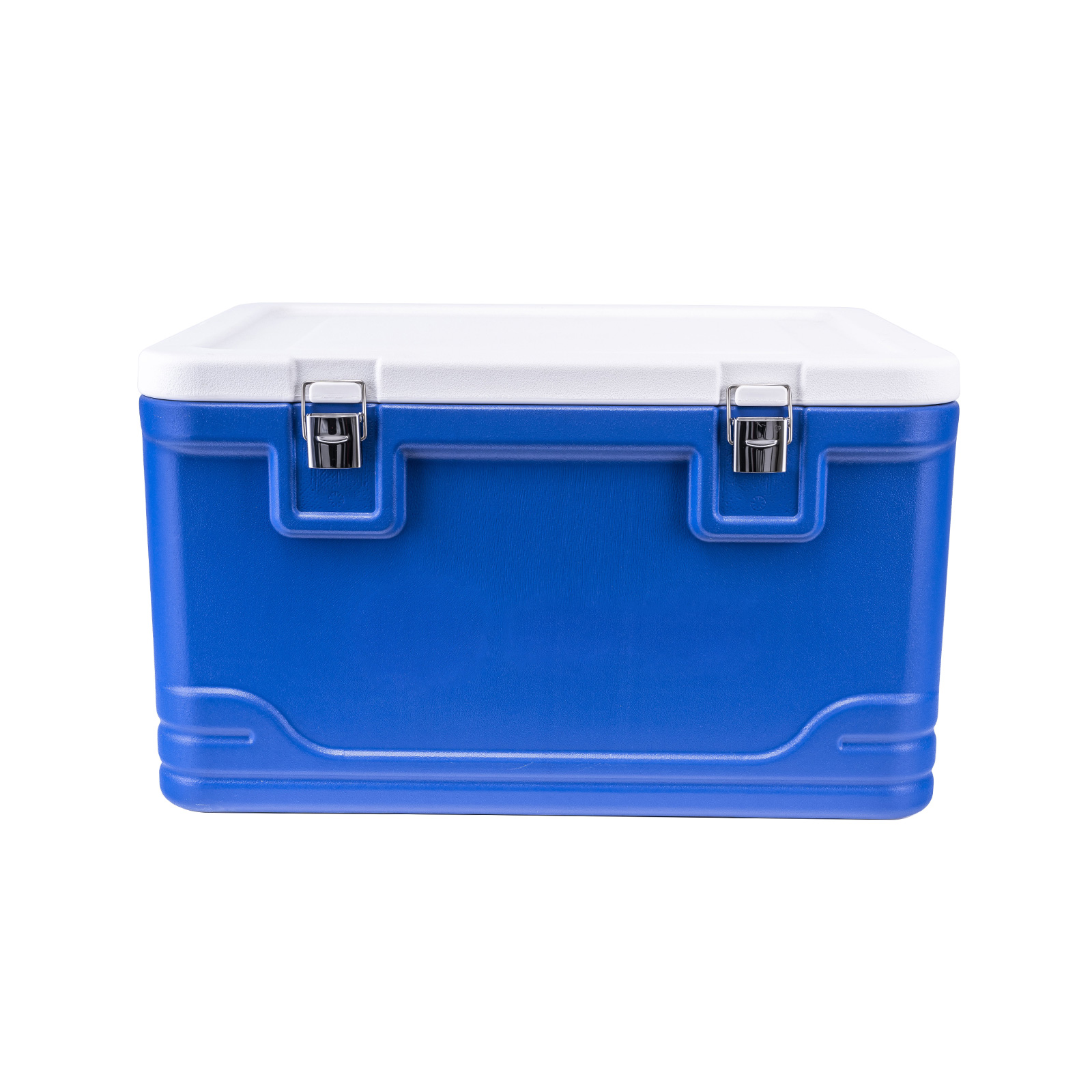
If you are comparing suppliers for industrial plastic bin solutions for chemical packaging, the first job is to define what problem the container must solve in chemical packaging and handling. Most buyers are trying to protect the product, reduce handling friction, and create a packaging format that is easier to reuse and control at scale. Those goals are realistic, but only when the container is matched to the route, the payload, and the day-to-day workflow.
The most useful buying distinction is simple: an industrial plastic bin may be suitable for storage support, secondary containment, or handling of packaged chemicals, but it is not automatically the correct primary transport package for every chemical product. A reusable plastic container may be the right outer handling format, a useful short-term temperature buffer, or part of a more complete packaging system. It becomes a poor choice only when buyers expect it to do more than the design can actually support. The rest of the decision should flow from that boundary.
What the Container Should Do in Real Operations
A good industrial plastic bin should make daily handling easier before it makes a presentation slide look impressive. It should fit the actual route, support a stable load, and give operators a repeatable way to prepare, move, receive, and reuse the package. In many programs, the biggest gains come from fewer damaged loads, cleaner workflows, and better space use rather than from one dramatic specification.
That is also why buyers should compare full operating fit. Cleaning, drying, labeling, return handling, and sample-to-production consistency matter just as much as the headline material. When the package works in the whole loop, it starts to reduce cost and risk. When it works only in the catalog, it becomes a source of exceptions.
Set the Performance Boundary Before You Compare Quotes
A lot of wasted procurement time comes from asking one container to do three different jobs. Start by defining whether the package is primarily a reusable handling format, a short-term temperature buffer, or part of a fuller insulated shipping system. That single clarification removes much of the confusion from supplier comparison.
Once the boundary is clear, the rest of the evaluation becomes more practical. You can compare structure, cleanability, closure behavior, thermal support, route fit, and return logistics without mixing unlike products into the same shortlist.
How to Read the Design Instead of the Sales Sheet
Good container selection starts by reading the design honestly. HDPE and PP are common reference materials in chemical handling because they resist many substances well, but compatibility depends on the exact chemical, concentration, temperature, exposure time, and mechanical stress. Buyers should then look at the whole system interface: lid behavior, load transfer, cleaning reality, label control, and how the package is expected to be used every day.
Lids, seals, liners, and gasket systems matter because many chemical problems begin at openings and interfaces, not in the center of a thick wall. For chemicals, the key issue is less hygiene in the food sense and more cleanability, residue control, and preventing cross-contact between incompatible contents. Clear identification, hazard labeling space, and lot control are essential so operators do not treat a generic plastic bin as interchangeable across chemicals. In other words, the right container is rarely the one with the boldest headline claim. It is the one whose details match the actual work.
The Criteria That Usually Decide the Outcome
Most buying decisions become easier once the evaluation moves away from vague quality language and into a few practical variables.
- Compatibility before geometry: Do not select a bin by footprint alone. Start with chemical identity, concentration, temperature, and exposure duration.
- Primary versus secondary role: Some plastic bins are best used to hold sealed inner packages, support in-plant transfer, or provide containment around a process rather than act as the primary package.
- Permeation and stress cracking: A resin can look compatible on a chart and still fail under temperature, strain, or long dwell conditions.
- Closure integrity: The weakest point is often the lid, gasket, valve, or fit-up rather than the wall material.
- Segregation and containment: Chemical operations need practical ways to separate incompatible materials and manage spills, not just durable bins.
- Regulated transport: Hazardous shipments may require UN-rated packaging or other transport-specific compliance that goes beyond a generic industrial bin.
Keep the Factual Boundary Clear
One of the best ways to avoid bad packaging decisions is to keep the factual boundary honest. A supplier may offer useful data on structure, cleaning, or thermal behavior, but the final decision still has to reflect your route, product, receiving process, and control requirements. That is why buyers should ask what the data proves, what it does not prove, and what additional trial or qualification work may still be needed.
Think in Terms of Program Cost, Not Unit Cost
An inexpensive container can still be costly if it breaks stacks, complicates cleaning, wastes cube, or creates relabeling work. A more expensive container can still be the better choice if it survives longer, supports a cleaner process, and reduces daily friction across multiple sites.
The practical comparison is therefore program cost: purchase price, service life, return efficiency, cleaning effort, replacement parts, and any effect on product loss or handling speed. That wider lens usually leads to a better supplier conversation.
A Practical Supplier Checklist
If you only keep one section from this guide, keep this one. It helps turn a vague sourcing project into a decision with visible criteria.
- Provide the exact chemical profile: Name, concentration, temperature range, fill condition, and expected dwell time all matter when evaluating plastic compatibility.
- Ask whether the bin is primary or secondary packaging: A serious supplier should clarify the intended role instead of assuming one bin does everything.
- Review compatibility data cautiously: Charts are a starting point, not the final answer, especially when stress, heat, or long exposure are involved.
- Check all contact points: Gaskets, caps, liners, fittings, and welded areas should be reviewed alongside the main resin.
- Discuss segregation and spill control: Bins may need to work with trays, pallets, or containment measures rather than serve alone.
- Confirm any transport obligations: If the chemical will move under hazardous transport rules, packaging requirements may be much stricter than for internal storage.
- Run a trial with the actual product: Bench testing or controlled pilot use is often more valuable than generic compatibility claims.
- Establish change control: Resin swaps, supplier substitutions, or small design changes can alter performance materially in chemical service.
Where the Right Design Creates Real Value
The best way to test whether a container choice makes sense is to place it inside a real scenario rather than discuss it as a generic packaging type.
- Secondary containment for packaged chemicals: Industrial plastic bins are often useful when sealed bottles, bags, or smaller packs need organized transport and spill-managed storage.
- In-plant transfer of solids or additives: Where the chemistry and exposure are well understood, reusable bins may support internal movement efficiently.
- Waste and residue handling: Some operations use dedicated plastic bins for segregated waste streams, but only after compatibility and containment are assessed carefully.
Test the Whole Workflow, Not Just the Container
The strongest way to validate a supplier is to test the whole workflow. Include loading, stacking, receiving, cleaning, return handling, and any temperature or traceability steps that belong to the package. This reveals whether the product works in your operation instead of only in a catalog environment.
It also helps buyers separate a strong sample from a strong long-term supply program. A good supplier should be able to discuss pilot scope, production repeatability, change control, and how the packaging will be supported after the first order ships.
What Usually Goes Wrong
Most buying mistakes sound small at the start and become expensive only after the first rollout.
- Treating a compatibility chart as a full engineering approval.
- Ignoring temperature and mechanical stress while focusing only on chemical name.
- Using one generic plastic bin across incompatible materials.
- Assuming an industrial bin is automatically suitable for regulated transport packaging.
Sustainability Only Counts When the Program Works
Reusable packaging is attractive for good reason, but the real test is operational. Chemical packaging buyers are putting more emphasis on documented compatibility, traceability, and practical containment rather than generic resin claims. Reusable plastic solutions remain attractive in controlled in-plant loops where exposure is understood and return logistics are manageable. Risk reduction increasingly comes from clearer role definition: primary pack, secondary containment, or internal handling support. A container that comes back reliably, stays in specification, and prevents product loss can create meaningful value. A package that is reusable in theory but awkward to wash, return, or redeploy usually does not.
A Final Integration Check
Before placing a large order, compare the candidate container against the real workflow one more time: loading, transport, receipt, inspection, cleaning, return, and any temperature or traceability requirements. That quick integration check often catches issues that would otherwise appear only after rollout.
It also forces suppliers to show whether they understand the application beyond the sales stage. The better they can translate the design into day-to-day use, the more dependable the program is likely to be.
FAQ
Are HDPE and PP always safe for chemical packaging? No. They are widely used and often perform well, but actual suitability depends on the specific chemical conditions and the container design.
Can an industrial plastic bin be used as primary chemical packaging? Sometimes, but not by assumption. The intended role and any transport rules must be reviewed first.
What should buyers test before rollout? Compatibility under the real temperature, exposure time, stress, and closure conditions of the intended application.
A Practical Bottom Line
The most useful way to buy in this category is to define the operating role, compare the few variables that really change performance, and shortlist suppliers who can answer practical questions clearly. That approach helps you choose a container that supports the whole workflow rather than creating new exceptions.
About Tempk
We focus on temperature-controlled packaging for pharmaceutical and food cold chains. Public information on Tempk highlights products such as insulated boxes, pallet covers, and coolant packs, together with packaging support that helps buyers match solutions to route duration and product sensitivity. Tempk’s public portfolio is centered on temperature-controlled packaging rather than mainstream chemical bins, but the broader lesson still applies: packaging must be matched to route, product sensitivity, and operating reality instead of broad claims. When the job requires more than a standard reusable container, that system view matters.
Next Step
If you are comparing options now, start with your real route, product, and handling method. Then ask suppliers to propose a container around those conditions rather than around a generic size or marketing claim.
Foldable Plastic Containers for Medical Logistics: What Buyers Should Really Compare
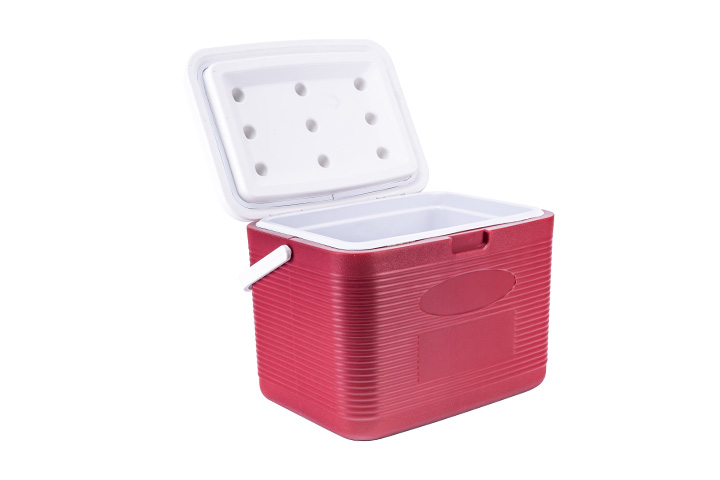
If you are comparing suppliers for foldable plastic containers for medical logistics, the first job is to define what problem the container must solve in medical logistics. Most buyers are trying to protect the product, reduce handling friction, and create a packaging format that is easier to reuse and control at scale. Those goals are realistic, but only when the container is matched to the route, the payload, and the day-to-day workflow.
The most useful buying distinction is simple: a foldable tote is a reusable handling container, not a sterile barrier and not a qualified temperature-controlled shipper on its own. A reusable plastic container may be the right outer handling format, a useful short-term temperature buffer, or part of a more complete packaging system. It becomes a poor choice only when buyers expect it to do more than the design can actually support. The rest of the decision should flow from that boundary.
What the Container Should Do in Real Operations
A good foldable plastic container should make daily handling easier before it makes a presentation slide look impressive. It should fit the actual route, support a stable load, and give operators a repeatable way to prepare, move, receive, and reuse the package. In many programs, the biggest gains come from fewer damaged loads, cleaner workflows, and better space use rather than from one dramatic specification.
That is also why buyers should compare full operating fit. Cleaning, drying, labeling, return handling, and sample-to-production consistency matter just as much as the headline material. When the package works in the whole loop, it starts to reduce cost and risk. When it works only in the catalog, it becomes a source of exceptions.
Set the Performance Boundary Before You Compare Quotes
A lot of wasted procurement time comes from asking one container to do three different jobs. Start by defining whether the package is primarily a reusable handling format, a short-term temperature buffer, or part of a fuller insulated shipping system. That single clarification removes much of the confusion from supplier comparison.
Once the boundary is clear, the rest of the evaluation becomes more practical. You can compare structure, cleanability, closure behavior, thermal support, route fit, and return logistics without mixing unlike products into the same shortlist.
How to Read the Design Instead of the Sales Sheet
Good container selection starts by reading the design honestly. Polypropylene is often chosen when repeated folding is important, while heavier-duty HDPE bodies may be used when impact resistance and rigidity matter more than a low folded height. Buyers should then look at the whole system interface: lid behavior, load transfer, cleaning reality, label control, and how the package is expected to be used every day.
Buyers normally compare attached-lid versus open-top formats, tamper-evident seal options, hinge design, handle ergonomics, and whether the lid protects labels during transport. Smooth interior walls, rounded corners, drainage design, and resistance to repeated wash-down cycles are usually more important than cosmetic appearance in hospital and clinic loops. A good container program also leaves room for barcodes, RFID tags, and color coding so wards, labs, and distribution centers can identify tote ownership and contents quickly. In other words, the right container is rarely the one with the boldest headline claim. It is the one whose details match the actual work.
The Criteria That Usually Decide the Outcome
Most buying decisions become easier once the evaluation moves away from vague quality language and into a few practical variables.
- Folded height: In hospital replenishment and reverse logistics, the best foldable design is the one that meaningfully reduces cube on the way back without becoming unstable when erected again.
- Stack stability: Medical staff do not want a returnable tote that rocks on carts, shifts on pallets, or transfers load onto the lid instead of the reinforced rim.
- Cleanability: If the container is reused across wards, clinics, or device service loops, surfaces should be easy to wash and inspect, with as few dirt traps as possible.
- Security: High-value kits and controlled supplies may need lid channels for seals, serialized labels, or clear closure verification at receiving points.
- Ergonomics: Handle openings, empty weight, and one-person carry limits matter because containers often move through hand-intensive environments, not just fork-truck lanes.
- Fit with existing equipment: The external footprint should work with shelves, carts, racks, parcel cages, and pallet patterns already used in the network.
Keep the Factual Boundary Clear
One of the best ways to avoid bad packaging decisions is to keep the factual boundary honest. A supplier may offer useful data on structure, cleaning, or thermal behavior, but the final decision still has to reflect your route, product, receiving process, and control requirements. That is why buyers should ask what the data proves, what it does not prove, and what additional trial or qualification work may still be needed.
Think in Terms of Program Cost, Not Unit Cost
An inexpensive container can still be costly if it breaks stacks, complicates cleaning, wastes cube, or creates relabeling work. A more expensive container can still be the better choice if it survives longer, supports a cleaner process, and reduces daily friction across multiple sites.
The practical comparison is therefore program cost: purchase price, service life, return efficiency, cleaning effort, replacement parts, and any effect on product loss or handling speed. That wider lens usually leads to a better supplier conversation.
A Practical Supplier Checklist
If you only keep one section from this guide, keep this one. It helps turn a vague sourcing project into a decision with visible criteria.
- Confirm the true internal dimensions: Medical packs, trays, and kits rarely fail because of headline volume. They fail because usable length, width, or lid clearance is smaller than expected.
- Ask how the hinge and latch are tested: A foldable box may look good in a catalog but still crack or loosen after repeated set-up, collapse, and washing.
- Check empty-return efficiency: Buyers should compare folded height, units per pallet, and how quickly teams can collapse and re-open the box in real operations.
- Review wash-down and drying reality: If the tote will be cleaned between uses, ask about drainage, drying time, detergent compatibility, and whether labels survive the process.
- Verify stack performance in both directions: The tote may need one stack limit when full and another when folded empty. Both matter for transport planning.
- Look at label control and change control: If a supplier alters resin, hinge geometry, or lid fit after approval, the operational effect can be bigger than expected across multiple sites.
- Compare sample-to-production consistency: A strong pre-production sample is useful only if the production run delivers the same wall thickness, dimensions, and latch behavior.
- Discuss service support: For multi-site healthcare networks, buyers often need replacement parts, spare lids, color changes, or staged deliveries rather than a single shipment.
Where the Right Design Creates Real Value
The best way to test whether a container choice makes sense is to place it inside a real scenario rather than discuss it as a generic packaging type.
- Hospital replenishment loops: Foldable containers work well when a central warehouse ships ward stock or procedure packs on a fixed schedule and collects empties on the return run.
- Medical device reverse logistics: They are also useful for collecting loaner instruments, reusable components, or service parts that need better containment than corrugated cartons.
- Clinic and lab consumables: A standardized foldable tote can simplify tote scanning, shelf transfer, and internal transport between a hub and smaller outpatient or diagnostic sites.
Test the Whole Workflow, Not Just the Container
The strongest way to validate a supplier is to test the whole workflow. Include loading, stacking, receiving, cleaning, return handling, and any temperature or traceability steps that belong to the package. This reveals whether the product works in your operation instead of only in a catalog environment.
It also helps buyers separate a strong sample from a strong long-term supply program. A good supplier should be able to discuss pilot scope, production repeatability, change control, and how the packaging will be supported after the first order ships.
What Usually Goes Wrong
Most buying mistakes sound small at the start and become expensive only after the first rollout.
- Buying for folded ratio alone and ignoring how the box behaves when loaded on a cart or pallet.
- Assuming that a reusable tote automatically covers sterile, validated, or temperature-sensitive workflows.
- Approving a sample without confirming production tolerances and long-run hinge durability.
- Forgetting that cleaning, drying, and label replacement are part of the total operating cost.
Sustainability Only Counts When the Program Works
Reusable packaging is attractive for good reason, but the real test is operational. Healthcare networks increasingly want reusable packaging that improves traceability and reduces packaging waste without making cleaning and handling harder. Standardized footprints and scan-friendly label zones are becoming more important as providers integrate carts, automation, and digital inventory control. Sustainability claims are strongest when they are tied to real loop design, repeat use, and manageable return logistics instead of generic green messaging. A container that comes back reliably, stays in specification, and prevents product loss can create meaningful value. A package that is reusable in theory but awkward to wash, return, or redeploy usually does not.
A Final Integration Check
Before placing a large order, compare the candidate container against the real workflow one more time: loading, transport, receipt, inspection, cleaning, return, and any temperature or traceability requirements. That quick integration check often catches issues that would otherwise appear only after rollout.
It also forces suppliers to show whether they understand the application beyond the sales stage. The better they can translate the design into day-to-day use, the more dependable the program is likely to be.
FAQ
Can a foldable plastic container replace corrugated boxes in medical logistics? Often yes in closed or semi-closed loops, especially when sites exchange repeat shipments. It is less attractive when recovery is poor or one-way export is common.
Does a foldable tote make a shipment temperature controlled? No. A reusable plastic container may improve handling and protection, but temperature control normally requires insulation, coolant, and route-appropriate qualification.
Should buyers choose the lightest tote available? Not automatically. Lower weight helps handling, but a weak hinge, soft base, or unstable stack can create more cost than a slightly heavier but better-engineered box.
A Practical Bottom Line
The most useful way to buy in this category is to define the operating role, compare the few variables that really change performance, and shortlist suppliers who can answer practical questions clearly. That approach helps you choose a container that supports the whole workflow rather than creating new exceptions.
About Tempk
We focus on temperature-controlled packaging for pharmaceutical and food cold chains. Public information on Tempk highlights products such as insulated boxes, pallet covers, and coolant packs, together with packaging support that helps buyers match solutions to route duration and product sensitivity. For medical and healthcare logistics, the most relevant Tempk capability is the company’s work in insulated and temperature-controlled packaging for pharmaceutical and cold chain distribution, where pack-out design and route fit matter as much as the outer container itself. When the job requires more than a standard reusable container, that system view matters.
Next Step
If you are comparing options now, start with your real route, product, and handling method. Then ask suppliers to propose a container around those conditions rather than around a generic size or marketing claim.
How to Choose a Waterproof Plastic Container Distributor for Pharmaceutical Design Projects

Buying well in this category means separating core needs from assumptions. Once you define the real handling conditions, it becomes much easier to see whether a premium feature is useful, whether a simpler format will do the job, or whether you are about to buy the wrong container for the right reason.
In practice, the container should be treated as a protective outer case used in protective transport and field-use packaging where water, dust, impact, and rough handling are real risks. The environmental seal is valuable, but it solves a different problem than thermal control, sterility, or product compatibility. A rugged waterproof case protects against water, dust, and handling damage; it does not automatically protect the product from temperature excursion or contamination risk. A waterproof case can protect the outside environment, but it does not manage thermal exposure, sterility, or product-specific compatibility on its own.
In regulated healthcare environments, reusable outer packaging has to support contamination control and lot visibility. It should not create confusion about the primary package, the sterile barrier, or the temperature-control method that actually protects the product.
What Buyers Are Usually Trying to Solve
The fastest way to judge fit is to look at the real operating scenario rather than the catalog category. Pharmaceutical design teams often choose waterproof hard cases when they are packaging a device or kit that will be carried into hospitals, field sites, or outdoor environments where rain, dust, and impact are realistic hazards. In these projects, the case is usually part of a broader system that may include foam, pouches, labels, tamper evidence, and sometimes a separate thermal shipper inside or alongside the case.
The distributor matters because small dimensional changes in foam, latch hardware, or accessories can alter the way the kit works in the field. This is why the same waterproof plastic container can be an excellent choice in one workflow and the wrong answer in another.
Rugged waterproof cases are typically defined by shell stiffness, latch design, an environmental gasket, and pressure-equalization hardware. Those features protect against water, dust, and impact, but they do not replace sterility control, product compatibility work, or thermal qualification.
How to Compare Design Without Overbuying
Once the use case is clear, the next question is how the container behaves under repeated handling. For this category, the most important variables usually include ingress protection and seal integrity, pressure equalization for air transport and altitude changes, foam or divider customization, and weight and ergonomic handling. These are not abstract technicalities. They determine whether operators can pack quickly, whether the load stays protected, and whether the container still performs after months of reuse.
Rugged waterproof cases are typically defined by shell stiffness, latch design, an environmental gasket, and pressure-equalization hardware. Those features protect against water, dust, and impact, but they do not replace sterility control, product compatibility work, or thermal qualification. For design-led programs, insert fit and field ergonomics matter almost as much as ingress protection because the case has to work as a system once accessories, labels, and instructions are added.
Verify the seal system, latch reliability, and pressure-equalization features. Waterproof performance depends on the lid, gasket, and closing consistency, not only on the shell material.
Ask for the true internal dimensions and usable volume. External size alone does not tell you whether the container fits your trays, packs, or protective inserts.
Review how the container is labeled and identified. Flat label panels, molded IDs, or barcode-ready surfaces become important once the program scales beyond a single room or lane.
If you can, compare these points with a physical sample rather than a specification sheet alone. A container that looks acceptable on paper may feel awkward on a line, unstable on a pallet, or difficult to wash and relabel once it enters real operations.
Where This Format Usually Works Best
The best applications are the ones where the container solves a repeat problem. For pharmaceutical design projects, that often means improving one or more of these points: handling protection, staging discipline, cleaner presentation, more stable stacking, or easier return logistics.
Pharmaceutical design teams often choose waterproof hard cases when they are packaging a device or kit that will be carried into hospitals, field sites, or outdoor environments where rain, dust, and impact are realistic hazards. In these projects, the case is usually part of a broader system that may include foam, pouches, labels, tamper evidence, and sometimes a separate thermal shipper inside or alongside the case. The distributor matters because small dimensional changes in foam, latch hardware, or accessories can alter the way the kit works in the field.
If your workflow is irregular, one-way, or highly unpredictable, a reusable program may still work, but the bar for justification is higher. That is especially true when losses, cleaning complexity, or cross-border recovery of empties will drive the total cost more than the container purchase itself.
A Quick Comparison Before You Shortlist Suppliers
Most buying mistakes happen when teams compare formats that solve different problems. The table below is not a brand ranking. It is a way to separate the main option types so you can match them to the workflow instead of paying for the wrong strength.
| <strong>Option</strong> | <strong>Best for</strong> | <strong>Main strength</strong> | <strong>Main caution</strong> |
| Waterproof hard case | rugged device kits and field equipment | seal, impact resistance, and reuse | heavier and not temperature-controlled |
| Open or standard tote | indoor handling and warehouse movement | lighter and lower cost | little protection from water or dust |
| Qualified thermal shipper | temperature-sensitive medicines or biologics | thermal assurance | different purpose than rugged field protection |
Use a table like this as a starting point, not a final approval. Once you narrow the category, you still need to confirm dimensions, pack-out, handling fit, and supplier consistency in the exact version you plan to buy.
What Buyers Should Ask Before Ordering in Bulk
The supplier decision is not only about price. In a real B2B program, you are buying distribution support, repeat availability, and sample access as much as the container itself. A supplier who cannot hold dimensions, material specification, or repeat part identity can turn a sensible packaging choice into a recurring operational problem.
For this topic, the review should pay close attention to IP rating and closure design, polypropylene shell quality, insert customization and fit, and spare parts and replacement availability. If your program will involve multiple sites, multiple SKUs, or a long service life, those questions matter early because they are expensive to fix later.
Confirm internal and external dimensions, true usable volume, and any tolerance range that could affect fit on shelves, pallets, carts, or conveyors.
Ask which resin is used and whether the supplier can hold that material specification over time. In sensitive operations, an unannounced material change can create new cleaning or performance issues.
Review the closure, venting, drainage, and handle design in the exact version you plan to buy. Small hardware or mold differences can change how the container behaves in the field.
Check stackability, nesting, and return efficiency under your real handling pattern, including pallet height, backhaul distance, and whether operators load by hand or with equipment.
For sealed cases, ask which IP rating applies to the exact model, what insert options are available, and whether replacement latches, valves, and seals can be sourced later.
Understand hygiene and cleaning expectations. A reusable container is only valuable when it can be washed, dried, inspected, and returned without introducing operational risk.
Specify labeling and traceability needs upfront, including barcode panels, molded IDs, color coding, quarantine tags, or other status markers.
Ask for load guidance under realistic conditions: full stack weight, temperature exposure, wet handling, drop risk, and repeated opening or washing cycles.
Clarify MOQ, lead time, tooling or customization options, replacement availability, and whether approved samples match volume production.
Document sample-to-production consistency and change control. This matters especially when the container has to fit a qualified pack-out, a clean workflow, or an automated handling step.
Do not approve a supplier on sample quality alone. Ask how the approved sample will be protected from silent changes in resin, mold condition, hardware, insulation layout, or accessory parts once production volumes increase.
Where Buyers Commonly Overestimate the Container
In regulated healthcare environments, reusable outer packaging has to support contamination control and lot visibility. It should not create confusion about the primary package, the sterile barrier, or the temperature-control method that actually protects the product.
Rugged waterproof cases are typically defined by shell stiffness, latch design, an environmental gasket, and pressure-equalization hardware. Those features protect against water, dust, and impact, but they do not replace sterility control, product compatibility work, or thermal qualification. In pharmaceutical design work, that usually means the case decision should be separated from any sterile barrier decision, validated product package decision, or temperature-control decision.
That boundary is useful because it keeps teams from making the wrong promise internally. A waterproof case may be exactly right for field equipment, sample kits, or service tools, while still being the wrong answer for the product’s actual thermal or sterility requirement.
Common Buying Mistakes
A lot of container programs fail for ordinary reasons. The format itself may be sound, but a few overlooked details create friction every day until the buyer concludes that reusables were a bad idea.
Confusing environmental sealing with temperature control or sterile packaging.
Approving the shell before confirming insert layout, latch usability, and total packed weight in the field.
Ignoring serviceability of seals, valves, hinges, and replacement components over the life of the case.
Assuming a sample case proves long-run consistency when the program will actually depend on repeat accessory and insert supply.
The cure is not a more complicated specification. It is a clearer one: define the route or workflow, define the control points, and make the supplier prove fit against those realities before volume approval.
How to Validate Fit Before Full Rollout
A short pilot often reveals more than a long specification review. Run the container through your real packing routine, transport touches, receipt checks, and return or cleaning steps. That process quickly shows whether the handles are awkward, the labels peel, the stack becomes unstable, or the thermal pack-out is too easy to improvise incorrectly.
If several teams will touch the asset, include them all in the pilot: operations, logistics, quality, and the receiving site. The best packaging programs are not the ones that look excellent in one department. They are the ones that make sense across the full loop.
During the pilot, write down what must stay fixed in production. That may include resin type, wall format, insert layout, vent pattern, coolant arrangement, lid hardware, or labeling location. Those points become the backbone of change control once you move to volume.
Sustainability Without Oversimplifying the Decision
Industry discussion around reusable packaging has shifted from simple waste reduction to a broader view of service life, return efficiency, repairability, and traceability. A reusable asset only performs well when the loop around it is realistic. That means you should be cautious with simplistic claims. A reusable format is not automatically the better environmental or economic choice if return distances are long, recovery rates are poor, or wash steps are inefficient.
For some lanes, the sustainability win comes from longer service life and fewer damaged shipments. For others, it comes from standardized footprints, better fleet visibility, or the ability to repair or replace only a few components instead of the entire package.
The practical test is straightforward: can your organization recover the container, clean it, identify it, and put it back to work without creating hidden labor or quality risk? If the answer is yes, the reusable case becomes much stronger. If not, the sustainability story stays theoretical.
FAQ
Does waterproof mean suitable for pharmaceutical cold chain use?
No. Waterproof only addresses environmental sealing. Thermal control still requires an insulated and application-appropriate system.
Why do pressure equalization valves matter?
They help the case handle altitude and pressure changes while maintaining environmental protection and easier opening.
What should a distributor provide for design projects?
Samples, accurate drawings, insert options, repeatable part numbers, and confidence that production units match the approved prototype.
Bottom Line
A good decision in this category is not about finding the most impressive catalog line. It is about matching the container to portable instruments, emergency kits, sampling tools, clinical trial supplies, analyzers, and sensitive accessories, the route or workflow, and the controls needed around it. When the fit is right, the container becomes a quiet operational asset rather than a constant exception.
If you remember only one rule, let it be this: test the exact design against your real handling conditions before scaling the order. That is the safest way to confirm whether the supplier’s promise will survive daily use, repeated cleaning, and the operational variation that comes with growth.
About Tempk
We focus on temperature-controlled packaging for business and consumer applications. Tempk, a brand of Shanghai Huizhou Industrial Co., Ltd., presents product lines such as ice packs, insulated bags, cooler boxes, pallet covers, and custom temperature-control packaging. The company also highlights a CNAS-certified lab and custom solution support for food, pharmaceutical, healthcare, and logistics use cases. For this topic, the most relevant fit is temperature-controlled packaging, insulated boxes, and custom cold-chain solutions when pharmaceutical design programs need thermal protection in addition to rugged outer packaging.
Next Step
If you are comparing bulk options, ask for a sample and line it up against your real handling, cleaning, and route conditions before placing volume.
How to Choose a Vented Plastic Crate Manufacturer for Produce Import
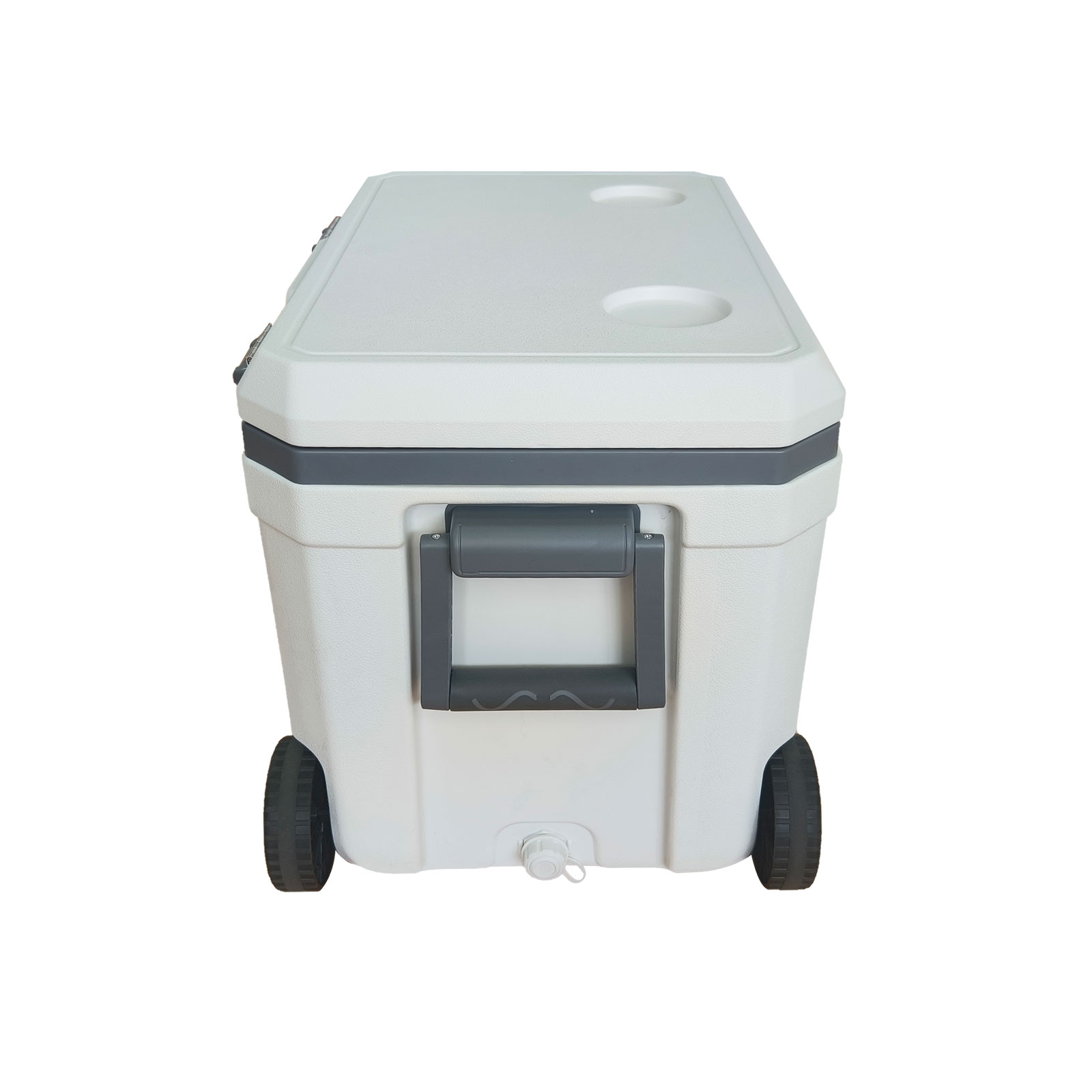
Buying well in this category means separating core needs from assumptions. Once you define the real handling conditions, it becomes much easier to see whether a premium feature is useful, whether a simpler format will do the job, or whether you are about to buy the wrong container for the right reason.
In practice, the container should be treated as a reusable handling and transport asset used in field-to-packhouse handling, pre-cooling, palletized transport, receiving, and cross-dock movement where airflow and washability are essential. That distinction matters because the vented plastic crate is part of the handling system, not the entire product protection strategy. It should support cleanliness, traceability, and efficient movement without being mistaken for a refrigeration system. A vented crate can support cooling and product protection, but it cannot correct poor pre-cooling, bad pallet airflow, or incorrect reefer settings.
For imported food and agricultural goods, airflow and washability help, but they sit alongside sanitation and traceability duties. The container has to be easy to clean, easy to identify, and strong enough to protect the product through repeated wet handling and cross-border movement.
What Buyers Are Usually Trying to Solve
The fastest way to judge fit is to look at the real operating scenario rather than the catalog category. For produce imports, a vented crate often makes sense when the buyer needs quicker heat removal, cleaner reuse, and stronger protection than one-way corrugated can deliver. Importers moving berries, citrus, tomatoes, leafy vegetables, or mixed horticultural products also care about how the crate behaves after washing, because slow drying and trapped residue can become an operational problem.
A good crate choice supports the entire chain: cooling, stacking, transport, store-level handling, and, if the program is reusable, the trip back to the wash site. This is why the same vented plastic crate can be an excellent choice in one workflow and the wrong answer in another.
For produce and agricultural imports, airflow and durability help only when sanitation and identification are designed into the program as well. Reusable formats need to be washed, dried, inspected, and traced just as seriously as they are stacked and shipped.
How to Compare Design Without Overbuying
Once the use case is clear, the next question is how the container behaves under repeated handling. For this category, the most important variables usually include airflow through vent geometry, compression strength when stacked, surface smoothness for bruise reduction, and washdown durability and drainage. These are not abstract technicalities. They determine whether operators can pack quickly, whether the load stays protected, and whether the container still performs after months of reuse.
Commercial product literature for vented reusable containers consistently treats open sidewalls as an airflow, drainage, and drying feature. That is useful when product heat, washdown, or retained moisture matter, but it also means the load is less shielded from splash, debris, and direct handling. Major reusable packaging lines use stack-only, stack-and-nest, and attached-lid formats for different reasons. Stack-only designs usually maximize interior cube, while tapered stack-and-nest formats reduce empty return volume at the cost of some usable space and dunnage precision.
Check how the vent pattern handles airflow, drainage, and cleaning. Large openings can improve cooling and drying, but they also expose the load to more debris and splash.
Look at real stacking behavior, not just a catalog photo. Stable column stacking, corner support, and pallet fit matter more than a vague claim of being stackable.
Review nesting efficiency in empty return conditions. A high nesting ratio reduces dead cube in trucks and warehouses, but deep taper can reduce usable volume when the tote is full.
Ask for the true internal dimensions and usable volume. External size alone does not tell you whether the container fits your trays, packs, or protective inserts.
Review how the container is labeled and identified. Flat label panels, molded IDs, or barcode-ready surfaces become important once the program scales beyond a single room or lane.
If you can, compare these points with a physical sample rather than a specification sheet alone. A container that looks acceptable on paper may feel awkward on a line, unstable on a pallet, or difficult to wash and relabel once it enters real operations.
Where This Format Usually Works Best
The best applications are the ones where the container solves a repeat problem. For produce import programs, that often means improving one or more of these points: handling protection, staging discipline, cleaner presentation, more stable stacking, or easier return logistics.
For produce imports, a vented crate often makes sense when the buyer needs quicker heat removal, cleaner reuse, and stronger protection than one-way corrugated can deliver. Importers moving berries, citrus, tomatoes, leafy vegetables, or mixed horticultural products also care about how the crate behaves after washing, because slow drying and trapped residue can become an operational problem. A good crate choice supports the entire chain: cooling, stacking, transport, store-level handling, and, if the program is reusable, the trip back to the wash site.
If your workflow is irregular, one-way, or highly unpredictable, a reusable program may still work, but the bar for justification is higher. That is especially true when losses, cleaning complexity, or cross-border recovery of empties will drive the total cost more than the container purchase itself.
A Quick Comparison Before You Shortlist Suppliers
Most buying mistakes happen when teams compare formats that solve different problems. The table below is not a brand ranking. It is a way to separate the main option types so you can match them to the workflow instead of paying for the wrong strength.
| <strong>Option</strong> | <strong>Best for</strong> | <strong>Main strength</strong> | <strong>Main caution</strong> |
| Vented reusable crate | cooling-sensitive fresh produce | airflow, washability, repeat use | needs a return and sanitation system |
| Solid reusable tote | items that need splash protection | better barrier against debris | less airflow for pre-cooling |
| One-way corrugated box | single-trip or low-return lanes | low initial unit cost | weaker in moisture and repeated handling |
Use a table like this as a starting point, not a final approval. Once you narrow the category, you still need to confirm dimensions, pack-out, handling fit, and supplier consistency in the exact version you plan to buy.
What Buyers Should Ask Before Ordering in Bulk
The supplier decision is not only about price. In a real B2B program, you are buying mold design control, material consistency, and long-run availability as much as the container itself. A supplier who cannot hold dimensions, material specification, or repeat part identity can turn a sensible packaging choice into a recurring operational problem.
For this topic, the review should pay close attention to food-contact resin and hygiene support, standardized footprints for pallets and retail systems, traceability fields or molded ID options, and cold-room and wash-line durability. If your program will involve multiple sites, multiple SKUs, or a long service life, those questions matter early because they are expensive to fix later.
Confirm internal and external dimensions, true usable volume, and any tolerance range that could affect fit on shelves, pallets, carts, or conveyors.
Ask which resin is used and whether the supplier can hold that material specification over time. In sensitive operations, an unannounced material change can create new cleaning or performance issues.
Review the closure, venting, drainage, and handle design in the exact version you plan to buy. Small hardware or mold differences can change how the container behaves in the field.
Check stackability, nesting, and return efficiency under your real handling pattern, including pallet height, backhaul distance, and whether operators load by hand or with equipment.
Understand hygiene and cleaning expectations. A reusable container is only valuable when it can be washed, dried, inspected, and returned without introducing operational risk.
For food and agricultural use, review wash-line compatibility, drain behavior, and how identification stays legible after repeated cleaning and wet handling.
Specify labeling and traceability needs upfront, including barcode panels, molded IDs, color coding, quarantine tags, or other status markers.
Ask for load guidance under realistic conditions: full stack weight, temperature exposure, wet handling, drop risk, and repeated opening or washing cycles.
Clarify MOQ, lead time, tooling or customization options, replacement availability, and whether approved samples match volume production.
Document sample-to-production consistency and change control. This matters especially when the container has to fit a qualified pack-out, a clean workflow, or an automated handling step.
Do not approve a supplier on sample quality alone. Ask how the approved sample will be protected from silent changes in resin, mold condition, hardware, insulation layout, or accessory parts once production volumes increase.
Where Buyers Commonly Overestimate the Container
For imported food and agricultural goods, airflow and washability help, but they sit alongside sanitation and traceability duties. The container has to be easy to clean, easy to identify, and strong enough to protect the product through repeated wet handling and cross-border movement.
For produce and agricultural imports, airflow and durability help only when sanitation and identification are designed into the program as well. Reusable formats need to be washed, dried, inspected, and traced just as seriously as they are stacked and shipped. In many operations, the container also has to support lot identification, inbound checks, and a wash process that does not leave moisture trapped in corners or labels unreadable after repeated cycles.
That is why container choice should be discussed with operations, quality, and logistics together. A crate or tote that improves airflow but complicates cleaning, identification, or product protection may not improve the program overall.
Common Buying Mistakes
A lot of container programs fail for ordinary reasons. The format itself may be sound, but a few overlooked details create friction every day until the buyer concludes that reusables were a bad idea.
Buying maximum ventilation without checking whether the commodity needs more splash or bruise protection.
Ignoring washdown, drying, and return logistics while focusing only on the crate’s initial purchase price.
Choosing a footprint that stacks poorly on local pallets, store displays, or wash-line equipment.
Treating reusability as a sustainability win without confirming traceability, recovery rate, and sanitation discipline.
The cure is not a more complicated specification. It is a clearer one: define the route or workflow, define the control points, and make the supplier prove fit against those realities before volume approval.
How to Validate Fit Before Full Rollout
A short pilot often reveals more than a long specification review. Run the container through your real packing routine, transport touches, receipt checks, and return or cleaning steps. That process quickly shows whether the handles are awkward, the labels peel, the stack becomes unstable, or the thermal pack-out is too easy to improvise incorrectly.
If several teams will touch the asset, include them all in the pilot: operations, logistics, quality, and the receiving site. The best packaging programs are not the ones that look excellent in one department. They are the ones that make sense across the full loop.
During the pilot, write down what must stay fixed in production. That may include resin type, wall format, insert layout, vent pattern, coolant arrangement, lid hardware, or labeling location. Those points become the backbone of change control once you move to volume.
Sustainability Without Oversimplifying the Decision
Industry discussion around reusable packaging has shifted from simple waste reduction to a broader view of service life, return efficiency, repairability, and traceability. A reusable asset only performs well when the loop around it is realistic. That means you should be cautious with simplistic claims. A reusable format is not automatically the better environmental or economic choice if return distances are long, recovery rates are poor, or wash steps are inefficient.
For some lanes, the sustainability win comes from longer service life and fewer damaged shipments. For others, it comes from standardized footprints, better fleet visibility, or the ability to repair or replace only a few components instead of the entire package.
The practical test is straightforward: can your organization recover the container, clean it, identify it, and put it back to work without creating hidden labor or quality risk? If the answer is yes, the reusable case becomes much stronger. If not, the sustainability story stays theoretical.
FAQ
Why choose a vented crate instead of corrugated for imported produce?
Reusable crates generally provide better airflow, wet-strength, washability, and repeat handling performance, especially in high-volume lanes.
Does more ventilation always mean better produce life?
Not necessarily. The vent pattern has to match the commodity, cooling method, liner setup, and stacking pattern.
What should buyers ask a crate manufacturer?
Ask about resin, vent design, top-load performance, wash-line compatibility, nesting ratio, molded identification options, and sample-to-production consistency.
Bottom Line
A good decision in this category is not about finding the most impressive catalog line. It is about matching the container to fresh fruits, vegetables, herbs, and other perishable produce entering an importer or wholesale distribution network, the route or workflow, and the controls needed around it. When the fit is right, the container becomes a quiet operational asset rather than a constant exception.
If you remember only one rule, let it be this: test the exact design against your real handling conditions before scaling the order. That is the safest way to confirm whether the supplier’s promise will survive daily use, repeated cleaning, and the operational variation that comes with growth.
About Tempk
We focus on temperature-controlled packaging for business and consumer applications. Tempk, a brand of Shanghai Huizhou Industrial Co., Ltd., presents product lines such as ice packs, insulated bags, cooler boxes, pallet covers, and custom temperature-control packaging. The company also highlights a CNAS-certified lab and custom solution support for food, pharmaceutical, healthcare, and logistics use cases. For this topic, the most relevant fit is cold-chain packaging solutions for produce logistics, including insulated bags, boxes, ice packs, and custom transport support when temperature control is needed beyond the crate itself.
Next Step
If you are comparing bulk options, ask for a sample and line it up against your real handling, cleaning, and route conditions before placing volume.