


The Complete Guide to EPP Insulation Box Grocery Delivery
The Complete Guide to EPP Insulation Box Grocery Delivery

EPP insulation box grocery delivery is worth buying when it improves three outcomes at the same time: product protection, operating speed, and reusable value over time. Expanded polypropylene, usually called EPP, is a closed-cell bead foam valued for low weight, multiple-impact resistance, thermal insulation, and resistance to water and many routine chemicals. For food-contact programs, compliance depends on the resin grade, additives, intended use, and supporting declarations, not on the foam name alone. The smartest 2026 buyers are no longer separating material choice from route data, supplier discipline, and lifecycle cost.
This optimized guide combines buyer logic, technical validation, market context, and sustainability planning into one decision framework. it is designed to help you choose the right EPP insulation box with fewer assumptions, stronger evidence, and a better chance of long-term operating success.
The optimized way to assess this category is to connect the audience need, the route reality, and the sourcing model in one view. For this keyword, that means balancing temperature hold time, order batching, sanitation, and driver handling while keeping the program practical enough for everyday use.
What this guide will help you answer
• how to define the right performance target for EPP insulation box grocery delivery.
• which material, design, and supplier choices truly improve results.
• how to combine route data, compliance paperwork, and total cost thinking.
• what 2026 buyers expect around reuse, recyclability, and audit readiness.
• how to turn a good quote into a dependable operating program.
What operating profile should define your EPP Insulation Box Grocery Delivery?
The first step is to describe the job the box must do in plain operating language. How long is the route, how many handoffs occur, how heavy is the payload, how often is the lid opened, and how reliable is the return flow. Those answers matter more than any single marketing phrase because they decide whether you need a light route box, a stronger stacked format, or a more specialized configuration.
Once the operating profile is clear, define the success metrics. For most buyers, those metrics are temperature stability, low damage, easy handling, repeatable cleaning, and acceptable per-trip cost. If you cannot name the metrics before sampling, it becomes almost impossible to compare quotes in a disciplined way.
How does grocery delivery insulated box become easier to approve internally?
Internal approval becomes easier when the packaging project is framed as a business process, not only a material change. Give procurement the quote logic, give operations the handling workflow, give quality the documentation, and give sustainability the reuse and end-of-life plan. When all four groups see their piece early, the decision tends to move faster and with fewer last-minute objections.
Operating Profile Decision Tool
| <strong>Area</strong> | <strong>What to review</strong> | <strong>Main signal</strong> | <strong>Why it matters to you</strong> |
| <strong>Route length and ambient exposure</strong> | Short, medium, or long lane | Drives insulation depth and refrigerant plan | Prevents overbuying or underbuilding |
| <strong>Handling intensity</strong> | Few or many handoffs | Changes density and corner strength needs | Protects real field durability |
| <strong>Return discipline</strong> | Strong, weak, or uncertain | Shapes reuse economics | Turns hardware cost into a workable business case |
Practical tips for you
• Write your approval criteria before you request the final quote, so the vendor knows what success looks like.
• Separate nice-to-have cosmetic requests from performance-critical requirements.
• Use one lead use case as the design anchor, even if you expect future expansion.
Practical example: Teams often save weeks by agreeing early on route time, payload type, and return ownership, because those three items settle most of the design debate.
Which material, density, and design choices deliver the best result?
EPP is attractive because it lets one molded part do several jobs at once. It can cushion impact, resist repeated knocks, provide useful thermal insulation, and stay light enough for daily handling. Still, no foam grade is universally best; the right answer depends on route stress, payload mass, stack behavior, and the importance of carry comfort.
Use density as a tuning tool rather than a prestige badge. Lower-density builds can make sense when speed and ergonomics are the priority. Balanced grades often fit mainstream delivery or storage programs. Higher-density or reinforced structures earn their place when heavier loads, rough transport, or high stack forces are part of the real environment.
How do last-mile EPP cooler design details influence actual performance?
Geometry matters almost as much as raw material choice. Lid engagement, corner design, handle position, internal partitions, and cavity fit can all change how the box feels and performs in the field. A smart design reduces dead air, keeps the lid aligned after repeated use, and allows the pack-out to stay consistent even when the team is busy. Those small details often create bigger gains than simply adding thickness everywhere.
Design Choice Comparison
| <strong>Area</strong> | <strong>What to review</strong> | <strong>Main signal</strong> | <strong>Why it matters to you</strong> |
| <strong>Ultra-light design</strong> | Lower weight and fast carry | High-handling, lighter-payload routes | Improves speed and ergonomics |
| <strong>Balanced design</strong> | Weight, insulation, and durability in line | Mainstream delivery and storage | Usually the safest standard platform |
| <strong>Heavy-duty design</strong> | Higher stiffness and structure | Rough lanes, stack load, heavier payloads | Reduces wear where abuse is predictable |
Practical tips for you
• Prototype around the real payload footprint, not around an abstract volume target.
• Check lid fit after repeated use, because early samples can hide long-term misalignment issues.
• Use the lightest design that still meets the real route and stack requirement.
Practical example: A better lid and tighter cavity often improve the real result more than a simple increase in wall thickness, because they affect both thermal control and daily usability.
How do compliance, testing, and total cost fit together?
The strongest purchase decisions connect three evidence streams: documentation, route validation, and economics. For food-contact programs, compliance depends on the resin grade, additives, intended use, and supporting declarations, not on the foam name alone. Management-system certifications such as ISO 9001 or ISO 14001 can strengthen confidence in the supplier, but they should sit alongside product-specific declarations, lot control, and test records.
Testing should be practical and layered. Use thermal validation to confirm the pack-out, structural checks to confirm handling durability, and a simple lifecycle model to convert the box into per-trip value. That model should include cleaning, return freight, expected loss, and replacement rate instead of treating the first unit price as the whole story.
Why does reusable grocery insulation container need both route data and a cost model?
Route data tells you whether the solution works. The cost model tells you whether the solution scales. When both are positive, approval becomes much stronger because you can show not only that the packaging protects the product, but also that it can do so repeatedly at a sensible operating cost. This is especially important when you are replacing a cheap one-trip option with a reusable asset that needs recovery discipline.
Illustrative Lifecycle Cost Logic
| <strong>Area</strong> | <strong>What to review</strong> | <strong>Main signal</strong> | <strong>Why it matters to you</strong> |
| <strong>First price</strong> | The initial unit quotation | Useful but incomplete | Never enough on its own |
| <strong>Per-trip cost</strong> | Unit cost divided across successful uses | Shows reuse value | Better for comparing against disposable packaging |
| <strong>System cost</strong> | Cleaning, return, loss, replacement | Shows real operating burden | Reveals whether the program scales cleanly |
Practical tips for you
• Keep the lifecycle model simple enough that nontechnical stakeholders can follow it.
• Pilot long enough to produce believable trip-life and loss assumptions.
• Store the test summary with the approved quote so future sourcing remains aligned.
Practical example: Buyers gain internal support faster when they show one page of route data and one page of per-trip cost logic instead of relying on a long generic presentation.
What should your 2026 sourcing checklist include for EPP Insulation Box Grocery Delivery?
The 2026 checklist should cover more than product dimensions and quote price. It should include application fit, compliance pack, validation method, return model, supplier responsiveness, and the sustainability story you can actually support. In a market that is moving toward more reuse and cleaner documentation, vague answers are becoming a bigger risk than slightly higher quoted prices.
Make the checklist operational. Who owns the box after delivery, how is it recovered, what damage level triggers replacement, what documents need refreshing after a spec change, and how will you know the real route still matches the approved design six months later. Those questions create a packaging program that can survive growth rather than collapse after the pilot.
How does food-safe delivery box stay reliable after rollout?
Reliability after rollout depends on discipline. Standard footprints, clear labels, sample retention, periodic route checks, and one escalation contact per supplier all help keep drift under control. When the program is reviewed at set intervals, small issues such as lid wear, cleaning damage, or changing payload mix can be corrected before they become expensive. That is the difference between a successful pilot and a long-term packaging platform.
2026 Readiness Checklist
| <strong>Area</strong> | <strong>What to review</strong> | <strong>Main signal</strong> | <strong>Why it matters to you</strong> |
| <strong>Application fit</strong> | Lane, payload, and handling match | Confirms the design solves the right job | Prevents misaligned purchases |
| <strong>Documentation and testing</strong> | Declarations, certifications, route validation | Supports approval and audit readiness | Builds confidence across teams |
| <strong>Reuse governance</strong> | Cleaning, recovery, replacement rules | Protects economics and sustainability claims | Turns the box into a managed asset |
Practical tips for you
• Review the sourcing checklist with operations, quality, and procurement together before the final purchase order.
• Keep one approved sample on hand for future comparison when reorders arrive.
• Schedule a post-launch review so the packaging standard stays connected to the real operation.
Practical example: Mature packaging programs usually look ordinary from the outside, but they work because the checklist, the documents, and the return process are all kept current.
2026 Developments and Market Direction
The 2026 development path for EPP insulation box grocery delivery is clear. Buyers want packaging that is lighter to handle, easier to validate, and easier to justify in both cost and sustainability terms. In Europe, the Packaging and Packaging Waste Regulation is pushing packaging toward recyclability by 2030 and setting stronger expectations for reusable transport formats. At the same time, route growth and tighter service expectations are pushing teams to standardize reusable insulated formats instead of improvising order by order.
What is changing right now
• route-specific validation is becoming the normal buying standard.
• documentation clarity is rising in importance alongside physical performance.
• reusable transport packaging is being judged on recovery discipline and total value, not only on first cost.
For you, the opportunity is to choose a solution that already aligns material logic, supplier discipline, and operating reality. That gives you a better chance of protecting products, reducing waste, and avoiding a second packaging project six months later.
Frequently Asked Questions
What is the best way to start evaluating EPP insulation box grocery delivery?
Start by defining the real lane, payload, and handling stress. Then request a sample that matches those conditions and test it with clear success metrics.
Should I focus more on first price or lifecycle value?
Lifecycle value. First price matters, but per-trip cost, loss rate, cleaning effort, and replacement frequency tell you whether the choice is really competitive.
How important is documentation in 2026 sourcing?
It is very important. Buyers increasingly expect clear declarations, certification scope, and route-validation evidence before they approve reusable transport packaging.
What makes an EPP program scalable?
Standard footprints, repeatable pack-out, supplier consistency, and a simple but reliable return and inspection process make the program scalable.
When should I choose a stronger or denser design?
Choose it when heavier payloads, frequent stacking, or rough handling create visible stress. Do not add density just because it sounds safer on paper.
Summary and Recommendations
The best EPP insulation box grocery delivery is the one that fits your route, payload, team, and documentation needs at the same time. Focus on carry weight, cavity fit, lid quality, stack behavior, and supplier reliability before you worry about cosmetic extras. That approach gives you better protection, steadier temperature control, and a stronger chance of earning value from reuse.
Your next step is simple: define the route, sample the format, run a pilot with temperature and handling checks, and compare the result against your current package. If the sample performs well in daily use, then scale with clear acceptance criteria and a return plan.
About Tempk
At Tempk, we work on cold chain packaging with a focus on insulation performance, repeat-use durability, and practical application support. We design EPP solutions for food, medical, and industrial programs, and we pay close attention to fit, route conditions, and documentation rather than relying on broad marketing claims.
The next move is to compare your payload, route time, and handling pattern with a sample plan so you can choose the right box with less trial and error.
How to Buy Durable Portable EPP Box Supplier with Confidence
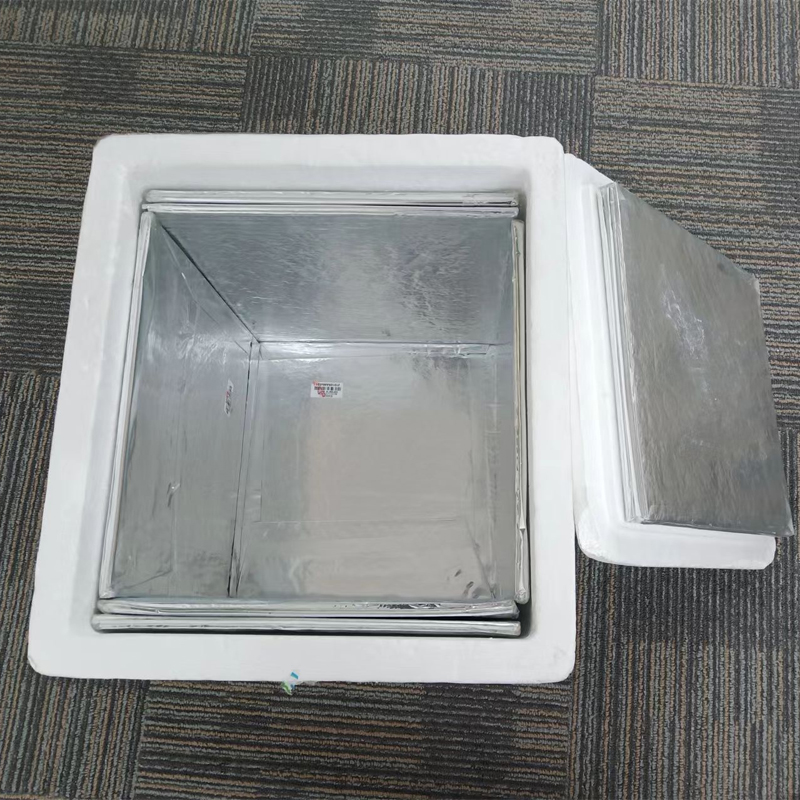
durable portable EPP box supplier is worth buying when it improves three outcomes at the same time: product protection, operating speed, and reusable value over time. Expanded polypropylene, usually called EPP, is a closed-cell bead foam valued for low weight, multiple-impact resistance, thermal insulation, and resistance to water and many routine chemicals. Packaging grades commonly span about 20 to 60 g/L, and your useful working range for this topic is usually 30-45 g/L with handle reinforcement as needed. The smartest 2026 buyers are no longer separating material choice from route data, supplier discipline, and lifecycle cost.
This optimized guide combines buyer logic, technical validation, market context, and sustainability planning into one decision framework. it is designed to help you choose the right durable portable EPP box with fewer assumptions, stronger evidence, and a better chance of long-term operating success.
The optimized way to assess this category is to connect the audience need, the route reality, and the sourcing model in one view. For this keyword, that means balancing handles, weight, surface wear, and cleaning while keeping the program practical enough for everyday use.
What this guide will help you answer
• how to define the right performance target for durable portable EPP box supplier.
• which material, design, and supplier choices truly improve results.
• how to combine route data, compliance paperwork, and total cost thinking.
• what 2026 buyers expect around reuse, recyclability, and audit readiness.
• how to turn a good quote into a dependable operating program.
What operating profile should define your Durable Portable EPP Box Supplier?
The first step is to describe the job the box must do in plain operating language. How long is the route, how many handoffs occur, how heavy is the payload, how often is the lid opened, and how reliable is the return flow. Those answers matter more than any single marketing phrase because they decide whether you need a light route box, a stronger stacked format, or a more specialized configuration.
Once the operating profile is clear, define the success metrics. For most buyers, those metrics are temperature stability, low damage, easy handling, repeatable cleaning, and acceptable per-trip cost. If you cannot name the metrics before sampling, it becomes almost impossible to compare quotes in a disciplined way.
How does portable insulated EPP box become easier to approve internally?
Internal approval becomes easier when the packaging project is framed as a business process, not only a material change. Give procurement the quote logic, give operations the handling workflow, give quality the documentation, and give sustainability the reuse and end-of-life plan. When all four groups see their piece early, the decision tends to move faster and with fewer last-minute objections.
Operating Profile Decision Tool
| <strong>Area</strong> | <strong>What to review</strong> | <strong>Main signal</strong> | <strong>Why it matters to you</strong> |
| <strong>Route length and ambient exposure</strong> | Short, medium, or long lane | Drives insulation depth and refrigerant plan | Prevents overbuying or underbuilding |
| <strong>Handling intensity</strong> | Few or many handoffs | Changes density and corner strength needs | Protects real field durability |
| <strong>Return discipline</strong> | Strong, weak, or uncertain | Shapes reuse economics | Turns hardware cost into a workable business case |
Practical tips for you
• Write your approval criteria before you request the final quote, so the vendor knows what success looks like.
• Separate nice-to-have cosmetic requests from performance-critical requirements.
• Use one lead use case as the design anchor, even if you expect future expansion.
Practical example: Teams often save weeks by agreeing early on route time, payload type, and return ownership, because those three items settle most of the design debate.
Which material, density, and design choices deliver the best result?
EPP is attractive because it lets one molded part do several jobs at once. It can cushion impact, resist repeated knocks, provide useful thermal insulation, and stay light enough for daily handling. Still, no foam grade is universally best; the right answer depends on route stress, payload mass, stack behavior, and the importance of carry comfort.
Use density as a tuning tool rather than a prestige badge. Lower-density builds can make sense when speed and ergonomics are the priority. Balanced grades often fit mainstream delivery or storage programs. Higher-density or reinforced structures earn their place when heavier loads, rough transport, or high stack forces are part of the real environment.
How do durable reusable cooler box design details influence actual performance?
Geometry matters almost as much as raw material choice. Lid engagement, corner design, handle position, internal partitions, and cavity fit can all change how the box feels and performs in the field. A smart design reduces dead air, keeps the lid aligned after repeated use, and allows the pack-out to stay consistent even when the team is busy. Those small details often create bigger gains than simply adding thickness everywhere.
Design Choice Comparison
| <strong>Area</strong> | <strong>What to review</strong> | <strong>Main signal</strong> | <strong>Why it matters to you</strong> |
| <strong>Ultra-light design</strong> | Lower weight and fast carry | High-handling, lighter-payload routes | Improves speed and ergonomics |
| <strong>Balanced design</strong> | Weight, insulation, and durability in line | Mainstream delivery and storage | Usually the safest standard platform |
| <strong>Heavy-duty design</strong> | Higher stiffness and structure | Rough lanes, stack load, heavier payloads | Reduces wear where abuse is predictable |
Practical tips for you
• Prototype around the real payload footprint, not around an abstract volume target.
• Check lid fit after repeated use, because early samples can hide long-term misalignment issues.
• Use the lightest design that still meets the real route and stack requirement.
Practical example: A better lid and tighter cavity often improve the real result more than a simple increase in wall thickness, because they affect both thermal control and daily usability.
How do compliance, testing, and total cost fit together?
The strongest purchase decisions connect three evidence streams: documentation, route validation, and economics. For food-contact programs, compliance depends on the resin grade, additives, intended use, and supporting declarations, not on the foam name alone. Management-system certifications such as ISO 9001 or ISO 14001 can strengthen confidence in the supplier, but they should sit alongside product-specific declarations, lot control, and test records.
Testing should be practical and layered. Use thermal validation to confirm the pack-out, structural checks to confirm handling durability, and a simple lifecycle model to convert the box into per-trip value. That model should include cleaning, return freight, expected loss, and replacement rate instead of treating the first unit price as the whole story.
Why does carry-friendly EPP container need both route data and a cost model?
Route data tells you whether the solution works. The cost model tells you whether the solution scales. When both are positive, approval becomes much stronger because you can show not only that the packaging protects the product, but also that it can do so repeatedly at a sensible operating cost. This is especially important when you are replacing a cheap one-trip option with a reusable asset that needs recovery discipline.
Illustrative Lifecycle Cost Logic
| <strong>Area</strong> | <strong>What to review</strong> | <strong>Main signal</strong> | <strong>Why it matters to you</strong> |
| <strong>First price</strong> | The initial unit quotation | Useful but incomplete | Never enough on its own |
| <strong>Per-trip cost</strong> | Unit cost divided across successful uses | Shows reuse value | Better for comparing against disposable packaging |
| <strong>System cost</strong> | Cleaning, return, loss, replacement | Shows real operating burden | Reveals whether the program scales cleanly |
Practical tips for you
• Keep the lifecycle model simple enough that nontechnical stakeholders can follow it.
• Pilot long enough to produce believable trip-life and loss assumptions.
• Store the test summary with the approved quote so future sourcing remains aligned.
Practical example: Buyers gain internal support faster when they show one page of route data and one page of per-trip cost logic instead of relying on a long generic presentation.
What should your 2026 sourcing checklist include for Durable Portable EPP Box Supplier?
The 2026 checklist should cover more than product dimensions and quote price. It should include application fit, compliance pack, validation method, return model, supplier responsiveness, and the sustainability story you can actually support. In a market that is moving toward more reuse and cleaner documentation, vague answers are becoming a bigger risk than slightly higher quoted prices.
Make the checklist operational. Who owns the box after delivery, how is it recovered, what damage level triggers replacement, what documents need refreshing after a spec change, and how will you know the real route still matches the approved design six months later. Those questions create a packaging program that can survive growth rather than collapse after the pilot.
How does lightweight portable transport box stay reliable after rollout?
Reliability after rollout depends on discipline. Standard footprints, clear labels, sample retention, periodic route checks, and one escalation contact per supplier all help keep drift under control. When the program is reviewed at set intervals, small issues such as lid wear, cleaning damage, or changing payload mix can be corrected before they become expensive. That is the difference between a successful pilot and a long-term packaging platform.
2026 Readiness Checklist
| <strong>Area</strong> | <strong>What to review</strong> | <strong>Main signal</strong> | <strong>Why it matters to you</strong> |
| <strong>Application fit</strong> | Lane, payload, and handling match | Confirms the design solves the right job | Prevents misaligned purchases |
| <strong>Documentation and testing</strong> | Declarations, certifications, route validation | Supports approval and audit readiness | Builds confidence across teams |
| <strong>Reuse governance</strong> | Cleaning, recovery, replacement rules | Protects economics and sustainability claims | Turns the box into a managed asset |
Practical tips for you
• Review the sourcing checklist with operations, quality, and procurement together before the final purchase order.
• Keep one approved sample on hand for future comparison when reorders arrive.
• Schedule a post-launch review so the packaging standard stays connected to the real operation.
Practical example: Mature packaging programs usually look ordinary from the outside, but they work because the checklist, the documents, and the return process are all kept current.
2026 Developments and Market Direction
The 2026 development path for durable portable EPP box supplier is clear. Buyers want packaging that is lighter to handle, easier to validate, and easier to justify in both cost and sustainability terms. In Europe, the Packaging and Packaging Waste Regulation is pushing packaging toward recyclability by 2030 and setting stronger expectations for reusable transport formats. At the same time, route growth and tighter service expectations are pushing teams to standardize reusable insulated formats instead of improvising order by order.
What is changing right now
• route-specific validation is becoming the normal buying standard.
• documentation clarity is rising in importance alongside physical performance.
• reusable transport packaging is being judged on recovery discipline and total value, not only on first cost.
For you, the opportunity is to choose a solution that already aligns material logic, supplier discipline, and operating reality. That gives you a better chance of protecting products, reducing waste, and avoiding a second packaging project six months later.
Frequently Asked Questions
What is the best way to start evaluating durable portable EPP box supplier?
Start by defining the real lane, payload, and handling stress. Then request a sample that matches those conditions and test it with clear success metrics.
Should I focus more on first price or lifecycle value?
Lifecycle value. First price matters, but per-trip cost, loss rate, cleaning effort, and replacement frequency tell you whether the choice is really competitive.
How important is documentation in 2026 sourcing?
It is very important. Buyers increasingly expect clear declarations, certification scope, and route-validation evidence before they approve reusable transport packaging.
What makes an EPP program scalable?
Standard footprints, repeatable pack-out, supplier consistency, and a simple but reliable return and inspection process make the program scalable.
When should I choose a stronger or denser design?
Choose it when heavier payloads, frequent stacking, or rough handling create visible stress. Do not add density just because it sounds safer on paper.
Summary and Recommendations
The best durable portable EPP box supplier is the one that fits your route, payload, team, and documentation needs at the same time. Focus on carry weight, cavity fit, lid quality, stack behavior, and supplier reliability before you worry about cosmetic extras. That approach gives you better protection, steadier temperature control, and a stronger chance of earning value from reuse.
Your next step is simple: define the route, sample the format, run a pilot with temperature and handling checks, and compare the result against your current package. If the sample performs well in daily use, then scale with clear acceptance criteria and a return plan.
About Tempk
At Tempk, we work on cold chain packaging with a focus on insulation performance, repeat-use durability, and practical application support. We design EPP solutions for food, medical, and industrial programs, and we pay close attention to fit, route conditions, and documentation rather than relying on broad marketing claims.
The next move is to compare your payload, route time, and handling pattern with a sample plan so you can choose the right box with less trial and error.
What Is the Best Collapsible EPP Insulation Box Strategy?
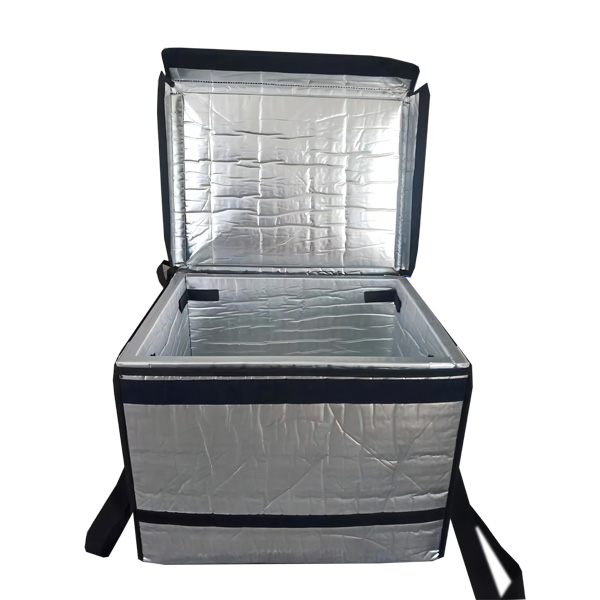
collapsible EPP insulation box is worth buying when it improves three outcomes at the same time: product protection, operating speed, and reusable value over time. Expanded polypropylene, usually called EPP, is a closed-cell bead foam valued for low weight, multiple-impact resistance, thermal insulation, and resistance to water and many routine chemicals. Packaging grades commonly span about 20 to 60 g/L, and your useful working range for this topic is usually 30-45 g/L with fold mechanism or modular wall design. The smartest 2026 buyers are no longer separating material choice from route data, supplier discipline, and lifecycle cost.
This optimized guide combines buyer logic, technical validation, market context, and sustainability planning into one decision framework. it is designed to help you choose the right collapsible EPP insulation box with fewer assumptions, stronger evidence, and a better chance of long-term operating success.
The optimized way to assess this category is to connect the audience need, the route reality, and the sourcing model in one view. For this keyword, that means balancing collapse mechanism, empty return cube, hinge durability, and seal integrity while keeping the program practical enough for everyday use.
What this guide will help you answer
• how to define the right performance target for collapsible EPP insulation box.
• which material, design, and supplier choices truly improve results.
• how to combine route data, compliance paperwork, and total cost thinking.
• what 2026 buyers expect around reuse, recyclability, and audit readiness.
• how to turn a good quote into a dependable operating program.
What operating profile should define your Collapsible EPP Insulation Box?
The first step is to describe the job the box must do in plain operating language. How long is the route, how many handoffs occur, how heavy is the payload, how often is the lid opened, and how reliable is the return flow. Those answers matter more than any single marketing phrase because they decide whether you need a light route box, a stronger stacked format, or a more specialized configuration.
Once the operating profile is clear, define the success metrics. For most buyers, those metrics are temperature stability, low damage, easy handling, repeatable cleaning, and acceptable per-trip cost. If you cannot name the metrics before sampling, it becomes almost impossible to compare quotes in a disciplined way.
How does foldable EPP cooler box become easier to approve internally?
Internal approval becomes easier when the packaging project is framed as a business process, not only a material change. Give procurement the quote logic, give operations the handling workflow, give quality the documentation, and give sustainability the reuse and end-of-life plan. When all four groups see their piece early, the decision tends to move faster and with fewer last-minute objections.
Operating Profile Decision Tool
| <strong>Area</strong> | <strong>What to review</strong> | <strong>Main signal</strong> | <strong>Why it matters to you</strong> |
| <strong>Route length and ambient exposure</strong> | Short, medium, or long lane | Drives insulation depth and refrigerant plan | Prevents overbuying or underbuilding |
| <strong>Handling intensity</strong> | Few or many handoffs | Changes density and corner strength needs | Protects real field durability |
| <strong>Return discipline</strong> | Strong, weak, or uncertain | Shapes reuse economics | Turns hardware cost into a workable business case |
Practical tips for you
• Write your approval criteria before you request the final quote, so the vendor knows what success looks like.
• Separate nice-to-have cosmetic requests from performance-critical requirements.
• Use one lead use case as the design anchor, even if you expect future expansion.
Practical example: Teams often save weeks by agreeing early on route time, payload type, and return ownership, because those three items settle most of the design debate.
Which material, density, and design choices deliver the best result?
EPP is attractive because it lets one molded part do several jobs at once. It can cushion impact, resist repeated knocks, provide useful thermal insulation, and stay light enough for daily handling. Still, no foam grade is universally best; the right answer depends on route stress, payload mass, stack behavior, and the importance of carry comfort.
Use density as a tuning tool rather than a prestige badge. Lower-density builds can make sense when speed and ergonomics are the priority. Balanced grades often fit mainstream delivery or storage programs. Higher-density or reinforced structures earn their place when heavier loads, rough transport, or high stack forces are part of the real environment.
How do space-saving insulated shipping box design details influence actual performance?
Geometry matters almost as much as raw material choice. Lid engagement, corner design, handle position, internal partitions, and cavity fit can all change how the box feels and performs in the field. A smart design reduces dead air, keeps the lid aligned after repeated use, and allows the pack-out to stay consistent even when the team is busy. Those small details often create bigger gains than simply adding thickness everywhere.
Design Choice Comparison
| <strong>Area</strong> | <strong>What to review</strong> | <strong>Main signal</strong> | <strong>Why it matters to you</strong> |
| <strong>Ultra-light design</strong> | Lower weight and fast carry | High-handling, lighter-payload routes | Improves speed and ergonomics |
| <strong>Balanced design</strong> | Weight, insulation, and durability in line | Mainstream delivery and storage | Usually the safest standard platform |
| <strong>Heavy-duty design</strong> | Higher stiffness and structure | Rough lanes, stack load, heavier payloads | Reduces wear where abuse is predictable |
Practical tips for you
• Prototype around the real payload footprint, not around an abstract volume target.
• Check lid fit after repeated use, because early samples can hide long-term misalignment issues.
• Use the lightest design that still meets the real route and stack requirement.
Practical example: A better lid and tighter cavity often improve the real result more than a simple increase in wall thickness, because they affect both thermal control and daily usability.
How do compliance, testing, and total cost fit together?
The strongest purchase decisions connect three evidence streams: documentation, route validation, and economics. For food-contact programs, compliance depends on the resin grade, additives, intended use, and supporting declarations, not on the foam name alone. Management-system certifications such as ISO 9001 or ISO 14001 can strengthen confidence in the supplier, but they should sit alongside product-specific declarations, lot control, and test records.
Testing should be practical and layered. Use thermal validation to confirm the pack-out, structural checks to confirm handling durability, and a simple lifecycle model to convert the box into per-trip value. That model should include cleaning, return freight, expected loss, and replacement rate instead of treating the first unit price as the whole story.
Why does reusable collapsible cold chain box need both route data and a cost model?
Route data tells you whether the solution works. The cost model tells you whether the solution scales. When both are positive, approval becomes much stronger because you can show not only that the packaging protects the product, but also that it can do so repeatedly at a sensible operating cost. This is especially important when you are replacing a cheap one-trip option with a reusable asset that needs recovery discipline.
Illustrative Lifecycle Cost Logic
| <strong>Area</strong> | <strong>What to review</strong> | <strong>Main signal</strong> | <strong>Why it matters to you</strong> |
| <strong>First price</strong> | The initial unit quotation | Useful but incomplete | Never enough on its own |
| <strong>Per-trip cost</strong> | Unit cost divided across successful uses | Shows reuse value | Better for comparing against disposable packaging |
| <strong>System cost</strong> | Cleaning, return, loss, replacement | Shows real operating burden | Reveals whether the program scales cleanly |
Practical tips for you
• Keep the lifecycle model simple enough that nontechnical stakeholders can follow it.
• Pilot long enough to produce believable trip-life and loss assumptions.
• Store the test summary with the approved quote so future sourcing remains aligned.
Practical example: Buyers gain internal support faster when they show one page of route data and one page of per-trip cost logic instead of relying on a long generic presentation.
What should your 2026 sourcing checklist include for Collapsible EPP Insulation Box?
The 2026 checklist should cover more than product dimensions and quote price. It should include application fit, compliance pack, validation method, return model, supplier responsiveness, and the sustainability story you can actually support. In a market that is moving toward more reuse and cleaner documentation, vague answers are becoming a bigger risk than slightly higher quoted prices.
Make the checklist operational. Who owns the box after delivery, how is it recovered, what damage level triggers replacement, what documents need refreshing after a spec change, and how will you know the real route still matches the approved design six months later. Those questions create a packaging program that can survive growth rather than collapse after the pilot.
How does EPP foldable transport container stay reliable after rollout?
Reliability after rollout depends on discipline. Standard footprints, clear labels, sample retention, periodic route checks, and one escalation contact per supplier all help keep drift under control. When the program is reviewed at set intervals, small issues such as lid wear, cleaning damage, or changing payload mix can be corrected before they become expensive. That is the difference between a successful pilot and a long-term packaging platform.
2026 Readiness Checklist
| <strong>Area</strong> | <strong>What to review</strong> | <strong>Main signal</strong> | <strong>Why it matters to you</strong> |
| <strong>Application fit</strong> | Lane, payload, and handling match | Confirms the design solves the right job | Prevents misaligned purchases |
| <strong>Documentation and testing</strong> | Declarations, certifications, route validation | Supports approval and audit readiness | Builds confidence across teams |
| <strong>Reuse governance</strong> | Cleaning, recovery, replacement rules | Protects economics and sustainability claims | Turns the box into a managed asset |
Practical tips for you
• Review the sourcing checklist with operations, quality, and procurement together before the final purchase order.
• Keep one approved sample on hand for future comparison when reorders arrive.
• Schedule a post-launch review so the packaging standard stays connected to the real operation.
Practical example: Mature packaging programs usually look ordinary from the outside, but they work because the checklist, the documents, and the return process are all kept current.
2026 Developments and Market Direction
The 2026 development path for collapsible EPP insulation box is clear. Buyers want packaging that is lighter to handle, easier to validate, and easier to justify in both cost and sustainability terms. In Europe, the Packaging and Packaging Waste Regulation is pushing packaging toward recyclability by 2030 and setting stronger expectations for reusable transport formats. At the same time, route growth and tighter service expectations are pushing teams to standardize reusable insulated formats instead of improvising order by order.
What is changing right now
• route-specific validation is becoming the normal buying standard.
• documentation clarity is rising in importance alongside physical performance.
• reusable transport packaging is being judged on recovery discipline and total value, not only on first cost.
For you, the opportunity is to choose a solution that already aligns material logic, supplier discipline, and operating reality. That gives you a better chance of protecting products, reducing waste, and avoiding a second packaging project six months later.
Frequently Asked Questions
What is the best way to start evaluating collapsible EPP insulation box?
Start by defining the real lane, payload, and handling stress. Then request a sample that matches those conditions and test it with clear success metrics.
Should I focus more on first price or lifecycle value?
Lifecycle value. First price matters, but per-trip cost, loss rate, cleaning effort, and replacement frequency tell you whether the choice is really competitive.
How important is documentation in 2026 sourcing?
It is very important. Buyers increasingly expect clear declarations, certification scope, and route-validation evidence before they approve reusable transport packaging.
What makes an EPP program scalable?
Standard footprints, repeatable pack-out, supplier consistency, and a simple but reliable return and inspection process make the program scalable.
When should I choose a stronger or denser design?
Choose it when heavier payloads, frequent stacking, or rough handling create visible stress. Do not add density just because it sounds safer on paper.
Summary and Recommendations
The best collapsible EPP insulation box is the one that fits your route, payload, team, and documentation needs at the same time. Focus on carry weight, cavity fit, lid quality, stack behavior, and supplier reliability before you worry about cosmetic extras. That approach gives you better protection, steadier temperature control, and a stronger chance of earning value from reuse.
Your next step is simple: define the route, sample the format, run a pilot with temperature and handling checks, and compare the result against your current package. If the sample performs well in daily use, then scale with clear acceptance criteria and a return plan.
About Tempk
At Tempk, we work on cold chain packaging with a focus on insulation performance, repeat-use durability, and practical application support. We design EPP solutions for food, medical, and industrial programs, and we pay close attention to fit, route conditions, and documentation rather than relying on broad marketing claims.
The next move is to compare your payload, route time, and handling pattern with a sample plan so you can choose the right box with less trial and error.
The Complete Guide to Chemical-Resistant Heavy-Duty Insulated EPP Box
chemical-resistant heavy-duty insulated EPP box is worth buying when it improves three outcomes at the same time: product protection, operating speed, and reusable value over time. Expanded polypropylene, usually called EPP, is a closed-cell bead foam valued for low weight, multiple-impact resistance, thermal insulation, and resistance to water and many routine chemicals. Packaging grades commonly span about 20 to 60 g/L, and your useful working range for this topic is usually 45-60 g/L or reinforced designs for heavy-duty service. The smartest 2026 buyers are no longer separating material choice from route data, supplier discipline, and lifecycle cost.
This optimized guide combines buyer logic, technical validation, market context, and sustainability planning into one decision framework. it is designed to help you choose the right heavy-duty insulated EPP box with fewer assumptions, stronger evidence, and a better chance of long-term operating success.
The optimized way to assess this category is to connect the audience need, the route reality, and the sourcing model in one view. For this keyword, that means balancing chemical exposure, wall integrity, heavy loads, and wash-down chemicals while keeping the program practical enough for everyday use.
What this guide will help you answer
• how to define the right performance target for chemical-resistant heavy-duty insulated EPP box.
• which material, design, and supplier choices truly improve results.
• how to combine route data, compliance paperwork, and total cost thinking.
• what 2026 buyers expect around reuse, recyclability, and audit readiness.
• how to turn a good quote into a dependable operating program.
What operating profile should define your Chemical-Resistant Heavy-Duty Insulated EPP Box?
The first step is to describe the job the box must do in plain operating language. How long is the route, how many handoffs occur, how heavy is the payload, how often is the lid opened, and how reliable is the return flow. Those answers matter more than any single marketing phrase because they decide whether you need a light route box, a stronger stacked format, or a more specialized configuration.
Once the operating profile is clear, define the success metrics. For most buyers, those metrics are temperature stability, low damage, easy handling, repeatable cleaning, and acceptable per-trip cost. If you cannot name the metrics before sampling, it becomes almost impossible to compare quotes in a disciplined way.
How does chemical resistant EPP container become easier to approve internally?
Internal approval becomes easier when the packaging project is framed as a business process, not only a material change. Give procurement the quote logic, give operations the handling workflow, give quality the documentation, and give sustainability the reuse and end-of-life plan. When all four groups see their piece early, the decision tends to move faster and with fewer last-minute objections.
Operating Profile Decision Tool
| <strong>Area</strong> | <strong>What to review</strong> | <strong>Main signal</strong> | <strong>Why it matters to you</strong> |
| <strong>Route length and ambient exposure</strong> | Short, medium, or long lane | Drives insulation depth and refrigerant plan | Prevents overbuying or underbuilding |
| <strong>Handling intensity</strong> | Few or many handoffs | Changes density and corner strength needs | Protects real field durability |
| <strong>Return discipline</strong> | Strong, weak, or uncertain | Shapes reuse economics | Turns hardware cost into a workable business case |
Practical tips for you
• Write your approval criteria before you request the final quote, so the vendor knows what success looks like.
• Separate nice-to-have cosmetic requests from performance-critical requirements.
• Use one lead use case as the design anchor, even if you expect future expansion.
Practical example: Teams often save weeks by agreeing early on route time, payload type, and return ownership, because those three items settle most of the design debate.
Which material, density, and design choices deliver the best result?
EPP is attractive because it lets one molded part do several jobs at once. It can cushion impact, resist repeated knocks, provide useful thermal insulation, and stay light enough for daily handling. Still, no foam grade is universally best; the right answer depends on route stress, payload mass, stack behavior, and the importance of carry comfort.
Use density as a tuning tool rather than a prestige badge. Lower-density builds can make sense when speed and ergonomics are the priority. Balanced grades often fit mainstream delivery or storage programs. Higher-density or reinforced structures earn their place when heavier loads, rough transport, or high stack forces are part of the real environment.
How do heavy duty insulated foam box design details influence actual performance?
Geometry matters almost as much as raw material choice. Lid engagement, corner design, handle position, internal partitions, and cavity fit can all change how the box feels and performs in the field. A smart design reduces dead air, keeps the lid aligned after repeated use, and allows the pack-out to stay consistent even when the team is busy. Those small details often create bigger gains than simply adding thickness everywhere.
Design Choice Comparison
| <strong>Area</strong> | <strong>What to review</strong> | <strong>Main signal</strong> | <strong>Why it matters to you</strong> |
| <strong>Ultra-light design</strong> | Lower weight and fast carry | High-handling, lighter-payload routes | Improves speed and ergonomics |
| <strong>Balanced design</strong> | Weight, insulation, and durability in line | Mainstream delivery and storage | Usually the safest standard platform |
| <strong>Heavy-duty design</strong> | Higher stiffness and structure | Rough lanes, stack load, heavier payloads | Reduces wear where abuse is predictable |
Practical tips for you
• Prototype around the real payload footprint, not around an abstract volume target.
• Check lid fit after repeated use, because early samples can hide long-term misalignment issues.
• Use the lightest design that still meets the real route and stack requirement.
Practical example: A better lid and tighter cavity often improve the real result more than a simple increase in wall thickness, because they affect both thermal control and daily usability.
How do compliance, testing, and total cost fit together?
The strongest purchase decisions connect three evidence streams: documentation, route validation, and economics. For food-contact programs, compliance depends on the resin grade, additives, intended use, and supporting declarations, not on the foam name alone. Management-system certifications such as ISO 9001 or ISO 14001 can strengthen confidence in the supplier, but they should sit alongside product-specific declarations, lot control, and test records.
Testing should be practical and layered. Use thermal validation to confirm the pack-out, structural checks to confirm handling durability, and a simple lifecycle model to convert the box into per-trip value. That model should include cleaning, return freight, expected loss, and replacement rate instead of treating the first unit price as the whole story.
Why does industrial reusable cooler box need both route data and a cost model?
Route data tells you whether the solution works. The cost model tells you whether the solution scales. When both are positive, approval becomes much stronger because you can show not only that the packaging protects the product, but also that it can do so repeatedly at a sensible operating cost. This is especially important when you are replacing a cheap one-trip option with a reusable asset that needs recovery discipline.
Illustrative Lifecycle Cost Logic
| <strong>Area</strong> | <strong>What to review</strong> | <strong>Main signal</strong> | <strong>Why it matters to you</strong> |
| <strong>First price</strong> | The initial unit quotation | Useful but incomplete | Never enough on its own |
| <strong>Per-trip cost</strong> | Unit cost divided across successful uses | Shows reuse value | Better for comparing against disposable packaging |
| <strong>System cost</strong> | Cleaning, return, loss, replacement | Shows real operating burden | Reveals whether the program scales cleanly |
Practical tips for you
• Keep the lifecycle model simple enough that nontechnical stakeholders can follow it.
• Pilot long enough to produce believable trip-life and loss assumptions.
• Store the test summary with the approved quote so future sourcing remains aligned.
Practical example: Buyers gain internal support faster when they show one page of route data and one page of per-trip cost logic instead of relying on a long generic presentation.
What should your 2026 sourcing checklist include for Chemical-Resistant Heavy-Duty Insulated EPP Box?
The 2026 checklist should cover more than product dimensions and quote price. It should include application fit, compliance pack, validation method, return model, supplier responsiveness, and the sustainability story you can actually support. In a market that is moving toward more reuse and cleaner documentation, vague answers are becoming a bigger risk than slightly higher quoted prices.
Make the checklist operational. Who owns the box after delivery, how is it recovered, what damage level triggers replacement, what documents need refreshing after a spec change, and how will you know the real route still matches the approved design six months later. Those questions create a packaging program that can survive growth rather than collapse after the pilot.
How does high strength EPP transport box stay reliable after rollout?
Reliability after rollout depends on discipline. Standard footprints, clear labels, sample retention, periodic route checks, and one escalation contact per supplier all help keep drift under control. When the program is reviewed at set intervals, small issues such as lid wear, cleaning damage, or changing payload mix can be corrected before they become expensive. That is the difference between a successful pilot and a long-term packaging platform.
2026 Readiness Checklist
| <strong>Area</strong> | <strong>What to review</strong> | <strong>Main signal</strong> | <strong>Why it matters to you</strong> |
| <strong>Application fit</strong> | Lane, payload, and handling match | Confirms the design solves the right job | Prevents misaligned purchases |
| <strong>Documentation and testing</strong> | Declarations, certifications, route validation | Supports approval and audit readiness | Builds confidence across teams |
| <strong>Reuse governance</strong> | Cleaning, recovery, replacement rules | Protects economics and sustainability claims | Turns the box into a managed asset |
Practical tips for you
• Review the sourcing checklist with operations, quality, and procurement together before the final purchase order.
• Keep one approved sample on hand for future comparison when reorders arrive.
• Schedule a post-launch review so the packaging standard stays connected to the real operation.
Practical example: Mature packaging programs usually look ordinary from the outside, but they work because the checklist, the documents, and the return process are all kept current.
2026 Developments and Market Direction
The 2026 development path for chemical-resistant heavy-duty insulated EPP box is clear. Buyers want packaging that is lighter to handle, easier to validate, and easier to justify in both cost and sustainability terms. In Europe, the Packaging and Packaging Waste Regulation is pushing packaging toward recyclability by 2030 and setting stronger expectations for reusable transport formats. At the same time, route growth and tighter service expectations are pushing teams to standardize reusable insulated formats instead of improvising order by order.
What is changing right now
• route-specific validation is becoming the normal buying standard.
• documentation clarity is rising in importance alongside physical performance.
• reusable transport packaging is being judged on recovery discipline and total value, not only on first cost.
For you, the opportunity is to choose a solution that already aligns material logic, supplier discipline, and operating reality. That gives you a better chance of protecting products, reducing waste, and avoiding a second packaging project six months later.
Frequently Asked Questions
What is the best way to start evaluating chemical-resistant heavy-duty insulated EPP box?
Start by defining the real lane, payload, and handling stress. Then request a sample that matches those conditions and test it with clear success metrics.
Should I focus more on first price or lifecycle value?
Lifecycle value. First price matters, but per-trip cost, loss rate, cleaning effort, and replacement frequency tell you whether the choice is really competitive.
How important is documentation in 2026 sourcing?
It is very important. Buyers increasingly expect clear declarations, certification scope, and route-validation evidence before they approve reusable transport packaging.
What makes an EPP program scalable?
Standard footprints, repeatable pack-out, supplier consistency, and a simple but reliable return and inspection process make the program scalable.
When should I choose a stronger or denser design?
Choose it when heavier payloads, frequent stacking, or rough handling create visible stress. Do not add density just because it sounds safer on paper.
Summary and Recommendations
The best chemical-resistant heavy-duty insulated EPP box is the one that fits your route, payload, team, and documentation needs at the same time. Focus on carry weight, cavity fit, lid quality, stack behavior, and supplier reliability before you worry about cosmetic extras. That approach gives you better protection, steadier temperature control, and a stronger chance of earning value from reuse.
Your next step is simple: define the route, sample the format, run a pilot with temperature and handling checks, and compare the result against your current package. If the sample performs well in daily use, then scale with clear acceptance criteria and a return plan.
About Tempk
At Tempk, we work on cold chain packaging with a focus on insulation performance, repeat-use durability, and practical application support. We design EPP solutions for food, medical, and industrial programs, and we pay close attention to fit, route conditions, and documentation rather than relying on broad marketing claims.
The next move is to compare your payload, route time, and handling pattern with a sample plan so you can choose the right box with less trial and error.
How to Choose the Best Insulated Box Distributor for Biological Specimens in 2026

Cold chain success usually fails or succeeds before the carrier even scans the parcel. An insulated box distributor for biological specimens matters because diagnostic samples, biological specimens, swabs, serum, plasma, tissue, and research samples can lose value fast when sample degradation or leakage happens. Ship according to specimen stability requirements, which may be ambient, refrigerated, frozen, or deep-frozen, and align packaging with classification and transport rules. WHO’s 2025 guidance for infectious substance transport keeps the focus on classification, marking, labeling, documentation, refrigerating method, and correct triple packaging. That is why experienced buyers compare the full ship system: product temperature, refrigerant, box geometry, handling stress, and disposal path. This guide explains how to compare design, validation, supplier fit, and sustainability without getting trapped by marketing language.
What this article will help you solve
• How insulated box distributor for biological specimens should be matched to route length, payload, and biological specimen shipping box needs
• Which materials, inserts, and refrigerants make UN3373 insulated shipper or similar formats more practical
• What tests, standards, and supplier evidence matter for triple packaging, classification, labeling, and specimen integrity
• How to reduce waste, freight cost, and repacks while improving triple packaging cold box decisions
What makes the best insulated box distributor for biological specimens in 2026?
The first point to understand is this: When you ship diagnostic samples, biological specimens, swabs, serum, plasma, tissue, and research samples, the box must protect product quality against time, handling, and temperature drift. With insulated box distributor for biological specimens, you do not only risk delay. You risk unusable samples, rejected specimens, and lost diagnostic or research value. The right design buys you usable thermal time, better pack stability, and fewer receiving disputes. It also gives your team a repeatable packing method instead of a guess that changes by season.
That is why experienced teams start with the real lane, not the catalog photo. They look at starting product temperature, parcel or pallet dwell time, delivery geography, and how the receiver will unload and inspect the shipment. For diagnostic samples, biological specimens, swabs, serum, plasma, tissue, and research samples, the best design usually combines triple packaging compatibility, absorbent placement, and a pack-out that minimizes wasted air while keeping the product stable in transit. For many buyers, the big improvement comes from right-sizing and pack discipline rather than simply adding more insulation or more refrigerant.
How much hold time, structure, and workflow fit do you need?
Hold time should be treated as a route-specific result, not a universal promise. A shipment that works for a 24-hour regional lane may fail on a 48-hour parcel route with hot depot exposure. WHO’s 2025 guidance for infectious substance transport keeps the focus on classification, marking, labeling, documentation, refrigerating method, and correct triple packaging. If you ask for one thing from a supplier, ask how the system performs under a realistic worst-case profile for your product.
| Shipment profile | Typical transit goal | Recommended packaging focus | What it means for you |
| Routine diagnostic sample | 2-8°C | triple pack + cold packs | Helps preserve result quality on daily runs |
| Frozen reference specimen | frozen or deep-frozen | validated insulated shipper + dry ice where appropriate | Protects sample integrity on longer routes |
| Mixed collection network | varied | modular insulated kit | Makes staff training and pack consistency easier |
Practical tips you can use immediately
• Tip 1: Use preassembled kit logic so staff can follow the correct packaging order under time pressure.
• Tip 2: Use refrigerated cold packs for refrigerated specimens and dry ice only where the product and regulations allow.
• Tip 3: Use chain-of-custody labels and seal checks at dispatch and receipt.
Example: One common example is a multi-site diagnostic collection networks. When the team switched from a generic shipper to a route-matched design, pack consistency improved, receiving complaints dropped, and the operation gained a clearer seasonal packing rule.
How do you choose structure, refrigerant, and box size?
The best insulated box distributor for biological specimens in 2026 is rarely the thickest or the most heavily marketed option. It is the design that matches product sensitivity, route reality, warehouse workflow, and post-delivery disposal. That means you should lock the target temperature band, longest likely transit profile, acceptable excursion window, and receiving process before you compare materials.
Once those factors are clear, the structure decision becomes much easier. You can size the cavity around the real product footprint, choose the refrigerant plan, and decide whether the outer format should prioritize stacking, parcel handling, or end-user unboxing. This is where many optimized programs win margin: by removing wasted air, extra filler, and unnecessary refrigerant.
Which design variables should you lock first?
The design variables to lock first are product starting condition, cavity geometry, refrigerant placement, closure integrity, and the work instructions your pack team will follow. When those five items are controlled, material selection becomes a sharper and more honest decision.
• Define the lane: write down the real transit promise, not the ideal carrier promise.
• Define the payload: include product count, unit weight, and how much empty space remains after packing.
• Define the work method: use a repeatable sequence so insulated box distributor for biological specimens performs like the qualified design.
Which materials, tests, and standards matter most?
The material and test conversation should start with function. What thermal margin do you need? What handling damage do you expect? How easy does the box need to be to assemble and dispose of? Once those answers are clear, materials can be judged on whether they help the shipment succeed, not just whether they sound advanced.
For optimized programs, the most useful comparison includes thermal behavior, moisture stability, crush strength, dimensional efficiency, and end-of-life practicality. For diagnostic samples, biological specimens, swabs, serum, plasma, tissue, and research samples, the best design usually combines triple packaging compatibility, absorbent placement, and a pack-out that minimizes wasted air while keeping the product stable in transit. When teams compare materials across those five factors, weak options usually reveal themselves quickly.
What validation approach gives buyers real confidence?
The validation approach matters just as much as the material choice. Lab data, simulated parcel profiles, and limited field trials should work together so you do not overtrust a design that only performs under perfect conditions.
How do you balance compliance, cost, and sustainability?
In an optimized review, tests and standards are used to reduce uncertainty. That is why buyers often ask about CDC specimen packing and shipping guidance, WHO 2025 infectious substances transport guidance, IATA PI 650 / UN3373 concepts, and ASTM D3103 when they review packaging options. They help you understand whether a design is thermally capable, mechanically durable, and suitable for the compliance expectations around your product.
The most useful evidence stack is layered. Start with laboratory thermal data, add handling or distribution simulation, then confirm the design on real qualification lanes. That three-part approach reduces the risk of selecting a box that performs well in one environment but not in the network you actually use.
How do you avoid good-looking but weak packaging decisions?
Buyers gain real confidence when suppliers can explain assumptions, limits, and corrective options. That is more valuable than a single headline test number with no context.
What supplier checklist helps you avoid bad fits?
Balancing compliance, cost, and sustainability is easier when you stop treating them as separate topics. A well-chosen insulated shipper can reduce excursion risk, cut dimensional freight, and simplify disposal at the same time. A poorly chosen one can make all three worse.
The strongest supplier checklist asks about route profile, product condition, pack-out method, seasonal assumptions, disposal path, and documentation support in one conversation. That integrated view helps you avoid impressive-looking packaging that does not fit your actual operation.
Which questions reveal whether a supplier really understands your lane?
The best supplier questions are usually the simplest. What lane was this validated for? What happens in summer? What changes if my payload drops? What if I need easier disposal? Those questions reveal real expertise quickly.
Quick self-check before you buy
Before you approve any insulated box distributor for biological specimens design, run a short self-check. The goal is to catch mismatch early, before packaging reaches routine use. If your team can answer the questions below clearly, supplier conversations become faster and qualification work becomes more useful.
• Question 1: What is the real maximum transit profile, including handoff and dwell time?
• Question 2: What product condition enters the box at pack-out, and how consistent is that step?
• Question 3: What disposal route will the receiver actually use after unpacking?
• Question 4: What evidence would prove the packaging is fit for your hardest likely lane?
2026 developments and trends for insulated box distributor for biological specimens
Three developments are reshaping buyer expectations in 2026. In this category, labs want easier compliance training and fewer pack-out errors. At the same time, specimen networks are using more parcel and mixed-mode transport. The result is that buyers increasingly want packaging that makes the correct assembly obvious to staff. ASTM D3103 is widely used to evaluate the thermal insulation performance of distribution packages for high-value and high-risk materials. As a result, buyers are asking for better evidence, cleaner material stories, and packaging that stays workable for warehouse teams.
Latest developments at a glance
• Development 1: Labs want easier compliance training and fewer pack-out errors.
• Development 2: Specimen networks are using more parcel and mixed-mode transport.
• Development 3: Buyers increasingly want packaging that makes the correct assembly obvious to staff.
There is also a stronger expectation that packaging should support operational resilience. That means better route testing, clearer work instructions, and faster redesign cycles when channels change. USP General Chapter <1079> is still a useful practical reference when teams need a disciplined way to think about storage risk, shipping lanes, and temperature excursion control. For procurement teams, the message is clear: choose designs that are easy to validate, easy to explain, and realistic for the markets you serve.
Frequently asked questions
What should a biological specimen insulated box distributor provide?
The distributor should provide packaging that supports the right classification, temperature control, absorbent use, labeling space, and repeatable assembly.
Why is triple packaging still so important?
Because it separates the sample, the leak-control layer, and the outer protective layer. That structure protects people, the specimen, and the shipment route.
Can one specimen shipper work for refrigerated and frozen samples?
Sometimes, but only if the pack-out and refrigerant change and the design is validated for both conditions.
What causes specimen rejection during transport?
Common reasons include leakage, missing absorbent, temperature excursion, wrong documentation, or a damaged outer package.
Summary and next steps
The main lesson is clear: the right insulated box is the one validated for your product, your lane, and your handling reality. For insulated box distributor for biological specimens, the most practical priorities are clear: define the route, match the cavity to the payload, validate the pack-out, and choose materials that support both performance and disposal reality. If you keep those points in view, you are far more likely to reduce claims, shrink, and avoidable freight waste.
The next step is to compare a few validated designs against your real shipment profile instead of comparing empty boxes by appearance alone. That approach usually saves more money over time. That process helps you move from a generic packaging purchase to a packaging system that supports quality, compliance, and customer confidence.
About Tempk
At Tempk, we focus on insulated packaging for temperature-sensitive shipping. We design box systems around product risk, route length, pack-out method, and handling reality, so you can choose a solution that is practical for cold chain use instead of just attractive on paper. We build projects around product condition, target hold time, route risk, and operational repeatability so you can choose a format that makes sense in the field.
If you are comparing insulated box distributor for biological specimens options now, a clear route brief and a sample qualification plan are the best next steps. They make supplier conversations faster, more technical, and more useful.
How to Choose the Best Eco-Friendly Insulated Box for Meat in 2026

When you ship sensitive product, insulation is only one part of the protection story. An eco-friendly insulated box for meat matters because raw meat, portioned cuts, ready-to-cook packs, and chilled protein shipments can lose value fast when temperature abuse above 40°F or purge leakage and odor happens. Keep chilled meat at or below 40°F / 4°C and design pack-outs so product stays out of the danger zone during the full shipping window. FAO reported in 2026 that 526 million tonnes of food, about 12% of the global total, are lost or wasted because of insufficient refrigeration, which turns packaging quality into a waste-reduction decision, not just a freight decision. You are not only buying insulation thickness. You are buying time, consistency, and fewer expensive surprises at destination. This guide explains how to compare design, validation, supplier fit, and sustainability without getting trapped by marketing language.
What this article will help you solve
• How eco-friendly insulated box for meat should be matched to route length, payload, and sustainable meat shipping box needs
• Which materials, inserts, and refrigerants make recyclable insulated meat packaging or similar formats more practical
• What tests, standards, and supplier evidence matter for food safety expectations, cold holding discipline, and route validation
• How to reduce waste, freight cost, and repacks while improving fiber-based cold chain box for meat decisions
What makes the best eco-friendly insulated box for meat in 2026?
For most buyers, the decision becomes clearer when you look at the shipment as a whole. When you ship raw meat, portioned cuts, ready-to-cook packs, and chilled protein shipments, the box must protect product quality against time, handling, and temperature drift. With eco-friendly insulated box for meat, you do not only risk a warm delivery. You risk food safety, purge, odor, reduced shelf life, and a customer who never orders again. The right design buys you usable thermal time, better pack stability, and fewer receiving disputes. It also gives your team a repeatable packing method instead of a guess that changes by season.
That is why experienced teams start with the real lane, not the catalog photo. They look at starting product temperature, parcel or pallet dwell time, delivery geography, and how the receiver will unload and inspect the shipment. For raw meat, portioned cuts, ready-to-cook packs, and chilled protein shipments, the best design usually combines recyclable outer fiberboard, moisture-managed liners, and a pack-out that minimizes wasted air while keeping the product stable in transit. For many buyers, the big improvement comes from right-sizing and pack discipline rather than simply adding more insulation or more refrigerant.
How much hold time, structure, and workflow fit do you need?
Hold time should be treated as a route-specific result, not a universal promise. A shipment that works for a 24-hour regional lane may fail on a 48-hour parcel route with hot depot exposure. FAO reported in 2026 that 526 million tonnes of food, about 12% of the global total, are lost or wasted because of insufficient refrigeration, which turns packaging quality into a waste-reduction decision, not just a freight decision. If you ask for one thing from a supplier, ask how the system performs under a realistic worst-case profile for your product.
| Shipment profile | Typical transit goal | Recommended packaging focus | What it means for you |
| Local chilled meat route | 12-24 hours | fiberboard insulated box + gel packs | Cuts plastic use while keeping short routes practical |
| Regional parcel shipment | 24-48 hours | high-density liner + right-sized refrigerant | Improves food safety margin on variable parcel lanes |
| Premium gift meat box | 48-72 hours | multi-layer pack-out + tamper-evident closure | Protects temperature and customer unboxing experience |
Practical tips you can use immediately
• Tip 1: Use a leak-resistant primary wrap before placing meat inside the insulated shipper.
• Tip 2: Use preconditioned gel packs matched to the real route duration, not the promised carrier window.
• Tip 3: Use a small air gap and divider board to reduce direct contact damage and improve pack stability.
Example: Consider a export carton consolidation for premium cuts. The biggest improvement usually does not come from adding more material. It comes from matching box size, refrigerant position, and handling instructions to the real route.
How do you choose structure, refrigerant, and box size?
The best eco-friendly insulated box for meat in 2026 is rarely the thickest or the most heavily marketed option. It is the design that matches product sensitivity, route reality, warehouse workflow, and post-delivery disposal. That means you should lock the target temperature band, longest likely transit profile, acceptable excursion window, and receiving process before you compare materials.
Once those factors are clear, the structure decision becomes much easier. You can size the cavity around the real product footprint, choose the refrigerant plan, and decide whether the outer format should prioritize stacking, parcel handling, or end-user unboxing. This is where many optimized programs win margin: by removing wasted air, extra filler, and unnecessary refrigerant.
Which design variables should you lock first?
The design variables to lock first are product starting condition, cavity geometry, refrigerant placement, closure integrity, and the work instructions your pack team will follow. When those five items are controlled, material selection becomes a sharper and more honest decision.
• Define the lane: write down the real transit promise, not the ideal carrier promise.
• Define the payload: include product count, unit weight, and how much empty space remains after packing.
• Define the work method: use a repeatable sequence so eco-friendly insulated box for meat performs like the qualified design.
Which materials, tests, and standards matter most?
The material and test conversation should start with function. What thermal margin do you need? What handling damage do you expect? How easy does the box need to be to assemble and dispose of? Once those answers are clear, materials can be judged on whether they help the shipment succeed, not just whether they sound advanced.
For optimized programs, the most useful comparison includes thermal behavior, moisture stability, crush strength, dimensional efficiency, and end-of-life practicality. For raw meat, portioned cuts, ready-to-cook packs, and chilled protein shipments, the best design usually combines recyclable outer fiberboard, moisture-managed liners, and a pack-out that minimizes wasted air while keeping the product stable in transit. When teams compare materials across those five factors, weak options usually reveal themselves quickly.
What validation approach gives buyers real confidence?
The validation approach matters just as much as the material choice. Lab data, simulated parcel profiles, and limited field trials should work together so you do not overtrust a design that only performs under perfect conditions.
How do you balance compliance, cost, and sustainability?
In an optimized review, tests and standards are used to reduce uncertainty. That is why buyers often ask about USDA refrigeration guidance, FDA Food Code cold holding expectations, ASTM D3103 thermal testing, and ISTA 7E parcel thermal profiles when they review packaging options. They help you understand whether a design is thermally capable, mechanically durable, and suitable for the compliance expectations around your product.
The most useful evidence stack is layered. Start with laboratory thermal data, add handling or distribution simulation, then confirm the design on real qualification lanes. That three-part approach reduces the risk of selecting a box that performs well in one environment but not in the network you actually use.
How do you avoid good-looking but weak packaging decisions?
Buyers gain real confidence when suppliers can explain assumptions, limits, and corrective options. That is more valuable than a single headline test number with no context.
What supplier checklist helps you avoid bad fits?
Balancing compliance, cost, and sustainability is easier when you stop treating them as separate topics. A well-chosen insulated shipper can reduce excursion risk, cut dimensional freight, and simplify disposal at the same time. A poorly chosen one can make all three worse.
The strongest supplier checklist asks about route profile, product condition, pack-out method, seasonal assumptions, disposal path, and documentation support in one conversation. That integrated view helps you avoid impressive-looking packaging that does not fit your actual operation.
Which questions reveal whether a supplier really understands your lane?
The best supplier questions are usually the simplest. What lane was this validated for? What happens in summer? What changes if my payload drops? What if I need easier disposal? Those questions reveal real expertise quickly.
Quick self-check before you buy
Before you approve any eco-friendly insulated box for meat design, run a short self-check. The goal is to catch mismatch early, before packaging reaches routine use. If your team can answer the questions below clearly, supplier conversations become faster and qualification work becomes more useful.
• Question 1: What is the real maximum transit profile, including handoff and dwell time?
• Question 2: What product condition enters the box at pack-out, and how consistent is that step?
• Question 3: What disposal route will the receiver actually use after unpacking?
• Question 4: What evidence would prove the packaging is fit for your hardest likely lane?
2026 developments and trends for eco-friendly insulated box for meat
The newest shift is not one single material breakthrough. It is the combination of regulation, route complexity, and buyer scrutiny. In this category, buyers now want lower plastic use without losing hold time. At the same time, retailers are asking for cleaner disposal stories. The result is that validated parcel testing matters more as DTC meat volumes spread across more lanes. EPA’s latest packaging materials data still shows a strong recovery story for paper and paperboard packaging overall, with corrugated boxes maintaining particularly high recycling rates compared with many other packaging streams. As a result, buyers are asking for better evidence, cleaner material stories, and packaging that stays workable for warehouse teams.
Latest developments at a glance
• Development 1: Buyers now want lower plastic use without losing hold time.
• Development 2: Retailers are asking for cleaner disposal stories.
• Development 3: Validated parcel testing matters more as dtc meat volumes spread across more lanes.
There is also a stronger expectation that packaging should support operational resilience. That means better route testing, clearer work instructions, and faster redesign cycles when channels change. FAO reported in 2026 that 526 million tonnes of food, about 12% of the global total, are lost or wasted because of insufficient refrigeration, which turns packaging quality into a waste-reduction decision, not just a freight decision. For procurement teams, the message is clear: choose designs that are easy to validate, easy to explain, and realistic for the markets you serve.
Frequently asked questions
Can an eco-friendly insulated box for meat really replace foam?
Yes, in many lanes it can, but only if the box, liner, refrigerant, and pack-out are validated together. The safe choice is a tested system, not a single material claim.
How long should an eco-friendly insulated box for meat hold temperature?
That depends on meat load, starting temperature, route profile, and refrigerant. Many buyers target 24 to 72 hours, then validate worst-case summer and shoulder-season lanes.
Is curbside recyclability enough for meat packaging?
Not by itself. You also need leak management, food-contact suitability where relevant, compression strength, and a disposal process that is realistic for your customer.
What is the biggest mistake in meat cold chain packaging?
Using a strong box with an unbalanced pack-out. Too little refrigerant, too much headspace, or poor sealing can erase the benefit of better insulation.
Summary and next steps
The most reliable path is to match the box, refrigerant, workflow, and validation plan to the actual shipment. For eco-friendly insulated box for meat, the most practical priorities are clear: define the route, match the cavity to the payload, validate the pack-out, and choose materials that support both performance and disposal reality. If you keep those points in view, you are far more likely to reduce claims, shrink, and avoidable freight waste.
A practical next move is to define the product condition at pack-out, the expected route profile, and the acceptable excursion window. Once those are clear, box selection becomes much easier. That process helps you move from a generic packaging purchase to a packaging system that supports quality, compliance, and customer confidence.
About Tempk
At Tempk, we focus on insulated packaging for temperature-sensitive shipping. We design box systems around product risk, route length, pack-out method, and handling reality, so you can choose a solution that is practical for cold chain use instead of just attractive on paper. We build projects around product condition, target hold time, route risk, and operational repeatability so you can choose a format that makes sense in the field.
If you are comparing eco-friendly insulated box for meat options now, a clear route brief and a sample qualification plan are the best next steps. They make supplier conversations faster, more technical, and more useful.
How to Choose the Best Custom Fiberboard Insulated Box in 2026
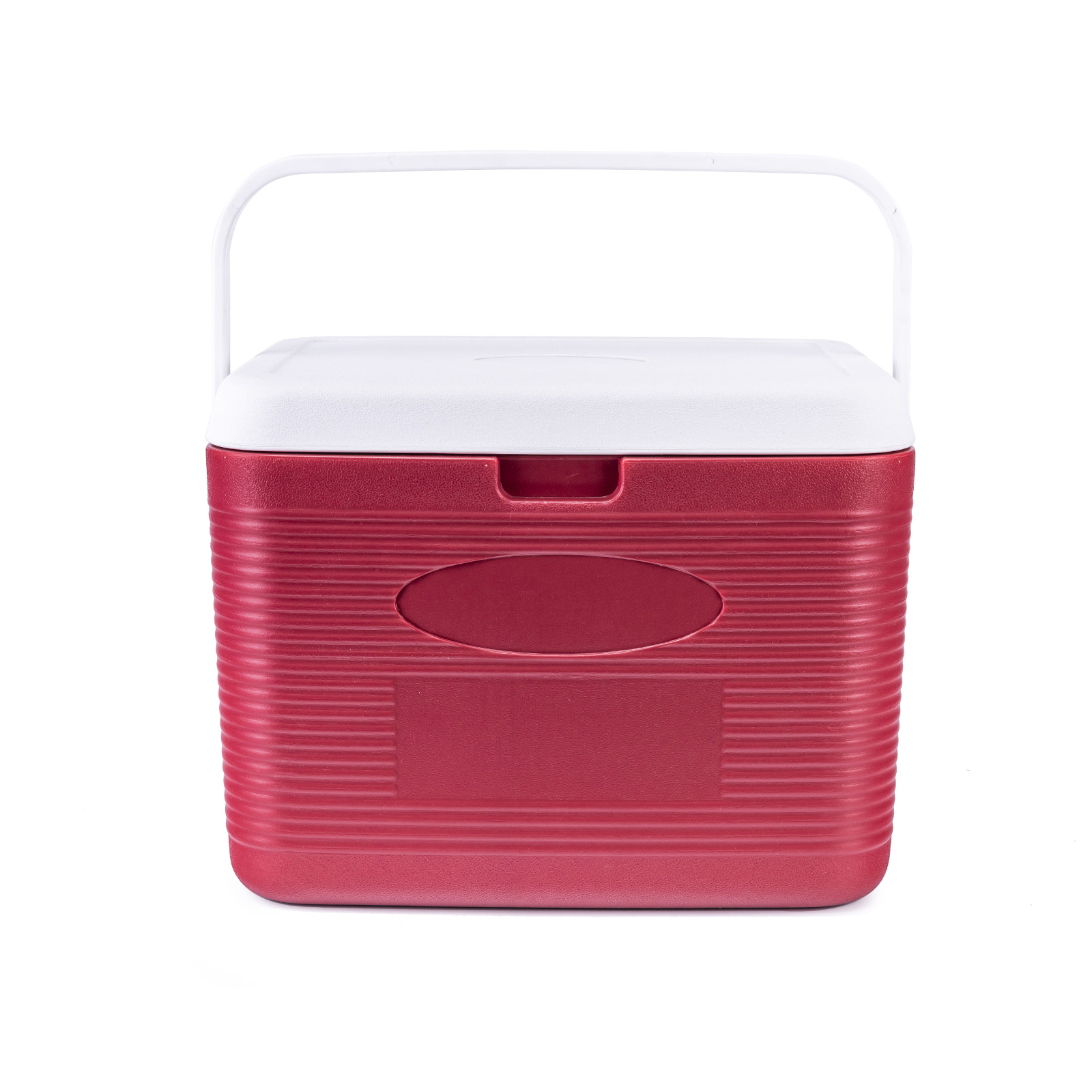
If you are buying packaging for temperature-sensitive distribution, the box is not just a container. An custom fiberboard insulated box matters because food, life science, and temperature-sensitive parcel shipments that need a fiber-led outer structure can lose value fast when weak compression under humid conditions or thermal loss from poor edge sealing happens. Design around the required hold time and target range, whether the shipment is chilled, frozen, or controlled room temperature. ASTM D4169 continues to matter when buyers want proof that a shipping container can survive distribution handling, vibration, impact, and compression stresses. You are not only buying insulation thickness. You are buying time, consistency, and fewer expensive surprises at destination. This guide explains how to compare design, validation, supplier fit, and sustainability without getting trapped by marketing language.
What this article will help you solve
• How custom fiberboard insulated box should be matched to route length, payload, and fiberboard thermal packaging needs
• Which materials, inserts, and refrigerants make custom corrugated insulated shipper or similar formats more practical
• What tests, standards, and supplier evidence matter for thermal performance proof, distribution durability, and disposal clarity
• How to reduce waste, freight cost, and repacks while improving recyclable insulated fiberboard box decisions
What makes the best custom fiberboard insulated box in 2026?
The first point to understand is this: When you ship food, life science, and temperature-sensitive parcel shipments that need a fiber-led outer structure, the box must protect product quality against time, handling, and temperature drift. With custom fiberboard insulated box, you do not only risk a damaged box. You risk lost thermal time, product shifts, and a design that looks sustainable but fails in handling. The right design buys you usable thermal time, better pack stability, and fewer receiving disputes. It also gives your team a repeatable packing method instead of a guess that changes by season.
That is why experienced teams start with the real lane, not the catalog photo. They look at starting product temperature, parcel or pallet dwell time, delivery geography, and how the receiver will unload and inspect the shipment. For food, life science, and temperature-sensitive parcel shipments that need a fiber-led outer structure, the best design usually combines corrugated board grade selection, laminated or nested fiber liners, and a pack-out that minimizes wasted air while keeping the product stable in transit. For many buyers, the big improvement comes from right-sizing and pack discipline rather than simply adding more insulation or more refrigerant.
How much hold time, structure, and workflow fit do you need?
Hold time should be treated as a route-specific result, not a universal promise. A shipment that works for a 24-hour regional lane may fail on a 48-hour parcel route with hot depot exposure. ISTA 7E has become a strong reference for thermal transport packaging in parcel systems because it uses real-world heat and cold profiles rather than idealized assumptions. If you ask for one thing from a supplier, ask how the system performs under a realistic worst-case profile for your product.
| Shipment profile | Typical transit goal | Recommended packaging focus | What it means for you |
| Flat-pack storage | Lower warehouse space | Faster carton handling | Helps you scale without overloading storage space |
| Custom cavity design | Less headspace | Better refrigerant efficiency | Can cut pack-out cost per shipment |
| Fiber-led disposal | Simpler end-user sorting | Better sustainability story | Improves post-delivery customer experience |
Practical tips you can use immediately
• Tip 1: Use a board grade chosen for stacked loads, not just empty-box appearance.
• Tip 2: Use panel joints and lid overlaps that reduce thermal leakage at the corners.
• Tip 3: Use dimensional data from real SKUs so the custom insert does not create wasted air volume.
Example: Consider a premium grocery dispatch programs. The biggest improvement usually does not come from adding more material. It comes from matching box size, refrigerant position, and handling instructions to the real route.
How do you choose structure, refrigerant, and box size?
The best custom fiberboard insulated box in 2026 is rarely the thickest or the most heavily marketed option. It is the design that matches product sensitivity, route reality, warehouse workflow, and post-delivery disposal. That means you should lock the target temperature band, longest likely transit profile, acceptable excursion window, and receiving process before you compare materials.
Once those factors are clear, the structure decision becomes much easier. You can size the cavity around the real product footprint, choose the refrigerant plan, and decide whether the outer format should prioritize stacking, parcel handling, or end-user unboxing. This is where many optimized programs win margin: by removing wasted air, extra filler, and unnecessary refrigerant.
Which design variables should you lock first?
The design variables to lock first are product starting condition, cavity geometry, refrigerant placement, closure integrity, and the work instructions your pack team will follow. When those five items are controlled, material selection becomes a sharper and more honest decision.
• Define the lane: write down the real transit promise, not the ideal carrier promise.
• Define the payload: include product count, unit weight, and how much empty space remains after packing.
• Define the work method: use a repeatable sequence so custom fiberboard insulated box performs like the qualified design.
Which materials, tests, and standards matter most?
The material and test conversation should start with function. What thermal margin do you need? What handling damage do you expect? How easy does the box need to be to assemble and dispose of? Once those answers are clear, materials can be judged on whether they help the shipment succeed, not just whether they sound advanced.
For optimized programs, the most useful comparison includes thermal behavior, moisture stability, crush strength, dimensional efficiency, and end-of-life practicality. For food, life science, and temperature-sensitive parcel shipments that need a fiber-led outer structure, the best design usually combines corrugated board grade selection, laminated or nested fiber liners, and a pack-out that minimizes wasted air while keeping the product stable in transit. When teams compare materials across those five factors, weak options usually reveal themselves quickly.
What validation approach gives buyers real confidence?
The validation approach matters just as much as the material choice. Lab data, simulated parcel profiles, and limited field trials should work together so you do not overtrust a design that only performs under perfect conditions.
How do you balance compliance, cost, and sustainability?
In an optimized review, tests and standards are used to reduce uncertainty. That is why buyers often ask about ASTM D3103 thermal insulation performance, ASTM D4169 distribution testing, ISTA 7E thermal parcel testing, and EPA paper packaging data when they review packaging options. They help you understand whether a design is thermally capable, mechanically durable, and suitable for the compliance expectations around your product.
The most useful evidence stack is layered. Start with laboratory thermal data, add handling or distribution simulation, then confirm the design on real qualification lanes. That three-part approach reduces the risk of selecting a box that performs well in one environment but not in the network you actually use.
How do you avoid good-looking but weak packaging decisions?
Buyers gain real confidence when suppliers can explain assumptions, limits, and corrective options. That is more valuable than a single headline test number with no context.
What supplier checklist helps you avoid bad fits?
Balancing compliance, cost, and sustainability is easier when you stop treating them as separate topics. A well-chosen insulated shipper can reduce excursion risk, cut dimensional freight, and simplify disposal at the same time. A poorly chosen one can make all three worse.
The strongest supplier checklist asks about route profile, product condition, pack-out method, seasonal assumptions, disposal path, and documentation support in one conversation. That integrated view helps you avoid impressive-looking packaging that does not fit your actual operation.
Which questions reveal whether a supplier really understands your lane?
The best supplier questions are usually the simplest. What lane was this validated for? What happens in summer? What changes if my payload drops? What if I need easier disposal? Those questions reveal real expertise quickly.
Quick self-check before you buy
Before you approve any custom fiberboard insulated box design, run a short self-check. The goal is to catch mismatch early, before packaging reaches routine use. If your team can answer the questions below clearly, supplier conversations become faster and qualification work becomes more useful.
• Question 1: What is the real maximum transit profile, including handoff and dwell time?
• Question 2: What product condition enters the box at pack-out, and how consistent is that step?
• Question 3: What disposal route will the receiver actually use after unpacking?
• Question 4: What evidence would prove the packaging is fit for your hardest likely lane?
2026 developments and trends for custom fiberboard insulated box
This category is moving fast in 2026, and a few signals matter more than the rest. In this category, fiber-first designs are gaining attention as disposal simplicity becomes a buying factor. At the same time, right-sizing matters as parcel costs rise. The result is that buyers increasingly ask for data that proves fiberboard designs can survive both heat and handling. EPA’s latest packaging materials data still shows a strong recovery story for paper and paperboard packaging overall, with corrugated boxes maintaining particularly high recycling rates compared with many other packaging streams. As a result, buyers are asking for better evidence, cleaner material stories, and packaging that stays workable for warehouse teams.
Latest developments at a glance
• Development 1: Fiber-first designs are gaining attention as disposal simplicity becomes a buying factor.
• Development 2: Right-sizing matters as parcel costs rise.
• Development 3: Buyers increasingly ask for data that proves fiberboard designs can survive both heat and handling.
There is also a stronger expectation that packaging should support operational resilience. That means better route testing, clearer work instructions, and faster redesign cycles when channels change. ASTM D3103 is widely used to evaluate the thermal insulation performance of distribution packages for high-value and high-risk materials. For procurement teams, the message is clear: choose designs that are easy to validate, easy to explain, and realistic for the markets you serve.
Frequently asked questions
What makes a custom fiberboard insulated box different from a stock carton?
Custom design lets you tune wall structure, liner format, cavity size, closure style, and refrigerant placement for one specific product and route profile.
Is fiberboard strong enough for cold chain shipping?
Yes, when the board grade, flute profile, liner design, and moisture strategy are chosen for the actual load and transit environment.
Can a custom fiberboard insulated box work for both food and healthcare lanes?
The structure can, but the validation plan should change. Product risk, temperature tolerance, cleanliness expectations, and documentation needs are different.
Why do some fiberboard shippers fail early?
Failure often comes from humidity exposure, poor bottom support, weak edge crush, or a cavity that allows product and refrigerant to shift during transit.
Summary and next steps
The most reliable path is to match the box, refrigerant, workflow, and validation plan to the actual shipment. For custom fiberboard insulated box, the most practical priorities are clear: define the route, match the cavity to the payload, validate the pack-out, and choose materials that support both performance and disposal reality. If you keep those points in view, you are far more likely to reduce claims, shrink, and avoidable freight waste.
The next step is to compare a few validated designs against your real shipment profile instead of comparing empty boxes by appearance alone. That approach usually saves more money over time. That process helps you move from a generic packaging purchase to a packaging system that supports quality, compliance, and customer confidence.
About Tempk
At Tempk, we focus on insulated packaging for temperature-sensitive shipping. We design box systems around product risk, route length, pack-out method, and handling reality, so you can choose a solution that is practical for cold chain use instead of just attractive on paper. We build projects around product condition, target hold time, route risk, and operational repeatability so you can choose a format that makes sense in the field.
If you are comparing custom fiberboard insulated box options now, a clear route brief and a sample qualification plan are the best next steps. They make supplier conversations faster, more technical, and more useful.
How to Choose the Best Custom Biodegradable Insulated Box in 2026
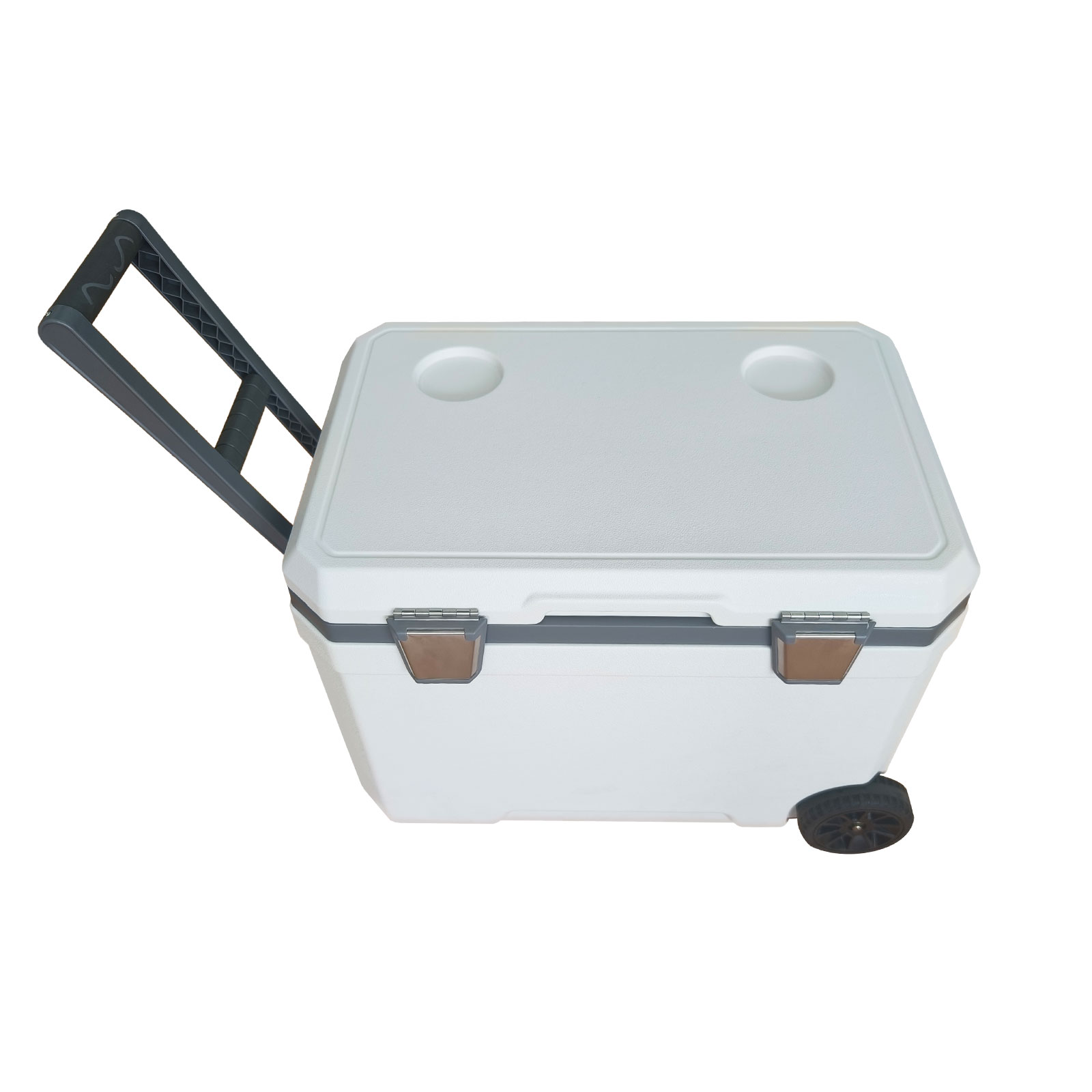
A strong insulated shipper does more than slow heat flow during transit. An custom biodegradable insulated box matters because temperature-sensitive consumer goods, food, and specialty products that need a custom insulated shipping format with a stronger end-of-life story can lose value fast when greenwashing claims or wrong disposal assumptions happens. Design the box around the real shipment temperature band and end-of-life pathway, not just the word biodegradable. The EU Packaging and Packaging Waste Regulation entered into force in February 2025 and will generally apply from August 12, 2026, which is pushing more packaging teams to think ahead about recyclability, material reduction, and labeling. You are not only buying insulation thickness. You are buying time, consistency, and fewer expensive surprises at destination. This guide explains how to compare design, validation, supplier fit, and sustainability without getting trapped by marketing language.
What this article will help you solve
• How custom biodegradable insulated box should be matched to route length, payload, and compostable insulated shipping box needs
• Which materials, inserts, and refrigerants make custom sustainable cold chain box or similar formats more practical
• What tests, standards, and supplier evidence matter for truthful claims, disposal fit, and standard-based validation
• How to reduce waste, freight cost, and repacks while improving biodegradable thermal packaging decisions
What makes the best custom biodegradable insulated box in 2026?
The practical answer is simple: When you ship temperature-sensitive consumer goods, food, and specialty products that need a custom insulated shipping format with a stronger end-of-life story, the box must protect product quality against time, handling, and temperature drift. With custom biodegradable insulated box, you do not only risk a weak sustainability story. You risk poor hold time, disposal confusion, and a packaging claim that buyers stop trusting. The right design buys you usable thermal time, better pack stability, and fewer receiving disputes. It also gives your team a repeatable packing method instead of a guess that changes by season.
That is why experienced teams start with the real lane, not the catalog photo. They look at starting product temperature, parcel or pallet dwell time, delivery geography, and how the receiver will unload and inspect the shipment. For temperature-sensitive consumer goods, food, and specialty products that need a custom insulated shipping format with a stronger end-of-life story, the best design usually combines cellulosic insulation media, bio-based liners, and a pack-out that minimizes wasted air while keeping the product stable in transit. For many buyers, the big improvement comes from right-sizing and pack discipline rather than simply adding more insulation or more refrigerant.
How much hold time, structure, and workflow fit do you need?
Hold time should be treated as a route-specific result, not a universal promise. A shipment that works for a 24-hour regional lane may fail on a 48-hour parcel route with hot depot exposure. ASTM D3103 is widely used to evaluate the thermal insulation performance of distribution packages for high-value and high-risk materials. If you ask for one thing from a supplier, ask how the system performs under a realistic worst-case profile for your product.
| Shipment profile | Typical transit goal | Recommended packaging focus | What it means for you |
| Fiber-based biodegradable build | Lower plastic dependency | Good branding appeal | Supports cleaner sustainability messaging |
| Certified compostable component | Defined end-of-life claim | Needs correct disposal route | Reduces risk of misleading communication |
| Custom right-sizing | Less material and refrigerant | Better freight efficiency | Improves both cost and sustainability |
Practical tips you can use immediately
• Tip 1: Use disposal wording that matches the real local waste stream instead of broad eco claims.
• Tip 2: Use custom dimensions to reduce filler, dead space, and refrigerant demand.
• Tip 3: Use standard-based validation so your sustainability story also protects product quality.
Example: One common example is a subscription boxes with sustainability positioning. When the team switched from a generic shipper to a route-matched design, pack consistency improved, receiving complaints dropped, and the operation gained a clearer seasonal packing rule.
How do you choose structure, refrigerant, and box size?
The best custom biodegradable insulated box in 2026 is rarely the thickest or the most heavily marketed option. It is the design that matches product sensitivity, route reality, warehouse workflow, and post-delivery disposal. That means you should lock the target temperature band, longest likely transit profile, acceptable excursion window, and receiving process before you compare materials.
Once those factors are clear, the structure decision becomes much easier. You can size the cavity around the real product footprint, choose the refrigerant plan, and decide whether the outer format should prioritize stacking, parcel handling, or end-user unboxing. This is where many optimized programs win margin: by removing wasted air, extra filler, and unnecessary refrigerant.
Which design variables should you lock first?
The design variables to lock first are product starting condition, cavity geometry, refrigerant placement, closure integrity, and the work instructions your pack team will follow. When those five items are controlled, material selection becomes a sharper and more honest decision.
• Define the lane: write down the real transit promise, not the ideal carrier promise.
• Define the payload: include product count, unit weight, and how much empty space remains after packing.
• Define the work method: use a repeatable sequence so custom biodegradable insulated box performs like the qualified design.
Which materials, tests, and standards matter most?
The material and test conversation should start with function. What thermal margin do you need? What handling damage do you expect? How easy does the box need to be to assemble and dispose of? Once those answers are clear, materials can be judged on whether they help the shipment succeed, not just whether they sound advanced.
For optimized programs, the most useful comparison includes thermal behavior, moisture stability, crush strength, dimensional efficiency, and end-of-life practicality. For temperature-sensitive consumer goods, food, and specialty products that need a custom insulated shipping format with a stronger end-of-life story, the best design usually combines cellulosic insulation media, bio-based liners, and a pack-out that minimizes wasted air while keeping the product stable in transit. When teams compare materials across those five factors, weak options usually reveal themselves quickly.
What validation approach gives buyers real confidence?
The validation approach matters just as much as the material choice. Lab data, simulated parcel profiles, and limited field trials should work together so you do not overtrust a design that only performs under perfect conditions.
How do you balance compliance, cost, and sustainability?
In an optimized review, tests and standards are used to reduce uncertainty. That is why buyers often ask about ASTM D6400 compostability claims, EN 13432 concepts, EU PPWR direction, and ASTM D3103 when they review packaging options. They help you understand whether a design is thermally capable, mechanically durable, and suitable for the compliance expectations around your product.
The most useful evidence stack is layered. Start with laboratory thermal data, add handling or distribution simulation, then confirm the design on real qualification lanes. That three-part approach reduces the risk of selecting a box that performs well in one environment but not in the network you actually use.
How do you avoid good-looking but weak packaging decisions?
Buyers gain real confidence when suppliers can explain assumptions, limits, and corrective options. That is more valuable than a single headline test number with no context.
What supplier checklist helps you avoid bad fits?
Balancing compliance, cost, and sustainability is easier when you stop treating them as separate topics. A well-chosen insulated shipper can reduce excursion risk, cut dimensional freight, and simplify disposal at the same time. A poorly chosen one can make all three worse.
The strongest supplier checklist asks about route profile, product condition, pack-out method, seasonal assumptions, disposal path, and documentation support in one conversation. That integrated view helps you avoid impressive-looking packaging that does not fit your actual operation.
Which questions reveal whether a supplier really understands your lane?
The best supplier questions are usually the simplest. What lane was this validated for? What happens in summer? What changes if my payload drops? What if I need easier disposal? Those questions reveal real expertise quickly.
Quick self-check before you buy
Before you approve any custom biodegradable insulated box design, run a short self-check. The goal is to catch mismatch early, before packaging reaches routine use. If your team can answer the questions below clearly, supplier conversations become faster and qualification work becomes more useful.
• Question 1: What is the real maximum transit profile, including handoff and dwell time?
• Question 2: What product condition enters the box at pack-out, and how consistent is that step?
• Question 3: What disposal route will the receiver actually use after unpacking?
• Question 4: What evidence would prove the packaging is fit for your hardest likely lane?
2026 developments and trends for custom biodegradable insulated box
This category is moving fast in 2026, and a few signals matter more than the rest. In this category, buyers are becoming more skeptical of vague sustainability labels. At the same time, certification and disposal fit matter more than broad biodegradable claims. The result is that custom design is increasingly used to balance performance and material reduction. ASTM D3103 is widely used to evaluate the thermal insulation performance of distribution packages for high-value and high-risk materials. As a result, buyers are asking for better evidence, cleaner material stories, and packaging that stays workable for warehouse teams.
Latest developments at a glance
• Development 1: Buyers are becoming more skeptical of vague sustainability labels.
• Development 2: Certification and disposal fit matter more than broad biodegradable claims.
• Development 3: Custom design is increasingly used to balance performance and material reduction.
There is also a stronger expectation that packaging should support operational resilience. That means better route testing, clearer work instructions, and faster redesign cycles when channels change. The EU Packaging and Packaging Waste Regulation entered into force in February 2025 and will generally apply from August 12, 2026, which is pushing more packaging teams to think ahead about recyclability, material reduction, and labeling. For procurement teams, the message is clear: choose designs that are easy to validate, easy to explain, and realistic for the markets you serve.
Frequently asked questions
What does biodegradable really mean for an insulated box?
It should mean the material breaks down under defined conditions, but the exact claim depends on the standard, the material, and the disposal route available to the end user.
Is a custom biodegradable insulated box always compostable?
No. Biodegradable, compostable, and recyclable are different ideas. A good supplier explains which claim is valid and under what conditions.
Can biodegradable boxes perform like conventional insulated shippers?
They can perform very well in the right lane, but performance depends on structure, thickness, moisture behavior, and pack-out validation.
How should brands evaluate sustainability claims?
Look for standard-based testing, realistic disposal instructions, and a design that reduces material waste as well as plastic intensity.
Summary and next steps
The main lesson is clear: the right insulated box is the one validated for your product, your lane, and your handling reality. For custom biodegradable insulated box, the most practical priorities are clear: define the route, match the cavity to the payload, validate the pack-out, and choose materials that support both performance and disposal reality. If you keep those points in view, you are far more likely to reduce claims, shrink, and avoidable freight waste.
If you are reviewing suppliers now, start with your most difficult lane, your target hold time, and your receiving complaints. That gives you the fastest path to a packaging brief that suppliers can answer with useful data. That process helps you move from a generic packaging purchase to a packaging system that supports quality, compliance, and customer confidence.
About Tempk
At Tempk, we focus on insulated packaging for temperature-sensitive shipping. We design box systems around product risk, route length, pack-out method, and handling reality, so you can choose a solution that is practical for cold chain use instead of just attractive on paper. We build projects around product condition, target hold time, route risk, and operational repeatability so you can choose a format that makes sense in the field.
If you are comparing custom biodegradable insulated box options now, a clear route brief and a sample qualification plan are the best next steps. They make supplier conversations faster, more technical, and more useful.
How to Choose the Best Insulated Box Supplier for Frozen Foods in 2026
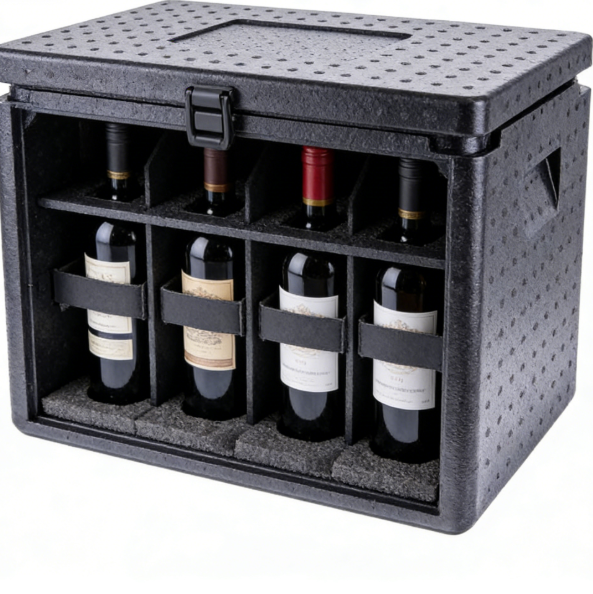
A strong insulated shipper does more than slow heat flow during transit. An insulated box supplier for frozen foods matters because frozen meals, frozen ingredients, ice cream, and protein products shipped below 0°F / -18°C targets or tightly managed frozen ranges can lose value fast when thaw-refreeze damage or freezer burn happens. Build around frozen chain conditions, usually aiming to keep product at 0°F / -18°C or below and avoid thaw-refreeze cycles. FAO reported in 2026 that 526 million tonnes of food, about 12% of the global total, are lost or wasted because of insufficient refrigeration, which turns packaging quality into a waste-reduction decision, not just a freight decision. You are not only buying insulation thickness. You are buying time, consistency, and fewer expensive surprises at destination. This guide explains how to compare design, validation, supplier fit, and sustainability without getting trapped by marketing language.
What this article will help you solve
• How insulated box supplier for frozen foods should be matched to route length, payload, and frozen food insulated shipper needs
• Which materials, inserts, and refrigerants make parcel box for frozen meals or similar formats more practical
• What tests, standards, and supplier evidence matter for frozen chain discipline, sanitary transportation expectations, and lane validation
• How to reduce waste, freight cost, and repacks while improving supplier for frozen food thermal packaging decisions
What makes the best insulated box supplier for frozen foods in 2026?
The practical answer is simple: When you ship frozen meals, frozen ingredients, ice cream, and protein products shipped below 0°F / -18°C targets or tightly managed frozen ranges, the box must protect product quality against time, handling, and temperature drift. With insulated box supplier for frozen foods, you do not only risk a soft shipment. You risk thaw-refreeze texture damage, product rejection, and a very expensive reship. The right design buys you usable thermal time, better pack stability, and fewer receiving disputes. It also gives your team a repeatable packing method instead of a guess that changes by season.
That is why experienced teams start with the real lane, not the catalog photo. They look at starting product temperature, parcel or pallet dwell time, delivery geography, and how the receiver will unload and inspect the shipment. For frozen meals, frozen ingredients, ice cream, and protein products shipped below 0°F / -18°C targets or tightly managed frozen ranges, the best design usually combines high-insulation liners, dry ice compatibility where appropriate, and a pack-out that minimizes wasted air while keeping the product stable in transit. For many buyers, the big improvement comes from right-sizing and pack discipline rather than simply adding more insulation or more refrigerant.
How much hold time, structure, and workflow fit do you need?
Hold time should be treated as a route-specific result, not a universal promise. A shipment that works for a 24-hour regional lane may fail on a 48-hour parcel route with hot depot exposure. ASTM D3103 is widely used to evaluate the thermal insulation performance of distribution packages for high-value and high-risk materials. If you ask for one thing from a supplier, ask how the system performs under a realistic worst-case profile for your product.
| Shipment profile | Typical transit goal | Recommended packaging focus | What it means for you |
| Frozen meals | 24-48 hours | insulated shipper + gel or PCM | Supports parcel delivery with better texture retention |
| Ice cream or desserts | 24-48 hours | higher refrigerant density | Reduces soft-arrival complaints on hot lanes |
| Bulk frozen ingredients | 48-72 hours | reinforced outer box + optimized cavity | Improves pallet-to-parcel performance |
Practical tips you can use immediately
• Tip 1: Use frozen product as the starting point; packaging cannot reliably rescue product that enters the box too warm.
• Tip 2: Use a supplier that can recommend pack-outs for winter, shoulder season, and summer separately.
• Tip 3: Use route segmentation so long-zone and short-zone orders do not share one packaging formula.
Example: Consider a national frozen ready-meal subscriptions. The biggest improvement usually does not come from adding more material. It comes from matching box size, refrigerant position, and handling instructions to the real route.
How do you choose structure, refrigerant, and box size?
The best insulated box supplier for frozen foods in 2026 is rarely the thickest or the most heavily marketed option. It is the design that matches product sensitivity, route reality, warehouse workflow, and post-delivery disposal. That means you should lock the target temperature band, longest likely transit profile, acceptable excursion window, and receiving process before you compare materials.
Once those factors are clear, the structure decision becomes much easier. You can size the cavity around the real product footprint, choose the refrigerant plan, and decide whether the outer format should prioritize stacking, parcel handling, or end-user unboxing. This is where many optimized programs win margin: by removing wasted air, extra filler, and unnecessary refrigerant.
Which design variables should you lock first?
The design variables to lock first are product starting condition, cavity geometry, refrigerant placement, closure integrity, and the work instructions your pack team will follow. When those five items are controlled, material selection becomes a sharper and more honest decision.
• Define the lane: write down the real transit promise, not the ideal carrier promise.
• Define the payload: include product count, unit weight, and how much empty space remains after packing.
• Define the work method: use a repeatable sequence so insulated box supplier for frozen foods performs like the qualified design.
Which materials, tests, and standards matter most?
The material and test conversation should start with function. What thermal margin do you need? What handling damage do you expect? How easy does the box need to be to assemble and dispose of? Once those answers are clear, materials can be judged on whether they help the shipment succeed, not just whether they sound advanced.
For optimized programs, the most useful comparison includes thermal behavior, moisture stability, crush strength, dimensional efficiency, and end-of-life practicality. For frozen meals, frozen ingredients, ice cream, and protein products shipped below 0°F / -18°C targets or tightly managed frozen ranges, the best design usually combines high-insulation liners, dry ice compatibility where appropriate, and a pack-out that minimizes wasted air while keeping the product stable in transit. When teams compare materials across those five factors, weak options usually reveal themselves quickly.
What validation approach gives buyers real confidence?
The validation approach matters just as much as the material choice. Lab data, simulated parcel profiles, and limited field trials should work together so you do not overtrust a design that only performs under perfect conditions.
How do you balance compliance, cost, and sustainability?
In an optimized review, tests and standards are used to reduce uncertainty. That is why buyers often ask about USDA freezer guidance, FDA sanitary transportation expectations, ASTM D3103, and ISTA 7E when they review packaging options. They help you understand whether a design is thermally capable, mechanically durable, and suitable for the compliance expectations around your product.
The most useful evidence stack is layered. Start with laboratory thermal data, add handling or distribution simulation, then confirm the design on real qualification lanes. That three-part approach reduces the risk of selecting a box that performs well in one environment but not in the network you actually use.
How do you avoid good-looking but weak packaging decisions?
Buyers gain real confidence when suppliers can explain assumptions, limits, and corrective options. That is more valuable than a single headline test number with no context.
What supplier checklist helps you avoid bad fits?
Balancing compliance, cost, and sustainability is easier when you stop treating them as separate topics. A well-chosen insulated shipper can reduce excursion risk, cut dimensional freight, and simplify disposal at the same time. A poorly chosen one can make all three worse.
The strongest supplier checklist asks about route profile, product condition, pack-out method, seasonal assumptions, disposal path, and documentation support in one conversation. That integrated view helps you avoid impressive-looking packaging that does not fit your actual operation.
Which questions reveal whether a supplier really understands your lane?
The best supplier questions are usually the simplest. What lane was this validated for? What happens in summer? What changes if my payload drops? What if I need easier disposal? Those questions reveal real expertise quickly.
Quick self-check before you buy
Before you approve any insulated box supplier for frozen foods design, run a short self-check. The goal is to catch mismatch early, before packaging reaches routine use. If your team can answer the questions below clearly, supplier conversations become faster and qualification work becomes more useful.
• Question 1: What is the real maximum transit profile, including handoff and dwell time?
• Question 2: What product condition enters the box at pack-out, and how consistent is that step?
• Question 3: What disposal route will the receiver actually use after unpacking?
• Question 4: What evidence would prove the packaging is fit for your hardest likely lane?
2026 developments and trends for insulated box supplier for frozen foods
This category is moving fast in 2026, and a few signals matter more than the rest. In this category, frozen brands are expanding beyond regional fulfillment, which raises parcel lane risk. At the same time, buyers want less wasted refrigerant and smaller cube. The result is that thermal validation is becoming part of supplier selection rather than an afterthought. ISTA 7E has become a strong reference for thermal transport packaging in parcel systems because it uses real-world heat and cold profiles rather than idealized assumptions. As a result, buyers are asking for better evidence, cleaner material stories, and packaging that stays workable for warehouse teams.
Latest developments at a glance
• Development 1: Frozen brands are expanding beyond regional fulfillment, which raises parcel lane risk.
• Development 2: Buyers want less wasted refrigerant and smaller cube.
• Development 3: Thermal validation is becoming part of supplier selection rather than an afterthought.
There is also a stronger expectation that packaging should support operational resilience. That means better route testing, clearer work instructions, and faster redesign cycles when channels change. ASTM D3103 is widely used to evaluate the thermal insulation performance of distribution packages for high-value and high-risk materials. For procurement teams, the message is clear: choose designs that are easy to validate, easy to explain, and realistic for the markets you serve.
Frequently asked questions
How do you choose an insulated box supplier for frozen foods?
Look for a supplier that can show frozen-lane testing, refrigerant guidance, packaging consistency, and scale support, not just a catalog of box sizes.
Are all frozen food shippers designed for dry ice?
No. Some are optimized for gel packs or phase change materials, while others are engineered for dry ice use and the venting and durability that come with it.
What matters more for frozen foods, insulation thickness or pack-out design?
Both matter, but pack-out design often decides whether the cold energy is used efficiently. Good insulation cannot fully fix poor product placement or extra air space.
Why do frozen products arrive soft even in a thick box?
Common reasons include warm product at pack-out, undercharged refrigerant, route delays, or a box that was never validated for your lane profile.
Summary and next steps
The strongest takeaway is that packaging should be treated as a risk-control tool, not a commodity line item. For insulated box supplier for frozen foods, the most practical priorities are clear: define the route, match the cavity to the payload, validate the pack-out, and choose materials that support both performance and disposal reality. If you keep those points in view, you are far more likely to reduce claims, shrink, and avoidable freight waste.
A practical next move is to define the product condition at pack-out, the expected route profile, and the acceptable excursion window. Once those are clear, box selection becomes much easier. That process helps you move from a generic packaging purchase to a packaging system that supports quality, compliance, and customer confidence.
About Tempk
At Tempk, we focus on insulated packaging for temperature-sensitive shipping. We design box systems around product risk, route length, pack-out method, and handling reality, so you can choose a solution that is practical for cold chain use instead of just attractive on paper. We build projects around product condition, target hold time, route risk, and operational repeatability so you can choose a format that makes sense in the field.
If you are comparing insulated box supplier for frozen foods options now, a clear route brief and a sample qualification plan are the best next steps. They make supplier conversations faster, more technical, and more useful.
How to Choose the Best Insulated Box Supplier for Fresh Produce in 2026

If you are buying packaging for temperature-sensitive distribution, the box is not just a container. An insulated box supplier for fresh produce matters because leafy greens, berries, tomatoes, herbs, cut vegetables, and mixed fresh produce shipments can lose value fast when condensation and soggy packs or respiration heat happens. Maintain the recommended produce range for the specific commodity, often within a tightly managed chilled band, while balancing airflow and condensation control. FAO also notes that sustainable food cold chains carry a climate burden of their own, which is why better packaging is increasingly judged on both hold time and total material efficiency. You are not only buying insulation thickness. You are buying time, consistency, and fewer expensive surprises at destination. This guide explains how to compare design, validation, supplier fit, and sustainability without getting trapped by marketing language.
What this article will help you solve
• How insulated box supplier for fresh produce should be matched to route length, payload, and fresh produce insulated box needs
• Which materials, inserts, and refrigerants make supplier for produce cold chain packaging or similar formats more practical
• What tests, standards, and supplier evidence matter for commodity-specific handling, airflow and moisture control, and waste reduction
• How to reduce waste, freight cost, and repacks while improving insulated box for vegetables and fruit decisions
What makes the best insulated box supplier for fresh produce in 2026?
For most buyers, the decision becomes clearer when you look at the shipment as a whole. When you ship leafy greens, berries, tomatoes, herbs, cut vegetables, and mixed fresh produce shipments, the box must protect product quality against time, handling, and temperature drift. With insulated box supplier for fresh produce, you do not only risk a warm box. You risk moisture imbalance, bruising, shrink, and saleable life disappearing before the produce reaches the shelf. The right design buys you usable thermal time, better pack stability, and fewer receiving disputes. It also gives your team a repeatable packing method instead of a guess that changes by season.
That is why experienced teams start with the real lane, not the catalog photo. They look at starting product temperature, parcel or pallet dwell time, delivery geography, and how the receiver will unload and inspect the shipment. For leafy greens, berries, tomatoes, herbs, cut vegetables, and mixed fresh produce shipments, the best design usually combines breathability where needed, moisture-managed liners, and a pack-out that minimizes wasted air while keeping the product stable in transit. For many buyers, the big improvement comes from right-sizing and pack discipline rather than simply adding more insulation or more refrigerant.
How much hold time, structure, and workflow fit do you need?
Hold time should be treated as a route-specific result, not a universal promise. A shipment that works for a 24-hour regional lane may fail on a 48-hour parcel route with hot depot exposure. FAO reported in 2026 that 526 million tonnes of food, about 12% of the global total, are lost or wasted because of insufficient refrigeration, which turns packaging quality into a waste-reduction decision, not just a freight decision. If you ask for one thing from a supplier, ask how the system performs under a realistic worst-case profile for your product.
| Shipment profile | Typical transit goal | Recommended packaging focus | What it means for you |
| Leafy greens | high chill sensitivity to abuse | insulated box + moisture control | Helps protect crispness and retail shelf life |
| Berries | bruise and warmth sensitive | right-sized tray support + thermal liner | Cuts soft fruit claims and shrink |
| Meal kit produce mix | mixed commodity risk | segmented cavity design | Improves performance for multi-item shipments |
Practical tips you can use immediately
• Tip 1: Use produce-specific pack plans so berries, greens, and hard vegetables are not treated the same.
• Tip 2: Use liners and pads that manage condensation instead of trapping free moisture near the product.
• Tip 3: Use inbound cooling and fast pack-out so field heat does not consume your refrigerant budget.
Example: One common example is a farm-to-retail mixed produce. When the team switched from a generic shipper to a route-matched design, pack consistency improved, receiving complaints dropped, and the operation gained a clearer seasonal packing rule.
How do you choose structure, refrigerant, and box size?
The best insulated box supplier for fresh produce in 2026 is rarely the thickest or the most heavily marketed option. It is the design that matches product sensitivity, route reality, warehouse workflow, and post-delivery disposal. That means you should lock the target temperature band, longest likely transit profile, acceptable excursion window, and receiving process before you compare materials.
Once those factors are clear, the structure decision becomes much easier. You can size the cavity around the real product footprint, choose the refrigerant plan, and decide whether the outer format should prioritize stacking, parcel handling, or end-user unboxing. This is where many optimized programs win margin: by removing wasted air, extra filler, and unnecessary refrigerant.
Which design variables should you lock first?
The design variables to lock first are product starting condition, cavity geometry, refrigerant placement, closure integrity, and the work instructions your pack team will follow. When those five items are controlled, material selection becomes a sharper and more honest decision.
• Define the lane: write down the real transit promise, not the ideal carrier promise.
• Define the payload: include product count, unit weight, and how much empty space remains after packing.
• Define the work method: use a repeatable sequence so insulated box supplier for fresh produce performs like the qualified design.
Which materials, tests, and standards matter most?
The material and test conversation should start with function. What thermal margin do you need? What handling damage do you expect? How easy does the box need to be to assemble and dispose of? Once those answers are clear, materials can be judged on whether they help the shipment succeed, not just whether they sound advanced.
For optimized programs, the most useful comparison includes thermal behavior, moisture stability, crush strength, dimensional efficiency, and end-of-life practicality. For leafy greens, berries, tomatoes, herbs, cut vegetables, and mixed fresh produce shipments, the best design usually combines breathability where needed, moisture-managed liners, and a pack-out that minimizes wasted air while keeping the product stable in transit. When teams compare materials across those five factors, weak options usually reveal themselves quickly.
What validation approach gives buyers real confidence?
The validation approach matters just as much as the material choice. Lab data, simulated parcel profiles, and limited field trials should work together so you do not overtrust a design that only performs under perfect conditions.
How do you balance compliance, cost, and sustainability?
In an optimized review, tests and standards are used to reduce uncertainty. That is why buyers often ask about USDA produce storage guidance, FAO cold chain and food loss data, ASTM D3103, and ISTA 7E when they review packaging options. They help you understand whether a design is thermally capable, mechanically durable, and suitable for the compliance expectations around your product.
The most useful evidence stack is layered. Start with laboratory thermal data, add handling or distribution simulation, then confirm the design on real qualification lanes. That three-part approach reduces the risk of selecting a box that performs well in one environment but not in the network you actually use.
How do you avoid good-looking but weak packaging decisions?
Buyers gain real confidence when suppliers can explain assumptions, limits, and corrective options. That is more valuable than a single headline test number with no context.
What supplier checklist helps you avoid bad fits?
Balancing compliance, cost, and sustainability is easier when you stop treating them as separate topics. A well-chosen insulated shipper can reduce excursion risk, cut dimensional freight, and simplify disposal at the same time. A poorly chosen one can make all three worse.
The strongest supplier checklist asks about route profile, product condition, pack-out method, seasonal assumptions, disposal path, and documentation support in one conversation. That integrated view helps you avoid impressive-looking packaging that does not fit your actual operation.
Which questions reveal whether a supplier really understands your lane?
The best supplier questions are usually the simplest. What lane was this validated for? What happens in summer? What changes if my payload drops? What if I need easier disposal? Those questions reveal real expertise quickly.
Quick self-check before you buy
Before you approve any insulated box supplier for fresh produce design, run a short self-check. The goal is to catch mismatch early, before packaging reaches routine use. If your team can answer the questions below clearly, supplier conversations become faster and qualification work becomes more useful.
• Question 1: What is the real maximum transit profile, including handoff and dwell time?
• Question 2: What product condition enters the box at pack-out, and how consistent is that step?
• Question 3: What disposal route will the receiver actually use after unpacking?
• Question 4: What evidence would prove the packaging is fit for your hardest likely lane?
2026 developments and trends for insulated box supplier for fresh produce
The newest shift is not one single material breakthrough. It is the combination of regulation, route complexity, and buyer scrutiny. In this category, fresh produce programs are trying to reduce food loss without adding too much packaging complexity. At the same time, shorter replenishment cycles make pack consistency more important. The result is that buyers want simpler disposal and lower plastic intensity. ASTM D3103 is widely used to evaluate the thermal insulation performance of distribution packages for high-value and high-risk materials. As a result, buyers are asking for better evidence, cleaner material stories, and packaging that stays workable for warehouse teams.
Latest developments at a glance
• Development 1: Fresh produce programs are trying to reduce food loss without adding too much packaging complexity.
• Development 2: Shorter replenishment cycles make pack consistency more important.
• Development 3: Buyers want simpler disposal and lower plastic intensity.
There is also a stronger expectation that packaging should support operational resilience. That means better route testing, clearer work instructions, and faster redesign cycles when channels change. USDA produce storage guidance says refrigerators should maintain 41°F or less, but actual produce targets still depend on the commodity, because berries, herbs, leafy greens, and tomatoes do not behave the same way. For procurement teams, the message is clear: choose designs that are easy to validate, easy to explain, and realistic for the markets you serve.
Frequently asked questions
How do you choose an insulated box supplier for fresh produce?
Choose a supplier that understands commodity differences, airflow, moisture control, and bruising risk, not only thermal hold time.
Do all produce items need the same cold box design?
No. Berries, leafy greens, herbs, and tomatoes behave differently, so the best box system depends on respiration rate, sensitivity, and route conditions.
Can insulated boxes help reduce produce waste?
Yes. Better temperature control and less handling damage can protect shelf life, appearance, and saleable yield at the destination.
What is the most common packaging mistake for fresh produce?
Using a fully sealed cold shipper for a commodity that also needs careful airflow and moisture management.
Summary and next steps
The main lesson is clear: the right insulated box is the one validated for your product, your lane, and your handling reality. For insulated box supplier for fresh produce, the most practical priorities are clear: define the route, match the cavity to the payload, validate the pack-out, and choose materials that support both performance and disposal reality. If you keep those points in view, you are far more likely to reduce claims, shrink, and avoidable freight waste.
If you are reviewing suppliers now, start with your most difficult lane, your target hold time, and your receiving complaints. That gives you the fastest path to a packaging brief that suppliers can answer with useful data. That process helps you move from a generic packaging purchase to a packaging system that supports quality, compliance, and customer confidence.
About Tempk
At Tempk, we focus on insulated packaging for temperature-sensitive shipping. We design box systems around product risk, route length, pack-out method, and handling reality, so you can choose a solution that is practical for cold chain use instead of just attractive on paper. We build projects around product condition, target hold time, route risk, and operational repeatability so you can choose a format that makes sense in the field.
If you are comparing insulated box supplier for fresh produce options now, a clear route brief and a sample qualification plan are the best next steps. They make supplier conversations faster, more technical, and more useful.