


Best Insulated Lunch Bag Trade Guide for 2026 Buyers
Best Insulated Lunch Bag Trade Guide for 2026 Buyers

If you are evaluating insulated lunch bag trade in 2026, the best answer is simple: choose the design that matches your route, protects the payload, and comes with evidence you can trust. Today’s buyers compare performance, compliance, sourcing stability, and sustainability at the same time. This optimized guide brings those priorities into one practical buying framework.
This article will help you answer:
- How to match insulated lunch bag trade to real routes, payloads, and handling steps
- Which daily-use food-contact and wipe-clean lining systems and closure details affect performance most
- What testing, validation, and documentation make the offer credible
- How to compare supplier risk, total cost, and sustainability fit
How do you match insulated lunch bag trade to route, payload, and workflow?
The best insulated lunch bag trade is the one that matches your real operating window, not the one with the biggest headline claim. You should define the payload temperature, journey length, ambient stress, opening frequency, and handoff points before you compare materials. That sequence keeps you from overbuying thickness while missing the real weakness, such as poor fit, weak closures, or inconsistent handling. Route-fit design almost always outperforms guesswork.
Start by mapping one typical shipment and one worst-case shipment. Then review how the bag moves through your operation: pack-out, waiting time, transport, unloading, and temporary staging. If the bag supports wholesale resale, distributor handoff, and private-label channel programs, the design should reflect that reality in size, carry method, labeling space, and opening speed. When teams choose a bag this way, they usually reduce spoilage risk, coolant waste, and user frustration at the same time.
What route-fit checks matter most for insulated lunch bag buyers?
Focus on five checks: payload fit, closure repeatability, carry comfort, staging resilience, and recovery after storage or compression. If your route includes waiting outdoors or under strong light, review surface heat gain separately from wall insulation. If it includes repeated site handoffs, prioritize quick closing and clear identification. These are simple checks, but they often predict success better than a generic hold-time promise.
| Route-fit check | What to confirm | Red flag | Benefit to you |
| Payload fit | Minimal empty space around product | Large unused cavity | More stable internal temperature |
| Workflow fit | Easy pack, carry, and reopen | Awkward or slow handling | Fewer process mistakes |
| Stress fit | Works for hot delay or repeated handoff | Only ideal-condition proof | Better real-world reliability |
Practical tips and recommendations
- For first qualification: document one normal lane and one worst-case lane before choosing the bag.
- For user adoption: let the people who pack and carry the bag test the sample before final approval.
- For SEO pages: answer route-fit questions early because that is where buyer intent becomes strongest.
Example case: A buyer who first listed lane conditions and handoff steps selected a lighter, better-fitting bag over a bulkier alternative. The slimmer option won because it closed faster, used less coolant, and matched the real workflow more closely.
Which materials and construction choices improve insulated lunch bag trade?
Materials matter most when they are chosen as a system. Outer substrates protect the bag, insulation layers slow heat transfer, inner liners support cleanliness, and closures keep warm air out. Food-contact-friendly lining systems that are easy to wipe clean and reuse may improve part of the design, but no single layer can overcome poor seams, weak corners, or excessive dead air. A high-performing insulated lunch bag trade always comes from balanced construction.
In procurement terms, that means you should ask for the full build description rather than a single material label. Review the outer layer, insulation core, liner, closure, reinforcement points, print surface, and expected reuse pattern together. If sustainability is part of the review, ask how the construction fits right-sizing, reuse, or waste handling goals rather than asking for a vague eco claim. Performance and practicality should be evaluated side by side.
How should custom insulated lunch bag programs review materials?
Approve samples after normal handling, not just straight from the carton. Fold them, load them, carry them, and inspect them after compression or light abrasion. If the program is branded, also confirm that print quality survives real friction and cleaning expectations. A material stack should look credible in sales content and stay credible after daily use.
| Construction choice | Main upside | Main watch-out | Best buying question |
| Outer substrate | Durability and print finish | Scuffing or stiffness | How does it perform after handling? |
| Insulation core | Thermal resistance | Bulk or compression loss | How was hold time tested? |
| Closure and seams | Air control and repeat use | Gap formation or wear | What fails first in route trials? |
Practical tips and recommendations
- For difficult lanes: solve closure leakage before adding excessive wall thickness.
- For custom printing: sign off on a handled sample, not only on digital artwork.
- For material changes: require supplier notification when any core build element shifts.
Example case: A team improved thermal consistency not by changing the full material family, but by upgrading seam control and closure pressure in the existing build. That targeted change delivered better performance at lower cost than a full redesign.
What proof, testing, and compliance documents should insulated lunch bag trade buyers request?
You should buy a validated claim, not a marketing phrase. Ask every supplier to explain how the bag was tested, which ambient profile was used, what payload and coolant were assumed, and where the warmest sensor sat. For packaging evaluation, ASTM D3103 and ISTA thermal methods provide a stronger basis than informal internal claims alone. For regulated sectors, documentation quality matters just as much as the bag itself.
ASTM D3103 is the standard test method widely used to evaluate the thermal insulation performance of distribution packages for high-value, high-risk goods. ISTA 7E uses real-world heat and cold profiles to compare thermal transport packaging in parcel-delivery conditions. FDA current good manufacturing practice expects written warehousing procedures and storage under appropriate temperature, humidity, and light conditions so product quality is not affected. FDA also expects written distribution procedures and lot traceability that can support a recall when needed. EMA good distribution practice sets minimum standards to keep medicine quality and integrity intact throughout the supply chain. WHO also provides temperature-mapping guidance for cold chain equipment and storage areas. CDC storage and handling guidance emphasizes monitoring equipment, emergency response, and staff training. If your shipments move by air, IATA requirements and documentation expectations should also be considered. Taken together, these signals show why buyers increasingly ask for test summaries, material declarations, route assumptions, and revision-controlled specifications.
What makes a insulated lunch bag validation file actually useful?
It should be traceable to the exact bag construction, clear about limits, and written in language operations can use. A useful file tells you what the bag can do, under which assumptions, and what change would trigger requalification. It also makes onboarding easier for QA teams, distributors, and end customers because the performance story stays consistent from page to page.
| Document type | What it should show | Weak version | Strong version |
| Test summary | Profile, payload, duration, result | One-line hold-time claim | Method with assumptions and limits |
| Spec sheet | Build, size, closure, use window | Generic brochure text | Revision-controlled technical sheet |
| Quality file | Inspection and traceability approach | Verbal assurance only | Defined checkpoints and records |
Practical tips and recommendations
- For side-by-side comparison: force all suppliers to quote against the same route and payload assumptions.
- For audits or customer approval: store the approved sample ID with the matching technical file.
- For sales enablement: convert technical evidence into plain-language proofs your team can repeat accurately.
Example case: A customer approval cycle moved faster once the supplier replaced generic product claims with a clear test summary, a controlled spec sheet, and a simple explanation of route limits. Better documentation reduced both risk and sales friction.
How do you choose the right supplier and total-cost strategy for insulated lunch bag trade?
Total cost for insulated lunch bag trade includes much more than the unit price. You should account for freight, coolant use, rejects, rework, lead-time risk, service quality, and the cost of unclear documentation. In 2026, sustainability pressure adds another layer because right-sizing, reuse potential, and material transparency can influence both customer preference and internal approval. The strongest buying decision is commercial, technical, and operational at once.
The EU Packaging and Packaging Waste Regulation entered into force on 11 February 2025 and generally applies from 12 August 2026, pushing packaging toward recyclability and lower virgin material use. EPA frames sustainable packaging through life-cycle thinking, lighter design, and waste reduction under sustainable materials management. If you source through OEM or regional partners, add communication quality, revision control, and sample-to-bulk consistency to the scorecard. A supplier that is slightly higher on unit price can still be cheaper when the program is easier to validate, easier to replenish, and less wasteful in daily use.
What should a 2026 insulated lunch bag supplier scorecard include?
Include thermal evidence, sample accuracy, material transparency, customization capability, lead time, MOQ, landed cost, defect trend, sustainability fit, and response quality after launch. That balanced scorecard helps you avoid the classic mistake of choosing a low quote that later creates emergency freight, rejected stock, or customer complaints. It also gives your SEO and sales content a clearer proof structure because the product value is easier to explain.
| Scorecard item | Why it belongs | Low-maturity sign | High-maturity sign |
| Thermal proof | Protects product value | Generic claims only | Route-based evidence |
| Change control | Protects consistency | Silent substitutions | Clear revision process |
| Sustainability fit | Supports 2026 buyer reviews | No end-of-use position | Practical waste and reuse guidance |
Practical tips and recommendations
- For final selection: score suppliers before price negotiation so low quotes do not distort judgment.
- For sustainability reviews: measure spoilage reduction and packaging reduction together.
- For long-term programs: revisit the scorecard after the first production cycle and after the first peak season.
Example case: A sourcing team chose a supplier with stronger documentation, better sample control, and clearer reuse guidance even though the quote was not the lowest. The decision paid back through smoother onboarding, lower waste, and fewer urgent corrections after launch.
2026 developments and trends
The strongest 2026 trend around insulated lunch bag trade is convergence. Buyers want the bag to perform thermally, fit the route, satisfy documentation review, and support a credible sustainability position. This is why optimized content now blends buyer education, technical proof, and market context instead of separating them into isolated pages.
Latest developments at a glance
- Route-fit validation is becoming a stronger decision tool than broad hold-time marketing.
- Documentation quality increasingly affects both search trust and procurement trust.
- Packaging reduction, reuse, and material clarity are influencing supplier scorecards more often.
The best-performing product pages and articles answer the same questions sourcing teams already ask internally: What is it for, how was it tested, what is it made from, what happens after use, and can the supplier repeat it at scale? When your content answers those points clearly, it usually performs better in both SEO and sales.
Frequently asked questions
How long can insulated lunch bag trade keep products at the target temperature?
It depends on the payload, starting temperature, ambient stress, coolant strategy, and how often the bag is opened. Ask for a test summary tied to your route, not a generic headline claim.
What is the best material for a insulated lunch bag?
There is no single best material for every lane. The right answer depends on heat exposure, reuse needs, print requirements, cleaning expectations, and how tightly the bag fits the payload.
Should I choose a reusable or single-use insulated lunch bag?
Choose reusable when you control returns, cleaning, and inspection. Choose single-use or hybrid when the route is open-loop, highly variable, or the cost of reverse logistics is too high.
What documents should a insulated lunch bag supplier provide?
At minimum, ask for a specification sheet, test summary, size details, and basic quality or material information. For regulated programs, you may also need route-validation and traceability records.
How do I compare two insulated lunch bag quotes fairly?
Make sure both suppliers quote the same size, payload assumption, test basis, MOQ, and incoterm. Then compare total landed cost instead of unit price alone.
Summary and recommendations
The smartest way to choose insulated lunch bag trade is to start with the route, then review construction, then confirm proof, and finally compare suppliers on total program value. You do not need the thickest or flashiest option. You need the one that fits your payload, workflow, and quality expectations with the least friction. When you combine route-fit design, clear documentation, and disciplined sourcing, insulated lunch bag trade becomes easier to qualify and easier to scale.
Create a short shortlist now: define your payload and route, request two or three samples built for that use case, and compare them under the same test conditions. Then score suppliers on performance evidence, clarity, lead time, and total cost before you approve production. That simple process gives you a stronger buying decision and better content for customers who ask the same questions.
About Tempk
At Tempk, we focus on practical cold chain packaging for buyers who need more than a brochure promise. We design and customize insulated bags, pouches, mailers, and shipping solutions around real payloads, route conditions, and handling patterns. Our approach emphasizes clear communication on materials, customization, and validation support so you can choose with more confidence and less guesswork.
Use your next sample round to test the bag against a real route, not just a catalog description. If you need help narrowing the structure, size, or customization approach, speak with a packaging specialist before locking the bulk order.
Suggested internal link targets (plain text only)
- insulated lunch bag size guide
- cold chain packaging validation checklist
- how to choose coolant packs for insulated bags
- custom insulated bag printing guide
- thermal packaging supplier audit checklist
Best Insulated Cooler Bag B2B Guide for 2026 Buyers
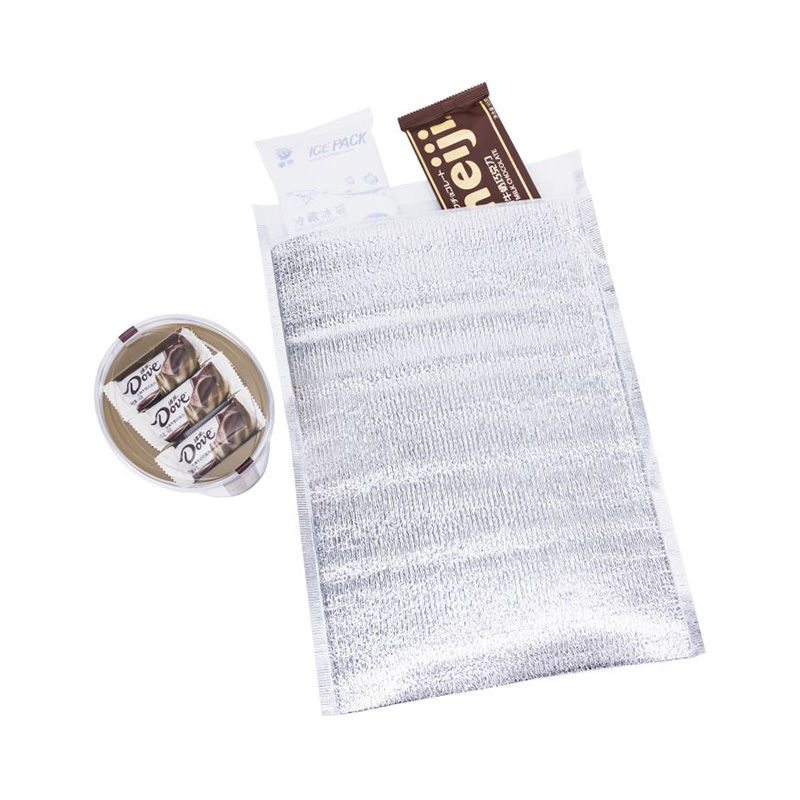
If you are evaluating insulated cooler bag b2b in 2026, the best answer is simple: choose the design that matches your route, protects the payload, and comes with evidence you can trust. Today’s buyers compare performance, compliance, sourcing stability, and sustainability at the same time. This optimized guide brings those priorities into one practical buying framework.
This article will help you answer:
- How to match insulated cooler bag b2b to real routes, payloads, and handling steps
- Which multi-layer thermal bag constructions and closure details affect performance most
- What testing, validation, and documentation make the offer credible
- How to compare supplier risk, total cost, and sustainability fit
How do you match insulated cooler bag b2b to route, payload, and workflow?
The best insulated cooler bag b2b is the one that matches your real operating window, not the one with the biggest headline claim. You should define the payload temperature, journey length, ambient stress, opening frequency, and handoff points before you compare materials. That sequence keeps you from overbuying thickness while missing the real weakness, such as poor fit, weak closures, or inconsistent handling. Route-fit design almost always outperforms guesswork.
Start by mapping one typical shipment and one worst-case shipment. Then review how the bag moves through your operation: pack-out, waiting time, transport, unloading, and temporary staging. If the bag supports wholesale resale, distributor handoff, and private-label channel programs, the design should reflect that reality in size, carry method, labeling space, and opening speed. When teams choose a bag this way, they usually reduce spoilage risk, coolant waste, and user frustration at the same time.
What route-fit checks matter most for insulated cooler bag buyers?
Focus on five checks: payload fit, closure repeatability, carry comfort, staging resilience, and recovery after storage or compression. If your route includes waiting outdoors or under strong light, review surface heat gain separately from wall insulation. If it includes repeated site handoffs, prioritize quick closing and clear identification. These are simple checks, but they often predict success better than a generic hold-time promise.
| Route-fit check | What to confirm | Red flag | Benefit to you |
| Payload fit | Minimal empty space around product | Large unused cavity | More stable internal temperature |
| Workflow fit | Easy pack, carry, and reopen | Awkward or slow handling | Fewer process mistakes |
| Stress fit | Works for hot delay or repeated handoff | Only ideal-condition proof | Better real-world reliability |
Practical tips and recommendations
- For first qualification: document one normal lane and one worst-case lane before choosing the bag.
- For user adoption: let the people who pack and carry the bag test the sample before final approval.
- For SEO pages: answer route-fit questions early because that is where buyer intent becomes strongest.
Example case: A buyer who first listed lane conditions and handoff steps selected a lighter, better-fitting bag over a bulkier alternative. The slimmer option won because it closed faster, used less coolant, and matched the real workflow more closely.
Which materials and construction choices improve insulated cooler bag b2b?
Materials matter most when they are chosen as a system. Outer substrates protect the bag, insulation layers slow heat transfer, inner liners support cleanliness, and closures keep warm air out. Multi-layer insulated bag construction that blends barrier control, cushioning, and carrying durability may improve part of the design, but no single layer can overcome poor seams, weak corners, or excessive dead air. A high-performing insulated cooler bag b2b always comes from balanced construction.
In procurement terms, that means you should ask for the full build description rather than a single material label. Review the outer layer, insulation core, liner, closure, reinforcement points, print surface, and expected reuse pattern together. If sustainability is part of the review, ask how the construction fits right-sizing, reuse, or waste handling goals rather than asking for a vague eco claim. Performance and practicality should be evaluated side by side.
How should custom insulated cooler bag programs review materials?
Approve samples after normal handling, not just straight from the carton. Fold them, load them, carry them, and inspect them after compression or light abrasion. If the program is branded, also confirm that print quality survives real friction and cleaning expectations. A material stack should look credible in sales content and stay credible after daily use.
| Construction choice | Main upside | Main watch-out | Best buying question |
| Outer substrate | Durability and print finish | Scuffing or stiffness | How does it perform after handling? |
| Insulation core | Thermal resistance | Bulk or compression loss | How was hold time tested? |
| Closure and seams | Air control and repeat use | Gap formation or wear | What fails first in route trials? |
Practical tips and recommendations
- For difficult lanes: solve closure leakage before adding excessive wall thickness.
- For custom printing: sign off on a handled sample, not only on digital artwork.
- For material changes: require supplier notification when any core build element shifts.
Example case: A team improved thermal consistency not by changing the full material family, but by upgrading seam control and closure pressure in the existing build. That targeted change delivered better performance at lower cost than a full redesign.
What proof, testing, and compliance documents should insulated cooler bag b2b buyers request?
You should buy a validated claim, not a marketing phrase. Ask every supplier to explain how the bag was tested, which ambient profile was used, what payload and coolant were assumed, and where the warmest sensor sat. For packaging evaluation, ASTM D3103 and ISTA thermal methods provide a stronger basis than informal internal claims alone. For regulated sectors, documentation quality matters just as much as the bag itself.
ASTM D3103 is the standard test method widely used to evaluate the thermal insulation performance of distribution packages for high-value, high-risk goods. ISTA 7E uses real-world heat and cold profiles to compare thermal transport packaging in parcel-delivery conditions. FDA current good manufacturing practice expects written warehousing procedures and storage under appropriate temperature, humidity, and light conditions so product quality is not affected. FDA also expects written distribution procedures and lot traceability that can support a recall when needed. EMA good distribution practice sets minimum standards to keep medicine quality and integrity intact throughout the supply chain. WHO also provides temperature-mapping guidance for cold chain equipment and storage areas. CDC storage and handling guidance emphasizes monitoring equipment, emergency response, and staff training. If your shipments move by air, IATA requirements and documentation expectations should also be considered. Taken together, these signals show why buyers increasingly ask for test summaries, material declarations, route assumptions, and revision-controlled specifications.
What makes a insulated cooler bag validation file actually useful?
It should be traceable to the exact bag construction, clear about limits, and written in language operations can use. A useful file tells you what the bag can do, under which assumptions, and what change would trigger requalification. It also makes onboarding easier for QA teams, distributors, and end customers because the performance story stays consistent from page to page.
| Document type | What it should show | Weak version | Strong version |
| Test summary | Profile, payload, duration, result | One-line hold-time claim | Method with assumptions and limits |
| Spec sheet | Build, size, closure, use window | Generic brochure text | Revision-controlled technical sheet |
| Quality file | Inspection and traceability approach | Verbal assurance only | Defined checkpoints and records |
Practical tips and recommendations
- For side-by-side comparison: force all suppliers to quote against the same route and payload assumptions.
- For audits or customer approval: store the approved sample ID with the matching technical file.
- For sales enablement: convert technical evidence into plain-language proofs your team can repeat accurately.
Example case: A customer approval cycle moved faster once the supplier replaced generic product claims with a clear test summary, a controlled spec sheet, and a simple explanation of route limits. Better documentation reduced both risk and sales friction.
How do you choose the right supplier and total-cost strategy for insulated cooler bag b2b?
Total cost for insulated cooler bag b2b includes much more than the unit price. You should account for freight, coolant use, rejects, rework, lead-time risk, service quality, and the cost of unclear documentation. In 2026, sustainability pressure adds another layer because right-sizing, reuse potential, and material transparency can influence both customer preference and internal approval. The strongest buying decision is commercial, technical, and operational at once.
The EU Packaging and Packaging Waste Regulation entered into force on 11 February 2025 and generally applies from 12 August 2026, pushing packaging toward recyclability and lower virgin material use. EPA frames sustainable packaging through life-cycle thinking, lighter design, and waste reduction under sustainable materials management. If you source through OEM or regional partners, add communication quality, revision control, and sample-to-bulk consistency to the scorecard. A supplier that is slightly higher on unit price can still be cheaper when the program is easier to validate, easier to replenish, and less wasteful in daily use.
What should a 2026 insulated cooler bag supplier scorecard include?
Include thermal evidence, sample accuracy, material transparency, customization capability, lead time, MOQ, landed cost, defect trend, sustainability fit, and response quality after launch. That balanced scorecard helps you avoid the classic mistake of choosing a low quote that later creates emergency freight, rejected stock, or customer complaints. It also gives your SEO and sales content a clearer proof structure because the product value is easier to explain.
| Scorecard item | Why it belongs | Low-maturity sign | High-maturity sign |
| Thermal proof | Protects product value | Generic claims only | Route-based evidence |
| Change control | Protects consistency | Silent substitutions | Clear revision process |
| Sustainability fit | Supports 2026 buyer reviews | No end-of-use position | Practical waste and reuse guidance |
Practical tips and recommendations
- For final selection: score suppliers before price negotiation so low quotes do not distort judgment.
- For sustainability reviews: measure spoilage reduction and packaging reduction together.
- For long-term programs: revisit the scorecard after the first production cycle and after the first peak season.
Example case: A sourcing team chose a supplier with stronger documentation, better sample control, and clearer reuse guidance even though the quote was not the lowest. The decision paid back through smoother onboarding, lower waste, and fewer urgent corrections after launch.
2026 developments and trends
The strongest 2026 trend around insulated cooler bag b2b is convergence. Buyers want the bag to perform thermally, fit the route, satisfy documentation review, and support a credible sustainability position. This is why optimized content now blends buyer education, technical proof, and market context instead of separating them into isolated pages.
Latest developments at a glance
- Route-fit validation is becoming a stronger decision tool than broad hold-time marketing.
- Documentation quality increasingly affects both search trust and procurement trust.
- Packaging reduction, reuse, and material clarity are influencing supplier scorecards more often.
The best-performing product pages and articles answer the same questions sourcing teams already ask internally: What is it for, how was it tested, what is it made from, what happens after use, and can the supplier repeat it at scale? When your content answers those points clearly, it usually performs better in both SEO and sales.
Frequently asked questions
How long can insulated cooler bag b2b keep products at the target temperature?
It depends on the payload, starting temperature, ambient stress, coolant strategy, and how often the bag is opened. Ask for a test summary tied to your route, not a generic headline claim.
What is the best material for a insulated cooler bag?
There is no single best material for every lane. The right answer depends on heat exposure, reuse needs, print requirements, cleaning expectations, and how tightly the bag fits the payload.
Should I choose a reusable or single-use insulated cooler bag?
Choose reusable when you control returns, cleaning, and inspection. Choose single-use or hybrid when the route is open-loop, highly variable, or the cost of reverse logistics is too high.
What documents should a insulated cooler bag supplier provide?
At minimum, ask for a specification sheet, test summary, size details, and basic quality or material information. For regulated programs, you may also need route-validation and traceability records.
How do I compare two insulated cooler bag quotes fairly?
Make sure both suppliers quote the same size, payload assumption, test basis, MOQ, and incoterm. Then compare total landed cost instead of unit price alone.
Summary and recommendations
The smartest way to choose insulated cooler bag b2b is to start with the route, then review construction, then confirm proof, and finally compare suppliers on total program value. You do not need the thickest or flashiest option. You need the one that fits your payload, workflow, and quality expectations with the least friction. When you combine route-fit design, clear documentation, and disciplined sourcing, insulated cooler bag b2b becomes easier to qualify and easier to scale.
Create a short shortlist now: define your payload and route, request two or three samples built for that use case, and compare them under the same test conditions. Then score suppliers on performance evidence, clarity, lead time, and total cost before you approve production. That simple process gives you a stronger buying decision and better content for customers who ask the same questions.
About Tempk
At Tempk, we focus on practical cold chain packaging for buyers who need more than a brochure promise. We design and customize insulated bags, pouches, mailers, and shipping solutions around real payloads, route conditions, and handling patterns. Our approach emphasizes clear communication on materials, customization, and validation support so you can choose with more confidence and less guesswork.
Use your next sample round to test the bag against a real route, not just a catalog description. If you need help narrowing the structure, size, or customization approach, speak with a packaging specialist before locking the bulk order.
Suggested internal link targets (plain text only)
- insulated cooler bag size guide
- cold chain packaging validation checklist
- how to choose coolant packs for insulated bags
- custom insulated bag printing guide
- thermal packaging supplier audit checklist
Best Insulated Bag Trade Biotech Guide for 2026 Buyers
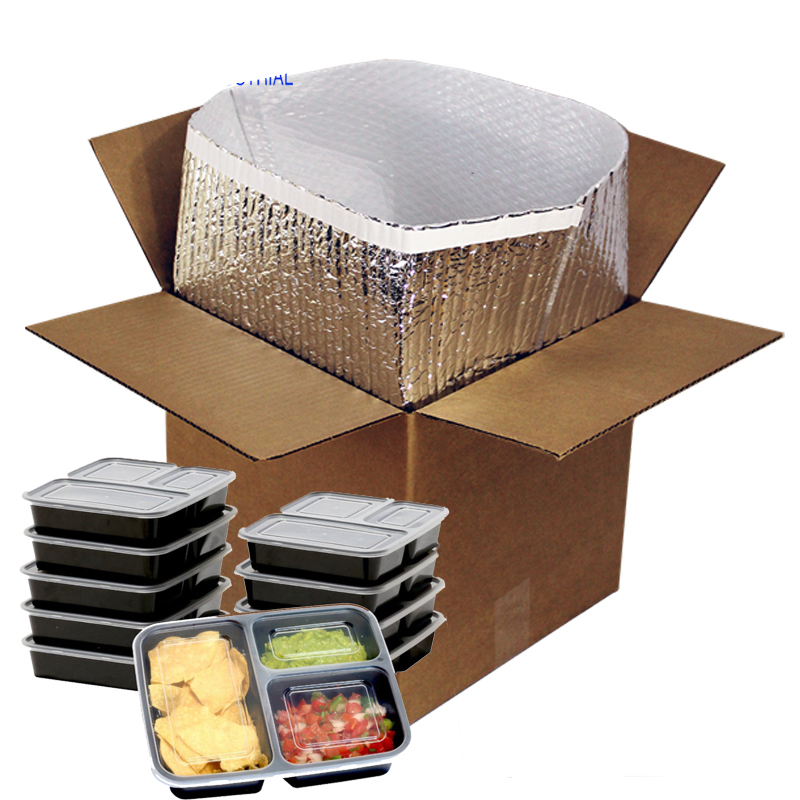
If you are evaluating insulated bag trade biotech in 2026, the best answer is simple: choose the design that matches your route, protects the payload, and comes with evidence you can trust. Today’s buyers compare performance, compliance, sourcing stability, and sustainability at the same time. This optimized guide brings those priorities into one practical buying framework.
This article will help you answer:
- How to match insulated bag trade biotech to real routes, payloads, and handling steps
- Which multi-layer thermal bag constructions and closure details affect performance most
- What testing, validation, and documentation make the offer credible
- How to compare supplier risk, total cost, and sustainability fit
How do you match insulated bag trade biotech to route, payload, and workflow?
The best insulated bag trade biotech is the one that matches your real operating window, not the one with the biggest headline claim. You should define the payload temperature, journey length, ambient stress, opening frequency, and handoff points before you compare materials. That sequence keeps you from overbuying thickness while missing the real weakness, such as poor fit, weak closures, or inconsistent handling. Route-fit design almost always outperforms guesswork.
Start by mapping one typical shipment and one worst-case shipment. Then review how the bag moves through your operation: pack-out, waiting time, transport, unloading, and temporary staging. If the bag supports sample integrity, chain of custody, and small-batch biologics movement, the design should reflect that reality in size, carry method, labeling space, and opening speed. When teams choose a bag this way, they usually reduce spoilage risk, coolant waste, and user frustration at the same time.
What route-fit checks matter most for insulated bag buyers?
Focus on five checks: payload fit, closure repeatability, carry comfort, staging resilience, and recovery after storage or compression. If your route includes waiting outdoors or under strong light, review surface heat gain separately from wall insulation. If it includes repeated site handoffs, prioritize quick closing and clear identification. These are simple checks, but they often predict success better than a generic hold-time promise.
| Route-fit check | What to confirm | Red flag | Benefit to you |
| Payload fit | Minimal empty space around product | Large unused cavity | More stable internal temperature |
| Workflow fit | Easy pack, carry, and reopen | Awkward or slow handling | Fewer process mistakes |
| Stress fit | Works for hot delay or repeated handoff | Only ideal-condition proof | Better real-world reliability |
Practical tips and recommendations
- For first qualification: document one normal lane and one worst-case lane before choosing the bag.
- For user adoption: let the people who pack and carry the bag test the sample before final approval.
- For SEO pages: answer route-fit questions early because that is where buyer intent becomes strongest.
Example case: A buyer who first listed lane conditions and handoff steps selected a lighter, better-fitting bag over a bulkier alternative. The slimmer option won because it closed faster, used less coolant, and matched the real workflow more closely.
Which materials and construction choices improve insulated bag trade biotech?
Materials matter most when they are chosen as a system. Outer substrates protect the bag, insulation layers slow heat transfer, inner liners support cleanliness, and closures keep warm air out. Multi-layer insulated bag construction that blends barrier control, cushioning, and carrying durability may improve part of the design, but no single layer can overcome poor seams, weak corners, or excessive dead air. A high-performing insulated bag trade biotech always comes from balanced construction.
In procurement terms, that means you should ask for the full build description rather than a single material label. Review the outer layer, insulation core, liner, closure, reinforcement points, print surface, and expected reuse pattern together. If sustainability is part of the review, ask how the construction fits right-sizing, reuse, or waste handling goals rather than asking for a vague eco claim. Performance and practicality should be evaluated side by side.
How should custom insulated bag programs review materials?
Approve samples after normal handling, not just straight from the carton. Fold them, load them, carry them, and inspect them after compression or light abrasion. If the program is branded, also confirm that print quality survives real friction and cleaning expectations. A material stack should look credible in sales content and stay credible after daily use.
| Construction choice | Main upside | Main watch-out | Best buying question |
| Outer substrate | Durability and print finish | Scuffing or stiffness | How does it perform after handling? |
| Insulation core | Thermal resistance | Bulk or compression loss | How was hold time tested? |
| Closure and seams | Air control and repeat use | Gap formation or wear | What fails first in route trials? |
Practical tips and recommendations
- For difficult lanes: solve closure leakage before adding excessive wall thickness.
- For custom printing: sign off on a handled sample, not only on digital artwork.
- For material changes: require supplier notification when any core build element shifts.
Example case: A team improved thermal consistency not by changing the full material family, but by upgrading seam control and closure pressure in the existing build. That targeted change delivered better performance at lower cost than a full redesign.
What proof, testing, and compliance documents should insulated bag trade biotech buyers request?
You should buy a validated claim, not a marketing phrase. Ask every supplier to explain how the bag was tested, which ambient profile was used, what payload and coolant were assumed, and where the warmest sensor sat. For packaging evaluation, ASTM D3103 and ISTA thermal methods provide a stronger basis than informal internal claims alone. For regulated sectors, documentation quality matters just as much as the bag itself.
ASTM D3103 is the standard test method widely used to evaluate the thermal insulation performance of distribution packages for high-value, high-risk goods. ISTA 7E uses real-world heat and cold profiles to compare thermal transport packaging in parcel-delivery conditions. FDA current good manufacturing practice expects written warehousing procedures and storage under appropriate temperature, humidity, and light conditions so product quality is not affected. FDA also expects written distribution procedures and lot traceability that can support a recall when needed. EMA good distribution practice sets minimum standards to keep medicine quality and integrity intact throughout the supply chain. WHO also provides temperature-mapping guidance for cold chain equipment and storage areas. CDC storage and handling guidance emphasizes monitoring equipment, emergency response, and staff training. If your shipments move by air, IATA requirements and documentation expectations should also be considered. Taken together, these signals show why buyers increasingly ask for test summaries, material declarations, route assumptions, and revision-controlled specifications.
What makes a insulated bag validation file actually useful?
It should be traceable to the exact bag construction, clear about limits, and written in language operations can use. A useful file tells you what the bag can do, under which assumptions, and what change would trigger requalification. It also makes onboarding easier for QA teams, distributors, and end customers because the performance story stays consistent from page to page.
| Document type | What it should show | Weak version | Strong version |
| Test summary | Profile, payload, duration, result | One-line hold-time claim | Method with assumptions and limits |
| Spec sheet | Build, size, closure, use window | Generic brochure text | Revision-controlled technical sheet |
| Quality file | Inspection and traceability approach | Verbal assurance only | Defined checkpoints and records |
Practical tips and recommendations
- For side-by-side comparison: force all suppliers to quote against the same route and payload assumptions.
- For audits or customer approval: store the approved sample ID with the matching technical file.
- For sales enablement: convert technical evidence into plain-language proofs your team can repeat accurately.
Example case: A customer approval cycle moved faster once the supplier replaced generic product claims with a clear test summary, a controlled spec sheet, and a simple explanation of route limits. Better documentation reduced both risk and sales friction.
How do you choose the right supplier and total-cost strategy for insulated bag trade biotech?
Total cost for insulated bag trade biotech includes much more than the unit price. You should account for freight, coolant use, rejects, rework, lead-time risk, service quality, and the cost of unclear documentation. In 2026, sustainability pressure adds another layer because right-sizing, reuse potential, and material transparency can influence both customer preference and internal approval. The strongest buying decision is commercial, technical, and operational at once.
The EU Packaging and Packaging Waste Regulation entered into force on 11 February 2025 and generally applies from 12 August 2026, pushing packaging toward recyclability and lower virgin material use. EPA frames sustainable packaging through life-cycle thinking, lighter design, and waste reduction under sustainable materials management. If you source through OEM or regional partners, add communication quality, revision control, and sample-to-bulk consistency to the scorecard. A supplier that is slightly higher on unit price can still be cheaper when the program is easier to validate, easier to replenish, and less wasteful in daily use.
What should a 2026 insulated bag supplier scorecard include?
Include thermal evidence, sample accuracy, material transparency, customization capability, lead time, MOQ, landed cost, defect trend, sustainability fit, and response quality after launch. That balanced scorecard helps you avoid the classic mistake of choosing a low quote that later creates emergency freight, rejected stock, or customer complaints. It also gives your SEO and sales content a clearer proof structure because the product value is easier to explain.
| Scorecard item | Why it belongs | Low-maturity sign | High-maturity sign |
| Thermal proof | Protects product value | Generic claims only | Route-based evidence |
| Change control | Protects consistency | Silent substitutions | Clear revision process |
| Sustainability fit | Supports 2026 buyer reviews | No end-of-use position | Practical waste and reuse guidance |
Practical tips and recommendations
- For final selection: score suppliers before price negotiation so low quotes do not distort judgment.
- For sustainability reviews: measure spoilage reduction and packaging reduction together.
- For long-term programs: revisit the scorecard after the first production cycle and after the first peak season.
Example case: A sourcing team chose a supplier with stronger documentation, better sample control, and clearer reuse guidance even though the quote was not the lowest. The decision paid back through smoother onboarding, lower waste, and fewer urgent corrections after launch.
2026 developments and trends
The strongest 2026 trend around insulated bag trade biotech is convergence. Buyers want the bag to perform thermally, fit the route, satisfy documentation review, and support a credible sustainability position. This is why optimized content now blends buyer education, technical proof, and market context instead of separating them into isolated pages.
Latest developments at a glance
- Route-fit validation is becoming a stronger decision tool than broad hold-time marketing.
- Documentation quality increasingly affects both search trust and procurement trust.
- Packaging reduction, reuse, and material clarity are influencing supplier scorecards more often.
The best-performing product pages and articles answer the same questions sourcing teams already ask internally: What is it for, how was it tested, what is it made from, what happens after use, and can the supplier repeat it at scale? When your content answers those points clearly, it usually performs better in both SEO and sales.
Frequently asked questions
How long can insulated bag trade biotech keep products at the target temperature?
It depends on the payload, starting temperature, ambient stress, coolant strategy, and how often the bag is opened. Ask for a test summary tied to your route, not a generic headline claim.
What is the best material for a insulated bag?
There is no single best material for every lane. The right answer depends on heat exposure, reuse needs, print requirements, cleaning expectations, and how tightly the bag fits the payload.
Should I choose a reusable or single-use insulated bag?
Choose reusable when you control returns, cleaning, and inspection. Choose single-use or hybrid when the route is open-loop, highly variable, or the cost of reverse logistics is too high.
What documents should a insulated bag supplier provide?
At minimum, ask for a specification sheet, test summary, size details, and basic quality or material information. For regulated programs, you may also need route-validation and traceability records.
Can insulated bag trade biotech be used for hospital or biotech transport?
Yes, if the design, validation method, and documentation fit the product and route. In regulated use, packaging should support your handling procedures instead of replacing them.
Summary and recommendations
The smartest way to choose insulated bag trade biotech is to start with the route, then review construction, then confirm proof, and finally compare suppliers on total program value. You do not need the thickest or flashiest option. You need the one that fits your payload, workflow, and quality expectations with the least friction. When you combine route-fit design, clear documentation, and disciplined sourcing, insulated bag trade biotech becomes easier to qualify and easier to scale.
Create a short shortlist now: define your payload and route, request two or three samples built for that use case, and compare them under the same test conditions. Then score suppliers on performance evidence, clarity, lead time, and total cost before you approve production. That simple process gives you a stronger buying decision and better content for customers who ask the same questions.
About Tempk
At Tempk, we focus on practical cold chain packaging for buyers who need more than a brochure promise. We design and customize insulated bags, pouches, mailers, and shipping solutions around real payloads, route conditions, and handling patterns. Our approach emphasizes clear communication on materials, customization, and validation support so you can choose with more confidence and less guesswork.
Use your next sample round to test the bag against a real route, not just a catalog description. If you need help narrowing the structure, size, or customization approach, speak with a packaging specialist before locking the bulk order.
Suggested internal link targets (plain text only)
- insulated bag size guide
- temperature-sensitive healthcare packaging validation checklist
- how to choose coolant packs for insulated bags
- custom insulated bag printing guide
- thermal packaging supplier audit checklist
Best Insulated Backpack Custom Biotech Guide for 2026 Buyers
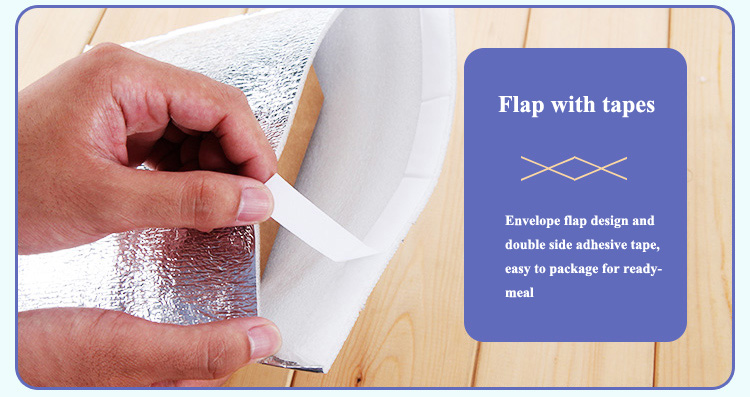
If you are evaluating insulated backpack custom biotech in 2026, the best answer is simple: choose the design that matches your route, protects the payload, and comes with evidence you can trust. Today’s buyers compare performance, compliance, sourcing stability, and sustainability at the same time. This optimized guide brings those priorities into one practical buying framework.
This article will help you answer:
- How to match insulated backpack custom biotech to real routes, payloads, and handling steps
- Which portable padded constructions and ergonomic carrying and closure details affect performance most
- What testing, validation, and documentation make the offer credible
- How to compare supplier risk, total cost, and sustainability fit
How do you match insulated backpack custom biotech to route, payload, and workflow?
The best insulated backpack custom biotech is the one that matches your real operating window, not the one with the biggest headline claim. You should define the payload temperature, journey length, ambient stress, opening frequency, and handoff points before you compare materials. That sequence keeps you from overbuying thickness while missing the real weakness, such as poor fit, weak closures, or inconsistent handling. Route-fit design almost always outperforms guesswork.
Start by mapping one typical shipment and one worst-case shipment. Then review how the bag moves through your operation: pack-out, waiting time, transport, unloading, and temporary staging. If the bag supports sample integrity, chain of custody, and small-batch biologics movement, the design should reflect that reality in size, carry method, labeling space, and opening speed. When teams choose a bag this way, they usually reduce spoilage risk, coolant waste, and user frustration at the same time.
What route-fit checks matter most for insulated backpack buyers?
Focus on five checks: payload fit, closure repeatability, carry comfort, staging resilience, and recovery after storage or compression. If your route includes waiting outdoors or under strong light, review surface heat gain separately from wall insulation. If it includes repeated site handoffs, prioritize quick closing and clear identification. These are simple checks, but they often predict success better than a generic hold-time promise.
| Route-fit check | What to confirm | Red flag | Benefit to you |
| Payload fit | Minimal empty space around product | Large unused cavity | More stable internal temperature |
| Workflow fit | Easy pack, carry, and reopen | Awkward or slow handling | Fewer process mistakes |
| Stress fit | Works for hot delay or repeated handoff | Only ideal-condition proof | Better real-world reliability |
Practical tips and recommendations
- For first qualification: document one normal lane and one worst-case lane before choosing the bag.
- For user adoption: let the people who pack and carry the bag test the sample before final approval.
- For SEO pages: answer route-fit questions early because that is where buyer intent becomes strongest.
Example case: A buyer who first listed lane conditions and handoff steps selected a lighter, better-fitting bag over a bulkier alternative. The slimmer option won because it closed faster, used less coolant, and matched the real workflow more closely.
Which materials and construction choices improve insulated backpack custom biotech?
Materials matter most when they are chosen as a system. Outer substrates protect the bag, insulation layers slow heat transfer, inner liners support cleanliness, and closures keep warm air out. Portable backpack construction with padded support, shape retention, and easier field mobility may improve part of the design, but no single layer can overcome poor seams, weak corners, or excessive dead air. A high-performing insulated backpack custom biotech always comes from balanced construction.
In procurement terms, that means you should ask for the full build description rather than a single material label. Review the outer layer, insulation core, liner, closure, reinforcement points, print surface, and expected reuse pattern together. If sustainability is part of the review, ask how the construction fits right-sizing, reuse, or waste handling goals rather than asking for a vague eco claim. Performance and practicality should be evaluated side by side.
How should custom insulated backpack programs review materials?
Approve samples after normal handling, not just straight from the carton. Fold them, load them, carry them, and inspect them after compression or light abrasion. If the program is branded, also confirm that print quality survives real friction and cleaning expectations. A material stack should look credible in sales content and stay credible after daily use.
| Construction choice | Main upside | Main watch-out | Best buying question |
| Outer substrate | Durability and print finish | Scuffing or stiffness | How does it perform after handling? |
| Insulation core | Thermal resistance | Bulk or compression loss | How was hold time tested? |
| Closure and seams | Air control and repeat use | Gap formation or wear | What fails first in route trials? |
Practical tips and recommendations
- For difficult lanes: solve closure leakage before adding excessive wall thickness.
- For custom printing: sign off on a handled sample, not only on digital artwork.
- For material changes: require supplier notification when any core build element shifts.
Example case: A team improved thermal consistency not by changing the full material family, but by upgrading seam control and closure pressure in the existing build. That targeted change delivered better performance at lower cost than a full redesign.
What proof, testing, and compliance documents should insulated backpack custom biotech buyers request?
You should buy a validated claim, not a marketing phrase. Ask every supplier to explain how the bag was tested, which ambient profile was used, what payload and coolant were assumed, and where the warmest sensor sat. For packaging evaluation, ASTM D3103 and ISTA thermal methods provide a stronger basis than informal internal claims alone. For regulated sectors, documentation quality matters just as much as the bag itself.
ASTM D3103 is the standard test method widely used to evaluate the thermal insulation performance of distribution packages for high-value, high-risk goods. ISTA 7E uses real-world heat and cold profiles to compare thermal transport packaging in parcel-delivery conditions. FDA current good manufacturing practice expects written warehousing procedures and storage under appropriate temperature, humidity, and light conditions so product quality is not affected. FDA also expects written distribution procedures and lot traceability that can support a recall when needed. EMA good distribution practice sets minimum standards to keep medicine quality and integrity intact throughout the supply chain. WHO also provides temperature-mapping guidance for cold chain equipment and storage areas. CDC storage and handling guidance emphasizes monitoring equipment, emergency response, and staff training. If your shipments move by air, IATA requirements and documentation expectations should also be considered. Taken together, these signals show why buyers increasingly ask for test summaries, material declarations, route assumptions, and revision-controlled specifications.
What makes a insulated backpack validation file actually useful?
It should be traceable to the exact bag construction, clear about limits, and written in language operations can use. A useful file tells you what the bag can do, under which assumptions, and what change would trigger requalification. It also makes onboarding easier for QA teams, distributors, and end customers because the performance story stays consistent from page to page.
| Document type | What it should show | Weak version | Strong version |
| Test summary | Profile, payload, duration, result | One-line hold-time claim | Method with assumptions and limits |
| Spec sheet | Build, size, closure, use window | Generic brochure text | Revision-controlled technical sheet |
| Quality file | Inspection and traceability approach | Verbal assurance only | Defined checkpoints and records |
Practical tips and recommendations
- For side-by-side comparison: force all suppliers to quote against the same route and payload assumptions.
- For audits or customer approval: store the approved sample ID with the matching technical file.
- For sales enablement: convert technical evidence into plain-language proofs your team can repeat accurately.
Example case: A customer approval cycle moved faster once the supplier replaced generic product claims with a clear test summary, a controlled spec sheet, and a simple explanation of route limits. Better documentation reduced both risk and sales friction.
How do you choose the right supplier and total-cost strategy for insulated backpack custom biotech?
Total cost for insulated backpack custom biotech includes much more than the unit price. You should account for freight, coolant use, rejects, rework, lead-time risk, service quality, and the cost of unclear documentation. In 2026, sustainability pressure adds another layer because right-sizing, reuse potential, and material transparency can influence both customer preference and internal approval. The strongest buying decision is commercial, technical, and operational at once.
The EU Packaging and Packaging Waste Regulation entered into force on 11 February 2025 and generally applies from 12 August 2026, pushing packaging toward recyclability and lower virgin material use. EPA frames sustainable packaging through life-cycle thinking, lighter design, and waste reduction under sustainable materials management. If you source through OEM or regional partners, add communication quality, revision control, and sample-to-bulk consistency to the scorecard. A supplier that is slightly higher on unit price can still be cheaper when the program is easier to validate, easier to replenish, and less wasteful in daily use.
What should a 2026 insulated backpack supplier scorecard include?
Include thermal evidence, sample accuracy, material transparency, customization capability, lead time, MOQ, landed cost, defect trend, sustainability fit, and response quality after launch. That balanced scorecard helps you avoid the classic mistake of choosing a low quote that later creates emergency freight, rejected stock, or customer complaints. It also gives your SEO and sales content a clearer proof structure because the product value is easier to explain.
| Scorecard item | Why it belongs | Low-maturity sign | High-maturity sign |
| Thermal proof | Protects product value | Generic claims only | Route-based evidence |
| Change control | Protects consistency | Silent substitutions | Clear revision process |
| Sustainability fit | Supports 2026 buyer reviews | No end-of-use position | Practical waste and reuse guidance |
Practical tips and recommendations
- For final selection: score suppliers before price negotiation so low quotes do not distort judgment.
- For sustainability reviews: measure spoilage reduction and packaging reduction together.
- For long-term programs: revisit the scorecard after the first production cycle and after the first peak season.
Example case: A sourcing team chose a supplier with stronger documentation, better sample control, and clearer reuse guidance even though the quote was not the lowest. The decision paid back through smoother onboarding, lower waste, and fewer urgent corrections after launch.
2026 developments and trends
The strongest 2026 trend around insulated backpack custom biotech is convergence. Buyers want the bag to perform thermally, fit the route, satisfy documentation review, and support a credible sustainability position. This is why optimized content now blends buyer education, technical proof, and market context instead of separating them into isolated pages.
Latest developments at a glance
- Route-fit validation is becoming a stronger decision tool than broad hold-time marketing.
- Documentation quality increasingly affects both search trust and procurement trust.
- Packaging reduction, reuse, and material clarity are influencing supplier scorecards more often.
The best-performing product pages and articles answer the same questions sourcing teams already ask internally: What is it for, how was it tested, what is it made from, what happens after use, and can the supplier repeat it at scale? When your content answers those points clearly, it usually performs better in both SEO and sales.
Frequently asked questions
How long can insulated backpack custom biotech keep products at the target temperature?
It depends on the payload, starting temperature, ambient stress, coolant strategy, and how often the bag is opened. Ask for a test summary tied to your route, not a generic headline claim.
What is the best material for a insulated backpack?
There is no single best material for every lane. The right answer depends on heat exposure, reuse needs, print requirements, cleaning expectations, and how tightly the bag fits the payload.
Should I choose a reusable or single-use insulated backpack?
Choose reusable when you control returns, cleaning, and inspection. Choose single-use or hybrid when the route is open-loop, highly variable, or the cost of reverse logistics is too high.
What documents should a insulated backpack supplier provide?
At minimum, ask for a specification sheet, test summary, size details, and basic quality or material information. For regulated programs, you may also need route-validation and traceability records.
Can insulated backpack custom biotech be used for hospital or biotech transport?
Yes, if the design, validation method, and documentation fit the product and route. In regulated use, packaging should support your handling procedures instead of replacing them.
Summary and recommendations
The smartest way to choose insulated backpack custom biotech is to start with the route, then review construction, then confirm proof, and finally compare suppliers on total program value. You do not need the thickest or flashiest option. You need the one that fits your payload, workflow, and quality expectations with the least friction. When you combine route-fit design, clear documentation, and disciplined sourcing, insulated backpack custom biotech becomes easier to qualify and easier to scale.
Create a short shortlist now: define your payload and route, request two or three samples built for that use case, and compare them under the same test conditions. Then score suppliers on performance evidence, clarity, lead time, and total cost before you approve production. That simple process gives you a stronger buying decision and better content for customers who ask the same questions.
About Tempk
At Tempk, we focus on practical cold chain packaging for buyers who need more than a brochure promise. We design and customize insulated bags, pouches, mailers, and shipping solutions around real payloads, route conditions, and handling patterns. Our approach emphasizes clear communication on materials, customization, and validation support so you can choose with more confidence and less guesswork.
Use your next sample round to test the bag against a real route, not just a catalog description. If you need help narrowing the structure, size, or customization approach, speak with a packaging specialist before locking the bulk order.
Suggested internal link targets (plain text only)
- insulated backpack size guide
- temperature-sensitive healthcare packaging validation checklist
- how to choose coolant packs for insulated bags
- custom insulated bag printing guide
- thermal packaging supplier audit checklist
Best Cooler Backpack PET Film Guide for 2026 Buyers
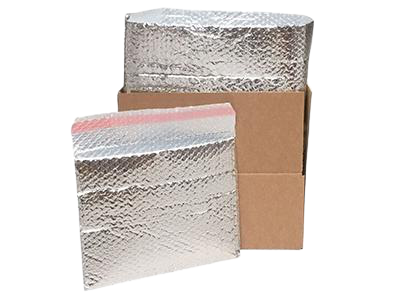
If you are evaluating cooler backpack pet film in 2026, the best answer is simple: choose the design that matches your route, protects the payload, and comes with evidence you can trust. Today’s buyers compare performance, compliance, sourcing stability, and sustainability at the same time. This optimized guide brings those priorities into one practical buying framework.
This article will help you answer:
- How to match cooler backpack pet film to real routes, payloads, and handling steps
- Which PET film lamination and closure details affect performance most
- What testing, validation, and documentation make the offer credible
- How to compare supplier risk, total cost, and sustainability fit
How do you match cooler backpack pet film to route, payload, and workflow?
The best cooler backpack pet film is the one that matches your real operating window, not the one with the biggest headline claim. You should define the payload temperature, journey length, ambient stress, opening frequency, and handoff points before you compare materials. That sequence keeps you from overbuying thickness while missing the real weakness, such as poor fit, weak closures, or inconsistent handling. Route-fit design almost always outperforms guesswork.
Start by mapping one typical shipment and one worst-case shipment. Then review how the bag moves through your operation: pack-out, waiting time, transport, unloading, and temporary staging. If the bag supports route fit, handoff control, and repeatable cold chain handling, the design should reflect that reality in size, carry method, labeling space, and opening speed. When teams choose a bag this way, they usually reduce spoilage risk, coolant waste, and user frustration at the same time.
What route-fit checks matter most for cooler backpack buyers?
Focus on five checks: payload fit, closure repeatability, carry comfort, staging resilience, and recovery after storage or compression. If your route includes waiting outdoors or under strong light, review surface heat gain separately from wall insulation. If it includes repeated site handoffs, prioritize quick closing and clear identification. These are simple checks, but they often predict success better than a generic hold-time promise.
| Route-fit check | What to confirm | Red flag | Benefit to you |
| Payload fit | Minimal empty space around product | Large unused cavity | More stable internal temperature |
| Workflow fit | Easy pack, carry, and reopen | Awkward or slow handling | Fewer process mistakes |
| Stress fit | Works for hot delay or repeated handoff | Only ideal-condition proof | Better real-world reliability |
Practical tips and recommendations
- For first qualification: document one normal lane and one worst-case lane before choosing the bag.
- For user adoption: let the people who pack and carry the bag test the sample before final approval.
- For SEO pages: answer route-fit questions early because that is where buyer intent becomes strongest.
Example case: A buyer who first listed lane conditions and handoff steps selected a lighter, better-fitting bag over a bulkier alternative. The slimmer option won because it closed faster, used less coolant, and matched the real workflow more closely.
Which materials and construction choices improve cooler backpack pet film?
Materials matter most when they are chosen as a system. Outer substrates protect the bag, insulation layers slow heat transfer, inner liners support cleanliness, and closures keep warm air out. PET film laminations that improve surface stability, print finish, and puncture resistance may improve part of the design, but no single layer can overcome poor seams, weak corners, or excessive dead air. A high-performing cooler backpack pet film always comes from balanced construction.
In procurement terms, that means you should ask for the full build description rather than a single material label. Review the outer layer, insulation core, liner, closure, reinforcement points, print surface, and expected reuse pattern together. If sustainability is part of the review, ask how the construction fits right-sizing, reuse, or waste handling goals rather than asking for a vague eco claim. Performance and practicality should be evaluated side by side.
How should custom cooler backpack programs review materials?
Approve samples after normal handling, not just straight from the carton. Fold them, load them, carry them, and inspect them after compression or light abrasion. If the program is branded, also confirm that print quality survives real friction and cleaning expectations. A material stack should look credible in sales content and stay credible after daily use.
| Construction choice | Main upside | Main watch-out | Best buying question |
| Outer substrate | Durability and print finish | Scuffing or stiffness | How does it perform after handling? |
| Insulation core | Thermal resistance | Bulk or compression loss | How was hold time tested? |
| Closure and seams | Air control and repeat use | Gap formation or wear | What fails first in route trials? |
Practical tips and recommendations
- For difficult lanes: solve closure leakage before adding excessive wall thickness.
- For custom printing: sign off on a handled sample, not only on digital artwork.
- For material changes: require supplier notification when any core build element shifts.
Example case: A team improved thermal consistency not by changing the full material family, but by upgrading seam control and closure pressure in the existing build. That targeted change delivered better performance at lower cost than a full redesign.
What proof, testing, and compliance documents should cooler backpack pet film buyers request?
You should buy a validated claim, not a marketing phrase. Ask every supplier to explain how the bag was tested, which ambient profile was used, what payload and coolant were assumed, and where the warmest sensor sat. For packaging evaluation, ASTM D3103 and ISTA thermal methods provide a stronger basis than informal internal claims alone. For regulated sectors, documentation quality matters just as much as the bag itself.
ASTM D3103 is the standard test method widely used to evaluate the thermal insulation performance of distribution packages for high-value, high-risk goods. ISTA 7E uses real-world heat and cold profiles to compare thermal transport packaging in parcel-delivery conditions. FDA current good manufacturing practice expects written warehousing procedures and storage under appropriate temperature, humidity, and light conditions so product quality is not affected. FDA also expects written distribution procedures and lot traceability that can support a recall when needed. EMA good distribution practice sets minimum standards to keep medicine quality and integrity intact throughout the supply chain. WHO also provides temperature-mapping guidance for cold chain equipment and storage areas. CDC storage and handling guidance emphasizes monitoring equipment, emergency response, and staff training. If your shipments move by air, IATA requirements and documentation expectations should also be considered. Taken together, these signals show why buyers increasingly ask for test summaries, material declarations, route assumptions, and revision-controlled specifications.
What makes a cooler backpack validation file actually useful?
It should be traceable to the exact bag construction, clear about limits, and written in language operations can use. A useful file tells you what the bag can do, under which assumptions, and what change would trigger requalification. It also makes onboarding easier for QA teams, distributors, and end customers because the performance story stays consistent from page to page.
| Document type | What it should show | Weak version | Strong version |
| Test summary | Profile, payload, duration, result | One-line hold-time claim | Method with assumptions and limits |
| Spec sheet | Build, size, closure, use window | Generic brochure text | Revision-controlled technical sheet |
| Quality file | Inspection and traceability approach | Verbal assurance only | Defined checkpoints and records |
Practical tips and recommendations
- For side-by-side comparison: force all suppliers to quote against the same route and payload assumptions.
- For audits or customer approval: store the approved sample ID with the matching technical file.
- For sales enablement: convert technical evidence into plain-language proofs your team can repeat accurately.
Example case: A customer approval cycle moved faster once the supplier replaced generic product claims with a clear test summary, a controlled spec sheet, and a simple explanation of route limits. Better documentation reduced both risk and sales friction.
How do you choose the right supplier and total-cost strategy for cooler backpack pet film?
Total cost for cooler backpack pet film includes much more than the unit price. You should account for freight, coolant use, rejects, rework, lead-time risk, service quality, and the cost of unclear documentation. In 2026, sustainability pressure adds another layer because right-sizing, reuse potential, and material transparency can influence both customer preference and internal approval. The strongest buying decision is commercial, technical, and operational at once.
The EU Packaging and Packaging Waste Regulation entered into force on 11 February 2025 and generally applies from 12 August 2026, pushing packaging toward recyclability and lower virgin material use. EPA frames sustainable packaging through life-cycle thinking, lighter design, and waste reduction under sustainable materials management. If you source through OEM or regional partners, add communication quality, revision control, and sample-to-bulk consistency to the scorecard. A supplier that is slightly higher on unit price can still be cheaper when the program is easier to validate, easier to replenish, and less wasteful in daily use.
What should a 2026 cooler backpack supplier scorecard include?
Include thermal evidence, sample accuracy, material transparency, customization capability, lead time, MOQ, landed cost, defect trend, sustainability fit, and response quality after launch. That balanced scorecard helps you avoid the classic mistake of choosing a low quote that later creates emergency freight, rejected stock, or customer complaints. It also gives your SEO and sales content a clearer proof structure because the product value is easier to explain.
| Scorecard item | Why it belongs | Low-maturity sign | High-maturity sign |
| Thermal proof | Protects product value | Generic claims only | Route-based evidence |
| Change control | Protects consistency | Silent substitutions | Clear revision process |
| Sustainability fit | Supports 2026 buyer reviews | No end-of-use position | Practical waste and reuse guidance |
Practical tips and recommendations
- For final selection: score suppliers before price negotiation so low quotes do not distort judgment.
- For sustainability reviews: measure spoilage reduction and packaging reduction together.
- For long-term programs: revisit the scorecard after the first production cycle and after the first peak season.
Example case: A sourcing team chose a supplier with stronger documentation, better sample control, and clearer reuse guidance even though the quote was not the lowest. The decision paid back through smoother onboarding, lower waste, and fewer urgent corrections after launch.
2026 developments and trends
The strongest 2026 trend around cooler backpack pet film is convergence. Buyers want the bag to perform thermally, fit the route, satisfy documentation review, and support a credible sustainability position. This is why optimized content now blends buyer education, technical proof, and market context instead of separating them into isolated pages.
Latest developments at a glance
- Route-fit validation is becoming a stronger decision tool than broad hold-time marketing.
- Documentation quality increasingly affects both search trust and procurement trust.
- Packaging reduction, reuse, and material clarity are influencing supplier scorecards more often.
The best-performing product pages and articles answer the same questions sourcing teams already ask internally: What is it for, how was it tested, what is it made from, what happens after use, and can the supplier repeat it at scale? When your content answers those points clearly, it usually performs better in both SEO and sales.
Frequently asked questions
How long can cooler backpack pet film keep products at the target temperature?
It depends on the payload, starting temperature, ambient stress, coolant strategy, and how often the bag is opened. Ask for a test summary tied to your route, not a generic headline claim.
What is the best material for a cooler backpack?
There is no single best material for every lane. The right answer depends on heat exposure, reuse needs, print requirements, cleaning expectations, and how tightly the bag fits the payload.
Should I choose a reusable or single-use cooler backpack?
Choose reusable when you control returns, cleaning, and inspection. Choose single-use or hybrid when the route is open-loop, highly variable, or the cost of reverse logistics is too high.
What documents should a cooler backpack supplier provide?
At minimum, ask for a specification sheet, test summary, size details, and basic quality or material information. For regulated programs, you may also need route-validation and traceability records.
How do I compare two cooler backpack quotes fairly?
Make sure both suppliers quote the same size, payload assumption, test basis, MOQ, and incoterm. Then compare total landed cost instead of unit price alone.
Summary and recommendations
The smartest way to choose cooler backpack pet film is to start with the route, then review construction, then confirm proof, and finally compare suppliers on total program value. You do not need the thickest or flashiest option. You need the one that fits your payload, workflow, and quality expectations with the least friction. When you combine route-fit design, clear documentation, and disciplined sourcing, cooler backpack pet film becomes easier to qualify and easier to scale.
Create a short shortlist now: define your payload and route, request two or three samples built for that use case, and compare them under the same test conditions. Then score suppliers on performance evidence, clarity, lead time, and total cost before you approve production. That simple process gives you a stronger buying decision and better content for customers who ask the same questions.
About Tempk
At Tempk, we focus on practical cold chain packaging for buyers who need more than a brochure promise. We design and customize insulated bags, pouches, mailers, and shipping solutions around real payloads, route conditions, and handling patterns. Our approach emphasizes clear communication on materials, customization, and validation support so you can choose with more confidence and less guesswork.
Use your next sample round to test the bag against a real route, not just a catalog description. If you need help narrowing the structure, size, or customization approach, speak with a packaging specialist before locking the bulk order.
Suggested internal link targets (plain text only)
- cooler backpack size guide
- cold chain packaging validation checklist
- how to choose coolant packs for insulated bags
- custom insulated bag printing guide
- thermal packaging supplier audit checklist
Thermal Lunch Bag Industrial Guide for 2026 Buyers

Thermal lunch bag industrial buyers care less about lifestyle styling and more about seam strength, cleanability, shift discipline, and cost per worker over a long replacement cycle. The best buying decision starts when you stop treating the search term as a product category and start treating it as a business problem. A well-specified industrial thermal lunch bag should match payload weight, opening frequency, leak control, and realistic carry duration, remain easy to use, and stay commercially sensible at scale. In most buying situations, the right choice is the one that protects product quality without adding avoidable bulk or cost. That helps you lower spoilage risk, improve user experience, and avoid over-buying insulation.
Most buyers among factory managers, uniform suppliers, labor contractors, and facility procurement teams discover that the bag itself is only one part of the answer. The full result comes from the outer shell, insulation core, liner, closure quality, artwork method, pack-out routine, and the discipline used in sampling and approval. For that reason, you should review heavy-duty polyester, nonwoven reinforced body, PE foam, and easy-clean foil liner, the expected route or usage pattern, and the likely number of reuse cycles before locking your order. When you do that early, the final industrial thermal lunch bag becomes easier to price, easier to validate, and easier to scale.
This article will answer:
- Which industrial insulated lunch bag design fits your use case best
- How heavy-duty polyester and nonwoven reinforced body change cost and hold time
- What supplier, compliance, or validation checks reduce buying risk
- How to turn your keyword search into a practical buying checklist
Why does Thermal Lunch Bag Industrial matter more than a generic cooler bag?
A generic insulated bag description is not enough when your business outcome depends on quality, usability, and repeatability. industrial thermal lunch bag matters because it implies a specific use case, a specific handling style, and a specific buyer expectation. Once you define that expectation clearly, the entire purchasing process gets easier. You know what to test, what to reject, and what you are willing to pay for.
That shift matters commercially. A well-matched industrial thermal lunch bag can support manufacturing plants, construction sites, mine camps, and warehouse teams with less waste, fewer complaints, and better user adoption. A generic build may still look acceptable in a sample room, but it often misses the subtle details that make the bag easy to carry, easy to clean, or stable enough for repeated use. Better specifications are usually quieter, clearer, and more purpose-led.
What is the first decision to make about Thermal Lunch Bag Industrial?
Decide whether the bag is mainly solving a thermal problem, a branding problem, or both. Then define the lane or use cycle it has to survive. That one step makes material, size, and supplier decisions far more rational.
Practical tips and recommendations
- Define the business outcome before debating materials.
- Separate must-have performance from nice-to-have styling.
- Write the real use cycle in plain language for every stakeholder.
Example scenario: a multi-site employer standardizes industrial thermal lunch bag for daily worker use. A wipe-clean liner, color coding, and stable dimensions reduce complaints and simplify replenishment.
How should you choose the right material mix for Thermal Lunch Bag Industrial?
The right material mix for industrial thermal lunch bag begins with role clarity. The shell controls feel and appearance. The core does most of the temperature buffering. The liner shapes wipeability, leak behavior, and perceived cleanliness. The closure determines how much avoidable air exchange enters the system. This is why the best build is not always the most complex build. It is the build where each layer has a clear job and no layer is pretending to solve a problem it cannot solve alone.
For most buyers, material choice should be judged through four lenses: function, durability, decoration, and cost. heavy-duty polyester, nonwoven reinforced body, PE foam, and easy-clean foil liner can all be useful, but each introduces trade-offs. Premium touch may raise brand value. Higher-density core may improve stability. Better liner finish may reduce complaints. The key is to buy the benefit you can actually use and avoid paying for features that never meaningfully affect performance or user satisfaction.
How do you keep material selection for Thermal Lunch Bag Industrial practical?
Use a short scorecard. Ask what each layer does, how it behaves after repeated handling, how it supports artwork, and how it changes freight or production cost. Practical selection beats impressive jargon every time.
Practical tips and recommendations
- Review shell, core, liner, and closure as a four-part system.
- Favor layers with clear jobs over vague premium upgrades.
- Check whether the material choice fits your real margin and channel.
Example scenario: a buyer improves its industrial thermal lunch bag specification by dropping one decorative upgrade and reallocating the budget to a better closure and cleaner liner.
What performance checks make Thermal Lunch Bag Industrial safer to approve?
Performance approval should always connect to a real operating condition. For industrial thermal lunch bag, that means matching the test to the payload, ambient exposure, opening pattern, and expected reuse cycle. If the bag is route-sensitive, lane realism matters. If the bag is user-sensitive, loaded usability matters. FDA food-transport guidance keeps attention on cleanable equipment, temperature control, training, and records where relevant. ISTA's lane-based thinking reminds buyers that shipping performance must reflect real movement rather than ideal storage.
In regulated or high-value use cases, the discipline should rise with the risk. WHO guidance for temperature-sensitive pharmaceutical transport emphasizes qualification and monitoring accuracy. In practical terms, that means you should know the bag's operating limits and the logic behind the claim. Strong buyers do not ask for more paperwork than needed. They ask for evidence that is directly tied to the real job.
What evidence makes Thermal Lunch Bag Industrial safer to approve?
Useful evidence includes a clear bill of materials, a realistic sample review, route or usage notes, inspection criteria, and claim support that matches the application. Relevance matters more than volume.
| Decision Factor | What to Ask | Good Answer | Why It Matters |
| Thermal target | What hold time and ambient range was used | clear lane and payload definition | stops you from buying the wrong build |
| Materials | What are the shell, foam, liner, and closure specs | complete bill of materials | reduces hidden substitutions |
| Compliance | Which documents are available | food, pharma, or packaging files matched to use | protects audits and claims |
| Scale-up | How will quality stay stable at volume | AQL, inspection steps, and approved samples | protects mass-production consistency |
Practical tips and recommendations
- Test claims against your actual payload and handling profile.
- Tie every performance statement to a condition or limit.
- Keep the approval file short, clear, and application-specific.
Example scenario: a team approves industrial thermal lunch bag only after testing it with the real payload and a realistic opening cycle, which exposes a closure issue early enough to fix before volume production.
How do customization, cost, and usability connect in Thermal Lunch Bag Industrial?
Customization, cost, and usability should never be managed in separate conversations. Decoration choices affect seam paths, panel stability, and sometimes even the way a user opens the bag. Accessories change cost, carton size, and complaint risk. For brand-led programs, simple logo print, worker ID window, reflective strip, and department color coding can add real value, but only when the artwork sits on the right panel and the build still feels comfortable and intuitive in daily use.
Price also becomes easier to control when the bag remains disciplined. Every extra panel treatment, extra pocket, or heavy trim choice should answer a simple question: what problem does this solve for the user or the brand? If the answer is weak, remove it. In industrial thermal lunch bag, the cleanest designs often create the best balance between brand impact, production efficiency, and daily satisfaction.
How do you protect margin in Thermal Lunch Bag Industrial without cheapening the bag?
Protect margin by simplifying low-value complexity rather than cutting the functional core. A cleaner print plan, smarter panel use, or tighter size can save more money than stripping away the feature the user actually relies on.
Practical tips and recommendations
- Let the artwork follow the bag architecture, not the reverse.
- Remove accessories that do not improve carrying, cleaning, or perception.
- Save budget on complexity before cutting functional performance.
Example scenario: a brand keeps its industrial thermal lunch bag premium by simplifying trim and optimizing logo placement instead of reducing the insulation build.
What compliance and sustainability steps protect your purchase?
Compliance and sustainability now intersect in ways buyers cannot ignore. The European packaging direction under PPWR is reinforcing pressure for waste reduction, safer chemistry, and clearer packaging accountability. In Germany, LUCID registration rules make producer responsibility more visible. In Brazil, 2026 recycled-content and recovery expectations are tightening. In India and Thailand, growth in delivery and tourism-linked use is meeting stronger packaging scrutiny. These signals do not make every program complicated, but they do make loose claims riskier.
For a buyer, the practical response is straightforward. Keep the material stack understandable. Keep claims supportable. Keep documentation relevant to the actual application. If you plan to market recycled content, document it. If you plan to sell reuse, make sure the bag is durable enough and the instructions are clear enough to justify the message. A disciplined industrial thermal lunch bag program protects both commercial performance and credibility.
What sustainability move usually creates the biggest gain in Thermal Lunch Bag Industrial?
Right-sizing and durability usually create more value than a decorative sustainability claim. A bag that uses less material, ships efficiently, and survives real reuse often delivers the strongest combined environmental and commercial result.
Practical tips and recommendations
- Prefer simpler, documentable sustainability choices over vague eco language.
- Match every sustainability claim to a real material or design decision.
- Use right-sizing and durability as core levers in the next revision.
Example scenario: a buyer improves both freight efficiency and sustainability positioning by tightening the cavity of industrial thermal lunch bag and documenting the revised material stack more clearly.
How should you score suppliers for Thermal Lunch Bag Industrial before mass production?
The final decision should come from a supplier scorecard, not from instinct. For industrial thermal lunch bag, good suppliers make recurring quality easier to trust. They explain the material stack, hold consistent dimensions, respond clearly during sampling, and reduce surprises during repeat orders. Weak suppliers often look competitive only because they leave too much undefined. Undefined details almost always become problems later.
A useful scorecard covers material transparency, sample quality, communication speed, inspection control, carton logic, and post-order support. If your program is expected to grow, also score the supplier's ability to protect specification stability over time. The best partnership is the one that makes the next order easier than the first one, because the file is clearer and the process is stronger.
How should you make the final call on Thermal Lunch Bag Industrial?
Choose the supplier and the build that give you the highest confidence-to-cost ratio. That usually means enough performance, enough clarity, and enough repeatability to scale without daily firefighting.
Practical tips and recommendations
- Use a supplier scorecard before price negotiation ends.
- Favor clarity and repeatability over vague promises of premium quality.
- Document the winning sample so future orders stay aligned.
Example scenario: a buyer selects a slightly higher-cost supplier for industrial thermal lunch bag because the supplier offers clearer material disclosure, better sample discipline, and cleaner repeat-order control.
2026 Outlook for Smarter Thermal Lunch Bag Industrial Buying
In 2026, buyers are giving industrial thermal lunch bag a more serious review because product packaging now has to satisfy performance, commercial clarity, and sustainability at the same time. The European Commission says packaging waste in the EU is already above 180 kilograms per person each year, which is why PPWR is pushing lighter, more recyclable, and more reusable formats.
Latest developments at a glance
- Lane-based validation is gaining attention because buyers want performance claims tied to real conditions.
- Reusable and right-sized formats are beating overbuilt designs that add cost without enough value.
- Documentation quality is becoming a stronger differentiator in supplier selection.
The commercial takeaway is simple. Buyers are no longer satisfied with a bag that merely looks insulated. They want industrial thermal lunch bag products that fit a defined use case, keep claims realistic, and give suppliers less room for specification drift. Programs that combine clear material logic, usable design, and repeatable quality control are in the strongest position for 2026 and beyond.
Frequently Asked Questions
How do you choose the right size for Thermal Lunch Bag Industrial?
Choose size from the common payload, not the rare oversized order. A tighter fit usually improves efficiency because there is less unused air and less wasted freight space. For industrial thermal lunch bag, start with the typical load, test it under realistic use, and only then add larger variants if the business case is clear.
How long can Thermal Lunch Bag Industrial keep products cold or stable?
There is no honest universal number. Hold time depends on the starting product temperature, ambient conditions, payload mass, opening frequency, and any coolant used. The safest approach is to test industrial thermal lunch bag under your real route or usage pattern instead of relying on catalog language.
What documents should you request before buying Thermal Lunch Bag Industrial?
Ask for a bill of materials, approved artwork, dimension and construction details, inspection points, carton information, and application-specific compliance notes. If the bag is tied to food or pharma handling, make sure the documents support that exact use rather than sitting as generic certificates.
Is a more expensive Thermal Lunch Bag Industrial always better?
No. A higher price only makes sense when it buys a benefit you can actually use, such as better service life, cleaner presentation, better closure quality, or stronger documentation. Many buyers get the best result from a disciplined mid-tier build rather than the cheapest or the most decorated option.
How do you compare suppliers for Thermal Lunch Bag Industrial?
Compare suppliers on material clarity, sample quality, communication speed, inspection logic, and repeat-order control—not only price. A supplier that defines the build well and answers precisely usually reduces commercial risk more effectively than one that only sends a cheaper quote.
Should you choose reusable or lower-cost disposable-style Thermal Lunch Bag Industrial?
Choose based on the channel. Reusable formats work well when the bag is likely to stay in service long enough to justify the build. Lower-cost options can still be sensible for single-event or short-life programs. The key is to align service life, brand goal, and cost rather than assuming one answer fits all.
Summary and Recommendation
The best industrial thermal lunch bag decisions come from clear use-case mapping, disciplined material choice, realistic performance review, and stronger supplier control. When you right-size the bag, document the build, and test it the way it will actually be used, you reduce waste and improve commercial confidence. In most programs, better clarity beats more complexity.
Your next move should be practical. Define the payload, route, user, and budget. Review two or three realistic material stacks. Request a physical sample, test the bag under normal conditions, and lock the approved file before volume production. That sequence gives you a faster and safer path to a better industrial thermal lunch bag purchase.
About Tempk
At Tempk, we focus on insulated bags and soft cold-chain packaging for food, retail, pharmaceutical support, and branded programs. We work on the details that usually decide real outcomes: material balance, customization fit, usable structure, and production consistency. Our goal is to help you turn a search like thermal lunch bag industrial into a specification that is easier to buy, easier to explain, and easier to repeat.
Use your next sampling round to compare materials, usability, and documentation side by side before you commit to mass production of industrial thermal lunch bag.
Authority notes used in this article
- FDA's sanitary transportation rule highlights cleanable equipment, adequate temperature control, training, and records for covered food transport operations.
- ISTA says its thermal lane data package draws on summer and winter shipments across 82 different parcel lanes, which is useful when you want real-lane packaging assumptions instead of guesswork.
- The European Commission says packaging waste in the EU is already above 180 kilograms per person each year, which is why PPWR is pushing lighter, more recyclable, and more reusable formats.
- Industrial buyers typically care about abrasion, zipper cycle life, wipe-clean interiors, and the stability of replacement supply over style-led details.
- If a bag is used daily on a site, cost per month of service matters more than first cost alone.
Thermal Bag Trade India Guide for 2026 Buyers

Thermal bag trade India buyers are not only comparing prices. They are comparing factory depth, food-contact paperwork, heat resistance, and the ability to keep supply stable across a very large market. The best buying decision starts when you stop treating the search term as a product category and start treating it as a business problem. A well-specified thermal bag trade in India should match payload mass, parcel dwell time, ambient exposure, and closure reliability, remain easy to use, and stay commercially sensible at scale. The practical answer is that performance depends more on the full specification than on the sales photo. That matters because the bag has to work in the real world, not just in a sample room.
Most buyers among importers, distributors, private-label buyers, and export-focused sourcing teams discover that the bag itself is only one part of the answer. The full result comes from the outer shell, insulation core, liner, closure quality, artwork method, pack-out routine, and the discipline used in sampling and approval. For that reason, you should review nonwoven outer, woven PP outer, EPE foam, and aluminum foil lining, the expected route or usage pattern, and the likely number of reuse cycles before locking your order. When you do that early, the final thermal bag trade in India becomes easier to price, easier to validate, and easier to scale.
This article will answer:
- Which thermal bag supplier India design fits your use case best
- How nonwoven outer and woven PP outer change cost and hold time
- What supplier, compliance, or validation checks reduce buying risk
- How to turn your keyword search into a practical buying checklist
Why does Thermal Bag Trade India matter more than a generic cooler bag?
A generic insulated bag description is not enough when your business outcome depends on quality, usability, and repeatability. thermal bag trade in India matters because it implies a specific use case, a specific handling style, and a specific buyer expectation. Once you define that expectation clearly, the entire purchasing process gets easier. You know what to test, what to reject, and what you are willing to pay for.
That shift matters commercially. A well-matched thermal bag trade in India can support food delivery, pharmacy dispatch, retail gifting, and fresh produce handling with less waste, fewer complaints, and better user adoption. A generic build may still look acceptable in a sample room, but it often misses the subtle details that make the bag easy to carry, easy to clean, or stable enough for repeated use. Better specifications are usually quieter, clearer, and more purpose-led.
What is the first decision to make about Thermal Bag Trade India?
Decide whether the bag is mainly solving a thermal problem, a branding problem, or both. Then define the lane or use cycle it has to survive. That one step makes material, size, and supplier decisions far more rational.
Practical tips and recommendations
- Define the business outcome before debating materials.
- Separate must-have performance from nice-to-have styling.
- Write the real use cycle in plain language for every stakeholder.
Example scenario: a buyer tests thermal bag trade in India on a live route, adjusts the pack-out, and then locks the approved sample for volume production.
How should you choose the right material mix for Thermal Bag Trade India?
The right material mix for thermal bag trade in India begins with role clarity. The shell controls feel and appearance. The core does most of the temperature buffering. The liner shapes wipeability, leak behavior, and perceived cleanliness. The closure determines how much avoidable air exchange enters the system. This is why the best build is not always the most complex build. It is the build where each layer has a clear job and no layer is pretending to solve a problem it cannot solve alone.
For most buyers, material choice should be judged through four lenses: function, durability, decoration, and cost. nonwoven outer, woven PP outer, EPE foam, and aluminum foil lining can all be useful, but each introduces trade-offs. Premium touch may raise brand value. Higher-density core may improve stability. Better liner finish may reduce complaints. The key is to buy the benefit you can actually use and avoid paying for features that never meaningfully affect performance or user satisfaction.
How do you keep material selection for Thermal Bag Trade India practical?
Use a short scorecard. Ask what each layer does, how it behaves after repeated handling, how it supports artwork, and how it changes freight or production cost. Practical selection beats impressive jargon every time.
Practical tips and recommendations
- Review shell, core, liner, and closure as a four-part system.
- Favor layers with clear jobs over vague premium upgrades.
- Check whether the material choice fits your real margin and channel.
Example scenario: a buyer improves its thermal bag trade in India specification by dropping one decorative upgrade and reallocating the budget to a better closure and cleaner liner.
What performance checks make Thermal Bag Trade India safer to approve?
Performance approval should always connect to a real operating condition. For thermal bag trade in India, that means matching the test to the payload, ambient exposure, opening pattern, and expected reuse cycle. If the bag is route-sensitive, lane realism matters. If the bag is user-sensitive, loaded usability matters. FDA food-transport guidance keeps attention on cleanable equipment, temperature control, training, and records where relevant. ISTA's lane-based thinking reminds buyers that shipping performance must reflect real movement rather than ideal storage.
In regulated or high-value use cases, the discipline should rise with the risk. WHO guidance for temperature-sensitive pharmaceutical transport emphasizes qualification and monitoring accuracy. In practical terms, that means you should know the bag's operating limits and the logic behind the claim. Strong buyers do not ask for more paperwork than needed. They ask for evidence that is directly tied to the real job.
What evidence makes Thermal Bag Trade India safer to approve?
Useful evidence includes a clear bill of materials, a realistic sample review, route or usage notes, inspection criteria, and claim support that matches the application. Relevance matters more than volume.
| Decision Factor | What to Ask | Good Answer | Why It Matters |
| Thermal target | What hold time and ambient range was used | clear lane and payload definition | stops you from buying the wrong build |
| Materials | What are the shell, foam, liner, and closure specs | complete bill of materials | reduces hidden substitutions |
| Compliance | Which documents are available | food, pharma, or packaging files matched to use | protects audits and claims |
| Scale-up | How will quality stay stable at volume | AQL, inspection steps, and approved samples | protects mass-production consistency |
Practical tips and recommendations
- Test claims against your actual payload and handling profile.
- Tie every performance statement to a condition or limit.
- Keep the approval file short, clear, and application-specific.
Example scenario: a team approves thermal bag trade in India only after testing it with the real payload and a realistic opening cycle, which exposes a closure issue early enough to fix before volume production.
How do customization, cost, and usability connect in Thermal Bag Trade India?
Customization, cost, and usability should never be managed in separate conversations. Decoration choices affect seam paths, panel stability, and sometimes even the way a user opens the bag. Accessories change cost, carton size, and complaint risk. For brand-led programs, silk screen printing, rotogravure label panels, hangtags, and barcode stickers can add real value, but only when the artwork sits on the right panel and the build still feels comfortable and intuitive in daily use.
Price also becomes easier to control when the bag remains disciplined. Every extra panel treatment, extra pocket, or heavy trim choice should answer a simple question: what problem does this solve for the user or the brand? If the answer is weak, remove it. In thermal bag trade in India, the cleanest designs often create the best balance between brand impact, production efficiency, and daily satisfaction.
How do you protect margin in Thermal Bag Trade India without cheapening the bag?
Protect margin by simplifying low-value complexity rather than cutting the functional core. A cleaner print plan, smarter panel use, or tighter size can save more money than stripping away the feature the user actually relies on.
Practical tips and recommendations
- Let the artwork follow the bag architecture, not the reverse.
- Remove accessories that do not improve carrying, cleaning, or perception.
- Save budget on complexity before cutting functional performance.
Example scenario: a brand keeps its thermal bag trade in India premium by simplifying trim and optimizing logo placement instead of reducing the insulation build.
What compliance and sustainability steps protect your purchase?
Compliance and sustainability now intersect in ways buyers cannot ignore. The European packaging direction under PPWR is reinforcing pressure for waste reduction, safer chemistry, and clearer packaging accountability. In Germany, LUCID registration rules make producer responsibility more visible. In Brazil, 2026 recycled-content and recovery expectations are tightening. In India and Thailand, growth in delivery and tourism-linked use is meeting stronger packaging scrutiny. These signals do not make every program complicated, but they do make loose claims riskier.
For a buyer, the practical response is straightforward. Keep the material stack understandable. Keep claims supportable. Keep documentation relevant to the actual application. If you plan to market recycled content, document it. If you plan to sell reuse, make sure the bag is durable enough and the instructions are clear enough to justify the message. A disciplined thermal bag trade in India program protects both commercial performance and credibility.
What sustainability move usually creates the biggest gain in Thermal Bag Trade India?
Right-sizing and durability usually create more value than a decorative sustainability claim. A bag that uses less material, ships efficiently, and survives real reuse often delivers the strongest combined environmental and commercial result.
Practical tips and recommendations
- Prefer simpler, documentable sustainability choices over vague eco language.
- Match every sustainability claim to a real material or design decision.
- Use right-sizing and durability as core levers in the next revision.
Example scenario: a buyer improves both freight efficiency and sustainability positioning by tightening the cavity of thermal bag trade in India and documenting the revised material stack more clearly.
How should you score suppliers for Thermal Bag Trade India before mass production?
The final decision should come from a supplier scorecard, not from instinct. For thermal bag trade in India, good suppliers make recurring quality easier to trust. They explain the material stack, hold consistent dimensions, respond clearly during sampling, and reduce surprises during repeat orders. Weak suppliers often look competitive only because they leave too much undefined. Undefined details almost always become problems later.
A useful scorecard covers material transparency, sample quality, communication speed, inspection control, carton logic, and post-order support. If your program is expected to grow, also score the supplier's ability to protect specification stability over time. The best partnership is the one that makes the next order easier than the first one, because the file is clearer and the process is stronger.
How should you make the final call on Thermal Bag Trade India?
Choose the supplier and the build that give you the highest confidence-to-cost ratio. That usually means enough performance, enough clarity, and enough repeatability to scale without daily firefighting.
Practical tips and recommendations
- Use a supplier scorecard before price negotiation ends.
- Favor clarity and repeatability over vague promises of premium quality.
- Document the winning sample so future orders stay aligned.
Example scenario: a buyer selects a slightly higher-cost supplier for thermal bag trade in India because the supplier offers clearer material disclosure, better sample discipline, and cleaner repeat-order control.
2026 Outlook for Smarter Thermal Bag Trade India Buying
In 2026, buyers are giving thermal bag trade in India a more serious review because product packaging now has to satisfy performance, commercial clarity, and sustainability at the same time. The European Commission says packaging waste in the EU is already above 180 kilograms per person each year, which is why PPWR is pushing lighter, more recyclable, and more reusable formats. India's Ministry of Food Processing Industries reported in late 2025 that 395 integrated cold-chain projects had been approved, with 291 already operational and 25.52 lakh metric tonnes of preservation capacity. IBEF said India's e-commerce market is expected to surpass about US$145 billion in 2025, which keeps pressure on last-mile packaging, food transport, and reusable thermal formats.
Latest developments at a glance
- India's cold-chain build-out makes specification quality more visible to buyers who are scaling food, pharmacy, and retail operations.
- Rapid e-commerce growth is increasing demand for right-sized reusable thermal formats.
- Food-contact and packaging documentation are becoming part of mainstream sourcing conversations.
The commercial takeaway is simple. Buyers are no longer satisfied with a bag that merely looks insulated. They want thermal bag trade in India products that fit a defined use case, keep claims realistic, and give suppliers less room for specification drift. Programs that combine clear material logic, usable design, and repeatable quality control are in the strongest position for 2026 and beyond.
Frequently Asked Questions
How do you choose the right size for Thermal Bag Trade India?
Choose size from the common payload, not the rare oversized order. A tighter fit usually improves efficiency because there is less unused air and less wasted freight space. For thermal bag trade in India, start with the typical load, test it under realistic use, and only then add larger variants if the business case is clear.
How long can Thermal Bag Trade India keep products cold or stable?
There is no honest universal number. Hold time depends on the starting product temperature, ambient conditions, payload mass, opening frequency, and any coolant used. The safest approach is to test thermal bag trade in India under your real route or usage pattern instead of relying on catalog language.
What documents should you request before buying Thermal Bag Trade India?
Ask for a bill of materials, approved artwork, dimension and construction details, inspection points, carton information, and application-specific compliance notes. If the bag is tied to food or pharma handling, make sure the documents support that exact use rather than sitting as generic certificates.
Is a more expensive Thermal Bag Trade India always better?
No. A higher price only makes sense when it buys a benefit you can actually use, such as better service life, cleaner presentation, better closure quality, or stronger documentation. Many buyers get the best result from a disciplined mid-tier build rather than the cheapest or the most decorated option.
How do you compare suppliers for Thermal Bag Trade India?
Compare suppliers on material clarity, sample quality, communication speed, inspection logic, and repeat-order control—not only price. A supplier that defines the build well and answers precisely usually reduces commercial risk more effectively than one that only sends a cheaper quote.
Should you choose reusable or lower-cost disposable-style Thermal Bag Trade India?
Choose based on the channel. Reusable formats work well when the bag is likely to stay in service long enough to justify the build. Lower-cost options can still be sensible for single-event or short-life programs. The key is to align service life, brand goal, and cost rather than assuming one answer fits all.
Summary and Recommendation
The best thermal bag trade in India decisions come from clear use-case mapping, disciplined material choice, realistic performance review, and stronger supplier control. When you right-size the bag, document the build, and test it the way it will actually be used, you reduce waste and improve commercial confidence. In most programs, better clarity beats more complexity.
Your next move should be practical. Define the payload, route, user, and budget. Review two or three realistic material stacks. Request a physical sample, test the bag under normal conditions, and lock the approved file before volume production. That sequence gives you a faster and safer path to a better thermal bag trade in India purchase.
About Tempk
At Tempk, we focus on insulated bags and soft cold-chain packaging for food, retail, pharmaceutical support, and branded programs. We work on the details that usually decide real outcomes: material balance, customization fit, usable structure, and production consistency. Our goal is to help you turn a search like thermal bag trade india into a specification that is easier to buy, easier to explain, and easier to repeat.
Use your next sampling round to compare materials, usability, and documentation side by side before you commit to mass production of thermal bag trade in India.
Authority notes used in this article
- FDA's sanitary transportation rule highlights cleanable equipment, adequate temperature control, training, and records for covered food transport operations.
- ISTA says its thermal lane data package draws on summer and winter shipments across 82 different parcel lanes, which is useful when you want real-lane packaging assumptions instead of guesswork.
- The European Commission says packaging waste in the EU is already above 180 kilograms per person each year, which is why PPWR is pushing lighter, more recyclable, and more reusable formats.
- India's Ministry of Food Processing Industries reported in late 2025 that 395 integrated cold-chain projects had been approved, with 291 already operational and 25.52 lakh metric tonnes of preservation capacity.
- IBEF said India's e-commerce market is expected to surpass about US$145 billion in 2025, which keeps pressure on last-mile packaging, food transport, and reusable thermal formats.
- FSSAI's 2025 packaging update also opened the door for recycled PET in certain food-contact uses, which matters when buyers ask about sustainability claims.
Insulated Shopping Bag Supplier Guide for 2026 Buyers
Choosing an insulated shopping bag supplier is less about finding a catalog and more about finding process control, communication speed, and repeatable build quality. The best buying decision starts when you stop treating the search term as a product category and start treating it as a business problem. A well-specified insulated shopping bag supplier should match payload weight, opening frequency, leak control, and realistic carry duration, remain easy to use, and stay commercially sensible at scale. The practical answer is that performance depends more on the full specification than on the sales photo. That gives you a more reliable balance between protection, appearance, and operating cost.
Most buyers among brand owners, importers, procurement teams, and distributors discover that the bag itself is only one part of the answer. The full result comes from the outer shell, insulation core, liner, closure quality, artwork method, pack-out routine, and the discipline used in sampling and approval. For that reason, you should review nonwoven, woven PP, canvas, and RPET with insulated liner, the expected route or usage pattern, and the likely number of reuse cycles before locking your order. When you do that early, the final insulated shopping bag supplier becomes easier to price, easier to validate, and easier to scale.
This article will answer:
- Which insulated shopping bag manufacturer design fits your use case best
- How nonwoven and woven PP change cost and hold time
- What supplier, compliance, or validation checks reduce buying risk
- How to turn your keyword search into a practical buying checklist
Why does Insulated Shopping Bag Supplier matter more than a generic cooler bag?
A generic insulated bag description is not enough when your business outcome depends on quality, usability, and repeatability. insulated shopping bag supplier matters because it implies a specific use case, a specific handling style, and a specific buyer expectation. Once you define that expectation clearly, the entire purchasing process gets easier. You know what to test, what to reject, and what you are willing to pay for.
That shift matters commercially. A well-matched insulated shopping bag supplier can support supermarket promotions, retail resale, grocery delivery, and brand campaigns with less waste, fewer complaints, and better user adoption. A generic build may still look acceptable in a sample room, but it often misses the subtle details that make the bag easy to carry, easy to clean, or stable enough for repeated use. Better specifications are usually quieter, clearer, and more purpose-led.
What is the first decision to make about Insulated Shopping Bag Supplier?
Decide whether the bag is mainly solving a thermal problem, a branding problem, or both. Then define the lane or use cycle it has to survive. That one step makes material, size, and supplier decisions far more rational.
Practical tips and recommendations
- Define the business outcome before debating materials.
- Separate must-have performance from nice-to-have styling.
- Write the real use cycle in plain language for every stakeholder.
Example scenario: a buyer tests insulated shopping bag supplier on a live route, adjusts the pack-out, and then locks the approved sample for volume production.
How should you choose the right material mix for Insulated Shopping Bag Supplier?
The right material mix for insulated shopping bag supplier begins with role clarity. The shell controls feel and appearance. The core does most of the temperature buffering. The liner shapes wipeability, leak behavior, and perceived cleanliness. The closure determines how much avoidable air exchange enters the system. This is why the best build is not always the most complex build. It is the build where each layer has a clear job and no layer is pretending to solve a problem it cannot solve alone.
For most buyers, material choice should be judged through four lenses: function, durability, decoration, and cost. nonwoven, woven PP, canvas, and RPET with insulated liner can all be useful, but each introduces trade-offs. Premium touch may raise brand value. Higher-density core may improve stability. Better liner finish may reduce complaints. The key is to buy the benefit you can actually use and avoid paying for features that never meaningfully affect performance or user satisfaction.
How do you keep material selection for Insulated Shopping Bag Supplier practical?
Use a short scorecard. Ask what each layer does, how it behaves after repeated handling, how it supports artwork, and how it changes freight or production cost. Practical selection beats impressive jargon every time.
Practical tips and recommendations
- Review shell, core, liner, and closure as a four-part system.
- Favor layers with clear jobs over vague premium upgrades.
- Check whether the material choice fits your real margin and channel.
Example scenario: a buyer improves its insulated shopping bag supplier specification by dropping one decorative upgrade and reallocating the budget to a better closure and cleaner liner.
What performance checks make Insulated Shopping Bag Supplier safer to approve?
Performance approval should always connect to a real operating condition. For insulated shopping bag supplier, that means matching the test to the payload, ambient exposure, opening pattern, and expected reuse cycle. If the bag is route-sensitive, lane realism matters. If the bag is user-sensitive, loaded usability matters. FDA food-transport guidance keeps attention on cleanable equipment, temperature control, training, and records where relevant. ISTA's lane-based thinking reminds buyers that shipping performance must reflect real movement rather than ideal storage.
In regulated or high-value use cases, the discipline should rise with the risk. WHO guidance for temperature-sensitive pharmaceutical transport emphasizes qualification and monitoring accuracy. In practical terms, that means you should know the bag's operating limits and the logic behind the claim. Strong buyers do not ask for more paperwork than needed. They ask for evidence that is directly tied to the real job.
What evidence makes Insulated Shopping Bag Supplier safer to approve?
Useful evidence includes a clear bill of materials, a realistic sample review, route or usage notes, inspection criteria, and claim support that matches the application. Relevance matters more than volume.
| Decision Factor | What to Ask | Good Answer | Why It Matters |
| Thermal target | What hold time and ambient range was used | clear lane and payload definition | stops you from buying the wrong build |
| Materials | What are the shell, foam, liner, and closure specs | complete bill of materials | reduces hidden substitutions |
| Compliance | Which documents are available | food, pharma, or packaging files matched to use | protects audits and claims |
| Scale-up | How will quality stay stable at volume | AQL, inspection steps, and approved samples | protects mass-production consistency |
Practical tips and recommendations
- Test claims against your actual payload and handling profile.
- Tie every performance statement to a condition or limit.
- Keep the approval file short, clear, and application-specific.
Example scenario: a team approves insulated shopping bag supplier only after testing it with the real payload and a realistic opening cycle, which exposes a closure issue early enough to fix before volume production.
How do customization, cost, and usability connect in Insulated Shopping Bag Supplier?
Customization, cost, and usability should never be managed in separate conversations. Decoration choices affect seam paths, panel stability, and sometimes even the way a user opens the bag. Accessories change cost, carton size, and complaint risk. For brand-led programs, OEM logo print, private label hangtag, care label, and custom packaging can add real value, but only when the artwork sits on the right panel and the build still feels comfortable and intuitive in daily use.
Price also becomes easier to control when the bag remains disciplined. Every extra panel treatment, extra pocket, or heavy trim choice should answer a simple question: what problem does this solve for the user or the brand? If the answer is weak, remove it. In insulated shopping bag supplier, the cleanest designs often create the best balance between brand impact, production efficiency, and daily satisfaction.
How do you protect margin in Insulated Shopping Bag Supplier without cheapening the bag?
Protect margin by simplifying low-value complexity rather than cutting the functional core. A cleaner print plan, smarter panel use, or tighter size can save more money than stripping away the feature the user actually relies on.
Practical tips and recommendations
- Let the artwork follow the bag architecture, not the reverse.
- Remove accessories that do not improve carrying, cleaning, or perception.
- Save budget on complexity before cutting functional performance.
Example scenario: a brand keeps its insulated shopping bag supplier premium by simplifying trim and optimizing logo placement instead of reducing the insulation build.
What compliance and sustainability steps protect your purchase?
Compliance and sustainability now intersect in ways buyers cannot ignore. The European packaging direction under PPWR is reinforcing pressure for waste reduction, safer chemistry, and clearer packaging accountability. In Germany, LUCID registration rules make producer responsibility more visible. In Brazil, 2026 recycled-content and recovery expectations are tightening. In India and Thailand, growth in delivery and tourism-linked use is meeting stronger packaging scrutiny. These signals do not make every program complicated, but they do make loose claims riskier.
For a buyer, the practical response is straightforward. Keep the material stack understandable. Keep claims supportable. Keep documentation relevant to the actual application. If you plan to market recycled content, document it. If you plan to sell reuse, make sure the bag is durable enough and the instructions are clear enough to justify the message. A disciplined insulated shopping bag supplier program protects both commercial performance and credibility.
What sustainability move usually creates the biggest gain in Insulated Shopping Bag Supplier?
Right-sizing and durability usually create more value than a decorative sustainability claim. A bag that uses less material, ships efficiently, and survives real reuse often delivers the strongest combined environmental and commercial result.
Practical tips and recommendations
- Prefer simpler, documentable sustainability choices over vague eco language.
- Match every sustainability claim to a real material or design decision.
- Use right-sizing and durability as core levers in the next revision.
Example scenario: a buyer improves both freight efficiency and sustainability positioning by tightening the cavity of insulated shopping bag supplier and documenting the revised material stack more clearly.
How should you score suppliers for Insulated Shopping Bag Supplier before mass production?
The final decision should come from a supplier scorecard, not from instinct. For insulated shopping bag supplier, good suppliers make recurring quality easier to trust. They explain the material stack, hold consistent dimensions, respond clearly during sampling, and reduce surprises during repeat orders. Weak suppliers often look competitive only because they leave too much undefined. Undefined details almost always become problems later.
A useful scorecard covers material transparency, sample quality, communication speed, inspection control, carton logic, and post-order support. If your program is expected to grow, also score the supplier's ability to protect specification stability over time. The best partnership is the one that makes the next order easier than the first one, because the file is clearer and the process is stronger.
How should you make the final call on Insulated Shopping Bag Supplier?
Choose the supplier and the build that give you the highest confidence-to-cost ratio. That usually means enough performance, enough clarity, and enough repeatability to scale without daily firefighting.
Practical tips and recommendations
- Use a supplier scorecard before price negotiation ends.
- Favor clarity and repeatability over vague promises of premium quality.
- Document the winning sample so future orders stay aligned.
Example scenario: a buyer selects a slightly higher-cost supplier for insulated shopping bag supplier because the supplier offers clearer material disclosure, better sample discipline, and cleaner repeat-order control.
2026 Outlook for Smarter Insulated Shopping Bag Supplier Buying
In 2026, buyers are giving insulated shopping bag supplier a more serious review because product packaging now has to satisfy performance, commercial clarity, and sustainability at the same time. The European Commission says packaging waste in the EU is already above 180 kilograms per person each year, which is why PPWR is pushing lighter, more recyclable, and more reusable formats.
Latest developments at a glance
- Lane-based validation is gaining attention because buyers want performance claims tied to real conditions.
- Reusable and right-sized formats are beating overbuilt designs that add cost without enough value.
- Documentation quality is becoming a stronger differentiator in supplier selection.
The commercial takeaway is simple. Buyers are no longer satisfied with a bag that merely looks insulated. They want insulated shopping bag supplier products that fit a defined use case, keep claims realistic, and give suppliers less room for specification drift. Programs that combine clear material logic, usable design, and repeatable quality control are in the strongest position for 2026 and beyond.
Frequently Asked Questions
How do you choose the right size for Insulated Shopping Bag Supplier?
Choose size from the common payload, not the rare oversized order. A tighter fit usually improves efficiency because there is less unused air and less wasted freight space. For insulated shopping bag supplier, start with the typical load, test it under realistic use, and only then add larger variants if the business case is clear.
How long can Insulated Shopping Bag Supplier keep products cold or stable?
There is no honest universal number. Hold time depends on the starting product temperature, ambient conditions, payload mass, opening frequency, and any coolant used. The safest approach is to test insulated shopping bag supplier under your real route or usage pattern instead of relying on catalog language.
What documents should you request before buying Insulated Shopping Bag Supplier?
Ask for a bill of materials, approved artwork, dimension and construction details, inspection points, carton information, and application-specific compliance notes. If the bag is tied to food or pharma handling, make sure the documents support that exact use rather than sitting as generic certificates.
Is a more expensive Insulated Shopping Bag Supplier always better?
No. A higher price only makes sense when it buys a benefit you can actually use, such as better service life, cleaner presentation, better closure quality, or stronger documentation. Many buyers get the best result from a disciplined mid-tier build rather than the cheapest or the most decorated option.
How do you compare suppliers for Insulated Shopping Bag Supplier?
Compare suppliers on material clarity, sample quality, communication speed, inspection logic, and repeat-order control—not only price. A supplier that defines the build well and answers precisely usually reduces commercial risk more effectively than one that only sends a cheaper quote.
Should you choose reusable or lower-cost disposable-style Insulated Shopping Bag Supplier?
Choose based on the channel. Reusable formats work well when the bag is likely to stay in service long enough to justify the build. Lower-cost options can still be sensible for single-event or short-life programs. The key is to align service life, brand goal, and cost rather than assuming one answer fits all.
Summary and Recommendation
The best insulated shopping bag supplier decisions come from clear use-case mapping, disciplined material choice, realistic performance review, and stronger supplier control. When you right-size the bag, document the build, and test it the way it will actually be used, you reduce waste and improve commercial confidence. In most programs, better clarity beats more complexity.
Your next move should be practical. Define the payload, route, user, and budget. Review two or three realistic material stacks. Request a physical sample, test the bag under normal conditions, and lock the approved file before volume production. That sequence gives you a faster and safer path to a better insulated shopping bag supplier purchase.
About Tempk
At Tempk, we focus on insulated bags and soft cold-chain packaging for food, retail, pharmaceutical support, and branded programs. We work on the details that usually decide real outcomes: material balance, customization fit, usable structure, and production consistency. Our goal is to help you turn a search like insulated shopping bag supplier into a specification that is easier to buy, easier to explain, and easier to repeat.
Use your next sampling round to compare materials, usability, and documentation side by side before you commit to mass production of insulated shopping bag supplier.
Authority notes used in this article
- FDA's sanitary transportation rule highlights cleanable equipment, adequate temperature control, training, and records for covered food transport operations.
- ISTA says its thermal lane data package draws on summer and winter shipments across 82 different parcel lanes, which is useful when you want real-lane packaging assumptions instead of guesswork.
- The European Commission says packaging waste in the EU is already above 180 kilograms per person each year, which is why PPWR is pushing lighter, more recyclable, and more reusable formats.
- The best suppliers do not only send photos. They show material data, sampling logic, and how they control recurring quality.
- For reusable bags, stitching consistency and liner finish are usually better predictors of complaints than the headline thickness of foam.
Insulated Shopping Bag Personalized Guide for 2026 Buyers
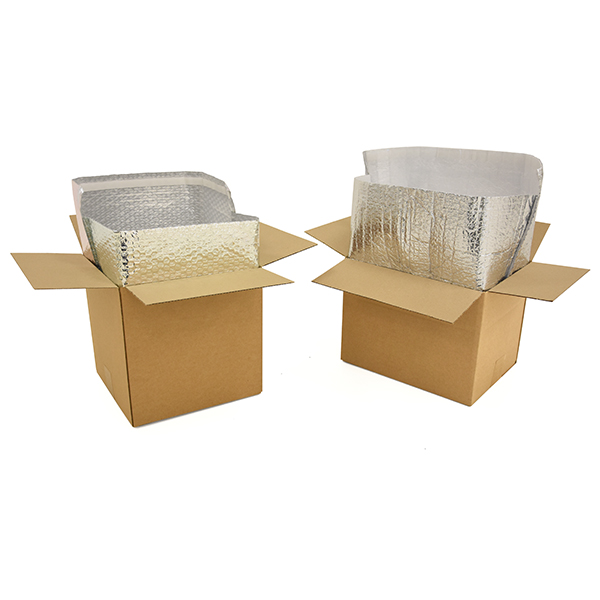
An insulated shopping bag personalized project works best when the bag feels useful enough to keep and personal enough to gift, not like a throwaway promo item. The best buying decision starts when you stop treating the search term as a product category and start treating it as a business problem. A well-specified personalized insulated shopping bag should match payload weight, opening frequency, leak control, and realistic carry duration, remain easy to use, and stay commercially sensible at scale. The practical answer is that performance depends more on the full specification than on the sales photo. That helps you lower spoilage risk, improve user experience, and avoid over-buying insulation.
Most buyers among retail marketers, gift programs, e-commerce shops, and boutique brands discover that the bag itself is only one part of the answer. The full result comes from the outer shell, insulation core, liner, closure quality, artwork method, pack-out routine, and the discipline used in sampling and approval. For that reason, you should review nonwoven PP, canvas blend, RPET fabric, and foil and foam lining, the expected route or usage pattern, and the likely number of reuse cycles before locking your order. When you do that early, the final personalized insulated shopping bag becomes easier to price, easier to validate, and easier to scale.
This article will answer:
- Which personalized insulated tote bag design fits your use case best
- How nonwoven PP and canvas blend change cost and hold time
- What supplier, compliance, or validation checks reduce buying risk
- How to turn your keyword search into a practical buying checklist
Why does Insulated Shopping Bag Personalized matter more than a generic cooler bag?
A generic insulated bag description is not enough when your business outcome depends on quality, usability, and repeatability. personalized insulated shopping bag matters because it implies a specific use case, a specific handling style, and a specific buyer expectation. Once you define that expectation clearly, the entire purchasing process gets easier. You know what to test, what to reject, and what you are willing to pay for.
That shift matters commercially. A well-matched personalized insulated shopping bag can support holiday gifting, retail loyalty programs, family grocery runs, and school and commute snacks with less waste, fewer complaints, and better user adoption. A generic build may still look acceptable in a sample room, but it often misses the subtle details that make the bag easy to carry, easy to clean, or stable enough for repeated use. Better specifications are usually quieter, clearer, and more purpose-led.
What is the first decision to make about Insulated Shopping Bag Personalized?
Decide whether the bag is mainly solving a thermal problem, a branding problem, or both. Then define the lane or use cycle it has to survive. That one step makes material, size, and supplier decisions far more rational.
Practical tips and recommendations
- Define the business outcome before debating materials.
- Separate must-have performance from nice-to-have styling.
- Write the real use cycle in plain language for every stakeholder.
Example scenario: a brand program launches personalized insulated shopping bag as a reusable campaign item. The team approves size, print area, and carry comfort before scaling to the main season.
How should you choose the right material mix for Insulated Shopping Bag Personalized?
The right material mix for personalized insulated shopping bag begins with role clarity. The shell controls feel and appearance. The core does most of the temperature buffering. The liner shapes wipeability, leak behavior, and perceived cleanliness. The closure determines how much avoidable air exchange enters the system. This is why the best build is not always the most complex build. It is the build where each layer has a clear job and no layer is pretending to solve a problem it cannot solve alone.
For most buyers, material choice should be judged through four lenses: function, durability, decoration, and cost. nonwoven PP, canvas blend, RPET fabric, and foil and foam lining can all be useful, but each introduces trade-offs. Premium touch may raise brand value. Higher-density core may improve stability. Better liner finish may reduce complaints. The key is to buy the benefit you can actually use and avoid paying for features that never meaningfully affect performance or user satisfaction.
How do you keep material selection for Insulated Shopping Bag Personalized practical?
Use a short scorecard. Ask what each layer does, how it behaves after repeated handling, how it supports artwork, and how it changes freight or production cost. Practical selection beats impressive jargon every time.
Practical tips and recommendations
- Review shell, core, liner, and closure as a four-part system.
- Favor layers with clear jobs over vague premium upgrades.
- Check whether the material choice fits your real margin and channel.
Example scenario: a buyer improves its personalized insulated shopping bag specification by dropping one decorative upgrade and reallocating the budget to a better closure and cleaner liner.
What performance checks make Insulated Shopping Bag Personalized safer to approve?
Performance approval should always connect to a real operating condition. For personalized insulated shopping bag, that means matching the test to the payload, ambient exposure, opening pattern, and expected reuse cycle. If the bag is route-sensitive, lane realism matters. If the bag is user-sensitive, loaded usability matters. FDA food-transport guidance keeps attention on cleanable equipment, temperature control, training, and records where relevant. ISTA's lane-based thinking reminds buyers that shipping performance must reflect real movement rather than ideal storage.
In regulated or high-value use cases, the discipline should rise with the risk. WHO guidance for temperature-sensitive pharmaceutical transport emphasizes qualification and monitoring accuracy. In practical terms, that means you should know the bag's operating limits and the logic behind the claim. Strong buyers do not ask for more paperwork than needed. They ask for evidence that is directly tied to the real job.
What evidence makes Insulated Shopping Bag Personalized safer to approve?
Useful evidence includes a clear bill of materials, a realistic sample review, route or usage notes, inspection criteria, and claim support that matches the application. Relevance matters more than volume.
| Decision Factor | What to Ask | Good Answer | Why It Matters |
| Thermal target | What hold time and ambient range was used | clear lane and payload definition | stops you from buying the wrong build |
| Materials | What are the shell, foam, liner, and closure specs | complete bill of materials | reduces hidden substitutions |
| Compliance | Which documents are available | food, pharma, or packaging files matched to use | protects audits and claims |
| Scale-up | How will quality stay stable at volume | AQL, inspection steps, and approved samples | protects mass-production consistency |
Practical tips and recommendations
- Test claims against your actual payload and handling profile.
- Tie every performance statement to a condition or limit.
- Keep the approval file short, clear, and application-specific.
Example scenario: a team approves personalized insulated shopping bag only after testing it with the real payload and a realistic opening cycle, which exposes a closure issue early enough to fix before volume production.
How do customization, cost, and usability connect in Insulated Shopping Bag Personalized?
Customization, cost, and usability should never be managed in separate conversations. Decoration choices affect seam paths, panel stability, and sometimes even the way a user opens the bag. Accessories change cost, carton size, and complaint risk. For brand-led programs, name print, monogram, short-run digital transfer, and woven label can add real value, but only when the artwork sits on the right panel and the build still feels comfortable and intuitive in daily use.
Price also becomes easier to control when the bag remains disciplined. Every extra panel treatment, extra pocket, or heavy trim choice should answer a simple question: what problem does this solve for the user or the brand? If the answer is weak, remove it. In personalized insulated shopping bag, the cleanest designs often create the best balance between brand impact, production efficiency, and daily satisfaction.
How do you protect margin in Insulated Shopping Bag Personalized without cheapening the bag?
Protect margin by simplifying low-value complexity rather than cutting the functional core. A cleaner print plan, smarter panel use, or tighter size can save more money than stripping away the feature the user actually relies on.
Practical tips and recommendations
- Let the artwork follow the bag architecture, not the reverse.
- Remove accessories that do not improve carrying, cleaning, or perception.
- Save budget on complexity before cutting functional performance.
Example scenario: a brand keeps its personalized insulated shopping bag premium by simplifying trim and optimizing logo placement instead of reducing the insulation build.
What compliance and sustainability steps protect your purchase?
Compliance and sustainability now intersect in ways buyers cannot ignore. The European packaging direction under PPWR is reinforcing pressure for waste reduction, safer chemistry, and clearer packaging accountability. In Germany, LUCID registration rules make producer responsibility more visible. In Brazil, 2026 recycled-content and recovery expectations are tightening. In India and Thailand, growth in delivery and tourism-linked use is meeting stronger packaging scrutiny. These signals do not make every program complicated, but they do make loose claims riskier.
For a buyer, the practical response is straightforward. Keep the material stack understandable. Keep claims supportable. Keep documentation relevant to the actual application. If you plan to market recycled content, document it. If you plan to sell reuse, make sure the bag is durable enough and the instructions are clear enough to justify the message. A disciplined personalized insulated shopping bag program protects both commercial performance and credibility.
What sustainability move usually creates the biggest gain in Insulated Shopping Bag Personalized?
Right-sizing and durability usually create more value than a decorative sustainability claim. A bag that uses less material, ships efficiently, and survives real reuse often delivers the strongest combined environmental and commercial result.
Practical tips and recommendations
- Prefer simpler, documentable sustainability choices over vague eco language.
- Match every sustainability claim to a real material or design decision.
- Use right-sizing and durability as core levers in the next revision.
Example scenario: a buyer improves both freight efficiency and sustainability positioning by tightening the cavity of personalized insulated shopping bag and documenting the revised material stack more clearly.
How should you score suppliers for Insulated Shopping Bag Personalized before mass production?
The final decision should come from a supplier scorecard, not from instinct. For personalized insulated shopping bag, good suppliers make recurring quality easier to trust. They explain the material stack, hold consistent dimensions, respond clearly during sampling, and reduce surprises during repeat orders. Weak suppliers often look competitive only because they leave too much undefined. Undefined details almost always become problems later.
A useful scorecard covers material transparency, sample quality, communication speed, inspection control, carton logic, and post-order support. If your program is expected to grow, also score the supplier's ability to protect specification stability over time. The best partnership is the one that makes the next order easier than the first one, because the file is clearer and the process is stronger.
How should you make the final call on Insulated Shopping Bag Personalized?
Choose the supplier and the build that give you the highest confidence-to-cost ratio. That usually means enough performance, enough clarity, and enough repeatability to scale without daily firefighting.
Practical tips and recommendations
- Use a supplier scorecard before price negotiation ends.
- Favor clarity and repeatability over vague promises of premium quality.
- Document the winning sample so future orders stay aligned.
Example scenario: a buyer selects a slightly higher-cost supplier for personalized insulated shopping bag because the supplier offers clearer material disclosure, better sample discipline, and cleaner repeat-order control.
2026 Outlook for Smarter Insulated Shopping Bag Personalized Buying
In 2026, buyers are giving personalized insulated shopping bag a more serious review because product packaging now has to satisfy performance, commercial clarity, and sustainability at the same time. The European Commission says packaging waste in the EU is already above 180 kilograms per person each year, which is why PPWR is pushing lighter, more recyclable, and more reusable formats.
Latest developments at a glance
- Lane-based validation is gaining attention because buyers want performance claims tied to real conditions.
- Reusable and right-sized formats are beating overbuilt designs that add cost without enough value.
- Documentation quality is becoming a stronger differentiator in supplier selection.
The commercial takeaway is simple. Buyers are no longer satisfied with a bag that merely looks insulated. They want personalized insulated shopping bag products that fit a defined use case, keep claims realistic, and give suppliers less room for specification drift. Programs that combine clear material logic, usable design, and repeatable quality control are in the strongest position for 2026 and beyond.
Frequently Asked Questions
How do you choose the right size for Insulated Shopping Bag Personalized?
Choose size from the common payload, not the rare oversized order. A tighter fit usually improves efficiency because there is less unused air and less wasted freight space. For personalized insulated shopping bag, start with the typical load, test it under realistic use, and only then add larger variants if the business case is clear.
How long can Insulated Shopping Bag Personalized keep products cold or stable?
There is no honest universal number. Hold time depends on the starting product temperature, ambient conditions, payload mass, opening frequency, and any coolant used. The safest approach is to test personalized insulated shopping bag under your real route or usage pattern instead of relying on catalog language.
What documents should you request before buying Insulated Shopping Bag Personalized?
Ask for a bill of materials, approved artwork, dimension and construction details, inspection points, carton information, and application-specific compliance notes. If the bag is tied to food or pharma handling, make sure the documents support that exact use rather than sitting as generic certificates.
Is a more expensive Insulated Shopping Bag Personalized always better?
No. A higher price only makes sense when it buys a benefit you can actually use, such as better service life, cleaner presentation, better closure quality, or stronger documentation. Many buyers get the best result from a disciplined mid-tier build rather than the cheapest or the most decorated option.
Which logo method works best on Insulated Shopping Bag Personalized?
The best method depends on quantity, color demands, panel shape, and weather exposure. Screen printing is efficient for many runs, while heat transfer or embroidery may suit different looks. On personalized insulated shopping bag, always review the print on a physical sample because seams and fold lines affect final appearance.
Should you choose reusable or lower-cost disposable-style Insulated Shopping Bag Personalized?
Choose based on the channel. Reusable formats work well when the bag is likely to stay in service long enough to justify the build. Lower-cost options can still be sensible for single-event or short-life programs. The key is to align service life, brand goal, and cost rather than assuming one answer fits all.
Summary and Recommendation
The best personalized insulated shopping bag decisions come from clear use-case mapping, disciplined material choice, realistic performance review, and stronger supplier control. When you right-size the bag, document the build, and test it the way it will actually be used, you reduce waste and improve commercial confidence. In most programs, better clarity beats more complexity.
Your next move should be practical. Define the payload, route, user, and budget. Review two or three realistic material stacks. Request a physical sample, test the bag under normal conditions, and lock the approved file before volume production. That sequence gives you a faster and safer path to a better personalized insulated shopping bag purchase.
About Tempk
At Tempk, we focus on insulated bags and soft cold-chain packaging for food, retail, pharmaceutical support, and branded programs. We work on the details that usually decide real outcomes: material balance, customization fit, usable structure, and production consistency. Our goal is to help you turn a search like insulated shopping bag personalized into a specification that is easier to buy, easier to explain, and easier to repeat.
Use your next sampling round to compare materials, usability, and documentation side by side before you commit to mass production of personalized insulated shopping bag.
Authority notes used in this article
- FDA's sanitary transportation rule highlights cleanable equipment, adequate temperature control, training, and records for covered food transport operations.
- ISTA says its thermal lane data package draws on summer and winter shipments across 82 different parcel lanes, which is useful when you want real-lane packaging assumptions instead of guesswork.
- The European Commission says packaging waste in the EU is already above 180 kilograms per person each year, which is why PPWR is pushing lighter, more recyclable, and more reusable formats.
- Personalization works best when it does not compromise repeat use. A pretty name print means very little if handles twist, the liner wrinkles, or cleaning damages the decoration.
- Short-run decorated bags usually need tighter art control and realistic expectations about per-unit cost.
Insulated Shipping Bag Packaging Guide for 2026 Buyers

Insulated shipping bag packaging is really a system decision, not a bag decision. You are balancing insulation, dunnage, coolant, parcel size, and customer unboxing at the same time. The best buying decision starts when you stop treating the search term as a product category and start treating it as a business problem. A well-specified insulated shipping bag packaging should match payload mass, parcel dwell time, ambient exposure, and closure reliability, remain easy to use, and stay commercially sensible at scale. The practical answer is that performance depends more on the full specification than on the sales photo. That matters because the bag has to work in the real world, not just in a sample room.
Most buyers among packaging engineers, procurement managers, and e-commerce cold-chain teams discover that the bag itself is only one part of the answer. The full result comes from the outer shell, insulation core, liner, closure quality, artwork method, pack-out routine, and the discipline used in sampling and approval. For that reason, you should review foil bubble liner, EPE foam, paper outer wrap, and recyclable mailer combinations, the expected route or usage pattern, and the likely number of reuse cycles before locking your order. When you do that early, the final insulated shipping bag packaging becomes easier to price, easier to validate, and easier to scale.
This article will answer:
- Which thermal shipping bag packaging design fits your use case best
- How foil bubble liner and EPE foam change cost and hold time
- What supplier, compliance, or validation checks reduce buying risk
- How to turn your keyword search into a practical buying checklist
Why does Insulated Shipping Bag Packaging matter more than a generic cooler bag?
A generic insulated bag description is not enough when your business outcome depends on quality, usability, and repeatability. insulated shipping bag packaging matters because it implies a specific use case, a specific handling style, and a specific buyer expectation. Once you define that expectation clearly, the entire purchasing process gets easier. You know what to test, what to reject, and what you are willing to pay for.
That shift matters commercially. A well-matched insulated shipping bag packaging can support meal kits, direct-to-patient dispatch, frozen add-on packs, and temperature-sensitive samples with less waste, fewer complaints, and better user adoption. A generic build may still look acceptable in a sample room, but it often misses the subtle details that make the bag easy to carry, easy to clean, or stable enough for repeated use. Better specifications are usually quieter, clearer, and more purpose-led.
What is the first decision to make about Insulated Shipping Bag Packaging?
Decide whether the bag is mainly solving a thermal problem, a branding problem, or both. Then define the lane or use cycle it has to survive. That one step makes material, size, and supplier decisions far more rational.
Practical tips and recommendations
- Define the business outcome before debating materials.
- Separate must-have performance from nice-to-have styling.
- Write the real use cycle in plain language for every stakeholder.
Example scenario: a buyer tests insulated shipping bag packaging on a live route, adjusts the pack-out, and then locks the approved sample for volume production.
How should you choose the right material mix for Insulated Shipping Bag Packaging?
The right material mix for insulated shipping bag packaging begins with role clarity. The shell controls feel and appearance. The core does most of the temperature buffering. The liner shapes wipeability, leak behavior, and perceived cleanliness. The closure determines how much avoidable air exchange enters the system. This is why the best build is not always the most complex build. It is the build where each layer has a clear job and no layer is pretending to solve a problem it cannot solve alone.
For most buyers, material choice should be judged through four lenses: function, durability, decoration, and cost. foil bubble liner, EPE foam, paper outer wrap, and recyclable mailer combinations can all be useful, but each introduces trade-offs. Premium touch may raise brand value. Higher-density core may improve stability. Better liner finish may reduce complaints. The key is to buy the benefit you can actually use and avoid paying for features that never meaningfully affect performance or user satisfaction.
How do you keep material selection for Insulated Shipping Bag Packaging practical?
Use a short scorecard. Ask what each layer does, how it behaves after repeated handling, how it supports artwork, and how it changes freight or production cost. Practical selection beats impressive jargon every time.
Practical tips and recommendations
- Review shell, core, liner, and closure as a four-part system.
- Favor layers with clear jobs over vague premium upgrades.
- Check whether the material choice fits your real margin and channel.
Example scenario: a buyer improves its insulated shipping bag packaging specification by dropping one decorative upgrade and reallocating the budget to a better closure and cleaner liner.
What performance checks make Insulated Shipping Bag Packaging safer to approve?
Performance approval should always connect to a real operating condition. For insulated shipping bag packaging, that means matching the test to the payload, ambient exposure, opening pattern, and expected reuse cycle. If the bag is route-sensitive, lane realism matters. If the bag is user-sensitive, loaded usability matters. FDA food-transport guidance keeps attention on cleanable equipment, temperature control, training, and records where relevant. ISTA's lane-based thinking reminds buyers that shipping performance must reflect real movement rather than ideal storage.
In regulated or high-value use cases, the discipline should rise with the risk. WHO guidance for temperature-sensitive pharmaceutical transport emphasizes qualification and monitoring accuracy. In practical terms, that means you should know the bag's operating limits and the logic behind the claim. Strong buyers do not ask for more paperwork than needed. They ask for evidence that is directly tied to the real job.
What evidence makes Insulated Shipping Bag Packaging safer to approve?
Useful evidence includes a clear bill of materials, a realistic sample review, route or usage notes, inspection criteria, and claim support that matches the application. Relevance matters more than volume.
| Decision Factor | What to Ask | Good Answer | Why It Matters |
| Thermal target | What hold time and ambient range was used | clear lane and payload definition | stops you from buying the wrong build |
| Materials | What are the shell, foam, liner, and closure specs | complete bill of materials | reduces hidden substitutions |
| Compliance | Which documents are available | food, pharma, or packaging files matched to use | protects audits and claims |
| Scale-up | How will quality stay stable at volume | AQL, inspection steps, and approved samples | protects mass-production consistency |
Practical tips and recommendations
- Test claims against your actual payload and handling profile.
- Tie every performance statement to a condition or limit.
- Keep the approval file short, clear, and application-specific.
Example scenario: a team approves insulated shipping bag packaging only after testing it with the real payload and a realistic opening cycle, which exposes a closure issue early enough to fix before volume production.
How do customization, cost, and usability connect in Insulated Shipping Bag Packaging?
Customization, cost, and usability should never be managed in separate conversations. Decoration choices affect seam paths, panel stability, and sometimes even the way a user opens the bag. Accessories change cost, carton size, and complaint risk. For brand-led programs, one-color logo print, full-wrap graphics, instruction cards, and QR insert cards can add real value, but only when the artwork sits on the right panel and the build still feels comfortable and intuitive in daily use.
Price also becomes easier to control when the bag remains disciplined. Every extra panel treatment, extra pocket, or heavy trim choice should answer a simple question: what problem does this solve for the user or the brand? If the answer is weak, remove it. In insulated shipping bag packaging, the cleanest designs often create the best balance between brand impact, production efficiency, and daily satisfaction.
How do you protect margin in Insulated Shipping Bag Packaging without cheapening the bag?
Protect margin by simplifying low-value complexity rather than cutting the functional core. A cleaner print plan, smarter panel use, or tighter size can save more money than stripping away the feature the user actually relies on.
Practical tips and recommendations
- Let the artwork follow the bag architecture, not the reverse.
- Remove accessories that do not improve carrying, cleaning, or perception.
- Save budget on complexity before cutting functional performance.
Example scenario: a brand keeps its insulated shipping bag packaging premium by simplifying trim and optimizing logo placement instead of reducing the insulation build.
What compliance and sustainability steps protect your purchase?
Compliance and sustainability now intersect in ways buyers cannot ignore. The European packaging direction under PPWR is reinforcing pressure for waste reduction, safer chemistry, and clearer packaging accountability. In Germany, LUCID registration rules make producer responsibility more visible. In Brazil, 2026 recycled-content and recovery expectations are tightening. In India and Thailand, growth in delivery and tourism-linked use is meeting stronger packaging scrutiny. These signals do not make every program complicated, but they do make loose claims riskier.
For a buyer, the practical response is straightforward. Keep the material stack understandable. Keep claims supportable. Keep documentation relevant to the actual application. If you plan to market recycled content, document it. If you plan to sell reuse, make sure the bag is durable enough and the instructions are clear enough to justify the message. A disciplined insulated shipping bag packaging program protects both commercial performance and credibility.
What sustainability move usually creates the biggest gain in Insulated Shipping Bag Packaging?
Right-sizing and durability usually create more value than a decorative sustainability claim. A bag that uses less material, ships efficiently, and survives real reuse often delivers the strongest combined environmental and commercial result.
Practical tips and recommendations
- Prefer simpler, documentable sustainability choices over vague eco language.
- Match every sustainability claim to a real material or design decision.
- Use right-sizing and durability as core levers in the next revision.
Example scenario: a buyer improves both freight efficiency and sustainability positioning by tightening the cavity of insulated shipping bag packaging and documenting the revised material stack more clearly.
How should you score suppliers for Insulated Shipping Bag Packaging before mass production?
The final decision should come from a supplier scorecard, not from instinct. For insulated shipping bag packaging, good suppliers make recurring quality easier to trust. They explain the material stack, hold consistent dimensions, respond clearly during sampling, and reduce surprises during repeat orders. Weak suppliers often look competitive only because they leave too much undefined. Undefined details almost always become problems later.
A useful scorecard covers material transparency, sample quality, communication speed, inspection control, carton logic, and post-order support. If your program is expected to grow, also score the supplier's ability to protect specification stability over time. The best partnership is the one that makes the next order easier than the first one, because the file is clearer and the process is stronger.
How should you make the final call on Insulated Shipping Bag Packaging?
Choose the supplier and the build that give you the highest confidence-to-cost ratio. That usually means enough performance, enough clarity, and enough repeatability to scale without daily firefighting.
Practical tips and recommendations
- Use a supplier scorecard before price negotiation ends.
- Favor clarity and repeatability over vague promises of premium quality.
- Document the winning sample so future orders stay aligned.
Example scenario: a buyer selects a slightly higher-cost supplier for insulated shipping bag packaging because the supplier offers clearer material disclosure, better sample discipline, and cleaner repeat-order control.
2026 Outlook for Smarter Insulated Shipping Bag Packaging Buying
In 2026, buyers are giving insulated shipping bag packaging a more serious review because product packaging now has to satisfy performance, commercial clarity, and sustainability at the same time. The European Commission says packaging waste in the EU is already above 180 kilograms per person each year, which is why PPWR is pushing lighter, more recyclable, and more reusable formats.
Latest developments at a glance
- Lane-based validation is gaining attention because buyers want performance claims tied to real conditions.
- Reusable and right-sized formats are beating overbuilt designs that add cost without enough value.
- Documentation quality is becoming a stronger differentiator in supplier selection.
The commercial takeaway is simple. Buyers are no longer satisfied with a bag that merely looks insulated. They want insulated shipping bag packaging products that fit a defined use case, keep claims realistic, and give suppliers less room for specification drift. Programs that combine clear material logic, usable design, and repeatable quality control are in the strongest position for 2026 and beyond.
Frequently Asked Questions
How do you choose the right size for Insulated Shipping Bag Packaging?
Choose size from the common payload, not the rare oversized order. A tighter fit usually improves efficiency because there is less unused air and less wasted freight space. For insulated shipping bag packaging, start with the typical load, test it under realistic use, and only then add larger variants if the business case is clear.
How long can Insulated Shipping Bag Packaging keep products cold or stable?
There is no honest universal number. Hold time depends on the starting product temperature, ambient conditions, payload mass, opening frequency, and any coolant used. The safest approach is to test insulated shipping bag packaging under your real route or usage pattern instead of relying on catalog language.
What documents should you request before buying Insulated Shipping Bag Packaging?
Ask for a bill of materials, approved artwork, dimension and construction details, inspection points, carton information, and application-specific compliance notes. If the bag is tied to food or pharma handling, make sure the documents support that exact use rather than sitting as generic certificates.
Is a more expensive Insulated Shipping Bag Packaging always better?
No. A higher price only makes sense when it buys a benefit you can actually use, such as better service life, cleaner presentation, better closure quality, or stronger documentation. Many buyers get the best result from a disciplined mid-tier build rather than the cheapest or the most decorated option.
How do you compare suppliers for Insulated Shipping Bag Packaging?
Compare suppliers on material clarity, sample quality, communication speed, inspection logic, and repeat-order control—not only price. A supplier that defines the build well and answers precisely usually reduces commercial risk more effectively than one that only sends a cheaper quote.
Should you choose reusable or lower-cost disposable-style Insulated Shipping Bag Packaging?
Choose based on the channel. Reusable formats work well when the bag is likely to stay in service long enough to justify the build. Lower-cost options can still be sensible for single-event or short-life programs. The key is to align service life, brand goal, and cost rather than assuming one answer fits all.
Summary and Recommendation
The best insulated shipping bag packaging decisions come from clear use-case mapping, disciplined material choice, realistic performance review, and stronger supplier control. When you right-size the bag, document the build, and test it the way it will actually be used, you reduce waste and improve commercial confidence. In most programs, better clarity beats more complexity.
Your next move should be practical. Define the payload, route, user, and budget. Review two or three realistic material stacks. Request a physical sample, test the bag under normal conditions, and lock the approved file before volume production. That sequence gives you a faster and safer path to a better insulated shipping bag packaging purchase.
About Tempk
At Tempk, we focus on insulated bags and soft cold-chain packaging for food, retail, pharmaceutical support, and branded programs. We work on the details that usually decide real outcomes: material balance, customization fit, usable structure, and production consistency. Our goal is to help you turn a search like insulated shipping bag packaging into a specification that is easier to buy, easier to explain, and easier to repeat.
Use your next sampling round to compare materials, usability, and documentation side by side before you commit to mass production of insulated shipping bag packaging.
Authority notes used in this article
- FDA's sanitary transportation rule highlights cleanable equipment, adequate temperature control, training, and records for covered food transport operations.
- ISTA says its thermal lane data package draws on summer and winter shipments across 82 different parcel lanes, which is useful when you want real-lane packaging assumptions instead of guesswork.
- The European Commission says packaging waste in the EU is already above 180 kilograms per person each year, which is why PPWR is pushing lighter, more recyclable, and more reusable formats.
















