


Thermal Shipping Bag B2B: Complete Guide 2026
Thermal Shipping Bag B2B: Complete Guide 2026
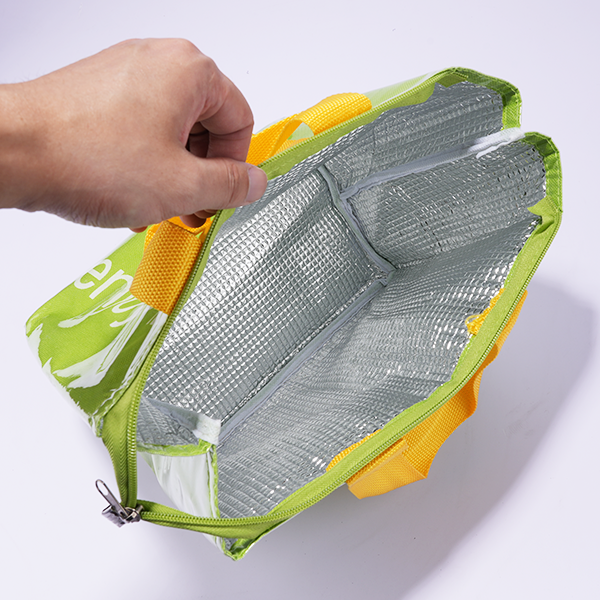
The best thermal shipping bag b2b strategy in 2026 blends three things: correct product design, documented compliance, and a sourcing model you can scale without quality drift. You need the practical buyer logic of a commercial guide, the evidence of a technical review, and the market awareness of a trend report. This optimized article fuses those strengths so you can source faster and with less risk.
What this article will help you answer
- How to choose the right thermal shipping bag configuration for your payload, route, and budget.
- Which materials, compliance documents, and validation tests separate safe bags from risky bags.
- How to reduce waste, control cost, and future-proof your thermal shipping bag b2b program for 2026.
- What the latest market, regulation, and sustainability signals mean for your next order.
Thermal Shipping Bag B2B: what is the best buying strategy in 2026?
The best thermal shipping bag b2b decision starts with route truth. You need to know what you carry, how long you carry it, how often the bag opens, and what condition must be protected when the route ends. Only then can you choose the right thermal shipping bag size, insulation class, liner, and supplier model. That sounds simple, but it is the step many buyers skip when they rush straight to quotation.
In 2026, strong sourcing teams treat the bag as part of an operating system. They connect the bag to payload discipline, refrigerant choice, receiving inspection, cleaning, and reorder planning. That system view creates better performance and better buyer confidence because it answers the real question: how will this product help me succeed?
Why does route-first thinking improve thermal shipping bag sourcing?
For thermal shipping bag b2b, the right target is a design that protects product condition, remains practical for users, and stays commercially repeatable. If a bag is technically impressive but hard to clean, awkward to carry, or unstable in mass production, it is not a good solution. Likewise, if it is cheap and attractive but fails during real handling, it becomes expensive very quickly.
Route-first decision framework
| Situation | Best move | Why it works | Value to you |
| Parcel route varies | Ask for lane-based validation assumptions | Do not trust one static hold-time claim | Improves fit |
| Customer audits suppliers | Collect batch and test records early | Keep a complete approval file | Speeds qualification |
| Freight cost rising | Right-size the bag and refrigerant plan | Avoid cooling empty air | Lowers transport cost |
| Service failure is expensive | Pilot the riskiest lane first | Stress-test the weakest route | Reduces claims |
Actionable buyer tips
- Write a one-page route brief before requesting quotations for thermal shipping bag b2b.
- Choose the bag around the most important lane first, then adapt outward only if the data supports it.
- Keep your buying criteria visible: route fit, compliance, service life, and landed cost should all be scored.
Optimized approach example: a buyer reduced confusion by defining one core route, one payload, and one acceptance standard before talking about decoration. Once the team aligned on those basics, supplier comparison became faster and more objective.
Thermal Shipping Bag B2B: which specifications separate safe bags from risky bags?
Once the route is clear, the next job is to separate meaningful specifications from decorative noise. For thermal shipping bag b2b, the critical layers are the outer shell, insulation core, inner liner, closure system, and carrying structure. Those five areas decide whether the bag feels sturdy, cleans easily, and keeps temperature under control long enough to do the job. Everything else should serve those fundamentals, not distract from them.
In practical terms, shipping-grade outer shell, robust insulation package, liner and closure that defend the opening line, and compatibility with gel packs or phase-change materials remain popular because they let buyers balance cost and performance. But no single material name guarantees success. A better foam can be wasted by a weak zipper. A durable shell can be undermined by a poor liner. That is why smart buyers ask suppliers to explain the function of every layer in plain language.
How do you inspect the real build quality of a thermal shipping bag?
Focus on the common failure zones: thin liners tear in low-cost builds, shape collapse can reduce perceived value, odor control depends on liner quality, and stitching around handles can fail in heavy use. If those areas look weak in the sample, scale will not fix them later. By contrast, when the sample shows thoughtful reinforcement and a clean inner build, you usually see better performance on route and fewer complaints after rollout.
Specification checklist that matters
| Area | Risky sign | Better sign | Why buyers care |
| Size and volume | Too much empty air | Payload-matched cavity | Better thermal efficiency |
| Insulation support | Compressed or inconsistent wall | Stable wall and opening design | More predictable hold time |
| Liner quality | Thin, noisy, or easy to tear | Smooth, wipe-clean, better-supported liner | Lower leak and odor complaints |
| Stress zones | Weak handles or zipper ends | Reinforced anchors and neat finishing | Longer service life |
Actionable buyer tips
- Inspect inside corners and zipper ends before you inspect the print, because hidden quality drives the route result.
- Ask suppliers to state what is optional and what is performance-critical in the approved build.
- Reject vague material language; good suppliers explain the layer function clearly.
Specification example: two samples looked nearly identical from the outside, but one had better reinforcement and a better-supported liner. That difference barely changed the quotation and greatly changed the expected service life.
Thermal Shipping Bag B2B: which materials, validation steps, and standards matter most?
A winning thermal shipping bag b2b program uses technical evidence without overwhelming the buyer. The right validation file should state payload, starting temperature, ambient range, route duration, opening pattern, and refrigerant setup. It should also say what the liner is intended to do, how the approved sample is controlled, and what happens if a material changes later.
That is where standards and authority signals become useful. They do not replace route testing, but they improve the quality of the conversation. ISTA describes Standard 20 as a qualification process for insulated shipping containers and says Standard 7E uses global thermal profiles built from real-world parcel-delivery data. That matters in 2026 because B2B buyers increasingly expect lane-based thinking, not generic thermal claims. If your supplier cannot explain pack-out, payload, opening limits, and ambient assumptions in plain language, the bag will struggle in a serious business-to-business review. When buyers see that kind of grounded explanation, confidence rises because the language sounds real instead of borrowed from marketing copy.
What should the approval file contain before mass production starts?
Keep it simple and complete: approved dimensions, layer description, sample photo set, thermal summary, packaging method, carton marks, and a change-management rule. If quality, procurement, and warehouse teams can all read the same file and reach the same understanding, the file is strong enough.
Validation and compliance stack
| Control | What to include | Why it matters | Buyer benefit |
| Thermal validation | Payload, start temperature, ambient range, and duration | Tells you whether the bag works on the real lane | Ask for route-based assumptions |
| Material suitability | Liner, coating, and contact-surface declarations | Reduces risk in food and healthcare-adjacent use | Keep wording precise |
| Production control | Approved sample, AQL, and change management | Supports repeatability after first order | Good factories document changes |
| Logistics and labeling | Carton marks, SKU logic, and receiving information | Cuts warehouse confusion and receiving delays | Useful in scale or trade programs |
Actionable buyer tips
- Use one approval file that covers technical, commercial, and warehouse questions together.
- Do not rely on a generic hold-time statement when route conditions are important.
- Treat undocumented material substitutions as a real risk, even when the bag still looks similar.
Validation example: a buyer reduced launch friction by replacing a long technical deck with one clear approval sheet and one route-based test summary. The documents were shorter, but the project became easier for every team to review.
Thermal Shipping Bag B2B: how do sustainability and cost control work together?
In 2026, sustainability and cost control are no longer separate conversations. Buyers want to know whether the bag reduces waste, whether the materials are documented honestly, and whether the design avoids unnecessary freight, dead space, and premature replacement. Those questions are commercial because every avoidable failure, reshipment, or early replacement costs money.
The best answer is usually practical rather than dramatic. Standardized sizes, better service life, cleaner material declarations, and a right-sized pack-out often improve both sustainability and total cost. That is also why some high-performing programs look simpler than people expect. The design is carrying less waste and less confusion at the same time.
How do you make sustainability believable to a buyer?
Use service life, route fit, and documentation as the proof. A sustainability claim becomes stronger when you can show that the bag survives enough trips, avoids wasteful overpacking, and is supported by clean records. That is more persuasive than an abstract eco slogan because it speaks to both operating reality and future reporting needs.
Sustainability and cost levers
| Lever | Weak move | Stronger move | What it changes |
| Service life | Chase low entry price only | Upgrade the stress zones that control reuse | Lowers replacement rate |
| Material story | Use vague green claims | Document recycled content or simpler materials honestly | Improves trust |
| Pack-out | Oversized cavity and excess refrigerant | Right-size the bag for the lane | Cuts waste and freight |
| Assortment | Too many tiny variants | Build around a clear core range | Reduces dead stock |
Actionable buyer tips
- Ask whether the proposed sustainability feature improves service life or only improves storytelling.
- Model waste reduction through fewer failures and fewer emergency replacements, not only through material content.
- Keep your first version simple enough that it can be repeated at scale.
Sustainability example: a buyer got a better long-term result by standardizing size, improving durability, and simplifying the material story, rather than by loading the bag with multiple unproven green features.
Thermal Shipping Bag B2B: how should you choose a supplier and scale orders?
The supplier question becomes more important after the sample looks good. You need a partner that can repeat the approved build, protect documentation, handle exceptions well, and support the next order without losing control. For many buyers, that is where the real value of a professional supplier appears.
A good scaling plan starts with a core SKU or core route, one written approval file, and a receiving checklist that feeds real feedback back to the supplier. Once those elements are working, you can add variants or volume with far less risk. This is the operational side of SEO-style authority too: clear process signals make every future decision easier.
What does a scalable supplier relationship look like?
It looks boring in a good way. Quotations stay comparable, sample files stay stable, corrective actions are documented, and reorders feel predictable. When that happens, you spend less time fighting preventable variation and more time improving the bag where it truly matters.
Supplier scaling scorecard
| Area | Weak sign | Strong sign | Long-run effect |
| Commercial fit | Price-only discussion | Price plus service and route logic | Protects margins after the first order |
| Quality control | Generic promise | Documented checkpoints and approval trail | Reduces batch surprises |
| Documentation | Minimal spec file | Clear materials, pack-out, and change control | Speeds internal approvals |
| Reorder behavior | Reactive answers | Predictable lead times and exception handling | Supports scaling without noise |
Actionable buyer tips
- Pilot the hardest lane or the highest-volume branch before you scale variants.
- Review complaint feedback with the supplier against the approved file, not against memory.
- Choose repeatability over theater. A calm supplier process usually beats a dramatic sales pitch.
Scaling example: a team launched one proven version first, then expanded only after receiving data from the first cycle. That choice reduced inventory noise and gave the supplier time to protect the approved specification.
2026 latest developments and trends for Thermal Shipping Bag B2B
The latest 2026 direction for thermal shipping bag b2b is integration. Buyers want route fit, technical proof, sustainability readiness, and cost control in one coherent answer. That is the real standard behind high-performing pages and high-performing purchases this year.
Latest developments at a glance
- B2B buyers are requesting more validation detail before approving a shipping bag
- parcel-based temperature profiles are influencing how quotes are compared
- buyers value repeatability over visual novelty in qualified distribution programs
Market insight: the optimized winner is not the bag with the longest claim list. It is the bag with the clearest route logic, the strongest approval file, and the most honest service-life story. Those qualities improve search relevance, buyer trust, and operational performance at the same time.
Frequently asked questions
What is the fastest way to improve a thermal shipping bag b2b buying decision?
Write a route brief first. Define the payload, route duration, opening frequency, target temperature band, and cleaning expectation before you compare any samples or prices.
Which feature should I protect first when budgets get tight?
Protect the thermal core, liner quality, and stress zones such as handles and closures. Decorative extras are easier to simplify than the parts that actually keep temperature and prevent complaints.
How much do documents really matter for thermal shipping bag sourcing?
A lot. Good documents stop misunderstandings between buyer, supplier, warehouse, and quality team. They also make reorders faster and reduce risk when something changes.
How do I combine sustainability with performance?
Start with route fit and service life. A durable, right-sized bag with honest material records usually beats a fashionable claim that fails in real use.
What should a strong pilot test include?
Use the real payload, the real refrigerant plan, the expected ambient range, and the real opening pattern. If possible, stress the hardest lane first so the pilot reveals practical risk early.
When should I change suppliers?
When documentation stays vague, corrective actions are slow, or batch consistency keeps drifting. A slightly cheaper source is rarely worth repeated operational noise.
Why is B2B different from a promotional shipping bag order?
Because B2B buyers judge the bag as part of an operating process. They care about route fit, failure cost, and documentation far more than about a single attractive sample.
Summary and recommendations
The complete lesson from this optimized thermal shipping bag b2b guide is that success comes from alignment. Align the route, the material stack, the validation file, the supplier process, and the sustainability story. When those pieces support each other, you get a bag that is easier to approve, easier to explain, and easier to scale.
Start with one route brief, one approval file, and one scorecard for supplier comparison. Then move to a controlled pilot before you scale. That simple sequence is still the most reliable way to make a stronger thermal shipping bag decision in 2026.
About Tempk
At Tempk, we focus on cold-chain packaging with practical route logic behind every recommendation. We work on insulated bags, refrigerants, and shipping solutions that help buyers compare performance, compliance questions, and operating cost with more clarity. Our strength is turning technical packaging choices into plain-language decisions that teams can act on.
If you are evaluating a thermal shipping bag b2b project, the next useful step is a route-based discussion: payload, target temperature band, duration, opening pattern, cleaning plan, and reuse target. With those details, it becomes much easier to recommend a thermal shipping bag specification that fits the job.
Thermal Lunch Bag Wool: Complete Guide 2026
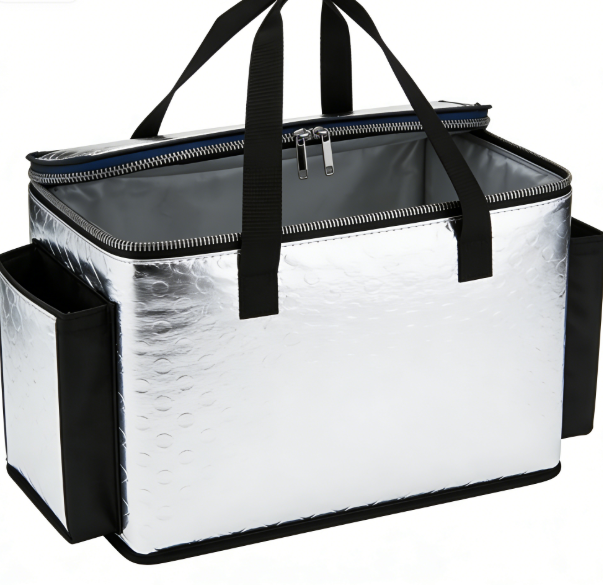
The best thermal lunch bag wool strategy in 2026 blends three things: correct product design, documented compliance, and a sourcing model you can scale without quality drift. You need the practical buyer logic of a commercial guide, the evidence of a technical review, and the market awareness of a trend report. This optimized article fuses those strengths so you can source faster and with less risk.
What this article will help you answer
- How to choose the right thermal lunch bag configuration for your payload, route, and budget.
- Which materials, compliance documents, and validation tests separate safe bags from risky bags.
- How to reduce waste, control cost, and future-proof your thermal lunch bag wool program for 2026.
- What the latest market, regulation, and sustainability signals mean for your next order.
Thermal Lunch Bag Wool: what is the best buying strategy in 2026?
The best thermal lunch bag wool decision starts with route truth. You need to know what you carry, how long you carry it, how often the bag opens, and what condition must be protected when the route ends. Only then can you choose the right thermal lunch bag size, insulation class, liner, and supplier model. That sounds simple, but it is the step many buyers skip when they rush straight to quotation.
In 2026, strong sourcing teams treat the bag as part of an operating system. They connect the bag to payload discipline, refrigerant choice, receiving inspection, cleaning, and reorder planning. That system view creates better performance and better buyer confidence because it answers the real question: how will this product help me succeed?
Why does route-first thinking improve thermal lunch bag sourcing?
For thermal lunch bag wool, the right target is a design that protects product condition, remains practical for users, and stays commercially repeatable. If a bag is technically impressive but hard to clean, awkward to carry, or unstable in mass production, it is not a good solution. Likewise, if it is cheap and attractive but fails during real handling, it becomes expensive very quickly.
Route-first decision framework
| Situation | Best move | Why it works | Value to you |
| Premium look matters | Choose wool or wool-blend insulation with clean stitching | Protect the visual finish and handle feel | Supports retail positioning and gifting appeal |
| Daily school use | Use reinforced corners and wipe-clean liner | Keep maintenance simple | Reduces odor and leak complaints |
| Cost target is tight | Use hybrid insulation rather than full wool build | Preserve the easy-clean liner | Keeps the story while protecting practicality |
| Brand wants low-plastic feel | Use natural-touch outer fabric and simple trims | Avoid decorative overbuild | Makes the sustainability message more believable |
Actionable buyer tips
- Write a one-page route brief before requesting quotations for thermal lunch bag wool.
- Choose the bag around the most important lane first, then adapt outward only if the data supports it.
- Keep your buying criteria visible: route fit, compliance, service life, and landed cost should all be scored.
Optimized approach example: a buyer reduced confusion by defining one core route, one payload, and one acceptance standard before talking about decoration. Once the team aligned on those basics, supplier comparison became faster and more objective.
Thermal Lunch Bag Wool: which specifications separate safe bags from risky bags?
Once the route is clear, the next job is to separate meaningful specifications from decorative noise. For thermal lunch bag wool, the critical layers are the outer shell, insulation core, inner liner, closure system, and carrying structure. Those five areas decide whether the bag feels sturdy, cleans easily, and keeps temperature under control long enough to do the job. Everything else should serve those fundamentals, not distract from them.
In practical terms, wool or wool-blend insulation core, fabric outer shell, moisture-aware construction, durable handle reinforcement, and an inner liner that cleans quickly after daily use remain popular because they let buyers balance cost and performance. But no single material name guarantees success. A better foam can be wasted by a weak zipper. A durable shell can be undermined by a poor liner. That is why smart buyers ask suppliers to explain the function of every layer in plain language.
How do you inspect the real build quality of a thermal lunch bag?
Focus on the common failure zones: thin liners tear in low-cost builds, shape collapse can reduce perceived value, odor control depends on liner quality, and stitching around handles can fail in heavy use. If those areas look weak in the sample, scale will not fix them later. By contrast, when the sample shows thoughtful reinforcement and a clean inner build, you usually see better performance on route and fewer complaints after rollout.
Specification checklist that matters
| Area | Risky sign | Better sign | Why buyers care |
| Size and volume | Too much empty air | Payload-matched cavity | Better thermal efficiency |
| Insulation support | Compressed or inconsistent wall | Stable wall and opening design | More predictable hold time |
| Liner quality | Thin, noisy, or easy to tear | Smooth, wipe-clean, better-supported liner | Lower leak and odor complaints |
| Stress zones | Weak handles or zipper ends | Reinforced anchors and neat finishing | Longer service life |
Actionable buyer tips
- Inspect inside corners and zipper ends before you inspect the print, because hidden quality drives the route result.
- Ask suppliers to state what is optional and what is performance-critical in the approved build.
- Reject vague material language; good suppliers explain the layer function clearly.
Specification example: two samples looked nearly identical from the outside, but one had better reinforcement and a better-supported liner. That difference barely changed the quotation and greatly changed the expected service life.
Thermal Lunch Bag Wool: which materials, validation steps, and standards matter most?
A winning thermal lunch bag wool program uses technical evidence without overwhelming the buyer. The right validation file should state payload, starting temperature, ambient range, route duration, opening pattern, and refrigerant setup. It should also say what the liner is intended to do, how the approved sample is controlled, and what happens if a material changes later.
That is where standards and authority signals become useful. They do not replace route testing, but they improve the quality of the conversation. The EU textiles strategy keeps pushing products that last longer, are easier to repair, and are easier to recycle. It also highlights unintentional microplastic release from synthetic textiles and points toward Digital Product Passport development. That does not automatically make wool the answer for every lunch bag, but it does make natural-fiber or hybrid insulation more attractive when your buyer values lower synthetic content, premium touch, and a stronger durability story. When buyers see that kind of grounded explanation, confidence rises because the language sounds real instead of borrowed from marketing copy.
What should the approval file contain before mass production starts?
Keep it simple and complete: approved dimensions, layer description, sample photo set, thermal summary, packaging method, carton marks, and a change-management rule. If quality, procurement, and warehouse teams can all read the same file and reach the same understanding, the file is strong enough.
Validation and compliance stack
| Control | What to include | Why it matters | Buyer benefit |
| Thermal validation | Payload, start temperature, ambient range, and duration | Tells you whether the bag works on the real lane | Ask for route-based assumptions |
| Material suitability | Liner, coating, and contact-surface declarations | Reduces risk in food and healthcare-adjacent use | Keep wording precise |
| Production control | Approved sample, AQL, and change management | Supports repeatability after first order | Good factories document changes |
| Logistics and labeling | Carton marks, SKU logic, and receiving information | Cuts warehouse confusion and receiving delays | Useful in scale or trade programs |
Actionable buyer tips
- Use one approval file that covers technical, commercial, and warehouse questions together.
- Do not rely on a generic hold-time statement when route conditions are important.
- Treat undocumented material substitutions as a real risk, even when the bag still looks similar.
Validation example: a buyer reduced launch friction by replacing a long technical deck with one clear approval sheet and one route-based test summary. The documents were shorter, but the project became easier for every team to review.
Thermal Lunch Bag Wool: how do sustainability and cost control work together?
In 2026, sustainability and cost control are no longer separate conversations. Buyers want to know whether the bag reduces waste, whether the materials are documented honestly, and whether the design avoids unnecessary freight, dead space, and premature replacement. Those questions are commercial because every avoidable failure, reshipment, or early replacement costs money.
The best answer is usually practical rather than dramatic. Standardized sizes, better service life, cleaner material declarations, and a right-sized pack-out often improve both sustainability and total cost. That is also why some high-performing programs look simpler than people expect. The design is carrying less waste and less confusion at the same time.
How do you make sustainability believable to a buyer?
Use service life, route fit, and documentation as the proof. A sustainability claim becomes stronger when you can show that the bag survives enough trips, avoids wasteful overpacking, and is supported by clean records. That is more persuasive than an abstract eco slogan because it speaks to both operating reality and future reporting needs.
Sustainability and cost levers
| Lever | Weak move | Stronger move | What it changes |
| Service life | Chase low entry price only | Upgrade the stress zones that control reuse | Lowers replacement rate |
| Material story | Use vague green claims | Document recycled content or simpler materials honestly | Improves trust |
| Pack-out | Oversized cavity and excess refrigerant | Right-size the bag for the lane | Cuts waste and freight |
| Assortment | Too many tiny variants | Build around a clear core range | Reduces dead stock |
Actionable buyer tips
- Ask whether the proposed sustainability feature improves service life or only improves storytelling.
- Model waste reduction through fewer failures and fewer emergency replacements, not only through material content.
- Keep your first version simple enough that it can be repeated at scale.
Sustainability example: a buyer got a better long-term result by standardizing size, improving durability, and simplifying the material story, rather than by loading the bag with multiple unproven green features.
Thermal Lunch Bag Wool: how should you choose a supplier and scale orders?
The supplier question becomes more important after the sample looks good. You need a partner that can repeat the approved build, protect documentation, handle exceptions well, and support the next order without losing control. For many buyers, that is where the real value of a professional supplier appears.
A good scaling plan starts with a core SKU or core route, one written approval file, and a receiving checklist that feeds real feedback back to the supplier. Once those elements are working, you can add variants or volume with far less risk. This is the operational side of SEO-style authority too: clear process signals make every future decision easier.
What does a scalable supplier relationship look like?
It looks boring in a good way. Quotations stay comparable, sample files stay stable, corrective actions are documented, and reorders feel predictable. When that happens, you spend less time fighting preventable variation and more time improving the bag where it truly matters.
Supplier scaling scorecard
| Area | Weak sign | Strong sign | Long-run effect |
| Commercial fit | Price-only discussion | Price plus service and route logic | Protects margins after the first order |
| Quality control | Generic promise | Documented checkpoints and approval trail | Reduces batch surprises |
| Documentation | Minimal spec file | Clear materials, pack-out, and change control | Speeds internal approvals |
| Reorder behavior | Reactive answers | Predictable lead times and exception handling | Supports scaling without noise |
Actionable buyer tips
- Pilot the hardest lane or the highest-volume branch before you scale variants.
- Review complaint feedback with the supplier against the approved file, not against memory.
- Choose repeatability over theater. A calm supplier process usually beats a dramatic sales pitch.
Scaling example: a team launched one proven version first, then expanded only after receiving data from the first cycle. That choice reduced inventory noise and gave the supplier time to protect the approved specification.
2026 latest developments and trends for Thermal Lunch Bag Wool
The latest 2026 direction for thermal lunch bag wool is integration. Buyers want route fit, technical proof, sustainability readiness, and cost control in one coherent answer. That is the real standard behind high-performing pages and high-performing purchases this year.
Latest developments at a glance
- buyers increasingly want natural-looking reusable bags that feel premium in hand
- microplastics concerns are making some teams review synthetic-heavy textile choices
- hybrid wool constructions are appearing in premium gifting and lifestyle channels
Market insight: the optimized winner is not the bag with the longest claim list. It is the bag with the clearest route logic, the strongest approval file, and the most honest service-life story. Those qualities improve search relevance, buyer trust, and operational performance at the same time.
Frequently asked questions
What is the fastest way to improve a thermal lunch bag wool buying decision?
Write a route brief first. Define the payload, route duration, opening frequency, target temperature band, and cleaning expectation before you compare any samples or prices.
Which feature should I protect first when budgets get tight?
Protect the thermal core, liner quality, and stress zones such as handles and closures. Decorative extras are easier to simplify than the parts that actually keep temperature and prevent complaints.
How much do documents really matter for thermal lunch bag sourcing?
A lot. Good documents stop misunderstandings between buyer, supplier, warehouse, and quality team. They also make reorders faster and reduce risk when something changes.
How do I combine sustainability with performance?
Start with route fit and service life. A durable, right-sized bag with honest material records usually beats a fashionable claim that fails in real use.
What should a strong pilot test include?
Use the real payload, the real refrigerant plan, the expected ambient range, and the real opening pattern. If possible, stress the hardest lane first so the pilot reveals practical risk early.
When should I change suppliers?
When documentation stays vague, corrective actions are slow, or batch consistency keeps drifting. A slightly cheaper source is rarely worth repeated operational noise.
Is wool always warmer than synthetic insulation?
Not automatically. Performance depends on the full build, thickness, compression resistance, and how often the bag opens. Wool can be a strong option, but the whole system still decides hold time.
Summary and recommendations
The complete lesson from this optimized thermal lunch bag wool guide is that success comes from alignment. Align the route, the material stack, the validation file, the supplier process, and the sustainability story. When those pieces support each other, you get a bag that is easier to approve, easier to explain, and easier to scale.
Start with one route brief, one approval file, and one scorecard for supplier comparison. Then move to a controlled pilot before you scale. That simple sequence is still the most reliable way to make a stronger thermal lunch bag decision in 2026.
About Tempk
At Tempk, we focus on cold-chain packaging with practical route logic behind every recommendation. We work on insulated bags, refrigerants, and shipping solutions that help buyers compare performance, compliance questions, and operating cost with more clarity. Our strength is turning technical packaging choices into plain-language decisions that teams can act on.
If you are evaluating a thermal lunch bag wool project, the next useful step is a route-based discussion: payload, target temperature band, duration, opening pattern, cleaning plan, and reuse target. With those details, it becomes much easier to recommend a thermal lunch bag specification that fits the job.
Thermal Cooler Bag Bulk: Complete Guide 2026
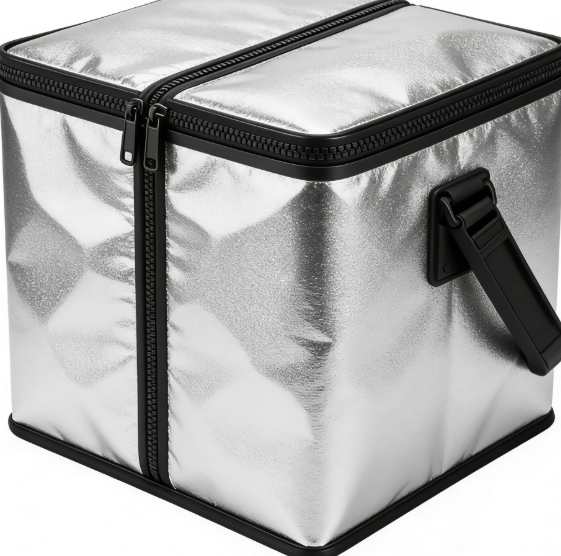
The best thermal cooler bag bulk strategy in 2026 blends three things: correct product design, documented compliance, and a sourcing model you can scale without quality drift. You need the practical buyer logic of a commercial guide, the evidence of a technical review, and the market awareness of a trend report. This optimized article fuses those strengths so you can source faster and with less risk.
What this article will help you answer
- How to choose the right thermal cooler bag configuration for your payload, route, and budget.
- Which materials, compliance documents, and validation tests separate safe bags from risky bags.
- How to reduce waste, control cost, and future-proof your thermal cooler bag bulk program for 2026.
- What the latest market, regulation, and sustainability signals mean for your next order.
Thermal Cooler Bag Bulk: what is the best buying strategy in 2026?
The best thermal cooler bag bulk decision starts with route truth. You need to know what you carry, how long you carry it, how often the bag opens, and what condition must be protected when the route ends. Only then can you choose the right thermal cooler bag size, insulation class, liner, and supplier model. That sounds simple, but it is the step many buyers skip when they rush straight to quotation.
In 2026, strong sourcing teams treat the bag as part of an operating system. They connect the bag to payload discipline, refrigerant choice, receiving inspection, cleaning, and reorder planning. That system view creates better performance and better buyer confidence because it answers the real question: how will this product help me succeed?
Why does route-first thinking improve thermal cooler bag sourcing?
For thermal cooler bag bulk, the right target is a design that protects product condition, remains practical for users, and stays commercially repeatable. If a bag is technically impressive but hard to clean, awkward to carry, or unstable in mass production, it is not a good solution. Likewise, if it is cheap and attractive but fails during real handling, it becomes expensive very quickly.
Route-first decision framework
| Situation | Best move | Why it works | Value to you |
| Need fastest reorder | Keep one or two high-volume sizes | Avoid long-tail SKUs early | Improves forecasting |
| Retail display matters | Protect shape and print consistency | Keep the structural panel stable | Improves shelf appearance |
| Freight cost matters | Optimize carton fill and bag folding | Test packing before mass production | Reduces landed cost |
| High complaint cost | Upgrade seams and zipper first | Do not weaken stress points | Improves repeat use |
Actionable buyer tips
- Write a one-page route brief before requesting quotations for thermal cooler bag bulk.
- Choose the bag around the most important lane first, then adapt outward only if the data supports it.
- Keep your buying criteria visible: route fit, compliance, service life, and landed cost should all be scored.
Optimized approach example: a buyer reduced confusion by defining one core route, one payload, and one acceptance standard before talking about decoration. Once the team aligned on those basics, supplier comparison became faster and more objective.
Thermal Cooler Bag Bulk: which specifications separate safe bags from risky bags?
Once the route is clear, the next job is to separate meaningful specifications from decorative noise. For thermal cooler bag bulk, the critical layers are the outer shell, insulation core, inner liner, closure system, and carrying structure. Those five areas decide whether the bag feels sturdy, cleans easily, and keeps temperature under control long enough to do the job. Everything else should serve those fundamentals, not distract from them.
In practical terms, durable outer shell, moderate to strong insulation, leak-aware liner, load-bearing handles, and compact folding or nesting behavior for shipping efficiency remain popular because they let buyers balance cost and performance. But no single material name guarantees success. A better foam can be wasted by a weak zipper. A durable shell can be undermined by a poor liner. That is why smart buyers ask suppliers to explain the function of every layer in plain language.
How do you inspect the real build quality of a thermal cooler bag?
Focus on the common failure zones: thin liners tear in low-cost builds, shape collapse can reduce perceived value, odor control depends on liner quality, and stitching around handles can fail in heavy use. If those areas look weak in the sample, scale will not fix them later. By contrast, when the sample shows thoughtful reinforcement and a clean inner build, you usually see better performance on route and fewer complaints after rollout.
Specification checklist that matters
| Area | Risky sign | Better sign | Why buyers care |
| Size and volume | Too much empty air | Payload-matched cavity | Better thermal efficiency |
| Insulation support | Compressed or inconsistent wall | Stable wall and opening design | More predictable hold time |
| Liner quality | Thin, noisy, or easy to tear | Smooth, wipe-clean, better-supported liner | Lower leak and odor complaints |
| Stress zones | Weak handles or zipper ends | Reinforced anchors and neat finishing | Longer service life |
Actionable buyer tips
- Inspect inside corners and zipper ends before you inspect the print, because hidden quality drives the route result.
- Ask suppliers to state what is optional and what is performance-critical in the approved build.
- Reject vague material language; good suppliers explain the layer function clearly.
Specification example: two samples looked nearly identical from the outside, but one had better reinforcement and a better-supported liner. That difference barely changed the quotation and greatly changed the expected service life.
Thermal Cooler Bag Bulk: which materials, validation steps, and standards matter most?
A winning thermal cooler bag bulk program uses technical evidence without overwhelming the buyer. The right validation file should state payload, starting temperature, ambient range, route duration, opening pattern, and refrigerant setup. It should also say what the liner is intended to do, how the approved sample is controlled, and what happens if a material changes later.
That is where standards and authority signals become useful. They do not replace route testing, but they improve the quality of the conversation. OECD notes that packaging represents roughly 40% of global plastic waste, which helps explain why buyers keep pushing reusable and right-sized soft packaging programs. In 2026, that pressure combines with tighter packaging rules and margin pressure. For bulk thermal cooler bag projects, the result is simple: standardized sizes, stronger service life, and cleaner carton logic are becoming more valuable than very complex product menus. When buyers see that kind of grounded explanation, confidence rises because the language sounds real instead of borrowed from marketing copy.
What should the approval file contain before mass production starts?
Keep it simple and complete: approved dimensions, layer description, sample photo set, thermal summary, packaging method, carton marks, and a change-management rule. If quality, procurement, and warehouse teams can all read the same file and reach the same understanding, the file is strong enough.
Validation and compliance stack
| Control | What to include | Why it matters | Buyer benefit |
| Thermal validation | Payload, start temperature, ambient range, and duration | Tells you whether the bag works on the real lane | Ask for route-based assumptions |
| Material suitability | Liner, coating, and contact-surface declarations | Reduces risk in food and healthcare-adjacent use | Keep wording precise |
| Production control | Approved sample, AQL, and change management | Supports repeatability after first order | Good factories document changes |
| Logistics and labeling | Carton marks, SKU logic, and receiving information | Cuts warehouse confusion and receiving delays | Useful in scale or trade programs |
Actionable buyer tips
- Use one approval file that covers technical, commercial, and warehouse questions together.
- Do not rely on a generic hold-time statement when route conditions are important.
- Treat undocumented material substitutions as a real risk, even when the bag still looks similar.
Validation example: a buyer reduced launch friction by replacing a long technical deck with one clear approval sheet and one route-based test summary. The documents were shorter, but the project became easier for every team to review.
Thermal Cooler Bag Bulk: how do sustainability and cost control work together?
In 2026, sustainability and cost control are no longer separate conversations. Buyers want to know whether the bag reduces waste, whether the materials are documented honestly, and whether the design avoids unnecessary freight, dead space, and premature replacement. Those questions are commercial because every avoidable failure, reshipment, or early replacement costs money.
The best answer is usually practical rather than dramatic. Standardized sizes, better service life, cleaner material declarations, and a right-sized pack-out often improve both sustainability and total cost. That is also why some high-performing programs look simpler than people expect. The design is carrying less waste and less confusion at the same time.
How do you make sustainability believable to a buyer?
Use service life, route fit, and documentation as the proof. A sustainability claim becomes stronger when you can show that the bag survives enough trips, avoids wasteful overpacking, and is supported by clean records. That is more persuasive than an abstract eco slogan because it speaks to both operating reality and future reporting needs.
Sustainability and cost levers
| Lever | Weak move | Stronger move | What it changes |
| Service life | Chase low entry price only | Upgrade the stress zones that control reuse | Lowers replacement rate |
| Material story | Use vague green claims | Document recycled content or simpler materials honestly | Improves trust |
| Pack-out | Oversized cavity and excess refrigerant | Right-size the bag for the lane | Cuts waste and freight |
| Assortment | Too many tiny variants | Build around a clear core range | Reduces dead stock |
Actionable buyer tips
- Ask whether the proposed sustainability feature improves service life or only improves storytelling.
- Model waste reduction through fewer failures and fewer emergency replacements, not only through material content.
- Keep your first version simple enough that it can be repeated at scale.
Sustainability example: a buyer got a better long-term result by standardizing size, improving durability, and simplifying the material story, rather than by loading the bag with multiple unproven green features.
Thermal Cooler Bag Bulk: how should you choose a supplier and scale orders?
The supplier question becomes more important after the sample looks good. You need a partner that can repeat the approved build, protect documentation, handle exceptions well, and support the next order without losing control. For many buyers, that is where the real value of a professional supplier appears.
A good scaling plan starts with a core SKU or core route, one written approval file, and a receiving checklist that feeds real feedback back to the supplier. Once those elements are working, you can add variants or volume with far less risk. This is the operational side of SEO-style authority too: clear process signals make every future decision easier.
What does a scalable supplier relationship look like?
It looks boring in a good way. Quotations stay comparable, sample files stay stable, corrective actions are documented, and reorders feel predictable. When that happens, you spend less time fighting preventable variation and more time improving the bag where it truly matters.
Supplier scaling scorecard
| Area | Weak sign | Strong sign | Long-run effect |
| Commercial fit | Price-only discussion | Price plus service and route logic | Protects margins after the first order |
| Quality control | Generic promise | Documented checkpoints and approval trail | Reduces batch surprises |
| Documentation | Minimal spec file | Clear materials, pack-out, and change control | Speeds internal approvals |
| Reorder behavior | Reactive answers | Predictable lead times and exception handling | Supports scaling without noise |
Actionable buyer tips
- Pilot the hardest lane or the highest-volume branch before you scale variants.
- Review complaint feedback with the supplier against the approved file, not against memory.
- Choose repeatability over theater. A calm supplier process usually beats a dramatic sales pitch.
Scaling example: a team launched one proven version first, then expanded only after receiving data from the first cycle. That choice reduced inventory noise and gave the supplier time to protect the approved specification.
2026 latest developments and trends for Thermal Cooler Bag Bulk
The latest 2026 direction for thermal cooler bag bulk is integration. Buyers want route fit, technical proof, sustainability readiness, and cost control in one coherent answer. That is the real standard behind high-performing pages and high-performing purchases this year.
Latest developments at a glance
- bulk buyers are consolidating around proven sizes and proven suppliers
- route-fit evidence now helps faster internal approvals
- reusable cooler bags remain attractive where repeat use offsets disposable packaging
Market insight: the optimized winner is not the bag with the longest claim list. It is the bag with the clearest route logic, the strongest approval file, and the most honest service-life story. Those qualities improve search relevance, buyer trust, and operational performance at the same time.
Frequently asked questions
What is the fastest way to improve a thermal cooler bag bulk buying decision?
Write a route brief first. Define the payload, route duration, opening frequency, target temperature band, and cleaning expectation before you compare any samples or prices.
Which feature should I protect first when budgets get tight?
Protect the thermal core, liner quality, and stress zones such as handles and closures. Decorative extras are easier to simplify than the parts that actually keep temperature and prevent complaints.
How much do documents really matter for thermal cooler bag sourcing?
A lot. Good documents stop misunderstandings between buyer, supplier, warehouse, and quality team. They also make reorders faster and reduce risk when something changes.
How do I combine sustainability with performance?
Start with route fit and service life. A durable, right-sized bag with honest material records usually beats a fashionable claim that fails in real use.
What should a strong pilot test include?
Use the real payload, the real refrigerant plan, the expected ambient range, and the real opening pattern. If possible, stress the hardest lane first so the pilot reveals practical risk early.
When should I change suppliers?
When documentation stays vague, corrective actions are slow, or batch consistency keeps drifting. A slightly cheaper source is rarely worth repeated operational noise.
When does bulk become risky?
When assortment spreads faster than demand clarity. Too many colors, sizes, or trim options can lock cash into slow inventory and make quality harder to control.
Summary and recommendations
The complete lesson from this optimized thermal cooler bag bulk guide is that success comes from alignment. Align the route, the material stack, the validation file, the supplier process, and the sustainability story. When those pieces support each other, you get a bag that is easier to approve, easier to explain, and easier to scale.
Start with one route brief, one approval file, and one scorecard for supplier comparison. Then move to a controlled pilot before you scale. That simple sequence is still the most reliable way to make a stronger thermal cooler bag decision in 2026.
About Tempk
At Tempk, we focus on cold-chain packaging with practical route logic behind every recommendation. We work on insulated bags, refrigerants, and shipping solutions that help buyers compare performance, compliance questions, and operating cost with more clarity. Our strength is turning technical packaging choices into plain-language decisions that teams can act on.
If you are evaluating a thermal cooler bag bulk project, the next useful step is a route-based discussion: payload, target temperature band, duration, opening pattern, cleaning plan, and reuse target. With those details, it becomes much easier to recommend a thermal cooler bag specification that fits the job.
Refrigerated Bag RPET Manufacturer: Complete Guide 2026
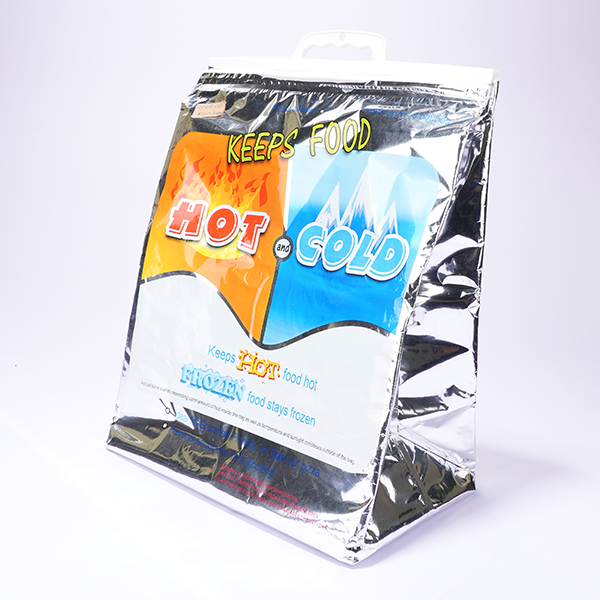
The best refrigerated bag rpet manufacturer strategy in 2026 blends three things: correct product design, documented compliance, and a sourcing model you can scale without quality drift. You need the practical buyer logic of a commercial guide, the evidence of a technical review, and the market awareness of a trend report. This optimized article fuses those strengths so you can source faster and with less risk.
What this article will help you answer
- How to choose the right refrigerated bag configuration for your payload, route, and budget.
- Which materials, compliance documents, and validation tests separate safe bags from risky bags.
- How to reduce waste, control cost, and future-proof your refrigerated bag rpet manufacturer program for 2026.
- What the latest market, regulation, and sustainability signals mean for your next order.
Refrigerated Bag RPET Manufacturer: what is the best buying strategy in 2026?
The best refrigerated bag rpet manufacturer decision starts with route truth. You need to know what you carry, how long you carry it, how often the bag opens, and what condition must be protected when the route ends. Only then can you choose the right refrigerated bag size, insulation class, liner, and supplier model. That sounds simple, but it is the step many buyers skip when they rush straight to quotation.
In 2026, strong sourcing teams treat the bag as part of an operating system. They connect the bag to payload discipline, refrigerant choice, receiving inspection, cleaning, and reorder planning. That system view creates better performance and better buyer confidence because it answers the real question: how will this product help me succeed?
Why does route-first thinking improve refrigerated bag sourcing?
For refrigerated bag rpet manufacturer, the right target is a design that protects product condition, remains practical for users, and stays commercially repeatable. If a bag is technically impressive but hard to clean, awkward to carry, or unstable in mass production, it is not a good solution. Likewise, if it is cheap and attractive but fails during real handling, it becomes expensive very quickly.
Route-first decision framework
| Situation | Best move | Why it works | Value to you |
| Brand story matters most | Use verified rPET fabric with documented source | Only claim what the factory can prove | Improves trust and reduces greenwashing risk |
| Cold route is short | Use lighter insulation with durable rPET shell | Pilot the real opening pattern | Keeps cost and weight under control |
| Route is sensitive | Upgrade insulation and opening design first | Do not cut the functional layers | Protects temperature before marketing decoration |
| Export program | Freeze the approved spec and records | Align carton marks and batch files | Makes repeat orders easier to clear internally |
Actionable buyer tips
- Write a one-page route brief before requesting quotations for refrigerated bag rpet manufacturer.
- Choose the bag around the most important lane first, then adapt outward only if the data supports it.
- Keep your buying criteria visible: route fit, compliance, service life, and landed cost should all be scored.
Optimized approach example: a buyer reduced confusion by defining one core route, one payload, and one acceptance standard before talking about decoration. Once the team aligned on those basics, supplier comparison became faster and more objective.
Refrigerated Bag RPET Manufacturer: which specifications separate safe bags from risky bags?
Once the route is clear, the next job is to separate meaningful specifications from decorative noise. For refrigerated bag rpet manufacturer, the critical layers are the outer shell, insulation core, inner liner, closure system, and carrying structure. Those five areas decide whether the bag feels sturdy, cleans easily, and keeps temperature under control long enough to do the job. Everything else should serve those fundamentals, not distract from them.
In practical terms, rPET outer shell, recycled webbing options, closed-cell foam or hybrid insulation, wipe-clean inner liner, and zipper or flap construction that protects the opening line remain popular because they let buyers balance cost and performance. But no single material name guarantees success. A better foam can be wasted by a weak zipper. A durable shell can be undermined by a poor liner. That is why smart buyers ask suppliers to explain the function of every layer in plain language.
How do you inspect the real build quality of a refrigerated bag?
Focus on the common failure zones: thin liners tear in low-cost builds, shape collapse can reduce perceived value, odor control depends on liner quality, and stitching around handles can fail in heavy use. If those areas look weak in the sample, scale will not fix them later. By contrast, when the sample shows thoughtful reinforcement and a clean inner build, you usually see better performance on route and fewer complaints after rollout.
Specification checklist that matters
| Area | Risky sign | Better sign | Why buyers care |
| Size and volume | Too much empty air | Payload-matched cavity | Better thermal efficiency |
| Insulation support | Compressed or inconsistent wall | Stable wall and opening design | More predictable hold time |
| Liner quality | Thin, noisy, or easy to tear | Smooth, wipe-clean, better-supported liner | Lower leak and odor complaints |
| Stress zones | Weak handles or zipper ends | Reinforced anchors and neat finishing | Longer service life |
Actionable buyer tips
- Inspect inside corners and zipper ends before you inspect the print, because hidden quality drives the route result.
- Ask suppliers to state what is optional and what is performance-critical in the approved build.
- Reject vague material language; good suppliers explain the layer function clearly.
Specification example: two samples looked nearly identical from the outside, but one had better reinforcement and a better-supported liner. That difference barely changed the quotation and greatly changed the expected service life.
Refrigerated Bag RPET Manufacturer: which materials, validation steps, and standards matter most?
A winning refrigerated bag rpet manufacturer program uses technical evidence without overwhelming the buyer. The right validation file should state payload, starting temperature, ambient range, route duration, opening pattern, and refrigerant setup. It should also say what the liner is intended to do, how the approved sample is controlled, and what happens if a material changes later.
That is where standards and authority signals become useful. They do not replace route testing, but they improve the quality of the conversation. The European Commission says the Packaging and Packaging Waste Regulation entered into force on 11 February 2025 and generally applies from 12 August 2026. FDA continues to list No Objection Letter processes for PCR plastics used in food-contact articles, and EFSA says it currently assesses post-consumer mechanical PET recycling processes for EU food-contact use. For an rPET manufacturer, that means process-specific claims, cleaner documentation, and stronger traceability are becoming basic commercial expectations. When buyers see that kind of grounded explanation, confidence rises because the language sounds real instead of borrowed from marketing copy.
What should the approval file contain before mass production starts?
Keep it simple and complete: approved dimensions, layer description, sample photo set, thermal summary, packaging method, carton marks, and a change-management rule. If quality, procurement, and warehouse teams can all read the same file and reach the same understanding, the file is strong enough.
Validation and compliance stack
| Control | What to include | Why it matters | Buyer benefit |
| Thermal validation | Payload, start temperature, ambient range, and duration | Tells you whether the bag works on the real lane | Ask for route-based assumptions |
| Material suitability | Liner, coating, and contact-surface declarations | Reduces risk in food and healthcare-adjacent use | Keep wording precise |
| Production control | Approved sample, AQL, and change management | Supports repeatability after first order | Good factories document changes |
| Logistics and labeling | Carton marks, SKU logic, and receiving information | Cuts warehouse confusion and receiving delays | Useful in scale or trade programs |
Actionable buyer tips
- Use one approval file that covers technical, commercial, and warehouse questions together.
- Do not rely on a generic hold-time statement when route conditions are important.
- Treat undocumented material substitutions as a real risk, even when the bag still looks similar.
Validation example: a buyer reduced launch friction by replacing a long technical deck with one clear approval sheet and one route-based test summary. The documents were shorter, but the project became easier for every team to review.
Refrigerated Bag RPET Manufacturer: how do sustainability and cost control work together?
In 2026, sustainability and cost control are no longer separate conversations. Buyers want to know whether the bag reduces waste, whether the materials are documented honestly, and whether the design avoids unnecessary freight, dead space, and premature replacement. Those questions are commercial because every avoidable failure, reshipment, or early replacement costs money.
The best answer is usually practical rather than dramatic. Standardized sizes, better service life, cleaner material declarations, and a right-sized pack-out often improve both sustainability and total cost. That is also why some high-performing programs look simpler than people expect. The design is carrying less waste and less confusion at the same time.
How do you make sustainability believable to a buyer?
Use service life, route fit, and documentation as the proof. A sustainability claim becomes stronger when you can show that the bag survives enough trips, avoids wasteful overpacking, and is supported by clean records. That is more persuasive than an abstract eco slogan because it speaks to both operating reality and future reporting needs.
Sustainability and cost levers
| Lever | Weak move | Stronger move | What it changes |
| Service life | Chase low entry price only | Upgrade the stress zones that control reuse | Lowers replacement rate |
| Material story | Use vague green claims | Document recycled content or simpler materials honestly | Improves trust |
| Pack-out | Oversized cavity and excess refrigerant | Right-size the bag for the lane | Cuts waste and freight |
| Assortment | Too many tiny variants | Build around a clear core range | Reduces dead stock |
Actionable buyer tips
- Ask whether the proposed sustainability feature improves service life or only improves storytelling.
- Model waste reduction through fewer failures and fewer emergency replacements, not only through material content.
- Keep your first version simple enough that it can be repeated at scale.
Sustainability example: a buyer got a better long-term result by standardizing size, improving durability, and simplifying the material story, rather than by loading the bag with multiple unproven green features.
Refrigerated Bag RPET Manufacturer: how should you choose a supplier and scale orders?
The supplier question becomes more important after the sample looks good. You need a partner that can repeat the approved build, protect documentation, handle exceptions well, and support the next order without losing control. For many buyers, that is where the real value of a professional supplier appears.
A good scaling plan starts with a core SKU or core route, one written approval file, and a receiving checklist that feeds real feedback back to the supplier. Once those elements are working, you can add variants or volume with far less risk. This is the operational side of SEO-style authority too: clear process signals make every future decision easier.
What does a scalable supplier relationship look like?
It looks boring in a good way. Quotations stay comparable, sample files stay stable, corrective actions are documented, and reorders feel predictable. When that happens, you spend less time fighting preventable variation and more time improving the bag where it truly matters.
Supplier scaling scorecard
| Area | Weak sign | Strong sign | Long-run effect |
| Commercial fit | Price-only discussion | Price plus service and route logic | Protects margins after the first order |
| Quality control | Generic promise | Documented checkpoints and approval trail | Reduces batch surprises |
| Documentation | Minimal spec file | Clear materials, pack-out, and change control | Speeds internal approvals |
| Reorder behavior | Reactive answers | Predictable lead times and exception handling | Supports scaling without noise |
Actionable buyer tips
- Pilot the hardest lane or the highest-volume branch before you scale variants.
- Review complaint feedback with the supplier against the approved file, not against memory.
- Choose repeatability over theater. A calm supplier process usually beats a dramatic sales pitch.
Scaling example: a team launched one proven version first, then expanded only after receiving data from the first cycle. That choice reduced inventory noise and gave the supplier time to protect the approved specification.
2026 latest developments and trends for Refrigerated Bag RPET Manufacturer
The latest 2026 direction for refrigerated bag rpet manufacturer is integration. Buyers want route fit, technical proof, sustainability readiness, and cost control in one coherent answer. That is the real standard behind high-performing pages and high-performing purchases this year.
Latest developments at a glance
- EU buyers are asking for clearer recycled-content evidence before approving new suppliers
- cold-chain brands want rPET stories backed by documents, not just swing tags
- reusable bag programs are increasingly tied to carbon and waste reporting
Market insight: the optimized winner is not the bag with the longest claim list. It is the bag with the clearest route logic, the strongest approval file, and the most honest service-life story. Those qualities improve search relevance, buyer trust, and operational performance at the same time.
Frequently asked questions
What is the fastest way to improve a refrigerated bag rpet manufacturer buying decision?
Write a route brief first. Define the payload, route duration, opening frequency, target temperature band, and cleaning expectation before you compare any samples or prices.
Which feature should I protect first when budgets get tight?
Protect the thermal core, liner quality, and stress zones such as handles and closures. Decorative extras are easier to simplify than the parts that actually keep temperature and prevent complaints.
How much do documents really matter for refrigerated bag sourcing?
A lot. Good documents stop misunderstandings between buyer, supplier, warehouse, and quality team. They also make reorders faster and reduce risk when something changes.
How do I combine sustainability with performance?
Start with route fit and service life. A durable, right-sized bag with honest material records usually beats a fashionable claim that fails in real use.
What should a strong pilot test include?
Use the real payload, the real refrigerant plan, the expected ambient range, and the real opening pattern. If possible, stress the hardest lane first so the pilot reveals practical risk early.
When should I change suppliers?
When documentation stays vague, corrective actions are slow, or batch consistency keeps drifting. A slightly cheaper source is rarely worth repeated operational noise.
Can every rPET refrigerated bag claim food-contact compliance?
No. The outer rPET shell is not the same thing as a product-contact surface. You still need clear suitability language for the liner, inks, adhesives, and any layer that may touch food or medicine packaging.
Summary and recommendations
The complete lesson from this optimized refrigerated bag rpet manufacturer guide is that success comes from alignment. Align the route, the material stack, the validation file, the supplier process, and the sustainability story. When those pieces support each other, you get a bag that is easier to approve, easier to explain, and easier to scale.
Start with one route brief, one approval file, and one scorecard for supplier comparison. Then move to a controlled pilot before you scale. That simple sequence is still the most reliable way to make a stronger refrigerated bag decision in 2026.
About Tempk
At Tempk, we focus on cold-chain packaging with practical route logic behind every recommendation. We work on insulated bags, refrigerants, and shipping solutions that help buyers compare performance, compliance questions, and operating cost with more clarity. Our strength is turning technical packaging choices into plain-language decisions that teams can act on.
If you are evaluating a refrigerated bag rpet manufacturer project, the next useful step is a route-based discussion: payload, target temperature band, duration, opening pattern, cleaning plan, and reuse target. With those details, it becomes much easier to recommend a refrigerated bag specification that fits the job.
Insulated Shopping Bag Wholesaler: Complete Guide 2026
The best insulated shopping bag wholesaler strategy in 2026 blends three things: correct product design, documented compliance, and a sourcing model you can scale without quality drift. You need the practical buyer logic of a commercial guide, the evidence of a technical review, and the market awareness of a trend report. This optimized article fuses those strengths so you can source faster and with less risk.
What this article will help you answer
- How to choose the right insulated shopping bag configuration for your payload, route, and budget.
- Which materials, compliance documents, and validation tests separate safe bags from risky bags.
- How to reduce waste, control cost, and future-proof your insulated shopping bag wholesaler program for 2026.
- What the latest market, regulation, and sustainability signals mean for your next order.
Insulated Shopping Bag Wholesaler: what is the best buying strategy in 2026?
The best insulated shopping bag wholesaler decision starts with route truth. You need to know what you carry, how long you carry it, how often the bag opens, and what condition must be protected when the route ends. Only then can you choose the right insulated shopping bag size, insulation class, liner, and supplier model. That sounds simple, but it is the step many buyers skip when they rush straight to quotation.
In 2026, strong sourcing teams treat the bag as part of an operating system. They connect the bag to payload discipline, refrigerant choice, receiving inspection, cleaning, and reorder planning. That system view creates better performance and better buyer confidence because it answers the real question: how will this product help me succeed?
Why does route-first thinking improve insulated shopping bag sourcing?
For insulated shopping bag wholesaler, the right target is a design that protects product condition, remains practical for users, and stays commercially repeatable. If a bag is technically impressive but hard to clean, awkward to carry, or unstable in mass production, it is not a good solution. Likewise, if it is cheap and attractive but fails during real handling, it becomes expensive very quickly.
Route-first decision framework
| Situation | Best move | Why it works | Value to you |
| Need shelf speed | Use one hero size with a small support range | Keep the assortment tight | Improves sell-through |
| Gift or loyalty program | Protect visual consistency and handle comfort | Think about repeated public use | Builds brand value |
| Margin pressure | Optimize cartons and standard trims | Cut hidden cost first | Improves landed margin |
| Consumer complaints hurt channel trust | Upgrade leak resistance and reinforcement | Protect the basics | Reduces returns |
Actionable buyer tips
- Write a one-page route brief before requesting quotations for insulated shopping bag wholesaler.
- Choose the bag around the most important lane first, then adapt outward only if the data supports it.
- Keep your buying criteria visible: route fit, compliance, service life, and landed cost should all be scored.
Optimized approach example: a buyer reduced confusion by defining one core route, one payload, and one acceptance standard before talking about decoration. Once the team aligned on those basics, supplier comparison became faster and more objective.
Insulated Shopping Bag Wholesaler: which specifications separate safe bags from risky bags?
Once the route is clear, the next job is to separate meaningful specifications from decorative noise. For insulated shopping bag wholesaler, the critical layers are the outer shell, insulation core, inner liner, closure system, and carrying structure. Those five areas decide whether the bag feels sturdy, cleans easily, and keeps temperature under control long enough to do the job. Everything else should serve those fundamentals, not distract from them.
In practical terms, retail-friendly outer shell, practical insulation, leak-aware liner, stable handles, and shapes that nest or fold efficiently in wholesale cartons remain popular because they let buyers balance cost and performance. But no single material name guarantees success. A better foam can be wasted by a weak zipper. A durable shell can be undermined by a poor liner. That is why smart buyers ask suppliers to explain the function of every layer in plain language.
How do you inspect the real build quality of a insulated shopping bag?
Focus on the common failure zones: thin liners tear in low-cost builds, shape collapse can reduce perceived value, odor control depends on liner quality, and stitching around handles can fail in heavy use. If those areas look weak in the sample, scale will not fix them later. By contrast, when the sample shows thoughtful reinforcement and a clean inner build, you usually see better performance on route and fewer complaints after rollout.
Specification checklist that matters
| Area | Risky sign | Better sign | Why buyers care |
| Size and volume | Too much empty air | Payload-matched cavity | Better thermal efficiency |
| Insulation support | Compressed or inconsistent wall | Stable wall and opening design | More predictable hold time |
| Liner quality | Thin, noisy, or easy to tear | Smooth, wipe-clean, better-supported liner | Lower leak and odor complaints |
| Stress zones | Weak handles or zipper ends | Reinforced anchors and neat finishing | Longer service life |
Actionable buyer tips
- Inspect inside corners and zipper ends before you inspect the print, because hidden quality drives the route result.
- Ask suppliers to state what is optional and what is performance-critical in the approved build.
- Reject vague material language; good suppliers explain the layer function clearly.
Specification example: two samples looked nearly identical from the outside, but one had better reinforcement and a better-supported liner. That difference barely changed the quotation and greatly changed the expected service life.
Insulated Shopping Bag Wholesaler: which materials, validation steps, and standards matter most?
A winning insulated shopping bag wholesaler program uses technical evidence without overwhelming the buyer. The right validation file should state payload, starting temperature, ambient range, route duration, opening pattern, and refrigerant setup. It should also say what the liner is intended to do, how the approved sample is controlled, and what happens if a material changes later.
That is where standards and authority signals become useful. They do not replace route testing, but they improve the quality of the conversation. With packaging and waste policy tightening, retail buyers are asking harder questions about reuse, dead stock, and product-life value. OECD's plastics data reinforces why: packaging is still the biggest source of plastic waste. For insulated shopping bag wholesalers, that means the best commercial pitch is now a durable, fast-moving bag with a clear consumer use case, not a complicated product that only looks good in a catalog. When buyers see that kind of grounded explanation, confidence rises because the language sounds real instead of borrowed from marketing copy.
What should the approval file contain before mass production starts?
Keep it simple and complete: approved dimensions, layer description, sample photo set, thermal summary, packaging method, carton marks, and a change-management rule. If quality, procurement, and warehouse teams can all read the same file and reach the same understanding, the file is strong enough.
Validation and compliance stack
| Control | What to include | Why it matters | Buyer benefit |
| Thermal validation | Payload, start temperature, ambient range, and duration | Tells you whether the bag works on the real lane | Ask for route-based assumptions |
| Material suitability | Liner, coating, and contact-surface declarations | Reduces risk in food and healthcare-adjacent use | Keep wording precise |
| Production control | Approved sample, AQL, and change management | Supports repeatability after first order | Good factories document changes |
| Logistics and labeling | Carton marks, SKU logic, and receiving information | Cuts warehouse confusion and receiving delays | Useful in scale or trade programs |
Actionable buyer tips
- Use one approval file that covers technical, commercial, and warehouse questions together.
- Do not rely on a generic hold-time statement when route conditions are important.
- Treat undocumented material substitutions as a real risk, even when the bag still looks similar.
Validation example: a buyer reduced launch friction by replacing a long technical deck with one clear approval sheet and one route-based test summary. The documents were shorter, but the project became easier for every team to review.
Insulated Shopping Bag Wholesaler: how do sustainability and cost control work together?
In 2026, sustainability and cost control are no longer separate conversations. Buyers want to know whether the bag reduces waste, whether the materials are documented honestly, and whether the design avoids unnecessary freight, dead space, and premature replacement. Those questions are commercial because every avoidable failure, reshipment, or early replacement costs money.
The best answer is usually practical rather than dramatic. Standardized sizes, better service life, cleaner material declarations, and a right-sized pack-out often improve both sustainability and total cost. That is also why some high-performing programs look simpler than people expect. The design is carrying less waste and less confusion at the same time.
How do you make sustainability believable to a buyer?
Use service life, route fit, and documentation as the proof. A sustainability claim becomes stronger when you can show that the bag survives enough trips, avoids wasteful overpacking, and is supported by clean records. That is more persuasive than an abstract eco slogan because it speaks to both operating reality and future reporting needs.
Sustainability and cost levers
| Lever | Weak move | Stronger move | What it changes |
| Service life | Chase low entry price only | Upgrade the stress zones that control reuse | Lowers replacement rate |
| Material story | Use vague green claims | Document recycled content or simpler materials honestly | Improves trust |
| Pack-out | Oversized cavity and excess refrigerant | Right-size the bag for the lane | Cuts waste and freight |
| Assortment | Too many tiny variants | Build around a clear core range | Reduces dead stock |
Actionable buyer tips
- Ask whether the proposed sustainability feature improves service life or only improves storytelling.
- Model waste reduction through fewer failures and fewer emergency replacements, not only through material content.
- Keep your first version simple enough that it can be repeated at scale.
Sustainability example: a buyer got a better long-term result by standardizing size, improving durability, and simplifying the material story, rather than by loading the bag with multiple unproven green features.
Insulated Shopping Bag Wholesaler: how should you choose a supplier and scale orders?
The supplier question becomes more important after the sample looks good. You need a partner that can repeat the approved build, protect documentation, handle exceptions well, and support the next order without losing control. For many buyers, that is where the real value of a professional supplier appears.
A good scaling plan starts with a core SKU or core route, one written approval file, and a receiving checklist that feeds real feedback back to the supplier. Once those elements are working, you can add variants or volume with far less risk. This is the operational side of SEO-style authority too: clear process signals make every future decision easier.
What does a scalable supplier relationship look like?
It looks boring in a good way. Quotations stay comparable, sample files stay stable, corrective actions are documented, and reorders feel predictable. When that happens, you spend less time fighting preventable variation and more time improving the bag where it truly matters.
Supplier scaling scorecard
| Area | Weak sign | Strong sign | Long-run effect |
| Commercial fit | Price-only discussion | Price plus service and route logic | Protects margins after the first order |
| Quality control | Generic promise | Documented checkpoints and approval trail | Reduces batch surprises |
| Documentation | Minimal spec file | Clear materials, pack-out, and change control | Speeds internal approvals |
| Reorder behavior | Reactive answers | Predictable lead times and exception handling | Supports scaling without noise |
Actionable buyer tips
- Pilot the hardest lane or the highest-volume branch before you scale variants.
- Review complaint feedback with the supplier against the approved file, not against memory.
- Choose repeatability over theater. A calm supplier process usually beats a dramatic sales pitch.
Scaling example: a team launched one proven version first, then expanded only after receiving data from the first cycle. That choice reduced inventory noise and gave the supplier time to protect the approved specification.
2026 latest developments and trends for Insulated Shopping Bag Wholesaler
The latest 2026 direction for insulated shopping bag wholesaler is integration. Buyers want route fit, technical proof, sustainability readiness, and cost control in one coherent answer. That is the real standard behind high-performing pages and high-performing purchases this year.
Latest developments at a glance
- retail wholesalers want proven dimensions that fit typical grocery payloads
- channel buyers now look at waste and reuse claims more critically
- bag programs with a clean value story move faster than feature-heavy designs
Market insight: the optimized winner is not the bag with the longest claim list. It is the bag with the clearest route logic, the strongest approval file, and the most honest service-life story. Those qualities improve search relevance, buyer trust, and operational performance at the same time.
Frequently asked questions
What is the fastest way to improve a insulated shopping bag wholesaler buying decision?
Write a route brief first. Define the payload, route duration, opening frequency, target temperature band, and cleaning expectation before you compare any samples or prices.
Which feature should I protect first when budgets get tight?
Protect the thermal core, liner quality, and stress zones such as handles and closures. Decorative extras are easier to simplify than the parts that actually keep temperature and prevent complaints.
How much do documents really matter for insulated shopping bag sourcing?
A lot. Good documents stop misunderstandings between buyer, supplier, warehouse, and quality team. They also make reorders faster and reduce risk when something changes.
How do I combine sustainability with performance?
Start with route fit and service life. A durable, right-sized bag with honest material records usually beats a fashionable claim that fails in real use.
What should a strong pilot test include?
Use the real payload, the real refrigerant plan, the expected ambient range, and the real opening pattern. If possible, stress the hardest lane first so the pilot reveals practical risk early.
When should I change suppliers?
When documentation stays vague, corrective actions are slow, or batch consistency keeps drifting. A slightly cheaper source is rarely worth repeated operational noise.
What sells better in wholesale channels: many choices or a clear core range?
Usually a clear core range. Buyers and retail staff often prefer a simple, proven bag that fits normal shopping behavior and is easy to explain to end customers.
Summary and recommendations
The complete lesson from this optimized insulated shopping bag wholesaler guide is that success comes from alignment. Align the route, the material stack, the validation file, the supplier process, and the sustainability story. When those pieces support each other, you get a bag that is easier to approve, easier to explain, and easier to scale.
Start with one route brief, one approval file, and one scorecard for supplier comparison. Then move to a controlled pilot before you scale. That simple sequence is still the most reliable way to make a stronger insulated shopping bag decision in 2026.
About Tempk
At Tempk, we focus on cold-chain packaging with practical route logic behind every recommendation. We work on insulated bags, refrigerants, and shipping solutions that help buyers compare performance, compliance questions, and operating cost with more clarity. Our strength is turning technical packaging choices into plain-language decisions that teams can act on.
If you are evaluating a insulated shopping bag wholesaler project, the next useful step is a route-based discussion: payload, target temperature band, duration, opening pattern, cleaning plan, and reuse target. With those details, it becomes much easier to recommend a insulated shopping bag specification that fits the job.
Insulated Shopping Bag Enterprise: Complete Guide 2026

The best insulated shopping bag enterprise strategy in 2026 blends three things: correct product design, documented compliance, and a sourcing model you can scale without quality drift. You need the practical buyer logic of a commercial guide, the evidence of a technical review, and the market awareness of a trend report. This optimized article fuses those strengths so you can source faster and with less risk.
What this article will help you answer
- How to choose the right insulated shopping bag configuration for your payload, route, and budget.
- Which materials, compliance documents, and validation tests separate safe bags from risky bags.
- How to reduce waste, control cost, and future-proof your insulated shopping bag enterprise program for 2026.
- What the latest market, regulation, and sustainability signals mean for your next order.
Insulated Shopping Bag Enterprise: what is the best buying strategy in 2026?
The best insulated shopping bag enterprise decision starts with route truth. You need to know what you carry, how long you carry it, how often the bag opens, and what condition must be protected when the route ends. Only then can you choose the right insulated shopping bag size, insulation class, liner, and supplier model. That sounds simple, but it is the step many buyers skip when they rush straight to quotation.
In 2026, strong sourcing teams treat the bag as part of an operating system. They connect the bag to payload discipline, refrigerant choice, receiving inspection, cleaning, and reorder planning. That system view creates better performance and better buyer confidence because it answers the real question: how will this product help me succeed?
Why does route-first thinking improve insulated shopping bag sourcing?
For insulated shopping bag enterprise, the right target is a design that protects product condition, remains practical for users, and stays commercially repeatable. If a bag is technically impressive but hard to clean, awkward to carry, or unstable in mass production, it is not a good solution. Likewise, if it is cheap and attractive but fails during real handling, it becomes expensive very quickly.
Route-first decision framework
| Situation | Best move | Why it works | Value to you |
| Many branches | Standardize one or two approved sizes | Limit custom exceptions | Improves stock control and training |
| ESG reporting matters | Collect recycled-content and durability records | Keep claims simple and auditable | Supports internal reporting |
| High public use | Reinforce handles and liner | Focus on the stress zones | Extends service life |
| Tight rollout window | Choose supplier with strong approval process | Prioritize repeatability over novelty | Reduces launch delays |
Actionable buyer tips
- Write a one-page route brief before requesting quotations for insulated shopping bag enterprise.
- Choose the bag around the most important lane first, then adapt outward only if the data supports it.
- Keep your buying criteria visible: route fit, compliance, service life, and landed cost should all be scored.
Optimized approach example: a buyer reduced confusion by defining one core route, one payload, and one acceptance standard before talking about decoration. Once the team aligned on those basics, supplier comparison became faster and more objective.
Insulated Shopping Bag Enterprise: which specifications separate safe bags from risky bags?
Once the route is clear, the next job is to separate meaningful specifications from decorative noise. For insulated shopping bag enterprise, the critical layers are the outer shell, insulation core, inner liner, closure system, and carrying structure. Those five areas decide whether the bag feels sturdy, cleans easily, and keeps temperature under control long enough to do the job. Everything else should serve those fundamentals, not distract from them.
In practical terms, durable reusable outer shell, stable insulation package, leak-resistant liner, barcode or ID features if needed, and hardware chosen for frequent public handling remain popular because they let buyers balance cost and performance. But no single material name guarantees success. A better foam can be wasted by a weak zipper. A durable shell can be undermined by a poor liner. That is why smart buyers ask suppliers to explain the function of every layer in plain language.
How do you inspect the real build quality of a insulated shopping bag?
Focus on the common failure zones: thin liners tear in low-cost builds, shape collapse can reduce perceived value, odor control depends on liner quality, and stitching around handles can fail in heavy use. If those areas look weak in the sample, scale will not fix them later. By contrast, when the sample shows thoughtful reinforcement and a clean inner build, you usually see better performance on route and fewer complaints after rollout.
Specification checklist that matters
| Area | Risky sign | Better sign | Why buyers care |
| Size and volume | Too much empty air | Payload-matched cavity | Better thermal efficiency |
| Insulation support | Compressed or inconsistent wall | Stable wall and opening design | More predictable hold time |
| Liner quality | Thin, noisy, or easy to tear | Smooth, wipe-clean, better-supported liner | Lower leak and odor complaints |
| Stress zones | Weak handles or zipper ends | Reinforced anchors and neat finishing | Longer service life |
Actionable buyer tips
- Inspect inside corners and zipper ends before you inspect the print, because hidden quality drives the route result.
- Ask suppliers to state what is optional and what is performance-critical in the approved build.
- Reject vague material language; good suppliers explain the layer function clearly.
Specification example: two samples looked nearly identical from the outside, but one had better reinforcement and a better-supported liner. That difference barely changed the quotation and greatly changed the expected service life.
Insulated Shopping Bag Enterprise: which materials, validation steps, and standards matter most?
A winning insulated shopping bag enterprise program uses technical evidence without overwhelming the buyer. The right validation file should state payload, starting temperature, ambient range, route duration, opening pattern, and refrigerant setup. It should also say what the liner is intended to do, how the approved sample is controlled, and what happens if a material changes later.
That is where standards and authority signals become useful. They do not replace route testing, but they improve the quality of the conversation. Enterprise buyers are watching two things at once: regulatory pressure on packaging waste and internal pressure to document carbon and waste reduction. The European Commission says PPWR generally applies from 12 August 2026, while EPA's ReCon tool now gives procurement teams a clearer way to estimate the embodied-carbon effect of using more recycled content. That means an enterprise insulated shopping bag program is increasingly reviewed as a procurement system, not just a branded giveaway. When buyers see that kind of grounded explanation, confidence rises because the language sounds real instead of borrowed from marketing copy.
What should the approval file contain before mass production starts?
Keep it simple and complete: approved dimensions, layer description, sample photo set, thermal summary, packaging method, carton marks, and a change-management rule. If quality, procurement, and warehouse teams can all read the same file and reach the same understanding, the file is strong enough.
Validation and compliance stack
| Control | What to include | Why it matters | Buyer benefit |
| Thermal validation | Payload, start temperature, ambient range, and duration | Tells you whether the bag works on the real lane | Ask for route-based assumptions |
| Material suitability | Liner, coating, and contact-surface declarations | Reduces risk in food and healthcare-adjacent use | Keep wording precise |
| Production control | Approved sample, AQL, and change management | Supports repeatability after first order | Good factories document changes |
| Logistics and labeling | Carton marks, SKU logic, and receiving information | Cuts warehouse confusion and receiving delays | Useful in scale or trade programs |
Actionable buyer tips
- Use one approval file that covers technical, commercial, and warehouse questions together.
- Do not rely on a generic hold-time statement when route conditions are important.
- Treat undocumented material substitutions as a real risk, even when the bag still looks similar.
Validation example: a buyer reduced launch friction by replacing a long technical deck with one clear approval sheet and one route-based test summary. The documents were shorter, but the project became easier for every team to review.
Insulated Shopping Bag Enterprise: how do sustainability and cost control work together?
In 2026, sustainability and cost control are no longer separate conversations. Buyers want to know whether the bag reduces waste, whether the materials are documented honestly, and whether the design avoids unnecessary freight, dead space, and premature replacement. Those questions are commercial because every avoidable failure, reshipment, or early replacement costs money.
The best answer is usually practical rather than dramatic. Standardized sizes, better service life, cleaner material declarations, and a right-sized pack-out often improve both sustainability and total cost. That is also why some high-performing programs look simpler than people expect. The design is carrying less waste and less confusion at the same time.
How do you make sustainability believable to a buyer?
Use service life, route fit, and documentation as the proof. A sustainability claim becomes stronger when you can show that the bag survives enough trips, avoids wasteful overpacking, and is supported by clean records. That is more persuasive than an abstract eco slogan because it speaks to both operating reality and future reporting needs.
Sustainability and cost levers
| Lever | Weak move | Stronger move | What it changes |
| Service life | Chase low entry price only | Upgrade the stress zones that control reuse | Lowers replacement rate |
| Material story | Use vague green claims | Document recycled content or simpler materials honestly | Improves trust |
| Pack-out | Oversized cavity and excess refrigerant | Right-size the bag for the lane | Cuts waste and freight |
| Assortment | Too many tiny variants | Build around a clear core range | Reduces dead stock |
Actionable buyer tips
- Ask whether the proposed sustainability feature improves service life or only improves storytelling.
- Model waste reduction through fewer failures and fewer emergency replacements, not only through material content.
- Keep your first version simple enough that it can be repeated at scale.
Sustainability example: a buyer got a better long-term result by standardizing size, improving durability, and simplifying the material story, rather than by loading the bag with multiple unproven green features.
Insulated Shopping Bag Enterprise: how should you choose a supplier and scale orders?
The supplier question becomes more important after the sample looks good. You need a partner that can repeat the approved build, protect documentation, handle exceptions well, and support the next order without losing control. For many buyers, that is where the real value of a professional supplier appears.
A good scaling plan starts with a core SKU or core route, one written approval file, and a receiving checklist that feeds real feedback back to the supplier. Once those elements are working, you can add variants or volume with far less risk. This is the operational side of SEO-style authority too: clear process signals make every future decision easier.
What does a scalable supplier relationship look like?
It looks boring in a good way. Quotations stay comparable, sample files stay stable, corrective actions are documented, and reorders feel predictable. When that happens, you spend less time fighting preventable variation and more time improving the bag where it truly matters.
Supplier scaling scorecard
| Area | Weak sign | Strong sign | Long-run effect |
| Commercial fit | Price-only discussion | Price plus service and route logic | Protects margins after the first order |
| Quality control | Generic promise | Documented checkpoints and approval trail | Reduces batch surprises |
| Documentation | Minimal spec file | Clear materials, pack-out, and change control | Speeds internal approvals |
| Reorder behavior | Reactive answers | Predictable lead times and exception handling | Supports scaling without noise |
Actionable buyer tips
- Pilot the hardest lane or the highest-volume branch before you scale variants.
- Review complaint feedback with the supplier against the approved file, not against memory.
- Choose repeatability over theater. A calm supplier process usually beats a dramatic sales pitch.
Scaling example: a team launched one proven version first, then expanded only after receiving data from the first cycle. That choice reduced inventory noise and gave the supplier time to protect the approved specification.
2026 latest developments and trends for Insulated Shopping Bag Enterprise
The latest 2026 direction for insulated shopping bag enterprise is integration. Buyers want route fit, technical proof, sustainability readiness, and cost control in one coherent answer. That is the real standard behind high-performing pages and high-performing purchases this year.
Latest developments at a glance
- enterprises increasingly connect bag buying to ESG reporting and waste reduction goals
- retail and workplace food programs want standardized reusable formats
- buyers prefer bags that can be explained simply to branch teams and end users
Market insight: the optimized winner is not the bag with the longest claim list. It is the bag with the clearest route logic, the strongest approval file, and the most honest service-life story. Those qualities improve search relevance, buyer trust, and operational performance at the same time.
Frequently asked questions
What is the fastest way to improve a insulated shopping bag enterprise buying decision?
Write a route brief first. Define the payload, route duration, opening frequency, target temperature band, and cleaning expectation before you compare any samples or prices.
Which feature should I protect first when budgets get tight?
Protect the thermal core, liner quality, and stress zones such as handles and closures. Decorative extras are easier to simplify than the parts that actually keep temperature and prevent complaints.
How much do documents really matter for insulated shopping bag sourcing?
A lot. Good documents stop misunderstandings between buyer, supplier, warehouse, and quality team. They also make reorders faster and reduce risk when something changes.
How do I combine sustainability with performance?
Start with route fit and service life. A durable, right-sized bag with honest material records usually beats a fashionable claim that fails in real use.
What should a strong pilot test include?
Use the real payload, the real refrigerant plan, the expected ambient range, and the real opening pattern. If possible, stress the hardest lane first so the pilot reveals practical risk early.
When should I change suppliers?
When documentation stays vague, corrective actions are slow, or batch consistency keeps drifting. A slightly cheaper source is rarely worth repeated operational noise.
Why do enterprise programs often reject attractive samples?
Because the sample is only the beginning. Enterprise teams worry about branch training, reorder stability, cleaning rules, and internal approvals. A pretty sample is not enough if the operating model is weak.
Summary and recommendations
The complete lesson from this optimized insulated shopping bag enterprise guide is that success comes from alignment. Align the route, the material stack, the validation file, the supplier process, and the sustainability story. When those pieces support each other, you get a bag that is easier to approve, easier to explain, and easier to scale.
Start with one route brief, one approval file, and one scorecard for supplier comparison. Then move to a controlled pilot before you scale. That simple sequence is still the most reliable way to make a stronger insulated shopping bag decision in 2026.
About Tempk
At Tempk, we focus on cold-chain packaging with practical route logic behind every recommendation. We work on insulated bags, refrigerants, and shipping solutions that help buyers compare performance, compliance questions, and operating cost with more clarity. Our strength is turning technical packaging choices into plain-language decisions that teams can act on.
If you are evaluating a insulated shopping bag enterprise project, the next useful step is a route-based discussion: payload, target temperature band, duration, opening pattern, cleaning plan, and reuse target. With those details, it becomes much easier to recommend a insulated shopping bag specification that fits the job.
Insulated Shipping Bag Trade: Complete Guide 2026
The best insulated shipping bag trade strategy in 2026 blends three things: correct product design, documented compliance, and a sourcing model you can scale without quality drift. You need the practical buyer logic of a commercial guide, the evidence of a technical review, and the market awareness of a trend report. This optimized article fuses those strengths so you can source faster and with less risk.
What this article will help you answer
- How to choose the right insulated shipping bag configuration for your payload, route, and budget.
- Which materials, compliance documents, and validation tests separate safe bags from risky bags.
- How to reduce waste, control cost, and future-proof your insulated shipping bag trade program for 2026.
- What the latest market, regulation, and sustainability signals mean for your next order.
Insulated Shipping Bag Trade: what is the best buying strategy in 2026?
The best insulated shipping bag trade decision starts with route truth. You need to know what you carry, how long you carry it, how often the bag opens, and what condition must be protected when the route ends. Only then can you choose the right insulated shipping bag size, insulation class, liner, and supplier model. That sounds simple, but it is the step many buyers skip when they rush straight to quotation.
In 2026, strong sourcing teams treat the bag as part of an operating system. They connect the bag to payload discipline, refrigerant choice, receiving inspection, cleaning, and reorder planning. That system view creates better performance and better buyer confidence because it answers the real question: how will this product help me succeed?
Why does route-first thinking improve insulated shipping bag sourcing?
For insulated shipping bag trade, the right target is a design that protects product condition, remains practical for users, and stays commercially repeatable. If a bag is technically impressive but hard to clean, awkward to carry, or unstable in mass production, it is not a good solution. Likewise, if it is cheap and attractive but fails during real handling, it becomes expensive very quickly.
Route-first decision framework
| Situation | Best move | Why it works | Value to you |
| Multiple stakeholders | Use one master specification and approval sheet | Prevent version drift | Reduces trade friction |
| Export to strict buyers | Prepare validation summary and material note | Answer questions before they are asked | Speeds approval |
| Cost volatility | Focus on freight-efficient pack-out | Reduce empty space and overpacking | Protects margin |
| Uncertain lane | Pilot the harshest expected condition | Choose evidence over assumptions | Improves confidence |
Actionable buyer tips
- Write a one-page route brief before requesting quotations for insulated shipping bag trade.
- Choose the bag around the most important lane first, then adapt outward only if the data supports it.
- Keep your buying criteria visible: route fit, compliance, service life, and landed cost should all be scored.
Optimized approach example: a buyer reduced confusion by defining one core route, one payload, and one acceptance standard before talking about decoration. Once the team aligned on those basics, supplier comparison became faster and more objective.
Insulated Shipping Bag Trade: which specifications separate safe bags from risky bags?
Once the route is clear, the next job is to separate meaningful specifications from decorative noise. For insulated shipping bag trade, the critical layers are the outer shell, insulation core, inner liner, closure system, and carrying structure. Those five areas decide whether the bag feels sturdy, cleans easily, and keeps temperature under control long enough to do the job. Everything else should serve those fundamentals, not distract from them.
In practical terms, shipping-grade soft structure, route-fit insulation, liner suited to handling conditions, clear pack-out compatibility, and packaging marks that reduce receiving confusion remain popular because they let buyers balance cost and performance. But no single material name guarantees success. A better foam can be wasted by a weak zipper. A durable shell can be undermined by a poor liner. That is why smart buyers ask suppliers to explain the function of every layer in plain language.
How do you inspect the real build quality of a insulated shipping bag?
Focus on the common failure zones: thin liners tear in low-cost builds, shape collapse can reduce perceived value, odor control depends on liner quality, and stitching around handles can fail in heavy use. If those areas look weak in the sample, scale will not fix them later. By contrast, when the sample shows thoughtful reinforcement and a clean inner build, you usually see better performance on route and fewer complaints after rollout.
Specification checklist that matters
| Area | Risky sign | Better sign | Why buyers care |
| Size and volume | Too much empty air | Payload-matched cavity | Better thermal efficiency |
| Insulation support | Compressed or inconsistent wall | Stable wall and opening design | More predictable hold time |
| Liner quality | Thin, noisy, or easy to tear | Smooth, wipe-clean, better-supported liner | Lower leak and odor complaints |
| Stress zones | Weak handles or zipper ends | Reinforced anchors and neat finishing | Longer service life |
Actionable buyer tips
- Inspect inside corners and zipper ends before you inspect the print, because hidden quality drives the route result.
- Ask suppliers to state what is optional and what is performance-critical in the approved build.
- Reject vague material language; good suppliers explain the layer function clearly.
Specification example: two samples looked nearly identical from the outside, but one had better reinforcement and a better-supported liner. That difference barely changed the quotation and greatly changed the expected service life.
Insulated Shipping Bag Trade: which materials, validation steps, and standards matter most?
A winning insulated shipping bag trade program uses technical evidence without overwhelming the buyer. The right validation file should state payload, starting temperature, ambient range, route duration, opening pattern, and refrigerant setup. It should also say what the liner is intended to do, how the approved sample is controlled, and what happens if a material changes later.
That is where standards and authority signals become useful. They do not replace route testing, but they improve the quality of the conversation. Trade-focused insulated shipping bag projects are being shaped by two outside forces. First, PPWR is pushing clearer packaging information for EU-facing business. Second, ISTA's thermal standards keep normalizing lane-based testing language for shipping systems. That combination means traders and sourcing agents now win more often when they translate the bag into a clean technical-commercial file rather than a loose sample discussion. When buyers see that kind of grounded explanation, confidence rises because the language sounds real instead of borrowed from marketing copy.
What should the approval file contain before mass production starts?
Keep it simple and complete: approved dimensions, layer description, sample photo set, thermal summary, packaging method, carton marks, and a change-management rule. If quality, procurement, and warehouse teams can all read the same file and reach the same understanding, the file is strong enough.
Validation and compliance stack
| Control | What to include | Why it matters | Buyer benefit |
| Thermal validation | Payload, start temperature, ambient range, and duration | Tells you whether the bag works on the real lane | Ask for route-based assumptions |
| Material suitability | Liner, coating, and contact-surface declarations | Reduces risk in food and healthcare-adjacent use | Keep wording precise |
| Production control | Approved sample, AQL, and change management | Supports repeatability after first order | Good factories document changes |
| Logistics and labeling | Carton marks, SKU logic, and receiving information | Cuts warehouse confusion and receiving delays | Useful in scale or trade programs |
Actionable buyer tips
- Use one approval file that covers technical, commercial, and warehouse questions together.
- Do not rely on a generic hold-time statement when route conditions are important.
- Treat undocumented material substitutions as a real risk, even when the bag still looks similar.
Validation example: a buyer reduced launch friction by replacing a long technical deck with one clear approval sheet and one route-based test summary. The documents were shorter, but the project became easier for every team to review.
Insulated Shipping Bag Trade: how do sustainability and cost control work together?
In 2026, sustainability and cost control are no longer separate conversations. Buyers want to know whether the bag reduces waste, whether the materials are documented honestly, and whether the design avoids unnecessary freight, dead space, and premature replacement. Those questions are commercial because every avoidable failure, reshipment, or early replacement costs money.
The best answer is usually practical rather than dramatic. Standardized sizes, better service life, cleaner material declarations, and a right-sized pack-out often improve both sustainability and total cost. That is also why some high-performing programs look simpler than people expect. The design is carrying less waste and less confusion at the same time.
How do you make sustainability believable to a buyer?
Use service life, route fit, and documentation as the proof. A sustainability claim becomes stronger when you can show that the bag survives enough trips, avoids wasteful overpacking, and is supported by clean records. That is more persuasive than an abstract eco slogan because it speaks to both operating reality and future reporting needs.
Sustainability and cost levers
| Lever | Weak move | Stronger move | What it changes |
| Service life | Chase low entry price only | Upgrade the stress zones that control reuse | Lowers replacement rate |
| Material story | Use vague green claims | Document recycled content or simpler materials honestly | Improves trust |
| Pack-out | Oversized cavity and excess refrigerant | Right-size the bag for the lane | Cuts waste and freight |
| Assortment | Too many tiny variants | Build around a clear core range | Reduces dead stock |
Actionable buyer tips
- Ask whether the proposed sustainability feature improves service life or only improves storytelling.
- Model waste reduction through fewer failures and fewer emergency replacements, not only through material content.
- Keep your first version simple enough that it can be repeated at scale.
Sustainability example: a buyer got a better long-term result by standardizing size, improving durability, and simplifying the material story, rather than by loading the bag with multiple unproven green features.
Insulated Shipping Bag Trade: how should you choose a supplier and scale orders?
The supplier question becomes more important after the sample looks good. You need a partner that can repeat the approved build, protect documentation, handle exceptions well, and support the next order without losing control. For many buyers, that is where the real value of a professional supplier appears.
A good scaling plan starts with a core SKU or core route, one written approval file, and a receiving checklist that feeds real feedback back to the supplier. Once those elements are working, you can add variants or volume with far less risk. This is the operational side of SEO-style authority too: clear process signals make every future decision easier.
What does a scalable supplier relationship look like?
It looks boring in a good way. Quotations stay comparable, sample files stay stable, corrective actions are documented, and reorders feel predictable. When that happens, you spend less time fighting preventable variation and more time improving the bag where it truly matters.
Supplier scaling scorecard
| Area | Weak sign | Strong sign | Long-run effect |
| Commercial fit | Price-only discussion | Price plus service and route logic | Protects margins after the first order |
| Quality control | Generic promise | Documented checkpoints and approval trail | Reduces batch surprises |
| Documentation | Minimal spec file | Clear materials, pack-out, and change control | Speeds internal approvals |
| Reorder behavior | Reactive answers | Predictable lead times and exception handling | Supports scaling without noise |
Actionable buyer tips
- Pilot the hardest lane or the highest-volume branch before you scale variants.
- Review complaint feedback with the supplier against the approved file, not against memory.
- Choose repeatability over theater. A calm supplier process usually beats a dramatic sales pitch.
Scaling example: a team launched one proven version first, then expanded only after receiving data from the first cycle. That choice reduced inventory noise and gave the supplier time to protect the approved specification.
2026 latest developments and trends for Insulated Shipping Bag Trade
The latest 2026 direction for insulated shipping bag trade is integration. Buyers want route fit, technical proof, sustainability readiness, and cost control in one coherent answer. That is the real standard behind high-performing pages and high-performing purchases this year.
Latest developments at a glance
- trade buyers want better documentation because multiple parties review the bag
- validation and handling assumptions are becoming part of commercial negotiations
- buyers favor suppliers who can make export communication simpler
Market insight: the optimized winner is not the bag with the longest claim list. It is the bag with the clearest route logic, the strongest approval file, and the most honest service-life story. Those qualities improve search relevance, buyer trust, and operational performance at the same time.
Frequently asked questions
What is the fastest way to improve a insulated shipping bag trade buying decision?
Write a route brief first. Define the payload, route duration, opening frequency, target temperature band, and cleaning expectation before you compare any samples or prices.
Which feature should I protect first when budgets get tight?
Protect the thermal core, liner quality, and stress zones such as handles and closures. Decorative extras are easier to simplify than the parts that actually keep temperature and prevent complaints.
How much do documents really matter for insulated shipping bag sourcing?
A lot. Good documents stop misunderstandings between buyer, supplier, warehouse, and quality team. They also make reorders faster and reduce risk when something changes.
How do I combine sustainability with performance?
Start with route fit and service life. A durable, right-sized bag with honest material records usually beats a fashionable claim that fails in real use.
What should a strong pilot test include?
Use the real payload, the real refrigerant plan, the expected ambient range, and the real opening pattern. If possible, stress the hardest lane first so the pilot reveals practical risk early.
When should I change suppliers?
When documentation stays vague, corrective actions are slow, or batch consistency keeps drifting. A slightly cheaper source is rarely worth repeated operational noise.
Why do trade deals often stall after the sample stage?
Because the sample looked acceptable, but the written specification, testing assumptions, or packaging plan were incomplete. International business usually needs more written clarity than local buying.
Summary and recommendations
The complete lesson from this optimized insulated shipping bag trade guide is that success comes from alignment. Align the route, the material stack, the validation file, the supplier process, and the sustainability story. When those pieces support each other, you get a bag that is easier to approve, easier to explain, and easier to scale.
Start with one route brief, one approval file, and one scorecard for supplier comparison. Then move to a controlled pilot before you scale. That simple sequence is still the most reliable way to make a stronger insulated shipping bag decision in 2026.
About Tempk
At Tempk, we focus on cold-chain packaging with practical route logic behind every recommendation. We work on insulated bags, refrigerants, and shipping solutions that help buyers compare performance, compliance questions, and operating cost with more clarity. Our strength is turning technical packaging choices into plain-language decisions that teams can act on.
If you are evaluating a insulated shipping bag trade project, the next useful step is a route-based discussion: payload, target temperature band, duration, opening pattern, cleaning plan, and reuse target. With those details, it becomes much easier to recommend a insulated shipping bag specification that fits the job.
Insulated Cooler Bag Procurement: Complete Guide 2026
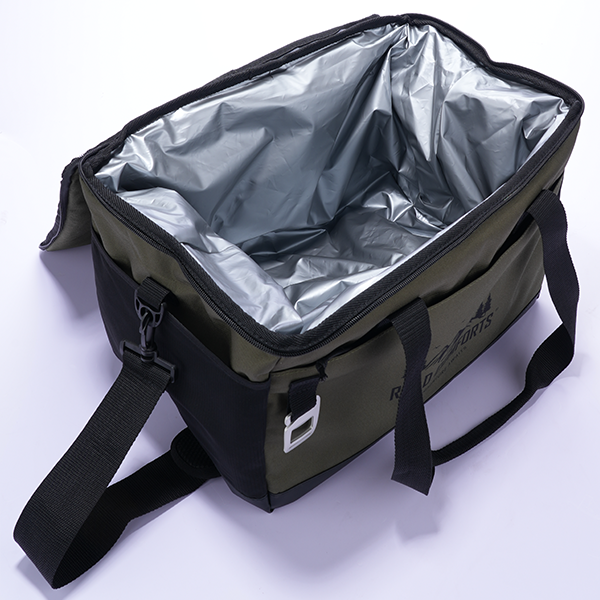
The best insulated cooler bag procurement strategy in 2026 blends three things: correct product design, documented compliance, and a sourcing model you can scale without quality drift. You need the practical buyer logic of a commercial guide, the evidence of a technical review, and the market awareness of a trend report. This optimized article fuses those strengths so you can source faster and with less risk.
What this article will help you answer
- How to choose the right insulated cooler bag configuration for your payload, route, and budget.
- Which materials, compliance documents, and validation tests separate safe bags from risky bags.
- How to reduce waste, control cost, and future-proof your insulated cooler bag procurement program for 2026.
- What the latest market, regulation, and sustainability signals mean for your next order.
Insulated Cooler Bag Procurement: what is the best buying strategy in 2026?
The best insulated cooler bag procurement decision starts with route truth. You need to know what you carry, how long you carry it, how often the bag opens, and what condition must be protected when the route ends. Only then can you choose the right insulated cooler bag size, insulation class, liner, and supplier model. That sounds simple, but it is the step many buyers skip when they rush straight to quotation.
In 2026, strong sourcing teams treat the bag as part of an operating system. They connect the bag to payload discipline, refrigerant choice, receiving inspection, cleaning, and reorder planning. That system view creates better performance and better buyer confidence because it answers the real question: how will this product help me succeed?
Why does route-first thinking improve insulated cooler bag sourcing?
For insulated cooler bag procurement, the right target is a design that protects product condition, remains practical for users, and stays commercially repeatable. If a bag is technically impressive but hard to clean, awkward to carry, or unstable in mass production, it is not a good solution. Likewise, if it is cheap and attractive but fails during real handling, it becomes expensive very quickly.
Route-first decision framework
| Situation | Best move | Why it works | Value to you |
| First sourcing cycle | Issue a route-based RFQ with fixed acceptance criteria | Do not leave key assumptions open | Makes quotes comparable |
| Seasonal demand | Build in replenishment lead-time review | Treat timing as a risk variable | Protects service levels |
| Large tender | Use scorecard with price, documentation, and validation | Weight more than unit cost | Improves award quality |
| Cost pressure | Simplify decoration before cutting insulation | Protect the thermal core | Lowers complaint risk |
Actionable buyer tips
- Write a one-page route brief before requesting quotations for insulated cooler bag procurement.
- Choose the bag around the most important lane first, then adapt outward only if the data supports it.
- Keep your buying criteria visible: route fit, compliance, service life, and landed cost should all be scored.
Optimized approach example: a buyer reduced confusion by defining one core route, one payload, and one acceptance standard before talking about decoration. Once the team aligned on those basics, supplier comparison became faster and more objective.
Insulated Cooler Bag Procurement: which specifications separate safe bags from risky bags?
Once the route is clear, the next job is to separate meaningful specifications from decorative noise. For insulated cooler bag procurement, the critical layers are the outer shell, insulation core, inner liner, closure system, and carrying structure. Those five areas decide whether the bag feels sturdy, cleans easily, and keeps temperature under control long enough to do the job. Everything else should serve those fundamentals, not distract from them.
In practical terms, commercial fabric outer layer, closed-cell or hybrid insulation, easy-clean liner, robust closure, and pack-out design sized for real payloads remain popular because they let buyers balance cost and performance. But no single material name guarantees success. A better foam can be wasted by a weak zipper. A durable shell can be undermined by a poor liner. That is why smart buyers ask suppliers to explain the function of every layer in plain language.
How do you inspect the real build quality of a insulated cooler bag?
Focus on the common failure zones: thin liners tear in low-cost builds, shape collapse can reduce perceived value, odor control depends on liner quality, and stitching around handles can fail in heavy use. If those areas look weak in the sample, scale will not fix them later. By contrast, when the sample shows thoughtful reinforcement and a clean inner build, you usually see better performance on route and fewer complaints after rollout.
Specification checklist that matters
| Area | Risky sign | Better sign | Why buyers care |
| Size and volume | Too much empty air | Payload-matched cavity | Better thermal efficiency |
| Insulation support | Compressed or inconsistent wall | Stable wall and opening design | More predictable hold time |
| Liner quality | Thin, noisy, or easy to tear | Smooth, wipe-clean, better-supported liner | Lower leak and odor complaints |
| Stress zones | Weak handles or zipper ends | Reinforced anchors and neat finishing | Longer service life |
Actionable buyer tips
- Inspect inside corners and zipper ends before you inspect the print, because hidden quality drives the route result.
- Ask suppliers to state what is optional and what is performance-critical in the approved build.
- Reject vague material language; good suppliers explain the layer function clearly.
Specification example: two samples looked nearly identical from the outside, but one had better reinforcement and a better-supported liner. That difference barely changed the quotation and greatly changed the expected service life.
Insulated Cooler Bag Procurement: which materials, validation steps, and standards matter most?
A winning insulated cooler bag procurement program uses technical evidence without overwhelming the buyer. The right validation file should state payload, starting temperature, ambient range, route duration, opening pattern, and refrigerant setup. It should also say what the liner is intended to do, how the approved sample is controlled, and what happens if a material changes later.
That is where standards and authority signals become useful. They do not replace route testing, but they improve the quality of the conversation. For procurement teams, 2026 is about evidence. PPWR is pushing material declarations and packaging efficiency discussions. EPA's ReCon tool gives buyers another way to compare the embodied-carbon effect of recycled content decisions. Together, those signals are changing the best RFQ from a simple quote request into a control document that covers route logic, materials, supplier change management, and sustainability claims. When buyers see that kind of grounded explanation, confidence rises because the language sounds real instead of borrowed from marketing copy.
What should the approval file contain before mass production starts?
Keep it simple and complete: approved dimensions, layer description, sample photo set, thermal summary, packaging method, carton marks, and a change-management rule. If quality, procurement, and warehouse teams can all read the same file and reach the same understanding, the file is strong enough.
Validation and compliance stack
| Control | What to include | Why it matters | Buyer benefit |
| Thermal validation | Payload, start temperature, ambient range, and duration | Tells you whether the bag works on the real lane | Ask for route-based assumptions |
| Material suitability | Liner, coating, and contact-surface declarations | Reduces risk in food and healthcare-adjacent use | Keep wording precise |
| Production control | Approved sample, AQL, and change management | Supports repeatability after first order | Good factories document changes |
| Logistics and labeling | Carton marks, SKU logic, and receiving information | Cuts warehouse confusion and receiving delays | Useful in scale or trade programs |
Actionable buyer tips
- Use one approval file that covers technical, commercial, and warehouse questions together.
- Do not rely on a generic hold-time statement when route conditions are important.
- Treat undocumented material substitutions as a real risk, even when the bag still looks similar.
Validation example: a buyer reduced launch friction by replacing a long technical deck with one clear approval sheet and one route-based test summary. The documents were shorter, but the project became easier for every team to review.
Insulated Cooler Bag Procurement: how do sustainability and cost control work together?
In 2026, sustainability and cost control are no longer separate conversations. Buyers want to know whether the bag reduces waste, whether the materials are documented honestly, and whether the design avoids unnecessary freight, dead space, and premature replacement. Those questions are commercial because every avoidable failure, reshipment, or early replacement costs money.
The best answer is usually practical rather than dramatic. Standardized sizes, better service life, cleaner material declarations, and a right-sized pack-out often improve both sustainability and total cost. That is also why some high-performing programs look simpler than people expect. The design is carrying less waste and less confusion at the same time.
How do you make sustainability believable to a buyer?
Use service life, route fit, and documentation as the proof. A sustainability claim becomes stronger when you can show that the bag survives enough trips, avoids wasteful overpacking, and is supported by clean records. That is more persuasive than an abstract eco slogan because it speaks to both operating reality and future reporting needs.
Sustainability and cost levers
| Lever | Weak move | Stronger move | What it changes |
| Service life | Chase low entry price only | Upgrade the stress zones that control reuse | Lowers replacement rate |
| Material story | Use vague green claims | Document recycled content or simpler materials honestly | Improves trust |
| Pack-out | Oversized cavity and excess refrigerant | Right-size the bag for the lane | Cuts waste and freight |
| Assortment | Too many tiny variants | Build around a clear core range | Reduces dead stock |
Actionable buyer tips
- Ask whether the proposed sustainability feature improves service life or only improves storytelling.
- Model waste reduction through fewer failures and fewer emergency replacements, not only through material content.
- Keep your first version simple enough that it can be repeated at scale.
Sustainability example: a buyer got a better long-term result by standardizing size, improving durability, and simplifying the material story, rather than by loading the bag with multiple unproven green features.
Insulated Cooler Bag Procurement: how should you choose a supplier and scale orders?
The supplier question becomes more important after the sample looks good. You need a partner that can repeat the approved build, protect documentation, handle exceptions well, and support the next order without losing control. For many buyers, that is where the real value of a professional supplier appears.
A good scaling plan starts with a core SKU or core route, one written approval file, and a receiving checklist that feeds real feedback back to the supplier. Once those elements are working, you can add variants or volume with far less risk. This is the operational side of SEO-style authority too: clear process signals make every future decision easier.
What does a scalable supplier relationship look like?
It looks boring in a good way. Quotations stay comparable, sample files stay stable, corrective actions are documented, and reorders feel predictable. When that happens, you spend less time fighting preventable variation and more time improving the bag where it truly matters.
Supplier scaling scorecard
| Area | Weak sign | Strong sign | Long-run effect |
| Commercial fit | Price-only discussion | Price plus service and route logic | Protects margins after the first order |
| Quality control | Generic promise | Documented checkpoints and approval trail | Reduces batch surprises |
| Documentation | Minimal spec file | Clear materials, pack-out, and change control | Speeds internal approvals |
| Reorder behavior | Reactive answers | Predictable lead times and exception handling | Supports scaling without noise |
Actionable buyer tips
- Pilot the hardest lane or the highest-volume branch before you scale variants.
- Review complaint feedback with the supplier against the approved file, not against memory.
- Choose repeatability over theater. A calm supplier process usually beats a dramatic sales pitch.
Scaling example: a team launched one proven version first, then expanded only after receiving data from the first cycle. That choice reduced inventory noise and gave the supplier time to protect the approved specification.
2026 latest developments and trends for Insulated Cooler Bag Procurement
The latest 2026 direction for insulated cooler bag procurement is integration. Buyers want route fit, technical proof, sustainability readiness, and cost control in one coherent answer. That is the real standard behind high-performing pages and high-performing purchases this year.
Latest developments at a glance
- RFQ discipline is becoming a differentiator in cold-chain soft goods
- buyers want fewer surprises after sample approval
- supplier scorecards increasingly include sustainability and documentation readiness
Market insight: the optimized winner is not the bag with the longest claim list. It is the bag with the clearest route logic, the strongest approval file, and the most honest service-life story. Those qualities improve search relevance, buyer trust, and operational performance at the same time.
Frequently asked questions
What is the fastest way to improve a insulated cooler bag procurement buying decision?
Write a route brief first. Define the payload, route duration, opening frequency, target temperature band, and cleaning expectation before you compare any samples or prices.
Which feature should I protect first when budgets get tight?
Protect the thermal core, liner quality, and stress zones such as handles and closures. Decorative extras are easier to simplify than the parts that actually keep temperature and prevent complaints.
How much do documents really matter for insulated cooler bag sourcing?
A lot. Good documents stop misunderstandings between buyer, supplier, warehouse, and quality team. They also make reorders faster and reduce risk when something changes.
How do I combine sustainability with performance?
Start with route fit and service life. A durable, right-sized bag with honest material records usually beats a fashionable claim that fails in real use.
What should a strong pilot test include?
Use the real payload, the real refrigerant plan, the expected ambient range, and the real opening pattern. If possible, stress the hardest lane first so the pilot reveals practical risk early.
When should I change suppliers?
When documentation stays vague, corrective actions are slow, or batch consistency keeps drifting. A slightly cheaper source is rarely worth repeated operational noise.
What is the most common procurement mistake with insulated cooler bags?
Comparing quotations that are based on different assumptions. If payload, refrigerant, ambient temperature, or cleaning requirement are unclear, the cheapest quote often wins for the wrong reason.
Summary and recommendations
The complete lesson from this optimized insulated cooler bag procurement guide is that success comes from alignment. Align the route, the material stack, the validation file, the supplier process, and the sustainability story. When those pieces support each other, you get a bag that is easier to approve, easier to explain, and easier to scale.
Start with one route brief, one approval file, and one scorecard for supplier comparison. Then move to a controlled pilot before you scale. That simple sequence is still the most reliable way to make a stronger insulated cooler bag decision in 2026.
About Tempk
At Tempk, we focus on cold-chain packaging with practical route logic behind every recommendation. We work on insulated bags, refrigerants, and shipping solutions that help buyers compare performance, compliance questions, and operating cost with more clarity. Our strength is turning technical packaging choices into plain-language decisions that teams can act on.
If you are evaluating a insulated cooler bag procurement project, the next useful step is a route-based discussion: payload, target temperature band, duration, opening pattern, cleaning plan, and reuse target. With those details, it becomes much easier to recommend a insulated cooler bag specification that fits the job.
Insulated Bag Wholesaler India: Complete Guide 2026
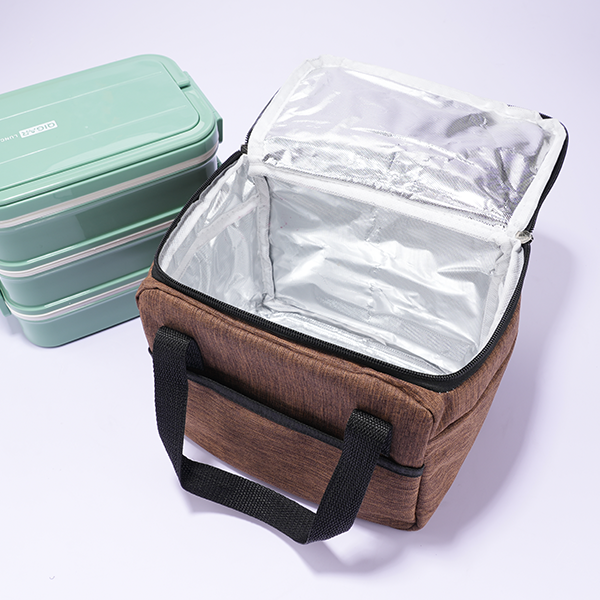
The best insulated bag wholesaler india strategy in 2026 blends three things: correct product design, documented compliance, and a sourcing model you can scale without quality drift. You need the practical buyer logic of a commercial guide, the evidence of a technical review, and the market awareness of a trend report. This optimized article fuses those strengths so you can source faster and with less risk.
What this article will help you answer
- How to choose the right insulated bag configuration for your payload, route, and budget.
- Which materials, compliance documents, and validation tests separate safe bags from risky bags.
- How to reduce waste, control cost, and future-proof your insulated bag wholesaler india program for 2026.
- What the latest market, regulation, and sustainability signals mean for your next order.
Insulated Bag Wholesaler India: what is the best buying strategy in 2026?
The best insulated bag wholesaler india decision starts with route truth. You need to know what you carry, how long you carry it, how often the bag opens, and what condition must be protected when the route ends. Only then can you choose the right insulated bag size, insulation class, liner, and supplier model. That sounds simple, but it is the step many buyers skip when they rush straight to quotation.
In 2026, strong sourcing teams treat the bag as part of an operating system. They connect the bag to payload discipline, refrigerant choice, receiving inspection, cleaning, and reorder planning. That system view creates better performance and better buyer confidence because it answers the real question: how will this product help me succeed?
Why does route-first thinking improve insulated bag sourcing?
For insulated bag wholesaler india, the right target is a design that protects product condition, remains practical for users, and stays commercially repeatable. If a bag is technically impressive but hard to clean, awkward to carry, or unstable in mass production, it is not a good solution. Likewise, if it is cheap and attractive but fails during real handling, it becomes expensive very quickly.
Route-first decision framework
| Situation | Best move | Why it works | Value to you |
| Need faster channel movement | Keep a core range of proven sizes | Avoid niche SKUs at launch | Improves wholesaler turns |
| High ambient heat | Prioritize liner integrity and opening control | Test in realistic conditions | Protects cold hold |
| Price pressure | Simplify trim and decoration first | Preserve the thermal build | Improves value |
| Regional distribution | Use stronger cartons and clearer labels | Support warehouse handling | Reduces damage |
Actionable buyer tips
- Write a one-page route brief before requesting quotations for insulated bag wholesaler india.
- Choose the bag around the most important lane first, then adapt outward only if the data supports it.
- Keep your buying criteria visible: route fit, compliance, service life, and landed cost should all be scored.
Optimized approach example: a buyer reduced confusion by defining one core route, one payload, and one acceptance standard before talking about decoration. Once the team aligned on those basics, supplier comparison became faster and more objective.
Insulated Bag Wholesaler India: which specifications separate safe bags from risky bags?
Once the route is clear, the next job is to separate meaningful specifications from decorative noise. For insulated bag wholesaler india, the critical layers are the outer shell, insulation core, inner liner, closure system, and carrying structure. Those five areas decide whether the bag feels sturdy, cleans easily, and keeps temperature under control long enough to do the job. Everything else should serve those fundamentals, not distract from them.
In practical terms, commercial outer shell, heat-aware insulation choice, wipe-clean liner, durable handles, and supplier packing that survives regional transport and wholesale handling remain popular because they let buyers balance cost and performance. But no single material name guarantees success. A better foam can be wasted by a weak zipper. A durable shell can be undermined by a poor liner. That is why smart buyers ask suppliers to explain the function of every layer in plain language.
How do you inspect the real build quality of a insulated bag?
Focus on the common failure zones: thin liners tear in low-cost builds, shape collapse can reduce perceived value, odor control depends on liner quality, and stitching around handles can fail in heavy use. If those areas look weak in the sample, scale will not fix them later. By contrast, when the sample shows thoughtful reinforcement and a clean inner build, you usually see better performance on route and fewer complaints after rollout.
Specification checklist that matters
| Area | Risky sign | Better sign | Why buyers care |
| Size and volume | Too much empty air | Payload-matched cavity | Better thermal efficiency |
| Insulation support | Compressed or inconsistent wall | Stable wall and opening design | More predictable hold time |
| Liner quality | Thin, noisy, or easy to tear | Smooth, wipe-clean, better-supported liner | Lower leak and odor complaints |
| Stress zones | Weak handles or zipper ends | Reinforced anchors and neat finishing | Longer service life |
Actionable buyer tips
- Inspect inside corners and zipper ends before you inspect the print, because hidden quality drives the route result.
- Ask suppliers to state what is optional and what is performance-critical in the approved build.
- Reject vague material language; good suppliers explain the layer function clearly.
Specification example: two samples looked nearly identical from the outside, but one had better reinforcement and a better-supported liner. That difference barely changed the quotation and greatly changed the expected service life.
Insulated Bag Wholesaler India: which materials, validation steps, and standards matter most?
A winning insulated bag wholesaler india program uses technical evidence without overwhelming the buyer. The right validation file should state payload, starting temperature, ambient range, route duration, opening pattern, and refrigerant setup. It should also say what the liner is intended to do, how the approved sample is controlled, and what happens if a material changes later.
That is where standards and authority signals become useful. They do not replace route testing, but they improve the quality of the conversation. India's 2024 amendment to the Plastic Waste Management Rules raises minimum recycling levels under EPR targets through 2026-27 and beyond. For example, Category I plastic packaging moves from 50% in 2024-25 to 70% in 2026-27, while Category II and III move from 30% to 50%. That does not tell a wholesaler which bag to buy, but it does tell you the market is moving toward stronger material records, more recycling conversations, and more scrutiny of packaging choices. When buyers see that kind of grounded explanation, confidence rises because the language sounds real instead of borrowed from marketing copy.
What should the approval file contain before mass production starts?
Keep it simple and complete: approved dimensions, layer description, sample photo set, thermal summary, packaging method, carton marks, and a change-management rule. If quality, procurement, and warehouse teams can all read the same file and reach the same understanding, the file is strong enough.
Validation and compliance stack
| Control | What to include | Why it matters | Buyer benefit |
| Thermal validation | Payload, start temperature, ambient range, and duration | Tells you whether the bag works on the real lane | Ask for route-based assumptions |
| Material suitability | Liner, coating, and contact-surface declarations | Reduces risk in food and healthcare-adjacent use | Keep wording precise |
| Production control | Approved sample, AQL, and change management | Supports repeatability after first order | Good factories document changes |
| Logistics and labeling | Carton marks, SKU logic, and receiving information | Cuts warehouse confusion and receiving delays | Useful in scale or trade programs |
Actionable buyer tips
- Use one approval file that covers technical, commercial, and warehouse questions together.
- Do not rely on a generic hold-time statement when route conditions are important.
- Treat undocumented material substitutions as a real risk, even when the bag still looks similar.
Validation example: a buyer reduced launch friction by replacing a long technical deck with one clear approval sheet and one route-based test summary. The documents were shorter, but the project became easier for every team to review.
Insulated Bag Wholesaler India: how do sustainability and cost control work together?
In 2026, sustainability and cost control are no longer separate conversations. Buyers want to know whether the bag reduces waste, whether the materials are documented honestly, and whether the design avoids unnecessary freight, dead space, and premature replacement. Those questions are commercial because every avoidable failure, reshipment, or early replacement costs money.
The best answer is usually practical rather than dramatic. Standardized sizes, better service life, cleaner material declarations, and a right-sized pack-out often improve both sustainability and total cost. That is also why some high-performing programs look simpler than people expect. The design is carrying less waste and less confusion at the same time.
How do you make sustainability believable to a buyer?
Use service life, route fit, and documentation as the proof. A sustainability claim becomes stronger when you can show that the bag survives enough trips, avoids wasteful overpacking, and is supported by clean records. That is more persuasive than an abstract eco slogan because it speaks to both operating reality and future reporting needs.
Sustainability and cost levers
| Lever | Weak move | Stronger move | What it changes |
| Service life | Chase low entry price only | Upgrade the stress zones that control reuse | Lowers replacement rate |
| Material story | Use vague green claims | Document recycled content or simpler materials honestly | Improves trust |
| Pack-out | Oversized cavity and excess refrigerant | Right-size the bag for the lane | Cuts waste and freight |
| Assortment | Too many tiny variants | Build around a clear core range | Reduces dead stock |
Actionable buyer tips
- Ask whether the proposed sustainability feature improves service life or only improves storytelling.
- Model waste reduction through fewer failures and fewer emergency replacements, not only through material content.
- Keep your first version simple enough that it can be repeated at scale.
Sustainability example: a buyer got a better long-term result by standardizing size, improving durability, and simplifying the material story, rather than by loading the bag with multiple unproven green features.
Insulated Bag Wholesaler India: how should you choose a supplier and scale orders?
The supplier question becomes more important after the sample looks good. You need a partner that can repeat the approved build, protect documentation, handle exceptions well, and support the next order without losing control. For many buyers, that is where the real value of a professional supplier appears.
A good scaling plan starts with a core SKU or core route, one written approval file, and a receiving checklist that feeds real feedback back to the supplier. Once those elements are working, you can add variants or volume with far less risk. This is the operational side of SEO-style authority too: clear process signals make every future decision easier.
What does a scalable supplier relationship look like?
It looks boring in a good way. Quotations stay comparable, sample files stay stable, corrective actions are documented, and reorders feel predictable. When that happens, you spend less time fighting preventable variation and more time improving the bag where it truly matters.
Supplier scaling scorecard
| Area | Weak sign | Strong sign | Long-run effect |
| Commercial fit | Price-only discussion | Price plus service and route logic | Protects margins after the first order |
| Quality control | Generic promise | Documented checkpoints and approval trail | Reduces batch surprises |
| Documentation | Minimal spec file | Clear materials, pack-out, and change control | Speeds internal approvals |
| Reorder behavior | Reactive answers | Predictable lead times and exception handling | Supports scaling without noise |
Actionable buyer tips
- Pilot the hardest lane or the highest-volume branch before you scale variants.
- Review complaint feedback with the supplier against the approved file, not against memory.
- Choose repeatability over theater. A calm supplier process usually beats a dramatic sales pitch.
Scaling example: a team launched one proven version first, then expanded only after receiving data from the first cycle. That choice reduced inventory noise and gave the supplier time to protect the approved specification.
2026 latest developments and trends for Insulated Bag Wholesaler India
The latest 2026 direction for insulated bag wholesaler india is integration. Buyers want route fit, technical proof, sustainability readiness, and cost control in one coherent answer. That is the real standard behind high-performing pages and high-performing purchases this year.
Latest developments at a glance
- Indian buyers remain price-sensitive but increasingly documentation-aware
- hot-climate performance is a stronger selling point than abstract insulation language
- wholesalers want core assortments they can reorder with confidence
Market insight: the optimized winner is not the bag with the longest claim list. It is the bag with the clearest route logic, the strongest approval file, and the most honest service-life story. Those qualities improve search relevance, buyer trust, and operational performance at the same time.
Frequently asked questions
What is the fastest way to improve a insulated bag wholesaler india buying decision?
Write a route brief first. Define the payload, route duration, opening frequency, target temperature band, and cleaning expectation before you compare any samples or prices.
Which feature should I protect first when budgets get tight?
Protect the thermal core, liner quality, and stress zones such as handles and closures. Decorative extras are easier to simplify than the parts that actually keep temperature and prevent complaints.
How much do documents really matter for insulated bag sourcing?
A lot. Good documents stop misunderstandings between buyer, supplier, warehouse, and quality team. They also make reorders faster and reduce risk when something changes.
How do I combine sustainability with performance?
Start with route fit and service life. A durable, right-sized bag with honest material records usually beats a fashionable claim that fails in real use.
What should a strong pilot test include?
Use the real payload, the real refrigerant plan, the expected ambient range, and the real opening pattern. If possible, stress the hardest lane first so the pilot reveals practical risk early.
When should I change suppliers?
When documentation stays vague, corrective actions are slow, or batch consistency keeps drifting. A slightly cheaper source is rarely worth repeated operational noise.
What matters most for Indian wholesale buyers?
Usually heat resistance, price discipline, and stock speed. The bag must work in real hot routes and be easy for channel partners to understand and reorder.
Summary and recommendations
The complete lesson from this optimized insulated bag wholesaler india guide is that success comes from alignment. Align the route, the material stack, the validation file, the supplier process, and the sustainability story. When those pieces support each other, you get a bag that is easier to approve, easier to explain, and easier to scale.
Start with one route brief, one approval file, and one scorecard for supplier comparison. Then move to a controlled pilot before you scale. That simple sequence is still the most reliable way to make a stronger insulated bag decision in 2026.
About Tempk
At Tempk, we focus on cold-chain packaging with practical route logic behind every recommendation. We work on insulated bags, refrigerants, and shipping solutions that help buyers compare performance, compliance questions, and operating cost with more clarity. Our strength is turning technical packaging choices into plain-language decisions that teams can act on.
If you are evaluating a insulated bag wholesaler india project, the next useful step is a route-based discussion: payload, target temperature band, duration, opening pattern, cleaning plan, and reuse target. With those details, it becomes much easier to recommend a insulated bag specification that fits the job.
Best Thermal Cooler Bag Exporter Buying Guide

thermal cooler bag exporter should be chosen with a simple rule: buy for the real route, the real product, and the real buyer expectation. The best results come when you combine buyer-guide discipline, material science, and 2026 market context in one decision process. This optimized article brings those pieces together so you can choose a better bag and a better partner with less guesswork.
This Article Will Help You Answer
- Why route-based buying improves thermal cooler bag exporter outcomes
- Which materials, features, and packout choices create reliable hold time
- What tests and compliance records prove the bag is ready
- How 2026 market and sustainability changes should affect your sourcing plan
- What questions help you choose the right long-term partner
Why Should You Buy Thermal Cooler Bag Exporter From Route Truth?
The best thermal cooler bag exporter choice starts with route truth. You do not buy a bag to own a bag. You buy it to protect a product through a specific trip, in a specific climate, with a specific handling rhythm. When buyers skip that definition, they often pay for the wrong features twice: first in the quote and then again in complaints, waste, or emergency replacements.
That is why the first sourcing question should not be 'What is your cheapest option?' It should be 'What exactly must this bag do by the end of the route?' If you can define payload, target condition, route duration, and load behavior in plain language, you immediately make supplier comparison more meaningful. You also make it easier to build one program that operations, procurement, and QA can all understand.
Start With One Clear Definition of Success
For many buyers, success can be written in one short paragraph. It says what product is carried, how long the route lasts, what outside conditions matter, how often the bag is opened, and what condition is acceptable at delivery. That short paragraph becomes the foundation for material choice, testing, and supplier discussion.
| Buying Level | Route Reality | Recommended Focus | What You Gain |
| Basic export SKU | Short grocery trips | Price-sensitive markets | Easy container loading |
| Mid-tier thermal bag | Daily retail and foodservice use | Broad import programs | Best all-around option |
| Premium validated thermal bag | Harsh climate or premium loads | Higher-value product lines | Better brand protection |
- Write the route first, then review the bag.
- Keep performance promises tied to a defined use case.
- Segment low-risk, core, and premium routes before ordering samples.
What Material Stack Works Best for Your Real Use Case?
A reliable cooler backpack is a layer system. The outer layer manages appearance and wear. The insulation core slows heat flow. The liner manages cleaning, moisture, and user confidence. If you want better performance, ask how those layers work together instead of asking for more insulation as a default answer.
Matching material to use case is the key. Daily supermarket use, industrial transport, corporate gifting, and export distribution do not ask for the same balance of price, durability, and finish. The right stack is the one that protects the product without creating unnecessary weight, cleaning trouble, or cost. That is why simple, honest material selection usually beats impressive but poorly matched complexity.
Choose Materials for Behavior, Not for Brochure Language
If the bag will be reused often, prioritize stronger outer fabric, reinforcement, and a cleanable liner. If branding matters most, print quality and appearance still need to be checked after moisture and handling exposure. If the project is sustainability-led, verify how the claim is supported and whether the material story stays credible in the real use case.
| Material Stack | Best For | Watch-Out | Practical Value |
| Nonwoven PP + EPE + PEVA | Cost-sensitive retail and promotion | Moderate abrasion resistance | Good balance of price, printability, and short-route insulation |
| RPET fabric + XPE foam + PE lining | Premium reusable programs | Higher unit cost | Stronger feel, cleaner branding, and better sustainability messaging |
| Polyester + aluminum foil + PE foam | Meal delivery and grocery | Foil can crease over time | Reflective inner layer and dependable daily use |
| Kraft paper outer + insulated inner liner | Paper-forward branding | Paper needs moisture control | Natural look that fits low-plastic or premium gifting programs |
- Ask for exact layer names and nominal thickness ranges.
- Review liner choice together with cleaning method and food-contact expectations.
- Test paper-forward or recycled-content concepts under the same conditions users will see.
What Tests and Documents Prove the Bag Is Ready?
Testing proves whether the design story holds together. A serious thermal claim should always come with route conditions: payload, starting temperature, coolant, ambient range, and opening pattern. If those details are missing, you are not looking at a decision tool. You are looking at marketing language.
Compliance logic matters too. The FDA position is straightforward: food-contact substances used through packaging, storage, or handling must be authorized for the intended use. In simple terms, your liner is not food-safe just because a seller says so; the material, its migration behavior, and the actual use condition all matter. In plain language, a liner is not 'food safe' because a seller says so; the material, its migration behavior, and the intended use condition all matter. If your program touches the EU market, food-contact materials also need to align with EU safety and GMP expectations, plus traceability and compliance documentation. In both cases, the simpler rule is that production version should match the exact version you intend to buy.
Use Recognized Validation Logic to Ask Better Questions
For higher-risk shipping programs, buyers often lean on the logic behind ISTA Standard 20 and 7E to structure package qualification, while ASTM D3103 remains a practical reference for evaluating thermal insulation performance. Air transport rules also push buyers toward documented packaging procurement. The point is not to sound technical. The point is to make your buying evidence stronger.
| Proof Item | What It Should Show | What Weak Evidence Looks Like | Why You Need It |
| Thermal retention under destination climate assumptions | Real hold-time behavior | Test without route detail is weak | Lets you compare claims with evidence |
| Carton drop and stack test | Transit toughness | Retail-perfect samples may still fail in shipping | Protects landed quality |
| Colorfastness and print adhesion review | Process consistency | Method and acceptance criteria should be clear | Creates confidence before scale-up |
| Destination-market food-contact paperwork where relevant | Documented suitability or traceability | Generic statements are not enough | Helps procurement and QA sign off faster |
| Data or parcel-handling considerations for air and courier | Documented suitability or traceability | Generic statements are not enough | Helps procurement and QA sign off faster |
- Ask for the method behind every number that affects the PO.
- Link compliance paperwork to the exact liner or coating version.
- Treat approved samples, documents, and change-control rules as one package.
What Do 2026 Market and Sustainability Shifts Mean for Buying?
2026 buying decisions are shaped by both demand growth and sustainability pressure. Industry forecasts published in late 2025 estimated the global cold chain packaging market at about USD 35.3 billion in 2025 and projected it to reach roughly USD 52.2 billion by 2030. Even if exact forecasts differ by analyst, the direction is clear: more temperature-sensitive trade is creating more pressure on soft-sided packaging performance. Even if exact forecasts differ by analyst, the direction is clear: more temperature-sensitive trade is creating more pressure on soft-sided packaging performance. At the same time, buyers are being asked to explain reuse, material clarity, documentation, and waste reduction.
The European Commission says the Packaging and Packaging Waste Regulation entered into force on 11 February 2025 and will generally apply from 12 August 2026. For buyers, that means packaging design, material efficiency, reuse logic, and documentation are moving from a nice-to-have topic to a buying criterion. For you, that means packaging design, material efficiency, reuse logic, and documentation are moving from nice to have to buying criteria. The practical takeaway is that a credible packaging story now needs to cover performance and sustainability together. A bag that looks green but performs poorly is weak. A bag that performs well but comes with vague material claims also creates risk.
The Strongest Programs Make Performance and Sustainability Work Together
Export buyers increasingly prefer designs that reduce cube waste and extend useful life instead of chasing a low opening price alone. That usually means simpler segmentation, clearer material choices, stronger documentation, and honest communication about expected service life. You do not need a perfect bag for every possible future route. You need a well-defined bag range that fits your actual business and can evolve without losing control of quality.
| 2026 Shift | What Buyers Are Asking | What Good Suppliers Provide | Why It Matters |
| Growth in delivery and cold chain | Can this bag fit real service levels? | Route-based recommendations | Reduces mismatch |
| Sustainability pressure | What is the material story and proof? | Clear declarations and honest trade-offs | Supports procurement approval |
| Higher documentation expectations | Can QA trust this version? | Traceable specs and change control | Protects repeat orders |
| Cost pressure | Where can we save without weakening the bag? | Cube-efficient and tiered designs | Improves total cost |
- Pair every sustainability claim with a performance check.
- Use 2026 market growth to simplify your bag range, not to multiply SKUs.
- Keep documentation aligned with the exact version being quoted.
How Do You Choose the Right Partner and Next Step?
The right partner helps you make fewer decisions twice. A capable supplier explains route fit clearly, shows the material stack openly, documents tests honestly, and manages change before it becomes a problem. That kind of partner saves time because your team spends less energy rechecking the same basics on every order.
Before you move ahead, align on the approved sample, the bill of materials, the test logic, the lead-time plan, and the claim-handling process. If any of those points feel vague, slow down and fix the gap early. In sourcing, clarity is almost always cheaper before the PO than after the complaint.
Your Next-Step Checklist
If you want a stronger thermal cooler bag exporter result, ask for a sample that matches your real route, request the supporting documents behind the quote, and score the supplier on repeatability as well as price. That simple process gives you a better bag, a safer order, and a more stable long-term sourcing model.
| Decision Checkpoint | What to Confirm | Why It Protects You | Best Action |
| Route definition | Payload, duration, ambient profile, and opening pattern | Stops generic quoting | Write it before final RFQ |
| Material lock | Approved layer stack and tolerances | Prevents hidden changes | Store with the sample |
| Evidence pack | Thermal method, documents, inspection plan | Strengthens sign-off | Review before PO |
| Commercial control | Lead time, claims, change notice | Improves long-term supply | Put it in writing |
- Choose the partner who gives the clearest evidence, not only the lowest first quote.
- Pilot high-risk applications before large-scale rollout.
- Protect repeatability with written change-control rules.
2026 Trends Shaping the Cooler Bag Market
2026 is pushing buyers toward more specific, more documented, and more sustainable thermal cooler bag programs. Industry forecasts published in late 2025 estimated the global cold chain packaging market at about USD 35.3 billion in 2025 and projected it to reach roughly USD 52.2 billion by 2030. Even if exact forecasts differ by analyst, the direction is clear: more temperature-sensitive trade is creating more pressure on soft-sided packaging performance. Thermal cooler bag exporters now compete on documentation strength, destination compliance awareness, and consistent pre-shipment execution.
Latest Developments at a Glance
- Cold-chain growth: Industry forecasts published in late 2025 estimated the global cold chain packaging market at about USD 35.3 billion in 2025 and projected it to reach roughly USD 52.2 billion by 2030. Even if exact forecasts differ by analyst, the direction is clear: more temperature-sensitive trade is creating more pressure on soft-sided packaging performance.
- Validation mindset: For higher-risk shipping programs, buyers often lean on the logic behind ISTA Standard 20 and 7E to structure package qualification. The lesson is simple: validate the actual pack, not a marketing sketch. ASTM D3103 remains a practical reference for evaluating thermal insulation performance. You do not need to be a lab expert to use the lesson behind it: insulation should be described with method, conditions, and comparable results.
- Rule pressure on packaging: The European Commission says the Packaging and Packaging Waste Regulation entered into force on 11 February 2025 and will generally apply from 12 August 2026. For buyers, that means packaging design, material efficiency, reuse logic, and documentation are moving from a nice-to-have topic to a buying criterion.
- Transport discipline: WHO guidance for temperature-sensitive distribution still frames the core rule well: safe transport depends on a controlled process, not only on a single bag. A good bag is important, but route design, payload condition, and monitoring complete the system. Air and courier programs increasingly expect more disciplined packaging procurement. In plain language, buyers are asking for evidence that the bag, coolant, and shipping method work together instead of treating packaging as an afterthought.
From a market point of view, this means buyers are narrowing their preferred partners to those who can combine clear material explanations, realistic testing, and practical commercial support. In other words, the future belongs less to the supplier with the biggest promise and more to the partner with the clearest evidence.
Frequently Asked Questions
What is the smartest first step in buying thermal cooler bag exporter?
Define the real route and the target condition at the end of that route. That one step improves material selection, testing requests, and supplier comparison immediately.
Which part of the bag most often causes failure?
Closures, seams, stress points, and poor packout often cause failure before the body panel does. These details deserve more attention than they usually get.
How do you balance performance and sustainability in 2026?
Choose the simplest design that still meets the route, then support any sustainability claim with clear material and compliance information. Honest trade-offs beat vague promises.
What makes a supplier the right long-term partner?
Clear route-based recommendations, stable repeat quality, honest documentation, and written change control. Price matters, but repeatability matters more.
When should you pilot before full rollout?
Pilot whenever the application is new, the climate is harsh, the product is high value, or the performance promise is tied closely to brand or compliance risk.
Summary and Recommendations
The strongest thermal cooler bag exporter programs are built on five clear ideas. First, define the real route. Second, match the material stack to actual use instead of generic claims. Third, protect critical details such as closures, bases, seams, and liners. Fourth, ask for testing and documentation that match the production version. Fifth, choose a partner who can repeat quality as reliably as they can win a first order.
If you are planning your next project, start with a route description, a sample request tied to that route, and a short supplier scorecard. That gives you a practical next step without overcomplicating the process. For high-risk or high-visibility programs, add a pilot run before full rollout so your team can confirm the bag under real operating conditions.
About Tempk
At Tempk, we focus on cold-chain packaging solutions designed around real routes and real operating pressure. We work on practical thermal cooler bag programs that balance insulation, durability, cleanability, branding, and scalable production. Our team pays close attention to material selection, validation logic, and repeat-order consistency so buyers can make decisions with more confidence and less guesswork.
The next step is simple: share your route details, target hold time, payload, and order goals. We can then help you narrow the right structure, testing approach, and commercial path for a stronger project.