


Thermal Bag Business: How to Build a Stronger Brand in 2026
Thermal Bag Business: How to Build a Stronger Brand in 2026
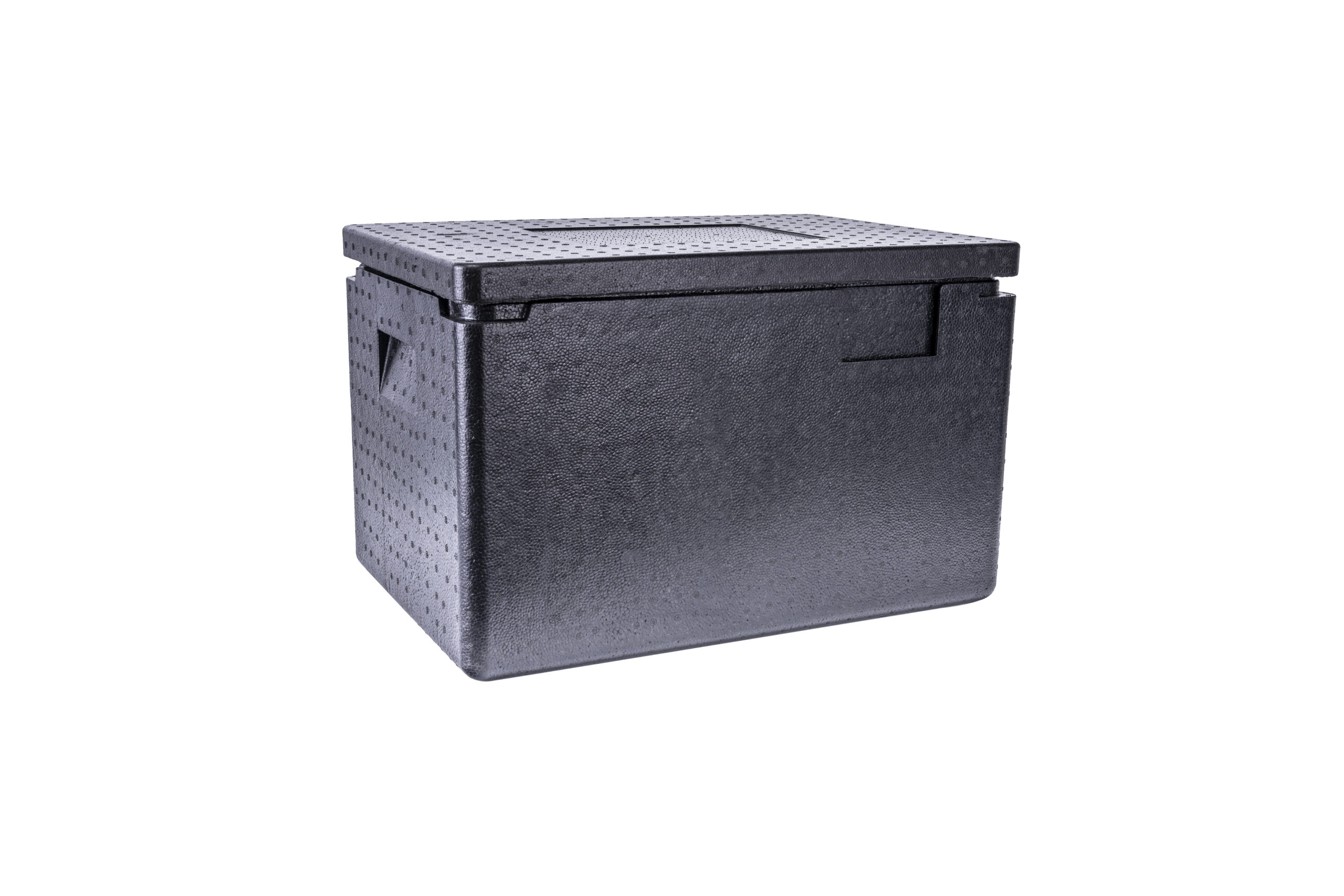
If you want to grow a thermal bag business in 2026, you need more than a broad catalog and a low price. You need a product story that makes sense to operators, a compliance story that reduces buyer anxiety, and a route story that explains how the bag actually protects what is inside. For food buyers, 41°F remains a familiar cold-holding benchmark in FDA thinking. For refrigerated vaccines and many medical products, 2°C to 8°C remains the working range many buyers know best. That means the best thermal bag business pages speak clearly about intended use, not vague “hot and cold” promises. (U.S. Food and Drug Administration)
This article will help you answer:
- What makes a thermal bag business commercially strong
- Which product features matter most in real routes
- How to prove compliance and reduce procurement friction
- What 2026 rules and trends are changing buyer expectations
- How to turn a thermal bag business page into a better SEO and sales asset
What makes a thermal bag business attractive in 2026?
The best thermal bag business is built around use-case clarity. Buyers want to know what the bag is for, how long it is meant to protect the payload, which coolant pairing you recommend, and what handling limits apply. That sounds simple, but many suppliers still hide behind generic words like “premium insulation” or “excellent temperature retention.”
A stronger commercial position comes from choosing a clear lane. You might focus on restaurant delivery, grocery fulfillment, pharma handoff, or field healthcare. Once that lane is clear, every important decision becomes easier: bag size, opening style, liner choice, reinforcement, accessories, and documentation.
Simple buyer self-check
- Ask yourself these questions before you expand your SKU range:
- What exact temperature-sensitive product is inside the bag?
- How long is the real route, not the hoped-for route?
- How often will the bag be opened?
Who cleans it, stores it, and reuses it?
If you cannot answer those four questions, your thermal bag business is still selling bags, not solutions.
Which products and materials should you sell?
You should sell fewer products with clearer performance stories. A long catalog looks impressive, but it often slows down quoting and weakens conversion. A tighter range with better explanations usually wins. Build your product family around route types: short last-mile runs, multi-drop foodservice, controlled handoff, or premium reusable retail packaging.
Your material stack should also follow route logic. The shell needs abrasion resistance and water resistance. The insulation core needs to slow heat movement. A reflective layer helps reduce radiant heat load. The liner needs to be easy to clean and stable over repeated use. The closure system should reduce warm-air entry and support fast handling.
Product comparison table
- Practical build tips
- Use modular sizing: standard families reduce cost and speed up repeat orders.
- Offer controlled options: two or three tested coolant pairings are better than endless guesswork.
- Prioritize closure design: a weak zipper line can erase the benefit of a better insulation core.
Practical example: A regional prepared-meal brand improved field consistency after it stopped ordering custom bag sizes for each menu format. It moved to three standard sizes, fixed coolant positions, and a simple loading guide. Complaints dropped because the workflow got easier.
How do you prove performance and compliance?
Proof wins where claims fail. If your bag touches food or supports food pack-out, buyers may ask how the materials fit FDA food-contact pathways or EU food-contact expectations. FDA notes that food contact substances used through packaging or storage handling must be authorized through the right regulatory path, and the EU framework requires food-contact materials to remain safe and inert enough not to harm health or change food unacceptably. ISO 22000 also remains useful language for food-chain process control. (U.S. Food and Drug Administration)
For medical or pharmaceutical applications, the standard becomes stricter. EMA states that GDP sets the minimum standards needed to preserve the quality and integrity of medicines throughout the supply chain. IATA’s CEIV Pharma expands that discipline into route planning, calibrated monitoring, supplier management, documentation, and process control. If your thermal bag business wants higher-value buyers, this is the language you need to understand. (European Medicines Agency (EMA))
A strong proof package should include
- Product specification sheet
- Material declaration
- Intended-use statement
- Cleaning and handling guide
- Test summary or route-validation summary
- Packing and storage instructions
- Testing and qualification that matter
ISTA’s thermal standards are especially useful when a buyer wants a structured qualification story. Standard 7E uses heat and cold profiles based on real-world transport data, while Standard 20 provides a qualification process for insulated shippers. This matters because buyers are increasingly tired of marketing tests that do not resemble real shipping conditions. (国际安全运输协会)
How should you price and scale a thermal bag business?
Price for operating value, not only unit cost. A buyer does not really buy “one bag.” They buy temperature stability, easier handling, fewer spoilage events, faster cleaning, lower replacement frequency, and smoother audits. If you sell only by piece price, your thermal bag business becomes easy to replace.
A better pricing conversation includes service life, expected use frequency, replacement interval, and the cost of route failure. This is especially important now because cold-chain operators still face persistent cost pressure. GCCA reported refrigerated warehouse expenses rising in Q4 2024, with labor up 4.59% and electricity up 2.30% on average nationwide. That means your buyer cares deeply about operational efficiency. (Global Cold Chain Alliance)
Commercial scaling tips
- Standardize your top 20% of SKUs first: that is usually where your margin lives.
- Sell documentation with the bag: it shortens procurement review.
- Use pilot programs: a short field trial often closes faster than a long theoretical pitch.
- 2026 latest developments and thermal bag business trends
The market is changing in ways that directly affect the thermal bag business. The EU’s PPWR now creates a stronger packaging framework focused on recyclability, reduced waste, reuse systems, and conformity obligations; it applies from August 12, 2026. It also pushes design choices around empty space, recyclability grading, and harmful substances. That means bag suppliers must think beyond insulation and start thinking like packaging-system partners. (EUR-Lex)
Global market pressure also supports more disciplined design. GCCA says cold-chain demand continues to grow, while McKinsey’s packaging research shows consumer and market expectations vary widely by geography. Reuse is rising because recycling alone remains limited; the World Economic Forum and UNEP argue that reuse systems are a key shift for reducing packaging leakage and building better economics. The strongest thermal bag business brands will therefore position reusable bags as operational assets, not just eco-friendly accessories. (Global Cold Chain Alliance)
Latest progress at a glance
- More reuse pressure: longer-life bag design is becoming a commercial advantage.
- More packaging discipline: documentation and conformity readiness matter more.
- More route-based selling: buyers want scenario-fit products, not generic insulation claims.
More traceability interest: even with delayed FDA enforcement, better records and cleaner communication still help suppliers look more credible. (U.S. Food and Drug Administration)
Frequently asked questions
How many times should I use the exact term thermal bag business on a page?
Use it naturally in the title, introduction, key subheads, and summary. Then support it with related phrases such as insulated delivery bag, reusable cold chain bag, and thermal packaging supplier.
What is the fastest way to improve conversion on a thermal bag business page?
Add clearer use cases, a product comparison table, and a proof section that explains materials, cleaning, and validation.
Should I talk about sustainability even if buyers mainly care about performance?
Yes, but do it practically. Explain reuse life, material choices, and packaging efficiency. Do not let sustainability claims replace thermal performance claims.
What kind of supplier wins better buyers in 2026?
The supplier that explains the route, the proof, and the handling process clearly. Clarity lowers buyer risk.
Summary and recommendation
A better thermal bag business in 2026 is built on five things: clear target markets, fewer but stronger products, route-based design, practical proof, and better reuse thinking. Buyers want to know what the bag protects, how it works, and how easily they can approve it. When you give them those answers early, you reduce friction and improve both ranking and conversion.
Your next step should be to rebuild your main category page around one hero promise: the right bag for the right route, backed by clear materials, better documentation, and a realistic use case.
About Tempk
At Tempk, we design temperature-control packaging with real operations in mind. We focus on practical construction, clearer communication, and solution fit across food, cold chain, and specialty transport scenarios. That helps buyers compare faster and choose more confidently.
A useful next move is to review your current thermal bag lineup and identify which three products truly deserve to lead your 2026 strategy.
==============================
Thermal Bag Importer Guide for Better Buying in 2026
Choosing a thermal bag importer in 2026 is no longer a simple quote exercise. You need a supplier that can deliver the right bag structure, support truthful claims, manage labeling and origin details, and keep production stable over time. If you choose well, you reduce complaints, improve reorder confidence, and build a product that customers actually want to reuse.
This article will answer:
- What separates a strong thermal bag importer from a risky one
- How to choose the right thermal bag structure for your application
- Which documents and tests matter before placing volume orders
- How sustainability, labeling, and origin rules affect sourcing
- What 2026 market changes should influence your buying plan
What makes a thermal bag importer worth trusting?
A reliable thermal bag importer makes performance visible before you buy. That means clear material specifications, realistic lead times, repeatable sample approval, and open discussion about how the bag will actually be used. If a supplier only sells from photos and does not ask about route time, ambient conditions, payload, or reuse frequency, you are probably not getting enough technical support.
The strongest import partners do three things well. First, they match bag construction to use case. Second, they control detail, including stitching, zipper quality, liner choice, and carton planning. Third, they reduce surprises by documenting what will be produced before mass production starts.
A quick buyer screen for thermal bag importers
- Practical buyer tips
- For first-time imports: Start with one controlled style instead of too many versions.
- For retail programs: Review label and packaging content before you finalize art.
For food transport use: Match the bag to route length and cleaning reality, not just shelf appearance.
For long-term sourcing: Choose factories that can explain construction in simple, repeatable language.
Real example: A buyer replaced three loosely specified bag models with one core thermal tote platform in two sizes. Reorder accuracy improved because the bag structure, packaging, and print placement were documented once and reused correctly.
How should you choose the right thermal bag structure?
The best thermal bag is the one that fits your operating scene. A trade-show giveaway, a meal-delivery bag, a pharmacy support carrier, and a grocery pickup bag all ask different things from the same product category. That is why structure comes before styling.
Think about four basics: carry time, payload shape, cleaning needs, and brand expectations. Short-use promotional programs can succeed with lighter structures. Daily reuse needs stronger handles, more stable seams, and better liners. If the bag will be loaded and unloaded often, wide opening access may matter more than a small improvement in foam thickness.
Common build options and how to use them
A good thermal bag importer should also talk about bag volume discipline. A bag that is too large for the payload often performs worse because excess air warms quickly. That single sizing issue causes many preventable disappointments.
Practical buyer tips
- For meal delivery: Use reinforced handles and a liner that wipes clean quickly.
- For employee lunch kits: Balance compact size with enough base width for containers.
- For premium promotions: Use better surface fabric so print or transfer looks sharper.
- For ecommerce kits: Choose a bag that folds flat efficiently to control shipping cube.
Real example: A corporate wellness program moved from a generic rectangular cooler bag to a slightly narrower design that fit lunch containers better. The bag looked tidier, packed more consistently, and wasted less cold space.
Which performance data should you ask for?
Thermal bags should be evaluated as systems, not just as fabric products. The right question is not “How thick is the foam?” but “How does this whole bag perform with my payload and coolant plan?” Thickness matters, but closure, liner, shape, and fill ratio matter too.
Your testing plan should reflect real use. Use the same food packs, sample products, ice bricks, or gel packs that your customers will use. Test at realistic ambient conditions. If your market includes summer delivery, do not approve the bag based only on a mild indoor trial.
The most useful pre-order data points
For temperature-sensitive food programs, the general regulatory direction is clear: transport equipment and practices must help keep food safe. FDA’s sanitary transportation framework emphasizes suitable equipment, temperature control, and contamination prevention during transport. FDA Food Code materials also continue to use 5°C/41°F as an important reference point in cold-holding contexts. (U.S. Food and Drug Administration)
For healthcare-adjacent or vaccine-related scenes, the requirements are even tighter. WHO notes that almost all vaccines in immunization programs are licensed for storage and distribution within the traditional 2°C to 8°C cold chain. That is one reason thermal bags must never be oversold as universal cold-chain solutions without validating the exact application. (世界卫生组织)
Practical buyer tips
- For route-based programs: Define the minimum acceptable hold window before sampling.
- For more realistic tests: Include repeated opening, not only static sealed conditions.
For safer product positioning: Avoid claiming clinical suitability without application-specific validation.
For fewer failures: Review zipper alignment and handle reinforcement as closely as foam thickness.
Real example: A buyer improved performance more by changing bag size and coolant layout than by increasing foam thickness. The lesson was simple: system fit beat material increase alone.
Which compliance and documentation details matter most?
Most sourcing problems happen because the product was not fully defined before import, not because the product was impossible to make. That is why labeling, origin, and claim support deserve attention at the same stage as artwork and material approval.
For covered textile products in the U.S., FTC rules point to fiber disclosure, responsible company identification, and country-of-origin information. Country-of-origin marking also remains a basic import requirement. If your thermal bag includes textile components that fall under these rules, you should align labels early rather than fixing them late. (Federal Trade Commission)
Claim support matters too. If you want to market the bag as recycled or environmentally preferable, use clear evidence. Textile Exchange says RCS and GRS provide third-party recycled-material and chain-of-custody criteria, and GRS includes a 50% minimum recycled-content threshold plus additional environmental and chemical requirements. OEKO-TEX STANDARD 100 says certified textiles are tested for harmful substances and checked against more than 1,000 substances. FTC guidance also makes clear that green claims must be truthful. (Textile Exchange)
CBP’s 2026 guidance direction adds another layer. Importers are expected to exercise reasonable care, and CBP’s forced labor FAQ says importers must understand where and how products are manufactured or produced. That raises the value of cleaner supplier records and stronger material traceability. (海关和边境保护局)
A practical compliance checklist
- Practical buyer tips
- For private label importers: Treat label layout as a key approval item, not an afterthought.
- For recycled-content bags: Ask whether the documentation follows the full chain of custody.
- For catalog teams: Remove vague eco words unless you can explain them precisely.
- For risk reduction: Archive approved sample, BOM, labels, and cartons in one project file.
Real example: A buyer avoided a late packaging reprint by reviewing origin wording and recycled-content language before production started. That small compliance review saved time, money, and launch stress.
How are 2026 trends changing thermal bag importer strategy?
The market is pushing buyers toward more disciplined, more reusable, and more transparent thermal bag programs. This is not just about style. It is about how the product fits modern delivery, merchandising, and sustainability expectations.
In retail and fulfillment, e-commerce continues to expand. The U.S. Census Bureau estimated total 2025 e-commerce sales at $1.2337 trillion, or 16.4% of total retail sales. At the same time, the promotional and branded merchandise world remains strong, with ASI reporting North American promotional products sales of $27.7 billion in 2025, up 4.2% from 2024. That combination supports ongoing demand for branded insulated carry products that sit between packaging, merchandise, and daily utility. (Census.gov)
Consumer expectations are shifting too. PPAI reported in late 2025 that 83% of consumers say receiving a promotional product makes them feel appreciated, 90% say it improves brand perception, and 72% connect branded merch with positive emotions. Those numbers matter because thermal bags often win when they are both useful and visible. (PPAI)
Sustainability pressure is also becoming more practical. EPA continues to emphasize reduction and reuse above recycling, and the EU’s packaging regulation starts applying from August 12, 2026. That makes durable reusable bag programs, freight efficiency, and supportable material claims more attractive than vague “green” messaging. (US EPA)
Latest developments in one view
- Reusable utility is selling better than throwaway cooler-bag concepts.
- Importer diligence is expanding from cost to origin, labeling, and claim support.
Thermal bags are crossing categories, serving delivery, retail, corporate, and promotional programs at once.
Documented material stories are becoming more persuasive than generic sustainability language.
Frequently asked questions
What should I ask a thermal bag importer first?
Ask for the exact bag construction, testing method, and labeling workflow. Those three answers tell you a lot about supplier maturity.
Is a thermal bag enough for all cold-chain uses?
No. A thermal bag is one part of a temperature-control system and must be matched to the product, coolant, route, and application.
Do I need recycled certification for every bag?
Not always. But if you plan to market recycled content, third-party-backed documentation makes the claim stronger and easier to trust.
What is the biggest reason imported thermal bags disappoint buyers?
The specification is often too loose. Small undocumented changes in foam, lining, zipper, or packing can change the result.
How do I lower risk without slowing the project down?
Use one detailed technical brief, one golden sample, one label approval stage, and one carton approval stage. That usually speeds things up overall.
Summary and recommendations
A successful thermal bag importer strategy in 2026 combines structure, data, and discipline. You need the right bag geometry, a realistic performance test, accurate labels, supportable claims, and a supplier that can repeat the approved build at volume. When those elements are visible early, sourcing becomes faster and much more reliable.
Your next move should be to build a one-page importer brief covering use case, dimensions, insulation, liner, testing expectations, labels, claims, and packing. Then compare suppliers against that same brief. That is the fastest path to a better buying decision.
About Tempk
Tempk develops cold-chain packaging and insulated carrying solutions for commercial buyers that need practical performance and production stability. We work on thermal bag design, material selection, test thinking, private-label preparation, and scalable manufacturing support for reusable insulated products.
If you are planning a new thermal bag line or reviewing an existing thermal bag importer, start with application clarity and spec discipline. That is where better quality, stronger margins, and easier reorders begin.
How to Choose the Best Refrigerated Bag Promotional Product
A refrigerated bag promotional product is no longer just a seasonal giveaway. In 2026, it sits inside a bigger story about reusable packaging, practical merchandise, grocery convenience, and cold-chain trust. If you choose the right structure, the bag becomes a daily-use brand asset. If you choose the wrong one, it becomes a short-lived logo carrier that users abandon after one event. That gap matters because cold-food expectations are still strict. FDA guidance still points users toward keeping refrigerated foods at 40°F or below and moving perishables into refrigeration quickly, while WHO guidance for many temperature-sensitive health products still treats 2–8°C as a typical cold-chain range. A bag that claims “cooling” without practical performance can damage brand confidence fast. (U.S. Food and Drug Administration)
What makes this category valuable is simple: people reuse useful insulated bags. They use them for lunch, groceries, school pickup, commuting, road trips, outdoor events, chilled samples, and employee wellness kits. That repeat use turns one branded object into hundreds of impressions.
This article will answer:
- How to choose a refrigerated bag promotional product that users actually keep
- Which outer fabrics, insulation layers, and liners matter most
- What compliance, testing, and audit questions smart buyers ask
- How branding, MOQ, and decoration affect long-term reuse
- Which 2026 trends are shaping reusable cold-bag sourcing
What makes a refrigerated bag promotional item successful?
The best refrigerated bag promotional item is helpful first and branded second. Utility drives retention. Retention drives impressions. If the bag carries comfortably, wipes clean fast, and holds a practical amount of cold goods, your logo keeps traveling.
That is why successful products share a few habits. They avoid awkward shapes. They use closures that actually seal the top. They keep the outside stylish enough for regular use. And they use branding in a disciplined way, so the bag feels like everyday gear instead of event leftovers.
The three buyer questions that matter most
- Will the user reuse it next week?
- Can it hold cold products safely for the intended trip?
Does the bag still look good after folding, wiping, and carrying weight?
If you cannot answer yes to all three, the unit price is probably not your real problem.
How should you evaluate materials and construction?
A refrigerated bag promotional product is a system, not a single material. The outer fabric, insulation core, closure, liner, and handle construction all shape performance. ASTM C518 exists to measure thermal transmission through flat materials in a controlled way, and while a soft cooler bag is not a rigid panel, the lesson still applies: if you do not understand how the wall structure manages heat flow, you are just buying adjectives. ASTM D4169 and ISTA thermal methods add another useful buyer perspective by linking package performance to real distribution stress rather than ideal conditions. (ASTM International | ASTM)
Recommended material logic
The biggest mistake buyers make is focusing only on thickness. Yes, foam thickness matters. But closure design, seam finish, and opening frequency often matter just as much. A zip-top bag with moderate insulation can outperform a thicker bag with a poor opening in everyday use.
- Mini decision tool: which build should you buy?
Budget campaign: light structure, simple print, limited cold-hold expectation
- Mainstream reusable promo: medium structure, zipper, reinforced base, clean liner
- Premium retail or gifting: shaped walls, upgraded fabric, quieter branding, better finish details
What compliance and sourcing questions should you ask?
Ask fewer vague questions and more exact ones. Do not ask only whether a supplier is “compliant.” Ask what documents support the materials, the intended use, and the target market.
For food-related use, start with the liner and contact surfaces. FDA explains that food contact substances used in packaging or storage and acting as food additives must be authorized through applicable pathways. In Europe, food-contact materials are governed by a harmonized framework that requires safety and inertness, including avoiding harmful migration and unacceptable changes in food composition, odor, or taste. (U.S. Food and Drug Administration)
For factory systems, ISO 9001 remains a strong quality-management signal because it focuses on effective processes, trained staff, and continual improvement. ISO 14001 remains important for environmental management, and ISO notes that the current 2015 edition was reviewed and confirmed in 2025 while the next edition is expected soon. For social-risk management, buyers often review amfori BSCI or SMETA signals. For recycled claims, GRS matters because it requires at least 50% recycled content plus chain-of-custody and chemical expectations. Textile buyers also use OEKO-TEX STANDARD 100 as a familiar harmful-substance reference point for certain components and use cases. (国际标准化组织)
Compliance checklist for a refrigerated bag promotional order
- Intended-use statement
- Material stack specification
- Food-contact declaration where relevant
- Quality-system evidence
- Harmful-substance or REACH-related statement where needed
- Recycled-content documentation if claimed
- Sample approval with final print method
How do branding and decoration affect reuse?
The smartest branding strategy is the one that increases carry frequency. Many buyers still assume bigger logos produce more value. In reality, oversized logos often reduce reuse because the bag becomes too campaign-specific.
For a refrigerated bag promotional product, aim for brand recognition without social friction. Neutral body colors, one strong print area, clean typography, and practical pockets or handles usually outperform noisy art. The user should feel comfortable carrying the bag to work, to the grocery store, or to the beach. That comfort is part of your marketing return.
Best decoration choices
- Practical tips for better branding ROI
- Use a smaller logo so the bag feels more wearable in daily life.
- Keep the front panel stable so the print does not crack at fold lines.
- Choose everyday colors like black, sand, navy, olive, or gray to boost repeat use.
Practical example: A grocery chain often gets more repeat visibility from a quiet, durable cooler bag with a subtle front logo than from a loud seasonal graphic that users only carry once.
Why is 2026 changing this category?
The answer is market pressure from several directions at once. U.S. e-commerce sales kept rising in 2025, giving reusable insulated carry products more relevance across click-and-collect, delivery-adjacent retail, and convenience shopping. Promo industry data also shows buyers entering 2026 more selective, which helps practical products outperform novelty products. (Census.gov)
Policy is pushing in the same direction. The EU’s PPWR entered into force in February 2025 and generally applies from 12 August 2026, signaling stronger pressure to reduce packaging waste and primary raw-material use. At the same time, PFAS evaluation in Europe has continued to cover both textiles and food-contact packaging sectors. This is why more buyers now ask about simpler coatings, cleaner chemistry declarations, recycled fabrics, and realistic reuse models. (Environment)
Latest developments at a glance
- Practical reusability now beats novelty in many promo budgets.
- Regulation is making material clarity more valuable.
Reusable cold bags fit grocery, wellness, and premium gifting better than many disposable alternatives.
Documentation matters more, especially for recycled and food-related claims.
- Refrigerated bag promotional buyer scorecard
- Give each supplier 1 to 5 points in each category:
- Thermal logic explained clearly
- Liner and use-case documentation
- Print quality and decoration durability
- Fabric and handle durability
- Quality-system credibility
- Sustainability claim documentation
- Sample accuracy
- Carton efficiency and logistics support
A supplier with a slightly higher unit price but a far better scorecard is often the lower-risk buy.
FAQ
How long should a refrigerated bag promotional product keep items cold?
That depends on starting temperature, ambient heat, ice packs, and opening frequency. Ask for use-case testing, not generic claims.
Is a zipper always necessary?
For most cold-use applications, yes. It usually improves real-world performance by reducing warm-air exchange.
Should I choose recycled fabric?
Choose it when the documentation is real and the bag still meets your durability target. Recycled content without proof is not a strategy. (Textile Exchange)
Why are buyers asking about PFAS?
Because PFAS scrutiny continues in textile and food-contact sectors, making coatings and chemistry declarations more important. (欧洲化学品管理局)
What is the biggest mistake in this category?
Buying for unit price and logo size instead of reuse, closure quality, liner suitability, and real carrying comfort.
Summary and recommendation
A high-performing refrigerated bag promotional product combines practical insulation, disciplined branding, and clear sourcing documentation. Start with how the bag will be used, then choose the material stack, closure, and print method that support that use. Ask exact compliance questions. Request realistic samples. Score suppliers on performance and documentation, not just quote speed. That is how you build a reusable branded bag that works in 2026.
About Tempk
At Tempk, we develop insulated bag solutions around real carrying behavior, not just appearance. We help brands compare materials, closure systems, food-related considerations, and customization pathways so the final product delivers both cold-chain confidence and everyday usability.
==============================
How to Choose the Best Refrigerated Bag Personalized Product
A refrigerated bag personalized product is one of the most effective ways to turn a functional cooler bag into a retained personal item. The reason is simple: people are more likely to keep and reuse a product that feels like theirs. In 2026, that matters more than ever because merch budgets are more selective, gifting programs are more intentional, and brands want fewer throwaway items and more durable brand touchpoints.
But personalization only works when the base product is strong. The bag still needs to be useful as an insulated carry item. It needs an appropriate shell, practical insulation, a liner that can be cleaned easily, and a closure that supports cold carry. FDA safe-handling guidance still centers cold storage at 40°F or below, so even a personalized gift bag cannot ignore basic refrigerated-use logic. (U.S. Food and Drug Administration)
This article will answer:
- When a refrigerated bag personalized program creates real value
- Which customization methods work best on insulated bag surfaces
- How to keep personalization elegant and durable
- What material, compliance, and workflow questions matter
- How 2026 trends are changing personalized cold-bag sourcing
Why does personalization work so well on refrigerated bags?
Because a refrigerated bag personalized product combines utility with identity. The bag solves a real problem, and the personalization adds emotional ownership. That makes it more likely to stay in the user’s routine.
This is especially effective in:
- employee onboarding and recognition
- premium retail and monogram programs
- school, team, and club distribution
- hospitality and VIP kits
- wellness, meal, or lifestyle subscription programs
- A generic cooler bag may be appreciated. A personalized cooler bag is more likely to be adopted.
- Start with the bag, not the name
- The safest way to buy is to treat the project in two layers:
- Layer one: the insulated bag itself
- Layer two: the personalization workflow
If layer one is weak, layer two only makes the weakness more visible. That is why the first questions are about use case, volume, shell, liner, and closure. Only after those are confirmed should you finalize names, initials, patches, variable print zones, or event-specific graphics.
Recommended refrigerated bag personalized construction logic
Which personalization methods work best?
The right method depends on the bag shell and how often the bag will be folded, wiped, and carried. Screen print is efficient for simple names and short text. Heat transfer is better for detailed or lower-volume variable graphics. Patches or woven labels often create the cleanest premium effect. Embroidery can work on certain stable exterior zones, but not every insulated wall handles it well.
The biggest practical rule is placement. Keep personalized zones off major fold lines. Avoid zipper corners. Avoid very textured or unstable panels for small fine text. Personalized art should look intentional, not improvised.
Personalization method scorecard
What compliance and sourcing questions still matter?
Personalization does not reduce the need for documentation. If the bag may involve food-related contact conditions, the liner and relevant materials should still be reviewed under the intended market. FDA explains that food contact substances used in packaging or storage and acting as food additives require relevant authorization pathways. In the EU, food-contact materials must remain safe and inert. If the product is positioned as a premium textile gift, buyers may also ask for harmful-substance review, and OEKO-TEX STANDARD 100 remains a recognizable reference in that conversation. (U.S. Food and Drug Administration)
In 2026, buyers also ask tougher chemistry questions. PFAS-related scrutiny continues across textiles and food-contact packaging sectors, which affects how brands think about coatings and finish declarations. PPWR also reinforces the value of durable reuse over throwaway volume. That makes a personalized bag attractive, but only when the product has a clear material story and real staying power. (欧洲化学品管理局)
What does the market say about this category in 2026?
The broader context is favorable. U.S. e-commerce stayed strong through 2025, keeping personalized and direct-to-consumer product formats relevant. At the same time, promo spending entered 2026 with more selectivity, which helps personalized, high-retention products stand out. Buyers are moving toward fewer items with greater usefulness and stronger emotional fit. A refrigerated bag personalized product fits that direction well. (Census.gov)
Latest developments at a glance
- Useful personalization is outperforming generic merch.
- Buyers want elegant variable details, not noisy novelty.
- PPWR and reuse logic strengthen the case for durable personalized bags.
- Chemistry and material documentation matter more than before.
- Personalized bag approval workflow
- Use this simple sequence:
- Approve bag construction
- Approve exact decoration method
- Approve personalization template
- Approve one real variable sample
- Lock naming data and production map
- Confirm replacement/error policy before bulk run
- This workflow saves time because it separates functional risk from data-entry risk.
- FAQ
Is personalization always worth it?
Only when retention and emotional ownership matter enough to justify the added process.
- What type of personalization feels most premium?
Small initials, monograms, refined patches, or elegant name placement.
Do I still need liner and food-contact review?
Yes, whenever intended use makes those questions relevant. (U.S. Food and Drug Administration)
Why are buyers asking more about PFAS and material chemistry?
Because textile and food-contact sourcing scrutiny is rising across markets. (欧洲化学品管理局)
What is the biggest mistake in a personalized cooler bag program?
Treating personalization as the main value and forgetting the bag must still be genuinely useful.
Summary and recommendation
A better refrigerated bag personalized product starts with a reliable insulated bag and adds personalization carefully, not aggressively. Focus on real utility, tasteful variable decoration, clear material documentation, and a disciplined approval process. That is how you create a product people keep using well beyond the gifting moment.
About Tempk
At Tempk, we help brands create personalized insulated products that balance practical cold-carry performance with refined customization. Our goal is to make the bag useful first and personal second, so the final product stays in daily life longer.
Refrigerated Bag Manufacturer: How Do You Find the Best One in 2026?
A refrigerated bag manufacturer in 2026 is no longer judged only by sample appearance or quoted price. Buyers want a partner that can understand the lane, recommend the right structure, support validation, control production drift, and fit the product into a reusable packaging strategy. The manufacturers that can do those things are the ones that reduce risk and create better long-term value.
This article will help you answer:
- What a refrigerated bag manufacturer should really offer
- How materials, coolant strategy, and structure affect performance
- Which standards and regulatory signals shape qualification
- Why documentation, pilot runs, and reusable design matter more in 2026
- How to choose between competing factories with more confidence
What should a refrigerated bag manufacturer provide beyond the bag itself?
A strong refrigerated bag manufacturer should provide route-fit engineering, production control, and practical operational support. The bag is only one part of the system. The rest includes packout method, coolant compatibility, opening behavior, cleaning logic, shipping efficiency, and how the product performs after repeated use.
That is why the best suppliers ask better questions. They want to know your product band, transit time, ambient risk, payload shape, handoff count, and expected reuse cycle. A factory that asks those questions early is more likely to deliver a stable design.
How do materials and thermal design shape supplier choice?
Material selection reveals how technically mature a refrigerated bag manufacturer really is. Foam remains the mainstream solution because it is light, cost-effective, and easy to scale. PCM is useful when you need a narrow temperature plateau. VIP-enhanced systems make sense for premium, long-duration, or space-limited applications.
Research on phase change materials shows that PCM technology offers strong latent heat potential, but it must be stabilized and engineered well to avoid leakage and reliability issues. DOE materials work similarly explains the appeal of VIP concepts: they provide much better insulation performance than conventional systems, but they also bring higher cost and more handling sensitivity. (PMC)
Simple material guide
- Practical buyer tips
- Start with a standard foam reference before jumping to premium systems
- Ask the supplier to explain closure loss and packout logic, not just insulation thickness
- Review liner cleanability if the product will be reused or cleaned often
- Check whether the manufacturer can simplify the BOM without hurting performance
Which compliance and standards signals matter now?
For U.S. food transport, FDA’s sanitary transportation rule covers equipment, operations, records, training, and waivers in motor and rail transport. That is a useful reminder that a refrigerated bag sits inside a controlled transport process. (U.S. Food and Drug Administration)
For healthcare and life-science movement, IATA’s Temperature Control Regulations set expectations around packaging, compliance, handling, and documentation, while CEIV Pharma extends those expectations into audits, mapping, monitoring, infrastructure, calibration, and supplier management. European medicinal logistics also follows GDP principles for proper distribution quality. Thermal test credibility increasingly points to ISTA 7E, not the old 7D reference. (国际航空运输协会)
WHO guidance reinforces the same direction. Its 2026 temperature mapping tool says mapping and monitoring are integral to proper pharmaceutical storage conditions, and its 2025 device guidance says cold chain monitor cards are no longer recommended for in-country use. That pushes more buyers toward logger-ready workflows and better thermal evidence. (世界卫生组织)
How should you evaluate factory quality and repeatability?
The most important supplier question is not “Can you make this?” but “Can you make this the same way every time?” Repeatability depends on incoming material control, inline checks, final inspection, retained samples, packaging methods, and change management.
ISO describes ISO 9001 as a globally recognized quality management standard, which is why buyers still use it as a baseline indicator of process maturity. On the sustainability side, ISO says ISO 14001:2026 is in final production steps and expected before the end of April 2026, which makes environmental management capability increasingly relevant to procurement teams. (国际标准化组织)
Factory scorecard
- Raw material verification
- Approved BOM control
- Inline sewing and assembly checks
- Pilot-lot support
- Retained sample storage
- Freight packaging review
- Documented change approval
Practical example: A supplier with a slightly higher price won a refrigerated bag project because it could prove how it locked BOMs, stored retained samples, and managed substitutions. That gave the buyer much more confidence in launch stability.
Why is sustainability now part of refrigerated bag manufacturer selection?
In Europe, the Packaging and Packaging Waste Regulation entered into force on 11 February 2025 and applies from 12 August 2026. That regulation is pushing more companies to review packaging reduction, reusability, and material choices across their supply chain. For refrigerated bag manufacturers, that means simpler structures, reusable formats, and clearer end-of-life logic are becoming stronger commercial points. (EUR-Lex)
Academic LCA work also supports more lifecycle-based thinking. A 2023 study found reusable VIP cold chain packaging performed better than disposable EPS packaging across all evaluated environmental categories. While that does not automatically decide every bag brief, it strongly supports looking beyond one-trip price. (科学直达)
2026 market direction
- Buyers compare cost per successful trip more often
- Reuse and cleanability are now mainstream product-brief items
- Smaller buyers want more documentation and technical support
- Manufacturers that combine validation with practical design are gaining advantage
- 2026 latest refrigerated bag manufacturer developments and trends
The strongest trend in 2026 is maturity. Buyers are asking better questions, and manufacturers are being judged by more than catalog depth. CEIV access for SMEs, monitoring-focused WHO guidance, current ISTA thermal references, and EU packaging pressure all point in the same direction: the winning refrigerated bag manufacturer is the one that can support credible, reusable, and document-ready cold chain packaging. (国际航空运输协会)
Latest developments at a glance
- SME cold-chain expectations are rising through more accessible industry frameworks. (国际航空运输协会)
- Monitoring and mapping discipline is becoming more important in packaging discussions. (世界卫生组织)
- EU packaging policy is pushing reuse and simplification ahead of August 2026. (EUR-Lex)
- Testing credibility now centers on ISTA 7E rather than outdated thermal references. (国际安全运输协会)
Frequently asked questions
How do I know a refrigerated bag manufacturer really understands cold chain?
Ask how the supplier defines your lane, coolant strategy, pass criteria, and pilot method. Strong answers are specific, not generic.
Should I always ask for a pilot run?
Yes, if the project is meaningful. A pilot reveals production drift, shipping effects, and user-loading issues before they become launch problems.
What is the best cost metric?
Cost per successful trip is usually better than cost per unit, especially for reusable or operationally sensitive applications.
Summary and recommendations
The best refrigerated bag manufacturer in 2026 combines thermal understanding, process control, and practical sustainability thinking. If the supplier can define your lane, propose the right structure, support validation, and repeat the design at scale, you are far more likely to get a strong result.
Your next step should be to ask shortlisted manufacturers for the same three things: a recommended structure, a validation plan, and a reuse or lifecycle logic summary. That comparison makes supplier quality much easier to see.
About Tempk
At Tempk, we build cold chain packaging with attention to route fit, repeatability, and practical use. We focus on helping teams move from sample interest to reliable production.
A smart next move is to pilot one refrigerated bag design on one real lane before expanding into a full SKU family.
How to Build a Better Refrigerated Bag Corporate Program in 2026
A refrigerated bag corporate project works best when you stop treating it like ordinary merchandise. It is not just a printed bag. It is a branded temperature-protection tool that should look professional, feel useful, and remain in service long enough to justify the spend.
That matters because corporate buyers now face two pressures at once. They need the bag to represent the brand well, and they need the product to make practical sense after the first handover. A refrigerated bag corporate item that stays in daily use creates more brand value than a more decorative item that disappears after one event.
March 2026 fact check: Current packaging and cold-chain guidance continues to reward durability, documentation, and practical reuse. EPA guidance emphasizes life-cycle thinking and reusable systems with collection, washing, and return. FAO continues to highlight better refrigeration as part of loss reduction, while CDC, WHO, and EU GDP guidance reinforce stronger temperature-control discipline when applications move closer to healthcare or controlled transport. (US EPA)
This article will help you decide
- Which refrigerated bag corporate format fits your program best
- How to balance premium branding with thermal function
- What materials and construction details matter most
- How to improve reuse value and sourcing confidence
- Which 2026 corporate trends should influence your decision
What job should your refrigerated bag corporate item do?
Start by naming the job clearly. A refrigerated bag corporate item usually falls into one of four roles:
Employee wellness support
- Corporate event distribution
- Client or VIP gifting
- Practical internal operations
Each role needs a different balance of aesthetics, cost, and performance. Employee wellness programs may need high daily usability. Event programs need easy loading and strong presentation. VIP gifts need more refined materials. Operational programs need stronger durability and validation.
Use-case guide
How do you balance brand image and real performance?
The best refrigerated bag corporate design hides the technical work inside a simple, polished form. The bag should feel premium, but it should also be stable when loaded, comfortable to carry, and easy to clean. Those details shape user experience more than many buyers realize.
A beautiful bag that leaks, sags, or feels awkward lowers perceived quality quickly. A better choice is usually a cleaner, more disciplined design with stronger hidden structure.
What to specify
- Shell finish that looks premium but survives regular handling
- Liner that wipes clean without fuss
- Closure path that is easy for users to shut fully
- Insulation level based on actual temperature need
- Decoration method suited to the shell material
Which technical choices make the biggest difference?
The most important hidden choices are insulation, liner, and closure. In a refrigerated bag corporate project, those three areas decide whether the bag stays useful after the launch moment.
March 2026 technical note: High-efficiency insulation such as VIP can deliver very low thermal conductivity, while PU-style foam constructions offer a more practical performance-cost balance for many soft-bag programs. PCM becomes useful when the bag must stay closer to a specific temperature band instead of simply staying “cool.” (科学出版社)
Practical selection rules
- Choose mid-range thermal design for employee lunch and short event use
- Choose better insulation or PCM support for controlled chilled kits
- Choose stronger shells and reinforced bases for repeated internal company use
How do you create better reuse value?
Reuse value is what makes a refrigerated bag corporate program stronger in 2026. A bag that becomes part of the user’s normal week keeps the brand visible and makes the spend easier to defend. That means comfort, convenience, and cleanability matter just as much as artwork.
Reuse scorecard
What 2026 trends matter most?
The biggest trend is utility-first gifting. Corporate buyers now want products that people genuinely keep. The second trend is better sustainability logic. That means reuse, durability, and realistic life-cycle value. The third trend is crossover design. A refrigerated bag corporate item now often serves both as branded merchandise and as internal-use equipment.
March 2026 sustainability note: EPA’s reusable packaging guidance centers repeated collection, washing, and return as part of successful system design, and the broader packaging conversation in Europe continues moving toward more circular thinking. That is one reason corporate buyers are asking tougher questions about durability and end use. (US EPA)
Frequently asked questions
- Does refrigerated bag corporate mean a powered cooler?
Usually no. In most B2B contexts it means an insulated corporate-use cold bag.
What creates the best corporate branding outcome?
A bag that is useful, comfortable, and well finished enough to stay in circulation.
Should I optimize for appearance or durability?
Both matter, but long-term brand value usually comes from a better balance of the two.
When do I need testing?
When the bag will support real food, healthcare, or temperature-sensitive operations rather than simple display use.
Summary and next step
A better refrigerated bag corporate program starts with use-case clarity and ends with practical reuse. If the bag looks good, performs well, and fits daily life, it creates stronger value for both brand and user.
Your best next step is to define the audience, the use window, and the desired after-event behavior before locking the design.
About Tempk
At Tempk, we help corporate buyers build insulated bag programs that balance visual quality with real-world performance. We focus on better use-case matching, stronger materials, and product decisions that stay useful beyond launch day.
Start with the job the bag must do, and the right design path becomes much clearer.
Refrigerated Bag Commercial: How to Choose the Right Solution in 2026
If you are searching for refrigerated bag commercial products, what you really need is a commercial refrigerated bag that works inside a business process. It must protect temperature-sensitive goods, survive repeated handling, clean up quickly, and fit your route. In 2026, that decision matters even more because cost pressure, traceability expectations, and packaging regulation are all pushing buyers toward better-documented, longer-life, lower-risk systems.
This article will help you answer:
- What a commercial refrigerated bag should actually do
- Which features make the biggest difference in real use
- How to compare foodservice, grocery, and healthcare needs
- What proof and validation help serious buyers approve faster
- Which 2026 trends are changing the category
What should a commercial refrigerated bag do?
It should make temperature control easier to repeat. That means not only slowing heat gain, but also making loading, unloading, cleaning, and storage more reliable. A great bag supports a process. A weak bag creates workarounds.
That is why you should define the route before you choose the product. Ask: what is the payload, what is the route length, how often is the bag opened, where is it staged, and who cleans it? Those answers tell you whether you need a lighter quick-service format, a reinforced grocery transport bag, or a more structured bag for sensitive cold-chain handoff.
For food-facing operations, buyers often anchor to FDA-style chilled control thinking around 41°F. For healthcare and vaccine-related use, many buyers still work around 2°C to 8°C refrigerated handling. That difference shapes everything from coolant choice to internal organization. (U.S. Food and Drug Administration)
Which design features matter most?
Commercial bags succeed on repeatability. A reinforced base helps the bag hold shape during loading and stacking. A good liner reduces cleaning time. A stronger closure reduces wear and helps control air exchange. The right cavity geometry improves pack-out consistency.
Commercial decision table
- Practical user tips
- For short dense routes: prioritize speed and ergonomic handling.
- For longer staged routes: prioritize structure and thermal reserve.
- For regulated or sensitive contents: prioritize documentation and loading discipline.
Practical example: A grocery operator improved consistency after switching from a soft unstructured bag to a reinforced commercial model with a base insert and fixed coolant positions. The new bag was not only colder. It was easier to use the same way every time.
What proof should a serious buyer ask for?
A useful proof package starts with a technical sheet, an intended-use statement, a cleaning guide, and a realistic test summary. If the bag is used in food-pack settings, the supplier should understand the basic compliance questions around food-contact materials and food-safe process thinking. If the bag is used in medical or pharmaceutical movement, expectations rise significantly.
EMA says GDP sets the minimum standards to maintain the quality and integrity of medicines throughout the supply chain. IATA’s CEIV Pharma goes further into quality systems, route planning, calibration, documentation, supplier management, and operations. These frameworks matter because they show what serious cold-chain buyers value: controlled handling, not just product claims. (European Medicines Agency (EMA))
ISTA’s thermal standards also matter when a buyer wants more structured evidence. Real profile-based qualification is more useful than marketing claims built around idealized conditions. (国际安全运输协会)
Why are 2026 market conditions changing the decision?
Cold-chain operators still face rising cost pressure. GCCA reported rising refrigerated warehouse costs, including labor and electricity increases, which means buyers now care even more about avoiding route failures and unnecessary product replacement. At the same time, the FDA’s Food Traceability Rule continues to push food businesses toward stronger tracking and cleaner records, even though enforcement has been delayed until July 20, 2028. Commercial bag suppliers that make workflows clearer look more valuable in that environment. (Global Cold Chain Alliance)
Packaging regulation is also tightening. The EU’s PPWR applies from August 12, 2026, bringing stronger expectations around recyclability, reuse, and packaging conformity. That makes service life, design efficiency, and documentation more important selling points for a refrigerated bag commercial program. (EUR-Lex)
Latest trend snapshot
- More demand for route-based selling
- More value in reusable, longer-life commercial bags
- More scrutiny of supplier documentation
- More importance placed on training and handling guidance
Frequently asked questions
What makes a commercial refrigerated bag different from a consumer cooler?
Commercial bags are built for repeated professional use, process fit, easier cleaning, and more consistent handling.
Should I always ask for testing?
Yes, but ask for testing that matches your route and use case rather than a generic claim.
Why does documentation matter so much now?
Because buyers are balancing cost, compliance, and reuse expectations at the same time.
Summary and recommendation
The right refrigerated bag commercial solution in 2026 is the one that fits your route, supports your process, and gives your team fewer chances to make mistakes. Structure, proof, and repeatability matter more than marketing language. A bag that is easier to train, easier to clean, and easier to document will usually outperform a bag that only looks good on a spec line.
Your next step should be to define your actual route profile and evaluate each commercial bag candidate against that real operating pattern.
About Tempk
At Tempk, we design commercial temperature-control packaging around practical business use. We focus on route fit, structure, and clearer intended-use communication so buyers can choose solutions with more confidence.
A strong next move is to test one candidate bag against your real route, your real payload, and your real cleaning routine.
==============================
compact insulated packaging trends 2026
Insulated Pouch Wholesale: A Smarter Buying Guide for 2026
A good insulated pouch wholesale decision in 2026 comes down to fit, function, and proof. You need a pouch that matches the payload, uses the right closure and material stack, supports any claims you plan to make, and ships efficiently at scale. Small insulated products can perform very well, but only when the specification is tighter than many buyers expect.
This article will answer:
- Why insulated pouch wholesale is becoming more strategic
- How to choose the right pouch size, shape, and closure
- Which materials and documents matter most
- How ecommerce and reuse trends affect wholesale buying
- What steps will improve cost control and repeat order quality
Why is insulated pouch wholesale becoming more important?
Because brands increasingly need compact insulated formats that do more than protect temperature. Today’s pouch may be part of a premium sample kit, a wellness program, a compact meal component system, a pharmacy support set, or a reusable branded accessory. That means the pouch is now judged on appearance, function, shipping efficiency, and claim quality all at once.
E-commerce is helping this category. The U.S. Census Bureau estimated that 2025 e-commerce sales accounted for 16.4% of total retail sales, which supports product formats that optimize shipping and present well in direct-to-consumer channels. Compact insulated pouches fit that logic naturally. (Census.gov)
Why the category is growing
- Practical buyer tips
- For DTC bundles: Let ship efficiency shape the pouch early.
- For premium positioning: Treat the pouch like part of the product experience.
- For food-related kits: Balance compact size with real usability.
- For wholesale repeat orders: Standardize your size and closure choices.
Real example: A brand improved both unboxing and freight efficiency by switching from a generic oversized thermal sleeve to a precisely sized insulated pouch with cleaner structure and better nesting in cartons.
How should you choose the right size, shape, and closure?
Right-sizing is the most important decision in insulated pouch wholesale. A pouch that is too big loses temperature efficiency and wastes shipping space. A pouch that is too tight becomes inconvenient and may damage the user experience. The goal is close fit, not forced fit.
Shape also matters. Flat pouches are slim and efficient. Gusseted pouches provide more usable volume and stand better in some applications. Zipper closure usually supports stronger repeated use than loose flap formats. In small formats, these details have an outsized effect on both user satisfaction and thermal behavior.
Selection matrix
- Practical buyer tips
- For sample kits: Build the pouch around the final insert set, not an estimate.
- For daily-use concepts: Prioritize zipper feel and cleanability.
- For premium programs: Use a closure that looks refined and works smoothly.
- For wholesale scale: Keep unnecessary style variations low until demand is clear.
Real example: A wellness company upgraded a small flat pouch to a gusseted zipper pouch. The contents fit better, the pouch looked more substantial, and customer feedback improved.
Which materials and claims deserve the most attention?
In a small pouch, material and closure quality define the whole product. The insulation stack, liner finish, shell appearance, and edge quality all influence perception and performance. The best material set depends on how premium the pouch should feel, how often it will be reused, and what story you want to tell about it.
If you want to position the pouch around recycled content, support the claim properly. Textile Exchange says GRS and RCS support third-party recycled-material and chain-of-custody verification, with GRS adding a 50% recycled-content threshold plus broader environmental and chemical requirements. FTC guidance also says environmental claims need to be truthful and supported. EPA continues to rank reduction and reuse above recycling in its hierarchy, which strengthens the case for durable reusable pouches over weak single-use ones. (Textile Exchange)
Material and claim choices that usually work best
- Practical buyer tips
- For premium feel: Improve zipper and edge finishing before adding more decoration.
- For recycled programs: Keep documentation with the SKU from the start.
- For sales teams: Explain sustainability using real benefits and clear facts.
- For repeat use: Test cleanability after actual product contact, not only in theory.
Real example: A brand improved its wholesale insulated pouch story by combining documented recycled shell fabric with a clearer message about reuse and daily convenience instead of vague eco language.
What compliance and thermal-use issues matter in 2026?
Even small products need disciplined product information. If textile elements bring the pouch into textile-labeling scope, fiber content, responsible company identity, and country-of-origin details may matter. And if the pouch supports food-related transport, you should be careful with product messaging.
FDA’s sanitary transportation framework emphasizes keeping food safe through suitable equipment and conditions, while FDA Food Code materials continue to use 5°C/41°F as an important reference point in cold-holding contexts. WHO also notes that most vaccines in immunization programs remain licensed for storage and distribution in the 2°C to 8°C traditional cold chain, which is a reminder not to overstate the capability of a simple pouch in regulated medical contexts. (U.S. Food and Drug Administration)
A practical 2026 checklist
- Practical buyer tips
- For food-adjacent use: Describe what the pouch is designed to do in realistic terms.
- For healthcare-adjacent discussions: Validate the full system before making sensitive claims.
- For retail or DTC: Keep product, label, and online claim language aligned.
- For wholesale programs: Create one master file with spec, labels, and documents.
Real example: A team avoided risky overstatement by describing a pouch as an insulated accessory for short-duration chilled handling rather than implying regulated medical transport capability.
How are 2026 trends reshaping wholesale buying?
Wholesale buyers are moving toward smaller, better-defined, and more reusable insulated products. That is the big trend. Generic low-cost pouches still exist, but they are no longer the most interesting part of the market. Better-looking, better-sized, and better-documented pouches are gaining share in premium kits, branded bundles, and direct-to-consumer packaging systems.
That is also why freight math matters more. Smaller-format products can be extremely efficient when sized well, and frustratingly wasteful when sized poorly. Packaging efficiency is now part of product design, not just shipping.
Latest developments at a glance
- Compact premium pouches are gaining momentum
- Right-sizing is becoming a stronger wholesale skill
- Documented recycled claims create more confidence
- Reuse value is helping pouches feel less disposable
- Carton density is becoming a competitive advantage
Frequently asked questions
What is the biggest key to buying insulated pouch wholesale well?
Right-sizing. A pouch that fits the payload properly performs better and ships more efficiently.
Should I choose flat or gusseted?
Choose flat for slim sets and gusseted for products that need more usable internal volume.
Is recycled content important?
Yes, especially for premium or sustainability-led programs, but claims should be documented carefully.
Can insulated pouches be used for food or medical products?
They may support short-duration temperature control, but the exact claim must match the real application and validation level.
How do I lower landed cost?
Improve product dimensions, pack-out logic, and carton density before reducing quality too aggressively.
Summary and recommendations
The best insulated pouch wholesale strategy in 2026 combines right-size geometry, better closure choice, credible claim support, and smarter shipping logic. When those pieces are aligned, the pouch becomes easier to sell, easier to ship, and more likely to be reused.
If you are sourcing now, begin with actual payload dimensions, intended use time, and desired reuse level. Those three decisions will guide the best material, closure, and wholesale plan.
About Tempk
Tempk develops insulated packaging and cold-chain products for brands that need practical performance, scalable production, and credible product stories. We help customers define pouch geometry, material stack, documentation, and wholesale-ready specifications.
If your next line involves insulated pouch wholesale, start with fit and product truth. That is the clearest path to a stronger result.
How to Choose the Right Insulated Pouch Neoprene Product
An insulated pouch neoprene product is strongest when it stays compact, specific, and honest. It is not trying to replace a full cooler bag or shipping pack. It is designed to give one item or a small group of items soft thermal buffering, close-fit protection, and easier everyday portability. That is why the category performs well across bottles, food containers, compact lunch items, wellness accessories, cosmetics, and premium gift bundles.
The key to buying well is understanding the material. ASTM D1056 covers flexible cellular rubber materials, and neoprene-based closed-cell foams commonly used in technical applications are often described against that kind of framework. Supplier data for neoprene-based closed-cell foams also shows the kind of benefits buyers care about here: low-temperature resistance, controlled compression set, and water-resistance behavior. More broadly, closed-cell elastomeric foams are valued because they combine thermal performance with vapor resistance and cushioning. (ASTM International | ASTM)
This article will answer:
- What an insulated pouch neoprene product is best suited for
- Why closed-cell neoprene matters in compact thermal design
- How fit, opening, and edge finish affect performance
- Which compliance and material questions matter in 2026
- How to source a pouch that feels premium and reusable
Why choose neoprene for an insulated pouch?
Because neoprene combines insulation support, protection, and premium hand feel in one material. A woven pouch may carry the item. A neoprene pouch carries and cushions it. The material feels more substantial, more giftable, and more comfortable in the hand.
This matters most in small-format products because users judge them quickly. If the pouch feels thin, floppy, or cheap, they stop using it. If it feels snug, protective, and easy to grab, it stays in the routine.
Best-fit use cases
Why does closed-cell structure matter?
Closed-cell structure is the hidden reason neoprene performs well. Those sealed cell pockets help slow temperature change while also resisting water uptake better than more open structures. That gives the pouch its soft but confident feel.
However, a good insulated pouch neoprene product still depends on fit. A close-fit sleeve around a bottle performs much better than a large loose pouch around the same item. The more extra air space you create, the more you weaken the compact thermal advantage.
Design rules that improve performance
- Keep the pouch close to the object
- Avoid oversized unused interior space
- Use clean zippers or top closures
- Keep seams neat and stable
- Add handles only when they improve real carry
How should the product be built?
Pattern engineering matters more than many buyers realize. A pouch that is too loose looks sloppy. A pouch that is too tight frustrates loading. A zipper that stops too early makes cleaning difficult. An edge finish that feels rough makes the whole product seem low quality.
Recommended insulated pouch neoprene construction
What compliance and sourcing questions should you ask?
If the pouch may involve food-related direct contact, review the liner and contact materials carefully. FDA explains that food contact substances used in packaging or storage and acting as food additives require authorization through relevant pathways. In Europe, food-contact materials must remain safe and inert. If the pouch is a consumer textile accessory, buyers may also request harmful-substance review, and OEKO-TEX STANDARD 100 remains a recognizable textile reference because it covers extensive testing for harmful substances. (U.S. Food and Drug Administration)
In 2026, chemistry conversations are getting tougher across even small accessory products. ECHA’s ongoing PFAS work continues to affect how brands think about finishes and auxiliary materials in textiles and food-contact sectors. That is why “small product” no longer means “simple sourcing.” (欧洲化学品管理局)
What are the biggest 2026 trends?
The category is moving toward cleaner, more specific, more giftable designs. Buyers want an insulated pouch neoprene product that:
solves one clear problem well
- looks premium in the hand
- avoids exaggerated thermal claims
- fits into reusable and low-regret product strategies
- comes with clearer material explanations
That direction also fits broader market conditions. E-commerce remained strong through 2025, which supports compact personal-carry accessories, while selective promo budgets reward products with obvious practical value. (Census.gov)
Latest developments at a glance
- Compact reusable accessories are performing well in selective budgets.
- Material transparency now affects even small-format products.
- PFAS-related scrutiny is influencing finish and sourcing conversations.
- Giftable, useful personal-carry products are gaining ground.
- Buyer scorecard for insulated pouch neoprene projects
- Score each sample from 1 to 5 on:
- Fit accuracy
- Opening ease
- Material feel
- Thermal realism
- Edge finish quality
- Branding restraint
- Documentation quality
A pouch that scores well across all seven usually creates better repeat use than one with louder graphics and weaker fundamentals.
FAQ
Is neoprene enough for long-duration cold storage?
Usually no. It is best for compact, short- to moderate-duration insulation support.
Why does fit matter so much?
Because compact thermal buffering works best when the pouch stays close to the object.
- Should I ask about PFAS or coatings?
Yes. Buyers increasingly ask for clearer chemistry information. (欧洲化学品管理局)
- Can neoprene feel premium?
- Yes. That is one of its biggest strengths.
What is the top design mistake?
Making the pouch too generic instead of shaping it around the specific carried item.
Summary and recommendation
A better insulated pouch neoprene product starts with the object, not the artwork. Fit the pouch closely, choose the right foam feel, keep construction clean, and ask clearer sourcing questions. When you do that, neoprene becomes an excellent material for compact reusable thermal accessories in 2026.
About Tempk
At Tempk, we help buyers shape compact insulated products around real daily behavior. For neoprene pouches, we focus on accurate fit, comfortable carry, simple construction, and material choices that make sense for the intended use.
==============================
Cooler Bag Business: How Do You Build a Better One in 2026?
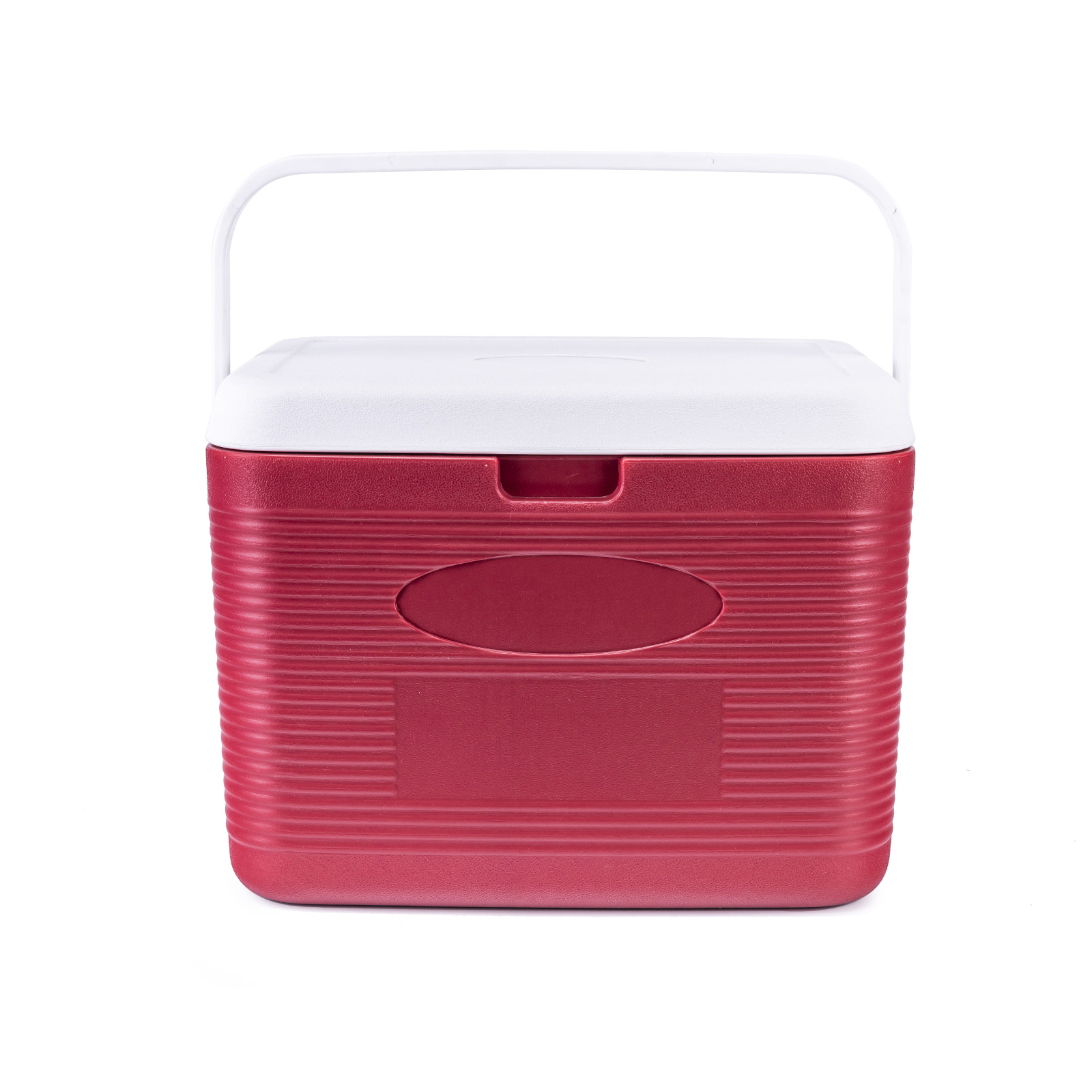
A cooler bag business in 2026 grows fastest when it stops acting like a generic bag catalog and starts acting like a practical cold chain brand. The strongest businesses define a clear use case, build a focused product line, source with discipline, and position their products around real customer outcomes such as reuse, route fit, and easier daily transport.
This article will help you answer:
- Which cooler bag business model is most promising for your market
- How material and SKU decisions affect margin and scalability
- Why reusable positioning is more important in 2026
- How regulation, monitoring, and quality trends influence product strategy
- What actions improve sourcing, content, and growth at the same time
What type of cooler bag business should you build?
The best cooler bag business is built around one clear problem to solve. That problem might be urban food delivery, chilled grocery transport, reusable institutional meal service, mobile healthcare support, or B2B private-label customization. Once you know the problem, product strategy becomes much easier.
A focused business outperforms a scattered one because it is easier to source, explain, and market. You can build a product line that makes sense together, write content that matches search intent, and negotiate more effectively with suppliers.
How should you build the product line?
A focused SKU family usually creates better profit than a wide confusing one. Start with a small product ladder: entry, core reusable, premium, and optional accessories. Keep fabrics, zippers, and base structures shared wherever possible. That reduces sourcing complexity, helps MOQ negotiation, and simplifies QC.
Engineering still matters. Foam remains the most scalable choice for most products. PCM can support premium or narrow-band products. VIP logic can create top-tier technical differentiation, but only where the market will pay for it. PCM research and DOE insulation work both show why these advanced systems are appealing, but they also show why complexity must be justified by the use case. (PMC)
Smart SKU ladder
- Entry product for broad access
- Core reusable product for repeat-use customers
- Premium technical or branded product
- Accessories for packout and upsell
Why is reusability becoming a major business advantage?
The EU Packaging and Packaging Waste Regulation entered into force on 11 February 2025 and applies from 12 August 2026, pushing more companies to evaluate packaging reuse, reduction, and recyclability. That does not force every cooler bag business into one model, but it does make reusable, lower-waste product stories more commercially powerful. (EUR-Lex)
Lifecycle evidence adds weight to that shift. A 2023 cold chain LCA found reusable VIP packaging performed better than disposable EPS packaging across all evaluated environmental categories. The commercial lesson is clear: customers increasingly understand that one-trip cost is not the whole story. (科学直达)
What this means for product positioning
- Sell cost per trip, not just unit price
- Highlight durability and easy cleaning
- Explain where reuse creates customer savings
- Simplify material structures where possible
- Avoid empty sustainability language without a real use case
How do monitoring and quality trends affect marketing?
WHO’s current guidance emphasizes mapping and monitoring as integral to proper pharmaceutical storage conditions, and its 2025 device guidance moves away from old indicator-card logic for in-country use. Even if your cooler bag business is not selling into pharma, the market lesson is relevant: buyers respond better to specific, process-based claims than to generic “keeps cold” messaging. (世界卫生组织)
Quality maturity matters too. ISO describes ISO 9001 as a globally recognized quality-management standard, which is why supplier process credibility still matters in customer-facing selling, especially for B2B. A brand that can talk clearly about quality discipline feels more trustworthy. (国际标准化组织)
Better content angles for 2026 SEO
- “Best cooler bag for daily meal delivery routes”
- “Reusable cooler bag for campus lunch programs”
- “Portable cold bag for grocery transfer”
- “How to choose a cooler bag supplier for repeat use”
How should you source and scale?
Good sourcing is part of business strategy, not just procurement. Use signed specifications, pilot runs, retained samples, and standardized components. Build your range so suppliers can repeat it consistently. Many businesses lose profit through avoidable variation, returns, and rushed reorders.
Supplier management checklist
Practical example: A niche cooler bag brand improved gross margin after reducing duplicated SKUs, standardizing trims across the line, and reworking product pages around use-case language. The changes improved both sourcing efficiency and conversion.
2026 latest cooler bag business developments and trends
The market is becoming more disciplined. Buyers want reusable logic, route-fit stories, and clearer quality signals. Regulation in Europe, lifecycle-based cold chain analysis, and better monitoring culture all push the same direction: cooler bags that are easier to justify, easier to reuse, and easier to explain will have a stronger commercial future. (EUR-Lex)
Latest developments at a glance
- Reuse is becoming a stronger commercial story than one-trip pricing. (EUR-Lex)
- Specific use-case content converts better than generic product language.
- Supplier process quality is becoming more visible in B2B decisions. (国际标准化组织)
- Smarter product simplification is helping margins more than endless SKU expansion.
Frequently asked questions
What is the best way to stand out in a cooler bag business?
Solve a clear problem for a clear customer. Use product design, content, and sourcing that all support that same use case.
Should I launch premium technical products?
Only if you have a channel that values them. Technical features should support a real route or user need, not just look impressive.
How do I improve repeat orders?
Make products easier to understand, more reliable to use, and more consistent in quality. Repeat demand usually follows practical value.
Summary and recommendations
A better cooler bag business in 2026 is built on focus, not excess. Choose a clear niche, simplify your range, source with quality discipline, and position products around reuse and real cold-use scenarios.
Your next step should be to define your core customer, reduce SKU noise, and reframe your marketing around lifecycle value instead of generic insulation claims.
About Tempk
At Tempk, we see cooler bags as working cold chain products that should be simple to use, scalable to produce, and credible in their performance. We believe good structure and clear positioning drive better long-term business.
A smart next move is to audit your top three products for use-case clarity, BOM efficiency, and repeat-order potential.