


How to Source the Right Insulated Backpack OEM Product
How to Source the Right Insulated Backpack OEM Product
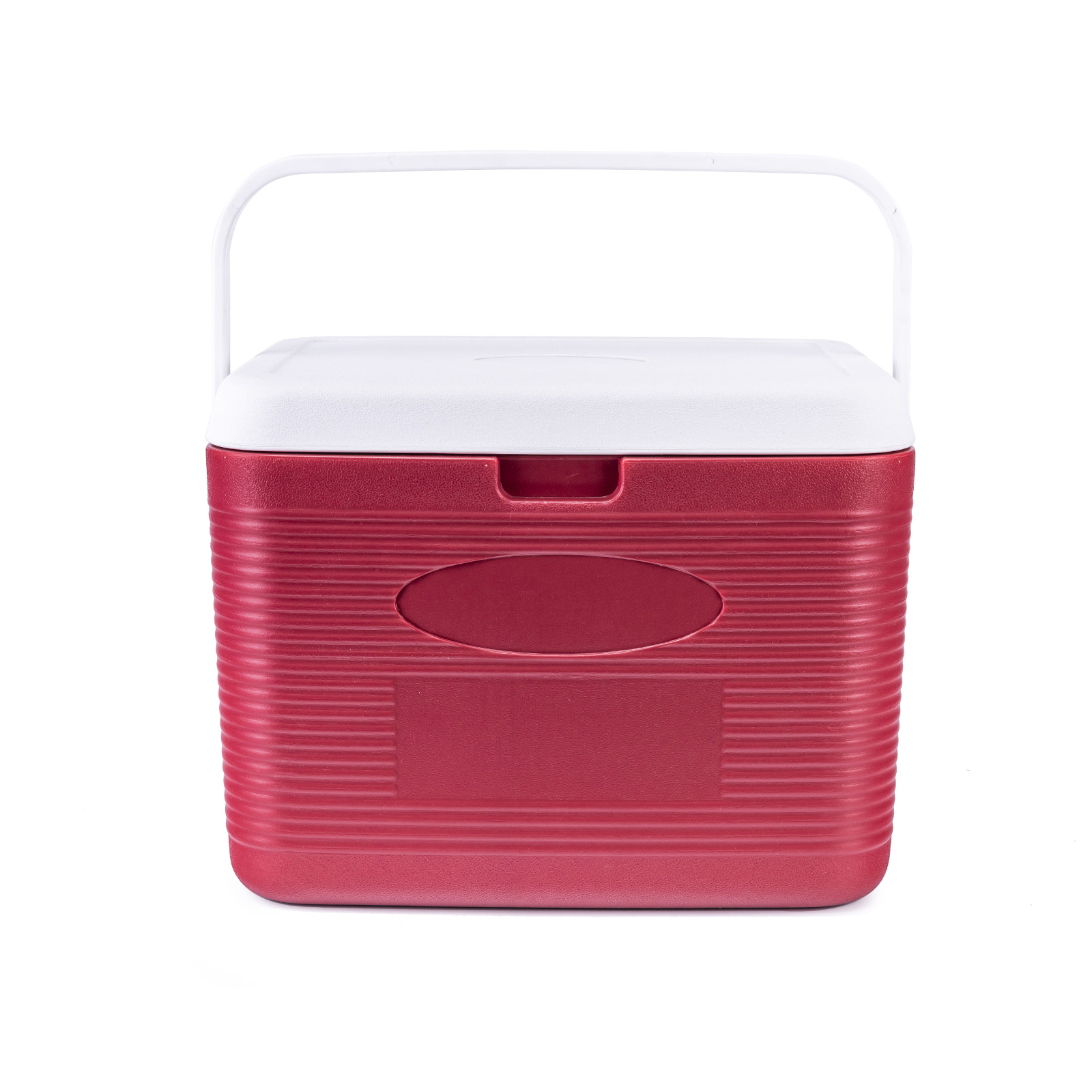
An insulated backpack oem project succeeds when the product feels natural to carry and trustworthy to use. That sounds simple, but it is where most weak projects fail. Some bags are comfortable but thermally weak. Others are cold-capable but bulky, heavy, and awkward. The best insulated backpack oem product balances both sides from the beginning: use case, volume, body fit, thermal structure, interior cleanability, and supplier control.
The reason this matters more in 2026 is that buyers are more selective. Reusable products must justify themselves. If a cooler backpack becomes part of daily life, it earns repeated brand exposure and stronger resale value. If it feels like technical clutter, it gets left at home. This is also still a temperature-sensitive category. FDA safe-handling guidance continues to emphasize cold storage at 40°F or below, and WHO guidance for many temperature-sensitive products still centers 2–8°C as a typical cold-chain condition. Those benchmarks do not turn every backpack into medical equipment, but they remind buyers that thermal claims should be practical and credible. (U.S. Food and Drug Administration)
This article will answer:
- How to define an insulated backpack oem brief before asking for quotes
- Which design choices affect comfort, temperature hold, and user experience
- What tests, certifications, and supplier systems matter most
- How to evaluate recycled materials and sustainability claims
- Which 2026 trends are changing OEM sourcing decisions
- Start with the use case, not the quote
A strong insulated backpack oem brief starts with how the backpack will actually be used. Ask these first:
- Will users carry lunch, drinks, groceries, meal kits, or field supplies?
- How long is the expected trip?
- How dense is the load?
- How often will the bag be opened?
Is the product sold, gifted, or used operationally?
These answers shape everything else. A commuter lunch backpack needs slim proportions, understated styling, and quick cleaning. A delivery pack needs stronger walls, easier top access, and more load support. A premium retail backpack needs a more lifestyle-friendly shell and finish.
How should the backpack be built?
The backpack should be designed as both wearable gear and an insulated cavity. That means five core design zones matter:
Thermal compartment for cold retention and practical packing
- Closure system to reduce warm-air entry
- Back panel for comfort and structure
- Strap system for real load distribution
- Dry storage pockets to reduce unnecessary opening of the cold section
ASTM C518 is useful background because it formalizes the measurement of thermal transmission through materials. ASTM D5034 is useful for textile strength thinking. ASTM D4169 and ISTA thermal work are useful because they remind buyers that performance must survive handling and distribution, not just look good in a static sample. (ASTM International | ASTM)
Recommended insulated backpack oem feature matrix
How do you choose the right insulated backpack oem factory?
Choose the supplier that can explain the product clearly, not the one that only promises anything. A strong factory should be able to show similar projects, describe the liner and foam system, explain where load stress is concentrated, and walk you through sample control.
Systems also matter. ISO 9001 remains a strong quality-management reference, and ISO explains that it helps organizations establish, maintain, and improve robust processes. ISO 14001 remains important for environmental management. For procurement teams that screen suppliers more deeply, amfori BSCI and SMETA help structure conversations around labor, ethics, health and safety, and environmental performance. If recycled content is part of the brief, GRS is more convincing than general green language because it includes a 50% minimum recycled threshold plus chain-of-custody and chemical requirements. (国际标准化组织)
Supplier interview questions
- What similar insulated backpack OEM projects have you produced?
- What is the wall construction of this sample?
- How is the liner selected for our intended use and market?
- Where are the major weight and seam stress points?
- Which parts are standard and which are custom?
- What systems support quality, environmental management, and social compliance?
What compliance and material questions are non-negotiable?
If the product will carry food in ways that may involve direct contact, ask about the liner and related declarations. FDA explains that food contact substances used in packaging or storage and acting as food additives require authorization through appropriate pathways. In the EU, food-contact materials are subject to a framework focused on safety and inertness. For premium or skin-close textile products, buyers often also request harmful-substance information, and OEKO-TEX STANDARD 100 remains a recognizable reference because it tests textile components against a broad harmful-substance list. (U.S. Food and Drug Administration)
Practical compliance checklist
- Intended-use declaration
- Market-specific liner documentation
- Material bill of information
- Recycled-content documentation if claimed
- Quality-management evidence
- Social or ethical audit evidence if required
- Sample approval tied to final production spec
How are 2026 trends changing insulated backpack oem sourcing?
The market is getting stricter and smarter. U.S. e-commerce stayed strong through 2025, keeping reusable delivery-adjacent and commuter-friendly bag formats relevant. Promo budgets entered 2026 more selective, which helps practical high-retention products win. At the same time, the EU’s PPWR is reinforcing waste-reduction logic, and PFAS scrutiny continues to influence how buyers think about coatings, chemistry, and material declarations. (Census.gov)
That is why the winning product profile is changing. Buyers increasingly prefer a backpack that looks normal, carries well, and has a clean documentation story over one that looks overly technical or makes big unsupported sustainability claims.
Latest developments at a glance
- Hands-free cold carry is becoming more mainstream.
- Lifestyle styling is replacing obvious cooler aesthetics.
- Documentation now shapes buying decisions as much as appearance.
- Recycled and low-regret material stories are rising in importance.
- OEM buyer self-check
- Before approval, ask yourself:
- Would I carry this fully loaded for twenty minutes?
- Would I feel comfortable using it in public every week?
- Does the bag still work if branding becomes secondary?
- Can the supplier explain every major material choice clearly?
- If the answer is no, revise the brief before scaling up.
- FAQ
- What is the biggest difference between a cooler backpack and an insulated backpack oem project?
- OEM gives you control over the structure, not just the branding.
- What matters most for comfort?
- Strap width, bag depth, back-panel stability, and weight distribution.
Should I prioritize recycled fabric?
Yes, when the documentation is credible and the performance stays on target. (Textile Exchange)
Why are buyers asking more about PFAS and packaging regulation?
Because material scrutiny and waste-reduction policies are shaping sourcing decisions more directly now. (欧洲化学品管理局)
- What is the safest way to control project risk?
Approve the function first, then the look, then the packaging.
Summary and recommendation
A strong insulated backpack oem product is defined by balance. It balances temperature control with carrying comfort, customization with production discipline, and sustainability ambition with documentation reality. Start from the user journey. Build the cavity, straps, liner, and closure around that journey. Then choose the supplier that can prove execution, not only promise it.
About Tempk
At Tempk, we help brands build insulated backpack OEM products around real-life carrying patterns, credible temperature control, and practical sourcing requirements. We focus on products that people carry often, clean easily, and trust over time.
==============================
Insulated Backpack Personalized: What Buyers Want in 2026
A great insulated backpack personalized product in 2026 needs to feel wearable, useful, and worth keeping. It should carry food or drinks well, stay comfortable on the move, support clean customization, and tell a material story that makes sense. Whether your goal is premium gifting, direct-to-consumer retail, team merchandise, or employee onboarding, the product works best when it feels like personal gear first and branded merchandise second.
This article will answer:
- Why personalized insulated backpacks are becoming more popular
- Which design, size, and style choices improve real-world use
- How to personalize the product without making it feel overly branded
- What material, compliance, and claim issues matter now
- Which 2026 trends are shaping stronger product decisions
Why is the insulated backpack personalized category growing?
Because the product fits modern life. People commute, carry lunch, travel lightly, and want more hands-free convenience than a standard insulated tote can offer. A backpack format answers those needs while also feeling more premium and more personal than many simpler cooler bags.
E-commerce behavior supports that trend. The U.S. Census Bureau estimated that e-commerce sales represented 16.4% of total retail sales in 2025, which helps products that can be customized and sold directly to targeted audiences. Emotional response to branded merchandise also remains strong, with PPAI reporting that consumers feel appreciated by useful promotional products and often see them as improving brand perception. (Census.gov)
Why the format works now
- Practical buyer tips
- For corporate gifting: Treat the bag like a premium lifestyle item, not a giveaway.
- For school or team use: Make identification easy but not visually noisy.
- For DTC sales: Offer personalization that feels special but fast to order.
- For retail crossover: Keep the silhouette modern and brand restraint high.
Real example: A brand added optional initials to a commuter-focused insulated backpack with a clean front panel. The personalization felt thoughtful rather than flashy, and the product worked well for both gifting and self-purchase.
How should you design the right insulated backpack personalized product?
The best design starts with the real carry situation. Is the bag for office lunch, campus use, travel, events, or casual outdoor activities? Once that is clear, size, shape, and compartment logic become much easier to define.
For office or commuter use, compact profiles and wide-access openings work well. For longer outings, bigger capacity and stronger back support matter more. If the bag will be used for gifting, style matters strongly. Users are far more likely to keep a bag that feels like regular gear than one that looks like a corporate leftover.
Design choices that improve product success
- Practical buyer tips
- For daily lunch carry: Build around actual container dimensions.
- For broader appeal: Avoid highly technical outdoor styling unless the audience wants it.
- For compact comfort: Keep the bag shorter and wider instead of narrow and tall.
- For visual quality: Use simpler front panels with fewer unnecessary seams.
Real example: A development team improved a lunch backpack by simplifying the front panel and widening the base. The backpack looked less bulky and became easier to pack with real meal containers.
Which materials and decoration methods work best?
The best custom backpack material is one that supports both use and decoration. Polyester and Oxford-type shells remain strong choices because they combine durability, visual cleanliness, and decoration flexibility. Recycled options are increasingly attractive when they are supported by real documentation.
Textile Exchange says GRS and RCS provide third-party standards for recycled materials and chain of custody, and GRS includes a 50% minimum recycled-content threshold plus broader environmental and chemical requirements. That can strengthen the story for premium personalized products with recycled shells. OEKO-TEX STANDARD 100 also supports a textile safety story by describing certified items as tested for harmful substances. (Textile Exchange)
Decoration should stay integrated with the bag. Small embroidery, subtle heat transfer, tonal branding, or woven labels often work better than huge logos. The goal is to make the bag feel like something the user wants to carry, not something they are forced to carry.
Material and decoration matrix
- Practical buyer tips
- For heat transfer: Test adhesion on the real shell.
- For embroidery: Avoid thin panels that pucker easily.
- For premium looks: Use fewer colors and stronger trim choices.
- For recycled-material launches: Confirm the documentation before final marketing is written.
Real example: A personalized backpack line gained stronger response after switching from large front branding to a smaller woven label and optional initials. The bags felt more stylish and more wearable.
What compliance and claim issues matter in 2026?
The more premium and personalized the product becomes, the more important detail control becomes. If textile labeling applies, fiber content, responsible company information, and country of origin need to be managed carefully. FTC guidance also says green claims must be truthful and supportable. (Federal Trade Commission)
That matters because personalized backpacks often sit close to retail and gifting. The product may move through e-commerce, employee gifting, event merchandise, or direct sales. Clear labels and supported claims keep the product easier to scale and easier to trust.
A practical compliance checklist
- Practical buyer tips
- For U.S. launch: Review sewn labels as carefully as front branding.
- For eco messaging: Choose exact facts over broad buzzwords.
- For retail-adjacent sales: Keep product identity and packaging aligned.
- For personalized lines: Store documentation centrally so teams do not improvise claims.
Real example: A product team simplified launch approval by collecting the bag spec, recycled-content proof, and label artwork in one file. That made sales, compliance, and operations work from the same information.
What 2026 trends are shaping this category?
The winning direction is clear: cleaner, more personal, and more wearable. Buyers want insulated backpacks that feel like modern lifestyle gear. That means compact commuter formats, better straps, understated branding, and supportable material stories.
E-commerce, emotional gifting value, and stronger sustainability expectations are all feeding this shift. Users want products that are useful enough to keep and attractive enough to carry in public. That is exactly where an insulated backpack personalized product can outperform many older bag formats. (Census.gov)
Latest developments at a glance
- Subtle personalization is replacing obvious branding
- Commuter-friendly shapes are becoming more important
- Documented recycled materials are a stronger advantage
- Comfort is becoming a bigger part of perceived quality
Frequently asked questions
Why are personalized insulated backpacks doing well now?
Because they match commuting, gifting, and lifestyle use better than many older insulated bag formats.
What type of personalization is strongest?
Usually initials, small embroidered marks, woven labels, or other subtle custom elements.
Is recycled material important?
Yes, especially when the claim is documented and paired with real product durability.
What matters more, comfort or insulation?
Both matter, but weak comfort can hurt repeat use even when insulation is acceptable.
- What is the biggest design mistake?
Making the product too bulky or too obviously promotional to feel personal.
Summary and recommendations
The best insulated backpack personalized products in 2026 feel like chosen gear, not spare merchandise. They combine real carry comfort, practical insulation, restrained customization, and credible material claims. When those elements align, the product becomes easier to gift, easier to sell, and more likely to stay in use.
If you are developing one now, define the carry situation first, then build personalization around the product instead of on top of it. That is the most reliable path to a stronger result.
About Tempk
Tempk designs insulated carrying products for commercial programs that need usability, custom branding, and production stability together. We support customers with structure planning, material selection, personalization compatibility, and scalable manufacturing detail.
If your next product is an insulated backpack personalized concept, start with how it will be carried and why the user will keep it. Those answers usually lead to the strongest design.
Insulated Backpack Supplier: How to Choose the Right Partner in 2026
A great insulated backpack supplier does not simply sell you a bag with shoulder straps. The supplier helps you match temperature control, carrying comfort, load organization, and operational discipline to a real delivery task. That could be food delivery, grocery handoff, healthcare outreach, or compact cold-chain movement in the last mile. In all of those cases, performance comes from the total system: product structure, user movement, opening behavior, and process fit.
This article will help you answer:
- What makes an insulated backpack supplier commercially strong
- Which design features matter most in real routes
- How to compare food-use and medical-use backpack requirements
- What proof and documentation serious buyers expect
- Which 2026 trends are changing the market
What should an insulated backpack supplier understand first?
The supplier should understand the route before the backpack. Too many product discussions begin with liters, colors, and logo placement. A smarter discussion begins with route length, payload size, access frequency, cleaning routine, and temperature target. Once those are clear, the right structure becomes easier to define.
For food buyers, the operating mindset often starts with keeping chilled products below familiar food-safety thresholds such as 41°F. For vaccine and healthcare-adjacent use, many programs still center on 2°C to 8°C refrigerated handling and strong protection against freezing where relevant. That difference changes how buyers think about risk, training, and proof. (U.S. Food and Drug Administration)
Which backpack features matter most in practice?
The best commercial backpacks balance thermal control with human comfort. That means padded straps, a supportive back panel, a structured cavity, easy-clean lining, and a base that stays stable when the backpack is set down. Good insulation without stable carrying is not enough. Good carrying without thermal discipline is not enough either.
Commercial backpack feature table
- Practical design tips
- If riders carry the pack for long periods: prioritize load distribution and strap comfort.
If the payload is delicate or regulated: prioritize internal organization and clearer loading rules.
If the bag is reused daily: prioritize cleanability and shape retention over decorative extras.
Practical example: One urban delivery team preferred a slightly heavier backpack because it stood upright and loaded faster at every stop. That reduced handling mistakes and made the route feel easier.
How should you compare food-use and medical-use backpacks?
A food-use backpack usually emphasizes speed, capacity, wipe-down cleaning, and repeated opening. A medical-use backpack often emphasizes organization, traceability, controlled temperature behavior, and cleaner handling documentation. That does not mean one is “better.” It means the correct backpack depends on process.
In regulated medicine movement, EMA GDP describes the minimum standards needed to preserve the quality and integrity of medicines through the supply chain. In air cargo and broader pharma logistics, IATA’s CEIV Pharma adds a stronger focus on quality systems, route planning, calibrated monitoring, supplier control, and documentation. These signals shape what serious healthcare buyers expect from any insulated backpack supplier that wants to be taken seriously. (European Medicines Agency (EMA))
What proof should a supplier provide?
Proof should match the use case. A food-delivery backpack may not need a complex qualification package, but it should still have a clear intended-use statement, a loading guide, a cleaning note, and a realistic temperature-retention explanation. A healthcare-facing backpack may need more formal handling logic and stronger documentation.
ISTA’s thermal standards are useful when buyers want structured qualification thinking, especially for more demanding shipping and cold-chain scenarios. Real-world profile-based testing is more believable than vague “hours of cooling” claims without context. (国际安全运输协会)
Minimum proof pack
- Product technical sheet
- Intended-use statement
- Cleaning and handling note
- Loading guide
- Test summary or validation summary where relevant
- 2026 latest developments and market trends
The insulated backpack supplier market in 2026 is being shaped by three clear forces. First, cold-chain demand remains strong across many sectors, which supports more specialized wearable formats. Second, professional cold-chain handling is expanding, with programs like CEIV becoming more accessible and more visible. Third, packaging and reuse pressure keep pushing buyers toward longer-life, better-documented products. (Global Cold Chain Alliance)
This means the strongest supplier pages will now explain scenarios clearly: food delivery, outreach vaccination, direct-to-patient service, or mobile diagnostics. That helps SEO because it captures real user intent. It helps sales because it reduces buyer doubt.
Latest trend snapshot
- More specialized last-mile use
- More demand for visibility and organization
- More value in reusable, longer-life products
- More buyer focus on process fit instead of just capacity
Frequently asked questions
What is the difference between an insulated backpack supplier and a normal bag supplier?
The better insulated backpack supplier understands route use, thermal behavior, carry ergonomics, and cleaning discipline together.
Should I ask about medical-use capability if I only deliver food?
You do not need medical-grade complexity, but you should still ask how the product is intended to be loaded, cleaned, and used.
What makes a backpack easier to approve internally?
A clear technical sheet, a use-case explanation, and proof that the backpack fits the real route.
Summary and recommendation
The right insulated backpack supplier in 2026 is the partner that understands movement, temperature, and workflow at the same time. Good design means better carrying, cleaner pack-out, easier training, and stronger buyer confidence. When the supplier can explain the route and the product clearly, the backpack becomes easier to trust and easier to reorder.
Your next step should be to test any backpack sample in the real carry posture, with the real payload, over the real route length.
About Tempk
At Tempk, we develop wearable temperature-control products around practical route use. We focus on structure, comfort, and realistic handling conditions so buyers can choose more confidently and deploy more smoothly.
A smart next move is to evaluate your current backpack choice as a work tool, not just a storage item.
==============================
How to Build a Better Thermal Bag Procurement Strategy in 2026
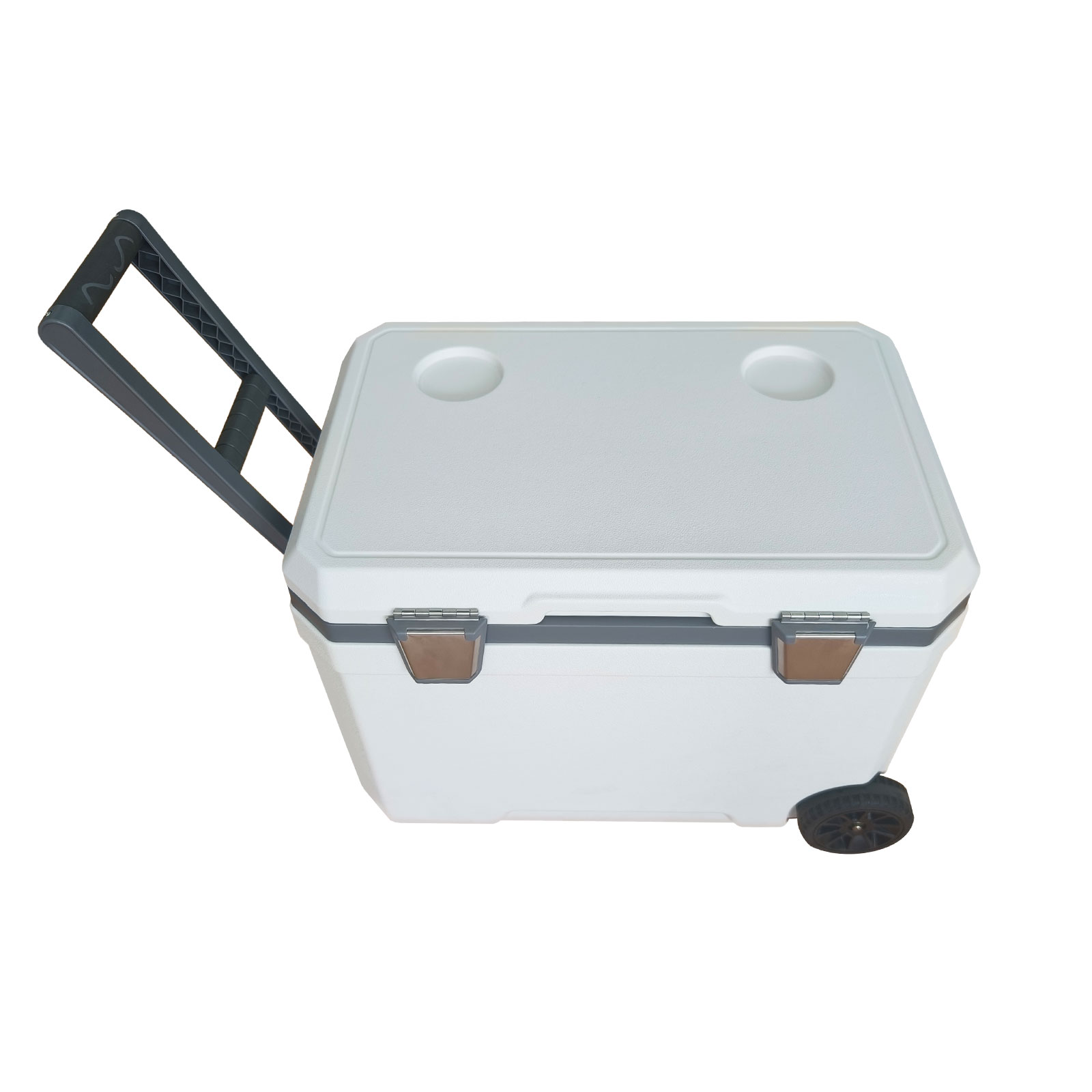
A strong thermal bag procurement strategy turns a messy buying task into a repeatable system. That is the real benefit. It helps your team compare suppliers fairly, reduce hidden cost, speed internal approval, and improve reorder confidence over time.
That matters more in 2026 because procurement teams are now expected to balance price, risk, sustainability, and supplier readiness all at once. Thermal bags may seem simple, but the buying decision can influence product protection, packaging waste, freight efficiency, and brand reputation at the same time.
This article will help you:
- define what a modern thermal bag procurement process should include
- write stronger RFQs and supplier scorecards
- compare price with total value and total risk
- review compliance and materials more effectively
- align procurement with 2026 sustainability and risk expectations
What should a modern thermal bag procurement process measure?
It should measure fit, proof, and repeatability. Fit means whether the bag matches the intended use. Proof means whether the supplier can support claims with clear conditions and documents. Repeatability means whether the supplier can deliver the same product again without drift.
To do that, procurement should begin with one clear RFQ. Define:
- intended use
- thermal expectation
- dimensions and volume
- material stack or range
- branding requirement
- packaging and carton target
- delivery window
- required documentation
When these basics are vague, suppliers fill in the gaps differently and comparison becomes poor. When they are clear, better suppliers stand out quickly.
Procurement scorecard template
How do you compare total value instead of low price?
Price is one number. Procurement value is a system. A cheaper bag may create more cost through poor carton density, unstable quality, weak compliance support, or slower internal approval. That is why total value matters more than first price.
Start by testing samples under realistic use. Then compare:
- structure and durability
- stated test conditions
- document quality
- change-control discipline
- defect handling terms
- carton and pallet efficiency
Standards and guidance can help frame this review. ISTA identifies 7E as the thermal transport testing standard for parcel shipment conditions. For more sensitive use, NIST says continuous monitoring is critical, and CDC emphasizes digital data loggers and suitable probes. These references help buyers understand when a simple sample review is enough and when stronger validation is needed. (International Safe Transit Association)
Practical tips
- Use the same test setup for every sample.
- Score landed cost, not only unit cost.
- Keep one approval file for each model and revision.
Which compliance and sustainability checks matter most in 2026?
For food-related projects, intended use matters. The FDA says food contact notifications are specific to the company and intended use. The EU requires food-contact materials sold there to comply with Regulation (EC) No 1935/2004. ISO says ISO 9001 supports quality management and ISO 22000 can support food safety management across the food chain. If your bag includes contact-relevant liners or coatings, procurement should request component-level clarity early. (U.S. Food and Drug Administration)
For EU-facing procurement, ask about chemical transparency too. Suppliers of articles containing Candidate List substances above 0.1% w/w may face information or SCIP-related duties, so declarations should extend beyond the main fabric. (European Chemicals Agency)
Sustainability now has stronger purchasing weight. The European Commission says PPWR entered into force in February 2025 and begins applying from mid-2026. EPA notes that more efficient and lightweight packaging can save money while reducing waste. OECD says sustainable packaging and route optimization can reduce supply-chain carbon footprint, and that 92% of OECD countries had adopted a national green public procurement strategy. (Environment)
This means thermal bag procurement should now ask:
- is the product durable enough for its claim of reuse?
- is the packaging efficient enough to support freight logic?
- is the supplier transparent enough to survive review?
Why are stronger risk controls becoming part of procurement?
OECD notes that procurement systems increasingly use risk tools such as checklists, red-flag systems, and dashboards. That matters for thermal bags because sourcing risk often hides in quiet areas: substitutions, unclear tolerances, incomplete declarations, and weak revision control. (one.oecd.org)
A good procurement system catches these risks early by requiring:
- one approved BOM
- one signed reference sample
- one tolerance sheet
- one document pack
- one change-approval process
- Latest developments
- More tenders include sustainability and risk questions
- Document quality is shaping supplier approval speed
- Packaging efficiency is becoming a core value metric
Frequently Asked Questions
- Q1: What is the fastest way to improve thermal bag procurement?
Improve the RFQ. A better brief creates better supplier responses immediately.
Q2: Should price be the biggest score weight?
Usually no. Price matters, but product fit, documentation, and supplier control often matter just as much.
Q3: How often should I update my supplier scorecard?
At least yearly, or sooner when regulations, market destinations, or internal approval demands change.
- Q4: What causes the most repeat-order problems?
Poor change control. If revisions are not documented, reorders drift.
Q5: Is procurement responsible for operations fit?
Procurement should collaborate with operations. A good decision needs both commercial and practical review.
Summary and recommendations
The best thermal bag procurement strategy in 2026 is disciplined, transparent, and use-case-driven. It compares suppliers on total value, not just quote price. It asks for better proof, better documents, and better control over repeat orders.
Update your RFQ, your scorecard, and your approval file. Those three tools will improve sourcing quality faster than almost anything else.
About Tempk
Tempk supports buyers who need thermal packaging sourcing to work across procurement, quality, compliance, and operations. We focus on clear product definitions, practical material guidance, and repeatable execution support. If you are building a stronger thermal bag procurement process for 2026, we help make the product decision easier to justify and easier to repeat.
How to Build a Thermal Bag Personalized Project That Customers Keep?
A thermal bag personalized project creates the most value when the bag is useful enough to be reused and attractive enough to represent your brand. If the bag only looks good in a launch photo, the project is too shallow. A good personalized thermal bag protects the product, supports the brand, and keeps working after the first delivery, gift, or event.
In this article, you will learn:
- How to define the right use case for a thermal bag personalized order
- Which bag shapes and print choices work best
- What technical and compliance details should not be ignored
- Why 2026 buyers care more about reuse and simpler material stories
- Start with the usage scene, not the logo
Before you choose colors or artwork, define what the bag will do. Is it a food-delivery bag, a chilled gift bag, an event giveaway, a retail loyalty bag, or a premium pickup bag? The best thermal bag personalized design always starts with this question because size, handle style, liner finish, and insulation all depend on the actual use.
For example, a campaign giveaway may prioritize appearance and easy carrying. A chilled product launch may need stronger insulation and cleaner internal structure. A reusable customer bag may need more durable materials and a less “event-like” look so people continue using it.
Choose a bag format people will actually reuse
The most effective thermal bag personalized formats are usually simple: totes, lunch-style bags, zipper-top coolers, or small premium carry bags. People reuse bags that fit daily life. Oversized or overly branded bags often get stored once and forgotten.
Practical format guide
A reusable bag creates a stronger brand impression than a disposable one. That is part of why thermal bag personalized projects are gaining attention again.
Get the branding right without hurting function
A logo should support the bag, not dominate it. Use a clear primary logo zone and avoid overcrowding the surface. When the bag is full, folded, or carried by the handle, some artwork areas disappear. Always check the design on a filled sample before final approval.
Also think about wear. A beautiful finish that scratches after two uses destroys both appearance and trust. This is why print method, surface texture, and expected handling should be discussed together, not separately.
Design rules that usually work
- Keep the front panel message short
- Use high-contrast, readable branding
- Avoid tiny details on textured fabric
- Match finish level to campaign budget and reuse goal
- Approve artwork only on the real bag structure
- Do not forget the thermal and compliance side
A thermal bag personalized product is still a thermal bag. Insulation, closure, and liner quality matter. If the bag carries chilled food, desserts, drinks, or premium perishables, then brand experience depends on function as much as looks.
If food may touch the inside layer, check food-contact questions early. FDA explains that packaging and its components can be food contact substances, and EU food-contact rules for relevant plastic materials set migration limits designed to protect safety. That means the liner and related components deserve as much attention as the printed exterior. (U.S. Food and Drug Administration)
Why is reuse becoming central in 2026?
Packaging expectations are changing. Regulation (EU) 2025/40 entered into force in February 2025 and aims to prevent unnecessary packaging while promoting reuse, refill, and recycling across the packaging life cycle. That broader pressure is influencing custom thermal bag projects too. Buyers now ask whether a branded bag is just attractive or actually reusable enough to justify its materials. (EUR-Lex)
At the same time, growth in temperature-controlled packaging and direct-to-consumer cold-chain distribution is expanding interest in portable, useful thermal formats. That gives personalized thermal bags a stronger role in both delivery and marketing than they had a few years ago. (大视野研究)
A simple sourcing checklist for thermal bag personalized orders
- Define the use scene clearly.
- Choose the smallest practical size.
- Match insulation to the real promise.
- Confirm artwork zones on a filled sample.
- Review print durability and surface wear.
- Check food-contact needs where relevant.
- Keep the SKU count simple for reorders.
- Decide whether the bag is disposable, reusable, or premium retail.
- Internal link suggestions
- Custom insulated bag design guide
- Food-safe liner and thermal bag materials
- Reusable branded cooler bag strategy
- Insulated bag manufacturing and sampling tips
Frequently Asked Questions
What is the most important factor in a thermal bag personalized order?
The real use case. Once that is clear, size, print, and insulation become much easier to define.
Should I choose maximum branding?
Not always. Clear, restrained branding often creates more reuse and better long-term visibility.
Can I use the same bag for events and daily customer reuse?
Sometimes, but daily reuse usually needs stronger practicality and cleaner design.
Does personalization make the bag more expensive?
Yes, but a reusable personalized bag can create more value if customers keep using it.
Summary and advice
A successful thermal bag personalized project is useful, durable, and clearly branded without being overdesigned. Start with function, then shape the visual story around reuse. That is the formula that creates a bag customers keep instead of discard.
About Tempk
At Tempk, we create personalized thermal bag solutions that balance branding, insulation, and real user convenience. Our goal is simple: help you build a bag people want to keep and a sourcing program you can repeat with confidence.
==============================
KEYWORD: cooler backpack trade
Thermal Bag Exporter Guide for Global Buyers
A strong thermal bag exporter does four things well: it builds to a clear specification, documents the product correctly, supports realistic performance claims, and stays dependable when trade conditions shift. If even one of those areas is weak, global sourcing becomes harder than it needs to be.
This article will help you answer:
- How to choose a thermal bag exporter with less risk
- Which construction and test details matter before you buy
- What food-contact, chemistry, and destination-market issues to review
- How 2026 trade and sustainability pressures change the export brief
- What process gives you the best chance of repeat-order success
Why does exporter quality matter more in 2026?
Because export buying is now shaped by both logistics and regulation. You need a product that ships correctly, performs credibly, and survives document review. That means the exporter must be able to explain the construction, the compliance position, and the packing logic—not just the unit price.
Food and chilled-carry applications raise the stakes further. USDA and FDA guidance continue to emphasize temperature control, enough cold sources, and avoiding prolonged exposure to the 40°F to 140°F danger zone. A thermal bag exporter should therefore ask about start temperature, pack-out method, route time, and user handling, instead of assuming one generic construction will suit every application. (美国农业部)
- What should you ask before comparing quotes?
Use this exporter qualification list:
- Are you a factory, trader, or hybrid exporter?
- What is the exact construction in your quote?
- Which materials are critical-path items?
- What QA stages do you use?
- What documents can you provide for this market?
- How do you control repeat-order consistency?
- What is the carton and loading plan?
- What backup options exist for materials or trims?
- Quick scoring matrix
Which technical details matter most?
The bag construction must match the intended application. Outer shell, insulation core, reflective or barrier layer, liner, and closure all matter. The best exporters can explain why each layer was selected and how it fits the shipment goal.
For validation, ask how thermal claims are created. ASTM D3103 evaluates thermal insulation performance of distribution packages, and ISTA says 7E is based on real-world parcel lane profiles. That mindset is critical. The exporter should be able to define the ambient profile, internal target range, coolant setup, and acceptance criteria. Without that context, a thermal claim is just marketing language. (International Safe Transit Association)
Which compliance and chemistry issues belong on your checklist?
FDA defines food-contact substances as components of materials used in manufacturing, packing, packaging, transporting, or holding food. The agency says safety must be shown under intended conditions of use, including refrigerated and frozen storage. In Europe, food-contact materials sit under the framework structure and related rules. So if the bag is used around food, the exporter should be ready to discuss liner materials, inks, and any declaration chain that supports the final market. (U.S. Food and Drug Administration)
Chemistry screening is becoming more visible too. Regulation (EU) 2025/40 sets packaging sustainability and labeling requirements across the life cycle, supports reuse systems, and states that food-contact packaging with PFAS above set limits cannot be placed on the EU market from 12 August 2026. That means exporters should be reviewing coatings and declarations earlier, not later. (EUR-Lex)
How should sustainability affect exporter selection?
Sustainability now influences both marketing and procurement approval. Textile Exchange reported that polyester remained dominant in 2024 and that recycled polyester reached about 9.3 million tonnes but only a 12% share of polyester production. Less than 1% of all global fiber came from recycled textiles. So the right export question is not simply “Do you offer recycled material?” It is “What standard supports the claim, and can you keep that claim consistent across production?” GRS remains useful because it requires at least 50% recycled content and includes chain-of-custody plus environmental and social requirements. (Textile Exchange)
How do trade conditions change the buying plan?
The WTO’s October 2025 update raised 2025 merchandise trade growth to 2.4% but lowered the 2026 outlook to 0.5%. That weaker forward view means more reason to protect your supply plan. A solid thermal bag exporter should help you think about alternate materials, timing buffers, and multi-shipment strategies, especially when your program depends on one selling season or one retail window. (世贸组织)
Better sourcing process for 2026
- Lock the construction before comparing price
- Review compliance early
- Pilot-test the bag under realistic conditions
- Confirm carton logic and shipping marks
- Keep a backup material or supply option ready
- 2026 latest developments and trends
The exporter landscape is moving toward more documented and reusable thermal packaging. Buyers are asking for stronger recycled-content proof, more careful chemistry answers, and better validation discipline. That is turning documentation quality into a real commercial advantage.
Frequently Asked Questions
What is the biggest sign of a good thermal bag exporter?
Clear, structured answers on build, QA, compliance, and shipping—before you even place the order.
Should I single-source one exporter?
Only if the documentation, material visibility, and contingency planning are strong enough to support that decision.
How do I reduce export surprises?
Use a full specification pack, review declarations early, and approve the carton plan before shipment.
Summary and recommendation
The best thermal bag exporter in 2026 combines product knowledge, document discipline, and sourcing reliability. If you choose with those priorities, your orders become easier to compare, easier to approve, and easier to scale.
About Tempk
Tempk works on thermal packaging with attention to real transport conditions, manufacturing clarity, and compliance fit. We help buyers move from unclear RFQs to better-defined export programs with stronger confidence in both product and process.
How to Build a Better Refrigerated Bag Wholesale Range?
refrigerated bag wholesale should be approached as a structured channel range, not a loose collection of cold bags. The best wholesale program gives resellers clear choices, supports consistent reordering, and still protects chilled products under real route conditions. In 2026, that range also needs stronger documentation, better validation logic, and a more convincing packaging-efficiency story. FDA transport expectations, ISTA 7E route testing, food-contact rules where relevant, and the continued push toward more efficient packaging all make range discipline more valuable. (U.S. Food and Drug Administration)
This guide will help you answer
- How to structure a stronger wholesale refrigerated bag assortment
- How to separate stock, premium, and private-label lines
- How to compare suppliers for channel-ready performance
- How to reduce SKU confusion and protect reseller margins
Why does assortment design matter so much?
Because a confusing catalog weakens the channel. If bags overlap too much, resellers hesitate. If claims are vague, trust drops. If stock logic is weak, reorder speed slows.
For a wholesale range, the strongest strategy is an assortment that is easy to explain, easy to stock, and easy for resellers to reorder. Clear segmentation usually does more for channel growth than a long confusing list of similar SKUs.
Step 1: define a channel structure
- Build three levels:
- entry stock line
- core daily line
- premium or higher-performance line
- Wholesale segmentation table
- Step 2: request the right supplier data
- Ask for:
- stock SKU matrix
- pricing tiers
- carton and pallet data
- route-based thermal summary
- lead-time and replenishment logic
- private-label conditions
If parcel exposure matters, ISTA 7E remains a practical comparison language. (International Safe Transit Association)
Step 3: protect the channel with cleaner specs
- A wholesale line should have:
- simple spec naming
- consistent claim language
- usable data sheets
- stable dimensions
- change-control discipline
This matters because the same bag may pass through several resellers before it reaches the final user. Clear positioning reduces friction.
Step 4: review compliance and market relevance
For food-related channels, relevant transport and food-contact expectations still matter. Suppliers who can provide cleaner declarations and clearer explanations move faster in channel approvals. (U.S. Food and Drug Administration)
Step 5: adapt to 2026 market pressure
The wholesale market is rewarding cleaner assortments and better packaging-efficiency stories. The EU PPWR keeps material efficiency visible, while broader food-loss discussions continue to raise the value of credible cold-chain packaging. (Environment)
FAQ
- What is the best first move?
- Reduce overlapping SKUs and rebuild the range around clearer levels.
- What helps resellers most?
- Simple positioning, fast replenishment, and clean product claims.
- Should wholesale include private label?
- Yes, but selectively, where the account size supports it.
Summary and recommendation
The best refrigerated bag wholesale range combines clear assortment logic, route-based validation, cleaner documents, and stock-first channel thinking. That makes the range easier to sell and easier to scale.
About Tempk
Tempk helps wholesale customers build cold-bag assortments with practical route-fit thinking, clearer technical language, and supply models designed for repeat channel business.
How to Build a Better Refrigerated Bag Logo Program?
refrigerated bag logo works best when you treat it as a combined branding and cold-protection tool. The right design protects product temperature, presents the logo cleanly, and makes the receiving moment feel intentional. The wrong design may look strong in artwork review but distort after filling, show messy condensation, or fail a real hot-day route. In 2026, buyers need stronger proof of both function and packaging efficiency. FDA transport expectations, ISTA 7E route validation, EU food-contact rules, and the EU’s packaging-efficiency pressure all make integrated review more important. (U.S. Food and Drug Administration)
This guide will help you answer
- How to define a better logo bag brief
- How to align print, shape, and thermal structure
- How to review branded suppliers more effectively
- How to balance premium presentation with practical packaging efficiency
Why is refrigerated bag logo harder than it looks?
Because branding and thermal design interact. A logo can shift visually once the bag is filled. Surface finish can change print clarity. Condensation can change the perceived quality of the bag. A structure that prints beautifully may not be the easiest to pack at speed.
For a logo program, the winning design protects the product and protects brand perception. That means the bag must hold temperature, present clean graphics, resist visual mess, and stay consistent across repeat orders.
Step 1: define the brand and route together
- Before artwork review, define:
- target temperature range
- route duration
- payload type
- bag size after filling
- visible print area
- carry or handling expectation
- Logo bag decision table
- Step 2: choose a print-friendly thermal structure
Bubble laminates may work for lighter, shorter routes. Foam-based bags usually give stronger thermal confidence. Higher-end structures may suit premium kits or sensitive chilled products.
The key is not just the flat sample. Review the filled bag. Look at logo distortion, wrinkle behavior, condensation appearance, and handle comfort.
Step 3: validate both performance and appearance
- Ask for:
- route-based thermal test
- filled-bag mockup
- print proof
- seal review
- condensation appearance review
If the bag will move through parcel channels, ISTA 7E remains a practical route-based thermal comparison point. (International Safe Transit Association)
Step 4: review compliance and material logic
For food-related uses, cold transport expectations still matter, and relevant food-contact documentation should be requested early. EU food-contact rules remain the foundation in those markets. (U.S. Food and Drug Administration)
You should also ask how the supplier explains material efficiency. Branded buyers now face more pressure to justify packaging size and structure under newer packaging-efficiency rules and customer expectations. (Environment)
2026 developments and trends
The strongest trend is integrated approval. Buyers increasingly want one workflow that covers artwork, structure, validation, and efficiency. That reduces rework and improves commercial speed.
FAQ
- What is the biggest logo-bag mistake?
- Approving artwork before reviewing the filled bag.
- Can premium graphics make up for weak thermal design?
- No. Failed product temperature harms the brand.
- What helps approvals move fastest?
- A clear spec sheet, filled-bag mockup, and route-based test summary.
Summary and recommendation
The best refrigerated bag logo program starts with one shared brief for marketing, packaging, and operations. When print, structure, and route fit are approved together, the bag performs better and the brand looks better.
About Tempk
Tempk helps customers develop refrigerated bag logo programs that balance artwork clarity, thermal reliability, and practical production control.
How to Buy Refrigerated Bag Packaging That Works?
Refrigerated bag packaging is one of the most practical tools for short and medium cold-chain routes, but only when the bag, coolant, route, and loading method are designed together. If you buy refrigerated bag packaging by thickness or price alone, you can end up paying more through spoilage, excess coolant, slow packing, or customer complaints.
In this article, you will learn:
- What refrigerated bag packaging does best
- How to choose size, insulation, and coolant without guesswork
- Which compliance and validation questions matter most
- How sustainability is changing refrigerated bag packaging in 2026
- A practical buying framework you can use right away
What is refrigerated bag packaging best used for?
Refrigerated bag packaging is best for chilled products that need portable thermal protection without the weight and storage burden of rigid containers. That includes same-day grocery, dairy, seafood, meal kits, desserts, samples, hospital hand-carry, and controlled retail pickup.
The advantage is flexibility. A good soft insulated bag is easier to store, easier to carry, and often faster to pack. The limitation is that performance depends heavily on route control, pack-out consistency, and bag fit. That is why refrigerated bag packaging works best when you define the real route before you select the bag.
Fast decision guide
How do you size refrigerated bag packaging correctly?
Start with the product, not the bag. Define the product temperature range, payload size, route time, and worst-case ambient condition. Then add a safety margin. This matters because average routes do not cause the hardest failures. Delays, handoffs, and staging time do.
Correct sizing is one of the simplest ways to improve performance. A bag that is too large creates empty air space, makes coolant placement less effective, and slows packing because operators must improvise. A bag that is too small creates closure stress and damaged seams. The right refrigerated bag packaging should fit the payload closely while still leaving space for the planned coolant map.
Practical sizing rules
- Build around your most common payload, not the rare exception
- Use multiple SKUs if product sizes vary widely
- Add just enough space for coolant and safe loading
- Test full bags, half-filled bags, and delayed dispatch conditions
- Train packers on one repeatable layout
Which materials and structures matter most?
A well-designed refrigerated bag packaging system usually has four critical parts: the outer shell, the insulation core, the inner liner, and the closure. The outer shell handles abrasion and branding. The insulation slows heat gain. The inner liner controls cleanliness and leakage. The closure protects the weakest thermal zone: the opening.
Foam-based structures remain popular because they balance price, flexibility, and manufacturability. Reflective layers help when bags sit in warm vehicles or near sunlight, but reflective film alone is not enough. Reinforced handles, strong stitching, and a reliable base panel matter just as much because broken structure quickly becomes broken thermal control.
Material comparison
How should you think about coolant and pack-out?
Refrigerated bag packaging does not perform alone. The bag slows heat gain, but the coolant absorbs the incoming heat. That is why the same bag can perform well in one program and badly in another. Gel packs may be enough for short chilled routes. Phase change materials can make sense when you need a tighter temperature window.
The key is consistency. Pre-condition coolant the same way, place it the same way, and avoid direct product contact where freezing is a risk. EU GDP guidance specifically notes that cool packs in insulated boxes should not directly contact product if freezing is a concern. Even if your application is food rather than pharma, that is smart design logic. (Public Health)
What proof should a serious buyer request?
Ask for evidence tied to a defined pack-out. ISTA says Standard 20 provides a design and qualification path for insulated shipping containers, and Standard 7E uses thermal profiles derived from real transport data. You may not need full formal certification for every food-delivery bag, but you do need discipline: defined payload, defined coolant mass, defined ambient exposure, and recorded results. (国际安全运输协会)
If food can touch the inside surface, request food-contact information early. FDA explains that packaging and its components can be food contact substances, while EU plastic food-contact rules set migration limits for relevant materials. That means the inner layer, adhesive system, and print placement should be reviewed before purchase, not after launch. (U.S. Food and Drug Administration)
For temperature-controlled food transport, U.S. sanitary transport rules also require that refrigerated compartments be adequately prepared and pre-cooled when needed. So refrigerated bag packaging should be part of a full cold-chain process, not a substitute for weak vehicle discipline. (电子联邦法规)
How is the market changing in 2026?
The cold-chain packaging market is growing quickly. Grand View Research estimated it at USD 33.73 billion in 2025 and projected continued strong growth through 2033, while other market sources also show significant expansion. This growth is one reason buyers now expect more from refrigerated bag packaging: lighter weight, stronger proof, easier reuse, and better operational control. (Grand View Research)
At the same time, sustainability pressure is becoming real procurement pressure. Regulation (EU) 2025/40 entered into force in February 2025 and aims to reduce unnecessary packaging while promoting reuse, refill, and recycling across the packaging life cycle. For refrigerated bag packaging, that means leaner sizing, clearer material logic, and reusable designs only where the return model truly works. (EUR-Lex)
A practical buying checklist for refrigerated bag packaging
- Define product temperature limits.
- Map the worst realistic route.
- Choose two or three candidate sizes.
- Match coolant type and mass to route exposure.
- Review seam strength, handle load, and closure design.
- Request route-based thermal testing.
- Check food-contact or regulated-use documentation where needed.
- Pilot with real operators before scaling.
- Decide whether reuse is operationally realistic.
- Measure performance after launch and improve the pack-out.
Frequently Asked Questions
What is the biggest buying mistake in refrigerated bag packaging?
Choosing by price only. A cheap bag that fails on route can cost far more in product loss and complaints.
Should I use one universal bag size?
Usually no. Two or three route-fit sizes are often better than one oversized design.
Is reusable refrigerated bag packaging always the right choice?
No. It works only when return, cleaning, inspection, and ownership are controlled.
How do I improve performance without changing materials?
Tighten sizing, reduce void space, standardize coolant placement, and train packers on one pack-out method.
Summary and advice
The best refrigerated bag packaging is not the thickest or the cheapest. It is the design that protects your product, fits your route, packs quickly, and scales with consistent quality. Start with route data, then choose the simplest structure that still gives you the thermal margin you need.
About Tempk
At Tempk, we focus on practical cold-chain packaging decisions that hold up in daily operations. We help buyers connect route risk, material choice, testing logic, and sourcing quality so refrigerated bag packaging performs in the field, not only in a sample room.
==============================
KEYWORD: insulated bag maker
How to Choose a Refrigerated Bag B2B Solution in 2026?
A great refrigerated bag B2B solution protects product quality while making daily work easier. That is the real goal. You are not just buying insulation. You are buying route fit, handling comfort, cleaning speed, temperature discipline, and repeat-order confidence.
That matters more in 2026 because cold-chain demand remains broad, food loss is still a live issue, and procurement teams want stronger proof before approving suppliers. The bag must fit real transport behavior and real commercial review at the same time.
This article will help you:
- understand what separates a B2B-ready refrigerated bag from a consumer-style bag
- evaluate route fit, durability, and thermal performance more effectively
- connect bag choice with monitoring and compliance expectations
- see how sustainability and waste reduction now influence supplier selection
- build a stronger sourcing plan for repeat commercial use
What makes a refrigerated bag truly B2B-ready?
A B2B-ready bag is designed around workflow. It should load quickly, carry safely, clean easily, and hold temperature in ways that match how your team actually works. That means you should define route time, opening frequency, payload type, coolant logic, and carrying pattern before comparing suppliers.
A bag used in grocery last mile behaves differently from one used in healthcare transport or restaurant delivery. One may need a wider opening and better stackability. Another may need better ID control and monitoring. Another may need lighter weight and faster wipe-down. When buyers skip this operational mapping, they often choose a bag that is technically decent but practically wrong.
You should also judge how the supplier thinks. A stronger partner asks about route detail, user behavior, and cleaning process before making claims. That is usually a good sign.
B2B evaluation table
How should you validate thermal performance and monitoring?
Thermal performance should be checked under route reality, not only in static conditions. Hold time depends on ambient heat, opening behavior, fill level, coolant quantity, and start temperature. That is why side-by-side route simulation is often more useful than a headline claim.
For higher-risk products, monitoring becomes important. NIST says continuous temperature monitoring is critical because inappropriate temperatures can damage product quality. CDC guidance also highlights digital data loggers and appropriate probe use. ISTA identifies 7E as the thermal transport testing standard for parcel delivery conditions. Together, these sources point to one buyer lesson: match validation depth to product risk. (NIST 技术系列出版物)
In food and healthcare systems, process guidance also matters. FDA’s sanitary transportation framework addresses practices that create food safety risk, including improper refrigeration. WHO publishes technical guidance for the storage and transport of time- and temperature-sensitive pharmaceutical products. ISO says ISO 22000 can be used across the food chain to manage food safety hazards. (U.S. Food and Drug Administration)
The important point is this: the bag is part of the system, not the whole system. Validation should reflect that.
Why are sustainability and food-loss pressures influencing B2B buyers?
Cold chain tools are increasingly being judged by what they prevent. FAO says transport-side food-loss reduction depends on handling, packaging, temperature management, and airflow. It also points to cooling, infrastructure, packaging, and marketing limitations as major causes of loss in many lower-income settings. UNIDO notes that inadequate storage, poor transport, and heat can push losses very high in some regions. (FAOHome)
At the same time, packaging policy is tightening. The European Commission says PPWR entered into force in February 2025 and begins applying from mid-2026. EPA says efficient and lightweight packaging can save money while reducing waste. OECD points to sustainable packaging and route optimization as practical ways to lower carbon footprint, and its green procurement work shows that 92% of OECD countries had adopted a national GPP strategy. (Environment)
This changes buyer priorities. A refrigerated bag B2B product is increasingly expected to:
last through repeated cycles
- reduce transport waste
- support clearer procurement review
- fit a more sustainable operating model
- What should you ask suppliers in 2026?
- Ask for a route-based answer, not a catalog answer. Specifically ask:
- which route pattern the bag is designed for
- which structure protects the highest-stress points
- how the liner behaves after repeated cleaning
- what the test conditions were for cold-retention claims
- what documents support the materials and build
- Latest developments
- Route-fit design now matters more than generic insulation claims
- Monitoring is gaining importance in sensitive operations
- Waste reduction and reuse are becoming part of purchase justification
Frequently Asked Questions
Q1: What is the biggest hidden cost in refrigerated bag B2B buying?
Choosing a bag that slows operations. Poor access, weak shape retention, or hard cleaning can cost more than the initial unit price difference.
Q2: How do I test a supplier well?
Use one real route, one real payload, and one real operating pattern. Then compare bags under the same conditions.
Q3: Do I need custom development?
Only if a standard size or layout does not fit your route, product set, or handling method. But many B2B programs benefit from some customization.
Q4: How important is documentation?
Very important. Better documents speed approval, reduce arguments, and support future reorders.
Q5: Should I prioritize durability or thermal hold time?
Usually both matter. But the correct balance depends on route length, opening behavior, and how often the bag is reused.
Summary and recommendations
The right refrigerated bag B2B solution is the one that fits your operation, supports your temperature goals, and survives repeated real-world use. Strong suppliers think in workflows and systems, not only in product pictures.
Your next step is to build a route-based approval sheet covering payload, ambient condition, opening frequency, cleaning expectation, and required documents. Once that is clear, better suppliers become much easier to identify.
About Tempk
Tempk develops reusable thermal transport solutions for food, healthcare, distribution, and route-based cold chain needs. We focus on durability, route fit, and clearer buyer support so the product works where it matters most: in daily use. If you are choosing a refrigerated bag B2B supplier in 2026, we help align product choice with real operating demands.