


How to Choose a Cooler Bag Canvas Design in 2026?
How to Choose a Cooler Bag Canvas Design in 2026?
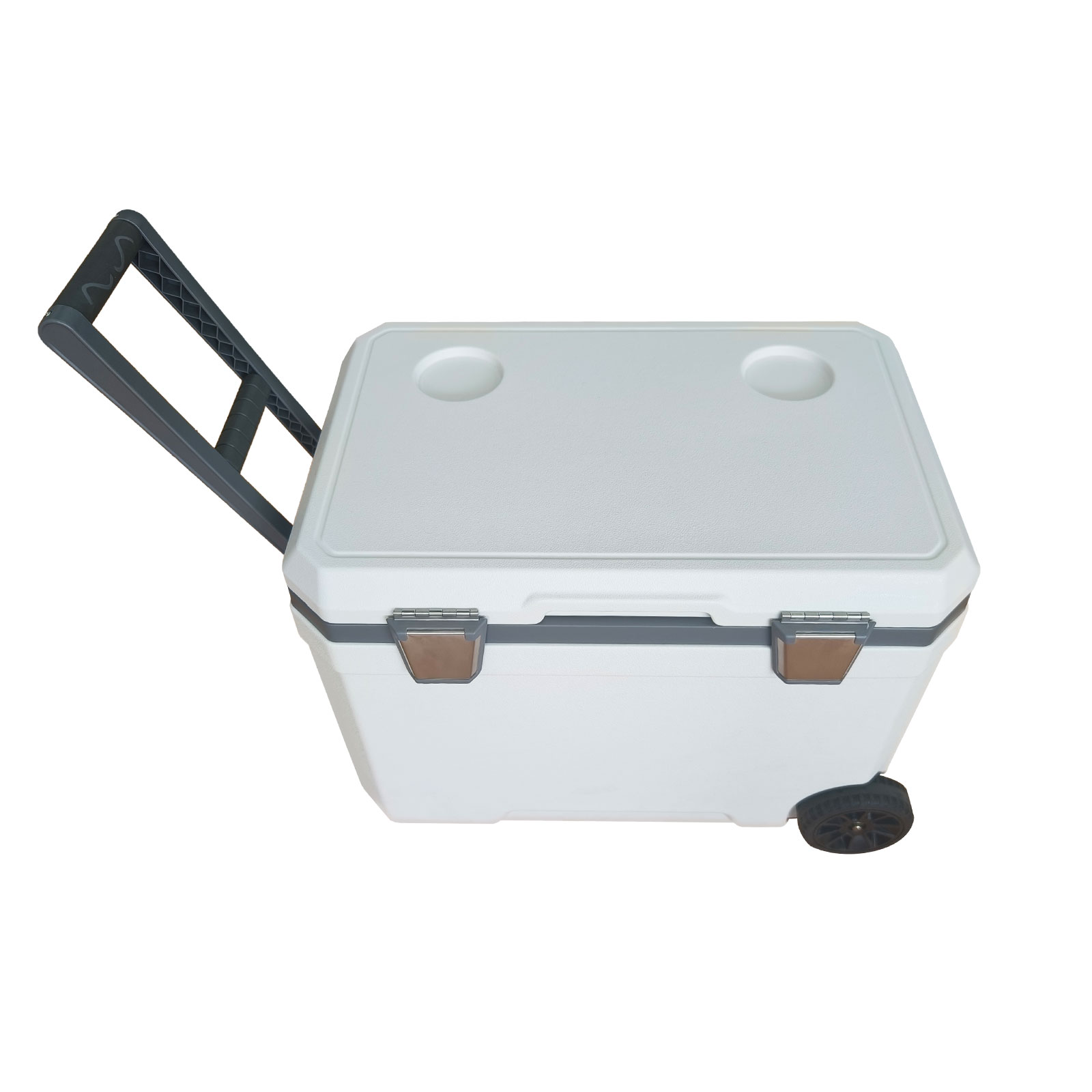
A strong cooler bag canvas product should look premium, feel durable, and perform well enough to earn repeat use. That is the key. In 2026, buyers are not only looking for a nice shell material. They are looking for a product that customers keep, use, and associate with quality.
That makes sourcing more interesting. The canvas shell supports brand feel and shelf appeal, but the liner, insulation, structure, and care logic decide whether the bag remains useful after purchase. The best canvas coolers win because style and function stay aligned.
This article will help you:
- understand the real role of canvas in a thermal bag
- choose the right structure for retail, gifting, or hospitality use
- compare premium appearance with practical carrying performance
- review compliance and material transparency with more confidence
- source a cooler bag canvas product that fits 2026 reuse expectations
Why does canvas work so well for premium cooler bags?
Canvas creates emotional value. It feels warmer, more lifestyle-driven, and often more gift-worthy than lighter promotional materials. That makes it attractive for premium lunch totes, resort merchandise, customer rewards, and retail programs where appearance matters as much as utility.
But canvas should support the story, not replace the engineering. A strong cooler bag canvas design still needs:
an insulation layer sized for the trip
- a liner that wipes clean
- a closure that limits warm air entry
- straps and bottom support that feel stable under load
The reason many canvas cooler programs disappoint is simple: buyers pay for the premium shell and forget the user experience inside the bag. The product looks right on a table but feels underbuilt during use.
Premium cooler evaluation table
How should you engineer and approve a canvas cooler?
Start from the use case, then build the visual story around it. A commuter lunch tote, a grocery cooler, and a hotel gift bag should not share the same structure by default. Define payload, trip length, opening frequency, and expected cleaning behavior first.
Then test the bag in real conditions. Load it with the right weight. Try the zipper under tension. Check the bottom when carrying bottles or lunch boxes. Wipe the interior after wet use. A premium-looking bag that loses shape quickly can damage your brand more than a plain bag ever would.
For any food-related or contact-sensitive use, supporting detail matters. The FDA says food contact notifications are specific to the company and intended use. The EU requires food-contact materials sold there to comply with Regulation (EC) No 1935/2004. If the bag uses plastic contact layers or relevant coatings, ask for component-level clarity. EU-facing goods may also require stronger chemical transparency where SVHC-related rules apply. (U.S. Food and Drug Administration)
Why does 2026 market pressure favor better canvas coolers?
Canvas coolers fit a broader move toward products that feel reusable and worth keeping. At the same time, sourcing teams are under pressure to justify packaging choices more carefully. The European Commission says PPWR entered into force in February 2025 and begins applying from mid-2026. EPA says efficient and lightweight packaging can reduce waste and save money. OECD’s work on green public procurement shows that environmental criteria are becoming widespread. (Environment)
This does not mean every canvas cooler is automatically the best answer. It means buyers now value products that make sense as durable, giftable, reusable systems. A canvas cooler often works well when:
the bag is likely to be reused often
- the premium look supports pricing or brand identity
- the structure matches real daily carrying
- the supplier can explain materials clearly
- What should you ask suppliers in 2026?
- Ask for a full picture, not a mood board. Specifically request:
- shell material detail
- insulation and liner structure
- carrying-load recommendation
- care instructions for shell and liner
- packaging efficiency plan
- component declarations for relevant markets
- Latest developments
- Premium reusable bags are gaining stronger commercial value
- Material disclosure now affects buyer confidence more directly
- The best canvas coolers balance shelf appeal with real performance
Frequently Asked Questions
Q1: Is canvas better than synthetic fabric for cooler bags?
It depends on the goal. Canvas often offers a more premium look and feel, but thermal performance still depends on the full internal build.
Q2: What is the biggest sourcing mistake?
Choosing based on shell appearance alone without checking structure, liner, and carry comfort.
Q3: Can a canvas cooler work for gifting and retail?
Yes. It is often a strong choice when the bag needs to feel lasting, branded, and useful.
Q4: How should I test it?
Load it, carry it, open it repeatedly, wipe it clean, and inspect shape retention afterward.
Q5: Why is documentation important for a lifestyle product?
Because even lifestyle products now move through procurement, compliance, and sustainability review more often.
Summary and recommendations
The best cooler bag canvas product in 2026 combines premium design with practical performance. It looks like something worth keeping and works like something worth using. That combination is what turns a nice bag into a stronger retail or gifting product.
Define the use case first, approve the full structure second, and choose the supplier who can explain every layer with confidence. That is the clearest path to a better canvas cooler launch.
About Tempk
Tempk develops reusable thermal products that connect functional performance with market-ready design. For canvas cooler projects, we focus on the details that shape long-term user satisfaction: structure, liner quality, carrying comfort, and clear sourcing support. If your goal is a cooler bag canvas product that feels premium and performs honestly, we help build that balance from the start.
How to Succeed in Cooler Backpack Trade in 2026?
Cooler backpack trade is no longer a simple side category. It now sits between outdoor gear, portable food carry, and functional lifestyle products. To buy well, you need to judge comfort, thermal performance, retail appeal, and factory consistency together. If you focus on only one of those factors, the product can disappoint fast.
In this article, you will learn:
- What makes a cooler backpack commercially strong
- Which technical details matter most before bulk ordering
- How 2026 market trends are reshaping cooler backpack trade
- A practical scorecard for wholesale buyers
- Start with the user, not the backpack photo
A cooler backpack for day trips is not the same product as a cooler backpack for commuting lunch, grocery carry, or light food delivery. The bag may look similar online, but the real design priorities are different. Outdoor buyers may want side pockets and a more rugged look. City users may want cleaner styling and lighter weight. Delivery-oriented use needs faster access and better stability.
That is why the first rule in cooler backpack trade is simple: define the main user and use case before you compare samples.
- Which features matter most?
Comfort
Straps, back panel shape, and load balance decide whether the user enjoys carrying the bag. A poor backpack feels wrong quickly, even if the insulation is decent.
Structure
- Base support, zipper alignment, and cavity shape affect both carry feel and temperature control.
- Thermal function
- Insulation works best when the cavity keeps its shape and the closure seals well.
- Visual position
Retail and private-label success often depends on whether the bag looks clean, modern, and purposeful.
Why technical review matters more than people expect
Backpack coolers can hide weak construction well when empty. That is why you should always inspect filled samples. Look at shape retention, strap comfort, back contact, lid closure, and whether the bag leans away from the body.
Ask about test logic too. ISTA explains that Standard 20 provides a design and qualification path for insulated shipping containers and that 7E uses real-world thermal profiles. Even though cooler backpack trade often targets retail rather than regulated shipping, the lesson still matters: compare defined thermal conditions, not generic “keeps cool” language. (国际安全运输协会)
What compliance and material questions matter?
If unpackaged food may touch the liner, ask about food-contact suitability. FDA explains that packaging and related components can be food contact substances, and EU food-contact rules for relevant plastic materials include migration limits. For grocery, picnic, or prepared-food use, this is a practical sourcing question, not just a legal note. (U.S. Food and Drug Administration)
Durability is also part of responsible sourcing. Buyers increasingly want longer-lasting products with real reuse value. That aligns with the wider policy pressure created by Regulation (EU) 2025/40, which promotes reuse, recycling, and the reduction of unnecessary packaging across the packaging life cycle. The mindset carries into portable insulated products too: wasteful short-life design is less attractive in 2026. (EUR-Lex)
What are the 2026 trade trends?
Cooler backpack trade benefits from the wider growth of cooler and insulated bag demand. Recent market reporting shows ongoing expansion in cooler bag segments, supported by convenience and outdoor use, while broader backpack demand also remains strong. This creates room for hybrid products that feel like everyday backpacks but function like soft coolers. (Global Market Insights Inc.)
The strongest trend is multifunctionality. Buyers want one backpack cooler that works for leisure, commuting, light travel, and shopping. That shifts value toward clean design, moderate capacity, and better carry comfort instead of oversized, highly specialized builds.
A practical buyer scorecard for cooler backpack trade
- Define the main user.
- Review loaded comfort, not just empty shape.
- Check zipper path and liner finish.
- Inspect the base and strap anchor points.
- Review food-contact needs where relevant.
- Compare cartons and packing method.
- Pilot with real users before scaling.
- Choose the simplest structure that fits the target market.
- Internal link suggestions
- Insulated backpack manufacturing guide
- Food-contact liner checklist for cooler bags
- Custom cooler backpack design tips
- Reusable insulated product sourcing guide
Frequently Asked Questions
What is the most important test in cooler backpack trade?
A loaded wear test. It reveals comfort, balance, and structure problems quickly.
- Should I choose rugged outdoor styling for all markets?
No. Many users prefer lighter, cleaner everyday styles.
- How important is liner quality?
- Very important. It affects leak control, cleanability, and food-contact review.
- Can one backpack cooler target both retail and corporate gifting?
- Yes, if the design is clean and broadly useful.
- Summary and advice
Cooler backpack trade in 2026 rewards products that carry well, look modern, and support repeat use. Buy with the user, the route, and the real carrying experience in mind, and your sourcing decisions will be much stronger.
About Tempk
At Tempk, we help clients source cooler backpacks that are comfortable, durable, and commercially workable. We connect design direction, insulation logic, and production control so the final product performs in both retail and daily use.
==============================
KEYWORD: insulated backpack procurement
Cooler Backpack Corporate Guide for Brand Teams
A successful cooler backpack corporate program gives your team something better than branded clutter. It gives recipients a product they use at work, on weekends, and during travel. That is why this category has become more attractive in 2026: it combines utility, brand visibility, and a stronger perceived value than many traditional giveaway formats.
This article will help you answer:
- How to choose the right cooler backpack corporate concept
- Which features matter most for real use and perceived value
- How to align quality tier, budget, and audience
- Which sustainability claims are worth trusting
- How to brief a supplier for better results
Why does a cooler backpack corporate product outperform many swag items?
Because it fits real routines. People can use it for lunch, commuting, event days, picnics, client travel, or hybrid-work schedules. That repeated use keeps the brand visible in a natural way. A good cooler backpack also feels like a gift, not an advertisement.
Food-use practicality matters too. USDA and FDA guidance still emphasize insulated carrying, cold-source support, and danger-zone control for perishable foods. That means your product brief should leave space for cold packs, use an easy-clean liner, and favor a closure design that people can manage quickly without compromising function. (美国农业部)
- What should go into the perfect brief?
Start with the audience
A cooler backpack for executives is different from one for summer interns. A field-team bag is different from a VIP event gift.
Then define the use case
- Daily lunch carry
- Event beverage carry
- Wellness and outdoor use
- Client gift set
- Team travel support
- Then define the quality tier
- Which features matter most?
- The smartest buyers focus on five things:
- Comfort – padded, balanced shoulder straps
- Cooling function – sensible insulation and closure design
- Cleanability – liner that users can wipe easily
- Appearance – a shape and finish people want to carry
- Brand execution – subtle but visible logo treatment
- Feature comparison table
How should sustainability shape the purchase?
Sustainability should support the product, not replace the product. A cooler backpack that fails fast is not a strong sustainability choice even if it includes recycled content. Textile Exchange reported that polyester still dominated global fiber output in 2024, while recycled polyester grew in volume but held only a 12% share. That tells buyers the market still needs credible verification and longer-life design. GRS remains useful because it requires at least 50% recycled content and includes chain-of-custody plus environmental and social criteria. (Textile Exchange)
Promo-market signals point the same way. PPAI describes promo products as essential to brands, and ASI’s sustainability coverage continues to spotlight reusable, socially responsible, and recycled-material bags. That means the best cooler backpack corporate brief now combines style, utility, and documented material story. (PPAI)
- How do you avoid the most common buying mistakes?
Do not overbrand the bag.
- Do not buy by photo alone.
- Do not ignore comfort.
- Do not choose “eco” without documentation.
- Do not forget how the product will actually be used.
- Quick self-check before approval
- Would I carry this myself?
- Does it look like a gift or a giveaway?
- Is the logo elegant enough for public use?
- Is the liner easy to clean?
- Is the material story credible?
- If you cannot answer “yes” to most of these, revise the brief.
- 2026 latest developments and trends
Corporate merch is shifting toward products with longer life and clearer usefulness. Cooler backpacks fit this move especially well because they cross office, travel, and leisure contexts. Cleaner design, higher utility, and better material storytelling are the big winners.
Frequently Asked Questions
What is the ideal branding approach?
Clean and restrained. A tasteful logo gives the backpack a longer life in public use.
- Should I choose a backpack over a lunch tote?
Usually yes when you want higher perceived value and broader user appeal.
What makes a cooler backpack feel premium?
Better shell material, good strap design, cleaner construction, and branding that looks intentional.
Summary and recommendation
The strongest cooler backpack corporate program starts with audience, defines a real use case, picks the right quality tier, and supports the final choice with better materials and cleaner branding. When you get those steps right, the product keeps working long after the campaign ends.
About Tempk
Tempk builds insulated carry products with attention to usability, thermal function, and production clarity. We help corporate buyers turn broad gifting ideas into workable product specifications that are easier to source, easier to approve, and stronger in daily use.
Vacuum Compressed Liner Suppliers: How Do You Find the Right Partner in 2026?
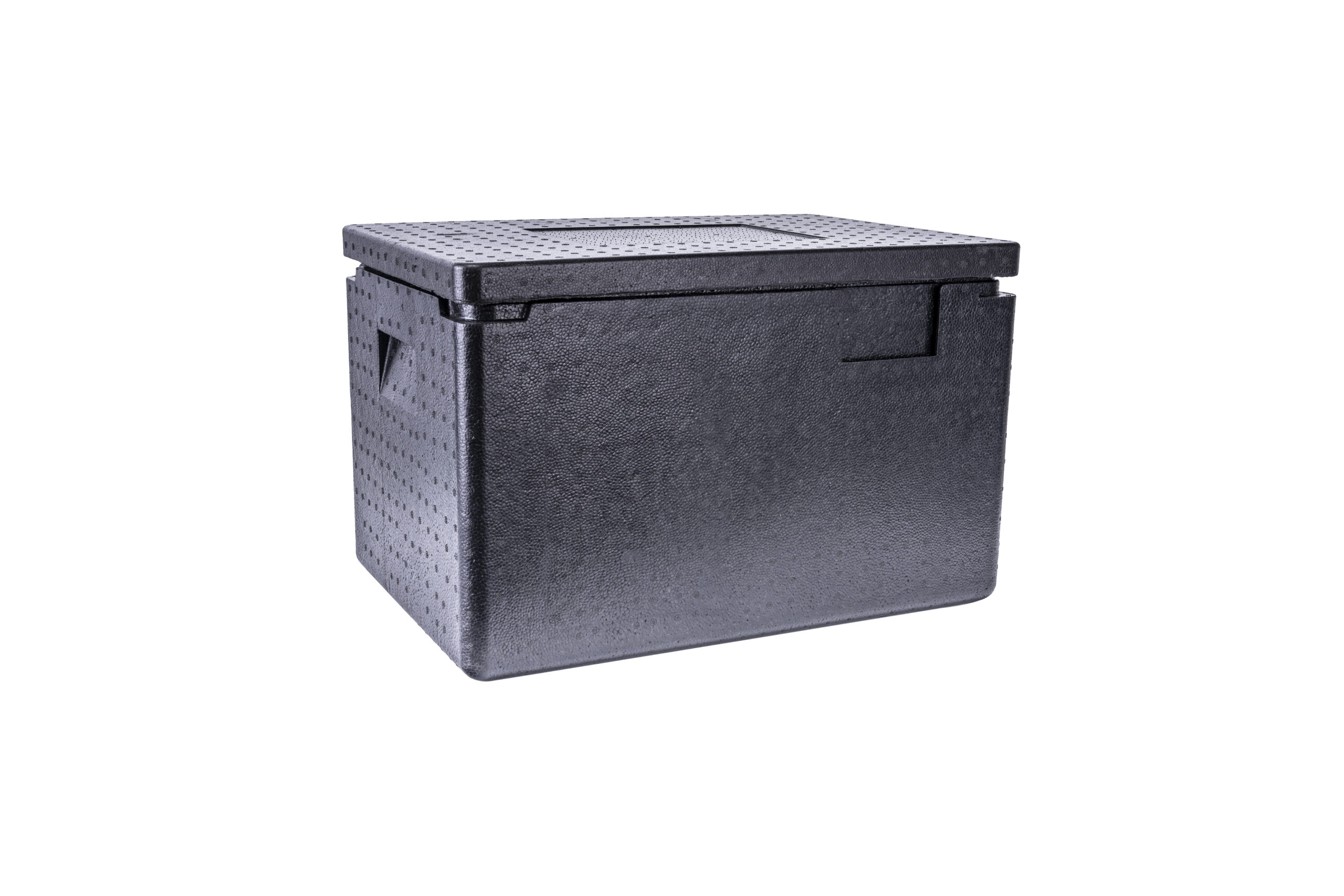
If you are reviewing vacuum compressed liner suppliers, you are likely trying to reduce packaging storage costs without giving up cold chain protection. That makes sense. A compressed liner can lower warehouse space demand, improve pallet efficiency, and make inbound packaging inventory easier to manage. But compression only creates value if the liner still performs when it is actually used.
That is why the best vacuum compressed liner suppliers do more than talk about compression ratio. They explain recovery behavior, assembly speed, thermal performance, and material fit in real cold chain operations.
This article will help you answer:
- What vacuum compressed liners are and why brands use them
- Which supplier claims matter and which ones are not enough
- How rebound, structure recovery, and thermal design affect performance
- What testing and compliance questions you should ask
- Why compressed formats are getting more attention in 2026
What is a vacuum compressed liner?
A vacuum compressed liner is a thermal liner format that is compacted for storage and transport, then opened for use in an insulated shipper.
The main business reason for using this format is simple: it can save space before use. That matters if you handle large order volumes, high packaging SKUs, or limited warehouse space.
Common advantages include:
- lower storage footprint
- denser inbound transport
- easier inventory handling
- possible labor gains if the format opens quickly
- better fit with flat-pack packaging strategies
But these advantages only matter if the structure rebounds correctly and performs like an insulating liner after unpacking.
What should you compare when sourcing vacuum compressed liner suppliers?
You should compare recovery, thermal result, pack-out speed, and consistency, not just storage savings.
A vacuum compressed liner supplier should be able to explain:
- compression ratio
- expansion time
- final shape accuracy
- fit stability in the carton
- thermal performance after recovery
- moisture behavior
- recyclability or material composition
- Practical tips
- For high-volume packers: Ask how many compressed liners fit in a pallet position.
- For direct-to-consumer shipments: Ask how quickly the liner reaches usable form.
For sustainability-led brands: Ask whether the compressed format also improves transport efficiency before use.
Why recovery behavior matters so much
Compression is useful only if the liner recovers enough structure to trap air and form a stable thermal chamber.
Insulation often depends on structure and trapped air. When you compress a liner, you reduce its volume. The key engineering question is whether the material regains enough shape after unpacking to provide the intended thermal resistance.
This is why you should ask about:
- rebound after opening
- shape retention over time
- corner fit
- wall stability
- edge durability
- A simple way to think about it
Imagine compressing a thick winter jacket into a small bag. It saves space during storage, but its warmth depends on whether it regains loft when you wear it again. Vacuum compressed liners work in a similar way.
Practical risks to watch
- incomplete rebound
- slow assembly
- uneven wall thickness
- reduced internal fit
- variation from batch to batch
How do you evaluate thermal performance correctly?
A vacuum compressed liner should be tested in its final use condition, not judged only by pre-compression specifications.
You should ask for thermal evaluation that includes:
- actual carton size
- real or simulated payload
- chosen coolant
- target transit window
- pre-conditioning assumptions
- ambient profile details
ISTA describes Procedure 7D as a development test that evaluates the effects of external temperature exposures on transport packaging. That is especially relevant here because compressed liners should be compared after recovery, under realistic temperature stress. (国际安全运输协会)
- What data is most useful?
Request:
- internal temperature chart
- ambient profile
- pass criteria
- pack-out photo or diagram
- recovery time before test
- observations on liner deformation
That last point matters because compressed formats may behave differently depending on how long they rest after opening.
How do compressed liners affect operations?
Compressed liner suppliers can create value far beyond the liner material itself.
When the format works well, you may gain:
- reduced warehouse space use
- higher inbound packaging density
- lower internal transport burden
- easier seasonal storage planning
- cleaner work areas through flat-pack handling
- But if the format opens badly or slows packing labor, those gains can disappear quickly.
- Practical decision tool
- Rate each supplier from 1 to 5 on:
- storage density
- rebound reliability
- assembly speed
- thermal confidence
- sustainability fit
- documentation
- commercial support
- This kind of scorecard usually gives a better sourcing picture than comparing only unit cost.
- What compliance and sustainability questions should you ask?
- Compressed format does not remove the need for compliance review.
If the packaging is used around food or food-contact systems, you should confirm applicable material status and supplier documentation. FDA explains that food contact substances include packaging and its components. (U.S. Food and Drug Administration)
If the material includes paper or paperboard elements promoted with recycled content claims, it is also useful to ask how those claims are substantiated. ASTM guidance exists for calculating and substantiating recycled content in packaging paper and paperboard products. (ASTM International | ASTM)
If a paper-based compressed format is positioned for food packaging use, PFAS declarations may also matter more now because FDA has stated that PFAS grease-proofing agents used on paper and paperboard for food-contact use are no longer being sold by manufacturers into the U.S. market. (U.S. Food and Drug Administration)
2026 latest developments and trends
Vacuum compressed liner suppliers are benefiting from a market that wants both packaging density and stronger sustainability alignment. The pressure to reduce waste and improve packaging efficiency is increasing, especially as companies respond to changing regulations and procurement standards.
The EU Packaging and Packaging Waste Regulation, which entered into force in February 2025, is one of the clearest signals that packaging design is moving toward more efficient and more circular systems. (Environment)
At the same time, cold chain packaging demand continues to expand across healthcare and food logistics. That keeps interest high in formats that lower logistics cost without weakening thermal protection. (Grand View Research)
Latest progress at a glance
Space-saving formats are gaining attention: Buyers want more packaging units per pallet and less warehouse footprint.
Validation is more important: Thermal proof matters more than clever format claims. (国际安全运输协会)
Material simplicity is rewarded: Paper-forward and easier-to-explain systems have stronger buyer interest. (US EPA)
FAQ
What is the biggest advantage of a vacuum compressed liner?
Usually storage and transport density before use. It can reduce warehouse space and improve packaging inventory efficiency.
What is the biggest risk?
Incomplete recovery. If the liner does not rebound correctly, thermal performance and assembly speed can suffer.
Should I test recovery time separately?
Yes. Recovery time can affect line speed and in-use performance, so it should be part of supplier comparison.
Can compressed liners still be recyclable?
They can be, depending on material construction. Ask for a clear description of the structure and recovery path.
Summary and recommendation
Vacuum compressed liner suppliers should be evaluated on much more than space savings. The right supplier should show that the format rebounds reliably, packs efficiently, and protects the product under real shipping conditions. In 2026, the best suppliers are the ones that combine storage efficiency with performance proof and clear documentation.
If you are selecting a compressed liner now, begin with a side-by-side pilot using your real box, real product load, and real coolant setup. That is the fastest way to see whether the storage advantage turns into real packaging value.
About Tempk
At Tempk, we focus on practical temperature-controlled packaging systems built for real logistics conditions. We understand that packaging decisions affect warehouse space, labor, transit stability, and end-user experience all at once. Our approach is to balance protection, operational efficiency, and material clarity so packaging choices work in daily operations, not just in theory.
If you are comparing vacuum compressed liner suppliers, start by mapping storage savings against actual shipping performance. That gives you a more useful decision framework.
==============================
How to Choose the Best Thermal Shipping Liner Distributors in 2026?
The best thermal shipping liner distributors protect more than stock availability. They protect continuity. In 2026, that matters because temperature-sensitive packaging programs are more carefully qualified, more closely reviewed by multiple teams, and more difficult to replace once approved. If the approved liner is not available in the right place at the right time, both cost and product risk rise quickly.
This article will help you answer:
- What thermal shipping liner distributors should provide
- Which service and stocking controls matter most
- How to compare distributors on real business value
- Why compliance and route-specific packaging raise distributor importance
- Which 2026 trends are changing distributor selection
What should thermal shipping liner distributors provide?
A strong thermal shipping liner distributor should provide inventory visibility, regional coverage, replenishment support, and practical product guidance. That means you should expect more than an order-taking function. You should expect the distributor to understand which liner sizes are approved, which sites use them, and what demand pattern drives reordering.
This matters because packaging programs often break down in the handoff between sourcing and operations. A good distributor helps prevent that by keeping the right item close to the right site and by flagging supply risks early.
The role distributors play in cold-chain packaging success
Think of the distributor as the continuity layer in your packaging system. The manufacturer may make the product, but the thermal shipping liner distributor is the one that keeps the approved product flowing. If that flow is weak, the packaging plan weakens too.
Which service controls matter most?
The most important controls are stock accuracy, order accuracy, recovery speed, and communication. A thermal shipping liner distributor should be able to tell you what is available now, what is inbound, and what alternatives exist if a regional shortage appears. That allows you to plan instead of react.
Recovery speed is particularly important. No distribution network is perfect. The better question is how fast the distributor resolves damage, shortage, or mismatch. Fast correction protects operations and reduces the cost of interruption.
Why does route-aware packaging make distributors more important?
Because modern packaging selection is becoming more specific. ISTA’s 7E framework supports route-aware thermal qualification, which means buyers often approve a liner because it fits a particular route, season, and packaging method. That makes distribution accuracy much more important. A “similar” liner may not be acceptable if the qualified one is route specific. (国际安全运输协会)
This is also true under broader cold-chain expectations. FDA transportation rules, USDA cold-food guidance, and WHO distribution guidance all point toward repeatable, controlled temperature-sensitive shipping. In that environment, thermal shipping liner distributors are supporting packaging quality indirectly through supply continuity. (U.S. Food and Drug Administration)
How do you compare distributors on total value?
Look beyond item price. Include working capital impact, emergency freight exposure, regional fill rate, order accuracy, and time-to-recovery from shortage. A thermal shipping liner distributor that keeps stock balanced across locations can save money even if its per-unit price is slightly higher.
You should also ask whether the distributor can help you simplify the liner family. Fewer sizes, better planned, often improve both service and sustainability because they reduce obsolete stock and unnecessary packaging mismatch.
A practical distributor scorecard
- Rate each distributor on:
- Stock visibility
- Regional service depth
- Replenishment planning
- Packaging understanding
- Recovery and communication quality
- This gives you a more realistic picture than price alone.
What mistakes should buyers avoid?
The biggest mistake is treating distribution as an afterthought. The second is choosing a distributor only because it is nearby. The third is failing to align approved liner sizes with stocked liner sizes. The fourth is not reviewing peak-season replenishment before the hot months arrive.
In 2026, thermal shipping liner distributors also need to support broader sustainability and complexity-reduction goals. Carrying too many slow-moving sizes can increase waste. Carrying too few can increase substitution risk. The right answer is controlled simplification.
2026 latest developments and trends
The 2026 packaging market is pushing distributors toward smarter service, not just bigger inventory. EU sustainability pressure is encouraging packaging simplification and better material efficiency. Buyer priorities still keep food safety and shelf life at the center. And route-aware qualification is making specific approved liners more important to keep in the right place. (EUR-Lex)
That means the best thermal shipping liner distributors now compete on continuity, planning, and informed service. The distributor that helps you avoid disruption may create more value than one that simply lists more stock.
Latest developments at a glance
- Regional continuity is becoming a key packaging KPI.
- Distributors with better replenishment logic are winning more trust.
- SKU rationalization is becoming part of the distributor conversation.
- Thermal liner inventory planning guide
- How to qualify an insulated shipper for multiple sites
- Packaging continuity checklist for peak season
- Regional cold-chain replenishment strategy
- Route-based thermal packaging explained
Frequently Asked Questions
What is the biggest benefit of working with the right thermal shipping liner distributor?
Better continuity. The right distributor keeps approved packaging available where your team actually needs it.
Should a distributor understand the approved packaging program?
Yes. That understanding reduces wrong-SKU ordering and improves service support.
Why is regional coverage important?
Because cold-chain programs often need quick replenishment. Distance and site mismatch can create major delays.
Can a distributor reduce waste?
Yes. Better planning and smarter SKU support can reduce obsolete stock and emergency substitutions.
Summary and recommendations
The best thermal shipping liner distributors in 2026 combine inventory control, practical product understanding, and stronger communication. Those strengths keep your packaging program usable after it has already been approved.
For your next distributor review, compare fill rate, recovery speed, regional support, and packaging knowledge together. That will help you choose a partner that supports continuity instead of creating new risk.
About Tempk
Tempk supports cold chain packaging with a focus on both thermal performance and practical supply continuity. We help customers think through how packaging will be selected, stocked, and replenished so approved solutions remain workable across real operations. Our approach connects packaging design with day-to-day execution, which is often where the biggest gains are made.
If you are selecting distributors now, choose the one that can keep your approved packaging stable across sites and seasons.
Thermal Shipping Liner Bulk Purchase: How Do You Buy Smarter at Scale?
A smart thermal shipping liner bulk purchase does more than lower piece price. It creates a packaging system that is easier to store, easier to pack, and more reliable in transit. In 2026, the best buyers use a simple rule: buy the liner that lowers total shipment cost, not the liner that only lowers invoice price.
What this guide will help you answer
- What to define before buying thermal liners in volume
- How to compare liner formats and material families
- Why testing and supplier systems matter in bulk orders
- How parcel growth and sustainability change your buying strategy
- What a strong 2026 bulk RFQ should include
- Start with the shipping system, not the quote
The best bulk purchase starts with clarity. Before asking for price, define your top carton sizes, temperature target, coolant plan, transit profile, and seasonal risks. If you skip those points, the supplier has to guess, and a guessed quote is not a reliable buying tool.
A volume order magnifies every choice. If the liner fits poorly, you repeat that problem thousands of times. If it packs slowly, you repeat that labor waste every shift. If it is overbuilt, you keep paying for unnecessary material. That is why bulk procurement begins with shipment design, not negotiation tactics.
Your pre-quote checklist
- Top carton sizes by shipment count
- Product type and temperature band
- Normal and worst-case transit time
- Summer and winter region exposure
- Coolant format and standard load
- Required storage density in your warehouse
- Monthly and quarterly order forecast
- Whether one liner must cover multiple lanes or seasons
- How to choose the right liner format
The right format depends on how your operation works. Flat pre-formed liners usually help when speed and repeatability matter. Loose sheets can offer flexibility but often add training and handling time. Hybrid structures can balance thermal protection and cube efficiency. Foam-heavy options may help in tougher lanes but increase freight and storage impact.
The key is to choose the lowest-complexity format that still protects the shipment. Operational fit matters as much as thermal performance. A liner that works in the lab but creates confusion in the warehouse is not the right bulk choice.
A buyer-friendly format table
Match material claims to real thermal logic
The liner’s job is to slow unwanted temperature change. Reflective layers, trapped air, foam, and structural design all play roles. But you should never buy by appearance alone. The Department of Energy notes that radiant barriers are reflective and reduce heat gain by reflection, not by inherent R-value. That is why reflective bubble designs can be useful without being universal. They must still be matched to the real package system. (The Department of Energy’s Energy.gov)
In practical buying terms, this means you should ask what part of performance comes from reflection, what part comes from insulation thickness, and how the liner was actually evaluated. That question quickly improves quote quality.
Use test data to control bulk-buy risk
ASTM D3103 is intended to evaluate the thermal insulation performance of distribution packages, and ASTM D4169 provides a uniform way to evaluate shipping units against expected hazards in distribution. ISTA 7D and 7E add thermal transport development methods, while Standard 20 creates a qualification path for insulated shipping containers using industry-standard processes and real-world style profiles. (ASTM International | ASTM)
The practical lesson is simple: volume should follow validation. Before placing a large order, test or at least review the candidate liner in the context of your real box, payload, coolant, and shipping duration. That step is cheaper than correcting a large wrong order.
What to ask for from a supplier
- Test profile or evaluation basis
- Box size and payload assumption
- Coolant type and weight
- Temperature pass range
- Pack-out method used in testing
- Whether the design was intended for parcel, pallet, or controlled distribution
- Screen suppliers for quality and repeatability
A thermal shipping liner bulk purchase is only as strong as the supplier’s consistency. ISO says ISO 9001 is a globally recognized quality management standard that helps organizations improve performance and meet customer expectations. ISO also describes ISO 14001 as the core framework for environmental management, and ISO 14001:2026 is under publication as of March 2026. Those systems do not replace product testing, but they are good signs that the supplier manages change and process with more discipline. (国际标准化组织)
If your shipments have food or healthcare sensitivity, documentation matters even more. FDA’s food transportation rule requires sanitary practices, and FDA says CGMP regulations set minimum requirements for methods, facilities, and controls in drug manufacturing and packing. That is why strong supplier systems are part of risk control, not just procurement paperwork. (U.S. Food and Drug Administration)
Understand the 2026 market before you negotiate
The current market explains why bulk liner programs are evolving. U.S. e-commerce sales reached an estimated $1.2337 trillion in 2025 and 16.4% of retail sales, which keeps pressure on packaging efficiency in parcel distribution. At the same time, the EU’s PPWR entered into force on 11 February 2025 and begins general application in mid-2026, aiming to reduce packaging waste and primary raw material use. The Commission has also highlighted future expectations around recyclability, recycled plastic content, and reuse. (Census.gov)
EPA adds the business logic behind this shift: source reduction is the environmentally preferred strategy, and lightweighting and redesign are increasingly common business trends. Buyers therefore have a good reason to ask suppliers how a liner can be optimized, not just how it can be discounted. (US EPA)
How to lower total cost in a bulk program
The strongest cost reductions usually come from standardization, pack-out efficiency, and right-sized material. If you can reduce carton variation, improve liner fit, and cut coolant use, your savings can exceed what you would gain from a simple per-piece discount.
You should also consider staged supply rather than one large receipt. Forecast-based production with scheduled releases often gives you better unit economics without overloading your warehouse or trapping you in the wrong spec.
Bulk purchase decision tool
Frequently Asked Questions
What is the first step in a thermal shipping liner bulk purchase?
Define your top box sizes, transit times, temperature target, and coolant plan before you ask for pricing.
Should you buy the same liner for all seasons?
Only if test logic or real shipment experience shows it works economically across those conditions.
Why do supplier systems matter in bulk orders?
Because repeatability matters. Small process drift becomes a big problem at volume.
How do you reduce cost without reducing protection?
Standardize box sizes, improve fit, simplify the fold, and right-size the material to the actual lane.
What is the biggest 2026 buying trend?
Buyers want fewer SKUs, better warehouse efficiency, and packaging that is easier to justify from a sustainability point of view.
Summary and recommendation
A successful thermal shipping liner bulk purchase comes from shipment clarity, material logic, test-backed comparison, and supplier repeatability. In 2026, the best packaging programs are the ones that reduce total friction from inbound receipt to final delivery.
Your next step should be to create a side-by-side scorecard for your current liner and two alternatives, then choose the option with the best combined result in cost, speed, and protection.
About Tempk
At Tempk, we work on thermal liners and cold chain packaging formats designed for real shipping operations. We focus on practical performance, clean pack-out, flat-pack efficiency, and consistent production so bulk-buy decisions stay useful long after the first order.
A helpful next move is to review whether your liner program is optimized for total shipment cost or still optimized only for piece price.
Thermal Box Liner Bulk Purchase: A Smarter 2026 Guide for High-Volume Buyers
A thermal box liner bulk purchase can be one of the best ways to lower packaging cost and secure supply. It can also become one of the fastest ways to create waste, tie up cash, and overload warehouse space if the decision is rushed. That is why bulk purchase should never be treated as a simple volume discount exercise. It is a system decision that affects procurement, operations, inventory, and packaging strategy at the same time.
If you buy thermal liners for chilled food, frozen delivery, healthcare support shipments, or direct-to-consumer cold chain programs, this guide will help you plan a smarter bulk purchase. It combines cost logic, forecast discipline, warehouse reality, validation thinking, and 2026 packaging trends into one practical framework.
This article will help you answer:
- When a thermal box liner bulk purchase makes sense
- How to calculate total landed cost before ordering deeply
- Why density, storage, and forecast confidence matter so much
- How validation and compliance context affect large buys
- What sustainability and market trends mean for your bulk strategy
When is a thermal box liner bulk purchase the right move?
Bulk purchase is the right move when the liner spec is stable, demand is predictable enough, and your warehouse can support the volume. If any of those conditions are weak, the discount may not be worth the risk. Bulk buying magnifies whatever is true about your liner program. If the program is strong, bulk buying can improve it. If the program is still uncertain, bulk buying can make the uncertainty more expensive.
The clearest signs of readiness are simple. Your carton sizes are settled. Your liner has already worked in real packing. Monthly usage is visible. The supplier is qualified. Storage space exists. When those pieces line up, bulk purchase can improve cost and reduce replenishment stress.
Bulk-buy readiness checklist
- Liner spec already validated
- Carton size stable
- Demand pattern visible
- Supplier repeat-order performance confirmed
- Storage capacity available
- No likely near-term design change
- Practical advice
- For first large buys: Start with a staged or released-volume structure.
- For mature programs: Bulk buy only the core sizes with the clearest usage pattern.
- For changing portfolios: Keep lower-volume or experimental sizes on shorter order cycles.
Practical case: A frozen snack company bought its two highest-volume liner sizes in bulk and kept three lower-volume sizes on rolling orders. The mixed strategy lowered cost without trapping too much inventory.
How should you calculate the real cost of a bulk purchase?
Real cost means total landed cost, not invoice price. A large bulk quote may look attractive because the unit price falls. But if the liner ships inefficiently, uses too much warehouse space, or locks cash into slow-moving stock, the economic advantage can shrink fast. The right way to compare bulk offers is to calculate what the liner really costs per usable unit over time.
That means including freight, handling, carrying cost, and risk. This is where flat-packed efficiency can become more valuable than a slightly lower piece price.
The full landed-cost model
- Unit price
- Freight to warehouse
- Pieces per carton and pallet
- Storage footprint
- Handling time
- Inventory carrying cost
- Risk of obsolescence or spec change
- Supply-security benefit
- Practical advice
- For finance: Build three demand scenarios before approving a large order.
- For warehouse teams: Convert pallet positions into real cost and compare suppliers.
- For procurement: Review packaging density before final volume commitment.
Practical case: A chilled-meal program chose the liner with better pallet density even though the unit price was slightly higher. Once inbound freight and storage were included, it was the better buy.
How much should you buy and how should you take delivery?
The right quantity is based on forecast confidence, not on the deepest discount available. Many buyers assume that maximum order size creates maximum value. In reality, the best bulk structure often combines volume leverage with delivery flexibility. That is why blanket orders with phased releases are so popular.
A blanket order lets you secure pricing and capacity while keeping inventory levels more controlled. This is especially useful in businesses where demand is growing but still moving month to month.
Bulk-purchase structure options
- Practical advice
- For growth-stage brands: Lock price, then schedule deliveries against updated forecasts.
- For stable national programs: Review whether annual volume justifies deeper commitments.
- For new SKUs: Avoid deep buys until real movement is proven.
Practical case: A dairy subscription brand secured annual volume pricing but took delivery monthly. That reduced warehouse pressure and preserved flexibility when demand shifted seasonally.
Why do validation and compliance matter more when buying in bulk?
Because bulk purchasing scales both good choices and bad choices. FDA’s FSMA sanitary transportation rule establishes expectations for covered food transportation practices around equipment, operations, records, and training. EMA says GDP is the minimum standard wholesalers must meet to preserve medicine quality and integrity through the supply chain. WHO also notes that most vaccines in immunization programs continue to rely on the 2°C to 8°C cold chain. These realities push buyers to make packaging decisions more deliberately when volume is significant. (U.S. Food and Drug Administration)
Validation thinking is also increasingly part of procurement language. ISTA says 7E is the new standard for thermal transport testing in parcel delivery and is based on real-world transport data. ASTM D3103 is intended to evaluate the thermal performance of insulated packaging for high-value, high-risk materials. Even when you are not conducting formal tests for every liner, this mindset helps answer a key question: are we buying deeply into a liner that has been chosen against a real shipping scenario? (国际安全运输协会)
For bulk buyers, that is a powerful question. It protects against locking large capital into a liner that has not been fully proven for the route, the season, or the operating process.
Practical advice
- For food and DTC programs: Validate before scaling quantity, not after.
- For quality teams: Keep a short written file on why the liner was approved.
- For procurement: Treat validation effort as a cost-saving step, not as overhead.
Practical case: A frozen dessert company spent a small amount on better route testing and avoided a very large purchase of a liner that would have required too much coolant in real summer use.
How are market growth and sustainability changing bulk-buy strategy in 2026?
Because packaging programs now need to make sense both commercially and strategically. One 2025 market report estimated the global cold chain packaging market at USD 33.73 billion in 2025 and USD 38.30 billion in 2026, reflecting strong demand across food and pharmaceutical logistics. More supply options can help buyers, but they also make bulk comparison more complex. (Grand View Research)
Sustainability is also changing the background of bulk purchasing. The EU Packaging and Packaging Waste Regulation entered into force in February 2025, begins applying from mid-2026, requires all packaging to be recyclable by 2030, and includes a PFAS ban in packaging from August 2026. That does not automatically rule out current liner types, but it does mean buyers should think more carefully about packaging volume, material direction, and how deeply they want to commit to one structure. (Environment)
In practical terms, many procurement teams are responding by buying large but not rigidly. They secure supply, but avoid overcommitting so deeply that future packaging improvement becomes difficult. This is one reason why staged-release programs, right-sizing reviews, and density comparisons are gaining more attention.
2026 bulk-buy trend checklist
- More blanket agreements instead of one-time massive buys
- More use of packaging density in cost comparison
- More emphasis on right-sized cartons and lower box cube
- More cross-functional signoff before large buys
- More future-readiness discussion in procurement reviews
- Practical advice
- For current tenders: Ask whether the liner program supports lower cube and lower waste.
- For long-term sourcing: Keep some flexibility for future packaging evolution.
- For high-volume programs: Review both current value and future adaptability before you commit.
Practical case: A direct-to-consumer grocery business reduced planned bulk volume for one liner family while testing a tighter-fitting alternative that aligned better with its waste and freight goals.
Frequently asked questions
What is the best structure for a thermal box liner bulk purchase?
For many buyers, a blanket order with staged deliveries provides the best balance of pricing and flexibility.
Should I always buy the largest quantity to get the best price?
No. The best price on paper can become the worst cost in practice if storage and risk are ignored.
- How important is pallet density?
Very important. It changes freight, storage, and handling costs at bulk scale.
Do I need to validate a liner before bulk buying?
Yes. At minimum, you need enough confidence that the liner fits your real shipping scenario.
How should sustainability affect bulk purchasing?
It should push you to review future packaging direction and avoid overcommitting to formats that may age poorly.
Summary and recommendation
A thermal box liner bulk purchase in 2026 should be guided by validated fit, forecast discipline, warehouse logic, and future packaging strategy. The strongest bulk buys lower cost without reducing flexibility. They improve supply continuity while still leaving room for smarter packaging decisions later.
Your next step is to build a bulk-purchase model that includes usage, density, freight, storage, validation status, and future packaging direction. That will help you choose a quantity and supplier structure that truly supports your business.
About Tempk
At Tempk, we believe large packaging purchases should create stability, not avoidable rigidity. We focus on liner fit, inventory practicality, and packaging solutions that work across real operations. Better bulk buying comes from clearer assumptions and better cross-functional decisions.
If you are planning a bulk purchase now, begin with confirmed usage, storage reality, and validated route fit. That is the strongest path forward.
Temperature Controlled Box Liner Wholesale Price: A Smarter 2026 Buying Guide
Temperature controlled box liner wholesale price is one of the most searched terms in cold chain packaging because buyers want a simple answer. The truth is simple in one way and complex in another: the right price is the one that protects your product at the lowest total delivered cost. That is why the best buying decisions do not stop at unit price. They look at material design, temperature target, coolant demand, fit, freight, operational speed, and documentation.
If you are buying for chilled food, frozen products, pharmaceuticals, biologics support, meal kits, or specialty e-commerce, this guide will help you evaluate quotes the way experienced packaging teams do. It combines practical sourcing logic, material science, market reality, and 2026 compliance direction into one working decision framework.
This article will help you answer:
- What temperature controlled box liner wholesale price really includes
- Which material and design choices raise or lower total cost
- How to compare suppliers on performance, not marketing
- Why testing, compliance, and sustainability now affect buying decisions
- What you should ask before approving a liner program
What does temperature controlled box liner wholesale price really mean?
It means the cost of achieving a target temperature outcome, not the cost of buying a sheet of material. A liner is part of a system. The system includes the outer carton, coolant, payload, route duration, outside temperature exposure, and packing method. That is why one liner quote can be “cheap” on paper but expensive in operation.
A buyer who focuses only on piece price can easily miss hidden costs. A poor-fit liner may increase warm air gaps. A bulky liner may require a larger box. A weak structure may need more coolant. A hard-to-fold design may slow packing labor. All of those outcomes change your real cost.
The core cost drivers
- Material structure
- Thermal duration target
- Carton size and fit
- Coolant requirement
- MOQ and annual volume
- Flat-packed density
- Lead time reliability
- Validation and documentation depth
- Practical advice
- If your shipments are short and local: Avoid over-specifying the liner.
- If your shipments cross long parcel lanes: Compare total pack cost, not liner cost alone.
- If your products are high value: Add documentation quality into supplier scoring.
Practical case: A regional frozen-food shipper compared three liner offers. The cheapest liner needed extra coolant and a larger carton. The best-value option had a slightly higher unit price but lower total pack cost and faster packing.
Which materials give the best value for money?
The best value comes from the material that fits your route, not the material that sounds most advanced. Reflective bubble liners are often cost-effective for chilled deliveries and lighter parcel programs. Foam-laminated liners can support stronger thermal resistance for longer or tougher routes. Paper-forward or hybrid thermal liners may help brands that want a more sustainability-aligned presentation, but they must still be validated against real shipping conditions.
Think of material selection like choosing tires. A premium tire is not always the best choice for every driver. What matters is the road, the weather, and the load. Liners work the same way. A structure that performs beautifully in one application may be unnecessary or inefficient in another.
Material comparison for buyers
Why material detail matters
Small changes matter more than many buyers expect. Bubble size, foil quality, seam integrity, folding pattern, and tolerance control can affect how consistently the liner performs. Two products can look almost identical in photos and still behave differently in a real shipment. This is why it is dangerous to compare liner price without sample testing or at least a well-documented pack-out proposal.
Practical advice
- For chilled e-commerce: Start with a reflective bubble system and test coolant reduction options.
- For frozen parcel shipments: Compare stronger barrier liners before adding more weight.
- For brand-led packaging: Balance user disposal experience with thermal performance.
Practical case: A dessert brand moved to a better-fitting liner that cost slightly more per piece. Because the liner held the pack geometry more consistently, the team reduced gel weight and improved summer delivery results.
How should you compare supplier quotations fairly?
Use a structured RFQ and compare qualified outcomes, not isolated numbers. The most useful quote is one built around a defined scenario: your box size, payload, target temperature range, coolant type, and shipping duration. Without that context, suppliers may be quoting different assumptions and giving you numbers that cannot be compared fairly.
An effective sourcing process includes procurement, operations, and quality from the start. Procurement looks at price and commercial terms. Operations looks at folding time, fit, and storage density. Quality looks at temperature control and consistency. When all three teams review the same assumptions, supplier selection becomes much cleaner.
A better RFQ checklist
- Define product type and target temperature range
- Confirm expected transit duration and seasonal exposure
- State outer box dimensions and board grade
- Define coolant type and current pack method
- Ask for unit price, total pack logic, and pallet density
- Request sample plan and recommended validation path
- Review MOQ, lead time, and repeat-order reliability
- Quick supplier scorecard
- Score each supplier from 1 to 5 on:
- Thermal fit for your lane
- Unit price
- Total pack cost
- MOQ flexibility
- Lead time
- Sample speed
- Dimensional consistency
- Packaging density
- Communication quality
- Problem-solving support
- Practical advice
- For first-time sourcing: Compare at least three suppliers using the same brief.
- For scaling programs: Ask how repeat orders are prioritized in peak season.
- For finance review: Include labor time and freight impact in total cost.
Practical case: A seafood exporter selected the second-lowest quote because the supplier provided a clearer pack-out recommendation and better pallet density. The landed-cost model favored the higher unit price once freight and claims were included.
Why do testing and compliance matter so much in 2026?
Because buyers increasingly need proof, not promises. FDA’s FSMA sanitary transportation rule establishes requirements for covered food transport operations including vehicles, equipment, operations, records, and training. EMA says good distribution practice is the minimum standard wholesalers must meet to ensure medicine quality and integrity through the supply chain. WHO also notes that almost all vaccines used in immunization programs still operate in the traditional 2°C to 8°C cold chain. When products are sensitive, packaging claims must support those realities. (U.S. Food and Drug Administration)
Testing language is also becoming more important in buying conversations. ISTA says Standard 7E is the new standard for thermal transport testing in parcel delivery and that the temperature profiles are based on real-world transport data. ASTM D3103 is intended for evaluating the thermal performance of insulated packaging used for high-value, high-risk materials. In practice, this means buyers increasingly ask how a liner was assessed, with what box, what coolant, and against which outside-temperature profile. (国际安全运输协会)
You do not need to turn every purchase into a laboratory project. But you do need enough evidence to know what the liner is supposed to do. This is especially important when shipping lanes are long, temperatures are unstable, or the product value is high.
What buyers should ask about qualification
- Was the liner recommendation based on my box or a similar box?
- What temperature range was used as the pass criterion?
- How much coolant was assumed?
- Was the result repeated?
- Is the recommendation best for parcel, local delivery, or pallet movement?
- Practical advice
- For food shipments: Use route-based testing when the product is sensitive or the lane is hot.
- For pharma-adjacent shipping: Document packaging assumptions early.
- For operations teams: Make sure the tested pack-out is realistic on your packing line.
Practical case: A nutrition brand almost launched a low-cost liner on a nationwide summer route. Once the team reviewed the actual pack-out assumptions, they realized the quoted performance depended on more coolant than their line could handle efficiently.
How are market trends and sustainability changing price expectations?
The market is growing, and the specification is getting smarter. One 2025 industry report estimated the global cold chain packaging market at USD 33.73 billion in 2025 and USD 38.30 billion in 2026, with strong growth tied to pharmaceuticals, vaccines, and temperature-sensitive logistics. As demand expands, more suppliers enter the market, but the difference between low-price capacity and true packaging capability becomes more visible. (Grand View Research)
At the same time, sustainability is moving from marketing language into packaging requirements. The European Commission says the EU Packaging and Packaging Waste Regulation entered into force in February 2025, begins applying from mid-2026, requires all packaging to be recyclable by 2030, and includes a PFAS ban in packaging from August 2026. That pushes buyers to think about right-sizing, material simplification, lower waste, and future-ready packaging design. (Environment)
For you, this means price conversations are expanding. The winning liner program may be the one that lowers box cube, reduces coolant, and supports a cleaner packaging story. A slightly higher liner quote can still be the better commercial choice if it improves waste, freight, and customer experience.
2026 trend snapshot
- More semi-custom liner sourcing
- More requests for flat-packed, storage-efficient formats
- More interest in hybrid and paper-forward solutions
- More supplier comparison based on documentation depth
- More focus on total pack cost rather than piece price
- Practical advice
- For current tenders: Ask suppliers how their design supports lower packaging waste.
- For growing brands: Review flat-packed density before final approval.
- For long-term sourcing: Balance today’s quote with tomorrow’s compliance and packaging strategy.
Practical case: A meal-kit brand redesigned its shipper around a better-fitting flat liner. The liner price changed only slightly, but the brand reduced unused space, improved pallet efficiency, and simplified the unboxing experience.
Frequently asked questions
What is the main factor behind temperature controlled box liner wholesale price?
The biggest factor is the thermal job the liner must do. Duration, route severity, fit, and coolant pairing drive value more than marketing labels.
How can I reduce total packaging cost without increasing risk?
Test better fit, lower cube, and lower coolant demand before chasing a lower liner quote. That usually reveals the real savings.
Do I need a custom liner to get good performance?
Not always. Standard sizes can work well if they match your cartons closely. Custom liners are most useful when fit or consistency is a problem.
Are sustainable liners always more expensive?
Not always. Some cost more upfront, but they may support lower cube, better brand alignment, or better future compliance positioning.
What should I ask in a first supplier call?
Ask how they would specify a liner for your actual product, route, carton, and temperature target. That question reveals how serious the supplier is.
Summary and recommendation
Temperature controlled box liner wholesale price is not a simple commodity question anymore. In 2026, the best buying decisions balance liner cost with thermal performance, pack-out speed, freight efficiency, documentation, and sustainability direction. The smartest buyers compare total delivered value, not only the line-item quote.
Your next step is to build a route-based sourcing brief. Include product temperature range, transit duration, box size, coolant type, and annual volume. Then score suppliers on price, validation logic, and operational fit together. That is the most reliable path to a better liner program.
About Tempk
At Tempk, we focus on practical cold chain packaging decisions that help teams ship with more confidence. We believe the best liner program is one that protects product, fits the operation, and makes commercial sense over time. That is why fit, pack-out logic, and measurable performance matter as much as the material itself.
If you are evaluating liner quotes now, begin with your route and your real operating constraints. That will lead you to the right price conversation.
==============================
Recyclable Insulated Box Liner Manufacturer: What Should You Look For in 2026?
If you are searching for a recyclable insulated box liner manufacturer, you are probably trying to solve a very practical problem. You need packaging that protects temperature-sensitive goods, fits your shipping workflow, and supports a cleaner disposal story. In 2026, that decision matters even more because packaging buyers are facing stronger sustainability pressure, sharper compliance questions, and rising expectations for shipping consistency.
A good liner manufacturer should help you do more than buy material. The right partner should help you reduce thermal risk, improve pack-out efficiency, and present a credible recyclable packaging message to your customers. That is why the best sourcing decision is not based on price alone. It is based on packaging system performance.
This article will help you answer:
- How to evaluate a recyclable insulated box liner manufacturer
- Which paper-based and fiber-based liner structures are worth comparing
- What thermal testing and quality records you should request
- How compliance, PFAS status, and recyclability claims affect sourcing
- What 2026 market trends mean for your next packaging project
What should a recyclable insulated box liner manufacturer provide?
A reliable recyclable insulated box liner manufacturer should provide a packaging system, not just a product.
That means the supplier should understand your product category, shipping duration, ambient profile, coolant type, box dimensions, and customer disposal expectations. If the supplier only talks about liner thickness and price, you are not getting enough support.
In most real projects, you need help with:
- liner design and sizing
- pack-out logic
- thermal validation
- material documentation
- disposal communication
- scale-up consistency
When these points are managed well, your packaging is easier to approve internally and easier to run on the packing line.
Why the system approach matters
A liner does not work alone. It works with the carton, refrigerant, payload, and transit conditions. A paper-based liner that performs well in a lab may still fail if it is badly fitted, packed with too much headspace, or paired with the wrong coolant load.
That is why experienced manufacturers ask practical questions first:
- What product temperature range must be protected?
- How long is the transit window?
- What is the route risk in summer and winter?
- Will the end user receive the shipment at home or at a facility?
- How important is curbside-friendly disposal?
- Practical sourcing tips
- For meal kits: Ask for a fast-fold design that reduces packing time.
- For frozen food: Ask for summer-profile validation with your actual coolant setup.
- For premium food brands: Ask how the liner supports a cleaner unboxing and disposal message.
Real-world example: A brand shipping chilled specialty food may switch from a bulky mixed-material insert to a paper-based recyclable liner and gain easier disposal messaging, flatter inbound storage, and better customer perception, provided the new design is tested under the same route conditions.
Which materials are most common in recyclable insulated box liners?
Most recyclable insulated box liners use fiber structure, trapped air, and layered construction to slow heat gain.
Common formats include:
- corrugated paper liners
- honeycomb paper insulation
- quilted paper or fiber pads
- molded fiber panels
- compressed paper thermal structures
- hybrid paper-based multi-layer liners
Each option changes the balance between thermal retention, weight, moisture handling, and carton cube.
What you should compare first
Do not start with “What is the greenest material?” Start with “Which structure protects my product and still fits recovery systems?”
A better comparison framework includes:
- thermal hold time
- liner thickness
- product payload loss
- assembly speed
- moisture tolerance
- flat-pack efficiency
- recovery friendliness in target markets
EPA data continues to show broad recovery for paper and paperboard, and industry reporting also points to strong paper recovery flows, especially for corrugated materials. That is one reason paper-based insulated packaging continues to attract interest. (US EPA)
A simple way to picture the design
Think of the liner as a winter coat for your product. The coat must trap air, resist outside temperature swings, and still stay usable if conditions get damp. A coat that is too thick may keep you warm, but it also makes movement harder. Packaging works in a similar way.
Material comparison snapshot
- Practical tips
- For short regional routes: Test thinner formats first to preserve payload space.
- For fragile premium items: Ask whether the liner also improves sidewall protection.
- For subscription shipments: Ask about flat-pack storage and assembly speed.
How do you measure thermal performance correctly?
You should evaluate a recyclable insulated box liner as part of a full packaging system.
That means the test should include:
- the real product or realistic thermal dummy
- the actual box size
- the planned coolant
- the intended fill rate
- the target transit duration
- a realistic ambient profile
ISTA describes Procedure 7D as a development test for transport packaging under external temperature exposure. That makes it useful for comparing packaging systems during design and sourcing decisions. (国际安全运输协会)
- What data should you request from the manufacturer?
Ask for more than “passed 48 hours.” Request:
- temperature graph
- internal probe points
- ambient profile summary
- pass criteria
- payload details
- coolant details
- pack-out diagram
This matters because two liners can both claim a 48-hour result while achieving it under very different conditions.
Why moisture must be part of the evaluation
In many cold chain projects, moisture is the hidden failure driver. Meltwater, condensation, and humidity can reduce stiffness, damage seams, and affect thermal stability. So ask:
- What happens after condensation exposure?
- Does the liner keep shape when damp?
- Is there edge collapse?
- Does it lose assembly integrity after transit?
Practical tips
- For seafood or meat: Ask for wet-condition observations in the test report.
- For frozen desserts: Ask for longer delay simulation, not just line-haul simulation.
- For biologic shippers: Ask for tighter internal excursion limits, not only overall duration.
What compliance questions should you ask before approval?
A qualified recyclable insulated box liner manufacturer should be able to explain regulatory fit in plain language.
FDA says food contact substances include food packaging and its components, and applicable paper and paperboard food-contact uses in the U.S. fall under established regulatory frameworks, including 21 CFR Part 176 where relevant. (U.S. Food and Drug Administration)
That does not mean every liner directly contacts food. It means your supplier should know exactly which layer, surface, or use condition matters.
Ask for these documents or statements
- intended-use statement
- material composition overview
- PFAS statement
- recycled-content methodology
- manufacturing traceability approach
- quality control summary
FDA also states that substances containing PFAS used as grease-proofing agents on paper and paperboard for food-contact use are no longer being sold by manufacturers into the U.S. market. That has made PFAS declarations far more common in packaging procurement. (U.S. Food and Drug Administration)
Recycled-content claims need support
If a manufacturer promotes recycled fiber content, it helps when the claim is aligned with recognized substantiation methods. ASTM guidance exists for calculating and substantiating recycled content in packaging paper and paperboard products. (ASTM International | ASTM)
That is important because strong sustainability claims are now expected to be specific, not vague.
How do you balance recyclability with real shipping needs?
The best recyclable liner is not the one with the loudest claim. It is the one that protects the product and fits real recovery behavior.
That means you should judge the design on four levels:
- Product protection
- Pack-out efficiency
- Customer disposal simplicity
- Procurement-ready documentation
A liner that is technically recyclable but confusing to sort may disappoint consumers. A liner that is easy to recycle but fails in summer transit costs you more in spoilage and replacements. A strong manufacturer helps you avoid both extremes.
Practical decision tool
- Score each supplier from 1 to 5 on:
- thermal confidence
- material clarity
- moisture durability
- recyclability fit
- labor efficiency
- documentation quality
- commercial responsiveness
- The total score often gives you a more realistic view than unit price alone.
- 2026 developments and market trends
In 2026, recyclable insulated box liner manufacturers are being shaped by three big forces: regulation, recovery reality, and cold chain growth.
The European Commission says the Packaging and Packaging Waste Regulation entered into force on 11 February 2025 and aims to reduce packaging waste, lower the use of primary raw materials, and support a more circular packaging system. That broader policy direction is encouraging manufacturers to simplify material structures and strengthen recyclability positioning. (Environment)
At the same time, cold chain packaging demand continues to expand, supported by pharmaceuticals, temperature-sensitive healthcare logistics, and direct-to-consumer food. Market sources continue to project strong growth in cold chain packaging and cold chain packaging materials over the coming years. (Grand View Research)
Latest progress at a glance
Paper-forward design growth: More suppliers are promoting fiber-led liners because paper recovery infrastructure is stronger and easier to explain to customers. (US EPA)
PFAS scrutiny: Food-contact packaging buyers now ask sharper questions about fluorinated chemistry and supplier declarations. (U.S. Food and Drug Administration)
Validation-first selling: More manufacturers are using route-style test data rather than broad performance claims. (国际安全运输协会)
Market insight
The winning supplier profile in 2026 is changing. Buyers increasingly prefer manufacturers that combine sustainable design language with test discipline, compliance awareness, and operational practicality. In simple terms, the market now rewards proof over slogans.
Common questions
What is the first thing I should ask a recyclable insulated box liner manufacturer?
Ask for a test-backed recommendation based on your product, route, box size, and coolant plan. That quickly shows whether the supplier understands real cold chain packaging.
Are paper-based recyclable liners suitable for frozen shipping?
They can be, but the answer depends on moisture exposure, transit length, and the cooling system. Always review the full pack-out result instead of trusting a generic claim.
How important is flat-pack storage?
Very important if you handle volume. A flat-packed liner can reduce warehouse space and improve inbound efficiency, especially compared with bulkier pre-formed inserts.
Do I need food-contact documents for every insulated liner project?
Not always in the same way, but if the packaging system is used around food products, your procurement team should understand the material and surface compliance story clearly.
Can recycled content and strong thermal performance coexist?
Yes, but performance depends on structure design, trapped air, density, and wet-condition behavior. Ask for test data, not just recycled-content marketing.
Summary and recommendations
A recyclable insulated box liner manufacturer should help you build a shipping solution that is stable, scalable, and believable. Focus on system-level testing, moisture behavior, recyclability fit, and document quality. In 2026, strong packaging suppliers stand out by proving performance and making sustainability claims easier to defend.
For your next sourcing step, shortlist two or three suppliers and compare them using the same product load, carton size, refrigerant, and test profile. That will give you a better answer than a price sheet alone.
About Tempk
At Tempk, we focus on temperature-controlled packaging solutions designed for practical shipping conditions. We understand that buyers need more than material descriptions. They need packaging that fits transit risk, operational speed, and sustainability expectations. We work on solutions that balance thermal protection, pack-out efficiency, and clearer material positioning for modern cold chain projects.
If you are reviewing recyclable insulated box liner options, start with your route profile and product temperature target. Then build the packaging system around those facts.
==============================
Recyclable Insulated Box Liner Distributor: 2026 Buyer Guide
If you are evaluating a recyclable insulated box liner distributor, you are really making three decisions at once. You are choosing a temperature-control solution, a supply model, and a sustainability story that your customers will see after the box is opened. In 2026, the strongest buying decisions come from balancing all three, not from chasing the lowest unit price.
A liner can look sustainable and still be hard to recycle in the real world. It can hold temperature in a lab but slow down your packing team. It can ship well in spring and fail in summer. That is why the right distributor matters. You need a partner that connects material logic, carton fit, thermal performance, and practical disposal guidance into one clear system.
In this guide, you will learn
- How to select a recyclable insulated box liner distributor by application, not by hype
- How to compare paper-based, simplified plastic, and hybrid liner structures
- How to review testing, moisture behavior, and closure quality
- How to avoid risky sustainability claims and weak documentation
- How to build a short supplier scorecard for scaling
- Why this keyword matters more in 2026
Sustainability claims are under more scrutiny, while temperature-sensitive shipping is still expanding across food, grocery, specialty retail, and healthcare. In Europe, Regulation (EU) 2025/40 is already in force and increases attention on packaging sustainability and labeling requirements. In the US, the FTC’s Green Guides continue to shape how recyclable and recycled-content claims should be supported. That means buyers need distributors who can explain claims clearly and carefully. (EUR-Lex)
At the same time, EPA data continues to show strong recycling performance for paper and paperboard packaging, which helps explain why fiber-forward insulation gets so much attention in buyer conversations. But good buying still depends on fit, lane profile, and moisture behavior, not on one trend alone. (US EPA)
What a distributor should do for you
- A capable distributor should help you solve five practical problems:
- Fit — matching the liner to your actual carton set
- Performance — aligning insulation with your lane and coolant plan
- Flexibility — supporting both stock and custom needs
- Documentation — clarifying materials, test basis, and disposal language
- Scaling — keeping supply reliable as order volume changes
- If a supplier can only quote price, they are not solving the full job.
- Distributor vs generic sourcing
- What “recyclable” should mean to a serious buyer
The right question is not “Is this liner recyclable?” The right question is “What stream does this liner fit, under what conditions, and how should my customer handle it after use?”
That is important because insulation can pick up moisture, coolant residue, or physical damage during shipping. A practical recycling claim must account for that reality. Ask the distributor to explain material structure in plain language and define whether the claim depends on curbside recovery, store drop-off, specialty collection, or regional availability.
Use this decision checklist
- What is the exact layer construction?
- Can the end user separate the parts easily?
- Does moisture exposure change handling?
- Is the disposal instruction simple enough for residential customers?
- Can your marketing team repeat the claim safely and accurately?
- How thermal performance should be reviewed
Thermal packaging should be matched to the job. A local 24-hour chilled dairy route, a 48-hour seafood parcel shipment, and a summer chocolate order do not need the same liner. The best distributor will ask about transit duration, ambient exposure, payload sensitivity, box volume, and coolant positioning before recommending a structure.
For parcel transport, ISTA identifies 7E profiles as the current reference standard for thermal transport packaging used in parcel systems. You may not need a full formal qualification for every project, but you do need testing logic that reflects how your product really moves. (国际安全运输协会)
Performance review table
- Material paths you will see most often
- Fiber-forward recyclable liners
These are attractive because the disposal story can be simpler for many customers. They also align well with the market shift toward more visible, understandable sustainability. The tradeoff is that buyers must review moisture tolerance, stiffness after unpacking, and how the liner holds shape during packing.
Simplified plastic structures
These can be lightweight, consistent, and efficient in converting. In some projects they offer a very strong balance between thermal performance and logistics cost. The challenge is that recycling access may depend heavily on location and collection system.
Hybrid structures
These may combine strong thermal behavior with good packout characteristics, but they often need more careful end-of-life explanation. They can still be the right answer when performance demands are high.
Compliance and documentation: what matters
If your liner may directly or indirectly contact food, packaging material declarations become important because FDA treats food-contact substances broadly enough to include packaging and related components. For food shipments, the simple operational benchmark remains that cold food should stay at or below 40°F. For pharmaceutical cold chain work, WHO guidance emphasizes controlled transport and monitoring throughout the distribution process. (U.S. Food and Drug Administration)
That means your distributor should be ready to support:
- Material disclosure
- Test logic by shipment profile
- Disposal wording
- Repeatable converting quality
- Change control for future supply
- A simple supplier scorecard you can use today
- 2026 buyer trends
The strongest trend is simplification. Buyers want fewer SKUs, clearer claims, and easier customer disposal. The second trend is application-specific sourcing. Instead of searching for one liner that does everything, more teams now build a short menu of liners matched to real shipping jobs. The third trend is better documentation. Sustainability claims and temperature claims both need stronger support than they did a few years ago.
Recommended internal link topics
- cold chain packaging solutions
- insulated shipping box guide
- gel pack placement guide
- food shipping compliance checklist
- thermal packaging testing overview
- FAQ
How do I know if a recyclable insulated box liner distributor is credible?
Look for clear material explanations, honest claim limits, lane-based test discussion, and stable service after sampling.
Should I choose the liner with the highest insulation value?
Not automatically. You should choose the liner that fits your lane, product, box, and operating cost.
Is paper always the best recyclable option?
No. It is attractive for many brands, but moisture, duration, and shipping conditions still matter.
What should I request first?
Ask for samples in your actual carton sizes, disposal guidance, and a test discussion based on real transit conditions.
Summary and action step
A recyclable insulated box liner distributor should help you buy with confidence, not just with good intentions. The best partners explain material streams clearly, match performance to real lanes, and support scaling without confusing your customer or your internal teams. That is what makes a liner commercially strong in 2026.
Your next move is simple: gather your top carton sizes, top shipping lanes, coolant plan, and desired disposal message. Then compare suppliers against that brief with a short scorecard. You will make a faster and safer decision.
About Tempk
At Tempk, we focus on cold chain packaging that works in real operations. We look closely at carton fit, thermal behavior, material logic, and supply continuity so that your liner performs not only in testing, but also in the daily pressure of packing, shipping, and customer unpacking.