


Paper Insulated Box Liner Manufacturers: What Should You Compare Before You Buy?
Paper Insulated Box Liner Manufacturers: What Should You Compare Before You Buy?
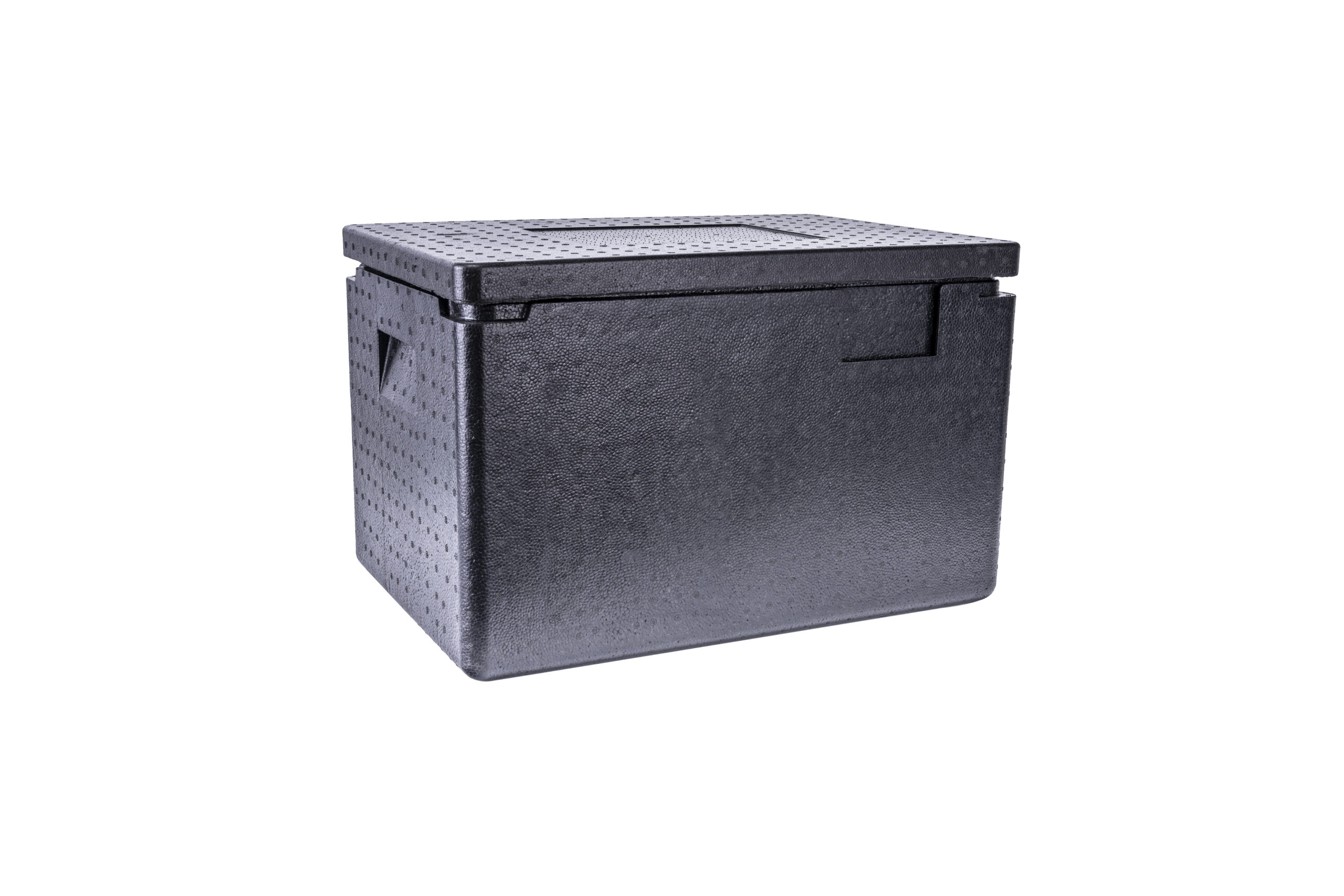
If you are reviewing paper insulated box liner manufacturers, you are likely trying to solve a cold chain packaging problem without creating a disposal problem. That is why paper insulation is getting more attention. It can support a cleaner packaging story, flatter storage, and a better customer experience. But those benefits only matter if the liner also protects your product in real transit.
The best paper insulated box liner manufacturers understand this balance. They do not just sell a paper material. They help you build a thermal shipping system that works for your route, product, and operational workflow.
This article will answer:
- Why paper insulated box liners are growing in popularity
- What separates strong paper liner manufacturers from weak ones
- How to judge structure, moisture resistance, and thermal performance
- Which compliance and documentation questions matter most
- What 2026 market changes mean for paper insulated packaging
Why are paper insulated box liner manufacturers gaining attention?
Paper insulated box liner manufacturers are growing because buyers want packaging that is easier to recover, easier to explain, and easier to integrate into a modern sustainability strategy.
Paper and paperboard benefit from broad recovery infrastructure in the United States, and industry reporting continues to highlight large-scale recovery of paper-based packaging. Meanwhile, Europe’s packaging rules are pushing companies toward waste reduction, recyclability, and more circular material thinking. (US EPA)
For brands, this matters because customer perception has changed. Many end users now react better to a paper-forward unboxing experience than to a packaging format they perceive as difficult to sort or dispose of.
Why the interest goes beyond marketing
- Paper insulated liners can also offer practical business benefits:
- flat-pack storage
- easier warehouse handling
- lighter brand communication burden
- better fit with sustainability reporting goals
- But paper insulation only makes sense when the thermal result holds up.
- What should a good paper insulated box liner manufacturer provide?
- A strong supplier should offer packaging guidance, not just converted material.
- That means the manufacturer should help you with:
- carton and liner size matching
- route-based thermal logic
- moisture behavior expectations
- production consistency
- disposal guidance
- procurement-ready records
If a supplier cannot explain how its paper liner behaves with your coolant and your product load, you should be cautious.
Practical tips
- For direct-to-consumer food: Ask how the liner folds and how long it takes to pack.
- For frozen shipments: Ask for summer-delay test assumptions.
- For premium brands: Ask how to explain disposal in one short sentence.
How do paper insulated liners actually work?
Paper insulation works by using fiber structure and trapped air to slow heat transfer.
Manufacturers often use:
- corrugated structures
- honeycomb paper
- layered fiber pads
- compressed multi-layer paper formats
- molded fiber shapes
The design challenge is to create enough trapped air and structural stability without making the package too bulky.
The key technical trade-off
More thickness can improve insulation, but it reduces internal product space. Higher density can improve stiffness, but it may reduce insulating air volume. Better paper insulated box liner manufacturers know how to balance these factors rather than chasing one metric.
Think of it like clothing
A winter jacket works because of air trapped inside its structure. If you compress it too much, it often insulates less. Paper insulation follows a similar logic. Structure matters as much as raw material.
Why is moisture control so important?
Moisture can change the real-world performance of a paper liner more than many buyers expect.
Condensation, meltwater, and humidity can reduce stiffness, soften edges, weaken folds, and affect thermal stability. That is why a paper insulated box liner manufacturer should explain wet-condition behavior, not just dry-lab thermal claims.
Ask questions like:
- Does the liner hold shape after condensation exposure?
- Are edges reinforced?
- What happens if gel packs sweat heavily?
- Is the structure still usable after long transit?
- Practical tips
- For seafood: Ask whether the design was reviewed under wet shipping conditions.
- For chilled meal kits: Ask whether condensation affects folding or customer handling.
- For frozen desserts: Ask whether extended delay increases moisture-related failure risk.
What tests should you ask for?
You should ask for system-level thermal testing, not a standalone material claim.
ISTA says Procedure 7D is a development test used to evaluate transport packaging under external temperature exposure. That makes it useful when comparing insulated shipping systems during sourcing. (国际安全运输协会)
A helpful supplier should provide or discuss:
- internal temperature curves
- ambient profile summary
- pass criteria
- payload assumptions
- coolant type and quantity
- pack-out layout
- Why that matters
A paper liner may look impressive on a spec sheet but still perform poorly in your exact box, with your exact payload, on your exact route. The best supplier helps close that gap.
What compliance questions should you ask?
Paper insulated box liner manufacturers should be able to explain food-contact and material compliance issues in clear language.
FDA says food contact substances include packaging and its components. For applicable paper and paperboard food-contact uses, U.S. requirements are governed within FDA’s framework, including 21 CFR Part 176 where relevant. (U.S. Food and Drug Administration)
That means a serious manufacturer should be ready to discuss:
- food-contact relevance by layer
- material composition overview
- PFAS statement
- traceability approach
- recycled-content support
- test documentation
FDA also said PFAS grease-proofing agents used on paper and paperboard for food-contact use are no longer being sold by manufacturers into the U.S. market, which is one reason PFAS declarations have become more common in procurement. (U.S. Food and Drug Administration)
ASTM guidance for calculating and substantiating recycled content in packaging paper and paperboard is also useful when buyers want stronger support for recycled-content claims. (ASTM International | ASTM)
2026 latest developments and trends
In 2026, paper insulated box liner manufacturers are being pushed forward by both policy and market demand. The EU Packaging and Packaging Waste Regulation entered into force in February 2025 and is driving greater focus on packaging waste prevention, recyclability, and material efficiency. (Environment)
At the same time, cold chain packaging demand continues to expand across healthcare and food distribution. Market reports continue to forecast growth in cold chain packaging and related materials, which supports more investment in paper-based thermal packaging development. (Grand View Research)
Latest progress snapshot
- Paper-first packaging demand: Buyers want easier-to-explain recovery paths. (US EPA)
- Validation-led sourcing: Suppliers now need better route-based evidence. (国际安全运输协会)
Chemical scrutiny: PFAS clarity matters more during supplier review. (U.S. Food and Drug Administration)
FAQ
Are paper insulated liners always better than plastic-based formats?
Not always. Paper may improve recyclability positioning, but the full decision depends on thermal performance, moisture exposure, and shipping cost.
What is the best first supplier comparison method?
Use the same carton, product load, coolant, and transit profile for every sample test. That gives you a cleaner comparison.
Can paper liners work for frozen shipping?
Yes in some cases, but you should confirm the actual pack-out result. Frozen shipping is often where moisture handling becomes critical.
Why do some paper liners seem bulky?
Because trapped air is part of the insulation strategy. The goal is to balance protection and internal cube efficiency.
Summary and recommendation
The best paper insulated box liner manufacturers are not just paper converters. They are packaging partners that understand structure, moisture, compliance, and shipping conditions. In 2026, buyers should prioritize manufacturers that combine route-based thermal validation, clear recyclability messaging, and procurement-ready documentation.
Start your sourcing process with a real-world test plan. That will tell you more than a brochure ever can.
About Tempk
At Tempk, we focus on practical temperature-controlled packaging solutions for real cold chain conditions. We understand that buyers need packaging that performs, stores efficiently, and fits modern material expectations. Our approach emphasizes usable thermal design, operational simplicity, and clearer packaging communication for food and temperature-sensitive logistics.
If you are comparing paper insulated box liner manufacturers, begin with your route, payload, and customer disposal needs. That is where the right solution starts.
==============================
How to Choose the Best Paper Insulated Box Liner Manufacturer in 2026?
A paper insulated box liner manufacturer is no longer judged only on whether it can make a paper insert. In 2026, buyers want a manufacturer that can combine structural design, consistent production, clear documentation, and a credible sustainability story without making the packing operation harder. That means manufacturer choice has become a strategic packaging decision.
This article will help you answer:
- What a paper insulated box liner manufacturer should deliver
- How paper structure creates insulation and what weakens it
- Which tests, controls, and compliance topics should guide approval
- How to compare manufacturers on cost, scale, and operational fit
- Which 2026 market trends are shaping manufacturer selection
What should a paper insulated box liner manufacturer deliver?
A reliable paper insulated box liner manufacturer should deliver more than product. It should deliver a system answer. That includes the right liner structure for the route, stable converting quality, pilot support, and a clear path to repeat orders. Paper-based insulation is highly dependent on geometry and fit, so the manufacturer must understand how the liner will be used, not only how it will be produced.
That means asking the right early questions:
- What are your main carton sizes?
- What is the shipping duration and seasonal risk?
- How fast is the packing line?
What level of customization is really needed?
A manufacturer that asks these questions is more likely to recommend a workable design.
Why design support matters so much
Paper liners usually rely on trapped air created by folds, chambers, or layered paper depth. That structure has to survive storage, handling, and line use. If it does not, the thermal result becomes less stable. A strong paper insulated box liner manufacturer knows that design and usability are tied together.
How does paper insulation work, and where does it fail?
A paper insulated box liner manufacturer creates thermal value by arranging paper into air-holding shapes. Air is the important part. Paper is the framework that keeps the air in useful form. That is why paper liner success depends less on one paper grade and more on how the structure is engineered.
The most common failure points are structural collapse, poor fold behavior, moisture sensitivity, and dimensional inconsistency. If the liner loses shape, corners lift, or the insert becomes hard to place, thermal protection and labor efficiency both suffer. This is why a good manufacturer thinks about pack-out from day one.
A plain-language technical view
You can think of a paper liner as a paper-built cushion of air. The better the manufacturer protects that cushion through converting and handling, the better your results. When that cushion weakens, the performance gap shows up quickly in the field.
Which tests and standards matter?
For paper materials, TAPPI-related measures help evaluate basis weight, thickness, moisture content, tensile behavior, burst, puncture, and compression-related stability. These are useful for understanding whether the material input and converted components are consistent enough for scale. For the broader shipping system, ASTM references such as D4169, D4332, and D5276 help create a more structured comparison across package designs. (Keystone Package Testing)
No single test replaces live use. But standards help make conversations more honest. A strong paper insulated box liner manufacturer should explain how its test results connect to your box, product load, and real pack-out method rather than presenting isolated lab numbers without context.
How should compliance affect manufacturer approval?
If your end use involves food, FDA guidance makes it clear that packaging manufacturers are not generally subject to the same preventive control subparts as food processors. Even so, cold-chain buyers still need packaging that supports stable, documented operations. If the end use involves healthcare, WHO guidance continues to emphasize controlled storage and distribution, monitoring, and qualified transport systems. That means documentation, traceability, and consistency still matter a great deal. (U.S. Food and Drug Administration)
A capable paper insulated box liner manufacturer should therefore be able to discuss specification control, change notification, and complaint investigation with confidence. Those are practical business protections, not paperwork for its own sake.
How do you compare total value instead of headline price?
Do not compare manufacturers on quotation alone. Compare them on total program value: design suitability, converting precision, usability, lead-time stability, and documentation quality. A paper insulated box liner manufacturer with slightly higher price can still be the better choice if it gives you fewer packing problems and better repeatability over time.
Usability should be included in that value review. A paper liner that is difficult to open or place can erase its cost advantage through slower labor. So, every approval process should include warehouse feedback, not only engineering review.
A practical 5-point scorecard
- Rate each manufacturer on:
- Structural design quality
- Production consistency
- Ease of pack-out
- Technical transparency
- Supply reliability
- The best long-term partner often wins on balance, not on one single metric.
- 2026 latest developments and trends
In 2026, the strongest market trend is disciplined movement toward paper-based thermal packaging where it fits the application. EU packaging rules are increasing pressure around life-cycle sustainability, labeling, and recyclability. EPA data continues to support the business case for paper-forward solutions in many procurement discussions. At the same time, buyer priorities still put food safety and shelf life first. (EUR-Lex)
That means the winning paper insulated box liner manufacturer is the one that can make a paper solution credible in three ways at once: thermally, operationally, and commercially. Sustainability gets the conversation started. Repeatable protection closes the deal.
Latest developments at a glance
- More manufacturers are offering paper thermal formats, but buyers are testing them harder.
- Customization is shifting toward smarter size rationalization, not endless SKUs.
- Manufacturers that support pilots and workflow fit are winning more serious programs.
- Paper liner structure explained
- How to qualify a cold-chain packaging supplier
- Moisture effects in paper thermal packaging
- Paper vs foil liner cost comparison
- Packaging pilot test checklist for operations teams
Frequently Asked Questions
What is the biggest advantage of choosing the right paper insulated box liner manufacturer?
You gain a better match between design, production consistency, and real packing conditions, which lowers rollout risk.
Do you need custom sizes for success?
Not always. A smart size strategy may combine standard and semi-custom options to reduce complexity.
Why should operations be involved in approval?
Because usability drives labor cost and consistency. A technically good design that is hard to pack can still fail commercially.
What is the biggest 2026 buying trend?
Buyers want paper-based solutions, but only when those solutions are clearly proven and easy to scale.
Summary and recommendations
The best paper insulated box liner manufacturer in 2026 combines structural design skill, converting discipline, documentation quality, and usable packaging. Those qualities matter more than broad sustainability claims or attractive samples.
For your next sourcing review, build a decision process around fit, pilot testing, pack-out ease, and repeatability. That will help you choose a manufacturer that supports long-term success rather than short-term optimism.
About Tempk
Tempk supports cold chain packaging with a practical focus on what works in real shipping and real operations. We help customers compare paper-based and other insulated packaging options so the final design supports the lane, the product, and the workflow involved. Our goal is to make packaging simpler to approve and more reliable to use.
If you are selecting a manufacturer now, choose the one that can support both the first trial and the tenth reorder with the same clarity.
How to Choose the Best Paper Insulated Box Liner Factory in 2026?
A paper insulated box liner factory can help you build a more recyclable and operationally practical cold-chain packaging program, but only if the factory understands thermal design, converting precision, and real warehouse use. The best factory is not simply the one that says “paper.” It is the one that turns paper structure into repeatable shipping performance.
This article will help you answer:
- What a paper insulated box liner factory should deliver beyond manufacturing
- How paper liner structure creates insulation and where it can fail
- Which converting, quality, and compliance checks matter most
- How to compare factories on total cost, usability, and supply stability
- Which 2026 sustainability and market trends are shaping factory selection
What should a paper insulated box liner factory provide?
A strong paper insulated box liner factory should provide three things at once: a workable liner structure, reliable converting quality, and support for scale-up. That means it should understand your box sizes, packing speed, refrigerant layout, and shipping duration before recommending a design. It should also be able to explain how the paper structure creates air space and how that air space is protected during folding, packing, and transport.
This matters because paper-based thermal packaging is highly design dependent. A paper liner can work very well when the geometry is sound and the dimensions are controlled. It can also fail quickly if the folds distort, the panel thickness varies too much, or the liner becomes awkward for the packing team.
What factory capability looks like in practice
- You should expect the factory to discuss:
- The paper structure used to create insulation
- Dimensional tolerance and fold consistency
- Pilot quantities and sample lead times
- Storage and humidity recommendations
- Forecast support for regular production
- If the factory cannot explain those basics clearly, it is harder to trust it with a scaled program.
How does paper insulation work, and what makes it succeed?
A paper insulated box liner factory usually creates insulation through structure, not chemistry. Layered paper, trapped air channels, corrugated forms, or engineered folds slow heat transfer by holding air and creating depth between the carton wall and the payload. In simple terms, paper becomes useful when it is shaped correctly.
That is why design is everything. Too much stiffness can make the liner hard to place. Too little stiffness can collapse the structure. Poor scoring can cause spring-back. Weak corners can reduce effective coverage. The best factory balances thermal intent with packing ease. That is a practical engineering job, not a marketing exercise.
A useful way to think about paper liners
Think of the liner as a paper-built air structure. The more stable that structure stays during storage and use, the more consistent the result. If the structure buckles or softens, the benefit falls. A reliable paper insulated box liner factory knows that and designs around it.
Which quality controls should you insist on?
Quality control should start with incoming paper verification and continue through converting and finished-goods review. A strong paper insulated box liner factory checks material consistency, cut accuracy, fold quality, and final dimensions. If the design includes bonded or assembled layers, that process should also be controlled and reviewed.
You should also ask how complaints are investigated. A professional factory should be able to trace finished goods back to incoming paper and conversion settings. That protects you when results drift and keeps problem-solving fast.
The most useful factory review questions
- How do you control score depth and fold repeatability?
- How do you store paper before converting?
- What finished-size tolerance do you hold?
- Can you provide pilot runs before annual volume?
- How do you handle material or design changes?
- These questions help you separate disciplined factories from simple converters.
Which tests and compliance topics matter?
Paper-specific testing often uses TAPPI-related measures such as grammage, thickness, moisture content, tensile, burst, compression, and puncture-related checks. Those tests help the factory understand material stability and converting suitability. Broader packaging validation often uses ASTM references such as D4169, D4332, and D5276 to understand how a package behaves through conditioning, shipping stresses, and drops. (Keystone Package Testing)
For food applications, FDA guidance indicates packaging manufacturers are not generally subject to the same preventive control subparts as food processors, but cold-chain buyers still need packaging that supports controlled distribution and repeatable temperature management. For healthcare applications, WHO guidance keeps temperature and humidity control, monitoring, and qualified distribution systems in focus. That means a paper insulated box liner factory should still be strong on documentation, consistency, and change communication. (U.S. Food and Drug Administration)
How do you compare cost the right way?
Do not compare factories on unit price alone. The better comparison is total program cost. That includes liner price, pack-out labor, fit consistency, storage space, inbound freight, potential damage risk, and ease of scaling multiple sizes. A paper insulated box liner factory with slightly higher price may still deliver lower total cost if it reduces packing delays and avoids fit-related complaints.
Paper structures can also create hidden cost if usability is poor. If the liner catches on the carton, springs open unexpectedly, or needs too much training, labor cost rises quickly. So, always include operator feedback in the approval process.
A simple buyer scorecard
- Rate each factory from 1 to 5 on:
- Structure logic
- Converting precision
- Pack-out usability
- Documentation quality
- Lead-time reliability
Factories that score evenly across these points usually outperform low-price factories that only look strong on quotation day.
2026 latest developments and trends
The 2026 market favors paper-forward thermal packaging where it can be justified without sacrificing product protection. EU packaging rules continue to increase attention on life-cycle sustainability, labeling, reuse, and recyclability. EPA data supports ongoing interest in paper and paperboard packaging because recycling performance remains comparatively strong in that material family. (EUR-Lex)
Still, the market is not choosing paper for its own sake. McKinsey’s 2025 U.S. research shows food safety and shelf life remain the most important packaging priorities. That means the best paper insulated box liner factory is the one that can prove a paper-based design works operationally and thermally, not just environmentally. (McKinsey & Company)
Latest developments at a glance
- More buyers are trialing paper-based thermal structures.
- Factory converting precision is becoming a bigger differentiator.
- Sustainability language now needs fit, test, and usability proof.
- Paper thermal liner design basics
- How to test a recyclable cold-chain package
- Box size optimization for insulated liner fit
- Cold chain packaging quality checklist
- Paper vs mixed-material shipping insulation guide
Frequently Asked Questions
What is the most important factor in choosing a paper insulated box liner factory?
The factory’s ability to turn paper structure into repeatable fit and pack-out performance is usually the deciding factor.
Do paper liners always lower total cost?
Not always. They lower total cost only when the structure is easy to pack, scales reliably, and protects the shipment well enough.
Why is converting precision so important?
Because paper structures are less forgiving when dimensions drift. Small errors can create big usability problems.
Should a buyer run humid-condition testing?
Yes. Humidity can affect stiffness and fold behavior, so it is worth checking when the route or storage conditions make that relevant.
Summary and recommendations
The best paper insulated box liner factory in 2026 combines sustainability potential with technical discipline. You should evaluate factories on structure design, converting control, quality transparency, usability, and supply planning. That combination protects both product quality and operational efficiency.
For your next project, shortlist factories that can explain how the liner works, show how they control it, and support you through pilot runs before scale. That is the most reliable path to a successful paper-based thermal packaging program.
About Tempk
Tempk develops cold chain packaging solutions with a practical view of what works in real shipping operations. We help customers assess paper-based insulation structures alongside other options so the final design fits the lane, the product, and the packing environment. Our focus is clear: make protection repeatable, make operations manageable, and avoid unnecessary complexity.
If you are comparing paper liner factories now, choose the one that can prove performance with clarity and scale it with confidence.
Paper Insulated Box Liner Distributor: The 2026 Buyer Guide
A paper insulated box liner distributor can be the right partner when you want a more visible fiber-based packaging approach without losing control of cold chain performance. In 2026, more buyers are looking at paper because they want a simpler disposal story, a cleaner brand experience, and a packaging format that feels easier to explain. But the best buying decisions still come from matching the liner to the lane, not from chasing one sustainability trend.
Paper insulation can work very well. It can also disappoint if buyers ignore moisture, fold design, and shipment duration. That is why distributor quality matters. The right partner helps you understand not only what the liner is made from, but also where it actually performs well.
What this guide will help you answer
- When is a paper insulated box liner the right choice?
- What should you ask a paper insulated box liner distributor before buying?
- How do moisture and closure affect real performance?
- What do 2026 regulations and recycling trends mean for buyers?
- How do you build a scalable paper-liner program without oversimplifying?
- Why paper liners are getting more attention
Paper-based insulation is attracting more buyer interest because it offers two strong commercial benefits. First, many customers understand it quickly at unpacking. Second, it aligns with the broader market move toward packaging systems that feel easier to sort and explain. EPA data continues to show strong recycling performance for paper and paperboard materials, which is one reason fiber-based packaging remains such an active sourcing topic. (US EPA)
At the same time, buyers are getting smarter about claims. They want paper solutions that work in real lanes, not just in sustainability presentations.
Regulation and claim clarity in 2026
In Europe, Regulation (EU) 2025/40 is already in force and is increasing attention on packaging sustainability and labeling. In the United States, the FTC’s Green Guides still shape how environmental claims should be expressed and supported. That means a serious distributor should explain the liner’s material logic, use conditions, and disposal assumptions clearly. (EUR-Lex)
If the supplier cannot explain those details in simple language, that is a warning sign.
What a good paper insulated box liner distributor should provide
- A strong distributor should help with:
- box-fit recommendations
- stock and replenishment planning
- honest route suitability guidance
- moisture-response discussion
- support for custom sizing when volume grows
- simple end-user handling language
- Distributor evaluation table
- The most important technical question: moisture
Paper insulation works by combining layered fiber and trapped air. That can be effective, but chilled environments introduce condensation. Moisture can change stiffness, assembly feel, and the customer’s end-of-use experience. That is why you should always review paper liners in a realistic chilled packout, not only as dry warehouse samples.
Ask:
- How does the liner behave after moisture exposure?
- Does the fold pattern hold shape?
- Is the top closure still clean and effective?
- Can the user flatten the liner easily after unpacking?
- How to compare paper liners fairly
Do not ask paper insulation to solve every shipping scenario. Instead, identify where it creates the best overall value.
Strong-fit use cases
- short to moderate chilled parcel lanes
- direct-to-consumer premium food programs
- grocery or meal kit systems where unpack experience matters
- brands trying to reduce plastic-heavy packaging
- operations that benefit from flat-pack storage efficiency
- Use extra caution for
- long severe summer routes
- heavy frozen loads
- very high-moisture packouts
- programs with unstable carton sizing
- Why route matching is more important than broad claims
Cold chain packaging is still judged by temperature control. USDA FSIS guidance keeps the practical benchmark easy to remember: cold foods should stay at or below 40°F. That means paper liner selection has to be grounded in real transit conditions, not in marketing language. (美国农业部食品安全和 Inspection 服务)
The strongest buyers use lane-based decision making. They choose paper where paper makes commercial sense, and they keep more robust alternatives for harsher routes if needed.
A simple buyer scorecard
2026 trends you should watch
The paper insulation market is moving toward stronger design detail and clearer communication. Buyers want paper that is easier to assemble, more stable in chilled use, and simpler to explain to customers. Distributors that win are the ones that pair fiber-based packaging with honest route guidance and stable service.
Recommended internal link topics
- paper cold chain packaging guide
- recyclable insulated liner comparison
- meal kit thermal packaging guide
- condensation control in cold chain packaging
- right-size insulated shipping box guide
- FAQ
Is a paper insulated box liner always curbside recyclable?
It depends on the exact structure and local system. Ask the distributor for clear disposal guidance.
Can paper insulation replace all other liner types?
Usually not. The best strategy is to match paper to the shipping jobs where it performs best.
- What should I validate first?
Validate fit, closure, and moisture behavior in your actual carton and packout.
Why is the distributor so important?
Because the right distributor helps you choose a paper liner that works operationally, not only conceptually.
Summary and next step
A smart paper insulated box liner distributor helps you balance performance, customer experience, and sustainability communication. In 2026, the best buying decisions come from realistic route matching, strong fit review, and clear claim support.
Your next step is to shortlist the lanes where paper is most likely to succeed, request samples in those cartons, and compare moisture behavior before rollout.
About Tempk
At Tempk, we focus on paper and hybrid cold chain packaging solutions that make sense in real operations. We look closely at fit, moisture behavior, route suitability, and supply consistency so that paper insulation becomes a workable system, not just a trend.
Paper Insulated Box Liner Bulk Order: The 2026 Buyer and Validation Guide
A successful paper insulated box liner bulk order is built on three things: the right route, the right cavity fit, and the right proof. In 2026, paper liners are gaining attention because buyers want a fiber-forward format that stores flat, looks cleaner at unboxing, and fits the wider push toward circular packaging. But a paper liner only becomes a good business decision when it protects temperature-sensitive goods without slowing your line or creating avoidable spoilage. The cold chain packaging market is expanding quickly, paper and paperboard are one of the fastest-growing segments in the U.S. outlook, and regulatory pressure around packaging design is getting sharper as the EU PPWR moves into application from 12 August 2026. (Grand View Research)
What will this guide help you do?
Choose whether a paper insulated box liner bulk order is right for your lane and payload
Understand how fiber-based insulation performs and where moisture changes the answer
Compare suppliers on capacity, validation support, and true commercial value
Build a safer approval process for chilled food, meal kits, and selected healthcare shipments
When is a paper insulated box liner bulk order the right commercial choice?
A paper insulated box liner bulk order is strongest in chilled, moderate-duration lanes where presentation, flat-pack storage, and disposal simplicity matter. That includes meal kits, chilled grocery, dairy, produce, and selected specialty foods. It can also work in some healthcare-adjacent uses if your packaging system is validated and the product risk is appropriate.
The format is attractive because it solves several operational problems at once. Compared with bulkier rigid insulation, paper liners usually store and ship more efficiently. They also help standard cartons feel more engineered and more premium. And because paper-based packaging starts from a stronger fiber-recovery position than many mixed flexible materials, procurement teams often find it easier to defend internally. EPA reports an 80.9% recycling rate for paper and paperboard containers and packaging in its 2018 data series, while AF&PA reported 2024 recycling rates of 60%–64% for paper and 69%–74% for cardboard available for recovery. (US EPA)
That said, the right use case matters. If you are shipping frozen products, long-lane parcels, or highly excursion-sensitive biologics, a paper-only answer may not be enough. In those situations, hybrid structures, PCM support, or higher-performance insulation may be the smarter choice.
Quick decision table
How does paper insulation actually perform?
Paper insulation works by using fiber structure to trap still air and slow heat movement. Commercial cellulose-fiber insulation references commonly place thermal conductivity around 38 to 42 mW/m·K, with broader cellulose ranges around 35 to 45 mW/m·K. That is why paper can perform well enough for many chilled routes. But the category’s weakness is just as important as its strength: moisture. Cellulose references also note that thermal conductivity can rise materially as moisture increases, which means condensation and humid handling conditions can erode performance. (bioresources.cnr.ncsu.edu)
This is the central engineering truth behind every paper insulated box liner bulk order. You are not buying paper in a dry lab. You are buying a liner that will meet gel packs, cold payloads, humid docks, summer vans, and hurried operators. That is why better commercial paper systems increasingly rely on engineered cavities, fiber structure, and barrier support instead of plain bulk paper alone.
Academic work published in 2024 and indexed through 2025 also shows why the category is advancing. Researchers reported paper-based packaging concepts that combine strength, thermal insulation, and water resistance, including a sustainable paper-based material with tensile strength up to 60.93 MPa. That does not guarantee every product on the market is equally good, but it does show that paper-based thermal packaging is becoming more sophisticated rather than standing still. (PMC)
What this means for your order
- Ask how the liner behaves after condensation exposure, not only in dry-condition demos.
- Ask for the finished cavity size after the liner is erected.
- Ask whether the sample reflects production material and production sealing.
- Ask what coolant layout was used in any reported thermal result.
How should you size and validate a paper insulated box liner bulk order?
Sizing and validation are where most costly mistakes begin. Buyers often request a quote using the outer carton only, then discover too late that the installed liner reduces payload space, changes coolant position, and creates empty air gaps. The result is a system that costs more and performs less consistently than expected.
A better process looks like this:
- Define the target temperature range
- Define the maximum dwell time and worst seasonal lane
- Lock the payload dimensions and weight window
- Lock the coolant type and preconditioning method
- Confirm erected liner dimensions, not flat-sheet size
- Run controlled thermal tests
- Confirm pack-out repeatability on the actual line
If your application is food, FDA’s sanitary transportation guidance provides broadly applicable recommendations intended to prevent food safety problems during transport. If your application is pharmaceutical, WHO’s model guidance for time- and temperature-sensitive pharmaceutical products remains relevant, and WHO’s shipping-container supplement states that qualification consists of DQ, OQ, and PQ. For parcel thermal testing, ISTA 7E is designed to evaluate thermal transport packaging exposed to parcel delivery environments. (U.S. Food and Drug Administration)
That gives you a practical approval structure:
- DQ: Is this liner concept right for your use case?
OQ: Does it pass the temperature profile in controlled testing?
- PQ: Does it still work with real operators, real payloads, and real shipping execution?
Validation table
How do you compare suppliers and control total cost?
The cheapest quote is rarely the best paper insulated box liner bulk order. You should compare total delivered value across unit price, freight efficiency, storage footprint, assembly speed, seasonal stability, and failure exposure. A slightly more expensive liner may be cheaper overall if it stores flatter, installs faster, or reduces spoilage and reshipment.
Ask every supplier the same commercial and technical questions:
- What is the MOQ for each size?
- Can the supplier support forecast-driven replenishment?
- Are samples production-equivalent?
- What is the lead time in peak season?
- What data support the recommended use case?
What are the known limitations of the structure?
A strong supplier should also be honest about where paper is not the right answer. That is often the clearest signal that you are talking to a real cold-chain partner rather than a catalog seller.
2026 market and sustainability outlook
The timing matters. Grand View Research sees strong growth across cold-chain packaging through 2033, while GCCA frames 2026 as a pivotal year for technology, sustainability, and climate preparedness. Together, those signals explain why more teams are testing paper-led insulation now: the market is bigger, the lanes are more demanding, and the packaging conversation is more visible than it was a few years ago. (Grand View Research)
Regulation is also tightening the decision. The EU PPWR entered into force on 11 February 2025 and applies from 12 August 2026, which raises the stakes for packaging design, material efficiency, and end-of-life claims. Buyers who treat a paper insulated box liner bulk order as just another purchasing line item will miss that strategic shift. (EUR-Lex)
2026 developments to watch
More fiber-forward insulation programs: especially in chilled DTC food
More hybrid systems: paper combined with PCM or better moisture barriers for tougher lanes. (ScienceDirect)
More route-specific buying: climate variability is pushing buyers to stop using one generic format for every lane. (Global Cold Chain Alliance)
FAQ
Can a paper insulated box liner bulk order replace EPS everywhere?
No. Paper can be excellent for many chilled applications, but frozen and highly sensitive routes may still require stronger insulation systems or hybrid formats.
What is the first metric I should ask for?
Ask for the finished internal cavity size after the liner is installed. That one number often reveals whether the design will actually work in your carton.
Do I need parcel testing for food shipments?
If you ship by parcel, thermal parcel testing is highly useful. But it should support, not replace, a broader route and payload validation program. (国际安全运输协会)
Is paper always the most sustainable answer?
Not automatically. The most sustainable answer is the one that protects product reliably, avoids waste, uses materials efficiently, and fits local disposal systems.
Summary and recommendation
A well-planned paper insulated box liner bulk order gives you more than a packaging format. It gives you a repeatable shipping system that can improve storage efficiency, support a stronger fiber-based material story, and fit modern chilled-shipping needs. But it only works when you match the liner to the lane, validate the full system, and buy from a supplier that understands real cold-chain risk.
Your best next step is to run one box, one payload, one coolant layout, and two seasonal profiles. That small test will tell you more about commercial readiness than ten unverified claims.
About Tempk
We design passive cold-chain packaging with a focus on fit, repeatability, and real-world pack-out. Our work includes paper-based liners, inserts, foil bubble formats, coolant pairing, and full shipper development for food and life-science applications.
If you are evaluating a paper insulated box liner bulk order, share your carton size, payload type, temperature range, route time, and forecast volume. That lets you compare structures based on shipping reality, not guesswork.
Insulated Packaging Liner Wholesale Price: How Do You Buy for Cost and Performance?
If you are comparing insulated packaging liner wholesale price, the best answer is not the cheapest quote. The best answer is the liner that gives you the lowest proven shipment cost for your product, lane, and workflow. In 2026, smart buyers evaluate price together with thermal performance, labor efficiency, storage density, supplier quality, and sustainability direction.
What this guide will help you answer
- What actually drives insulated packaging liner wholesale price
- How to compare liner materials without guessing
- Which standards and qualification signals matter
- How parcel growth and sustainability rules are changing the market
- How to build a better RFQ and choose the right supplier
- Why insulated packaging liner wholesale price can mislead you
A liner quote is easy to read but hard to judge unless you know what created it. The number reflects raw material, converting steps, dimensional accuracy, packaging density, and expected performance. Two liners can look similar and still behave very differently in pack-out speed, coolant demand, and temperature hold.
That is why piece price alone is a weak buying metric. A lower-cost liner may require more coolant. It may fit poorly and create air gaps. It may slow your team during packing. Or it may work only in mild weather, forcing you to buy a second seasonal spec. Those hidden costs usually matter more than a small difference in unit price.
A fast buyer reality check
- Ask yourself these five questions before comparing prices:
- What box size will the liner be used in?
- What product temperature band must you protect?
- How long is the normal lane, and how long is the worst-case lane?
- What refrigerant will you use?
- Is this shipment cost sensitive, risk sensitive, or compliance sensitive?
- If you cannot answer those five questions, the quote is only a rough guess.
- How material choice changes price and real-world value
Broadly speaking, insulated liners can be built around reflective bubble, foam, fiber, or hybrid structures. Each material family solves a slightly different problem. Reflective bubble designs are popular because they are light and flat-pack well. Foam-heavy formats add more thermal resistance and structure. Hybrid systems try to improve balance across protection, space, and assembly.
The right choice depends on your shipping pattern. For short parcel lanes, you may want the lightest design that assembles fast. For hotter routes or longer dwell times, a stronger thermal wall may be worth more. For multi-SKU programs, exact-fit custom liners may reduce coolant use and labor enough to justify the added conversion cost.
What reflective layers can and cannot do
The U.S. Department of Energy notes that radiant barriers are highly reflective and reduce heat gain by reflecting radiant heat, but they do not have inherent R-value on their own. That is a useful reminder for buyers. A reflective face can help, especially when radiant exposure is high, but the total package still depends on the full liner construction, air gap behavior, and pack-out design. (The Department of Energy’s Energy.gov)
So when a supplier promotes a foil-based liner, ask what part of the performance comes from reflection, what part comes from trapped air or foam, and how the package was tested. That question often separates strong suppliers from sellers with only surface-level claims.
How test standards help you compare quotes honestly
The most trustworthy insulated packaging liner wholesale price is the one tied to clear test logic. ASTM D3103 is intended for evaluating the thermal insulation performance of distribution packages, especially for high-value and high-risk materials. ASTM D4169 provides a uniform laboratory basis for exposing shipping units to expected distribution hazards. ISTA 7D evaluates temperature exposure effects, while ISTA 7E uses profiles developed from real-world transport data, and ISTA Standard 20 gives a design and qualification path for insulated shipping containers. (ASTM International | ASTM)
For you, that means a quote should come with context. What box was used? What payload? What coolant? What external temperature profile? What pass range? Without those details, you are comparing claims, not systems.
What you should ask every supplier
- Which test profile did you use?
- Was the liner tested in a full package system or alone?
- What product mass was assumed?
- How much coolant was used?
- Was the result designed for parcel, pallet, or controlled distribution?
- Can the same liner cover more than one season or lane?
- These questions do not make you difficult. They make you efficient.
- Why compliance and quality systems matter more than a low quote
If you ship food, specialty ingredients, diagnostics, or healthcare-related products, packaging quality is not just an efficiency issue. It can be a compliance and risk issue. FDA’s sanitary transportation rule establishes requirements for shippers, loaders, carriers, and receivers involved in transporting food to use sanitary practices. WHO’s TTSPP guidance sets principal requirements for safe storage and distribution of time- and temperature-sensitive pharmaceuticals. IATA also says current packaging requirements and documentation reduce losses in compliant temperature-sensitive shipping. (U.S. Food and Drug Administration)
CDC adds a practical operational point: soft-sided containers specifically engineered for vaccine transport can be acceptable as part of a qualified container and pack-out system, while ordinary food or beverage coolers should not be used. That distinction matters because it shows the difference between generic insulation and qualified thermal packaging. (疾病控制与预防中心)
Supplier systems matter too. ISO describes ISO 9001 as a globally recognized quality management standard, and FDA says CGMP regulations set minimum requirements for methods, facilities, and controls used in manufacturing and packing drug products. If your supplier has stronger process discipline, your price may be more defensible because your risk is lower. (国际标准化组织)
How 2026 market trends are reshaping insulated packaging liner wholesale price
The market background in 2026 explains why buyers now ask harder questions. U.S. e-commerce sales reached an estimated $1.2337 trillion in 2025 and made up 16.4% of total retail sales. More parcel volume means more demand for flat-packed thermal packaging that stores efficiently, assembles fast, and survives variable transport conditions. (Census.gov)
At the same time, packaging regulation and sustainability pressure are becoming more concrete. The European Commission says the PPWR entered into force on 11 February 2025 and begins general application in mid-2026, with aims to minimize packaging waste and reduce the use of primary raw materials. The Commission has also highlighted recyclability by 2030, recycled-content requirements for plastic packaging, and reuse targets. Even when you are not selling into Europe today, these signals influence what global customers and suppliers now expect from packaging design. (Environment)
EPA reinforces the same direction from a practical business angle. It says source reduction is the environmentally preferred strategy and that lightweighting, reuse, and redesign are increasingly common business trends. EPA also notes that lighter or more efficient packaging can save money while reducing waste. In plain terms, buyers want liners that use less material intelligently, not just less material blindly. (US EPA)
How to lower total cost without damaging performance
The best cost savings usually come from better system design. That may mean standardizing box sizes, improving liner fit, simplifying the fold pattern, or reducing coolant load. It may also mean using one validated liner family across several shipment profiles instead of keeping too many similar SKUs.
A second major cost lever is operational efficiency. If a liner opens cleanly, seats consistently, and reduces training mistakes, it lowers labor cost and packing variability. A slightly higher-priced liner can be the better economic choice if it shortens pack-out time and reduces rework.
A practical decision tool
- Score each supplier from 1 to 5 on the points below:
- Choose the supplier with the strongest total score, not the lowest isolated price.
Frequently Asked Questions
What is the biggest mistake when comparing insulated packaging liner wholesale price?
Comparing only the piece price. The true cost includes coolant, labor, storage, freight, risk, and sometimes seasonal SKU complexity.
Should I ask for ASTM or ISTA data even for food shipments?
Yes. If temperature protection matters, test context helps you judge whether the liner matches your actual lane and handling pattern.
Is a custom liner always more expensive?
At the unit level, often yes. In total use, not always. Better fit can reduce coolant use, speed assembly, and lower failure risk.
Why does supplier quality management matter for a simple liner?
Because repeatability matters. A liner that changes size, seal quality, or material behavior from batch to batch can create real shipping problems.
How do I buy for 2026 instead of buying for last year?
Ask for a quote that explains performance, operational fit, and material-efficiency direction. Those three points are becoming standard expectations.
Summary and recommendation
The right way to evaluate insulated packaging liner wholesale price is to connect cost with thermal logic, test relevance, process quality, and market direction. In 2026, serious buyers want a liner that is efficient in the warehouse, reliable in transit, and easier to defend from a sustainability point of view.
Your best next step is to build a quote sheet that compares unit price, coolant demand, pack-out time, pallet density, and test basis side by side. That gives you a decision you can trust, not just a low number you hope will work.
About Tempk
At Tempk, we work on insulated liners and cold chain packaging systems with a practical focus on performance, pack-out efficiency, and scalable supply. We believe the right packaging decision is the one that protects the shipment, supports your operations, and makes cost sense over the full shipping cycle.
If you want a stronger buying result, the next move is to compare your current liner against one lighter and one higher-performance alternative using your real box sizes and shipping assumptions.
Insulated Packaging Liner Factory: How Do You Choose a Reliable Manufacturing Partner?
If you are looking for an insulated packaging liner factory, your real question is usually bigger than product sourcing. You want to know whether the manufacturer can deliver quality, scale, and repeatable packaging performance. In cold chain shipping, that matters because even small manufacturing differences can affect fit, labor time, and temperature protection.
The best insulated packaging liner factory should give you confidence in both output and consistency. That means the factory must be able to convert the material accurately, maintain stable quality, support customization, and back up claims with usable records.
This article will answer:
- What an insulated packaging liner factory should offer beyond production
- Which quality and process-control questions matter most
- How factory capability affects shipping performance
- What documentation and compliance support you should request
- Why 2026 market trends make factory selection more important
Why does factory capability matter so much?
An insulated packaging liner factory directly affects the repeatability of your shipping system.
You may choose a great liner design, but if production tolerances drift, the results can change. That can lead to:
loose fit in the carton
- slower packing
- damaged folds or seams
- inconsistent moisture behavior
- changed thermal performance
That is why the factory is part of the packaging design story. Manufacturing quality is not a separate issue. It is part of whether the liner performs as intended.
What should you ask an insulated packaging liner factory?
You should ask about process control, customization, traceability, and validation support.
Start with these topics:
- incoming material inspection
- dimensional tolerance control
- seam and fold quality
- lot traceability
- finished goods inspection
- scale capacity
- lead time stability
- thermal testing support
- Practical tips
- For seasonal businesses: Ask about peak-capacity planning.
- For multi-SKU packaging: Ask how they manage dimensional consistency across sizes.
- For international buyers: Ask about export packaging and shipping density.
How does factory quality affect thermal performance?
Factory quality affects thermal performance because the liner must fit and function the same way every time.
A liner that is too loose creates extra air gaps. A liner with poor fold quality may slow assembly or sit unevenly in the box. A liner with material variation may respond differently to moisture or temperature stress. These problems are small on paper but large in daily shipping.
A useful way to think about it
A thermal liner is like a gasket in a machine. If the shape and fit are inconsistent, the system still looks correct, but the actual performance can drift.
Why should factories support testing?
A high-quality insulated packaging liner factory should support test-ready production and sample consistency.
That means the supplier should be able to provide pilot samples that reflect real production, not only hand-built prototypes. This matters because testing a perfect sample means little if the factory output later behaves differently.
ISTA describes Procedure 7D as a development test for transport packaging under external temperature exposure. It is a useful reference point when evaluating thermal packaging systems and comparing production-backed designs. (国际安全运输协会)
What to request during evaluation
- pilot samples from standard production
- dimensional records
- pack-out guidance
- repeat sample availability
- observations on manufacturing changes
What documentation should a factory be able to support?
Modern buyers expect better paperwork and clearer material communication than before.
Depending on the product and market, you may need:
- material composition summary
- food-contact relevance explanation
- PFAS statement where relevant
- recycled-content methodology
- quality inspection records
- batch traceability support
FDA says packaging and packaging components can be food contact substances, which is why food-related buyers now ask more detailed questions about material use conditions and packaging composition. (U.S. Food and Drug Administration)
If the factory produces paper-based liner formats and markets recycled content, it is also useful to understand how those claims are substantiated. ASTM guidance exists for substantiating recycled content in packaging paper and paperboard. (ASTM International | ASTM)
How is 2026 changing factory selection?
In 2026, buyers are placing more value on factories that can combine scale with transparency.
The policy direction in packaging is moving toward lower waste, stronger recyclability logic, and more accountable material claims. The EU Packaging and Packaging Waste Regulation, which entered into force in February 2025, reflects that shift clearly. (Environment)
At the same time, cold chain packaging demand continues to grow. That means factories must supply rising volumes without losing quality control or validation support. (Grand View Research)
Latest progress at a glance
- Documentation matters more: Buyers want clearer support behind packaging claims.
- Factory transparency matters more: Procurement teams now ask deeper supplier questions.
- Production consistency matters more: Cold chain growth makes stable output more valuable.
- FAQ
What is the most important question to ask an insulated packaging liner factory?
Ask how the factory controls consistency from incoming materials to finished liner inspection. That gives you a quick sense of process maturity.
Should I audit the factory or just review samples?
Samples matter, but factory process questions matter too. A strong sample does not guarantee repeatable production.
Why is traceability important?
If a problem appears in transit, traceability helps identify whether the cause came from a material or production issue.
Can a factory be good at output but weak at cold chain packaging?
Yes. General converting capability is useful, but temperature-sensitive packaging needs stronger discipline around fit and repeatability.
Summary and recommendation
The right insulated packaging liner factory is the one that can produce consistent packaging at scale while still supporting application-specific performance. In 2026, buyers should look for manufacturing partners that combine process control, documentation, thermal test readiness, and reliable capacity planning.
When you shortlist suppliers, compare not only price and lead time, but also tolerance discipline, lot traceability, and production-backed sample consistency. That is how you reduce sourcing risk.
About Tempk
At Tempk, we focus on temperature-controlled packaging solutions built for real logistics conditions and real operational use. We understand that material design only works when factory execution is consistent. Our approach emphasizes practical thermal packaging, repeatable manufacturing, and clearer communication for sourcing and deployment teams.
If you are choosing an insulated packaging liner factory, start by reviewing how the supplier manages consistency across both samples and full production.
==============================
Insulated Container Liner Suppliers: A 2026 Guide to Better Supplier Selection
Insulated container liner suppliers are easy to find and much harder to compare well. Many offer similar product photos, similar thermal language, and similar promises about customization. But once you start sourcing for real products and real shipping lanes, the important differences show up fast. The best suppliers help you make clear decisions. The weaker ones add noise.
This guide is built to help you compare insulated container liner suppliers with a sharper lens. Instead of focusing only on price, it shows how to review fit, supplier process, technical clarity, validation logic, packaging density, and future-readiness. That is the kind of review that leads to stronger cold chain decisions.
This article will help you answer:
- What strong insulated container liner suppliers should provide
- How to compare suppliers fairly across product, process, and service
- When standard, semi-custom, or custom liners make the most sense
- Why validation, compliance awareness, and sustainability matter more now
- Which supplier questions reduce risk before you buy
What should strong insulated container liner suppliers provide?
A strong supplier should provide a usable recommendation, not just a product list. That means the supplier should understand your box size, route length, product sensitivity, temperature target, and expected order volume. When that information is used properly, the supplier can narrow the choice to a liner that actually fits your application.
Strong suppliers also reduce complexity. They explain whether the liner is standard or custom, how it is packed for shipment, what the MOQ is, and how repeat orders are handled. These details may sound commercial, but they strongly affect how easy your program is to manage.
What to expect from a reliable supplier
- Use-case-based recommendation
- Clear dimensions and structure summary
- MOQ and lead-time transparency
- Sample availability
- Pallet and carton density data
- Customization guidance when needed
- Responsive communication during trials and reorders
- Practical advice
- For first sourcing rounds: Ask each supplier for one main option and one backup option.
- For busy teams: Use a standard RFQ template so replies are comparable.
- For long-term buying: Treat repeat-order behavior as important as first-order behavior.
Practical case: A specialty food shipper found that the most helpful supplier was not the one with the largest catalog. It was the supplier that gave a clearer first recommendation and faster sample follow-up.
How do you compare suppliers fairly?
Fair comparison starts with a shared brief. Every supplier should receive the same information on container dimensions, payload, temperature target, route duration, coolant method, and annual volume. Without that, you are not comparing suppliers; you are comparing different assumptions.
Once the brief is fixed, score suppliers on categories that reflect the whole program. That includes product fit, clarity of recommendation, commercial transparency, packaging density, and service responsiveness.
A practical supplier scorecard
- Practical advice
- For procurement: Weight price heavily, but not alone.
- For operations: Include fold ease and insertion time in your review.
- For quality teams: Check whether supplier reasoning is precise or generic.
Practical case: A diagnostics company used a weighted scorecard and discovered that the cheapest supplier scored poorly on fit guidance and support. The final choice was easier after the review became more structured.
When do you need a custom liner supplier?
You need custom when standard options no longer solve the right problem. That can happen when your box is unusual, your route is demanding, your product is highly sensitive, or your customer experience requires a more precise in-box presentation. But custom brings more setup effort, and sometimes more cost, so it should be used deliberately.
Semi-custom options often deserve more attention than buyers give them. They can improve fit without turning the project into a full redevelopment.
When custom makes sense
- Standard sizes leave too much air space
- Closure quality is poor with existing liners
- Coolant placement is compromised
- Carton dimensions are stable enough to justify optimization
- You need a cleaner and more controlled pack presentation
- Practical advice
- For uncertain volume: Stay with stock or semi-custom first.
- For stable national programs: Review custom only after clear fit pain is documented.
- For branded shipping: Make sure aesthetic improvement also supports thermal logic.
Practical case: A direct-to-consumer health brand moved to a semi-custom liner after repeated complaints about awkward pack appearance and inconsistent lid closure. The middle-ground solution improved both.
Why are validation and compliance awareness so important now?
Because temperature-sensitive shipping decisions are under more scrutiny. FDA’s FSMA sanitary transportation rule establishes requirements for covered food transportation around vehicles, equipment, operations, records, and training. EMA says GDP is the minimum standard wholesale medicine distributors must meet to preserve product quality and integrity through the supply chain. WHO also notes that almost all vaccines in immunization programs are still distributed in the traditional 2°C to 8°C cold chain. These realities shape what buyers expect from liner suppliers, even outside the most regulated sectors. (U.S. Food and Drug Administration)
Validation language matters for another reason too. ISTA says 7E is the new standard for thermal transport testing in parcel delivery and that it uses real-world transport data. ASTM D3103 is intended to evaluate the thermal performance of insulated packaging used for high-value, high-risk materials. Buyers increasingly want suppliers who understand how liner recommendations should connect to testing logic, route reality, and pack-out assumptions. (国际安全运输协会)
This does not mean every sourcing project must become highly technical. It means the better supplier is the one that can explain why the liner should work, what it depends on, and where its limits are.
Questions that reveal supplier maturity
- What shipping scenario is this liner best for?
- What are the critical assumptions behind the recommendation?
- Does the recommendation change by season or route?
- How sensitive is the result to coolant amount or placement?
- What fit issue should our packing team watch for?
- Practical advice
- For food and general chilled goods: Ask suppliers to describe intended use clearly.
- For sensitive products: Build a short validation summary into your approval file.
- For operations: Test the recommended pack-out under normal working conditions.
Practical case: A specialty dairy program avoided a poor rollout because the supplier openly explained that its low-cost liner was better for short local delivery than nationwide parcel exposure.
How are market growth and sustainability changing supplier choice?
Because the best supplier now has to support both current performance and future packaging expectations. One 2025 industry report estimated the global cold chain packaging market at USD 33.73 billion in 2025 and USD 38.30 billion in 2026. As the market grows, more suppliers enter, more formats appear, and buyer comparison becomes more complex. (Grand View Research)
At the same time, packaging regulation is moving. The EU Packaging and Packaging Waste Regulation entered into force in February 2025, begins applying from mid-2026, requires all packaging to be recyclable by 2030, and includes a PFAS ban in packaging from August 2026. That pushes suppliers to think about simpler structures, lower-waste packaging, better right-sizing, and future-ready material strategies. (Environment)
For buyers, this means supplier selection should include a forward-looking question: can this supplier help us adapt? That matters if you expect higher volume, tighter packaging goals, or more public scrutiny on waste.
2026 supplier trend checklist
- More semi-custom size programs
- More portfolio segmentation by route and industry
- More density-focused packaging formats
- More material simplification conversations
- More backup-sourcing discussions for resilience
- Practical advice
- For current tenders: Review both present fit and future adaptability.
- For scaling brands: Keep at least one alternate supplier path where risk is high.
- For long-term sourcing: Favor suppliers that can discuss packaging direction clearly and honestly.
Practical case: A frozen meal business kept one core supplier and qualified a backup for two top-selling carton sizes. The added work was small compared with the supply confidence gained.
Frequently asked questions
What is the biggest mistake when comparing insulated container liner suppliers?
Using price alone and ignoring fit, validation logic, and repeat-order reliability.
- Should I always ask for technical documentation?
Yes. Even a short structure and dimension summary improves sourcing quality.
Do I need a supplier that understands testing standards?
Yes, at least at a practical level. That helps connect the liner to a real shipping scenario.
Why is sustainability now part of supplier selection?
Because packaging strategy is shifting toward lower waste, future compliance, and smarter material choices.
- Is dual-sourcing worth the effort?
For important volume or sensitive products, usually yes. It adds resilience.
Summary and recommendation
The best insulated container liner suppliers in 2026 combine fit, clarity, repeatability, and future-readiness. They help you choose the right liner, explain why it fits, and support supply without unnecessary friction. That is why supplier evaluation should cover product, process, logistics, and validation together.
Your next step is to update your supplier scorecard with fit, technical clarity, packaging density, sustainability direction, and repeat-order reliability. That will give you a stronger basis for selection than price alone ever could.
About Tempk
At Tempk, we believe liner sourcing should lead to confidence, not guesswork. We focus on practical packaging fit, usable recommendation logic, and supplier-side clarity that helps teams move faster with less risk. Better supplier selection starts with the real shipping requirement and ends with a solution that works in daily operations.
If you are reviewing suppliers now, start with your box, route, and temperature target. That is the best foundation for a stronger decision.
==============================
Insulated Container Liner Manufacturer: How Do You Choose for Scale, Control, and 2026 Expectations?
A strong insulated container liner manufacturer should help you solve a real transport problem, not simply sell a large-format insulating product. In 2026, serious buyers are choosing manufacturers based on application fit, technical clarity, production repeatability, and material-efficiency direction. Price still matters, but price without control is not a strong sourcing strategy.
What this guide will help you answer
- What an insulated container liner manufacturer should be able to do
- How large-format liners work in pallet, bulk, and staging applications
- Which validation, quality, and compliance signals matter
- How current market and sustainability trends affect supplier choice
- How to build a smarter manufacturer scorecard
- Start with the application, not the catalog
The best supplier choice begins with a clear use case. Are you protecting palletized goods during staging? Adding a thermal buffer to containerized cargo? Using a reusable warehouse cover? Supporting a sensitive cold chain load? Each use case creates a different design requirement.
That is why catalog size is not the most important factor. A smaller manufacturer with deeper application understanding may be better than a larger one with many products but weak guidance. The first thing to compare is how each supplier defines your problem.
How large-format liners create value
Large-format insulated liners can reduce heat exposure, smooth temperature swings, and add a practical buffer around loads that are sensitive to ambient conditions. In some applications, the main value is thermal. In others, the real value is operational: faster installation, easier staging, or better load consistency.
Reflective layers often play an important role, especially when radiant exposure is high. But they should be understood correctly. The Department of Energy explains that radiant barriers reduce heat gain by reflection and do not have inherent R-value on their own. That means reflective large-format liners must still be judged as whole systems with real installation and use conditions in mind. (The Department of Energy’s Energy.gov)
Common application types
Use validation logic before you commit
If a large-format liner is important to the shipment outcome, you should ask how its performance has been evaluated or how the manufacturer expects it to be evaluated. ASTM D3103 supports evaluation of thermal insulation performance of distribution packages, while ASTM D4169 provides a laboratory basis for expected distribution hazards. ISTA thermal methods and Standard 20 offer additional structured thinking around qualification and real-world transport profiles. (ASTM International | ASTM)
This matters because a liner that looks good in a product photo may be awkward in a real warehouse or less effective than expected when staging, loading, and delays are added. A good manufacturer helps connect the product to the application and the test logic.
Review supplier systems and process control
ISO says ISO 9001 is a globally recognized quality management standard, while ISO 14001 is the main environmental management framework. ISO also shows that ISO 14001:2026 is under publication for April 2026. These frameworks matter because large-format liner programs depend on repeatability, change control, and structured improvement over time. (国际标准化组织)
If your application supports food or healthcare-sensitive products, supplier discipline becomes even more relevant. WHO’s guidance for temperature-sensitive pharmaceuticals, IATA’s temperature-control rules, FDA’s food transportation requirements, and FDA’s CGMP framework all point toward the value of documented control in packaging systems tied to product integrity. (世界卫生组织)
Understand the 2026 market before choosing a manufacturer
The current market explains why sourcing is getting stricter. U.S. e-commerce sales reached an estimated $1.2337 trillion in 2025 and 16.4% of retail sales, which keeps pressure on packaging efficiency across fulfillment and distribution systems. At the same time, the EU’s PPWR entered into force on 11 February 2025 and begins general application in mid-2026, driving broader attention to packaging waste reduction and lower use of primary raw materials. (Census.gov)
EPA adds the core business principle: source reduction is the environmentally preferred strategy, and lightweighting and redesign are increasingly common business trends. In large-format liner sourcing, that means buyers increasingly ask how much protection is being achieved per unit of material, space, and labor. (US EPA)
Build a manufacturer scorecard that reflects real value
A useful manufacturer scorecard should combine product, process, and application thinking. You want to know whether the manufacturer can make the liner, install the liner, repeat the liner, and improve the liner program over time.
Manufacturer scorecard
Frequently Asked Questions
- What is the first thing to ask an insulated container liner manufacturer?
Ask how the liner is meant to solve your exact transport or staging problem.
- Does reflective material alone make a good large-format liner?
- No. Structure, coverage, installation, and the real environment all matter.
Should I ask about validation if my product is not pharma?
Yes. Validation thinking helps reduce risk in any meaningful thermal packaging program.
- Why do management systems matter for liners?
Because repeatability and change control matter when you are sourcing at scale.
What is the biggest 2026 sourcing trend?
Buyers want manufacturers that combine operational efficiency, material-efficiency thinking, and clearer technical reasoning.
Summary and recommendation
The right insulated container liner manufacturer is one that understands your application, supports validation logic, controls production, and can explain how the liner fits a more efficient packaging future. In 2026, that is what turns a supplier into a dependable partner.
Your next step should be to run a structured comparison of two or three manufacturers using real application criteria such as install speed, packaging density, system clarity, and process maturity.
About Tempk
At Tempk, we focus on insulated liner systems for cold chain and large-format transport with attention to real handling, repeatable manufacturing, and practical installation. We believe a strong liner program should protect the load while reducing avoidable complexity in the warehouse and supply chain.
A useful next step is to evaluate your current large-format liner program for hidden cost in handling, freight, and material use, then compare that against a more application-focused alternative.
Insulated Container Liner Distributors: How Do You Choose the Right Supply Partner?
If you are comparing insulated container liner distributors, you are probably trying to solve a speed and availability problem. You need insulated packaging, but you may not want long factory lead times, high minimum order quantities, or the complexity of buying directly from multiple sources. That is where distributors become useful.
The best insulated container liner distributors do more than hold stock. They help you source the right liner faster, manage regional availability, and reduce the operational friction that slows down cold chain packaging deployment.
This article will answer:
- What insulated container liner distributors actually do
- How to compare distributors beyond price
- Why inventory strategy and technical support both matter
- What documentation and material questions to ask
- How 2026 market trends are changing distributor value
What is the role of an insulated container liner distributor?
An insulated container liner distributor acts as a bridge between manufacturing supply and buyer urgency.
That role can be valuable when you need:
- shorter lead times
- mixed-SKU flexibility
- lower inventory risk
- regional fulfillment
- quicker sample access
- easier replenishment
For many buyers, a distributor is not a replacement for the manufacturer. It is a more agile supply option that can simplify purchasing and shorten response time.
What should you compare when choosing insulated container liner distributors?
You should compare inventory strength, technical understanding, replenishment support, and commercial responsiveness.
Important questions include:
- Which SKUs are stocked locally?
- How quickly can samples ship?
- Can they support seasonal demand peaks?
- Do they understand the liner application?
- Can they coordinate factory-backed special runs?
- What is their backup supply plan?
- Practical tips
- For seasonal food shipping: Ask how they handle peak-volume allocation.
- For multiple box formats: Ask whether they stock a full size family.
- For trial projects: Ask whether they can supply low-volume pilot runs.
- Why technical support still matters at the distributor level
A distributor should understand enough about the liner to help you avoid obvious packaging mistakes.
Even if the distributor does not manufacture the liner, they should still be able to discuss:
approximate transit window fit
- box compatibility
- liner sizing
- stock format differences
- operational handling basics
- If they cannot, they are only moving inventory, not helping your packaging project succeed.
- A simple rule
A useful distributor should be able to explain where the liner fits well and where it probably does not. That alone can save time and failed trials.
How do distributors affect packaging speed and cost?
A good distributor can lower the friction cost around packaging, even when the unit price is slightly higher than direct factory buying.
That is because distributors may help you reduce:
- urgent freight costs
- long replenishment gaps
- extra inventory holding
- ordering complexity
- project delays
For many buyers, the operational savings around speed and availability can balance a higher per-unit price.
- What material and documentation questions should you still ask?
Buying through a distributor does not remove the need for material clarity.
- You should still ask for:
- material description
- recyclability positioning
- food-contact relevance where needed
- PFAS statement where relevant
- recycled-content support if claimed
- test summary or factory data access
FDA states that food contact substances include food packaging and its components, so buyers working with food-related systems should still understand the packaging material story clearly. (U.S. Food and Drug Administration)
If a paper-based liner is part of the offer and recycled-content claims are made, ASTM guidance for substantiating recycled content in packaging paper and paperboard can be useful background. (ASTM International | ASTM)
2026 latest developments and trends
Distributor value is rising in 2026 because the packaging market is becoming both faster and more demanding. Cold chain packaging demand continues to grow, while sustainability pressure and packaging policy changes are making buyers more cautious about what they approve. (Grand View Research)
That means the best insulated container liner distributors are now expected to provide more than quick shipping. They are expected to provide faster access to the right SKU, clearer material communication, and better alignment with manufacturer support.
Latest progress at a glance
- Regional inventory matters more: Buyers want shorter replenishment cycles.
- Technical clarity matters more: Distributors need to answer basic application questions.
Material simplicity matters more: Recyclable and easier-to-explain systems are getting more attention. (US EPA)
FAQ
Should I buy from a distributor or directly from a factory?
It depends on volume, urgency, and customization needs. Distributors are often stronger for speed and flexibility. Factories may be stronger for large custom programs.
What is the biggest advantage of a distributor?
Usually faster supply and lower ordering friction, especially for stocked sizes.
Can a distributor support technical packaging decisions?
A good one should support basic application fit and connect you to factory resources when deeper testing is needed.
Do I still need thermal data if I buy through a distributor?
Yes. The packaging still needs to match your shipping conditions, no matter who sells it to you.
Summary and recommendation
The best insulated container liner distributors combine inventory speed with enough technical understanding to keep your packaging decisions grounded. In 2026, distribution value is increasing because buyers want both faster access and more confidence around materials and application fit.
If you are sourcing through distribution, shortlist partners based on stock strength, responsiveness, and their ability to connect operational needs with real packaging guidance.
About Tempk
At Tempk, we understand that packaging supply is not only about material. It is also about timing, availability, and practical deployment. Our focus is to support temperature-controlled packaging programs with solutions that fit real shipping conditions and real operating needs. That includes helping buyers think through application fit, handling simplicity, and clearer material communication.
If you are comparing insulated container liner distributors, start with your urgency level, volume profile, and need for application support. That will quickly show which channel fits you best.