


How to Optimize Your Insulated Box Liner Pricing for 2026?
How to Optimize Your Insulated Box Liner Pricing for 2026?
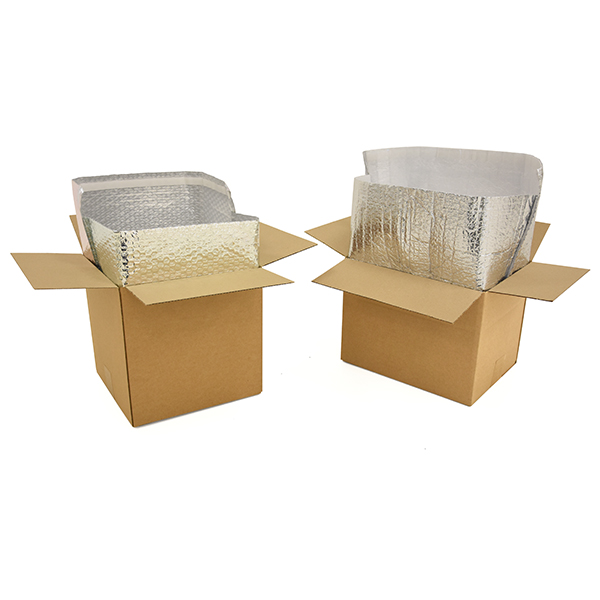
How to Optimize Your Insulated Box Liner Pricing for 2026?
Introduction
In 2026, managing insulated box liner pricing is a critical factor for businesses involved in cold chain logistics. Whether you’re shipping temperature-sensitive food, pharmaceuticals, or electronics, understanding the pricing structure of insulated liners will help optimize procurement costs, improve operational efficiency, and ensure product safety. This guide will provide you with key strategies to manage costs while maintaining top-notch performance for your cold chain packaging.
In This Guide, We Will Answer:
What factors affect insulated box liner pricing in 2026?
How can you optimize pricing strategy for bulk orders of insulated box liners?
What trends in insulated box liner pricing should you be aware of?
How to evaluate the best suppliers offering competitive pricing?
What Determines Insulated Box Liner Pricing?
Insulated box liner pricing is influenced by several factors beyond the unit cost. The most significant factors include material choice, performance specifications, shipping costs, and customization. Understanding these elements is essential for making informed procurement decisions.
Material Selection and Performance
The material used in the liners directly impacts both cost and performance. Here are some common materials used in insulated box liners:
Foil and Bubble Liners: These are cost-effective and lightweight, ideal for short transit durations.
Expanded Polystyrene (EPS): Offers moderate insulation and is suitable for standard shipments.
Polyurethane Foam: Known for its durability, providing excellent insulation for longer transit times.
Vacuum Insulated Panels (VIP): Provide the highest thermal resistance, suitable for long-duration shipments requiring superior temperature control.
| Liner Type | Material | Thermal Resistance | Cost Range | Best Use Case |
|---|---|---|---|---|
| Foil & Bubble | Aluminum + Bubble Film | Moderate | Low | Short-duration, local shipments |
| EPS | Expanded Polystyrene | Moderate to High | Medium | Standard shipments, chilled goods |
| Polyurethane Foam | Polyurethane | High | High | Longer routes, frozen goods |
| VIP | Vacuum Insulated Panel | Very High | Very High | Long-duration, sensitive products |
The higher the insulation performance, the higher the cost. VIP liners are ideal for sensitive products but are more expensive due to their superior insulation properties.
Customization and Specifications
Custom features can significantly increase the price of insulated box liners. Customization can include:
Size Adjustments: Tailoring the liner to the exact size of the product increases manufacturing complexity and cost.
Moisture Resistance: Adding moisture barriers for products sensitive to humidity can raise the liner price.
Branding and Special Closures: Custom branding or additional features like reinforced closures typically result in higher costs.
Freight and Shipping Costs
Shipping costs play a significant role in the overall price of insulated box liners. Many carriers calculate dimensional weight (DIM), which is based on the volume of the package rather than its actual weight. Larger liners, even if lightweight, can push your package into a higher freight tier.
Dimensional Weight: Oversized packaging can lead to higher shipping charges, even if the liner is light. Rightsizing packaging can help reduce both packaging and shipping costs.
Shipping Method: Air freight is faster but more expensive, while ocean freight is slower but more affordable for bulk orders.
How to Optimize Your Insulated Box Liner Pricing Strategy
1. Order in Bulk for Volume Discounts
One of the most effective strategies for reducing the overall cost of insulated box liners is bulk purchasing. Bulk orders typically come with significant volume discounts, lowering the price per unit. However, it is important to ensure that your business can handle the upfront cost and has adequate storage capacity.
Bulk Discounts: Negotiating for larger orders will help you take advantage of tiered pricing, securing lower per-unit prices.
2. Standardize Your Liner Sizes
Standardizing the size of your liners across different shipments can lead to significant cost savings. When you order in bulk with a standardized size, suppliers can streamline their production processes, which lowers manufacturing costs.
Efficiency Gains: By using fewer sizes for your shipments, you reduce complexity in production and storage, and suppliers can offer discounts due to economies of scale.
3. Negotiate with Suppliers
Many suppliers are open to negotiating prices, especially if you’re committing to long-term partnerships or large orders. Focus on negotiating based on performance rather than just thickness or size.
Negotiate Bulk Discounts: Suppliers often offer better pricing for consistent, large-volume orders or long-term contracts. It’s worth discussing flexible pricing based on your forecasted demand.
4. Match Insulation to Actual Needs
Avoid overspecifying insulation. If your shipment only requires 24 hours of protection, there is no need to invest in high-performance liners designed for longer durations. Tailoring the liner’s performance to your actual shipping needs ensures you don’t overspend.
Right-sizing Insulation: Ensure that the insulation level is matched to the time your product will be in transit to avoid unnecessary costs.
5. Consider Eco-Friendly Options
Eco-friendly insulated box liners may come with a higher upfront cost, but they can help you meet sustainability goals and reduce long-term costs associated with waste disposal. Many recyclable materials are now available, which can also reduce the carbon footprint of your packaging.
Sustainability Premiums: While these materials may cost more initially, they provide long-term savings by reducing waste disposal costs and aligning with environmental regulations.
How Seasonal and Volume Factors Affect Insulated Box Liner Pricing
1. Seasonal Demand and Raw Material Costs
Seasonal fluctuations in demand can affect both the pricing and availability of materials. For instance, during peak seasons (e.g., holidays), raw material costs may rise due to increased demand. Suppliers may also raise prices during periods of high demand.
Plan Ahead: Anticipating seasonal demand and adjusting your orders can help you avoid price increases during high-demand periods.
2. Bulk Purchasing for Consistent Supply
Volume-based orders allow businesses to benefit from reduced prices per unit. However, smaller businesses can group their orders with other companies or work with distributors to share MOQ requirements, optimizing purchasing costs without overstocking.
2026 Trends in Insulated Box Liner Pricing
The landscape of insulated box liner pricing is evolving, with several trends emerging in 2026:
1. Sustainability in Packaging
Eco-friendly options are increasingly influencing the pricing of insulated box liners. More companies are shifting towards using recyclable and biodegradable liners, aligning their packaging strategies with sustainability goals.
2. Smart Packaging Technologies
The rise of smart packaging — where liners include built-in temperature sensors — is changing the pricing dynamics. While these advanced liners may come at a premium, they offer valuable real-time temperature tracking, ensuring that shipments stay within the required temperature range.
3. Performance-Based Pricing
In 2026, many suppliers are moving towards performance-based pricing, where the cost is determined by the thermal performance and validated hold times of the liners, rather than just material thickness or weight.
Frequently Asked Questions (FAQs)
Q1: Why do insulated box liners vary in price?
The price varies due to factors like material quality, insulation level, and customization. Higher-performance liners, such as VIPs, cost more upfront but provide superior insulation.
Q2: How can I reduce the total cost of insulated box liners?
To reduce costs, order in bulk, standardize sizes, and negotiate with suppliers. Matching insulation to actual needs also helps avoid unnecessary spending.
Q3: Can I negotiate lower MOQs for bulk orders?
Yes, many suppliers are open to negotiating MOQs if you commit to repeat purchases or provide long-term volume forecasts.
Conclusion: Maximizing Cost Efficiency in Insulated Box Liner Pricing
Optimizing your insulated box liner pricing strategy in 2026 requires a comprehensive understanding of material selection, supplier relationships, and overall logistics costs. By following the tips outlined in this guide, businesses can reduce their cold chain logistics expenses while maintaining the necessary temperature protection for their products.
Action Step: Reach out to a trusted supplier of insulated box liners today to discuss pricing options, negotiate bulk discounts, and plan your future procurement strategy.
About Tempk
Tempk is a leading provider of insulated box liners designed to meet the needs of businesses in cold chain logistics. We help businesses reduce costs while maintaining high performance and sustainability in their packaging solutions.
Get in Touch: Contact us today to learn more about insulated box liner pricing and how we can help you optimize your cold chain logistics.
How to Optimize Your Insulated Box Liner Bulk Order in 2026?

How to Optimize Your Insulated Box Liner Bulk Order in 2026?
Introduction
Bulk ordering insulated box liners in 2026 is not just a strategy for cost savings but also a way to ensure that your cold chain logistics are efficient, reliable, and sustainable. This guide will help you understand the best practices for making bulk orders, from selecting the right materials to negotiating the minimum order quantity (MOQ), ensuring that you meet your cold chain needs while reducing unnecessary costs.
In This Guide, We Will Answer:
Why is bulk ordering insulated box liners crucial for your business?
How can you optimize the MOQ for insulated box liners to ensure cost efficiency?
What factors should you consider when choosing a supplier for bulk orders?
How do the latest trends in 2026 affect insulated box liner bulk orders?
Why Should You Consider Bulk Ordering Insulated Box Liners?
Bulk ordering insulated box liners offers significant advantages in both cost and operational efficiency. For businesses in cold chain logistics, such as food, pharmaceuticals, and e-commerce, maintaining a reliable and cost-effective packaging strategy is essential. By placing bulk orders, you can ensure consistent supply, reduce per-unit costs, and streamline your logistics.
Key Benefits of Bulk Ordering Insulated Box Liners:
Cost Savings: Bulk orders typically offer volume discounts, reducing the overall cost per unit.
Consistency: Ensures that all liners are of the same size, material, and insulation properties, maintaining temperature control across all shipments.
Supply Assurance: You avoid stockouts or delays, especially during peak seasons, ensuring that your shipments are always ready on time.
Improved Inventory Management: Streamlines the ordering process and reduces administrative work, saving time and resources.
How Bulk Ordering Affects Operational Efficiency:
Bulk ordering ensures that:
Procurement cycles are streamlined, reducing administrative overhead.
Your supply chain remains unaffected by seasonal spikes in demand.
You achieve consistent performance in cold chain packaging without worrying about fluctuating liner quality.
How to Evaluate Suppliers for Bulk Insulated Box Liner Orders
Choosing the right supplier is critical for your bulk orders. Here’s how you can evaluate potential suppliers for insulated box liners:
1. Material Selection
The material used in the liner determines its insulation efficiency and overall durability. Common options include:
Expanded Polystyrene (EPS): Cost-effective and ideal for short to medium shipments.
Vacuum Insulated Panels (VIP): Best for high-performance insulation, ideal for long-distance shipments or temperature-sensitive products.
Polyurethane Foam: Provides excellent durability and insulation, suitable for medium to long-duration shipments.
| Liner Type | Material | Thermal Resistance | Durability | Cost Efficiency |
|---|---|---|---|---|
| EPS | Expanded Polystyrene | Moderate | Moderate | High |
| VIP | Vacuum Insulated Panel | Very High | High | Moderate |
| Polyurethane Foam | Polyurethane | High | High | Moderate |
2. Customization Options
Custom-sized insulated box liners are crucial for ensuring the perfect fit for your products. Customization options allow you to adjust dimensions, insulation thickness, and material selection based on your specific cold chain needs.
Liner Size: Choose the exact size required to prevent temperature fluctuations and optimize storage.
Material Thickness: Select the right thickness based on the thermal resistance required for your products.
Moisture Resistance: If moisture is a concern, choose materials with built-in moisture barriers.
3. Performance Specifications
Ensure you define the required temperature range, hold time, and ambient conditions for your shipments. These parameters will help suppliers provide liners that meet your operational needs and ensure product protection.
4. Lead Time and Delivery
Timely delivery is essential for cold chain logistics. Make sure the supplier’s lead times align with your shipping schedules to avoid delays, particularly during peak seasons or unexpected demand surges.
Factors That Influence the Pricing and Quality of Bulk Orders
The price and quality of bulk insulated box liners can vary based on the following factors:
1. Material Quality
Higher-quality materials such as VIP liners are more expensive but offer superior thermal protection, making them ideal for sensitive products. EPS liners are more affordable but may not perform as well in extreme temperatures.
2. Order Volume
Larger orders typically come with better volume discounts, but it’s essential to balance cost savings with your actual needs to avoid overstocking.
3. Customization
Custom features like specific sizes, material performance, or moisture-resistant coatings can increase the price of liners, but they are necessary for ensuring product safety during transit.
4. Supplier Reputation
Reputable suppliers with a track record of quality assurance may charge a premium, but their products are likely to be more reliable, ensuring better long-term performance.
Trends in Insulated Box Liner Bulk Orders for 2026
Several emerging trends in 2026 are shaping how businesses approach insulated box liner bulk orders:
1. Sustainability and Eco-Friendly Materials
As sustainability becomes more important, many companies are shifting to eco-friendly packaging. Suppliers are offering biodegradable or recyclable insulated liners to help businesses reduce their carbon footprint while maintaining the same level of thermal protection.
2. Smart Packaging
Advancements in smart packaging technology have led to the integration of temperature monitoring sensors within insulated box liners. These sensors provide real-time data on temperature fluctuations during transit, giving businesses greater control over their cold chain operations.
3. Multi-Layer Insulation
Multi-layer insulation systems that combine reflective materials and thermal mass are becoming increasingly popular. These liners provide high-performance insulation while maintaining a lightweight structure, making them ideal for cost-effective cold chain logistics.
4. Customization for Specific Temperature Ranges
Suppliers are offering more customizable solutions, including liners tailored to specific temperature ranges, ensuring that businesses can optimize their packaging for different products and transportation needs.
Common Questions About Bulk Orders for Insulated Box Liners
Q1: What is the best material for insulated box liners?
The best material depends on your product’s temperature needs. EPS is suitable for short shipments, while VIP is ideal for long-distance shipping and temperature-sensitive products.
Q2: Can I order custom-sized insulated box liners in bulk?
Yes, many suppliers offer custom-sized liners for bulk orders, allowing you to match the liner to your specific packaging and temperature control needs.
Q3: How do I calculate the right quantity for a bulk order?
Estimate your monthly or seasonal shipping volume and factor in peak demand. For seasonal peaks, plan for 2–3 times the usual volume to ensure availability.
Conclusion: Maximizing the Benefits of Bulk Ordering Insulated Box Liners
In conclusion, bulk ordering insulated box liners is a smart and cost-effective strategy for businesses in cold chain logistics. By understanding the key factors such as material selection, MOQ, and performance specifications, you can optimize your bulk orders to meet your cold chain needs efficiently while controlling costs.
Action Step: Reach out to a reliable supplier of insulated box liners today, request a sample to ensure quality, and plan your bulk order based on your shipping forecasts.
About Tempk
Tempk is a trusted provider of custom insulated box liners for businesses in cold chain logistics. We specialize in cost-effective, eco-friendly packaging solutions that maintain the highest standards of thermal protection for your products.
Get in Touch: Contact us today to learn more about our insulated box liner bulk order options and how we can help you streamline your cold chain logistics.
How to Choose the Best Insulated Box Liner Manufacturer for Cold Chain in 2026
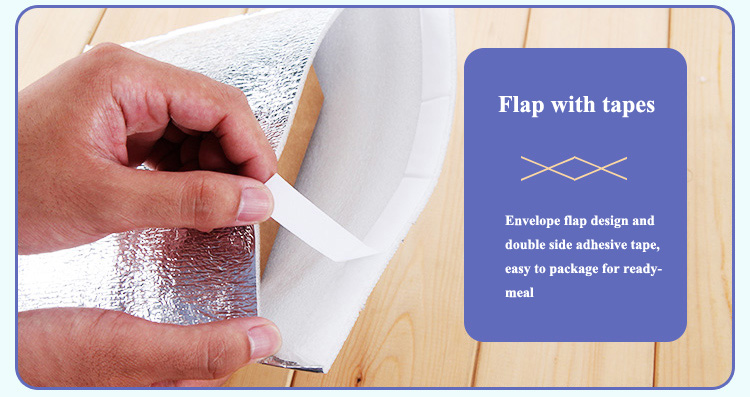
How to Choose the Best Insulated Box Liner Manufacturer for Cold Chain in 2026
Introduction:
Choosing the right insulated box liner manufacturer is crucial for maintaining the integrity of temperature-sensitive shipments. As cold chain logistics grow in demand, especially in pharmaceuticals, food, and e-commerce, selecting the right insulation solution can prevent spoilage, reduce waste, and streamline your supply chain. This article will guide you through how to evaluate manufacturers and ensure that your products are transported safely in 2026.
This article will help you answer:
How do materials impact the temperature control and performance of your shipment?
What customization options should a top insulated box liner manufacturer offer?
How do sustainability and compliance factor into choosing the right supplier?
What are the key trends in insulated box liner manufacturing for 2026?
What Is an Insulated Box Liner and Why Does It Matter?
Core Answer: An insulated box liner is a critical component used in cold chain packaging. It creates a thermal barrier within shipping containers to ensure that temperature-sensitive products, such as food, pharmaceuticals, and biological materials, are transported within required temperature ranges.
Why does it matter?
Cold chain logistics are vulnerable to temperature fluctuations that can lead to the degradation or spoilage of goods. Insulated box liners help prevent such fluctuations by maintaining stable temperatures throughout transit, thus ensuring product safety and reducing losses. They play a vital role in industries that require precise temperature control.
What Materials Do Leading Insulated Box Liner Manufacturers Use?
Core Answer: Top manufacturers use a variety of materials to achieve effective thermal control. Common materials include multi-layer foil, reflective bubble wraps, PET-based recyclable liners, and foam composites. Each material has its advantages based on thermal performance, weight, sustainability, and cost.
Why Materials Matter:
The material chosen for your insulated box liner directly impacts the insulation’s effectiveness. For instance:
Polyurethane Foam offers superior insulation but can be bulkier and heavier.
Reflective Foil with Bubble Wrap provides moderate insulation and is lighter, often used for short transit periods.
PET-based Recyclable Liners are gaining popularity for their high thermal performance and recyclability, supporting sustainability goals without compromising on effectiveness.
| Material Type | Thermal Performance | Weight | Sustainability |
|---|---|---|---|
| Reflective foil + bubble wrap | Moderate to High | Low | Medium |
| PET recyclable liners | High | Medium | High (curbside recyclable) |
| Foam composites | Very High | High | Varies |
Key Takeaway: The material choice should align with your product’s thermal retention needs, transit times, and environmental goals.
How Customization Improves Cold Chain Results
Core Answer: Custom liners provide a better fit for your shipping boxes, ensuring optimal insulation. Customization eliminates air gaps that can cause heat flow, enhancing temperature control.
Why Customization Matters:
Whether you’re shipping meal kits, pharmaceuticals, or perishable goods, a one-size-fits-all approach often doesn’t provide the best results. Custom liners can:
Optimize insulation for specific box sizes.
Reduce the need for excess cooling media like ice packs.
Improve packaging efficiency and reduce waste.
For example, pre-formed liners are available that fit exact dimensions, and multi-layer designs can enhance thermal performance for extended transit periods.
Does Cost Always Mean Lower Quality?
Core Answer: Not necessarily. Choosing the cheapest option may save money upfront, but it can lead to higher spoilage costs in the long run. Always evaluate the total cost, considering insulation performance, durability, and customization.
Tips for Evaluating Cost vs. Value:
Don’t focus solely on upfront cost—factor in spoilage rates and product loss.
Request performance specs, such as thermal retention hours, from manufacturers.
Test sample products to evaluate performance under real-world conditions.
Choosing quality over the lowest price often results in a better overall value, with fewer disruptions and higher customer satisfaction.
Quality Standards and Regulatory Compliance
Core Answer: Ensure that your manufacturer adheres to industry standards such as FDA, ISO, and Good Manufacturing Practices (GMP). Compliance ensures safety and reliability, particularly for food and pharmaceutical shipments.
What Standards to Check:
FDA Compliance ensures materials are safe for food or drug contact.
Good Distribution Practices (GDP) for temperature-sensitive medical products.
ISO Certification guarantees the manufacturer follows quality standards.
By choosing a manufacturer that complies with these standards, you can reduce the risk of regulatory issues and ensure your product is handled with care.
Sustainability: What to Expect in 2026
Core Answer: Sustainability is no longer a luxury—it’s essential. Many manufacturers now offer eco-friendly liners made from recyclable or biodegradable materials. These options not only help protect the planet but can also enhance your brand’s reputation.
What to Expect:
Recyclable PET Liners that perform similarly to foam but with a lower environmental impact.
Biodegradable or compostable materials to meet corporate sustainability goals.
Reusable liners that are ideal for repeat-use logistics, reducing waste over time.
By opting for eco-friendly solutions, your business can align with global sustainability efforts while also meeting consumer demands for environmentally responsible packaging.
Real-World Use Case: Choosing the Right Liner for E-Commerce
Scenario: An e-commerce company shipping chilled groceries for up to 48 hours tests three types of liners:
Foil & Bubble Liner: Low cost, decent retention.
PET Recyclable Liner: Slightly higher cost, excellent performance.
Custom Multi-layer Foam: Best retention, but heavier.
After trials, the PET Recyclable Liner reduced spoilage by 18% and cut wastewater disposal costs by 30%. Additionally, it boosted consumer trust due to its eco-friendly attributes.
Lesson: When selecting a liner, prioritize performance and sustainability over the lowest cost to achieve long-term benefits.
2026 Trends in Insulated Box Liner Manufacturing
Trends Overview: The insulated packaging industry is evolving with advancements in sustainability, smart materials, and e-commerce logistics. Key trends include:
Smart Packaging Solutions: Temperature sensors integrated into liners for real-time monitoring.
Lightweight Solutions: New materials that reduce shipping costs without sacrificing thermal performance.
Recyclable PET Liners: Rising adoption of recyclable materials with excellent thermal properties.
Market Insights:
The cold chain packaging market is expanding rapidly, driven by the increasing demand for perishable goods. As e-commerce continues to grow, manufacturers are innovating to balance performance with sustainability.
Interactive Self-Assessment: Are You Ready to Choose a Manufacturer?
To ensure you’re selecting the best manufacturer for your cold chain needs, ask yourself:
Do you know your product’s target temperature range and transit time?
Have you tested the liner options under real-world conditions?
Are sustainability goals part of your supplier evaluation?
If any answers are unclear, it’s time to start requesting samples and conducting thorough trials.
Common Questions About Insulated Box Liner Manufacturing
What is the typical transit protection time for insulated box liners?
Most liners maintain temperature for 12-72 hours, depending on the material and design.
Can liners be reused?
Some premium liners are designed for reuse, while many disposable options are optimized for one-time use to ensure hygiene.
How does sustainability affect cost?
Eco-friendly materials may have a higher upfront cost but can offer long-term savings through reduced disposal fees and enhanced brand value.
Summary & Recommendations
When choosing an insulated box liner manufacturer, it’s essential to focus on:
Material quality: How well does it perform in real-world conditions?
Customization options: Can it be tailored to fit your exact packaging needs?
Sustainability and compliance: Are they aligned with current environmental and regulatory standards?
Next Steps (CTA):
Define your product’s temperature needs and transit conditions.
Request samples and performance data from at least 3 manufacturers.
Conduct packing trials to evaluate insulation performance and cost efficiency.
Make your decision based on data, not price alone.
About Tempk
At Tempk, we specialize in providing high-quality, sustainable, and customizable insulated box liners. Our products are designed to meet the specific needs of your cold chain logistics, ensuring that your temperature-sensitive products arrive in optimal condition. For tailored advice, contact our experts today.
How to Choose the Best Insulated Box Liner Factory in 2026?

How to Choose the Best Insulated Box Liner Factory in 2026?
Introduction:
Want to know how to find the best insulated box liner factory for cold chain logistics? In 2026, the insulated box liner market is growing rapidly, expected to exceed USD 2.9 billion by 2033 with strong CAGR growth. Choosing the right factory can help you secure consistent temperature control, reduce spoilage, and boost supply chain reliability while meeting evolving sustainability standards.
This article will help you answer:
- How do you compare insulated box liner materials effectively?
- What customization options should a top factory offer?
- How does sustainability influence factory selection?
- What market trends in 2026 matter for cold chain packaging?
What Is an Insulated Box Liner and Why Does Factory Choice Matter?
An insulated box liner is a temperature‑control lining placed inside shipping boxes to maintain stable conditions for cold chain products. Choosing the right factory ensures quality materials, consistent performance, and regulatory compliance for your shipments.
Temperature‑sensitive products like biologics, food, and vaccines need predictable insulation. A high‑quality factory ensures uniform thermal control and reduces waste, unlike low‑grade providers that risk temperature excursions and product loss.
Why It Matters:
Cold chain packaging demand is rising as the market grows strongly year over year with broad application growth. Selecting the right supplier affects your brand trust, shipment safety, and logistics cost optimization.
What Types of Materials Are Best for Insulated Box Liners?
Different materials deliver varying thermal performance, weight, and sustainability impacts. The most common include foam, PET, and paper‑based liners.
| Material Type | Thermal Performance | Weight | Sustainability |
|---|---|---|---|
| Foam (PE/PU) | High | Medium | Medium |
| rPET / Recyclable PET | Moderate to High | Low | High |
| Paper & Biodegradable | Moderate | Medium | Very High |
Material Notes:
- Foam liners often deliver the best insulation per weight.
- Recycled PET (rPET) is lightweight, cost‑effective, and eco‑friendly.
- Paper and biodegradable liners serve sustainability needs with competitive performance.
Why Material Choice Matters
Your material selection affects:
- Shipment duration tolerance
- Weight and freight cost
- Recycling and sustainability goals
A top factory should offer transparent performance data and practical recommendations for your product type.
How Do Customization Options Improve Cold Chain Performance?
Customization enables liners to match your specific box sizes, fill volumes, and temperature ranges. Without customization, liners may leave gaps that let heat enter or cold escape, shortening safe transit windows.
Key Custom Options to Look For:
- Tailored liner fits to box dimensions
- Insulation thickness adjustments for extended holding times
- Designed channels for ice packs or phase‑change materials
- Reinforcements for fragile or heavy items
Customization not only improves temperature control but also reduces the need for excess cooling media — saving cost and packing time.
Value of Customization
When a factory can provide tailored design iterations and performance testing, you get:
- Improved temperature stability
- Reduced spoilage risk
- Faster packing workflows
Factories that support design review and thermographic testing scores deliver higher assurance of performance.
What Factory Capabilities Should You Evaluate?
A reputable insulated box liner factory should show strength in four key capabilities: quality control, testing, regulatory compliance, and scalability.
Essential Factory Features:
- Quality Systems: ISO or equivalent process controls
- Performance Testing: Thermal retention data, real‑world cold chain simulation
- Sustainability Practices: Use of recyclable or reusable materials
- Production Scale: Ability to meet volume demands without quality drop
A factory that combines quality standards with scalability ensures reliability for peak demand periods like peak e‑commerce seasons.
Does Sustainability Matter in Factory Selection?
Yes. In 2026, sustainability isn’t optional. Buyers now expect recyclable or biodegradable liners that align with ESG goals and reduce environmental impact.
Modern Sustainability Drivers:
- Recyclable plastics like rPET replacing single‑use polymers
- Biodegradable liners for short‑duration chilled shipments
- Reusable liner systems that minimize total waste
Sustainability isn’t just green marketing — it shapes regulatory compliance and future‑proofs supply chains against future waste mandates.
How to Evaluate Price Without Sacrificing Quality
Lowest price doesn’t guarantee value. Instead, calculate total cost of ownership — factoring in performance, repeat use, spoilage rates, and logistics impact.
Key Pricing Factors to Compare:
- Unit cost vs performance ratio
- Thermal hold times per material
- Waste handling or recycling cost
- Customization fees vs efficiency gains
A recommended approach is to map liner performance against your shipping temperature windows and waste rates during pilot shipments.
2026 Trends in Insulated Box Liner Manufacturing
The insulated box liner segment of cold chain packaging is expanding rapidly. The global insulated box liners market alone is expected to grow from an estimated USD 1.2 billion in 2024 to around USD 2.9 billion by 2033, driven by pharmaceutical and food distribution needs.
Latest Developments
- Eco‑Friendly Insulation: Recycled and biodegradable materials are now mainstream.
- Smart Packaging Integration: Temperature sensors embedded in liners for real‑time monitoring.
- Hybrid Thermal Solutions: Combining passive insulation with phase‑change and cooling media for longer holds.
Cold chain packaging overall continues rapid growth, with the broader cold chain packaging market valued at tens of billions and expected to grow at double‑digit CAGR through 2030 — reflecting broad demand from pharma, e‑commerce food delivery, and biotechnology logistics.
How to Inspect Factory Credentials Quickly
Inspecting factory capabilities helps you avoid suppliers that overpromise and underdeliver.
Checklist for Factory Vetting:
- Material Certification: Confirm FDA or food‑contact approvals
- Thermal Testing Protocols: Ensure third‑party or independent test data
- Sustainability Claims: Verify recyclability or reuse metrics
- Production Scale: Review order lead times and minimum commitments
Always request sample liners with documented performance tests before onboarding.
Common Questions About Insulated Box Liner Factories
Q1: What thermal hold times should I expect from liners?
Typical liners can maintain stable temperatures anywhere from 12–72+ hours depending on material and insulation thickness.
Q2: Can liners be reused?
Yes. Many premium liners are designed for reuse. Reuse reduces waste and cost per shipment.
Q3: Do insulated box liner factories test product performance?
Reputable factories will provide validated thermal performance data from standardized test conditions.
Summary & Recommendations
Key Takeaways:
- Selecting the right insulated box liner factory means prioritizing materials, customization, and verified performance.
- Sustainability and scalability are central to long‑term cold chain success.
- Evaluate factories based on capabilities, certifications, and real performance data.
Action Plan:
- Define your product’s temperature, box size, and transit duration.
- Request samples with thermal data from multiple factories.
- Pilot test liners in real shipments and measure performance.
Choosing the right factory now sets the foundation for dependable cold chain logistics through 2026 and beyond.
About Tempk
We at Tempk specialize in advanced cold chain packaging solutions, including high‑performance insulated box liners tailored to your shipment needs. Our focus is on reliability, controlled thermal performance, and sustainability to help you protect sensitive products from source to destination.
Get Started:
Reach out to explore how Tempk can support your cold chain packaging requirements with proven materials and tested liner solutions.
How to Choose the Best Insulated Box Liner Factory for Cold Chain Logistics in 2026?
How to Choose the Best Insulated Box Liner Factory for Cold Chain Logistics in 2026?
Introduction:
Selecting the best insulated box liner factory is essential for effective cold chain logistics. As the demand for temperature-sensitive products continues to grow in 2026, especially in pharmaceuticals, food, and biopharmaceuticals, a reliable factory ensures that your shipments remain intact and at the correct temperature. In this guide, we will explore the key factors that affect factory choice, including material performance, customization, sustainability, and regulatory compliance.
This article will help you answer:
How do materials impact the performance of insulated box liners?
What customization options should an ideal factory provide?
How does sustainability influence factory selection?
What are the latest trends in insulated box liner manufacturing for 2026?
What Makes an Insulated Box Liner Factory Stand Out in 2026?
Core Answer:
A top insulated box liner factory in 2026 offers more than just basic insulation products. They provide tailored solutions to ensure optimal temperature control, support sustainability goals, and comply with strict quality standards. Look for factories that integrate advanced materials, customize designs, and maintain transparency in their production processes.
Key Evaluation Criteria:
| Criteria | Why It Matters | Outcome for You |
|---|---|---|
| Material Expertise | The factory should offer a variety of high-performance insulation materials. | Better temperature control and reduced spoilage. |
| Customization Services | Custom liners tailored to your exact packaging needs. | Enhanced insulation performance and packaging efficiency. |
| Quality Certifications | Look for certifications like ISO 9001 and Good Distribution Practices (GDP). | Compliance with industry standards and improved reliability. |
| Sustainability Initiatives | Factories using recyclable and eco-friendly materials. | Support for your sustainability goals and lower environmental impact. |
How Do Insulation Materials Impact Performance?
Core Answer:
Material selection directly influences the thermal performance, durability, and weight of the insulated box liner. A reputable factory will provide a range of options to meet your shipment’s specific temperature control requirements. Choosing the right material is critical for ensuring that your products stay within safe temperature ranges during transit.
Common Materials and Their Benefits:
Polyurethane Foam: Excellent for long-duration shipments, offering high thermal resistance, though it is heavier.
Reflective Foil with Bubble Wrap: Lightweight and cost-effective, ideal for short transit times.
Recyclable PET Liners: Eco-friendly, providing high thermal performance with a lighter footprint.
Paper-Based Insulation: Ideal for short-term use with a high sustainability profile.
Material Performance Breakdown:
| Material Type | Thermal Performance | Weight | Sustainability |
|---|---|---|---|
| Reflective Foil + Bubble Wrap | Moderate to High | Low | Medium |
| Polyurethane Foam | Very High | High | Medium |
| PET Recyclable Liners | High | Medium | Very High (curbside recyclable) |
| Paper-Based Insulation | Moderate | Medium | High |
Why Material Choice Matters to You:
Selecting the right material ensures that your shipment remains within the desired temperature range, reduces shipping costs, and aligns with sustainability initiatives. A factory should provide transparent performance data to help you make an informed decision.
Why Customization from Insulated Box Liner Factories Matters
Core Answer:
Customization is a critical aspect of choosing the right factory. Off-the-shelf liners often fail to provide the best insulation, leading to inefficiency and product loss. Custom liners are designed to fit specific box dimensions and temperature requirements, ensuring that there are no gaps that could lead to temperature fluctuations.
Customization Benefits:
Improved Fit: Custom liners are designed to match your exact box sizes, ensuring no gaps for heat transfer.
Enhanced Insulation: Tailored solutions enhance thermal performance by adjusting insulation thickness or using multi-layer designs.
Cost Savings: Customized liners reduce the need for excess cooling agents like ice packs, which cuts logistics costs.
Why Customization Matters:
A custom-built liner ensures that your products are optimally protected throughout transit, reducing spoilage, waste, and shipping costs. This leads to better cold chain efficiency and lower overall expenses.
What Quality Certifications Should You Check for?
Core Answer:
Quality certifications are essential to verify that the factory follows strict standards and produces reliable, safe products. Look for factories that are ISO certified, follow Good Distribution Practices (GDP), and have the necessary FDA approvals for food and pharmaceutical packaging.
Key Certifications to Request:
ISO 9001: Ensures that the factory follows a quality management system that meets customer and regulatory requirements.
Good Distribution Practice (GDP): Critical for pharmaceutical packaging, ensuring proper temperature control.
FDA Compliance: For food and pharmaceutical applications, ensuring that materials used are safe.
Sustainability Certifications: Look for certifications like FSC or Cradle to Cradle to ensure that materials are eco-friendly.
Why Certifications Matter:
Certifications protect your business by ensuring that your liners meet industry standards, reducing regulatory risks, and guaranteeing product safety. They also reflect the factory’s commitment to quality and consistency.
What Are the Key Trends in Insulated Box Liner Manufacturing for 2026?
Core Answer:
The insulated box liner manufacturing industry is evolving rapidly. Trends such as smart packaging, eco-friendly materials, and hybrid insulation systems are shaping how factories design and produce liners. Staying ahead of these trends ensures that you can offer cutting-edge solutions in your cold chain logistics operations.
Latest Trends to Watch:
Smart Packaging Integration: Temperature sensors embedded in liners allow for real-time monitoring of shipments.
Recyclable and Eco-Friendly Materials: Factories are moving towards biodegradable and recyclable options to meet environmental goals.
Hybrid Insulation Systems: Combining passive insulation with active cooling methods, such as phase change materials (PCMs), enhances temperature control.
Automation in Production: Increasing automation speeds up production and ensures more precise and consistent manufacturing processes.
How These Trends Benefit You:
By adopting these innovative trends, your company can improve cold chain efficiency, reduce environmental impact, and provide better service to your customers. It also ensures that your business remains competitive and compliant with regulatory standards.
How Do You Evaluate Price vs. Value When Choosing a Factory?
Core Answer:
While price is always a consideration, it should not be the only factor when choosing an insulated box liner factory. Low-cost liners might offer short-term savings, but they often come with hidden costs like poor insulation performance and higher spoilage rates. It’s essential to evaluate the total cost of ownership, which includes product durability, thermal performance, and the long-term savings from reduced waste and better packaging efficiency.
Key Considerations:
Material Performance vs. Price: Higher-quality materials may cost more upfront but save money in the long run by reducing spoilage.
Customization vs. Stock Products: Custom solutions might have higher initial costs but can improve shipping efficiency and reduce waste.
Sustainability vs. Cost: Eco-friendly materials might be more expensive but help your company align with sustainability goals and improve brand reputation.
Why It Matters:
Evaluating cost vs. value ensures that you’re investing in the most reliable, cost-effective solution for your business. Don’t cut corners by focusing solely on price, as poor performance can lead to higher long-term costs.
Frequently Asked Questions (FAQ)
Q1: What is the typical lifespan of an insulated box liner?
Most insulated box liners can last up to 12–72 hours, depending on material type and design. Some high-quality liners are reusable, especially those made with durable materials like PET or foam composites.
Q2: How do I know which material is best for my shipment?
Choose a material that aligns with your temperature range, transit duration, and sustainability goals. For long shipments, foam or multi-layer options might be best, while for shorter shipments, reflective foil with bubble wrap may be sufficient.
Q3: Are sustainable liners effective?
Yes, many recyclable PET liners and biodegradable materials now provide similar or even superior thermal performance compared to traditional foam liners.
Summary & Recommendations
Key Takeaways:
Selecting the right insulated box liner factory is crucial for ensuring thermal performance, cost efficiency, and regulatory compliance.
Customization is key to reducing waste and improving efficiency.
Sustainability is a critical consideration in 2026, with a shift towards eco-friendly materials and processes.
Next Steps:
Define your product’s temperature requirements and transit duration.
Request samples and test data from multiple factories.
Conduct pilot tests under real-world conditions to evaluate performance.
By following these steps, you can ensure that you partner with the right factory, resulting in cost-effective and reliable cold chain solutions.
About Tempk
At Tempk, we specialize in high-performance insulated box liners tailored to your cold chain logistics needs. We focus on innovation, customization, and sustainability to provide you with the best solutions for your temperature-sensitive shipments.
Action:
Contact us today for expert advice on choosing the best insulated box liner factory and optimizing your cold chain operations.
How to Choose the Best Insulated Box Liner Distributor for Cold Chain Logistics in 2026?
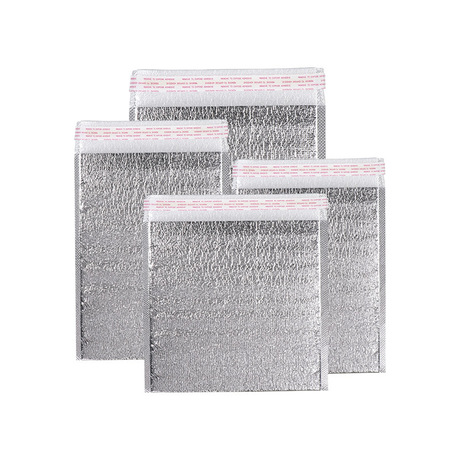
How to Choose the Best Insulated Box Liner Distributor for Cold Chain Logistics in 2026?
Introduction:
Selecting the right insulated box liner distributor is crucial for your cold chain logistics operations in 2026. The choice of distributor directly affects your product’s safety, shipping costs, and operational efficiency. Whether you’re handling pharmaceuticals, perishable foods, or biopharmaceuticals, a reliable distributor ensures that temperature-sensitive products arrive safely and maintain integrity during transit. This article will guide you through the factors you should consider when choosing a distributor, from material options to customization and sustainability practices.
This article will help you answer:
What makes an insulated box liner distributor trustworthy and reliable?
How do you compare insulated box liner products from different distributors?
What services and support should you expect from a distributor?
What are the latest trends in insulated box liner distribution for 2026?
What Makes an Insulated Box Liner Distributor Reliable?
Core Answer:
A trustworthy insulated box liner distributor provides more than just a product—they are a strategic partner in ensuring the integrity of your cold chain logistics. The best distributors offer quality materials, customized solutions, reliable customer support, and strong compliance with industry regulations.
Key Criteria to Evaluate Distributors:
| Criteria | Why It Matters | Outcome for You |
|---|---|---|
| Product Range | A broad selection of insulation materials for various temperature needs. | Ensures you can select the perfect liner for each shipment’s requirements. |
| Customization Services | Ability to offer tailored liner solutions for specific box sizes and temperature needs. | Optimizes insulation, reduces waste, and improves overall efficiency. |
| Certifications | ISO 9001, Good Distribution Practices (GDP), and FDA certifications ensure quality and regulatory compliance. | Provides confidence in product reliability and safety. |
| Customer Support | Availability of technical support, performance data, and after-sales services. | Minimizes risk and ensures smooth logistics operations. |
Why These Factors Matter:
Choosing a distributor who excels in these areas will not only improve the quality of your cold chain packaging but also enhance reliability, reduce spoilage, and support long-term sustainability goals.
How Do Insulation Materials Impact Cold Chain Performance?
Core Answer:
The material selection for insulated box liners directly influences thermal performance, weight, and sustainability. A high-performance material ensures that temperature-sensitive products remain within the required temperature range during transit, which is essential for maintaining product integrity.
Common Materials and Their Benefits:
Polyurethane Foam: Excellent thermal resistance, ideal for long-duration shipments, though it adds weight.
Reflective Foil with Bubble Wrap: Lightweight and cost-effective, suitable for short to medium transit periods.
Recyclable PET Liners: High insulation performance with an eco-friendly profile, ideal for businesses with sustainability goals.
Paper-Based Insulation: Biodegradable option that is perfect for short-term shipments with a focus on sustainability.
| Material Type | Thermal Performance | Weight | Sustainability |
|---|---|---|---|
| Reflective Foil + Bubble Wrap | Moderate to High | Low | Medium |
| Polyurethane Foam | Very High | High | Medium |
| PET Recyclable Liners | High | Medium | Very High |
| Paper-Based Insulation | Moderate | Medium | High |
Why Material Choice Matters:
Selecting the right material impacts not only temperature retention but also shipping costs. Heavy materials may increase freight charges, while eco-friendly options reduce your environmental footprint. A reliable distributor will provide data on thermal performance, weight, and sustainability to help you make the best material choice.
Why Customization Matters When Choosing a Distributor
Core Answer:
Customization is essential to optimize the fit and performance of insulated box liners. Off-the-shelf liners often fail to provide the best insulation or temperature control for your unique needs. A distributor offering customization services ensures that the liners fit perfectly within your shipping containers, eliminating gaps that could lead to temperature fluctuations.
Customization Benefits:
Improved Fit: Tailored liners eliminate air gaps and prevent heat transfer, enhancing thermal control.
Enhanced Insulation: Custom thicknesses or multi-layer designs provide superior insulation for longer transit times.
Cost Savings: Reduced reliance on cooling agents like ice packs lowers logistics costs.
Why Customization Matters:
Custom liners allow you to match the exact dimensions of your boxes and the specific temperature needs of your products, which improves overall efficiency and reduces waste. This level of precision ensures better temperature control, fewer product losses, and optimized shipping.
What Key Certifications Should You Check for When Choosing a Distributor?
Core Answer:
Certifications and regulatory compliance are vital when choosing an insulated box liner distributor, especially for industries like food and pharmaceuticals. A reliable distributor should have certifications that demonstrate their commitment to quality and regulatory standards.
Key Certifications to Look For:
ISO 9001: Ensures that the distributor maintains a quality management system that meets international standards.
Good Distribution Practices (GDP): Essential for pharmaceuticals and temperature-sensitive products, ensuring proper temperature control.
FDA Compliance: Guarantees that materials used in food and pharmaceutical packaging are safe for direct contact.
Sustainability Certifications: Look for Cradle to Cradle or FSC certifications that validate eco-friendly practices in production.
Why Certifications Matter:
Certifications offer assurance that the distributor meets high-quality standards and reduces the likelihood of regulatory issues. This provides confidence in your cold chain logistics, ensuring that products are handled safely and in compliance with regulations.
What Are the Key Trends in Insulated Box Liner Distribution for 2026?
Core Answer:
In 2026, the insulated box liner distribution industry is evolving to meet new challenges and demands. Key trends such as the integration of smart technologies, a shift toward sustainable materials, and the adoption of hybrid insulation systems are reshaping the landscape.
Key Trends to Watch:
Smart Packaging Integration: Temperature sensors embedded in liners allow real-time monitoring of temperature fluctuations during transit.
Sustainable Materials: The demand for recyclable PET and biodegradable liners is growing as sustainability becomes a critical factor for businesses.
Hybrid Insulation Systems: Combining passive insulation with active cooling methods like phase change materials (PCMs) provides better temperature control over long distances.
Automation in Manufacturing: Factories are adopting automated systems to increase production speed, reduce errors, and meet growing demand.
Why These Trends Matter:
By choosing a distributor who embraces these trends, you gain access to cutting-edge solutions that improve cold chain efficiency, reduce environmental impact, and provide better control over your shipments. These innovations ensure that your business stays competitive and compliant with regulatory standards.
How Do You Evaluate Price vs. Value When Choosing a Distributor?
Core Answer:
While price is a significant factor in selecting an insulated box liner distributor, it should not be the sole criterion. Low-cost liners may lead to higher spoilage rates or inadequate performance, which can increase costs in the long run. Instead, evaluate the total value, considering factors like material durability, performance, and long-term savings.
Key Considerations:
Material Performance vs. Price: High-quality materials may come with a higher initial cost but can provide better thermal performance and reduce spoilage.
Customization vs. Stock Products: Custom solutions may have higher upfront costs but lead to better packaging efficiency and fewer product returns.
Sustainability vs. Cost: Eco-friendly materials may be more expensive but help meet your brand’s sustainability goals and reduce long-term waste handling costs.
Why It Matters:
Focusing on the overall value ensures that you invest in a distributor who can deliver reliable, high-performance cold chain packaging solutions. This approach minimizes the risk of spoilage and improves the overall cost-effectiveness of your logistics operations.
Frequently Asked Questions (FAQ)
Q1: What is an insulated box liner distributor?
An insulated box liner distributor sources and supplies liners to businesses, ensuring the right products are selected for specific shipping needs and temperature requirements.
Q2: How do I evaluate the reliability of an insulated box liner distributor?
Look for distributors with transparent inventory, clear lead times, and strong customer support. A reliable distributor will also provide performance data and documentation to support product selection.
Q3: Can insulated box liners be reused?
Yes, many high-quality liners are designed for reuse, particularly those made from durable materials like PET or foam composites.
Summary & Recommendations
Key Takeaways:
The best insulated box liner distributors offer a wide range of materials, customization, and high-quality support services.
Customization ensures better fit and performance, reducing spoilage and waste.
Sustainability is an increasing priority in 2026, with eco-friendly materials becoming a key consideration.
Next Steps (CTA):
Define your product’s temperature range and shipping duration.
Request samples and performance data from potential distributors.
Evaluate distributor reliability, pricing, and service quality.
By following these steps, you can ensure that your cold chain logistics are optimized and that temperature-sensitive products are delivered safely and efficiently.
About Tempk
At Tempk, we specialize in providing advanced cold chain packaging solutions, including a wide range of insulated box liners. Our solutions are designed to meet the specific needs of e-commerce, pharmaceuticals, and perishable goods logistics, ensuring that temperature-sensitive products are safely transported.
Action:
Contact us today to discuss how we can help you optimize your cold chain logistics with the best insulated box liners for your operations.
How to Choose the Best Insulated Box Liner Distributor for Cold Chain Logistics in 2026?

How to Choose the Best Insulated Box Liner Distributor for Cold Chain Logistics in 2026?
Introduction:
Selecting the right insulated box liner distributor is crucial for your cold chain logistics operations in 2026. The right distributor ensures that temperature-sensitive goods, such as pharmaceuticals, perishable foods, and biopharmaceuticals, arrive safely and within regulatory standards. This guide walks you through the key factors for evaluating distributors, including material options, sustainability practices, and emerging trends.
This article will help you answer:
What makes an insulated box liner distributor reliable?
How do you evaluate product options from different distributors?
Why are customization services and support crucial when selecting a distributor?
What are the key trends in insulated box liner distribution for 2026?
What Makes an Insulated Box Liner Distributor Reliable?
Core Answer:
A reliable insulated box liner distributor provides more than just product supply. They offer a mix of high-quality products, customization services, regulatory compliance, and strong customer support. Selecting a distributor who excels in these areas ensures better protection of your products and enhances your cold chain logistics efficiency.
Key Criteria for Evaluating Distributors:
| Criteria | Why It Matters | Outcome for You |
|---|---|---|
| Product Range | The distributor should offer various insulation materials, thermal performance options, and sizes. | Ensures you can select the right liners for each shipment’s needs. |
| Customization Services | Custom liners for specific box sizes and thermal requirements. | Optimized insulation and packaging efficiency. |
| Certifications | ISO, FDA, and GDP certifications ensure regulatory compliance. | Reduces risk and ensures product safety. |
| Customer Support | Post-purchase assistance, performance data, and responsive support. | Minimizes guesswork and streamlines logistics. |
Why These Factors Matter:
When you choose a distributor with these capabilities, you ensure a reliable, high-performance cold chain operation. Your goods are better protected, and you reduce spoilage, compliance issues, and unnecessary costs.
How Do Insulation Materials Impact Cold Chain Performance?
Core Answer:
The choice of material is key in determining how well an insulated box liner performs. Materials affect thermal resistance, weight, durability, and sustainability. A reputable distributor will offer a range of materials tailored to your specific shipping conditions.
Common Insulation Materials:
Polyurethane Foam: Offers excellent thermal resistance, ideal for longer shipments but heavier.
Reflective Foil with Bubble Wrap: Cost-effective and lightweight, perfect for short shipments.
Recyclable PET Liners: High-performance insulation with a focus on sustainability.
Paper-Based Insulation: Suitable for short-term shipments, with a high sustainability profile.
| Material Type | Thermal Performance | Weight | Sustainability |
|---|---|---|---|
| Reflective Foil + Bubble Wrap | Moderate to High | Low | Medium |
| Polyurethane Foam | Very High | High | Medium |
| PET Recyclable Liners | High | Medium | Very High |
| Paper-Based Insulation | Moderate | Medium | High |
Why Material Choice Matters:
Choosing the right material ensures that your shipments stay within the desired temperature range, reducing spoilage risk and optimizing logistics costs. Materials that are too heavy may increase freight charges, while eco-friendly options help meet sustainability goals.
Why Customization Improves Cold Chain Performance
Core Answer:
Customization is essential for ensuring that insulated liners fit your boxes perfectly, eliminating air gaps that can lead to temperature fluctuations. A factory that offers customization will provide tailored solutions that optimize thermal retention and minimize waste.
Customization Benefits:
Improved Fit: Custom liners are designed to fit your specific box dimensions, ensuring no air gaps that could allow heat transfer.
Better Insulation: Customized thickness and multi-layer options enhance thermal performance.
Cost Efficiency: Reduces the need for excess cooling agents like ice packs, lowering logistics costs.
Why Customization Matters:
Off-the-shelf liners may not provide the optimal fit, leading to inefficiencies in temperature control and increased spoilage. A customized liner ensures better insulation, reduces waste, and improves overall cold chain logistics efficiency.
What Key Certifications Should You Look for?
Core Answer:
Certifications are a crucial indicator of a distributor’s commitment to quality and regulatory compliance. The best distributors will provide product certifications that meet both industry and legal requirements.
Key Certifications to Check:
ISO 9001: Indicates adherence to a robust quality management system.
Good Distribution Practice (GDP): Essential for pharmaceutical and temperature-sensitive product shipments.
FDA Compliance: Ensures materials are safe for food and pharmaceutical packaging.
Sustainability Certifications: Look for Cradle to Cradle or FSC certifications that ensure eco-friendly practices in production.
Why Certifications Matter:
Certifications provide confidence that the distributor adheres to industry standards, reducing regulatory risks and ensuring product safety. This is especially important when dealing with perishable goods or medical supplies.
What Are the Key Trends in Insulated Box Liner Distribution for 2026?
Core Answer:
In 2026, the insulated box liner distribution industry is evolving to meet the demands of a growing cold chain logistics market. These trends include the integration of smart technologies, eco-friendly materials, and improved manufacturing processes.
Key Trends to Watch:
Smart Packaging Solutions: The inclusion of temperature sensors in liners to allow real-time monitoring of shipments.
Sustainable Materials: The growing use of recyclable PET and biodegradable liners, driven by regulatory and consumer demand for sustainability.
Hybrid Insulation Systems: The combination of passive insulation with active cooling solutions like phase change materials (PCMs) to improve temperature regulation.
Digital Tools: Distributors are adopting digital catalogs and online ordering systems, improving product selection and customer experience.
Why These Trends Matter:
By choosing a distributor that embraces these trends, you can improve the efficiency of your cold chain logistics, reduce environmental impact, and ensure that your business stays competitive in a rapidly evolving market.
How Do You Evaluate Price vs. Value When Choosing a Distributor?
Core Answer:
When choosing an insulated box liner distributor, don’t focus solely on price. Instead, evaluate the total value, considering factors like material durability, thermal performance, and long-term cost savings.
Key Considerations:
Material Performance vs. Price: Higher-quality materials may have a higher upfront cost but can save money by reducing spoilage.
Customization vs. Stock Products: Customized liners may cost more initially but can improve efficiency and reduce waste.
Sustainability: Eco-friendly materials might be more expensive but help your brand align with sustainability goals and improve reputation.
Why It Matters:
Investing in quality and customized solutions can result in significant long-term savings by reducing spoilage rates, improving product protection, and enhancing operational efficiency.
Frequently Asked Questions (FAQ)
Q1: What is an insulated box liner distributor?
An insulated box liner distributor sources and supplies insulated liners, helping businesses select the right products for their shipping needs.
Q2: How do I choose the best distributor for my business?
Look for distributors that offer clear product data, customization support, certifications, and excellent customer service.
Q3: Why is insulation material important?
The material determines the thermal performance, weight, and environmental impact of the liner, influencing shipping costs and product safety.
Summary & Recommendations
Key Takeaways:
A reliable insulated box liner distributor offers a balance of high-quality materials, customization options, and strong customer support.
Focus on material performance, certification standards, and sustainability when evaluating distributors.
Customization can significantly improve cold chain logistics by optimizing insulation and reducing waste.
Next Steps:
Define your shipment’s temperature range and duration.
Request samples and performance data from multiple distributors.
Test products in real-world conditions before committing to a supplier.
By following these steps, you can select a distributor who will enhance your cold chain logistics operations and support your long-term business success.
About Tempk
At Tempk, we specialize in delivering high-quality insulated box liners for cold chain logistics. Our solutions are designed to meet the needs of e-commerce, pharmaceuticals, and perishable goods sectors, ensuring reliable temperature control and regulatory compliance.
Action:
Contact us today for expert guidance on choosing the best insulated box liner distributor for your cold chain needs.
How to Choose the Best Custom Insulated Box Liner for Your Cold Chain Logistics in 2026?
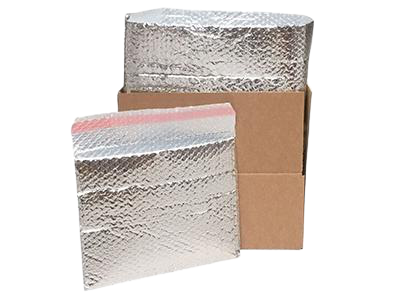
How to Choose the Best Custom Insulated Box Liner for Your Cold Chain Logistics in 2026?
Introduction
In 2026, choosing the right custom insulated box liner is crucial for businesses engaged in cold chain logistics. Custom liners are designed to meet specific temperature requirements, ensuring your products remain protected during shipping. Whether you’re transporting perishable food, pharmaceuticals, or sensitive electronics, the right liner ensures optimal performance and reduces waste. This guide helps you navigate the process of selecting the best custom liners for your business needs.
This Article Will Help You Answer:
What are custom insulated box liners and why are they important for cold chain logistics?
How to select the right material and design for your custom liners?
Key factors to consider when choosing a supplier for custom insulated box liners
Latest trends and innovations in custom insulated box liner design for 2026
What Are Custom Insulated Box Liners and Why Are They Important?
Custom insulated box liners are tailor-made packaging solutions designed to maintain the temperature of temperature-sensitive goods during transit. Unlike off-the-shelf liners, which are often too generic for specific shipping needs, custom liners are engineered to fit your products’ exact dimensions and insulation requirements.
Why You Should Choose Custom Insulated Box Liners:
Perfect Fit: Custom liners reduce gaps inside the box, preventing temperature fluctuations and ensuring better thermal performance.
Optimized Insulation: Custom liners are made from materials that best suit your shipping conditions, ensuring maximum temperature control.
Sustainability: You can select materials that meet your environmental goals, such as recyclable or biodegradable options.
Cost-Effectiveness: Custom liners are designed to reduce waste by using the right amount of insulation, which lowers packaging costs in the long run.
Custom liners offer better performance, enhanced protection, and brand consistency for businesses, reducing the risk of spoilage and improving the overall efficiency of your cold chain logistics.
Key Factors to Consider When Choosing Custom Insulated Box Liners
1. Material Selection
The material of your custom insulated box liner plays a significant role in its insulation efficiency, durability, and cost. Common options include:
Reflective Foil Bubble Liners: These liners use a combination of reflective foil and bubble material to trap air and reduce heat transfer. Ideal for short-distance shipments, they are lightweight and cost-effective.
EPS (Expanded Polystyrene): A widely used material for longer shipping durations, EPS offers excellent insulation and is often used for perishable goods requiring reliable temperature control.
Polyurethane Foam: Known for its high thermal resistance, this material is durable and ideal for shipments that require robust insulation over extended periods.
Each material comes with its trade-offs regarding cost, performance, and environmental impact. It’s essential to choose a material that balances your needs for thermal performance and budget.
2. Thermal Resistance and Performance
Thermal resistance is the key metric for determining how well a liner maintains the required temperature over time. Different liners are designed for varying durations of temperature control:
| Liner Type | Thermal Resistance | Best Use Case |
|---|---|---|
| Reflective Foil Bubble | Moderate | Short regional shipments |
| EPS (Expanded Polystyrene) | High | Longer transit times for perishable items |
| Polyurethane Foam | Very High | Long-distance or international shipments requiring superior insulation |
When selecting custom liners, ensure that the liner’s performance matches the duration and temperature range required for your products’ transit conditions.
3. Customization Options
One of the primary benefits of custom insulated box liners is the ability to tailor them to fit your specific shipping needs. This includes:
Custom sizes and shapes: The liner can be designed to fit your exact box dimensions, reducing wasted space and improving thermal efficiency.
Thickness and layering: You can adjust the insulation thickness to match the temperature hold time needed for your shipment.
Additional features: Some custom liners include extra features such as moisture barriers, which help maintain insulation efficiency and protect sensitive products from humidity.
4. Durability and Protection
The durability of your custom liners is crucial for ensuring your products stay protected during transit. Factors to consider include:
Resistance to damage: Custom liners should be tear-resistant and able to withstand rough handling during shipping.
Moisture control: Make sure the liner provides adequate moisture resistance, especially for items that are sensitive to humidity changes.
Compression strength: Ensure the liner can maintain its structure when stacked or subjected to pressure.
5. Lead Time and Delivery Schedule
When choosing a supplier for custom insulated box liners, it’s essential to consider their lead time. You want to work with a supplier that can meet your delivery schedules without compromising on quality. For businesses with fluctuating demand or seasonal spikes, finding an OEM partner that can handle flexible order volumes and quick turnarounds is vital.
The Latest Trends in Custom Insulated Box Liners for 2026
1. Sustainability in Packaging Materials
As environmental concerns grow, the demand for eco-friendly packaging solutions is increasing. In 2026, more companies are opting for sustainable custom insulated box liners made from biodegradable materials, such as recyclable paper-based insulation or eco-friendly foams. These materials help companies reduce their carbon footprint while maintaining effective temperature control during transit.
2. Smart Packaging Technologies
The integration of smart technologies into packaging is a growing trend. Custom insulated box liners are now being equipped with temperature sensors and real-time monitoring capabilities, allowing businesses to track the temperature of their shipments during transit. This added level of control ensures the products remain within the desired temperature range and reduces the risk of spoilage.
3. Multi-Layer Insulation
Multi-layer insulation systems are becoming more common in custom liners. By combining materials such as reflective films, foam panels, and bubble wraps, businesses can achieve enhanced thermal performance while keeping the liner lightweight and cost-effective. Multi-layer systems are ideal for long-duration shipments and for products that require strict temperature control.
4. Optimization for E-commerce and Last-Mile Delivery
With the rise of e-commerce, custom insulated box liners are increasingly being designed to meet the needs of last-mile delivery. These liners are optimized to fit various package sizes, ensuring efficient insulation without wasting materials or increasing costs. The ability to provide consistent thermal protection while managing space and weight is crucial in the fast-growing e-commerce sector.
How to Evaluate the Quality of Custom Insulated Box Liners
1. Sample Testing
Before placing a bulk order, request samples from the supplier to test the thermal performance of the custom liners. Simulate the actual shipping conditions to evaluate whether the liners can maintain the required temperature for the desired duration.
2. Certifications and Compliance
Ensure that the custom insulated box liners meet industry standards and regulatory requirements. For instance, food-grade liners should comply with FDA food packaging regulations, and pharmaceutical liners should meet Good Distribution Practices (GDP) for temperature-sensitive drugs.
3. Customer Reviews and Supplier Reputation
Check the reputation of your supplier by reviewing customer feedback and case studies. A reliable supplier will have a proven track record of providing high-quality custom liners and excellent customer service.
4. Long-Term Durability
Custom liners should be durable enough to withstand multiple uses without compromising their thermal performance. Verify whether the liners are reusable and how they hold up after several shipping cycles.
Frequently Asked Questions (FAQ) about Custom Insulated Box Liners
Q1: What is the benefit of custom insulated box liners?
Custom liners provide a better fit, improved thermal protection, and reduced waste, ensuring your products are safely transported within the required temperature range.
Q2: Can I get custom-sized liners?
Yes, many suppliers offer fully customizable liners that match your box dimensions and specific cold chain needs.
Q3: Are custom insulated liners more expensive than standard liners?
Custom liners may have a higher upfront cost, but they offer better performance, reduce waste, and ultimately save money by preventing spoilage and optimizing shipping efficiency.
Conclusion: Why Custom Insulated Box Liners Are Essential for Your Cold Chain Logistics
Choosing the right custom insulated box liner is a key decision for businesses involved in cold chain logistics. With tailored solutions, businesses can improve temperature control, reduce waste, and align with sustainability goals. By selecting high-quality, customizable liners, you can ensure your products arrive in optimal condition, no matter the transit duration.
Next Step: Reach out to a reputable supplier of custom insulated box liners to request samples and begin optimizing your cold chain logistics.
About Tempk
At Tempk, we specialize in providing high-performance custom insulated box liners for businesses in the cold chain logistics industry. Our solutions are designed to meet your exact specifications and temperature control needs, ensuring your products are transported safely and efficiently.
Contact us today to explore how our custom insulated box liners can enhance your cold chain operations and reduce costs.
How to Choose the Best Custom Insulated Box Liner for Your Cold Chain Needs in 2026?

How to Choose the Best Custom Insulated Box Liner for Your Cold Chain Needs in 2026?
Introduction
Choosing the right custom insulated box liner is crucial for ensuring your temperature-sensitive products remain protected throughout the shipping process. Whether you’re shipping pharmaceuticals, food products, or electronics, selecting the right insulated box liner can optimize your cold chain logistics. This guide will walk you through key considerations when selecting the perfect custom insulated box liner for your business, focusing on the latest trends and performance standards for 2026.
This Article Will Help You Answer:
What is a custom insulated box liner, and why is it critical for your cold chain logistics?
How to choose the right materials for custom-sized liners?
Key factors to consider when selecting an OEM for custom liners
Trends in cold chain packaging and the future of custom liners in 2026
What Is a Custom Insulated Box Liner, and Why Should You Choose One?
A custom insulated box liner is a tailored solution designed to meet the specific temperature and size requirements of your shipment. Unlike standard liners, which come in predetermined sizes, custom liners are designed to perfectly fit your products and shipping conditions. This helps minimize air gaps, enhances thermal performance, and ultimately ensures better product protection.
Why Custom Liners Matter:
Perfect Fit: Custom liners reduce empty space, improving insulation efficiency and minimizing the risk of temperature excursions.
Optimized Performance: Custom liners are designed to meet specific temperature ranges, ensuring reliable protection throughout transit.
Sustainability: You can choose eco-friendly materials to align with your sustainability goals while maintaining top-notch insulation.
Cost-Effectiveness: By reducing material waste and improving thermal efficiency, custom liners can help lower overall shipping costs.
Key Factors to Consider When Choosing Custom Insulated Box Liners
1. Material Selection for Custom Insulated Box Liners
The material you choose for your custom insulated box liner plays a significant role in the overall performance. Common materials include:
| Material Type | Thermal Performance | Best Use Case |
|---|---|---|
| Foil Bubble Liners | Good thermal resistance | Short-to-medium shipping durations |
| EPS (Expanded Polystyrene) | High thermal resistance | Longer shipments and perishable goods |
| Polyurethane Foam | Very high thermal resistance | Long-distance and temperature-sensitive shipments |
| Paper-Based Liners | Moderate thermal resistance | Eco-friendly, shorter transit |
Each material has its advantages and trade-offs depending on the duration of the shipment and the sensitivity of the goods. Foil bubble liners are ideal for short transit times, while EPS and polyurethane foam provide better insulation for longer periods.
2. Fit and Size Customization
Custom insulated box liners must fit the packaging exactly to ensure optimal thermal performance. Even slight gaps between the liner and the box can lead to temperature fluctuations and increased energy consumption. Properly sized liners reduce the risk of product spoilage and minimize the need for additional refrigerants, which helps lower packaging and shipping costs.
Here’s how to select the right size for your custom liner:
Measure your product’s dimensions: Ensure that the liner matches the box’s interior size without excessive air gaps.
Account for refrigerants: If you’re using gel packs or dry ice, make sure the liner accommodates these cooling elements without crowding your products.
Precision: A snug fit ensures that no space is wasted and that the insulation can perform efficiently throughout the shipment.
3. Temperature Hold Time Requirements
Different products require different temperature hold times during shipment. Here’s a general guide to selecting custom insulated box liners based on your transit needs:
Short Shipments (<24 hours): Lighter, close-fit liners are often sufficient.
Medium Transit (24-72 hours): Mid-thickness custom liners with structured insulation work best.
Long Durations (>72 hours): Thicker, multi-layer liners with minimal air gaps provide the most reliable protection.
4. Durability and Moisture Resistance
For products like pharmaceuticals, food, or electronics, it’s crucial that your custom insulated box liners are not only thermally efficient but also durable enough to withstand the rigors of transit. Look for materials that offer:
Moisture resistance: Preventing moisture buildup ensures your products stay protected and free from potential damage.
Puncture and tear resistance: Liners should remain intact and not break under pressure during handling.
5. Customization Options
A good OEM supplier will offer various customization options to meet your specific needs. Some of the features to look for include:
Branding: Custom liners can be printed with your brand logo or design, ensuring professional packaging and enhancing customer experience.
Recyclability: Eco-friendly materials can help you meet sustainability goals without compromising insulation performance.
Multi-layer insulation: Some custom liners combine different materials, such as reflective layers and foam inserts, for enhanced performance.
How Does Custom Size Improve Thermal Efficiency?
The core benefit of custom size insulated box liners lies in their ability to perfectly fit the packaging, reducing empty space and preventing temperature variations. Think of thermal insulation like clothing: a custom-fitted jacket retains heat much better than a loose, ill-fitting coat. Similarly, a perfectly sized liner keeps your product securely insulated, extending temperature hold times and ensuring the product’s integrity.
Benefits of Custom Size for Thermal Efficiency:
Minimized heat transfer: A snug fit reduces convective heat flow, prolonging internal temperature stability.
Reduced thermal leakage: Gaps in a standard liner create hot spots or cold zones, leading to spoilage and waste. Custom-sized liners eliminate this issue.
Latest Trends in Custom Insulated Box Liners for 2026
1. Sustainability and Eco-Friendly Materials
In 2026, businesses are increasingly adopting eco-friendly packaging solutions. Custom insulated box liners made from recyclable materials like paper-based insulation or biodegradable foams are gaining popularity. These materials provide reliable thermal protection while helping businesses meet their sustainability goals.
2. Smart Packaging and Temperature Monitoring
The integration of smart technology into custom insulated liners is a growing trend. Sensors embedded in liners can monitor temperature changes during transit, providing real-time data to ensure product safety. This technology is particularly beneficial for sensitive products like pharmaceuticals, where maintaining strict temperature ranges is crucial.
3. Multi-Layer Insulation for Enhanced Performance
Multi-layer custom insulated box liners are designed to offer superior thermal protection by combining materials like reflective films, foam, and paper insulation. This layering approach provides high R-value (thermal resistance) and ensures that your products are protected even during long-duration shipments.
4. Lean Packaging Designs
Smarter and more efficient packaging designs are emerging. These liners are optimized for storage and reduce freight costs by minimizing wasted space while maintaining effective insulation. Such designs are especially beneficial for e-commerce companies looking to streamline their packaging processes.
How to Evaluate the Quality of Custom Insulated Box Liners
1. Sample Testing
Before making a large order, request samples from your supplier. Testing the liners under real-world conditions will allow you to assess their thermal performance, durability, and fit. Conduct temperature simulations and stress tests to ensure the liners meet your standards.
2. Certifications and Compliance
For certain industries like food or pharmaceuticals, compliance with industry standards is critical. Ensure your supplier provides documentation that proves the liners meet regulatory requirements such as FDA approval or ISO certifications.
3. Long-Term Performance
Look for liners that provide reliable performance over multiple shipments. The best custom liners are designed for repeated use and must withstand the challenges of long-term cold chain logistics.
FAQs About Custom Insulated Box Liners
Q1: Why should I choose custom size insulated box liners over standard liners?
Custom size liners ensure a perfect fit for your products, improving thermal efficiency, reducing waste, and preventing temperature excursions that can damage your goods.
Q2: How can I determine the right size for my custom liners?
Measure your product and box dimensions precisely. Allow minimal space for refrigerants and ensure the liner fits snugly around the product to eliminate gaps and improve insulation efficiency.
Q3: Can custom insulated liners reduce shipping costs?
Yes, by reducing empty space and optimizing material use, custom liners help lower shipping costs by improving packaging density and reducing freight weight.
Conclusion: Why Custom Size Insulated Box Liners Are Essential for Your Cold Chain Operations
In conclusion, custom size insulated box liners are a game-changer for businesses involved in cold chain logistics. They offer improved thermal efficiency, reduced packaging waste, and better product protection. By selecting the right custom liner, businesses can ensure their temperature-sensitive products remain safe and intact throughout transit.
Next Step: Contact a trusted supplier of custom insulated box liners to request samples and start optimizing your cold chain logistics for 2026.
About Tempk
At Tempk, we specialize in providing high-performance, custom insulated box liners tailored to your cold chain needs. Our solutions ensure reliable thermal protection, reduce waste, and meet sustainability goals. Contact us today to explore how our custom liners can improve your logistics efficiency.
How to Optimize Your Insulated Box Liner Pricing Strategy in 2026?
How to Optimize Your Insulated Box Liner Pricing Strategy in 2026?
Introduction
In 2026, understanding insulated box liner pricing is vital for businesses involved in cold chain logistics. With growing demand for temperature-sensitive products, optimizing packaging costs without sacrificing performance is essential. This guide provides an in-depth look at what drives insulated box liner pricing, and how you can streamline your purchasing decisions for better cost efficiency and operational success.
In This Guide, We Will Answer:
What factors affect insulated box liner pricing in 2026?
How can you optimize pricing strategy for bulk orders of insulated box liners?
What are the latest trends shaping insulated box liner pricing?
How to evaluate the best suppliers offering competitive pricing?
What Determines Insulated Box Liner Pricing?
The price of insulated box liners is influenced by various factors, each impacting both cost-efficiency and product performance. Key drivers include material selection, liner design, performance requirements, and order volume. Additionally, freight costs and supplier location can also play a major role in determining the total cost.
Material Selection and Insulation Efficiency
The material used for insulated box liners significantly impacts both performance and cost. Common materials include:
Foil and Bubble Liners: Lightweight, cost-effective, and suitable for short-duration shipments.
Expanded Polystyrene (EPS): Provides moderate insulation, ideal for standard shipments.
Polyurethane Foam (PUF): Offers high thermal resistance, making it ideal for longer shipping durations.
Vacuum Insulated Panels (VIP): Superior insulation for highly sensitive products that require strict temperature control over long distances.
| Liner Type | Material | Thermal Resistance | Cost Range | Best Use Case |
|---|---|---|---|---|
| Foil & Bubble | Aluminum + Bubble Film | Moderate | Low | Short-duration, local shipments |
| EPS | Expanded Polystyrene | Moderate to High | Medium | Standard shipments, chilled goods |
| Polyurethane Foam | Polyurethane | High | High | Longer routes, frozen goods |
| VIP | Vacuum Insulated Panel | Very High | Very High | Long-duration, sensitive products |
VIP liners are the most expensive but offer the best protection for temperature-sensitive goods, while EPS liners provide an affordable option for less demanding shipments.
Customization and Features
Custom liners tailored to specific product dimensions or including additional features like moisture resistance or reinforced closures often come at a premium. Here’s how customizations impact pricing:
Custom Sizes: Tailoring the liner to fit specific product dimensions increases the complexity and cost of production.
Special Features: Adding features such as branding, anti-static properties, or moisture barriers increases both material and manufacturing costs.
Freight and Shipping Costs
Shipping costs are another significant factor in insulated box liner pricing. Since many carriers calculate dimensional weight (DIM) based on the outer packaging volume, larger liners may incur higher shipping fees. Minimizing packaging size can help reduce dimensional weight charges, ensuring more cost-effective transportation.
Dimensional Weight: The more space your liner occupies in the shipping container, the more you pay. Right-sizing packaging reduces these costs.
Shipping Method: Air freight is faster but more expensive, while ocean freight, although slower, is a more affordable option for bulk orders.
How to Optimize Your Insulated Box Liner Pricing Strategy
1. Bulk Ordering for Volume Discounts
One of the best ways to reduce the overall cost per unit of insulated box liners is by placing bulk orders. Volume discounts allow you to secure a lower price per unit, making large orders more cost-effective. However, bulk ordering requires adequate storage capacity and cash flow management.
Bulk Discounts: Purchase larger quantities to take advantage of tiered pricing. Bulk orders reduce the cost per liner significantly, helping you save money.
2. Standardize Liner Sizes
Standardizing the sizes of your liners across different shipments can help reduce costs. When you order in bulk with standard sizes, suppliers can streamline their production process, leading to lower manufacturing costs.
Efficiency Gains: Standardizing liner sizes also simplifies inventory management and reduces complexity in storage.
3. Negotiate Supplier Pricing
Suppliers often offer tiered pricing for bulk purchases. It’s essential to negotiate favorable terms based on your forecasted demand and order frequency. Additionally, asking for custom pricing based on specific requirements can also help reduce costs.
Long-Term Contracts: If you’re committing to regular orders, negotiate pricing based on long-term relationships, which may lead to better rates.
4. Match Insulation to Actual Needs
Choosing the right material and insulation level is essential. Avoid overspecifying insulation. For instance, if your products only need 24-hour temperature control, there’s no need to invest in liners designed for 72-hour protection. Tailoring your liners to your specific hold time and temperature requirements will help save costs.
Right-Sizing Insulation: Ensure the insulation level matches the product’s sensitivity and transit time to avoid unnecessary costs.
5. Explore Eco-Friendly Options
While eco-friendly liners may come with a higher initial cost, they can reduce long-term expenses through waste reduction and environmental compliance. Many sustainable options, such as recyclable liners, are available in the market, making them a viable choice for businesses looking to align with green logistics.
Sustainability Premiums: Although these options may be pricier upfront, they help reduce waste disposal costs and contribute to corporate social responsibility (CSR) goals.
2026 Trends Shaping Insulated Box Liner Pricing
1. Customization Demand
As businesses seek more tailored packaging solutions, the demand for custom-sized insulated box liners is growing. While these liners come at a higher price, they offer optimized protection and space efficiency during shipping.
2. Sustainability in Cold Chain Logistics
Sustainability is a growing trend, with businesses increasingly opting for eco-friendly insulated box liners. These sustainable options often come at a premium but provide long-term savings through reduced waste and compliance with environmental standards.
3. Smart Packaging Technologies
The rise of smart packaging solutions is influencing pricing. Insulated box liners with embedded temperature sensors allow businesses to monitor the temperature conditions of their products during transit, providing valuable insights and reducing spoilage risks.
4. Production Automation
With automation in manufacturing processes, suppliers can reduce production costs, which may lower the price of insulated box liners in the future. This trend is expected to continue as more companies invest in automated production lines.
Frequently Asked Questions (FAQs)
Q1: Why does insulated box liner pricing vary so much?
The price of insulated box liners varies based on material, insulation performance, and customization. Premium materials like VIP cost more but offer superior protection.
Q2: How can I lower the cost of insulated box liners without compromising quality?
You can lower costs by ordering in bulk, negotiating with suppliers, and choosing the appropriate material for your needs. Matching the liner’s insulation level to your product’s needs helps avoid unnecessary expenses.
Q3: How do seasonal fluctuations affect insulated box liner pricing?
Seasonal demand can cause raw material prices to increase, affecting the price of insulated box liners. Forecasting demand and adjusting orders accordingly can help mitigate these effects.
Conclusion: Maximizing Cost Efficiency in Insulated Box Liner Pricing
In conclusion, optimizing your insulated box liner pricing strategy in 2026 requires a comprehensive understanding of the various pricing factors and trends. By choosing the right materials, negotiating with suppliers, and matching insulation to actual needs, businesses can save costs without sacrificing product safety or quality.
Action Step: Contact a reliable supplier of insulated box liners to discuss pricing options. Consider bulk orders and explore sustainable alternatives to optimize your cold chain logistics for maximum savings.
About Tempk
Tempk specializes in providing high-quality insulated box liners for cold chain logistics. We offer customized solutions that ensure your products stay at the right temperature while optimizing costs and sustainability.
Get in Touch: Reach out to us today to learn more about how we can help you reduce your insulated box liner costs and streamline your cold chain operations.