


Eco-Friendly Insulated Box Pallet Shipping in 2026
Eco-Friendly Insulated Box Pallet Shipping in 2026

Eco-friendly insulated box pallet shipping helps you move chilled and frozen goods at pallet scale without drowning in waste or claims. Most networks still revolve around a 48×40-inch pallet, and a single pallet can exceed 1,000 lb—so crush risk and heat leaks are real.
The practical win is simple: you treat the pallet like a mini cold room, then standardize one “recipe” that your team can repeat.
This article will help you:
Build a lane-tested eco-friendly insulated box pallet shipping SOP you can repeat
Choose recyclable insulation for pallet shipping without sacrificing performance
Fix “warm corners” with a stronger palletizing pattern for insulated boxes
Set a simple gel pack strategy for pallet shipping (and when to switch to PCM)
Decide if a reusable insulated pallet shipper ROI model fits your routes
What is eco-friendly insulated box pallet shipping, really?
Eco-friendly insulated box pallet shipping is palletizing insulated cases (or pallet shippers) to protect temperature while cutting single-use waste and re-shipments. It works best when materials, handling, and timing improve together—not when you only swap one material for another. In plain terms: you reduce empty space, keep the “lid” closed (wrap + speed), and stop guessing.
Think of it like a high-performance cooler. A thicker wall helps, but the biggest wins often come from how you close, wrap, and stage the load.
Eco-friendly vs “green-looking”: what actually matters?
Eco-friendly is not a label. It’s a lifecycle result.
| What you choose | What can go wrong | What to do instead | What it means for you |
|---|---|---|---|
| “Recyclable” insulation | Receiver can’t recycle it | Choose curbside-friendly designs | Fewer disposal complaints |
| “Compostable” claims | No compost access | Use simple, separable parts | Higher real-world compliance |
| Reusable packaging | You can’t get it back | Start with repeat lanes + tracking | Lower cost per trip over time |
Practical tips you can apply this week
Start with your worst lane: Fix one failure lane before scaling changes everywhere.
Track warm staging time: Dock time can matter more than outside temperature.
Standardize one build: One repeatable recipe beats “hero packing.”
How does eco-friendly insulated box pallet shipping improve temperature control?
Eco-friendly insulated box pallet shipping improves temperature control by slowing heat transfer and stabilizing airflow inside a tightly built pallet load. When cases stack tightly and seals stay intact, the pallet behaves like a “micro-environment.” That gives gel packs, PCM, or dry ice more time to work—especially during handoffs.
Summary and Practical Recommendations
Eco-friendly insulated box pallet shipping works when you treat the pallet like a mini cold room: tight build, stable wrap, right-sized insulation, and a lane-based coolant recipe. Start by fixing your worst lane, then standardize one packout SOP your team can repeat. Use quick pilots with temperature logging, and scale only after your data is stable. In 2026, the winners will be the teams who measure performance and remove “insurance packing” without raising risk.
About Tempk
At Tempk, we build practical cold-chain packaging systems designed for real freight handling—where pallets get squeezed, shifted, and staged. Our insulated pallet solutions focus on durability, temperature stability, and repeatable packouts that your team can build fast. We help you choose between recyclable and reusable options, right-size designs for your lanes, and turn pilot results into clear SOPs you can scale.
Custom Insulated Box: How to Choose One in 2026?

A custom insulated box is the easiest way to stop “random warm arrivals” before they damage your product and your reputation. In field examples, teams cut spoilage by up to 28% and coolant use by about 35% after right-sizing and standardizing pack-out. When you design packaging around your real route, you reduce excursions and total shipping cost. This guide shows you how to pick materials, size the pack-out, and validate performance for 2026 lanes.
This guide will help you:
Choose a custom insulated box for cold chain shipping that matches your temperature band and hold time
Build a repeatable pack-out for your insulated shipper, even on busy shifts
Compare gel packs vs PCM for 2–8°C shipping without freezing sensitive products
Plan validation with practical testing (including ISTA-style profiles and logger placement)
Improve sustainability with sustainable insulated packaging 2026 choices
Why is a custom insulated box better than standard packaging?
A custom insulated box is built for your product, not for average conditions. It matches your temperature range, transit duration, and handling risks. That fit reduces air gaps, limits thermal bridges, and improves seal consistency. The result is fewer temperature spikes and fewer refunds.
Standard shippers assume short routes and mild weather. Real lanes include hot docks, cold tarmacs, and last-mile delays. A custom design lets you tune thickness, inserts, and closure method to your worst realistic day. That is how you turn packaging from a gamble into a system.
How does custom insulation improve temperature stability?
A custom insulated box reduces heat transfer by shrinking empty volume and improving contact control. Less “free air” means less mixing and fewer hot spots. A better lid and tighter cavity also reduce warm air leaks. You get longer hold time with the same coolant.
| Insulation factor | Standard shipper | Custom insulated box | What it means for you |
|---|---|---|---|
| Wall thickness | Fixed | Tuned | Longer temperature hold |
| Internal fit | Generic | Product-specific | Less cold loss |
| Seal quality | Basic | Engineered | Fewer temperature spikes |
| Payload protection | Limited | Optimized | Lower damage risk |
Practical tips you can apply now
Short routes: Use tighter fit and simpler inserts before paying for thicker walls.
Long routes: Add insulation thickness and reduce air gaps to stretch each gel pack.
Rough handling: Reinforce corners and edges to prevent compression and cracked foam.
Real scenario: One fresh-food shipper reduced spoilage by 28% after switching to a route-matched custom insulated box and a standardized pack-out.
How does a custom insulated box reduce total shipping cost?
A custom insulated box reduces cost by preventing failure, not by using cheaper materials. When temperature holds longer, you spend less on emergency coolant and reships. When pack-out becomes repeatable, you reduce claims and customer support load. Those hidden costs usually exceed the box price.
| Cost area | Standard packaging | Custom insulated box | Savings impact |
|---|---|---|---|
| Product loss | Higher risk | Lower risk | Direct margin protection |
| Coolant weight | Often excessive | Tuned to lane | Lower freight spend |
| Returns & reships | More frequent | Less frequent | Fewer refunds and delays |
| Compliance effort | Hard to prove | Easier to document | Faster approvals |
| Reuse cycles | Limited | Designed for cycles | Lower cost per trip |
Actionable cost strategy
Use temperature logger data to tune insulation thickness and coolant mass.
Standardize sizes across product families to reduce SKU chaos.
Upgrade inserts and SOP before adding “more gel” or “more foam.”
What should you measure before designing a custom insulated box?
A custom insulated box works best when you design around three numbers. You need your temperature band, your door-to-door duration, and your worst realistic ambient exposure. If you skip these inputs, you will overbuild or underbuild. Either way, you pay for it.
Start with carrier scan history and real transit times. Then add seasonality and a delay buffer for weekends and holidays. Design for “expected delays,” not the perfect day. That mindset makes the custom insulated box more reliable and easier to validate.
The 60-second Lane Risk Score
Give yourself 1 point for each “Yes.” This is a quick self-check, not a lab report.
Do shipments sit outside for 30+ minutes at pickup or delivery?
Do you ship across more than one climate zone?
Do you see delays of 12+ hours at least once per month?
Is your product sensitive to small temperature excursions?
Do you ship on Fridays or before public holidays?
Score guide
0–1: A basic insulated shipper may be enough with a simple SOP.
2–3: You likely need a custom insulated box with seasonal pack-outs.
4–5: Plan higher insulation, stronger coolant strategy, and validation testing.
About Tempk
At Tempk, we design custom insulated box systems and temperature-controlled shippers for real cold chain operations. We focus on material efficiency, repeatable pack-outs, and validation-ready documentation. Our team helps you right-size designs, reduce coolant weight, and improve consistency across busy packing lines. If you share your temperature band, hold time, and lane type, we can help outline a practical custom insulated box specification.
Call to action: Send your lane profile and payload details to request a design review and a pilot test plan.
Custom Insulated Box for Biotech: How to Choose?
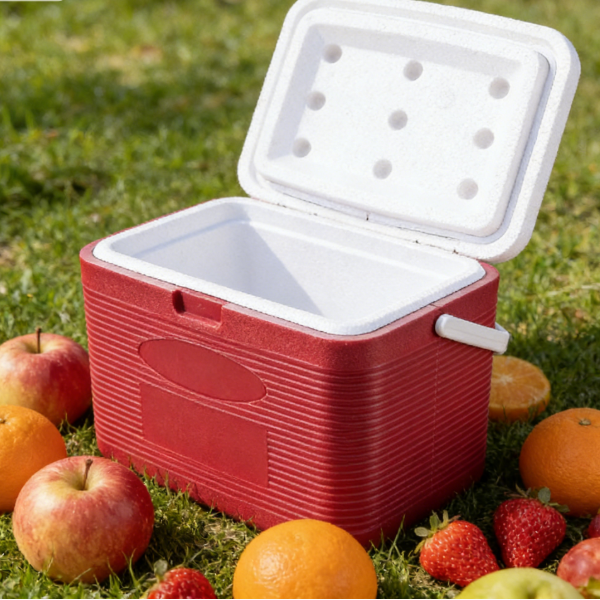
A custom insulated box for biotech keeps your payload inside a safe temperature band by controlling heat flow, airflow, and coolant placement. That stability protects potency, data integrity, and compliance readiness.
This article will answer for you:
How a custom insulated box for biotech protects real shipments (not lab fantasies)
How to spec a 2–8°C custom insulated box for biotech without overpaying
How to validate a custom insulated box for biotech for GDP-style audits
How to reduce total cost with a reusable custom insulated box for biotech
A 5-minute decision tool to match insulation, coolant, and duration
Why is a custom insulated box for biotech critical for shipping?
In biotech, you are not shipping “items.” You are shipping research time, patient outcomes, and trial timelines. A generic shipper often creates empty air space, uneven cooling, and unpredictable results. A custom insulated box for biotech is engineered around your payload size, lane risk, and hold time, so performance is repeatable instead of lucky.
What does “repeatable performance” mean in plain English?
It means two different packers can pack the same custom insulated box for biotech and get the same temperature outcome. That is what quality teams trust, and what customers remember.
| What you need | What goes wrong without it | What a custom design changes | What it means for you |
|---|---|---|---|
| Stable temperature band | Hot/cold spots | Fixed thermal zones | Fewer excursions |
| Delay protection | Weekend holds fail | Built-in buffer time | Less panic shipping |
| Consistent packing | “Depends who packed it” | Visual pack-out + trays | Fewer mistakes |
Practical tips you can use right now
If you ship high-value samples: Design for the worst delay, not the average day.
If you ship 2–8°C: Build in freeze protection, not just “more cold.”
If you ship globally: Assume at least one missed connection or customs hold.
Real scenario: Teams commonly reduce excursions by switching from one-size EPS shippers to a right-sized custom insulated box for biotech with better insulation control and a clearer pack-out flow.
What should you define before ordering a custom insulated box for biotech?
Write down four numbers: temperature band, max transit time, worst-case ambient, and payload mass. If these inputs are wrong, your custom insulated box for biotech will be wrong.
Your “lane” is your shipping route, including hubs and handoffs. Lane risk changes by season, pickup time, and weekend behavior. If you skip lane definition, you will either overpay for insulation you don’t need, or under-protect the payload and lose shipments.
How do stability limits and buffers protect your custom insulated box for biotech outcome?
Your product may allow short excursions, but you should still design a buffer. A simple approach is a do-not-cross limit plus a safer “working zone.” For example, many 2–8°C shipments aim to keep the payload closer to 3–7°C to avoid flirting with the edge.
| What you ship | Typical band | Common risk | Your practical takeaway |
|---|---|---|---|
| Vaccines / biologics | 2–8°C | Freezing or overheating | Use buffering and tight pack-out |
| Enzymes / reagents | 2–8°C or -20°C | Activity loss | Match coolant type to lane |
| Cell therapies | -60°C or colder | Rapid warming | Build delay protection + monitoring |
Practical tips and advice
If the lane is uncertain: Spec for the longest realistic duration, then tighten after real data.
If you ship small vials: Avoid accidental freezing from cold spots.
If Fridays fail: Fix pickup timing and conditioning steps before buying a thicker box.
Which insulation materials work best in a custom insulated box for biotech in 2026?
In 2026, the best custom insulated box for biotech usually uses EPP, PU, VIP, or hybrid insulation, because they reduce waste and stabilize performance across lanes.
Insulation is your “slow-down” tool. Better insulation means less coolant, fewer cold spikes, and less sensitivity to rough handling. In daily operations, “best” also means the shipper survives reality—drops, compression, and repeat use.
EPS vs EPP vs VIP: what you feel in daily operations
| Insulation option | Typical strength | Size efficiency | Best fit for you | What it means for you |
|---|---|---|---|---|
| EPS | Medium | Low | Short duration, cost-sensitive | Low cost, bulky boxes |
| EPP | High | Medium | Reuse + rough handling | Durable, lower damage rate |
| PU | High | Medium-high | Longer holds, simpler pack-out | Strong performance without huge size |
| VIP | Medium-high | Very high | Long holds, high dim-weight cost | Smaller boxes, high stability |
| Hybrid | Varies | High | Mixed lanes, tight targets | Balanced cost vs performance |
Practical tips you can use immediately
If dimensional weight hurts: Consider VIP or hybrid early.
If boxes break often: EPP-based designs usually survive better.
If you ship worldwide: Pick materials that stay stable across climate swings.
How do you pick the right coolant for a custom insulated box for biotech?
Match coolant type to your temperature band, lane duration, and freeze risk. The wrong coolant is the #1 cause of edge freezing or early warm-up.
Coolant comparison for a custom insulated box for biotech
| Coolant type | Typical use | Common mistake | How to avoid it |
|---|---|---|---|
| Water-based gel | Short 2–8°C | Freezing at start | Condition packs, add buffers |
| 5°C PCM | Pharma 2–8°C | Under-cooling in heat | Add mass, validate lanes |
| 22°C PCM | CRT 15–25°C | Overheating in hot lanes | Use more PCM, add insulation |
| Dry ice | Deep frozen | CO₂ handling rules | Train staff, ensure venting |
How do you validate a custom insulated box for biotech for audits?
Use a DQ/OQ/PQ approach: document the design, test under worst-case conditions, and confirm performance in real shipments. This is what auditors expect, and what protects you when things go wrong.
| Validation step | What you do | What you collect | What it means for you |
|---|---|---|---|
| DQ (Design) | Document specs, materials, target band | Spec sheet, drawings | Proves you planned it |
| OQ (Operational) | Lab test under worst-case conditions | Temperature logs, pass/fail | Proves it works in stress |
| PQ (Performance) | Field shipments with data loggers | Real-lane data, deviation reports | Proves it works in real life |
How do you reduce total cost with a reusable custom insulated box for biotech?
Reusable shippers cost more upfront but often cut total cost per shipment by 30–50% over time. The key is designing for return logistics and cleaning from the start.
Frequently Asked Questions
Q1: How long can a custom insulated box for biotech maintain temperature? Many designs hold 48–120 hours depending on insulation and coolant.
Q2: Are custom insulated boxes for biotech reusable? Yes—many support dozens of cycles with proper cleaning and inspection.
Q3: Do custom insulated boxes for biotech meet pharma standards? Many are designed for GDP compliance. You still need to verify documentation and material safety.
Q4: Can a custom insulated box for biotech freeze my product? Yes, if coolant touches the payload or starts too cold. Use separators and conditioning.
Summary and recommendations
A custom insulated box for biotech works best when you treat it as a repeatable system. Start with lane stress, not materials. Size for the worst credible day, then choose insulation and coolants that match your temperature band.
About Tempk
At Tempk, we focus on practical cold chain packaging designed for real logistics conditions. We develop custom insulated boxes for biotech that balance insulation performance, durability, and ease of use—and we design with repeatable pack-out and long-distance transport in mind.
Next step: Share your temperature band, max delay, and payload size. We’ll help you shortlist a custom insulated box setup and outline a simple validation plan.
Bulk Insulated Box: How to Choose in 2026?
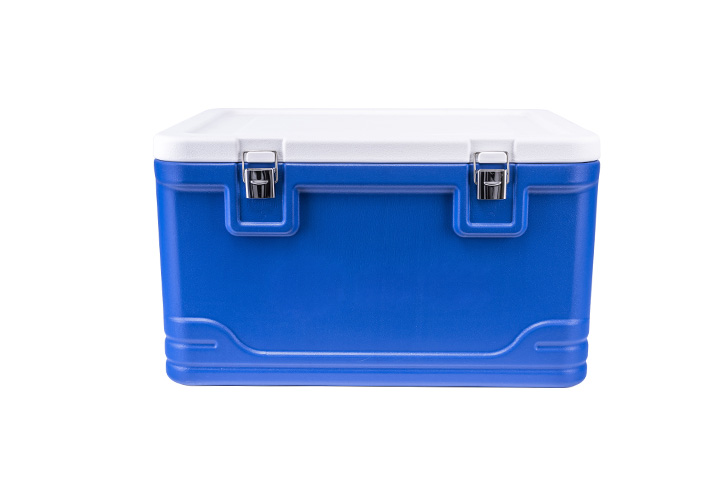
A bulk insulated box is one of the fastest ways to lower temperature risk when your cold chain gets messy. It acts like a thermal “buffer” during dock waits, flight delays, and handoffs. In 2026, many chilled lanes still target 2–8°C, and many frozen lanes target -20°C—so a smarter bulk insulated box choice can keep you in range longer with fewer surprises.
In this guide, you’ll learn:
How a bulk insulated box reduces lane risk when delays happen
How to use a bulk insulated box sizing calculator in 5 steps
How to compare bulk insulated box materials (EPS, EPP, PU, VIP) using real-world tradeoffs
How to run bulk insulated box thermal validation that holds up to audits
How to buy bulk insulated box wholesale and keep quality consistent at scale
Why Does a Bulk Insulated Box Matter More in 2026?
A bulk insulated box matters because consistency now beats “best case” performance. Real lanes include late pickups, missed connections, weekend holds, and seasonal swings from below freezing to above 40°C.
Think of a bulk insulated box as a time battery. Insulation slows heat movement, and refrigerants absorb heat to keep the payload stable. If you size only for volume, you often fail on duration.
Proof you can feel in operations: in one real case, a frozen seafood exporter switched to palletized bulk insulated boxes and spoilage dropped from 6% to under 2% in three months.
When Should You Use a Bulk Insulated Box Instead of Small Shippers?
You need a bulk insulated box when consolidation, lane risk, or handling complexity makes small parcel packaging unreliable. It reduces pack-out steps and “surface exposure,” meaning fewer sides take direct heat hits.
It’s also not just “a bigger cooler.” Workflow changes as much as physics: fewer seams, fewer labels, and fewer ways to pack wrong.
| Packaging choice | Typical workflow | What it means for you |
|---|---|---|
| Many small shippers | Many packing steps | Higher labor + higher pack-out error risk |
| One bulk insulated box | Fewer packing steps | Faster training + simpler QA checks |
| Pallet thermal cover | Forklift-based | Great for short holds, weaker for long stops |
Practical tips you can apply today
If you ship more than 3–5 parcel boxes per order: price a bulk insulated box—labor savings often covers the change.
If you ship through airports: build extra margin because tarmac time is hard to predict.
If product value is high: don’t pack for a perfect day—pack for the worst credible day.
Real example: A clinic consolidated five chilled parcels into one bulk insulated box, cutting packing time by about half after retraining.
How Do You Size a Bulk Insulated Box for Payload and Hold Time?
Sizing a bulk insulated box is a balance of payload volume, insulation thickness, and the time you need to resist heat flow. Start with payload dimensions and weight, then define the temperature band and hold time.
The biggest sizing mistakes are predictable: underestimating delays and overstuffing the cavity until airflow disappears.
A bulk insulated box sizing calculator you can do in 5 steps
Define your target band: 2–8°C, 15–25°C, or -20°C.
Define lane stress: worst-case ambient and worst-case delay.
Measure the payload block: dimensions + total mass.
Reserve refrigerant space: location, count, clearance.
Plan airflow + stability: small gaps + void fill to prevent shifting.
Self-check: are you under-sizing your bulk insulated box?
Give yourself 1 point for each “Yes”:
Delays over 6 hours happen sometimes.
Summer ambient can exceed 30–35°C.
You pack “tight” with no air gaps.
Lanes change without re-testing.
You rarely use data loggers in real shipments.
If you score 3+, your bulk insulated box likely needs a bigger cavity, thicker insulation, or a smarter refrigerant plan.
Which Bulk Insulated Box Materials Fit Your Lane?
You don’t need to memorize material science. You just need to match lane duration, handling intensity, and dimensional-weight pressure.
A practical “rule of thumb”: if dimensional weight drives cost, thinner high-performance insulation can reduce outer size. If handling is rough, durability becomes the deciding factor.
Bulk insulated box insulation cheat sheet
| Material | Strengths | Watch-outs | Best fit for you |
|---|---|---|---|
| EPS | Low cost, common | Cracks, less reusable | One-way lanes, tight budgets |
| EPP | Durable, reusable, shock resistant | Higher upfront cost | Reuse loops + rough handling |
| PU foam | Strong insulation + rigid structure | End-of-life can be harder | Mid-to-long lanes needing stiffness |
| VIP panels | Very high insulation in thin walls | Puncture risk, higher cost | Long holds with size constraints |
Reality check: in controlled trials, reusable bulk insulated boxes maintained target temperature up to 60% longer than single-use corrugated solutions under identical conditions.
How Do You Choose Refrigerants for a Bulk Insulated Box?
Refrigerants are the “fuel.” Insulation slows heat flow, but refrigerants absorb heat so the inside stays stable.
The #1 practical risk is being too cold at the start (edge freezing) or placing packs against the payload. Separators, conditioning, and clear placement rules prevent most issues.
Gel packs vs PCM vs dry ice (what to choose, fast)
| Refrigerant option | Common use | Main risk | How to reduce risk | Best fit for you |
|---|---|---|---|---|
| Water-based gel packs | Chilled short lanes | Freezing at start | Condition packs, add buffers | Cost-sensitive chilled shipping |
| 5°C PCM | 2–8°C pharma | Under-cooling in extreme heat | Add mass, validate lanes | Tight 2–8°C control |
| 22°C PCM | 15–25°C CRT | Overheating in hot lanes | Use more PCM, add insulation | Room-temp biologics |
| Dry ice | Deep frozen | CO₂ handling rules | Train staff, ensure venting | Very low temperature shipping |
Practical tips you can apply today
Use separators: stop direct contact between refrigerant and product.
Standardize conditioning: one clear “conditioning time” reduces variation.
Label pack positions: photos on the lid cut training time and mistakes.
Real example: A pharmacy used frozen gel packs for 2–8°C kits and saw edge freezing. Switching to conditioned PCM plus a buffer sheet stabilized deliveries.
How Do You Validate a Bulk Insulated Box for Audits and Real Lanes?
A bulk insulated box is only “proven” when it passes testing that matches real lane risks. Quality teams often expect documented qualification and repeatable pack-outs.
In plain English: define the design, test it under stress, then confirm it works in the field.
Bulk insulated box thermal validation (DQ, OQ, PQ)
| Step | What you do | What you collect | What it means for you |
|---|---|---|---|
| DQ (Design) | Document specs, materials, target band | Spec sheet, drawings | Proves you planned it |
| OQ (Operational) | Lab test under worst-case conditions | Temperature logs, pass/fail | Proves it works in stress |
| PQ (Performance) | Field shipments with data loggers | Real-lane data, deviation reports | Proves it works in real life |
How Do You Buy Bulk Insulated Boxes Wholesale?
Buying bulk insulated boxes wholesale is about balancing price, quality, and lead time. Most suppliers offer tiered pricing, so volume helps—but only if your specs are locked and quality is consistent.
Self-check: are you ready to buy bulk insulated boxes wholesale?
Give yourself 1 point for each “Yes”:
We have a locked spec (dimensions, insulation, closure).
We have a validated pack-out (or we don’t need one).
We can run a simple receiving inspection for each batch.
We know our top 3 failure modes.
Score guide:
0–2: pilot one lane first.
3–4: ready for bulk orders with tighter QA.
5: ready to scale and negotiate stronger price tiers.
How Do You Validate Bulk Insulated Box Quality at Scale?
Validating a bulk insulated box at scale is about proving repeatability. The key question is: “If we buy 5,000 units, will they behave like the sample?”
A simple 3-step validation plan (easy to run)
Pre-production sample: confirm dimensions, fit, packing workflow.
Performance check: verify payload stays in range for your lane target.
Production batch check: inspect a small number from each shipment.
Two habits that prevent big failures:
Keep a “golden sample” as the reference.
Re-check before peak season so your bulk insulated box survives your worst month.
What Are the 2026 Trends for Bulk Insulated Box Systems?
In 2026, bulk insulated box design is shifting toward smarter insulation and better data integration. Lighter materials reduce transport cost, and data-ready interiors make sensors easier to use.
What to watch this year:
Smarter materials: same insulation, less weight.
Modular designs: adjustable volume for mixed loads.
Data-ready interiors: easier sensor placement.
Market pull is rising in food export and biotech logistics, driven by stricter compliance and fuel costs.
Frequently Asked Questions About a Bulk Insulated Box
Q1: How long can a bulk insulated box maintain temperature? Many bulk insulated boxes hold target temperature for 48–120 hours, depending on insulation thickness and coolant use.
Q2: Are bulk insulated boxes reusable? Yes—many designs support dozens of reuse cycles, with routine inspection and cleaning.
Q3: Do bulk insulated boxes meet food and pharma standards? Many models are designed for regulated use. You still need to verify material safety, cleanability, and documentation.
Q4: Can a bulk insulated box freeze my product? Yes, if refrigerants touch the payload or start too cold. Use separators, conditioning, and placement labels.
Q5: What’s the biggest packing mistake with a bulk insulated box? Overstuffing until airflow disappears. That creates hot spots and inconsistent results.
Summary and recommendations
A bulk insulated box works best when you treat it as a repeatable system. Start with lane stress, not materials. Size for the worst credible day, then choose insulation and refrigerants that match your temperature band.
Next, lock the pack-out with a visual SOP and validate using DQ/OQ/PQ thinking so audits and real lanes match.
Your next steps
Pick your lane target (band + duration + worst season).
Shortlist 2 bulk insulated box options (baseline vs higher performance).
Run a simple lab check, then a short field pilot with data loggers.
Freeze the pack-out into a one-page photo SOP.
Scale using receiving checks and seasonal re-validation.
About Tempk
At Tempk, we focus on practical cold chain packaging designed for real logistics conditions. We develop bulk insulated boxes that balance insulation performance, durability, and ease of use—and we design with repeatable pack-out and long-distance transport in mind.
Next step: Share your temperature band, max delay, and payload size. We’ll help you shortlist a bulk insulated box setup and outline a simple validation plan.
Biodegradable Insulated Box: How to Choose in 2026?

Last updated: January 8, 2026
If you ship food, pharma, or biotech, a biodegradable insulated box can protect temperature while reducing foam waste. But results depend on what you do next: pick the right “lane” (your real route + time), validate performance, and write disposal claims you can defend. One hard reality: U.S. EPA data shows polystyrene (PS) container recycling was negligible in 2018—<5,000 tons recycled out of 80,000 generated—so switching away from foam is often more than a branding move. US EPA
This article will answer:
How to choose a biodegradable insulated box based on your shipping lane and temperature band
What “biodegradable,” “compostable,” and “recyclable” really mean on labels
How to run a simple thermal packaging testing plan without over-spending
Which materials work best for an EPS-free insulated shipper (and what to watch for)
How to reduce cost using right-sizing insulated shippers and consistent pack-outs
What changes in 2026 packaging compliance should influence your packaging decisions
Why choose a biodegradable insulated box in 2026?
A biodegradable insulated box matters in 2026 because regulations, customer pressure, and cost control are converging. If your packaging is still “foam-first,” you may face redesign churn as restrictions expand. For example, New York’s cold storage foam container ban starts January 1, 2026 and covers items like coolers and ice chests. Department of Environmental Conservation
You also need to plan for rule changes beyond the U.S. The EU’s Packaging and Packaging Waste Regulation (PPWR) entered into force February 11, 2025 and has a general application date of August 12, 2026, pushing stronger expectations around packaging waste prevention, design, and labeling. Environment+1
2-minute decision tool: Is a biodegradable insulated box right for you?
Give yourself 1 point for each “Yes”:
You ship products that must stay cold (2–8°C, frozen, or deep-frozen).
You’ve had warm arrivals in summer or on long last-mile routes.
You ship into regions with EPS restrictions now or scheduled in 2026. Department of Environmental Conservation+1
Customers ask “How do I dispose of this shipper?” often.
Dimensional weight charges are a visible cost line.
Your brand has a public waste or carbon goal for 2026–2027.
Score guide
0–2: Optional. Start with right-sizing and a better pack-out process.
3–4: Likely a win, but only with lane-based validation.
5–6: Prioritize a program and document claims to avoid risk.
What does “biodegradable” mean on insulated packaging labels?
A biodegradable insulated box is not one material—it’s a system (carton + insulation + liner + tape + refrigerant + label). The biggest mistake is assuming “biodegradable” means “breaks down anywhere.” In real disposal routes (landfills, incineration, recycling streams), many products will not break down quickly enough to justify broad claims.
The FTC’s Green Guides warn that unqualified biodegradable/degradable claims can be deceptive if items won’t break down within a reasonably short time after customary disposal (often framed as within one year). Federal Trade Commission+1
Plain-English rule you can use today
If you can’t answer “Where does it break down, and what standard proves it?” don’t treat it as a reliable “biodegradable” claim.
Biodegradable vs compostable vs recyclable (buyer table)
| Term on packaging | What it usually means | What can go wrong | What it means for you |
|---|---|---|---|
| Biodegradable | Breaks down via microbes over time | Timeframe is vague | Ask for test method + realistic timeline |
| Industrially compostable | Works in controlled compost facilities | Customers may not have access | Add qualified disposal instructions |
| Home compostable | Breaks down in backyard conditions | Hard to validate for thick insulation | Verify carefully before claiming |
| Recyclable | Accepted in a recycling stream | Acceptance varies by city | Favor paper-first designs + simple separation |
Standards that anchor compostability claims (in plain terms)
ASTM D6400: Compostable plastics in municipal/industrial composting facilities. ASTM International | ASTM
ASTM D6868: Compostable plastics attached to paper substrates (coated/laminated structures). BPIWorld
EN 13432: Common EU reference for compostable packaging performance. Polyflex+1
ISO 17088: Compostable plastics requirements for industrial composting; not a litter biodegradability standard. 国际标准化组织+1
Which materials work best for an EPS-free insulated shipper?
The “best” biodegradable insulated box material depends on your lane, moisture risk, and disposal reality. No option is cheapest, driest, strongest, and most insulating at once—so you choose tradeoffs you can manage.
Material options you’ll actually see in market
| Material path | Typical strengths | Typical limits | What it means for you |
|---|---|---|---|
| Molded fiber / pulp | “Paper-like,” protective, customer-friendly | Can absorb moisture | Great for DTC if you add a thin moisture barrier |
| Starch-based bio-foam | Lightweight, strong insulation | Brittle if mishandled | Works when you need EPS-like insulation feel |
| Mycelium forms | Strong sustainability story, molded protection | Scale/lead time can vary | Best for premium lanes or controlled launches |
| Cellulose / paper fill | Easy sourcing, recyclable story | Messy unless contained | Use inside a liner for clean unboxing |
| Natural fiber mats | Good insulation feel, reuse potential | Higher cost, moisture planning | Good for predictable, premium programs |
Practical tips you can apply immediately
Hot climates: Increase insulation and add moisture control (liner + absorbent pad).
Crush-risk lanes: Reinforce corners and structure before adding more coolant.
Customer disposal matters: Choose materials customers recognize and can sort easily.
Example scenario: A meal-kit brand improved summer pass rates by tightening seals and reducing empty air, not by doubling gel packs.
How do you validate temperature performance with a thermal packaging testing plan?
You validate a biodegradable insulated box the same way you validate any thermal shipper: test your worst-case lane with a realistic pack-out. A quick “touch test” is not proof.
The simple model (easy to remember)
Insulation buys time
Refrigerant buys stability
Pack-out buys consistency
If one is weak, the system fails.
7-day lane-based thermal packaging testing plan
Define your target (example: 2–8°C for 36 hours + buffer).
Pick your worst lane (hottest city, longest transit, messy last mile).
Lock pack-out variables (payload mass, coolant mass, placement).
Run a hot test (simulate summer dwell + handling).
Run a cold test (winter overcooling can damage sensitive goods).
Add a “doorstep hold” (1–2 hours unopened at the end).
Adjust one variable at a time (coolant mass, seal method, liner).
Budget-friendly testing tips
Use rented data loggers and controlled “garage tests” before bigger pilots.
Treat repeatability as the goal: same pack-out, same process, same scoring.
Pilot 20–50 shipments on the worst lane before scaling.
How do you build a reliable pack-out inside a biodegradable insulated box?
A biodegradable insulated box can fail even with “good insulation” if the pack-out is inconsistent. Most early failures come from air gaps, sloppy sealing, and moisture surprises.
Pack-out rules that reduce failures fast
Stage product cold first. Pack-out cannot fix warm inventory.
Kill dead air. Empty space speeds heat gain and movement damage.
Place coolant where heat enters. Often top + sides in summer routes.
Plan for water. Condensation can weaken fiber and reduce performance.
Standardize one method. Consistency beats “creative packing.”
Quick selector: Coolant choice by temperature band
Chilled (2–8°C) / 24–48h: gel packs + moderate insulation
Frozen (-20°C) / 24–48h: more coolant + freeze-protection if needed
Deep-frozen (dry ice systems): treat the shipper as a system; validate barrier layers carefully
How can a biodegradable insulated box reduce 2026 packaging compliance risk?
A biodegradable insulated box can lower compliance risk by moving you away from materials being restricted and by making end-of-life claims easier to qualify.
Three compliance signals you should track
EPS restrictions expanding: Virginia’s EPS food container ban phases in and applies broadly by July 1, 2026. deq.virginia.gov
New York cold storage foam ban: starts January 1, 2026 for certain cold storage containers. Department of Environmental Conservation
EU PPWR timeline: general application date August 12, 2026, raising the bar on design and labeling expectations. Environment+1
PFAS reality (don’t skip this)
Many fiber packages use coatings for water/grease resistance. PFAS rules are expanding and vary by jurisdiction, so you should request declarations for coatings, liners, inks, and food-contact components. A state-by-state overview shows multiple enacted restrictions and upcoming effective dates across the U.S. bclplaw.com
2026 compliance checklist for your shipper
List every component: carton, insulation, liner, tape, label, gel pack film.
Map foam exposure: where does EPS still create risk?
Ask about PFAS in coatings/liners and get written statements. bclplaw.com
For EU: prepare PPWR-driven documentation and labeling processes. Intertek
Write short disposal instructions that match reality (not wishful thinking).
How do you cut cost with right-sizing insulated shippers?
Cost control is usually not about the unit price of a biodegradable insulated box. Your hidden costs are:
Dimensional weight (paying to ship air)
Over-packed refrigerant
Refunds and reships from temperature failures
Right-sizing mini-calculator (fast and practical)
Measure product footprint (L × W × H).
Add space for coolant on each side.
Add insulation thickness.
Compare to current internal volume.
If you have >25% “empty air,” you likely have a cost opportunity.
| What you notice | Likely cause | What it means for you |
|---|---|---|
| Lots of filler or void space | Box too big | Right-size the box or add SKU tiers |
| Coolant melts too fast | Insulation too thin or air gaps | Upgrade insulation or seal better |
| Warm arrivals in summer | Lane mismatch or pack-out drift | Validate worst lane and retrain packers |
Frequently Asked Questions
Q1: Is every biodegradable insulated box also compostable?
No. “Biodegradable” is often vague. Compostable claims should be supported by recognized standards and qualified by facility availability. Federal Trade Commission+1
Q2: What standards should I look for on a biodegradable insulated box?
Common references include ASTM D6400 (compostable plastics), ASTM D6868 (coated paper structures), EN 13432 (EU compostable packaging), and ISO 17088 (compostable plastics framework). 国际标准化组织+3ASTM International | ASTM+3BPIWorld+3
Q3: Can a biodegradable insulated box handle 48–72 hour shipping?
Often yes, but it depends on your lane, ambient extremes, and pack-out consistency. Pilot tests beat assumptions every time. ScienceDirect
Q4: What’s the biggest mistake when switching to a biodegradable insulated box?
Assuming material choice alone solves performance. Seal quality, coolant placement, and moisture planning usually matter just as much.
Q5: How should I describe sustainability without risking greenwashing?
Use qualified claims and avoid broad statements that don’t match real disposal conditions. The FTC highlights the need for evidence and specificity. Federal Trade Commission
Summary and Recommendations
A biodegradable insulated box can protect temperature, reduce waste, and lower compliance risk—if you choose the right material for your lane, validate performance with real tests, and write claims you can defend. In 2026, regulations are tightening (EPS bans, PPWR, PFAS rules), so the cost of waiting is rising.
Your next steps
Score your need: Use the 2-minute decision tool above.
Pick your worst lane: Test there first.
Validate before scaling: 20–50 shipments, real conditions.
Write disposal claims carefully: Match what customers can actually do.
Track compliance: EPS bans, PPWR, PFAS rules—don’t be surprised.
About Tempk
Tempk focuses on practical cold chain packaging solutions designed for real logistics challenges. We develop biodegradable insulated box systems that balance insulation performance, durability, and responsible material choices. Our approach emphasizes tested results and clear guidance, helping you ship with confidence.
Next step: Talk with our packaging specialists to evaluate the right biodegradable insulated box configuration for your cold chain needs.
Sustainable Insulated Box: How to Choose in 2026?

A smart sustainable insulated box choice reduces temperature failures, cuts customer complaints, and makes disposal simple enough that people actually do it.
This article will help you answer:
Which recyclable insulation liner and material systems work best in 2026
How to right-size a sustainable insulated box to reduce coolant, damage, and freight costs
When a reusable sustainable insulated box actually pays off (return-rate math included)
How to validate performance so audits and buyers say “yes”
What makes a sustainable insulated box truly “sustainable” in 2026?
A sustainable insulated box is only “sustainable” if it delivers temperature protection with the lowest total waste per delivered shipment. If the box fails and you re-ship product, the waste becomes much bigger than the packaging you tried to save.
Think of sustainability like a fuel-efficient car. The sticker matters, but how you drive matters more. If you oversize, over-cool, or choose a box customers can’t dispose of, your sustainable insulated box program can backfire.
A simple life-cycle checklist you can use today
You don’t need a 200-page report. Start with a quick checklist and identify “impact hotspots,” especially coolant, re-ships, and end-of-life reality.
| Lifecycle lever | What to check | Common options | What it means for you |
|---|---|---|---|
| Material source | Recycled/renewable content | Recycled corrugate, fiber | Less virgin material use |
| Thermal efficiency | Insulation needed for your lane | Better liner, tuned packout | Less coolant, fewer failures |
| Reuse potential | Trips before replacement | 5, 10, 20+ cycles | Lower waste per shipment |
| End-of-life reality | What customers can actually do | Curbside recycle, take-back | Less landfill, fewer complaints |
| Right-sizing | Empty space inside the box | Fewer sizes, custom fit | Less filler, less freight cost |
Reality anchor: A sustainable insulated box should reduce failures first. Spoiled food and wasted medicine are the least sustainable outcomes.
Which sustainable insulated box materials work best in 2026?
The “best” sustainable insulated box is a system: outer carton + insulation + coolant + handling method. In 2026, buyers focus on measurable lifecycle impact, not labels.
A practical way to choose is to sort options into three buckets:
Returnable durable systems (best when you can get boxes back)
One-way recyclable systems (best when returns won’t happen)
High-performance systems (best for long duration or high-value payloads)
Compostable vs recyclable insulation liners: what actually works?
Compostable liners can be great only if disposal is realistic for your customers. If they lack compost access, “compostable” often becomes landfill by accident.
For many direct-to-consumer lanes, a recyclable insulation liner is the simpler win because it matches common customer behavior. Your goal is the end-of-life path people will actually complete.
| Insulation option | Insulation strength | Durability | End-of-life fit | Best for you when… |
|---|---|---|---|---|
| Recycled fiber / molded pulp | Medium | Low–medium | Often easier with paper streams | Short chilled lanes, clear disposal |
| Recycled PET felt liner | Medium–high | Medium | Recovery varies by region | DTC food, meal kits, wet lanes |
| EPP (durable foam) | High | Very high | Recyclable path depends on systems | Reuse cycles and rough handling |
| Hybrid/Vacuum-assisted panels | Very high | High | More complex | Pharma/biotech, long duration |
Practical material tips you can use this week
Avoid mixed-material traps: If customers can’t separate parts, recycling fails in real life.
Match the customer: A clinic can return packaging; a doorstep delivery usually won’t.
Protect fragile insulation: High-performance systems can be puncture-sensitive, so add inspection steps.
Real-world note: A reusable EPP-based sustainable insulated box often reduces packaging damage complaints.
How do you right-size a sustainable insulated box for your lane?
Right-sizing is the fastest “upgrade” because it reduces empty air, coolant, and dimensional weight. It also prevents products from sliding and cracking inside the sustainable insulated box.
Think of your sustainable insulated box like a thermos. Less trapped air means it stays cold longer with less effort. Oversized boxes also encourage “just in case” coolant overload, which can create wet messes and unhappy customers.
5-minute decision tool: pick the right sustainable insulated box size
Answer A or B and count which letter you choose most.
Lane duration: A) Under 48 hours B) 48–96 hours
Target temperature: A) Chilled (2–8°C) B) Frozen (-18°C)
Payload density: A) Mostly solid, little air B) Mixed items with gaps
Summer exposure risk: A) Mostly indoor transfers B) Hot doorsteps, long waits
Customer end-of-life: A) Simple curbside recycle B) Take-back is realistic
Mostly A: Choose a smaller sustainable insulated box with moderate insulation and lean coolant.
Mostly B: Choose a higher-performance sustainable insulated box, then right-size within that family.
Packout pattern that prevents temperature swings
A simple rule: cold source surrounds the payload, but does not crush it. Keep gel packs against the liner, and separate them from items that can freeze.
| Lane scenario | Typical duration | Temp goal | Box features to prioritize | What it means for you |
|---|---|---|---|---|
| Local meal kits | 24–48 hrs | 2–8°C | Right-sized liner, minimal void | Lower cost, less soggy packaging |
| National chilled food | 48–72 hrs | 2–8°C | Better insulation + tuned coolant | Fewer summer spoilage claims |
| Frozen desserts | 24–72 hrs | -18°C | High-performance insulation | Better texture, fewer refunds |
| Specialty pharma | 48–96 hrs | 2–8°C | Validated packout + data loggers | Easier audits, fewer surprises |
Practical sizing tips that reduce waste
Use a two-box strategy: one small and one medium sustainable insulated box, then tune coolant by season.
Avoid “just in case” oversizing: it wastes coolant and increases dimensional weight.
Pilot before you scale: test one lane first, then expand.
When does a reusable sustainable insulated box actually pay off?
Reuse works best when return rates are high and handling is consistent. If boxes come back damaged or don’t come back at all, reuse can cost more than single-use.
Simple return-rate math: is reuse worth it for you?
Reuse ROI depends on trips per box and return logistics cost. A quick rule: if you can get 10+ trips and return cost is under 30% of box cost, reuse usually wins.
| Scenario | Return rate | Trips per box | Reuse ROI | What it means for you |
|---|---|---|---|---|
| B2B depot network | 90%+ | 20–50 | Strong | Clear win for reuse |
| Clinic/pharmacy loop | 70–90% | 10–30 | Good | Reuse likely pays off |
| DTC meal kits | 20–40% | 2–5 | Weak | Single-use may be simpler |
| Random doorstep | <20% | 1–2 | Poor | Reuse rarely works |
Practical reuse tips
Design for easy inspection: damage should be visible at a glance.
Standardize sizes: fewer SKUs means easier returns and storage.
Track returns: even basic tracking improves recovery rates.
How do you validate a sustainable insulated box for audits and buyers?
Validation proves your sustainable insulated box works under real-world stress. Buyers and auditors want evidence, not promises.
Simple qualification plan
Test the worst realistic day: heat + delay + rough handling. Then tune one variable at a time.
| Test type | What it checks | How to do it | What it means for you |
|---|---|---|---|
| Thermal profile | Temperature hold time | Data loggers in chamber | Proves your lane performance |
| Drop + vibration | Handling damage risk | Drop tests | Fewer leaks and breakage |
| Water exposure | Rain + condensation | Spray/soak test | Prevents soggy cartons |
| Packout repeatability | Human error risk | SOP + checklist | Consistent results across shifts |
| Documentation | Audit readiness | Test report template | Faster buyer approval |
Buyer-facing proof: Some programs require evidence like 2–8°C for 72 hours, and a simple qualification plan can shorten approvals.
2026 latest sustainable insulated box developments and trends
In 2026, the market is moving from “materials talk” to systems proof—validated performance, fewer parts, and measurable recovery.
Latest progress you can act on now
Modular insulation systems: adapt one sustainable insulated box family to multiple products.
Lifecycle tracking for reuse: better return optimization with basic tracking.
Clearer end-of-life design: easier separation improves real recycling outcomes.
Market and policy pressure you should know
In the EU, the Packaging and Packaging Waste Regulation (PPWR) entered into force on February 11, 2025, with a general application date 18 months later.
In the U.S., corrugated boxes reached a 96.5% recycling rate (2018), showing why end-of-life reality matters.
Reuse is scaling fastest in dense, controlled networks (B2B, depots, clinics).
Frequently Asked Questions
Q1: What’s the biggest mistake when buying a sustainable insulated box? Choosing based on “eco” claims without matching the lane. If temperature fails, product waste overwhelms packaging gains.
Q2: Is a sustainable insulated box suitable for frozen shipping? Yes. Pair it with the right coolant strategy and insulation strength for -18°C lanes.
Q3: How many times can a sustainable insulated box be reused? Many high-quality designs support 20–50 reuse cycles when handling is consistent.
Q4: Is compostable always better than recyclable for a sustainable insulated box? No. Compostable only wins when customers have real compost access. Recyclable can be easier to complete.
Q5: Can one sustainable insulated box work for chilled and frozen? Sometimes, but it’s rarely ideal. If you must standardize, keep one size and adjust liner + coolant.
Q6: What should I validate first? Test the worst realistic day: heat + delay + rough handling, then tune one variable at a time.
Summary and recommendations
A sustainable insulated box is only sustainable when it protects product and reduces waste across the full lifecycle.
Start with lane reality, right-sizing, and a disposal path customers can finish. Then validate performance so you avoid re-ships and refunds.
A simple next-step plan (fast, measurable)
Pick one lane and one temperature promise (example: 2–8°C for 48 hours).
Pilot two box sizes and two seasonal packouts (summer + winter).
Track outcomes: temperature pass/fail, damage rate, packaging weight, customer feedback.
Standardize the winner and document it like a simple recipe.
CTA: If you want fewer failures and easier approvals, start a pilot this month and document results for procurement.
What makes a recyclable insulated box truly recyclable?

If you ship cold goods, a recyclable insulated box is one of the fastest ways to cut foam waste without risking product quality. When it’s packed correctly, many lanes can stay in the 2–8°C “safe zone” for 24–48 hours, and some can reach 72 hours with validation. In 2026, the “green” part also matters more—because regulations and customers increasingly expect packaging that’s recyclable in real life, not just on a label.
This guide will help you:
Choose a recyclable insulated box for food delivery that reduces melt, leaks, and complaints
Use recyclable insulated packaging for pharmaceuticals without guessing on compliance
Learn how to recycle insulated shipping boxes with clear, simple steps
Compare recyclable insulated box vs EPS cooler on cost, performance, and disposal
Build a repeatable packout you can train in minutes (not hours)
A recyclable insulated box is only “recyclable” if your customer (or receiving team) can separate, sort, and recycle the main parts quickly. If recycling takes ten steps, it won’t happen. Your goal is a pack that feels obvious: “remove this, recycle that.”
Think of recyclability as a real-world checklist:
Collection: does it get picked up (curbside or accepted locally)?
Sorting: can facilities separate it without special effort?
End markets: is it actually processed into new material?
Recyclability checkpoint table (use this during sourcing)
| Component | Choose | Avoid | What it means for you |
|---|---|---|---|
| Outer shipper | Plain corrugated carton | Plastic-coated or waxed surfaces | Higher recycling success, fewer disputes |
| Insulation | Fiber, molded pulp, paper panels, separable mono-material | Foam glued to walls | Less “trash by default” outcomes |
| Liner | Peel-out, folded, or tuck-in liner | Permanent multi-layer laminate | Faster separation and better recycling behavior |
| Tape/labels | Minimal, easy to remove | Heavy plastic tape everywhere | Cleaner fiber stream and fewer sorting failures |
| Coolants | Clearly labeled gel/PCM packs | Unlabeled “mystery gel” | Fewer customer questions and support tickets |
The 60-second “busy person” test (interactive)
Hand an unopened shipper to someone outside your team. Ask them to recycle it in under 60 seconds without searching online.
Pass: they separate parts correctly and confidently
Borderline: they hesitate, ask questions, or tear components apart
Fail: they throw it away because it’s confusing
Why this matters: the best recyclable insulated box is the one that gets recycled when people are in a hurry.
How does a recyclable insulated box keep products cold on the move?
A recyclable insulated box doesn’t “make cold.” It slows warming. Picture a winter jacket: it traps still air so outside heat moves in more slowly.
Your hold time is driven by five basics:
Outside temperature (summer porch time is brutal)
Box size (bigger air volume warms faster)
Product starting temperature (warm product burns your cold budget)
Refrigerant type and mass (gel vs PCM vs dry ice)
Packout quality (voids, gaps, bad placement create hot corners)
Common insulation approaches (and what they mean for you)
| Insulation approach | Typical materials | Practical benefit | Best fit |
|---|---|---|---|
| Air-trapping fiber structures | Molded pulp, paper fiber | Simple recycling story + cushioning | Food delivery, D2C lanes |
| Dense fitted panels | Paper panels, molded forms | Fewer gaps, steadier temps | 2–8°C pharma lanes |
| Separable mono-material inserts | PP-based designs | Durable, repeatable performance | Reuse programs or controlled returns |
| Hybrid “separate easily” systems | Carton + removable liner | Better moisture control | Mixed season, mixed products |
Practical temperature stability tips (you can apply today)
Pre-condition product to target temperature before packing
Block airflow by filling void space (empty air warms fast)
Center the payload so it’s not touching the outside walls
Place refrigerant where heat enters (often top and sides)
Train one standard layout so packouts don’t drift by person or shift
Real-world pattern: when a shipper arrives “mostly cold” but not compliant, the fix is often packout discipline, not thicker insulation.
Recyclable insulated box vs EPS foam cooler vs reusables: which wins?
There’s no universal winner. The right choice depends on whether you control returns, how your customers dispose of packaging, and how strict your temperature risk is.
Quick comparison (performance + operations)
| Factor | Recyclable insulated box | EPS foam cooler | Reusable shipper |
|---|---|---|---|
| Customer disposal experience | Usually simpler | Often frustrating | Mixed (must return) |
| Reverse logistics needed | No | No | Yes |
| Warehouse storage | Often ships flat / modular | Bulky | Moderate |
| Moisture behavior | Needs liner planning | Naturally water resistant | Depends on design |
| Compliance risk (labeling/claims) | Can be managed with clarity | Increasing scrutiny | Strong if controlled loop |
| Best fit | D2C, mixed returns, brand focus | Lowest-cost insulation | B2B closed-loop lanes |
Decision tool: pick your lane in 3 minutes (interactive)
Answer these:
Hold time needed: 0–24h / 24–48h / 48–72h
Target range: 2–8°C / 15–25°C / frozen
Worst season: summer / winter / both
Last-mile risk: low / medium / high (porch time, failed delivery)
Disposal reality: strong / mixed / weak
Simple rule of thumb (not lab math):
If you ship 48–72h, treat it as high risk until you have lane data.
If disposal habits are mixed, favor fiber-first designs with obvious steps.
| Lane profile | Suggested recyclable insulated box style | Coolant strategy | What it means for you |
|---|---|---|---|
| Local 0–24h chilled | Thin fiber liner | Small gel packs | Lowest cost + simplest recycling story |
| Regional 24–48h chilled | Medium fiber/panel fit | Gel packs + tight packout | Best balance of performance + simplicity |
| 48–72h chilled | Validated higher-performance system | PCM or layered gel | Needs validation + tighter SOP |
| Frozen | Insulated + dry ice or PCM | Dry ice or frozen PCM | More complexity, higher risk |
How to build a standard packout SOP (and why it matters more than box specs)
A recyclable insulated box is only as good as the packout. If every shift packs differently, you’ll see inconsistent temperatures and customer complaints.
Packout SOP template (adapt to your operation)
| Step | Action | Why it matters |
|---|---|---|
| 1 | Pre-chill product to target temp | Warm product burns your cold budget |
| 2 | Assemble box + liner | Liner controls moisture and separation |
| 3 | Place bottom coolant (if required) | Protects from floor heat |
| 4 | Center product with buffer | Avoid wall contact and freeze risk |
| 5 | Fill voids with dunnage | Empty air warms fast |
| 6 | Place top coolant | Heat enters from top and sides |
| 7 | Close liner, then box | Seal the cold zone |
| 8 | Add disposal panel or label | Tells customer what to do |
Training tip: photo-based SOPs
Take photos of each step. Print them on a laminated card at the pack station. New hires can follow along in minutes.
Labeling, compliance, and what “recyclable” really means in 2026
Recyclable claims are under more scrutiny. If you say “recyclable” but the box ends up in landfill, you risk complaints, returns, and regulatory attention.
Key regulations and guidance (plain language)
California SB 343: This law is designed to restrict “recyclable” labeling unless materials are collected and processed at scale in real systems.
US marketing guidance: the FTC’s Green Guides (16 CFR Part 260) outline how to avoid deceptive environmental claims and how to qualify claims properly.
EPR momentum: packaging EPR programs have expanded across seven states (as of late 2025), which can change reporting, fees, and packaging design incentives.
Simple, defensible labeling steps (do this even if you’re not “regulated”)
Write disposal instructions by component (box / insulation / liner / coolant)
Avoid absolute claims like “100% recyclable everywhere” unless you can prove it
Keep a documentation folder: specs, supplier declarations, and test notes
Put instructions where the action happens: inside the top flap
Note: this is practical guidance, not legal advice. Your safest move is “clear steps + component-level truth.”
2026 trends shaping recyclable insulated box design
In 2026, the best recyclable insulated box designs look simpler, but perform better because they’re built for real behavior:
Latest progress you’ll see most often
Fiber-first insulation at scale: molded pulp and paper fiber options are easier to explain and sort
Peel-out liners and low-tack bonds: separation becomes fast and satisfying
Smarter refrigerant pairing: more teams use PCM when freeze risk is high
Packaging “UX” design: big inside-the-lid panels reduce confusion at unboxing
Data-driven right-sizing: packouts tuned to lane profiles reduce cost and variability
Market insight (plain language)
“Sustainable” is no longer a slogan. Buyers want simplicity, proof, and repeatability. The recyclable insulated box that wins is the one your busiest worker can pack correctly on a Monday morning.
Common questions about a recyclable insulated box
Q1: Can a recyclable insulated box replace foam coolers completely? Often yes for short to mid lanes, especially 0–48 hours. The key is right-sizing and a repeatable packout. For 48–72 hours, validate first with temperature loggers before you scale.
Q2: Are recyclable insulated boxes more expensive? Unit price can be slightly higher, but total cost may drop. When you factor disposal friction, storage space, customer complaints, and reship risk, a recyclable insulated box often comes out ahead.
Q3: How long can a recyclable insulated box hold 2–8°C? Many systems can support 24–48 hours when product is pre-chilled and coolant mass is sized for the worst season. Longer holds are possible, but should be proven on your actual lanes.
Q4: How do I prevent freezing in a recyclable insulated box? Avoid direct ice contact. Add a buffer layer and consider PCM packs tuned near your target range. Think of PCM as “ice that resists getting too cold.”
Q5: What is the biggest mistake when switching to a recyclable insulated box? Changing the box but keeping the old packout. Fiber-based systems often need tighter fit, better void fill, and consistent placement to avoid hot corners.
Q6: How to recycle insulated shipping boxes if the insulation is wet? Let it dry if possible. Recycle clean fiber parts, but discard insulation that is soaked, food-stained, or contaminated with gel. Better liners reduce this problem.
Summary and recommendations
A recyclable insulated box helps you protect cold shipments while reducing waste and disposal friction. The biggest wins come from simple separation, right-sizing, and a repeatable packout SOP. If you test with temperature loggers in the worst season and standardize what works, you reduce refunds, deviations, and customer confusion—without overbuilding packaging.
Your next step (clear CTA)
Pick one high-volume lane and run a one-week validation:
lock one box size
lock one packout SOP with photos
add a simple inside-the-lid disposal panel Then expand to the next lane with the same method.
About Tempk
At Tempk, we build cold-chain packaging that works in real operations, not just in perfect conditions. We help you choose a recyclable insulated box that matches your lane time, season risk, and disposal reality. We also support packout standardization and validation planning, so your team can ship confidently while reducing packaging waste.
Call to action: Share your target temperature range, hold time (24/48/72h), and shipping region—and we’ll suggest a practical starting packout to test.
Mailer Insulated Box: How to Ship Cold Safely in 2026?

If you ship temperature-sensitive goods, a mailer insulated box is your simplest way to reduce spoilage and refunds. Many chilled items need 2–8°C (36–46°F), while many frozen items target below -18°C (0°F). In 2026, customers also expect less waste and clearer disposal instructions. This guide shows you how to choose the right mailer insulated box, pack it consistently, and add export-ready steps when you ship internationally.
This article will help you answer:
How a mailer insulated box holds temperature longer (and why warm spots happen)
How to estimate mailer insulated box temperature retention time for your lane
Which sustainable mailer insulated box materials work without raising failure risk
When to use gel packs, PCM, or dry ice for a mailer insulated box
How to validate and standardize pack-out so results stay consistent
What changes when you ship internationally (labels + documents + dry ice rules)
What is a mailer insulated box, and when do you need it?
Direct answer: A mailer insulated box is a compact shipper that slows heat transfer so your product stays in range longer during transit. It combines insulation and structure in a mailer-friendly format. You use it when temperature drift can reduce product value. That includes food, pharma, diagnostics, cosmetics, and specialty ingredients.
A regular carton protects against bumps. It does not protect against heat. A mailer insulated box works like a “winter coat” for your shipment. It buys your coolant time to do its job. That time buffer is what protects your margin.
| Packaging option | Temperature protection | Moisture control | What it means for you |
|---|---|---|---|
| Regular corrugated carton | Low | Low | Higher risk on warm days |
| Carton + loose liners | Medium | Medium | Better, but gaps create warm spots |
| Mailer insulated box system | High | Medium–High | More consistent arrivals, fewer claims |
Practical tips you can use today
If you ship chilled items: Start with a mailer insulated box designed for 48 hours in warm weather.
If you ship frozen items: Plan for the slowest deliveries, not the average. Add buffer.
If you ship liquids: Add an absorbent layer so condensation does not destroy labels.
Real-world example: A subscription brand reduced “warm on arrival” complaints after moving from a liner-in-carton setup to a tighter mailer insulated box pack-out.
How does a mailer insulated box keep products in range?
Direct answer: A mailer insulated box slows heat gain (or heat loss) using insulation, trapped air, and reflective surfaces. Your coolant then absorbs the remaining heat load. If you control gaps and seams, the system becomes repeatable.
Think of temperature control as three levers. You rarely need all three maxed out. You just need the right balance for your lane.
The 3 principles that matter most
Thermal resistance: insulation slows heat flow.
Air entrapment: still air changes temperature slowly.
Radiant reflection: reflective layers reduce heat from sun exposure.
| Insulation feature | What it does | Typical materials | What it means for you |
|---|---|---|---|
| Air cells | Trap still air | foam, bubble structures | Slower temperature swing |
| Reflective layer | Reflect radiant heat | metallized film | Better hot-weather protection |
| Structural shell | Prevent crushing | corrugated board, molded shells | Fewer leaks and damage |
Why warm spots happen (and how you stop them)
Warm spots come from gaps, air channels, and leaky seams. Even a great mailer insulated box can fail if coolant is not placed consistently. Picture a window cracked open in summer. Cold escapes faster than you expect.
Fix the basics first:
Put coolant where the heat hits hardest (often top + sides).
Remove big side gaps.
Seal seams the same way every time.
How long should your mailer insulated box hold temperature for your lane?
Direct answer: Start with your worst-case delivery time, then add buffer for delays. Many e-commerce cold shipments design for 48 hours as a baseline. Multi-zone routes often need 72 hours. Export or customs exposure can push you toward 72–96 hours.
The best question is not “How long can a box hold?” It is “How long do you need it to hold on your slowest day?”
Mailer insulated box temperature retention time: a simple 3-step estimate
Set your lane time: best / typical / worst (in hours).
Set weather risk: mild / hot / extreme heat (by season and destination).
Pick a tier: standard / upgraded / high-performance, then test.
| Your shipping situation | Target hold time | Packaging tier to start | What it means for you |
|---|---|---|---|
| Local + 1–2 days | 48 hours | Standard mailer insulated box | Often enough with correct coolant |
| Multi-zone + 2–3 days | 72 hours | Upgraded insulation or more coolant | Adds buffer for variability |
| High heat + long routes | 72–96 hours | High-performance insulation + optimized coolant | Protects margin when delays happen |
Practical tips you can use today
Add 25% buffer time beyond your promised delivery window.
Assume one side sits in a warm truck or on a sunny porch.
Track the slowest 10% of deliveries. Those drive most complaints.
Which mailer insulated box materials work best in 2026?
Direct answer: The “best” material depends on your lane time, heat exposure, and disposal goals. In 2026, you also need to think about right-sizing and simpler recycling. A mailer insulated box that customers can dispose of easily often performs better in reviews, even when thermal performance is similar.
You do not want “eco” materials that cause spoilage. Product waste can be worse than packaging waste. So aim for balance: protect the product first, then improve materials and design.
| Insulation type | Typical strength | Typical trade-off | What it means for you |
|---|---|---|---|
| EPS-style foam systems | Good insulation, low cost | Recycling varies by area | Reliable start for many lanes |
| EPP systems | Durable, reusable | Higher upfront cost | Best for reuse programs |
| Paper-based insulation | Curbside-friendly in many areas | Needs more thickness | Great for short lanes / mild climates |
| Higher-performance panels | Strong hold time in smaller size | Higher material cost | Can reduce dimensional weight |
Practical selection tips
Short lanes: paper-based systems can work well and look premium.
Hot lanes: use higher-performance systems to reduce coolant waste.
Cost control: right-size first. Oversized boxes waste money fast.
Gel packs, PCM, or dry ice: what coolant fits your mailer insulated box?
Direct answer: Choose coolant based on the temperature band you must protect, not on habit. Gel packs are simple for many chilled lanes. PCMs help protect “never freeze” items. Dry ice is strong for long frozen lanes, but it adds handling and labeling steps.
Your mailer insulated box is the “jacket.” Coolant is the “fuel.” If one is wrong, the system fails.
Summary and recommendations
A mailer insulated box protects temperature-sensitive shipments by slowing heat transfer and buying time. Your biggest wins come from matching insulation to lane time, choosing the right coolant, and packing the same way every time. Validate in hot and cold conditions, then standardize the pack-out with photos and a one-page SOP. If you ship internationally, add a lane profile and a document + label audit step to prevent delays.
What you should do next
List your top 3 lanes and their worst-case transit times.
Choose one mailer insulated box configuration per risk tier (48h / 72h).
Run a hot profile test plus a +24h delay test.
Lock the winning layout into a simple SOP your team can follow at 5 pm on a Friday.
Only then optimize cost (right-size, fewer parts, sustainable materials).
About Tempk
At Tempk, we build temperature-controlled packaging for real routes, not perfect lab days. We focus on validated performance, practical pack-out design, and material options that balance protection and sustainability. We also help teams standardize packing steps so results stay consistent across shifts and seasons.
Next step: Share your lane times, product temperature limits, and current pack-out. We’ll help you map the safest mailer insulated box setup for your highest-risk zone first.
Insulated box wholesale: What should you define first?
This guide will help you:
Build a one-page insulated box wholesale spec sheet so quotes are comparable
Choose EPS vs EPP vs PU vs VIP using real lane risk, not catalog claims
Run insulated box wholesale temperature validation with a simple 5-shipment lane test
Plan insulated box wholesale MOQ and lead time without overbuying or stockouts
Reduce total landed cost by fixing DIM weight, packout labor, and failure cost
Start with three items: your lane, your temperature band, and your hold time. If you don’t lock these, insulated box wholesale quotes can look cheap and still fail in summer hubs or doorstep delays. Your target band (2–8°C, 15–25°C, frozen) drives coolant choice and insulation thickness. Your lane (parcel, air, last-mile) drives risk, testing profiles, and how much “margin” you need.
Think of your lane like a weather forecast. Most days are fine, but the worst day decides whether you lose product. When you plan for the worst month, you stop firefighting and start repeating a proven packout. That is the real value of insulated box wholesale: repeatable performance you can train and audit.
A one-sentence lane statement you can use
Write this in plain language and send it to every supplier:
“We ship 2–8°C product, door-to-door 48 hours, parcel lane, worst case summer heat + hub dwell, no-freeze required.”
| Define first | What to write | Why it matters | What it means for you |
|---|---|---|---|
| Temperature band | 2–8°C / 15–25°C / frozen | Sets coolant + insulation needs | Clear pass/fail criteria |
| Hold time | 24 / 48 / 72 hours | Matches your SLA | Fewer exceptions and claims |
| Lane profile | parcel / air / last-mile | Predicts exposure | Less “surprise” failures |
Practical tips you can use today
Pick one “hard lane”: choose your longest or hottest destination zone.
Separate lanes: do not mix “cold” (2–8°C) and “cool” (15–25°C) packouts.
Write a no-freeze rule: if your product can’t touch 0°C, state it upfront.
Real example: A team moved from “one box fits all” to lane-based insulated box wholesale. They reduced gel weight on short lanes and cut temperature claims without raising unit cost.
How do you write a one-page insulated box wholesale spec sheet?
A one-page insulated box wholesale spec sheet is your fastest way to prevent bad quotes and bad samples. It forces every supplier to price the same payload, the same lane, and the same acceptance rule. It also reduces redesign loops because you stop guessing and start comparing like-for-like.
Treat the spec sheet like ordering a tailored suit. If you only say “keep it cold,” you’ll get something that works in spring but fails in July. With one page, your supplier can design the right wall thickness, lid seal, and coolant map. Your packing team can also execute the same recipe every time.
One-page spec sheet template (copy/paste)
| Spec item | What to write | What it means for you |
|---|---|---|
| Product temp band | “2–8°C” (or “15–25°C”) | Defines coolant and insulation target |
| Max transit time | “48h door-to-door” | Prevents under-designed packouts |
| Ambient extremes | “summer + winter worst case” | Avoids seasonal failures |
| Payload | L×W×H + kg + start temp | Controls fit, void space, DIM weight |
| Product limits | “do not freeze” / “keep upright” | Reduces compliance and quality risk |
| Reuse requirement | single-use / multi-trip | Changes material and reverse logistics |
| Evidence request | test summary + packout SOP | Turns claims into proof |
Practical tips you can use today
Add photos to the SOP: packout photos beat memory during peak days.
Ask for change control: “notify us before any material change.”
Require a pre-production sample: compare it to bulk production parts.
Insulated box wholesale materials: EPS, EPP, PU, VIP—what fits your lane?
The best insulated box wholesale material is the one that passes your lane with the lowest total effort. EPS often wins on low unit cost for short lanes. EPP wins when you need durability and reuse cycles. PU and VIP can deliver longer hold time or smaller outer size, but they require tighter process control.
Use a simple analogy: insulation is a jacket. A heavy parka is warm, but bulky and expensive to ship. A lighter jacket can work if the “layers” are right—tight packout, correct coolant, and good sealing. Insulated box wholesale is about balancing thermal performance, handling, speed, and freight.
EPS vs EPP: the fast decision
Choose EPS when you ship short-duration, cost-sensitive lanes, and reuse is unrealistic.
Choose EPP when your boxes get dropped, stacked, or returned, and you want multi-trip ROI.
| Material | Strength & reuse | Thermal behavior | Best fit lanes | What it means for you |
|---|---|---|---|---|
| EPS | Low reuse, can crack | Strong for the price | High-volume short chilled | Lowest unit cost, more waste |
| EPP | High reuse, very durable | Stable performance | Repeat lanes, returns | Lower long-term cost if reuse works |
| PU | Medium reuse | High insulation | Longer holds | Higher cost, needs QA discipline |
| VIP hybrid | Varies by design | Excellent per thickness | Premium, size-limited | Smaller box, lower freight, needs care |
Practical tips and suggestions
Fighting damage? Upgrade the outer carton strength before overbuying insulation.
Fighting freight cost? Right-size first; reduce empty air before buying VIP.
Fighting condensation? Use absorbent pads and seal seams to protect labels.
Real example: A shipper moved insulated box wholesale from EPS to reusable EPP for repeat routes. Breakage complaints dropped during peak weeks.
When do you need custom insulated shipping boxes wholesale?
You need custom insulated shipping boxes wholesale when your product “almost fits,” when orientation matters, or when DIM weight is punishing you. Air gaps steal performance and increase coolant weight. Oversized cartons inflate freight and reduce warehouse density. Custom doesn’t always mean fully custom—semi-custom often delivers the best ROI.
A practical middle ground is “standard outer + fitted insert.” You keep cartons and tooling stable, while improving fit across SKUs. This also helps training because packers follow the same outer workflow. In insulated box wholesale, fewer SKUs usually means fewer errors and fewer late-day mistakes.
| Decision factor | Off-the-shelf cartons | Standard insulated box wholesale | Custom wholesale |
|---|---|---|---|
| Pack consistency | Varies by packer | High repeatability | Very high repeatability |
| Cost per shipment | Often higher | Lower at volume | Lowest after ramp-up |
| Speed to launch | Fast | Fast to medium | Medium to slow |
| What it means to you | Quick start, more risk | Scalable, predictable | Best fit, needs planning |
Practical tips you can use today
Under 50 parcels/month: start with one size + one backup size.
Mixed products: standardize packouts per temperature lane.
Subscription shipping: reduce void space to cut DIM weight.
Real example: A brand standardized to two insulated box wholesale sizes and one gel set. Packing time fell and peak-day errors dropped.
How do you validate insulated box wholesale performance before scaling?
Insulated box wholesale temperature validation is a small proof test that prevents expensive rollouts. You confirm that one packout keeps product in range for the full transit window, not just in a marketing chart. Validation also shows your sensitivity to mistakes like one missing gel pack or a poorly sealed lid.
Keep it simple: pick one lane, ship five boxes with data loggers, and use a plain-language acceptance rule. Once you pass, lock the SOP and train. That turns insulated box wholesale into a repeatable system, not a gamble.
5-shipment lane test checklist
| Step | What to do | What it means for you |
|---|---|---|
| 1 | Pick your hardest lane | Proves worst-case performance |
| 2 | Pack 5 boxes the same way | Confirms repeatability |
| 3 | Add data loggers | Gives real temperature data |
| 4 | Ship + retrieve loggers | Captures full transit |
| 5 | Review vs acceptance rule | Pass/fail is clear |
Practical tips you can use today
Use USB loggers: they’re cheap and easy to download.
Test summer + winter: one season is not enough.
Document everything: photos + logger data = audit trail.
Real example: A team ran a 5-shipment test and found one gel pack wasn’t enough for summer. They added one more gel and passed all five shipments.
How do you plan insulated box wholesale MOQ and lead time?
Insulated box wholesale MOQ and lead time planning is about matching supply to demand without overbuying or running out. Most suppliers have minimum order quantities (MOQ) and lead times that vary by material, size, and customization. If you don’t plan, you either tie up cash in inventory or scramble during peak season.
Think of MOQ like buying in bulk at a warehouse store. You save per unit, but you need space and cash upfront. Lead time is how long it takes to get more. If you order too late, you’re stuck with whatever’s in stock—or worse, nothing.
MOQ and lead time planning table
| Factor | What to ask | What it means for you |
|---|---|---|
| MOQ | What’s the minimum order? | Affects cash flow and storage |
| Lead time | How long to deliver? | Affects reorder timing |
| Safety stock | How much buffer do I need? | Prevents stockouts |
| Seasonal demand | When do I need more? | Plan ahead for peaks |
Practical tips you can use today
Ask for tiered pricing: lower MOQ at higher price, higher MOQ at lower price.
Negotiate staged deliveries: order once, receive in batches.
Qualify a backup supplier: reduces risk if primary can’t deliver.
Real example: A company negotiated staged deliveries for insulated box wholesale. They ordered 10,000 units but received 2,500 per month. Cash flow improved and they never ran out.
How do you reduce total landed cost for insulated box wholesale?
Total landed cost for insulated box wholesale includes unit price, freight, labor, and failure cost. Most buyers focus on unit price and miss the bigger picture. A cheap box that fails costs more than a slightly pricier box that works every time.
Think of total landed cost like buying a car. The sticker price is just the start. You also pay for gas, insurance, maintenance, and repairs. In insulated box wholesale, you pay for freight, packing labor, and the cost of failures (refunds, replacements, lost customers).
Total landed cost breakdown
| Cost component | What to measure | What it means for you |
|---|---|---|
| Unit price | Cost per box | Direct material cost |
| Freight | DIM weight × rate | Bigger box = more freight |
| Labor | Packout time × wage | Simpler packout = lower labor |
| Failure cost | Refunds + replacements | Failures add up fast |
Practical tips you can use today
Right-size boxes: reduce DIM weight and freight.
Simplify packouts: fewer steps = faster packing.
Track failures: measure and reduce over time.
Real example: A company switched to smaller insulated box wholesale and cut DIM weight by 20%. Freight savings paid for the switch in three months.
Insulated box wholesale readiness checklist
Use this checklist to see if you’re ready to scale insulated box wholesale. Score yourself 1 (not started) to 3 (fully in place) for each item. If your total is under 6, focus on the basics first. If you’re 6–8, you’re making progress. If you’re 8+, you’re ready to negotiate and scale.
| Readiness item | Score 1–3 | What it means for you |
|---|---|---|
| Lane + temp band defined | Clear requirements for suppliers | |
| One-page spec sheet | Comparable quotes | |
| Validation test completed | Proven performance | |
| SOP locked + trained | Repeatable packouts | |
| MOQ + lead time planned | No stockouts | |
| Total landed cost tracked | Real cost visibility |
What your score means
Under 6: Focus on defining your lane and writing a spec sheet first.
6–8: You’re making progress. Run a validation test and lock your SOP.
8+: You’re ready to scale. Negotiate total landed cost and lock capacity.
2026 insulated box wholesale developments and trends
In 2026, insulated box wholesale is shifting from “buy a shipper” to manage a performance program. More teams qualify packaging by lane and season, then lock packouts with photos and checklists. Smart monitoring is also becoming common, so shippers want space for loggers and simpler SOP execution. At the same time, sustainability pressure is accelerating designs that are easier to recycle, easier to separate, and more realistic to reuse.
Latest advances snapshot
Lane-based qualification is becoming normal: profiles beat “hold-time promises.”
Packout SOPs are getting visual: fewer steps, more repeatability.
Smarter cube efficiency: thinner high-performance builds reduce freight pain.
More reuse pilots: growing in controlled return loops, not one-off customers.
Market insight (what this means for you)
When demand spikes, capacity tightens. A solid insulated box wholesale plan—forecasting, safety stock, dual sourcing—reduces last-minute buying and protects service levels. The best buyers treat packaging like a controlled process, not a last-minute purchase.
Frequently Asked Questions
Q1: Is insulated box wholesale only for large companies? No. If you ship a few orders per week, insulated box wholesale can still pay off through standard packouts and fewer failures. Start with one size and one validated packout, then expand only after you see stable results.
Q2: How long do reusable insulated boxes last? It depends on handling and cleaning discipline. Many reusable EPP shippers can survive multiple cycles when lids fit well and boxes are not crushed. Track cycle count and retire damaged units to protect performance consistency.
Q3: Do I need custom insulated shipping boxes wholesale right away? Not usually. Start with standard insulated box wholesale sizes, validate on your hardest lane, and measure DIM weight and failures. Move to semi-custom inserts when you can prove the fit improvement reduces coolant or freight.
Q4: What is insulated box wholesale temperature validation in plain language? It’s a proof test. You ship a few boxes with data loggers and confirm the packout stays within limits for the full trip. If it fails, you adjust gel count, placement, or sealing until it passes reliably.
Q5: How many box sizes should I stock for insulated box wholesale? Most operations do well with two to four sizes: small, medium, large, and one specialty option. Too many sizes increase packing errors and warehouse complexity. Add sizes only when volume justifies it.
Q6: Are reusable insulated box wholesale solutions always cheaper long-term? No. Reuse wins when returns and cleaning are reliable. If return rates are low, you pay for losses and extra handling. Pilot reuse in controlled lanes first, then scale once the loop is stable.
Summary and recommendations
Insulated box wholesale works best when you treat packaging like a repeatable system. Define lane + temperature band + hold time first. Choose the lowest-effort material that passes your lane, then validate with a small pilot. Lock a visual SOP, train packers, and measure failures so you improve instead of guessing.
Your next action plan
Write your one-page insulated box wholesale spec for your hardest lane.
Run five pilot shipments with loggers and set a pass/fail rule.
Standardize one packout per lane and add a summer/winter variant.
Negotiate tiered pricing + staged deliveries and qualify a backup source.
About Tempk
At Tempk, we build insulated box wholesale programs that are easy to spec, easy to pack, and easy to scale. We focus on consistent dimensions, repeatable packout guidance, and dependable supply planning for food, medical, and pharmaceutical lanes. We can support chilled, controlled room temperature, and higher-risk shipments with configurations designed for real distribution workflows.
Next step: Share your temperature band, destination zones, and target hold time. We’ll recommend a starting insulated box wholesale configuration and help you validate it before you scale.
How to Choose an Insulated Box Vendor in 2026?

Last updated: January 9, 2026
Choosing an insulated box vendor is really choosing how reliably your products arrive cold, safe, and sellable. If your lane targets 2–8°C or frozen temperatures, small packaging gaps can turn into big losses. In 2026, the fastest wins usually come from better fit: the right box size, insulation, and coolant plan for your real lane. Use this guide to cut temperature surprises, reduce damage, and make costs predictable.
This guide will answer for you:
How to build a simple lane card that stops guesswork in vendor quotes
What materials and metrics matter for custom insulated shipping boxes
How to validate performance with validated thermal packaging testing
How to compare insulated box vendor pricing using total cost (not unit price)
What 2026 trends (reuse, right-sizing, reporting) change vendor selection
What does an insulated box vendor actually do for your lane?
Direct answer: A strong insulated box vendor delivers a repeatable “shipper system” (box + coolant + packing steps) that holds temperature on your lane, not just in a brochure.
Expanded explanation: Think of the shipper like a thermos and a weather jacket combined. The insulation slows heat transfer, and the coolant absorbs temperature swings. When your insulated box vendor designs the system around your lane (summer vs winter, air vs ground), you get fewer excursions and fewer customer complaints.
Temperature-controlled packaging supplier vs. box maker: what’s the difference?
Detailed insight: A true insulated box vendor supports documentation, test planning, and change control. A basic box maker only sells components. That difference becomes painful when you scale, train new packers, or face audits.
| Vendor capability | What it looks like | What can go wrong without it | What it means for you |
|---|---|---|---|
| Lane-based design | Summer + winter pack-outs | Heat waves break performance | Fewer seasonal failures |
| Documented pack-out | One-page SOP with photos | Packers improvise | Consistency across shifts |
| Testing support | Repeatable profiles + report | “One lucky run” | Confidence you can repeat |
| Change control | Written change notice | Silent material swaps | Stable performance over time |
Practical tips you can use today
If you ship multiple SKUs: ask your insulated box vendor for “lane families” (hot, mild, cold).
If you ship high value: require a basic change-notice rule (materials, dimensions, coolant).
If packing varies by team: demand a one-page SOP with photos, not a long PDF.
Real-world example: A meal-kit shipper moved from a loose EPS fit to a better pack-out. Damage dropped and packing became faster.
How do you define requirements before you contact an insulated box vendor?
Direct answer: Give every insulated box vendor the same three numbers: temperature range, hold time, and lane profile.
Expanded explanation: If you skip this step, the vendor guesses. You either under-pack and fail, or over-pack and waste money. Your goal is not “the coldest box.” Your goal is safe temperature with the least waste.
Build a lane card in 10 minutes
Lane card template (copy/paste):
Target temperature range (e.g., 2–8°C, 15–25°C, frozen)
Required hold time (include delay buffer)
Ship mode (parcel, LTL, air) + delivery window
Worst-case ambient assumptions (hot summer + cold winter)
Product notes (freeze-sensitive, leak risk, cannot touch coolant)
Last-mile risk (doorstep time, signature delays, weekend risk)
| Lane card item | What you enter | What the vendor should do | What it means for you |
|---|---|---|---|
| Hold time | Typical + worst-case hours | Size shipper + coolant mass | Fewer “late lane” failures |
| Ambient risk | Hot + cold assumptions | Two pack-outs or robust design | Less seasonal rework |
| Product sensitivity | Freeze or heat risk | Add barrier/staging rules | Less hidden damage |
Practical tips you can use today
If you don’t know ambient risk: start conservative, then refine after 2–4 weeks of data.
If lead time is tight: ask for a “baseline shipper now,” then an optimized shipper later.
If customs delays happen: add buffer hours before you test anything.
Practical case: A diagnostics team reduced failures by adding a small delay buffer on airport lanes.
Which materials should your insulated box vendor offer in 2026?
Direct answer: Your insulated box vendor should offer multiple material paths because lane needs and sustainability rules differ.
Expanded explanation: EPS can be cost-effective for short lanes. EPP is tough and reusable. PU panels can improve insulation with slimmer walls, which can reduce dimensional-weight pain. VIP systems deliver maximum hold time but usually cost more.
EPS vs EPP vs PU vs VIP: simple trade-offs
| Insulated box type | Typical material | Typical hold window | Practical value for you |
|---|---|---|---|
| EPS shipper | Expanded polystyrene | 24–48 hours | Low cost for short-range |
| EPP tote | Expanded polypropylene | 48–72 hours | Reusable + impact resistant |
| PU panel shipper | Polyurethane panels | 72+ hours | Strong insulation in slimmer walls |
| VIP shipper | Vacuum insulated panels | 96+ hours | Maximum protection for premium lanes |
Practical tips and recommendations
Short-distance delivery: EPS can control cost if damage risk is low.
Rough handling lanes: EPP reduces crack risk and repeat failures.
Dimensional-weight pain: test PU panels or right-sizing before “exotic” upgrades.
Ultra-long hold times: reserve VIP for lanes where failures are expensive.
Real-world example: A team extended hold time by resizing the shipper and reducing empty air space.
How can you validate an insulated box vendor with thermal testing?
Direct answer: Validate the insulated box vendor with repeatable tests that match your worst realistic lane, not a perfect day.
Expanded explanation: Thermal testing is like a crash test. You want to see how the pack-out behaves when conditions get rough. In 2026, many teams reference ISTA thermal standards to compare designs.
What “good test data” looks like
Good thermal data is boring (in a good way):
Written hot and cold profiles
Multiple runs (not just one sample)
Ambient + internal temperature traces
Pass/fail windows tied to your product spec
Photos of the pack-out and sensor placement
| Validation item | What “good” looks like | What “bad” looks like | What it means for you |
|---|---|---|---|
| Report clarity | Photos + sensor map + steps | One chart line only | You can’t reproduce results |
| Summer profile | Realistic hot exposure | Mild room-temp only | Heat-wave failures |
| Repeatability | Similar results across runs | “One lucky test” | Unstable performance |
| Payload realism | Real product mass | Empty-box tests | False confidence |
Practical tips you can use today
Ask for pack-out photos: “Show me exactly how you stacked product and coolant.”
Ask for sensor locations: “Where are probes placed, and why there?”
Ask for pass/fail rules: “What counts as failure, and what’s the margin?”
What compliance and documentation should an insulated box vendor provide?
Direct answer: A credible insulated box vendor provides documents that support your audits, not vague promises.
Expanded explanation: Compliance depends on what you ship and where you sell. For food in the U.S., the FSMA Sanitary Transportation rule focuses on preventing transport practices that create food safety risks. For pharma in the EU, GDP guidance states storage conditions should be maintained during transport within defined limits.
The document pack you should keep on file
| Document | What it should include | What it means for you |
|---|---|---|
| Material spec sheet | Insulation type, density, thickness | Audit-ready traceability |
| Test report | Profile, results, photos | Evidence of performance |
| Pack-out SOP | Steps, photos, coolant rules | Consistent packing |
| Change notice | What changed, when, why | Stability over time |
How do you compare insulated box vendor pricing fairly?
Direct answer: Compare total cost per successful delivery, not unit price.
Expanded explanation: A cheaper box that fails more often costs more in the end. Include coolant, labor, damage, and freight in your math.
Cost comparison framework
| Cost element | What to include | What it means for you |
|---|---|---|
| Box + coolant | Unit price × volume | Direct material cost |
| Labor | Pack time × rate | Hidden cost driver |
| Freight | DIM weight impact | Size matters |
| Failure cost | Refunds + replacements | Quality payback |
2026 insulated box vendor trends you should plan for now
Trend overview: In 2026, buyers expect an insulated box vendor to deliver proof, usability, and reporting readiness. Right-sizing is rising because carriers price by space as much as weight. Reuse pilots are expanding where returns are predictable.
Latest progress snapshot
More right-sized designs: slimmer packs with equal performance
More repeatable testing discipline: clearer profiles and reports
More “data-lite” monitoring: simple indicators for exception handling
More reuse experiments: focused on B2B lanes with controlled returns
Frequently asked questions
Q1: How many insulated box vendors should I compare? Compare at least two, ideally three. Use the same lane card and the same scorecard each time.
Q2: Do I always need ISTA testing to validate an insulated box vendor? Not always. But a repeatable thermal profile helps you compare pack-outs and avoid “one lucky run.”
Q3: What is a “reasonable” MOQ for an insulated box vendor? Reasonable usually matches 60–90 days of demand. If MOQ forces six months of stock, cash suffers.
Q4: My test passed, but real shipments failed—what now? Treat it as a mismatch between test and reality. Check pack-out consistency, lane delays, and probe placement, then re-test tougher.
Q5: Can one insulated shipper work for both summer and winter? Sometimes. Many teams keep the same box but change coolant mass and staging steps by season.
Summary and practical recommendations
Choosing the right insulated box vendor in 2026 means looking beyond price. Start with a lane card, then demand pack-out clarity and repeatable test evidence. Keep a tight document pack so audits are easy and performance stays stable. Compare vendors using cost per successful delivery, not unit price, and control change with a pilot and a change-notice rule.
Your action plan (start this week):
Write one lane card for your highest-risk lane.
Run the 2-minute scorecard on two vendor candidates.
Pilot the top option with a one-page SOP and a simple test profile.
Review results after 30 days, then lock specs and change control.
About Tempk
At Tempk, we focus on temperature-controlled packaging for food, pharmaceutical, and biotech shipments. We help you define lanes, choose insulation and coolant options, and document a repeatable pack-out. We also support sampling and evidence-based validation so decisions are made with proof, not assumptions.
Next step: Share your lane card and temperature target with us. We’ll recommend a practical insulated box vendor strategy and a clear validation plan.