


Custom Insulated Box for Biotech: 2026 Selection Guide
Custom Insulated Box for Biotech: 2026 Selection Guide
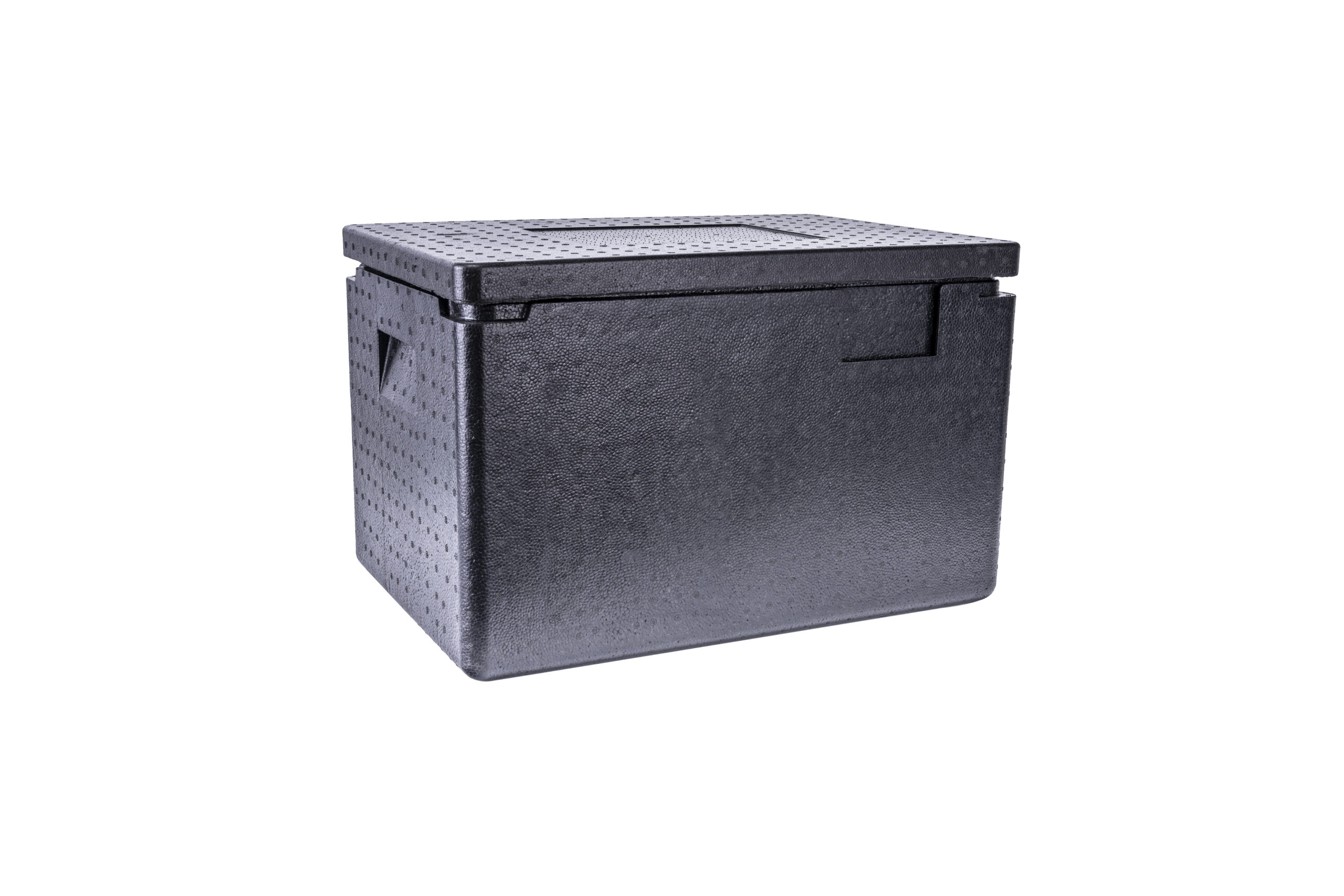
This article will help you understand:
How a custom insulated box for biotech protects samples in real shipping scenarios
Which insulation designs work best for vaccines, enzymes, and cell therapy
How to balance thermal performance, cost, and sustainability
What 2026 biotech cold chain trends mean for your packaging decisions
Why Is a Custom Insulated Box Critical for Biotech Shipping?
Direct answer
A custom insulated box for biotech keeps your products within a safe temperature range during storage and transport. It does this by combining tailored insulation thickness, controlled airflow, and phase-change cooling materials. In biotech logistics, this reduces sample loss, failed trials, and regulatory risk.
Expanded explanation
When you ship biotech materials, you are not shipping “goods.” You are shipping data, research, and future treatments. Standard boxes are designed for food or general pharmaceuticals. A custom insulated box is designed for your exact payload, shipping time, and temperature profile. That precision matters when your samples must stay between 2–8 °C, –20 °C, or –70 °C for days—not hours.
How Does Custom Insulation Improve Temperature Stability?
A custom insulated box uses insulation that matches your risk profile. Instead of guessing, you design around duration, climate, and payload sensitivity.
| Insulation Type | Thermal Strength | Typical Hold Time | What It Means for You |
|---|---|---|---|
| EPS foam | Basic | 24–48 h | Low cost, limited protection |
| EPP foam | Medium | 48–72 h | Reusable and shock-resistant |
| VIP panels | Very high | 96 h+ | Maximum stability, lower ice use |
Practical takeaway: Better insulation means fewer coolant packs and fewer emergency shipments.
Practical tips for biotech teams
Short domestic shipments: Use EPP-based custom insulated boxes for durability and reuse
International or clinical trials: Choose VIP-enhanced boxes to reduce dry ice volume
High-value samples: Design around worst-case delays, not average transit time
What Makes a Custom Insulated Box Different from Standard Packaging?
Direct answer
A custom insulated box for biotech is engineered around your product, not the other way around. It matches internal dimensions, cooling layout, and insulation performance to your exact use case.
Expanded explanation
Standard boxes assume “one size fits all.” Biotech logistics proves that wrong every day. With custom design, you avoid empty air space, uneven cooling, and wasted materials. You also gain predictability—your box performs the same way every shipment.
Key design elements you control
| Design Element | Custom Option | Benefit to You |
|---|---|---|
| Internal size | Payload-matched | Less coolant needed |
| Insulation type | EPS, EPP, VIP | Thermal performance matched to route |
| Coolant placement | Top, sides, or all-around | Even temperature distribution |
| Outer shell | Corrugated, fiberboard, or plastic | Durability and recyclability |
How Do You Choose the Right Custom Insulated Box for Your Biotech Products?
Direct answer
Start with your product’s temperature range, shipping duration, and regulatory requirements. Then match insulation type, coolant strategy, and box size to those needs.
Step-by-step selection process
1. Define your temperature range (e.g., 2–8 °C, –20 °C, –70 °C)
2. Estimate your longest realistic transit time, including delays
3. Calculate your payload size and weight
4. Choose insulation type based on thermal performance needs
5. Request samples and run thermal validation tests
6. Negotiate pricing and lead times with qualified suppliers
What Are the Best Practices for Using Custom Insulated Boxes in Biotech?
Direct answer
Pre-condition your coolants, validate your box design, and train your team on proper packing procedures.
Practical tips
Always pre-condition gel packs or PCM packs to the correct temperature before packing
Use data loggers to monitor temperature during shipment
Document your packing process for regulatory compliance
Review and update your box design annually as shipping routes or product lines change
Fiberboard Insulated Box: Cost-Effective Cold Shipping in 2026
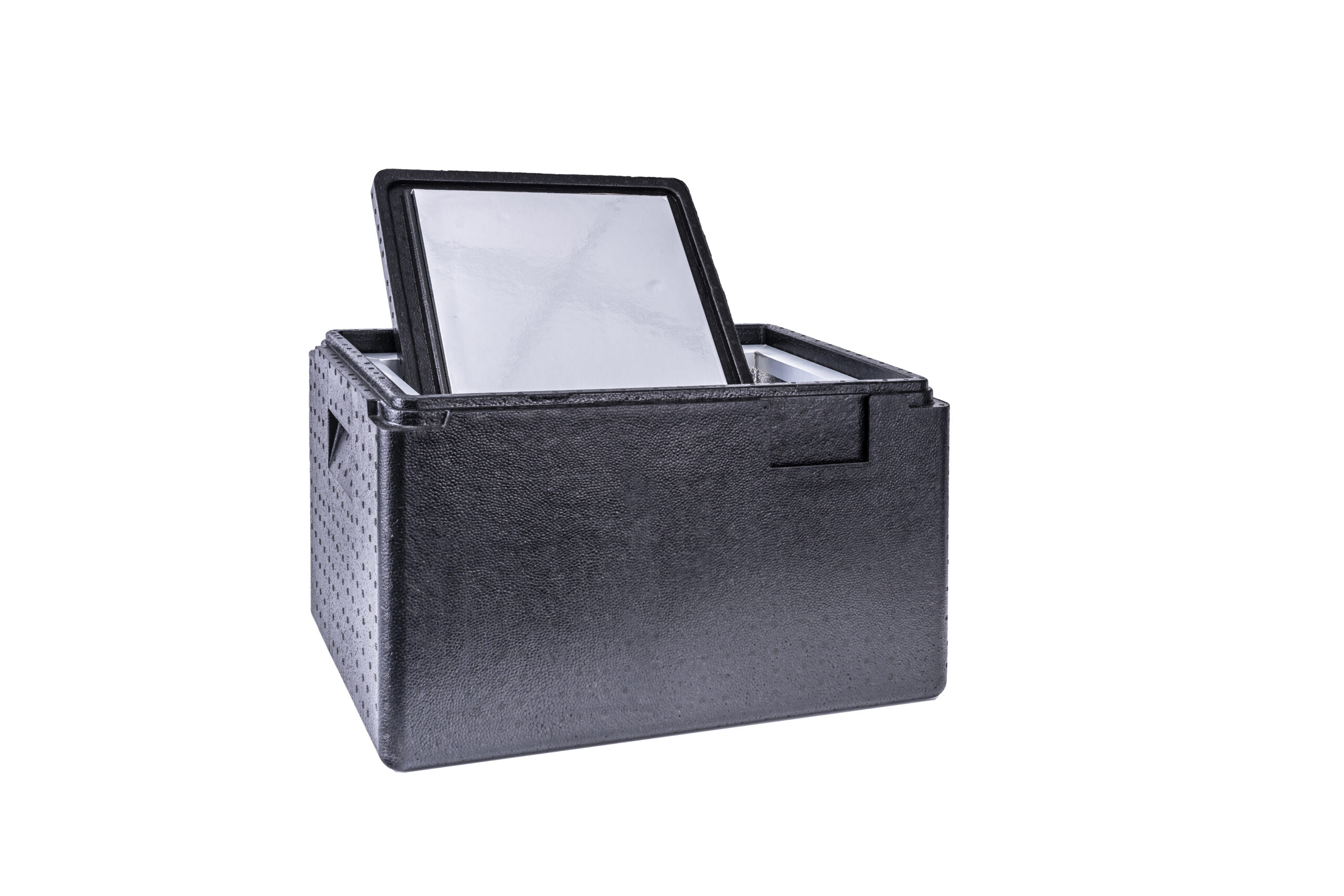
This article will help you:
Understand fiberboard insulated box thermal performance in real shipping scenarios
Compare fiberboard vs foam insulated boxes for cold chain use
Choose the right fiberboard insulated box for food, pharma, and biotech
Avoid common mistakes that increase temperature risk and shipping cost
What Is a Fiberboard Insulated Box and How Does It Work?
Direct Answer
A fiberboard insulated box combines a corrugated fiberboard outer shell with internal insulation layers to slow heat transfer. It protects your products by reducing temperature swings during transit, especially for short-to-medium duration shipments.
Expanded Explanation
Think of a fiberboard insulated box like a winter jacket for your products. The fiberboard gives structure and stacking strength, while the insulation traps air and slows heat movement. In practice, this means fewer temperature spikes when packages move through warehouses, trucks, or airport terminals. Many shippers use this solution because it is lightweight, cost-effective, and easy to customize for different payload sizes.
Insulation Materials Commonly Used in Fiberboard Insulated Boxes
| Insulation Type | Typical Thickness | Thermal Benefit | What It Means for You |
|---|---|---|---|
| EPS foam liner | 20–40 mm | Good thermal resistance | Lower cost, reliable short hauls |
| Recycled paper insulation | 25–50 mm | Moderate insulation | Better sustainability profile |
| Reflective foil liner | 5–10 mm | Radiant heat control | Helps in hot climates |
| Hybrid insulation | Variable | Balanced performance | Custom solutions for mixed routes |
Practical Tips for Buyers
Short routes (24–48 hours): Use EPS or paper insulation with gel packs
Urban last-mile delivery: Thinner insulation reduces size and cost
Sustainability goals: Choose recycled fiber insulation over plastic foam
Real-world example: A meal-kit company reduced spoilage by 18% after switching to a thicker fiberboard insulated box for summer deliveries, without increasing freight cost.
Why Are Fiberboard Insulated Boxes Popular in Cold Chain Shipping?
Direct Answer
Fiberboard insulated boxes are popular because they balance insulation, strength, cost, and sustainability. They perform well for many cold chain shipments without the expense of high-end containers.
Expanded Explanation
In 2026, shippers face rising freight costs and tighter sustainability targets. Fiberboard insulated boxes meet both needs. They are lighter than rigid plastic containers and easier to recycle. For many use cases, they provide “good enough” thermal protection without over-engineering. This makes them a preferred option for food, healthcare samples, and consumer goods.
Key Advantages at a Glance
Lightweight and easy to handle
Compatible with standard pallet sizes
Customizable dimensions and insulation types
Lower upfront cost than advanced insulated containers
When They May Not Be Ideal
Multi-day international shipments
Ultra-low temperature requirements
High humidity or repeated reuse cycles
Fiberboard Insulated Box vs Foam Insulated Box: What’s the Difference?
Direct Answer
Fiberboard insulated boxes use corrugated paper as the outer shell, while foam insulated boxes use expanded polystyrene (EPS) or similar materials throughout. Fiberboard is lighter and more recyclable; foam offers stronger thermal performance for longer durations.
Comparison Table
| Feature | Fiberboard Insulated Box | Foam Insulated Box |
|---|---|---|
| Thermal duration | 24–72 hours typical | 48–120+ hours typical |
| Weight | Lighter | Heavier |
| Recyclability | Curbside recyclable (paper) | Specialized recycling needed |
| Cost per unit | Lower | Higher |
| Moisture resistance | Moderate | High |
When to Choose Fiberboard
Shorter transit times
Lower budget
Sustainability requirements
When to Choose Foam
Longer transit times
Strict temperature control
High-value or sensitive products
How Do You Select the Right Fiberboard Insulated Box for Your Needs?
Direct Answer
Match the box size, insulation thickness, and coolant type to your product’s temperature requirements and transit duration. Then confirm the supplier can meet your volume and delivery schedule.
Step-by-Step Selection Process
Define your temperature range (e.g., 2–8°C for vaccines, 0–4°C for fresh food)
Estimate transit time, including potential delays
Calculate payload size and weight
Choose insulation type based on thermal needs and sustainability goals
Request samples and run thermal validation tests
Negotiate pricing and lead times with qualified suppliers
Common Mistakes to Avoid
Undersizing insulation for summer shipments
Ignoring humidity effects on fiberboard strength
Skipping thermal validation before production orders
What Are the Best Practices for Using Fiberboard Insulated Boxes?
Direct Answer
Pre-cool products and coolants, assemble boxes correctly, and monitor temperature during transit. These steps maximize thermal performance and reduce spoilage risk.
Packing Best Practices
Pre-cool products to target temperature before packing
Use frozen gel packs or phase-change materials as coolants
Place coolants around all sides of the payload
Seal all seams and gaps to minimize air leakage
Label boxes with handling instructions and temperature indicators
Handling and Storage Tips
Store empty boxes in a cool, dry area
Avoid stacking too high to prevent crushing
Inspect for damage before each use
How Much Does a Fiberboard Insulated Box Cost in 2026?
Direct Answer
Prices typically range from $3 to $15 per unit for standard sizes, depending on insulation type, volume, and supplier. Custom designs or certifications may increase cost.
Cost Factors
| Factor | Impact on Price |
|---|---|
| Box size | Larger = higher cost |
| Insulation thickness | Thicker = higher cost |
| Order volume | Higher volume = lower unit cost |
| Customization | Printing, branding = added cost |
| Certifications | FDA, ISTA = added cost |
Budget Tips
Order in bulk to reduce per-unit cost
Standardize sizes across product lines
Negotiate annual contracts with suppliers
Who Are the Leading Fiberboard Insulated Box Suppliers in 2026?
Direct Answer
Leading suppliers include Sonoco ThermoSafe, Softbox Systems, Pelican BioThermal, and regional manufacturers in Asia and Europe. Your best choice depends on location, volume, and service needs.
What to Look for in a Supplier
Proven thermal performance data
Quality certifications (ISO, ISTA, etc.)
Flexible MOQs and lead times
Responsive customer support
Sustainability credentials
Questions to Ask Before Ordering
Can you provide thermal validation test reports?
What is your minimum order quantity?
What is your lead time for custom sizes?
Do you offer sample boxes for testing?
How Do Fiberboard Insulated Boxes Support Sustainability Goals?
Direct Answer
Fiberboard insulated boxes are often made from recycled materials and are easier to recycle than foam alternatives. This helps companies meet environmental targets and reduce packaging waste.
Sustainability Benefits
Lower carbon footprint than plastic foam
Compatible with curbside recycling programs
Supports circular economy initiatives
Reduces landfill waste
Certifications to Look For
FSC (Forest Stewardship Council)
SFI (Sustainable Forestry Initiative)
Recyclable or compostable labels
What Are the Limitations of Fiberboard Insulated Boxes?
Direct Answer
Fiberboard insulated boxes have shorter thermal duration and lower moisture resistance than foam or rigid containers. They are best suited for short-to-medium transit times and moderate conditions.
Key Limitations
Not ideal for multi-day international shipments
Can weaken in high humidity
May require more coolant for extreme temperatures
Limited reuse potential
Mitigation Strategies
Use moisture-resistant coatings on fiberboard
Combine with reflective liners for hot climates
Upgrade to hybrid insulation for longer routes
How Do You Validate Fiberboard Insulated Box Performance?
Direct Answer
Run thermal validation tests that simulate your shipping conditions. Measure internal temperature over time to confirm the box meets your requirements.
Validation Steps
Define test parameters (ambient temperature, duration, payload)
Pack box with product and coolant as planned
Place temperature loggers inside
Expose box to simulated transit conditions
Analyze temperature data and compare to requirements
When to Revalidate
After changing box size or insulation
After switching suppliers
After significant route or season changes
What Trends Are Shaping Fiberboard Insulated Box Design in 2026?
Direct Answer
Key trends include increased use of recycled and biodegradable materials, integration of temperature monitoring technology, and customization for e-commerce and direct-to-consumer shipping.
Emerging Trends
Bio-based insulation materials
Smart packaging with embedded sensors
Flat-pack designs for storage efficiency
Branded packaging for consumer appeal
What This Means for Buyers
More sustainable options available
Better visibility into shipment conditions
Greater flexibility for custom orders
Frequently Asked Questions
Can fiberboard insulated boxes be reused?
Some designs allow limited reuse, but most are intended for single use. Check with your supplier for reuse guidelines.
Are fiberboard insulated boxes FDA compliant?
Many suppliers offer FDA-compliant options for food and pharmaceutical use. Always verify certifications before ordering.
How do I dispose of fiberboard insulated boxes?
Most fiberboard boxes can be recycled with cardboard. Remove any non-recyclable insulation liners before recycling.
Can I customize the size and branding?
Yes, most suppliers offer custom sizes and printing. Minimum order quantities may apply.
Conclusion
Fiberboard insulated boxes offer a practical, cost-effective solution for many cold chain shipping needs in 2026. By understanding their strengths, limitations, and best practices, you can select the right box for your products and routes. Always validate performance before scaling up, and work with reputable suppliers who can support your quality and sustainability goals.
Biodegradable Insulated Box: Green Cold Chain in 2026
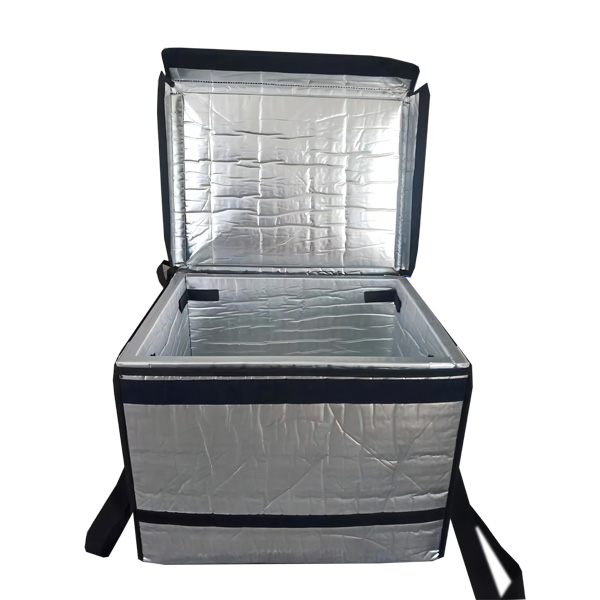
This article will help you:
Understand how a biodegradable insulated box works in cold chain logistics
Decide when a biodegradable insulated box is the right choice for your shipment
Compare materials, performance, and real-world benefits
Apply practical tips to reduce cost, risk, and waste
Prepare for 2026 trends shaping sustainable insulated packaging
Why Is a Biodegradable Insulated Box Important for Cold Chain Shipping?
A biodegradable insulated box protects temperature-sensitive products while aligning your operations with sustainability goals. It combines thermal insulation with materials that naturally decompose after use, reducing long-term waste. For you, this means safer deliveries, fewer regulatory concerns, and a stronger sustainability message—without sacrificing performance.
In daily operations, cold chain failures often come from packaging, not transport. A biodegradable insulated box reduces temperature swings caused by handling delays or last-mile exposure. If you ship food, medicine, or biotech samples, this packaging directly lowers spoilage risk and customer complaints.
How insulation and biodegradability work together
A biodegradable insulated box uses layered structures—often plant-based fibers, molded pulp, or bio-foams—to trap air. Trapped air slows heat transfer, much like a thermos. The difference is what happens after use: instead of sitting in landfills for decades, these materials break down naturally.
| Performance Factor | Conventional Foam Box | Biodegradable Insulated Box | What This Means for You |
|---|---|---|---|
| Insulation time | 24–72 hours | 24–96 hours | Longer protection window |
| End-of-life | Landfill waste | Natural decomposition | Lower disposal burden |
| Brand perception | Neutral | Eco-positive | Stronger customer trust |
| Regulatory fit | Increasing scrutiny | Future-ready | Fewer compliance risks |
Practical tips for you
Short-haul food delivery: Use a biodegradable insulated box with 24–48-hour rating to reduce over-engineering.
Pharma or biotech samples: Choose thicker wall designs and validated liners.
E-commerce shipping: Match box size closely to payload to avoid heat leaks.
Real-world example: A regional meal-kit distributor replaced foam packaging with a biodegradable insulated box and reduced temperature excursions by 18% during summer deliveries, while cutting disposal complaints almost entirely.
What Materials Are Used in a Biodegradable Insulated Box?
The performance of a biodegradable insulated box depends heavily on its material structure. Understanding materials helps you choose correctly and avoid paying for features you don’t need.
Most modern biodegradable insulated box solutions rely on renewable or bio-based components. These materials balance insulation, strength, and compostability.
Common biodegradable insulation materials explained
Molded pulp: Made from recycled paper fibers; breathable, shock-absorbing, and compostable.
Plant-based foams: Derived from starch or cellulose; lightweight with strong thermal resistance.
Natural fiber boards: Combine insulation and structural rigidity for stackable shipping.
| Material Type | Insulation Level | Moisture Resistance | Best Use Case |
|---|---|---|---|
| Molded pulp | Medium | Moderate | Fresh food, produce |
| Bio-foam | High | High | Frozen or chilled goods |
| Fiber board | Medium-High | Low-Moderate | Dry or wrapped products |
Practical tips for you
Humid environments: Pair pulp boxes with moisture-resistant liners.
Frozen shipments: Use bio-foam inserts inside a biodegradable insulated box shell.
Stacked transport: Choose fiber-reinforced designs to avoid compression damage.
Real-world example: A seafood exporter switched to bio-foam insulated boxes and maintained sub-zero temperatures for 72 hours during cross-border transport without adding extra refrigerants.
How Long Can a Biodegradable Insulated Box Maintain Temperature?
A biodegradable insulated box can maintain stable temperatures from 24 to 96 hours, depending on design and refrigerant pairing. The key factor for you is not the maximum number, but matching duration to your actual transit time.
Temperature retention depends on insulation thickness, box volume, and how you load the contents. Overpacking or underpacking both reduce performance.
Factors that affect insulation duration
Wall thickness and material density
Type and quantity of gel packs or phase-change materials
External temperature exposure
Air gaps inside the box
Eco-Friendly Insulated Box: Sustainable Cold Chain in 2026

This article will help you:
Pick a recyclable insulated shipping box that is practical in your region
Match your eco-friendly insulated box to transit time, season, and product risk
Avoid common “green” claims that break down in real cold chain use
Use a simple decision tool to choose materials, size, and refrigerant
Plan for reuse, returns, and validation so you can scale with confidence
What Does “Eco-Friendly” Mean for an Eco-Friendly Insulated Box in 2026?
An eco-friendly insulated box is “eco-friendly” only when it reduces impact without increasing spoilage, damage, or re-ships. In 2026, that usually means three things: the materials have a credible end-of-life path, the design uses only what you need, and the performance is proven for your lane. Think of it like buying a fuel-efficient car. If it breaks down, you will spend more resources fixing problems than you saved.
In practice, you should judge an eco-friendly insulated box by the full system, not one label. A “compostable” liner that ends up in landfill is not a win. A “recyclable insulated shipping box” that most customers cannot sort correctly is also risky. Your best option is the one that fits how you ship, how your customers dispose, and how strict your temperature limits are.
Recyclable insulated shipping box: the 3-part reality check
A recyclable insulated shipping box should pass a quick test before you commit:
Local path: Can your customer actually recycle the insulation where they live?
Separation: Can they separate the insulation from the outer box in under one minute?
Cleanliness: Will the insulation stay clean enough to be accepted by recycling streams?
If any answer is “no,” you can still choose the material. You just need a different plan. That plan could be a take-back program, a drop-off point, or a switch to a reusable eco-friendly insulated box.
| Eco option | How it insulates | Likely end-of-life | What it means for you |
|---|---|---|---|
| Cellulose paper liners | Traps air like a winter jacket | Curbside recycling in some areas (check rules) | Easy for customers, but needs dry handling |
| Molded fiber panels | Thick “egg carton” structure holds air | Often recyclable with paper if clean | Good protection, slightly bulkier |
| Starch-based foam | Lightweight foam made from plant starch | Compostable in industrial systems (if available) | Low weight, but needs moisture control |
| Mycelium panels | Grown structure with natural air pockets | Compostable in some conditions | Strong story, but lead times can vary |
| Reusable hard-shell tote | Durable walls + inserts | Reuse many cycles, then recycle by material | Great for loops, needs reverse logistics |
Practical tips you can use today
If you ship to many states or countries: Choose an eco-friendly insulated box that works in the “average” disposal system.
If you sell direct-to-consumer: Make unboxing simple, with clear separation steps on the lid.
If you ship high-value product: Prioritize temperature performance first, then optimize material impact.
If your customers complain about waste: Consider a reusable eco-friendly insulated box with pickup or return labels.
Real-world example: A meal-kit brand replaced thick foam with a paper-based eco-friendly insulated box and right-sized the carton. They reduced box volume per order and saw fewer “too big” complaints. The key was testing summer lanes first, then rolling out gradually by region.
Which Materials Should You Trust for an Eco-Friendly Insulated Box?
The best material for an eco-friendly insulated box depends on your lane, not your marketing claims. A cold chain box is like a raincoat. A thin raincoat is fine for a drizzle. It fails in a storm. Materials behave the same way under heat, humidity, and long transit.
Start by separating materials into two roles: the outer structure and the insulation layer. The outer structure is usually corrugated cardboard. The insulation layer can be paper-based liners, bio-foam, reflective layers, or reusable inserts. Your job is to pick a combination that matches your temperature “budget” for the trip.
Paper-based insulation liners for cold chain: when they shine
Paper-based insulation liners for cold chain work well when you need balanced performance and easy handling. They usually feel like dense paper quilts or molded panels. They trap air, just like a puffy jacket. They also pair well with gel packs or phase change materials.
Paper-based options are often a good fit when:
Your transit is 1–2 days and you ship chilled, not deeply frozen.
You can right-size the carton so there is less empty air space.
Insulated Box Vendor for Chemical Supplier: 2026 Selection Guide

This article will help you:
Understand why insulated boxes are critical for chemical suppliers
Identify key performance criteria for an insulated box vendor
Compare materials and insulation technologies for chemical transport
Apply real-world selection tips that reduce risk and cost
Prepare for 2026 trends in chemical logistics packaging
Why Do Chemical Suppliers Need Specialized Insulated Box Vendors?
Chemical suppliers rely on insulated box vendors to maintain safe temperature ranges and prevent chemical degradation during transport. Many chemicals lose effectiveness, become unstable, or even dangerous when exposed to heat or cold beyond tolerance limits.
In practical terms, this means your packaging must do more than “keep things cool.” It must create a controlled micro-environment that stays consistent across long distances, handling delays, and climate changes. For you, the right vendor becomes a risk-management partner, not just a box supplier.
Temperature Sensitivity in Chemical Supply Chains
Chemical products such as reagents, catalysts, coatings, and specialty fluids often require tight temperature windows. A few degrees of deviation can lead to separation, crystallization, or loss of reactive properties. Insulated boxes slow heat transfer, giving you valuable time and margin for error.
| Temperature Risk | Without Insulation | With Insulated Box | What It Means for You |
|---|---|---|---|
| Heat exposure | Rapid degradation | Slowed temperature rise | Longer safe transit time |
| Cold exposure | Freezing or phase change | Thermal buffering | Reduced product loss |
| Transit delays | High failure risk | Stability for hours or days | Fewer emergency replacements |
What Makes an Insulated Box Vendor Suitable for Chemical Suppliers?
A qualified insulated box vendor for chemical suppliers must meet performance, compliance, and customization requirements simultaneously. Unlike food or consumer goods, chemical transport demands higher safety margins.
From your perspective, the vendor must understand chemical compatibility, regulatory pressure, and real logistics conditions. A vendor who only sells generic insulated boxes may leave critical gaps in protection.
Regulatory Awareness and Compliance Support
Chemical shipments often fall under dangerous goods or regulated materials frameworks. While packaging alone does not replace compliance processes, insulated box vendors must design products that support safe labeling, containment, and documentation workflows.
You benefit when a vendor understands how insulation interacts with leak prevention, pressure changes, and stacking requirements during transport.
Material Selection for Chemical Safety
Different insulation materials behave differently when exposed to chemical vapors, spills, or temperature stress. High-quality vendors test materials for durability and resistance, reducing your exposure to hidden risks.
| Material Type | Thermal Performance | Chemical Resistance | Practical Impact |
|---|---|---|---|
| EPP | High | Very good | Reusable and impact-resistant |
| PU foam | Very high | Moderate | Strong insulation but fragile |
| EPS | Moderate | Limited | Cost-effective but less durable |
How Does Insulation Technology Affect Chemical Transport Safety?
Advanced insulation technology directly improves chemical transport safety by slowing thermal exchange and absorbing external shocks. In 2026, insulation design is no longer just about thickness—it is about performance consistency.
Modern insulated boxes use multi-layer structures that trap air, reflect heat, and resist compression. For you, this means predictable performance even under rough handling.
Passive vs. Engineered Insulation Systems
Passive insulation relies solely on material properties, while engineered systems combine insulation with structural design. Chemical suppliers increasingly prefer engineered solutions because they perform more consistently across varying shipment conditions.
Real-world example: A specialty coatings supplier reduced temperature excursions by over 40% after switching to engineered EPP insulated boxes for cross-country transport.
Practical Tips for Choosing an Insulated Box Vendor
High-risk chemicals: Use insulated boxes with reinforced corners and spill-resistant interiors
Frequent shipments: Choose reusable insulated boxes to reduce long-term cost
Variable climates: Select vendors offering tested performance data across temperature ranges
Case insight: A mid-size chemical supplier cut annual packaging waste by half by switching to reusable insulated boxes designed for reverse logistics.
How Do Insulated Boxes Improve Cost Control for Chemical Suppliers?
An insulated box vendor for chemical suppliers helps you control cost by reducing product loss, emergency reshipments, and compliance incidents. While insulated packaging may appear more expensive upfront, the total cost picture tells a different story.
Temperature excursions often lead to scrapped batches, customer complaints, and reputational damage. Insulated boxes act as insurance that pays for itself over time.
Bulk Insulated Box: Your 2026 Cold Chain Guide

This article will help you understand:
How a bulk insulated box works in real cold chain shipping environments
When bulk insulated packaging outperforms single-use solutions
How to choose the right bulk insulated box for your product and route
What performance metrics really matter in 2026
How bulk insulated boxes support sustainability and compliance goals
Why Is a Bulk Insulated Box Essential for Modern Cold Chain Shipping?
A bulk insulated box maintains stable internal temperatures over long transit times, even when external conditions fluctuate. Unlike small insulated cartons, bulk solutions are designed for pallet-level or consolidated shipments. This makes them ideal when you ship high volumes or high-value goods.
From your perspective, the main benefit is consistency. When temperature stays within range, product quality remains predictable. Many operators report up to 30–40% fewer temperature excursions after switching to a bulk insulated box system.
In everyday terms, think of a bulk insulated box as a large thermal buffer. It slows down heat transfer, buying you time during delays, customs checks, or last-mile handovers. This extra time can be the difference between usable inventory and total loss.
How Does Bulk Thermal Insulation Actually Work?
A bulk insulated box uses multi-layer insulation to slow heat movement. Materials such as high-density foam, EPP, or vacuum-enhanced panels trap air and resist conduction.
In simple language, heat moves slowly through these layers. That means your internal temperature drops or rises much more gradually. When combined with coolant packs or dry ice, the effect is amplified.
| Insulation Layer | Function | Typical Thickness | What It Means for You |
|---|---|---|---|
| Outer shell | Structural protection | 20–40 mm | Reduces crushing and handling damage |
| Core insulation | Thermal resistance | 30–80 mm | Extends temperature hold time |
| Inner liner | Hygiene & sealing | 5–10 mm | Easier cleaning and compliance |
Practical Tips You Can Apply Immediately
Long routes: Use thicker insulation when transit exceeds 48 hours
Mixed climates: Choose bulk insulated boxes tested across temperature zones
High-value goods: Pair insulation with real-time temperature monitoring
Real case example: A frozen seafood exporter switched to bulk insulated boxes for palletized shipments. Over three months, spoilage rates dropped from 6% to under 2%, even during summer transport.
How Do You Choose the Right Bulk Insulated Box for Your Products?
The right bulk insulated box depends on product sensitivity, shipment size, and transit duration. There is no universal solution, but a structured selection process avoids costly mistakes.
From your point of view, selection should start with temperature range. Frozen, chilled, and ambient-controlled goods each require different insulation performance.
Next, consider volume. Oversized boxes waste cooling energy. Undersized boxes increase handling complexity.
Key Selection Criteria You Should Evaluate
| Criteria | What to Check | Why It Matters to You |
|---|---|---|
| Temperature range | °C stability window | Prevents product rejection |
| Payload capacity | kg or cartons | Optimizes logistics efficiency |
| Reusability cycles | Number of uses | Lowers long-term cost |
Eco-Friendly Insulated Box Pallet Shipping: 2026 Guide
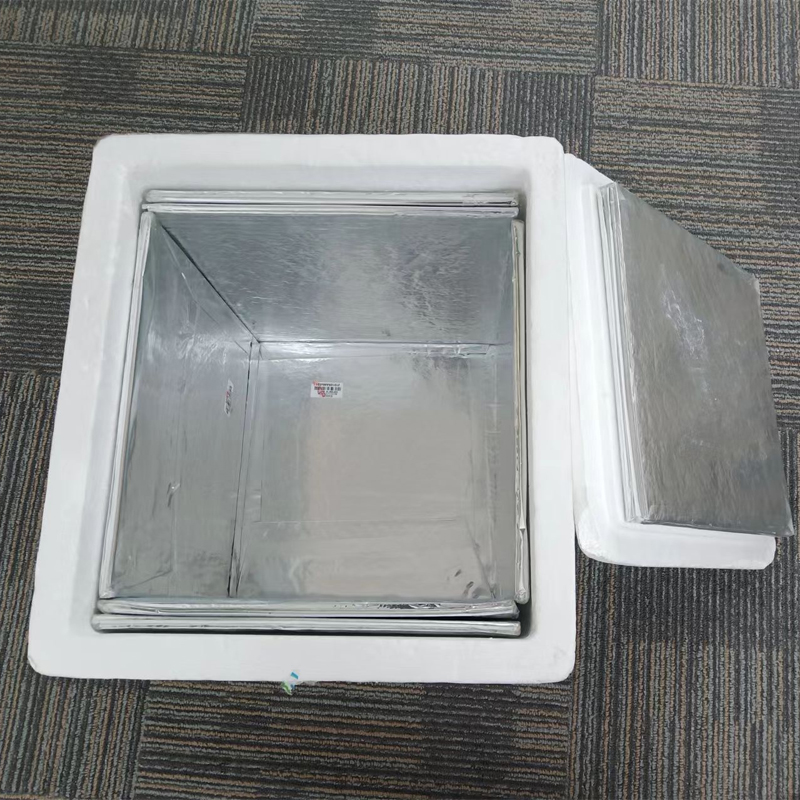
This article will help you:
Understand how eco-friendly insulated pallet systems work in real shipping scenarios
Choose materials that balance insulation performance and sustainability
Reduce damage, temperature excursions, and total shipping cost
Prepare your cold chain for 2026 regulations and customer expectations
What Is Eco-Friendly Insulated Box Pallet Shipping?
Eco-friendly insulated box pallet shipping means moving temperature-controlled products using insulated boxes designed for palletized transport, built from reusable or recyclable materials. These systems maintain stable temperatures for hours or days while minimizing single-use waste.
Unlike traditional foam containers, modern insulated pallet boxes use durable materials that survive dozens of shipping cycles. This approach lowers disposal costs and improves handling efficiency. When goods stay stacked, wrapped, and protected, you reduce labor time, product loss, and emissions per shipment.
In daily operations, you benefit because pallet shipping fits existing warehouse workflows. Forklifts replace manual lifting, and standardized footprints reduce loading errors. For you, this means fewer delays and more predictable delivery outcomes.
How Does Palletized Insulation Improve Temperature Control?
Palletized insulation works by combining thermal mass, wall insulation, and airflow control into a single system. When boxes are stacked tightly, heat transfer slows down naturally.
Insulated pallet boxes create a stable micro-environment. External temperature changes affect the load more slowly, giving refrigerants or gel packs more time to work. In practical terms, your goods stay within range even during loading docks or customs delays.
| Temperature Factor | Non-Pallet Boxes | Insulated Pallet Boxes | What It Means for You |
|---|---|---|---|
| Heat exposure | High | Reduced | Less spoilage risk |
| Loading time | Long | Short | Faster dispatch |
| Temperature drift | Fast | Slow | Better compliance |
| Manual handling | Heavy | Minimal | Lower labor cost |
Practical Tips for Better Temperature Stability
Short-haul food shipping: Use insulated pallet boxes with moderate gel packs to maintain freshness without freezing
Long-haul pharma transport: Combine thick insulation with validated refrigerant layouts
Mixed climates: Choose insulation that performs consistently from −10°C to +35°C
Real-world example: A regional food distributor reduced temperature excursions by over 40% after switching from loose foam boxes to insulated pallet shipping, even during summer peak demand.
Why Is Sustainability Driving Pallet Shipping Decisions in 2026?
Sustainability now affects cost, compliance, and brand trust. Eco-friendly insulated box pallet shipping directly addresses all three.
Governments increasingly restrict single-use packaging. Customers expect visible sustainability efforts. At the same time, logistics budgets face pressure from fuel and labor costs. Reusable insulated pallet boxes solve these challenges together.
By reducing packaging waste, you lower disposal fees. By shipping more units per pallet, you reduce trips. This means fewer emissions per product and stronger sustainability reporting.
What Makes an Insulated Pallet Box Truly Eco-Friendly?
Not all insulated boxes qualify as eco-friendly. The difference lies in material choice, lifespan, and end-of-life handling.
Eco-friendly pallet boxes typically feature:
Long service life (30–100+ cycles)
Recyclable or low-impact materials
Repairable components instead of total replacement
How Do You Choose the Right Eco-Friendly Insulated Pallet Box?
Choosing the right solution depends on product sensitivity, route length, and reuse strategy. There is no one-size-fits-all design.
Start by defining your temperature range and transit time. Then evaluate insulation thickness, box strength, and pallet compatibility. Finally, consider how easily the system integrates into your warehouse flow.
Conclusion
Eco-friendly insulated box pallet shipping offers a practical path to better temperature control, lower costs, and stronger sustainability performance. By choosing the right materials and systems, you can meet 2026 regulations while improving operational efficiency.
Insulated Box Vendor: How to Choose in 2026?
This article will help you understand:
How an insulated box vendor impacts cold chain reliability
What materials and performance metrics actually matter
How to evaluate insulated box vendors for food and pharma use
What trends define insulated box solutions in 2026
How to avoid common mistakes when choosing a vendor
What Does an Insulated Box Vendor Actually Do?
Direct Answer
An insulated box vendor designs, manufactures, and supplies temperature-controlled packaging that protects products from heat, cold, and shock during transport. A strong insulated box vendor ensures stable temperatures, regulatory compliance, and consistent quality across shipments.
Expanded Explanation
When you ship food, pharmaceuticals, or biologics, temperature control is non-negotiable. An insulated box vendor does more than sell boxes. They help you maintain cold chain integrity, reduce spoilage, and pass audits. In real terms, this means fewer returns, fewer temperature excursions, and stronger customer confidence—especially when shipping over long distances or through unpredictable conditions.
What Types of Insulated Boxes Do Vendors Offer?
Insulated box vendors typically provide several categories depending on use case and performance needs.
| Insulated Box Type | Typical Material | Temperature Duration | Practical Value for You |
|---|---|---|---|
| EPS Insulated Box | Expanded Polystyrene | 24–48 hours | Cost-effective for short-range delivery |
| EPP Insulated Box | Expanded Polypropylene | 48–72 hours | Reusable, impact-resistant |
| PU Insulated Box | Polyurethane Foam | 72+ hours | High thermal efficiency |
| VIP Insulated Box | Vacuum Insulated Panel | 96+ hours | Maximum protection, premium shipping |
Practical Tips for Buyers
Short-distance delivery: Use EPS solutions to control costs
Reusable logistics loops: Choose EPP insulated boxes
Pharma and biotech: Prioritize PU or VIP-based designs
Real Example: A regional meal-kit company switched insulated box vendors from basic EPS to EPP and reduced damaged shipments by 38% within three months.
How Do You Evaluate an Insulated Box Vendor’s Performance?
Direct Answer
Performance depends on insulation efficiency, temperature retention time, and real-world testing results—not marketing claims.
Expanded Explanation
In 2026, performance validation matters more than specifications on paper. A qualified insulated box vendor should provide test data showing how their boxes perform under summer heat, winter cold, and extended transit times. For you, this translates into fewer temperature deviations and fewer customer complaints.
Key Performance Indicators to Check
| Performance Metric | What It Means | Why It Matters to You |
|---|---|---|
| Thermal K-value | Heat transfer rate | Lower values mean better insulation |
| Hold Time | Hours at target temperature | Determines delivery range |
| Load Stability | Performance with payload | Ensures real shipment accuracy |
| Drop Resistance | Impact tolerance | Reduces breakage risk |
Actionable Advice
Ask for test reports, not brochures
Verify payload conditions, not empty-box tests
Compare summer and winter performance
Case Insight: A pharmaceutical distributor avoided a costly recall by switching insulated box vendors after discovering weak payload-based test results in the original packaging.
Why Compliance and Certifications Matter in 2026
Direct Answer
A reliable insulated box vendor must meet food safety, pharmaceutical, and transport compliance standards relevant to your market.
Expanded Explanation
Cold chain regulations are tightening worldwide. If your insulated box vendor lacks proper documentation, your shipments may fail audits—even if temperatures remain stable. In practical terms, compliance protects you from fines, delays, and reputational damage.
Common Compliance Standards Vendors Should Support
Food-contact safety requirements
Pharmaceutical cold chain guidelines
Transport and packaging safety norms
Environmental and recyclability standards
Buyer Recommendations
Request compliance declarations upfront
Ensure materials are approved for your product category
Confirm traceability of materials and production batches
Industry Scenario: A seafood exporter lost market access due to missing packaging compliance paperwork, despite flawless temperature control.
How Customization Separates Average and Top Insulated Box Vendors
Direct Answer
Top insulated box vendors customize dimensions, insulation thickness, and pack-out design for your specific product.
Expanded Explanation
Off-the-shelf boxes often lead to wasted space and unstable temperatures. Customization improves thermal efficiency and lowers shipping costs. For you, this means lighter shipments, better temperature control, and higher profit margins.
Customization Options to Look For
| Custom Feature | Benefit | Real Impact |
|---|---|---|
| Custom Dimensions | Less air volume | Longer temperature hold |
| Optimized Wall Thickness | Balanced cost | Lower material waste |
| Payload-Specific Design | Stable product placement | Reduced temperature spikes |
Practical Advice
Share payload weight and size data
Request pilot samples before bulk orders
Validate performance with your real products
Customer Story: A biotech startup extended shipment time by 22 hours simply by resizing its insulated box and adjusting insulation thickness.
Cost vs Value: How to Compare Insulated Box Vendors Fairly
Direct Answer
The cheapest insulated box vendor often costs more in the long run due to spoilage, returns, and re-shipping.
Expanded Explanation
Price alone is misleading. True value includes durability, reusability, performance consistency, and service reliability. When you compare insulated box vendors, focus on total cost per successful delivery—not per unit price.
Cost Comparison Framework
| Cost Factor | Cheap Vendor | High-Value Vendor |
|---|---|---|
| Unit Price | Low | Moderate |
| Failure Rate | High | Low |
| Reusability | None | Multiple cycles |
| Long-Term Cost | Higher | Lower |
Smart Buying Tips
Calculate cost per successful delivery
Factor in returns and replacements
Evaluate vendor support responsiveness
2026 Insulated Box Vendor Trends You Should Know
Trend Overview
In 2026, insulated box vendors are focusing on sustainability, smarter materials, and reusable systems. Businesses are moving away from single-use packaging toward solutions that balance performance and environmental responsibility.
Key Developments
Reusable insulated boxes for closed-loop logistics
Material reduction designs without performance loss
Hybrid insulation structures combining foam and panels
Market Insight
More buyers now prioritize vendors offering lifecycle analysis and reuse programs. This shift helps you meet sustainability goals while reducing long-term packaging spend.
Frequently Asked Questions
Q1: How do I know if an insulated box vendor is reliable? Look for verified test data, consistent quality records, and clear compliance documentation. Always request samples before committing.
Q2: Can one insulated box vendor serve both food and pharmaceutical needs? Yes, but only if they provide certified materials and validated performance for each application.
Q3: How often should insulated boxes be replaced? Reusable boxes typically last 20–50 cycles, depending on material and handling conditions.
Summary and Practical Recommendations
Choosing the right insulated box vendor in 2026 means looking beyond price. Focus on performance data, compliance readiness, customization ability, and long-term value. A strong vendor reduces risk, protects product quality, and supports business growth.
Next Steps for You
Define your temperature and duration needs
Request test data and pilot samples
Compare vendors using total cost, not unit price
Choose a partner—not just a supplier
About Tempk
Tempk specializes in temperature-controlled packaging solutions for food, pharmaceutical, and biotech logistics. We focus on performance-driven insulated box design, validated testing, and practical customization. Our goal is to help you ship with confidence, reduce risk, and build a more reliable cold chain.
Next step: Talk with our packaging specialists to evaluate the right insulated box vendor strategy for your application.
Vaccine Ice Box Wholesale: 2026 Buying Guide
Introduction
Ensuring that vaccines remain potent during transport has never been more critical. As the global cold chain logistics market surges from USD 341 billion in 2024 toward an estimated USD 1.19 trillion by 2034, the demand for reliable, reusable cooling solutions grows with it. A vaccine ice box wholesale program allows you to procure high-quality insulated containers capable of maintaining the recommended 2–8 °C range for 24–48 hours. This guide will teach you how to evaluate, select and use these passive cooling systems so your vaccines stay safe from manufacturer to patient.
What is a vaccine ice box wholesale solution? Understand definitions, storage capacities and why buying in bulk matters.
How do vaccine ice boxes maintain temperature stability? Explore gel packs, phase-change materials and other cooling agents.
What factors should you consider when buying? Learn how to match temperature range, capacity, durability and monitoring features to your needs.
How do you properly use and maintain these boxes? Follow best practices drawn from CDC guidelines and industry standards.
What are the latest trends in 2026? Discover innovations such as IoT-enabled boxes, eco-friendly materials and market growth forecasts.
Frequently asked questions about vaccine ice box wholesale purchasing, cold-life duration and regulatory compliance.
What Is a Vaccine Ice Box Wholesale Solution?
A vaccine ice box is a passive, insulated container designed to keep vaccines and other temperature-sensitive biological products within a specified range (usually 2–8 °C) during transport. Unlike refrigerators or active refrigeration systems, these boxes rely on coolant packs, ice plates or phase-change materials to provide cooling energy. They are often used in outreach immunization campaigns, last-mile delivery and emergency situations where electricity is unavailable. Wholesale purchasing refers to procuring multiple units directly from manufacturers or authorized distributors, allowing health ministries, NGOs and pharmacies to secure standardized equipment at competitive prices.
Cold boxes vs. vaccine carriers
According to UNICEF procurement guidelines, cold boxes and vaccine carriers serve complementary roles. Cold boxes are insulated containers with capacities between 5–25 litres; when lined with coolant packs, they maintain vaccine temperatures during transport from central stores to health facilities or serve as temporary storage when refrigerators are out of order. There are two types: short-range boxes, offering a minimum cold life of 48 hours, and long-range boxes with at least 96 hours of cold life. Vaccine carriers are smaller (0.1–5 litres), lightweight containers used by health workers to carry vaccines for outreach sessions; they keep contents cold for several hours to a full day and are easier to carry on foot.
Why buy vaccine ice boxes wholesale?
Purchasing vaccine ice box wholesale has several advantages:
| Benefit | Explanation | Practical impact |
|---|---|---|
| Cost efficiency | Buying in bulk reduces unit price and shipping costs, which is crucial for large immunization programs. | Budgets stretch further, enabling you to equip more teams. |
| Consistency | Standardized boxes ensure uniform training, maintenance and performance across health facilities. | Fewer temperature excursions and easier staff training. |
| Availability | Securing inventory in advance prevents shortages during vaccination campaigns or emergencies. | You avoid delays caused by supply chain disruptions. |
| Customization | Suppliers often tailor wholesale orders (e.g., branding, specific capacity, accessory kits) when minimum quantities are met. | You can match equipment precisely to your logistics requirements. |
| Ecosystem integration | Procuring boxes from the same manufacturer often includes compatible coolant packs, digital monitors or tracking devices. | Simplifies procurement and maintenance. |
Wholesale purchasing helps you build a reliable cold chain infrastructure that scales with program growth. Many manufacturers also offer OEM/ODM services, enabling branded boxes or specialized features such as extra insulation, locking lids and integrated data loggers.
How Do Vaccine Ice Boxes Maintain Safe Temperatures?
The cooling performance of a vaccine ice box comes from its insulation materials and the coolants used inside. Manufacturers design boxes with high-density polyethylene or polypropylene shells and insulating cores (e.g., polyurethane foam) to minimize heat transfer. Inside, gel packs, ice plates or phase-change materials (PCMs) absorb ambient heat and keep the interior within the required range.
Gel packs and freezer blocks
Gel-type freezer blocks are widely used in medical logistics. They are pre-frozen at −20 °C or −10 °C and placed inside the insulated box. Their water-based gel content absorbs heat gradually, keeping the contents cold for 12–48 hours depending on configuration and ambient conditions. Compared with dry ice, gel blocks are non-toxic, reusable and safer to handle; they can maintain the standard 2–8 °C range for vaccine transport. Advantages of gel packs include longer cooling duration, no condensation, and customizable sizes.
Phase-change materials (PCMs)
Phase-change materials exploit the latent heat absorbed or released when changing between solid and liquid phases. PCMs can be tailored to freeze at specific temperatures, such as 5 °C, making them ideal for freeze-sensitive vaccines. PCMs freeze solid under refrigeration and then melt slowly at the target temperature, ensuring a consistent internal environment without the risk of freezing the vaccines. Studies have shown that PCM packs can substitute for ice in traditional cold boxes and maintain adequate cooling even in hot environments. In Tunisia’s pilot program, passive PCM boxes provided safe cooling for a work day in the Sahara.
Vacuum-insulated panels and advanced materials
Emerging innovations involve combining vacuum-insulated panels (VIPs) with PCMs. VIPs dramatically reduce heat transfer by creating a near-vacuum between layers, while PCMs deliver targeted cooling. Market analysis notes that advanced insulation materials like PCMs and VIPs are key trends for isothermal vaccine boxes. These technologies offer longer cold life and improved reliability, albeit at higher initial costs.
Comparing cooling agents
The following table summarizes the strengths and limitations of common cooling agents for vaccine ice boxes:
| Cooling agent | Advantages | Challenges | Typical use |
|---|---|---|---|
| Dry ice | Ultra-cold (–78.5 °C); long-lasting; sublimates into gas, leaving no liquid mess. | CO₂ supply can be tight (production ~4,600 t/day with 5 % annual demand growth); handling hazards require protective gear and special transportation; potential shortage expected in 2026. | Frozen vaccines or biologics needing deep-frozen conditions. |
| Gel packs/blocks | Non-hazardous; easy to handle; reusable; maintain 2–8 °C for 24–48 hours; no condensation. | Higher cost per cycle compared with dry ice; not suitable for shipments requiring sub-zero temperatures; limited duration for long routes. | Routine vaccine transport, blood & plasma shipments, diagnostic reagents. |
| Phase-change materials | Maintain specific temperature ranges (e.g., 5 °C for freeze-sensitive vaccines); can be placed in direct contact with vaccines; reduce risk of freezing. | Higher upfront cost; require careful conditioning; not yet a one-for-one replacement for dry ice in extreme cold. | High-value pharmaceuticals, long-range vaccine transport in remote areas. |
| Solid-state cooling (Peltier/IoT boxes) | Self-refrigerated boxes using semiconductor devices; maintain 2–8 °C for 72 hours; can track temperature and location. | High initial investment; currently focused on pharmaceuticals; scaling for food or mass programs requires further development. | Specialty shipments requiring real-time monitoring and return logistics. |
Key takeaway: when procuring vaccine ice boxes wholesale, match the cooling agent to your temperature range, transit duration and regulatory requirements.
Factors to Consider When Buying Vaccine Ice Box Wholesale
Selecting the right vaccine ice box wholesale involves more than comparing prices. You must consider temperature requirements, capacity, durability, materials and compliance with global health standards.
Temperature range
Vaccines have diverse storage requirements. Most routine immunizations require 2–8 °C; however, some ultra-cold products need –50 °C to –15 °C or even –90 °C. Ensure the box can maintain the appropriate range for the entire journey. The CDC recommends using portable vaccine refrigerators or qualified containers for refrigerated products and warns against using commercially available soft-sided food coolers because they are poorly insulated. If a portable refrigerator isn’t available, qualified containers with phase-change materials (4–5 °C) and an integrated temperature monitoring device (TMD) should be used.
Capacity and dimensions
Capacity dictates how many vials you can transport. UNICEF guidelines classify cold boxes as short range (≥48 hours cold life, 5–25 L) or long range (≥96 hours cold life). For outreach activities, vaccine carriers hold 0.1–5 L. The Phefon Cold Chain guide recommends matching box size to use case: 10–30 L boxes for health worker visits and 50 L or larger for mass vaccination drives. Buying wholesale allows you to procure a mix of sizes to suit different scenarios.
Materials and insulation
Look for boxes with durable ABS or HDPE shells and high-density insulation such as polyurethane foam or VIPs. For rugged environments with bumpy roads, shock-resistant outer shells help prevent damage. The interior should use white engineering plastic with low thermal emissivity to reduce heat exchange. Labyrinth-style sealing and double walls improve air tightness and extend cold life.
Cooling source and accessories
Evaluate whether the box uses hard ice bricks, gel packs or PCMs; verify the cold life (e.g., 25 hours for a 2–8 °C range at 30 °C ambient temperature). Ensure there are at least two sets of coolant packs per box to allow rotation. Some wholesale packages include digital data loggers, alarm systems, or QR codes for tracing usage history.
Monitoring and compliance
Temperature monitoring is critical. Choose boxes with integrated TMDs or design them to fit an external logger. For regulatory compliance, ensure that the equipment meets WHO Performance, Quality and Safety (PQS) standards. The CDC instructs that each transport container should have a temperature monitoring log and that total transport time (including clinic workday) should not exceed eight hours unless manufacturer guidance differs.
Logistics and supplier considerations
When ordering vaccine ice box wholesale, assess the lead time, minimum order quantity and supplier reliability. Many manufacturers deliver orders within a few business days; confirm that transit times align with your campaign schedule. Evaluate customer support, warranty terms and availability of spare parts. Request test reports to verify cold life under various ambient temperatures and load conditions.
Human-centred design features
Consider ergonomics: lightweight boxes with comfortable handles are essential for urban healthcare workers making frequent transfers. Boxes intended for remote areas should have durable locks, strap attachments and non-slip bases. Some models incorporate drain plugs, removable baskets, or colour-coded lids for easy identification.
Best Practices for Using and Maintaining Vaccine Ice Boxes
Proper handling maximizes the performance of your vaccine ice box wholesale investment. Draw on CDC recommendations and industry standards to maintain cold chain integrity.
Conditioning coolant packs
Follow manufacturer instructions for conditioning coolant packs. Gel packs should be frozen solid for at least 12 hours before use. PCMs must be conditioned at their specified phase-change temperature (e.g., cool at 5 °C for 24 hours) to avoid under- or over-cooling.
Rotate sets of packs: always keep a second set cooling while the first set is in use. This ensures you can repack boxes quickly during extended campaigns.
Avoid frozen gel packs for refrigerated vaccines: the CDC warns that frozen packs from the original shipping container can freeze refrigerated vaccines, even if they appear “sweating”.
Packing and transport
Pre-chill the box: pre-cool empty boxes with conditioned packs for several hours before loading vaccines to reduce thermal shock.
Position coolant packs properly: line the walls and lid to create an even thermal barrier; avoid placing packs directly on vaccine vials unless PCMs designed for contact are used.
Load quickly and minimize door openings: frequent openings shorten cold life. Prepare vaccines and paperwork in advance to reduce open time.
Use a temperature monitoring device: place a digital data logger inside the box to record temperature throughout the journey. Review logs upon arrival to confirm no excursions occurred.
Transport duration and handling
Limit transport time: the CDC recommends that total transport time (including the clinic workday) should not exceed eight hours unless the manufacturer specifies otherwise. Plan routes to minimize delays.
Avoid direct sunlight and heat sources: park vehicles in shade, use reflective covers and never leave boxes in hot cars for extended periods.
Secure boxes during transit: use straps or cargo nets to prevent tipping. Avoid stacking heavy items on top of vaccine boxes.
Maintenance and storage
Clean boxes after each use: wipe interior and exterior with a mild disinfectant; ensure they are dry before storage to prevent mould.
Inspect seals and latches: check for cracks, warping or damaged gaskets that could compromise insulation.
Store boxes in a cool, dry environment: avoid locations with extreme temperatures or humidity.
Replace coolant packs as needed: gel packs lose effectiveness over time; follow manufacturer recommendations for replacement intervals.
2026 Market Trends and Innovations
The vaccine ice box wholesale market is evolving rapidly. Key trends for 2026 include:
IoT-enabled smart boxes
Smart vaccine boxes with integrated sensors can track temperature, humidity and location in real time. Data is transmitted to cloud platforms, enabling remote monitoring and alerts. This technology reduces the risk of undetected temperature excursions and improves accountability.
Eco-friendly materials
Sustainability is a growing priority. Manufacturers are developing boxes made from recycled plastics, biodegradable insulation and reusable components. These options reduce environmental impact while maintaining performance.
Modular and customizable designs
Modular boxes allow users to configure compartments for different vaccine types or add accessories such as dividers, trays and external pockets. Customization options include branding, colour coding and integration with existing logistics systems.
Market growth forecasts
The global cold chain market is projected to grow significantly, driven by increasing vaccine distribution, biologics and temperature-sensitive pharmaceuticals. Analysts expect the isothermal vaccine box segment to benefit from this expansion, with demand rising in emerging markets and remote regions.
Challenges and opportunities
Challenges include supply chain disruptions, high upfront costs for advanced technology and logistics complexities. The 2026 outlook suggests diversifying cooling media (e.g., adopting PCMs and battery-operated coolers) and strengthening supplier partnerships to mitigate CO₂ shortages. Food waste due to poor cold chain management costs the economy hundreds of billions; predictive analytics and improved temperature monitoring are recommended. For vaccine programs, opportunities lie in expanding into emerging markets, improving vaccine safety through digital monitoring and adopting eco-friendly materials.
Frequently Asked Questions
Q1: How long can a vaccine ice box keep vaccines cold?
Most standard vaccine ice boxes can maintain 2–8 °C for 24–48 hours when properly packed with conditioned gel packs. Long-range cold boxes offer cold life of 96 hours. Always verify the cold life from the manufacturer and consider ambient temperatures.
Q2: Can I use a regular food cooler for vaccine transport?
No. The CDC advises against using commercially available soft-sided food or beverage coolers because they are poorly insulated and sensitive to room or outdoor temperatures. Use portable vaccine refrigerators or qualified containers with phase-change materials and a temperature monitoring device.
Q3: What is the difference between a vaccine carrier and a cold box?
Vaccine carriers are small (0.1–5 L), lightweight containers designed for outreach sessions, providing a cold life of several hours to a day. Cold boxes are larger (5–25 L), used for transport between stores or temporary storage, with cold life ranging from 48 to 96 hours.
Q4: What type of coolant is best for freeze-sensitive vaccines?
Phase-change material (PCM) packs that freeze at 5 °C are ideal because they can be placed directly against vaccines without freezing them. Gel packs can also work but must be conditioned carefully; frozen gel packs risk freezing vaccines.
Q5: How do I choose the right size for my program?
Consider your daily usage. For small outreach teams, 10–30 L boxes are sufficient, while 50 L or larger boxes support mass vaccination drives. Assess the number of vials, trip duration and whether you need long-range capability (≥96 hours cold life).
Summary and Recommendations
Summary: Vaccine ice box wholesale solutions are essential for maintaining vaccine potency as the cold chain market expands. Passive cold boxes and vaccine carriers use conditioned gel packs or phase-change materials to sustain 2–8 °C for 24–96 hours. When buying wholesale, consider temperature range, capacity, durability, insulation materials, monitoring features and supplier reliability. Match the box size and cooling agent to your program’s needs; adopt PCMs and VIPs for longer journeys. Follow best practices for packing, transport and maintenance to protect your vaccine investment. Stay informed about market trends such as the adoption of IoT-enabled boxes, reusable materials and modular designs.
Actionable steps:
Assess your vaccine program’s needs (volume, trip duration, environment) to determine the appropriate mix of cold boxes and carriers.
Select boxes with verified cold life and PQS certification, and insist on integrated or compatible temperature monitoring devices.
Use phase-change materials or gel packs appropriately; condition them correctly and rotate sets to ensure continuous cooling.
Train staff in packing and transport protocols, emphasizing minimal door openings and proper log-keeping.
Plan for sustainability by procuring reusable freezer blocks and exploring smart, modular boxes that can be tracked and reused.
Stay updated with market trends to leverage innovations such as VIPs, IoT tracking and solar-powered refrigeration.
About Tempk
Tempk is a leading provider of cold chain packaging and thermal logistics solutions. We combine extensive research and development with sustainable manufacturing to deliver medical ice boxes, gel packs, PCMs and insulated shipping containers that meet international standards. Our products feature robust insulation, reusable components and customizable designs to support diverse healthcare, food and life science applications. With a focus on innovation, quality and customer support, we aim to simplify your cold chain operations and protect the integrity of your temperature-sensitive goods.
Ready to improve your cold chain? Contact Tempk’s experts for tailored advice on vaccine ice box wholesale solutions and discover how our technology can safeguard your vaccines throughout the journey.
Pharmaceutical Ice Box Vendor: Your 2026 Selection Guide
Updated: January 11 2026
Selecting the right pharmaceutical ice box vendor is more than a purchasing decision—it directly impacts product safety, regulatory compliance and your bottom line. Today’s cold chain packaging market is booming. Analysts value the global pharmaceutical cold chain packaging market at about US$28.9 billion in 2025 and project it will reach US$75.0 billion by 2032. Meanwhile, dry-ice supply issues are pushing manufacturers to innovate; demand for carbon-dioxide-based dry ice is outpacing production and a shortage could materialize in 2026. This article unpacks what you need to know in 2026, from essential features to market trends and regulatory requirements.
This article will help you:
Identify a reliable pharmaceutical ice box vendor by examining validation data and batch consistency. Learn how to evaluate supplier performance and avoid hidden risks.
Understand regulatory obligations like the U.S. Food Safety Modernization Act (FSMA) and the EU Packaging and Packaging Waste Regulation (PPWR) that influence packaging design and documentation.
Compare insulation materials and cooling technologies such as expanded polystyrene (EPS), expanded polypropylene (EPP), polyurethane foam, vacuum-insulated panels (VIPs) and phase-change materials (PCMs) to select the right ice box for your needs.
Assess costs, sustainability and smart features so you can balance budget with durability, reuse and real-time monitoring.
Stay ahead of 2026 trends by exploring market growth, technological innovations and evolving customer demands in the cold chain sector.
What Makes a Pharmaceutical Ice Box Vendor Reliable in 2026?
Direct answer: A reliable pharmaceutical ice box vendor delivers consistent thermal performance, provides clear pack-out instructions, and documents quality control across production batches. In 2026, reliability isn’t just about insulation; you need proof that batch 500 performs like batch 5, even when shipments are delayed. Vendors should show temperature curves for your specific lane, offer visual standard operating procedures (SOPs) for packing, and maintain traceable materials and manufacturing processes.
Why vendor reliability matters
Think of your shipment like a heart monitor: it must work every time, not just most of the time. Delays, handoffs and missed delivery windows are normal events, not exceptions. Inconsistent packaging can cause temperature excursions, product spoilage and costly investigations. Experts estimate that temperature breaks destroy US$35 billion in pharmaceuticals annually and that 20 % of temperature-sensitive products are damaged during transport. A dependable vendor mitigates these risks through validated designs, rigorous quality control and responsive customer support.
Key performance indicators when evaluating vendors
| Indicator | What to look for | What it means for you |
|---|---|---|
| Temperature validation | Complete temperature curves with assumptions (ambient temperature, transit duration, payload) rather than vague claims of “48-hour protection” | Predictable hold time and fewer excursions |
| Pack-out guidance | Visual SOPs showing coolant placement and sequence | Reduced human error during packing |
| Batch consistency | Evidence that each manufacturing run meets the same specifications (e.g., insulation density, seal integrity) | Confidence that performance won’t vary between lots |
| Support responsiveness | Clear communication and timely answers to technical questions | Faster troubleshooting and implementation |
| Regulatory documentation | Certificates of conformity, FDA and EU compliance statements, and data-logging options | Shorter audit conversations and smoother inspections |
Practical tips
Document your lane profile. Record your temperature range (e.g., 2–8 °C for vaccines), lane duration and ambient extremes before contacting suppliers. Clear requirements allow vendors to recommend appropriate systems.
Ask for a visual SOP and run a lane trial. A real-world trial under worst-case conditions reveals how packaging performs during delays, openings and temperature fluctuations. Compare suppliers using the same payload and profile for fairness.
Calculate cost per successful delivery. True cost includes failures, labour and risk—not just the box price. A cheaper kit may become expensive if it triggers investigations or reshipments.
Use a scorecard. Rate suppliers on validation data, pack-out instructions, batch control, lane trial support and communication. Total scores help identify strong fits (8–10), moderate fits (5–7) and high-risk options (0–4).
Real case: A mid-sized biologics distributor standardized pack-out steps across three sites using a vendor with clear SOPs and validation. After replacing improvised packing, they cut temperature excursions dramatically and reduced audit investigations.
How Do Cold Chain Regulations Affect Your Ice Box Choice?
Direct answer: Regulations safeguard patients by ensuring temperature-sensitive products remain within safe ranges during storage and transport. Therefore, the ice box you choose must not only hold temperature but also demonstrate compliance with current laws. The U.S. Food Safety Modernization Act (FSMA) Final Rule on Sanitary Transportation and Title 21 CFR 205 require shippers, loaders, carriers and receivers to use appropriately designed equipment, maintain specified temperatures and document controls. In Europe, the EU Packaging and Packaging Waste Regulation (PPWR), adopted in December 2024 and effective from August 12 2026, limits empty space in parcels to 40 % and mandates digital labelling for recycling and reuse. These rules push manufacturers to produce right-sized, recyclable and reusable boxes.
Regulatory checkpoints
Good Distribution Practice (GDP) and cGMP: The FDA and European Medicines Agency require companies to validate all cold-chain processes, including packaging qualification and temperature monitoring. Choose vendors who provide documentation and validation support.
FSMA and Sanitary Transportation: U.S. regulations demand temperature-controlled equipment, written procedures for cleaning and inspection, and training for personnel.
EU PPWR and sustainability mandates: From 2030, minimum recycled content thresholds will apply to plastic packaging and digital identifiers will be required for recycling information. Select boxes designed for reuse and digital labelling.
Hazardous materials and dry ice rules: If your product requires dry ice, ensure packaging meets International Air Transport Association (IATA) regulations. Note that dry-ice supply is strained; demand is growing 5 % per year while CO₂ production capacity is only rising 0.3 %.
What this means for you
Compliance is not optional. Regulators can enforce recalls, fines or shipment holds if packaging fails to maintain specified temperatures or lacks documentation. A well-chosen vendor helps you meet these requirements by providing validated systems, digital temperature logs and clear SOPs. Align your packaging policies with regulatory timelines—for instance, plan to adopt right-sized, recyclable boxes before the PPWR takes full effect in 2026.
Which Ice Box Features Improve Temperature Control for Pharmaceuticals?
Direct answer: High-performance ice boxes combine robust construction, advanced insulation, effective refrigerants and smart monitoring. Standard components include a durable outer shell, a high-density insulation core, an inner liner, tight gaskets and optional IoT sensors. The right combination slows down heat transfer through conduction, convection and radiation.
Materials and design choices
Outer shell: Most pharmaceutical ice boxes use high-density polyethylene (HDPE) or polypropylene (PP). HDPE offers superior impact resistance and UV stability, making it ideal for rotomolded coolers used in industrial shipping. PP is lighter and suitable for medium-duty applications.
Insulation core: Polyurethane foam provides high thermal resistance and fills the cavity between inner and outer walls; expanded polystyrene (EPS) offers a lightweight alternative for cost-conscious models. For long-haul shipments, vacuum-insulated panels (VIPs) minimize heat transfer and allow slim walls, while phase-change materials (PCMs) absorb or release heat at predetermined temperatures.
Inner liner and gaskets: Food-safe liners resist stains and odours, and silicone gaskets form airtight seals to prevent warm air infiltration.
Manufacturing processes: Rotomolding produces seamless, thick-walled bodies and high durability; injection molding offers lighter, less expensive boxes. Ensure the insulation and seals are properly integrated to avoid heat leaks.
Refrigerants: Gel packs, PCMs and dry ice
Refrigerants are the heart of an ice box’s cooling system. Traditional gel packs are affordable but may freeze contents if not staged properly. Phase-change materials (PCMs) absorb or release heat at specific temperatures—such as +5 °C for refrigerated vaccines or below 0 °C for frozen biologics—providing stable conditions without external power. Dry ice sublimates from solid to gas, remaining mess-free and providing ultra-cold temperatures for frozen shipments; however, supply constraints and safety concerns are driving adoption of alternatives.
Smart monitoring and IoT
Real-time temperature monitoring transforms passive ice boxes into smart systems. The cold-chain monitoring market was US$7.2 billion in 2025 and is projected to reach US$22.2 billion by 2035 at a 12.1 % CAGR. IoT sensors and data loggers transmit temperature, humidity and location data to the cloud, triggering alerts when conditions deviate from safe thresholds. This transparency allows you to intervene during transit rather than discovering a problem after delivery.
Table: Comparing insulation options
| Insulation type | Thermal performance | Typical applications | What it means for you |
|---|---|---|---|
| Expanded Polystyrene (EPS) | Basic insulation; lightweight; lower cost | Single-use shippers and cost-conscious projects | Good for short-duration lanes but offers limited hold time |
| Expanded Polypropylene (EPP) | Higher strength and lightweight durability | Reusable boxes and moderate-duration shipments | Better durability and reusability for medium routes |
| Polyurethane foam (PU) | Very high insulation performance; medium weight | Long lanes and high-value biologics | Provides strong hold time for multi-day shipments |
| Vacuum-insulated panels (VIPs) | Exceptional insulation with slim walls | Premium containers requiring extended hold time | Allows lightweight designs; costs more |
| Phase-change materials (PCMs) | Maintain near-constant temperature during melting/freezing | Gel packs, mats, plates for refrigerated or frozen shipments | Stabilize internal temperature and reduce freeze risk |
Practical advice and real-world tips
Choose the right capacity. Ice boxes range from under 20 L for small samples to over 100 L for bulk shipments. Oversized boxes add cost and weight, while undersized ones compromise hold time.
Balance insulation with refrigerant volume. Overfilling a box with product reduces air space and impairs cooling. Follow vendor packing instructions.
Invest in quality gaskets and seals. In high-performance coolers, silicone or rubber gaskets are critical to prevent air infiltration.
Integrate data loggers. Use USB or IoT devices to record temperature history for audits and to enable real-time alerts when shipments are at risk.
Real example: An mRNA vaccine trial required shipments to stay between –70 °C and –80 °C. The team selected dry-ice boxes with double-wall polyethylene shells filled with urethane foam to minimize sublimation and maintain ultra-cold conditions. Data loggers captured continuous temperature curves that satisfied regulatory scrutiny and prevented losses.
How to Compare Vendors: Pricing, Sustainability and Smart Integration
Direct answer: Comparing vendors requires a holistic view of cost, sustainability and innovation. Don’t evaluate price alone—consider total cost of ownership, including labour, returns and risk of product loss. Sustainability and digital capabilities influence future compliance and customer perception.
Cost considerations and hidden traps
A box’s sticker price is only part of the equation. Extra coolant increases freight weight; rework time increases labour; and temperature excursions lead to investigations and reshipments. Vendors should be transparent about pricing structures, including coolant type, packaging configuration and return logistics. Calculate cost per successful delivery rather than unit price. For example, a reusable system may cost more upfront but save money when multiple shipments are shipped over its lifespan.
Sustainability: Reuse, recycling and regulation
The EU PPWR requires right-sized, recyclable and reusable packaging and will enforce recycled content thresholds from 2030. Many ice box producers are switching to recyclable plastics and offering rental or return programs. Evaluate vendor options for return logistics, cleaning procedures and life-cycle data. Single-use boxes generate more waste, while reusable systems require infrastructure for returns but reduce overall environmental impact.
Smart integration and IoT readiness
Vendors are increasingly offering integrated sensors and cloud platforms. Check whether the ice box design accommodates data loggers or includes built-in IoT sensors. Real-time monitoring not only prevents temperature excursions but also enhances supply-chain visibility and inventory management. Some vendors partner with software providers to offer dashboards and automated alerts.
Decision checklist for comparing vendors
Validation data: Do they provide full temperature curves and stress tests?
Packaging configuration: Are pack-out steps simple and repeatable?
Regulatory alignment: Does the design meet FSMA, GDP and EU PPWR requirements?
Cost transparency: What are the costs of coolant, returns, cleaning and disposal?
Sustainability metrics: Is the packaging reusable or recyclable? What is the recycled content?
Digital capabilities: Does the supplier offer IoT monitoring or integrate with your existing systems?
Customer support: How responsive is the vendor during trials and audits?
Use this checklist to score vendors and discuss trade-offs with your quality and logistics teams.
2026 Trends in Pharmaceutical Ice Box Vendors
Trend overview
The pharmaceutical cold-chain industry is evolving rapidly. Dry-ice supply issues and high energy costs are prompting innovation. Buyers are demanding lighter, user-friendly systems with fewer stock keeping units (SKUs) and clearer SOPs. Sustainability matters, but only when reuse is operationally feasible. Vendors are shifting from ad-hoc solutions to standardized thermal profiles and modular designs.
Latest developments
Dry-ice alternatives gain traction. Limited CO₂ supply and concerns about high-carbon footprint are driving adoption of PCMs, gel packs and electrically powered coolers.
Smart monitoring becomes mainstream. The cold-chain monitoring market is projected to grow at 12.1 % CAGR from 2026 to 2035, reaching US$22.2 billion. Integrating sensors and GPS tracking is quickly becoming a customer expectation.
Sustainability regulations tighten. The EU PPWR restricts empty space and mandates recycled content by 2030, while the U.S. FSMA continues to strengthen enforcement. Companies adopt reusable boxes and digital labelling to stay ahead of compliance.
Emerging markets expand. Asia-Pacific shows rapid adoption of low-temperature ice boxes due to growing healthcare infrastructure and food safety awareness. Low-temperature metal ice box demand in emerging regions could grow 18 % by 2026.
Vacuum panels and PCMs improve efficiency. Advances in VIPs and PCMs allow lighter, thinner containers that maintain temperature longer.
Market insights
The wider cold chain packaging market is expected to leap from US$27.7 billion in 2025 to US$102.1 billion by 2034, implying robust growth. Cooler box markets alone could rise from US$8.8 billion in 2024 to US$21.1 billion by 2034, a 9.4 % CAGR. Low-temperature metal ice box markets—valued at US$401 million in 2024—may grow to US$516 million by 2032. These numbers show how crucial cold chain packaging has become as biologics, mRNA vaccines and specialty foods dominate the healthcare and food sectors.
Frequently Asked Questions
- How do I verify the hold time of a pharmaceutical ice box?
Ask vendors for full temperature curves with assumptions (ambient, payload and duration). Run a lane trial under worst-case conditions and compare results to the vendor’s data. Data loggers or IoT sensors provide proof for audits and help you intervene during transit. - Is reusable packaging always cheaper than single-use?
Not always. Reusable boxes involve higher upfront costs and require reverse logistics, cleaning and validation. They become cost-effective when you have sufficient return volume and established cleaning infrastructure. Evaluate cost per successful delivery and consider environmental benefits. - Do I need PCMs instead of gel packs?
PCMs maintain stable temperatures during melting and freezing and reduce the risk of freezing or overheating. They are ideal for products sensitive to temperature fluctuations, like biologics and diagnostics. Gel packs are affordable but may freeze contents if mishandled. Choose based on your product’s thermal profile and lane duration. - How do regulations impact my shipping documents?
Regulations like FSMA and EU PPWR require documentation of temperature control, cleaning procedures and training. Use data loggers to record temperatures, retain validation certificates and update SOPs. Proper documentation shortens audit conversations and demonstrates compliance. - What is the difference between rotomolded and injection-molded coolers?
Rotomolded coolers are made by rotating plastic powder in a mold, producing seamless thick walls and superior durability. Injection-molded coolers use lighter plastics and are more affordable but may have thinner walls. Choose rotomolded when you need ruggedness and extended ice retention; choose injection-molded for lighter loads and lower budgets.
Summary and Recommendations
The pharmaceutical ice box vendor you select influences product quality, regulatory compliance and costs. The global cold chain packaging market is growing rapidly, and dry-ice shortages and stricter regulations are reshaping vendor offerings. Focus on suppliers that provide validated temperature curves, clear pack-out instructions, consistent production quality and responsive support. Evaluate materials—EPS for short routes, EPP for reuse, polyurethane foam for long lanes—and consider advanced insulation like VIPs and PCMs. Balance price against hidden costs (e.g., extra coolant, reshipments) and sustainability mandates. Adopt real-time monitoring to catch excursions before they result in losses.
Actionable Next Steps
Define your requirements: Document payload, temperature range and lane duration. Share this information when requesting quotes.
Request validation and SOPs: Obtain complete temperature curves and visual packing instructions. Ensure vendors support lane trials.
Pilot multiple suppliers: Run two lane trials under identical conditions to compare performance and cost per successful delivery.
Plan for compliance: Align packaging with FSMA, GDP and EU PPWR requirements by adopting right-sized, recyclable boxes and maintaining detailed records.
Invest in monitoring: Integrate data loggers or IoT sensors to provide real-time visibility and make corrective actions during transit.
About Tempk
Tempk is a cold chain packaging company that focuses on real transport conditions. Our insulated shipping systems combine durable materials, consistent insulation and clear pack-out workflows to maintain temperature stability. We invest in R&D to develop high-density insulation, phase-change refrigerants and digital monitoring solutions. With products ranging from single-use shippers to reusable, rotomolded containers, we help businesses ship vaccines, biologics and perishable foods with fewer exceptions and greater confidence.
Action call: If you need expert guidance on selecting a pharmaceutical ice box vendor or want to discuss custom packaging solutions, contact Tempk’s specialists. Share your lane duration and temperature targets, and our team will recommend a practical solution tailored to your operation.