


Insulated Bag Wholesaler India: Complete Guide 2026
Insulated Bag Wholesaler India: Complete Guide 2026
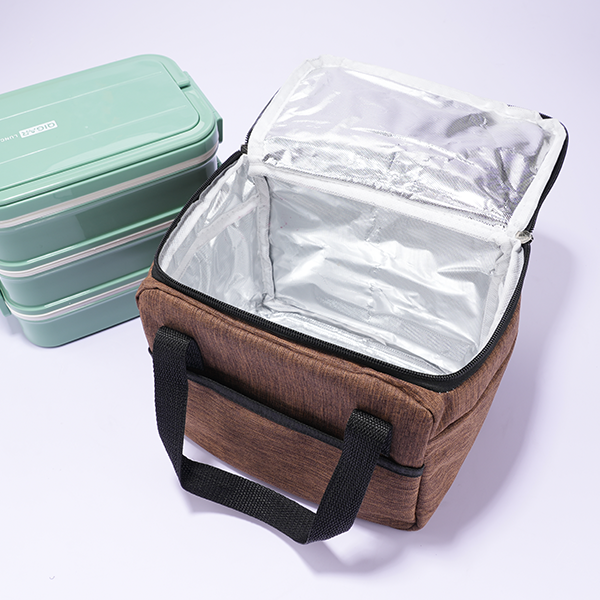
The best insulated bag wholesaler india strategy in 2026 blends three things: correct product design, documented compliance, and a sourcing model you can scale without quality drift. You need the practical buyer logic of a commercial guide, the evidence of a technical review, and the market awareness of a trend report. This optimized article fuses those strengths so you can source faster and with less risk.
What this article will help you answer
- How to choose the right insulated bag configuration for your payload, route, and budget.
- Which materials, compliance documents, and validation tests separate safe bags from risky bags.
- How to reduce waste, control cost, and future-proof your insulated bag wholesaler india program for 2026.
- What the latest market, regulation, and sustainability signals mean for your next order.
Insulated Bag Wholesaler India: what is the best buying strategy in 2026?
The best insulated bag wholesaler india decision starts with route truth. You need to know what you carry, how long you carry it, how often the bag opens, and what condition must be protected when the route ends. Only then can you choose the right insulated bag size, insulation class, liner, and supplier model. That sounds simple, but it is the step many buyers skip when they rush straight to quotation.
In 2026, strong sourcing teams treat the bag as part of an operating system. They connect the bag to payload discipline, refrigerant choice, receiving inspection, cleaning, and reorder planning. That system view creates better performance and better buyer confidence because it answers the real question: how will this product help me succeed?
Why does route-first thinking improve insulated bag sourcing?
For insulated bag wholesaler india, the right target is a design that protects product condition, remains practical for users, and stays commercially repeatable. If a bag is technically impressive but hard to clean, awkward to carry, or unstable in mass production, it is not a good solution. Likewise, if it is cheap and attractive but fails during real handling, it becomes expensive very quickly.
Route-first decision framework
| Situation | Best move | Why it works | Value to you |
| Need faster channel movement | Keep a core range of proven sizes | Avoid niche SKUs at launch | Improves wholesaler turns |
| High ambient heat | Prioritize liner integrity and opening control | Test in realistic conditions | Protects cold hold |
| Price pressure | Simplify trim and decoration first | Preserve the thermal build | Improves value |
| Regional distribution | Use stronger cartons and clearer labels | Support warehouse handling | Reduces damage |
Actionable buyer tips
- Write a one-page route brief before requesting quotations for insulated bag wholesaler india.
- Choose the bag around the most important lane first, then adapt outward only if the data supports it.
- Keep your buying criteria visible: route fit, compliance, service life, and landed cost should all be scored.
Optimized approach example: a buyer reduced confusion by defining one core route, one payload, and one acceptance standard before talking about decoration. Once the team aligned on those basics, supplier comparison became faster and more objective.
Insulated Bag Wholesaler India: which specifications separate safe bags from risky bags?
Once the route is clear, the next job is to separate meaningful specifications from decorative noise. For insulated bag wholesaler india, the critical layers are the outer shell, insulation core, inner liner, closure system, and carrying structure. Those five areas decide whether the bag feels sturdy, cleans easily, and keeps temperature under control long enough to do the job. Everything else should serve those fundamentals, not distract from them.
In practical terms, commercial outer shell, heat-aware insulation choice, wipe-clean liner, durable handles, and supplier packing that survives regional transport and wholesale handling remain popular because they let buyers balance cost and performance. But no single material name guarantees success. A better foam can be wasted by a weak zipper. A durable shell can be undermined by a poor liner. That is why smart buyers ask suppliers to explain the function of every layer in plain language.
How do you inspect the real build quality of a insulated bag?
Focus on the common failure zones: thin liners tear in low-cost builds, shape collapse can reduce perceived value, odor control depends on liner quality, and stitching around handles can fail in heavy use. If those areas look weak in the sample, scale will not fix them later. By contrast, when the sample shows thoughtful reinforcement and a clean inner build, you usually see better performance on route and fewer complaints after rollout.
Specification checklist that matters
| Area | Risky sign | Better sign | Why buyers care |
| Size and volume | Too much empty air | Payload-matched cavity | Better thermal efficiency |
| Insulation support | Compressed or inconsistent wall | Stable wall and opening design | More predictable hold time |
| Liner quality | Thin, noisy, or easy to tear | Smooth, wipe-clean, better-supported liner | Lower leak and odor complaints |
| Stress zones | Weak handles or zipper ends | Reinforced anchors and neat finishing | Longer service life |
Actionable buyer tips
- Inspect inside corners and zipper ends before you inspect the print, because hidden quality drives the route result.
- Ask suppliers to state what is optional and what is performance-critical in the approved build.
- Reject vague material language; good suppliers explain the layer function clearly.
Specification example: two samples looked nearly identical from the outside, but one had better reinforcement and a better-supported liner. That difference barely changed the quotation and greatly changed the expected service life.
Insulated Bag Wholesaler India: which materials, validation steps, and standards matter most?
A winning insulated bag wholesaler india program uses technical evidence without overwhelming the buyer. The right validation file should state payload, starting temperature, ambient range, route duration, opening pattern, and refrigerant setup. It should also say what the liner is intended to do, how the approved sample is controlled, and what happens if a material changes later.
That is where standards and authority signals become useful. They do not replace route testing, but they improve the quality of the conversation. India's 2024 amendment to the Plastic Waste Management Rules raises minimum recycling levels under EPR targets through 2026-27 and beyond. For example, Category I plastic packaging moves from 50% in 2024-25 to 70% in 2026-27, while Category II and III move from 30% to 50%. That does not tell a wholesaler which bag to buy, but it does tell you the market is moving toward stronger material records, more recycling conversations, and more scrutiny of packaging choices. When buyers see that kind of grounded explanation, confidence rises because the language sounds real instead of borrowed from marketing copy.
What should the approval file contain before mass production starts?
Keep it simple and complete: approved dimensions, layer description, sample photo set, thermal summary, packaging method, carton marks, and a change-management rule. If quality, procurement, and warehouse teams can all read the same file and reach the same understanding, the file is strong enough.
Validation and compliance stack
| Control | What to include | Why it matters | Buyer benefit |
| Thermal validation | Payload, start temperature, ambient range, and duration | Tells you whether the bag works on the real lane | Ask for route-based assumptions |
| Material suitability | Liner, coating, and contact-surface declarations | Reduces risk in food and healthcare-adjacent use | Keep wording precise |
| Production control | Approved sample, AQL, and change management | Supports repeatability after first order | Good factories document changes |
| Logistics and labeling | Carton marks, SKU logic, and receiving information | Cuts warehouse confusion and receiving delays | Useful in scale or trade programs |
Actionable buyer tips
- Use one approval file that covers technical, commercial, and warehouse questions together.
- Do not rely on a generic hold-time statement when route conditions are important.
- Treat undocumented material substitutions as a real risk, even when the bag still looks similar.
Validation example: a buyer reduced launch friction by replacing a long technical deck with one clear approval sheet and one route-based test summary. The documents were shorter, but the project became easier for every team to review.
Insulated Bag Wholesaler India: how do sustainability and cost control work together?
In 2026, sustainability and cost control are no longer separate conversations. Buyers want to know whether the bag reduces waste, whether the materials are documented honestly, and whether the design avoids unnecessary freight, dead space, and premature replacement. Those questions are commercial because every avoidable failure, reshipment, or early replacement costs money.
The best answer is usually practical rather than dramatic. Standardized sizes, better service life, cleaner material declarations, and a right-sized pack-out often improve both sustainability and total cost. That is also why some high-performing programs look simpler than people expect. The design is carrying less waste and less confusion at the same time.
How do you make sustainability believable to a buyer?
Use service life, route fit, and documentation as the proof. A sustainability claim becomes stronger when you can show that the bag survives enough trips, avoids wasteful overpacking, and is supported by clean records. That is more persuasive than an abstract eco slogan because it speaks to both operating reality and future reporting needs.
Sustainability and cost levers
| Lever | Weak move | Stronger move | What it changes |
| Service life | Chase low entry price only | Upgrade the stress zones that control reuse | Lowers replacement rate |
| Material story | Use vague green claims | Document recycled content or simpler materials honestly | Improves trust |
| Pack-out | Oversized cavity and excess refrigerant | Right-size the bag for the lane | Cuts waste and freight |
| Assortment | Too many tiny variants | Build around a clear core range | Reduces dead stock |
Actionable buyer tips
- Ask whether the proposed sustainability feature improves service life or only improves storytelling.
- Model waste reduction through fewer failures and fewer emergency replacements, not only through material content.
- Keep your first version simple enough that it can be repeated at scale.
Sustainability example: a buyer got a better long-term result by standardizing size, improving durability, and simplifying the material story, rather than by loading the bag with multiple unproven green features.
Insulated Bag Wholesaler India: how should you choose a supplier and scale orders?
The supplier question becomes more important after the sample looks good. You need a partner that can repeat the approved build, protect documentation, handle exceptions well, and support the next order without losing control. For many buyers, that is where the real value of a professional supplier appears.
A good scaling plan starts with a core SKU or core route, one written approval file, and a receiving checklist that feeds real feedback back to the supplier. Once those elements are working, you can add variants or volume with far less risk. This is the operational side of SEO-style authority too: clear process signals make every future decision easier.
What does a scalable supplier relationship look like?
It looks boring in a good way. Quotations stay comparable, sample files stay stable, corrective actions are documented, and reorders feel predictable. When that happens, you spend less time fighting preventable variation and more time improving the bag where it truly matters.
Supplier scaling scorecard
| Area | Weak sign | Strong sign | Long-run effect |
| Commercial fit | Price-only discussion | Price plus service and route logic | Protects margins after the first order |
| Quality control | Generic promise | Documented checkpoints and approval trail | Reduces batch surprises |
| Documentation | Minimal spec file | Clear materials, pack-out, and change control | Speeds internal approvals |
| Reorder behavior | Reactive answers | Predictable lead times and exception handling | Supports scaling without noise |
Actionable buyer tips
- Pilot the hardest lane or the highest-volume branch before you scale variants.
- Review complaint feedback with the supplier against the approved file, not against memory.
- Choose repeatability over theater. A calm supplier process usually beats a dramatic sales pitch.
Scaling example: a team launched one proven version first, then expanded only after receiving data from the first cycle. That choice reduced inventory noise and gave the supplier time to protect the approved specification.
2026 latest developments and trends for Insulated Bag Wholesaler India
The latest 2026 direction for insulated bag wholesaler india is integration. Buyers want route fit, technical proof, sustainability readiness, and cost control in one coherent answer. That is the real standard behind high-performing pages and high-performing purchases this year.
Latest developments at a glance
- Indian buyers remain price-sensitive but increasingly documentation-aware
- hot-climate performance is a stronger selling point than abstract insulation language
- wholesalers want core assortments they can reorder with confidence
Market insight: the optimized winner is not the bag with the longest claim list. It is the bag with the clearest route logic, the strongest approval file, and the most honest service-life story. Those qualities improve search relevance, buyer trust, and operational performance at the same time.
Frequently asked questions
What is the fastest way to improve a insulated bag wholesaler india buying decision?
Write a route brief first. Define the payload, route duration, opening frequency, target temperature band, and cleaning expectation before you compare any samples or prices.
Which feature should I protect first when budgets get tight?
Protect the thermal core, liner quality, and stress zones such as handles and closures. Decorative extras are easier to simplify than the parts that actually keep temperature and prevent complaints.
How much do documents really matter for insulated bag sourcing?
A lot. Good documents stop misunderstandings between buyer, supplier, warehouse, and quality team. They also make reorders faster and reduce risk when something changes.
How do I combine sustainability with performance?
Start with route fit and service life. A durable, right-sized bag with honest material records usually beats a fashionable claim that fails in real use.
What should a strong pilot test include?
Use the real payload, the real refrigerant plan, the expected ambient range, and the real opening pattern. If possible, stress the hardest lane first so the pilot reveals practical risk early.
When should I change suppliers?
When documentation stays vague, corrective actions are slow, or batch consistency keeps drifting. A slightly cheaper source is rarely worth repeated operational noise.
What matters most for Indian wholesale buyers?
Usually heat resistance, price discipline, and stock speed. The bag must work in real hot routes and be easy for channel partners to understand and reorder.
Summary and recommendations
The complete lesson from this optimized insulated bag wholesaler india guide is that success comes from alignment. Align the route, the material stack, the validation file, the supplier process, and the sustainability story. When those pieces support each other, you get a bag that is easier to approve, easier to explain, and easier to scale.
Start with one route brief, one approval file, and one scorecard for supplier comparison. Then move to a controlled pilot before you scale. That simple sequence is still the most reliable way to make a stronger insulated bag decision in 2026.
About Tempk
At Tempk, we focus on cold-chain packaging with practical route logic behind every recommendation. We work on insulated bags, refrigerants, and shipping solutions that help buyers compare performance, compliance questions, and operating cost with more clarity. Our strength is turning technical packaging choices into plain-language decisions that teams can act on.
If you are evaluating a insulated bag wholesaler india project, the next useful step is a route-based discussion: payload, target temperature band, duration, opening pattern, cleaning plan, and reuse target. With those details, it becomes much easier to recommend a insulated bag specification that fits the job.
Best Thermal Cooler Bag Exporter Buying Guide

thermal cooler bag exporter should be chosen with a simple rule: buy for the real route, the real product, and the real buyer expectation. The best results come when you combine buyer-guide discipline, material science, and 2026 market context in one decision process. This optimized article brings those pieces together so you can choose a better bag and a better partner with less guesswork.
This Article Will Help You Answer
- Why route-based buying improves thermal cooler bag exporter outcomes
- Which materials, features, and packout choices create reliable hold time
- What tests and compliance records prove the bag is ready
- How 2026 market and sustainability changes should affect your sourcing plan
- What questions help you choose the right long-term partner
Why Should You Buy Thermal Cooler Bag Exporter From Route Truth?
The best thermal cooler bag exporter choice starts with route truth. You do not buy a bag to own a bag. You buy it to protect a product through a specific trip, in a specific climate, with a specific handling rhythm. When buyers skip that definition, they often pay for the wrong features twice: first in the quote and then again in complaints, waste, or emergency replacements.
That is why the first sourcing question should not be 'What is your cheapest option?' It should be 'What exactly must this bag do by the end of the route?' If you can define payload, target condition, route duration, and load behavior in plain language, you immediately make supplier comparison more meaningful. You also make it easier to build one program that operations, procurement, and QA can all understand.
Start With One Clear Definition of Success
For many buyers, success can be written in one short paragraph. It says what product is carried, how long the route lasts, what outside conditions matter, how often the bag is opened, and what condition is acceptable at delivery. That short paragraph becomes the foundation for material choice, testing, and supplier discussion.
| Buying Level | Route Reality | Recommended Focus | What You Gain |
| Basic export SKU | Short grocery trips | Price-sensitive markets | Easy container loading |
| Mid-tier thermal bag | Daily retail and foodservice use | Broad import programs | Best all-around option |
| Premium validated thermal bag | Harsh climate or premium loads | Higher-value product lines | Better brand protection |
- Write the route first, then review the bag.
- Keep performance promises tied to a defined use case.
- Segment low-risk, core, and premium routes before ordering samples.
What Material Stack Works Best for Your Real Use Case?
A reliable cooler backpack is a layer system. The outer layer manages appearance and wear. The insulation core slows heat flow. The liner manages cleaning, moisture, and user confidence. If you want better performance, ask how those layers work together instead of asking for more insulation as a default answer.
Matching material to use case is the key. Daily supermarket use, industrial transport, corporate gifting, and export distribution do not ask for the same balance of price, durability, and finish. The right stack is the one that protects the product without creating unnecessary weight, cleaning trouble, or cost. That is why simple, honest material selection usually beats impressive but poorly matched complexity.
Choose Materials for Behavior, Not for Brochure Language
If the bag will be reused often, prioritize stronger outer fabric, reinforcement, and a cleanable liner. If branding matters most, print quality and appearance still need to be checked after moisture and handling exposure. If the project is sustainability-led, verify how the claim is supported and whether the material story stays credible in the real use case.
| Material Stack | Best For | Watch-Out | Practical Value |
| Nonwoven PP + EPE + PEVA | Cost-sensitive retail and promotion | Moderate abrasion resistance | Good balance of price, printability, and short-route insulation |
| RPET fabric + XPE foam + PE lining | Premium reusable programs | Higher unit cost | Stronger feel, cleaner branding, and better sustainability messaging |
| Polyester + aluminum foil + PE foam | Meal delivery and grocery | Foil can crease over time | Reflective inner layer and dependable daily use |
| Kraft paper outer + insulated inner liner | Paper-forward branding | Paper needs moisture control | Natural look that fits low-plastic or premium gifting programs |
- Ask for exact layer names and nominal thickness ranges.
- Review liner choice together with cleaning method and food-contact expectations.
- Test paper-forward or recycled-content concepts under the same conditions users will see.
What Tests and Documents Prove the Bag Is Ready?
Testing proves whether the design story holds together. A serious thermal claim should always come with route conditions: payload, starting temperature, coolant, ambient range, and opening pattern. If those details are missing, you are not looking at a decision tool. You are looking at marketing language.
Compliance logic matters too. The FDA position is straightforward: food-contact substances used through packaging, storage, or handling must be authorized for the intended use. In simple terms, your liner is not food-safe just because a seller says so; the material, its migration behavior, and the actual use condition all matter. In plain language, a liner is not 'food safe' because a seller says so; the material, its migration behavior, and the intended use condition all matter. If your program touches the EU market, food-contact materials also need to align with EU safety and GMP expectations, plus traceability and compliance documentation. In both cases, the simpler rule is that production version should match the exact version you intend to buy.
Use Recognized Validation Logic to Ask Better Questions
For higher-risk shipping programs, buyers often lean on the logic behind ISTA Standard 20 and 7E to structure package qualification, while ASTM D3103 remains a practical reference for evaluating thermal insulation performance. Air transport rules also push buyers toward documented packaging procurement. The point is not to sound technical. The point is to make your buying evidence stronger.
| Proof Item | What It Should Show | What Weak Evidence Looks Like | Why You Need It |
| Thermal retention under destination climate assumptions | Real hold-time behavior | Test without route detail is weak | Lets you compare claims with evidence |
| Carton drop and stack test | Transit toughness | Retail-perfect samples may still fail in shipping | Protects landed quality |
| Colorfastness and print adhesion review | Process consistency | Method and acceptance criteria should be clear | Creates confidence before scale-up |
| Destination-market food-contact paperwork where relevant | Documented suitability or traceability | Generic statements are not enough | Helps procurement and QA sign off faster |
| Data or parcel-handling considerations for air and courier | Documented suitability or traceability | Generic statements are not enough | Helps procurement and QA sign off faster |
- Ask for the method behind every number that affects the PO.
- Link compliance paperwork to the exact liner or coating version.
- Treat approved samples, documents, and change-control rules as one package.
What Do 2026 Market and Sustainability Shifts Mean for Buying?
2026 buying decisions are shaped by both demand growth and sustainability pressure. Industry forecasts published in late 2025 estimated the global cold chain packaging market at about USD 35.3 billion in 2025 and projected it to reach roughly USD 52.2 billion by 2030. Even if exact forecasts differ by analyst, the direction is clear: more temperature-sensitive trade is creating more pressure on soft-sided packaging performance. Even if exact forecasts differ by analyst, the direction is clear: more temperature-sensitive trade is creating more pressure on soft-sided packaging performance. At the same time, buyers are being asked to explain reuse, material clarity, documentation, and waste reduction.
The European Commission says the Packaging and Packaging Waste Regulation entered into force on 11 February 2025 and will generally apply from 12 August 2026. For buyers, that means packaging design, material efficiency, reuse logic, and documentation are moving from a nice-to-have topic to a buying criterion. For you, that means packaging design, material efficiency, reuse logic, and documentation are moving from nice to have to buying criteria. The practical takeaway is that a credible packaging story now needs to cover performance and sustainability together. A bag that looks green but performs poorly is weak. A bag that performs well but comes with vague material claims also creates risk.
The Strongest Programs Make Performance and Sustainability Work Together
Export buyers increasingly prefer designs that reduce cube waste and extend useful life instead of chasing a low opening price alone. That usually means simpler segmentation, clearer material choices, stronger documentation, and honest communication about expected service life. You do not need a perfect bag for every possible future route. You need a well-defined bag range that fits your actual business and can evolve without losing control of quality.
| 2026 Shift | What Buyers Are Asking | What Good Suppliers Provide | Why It Matters |
| Growth in delivery and cold chain | Can this bag fit real service levels? | Route-based recommendations | Reduces mismatch |
| Sustainability pressure | What is the material story and proof? | Clear declarations and honest trade-offs | Supports procurement approval |
| Higher documentation expectations | Can QA trust this version? | Traceable specs and change control | Protects repeat orders |
| Cost pressure | Where can we save without weakening the bag? | Cube-efficient and tiered designs | Improves total cost |
- Pair every sustainability claim with a performance check.
- Use 2026 market growth to simplify your bag range, not to multiply SKUs.
- Keep documentation aligned with the exact version being quoted.
How Do You Choose the Right Partner and Next Step?
The right partner helps you make fewer decisions twice. A capable supplier explains route fit clearly, shows the material stack openly, documents tests honestly, and manages change before it becomes a problem. That kind of partner saves time because your team spends less energy rechecking the same basics on every order.
Before you move ahead, align on the approved sample, the bill of materials, the test logic, the lead-time plan, and the claim-handling process. If any of those points feel vague, slow down and fix the gap early. In sourcing, clarity is almost always cheaper before the PO than after the complaint.
Your Next-Step Checklist
If you want a stronger thermal cooler bag exporter result, ask for a sample that matches your real route, request the supporting documents behind the quote, and score the supplier on repeatability as well as price. That simple process gives you a better bag, a safer order, and a more stable long-term sourcing model.
| Decision Checkpoint | What to Confirm | Why It Protects You | Best Action |
| Route definition | Payload, duration, ambient profile, and opening pattern | Stops generic quoting | Write it before final RFQ |
| Material lock | Approved layer stack and tolerances | Prevents hidden changes | Store with the sample |
| Evidence pack | Thermal method, documents, inspection plan | Strengthens sign-off | Review before PO |
| Commercial control | Lead time, claims, change notice | Improves long-term supply | Put it in writing |
- Choose the partner who gives the clearest evidence, not only the lowest first quote.
- Pilot high-risk applications before large-scale rollout.
- Protect repeatability with written change-control rules.
2026 Trends Shaping the Cooler Bag Market
2026 is pushing buyers toward more specific, more documented, and more sustainable thermal cooler bag programs. Industry forecasts published in late 2025 estimated the global cold chain packaging market at about USD 35.3 billion in 2025 and projected it to reach roughly USD 52.2 billion by 2030. Even if exact forecasts differ by analyst, the direction is clear: more temperature-sensitive trade is creating more pressure on soft-sided packaging performance. Thermal cooler bag exporters now compete on documentation strength, destination compliance awareness, and consistent pre-shipment execution.
Latest Developments at a Glance
- Cold-chain growth: Industry forecasts published in late 2025 estimated the global cold chain packaging market at about USD 35.3 billion in 2025 and projected it to reach roughly USD 52.2 billion by 2030. Even if exact forecasts differ by analyst, the direction is clear: more temperature-sensitive trade is creating more pressure on soft-sided packaging performance.
- Validation mindset: For higher-risk shipping programs, buyers often lean on the logic behind ISTA Standard 20 and 7E to structure package qualification. The lesson is simple: validate the actual pack, not a marketing sketch. ASTM D3103 remains a practical reference for evaluating thermal insulation performance. You do not need to be a lab expert to use the lesson behind it: insulation should be described with method, conditions, and comparable results.
- Rule pressure on packaging: The European Commission says the Packaging and Packaging Waste Regulation entered into force on 11 February 2025 and will generally apply from 12 August 2026. For buyers, that means packaging design, material efficiency, reuse logic, and documentation are moving from a nice-to-have topic to a buying criterion.
- Transport discipline: WHO guidance for temperature-sensitive distribution still frames the core rule well: safe transport depends on a controlled process, not only on a single bag. A good bag is important, but route design, payload condition, and monitoring complete the system. Air and courier programs increasingly expect more disciplined packaging procurement. In plain language, buyers are asking for evidence that the bag, coolant, and shipping method work together instead of treating packaging as an afterthought.
From a market point of view, this means buyers are narrowing their preferred partners to those who can combine clear material explanations, realistic testing, and practical commercial support. In other words, the future belongs less to the supplier with the biggest promise and more to the partner with the clearest evidence.
Frequently Asked Questions
What is the smartest first step in buying thermal cooler bag exporter?
Define the real route and the target condition at the end of that route. That one step improves material selection, testing requests, and supplier comparison immediately.
Which part of the bag most often causes failure?
Closures, seams, stress points, and poor packout often cause failure before the body panel does. These details deserve more attention than they usually get.
How do you balance performance and sustainability in 2026?
Choose the simplest design that still meets the route, then support any sustainability claim with clear material and compliance information. Honest trade-offs beat vague promises.
What makes a supplier the right long-term partner?
Clear route-based recommendations, stable repeat quality, honest documentation, and written change control. Price matters, but repeatability matters more.
When should you pilot before full rollout?
Pilot whenever the application is new, the climate is harsh, the product is high value, or the performance promise is tied closely to brand or compliance risk.
Summary and Recommendations
The strongest thermal cooler bag exporter programs are built on five clear ideas. First, define the real route. Second, match the material stack to actual use instead of generic claims. Third, protect critical details such as closures, bases, seams, and liners. Fourth, ask for testing and documentation that match the production version. Fifth, choose a partner who can repeat quality as reliably as they can win a first order.
If you are planning your next project, start with a route description, a sample request tied to that route, and a short supplier scorecard. That gives you a practical next step without overcomplicating the process. For high-risk or high-visibility programs, add a pilot run before full rollout so your team can confirm the bag under real operating conditions.
About Tempk
At Tempk, we focus on cold-chain packaging solutions designed around real routes and real operating pressure. We work on practical thermal cooler bag programs that balance insulation, durability, cleanability, branding, and scalable production. Our team pays close attention to material selection, validation logic, and repeat-order consistency so buyers can make decisions with more confidence and less guesswork.
The next step is simple: share your route details, target hold time, payload, and order goals. We can then help you narrow the right structure, testing approach, and commercial path for a stronger project.
Best Insulated Shipping Bag Oem Buying Guide
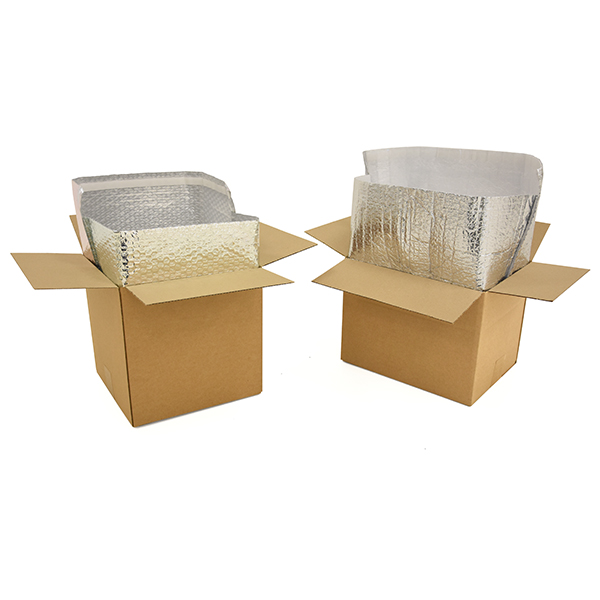
insulated shipping bag oem should be chosen with a simple rule: buy for the real route, the real product, and the real buyer expectation. The best results come when you combine buyer-guide discipline, material science, and 2026 market context in one decision process. This optimized article brings those pieces together so you can choose a better bag and a better partner with less guesswork.
This Article Will Help You Answer
- Why route-based buying improves insulated shipping bag oem outcomes
- Which materials, features, and packout choices create reliable hold time
- What tests and compliance records prove the bag is ready
- How 2026 market and sustainability changes should affect your sourcing plan
- What questions help you choose the right long-term partner
Why Should You Buy Insulated Shipping Bag Oem From Route Truth?
The best insulated shipping bag oem choice starts with route truth. You do not buy a bag to own a bag. You buy it to protect a product through a specific trip, in a specific climate, with a specific handling rhythm. When buyers skip that definition, they often pay for the wrong features twice: first in the quote and then again in complaints, waste, or emergency replacements.
That is why the first sourcing question should not be 'What is your cheapest option?' It should be 'What exactly must this bag do by the end of the route?' If you can define payload, target condition, route duration, and load behavior in plain language, you immediately make supplier comparison more meaningful. You also make it easier to build one program that operations, procurement, and QA can all understand.
Start With One Clear Definition of Success
For many buyers, success can be written in one short paragraph. It says what product is carried, how long the route lasts, what outside conditions matter, how often the bag is opened, and what condition is acceptable at delivery. That short paragraph becomes the foundation for material choice, testing, and supplier discussion.
| Buying Level | Route Reality | Recommended Focus | What You Gain |
| Basic parcel shipper bag | Short transit and low risk | Fresh food and samples | Lower development cost |
| Validated mid-route shipper | Moderate transit variation | Meal kits and temperature-sensitive goods | Better route confidence |
| Regulated-use oriented shipper | High consequence loads | Pharma and diagnostics | Best documentation and control |
- Write the route first, then review the bag.
- Keep performance promises tied to a defined use case.
- Segment low-risk, core, and premium routes before ordering samples.
What Material Stack Works Best for Your Real Use Case?
A reliable cooler backpack is a layer system. The outer layer manages appearance and wear. The insulation core slows heat flow. The liner manages cleaning, moisture, and user confidence. If you want better performance, ask how those layers work together instead of asking for more insulation as a default answer.
Matching material to use case is the key. Daily supermarket use, industrial transport, corporate gifting, and export distribution do not ask for the same balance of price, durability, and finish. The right stack is the one that protects the product without creating unnecessary weight, cleaning trouble, or cost. That is why simple, honest material selection usually beats impressive but poorly matched complexity.
Choose Materials for Behavior, Not for Brochure Language
If the bag will be reused often, prioritize stronger outer fabric, reinforcement, and a cleanable liner. If branding matters most, print quality and appearance still need to be checked after moisture and handling exposure. If the project is sustainability-led, verify how the claim is supported and whether the material story stays credible in the real use case.
| Material Stack | Best For | Watch-Out | Practical Value |
| Foil laminate + PE foam | Short parcel routes | Limited against extreme duration | Light and cost-efficient |
| High-density foam + reflective liner | Mid-duration parcel delivery | Bulkier carton size | Stronger hold-time margin |
| Foam + corrugated insert system | E-commerce meal kits | More components to assemble | Better product protection and cube control |
| Advanced insulated bag with validated coolant layout | Pharma and high-risk loads | Development cost is higher | Better control when paired with real testing |
- Ask for exact layer names and nominal thickness ranges.
- Review liner choice together with cleaning method and food-contact expectations.
- Test paper-forward or recycled-content concepts under the same conditions users will see.
What Tests and Documents Prove the Bag Is Ready?
Testing proves whether the design story holds together. A serious thermal claim should always come with route conditions: payload, starting temperature, coolant, ambient range, and opening pattern. If those details are missing, you are not looking at a decision tool. You are looking at marketing language.
Compliance logic matters too. The FDA position is straightforward: food-contact substances used through packaging, storage, or handling must be authorized for the intended use. In simple terms, your liner is not food-safe just because a seller says so; the material, its migration behavior, and the actual use condition all matter. In plain language, a liner is not 'food safe' because a seller says so; the material, its migration behavior, and the intended use condition all matter. If your program touches the EU market, food-contact materials also need to align with EU safety and GMP expectations, plus traceability and compliance documentation. In both cases, the simpler rule is that production version should match the exact version you intend to buy.
Use Recognized Validation Logic to Ask Better Questions
For higher-risk shipping programs, buyers often lean on the logic behind ISTA Standard 20 and 7E to structure package qualification, while ASTM D3103 remains a practical reference for evaluating thermal insulation performance. Air transport rules also push buyers toward documented packaging procurement. The point is not to sound technical. The point is to make your buying evidence stronger.
| Proof Item | What It Should Show | What Weak Evidence Looks Like | Why You Need It |
| ISTA parcel simulation or equivalent handling approach | Real hold-time behavior | Test without route detail is weak | Lets you compare claims with evidence |
| ASTM D3103 thermal performance evaluation | Real hold-time behavior | Test without route detail is weak | Lets you compare claims with evidence |
| Actual-route packout trials | Process consistency | Method and acceptance criteria should be clear | Creates confidence before scale-up |
| WHO or GDP-oriented documentation mindset for temperature control | Documented suitability or traceability | Generic statements are not enough | Helps procurement and QA sign off faster |
| FDA or EU food-contact suitability for food shipment liner | Documented suitability or traceability | Generic statements are not enough | Helps procurement and QA sign off faster |
- Ask for the method behind every number that affects the PO.
- Link compliance paperwork to the exact liner or coating version.
- Treat approved samples, documents, and change-control rules as one package.
What Do 2026 Market and Sustainability Shifts Mean for Buying?
2026 buying decisions are shaped by both demand growth and sustainability pressure. Industry forecasts published in late 2025 estimated the global cold chain packaging market at about USD 35.3 billion in 2025 and projected it to reach roughly USD 52.2 billion by 2030. Even if exact forecasts differ by analyst, the direction is clear: more temperature-sensitive trade is creating more pressure on soft-sided packaging performance. Even if exact forecasts differ by analyst, the direction is clear: more temperature-sensitive trade is creating more pressure on soft-sided packaging performance. At the same time, buyers are being asked to explain reuse, material clarity, documentation, and waste reduction.
The European Commission says the Packaging and Packaging Waste Regulation entered into force on 11 February 2025 and will generally apply from 12 August 2026. For buyers, that means packaging design, material efficiency, reuse logic, and documentation are moving from a nice-to-have topic to a buying criterion. For you, that means packaging design, material efficiency, reuse logic, and documentation are moving from nice to have to buying criteria. The practical takeaway is that a credible packaging story now needs to cover performance and sustainability together. A bag that looks green but performs poorly is weak. A bag that performs well but comes with vague material claims also creates risk.
The Strongest Programs Make Performance and Sustainability Work Together
The smartest OEM programs reduce overspec, empty air, and avoidable freight while still protecting the shipment. That usually means simpler segmentation, clearer material choices, stronger documentation, and honest communication about expected service life. You do not need a perfect bag for every possible future route. You need a well-defined bag range that fits your actual business and can evolve without losing control of quality.
| 2026 Shift | What Buyers Are Asking | What Good Suppliers Provide | Why It Matters |
| Growth in delivery and cold chain | Can this bag fit real service levels? | Route-based recommendations | Reduces mismatch |
| Sustainability pressure | What is the material story and proof? | Clear declarations and honest trade-offs | Supports procurement approval |
| Higher documentation expectations | Can QA trust this version? | Traceable specs and change control | Protects repeat orders |
| Cost pressure | Where can we save without weakening the bag? | Cube-efficient and tiered designs | Improves total cost |
- Pair every sustainability claim with a performance check.
- Use 2026 market growth to simplify your bag range, not to multiply SKUs.
- Keep documentation aligned with the exact version being quoted.
How Do You Choose the Right Partner and Next Step?
The right partner helps you make fewer decisions twice. A capable supplier explains route fit clearly, shows the material stack openly, documents tests honestly, and manages change before it becomes a problem. That kind of partner saves time because your team spends less energy rechecking the same basics on every order.
Before you move ahead, align on the approved sample, the bill of materials, the test logic, the lead-time plan, and the claim-handling process. If any of those points feel vague, slow down and fix the gap early. In sourcing, clarity is almost always cheaper before the PO than after the complaint.
Your Next-Step Checklist
If you want a stronger insulated shipping bag oem result, ask for a sample that matches your real route, request the supporting documents behind the quote, and score the supplier on repeatability as well as price. That simple process gives you a better bag, a safer order, and a more stable long-term sourcing model.
| Decision Checkpoint | What to Confirm | Why It Protects You | Best Action |
| Route definition | Payload, duration, ambient profile, and opening pattern | Stops generic quoting | Write it before final RFQ |
| Material lock | Approved layer stack and tolerances | Prevents hidden changes | Store with the sample |
| Evidence pack | Thermal method, documents, inspection plan | Strengthens sign-off | Review before PO |
| Commercial control | Lead time, claims, change notice | Improves long-term supply | Put it in writing |
- Choose the partner who gives the clearest evidence, not only the lowest first quote.
- Pilot high-risk applications before large-scale rollout.
- Protect repeatability with written change-control rules.
2026 Trends Shaping the Shipping Bag Market
2026 is pushing buyers toward more specific, more documented, and more sustainable insulated shipping bag programs. Industry forecasts published in late 2025 estimated the global cold chain packaging market at about USD 35.3 billion in 2025 and projected it to reach roughly USD 52.2 billion by 2030. Even if exact forecasts differ by analyst, the direction is clear: more temperature-sensitive trade is creating more pressure on soft-sided packaging performance. OEM buyers increasingly ask for route-specific validation, packout discipline, and clean change control before approving scale-up.
Latest Developments at a Glance
- Cold-chain growth: Industry forecasts published in late 2025 estimated the global cold chain packaging market at about USD 35.3 billion in 2025 and projected it to reach roughly USD 52.2 billion by 2030. Even if exact forecasts differ by analyst, the direction is clear: more temperature-sensitive trade is creating more pressure on soft-sided packaging performance.
- Validation mindset: For higher-risk shipping programs, buyers often lean on the logic behind ISTA Standard 20 and 7E to structure package qualification. The lesson is simple: validate the actual pack, not a marketing sketch. ASTM D3103 remains a practical reference for evaluating thermal insulation performance. You do not need to be a lab expert to use the lesson behind it: insulation should be described with method, conditions, and comparable results.
- Rule pressure on packaging: The European Commission says the Packaging and Packaging Waste Regulation entered into force on 11 February 2025 and will generally apply from 12 August 2026. For buyers, that means packaging design, material efficiency, reuse logic, and documentation are moving from a nice-to-have topic to a buying criterion.
- Transport discipline: WHO guidance for temperature-sensitive distribution still frames the core rule well: safe transport depends on a controlled process, not only on a single bag. A good bag is important, but route design, payload condition, and monitoring complete the system. Air and courier programs increasingly expect more disciplined packaging procurement. In plain language, buyers are asking for evidence that the bag, coolant, and shipping method work together instead of treating packaging as an afterthought.
From a market point of view, this means buyers are narrowing their preferred partners to those who can combine clear material explanations, realistic testing, and practical commercial support. In other words, the future belongs less to the supplier with the biggest promise and more to the partner with the clearest evidence.
Frequently Asked Questions
What is the smartest first step in buying insulated shipping bag oem?
Define the real route and the target condition at the end of that route. That one step improves material selection, testing requests, and supplier comparison immediately.
Which part of the bag most often causes failure?
Closures, seams, stress points, and poor packout often cause failure before the body panel does. These details deserve more attention than they usually get.
How do you balance performance and sustainability in 2026?
Choose the simplest design that still meets the route, then support any sustainability claim with clear material and compliance information. Honest trade-offs beat vague promises.
What makes a supplier the right long-term partner?
Clear route-based recommendations, stable repeat quality, honest documentation, and written change control. Price matters, but repeatability matters more.
When should you pilot before full rollout?
Pilot whenever the application is new, the climate is harsh, the product is high value, or the performance promise is tied closely to brand or compliance risk.
Summary and Recommendations
The strongest insulated shipping bag oem programs are built on five clear ideas. First, define the real route. Second, match the material stack to actual use instead of generic claims. Third, protect critical details such as closures, bases, seams, and liners. Fourth, ask for testing and documentation that match the production version. Fifth, choose a partner who can repeat quality as reliably as they can win a first order.
If you are planning your next project, start with a route description, a sample request tied to that route, and a short supplier scorecard. That gives you a practical next step without overcomplicating the process. For high-risk or high-visibility programs, add a pilot run before full rollout so your team can confirm the bag under real operating conditions.
About Tempk
At Tempk, we focus on cold-chain packaging solutions designed around real routes and real operating pressure. We work on practical insulated shipping bag programs that balance insulation, durability, cleanability, branding, and scalable production. Our team pays close attention to material selection, validation logic, and repeat-order consistency so buyers can make decisions with more confidence and less guesswork.
The next step is simple: share your route details, target hold time, payload, and order goals. We can then help you narrow the right structure, testing approach, and commercial path for a stronger project.
Best Insulated Delivery Bag Industrial Buying Guide
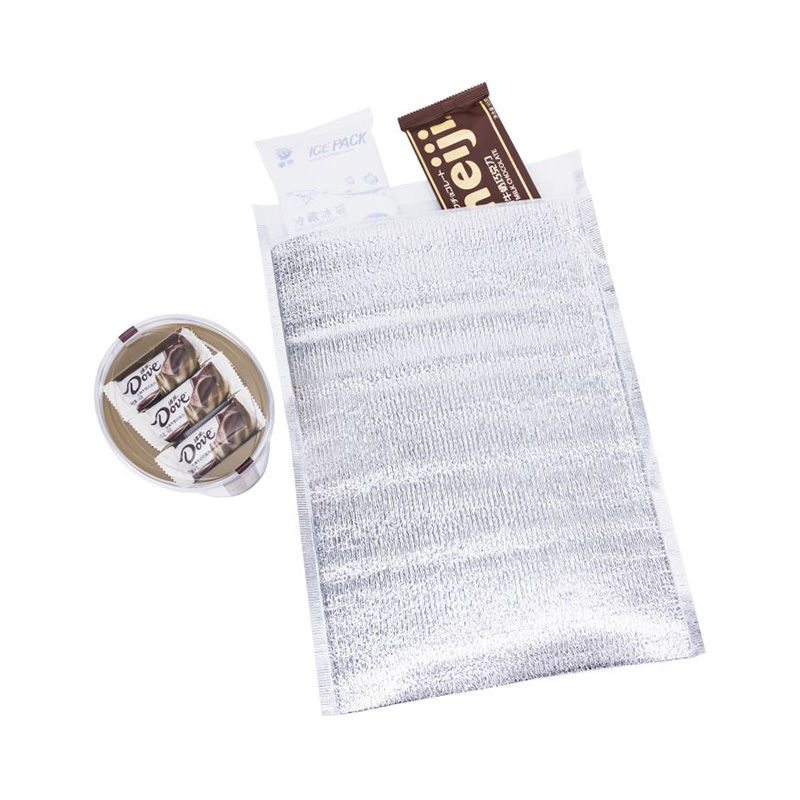
insulated delivery bag industrial should be chosen with a simple rule: buy for the real route, the real product, and the real buyer expectation. The best results come when you combine buyer-guide discipline, material science, and 2026 market context in one decision process. This optimized article brings those pieces together so you can choose a better bag and a better partner with less guesswork.
This Article Will Help You Answer
- Why route-based buying improves insulated delivery bag industrial outcomes
- Which materials, features, and packout choices create reliable hold time
- What tests and compliance records prove the bag is ready
- How 2026 market and sustainability changes should affect your sourcing plan
- What questions help you choose the right long-term partner
Why Should You Buy Insulated Delivery Bag Industrial From Route Truth?
The best insulated delivery bag industrial choice starts with route truth. You do not buy a bag to own a bag. You buy it to protect a product through a specific trip, in a specific climate, with a specific handling rhythm. When buyers skip that definition, they often pay for the wrong features twice: first in the quote and then again in complaints, waste, or emergency replacements.
That is why the first sourcing question should not be 'What is your cheapest option?' It should be 'What exactly must this bag do by the end of the route?' If you can define payload, target condition, route duration, and load behavior in plain language, you immediately make supplier comparison more meaningful. You also make it easier to build one program that operations, procurement, and QA can all understand.
Start With One Clear Definition of Success
For many buyers, success can be written in one short paragraph. It says what product is carried, how long the route lasts, what outside conditions matter, how often the bag is opened, and what condition is acceptable at delivery. That short paragraph becomes the foundation for material choice, testing, and supplier discussion.
| Buying Level | Route Reality | Recommended Focus | What You Gain |
| Soft-sided standard | Light daily turnover | Cafeteria snack runs | Low entry cost |
| Reinforced industrial bag | High-frequency multi-stop routes | Factory and hospital meals | Better life-cycle cost |
| Semi-rigid transport tote | Heavy stack and cart use | Central kitchen shuttles | Best shape retention |
- Write the route first, then review the bag.
- Keep performance promises tied to a defined use case.
- Segment low-risk, core, and premium routes before ordering samples.
What Material Stack Works Best for Your Real Use Case?
A reliable cooler backpack is a layer system. The outer layer manages appearance and wear. The insulation core slows heat flow. The liner manages cleaning, moisture, and user confidence. If you want better performance, ask how those layers work together instead of asking for more insulation as a default answer.
Matching material to use case is the key. Daily supermarket use, industrial transport, corporate gifting, and export distribution do not ask for the same balance of price, durability, and finish. The right stack is the one that protects the product without creating unnecessary weight, cleaning trouble, or cost. That is why simple, honest material selection usually beats impressive but poorly matched complexity.
Choose Materials for Behavior, Not for Brochure Language
If the bag will be reused often, prioritize stronger outer fabric, reinforcement, and a cleanable liner. If branding matters most, print quality and appearance still need to be checked after moisture and handling exposure. If the project is sustainability-led, verify how the claim is supported and whether the material story stays credible in the real use case.
| Material Stack | Best For | Watch-Out | Practical Value |
| Heavy polyester + XPE + PE liner | Factory meal runs | More rigid feel | Strong repeat-use value |
| Tarpaulin outer + PE foam + welded liner | Wet, rough environments | Heavier than soft retail bags | Easy cleaning and strong water resistance |
| RPET fabric + thick foam + removable liner | ESG-focused industrial buyers | Needs better care for sharp edges | Reuse plus easier sanitation |
| Semi-rigid wall panels + insulated liner | Stacking and route handling | More storage volume when empty | Better shape control under load |
- Ask for exact layer names and nominal thickness ranges.
- Review liner choice together with cleaning method and food-contact expectations.
- Test paper-forward or recycled-content concepts under the same conditions users will see.
What Tests and Documents Prove the Bag Is Ready?
Testing proves whether the design story holds together. A serious thermal claim should always come with route conditions: payload, starting temperature, coolant, ambient range, and opening pattern. If those details are missing, you are not looking at a decision tool. You are looking at marketing language.
Compliance logic matters too. The FDA position is straightforward: food-contact substances used through packaging, storage, or handling must be authorized for the intended use. In simple terms, your liner is not food-safe just because a seller says so; the material, its migration behavior, and the actual use condition all matter. In plain language, a liner is not 'food safe' because a seller says so; the material, its migration behavior, and the intended use condition all matter. If your program touches the EU market, food-contact materials also need to align with EU safety and GMP expectations, plus traceability and compliance documentation. In both cases, the simpler rule is that production version should match the exact version you intend to buy.
Use Recognized Validation Logic to Ask Better Questions
For higher-risk shipping programs, buyers often lean on the logic behind ISTA Standard 20 and 7E to structure package qualification, while ASTM D3103 remains a practical reference for evaluating thermal insulation performance. Air transport rules also push buyers toward documented packaging procurement. The point is not to sound technical. The point is to make your buying evidence stronger.
| Proof Item | What It Should Show | What Weak Evidence Looks Like | Why You Need It |
| Stack load and bottom sag test | Process consistency | Method and acceptance criteria should be clear | Creates confidence before scale-up |
| Washability and odor retention review | Process consistency | Method and acceptance criteria should be clear | Creates confidence before scale-up |
| Thermal hold-time under repeated openings | Real hold-time behavior | Test without route detail is weak | Lets you compare claims with evidence |
| Food safety procedures aligned with HACCP operations | Documented suitability or traceability | Generic statements are not enough | Helps procurement and QA sign off faster |
| Food-contact suitable liner documentation | Documented suitability or traceability | Generic statements are not enough | Helps procurement and QA sign off faster |
- Ask for the method behind every number that affects the PO.
- Link compliance paperwork to the exact liner or coating version.
- Treat approved samples, documents, and change-control rules as one package.
What Do 2026 Market and Sustainability Shifts Mean for Buying?
2026 buying decisions are shaped by both demand growth and sustainability pressure. Industry forecasts published in late 2025 estimated the global cold chain packaging market at about USD 35.3 billion in 2025 and projected it to reach roughly USD 52.2 billion by 2030. Even if exact forecasts differ by analyst, the direction is clear: more temperature-sensitive trade is creating more pressure on soft-sided packaging performance. Even if exact forecasts differ by analyst, the direction is clear: more temperature-sensitive trade is creating more pressure on soft-sided packaging performance. At the same time, buyers are being asked to explain reuse, material clarity, documentation, and waste reduction.
The European Commission says the Packaging and Packaging Waste Regulation entered into force on 11 February 2025 and will generally apply from 12 August 2026. For buyers, that means packaging design, material efficiency, reuse logic, and documentation are moving from a nice-to-have topic to a buying criterion. For you, that means packaging design, material efficiency, reuse logic, and documentation are moving from nice to have to buying criteria. The practical takeaway is that a credible packaging story now needs to cover performance and sustainability together. A bag that looks green but performs poorly is weak. A bag that performs well but comes with vague material claims also creates risk.
The Strongest Programs Make Performance and Sustainability Work Together
In industrial use, longer life and easier cleaning often reduce waste more than thin, low-cost bags replaced every few weeks. That usually means simpler segmentation, clearer material choices, stronger documentation, and honest communication about expected service life. You do not need a perfect bag for every possible future route. You need a well-defined bag range that fits your actual business and can evolve without losing control of quality.
| 2026 Shift | What Buyers Are Asking | What Good Suppliers Provide | Why It Matters |
| Growth in delivery and cold chain | Can this bag fit real service levels? | Route-based recommendations | Reduces mismatch |
| Sustainability pressure | What is the material story and proof? | Clear declarations and honest trade-offs | Supports procurement approval |
| Higher documentation expectations | Can QA trust this version? | Traceable specs and change control | Protects repeat orders |
| Cost pressure | Where can we save without weakening the bag? | Cube-efficient and tiered designs | Improves total cost |
- Pair every sustainability claim with a performance check.
- Use 2026 market growth to simplify your bag range, not to multiply SKUs.
- Keep documentation aligned with the exact version being quoted.
How Do You Choose the Right Partner and Next Step?
The right partner helps you make fewer decisions twice. A capable supplier explains route fit clearly, shows the material stack openly, documents tests honestly, and manages change before it becomes a problem. That kind of partner saves time because your team spends less energy rechecking the same basics on every order.
Before you move ahead, align on the approved sample, the bill of materials, the test logic, the lead-time plan, and the claim-handling process. If any of those points feel vague, slow down and fix the gap early. In sourcing, clarity is almost always cheaper before the PO than after the complaint.
Your Next-Step Checklist
If you want a stronger insulated delivery bag industrial result, ask for a sample that matches your real route, request the supporting documents behind the quote, and score the supplier on repeatability as well as price. That simple process gives you a better bag, a safer order, and a more stable long-term sourcing model.
| Decision Checkpoint | What to Confirm | Why It Protects You | Best Action |
| Route definition | Payload, duration, ambient profile, and opening pattern | Stops generic quoting | Write it before final RFQ |
| Material lock | Approved layer stack and tolerances | Prevents hidden changes | Store with the sample |
| Evidence pack | Thermal method, documents, inspection plan | Strengthens sign-off | Review before PO |
| Commercial control | Lead time, claims, change notice | Improves long-term supply | Put it in writing |
- Choose the partner who gives the clearest evidence, not only the lowest first quote.
- Pilot high-risk applications before large-scale rollout.
- Protect repeatability with written change-control rules.
2026 Trends Shaping the Cooler Bag Market
2026 is pushing buyers toward more specific, more documented, and more sustainable insulated delivery bag programs. Industry forecasts published in late 2025 estimated the global cold chain packaging market at about USD 35.3 billion in 2025 and projected it to reach roughly USD 52.2 billion by 2030. Even if exact forecasts differ by analyst, the direction is clear: more temperature-sensitive trade is creating more pressure on soft-sided packaging performance. Industrial buyers want insulated delivery bags that hold up under repeated opening, stacking, and cleaning cycles.
Latest Developments at a Glance
- Cold-chain growth: Industry forecasts published in late 2025 estimated the global cold chain packaging market at about USD 35.3 billion in 2025 and projected it to reach roughly USD 52.2 billion by 2030. Even if exact forecasts differ by analyst, the direction is clear: more temperature-sensitive trade is creating more pressure on soft-sided packaging performance.
- Validation mindset: For higher-risk shipping programs, buyers often lean on the logic behind ISTA Standard 20 and 7E to structure package qualification. The lesson is simple: validate the actual pack, not a marketing sketch. ASTM D3103 remains a practical reference for evaluating thermal insulation performance. You do not need to be a lab expert to use the lesson behind it: insulation should be described with method, conditions, and comparable results.
- Rule pressure on packaging: The European Commission says the Packaging and Packaging Waste Regulation entered into force on 11 February 2025 and will generally apply from 12 August 2026. For buyers, that means packaging design, material efficiency, reuse logic, and documentation are moving from a nice-to-have topic to a buying criterion.
From a market point of view, this means buyers are narrowing their preferred partners to those who can combine clear material explanations, realistic testing, and practical commercial support. In other words, the future belongs less to the supplier with the biggest promise and more to the partner with the clearest evidence.
Frequently Asked Questions
What is the smartest first step in buying insulated delivery bag industrial?
Define the real route and the target condition at the end of that route. That one step improves material selection, testing requests, and supplier comparison immediately.
Which part of the bag most often causes failure?
Closures, seams, stress points, and poor packout often cause failure before the body panel does. These details deserve more attention than they usually get.
How do you balance performance and sustainability in 2026?
Choose the simplest design that still meets the route, then support any sustainability claim with clear material and compliance information. Honest trade-offs beat vague promises.
What makes a supplier the right long-term partner?
Clear route-based recommendations, stable repeat quality, honest documentation, and written change control. Price matters, but repeatability matters more.
When should you pilot before full rollout?
Pilot whenever the application is new, the climate is harsh, the product is high value, or the performance promise is tied closely to brand or compliance risk.
Summary and Recommendations
The strongest insulated delivery bag industrial programs are built on five clear ideas. First, define the real route. Second, match the material stack to actual use instead of generic claims. Third, protect critical details such as closures, bases, seams, and liners. Fourth, ask for testing and documentation that match the production version. Fifth, choose a partner who can repeat quality as reliably as they can win a first order.
If you are planning your next project, start with a route description, a sample request tied to that route, and a short supplier scorecard. That gives you a practical next step without overcomplicating the process. For high-risk or high-visibility programs, add a pilot run before full rollout so your team can confirm the bag under real operating conditions.
About Tempk
At Tempk, we focus on cold-chain packaging solutions designed around real routes and real operating pressure. We work on practical insulated delivery bag programs that balance insulation, durability, cleanability, branding, and scalable production. Our team pays close attention to material selection, validation logic, and repeat-order consistency so buyers can make decisions with more confidence and less guesswork.
The next step is simple: share your route details, target hold time, payload, and order goals. We can then help you narrow the right structure, testing approach, and commercial path for a stronger project.
Best Insulated Cooler Bag Supplier Buying Guide
insulated cooler bag supplier should be chosen with a simple rule: buy for the real route, the real product, and the real buyer expectation. The best results come when you combine buyer-guide discipline, material science, and 2026 market context in one decision process. This optimized article brings those pieces together so you can choose a better bag and a better partner with less guesswork.
This Article Will Help You Answer
- Why route-based buying improves insulated cooler bag supplier outcomes
- Which materials, features, and packout choices create reliable hold time
- What tests and compliance records prove the bag is ready
- How 2026 market and sustainability changes should affect your sourcing plan
- What questions help you choose the right long-term partner
Why Should You Buy Insulated Cooler Bag Supplier From Route Truth?
The best insulated cooler bag supplier choice starts with route truth. You do not buy a bag to own a bag. You buy it to protect a product through a specific trip, in a specific climate, with a specific handling rhythm. When buyers skip that definition, they often pay for the wrong features twice: first in the quote and then again in complaints, waste, or emergency replacements.
That is why the first sourcing question should not be 'What is your cheapest option?' It should be 'What exactly must this bag do by the end of the route?' If you can define payload, target condition, route duration, and load behavior in plain language, you immediately make supplier comparison more meaningful. You also make it easier to build one program that operations, procurement, and QA can all understand.
Start With One Clear Definition of Success
For many buyers, success can be written in one short paragraph. It says what product is carried, how long the route lasts, what outside conditions matter, how often the bag is opened, and what condition is acceptable at delivery. That short paragraph becomes the foundation for material choice, testing, and supplier discussion.
| Buying Level | Route Reality | Recommended Focus | What You Gain |
| Budget promo bag | 2-4 hours with light coolant | Events and short retail trips | Lowest cost and fast brand reach |
| Mid-range grocery bag | 4-6 hours with gel packs | Click-and-collect and supermarket delivery | Better repeat use and fewer returns |
| Premium reusable bag | 6-8 hours with optimized packout | High-value food and brand programs | Stronger customer experience and longer service life |
- Write the route first, then review the bag.
- Keep performance promises tied to a defined use case.
- Segment low-risk, core, and premium routes before ordering samples.
What Material Stack Works Best for Your Real Use Case?
A reliable cooler backpack is a layer system. The outer layer manages appearance and wear. The insulation core slows heat flow. The liner manages cleaning, moisture, and user confidence. If you want better performance, ask how those layers work together instead of asking for more insulation as a default answer.
Matching material to use case is the key. Daily supermarket use, industrial transport, corporate gifting, and export distribution do not ask for the same balance of price, durability, and finish. The right stack is the one that protects the product without creating unnecessary weight, cleaning trouble, or cost. That is why simple, honest material selection usually beats impressive but poorly matched complexity.
Choose Materials for Behavior, Not for Brochure Language
If the bag will be reused often, prioritize stronger outer fabric, reinforcement, and a cleanable liner. If branding matters most, print quality and appearance still need to be checked after moisture and handling exposure. If the project is sustainability-led, verify how the claim is supported and whether the material story stays credible in the real use case.
| Material Stack | Best For | Watch-Out | Practical Value |
| Nonwoven PP + EPE + PEVA | Cost-sensitive retail and promotion | Moderate abrasion resistance | Good balance of price, printability, and short-route insulation |
| RPET fabric + XPE foam + PE liner | Premium reusable programs | Higher unit cost | Stronger feel, cleaner branding, and better sustainability messaging |
| Polyester + aluminum foil + PE foam | Meal delivery and grocery | Foil can crease over time | Reflective inner layer and dependable daily use |
| Kraft paper outer + insulated inner liner | Paper-forward branding | Paper needs moisture control | Natural look that fits premium gifting programs |
- Ask for exact layer names and nominal thickness ranges.
- Review liner choice together with cleaning method and food-contact expectations.
- Test paper-forward or recycled-content concepts under the same conditions users will see.
What Tests and Documents Prove the Bag Is Ready?
Testing proves whether the design story holds together. A serious thermal claim should always come with route conditions: payload, starting temperature, coolant, ambient range, and opening pattern. If those details are missing, you are not looking at a decision tool. You are looking at marketing language.
Compliance logic matters too. The FDA position is straightforward: food-contact substances used through packaging, storage, or handling must be authorized for the intended use. In simple terms, your liner is not food-safe just because a seller says so; the material, its migration behavior, and the actual use condition all matter. In plain language, a liner is not 'food safe' because a seller says so; the material, its migration behavior, and the intended use condition all matter. If your program touches the EU market, food-contact materials also need to align with EU safety and GMP expectations, plus traceability and compliance documentation. In both cases, the simpler rule is that production version should match the exact version you intend to buy.
Use Recognized Validation Logic to Ask Better Questions
For higher-risk shipping programs, buyers often lean on the logic behind ISTA Standard 20 and 7E to structure package qualification, while ASTM D3103 remains a practical reference for evaluating thermal insulation performance. Air transport rules also push buyers toward documented packaging procurement. The point is not to sound technical. The point is to make your buying evidence stronger.
| Proof Item | What It Should Show | What Weak Evidence Looks Like | Why You Need It |
| Thermal hold-time test with real payload and coolant | Real hold-time behavior | Test without route detail is weak | Lets you compare claims with evidence |
| Zipper cycling and handle load test | Mechanical durability | Short tests can hide fatigue issues | Cuts field failures on repeat-use SKUs |
| Drop, leakage, and seam strength check | Transit toughness | Retail-perfect samples may still fail in shipping | Protects landed quality |
| FDA or EU food-contact suitability for liner | Documented suitability or traceability | Generic statements are not enough | Helps procurement and QA sign off faster |
| Food-contact and GMP documentation where required | Documented suitability or traceability | Generic statements are not enough | Helps procurement and QA sign off faster |
- Ask for the method behind every number that affects the PO.
- Link compliance paperwork to the exact liner or coating version.
- Treat approved samples, documents, and change-control rules as one package.
What Do 2026 Market and Sustainability Shifts Mean for Buying?
2026 buying decisions are shaped by both demand growth and sustainability pressure. Industry forecasts published in late 2025 estimated the global cold chain packaging market at about USD 35.3 billion in 2025 and projected it to reach roughly USD 52.2 billion by 2030. Even if exact forecasts differ by analyst, the direction is clear: more temperature-sensitive trade is creating more pressure on soft-sided packaging performance. Even if exact forecasts differ by analyst, the direction is clear: more temperature-sensitive trade is creating more pressure on soft-sided packaging performance. At the same time, buyers are being asked to explain reuse, material clarity, documentation, and waste reduction.
The European Commission says the Packaging and Packaging Waste Regulation entered into force on 11 February 2025 and will generally apply from 12 August 2026. For buyers, that means packaging design, material efficiency, reuse logic, and documentation are moving from a nice-to-have topic to a buying criterion. For you, that means packaging design, material efficiency, reuse logic, and documentation are moving from nice to have to buying criteria. The practical takeaway is that a credible packaging story now needs to cover performance and sustainability together. A bag that looks green but performs poorly is weak. A bag that performs well but comes with vague material claims also creates risk.
The Strongest Programs Make Performance and Sustainability Work Together
Reusable design, repairable stress points, and honest recycled-content messaging matter more than surface-level green claims. That usually means simpler segmentation, clearer material choices, stronger documentation, and honest communication about expected service life. You do not need a perfect bag for every possible future route. You need a well-defined bag range that fits your actual business and can evolve without losing control of quality.
| 2026 Shift | What Buyers Are Asking | What Good Suppliers Provide | Why It Matters |
| Growth in delivery and cold chain | Can this bag fit real service levels? | Route-based recommendations | Reduces mismatch |
| Sustainability pressure | What is the material story and proof? | Clear declarations and honest trade-offs | Supports procurement approval |
| Higher documentation expectations | Can QA trust this version? | Traceable specs and change control | Protects repeat orders |
| Cost pressure | Where can we save without weakening the bag? | Cube-efficient and tiered designs | Improves total cost |
- Pair every sustainability claim with a performance check.
- Use 2026 market growth to simplify your bag range, not to multiply SKUs.
- Keep documentation aligned with the exact version being quoted.
How Do You Choose the Right Partner and Next Step?
The right partner helps you make fewer decisions twice. A capable supplier explains route fit clearly, shows the material stack openly, documents tests honestly, and manages change before it becomes a problem. That kind of partner saves time because your team spends less energy rechecking the same basics on every order.
Before you move ahead, align on the approved sample, the bill of materials, the test logic, the lead-time plan, and the claim-handling process. If any of those points feel vague, slow down and fix the gap early. In sourcing, clarity is almost always cheaper before the PO than after the complaint.
Your Next-Step Checklist
If you want a stronger insulated cooler bag supplier result, ask for a sample that matches your real route, request the supporting documents behind the quote, and score the supplier on repeatability as well as price. That simple process gives you a better bag, a safer order, and a more stable long-term sourcing model.
| Decision Checkpoint | What to Confirm | Why It Protects You | Best Action |
| Route definition | Payload, duration, ambient profile, and opening pattern | Stops generic quoting | Write it before final RFQ |
| Material lock | Approved layer stack and tolerances | Prevents hidden changes | Store with the sample |
| Evidence pack | Thermal method, documents, inspection plan | Strengthens sign-off | Review before PO |
| Commercial control | Lead time, claims, change notice | Improves long-term supply | Put it in writing |
- Choose the partner who gives the clearest evidence, not only the lowest first quote.
- Pilot high-risk applications before large-scale rollout.
- Protect repeatability with written change-control rules.
2026 Trends Shaping the Cooler Bag Market
2026 is pushing buyers toward more specific, more documented, and more sustainable insulated cooler bag programs. Industry forecasts published in late 2025 estimated the global cold chain packaging market at about USD 35.3 billion in 2025 and projected it to reach roughly USD 52.2 billion by 2030. Even if exact forecasts differ by analyst, the direction is clear: more temperature-sensitive trade is creating more pressure on soft-sided packaging performance. Buyers are asking for clearer material stories, route-based testing, and repeat-order consistency rather than broad marketing claims.
Latest Developments at a Glance
- Cold-chain growth: Industry forecasts published in late 2025 estimated the global cold chain packaging market at about USD 35.3 billion in 2025 and projected it to reach roughly USD 52.2 billion by 2030. Even if exact forecasts differ by analyst, the direction is clear: more temperature-sensitive trade is creating more pressure on soft-sided packaging performance.
- Validation mindset: For higher-risk shipping programs, buyers often lean on the logic behind ISTA Standard 20 and 7E to structure package qualification. The lesson is simple: validate the actual pack, not a marketing sketch. ASTM D3103 remains a practical reference for evaluating thermal insulation performance. You do not need to be a lab expert to use the lesson behind it: insulation should be described with method, conditions, and comparable results.
- Rule pressure on packaging: The European Commission says the Packaging and Packaging Waste Regulation entered into force on 11 February 2025 and will generally apply from 12 August 2026. For buyers, that means packaging design, material efficiency, reuse logic, and documentation are moving from a nice-to-have topic to a buying criterion.
From a market point of view, this means buyers are narrowing their preferred partners to those who can combine clear material explanations, realistic testing, and practical commercial support. In other words, the future belongs less to the supplier with the biggest promise and more to the partner with the clearest evidence.
Frequently Asked Questions
What is the smartest first step in buying insulated cooler bag supplier?
Define the real route and the target condition at the end of that route. That one step improves material selection, testing requests, and supplier comparison immediately.
Which part of the bag most often causes failure?
Closures, seams, stress points, and poor packout often cause failure before the body panel does. These details deserve more attention than they usually get.
How do you balance performance and sustainability in 2026?
Choose the simplest design that still meets the route, then support any sustainability claim with clear material and compliance information. Honest trade-offs beat vague promises.
What makes a supplier the right long-term partner?
Clear route-based recommendations, stable repeat quality, honest documentation, and written change control. Price matters, but repeatability matters more.
When should you pilot before full rollout?
Pilot whenever the application is new, the climate is harsh, the product is high value, or the performance promise is tied closely to brand or compliance risk.
Summary and Recommendations
The strongest insulated cooler bag supplier programs are built on five clear ideas. First, define the real route. Second, match the material stack to actual use instead of generic claims. Third, protect critical details such as closures, bases, seams, and liners. Fourth, ask for testing and documentation that match the production version. Fifth, choose a partner who can repeat quality as reliably as they can win a first order.
If you are planning your next project, start with a route description, a sample request tied to that route, and a short supplier scorecard. That gives you a practical next step without overcomplicating the process. For high-risk or high-visibility programs, add a pilot run before full rollout so your team can confirm the bag under real operating conditions.
About Tempk
At Tempk, we focus on cold-chain packaging solutions designed around real routes and real operating pressure. We work on practical insulated cooler bag programs that balance insulation, durability, cleanability, branding, and scalable production. Our team pays close attention to material selection, validation logic, and repeat-order consistency so buyers can make decisions with more confidence and less guesswork.
The next step is simple: share your route details, target hold time, payload, and order goals. We can then help you narrow the right structure, testing approach, and commercial path for a stronger project.
Best Insulated Cooler Bag Factory Buying Guide
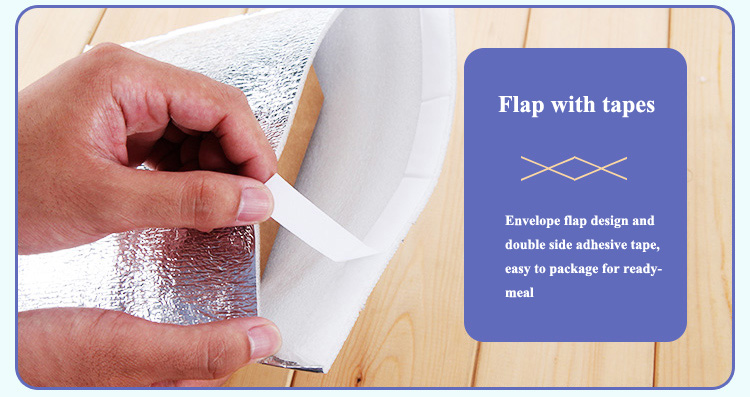
insulated cooler bag factory should be chosen with a simple rule: buy for the real route, the real product, and the real buyer expectation. The best results come when you combine buyer-guide discipline, material science, and 2026 market context in one decision process. This optimized article brings those pieces together so you can choose a better bag and a better partner with less guesswork.
This Article Will Help You Answer
- Why route-based buying improves insulated cooler bag factory outcomes
- Which materials, features, and packout choices create reliable hold time
- What tests and compliance records prove the bag is ready
- How 2026 market and sustainability changes should affect your sourcing plan
- What questions help you choose the right long-term partner
Why Should You Buy Insulated Cooler Bag Factory From Route Truth?
The best insulated cooler bag factory choice starts with route truth. You do not buy a bag to own a bag. You buy it to protect a product through a specific trip, in a specific climate, with a specific handling rhythm. When buyers skip that definition, they often pay for the wrong features twice: first in the quote and then again in complaints, waste, or emergency replacements.
That is why the first sourcing question should not be 'What is your cheapest option?' It should be 'What exactly must this bag do by the end of the route?' If you can define payload, target condition, route duration, and load behavior in plain language, you immediately make supplier comparison more meaningful. You also make it easier to build one program that operations, procurement, and QA can all understand.
Start With One Clear Definition of Success
For many buyers, success can be written in one short paragraph. It says what product is carried, how long the route lasts, what outside conditions matter, how often the bag is opened, and what condition is acceptable at delivery. That short paragraph becomes the foundation for material choice, testing, and supplier discussion.
| Buying Level | Route Reality | Recommended Focus | What You Gain |
| Factory with basic sewing line | Low complexity SKUs | Simple promo bags | Okay for low-risk orders |
| Factory with sample room and inline QC | Medium complexity SKUs | Retail and grocery bags | Better repeatability |
| Factory with validation mindset | High complexity SKUs | Cold-chain and reusable lines | Stronger long-term partner fit |
- Write the route first, then review the bag.
- Keep performance promises tied to a defined use case.
- Segment low-risk, core, and premium routes before ordering samples.
What Material Stack Works Best for Your Real Use Case?
A reliable cooler backpack is a layer system. The outer layer manages appearance and wear. The insulation core slows heat flow. The liner manages cleaning, moisture, and user confidence. If you want better performance, ask how those layers work together instead of asking for more insulation as a default answer.
Matching material to use case is the key. Daily supermarket use, industrial transport, corporate gifting, and export distribution do not ask for the same balance of price, durability, and finish. The right stack is the one that protects the product without creating unnecessary weight, cleaning trouble, or cost. That is why simple, honest material selection usually beats impressive but poorly matched complexity.
Choose Materials for Behavior, Not for Brochure Language
If the bag will be reused often, prioritize stronger outer fabric, reinforcement, and a cleanable liner. If branding matters most, print quality and appearance still need to be checked after moisture and handling exposure. If the project is sustainability-led, verify how the claim is supported and whether the material story stays credible in the real use case.
| Material Stack | Best For | Watch-Out | Practical Value |
| Nonwoven PP + EPE + PEVA | Cost-sensitive retail and promotion | Moderate abrasion resistance | Good balance of price, printability, and short-route insulation |
| RPET fabric + XPE foam + PE liner | Premium reusable programs | Higher unit cost | Stronger feel, cleaner branding, and better sustainability messaging |
| Polyester + aluminum foil + PE foam | Meal delivery and grocery | Foil can crease over time | Reflective inner layer and dependable daily use |
| Kraft paper outer + insulated inner liner | Paper-forward branding | Paper needs moisture control | Natural look that fits premium gifting programs |
- Ask for exact layer names and nominal thickness ranges.
- Review liner choice together with cleaning method and food-contact expectations.
- Test paper-forward or recycled-content concepts under the same conditions users will see.
What Tests and Documents Prove the Bag Is Ready?
Testing proves whether the design story holds together. A serious thermal claim should always come with route conditions: payload, starting temperature, coolant, ambient range, and opening pattern. If those details are missing, you are not looking at a decision tool. You are looking at marketing language.
Compliance logic matters too. The FDA position is straightforward: food-contact substances used through packaging, storage, or handling must be authorized for the intended use. In simple terms, your liner is not food-safe just because a seller says so; the material, its migration behavior, and the actual use condition all matter. In plain language, a liner is not 'food safe' because a seller says so; the material, its migration behavior, and the intended use condition all matter. If your program touches the EU market, food-contact materials also need to align with EU safety and GMP expectations, plus traceability and compliance documentation. In both cases, the simpler rule is that production version should match the exact version you intend to buy.
Use Recognized Validation Logic to Ask Better Questions
For higher-risk shipping programs, buyers often lean on the logic behind ISTA Standard 20 and 7E to structure package qualification, while ASTM D3103 remains a practical reference for evaluating thermal insulation performance. Air transport rules also push buyers toward documented packaging procurement. The point is not to sound technical. The point is to make your buying evidence stronger.
| Proof Item | What It Should Show | What Weak Evidence Looks Like | Why You Need It |
| Incoming liner and foam thickness verification | Process consistency | Method and acceptance criteria should be clear | Creates confidence before scale-up |
| Inline stitch density checks | Process consistency | Method and acceptance criteria should be clear | Creates confidence before scale-up |
| Final leakage and thermal sampling | Real hold-time behavior | Test without route detail is weak | Lets you compare claims with evidence |
| Documented sample production discipline for food-adjacent use | Documented suitability or traceability | Generic statements are not enough | Helps procurement and QA sign off faster |
| Traceability from raw material lot to shipment | Documented suitability or traceability | Generic statements are not enough | Helps procurement and QA sign off faster |
- Ask for the method behind every number that affects the PO.
- Link compliance paperwork to the exact liner or coating version.
- Treat approved samples, documents, and change-control rules as one package.
What Do 2026 Market and Sustainability Shifts Mean for Buying?
2026 buying decisions are shaped by both demand growth and sustainability pressure. Industry forecasts published in late 2025 estimated the global cold chain packaging market at about USD 35.3 billion in 2025 and projected it to reach roughly USD 52.2 billion by 2030. Even if exact forecasts differ by analyst, the direction is clear: more temperature-sensitive trade is creating more pressure on soft-sided packaging performance. Even if exact forecasts differ by analyst, the direction is clear: more temperature-sensitive trade is creating more pressure on soft-sided packaging performance. At the same time, buyers are being asked to explain reuse, material clarity, documentation, and waste reduction.
The European Commission says the Packaging and Packaging Waste Regulation entered into force on 11 February 2025 and will generally apply from 12 August 2026. For buyers, that means packaging design, material efficiency, reuse logic, and documentation are moving from a nice-to-have topic to a buying criterion. For you, that means packaging design, material efficiency, reuse logic, and documentation are moving from nice to have to buying criteria. The practical takeaway is that a credible packaging story now needs to cover performance and sustainability together. A bag that looks green but performs poorly is weak. A bag that performs well but comes with vague material claims also creates risk.
The Strongest Programs Make Performance and Sustainability Work Together
A factory that controls waste, rework, and repeatability often creates a more sustainable program than one with attractive claims but weak discipline. That usually means simpler segmentation, clearer material choices, stronger documentation, and honest communication about expected service life. You do not need a perfect bag for every possible future route. You need a well-defined bag range that fits your actual business and can evolve without losing control of quality.
| 2026 Shift | What Buyers Are Asking | What Good Suppliers Provide | Why It Matters |
| Growth in delivery and cold chain | Can this bag fit real service levels? | Route-based recommendations | Reduces mismatch |
| Sustainability pressure | What is the material story and proof? | Clear declarations and honest trade-offs | Supports procurement approval |
| Higher documentation expectations | Can QA trust this version? | Traceable specs and change control | Protects repeat orders |
| Cost pressure | Where can we save without weakening the bag? | Cube-efficient and tiered designs | Improves total cost |
- Pair every sustainability claim with a performance check.
- Use 2026 market growth to simplify your bag range, not to multiply SKUs.
- Keep documentation aligned with the exact version being quoted.
How Do You Choose the Right Partner and Next Step?
The right partner helps you make fewer decisions twice. A capable supplier explains route fit clearly, shows the material stack openly, documents tests honestly, and manages change before it becomes a problem. That kind of partner saves time because your team spends less energy rechecking the same basics on every order.
Before you move ahead, align on the approved sample, the bill of materials, the test logic, the lead-time plan, and the claim-handling process. If any of those points feel vague, slow down and fix the gap early. In sourcing, clarity is almost always cheaper before the PO than after the complaint.
Your Next-Step Checklist
If you want a stronger insulated cooler bag factory result, ask for a sample that matches your real route, request the supporting documents behind the quote, and score the supplier on repeatability as well as price. That simple process gives you a better bag, a safer order, and a more stable long-term sourcing model.
| Decision Checkpoint | What to Confirm | Why It Protects You | Best Action |
| Route definition | Payload, duration, ambient profile, and opening pattern | Stops generic quoting | Write it before final RFQ |
| Material lock | Approved layer stack and tolerances | Prevents hidden changes | Store with the sample |
| Evidence pack | Thermal method, documents, inspection plan | Strengthens sign-off | Review before PO |
| Commercial control | Lead time, claims, change notice | Improves long-term supply | Put it in writing |
- Choose the partner who gives the clearest evidence, not only the lowest first quote.
- Pilot high-risk applications before large-scale rollout.
- Protect repeatability with written change-control rules.
2026 Trends Shaping the Cooler Bag Market
2026 is pushing buyers toward more specific, more documented, and more sustainable insulated cooler bag programs. Industry forecasts published in late 2025 estimated the global cold chain packaging market at about USD 35.3 billion in 2025 and projected it to reach roughly USD 52.2 billion by 2030. Even if exact forecasts differ by analyst, the direction is clear: more temperature-sensitive trade is creating more pressure on soft-sided packaging performance. Factory evaluation is moving from sample beauty toward process control, documented change management, and repeat-order confidence.
Latest Developments at a Glance
- Cold-chain growth: Industry forecasts published in late 2025 estimated the global cold chain packaging market at about USD 35.3 billion in 2025 and projected it to reach roughly USD 52.2 billion by 2030. Even if exact forecasts differ by analyst, the direction is clear: more temperature-sensitive trade is creating more pressure on soft-sided packaging performance.
- Validation mindset: For higher-risk shipping programs, buyers often lean on the logic behind ISTA Standard 20 and 7E to structure package qualification. The lesson is simple: validate the actual pack, not a marketing sketch. ASTM D3103 remains a practical reference for evaluating thermal insulation performance. You do not need to be a lab expert to use the lesson behind it: insulation should be described with method, conditions, and comparable results.
- Rule pressure on packaging: The European Commission says the Packaging and Packaging Waste Regulation entered into force on 11 February 2025 and will generally apply from 12 August 2026. For buyers, that means packaging design, material efficiency, reuse logic, and documentation are moving from a nice-to-have topic to a buying criterion.
From a market point of view, this means buyers are narrowing their preferred partners to those who can combine clear material explanations, realistic testing, and practical commercial support. In other words, the future belongs less to the supplier with the biggest promise and more to the partner with the clearest evidence.
Frequently Asked Questions
What is the smartest first step in buying insulated cooler bag factory?
Define the real route and the target condition at the end of that route. That one step improves material selection, testing requests, and supplier comparison immediately.
Which part of the bag most often causes failure?
Closures, seams, stress points, and poor packout often cause failure before the body panel does. These details deserve more attention than they usually get.
How do you balance performance and sustainability in 2026?
Choose the simplest design that still meets the route, then support any sustainability claim with clear material and compliance information. Honest trade-offs beat vague promises.
What makes a supplier the right long-term partner?
Clear route-based recommendations, stable repeat quality, honest documentation, and written change control. Price matters, but repeatability matters more.
When should you pilot before full rollout?
Pilot whenever the application is new, the climate is harsh, the product is high value, or the performance promise is tied closely to brand or compliance risk.
Summary and Recommendations
The strongest insulated cooler bag factory programs are built on five clear ideas. First, define the real route. Second, match the material stack to actual use instead of generic claims. Third, protect critical details such as closures, bases, seams, and liners. Fourth, ask for testing and documentation that match the production version. Fifth, choose a partner who can repeat quality as reliably as they can win a first order.
If you are planning your next project, start with a route description, a sample request tied to that route, and a short supplier scorecard. That gives you a practical next step without overcomplicating the process. For high-risk or high-visibility programs, add a pilot run before full rollout so your team can confirm the bag under real operating conditions.
About Tempk
At Tempk, we focus on cold-chain packaging solutions designed around real routes and real operating pressure. We work on practical insulated cooler bag programs that balance insulation, durability, cleanability, branding, and scalable production. Our team pays close attention to material selection, validation logic, and repeat-order consistency so buyers can make decisions with more confidence and less guesswork.
The next step is simple: share your route details, target hold time, payload, and order goals. We can then help you narrow the right structure, testing approach, and commercial path for a stronger project.
Best Insulated Cooler Bag Distributor Buying Guide

insulated cooler bag distributor should be chosen with a simple rule: buy for the real route, the real product, and the real buyer expectation. The best results come when you combine buyer-guide discipline, material science, and 2026 market context in one decision process. This optimized article brings those pieces together so you can choose a better bag and a better partner with less guesswork.
This Article Will Help You Answer
- Why route-based buying improves insulated cooler bag distributor outcomes
- Which materials, features, and packout choices create reliable hold time
- What tests and compliance records prove the bag is ready
- How 2026 market and sustainability changes should affect your sourcing plan
- What questions help you choose the right long-term partner
Why Should You Buy Insulated Cooler Bag Distributor From Route Truth?
The best insulated cooler bag distributor choice starts with route truth. You do not buy a bag to own a bag. You buy it to protect a product through a specific trip, in a specific climate, with a specific handling rhythm. When buyers skip that definition, they often pay for the wrong features twice: first in the quote and then again in complaints, waste, or emergency replacements.
That is why the first sourcing question should not be 'What is your cheapest option?' It should be 'What exactly must this bag do by the end of the route?' If you can define payload, target condition, route duration, and load behavior in plain language, you immediately make supplier comparison more meaningful. You also make it easier to build one program that operations, procurement, and QA can all understand.
Start With One Clear Definition of Success
For many buyers, success can be written in one short paragraph. It says what product is carried, how long the route lasts, what outside conditions matter, how often the bag is opened, and what condition is acceptable at delivery. That short paragraph becomes the foundation for material choice, testing, and supplier discussion.
| Buying Level | Route Reality | Recommended Focus | What You Gain |
| Stock economy line | Immediate availability | Basic retail and promo use | Fast turnover |
| Core distributor line | Balanced price and performance | Most wholesale accounts | Best margin stability |
| Premium private-label line | Custom features and branding | Key accounts and chains | Higher loyalty potential |
- Write the route first, then review the bag.
- Keep performance promises tied to a defined use case.
- Segment low-risk, core, and premium routes before ordering samples.
What Material Stack Works Best for Your Real Use Case?
A reliable cooler backpack is a layer system. The outer layer manages appearance and wear. The insulation core slows heat flow. The liner manages cleaning, moisture, and user confidence. If you want better performance, ask how those layers work together instead of asking for more insulation as a default answer.
Matching material to use case is the key. Daily supermarket use, industrial transport, corporate gifting, and export distribution do not ask for the same balance of price, durability, and finish. The right stack is the one that protects the product without creating unnecessary weight, cleaning trouble, or cost. That is why simple, honest material selection usually beats impressive but poorly matched complexity.
Choose Materials for Behavior, Not for Brochure Language
If the bag will be reused often, prioritize stronger outer fabric, reinforcement, and a cleanable liner. If branding matters most, print quality and appearance still need to be checked after moisture and handling exposure. If the project is sustainability-led, verify how the claim is supported and whether the material story stays credible in the real use case.
| Material Stack | Best For | Watch-Out | Practical Value |
| Nonwoven PP + EPE + PEVA | Cost-sensitive retail and promotion | Moderate abrasion resistance | Good balance of price, printability, and short-route insulation |
| RPET fabric + XPE foam + PE lining | Premium reusable programs | Higher unit cost | Stronger feel, cleaner branding, and better sustainability messaging |
| Polyester + aluminum foil + PE foam | Meal delivery and grocery | Foil can crease over time | Reflective inner layer and dependable daily use |
| Kraft paper outer + insulated inner liner | Paper-forward branding | Paper needs moisture control | Natural look that fits low-plastic or premium gifting programs |
- Ask for exact layer names and nominal thickness ranges.
- Review liner choice together with cleaning method and food-contact expectations.
- Test paper-forward or recycled-content concepts under the same conditions users will see.
What Tests and Documents Prove the Bag Is Ready?
Testing proves whether the design story holds together. A serious thermal claim should always come with route conditions: payload, starting temperature, coolant, ambient range, and opening pattern. If those details are missing, you are not looking at a decision tool. You are looking at marketing language.
Compliance logic matters too. The FDA position is straightforward: food-contact substances used through packaging, storage, or handling must be authorized for the intended use. In simple terms, your liner is not food-safe just because a seller says so; the material, its migration behavior, and the actual use condition all matter. In plain language, a liner is not 'food safe' because a seller says so; the material, its migration behavior, and the intended use condition all matter. If your program touches the EU market, food-contact materials also need to align with EU safety and GMP expectations, plus traceability and compliance documentation. In both cases, the simpler rule is that production version should match the exact version you intend to buy.
Use Recognized Validation Logic to Ask Better Questions
For higher-risk shipping programs, buyers often lean on the logic behind ISTA Standard 20 and 7E to structure package qualification, while ASTM D3103 remains a practical reference for evaluating thermal insulation performance. Air transport rules also push buyers toward documented packaging procurement. The point is not to sound technical. The point is to make your buying evidence stronger.
| Proof Item | What It Should Show | What Weak Evidence Looks Like | Why You Need It |
| Incoming batch verification | Process consistency | Method and acceptance criteria should be clear | Creates confidence before scale-up |
| Shelf presentation review | Process consistency | Method and acceptance criteria should be clear | Creates confidence before scale-up |
| Periodic thermal sample tests | Real hold-time behavior | Test without route detail is weak | Lets you compare claims with evidence |
| Traceable batch records | Documented suitability or traceability | Generic statements are not enough | Helps procurement and QA sign off faster |
| Destination-market material paperwork | Documented suitability or traceability | Generic statements are not enough | Helps procurement and QA sign off faster |
- Ask for the method behind every number that affects the PO.
- Link compliance paperwork to the exact liner or coating version.
- Treat approved samples, documents, and change-control rules as one package.
What Do 2026 Market and Sustainability Shifts Mean for Buying?
2026 buying decisions are shaped by both demand growth and sustainability pressure. Industry forecasts published in late 2025 estimated the global cold chain packaging market at about USD 35.3 billion in 2025 and projected it to reach roughly USD 52.2 billion by 2030. Even if exact forecasts differ by analyst, the direction is clear: more temperature-sensitive trade is creating more pressure on soft-sided packaging performance. Even if exact forecasts differ by analyst, the direction is clear: more temperature-sensitive trade is creating more pressure on soft-sided packaging performance. At the same time, buyers are being asked to explain reuse, material clarity, documentation, and waste reduction.
The European Commission says the Packaging and Packaging Waste Regulation entered into force on 11 February 2025 and will generally apply from 12 August 2026. For buyers, that means packaging design, material efficiency, reuse logic, and documentation are moving from a nice-to-have topic to a buying criterion. For you, that means packaging design, material efficiency, reuse logic, and documentation are moving from nice to have to buying criteria. The practical takeaway is that a credible packaging story now needs to cover performance and sustainability together. A bag that looks green but performs poorly is weak. A bag that performs well but comes with vague material claims also creates risk.
The Strongest Programs Make Performance and Sustainability Work Together
Distributors gain more from durable, well-documented core lines than from a broad range full of weak low-price variants. That usually means simpler segmentation, clearer material choices, stronger documentation, and honest communication about expected service life. You do not need a perfect bag for every possible future route. You need a well-defined bag range that fits your actual business and can evolve without losing control of quality.
| 2026 Shift | What Buyers Are Asking | What Good Suppliers Provide | Why It Matters |
| Growth in delivery and cold chain | Can this bag fit real service levels? | Route-based recommendations | Reduces mismatch |
| Sustainability pressure | What is the material story and proof? | Clear declarations and honest trade-offs | Supports procurement approval |
| Higher documentation expectations | Can QA trust this version? | Traceable specs and change control | Protects repeat orders |
| Cost pressure | Where can we save without weakening the bag? | Cube-efficient and tiered designs | Improves total cost |
- Pair every sustainability claim with a performance check.
- Use 2026 market growth to simplify your bag range, not to multiply SKUs.
- Keep documentation aligned with the exact version being quoted.
How Do You Choose the Right Partner and Next Step?
The right partner helps you make fewer decisions twice. A capable supplier explains route fit clearly, shows the material stack openly, documents tests honestly, and manages change before it becomes a problem. That kind of partner saves time because your team spends less energy rechecking the same basics on every order.
Before you move ahead, align on the approved sample, the bill of materials, the test logic, the lead-time plan, and the claim-handling process. If any of those points feel vague, slow down and fix the gap early. In sourcing, clarity is almost always cheaper before the PO than after the complaint.
Your Next-Step Checklist
If you want a stronger insulated cooler bag distributor result, ask for a sample that matches your real route, request the supporting documents behind the quote, and score the supplier on repeatability as well as price. That simple process gives you a better bag, a safer order, and a more stable long-term sourcing model.
| Decision Checkpoint | What to Confirm | Why It Protects You | Best Action |
| Route definition | Payload, duration, ambient profile, and opening pattern | Stops generic quoting | Write it before final RFQ |
| Material lock | Approved layer stack and tolerances | Prevents hidden changes | Store with the sample |
| Evidence pack | Thermal method, documents, inspection plan | Strengthens sign-off | Review before PO |
| Commercial control | Lead time, claims, change notice | Improves long-term supply | Put it in writing |
- Choose the partner who gives the clearest evidence, not only the lowest first quote.
- Pilot high-risk applications before large-scale rollout.
- Protect repeatability with written change-control rules.
2026 Trends Shaping the Cooler Bag Market
2026 is pushing buyers toward more specific, more documented, and more sustainable insulated cooler bag programs. Industry forecasts published in late 2025 estimated the global cold chain packaging market at about USD 35.3 billion in 2025 and projected it to reach roughly USD 52.2 billion by 2030. Even if exact forecasts differ by analyst, the direction is clear: more temperature-sensitive trade is creating more pressure on soft-sided packaging performance. Distributors are simplifying assortments and asking for stronger evidence packages so sales teams can explain value faster.
Latest Developments at a Glance
- Cold-chain growth: Industry forecasts published in late 2025 estimated the global cold chain packaging market at about USD 35.3 billion in 2025 and projected it to reach roughly USD 52.2 billion by 2030. Even if exact forecasts differ by analyst, the direction is clear: more temperature-sensitive trade is creating more pressure on soft-sided packaging performance.
- Validation mindset: For higher-risk shipping programs, buyers often lean on the logic behind ISTA Standard 20 and 7E to structure package qualification. The lesson is simple: validate the actual pack, not a marketing sketch. ASTM D3103 remains a practical reference for evaluating thermal insulation performance. You do not need to be a lab expert to use the lesson behind it: insulation should be described with method, conditions, and comparable results.
- Rule pressure on packaging: The European Commission says the Packaging and Packaging Waste Regulation entered into force on 11 February 2025 and will generally apply from 12 August 2026. For buyers, that means packaging design, material efficiency, reuse logic, and documentation are moving from a nice-to-have topic to a buying criterion.
From a market point of view, this means buyers are narrowing their preferred partners to those who can combine clear material explanations, realistic testing, and practical commercial support. In other words, the future belongs less to the supplier with the biggest promise and more to the partner with the clearest evidence.
Frequently Asked Questions
What is the smartest first step in buying insulated cooler bag distributor?
Define the real route and the target condition at the end of that route. That one step improves material selection, testing requests, and supplier comparison immediately.
Which part of the bag most often causes failure?
Closures, seams, stress points, and poor packout often cause failure before the body panel does. These details deserve more attention than they usually get.
How do you balance performance and sustainability in 2026?
Choose the simplest design that still meets the route, then support any sustainability claim with clear material and compliance information. Honest trade-offs beat vague promises.
What makes a supplier the right long-term partner?
Clear route-based recommendations, stable repeat quality, honest documentation, and written change control. Price matters, but repeatability matters more.
When should you pilot before full rollout?
Pilot whenever the application is new, the climate is harsh, the product is high value, or the performance promise is tied closely to brand or compliance risk.
Summary and Recommendations
The strongest insulated cooler bag distributor programs are built on five clear ideas. First, define the real route. Second, match the material stack to actual use instead of generic claims. Third, protect critical details such as closures, bases, seams, and liners. Fourth, ask for testing and documentation that match the production version. Fifth, choose a partner who can repeat quality as reliably as they can win a first order.
If you are planning your next project, start with a route description, a sample request tied to that route, and a short supplier scorecard. That gives you a practical next step without overcomplicating the process. For high-risk or high-visibility programs, add a pilot run before full rollout so your team can confirm the bag under real operating conditions.
About Tempk
At Tempk, we focus on cold-chain packaging solutions designed around real routes and real operating pressure. We work on practical insulated cooler bag programs that balance insulation, durability, cleanability, branding, and scalable production. Our team pays close attention to material selection, validation logic, and repeat-order consistency so buyers can make decisions with more confidence and less guesswork.
The next step is simple: share your route details, target hold time, payload, and order goals. We can then help you narrow the right structure, testing approach, and commercial path for a stronger project.
Best Insulated Bag Corporate Turkey Buying Guide

insulated bag corporate turkey should be chosen with a simple rule: buy for the real route, the real product, and the real buyer expectation. The best results come when you combine buyer-guide discipline, material science, and 2026 market context in one decision process. This optimized article brings those pieces together so you can choose a better bag and a better partner with less guesswork.
This Article Will Help You Answer
- Why route-based buying improves insulated bag corporate turkey outcomes
- Which materials, features, and packout choices create reliable hold time
- What tests and compliance records prove the bag is ready
- How 2026 market and sustainability changes should affect your sourcing plan
- What questions help you choose the right long-term partner
Why Should You Buy Insulated Bag Corporate Turkey From Route Truth?
The best insulated bag corporate turkey choice starts with route truth. You do not buy a bag to own a bag. You buy it to protect a product through a specific trip, in a specific climate, with a specific handling rhythm. When buyers skip that definition, they often pay for the wrong features twice: first in the quote and then again in complaints, waste, or emergency replacements.
That is why the first sourcing question should not be 'What is your cheapest option?' It should be 'What exactly must this bag do by the end of the route?' If you can define payload, target condition, route duration, and load behavior in plain language, you immediately make supplier comparison more meaningful. You also make it easier to build one program that operations, procurement, and QA can all understand.
Start With One Clear Definition of Success
For many buyers, success can be written in one short paragraph. It says what product is carried, how long the route lasts, what outside conditions matter, how often the bag is opened, and what condition is acceptable at delivery. That short paragraph becomes the foundation for material choice, testing, and supplier discussion.
| Buying Level | Route Reality | Recommended Focus | What You Gain |
| Promo lunch bag | Light corporate gifting | Events and staff programs | Best for cost control |
| Premium branded cooler | Employee wellness and client kits | Longer use and stronger brand image | Higher perceived value |
| Retail-ready reusable bag | Corporate plus supermarket crossover | Branch distribution and resale | Useful beyond the campaign |
- Write the route first, then review the bag.
- Keep performance promises tied to a defined use case.
- Segment low-risk, core, and premium routes before ordering samples.
What Material Stack Works Best for Your Real Use Case?
A reliable cooler backpack is a layer system. The outer layer manages appearance and wear. The insulation core slows heat flow. The liner manages cleaning, moisture, and user confidence. If you want better performance, ask how those layers work together instead of asking for more insulation as a default answer.
Matching material to use case is the key. Daily supermarket use, industrial transport, corporate gifting, and export distribution do not ask for the same balance of price, durability, and finish. The right stack is the one that protects the product without creating unnecessary weight, cleaning trouble, or cost. That is why simple, honest material selection usually beats impressive but poorly matched complexity.
Choose Materials for Behavior, Not for Brochure Language
If the bag will be reused often, prioritize stronger outer fabric, reinforcement, and a cleanable liner. If branding matters most, print quality and appearance still need to be checked after moisture and handling exposure. If the project is sustainability-led, verify how the claim is supported and whether the material story stays credible in the real use case.
| Material Stack | Best For | Watch-Out | Practical Value |
| Nonwoven PP + EPE + PEVA | Cost-sensitive retail and promotion | Moderate abrasion resistance | Good balance of price, printability, and short-route insulation |
| RPET fabric + XPE foam + PE lining | Premium reusable programs | Higher unit cost | Stronger feel, cleaner branding, and better sustainability messaging |
| Polyester + aluminum foil + PE foam | Meal delivery and grocery | Foil can crease over time | Reflective inner layer and dependable daily use |
| Kraft paper outer + insulated inner liner | Paper-forward branding | Paper needs moisture control | Natural look that fits low-plastic or premium gifting programs |
- Ask for exact layer names and nominal thickness ranges.
- Review liner choice together with cleaning method and food-contact expectations.
- Test paper-forward or recycled-content concepts under the same conditions users will see.
What Tests and Documents Prove the Bag Is Ready?
Testing proves whether the design story holds together. A serious thermal claim should always come with route conditions: payload, starting temperature, coolant, ambient range, and opening pattern. If those details are missing, you are not looking at a decision tool. You are looking at marketing language.
Compliance logic matters too. The FDA position is straightforward: food-contact substances used through packaging, storage, or handling must be authorized for the intended use. In simple terms, your liner is not food-safe just because a seller says so; the material, its migration behavior, and the actual use condition all matter. In plain language, a liner is not 'food safe' because a seller says so; the material, its migration behavior, and the intended use condition all matter. If your program touches the EU market, food-contact materials also need to align with EU safety and GMP expectations, plus traceability and compliance documentation. In both cases, the simpler rule is that production version should match the exact version you intend to buy.
Use Recognized Validation Logic to Ask Better Questions
For higher-risk shipping programs, buyers often lean on the logic behind ISTA Standard 20 and 7E to structure package qualification, while ASTM D3103 remains a practical reference for evaluating thermal insulation performance. Air transport rules also push buyers toward documented packaging procurement. The point is not to sound technical. The point is to make your buying evidence stronger.
| Proof Item | What It Should Show | What Weak Evidence Looks Like | Why You Need It |
| Print rub test | Process consistency | Method and acceptance criteria should be clear | Creates confidence before scale-up |
| Summer ambient thermal check | Real hold-time behavior | Test without route detail is weak | Lets you compare claims with evidence |
| Handle load test for gift packs | Mechanical durability | Short tests can hide fatigue issues | Cuts field failures on repeat-use SKUs |
| Food-contact suitability where food is placed directly | Documented suitability or traceability | Generic statements are not enough | Helps procurement and QA sign off faster |
| EU-facing packaging planning for cross-border business | Documented suitability or traceability | Generic statements are not enough | Helps procurement and QA sign off faster |
- Ask for the method behind every number that affects the PO.
- Link compliance paperwork to the exact liner or coating version.
- Treat approved samples, documents, and change-control rules as one package.
What Do 2026 Market and Sustainability Shifts Mean for Buying?
2026 buying decisions are shaped by both demand growth and sustainability pressure. Industry forecasts published in late 2025 estimated the global cold chain packaging market at about USD 35.3 billion in 2025 and projected it to reach roughly USD 52.2 billion by 2030. Even if exact forecasts differ by analyst, the direction is clear: more temperature-sensitive trade is creating more pressure on soft-sided packaging performance. Even if exact forecasts differ by analyst, the direction is clear: more temperature-sensitive trade is creating more pressure on soft-sided packaging performance. At the same time, buyers are being asked to explain reuse, material clarity, documentation, and waste reduction.
The European Commission says the Packaging and Packaging Waste Regulation entered into force on 11 February 2025 and will generally apply from 12 August 2026. For buyers, that means packaging design, material efficiency, reuse logic, and documentation are moving from a nice-to-have topic to a buying criterion. For you, that means packaging design, material efficiency, reuse logic, and documentation are moving from nice to have to buying criteria. The practical takeaway is that a credible packaging story now needs to cover performance and sustainability together. A bag that looks green but performs poorly is weak. A bag that performs well but comes with vague material claims also creates risk.
The Strongest Programs Make Performance and Sustainability Work Together
Corporate gifting in Turkey is shifting away from throwaway promo items toward designs that people will actually keep and reuse. That usually means simpler segmentation, clearer material choices, stronger documentation, and honest communication about expected service life. You do not need a perfect bag for every possible future route. You need a well-defined bag range that fits your actual business and can evolve without losing control of quality.
| 2026 Shift | What Buyers Are Asking | What Good Suppliers Provide | Why It Matters |
| Growth in delivery and cold chain | Can this bag fit real service levels? | Route-based recommendations | Reduces mismatch |
| Sustainability pressure | What is the material story and proof? | Clear declarations and honest trade-offs | Supports procurement approval |
| Higher documentation expectations | Can QA trust this version? | Traceable specs and change control | Protects repeat orders |
| Cost pressure | Where can we save without weakening the bag? | Cube-efficient and tiered designs | Improves total cost |
- Pair every sustainability claim with a performance check.
- Use 2026 market growth to simplify your bag range, not to multiply SKUs.
- Keep documentation aligned with the exact version being quoted.
How Do You Choose the Right Partner and Next Step?
The right partner helps you make fewer decisions twice. A capable supplier explains route fit clearly, shows the material stack openly, documents tests honestly, and manages change before it becomes a problem. That kind of partner saves time because your team spends less energy rechecking the same basics on every order.
Before you move ahead, align on the approved sample, the bill of materials, the test logic, the lead-time plan, and the claim-handling process. If any of those points feel vague, slow down and fix the gap early. In sourcing, clarity is almost always cheaper before the PO than after the complaint.
Your Next-Step Checklist
If you want a stronger insulated bag corporate turkey result, ask for a sample that matches your real route, request the supporting documents behind the quote, and score the supplier on repeatability as well as price. That simple process gives you a better bag, a safer order, and a more stable long-term sourcing model.
| Decision Checkpoint | What to Confirm | Why It Protects You | Best Action |
| Route definition | Payload, duration, ambient profile, and opening pattern | Stops generic quoting | Write it before final RFQ |
| Material lock | Approved layer stack and tolerances | Prevents hidden changes | Store with the sample |
| Evidence pack | Thermal method, documents, inspection plan | Strengthens sign-off | Review before PO |
| Commercial control | Lead time, claims, change notice | Improves long-term supply | Put it in writing |
- Choose the partner who gives the clearest evidence, not only the lowest first quote.
- Pilot high-risk applications before large-scale rollout.
- Protect repeatability with written change-control rules.
2026 Trends Shaping the Cooler Bag Market
2026 is pushing buyers toward more specific, more documented, and more sustainable insulated bag programs. Industry forecasts published in late 2025 estimated the global cold chain packaging market at about USD 35.3 billion in 2025 and projected it to reach roughly USD 52.2 billion by 2030. Even if exact forecasts differ by analyst, the direction is clear: more temperature-sensitive trade is creating more pressure on soft-sided packaging performance. In Turkey, buyers increasingly want reusable branded bags that support both campaign visibility and everyday utility. Turkey continues to combine strong e-commerce adoption with a large organized grocery market, so branded reusable insulated bags increasingly sit at the intersection of promotion and practical use.
Latest Developments at a Glance
- Cold-chain growth: Industry forecasts published in late 2025 estimated the global cold chain packaging market at about USD 35.3 billion in 2025 and projected it to reach roughly USD 52.2 billion by 2030. Even if exact forecasts differ by analyst, the direction is clear: more temperature-sensitive trade is creating more pressure on soft-sided packaging performance.
- Validation mindset: For higher-risk shipping programs, buyers often lean on the logic behind ISTA Standard 20 and 7E to structure package qualification. The lesson is simple: validate the actual pack, not a marketing sketch. ASTM D3103 remains a practical reference for evaluating thermal insulation performance. You do not need to be a lab expert to use the lesson behind it: insulation should be described with method, conditions, and comparable results.
- Rule pressure on packaging: The European Commission says the Packaging and Packaging Waste Regulation entered into force on 11 February 2025 and will generally apply from 12 August 2026. For buyers, that means packaging design, material efficiency, reuse logic, and documentation are moving from a nice-to-have topic to a buying criterion.
From a market point of view, this means buyers are narrowing their preferred partners to those who can combine clear material explanations, realistic testing, and practical commercial support. In other words, the future belongs less to the supplier with the biggest promise and more to the partner with the clearest evidence.
Frequently Asked Questions
What is the smartest first step in buying insulated bag corporate turkey?
Define the real route and the target condition at the end of that route. That one step improves material selection, testing requests, and supplier comparison immediately.
Which part of the bag most often causes failure?
Closures, seams, stress points, and poor packout often cause failure before the body panel does. These details deserve more attention than they usually get.
How do you balance performance and sustainability in 2026?
Choose the simplest design that still meets the route, then support any sustainability claim with clear material and compliance information. Honest trade-offs beat vague promises.
What makes a supplier the right long-term partner?
Clear route-based recommendations, stable repeat quality, honest documentation, and written change control. Price matters, but repeatability matters more.
When should you pilot before full rollout?
Pilot whenever the application is new, the climate is harsh, the product is high value, or the performance promise is tied closely to brand or compliance risk.
Summary and Recommendations
The strongest insulated bag corporate turkey programs are built on five clear ideas. First, define the real route. Second, match the material stack to actual use instead of generic claims. Third, protect critical details such as closures, bases, seams, and liners. Fourth, ask for testing and documentation that match the production version. Fifth, choose a partner who can repeat quality as reliably as they can win a first order.
If you are planning your next project, start with a route description, a sample request tied to that route, and a short supplier scorecard. That gives you a practical next step without overcomplicating the process. For high-risk or high-visibility programs, add a pilot run before full rollout so your team can confirm the bag under real operating conditions.
About Tempk
At Tempk, we focus on cold-chain packaging solutions designed around real routes and real operating pressure. We work on practical insulated bag programs that balance insulation, durability, cleanability, branding, and scalable production. Our team pays close attention to material selection, validation logic, and repeat-order consistency so buyers can make decisions with more confidence and less guesswork.
The next step is simple: share your route details, target hold time, payload, and order goals. We can then help you narrow the right structure, testing approach, and commercial path for a stronger project.
Best Cooler Bag Paper Manufacturer Buying Guide
cooler bag paper manufacturer should be chosen with a simple rule: buy for the real route, the real product, and the real buyer expectation. The best results come when you combine buyer-guide discipline, material science, and 2026 market context in one decision process. This optimized article brings those pieces together so you can choose a better bag and a better partner with less guesswork.
This Article Will Help You Answer
- Why route-based buying improves cooler bag paper manufacturer outcomes
- Which materials, features, and packout choices create reliable hold time
- What tests and compliance records prove the bag is ready
- How 2026 market and sustainability changes should affect your sourcing plan
- What questions help you choose the right long-term partner
Why Should You Buy Cooler Bag Paper Manufacturer From Route Truth?
The best cooler bag paper manufacturer choice starts with route truth. You do not buy a bag to own a bag. You buy it to protect a product through a specific trip, in a specific climate, with a specific handling rhythm. When buyers skip that definition, they often pay for the wrong features twice: first in the quote and then again in complaints, waste, or emergency replacements.
That is why the first sourcing question should not be 'What is your cheapest option?' It should be 'What exactly must this bag do by the end of the route?' If you can define payload, target condition, route duration, and load behavior in plain language, you immediately make supplier comparison more meaningful. You also make it easier to build one program that operations, procurement, and QA can all understand.
Start With One Clear Definition of Success
For many buyers, success can be written in one short paragraph. It says what product is carried, how long the route lasts, what outside conditions matter, how often the bag is opened, and what condition is acceptable at delivery. That short paragraph becomes the foundation for material choice, testing, and supplier discussion.
| Buying Level | Route Reality | Recommended Focus | What You Gain |
| Paper-look short route bag | 1-3 hours with light coolant | Store pickup and gifting | Best visual sustainability message |
| Hybrid paper insulated bag | 3-5 hours with optimized packout | Meal kits and premium takeaway | Better performance without losing paper appeal |
| Paper shell with removable insert | Variable by insert | Programs that value reuse | Flexible and easier material storytelling |
- Write the route first, then review the bag.
- Keep performance promises tied to a defined use case.
- Segment low-risk, core, and premium routes before ordering samples.
What Material Stack Works Best for Your Real Use Case?
A reliable cooler backpack is a layer system. The outer layer manages appearance and wear. The insulation core slows heat flow. The liner manages cleaning, moisture, and user confidence. If you want better performance, ask how those layers work together instead of asking for more insulation as a default answer.
Matching material to use case is the key. Daily supermarket use, industrial transport, corporate gifting, and export distribution do not ask for the same balance of price, durability, and finish. The right stack is the one that protects the product without creating unnecessary weight, cleaning trouble, or cost. That is why simple, honest material selection usually beats impressive but poorly matched complexity.
Choose Materials for Behavior, Not for Brochure Language
If the bag will be reused often, prioritize stronger outer fabric, reinforcement, and a cleanable liner. If branding matters most, print quality and appearance still need to be checked after moisture and handling exposure. If the project is sustainability-led, verify how the claim is supported and whether the material story stays credible in the real use case.
| Material Stack | Best For | Watch-Out | Practical Value |
| Kraft paper outer + EPE + PE inner | Affordable paper-forward bags | Paper surface needs dry handling | Natural look with useful insulation |
| Kraft + metallized barrier + E film | Better short-term temperature hold | Harder material separation | Improved reflective performance |
| Paper outer + removable insulated insert | Reuse or material separation programs | More assembly complexity | Better sustainability story |
| Recycled paper board shell + soft liner | Premium corporate gift packs | Not ideal for rough wet routes | Strong shelf appeal |
- Ask for exact layer names and nominal thickness ranges.
- Review liner choice together with cleaning method and food-contact expectations.
- Test paper-forward or recycled-content concepts under the same conditions users will see.
What Tests and Documents Prove the Bag Is Ready?
Testing proves whether the design story holds together. A serious thermal claim should always come with route conditions: payload, starting temperature, coolant, ambient range, and opening pattern. If those details are missing, you are not looking at a decision tool. You are looking at marketing language.
Compliance logic matters too. The FDA position is straightforward: food-contact substances used through packaging, storage, or handling must be authorized for the intended use. In simple terms, your liner is not food-safe just because a seller says so; the material, its migration behavior, and the actual use condition all matter. In plain language, a liner is not 'food safe' because a seller says so; the material, its migration behavior, and the intended use condition all matter. If your program touches the EU market, food-contact materials also need to align with EU safety and GMP expectations, plus traceability and compliance documentation. In both cases, the simpler rule is that production version should match the exact version you intend to buy.
Use Recognized Validation Logic to Ask Better Questions
For higher-risk shipping programs, buyers often lean on the logic behind ISTA Standard 20 and 7E to structure package qualification, while ASTM D3103 remains a practical reference for evaluating thermal insulation performance. Air transport rules also push buyers toward documented packaging procurement. The point is not to sound technical. The point is to make your buying evidence stronger.
| Proof Item | What It Should Show | What Weak Evidence Looks Like | Why You Need It |
| Wet strength and handle pull test | Mechanical durability | Short tests can hide fatigue issues | Cuts field failures on repeat-use SKUs |
| Short-route thermal retention check | Real hold-time behavior | Test without route detail is weak | Lets you compare claims with evidence |
| Grease and condensation resistance review | Process consistency | Method and acceptance criteria should be clear | Creates confidence before scale-up |
| FDA food-contact suitability for intended food | Documented suitability or traceability | Generic statements are not enough | Helps procurement and QA sign off faster |
| PFAS-free packaging strategy where destination markets ask for it | Documented suitability or traceability | Generic statements are not enough | Helps procurement and QA sign off faster |
- Ask for the method behind every number that affects the PO.
- Link compliance paperwork to the exact liner or coating version.
- Treat approved samples, documents, and change-control rules as one package.
What Do 2026 Market and Sustainability Shifts Mean for Buying?
2026 buying decisions are shaped by both demand growth and sustainability pressure. Industry forecasts published in late 2025 estimated the global cold chain packaging market at about USD 35.3 billion in 2025 and projected it to reach roughly USD 52.2 billion by 2030. Even if exact forecasts differ by analyst, the direction is clear: more temperature-sensitive trade is creating more pressure on soft-sided packaging performance. Even if exact forecasts differ by analyst, the direction is clear: more temperature-sensitive trade is creating more pressure on soft-sided packaging performance. At the same time, buyers are being asked to explain reuse, material clarity, documentation, and waste reduction.
The European Commission says the Packaging and Packaging Waste Regulation entered into force on 11 February 2025 and will generally apply from 12 August 2026. For buyers, that means packaging design, material efficiency, reuse logic, and documentation are moving from a nice-to-have topic to a buying criterion. For you, that means packaging design, material efficiency, reuse logic, and documentation are moving from nice to have to buying criteria. The practical takeaway is that a credible packaging story now needs to cover performance and sustainability together. A bag that looks green but performs poorly is weak. A bag that performs well but comes with vague material claims also creates risk.
The Strongest Programs Make Performance and Sustainability Work Together
Paper-forward packaging only works when the moisture story, food-contact story, and real use case are honest. That usually means simpler segmentation, clearer material choices, stronger documentation, and honest communication about expected service life. You do not need a perfect bag for every possible future route. You need a well-defined bag range that fits your actual business and can evolve without losing control of quality.
| 2026 Shift | What Buyers Are Asking | What Good Suppliers Provide | Why It Matters |
| Growth in delivery and cold chain | Can this bag fit real service levels? | Route-based recommendations | Reduces mismatch |
| Sustainability pressure | What is the material story and proof? | Clear declarations and honest trade-offs | Supports procurement approval |
| Higher documentation expectations | Can QA trust this version? | Traceable specs and change control | Protects repeat orders |
| Cost pressure | Where can we save without weakening the bag? | Cube-efficient and tiered designs | Improves total cost |
- Pair every sustainability claim with a performance check.
- Use 2026 market growth to simplify your bag range, not to multiply SKUs.
- Keep documentation aligned with the exact version being quoted.
How Do You Choose the Right Partner and Next Step?
The right partner helps you make fewer decisions twice. A capable supplier explains route fit clearly, shows the material stack openly, documents tests honestly, and manages change before it becomes a problem. That kind of partner saves time because your team spends less energy rechecking the same basics on every order.
Before you move ahead, align on the approved sample, the bill of materials, the test logic, the lead-time plan, and the claim-handling process. If any of those points feel vague, slow down and fix the gap early. In sourcing, clarity is almost always cheaper before the PO than after the complaint.
Your Next-Step Checklist
If you want a stronger cooler bag paper manufacturer result, ask for a sample that matches your real route, request the supporting documents behind the quote, and score the supplier on repeatability as well as price. That simple process gives you a better bag, a safer order, and a more stable long-term sourcing model.
| Decision Checkpoint | What to Confirm | Why It Protects You | Best Action |
| Route definition | Payload, duration, ambient profile, and opening pattern | Stops generic quoting | Write it before final RFQ |
| Material lock | Approved layer stack and tolerances | Prevents hidden changes | Store with the sample |
| Evidence pack | Thermal method, documents, inspection plan | Strengthens sign-off | Review before PO |
| Commercial control | Lead time, claims, change notice | Improves long-term supply | Put it in writing |
- Choose the partner who gives the clearest evidence, not only the lowest first quote.
- Pilot high-risk applications before large-scale rollout.
- Protect repeatability with written change-control rules.
2026 Trends Shaping the Cooler Bag Market
2026 is pushing buyers toward more specific, more documented, and more sustainable paper cooler bag programs. Industry forecasts published in late 2025 estimated the global cold chain packaging market at about USD 35.3 billion in 2025 and projected it to reach roughly USD 52.2 billion by 2030. Even if exact forecasts differ by analyst, the direction is clear: more temperature-sensitive trade is creating more pressure on soft-sided packaging performance. Interest in paper-look insulated packaging is rising, especially where brands want visible sustainability cues without dropping all thermal performance.
Latest Developments at a Glance
- Cold-chain growth: Industry forecasts published in late 2025 estimated the global cold chain packaging market at about USD 35.3 billion in 2025 and projected it to reach roughly USD 52.2 billion by 2030. Even if exact forecasts differ by analyst, the direction is clear: more temperature-sensitive trade is creating more pressure on soft-sided packaging performance.
- Validation mindset: For higher-risk shipping programs, buyers often lean on the logic behind ISTA Standard 20 and 7E to structure package qualification. The lesson is simple: validate the actual pack, not a marketing sketch. ASTM D3103 remains a practical reference for evaluating thermal insulation performance. You do not need to be a lab expert to use the lesson behind it: insulation should be described with method, conditions, and comparable results.
- Rule pressure on packaging: The European Commission says the Packaging and Packaging Waste Regulation entered into force on 11 February 2025 and will generally apply from 12 August 2026. For buyers, that means packaging design, material efficiency, reuse logic, and documentation are moving from a nice-to-have topic to a buying criterion.
- Paper packaging watchpoint: For paper-forward packaging, buyers also need to watch PFAS policy and customer expectations. The market direction is moving away from PFAS in food packaging, which means paper-based cooler formats need honest barrier and moisture stories, not vague claims.
From a market point of view, this means buyers are narrowing their preferred partners to those who can combine clear material explanations, realistic testing, and practical commercial support. In other words, the future belongs less to the supplier with the biggest promise and more to the partner with the clearest evidence.
Frequently Asked Questions
What is the smartest first step in buying cooler bag paper manufacturer?
Define the real route and the target condition at the end of that route. That one step improves material selection, testing requests, and supplier comparison immediately.
Which part of the bag most often causes failure?
Closures, seams, stress points, and poor packout often cause failure before the body panel does. These details deserve more attention than they usually get.
How do you balance performance and sustainability in 2026?
Choose the simplest design that still meets the route, then support any sustainability claim with clear material and compliance information. Honest trade-offs beat vague promises.
What makes a supplier the right long-term partner?
Clear route-based recommendations, stable repeat quality, honest documentation, and written change control. Price matters, but repeatability matters more.
When should you pilot before full rollout?
Pilot whenever the application is new, the climate is harsh, the product is high value, or the performance promise is tied closely to brand or compliance risk.
Summary and Recommendations
The strongest cooler bag paper manufacturer programs are built on five clear ideas. First, define the real route. Second, match the material stack to actual use instead of generic claims. Third, protect critical details such as closures, bases, seams, and liners. Fourth, ask for testing and documentation that match the production version. Fifth, choose a partner who can repeat quality as reliably as they can win a first order.
If you are planning your next project, start with a route description, a sample request tied to that route, and a short supplier scorecard. That gives you a practical next step without overcomplicating the process. For high-risk or high-visibility programs, add a pilot run before full rollout so your team can confirm the bag under real operating conditions.
About Tempk
At Tempk, we focus on cold-chain packaging solutions designed around real routes and real operating pressure. We work on practical paper cooler bag programs that balance insulation, durability, cleanability, branding, and scalable production. Our team pays close attention to material selection, validation logic, and repeat-order consistency so buyers can make decisions with more confidence and less guesswork.
The next step is simple: share your route details, target hold time, payload, and order goals. We can then help you narrow the right structure, testing approach, and commercial path for a stronger project.
Best Cooler Bag Corporate Indonesia Buying Guide
cooler bag corporate indonesia should be chosen with a simple rule: buy for the real route, the real product, and the real buyer expectation. The best results come when you combine buyer-guide discipline, material science, and 2026 market context in one decision process. This optimized article brings those pieces together so you can choose a better bag and a better partner with less guesswork.
This Article Will Help You Answer
- Why route-based buying improves cooler bag corporate indonesia outcomes
- Which materials, features, and packout choices create reliable hold time
- What tests and compliance records prove the bag is ready
- How 2026 market and sustainability changes should affect your sourcing plan
- What questions help you choose the right long-term partner
Why Should You Buy Cooler Bag Corporate Indonesia From Route Truth?
The best cooler bag corporate indonesia choice starts with route truth. You do not buy a bag to own a bag. You buy it to protect a product through a specific trip, in a specific climate, with a specific handling rhythm. When buyers skip that definition, they often pay for the wrong features twice: first in the quote and then again in complaints, waste, or emergency replacements.
That is why the first sourcing question should not be 'What is your cheapest option?' It should be 'What exactly must this bag do by the end of the route?' If you can define payload, target condition, route duration, and load behavior in plain language, you immediately make supplier comparison more meaningful. You also make it easier to build one program that operations, procurement, and QA can all understand.
Start With One Clear Definition of Success
For many buyers, success can be written in one short paragraph. It says what product is carried, how long the route lasts, what outside conditions matter, how often the bag is opened, and what condition is acceptable at delivery. That short paragraph becomes the foundation for material choice, testing, and supplier discussion.
| Buying Level | Route Reality | Recommended Focus | What You Gain |
| Event cooler bag | Short campaign use | Trade shows and gifting | Fast and affordable |
| Daily-use branded cooler | Repeat commuter use | Employee or customer retention | Better long-term visibility |
| Delivery-inspired cooler bag | Tropical route stress | Food promotions and urban retail | Most practical in hot, humid cities |
- Write the route first, then review the bag.
- Keep performance promises tied to a defined use case.
- Segment low-risk, core, and premium routes before ordering samples.
What Material Stack Works Best for Your Real Use Case?
A reliable cooler backpack is a layer system. The outer layer manages appearance and wear. The insulation core slows heat flow. The liner manages cleaning, moisture, and user confidence. If you want better performance, ask how those layers work together instead of asking for more insulation as a default answer.
Matching material to use case is the key. Daily supermarket use, industrial transport, corporate gifting, and export distribution do not ask for the same balance of price, durability, and finish. The right stack is the one that protects the product without creating unnecessary weight, cleaning trouble, or cost. That is why simple, honest material selection usually beats impressive but poorly matched complexity.
Choose Materials for Behavior, Not for Brochure Language
If the bag will be reused often, prioritize stronger outer fabric, reinforcement, and a cleanable liner. If branding matters most, print quality and appearance still need to be checked after moisture and handling exposure. If the project is sustainability-led, verify how the claim is supported and whether the material story stays credible in the real use case.
| Material Stack | Best For | Watch-Out | Practical Value |
| Nonwoven PP + EPE + PEVA | Cost-sensitive retail and promotions | Moderate abrasion resistance | Good balance of price, printability, and short-route insulation |
| RPET fabric + XPE foam + PE lining | Premium reusable programs | Higher unit cost | Stronger feel, cleaner branding, and better sustainability messaging |
| Polyester + aluminum foil + PE foam | Meal delivery and grocery | Foil can crease over time | Reflective inner layer and dependable daily use |
| Kraft paper outer + insulated inner liner | Paper-forward branding | Paper needs moisture control | Natural look that fits low-plastic or premium gifting programs |
- Ask for exact layer names and nominal thickness ranges.
- Review liner choice together with cleaning method and food-contact expectations.
- Test paper-forward or recycled-content concepts under the same conditions users will see.
What Tests and Documents Prove the Bag Is Ready?
Testing proves whether the design story holds together. A serious thermal claim should always come with route conditions: payload, starting temperature, coolant, ambient range, and opening pattern. If those details are missing, you are not looking at a decision tool. You are looking at marketing language.
Compliance logic matters too. The FDA position is straightforward: food-contact substances used through packaging, storage, or handling must be authorized for the intended use. In simple terms, your liner is not food-safe just because a seller says so; the material, its migration behavior, and the actual use condition all matter. In plain language, a liner is not 'food safe' because a seller says so; the material, its migration behavior, and the intended use condition all matter. If your program touches the EU market, food-contact materials also need to align with EU safety and GMP expectations, plus traceability and compliance documentation. In both cases, the simpler rule is that production version should match the exact version you intend to buy.
Use Recognized Validation Logic to Ask Better Questions
For higher-risk shipping programs, buyers often lean on the logic behind ISTA Standard 20 and 7E to structure package qualification, while ASTM D3103 remains a practical reference for evaluating thermal insulation performance. Air transport rules also push buyers toward documented packaging procurement. The point is not to sound technical. The point is to make your buying evidence stronger.
| Proof Item | What It Should Show | What Weak Evidence Looks Like | Why You Need It |
| High-humidity storage review | Process consistency | Method and acceptance criteria should be clear | Creates confidence before scale-up |
| Thermal check at tropical ambient conditions | Real hold-time behavior | Test without route detail is weak | Lets you compare claims with evidence |
| Handle and zipper fatigue test | Mechanical durability | Short tests can hide fatigue issues | Cuts field failures on repeat-use SKUs |
| Food-contact suitability documentation | Documented suitability or traceability | Generic statements are not enough | Helps procurement and QA sign off faster |
| Local partner coordination or distribution handover approval | Documented suitability or traceability | Generic statements are not enough | Helps procurement and QA sign off faster |
- Ask for the method behind every number that affects the PO.
- Link compliance paperwork to the exact liner or coating version.
- Treat approved samples, documents, and change-control rules as one package.
What Do 2026 Market and Sustainability Shifts Mean for Buying?
2026 buying decisions are shaped by both demand growth and sustainability pressure. Industry forecasts published in late 2025 estimated the global cold chain packaging market at about USD 35.3 billion in 2025 and projected it to reach roughly USD 52.2 billion by 2030. Even if exact forecasts differ by analyst, the direction is clear: more temperature-sensitive trade is creating more pressure on soft-sided packaging performance. Even if exact forecasts differ by analyst, the direction is clear: more temperature-sensitive trade is creating more pressure on soft-sided packaging performance. At the same time, buyers are being asked to explain reuse, material clarity, documentation, and waste reduction.
The European Commission says the Packaging and Packaging Waste Regulation entered into force on 11 February 2025 and will generally apply from 12 August 2026. For buyers, that means packaging design, material efficiency, reuse logic, and documentation are moving from a nice-to-have topic to a buying criterion. For you, that means packaging design, material efficiency, reuse logic, and documentation are moving from nice to have to buying criteria. The practical takeaway is that a credible packaging story now needs to cover performance and sustainability together. A bag that looks green but performs poorly is weak. A bag that performs well but comes with vague material claims also creates risk.
The Strongest Programs Make Performance and Sustainability Work Together
In Indonesia, a reusable cooler bag earns more trust when it survives humidity, traffic, and repeated handling rather than only carrying a sustainability slogan. That usually means simpler segmentation, clearer material choices, stronger documentation, and honest communication about expected service life. You do not need a perfect bag for every possible future route. You need a well-defined bag range that fits your actual business and can evolve without losing control of quality.
| 2026 Shift | What Buyers Are Asking | What Good Suppliers Provide | Why It Matters |
| Growth in delivery and cold chain | Can this bag fit real service levels? | Route-based recommendations | Reduces mismatch |
| Sustainability pressure | What is the material story and proof? | Clear declarations and honest trade-offs | Supports procurement approval |
| Higher documentation expectations | Can QA trust this version? | Traceable specs and change control | Protects repeat orders |
| Cost pressure | Where can we save without weakening the bag? | Cube-efficient and tiered designs | Improves total cost |
- Pair every sustainability claim with a performance check.
- Use 2026 market growth to simplify your bag range, not to multiply SKUs.
- Keep documentation aligned with the exact version being quoted.
How Do You Choose the Right Partner and Next Step?
The right partner helps you make fewer decisions twice. A capable supplier explains route fit clearly, shows the material stack openly, documents tests honestly, and manages change before it becomes a problem. That kind of partner saves time because your team spends less energy rechecking the same basics on every order.
Before you move ahead, align on the approved sample, the bill of materials, the test logic, the lead-time plan, and the claim-handling process. If any of those points feel vague, slow down and fix the gap early. In sourcing, clarity is almost always cheaper before the PO than after the complaint.
Your Next-Step Checklist
If you want a stronger cooler bag corporate indonesia result, ask for a sample that matches your real route, request the supporting documents behind the quote, and score the supplier on repeatability as well as price. That simple process gives you a better bag, a safer order, and a more stable long-term sourcing model.
| Decision Checkpoint | What to Confirm | Why It Protects You | Best Action |
| Route definition | Payload, duration, ambient profile, and opening pattern | Stops generic quoting | Write it before final RFQ |
| Material lock | Approved layer stack and tolerances | Prevents hidden changes | Store with the sample |
| Evidence pack | Thermal method, documents, inspection plan | Strengthens sign-off | Review before PO |
| Commercial control | Lead time, claims, change notice | Improves long-term supply | Put it in writing |
- Choose the partner who gives the clearest evidence, not only the lowest first quote.
- Pilot high-risk applications before large-scale rollout.
- Protect repeatability with written change-control rules.
2026 Trends Shaping the Cooler Bag Market
2026 is pushing buyers toward more specific, more documented, and more sustainable cooler bag programs. Industry forecasts published in late 2025 estimated the global cold chain packaging market at about USD 35.3 billion in 2025 and projected it to reach roughly USD 52.2 billion by 2030. Even if exact forecasts differ by analyst, the direction is clear: more temperature-sensitive trade is creating more pressure on soft-sided packaging performance. Tropical durability, compact portability, and reusable brand value are shaping cooler bag decisions in Indonesia. Indonesia combines dense urban mobility, strong e-commerce activity, and warm humid conditions, which makes practical branded cooler bags more attractive than one-time promotional packaging.
Latest Developments at a Glance
- Cold-chain growth: Industry forecasts published in late 2025 estimated the global cold chain packaging market at about USD 35.3 billion in 2025 and projected it to reach roughly USD 52.2 billion by 2030. Even if exact forecasts differ by analyst, the direction is clear: more temperature-sensitive trade is creating more pressure on soft-sided packaging performance.
- Validation mindset: For higher-risk shipping programs, buyers often lean on the logic behind ISTA Standard 20 and 7E to structure package qualification. The lesson is simple: validate the actual pack, not a marketing sketch. ASTM D3103 remains a practical reference for evaluating thermal insulation performance. You do not need to be a lab expert to use the lesson behind it: insulation should be described with method, conditions, and comparable results.
- Rule pressure on packaging: The European Commission says the Packaging and Packaging Waste Regulation entered into force on 11 February 2025 and will generally apply from 12 August 2026. For buyers, that means packaging design, material efficiency, reuse logic, and documentation are moving from a nice-to-have topic to a buying criterion.
From a market point of view, this means buyers are narrowing their preferred partners to those who can combine clear material explanations, realistic testing, and practical commercial support. In other words, the future belongs less to the supplier with the biggest promise and more to the partner with the clearest evidence.
Frequently Asked Questions
What is the smartest first step in buying cooler bag corporate indonesia?
Define the real route and the target condition at the end of that route. That one step improves material selection, testing requests, and supplier comparison immediately.
Which part of the bag most often causes failure?
Closures, seams, stress points, and poor packout often cause failure before the body panel does. These details deserve more attention than they usually get.
How do you balance performance and sustainability in 2026?
Choose the simplest design that still meets the route, then support any sustainability claim with clear material and compliance information. Honest trade-offs beat vague promises.
What makes a supplier the right long-term partner?
Clear route-based recommendations, stable repeat quality, honest documentation, and written change control. Price matters, but repeatability matters more.
When should you pilot before full rollout?
Pilot whenever the application is new, the climate is harsh, the product is high value, or the performance promise is tied closely to brand or compliance risk.
Summary and Recommendations
The strongest cooler bag corporate indonesia programs are built on five clear ideas. First, define the real route. Second, match the material stack to actual use instead of generic claims. Third, protect critical details such as closures, bases, seams, and liners. Fourth, ask for testing and documentation that match the production version. Fifth, choose a partner who can repeat quality as reliably as they can win a first order.
If you are planning your next project, start with a route description, a sample request tied to that route, and a short supplier scorecard. That gives you a practical next step without overcomplicating the process. For high-risk or high-visibility programs, add a pilot run before full rollout so your team can confirm the bag under real operating conditions.
About Tempk
At Tempk, we focus on cold-chain packaging solutions designed around real routes and real operating pressure. We work on practical cooler bag programs that balance insulation, durability, cleanability, branding, and scalable production. Our team pays close attention to material selection, validation logic, and repeat-order consistency so buyers can make decisions with more confidence and less guesswork.
The next step is simple: share your route details, target hold time, payload, and order goals. We can then help you narrow the right structure, testing approach, and commercial path for a stronger project.
















