


Insulated Mailer Bag Business: Complete Guide
Insulated Mailer Bag Business: Complete Guide

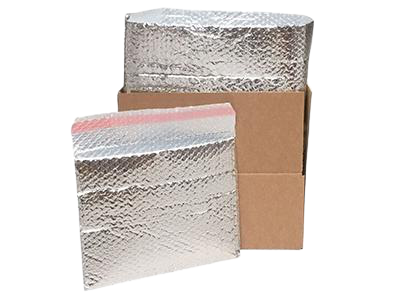
insulated mailer bag business can solve more than one problem at once when you specify it well. It can protect temperature, improve handling speed, support your brand, and fit 2026 expectations around cleaner documentation and smarter waste reduction. The strongest version is not the cheapest, thickest, or most heavily marketed one. It is the one aligned with your route, payload, user behavior, supplier capability, and compliance market.
What this article will help you answer
• how to define a high-performing insulated mailer bag business for your exact lane and audience
• which material, closure, size, and branding choices create the best balance of performance and cost
• how to compare supplier quality, compliance records, and claim credibility with less guesswork
• which 2026 market and sustainability shifts should change the way you write your next RFQ
What defines a high-performing Insulated Mailer Bag Business in 2026?
A high-performing insulated mailer bag business is one that works under your real operating conditions and can still be explained clearly to procurement, quality, and commercial teams. That means the product must protect temperature, stay usable in daily handling, and support credible claims around materials and sustainability. Performance in 2026 is operational, technical, and commercial at the same time.
Start with the three questions that matter most. What are you moving? How long is the route or holding window? Who actually uses the bag? Once those answers are clear, you can translate them into size, insulation, liner, closure, branding, and document requirements. FAO reports that 13.2 percent of food is still lost before retail, while UNEP's latest reporting says 19 percent is wasted at retail, food service, and household level. FDA transportation guidance continues to center on appropriate temperature control, sanitary handling, packaging quality, and clear communication between shipper, carrier, and receiver. That is why buyers are putting more weight on validated temperature retention, easier cleaning, and route-specific packaging choices. When the product brief answers those realities early, sampling improves and internal approval gets much easier.
Quick self-check before you write the RFQ
If the route is short but visibility matters, prioritize shape, print finish, and ease of use. If the route is long or variable, prioritize thermal validation, closure discipline, and payload fit. If the bag is reused daily, cleaning and durability move to the front of the spec. If export or food-contact rules matter, documentation must be planned from the start. This simple self-check prevents vague briefs and expensive revisions.
| If Your Priority Is | You Should Focus On | Common Mistake | What It Means for You |
| Thermal consistency | Route-fit insulation, closure quality, and realistic validation | Buying on wall thickness alone | You protect product quality with fewer assumptions |
| Fast operations | Opening size, stability, loading flow, and easy cleaning | Ignoring how staff actually handle the bag | You save labor and reduce misuse |
| Brand impact | Print method, panel placement, and surface durability | Oversized graphics on unstable materials | Your branding stays cleaner and more premium |
| Sustainability credibility | Reuse logic, simpler structure, or validated recycled content | Making claims the user cannot actually follow | You build a story buyers can trust |
Practical tips
• Turn one real operating lane into the reference scenario for supplier comparison.
• Write the approval questions before you request the quotation.
• Use the first brief to align procurement, quality, and marketing rather than fixing disagreements after sampling.
Practical example: The projects that move fastest are usually the ones where the buyer defines the operating reality first and lets the product specification follow that reality.
Which material and structure choices matter most?
Material choice matters, but structure matters just as much. The outer layer, insulation type, liner, closure, and base all interact. A strong material stack can underperform if the bag is the wrong size, the closure leaks, or the bag collapses in normal use. That is why the best specification looks at the full build rather than one hero material.
For most projects, paper or poly outer shell, insulated liner, adhesive closure, optional leak containment, and pack-out compatibility with gel packs or other coolants is a workable starting point. From there, adjust the structure based on route length, reuse rate, and presentation goals. Closed-cell insulation often helps because it resists moisture and recovers shape better. A cleaner liner helps daily hygiene and odor control. A stronger base reduces sagging, which improves carrying comfort and helps the bag keep its intended internal air pattern. These details are easy to overlook and very expensive to fix later.
How do you balance performance, print, and everyday handling?
The best balance comes from choosing the fewest features that reliably solve the job. If branding is part of the order, make sure artwork approval, print method, and rub resistance are treated as working specifications, not afterthoughts. If you need logos, route codes, or private-label marks, confirm the print method, color system, and carton labeling before you release the order. If the product is meant to be reused, the surface should still look acceptable after moisture, rubbing, and repeated carrying. In practical buying, durable presentation is part of value, not just decoration.
| Layer or Choice | Common Options | What It Changes | What It Means for You |
| Outer shell | Kraft paper or poly film | Print look, puncture risk, and moisture handling | Choose the surface that fits your brand and courier reality |
| Insulation core | Foam, bubble, or fiber-based liner | Thermal hold time and pack thickness | Do not compare mailers on thickness alone |
| Closure | Peel-and-seal strip or dual-seal format | Seal confidence and pack speed | A weak seal can cancel out good insulation |
| Coolant interface | Loose, pocketed, or segmented placement | Temperature stability during transit | Pack-out design matters as much as the mailer |
Practical tips
• Choose a bag size around the most common order, not the most extreme one.
• Validate the chosen print method on the exact surface finish you plan to mass produce.
• Review closure feel with gloved hands or wet hands if that matches the use environment.
Practical example: A tighter, more disciplined build often outperforms a feature-heavy design because the user can operate it correctly every single time.
How do you compare supplier quality, compliance, and branding?
A good supplier does three things well: they explain the structure clearly, they support claims with evidence, and they keep production repeatable. That combination matters more than a perfect first sample without a stable system behind it. In 2026, supplier quality is judged by communication discipline as much as by the finished item.
When you compare suppliers, ask for one common quotation structure, one common sample brief, and one common document list. Updated European food-contact guidance in 2026 repeats a simple rule: packaging must not release substances that endanger health or change the food's taste, smell, or composition. BRCGS Packaging Materials is now in Issue 7 and remains a widely recognized benchmark for quality assurance and legal compliance across the packaging supply chain. ASTM D3103 remains a useful reference point because it evaluates thermal insulation performance under changing ambient conditions rather than relying on a single static claim. Taken together, these signals push buyers toward evidence-based specifications instead of vague marketing language. Then check how each supplier handles questions about lead time risk, production tolerance, print control, carton packing, and revision history. A future-safe supplier is not just manufacturing a bag; they are managing repeatability across orders.
What should your approval package contain?
Your approval package should include the specification sheet, artwork record, sample approval notes, test references, and the key declarations that match the intended market and use. If the product supports a branded program, add print placement standards and acceptable appearance notes. If the product supports daily operations, include durability checkpoints and cleaning expectations. This package becomes the memory of the project and the safeguard for future reorders.
| Document or Standard | Why It Matters | When to Ask For It | What It Means for You |
| Food-contact declaration | Confirms material suitability for the intended food-side use | Any time the liner may touch unpackaged food or food-contact surfaces | You reduce regulatory and brand risk |
| BRCGS or equivalent packaging controls | Shows organized quality and legal compliance systems | When you need stronger supplier governance | You get more confidence in recurring orders |
| Test method reference | Connects claims to a recognized procedure | When a supplier talks about thermal or transport performance | You compare like with like |
| Chemical compliance statement | Covers market-specific restricted substance expectations | When exporting into stricter markets | You avoid late-stage approval problems |
Practical tips
• Do not approve mass production from a hand-made look sample if the construction will change on the line.
• Store approved color references, measurements, and critical quality notes in one version-controlled file.
• Treat supplier transparency during revisions as a buying advantage, not an inconvenience.
Practical example: Strong approval files reduce friction later because everyone can return to one agreed standard when questions appear during reorder or scale-up.
How can you lower total cost without cutting performance?
The biggest cost wins usually come from smarter design and fewer mistakes, not from the smallest unit price. You lower total cost by rightsizing the product, preventing failures, simplifying pack-out, and making reorders easier to repeat. That is a better savings path than stripping the spec until the bag starts creating complaints.
Rightsizing reduces unused air space, improves payload stability, and often cuts material use. Better closure control reduces temperature loss and user error. A cleaner RFQ shortens sample loops and avoids expensive last-minute changes. If the bag is reused, stronger seam and handle performance can lower replacement frequency enough to outweigh a slightly higher first cost. If the product is branded, better print durability can protect campaign value and reduce reject rates.
Which cost leaks are easiest to miss?
The easiest leaks to miss are slow packing, excess carton volume, weak closure quality, and poor reorder consistency. These problems rarely stand out on the first quote, but they show up later as labor drag, replacement cost, shipping inefficiency, and quality disputes. A mature buying process tries to remove these hidden costs early. That is why mid-spec products with better process control often win commercially.
| Cost Lever | How to Improve It | Hidden Risk if Ignored | What It Means for You |
| Bag size | Match the common payload more closely | Oversized bag wastes material and weakens thermal behavior | Better value and easier packing |
| Closure and opening | Choose faster, more repeatable access | Slow or incomplete closure causes heat loss and operator shortcuts | Fewer complaints and smoother training |
| Durability | Strengthen known stress points | Cheap components drive replacement cost | Lower lifecycle spend |
| Documentation | Standardize artwork, test, and carton records | Reorders drift away from the approved version | More stable supply at scale |
Practical tips
• Evaluate cost over the expected life or reorder cycle, not only at the first purchase moment.
• Ask how the bag will be packed into export cartons because carton efficiency changes freight cost quickly.
• Link any cost-down exercise to a fresh validation sample so savings do not quietly damage performance.
Practical example: Many buyers find that one clean redesign of size, closure, and packing pattern creates more savings than repeated unit-price pressure on a weak specification.
Which 2026 trends should change your next RFQ?
Your next RFQ should reflect the fact that the market now values proof, usability, and claim discipline more than vague feature language. That means route-like testing, clearer food-contact thinking, better reuse logic, and more honest sustainability positioning. These trends are not abstract. They directly affect approval speed and buyer confidence.
The EU Packaging and Packaging Waste Regulation entered into force on February 11, 2025 and generally applies from August 12, 2026, pushing buyers toward lower waste, better recyclability, and cleaner material declarations. EPA guidance now clearly ranks reusable food service ware first when a real collection and washing system exists, with compostable formats making sense only when commercial composting is actually available. Updated European food-contact guidance in 2026 repeats a simple rule: packaging must not release substances that endanger health or change the food's taste, smell, or composition. The strongest sustainability claim in 2026 is the one you can actually operate and document. At the same time, buyers are paying closer attention to supplier governance and recognized packaging standards, because documentation quality now influences commercial trust. Route-fit proof is also becoming more common. Instead of asking 'how many hours does it last,' stronger RFQs ask 'under which exact conditions does it pass?' That one change makes supplier comparison much stronger.
How should you update the RFQ for 2026?
Add four things if they are missing: a defined operating scenario, a named thermal or handling validation method, a short compliance checklist, and a primary sustainability story that matches reality. If the project is branded, add print durability expectations too. These updates make the RFQ feel more demanding, but they usually reduce confusion, improve samples, and shorten the path to a repeatable product.
| 2026 RFQ Upgrade | Why It Matters Now | What to Include | What It Means for You |
| Scenario definition | Generic briefs are failing more often | Payload, route time, ambient range, and user pattern | Sharper supplier comparison |
| Validation logic | Buyers want proof, not slogans | Named thermal and handling checks | Claims become easier to trust |
| Compliance scope | Market expectations are tightening | Food-contact, material, and claim documents | Fewer late approvals issues |
| Sustainability path | Policy and buyer pressure are increasing | Reuse, recycled content, or disposal logic | More credible positioning |
Practical tips
• Use one primary operating scenario as the base case and keep edge cases separate.
• Let compliance and quality teams review the brief before sampling begins.
• Choose a sustainability story that your end user can actually follow in practice.
Practical example: When teams modernize the RFQ itself, the whole development cycle often gets calmer because fewer assumptions survive into sampling and production.
2026 developments and trends
The strongest 2026 products sit where technical fit, buyer trust, and operational simplicity overlap. That is the standard your optimized insulated mailer bag business brief should now target.
• Proof-based thermal claims are replacing broad, unqualified insulation language.
• Cleaner material stories and realistic reuse logic are becoming more commercially valuable than overloaded green messaging.
• Supplier repeatability, documentation discipline, and speed of correction are now major buying criteria.
If you build your next order around those three shifts, you will usually get a product that is easier to approve, easier to operate, and easier to reorder.
Frequently asked questions
What is the first thing to define for insulated mailer bag business? Define the dominant operating scenario first: payload, route time, ambient range, and who uses the product. Most later decisions depend on that one frame.
How should I choose between supplier quotes? Compare them against the same brief, sample logic, and document list. The quote becomes meaningful only when the assumptions are the same.
What makes a sustainability claim credible in 2026? A credible claim matches the real product structure and the real disposal or reuse path available to the user. Simpler and provable usually wins.
When does branding become a technical issue? As soon as decoration affects appearance after moisture, abrasion, folding, or repeated use. In real projects, print durability is part of quality.
What is the smartest next step before a bulk order? Approve a production-like sample using the real loading method and check it against the full brief: performance, usability, print, and documentation.
Summary and recommendation
The optimized approach to insulated mailer bag business is to align product design, material logic, validation, supplier process, and market claims around one clear operating reality. That gives you a product that performs better, costs less over time, and stands up more confidently in 2026 buying conversations.
Turn your next brief into a working document with route data, material priorities, validation steps, compliance scope, and brand expectations. Request a mailer cost model, pack-out matrix, and transit validation plan.
About Tempk
Tempk develops insulated packaging and carrying solutions with an emphasis on practical cold-chain performance, easier specification control, and more repeatable sourcing. We focus on the details that help buyers move from a generic product request to a commercial specification that works in the field.
Request a mailer cost model, pack-out matrix, and transit validation plan.
Insulated Grocery Bag Business: Complete Guide

insulated grocery bag business can solve more than one problem at once when you specify it well. It can protect temperature, improve handling speed, support your brand, and fit 2026 expectations around cleaner documentation and smarter waste reduction. The strongest version is not the cheapest, thickest, or most heavily marketed one. It is the one aligned with your route, payload, user behavior, supplier capability, and compliance market.
What this article will help you answer
• how to define a high-performing insulated grocery bag business for your exact lane and audience
• which material, closure, size, and branding choices create the best balance of performance and cost
• how to compare supplier quality, compliance records, and claim credibility with less guesswork
• which 2026 market and sustainability shifts should change the way you write your next RFQ
What defines a high-performing Insulated Grocery Bag Business in 2026?
A high-performing insulated grocery bag business is one that works under your real operating conditions and can still be explained clearly to procurement, quality, and commercial teams. That means the product must protect temperature, stay usable in daily handling, and support credible claims around materials and sustainability. Performance in 2026 is operational, technical, and commercial at the same time.
Start with the three questions that matter most. What are you moving? How long is the route or holding window? Who actually uses the bag? Once those answers are clear, you can translate them into size, insulation, liner, closure, branding, and document requirements. FAO reports that 13.2 percent of food is still lost before retail, while UNEP's latest reporting says 19 percent is wasted at retail, food service, and household level. FDA transportation guidance continues to center on appropriate temperature control, sanitary handling, packaging quality, and clear communication between shipper, carrier, and receiver. That is why buyers are putting more weight on validated temperature retention, easier cleaning, and route-specific packaging choices. When the product brief answers those realities early, sampling improves and internal approval gets much easier.
Quick self-check before you write the RFQ
If the route is short but visibility matters, prioritize shape, print finish, and ease of use. If the route is long or variable, prioritize thermal validation, closure discipline, and payload fit. If the bag is reused daily, cleaning and durability move to the front of the spec. If export or food-contact rules matter, documentation must be planned from the start. This simple self-check prevents vague briefs and expensive revisions.
| If Your Priority Is | You Should Focus On | Common Mistake | What It Means for You |
| Thermal consistency | Route-fit insulation, closure quality, and realistic validation | Buying on wall thickness alone | You protect product quality with fewer assumptions |
| Fast operations | Opening size, stability, loading flow, and easy cleaning | Ignoring how staff actually handle the bag | You save labor and reduce misuse |
| Brand impact | Print method, panel placement, and surface durability | Oversized graphics on unstable materials | Your branding stays cleaner and more premium |
| Sustainability credibility | Reuse logic, simpler structure, or validated recycled content | Making claims the user cannot actually follow | You build a story buyers can trust |
Practical tips
• Turn one real operating lane into the reference scenario for supplier comparison.
• Write the approval questions before you request the quotation.
• Use the first brief to align procurement, quality, and marketing rather than fixing disagreements after sampling.
Practical example: The projects that move fastest are usually the ones where the buyer defines the operating reality first and lets the product specification follow that reality.
Which material and structure choices matter most?
Material choice matters, but structure matters just as much. The outer layer, insulation type, liner, closure, and base all interact. A strong material stack can underperform if the bag is the wrong size, the closure leaks, or the bag collapses in normal use. That is why the best specification looks at the full build rather than one hero material.
For most projects, wide-gusset outer fabric, medium-density insulation, upright base support, zipper or fold-over closure, and handles sized for heavier grocery loads is a workable starting point. From there, adjust the structure based on route length, reuse rate, and presentation goals. Closed-cell insulation often helps because it resists moisture and recovers shape better. A cleaner liner helps daily hygiene and odor control. A stronger base reduces sagging, which improves carrying comfort and helps the bag keep its intended internal air pattern. These details are easy to overlook and very expensive to fix later.
How do you balance performance, print, and everyday handling?
The best balance comes from choosing the fewest features that reliably solve the job. If branding is part of the order, make sure artwork approval, print method, and rub resistance are treated as working specifications, not afterthoughts. If you need logos, route codes, or private-label marks, confirm the print method, color system, and carton labeling before you release the order. If the product is meant to be reused, the surface should still look acceptable after moisture, rubbing, and repeated carrying. In practical buying, durable presentation is part of value, not just decoration.
| Part | Common Options | What It Changes | What It Means for You |
| Outer fabric | Nonwoven PP, polyester, or RPET | Durability, look, and print quality | Your outer layer should match how often the bag is reused |
| Insulation core | EPE, XPE, EPP, or fiber layers | Hold time, bag stiffness, and cost | Insulation type matters more than thickness alone |
| Inner liner | Foil, PEVA, or easy-clean film | Cleaning ease and moisture handling | A better liner reduces odor and service friction |
| Closure and base | Zipper, flap, hard base, or fold top | Heat leakage and carry stability | A poor closure can waste a good insulation budget |
Practical tips
• Choose a bag size around the most common order, not the most extreme one.
• Validate the chosen print method on the exact surface finish you plan to mass produce.
• Review closure feel with gloved hands or wet hands if that matches the use environment.
Practical example: A tighter, more disciplined build often outperforms a feature-heavy design because the user can operate it correctly every single time.
How do you compare supplier quality, compliance, and branding?
A good supplier does three things well: they explain the structure clearly, they support claims with evidence, and they keep production repeatable. That combination matters more than a perfect first sample without a stable system behind it. In 2026, supplier quality is judged by communication discipline as much as by the finished item.
When you compare suppliers, ask for one common quotation structure, one common sample brief, and one common document list. Updated European food-contact guidance in 2026 repeats a simple rule: packaging must not release substances that endanger health or change the food's taste, smell, or composition. BRCGS Packaging Materials is now in Issue 7 and remains a widely recognized benchmark for quality assurance and legal compliance across the packaging supply chain. ASTM D3103 remains a useful reference point because it evaluates thermal insulation performance under changing ambient conditions rather than relying on a single static claim. Taken together, these signals push buyers toward evidence-based specifications instead of vague marketing language. Then check how each supplier handles questions about lead time risk, production tolerance, print control, carton packing, and revision history. A future-safe supplier is not just manufacturing a bag; they are managing repeatability across orders.
What should your approval package contain?
Your approval package should include the specification sheet, artwork record, sample approval notes, test references, and the key declarations that match the intended market and use. If the product supports a branded program, add print placement standards and acceptable appearance notes. If the product supports daily operations, include durability checkpoints and cleaning expectations. This package becomes the memory of the project and the safeguard for future reorders.
| Document or Standard | Why It Matters | When to Ask For It | What It Means for You |
| Food-contact declaration | Confirms material suitability for the intended food-side use | Any time the liner may touch unpackaged food or food-contact surfaces | You reduce regulatory and brand risk |
| BRCGS or equivalent packaging controls | Shows organized quality and legal compliance systems | When you need stronger supplier governance | You get more confidence in recurring orders |
| Test method reference | Connects claims to a recognized procedure | When a supplier talks about thermal or transport performance | You compare like with like |
| Chemical compliance statement | Covers market-specific restricted substance expectations | When exporting into stricter markets | You avoid late-stage approval problems |
Practical tips
• Do not approve mass production from a hand-made look sample if the construction will change on the line.
• Store approved color references, measurements, and critical quality notes in one version-controlled file.
• Treat supplier transparency during revisions as a buying advantage, not an inconvenience.
Practical example: Strong approval files reduce friction later because everyone can return to one agreed standard when questions appear during reorder or scale-up.
How can you lower total cost without cutting performance?
The biggest cost wins usually come from smarter design and fewer mistakes, not from the smallest unit price. You lower total cost by rightsizing the product, preventing failures, simplifying pack-out, and making reorders easier to repeat. That is a better savings path than stripping the spec until the bag starts creating complaints.
Rightsizing reduces unused air space, improves payload stability, and often cuts material use. Better closure control reduces temperature loss and user error. A cleaner RFQ shortens sample loops and avoids expensive last-minute changes. If the bag is reused, stronger seam and handle performance can lower replacement frequency enough to outweigh a slightly higher first cost. If the product is branded, better print durability can protect campaign value and reduce reject rates.
Which cost leaks are easiest to miss?
The easiest leaks to miss are slow packing, excess carton volume, weak closure quality, and poor reorder consistency. These problems rarely stand out on the first quote, but they show up later as labor drag, replacement cost, shipping inefficiency, and quality disputes. A mature buying process tries to remove these hidden costs early. That is why mid-spec products with better process control often win commercially.
| Cost Lever | How to Improve It | Hidden Risk if Ignored | What It Means for You |
| Bag size | Match the common payload more closely | Oversized bag wastes material and weakens thermal behavior | Better value and easier packing |
| Closure and opening | Choose faster, more repeatable access | Slow or incomplete closure causes heat loss and operator shortcuts | Fewer complaints and smoother training |
| Durability | Strengthen known stress points | Cheap components drive replacement cost | Lower lifecycle spend |
| Documentation | Standardize artwork, test, and carton records | Reorders drift away from the approved version | More stable supply at scale |
Practical tips
• Evaluate cost over the expected life or reorder cycle, not only at the first purchase moment.
• Ask how the bag will be packed into export cartons because carton efficiency changes freight cost quickly.
• Link any cost-down exercise to a fresh validation sample so savings do not quietly damage performance.
Practical example: Many buyers find that one clean redesign of size, closure, and packing pattern creates more savings than repeated unit-price pressure on a weak specification.
Which 2026 trends should change your next RFQ?
Your next RFQ should reflect the fact that the market now values proof, usability, and claim discipline more than vague feature language. That means route-like testing, clearer food-contact thinking, better reuse logic, and more honest sustainability positioning. These trends are not abstract. They directly affect approval speed and buyer confidence.
The EU Packaging and Packaging Waste Regulation entered into force on February 11, 2025 and generally applies from August 12, 2026, pushing buyers toward lower waste, better recyclability, and cleaner material declarations. EPA guidance now clearly ranks reusable food service ware first when a real collection and washing system exists, with compostable formats making sense only when commercial composting is actually available. Updated European food-contact guidance in 2026 repeats a simple rule: packaging must not release substances that endanger health or change the food's taste, smell, or composition. The strongest sustainability claim in 2026 is the one you can actually operate and document. At the same time, buyers are paying closer attention to supplier governance and recognized packaging standards, because documentation quality now influences commercial trust. Route-fit proof is also becoming more common. Instead of asking 'how many hours does it last,' stronger RFQs ask 'under which exact conditions does it pass?' That one change makes supplier comparison much stronger.
How should you update the RFQ for 2026?
Add four things if they are missing: a defined operating scenario, a named thermal or handling validation method, a short compliance checklist, and a primary sustainability story that matches reality. If the project is branded, add print durability expectations too. These updates make the RFQ feel more demanding, but they usually reduce confusion, improve samples, and shorten the path to a repeatable product.
| 2026 RFQ Upgrade | Why It Matters Now | What to Include | What It Means for You |
| Scenario definition | Generic briefs are failing more often | Payload, route time, ambient range, and user pattern | Sharper supplier comparison |
| Validation logic | Buyers want proof, not slogans | Named thermal and handling checks | Claims become easier to trust |
| Compliance scope | Market expectations are tightening | Food-contact, material, and claim documents | Fewer late approvals issues |
| Sustainability path | Policy and buyer pressure are increasing | Reuse, recycled content, or disposal logic | More credible positioning |
Practical tips
• Use one primary operating scenario as the base case and keep edge cases separate.
• Let compliance and quality teams review the brief before sampling begins.
• Choose a sustainability story that your end user can actually follow in practice.
Practical example: When teams modernize the RFQ itself, the whole development cycle often gets calmer because fewer assumptions survive into sampling and production.
2026 developments and trends
The strongest 2026 products sit where technical fit, buyer trust, and operational simplicity overlap. That is the standard your optimized insulated grocery bag business brief should now target.
• Proof-based thermal claims are replacing broad, unqualified insulation language.
• Cleaner material stories and realistic reuse logic are becoming more commercially valuable than overloaded green messaging.
• Supplier repeatability, documentation discipline, and speed of correction are now major buying criteria.
If you build your next order around those three shifts, you will usually get a product that is easier to approve, easier to operate, and easier to reorder.
Frequently asked questions
What is the first thing to define for insulated grocery bag business? Define the dominant operating scenario first: payload, route time, ambient range, and who uses the product. Most later decisions depend on that one frame.
How should I choose between supplier quotes? Compare them against the same brief, sample logic, and document list. The quote becomes meaningful only when the assumptions are the same.
What makes a sustainability claim credible in 2026? A credible claim matches the real product structure and the real disposal or reuse path available to the user. Simpler and provable usually wins.
When does branding become a technical issue? As soon as decoration affects appearance after moisture, abrasion, folding, or repeated use. In real projects, print durability is part of quality.
What is the smartest next step before a bulk order? Approve a production-like sample using the real loading method and check it against the full brief: performance, usability, print, and documentation.
Summary and recommendation
The optimized approach to insulated grocery bag business is to align product design, material logic, validation, supplier process, and market claims around one clear operating reality. That gives you a product that performs better, costs less over time, and stands up more confidently in 2026 buying conversations.
Turn your next brief into a working document with route data, material priorities, validation steps, compliance scope, and brand expectations. Ask for a grocery bag sizing plan, route fit review, and reuse-cycle estimate.
About Tempk
Tempk develops insulated packaging and carrying solutions with an emphasis on practical cold-chain performance, easier specification control, and more repeatable sourcing. We focus on the details that help buyers move from a generic product request to a commercial specification that works in the field.
Ask for a grocery bag sizing plan, route fit review, and reuse-cycle estimate.
Insulated Grocery Bag Branded: Complete Guide
insulated grocery bag branded can solve more than one problem at once when you specify it well. It can protect temperature, improve handling speed, support your brand, and fit 2026 expectations around cleaner documentation and smarter waste reduction. The strongest version is not the cheapest, thickest, or most heavily marketed one. It is the one aligned with your route, payload, user behavior, supplier capability, and compliance market.
What this article will help you answer
• how to define a high-performing insulated grocery bag branded for your exact lane and audience
• which material, closure, size, and branding choices create the best balance of performance and cost
• how to compare supplier quality, compliance records, and claim credibility with less guesswork
• which 2026 market and sustainability shifts should change the way you write your next RFQ
What defines a high-performing Insulated Grocery Bag Branded in 2026?
A high-performing insulated grocery bag branded is one that works under your real operating conditions and can still be explained clearly to procurement, quality, and commercial teams. That means the product must protect temperature, stay usable in daily handling, and support credible claims around materials and sustainability. Performance in 2026 is operational, technical, and commercial at the same time.
Start with the three questions that matter most. What are you moving? How long is the route or holding window? Who actually uses the bag? Once those answers are clear, you can translate them into size, insulation, liner, closure, branding, and document requirements. The EU Packaging and Packaging Waste Regulation entered into force on February 11, 2025 and generally applies from August 12, 2026, pushing buyers toward lower waste, better recyclability, and cleaner material declarations. EPA guidance now clearly ranks reusable food service ware first when a real collection and washing system exists, with compostable formats making sense only when commercial composting is actually available. This matters because branded packaging now has to do more than look good; it has to fit a believable reuse or disposal story. When the product brief answers those realities early, sampling improves and internal approval gets much easier.
Quick self-check before you write the RFQ
If the route is short but visibility matters, prioritize shape, print finish, and ease of use. If the route is long or variable, prioritize thermal validation, closure discipline, and payload fit. If the bag is reused daily, cleaning and durability move to the front of the spec. If export or food-contact rules matter, documentation must be planned from the start. This simple self-check prevents vague briefs and expensive revisions.
| If Your Priority Is | You Should Focus On | Common Mistake | What It Means for You |
| Thermal consistency | Route-fit insulation, closure quality, and realistic validation | Buying on wall thickness alone | You protect product quality with fewer assumptions |
| Fast operations | Opening size, stability, loading flow, and easy cleaning | Ignoring how staff actually handle the bag | You save labor and reduce misuse |
| Brand impact | Print method, panel placement, and surface durability | Oversized graphics on unstable materials | Your branding stays cleaner and more premium |
| Sustainability credibility | Reuse logic, simpler structure, or validated recycled content | Making claims the user cannot actually follow | You build a story buyers can trust |
Practical tips
• Turn one real operating lane into the reference scenario for supplier comparison.
• Write the approval questions before you request the quotation.
• Use the first brief to align procurement, quality, and marketing rather than fixing disagreements after sampling.
Practical example: The projects that move fastest are usually the ones where the buyer defines the operating reality first and lets the product specification follow that reality.
Which material and structure choices matter most?
Material choice matters, but structure matters just as much. The outer layer, insulation type, liner, closure, and base all interact. A strong material stack can underperform if the bag is the wrong size, the closure leaks, or the bag collapses in normal use. That is why the best specification looks at the full build rather than one hero material.
For most projects, reusable outer fabric, foam insulation, gusseted structure, sturdy handles, and print surfaces large enough for a store logo and campaign message is a workable starting point. From there, adjust the structure based on route length, reuse rate, and presentation goals. Closed-cell insulation often helps because it resists moisture and recovers shape better. A cleaner liner helps daily hygiene and odor control. A stronger base reduces sagging, which improves carrying comfort and helps the bag keep its intended internal air pattern. These details are easy to overlook and very expensive to fix later.
How do you balance performance, print, and everyday handling?
The best balance comes from choosing the fewest features that reliably solve the job. Branding should support use, not fight it. Clean print zones, repeatable color approval, and decoration methods that survive moisture and abrasion matter more than oversized graphics. For decoration, compare screen print, heat transfer, digital transfer, or woven/stitched labels based on order size, color detail, and how wet or rough the bag will get. If the product is meant to be reused, the surface should still look acceptable after moisture, rubbing, and repeated carrying. In practical buying, durable presentation is part of value, not just decoration.
| Part | Common Options | What It Changes | What It Means for You |
| Outer fabric | Nonwoven PP, polyester, or RPET | Durability, look, and print quality | Your outer layer should match how often the bag is reused |
| Insulation core | EPE, XPE, EPP, or fiber layers | Hold time, bag stiffness, and cost | Insulation type matters more than thickness alone |
| Inner liner | Foil, PEVA, or easy-clean film | Cleaning ease and moisture handling | A better liner reduces odor and service friction |
| Closure and base | Zipper, flap, hard base, or fold top | Heat leakage and carry stability | A poor closure can waste a good insulation budget |
Practical tips
• Choose a bag size around the most common order, not the most extreme one.
• Validate the chosen print method on the exact surface finish you plan to mass produce.
• Review closure feel with gloved hands or wet hands if that matches the use environment.
Practical example: A tighter, more disciplined build often outperforms a feature-heavy design because the user can operate it correctly every single time.
How do you compare supplier quality, compliance, and branding?
A good supplier does three things well: they explain the structure clearly, they support claims with evidence, and they keep production repeatable. That combination matters more than a perfect first sample without a stable system behind it. In 2026, supplier quality is judged by communication discipline as much as by the finished item.
When you compare suppliers, ask for one common quotation structure, one common sample brief, and one common document list. Updated European food-contact guidance in 2026 repeats a simple rule: packaging must not release substances that endanger health or change the food's taste, smell, or composition. BRCGS Packaging Materials is now in Issue 7 and remains a widely recognized benchmark for quality assurance and legal compliance across the packaging supply chain. ASTM D3103 remains a useful reference point because it evaluates thermal insulation performance under changing ambient conditions rather than relying on a single static claim. Taken together, these signals push buyers toward evidence-based specifications instead of vague marketing language. Then check how each supplier handles questions about lead time risk, production tolerance, print control, carton packing, and revision history. A future-safe supplier is not just manufacturing a bag; they are managing repeatability across orders.
What should your approval package contain?
Your approval package should include the specification sheet, artwork record, sample approval notes, test references, and the key declarations that match the intended market and use. If the product supports a branded program, add print placement standards and acceptable appearance notes. If the product supports daily operations, include durability checkpoints and cleaning expectations. This package becomes the memory of the project and the safeguard for future reorders.
| Document or Standard | Why It Matters | When to Ask For It | What It Means for You |
| Food-contact declaration | Confirms material suitability for the intended food-side use | Any time the liner may touch unpackaged food or food-contact surfaces | You reduce regulatory and brand risk |
| BRCGS or equivalent packaging controls | Shows organized quality and legal compliance systems | When you need stronger supplier governance | You get more confidence in recurring orders |
| Test method reference | Connects claims to a recognized procedure | When a supplier talks about thermal or transport performance | You compare like with like |
| Chemical compliance statement | Covers market-specific restricted substance expectations | When exporting into stricter markets | You avoid late-stage approval problems |
Practical tips
• Do not approve mass production from a hand-made look sample if the construction will change on the line.
• Store approved color references, measurements, and critical quality notes in one version-controlled file.
• Treat supplier transparency during revisions as a buying advantage, not an inconvenience.
Practical example: Strong approval files reduce friction later because everyone can return to one agreed standard when questions appear during reorder or scale-up.
How can you lower total cost without cutting performance?
The biggest cost wins usually come from smarter design and fewer mistakes, not from the smallest unit price. You lower total cost by rightsizing the product, preventing failures, simplifying pack-out, and making reorders easier to repeat. That is a better savings path than stripping the spec until the bag starts creating complaints.
Rightsizing reduces unused air space, improves payload stability, and often cuts material use. Better closure control reduces temperature loss and user error. A cleaner RFQ shortens sample loops and avoids expensive last-minute changes. If the bag is reused, stronger seam and handle performance can lower replacement frequency enough to outweigh a slightly higher first cost. If the product is branded, better print durability can protect campaign value and reduce reject rates.
Which cost leaks are easiest to miss?
The easiest leaks to miss are slow packing, excess carton volume, weak closure quality, and poor reorder consistency. These problems rarely stand out on the first quote, but they show up later as labor drag, replacement cost, shipping inefficiency, and quality disputes. A mature buying process tries to remove these hidden costs early. That is why mid-spec products with better process control often win commercially.
| Cost Lever | How to Improve It | Hidden Risk if Ignored | What It Means for You |
| Bag size | Match the common payload more closely | Oversized bag wastes material and weakens thermal behavior | Better value and easier packing |
| Closure and opening | Choose faster, more repeatable access | Slow or incomplete closure causes heat loss and operator shortcuts | Fewer complaints and smoother training |
| Durability | Strengthen known stress points | Cheap components drive replacement cost | Lower lifecycle spend |
| Documentation | Standardize artwork, test, and carton records | Reorders drift away from the approved version | More stable supply at scale |
Practical tips
• Evaluate cost over the expected life or reorder cycle, not only at the first purchase moment.
• Ask how the bag will be packed into export cartons because carton efficiency changes freight cost quickly.
• Link any cost-down exercise to a fresh validation sample so savings do not quietly damage performance.
Practical example: Many buyers find that one clean redesign of size, closure, and packing pattern creates more savings than repeated unit-price pressure on a weak specification.
Which 2026 trends should change your next RFQ?
Your next RFQ should reflect the fact that the market now values proof, usability, and claim discipline more than vague feature language. That means route-like testing, clearer food-contact thinking, better reuse logic, and more honest sustainability positioning. These trends are not abstract. They directly affect approval speed and buyer confidence.
The EU Packaging and Packaging Waste Regulation entered into force on February 11, 2025 and generally applies from August 12, 2026, pushing buyers toward lower waste, better recyclability, and cleaner material declarations. EPA guidance now clearly ranks reusable food service ware first when a real collection and washing system exists, with compostable formats making sense only when commercial composting is actually available. Updated European food-contact guidance in 2026 repeats a simple rule: packaging must not release substances that endanger health or change the food's taste, smell, or composition. The strongest sustainability claim in 2026 is the one you can actually operate and document. At the same time, buyers are paying closer attention to supplier governance and recognized packaging standards, because documentation quality now influences commercial trust. Route-fit proof is also becoming more common. Instead of asking 'how many hours does it last,' stronger RFQs ask 'under which exact conditions does it pass?' That one change makes supplier comparison much stronger.
How should you update the RFQ for 2026?
Add four things if they are missing: a defined operating scenario, a named thermal or handling validation method, a short compliance checklist, and a primary sustainability story that matches reality. If the project is branded, add print durability expectations too. These updates make the RFQ feel more demanding, but they usually reduce confusion, improve samples, and shorten the path to a repeatable product.
| 2026 RFQ Upgrade | Why It Matters Now | What to Include | What It Means for You |
| Scenario definition | Generic briefs are failing more often | Payload, route time, ambient range, and user pattern | Sharper supplier comparison |
| Validation logic | Buyers want proof, not slogans | Named thermal and handling checks | Claims become easier to trust |
| Compliance scope | Market expectations are tightening | Food-contact, material, and claim documents | Fewer late approvals issues |
| Sustainability path | Policy and buyer pressure are increasing | Reuse, recycled content, or disposal logic | More credible positioning |
Practical tips
• Use one primary operating scenario as the base case and keep edge cases separate.
• Let compliance and quality teams review the brief before sampling begins.
• Choose a sustainability story that your end user can actually follow in practice.
Practical example: When teams modernize the RFQ itself, the whole development cycle often gets calmer because fewer assumptions survive into sampling and production.
2026 developments and trends
The strongest 2026 products sit where technical fit, buyer trust, and operational simplicity overlap. That is the standard your optimized insulated grocery bag branded brief should now target.
• Proof-based thermal claims are replacing broad, unqualified insulation language.
• Cleaner material stories and realistic reuse logic are becoming more commercially valuable than overloaded green messaging.
• Supplier repeatability, documentation discipline, and speed of correction are now major buying criteria.
If you build your next order around those three shifts, you will usually get a product that is easier to approve, easier to operate, and easier to reorder.
Frequently asked questions
What is the first thing to define for insulated grocery bag branded? Define the dominant operating scenario first: payload, route time, ambient range, and who uses the product. Most later decisions depend on that one frame.
How should I choose between supplier quotes? Compare them against the same brief, sample logic, and document list. The quote becomes meaningful only when the assumptions are the same.
What makes a sustainability claim credible in 2026? A credible claim matches the real product structure and the real disposal or reuse path available to the user. Simpler and provable usually wins.
When does branding become a technical issue? As soon as decoration affects appearance after moisture, abrasion, folding, or repeated use. In real projects, print durability is part of quality.
What is the smartest next step before a bulk order? Approve a production-like sample using the real loading method and check it against the full brief: performance, usability, print, and documentation.
Summary and recommendation
The optimized approach to insulated grocery bag branded is to align product design, material logic, validation, supplier process, and market claims around one clear operating reality. That gives you a product that performs better, costs less over time, and stands up more confidently in 2026 buying conversations.
Turn your next brief into a working document with route data, material priorities, validation steps, compliance scope, and brand expectations. Ask for artwork placement advice, reuse-focused construction options, and a campaign cost comparison.
About Tempk
Tempk develops insulated packaging and carrying solutions with an emphasis on practical cold-chain performance, easier specification control, and more repeatable sourcing. We focus on the details that help buyers move from a generic product request to a commercial specification that works in the field.
Ask for artwork placement advice, reuse-focused construction options, and a campaign cost comparison.
Insulated Delivery Bag B2B: Complete 2026 Guide
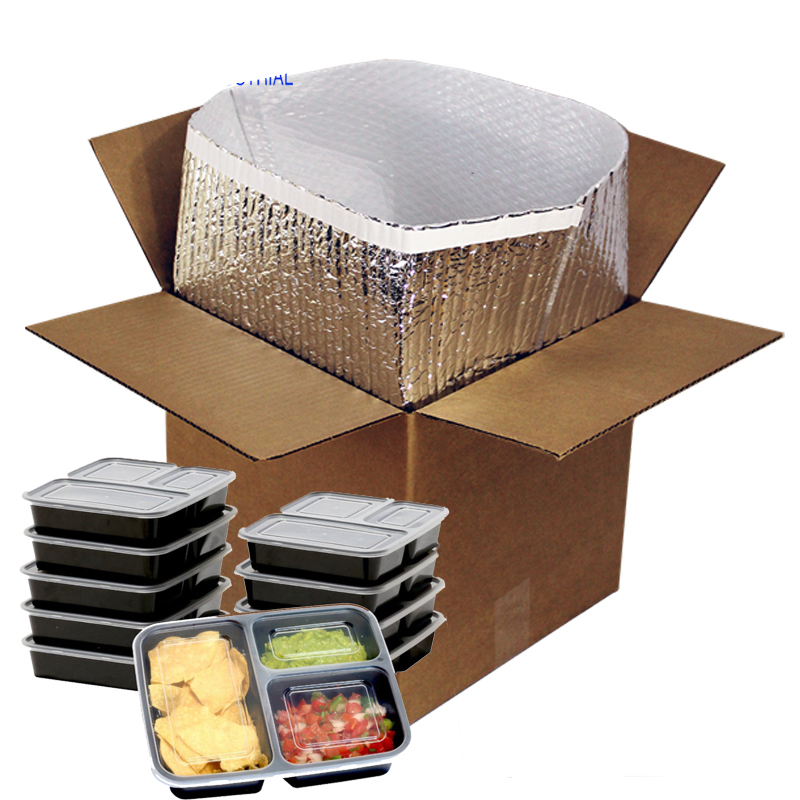
insulated delivery bag B2B can solve more than one problem at once when you specify it well. It can protect temperature, improve handling speed, support your brand, and fit 2026 expectations around cleaner documentation and smarter waste reduction. The strongest version is not the cheapest, thickest, or most heavily marketed one. It is the one aligned with your route, payload, user behavior, supplier capability, and compliance market.
What this article will help you answer
• how to define a high-performing insulated delivery bag B2B for your exact lane and audience
• which material, closure, size, and branding choices create the best balance of performance and cost
• how to compare supplier quality, compliance records, and claim credibility with less guesswork
• which 2026 market and sustainability shifts should change the way you write your next RFQ
What defines a high-performing Insulated Delivery Bag B2B in 2026?
A high-performing insulated delivery bag B2B is one that works under your real operating conditions and can still be explained clearly to procurement, quality, and commercial teams. That means the product must protect temperature, stay usable in daily handling, and support credible claims around materials and sustainability. Performance in 2026 is operational, technical, and commercial at the same time.
Start with the three questions that matter most. What are you moving? How long is the route or holding window? Who actually uses the bag? Once those answers are clear, you can translate them into size, insulation, liner, closure, branding, and document requirements. FAO reports that 13.2 percent of food is still lost before retail, while UNEP's latest reporting says 19 percent is wasted at retail, food service, and household level. FDA transportation guidance continues to center on appropriate temperature control, sanitary handling, packaging quality, and clear communication between shipper, carrier, and receiver. That is why buyers are putting more weight on validated temperature retention, easier cleaning, and route-specific packaging choices. When the product brief answers those realities early, sampling improves and internal approval gets much easier.
Quick self-check before you write the RFQ
If the route is short but visibility matters, prioritize shape, print finish, and ease of use. If the route is long or variable, prioritize thermal validation, closure discipline, and payload fit. If the bag is reused daily, cleaning and durability move to the front of the spec. If export or food-contact rules matter, documentation must be planned from the start. This simple self-check prevents vague briefs and expensive revisions.
| If Your Priority Is | You Should Focus On | Common Mistake | What It Means for You |
| Thermal consistency | Route-fit insulation, closure quality, and realistic validation | Buying on wall thickness alone | You protect product quality with fewer assumptions |
| Fast operations | Opening size, stability, loading flow, and easy cleaning | Ignoring how staff actually handle the bag | You save labor and reduce misuse |
| Brand impact | Print method, panel placement, and surface durability | Oversized graphics on unstable materials | Your branding stays cleaner and more premium |
| Sustainability credibility | Reuse logic, simpler structure, or validated recycled content | Making claims the user cannot actually follow | You build a story buyers can trust |
Practical tips
• Turn one real operating lane into the reference scenario for supplier comparison.
• Write the approval questions before you request the quotation.
• Use the first brief to align procurement, quality, and marketing rather than fixing disagreements after sampling.
Practical example: The projects that move fastest are usually the ones where the buyer defines the operating reality first and lets the product specification follow that reality.
Which material and structure choices matter most?
Material choice matters, but structure matters just as much. The outer layer, insulation type, liner, closure, and base all interact. A strong material stack can underperform if the bag is the wrong size, the closure leaks, or the bag collapses in normal use. That is why the best specification looks at the full build rather than one hero material.
For most projects, heavy-duty polyester or nonwoven fabric, closed-cell foam insulation, leak-resistant lining, rigid base board, and a closure system that can be opened hundreds of times without early failure is a workable starting point. From there, adjust the structure based on route length, reuse rate, and presentation goals. Closed-cell insulation often helps because it resists moisture and recovers shape better. A cleaner liner helps daily hygiene and odor control. A stronger base reduces sagging, which improves carrying comfort and helps the bag keep its intended internal air pattern. These details are easy to overlook and very expensive to fix later.
How do you balance performance, print, and everyday handling?
The best balance comes from choosing the fewest features that reliably solve the job. Even in operational buying, branding still matters. Clear logos, route labels, or store identity can improve handoff confidence and reuse visibility when they are built into the spec from the start. If you need logos, route codes, or private-label marks, confirm the print method, color system, and carton labeling before you release the order. If the product is meant to be reused, the surface should still look acceptable after moisture, rubbing, and repeated carrying. In practical buying, durable presentation is part of value, not just decoration.
| Part | Common Options | What It Changes | What It Means for You |
| Outer fabric | Nonwoven PP, polyester, or RPET | Durability, look, and print quality | Your outer layer should match how often the bag is reused |
| Insulation core | EPE, XPE, EPP, or fiber layers | Hold time, bag stiffness, and cost | Insulation type matters more than thickness alone |
| Inner liner | Foil, PEVA, or easy-clean film | Cleaning ease and moisture handling | A better liner reduces odor and service friction |
| Closure and base | Zipper, flap, hard base, or fold top | Heat leakage and carry stability | A poor closure can waste a good insulation budget |
Practical tips
• Choose a bag size around the most common order, not the most extreme one.
• Validate the chosen print method on the exact surface finish you plan to mass produce.
• Review closure feel with gloved hands or wet hands if that matches the use environment.
Practical example: A tighter, more disciplined build often outperforms a feature-heavy design because the user can operate it correctly every single time.
How do you compare supplier quality, compliance, and branding?
A good supplier does three things well: they explain the structure clearly, they support claims with evidence, and they keep production repeatable. That combination matters more than a perfect first sample without a stable system behind it. In 2026, supplier quality is judged by communication discipline as much as by the finished item.
When you compare suppliers, ask for one common quotation structure, one common sample brief, and one common document list. Updated European food-contact guidance in 2026 repeats a simple rule: packaging must not release substances that endanger health or change the food's taste, smell, or composition. BRCGS Packaging Materials is now in Issue 7 and remains a widely recognized benchmark for quality assurance and legal compliance across the packaging supply chain. ASTM D3103 remains a useful reference point because it evaluates thermal insulation performance under changing ambient conditions rather than relying on a single static claim. Taken together, these signals push buyers toward evidence-based specifications instead of vague marketing language. Then check how each supplier handles questions about lead time risk, production tolerance, print control, carton packing, and revision history. A future-safe supplier is not just manufacturing a bag; they are managing repeatability across orders.
What should your approval package contain?
Your approval package should include the specification sheet, artwork record, sample approval notes, test references, and the key declarations that match the intended market and use. If the product supports a branded program, add print placement standards and acceptable appearance notes. If the product supports daily operations, include durability checkpoints and cleaning expectations. This package becomes the memory of the project and the safeguard for future reorders.
| Document or Standard | Why It Matters | When to Ask For It | What It Means for You |
| Food-contact declaration | Confirms material suitability for the intended food-side use | Any time the liner may touch unpackaged food or food-contact surfaces | You reduce regulatory and brand risk |
| BRCGS or equivalent packaging controls | Shows organized quality and legal compliance systems | When you need stronger supplier governance | You get more confidence in recurring orders |
| Test method reference | Connects claims to a recognized procedure | When a supplier talks about thermal or transport performance | You compare like with like |
| Chemical compliance statement | Covers market-specific restricted substance expectations | When exporting into stricter markets | You avoid late-stage approval problems |
Practical tips
• Do not approve mass production from a hand-made look sample if the construction will change on the line.
• Store approved color references, measurements, and critical quality notes in one version-controlled file.
• Treat supplier transparency during revisions as a buying advantage, not an inconvenience.
Practical example: Strong approval files reduce friction later because everyone can return to one agreed standard when questions appear during reorder or scale-up.
How can you lower total cost without cutting performance?
The biggest cost wins usually come from smarter design and fewer mistakes, not from the smallest unit price. You lower total cost by rightsizing the product, preventing failures, simplifying pack-out, and making reorders easier to repeat. That is a better savings path than stripping the spec until the bag starts creating complaints.
Rightsizing reduces unused air space, improves payload stability, and often cuts material use. Better closure control reduces temperature loss and user error. A cleaner RFQ shortens sample loops and avoids expensive last-minute changes. If the bag is reused, stronger seam and handle performance can lower replacement frequency enough to outweigh a slightly higher first cost. If the product is branded, better print durability can protect campaign value and reduce reject rates.
Which cost leaks are easiest to miss?
The easiest leaks to miss are slow packing, excess carton volume, weak closure quality, and poor reorder consistency. These problems rarely stand out on the first quote, but they show up later as labor drag, replacement cost, shipping inefficiency, and quality disputes. A mature buying process tries to remove these hidden costs early. That is why mid-spec products with better process control often win commercially.
| Cost Lever | How to Improve It | Hidden Risk if Ignored | What It Means for You |
| Bag size | Match the common payload more closely | Oversized bag wastes material and weakens thermal behavior | Better value and easier packing |
| Closure and opening | Choose faster, more repeatable access | Slow or incomplete closure causes heat loss and operator shortcuts | Fewer complaints and smoother training |
| Durability | Strengthen known stress points | Cheap components drive replacement cost | Lower lifecycle spend |
| Documentation | Standardize artwork, test, and carton records | Reorders drift away from the approved version | More stable supply at scale |
Practical tips
• Evaluate cost over the expected life or reorder cycle, not only at the first purchase moment.
• Ask how the bag will be packed into export cartons because carton efficiency changes freight cost quickly.
• Link any cost-down exercise to a fresh validation sample so savings do not quietly damage performance.
Practical example: Many buyers find that one clean redesign of size, closure, and packing pattern creates more savings than repeated unit-price pressure on a weak specification.
Which 2026 trends should change your next RFQ?
Your next RFQ should reflect the fact that the market now values proof, usability, and claim discipline more than vague feature language. That means route-like testing, clearer food-contact thinking, better reuse logic, and more honest sustainability positioning. These trends are not abstract. They directly affect approval speed and buyer confidence.
The EU Packaging and Packaging Waste Regulation entered into force on February 11, 2025 and generally applies from August 12, 2026, pushing buyers toward lower waste, better recyclability, and cleaner material declarations. EPA guidance now clearly ranks reusable food service ware first when a real collection and washing system exists, with compostable formats making sense only when commercial composting is actually available. Updated European food-contact guidance in 2026 repeats a simple rule: packaging must not release substances that endanger health or change the food's taste, smell, or composition. The strongest sustainability claim in 2026 is the one you can actually operate and document. At the same time, buyers are paying closer attention to supplier governance and recognized packaging standards, because documentation quality now influences commercial trust. Route-fit proof is also becoming more common. Instead of asking 'how many hours does it last,' stronger RFQs ask 'under which exact conditions does it pass?' That one change makes supplier comparison much stronger.
How should you update the RFQ for 2026?
Add four things if they are missing: a defined operating scenario, a named thermal or handling validation method, a short compliance checklist, and a primary sustainability story that matches reality. If the project is branded, add print durability expectations too. These updates make the RFQ feel more demanding, but they usually reduce confusion, improve samples, and shorten the path to a repeatable product.
| 2026 RFQ Upgrade | Why It Matters Now | What to Include | What It Means for You |
| Scenario definition | Generic briefs are failing more often | Payload, route time, ambient range, and user pattern | Sharper supplier comparison |
| Validation logic | Buyers want proof, not slogans | Named thermal and handling checks | Claims become easier to trust |
| Compliance scope | Market expectations are tightening | Food-contact, material, and claim documents | Fewer late approvals issues |
| Sustainability path | Policy and buyer pressure are increasing | Reuse, recycled content, or disposal logic | More credible positioning |
Practical tips
• Use one primary operating scenario as the base case and keep edge cases separate.
• Let compliance and quality teams review the brief before sampling begins.
• Choose a sustainability story that your end user can actually follow in practice.
Practical example: When teams modernize the RFQ itself, the whole development cycle often gets calmer because fewer assumptions survive into sampling and production.
2026 developments and trends
The strongest 2026 products sit where technical fit, buyer trust, and operational simplicity overlap. That is the standard your optimized insulated delivery bag B2B brief should now target.
• Proof-based thermal claims are replacing broad, unqualified insulation language.
• Cleaner material stories and realistic reuse logic are becoming more commercially valuable than overloaded green messaging.
• Supplier repeatability, documentation discipline, and speed of correction are now major buying criteria.
If you build your next order around those three shifts, you will usually get a product that is easier to approve, easier to operate, and easier to reorder.
Frequently asked questions
What is the first thing to define for insulated delivery bag B2B? Define the dominant operating scenario first: payload, route time, ambient range, and who uses the product. Most later decisions depend on that one frame.
How should I choose between supplier quotes? Compare them against the same brief, sample logic, and document list. The quote becomes meaningful only when the assumptions are the same.
What makes a sustainability claim credible in 2026? A credible claim matches the real product structure and the real disposal or reuse path available to the user. Simpler and provable usually wins.
When does branding become a technical issue? As soon as decoration affects appearance after moisture, abrasion, folding, or repeated use. In real projects, print durability is part of quality.
What is the smartest next step before a bulk order? Approve a production-like sample using the real loading method and check it against the full brief: performance, usability, print, and documentation.
Summary and recommendation
The optimized approach to insulated delivery bag B2B is to align product design, material logic, validation, supplier process, and market claims around one clear operating reality. That gives you a product that performs better, costs less over time, and stands up more confidently in 2026 buying conversations.
Turn your next brief into a working document with route data, material priorities, validation steps, compliance scope, and brand expectations. Request a fleet-use sample, durability test list, and reorder program quote.
About Tempk
Tempk develops insulated packaging and carrying solutions with an emphasis on practical cold-chain performance, easier specification control, and more repeatable sourcing. We focus on the details that help buyers move from a generic product request to a commercial specification that works in the field.
Request a fleet-use sample, durability test list, and reorder program quote.
Insulated Bag B2B Thailand: Complete Buyer Guide

insulated bag B2B Thailand can solve more than one problem at once when you specify it well. It can protect temperature, improve handling speed, support your brand, and fit 2026 expectations around cleaner documentation and smarter waste reduction. The strongest version is not the cheapest, thickest, or most heavily marketed one. It is the one aligned with your route, payload, user behavior, supplier capability, and compliance market.
What this article will help you answer
• how to define a high-performing insulated bag B2B Thailand for your exact lane and audience
• which material, closure, size, and branding choices create the best balance of performance and cost
• how to compare supplier quality, compliance records, and claim credibility with less guesswork
• which 2026 market and sustainability shifts should change the way you write your next RFQ
What defines a high-performing Insulated Bag B2B Thailand in 2026?
A high-performing insulated bag B2B Thailand is one that works under your real operating conditions and can still be explained clearly to procurement, quality, and commercial teams. That means the product must protect temperature, stay usable in daily handling, and support credible claims around materials and sustainability. Performance in 2026 is operational, technical, and commercial at the same time.
Start with the three questions that matter most. What are you moving? How long is the route or holding window? Who actually uses the bag? Once those answers are clear, you can translate them into size, insulation, liner, closure, branding, and document requirements. Thailand's ETDA reported the country's e-commerce value reaching 5.96 trillion baht in 2023, while B2C represented more than half of total e-commerce value, showing how important reliable last-mile packaging has become. Thailand's BOI continues to promote smart and sustainable industry upgrades and highlights bioplastics and broader BCG investment opportunities, which matters if you want local manufacturing with a stronger sustainability story. That gives insulated bag B2B Thailand a stronger business case in Thailand, especially for buyers who want regional supply, private-label control, and more sustainable material options. When the product brief answers those realities early, sampling improves and internal approval gets much easier.
Quick self-check before you write the RFQ
If the route is short but visibility matters, prioritize shape, print finish, and ease of use. If the route is long or variable, prioritize thermal validation, closure discipline, and payload fit. If the bag is reused daily, cleaning and durability move to the front of the spec. If export or food-contact rules matter, documentation must be planned from the start. This simple self-check prevents vague briefs and expensive revisions.
| If Your Priority Is | You Should Focus On | Common Mistake | What It Means for You |
| Thermal consistency | Route-fit insulation, closure quality, and realistic validation | Buying on wall thickness alone | You protect product quality with fewer assumptions |
| Fast operations | Opening size, stability, loading flow, and easy cleaning | Ignoring how staff actually handle the bag | You save labor and reduce misuse |
| Brand impact | Print method, panel placement, and surface durability | Oversized graphics on unstable materials | Your branding stays cleaner and more premium |
| Sustainability credibility | Reuse logic, simpler structure, or validated recycled content | Making claims the user cannot actually follow | You build a story buyers can trust |
Practical tips
• Turn one real operating lane into the reference scenario for supplier comparison.
• Write the approval questions before you request the quotation.
• Use the first brief to align procurement, quality, and marketing rather than fixing disagreements after sampling.
Practical example: The projects that move fastest are usually the ones where the buyer defines the operating reality first and lets the product specification follow that reality.
Which material and structure choices matter most?
Material choice matters, but structure matters just as much. The outer layer, insulation type, liner, closure, and base all interact. A strong material stack can underperform if the bag is the wrong size, the closure leaks, or the bag collapses in normal use. That is why the best specification looks at the full build rather than one hero material.
For most projects, laminated nonwoven PP or polyester outer fabric, EPE or XPE foam insulation, a wipe-clean foil or PEVA lining, reinforced handles, and a closure that matches route time is a workable starting point. From there, adjust the structure based on route length, reuse rate, and presentation goals. Closed-cell insulation often helps because it resists moisture and recovers shape better. A cleaner liner helps daily hygiene and odor control. A stronger base reduces sagging, which improves carrying comfort and helps the bag keep its intended internal air pattern. These details are easy to overlook and very expensive to fix later.
How do you balance performance, print, and everyday handling?
The best balance comes from choosing the fewest features that reliably solve the job. Even in operational buying, branding still matters. Clear logos, route labels, or store identity can improve handoff confidence and reuse visibility when they are built into the spec from the start. If you need logos, route codes, or private-label marks, confirm the print method, color system, and carton labeling before you release the order. If the product is meant to be reused, the surface should still look acceptable after moisture, rubbing, and repeated carrying. In practical buying, durable presentation is part of value, not just decoration.
| Part | Common Options | What It Changes | What It Means for You |
| Outer fabric | Nonwoven PP, polyester, or RPET | Durability, look, and print quality | Your outer layer should match how often the bag is reused |
| Insulation core | EPE, XPE, EPP, or fiber layers | Hold time, bag stiffness, and cost | Insulation type matters more than thickness alone |
| Inner liner | Foil, PEVA, or easy-clean film | Cleaning ease and moisture handling | A better liner reduces odor and service friction |
| Closure and base | Zipper, flap, hard base, or fold top | Heat leakage and carry stability | A poor closure can waste a good insulation budget |
Practical tips
• Choose a bag size around the most common order, not the most extreme one.
• Validate the chosen print method on the exact surface finish you plan to mass produce.
• Review closure feel with gloved hands or wet hands if that matches the use environment.
Practical example: A tighter, more disciplined build often outperforms a feature-heavy design because the user can operate it correctly every single time.
How do you compare supplier quality, compliance, and branding?
A good supplier does three things well: they explain the structure clearly, they support claims with evidence, and they keep production repeatable. That combination matters more than a perfect first sample without a stable system behind it. In 2026, supplier quality is judged by communication discipline as much as by the finished item.
When you compare suppliers, ask for one common quotation structure, one common sample brief, and one common document list. Updated European food-contact guidance in 2026 repeats a simple rule: packaging must not release substances that endanger health or change the food's taste, smell, or composition. BRCGS Packaging Materials is now in Issue 7 and remains a widely recognized benchmark for quality assurance and legal compliance across the packaging supply chain. ASTM D3103 remains a useful reference point because it evaluates thermal insulation performance under changing ambient conditions rather than relying on a single static claim. Taken together, these signals push buyers toward evidence-based specifications instead of vague marketing language. Then check how each supplier handles questions about lead time risk, production tolerance, print control, carton packing, and revision history. A future-safe supplier is not just manufacturing a bag; they are managing repeatability across orders.
What should your approval package contain?
Your approval package should include the specification sheet, artwork record, sample approval notes, test references, and the key declarations that match the intended market and use. If the product supports a branded program, add print placement standards and acceptable appearance notes. If the product supports daily operations, include durability checkpoints and cleaning expectations. This package becomes the memory of the project and the safeguard for future reorders.
| Document or Standard | Why It Matters | When to Ask For It | What It Means for You |
| Food-contact declaration | Confirms material suitability for the intended food-side use | Any time the liner may touch unpackaged food or food-contact surfaces | You reduce regulatory and brand risk |
| BRCGS or equivalent packaging controls | Shows organized quality and legal compliance systems | When you need stronger supplier governance | You get more confidence in recurring orders |
| Test method reference | Connects claims to a recognized procedure | When a supplier talks about thermal or transport performance | You compare like with like |
| Chemical compliance statement | Covers market-specific restricted substance expectations | When exporting into stricter markets | You avoid late-stage approval problems |
Practical tips
• Do not approve mass production from a hand-made look sample if the construction will change on the line.
• Store approved color references, measurements, and critical quality notes in one version-controlled file.
• Treat supplier transparency during revisions as a buying advantage, not an inconvenience.
Practical example: Strong approval files reduce friction later because everyone can return to one agreed standard when questions appear during reorder or scale-up.
How can you lower total cost without cutting performance?
The biggest cost wins usually come from smarter design and fewer mistakes, not from the smallest unit price. You lower total cost by rightsizing the product, preventing failures, simplifying pack-out, and making reorders easier to repeat. That is a better savings path than stripping the spec until the bag starts creating complaints.
Rightsizing reduces unused air space, improves payload stability, and often cuts material use. Better closure control reduces temperature loss and user error. A cleaner RFQ shortens sample loops and avoids expensive last-minute changes. If the bag is reused, stronger seam and handle performance can lower replacement frequency enough to outweigh a slightly higher first cost. If the product is branded, better print durability can protect campaign value and reduce reject rates.
Which cost leaks are easiest to miss?
The easiest leaks to miss are slow packing, excess carton volume, weak closure quality, and poor reorder consistency. These problems rarely stand out on the first quote, but they show up later as labor drag, replacement cost, shipping inefficiency, and quality disputes. A mature buying process tries to remove these hidden costs early. That is why mid-spec products with better process control often win commercially.
| Cost Lever | How to Improve It | Hidden Risk if Ignored | What It Means for You |
| Bag size | Match the common payload more closely | Oversized bag wastes material and weakens thermal behavior | Better value and easier packing |
| Closure and opening | Choose faster, more repeatable access | Slow or incomplete closure causes heat loss and operator shortcuts | Fewer complaints and smoother training |
| Durability | Strengthen known stress points | Cheap components drive replacement cost | Lower lifecycle spend |
| Documentation | Standardize artwork, test, and carton records | Reorders drift away from the approved version | More stable supply at scale |
Practical tips
• Evaluate cost over the expected life or reorder cycle, not only at the first purchase moment.
• Ask how the bag will be packed into export cartons because carton efficiency changes freight cost quickly.
• Link any cost-down exercise to a fresh validation sample so savings do not quietly damage performance.
Practical example: Many buyers find that one clean redesign of size, closure, and packing pattern creates more savings than repeated unit-price pressure on a weak specification.
Which 2026 trends should change your next RFQ?
Your next RFQ should reflect the fact that the market now values proof, usability, and claim discipline more than vague feature language. That means route-like testing, clearer food-contact thinking, better reuse logic, and more honest sustainability positioning. These trends are not abstract. They directly affect approval speed and buyer confidence.
The EU Packaging and Packaging Waste Regulation entered into force on February 11, 2025 and generally applies from August 12, 2026, pushing buyers toward lower waste, better recyclability, and cleaner material declarations. Thailand's BOI continues to promote smart and sustainable industry upgrades and highlights bioplastics and broader BCG investment opportunities, which matters if you want local manufacturing with a stronger sustainability story. For Thai production, this creates room for RPET, biobased blends, and better waste-reduction design, but only when performance and export compliance still hold up. At the same time, buyers are paying closer attention to supplier governance and recognized packaging standards, because documentation quality now influences commercial trust. Route-fit proof is also becoming more common. Instead of asking 'how many hours does it last,' stronger RFQs ask 'under which exact conditions does it pass?' That one change makes supplier comparison much stronger.
How should you update the RFQ for 2026?
Add four things if they are missing: a defined operating scenario, a named thermal or handling validation method, a short compliance checklist, and a primary sustainability story that matches reality. If the project is branded, add print durability expectations too. These updates make the RFQ feel more demanding, but they usually reduce confusion, improve samples, and shorten the path to a repeatable product.
| 2026 RFQ Upgrade | Why It Matters Now | What to Include | What It Means for You |
| Scenario definition | Generic briefs are failing more often | Payload, route time, ambient range, and user pattern | Sharper supplier comparison |
| Validation logic | Buyers want proof, not slogans | Named thermal and handling checks | Claims become easier to trust |
| Compliance scope | Market expectations are tightening | Food-contact, material, and claim documents | Fewer late approvals issues |
| Sustainability path | Policy and buyer pressure are increasing | Reuse, recycled content, or disposal logic | More credible positioning |
Practical tips
• Use one primary operating scenario as the base case and keep edge cases separate.
• Let compliance and quality teams review the brief before sampling begins.
• Choose a sustainability story that your end user can actually follow in practice.
Practical example: When teams modernize the RFQ itself, the whole development cycle often gets calmer because fewer assumptions survive into sampling and production.
2026 developments and trends
The strongest 2026 products sit where technical fit, buyer trust, and operational simplicity overlap. That is the standard your optimized insulated bag B2B Thailand brief should now target.
• Proof-based thermal claims are replacing broad, unqualified insulation language.
• Cleaner material stories and realistic reuse logic are becoming more commercially valuable than overloaded green messaging.
• Supplier repeatability, documentation discipline, and speed of correction are now major buying criteria.
If you build your next order around those three shifts, you will usually get a product that is easier to approve, easier to operate, and easier to reorder.
Frequently asked questions
What is the first thing to define for insulated bag B2B Thailand? Define the dominant operating scenario first: payload, route time, ambient range, and who uses the product. Most later decisions depend on that one frame.
How should I choose between supplier quotes? Compare them against the same brief, sample logic, and document list. The quote becomes meaningful only when the assumptions are the same.
What makes a sustainability claim credible in 2026? A credible claim matches the real product structure and the real disposal or reuse path available to the user. Simpler and provable usually wins.
When does branding become a technical issue? As soon as decoration affects appearance after moisture, abrasion, folding, or repeated use. In real projects, print durability is part of quality.
What is the smartest next step before a bulk order? Approve a production-like sample using the real loading method and check it against the full brief: performance, usability, print, and documentation.
Summary and recommendation
The optimized approach to insulated bag B2B Thailand is to align product design, material logic, validation, supplier process, and market claims around one clear operating reality. That gives you a product that performs better, costs less over time, and stands up more confidently in 2026 buying conversations.
Turn your next brief into a working document with route data, material priorities, validation steps, compliance scope, and brand expectations. Ask for a Thailand-ready specification review, sample plan, and export documentation checklist.
About Tempk
Tempk develops insulated packaging and carrying solutions with an emphasis on practical cold-chain performance, easier specification control, and more repeatable sourcing. We focus on the details that help buyers move from a generic product request to a commercial specification that works in the field.
Ask for a Thailand-ready specification review, sample plan, and export documentation checklist.
Insulated Backpack Branded Beverage: Complete Guide

insulated backpack branded beverage can solve more than one problem at once when you specify it well. It can protect temperature, improve handling speed, support your brand, and fit 2026 expectations around cleaner documentation and smarter waste reduction. The strongest version is not the cheapest, thickest, or most heavily marketed one. It is the one aligned with your route, payload, user behavior, supplier capability, and compliance market.
What this article will help you answer
• how to define a high-performing insulated backpack branded beverage for your exact lane and audience
• which material, closure, size, and branding choices create the best balance of performance and cost
• how to compare supplier quality, compliance records, and claim credibility with less guesswork
• which 2026 market and sustainability shifts should change the way you write your next RFQ
What defines a high-performing Insulated Backpack Branded Beverage in 2026?
A high-performing insulated backpack branded beverage is one that works under your real operating conditions and can still be explained clearly to procurement, quality, and commercial teams. That means the product must protect temperature, stay usable in daily handling, and support credible claims around materials and sustainability. Performance in 2026 is operational, technical, and commercial at the same time.
Start with the three questions that matter most. What are you moving? How long is the route or holding window? Who actually uses the bag? Once those answers are clear, you can translate them into size, insulation, liner, closure, branding, and document requirements. The EU Packaging and Packaging Waste Regulation entered into force on February 11, 2025 and generally applies from August 12, 2026, pushing buyers toward lower waste, better recyclability, and cleaner material declarations. EPA guidance now clearly ranks reusable food service ware first when a real collection and washing system exists, with compostable formats making sense only when commercial composting is actually available. This matters because branded packaging now has to do more than look good; it has to fit a believable reuse or disposal story. When the product brief answers those realities early, sampling improves and internal approval gets much easier.
Quick self-check before you write the RFQ
If the route is short but visibility matters, prioritize shape, print finish, and ease of use. If the route is long or variable, prioritize thermal validation, closure discipline, and payload fit. If the bag is reused daily, cleaning and durability move to the front of the spec. If export or food-contact rules matter, documentation must be planned from the start. This simple self-check prevents vague briefs and expensive revisions.
| If Your Priority Is | You Should Focus On | Common Mistake | What It Means for You |
| Thermal consistency | Route-fit insulation, closure quality, and realistic validation | Buying on wall thickness alone | You protect product quality with fewer assumptions |
| Fast operations | Opening size, stability, loading flow, and easy cleaning | Ignoring how staff actually handle the bag | You save labor and reduce misuse |
| Brand impact | Print method, panel placement, and surface durability | Oversized graphics on unstable materials | Your branding stays cleaner and more premium |
| Sustainability credibility | Reuse logic, simpler structure, or validated recycled content | Making claims the user cannot actually follow | You build a story buyers can trust |
Practical tips
• Turn one real operating lane into the reference scenario for supplier comparison.
• Write the approval questions before you request the quotation.
• Use the first brief to align procurement, quality, and marketing rather than fixing disagreements after sampling.
Practical example: The projects that move fastest are usually the ones where the buyer defines the operating reality first and lets the product specification follow that reality.
Which material and structure choices matter most?
Material choice matters, but structure matters just as much. The outer layer, insulation type, liner, closure, and base all interact. A strong material stack can underperform if the bag is the wrong size, the closure leaks, or the bag collapses in normal use. That is why the best specification looks at the full build rather than one hero material.
For most projects, a structured backpack shell, high-density insulation, leak-resistant lining, ergonomic shoulder straps, padded back support, and dividers that keep beverages upright is a workable starting point. From there, adjust the structure based on route length, reuse rate, and presentation goals. Closed-cell insulation often helps because it resists moisture and recovers shape better. A cleaner liner helps daily hygiene and odor control. A stronger base reduces sagging, which improves carrying comfort and helps the bag keep its intended internal air pattern. These details are easy to overlook and very expensive to fix later.
How do you balance performance, print, and everyday handling?
The best balance comes from choosing the fewest features that reliably solve the job. Branding should support use, not fight it. Clean print zones, repeatable color approval, and decoration methods that survive moisture and abrasion matter more than oversized graphics. For decoration, compare screen print, heat transfer, digital transfer, or woven/stitched labels based on order size, color detail, and how wet or rough the bag will get. If the product is meant to be reused, the surface should still look acceptable after moisture, rubbing, and repeated carrying. In practical buying, durable presentation is part of value, not just decoration.
| Part | Common Options | What It Changes | What It Means for You |
| Outer shell | Polyester, RPET, or coated fabric | Abrasion resistance and print finish | The shell should handle repeated outdoor use |
| Insulation | Medium or high-density foam | Cold retention and bag shape | Denser structures usually feel more stable on the back |
| Interior layout | Single chamber or divided sleeves | Bottle movement and leak control | Dividers help your team move faster and look neater |
| Harness system | Basic straps or padded ergonomic straps | Comfort on long activations | Comfort protects staff energy and brand execution |
Practical tips
• Choose a bag size around the most common order, not the most extreme one.
• Validate the chosen print method on the exact surface finish you plan to mass produce.
• Review closure feel with gloved hands or wet hands if that matches the use environment.
Practical example: A tighter, more disciplined build often outperforms a feature-heavy design because the user can operate it correctly every single time.
How do you compare supplier quality, compliance, and branding?
A good supplier does three things well: they explain the structure clearly, they support claims with evidence, and they keep production repeatable. That combination matters more than a perfect first sample without a stable system behind it. In 2026, supplier quality is judged by communication discipline as much as by the finished item.
When you compare suppliers, ask for one common quotation structure, one common sample brief, and one common document list. Updated European food-contact guidance in 2026 repeats a simple rule: packaging must not release substances that endanger health or change the food's taste, smell, or composition. BRCGS Packaging Materials is now in Issue 7 and remains a widely recognized benchmark for quality assurance and legal compliance across the packaging supply chain. ASTM D3103 remains a useful reference point because it evaluates thermal insulation performance under changing ambient conditions rather than relying on a single static claim. Taken together, these signals push buyers toward evidence-based specifications instead of vague marketing language. Then check how each supplier handles questions about lead time risk, production tolerance, print control, carton packing, and revision history. A future-safe supplier is not just manufacturing a bag; they are managing repeatability across orders.
What should your approval package contain?
Your approval package should include the specification sheet, artwork record, sample approval notes, test references, and the key declarations that match the intended market and use. If the product supports a branded program, add print placement standards and acceptable appearance notes. If the product supports daily operations, include durability checkpoints and cleaning expectations. This package becomes the memory of the project and the safeguard for future reorders.
| Document or Standard | Why It Matters | When to Ask For It | What It Means for You |
| Food-contact declaration | Confirms material suitability for the intended food-side use | Any time the liner may touch unpackaged food or food-contact surfaces | You reduce regulatory and brand risk |
| BRCGS or equivalent packaging controls | Shows organized quality and legal compliance systems | When you need stronger supplier governance | You get more confidence in recurring orders |
| Test method reference | Connects claims to a recognized procedure | When a supplier talks about thermal or transport performance | You compare like with like |
| Chemical compliance statement | Covers market-specific restricted substance expectations | When exporting into stricter markets | You avoid late-stage approval problems |
Practical tips
• Do not approve mass production from a hand-made look sample if the construction will change on the line.
• Store approved color references, measurements, and critical quality notes in one version-controlled file.
• Treat supplier transparency during revisions as a buying advantage, not an inconvenience.
Practical example: Strong approval files reduce friction later because everyone can return to one agreed standard when questions appear during reorder or scale-up.
How can you lower total cost without cutting performance?
The biggest cost wins usually come from smarter design and fewer mistakes, not from the smallest unit price. You lower total cost by rightsizing the product, preventing failures, simplifying pack-out, and making reorders easier to repeat. That is a better savings path than stripping the spec until the bag starts creating complaints.
Rightsizing reduces unused air space, improves payload stability, and often cuts material use. Better closure control reduces temperature loss and user error. A cleaner RFQ shortens sample loops and avoids expensive last-minute changes. If the bag is reused, stronger seam and handle performance can lower replacement frequency enough to outweigh a slightly higher first cost. If the product is branded, better print durability can protect campaign value and reduce reject rates.
Which cost leaks are easiest to miss?
The easiest leaks to miss are slow packing, excess carton volume, weak closure quality, and poor reorder consistency. These problems rarely stand out on the first quote, but they show up later as labor drag, replacement cost, shipping inefficiency, and quality disputes. A mature buying process tries to remove these hidden costs early. That is why mid-spec products with better process control often win commercially.
| Cost Lever | How to Improve It | Hidden Risk if Ignored | What It Means for You |
| Bag size | Match the common payload more closely | Oversized bag wastes material and weakens thermal behavior | Better value and easier packing |
| Closure and opening | Choose faster, more repeatable access | Slow or incomplete closure causes heat loss and operator shortcuts | Fewer complaints and smoother training |
| Durability | Strengthen known stress points | Cheap components drive replacement cost | Lower lifecycle spend |
| Documentation | Standardize artwork, test, and carton records | Reorders drift away from the approved version | More stable supply at scale |
Practical tips
• Evaluate cost over the expected life or reorder cycle, not only at the first purchase moment.
• Ask how the bag will be packed into export cartons because carton efficiency changes freight cost quickly.
• Link any cost-down exercise to a fresh validation sample so savings do not quietly damage performance.
Practical example: Many buyers find that one clean redesign of size, closure, and packing pattern creates more savings than repeated unit-price pressure on a weak specification.
Which 2026 trends should change your next RFQ?
Your next RFQ should reflect the fact that the market now values proof, usability, and claim discipline more than vague feature language. That means route-like testing, clearer food-contact thinking, better reuse logic, and more honest sustainability positioning. These trends are not abstract. They directly affect approval speed and buyer confidence.
The EU Packaging and Packaging Waste Regulation entered into force on February 11, 2025 and generally applies from August 12, 2026, pushing buyers toward lower waste, better recyclability, and cleaner material declarations. EPA guidance now clearly ranks reusable food service ware first when a real collection and washing system exists, with compostable formats making sense only when commercial composting is actually available. Updated European food-contact guidance in 2026 repeats a simple rule: packaging must not release substances that endanger health or change the food's taste, smell, or composition. The strongest sustainability claim in 2026 is the one you can actually operate and document. At the same time, buyers are paying closer attention to supplier governance and recognized packaging standards, because documentation quality now influences commercial trust. Route-fit proof is also becoming more common. Instead of asking 'how many hours does it last,' stronger RFQs ask 'under which exact conditions does it pass?' That one change makes supplier comparison much stronger.
How should you update the RFQ for 2026?
Add four things if they are missing: a defined operating scenario, a named thermal or handling validation method, a short compliance checklist, and a primary sustainability story that matches reality. If the project is branded, add print durability expectations too. These updates make the RFQ feel more demanding, but they usually reduce confusion, improve samples, and shorten the path to a repeatable product.
| 2026 RFQ Upgrade | Why It Matters Now | What to Include | What It Means for You |
| Scenario definition | Generic briefs are failing more often | Payload, route time, ambient range, and user pattern | Sharper supplier comparison |
| Validation logic | Buyers want proof, not slogans | Named thermal and handling checks | Claims become easier to trust |
| Compliance scope | Market expectations are tightening | Food-contact, material, and claim documents | Fewer late approvals issues |
| Sustainability path | Policy and buyer pressure are increasing | Reuse, recycled content, or disposal logic | More credible positioning |
Practical tips
• Use one primary operating scenario as the base case and keep edge cases separate.
• Let compliance and quality teams review the brief before sampling begins.
• Choose a sustainability story that your end user can actually follow in practice.
Practical example: When teams modernize the RFQ itself, the whole development cycle often gets calmer because fewer assumptions survive into sampling and production.
2026 developments and trends
The strongest 2026 products sit where technical fit, buyer trust, and operational simplicity overlap. That is the standard your optimized insulated backpack branded beverage brief should now target.
• Proof-based thermal claims are replacing broad, unqualified insulation language.
• Cleaner material stories and realistic reuse logic are becoming more commercially valuable than overloaded green messaging.
• Supplier repeatability, documentation discipline, and speed of correction are now major buying criteria.
If you build your next order around those three shifts, you will usually get a product that is easier to approve, easier to operate, and easier to reorder.
Frequently asked questions
What is the first thing to define for insulated backpack branded beverage? Define the dominant operating scenario first: payload, route time, ambient range, and who uses the product. Most later decisions depend on that one frame.
How should I choose between supplier quotes? Compare them against the same brief, sample logic, and document list. The quote becomes meaningful only when the assumptions are the same.
What makes a sustainability claim credible in 2026? A credible claim matches the real product structure and the real disposal or reuse path available to the user. Simpler and provable usually wins.
When does branding become a technical issue? As soon as decoration affects appearance after moisture, abrasion, folding, or repeated use. In real projects, print durability is part of quality.
What is the smartest next step before a bulk order? Approve a production-like sample using the real loading method and check it against the full brief: performance, usability, print, and documentation.
Summary and recommendation
The optimized approach to insulated backpack branded beverage is to align product design, material logic, validation, supplier process, and market claims around one clear operating reality. That gives you a product that performs better, costs less over time, and stands up more confidently in 2026 buying conversations.
Turn your next brief into a working document with route data, material priorities, validation steps, compliance scope, and brand expectations. Request a wearable comfort checklist, divider layout, and event-use print recommendation.
About Tempk
Tempk develops insulated packaging and carrying solutions with an emphasis on practical cold-chain performance, easier specification control, and more repeatable sourcing. We focus on the details that help buyers move from a generic product request to a commercial specification that works in the field.
Request a wearable comfort checklist, divider layout, and event-use print recommendation.
Best Thermal Shipping Bag Silver-Coated Guide for 2026 Buyers
If you are evaluating thermal shipping bag silver-coated in 2026, the best answer is simple: choose the design that matches your route, protects the payload, and comes with evidence you can trust. Today’s buyers compare performance, compliance, sourcing stability, and sustainability at the same time. This optimized guide brings those priorities into one practical buying framework.
This article will help you answer:
- How to match thermal shipping bag silver-coated to real routes, payloads, and handling steps
- Which silver-coated reflective barrier layers and closure details affect performance most
- What testing, validation, and documentation make the offer credible
- How to compare supplier risk, total cost, and sustainability fit
How do you match thermal shipping bag silver-coated to route, payload, and workflow?
The best thermal shipping bag silver-coated is the one that matches your real operating window, not the one with the biggest headline claim. You should define the payload temperature, journey length, ambient stress, opening frequency, and handoff points before you compare materials. That sequence keeps you from overbuying thickness while missing the real weakness, such as poor fit, weak closures, or inconsistent handling. Route-fit design almost always outperforms guesswork.
Start by mapping one typical shipment and one worst-case shipment. Then review how the bag moves through your operation: pack-out, waiting time, transport, unloading, and temporary staging. If the bag supports route fit, handoff control, and repeatable cold chain handling, the design should reflect that reality in size, carry method, labeling space, and opening speed. When teams choose a bag this way, they usually reduce spoilage risk, coolant waste, and user frustration at the same time.
What route-fit checks matter most for thermal shipping bag buyers?
Focus on five checks: payload fit, closure repeatability, carry comfort, staging resilience, and recovery after storage or compression. If your route includes waiting outdoors or under strong light, review surface heat gain separately from wall insulation. If it includes repeated site handoffs, prioritize quick closing and clear identification. These are simple checks, but they often predict success better than a generic hold-time promise.
| Route-fit check | What to confirm | Red flag | Benefit to you |
| Payload fit | Minimal empty space around product | Large unused cavity | More stable internal temperature |
| Workflow fit | Easy pack, carry, and reopen | Awkward or slow handling | Fewer process mistakes |
| Stress fit | Works for hot delay or repeated handoff | Only ideal-condition proof | Better real-world reliability |
Practical tips and recommendations
- For first qualification: document one normal lane and one worst-case lane before choosing the bag.
- For user adoption: let the people who pack and carry the bag test the sample before final approval.
- For SEO pages: answer route-fit questions early because that is where buyer intent becomes strongest.
Example case: A buyer who first listed lane conditions and handoff steps selected a lighter, better-fitting bag over a bulkier alternative. The slimmer option won because it closed faster, used less coolant, and matched the real workflow more closely.
Which materials and construction choices improve thermal shipping bag silver-coated?
Materials matter most when they are chosen as a system. Outer substrates protect the bag, insulation layers slow heat transfer, inner liners support cleanliness, and closures keep warm air out. Reflective silver-coated layers that help limit radiant heat gain during sun or apron exposure may improve part of the design, but no single layer can overcome poor seams, weak corners, or excessive dead air. A high-performing thermal shipping bag silver-coated always comes from balanced construction.
In procurement terms, that means you should ask for the full build description rather than a single material label. Review the outer layer, insulation core, liner, closure, reinforcement points, print surface, and expected reuse pattern together. If sustainability is part of the review, ask how the construction fits right-sizing, reuse, or waste handling goals rather than asking for a vague eco claim. Performance and practicality should be evaluated side by side.
How should custom thermal shipping bag programs review materials?
Approve samples after normal handling, not just straight from the carton. Fold them, load them, carry them, and inspect them after compression or light abrasion. If the program is branded, also confirm that print quality survives real friction and cleaning expectations. A material stack should look credible in sales content and stay credible after daily use.
| Construction choice | Main upside | Main watch-out | Best buying question |
| Outer substrate | Durability and print finish | Scuffing or stiffness | How does it perform after handling? |
| Insulation core | Thermal resistance | Bulk or compression loss | How was hold time tested? |
| Closure and seams | Air control and repeat use | Gap formation or wear | What fails first in route trials? |
Practical tips and recommendations
- For difficult lanes: solve closure leakage before adding excessive wall thickness.
- For custom printing: sign off on a handled sample, not only on digital artwork.
- For material changes: require supplier notification when any core build element shifts.
Example case: A team improved thermal consistency not by changing the full material family, but by upgrading seam control and closure pressure in the existing build. That targeted change delivered better performance at lower cost than a full redesign.
What proof, testing, and compliance documents should thermal shipping bag silver-coated buyers request?
You should buy a validated claim, not a marketing phrase. Ask every supplier to explain how the bag was tested, which ambient profile was used, what payload and coolant were assumed, and where the warmest sensor sat. For packaging evaluation, ASTM D3103 and ISTA thermal methods provide a stronger basis than informal internal claims alone. For regulated sectors, documentation quality matters just as much as the bag itself.
ASTM D3103 is the standard test method widely used to evaluate the thermal insulation performance of distribution packages for high-value, high-risk goods. ISTA 7E uses real-world heat and cold profiles to compare thermal transport packaging in parcel-delivery conditions. FDA current good manufacturing practice expects written warehousing procedures and storage under appropriate temperature, humidity, and light conditions so product quality is not affected. FDA also expects written distribution procedures and lot traceability that can support a recall when needed. EMA good distribution practice sets minimum standards to keep medicine quality and integrity intact throughout the supply chain. WHO also provides temperature-mapping guidance for cold chain equipment and storage areas. CDC storage and handling guidance emphasizes monitoring equipment, emergency response, and staff training. If your shipments move by air, IATA requirements and documentation expectations should also be considered. Taken together, these signals show why buyers increasingly ask for test summaries, material declarations, route assumptions, and revision-controlled specifications.
What makes a thermal shipping bag validation file actually useful?
It should be traceable to the exact bag construction, clear about limits, and written in language operations can use. A useful file tells you what the bag can do, under which assumptions, and what change would trigger requalification. It also makes onboarding easier for QA teams, distributors, and end customers because the performance story stays consistent from page to page.
| Document type | What it should show | Weak version | Strong version |
| Test summary | Profile, payload, duration, result | One-line hold-time claim | Method with assumptions and limits |
| Spec sheet | Build, size, closure, use window | Generic brochure text | Revision-controlled technical sheet |
| Quality file | Inspection and traceability approach | Verbal assurance only | Defined checkpoints and records |
Practical tips and recommendations
- For side-by-side comparison: force all suppliers to quote against the same route and payload assumptions.
- For audits or customer approval: store the approved sample ID with the matching technical file.
- For sales enablement: convert technical evidence into plain-language proofs your team can repeat accurately.
Example case: A customer approval cycle moved faster once the supplier replaced generic product claims with a clear test summary, a controlled spec sheet, and a simple explanation of route limits. Better documentation reduced both risk and sales friction.
How do you choose the right supplier and total-cost strategy for thermal shipping bag silver-coated?
Total cost for thermal shipping bag silver-coated includes much more than the unit price. You should account for freight, coolant use, rejects, rework, lead-time risk, service quality, and the cost of unclear documentation. In 2026, sustainability pressure adds another layer because right-sizing, reuse potential, and material transparency can influence both customer preference and internal approval. The strongest buying decision is commercial, technical, and operational at once.
The EU Packaging and Packaging Waste Regulation entered into force on 11 February 2025 and generally applies from 12 August 2026, pushing packaging toward recyclability and lower virgin material use. EPA frames sustainable packaging through life-cycle thinking, lighter design, and waste reduction under sustainable materials management. If you source through OEM or regional partners, add communication quality, revision control, and sample-to-bulk consistency to the scorecard. A supplier that is slightly higher on unit price can still be cheaper when the program is easier to validate, easier to replenish, and less wasteful in daily use.
What should a 2026 thermal shipping bag supplier scorecard include?
Include thermal evidence, sample accuracy, material transparency, customization capability, lead time, MOQ, landed cost, defect trend, sustainability fit, and response quality after launch. That balanced scorecard helps you avoid the classic mistake of choosing a low quote that later creates emergency freight, rejected stock, or customer complaints. It also gives your SEO and sales content a clearer proof structure because the product value is easier to explain.
| Scorecard item | Why it belongs | Low-maturity sign | High-maturity sign |
| Thermal proof | Protects product value | Generic claims only | Route-based evidence |
| Change control | Protects consistency | Silent substitutions | Clear revision process |
| Sustainability fit | Supports 2026 buyer reviews | No end-of-use position | Practical waste and reuse guidance |
Practical tips and recommendations
- For final selection: score suppliers before price negotiation so low quotes do not distort judgment.
- For sustainability reviews: measure spoilage reduction and packaging reduction together.
- For long-term programs: revisit the scorecard after the first production cycle and after the first peak season.
Example case: A sourcing team chose a supplier with stronger documentation, better sample control, and clearer reuse guidance even though the quote was not the lowest. The decision paid back through smoother onboarding, lower waste, and fewer urgent corrections after launch.
2026 developments and trends
The strongest 2026 trend around thermal shipping bag silver-coated is convergence. Buyers want the bag to perform thermally, fit the route, satisfy documentation review, and support a credible sustainability position. This is why optimized content now blends buyer education, technical proof, and market context instead of separating them into isolated pages.
Latest developments at a glance
- Route-fit validation is becoming a stronger decision tool than broad hold-time marketing.
- Documentation quality increasingly affects both search trust and procurement trust.
- Packaging reduction, reuse, and material clarity are influencing supplier scorecards more often.
The best-performing product pages and articles answer the same questions sourcing teams already ask internally: What is it for, how was it tested, what is it made from, what happens after use, and can the supplier repeat it at scale? When your content answers those points clearly, it usually performs better in both SEO and sales.
Frequently asked questions
How long can thermal shipping bag silver-coated keep products at the target temperature?
It depends on the payload, starting temperature, ambient stress, coolant strategy, and how often the bag is opened. Ask for a test summary tied to your route, not a generic headline claim.
What is the best material for a thermal shipping bag?
There is no single best material for every lane. The right answer depends on heat exposure, reuse needs, print requirements, cleaning expectations, and how tightly the bag fits the payload.
Should I choose a reusable or single-use thermal shipping bag?
Choose reusable when you control returns, cleaning, and inspection. Choose single-use or hybrid when the route is open-loop, highly variable, or the cost of reverse logistics is too high.
What documents should a thermal shipping bag supplier provide?
At minimum, ask for a specification sheet, test summary, size details, and basic quality or material information. For regulated programs, you may also need route-validation and traceability records.
How do I compare two thermal shipping bag quotes fairly?
Make sure both suppliers quote the same size, payload assumption, test basis, MOQ, and incoterm. Then compare total landed cost instead of unit price alone.
Summary and recommendations
The smartest way to choose thermal shipping bag silver-coated is to start with the route, then review construction, then confirm proof, and finally compare suppliers on total program value. You do not need the thickest or flashiest option. You need the one that fits your payload, workflow, and quality expectations with the least friction. When you combine route-fit design, clear documentation, and disciplined sourcing, thermal shipping bag silver-coated becomes easier to qualify and easier to scale.
Create a short shortlist now: define your payload and route, request two or three samples built for that use case, and compare them under the same test conditions. Then score suppliers on performance evidence, clarity, lead time, and total cost before you approve production. That simple process gives you a stronger buying decision and better content for customers who ask the same questions.
About Tempk
At Tempk, we focus on practical cold chain packaging for buyers who need more than a brochure promise. We design and customize insulated bags, pouches, mailers, and shipping solutions around real payloads, route conditions, and handling patterns. Our approach emphasizes clear communication on materials, customization, and validation support so you can choose with more confidence and less guesswork.
Use your next sample round to test the bag against a real route, not just a catalog description. If you need help narrowing the structure, size, or customization approach, speak with a packaging specialist before locking the bulk order.
Suggested internal link targets (plain text only)
- thermal shipping bag size guide
- cold chain packaging validation checklist
- how to choose coolant packs for insulated bags
- custom insulated bag printing guide
- thermal packaging supplier audit checklist
Best Thermal Shipping Bag Corporate Guide for 2026 Buyers
If you are evaluating thermal shipping bag corporate in 2026, the best answer is simple: choose the design that matches your route, protects the payload, and comes with evidence you can trust. Today’s buyers compare performance, compliance, sourcing stability, and sustainability at the same time. This optimized guide brings those priorities into one practical buying framework.
This article will help you answer:
- How to match thermal shipping bag corporate to real routes, payloads, and handling steps
- Which parcel-ready insulated transport constructions and closure details affect performance most
- What testing, validation, and documentation make the offer credible
- How to compare supplier risk, total cost, and sustainability fit
How do you match thermal shipping bag corporate to route, payload, and workflow?
The best thermal shipping bag corporate is the one that matches your real operating window, not the one with the biggest headline claim. You should define the payload temperature, journey length, ambient stress, opening frequency, and handoff points before you compare materials. That sequence keeps you from overbuying thickness while missing the real weakness, such as poor fit, weak closures, or inconsistent handling. Route-fit design almost always outperforms guesswork.
Start by mapping one typical shipment and one worst-case shipment. Then review how the bag moves through your operation: pack-out, waiting time, transport, unloading, and temporary staging. If the bag supports brand presentation, event logistics, and reliable chilled delivery, the design should reflect that reality in size, carry method, labeling space, and opening speed. When teams choose a bag this way, they usually reduce spoilage risk, coolant waste, and user frustration at the same time.
What route-fit checks matter most for thermal shipping bag buyers?
Focus on five checks: payload fit, closure repeatability, carry comfort, staging resilience, and recovery after storage or compression. If your route includes waiting outdoors or under strong light, review surface heat gain separately from wall insulation. If it includes repeated site handoffs, prioritize quick closing and clear identification. These are simple checks, but they often predict success better than a generic hold-time promise.
| Route-fit check | What to confirm | Red flag | Benefit to you |
| Payload fit | Minimal empty space around product | Large unused cavity | More stable internal temperature |
| Workflow fit | Easy pack, carry, and reopen | Awkward or slow handling | Fewer process mistakes |
| Stress fit | Works for hot delay or repeated handoff | Only ideal-condition proof | Better real-world reliability |
Practical tips and recommendations
- For first qualification: document one normal lane and one worst-case lane before choosing the bag.
- For user adoption: let the people who pack and carry the bag test the sample before final approval.
- For SEO pages: answer route-fit questions early because that is where buyer intent becomes strongest.
Example case: A buyer who first listed lane conditions and handoff steps selected a lighter, better-fitting bag over a bulkier alternative. The slimmer option won because it closed faster, used less coolant, and matched the real workflow more closely.
Which materials and construction choices improve thermal shipping bag corporate?
Materials matter most when they are chosen as a system. Outer substrates protect the bag, insulation layers slow heat transfer, inner liners support cleanliness, and closures keep warm air out. Parcel-ready insulated constructions that protect payloads through sorting, waiting time, and last-mile handling may improve part of the design, but no single layer can overcome poor seams, weak corners, or excessive dead air. A high-performing thermal shipping bag corporate always comes from balanced construction.
In procurement terms, that means you should ask for the full build description rather than a single material label. Review the outer layer, insulation core, liner, closure, reinforcement points, print surface, and expected reuse pattern together. If sustainability is part of the review, ask how the construction fits right-sizing, reuse, or waste handling goals rather than asking for a vague eco claim. Performance and practicality should be evaluated side by side.
How should custom thermal shipping bag programs review materials?
Approve samples after normal handling, not just straight from the carton. Fold them, load them, carry them, and inspect them after compression or light abrasion. If the program is branded, also confirm that print quality survives real friction and cleaning expectations. A material stack should look credible in sales content and stay credible after daily use.
| Construction choice | Main upside | Main watch-out | Best buying question |
| Outer substrate | Durability and print finish | Scuffing or stiffness | How does it perform after handling? |
| Insulation core | Thermal resistance | Bulk or compression loss | How was hold time tested? |
| Closure and seams | Air control and repeat use | Gap formation or wear | What fails first in route trials? |
Practical tips and recommendations
- For difficult lanes: solve closure leakage before adding excessive wall thickness.
- For custom printing: sign off on a handled sample, not only on digital artwork.
- For material changes: require supplier notification when any core build element shifts.
Example case: A team improved thermal consistency not by changing the full material family, but by upgrading seam control and closure pressure in the existing build. That targeted change delivered better performance at lower cost than a full redesign.
What proof, testing, and compliance documents should thermal shipping bag corporate buyers request?
You should buy a validated claim, not a marketing phrase. Ask every supplier to explain how the bag was tested, which ambient profile was used, what payload and coolant were assumed, and where the warmest sensor sat. For packaging evaluation, ASTM D3103 and ISTA thermal methods provide a stronger basis than informal internal claims alone. For regulated sectors, documentation quality matters just as much as the bag itself.
ASTM D3103 is the standard test method widely used to evaluate the thermal insulation performance of distribution packages for high-value, high-risk goods. ISTA 7E uses real-world heat and cold profiles to compare thermal transport packaging in parcel-delivery conditions. FDA current good manufacturing practice expects written warehousing procedures and storage under appropriate temperature, humidity, and light conditions so product quality is not affected. FDA also expects written distribution procedures and lot traceability that can support a recall when needed. EMA good distribution practice sets minimum standards to keep medicine quality and integrity intact throughout the supply chain. WHO also provides temperature-mapping guidance for cold chain equipment and storage areas. CDC storage and handling guidance emphasizes monitoring equipment, emergency response, and staff training. If your shipments move by air, IATA requirements and documentation expectations should also be considered. Taken together, these signals show why buyers increasingly ask for test summaries, material declarations, route assumptions, and revision-controlled specifications.
What makes a thermal shipping bag validation file actually useful?
It should be traceable to the exact bag construction, clear about limits, and written in language operations can use. A useful file tells you what the bag can do, under which assumptions, and what change would trigger requalification. It also makes onboarding easier for QA teams, distributors, and end customers because the performance story stays consistent from page to page.
| Document type | What it should show | Weak version | Strong version |
| Test summary | Profile, payload, duration, result | One-line hold-time claim | Method with assumptions and limits |
| Spec sheet | Build, size, closure, use window | Generic brochure text | Revision-controlled technical sheet |
| Quality file | Inspection and traceability approach | Verbal assurance only | Defined checkpoints and records |
Practical tips and recommendations
- For side-by-side comparison: force all suppliers to quote against the same route and payload assumptions.
- For audits or customer approval: store the approved sample ID with the matching technical file.
- For sales enablement: convert technical evidence into plain-language proofs your team can repeat accurately.
Example case: A customer approval cycle moved faster once the supplier replaced generic product claims with a clear test summary, a controlled spec sheet, and a simple explanation of route limits. Better documentation reduced both risk and sales friction.
How do you choose the right supplier and total-cost strategy for thermal shipping bag corporate?
Total cost for thermal shipping bag corporate includes much more than the unit price. You should account for freight, coolant use, rejects, rework, lead-time risk, service quality, and the cost of unclear documentation. In 2026, sustainability pressure adds another layer because right-sizing, reuse potential, and material transparency can influence both customer preference and internal approval. The strongest buying decision is commercial, technical, and operational at once.
The EU Packaging and Packaging Waste Regulation entered into force on 11 February 2025 and generally applies from 12 August 2026, pushing packaging toward recyclability and lower virgin material use. EPA frames sustainable packaging through life-cycle thinking, lighter design, and waste reduction under sustainable materials management. If you source through OEM or regional partners, add communication quality, revision control, and sample-to-bulk consistency to the scorecard. A supplier that is slightly higher on unit price can still be cheaper when the program is easier to validate, easier to replenish, and less wasteful in daily use.
What should a 2026 thermal shipping bag supplier scorecard include?
Include thermal evidence, sample accuracy, material transparency, customization capability, lead time, MOQ, landed cost, defect trend, sustainability fit, and response quality after launch. That balanced scorecard helps you avoid the classic mistake of choosing a low quote that later creates emergency freight, rejected stock, or customer complaints. It also gives your SEO and sales content a clearer proof structure because the product value is easier to explain.
| Scorecard item | Why it belongs | Low-maturity sign | High-maturity sign |
| Thermal proof | Protects product value | Generic claims only | Route-based evidence |
| Change control | Protects consistency | Silent substitutions | Clear revision process |
| Sustainability fit | Supports 2026 buyer reviews | No end-of-use position | Practical waste and reuse guidance |
Practical tips and recommendations
- For final selection: score suppliers before price negotiation so low quotes do not distort judgment.
- For sustainability reviews: measure spoilage reduction and packaging reduction together.
- For long-term programs: revisit the scorecard after the first production cycle and after the first peak season.
Example case: A sourcing team chose a supplier with stronger documentation, better sample control, and clearer reuse guidance even though the quote was not the lowest. The decision paid back through smoother onboarding, lower waste, and fewer urgent corrections after launch.
2026 developments and trends
The strongest 2026 trend around thermal shipping bag corporate is convergence. Buyers want the bag to perform thermally, fit the route, satisfy documentation review, and support a credible sustainability position. This is why optimized content now blends buyer education, technical proof, and market context instead of separating them into isolated pages.
Latest developments at a glance
- Route-fit validation is becoming a stronger decision tool than broad hold-time marketing.
- Documentation quality increasingly affects both search trust and procurement trust.
- Packaging reduction, reuse, and material clarity are influencing supplier scorecards more often.
The best-performing product pages and articles answer the same questions sourcing teams already ask internally: What is it for, how was it tested, what is it made from, what happens after use, and can the supplier repeat it at scale? When your content answers those points clearly, it usually performs better in both SEO and sales.
Frequently asked questions
How long can thermal shipping bag corporate keep products at the target temperature?
It depends on the payload, starting temperature, ambient stress, coolant strategy, and how often the bag is opened. Ask for a test summary tied to your route, not a generic headline claim.
What is the best material for a thermal shipping bag?
There is no single best material for every lane. The right answer depends on heat exposure, reuse needs, print requirements, cleaning expectations, and how tightly the bag fits the payload.
Should I choose a reusable or single-use thermal shipping bag?
Choose reusable when you control returns, cleaning, and inspection. Choose single-use or hybrid when the route is open-loop, highly variable, or the cost of reverse logistics is too high.
What documents should a thermal shipping bag supplier provide?
At minimum, ask for a specification sheet, test summary, size details, and basic quality or material information. For regulated programs, you may also need route-validation and traceability records.
How do I compare two thermal shipping bag quotes fairly?
Make sure both suppliers quote the same size, payload assumption, test basis, MOQ, and incoterm. Then compare total landed cost instead of unit price alone.
Summary and recommendations
The smartest way to choose thermal shipping bag corporate is to start with the route, then review construction, then confirm proof, and finally compare suppliers on total program value. You do not need the thickest or flashiest option. You need the one that fits your payload, workflow, and quality expectations with the least friction. When you combine route-fit design, clear documentation, and disciplined sourcing, thermal shipping bag corporate becomes easier to qualify and easier to scale.
Create a short shortlist now: define your payload and route, request two or three samples built for that use case, and compare them under the same test conditions. Then score suppliers on performance evidence, clarity, lead time, and total cost before you approve production. That simple process gives you a stronger buying decision and better content for customers who ask the same questions.
About Tempk
At Tempk, we focus on practical cold chain packaging for buyers who need more than a brochure promise. We design and customize insulated bags, pouches, mailers, and shipping solutions around real payloads, route conditions, and handling patterns. Our approach emphasizes clear communication on materials, customization, and validation support so you can choose with more confidence and less guesswork.
Use your next sample round to test the bag against a real route, not just a catalog description. If you need help narrowing the structure, size, or customization approach, speak with a packaging specialist before locking the bulk order.
Suggested internal link targets (plain text only)
- thermal shipping bag size guide
- cold chain packaging validation checklist
- how to choose coolant packs for insulated bags
- custom insulated bag printing guide
- thermal packaging supplier audit checklist
Best Thermal Cooler Bag Trade Guide for 2026 Buyers
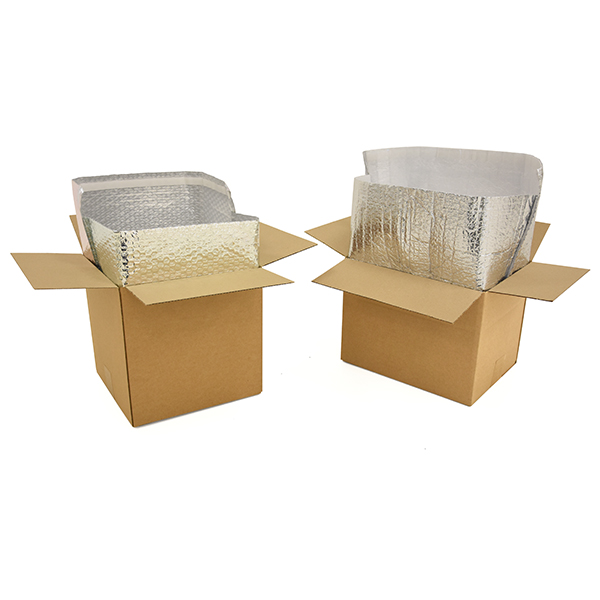
If you are evaluating thermal cooler bag trade in 2026, the best answer is simple: choose the design that matches your route, protects the payload, and comes with evidence you can trust. Today’s buyers compare performance, compliance, sourcing stability, and sustainability at the same time. This optimized guide brings those priorities into one practical buying framework.
This article will help you answer:
- How to match thermal cooler bag trade to real routes, payloads, and handling steps
- Which multi-layer thermal bag constructions and closure details affect performance most
- What testing, validation, and documentation make the offer credible
- How to compare supplier risk, total cost, and sustainability fit
How do you match thermal cooler bag trade to route, payload, and workflow?
The best thermal cooler bag trade is the one that matches your real operating window, not the one with the biggest headline claim. You should define the payload temperature, journey length, ambient stress, opening frequency, and handoff points before you compare materials. That sequence keeps you from overbuying thickness while missing the real weakness, such as poor fit, weak closures, or inconsistent handling. Route-fit design almost always outperforms guesswork.
Start by mapping one typical shipment and one worst-case shipment. Then review how the bag moves through your operation: pack-out, waiting time, transport, unloading, and temporary staging. If the bag supports wholesale resale, distributor handoff, and private-label channel programs, the design should reflect that reality in size, carry method, labeling space, and opening speed. When teams choose a bag this way, they usually reduce spoilage risk, coolant waste, and user frustration at the same time.
What route-fit checks matter most for insulated cooler bag buyers?
Focus on five checks: payload fit, closure repeatability, carry comfort, staging resilience, and recovery after storage or compression. If your route includes waiting outdoors or under strong light, review surface heat gain separately from wall insulation. If it includes repeated site handoffs, prioritize quick closing and clear identification. These are simple checks, but they often predict success better than a generic hold-time promise.
| Route-fit check | What to confirm | Red flag | Benefit to you |
| Payload fit | Minimal empty space around product | Large unused cavity | More stable internal temperature |
| Workflow fit | Easy pack, carry, and reopen | Awkward or slow handling | Fewer process mistakes |
| Stress fit | Works for hot delay or repeated handoff | Only ideal-condition proof | Better real-world reliability |
Practical tips and recommendations
- For first qualification: document one normal lane and one worst-case lane before choosing the bag.
- For user adoption: let the people who pack and carry the bag test the sample before final approval.
- For SEO pages: answer route-fit questions early because that is where buyer intent becomes strongest.
Example case: A buyer who first listed lane conditions and handoff steps selected a lighter, better-fitting bag over a bulkier alternative. The slimmer option won because it closed faster, used less coolant, and matched the real workflow more closely.
Which materials and construction choices improve thermal cooler bag trade?
Materials matter most when they are chosen as a system. Outer substrates protect the bag, insulation layers slow heat transfer, inner liners support cleanliness, and closures keep warm air out. Multi-layer insulated bag construction that blends barrier control, cushioning, and carrying durability may improve part of the design, but no single layer can overcome poor seams, weak corners, or excessive dead air. A high-performing thermal cooler bag trade always comes from balanced construction.
In procurement terms, that means you should ask for the full build description rather than a single material label. Review the outer layer, insulation core, liner, closure, reinforcement points, print surface, and expected reuse pattern together. If sustainability is part of the review, ask how the construction fits right-sizing, reuse, or waste handling goals rather than asking for a vague eco claim. Performance and practicality should be evaluated side by side.
How should custom insulated cooler bag programs review materials?
Approve samples after normal handling, not just straight from the carton. Fold them, load them, carry them, and inspect them after compression or light abrasion. If the program is branded, also confirm that print quality survives real friction and cleaning expectations. A material stack should look credible in sales content and stay credible after daily use.
| Construction choice | Main upside | Main watch-out | Best buying question |
| Outer substrate | Durability and print finish | Scuffing or stiffness | How does it perform after handling? |
| Insulation core | Thermal resistance | Bulk or compression loss | How was hold time tested? |
| Closure and seams | Air control and repeat use | Gap formation or wear | What fails first in route trials? |
Practical tips and recommendations
- For difficult lanes: solve closure leakage before adding excessive wall thickness.
- For custom printing: sign off on a handled sample, not only on digital artwork.
- For material changes: require supplier notification when any core build element shifts.
Example case: A team improved thermal consistency not by changing the full material family, but by upgrading seam control and closure pressure in the existing build. That targeted change delivered better performance at lower cost than a full redesign.
What proof, testing, and compliance documents should thermal cooler bag trade buyers request?
You should buy a validated claim, not a marketing phrase. Ask every supplier to explain how the bag was tested, which ambient profile was used, what payload and coolant were assumed, and where the warmest sensor sat. For packaging evaluation, ASTM D3103 and ISTA thermal methods provide a stronger basis than informal internal claims alone. For regulated sectors, documentation quality matters just as much as the bag itself.
ASTM D3103 is the standard test method widely used to evaluate the thermal insulation performance of distribution packages for high-value, high-risk goods. ISTA 7E uses real-world heat and cold profiles to compare thermal transport packaging in parcel-delivery conditions. FDA current good manufacturing practice expects written warehousing procedures and storage under appropriate temperature, humidity, and light conditions so product quality is not affected. FDA also expects written distribution procedures and lot traceability that can support a recall when needed. EMA good distribution practice sets minimum standards to keep medicine quality and integrity intact throughout the supply chain. WHO also provides temperature-mapping guidance for cold chain equipment and storage areas. CDC storage and handling guidance emphasizes monitoring equipment, emergency response, and staff training. If your shipments move by air, IATA requirements and documentation expectations should also be considered. Taken together, these signals show why buyers increasingly ask for test summaries, material declarations, route assumptions, and revision-controlled specifications.
What makes a insulated cooler bag validation file actually useful?
It should be traceable to the exact bag construction, clear about limits, and written in language operations can use. A useful file tells you what the bag can do, under which assumptions, and what change would trigger requalification. It also makes onboarding easier for QA teams, distributors, and end customers because the performance story stays consistent from page to page.
| Document type | What it should show | Weak version | Strong version |
| Test summary | Profile, payload, duration, result | One-line hold-time claim | Method with assumptions and limits |
| Spec sheet | Build, size, closure, use window | Generic brochure text | Revision-controlled technical sheet |
| Quality file | Inspection and traceability approach | Verbal assurance only | Defined checkpoints and records |
Practical tips and recommendations
- For side-by-side comparison: force all suppliers to quote against the same route and payload assumptions.
- For audits or customer approval: store the approved sample ID with the matching technical file.
- For sales enablement: convert technical evidence into plain-language proofs your team can repeat accurately.
Example case: A customer approval cycle moved faster once the supplier replaced generic product claims with a clear test summary, a controlled spec sheet, and a simple explanation of route limits. Better documentation reduced both risk and sales friction.
How do you choose the right supplier and total-cost strategy for thermal cooler bag trade?
Total cost for thermal cooler bag trade includes much more than the unit price. You should account for freight, coolant use, rejects, rework, lead-time risk, service quality, and the cost of unclear documentation. In 2026, sustainability pressure adds another layer because right-sizing, reuse potential, and material transparency can influence both customer preference and internal approval. The strongest buying decision is commercial, technical, and operational at once.
The EU Packaging and Packaging Waste Regulation entered into force on 11 February 2025 and generally applies from 12 August 2026, pushing packaging toward recyclability and lower virgin material use. EPA frames sustainable packaging through life-cycle thinking, lighter design, and waste reduction under sustainable materials management. If you source through OEM or regional partners, add communication quality, revision control, and sample-to-bulk consistency to the scorecard. A supplier that is slightly higher on unit price can still be cheaper when the program is easier to validate, easier to replenish, and less wasteful in daily use.
What should a 2026 insulated cooler bag supplier scorecard include?
Include thermal evidence, sample accuracy, material transparency, customization capability, lead time, MOQ, landed cost, defect trend, sustainability fit, and response quality after launch. That balanced scorecard helps you avoid the classic mistake of choosing a low quote that later creates emergency freight, rejected stock, or customer complaints. It also gives your SEO and sales content a clearer proof structure because the product value is easier to explain.
| Scorecard item | Why it belongs | Low-maturity sign | High-maturity sign |
| Thermal proof | Protects product value | Generic claims only | Route-based evidence |
| Change control | Protects consistency | Silent substitutions | Clear revision process |
| Sustainability fit | Supports 2026 buyer reviews | No end-of-use position | Practical waste and reuse guidance |
Practical tips and recommendations
- For final selection: score suppliers before price negotiation so low quotes do not distort judgment.
- For sustainability reviews: measure spoilage reduction and packaging reduction together.
- For long-term programs: revisit the scorecard after the first production cycle and after the first peak season.
Example case: A sourcing team chose a supplier with stronger documentation, better sample control, and clearer reuse guidance even though the quote was not the lowest. The decision paid back through smoother onboarding, lower waste, and fewer urgent corrections after launch.
2026 developments and trends
The strongest 2026 trend around thermal cooler bag trade is convergence. Buyers want the bag to perform thermally, fit the route, satisfy documentation review, and support a credible sustainability position. This is why optimized content now blends buyer education, technical proof, and market context instead of separating them into isolated pages.
Latest developments at a glance
- Route-fit validation is becoming a stronger decision tool than broad hold-time marketing.
- Documentation quality increasingly affects both search trust and procurement trust.
- Packaging reduction, reuse, and material clarity are influencing supplier scorecards more often.
The best-performing product pages and articles answer the same questions sourcing teams already ask internally: What is it for, how was it tested, what is it made from, what happens after use, and can the supplier repeat it at scale? When your content answers those points clearly, it usually performs better in both SEO and sales.
Frequently asked questions
How long can thermal cooler bag trade keep products at the target temperature?
It depends on the payload, starting temperature, ambient stress, coolant strategy, and how often the bag is opened. Ask for a test summary tied to your route, not a generic headline claim.
What is the best material for a insulated cooler bag?
There is no single best material for every lane. The right answer depends on heat exposure, reuse needs, print requirements, cleaning expectations, and how tightly the bag fits the payload.
Should I choose a reusable or single-use insulated cooler bag?
Choose reusable when you control returns, cleaning, and inspection. Choose single-use or hybrid when the route is open-loop, highly variable, or the cost of reverse logistics is too high.
What documents should a insulated cooler bag supplier provide?
At minimum, ask for a specification sheet, test summary, size details, and basic quality or material information. For regulated programs, you may also need route-validation and traceability records.
How do I compare two insulated cooler bag quotes fairly?
Make sure both suppliers quote the same size, payload assumption, test basis, MOQ, and incoterm. Then compare total landed cost instead of unit price alone.
Summary and recommendations
The smartest way to choose thermal cooler bag trade is to start with the route, then review construction, then confirm proof, and finally compare suppliers on total program value. You do not need the thickest or flashiest option. You need the one that fits your payload, workflow, and quality expectations with the least friction. When you combine route-fit design, clear documentation, and disciplined sourcing, thermal cooler bag trade becomes easier to qualify and easier to scale.
Create a short shortlist now: define your payload and route, request two or three samples built for that use case, and compare them under the same test conditions. Then score suppliers on performance evidence, clarity, lead time, and total cost before you approve production. That simple process gives you a stronger buying decision and better content for customers who ask the same questions.
About Tempk
At Tempk, we focus on practical cold chain packaging for buyers who need more than a brochure promise. We design and customize insulated bags, pouches, mailers, and shipping solutions around real payloads, route conditions, and handling patterns. Our approach emphasizes clear communication on materials, customization, and validation support so you can choose with more confidence and less guesswork.
Use your next sample round to test the bag against a real route, not just a catalog description. If you need help narrowing the structure, size, or customization approach, speak with a packaging specialist before locking the bulk order.
Suggested internal link targets (plain text only)
- insulated cooler bag size guide
- cold chain packaging validation checklist
- how to choose coolant packs for insulated bags
- custom insulated bag printing guide
- thermal packaging supplier audit checklist
Best Thermal Carry Bag Manufacturer Guide for 2026 Buyers
If you are evaluating thermal carry bag manufacturer in 2026, the best answer is simple: choose the design that matches your route, protects the payload, and comes with evidence you can trust. Today’s buyers compare performance, compliance, sourcing stability, and sustainability at the same time. This optimized guide brings those priorities into one practical buying framework.
This article will help you answer:
- How to match thermal carry bag manufacturer to real routes, payloads, and handling steps
- Which multi-layer thermal bag constructions and closure details affect performance most
- What testing, validation, and documentation make the offer credible
- How to compare supplier risk, total cost, and sustainability fit
How do you match thermal carry bag manufacturer to route, payload, and workflow?
The best thermal carry bag manufacturer is the one that matches your real operating window, not the one with the biggest headline claim. You should define the payload temperature, journey length, ambient stress, opening frequency, and handoff points before you compare materials. That sequence keeps you from overbuying thickness while missing the real weakness, such as poor fit, weak closures, or inconsistent handling. Route-fit design almost always outperforms guesswork.
Start by mapping one typical shipment and one worst-case shipment. Then review how the bag moves through your operation: pack-out, waiting time, transport, unloading, and temporary staging. If the bag supports route fit, handoff control, and repeatable cold chain handling, the design should reflect that reality in size, carry method, labeling space, and opening speed. When teams choose a bag this way, they usually reduce spoilage risk, coolant waste, and user frustration at the same time.
What route-fit checks matter most for thermal carry bag buyers?
Focus on five checks: payload fit, closure repeatability, carry comfort, staging resilience, and recovery after storage or compression. If your route includes waiting outdoors or under strong light, review surface heat gain separately from wall insulation. If it includes repeated site handoffs, prioritize quick closing and clear identification. These are simple checks, but they often predict success better than a generic hold-time promise.
| Route-fit check | What to confirm | Red flag | Benefit to you |
| Payload fit | Minimal empty space around product | Large unused cavity | More stable internal temperature |
| Workflow fit | Easy pack, carry, and reopen | Awkward or slow handling | Fewer process mistakes |
| Stress fit | Works for hot delay or repeated handoff | Only ideal-condition proof | Better real-world reliability |
Practical tips and recommendations
- For first qualification: document one normal lane and one worst-case lane before choosing the bag.
- For user adoption: let the people who pack and carry the bag test the sample before final approval.
- For SEO pages: answer route-fit questions early because that is where buyer intent becomes strongest.
Example case: A buyer who first listed lane conditions and handoff steps selected a lighter, better-fitting bag over a bulkier alternative. The slimmer option won because it closed faster, used less coolant, and matched the real workflow more closely.
Which materials and construction choices improve thermal carry bag manufacturer?
Materials matter most when they are chosen as a system. Outer substrates protect the bag, insulation layers slow heat transfer, inner liners support cleanliness, and closures keep warm air out. Multi-layer insulated bag construction that blends barrier control, cushioning, and carrying durability may improve part of the design, but no single layer can overcome poor seams, weak corners, or excessive dead air. A high-performing thermal carry bag manufacturer always comes from balanced construction.
In procurement terms, that means you should ask for the full build description rather than a single material label. Review the outer layer, insulation core, liner, closure, reinforcement points, print surface, and expected reuse pattern together. If sustainability is part of the review, ask how the construction fits right-sizing, reuse, or waste handling goals rather than asking for a vague eco claim. Performance and practicality should be evaluated side by side.
How should custom thermal carry bag programs review materials?
Approve samples after normal handling, not just straight from the carton. Fold them, load them, carry them, and inspect them after compression or light abrasion. If the program is branded, also confirm that print quality survives real friction and cleaning expectations. A material stack should look credible in sales content and stay credible after daily use.
| Construction choice | Main upside | Main watch-out | Best buying question |
| Outer substrate | Durability and print finish | Scuffing or stiffness | How does it perform after handling? |
| Insulation core | Thermal resistance | Bulk or compression loss | How was hold time tested? |
| Closure and seams | Air control and repeat use | Gap formation or wear | What fails first in route trials? |
Practical tips and recommendations
- For difficult lanes: solve closure leakage before adding excessive wall thickness.
- For custom printing: sign off on a handled sample, not only on digital artwork.
- For material changes: require supplier notification when any core build element shifts.
Example case: A team improved thermal consistency not by changing the full material family, but by upgrading seam control and closure pressure in the existing build. That targeted change delivered better performance at lower cost than a full redesign.
What proof, testing, and compliance documents should thermal carry bag manufacturer buyers request?
You should buy a validated claim, not a marketing phrase. Ask every supplier to explain how the bag was tested, which ambient profile was used, what payload and coolant were assumed, and where the warmest sensor sat. For packaging evaluation, ASTM D3103 and ISTA thermal methods provide a stronger basis than informal internal claims alone. For regulated sectors, documentation quality matters just as much as the bag itself.
ASTM D3103 is the standard test method widely used to evaluate the thermal insulation performance of distribution packages for high-value, high-risk goods. ISTA 7E uses real-world heat and cold profiles to compare thermal transport packaging in parcel-delivery conditions. FDA current good manufacturing practice expects written warehousing procedures and storage under appropriate temperature, humidity, and light conditions so product quality is not affected. FDA also expects written distribution procedures and lot traceability that can support a recall when needed. EMA good distribution practice sets minimum standards to keep medicine quality and integrity intact throughout the supply chain. WHO also provides temperature-mapping guidance for cold chain equipment and storage areas. CDC storage and handling guidance emphasizes monitoring equipment, emergency response, and staff training. If your shipments move by air, IATA requirements and documentation expectations should also be considered. Taken together, these signals show why buyers increasingly ask for test summaries, material declarations, route assumptions, and revision-controlled specifications.
What makes a thermal carry bag validation file actually useful?
It should be traceable to the exact bag construction, clear about limits, and written in language operations can use. A useful file tells you what the bag can do, under which assumptions, and what change would trigger requalification. It also makes onboarding easier for QA teams, distributors, and end customers because the performance story stays consistent from page to page.
| Document type | What it should show | Weak version | Strong version |
| Test summary | Profile, payload, duration, result | One-line hold-time claim | Method with assumptions and limits |
| Spec sheet | Build, size, closure, use window | Generic brochure text | Revision-controlled technical sheet |
| Quality file | Inspection and traceability approach | Verbal assurance only | Defined checkpoints and records |
Practical tips and recommendations
- For side-by-side comparison: force all suppliers to quote against the same route and payload assumptions.
- For audits or customer approval: store the approved sample ID with the matching technical file.
- For sales enablement: convert technical evidence into plain-language proofs your team can repeat accurately.
Example case: A customer approval cycle moved faster once the supplier replaced generic product claims with a clear test summary, a controlled spec sheet, and a simple explanation of route limits. Better documentation reduced both risk and sales friction.
How do you choose the right supplier and total-cost strategy for thermal carry bag manufacturer?
Total cost for thermal carry bag manufacturer includes much more than the unit price. You should account for freight, coolant use, rejects, rework, lead-time risk, service quality, and the cost of unclear documentation. In 2026, sustainability pressure adds another layer because right-sizing, reuse potential, and material transparency can influence both customer preference and internal approval. The strongest buying decision is commercial, technical, and operational at once.
The EU Packaging and Packaging Waste Regulation entered into force on 11 February 2025 and generally applies from 12 August 2026, pushing packaging toward recyclability and lower virgin material use. EPA frames sustainable packaging through life-cycle thinking, lighter design, and waste reduction under sustainable materials management. If you source through OEM or regional partners, add communication quality, revision control, and sample-to-bulk consistency to the scorecard. A supplier that is slightly higher on unit price can still be cheaper when the program is easier to validate, easier to replenish, and less wasteful in daily use.
What should a 2026 thermal carry bag supplier scorecard include?
Include thermal evidence, sample accuracy, material transparency, customization capability, lead time, MOQ, landed cost, defect trend, sustainability fit, and response quality after launch. That balanced scorecard helps you avoid the classic mistake of choosing a low quote that later creates emergency freight, rejected stock, or customer complaints. It also gives your SEO and sales content a clearer proof structure because the product value is easier to explain.
| Scorecard item | Why it belongs | Low-maturity sign | High-maturity sign |
| Thermal proof | Protects product value | Generic claims only | Route-based evidence |
| Change control | Protects consistency | Silent substitutions | Clear revision process |
| Sustainability fit | Supports 2026 buyer reviews | No end-of-use position | Practical waste and reuse guidance |
Practical tips and recommendations
- For final selection: score suppliers before price negotiation so low quotes do not distort judgment.
- For sustainability reviews: measure spoilage reduction and packaging reduction together.
- For long-term programs: revisit the scorecard after the first production cycle and after the first peak season.
Example case: A sourcing team chose a supplier with stronger documentation, better sample control, and clearer reuse guidance even though the quote was not the lowest. The decision paid back through smoother onboarding, lower waste, and fewer urgent corrections after launch.
2026 developments and trends
The strongest 2026 trend around thermal carry bag manufacturer is convergence. Buyers want the bag to perform thermally, fit the route, satisfy documentation review, and support a credible sustainability position. This is why optimized content now blends buyer education, technical proof, and market context instead of separating them into isolated pages.
Latest developments at a glance
- Route-fit validation is becoming a stronger decision tool than broad hold-time marketing.
- Documentation quality increasingly affects both search trust and procurement trust.
- Packaging reduction, reuse, and material clarity are influencing supplier scorecards more often.
The best-performing product pages and articles answer the same questions sourcing teams already ask internally: What is it for, how was it tested, what is it made from, what happens after use, and can the supplier repeat it at scale? When your content answers those points clearly, it usually performs better in both SEO and sales.
Frequently asked questions
How long can thermal carry bag manufacturer keep products at the target temperature?
It depends on the payload, starting temperature, ambient stress, coolant strategy, and how often the bag is opened. Ask for a test summary tied to your route, not a generic headline claim.
What is the best material for a thermal carry bag?
There is no single best material for every lane. The right answer depends on heat exposure, reuse needs, print requirements, cleaning expectations, and how tightly the bag fits the payload.
Should I choose a reusable or single-use thermal carry bag?
Choose reusable when you control returns, cleaning, and inspection. Choose single-use or hybrid when the route is open-loop, highly variable, or the cost of reverse logistics is too high.
What documents should a thermal carry bag supplier provide?
At minimum, ask for a specification sheet, test summary, size details, and basic quality or material information. For regulated programs, you may also need route-validation and traceability records.
How do I compare two thermal carry bag quotes fairly?
Make sure both suppliers quote the same size, payload assumption, test basis, MOQ, and incoterm. Then compare total landed cost instead of unit price alone.
Summary and recommendations
The smartest way to choose thermal carry bag manufacturer is to start with the route, then review construction, then confirm proof, and finally compare suppliers on total program value. You do not need the thickest or flashiest option. You need the one that fits your payload, workflow, and quality expectations with the least friction. When you combine route-fit design, clear documentation, and disciplined sourcing, thermal carry bag manufacturer becomes easier to qualify and easier to scale.
Create a short shortlist now: define your payload and route, request two or three samples built for that use case, and compare them under the same test conditions. Then score suppliers on performance evidence, clarity, lead time, and total cost before you approve production. That simple process gives you a stronger buying decision and better content for customers who ask the same questions.
About Tempk
At Tempk, we focus on practical cold chain packaging for buyers who need more than a brochure promise. We design and customize insulated bags, pouches, mailers, and shipping solutions around real payloads, route conditions, and handling patterns. Our approach emphasizes clear communication on materials, customization, and validation support so you can choose with more confidence and less guesswork.
Use your next sample round to test the bag against a real route, not just a catalog description. If you need help narrowing the structure, size, or customization approach, speak with a packaging specialist before locking the bulk order.
Suggested internal link targets (plain text only)
- thermal carry bag size guide
- cold chain packaging validation checklist
- how to choose coolant packs for insulated bags
- custom insulated bag printing guide
- thermal packaging supplier audit checklist
















