


Cooler Backpack Enterprise Brazil Guide for 2026 Buyers
Cooler Backpack Enterprise Brazil Guide for 2026 Buyers

Cooler backpack enterprise Brazil buyers usually need one product that can support branding, employee comfort, and warm-climate logistics without drifting into oversized hard-cooler costs. The best buying decision starts when you stop treating the search term as a product category and start treating it as a business problem. A well-specified enterprise cooler backpack in Brazil should match carrying comfort, ice-pack fit, insulation stability, and outdoor usability, remain easy to use, and stay commercially sensible at scale. The practical answer is that performance depends more on the full specification than on the sales photo. That matters because the bag has to work in the real world, not just in a sample room.
Most buyers among enterprise procurement teams, field-sales managers, food and beverage brands, and HR buyers discover that the bag itself is only one part of the answer. The full result comes from the outer shell, insulation core, liner, closure quality, artwork method, pack-out routine, and the discipline used in sampling and approval. For that reason, you should review polyester or TPU-coated shell, high-density PE foam, waterproof zipper, and wipe-clean liner, the expected route or usage pattern, and the likely number of reuse cycles before locking your order. When you do that early, the final enterprise cooler backpack in Brazil becomes easier to price, easier to validate, and easier to scale.
This article will answer:
- Which Brazil enterprise cooler backpack design fits your use case best
- How polyester or TPU-coated shell and high-density PE foam change cost and hold time
- What supplier, compliance, or validation checks reduce buying risk
- How to turn your keyword search into a practical buying checklist
Why does Cooler Backpack Enterprise Brazil matter more than a generic cooler bag?
A generic insulated bag description is not enough when your business outcome depends on quality, usability, and repeatability. enterprise cooler backpack in Brazil matters because it implies a specific use case, a specific handling style, and a specific buyer expectation. Once you define that expectation clearly, the entire purchasing process gets easier. You know what to test, what to reject, and what you are willing to pay for.
That shift matters commercially. A well-matched enterprise cooler backpack in Brazil can support field team meal transport, brand activations, corporate wellness, and cold beverage carrying with less waste, fewer complaints, and better user adoption. A generic build may still look acceptable in a sample room, but it often misses the subtle details that make the bag easy to carry, easy to clean, or stable enough for repeated use. Better specifications are usually quieter, clearer, and more purpose-led.
What is the first decision to make about Cooler Backpack Enterprise Brazil?
Decide whether the bag is mainly solving a thermal problem, a branding problem, or both. Then define the lane or use cycle it has to survive. That one step makes material, size, and supplier decisions far more rational.
Practical tips and recommendations
- Define the business outcome before debating materials.
- Separate must-have performance from nice-to-have styling.
- Write the real use cycle in plain language for every stakeholder.
Example scenario: a brand program launches enterprise cooler backpack in Brazil as a reusable campaign item. The team approves size, print area, and carry comfort before scaling to the main season.
How should you choose the right material mix for Cooler Backpack Enterprise Brazil?
The right material mix for enterprise cooler backpack in Brazil begins with role clarity. The shell controls feel and appearance. The core does most of the temperature buffering. The liner shapes wipeability, leak behavior, and perceived cleanliness. The closure determines how much avoidable air exchange enters the system. This is why the best build is not always the most complex build. It is the build where each layer has a clear job and no layer is pretending to solve a problem it cannot solve alone.
For most buyers, material choice should be judged through four lenses: function, durability, decoration, and cost. polyester or TPU-coated shell, high-density PE foam, waterproof zipper, and wipe-clean liner can all be useful, but each introduces trade-offs. Premium touch may raise brand value. Higher-density core may improve stability. Better liner finish may reduce complaints. The key is to buy the benefit you can actually use and avoid paying for features that never meaningfully affect performance or user satisfaction.
How do you keep material selection for Cooler Backpack Enterprise Brazil practical?
Use a short scorecard. Ask what each layer does, how it behaves after repeated handling, how it supports artwork, and how it changes freight or production cost. Practical selection beats impressive jargon every time.
Practical tips and recommendations
- Review shell, core, liner, and closure as a four-part system.
- Favor layers with clear jobs over vague premium upgrades.
- Check whether the material choice fits your real margin and channel.
Example scenario: a buyer improves its enterprise cooler backpack in Brazil specification by dropping one decorative upgrade and reallocating the budget to a better closure and cleaner liner.
What performance checks make Cooler Backpack Enterprise Brazil safer to approve?
Performance approval should always connect to a real operating condition. For enterprise cooler backpack in Brazil, that means matching the test to the payload, ambient exposure, opening pattern, and expected reuse cycle. If the bag is route-sensitive, lane realism matters. If the bag is user-sensitive, loaded usability matters. FDA food-transport guidance keeps attention on cleanable equipment, temperature control, training, and records where relevant. ISTA's lane-based thinking reminds buyers that shipping performance must reflect real movement rather than ideal storage.
In regulated or high-value use cases, the discipline should rise with the risk. WHO guidance for temperature-sensitive pharmaceutical transport emphasizes qualification and monitoring accuracy. In practical terms, that means you should know the bag's operating limits and the logic behind the claim. Strong buyers do not ask for more paperwork than needed. They ask for evidence that is directly tied to the real job.
What evidence makes Cooler Backpack Enterprise Brazil safer to approve?
Useful evidence includes a clear bill of materials, a realistic sample review, route or usage notes, inspection criteria, and claim support that matches the application. Relevance matters more than volume.
| Decision Factor | What to Ask | Good Answer | Why It Matters |
| Thermal target | What hold time and ambient range was used | clear lane and payload definition | stops you from buying the wrong build |
| Materials | What are the shell, foam, liner, and closure specs | complete bill of materials | reduces hidden substitutions |
| Compliance | Which documents are available | food, pharma, or packaging files matched to use | protects audits and claims |
| Scale-up | How will quality stay stable at volume | AQL, inspection steps, and approved samples | protects mass-production consistency |
Practical tips and recommendations
- Test claims against your actual payload and handling profile.
- Tie every performance statement to a condition or limit.
- Keep the approval file short, clear, and application-specific.
Example scenario: a team approves enterprise cooler backpack in Brazil only after testing it with the real payload and a realistic opening cycle, which exposes a closure issue early enough to fix before volume production.
How do customization, cost, and usability connect in Cooler Backpack Enterprise Brazil?
Customization, cost, and usability should never be managed in separate conversations. Decoration choices affect seam paths, panel stability, and sometimes even the way a user opens the bag. Accessories change cost, carton size, and complaint risk. For brand-led programs, screen print, sublimation panel, reflective brand patch, and hangtag and carton coding can add real value, but only when the artwork sits on the right panel and the build still feels comfortable and intuitive in daily use.
Price also becomes easier to control when the bag remains disciplined. Every extra panel treatment, extra pocket, or heavy trim choice should answer a simple question: what problem does this solve for the user or the brand? If the answer is weak, remove it. In enterprise cooler backpack in Brazil, the cleanest designs often create the best balance between brand impact, production efficiency, and daily satisfaction.
How do you protect margin in Cooler Backpack Enterprise Brazil without cheapening the bag?
Protect margin by simplifying low-value complexity rather than cutting the functional core. A cleaner print plan, smarter panel use, or tighter size can save more money than stripping away the feature the user actually relies on.
Practical tips and recommendations
- Let the artwork follow the bag architecture, not the reverse.
- Remove accessories that do not improve carrying, cleaning, or perception.
- Save budget on complexity before cutting functional performance.
Example scenario: a brand keeps its enterprise cooler backpack in Brazil premium by simplifying trim and optimizing logo placement instead of reducing the insulation build.
What compliance and sustainability steps protect your purchase?
Compliance and sustainability now intersect in ways buyers cannot ignore. The European packaging direction under PPWR is reinforcing pressure for waste reduction, safer chemistry, and clearer packaging accountability. In Germany, LUCID registration rules make producer responsibility more visible. In Brazil, 2026 recycled-content and recovery expectations are tightening. In India and Thailand, growth in delivery and tourism-linked use is meeting stronger packaging scrutiny. These signals do not make every program complicated, but they do make loose claims riskier.
For a buyer, the practical response is straightforward. Keep the material stack understandable. Keep claims supportable. Keep documentation relevant to the actual application. If you plan to market recycled content, document it. If you plan to sell reuse, make sure the bag is durable enough and the instructions are clear enough to justify the message. A disciplined enterprise cooler backpack in Brazil program protects both commercial performance and credibility.
What sustainability move usually creates the biggest gain in Cooler Backpack Enterprise Brazil?
Right-sizing and durability usually create more value than a decorative sustainability claim. A bag that uses less material, ships efficiently, and survives real reuse often delivers the strongest combined environmental and commercial result.
Practical tips and recommendations
- Prefer simpler, documentable sustainability choices over vague eco language.
- Match every sustainability claim to a real material or design decision.
- Use right-sizing and durability as core levers in the next revision.
Example scenario: a buyer improves both freight efficiency and sustainability positioning by tightening the cavity of enterprise cooler backpack in Brazil and documenting the revised material stack more clearly.
How should you score suppliers for Cooler Backpack Enterprise Brazil before mass production?
The final decision should come from a supplier scorecard, not from instinct. For enterprise cooler backpack in Brazil, good suppliers make recurring quality easier to trust. They explain the material stack, hold consistent dimensions, respond clearly during sampling, and reduce surprises during repeat orders. Weak suppliers often look competitive only because they leave too much undefined. Undefined details almost always become problems later.
A useful scorecard covers material transparency, sample quality, communication speed, inspection control, carton logic, and post-order support. If your program is expected to grow, also score the supplier's ability to protect specification stability over time. The best partnership is the one that makes the next order easier than the first one, because the file is clearer and the process is stronger.
How should you make the final call on Cooler Backpack Enterprise Brazil?
Choose the supplier and the build that give you the highest confidence-to-cost ratio. That usually means enough performance, enough clarity, and enough repeatability to scale without daily firefighting.
Practical tips and recommendations
- Use a supplier scorecard before price negotiation ends.
- Favor clarity and repeatability over vague promises of premium quality.
- Document the winning sample so future orders stay aligned.
Example scenario: a buyer selects a slightly higher-cost supplier for enterprise cooler backpack in Brazil because the supplier offers clearer material disclosure, better sample discipline, and cleaner repeat-order control.
2026 Outlook for Smarter Cooler Backpack Enterprise Brazil Buying
In 2026, buyers are giving enterprise cooler backpack in Brazil a more serious review because product packaging now has to satisfy performance, commercial clarity, and sustainability at the same time. The European Commission says packaging waste in the EU is already above 180 kilograms per person each year, which is why PPWR is pushing lighter, more recyclable, and more reusable formats. The U.S. International Trade Administration said Brazil's e-commerce sector was expected to reach about US$36.3 billion in revenue in 2025, with 94 million Brazilians buying online. Brazil's new plastics framework starts tightening reverse-logistics and recycled-content expectations from 2026, including a 22% recycled-content baseline and a 32% recovery target for 2026 in the national framework described by Trade.gov.
Latest developments at a glance
- Brazil's online buying growth is raising expectations for soft insulated products that can move through faster channels.
- The 2026 plastics framework pushes recycled-content and reverse-logistics thinking into sourcing conversations.
- Enterprise buyers increasingly want one product that can support operations and branding together.
The commercial takeaway is simple. Buyers are no longer satisfied with a bag that merely looks insulated. They want enterprise cooler backpack in Brazil products that fit a defined use case, keep claims realistic, and give suppliers less room for specification drift. Programs that combine clear material logic, usable design, and repeatable quality control are in the strongest position for 2026 and beyond.
Frequently Asked Questions
How do you choose the right size for Cooler Backpack Enterprise Brazil?
Choose size from the common payload, not the rare oversized order. A tighter fit usually improves efficiency because there is less unused air and less wasted freight space. For enterprise cooler backpack in Brazil, start with the typical load, test it under realistic use, and only then add larger variants if the business case is clear.
How long can Cooler Backpack Enterprise Brazil keep products cold or stable?
There is no honest universal number. Hold time depends on the starting product temperature, ambient conditions, payload mass, opening frequency, and any coolant used. The safest approach is to test enterprise cooler backpack in Brazil under your real route or usage pattern instead of relying on catalog language.
What documents should you request before buying Cooler Backpack Enterprise Brazil?
Ask for a bill of materials, approved artwork, dimension and construction details, inspection points, carton information, and application-specific compliance notes. If the bag is tied to food or pharma handling, make sure the documents support that exact use rather than sitting as generic certificates.
Is a more expensive Cooler Backpack Enterprise Brazil always better?
No. A higher price only makes sense when it buys a benefit you can actually use, such as better service life, cleaner presentation, better closure quality, or stronger documentation. Many buyers get the best result from a disciplined mid-tier build rather than the cheapest or the most decorated option.
Which logo method works best on Cooler Backpack Enterprise Brazil?
The best method depends on quantity, color demands, panel shape, and weather exposure. Screen printing is efficient for many runs, while heat transfer or embroidery may suit different looks. On enterprise cooler backpack in Brazil, always review the print on a physical sample because seams and fold lines affect final appearance.
Should you choose reusable or lower-cost disposable-style Cooler Backpack Enterprise Brazil?
Choose based on the channel. Reusable formats work well when the bag is likely to stay in service long enough to justify the build. Lower-cost options can still be sensible for single-event or short-life programs. The key is to align service life, brand goal, and cost rather than assuming one answer fits all.
Summary and Recommendation
The best enterprise cooler backpack in Brazil decisions come from clear use-case mapping, disciplined material choice, realistic performance review, and stronger supplier control. When you right-size the bag, document the build, and test it the way it will actually be used, you reduce waste and improve commercial confidence. In most programs, better clarity beats more complexity.
Your next move should be practical. Define the payload, route, user, and budget. Review two or three realistic material stacks. Request a physical sample, test the bag under normal conditions, and lock the approved file before volume production. That sequence gives you a faster and safer path to a better enterprise cooler backpack in Brazil purchase.
About Tempk
At Tempk, we focus on insulated bags and soft cold-chain packaging for food, retail, pharmaceutical support, and branded programs. We work on the details that usually decide real outcomes: material balance, customization fit, usable structure, and production consistency. Our goal is to help you turn a search like cooler backpack enterprise brazil into a specification that is easier to buy, easier to explain, and easier to repeat.
Use your next sampling round to compare materials, usability, and documentation side by side before you commit to mass production of enterprise cooler backpack in Brazil.
Authority notes used in this article
- FDA's sanitary transportation rule highlights cleanable equipment, adequate temperature control, training, and records for covered food transport operations.
- ISTA says its thermal lane data package draws on summer and winter shipments across 82 different parcel lanes, which is useful when you want real-lane packaging assumptions instead of guesswork.
- The European Commission says packaging waste in the EU is already above 180 kilograms per person each year, which is why PPWR is pushing lighter, more recyclable, and more reusable formats.
- The U.S. International Trade Administration said Brazil's e-commerce sector was expected to reach about US$36.3 billion in revenue in 2025, with 94 million Brazilians buying online.
- Brazil's new plastics framework starts tightening reverse-logistics and recycled-content expectations from 2026, including a 22% recycled-content baseline and a 32% recovery target for 2026 in the national framework described by Trade.gov.
- For temperature-sensitive healthcare movement, Brazilian regulatory practice also places real weight on controlled-temperature transport and documented handling.
Cooler Backpack Custom Logo Guide for 2026 Buyers

A cooler backpack custom logo project succeeds when branding, carrying comfort, and cooling performance are designed together rather than treated as separate decisions. The best buying decision starts when you stop treating the search term as a product category and start treating it as a business problem. A well-specified custom logo cooler backpack should match carrying comfort, ice-pack fit, insulation stability, and outdoor usability, remain easy to use, and stay commercially sensible at scale. In most buying situations, the right choice is the one that protects product quality without adding avoidable bulk or cost. That helps you lower spoilage risk, improve user experience, and avoid over-buying insulation.
Most buyers among brand teams, distributors, club programs, and corporate gift buyers discover that the bag itself is only one part of the answer. The full result comes from the outer shell, insulation core, liner, closure quality, artwork method, pack-out routine, and the discipline used in sampling and approval. For that reason, you should review 600D polyester, RPET fabric, PE foam, and PEVA liner, the expected route or usage pattern, and the likely number of reuse cycles before locking your order. When you do that early, the final custom logo cooler backpack becomes easier to price, easier to validate, and easier to scale.
This article will answer:
- Which custom logo cooler backpack supplier design fits your use case best
- How 600D polyester and RPET fabric change cost and hold time
- What supplier, compliance, or validation checks reduce buying risk
- How to turn your keyword search into a practical buying checklist
Why does Cooler Backpack Custom Logo matter more than a generic cooler bag?
A generic insulated bag description is not enough when your business outcome depends on quality, usability, and repeatability. custom logo cooler backpack matters because it implies a specific use case, a specific handling style, and a specific buyer expectation. Once you define that expectation clearly, the entire purchasing process gets easier. You know what to test, what to reject, and what you are willing to pay for.
That shift matters commercially. A well-matched custom logo cooler backpack can support employee welcome kits, sports events, retail merchandise, and beverage promotions with less waste, fewer complaints, and better user adoption. A generic build may still look acceptable in a sample room, but it often misses the subtle details that make the bag easy to carry, easy to clean, or stable enough for repeated use. Better specifications are usually quieter, clearer, and more purpose-led.
What is the first decision to make about Cooler Backpack Custom Logo?
Decide whether the bag is mainly solving a thermal problem, a branding problem, or both. Then define the lane or use cycle it has to survive. That one step makes material, size, and supplier decisions far more rational.
Practical tips and recommendations
- Define the business outcome before debating materials.
- Separate must-have performance from nice-to-have styling.
- Write the real use cycle in plain language for every stakeholder.
Example scenario: a brand program launches custom logo cooler backpack as a reusable campaign item. The team approves size, print area, and carry comfort before scaling to the main season.
How should you choose the right material mix for Cooler Backpack Custom Logo?
The right material mix for custom logo cooler backpack begins with role clarity. The shell controls feel and appearance. The core does most of the temperature buffering. The liner shapes wipeability, leak behavior, and perceived cleanliness. The closure determines how much avoidable air exchange enters the system. This is why the best build is not always the most complex build. It is the build where each layer has a clear job and no layer is pretending to solve a problem it cannot solve alone.
For most buyers, material choice should be judged through four lenses: function, durability, decoration, and cost. 600D polyester, RPET fabric, PE foam, and PEVA liner can all be useful, but each introduces trade-offs. Premium touch may raise brand value. Higher-density core may improve stability. Better liner finish may reduce complaints. The key is to buy the benefit you can actually use and avoid paying for features that never meaningfully affect performance or user satisfaction.
How do you keep material selection for Cooler Backpack Custom Logo practical?
Use a short scorecard. Ask what each layer does, how it behaves after repeated handling, how it supports artwork, and how it changes freight or production cost. Practical selection beats impressive jargon every time.
Practical tips and recommendations
- Review shell, core, liner, and closure as a four-part system.
- Favor layers with clear jobs over vague premium upgrades.
- Check whether the material choice fits your real margin and channel.
Example scenario: a buyer improves its custom logo cooler backpack specification by dropping one decorative upgrade and reallocating the budget to a better closure and cleaner liner.
What performance checks make Cooler Backpack Custom Logo safer to approve?
Performance approval should always connect to a real operating condition. For custom logo cooler backpack, that means matching the test to the payload, ambient exposure, opening pattern, and expected reuse cycle. If the bag is route-sensitive, lane realism matters. If the bag is user-sensitive, loaded usability matters. FDA food-transport guidance keeps attention on cleanable equipment, temperature control, training, and records where relevant. ISTA's lane-based thinking reminds buyers that shipping performance must reflect real movement rather than ideal storage.
In regulated or high-value use cases, the discipline should rise with the risk. WHO guidance for temperature-sensitive pharmaceutical transport emphasizes qualification and monitoring accuracy. In practical terms, that means you should know the bag's operating limits and the logic behind the claim. Strong buyers do not ask for more paperwork than needed. They ask for evidence that is directly tied to the real job.
What evidence makes Cooler Backpack Custom Logo safer to approve?
Useful evidence includes a clear bill of materials, a realistic sample review, route or usage notes, inspection criteria, and claim support that matches the application. Relevance matters more than volume.
| Decision Factor | What to Ask | Good Answer | Why It Matters |
| Thermal target | What hold time and ambient range was used | clear lane and payload definition | stops you from buying the wrong build |
| Materials | What are the shell, foam, liner, and closure specs | complete bill of materials | reduces hidden substitutions |
| Compliance | Which documents are available | food, pharma, or packaging files matched to use | protects audits and claims |
| Scale-up | How will quality stay stable at volume | AQL, inspection steps, and approved samples | protects mass-production consistency |
Practical tips and recommendations
- Test claims against your actual payload and handling profile.
- Tie every performance statement to a condition or limit.
- Keep the approval file short, clear, and application-specific.
Example scenario: a team approves custom logo cooler backpack only after testing it with the real payload and a realistic opening cycle, which exposes a closure issue early enough to fix before volume production.
How do customization, cost, and usability connect in Cooler Backpack Custom Logo?
Customization, cost, and usability should never be managed in separate conversations. Decoration choices affect seam paths, panel stability, and sometimes even the way a user opens the bag. Accessories change cost, carton size, and complaint risk. For brand-led programs, screen print, heat transfer, embroidery, and rubber patch can add real value, but only when the artwork sits on the right panel and the build still feels comfortable and intuitive in daily use.
Price also becomes easier to control when the bag remains disciplined. Every extra panel treatment, extra pocket, or heavy trim choice should answer a simple question: what problem does this solve for the user or the brand? If the answer is weak, remove it. In custom logo cooler backpack, the cleanest designs often create the best balance between brand impact, production efficiency, and daily satisfaction.
How do you protect margin in Cooler Backpack Custom Logo without cheapening the bag?
Protect margin by simplifying low-value complexity rather than cutting the functional core. A cleaner print plan, smarter panel use, or tighter size can save more money than stripping away the feature the user actually relies on.
Practical tips and recommendations
- Let the artwork follow the bag architecture, not the reverse.
- Remove accessories that do not improve carrying, cleaning, or perception.
- Save budget on complexity before cutting functional performance.
Example scenario: a brand keeps its custom logo cooler backpack premium by simplifying trim and optimizing logo placement instead of reducing the insulation build.
What compliance and sustainability steps protect your purchase?
Compliance and sustainability now intersect in ways buyers cannot ignore. The European packaging direction under PPWR is reinforcing pressure for waste reduction, safer chemistry, and clearer packaging accountability. In Germany, LUCID registration rules make producer responsibility more visible. In Brazil, 2026 recycled-content and recovery expectations are tightening. In India and Thailand, growth in delivery and tourism-linked use is meeting stronger packaging scrutiny. These signals do not make every program complicated, but they do make loose claims riskier.
For a buyer, the practical response is straightforward. Keep the material stack understandable. Keep claims supportable. Keep documentation relevant to the actual application. If you plan to market recycled content, document it. If you plan to sell reuse, make sure the bag is durable enough and the instructions are clear enough to justify the message. A disciplined custom logo cooler backpack program protects both commercial performance and credibility.
What sustainability move usually creates the biggest gain in Cooler Backpack Custom Logo?
Right-sizing and durability usually create more value than a decorative sustainability claim. A bag that uses less material, ships efficiently, and survives real reuse often delivers the strongest combined environmental and commercial result.
Practical tips and recommendations
- Prefer simpler, documentable sustainability choices over vague eco language.
- Match every sustainability claim to a real material or design decision.
- Use right-sizing and durability as core levers in the next revision.
Example scenario: a buyer improves both freight efficiency and sustainability positioning by tightening the cavity of custom logo cooler backpack and documenting the revised material stack more clearly.
How should you score suppliers for Cooler Backpack Custom Logo before mass production?
The final decision should come from a supplier scorecard, not from instinct. For custom logo cooler backpack, good suppliers make recurring quality easier to trust. They explain the material stack, hold consistent dimensions, respond clearly during sampling, and reduce surprises during repeat orders. Weak suppliers often look competitive only because they leave too much undefined. Undefined details almost always become problems later.
A useful scorecard covers material transparency, sample quality, communication speed, inspection control, carton logic, and post-order support. If your program is expected to grow, also score the supplier's ability to protect specification stability over time. The best partnership is the one that makes the next order easier than the first one, because the file is clearer and the process is stronger.
How should you make the final call on Cooler Backpack Custom Logo?
Choose the supplier and the build that give you the highest confidence-to-cost ratio. That usually means enough performance, enough clarity, and enough repeatability to scale without daily firefighting.
Practical tips and recommendations
- Use a supplier scorecard before price negotiation ends.
- Favor clarity and repeatability over vague promises of premium quality.
- Document the winning sample so future orders stay aligned.
Example scenario: a buyer selects a slightly higher-cost supplier for custom logo cooler backpack because the supplier offers clearer material disclosure, better sample discipline, and cleaner repeat-order control.
2026 Outlook for Smarter Cooler Backpack Custom Logo Buying
In 2026, buyers are giving custom logo cooler backpack a more serious review because product packaging now has to satisfy performance, commercial clarity, and sustainability at the same time. The European Commission says packaging waste in the EU is already above 180 kilograms per person each year, which is why PPWR is pushing lighter, more recyclable, and more reusable formats.
Latest developments at a glance
- Lane-based validation is gaining attention because buyers want performance claims tied to real conditions.
- Reusable and right-sized formats are beating overbuilt designs that add cost without enough value.
- Documentation quality is becoming a stronger differentiator in supplier selection.
The commercial takeaway is simple. Buyers are no longer satisfied with a bag that merely looks insulated. They want custom logo cooler backpack products that fit a defined use case, keep claims realistic, and give suppliers less room for specification drift. Programs that combine clear material logic, usable design, and repeatable quality control are in the strongest position for 2026 and beyond.
Frequently Asked Questions
How do you choose the right size for Cooler Backpack Custom Logo?
Choose size from the common payload, not the rare oversized order. A tighter fit usually improves efficiency because there is less unused air and less wasted freight space. For custom logo cooler backpack, start with the typical load, test it under realistic use, and only then add larger variants if the business case is clear.
How long can Cooler Backpack Custom Logo keep products cold or stable?
There is no honest universal number. Hold time depends on the starting product temperature, ambient conditions, payload mass, opening frequency, and any coolant used. The safest approach is to test custom logo cooler backpack under your real route or usage pattern instead of relying on catalog language.
What documents should you request before buying Cooler Backpack Custom Logo?
Ask for a bill of materials, approved artwork, dimension and construction details, inspection points, carton information, and application-specific compliance notes. If the bag is tied to food or pharma handling, make sure the documents support that exact use rather than sitting as generic certificates.
Is a more expensive Cooler Backpack Custom Logo always better?
No. A higher price only makes sense when it buys a benefit you can actually use, such as better service life, cleaner presentation, better closure quality, or stronger documentation. Many buyers get the best result from a disciplined mid-tier build rather than the cheapest or the most decorated option.
Which logo method works best on Cooler Backpack Custom Logo?
The best method depends on quantity, color demands, panel shape, and weather exposure. Screen printing is efficient for many runs, while heat transfer or embroidery may suit different looks. On custom logo cooler backpack, always review the print on a physical sample because seams and fold lines affect final appearance.
Should you choose reusable or lower-cost disposable-style Cooler Backpack Custom Logo?
Choose based on the channel. Reusable formats work well when the bag is likely to stay in service long enough to justify the build. Lower-cost options can still be sensible for single-event or short-life programs. The key is to align service life, brand goal, and cost rather than assuming one answer fits all.
Summary and Recommendation
The best custom logo cooler backpack decisions come from clear use-case mapping, disciplined material choice, realistic performance review, and stronger supplier control. When you right-size the bag, document the build, and test it the way it will actually be used, you reduce waste and improve commercial confidence. In most programs, better clarity beats more complexity.
Your next move should be practical. Define the payload, route, user, and budget. Review two or three realistic material stacks. Request a physical sample, test the bag under normal conditions, and lock the approved file before volume production. That sequence gives you a faster and safer path to a better custom logo cooler backpack purchase.
About Tempk
At Tempk, we focus on insulated bags and soft cold-chain packaging for food, retail, pharmaceutical support, and branded programs. We work on the details that usually decide real outcomes: material balance, customization fit, usable structure, and production consistency. Our goal is to help you turn a search like cooler backpack custom logo into a specification that is easier to buy, easier to explain, and easier to repeat.
Use your next sampling round to compare materials, usability, and documentation side by side before you commit to mass production of custom logo cooler backpack.
Authority notes used in this article
- FDA's sanitary transportation rule highlights cleanable equipment, adequate temperature control, training, and records for covered food transport operations.
- ISTA says its thermal lane data package draws on summer and winter shipments across 82 different parcel lanes, which is useful when you want real-lane packaging assumptions instead of guesswork.
- The European Commission says packaging waste in the EU is already above 180 kilograms per person each year, which is why PPWR is pushing lighter, more recyclable, and more reusable formats.
- Custom buyers should treat a soft cooler like a bill of materials project: shell, insulation, liner, accessories, decoration, and carton strategy all move the final cost.
- The fastest way to lose margin is to approve art before the physical print location, seam path, and bag fold lines are understood.
Vacuum Compressed Liner Pricing: The 2026 Buyer Guide

vacuum compressed liner pricing should be bought with one question in mind: what is the most reliable way to protect the shipment without creating unnecessary cost or packaging burden? The strongest 2026 programs combine buyer logic, technical evidence, and market awareness. The European Commission says the PPWR entered into force on February 11, 2025, with general application 18 months later, pushing packaging teams toward lower waste and lower use of primary raw materials. This guide merges those viewpoints into one practical playbook you can use for sourcing, approval, and continuous improvement.
What this guide will answer
- When vacuum compressed liner pricing is the right answer and when another format may be better.
- How to build a clean specification, test plan, and quote request for vacuum compressed liner.
- How to compare suppliers on performance, cost, compliance, and scalability at the same time.
- How to reduce waste, storage burden, and operating friction without weakening thermal protection.
When is vacuum compressed liner pricing the right solution?
The right use case for vacuum compressed liner pricing is the one where the format matches the lane risk, payload sensitivity, and operating reality. If the route is short and the operation values speed, a lighter and simpler format may be enough. If the route is regulated, long, or sensitive, you need stronger evidence, tighter packout control, and clearer change management. Buying becomes easier as soon as you segment your lanes instead of asking one product to solve every shipment.
Start with three questions. First, how much temperature margin do you really need? Second, how consistent is the way the box is packed? Third, how much packaging burden can the business tolerate in freight, storage, and disposal? When those answers are clear, the packaging choice usually narrows quickly. You may find that your highest-risk shipments need a more controlled structure, while high-volume commercial shipments need better cube efficiency and faster assembly more than extra thickness.
When is vacuum compressed liner the best fit for your program?
Use vacuum compressed liner when it brings a real advantage in fit, repeatability, sustainability story, or storage efficiency for the route you are serving. If another format would be easier to pack, easier to validate, or easier to recover after use, compare them honestly. Optimized buying is not about proving one material family is superior in every case. It is about matching the design to the business problem with the least unnecessary complexity.
| Decision factor | Low-risk lane | Higher-risk lane | How it guides your choice |
| Transit profile | Short, stable, predictable | Long, variable, or seasonal | Determines how much thermal margin you need |
| Packing process | Experienced team and simple flow | High turnover or busy peak operation | Drives need for repeatable format |
| Packaging burden | Storage and disposal matter heavily | Protection dominates the decision | Changes the best balance of materials |
Practical tips you can use now
- Segment lanes before you talk to suppliers. One-size-fits-all buying usually creates hidden cost.
- Document whether the real priority is hold time, cube reduction, labor speed, or sustainability alignment.
- If two designs both pass, choose the one that is easier to operate and easier to re-order consistently.
Practical example: a buyer used one premium packout for every shipment because it felt safer. After segmenting lanes, the team kept the premium design for regulated routes and moved shorter commercial lanes to a leaner spec, cutting cost without weakening the critical program.
How should you build the specification and test plan?
A strong specification turns vague supplier conversations into usable proposals. For vacuum compressed liner, the spec should define shipper size, payload, refrigerant type, temperature target, transit duration, packaging format, and acceptance window. Once those items are fixed, test data becomes much easier to interpret and quotes become much easier to compare. This is where many packaging projects either become disciplined or stay forever subjective.
The best spec sheets are short but precise. They state what must be protected, what the lane looks like, how the packout is assembled, and what evidence is acceptable. They also list what triggers re-approval, such as a material substitution, size change, or different refrigerant loading. When your RFQ carries that structure, suppliers spend less time guessing and more time solving. That improves both technical quality and commercial clarity.
What should a 2026 RFQ and test plan include for vacuum compressed liner?
Include five basics: product and payload description, shipper dimensions, transit profile, packout bill of materials, and pass criteria. Then add test expectations: logger location, route profile or chamber profile, and what counts as failure or marginal performance. If the program is highly seasonal or regulated, build in separate summer-risk logic and an excursion-review path. This protects you from approving a design that works only under one friendly scenario.
| RFQ element | What to define clearly | Why it matters | Typical mistake |
| Lane summary | Transit duration, dwell, and season | Shapes the thermal target | Using only average transit time |
| Packout BOM | Liner, shipper, refrigerant, payload | Protects repeatability | Testing one BOM and buying another |
| Change triggers | Material, size, or route changes | Supports ongoing control | Treating any substitute as equivalent |
Practical tips you can use now
- Write the RFQ before you ask for samples. It will improve both sample relevance and quote quality.
- Set pass criteria in plain language so purchasing, operations, and QA all read the same expectation.
- Keep the RFQ and the approved drawing together in one shared folder. Separation creates version drift.
Practical example: after rewriting its RFQ to define the route and pass window clearly, one team received fewer but much better proposals. The resulting shortlist was easier to compare and much easier to explain internally.
How should you compare suppliers, factories, or distributors?
Supplier choice should be made with a balanced scorecard, not a single-price ranking. For vacuum compressed liner pricing, score at least six areas: spec clarity, sample quality, validation logic, replenishment reliability, communication speed, and total landed cost. This approach rewards suppliers who can scale cleanly instead of suppliers who win early only because the first quote was attractive.
A balanced scorecard is especially useful when internal stakeholders disagree. Procurement may focus on price, operations on pack speed, engineering on data, and sustainability on material complexity. The scorecard forces the trade-offs onto one page. It also creates a documented rationale for supplier choice, which becomes valuable when demand rises, a complaint occurs, or a supplier change is proposed later. Consistency in evaluation is itself a form of risk control.
What should a practical supplier scorecard look like for vacuum compressed liner?
Give each category a simple score from 1 to 5 and weight the score according to lane risk. Critical healthcare or high-value lanes may weight validation and change control more heavily. Commercial food lanes may weight replenishment speed, cube efficiency, and packout labor more heavily. The exact weighting can change, but the decision method should stay consistent across suppliers.
| Scorecard area | What good looks like | Why it matters most | Suggested weighting idea |
| Spec and sample quality | Clear, repeatable, easy-to-check format | Prevents re-order confusion | High for every lane |
| Validation and compliance | Test logic, limits, and revision control | Protects high-risk shipments | Very high for regulated lanes |
| Service and landed cost | Fast response, reliable lead time, real cost view | Supports scaling and margin | High for volume programs |
Practical tips you can use now
- Use the same scorecard for every supplier round. Changing the method midstream creates bias.
- Review scorecard results with operations and QA together so no critical risk is hidden behind price pressure.
- Keep notes on why a supplier lost, not only why one won. That helps in future sourcing rounds.
Practical example: one supplier ranked first on price but low on spec clarity and sampling discipline. The scorecard made the trade-off visible, and the buyer chose the supplier with a slightly higher cost but much lower execution risk.
How do you optimize cost, labor, and sustainability together?
Cost reduction is strongest when you remove waste from the system, not when you simply thin the material. With vacuum compressed liner, the biggest savings often come from better carton fit, denser empty-package logistics, fewer packing errors, lower tape use, and fewer seasonal emergency changes. That is why packaging optimization should be reviewed across the full workflow, not only on the purchase order.
Look first at the obvious sources of waste: too much unused headspace, too many SKU variants, poor pallet efficiency, and complicated assembly. Then review the less obvious ones: receiving-time confusion, slow training, product shifts inside the box, and overbuilt designs on low-risk routes. If you address these points systematically, you can often keep protection stable while lowering both cost and packaging burden. This is also where sustainability and profitability frequently align.
How do you reduce cost and packaging burden without weakening protection?
Use a four-step review: right-size the carton, simplify the liner or insert format, improve the packout instruction, and compare stored cube per thousand shipments. Then test the revised design against the same route logic as the original. The winning change is the one that lowers waste and still stays inside the target temperature window with enough operational margin. This is far more durable than cutting cost blindly and hoping complaints do not increase.
| Optimization lever | Typical saving area | Main caution | Why it matters |
| Right-sizing | Freight, corrugate, and refrigerant | Can reduce margin if rushed | Often the cleanest first move |
| Format simplification | Labor and error reduction | May change assembly sequence | Improves operating stability |
| Compression strategy | Warehouse and inbound freight | Needs consistent recovery behavior | Useful when storage is tight |
Practical tips you can use now
- Measure savings per protected shipment, not per unit alone.
- Re-test every meaningful optimization change against the same acceptance window so results stay comparable.
- Review waste, cube, and complaint data together. Optimization is strongest when all three improve at once.
Practical example: a brand focused first on unit price and saw little improvement. After switching to a workflow view, it cut empty-package storage, reduced assembly time, and lowered total cost without touching product safety.
How will 2026 trends reshape the buying plan?
The next 12 to 24 months will reward buyers who make their packaging system easier to explain and easier to defend. The European Commission says the PPWR entered into force on February 11, 2025, with general application 18 months later, pushing packaging teams toward lower waste and lower use of primary raw materials. IATA says its Temperature Control Regulations compile the requirements, packaging expectations, and documentation needed to ship compliant temperature-sensitive products. In January 2026, FDA said CBER had approved close to 50 cell and gene therapies over the last decade, a signal that more sensitive products are moving through cold-chain networks. That mix of market pressure and compliance pressure means every important packaging choice should be backed by a clean story: why this design, for which lane, under which limits, with which recovery logic.
That story matters internally as well as externally. Sales teams need clear sustainability language. QA teams need clear change-control rules. Operations teams need fast, visual packout instructions. Procurement needs a real cost model. When those views line up, the packaging program becomes easier to scale and easier to improve over time. In 2026, clarity is increasingly a competitive advantage.
What should your 2026 action plan look like for vacuum compressed liner?
A useful action plan is short. Rank your lanes by risk and volume, define one approved packaging format for each lane family, set scorecard rules for suppliers, and schedule a post-season performance review. Then decide which sustainability question matters most: smaller packout, simpler materials, or clearer disposal guidance. That plan turns packaging from a reactive purchase into a managed capability.
| 2026 action | What to do now | Expected payoff | Owner |
| Lane ranking | Separate critical and commercial lanes | Sharper specifications | QA and sourcing |
| Supplier discipline | Use one RFQ and one scorecard | Better comparisons | Procurement |
| Optimization review | Audit cube, labor, and complaints after peak season | Lower waste and stronger margin | Operations |
Practical tips you can use now
- Keep the action plan short enough to use monthly, not just at annual strategy meetings.
- Tie sustainability goals to a measurable lever such as box size, mixed-material count, or disposal clarity.
- Do one post-summer review every year. Heat exposure reveals truths that spring pilots often hide.
Practical example: after one structured summer review, a buyer simplified its approved formats, tightened supplier communication, and set clearer re-qualification triggers. The next peak season required less emergency buying and produced cleaner performance data.
2026 developments and trends for vacuum compressed liner
The best optimized programs now combine people-first content on the sales side with evidence-first packaging on the operations side. In practice, that means better technical storytelling, cleaner specs, clearer disposal guidance, and fewer unsupported claims around vacuum compressed liner.
Latest developments at a glance
- More buyers will ask for a scorecard-based sourcing process.
- More teams will optimize total protected-shipment cost instead of chasing the lowest unit price.
- More packaging reviews will combine thermal evidence with waste-reduction logic in the same decision.
If you organize your program around lane clarity, disciplined documents, and a repeatable review loop, you will be ready for those changes before they become urgent.
Frequently asked questions
What is the best first step before sourcing vacuum compressed liner pricing?
Write a one-page lane summary with shipper size, payload, refrigerant, transit target, and operating constraints. It will improve every later decision.
How many suppliers should I compare seriously?
Usually two to four. More than that often creates noise unless your RFQ is highly standardized and your review capacity is strong.
Should sustainability and compliance be reviewed separately?
They can be discussed separately, but the final choice should combine them. A greener claim that weakens protection or a compliant design that wastes space are both incomplete answers.
How do I know whether to standardize or split formats by lane?
Split by lane when risk or operating conditions differ enough to change the best design. Standardize where the same format truly serves multiple routes without penalty.
What makes a packaging supplier valuable in 2026?
Clear specifications, honest trade-off discussion, stable production, fast communication, and the ability to connect thermal logic with real operations.
Summary and recommendations
The most complete way to buy vacuum compressed liner pricing in 2026 is to combine route logic, technical validation, supplier discipline, and packaging optimization. That means segmenting lanes, writing a better RFQ, using a balanced supplier scorecard, and reviewing total protected-shipment cost instead of unit price alone.
If you do that well, you can improve protection, simplify operations, and reduce packaging burden at the same time. The result is not just a better liner or insert. It is a stronger cold-chain packaging system.
About Tempk
At Tempk, we build cold-chain packaging programs around real shipping conditions and real buying decisions. We help teams connect the lane, the packaging format, the validation plan, and the supply model so packaging stays practical from pilot stage to bulk production.
Next step: create a lane-based RFQ, score your current suppliers against it, and run one optimization review on cube, labor, and complaints before the next peak season.
Thermal Shipping Liner Manufacturer: The 2026 Buyer Guide
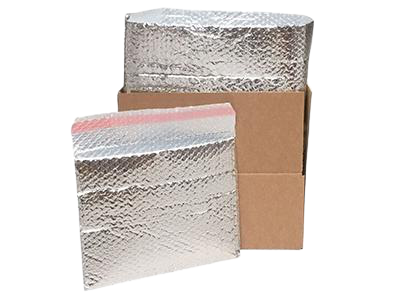
thermal shipping liner manufacturer should be bought with one question in mind: what is the most reliable way to protect the shipment without creating unnecessary cost or packaging burden? The strongest 2026 programs combine buyer logic, technical evidence, and market awareness. The European Commission says the PPWR entered into force on February 11, 2025, with general application 18 months later, pushing packaging teams toward lower waste and lower use of primary raw materials. This guide merges those viewpoints into one practical playbook you can use for sourcing, approval, and continuous improvement.
What this guide will answer
- When thermal shipping liner manufacturer is the right answer and when another format may be better.
- How to build a clean specification, test plan, and quote request for thermal shipping liner.
- How to compare suppliers on performance, cost, compliance, and scalability at the same time.
- How to reduce waste, storage burden, and operating friction without weakening thermal protection.
When is thermal shipping liner manufacturer the right solution?
The right use case for thermal shipping liner manufacturer is the one where the format matches the lane risk, payload sensitivity, and operating reality. If the route is short and the operation values speed, a lighter and simpler format may be enough. If the route is regulated, long, or sensitive, you need stronger evidence, tighter packout control, and clearer change management. Buying becomes easier as soon as you segment your lanes instead of asking one product to solve every shipment.
Start with three questions. First, how much temperature margin do you really need? Second, how consistent is the way the box is packed? Third, how much packaging burden can the business tolerate in freight, storage, and disposal? When those answers are clear, the packaging choice usually narrows quickly. You may find that your highest-risk shipments need a more controlled structure, while high-volume commercial shipments need better cube efficiency and faster assembly more than extra thickness.
When is thermal shipping liner the best fit for your program?
Use thermal shipping liner when it brings a real advantage in fit, repeatability, sustainability story, or storage efficiency for the route you are serving. If another format would be easier to pack, easier to validate, or easier to recover after use, compare them honestly. Optimized buying is not about proving one material family is superior in every case. It is about matching the design to the business problem with the least unnecessary complexity.
| Decision factor | Low-risk lane | Higher-risk lane | How it guides your choice |
| Transit profile | Short, stable, predictable | Long, variable, or seasonal | Determines how much thermal margin you need |
| Packing process | Experienced team and simple flow | High turnover or busy peak operation | Drives need for repeatable format |
| Packaging burden | Storage and disposal matter heavily | Protection dominates the decision | Changes the best balance of materials |
Practical tips you can use now
- Segment lanes before you talk to suppliers. One-size-fits-all buying usually creates hidden cost.
- Document whether the real priority is hold time, cube reduction, labor speed, or sustainability alignment.
- If two designs both pass, choose the one that is easier to operate and easier to re-order consistently.
Practical example: a buyer used one premium packout for every shipment because it felt safer. After segmenting lanes, the team kept the premium design for regulated routes and moved shorter commercial lanes to a leaner spec, cutting cost without weakening the critical program.
How should you build the specification and test plan?
A strong specification turns vague supplier conversations into usable proposals. For thermal shipping liner, the spec should define shipper size, payload, refrigerant type, temperature target, transit duration, packaging format, and acceptance window. Once those items are fixed, test data becomes much easier to interpret and quotes become much easier to compare. This is where many packaging projects either become disciplined or stay forever subjective.
The best spec sheets are short but precise. They state what must be protected, what the lane looks like, how the packout is assembled, and what evidence is acceptable. They also list what triggers re-approval, such as a material substitution, size change, or different refrigerant loading. When your RFQ carries that structure, suppliers spend less time guessing and more time solving. That improves both technical quality and commercial clarity.
What should a 2026 RFQ and test plan include for thermal shipping liner?
Include five basics: product and payload description, shipper dimensions, transit profile, packout bill of materials, and pass criteria. Then add test expectations: logger location, route profile or chamber profile, and what counts as failure or marginal performance. If the program is highly seasonal or regulated, build in separate summer-risk logic and an excursion-review path. This protects you from approving a design that works only under one friendly scenario.
| RFQ element | What to define clearly | Why it matters | Typical mistake |
| Lane summary | Transit duration, dwell, and season | Shapes the thermal target | Using only average transit time |
| Packout BOM | Liner, shipper, refrigerant, payload | Protects repeatability | Testing one BOM and buying another |
| Change triggers | Material, size, or route changes | Supports ongoing control | Treating any substitute as equivalent |
Practical tips you can use now
- Write the RFQ before you ask for samples. It will improve both sample relevance and quote quality.
- Set pass criteria in plain language so purchasing, operations, and QA all read the same expectation.
- Keep the RFQ and the approved drawing together in one shared folder. Separation creates version drift.
Practical example: after rewriting its RFQ to define the route and pass window clearly, one team received fewer but much better proposals. The resulting shortlist was easier to compare and much easier to explain internally.
How should you compare suppliers, factories, or distributors?
Supplier choice should be made with a balanced scorecard, not a single-price ranking. For thermal shipping liner manufacturer, score at least six areas: spec clarity, sample quality, validation logic, replenishment reliability, communication speed, and total landed cost. This approach rewards suppliers who can scale cleanly instead of suppliers who win early only because the first quote was attractive.
A balanced scorecard is especially useful when internal stakeholders disagree. Procurement may focus on price, operations on pack speed, engineering on data, and sustainability on material complexity. The scorecard forces the trade-offs onto one page. It also creates a documented rationale for supplier choice, which becomes valuable when demand rises, a complaint occurs, or a supplier change is proposed later. Consistency in evaluation is itself a form of risk control.
What should a practical supplier scorecard look like for thermal shipping liner?
Give each category a simple score from 1 to 5 and weight the score according to lane risk. Critical healthcare or high-value lanes may weight validation and change control more heavily. Commercial food lanes may weight replenishment speed, cube efficiency, and packout labor more heavily. The exact weighting can change, but the decision method should stay consistent across suppliers.
| Scorecard area | What good looks like | Why it matters most | Suggested weighting idea |
| Spec and sample quality | Clear, repeatable, easy-to-check format | Prevents re-order confusion | High for every lane |
| Validation and compliance | Test logic, limits, and revision control | Protects high-risk shipments | Very high for regulated lanes |
| Service and landed cost | Fast response, reliable lead time, real cost view | Supports scaling and margin | High for volume programs |
Practical tips you can use now
- Use the same scorecard for every supplier round. Changing the method midstream creates bias.
- Review scorecard results with operations and QA together so no critical risk is hidden behind price pressure.
- Keep notes on why a supplier lost, not only why one won. That helps in future sourcing rounds.
Practical example: one supplier ranked first on price but low on spec clarity and sampling discipline. The scorecard made the trade-off visible, and the buyer chose the supplier with a slightly higher cost but much lower execution risk.
How do you optimize cost, labor, and sustainability together?
Cost reduction is strongest when you remove waste from the system, not when you simply thin the material. With thermal shipping liner, the biggest savings often come from better carton fit, denser empty-package logistics, fewer packing errors, lower tape use, and fewer seasonal emergency changes. That is why packaging optimization should be reviewed across the full workflow, not only on the purchase order.
Look first at the obvious sources of waste: too much unused headspace, too many SKU variants, poor pallet efficiency, and complicated assembly. Then review the less obvious ones: receiving-time confusion, slow training, product shifts inside the box, and overbuilt designs on low-risk routes. If you address these points systematically, you can often keep protection stable while lowering both cost and packaging burden. This is also where sustainability and profitability frequently align.
How do you reduce cost and packaging burden without weakening protection?
Use a four-step review: right-size the carton, simplify the liner or insert format, improve the packout instruction, and compare stored cube per thousand shipments. Then test the revised design against the same route logic as the original. The winning change is the one that lowers waste and still stays inside the target temperature window with enough operational margin. This is far more durable than cutting cost blindly and hoping complaints do not increase.
| Optimization lever | Typical saving area | Main caution | Why it matters |
| Right-sizing | Freight, corrugate, and refrigerant | Can reduce margin if rushed | Often the cleanest first move |
| Format simplification | Labor and error reduction | May change assembly sequence | Improves operating stability |
| Denser supply logistics | Warehouse and inbound freight | Needs packout-ready recovery | Big lever in high-volume programs |
Practical tips you can use now
- Measure savings per protected shipment, not per unit alone.
- Re-test every meaningful optimization change against the same acceptance window so results stay comparable.
- Review waste, cube, and complaint data together. Optimization is strongest when all three improve at once.
Practical example: a brand focused first on unit price and saw little improvement. After switching to a workflow view, it cut empty-package storage, reduced assembly time, and lowered total cost without touching product safety.
How will 2026 trends reshape the buying plan?
The next 12 to 24 months will reward buyers who make their packaging system easier to explain and easier to defend. The European Commission says the PPWR entered into force on February 11, 2025, with general application 18 months later, pushing packaging teams toward lower waste and lower use of primary raw materials. IATA says its Temperature Control Regulations compile the requirements, packaging expectations, and documentation needed to ship compliant temperature-sensitive products. In January 2026, FDA said CBER had approved close to 50 cell and gene therapies over the last decade, a signal that more sensitive products are moving through cold-chain networks. That mix of market pressure and compliance pressure means every important packaging choice should be backed by a clean story: why this design, for which lane, under which limits, with which recovery logic.
That story matters internally as well as externally. Sales teams need clear sustainability language. QA teams need clear change-control rules. Operations teams need fast, visual packout instructions. Procurement needs a real cost model. When those views line up, the packaging program becomes easier to scale and easier to improve over time. In 2026, clarity is increasingly a competitive advantage.
What should your 2026 action plan look like for thermal shipping liner?
A useful action plan is short. Rank your lanes by risk and volume, define one approved packaging format for each lane family, set scorecard rules for suppliers, and schedule a post-season performance review. Then decide which sustainability question matters most: smaller packout, simpler materials, or clearer disposal guidance. That plan turns packaging from a reactive purchase into a managed capability.
| 2026 action | What to do now | Expected payoff | Owner |
| Lane ranking | Separate critical and commercial lanes | Sharper specifications | QA and sourcing |
| Supplier discipline | Use one RFQ and one scorecard | Better comparisons | Procurement |
| Optimization review | Audit cube, labor, and complaints after peak season | Lower waste and stronger margin | Operations |
Practical tips you can use now
- Keep the action plan short enough to use monthly, not just at annual strategy meetings.
- Tie sustainability goals to a measurable lever such as box size, mixed-material count, or disposal clarity.
- Do one post-summer review every year. Heat exposure reveals truths that spring pilots often hide.
Practical example: after one structured summer review, a buyer simplified its approved formats, tightened supplier communication, and set clearer re-qualification triggers. The next peak season required less emergency buying and produced cleaner performance data.
2026 developments and trends for thermal shipping liner
The best optimized programs now combine people-first content on the sales side with evidence-first packaging on the operations side. In practice, that means better technical storytelling, cleaner specs, clearer disposal guidance, and fewer unsupported claims around thermal shipping liner.
Latest developments at a glance
- More buyers will ask for a scorecard-based sourcing process.
- More teams will optimize total protected-shipment cost instead of chasing the lowest unit price.
- More packaging reviews will combine thermal evidence with waste-reduction logic in the same decision.
If you organize your program around lane clarity, disciplined documents, and a repeatable review loop, you will be ready for those changes before they become urgent.
Frequently asked questions
What is the best first step before sourcing thermal shipping liner manufacturer?
Write a one-page lane summary with shipper size, payload, refrigerant, transit target, and operating constraints. It will improve every later decision.
How many suppliers should I compare seriously?
Usually two to four. More than that often creates noise unless your RFQ is highly standardized and your review capacity is strong.
Should sustainability and compliance be reviewed separately?
They can be discussed separately, but the final choice should combine them. A greener claim that weakens protection or a compliant design that wastes space are both incomplete answers.
How do I know whether to standardize or split formats by lane?
Split by lane when risk or operating conditions differ enough to change the best design. Standardize where the same format truly serves multiple routes without penalty.
What makes a packaging supplier valuable in 2026?
Clear specifications, honest trade-off discussion, stable production, fast communication, and the ability to connect thermal logic with real operations.
Summary and recommendations
The most complete way to buy thermal shipping liner manufacturer in 2026 is to combine route logic, technical validation, supplier discipline, and packaging optimization. That means segmenting lanes, writing a better RFQ, using a balanced supplier scorecard, and reviewing total protected-shipment cost instead of unit price alone.
If you do that well, you can improve protection, simplify operations, and reduce packaging burden at the same time. The result is not just a better liner or insert. It is a stronger cold-chain packaging system.
About Tempk
At Tempk, we build cold-chain packaging programs around real shipping conditions and real buying decisions. We help teams connect the lane, the packaging format, the validation plan, and the supply model so packaging stays practical from pilot stage to bulk production.
Next step: create a lane-based RFQ, score your current suppliers against it, and run one optimization review on cube, labor, and complaints before the next peak season.
Temperature Controlled Box Liner Factories: The 2026 Buyer Guide
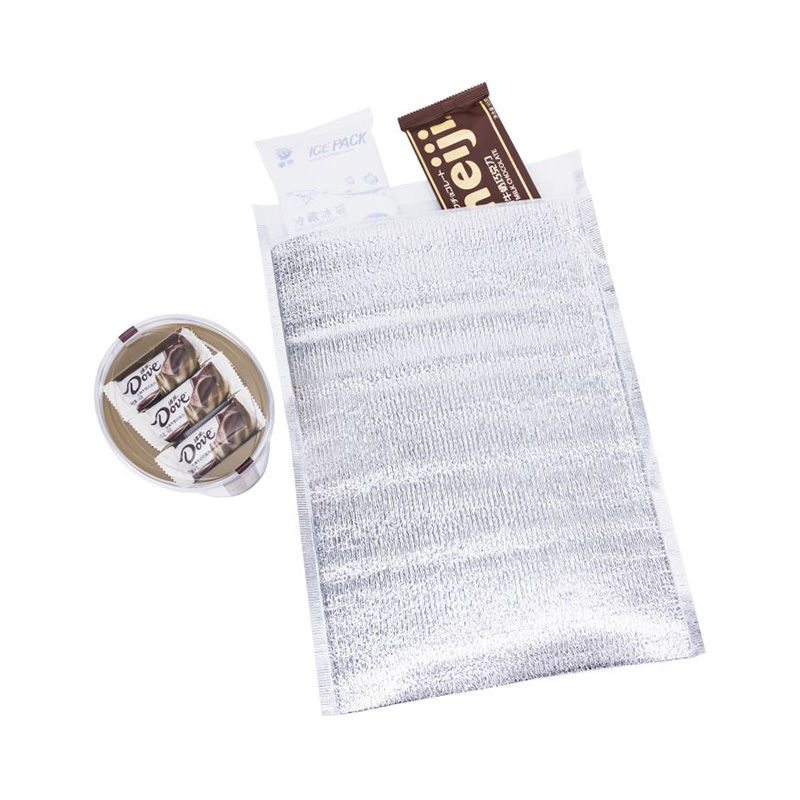
temperature controlled box liner factories should be bought with one question in mind: what is the most reliable way to protect the shipment without creating unnecessary cost or packaging burden? The strongest 2026 programs combine buyer logic, technical evidence, and market awareness. The European Commission says the PPWR entered into force on February 11, 2025, with general application 18 months later, pushing packaging teams toward lower waste and lower use of primary raw materials. This guide merges those viewpoints into one practical playbook you can use for sourcing, approval, and continuous improvement.
What this guide will answer
- When temperature controlled box liner factories is the right answer and when another format may be better.
- How to build a clean specification, test plan, and quote request for temperature controlled box liner.
- How to compare suppliers on performance, cost, compliance, and scalability at the same time.
- How to reduce waste, storage burden, and operating friction without weakening thermal protection.
When is temperature controlled box liner factories the right solution?
The right use case for temperature controlled box liner factories is the one where the format matches the lane risk, payload sensitivity, and operating reality. If the route is short and the operation values speed, a lighter and simpler format may be enough. If the route is regulated, long, or sensitive, you need stronger evidence, tighter packout control, and clearer change management. Buying becomes easier as soon as you segment your lanes instead of asking one product to solve every shipment.
Start with three questions. First, how much temperature margin do you really need? Second, how consistent is the way the box is packed? Third, how much packaging burden can the business tolerate in freight, storage, and disposal? When those answers are clear, the packaging choice usually narrows quickly. You may find that your highest-risk shipments need a more controlled structure, while high-volume commercial shipments need better cube efficiency and faster assembly more than extra thickness.
When is temperature controlled box liner the best fit for your program?
Use temperature controlled box liner when it brings a real advantage in fit, repeatability, sustainability story, or storage efficiency for the route you are serving. If another format would be easier to pack, easier to validate, or easier to recover after use, compare them honestly. Optimized buying is not about proving one material family is superior in every case. It is about matching the design to the business problem with the least unnecessary complexity.
| Decision factor | Low-risk lane | Higher-risk lane | How it guides your choice |
| Transit profile | Short, stable, predictable | Long, variable, or seasonal | Determines how much thermal margin you need |
| Packing process | Experienced team and simple flow | High turnover or busy peak operation | Drives need for repeatable format |
| Packaging burden | Storage and disposal matter heavily | Protection dominates the decision | Changes the best balance of materials |
Practical tips you can use now
- Segment lanes before you talk to suppliers. One-size-fits-all buying usually creates hidden cost.
- Document whether the real priority is hold time, cube reduction, labor speed, or sustainability alignment.
- If two designs both pass, choose the one that is easier to operate and easier to re-order consistently.
Practical example: a buyer used one premium packout for every shipment because it felt safer. After segmenting lanes, the team kept the premium design for regulated routes and moved shorter commercial lanes to a leaner spec, cutting cost without weakening the critical program.
How should you build the specification and test plan?
A strong specification turns vague supplier conversations into usable proposals. For temperature controlled box liner, the spec should define shipper size, payload, refrigerant type, temperature target, transit duration, packaging format, and acceptance window. Once those items are fixed, test data becomes much easier to interpret and quotes become much easier to compare. This is where many packaging projects either become disciplined or stay forever subjective.
The best spec sheets are short but precise. They state what must be protected, what the lane looks like, how the packout is assembled, and what evidence is acceptable. They also list what triggers re-approval, such as a material substitution, size change, or different refrigerant loading. When your RFQ carries that structure, suppliers spend less time guessing and more time solving. That improves both technical quality and commercial clarity.
What should a 2026 RFQ and test plan include for temperature controlled box liner?
Include five basics: product and payload description, shipper dimensions, transit profile, packout bill of materials, and pass criteria. Then add test expectations: logger location, route profile or chamber profile, and what counts as failure or marginal performance. If the program is highly seasonal or regulated, build in separate summer-risk logic and an excursion-review path. This protects you from approving a design that works only under one friendly scenario.
| RFQ element | What to define clearly | Why it matters | Typical mistake |
| Lane summary | Transit duration, dwell, and season | Shapes the thermal target | Using only average transit time |
| Packout BOM | Liner, shipper, refrigerant, payload | Protects repeatability | Testing one BOM and buying another |
| Change triggers | Material, size, or route changes | Supports ongoing control | Treating any substitute as equivalent |
Practical tips you can use now
- Write the RFQ before you ask for samples. It will improve both sample relevance and quote quality.
- Set pass criteria in plain language so purchasing, operations, and QA all read the same expectation.
- Keep the RFQ and the approved drawing together in one shared folder. Separation creates version drift.
Practical example: after rewriting its RFQ to define the route and pass window clearly, one team received fewer but much better proposals. The resulting shortlist was easier to compare and much easier to explain internally.
How should you compare suppliers, factories, or distributors?
Supplier choice should be made with a balanced scorecard, not a single-price ranking. For temperature controlled box liner factories, score at least six areas: spec clarity, sample quality, validation logic, replenishment reliability, communication speed, and total landed cost. This approach rewards suppliers who can scale cleanly instead of suppliers who win early only because the first quote was attractive.
A balanced scorecard is especially useful when internal stakeholders disagree. Procurement may focus on price, operations on pack speed, engineering on data, and sustainability on material complexity. The scorecard forces the trade-offs onto one page. It also creates a documented rationale for supplier choice, which becomes valuable when demand rises, a complaint occurs, or a supplier change is proposed later. Consistency in evaluation is itself a form of risk control.
What should a practical supplier scorecard look like for temperature controlled box liner?
Give each category a simple score from 1 to 5 and weight the score according to lane risk. Critical healthcare or high-value lanes may weight validation and change control more heavily. Commercial food lanes may weight replenishment speed, cube efficiency, and packout labor more heavily. The exact weighting can change, but the decision method should stay consistent across suppliers.
| Scorecard area | What good looks like | Why it matters most | Suggested weighting idea |
| Spec and sample quality | Clear, repeatable, easy-to-check format | Prevents re-order confusion | High for every lane |
| Validation and compliance | Test logic, limits, and revision control | Protects high-risk shipments | Very high for regulated lanes |
| Service and landed cost | Fast response, reliable lead time, real cost view | Supports scaling and margin | High for volume programs |
Practical tips you can use now
- Use the same scorecard for every supplier round. Changing the method midstream creates bias.
- Review scorecard results with operations and QA together so no critical risk is hidden behind price pressure.
- Keep notes on why a supplier lost, not only why one won. That helps in future sourcing rounds.
Practical example: one supplier ranked first on price but low on spec clarity and sampling discipline. The scorecard made the trade-off visible, and the buyer chose the supplier with a slightly higher cost but much lower execution risk.
How do you optimize cost, labor, and sustainability together?
Cost reduction is strongest when you remove waste from the system, not when you simply thin the material. With temperature controlled box liner, the biggest savings often come from better carton fit, denser empty-package logistics, fewer packing errors, lower tape use, and fewer seasonal emergency changes. That is why packaging optimization should be reviewed across the full workflow, not only on the purchase order.
Look first at the obvious sources of waste: too much unused headspace, too many SKU variants, poor pallet efficiency, and complicated assembly. Then review the less obvious ones: receiving-time confusion, slow training, product shifts inside the box, and overbuilt designs on low-risk routes. If you address these points systematically, you can often keep protection stable while lowering both cost and packaging burden. This is also where sustainability and profitability frequently align.
How do you reduce cost and packaging burden without weakening protection?
Use a four-step review: right-size the carton, simplify the liner or insert format, improve the packout instruction, and compare stored cube per thousand shipments. Then test the revised design against the same route logic as the original. The winning change is the one that lowers waste and still stays inside the target temperature window with enough operational margin. This is far more durable than cutting cost blindly and hoping complaints do not increase.
| Optimization lever | Typical saving area | Main caution | Why it matters |
| Right-sizing | Freight, corrugate, and refrigerant | Can reduce margin if rushed | Often the cleanest first move |
| Format simplification | Labor and error reduction | May change assembly sequence | Improves operating stability |
| Denser supply logistics | Warehouse and inbound freight | Needs packout-ready recovery | Big lever in high-volume programs |
Practical tips you can use now
- Measure savings per protected shipment, not per unit alone.
- Re-test every meaningful optimization change against the same acceptance window so results stay comparable.
- Review waste, cube, and complaint data together. Optimization is strongest when all three improve at once.
Practical example: a brand focused first on unit price and saw little improvement. After switching to a workflow view, it cut empty-package storage, reduced assembly time, and lowered total cost without touching product safety.
How will 2026 trends reshape the buying plan?
The next 12 to 24 months will reward buyers who make their packaging system easier to explain and easier to defend. The European Commission says the PPWR entered into force on February 11, 2025, with general application 18 months later, pushing packaging teams toward lower waste and lower use of primary raw materials. IATA says its Temperature Control Regulations compile the requirements, packaging expectations, and documentation needed to ship compliant temperature-sensitive products. In January 2026, FDA said CBER had approved close to 50 cell and gene therapies over the last decade, a signal that more sensitive products are moving through cold-chain networks. That mix of market pressure and compliance pressure means every important packaging choice should be backed by a clean story: why this design, for which lane, under which limits, with which recovery logic.
That story matters internally as well as externally. Sales teams need clear sustainability language. QA teams need clear change-control rules. Operations teams need fast, visual packout instructions. Procurement needs a real cost model. When those views line up, the packaging program becomes easier to scale and easier to improve over time. In 2026, clarity is increasingly a competitive advantage.
What should your 2026 action plan look like for temperature controlled box liner?
A useful action plan is short. Rank your lanes by risk and volume, define one approved packaging format for each lane family, set scorecard rules for suppliers, and schedule a post-season performance review. Then decide which sustainability question matters most: smaller packout, simpler materials, or clearer disposal guidance. That plan turns packaging from a reactive purchase into a managed capability.
| 2026 action | What to do now | Expected payoff | Owner |
| Lane ranking | Separate critical and commercial lanes | Sharper specifications | QA and sourcing |
| Supplier discipline | Use one RFQ and one scorecard | Better comparisons | Procurement |
| Optimization review | Audit cube, labor, and complaints after peak season | Lower waste and stronger margin | Operations |
Practical tips you can use now
- Keep the action plan short enough to use monthly, not just at annual strategy meetings.
- Tie sustainability goals to a measurable lever such as box size, mixed-material count, or disposal clarity.
- Do one post-summer review every year. Heat exposure reveals truths that spring pilots often hide.
Practical example: after one structured summer review, a buyer simplified its approved formats, tightened supplier communication, and set clearer re-qualification triggers. The next peak season required less emergency buying and produced cleaner performance data.
2026 developments and trends for temperature controlled box liner
The best optimized programs now combine people-first content on the sales side with evidence-first packaging on the operations side. In practice, that means better technical storytelling, cleaner specs, clearer disposal guidance, and fewer unsupported claims around temperature controlled box liner.
Latest developments at a glance
- More buyers will ask for a scorecard-based sourcing process.
- More teams will optimize total protected-shipment cost instead of chasing the lowest unit price.
- More packaging reviews will combine thermal evidence with waste-reduction logic in the same decision.
If you organize your program around lane clarity, disciplined documents, and a repeatable review loop, you will be ready for those changes before they become urgent.
Frequently asked questions
What is the best first step before sourcing temperature controlled box liner factories?
Write a one-page lane summary with shipper size, payload, refrigerant, transit target, and operating constraints. It will improve every later decision.
How many suppliers should I compare seriously?
Usually two to four. More than that often creates noise unless your RFQ is highly standardized and your review capacity is strong.
Should sustainability and compliance be reviewed separately?
They can be discussed separately, but the final choice should combine them. A greener claim that weakens protection or a compliant design that wastes space are both incomplete answers.
How do I know whether to standardize or split formats by lane?
Split by lane when risk or operating conditions differ enough to change the best design. Standardize where the same format truly serves multiple routes without penalty.
What makes a packaging supplier valuable in 2026?
Clear specifications, honest trade-off discussion, stable production, fast communication, and the ability to connect thermal logic with real operations.
Summary and recommendations
The most complete way to buy temperature controlled box liner factories in 2026 is to combine route logic, technical validation, supplier discipline, and packaging optimization. That means segmenting lanes, writing a better RFQ, using a balanced supplier scorecard, and reviewing total protected-shipment cost instead of unit price alone.
If you do that well, you can improve protection, simplify operations, and reduce packaging burden at the same time. The result is not just a better liner or insert. It is a stronger cold-chain packaging system.
About Tempk
At Tempk, we build cold-chain packaging programs around real shipping conditions and real buying decisions. We help teams connect the lane, the packaging format, the validation plan, and the supply model so packaging stays practical from pilot stage to bulk production.
Next step: create a lane-based RFQ, score your current suppliers against it, and run one optimization review on cube, labor, and complaints before the next peak season.
Single Bubble Insulated Liner Factories: The 2026 Buyer Guide
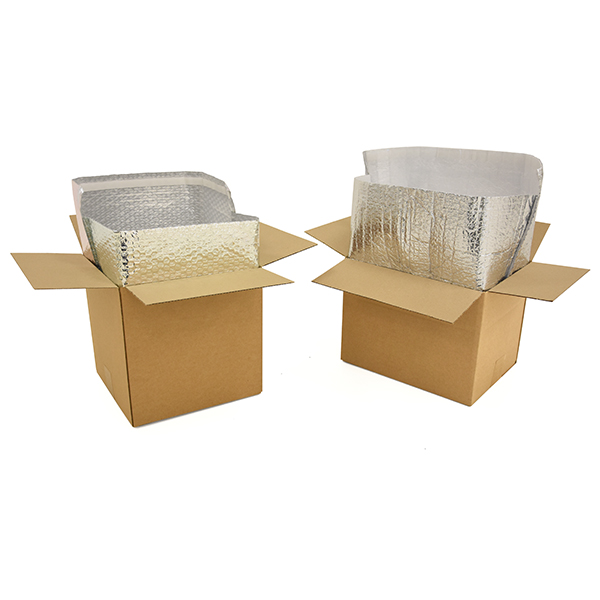
single bubble insulated liner factories should be bought with one question in mind: what is the most reliable way to protect the shipment without creating unnecessary cost or packaging burden? The strongest 2026 programs combine buyer logic, technical evidence, and market awareness. FDA's 2025 draft Q1 stability guidance says excursion effects can be evaluated using stability studies or suitable statistical modeling, and each excursion should be documented and handled inside the quality system. This guide merges those viewpoints into one practical playbook you can use for sourcing, approval, and continuous improvement.
What this guide will answer
- When single bubble insulated liner factories is the right answer and when another format may be better.
- How to build a clean specification, test plan, and quote request for single bubble insulated liner.
- How to compare suppliers on performance, cost, compliance, and scalability at the same time.
- How to reduce waste, storage burden, and operating friction without weakening thermal protection.
When is single bubble insulated liner factories the right solution?
The right use case for single bubble insulated liner factories is the one where the format matches the lane risk, payload sensitivity, and operating reality. If the route is short and the operation values speed, a lighter and simpler format may be enough. If the route is regulated, long, or sensitive, you need stronger evidence, tighter packout control, and clearer change management. Buying becomes easier as soon as you segment your lanes instead of asking one product to solve every shipment.
Start with three questions. First, how much temperature margin do you really need? Second, how consistent is the way the box is packed? Third, how much packaging burden can the business tolerate in freight, storage, and disposal? When those answers are clear, the packaging choice usually narrows quickly. You may find that your highest-risk shipments need a more controlled structure, while high-volume commercial shipments need better cube efficiency and faster assembly more than extra thickness.
When is single bubble insulated liner the best fit for your program?
Use single bubble insulated liner when it brings a real advantage in fit, repeatability, sustainability story, or storage efficiency for the route you are serving. If another format would be easier to pack, easier to validate, or easier to recover after use, compare them honestly. Optimized buying is not about proving one material family is superior in every case. It is about matching the design to the business problem with the least unnecessary complexity.
| Decision factor | Low-risk lane | Higher-risk lane | How it guides your choice |
| Transit profile | Short, stable, predictable | Long, variable, or seasonal | Determines how much thermal margin you need |
| Packing process | Experienced team and simple flow | High turnover or busy peak operation | Drives need for repeatable format |
| Packaging burden | Storage and disposal matter heavily | Protection dominates the decision | Changes the best balance of materials |
Practical tips you can use now
- Segment lanes before you talk to suppliers. One-size-fits-all buying usually creates hidden cost.
- Document whether the real priority is hold time, cube reduction, labor speed, or sustainability alignment.
- If two designs both pass, choose the one that is easier to operate and easier to re-order consistently.
Practical example: a buyer used one premium packout for every shipment because it felt safer. After segmenting lanes, the team kept the premium design for regulated routes and moved shorter commercial lanes to a leaner spec, cutting cost without weakening the critical program.
How should you build the specification and test plan?
A strong specification turns vague supplier conversations into usable proposals. For single bubble insulated liner, the spec should define shipper size, payload, refrigerant type, temperature target, transit duration, packaging format, and acceptance window. Once those items are fixed, test data becomes much easier to interpret and quotes become much easier to compare. This is where many packaging projects either become disciplined or stay forever subjective.
The best spec sheets are short but precise. They state what must be protected, what the lane looks like, how the packout is assembled, and what evidence is acceptable. They also list what triggers re-approval, such as a material substitution, size change, or different refrigerant loading. When your RFQ carries that structure, suppliers spend less time guessing and more time solving. That improves both technical quality and commercial clarity.
What should a 2026 RFQ and test plan include for single bubble insulated liner?
Include five basics: product and payload description, shipper dimensions, transit profile, packout bill of materials, and pass criteria. Then add test expectations: logger location, route profile or chamber profile, and what counts as failure or marginal performance. If the program is highly seasonal or regulated, build in separate summer-risk logic and an excursion-review path. This protects you from approving a design that works only under one friendly scenario.
| RFQ element | What to define clearly | Why it matters | Typical mistake |
| Lane summary | Transit duration, dwell, and season | Shapes the thermal target | Using only average transit time |
| Packout BOM | Liner, shipper, refrigerant, payload | Protects repeatability | Testing one BOM and buying another |
| Change triggers | Material, size, or route changes | Supports ongoing control | Treating any substitute as equivalent |
Practical tips you can use now
- Write the RFQ before you ask for samples. It will improve both sample relevance and quote quality.
- Set pass criteria in plain language so purchasing, operations, and QA all read the same expectation.
- Keep the RFQ and the approved drawing together in one shared folder. Separation creates version drift.
Practical example: after rewriting its RFQ to define the route and pass window clearly, one team received fewer but much better proposals. The resulting shortlist was easier to compare and much easier to explain internally.
How should you compare suppliers, factories, or distributors?
Supplier choice should be made with a balanced scorecard, not a single-price ranking. For single bubble insulated liner factories, score at least six areas: spec clarity, sample quality, validation logic, replenishment reliability, communication speed, and total landed cost. This approach rewards suppliers who can scale cleanly instead of suppliers who win early only because the first quote was attractive.
A balanced scorecard is especially useful when internal stakeholders disagree. Procurement may focus on price, operations on pack speed, engineering on data, and sustainability on material complexity. The scorecard forces the trade-offs onto one page. It also creates a documented rationale for supplier choice, which becomes valuable when demand rises, a complaint occurs, or a supplier change is proposed later. Consistency in evaluation is itself a form of risk control.
What should a practical supplier scorecard look like for single bubble insulated liner?
Give each category a simple score from 1 to 5 and weight the score according to lane risk. Critical healthcare or high-value lanes may weight validation and change control more heavily. Commercial food lanes may weight replenishment speed, cube efficiency, and packout labor more heavily. The exact weighting can change, but the decision method should stay consistent across suppliers.
| Scorecard area | What good looks like | Why it matters most | Suggested weighting idea |
| Spec and sample quality | Clear, repeatable, easy-to-check format | Prevents re-order confusion | High for every lane |
| Validation and compliance | Test logic, limits, and revision control | Protects high-risk shipments | Very high for regulated lanes |
| Service and landed cost | Fast response, reliable lead time, real cost view | Supports scaling and margin | High for volume programs |
Practical tips you can use now
- Use the same scorecard for every supplier round. Changing the method midstream creates bias.
- Review scorecard results with operations and QA together so no critical risk is hidden behind price pressure.
- Keep notes on why a supplier lost, not only why one won. That helps in future sourcing rounds.
Practical example: one supplier ranked first on price but low on spec clarity and sampling discipline. The scorecard made the trade-off visible, and the buyer chose the supplier with a slightly higher cost but much lower execution risk.
How do you optimize cost, labor, and sustainability together?
Cost reduction is strongest when you remove waste from the system, not when you simply thin the material. With single bubble insulated liner, the biggest savings often come from better carton fit, denser empty-package logistics, fewer packing errors, lower tape use, and fewer seasonal emergency changes. That is why packaging optimization should be reviewed across the full workflow, not only on the purchase order.
Look first at the obvious sources of waste: too much unused headspace, too many SKU variants, poor pallet efficiency, and complicated assembly. Then review the less obvious ones: receiving-time confusion, slow training, product shifts inside the box, and overbuilt designs on low-risk routes. If you address these points systematically, you can often keep protection stable while lowering both cost and packaging burden. This is also where sustainability and profitability frequently align.
How do you reduce cost and packaging burden without weakening protection?
Use a four-step review: right-size the carton, simplify the liner or insert format, improve the packout instruction, and compare stored cube per thousand shipments. Then test the revised design against the same route logic as the original. The winning change is the one that lowers waste and still stays inside the target temperature window with enough operational margin. This is far more durable than cutting cost blindly and hoping complaints do not increase.
| Optimization lever | Typical saving area | Main caution | Why it matters |
| Right-sizing | Freight, corrugate, and refrigerant | Can reduce margin if rushed | Often the cleanest first move |
| Format simplification | Labor and error reduction | May change assembly sequence | Improves operating stability |
| Denser supply logistics | Warehouse and inbound freight | Needs packout-ready recovery | Big lever in high-volume programs |
Practical tips you can use now
- Measure savings per protected shipment, not per unit alone.
- Re-test every meaningful optimization change against the same acceptance window so results stay comparable.
- Review waste, cube, and complaint data together. Optimization is strongest when all three improve at once.
Practical example: a brand focused first on unit price and saw little improvement. After switching to a workflow view, it cut empty-package storage, reduced assembly time, and lowered total cost without touching product safety.
How will 2026 trends reshape the buying plan?
The next 12 to 24 months will reward buyers who make their packaging system easier to explain and easier to defend. The European Commission says the PPWR entered into force on February 11, 2025, with general application 18 months later, pushing packaging teams toward lower waste and lower use of primary raw materials. IATA says its Temperature Control Regulations compile the requirements, packaging expectations, and documentation needed to ship compliant temperature-sensitive products. In January 2026, FDA said CBER had approved close to 50 cell and gene therapies over the last decade, a signal that more sensitive products are moving through cold-chain networks. That mix of market pressure and compliance pressure means every important packaging choice should be backed by a clean story: why this design, for which lane, under which limits, with which recovery logic.
That story matters internally as well as externally. Sales teams need clear sustainability language. QA teams need clear change-control rules. Operations teams need fast, visual packout instructions. Procurement needs a real cost model. When those views line up, the packaging program becomes easier to scale and easier to improve over time. In 2026, clarity is increasingly a competitive advantage.
What should your 2026 action plan look like for single bubble insulated liner?
A useful action plan is short. Rank your lanes by risk and volume, define one approved packaging format for each lane family, set scorecard rules for suppliers, and schedule a post-season performance review. Then decide which sustainability question matters most: smaller packout, simpler materials, or clearer disposal guidance. That plan turns packaging from a reactive purchase into a managed capability.
| 2026 action | What to do now | Expected payoff | Owner |
| Lane ranking | Separate critical and commercial lanes | Sharper specifications | QA and sourcing |
| Supplier discipline | Use one RFQ and one scorecard | Better comparisons | Procurement |
| Optimization review | Audit cube, labor, and complaints after peak season | Lower waste and stronger margin | Operations |
Practical tips you can use now
- Keep the action plan short enough to use monthly, not just at annual strategy meetings.
- Tie sustainability goals to a measurable lever such as box size, mixed-material count, or disposal clarity.
- Do one post-summer review every year. Heat exposure reveals truths that spring pilots often hide.
Practical example: after one structured summer review, a buyer simplified its approved formats, tightened supplier communication, and set clearer re-qualification triggers. The next peak season required less emergency buying and produced cleaner performance data.
2026 developments and trends for single bubble insulated liner
The best optimized programs now combine people-first content on the sales side with evidence-first packaging on the operations side. In practice, that means better technical storytelling, cleaner specs, clearer disposal guidance, and fewer unsupported claims around single bubble insulated liner.
Latest developments at a glance
- More buyers will ask for a scorecard-based sourcing process.
- More teams will optimize total protected-shipment cost instead of chasing the lowest unit price.
- More packaging reviews will combine thermal evidence with waste-reduction logic in the same decision.
If you organize your program around lane clarity, disciplined documents, and a repeatable review loop, you will be ready for those changes before they become urgent.
Frequently asked questions
What is the best first step before sourcing single bubble insulated liner factories?
Write a one-page lane summary with shipper size, payload, refrigerant, transit target, and operating constraints. It will improve every later decision.
How many suppliers should I compare seriously?
Usually two to four. More than that often creates noise unless your RFQ is highly standardized and your review capacity is strong.
Should sustainability and compliance be reviewed separately?
They can be discussed separately, but the final choice should combine them. A greener claim that weakens protection or a compliant design that wastes space are both incomplete answers.
How do I know whether to standardize or split formats by lane?
Split by lane when risk or operating conditions differ enough to change the best design. Standardize where the same format truly serves multiple routes without penalty.
What makes a packaging supplier valuable in 2026?
Clear specifications, honest trade-off discussion, stable production, fast communication, and the ability to connect thermal logic with real operations.
Summary and recommendations
The most complete way to buy single bubble insulated liner factories in 2026 is to combine route logic, technical validation, supplier discipline, and packaging optimization. That means segmenting lanes, writing a better RFQ, using a balanced supplier scorecard, and reviewing total protected-shipment cost instead of unit price alone.
If you do that well, you can improve protection, simplify operations, and reduce packaging burden at the same time. The result is not just a better liner or insert. It is a stronger cold-chain packaging system.
About Tempk
At Tempk, we build cold-chain packaging programs around real shipping conditions and real buying decisions. We help teams connect the lane, the packaging format, the validation plan, and the supply model so packaging stays practical from pilot stage to bulk production.
Next step: create a lane-based RFQ, score your current suppliers against it, and run one optimization review on cube, labor, and complaints before the next peak season.
Recyclable Insulated Box Liner Custom: The 2026 Buyer Guide
recyclable insulated box liner custom should be bought with one question in mind: what is the most reliable way to protect the shipment without creating unnecessary cost or packaging burden? The strongest 2026 programs combine buyer logic, technical evidence, and market awareness. WHO's temperature-mapping supplement treats mapping as a formal control activity. It says labeled temperature spaces should be mapped, hot and cold spots should be identified, and enough electronic data loggers should be used to characterize the area. This guide merges those viewpoints into one practical playbook you can use for sourcing, approval, and continuous improvement.
What this guide will answer
- When recyclable insulated box liner custom is the right answer and when another format may be better.
- How to build a clean specification, test plan, and quote request for recyclable insulated box liner.
- How to compare suppliers on performance, cost, compliance, and scalability at the same time.
- How to reduce waste, storage burden, and operating friction without weakening thermal protection.
When is recyclable insulated box liner custom the right solution?
The right use case for recyclable insulated box liner custom is the one where the format matches the lane risk, payload sensitivity, and operating reality. If the route is short and the operation values speed, a lighter and simpler format may be enough. If the route is regulated, long, or sensitive, you need stronger evidence, tighter packout control, and clearer change management. Buying becomes easier as soon as you segment your lanes instead of asking one product to solve every shipment.
Start with three questions. First, how much temperature margin do you really need? Second, how consistent is the way the box is packed? Third, how much packaging burden can the business tolerate in freight, storage, and disposal? When those answers are clear, the packaging choice usually narrows quickly. You may find that your highest-risk shipments need a more controlled structure, while high-volume commercial shipments need better cube efficiency and faster assembly more than extra thickness.
When is recyclable insulated box liner the best fit for your program?
Use recyclable insulated box liner when it brings a real advantage in fit, repeatability, sustainability story, or storage efficiency for the route you are serving. If another format would be easier to pack, easier to validate, or easier to recover after use, compare them honestly. Optimized buying is not about proving one material family is superior in every case. It is about matching the design to the business problem with the least unnecessary complexity.
| Decision factor | Low-risk lane | Higher-risk lane | How it guides your choice |
| Transit profile | Short, stable, predictable | Long, variable, or seasonal | Determines how much thermal margin you need |
| Packing process | Experienced team and simple flow | High turnover or busy peak operation | Drives need for repeatable format |
| Packaging burden | Storage and disposal matter heavily | Protection dominates the decision | Changes the best balance of materials |
Practical tips you can use now
- Segment lanes before you talk to suppliers. One-size-fits-all buying usually creates hidden cost.
- Document whether the real priority is hold time, cube reduction, labor speed, or sustainability alignment.
- If two designs both pass, choose the one that is easier to operate and easier to re-order consistently.
Practical example: a buyer used one premium packout for every shipment because it felt safer. After segmenting lanes, the team kept the premium design for regulated routes and moved shorter commercial lanes to a leaner spec, cutting cost without weakening the critical program.
How should you build the specification and test plan?
A strong specification turns vague supplier conversations into usable proposals. For recyclable insulated box liner, the spec should define shipper size, payload, refrigerant type, temperature target, transit duration, packaging format, and acceptance window. Once those items are fixed, test data becomes much easier to interpret and quotes become much easier to compare. This is where many packaging projects either become disciplined or stay forever subjective.
The best spec sheets are short but precise. They state what must be protected, what the lane looks like, how the packout is assembled, and what evidence is acceptable. They also list what triggers re-approval, such as a material substitution, size change, or different refrigerant loading. When your RFQ carries that structure, suppliers spend less time guessing and more time solving. That improves both technical quality and commercial clarity.
What should a 2026 RFQ and test plan include for recyclable insulated box liner?
Include five basics: product and payload description, shipper dimensions, transit profile, packout bill of materials, and pass criteria. Then add test expectations: logger location, route profile or chamber profile, and what counts as failure or marginal performance. If the program is highly seasonal or regulated, build in separate summer-risk logic and an excursion-review path. This protects you from approving a design that works only under one friendly scenario.
| RFQ element | What to define clearly | Why it matters | Typical mistake |
| Lane summary | Transit duration, dwell, and season | Shapes the thermal target | Using only average transit time |
| Packout BOM | Liner, shipper, refrigerant, payload | Protects repeatability | Testing one BOM and buying another |
| Change triggers | Material, size, or route changes | Supports ongoing control | Treating any substitute as equivalent |
Practical tips you can use now
- Write the RFQ before you ask for samples. It will improve both sample relevance and quote quality.
- Set pass criteria in plain language so purchasing, operations, and QA all read the same expectation.
- Keep the RFQ and the approved drawing together in one shared folder. Separation creates version drift.
Practical example: after rewriting its RFQ to define the route and pass window clearly, one team received fewer but much better proposals. The resulting shortlist was easier to compare and much easier to explain internally.
How should you compare suppliers, factories, or distributors?
Supplier choice should be made with a balanced scorecard, not a single-price ranking. For recyclable insulated box liner custom, score at least six areas: spec clarity, sample quality, validation logic, replenishment reliability, communication speed, and total landed cost. This approach rewards suppliers who can scale cleanly instead of suppliers who win early only because the first quote was attractive.
A balanced scorecard is especially useful when internal stakeholders disagree. Procurement may focus on price, operations on pack speed, engineering on data, and sustainability on material complexity. The scorecard forces the trade-offs onto one page. It also creates a documented rationale for supplier choice, which becomes valuable when demand rises, a complaint occurs, or a supplier change is proposed later. Consistency in evaluation is itself a form of risk control.
What should a practical supplier scorecard look like for recyclable insulated box liner?
Give each category a simple score from 1 to 5 and weight the score according to lane risk. Critical healthcare or high-value lanes may weight validation and change control more heavily. Commercial food lanes may weight replenishment speed, cube efficiency, and packout labor more heavily. The exact weighting can change, but the decision method should stay consistent across suppliers.
| Scorecard area | What good looks like | Why it matters most | Suggested weighting idea |
| Spec and sample quality | Clear, repeatable, easy-to-check format | Prevents re-order confusion | High for every lane |
| Validation and compliance | Test logic, limits, and revision control | Protects high-risk shipments | Very high for regulated lanes |
| Service and landed cost | Fast response, reliable lead time, real cost view | Supports scaling and margin | High for volume programs |
Practical tips you can use now
- Use the same scorecard for every supplier round. Changing the method midstream creates bias.
- Review scorecard results with operations and QA together so no critical risk is hidden behind price pressure.
- Keep notes on why a supplier lost, not only why one won. That helps in future sourcing rounds.
Practical example: one supplier ranked first on price but low on spec clarity and sampling discipline. The scorecard made the trade-off visible, and the buyer chose the supplier with a slightly higher cost but much lower execution risk.
How do you optimize cost, labor, and sustainability together?
Cost reduction is strongest when you remove waste from the system, not when you simply thin the material. With recyclable insulated box liner, the biggest savings often come from better carton fit, denser empty-package logistics, fewer packing errors, lower tape use, and fewer seasonal emergency changes. That is why packaging optimization should be reviewed across the full workflow, not only on the purchase order.
Look first at the obvious sources of waste: too much unused headspace, too many SKU variants, poor pallet efficiency, and complicated assembly. Then review the less obvious ones: receiving-time confusion, slow training, product shifts inside the box, and overbuilt designs on low-risk routes. If you address these points systematically, you can often keep protection stable while lowering both cost and packaging burden. This is also where sustainability and profitability frequently align.
How do you reduce cost and packaging burden without weakening protection?
Use a four-step review: right-size the carton, simplify the liner or insert format, improve the packout instruction, and compare stored cube per thousand shipments. Then test the revised design against the same route logic as the original. The winning change is the one that lowers waste and still stays inside the target temperature window with enough operational margin. This is far more durable than cutting cost blindly and hoping complaints do not increase.
| Optimization lever | Typical saving area | Main caution | Why it matters |
| Right-sizing | Freight, corrugate, and refrigerant | Can reduce margin if rushed | Often the cleanest first move |
| Format simplification | Labor and error reduction | May change assembly sequence | Improves operating stability |
| Denser supply logistics | Warehouse and inbound freight | Needs packout-ready recovery | Big lever in high-volume programs |
Practical tips you can use now
- Measure savings per protected shipment, not per unit alone.
- Re-test every meaningful optimization change against the same acceptance window so results stay comparable.
- Review waste, cube, and complaint data together. Optimization is strongest when all three improve at once.
Practical example: a brand focused first on unit price and saw little improvement. After switching to a workflow view, it cut empty-package storage, reduced assembly time, and lowered total cost without touching product safety.
How will 2026 trends reshape the buying plan?
The next 12 to 24 months will reward buyers who make their packaging system easier to explain and easier to defend. The European Commission says the PPWR entered into force on February 11, 2025, with general application 18 months later, pushing packaging teams toward lower waste and lower use of primary raw materials. IATA says its Temperature Control Regulations compile the requirements, packaging expectations, and documentation needed to ship compliant temperature-sensitive products. In January 2026, FDA said CBER had approved close to 50 cell and gene therapies over the last decade, a signal that more sensitive products are moving through cold-chain networks. That mix of market pressure and compliance pressure means every important packaging choice should be backed by a clean story: why this design, for which lane, under which limits, with which recovery logic.
That story matters internally as well as externally. Sales teams need clear sustainability language. QA teams need clear change-control rules. Operations teams need fast, visual packout instructions. Procurement needs a real cost model. When those views line up, the packaging program becomes easier to scale and easier to improve over time. In 2026, clarity is increasingly a competitive advantage.
What should your 2026 action plan look like for recyclable insulated box liner?
A useful action plan is short. Rank your lanes by risk and volume, define one approved packaging format for each lane family, set scorecard rules for suppliers, and schedule a post-season performance review. Then decide which sustainability question matters most: smaller packout, simpler materials, or clearer disposal guidance. That plan turns packaging from a reactive purchase into a managed capability.
| 2026 action | What to do now | Expected payoff | Owner |
| Lane ranking | Separate critical and commercial lanes | Sharper specifications | QA and sourcing |
| Supplier discipline | Use one RFQ and one scorecard | Better comparisons | Procurement |
| Optimization review | Audit cube, labor, and complaints after peak season | Lower waste and stronger margin | Operations |
Practical tips you can use now
- Keep the action plan short enough to use monthly, not just at annual strategy meetings.
- Tie sustainability goals to a measurable lever such as box size, mixed-material count, or disposal clarity.
- Do one post-summer review every year. Heat exposure reveals truths that spring pilots often hide.
Practical example: after one structured summer review, a buyer simplified its approved formats, tightened supplier communication, and set clearer re-qualification triggers. The next peak season required less emergency buying and produced cleaner performance data.
2026 developments and trends for recyclable insulated box liner
The best optimized programs now combine people-first content on the sales side with evidence-first packaging on the operations side. In practice, that means better technical storytelling, cleaner specs, clearer disposal guidance, and fewer unsupported claims around recyclable insulated box liner.
Latest developments at a glance
- More buyers will ask for a scorecard-based sourcing process.
- More teams will optimize total protected-shipment cost instead of chasing the lowest unit price.
- More packaging reviews will combine thermal evidence with waste-reduction logic in the same decision.
If you organize your program around lane clarity, disciplined documents, and a repeatable review loop, you will be ready for those changes before they become urgent.
Frequently asked questions
What is the best first step before sourcing recyclable insulated box liner custom?
Write a one-page lane summary with shipper size, payload, refrigerant, transit target, and operating constraints. It will improve every later decision.
How many suppliers should I compare seriously?
Usually two to four. More than that often creates noise unless your RFQ is highly standardized and your review capacity is strong.
Should sustainability and compliance be reviewed separately?
They can be discussed separately, but the final choice should combine them. A greener claim that weakens protection or a compliant design that wastes space are both incomplete answers.
How do I know whether to standardize or split formats by lane?
Split by lane when risk or operating conditions differ enough to change the best design. Standardize where the same format truly serves multiple routes without penalty.
What makes a packaging supplier valuable in 2026?
Clear specifications, honest trade-off discussion, stable production, fast communication, and the ability to connect thermal logic with real operations.
Summary and recommendations
The most complete way to buy recyclable insulated box liner custom in 2026 is to combine route logic, technical validation, supplier discipline, and packaging optimization. That means segmenting lanes, writing a better RFQ, using a balanced supplier scorecard, and reviewing total protected-shipment cost instead of unit price alone.
If you do that well, you can improve protection, simplify operations, and reduce packaging burden at the same time. The result is not just a better liner or insert. It is a stronger cold-chain packaging system.
About Tempk
At Tempk, we build cold-chain packaging programs around real shipping conditions and real buying decisions. We help teams connect the lane, the packaging format, the validation plan, and the supply model so packaging stays practical from pilot stage to bulk production.
Next step: create a lane-based RFQ, score your current suppliers against it, and run one optimization review on cube, labor, and complaints before the next peak season.
Paper Insulated Box Liner Import: The 2026 Buyer Guide
paper insulated box liner import should be bought with one question in mind: what is the most reliable way to protect the shipment without creating unnecessary cost or packaging burden? The strongest 2026 programs combine buyer logic, technical evidence, and market awareness. The European Commission says the PPWR entered into force on February 11, 2025, with general application 18 months later, pushing packaging teams toward lower waste and lower use of primary raw materials. This guide merges those viewpoints into one practical playbook you can use for sourcing, approval, and continuous improvement.
What this guide will answer
- When paper insulated box liner import is the right answer and when another format may be better.
- How to build a clean specification, test plan, and quote request for paper insulated box liner.
- How to compare suppliers on performance, cost, compliance, and scalability at the same time.
- How to reduce waste, storage burden, and operating friction without weakening thermal protection.
When is paper insulated box liner import the right solution?
The right use case for paper insulated box liner import is the one where the format matches the lane risk, payload sensitivity, and operating reality. If the route is short and the operation values speed, a lighter and simpler format may be enough. If the route is regulated, long, or sensitive, you need stronger evidence, tighter packout control, and clearer change management. Buying becomes easier as soon as you segment your lanes instead of asking one product to solve every shipment.
Start with three questions. First, how much temperature margin do you really need? Second, how consistent is the way the box is packed? Third, how much packaging burden can the business tolerate in freight, storage, and disposal? When those answers are clear, the packaging choice usually narrows quickly. You may find that your highest-risk shipments need a more controlled structure, while high-volume commercial shipments need better cube efficiency and faster assembly more than extra thickness.
When is paper insulated box liner the best fit for your program?
Use paper insulated box liner when it brings a real advantage in fit, repeatability, sustainability story, or storage efficiency for the route you are serving. If another format would be easier to pack, easier to validate, or easier to recover after use, compare them honestly. Optimized buying is not about proving one material family is superior in every case. It is about matching the design to the business problem with the least unnecessary complexity.
| Decision factor | Low-risk lane | Higher-risk lane | How it guides your choice |
| Transit profile | Short, stable, predictable | Long, variable, or seasonal | Determines how much thermal margin you need |
| Packing process | Experienced team and simple flow | High turnover or busy peak operation | Drives need for repeatable format |
| Packaging burden | Storage and disposal matter heavily | Protection dominates the decision | Changes the best balance of materials |
Practical tips you can use now
- Segment lanes before you talk to suppliers. One-size-fits-all buying usually creates hidden cost.
- Document whether the real priority is hold time, cube reduction, labor speed, or sustainability alignment.
- If two designs both pass, choose the one that is easier to operate and easier to re-order consistently.
Practical example: a buyer used one premium packout for every shipment because it felt safer. After segmenting lanes, the team kept the premium design for regulated routes and moved shorter commercial lanes to a leaner spec, cutting cost without weakening the critical program.
How should you build the specification and test plan?
A strong specification turns vague supplier conversations into usable proposals. For paper insulated box liner, the spec should define shipper size, payload, refrigerant type, temperature target, transit duration, packaging format, and acceptance window. Once those items are fixed, test data becomes much easier to interpret and quotes become much easier to compare. This is where many packaging projects either become disciplined or stay forever subjective.
The best spec sheets are short but precise. They state what must be protected, what the lane looks like, how the packout is assembled, and what evidence is acceptable. They also list what triggers re-approval, such as a material substitution, size change, or different refrigerant loading. When your RFQ carries that structure, suppliers spend less time guessing and more time solving. That improves both technical quality and commercial clarity.
What should a 2026 RFQ and test plan include for paper insulated box liner?
Include five basics: product and payload description, shipper dimensions, transit profile, packout bill of materials, and pass criteria. Then add test expectations: logger location, route profile or chamber profile, and what counts as failure or marginal performance. If the program is highly seasonal or regulated, build in separate summer-risk logic and an excursion-review path. This protects you from approving a design that works only under one friendly scenario.
| RFQ element | What to define clearly | Why it matters | Typical mistake |
| Lane summary | Transit duration, dwell, and season | Shapes the thermal target | Using only average transit time |
| Packout BOM | Liner, shipper, refrigerant, payload | Protects repeatability | Testing one BOM and buying another |
| Change triggers | Material, size, or route changes | Supports ongoing control | Treating any substitute as equivalent |
Practical tips you can use now
- Write the RFQ before you ask for samples. It will improve both sample relevance and quote quality.
- Set pass criteria in plain language so purchasing, operations, and QA all read the same expectation.
- Keep the RFQ and the approved drawing together in one shared folder. Separation creates version drift.
Practical example: after rewriting its RFQ to define the route and pass window clearly, one team received fewer but much better proposals. The resulting shortlist was easier to compare and much easier to explain internally.
How should you compare suppliers, factories, or distributors?
Supplier choice should be made with a balanced scorecard, not a single-price ranking. For paper insulated box liner import, score at least six areas: spec clarity, sample quality, validation logic, replenishment reliability, communication speed, and total landed cost. This approach rewards suppliers who can scale cleanly instead of suppliers who win early only because the first quote was attractive.
A balanced scorecard is especially useful when internal stakeholders disagree. Procurement may focus on price, operations on pack speed, engineering on data, and sustainability on material complexity. The scorecard forces the trade-offs onto one page. It also creates a documented rationale for supplier choice, which becomes valuable when demand rises, a complaint occurs, or a supplier change is proposed later. Consistency in evaluation is itself a form of risk control.
What should a practical supplier scorecard look like for paper insulated box liner?
Give each category a simple score from 1 to 5 and weight the score according to lane risk. Critical healthcare or high-value lanes may weight validation and change control more heavily. Commercial food lanes may weight replenishment speed, cube efficiency, and packout labor more heavily. The exact weighting can change, but the decision method should stay consistent across suppliers.
| Scorecard area | What good looks like | Why it matters most | Suggested weighting idea |
| Spec and sample quality | Clear, repeatable, easy-to-check format | Prevents re-order confusion | High for every lane |
| Validation and compliance | Test logic, limits, and revision control | Protects high-risk shipments | Very high for regulated lanes |
| Service and landed cost | Fast response, reliable lead time, real cost view | Supports scaling and margin | High for volume programs |
Practical tips you can use now
- Use the same scorecard for every supplier round. Changing the method midstream creates bias.
- Review scorecard results with operations and QA together so no critical risk is hidden behind price pressure.
- Keep notes on why a supplier lost, not only why one won. That helps in future sourcing rounds.
Practical example: one supplier ranked first on price but low on spec clarity and sampling discipline. The scorecard made the trade-off visible, and the buyer chose the supplier with a slightly higher cost but much lower execution risk.
How do you optimize cost, labor, and sustainability together?
Cost reduction is strongest when you remove waste from the system, not when you simply thin the material. With paper insulated box liner, the biggest savings often come from better carton fit, denser empty-package logistics, fewer packing errors, lower tape use, and fewer seasonal emergency changes. That is why packaging optimization should be reviewed across the full workflow, not only on the purchase order.
Look first at the obvious sources of waste: too much unused headspace, too many SKU variants, poor pallet efficiency, and complicated assembly. Then review the less obvious ones: receiving-time confusion, slow training, product shifts inside the box, and overbuilt designs on low-risk routes. If you address these points systematically, you can often keep protection stable while lowering both cost and packaging burden. This is also where sustainability and profitability frequently align.
How do you reduce cost and packaging burden without weakening protection?
Use a four-step review: right-size the carton, simplify the liner or insert format, improve the packout instruction, and compare stored cube per thousand shipments. Then test the revised design against the same route logic as the original. The winning change is the one that lowers waste and still stays inside the target temperature window with enough operational margin. This is far more durable than cutting cost blindly and hoping complaints do not increase.
| Optimization lever | Typical saving area | Main caution | Why it matters |
| Right-sizing | Freight, corrugate, and refrigerant | Can reduce margin if rushed | Often the cleanest first move |
| Format simplification | Labor and error reduction | May change assembly sequence | Improves operating stability |
| Denser supply logistics | Warehouse and inbound freight | Needs packout-ready recovery | Big lever in high-volume programs |
Practical tips you can use now
- Measure savings per protected shipment, not per unit alone.
- Re-test every meaningful optimization change against the same acceptance window so results stay comparable.
- Review waste, cube, and complaint data together. Optimization is strongest when all three improve at once.
Practical example: a brand focused first on unit price and saw little improvement. After switching to a workflow view, it cut empty-package storage, reduced assembly time, and lowered total cost without touching product safety.
How will 2026 trends reshape the buying plan?
The next 12 to 24 months will reward buyers who make their packaging system easier to explain and easier to defend. The European Commission says the PPWR entered into force on February 11, 2025, with general application 18 months later, pushing packaging teams toward lower waste and lower use of primary raw materials. IATA says its Temperature Control Regulations compile the requirements, packaging expectations, and documentation needed to ship compliant temperature-sensitive products. In January 2026, FDA said CBER had approved close to 50 cell and gene therapies over the last decade, a signal that more sensitive products are moving through cold-chain networks. That mix of market pressure and compliance pressure means every important packaging choice should be backed by a clean story: why this design, for which lane, under which limits, with which recovery logic.
That story matters internally as well as externally. Sales teams need clear sustainability language. QA teams need clear change-control rules. Operations teams need fast, visual packout instructions. Procurement needs a real cost model. When those views line up, the packaging program becomes easier to scale and easier to improve over time. In 2026, clarity is increasingly a competitive advantage.
What should your 2026 action plan look like for paper insulated box liner?
A useful action plan is short. Rank your lanes by risk and volume, define one approved packaging format for each lane family, set scorecard rules for suppliers, and schedule a post-season performance review. Then decide which sustainability question matters most: smaller packout, simpler materials, or clearer disposal guidance. That plan turns packaging from a reactive purchase into a managed capability.
| 2026 action | What to do now | Expected payoff | Owner |
| Lane ranking | Separate critical and commercial lanes | Sharper specifications | QA and sourcing |
| Supplier discipline | Use one RFQ and one scorecard | Better comparisons | Procurement |
| Optimization review | Audit cube, labor, and complaints after peak season | Lower waste and stronger margin | Operations |
Practical tips you can use now
- Keep the action plan short enough to use monthly, not just at annual strategy meetings.
- Tie sustainability goals to a measurable lever such as box size, mixed-material count, or disposal clarity.
- Do one post-summer review every year. Heat exposure reveals truths that spring pilots often hide.
Practical example: after one structured summer review, a buyer simplified its approved formats, tightened supplier communication, and set clearer re-qualification triggers. The next peak season required less emergency buying and produced cleaner performance data.
2026 developments and trends for paper insulated box liner
The best optimized programs now combine people-first content on the sales side with evidence-first packaging on the operations side. In practice, that means better technical storytelling, cleaner specs, clearer disposal guidance, and fewer unsupported claims around paper insulated box liner.
Latest developments at a glance
- More buyers will ask for a scorecard-based sourcing process.
- More teams will optimize total protected-shipment cost instead of chasing the lowest unit price.
- More packaging reviews will combine thermal evidence with waste-reduction logic in the same decision.
If you organize your program around lane clarity, disciplined documents, and a repeatable review loop, you will be ready for those changes before they become urgent.
Frequently asked questions
What is the best first step before sourcing paper insulated box liner import?
Write a one-page lane summary with shipper size, payload, refrigerant, transit target, and operating constraints. It will improve every later decision.
How many suppliers should I compare seriously?
Usually two to four. More than that often creates noise unless your RFQ is highly standardized and your review capacity is strong.
Should sustainability and compliance be reviewed separately?
They can be discussed separately, but the final choice should combine them. A greener claim that weakens protection or a compliant design that wastes space are both incomplete answers.
How do I know whether to standardize or split formats by lane?
Split by lane when risk or operating conditions differ enough to change the best design. Standardize where the same format truly serves multiple routes without penalty.
What makes a packaging supplier valuable in 2026?
Clear specifications, honest trade-off discussion, stable production, fast communication, and the ability to connect thermal logic with real operations.
Summary and recommendations
The most complete way to buy paper insulated box liner import in 2026 is to combine route logic, technical validation, supplier discipline, and packaging optimization. That means segmenting lanes, writing a better RFQ, using a balanced supplier scorecard, and reviewing total protected-shipment cost instead of unit price alone.
If you do that well, you can improve protection, simplify operations, and reduce packaging burden at the same time. The result is not just a better liner or insert. It is a stronger cold-chain packaging system.
About Tempk
At Tempk, we build cold-chain packaging programs around real shipping conditions and real buying decisions. We help teams connect the lane, the packaging format, the validation plan, and the supply model so packaging stays practical from pilot stage to bulk production.
Next step: create a lane-based RFQ, score your current suppliers against it, and run one optimization review on cube, labor, and complaints before the next peak season.
Paper Insulated Box Liner Distributors: The 2026 Buyer Guide
paper insulated box liner distributors should be bought with one question in mind: what is the most reliable way to protect the shipment without creating unnecessary cost or packaging burden? The strongest 2026 programs combine buyer logic, technical evidence, and market awareness. WHO's temperature-mapping supplement treats mapping as a formal control activity. It says labeled temperature spaces should be mapped, hot and cold spots should be identified, and enough electronic data loggers should be used to characterize the area. This guide merges those viewpoints into one practical playbook you can use for sourcing, approval, and continuous improvement.
What this guide will answer
- When paper insulated box liner distributors is the right answer and when another format may be better.
- How to build a clean specification, test plan, and quote request for paper insulated box liner.
- How to compare suppliers on performance, cost, compliance, and scalability at the same time.
- How to reduce waste, storage burden, and operating friction without weakening thermal protection.
When is paper insulated box liner distributors the right solution?
The right use case for paper insulated box liner distributors is the one where the format matches the lane risk, payload sensitivity, and operating reality. If the route is short and the operation values speed, a lighter and simpler format may be enough. If the route is regulated, long, or sensitive, you need stronger evidence, tighter packout control, and clearer change management. Buying becomes easier as soon as you segment your lanes instead of asking one product to solve every shipment.
Start with three questions. First, how much temperature margin do you really need? Second, how consistent is the way the box is packed? Third, how much packaging burden can the business tolerate in freight, storage, and disposal? When those answers are clear, the packaging choice usually narrows quickly. You may find that your highest-risk shipments need a more controlled structure, while high-volume commercial shipments need better cube efficiency and faster assembly more than extra thickness.
When is paper insulated box liner the best fit for your program?
Use paper insulated box liner when it brings a real advantage in fit, repeatability, sustainability story, or storage efficiency for the route you are serving. If another format would be easier to pack, easier to validate, or easier to recover after use, compare them honestly. Optimized buying is not about proving one material family is superior in every case. It is about matching the design to the business problem with the least unnecessary complexity.
| Decision factor | Low-risk lane | Higher-risk lane | How it guides your choice |
| Transit profile | Short, stable, predictable | Long, variable, or seasonal | Determines how much thermal margin you need |
| Packing process | Experienced team and simple flow | High turnover or busy peak operation | Drives need for repeatable format |
| Packaging burden | Storage and disposal matter heavily | Protection dominates the decision | Changes the best balance of materials |
Practical tips you can use now
- Segment lanes before you talk to suppliers. One-size-fits-all buying usually creates hidden cost.
- Document whether the real priority is hold time, cube reduction, labor speed, or sustainability alignment.
- If two designs both pass, choose the one that is easier to operate and easier to re-order consistently.
Practical example: a buyer used one premium packout for every shipment because it felt safer. After segmenting lanes, the team kept the premium design for regulated routes and moved shorter commercial lanes to a leaner spec, cutting cost without weakening the critical program.
How should you build the specification and test plan?
A strong specification turns vague supplier conversations into usable proposals. For paper insulated box liner, the spec should define shipper size, payload, refrigerant type, temperature target, transit duration, packaging format, and acceptance window. Once those items are fixed, test data becomes much easier to interpret and quotes become much easier to compare. This is where many packaging projects either become disciplined or stay forever subjective.
The best spec sheets are short but precise. They state what must be protected, what the lane looks like, how the packout is assembled, and what evidence is acceptable. They also list what triggers re-approval, such as a material substitution, size change, or different refrigerant loading. When your RFQ carries that structure, suppliers spend less time guessing and more time solving. That improves both technical quality and commercial clarity.
What should a 2026 RFQ and test plan include for paper insulated box liner?
Include five basics: product and payload description, shipper dimensions, transit profile, packout bill of materials, and pass criteria. Then add test expectations: logger location, route profile or chamber profile, and what counts as failure or marginal performance. If the program is highly seasonal or regulated, build in separate summer-risk logic and an excursion-review path. This protects you from approving a design that works only under one friendly scenario.
| RFQ element | What to define clearly | Why it matters | Typical mistake |
| Lane summary | Transit duration, dwell, and season | Shapes the thermal target | Using only average transit time |
| Packout BOM | Liner, shipper, refrigerant, payload | Protects repeatability | Testing one BOM and buying another |
| Change triggers | Material, size, or route changes | Supports ongoing control | Treating any substitute as equivalent |
Practical tips you can use now
- Write the RFQ before you ask for samples. It will improve both sample relevance and quote quality.
- Set pass criteria in plain language so purchasing, operations, and QA all read the same expectation.
- Keep the RFQ and the approved drawing together in one shared folder. Separation creates version drift.
Practical example: after rewriting its RFQ to define the route and pass window clearly, one team received fewer but much better proposals. The resulting shortlist was easier to compare and much easier to explain internally.
How should you compare suppliers, factories, or distributors?
Supplier choice should be made with a balanced scorecard, not a single-price ranking. For paper insulated box liner distributors, score at least six areas: spec clarity, sample quality, validation logic, replenishment reliability, communication speed, and total landed cost. This approach rewards suppliers who can scale cleanly instead of suppliers who win early only because the first quote was attractive.
A balanced scorecard is especially useful when internal stakeholders disagree. Procurement may focus on price, operations on pack speed, engineering on data, and sustainability on material complexity. The scorecard forces the trade-offs onto one page. It also creates a documented rationale for supplier choice, which becomes valuable when demand rises, a complaint occurs, or a supplier change is proposed later. Consistency in evaluation is itself a form of risk control.
What should a practical supplier scorecard look like for paper insulated box liner?
Give each category a simple score from 1 to 5 and weight the score according to lane risk. Critical healthcare or high-value lanes may weight validation and change control more heavily. Commercial food lanes may weight replenishment speed, cube efficiency, and packout labor more heavily. The exact weighting can change, but the decision method should stay consistent across suppliers.
| Scorecard area | What good looks like | Why it matters most | Suggested weighting idea |
| Spec and sample quality | Clear, repeatable, easy-to-check format | Prevents re-order confusion | High for every lane |
| Validation and compliance | Test logic, limits, and revision control | Protects high-risk shipments | Very high for regulated lanes |
| Service and landed cost | Fast response, reliable lead time, real cost view | Supports scaling and margin | High for volume programs |
Practical tips you can use now
- Use the same scorecard for every supplier round. Changing the method midstream creates bias.
- Review scorecard results with operations and QA together so no critical risk is hidden behind price pressure.
- Keep notes on why a supplier lost, not only why one won. That helps in future sourcing rounds.
Practical example: one supplier ranked first on price but low on spec clarity and sampling discipline. The scorecard made the trade-off visible, and the buyer chose the supplier with a slightly higher cost but much lower execution risk.
How do you optimize cost, labor, and sustainability together?
Cost reduction is strongest when you remove waste from the system, not when you simply thin the material. With paper insulated box liner, the biggest savings often come from better carton fit, denser empty-package logistics, fewer packing errors, lower tape use, and fewer seasonal emergency changes. That is why packaging optimization should be reviewed across the full workflow, not only on the purchase order.
Look first at the obvious sources of waste: too much unused headspace, too many SKU variants, poor pallet efficiency, and complicated assembly. Then review the less obvious ones: receiving-time confusion, slow training, product shifts inside the box, and overbuilt designs on low-risk routes. If you address these points systematically, you can often keep protection stable while lowering both cost and packaging burden. This is also where sustainability and profitability frequently align.
How do you reduce cost and packaging burden without weakening protection?
Use a four-step review: right-size the carton, simplify the liner or insert format, improve the packout instruction, and compare stored cube per thousand shipments. Then test the revised design against the same route logic as the original. The winning change is the one that lowers waste and still stays inside the target temperature window with enough operational margin. This is far more durable than cutting cost blindly and hoping complaints do not increase.
| Optimization lever | Typical saving area | Main caution | Why it matters |
| Right-sizing | Freight, corrugate, and refrigerant | Can reduce margin if rushed | Often the cleanest first move |
| Format simplification | Labor and error reduction | May change assembly sequence | Improves operating stability |
| Denser supply logistics | Warehouse and inbound freight | Needs packout-ready recovery | Big lever in high-volume programs |
Practical tips you can use now
- Measure savings per protected shipment, not per unit alone.
- Re-test every meaningful optimization change against the same acceptance window so results stay comparable.
- Review waste, cube, and complaint data together. Optimization is strongest when all three improve at once.
Practical example: a brand focused first on unit price and saw little improvement. After switching to a workflow view, it cut empty-package storage, reduced assembly time, and lowered total cost without touching product safety.
How will 2026 trends reshape the buying plan?
The next 12 to 24 months will reward buyers who make their packaging system easier to explain and easier to defend. The European Commission says the PPWR entered into force on February 11, 2025, with general application 18 months later, pushing packaging teams toward lower waste and lower use of primary raw materials. IATA says its Temperature Control Regulations compile the requirements, packaging expectations, and documentation needed to ship compliant temperature-sensitive products. In January 2026, FDA said CBER had approved close to 50 cell and gene therapies over the last decade, a signal that more sensitive products are moving through cold-chain networks. That mix of market pressure and compliance pressure means every important packaging choice should be backed by a clean story: why this design, for which lane, under which limits, with which recovery logic.
That story matters internally as well as externally. Sales teams need clear sustainability language. QA teams need clear change-control rules. Operations teams need fast, visual packout instructions. Procurement needs a real cost model. When those views line up, the packaging program becomes easier to scale and easier to improve over time. In 2026, clarity is increasingly a competitive advantage.
What should your 2026 action plan look like for paper insulated box liner?
A useful action plan is short. Rank your lanes by risk and volume, define one approved packaging format for each lane family, set scorecard rules for suppliers, and schedule a post-season performance review. Then decide which sustainability question matters most: smaller packout, simpler materials, or clearer disposal guidance. That plan turns packaging from a reactive purchase into a managed capability.
| 2026 action | What to do now | Expected payoff | Owner |
| Lane ranking | Separate critical and commercial lanes | Sharper specifications | QA and sourcing |
| Supplier discipline | Use one RFQ and one scorecard | Better comparisons | Procurement |
| Optimization review | Audit cube, labor, and complaints after peak season | Lower waste and stronger margin | Operations |
Practical tips you can use now
- Keep the action plan short enough to use monthly, not just at annual strategy meetings.
- Tie sustainability goals to a measurable lever such as box size, mixed-material count, or disposal clarity.
- Do one post-summer review every year. Heat exposure reveals truths that spring pilots often hide.
Practical example: after one structured summer review, a buyer simplified its approved formats, tightened supplier communication, and set clearer re-qualification triggers. The next peak season required less emergency buying and produced cleaner performance data.
2026 developments and trends for paper insulated box liner
The best optimized programs now combine people-first content on the sales side with evidence-first packaging on the operations side. In practice, that means better technical storytelling, cleaner specs, clearer disposal guidance, and fewer unsupported claims around paper insulated box liner.
Latest developments at a glance
- More buyers will ask for a scorecard-based sourcing process.
- More teams will optimize total protected-shipment cost instead of chasing the lowest unit price.
- More packaging reviews will combine thermal evidence with waste-reduction logic in the same decision.
If you organize your program around lane clarity, disciplined documents, and a repeatable review loop, you will be ready for those changes before they become urgent.
Frequently asked questions
What is the best first step before sourcing paper insulated box liner distributors?
Write a one-page lane summary with shipper size, payload, refrigerant, transit target, and operating constraints. It will improve every later decision.
How many suppliers should I compare seriously?
Usually two to four. More than that often creates noise unless your RFQ is highly standardized and your review capacity is strong.
Should sustainability and compliance be reviewed separately?
They can be discussed separately, but the final choice should combine them. A greener claim that weakens protection or a compliant design that wastes space are both incomplete answers.
How do I know whether to standardize or split formats by lane?
Split by lane when risk or operating conditions differ enough to change the best design. Standardize where the same format truly serves multiple routes without penalty.
What makes a packaging supplier valuable in 2026?
Clear specifications, honest trade-off discussion, stable production, fast communication, and the ability to connect thermal logic with real operations.
Summary and recommendations
The most complete way to buy paper insulated box liner distributors in 2026 is to combine route logic, technical validation, supplier discipline, and packaging optimization. That means segmenting lanes, writing a better RFQ, using a balanced supplier scorecard, and reviewing total protected-shipment cost instead of unit price alone.
If you do that well, you can improve protection, simplify operations, and reduce packaging burden at the same time. The result is not just a better liner or insert. It is a stronger cold-chain packaging system.
About Tempk
At Tempk, we build cold-chain packaging programs around real shipping conditions and real buying decisions. We help teams connect the lane, the packaging format, the validation plan, and the supply model so packaging stays practical from pilot stage to bulk production.
Next step: create a lane-based RFQ, score your current suppliers against it, and run one optimization review on cube, labor, and complaints before the next peak season.
Insulated Box Insert Factories: The 2026 Buyer Guide

insulated box insert factories should be bought with one question in mind: what is the most reliable way to protect the shipment without creating unnecessary cost or packaging burden? The strongest 2026 programs combine buyer logic, technical evidence, and market awareness. FDA's 2025 draft Q1 stability guidance says excursion effects can be evaluated using stability studies or suitable statistical modeling, and each excursion should be documented and handled inside the quality system. This guide merges those viewpoints into one practical playbook you can use for sourcing, approval, and continuous improvement.
What this guide will answer
- When insulated box insert factories is the right answer and when another format may be better.
- How to build a clean specification, test plan, and quote request for insulated box insert.
- How to compare suppliers on performance, cost, compliance, and scalability at the same time.
- How to reduce waste, storage burden, and operating friction without weakening thermal protection.
When is insulated box insert factories the right solution?
The right use case for insulated box insert factories is the one where the format matches the lane risk, payload sensitivity, and operating reality. If the route is short and the operation values speed, a lighter and simpler format may be enough. If the route is regulated, long, or sensitive, you need stronger evidence, tighter packout control, and clearer change management. Buying becomes easier as soon as you segment your lanes instead of asking one product to solve every shipment.
Start with three questions. First, how much temperature margin do you really need? Second, how consistent is the way the box is packed? Third, how much packaging burden can the business tolerate in freight, storage, and disposal? When those answers are clear, the packaging choice usually narrows quickly. You may find that your highest-risk shipments need a more controlled structure, while high-volume commercial shipments need better cube efficiency and faster assembly more than extra thickness.
When is insulated box insert the best fit for your program?
Use insulated box insert when it brings a real advantage in fit, repeatability, sustainability story, or storage efficiency for the route you are serving. If another format would be easier to pack, easier to validate, or easier to recover after use, compare them honestly. Optimized buying is not about proving one material family is superior in every case. It is about matching the design to the business problem with the least unnecessary complexity.
| Decision factor | Low-risk lane | Higher-risk lane | How it guides your choice |
| Transit profile | Short, stable, predictable | Long, variable, or seasonal | Determines how much thermal margin you need |
| Packing process | Experienced team and simple flow | High turnover or busy peak operation | Drives need for repeatable format |
| Packaging burden | Storage and disposal matter heavily | Protection dominates the decision | Changes the best balance of materials |
Practical tips you can use now
- Segment lanes before you talk to suppliers. One-size-fits-all buying usually creates hidden cost.
- Document whether the real priority is hold time, cube reduction, labor speed, or sustainability alignment.
- If two designs both pass, choose the one that is easier to operate and easier to re-order consistently.
Practical example: a buyer used one premium packout for every shipment because it felt safer. After segmenting lanes, the team kept the premium design for regulated routes and moved shorter commercial lanes to a leaner spec, cutting cost without weakening the critical program.
How should you build the specification and test plan?
A strong specification turns vague supplier conversations into usable proposals. For insulated box insert, the spec should define shipper size, payload, refrigerant type, temperature target, transit duration, packaging format, and acceptance window. Once those items are fixed, test data becomes much easier to interpret and quotes become much easier to compare. This is where many packaging projects either become disciplined or stay forever subjective.
The best spec sheets are short but precise. They state what must be protected, what the lane looks like, how the packout is assembled, and what evidence is acceptable. They also list what triggers re-approval, such as a material substitution, size change, or different refrigerant loading. When your RFQ carries that structure, suppliers spend less time guessing and more time solving. That improves both technical quality and commercial clarity.
What should a 2026 RFQ and test plan include for insulated box insert?
Include five basics: product and payload description, shipper dimensions, transit profile, packout bill of materials, and pass criteria. Then add test expectations: logger location, route profile or chamber profile, and what counts as failure or marginal performance. If the program is highly seasonal or regulated, build in separate summer-risk logic and an excursion-review path. This protects you from approving a design that works only under one friendly scenario.
| RFQ element | What to define clearly | Why it matters | Typical mistake |
| Lane summary | Transit duration, dwell, and season | Shapes the thermal target | Using only average transit time |
| Packout BOM | Liner, shipper, refrigerant, payload | Protects repeatability | Testing one BOM and buying another |
| Change triggers | Material, size, or route changes | Supports ongoing control | Treating any substitute as equivalent |
Practical tips you can use now
- Write the RFQ before you ask for samples. It will improve both sample relevance and quote quality.
- Set pass criteria in plain language so purchasing, operations, and QA all read the same expectation.
- Keep the RFQ and the approved drawing together in one shared folder. Separation creates version drift.
Practical example: after rewriting its RFQ to define the route and pass window clearly, one team received fewer but much better proposals. The resulting shortlist was easier to compare and much easier to explain internally.
How should you compare suppliers, factories, or distributors?
Supplier choice should be made with a balanced scorecard, not a single-price ranking. For insulated box insert factories, score at least six areas: spec clarity, sample quality, validation logic, replenishment reliability, communication speed, and total landed cost. This approach rewards suppliers who can scale cleanly instead of suppliers who win early only because the first quote was attractive.
A balanced scorecard is especially useful when internal stakeholders disagree. Procurement may focus on price, operations on pack speed, engineering on data, and sustainability on material complexity. The scorecard forces the trade-offs onto one page. It also creates a documented rationale for supplier choice, which becomes valuable when demand rises, a complaint occurs, or a supplier change is proposed later. Consistency in evaluation is itself a form of risk control.
What should a practical supplier scorecard look like for insulated box insert?
Give each category a simple score from 1 to 5 and weight the score according to lane risk. Critical healthcare or high-value lanes may weight validation and change control more heavily. Commercial food lanes may weight replenishment speed, cube efficiency, and packout labor more heavily. The exact weighting can change, but the decision method should stay consistent across suppliers.
| Scorecard area | What good looks like | Why it matters most | Suggested weighting idea |
| Spec and sample quality | Clear, repeatable, easy-to-check format | Prevents re-order confusion | High for every lane |
| Validation and compliance | Test logic, limits, and revision control | Protects high-risk shipments | Very high for regulated lanes |
| Service and landed cost | Fast response, reliable lead time, real cost view | Supports scaling and margin | High for volume programs |
Practical tips you can use now
- Use the same scorecard for every supplier round. Changing the method midstream creates bias.
- Review scorecard results with operations and QA together so no critical risk is hidden behind price pressure.
- Keep notes on why a supplier lost, not only why one won. That helps in future sourcing rounds.
Practical example: one supplier ranked first on price but low on spec clarity and sampling discipline. The scorecard made the trade-off visible, and the buyer chose the supplier with a slightly higher cost but much lower execution risk.
How do you optimize cost, labor, and sustainability together?
Cost reduction is strongest when you remove waste from the system, not when you simply thin the material. With insulated box insert, the biggest savings often come from better carton fit, denser empty-package logistics, fewer packing errors, lower tape use, and fewer seasonal emergency changes. That is why packaging optimization should be reviewed across the full workflow, not only on the purchase order.
Look first at the obvious sources of waste: too much unused headspace, too many SKU variants, poor pallet efficiency, and complicated assembly. Then review the less obvious ones: receiving-time confusion, slow training, product shifts inside the box, and overbuilt designs on low-risk routes. If you address these points systematically, you can often keep protection stable while lowering both cost and packaging burden. This is also where sustainability and profitability frequently align.
How do you reduce cost and packaging burden without weakening protection?
Use a four-step review: right-size the carton, simplify the liner or insert format, improve the packout instruction, and compare stored cube per thousand shipments. Then test the revised design against the same route logic as the original. The winning change is the one that lowers waste and still stays inside the target temperature window with enough operational margin. This is far more durable than cutting cost blindly and hoping complaints do not increase.
| Optimization lever | Typical saving area | Main caution | Why it matters |
| Right-sizing | Freight, corrugate, and refrigerant | Can reduce margin if rushed | Often the cleanest first move |
| Format simplification | Labor and error reduction | May change assembly sequence | Improves operating stability |
| Denser supply logistics | Warehouse and inbound freight | Needs packout-ready recovery | Big lever in high-volume programs |
Practical tips you can use now
- Measure savings per protected shipment, not per unit alone.
- Re-test every meaningful optimization change against the same acceptance window so results stay comparable.
- Review waste, cube, and complaint data together. Optimization is strongest when all three improve at once.
Practical example: a brand focused first on unit price and saw little improvement. After switching to a workflow view, it cut empty-package storage, reduced assembly time, and lowered total cost without touching product safety.
How will 2026 trends reshape the buying plan?
The next 12 to 24 months will reward buyers who make their packaging system easier to explain and easier to defend. The European Commission says the PPWR entered into force on February 11, 2025, with general application 18 months later, pushing packaging teams toward lower waste and lower use of primary raw materials. IATA says its Temperature Control Regulations compile the requirements, packaging expectations, and documentation needed to ship compliant temperature-sensitive products. In January 2026, FDA said CBER had approved close to 50 cell and gene therapies over the last decade, a signal that more sensitive products are moving through cold-chain networks. That mix of market pressure and compliance pressure means every important packaging choice should be backed by a clean story: why this design, for which lane, under which limits, with which recovery logic.
That story matters internally as well as externally. Sales teams need clear sustainability language. QA teams need clear change-control rules. Operations teams need fast, visual packout instructions. Procurement needs a real cost model. When those views line up, the packaging program becomes easier to scale and easier to improve over time. In 2026, clarity is increasingly a competitive advantage.
What should your 2026 action plan look like for insulated box insert?
A useful action plan is short. Rank your lanes by risk and volume, define one approved packaging format for each lane family, set scorecard rules for suppliers, and schedule a post-season performance review. Then decide which sustainability question matters most: smaller packout, simpler materials, or clearer disposal guidance. That plan turns packaging from a reactive purchase into a managed capability.
| 2026 action | What to do now | Expected payoff | Owner |
| Lane ranking | Separate critical and commercial lanes | Sharper specifications | QA and sourcing |
| Supplier discipline | Use one RFQ and one scorecard | Better comparisons | Procurement |
| Optimization review | Audit cube, labor, and complaints after peak season | Lower waste and stronger margin | Operations |
Practical tips you can use now
- Keep the action plan short enough to use monthly, not just at annual strategy meetings.
- Tie sustainability goals to a measurable lever such as box size, mixed-material count, or disposal clarity.
- Do one post-summer review every year. Heat exposure reveals truths that spring pilots often hide.
Practical example: after one structured summer review, a buyer simplified its approved formats, tightened supplier communication, and set clearer re-qualification triggers. The next peak season required less emergency buying and produced cleaner performance data.
2026 developments and trends for insulated box insert
The best optimized programs now combine people-first content on the sales side with evidence-first packaging on the operations side. In practice, that means better technical storytelling, cleaner specs, clearer disposal guidance, and fewer unsupported claims around insulated box insert.
Latest developments at a glance
- More buyers will ask for a scorecard-based sourcing process.
- More teams will optimize total protected-shipment cost instead of chasing the lowest unit price.
- More packaging reviews will combine thermal evidence with waste-reduction logic in the same decision.
If you organize your program around lane clarity, disciplined documents, and a repeatable review loop, you will be ready for those changes before they become urgent.
Frequently asked questions
What is the best first step before sourcing insulated box insert factories?
Write a one-page lane summary with shipper size, payload, refrigerant, transit target, and operating constraints. It will improve every later decision.
How many suppliers should I compare seriously?
Usually two to four. More than that often creates noise unless your RFQ is highly standardized and your review capacity is strong.
Should sustainability and compliance be reviewed separately?
They can be discussed separately, but the final choice should combine them. A greener claim that weakens protection or a compliant design that wastes space are both incomplete answers.
How do I know whether to standardize or split formats by lane?
Split by lane when risk or operating conditions differ enough to change the best design. Standardize where the same format truly serves multiple routes without penalty.
What makes a packaging supplier valuable in 2026?
Clear specifications, honest trade-off discussion, stable production, fast communication, and the ability to connect thermal logic with real operations.
Summary and recommendations
The most complete way to buy insulated box insert factories in 2026 is to combine route logic, technical validation, supplier discipline, and packaging optimization. That means segmenting lanes, writing a better RFQ, using a balanced supplier scorecard, and reviewing total protected-shipment cost instead of unit price alone.
If you do that well, you can improve protection, simplify operations, and reduce packaging burden at the same time. The result is not just a better liner or insert. It is a stronger cold-chain packaging system.
About Tempk
At Tempk, we build cold-chain packaging programs around real shipping conditions and real buying decisions. We help teams connect the lane, the packaging format, the validation plan, and the supply model so packaging stays practical from pilot stage to bulk production.
Next step: create a lane-based RFQ, score your current suppliers against it, and run one optimization review on cube, labor, and complaints before the next peak season.
















