


Meal Prep Dry Ice Packs for Safe Food Storage and Shipping – Complete Guide
Meal Prep Dry Ice Packs for Safe Food Storage and Shipping – Complete Guide
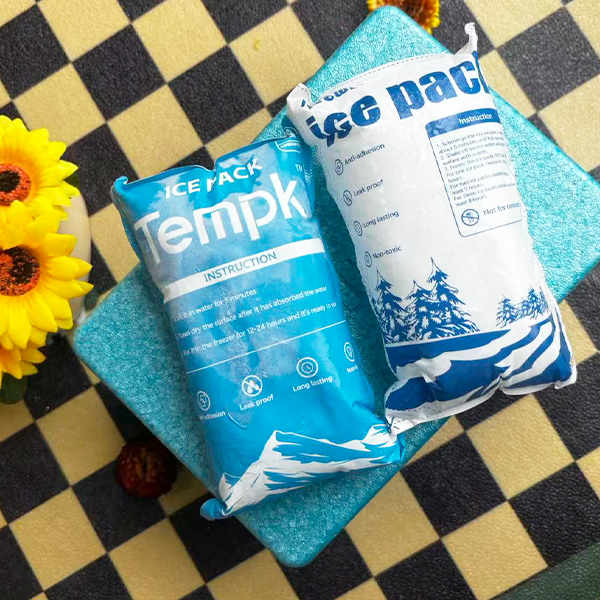
Meal Prep Dry Ice Packs: Your Essential Guide for Safe and Efficient Meal Delivery
Introduction
When preparing meals for delivery, maintaining the freshness of your food throughout its journey is essential. Meal prep dry ice packs offer a solution that ensures your perishable goods stay frozen and safe. These packs are perfect for those looking to ship frozen meals, keeping them at optimal temperatures without the hassle of melting ice. In this article, we’ll discuss the advantages of using dry ice, best practices, and the safety considerations you need to be aware of.
What Are Dry Ice Packs and How Do They Work?
Dry ice packs consist of solidified carbon dioxide (CO₂) that directly sublimates from a solid to a gas without turning into liquid. This sublimation process helps keep items at extremely low temperatures, far colder than traditional ice, which is ideal for shipping or storing frozen goods. Dry ice is widely used in the food industry, especially for shipping meal kits and perishable products.
The key benefit of meal prep dry ice packs is their ability to maintain sub-zero temperatures, keeping food safely frozen during long transit times. The sublimation process also prevents any liquid residue, which is a common issue with traditional ice packs.
Key Advantages of Using Meal Prep Dry Ice Packs
Extended Cooling Duration
Dry ice lasts longer than regular ice, ensuring your frozen meals stay solid even on long shipping routes.No Residual Water
Because dry ice sublimates into gas, it leaves no mess behind, ensuring that your meal prep containers arrive dry and intact, unlike traditional ice that melts and creates soggy packaging.Compact and Efficient
Dry ice packs are typically more compact than gel ice packs or regular ice, saving valuable storage space and offering a more efficient way to keep items cold.
How to Use Meal Prep Dry Ice Packs for Effective Food Storage
Using meal prep dry ice packs correctly is essential for maintaining optimal temperatures and ensuring food safety. Here’s a detailed guide on how to use them effectively:
Proper Packaging
To maximize the effectiveness of dry ice, ensure that food items are securely packed in insulated containers. These containers must be able to withstand the extreme cold without compromising the food’s integrity. Packaging materials like EPS foam or vacuum-insulated panels (VIP) are ideal for creating an optimal cooling environment.
Adequate Ventilation
Since dry ice sublimates into carbon dioxide gas, it’s crucial to use packaging that allows for proper ventilation. Insulated boxes should have vents or openings to let the gas escape. This prevents pressure buildup, which could lead to the container bursting.
Correct Handling and Storage
Always handle dry ice with insulated gloves to prevent frostbite, as direct contact with skin can cause serious injuries. Store dry ice in well-ventilated areas away from living spaces to avoid carbon dioxide accumulation, which can be harmful in confined spaces.
Why Are Meal Prep Dry Ice Packs Crucial for Safe Delivery?
Meal prep dry ice packs are indispensable when shipping frozen meals over long distances, ensuring that food remains cold and safe. Below are some of the major reasons dry ice is crucial for safe food delivery:
How Dry Ice Keeps Meals Frozen Without Melt Water
Unlike traditional ice, which melts and leaves behind excess water, dry ice sublimates directly into gas, ensuring no mess. This is especially important for meal kits, where water residue can contaminate food packaging and negatively impact the quality of the meal. Dry ice maintains temperatures as low as -78.5°C (-109.3°F), ideal for keeping meals frozen during transit.
Compliance with Shipping Regulations
Certain foods and pharmaceutical products require strict temperature controls during shipping. Dry ice helps businesses comply with regulations by maintaining consistent cooling throughout the delivery process.
Best Practices for Handling and Using Meal Prep Dry Ice Packs
Here are some essential tips for effectively using dry ice packs in your meal prep process:
Pre-Chill Your Containers
Before placing dry ice inside, pre-chill your cooler or food storage container. This helps maintain the desired temperature longer and reduces the risk of heat transfer when dry ice is added.Use the Right Amount of Dry Ice
The amount of dry ice needed depends on the size of your shipment and the duration of storage or shipping. For small packages, about 5-10 pounds of dry ice per day is a good starting point. For longer shipments, you may need to adjust the amount according to temperature conditions.Ensure Proper Ventilation
When packing dry ice, ensure that the container is not airtight. The sublimation process releases gas, and proper ventilation is crucial for safety. Tight containers can cause dangerous pressure buildup.
The Future of Meal Prep Dry Ice Packs: Trends to Watch
As we approach 2025, several trends are emerging in the use of dry ice packs for meal prep and food delivery. These innovations aim to improve the efficiency and sustainability of cold chain logistics.
Sustainable Packaging Solutions
The trend toward eco-friendly materials is gaining momentum, with many companies adopting biodegradable insulation and packaging that can be recycled or reused. This move towards sustainability ensures that businesses can reduce waste while maintaining cold chain efficiency.
IoT-Enabled Temperature Monitoring
Internet of Things (IoT) technologies are revolutionizing cold chain logistics. IoT-enabled packaging now allows businesses and consumers to track the temperature of shipments in real-time, ensuring that food stays at the correct temperature during transit.
Hybrid Cooling Systems
Some companies are combining dry ice with phase-change materials (PCMs) to create hybrid cooling systems. This allows them to maintain different temperature zones within the same shipment, ensuring that some items stay frozen while others stay chilled.
FAQs: Your Questions Answered
How Long Do Meal Prep Dry Ice Packs Last?
Dry ice packs typically last between 18 to 24 hours, depending on the insulation used and the ambient temperature. Larger slabs of dry ice can last longer and are better for extended shipments.
Can I Use Regular Ice Instead of Dry Ice for Meal Prep?
While regular ice can be used for short-term storage, it is not as effective as dry ice for keeping food frozen over long periods. Dry ice’s ability to maintain sub-zero temperatures for extended periods makes it the superior choice.
Is It Safe to Handle Dry Ice?
Yes, but safety precautions must be followed. Always wear gloves and protective gear when handling dry ice to avoid frostbite. Ensure good ventilation when using dry ice in confined spaces to prevent carbon dioxide buildup.
Conclusion and Recommendations
Incorporating meal prep dry ice packs into your food delivery process ensures that your meals stay fresh, safe, and properly stored. By following best practices for packaging, handling, and shipping, you can provide your customers with high-quality products, free from spoilage.
Next Steps:
Assess your packaging needs and adjust the amount of dry ice based on shipment duration.
Implement IoT tracking to monitor shipment conditions in real-time.
Stay updated on regulatory changes regarding dry ice shipping to ensure compliance.
About Tempk
At Tempk, we specialize in providing innovative cold chain logistics solutions, ensuring that your food products, pharmaceuticals, and biotech shipments are delivered in optimal condition. Our meal prep dry ice packs, designed for efficiency and sustainability, help businesses like yours stay ahead of the curve.
Refrigerant Dry Ice Ice Packs: The Ultimate Cold Chain Solution for 2025
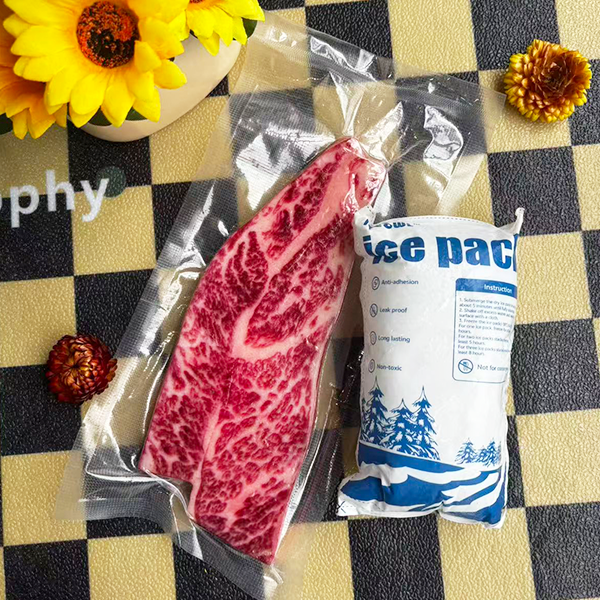
In 2025, ensuring the integrity of temperature-sensitive shipments is more critical than ever. Whether shipping pharmaceuticals, perishables, or biological samples, the ability to maintain a consistent, cold temperature throughout transit is paramount. Refrigerant dry ice ice packs are the leading solution, offering a cost-effective, eco-friendly, and reliable way to preserve your products’ temperature during delivery.
How do refrigerant dry ice ice packs work and why are they ideal for ultracold shipments?
What are the key advantages of using refrigerant dry ice ice packs in cold chain logistics?
How can you maximize the use of dry ice ice packs for your specific shipping needs?
How Do Refrigerant Dry Ice Ice Packs Work?
Refrigerant dry ice ice packs are designed to keep products cold by leveraging the unique sublimation process of dry ice, which transitions directly from solid to gas. Unlike traditional ice that melts into water, dry ice remains dry, preventing moisture-related damage to sensitive items. When frozen, the packs absorb and retain cold, releasing it gradually to maintain a consistent temperature.
For products that need to remain frozen (e.g., vaccines, biologics, or frozen seafood), refrigerant dry ice ice packs maintain temperatures as low as –78.5°C, offering unmatched cooling power for extended periods (24-72 hours depending on packaging and insulation). This makes them a preferred choice over gel packs or foam bricks, which are limited to moderate cooling ranges.
Cooling Ranges Compared
| Cooling Agent | Temperature Range | Duration | Key Advantage | Common Use |
|---|---|---|---|---|
| Dry Ice | –78.5°C to –60°C | 24–72 hrs | Ultra-cold, no residue | Frozen foods, vaccines, biologics |
| Gel Packs | –20°C to +8°C | 24–96 hrs | Reusable, steady temperature | Pharmaceuticals, chilled foods |
| Foam Bricks | –10°C to +4°C | 48–72 hrs | Cost-efficient, stackable | Produce, dairy, pharmaceuticals |
| Regular Ice | 0°C to –2°C | 6–12 hrs | Low cost, short trips | Non-critical goods |
Key Benefits of Using Dry Ice Ice Packs in Shipping
1. Enhanced Cooling Efficiency
Dry ice provides extended cooling capabilities, ensuring that products remain within the required temperature range for the entire duration of the shipment. Its ability to keep items colder for longer periods compared to traditional methods makes it ideal for perishable goods, especially for industries like pharmaceuticals, biotechnology, and food.
2. Cost-Effectiveness
While dry ice may have a higher initial cost compared to traditional ice packs, its efficiency in cooling results in reduced overall shipping expenses. Less dry ice is required to maintain lower temperatures, leading to lower freight costs and minimized spoilage rates.
3. Eco-Friendly and Safe
Dry ice sublimates into gas and leaves no liquid residue, which eliminates the environmental concerns associated with melting ice. Additionally, dry ice is non-toxic and poses no significant environmental risks, making it a safer alternative to traditional ice for shipping temperature-sensitive goods.
4. Versatility
Dry ice ice packs are used across multiple industries, including pharmaceuticals, food, e-commerce, and biotechnology. From maintaining vaccine efficacy to preserving the quality of frozen food products, they offer a versatile and reliable solution for any temperature-sensitive shipping need.
How Can You Maximize the Use of Dry Ice Ice Packs?
1. Assess Your Product’s Temperature Requirements
Determine whether your products need to be kept frozen or just chilled. For frozen goods, dry ice is the best option, but for items that only need moderate cooling, gel packs or foam bricks might be more cost-effective.
2. Optimize Packaging and Insulation
Maximize the efficiency of dry ice by using high-quality insulation. Vacuum-insulated panels (VIP) can reduce dry ice consumption by up to 25%, extending the duration of cooling and improving overall logistics efficiency.
3. Work with Trusted Logistics Providers
Partner with experienced logistics companies who specialize in dry ice shipments. They will ensure your products are handled with care, reducing the risk of temperature fluctuations that could lead to spoilage.
Practical Example:
A pharmaceutical company successfully shipped temperature-sensitive vaccines using dry ice, ensuring the vaccines stayed at the correct temperature upon arrival, maintaining their effectiveness and preventing spoilage.
2025 Trends in Cold Chain Logistics and Dry Ice Use
Smart Technology Integration
In 2025, technology integration continues to revolutionize cold chain logistics. Real-time tracking sensors, smart temperature monitoring systems, and automated logistics systems are being adopted to ensure that shipments are accurately tracked and handled.
Sustainability Efforts
As sustainability concerns grow, companies are increasingly turning to eco-friendly dry ice sources and packaging solutions. Businesses are adopting sustainable practices like reusing dry ice and integrating phase-change materials (PCMs) to further reduce their carbon footprint.
Regulatory Compliance
Stricter regulations are being enforced globally, particularly for pharmaceuticals and food products. In 2025, ensuring compliance with temperature-sensitive shipping standards (such as IATA and DOT regulations) will be critical. Packaging solutions like dry ice ice packs that adhere to these standards are more important than ever.
Frequently Asked Questions
Q1: How much dry ice should I use for my shipment?
For every 10–15 pounds of product, 5–10 pounds of dry ice is typically recommended per 24 hours of transit. Adjust based on the specific temperature needs and packaging.
Q2: Can dry ice be used for all types of shipments?
Yes, dry ice is effective for shipping a wide range of temperature-sensitive products, including food, pharmaceuticals, and biological materials.
Q3: Is dry ice safe to handle?
Dry ice is generally safe to handle with proper precautions. Always wear insulated gloves and ensure proper ventilation to avoid pressure buildup.
Conclusion and Recommendations
In 2025, refrigerant dry ice ice packs are indispensable for ensuring the safe transport of temperature-sensitive goods. Their superior cooling efficiency, cost-effectiveness, and environmental benefits make them the preferred solution in industries like pharmaceuticals, food, and e-commerce.
Action Steps:
Evaluate your products’ temperature needs and select the appropriate refrigerant (dry ice for frozen, gel packs for chilled).
Work with trusted logistics partners and optimize your packaging for maximum insulation efficiency.
Stay updated with the latest trends and innovations in cold chain logistics to remain competitive.
About Tempk
At Tempk, we specialize in innovative cold chain solutions that cater to your shipping needs. Our expertise in dry ice and gel pack solutions ensures your perishables are delivered safely and on time, while adhering to the latest industry standards. We focus on sustainability, efficiency, and performance to help businesses stay ahead in the logistics game.
Call to Action: Contact Tempk for expert advice on enhancing your cold chain logistics with our tailored refrigerant solutions. We help you optimize shipping efficiency, reduce waste, and meet your regulatory requirements.
Farm-to-Table Dry Ice Pack Sheets: How to Ensure Freshness and Quality
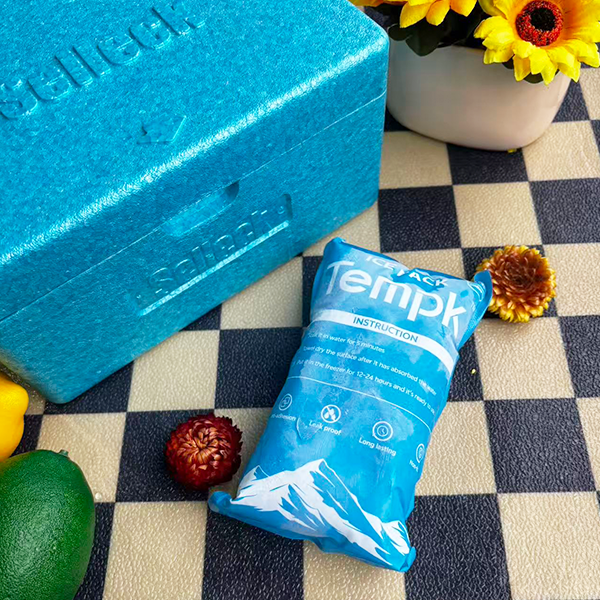
Farm-to-Table Dry Ice Pack Sheet: How to Maintain Freshness in Every Delivery
Introduction
Ensuring the quality and freshness of perishable items in the farm-to-table movement is a challenge. One of the most efficient methods for guaranteeing the integrity of food during transportation is using dry ice pack sheets. These sheets maintain the required temperature during transit, ensuring that delicate products like meats, seafood, and fresh produce arrive at their destination in optimal condition. This article delves into the role of dry ice pack sheets, explaining how they work, their benefits, and best practices for usage in the cold chain logistics of farm-to-table deliveries.
What exactly are farm-to-table dry ice pack sheets and why are they essential for food deliveries?
How do dry ice pack sheets function to maintain freshness?
What are the best practices for using dry ice sheets during farm-to-table shipping?
How do you select the appropriate dry ice pack sheet for your shipments?
What are the latest innovations in temperature-controlled shipping solutions?
What Are Farm-to-Table Dry Ice Pack Sheets?
Farm-to-table dry ice pack sheets are a type of cooling agent that uses solid carbon dioxide to maintain the required low temperatures for perishable products during shipping. Unlike regular ice, which melts and can leave moisture behind, dry ice sublimates, turning from a solid directly into a gas at -78.5°C. This means no excess water is left behind, preventing soggy packaging and the potential spoilage that comes with melted ice. These dry ice sheets are perfect for preserving the freshness of meats, seafood, dairy products, and vegetables throughout their journey.
Key Features of Dry Ice Pack Sheets
| Feature | Details | Impact for Users |
|---|---|---|
| Temperature Range | -78.5°C | Keeps products frozen or chilled during transport |
| Sublimation Rate | 5-10 lbs every 24 hours | Determine replenishment needs for long shipments |
| Compliance | Subject to DOT and IATA regulations | Ensures adherence to hazardous material guidelines for air transport |
How Do Dry Ice Pack Sheets Ensure Freshness?
The cooling effect of dry ice pack sheets works through the sublimation process, where dry ice turns from a solid directly into gas, absorbing heat from the surrounding environment. This makes dry ice an extremely efficient refrigerant, maintaining a stable, ultra-low temperature for longer periods than traditional ice. Products such as fresh vegetables, meats, and seafood stay within their required temperature range, preventing spoilage and ensuring they arrive fresh.
Best Practices for Using Dry Ice Sheets in Farm-to-Table Shipping
To optimize the performance of dry ice pack sheets during shipping, here are some key best practices:
Proper Insulation: Insulated containers are essential to maximize the cooling effect of dry ice. These containers keep external heat from compromising the low temperatures maintained by the dry ice pack sheets.
Consider the Size and Weight of Shipments: For larger shipments or those requiring extended temperature control, larger or multiple dry ice sheets may be necessary to ensure that perishable goods remain frozen or chilled during the journey.
Monitor Sublimation Rates: Dry ice will sublimate gradually. Depending on your shipment’s size and duration, it may be necessary to replenish the dry ice during transit to ensure temperature consistency.
Pro Tip: For long-distance shipments, combine dry ice sheets with gel packs or phase change materials (PCMs) to ensure that products maintain the desired temperature for longer periods.
How to Choose the Right Farm-to-Table Dry Ice Pack Sheet for Your Shipments?
Choosing the appropriate dry ice pack sheet depends on several factors including the type of product being shipped, the distance of transport, and the temperature requirements. For example, frozen meats or seafood require larger amounts of dry ice to maintain the necessary temperature for extended periods, while fruits and vegetables may only need a short-term cooling solution.
Key Considerations for Selecting Dry Ice Pack Sheets
Product Sensitivity: Some products, like seafood, require a consistent and long-lasting cooling solution, while other goods like produce may only need short-term refrigeration.
Shipping Duration: The longer the shipment duration, the more dry ice you will need. Consider the transit time and ensure that the dry ice remains effective for the entire journey.
Temperature Requirements: Each product has its own temperature requirements. Make sure you understand what temperature range is ideal for each item and select dry ice pack sheets accordingly.
Types of Dry Ice Pack Sheets
| Size | Weight of CO₂ | Ideal For |
|---|---|---|
| 1lb Sheets | ~1 lb | Short-term shipments, fruits, and flowers |
| 5lb Sheets | ~5 lbs | Long shipments, meat, seafood, and temperature-sensitive foods |
| Custom Packs | Custom weight | Pharmaceutical shipments, bulk deliveries |
2025: Latest Developments in Dry Ice Pack Technology
As we enter 2025, there are several innovations enhancing the efficiency and sustainability of dry ice pack sheets. The use of smart temperature sensors integrated with dry ice technology is gaining traction. These sensors provide real-time data, helping shippers monitor temperatures and ensure that products stay within the optimal range during transport.
Emerging Trends in Temperature-Controlled Shipping
Smart Sensors for Real-Time Tracking: Temperature sensors integrated into packaging provide updates on the conditions of goods in transit, offering real-time feedback that can alert businesses to any temperature fluctuations.
Sustainable Packaging: Eco-friendly packaging materials are being developed to reduce environmental impact. Biodegradable liners complement the use of dry ice, contributing to more sustainable logistics practices.
Blockchain for Food Safety: More companies are implementing blockchain technology to track the journey of food from farm to table, ensuring transparency and food safety, especially in the pharmaceutical and medical shipping sectors.
Frequently Asked Questions
Question 1: How long do dry ice pack sheets last during transit?
Dry ice pack sheets can last anywhere from 24 to 48 hours depending on the size of the sheet and the specific shipping conditions. For longer shipments, it’s advisable to replenish the dry ice midway to maintain optimal temperature control.
Question 2: Can dry ice be used for shipping fruits and vegetables?
Yes, dry ice is suitable for shipping fruits and vegetables, but it’s important to consider the specific temperature requirements of each product. Ensure that the temperature doesn’t drop too low, as this could damage sensitive produce.
Question 3: Are dry ice sheets reusable?
No, dry ice sheets are not reusable. Once the CO₂ has sublimated into gas, the sheets are spent. However, alternatives like gel packs or PCMs can be reused for future shipments.
Summary and Recommendations
Farm-to-table dry ice pack sheets are an indispensable part of the cold chain logistics for transporting perishable goods. They offer a consistent, reliable cooling solution, preventing spoilage and maintaining product integrity from the farm to the consumer’s table. By following best practices, selecting the right dry ice pack sheets, and staying updated on the latest technological advancements, businesses can ensure a seamless and sustainable cold chain process.
Actionable Steps:
Evaluate Your Shipping Needs: Understand the type of products you’re shipping and their temperature requirements.
Invest in Smart Monitoring: Consider adding real-time tracking systems to ensure temperature control throughout transit.
Work with Trusted Suppliers: Partner with suppliers who provide high-quality dry ice sheets that meet your specific shipping requirements.
About Tempk
At Tempk, we specialize in providing high-quality dry ice pack sheets and other cold chain solutions tailored to your shipping needs. With years of experience and a focus on sustainable logistics, we ensure that your products arrive fresh and compliant with all shipping regulations. Reach out today to learn more about how we can optimize your farm-to-table logistics.
Call to Action: Contact us for a consultation on how our cold chain solutions can improve your shipping processes and keep your products fresh every time.
Insulated Dry Ice Packs: How to Safely Ship Perishables for 2025
Insulated Dry Ice Packs: How to Ship Perishables Safely?
Shipping perishable goods, especially in the food and pharmaceutical sectors, requires careful attention to temperature control. Insulated dry ice packs are a critical solution for ensuring the safe transport of items like seafood, vaccines, and biological samples. These packs combine ultracold dry ice with high-performance insulation, providing consistent cooling without moisture. This article explores how insulated dry ice packs work, their key benefits, and best practices for use in cold-chain logistics.
How insulated dry ice packs ensure safe shipping for perishable goods.
Key benefits of using dry ice for cold-chain shipping.
How to select the right insulated dry ice pack for different products.
Best practices for packaging and shipping with dry ice.
Key regulatory considerations when using dry ice in shipping.
What Are Insulated Dry Ice Packs and How Do They Work?
Insulated dry ice packs are essential tools in cold-chain logistics, providing effective temperature control for temperature-sensitive shipments. Dry ice, with a sublimation point of -78.5°C, transforms directly from a solid to gas, providing an efficient cooling effect without the mess of melted water. These packs work by encasing dry ice in insulated containers, slowing its sublimation process and extending its cooling duration.
Key Benefits of Using Insulated Dry Ice Packs:
Effective Temperature Control: Dry ice offers reliable cooling, ideal for long-distance shipments where precise temperature regulation is necessary.
Moisture-Free: Unlike regular ice, dry ice sublimates into gas, leaving no moisture behind, which can otherwise lead to spoilage or product damage.
Extended Shipping Durations: With insulated packs, dry ice can maintain its cooling effect for up to 72 hours or more, ensuring safe delivery.
Customizable Solutions: Insulated dry ice packs can be tailored in size and quantity to suit different shipment requirements, allowing for precise control over cooling durations.
Insulated Dry Ice vs. Traditional Ice: Which is Better for Cold-Chain Shipping?
Comparison Table:
| Feature | Insulated Dry Ice Packs | Traditional Ice |
|---|---|---|
| Temperature | -78.5°C (sublimates to gas) | 0°C (melts into water) |
| Duration | 24-72 hours | 6-24 hours |
| Moisture | No moisture | Melts into water |
| Cooling Efficiency | High, even for long shipments | Moderate, requires more insulation |
| Storage & Size | Compact, dense | Bulky, requires more space |
Summary:
Insulated dry ice packs offer a more efficient and moisture-free solution for long-haul shipments, making them the ideal choice for temperature-sensitive goods.
Best Practices for Using Insulated Dry Ice Packs in Cold-Chain Shipping
1. Determine the Correct Amount of Dry Ice for Your Shipment:
The right amount of dry ice depends on several factors, including the size of the shipment, transport duration, and product type. As a general guideline, use 1-2 lbs of dry ice per 24 hours for each cooler. For longer shipments or larger quantities of goods, adjust accordingly to ensure proper cooling.
2. Proper Packing Techniques for Insulated Dry Ice Packs:
To maximize efficiency, position dry ice at the bottom of the container. This allows the cold air to rise and circulate evenly. Seal your products in airtight bags or vacuum-sealed containers to prevent exposure to air, which could degrade the goods.
3. Adhere to Regulatory Guidelines for Dry Ice Shipping:
Labeling: It’s crucial to label dry ice shipments with the phrase “Carbon Dioxide Solid” and the weight of the dry ice.
Packaging: Use containers approved for dry ice shipping that allow the sublimating gas to escape. This prevents pressure buildup, ensuring safe transport.
4. Use the Right Shipping Containers:
Select insulated containers that are specifically designed for dry ice to help regulate the temperature and allow the gas to escape safely. Specialized cooler bags or boxes are ideal.
5. Use Temperature Monitoring Sensors for Real-Time Data:
Monitor the temperature inside the container throughout the shipment using IoT-enabled sensors. These sensors provide real-time data, ensuring you can respond quickly if the temperature deviates from the desired range.
2025 Trends in Cold-Chain Shipping and Dry Ice Technology
Key Developments in Dry Ice Technology:
Automated Dry Ice Distribution: Advances in automation allow for on-demand distribution of dry ice based on the exact temperature conditions of each shipment.
Sustainable Production: Efforts are being made to reduce the environmental impact of dry ice production by exploring carbon-capture methods and improving sustainability.
Market Insights for 2025:
Sustainable Packaging: With the growing demand for eco-friendly shipping, we can expect more innovations in recyclable dry ice packaging.
Smart Logistics: AI-driven logistics platforms are revolutionizing the way businesses manage shipping routes and optimize dry ice usage, improving cost-efficiency and reliability.
FAQ: Insulated Dry Ice Packs in Cold-Chain Shipping
Q1: How long can perishables stay cold with insulated dry ice packs?
A: Depending on the size of the shipment and the quantity of dry ice used, perishables can stay cold for up to 72 hours or longer.
Q2: Are there any special regulations for shipping with dry ice?
A: Yes, shipments containing more than 5.5 lbs of dry ice require specific labeling and paperwork under DOT and IATA regulations.
Q3: How do I safely handle dry ice during shipping?
A: Always use insulated gloves and eye protection when handling dry ice, and ensure the shipping container allows gas to escape to avoid pressure buildup.
Conclusion and Recommendations
Insulated dry ice packs are essential for maintaining the integrity of perishable goods during shipment. By using the correct amount of dry ice, ensuring proper packing, and adhering to regulations, businesses can maintain optimal product quality throughout transport. Staying updated with 2025 trends like sustainable packaging and smart logistics will help optimize your cold-chain operations.
Next Steps:
Evaluate your current shipping methods and consider integrating dry ice for improved temperature control.
Contact a cold-chain logistics provider to discuss how insulated dry ice packs can streamline your shipping operations.
Ensure compliance with all regulations when shipping goods with dry ice.
About Tempk
At Tempk, we specialize in cold-chain packaging solutions, including high-quality insulated dry ice packs. Our products help businesses ensure the safe transport of perishable goods, pharmaceuticals, and biotech samples. Reach out to Tempk for expert advice on optimizing your cold-chain logistics.
Contact Tempk Today: To learn more about how our insulated dry ice packs can improve your shipping operations, get in touch with our experts.
Nearby Store Dry Ice Pack: Find & Use for Safe Shipping of Perishables

Nearby Store Dry Ice Pack: How to Find and Use It for Safe Shipping?
Looking for a reliable way to keep your perishable goods safe during shipping? A nearby store dry ice pack could be your solution. Learn how to find, use, and safely handle dry ice packs to ensure optimal conditions for your shipments. Whether you’re sending food, pharmaceuticals, or biotech samples, this guide has all the details you need.
Where to find a nearby store dry ice pack quickly
The benefits of dry ice for shipping perishable goods
How to safely handle and use dry ice packs
Best practices for regulatory compliance in shipping
Choosing the best dry ice provider in your area
What Is a Nearby Store Dry Ice Pack, and Why Is It Useful?
A nearby store dry ice pack is a dry ice product available at local retailers such as grocery stores, gas stations, and specialty cold storage providers. Dry ice maintains ultra-low temperatures (−78.5°C) for extended periods, which is essential for shipping temperature-sensitive items like seafood, pharmaceuticals, and scientific samples.
Fun Fact:
Dry ice sublimates directly into gas, leaving no liquid behind, making it more efficient and cleaner than conventional ice for shipping.
Where Can You Find a Nearby Store Dry Ice Pack?
You can find dry ice packs at various places such as:
Grocery stores like Walmart, Safeway, and Kroger
Gas stations (7-Eleven, Wawa)
Industrial suppliers and cold storage warehouses
Tip: Always call ahead or check online to confirm stock availability.
How to Use a Nearby Store Dry Ice Pack Safely
Handling dry ice requires care. Follow these guidelines to ensure safety:
Use Proper Containers: Ensure that dry ice is stored in containers with adequate ventilation to prevent CO₂ buildup.
Wear Protective Gear: Always handle dry ice with insulated gloves to avoid frostbite.
Ventilate the Shipping Area: Avoid airtight containers to prevent dangerous pressure build-up from CO₂ gas.
Best Practices for Shipping with Dry Ice
How Much Dry Ice Should You Use for Shipping?
For 24 hours of shipping, use about 1-2 lbs of dry ice per 24-48 hours of transit.
Example: When shipping seafood for one day, 2 lbs of dry ice will suffice.
Ensuring Temperature Stability During Transit
Layer Dry Ice Properly: Place it at the bottom of the box, ensuring goods don’t touch the ice.
Use Insulated Packaging: Insulated containers help prevent temperature fluctuation.
Seal and Label Appropriately: Proper sealing and labeling are crucial for regulatory compliance and effective cooling.
| Packaging Material | Advantages | Best Use Case |
|---|---|---|
| Insulated Containers | Keeps the cold in, preventing heat exposure | Long-distance shipments |
| Styrofoam Boxes | Lightweight, cost-effective | Shorter shipments, especially local |
| Vacuum-Sealed Bags | Prevents direct contact with dry ice | Delicate or fragile goods |
Regulatory Compliance for Dry Ice Shipping
Ensure compliance with regulations set by the DOT (Department of Transportation) and IATA (International Air Transport Association):
Packaging: Use approved, compliant materials.
Labeling: Ensure proper labeling like “Dry Ice” or “Carbon Dioxide, Solid.”
Weight Limits: Stay within the allowed weight limits, typically 5.5 kg per package for air transport.
Using Dry Ice for Food Shipping
Dry ice is a popular choice for shipping food, ensuring items like seafood, meat, and frozen meals remain at the required temperature.
Best Practices:
Pack in layers and monitor the temperature of shipments using IoT sensors or temperature monitors.
2025 Trends in Dry Ice Shipping
With the increasing focus on sustainability and technological advancements, 2025 will see significant shifts in dry ice usage:
Sustainable Solutions: Reusable and biodegradable packaging options will become more widespread.
Smart Packaging: Temperature sensors and IoT-driven cold chain solutions will allow for real-time monitoring of shipments.
Regulatory Compliance: Stricter international regulations will standardize labeling practices and packaging requirements.
Tip: Stay ahead of trends by opting for smart packaging and sustainable solutions to reduce environmental impact and improve shipping efficiency.
Frequently Asked Questions (FAQs)
Q1: How do I find a nearby store that sells dry ice?
You can easily find dry ice at major grocery stores, gas stations, and local ice companies. Calling ahead or using store locators online can save you time.
Q2: Can I ship food using dry ice?
Yes, dry ice is ideal for shipping perishable food like seafood and frozen goods. Be sure to follow the right packing and labeling guidelines.
Conclusion and Recommendations
Nearby store dry ice packs are essential for ensuring safe, cold-temperature transport for sensitive goods. Follow best practices, stay compliant with shipping regulations, and choose the right dry ice provider for your needs.
Actionable Next Steps:
Locate a nearby store with dry ice supplies.
Ensure proper packaging to prevent spoilage and maintain the required temperatures.
Explore temperature monitoring options for added peace of mind.
About Tempk
At Tempk, we provide state-of-the-art cold chain solutions, including dry ice pack sheets, insulated containers, and temperature-sensitive shipping kits. Our expertise ensures that your shipments maintain optimal temperature control throughout transit.
Ready to ship? Contact Tempk for reliable, professional cold chain solutions.
How to Use Dry Ice in Coolers for Safe and Efficient Shipping

How to Use Dry Ice in Coolers for Safe and Efficient Shipping
Shipping temperature-sensitive items, such as perishable food, vaccines, and biotech samples, requires reliable cooling solutions. Using coolers with dry ice packs is an effective way to keep items frozen for extended periods without the mess of melting ice. In this guide, we will cover the steps on how to use dry ice in coolers safely, best practices, and the benefits it offers in modern cold chain logistics.
Whether you are shipping seafood, pharmaceuticals, or other perishable goods, dry ice is one of the most efficient ways to maintain low temperatures. At -78.5°C (-109.3°F), dry ice is significantly colder than regular ice, making it ideal for shipments that require extended freezing. This guide will walk you through the process of using dry ice in coolers for safe and efficient shipping.
How dry ice works in coolers
Best practices for safe dry ice handling
How to pack coolers efficiently with dry ice
Comparing dry ice and regular ice for different shipping needs
Key regulations and compliance for shipping with dry ice
How Does Dry Ice Work in Coolers?
Dry ice is solid carbon dioxide (CO₂) and sublimates directly into gas at a temperature of -78.5°C (-109.3°F). Unlike regular ice, which melts into water, dry ice does not leave any residue, making it ideal for long-duration shipments. The cooling effect occurs as dry ice absorbs heat from the surrounding environment, keeping items inside the cooler frozen for much longer than regular ice.
Key Benefits of Using Dry Ice in Coolers
Extended Cooling Duration: Dry ice keeps contents frozen for longer periods compared to regular ice, which is crucial for long-distance shipments.
No Water Residue: Since dry ice sublimates into gas, there’s no risk of water damage to your goods, which is especially important for sensitive items.
Efficient Space Utilization: Dry ice takes up less space than regular ice, allowing you to pack more items without sacrificing cooling efficiency.
Better for Sensitive Items: Dry ice is preferred for shipping pharmaceuticals, vaccines, and biotech samples, as it maintains a constant low temperature.
How to Pack a Cooler with Dry Ice: A Step-by-Step Guide
Step 1: Select the Right Cooler
Choose a cooler that is well-insulated and can accommodate both your items and the dry ice. A high-quality cooler helps retain cold for longer and is essential for ensuring the dry ice lasts for the necessary duration.
Insulation Quality: Select coolers that feature thick insulation to prevent temperature fluctuations.
Ventilation: Dry ice sublimates into CO₂ gas, so ensure your cooler has a vent or that you leave a small gap to allow the gas to escape.
Step 2: Handle Dry Ice Safely
Always wear insulated gloves or use tongs to handle dry ice. Its extreme cold can cause frostbite if touched directly.
Step 3: Pack the Cooler Efficiently
Layer the dry ice at the bottom of the cooler, as cold air naturally sinks. Place insulating materials between the dry ice and your goods to prevent direct contact. This helps avoid freezing the contents or damaging them.
Layering: For perishable goods, layer insulation like cardboard or towels to protect them from direct contact with the dry ice.
Step 4: Seal the Cooler Properly
Once the cooler is packed, ensure it is sealed tightly but not airtight. Dry ice needs a way to release CO₂ gas to avoid pressure buildup, which could lead to dangerous situations.
Step 5: Monitor the Temperature
For sensitive items, it’s recommended to use temperature monitoring devices to track the conditions inside the cooler during transit.
Step 6: Dispose of Dry Ice Safely
Allow the dry ice to sublimate in a well-ventilated area. Never dispose of it in a sealed container, as the buildup of gas can cause the container to explode.
Dry Ice vs. Regular Ice: Which Should You Use?
| Feature | Dry Ice | Regular Ice |
|---|---|---|
| Temperature | -109.3°F (-78.5°C) | 32°F (0°C) |
| Cooling Duration | 2-14 days | 1-10 days |
| Residue | Sublimates into gas, no liquid | Melts into water |
| Ideal Use | Long-term freezing, off-grid use | Short-term chilling, picnics |
| Weight | Lighter due to higher cooling power | Heavier for same cooling power |
Best Practices for Using Dry Ice in Coolers
Use the Right Amount: For long shipments, calculate the amount of dry ice based on the temperature and duration of the journey. Typically, 5-10 pounds of dry ice are needed per 24 hours.
Ensure Proper Ventilation: Always make sure that the cooler has proper ventilation to release CO₂ gas. Failure to do so can cause dangerous pressure buildup.
Layer Correctly: Place dry ice at the bottom for frozen items and use insulating layers between the dry ice and the goods to protect them.
Regulations for Shipping with Dry Ice
When shipping with dry ice, there are specific regulations to follow, especially when shipping via air.
UN1845 Labeling: Dry ice shipments must be labeled as “UN1845 Dry Ice” or “Carbon Dioxide, solid.” Ensure that the net weight of the dry ice is clearly marked on the package.
IATA Regulations: If shipping by air, certain restrictions apply, including weight limits (e.g., 2.5 kg per passenger on consumer airlines).
Ventilation and Packaging: Use proper packaging materials that allow the CO₂ gas to escape, such as corrugated boxes with ventilation holes.
2025 Trends in Cold Chain Logistics
As we move into 2025, there are several trends shaping the cold chain industry, including:
Eco-friendly Materials: With increasing demand for sustainability, companies are moving towards recyclable materials and reducing single-use plastics in packaging.
Smart Temperature Monitoring: Real-time monitoring with Bluetooth-enabled devices is becoming more affordable and widely adopted, ensuring accurate tracking of shipments.
Ready-to-Use Kits: Preassembled cold chain solutions are gaining popularity, saving time and minimizing errors during packing.
FAQ
Q1: How much dry ice do I need for my cooler?
A good rule of thumb is to use 5-10 pounds of dry ice per 24 hours of shipping. Adjust based on the cooler size, duration, and external temperature conditions.
Q2: Can I use dry ice for shipping food?
Yes, dry ice is ideal for shipping perishable foods, especially those that need to stay frozen, such as seafood, meats, and ice cream.
Q3: How do I handle and dispose of dry ice safely?
Always wear insulated gloves when handling dry ice. Dispose of it by allowing it to sublimate in a well-ventilated area, ensuring it has no contact with airtight containers.
Conclusion
Dry ice is a reliable and effective solution for keeping items frozen during long shipments, whether for food, pharmaceuticals, or biotech samples. By following proper packing techniques, ensuring correct ventilation, and adhering to shipping regulations, you can safely and efficiently use dry ice for cold chain logistics. Stay informed about the latest trends and best practices to optimize your cold chain operations.
Pharmaceutical Dry Ice Packs: Essential Guide for Safe Medication Shipping
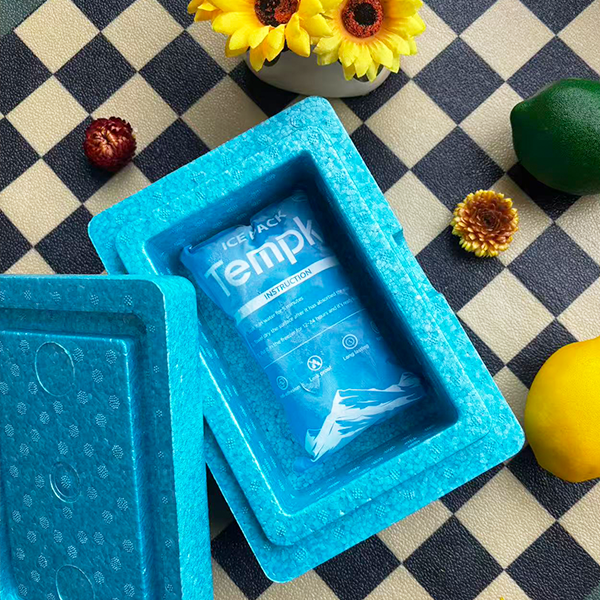
Pharmaceutical Dry Ice Packs: Essential Guide for 2025 Cold Chain Logistics
Shipping pharmaceutical products, especially temperature-sensitive medications, requires strict temperature control to ensure their efficacy. Pharmaceutical dry ice packs provide a reliable solution for maintaining these temperatures, ensuring that medications, vaccines, and biologics remain safe throughout their journey. This guide will explore the importance of dry ice packs in pharmaceutical logistics, how to use them optimally, and the trends shaping the shipping of temperature-sensitive drugs in 2025.

Why pharmaceutical dry ice packs are critical for safe medication shipping.
How to choose the right dry ice pack based on specific pharmaceutical products.
The advantages of dry ice over other cooling methods in the pharmaceutical industry.
Best practices for using dry ice to maintain temperature-sensitive medications during transit.
Why Are Pharmaceutical Dry Ice Packs Important for Safe Medication Shipping?
Pharmaceutical dry ice packs are essential for maintaining ultra-low temperatures required by sensitive medical products such as vaccines, biologics, and enzymes. Dry ice sublimates directly from a solid to a gas, which helps maintain a consistent temperature without the risk of water leakage or product contamination. This makes dry ice a critical component in ensuring pharmaceutical products stay within required temperature ranges, reducing the risk of spoilage or loss of efficacy during transit.
Benefits of Pharmaceutical Dry Ice Packs
Longer Cooling Duration: Dry ice can maintain temperatures as low as -78.5°C for several days, making it ideal for shipments requiring temperatures as low as -20°C to -70°C.
No Water Damage Risk: Unlike traditional ice, dry ice sublimates into gas, leaving no liquid water that could damage products or packaging.
Precise Temperature Control: Dry ice ensures a consistent cooling effect, crucial for maintaining the integrity of temperature-sensitive medical products over long distances and durations.
How to Choose the Right Pharmaceutical Dry Ice Pack
Selecting the appropriate dry ice pack depends on several key factors, such as the product’s temperature requirements, the duration of shipping, and the size of the shipment. Here’s how to ensure optimal dry ice usage:
Key Considerations for Dry Ice Selection
Product Temperature Requirements: Vaccines and biologics often need to be stored at ultra-low temperatures. Dry ice is ideal for meeting these stringent requirements, keeping products at the correct temperature for extended periods.
Duration of Shipment: The amount of dry ice required increases with the duration of shipping. For example, a 72-hour shipment may need more dry ice than a 24-hour one. It’s essential to calculate dry ice needs based on the shipping time.
Packaging Size and Weight: Larger shipments require more dry ice to maintain temperature control, especially when shipping bulk quantities.
Example: Dry Ice Requirement Based on Product and Duration
| Pharmaceutical Product | Dry Ice Needed (per 24 hours) | Temperature Range | Shipping Duration |
|---|---|---|---|
| Vaccines | 1-2 lbs | -20°C to -70°C | 24-72 hours |
| Biologics | 3-5 lbs | -20°C to -50°C | 24-72 hours |
| Temperature-Sensitive Drugs | 2-3 lbs | -10°C to -20°C | 24-48 hours |
| Enzyme Samples | 4-6 lbs | -20°C to -60°C | 48-72 hours |
Advantages of Using Dry Ice Over Other Cooling Methods
Longer-Lasting Cooling Effect
Dry ice’s ability to maintain sub-zero temperatures for days makes it a superior option compared to traditional ice, which can melt quickly and fail to maintain the necessary cold chain.
No Risk of Water Damage
Traditional ice, once it melts, produces water that could seep into packaging and potentially damage medical products. Dry ice, however, sublimates directly into gas, eliminating the risk of water damage.
Ideal for Ultra-Low Temperature Control
Dry ice is particularly effective for pharmaceuticals requiring ultra-low temperatures, such as mRNA vaccines. It maintains consistent cold conditions throughout long-distance and multi-day shipments.
Real-World Case: A pharmaceutical company shipping vaccines globally reported that dry ice provided reliable temperature control over 72 hours, whereas using regular ice resulted in temperature fluctuations that compromised the vaccine quality.
Best Practices for Using Pharmaceutical Dry Ice Packs
Proper Packaging
Choose insulated packaging that helps slow down the sublimation of dry ice. Vacuum-insulated containers are ideal for long-distance shipments as they provide superior temperature retention, while foam containers are sufficient for shorter shipments.
Layering Dry Ice Effectively
Place dry ice at the bottom of the container to ensure cold air naturally flows downwards. Make sure there is enough space for the CO₂ gas to escape, as the sublimation process can cause pressure build-up if not properly vented.
Temperature Monitoring Systems
Use real-time temperature monitoring systems, such as IoT-enabled sensors, to track the temperature of pharmaceutical shipments during transit. These devices ensure that the product stays within the desired temperature range, providing peace of mind and reducing risks.
2025 Trends in Pharmaceutical Cold Chain Logistics
In 2025, technological advancements are shaping the future of pharmaceutical cold chain logistics. Here are some notable trends:
Smart Packaging Solutions
Smart packaging equipped with IoT sensors is gaining popularity. These sensors monitor temperature, humidity, and location in real-time, ensuring that temperature-sensitive pharmaceutical products are kept under optimal conditions throughout transit.
Sustainable Shipping Practices
As environmental concerns grow, the pharmaceutical logistics industry is turning to more eco-friendly solutions. These include biodegradable packaging and innovations in reducing the carbon footprint of cold chain operations.
Market Insights
By 2025, the pharmaceutical cold chain logistics market is projected to surpass $120 billion. This growth is driven by the increasing demand for temperature-sensitive drugs and the widespread use of dry ice for pharmaceutical shipments.
Frequently Asked Questions (FAQ)
How much dry ice is needed to ship pharmaceutical products?
The amount of dry ice depends on the product, shipping duration, and temperature requirements. Generally, 1-2 pounds of dry ice per 24 hours is sufficient for most pharmaceutical shipments.
Can dry ice be used for shipping temperature-sensitive drugs?
Yes, dry ice is ideal for shipping temperature-sensitive drugs that need to stay within a specific temperature range. It ensures that the products remain cold without the risk of water leakage.
Conclusion and Recommendations
Pharmaceutical dry ice packs are essential for the safe shipping of temperature-sensitive medications. By understanding the best practices for using dry ice, selecting the right packaging, and keeping up with the latest trends in logistics, pharmaceutical companies can ensure the integrity of their products during transit.
Actionable Advice:
Calculate the necessary dry ice based on the shipping duration and product needs.
Ensure proper handling and ventilation of dry ice to avoid safety risks.
Stay updated on the latest trends in sustainable cold chain logistics.
About Tempk
At Tempk, we specialize in providing innovative cold chain solutions tailored to the pharmaceutical industry. Our dry ice packs, temperature monitoring systems, and advanced packaging technologies ensure that your sensitive pharmaceutical products are transported safely and efficiently. Reach out to us for a consultation to optimize your cold chain operations.
Next Steps: Contact Tempk for expert advice on optimizing pharmaceutical shipping or learn more about our sustainable shipping solutions.
Dry Ice Pack Sheet Seafood Shipping: How to Ensure Freshness
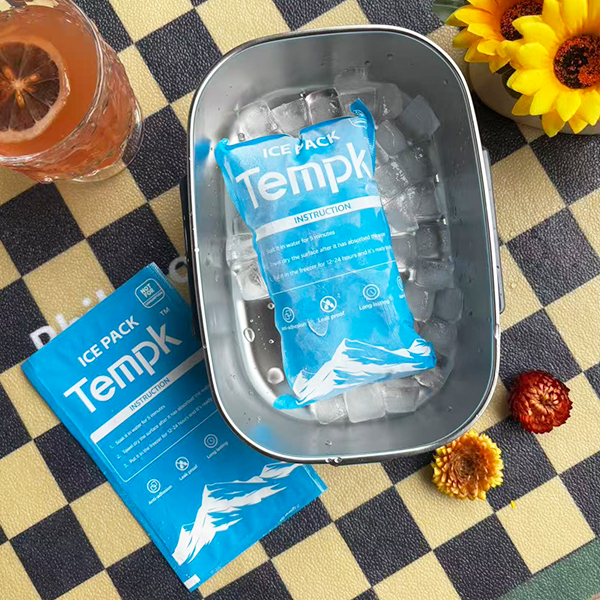
Shipping seafood, particularly frozen varieties, requires careful attention to temperature control to preserve freshness and prevent spoilage. Dry ice pack sheets are a highly effective solution for maintaining the required low temperatures throughout transit. These sheets not only keep seafood frozen but also offer a number of benefits over traditional cooling methods, ensuring that your products arrive in optimal condition. In this article, we will explore the advantages of using dry ice pack sheets for seafood shipping, provide guidelines on how to use them, and discuss best practices and compliance considerations for 2025.
Why are dry ice pack sheets essential for seafood shipping?
How do dry ice pack sheets help maintain seafood freshness?
What are the best practices for using dry ice in seafood shipments?
How to stay compliant with shipping regulations when using dry ice?
Why Are Dry Ice Pack Sheets Essential for Seafood Shipping?
Dry ice pack sheets are indispensable for shipping seafood because they maintain ultra-low temperatures, which are crucial for preserving the quality and safety of seafood products during transit. Seafood is extremely perishable and requires continuous temperature control to prevent spoilage, especially during long shipping times.
Key Benefits of Dry Ice Pack Sheets for Seafood Shipping:
Maintains Freezing Temperatures: Dry ice keeps seafood frozen at -78.5°C (-109.3°F), which is essential for products like fish, shrimp, and shellfish that must remain frozen during transport.
Compact and Effective: These sheets are thin, flexible, and can be wrapped around seafood products, providing targeted cooling without the bulkiness of traditional ice packs.
No Water Residue: Unlike regular ice, which melts and leaves behind water that could damage seafood packaging, dry ice sublimates directly into gas, leaving no liquid behind.
| Benefit | Description | Practical Application |
|---|---|---|
| Effective Cooling | Keeps seafood frozen at ultra-low temperatures | Ensures freshness and prevents spoilage |
| Space-efficient | Thin, flexible sheets fit well around products | Reduces packaging space, improving efficiency |
| No Melting Residue | Sublimates into gas without leaving moisture | Prevents damage to seafood packaging |
User Practical Tips for Seafood Shipping:
Long-Distance Shipments: Dry ice sheets are ideal for international seafood shipments, as they can maintain the necessary low temperatures over extended durations.
Temperature-Sensitive Products: For high-end seafood or specialty items, dry ice ensures the perfect temperature from packaging to delivery.
Real-life Example: A seafood distributor using dry ice sheets for international shipments saw a 20% reduction in spoilage due to better temperature control, leading to higher customer satisfaction and reduced waste.
How Do Dry Ice Pack Sheets Help Maintain Seafood Freshness?
Dry ice works by sublimating, which means it turns directly from solid to gas, creating a cooling effect without producing water that could damage the seafood. This property makes dry ice particularly useful in maintaining seafood freshness during shipment.
How Dry Ice Works for Seafood Shipping:
Packaging: Dry ice pack sheets are placed around seafood products in insulated containers. The sheets act as a cooling source, keeping the temperature stable during transport.
Sublimation Process: As dry ice sublimates, it releases CO2 gas, which creates a cooling environment without any moisture that could damage seafood packaging.
Monitoring: Using IoT-enabled temperature monitoring devices ensures that the seafood stays at the required temperature throughout transit. These devices provide real-time temperature changes and alerts for any potential issues.
Factors to Consider When Using Dry Ice for Seafood Shipping
Amount of Dry Ice: The quantity of dry ice needed depends on several factors, including shipping duration, ambient temperature, and the type of seafood being shipped. For longer shipments or warmer climates, more dry ice may be required.
Insulated Packaging: Well-insulated packaging helps to slow the sublimation process of the dry ice, ensuring that the seafood stays frozen for the full duration of the trip.
Safety Protocols: Since dry ice can displace oxygen in confined spaces, it is essential to follow safety guidelines during handling and transport.
| Consideration | Description | Recommendation |
|---|---|---|
| Dry Ice Quantity | More dry ice is required for longer shipments | Plan for the trip duration and temperature conditions |
| Insulation | Insulated packaging slows sublimation | Use high-quality insulated containers |
| Safety | Dry ice can displace oxygen | Ensure proper ventilation and handling |
Best Practices for Using Dry Ice in Seafood Shipments
To maximize the effectiveness of dry ice and minimize risks, it’s crucial to follow best practices. These practices will ensure your seafood arrives in top condition and within the required temperature range.
Key Best Practices:
Proper Sizing of Dry Ice Pack Sheets: Ensure that dry ice sheets are the right size for the seafood products. Too little dry ice can lead to early sublimation, while too much can create excessive pressure in the container.
Use of Insulated Shipping Containers: Choose containers specifically designed for temperature-sensitive shipments. These containers should allow for the safe placement of dry ice without causing risks such as CO2 buildup.
Temperature Monitoring Devices: Integrating temperature loggers or IoT-enabled sensors helps monitor the shipment’s temperature in real-time, ensuring that the seafood remains within the required freezing range.
Key Considerations for Compliance:
Regulatory Guidelines: Shipping dry ice internationally requires compliance with IATA (International Air Transport Association) and DOT (Department of Transportation) regulations. Ensure that all labeling and safety protocols are followed.
Documentation: Proper documentation, including the Material Safety Data Sheet (MSDS) for dry ice, is required to provide details on handling, hazards, and emergency procedures.
Carrier Requirements: Different carriers have specific rules for shipping with dry ice. Always check with your carrier to ensure compliance.
Latest Trends in Dry Ice Seafood Shipping
The dry ice shipping industry continues to evolve with new technologies and an increasing demand for fresh seafood. Below are some of the key trends to watch for in 2025:
1. Growing Demand for Sustainable Shipping Solutions
As consumers demand more sustainable products, the dry ice industry is adapting by offering eco-friendly options such as carbon-neutral dry ice and recyclable packaging materials.
2. Technological Advancements in Cold Chain Logistics
With the rise of IoT and smart sensors, more seafood distributors are using real-time monitoring devices to track the conditions of shipments. These innovations improve operational efficiency and reduce waste.
3. Faster Delivery Times
Consumers expect fresh, high-quality seafood delivered quickly, which is driving the demand for faster delivery options like same-day and next-day shipping. This has made efficient dry ice shipping solutions more important than ever.
FAQ: Dry Ice Shipping for Seafood
Q1: How long can dry ice keep seafood frozen during shipping?
Dry ice can keep seafood frozen for up to 48 hours, depending on the quantity used and shipping conditions. For longer shipments, more dry ice is required to maintain optimal temperatures.
Q2: Can I use dry ice sheets for other perishable items?
Yes, dry ice sheets are versatile and can be used for other perishable items like meats, fruits, and pharmaceuticals, providing consistent cooling over long durations.
Conclusion
In conclusion, dry ice pack sheets are an effective and reliable solution for shipping seafood. They maintain ultra-low temperatures, reduce spoilage, and ensure that products arrive in optimal condition. By following the best practices, considering key factors like quantity and insulation, and staying compliant with regulations, seafood distributors can improve their logistics and provide customers with the highest-quality products.
Next Steps: If you are looking to improve your seafood shipping processes, consider using dry ice pack sheets as part of your cold chain logistics. Reach out to experts for customized solutions that meet your specific needs.
About Tempk
At Tempk, we specialize in providing advanced cold chain solutions for industries such as seafood shipping. Our dry ice pack sheets and shipping containers are designed to ensure your products arrive at the perfect temperature, every time. Contact us today to learn more about our shipping solutions.
How to Effectively Use Cooler Dry Ice Packs for Safe and Efficient Cold Chain Shipping (2025 Guide)
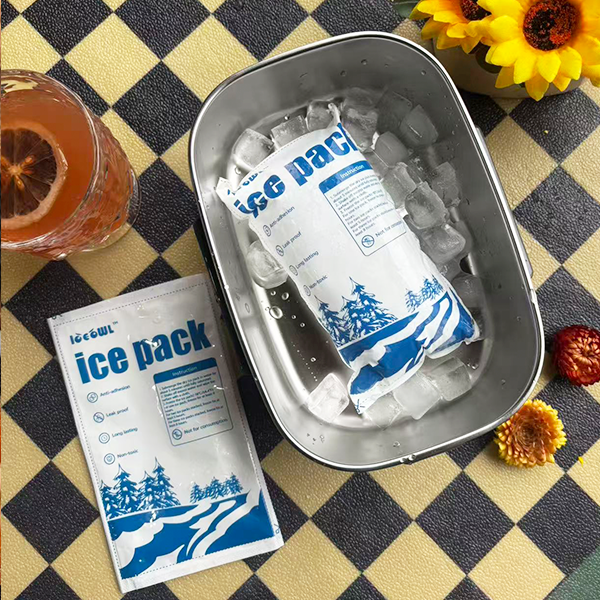
Shipping perishable goods or temperature-sensitive items requires precise temperature control. Cooler dry ice packs provide a superior solution for maintaining cold temperatures throughout the shipping process. They are essential in industries like food, pharmaceuticals, and biotechnology, where maintaining a specific temperature range is critical to product quality. This guide will explain how cooler dry ice packs work, their advantages, and how they can enhance your cold chain logistics in 2025.
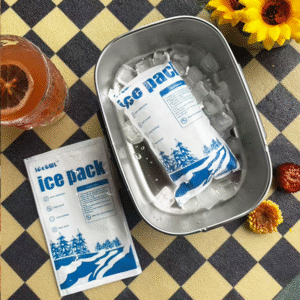
What are cooler dry ice packs and how do they work?
How do cooler dry ice packs compare to traditional ice?
What are the benefits of using dry ice for shipping temperature-sensitive goods?
How can you safely handle and store dry ice?
What are the latest trends in cooler dry ice pack technology for 2025?
What Are Cooler Dry Ice Packs and How Do They Work?
Cooler dry ice packs are made from solid carbon dioxide (CO₂), which sublimates at -78.5°C (-109.3°F). This means that dry ice turns directly from a solid into a gas, leaving no liquid residue behind. This is a major advantage over traditional ice, which melts into water, potentially damaging sensitive products. Dry ice packs are commonly used in insulated containers or cooler bags to maintain low temperatures during transit.
How Do Cooler Dry Ice Packs Work?
These packs work by being placed inside an insulated cooler or shipping container. As the dry ice sublimates, it absorbs heat from the surroundings, thereby cooling the contents within the container. This cooling effect lasts for an extended period, keeping temperature-sensitive items like seafood, pharmaceuticals, and biotech samples at optimal conditions.
Benefits of Using Cooler Dry Ice Packs
Cooler dry ice packs provide several advantages over traditional ice packs, making them the preferred choice for shipping temperature-sensitive goods.
| Benefit | Description | Practical Implication |
|---|---|---|
| Efficient Cooling | Maintains extremely low temperatures for extended periods | Ideal for long-haul shipments, ensuring products stay cold longer |
| No Residue | Sublimates into gas, leaving no liquid | Prevents water damage to products, especially in pharmaceutical shipments |
| Lightweight | Lighter than traditional ice packs | Reduces shipping weight, lowering transportation costs |
Why Choose Cooler Dry Ice Packs?
Longer Cooling Duration: Dry ice can maintain ultra-low temperatures for much longer than traditional ice. This makes it perfect for time-sensitive shipments, especially over long distances.
No Water Damage: Unlike traditional ice, dry ice does not melt into water. This eliminates the risk of water damage to your products, which is particularly critical for shipping delicate pharmaceuticals or electronic items.
Energy and Cost Efficiency: Dry ice packs are more energy-efficient than other cooling methods, reducing the overall weight of the shipment while ensuring that goods remain at the correct temperature.
How Do Cooler Dry Ice Packs Compare to Traditional Ice?
Cooler dry ice packs offer several advantages over traditional ice. Below is a comparison of both methods:
| Feature | Dry Ice | Traditional Ice |
|---|---|---|
| Cooling Duration | Up to 48 hours | 6-8 hours |
| Weight | Lighter and more efficient | Heavier, adds to shipping weight |
| Residue | Sublimates into gas, no liquid | Melts into water, potentially damaging goods |
As seen from the comparison, dry ice outperforms traditional ice in both cooling duration and weight efficiency, making it the better choice for long-distance and sensitive shipments.
Best Practices for Using Cooler Dry Ice Packs
For maximum effectiveness, it’s essential to follow best practices when using cooler dry ice packs:
Proper Ventilation: Ensure that the shipping container is well-ventilated to allow the carbon dioxide gas to escape safely. Without proper ventilation, the buildup of CO₂ can be hazardous.
Use the Right Amount of Dry Ice: For every 24 lbs of perishable goods, use 1-2 lbs of dry ice to maintain cooling over 24-48 hours. This ensures that the products stay at the desired temperature without wasting dry ice.
Use Insulated Containers: To maximize cooling efficiency and reduce the rate of sublimation, always use insulated coolers or boxes. These containers minimize the exposure of dry ice to the outside environment, helping it last longer.
Real-World Example:
A biotech company improved its temperature control by switching to cooler dry ice packs for transporting vaccines. The result was a 40% improvement in temperature retention compared to their previous cooling methods, which significantly reduced the risk of spoilage.
How to Safely Handle and Store Dry Ice During Shipping
Handling dry ice requires special precautions due to its extremely cold temperature and the carbon dioxide gas it releases. Here are safety tips for handling dry ice:
Wear Protective Gear: Always handle dry ice with insulated gloves to prevent frostbite.
Proper Storage: Store dry ice in well-ventilated areas, away from heat sources to avoid rapid sublimation. Use insulated containers to maintain its effectiveness.
Ensure Ventilation: Make sure that shipping containers have adequate ventilation to allow the gas to escape safely.
2025 Trends in Cooler Dry Ice Pack Technology
The cooler dry ice pack industry is rapidly evolving, driven by technological advancements and an increasing emphasis on sustainability. Some key trends to watch for in 2025 include:
Sustainable Production: More companies are exploring eco-friendly dry ice production methods, aiming to reduce carbon footprints and lower the environmental impact of their cold-chain logistics.
Smart Packaging: IoT-enabled sensors are being integrated into cooler dry ice packs, allowing real-time temperature monitoring during transit. This innovation improves shipping reliability and ensures products remain within the required temperature range.
Regulatory Advancements: As global regulations on shipping temperature-sensitive goods become stricter, companies are adapting by investing in compliance solutions to ensure their shipments meet international standards.
Frequently Asked Questions
Q1: How much dry ice do I need for shipping?
Typically, 1-2 lbs of dry ice per 24 lbs of product is recommended for a 24-48 hour shipment. The exact amount will depend on the type of goods and external temperatures.
Q2: Can dry ice be used to ship liquids?
Yes, dry ice is effective for shipping liquids, provided the container is properly sealed and ventilated. It helps maintain the required low temperature for liquids without freezing them solid.
Q3: Are there regulations for shipping dry ice internationally?
Yes, international shipments containing dry ice must comply with IATA and DOT regulations. Ensure that your logistics provider is familiar with the specific requirements for shipping dry ice across borders.
Conclusion and Next Steps
Cooler dry ice packs are a reliable solution for shipping temperature-sensitive goods. They offer long-lasting cooling power, reduce the risk of water damage, and improve overall shipping efficiency. By understanding how to use dry ice effectively, you can ensure that your cold chain logistics are optimized for success.
What to Do Next:
Switch to dry ice for your next shipment to improve temperature control and reduce spoilage.
Consult with a logistics expert to ensure you’re using the best methods for shipping with dry ice.
Explore smart packaging options to enhance your cold-chain logistics and meet the latest regulatory standards.
About Tempk
At Tempk, we specialize in providing dry ice solutions that ensure the safe transportation of your temperature-sensitive goods. With our advanced technology and commitment to customer satisfaction, we help businesses keep their products cool and fresh during transit.
Call to Action: Ready to optimize your cold chain logistics? Contact us today for expert advice and high-quality cooler dry ice packs.
Dry Ice Pack Same Day Delivery: Fast and Efficient Cold Chain Logistics

In 2025, the importance of dry ice pack same day delivery is more critical than ever. Rapid delivery of temperature-sensitive goods, such as pharmaceuticals, seafood, and biotech samples, requires an efficient and reliable cold chain logistics system. Dry ice offers a unique advantage by maintaining extremely low temperatures during transit without leaving behind liquid, a problem that traditional cooling methods like ice packs face. This guide will explore how dry ice pack same day delivery benefits businesses, improves customer satisfaction, and ensures safety and efficiency in cold chain logistics.

What is dry ice pack same day delivery and how does it work?
How does dry ice compare to other cooling methods in fast deliveries?
What are the benefits of using dry ice pack same day delivery for various industries?
How can you ensure safe and efficient use of dry ice in same-day deliveries?
What is Dry Ice Pack Same Day Delivery and How Does It Work?
Dry ice pack same day delivery is an efficient solution for shipping temperature-sensitive products that need to remain frozen for the duration of transit. Dry ice, which is solid carbon dioxide (CO₂), sublimates at -78.5°C (-109.3°F), ensuring a consistently cold environment without liquid runoff. This method allows businesses to ship perishable goods quickly and reliably, meeting tight delivery schedules without compromising product integrity.
Key Features of Dry Ice Pack Same Day Delivery:
Quick Cooling: Dry ice maintains sub-zero temperatures, making it ideal for urgent shipments like medications, seafood, and vaccines.
Compact and Lightweight: Dry ice is light and easy to pack, helping reduce shipping costs.
No Residue: Unlike water-based ice, dry ice sublimates into gas, preventing any liquid damage to the products during transport.
How Does Dry Ice Compare to Other Cooling Methods in Same-Day Deliveries?
Compared to other cooling methods, dry ice offers unparalleled benefits for same-day deliveries:
Longer Cooling Duration: Dry ice keeps goods frozen for longer periods than traditional ice packs, which are not as effective at maintaining low temperatures for extended times.
Less Mess: Dry ice sublimates directly into gas, avoiding the mess of melted ice and water damage that often occurs with gel packs or traditional ice.
Superior Temperature Control: Dry ice consistently maintains freezing temperatures, reducing the risk of spoilage.
Real-Life Example:
A pharmaceutical company used dry ice for same-day delivery of vaccines, resulting in a 40% faster delivery time and reduced spoilage by ensuring the products remained within their required temperature range.
How Dry Ice Pack Same Day Delivery Benefits Various Industries
Dry ice is revolutionizing cold chain logistics across multiple sectors. Here’s how it benefits key industries:
1. Pharmaceuticals
Temperature-sensitive medications, vaccines, and biologics require strict temperature control. Dry ice ensures these critical items maintain their efficacy during same-day delivery, meeting the highest industry standards for cold chain compliance.
2. Seafood and Meats
Fresh and frozen seafood and meat require consistent sub-zero temperatures to preserve freshness. Dry ice pack same day delivery prevents thawing and spoilage, ensuring that products arrive frozen and in optimal condition.
3. Biotech and Research
Laboratory samples, blood products, and other biological materials require fast and efficient shipping to maintain their viability. Dry ice offers a reliable way to keep these materials at the right temperature, even under tight delivery deadlines.
How to Ensure Safe and Efficient Use of Dry Ice in Same-Day Deliveries
Using dry ice safely and efficiently is essential for maintaining cold chain integrity. Here are key guidelines:
1. Proper Packaging
Always use ventilated packaging when shipping with dry ice. Containers should allow the CO₂ gas to escape as dry ice sublimates. Insulated containers (such as foam or polyurethane) with ventilation holes are essential to ensure the dry ice sublimes safely without pressure buildup.
2. Safety Precautions
Dry ice is hazardous if mishandled. Always wear protective gloves and goggles when handling dry ice to avoid frostbite or injury. Ensure proper labeling and follow all regulatory guidelines, as dry ice is classified as a hazardous material by organizations like DOT and IATA.
3. Regulatory Compliance
Ensure that your dry ice shipments are compliant with international shipping regulations. This includes labeling your package with “Dry Ice” and the appropriate hazard labels. Air shipments are typically limited to 5.5 lbs per package, while larger shipments may require additional documentation.
2025 Trends in Dry Ice Same Day Delivery
As the cold chain logistics industry evolves, several emerging trends are shaping dry ice pack same day delivery:
1. Smart Packaging and Temperature Monitoring
Incorporating smart sensors into packaging allows for real-time temperature tracking, ensuring that temperature-sensitive goods are maintained at the right temperature throughout transit. This is becoming increasingly common as businesses seek to enhance their shipping reliability and customer satisfaction.
2. Sustainable Dry Ice Solutions
Many businesses are shifting towards green dry ice solutions, using recycled CO₂ to produce dry ice. This reduces the carbon footprint of the shipping process and aligns with consumer demands for eco-friendly solutions.
3. Increased Demand for Rapid Shipments
With consumers expecting faster delivery times, the demand for same-day dry ice shipping has grown. In 2025, the market for dry ice in the perishable goods sector is projected to grow by 15% annually, as businesses work to meet consumer expectations for quick and reliable shipping.
Frequently Asked Questions (FAQ)
1. How long can dry ice last in same-day deliveries?
Dry ice typically lasts for 24 hours or more in properly insulated containers, making it ideal for same-day deliveries, even for shipments over long distances.
2. Can I ship dry ice internationally?
Yes, dry ice can be shipped internationally, but it is subject to strict regulations. You must follow packaging guidelines and provide necessary documentation, especially when shipping across borders.
Summary and Recommendations
In conclusion, dry ice pack same day delivery is an invaluable solution for industries that rely on fast and efficient shipping of temperature-sensitive goods. By leveraging dry ice, businesses can reduce spoilage, meet tight deadlines, and ensure customer satisfaction. As trends like smart packaging and sustainable practices continue to evolve, now is the time to optimize your cold chain logistics with dry ice.
Next Steps:
To enhance your cold chain operations, consider integrating dry ice into your logistics system. Ensure compliance with safety regulations, use proper packaging, and take safety precautions when handling dry ice. Get ahead of the competition by adopting the latest innovations in dry ice shipping solutions.
About Tempk
At Tempk, we specialize in providing innovative cold chain solutions, including dry ice and temperature-controlled packaging for various industries. Our products are designed to ensure your goods are transported safely, efficiently, and reliably, even in fast-paced environments.
Call to Action:
Contact Tempk today to schedule a consultation on how dry ice pack same day delivery can improve your shipping efficiency and reduce spoilage.