


How to Use Dry Ice Packs for Seafood Shipping | Best Practices & Tips
How to Use Dry Ice Packs for Seafood Shipping | Best Practices & Tips
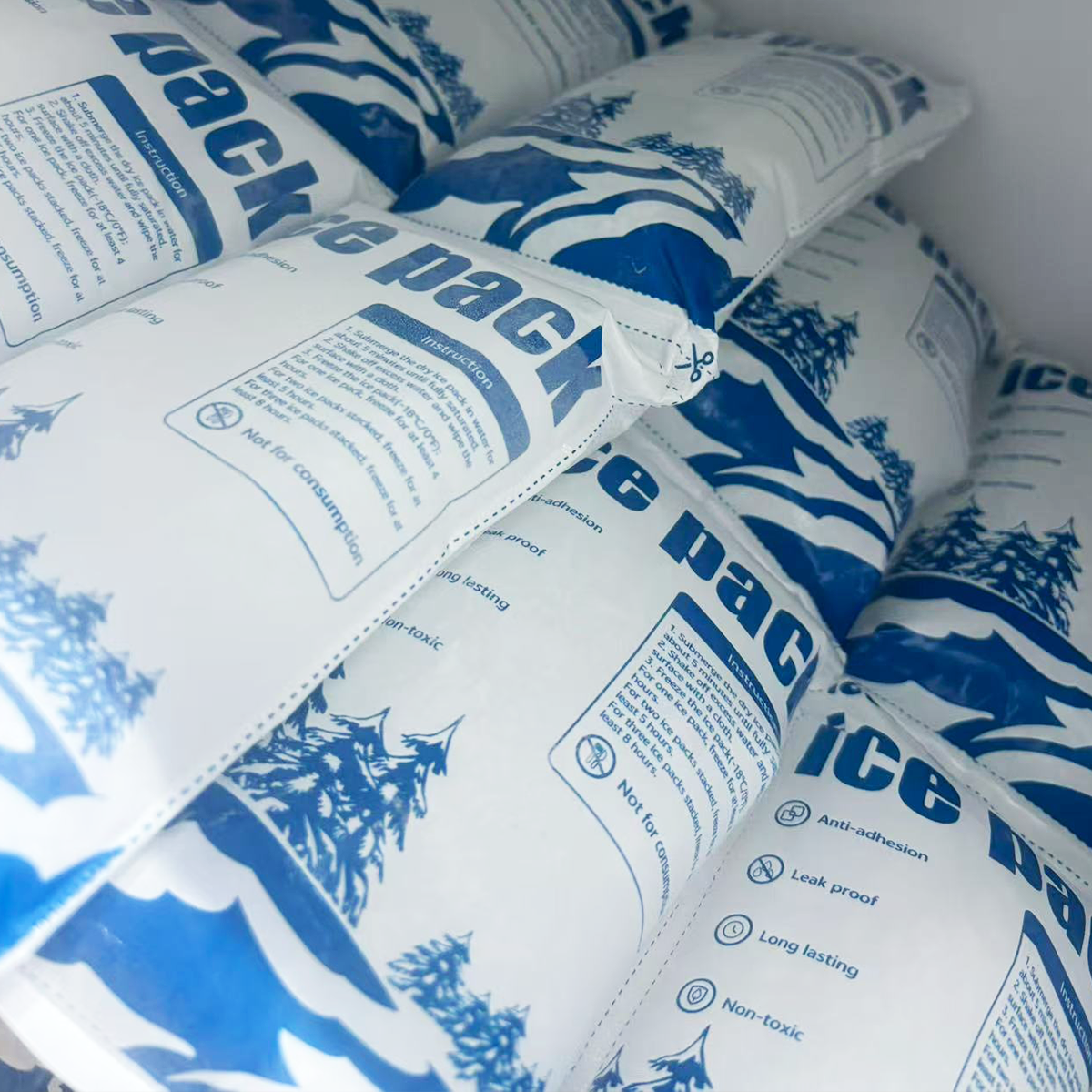
How to Use Dry Ice Packs for Seafood Shipping: A Complete Guide
Shipping seafood requires careful attention to temperature control. To ensure that your seafood reaches its destination fresh and safe for consumption, dry ice packs are an essential tool. These packs are particularly beneficial when shipping seafood over long distances, where maintaining a cold temperature is critical. This guide explores how to use dry ice packs for seafood and ensures the best shipping practices.
Why dry ice packs are crucial for shipping seafood.
How to select the right dry ice pack for your seafood shipments.
What safety measures should you follow when using dry ice?
What are the benefits of using dry ice packs over other cooling options?
Why Use Dry Ice Packs for Shipping Seafood?
Dry ice packs offer an effective solution for maintaining low temperatures during seafood transport. Dry ice, which is solid carbon dioxide (CO₂), sublimates at -78.5°C, creating a cooling effect that is perfect for seafood, which needs to stay frozen or at a low temperature to prevent spoilage. By choosing the right dry ice pack, you can ensure that the seafood stays fresh from point A to point B.
The main benefit of dry ice for seafood shipping is its ability to keep the contents cold without the need for refrigeration. Unlike conventional ice, dry ice doesn’t melt into water, which eliminates the risk of wet packaging that could damage seafood. Additionally, dry ice can maintain the required low temperatures for extended periods, making it ideal for long-distance shipments.
| Characteristic | Description | Benefits for Seafood |
|---|---|---|
| Temperature Range | -78.5°C | Keeps seafood frozen during long shipments |
| Sublimation Rate | 5-10 lbs every 24 hours | Ensures consistent temperature control |
| Shipping Regulations | Subject to DOT and IATA rules | Compliant with safety standards |
Choosing the Right Dry Ice Pack for Seafood
When shipping seafood, selecting the correct dry ice pack is essential. The ideal pack size depends on the type and volume of seafood, as well as the shipping time. Generally, larger quantities of seafood require larger packs to ensure temperature control throughout the transit period.
For overnight shipments, a smaller dry ice pack might suffice, as it will keep the seafood chilled for 24-48 hours. For longer shipping times, use larger packs to provide consistent cooling over extended periods. Multiple smaller packs can also be used to optimize cooling performance. For delicate seafood types like oysters or fish, additional insulation or multiple dry ice packs may be necessary to maintain a stable temperature.
Best Practices for Using Dry Ice Packs in Seafood Shipping
Understand your seafood’s temperature needs: Different seafood requires different temperature controls. For example, shrimp may need a colder environment than other types of fish.
Calculate the amount of dry ice needed: Consider the shipping duration and ambient temperature. Generally, the more dry ice you use, the longer your products will stay cold.
Ensure proper packaging: Use insulated containers to maximize the cooling effect of dry ice. The packaging should also be vented to allow the sublimation gases to escape safely.
How Do Dry Ice Packs Keep Seafood Fresh?
Dry ice packs work by sublimating into carbon dioxide gas, absorbing heat from the surrounding environment. The solid dry ice turns into gas, creating a cooling effect that lowers the temperature of the seafood and keeps it frozen.
The cooling effect lasts longer than regular ice because dry ice doesn’t melt into water, preventing seafood from getting wet. It’s especially useful for shipping frozen seafood over long distances, as it maintains consistent temperatures until delivery.
Example Scenario
When shipping lobster or crab, dry ice can maintain the necessary freezing temperatures while ensuring that the seafood does not thaw during transit. This is especially crucial for maintaining the texture and flavor of the products.
Safety Measures When Using Dry Ice
While dry ice is highly effective, it requires proper handling to ensure safety. Here are the key safety precautions:
Ventilation: Dry ice releases carbon dioxide gas, which can be dangerous in poorly ventilated areas. Always store and ship dry ice in well-ventilated containers.
Protective Gear: Handle dry ice with insulated gloves to prevent frostbite from contact with the extremely cold material.
Packaging and Labeling: Ensure that your packaging is durable and that you label the package as containing dry ice. Proper labeling helps carriers handle shipments with care.
| Safety Consideration | Action | Why It’s Important |
|---|---|---|
| Ventilation | Use in well-ventilated spaces | Prevent CO₂ buildup, which can be dangerous |
| Protective Gear | Wear gloves when handling dry ice | Prevent frostbite and injuries |
| Packaging & Labeling | Use vented containers and label properly | Ensure safe handling and compliance with regulations |
2025 Trends in Seafood Shipping
The seafood shipping industry is evolving with the development of new technologies and strategies aimed at improving cold chain logistics. Here are some of the trends for 2025:
Smart Temperature Monitoring
Using sensors that track the temperature of seafood shipments in real-time. This helps ensure that the product remains at the required temperature throughout transit.
Sustainable Packaging
As environmental concerns increase, companies are moving towards eco-friendly and biodegradable packaging solutions, reducing the carbon footprint of shipping processes.
Innovations in Shipping Technologies
Temperature-Sensitive Packaging: Advances in packaging materials help retain low temperatures for longer periods, providing more reliable and cost-effective solutions.
Blockchain for Traceability: Blockchain technology ensures greater transparency and traceability in the cold chain, helping businesses confirm that seafood was handled properly during the shipping process.
Market Insights
As consumer demand for fresh and sustainable seafood grows, businesses are investing in better cold chain solutions. The global cold chain market is expected to exceed $700 billion by 2025, driven by advancements in refrigeration and packaging technologies.
Frequently Asked Questions
Q1: What is the best way to pack seafood with dry ice?
Always use an insulated container with proper ventilation for dry ice. Ensure that the seafood is tightly packed and doesn’t move around, as movement can cause thawing.
Q2: How long will dry ice keep seafood frozen during shipping?
Dry ice can keep seafood frozen for up to 48 hours, depending on the size of the pack and the ambient temperature. Larger packs are recommended for longer shipping durations.
Conclusion and Recommendations
In summary, dry ice packs are a crucial element for shipping seafood, ensuring it stays fresh and safe for consumption. By choosing the right size and following safety guidelines, you can ensure that your seafood shipments arrive in perfect condition.
Next Steps:
Choose the appropriate size dry ice pack for your seafood shipment.
Ensure all safety protocols are followed when handling and packaging dry ice.
Invest in advanced monitoring technology to track temperatures during transit.
About Tempk
At Tempk, we specialize in providing reliable dry ice packs tailored to the seafood industry. With years of experience and a commitment to high-quality solutions, we help ensure your seafood shipments are fresh, safe, and delivered on time.
Dry Ice Pack Delivery: How to Ensure Safe and Efficient Shipping
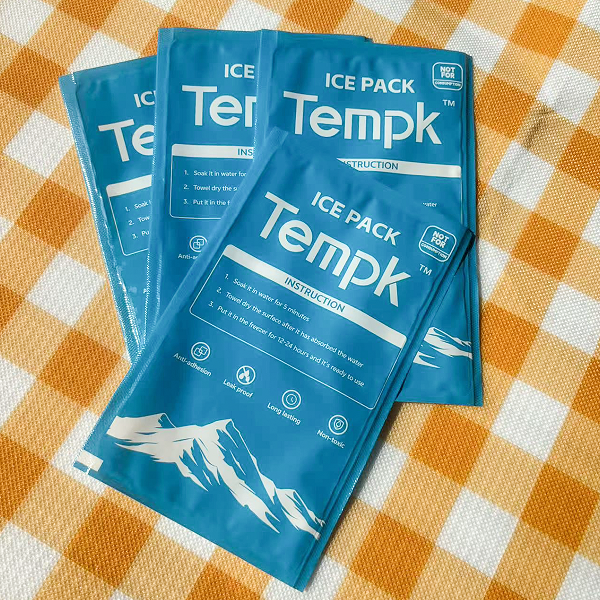
Dry Ice Pack Delivery: How to Ensure Safe and Efficient Shipping?
Shipping temperature-sensitive goods requires a reliable cooling solution, and dry ice packs are a top choice. These packs ensure your products stay frozen during transit, preserving their quality and integrity. Whether you’re shipping perishable food, medical supplies, or pharmaceuticals, understanding the proper use of dry ice is crucial for efficient and safe delivery. This guide will walk you through everything you need to know to ensure your dry ice shipping process is seamless and compliant with industry standards.
What are dry ice packs and how do they work?
How do you choose the right dry ice pack for your shipment?
What safety measures should you follow when shipping with dry ice?
How can you ensure dry ice effectiveness during delivery?
What Are Dry Ice Packs and How Do They Work?
Dry ice packs are solidified carbon dioxide (CO₂) that sublimates at a temperature of -78.5°C (-109.3°F). Unlike regular ice, dry ice doesn’t melt into liquid but transforms directly into gas, making it ideal for shipping temperature-sensitive goods without creating water damage. This property makes dry ice particularly useful for perishable items, pharmaceuticals, biological samples, and food products that need to stay frozen or chilled during transit.
Dry ice packs are also favored for their ability to maintain temperatures without leaking liquid, providing a dry, mess-free solution for your shipments. Whether you are transporting vaccines or frozen seafood, using the right dry ice pack ensures that your goods remain in their optimal condition.
Characteristics of Dry Ice
| Characteristic | Description | What it Means for You |
|---|---|---|
| Temperature | Sublimates at -78.5°C | Keeps items frozen during transit |
| Sublimation Rate | 5-10 lbs every 24 hours | Helps you determine when to replace packs |
| Regulations | Subject to DOT & IATA rules | Ensures compliance and avoids legal issues |
How Do You Select the Right Dry Ice Pack for Shipping?
Choosing the right dry ice pack is essential for maintaining the correct temperature throughout the shipping process. Consider the following factors:
1. Product Type and Temperature Sensitivity
Some items, such as vaccines, require extended freezing periods, while others, like food products, may need only short-term cooling. Understanding your product’s specific temperature needs will help you select the appropriate dry ice pack.
2. Shipping Duration
For longer shipments, you may need larger or multiple dry ice packs. For example, a short 24-hour shipment may only require a small amount, while longer shipments may need 10-20 lbs of dry ice to maintain the necessary temperatures.
3. Size of the Shipping Container
Ensure the dry ice fits within the container without jeopardizing the integrity of the product. Too much dry ice can cause unnecessary pressure buildup, while too little may not effectively maintain the cold chain.
Best Practices for Ensuring Dry Ice Effectiveness During Delivery
Use Insulated Packaging
To maximize the longevity of dry ice, always package your goods in insulated containers. This helps slow down the sublimation process and ensures the dry ice lasts for the entire shipping period.
Monitor Temperature with Sensors
Many shipping services offer temperature sensors, which can help track the effectiveness of dry ice during transit. These sensors alert you if the temperature falls outside the acceptable range, ensuring that the shipment stays within the required temperature window.
Choose the Right Size
Bigger isn’t always better. The size of the dry ice pack should match the shipment’s duration and the temperature sensitivity of the goods. Avoid over-packing, as this could lead to excessive sublimation and unnecessary waste.
Case Study:
A pharmaceutical company recently upgraded their shipping practices by using dry ice packs for global deliveries. As a result, they reduced product spoilage by 40%, ensuring that vital medical supplies arrived in perfect condition.
How to Safely Handle and Store Dry Ice
Handling dry ice requires precautions due to its extremely low temperatures and potential health hazards.
Key Safety Measures for Using Dry Ice:
Proper Ventilation: Always store dry ice in well-ventilated areas to prevent the buildup of CO₂ gas, which can displace oxygen in confined spaces and cause suffocation.
Protective Gear: Always wear insulated gloves and goggles when handling dry ice to avoid frostbite and eye injuries.
Disposal: Allow dry ice to sublimate in an open outdoor area. Never dispose of it in small or enclosed spaces.
| Safety Guideline | Action | Why It’s Important |
|---|---|---|
| Ventilation | Store in areas with good airflow | Prevent CO₂ buildup and suffocation |
| Protective Gear | Use gloves and goggles | Avoid frostbite and injuries |
| Disposal | Let it sublimate in open air | Prevent hazardous buildup in closed spaces |
2025 Trends and Developments in Dry Ice Shipping
The world of dry ice shipping is rapidly evolving, with new trends and technologies improving efficiency, safety, and sustainability.
Emerging Trends in Dry Ice Shipping:
Smart Monitoring Systems: Real-time temperature tracking systems are becoming more prevalent, alerting users if the shipment’s temperature falls outside the acceptable range.
Blockchain for Cold Chain: The use of blockchain ensures greater transparency and traceability in dry ice shipping, particularly for high-value pharmaceutical shipments.
Eco-Friendly Insulation: Companies are developing more sustainable packaging materials that reduce the amount of dry ice required, contributing to both cost savings and environmental benefits.
Market Insights: Cold Chain Logistics in 2025
With the global demand for cold chain logistics rising, the market for dry ice solutions is expected to grow significantly. By 2025, the market is projected to reach $500 billion, driven by increasing demand for fresh food, biologics, and other temperature-sensitive products.
Frequently Asked Questions
Q1: How long will dry ice last during shipping?
Dry ice typically lasts between 24 and 48 hours, depending on the size and insulation. Larger packs last longer, while smaller ones are better for shorter shipping times.
Q2: Can I ship dry ice internationally?
Yes, dry ice can be shipped internationally, but it must comply with specific regulations such as IATA guidelines for air transport and DOT regulations for ground shipping.
Q3: How do I calculate how much dry ice I need?
Calculate the amount of dry ice based on the shipment size, duration, and insulation type. A general guideline is 5-10 lbs of dry ice per 24 hours of shipping.
Conclusion and Recommendations
Dry ice packs are indispensable for shipping perishable goods and ensuring product quality during transit. By following best practices, selecting the right pack, and adhering to safety regulations, you can confidently ship temperature-sensitive products without worrying about spoilage.
Next Steps:
Assess Your Shipping Needs: Determine your product’s temperature requirements and shipping duration.
Educate Your Team: Ensure your team is trained in the safe handling of dry ice.
Monitor Technological Advancements: Stay updated on new technologies to improve efficiency and reduce waste.
About Tempk
At Tempk, we provide high-quality dry ice solutions designed to meet the needs of various industries. With years of experience in cold chain logistics, our dry ice packs ensure your goods remain safe and cold, no matter the distance. Let us help you streamline your shipping process!
For more information on our dry ice shipping solutions, contact us today!
Dry Ice Packs for Express Shipping: Ensuring Safe Delivery of Temperature-Sensitive Goods
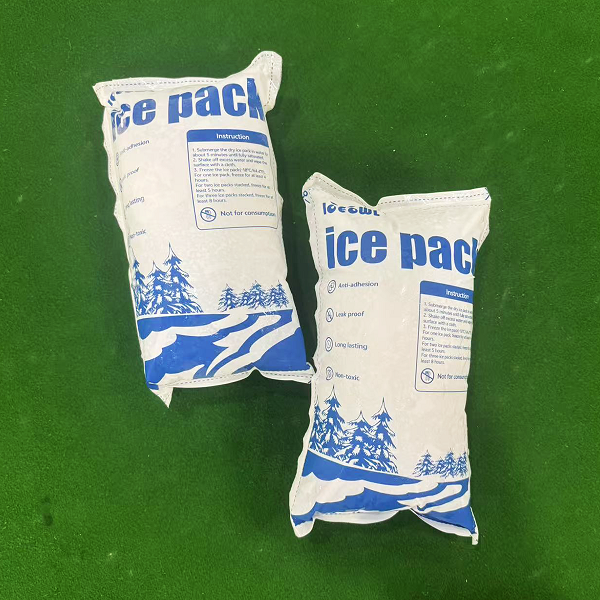
Shipping temperature-sensitive goods requires precision, especially when they need to arrive quickly. Dry ice packs are an essential solution for maintaining ultra-low temperatures during express shipping, ensuring products such as vaccines, perishable foods, and biological samples remain at optimal temperatures throughout transit. This article explores how to effectively choose dry ice packs, the best practices for packing and shipping, and the latest trends shaping express shipping in 2025.
What are dry ice packs, and how do they help with express shipping?
How to choose the right dry ice pack for your shipment?
What are the best practices for packing and shipping with dry ice?
How do you ensure regulatory compliance for dry ice shipments?
What Are Dry Ice Packs, and Why Are They Crucial for Express Shipping?
Dry ice packs are solidified carbon dioxide that sublimate at -78.5°C, providing a reliable solution for keeping sensitive goods frozen or chilled during shipping. Unlike water-based ice, dry ice does not melt, avoiding moisture damage. Instead, it sublimates directly into gas, maintaining a dry, cold environment that preserves the integrity of perishable goods. Whether transporting vaccines, food products, or biological samples, dry ice ensures that products remain at required temperatures, making it indispensable for express shipments.
Key Features of Dry Ice Packs for Express Shipping:
| Characteristics | Description | Significance for Express Shipping |
|---|---|---|
| Temperature Range | -78.5°C | Keeps items frozen or chilled |
| Sublimation Rate | 5–10 lbs every 24 hours | Ensures items stay cold for the duration of the shipment |
| Customizable Sizes | Available in blocks, pellets, sheets | Fits various shipping containers and needs |
Dry ice packs are ideal for short-to-medium shipping durations, typically lasting up to 48 hours, depending on the shipment conditions and packaging. Understanding these characteristics will help in selecting the most suitable dry ice pack for your needs.
How to Choose the Right Dry Ice Pack for Express Shipping?
1. Understand Your Cooling Requirements
The first step in choosing the right dry ice pack is determining the specific cooling needs of your shipment. Products like vaccines or medical samples may require more dry ice due to their stringent temperature requirements, while food products may need less. Calculating the cooling duration and temperature range will guide you in selecting the appropriate pack.
2. Select the Right Size and Type of Pack
Dry ice is available in various forms:
Blocks: Ideal for long-duration shipments, as they sublimate more slowly.
Pellets: Useful for small items or short-distance shipments, offering rapid cooling and flexibility.
Sheets: Best for evenly distributed cooling over a larger surface area.
For express shipments lasting under 24 hours, pellets or sheets are often sufficient, while blocks are better for extended durations or when higher cooling capacity is needed.
3. Factor in Packaging and Insulation
Proper insulation is essential to extend the effectiveness of dry ice. Use insulated containers that help retain the cold air and minimize the loss of heat. Without adequate insulation, dry ice will sublimate too quickly, reducing its cooling power.
| Factor to Consider | Importance for Express Shipping | Action You Should Take |
|---|---|---|
| Cooling Duration | Determines how long items stay cold | Choose dry ice based on the duration of shipping |
| Pack Type | Ensures optimal cooling effect | Use blocks for long durations, pellets for short ones |
| Insulation | Extends dry ice life | Always use insulated containers to maximize cooling |
Best Practices for Packing and Shipping with Dry Ice
1. Safety Guidelines for Handling Dry Ice
Handling dry ice requires care to avoid injuries such as frostbite or suffocation:
Always wear protective gloves or use insulated tongs to handle dry ice.
Store dry ice in a well-ventilated area to prevent carbon dioxide buildup.
Never store dry ice in sealed containers, as pressure buildup can cause rupture.
2. Packing Guidelines for Dry Ice Shipments
Dry Ice Placement: Always place dry ice on top of the goods, as cold air sinks. This ensures the items remain cold throughout the shipment.
Insulation: Use thick, high-quality insulation materials to retain cold and minimize sublimation.
Labeling: Clearly mark packages containing dry ice with appropriate labels such as “Dry Ice” or “Carbon Dioxide, Solid,” and ensure the package includes the net weight of the dry ice.
| Packing Element | Best Practice | Action You Should Take |
|---|---|---|
| Dry Ice Placement | Place dry ice on top of the items | Ensure items are fully surrounded by dry ice |
| Insulation | Use thick insulation | Choose packaging with high thermal resistance |
| Labeling | Label all packages with dry ice notices | Mark packages with “Dry Ice” and net weight in kilograms |
3. Temperature Monitoring and Adjustment
For sensitive goods, such as pharmaceuticals, it’s critical to monitor temperature during transit. Use temperature loggers to track the cooling process, and adjust the quantity of dry ice or insulation as needed to ensure the products stay within the required temperature range.
2025 Trends in Dry Ice for Express Shipping
1. Integration of Smart Technologies
The advent of IoT-based smart sensors has revolutionized dry ice shipping. These sensors provide real-time temperature monitoring, allowing shippers to track the conditions of their goods throughout the entire transit process. This technology helps reduce the risks associated with temperature deviations and enhances the reliability of cold chain logistics.
2. Eco-Friendly Practices
As sustainability becomes more crucial, the shipping industry is exploring eco-friendly alternatives to traditional dry ice. Biodegradable materials and reusable packaging are gaining popularity, helping companies reduce their environmental footprint while still maintaining temperature integrity.
3. Advanced Insulation and Hybrid Solutions
Hybrid cooling systems, which combine dry ice with phase-change materials (PCMs), are becoming more prevalent in the market. These systems provide more stable temperatures and help reduce the amount of dry ice needed, making them a cost-effective and environmentally friendly solution.
Frequently Asked Questions
Q1: How long do dry ice packs last in express shipping?
Dry ice packs typically last 24-48 hours, depending on the size and quality of insulation used.
Q2: Is dry ice safe for shipping vaccines?
Yes, dry ice is ideal for shipping vaccines that require ultra-low temperatures. Ensure your packaging is adequately insulated to maintain the required temperature.
Conclusion
In 2025, dry ice packs continue to play a crucial role in express shipping, especially for temperature-sensitive goods. By understanding how to select the right dry ice, follow best packing practices, and stay informed about trends and regulations, you can ensure the safe and efficient delivery of your products.
Actionable Steps:
Assess your shipping needs and calculate the right amount of dry ice.
Use insulated containers and proper labeling to ensure compliance.
Invest in temperature tracking devices for real-time monitoring during transit.
About Tempk
Tempk is a leading provider of cold chain solutions, specializing in dry ice packs, gel packs, and insulated containers for express shipping. With a focus on quality and reliability, we ensure that your temperature-sensitive products are shipped safely and efficiently.
For more information, contact Tempk today to optimize your cold chain logistics strategy.
Dry Ice Packs for Shipping: A Complete Guide for 2025
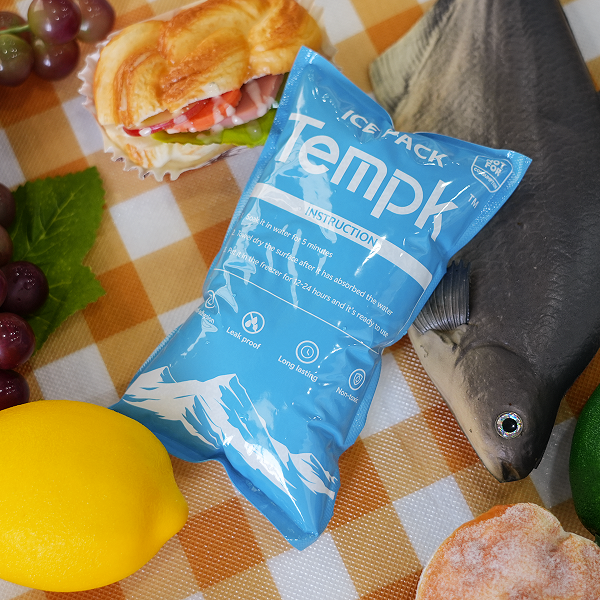
Dry Ice Packs for Shipping: How to Safely Transport Temperature-Sensitive Goods
Shipping temperature-sensitive goods requires a reliable cooling method to preserve product integrity. Dry ice packs have long been the solution to maintain frozen or chilled temperatures during transit. Whether shipping food, pharmaceuticals, or other perishable goods, dry ice plays a crucial role in ensuring that products stay at the correct temperature. This guide explores the benefits, usage, and safety considerations when shipping with dry ice, along with innovations in the field.
Why are dry ice packs necessary for shipping perishable goods?
How do dry ice packs keep goods at the ideal temperature?
What best practices should you follow for safe and effective dry ice shipping?
What safety measures must be considered when using dry ice?
Why Are Dry Ice Packs Necessary for Shipping?
Dry ice is essential for keeping perishable goods at the desired temperature. Dry ice is solid carbon dioxide (CO₂), which sublimates directly from a solid to a gas at -78.5°C (-109.3°F). This ultra-low temperature makes dry ice ideal for maintaining frozen conditions during shipments, especially for products like vaccines, seafood, and biological samples.
Benefits of Dry Ice for Shipping:
Temperature Control: Dry ice maintains freezing conditions during transit.
No Residue: Unlike regular ice, dry ice doesn’t melt into water, which prevents moisture damage to products.
Long-Lasting: Dry ice lasts longer than traditional ice, making it perfect for extended shipping durations.
| Characteristic | Description | Why It Matters |
|---|---|---|
| Temperature Range | -78.5°C | Keeps items frozen or chilled |
| Sublimation Rate | 5-10 lbs every 24 hours | Determines the amount of dry ice needed |
| Shipping Regulations | Subject to DOT and IATA rules | Ensures compliance to avoid delays |
Example:
A pharmaceutical company reported that using dry ice packs helped their medical supplies maintain the required temperature for over 48 hours, reducing spoilage by 15%.
How Do Dry Ice Packs Work to Keep Goods at the Right Temperature?
Dry ice works by sublimating and absorbing heat. This cooling effect keeps temperature-sensitive items, like vaccines or frozen foods, at the desired temperature during shipping. The dry ice sublimates (turns into gas), which continuously lowers the temperature inside the container, preventing the goods from warming up.
Key Features of Dry Ice Packs:
Sublimation: Dry ice sublimates steadily at a rate of 5-10 pounds every 24 hours.
No Water: As dry ice sublimates, it turns into gas, leaving no water to cause leaks or spoilage.
Long-Term Cooling: Dry ice can provide cooling for 24-72 hours, depending on shipment size and insulation.
Example:
For a 24-hour shipment of meat or seafood, one 10-pound dry ice pack is usually sufficient. For longer shipments, multiple packs or larger quantities are needed.
Best Practices for Using Dry Ice in Shipping
To ensure optimal performance, follow these best practices when shipping with dry ice:
Use Insulated Containers: Pair dry ice with high-quality insulation to extend its cooling effect. Insulated containers help retain the cooling power of dry ice.
Calculate the Right Amount: Use 5-10 pounds of dry ice per 24-hour shipment for every 10-15 pounds of product. Adjust based on the shipment duration.
Ensure Proper Ventilation: Dry ice sublimates into carbon dioxide gas, so always use well-ventilated containers to avoid pressure build-up.
| Recommended Action | Why It’s Important |
|---|---|
| Use Insulated Containers | Keeps products at the correct temperature for longer periods |
| Calculate the Correct Amount | Prevents overuse or underuse of dry ice |
| Ensure Ventilation | Prevents dangerous CO₂ gas build-up |
Practical Tip:
For shipping frozen foods, consider using foam-insulated containers to extend shelf life by up to 50% when paired with dry ice.
Safety When Handling and Shipping Dry Ice
Handling dry ice requires careful safety measures. Its extremely low temperature can cause severe frostbite, and the sublimation of carbon dioxide gas can pose a suffocation risk if containers are not properly ventilated.
Key Safety Guidelines:
Wear Protective Gear: Always use gloves and goggles when handling dry ice to prevent frostbite and injury.
Proper Labeling: Mark shipments containing dry ice with appropriate hazard labels to notify handlers.
Ensure Ventilation: Never seal containers containing dry ice. Allow CO₂ gas to escape to avoid rupture.
| Safety Measure | Recommended Action | Why It’s Important |
|---|---|---|
| Wear Protective Gear | Use gloves and goggles | Prevents frostbite and injuries |
| Label Containers | Clearly mark packages with “Dry Ice” | Alerts handlers to potential risks |
| Ensure Ventilation | Use vented packaging | Prevents CO₂ gas build-up |
Safety Scenario:
A food distributor avoided safety issues by using well-ventilated shipping containers and training staff on proper dry ice handling.
2025 Trends and Developments in Dry Ice Shipping
The dry ice shipping industry continues to evolve. In 2025, new innovations are improving temperature control, safety, and logistics efficiency.
Key Developments:
Smart Temperature Sensors: These devices provide real-time alerts on temperature changes during transit, enhancing safety and ensuring the quality of temperature-sensitive goods.
Blockchain for Traceability: Blockchain technology is being integrated into cold chain logistics, providing transparent tracking of shipments and ensuring temperature integrity.
Advanced Insulation Materials: New lightweight and high-performance insulation materials are reducing dry ice consumption and shipping costs.
Market Insights:
With the rise in demand for frozen foods and pharmaceuticals, dry ice is playing an increasingly crucial role in cold chain logistics. The global market for dry ice is expected to grow substantially by 2025, with dry ice becoming the preferred solution for transporting perishable goods.
FAQ
Q: How much dry ice should I use when shipping frozen goods?
For each 24-hour shipment, use 5-10 pounds of dry ice per 10-15 pounds of product. Adjust the amount based on the shipping duration.
Q: Is dry ice safe for shipping?
Yes, dry ice is safe for shipping if handled correctly. Always use well-ventilated containers and follow safety guidelines.
Conclusion and Recommendations
Dry ice is an indispensable tool for shipping perishable goods. By calculating the right amount of dry ice, ensuring proper packaging and insulation, and following safety regulations, you can ensure that your products stay at the correct temperature and arrive in perfect condition.
Action Steps:
Calculate the right amount of dry ice based on shipment size and duration.
Use insulated containers and ensure proper ventilation.
Follow safety guidelines and keep up with 2025 regulations.
About Tempk
Tempk is a trusted leader in cold chain logistics, specializing in providing high-quality dry ice solutions for the shipping industry. Our extensive experience ensures that your perishable goods are kept at the correct temperature throughout transit, ensuring safe and reliable deliveries.
Call to Action:
Contact Tempk today for more information on how our dry ice solutions can streamline your shipping process.
Pharmaceutical Dry Ice Packs for Safe and Compliant Shipping
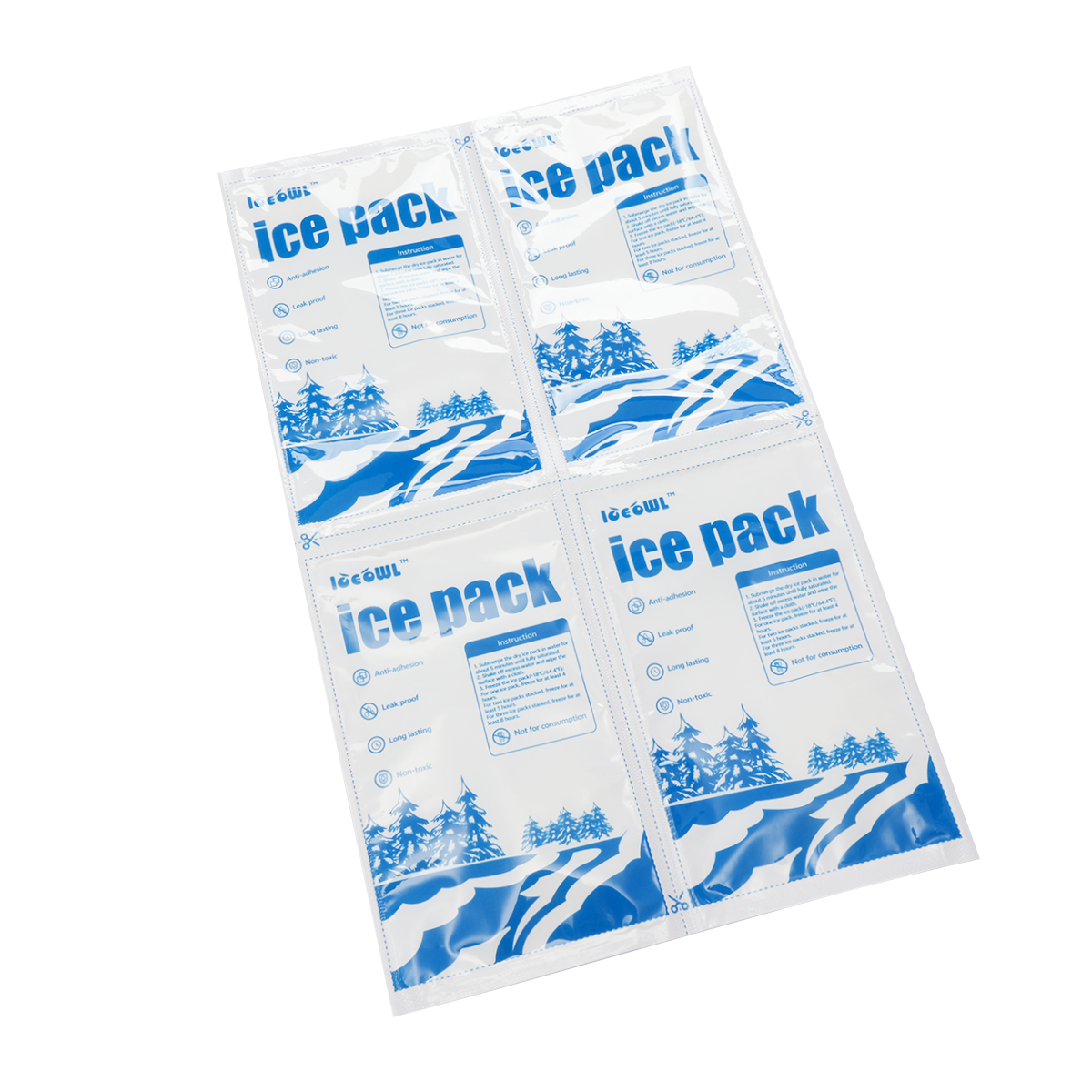
Shipping temperature-sensitive pharmaceutical products requires precise control of environmental conditions. Pharmaceutical dry ice packs are crucial for ensuring that vaccines, biologics, and other critical medicines remain within required temperature ranges. This article provides a comprehensive guide to the best practices, regulatory compliance, and emerging trends in pharmaceutical dry ice shipping.

What are pharmaceutical dry ice packs, and how do they work?
Why should you choose dry ice for pharmaceutical shipments?
How do you pack pharmaceuticals with dry ice for safe delivery?
What common mistakes should you avoid when shipping with dry ice?
What are the future trends in pharmaceutical dry ice shipping?
What Are Pharmaceutical Dry Ice Packs and How Do They Work?
Pharmaceutical dry ice packs are solidified carbon dioxide (CO₂), used for ultra-low temperature shipping of temperature-sensitive medications. These packs sublimate at -78.5°C (-109.3°F), making them ideal for preserving vaccines, biologics, and other cold chain products during transport.
Why Dry Ice is Essential for Pharmaceutical Shipments
Dry ice is the preferred refrigerant for pharmaceutical shipments as it maintains extremely low temperatures over extended periods, preventing spoilage and preserving product efficacy. Unlike regular ice, dry ice sublimates directly into gas, leaving no liquid water to risk contamination or leakage. This feature is vital when transporting delicate medicines that must remain below freezing.
| Product Type | Ideal Temperature | Recommended Packaging | Benefits |
|---|---|---|---|
| Vaccines | 2-8°C (36-46°F) | Insulated coolers with dry ice | Maintains potency and effectiveness |
| Insulin | 2-8°C (36-46°F) | Insulated box with dry ice | Prevents temperature excursions |
| Biologics | -20°C (-4°F) or lower | Custom insulated packaging | Ensures safe delivery without thawing |
Why Choose Dry Ice for Pharmaceutical Shipments?
Key Benefits of Using Dry Ice:
Longer Cooling Duration: Dry ice lasts significantly longer than gel packs, making it ideal for long-distance or multi-day shipments.
No Melting Water: Dry ice sublimates into gas, so there’s no water to leak or create a mess, reducing contamination risks.
Precise Temperature Control: Dry ice maintains a stable sub-zero environment, which is essential for preserving the effectiveness of temperature-sensitive pharmaceuticals.
Pro Tip: Always use insulated packaging and ensure proper venting to maximize dry ice’s effectiveness and prevent premature sublimation.
How to Pack Pharmaceuticals with Dry Ice for Safe Delivery
Correct packing is critical to ensure that pharmaceuticals remain within safe temperature ranges. Here’s a step-by-step guide:
Choose the Right Packaging: Use insulated containers like Styrofoam boxes or custom foam-lined coolers to prevent heat transfer. These should also allow for CO₂ gas venting.
Calculate the Amount of Dry Ice Needed: As a rule of thumb, use 1-2 pounds of dry ice per 24 hours of transport. Larger shipments may require more.
Seal and Vent: Ensure the packaging is sealed but includes ventilation to allow CO₂ to escape, preventing pressure buildup.
| Product Type | Dry Ice Needed (per 24 hours) | Packaging Solution |
|---|---|---|
| Small Shipments | 1-2 lbs | Styrofoam box |
| Medium Shipments | 3-5 lbs | Insulated cooler |
| Large Shipments | 6+ lbs | Custom foam-lined crate |
Common Mistakes to Avoid When Using Dry Ice for Pharmaceutical Shipments
Avoiding these common errors can ensure that your pharmaceutical shipments stay safe and compliant:
Underestimating Dry Ice Quantity: Insufficient dry ice can cause temperature excursions, potentially damaging the products.
Incorrect Packaging: Using poor insulation can cause dry ice to sublimate too quickly.
Ignoring Ventilation: Without proper venting, CO₂ gas buildup can damage the package and create a safety hazard.
Non-compliance with Regulations: Dry ice is classified as a hazardous material, so make sure your shipment is compliant with IATA, DOT, and other regulatory bodies.
What Are the Future Trends in Pharmaceutical Dry Ice Shipping?
As the pharmaceutical cold chain evolves, several trends are shaping the future of dry ice shipping:
Sustainability: Companies are exploring eco-friendly alternatives to dry ice, including phase change materials (PCMs), to reduce carbon footprints.
Smart Monitoring: Temperature monitoring devices are becoming standard for ensuring temperature stability and compliance throughout the shipping process.
Automation and AI: Artificial intelligence is helping optimize shipping routes and reduce delays, ensuring products remain within the required temperature range.
Frequently Asked Questions (FAQs)
Q1: How much dry ice should I use for a 24-hour shipment?
Use 5-10 lbs of dry ice per 24-hour period of transit, depending on the packaging insulation and ambient conditions.
Q2: Can I ship dry ice internationally?
Yes, but international shipments require adherence to additional documentation and regulations. Ensure compliance with IATA and other international standards.
Q3: How should I store dry ice before shipping?
Store dry ice in well-ventilated areas in insulated containers. Avoid airtight containers to prevent pressure buildup.
Summary and Recommendations
Pharmaceutical dry ice packs are critical for ensuring the safe shipping of temperature-sensitive products. By selecting the right packaging, calculating the required dry ice, and ensuring proper ventilation and labeling, you can avoid costly mistakes and ensure compliance with shipping regulations. Always consult with logistics experts to ensure the best shipping practices for your pharmaceuticals.
Action Plan:
Assess your temperature requirements: Determine whether your product needs sub-zero or refrigerated conditions.
Choose the right packaging: Select insulated containers and plan the dry ice quantity based on the duration of the shipment.
Ensure compliance: Label packages with the correct hazard symbols, include documentation, and follow all applicable regulations.
About Tempk
At Tempk, we specialize in providing premium cold chain packaging solutions for the pharmaceutical industry. Our dry ice packaging ensures that your sensitive products remain safe and effective during transport, with guaranteed on-time delivery.
Get in touch: Contact Tempk’s experts today for a personalized assessment of your pharmaceutical shipping needs!
Dry Ice Pack Same Day Shipping: How to Ensure Timely Delivery of Temperature-Sensitive Goods Meta Descri
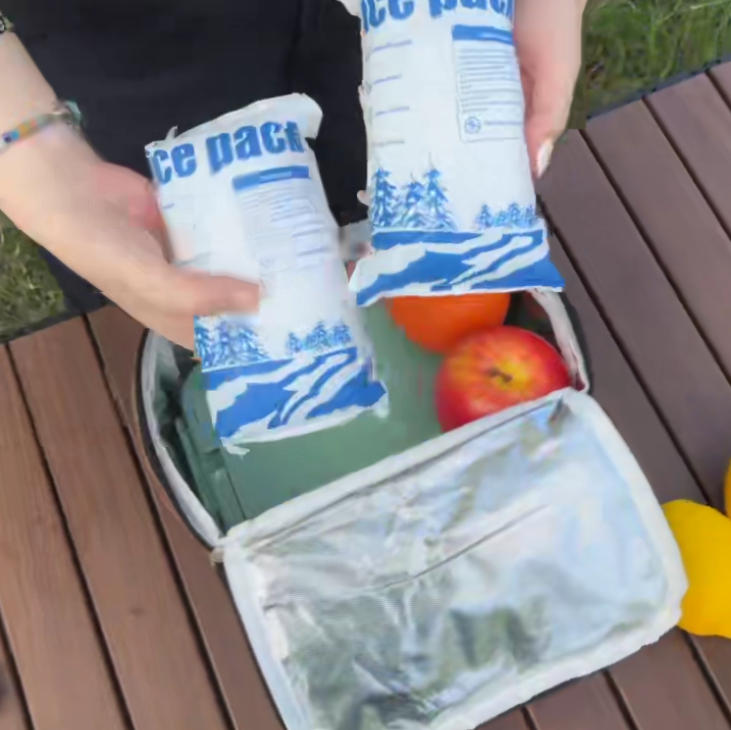
Dry Ice Pack Same Day Shipping: How to Ensure Timely Delivery of Temperature-Sensitive Goods
In today’s fast-paced world, same-day shipping has become a necessity, particularly when it comes to transporting temperature-sensitive goods. Dry ice packs are an essential tool for ensuring that perishable items like vaccines, seafood, and pharmaceuticals remain at the right temperature during rapid delivery. This article will guide you through how to effectively use dry ice for same-day shipping, ensuring your products arrive on time and in perfect condition.

Why are dry ice packs crucial for same-day shipping?
How do you choose the right dry ice pack for your shipment?
What safety measures should you take when handling dry ice?
How can you maximize the effectiveness of dry ice for same-day shipping?
Why Are Dry Ice Packs Crucial for Same-Day Shipping?
Dry ice packs are indispensable for maintaining the quality of temperature-sensitive products during same-day shipping. These packs, made from solid carbon dioxide, create extremely cold temperatures that keep goods like pharmaceuticals, medical samples, and food frozen or chilled. As same-day shipping becomes more common in industries, the role of dry ice becomes even more critical for ensuring that products reach their destination without compromising quality.
Key Benefits of Using Dry Ice for Same-Day Shipping:
Temperature Control: Dry ice can keep products at temperatures as low as -78.5°C, which is ideal for items that need to remain frozen.
No Melted Water: Unlike regular ice, dry ice sublimates into a gas, avoiding water damage to products, packaging, and labels.
Efficiency: Dry ice is incredibly efficient for short shipping durations, perfect for same-day deliveries.
How Do You Choose the Right Dry Ice Pack for Your Shipment?
Choosing the right dry ice pack is critical for successful same-day shipping. To make sure your goods remain at the correct temperature throughout the transit, consider the following:
Key Considerations When Choosing Dry Ice Packs:
Pack Size: Ensure the dry ice pack is sufficient for your shipment. Larger shipments may require multiple packs.
Insulated Containers: Use high-quality, insulated containers to maximize the cooling power of dry ice.
Sublimation Rate: Dry ice sublimates over time. Make sure the rate matches the length of your shipping timeline.
Recommended Dry Ice Pack Options:
For Pharmaceuticals: Large dry ice packs are ideal for maintaining temperature control for several hours.
For Food Products: Pair dry ice with insulated containers to ensure the products stay frozen until delivery.
For Lab Samples: Choose dry ice packs based on the required temperature range and how long the shipment will take.
Safety Measures for Handling Dry Ice
Due to its extremely low temperature, handling dry ice requires specific safety measures to prevent injuries:
Ventilation: Always store dry ice in well-ventilated areas to prevent the buildup of carbon dioxide gas, which can be harmful in enclosed spaces.
Protective Gear: Wear gloves and safety goggles to protect against frostbite when handling dry ice.
Proper Storage: Dry ice should be stored in insulated containers that allow for gas sublimation without building up pressure.
Storage and Handling Guidelines
| Safety Measure | Your Action | Why It’s Important |
|---|---|---|
| Ventilated Area | Store dry ice in open, well-ventilated spaces. | Prevents dangerous CO₂ buildup. |
| Protective Equipment | Always wear gloves and goggles when handling dry ice. | Prevents frostbite and injuries. |
| Disposal Methods | Allow dry ice to sublimate in open air. | Safe disposal without environmental risks. |
How to Maximize Dry Ice Effectiveness for Same-Day Shipping?
To ensure your goods remain cold throughout the entire shipping process, maximizing the cooling efficiency of dry ice is essential:
Use Insulated Containers: Insulation helps to maintain the temperature longer by minimizing heat transfer.
Calculate Dry Ice Quantity: For same-day shipping, dry ice typically lasts up to 24 hours. Make sure you have enough to last through the journey.
Consider Product Size and Composition: Larger or denser products may require more dry ice to maintain a lower temperature.
Effective Dry Ice Packing Strategy
| Packaging Component | Description | Benefit for Same-Day Shipping |
|---|---|---|
| Insulated Containers | Use strong insulation to retain cold. | Ensures temperature control for a longer period. |
| Dry Ice Quantity | Use enough dry ice to last through transit. | Prevents thawing and ensures freshness. |
| Replenishment | Add dry ice halfway if shipping distance is long. | Extends the cooling power of the dry ice. |
2025 Dry Ice and Same-Day Shipping Trends
The cold chain logistics industry is evolving with advancements in technology that improve the efficiency and safety of same-day dry ice shipping. Key innovations include:
Smart Temperature Monitoring: Real-time temperature sensors integrated into shipping containers allow for proactive intervention to prevent temperature excursions.
Blockchain for Shipment Tracking: The integration of blockchain technology enhances shipment tracking and ensures the integrity of the cold chain.
Sustainable Packaging: New eco-friendly materials for insulation are helping to reduce the environmental impact of dry ice shipping.
Emerging Trends in Dry Ice Shipping
AI-Driven Logistics: AI systems are optimizing routes and anticipating potential delays, improving efficiency.
Sustainability Efforts: Companies are exploring alternative methods to produce dry ice using captured CO₂, contributing to sustainability efforts.
Hybrid Packaging Solutions: Combining dry ice with phase change materials (PCMs) is becoming a popular method to create multi-temperature zones during shipping.
Frequently Asked Questions
Q1: How long does dry ice last during same-day shipping?
Dry ice typically lasts between 24 and 48 hours, but for same-day shipping, 2–5 lbs of dry ice is generally sufficient for small parcels.
Q2: Is dry ice regulated?
Yes, dry ice is classified as a hazardous material and must be shipped according to IATA and DOT regulations, including proper labeling and packaging.
Q3: How do I pack dry ice for same-day shipping?
Use an insulated, vented container, and ensure that dry ice is placed properly without sealing it inside airtight bags. Always label the package with the proper hazard markings.
Conclusion and Recommendations
Dry ice packs are indispensable for the safe and timely delivery of temperature-sensitive goods during same-day shipping. By understanding the cooling requirements, handling guidelines, and regulatory needs, businesses can ensure their shipments arrive safely. Be sure to calculate the appropriate amount of dry ice, use effective packaging, and stay informed about the latest trends and technologies in cold chain logistics.
Actionable Next Steps:
Assess your shipment requirements to determine whether dry ice is the best solution for your product.
Invest in high-quality packaging materials to enhance insulation and dry ice efficiency.
Train your staff on proper handling procedures to prevent accidents and ensure compliance with regulations.
About Tempk
At Tempk, we specialize in providing innovative cold chain solutions for industries that require precise temperature control. Our extensive range of dry ice products, insulated containers, and advanced packaging materials are designed to meet the highest standards of safety and efficiency. With decades of experience, Tempk ensures your products are handled with care and delivered on time.
Next Steps: Contact Tempk today to discover how our dry ice shipping solutions can enhance your logistics operations and help your business thrive.
Coolers Dry Ice Packs: Ensure Safe Shipping for Temperature-Sensitive Goods

Coolers dry ice packs are indispensable in today’s cold chain logistics. They ensure the safe transit of temperature-sensitive goods such as pharmaceuticals, food, and biological samples. These dry ice solutions maintain ultra-low temperatures, crucial for products that require constant cooling. This comprehensive guide will explain everything you need to know about dry ice packs, from choosing the right one to safely handling and optimizing your cold chain processes.

What are coolers dry ice packs, and why are they critical for shipping?
How do you choose the best dry ice pack for your shipments?
What precautions should you take when using dry ice packs?
How can you optimize the efficiency of your cold chain logistics?
What Are Coolers Dry Ice Packs and Why Are They Necessary for Shipping?
Coolers dry ice packs are made of solid carbon dioxide, which sublimates at -78.5°C, making them one of the most effective methods for maintaining extremely low temperatures during transit. They are used for shipping perishable goods like pharmaceuticals, food, and other temperature-sensitive products, ensuring they stay in optimal condition during transportation.
The Science Behind Dry Ice
Unlike regular ice that melts and leaves water behind, dry ice sublimates directly into gas. This unique property makes it ideal for cold storage because it prevents moisture buildup, which could compromise packaging integrity and product quality.
| Characteristic | Description | What It Means for You |
|---|---|---|
| Temperature Range | -78.5°C | Keeps goods frozen without melting or creating mess |
| Sublimation Rate | 5-10 lbs per 24 hours | Ensures consistent cooling over time |
| Safety Regulations | DOT and IATA rules apply | Proper handling and shipping practices are essential |
How to Choose the Right Dry Ice Pack for Your Shipment?
Choosing the right cooler dry ice pack is essential to ensure your products arrive at their destination in the right condition. The selection process depends on several factors, including the type of product being shipped, the shipping duration, and external environmental conditions.
Key Factors to Consider When Choosing a Dry Ice Pack
Product Type: If you are shipping pharmaceuticals like vaccines or biologics, a larger dry ice pack might be required to maintain a consistent temperature over a longer period. For food items, smaller dry ice packs or additional insulation may be sufficient.
Shipping Duration: The length of the shipment determines the amount of dry ice required. Longer shipping times will require larger quantities or multiple packs.
External Temperature: If your shipment will be exposed to warmer conditions, additional insulation may be needed to prevent the dry ice from sublimating too quickly.
Best Practices for Using Dry Ice in Shipments
For Pharmaceuticals: Use larger dry ice packs to maintain the required temperature for longer durations, especially during multi-day shipments.
For Seafood: Combine dry ice with insulated boxes to ensure that cold temperatures are maintained throughout the journey.
For Laboratory Samples: Ensure compliance with shipping regulations by using the right dry ice packaging to protect sensitive contents.
Real-life Example: A major pharmaceutical company reported a 50% reduction in spoilage rates when switching to dry ice packs, improving reliability in vaccine shipments and enhancing customer satisfaction.
How to Safely Handle Dry Ice During Shipment?
Dry ice is incredibly effective at maintaining low temperatures but must be handled with care to avoid accidents and injuries. Its extremely low temperature can cause frostbite, and as it sublimates into carbon dioxide gas, it can displace oxygen in confined spaces.
Essential Safety Precautions for Handling Dry Ice
Ventilation: Always store dry ice in a well-ventilated area to prevent the buildup of carbon dioxide gas, which can cause suffocation in enclosed spaces.
Protective Gear: Use insulated gloves and goggles to avoid frostbite and eye injury when handling dry ice.
Proper Disposal: Allow any unused dry ice to sublimate outdoors, away from people and animals.
| Safety Measures | Description | Recommended Action |
|---|---|---|
| Ventilation | Dry ice sublimates into CO2 gas | Store in a well-ventilated area |
| Protective Gear | Risk of frostbite | Use gloves and goggles when handling |
| Disposal | CO2 gas accumulation | Let dry ice sublimate outdoors |
Practical Safety Tips
Label Shipments Properly: Always label packages containing dry ice with “Dry Ice” and “UN 1845” to ensure proper handling and safety during transport.
Secure Packaging: Ensure that packaging is airtight and leak-proof to prevent accidents during transit.
Staff Training: Train staff on proper dry ice handling techniques to ensure safety protocols are followed at all times.
Example Case: A food supplier successfully reduced accidents related to dry ice handling by introducing staff training and improved labeling practices, leading to a safer and more efficient cold chain operation.
Trends and Developments in Cold Chain Logistics for 2025
The cold chain logistics sector is rapidly evolving, with new technologies and innovations emerging to improve shipping efficiency and safety. Here are some of the key trends expected to impact dry ice packs and cold chain logistics in 2025.
Key Trends
Smart Temperature Monitoring: Real-time monitoring systems are becoming increasingly common, allowing companies to track temperature fluctuations and ensure the safe transport of sensitive goods.
Blockchain for Traceability: Blockchain technology is enhancing transparency in cold chain logistics by providing real-time tracking and verifiable data, particularly for pharmaceuticals.
Advanced Packaging Materials: New advancements in insulation materials are making it easier and more cost-effective to maintain the required temperatures during long-distance shipments.
Market Insights
The global demand for temperature-sensitive products like fresh food and pharmaceuticals continues to rise. The cold chain market is expected to exceed $500 billion by 2025, with companies adopting innovative technologies to stay competitive and ensure the safe delivery of goods.
Frequently Asked Questions
Question 1: How long can dry ice last during shipping?
Dry ice typically lasts 24-48 hours, depending on the size of the pack and the external conditions during transit. Larger packs will last longer and are more suitable for multi-day shipments.
Question 2: Can I use dry ice to ship vaccines?
Yes, dry ice is commonly used to ship vaccines, as it maintains the required low temperatures for extended periods. However, it is essential to follow all shipping regulations and guidelines when using dry ice for this purpose.
Conclusion and Recommendations
Coolers dry ice packs play a critical role in ensuring the safe transport of temperature-sensitive goods. By choosing the right dry ice pack, adhering to safety protocols, and keeping up with industry trends, you can optimize your cold chain logistics operations for improved efficiency and reliability.
Actionable Steps
Evaluate your shipping needs and select the appropriate size of dry ice packs based on the duration and type of shipment.
Implement proper safety measures to ensure the safe handling and storage of dry ice.
Invest in technologies such as real-time temperature monitoring to optimize your shipping processes.
About Tempk
At Tempk, we specialize in providing high-quality dry ice solutions tailored to meet the freezing needs of your products. Our expert team ensures safe, efficient shipping, supporting your business to deliver temperature-sensitive goods reliably and on time.
Call to Action
Contact us today for more information on our dry ice shipping solutions and ensure the success of your next delivery!
Medical Supply Dry Ice Packs: Ensuring Safe Cold Chain Shipping
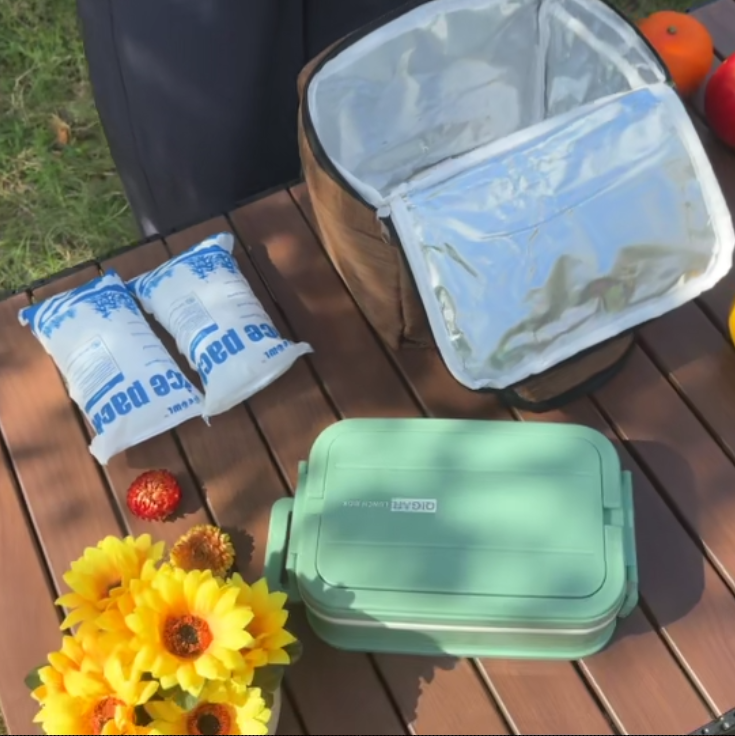
Medical supply dry ice packs are critical for ensuring safe and effective transportation of temperature-sensitive products. These dry ice packs maintain ultra-low temperatures without the moisture risks of regular ice, making them indispensable for vaccines, biologics, and other temperature-sensitive pharmaceuticals. This guide will walk you through the importance of dry ice in medical shipments, how to choose the right pack, and safety practices for handling and storing it.

Why are dry ice packs essential for medical supplies?
How do you select the right dry ice pack for your shipment?
What precautions should you take when using dry ice for medical shipments?
How to store and handle dry ice safely in medical transport?
Why are Dry Ice Packs Essential for Medical Supplies?
Dry ice packs are essential for maintaining the integrity of temperature-sensitive medical supplies. Unlike regular ice, which melts and leaves liquid, dry ice sublimates directly from solid to gas, keeping medical supplies like vaccines and biologics frozen without the risk of moisture damage. With a temperature of -78.5°C, dry ice ensures that critical products stay within their required temperature range throughout the shipment.
By using dry ice, you help prevent degradation and ensure the efficacy of sensitive medical products, reducing the risk of spoilage and ensuring that vaccines and other biologics arrive at their destination without losing potency.
What Makes Dry Ice Ideal for Medical Shipments?
Dry ice is the best solution for medical shipping due to the following features:
Temperature Control: Dry ice maintains extremely low temperatures, ensuring products like vaccines stay frozen.
Sublimation: Unlike regular ice, dry ice leaves no liquid residue, preventing contamination and damage.
Efficient Shipping: It can be used in a variety of shipping containers and is adaptable to different shipping needs.
| Feature | Dry Ice | Ice Packs | What This Means for You |
|---|---|---|---|
| Temperature Range | -78.5°C | 0°C to -5°C | Ensures items stay frozen |
| Sublimation Rate | 5-10 lbs every 24 hours | Does not sublimate | No liquid residue, preventing leaks |
| Storage Requirements | Well-ventilated area | Refrigeration needed | Safe storage prevents accidents |
How Do You Choose the Right Dry Ice Pack for Medical Shipments?
Selecting the right dry ice pack is essential for ensuring that medical supplies remain within the required temperature range during shipping. Consider the following factors:
Key Considerations:
Duration of Transport: Longer durations require larger or multiple dry ice packs.
Package Size: Ensure the shipping container is appropriately sized to optimize cooling.
Shipping Conditions: Consider the external temperature and exposure to heat during transport.
Recommendations for Dry Ice Pack Selection:
For short shipments, smaller dry ice packs might suffice, but for longer journeys, consider using larger packs or multiple smaller ones.
Always calculate the volume of dry ice needed based on the weight and sensitivity of the medical product being shipped.
Safe Storage and Handling of Dry Ice in Medical Transport
Dry ice can be dangerous if mishandled. Here are the key safety precautions for storing and handling dry ice in medical transport:
Safety Guidelines:
Ventilation: Always store dry ice in a well-ventilated area to avoid carbon dioxide buildup.
Protective Gear: Always wear gloves and protective gear to prevent frostbite.
Disposal: Allow any unused dry ice to sublimate in an open, outdoor area.
| Safety Protocol | Description | Your Action |
|---|---|---|
| Ventilation | Avoid sealed environments | Always store dry ice in open spaces |
| Protective Gear | Wear gloves and goggles | Protect yourself from cold burns |
| Disposal Methods | Allow dry ice to sublimate outdoors | Dispose of excess dry ice properly |
Practical Shipping Safety Tips
Labeling: Mark shipments with “Dry Ice” to alert handlers to its contents.
Secure Packaging: Ensure dry ice is properly sealed and that the packaging can withstand extreme temperatures.
Staff Training: Make sure your team is trained in proper handling procedures.
Real Case: A pharmaceutical company reduced spoilage by 40% by using dry ice packs, improving delivery times and product quality upon arrival.
2025 Trends and Innovations in Dry Ice for Medical Shipping
The cold chain industry is evolving rapidly, and 2025 is seeing significant advancements in shipping technology that are transforming how medical supplies are transported.
Emerging Trends:
Smart Temperature Monitoring: Real-time monitoring of temperature during transit helps ensure products remain within the required range.
Blockchain for Traceability: Blockchain technology ensures transparency and security by recording every step of the supply chain.
Sustainable Packaging: Eco-friendly packaging solutions are becoming more prevalent to reduce environmental impact.
Market Insights:
The cold chain logistics market is expected to exceed $600 billion by 2025. Companies investing in advanced dry ice solutions will gain a competitive edge, particularly as new technologies like smart monitoring and blockchain continue to grow in importance.
Frequently Asked Questions
Q1: How long can dry ice maintain its cooling effect during shipping?
Dry ice typically lasts 24-48 hours, depending on factors like container insulation and external temperature.
Q2: Is it safe to ship dry ice via air transport?
Yes, dry ice can be shipped by air as long as the proper labeling and packaging requirements are met.
Q3: Can dry ice be used for shipping all types of medical supplies?
Dry ice is best for shipping items that need ultra-low temperatures. For higher temperature needs, gel packs or PCM might be more appropriate.
Summary and Recommendations
Dry ice packs are essential for the safe transport of medical supplies. To ensure effectiveness, it’s important to choose the correct size, follow safe handling procedures, and stay informed about the latest innovations in dry ice technology.
Action Steps:
Evaluate shipping needs and select the right dry ice solution.
Train staff in proper handling and storage procedures.
Stay updated on new dry ice innovations and best practices for optimal shipping.
About Tempk
At Tempk, we specialize in providing high-quality dry ice solutions for the medical industry. Our team ensures your shipments are safe and timely with reliable, temperature-controlled packaging.
Call to Action:
For more information about our dry ice shipping solutions, contact Tempk today and ensure the success of your next medical shipment!
How to Choose the Best Dry Ice Cooler Pack for Safe Shipping

How to Choose the Best Dry Ice Cooler Pack for Safe Shipping: A Complete Guide
Shipping perishable goods securely is crucial to ensuring their quality upon arrival. Dry ice cooler packs offer one of the best solutions for maintaining low temperatures during transit, particularly for sensitive items such as food, pharmaceuticals, and medical supplies. This guide will help you select the best dry ice cooler pack for your shipping needs, provide essential safety information, and highlight the latest trends in dry ice shipping for 2025.

What are dry ice packs, and why are they essential for shipping?
How do dry ice cooler packs work, and how do they differ from traditional dry ice packs?
What are the best practices for handling dry ice safely during shipping?
How can you ensure optimal performance of dry ice packs?
What is a Dry Ice Cooler Pack and Why Do You Need It?
Dry ice packs are solidified carbon dioxide (CO₂) that sublimate at -78.5°C, creating a cooling effect that is crucial for shipping temperature-sensitive products. These packs are essential in cold chain logistics, ensuring that perishable items like food, vaccines, and pharmaceuticals maintain their required temperatures throughout transit.
Dry ice cooler packs are particularly effective because they keep products frozen without leaving moisture behind. This is especially important for items that cannot tolerate water damage, such as pharmaceuticals and food products like frozen meats or ice cream. Additionally, dry ice packs help extend the shelf life of temperature-sensitive items, reduce spoilage, and ensure products arrive in the best possible condition.
Characteristics of Dry Ice Cooler Packs
| Feature | Description | Significance |
|---|---|---|
| Temperature Range | -78.5°C | Keeps items frozen or chilled |
| Sublimation Rate | 5-10 lbs every 24 hours | Determines how often you need to replace the pack |
| Shipping Regulations | Subject to DOT and IATA rules | Ensure compliance with regulations for safe shipping |
How to Choose the Right Dry Ice Cooler Pack
Choosing the right dry ice cooler pack depends on several factors, including the type of product you’re shipping, the shipping duration, and the specific temperature requirements. Here’s how to make the right choice:
Size Matters: For short shipments (24-48 hours), smaller packs may be sufficient. However, for longer transit times or highly sensitive shipments, larger packs or multiple packs may be needed.
Understand Your Product’s Needs: Perishable items such as frozen food require different solutions than pharmaceuticals, which might require even more stringent temperature control.
Shipping Duration: The longer the shipment, the more cooling power you’ll need. Larger packs or combinations of dry ice and phase change materials (PCMs) are often required for extended shipments.
Best Practices for Choosing Dry Ice Packs
Know the Temperature Requirements: Some products need a specific temperature, which will influence the size and number of dry ice packs required.
Consult with Your Carrier: Ensure that dry ice is permissible, as some carriers have strict regulations regarding its use.
Size and Fit: The pack should fit your container to maximize cooling efficiency and minimize exposure to external heat.
How Do Dry Ice Cooler Packs Work for Shipping?
Dry ice cooler packs work by sublimating from a solid to a gas, which absorbs heat from the surrounding environment, cooling the contents of the shipping container. The larger the pack, the longer the cooling effect lasts. This is critical for maintaining consistent temperatures, especially for items that need to stay frozen or chilled during transit.
Example Applications of Dry Ice Packs:
Frozen Food: Dry ice cooler packs can keep frozen foods below freezing temperatures during long shipping times. Pair with insulated containers to maximize cooling duration.
Pharmaceuticals and Vaccines: These products require strict temperature control. Dry ice packs help maintain the required subzero temperatures for vaccines and biological samples.
Real-Life Example: A major pharmaceutical company reported a 30% reduction in spoilage rates after switching from gel packs to dry ice cooler packs for vaccine shipments, showcasing how the right cooling method can improve product integrity and delivery reliability.
Safety Considerations When Using Dry Ice
While dry ice is highly effective, it requires careful handling. Here are some important safety precautions:
Ventilation: Dry ice releases carbon dioxide gas as it sublimates. Always use dry ice in well-ventilated areas to avoid CO₂ buildup, which can be hazardous.
Protective Gear: Always use gloves and tongs when handling dry ice to avoid frostbite.
Packaging: Ensure your packaging is designed for dry ice use. Containers should allow gas to escape to prevent pressure buildup, which can lead to ruptures.
| Safety Consideration | Action Required | Why It’s Important |
|---|---|---|
| Ventilation | Use dry ice in well-ventilated spaces | Prevent CO₂ buildup, which can be dangerous |
| Protective Gear | Wear insulated gloves | Prevent frostbite from direct contact with dry ice |
| Packaging | Use vented containers | Safely release sublimation gases |
Trends in Dry Ice Shipping for 2025
The landscape of dry ice shipping is evolving with new technologies and trends aimed at improving safety, efficiency, and sustainability.
Key Innovations in Dry Ice Shipping:
Smart Temperature Monitoring: Real-time sensors allow tracking of temperatures during transit, ensuring that products stay within the required temperature range.
Blockchain for Traceability: Increasingly used to ensure transparency and traceability, especially for pharmaceuticals and medical shipments.
Advanced Insulation Materials: Improvements in insulation help extend cooling times and reduce the amount of dry ice required, offering both cost savings and environmental benefits.
Frequently Asked Questions
How do I calculate how much dry ice I need?
A general guideline is to use 5-10 pounds of dry ice per 24 hours of transit. Adjust the amount depending on the shipment’s size, the packaging, and the shipping duration.
Can dry ice be used for international shipping?
Yes, but international shipments require strict regulations. Make sure to use proper labeling, documentation, and follow the specific guidelines of your carrier.
Is it safe to handle dry ice?
Yes, as long as proper safety protocols are followed. Always use gloves and ensure that you handle dry ice in a well-ventilated space.
Conclusion and Recommendations
In summary, dry ice cooler packs are an invaluable tool for shipping temperature-sensitive products, offering benefits like extended cooling duration and no water damage. To ensure optimal performance, choose the right size, follow safety protocols, and consider implementing smart temperature monitoring. As 2025 trends continue to shape the cold chain logistics industry, staying informed about the latest innovations will help you optimize your shipping processes.
Next Steps:
Evaluate your shipping needs and select the appropriate dry ice cooler pack.
Follow all safety guidelines for handling dry ice to ensure a safe shipping process.
Consider implementing temperature monitoring technology for added security.
About Tempk
At Tempk, we specialize in providing high-quality dry ice cooler packs and other cold chain logistics solutions. Our products are designed to meet the strictest industry standards, ensuring the safe and efficient transport of your temperature-sensitive goods.
Call to Action
Contact us today to learn more about our products and find the best dry ice solution for your shipping needs!
How to Effectively Use Cooler Dry Ice Packs for Safe Shipping
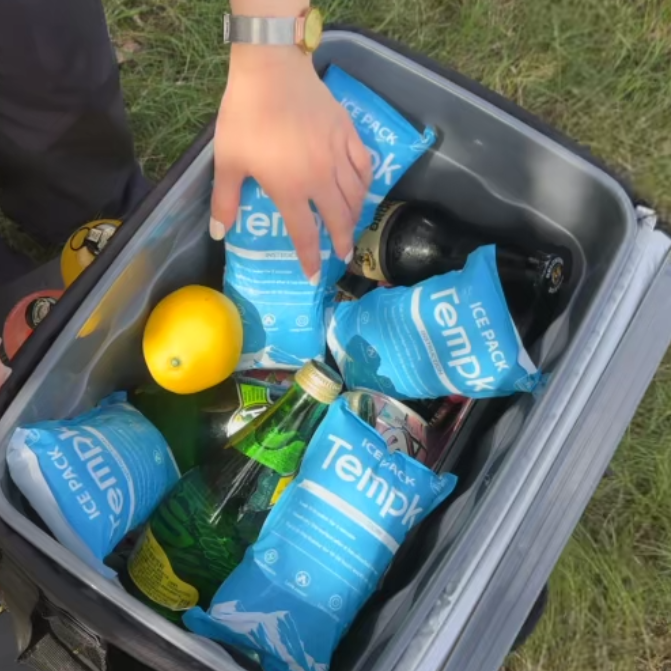
How to Effectively Use Cooler Dry Ice Packs for Safe Shipping?
Ensuring temperature-sensitive goods stay in optimal condition during transit is critical for businesses that handle perishable items. Cooler dry ice packs are an essential part of the solution, keeping goods frozen or chilled during shipping. In this comprehensive guide, we’ll explore the best practices for using dry ice packs in coolers and answer your key questions to make sure your shipments are safe, cost-effective, and efficient.
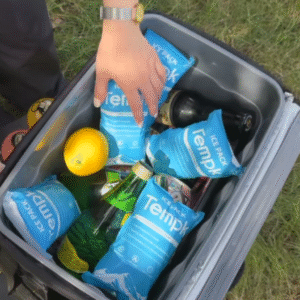
What are cooler dry ice packs, and why are they important for shipping?
How do you choose the right dry ice pack for your shipments?
What are the safety precautions when using dry ice?
How to handle and store dry ice safely?
What are Cooler Dry Ice Packs, and Why Are They Important?
Cooler dry ice packs are critical for transporting products that need to stay frozen, such as pharmaceuticals, food, and biological samples. Dry ice sublimates at -78.5°C, providing a highly effective cooling solution without leaving any liquid residue, which is perfect for long-distance shipping.
The key benefit of using dry ice is its ability to maintain an ultra-cold environment, which ensures that temperature-sensitive goods remain in their optimal state. For example, dry ice helps prevent spoilage in frozen food products or preserves the effectiveness of vaccines during transit.
Characteristics of Dry Ice Packs
| Characteristics | Description | What It Means for You |
|---|---|---|
| Temperature Range | -78.5°C | Keeps items frozen or chilled during transit |
| Sublimation Rate | 5-10 lbs per 24 hours | Impacts the frequency of pack replacement |
| Shipping Regulations | Subject to DOT and IATA rules | Avoids delays and ensures safe transport |
How Do You Choose the Right Cooler Dry Ice Pack for Shipping?
Selecting the right cooler dry ice pack depends on several factors, including the type of product being shipped and the duration of the shipment. For short trips, smaller packs may suffice, but for longer shipments, you will need larger packs or multiple smaller ones.
Key Factors for Choosing Dry Ice Packs:
Shipment Type: For frozen goods (e.g., ice cream or meat), dry ice is your best option. For chilled items (e.g., fresh vegetables or pharmaceuticals), ice packs or gel packs are more suitable.
Shipping Duration: Longer trips require more dry ice or better insulation to maintain consistent temperatures.
Practical Tips:
For food products, use dry ice with insulated containers to ensure the cold lasts through longer transit.
For pharmaceutical shipments, opt for larger dry ice packs or multiple smaller ones to guarantee temperature consistency.
For biological samples, ensure that dry ice packs meet required temperature thresholds to preserve the integrity of the samples.
Safety Precautions When Using Dry Ice
Handling dry ice requires special precautions to avoid injuries such as frostbite or asphyxiation due to CO₂ buildup.
Safety Guidelines:
Ventilation: Always use dry ice in well-ventilated areas. As it sublimates, it releases CO₂ gas, which can be dangerous in enclosed spaces.
Protective Gear: Wear insulated gloves and goggles when handling dry ice.
Disposal: Let unused dry ice sublimate in a well-ventilated area, away from people and pets.
| Storage Guidelines | Description | Your Action |
|---|---|---|
| Ventilated Area | Avoid enclosed spaces | Ensure proper airflow in storage |
| Protective Equipment | Use gloves and goggles | Protect yourself from frostbite |
| Disposal Methods | Let dry ice sublimate in open air | Safely dispose in outdoor spaces |
2025 Trends and Developments in Dry Ice Shipping
The cold chain logistics industry is evolving rapidly, with new technologies emerging to improve efficiency, safety, and sustainability in temperature-sensitive shipping.
Key Trends:
Smart Temperature Sensors: These devices monitor and alert you to temperature fluctuations during shipping.
Blockchain Technology: Used for traceability and enhancing supply chain security.
Sustainable Materials: Innovations like biodegradable gel packs and phase-change materials (PCMs) are gaining traction.
Market Insights:
As the demand for fresh, perishable products continues to rise, the cold chain market is expected to surpass $500 billion by 2025. This growth is largely driven by sectors like food delivery, pharmaceuticals, and e-commerce, making efficient dry ice solutions even more essential for businesses.
Frequently Asked Questions
Q1: How long does dry ice last in transit?
Dry ice typically lasts between 24-48 hours, depending on the size of the pack, insulation quality, and external temperature.
Q2: Can I use dry ice for international shipments?
Yes, but dry ice is classified as a hazardous material. Be sure to follow all international shipping regulations and consult with your carrier for any specific rules.
Q3: How should I pack dry ice?
Always use well-insulated containers and ensure that there is proper ventilation to allow sublimation. Label your packages accordingly to indicate that they contain dry ice.
Conclusion and Recommendations
To successfully ship temperature-sensitive goods, selecting the appropriate cooler dry ice pack is essential. By considering your shipment’s needs, choosing the right size, and following safety protocols, you can ensure that your products arrive in perfect condition.
Next Steps:
Evaluate your shipping requirements and choose the appropriate dry ice packs for your products.
Train your staff on safe handling procedures to reduce risks associated with dry ice.
Stay informed about emerging trends in cold chain logistics to optimize your shipping process.
About Tempk
At Tempk, we specialize in providing high-quality dry ice solutions tailored to meet the unique needs of your business. With extensive experience in cold chain logistics, we ensure that your shipments remain safe and efficient throughout transit.
Call to Action:
Contact us today for expert advice on dry ice shipping solutions or to place an order for your next shipment.