


Cooler Bag Dry Ice Pack: The Best Shipping Solution for Temperature-Sensitive Goods
Cooler Bag Dry Ice Pack: The Best Shipping Solution for Temperature-Sensitive Goods
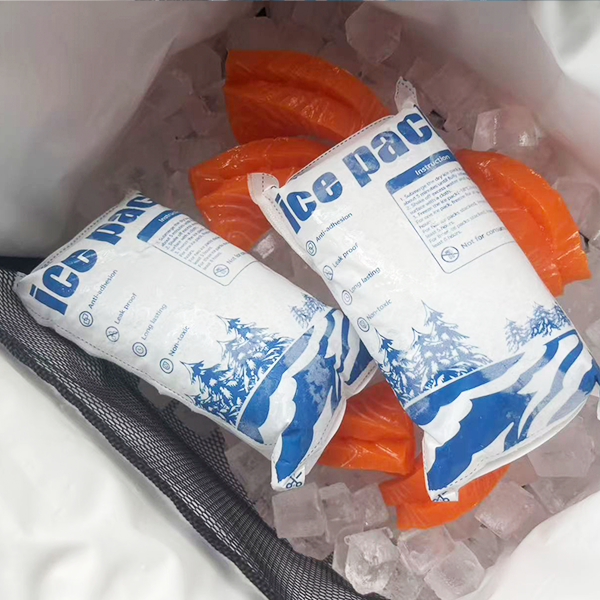
Cooler Bag Dry Ice Pack: The Ultimate Solution for Shipping Temperature-Sensitive Goods
Shipping temperature-sensitive products like pharmaceuticals, food, and biological samples requires reliable and effective cooling solutions. A cooler bag dry ice ice pack is one of the most efficient methods to ensure that your products remain at the correct temperatures throughout their journey. This guide explains the science behind dry ice and ice packs, the latest regulations, and best practices for ensuring safe and compliant shipping.
What is a cooler bag dry ice ice pack, and how does it work?
Why is dry ice a top choice for shipping temperature-sensitive goods?
How can businesses optimize their shipping processes with dry ice?
What are the latest trends in cooler bag dry ice ice pack shipping for 2025?
What Is a Cooler Bag Dry Ice Ice Pack and How Does It Work?
A cooler bag dry ice ice pack combines insulation with the cooling power of dry ice to maintain optimal temperatures during shipping. Dry ice is carbon dioxide (CO₂) in its solid state, sublimating at -78.5°C (-109.3°F), which allows it to maintain extremely low temperatures without the risk of melting into water. This feature makes dry ice perfect for long-distance shipping of perishable goods, ensuring they remain at the required temperatures.
Dry Ice vs. Gel Ice Packs
| Cooling Method | Temperature Range | Duration | Best Use |
|---|---|---|---|
| Dry Ice (CO₂) | Ultra-cold (< -78.5°C) | 18-24 hours | Frozen goods (meat, vaccines) |
| Gel Packs | 0°C to -18°C | 12-48 hours | Refrigerated goods (food) |
| Hybrid (Dry Ice + Gel) | < -78.5°C + 2°C to -18°C | 24-72 hours | Mixed temperature shipments |
Why Should You Use a Cooler Bag Dry Ice Ice Pack for Shipping?
Using a cooler bag with dry ice ensures that your goods are transported under strict temperature control, reducing the risk of spoilage. Here are the key reasons to use dry ice for shipping:
Safe and Reliable Temperature Control: Dry ice maintains ultra-cold conditions that are essential for items like vaccines, frozen food, and biological samples.
Long-lasting Cooling Power: Dry ice has a longer cooling period compared to traditional ice, reducing the frequency of replenishment.
Cost-Effective: By using dry ice, businesses can minimize the need for expensive refrigerated containers, offering a more budget-friendly solution for shipping temperature-sensitive goods.
Best Practices for Using Cooler Bag Dry Ice Ice Packs
To ensure the safe and effective use of dry ice, follow these best practices:
Choose the Right Cooler Bag: Ensure your cooler bag is insulated and large enough for both the dry ice and the product, but not too large to cause rapid sublimation of the dry ice.
Understand Weight Limits: Be aware of weight restrictions. Most regulations permit up to 5.5 pounds of dry ice per package without additional requirements. Check local and international regulations before shipping.
Use Proper Packaging: Dry ice should be packed in a way that allows for gas expansion while keeping the product safe. Seal the cooler bag with ventilation holes to allow gas to escape.
Label Correctly: Always label packages containing dry ice with the appropriate hazard symbols, ensuring compliance with safety standards.
How Cooler Bag Dry Ice Ice Packs Benefit Your Business
By implementing cooler bag dry ice ice packs in your shipping strategy, you can enhance your business in several ways:
Maintains Product Integrity: Ensures temperature-sensitive goods like food and pharmaceuticals arrive in perfect condition, reducing spoilage and customer complaints.
Increases Flexibility: Dry ice enables you to ship goods requiring strict temperature control to global markets, expanding your reach and operations.
Improves Customer Satisfaction: Timely delivery of high-quality products helps boost customer trust and loyalty, ultimately leading to repeat business.
2025 Trends in Cooler Bag Dry Ice Ice Pack Shipping
Latest Developments at a Glance
Smart Packaging: The use of sensors in packaging to monitor temperatures during transit is becoming more common, providing real-time data and reducing spoilage.
Sustainability: Eco-friendly packaging options, such as biodegradable bags and sustainable dry ice production, are increasingly in demand, with a focus on reducing carbon footprints.
Collaborative Logistics: Businesses are partnering with specialized logistics providers to ensure expert handling of cold-chain shipments.
Market Insights
The cold chain logistics market continues to grow, driven by the increasing demand for temperature-sensitive products globally. The rise in e-commerce and consumer preference for fresh and frozen goods is leading businesses to invest more in dry ice shipping solutions, making it easier to deliver quality products over long distances.
Frequently Asked Questions (FAQs)
Q1: How long does dry ice last in a cooler bag?
Dry ice typically lasts 18-24 hours per 2.5 kg depending on the insulation quality, ambient temperature, and the volume of products being shipped.
Q2: Can I use dry ice for international shipments?
Yes, dry ice can be used internationally, but make sure to follow specific regulations for each country, including proper labeling and documentation.
Q3: What is the weight limit for dry ice shipments?
Air cargo shipments are limited to 200 kg per package, while each passenger can carry up to 2.5 kg of dry ice per package with proper packaging and labeling.
Conclusion
In conclusion, using cooler bag dry ice ice packs is one of the most effective ways to maintain the temperature of perishable goods during shipping. By following best practices and staying updated with industry trends, businesses can ensure the safe and compliant delivery of their products while optimizing shipping efficiency and customer satisfaction.
Next Steps for Your Business:
Review Regulations: Ensure compliance with local and international shipping regulations for dry ice.
Optimize Packaging: Invest in high-quality cooler bags and dry ice to ensure long-lasting cooling.
Partner with Experts: Work with logistics providers specializing in cold-chain shipping for enhanced efficiency and compliance.
About Tempk
At Tempk, we specialize in providing reliable cold-chain logistics solutions, offering high-performance dry ice packs, eco-friendly packaging, and insulated cooler bags. Our products are designed to meet the strictest regulatory requirements, ensuring safe, compliant shipments across various industries.
How to Effectively Ship Cross-Country Using Dry Ice Pack Sheets for Temperature-Sensitive Products
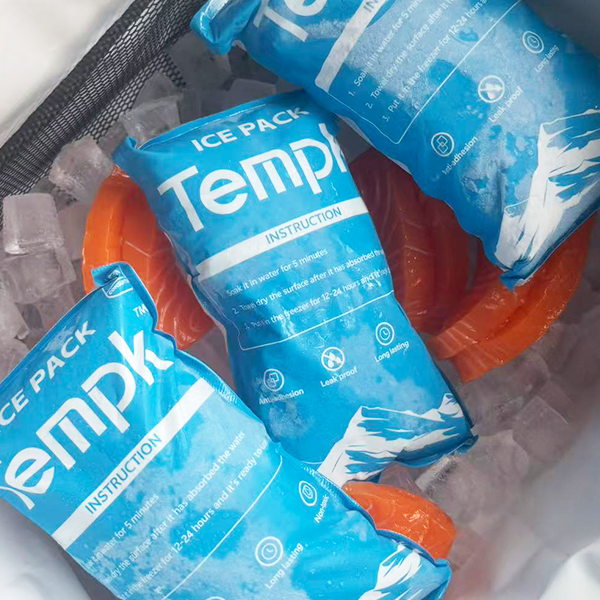
How to Effectively Ship Cross-Country Using Dry Ice Pack Sheets for Temperature-Sensitive Products?
Shipping perishable or temperature-sensitive products across long distances requires a reliable and efficient method to maintain the required temperatures. Dry ice pack sheets are a powerful solution in cold chain logistics, allowing businesses to optimize their shipping processes while minimizing spoilage. This article will explore the best practices, challenges, and trends in shipping with dry ice pack sheets across the country.

The importance of using dry ice pack sheets in cross-country shipping
Best practices for using dry ice pack sheets
How businesses can optimize their shipping processes with dry ice
The latest trends and innovations in dry ice shipping
Why Should You Use Dry Ice Pack Sheets for Shipping?
Dry ice pack sheets are a critical tool in maintaining temperature stability during cross-country shipments. They help maintain a low temperature without the complications of traditional ice. When shipping sensitive goods such as pharmaceuticals, food, or biological samples, maintaining consistent temperatures is crucial. Dry ice ensures that products are delivered in optimal condition, reducing spoilage and loss.
Studies show that using dry ice can significantly reduce spoilage rates by up to 75%. The reason is that dry ice is solid carbon dioxide, which sublimates into gas at -78.5°C, maintaining a steady cold temperature throughout the shipping process. This makes it ideal for industries where temperature fluctuations can drastically impact the product’s quality.
How Does Dry Ice Shipping Benefit Your Business?
Cost Efficiency: Dry ice is a cost-effective option for long-distance shipping, reducing the need for expensive refrigeration units.
Non-Melting: Unlike traditional ice, dry ice sublimates into gas, leaving no moisture that could damage products.
Extended Shelf Life: Dry ice offers a longer cooling duration compared to gel packs, ensuring that products remain in optimal condition during transit.
No Mess: The lack of liquid water makes dry ice the ideal solution for shipping delicate items like electronics and pharmaceuticals.
What Are the Best Practices for Using Dry Ice in Shipments?
Use the Right Quantity of Dry Ice
Dry ice usage typically ranges from 5 to 10 pounds per 24 hours of shipping time, depending on the size of the shipment and the temperature requirements. More perishable items or longer transit times will require more dry ice.
Proper Labeling and Documentation
Dry ice shipments must be properly labeled. Use the “Carbon Dioxide Solid” label to indicate that the package contains dry ice. This ensures proper handling and compliance with transportation regulations.
Ensure Proper Insulation
Packaging is crucial in maintaining the efficiency of dry ice. Use insulated boxes or containers to reduce the amount of dry ice needed. However, these containers should not be airtight, allowing the gas to escape safely.
Include Temperature Monitoring Devices
Including temperature monitoring devices in shipments ensures that the temperature remains within the required range. These devices help track the conditions in real-time, giving businesses more control over the shipping process.
Disposal and Safety Measures
Educate recipients on how to safely dispose of dry ice. As it sublimates into gas, it must be ventilated in a well-ventilated area to avoid buildup of pressure.
How Can Businesses Optimize Their Shipping Processes with Dry Ice?
Optimizing dry ice shipping processes can reduce costs and enhance efficiency. Here’s how:
Review Historical Shipping Data
Analyzing past shipments can help businesses identify patterns, understand optimal packing methods, and determine the most cost-effective quantities of dry ice needed.
Train Staff on Proper Handling
Proper training ensures that employees handle dry ice and temperature-sensitive products effectively. This training can reduce mistakes, improve efficiency, and cut down on waste.
Leverage Technology for Monitoring and Efficiency
Investing in temperature monitoring technology that tracks real-time conditions throughout the shipping process helps ensure that products arrive safely. Some companies also use AI-driven solutions to optimize the use of dry ice based on shipping conditions.
Work with Experienced Logistics Providers
Partnering with logistics companies that specialize in cold chain logistics and dry ice shipments can further streamline the process and ensure compliance with shipping regulations.
Regulatory Compliance and Safety Guidelines for Dry Ice Shipments
Dry ice is classified as a hazardous material (UN 1845) under U.S. and international law. Compliance protects not only the shipment but also carriers and end-users.
U.S. Regulations (49 CFR § 173.217)
Ventilated Packaging: Containers must allow CO₂ to escape to prevent pressure buildup and rupture.
Labeling: Packages must be marked “Carbon Dioxide, Solid” or “Dry Ice,” include the UN number 1845, and list the net weight of dry ice.
Quantity Limits: Packages containing 2.5 kg (5.5 lb) or less of dry ice used as a refrigerant are exempt from most hazardous materials requirements.
Air, Ground, and Sea Limits
| Transport Mode | Max Dry Ice per Package | Packaging/Label Requirements | Why It Matters |
|---|---|---|---|
| Passenger Flights | 2.5 kg (5.5 lb) | Vented container; “Dry Ice” label; net weight and UN 1845 marking | Prevents CO₂ buildup and asphyxiation risk in cabins |
| Cargo Flights | Up to 200 kg (440 lb) | Same labeling; proper documentation | Larger shipments require documentation and venting |
| Ground Transport | Up to 200 kg | Ventilated packaging, hazard labels | CO₂ can accumulate in enclosed vehicles |
| Sea Transport | Follows International Maritime Dangerous Goods Code | Venting and labeling similar to air guidelines | Long transit times increase risk of pressure buildup |
Additional Shipping Rules
Use high-quality fiberboard, plastic, or wooden boxes. Do not place dry ice in sealed plastic bags or steel drums; packaging must allow CO₂ to vent.
Affix a Class 9 hazard label and include the shipper’s and recipient’s names and addresses. Labels must be at least 100 mm × 100 mm and printed in 6–12 mm type depending on package size.
Best Practices for Packing and Layering Dry Ice Pack Sheets
To maximize the performance of dry ice pack sheet systems, follow these packing principles:
Pre-cool Your Container: Chill the insulated box and product to the desired temperature before adding dry ice sheets.
Layer Strategically: Place one sheet on the bottom, then the product, then another sheet on top. For multi-day transit or high-risk routes, add extra top panels or thicker sheets.
Wrap Walls Fully: Cut or fold sheets to line every wall to prevent heat ingress through edges. Sketch your box dimensions beforehand to avoid gaps.
Monitor Temperature: Insert a data logger to track internal temperature during transit and adjust future shipments accordingly.
The Future of Dry Ice Shipping
In 2025, dry ice shipping continues to evolve with emerging technologies and sustainability initiatives. New insulation materials are being developed to improve shipping efficiency, while AI-driven logistics solutions help companies optimize their use of dry ice based on shipment conditions. Furthermore, as sustainability becomes a growing concern, there are efforts to minimize environmental impact by using renewable energy in dry ice production and employing eco-friendly materials in packaging.
Market Insights: Sustainability and Consumer Expectations
Sustainability trends are driving demand for more efficient and eco-friendly cold chain solutions. As consumers increasingly demand fresh, organic, and temperature-sensitive goods, companies are adopting greener practices to stay competitive. Brands that align with these values by optimizing their shipping processes with sustainable materials and technologies can build stronger customer loyalty.
Frequently Asked Questions
Q1: How long does a dry ice pack sheet last during cross-country shipping?
Dry ice pack sheets typically maintain ultracold conditions for 24–48 hours. For longer journeys, increase the number or thickness of sheets and add a buffer for delays.
Q2: Can I ship dry ice via USPS?
Yes, but packages containing dry ice must not exceed 5 pounds for air transportation.
Q3: What is the maximum dry ice allowed on a passenger aircraft?
2.5 kg (5.5 lb) per package. Cargo flights may carry up to 200 kg per package, but airline policies vary.
Conclusion and Recommendations
To successfully ship temperature-sensitive goods across long distances, using dry ice pack sheets is an effective and reliable solution. Key strategies include proper quantity calculation, insulation, labeling, and leveraging technology for temperature monitoring. By adhering to best practices and staying compliant with regulations, businesses can enhance efficiency and reduce the risk of spoilage.
Next Steps:
Evaluate your shipping needs: Review the temperature requirements of your products and consider whether dry ice is the best solution.
Optimize your processes: Train your team on proper handling and explore temperature monitoring tools.
Consult with logistics experts: Collaborate with experienced logistics providers to ensure compliance and maximize shipping efficiency.
About Tempk
At Tempk, we specialize in providing innovative cold chain solutions, ensuring that your temperature-sensitive goods are shipped securely and efficiently. Our products are designed to meet the highest industry standards, offering unmatched reliability and performance.
Call to Action:
Contact Tempk today for tailored cold chain logistics solutions to optimize your shipping processes. Let us help ensure that your shipments arrive safely, every time.
Effective Use of Dry Ice Pack Coolers for Cold Chain Logistics in 2025
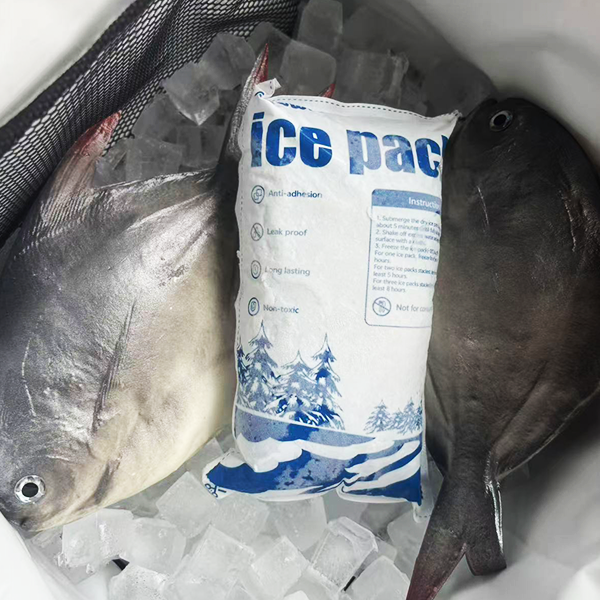
Effective Use of Dry Ice Pack Coolers for Cold Chain Logistics in 2025
Shipping temperature-sensitive goods is a delicate process that requires precision. Dry ice pack coolers are a vital solution for ensuring optimal conditions during transit, especially in 2025, as they offer significant advantages over traditional methods. This article explores how dry ice coolers work, their benefits, and how businesses can leverage them for enhanced shipping efficiency.
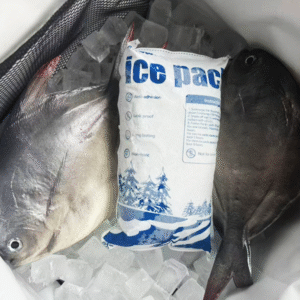
How dry ice pack coolers work in cold chain logistics
Best practices for using dry ice coolers during shipping
The latest trends in dry ice cooler technology and applications
How Do Dry Ice Pack Coolers Enhance Cold Chain Shipping?
Dry ice pack coolers are crucial for industries involved in the transportation of perishable goods, pharmaceuticals, and other temperature-sensitive items. Their ability to maintain ultra-low temperatures during transit is essential to prevent spoilage, ensure product efficacy, and comply with regulatory requirements.
How Dry Ice Works in Coolers
Dry ice is solid carbon dioxide (CO₂), which sublimates directly from solid to gas at temperatures around -78.5°C (-109.3°F). This process provides a reliable, consistent cooling environment that far exceeds the capabilities of regular ice, making dry ice ideal for long-distance shipping. It does not leave moisture behind, which ensures products stay dry and intact.
Key Benefits:
Temperature Control: Dry ice maintains a constant cooling temperature of -78.5°C, far colder than traditional ice.
Consistency: The sublimation process provides consistent temperature, reducing risks of fluctuating conditions that could affect the shipment.
Moisture-Free: Unlike regular ice, dry ice doesn’t melt into water, which is crucial for products like pharmaceuticals and frozen foods.
Best Practices for Using Dry Ice Pack Coolers
To maximize the effectiveness of dry ice coolers, businesses should follow best practices to ensure safety, compliance, and efficiency.
1. Calculate the Right Amount of Dry Ice
To determine the correct amount of dry ice, consider the shipment’s duration and the size of the cooler. Generally, 5-10 pounds of dry ice are recommended for every 24 hours of transit. However, this amount can vary depending on the type of products and insulation used.
2. Proper Packaging
To prevent temperature fluctuations, always use insulated packaging. Additionally, avoid sealing the cooler too tightly, as CO₂ gas needs to escape safely. This will ensure pressure doesn’t build up inside the cooler.
3. Correct Labeling
Proper labeling is essential for safety and regulatory compliance. Always include the “Carbon Dioxide Solid” label along with handling instructions, ensuring the shipment is treated according to safety regulations.
4. Temperature Monitoring
Using temperature-monitoring devices can help ensure that your products remain within the required temperature range during transit, giving you real-time data on the status of your shipment.
5. Educate Recipients
Educating recipients about safe handling is crucial. Since dry ice sublimates into gas, advise recipients to allow it to dissipate in a well-ventilated area, ensuring safety when they handle the cooler.
Key Benefits of Dry Ice Pack Coolers
| Benefit | Dry Ice Pack Coolers | Impact on Logistics |
|---|---|---|
| Temperature Control | -78.5°C (-109.3°F) | Ensures products remain frozen throughout the shipment |
| Sublimation Process | Direct gas release | Prevents leakage, maintaining a dry environment |
| Extended Shipping Time | 24+ hours | Ideal for long-distance shipments |
| Safety | Proper packaging & labels | Meets regulatory safety standards for hazardous goods |
Practical Tips for Effective Use
Consider Your Shipment Size
For larger shipments, it’s often more effective to use multiple smaller coolers rather than a single large one. This helps with better temperature distribution and reduces the risk of temperature fluctuations.
Combine Cooling Methods
For more precise temperature control, consider using dry ice in combination with gel packs or phase change materials (PCMs). These hybrid cooling systems are particularly beneficial for shipments that require both frozen and refrigerated conditions.
Regularly Check for Leaks
Ensure that coolers are properly sealed to prevent dry ice from escaping prematurely, which can lead to temperature inconsistencies.
Case Study:
A biotech company integrated dry ice pack coolers into their shipping process for temperature-sensitive vaccines. This shift resulted in a 30% reduction in spoilage and enhanced the company’s ability to meet strict delivery windows, improving overall shipping efficiency.
What Are the Latest Trends in Dry Ice Cooler Technology?
As demand for reliable cold chain logistics increases, so does the need for improved dry ice cooler technology. Here are the key trends shaping the industry in 2025:
Eco-Friendly Advancements
Sustainability is a growing priority in cold chain logistics. New eco-friendly insulation materials are reducing the environmental impact of dry ice coolers. The use of biodegradable packaging and recyclable materials in cooler designs is becoming more prevalent.
Temperature Monitoring Innovations
Advancements in IoT (Internet of Things) technology now enable real-time temperature monitoring throughout the entire shipping process. This provides companies with a more granular level of control and ensures that products remain within the required temperature range from departure to delivery.
Enhanced Insulation Materials
The development of high-performance, eco-friendly insulation materials helps dry ice coolers retain cold temperatures for longer periods while also reducing weight. These innovations contribute to overall sustainability in the packaging process.
How Dry Ice Pack Coolers Support Global Shipping Regulations
As global shipping regulations, particularly those governing the transportation of pharmaceuticals and biologics, become stricter, dry ice pack coolers provide businesses with the necessary tools to stay compliant. The coolers’ ability to maintain precise temperatures ensures that shipments meet the required conditions outlined by regulatory bodies such as the FDA and WHO.
Frequently Asked Questions
Q1: How do I calculate the amount of dry ice needed for a shipment?
To calculate dry ice requirements, consider the shipment duration and the size of the cooler. A general guideline is to use 5-10 pounds of dry ice for every 24 hours of transit.
Q2: Is it safe to handle dry ice coolers during transit?
Yes, dry ice is safe to handle when proper precautions are followed. Always wear insulated gloves and ensure the cooler is well-ventilated to allow CO₂ gas to escape.
Q3: Can I use dry ice for shipping food items?
Yes, dry ice is commonly used to ship frozen food, keeping them at the optimal temperature throughout transport. Ensure insulated packaging is used and that the correct labeling is followed.
Summary and Recommendations
Dry ice pack coolers are an essential tool for maintaining cold chain logistics, ensuring safe and efficient shipping of temperature-sensitive goods. By following best practices, staying updated on new technologies, and ensuring compliance with shipping regulations, businesses can maximize the benefits of these coolers for global shipments.
Next Steps:
Review your shipping processes: Assess whether dry ice pack coolers can improve your temperature control for specific shipments.
Train your team: Provide training on proper dry ice handling and packaging to avoid mishandling.
Integrate new technologies: Consider incorporating real-time temperature monitoring systems into your cold chain logistics for enhanced tracking and efficiency.
About Tempk
At Tempk, we specialize in providing advanced cold chain logistics solutions. Our products, including dry ice pack coolers, gel packs, and hybrid systems, are designed to meet the highest industry standards. We are committed to helping businesses optimize their shipping processes while ensuring safety and sustainability.
Contact us today to discover how Tempk’s solutions can streamline your cold chain logistics and help you deliver your products safely and efficiently.
Effective Use of Dry Ice Pack Coolers for Cold Chain Logistics in 2025
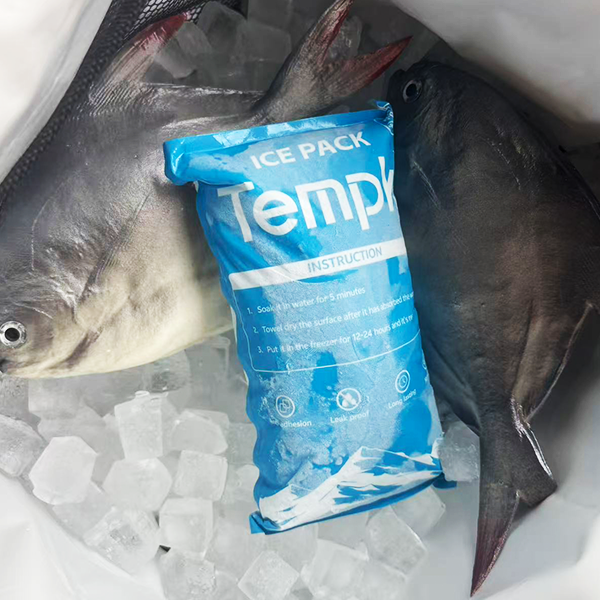
Effective Use of Dry Ice Pack Coolers for Cold Chain Logistics in 2025
Shipping temperature-sensitive goods is a delicate process that requires precision. Dry ice pack coolers are a vital solution for ensuring optimal conditions during transit, especially in 2025, as they offer significant advantages over traditional methods. This article explores how dry ice coolers work, their benefits, and how businesses can leverage them for enhanced shipping efficiency.

How dry ice pack coolers work in cold chain logistics
Best practices for using dry ice coolers during shipping
The latest trends in dry ice cooler technology and applications
How Do Dry Ice Pack Coolers Enhance Cold Chain Shipping?
Dry ice pack coolers are crucial for industries involved in the transportation of perishable goods, pharmaceuticals, and other temperature-sensitive items. Their ability to maintain ultra-low temperatures during transit is essential to prevent spoilage, ensure product efficacy, and comply with regulatory requirements.
How Dry Ice Works in Coolers
Dry ice is solid carbon dioxide (CO₂), which sublimates directly from solid to gas at temperatures around -78.5°C (-109.3°F). This process provides a reliable, consistent cooling environment that far exceeds the capabilities of regular ice, making dry ice ideal for long-distance shipping. It does not leave moisture behind, which ensures products stay dry and intact.
Key Benefits:
Temperature Control: Dry ice maintains a constant cooling temperature of -78.5°C, far colder than traditional ice.
Consistency: The sublimation process provides consistent temperature, reducing risks of fluctuating conditions that could affect the shipment.
Moisture-Free: Unlike regular ice, dry ice doesn’t melt into water, which is crucial for products like pharmaceuticals and frozen foods.
Best Practices for Using Dry Ice Pack Coolers
To maximize the effectiveness of dry ice coolers, businesses should follow best practices to ensure safety, compliance, and efficiency.
1. Calculate the Right Amount of Dry Ice
To determine the correct amount of dry ice, consider the shipment’s duration and the size of the cooler. Generally, 5-10 pounds of dry ice are recommended for every 24 hours of transit. However, this amount can vary depending on the type of products and insulation used.
2. Proper Packaging
To prevent temperature fluctuations, always use insulated packaging. Additionally, avoid sealing the cooler too tightly, as CO₂ gas needs to escape safely. This will ensure pressure doesn’t build up inside the cooler.
3. Correct Labeling
Proper labeling is essential for safety and regulatory compliance. Always include the “Carbon Dioxide Solid” label along with handling instructions, ensuring the shipment is treated according to safety regulations.
4. Temperature Monitoring
Using temperature-monitoring devices can help ensure that your products remain within the required temperature range during transit, giving you real-time data on the status of your shipment.
5. Educate Recipients
Educating recipients about safe handling is crucial. Since dry ice sublimates into gas, advise recipients to allow it to dissipate in a well-ventilated area, ensuring safety when they handle the cooler.
Key Benefits of Dry Ice Pack Coolers
| Benefit | Dry Ice Pack Coolers | Impact on Logistics |
|---|---|---|
| Temperature Control | -78.5°C (-109.3°F) | Ensures products remain frozen throughout the shipment |
| Sublimation Process | Direct gas release | Prevents leakage, maintaining a dry environment |
| Extended Shipping Time | 24+ hours | Ideal for long-distance shipments |
| Safety | Proper packaging & labels | Meets regulatory safety standards for hazardous goods |
Practical Tips for Effective Use
Consider Your Shipment Size
For larger shipments, it’s often more effective to use multiple smaller coolers rather than a single large one. This helps with better temperature distribution and reduces the risk of temperature fluctuations.
Combine Cooling Methods
For more precise temperature control, consider using dry ice in combination with gel packs or phase change materials (PCMs). These hybrid cooling systems are particularly beneficial for shipments that require both frozen and refrigerated conditions.
Regularly Check for Leaks
Ensure that coolers are properly sealed to prevent dry ice from escaping prematurely, which can lead to temperature inconsistencies.
Case Study:
A biotech company integrated dry ice pack coolers into their shipping process for temperature-sensitive vaccines. This shift resulted in a 30% reduction in spoilage and enhanced the company’s ability to meet strict delivery windows, improving overall shipping efficiency.
What Are the Latest Trends in Dry Ice Cooler Technology?
As demand for reliable cold chain logistics increases, so does the need for improved dry ice cooler technology. Here are the key trends shaping the industry in 2025:
Eco-Friendly Advancements
Sustainability is a growing priority in cold chain logistics. New eco-friendly insulation materials are reducing the environmental impact of dry ice coolers. The use of biodegradable packaging and recyclable materials in cooler designs is becoming more prevalent.
Temperature Monitoring Innovations
Advancements in IoT (Internet of Things) technology now enable real-time temperature monitoring throughout the entire shipping process. This provides companies with a more granular level of control and ensures that products remain within the required temperature range from departure to delivery.
Enhanced Insulation Materials
The development of high-performance, eco-friendly insulation materials helps dry ice coolers retain cold temperatures for longer periods while also reducing weight. These innovations contribute to overall sustainability in the packaging process.
How Dry Ice Pack Coolers Support Global Shipping Regulations
As global shipping regulations, particularly those governing the transportation of pharmaceuticals and biologics, become stricter, dry ice pack coolers provide businesses with the necessary tools to stay compliant. The coolers’ ability to maintain precise temperatures ensures that shipments meet the required conditions outlined by regulatory bodies such as the FDA and WHO.
Frequently Asked Questions
Q1: How do I calculate the amount of dry ice needed for a shipment?
To calculate dry ice requirements, consider the shipment duration and the size of the cooler. A general guideline is to use 5-10 pounds of dry ice for every 24 hours of transit.
Q2: Is it safe to handle dry ice coolers during transit?
Yes, dry ice is safe to handle when proper precautions are followed. Always wear insulated gloves and ensure the cooler is well-ventilated to allow CO₂ gas to escape.
Q3: Can I use dry ice for shipping food items?
Yes, dry ice is commonly used to ship frozen food, keeping them at the optimal temperature throughout transport. Ensure insulated packaging is used and that the correct labeling is followed.
Summary and Recommendations
Dry ice pack coolers are an essential tool for maintaining cold chain logistics, ensuring safe and efficient shipping of temperature-sensitive goods. By following best practices, staying updated on new technologies, and ensuring compliance with shipping regulations, businesses can maximize the benefits of these coolers for global shipments.
Next Steps:
Review your shipping processes: Assess whether dry ice pack coolers can improve your temperature control for specific shipments.
Train your team: Provide training on proper dry ice handling and packaging to avoid mishandling.
Integrate new technologies: Consider incorporating real-time temperature monitoring systems into your cold chain logistics for enhanced tracking and efficiency.
About Tempk
At Tempk, we specialize in providing advanced cold chain logistics solutions. Our products, including dry ice pack coolers, gel packs, and hybrid systems, are designed to meet the highest industry standards. We are committed to helping businesses optimize their shipping processes while ensuring safety and sustainability.
Contact us today to discover how Tempk’s solutions can streamline your cold chain logistics and help you deliver your products safely and efficiently.
Dry Ice Pack Express Shipping: How to Optimize for Safe and Fast Deliveries
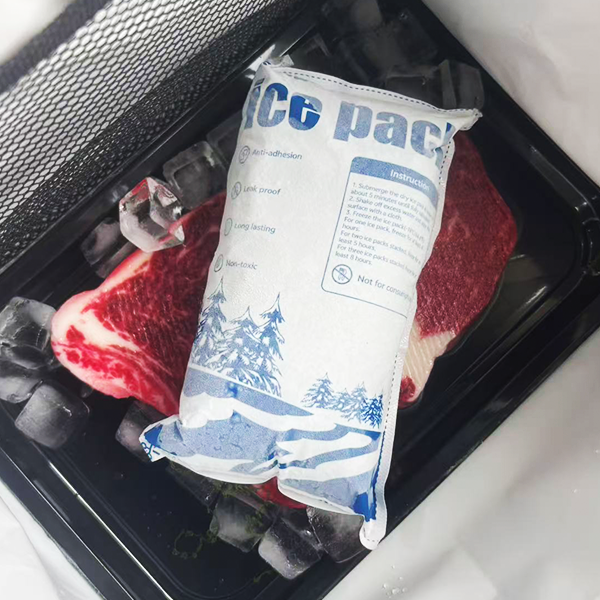
Dry Ice Pack Express Shipping: Best Practices for Fast, Safe Deliveries
Dry ice pack express shipping is an essential method for transporting temperature-sensitive goods. This technique helps businesses ensure that products, particularly in industries like pharmaceuticals, food, and e-commerce, maintain the required temperature during transit. By focusing on optimal dry ice usage, packing techniques, and compliance with shipping regulations, you can ensure safe and fast delivery of perishable goods. This article highlights best practices and innovations to help you improve your dry ice shipping processes in 2025.

Why is dry ice pack express shipping essential for fast deliveries?
How can you optimize dry ice usage for express shipping?
What are the key regulations for dry ice shipping in 2025?
Why is Dry Ice Pack Express Shipping Essential for Fast Deliveries?
Dry ice pack express shipping ensures that temperature-sensitive goods remain at stable, low temperatures during transit, which is critical for industries like food, pharmaceuticals, and healthcare. Unlike traditional methods, dry ice allows for faster transit times, as it keeps products cold without introducing moisture. This is particularly important for perishable items like vaccines or biological samples, which require stringent temperature control to maintain their integrity. Studies show that dry ice can reduce spoilage rates by up to 50% during express shipping, providing peace of mind to businesses relying on rapid deliveries.
The advantages of dry ice include its ability to maintain ultra-low temperatures for extended periods and its lack of moisture, which minimizes the risk of water damage. This makes it particularly valuable in sectors like healthcare, where product efficacy can degrade if temperature fluctuations occur. Furthermore, dry ice helps meet regulatory compliance requirements, ensuring that your shipments adhere to the necessary temperature control standards.
Best Practices for Optimizing Dry Ice in Express Shipping
Right Amount of Dry Ice: The quantity of dry ice required depends on the size of the shipment, the temperature requirements, and the shipping duration. A general recommendation is to use 5-10 lbs of dry ice for every 24 hours of transit.
Packaging and Insulation: Use advanced insulation materials such as EPS foam, Mylar bags, or vacuum-insulated panels. These materials help extend the cooling effectiveness of dry ice, ensuring that your products stay at the desired temperature for as long as possible.
Proper Labeling: Label your shipments with the “Dry Ice” symbol and provide clear instructions for handling. This helps ensure compliance with safety regulations for air and sea shipments.
Shipping Timeframe: Express shipping helps preserve the dry ice longer due to faster transit times. The quicker you ship, the less time there is for the dry ice to sublimate, helping maintain the cold chain.
Temperature Monitoring: Invest in temperature monitoring devices to track internal conditions during shipment. These devices provide real-time data, allowing for immediate intervention if temperature fluctuations occur.
How Can You Optimize Dry Ice Usage for Express Shipping?
Optimizing dry ice usage for express shipping can be achieved through the following strategies:
1. Analyze Past Shipments
Review historical data to understand past shipments’ temperature requirements, packaging effectiveness, and transit durations. This information will help you adjust your approach to dry ice usage in future shipments, ensuring optimal conditions for your products.
2. Invest in Advanced Packaging Solutions
Effective packaging is critical for maintaining dry ice efficacy. Use a combination of airtight and breathable packaging materials to control the sublimation process while preventing the buildup of carbon dioxide gas.
3. Leverage Advanced Logistics Tools
AI-driven logistics tools can help optimize dry ice usage in real time. These tools can calculate the ideal amount of dry ice required based on variables like ambient temperature and shipment duration, ensuring that your shipment remains at the optimal temperature.
4. Collaborate with Experienced Logistics Providers
Partner with logistics providers specializing in temperature-sensitive shipments. Their expertise can help streamline the shipping process, reducing delays and improving overall efficiency.
| Packing Factor | Recommended Practice | Why It Matters |
|---|---|---|
| Dry Ice Quantity | Use 5-10 lbs per 24 hours | Prevents temperature fluctuations that may damage goods |
| Insulation | Use advanced insulation materials | Extends the effectiveness of dry ice during shipping |
| Temperature Monitoring | Include monitoring devices | Ensures compliance and controls temperature fluctuations |
| Packaging Design | Balance airtight and breathable packaging | Allows safe escape of CO2 and preserves cold chain integrity |
What Are the Key Regulations for Dry Ice Shipping in 2025?
Dry ice shipping is subject to various regulations to ensure safety. In 2025, regulatory bodies such as the International Air Transport Association (IATA) and the U.S. Department of Transportation (DOT) have set strict guidelines regarding the handling, labeling, and transportation of dry ice.
These regulations focus on the amount of dry ice allowed per shipment, proper ventilation of containers, and the labeling of shipments with the appropriate hazard symbols. The regulations also specify that shipments over certain quantities of dry ice (usually 5.5 kg) must be labeled “Cargo Aircraft Only.”
By adhering to these regulations, businesses can avoid delays, fines, and the potential for hazardous situations during shipping. It’s essential to stay updated on any changes to these regulations to ensure compliance and maintain safety.
Latest Trends in Dry Ice Shipping for 2025
2025 sees a significant shift toward sustainable practices in cold chain logistics. More businesses are adopting eco-friendly materials and leveraging technology to improve efficiency. Additionally, the integration of AI and smart labeling technology helps businesses optimize their shipping processes, ensuring compliance and reducing the risk of temperature fluctuations.
Latest Advancements
Sustainable Insulation Materials: New eco-friendly materials are now available that reduce environmental impact while still providing effective insulation for temperature-sensitive shipments.
AI-Optimized Shipments: AI-powered logistics platforms now offer real-time temperature monitoring and predictions about the ideal amount of dry ice needed for each shipment.
Blockchain for Transparency: Blockchain technology is being used to track the temperature of shipments in real-time, providing full transparency throughout the entire supply chain.
Frequently Asked Questions
Q1: Why should I use dry ice for express shipping?
Dry ice ensures that your temperature-sensitive products stay at the optimal temperature throughout transit, without the risk of moisture damage.
Q2: What are the shipping limits for dry ice?
Dry ice shipments are subject to specific weight limits depending on the mode of transport. Typically, passenger aircraft allow up to 2.5 kg of dry ice per package, while shipments over 5.5 kg must be marked for “Cargo Aircraft Only.”
Conclusion and Recommendations
Dry ice pack express shipping is crucial for maintaining the quality and integrity of temperature-sensitive products during fast-paced deliveries. By following best practices for packing, insulation, and monitoring, businesses can ensure that their shipments arrive safely and on time.
Next Steps:
Review your shipping processes and consider incorporating dry ice for optimal temperature control.
Invest in advanced insulation and temperature monitoring technology.
Partner with logistics providers specializing in dry ice shipping to streamline operations and ensure compliance with regulations.
About Tempk
At Tempk, we specialize in cold chain logistics solutions designed to keep temperature-sensitive goods in optimal condition during transit. Our advanced dry ice products and packaging solutions are tailored to meet industry standards and regulatory requirements, ensuring the safe and efficient delivery of your goods.
Contact us today to learn how we can help you optimize your dry ice shipping processes and enhance the safety and reliability of your cold chain logistics.
Dry Ice Pack Sheets Free Shipping: Ultimate Cold Chain Guide
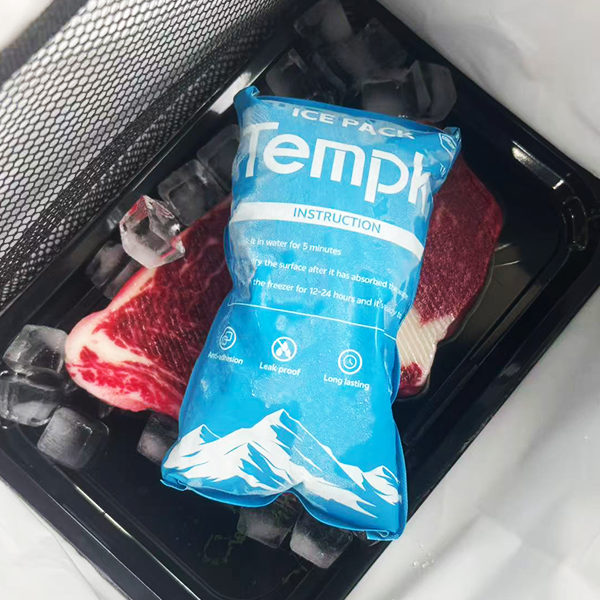
Dry Ice Pack Sheets with Free Shipping: Your Ultimate Guide to Cold Chain Shipping Solutions
Introduction:
Shipping temperature-sensitive products, such as food, pharmaceuticals, and biological samples, requires reliable and efficient cold chain solutions. Dry ice pack sheets have emerged as a top choice for maintaining low temperatures during transit. This guide explores the benefits, applications, and considerations for using dry ice pack sheets, ensuring you make informed decisions for your shipping needs.
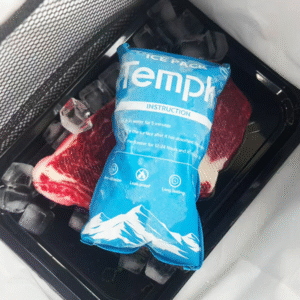
What are dry ice pack sheets and why do they outperform regular ice?
How do you choose the right dry ice pack sheet size and quantity?
Why is securing free shipping an important factor when buying dry ice pack sheets?
What are the latest cold chain trends and sustainable solutions in 2025?
How should you handle and pack dry ice sheets safely?
What Are Dry Ice Pack Sheets and How Do They Work?
Dry ice pack sheets are flexible, multicell blankets filled with high-purity CO₂ pellets, which freeze at -78.5°C and sublime directly into gas, leaving no liquid residue. These sheets offer a unique advantage over traditional ice, providing consistent cooling for longer durations without the mess of melting water.
Key Features of Dry Ice Pack Sheets:
Temperature Range: Can reach temperatures as low as -78.5°C, ideal for freezing products.
Flexibility: These sheets conform to various container shapes, ensuring optimal coverage.
Reusability: Dry ice pack sheets can be recharged and reused multiple times.
Lightweight and Cost-Efficient: Compared to traditional ice blocks, dry ice sheets are lighter and reduce shipping costs due to their space-saving design.
Why Choose Dry Ice Pack Sheets for Shipping?
Superior Cooling Performance: Dry ice maintains ultra-low temperatures for extended periods, ensuring product integrity, especially for sensitive pharmaceuticals and biological samples.
No Water Residue: Unlike regular ice, dry ice sublimates without leaving any liquid, making it ideal for goods that are sensitive to moisture.
Cost-Effective and Eco-Friendly: By reducing dimensional weight and being reusable, dry ice sheets lower both environmental impact and shipping expenses.
How to Choose the Right Dry Ice Pack Sheet: Size, Quantity, and Formula
Selecting the right size and quantity of dry ice sheets is crucial for effective cold chain shipping. For optimal performance:
Size Considerations: Larger sheets (13 x 14 inches to 18 x 20 inches) are used for bigger coolers, while smaller sheets (7 x 13 inches) are suited for smaller shipments.
Quantity Formula: To calculate the number of sheets you need, use this formula:
Sheets needed = (Product weight in lb × 0.45 × Transit days) ÷ Sheet weight (lb)
For example, a 15 lb shipment traveling for 2 days would need approximately 14 sheets.
Practical Tips for Packing with Dry Ice Sheets:
Prechill your products and containers to reduce the thermal load, cutting down on the number of sheets required.
Use proper insulation such as foam containers or vacuum-insulated panels to enhance the effectiveness of dry ice sheets.
Vent your containers properly to avoid pressure build-up from sublimating CO₂ gas.
| Sheet Size | Typical Cells | Approx. CO₂ Weight | Practical Benefits |
|---|---|---|---|
| 7 x 13 inches (Consumer) | 12 cells | 0.8 lb | Fits small packages, easy to stack |
| 13 x 14 inches (Standard) | 24 cells | 1.0–1.2 lb | Ideal for medium coolers, can be cut to fit |
| 18 x 20 inches (Industrial) | 36+ cells | 1.4 lb | For large shipments, longer cold time |
Why Free Shipping Matters for Dry Ice Pack Sheets
Shipping costs can add up quickly, especially when dealing with bulk dry ice orders. Free shipping offers can reduce the overall logistics cost significantly.
Where to Find Free Shipping Offers:
Bulk Purchase Programs: Many suppliers waive shipping costs for orders over a minimum quantity, such as 20 sheets or orders exceeding 15 lbs.
Subscription Plans: Some e-commerce platforms and suppliers offer free shipping on recurring deliveries, making it ideal for businesses with regular cold chain needs.
Distributor Partnerships: Collaborating with third-party logistics providers can often unlock free shipping or reduced rates.
Maximizing Savings:
Precalculate your needs using the sizing formula above to avoid over-ordering and potentially missing out on free shipping thresholds.
Combine shipments to meet minimum requirements for free shipping, particularly if you are shipping on a regular basis.
Best Practices for Shipping with Dry Ice Pack Sheets
To ensure your shipments arrive in optimal condition, follow these best practices for using dry ice pack sheets effectively:
Calculate the Right Amount of Dry Ice: Ensure you have enough dry ice for the transit time. Typically, 5–10 lbs per 24-hour shipping period is recommended, but this may vary depending on product requirements.
Use Proper Insulated Packaging: Insulated boxes or coolers are crucial to prolong the effectiveness of dry ice. Consider using Styrofoam coolers for lightweight shipments and vacuum-insulated panels for longer transit times.
Monitor Temperature: Using temperature logging devices allows you to monitor conditions during transit and ensure the required temperature is maintained.
Safety First: Always use gloves when handling dry ice, and ensure your containers are ventilated to allow the CO₂ gas to escape safely.
2025 Trends in Dry Ice Shipping and Cold Chain Logistics
Latest Developments:
Sustainability in Cold Chain: The increasing focus on eco-friendly solutions is driving the use of biodegradable insulation materials alongside dry ice for shipping.
Smart Logistics: AI and temperature sensors are beginning to optimize the use of dry ice, ensuring shipments use the right amount of refrigerant for the optimal duration.
Market Growth: The demand for temperature-sensitive goods continues to grow, particularly in e-commerce and the pharmaceutical industry, which drives innovation in cold chain solutions.
Frequently Asked Questions
Q: How long do dry ice pack sheets last during shipping?
A: The duration depends on the amount of dry ice, packaging, and external temperature. Typically, dry ice lasts 24–48 hours in well-insulated packaging.
Q: Are dry ice sheets safe for shipping internationally?
A: Yes, dry ice sheets are safe for international shipping, but ensure compliance with international regulations and proper labeling.
Q: Can dry ice be used for refrigerated items?
A: Dry ice is suitable for frozen goods. For refrigerated items, consider combining dry ice with gel packs to maintain optimal temperatures.
Summary and Recommendations
Dry ice pack sheets offer superior cooling performance, are cost-efficient, and support eco-friendly practices. By using the proper size and quantity, leveraging free shipping offers, and following best practices for packing and handling, businesses can optimize their cold chain logistics while reducing costs.
Actionable Suggestion:
Assess your shipping needs, choose the right dry ice pack sheet size, and take advantage of free shipping deals. Follow all safety and regulatory guidelines to ensure the integrity of your temperature-sensitive products during transit.
About Tempk
At Tempk, we specialize in providing innovative cold chain solutions. Our products, including dry ice pack sheets, are designed to meet the highest industry standards. We offer customizable sizes, reusable materials, and eco-friendly options to ensure the safe and efficient transport of temperature-sensitive goods.
Contact Us: Reach out today to learn more about how Tempk can optimize your cold chain logistics and reduce shipping costs.
Best Cooler Bag Dry Ice Pack for Cold Chain Shipping in 2025
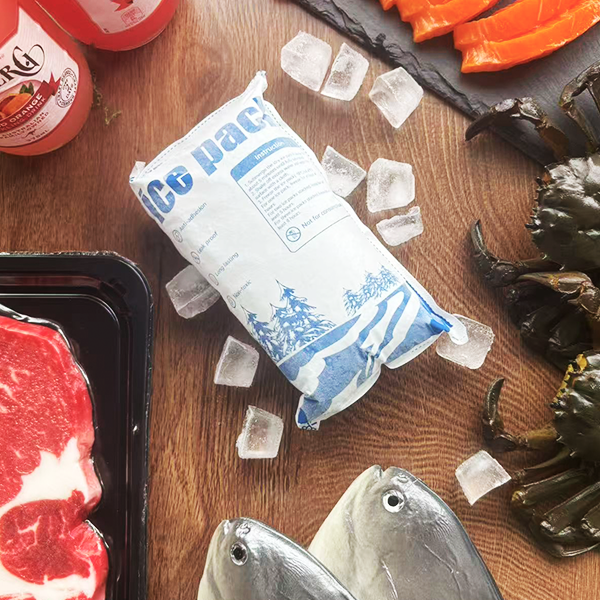
How to Choose and Use the Best Cooler Bag Dry Ice Pack for Cold Chain Shipping
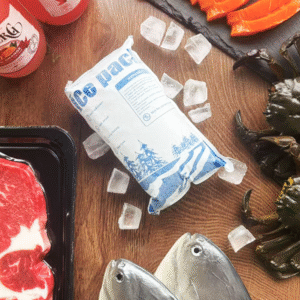
Shipping temperature-sensitive products such as pharmaceuticals, perishable foods, and biological samples requires precision in maintaining optimal conditions. Cooler bag dry ice packs have become an essential solution for businesses to achieve these stringent requirements. In this comprehensive guide, we will explore how cooler bag dry ice packs work, their benefits, best practices for usage, and how to optimize your cold chain shipping processes in 2025. By selecting the right cooler bag dry ice pack, you can reduce spoilage, maintain product integrity, and meet regulatory standards.
What are cooler bag dry ice packs and how do they work?
How do I use cooler bag dry ice packs effectively in cold chain shipping?
What are the best practices to optimize your shipping processes using dry ice?
What are the latest trends in dry ice packaging for 2025?
What Are Cooler Bag Dry Ice Packs and How Do They Work?
Cooler bag dry ice packs are specifically designed to keep perishable items at ultra-low temperatures during transit. They combine insulated bags with solid carbon dioxide (dry ice), which sublimes directly into gas, maintaining freezing temperatures without producing moisture. This feature makes them ideal for shipping items like vaccines, biologics, and frozen foods, where maintaining the integrity of temperature is critical.
Why Dry Ice is Preferred for Shipping Temperature-Sensitive Goods
Dry ice offers several advantages for cold chain shipping:
No Meltwater: Unlike traditional ice, dry ice sublimates into gas, preventing moisture from potentially damaging sensitive products.
Lower Temperatures: Dry ice can maintain temperatures as low as -78.5°C, ideal for items that require freezing conditions.
Longer Cooling Duration: Dry ice can last 24-48 hours or more, depending on the quantity used and the packaging design, offering a more extended cooling period than regular ice.
Best Practices for Using Cooler Bag Dry Ice Packs in Shipping
To ensure optimal performance and safety, it’s crucial to follow best practices when using cooler bag dry ice packs for shipping.
1. Calculate the Right Amount of Dry Ice
The quantity of dry ice depends on the duration of the shipment and the temperature sensitivity of the products being transported. Generally, 5-10 lbs of dry ice is sufficient for 24 hours of transit. For longer shipments, more dry ice will be needed.
2. Ensure Proper Packaging
Use high-quality insulated packaging such as Styrofoam boxes or Mylar-lined cooler bags. Insulation is essential to minimize temperature fluctuations during transport. Additionally, ensure the packaging is not entirely airtight to allow the dry ice gas to escape safely.
3. Monitor Temperatures During Transit
Temperature monitoring is a critical aspect of cold chain logistics. Incorporate temperature loggers or sensors to track the temperature inside the cooler during transit. This ensures that products remain within the required temperature range.
4. Label and Package Correctly
According to international shipping regulations, particularly those set by IATA, dry ice packages must be properly labeled. Ensure you use the correct “Carbon Dioxide Solid” label with the appropriate hazard symbol and indicate the net weight of the dry ice used.
Why Is Insulation Important When Using Cooler Bag Dry Ice Packs?
Effective insulation prolongs the cooling effect of dry ice by slowing down the sublimation process. Without proper insulation, the dry ice will evaporate too quickly, potentially compromising the quality of the products being shipped.
Types of Insulation Materials for Dry Ice Shipping
Styrofoam Containers: These are cost-effective and widely used, providing excellent thermal insulation for extended shipments.
Reflective Materials: Insulated bags or containers with materials like Mylar reflect heat away, helping maintain cold temperatures during transit.
| Packing Factor | Recommended Practice | Why It Matters |
|---|---|---|
| Quantity of Dry Ice | 5-10 lbs per 24 hours | Prevents temperature fluctuations |
| Insulation | Use Styrofoam or reflective materials | Extends the cooling effect of dry ice |
| Temperature Control | Add temperature monitoring devices | Ensures compliance with temperature standards |
How to Optimize Shipping Processes Using Dry Ice?
To improve your cold chain logistics with dry ice, consider the following strategies to optimize shipping processes, reduce costs, and maintain regulatory compliance.
1. Review Past Shipments
Analyzing historical shipping data can help identify inefficiencies and areas for improvement. By understanding previous temperature control issues and packaging effectiveness, you can make adjustments to reduce spoilage and improve shipping accuracy.
2. Train Your Team
Proper training is essential when working with dry ice. Ensure your team understands how to safely handle and pack dry ice, how to calculate the correct amount needed for a shipment, and how to ensure safety during transit.
3. Invest in Technology
Use smart technologies to enhance your cold chain shipping process. AI-powered platforms can help optimize dry ice usage by predicting the right quantity for each shipment based on factors such as ambient temperature, shipment duration, and product sensitivity.
Latest Trends in Cooler Bag Dry Ice Pack Solutions for 2025
As the cold chain logistics industry evolves, several key trends are shaping the future of cooler bag dry ice packs.
Sustainability in Dry Ice Shipping
Eco-friendly Dry Ice Production: Companies are focusing on reducing the carbon footprint by sourcing CO₂ from industrial processes, making dry ice production more sustainable.
Reusable Packaging: Insulated packaging that can be reused multiple times is gaining popularity, reducing waste and long-term shipping costs.
Smart Sensors and Monitoring
Temperature Monitoring Devices: The use of smart sensors and temperature loggers has become standard practice. These devices allow real-time monitoring of dry ice levels and temperature conditions throughout transit.
Hybrid Solutions
Combining Dry Ice with Phase Change Materials (PCMs): Hybrid solutions are becoming more common, where dry ice and PCMs are used together to extend the cooling duration and reduce CO₂ emissions.
Frequently Asked Questions
Why Should I Use Dry Ice for Shipping?
Dry ice is ideal for shipping temperature-sensitive goods because it maintains ultra-low temperatures without the mess of melted water. It keeps products like pharmaceuticals, biologics, and frozen foods in the required temperature range for long periods.
Is It Safe to Handle Dry Ice?
Handling dry ice is safe as long as proper precautions are taken. Always wear insulated gloves to avoid frostbite and work in well-ventilated areas to prevent CO₂ buildup.
How Do I Dispose of Dry Ice Safely?
Dry ice should never be disposed of in sinks, toilets, or trash cans. Allow it to sublimate in a well-ventilated area until it fully dissipates into gas.
Conclusion
Cooler bag dry ice packs offer an efficient, reliable, and cost-effective solution for cold chain shipping. By following best practices in packing, insulation, and temperature monitoring, you can optimize your shipping processes and ensure product integrity. As 2025 approaches, embracing sustainable and smart technologies will continue to shape the future of dry ice packaging in the cold chain industry.
Actionable Suggestions:
Assess your cold chain shipping needs to determine the right dry ice packaging for your products.
Train your team on the safe handling and proper use of dry ice to ensure regulatory compliance.
Implement smart packaging and logistics solutions to reduce CO₂ consumption and optimize shipping efficiency.
About Tempk
At Tempk, we specialize in providing tailored cold chain logistics solutions that meet the highest standards of safety and efficiency. Our products are designed to ensure the integrity of your shipments, reduce waste, and comply with 2025 regulations. With our expert support, you can optimize your shipping processes and enhance your business operations.
How Dry Ice Pack Sheets Optimize Cold Chain Shipping in 2025

How to Effectively Use Dry Ice Pack Sheets for Cold Chain Shipping
In the realm of cold chain logistics, maintaining the integrity of temperature-sensitive products is vital. Dry ice pack sheets have emerged as a revolutionary tool in ensuring products remain cold during transit, particularly for industries such as food, pharmaceuticals, and biotechnology. This comprehensive guide explores how businesses can effectively use dry ice pack sheets to optimize shipping processes, reduce spoilage, and comply with safety standards in 2025.
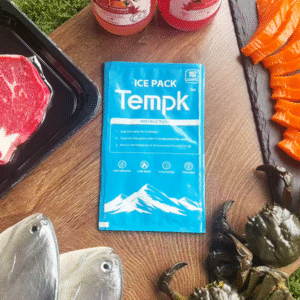
Why are dry ice pack sheets essential for cold chain shipping?
What are the best practices for using dry ice pack sheets?
How can businesses optimize their shipping processes with dry ice?
Why Are Dry Ice Pack Sheets Essential for Cold Chain Shipping?
Dry ice pack sheets are crucial tools in cold chain logistics because they maintain temperatures necessary for shipping sensitive goods over long distances. Unlike traditional ice, which melts and introduces moisture, dry ice sublimates directly from solid to gas, leaving no water behind. This eliminates moisture-related issues during transit, ensuring the safe delivery of temperature-sensitive goods.
Key Benefits of Dry Ice Pack Sheets:
Extended Cooling Duration: Dry ice maintains sub-zero temperatures for longer periods, making it ideal for long-distance or international shipments.
No Risk of Water Leakage: Since dry ice turns directly into gas, there is no water to damage the shipment.
Cost-Efficiency: Dry ice, when used properly, is more cost-effective than other cooling methods, especially for deep-freezing needs.
In sectors like pharmaceuticals and food, where temperature fluctuations can lead to spoilage or diminished product efficacy, dry ice pack sheets are a valuable tool. Studies indicate that using dry ice can reduce spoilage rates by up to 75%, enhancing shipping efficiency and product quality.
Best Practices for Using Dry Ice Pack Sheets
To maximize the effectiveness of dry ice pack sheets, businesses should follow key best practices. These practices ensure both safety and efficiency, while adhering to necessary regulations.
1. How Much Dry Ice Should You Use?
The quantity of dry ice required depends on several factors, including the size of the shipment, packaging insulation, and the shipping duration. On average, 5 to 10 pounds of dry ice per 24 hours of shipping time is recommended. However, it’s important to calculate based on specific shipment needs.
2. Proper Labeling of Shipments
Always label packages containing dry ice with the correct “Carbon Dioxide Solid” label. This ensures safe handling by transportation staff and compliance with shipping regulations. Dry ice is considered hazardous material, and proper labeling mitigates the risks associated with handling.
3. Use Insulated Packaging
To extend the life of dry ice, it’s essential to use well-insulated packaging. Proper insulation prevents dry ice from sublimating too quickly, maintaining the desired temperature for longer periods. However, avoid airtight containers, as this could lead to dangerous pressure build-up.
4. Monitor Temperature During Transit
To ensure products stay within the required temperature range, consider using temperature monitoring devices. These devices provide real-time data, which is crucial for identifying any deviations before they cause damage to the goods.
5. Safe Disposal of Dry Ice
Educating recipients on the safe disposal of dry ice is crucial. Dry ice sublimates into carbon dioxide gas, which should be allowed to dissipate in a well-ventilated area. Improper handling of dry ice, especially in confined spaces, can lead to asphyxiation or frostbite.
| Packing Factor | Recommended Practice | Why It Matters |
|---|---|---|
| Quantity of Dry Ice | Use 5-10 lbs per 24 hours | Prevents temperature fluctuations |
| Labeling | Clearly mark with appropriate labels | Ensures safety during transport |
| Insulation | Use proper insulated boxes | Extends dry ice effectiveness |
| Monitoring | Include temperature monitoring devices | Maintains regulatory compliance |
How Can Businesses Optimize Their Shipping Processes with Dry Ice Pack Sheets?
Efficient use of dry ice involves more than simply adding dry ice to a shipment. Companies should adopt strategies that enhance the shipping process, ensuring maximum efficiency and regulatory compliance.
Analyze Historical Shipping Data
By reviewing historical shipment data, businesses can identify trends and optimize the quantity of dry ice used. This practice helps reduce shipping costs and enhances operational efficiency.
Invest in Temperature Control Technology
Advanced temperature control solutions, such as real-time monitoring systems and data loggers, help ensure that shipments remain at the required temperature. Incorporating these technologies will allow businesses to track shipments in real-time and respond proactively if issues arise.
Train Staff and Partners
Proper training for staff and logistics partners is vital to ensure the safe handling of dry ice and compliance with regulations. With the right training, businesses can minimize errors and improve overall efficiency in the cold chain.
Collaborate with Experienced Logistics Providers
Partnering with logistics providers that have expertise in handling dry ice shipments ensures timely delivery and compliance with relevant shipping regulations. Experienced providers can assist with optimizing shipment methods and reduce potential risks.
Trends in Dry Ice Pack Sheets and Cold Chain Shipping
As the cold chain logistics industry evolves, several trends are shaping the future of shipping with dry ice pack sheets.
1. Sustainable Packaging Materials
With sustainability becoming a significant focus, more businesses are seeking eco-friendly packaging options. New insulation materials reduce environmental impact and enhance the effectiveness of cold chain shipments.
2. AI-Driven Logistics Optimization
Artificial intelligence (AI) is being used to predict the exact requirements for dry ice in shipments. AI is also optimizing delivery routes and improving overall logistics efficiency.
3. Interactive Packaging Solutions
Interactive packaging that provides real-time data on shipment status is gaining popularity. These solutions enhance customer experience and ensure transparency in cold chain shipping.
Frequently Asked Questions
Why should I use dry ice for shipping?
Dry ice is essential for maintaining sub-zero temperatures in temperature-sensitive products, ensuring they remain in optimal condition during shipping. It is especially effective for goods that require freezing temperatures, such as pharmaceuticals and food products.
Is it safe to handle dry ice?
While dry ice is safe to handle when proper precautions are taken, it can cause severe burns if it comes into contact with skin. Always wear gloves and protective eyewear when handling dry ice and ensure it is used in well-ventilated areas.
Can dry ice be used for international shipping?
Yes, dry ice is widely used for international shipping, especially for perishable goods. However, it is important to adhere to international shipping regulations, including proper labeling and packaging.
Conclusion and Recommendations
Dry ice pack sheets provide an essential solution for maintaining temperature-sensitive shipments during transit. By following the recommended practices for using dry ice, businesses can ensure the safe delivery of goods, minimize spoilage, and remain compliant with regulations.
Actionable Suggestions:
Review current shipping practices and assess whether dry ice is the best solution for your needs.
Invest in real-time temperature monitoring technology to track shipments and ensure temperature compliance.
Partner with experienced logistics providers who specialize in dry ice shipments to enhance the efficiency of your cold chain processes.
About Tempk
At Tempk, we specialize in cold chain logistics solutions, providing high-quality dry ice pack sheets that ensure the safe shipping of temperature-sensitive goods. Our products are designed to meet industry standards and optimize cold chain efficiency. We are committed to helping our clients maintain product integrity and compliance throughout the shipping process.
[Contact Tempk today to learn how our cold chain solutions can enhance your shipping operations.]
How to Ship Worldwide Dry Ice Pack Sheets Safely and Efficiently (2025 Guide)

How to Ship Worldwide Dry Ice Pack Sheets Safely and Efficiently (2025 Guide)
Shipping temperature-sensitive products across international borders requires robust solutions to ensure that products stay within their required temperature range. Dry ice pack sheets are an essential tool in the logistics of cold chain shipping, especially for long-distance travel. This article will explore how to effectively use dry ice pack sheets for worldwide shipping, providing practical insights, best practices, and an understanding of current regulations for 2025.

What are dry ice pack sheets and how do they function in global shipping?
Why is dry ice an optimal choice for shipping globally?
What are the key regulations and practices for international dry ice shipping?
How can businesses optimize their dry ice shipping processes globally?
What Are Dry Ice Pack Sheets and How Do They Function in Worldwide Shipping?
Dry ice pack sheets are reusable, flexible, and innovative cooling solutions designed to maintain a low temperature during international shipping. These sheets consist of a gel-based material that, when hydrated and frozen, can effectively lower temperatures without the risks associated with solid dry ice. Unlike traditional dry ice, these sheets offer the benefit of not posing direct contact hazards or creating water residue during sublimation, making them safer for handling and transportation.
The primary advantage of dry ice pack sheets is their ability to keep products at a stable temperature for extended periods, often 24–48 hours, depending on insulation and other conditions. By using dry ice, these sheets ensure that temperature-sensitive products like pharmaceuticals, fresh food, and biological samples are kept within their required temperature ranges during transit.
Benefits of Using Dry Ice Pack Sheets for Global Shipping
Longer Cooling Duration: Dry ice pack sheets maintain low temperatures for a long duration, ideal for shipping items that require controlled temperatures over extended periods.
Reusable and Cost-Effective: Unlike traditional dry ice, these sheets can be reused multiple times, significantly reducing overall shipping costs.
Safer Handling: Since these sheets do not involve direct contact with solid dry ice, they reduce the risk of frostbite or suffocation hazards during handling.
Flexible Design: Dry ice pack sheets are adaptable and can fit a variety of container sizes, ensuring even temperature distribution throughout the shipment.
| Shipping Factor | Dry Ice Pack Sheets | Solid Dry Ice |
|---|---|---|
| Cooling Duration | 24-48 hours | Variable; lasts longer with more weight |
| Flexibility | Highly adaptable to package size | Fixed shape, requires careful handling |
| Reusability | Can be reused multiple times | Single-use, then sublimates into gas |
| Safety | No direct contact with dry ice | Contact can cause severe burns |
Why Should You Use Dry Ice for Worldwide Shipping?
Dry ice is an effective solution for global shipping of temperature-sensitive products. It works by sublimating directly into carbon dioxide gas without turning into water, preventing leaks or soggy packaging. This makes it ideal for preserving the integrity of perishable goods such as food, medical supplies, and pharmaceuticals.
Moreover, in regions where refrigeration infrastructure may be limited, dry ice ensures that products remain within their specified temperature range throughout the entire shipping process. It is especially advantageous for shipments that require ultra-low temperatures, such as frozen food, biotechnology samples, or vaccines.
Key Advantages of Dry Ice for International Shipping
No Water Residue: Unlike traditional ice, dry ice sublimates into gas, leaving the contents of the package dry and intact.
Ultra-Cold Temperatures: Dry ice maintains temperatures as low as -78.5°C (-109.3°F), which is essential for shipping frozen items.
Sustainability: Although not biodegradable, dry ice is more eco-friendly compared to liquid-based cooling methods, as it doesn’t leave waste behind.
Best Practices for Shipping Dry Ice Pack Sheets Worldwide
1. Choose the Right Packaging
Selecting the appropriate packaging is crucial to ensure that dry ice remains effective during long transit periods. Insulated containers, such as foam boxes or vacuum-sealed bags, are ideal for maintaining the temperature and preventing dry ice from sublimating too quickly. Additionally, packaging should allow for proper ventilation to release gas during sublimation.
2. Understand Legal Regulations
Various countries have specific regulations on the amount of dry ice allowed per shipment. For instance, without special permits, the maximum weight for dry ice in a single shipment is often restricted to 5.5 pounds (2.5 kg). Understanding these regulations ensures that your shipment complies with international guidelines and avoids costly delays.
3. Proper Labeling and Documentation
It’s essential to label each shipment containing dry ice accurately. This includes marking packages with the appropriate dry ice warning label, indicating the weight and type of contents. In addition, ensure that all documentation—such as shipping invoices and customs declarations—is completed and attached to facilitate smooth border crossings.
4. Plan for Transit Times
The longer the transit time, the greater the chance for temperature fluctuations that could compromise your shipment. Whenever possible, opt for air freight or express shipping to minimize transit time. This helps maintain dry ice effectiveness and ensures product integrity.
How Businesses Can Streamline Worldwide Shipping with Dry Ice
Improve Delivery Times with Global Logistics Providers
Partnering with logistics companies that specialize in temperature-sensitive goods can help streamline the shipping process. These experts are familiar with the regulations and can ensure that your products are handled and shipped in compliance with all legal requirements.
Use Technology for Real-Time Monitoring
Implementing smart packaging solutions that track temperature, humidity, and other relevant factors allows businesses to monitor their shipments in real-time. This technology helps mitigate the risk of temperature excursions and improves overall shipment integrity.
Choose the Right Shipping Mode
The choice of shipping mode can have a significant impact on delivery time and costs. While air freight is often the best option for time-sensitive goods, sea and land freight may also be viable depending on the destination and the nature of the product.
| Shipping Mode | Delivery Speed | Ideal For | Shipping Costs |
|---|---|---|---|
| Air Freight | 1-3 days | High-priority goods | Higher |
| Sea Freight | 5-10 days | Bulk shipments | Lower |
| Land Freight | 2-7 days | Regional deliveries | Moderate |
Common Challenges in Worldwide Shipping with Dry Ice and How to Overcome Them
Dry Ice Sublimation
As dry ice sublimates over time, it may lose its effectiveness if the transit period is too long. To prevent this, always use high-quality insulated packaging and minimize the time products spend in transit.
Customs and Regulations Compliance
Shipping dry ice internationally often requires compliance with complex regulations, such as IATA PI 954 for air shipments or DOT guidelines for land transportation. Understanding and adhering to these rules is critical to avoid delays and penalties.
Sustainability Concerns
With growing concerns over sustainability, many companies are exploring alternatives to dry ice. Reusable gel packs and phase-change materials (PCMs) are becoming more popular as eco-friendly options. Businesses are encouraged to evaluate these alternatives to reduce environmental impact.
Latest Trends in Dry Ice Shipping for 2025
The shipping industry continues to innovate in response to the growing demand for efficient cold chain logistics. Among the most significant trends in 2025:
Smart Packaging Solutions: With advancements in technology, smart packaging solutions now allow for real-time tracking of shipments, providing better control over temperature conditions.
Sustainability Focus: Reusable and eco-friendly alternatives to dry ice, such as gel packs and PCMs, are gaining popularity as companies work to minimize their environmental footprint.
Expansion of Global E-Commerce: The rise in global e-commerce for temperature-sensitive goods is increasing demand for more efficient and reliable cold chain solutions.
FAQ: Shipping Dry Ice Pack Sheets Worldwide
Q1: What are the key requirements for shipping dry ice internationally?
Ensure that your package is properly labeled with “Dry Ice” or “Carbon Dioxide Solid,” include the UN number “1845,” and follow weight regulations specific to your shipping method.
Q2: How long can dry ice pack sheets maintain low temperatures?
Depending on the conditions, dry ice pack sheets can keep goods cold for up to 48 hours, with proper insulation and packaging.
Q3: Can dry ice be shipped by sea freight?
Yes, dry ice can be shipped via sea freight, but it requires careful packing to ensure that the product remains within its required temperature range for longer durations.
Conclusion and Recommendations
Shipping dry ice pack sheets worldwide requires careful planning and execution to ensure that products are kept at the correct temperatures. By understanding the proper shipping methods, regulations, and best practices, businesses can improve the safety and efficiency of their global shipping operations.
Next Steps for Your Business
Evaluate your shipping methods: Work with experienced logistics providers to optimize your global shipping strategy.
Invest in quality packaging: Use high-quality, insulated packaging and monitor temperature conditions to ensure your products stay within safe temperature ranges.
Stay up-to-date on regulations: Regularly review and comply with shipping regulations to avoid penalties and delays.
About Tempk
At Tempk, we specialize in providing tailored cold chain solutions for businesses across various industries. Our dry ice pack sheets are designed to meet international shipping standards, ensuring the safe and efficient transportation of perishable items. We focus on delivering reliable, sustainable cold chain solutions to help businesses meet the growing demand for temperature-sensitive shipments.
Consult with us today for expert advice on optimizing your global logistics strategy.
Shipping Worldwide Dry Ice and Ice Packs: The Ultimate Guide for 2025

Shipping Worldwide Dry Ice and Ice Packs: The Ultimate Guide for 2025
Shipping temperature-sensitive goods like pharmaceuticals, food, and biological samples requires specialized packaging and compliance with global regulations. Dry ice and ice packs are two of the most reliable cooling agents for such shipments. This guide covers essential information on shipping worldwide with dry ice and ice packs, including best practices, benefits, and the latest 2025 trends.

What is dry ice, and how does it work for shipping?
What are the key differences between dry ice and ice packs for global shipments?
What are the best practices for shipping dry ice and ice packs worldwide?
How can using dry ice and ice packs benefit your business?
What are the latest trends in dry ice shipping for 2025?
What is Dry Ice and How Does It Work for Shipping Worldwide?
Dry ice is the solid form of carbon dioxide (CO2), which sublimates (turns directly from solid to gas) at -78.5°C (-109.3°F). Unlike regular ice, dry ice doesn’t melt into water, making it perfect for shipping temperature-sensitive items without the risk of water damage. It absorbs heat from its surroundings, creating a low-temperature environment that helps maintain the required temperature for perishable goods during transit.
Why Should You Use Dry Ice for Shipping Worldwide?
Dry ice is particularly valuable when shipping products that need to remain frozen. It offers several advantages for businesses:
Consistent Temperature Control: Dry ice maintains a steady low temperature for longer periods compared to regular ice, reducing spoilage risks.
No Water Damage: Since dry ice sublimates, there’s no risk of water damage to goods, which is especially crucial for pharmaceuticals and food.
Global Compatibility: Dry ice is widely accepted for international shipping, ensuring products stay within required temperature ranges during long-distance shipments.
What Are Ice Packs, and When Should You Use Them?
Ice packs are filled with gel or water-based coolants that freeze at specific temperatures, typically around 0°C (32°F). These are suitable for items that need to stay cool but not frozen, such as chocolates, fresh produce, and pharmaceuticals that should not freeze.
Why Choose Ice Packs?
Less Regulatory Complexity: Ice packs are not classified as hazardous materials, so they require fewer regulations compared to dry ice.
Ideal for Shorter Durations: Ice packs are suitable for shorter shipments and products requiring refrigeration rather than freezing.
Best Practices for Shipping Dry Ice and Ice Packs
Packaging and Ventilation
Proper packaging is critical for both dry ice and ice packs. Always use insulated containers designed to maintain low temperatures and allow for proper ventilation. For dry ice, packaging must allow CO2 gas to escape to avoid pressure buildup, while ice pack containers should be sealed to prevent leakage.
Understanding Dry Ice Weight Limits
Different countries have varying regulations regarding dry ice shipments. Typically, up to 5.5 pounds (2.5 kg) of dry ice can be shipped in a single package. Always check local regulations to ensure compliance.
Correct Labeling
Both dry ice and ice pack shipments require accurate labeling. Dry ice shipments must be marked with “Dry Ice” or “Carbon Dioxide, Solid” and the appropriate UN 1845 number. Include the weight of dry ice and any required hazard symbols.
Safety and Handling Guidelines
Dry Ice: Always handle dry ice with insulated gloves to avoid frostbite. Ensure containers are ventilated to allow CO2 gas to escape safely.
Ice Packs: Ice packs are easier to handle but should be kept in leak-proof packaging to prevent water from leaking onto the goods.
How Shipping Dry Ice and Ice Packs Benefits Your Business
Using dry ice and ice packs can greatly improve the efficiency of your operations. Here’s how:
Enhanced Product Quality
Shipping with dry ice ensures that products such as frozen food, biological samples, and vaccines stay at their required temperatures, preventing spoilage and preserving their quality.
Expanding Service Offerings
By incorporating dry ice and ice pack shipping, your business can expand into new markets that demand temperature-sensitive shipments, such as the pharmaceutical or biotech industries.
Improved Customer Satisfaction
Speed and efficiency are essential in today’s market. By offering reliable dry ice and ice pack shipping, you can meet customer demands for quick delivery without compromising product quality.
2025 Trends in Dry Ice and Ice Pack Shipping
The cold chain logistics industry is evolving rapidly, and here are some key trends:
Smart Packaging and Monitoring
Smart packaging technologies allow real-time monitoring of temperature fluctuations, humidity, and CO2 levels during shipping. These innovations are helping businesses optimize their cold chain logistics for greater efficiency.
Sustainable Shipping Solutions
As the demand for eco-friendly practices grows, more companies are adopting sustainable packaging materials for dry ice and ice pack shipments. This includes biodegradable materials and reusable coolants.
Global Shipping Partnerships
In 2025, businesses are increasingly partnering with logistics providers specializing in cold chain solutions, which enables safer and more efficient international shipments.
Common FAQs About Shipping Dry Ice and Ice Packs
Q1: Can I use dry ice to ship perishable goods?
Yes, dry ice is perfect for shipping perishable goods that need to remain frozen, such as vaccines, seafood, and frozen food items.
Q2: Do ice packs require special documentation for international shipping?
No, ice packs are not classified as hazardous materials, so they don’t require the complex documentation that dry ice does.
Q3: How do I ensure my dry ice shipments stay within the required temperature range?
Ensure proper packaging, check local regulations for weight limits, and always include proper ventilation for dry ice shipments.
Summary and Recommendations
To successfully ship dry ice and ice packs worldwide, it’s essential to follow best practices for packaging, labeling, and regulatory compliance. These methods not only ensure safe and efficient shipping but also help your business expand its service offerings and enhance customer satisfaction.
About Tempk
At Tempk, we specialize in temperature-controlled logistics solutions, ensuring safe and compliant shipping of temperature-sensitive goods. Our expertise in dry ice and ice pack systems helps businesses navigate the complexities of global cold chain logistics.
Ready to optimize your cold chain operations? Contact Tempk today for expert advice and personalized recommendations on dry ice and ice pack shipping.