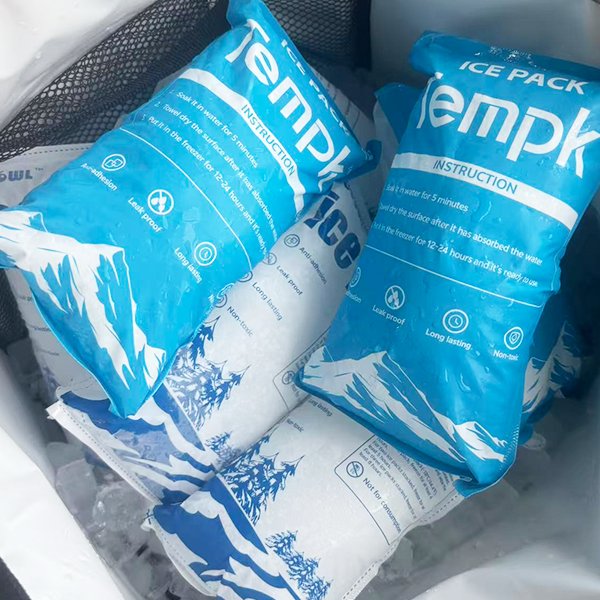
How to Dispose of Dry Ice Packs Safely – Eco-Friendly Guide
How Should Used Dry Ice Packs Be Disposed Of? Are They Environmentally Friendly?
Dry ice is commonly used in shipping perishable goods like food, pharmaceuticals, and laboratory supplies, but the proper disposal of dry ice packs is often overlooked. In this guide, we’ll answer how to dispose of them safely, explore their environmental impact, and recommend sustainable alternatives to reduce their carbon footprint.
What is the environmental impact of dry ice?
How should used dry ice packs be disposed of safely?
Are dry ice packs reusable?
What are the best eco-friendly alternatives to dry ice?
What is the Environmental Impact of Dry Ice?
Dry ice, made from solid carbon dioxide (CO₂), is a more environmentally friendly option compared to regular ice. It sublimates directly into gas without leaving any liquid waste. However, the environmental impact primarily arises from its production process, which can contribute to greenhouse gas emissions.
Key Considerations:
CO₂ emissions: The production of dry ice, while using reclaimed CO₂ from industrial processes, still contributes to carbon emissions if not carefully managed.
Sublimation: While CO₂ isn’t a direct pollutant in small amounts, excessive release in confined spaces can be hazardous.
Why Proper Disposal of Dry Ice Is Essential
When handled improperly, dry ice can be hazardous. It sublimes into CO₂ gas, which can displace oxygen in confined spaces, leading to suffocation. Therefore, it is crucial to dispose of dry ice in a safe, well-ventilated area.
How Should Used Dry Ice Packs Be Disposed of Safely?
Proper disposal ensures safety and minimizes environmental impact. Follow these simple steps to handle dry ice responsibly:
Allow Dry Ice to Sublimate: The safest way to dispose of dry ice is by letting it sublimate naturally in a well-ventilated area.
Outdoor Disposal: Place dry ice in a spacious, open area, away from children and pets.
Indoor Disposal: If indoors, ensure the area is well-ventilated with open windows or a fan.
Avoid Confined Spaces: Never dispose of dry ice in sealed containers, drains, or enclosed spaces, as the CO₂ buildup could lead to explosions or suffocation risks.
Use Protective Equipment: Always wear insulated gloves and goggles to prevent frostbite and burns from the extremely cold temperature of dry ice.
Disposal Method Table
Disposal Method
Recommended Action
Potential Hazards
Allow Sublimation
Leave in a well-ventilated area
None if done correctly
Avoid Sealing
Never place dry ice in a sealed container
Risk of explosion due to pressure
Outdoor Disposal
Dispose outside in an open area
None, but ensure safety of children and pets
Check Local Regulations
Ensure compliance with local waste disposal guidelines
Risk of legal non-compliance
Are Dry Ice Packs Reusable?
Dry ice packs can’t be reused once they have sublimated into gas. However, unused dry ice can be stored for future use if placed in an insulated container. This can help slow down the sublimation process.
Are Dry Ice Packs Environmentally Friendly?
Although dry ice has several environmental benefits, such as leaving no liquid waste and being made from reclaimed CO₂, it is not entirely free from environmental concerns:
Carbon Emissions: The process of creating dry ice does contribute to CO₂ emissions, although it is less than other refrigeration methods.
Plastic Waste: Most dry ice packs are packaged in non-biodegradable plastic, which can add to landfill waste if not properly recycled.
Sustainable Alternatives to Dry Ice
To reduce environmental impact, consider these eco-friendly alternatives:
Gel Ice Packs: Non-toxic and reusable, gel packs do not produce emissions and can be an excellent substitute for dry ice in many applications.
Phase Change Materials (PCMs): These materials can provide long-lasting cold without extreme temperatures, often reusable, and biodegradable.
Biodegradable Ice Packs: Some manufacturers offer biodegradable bags that reduce plastic waste.
2025 Trends in Cold Chain and Dry Ice Alternatives
Sustainability in cold chain logistics continues to grow. In 2025, key developments include:
Smart Cooling Technologies: Real-time temperature monitoring to ensure better control over dry ice usage, reducing waste.
Eco-Friendly Packaging: Growing adoption of biodegradable materials, like plant-based packaging, to complement dry ice usage and reduce the environmental footprint.
Notable Developments in 2025:
Sustainable Packaging Materials: Increasing use of recyclable and biodegradable materials in cold chain packaging.
Improved Dry Ice Production: More energy-efficient methods of creating dry ice are emerging, which help reduce its carbon footprint.
Frequently Asked Questions
Q: How can I reuse dry ice? Dry ice cannot be reused once it has sublimated, but you can store unused dry ice in an insulated container to extend its life for future use.
Q: Is dry ice safe for the environment? While dry ice has a lower environmental impact than many other refrigerants, its plastic packaging contributes to waste. Consider using biodegradable bags or reusing containers to minimize waste.
Q: What should I do if I accidentally inhale dry ice gas? Move to an area with fresh air immediately. Excessive inhalation of CO₂ can cause dizziness, headaches, or suffocation.
Conclusion and Recommendations
The safe and environmentally responsible disposal of dry ice packs is essential. Always dispose of dry ice in an open, well-ventilated area to prevent safety hazards. Consider eco-friendly alternatives like gel packs or PCMs to further reduce environmental impact.
Actionable Steps:
Disposal: Ensure that dry ice is left in an open, ventilated space until it sublimates completely.
Recycling: Check if the packaging is recyclable and dispose of non-recyclable packaging in the appropriate waste stream.
Eco-Friendly Alternatives: Explore sustainable cooling solutions like gel packs or reusable containers to reduce your carbon footprint.
About Tempk
At Tempk, we specialize in innovative, eco-friendly cold chain solutions. Our commitment to sustainability drives us to create energy-efficient products designed to reduce environmental impact while maintaining the highest quality standards. Contact us for tailored cold chain logistics solutions that prioritize both safety and sustainability.
Safe Disposal and Recycling of Used Dry Ice Packs: A Complete Guide
Disposing of used dry ice packs safely is crucial to both environmental protection and personal safety. Dry ice, being solidified carbon dioxide (CO₂), presents unique challenges in handling, as it sublimates directly into gas, creating potential risks of asphyxiation, frostbite, and environmental pollution. In this comprehensive guide, we will cover the best practices for dry ice disposal, explain how to safely recycle the packaging materials, and discuss sustainable altern
Why is it important to dispose of dry ice packs safely?
What are the best methods for disposing of dry ice packs?
How can dry ice packs be recycled or reused?
What safety precautions should you take when handling dry ice?
Why Is It Important to Dispose of Dry Ice Packs Safely?
Dry ice sublimates at a temperature of −78.5°C (−109°F), which means it can cause severe burns and frostbite if mishandled. Additionally, its sublimation process produces carbon dioxide gas that, in confined spaces, can displace oxygen and lead to suffocation. Moreover, improper disposal can exacerbate environmental pollution, releasing CO₂, a greenhouse gas that contributes to climate change. Therefore, it is essential to follow safe disposal methods to protect both health and the environment.
Safety Alert: Always ensure that dry ice sublimates in a well-ventilated area to prevent the buildup of CO₂ gas. Do not dispose of it in confined or enclosed spaces.
Safe Handling and Disposal of Dry Ice Packs
Dry ice packs, commonly used in shipping perishable goods, are extremely cold and require careful handling. Here are safe methods for disposal:
Allow Sublimation in a Well-Ventilated Area
The safest disposal method is to allow dry ice to sublimate naturally in an outdoor area or a large, well-ventilated room. This ensures that the gas can safely disperse without displacing oxygen in enclosed spaces. Depending on the amount of dry ice, sublimation can take several hours.
Tip: For faster sublimation, break larger pieces into smaller chunks to increase the surface area, helping the solid CO₂ evaporate quicker.
Never Dispose of Dry Ice in Water or Trash
Never throw dry ice into water, trash cans, or drains. When submerged in water, dry ice rapidly sublimates, creating a large volume of CO₂ gas. In a sealed container like a trash bin, this can result in dangerous pressure buildup, potentially causing explosions. Additionally, the extreme cold can damage plumbing.
Safety Tip: Always place dry ice in an open container or on a stable surface, ensuring that it has plenty of space to evaporate.
How Can Dry Ice Packs Be Recycled or Reused?
While recycling dry ice itself is not possible due to its sublimation, the packaging material (usually plastic or foam) can be recycled, depending on the material. Here are some options for reducing waste and repurposing dry ice materials.
Reusing Dry Ice for Cooling Systems
If you have large quantities of dry ice, it can be reused for temperature-sensitive shipments or cold storage. Dry ice can keep perishable goods cold for extended periods and can be particularly useful for long-distance shipping.
Repurpose for Science Experiments
Dry ice is often used in educational settings for science experiments. It can create fog effects, demonstrate the principles of sublimation, or be used to explore gas laws in a hands-on manner.
Industrial Applications
In industries like cleaning and manufacturing, dry ice is used in a process called “dry ice blasting,” where it is used to clean surfaces without causing damage. If you have access to the necessary equipment, dry ice can be repurposed for such applications.
Proper Storage of Dry Ice for Future Use
If you’re planning to store dry ice for future use, it’s crucial to do so correctly to ensure safety and minimize waste. Dry ice sublimates over time, so proper storage is essential to reduce this loss.
Store in Insulated Containers
Always store dry ice in well-insulated containers that allow CO₂ to escape slowly. This will help prevent pressure buildup, which could lead to accidents.
Avoid Sealing Containers Completely
To prevent pressure from building up inside the container, never seal it completely. Ensure the container is vented, allowing CO₂ gas to escape safely.
Keep Dry Ice in a Cool, Well-Ventilated Area
Store dry ice in a cool location that is well-ventilated to slow down the sublimation process and ensure the gas does not accumulate. Avoid storing it in confined spaces such as closed rooms or vehicles.
What Safety Precautions Should You Take When Handling Dry Ice?
Handling dry ice requires precautionary measures to avoid severe injuries and accidents. Here are the key safety tips:
Wear Protective Equipment (PPE)
Always wear insulated gloves or use tongs to handle dry ice. Contact with the skin can cause severe frostbite due to its extremely low temperature.
Ensure Adequate Ventilation
Dry ice sublimates into CO₂, which can displace oxygen in poorly ventilated spaces. Always handle dry ice in areas with good airflow. Avoid storing or transporting dry ice in sealed or confined spaces, such as a car cabin or a small room.
Use Safety Goggles
If you are handling dry ice in an enclosed space or working with larger quantities, consider wearing safety goggles to protect your eyes from any potential gas exposure or debris.
Recycling and Alternatives to Dry Ice Packs
Although dry ice cannot be recycled, there are alternative cooling solutions that are more sustainable:
Gel Ice Packs
Gel packs are reusable and much safer to handle than dry ice. They can be reused multiple times, reducing waste. They are also non-toxic and more manageable than dry ice, making them a safer choice for many.
Reusable Insulated Boxes
These boxes can maintain temperature without needing dry ice, providing a more environmentally friendly option for shipments that need to be kept cool.
Eco-Friendly Cooling Materials
Some companies now offer biodegradable and eco-friendly alternatives to dry ice, such as phase change materials (PCMs) or biodegradable gel packs. These alternatives reduce reliance on hazardous materials and promote sustainability.
2025 Trends in Dry Ice Disposal and Recycling
The cold chain industry is adopting more sustainable practices, and new technologies are emerging to make the disposal and recycling of dry ice safer and more efficient.
Phase change materials are a popular alternative to dry ice. They absorb and release heat at specific temperatures, maintaining a stable temperature range. PCMs are reusable, non-toxic, and do not require special disposal methods, making them an environmentally friendly choice for temperature-sensitive shipments.
Increased Regulations on Hazardous Materials
With heightened awareness of environmental impact, regulations on hazardous materials like dry ice are becoming stricter. Companies are encouraged to adopt more sustainable packaging and shipping methods, reducing waste and improving overall efficiency.
FAQs
Q1: Can I dispose of dry ice in my trash can?
No, dry ice should never be disposed of in trash cans or sealed containers. Allow it to sublimate in a well-ventilated area until it is completely gone.
Q2: How long does it take for dry ice to sublimate?
The time it takes for dry ice to sublimate depends on its size and the surrounding environment. Generally, it can take anywhere from several hours to a day.
Q3: Is it safe to dispose of dry ice indoors?
Dry ice can be disposed of indoors as long as the area is well-ventilated. Never store or dispose of it in confined spaces.
Summary and Recommendations
In conclusion, disposing of or recycling dry ice packs safely is essential to ensure personal safety and protect the environment. Always allow dry ice to sublimate in a well-ventilated area, and avoid sealing it in containers. Recycle or reuse the packaging when possible, and consider switching to more sustainable cooling alternatives like gel packs or PCMs.
Next Steps:
Ensure proper disposal by following safe guidelines.
Consider eco-friendly alternatives for future cooling needs.
Consult experts for large-scale or industrial dry ice handling applications.
About Tempk
Tempk specializes in providing innovative cold chain solutions, including eco-friendly alternatives to dry ice. Our products are designed to help businesses meet environmental goals while maintaining reliable temperature control. Contact us today to learn more about our sustainable solutions.
How Much Dry Ice Do I Need for a 12x12x12 Shipping Bag? | Shipping Tips & Best Practices
How Much Dry Ice Do I Need for a 12x12x12 Shipping Bag?
Shipping perishable goods like seafood, pharmaceuticals, or frozen food requires precise temperature control to ensure products arrive safely. The right amount of dry ice is essential for maintaining the desired temperature. But how much dry ice is necessary for a 12x12x12 shipping bag? In this article, we’ll discuss how to calculate the right amount of dry ice based on several key factors such as shipping duration, external temperature, insulation quality, and more.
How do I calculate the amount of dry ice for a 12x12x12 shipping bag?
What factors influence the amount of dry ice needed?
How can I maximize the efficiency of dry ice in shipping?
What are the common mistakes when using dry ice for shipping?
How long does dry ice last in a 12x12x12 shipping bag?
How Do I Calculate the Amount of Dry Ice for a 12x12x12 Shipping Bag?
To determine the appropriate amount of dry ice, you need to consider multiple factors, such as shipping time, ambient temperature, and insulation quality. Typically, for every 24-hour period of shipping, you’ll need:
5-10 pounds of dry ice for 24 hours
10-20 pounds for 48 hours
20-30 pounds for 72 hours
Example:
If you’re shipping frozen seafood in a 12x12x12 box for 48 hours, you should plan for 10-20 pounds of dry ice to keep the items frozen throughout the journey.
Step-by-Step Calculation:
Measure the Volume: A 12x12x12 box holds 1,728 cubic inches or 30 quarts. This is important because dry ice sublimates based on the volume inside the container, not just the product weight.
Duration of Shipping: Calculate the duration in days and multiply by the sublimation rate:
5-10 pounds per 24 hours
Adjust for longer durations as needed.
Insulation Quality: High-quality insulation (e.g., vacuum panels) reduces sublimation, meaning less dry ice is needed. Poor insulation increases the sublimation rate, requiring more dry ice.
What Factors Influence the Amount of Dry Ice Needed?
1. Shipping Duration
The longer the shipping time, the more dry ice is required. For example, for a 3-day shipment, you will need more dry ice than for a 1-day shipment.
2. External Temperature
Warmer climates cause dry ice to sublimate faster. In hot weather, you’ll need more dry ice to counteract heat gain. Similarly, for cooler environments, less dry ice is needed.
3. Type of Product
Some products, like biological samples or frozen foods, require more cooling than others. Frozen meats, for instance, will need more dry ice than cosmetics.
4. Insulation Quality
The better the insulation in your shipping bag, the less dry ice you’ll need. High-quality insulated packaging slows down the sublimation process, helping preserve the dry ice for longer periods.
Factor
Impact on Dry Ice
Best Practice
Shipping Duration
Longer = more dry ice
Increase dry ice for longer durations
External Temperature
Warmer = faster sublimation
Use more dry ice in hot weather
Type of Product
Sensitive items need more
Tailor dry ice to product sensitivity
Insulation Quality
Better insulation = less ice
Use high-quality insulated bags
Example:
Shipping pharmaceuticals for 48 hours requires precise temperature control. For a 12x12x12 box, plan for 20 pounds of dry ice to keep the products within the required temperature range.
How Can I Maximize the Efficiency of Dry Ice in Shipping?
To extend the cooling duration and reduce dry ice consumption, follow these tips:
Pre-chill the Shipping Bag: Before packing, chill the bag to reduce dry ice usage.
Use Larger Dry Ice Blocks: Larger blocks sublimate more slowly, lasting longer than smaller pieces.
Proper Placement: Place dry ice at the bottom of the shipping bag to allow cold air to rise and evenly cool the contents.
Limit Opening: Opening the bag increases the rate of sublimation. Keep the bag sealed as much as possible during transit.
Tip
Expected Outcome
Pre-chill the Shipping Bag
Reduces dry ice consumption
Use Larger Dry Ice Blocks
Extends cooling duration
Proper Placement
Maximizes cold distribution
Limit Opening
Preserves dry ice for longer
Example:
A business shipping frozen desserts can extend the life of dry ice by using large blocks and pre-chilling the shipping bag.
What Are the Common Mistakes When Using Dry Ice for Shipping?
Several mistakes can reduce the efficiency of dry ice and potentially lead to product spoilage:
Underestimating Dry Ice Needs: Always plan for more dry ice than the minimum estimate to avoid undercooling.
Improper Packaging: Insufficient insulation can cause dry ice to sublimate too quickly. Always use high-quality packaging.
Sealing in Airtight Containers: Dry ice creates carbon dioxide gas during sublimation. Never seal it in airtight containers, as this can cause dangerous pressure buildup.
Mistake
Impact
Solution
Underestimating Dry Ice Needs
Insufficient cooling
Always calculate extra dry ice
Improper Packaging
Faster sublimation
Use high-quality insulated bags
Sealing in Airtight Containers
Risk of explosion
Store dry ice in well-ventilated containers
Example:
A business shipping medical supplies may mistakenly use too little dry ice, resulting in spoilage of the products. Always overestimate when in doubt.
How Long Does Dry Ice Last in a 12x12x12 Shipping Bag?
The duration that dry ice lasts depends on several factors:
5-10 pounds of dry ice will last about 24 hours.
10-20 pounds lasts 48 hours.
20-30 pounds can last 72 hours or more, depending on conditions.
Remember, higher external temperatures accelerate sublimation. Always adjust the dry ice amount based on weather conditions.
2025 Trends in Cold Chain Logistics and Dry Ice Shipping
The cold chain logistics industry is evolving rapidly. Here are key trends shaping dry ice usage in 2025:
Smart Monitoring: Real-time temperature tracking systems allow businesses to monitor dry ice usage and optimize efficiency.
Sustainable Practices: Eco-friendly alternatives, such as phase-change materials (PCMs), are being adopted to reduce the environmental impact of dry ice.
Advanced Insulation: Innovations in insulation materials are improving the lifespan and efficiency of dry ice.
Latest Developments
Smart Sensors: IoT-enabled sensors provide real-time data on temperature and location, reducing risks of damage.
AI for Route Optimization: Artificial Intelligence (AI) is helping companies choose the most efficient shipping routes based on real-time data.
Sustainable Packaging: Companies are adopting recyclable and reusable packaging to reduce their carbon footprint.
FAQ
Q1: How much dry ice do I need for a 12x12x12 shipping bag for 24 hours? For a 12x12x12 shipping bag, 5-10 pounds of dry ice is typically sufficient for a 24-hour shipment.
Q2: Can I store dry ice in a regular cooler? No, dry ice must never be stored in an airtight cooler. Always use a cooler with proper ventilation to avoid dangerous pressure buildup.
Q3: How long does dry ice last in a 12x12x12 shipping box? In a well-insulated box, 5-10 pounds of dry ice will last for 24 hours, and 10-20 pounds for 48 hours.
Conclusion and Recommendations
To ensure your temperature-sensitive items arrive safely, calculate the correct amount of dry ice based on shipping time, ambient temperature, insulation quality, and product sensitivity. Following best practices like pre-chilling, using larger blocks of dry ice, and optimizing packaging can help extend the dry ice’s cooling power.
Next Steps:
Calculate the required dry ice based on your specific shipping needs.
Use high-quality insulation to optimize dry ice efficiency.
Store dry ice properly to avoid safety hazards and extend its cooling duration.
About Tempk
Tempk provides top-tier cold chain solutions, specializing in dry ice, gel packs, and insulated packaging. We deliver reliable temperature control products for businesses, ensuring the safe transit of perishable goods. Our expertise helps optimize your cold chain logistics strategy.
How Much Does Each Dry Ice Pack Weigh? Impact on Shipping Costs Explained
How Much Does Each Dry Ice Pack Weigh and Will It Increase Shipping Costs Significantly?
When shipping temperature-sensitive products, dry ice is often necessary to ensure their safe transport. However, understanding how much dry ice weighs and how it affects shipping costs is essential for cost optimization. This guide explains the different dry ice pack sizes, the factors that influence shipping costs, and practical strategies to minimize expenses while adhering to the latest 2025 shipping regulations.
What are the best practices for minimizing shipping costs with dry ice?
What are the latest trends and regulations for 2025?
How Much Does Each Dry Ice Pack Weigh?
Dry ice pack weight varies based on shipment size, type of dry ice used, and the length of the shipment. On average, dry ice used in shipments weighs between 5 to 50 pounds. Smaller shipments may require only 5 pounds, while larger shipments can demand up to 50 pounds or more depending on factors such as the nature of the goods and transit duration.
Dry Ice Pack Sizes and Weights
Dry ice is typically available in three forms: blocks, pellets, and pucks. Each form has different weight characteristics and cooling durations:
Type of Dry Ice
Weight Range
Common Use
Cooling Duration
Dry Ice Blocks
5-25 pounds
Long-duration shipments
Up to 72 hours
Dry Ice Pellets
1-10 pounds
Shorter shipments
12-48 hours
Dry Ice Pucks
5-10 pounds
Small shipments
12-24 hours
Tip: For long shipments, dry ice blocks are preferred, while pellets and pucks are more suited for smaller or shorter duration shipments.
Does Dry Ice Weight Impact Shipping Costs?
The weight of dry ice is a key factor in determining shipping costs. Carriers generally charge based on both the weight and the volume (dimensional weight) of the package. Here’s how dry ice impacts shipping costs:
Weight-Based Shipping Costs:
The heavier the dry ice, the higher the shipping cost. Heavier packages naturally incur higher charges, especially when the package exceeds weight thresholds.
Dimensional Weight Pricing:
In addition to actual weight, carriers may charge based on the volume of the package. Bulky packages containing dry ice may incur higher fees, even if they aren’t especially heavy.
Hazardous Materials Handling Fees:
Since dry ice is classified as a hazardous material, shipping carriers may apply additional handling fees, especially for international shipments that require special labeling, packaging, and documentation.
How Does Dry Ice Weight Affect Domestic vs. International Shipping?
The weight of dry ice can have a different impact on domestic and international shipments:
Domestic Shipping:
For domestic shipments, costs are generally determined by the weight and size of the package. Major carriers like UPS and FedEx have specific rates for shipments containing dry ice. Shipping costs can be influenced by the weight, size, and the type of service (overnight, ground, etc.).
International Shipping:
For international shipments, dry ice is classified as a dangerous good, which results in additional handling fees, special labeling, and paperwork. Furthermore, many international regulations limit the maximum weight of dry ice that can be shipped in one package, leading to higher overall costs.
Comparison of Costs for Different Shipping Types:
Shipping Type
Cost Impact
Additional Charges
Domestic
Weight + Size
Possible fuel surcharges
International
Weight + Size + Dangerous Goods Fees
Special handling, documentation, labeling
Can You Reduce Shipping Costs With Dry Ice?
Although dry ice can increase shipping costs, there are several strategies you can use to minimize these expenses:
Optimized Packaging:
Using high-quality insulated packaging, such as vacuum-insulated panels (VIP), can significantly reduce the amount of dry ice required. Better insulation keeps the temperature stable for longer, reducing the need for excessive dry ice.
Efficient Sizing:
Ensure that you use the exact amount of dry ice needed. Overestimating can lead to unnecessary costs, while underestimating can risk product spoilage. Proper calculation based on the transit time and product weight is crucial.
Consolidate Shipments:
If possible, combine multiple smaller shipments into one larger package. This approach allows you to spread out the cost of dry ice and the shipping fee across several items, ultimately reducing per-item shipping costs.
Practical Example:
A company shipping temperature-sensitive food can minimize costs by using an insulated shipping container and choosing the correct amount of dry ice. This strategy ensures that the products remain safe without excess dry ice leading to higher shipping costs.
2025 Latest Trends in Dry Ice Shipping and Costs
Eco-Friendly Packaging:
The growing demand for sustainability in the logistics industry has led to innovations in eco-friendly packaging materials. Vacuum-insulated panels (VIP) offer superior insulation, reducing the need for large amounts of dry ice. These packaging materials not only lower costs but also help companies meet environmental goals.
Regulatory Changes and Compliance:
As of 2025, stricter regulations are being enforced on dry ice shipping, particularly for international shipments. Companies must adhere to new IATA and USPS regulations, which include better labeling and documentation requirements.
Alternative Cooling Solutions:
Phase-change materials (PCMs) are being introduced as a more sustainable alternative to dry ice. These materials provide cooling at specific temperatures and can reduce reliance on dry ice for certain types of shipments.
Market Insight:
The demand for dry ice shipping continues to grow with industries like pharmaceuticals and food delivery services. Innovations in packaging and sustainable practices are crucial to reducing the environmental impact of dry ice shipping.
Frequently Asked Questions (FAQ)
Q1: How do shipping companies charge for dry ice?
Shipping companies charge for dry ice based on its weight and size. Additionally, they may apply hazardous materials handling fees, particularly for international shipments.
Q2: Is dry ice considered a hazardous material?
Yes, dry ice is classified as a hazardous material due to its potential to displace oxygen and cause asphyxiation in confined spaces. Special packaging and handling are required for shipments containing dry ice.
Q3: How can I reduce the cost of dry ice shipping?
Optimize your packaging, use the right amount of dry ice, and consolidate shipments to reduce the overall cost. Efficient insulation and accurate calculations are key to minimizing unnecessary expenses.
Conclusion & Recommendations
Understanding the weight of dry ice and its impact on shipping costs is crucial for businesses that rely on temperature-sensitive products. By optimizing packaging, accurately calculating dry ice needs, and staying updated on 2025 regulations, you can ensure that your shipments are both safe and cost-effective.
Recommended Actions:
For Cost Efficiency: Use insulated packaging to reduce the amount of dry ice required.
For Domestic Shipments: Avoid overestimating dry ice needs and choose packaging that minimizes size.
For International Shipments: Be aware of hazardous material fees and comply with international regulations.
About Tempk
Tempk provides innovative solutions in cold chain logistics, specializing in temperature-controlled packaging and efficient shipping methods. We use advanced insulated materials to ensure your shipments remain safe and cost-effective while adhering to the latest regulatory standards.
Contact Tempk today to discuss how we can help optimize your dry ice shipping needs.
How Many Sheets or Cells in a Dry Ice Pack? Customization Tips
How Many Sheets or Cells Come in a Dry Ice Pack? Can They Be Cut to Size?
Are you unsure how many sheets or cells are in a dry ice pack, or if you can cut them to size for your specific needs? Understanding the structure of these packs and how to customize them can help optimize your cold chain logistics. This article explains everything you need to know about dry ice packs, their configuration, and how to customize them for better temperature control.
How many sheets or cells come in a dry ice pack?
Can dry ice packs be cut to size?
What are the benefits of customizing dry ice packs?
How to choose the right size dry ice pack for your shipment needs?
How Many Sheets or Cells Are Typically in a Dry Ice Pack?
Dry ice packs come in various configurations, typically ranging from 5 to 20 sheets or cells depending on the manufacturer and the specific use case. These packs are designed to offer flexibility, making them suitable for applications in industries like pharmaceuticals, food distribution, and biotechnology.
The number of sheets or cells in a dry ice pack depends on the following factors:
Pack size: Larger packs contain more cells to support longer cooling durations.
Product type: Some industries, such as biotechnology, require customized sizes.
Cooling needs: High-demand shipments may require larger packs for extended cooling.
For example, a standard dry ice pack for food transportation typically contains 10-15 cells, while larger packs used for industrial applications may contain 20 or more cells.
Dry Ice Pack Type
Number of Cells
Common Use Case
Small Pack
5-10 cells
Short-distance shipping
Standard Pack
10-15 cells
General-purpose cold storage
Large Pack
15-20 cells
Long-duration shipments
Custom Pack
20+ cells
Specialized industries (e.g., biotech)
Can Dry Ice Packs Be Cut to Size?
Yes, many dry ice packs can be cut to size based on the requirements of your shipment. This customization option is particularly useful when you need to fit the pack into a specific container or need to reduce excess dry ice, improving cost efficiency.
Key Considerations when Cutting Dry Ice Packs:
Safety: Always wear gloves and protective eyewear when handling dry ice to prevent burns.
Effectiveness: Cutting a dry ice pack may reduce its cooling efficiency, especially if the cells are unevenly divided.
Packaging Integrity: Ensure that the packaging remains intact after cutting to prevent rapid sublimation.
How to Safely Cut Dry Ice Packs
Wear protective gloves to prevent burns.
Use sharp scissors or a utility knife to cut along the seams, ensuring the cells remain sealed.
Ensure proper ventilation as dry ice sublimates into carbon dioxide, which can accumulate in confined spaces.
Example: A logistics company shipping temperature-sensitive pharmaceutical products found that cutting larger packs into smaller sections provided better temperature control, ensuring the products remained stable over longer distances.
What Are the Benefits of Customizing Dry Ice Packs?
Customizing dry ice packs can offer several advantages for cold chain logistics:
Cost Savings: By adjusting the size of the dry ice packs, you avoid purchasing larger packs than necessary, reducing waste.
Better Fit for Different Products: Smaller, custom-sized packs ensure better protection for various items during transit.
Extended Cooling Duration: Customizing pack sizes ensures the cooling duration meets the specific requirements of your shipment, which is especially important for long-distance shipments or sensitive products.
Example Benefits for Pharmaceuticals: Pharmaceutical companies often require customized dry ice packs to maintain the strict temperature requirements for drugs and vaccines. Tailoring the pack size helps ensure that products remain at the correct temperature throughout their entire journey.
How to Choose the Right Dry Ice Pack Size for Your Shipping Needs?
Choosing the right dry ice pack size is crucial for maintaining the proper temperature during shipping. Here are a few tips to help you select the ideal size:
Understand your cooling needs: Longer trips and temperature-sensitive products require larger packs.
Account for packaging insulation: Well-insulated containers may require fewer packs, while poorly insulated ones may need more dry ice.
Check manufacturer guidelines: Manufacturers provide guidelines on the amount of dry ice needed for specific products or shipment types.
Factor
Consideration
Solution
Shipment Duration
Longer trips need more dry ice
Choose larger or multiple packs
Product Sensitivity
More sensitive products need stable cooling
Custom size packs to fit exactly
Package Insulation
Insulated packages retain cold longer
Opt for smaller packs if insulation is sufficient
2025 Trends in Dry Ice Pack Customization and Usage
The cold chain logistics industry is evolving rapidly, and 2025 is seeing trends toward smarter, more sustainable dry ice solutions:
Smart Packaging: IoT sensors integrated with dry ice packs help monitor temperature and ensure product safety during transit.
Sustainability: There is a growing preference for eco-friendly dry ice options, reducing environmental impact.
Smaller Custom Packs: As e-commerce grows, there is an increasing demand for smaller, more flexible dry ice packs that are cost-effective and eco-friendly.
Frequently Asked Questions
Q1: How many sheets are typically included in one dry ice pack? A typical dry ice pack contains 5 to 20 cells, depending on the size and use. Larger packs typically have more cells for extended cooling.
Q2: Can I cut dry ice packs to custom sizes? Yes, dry ice packs can be cut to fit your specific needs, but make sure to follow the manufacturer’s guidelines for safety and performance.
Q3: How should I store unused dry ice packs? Store unused dry ice packs in a cool, dry place, and keep hydrated packs in the freezer.
Conclusion and Recommendations
Key Takeaways:
Dry ice packs typically contain between 5 and 20 cells, depending on the size and intended use.
Customizing dry ice packs can offer cost savings and better temperature control.
Proper safety protocols are crucial when cutting and handling dry ice to prevent injury and maintain pack effectiveness.
Next Steps: For efficient and safe shipping of temperature-sensitive goods, consider customizing your dry ice packs to meet your shipment’s specific needs. Invest in sustainable packaging solutions to enhance both efficiency and environmental responsibility.
About Tempk
Tempk is a leading provider of advanced cold chain solutions, offering customizable dry ice packs for industries like pharmaceuticals, biotechnology, and food distribution. Our products are designed to ensure safe, efficient, and cost-effective shipping.
Contact us today for customized cold chain solutions and expert advice.
How Long Will a Dry Ice Bag Keep Meat Frozen? | Guide to Dry Ice for Transportation
How Long Will a Dry Ice Bag Keep Meat Frozen?
When you need to transport or store frozen meat, ensuring it stays at the right temperature is vital for safety and quality. Dry ice, a solid form of carbon dioxide, is an effective solution for this purpose. It maintains extremely low temperatures, making it a popular choice in the cold chain industry. But how long can a dry ice bag actually keep meat frozen? This article explores the key factors that influence the cooling time, compares dry ice to other cooling methods, and offers tips for optimal usage.
How long can dry ice keep meat frozen? What factors influence the duration of dry ice’s cooling power? How do dry ice bags compare to other cooling methods for meat? What are the best practices for using dry ice to transport frozen meat? What trends are shaping dry ice usage in 2025?
How Long Can Dry Ice Keep Meat Frozen?
Dry ice is known for maintaining ultra-low temperatures (−78.5°C or −109.3°F), which is ideal for transporting meat or other perishable items. However, the duration of freezing depends on several factors such as the amount of dry ice used, the insulation quality of the cooler, and the ambient temperature during transport.
Typically, dry ice can keep meat frozen for 18 to 72 hours, depending on conditions like cooler quality and external temperatures. To better understand this, here’s a breakdown of estimated durations:
Condition
Estimated Duration
Factors Involved
Well-insulated cooler
24-48 hours
High-quality insulation, minimal heat exposure
Moderately insulated cooler
12-24 hours
Average insulation, moderate temperatures
Poorly insulated cooler
6-12 hours
Poor insulation, high temperatures
The amount of dry ice you use directly impacts how long the meat will stay frozen. The general guideline is that you’ll need 5-10 lbs of dry ice per 24 hours of freezing time. For extended shipments or high temperatures, increasing the dry ice is essential.
Factors That Affect Dry Ice Performance
Several key factors impact how long dry ice can keep meat frozen, including:
1. Cooler Insulation
High-quality coolers with thick insulation slow down the sublimation of dry ice and help retain the cold. Poor insulation leads to faster sublimation, reducing the freezing time significantly.
2. Amount of Dry Ice
The more dry ice you use, the longer the freezing time. For example, for a 24-hour freezing duration, a 1:1 ratio of dry ice to the meat’s weight is often recommended.
3. External Temperature
Hot temperatures or exposure to direct sunlight will accelerate the sublimation process. Always account for weather conditions and plan your dry ice needs accordingly. In hotter climates, you may need to add 20-30% more dry ice to extend freezing time.
4. Opening the Cooler
Each time the cooler is opened, warm air enters and causes dry ice to sublimate faster. Minimize cooler openings to extend the life of the dry ice.
Best Practices for Maximizing Dry Ice’s Cooling Duration
To maximize the cooling duration of dry ice, follow these practical tips:
Pre-Chill the Cooler
Before placing the meat inside, pre-chill the cooler with dry ice or gel packs for several hours. This helps the cooler start at a lower temperature and reduces the workload for the dry ice.
Use Sufficient Dry Ice
For every 24 hours of transportation, use 5-10 lbs of dry ice. For extended transport (72 hours or more), increase the amount of dry ice to 1.5x the weight of the meat to maintain temperatures for the entire journey.
Properly Pack the Meat
Ensure that meat is securely packed and sealed to prevent air gaps. This helps the dry ice work efficiently without any energy loss. Fill any empty spaces with insulating materials like foam or crumpled paper.
Limit Cooler Openings
To prevent warm air from entering the cooler and speeding up the sublimation of dry ice, open the cooler only when absolutely necessary.
Dry Ice Bags vs Other Cooling Methods for Meat
While dry ice is effective for long-term frozen storage, there are other cooling methods available. Here’s a comparison:
Method
Temperature Range
Pros
Cons
Dry Ice
−78.5°C (−109.3°F)
Extremely low temperature, no meltwater
Sublimates over time, requires venting
Gel Packs
−18°C (0°F)
Reusable, safer to handle
Doesn’t reach the cold temperatures of dry ice
Traditional Ice
0°C (32°F)
Easily available
Melts quickly, requires replacement
Liquid Nitrogen
−196°C (−321°F)
Very low temperatures
Expensive, requires special handling
Dry ice stands out for providing lower temperatures than gel packs or traditional ice. It’s especially ideal for transporting meat that needs to stay well below freezing, while avoiding excess moisture as it sublimates.
Trends Shaping Dry Ice Usage in 2025
As we move into 2025, several trends are transforming the use of dry ice in cold chain logistics, especially for shipping perishable goods like meat:
1. Eco-friendly Alternatives
There is growing interest in sustainable dry ice alternatives, such as phase-change materials (PCMs), which offer similar freezing capabilities with a lower environmental impact.
2. Advanced Insulation Technologies
New insulation materials like vacuum-insulated panels (VIP) and aerogels are emerging, which offer high thermal resistance while reducing the need for large amounts of dry ice.
3. Smart Shipping Technologies
With the rise of IoT and real-time monitoring, smart temperature tracking systems are becoming common. These systems help ensure that goods remain within the desired temperature range throughout transit.
Common Questions About Dry Ice for Freezing Meat
Q1: How much dry ice do I need to keep meat frozen for 24 hours? Typically, you need around 5-10 lbs of dry ice per 24 hours of freezing time. Adjust according to the cooler size and ambient temperature.
Q2: Can dry ice be used to ship meat internationally? Yes, dry ice is widely used for international shipments, though regulations may vary by country. Always check for specific requirements regarding dry ice transport.
Q3: Is dry ice safe for shipping frozen meat? Dry ice is safe when handled properly. Always ensure the shipping container is well-ventilated, as carbon dioxide gas is released during sublimation. Follow safety guidelines to avoid risks.
Conclusion and Actionable Insights
Dry ice bags are an effective solution for keeping meat frozen during transport. By using proper insulation, packing techniques, and ensuring you use enough dry ice, you can extend the freezing time significantly. As the cold chain industry evolves, staying informed about the latest technologies and trends, like eco-friendly alternatives and smart shipping, will help you make the most of your shipping strategy.
Next Steps:
Plan your meat shipments carefully, considering the expected duration and environmental conditions.
Always use the right amount of dry ice for the trip, and make adjustments based on weather conditions.
Stay updated on new cold chain technologies to improve efficiency and sustainability.
About Tempk
At Tempk, we specialize in providing reliable dry ice and cold chain solutions for the food, pharmaceutical, and logistics industries. Our products are designed to maintain optimal temperatures, ensuring your perishable goods arrive safely and on time.
Contact us today to learn how our dry ice solutions can improve your shipping and storage processes!
How Many Dry Ice Packs Do You Need for Shipping Frozen Food? | Expert Guide
Shipping frozen food efficiently requires the right amount of dry ice to ensure the items stay frozen during transit. The correct quantity depends on several variables, including the food type, transit duration, packaging, and environmental conditions. This comprehensive guide covers everything you need to know, from calculating dry ice needs to expert tips on packing frozen goods securely.
What factors impact the number of dry ice packs needed?
How long does dry ice keep food frozen during transit?
What are the best practices for packaging and shipping frozen food?
How Do I Calculate the Right Amount of Dry Ice for Shipping Frozen Food?
Determining the correct amount of dry ice is essential for ensuring your frozen food stays at the correct temperature. Typically, you’ll need between 5 to 10 pounds of dry ice per 24-hour transit period. However, the exact amount will depend on factors like the weight of the food, the duration of shipping, and the quality of insulation used.
Key Factors to Consider
Food Type: Meat, seafood, and dairy require more dry ice due to their sensitivity to temperature shifts.
Shipping Duration: Longer shipments require more dry ice to maintain freezing temperatures.
Packaging Quality: Insulated containers reduce the amount of dry ice needed.
Ambient Temperature: Hot weather increases the rate of dry ice sublimation, necessitating more dry ice.
General Formula
For every 24 hours of transit, a typical rule of thumb is to use:
1 pound of dry ice for every 3-4 pounds of meat or seafood.
1 pound of dry ice for every 5 pounds of frozen food in more general categories.
How Much Dry Ice Should I Use for Different Types of Frozen Food?
Different types of frozen food have varying requirements for dry ice based on their temperature sensitivity. Here’s a breakdown of recommended amounts:
Food Type
Dry Ice Required (per 24 hours)
Actual Impact on Shipping
Meat
5-10 lbs
Requires stable freezing; more dry ice for longer trips.
Sensitive to thawing, extra dry ice ensures quality.
Vegetables
3-5 lbs
Less prone to thawing, standard amount works.
Prepared Meals
5-10 lbs
Similar to meat, especially for meals with meat or dairy.
This table offers clear guidelines to help you estimate the amount of dry ice required for each food type. For sensitive items, use the higher end of the range to ensure they stay frozen during the entire transit period.
What Packaging Options Can Help Reduce Dry Ice Needs?
Using the right packaging materials is just as important as determining the correct amount of dry ice. Insulated shipping boxes and quality packing materials help preserve the cold and reduce dry ice consumption. Here are some useful tips:
Packing Tips
Double-Boxing: Provides an extra layer of protection and insulation.
Vacuum-Sealed Bags: Helps minimize air exposure and keeps food tightly packed.
Freeze Items Fully: Ensure food is frozen to its maximum point before shipping to extend the period it remains frozen.
By ensuring high-quality insulation, you can significantly cut down on the amount of dry ice needed to keep your food at the optimal temperature.
How Long Does Dry Ice Keep Food Frozen During Shipping?
The effectiveness of dry ice in keeping food frozen depends on factors such as the amount used, the type of packaging, and environmental conditions. Typically, dry ice lasts 18-24 hours, but here’s a breakdown:
Estimating Dry Ice Longevity
Factors Affecting Longevity
Details
Container Size & Insulation
Well-insulated boxes retain cold for longer.
Amount of Dry Ice Used
More dry ice extends freezing time.
Weather Conditions
In hot climates, more dry ice may be necessary.
In extreme conditions, such as long shipments or higher external temperatures, you might need more dry ice to maintain the cold chain effectively.
What Other Shipping Considerations Should I Keep in Mind?
While dry ice is crucial for frozen food shipping, packaging and insulation are just as vital. Without proper packaging, dry ice will sublimate (turn into gas) more quickly, reducing its effectiveness. Here are some additional considerations:
Recommended Packaging Materials
Insulated Foam or EPS Boxes: Essential for keeping the cold in and reducing sublimation.
Plastic Wraps & Vacuum-Sealed Bags: Prevent moisture from reaching the food, reducing the risk of spoilage.
Gel Packs: In combination with dry ice, these can provide extra insulation and help extend the cooling period.
Environmental Impact of Dry Ice
Ambient temperature plays a crucial role in how quickly dry ice sublimates. During hot months or when shipping to warmer climates, additional precautions should be taken. Here are some ways to adjust:
Increase Dry Ice Quantity: Consider up to 25 lbs for a 24-hour shipment if shipping in extreme heat.
Use Extra Insulation: Thick, multi-layered insulation helps slow the sublimation process.
Choose Expedited Shipping: Minimize the exposure to high temperatures by reducing transit time.
2025 Trends in Shipping Frozen Food
The frozen food shipping industry is evolving rapidly with technological advancements and increased sustainability. Here’s a quick overview of the latest developments in 2025:
Innovations in Packaging & Shipping
Eco-friendly Materials: Advanced insulated packaging materials are now more cost-effective and sustainable.
Real-Time Temperature Monitoring: This has become more affordable, allowing for better tracking and control of shipping conditions.
Sustainable Dry Ice Alternatives: New materials like liquid nitrogen are emerging as eco-friendly substitutes for traditional dry ice.
Market Insights:
Consumers are increasingly demanding greener shipping solutions. This shift is driving innovations in packaging and the adoption of alternative cold storage technologies, including phase-change materials (PCMs) and hybrid cooling solutions.
Frequently Asked Questions
Q1: How much dry ice do I need for shipping frozen vegetables? Typically, 3-5 lbs of dry ice per 24-hour period is sufficient.
Q2: Can I use regular ice instead of dry ice for shipping frozen food? Regular ice melts faster and cannot maintain sub-zero temperatures like dry ice. For longer shipments, dry ice is the more reliable option.
Q3: How do I safely handle dry ice? Always wear insulated gloves and goggles when handling dry ice. It’s extremely cold and can cause severe frostbite.
Conclusion and Next Steps
To summarize, calculating the right amount of dry ice is essential for ensuring your frozen food arrives in perfect condition. Consider the type of food, transit duration, packaging quality, and environmental factors to determine your dry ice needs.
What’s Next for You?
Assess Your Shipment: Determine food type, shipping duration, and environmental conditions.
Invest in Quality Packaging: It’s just as important as the dry ice itself.
Use Monitoring Tools: Ensure the shipment stays within safe temperature ranges during transit.
For expert advice on tailored shipping solutions, don’t hesitate to consult a logistics professional specializing in cold chain shipments.
About Tempk
Tempk is a leader in cold chain shipping solutions, providing high-quality dry ice packs, insulation materials, and expert consulting for temperature-sensitive goods. We are committed to ensuring your shipments remain frozen, safe, and compliant with all regulations.
Ready to ship frozen goods? Contact Tempk for a personalized consultation!
How Many Dry Ice Packs Are Needed to Safely Ship Frozen Meat, Seafood, or Ice Cream?
Shipping perishable items such as frozen meat, seafood, and ice cream requires careful planning to ensure that they maintain their safety and quality during transit. Proper packaging and the correct amount of dry ice are essential in keeping these products frozen. In this article, we will walk you through how to calculate the right amount of dry ice, provide guidelines for specific products, and offer tips on the best packaging practices.
Understand the general guidelines for calculating dry ice needed for frozen goods
Apply product-specific ratios for frozen meat, seafood, and ice cream
Learn best practices for dry ice packaging to avoid thawing and spoilage
Explore the 2025 cold chain shipping trends like smart sensors and sustainable materials
Understand the regulatory and safety requirements when shipping dry ice
How Does Dry Ice Keep Products Frozen During Shipping?
Dry ice is an essential component for shipping perishable goods. Unlike regular ice, which melts into water, dry ice sublimates directly into carbon dioxide gas at a temperature of -109.3°F (-78.5°C). This extreme cold helps maintain frozen meat, seafood, and ice cream at their required temperatures throughout the shipping process.
The unique property of dry ice—sublimation—ensures that it can maintain a dry and consistent cooling environment, but it also means that it gradually disappears as it changes into gas. Understanding this process is critical when estimating how much dry ice is needed for different shipping durations and environmental conditions.
Tip: Dry ice is effective for longer shipping times, but you’ll need more if shipping in hot climates or during prolonged transit.
What Factors Affect the Amount of Dry Ice Needed?
The quantity of dry ice required can vary based on several key factors:
Shipping Duration: The longer the shipping time, the more dry ice you’ll need. Typically, dry ice sublimates at a rate of 5-10 pounds every 24 hours under average conditions.
Ambient Temperature: Dry ice sublimates faster in hot climates. Therefore, it’s important to adjust your dry ice amount for higher temperatures.
Package Size and Insulation: Larger packages or those with poor insulation will require more dry ice to maintain the desired temperature.
Product Type: Different products require different amounts of dry ice to stay frozen. For example, ice cream requires lower temperatures than meat or seafood, thus requiring more dry ice.
Factor
Impact on Dry Ice Needs
Shipping Duration
Longer shipments need more dry ice
Ambient Temperature
Hot weather speeds up sublimation, requiring more dry ice
Package Size
Larger packages need more dry ice
Product Type
Ice cream needs more dry ice due to stricter temperature requirements
Best Practices for Shipping Frozen Goods
Use Insulated Packaging: Opt for insulated containers such as Styrofoam or thermal blankets to slow down the sublimation of dry ice and maintain cold temperatures for longer durations.
Properly Layer Packaging: Place the dry ice at the bottom and top of the box, with the product in the middle. This ensures even cooling.
Vented Containers: Avoid sealing the container airtight, as dry ice needs to sublimate into gas. Leaving small ventilation holes will allow the gas to escape safely.
How Much Dry Ice Do I Need for Different Products?
The quantity of dry ice depends on the type of product and the shipping duration. Here’s a general guideline:
For Frozen Meat:
Frozen Meat: For every 5 lbs of frozen meat, use about 2.5 to 3 lbs of dry ice for 24-hour shipping.
For example, a 10 lb shipment of meat requires 5-6 lbs of dry ice for a 24-hour delivery.
For longer shipping times, add 1-2 lbs of dry ice for every 10 lbs of meat per additional 24 hours.
For Seafood:
Seafood: Seafood is highly perishable and requires approximately 3 lbs of dry ice per 5 lbs of seafood for a 24-hour shipping period.
For example, a 10 lb shipment of seafood needs about 6 lbs of dry ice for 24 hours.
For 48-hour transit, use 8 lbs of dry ice for the same 10 lb shipment.
For Ice Cream:
Ice Cream: Ice cream needs to stay at a temperature of -20°F (-28.8°C). You’ll need 3 to 4 lbs of dry ice per 5 lbs of ice cream for 24-hour shipping.
For example, a 10 lb shipment of ice cream requires 6-8 lbs of dry ice for 24 hours.
For 48-hour shipments, increase the dry ice to 8-10 lbs.
Product Type
Dry Ice Needed (per 5 lbs)
24-hour Shipping
48-hour Shipping
Frozen Meat
2.5-3 lbs
5-6 lbs
7-9 lbs
Seafood
3 lbs
6 lbs
8 lbs
Ice Cream
3-4 lbs
6-8 lbs
8-10 lbs
How to Pack Frozen Items for Safe Shipping
Proper packing is key to keeping your frozen items safe. Here’s how you should pack frozen meat, seafood, and ice cream to prevent thawing:
Select the Right Packaging: Use insulated boxes, foam coolers, or vacuum-sealed bags. You can also use thermal blankets for extra insulation.
Place Dry Ice Carefully: Place the dry ice at the bottom of the box, and ensure it doesn’t come into direct contact with the frozen items to avoid freezer burn.
Seal the Package Tightly: Ensure the box is sealed tightly, but leave space for ventilation to allow dry ice to sublimate properly.
Label the Package Properly: Clearly label the package with “Dry Ice Inside” and “Keep Frozen” to alert handlers of the special requirements.
2025 Cold Chain Shipping Trends
As cold chain logistics evolve, new technologies and practices are shaping the future of frozen goods shipping:
Smart Temperature Monitoring
2025 brings advanced smart sensors that provide real-time temperature tracking, allowing shippers to monitor the state of frozen goods throughout the transit. These sensors help ensure compliance and prevent thawing during shipment.
Sustainable Packaging
With growing sustainability concerns, biodegradable and reusable insulated packaging materials are becoming more common. This reduces the environmental footprint and helps lower shipping costs in the long run.
Increased Demand for Cold Chain Logistics
The demand for cold chain logistics is predicted to grow by 12% annually due to the rise in consumer demand for perishable goods like frozen food and pharmaceuticals.
Frequently Asked Questions
How Much Dry Ice Do I Need for a 2-Day Shipment of Frozen Meat?
For a 2-day shipment of frozen meat, you typically need 5-6 lbs of dry ice per 10 lbs of meat. Always consider the insulation and external temperature when calculating.
Can Dry Ice Touch Food Directly?
No, dry ice should never touch food directly. It can cause freezer burn or texture damage. Always separate the dry ice using a barrier like cardboard or foam.
Conclusion
Shipping frozen goods requires precise calculations for the right amount of dry ice. Use the guidelines above to estimate how much dry ice you need for different products. Ensure your packages are well-insulated, properly packed, and clearly labeled for safe and efficient transport. By following these practices and staying compliant with regulations, you can guarantee that your frozen products will arrive at their destination in perfect condition.
About Tempk
At Tempk, we specialize in providing reliable cold chain logistics solutions for shipping frozen goods. Our insulated packaging products, including dry ice bags and coolers, ensure that your products stay frozen and meet all regulatory requirements. For more information or a custom solution, contact our team today.
How to Calculate Dry Ice for Large Coolers: A Comprehensive Guide
How to Calculate the Right Amount of Dry Ice for a Large Cooler?
When preparing to ship or store temperature-sensitive items, knowing how much dry ice to use in a large cooler is crucial for maintaining the right temperature. Whether you’re transporting frozen goods, medicines, or perishable items, the proper amount of dry ice ensures that your products stay cold without overspending on unnecessary supplies. This guide will explain how to calculate the required dry ice for your cooler, based on its size, the insulation quality, and other important factors.
How to calculate dry ice needs for different cooler sizes?
Common mistakes when using dry ice and how to avoid them?
How long will dry ice last in a cooler?
How Do I Calculate the Amount of Dry Ice Needed for a Large Cooler?
The amount of dry ice required for a large cooler depends on several variables, such as cooler size, the duration of your trip or shipment, the type of products being stored, and external environmental factors. Here’s a basic rule of thumb:
Basic Guidelines for Dry Ice Quantity
For a typical 50-75-quart cooler, you will generally need between 25 and 50 pounds of dry ice to maintain a cold environment for a 24-hour period. The exact amount may vary depending on various factors such as insulation, external temperature, and how often the cooler is opened.
Cooler Size
Dry Ice Required (Per 24 Hours)
Best Use Case
15-25 Quarts
5-10 Pounds
Short shipping durations
50-75 Quarts
25-50 Pounds
Extended cooling for large shipments
100+ Quarts
50+ Pounds
Bulk shipments or long-term storage
What Factors Impact the Amount of Dry Ice Required?
Several factors influence the rate at which dry ice sublimates and, consequently, the amount you need:
1. Duration of Cooling
The longer the duration of your trip or shipment, the more dry ice you will need. A 48-hour shipment, for instance, requires double the amount of dry ice compared to a 24-hour shipment.
2. Ambient Temperature
Warmer climates cause dry ice to sublimate faster. If you’re shipping in hot weather, you will need to account for the higher sublimation rate and increase your dry ice supply.
3. Insulation Quality of the Cooler
The quality of the cooler’s insulation plays a major role in how well it retains the cold. Better insulation reduces the amount of dry ice needed, while poorly insulated coolers require more to maintain the same temperature.
4. Type of Items Being Stored or Shipped
Different items have different temperature requirements. For example, medical supplies or frozen foods may require lower temperatures, meaning you’ll need more dry ice for these types of shipments.
Factor
Impact on Dry Ice
Best Practices
Duration
Longer trips = more dry ice
Plan for extra dry ice
Ambient Temperature
Higher temperature = faster sublimation
Use more dry ice in warmer climates
Insulation Quality
Better insulation = less dry ice
Invest in high-quality coolers
Item Sensitivity
More sensitive items need more dry ice
Ensure sufficient cold protection for perishable goods
How Can I Maximize the Efficiency of Dry Ice in a Large Cooler?
Maximizing the efficiency of dry ice will help ensure that your cooler maintains its cold temperature for the longest period possible.
1. Proper Placement of Dry Ice
Place dry ice at the bottom of the cooler or near the most temperature-sensitive items. This allows the cold air to flow upwards, maximizing the cooling effect.
2. Pre-chill the Cooler
Before loading the dry ice, pre-chill the cooler by placing it in a cool space for several hours. This reduces the temperature load when the dry ice is first added, making it last longer.
3. Minimize Opening the Cooler
Every time you open the cooler, warm air enters, which reduces the cooling effect of the dry ice. Keep the cooler sealed as much as possible to preserve the cold.
What Are Common Mistakes People Make When Using Dry Ice?
Using dry ice properly requires some knowledge. Here are common mistakes and how to avoid them:
1. Not Using Enough Dry Ice
Underestimating the amount of dry ice needed can lead to insufficient cooling, especially for longer trips. Always calculate for extra dry ice to account for any unexpected delays or temperature fluctuations.
2. Using Poor Insulation
A poorly insulated cooler leads to faster sublimation of dry ice, causing it to sublimate too quickly. Invest in high-quality, well-insulated coolers to maximize dry ice efficiency.
3. Improper Storage of Dry Ice
Dry ice should never be stored in an airtight container, as it can cause pressure buildup and lead to dangerous situations. Always store dry ice in a well-ventilated area.
How Long Will Dry Ice Last in a Large Cooler?
The duration that dry ice lasts in a cooler depends on the cooler’s size, the amount of dry ice used, and external temperature conditions. On average, dry ice can last:
24 hours in a small cooler (15-25 quarts) with adequate insulation
48 hours in a medium to large cooler (50-75 quarts)
Up to 72 hours in a large cooler (100+ quarts) with excellent insulation
To ensure longer dry ice longevity, use well-insulated coolers and consider adding extra dry ice for extended shipments.
2025 Trends in Cold Chain Logistics
In 2025, the cold chain logistics industry is witnessing significant advancements, particularly in smart packaging and eco-friendly refrigerants. These innovations are reshaping how we use dry ice for temperature-sensitive shipments.
Key Developments:
Smart Packaging: Advanced packaging that monitors temperature during shipment helps ensure the right amount of dry ice is used.
Eco-friendly Refrigerants: Sustainable refrigerants are being developed to reduce the environmental impact of cold chain logistics.
Frequently Asked Questions
Q1: How much dry ice do I need for a 50-quart cooler?
For a 50-quart cooler, you will need about 25-50 pounds of dry ice for a 24-hour period. If the shipping duration is longer, increase the amount accordingly.
Q2: Can I store dry ice in a regular cooler?
No, dry ice should never be stored in an airtight cooler. Always ensure the cooler is well-ventilated to prevent dangerous pressure buildup.
Summary and Recommendations
In conclusion, determining the right amount of dry ice for a large cooler depends on multiple factors like cooler size, shipment duration, insulation quality, and ambient temperature. By following best practices for dry ice placement, insulation, and storage, you can maximize the lifespan of dry ice and ensure your products remain cold throughout the journey.
Next Steps:
Calculate the dry ice required based on your cooler size and shipment duration.
Invest in high-quality insulated coolers for maximum efficiency.
Always store dry ice in a well-ventilated area to avoid hazards.
About Tempk
Tempk specializes in providing cold chain solutions, offering dry ice and temperature control materials designed to preserve the integrity of temperature-sensitive shipments. We provide cost-effective, reliable, and eco-friendly solutions tailored to businesses in various industries.
Contact us today for expert advice and to learn more about our cold chain services!
How Long Does Dry Ice Last in an Insulated Bag? | Key Factors & Tips for 2025
Dry ice is essential for keeping temperature-sensitive products frozen, especially during shipping. When packed in an insulated bag, its lifespan can vary. This article explores how long dry ice lasts in an insulated bag and how you can maximize its efficiency during transport.
What Determines the Longevity of Dry Ice in an Insulated Bag?
Insulation Quality: High-quality insulation materials significantly extend the cooling time of dry ice.
External Temperature: Warmer environments accelerate the sublimation process.
Amount of Dry Ice: Larger quantities last longer due to slower sublimation.
Ventilation and Bag Size: Proper ventilation ensures CO₂ gas escape, preventing bag rupture.
How Long Can Dry Ice Last in an Insulated Bag?
On average, dry ice can last anywhere from 18 to 72 hours in a well-insulated bag. The actual duration depends on several factors like the insulation type, external temperature, and the quantity of dry ice used.
Container Type
Typical Hold-Time
Practical Use Case
What it Means for You
Open environment (no bag)
3-5 hours
Immediate sublimation
Only use for short-term needs.
Styrofoam cooler
18-24 hours
Small shipments, day trips
Basic but cost-effective option.
EPP insulated bag
48-72 hours
Pharmaceuticals, long deliveries
Ideal for longer transport.
Vacuum-insulated container
7+ days
Biomedicine, sensitive goods
Best for extended transport.
How Can You Maximize the Life of Dry Ice in an Insulated Bag?
To extend dry ice’s effectiveness, here are practical strategies:
Use Larger Blocks of Dry Ice: Larger blocks last longer as they sublimate more slowly.
Pre-Chill Your Bag: Before packing, chill the insulated bag to minimize temperature differences.
Limit Bag Openings: Every time the bag is opened, warm air accelerates sublimation.
Enhance Insulation: Use additional materials like towels or blankets to add more insulation.
Store in a Cool Location: Keep the shipment in a shaded, cool area to reduce external heat exposure.
Practical Example:
A pharmaceutical company uses large dry ice blocks, thick foam insulation, and tight packaging to ensure vaccines stay cold for over 48 hours during shipping.
How Does Dry Ice Compare to Gel Packs for Longevity?
Dry ice offers superior cooling capabilities, especially for items requiring sub-zero temperatures.
Cooling Method
Temperature Range
Cooling Duration
Safety
Environmental Impact
Dry Ice
–78.5°C
18-72 hours
High risk of frostbite
High CO₂ emissions
Gel Packs
0°C to –20°C
4-12 hours
Safe, reusable
Moderate environmental impact
Dry Ice Substitutes
–20°C to –40°C
Up to 48 hours
Low risk, reusable
Eco-friendly, biodegradable
Tip: When transporting frozen goods, dry ice remains the best option. However, gel packs are more suitable for items that only need to stay cool (above freezing).
How to Safely Pack Dry Ice in an Insulated Bag
Follow these steps for safe and effective dry ice packing:
Calculate Dry Ice Quantity: Use approximately 0.25 lb of dry ice per liter of bag volume for a 48-hour hold time.
Precondition the Bag: Chill the bag in a freezer for at least 60 minutes.
Position the Dry Ice: Wrap the dry ice in a breathable material like paper and place it on top of the items.
Vent the Bag: Always leave a small vent hole or open the zipper slightly to allow gas to escape.
Seal and Label: Properly seal and label the bag with the correct UN 1845 markings.
Note: Dry ice is classified as hazardous material. Always handle with care using insulated gloves to avoid frostbite.
Latest Trends in Dry Ice and Insulated Packaging for 2025
The cold chain logistics sector is evolving with innovations that optimize dry ice storage and sustainability.
Key Trends:
Biodegradable Insulation Materials: Growing use of eco-friendly materials like aerogel and recycled CO₂ for packaging.
Smart Vent Plugs & Sensors: These allow real-time monitoring of CO₂ levels and temperature, optimizing dry ice usage.
Sustainability Focus: Demand for reusable dry ice substitute packs continues to rise, offering lower CO₂ emissions.
Market Insights:
The global cold chain logistics market is expected to grow by 7.6% CAGR from 2025 to 2032, driven by pharmaceutical and e-commerce sectors.
Environmental Regulations: Increased regulations are pushing for greener solutions like recycled CO₂ pellets and PFAS-free foams.
FAQs
Q1: How long does dry ice last in a cooler bag? Dry ice typically lasts 18-24 hours in a well-insulated cooler bag, depending on the insulation quality and external temperature.
Q2: Can dry ice be used in a plastic bag? No, plastic bags do not provide adequate insulation and can result in quick sublimation of dry ice. Use an insulated bag for better results.
Q3: Is dry ice safe for indoor use? Always use dry ice in well-ventilated areas. Never use it in sealed spaces, as it can lead to CO₂ buildup, which is hazardous.
Conclusion and Recommendations
Dry ice is essential for preserving temperature-sensitive products, especially those requiring freezing temperatures. By choosing high-quality insulation, optimizing packing methods, and keeping up with the latest trends in sustainable cold chain logistics, you can ensure effective transportation of goods. For long-distance shipping, use large dry ice blocks and vacuum-insulated bags. For short-term cooling, consider gel packs or dry ice substitute packs.
About Tempk
Tempk is a leader in cold chain logistics, providing innovative dry ice packaging solutions to ensure your goods remain at the optimal temperature during transport. With eco-friendly options and cutting-edge materials, Tempk helps you stay ahead of the latest trends in the industry.