


Dry Ice Packs for Insulin: Safe & Compliant Shipping Solutions
Dry Ice Packs for Insulin: Safe & Compliant Shipping Solutions

Dry Ice Packs for Insulin: Ensuring Safe and Reliable Shipping
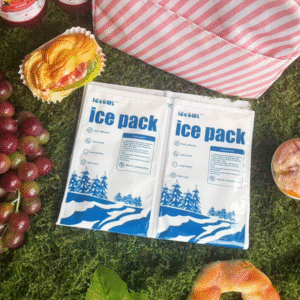
When shipping insulin, maintaining a stable, safe temperature is crucial for its efficacy. The correct temperature for insulin is between 2°C and 8°C. Dry ice packs offer an efficient and reliable solution for shipping insulin, ensuring it remains in the desired temperature range. In this article, we explore how dry ice packs can help in the safe and effective transport of insulin, covering best practices, regulatory compliance, and innovations in the cold chain industry as of 2025.
Understand why dry ice packs are essential for insulin shipping and the ideal temperature range for insulin.
Learn the best practices for handling dry ice to ensure safe and compliant insulin shipments.
Stay updated on 2025 regulations and guidelines for shipping insulin with dry ice.
Find answers to common questions on dry ice, packaging, and compliance for insulin shipping.
Why Are Dry Ice Packs Essential for Shipping Insulin?
Dry ice is the ideal solution for shipping insulin because it maintains ultracold temperatures, essential to preserving insulin’s potency during long shipments. Insulin is highly sensitive to temperature fluctuations, and exposure to temperatures outside the recommended 2°C to 8°C range can degrade its efficacy.
Dry ice, at a temperature of approximately –78.5°C, can maintain an ultracold environment for an extended period, making it suitable for long-distance shipments. Additionally, dry ice sublimates directly into gas without leaving moisture, preventing any water damage to insulin or packaging, which is crucial for ensuring safe delivery.
The Role of Temperature Control in Insulin Shipping
| Factor | Dry Ice Pack | Gel Pack | What This Means for You |
|---|---|---|---|
| Temperature Range | –78.5°C (ultracold) | 2–8°C (refrigerated) | Dry ice is needed to keep insulin frozen during long shipments. |
| Duration | 24–72 hours (depending on conditions) | 12–48 hours | Dry ice lasts longer, ensuring insulin stays within the safe range. |
| Safety | Requires venting and proper labeling | No special handling required | Dry ice needs careful handling, but it is effective for deep freezing insulin. |
What Are the Best Practices for Using Dry Ice Packs for Insulin Shipping?
Using dry ice for insulin shipping requires following specific guidelines to ensure the insulin remains within the safe temperature range while complying with regulations.
1. Calculate the Required Amount of Dry Ice
The amount of dry ice used depends on the shipment’s duration, insulation quality, and ambient temperature. A general rule is to use about 1 to 1.5 lbs (0.45–0.68 kg) of dry ice per 24 hours of shipping. Adjust the quantity according to the specific conditions of the shipment.
2. Ensure Proper Venting in Packaging
Dry ice sublimates into carbon dioxide (CO₂), creating pressure inside sealed containers. To prevent rupture, it is essential to have proper venting in the packaging to allow the CO₂ to escape safely.
3. Correct Labeling
All shipments containing dry ice must be labeled with the UN1845 code, Class 9 hazard labels, and the net weight of the dry ice. This is required by IATA and 49 CFR for air transport.
4. Use Appropriate Insulation
Insulating the packaging properly will help minimize the sublimation rate of dry ice, prolonging its cooling efficiency. High-quality foam or vacuum-insulated panels (VIP) are commonly used for insulation.
Insulin Packaging Guidelines for Safety and Compliance
| Packaging Element | Requirements | Why It Matters |
|---|---|---|
| Insulation | High-quality foam or VIP | Reduces heat transfer and preserves dry ice longer. |
| Venting | Vent holes or permeable packaging | Prevents CO₂ buildup and ensures safety. |
| Labeling | UN1845, Class 9, net dry ice weight in kg | Ensures compliance with regulations and safety standards. |
| Temperature Logging | Use of temperature data loggers | Verifies that insulin stays within the required temperature range. |
Dry Ice Packs vs Gel Packs for Insulin: Which Is Better?
Both dry ice and gel packs are used for temperature control during shipping, but they serve different needs.
Dry Ice Packs: Ideal for Long-Duration and High-Temperature Conditions
Dry ice is extremely effective for keeping insulin frozen during extended transport times, especially in hot climates or when the shipment has to endure temperature fluctuations. It remains cooler for longer durations than gel packs, which are more suitable for short trips.
Gel Packs: Convenient but Limited for Long Shipments
Gel packs work well for keeping insulin within the 2°C to 8°C range during shorter shipments or in moderate temperatures. However, they cannot maintain the extremely low temperatures needed to prevent insulin from freezing during long trips.
| Factor | Dry Ice Pack | Gel Pack | What This Means for You |
|---|---|---|---|
| Temperature Range | –78.5°C (ideal for frozen items) | 2–8°C (ideal for refrigerated items) | Dry ice is necessary for frozen goods like insulin. |
| Duration | Lasts 24–72 hours (depending on conditions) | Typically lasts 12–48 hours | Dry ice provides longer cooling for extended transport. |
| Handling & Safety | Requires proper venting and hazardous labeling | No special labeling or handling required | Dry ice requires more precautions but is effective for insulin. |
How to Stay Compliant When Shipping Insulin with Dry Ice
As of 2025, the shipping of insulin with dry ice is subject to various regulations. To ensure compliance, follow these steps:
1. UN1845 Marking
Shipments containing dry ice must be marked with UN1845 and must include the appropriate Class 9 hazard labels. This helps transport authorities identify the hazardous nature of the material.
2. Shipping Documentation
If shipping by air, ensure that the air waybill (AWB) includes the net weight of the dry ice used. Proper documentation is necessary to avoid shipment delays or penalties.
3. Temperature Monitoring
To ensure that insulin remains within the safe temperature range of 2°C to 8°C, use temperature data loggers. These devices monitor the shipment’s temperature throughout the journey.
Regulatory Checklist for Insulin Shipments
| Regulatory Requirement | What It Means | Compliance Actions |
|---|---|---|
| UN1845 Labeling | Required for dry ice shipments | Apply the UN1845 label and Class 9 markings. |
| Hazardous Material Declaration | Dry ice is classified as hazardous | Fill out the necessary paperwork and declare the net dry ice weight. |
| Temperature Logging | Ensures insulin stays within the safe temperature range | Use temperature loggers to monitor conditions during transit. |
| Proper Venting | Prevent CO₂ buildup | Ensure the packaging allows CO₂ to escape safely. |
2025 Trends: How Will Dry Ice Packs for Insulin Evolve?
The cold chain logistics industry continues to innovate, especially in temperature-sensitive products like insulin. In 2025, several key developments are expected to shape the future of insulin shipping with dry ice:
1. Ecofriendly Dry Ice Production
Advancements in dry ice production are focusing on sustainability. New carbon capture technologies aim to reduce the carbon footprint of dry ice production, making it more environmentally friendly.
2. AI for Temperature Monitoring
Artificial intelligence (AI) is being incorporated into temperature monitoring systems. These systems provide real-time temperature control and alerts, improving reliability and reducing human error in monitoring insulin shipments.
3. Sustainable Packaging Solutions
The growing demand for eco-friendly solutions is pushing the development of more sustainable insulation materials, such as vacuum-insulated panels (VIP) and phase-change materials (PCMs), which help reduce waste and improve temperature control efficiency.
Frequently Asked Questions
Q1: How long can I ship insulin with dry ice?
Dry ice can maintain temperatures for 24–72 hours, depending on the amount used and the insulation of the packaging. This duration is usually sufficient for long-distance shipments.
Q2: What safety precautions do I need when shipping insulin with dry ice?
Ensure proper ventilation in the packaging to prevent CO₂ buildup. Label the package with UN1845, Class 9, and the net weight of the dry ice. Always handle dry ice with gloves to avoid frostbite.
Q3: Can I use gel packs instead of dry ice for insulin?
Gel packs are not suitable for insulin shipments requiring deep freezing. Dry ice is necessary to keep insulin at temperatures below 0°C. For shorter shipments or less sensitive items, gel packs may suffice.
Summary and Recommendations
Key Takeaways:
Dry ice packs are essential for maintaining the ultracold temperatures required for insulin shipments.
Proper venting, insulation, and labeling are necessary for safe and compliant shipping.
Temperature monitoring ensures that insulin remains within the required range during transport.
Next Steps:
Calculate your dry ice needs based on the shipment’s duration and packaging.
Implement proper safety measures, including venting and hazard labeling.
Stay compliant with 2025 regulations and ensure temperature tracking is in place.
About Tempk
Tempk specializes in cold chain packaging solutions tailored to the pharmaceutical and medical industries. We offer validated, eco-friendly packaging options that maintain temperature integrity from start to finish.
Ready to optimize your shipping process? Contact Tempk for expert advice and tailored cold chain solutions.
Dry Ice Packs for Cooler: How to Keep Items Frozen for Days

If you’re looking to keep items frozen for up to 72 hours, dry ice packs for cooler are the ideal solution. Dry ice maintains ultra-cold temperatures, making it perfect for preserving perishables or shipping temperature-sensitive items. This guide will cover everything you need to know about dry ice, from how it works to how to pack it safely for optimal performance.

What are the best dry ice packs for coolers for 24–72 hour trips?
How much dry ice should you use in your cooler for 48–72 hours?
What are the essential packing steps for safe dry ice transport?
How do you safely handle and dispose of dry ice during your trip?
What are the latest 2025 regulations for using dry ice for shipping?
What Are Dry Ice Packs for Coolers and How Do They Work?
Direct Answer:
Dry ice packs for cooler are solidified carbon dioxide (CO₂) that provide ultra-cold temperatures through sublimation (turning from solid to gas). Unlike regular ice, dry ice maintains temperatures much lower, making it perfect for keeping items frozen, even over extended periods.
Why Dry Ice Works:
Dry ice has a temperature of −78.5°C (−109.3°F), significantly colder than regular ice, which melts at 0°C (32°F). This makes dry ice more effective for maintaining sub-zero temperatures, especially during longer trips or shipments. If you need to keep your contents at −20°C (−4°F) or lower for hours or days, dry ice is the best option.
Dry Ice vs. Regular Ice in Coolers:
| Type of Ice | Temperature | Hold Time | Key Benefits |
|---|---|---|---|
| Dry Ice | −78.5°C (−109.3°F) | Up to 72 hours | Maintains ultra-low temperatures, no water mess |
| Regular Ice | 0°C (32°F) | 1–2 days | Easier to find, lower cost but melts faster |
How Much Dry Ice Do You Need for Your Cooler?
Direct Answer:
The amount of dry ice required depends on several factors, including the cooler’s insulation, the type of items being transported, and the duration of your trip. A good guideline is to use 5–10 pounds of dry ice per day for a well-insulated cooler. For a 72-hour period, you’ll need approximately 15–30 pounds of dry ice.
Why This Matters to You:
Cooler insulation plays a key role in extending dry ice life. A high-quality cooler, such as one made with polyurethane foam or vacuum insulation panels (VIP), will prevent heat from entering, thus extending the sublimation time of dry ice. Additionally, the surrounding environment temperature affects the rate at which dry ice sublimates.
Quick Calculation for 72-Hour Dry Ice Shipping:
Dry Ice (lb) = Daily Rate × Days × Safety Margin (1.15 to 1.25)
Example: 8 lb/day × 3 days × 1.20 ≈ 29 lb (≈13.2 kg)
| Cooler Type | Insulation | Dry Ice Use | Typical Hold Time | What This Means for You |
|---|---|---|---|---|
| EPS Coolers | Medium (1–1.5″) | 5–10 lb/day | 48–72 hours | Affordable, best for shorter trips |
| VIP Coolers | High (0.5–1″) | 3–6 lb/day | 72+ hours | Longer hold time with lower dry ice usage |
Step-by-Step Guide: How to Pack a Cooler with Dry Ice
Direct Answer:
Proper packing is essential to ensure your dry ice packs for cooler will maintain low temperatures for as long as possible. Key steps include layering dry ice, ensuring proper venting, and sealing the cooler in a way that allows gas expansion.
Steps for Packing:
Prefreeze Your Items:
Ensure all items are frozen before packing. Dry ice is most effective when it starts with cold or frozen contents.Use a Vented Cooler:
Select a cooler with ventilation or leave space for CO₂ gas to escape. Without venting, pressure can build up, which is dangerous.Layer Your Dry Ice:
Place dry ice at the top or bottom of the cooler. Dry ice should generally go on top of the items, as cold air sinks.Leave Space for Gas Expansion:
Don’t pack dry ice too tightly. Ensure space for gas to expand and escape.Seal the Cooler Loosely:
Don’t completely tape the cooler shut. A slight gap will allow the CO₂ gas to escape safely.Label Your Cooler:
Clearly mark the cooler with a label indicating that it contains dry ice, including the net weight in kilograms (UN1845).
Quick Checklist for Packing Dry Ice:
Prefreeze items before packing.
Choose a vented cooler with space for gas expansion.
Place dry ice on top of the items.
Leave room for gas to escape.
Ensure clear labels and markings (UN1845).
2025 Regulations: What You Need to Know About Using Dry Ice for Shipping
Direct Answer:
In 2025, regulations for shipping dry ice are primarily governed by IATA’s PI954 and FAA guidelines. When shipping or transporting dry ice, you need to follow specific rules about packaging, labeling, and venting.
Key Regulations:
IATA PI954:
Dry ice is classified as UN1845 and must be properly labeled. This includes marking the package with “Dry Ice” or “Carbon Dioxide, solid” and indicating the net weight in kilograms.TSA/FAA Regulations:
Limitations for air travel include 2.5 kg (5.5 lb) per person. Proper labeling and venting are required.Shipping Rules:
Dry ice is shipped under Class 9 packaging and must comply with IATA’s PI954 guidelines. Ensure you have the appropriate shipping documentation and waybills.
| Rule or Regulation | Limit/Requirement | What You Need to Do |
|---|---|---|
| IATA PI954 | Class 9, UN1845 | Label properly with net weight |
| TSA/FAA | 2.5 kg per passenger | Package must be vented and approved by the airline |
| Shipping | Vented packaging | Adhere to IATA standards, clear documentation |
Safety Tips for Handling Dry Ice
Direct Answer:
Handling dry ice can be hazardous if proper precautions aren’t followed. Here are essential safety tips to keep in mind:
Use Gloves:
Dry ice is extremely cold. Always wear cryogenic gloves when handling it to prevent burns.Ventilation:
Dry ice sublimates into CO₂ gas, so ensure the area is well-ventilated to avoid suffocation risks.Proper Disposal:
Never dispose of dry ice in sealed containers. Let it sublimate in an open space or a vented trash can.
Frequently Asked Questions
Q1: How much dry ice do I need for a 3-day trip?
For a 72-hour trip, you’ll need 15–30 lb of dry ice depending on your cooler and conditions.
Q2: Can I use dry ice for food shipping?
Yes, dry ice is perfect for shipping frozen food, but the package must be vented and labeled with net weight and shipping approval.
Q3: How do I dispose of dry ice safely?
Let dry ice sublimate outdoors in a well-ventilated area. Never dispose of it in a sealed container.
Q4: Is dry ice safe for shipping biological samples?
Yes, dry ice is commonly used for shipping biological samples, provided the packaging is properly vented and complies with IATA’s PI954 standards.
Summary & Recommendations
Dry ice packs are the ideal solution for keeping items frozen for extended periods, whether you’re shipping or traveling with them. For a 72-hour trip, use 15–30 lb of dry ice depending on your cooler and environmental conditions. Be sure to follow the packing steps, ensure proper labeling, and adhere to the 2025 regulations to keep everything safe. Always use gloves and ensure proper ventilation during handling and transport.
Action Steps:
Choose a vented, insulated cooler.
Calculate dry ice needs for 24–72 hours.
Label the cooler correctly with dry ice info.
Ensure proper packing and safety precautions.
Review TSA and shipping regulations before you go.
About Tempk
At Tempk, we specialize in custom cold chain solutions for long-haul transportation. Our vented dry ice coolers ensure your products stay frozen, whether you’re shipping food, pharmaceuticals, or biological samples. With robust packaging and verified performance, we help you meet the highest industry standards.
Call to Action:
Get in touch with us to find the right dry ice packs for your shipping needs today!
Dry Ice Packs 96 Cells: Complete Guide for Efficient Shipping

In the world of cold chain logistics, transporting temperature-sensitive goods like pharmaceuticals, biological samples, and perishable foods requires precision and care. Dry ice packs with 96 cells have become an essential tool in ensuring these goods stay at their required temperatures during transit. This guide will walk you through the use, benefits, and best practices for shipping with dry ice packs 96 cells in 2025, including how to stay compliant with current regulations and leverage the latest innovations.
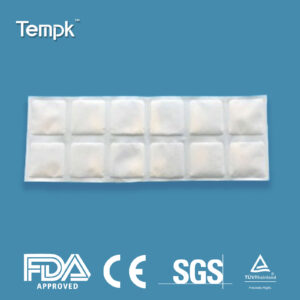
Understanding Dry Ice Packs: Learn what 96-cell dry ice packs are and how they help maintain consistent temperatures for sensitive goods.
Shipping Compliance: Know the labeling, packaging, and documentation requirements to stay compliant with 2025 regulations.
Best Practices: Discover practical packing and shipping tips to ensure your goods arrive safely and on time.
2025 Trends: Stay updated on the latest developments in dry ice shipping, including sustainability and technology advancements.
What Are Dry Ice Packs 96 Cells and How Do They Work?
Dry ice packs 96 cells are designed for the transportation of temperature-sensitive goods. These packs are composed of 96 small chambers filled with dry ice, which provides a consistent and controlled cooling environment for perishable items. The 96-cell configuration allows for gradual sublimation of the dry ice, ensuring that the temperature of the goods remains stable and safe for extended periods.
Why does this matter to you? When shipping pharmaceuticals, biological samples, or perishable foods, maintaining a specific temperature range (e.g., 2-8°C for many drugs) is critical. Traditional gel packs may not offer long enough cooling duration, which is where 96-cell dry ice packs shine. They are ideal for long-distance shipments, especially when traveling through hot climates or over multiple days.
Advantages of Dry Ice Packs 96 Cells
| Feature | Description | Benefits |
|---|---|---|
| Cooling Duration | Typically lasts up to 72 hours | Ensures reliable cooling for long-duration shipments |
| Cell Structure | 96 small chambers for uniform cooling | Prevents temperature fluctuations, ensuring even cooling |
| Material Compatibility | Suitable for pharmaceuticals, food, and biological samples | Maintains product integrity during transport |
How to Effectively Use Dry Ice Packs 96 Cells for Shipping
To maximize the effectiveness of dry ice packs 96 cells, follow these steps for proper packing, compliance, and shipping:
Step 1: Pre-Shipment Preparation
Before packing, ensure that your shipment and packaging are ready:
Pre-chill both your product and shipping container to avoid thermal shock, which could damage sensitive materials.
Calculate the right quantity of dry ice: A general guideline is 5-10 lbs of dry ice per 24 hours of transit, depending on insulation and ambient temperature conditions.
Avoid overpacking: Ensure that the number of dry ice packs is sufficient for the expected journey but not excessive, which can lead to dangerous CO₂ buildup.
Step 2: Proper Packing Techniques
Layer the dry ice packs on the bottom or sides of the container, ensuring there is a buffer between the dry ice and the goods to prevent freezing.
Vent the container: Always use a container that allows CO₂ gas to escape during sublimation. This is crucial to avoid pressure buildup, which could damage the package.
Seal properly: If using Styrofoam, ensure it is not sealed completely. Vent holes or plugs are necessary for safe shipping.
Step 3: Shipping and Monitoring
Monitor the temperature during transit using data loggers to ensure that your dry ice packs are performing as expected.
Communicate with the carrier to inform them of the dry ice contents and ensure they follow proper handling procedures.
When to Choose Dry Ice Packs 96 Cells Over Other Cold Chain Solutions
Dry ice packs 96 cells are ideal in situations where precise temperature control and extended cooling are necessary. Consider using them over traditional gel packs or phase change materials (PCMs) in these scenarios:
Long-Duration Shipments: For shipments exceeding 24 hours, dry ice packs 96 cells provide more consistent cooling.
Hot Climates: When shipping in high temperatures, dry ice provides more reliable cooling than other alternatives.
Critical Shipments: For high-value items like pharmaceuticals, vaccines, and biological samples, these packs offer superior protection and reliability.
Key Scenarios for Dry Ice Packs 96 Cells
| Scenario | Cooling Requirement | Why It Works |
|---|---|---|
| International Shipping | Long duration (3+ days) | Provides consistent cooling over multiple days, ensuring product safety |
| Tropical Regions | High ambient temperatures | Prevents temperature fluctuations that could damage sensitive goods |
| Biological Shipments | Precise 2-8°C control | Gradual sublimation prevents temperature spikes and ensures steady cooling |
Regulatory Compliance in 2025: How to Stay Safe
Shipping dry ice is regulated by various agencies, including the International Air Transport Association (IATA), the U.S. Department of Transportation (DOT), and the International Maritime Organization (IMO). To stay compliant:
Labeling: Clearly mark packages with “Dry Ice” or “Carbon Dioxide, Solid,” the UN1845 code, and the Class 9 hazard label.
Documentation: For air shipments, ensure that a Shipper’s Declaration for Dangerous Goods is included.
Weight Limits: Comply with IATA’s limit of 200 kg per package for air cargo, and check other carrier-specific rules.
Compliance Checklist
| Element | Required Action | Benefit |
|---|---|---|
| UN1845 Label | Ensure the UN1845 number is visible | Ensures global recognition and avoids shipment delays |
| Class 9 Label | Apply the Class 9 hazard label | Speeds up acceptance and reduces confusion |
| Shipper Declaration | Include if shipping via air and carrying >2.5 kg dry ice | Ensures compliance with hazardous material regulations |
| Weight Documentation | Accurately declare the weight of dry ice | Avoids fines and shipment rejections |
2025 Trends in Dry Ice Shipping: What’s New?
The cold chain logistics industry is continuously evolving. In 2025, key trends include:
Smart Packaging: IoT-enabled packaging provides real-time monitoring of dry ice conditions during transit.
Sustainability: More companies are turning to CO₂ recovery pelletizers and recyclable packaging materials to reduce their environmental impact.
Advanced Insulation: New insulation materials enhance dry ice efficiency by reducing sublimation rates and extending cooling durations.
Frequently Asked Questions
How long do dry ice packs 96 cells last during transit?
Dry ice packs 96 cells typically last between 48 to 72 hours, depending on the quantity used, insulation, and ambient temperature during transit.
Can dry ice packs 96 cells be used for food shipments?
Yes, these packs are ideal for shipping perishable foods like seafood, meats, and dairy, ensuring that they stay frozen during transit.
Are there weight limits for dry ice shipments?
Yes, air cargo shipments are limited to 200 kg of dry ice per package, while ground shipments generally have no weight restrictions but must follow other packaging and labeling guidelines.
Conclusion
Dry ice packs 96 cells are an essential tool for transporting temperature-sensitive goods. By adhering to the latest shipping regulations and implementing best practices, you can ensure that your shipments arrive safely and on time, while staying compliant with 2025 cold chain logistics standards.
Next Steps
Assess your shipping needs: Determine the required cooling duration and select the appropriate dry ice pack size.
Ensure compliance: Review your packaging, labeling, and documentation practices to align with 2025 regulations.
Contact Tempk: If you need assistance with packing or cold chain logistics, consult a Tempk expert to optimize your shipping process.
About Tempk
Tempk provides advanced cold chain solutions, including high-quality dry ice packs 96 cells. We specialize in ensuring the safe and efficient transport of temperature-sensitive goods across industries like pharmaceuticals, food, and biotechnology. Our products meet all regulatory requirements, ensuring smooth and compliant shipping.
Contact Tempk today for expert advice on your cold chain logistics needs.
Dry Ice Packs 24 Cells: The Ultimate Solution for Cold Chain Shipping in 2025
Dry Ice Packs 24 Cells: The Ultimate Solution for Temperature-Controlled Shipping in 2025
In temperature-sensitive industries like pharmaceuticals, food, and biotechnology, maintaining the integrity of products during transit is essential. Dry ice packs 24 cells offer an efficient and cost-effective way to ensure temperature control, keeping goods at the right temperature throughout long shipments. In this article, we will dive into the features, benefits, and applications of these versatile cooling packs, providing you with everything you need to know to optimize your cold chain logistics.
What are Dry Ice Packs 24 Cells, and how do they function?
Why should you use Dry Ice Packs 24 Cells for temperature-sensitive shipping?
How do Dry Ice Packs 24 Cells compare to other cooling solutions?
What industries benefit most from using Dry Ice Packs 24 Cells?
How to choose the right Dry Ice Pack for your needs?
What are the latest trends in cold chain logistics for 2025?
What are Dry Ice Packs 24 Cells and How Do They Function?
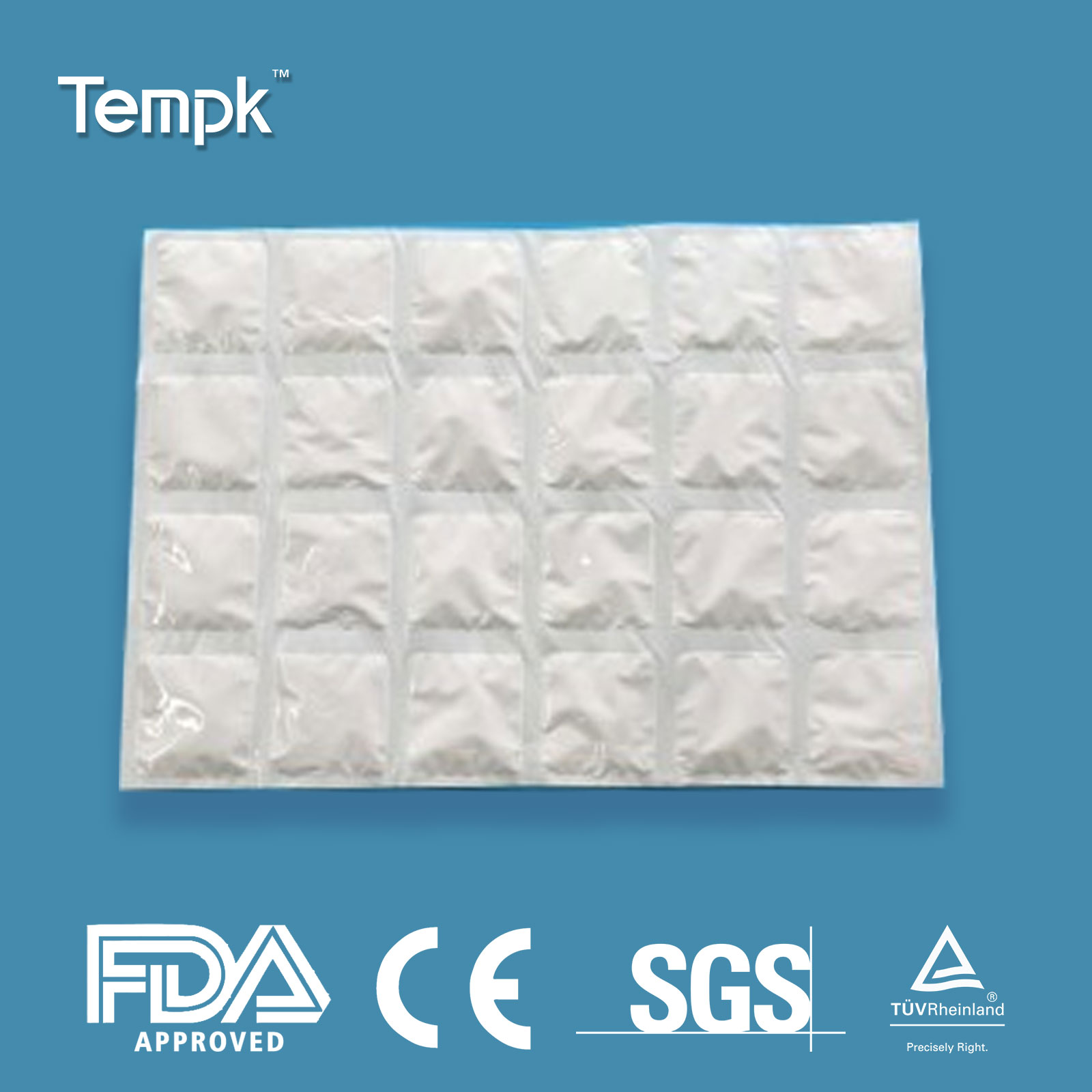
Dry ice packs 24 cells are flexible, modular cooling solutions designed to keep temperature-sensitive products chilled during transit. These packs consist of 24 individual pockets that are filled with dry ice or phase change material (PCM), which keeps items cold for an extended period. The packs are designed for flexibility and efficiency, maintaining consistent cooling throughout the journey.
The individual cells ensure uniform cooling, while their flexible design allows them to conform to the shape of the products inside. This eliminates the risk of cold spots and ensures a consistent temperature throughout the shipment.
Why are Dry Ice Packs 24 Cells Effective?
Dry ice packs 24 cells are superior to traditional ice packs in several ways:
Extended Cooling Duration: These packs can provide up to 72 hours of cooling, making them ideal for longer shipments. Unlike traditional ice packs that melt and raise the temperature of the package, dry ice remains cold throughout the journey.
Temperature Consistency: The evenly distributed cooling ensures that products remain within the required temperature range, preventing spoilage or degradation.
Lightweight and Compact: These packs are easy to handle, store, and transport, reducing shipping weight and improving efficiency.
Comparison Table: Dry Ice Packs vs Traditional Ice Packs
| Feature | Dry Ice Packs 24 Cells | Traditional Ice Packs |
|---|---|---|
| Cooling Duration | Up to 72 hours | Less than 24 hours |
| Temperature Consistency | Even and stable | May fluctuate |
| Storage Space | Compact and space-saving | Bulky and space-consuming |
Practical Example: Pharmaceutical companies shipping temperature-sensitive biologics benefit from dry ice packs 24 cells as they ensure consistent low temperatures for longer durations, keeping products safe throughout transit.
Why Should You Consider Dry Ice Packs 24 Cells for Temperature-Sensitive Shipping?
Temperature-sensitive shipping is essential for maintaining the quality of products in industries such as pharmaceuticals, biotechnology, and food and beverage. Dry ice packs 24 cells offer several key advantages for businesses in these sectors.
Key Benefits for Businesses
Reliable Cooling: With their ability to maintain near-freezing temperatures, dry ice packs 24 cells are ideal for pharmaceutical shipments such as vaccines, biologics, and medications, ensuring that the efficacy of these products is preserved.
Cost-Effectiveness: Although dry ice packs might come at a slightly higher initial cost, their longer cooling duration reduces the risk of product spoilage, making them more cost-effective in the long run.
Sustainability: Some dry ice packs 24 cells come with biodegradable packaging, offering an eco-friendly solution for temperature-sensitive shipments.
Helpful Tip: If you’re in the food or pharmaceutical industry, investing in dry ice packs 24 cells can significantly reduce spoilage rates and improve the efficiency of your shipping process.
How Do Dry Ice Packs Compare to Other Cooling Solutions?
When comparing dry ice packs 24 cells to traditional gel packs or liquid ice, several factors make them stand out:
Dry Ice vs Gel Ice Packs
| Aspect | Dry Ice Packs 24 Cells | Gel Ice Packs |
|---|---|---|
| Cooling Efficiency | Superior, near-freezing | Shorter cooling period |
| Weight | Lighter and more compact | Bulkier and heavier |
| Cost | Higher upfront cost but cost-effective in the long run | Lower initial cost, but less effective |
When to Use Dry Ice Packs Over Gel Packs: If you are shipping biological samples that require a constant sub-zero temperature, dry ice packs are the best option. On the other hand, for less sensitive products, gel packs may suffice.
How to Choose the Right Dry Ice Pack for Your Needs
Choosing the appropriate dry ice pack for your shipment is crucial. Here are a few factors to consider:
1. Size and Weight of Shipment
For larger shipments, you may need more cells or bigger packs to ensure consistent cooling throughout the transit period.
2. Duration of Transport
If your shipment will take more than 48 hours, choose a larger pack or additional cells to ensure adequate cooling.
3. Temperature Requirements
Certain items like vaccines or biological research samples may require specific temperature ranges. Ensure the pack you choose matches the required cooling capacity.
Practical Tip: If you’re shipping over long distances, consider using multiple dry ice packs to maintain consistent temperatures and avoid temperature fluctuations.
2025 Trends in Cold Chain Logistics
Innovations Shaping Cold Chain Logistics
As we move into 2025, the cold chain logistics industry is undergoing significant transformations. Emerging technologies are enabling better control, efficiency, and sustainability in the shipping of temperature-sensitive products.
Key Developments:
Smart Sensors: These sensors track temperature fluctuations in real-time, ensuring that temperature-sensitive goods are kept within the required range throughout the shipment.
Eco-Friendly Alternatives: Companies are investing in biodegradable dry ice packs and other sustainable packaging options to reduce the environmental impact of cold chain logistics.
Market Insights
The global cold chain logistics market is experiencing rapid growth, driven by the increasing demand for temperature-sensitive goods, particularly in the pharmaceutical and food sectors. Innovations like dry ice packs 24 cells are at the forefront of this growth, providing an efficient, eco-friendly solution to meet the rising demand for high-quality cold chain services.
Frequently Asked Questions
Q1: How long do dry ice packs 24 cells last?
Dry ice packs typically last between 48-72 hours, depending on the environment, insulation, and the number of packs used.
Q2: Can dry ice packs be reused?
No, dry ice packs are not reusable, as the dry ice sublimates after use. However, the packaging can often be recycled.
Conclusion and Recommendations
Dry ice packs 24 cells are a reliable, efficient, and cost-effective solution for businesses in industries requiring temperature-sensitive shipping. By maintaining a consistent low temperature for extended periods, these packs help ensure that products arrive in optimal condition. Investing in dry ice packs can reduce spoilage, lower shipping costs, and improve your cold chain logistics.
Actionable Tip: If you’re looking to improve your cold chain logistics, consider integrating dry ice packs 24 cells into your shipping processes to optimize temperature control and ensure your products are safely delivered.
About Tempk
At Tempk, we specialize in providing high-quality cold chain solutions, including dry ice packs 24 cells, to industries such as pharmaceuticals, food, and biotechnology. With years of expertise, we ensure that your products are transported safely, efficiently, and in compliance with all regulations.
Contact us today to learn more about how we can help optimize your cold chain logistics and improve your shipping reliability!
Dry Ice Packaging Requirements for 2025: Complete Guide for Safe Shipping

Dry Ice Packaging Requirements for 2025: A Comprehensive Guide
In 2025, the logistics of shipping temperature-sensitive products like pharmaceuticals, biologics, and food demand precise dry ice packaging compliance. Dry ice, which sublimates at -78.5°C, plays a critical role in cold chain logistics by maintaining required low temperatures without the risk of melting. However, its handling is tightly regulated. This guide provides a detailed breakdown of the updated dry ice packaging requirements for 2025, ensuring your shipments stay safe, compliant, and efficient.

What are the key dry ice packaging requirements for 2025?
How to ensure compliance with UN1845 and PI 954?
What impact do 2025 regulations have on dry ice packaging?
How to prevent common mistakes in dry ice packaging?
What are the best practices for packing dry ice safely and efficiently?
What Are the Key Dry Ice Packaging Requirements for 2025?
In 2025, dry ice packaging regulations are guided primarily by the IATA Packing Instruction 954 (PI 954) and UN1845, ensuring safety and proper labeling. Key requirements include:
Venting: Packages must allow the escape of CO₂ gas to prevent pressure buildup.
Proper Labeling: Every shipment needs to be clearly labeled with the UN1845 number, the weight of the dry ice, and a Class 9 hazard symbol.
Packaging Materials: Use strong, insulated materials that permit safe sublimation of CO₂ gas. Suitable options include Styrofoam coolers and plastic-lined boxes.
Weight Limit: Air shipments are restricted to 200 kg of dry ice per package.
Real-world Example:
A global pharmaceutical company enhanced its dry ice packaging compliance by rigorously following PI 954 and UN1845 guidelines, ensuring flawless audits and timely delivery of temperature-sensitive products.
How Do I Pack Dry Ice for 2025 Compliance?
Packing dry ice correctly in 2025 requires adherence to multiple safety and regulatory standards:
Step-by-Step Packing Process
Choose Insulated Containers: Use materials like Styrofoam or plastic coolers. These must be capable of withstanding the extreme cold of dry ice without compromising safety.
Venting: Ensure containers are vented to allow CO₂ gas to escape, preventing pressure buildup.
Dry Ice Placement: Position the dry ice on top of the shipment. As dry ice is heavier than air, placing it on top helps maintain the correct temperature for sensitive products.
Sealing and Labeling: Ensure the container is sealed but vented, and label it with UN1845, Class 9 symbols, and the net weight of the dry ice.
Best Practices
Weight Verification: Double-check that the total dry ice weight does not exceed the 200 kg limit for air shipments.
Use IATA’s Checklist: Regularly follow the IATA checklist to ensure compliance with all safety standards and documentation requirements.
| Requirement | Details | Implications for You |
|---|---|---|
| UN1845 Label | “Carbon dioxide, solid (dry ice)” | Ensures shipment identification and regulatory compliance |
| Vented Packaging | Proper venting for CO₂ gas release | Prevents rupture and ensures safety |
| Weight Limit | 200 kg per package for air transport | Avoids non-compliance and shipment delays |
| Documentation | Accurate net weight and shipper details | Essential for audits and customs clearance |
How Do New 2025 Regulations Impact Dry Ice Packaging?
The 2025 regulations introduce stricter safety and compliance protocols, including updates to IATA PI 954 and the DGR (Dangerous Goods Regulations). The most significant changes include:
Enhanced Venting Regulations: More stringent requirements for CO₂ gas escape to prevent dangerous pressure buildup inside the containers.
Digital Air Waybills (eAWB): Increasingly adopted worldwide, eAWBs will require more precise tracking and documentation of shipments.
Temperature Monitoring: Certain shipments, especially pharmaceuticals and biologics, now require real-time temperature monitoring to ensure product integrity during transit.
Key Changes to Note:
eAWB Adoption: Mandatory in more regions by 2025, improving efficiency and compliance.
Pressure Testing: Stricter packaging pressure testing guidelines to withstand the release of CO₂ gas.
Regulatory Updates: Some regions have introduced tighter restrictions on CO₂ venting to prevent unsafe buildup.
Common Mistakes in Dry Ice Packaging and How to Avoid Them
Dry ice packaging errors can lead to shipment delays, compliance issues, or even damage to sensitive products. Here are the most common mistakes and how to avoid them:
Improper Ventilation: Failing to vent packages allows CO₂ gas to accumulate, which can cause the package to rupture. Always ensure packaging allows gas to escape.
Incorrect Labeling: Missing or incorrect UN1845 labels can delay shipments or lead to fines. Verify that all labels are applied correctly.
Overloading the Package: Exceeding the 200 kg weight limit can lead to non-compliance. Stick to the specified weight limits.
Inadequate Packaging Material: Using unapproved or damaged packaging can cause temperature fluctuations. Only use materials that meet the required standards.
Key Trends in Dry Ice Packaging for 2025 and Beyond
As we look towards the future of dry ice packaging, key trends indicate a shift toward sustainability, automation, and technology integration.
Sustainability Initiatives: Companies are moving towards biodegradable packaging and reusable shippers to reduce environmental impact.
Automation in Cold Chain Logistics: Smart sensors are becoming a standard feature in dry ice packaging, enabling automated temperature and gas monitoring.
Innovative Packaging Solutions: New materials that extend the cooling duration of dry ice shipments are being introduced, optimizing product safety.
2025 Trends and Future Developments in Dry Ice Packaging
With the global demand for temperature-sensitive products growing, especially in pharmaceuticals and biotech, the dry ice packaging industry is seeing significant developments. Innovations include IoT monitoring systems for real-time temperature data and the rise of portable dry ice generators to minimize transportation costs.
Market Growth: The dry ice packaging market is expected to grow significantly as the demand for biologics, vaccines, and frozen food rises. Analysts predict a 7.6% annual growth rate from 2025 to 2032.
Sustainable Packaging Solutions: The trend toward using recyclable and biodegradable materials is accelerating, driven by both consumer demand and regulatory pressures.
FAQ: Dry Ice Packaging Requirements
Q1: What is the maximum weight of dry ice allowed per package for air shipments?
A: Up to 200 kg of dry ice per package is allowed for air shipments under IATA regulations.
Q2: Can I reuse my dry ice packaging materials?
A: Yes, reusable packaging materials are permitted, but they must be inspected for structural integrity and cleanliness before reuse.
Q3: How can I prevent pressure buildup in my dry ice shipment?
A: Use vented packaging that allows CO₂ gas to escape and avoid sealing seams completely to prevent pressure buildup.
Conclusion and Recommendations
To ensure compliance with dry ice packaging requirements in 2025, it is crucial to follow the latest regulations and best practices. Focus on proper ventilation, accurate labeling, and using the right packaging materials. Regularly train your team on updated SOPs and stay informed about regulatory changes.
Next Steps:
Review and update your dry ice packaging SOPs to meet 2025 standards.
Invest in sustainable packaging solutions to minimize environmental impact.
Implement real-time temperature monitoring for sensitive shipments.
About Tempk
At Tempk, we specialize in providing compliant dry ice packaging solutions that ensure the safe transport of your temperature-sensitive goods. Our materials meet all IATA and UN1845 requirements, ensuring that your shipments are safe, compliant, and efficient.
Ready to ensure your shipments are compliant? Contact us today for personalized guidance.
Dry Ice vs Gel Packs: Which is Best for 48/72 Hour Shipments?

When shipping temperature-sensitive goods, the right refrigerant is crucial. Whether it’s dry ice or gel packs, each option has its strengths and weaknesses. This article will help you choose the best solution for shipments lasting 48 or 72 hours, considering factors like cost, effectiveness, and environmental impact.
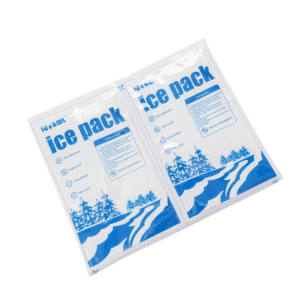
Dry Ice: Ideal for maintaining frozen conditions, with a cooling range of -109°F (-78°C).
Gel Packs: Perfect for moderate cooling (2–8°C), effective for products that need to stay cool, but not frozen.
Hybrid Solutions: A combination of both can optimize temperature control.
What Are the Key Differences Between Dry Ice and Gel Packs for Long-Duration Shipments?
Dry ice and gel packs serve distinct purposes, and understanding their differences is crucial for determining which is best suited for your shipment. Below is a comparison based on key features:
| Feature | Dry Ice Pack | Gel Pack |
|---|---|---|
| Temperature Range | -109°F (-78°C) | 32°F (0°C) |
| Cooling Duration | 24-72 hours (depending on quantity) | 24-48 hours (depending on size) |
| Cost | Higher | Lower |
| Environmental Impact | CO₂ emissions | Biodegradable water-based gel |
| Best For | Frozen goods (pharma, food) | Chilled goods (cosmetics, electronics) |
Dry Ice: When is It the Right Choice?
Dry ice provides ultra-low temperatures, making it ideal for products that need to remain frozen for extended periods. The sublimation process, which turns solid CO₂ directly into gas, absorbs heat, keeping the products at extremely low temperatures.
Key Advantages of Dry Ice:
Extended Cooling Duration: Maintains freezing conditions for up to 72 hours with proper insulation.
No Liquid Residue: Unlike gel packs, dry ice sublimates directly, leaving no moisture that could damage packaging.
Highly Effective for Deep-Freezing: Essential for products that need to remain frozen like vaccines, frozen food, and lab samples.
Considerations:
Handling: Requires insulated gloves and safe handling due to the extremely low temperatures.
Regulatory Compliance: Larger shipments require special labeling and handling procedures under regulations like IATA.
Best Use Cases:
Pharmaceuticals: Medical products that require sub-zero temperatures.
Frozen Food: Ideal for keeping products like meats and ice cream frozen.
Laboratory Samples: Scientific specimens that need freezing during transport.
Gel Packs: When to Use Them?
Gel packs are designed to maintain a temperature range of 2–8°C, perfect for goods that need cooling but not freezing.
Key Advantages of Gel Packs:
Affordability: More cost-effective for shipments that don’t require extreme cold.
Non-Hazardous: Easy to handle and don’t require special equipment or ventilation.
Reusable: Can be refrozen and reused, making them a more sustainable option.
Considerations:
Cooling Duration: Gel packs typically last only 24-48 hours and might not be suitable for longer shipments.
Condensation: When they thaw, condensation can form and potentially cause damage if not managed properly.
Best Use Cases:
Perishable Foods: Ideal for shipments of fresh produce or dairy products.
Cosmetics: Many cosmetics require cool storage but not freezing.
Electronics: To protect sensitive electronics from heat damage.
Combining Dry Ice and Gel Packs for Longer Shipments
For shipments approaching the 72-hour mark, combining both dry ice and gel packs can offer a balanced solution. By placing gel packs around the perimeter and dry ice in the center, you can ensure that the center remains frozen while the edges stay cool, preventing any items from freezing unnecessarily.
2025 Trends in Cold Chain Shipping
Sustainability in Packaging:
The cold chain industry is leaning towards more sustainable solutions. Gel packs are becoming increasingly popular due to their biodegradable nature, while dry ice production is being enhanced to reduce CO₂ emissions through new methods like carbon-negative dry ice production.
Innovations in Temperature-Controlled Shipping:
New technologies such as phase-change materials (PCMs) and smart ice sensors are revolutionizing cold chain logistics. These advancements allow for more precise control and tracking of temperatures during transit, ensuring that temperature-sensitive goods are shipped more efficiently.
Frequently Asked Questions
Q1: Can dry ice be used for medical shipments?
Yes, dry ice is perfect for medical shipments that require freezing conditions. It’s widely used for transporting vaccines, blood, and other medical supplies.
Q2: How long do gel packs last in transit?
Gel packs typically last 24-48 hours, depending on the size and insulation used. They’re best for products that need to stay cool but not frozen.
Q3: Are gel packs eco-friendly?
Yes, gel packs are made from water-based materials and are biodegradable, making them a more environmentally friendly option compared to dry ice.
Conclusion
When deciding between dry ice and gel packs for your 48-72 hour shipments, consider the nature of your product and the temperature it requires. Dry ice is ideal for freezing conditions, while gel packs are suitable for products that need to stay cool but not frozen. Always weigh the cost, handling requirements, and environmental impact of each option.
Call to Action: Consult with our temperature-controlled logistics experts today to find the best solution for your next shipment.
About Tempk
Tempk is a leader in sustainable cold chain solutions. Our products are designed to meet the rigorous demands of temperature-sensitive shipping while minimizing environmental impact. With expertise in both dry ice and gel pack solutions, we ensure your shipments arrive safely and within the required temperature range.
Contact Us today to explore how we can optimize your cold chain logistics.
Dry Ice Pack vs Gel Pack: Best Choice for Cold Chain Shipping

Dry Ice Pack vs Gel Pack: Which One Should You Choose for Your Cold Chain Shipping?
When it comes to cold chain logistics, selecting the right cooling method is essential for ensuring that your temperature-sensitive products reach their destination in optimal condition. The choice between a dry ice pack and a gel pack often depends on various factors such as temperature requirements, shipping duration, safety considerations, and cost. This guide will walk you through the differences between these two popular options and help you determine which is the best for your needs.
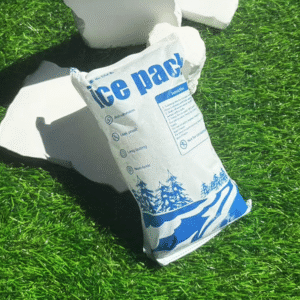
The key differences between dry ice packs and gel packs in cold chain logistics.
How to choose the best option based on your product’s specific temperature needs and shipping conditions.
The advantages and disadvantages of dry ice and gel packs in terms of safety, cost, and duration.
How to optimize your cold chain packaging and choose the right solution for different shipping scenarios.
What Are the Key Differences Between Dry Ice Packs and Gel Packs?
Dry ice packs and gel packs serve distinct purposes in the cold chain. Understanding their individual features will allow you to select the right one for your shipping needs.
Dry Ice Packs: The Ultra-Cold Solution
Dry ice is solid carbon dioxide (CO₂) that sublimates directly into gas, cooling its surroundings to a temperature of –78.5°C (–109.3°F). This extreme cold is necessary for maintaining deep-freezing conditions required for products like frozen food, pharmaceuticals, and biological samples. Dry ice packs are ideal for shipments where subzero temperatures are essential.
Gel Packs: The Refrigerated Solution
Gel packs, in contrast, are typically filled with a polymer gel or saline solution that freezes at temperatures just below 0°C (32°F). While they can’t achieve the extreme cold of dry ice, gel packs maintain a consistent, refrigerated temperature range (usually between 2°C to 8°C). They are ideal for items that need to stay cool but not frozen, such as dairy products, cosmetics, or certain pharmaceuticals.
Temperature Range and Duration: Dry Ice vs Gel Packs
| Factor | Dry Ice Pack | Gel Pack | What This Means for You |
|---|---|---|---|
| Temperature Range | –78.5°C (ultracold) | 2–8°C (refrigerated) | Dry ice is best for frozen goods, gel packs for cool temperatures. |
| Duration | 24–72 hours (depends on insulation) | 12–48 hours (depends on size/insulation) | Dry ice lasts longer, but gel packs offer more predictable cooling. |
| Reusability | Single-use (sublimates) | Reusable (if not damaged) | Gel packs are more cost-effective for repeated shipments. |
| Safety | Requires special handling and labeling | Safer to handle, no special precautions | Dry ice requires more precautions due to CO₂ gas risks. |
Cost Comparison: Which One is More Economical?
Cost is a major factor when deciding between dry ice packs and gel packs. Here’s a breakdown of the cost differences:
| Cost Factor | Dry Ice Pack | Gel Pack | What This Means for You |
|---|---|---|---|
| Initial Cost | Higher due to handling, packaging, and safety | Lower due to minimal handling | Gel packs are cheaper for frequent shipments. |
| Reusability | Non-reusable | Reusable (if undamaged) | Gel packs offer long-term savings. |
| Shipping Costs | Heavier, bulkier, and may incur extra fees | Lighter, less space-consuming | Gel packs tend to be cheaper to ship. |
Dry ice packs tend to be more expensive overall due to their handling requirements, special packaging, and the fact that they are single-use. They are also heavier, which can add to shipping costs. On the other hand, gel packs are more cost-effective, especially for short-term shipments, as they can be reused multiple times.
Which One is Safer: Dry Ice Pack or Gel Pack?
Safety considerations are crucial when shipping temperature-sensitive goods. Both dry ice packs and gel packs have their safety protocols, but dry ice comes with additional risks.
Dry Ice Safety Considerations:
CO₂ Gas Risk: Dry ice sublimates into carbon dioxide, which can displace oxygen in confined spaces and pose an asphyxiation hazard if not properly vented.
Handling Hazard: Dry ice can cause severe frostbite if touched directly, requiring gloves and protective equipment.
Special Packaging and Labeling: Dry ice shipments require proper labeling (UN1845, Class 9) and venting to prevent CO₂ buildup and container rupture.
Gel Pack Safety:
Non-Toxic and Safe to Handle: Gel packs are non-toxic and do not release gases, making them safer and easier to handle.
No Special Packaging Requirements: Gel packs do not require special labeling or safety measures, though they still need to be stored at the correct temperature to maintain their effectiveness.
When Should You Use Dry Ice vs Gel Packs?
Choosing between dry ice packs and gel packs comes down to your product’s specific temperature requirements and the length of the shipment. Here’s a quick guide on when to use each:
When to Use Dry Ice:
Frozen goods: Ideal for ice cream, meat, seafood, and pharmaceuticals that must remain at subzero temperatures.
Long-distance shipments: Dry ice is preferred for international shipments or long transit times, where a prolonged frozen state is required.
Sensitive biological or medical samples: Items like blood samples, vaccines, and biologics that require deep freezing.
When to Use Gel Packs:
Refrigerated items: Perfect for dairy products, chocolates, cosmetics, and fresh produce that need to stay cool (2–8°C) but not frozen.
Shorter shipments: Gel packs are ideal for regional or same-day deliveries where maintaining a cool but not frozen state is sufficient.
Budget-conscious shipments: If the product doesn’t need to be frozen, gel packs offer a cost-effective solution.
2025 Trends in Cold Chain Technology
As the cold chain industry evolves, new trends are emerging, especially as businesses focus on sustainability and technology-driven solutions.
Latest Developments:
Dry Ice Innovations: New formulations of dry ice that sublimate more slowly and come with eco-friendly labels are reducing environmental impact.
Gel Pack Advancements: Many companies are now offering gel packs with extended cooling durations, making them more suitable for longer shipments.
Smart Temperature Monitoring: Advanced temperature sensors are being integrated into packaging to provide real-time tracking, reducing the risk of temperature excursions.
FAQs: Dry Ice Pack vs Gel Pack
Q1: Can I use gel packs for shipping frozen items?
No, gel packs are designed for cooling, not freezing. For frozen items, dry ice is necessary.
Q2: How long do gel packs last compared to dry ice?
Gel packs typically last between 12–48 hours depending on the conditions, while dry ice can last 24–72 hours, making it suitable for longer shipments.
Q3: Are gel packs reusable?
Yes, gel packs can be refrozen and reused, making them a more cost-effective solution for regular shipments.
Summary and Recommendations
Key Takeaways:
Dry ice packs are best for items that need to remain frozen for long periods, such as frozen foods and sensitive biological samples.
Gel packs are ideal for refrigerated goods and shorter shipments, offering a more cost-effective and safer solution for less sensitive items.
Choose the right solution based on your product’s temperature requirements, shipping duration, and budget.
Next Steps:
Assess your product’s temperature needs: Determine whether your shipment needs freezing or refrigeration.
Test packaging solutions: Experiment with dry ice and gel packs to determine the best performance for your shipments.
Ensure safety and compliance: Follow safety protocols and regulations for hazardous materials like dry ice.
About Tempk
At Tempk, we specialize in providing tailored cold chain logistics solutions that meet the diverse needs of industries such as food, pharmaceuticals, and biotechnology. Our expertise in temperature-controlled packaging and regulatory compliance ensures your products reach their destination safely and efficiently. Whether you need dry ice, gel packs, or hybrid solutions, we have the right products to keep your shipments at the ideal temperature.
Ready to optimize your temperature-controlled shipping? Contact Tempk today for a personalized consultation.
Dry Ice Pack TSA Airplane: 2025 Travel Rules & Packing Guide

Dry Ice Pack TSA Airplane: What’s Allowed in 2025?
Flying with a dry ice pack in 2025 is possible—whether you’re transporting frozen food, meat, or medicines—but it’s crucial to understand the strict TSA, FAA, and airline regulations. You can carry up to 2.5 kg (5.5 lb) of dry ice in your carry-on or checked baggage, provided it’s packaged properly and has airline approval. Below, we walk through everything you need to know to ensure smooth travel.
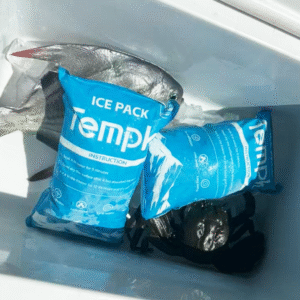
How much dry ice can you carry in 2025? Find the latest TSA and FAA regulations.
What are the packaging and labeling requirements? Ensure safe and compliant travel.
Carry-on vs. checked baggage rules: What are the key differences?
How to pack your dry ice pack TSA-compliant: Step-by-step guide.
What to do if you’re flying with meat or frozen food? Specialized advice for perishable goods.
What is the Official Limit for a Dry Ice Pack TSA Airplane Trip?
Direct Answer:
The FAA and TSA allow you to bring up to 2.5 kg (5.5 lb) of dry ice per passenger in both carry-on and checked baggage, but the container must be vented, properly marked, and airline-approved.
Why This Matters:
Dry ice sublimates, releasing carbon dioxide (CO₂) gas, which can be hazardous if not properly ventilated. The TSA checks your container at security, and the FAA sets the weight limit to ensure that the CO₂ gas doesn’t pose a risk to passengers or crew.
Key Packing and Labeling Requirements:
Vented Packaging: Your cooler must allow the gas to escape. This prevents pressure from building up, which could lead to hazardous situations.
Clear Marking: Packages must display the words “Dry Ice” or “Carbon Dioxide, solid” along with the net weight in kilograms (e.g., “2.5 kg”).
Airline Approval: You must notify your airline in advance, and approval is required for both carry-on and checked baggage.
| Path | What You Carry | Max Dry Ice | Labels & Documents | What to Tell Staff |
|---|---|---|---|---|
| Carry-on baggage | Vented cooler | 2.5 kg (5.5 lb) | “Dry Ice” + net kg | “Frozen food with dry ice, under 2.5 kg.” |
| Checked baggage | Vented cooler inside suitcase or standalone | 2.5 kg (5.5 lb) | “Dry Ice” + net kg | “Dry ice marked on bag, ≤ 2.5 kg.” |
| Air cargo shipment | Insulated shipper, UN 1845 | Varies | PI 954 + Class 9 + waybill entries | “UN 1845, PI 954, net kg on package.” |
How Do Carry-on vs. Checked vs. Cargo Rules Differ?
Direct Answer:
Both carry-on and checked baggage allow dry ice (up to 2.5 kg), but cargo shipments follow different rules (IATA PI 954) requiring Class 9 hazard labels and waybill entries.
Explanation:
While passengers follow TSA/FAA rules, shippers follow IATA Dangerous Goods Regulations (DGR). Dry ice in passenger baggage requires marking with “Dry Ice” and the net weight; in contrast, cargo shipments require more detailed labeling and documentation.
Specialized Airlines Policies (2025)
Major airlines, including Delta, United, and American Airlines, follow FAA/TSA regulations, requiring vented containers and clear labeling. Always check with your carrier for specific requirements, as some airlines may ask for prior approval.
How to Pack a Dry Ice Pack TSA-Compliant Cooler?
Direct Answer:
For smooth screening, ensure your cooler is vented, clearly marked, and packed following the correct guidelines. Below is a step-by-step guide for preparing your dry ice pack TSA airplane compliant cooler.
Step-by-Step Packing Instructions:
Pre-freeze your food or medicine thoroughly before packing.
Choose a vented cooler that meets carry-on or checked baggage size rules.
Layer dry ice on top of the items. Cold air sinks, so dry ice placed on top ensures better cooling.
Ensure the cooler is vented—never seal it airtight to allow CO₂ gas to escape.
Mark the cooler with the words “Dry Ice” or “Carbon Dioxide, solid” and the net weight.
Consider adding absorbent materials to manage condensation and prevent wet ice.
Pro Tip:
For fast TSA screening, keep the vent visible and explain that your package contains frozen food or medicine with dry ice under 2.5 kg.
Dry Ice vs. Gel Packs: Which Is Best for Air Travel?
Direct Answer:
Use dry ice for longer trips or when you need items to stay frozen. Gel packs are more convenient for shorter trips, but they must remain fully frozen at TSA security.
| Cooling Method | Temperature Range | TSA/FAA Restrictions | Advantages | Drawbacks |
|---|---|---|---|---|
| Dry Ice | –109 °F (–78 °C) | 2.5 kg max, vented container | Long-lasting cooling, ideal for meat, fish | Requires handling precautions, risk of frostbite |
| Gel Packs | 0 °C to –15 °C | Must be frozen at screening | Easy to handle, reusable | Thaws quickly, not as cold as dry ice |
| Ice Cubes | 32 °F (0 °C) | Must be frozen solid | Inexpensive and readily available | Short cooling time, messy when melted |
2025 Trends in Dry Ice Air Travel and Packaging
Innovations in Packaging:
Smart coolers are becoming more common, offering real-time CO₂ and temperature monitoring via mobile apps.
Eco-friendly materials, such as biodegradable foams, are replacing traditional packaging, reducing environmental impact without compromising performance.
Pre-approved dry ice bags are being offered by airlines, simplifying the process for travelers.
Market Insights:
As more consumers use specialty food services, dry ice travel has surged by 15% annually since 2022. Airlines are streamlining approval processes, and standardized guidelines are expected to make it easier to travel with dry ice by 2025.
Common FAQs
Can I bring a dry ice pack in my carry-on bag?
Yes, up to 2.5 kg (5.5 lb), in a vented container, with airline approval.
Can I carry more than 2.5 kg of dry ice?
No, exceeding the limit requires special arrangements with the airline.
How long does dry ice last in a cooler?
Typically, 2.5 kg lasts 18–24 hours, depending on insulation and environmental conditions.
Is Styrofoam allowed for dry ice containers?
Many airlines accept vented Styrofoam, but hard plastic coolers are preferred. Always confirm with your carrier.
Summary and Action Plan
Key Points:
To fly with dry ice, keep your package vented, clearly labeled with “Dry Ice” and the net weight, and get airline approval.
Action Steps:
Weigh your dry ice (≤ 2.5 kg) and label the container.
Ensure the container is vented and not airtight.
Contact your airline and secure prior approval.
At the TSA checkpoint, declare the dry ice and ensure the vent is visible.
About Tempk
Tempk specializes in creating innovative cold chain solutions, ensuring the safe transport of perishable goods. Our products meet or exceed FAA and TSA standards, making travel with dry ice hassle-free.
Call to Action:
Need help with your cold chain solutions? Contact Tempk for expert advice or browse our products to ensure your dry ice travels safely.
Dry Ice Pack Shipping Regulations: 2025 Guide

Dry Ice Pack Shipping Regulations: 2025 Guide
If you ship perishable goods, you must follow dry ice pack shipping regulations that control venting, labels, and weight limits. In 2025, air cargo packages can carry up to 200 kg of dry ice under PI 954, while USPS air mailpieces are capped at 5 lb. Mark UN1845, use a Class 9 label, and show net mass in kilograms on the package and air waybill. This guide turns rules into steps you can use today.
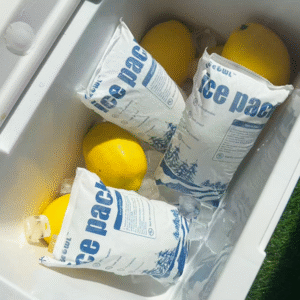
Air rules in one page: PI 954 checkpoints and an acceptance-ready label set (UN1845, net kg).
Mode differences: How dry ice pack shipping regulations change for air, ocean, road, and USPS.
Right amount of coolant: A simple formula to size dry ice and avoid thaw.
Safety & training: What handlers need—and what inspectors look for first.
Trends: 2025 updates that speed acceptance and reduce rework.
What do dry ice pack shipping regulations require in 2025?
Short answer: Use vented packaging, mark “Dry ice” (or “Carbon dioxide, solid”) with UN1845, show net dry ice in kilograms on the package and air waybill, apply a Class 9 label, and follow IATA PI 954 for air. USPS retains a 5 lb air limit per mailpiece; U.S. DOT adds vessel-specific phrases. Stay under 200 kg per package for air cargo.
Why it matters: Dry ice sublimates into CO₂; an airtight box can bulge or rupture. Inspectors check vent paths, label placement, AWB text in kilograms, and operator variations. Mark overpacks and show the total dry-ice mass when inner marks aren’t visible. These details prevent counter rejections and delays.
How do you pass PI 954 airline acceptance the first time?
Practical checklist: Put UN1845, the proper shipping name, and net kg on the same face as a clean Class 9 label; vent the package; complete the AWB with UN1845 + proper name + number of packages + net kg per package; keep total ≤ 200 kg/package; show OVERPACK plus total kg when needed; verify operator variations before tender.
| Mode/Rule Focus | Core Requirement | What to Enter/Show | What It Means to You |
|---|---|---|---|
| Air (IATA PI 954) | Vented packaging; Class 9; UN1845; net kg | On package & AWB | Fewer rejections; kg is mandatory on acceptance checklists. |
| USPS (Pub 52, 2025) | 5 lb air cap; “Surface Only” for ground | UN1845 + contents + weight | Choose air vs surface early; mail rules are stricter. |
| U.S. Vessel Overlay (49 CFR 173.217) | Special phrases on CTUs and packages | e.g., “DO NOT STOW BELOW DECKS” | U.S. sea legs add markings beyond IMDG. |
Actionable tips
Keep critical marks together: Put UN1845, name, net kg, and Class 9 on one face when space allows.
Write kg outside the diamond: Never write inside the Class 9 border.
Use vented designs: Foam liners are fine—but never airtight.
Field case: A biologics exporter labeled three cartons with UN1845 and 12 kg each, placed a Class 9 on the same face, and entered “UN1845 / Carbon dioxide, solid / 3 packages × 12 kg” on the AWB. The airline accepted on first pass.
How do dry ice pack shipping regulations differ by mode?
Air cargo: Follow PI 954; show net kg on package and AWB; observe operator variations and the ≤ 200 kg/package ceiling. No DGD if dry ice cools non-DG only.
U.S. road: UN1845 is regulated primarily for air and water; ground-only legs aren’t normally hazmat under HMR, but keep strong, vented packaging.
Ocean: Apply Class 9 + UN1845 and stowage/documentation per IMDG; add U.S. vessel wording when a U.S. port is involved. USPS: Air ≤ 5 lb; surface “Surface Only” marking.
Operator variations—do they change the basics?
Yes, carriers may add placement rules, combined labels, or documentation phrasing. Treat the airline job aid as your final pre-tender checklist; it mirrors acceptance audits and reduces counter holds.
How to label and document under dry ice pack shipping regulations?
Core set (air cargo):
Package: “Dry ice” (or “Carbon dioxide, solid”), UN1845, net kg, shipper/consignee, Class 9.
AWB: UN1845 + proper name + number of packages + net kg per package.
Overpack: If inner marks aren’t visible, add OVERPACK and the total net kg.
Common pitfalls to avoid
Missing kilogram units on the package or AWB.
Writing text inside the Class 9 diamond.
Sealing foam lids airtight; vent path is mandatory.
How much dry ice do you need—and how long will it last?
Rule of thumb: Use 5–10 lb (2.3–4.5 kg) per 24 h for standard EPS shippers; VIP shippers often need ~4–5 lb/day. Add a 20–25% buffer for delays. Round up and write the net kg on the carton.
| Duration | EPS shipper (6–7 lb/day) | VIP shipper (4–5 lb/day) | What it means for you |
|---|---|---|---|
| 24 h | 6–7 lb (2.7–3.2 kg) | 4–5 lb (1.8–2.3 kg) | Overnight frozen lanes |
| 48 h | 12–14 lb (5.4–6.4 kg) | 8–10 lb (3.6–4.5 kg) | Two-day national routes |
| 72 h | 18–21 lb (8.2–9.5 kg) | 12–15 lb (5.4–6.8 kg) | Long-haul or customs risk |
Pro tips that save product
Pre-chill goods to reduce sublimation.
Pack in layers so CO₂ can vent and product stays fixed.
Split loads to avoid heavy single boxes and improve handling.
Field case: A biologics exporter shipped insulated cartons with 18 kg dry ice each and marked UN1845 correctly. The AWB showed the net kg, and the airline cleared acceptance in minutes.
What safety and training do dry ice pack shipping regulations expect?
Hands & eyes: Use insulated gloves and eye protection to prevent contact injuries.
Air & rooms: Pack in ventilated areas; never store in sealed freezers.
Training & records: Train staff who prepare/offer shipments and keep certificates and SOPs on file; auditors often ask for them.
2-minute compliance self-check (interactive)
I can point to a vent path in every SKU we ship.
Our labels show UN1845 + proper name + net kg on the same face as Class 9.
The AWB Nature & Quantity lists UN1845, name, # packages, and net kg each.
We validate airline variations before booking.
Overpacks show OVERPACK and total net kg when inner marks aren’t visible.
2025 developments and trends shaping dry ice pack shipping regulations
What’s new: Acceptance has become checklist-driven. PI 954 audits emphasize net kg on both package and AWB and ≤ 200 kg/package. USPS updated Pub 52 in June 2025 for clarity on air vs surface. Operators refreshed vessel markings for U.S. sea legs and published layout guides that keep UN1845, name, and Class 9 together.
Highlights at a glance
Sharper acceptance forms: Mirror them and you’ll clear counters faster.
Carrier label kits: Combined labels reduce placement errors.
Ground-only clarity: Don’t introduce an unplanned air leg; it changes the rule set.
Market insight: Shippers increasingly combine phase-change materials with dry ice to cut coolant weight, while keeping frozen performance. Yet for long air exports and USPS air, kg-based entries and visible Class 9 labels remain non-negotiable.
FAQ
Do dry ice pack shipping regulations require kilograms, or can I use pounds?
Use kilograms on the package and AWB. You can note lb internally, but acceptance checks look for kg.
What’s the maximum dry ice per package for air cargo?
200 kg per package under PI 954; your airline may set lower limits.
Do I need a Shipper’s Declaration if dry ice cools non-dangerous goods?
No. Enter UN1845, proper name, number of packages, and net kg on the AWB; declare other DG normally.
Are U.S. highway-only shipments regulated the same way?
No. UN1845 is primarily air/water under the HMR. Still use strong, vented packaging.
What extra markings apply to U.S. vessel moves?
Containers need conspicuous CO₂ solid warnings; other packages carry “DO NOT STOW BELOW DECKS” phrasing.
Summary & recommendations
Bottom line: Dry ice pack shipping regulations hinge on your mode. For air, follow PI 954: venting, Class 9, UN1845, and net kg on package and AWB, ≤ 200 kg/package. USPS air keeps a 5 lb cap; surface uses “Surface Only.” U.S. vessel moves add specific phrases. Use the checklists below and standardize label placement to avoid rework.
Next steps (CTA):
Adopt the PI 954 acceptance checklist in your SOP.
Standardize labels (UN1845 + name + net kg + Class 9 on one face).
Size dry ice with the simple formula and add a 25% buffer.
Book a 15-minute compliance review with Tempk to validate your next loadout.
About Tempk
We help shippers design compliant, documented pack-outs for temperature-sensitive products. Our team aligns packaging with IATA PI 954, DOT/PHMSA, IMDG, ADR 5.5.3, and USPS Pub 52 (2025), and we provide checklists that mirror airline acceptance. Two proven advantages: fewer dockside rejections and cleaner audit trails. Talk to us before your next cold-chain shipment.
Dry Ice Pack Safety: A 2025 Complete Guide

Dry Ice Pack Safety: What Matters in 2025?
If you touch cold-chain operations, dry ice pack safety decides whether people stay safe and parcels pass checks. Dry ice sits near −78.5 °C and vents CO₂ gas that can displace oxygen; packages must vent and show UN1845 with net weight. This merged guide synthesizes your three drafts and applies 2025 on-page SEO best practices.
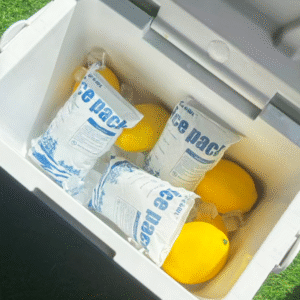
Why does dry ice pack safety matter for logistics? – oxygen displacement & extreme cold risks
How do you size ventilation and choose vented packaging? – room/vehicle planning & monitoring
What labels prove compliance? – UN1845, Class 9, net weight and acceptance basics
Which PPE prevents injuries? – gloves, eye protection, and safe handling tools
How do you store, transport, and dispose safely? – vented coolers, vehicle airflow, SOPs
Why does dry ice pack safety matter in cold-chain logistics?
Direct answer:
Dry ice pack safety controls two hazards: extreme cold and CO₂ buildup, while meeting venting and labeling rules. Skin contact can frostbite in seconds, and CO₂ pooling can exceed 5,000 ppm TWA or 30,000 ppm STEL in small spaces. Vent packages, show UN1845 and net kilograms, and train teams to recognize symptoms and first-aid cues.
In plain terms:
CO₂ is like invisible water filling a tub—when it rises, oxygen drops. That can happen in vans, closets, and coolers without vent paths. Treat boxes like “breathing” systems, not sealed jars, and treat rooms and vehicles like spaces that need fresh air changes. Build your routine around ventilation, correct marks, and PPE. Hybrid pack-outs (PCM plus a small dry-ice topper) can reduce CO₂ vapor while holding temp.
What exposure limits should your dry ice pack safety plan use?
Details:
Plan to keep time-weighted average CO₂ below ~5,000 ppm and short-term exposures below ~30,000 ppm. IDLH sits near ~40,000 ppm. One pound of dry ice generates roughly 8.3 ft³ of CO₂ at STP; in tight rooms or cabs this adds up fast. Use monitors where airflow is uncertain and recap near-misses as improvement actions.
| Planning Anchor | Value | What it implies | For you |
|---|---|---|---|
| TWA limit | ~5,000 ppm | Manage normal operations under this level | Set ACH targets; verify with a CO₂ monitor |
| STEL (15 min) | ~30,000 ppm | Short spikes must stay below this | Stop-work + ventilate if you approach it |
| Gas per lb | ~8.3 ft³ CO₂ | Small rooms load up quickly | Cap per-room mass; ventilate vehicles |
Practical tips that reduce incidents
Room choice: Stage packs in open, ventilated areas—never closets or unventilated cold rooms.
Vehicle airflow: Crack windows or run fans; avoid long dwell with multiple boxes in closed cabs.
Tooling: Keep tongs, insulated gloves, and goggles at the work height—no reaching into “cold pools.”
Real case: A lab moved two 10 lb packs from an unvented closet to a ventilated alcove after CO₂ alarms. The alarms ceased and acceptance delays dropped after standardizing UN1845 marks and vented shippers.
How do you design ventilation for dry ice pack safety in rooms and vehicles?
Direct answer:
Estimate CO₂ release, compare with room volume and air changes, and size ventilation so combined levels stay below limits. For vans, treat the cabin as a small room: isolate cargo, add airflow, and keep windows cracked during stops. If symptoms appear (headache, dizziness), leave and ventilate before re-entry.
Step-by-step:
Start with worst-case mass on hand (e.g., 25 lb), space volume, and dwell time. Convert mass to CO₂ volume (8.3 ft³/lb). Estimate added ppm, then set air-changes-per-hour targets with your HVAC vendor. In mobile workflows, add a badge or fixed CO₂ alarm to spot silent build-ups. For acceptance peaks, stage parcels in ventilated load zones, not in the cab.
Copy-and-use mini calculator (decision tool)
What regulations prove dry ice pack safety in shipping for 2025?
Direct answer:
Dry ice is “Carbon dioxide, solid,” UN1845, Class 9. Packages must vent and show the net weight of dry ice (kg) with the Class 9 label. Passenger baggage typically allows up to 2.5 kg with operator approval in vented packaging. Carriers emphasize clearer marks and character sizes in 2025 job aids—follow their acceptance checklists.
Implementation notes:
Put “Dry ice/Carbon dioxide, solid,” UN1845, and net kilograms on the same face as your Class 9 where space allows. Pre-print placeholders, record actual mass at close-out, and include it at booking when required. Use vented fiberboard/VIP shippers, never sealed bags or screw-top jars. USPS air mailpieces cap dry ice around 5 lb with specific marks; ground differs.
Labeling checklist you can post
Proper shipping name: “Dry ice” or “Carbon dioxide, solid.”
UN1845 and net kg of dry ice.
Class 9 hazard label on the same face when possible.
Vented packaging (non-airtight) confirmed.
Booking includes declared net dry ice when required.
| Rule set | Core requirement | Also note | Why it matters |
|---|---|---|---|
| 49 CFR 173.217 | Venting + net weight marks | Name cooled contents when needed | Ground/air legal basis |
| IATA PI 954 | Cargo venting + net kg; acceptance | 2025 job-aid clarifications | Fewer hub rejections |
| FAA/PackSafe | ≤2.5 kg in baggage with approval | Vented, labeled packages | Passenger safety & compliance |
How should you handle, store, and dispose for dry ice pack safety?
Direct answer:
Handle like a cryogen. Wear insulated gloves and eye protection, use tongs, and keep heads out of deep coolers. Store in insulated but vented containers in ventilated areas; never in unventilated cold rooms. Dispose by letting dry ice sublimate in a ventilated place away from people and drains.
Why these steps work:
Sealed containers can over-pressurize and rupture as CO₂ expands. Foam/VIP shippers “breathe,” preventing pressure spikes while preserving hold time. Posting exposure limits near workstations and adding a monthly CO₂-monitor calibration check keep teams sharp and readings trustworthy.
PPE and handling—what to wear and do
Wear: insulated cryo gloves, goggles/face shield, long sleeves, closed shoes.
Do: pre-stage vented shippers at bench height; avoid “cold pools”; use tongs for blocks.
Know: frostbite first aid (tepid water re-warming), eye-wash locations, and CO₂ alarm responses.
| Storage Choice | Good for | Avoid because | For you |
|---|---|---|---|
| Vented EPS/VIP shipper | Parcels, staging | — | Acceptance-ready & safe |
| Walk-in cooler | Only with active vent | CO₂ pooling low | Add mechanical ventilation |
| Sealed jar/drum | Never | Pressure rupture | Non-compliant and unsafe |
Actionable tips you can apply today
Short dwell: Keep packs out only as long as needed; re-latch vented lids between steps.
Vehicle policy: Cargo rides in a ventilated compartment, not a sealed passenger cabin.
Monitor smart: Use a badge or fixed alarm near floors and van footwells where CO₂ collects.
Field result: A clinic eliminated bulging boxes and CO₂ alarms by switching to paper-wrapped blocks, top-loading, and a vented shipper located in a ventilated alcove. Acceptance delays dropped.
2025 developments in dry ice pack safety and compliance
Trend overview:
In 2025, carriers tightened acceptance guidance for dry ice pack safety—clearer label placement and minimum character sizes—while EHS groups converged on “no sealed containers, no cold-room storage, ventilate vehicles, monitor small spaces.” FAA work reiterated the pressure-build hazard of sealed containers. Expect ongoing standardization for monitor calibration.
Latest at a glance
Booking transparency: Net dry ice mass declared earlier to honor aircraft limits.
Better training assets: Universities published convergent, easy-to-teach SOPs.
Monitor practices: Teams adopt calibration routines as part of monthly EHS checks.
Market insight:
Demand favors vented, high-R shippers with printable panels for larger UN1845 text and scannable net-kg fields. Hybrid pack-outs (PCM wall + small dry-ice topper) are rising when “frozen on delivery” is not essential—improving dry ice pack safety by reducing mass and vapor without sacrificing lane performance.
Frequently Asked Questions
Q1: How cold is dry ice and why is that central to dry ice pack safety?
About −78.5 °C. Contact can frostbite in seconds. Use insulated gloves and eye protection, every time.
Q2: Can I tape every seam or use a screw-top jar?
No. Oversealing traps gas and can burst containers. Use vented packaging designed to breathe.
Q3: What must be on my shipping label to prove compliance?
“Dry ice/Carbon dioxide, solid,” UN1845, and net kg of dry ice, plus the Class 9 label on the same face when possible.
Q4: How much dry ice can a passenger carry?
Typically up to 2.5 kg with airline approval, in a vented, correctly marked package.
Q5: Is it safe to store dry ice in a cold room?
Not without active ventilation. CO₂ pools low; many EHS groups prohibit it.
Summary & recommendations
What matters most:
Build dry ice pack safety around four pillars—ventilation, vented packaging, correct labels (UN1845 + net kg), and PPE. Keep exposures under TWA/STEL thresholds, avoid airtight containers and unventilated cold rooms, and treat vehicles like small rooms that need airflow and monitoring.
What to do next (CTA):
Run a 10-minute safety audit with the checklist above. 2) Update labels to current carrier job aids and record net kg at close-out. 3) Pilot a CO₂ monitor in your warmest room and busiest van. Need help? Book a 20-minute review and we’ll tune your SOP and label set for your lanes.
About Tempk
We are cold-chain engineers focused on performance and compliance. We design vented, high-R parcel shippers and hybrid PCM + dry-ice pack-outs, and we provide acceptance-ready label kits and SOP training. Clients typically reduce safety flags and hub rejections by 30–40% after standardizing labels and ventilation plans.
Talk to us: risk reviews, pack-out SOPs, and lane simulations—so your teams stay safe and your shipments sail through.