


Vacuum Compressed Liner Quotes
Vacuum Compressed Liner Quotes

A search for vacuum compressed liner quotes usually starts with price, but the smarter buying decision combines thermal protection, freight efficiency, and supplier reliability. The right liner can reduce excursion risk, simplify pack-out, and make seasonal shipping easier to control. Below, you will see how buyers compare structure, validation, compliance, and total landed cost before placing the next order.
This optimized version combines buyer guidance, technical screening, and current market context so you can move from first inquiry to qualified supply with fewer costly surprises.
This Article Will Help You Answer
- How vacuum compressed liner fits different cold chain shipping lanes and payload sensitivities
- Which vacuum compressed liner specifications matter most for thermal hold time, fit, and pack-out consistency
- What to request from quoting suppliers before sample approval or commercial rollout
- How to compare price, freight efficiency, and total landed cost instead of unit price alone
- What 2026 sustainability and compliance changes mean when sourcing vacuum compressed liner
Why Is Vacuum Compressed Liner More Than A Packaging Line Item?
Vacuum Compressed Liner should be evaluated as a risk-control tool, not just a packaging SKU. When buyers searching vacuum compressed liner quotes treat it like a simple commodity, they often compare only unit price and miss the bigger levers: carton fit, pack-out repeatability, freight cube, route qualification, and post-delivery claims. A stronger specification usually saves more money than aggressive quote shopping.
The format itself is usually a reflective outer film with a compressible core that is vacuum packed for storage and shipping efficiency, then allowed to recover before pack-out. That sounds technical, but your operational question is simpler: can the liner create a stable cavity around the payload with minimal variation from one packer, warehouse, or season to the next? If the answer is yes, you get cleaner execution, fewer temperature surprises, and easier training across locations.
What makes this purchase strategic?
A well-matched liner can lower damage risk, reduce overpacking, save storage space, and simplify scale-up at the same time. That is why high-performing teams connect packaging selection to operations, procurement, and quality from the first sample stage instead of treating it as a last-minute accessory.
| Use Case | What You Need | Best Format Signal | What It Means For You |
| Biologics, Vaccines, And Cell-Therapy Support Materials | Fast pack-out and stable thermal hold | Consistent fold pattern and easy loading | Lower training time and fewer assembly errors |
| Pharmacy And Hospital Replenishment | Controlled temperature with predictable fit | Tight carton match and repeatable closure | Better day-to-day execution across sites |
| Longer or hotter lanes | More thermal reserve and tighter qualification | Thicker build or upgraded coolant plan | Lower excursion risk but potentially higher cost |
Practical Tips
- Map the vacuum compressed liner format to a specific route length and season before approving a mass purchase.
- Check carton dimensions, payload fill level, and coolant placement together instead of approving the liner alone.
- Ask the supplier to show the liner both flat and fully assembled so you can judge handling speed and fit.
Case: An operations team shipping biologics, vaccines, and cell-therapy support materials switched from a loose improvised insert to a standardized vacuum compressed liner format. The immediate gain was not a dramatic new temperature claim. It was faster pack-out, cleaner box presentation, and fewer packing variations between shifts.
How Do You Build The Right Vacuum Compressed Liner Specification?
The right vacuum compressed liner specification starts with your operating conditions, not the supplier catalog. Before you ask for a quote, define the outer carton, product load, target temperature range, planned dwell time, coolant type, assembly steps, and success criteria. That single page removes most of the confusion that slows sampling and causes quote mismatch for vacuum compressed liner quotes projects.
Once that brief exists, suppliers become easier to score. You can compare whether they answer directly, recommend fit improvements, flag unrealistic assumptions, and show a workable sample-to-production timeline. You also see who is selling a product and who is helping you build a dependable shipping process.
In optimized sourcing, the supplier is not selected only on price. They are selected on how well they reduce hidden costs such as repacking, seasonal overpacking, storage inefficiency, complaint handling, and requalification after small design changes.
What should your purchase brief include?
Include carton internal dimensions, payload weight range, target transit window, expected ambient extremes, closure method, annual volume, and destination disposal expectations. The more precise your brief, the more useful the sample, quote, and validation plan become.
| Supplier Factor | What Good Looks Like | Warning Sign | Impact On Your Project |
| Technical intake | Asks about route, payload, coolant, and season | Only asks for quantity and size | Weak brief leads to weak fit |
| Sample process | Clear timeline with assembly guidance | Samples arrive with no instructions | Longer launch and more packing variation |
| Quality control | Lot traceability and dimensional checks | No clear inspection method | Harder troubleshooting after scale-up |
| Commercial reliability | Honest MOQ and lead time visibility | Vague supply promises | Higher stock-out or rush-order risk |
Practical Tips
- Request the same data set from each supplier so your comparison stays fair.
- Treat sample approval, commercial terms, and quality documentation as one workflow, not three separate conversations.
- Do not approve a liner design until warehouse staff can assemble it at target speed with low variation.
Case: A buyer reviewing three suppliers for vacuum compressed liner found that the most useful sample was not the cheapest one. It came with a carton-fit note, a suggested coolant layout, and a clear list of assumptions. That saved days of internal trial-and-error.
Which Material, Fit, And Validation Details Reduce Risk?
The strongest vacuum compressed liner decisions connect material choice, carton fit, and validation into one approval loop. If you optimize only one of those areas, the system stays fragile. A smart specification states the structure, expected fit tolerance, closure method, recovery needs, and acceptable temperature outcome.
That matters because hidden variation usually starts at the edges. Slightly oversized liners sag. Slightly undersized liners fight the operator and leave exposed corners. Add a different coolant pack or a heavier payload, and the same liner may behave like a completely different system.
During optimization, look for the lowest-complexity format that still meets the route requirement. Simpler pack-outs scale better, train faster, and reduce packing error. That usually creates more long-term value than a highly engineered format that only one experienced shift can assemble perfectly.
What should be written into the final spec?
Define material family, target dimensions after assembly, acceptable tolerance, closure method, recovery or pre-conditioning requirement, coolant pairing assumptions, and the route or test profile used for approval. When those items are written down, later quote comparisons become far more reliable.
| Format Option | Typical Strength | Typical Trade-Off | Best Fit |
| Reflective air-cell | Light and easy to handle | Moderate reserve for harsh lanes | Short to medium chilled routes |
| Foam or thicker hybrid | Higher thermal reserve | More storage and freight burden | Longer or hotter transit profiles |
| Paper-forward recyclable style | Better disposal story | Needs careful validation | Brands with sustainability pressure |
| Vacuum-compressed or nested | Strong freight and storage efficiency | Recovery and fit must be managed | High-volume programs |
Practical Tips
- Judge the liner after full assembly, not while it is still flat on the table.
- Ask how the structure behaves in wet, chilled, and warm handling conditions.
- Balance insulation, pack-out speed, and disposal simplicity instead of maximizing one variable alone.
Case: A fulfillment team comparing two liner stacks found that the technically thicker option did not create the best overall result. The better choice was the format that packed faster, sealed cleaner, and held a more consistent shape across multiple operators.
How Do You Score Suppliers With A Simple Decision Tool?
A useful approval package for vacuum compressed liner should let another team reproduce your result without guesswork. That is the simplest test of whether the documentation is good enough. If a new warehouse, distributor, or contract packer can follow the written method and achieve the same outcome, your sourcing decision becomes easier to defend and scale.
This is where the optimized process pulls from both buyer guidance and technical discipline. You want a specification, a sample history, a route or chamber test summary, assembly instructions, lot control, and a change-notification expectation. That sounds thorough because it is, but it prevents repeated reinvestigation later.
In practical terms, the documentation package should be simple enough for operations to use and strong enough for quality teams to trust. That balance is usually better than either extreme of no documentation or excessive paperwork with little operational value.
How can you keep compliance practical?
Write the smallest complete package: approved dimensions, material description, validated pack-out, lane assumptions, and the trigger for requalification. That gives you enough control to scale without creating a slow and bureaucratic approval cycle.
| Document | Why It Matters | Common Gap | Practical Benefit |
| Specification sheet | Defines what was bought | Too generic or incomplete | Cleaner supplier comparisons |
| Test or qualification summary | Shows route relevance | No payload or ambient detail | Better confidence before launch |
| Assembly instruction | Controls pack-out variation | Left in tribal knowledge | Fewer operator errors |
| Change control note | Protects approved performance | Unclear notification trigger | Less surprise requalification |
Practical Tips
- Tie every validation result to a specific pack-out method and ambient profile.
- Record the triggers that would force requalification, such as a material change or route extension.
- Make sure receiving teams know how to interpret data loggers, excursion reports, or arrival-condition checks.
Case: A quality team once approved a liner sample but delayed the launch because nobody had documented the coolant arrangement used in the trial. After the method was written down, the same design moved into production smoothly across two sites.
What Changed In 2026 For Compliance And Sustainability?
Optimized sourcing treats vacuum compressed liner as a total-cost lever. That means you compare unit price, inbound freight, storage burden, assembly time, pack-out error rate, refrigerant demand, and complaint exposure on one page. Once you do that, the cheapest liner on paper often stops looking like the best option.
A useful scorecard separates fixed and variable cost. Fixed cost includes tooling, sampling, and requalification risk. Variable cost includes liner price, freight, labor, and coolant. When teams can see both, they make better long-run decisions instead of chasing short-term quote wins.
If two suppliers are close, choose the one that reduces operational variation. Fewer exceptions create cleaner planning, easier training, and less time spent on packaging-related firefighting.
What belongs in the final commercial comparison?
Use an apples-to-apples model with delivered terms, pallet density, fit quality, assembly time, and expected lane success. A sourcing decision is stronger when operations and procurement both recognize their priorities in the same table.
| Cost Driver | Low-Risk Signal | Hidden Risk | Why It Changes Value |
| Unit price | Aligned specification | Quotes built on different assumptions | False price comparison |
| Inbound freight | High pallet density or flat-packed format | Bulky packaging | Bigger warehouse and transport burden |
| Pack labor | Easy and repeatable assembly | Complex folding or closure | More time and more errors |
| Failure cost | Validated route fit | Overreliance on generic claims | Claims and product loss can dominate savings |
Practical Tips
- Normalize quotes to the same carton size, route requirement, and annual volume.
- Calculate storage and inbound freight before concluding that a thinner unit price is cheaper.
- Test the design under peak season conditions before locking in annual supply.
Case: A procurement team once selected a slightly higher-priced liner because it shipped denser, packed faster, and needed less seasonal overcompensation. The line item rose, but the total landed cost moved in the right direction.
What Is The Fastest Path From Inquiry To Qualified Supply?
The fastest path from inquiry to qualified supply is a disciplined sequence: define the lane, write the spec, shortlist suppliers, run route-relevant trials, document the approved method, then scale with monitoring. That sequence sounds basic, but it prevents most of the avoidable friction that slows sourcing projects.
In 2026, that process matters even more because the external environment is shifting. FDA's 2025 draft Q1 stability guidance says a transient temperature excursion may be acceptable only when it is justified and supported by stability data. The EU Packaging and Packaging Waste Regulation entered into force on 11 February 2025 and pushes packaging placed on the EU market toward practical recyclability by 2030. Those signals encourage buyers to combine performance proof with material transparency.
When you align procurement, operations, and quality around the same specification and scorecard, supplier selection becomes faster and easier to defend. That is the real optimization: not more complexity, but fewer unclear decisions.
What is the first step after reading this guide?
Build a one-page sourcing brief and use it for every sample and quote request. Once every supplier responds to the same brief, you can compare them fairly and move to validation with confidence.
| 2026 Trend | What Changed | Packaging Response | Benefit To You |
| Evidence-based approval | More focus on route relevance | Clearer qualification support | Safer decisions |
| Sustainability pressure | More scrutiny on disposal and materials | Better material transparency | Easier customer communication |
| Higher-value payloads | Mistakes cost more | Tighter pack-out discipline | Fewer expensive excursions |
| Operational simplification | Lean teams need repeatable methods | Lower-complexity designs | Faster training and scale-up |
Practical Tips
- Review lane conditions at least seasonally instead of assuming last quarter's pack-out still fits.
- Keep the supplier informed when payload weight, coolant type, or distribution geography changes.
- Use post-launch feedback to refine the next round of orders instead of waiting for a failure.
Case: A sourcing team that documented its route profile and supplier scorecard before requesting quotes reached commercial approval faster than prior projects. The biggest time saver was not better negotiation. It was better alignment on what success looked like.
Frequently Asked Questions
How do you choose the right vacuum compressed liner size for your carton?
Start with the real internal carton dimensions, then test the liner with the actual payload and coolant arrangement. A size chart is useful, but a live fit check is what confirms whether corners close cleanly and the cavity stays consistent.
Is a lower-priced vacuum compressed liner quotes option always the better buy?
Not usually. A cheaper liner can still increase freight, labor, coolant use, or failure risk. Compare total landed cost and operating ease, not just the unit price on the quotation.
What validation data should you request before approving vacuum compressed liner quotes?
Ask for route or chamber test context, payload details, coolant assumptions, sensor placement, and assembly instructions. The goal is to understand the exact conditions behind the reported result so your team can repeat it.
When should you requalify a vacuum compressed liner program?
Requalify when route time changes, the season shifts materially, the payload or coolant setup changes, or the supplier modifies the liner structure. Small changes can alter real-world performance more than buyers expect.
Can vacuum compressed liner work for both food and pharmaceutical shipments?
The format can, but the approval pathway may differ. Food shipments often prioritize speed and cost, while healthcare lanes may require tighter documentation, route discipline, and traceability.
Do vacuum-compressed liners need recovery time before use?
Often yes. The practical step is to confirm how quickly the liner returns to its intended shape after unpacking and whether that recovery is stable across batches. Recovery matters because uneven expansion can affect fit and insulation continuity.
Summary And Recommendations
The strongest version of vacuum compressed liner quotes sourcing combines buyer clarity, technical discipline, and current market awareness. When the specification is clear, suppliers are easier to compare, qualification becomes faster, and the final decision is easier for procurement, operations, and quality to support.
Create a one-page sourcing brief, score suppliers against it, and validate with the route conditions that matter most to your business. That is the fastest practical route to reliable 2026 supply.
About Tempk
Tempk focuses on practical cold chain packaging solutions, including vacuum compressed liner programs designed for food, healthcare, and temperature-sensitive distribution needs. We emphasize route-aware selection, consistent conversion quality, and supply formats that are easier to scale across real operations.
If you are planning a new project, a seasonal redesign, or a supplier comparison, the most productive next step is to share your carton size, temperature target, route window, and expected volume. That allows a faster discussion about fit, validation, and commercial feasibility.
Vacuum Compressed Liner Export
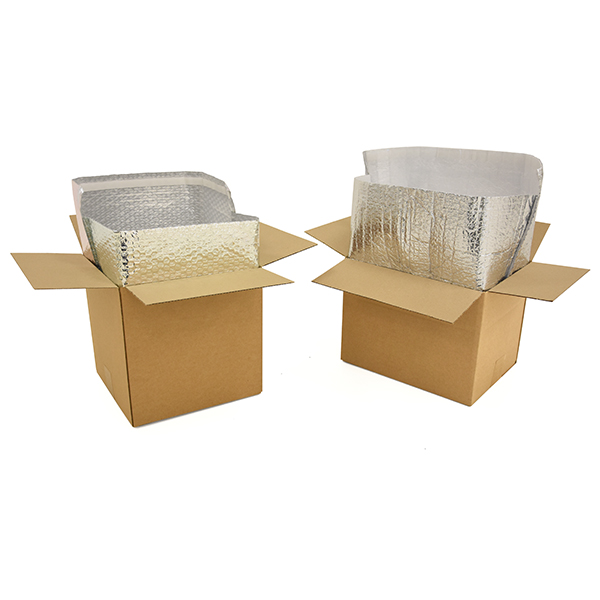
A search for vacuum compressed liner export usually starts with price, but the smarter buying decision combines thermal protection, freight efficiency, and supplier reliability. The right liner can reduce excursion risk, simplify pack-out, and make seasonal shipping easier to control. Below, you will see how buyers compare structure, validation, compliance, and total landed cost before placing the next order.
This optimized version combines buyer guidance, technical screening, and current market context so you can move from first inquiry to qualified supply with fewer costly surprises.
This Article Will Help You Answer
- How vacuum compressed liner fits different cold chain shipping lanes and payload sensitivities
- Which vacuum compressed liner specifications matter most for thermal hold time, fit, and pack-out consistency
- What to request from export-capable suppliers before sample approval or commercial rollout
- How to compare price, freight efficiency, and total landed cost instead of unit price alone
- What 2026 sustainability and compliance changes mean when sourcing vacuum compressed liner
Why Is Vacuum Compressed Liner More Than A Packaging Line Item?
Vacuum Compressed Liner should be evaluated as a risk-control tool, not just a packaging SKU. When buyers searching vacuum compressed liner export treat it like a simple commodity, they often compare only unit price and miss the bigger levers: carton fit, pack-out repeatability, freight cube, route qualification, and post-delivery claims. A stronger specification usually saves more money than aggressive quote shopping.
The format itself is usually a reflective outer film with a compressible core that is vacuum packed for storage and shipping efficiency, then allowed to recover before pack-out. That sounds technical, but your operational question is simpler: can the liner create a stable cavity around the payload with minimal variation from one packer, warehouse, or season to the next? If the answer is yes, you get cleaner execution, fewer temperature surprises, and easier training across locations.
What makes this purchase strategic?
A well-matched liner can lower damage risk, reduce overpacking, save storage space, and simplify scale-up at the same time. That is why high-performing teams connect packaging selection to operations, procurement, and quality from the first sample stage instead of treating it as a last-minute accessory.
| Use Case | What You Need | Best Format Signal | What It Means For You |
| Fresh Produce And Cut Flowers | Fast pack-out and stable thermal hold | Consistent fold pattern and easy loading | Lower training time and fewer assembly errors |
| Pharmacy And Hospital Replenishment | Controlled temperature with predictable fit | Tight carton match and repeatable closure | Better day-to-day execution across sites |
| Longer or hotter lanes | More thermal reserve and tighter qualification | Thicker build or upgraded coolant plan | Lower excursion risk but potentially higher cost |
Practical Tips
- Map the vacuum compressed liner format to a specific route length and season before approving a mass purchase.
- Check carton dimensions, payload fill level, and coolant placement together instead of approving the liner alone.
- Ask the supplier to show the liner both flat and fully assembled so you can judge handling speed and fit.
Case: An operations team shipping fresh produce and cut flowers switched from a loose improvised insert to a standardized vacuum compressed liner format. The immediate gain was not a dramatic new temperature claim. It was faster pack-out, cleaner box presentation, and fewer packing variations between shifts.
How Do You Build The Right Vacuum Compressed Liner Specification?
The right vacuum compressed liner specification starts with your operating conditions, not the supplier catalog. Before you ask for a quote, define the outer carton, product load, target temperature range, planned dwell time, coolant type, assembly steps, and success criteria. That single page removes most of the confusion that slows sampling and causes quote mismatch for vacuum compressed liner export projects.
Once that brief exists, suppliers become easier to score. You can compare whether they answer directly, recommend fit improvements, flag unrealistic assumptions, and show a workable sample-to-production timeline. You also see who is selling a product and who is helping you build a dependable shipping process.
In optimized sourcing, the supplier is not selected only on price. They are selected on how well they reduce hidden costs such as repacking, seasonal overpacking, storage inefficiency, complaint handling, and requalification after small design changes.
What should your purchase brief include?
Include carton internal dimensions, payload weight range, target transit window, expected ambient extremes, closure method, annual volume, and destination disposal expectations. The more precise your brief, the more useful the sample, quote, and validation plan become.
| Supplier Factor | What Good Looks Like | Warning Sign | Impact On Your Project |
| Technical intake | Asks about route, payload, coolant, and season | Only asks for quantity and size | Weak brief leads to weak fit |
| Sample process | Clear timeline with assembly guidance | Samples arrive with no instructions | Longer launch and more packing variation |
| Quality control | Lot traceability and dimensional checks | No clear inspection method | Harder troubleshooting after scale-up |
| Commercial reliability | Honest MOQ and lead time visibility | Vague supply promises | Higher stock-out or rush-order risk |
Practical Tips
- Request the same data set from each supplier so your comparison stays fair.
- Treat sample approval, commercial terms, and quality documentation as one workflow, not three separate conversations.
- Do not approve a liner design until warehouse staff can assemble it at target speed with low variation.
Case: A buyer reviewing three suppliers for vacuum compressed liner found that the most useful sample was not the cheapest one. It came with a carton-fit note, a suggested coolant layout, and a clear list of assumptions. That saved days of internal trial-and-error.
Which Material, Fit, And Validation Details Reduce Risk?
The strongest vacuum compressed liner decisions connect material choice, carton fit, and validation into one approval loop. If you optimize only one of those areas, the system stays fragile. A smart specification states the structure, expected fit tolerance, closure method, recovery needs, and acceptable temperature outcome.
That matters because hidden variation usually starts at the edges. Slightly oversized liners sag. Slightly undersized liners fight the operator and leave exposed corners. Add a different coolant pack or a heavier payload, and the same liner may behave like a completely different system.
During optimization, look for the lowest-complexity format that still meets the route requirement. Simpler pack-outs scale better, train faster, and reduce packing error. That usually creates more long-term value than a highly engineered format that only one experienced shift can assemble perfectly.
What should be written into the final spec?
Define material family, target dimensions after assembly, acceptable tolerance, closure method, recovery or pre-conditioning requirement, coolant pairing assumptions, and the route or test profile used for approval. When those items are written down, later quote comparisons become far more reliable.
| Format Option | Typical Strength | Typical Trade-Off | Best Fit |
| Reflective air-cell | Light and easy to handle | Moderate reserve for harsh lanes | Short to medium chilled routes |
| Foam or thicker hybrid | Higher thermal reserve | More storage and freight burden | Longer or hotter transit profiles |
| Paper-forward recyclable style | Better disposal story | Needs careful validation | Brands with sustainability pressure |
| Vacuum-compressed or nested | Strong freight and storage efficiency | Recovery and fit must be managed | High-volume programs |
Practical Tips
- Judge the liner after full assembly, not while it is still flat on the table.
- Ask how the structure behaves in wet, chilled, and warm handling conditions.
- Balance insulation, pack-out speed, and disposal simplicity instead of maximizing one variable alone.
Case: A fulfillment team comparing two liner stacks found that the technically thicker option did not create the best overall result. The better choice was the format that packed faster, sealed cleaner, and held a more consistent shape across multiple operators.
How Do You Score Suppliers With A Simple Decision Tool?
A useful approval package for vacuum compressed liner should let another team reproduce your result without guesswork. That is the simplest test of whether the documentation is good enough. If a new warehouse, distributor, or contract packer can follow the written method and achieve the same outcome, your sourcing decision becomes easier to defend and scale.
This is where the optimized process pulls from both buyer guidance and technical discipline. You want a specification, a sample history, a route or chamber test summary, assembly instructions, lot control, and a change-notification expectation. That sounds thorough because it is, but it prevents repeated reinvestigation later.
In practical terms, the documentation package should be simple enough for operations to use and strong enough for quality teams to trust. That balance is usually better than either extreme of no documentation or excessive paperwork with little operational value.
How can you keep compliance practical?
Write the smallest complete package: approved dimensions, material description, validated pack-out, lane assumptions, and the trigger for requalification. That gives you enough control to scale without creating a slow and bureaucratic approval cycle.
| Document | Why It Matters | Common Gap | Practical Benefit |
| Specification sheet | Defines what was bought | Too generic or incomplete | Cleaner supplier comparisons |
| Test or qualification summary | Shows route relevance | No payload or ambient detail | Better confidence before launch |
| Assembly instruction | Controls pack-out variation | Left in tribal knowledge | Fewer operator errors |
| Change control note | Protects approved performance | Unclear notification trigger | Less surprise requalification |
Practical Tips
- Tie every validation result to a specific pack-out method and ambient profile.
- Record the triggers that would force requalification, such as a material change or route extension.
- Make sure receiving teams know how to interpret data loggers, excursion reports, or arrival-condition checks.
Case: A quality team once approved a liner sample but delayed the launch because nobody had documented the coolant arrangement used in the trial. After the method was written down, the same design moved into production smoothly across two sites.
What Changed In 2026 For Compliance And Sustainability?
Optimized sourcing treats vacuum compressed liner as a total-cost lever. That means you compare unit price, inbound freight, storage burden, assembly time, pack-out error rate, refrigerant demand, and complaint exposure on one page. Once you do that, the cheapest liner on paper often stops looking like the best option.
A useful scorecard separates fixed and variable cost. Fixed cost includes tooling, sampling, and requalification risk. Variable cost includes liner price, freight, labor, and coolant. When teams can see both, they make better long-run decisions instead of chasing short-term quote wins.
If two suppliers are close, choose the one that reduces operational variation. Fewer exceptions create cleaner planning, easier training, and less time spent on packaging-related firefighting.
What belongs in the final commercial comparison?
Use an apples-to-apples model with delivered terms, pallet density, fit quality, assembly time, and expected lane success. A sourcing decision is stronger when operations and procurement both recognize their priorities in the same table.
| Cost Driver | Low-Risk Signal | Hidden Risk | Why It Changes Value |
| Unit price | Aligned specification | Quotes built on different assumptions | False price comparison |
| Inbound freight | High pallet density or flat-packed format | Bulky packaging | Bigger warehouse and transport burden |
| Pack labor | Easy and repeatable assembly | Complex folding or closure | More time and more errors |
| Failure cost | Validated route fit | Overreliance on generic claims | Claims and product loss can dominate savings |
Practical Tips
- Normalize quotes to the same carton size, route requirement, and annual volume.
- Calculate storage and inbound freight before concluding that a thinner unit price is cheaper.
- Test the design under peak season conditions before locking in annual supply.
Case: A procurement team once selected a slightly higher-priced liner because it shipped denser, packed faster, and needed less seasonal overcompensation. The line item rose, but the total landed cost moved in the right direction.
What Is The Fastest Path From Inquiry To Qualified Supply?
The fastest path from inquiry to qualified supply is a disciplined sequence: define the lane, write the spec, shortlist suppliers, run route-relevant trials, document the approved method, then scale with monitoring. That sequence sounds basic, but it prevents most of the avoidable friction that slows sourcing projects.
In 2026, that process matters even more because the external environment is shifting. FDA's 2025 draft Q1 stability guidance says a transient temperature excursion may be acceptable only when it is justified and supported by stability data. The EU Packaging and Packaging Waste Regulation entered into force on 11 February 2025 and pushes packaging placed on the EU market toward practical recyclability by 2030. Those signals encourage buyers to combine performance proof with material transparency.
When you align procurement, operations, and quality around the same specification and scorecard, supplier selection becomes faster and easier to defend. That is the real optimization: not more complexity, but fewer unclear decisions.
What is the first step after reading this guide?
Build a one-page sourcing brief and use it for every sample and quote request. Once every supplier responds to the same brief, you can compare them fairly and move to validation with confidence.
| 2026 Trend | What Changed | Packaging Response | Benefit To You |
| Evidence-based approval | More focus on route relevance | Clearer qualification support | Safer decisions |
| Sustainability pressure | More scrutiny on disposal and materials | Better material transparency | Easier customer communication |
| Higher-value payloads | Mistakes cost more | Tighter pack-out discipline | Fewer expensive excursions |
| Operational simplification | Lean teams need repeatable methods | Lower-complexity designs | Faster training and scale-up |
Practical Tips
- Review lane conditions at least seasonally instead of assuming last quarter's pack-out still fits.
- Keep the supplier informed when payload weight, coolant type, or distribution geography changes.
- Use post-launch feedback to refine the next round of orders instead of waiting for a failure.
Case: A sourcing team that documented its route profile and supplier scorecard before requesting quotes reached commercial approval faster than prior projects. The biggest time saver was not better negotiation. It was better alignment on what success looked like.
Frequently Asked Questions
How do you choose the right vacuum compressed liner size for your carton?
Start with the real internal carton dimensions, then test the liner with the actual payload and coolant arrangement. A size chart is useful, but a live fit check is what confirms whether corners close cleanly and the cavity stays consistent.
Is a lower-priced vacuum compressed liner export option always the better buy?
Not usually. A cheaper liner can still increase freight, labor, coolant use, or failure risk. Compare total landed cost and operating ease, not just the unit price on the quotation.
What validation data should you request before approving vacuum compressed liner export?
Ask for route or chamber test context, payload details, coolant assumptions, sensor placement, and assembly instructions. The goal is to understand the exact conditions behind the reported result so your team can repeat it.
When should you requalify a vacuum compressed liner program?
Requalify when route time changes, the season shifts materially, the payload or coolant setup changes, or the supplier modifies the liner structure. Small changes can alter real-world performance more than buyers expect.
Can vacuum compressed liner work for both food and pharmaceutical shipments?
The format can, but the approval pathway may differ. Food shipments often prioritize speed and cost, while healthcare lanes may require tighter documentation, route discipline, and traceability.
Do vacuum-compressed liners need recovery time before use?
Often yes. The practical step is to confirm how quickly the liner returns to its intended shape after unpacking and whether that recovery is stable across batches. Recovery matters because uneven expansion can affect fit and insulation continuity.
Summary And Recommendations
The strongest version of vacuum compressed liner export sourcing combines buyer clarity, technical discipline, and current market awareness. When the specification is clear, suppliers are easier to compare, qualification becomes faster, and the final decision is easier for procurement, operations, and quality to support.
Create a one-page sourcing brief, score suppliers against it, and validate with the route conditions that matter most to your business. That is the fastest practical route to reliable 2026 supply.
About Tempk
Tempk focuses on practical cold chain packaging solutions, including vacuum compressed liner programs designed for food, healthcare, and temperature-sensitive distribution needs. We emphasize route-aware selection, consistent conversion quality, and supply formats that are easier to scale across real operations.
If you are planning a new project, a seasonal redesign, or a supplier comparison, the most productive next step is to share your carton size, temperature target, route window, and expected volume. That allows a faster discussion about fit, validation, and commercial feasibility.
Vacuum Compressed Liner Bulk Purchase

If you are comparing vacuum compressed liner bulk purchase, you are probably trying to protect temperature-sensitive products without letting packaging costs expand faster than your order volume. A well-specified liner keeps your carton simple, your pack-out repeatable, and your receiving team less dependent on guesswork. Below, you will see how buyers compare structure, validation, compliance, and total landed cost before placing the next order.
This optimized version combines buyer guidance, technical screening, and current market context so you can move from first inquiry to qualified supply with fewer costly surprises.
This Article Will Help You Answer
- How vacuum compressed liner fits different cold chain shipping lanes and payload sensitivities
- Which vacuum compressed liner specifications matter most for thermal hold time, fit, and pack-out consistency
- What to request from bulk supply partners before sample approval or commercial rollout
- How to compare price, freight efficiency, and total landed cost instead of unit price alone
- What 2026 sustainability and compliance changes mean when sourcing vacuum compressed liner
Why Is Vacuum Compressed Liner More Than A Packaging Line Item?
Vacuum Compressed Liner should be evaluated as a risk-control tool, not just a packaging SKU. When buyers searching vacuum compressed liner bulk purchase treat it like a simple commodity, they often compare only unit price and miss the bigger levers: carton fit, pack-out repeatability, freight cube, route qualification, and post-delivery claims. A stronger specification usually saves more money than aggressive quote shopping.
The format itself is usually a reflective outer film with a compressible core that is vacuum packed for storage and shipping efficiency, then allowed to recover before pack-out. That sounds technical, but your operational question is simpler: can the liner create a stable cavity around the payload with minimal variation from one packer, warehouse, or season to the next? If the answer is yes, you get cleaner execution, fewer temperature surprises, and easier training across locations.
What makes this purchase strategic?
A well-matched liner can lower damage risk, reduce overpacking, save storage space, and simplify scale-up at the same time. That is why high-performing teams connect packaging selection to operations, procurement, and quality from the first sample stage instead of treating it as a last-minute accessory.
| Use Case | What You Need | Best Format Signal | What It Means For You |
| Seafood And Premium Meat Exports | Fast pack-out and stable thermal hold | Consistent fold pattern and easy loading | Lower training time and fewer assembly errors |
| Meal Kit And Prepared Food Parcels | Controlled temperature with predictable fit | Tight carton match and repeatable closure | Better day-to-day execution across sites |
| Longer or hotter lanes | More thermal reserve and tighter qualification | Thicker build or upgraded coolant plan | Lower excursion risk but potentially higher cost |
Practical Tips
- Map the vacuum compressed liner format to a specific route length and season before approving a mass purchase.
- Check carton dimensions, payload fill level, and coolant placement together instead of approving the liner alone.
- Ask the supplier to show the liner both flat and fully assembled so you can judge handling speed and fit.
Case: An operations team shipping seafood and premium meat exports switched from a loose improvised insert to a standardized vacuum compressed liner format. The immediate gain was not a dramatic new temperature claim. It was faster pack-out, cleaner box presentation, and fewer packing variations between shifts.
How Do You Build The Right Vacuum Compressed Liner Specification?
The right vacuum compressed liner specification starts with your operating conditions, not the supplier catalog. Before you ask for a quote, define the outer carton, product load, target temperature range, planned dwell time, coolant type, assembly steps, and success criteria. That single page removes most of the confusion that slows sampling and causes quote mismatch for vacuum compressed liner bulk purchase projects.
Once that brief exists, suppliers become easier to score. You can compare whether they answer directly, recommend fit improvements, flag unrealistic assumptions, and show a workable sample-to-production timeline. You also see who is selling a product and who is helping you build a dependable shipping process.
In optimized sourcing, the supplier is not selected only on price. They are selected on how well they reduce hidden costs such as repacking, seasonal overpacking, storage inefficiency, complaint handling, and requalification after small design changes.
What should your purchase brief include?
Include carton internal dimensions, payload weight range, target transit window, expected ambient extremes, closure method, annual volume, and destination disposal expectations. The more precise your brief, the more useful the sample, quote, and validation plan become.
| Supplier Factor | What Good Looks Like | Warning Sign | Impact On Your Project |
| Technical intake | Asks about route, payload, coolant, and season | Only asks for quantity and size | Weak brief leads to weak fit |
| Sample process | Clear timeline with assembly guidance | Samples arrive with no instructions | Longer launch and more packing variation |
| Quality control | Lot traceability and dimensional checks | No clear inspection method | Harder troubleshooting after scale-up |
| Commercial reliability | Honest MOQ and lead time visibility | Vague supply promises | Higher stock-out or rush-order risk |
Practical Tips
- Request the same data set from each supplier so your comparison stays fair.
- Treat sample approval, commercial terms, and quality documentation as one workflow, not three separate conversations.
- Do not approve a liner design until warehouse staff can assemble it at target speed with low variation.
Case: A buyer reviewing three suppliers for vacuum compressed liner found that the most useful sample was not the cheapest one. It came with a carton-fit note, a suggested coolant layout, and a clear list of assumptions. That saved days of internal trial-and-error.
Which Material, Fit, And Validation Details Reduce Risk?
The strongest vacuum compressed liner decisions connect material choice, carton fit, and validation into one approval loop. If you optimize only one of those areas, the system stays fragile. A smart specification states the structure, expected fit tolerance, closure method, recovery needs, and acceptable temperature outcome.
That matters because hidden variation usually starts at the edges. Slightly oversized liners sag. Slightly undersized liners fight the operator and leave exposed corners. Add a different coolant pack or a heavier payload, and the same liner may behave like a completely different system.
During optimization, look for the lowest-complexity format that still meets the route requirement. Simpler pack-outs scale better, train faster, and reduce packing error. That usually creates more long-term value than a highly engineered format that only one experienced shift can assemble perfectly.
What should be written into the final spec?
Define material family, target dimensions after assembly, acceptable tolerance, closure method, recovery or pre-conditioning requirement, coolant pairing assumptions, and the route or test profile used for approval. When those items are written down, later quote comparisons become far more reliable.
| Format Option | Typical Strength | Typical Trade-Off | Best Fit |
| Reflective air-cell | Light and easy to handle | Moderate reserve for harsh lanes | Short to medium chilled routes |
| Foam or thicker hybrid | Higher thermal reserve | More storage and freight burden | Longer or hotter transit profiles |
| Paper-forward recyclable style | Better disposal story | Needs careful validation | Brands with sustainability pressure |
| Vacuum-compressed or nested | Strong freight and storage efficiency | Recovery and fit must be managed | High-volume programs |
Practical Tips
- Judge the liner after full assembly, not while it is still flat on the table.
- Ask how the structure behaves in wet, chilled, and warm handling conditions.
- Balance insulation, pack-out speed, and disposal simplicity instead of maximizing one variable alone.
Case: A fulfillment team comparing two liner stacks found that the technically thicker option did not create the best overall result. The better choice was the format that packed faster, sealed cleaner, and held a more consistent shape across multiple operators.
How Do You Score Suppliers With A Simple Decision Tool?
A useful approval package for vacuum compressed liner should let another team reproduce your result without guesswork. That is the simplest test of whether the documentation is good enough. If a new warehouse, distributor, or contract packer can follow the written method and achieve the same outcome, your sourcing decision becomes easier to defend and scale.
This is where the optimized process pulls from both buyer guidance and technical discipline. You want a specification, a sample history, a route or chamber test summary, assembly instructions, lot control, and a change-notification expectation. That sounds thorough because it is, but it prevents repeated reinvestigation later.
In practical terms, the documentation package should be simple enough for operations to use and strong enough for quality teams to trust. That balance is usually better than either extreme of no documentation or excessive paperwork with little operational value.
How can you keep compliance practical?
Write the smallest complete package: approved dimensions, material description, validated pack-out, lane assumptions, and the trigger for requalification. That gives you enough control to scale without creating a slow and bureaucratic approval cycle.
| Document | Why It Matters | Common Gap | Practical Benefit |
| Specification sheet | Defines what was bought | Too generic or incomplete | Cleaner supplier comparisons |
| Test or qualification summary | Shows route relevance | No payload or ambient detail | Better confidence before launch |
| Assembly instruction | Controls pack-out variation | Left in tribal knowledge | Fewer operator errors |
| Change control note | Protects approved performance | Unclear notification trigger | Less surprise requalification |
Practical Tips
- Tie every validation result to a specific pack-out method and ambient profile.
- Record the triggers that would force requalification, such as a material change or route extension.
- Make sure receiving teams know how to interpret data loggers, excursion reports, or arrival-condition checks.
Case: A quality team once approved a liner sample but delayed the launch because nobody had documented the coolant arrangement used in the trial. After the method was written down, the same design moved into production smoothly across two sites.
What Changed In 2026 For Compliance And Sustainability?
Optimized sourcing treats vacuum compressed liner as a total-cost lever. That means you compare unit price, inbound freight, storage burden, assembly time, pack-out error rate, refrigerant demand, and complaint exposure on one page. Once you do that, the cheapest liner on paper often stops looking like the best option.
A useful scorecard separates fixed and variable cost. Fixed cost includes tooling, sampling, and requalification risk. Variable cost includes liner price, freight, labor, and coolant. When teams can see both, they make better long-run decisions instead of chasing short-term quote wins.
If two suppliers are close, choose the one that reduces operational variation. Fewer exceptions create cleaner planning, easier training, and less time spent on packaging-related firefighting.
What belongs in the final commercial comparison?
Use an apples-to-apples model with delivered terms, pallet density, fit quality, assembly time, and expected lane success. A sourcing decision is stronger when operations and procurement both recognize their priorities in the same table.
| Cost Driver | Low-Risk Signal | Hidden Risk | Why It Changes Value |
| Unit price | Aligned specification | Quotes built on different assumptions | False price comparison |
| Inbound freight | High pallet density or flat-packed format | Bulky packaging | Bigger warehouse and transport burden |
| Pack labor | Easy and repeatable assembly | Complex folding or closure | More time and more errors |
| Failure cost | Validated route fit | Overreliance on generic claims | Claims and product loss can dominate savings |
Practical Tips
- Normalize quotes to the same carton size, route requirement, and annual volume.
- Calculate storage and inbound freight before concluding that a thinner unit price is cheaper.
- Test the design under peak season conditions before locking in annual supply.
Case: A procurement team once selected a slightly higher-priced liner because it shipped denser, packed faster, and needed less seasonal overcompensation. The line item rose, but the total landed cost moved in the right direction.
What Is The Fastest Path From Inquiry To Qualified Supply?
The fastest path from inquiry to qualified supply is a disciplined sequence: define the lane, write the spec, shortlist suppliers, run route-relevant trials, document the approved method, then scale with monitoring. That sequence sounds basic, but it prevents most of the avoidable friction that slows sourcing projects.
In 2026, that process matters even more because the external environment is shifting. FDA's 2025 draft Q1 stability guidance says a transient temperature excursion may be acceptable only when it is justified and supported by stability data. The EU Packaging and Packaging Waste Regulation entered into force on 11 February 2025 and pushes packaging placed on the EU market toward practical recyclability by 2030. Those signals encourage buyers to combine performance proof with material transparency.
When you align procurement, operations, and quality around the same specification and scorecard, supplier selection becomes faster and easier to defend. That is the real optimization: not more complexity, but fewer unclear decisions.
What is the first step after reading this guide?
Build a one-page sourcing brief and use it for every sample and quote request. Once every supplier responds to the same brief, you can compare them fairly and move to validation with confidence.
| 2026 Trend | What Changed | Packaging Response | Benefit To You |
| Evidence-based approval | More focus on route relevance | Clearer qualification support | Safer decisions |
| Sustainability pressure | More scrutiny on disposal and materials | Better material transparency | Easier customer communication |
| Higher-value payloads | Mistakes cost more | Tighter pack-out discipline | Fewer expensive excursions |
| Operational simplification | Lean teams need repeatable methods | Lower-complexity designs | Faster training and scale-up |
Practical Tips
- Review lane conditions at least seasonally instead of assuming last quarter's pack-out still fits.
- Keep the supplier informed when payload weight, coolant type, or distribution geography changes.
- Use post-launch feedback to refine the next round of orders instead of waiting for a failure.
Case: A sourcing team that documented its route profile and supplier scorecard before requesting quotes reached commercial approval faster than prior projects. The biggest time saver was not better negotiation. It was better alignment on what success looked like.
Frequently Asked Questions
How do you choose the right vacuum compressed liner size for your carton?
Start with the real internal carton dimensions, then test the liner with the actual payload and coolant arrangement. A size chart is useful, but a live fit check is what confirms whether corners close cleanly and the cavity stays consistent.
Is a lower-priced vacuum compressed liner bulk purchase option always the better buy?
Not usually. A cheaper liner can still increase freight, labor, coolant use, or failure risk. Compare total landed cost and operating ease, not just the unit price on the quotation.
What validation data should you request before approving vacuum compressed liner bulk purchase?
Ask for route or chamber test context, payload details, coolant assumptions, sensor placement, and assembly instructions. The goal is to understand the exact conditions behind the reported result so your team can repeat it.
When should you requalify a vacuum compressed liner program?
Requalify when route time changes, the season shifts materially, the payload or coolant setup changes, or the supplier modifies the liner structure. Small changes can alter real-world performance more than buyers expect.
Can vacuum compressed liner work for both food and pharmaceutical shipments?
The format can, but the approval pathway may differ. Food shipments often prioritize speed and cost, while healthcare lanes may require tighter documentation, route discipline, and traceability.
Do vacuum-compressed liners need recovery time before use?
Often yes. The practical step is to confirm how quickly the liner returns to its intended shape after unpacking and whether that recovery is stable across batches. Recovery matters because uneven expansion can affect fit and insulation continuity.
Summary And Recommendations
The strongest version of vacuum compressed liner bulk purchase sourcing combines buyer clarity, technical discipline, and current market awareness. When the specification is clear, suppliers are easier to compare, qualification becomes faster, and the final decision is easier for procurement, operations, and quality to support.
Create a one-page sourcing brief, score suppliers against it, and validate with the route conditions that matter most to your business. That is the fastest practical route to reliable 2026 supply.
About Tempk
Tempk focuses on practical cold chain packaging solutions, including vacuum compressed liner programs designed for food, healthcare, and temperature-sensitive distribution needs. We emphasize route-aware selection, consistent conversion quality, and supply formats that are easier to scale across real operations.
If you are planning a new project, a seasonal redesign, or a supplier comparison, the most productive next step is to share your carton size, temperature target, route window, and expected volume. That allows a faster discussion about fit, validation, and commercial feasibility.
Thermal Shipping Liner Supplier: Best Sourcing Guide for 2026
If you are evaluating a thermal shipping liner supplier, the best decision is the one that balances thermal protection, buying efficiency, and supply reliability at the same time. In 2026, the winning program is rarely the cheapest liner alone. It is the configuration that fits your route, supports clean warehouse execution, and holds up under changing compliance and sustainability expectations.
This article will help you answer:
- How to choose a thermal shipping liner supplier based on route, payload, and operating reality
- How to compare custom thermal shipping liner and other long-tail options without guesswork
- How to use material data, validation logic, and compliance checks in one decision process
- How to reduce landed cost while improving consistency, customer experience, and sustainability
How do you choose a thermal shipping liner supplier without overbuying or under-protecting?
The right thermal shipping liner supplier is the one that gives you enough thermal margin for your real lane, no more and no less. Buyers often waste money by purchasing extra insulation that the route does not need, or they create risk by choosing a thin, low-cost structure that only works in perfect conditions. The smartest path is to start from the box, the product, the route, and the operating team.
Think about your liner like a winter coat. The best coat for a mild rainy day is not the same as the best coat for a freezing mountain trip. Your packaging works the same way. If your shipments are mostly short and stable, a lighter structure may be the better commercial choice. If your shipments face repeated handoffs, summer dwell, or delay-prone courier lanes, you need more protection and a clearer qualification process. That is why a strong thermal shipping liner supplier should ask about shipment time, product sensitivity, box size, coolant style, and seasonal peaks before discussing price.
A simple qualification scorecard for Thermal Shipping Liner
| Decision factor | What good looks like | What weak sourcing looks like | What it means for you |
| Box fit | Liner dimensions match the real inner box after corrugate tolerance | Generic sizes leave big air gaps or force awkward folding | Better fit usually means more stable temperature control and faster packing |
| Thermal evidence | Route-relevant logger data and a clear test profile | Brochure claims without payload, ambient profile, or pack-out detail | You can compare real performance instead of marketing language |
| Assembly repeatability | Easy folds, simple sealing, and pack-out photos for operators | The design only works when one skilled packer handles it | Warehouse consistency improves and spoilage risk drops |
| Commercial reliability | Clear MOQ, lead time, change notice, and replenishment plan | Unclear backup stock or no process for material changes | You avoid emergency buys and unplanned revalidation work |
Practical tips you can use right away
- For stable lanes: Use a fitted liner and verify the real inner dimensions before ordering samples.
- For mixed climates: Use seasonal test plans rather than one claim for the entire year.
- For multi-team projects: Bring procurement, QA, and warehouse supervisors into the sample review before approval.
Real-world example: A refrigerated food shipper compared two offers that looked similar on price. The higher-rated option had clearer box-fit data and a simpler seal pattern. Packing time dropped, operator errors fell, and the company reduced summer claims even though the liner itself was not the cheapest item on the quote sheet.
Which materials and structures actually fit your route?
Material choice should follow route risk, not assumption. A liner is not “good” in the abstract. It is good only when its structure matches the amount of heat stress your shipment actually faces. That means you should compare reflectivity, trapped-air structure, thickness, folding behavior, and assembly speed together.
For many buyers, the fastest way to understand this is to split the choice into three route types. First, short and stable lanes often reward lighter constructions that keep freight and cube under control. Second, routine parcel lanes usually need a well-fitted liner with balanced coolant placement and dependable seal quality. Third, delay-prone or high-heat lanes usually need a more conservative design and stronger test evidence. The structure you choose should also match your packing team. A technically strong liner that is slow to fold or easy to misplace can perform worse in the field than a simpler design.
How common insulated liner structures compare
| Structure option | Best route fit | Main strength | What you should watch |
| Thermal shipping liner | Parcel and courier | Good balance for real shipping risk | Needs qualification |
| Warehouse-only insulation | Static storage | Low cost | Weak transport resilience |
| Active refrigerated box | Critical payloads | Highest control | Highest complexity |
The material science behind this is simple. Heat enters a parcel through walls, seams, openings, and handling time. Reflective surfaces help slow radiant heat, while bubble layers trap air and reduce heat movement through the structure. Paper-forward or mono-material designs may improve disposal pathways in some markets, but their performance still depends on the full build and the way the pack is sealed. In plain terms, there is no magic material. There is only the right structure for the job.
What to ask when reviewing samples
- Ask for the exact layer description: “foil,” “paper,” or “bubble” is too vague on its own.
- Ask for tolerance range: small size shifts can create air gaps that weaken thermal control.
- Ask for assembly photos or video steps: packing consistency is part of performance, not a separate issue.
Real-world example: A test-kit program first chose a heavier build for every route. After logger review, the team discovered that a lighter structure handled the majority of regional lanes while the heavier setup was reserved for only the hottest destinations. The result was lower cube, faster packing, and better budget control.
How should you validate compliance, testing, and change control?
A good thermal shipping liner supplier should support a packaging system that is controlled, documented, and repeatable. That means validation is not only about how long the liner “holds cold.” It is also about whether the liner, coolant, box, payload, and packing steps have been qualified together and can stay stable over time.
Public guidance in healthcare and food logistics points in the same practical direction. WHO guidance for temperature-sensitive pharmaceutical distribution remains a key reference point. EU GDP requires medicines to remain within defined limits during transport and stresses a risk-based approach with qualified packaging when needed. FDA food transportation guidance focuses on temperature control, sanitation, correct packing materials, communication, and training. ISTA’s newer thermal-testing direction also pushes buyers toward route realism instead of generic brochure numbers. In simple language, serious buyers need evidence that reflects real use.
What data should a serious supplier provide?
| Control point | What strong evidence looks like | Public guidance direction | Buyer action |
| Temperature definition | The supplier asks for your real product range and acceptable excursion window | WHO and EU GDP both emphasize defined temperature limits and controlled transport | Write the product target range into the RFQ and test plan |
| Route simulation | Test profiles reflect seasonal risk, dwell, and distribution hops | ISTA 7E thinking is built around lane realism rather than abstract hold-time claims | Ask which lane assumptions were used and whether delay scenarios were included |
| Packaging qualification | The pack-out, coolant load, and liner are validated together | EU GDP and FDA thinking both point to practical control of packaging, process, and handling | Approve a full configuration, not the liner alone |
| Change control | You receive notice before film, paper, adhesive, or process changes | Quality systems expect controlled change, especially for sensitive shipments | Add a change-notification clause to supply terms |
There is also a change-control lesson that many teams learn too late. If a supplier changes film weight, adhesive, paper layer, converting settings, or folding method without formal notice, your qualified pack-out can drift even when the product name stays the same. That is why the best sourcing programs treat change control as part of the commercial agreement. It protects product quality and saves you from unexpected re-testing.
Useful actions for your sourcing checklist
- Use one approved test summary: Keep route assumptions, payload, coolant, and pass criteria in one document.
- Use loggers on first production shipments: Lab work is valuable, but field confirmation matters.
- Use a change-notice clause: Ask for advance notice before material or process changes that affect performance.
Real-world example: A pharma secondary-pack project passed internal tests, but the buyer later discovered that a material update had slightly changed fold stiffness. After adding formal change notification and field logger checks, the team regained stable performance and faster batch release confidence.
How do cost, sustainability, and supply security work together in 2026?
The most competitive thermal shipping liner supplier usually wins on total system value, not on unit price alone. In cold chain work, cost is tied to freight, cube, spoilage risk, labor time, and recovery claims. Sustainability now sits inside the same decision, because disposal expectations, packaging scorecards, and regional regulation are affecting procurement behavior much more directly than they did a few years ago.
This is one reason the market is changing quickly. The European Commission says the PPWR entered into force in February 2025 and states that packaging on the EU market must be recyclable by 2030. Industry groups in the United States continue to report cardboard recycling rates above two thirds, which keeps paper-based outer cartons attractive in circular programs. At the same time, consumer and commercial expectations are moving together. DHL’s e-commerce reporting shows that delivery choice and sustainability concerns now influence whether buyers complete purchases. That means your packaging choice affects protection, cost, brand trust, and conversion logic all at once.
How to compare landed cost, cube, and disposal reality
| Cost layer | What to compare | Hidden risk | Practical meaning |
| Unit price | Price per liner by approved structure and size | A cheaper liner may need more coolant or cause slower packing | Evaluate total pack cost, not just one line item |
| Freight and cube | Flat-pack density, packed dimensions, and pallet count | Higher cube can erase a small unit-price advantage | Warehouse and outbound cost matter in bulk buying |
| Failure cost | Spoilage, reshipment, refunds, and customer service time | One failed shipment can wipe out a large pricing gain | Thermal reliability has a real financial value |
| Disposal and claims | How buyers or end users separate materials after use | A sustainability claim that is hard to follow can backfire | Use honest recovery guidance and region-fit messaging |
Sustainability claims also need discipline. A claim that sounds strong in a brochure can become weak in the field if the user does not know how to separate materials or if local collection systems do not support that package format. McKinsey’s packaging work has highlighted that consumer expectations and disposal systems vary by country, so the best communication is usually specific and local. For you, that means a strong thermal shipping liner supplier should help you explain what the pack is, how it should be handled after use, and which claim is accurate for the market where the package will actually end up.
Practical ways to make the program more resilient
- Plan a base spec and a backup spec: this protects you during heat waves, peaks, and supply disruptions.
- Store packed-dimension data: freight and warehouse efficiency are easier to improve when cube is visible.
- Review disposal language by market: use plain instructions that match what local users can really do.
Real-world example: A chilled-grocery program moved from one broad sustainability claim to region-specific disposal instructions tied to the actual liner structure and local handling options. Customer questions fell, and the packaging team gained stronger approval from procurement and compliance stakeholders.
Which buying model works best for a thermal shipping liner supplier: factory, supplier, wholesaler, or distributor?
The best buying model depends on whether you need control, speed, or a balance of both. Many projects fail because they use the wrong supply model for the stage of the program. Early qualification often needs a technical partner who can refine the pack-out. Mature repeat business may benefit from direct production planning. Urgent replenishment often fits a channel partner with stock access.
Your keyword focus already hints at the buying logic. A buyer looking for a “supplier” usually wants service depth, consistency, and problem-solving. A buyer using “wholesaler” or “wholesale” language often prioritizes stock flow, MOQ, and cost planning. A buyer searching for “manufacturer” or “factory” is usually closer to customization and process control. A buyer using “distributor” often values speed, regional support, and simpler replenishment. The smartest sourcing strategy is to match that commercial need to the thermal risk of the product.
Use this sourcing map before you request quotations
| Partner model | Best for | Main advantage | When to choose it |
| Factory | Custom programs, repeat lanes, and spec control | Closer process visibility and better customization depth | Choose this when design control matters more than fastest spot supply |
| Technical supplier | Qualification projects and cross-functional onboarding | Better translation between procurement, QA, and operations | Choose this when you need data, samples, and refinement |
| Wholesaler or distributor | Fast stock access and standard formats | Simpler replenishment and lower sourcing friction | Choose this when continuity and speed matter most |
| Hybrid program | Base volumes direct plus buffer stock through channel partners | Stronger resilience during peaks and seasonal swings | Choose this when you need both cost control and supply backup |
When possible, use a hybrid strategy for important lanes. Many mature cold-chain programs lock a core validated structure with direct supply while keeping a secondary stocking channel for continuity. This is especially useful when demand jumps during promotions, vaccine campaigns, summer peaks, or special launches. DHL has announced major investment in health logistics through 2030, which is a reminder that capacity, temperature control, and network resilience are becoming more strategic across the sector. Packaging sourcing should evolve with that reality.
Fast buyer rules of thumb
- Choose factory depth when you need custom fit, change control, and long-run cost efficiency.
- Choose a supplier partner when you need qualification help, data review, and cross-team onboarding.
- Choose a wholesaler or distributor when time to stock matters more than deep structural customization.
Real-world example: A specialty food brand kept its approved liner design with a primary producer but added a regional channel partner for standard backup stock. That reduced risk during peak summer demand without forcing a full redesign.
2026 latest thermal shipping liner developments and trends
The biggest change in 2026 is that buyers no longer evaluate a thermal shipping liner supplier as a simple packaging component. They evaluate it as part of a cold-chain operating system. WHO’s 2025 vaccine packaging guidance now openly pairs temperature control with transport complexity and environmental sustainability. ISTA continues to push route-based thinking for thermal parcel testing. DHL’s 2026 packaging view highlights lighter materials, circular systems, smarter labeling, and stronger regulatory pressure. Together, these signals tell you that sourcing now blends protection, documentation, and circularity planning.
Latest developments at a glance
- Route-based validation is growing: buyers want test evidence that mirrors real dwell, transfer points, and seasonal heat.
- Circularity language is becoming more specific: packaging teams need disposal claims that work in real local systems.
- Efficiency matters more than thickness alone: lower cube, clearer labels, and faster assembly now influence buying decisions.
| 2026 trend | What is changing | Why it matters | What you should do |
| Recyclability pressure | Packaging teams are planning for stricter circularity expectations in many markets | Material claims now affect procurement reviews, not just marketing | Ask for disposal guidance that matches your sales regions |
| Route-based validation | More teams want test logic that mirrors real parcel and healthcare lanes | Generic hold-time promises are losing credibility | Request logger-backed seasonal validation |
| Capacity planning | Cold-chain growth keeps pushing demand for controlled logistics and insulation components | Backup supply and lead-time discipline are becoming strategic | Build a replenishment plan before peak season |
| Lighter smarter packs | Buyers want lower cube, simpler assembly, and clearer labels | Packing speed and freight efficiency now sit beside pure insulation value | Compare full system efficiency, not just thickness |
Market direction also supports long-term planning. Healthcare logistics continues to grow, and controlled networks are expanding to support pharmaceuticals, clinical trials, biopharma, and advanced therapies. Food and direct-to-consumer cold-chain programs also keep pushing for a better balance between performance and waste reduction. For buyers, the message is simple: choose partners that can scale with your data, not just with your purchase order.
Frequently asked questions
How do you compare a thermal shipping liner supplier without running a long trial?
Start with three filters: route fit, pack-out repeatability, and change control. If a supplier cannot explain box fit, coolant logic, and test conditions in plain language, you do not have enough evidence to move fast with confidence.
What is the best MOQ for a thermal shipping liner supplier?
The best MOQ is the one that supports stable replenishment without locking you into the wrong structure. For seasonal lanes, many buyers approve one main format and one backup size so they can buy in volume without losing flexibility.
Should you choose the lightest liner possible?
Only when the route data supports it. A lighter liner can reduce freight and speed up packing, but if it cuts your thermal margin too far, the apparent saving disappears in spoilage, claims, and emergency reshipment cost.
How important is recyclability when choosing thermal shipping liner supplier?
It matters more every year. Recyclability affects customer messaging, compliance planning, and internal packaging scorecards. The best practice is to match the sustainability story to your real recovery market, not to make broad claims that users cannot follow.
What should a serious supplier include in a quotation pack?
You should expect dimensions, structure details, tolerances, MOQ, lead time, packed cube, sampling process, change notice rules, and test evidence or a proposed validation plan. That level of detail makes quotations comparable.
Can one liner design work all year?
Sometimes, but not always. A design that works in spring may need a different coolant layout or a more conservative configuration in peak summer. Seasonal SOPs usually perform better than a one-setting-fits-all approach.
Summary and recommendation
A strong thermal shipping liner supplier should help you do four things well. First, match the liner structure to the real route instead of buying by assumption. Second, qualify the full pack-out with clear test logic, field checks, and change control. Third, compare total system cost, including freight, labor, and failure risk. Fourth, make sure your sustainability story is honest, practical, and suited to the markets you serve.
The next step is to build a short decision file before you request final pricing. Confirm the inner box size, product target range, lane length, seasonal risk, coolant style, target MOQ, and required lead time. Then compare suppliers against one scorecard instead of against one price line. That simple process gives you faster decisions and better protection.
About Tempk
At Tempk, we focus on practical cold-chain packaging that operators can use consistently, not just products that look good on paper. Our range includes insulated box liners, foil mailing liners, pallet covers, and related temperature-control solutions for parcel, food, and healthcare applications. We work on the details that matter in real operations: repeatable assembly, stable material quality, and scalable supply planning.
If you are refining a sourcing program for thermal shipping liner supplier, the best next move is to compare your route, box, and payload requirements against a documented liner spec. That gives you a clean basis for sampling, validation, and commercial discussion.
Thermal Box Liner Manufacturers
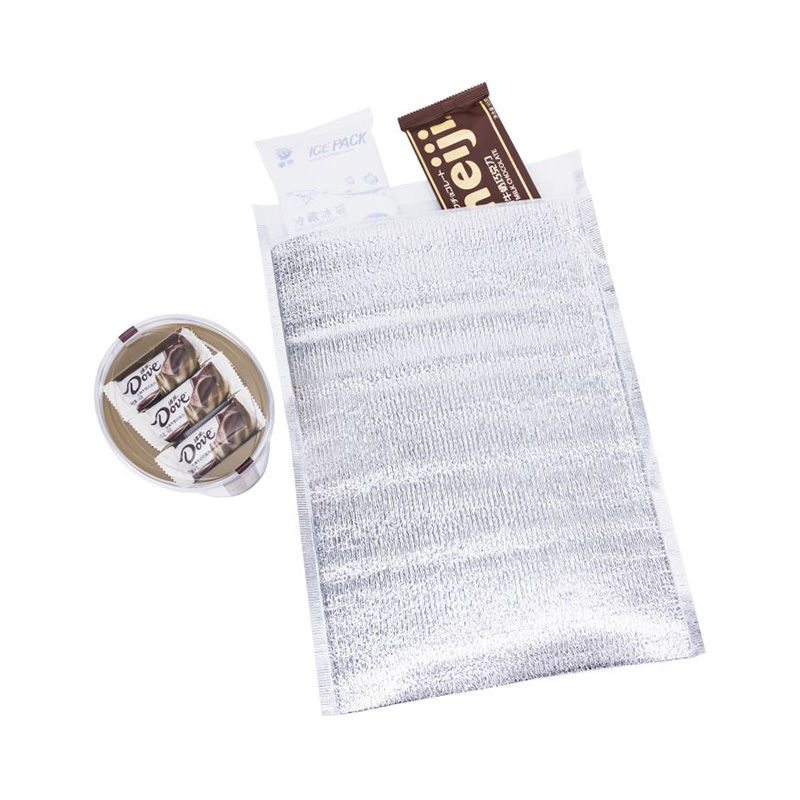
A search for thermal box liner manufacturers usually starts with price, but the smarter buying decision combines thermal protection, freight efficiency, and supplier reliability. A well-specified liner keeps your carton simple, your pack-out repeatable, and your receiving team less dependent on guesswork. Use this article as a buyer-friendly framework for qualification, negotiation, and everyday execution.
This optimized version combines buyer guidance, technical screening, and current market context so you can move from first inquiry to qualified supply with fewer costly surprises.
This Article Will Help You Answer
- How thermal box liner fits different cold chain shipping lanes and payload sensitivities
- Which thermal box liner specifications matter most for thermal hold time, fit, and pack-out consistency
- What to request from manufacturers and factory teams before sample approval or commercial rollout
- How to compare price, freight efficiency, and total landed cost instead of unit price alone
- What 2026 sustainability and compliance changes mean when sourcing thermal box liner
Why Is Thermal Box Liner More Than A Packaging Line Item?
Thermal Box Liner should be evaluated as a risk-control tool, not just a packaging SKU. When buyers searching thermal box liner manufacturers treat it like a simple commodity, they often compare only unit price and miss the bigger levers: carton fit, pack-out repeatability, freight cube, route qualification, and post-delivery claims. A stronger specification usually saves more money than aggressive quote shopping.
The format itself is usually a flexible thermal structure that usually combines reflective film, trapped air, and protective layers to slow heat gain or loss. That sounds technical, but your operational question is simpler: can the liner create a stable cavity around the payload with minimal variation from one packer, warehouse, or season to the next? If the answer is yes, you get cleaner execution, fewer temperature surprises, and easier training across locations.
What makes this purchase strategic?
A well-matched liner can lower damage risk, reduce overpacking, save storage space, and simplify scale-up at the same time. That is why high-performing teams connect packaging selection to operations, procurement, and quality from the first sample stage instead of treating it as a last-minute accessory.
| Use Case | What You Need | Best Format Signal | What It Means For You |
| Fresh Produce And Cut Flowers | Fast pack-out and stable thermal hold | Consistent fold pattern and easy loading | Lower training time and fewer assembly errors |
| Pharmacy And Hospital Replenishment | Controlled temperature with predictable fit | Tight carton match and repeatable closure | Better day-to-day execution across sites |
| Longer or hotter lanes | More thermal reserve and tighter qualification | Thicker build or upgraded coolant plan | Lower excursion risk but potentially higher cost |
Practical Tips
- Map the thermal box liner format to a specific route length and season before approving a mass purchase.
- Check carton dimensions, payload fill level, and coolant placement together instead of approving the liner alone.
- Ask the supplier to show the liner both flat and fully assembled so you can judge handling speed and fit.
Case: An operations team shipping fresh produce and cut flowers switched from a loose improvised insert to a standardized thermal box liner format. The immediate gain was not a dramatic new temperature claim. It was faster pack-out, cleaner box presentation, and fewer packing variations between shifts.
How Do You Build The Right Thermal Box Liner Specification?
The right thermal box liner specification starts with your operating conditions, not the supplier catalog. Before you ask for a quote, define the outer carton, product load, target temperature range, planned dwell time, coolant type, assembly steps, and success criteria. That single page removes most of the confusion that slows sampling and causes quote mismatch for thermal box liner manufacturers projects.
Once that brief exists, suppliers become easier to score. You can compare whether they answer directly, recommend fit improvements, flag unrealistic assumptions, and show a workable sample-to-production timeline. You also see who is selling a product and who is helping you build a dependable shipping process.
In optimized sourcing, the supplier is not selected only on price. They are selected on how well they reduce hidden costs such as repacking, seasonal overpacking, storage inefficiency, complaint handling, and requalification after small design changes.
What should your purchase brief include?
Include carton internal dimensions, payload weight range, target transit window, expected ambient extremes, closure method, annual volume, and destination disposal expectations. The more precise your brief, the more useful the sample, quote, and validation plan become.
| Supplier Factor | What Good Looks Like | Warning Sign | Impact On Your Project |
| Technical intake | Asks about route, payload, coolant, and season | Only asks for quantity and size | Weak brief leads to weak fit |
| Sample process | Clear timeline with assembly guidance | Samples arrive with no instructions | Longer launch and more packing variation |
| Quality control | Lot traceability and dimensional checks | No clear inspection method | Harder troubleshooting after scale-up |
| Commercial reliability | Honest MOQ and lead time visibility | Vague supply promises | Higher stock-out or rush-order risk |
Practical Tips
- Request the same data set from each supplier so your comparison stays fair.
- Treat sample approval, commercial terms, and quality documentation as one workflow, not three separate conversations.
- Do not approve a liner design until warehouse staff can assemble it at target speed with low variation.
Case: A buyer reviewing three suppliers for thermal box liner found that the most useful sample was not the cheapest one. It came with a carton-fit note, a suggested coolant layout, and a clear list of assumptions. That saved days of internal trial-and-error.
Which Material, Fit, And Validation Details Reduce Risk?
The strongest thermal box liner decisions connect material choice, carton fit, and validation into one approval loop. If you optimize only one of those areas, the system stays fragile. A smart specification states the structure, expected fit tolerance, closure method, recovery needs, and acceptable temperature outcome.
That matters because hidden variation usually starts at the edges. Slightly oversized liners sag. Slightly undersized liners fight the operator and leave exposed corners. Add a different coolant pack or a heavier payload, and the same liner may behave like a completely different system.
During optimization, look for the lowest-complexity format that still meets the route requirement. Simpler pack-outs scale better, train faster, and reduce packing error. That usually creates more long-term value than a highly engineered format that only one experienced shift can assemble perfectly.
What should be written into the final spec?
Define material family, target dimensions after assembly, acceptable tolerance, closure method, recovery or pre-conditioning requirement, coolant pairing assumptions, and the route or test profile used for approval. When those items are written down, later quote comparisons become far more reliable.
| Format Option | Typical Strength | Typical Trade-Off | Best Fit |
| Reflective air-cell | Light and easy to handle | Moderate reserve for harsh lanes | Short to medium chilled routes |
| Foam or thicker hybrid | Higher thermal reserve | More storage and freight burden | Longer or hotter transit profiles |
| Paper-forward recyclable style | Better disposal story | Needs careful validation | Brands with sustainability pressure |
| Vacuum-compressed or nested | Strong freight and storage efficiency | Recovery and fit must be managed | High-volume programs |
Practical Tips
- Judge the liner after full assembly, not while it is still flat on the table.
- Ask how the structure behaves in wet, chilled, and warm handling conditions.
- Balance insulation, pack-out speed, and disposal simplicity instead of maximizing one variable alone.
Case: A fulfillment team comparing two liner stacks found that the technically thicker option did not create the best overall result. The better choice was the format that packed faster, sealed cleaner, and held a more consistent shape across multiple operators.
How Do You Score Suppliers With A Simple Decision Tool?
A useful approval package for thermal box liner should let another team reproduce your result without guesswork. That is the simplest test of whether the documentation is good enough. If a new warehouse, distributor, or contract packer can follow the written method and achieve the same outcome, your sourcing decision becomes easier to defend and scale.
This is where the optimized process pulls from both buyer guidance and technical discipline. You want a specification, a sample history, a route or chamber test summary, assembly instructions, lot control, and a change-notification expectation. That sounds thorough because it is, but it prevents repeated reinvestigation later.
In practical terms, the documentation package should be simple enough for operations to use and strong enough for quality teams to trust. That balance is usually better than either extreme of no documentation or excessive paperwork with little operational value.
How can you keep compliance practical?
Write the smallest complete package: approved dimensions, material description, validated pack-out, lane assumptions, and the trigger for requalification. That gives you enough control to scale without creating a slow and bureaucratic approval cycle.
| Document | Why It Matters | Common Gap | Practical Benefit |
| Specification sheet | Defines what was bought | Too generic or incomplete | Cleaner supplier comparisons |
| Test or qualification summary | Shows route relevance | No payload or ambient detail | Better confidence before launch |
| Assembly instruction | Controls pack-out variation | Left in tribal knowledge | Fewer operator errors |
| Change control note | Protects approved performance | Unclear notification trigger | Less surprise requalification |
Practical Tips
- Tie every validation result to a specific pack-out method and ambient profile.
- Record the triggers that would force requalification, such as a material change or route extension.
- Make sure receiving teams know how to interpret data loggers, excursion reports, or arrival-condition checks.
Case: A quality team once approved a liner sample but delayed the launch because nobody had documented the coolant arrangement used in the trial. After the method was written down, the same design moved into production smoothly across two sites.
What Changed In 2026 For Compliance And Sustainability?
Optimized sourcing treats thermal box liner as a total-cost lever. That means you compare unit price, inbound freight, storage burden, assembly time, pack-out error rate, refrigerant demand, and complaint exposure on one page. Once you do that, the cheapest liner on paper often stops looking like the best option.
A useful scorecard separates fixed and variable cost. Fixed cost includes tooling, sampling, and requalification risk. Variable cost includes liner price, freight, labor, and coolant. When teams can see both, they make better long-run decisions instead of chasing short-term quote wins.
If two suppliers are close, choose the one that reduces operational variation. Fewer exceptions create cleaner planning, easier training, and less time spent on packaging-related firefighting.
What belongs in the final commercial comparison?
Use an apples-to-apples model with delivered terms, pallet density, fit quality, assembly time, and expected lane success. A sourcing decision is stronger when operations and procurement both recognize their priorities in the same table.
| Cost Driver | Low-Risk Signal | Hidden Risk | Why It Changes Value |
| Unit price | Aligned specification | Quotes built on different assumptions | False price comparison |
| Inbound freight | High pallet density or flat-packed format | Bulky packaging | Bigger warehouse and transport burden |
| Pack labor | Easy and repeatable assembly | Complex folding or closure | More time and more errors |
| Failure cost | Validated route fit | Overreliance on generic claims | Claims and product loss can dominate savings |
Practical Tips
- Normalize quotes to the same carton size, route requirement, and annual volume.
- Calculate storage and inbound freight before concluding that a thinner unit price is cheaper.
- Test the design under peak season conditions before locking in annual supply.
Case: A procurement team once selected a slightly higher-priced liner because it shipped denser, packed faster, and needed less seasonal overcompensation. The line item rose, but the total landed cost moved in the right direction.
What Is The Fastest Path From Inquiry To Qualified Supply?
The fastest path from inquiry to qualified supply is a disciplined sequence: define the lane, write the spec, shortlist suppliers, run route-relevant trials, document the approved method, then scale with monitoring. That sequence sounds basic, but it prevents most of the avoidable friction that slows sourcing projects.
In 2026, that process matters even more because the external environment is shifting. FDA's 2025 draft Q1 stability guidance says a transient temperature excursion may be acceptable only when it is justified and supported by stability data. The EU Packaging and Packaging Waste Regulation entered into force on 11 February 2025 and pushes packaging placed on the EU market toward practical recyclability by 2030. Those signals encourage buyers to combine performance proof with material transparency.
When you align procurement, operations, and quality around the same specification and scorecard, supplier selection becomes faster and easier to defend. That is the real optimization: not more complexity, but fewer unclear decisions.
What is the first step after reading this guide?
Build a one-page sourcing brief and use it for every sample and quote request. Once every supplier responds to the same brief, you can compare them fairly and move to validation with confidence.
| 2026 Trend | What Changed | Packaging Response | Benefit To You |
| Evidence-based approval | More focus on route relevance | Clearer qualification support | Safer decisions |
| Sustainability pressure | More scrutiny on disposal and materials | Better material transparency | Easier customer communication |
| Higher-value payloads | Mistakes cost more | Tighter pack-out discipline | Fewer expensive excursions |
| Operational simplification | Lean teams need repeatable methods | Lower-complexity designs | Faster training and scale-up |
Practical Tips
- Review lane conditions at least seasonally instead of assuming last quarter's pack-out still fits.
- Keep the supplier informed when payload weight, coolant type, or distribution geography changes.
- Use post-launch feedback to refine the next round of orders instead of waiting for a failure.
Case: A sourcing team that documented its route profile and supplier scorecard before requesting quotes reached commercial approval faster than prior projects. The biggest time saver was not better negotiation. It was better alignment on what success looked like.
Frequently Asked Questions
How do you choose the right thermal box liner size for your carton?
Start with the real internal carton dimensions, then test the liner with the actual payload and coolant arrangement. A size chart is useful, but a live fit check is what confirms whether corners close cleanly and the cavity stays consistent.
Is a lower-priced thermal box liner manufacturers option always the better buy?
Not usually. A cheaper liner can still increase freight, labor, coolant use, or failure risk. Compare total landed cost and operating ease, not just the unit price on the quotation.
What validation data should you request before approving thermal box liner manufacturers?
Ask for route or chamber test context, payload details, coolant assumptions, sensor placement, and assembly instructions. The goal is to understand the exact conditions behind the reported result so your team can repeat it.
When should you requalify a thermal box liner program?
Requalify when route time changes, the season shifts materially, the payload or coolant setup changes, or the supplier modifies the liner structure. Small changes can alter real-world performance more than buyers expect.
Can thermal box liner work for both food and pharmaceutical shipments?
The format can, but the approval pathway may differ. Food shipments often prioritize speed and cost, while healthcare lanes may require tighter documentation, route discipline, and traceability.
What is the biggest mistake buyers make with thermal box liner manufacturers?
They approve the liner in isolation. The real decision should include carton fit, coolant plan, lane profile, assembly method, and receiving conditions. The liner is only one part of the shipping system.
Summary And Recommendations
The strongest version of thermal box liner manufacturers sourcing combines buyer clarity, technical discipline, and current market awareness. When the specification is clear, suppliers are easier to compare, qualification becomes faster, and the final decision is easier for procurement, operations, and quality to support.
Create a one-page sourcing brief, score suppliers against it, and validate with the route conditions that matter most to your business. That is the fastest practical route to reliable 2026 supply.
About Tempk
Tempk focuses on practical cold chain packaging solutions, including thermal box liner programs designed for food, healthcare, and temperature-sensitive distribution needs. We emphasize route-aware selection, consistent conversion quality, and supply formats that are easier to scale across real operations.
If you are planning a new project, a seasonal redesign, or a supplier comparison, the most productive next step is to share your carton size, temperature target, route window, and expected volume. That allows a faster discussion about fit, validation, and commercial feasibility.
Thermal Box Liner Bulk Order: Best Sourcing Guide for 2026
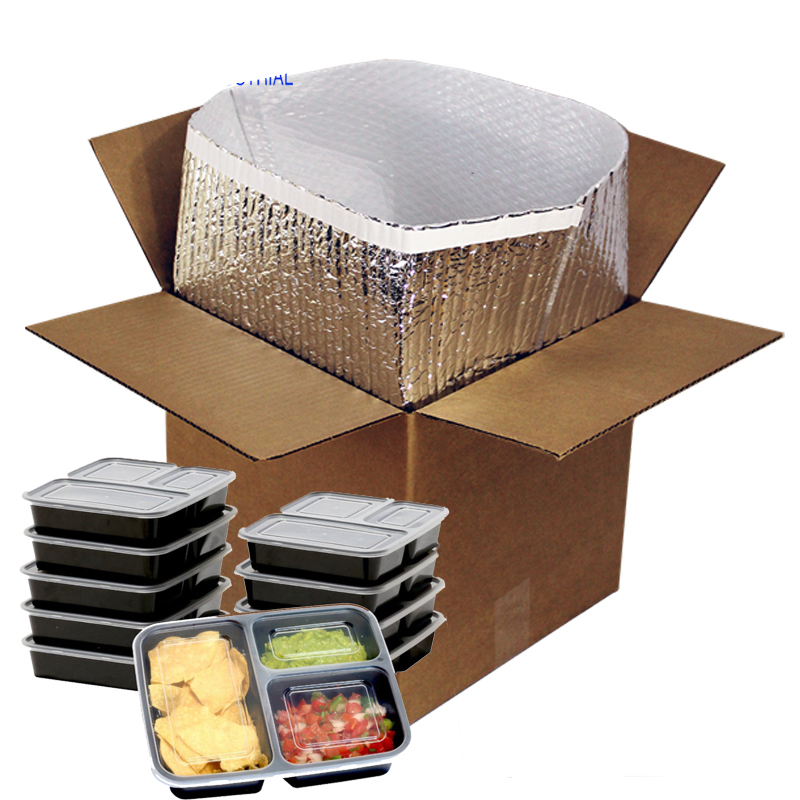
If you are evaluating a thermal box liner bulk order, the best decision is the one that balances thermal protection, buying efficiency, and supply reliability at the same time. In 2026, the winning program is rarely the cheapest liner alone. It is the configuration that fits your route, supports clean warehouse execution, and holds up under changing compliance and sustainability expectations.
This article will help you answer:
- How to choose a thermal box liner bulk order based on route, payload, and operating reality
- How to compare custom thermal box liner and other long-tail options without guesswork
- How to use material data, validation logic, and compliance checks in one decision process
- How to reduce landed cost while improving consistency, customer experience, and sustainability
How do you choose a thermal box liner bulk order without overbuying or under-protecting?
The right thermal box liner bulk order is the one that gives you enough thermal margin for your real lane, no more and no less. Buyers often waste money by purchasing extra insulation that the route does not need, or they create risk by choosing a thin, low-cost structure that only works in perfect conditions. The smartest path is to start from the box, the product, the route, and the operating team.
Think about your liner like a winter coat. The best coat for a mild rainy day is not the same as the best coat for a freezing mountain trip. Your packaging works the same way. If your shipments are mostly short and stable, a lighter structure may be the better commercial choice. If your shipments face repeated handoffs, summer dwell, or delay-prone courier lanes, you need more protection and a clearer qualification process. That is why a strong thermal box liner bulk order should ask about shipment time, product sensitivity, box size, coolant style, and seasonal peaks before discussing price.
A simple qualification scorecard for Thermal Box Liner
| Decision factor | What good looks like | What weak sourcing looks like | What it means for you |
| Box fit | Liner dimensions match the real inner box after corrugate tolerance | Generic sizes leave big air gaps or force awkward folding | Better fit usually means more stable temperature control and faster packing |
| Thermal evidence | Route-relevant logger data and a clear test profile | Brochure claims without payload, ambient profile, or pack-out detail | You can compare real performance instead of marketing language |
| Assembly repeatability | Easy folds, simple sealing, and pack-out photos for operators | The design only works when one skilled packer handles it | Warehouse consistency improves and spoilage risk drops |
| Commercial reliability | Clear MOQ, lead time, change notice, and replenishment plan | Unclear backup stock or no process for material changes | You avoid emergency buys and unplanned revalidation work |
Practical tips you can use right away
- For stable lanes: Use a fitted liner and verify the real inner dimensions before ordering samples.
- For mixed climates: Use seasonal test plans rather than one claim for the entire year.
- For multi-team projects: Bring procurement, QA, and warehouse supervisors into the sample review before approval.
Real-world example: A refrigerated food shipper compared two offers that looked similar on price. The higher-rated option had clearer box-fit data and a simpler seal pattern. Packing time dropped, operator errors fell, and the company reduced summer claims even though the liner itself was not the cheapest item on the quote sheet.
Which materials and structures actually fit your route?
Material choice should follow route risk, not assumption. A liner is not “good” in the abstract. It is good only when its structure matches the amount of heat stress your shipment actually faces. That means you should compare reflectivity, trapped-air structure, thickness, folding behavior, and assembly speed together.
For many buyers, the fastest way to understand this is to split the choice into three route types. First, short and stable lanes often reward lighter constructions that keep freight and cube under control. Second, routine parcel lanes usually need a well-fitted liner with balanced coolant placement and dependable seal quality. Third, delay-prone or high-heat lanes usually need a more conservative design and stronger test evidence. The structure you choose should also match your packing team. A technically strong liner that is slow to fold or easy to misplace can perform worse in the field than a simpler design.
How common insulated liner structures compare
| Structure option | Best route fit | Main strength | What you should watch |
| Thermal box liner | Standard parcel box programs | Lean and scalable | Needs size planning |
| Rigid box insert | Higher-risk routes | More thermal buffer | More storage space |
| Paper insert | Recovery-focused lanes | Better sustainability story | Moisture discipline required |
The material science behind this is simple. Heat enters a parcel through walls, seams, openings, and handling time. Reflective surfaces help slow radiant heat, while bubble layers trap air and reduce heat movement through the structure. Paper-forward or mono-material designs may improve disposal pathways in some markets, but their performance still depends on the full build and the way the pack is sealed. In plain terms, there is no magic material. There is only the right structure for the job.
What to ask when reviewing samples
- Ask for the exact layer description: “foil,” “paper,” or “bubble” is too vague on its own.
- Ask for tolerance range: small size shifts can create air gaps that weaken thermal control.
- Ask for assembly photos or video steps: packing consistency is part of performance, not a separate issue.
Real-world example: A test-kit program first chose a heavier build for every route. After logger review, the team discovered that a lighter structure handled the majority of regional lanes while the heavier setup was reserved for only the hottest destinations. The result was lower cube, faster packing, and better budget control.
How should you validate compliance, testing, and change control?
A good thermal box liner bulk order should support a packaging system that is controlled, documented, and repeatable. That means validation is not only about how long the liner “holds cold.” It is also about whether the liner, coolant, box, payload, and packing steps have been qualified together and can stay stable over time.
Public guidance in healthcare and food logistics points in the same practical direction. WHO guidance for temperature-sensitive pharmaceutical distribution remains a key reference point. EU GDP requires medicines to remain within defined limits during transport and stresses a risk-based approach with qualified packaging when needed. FDA food transportation guidance focuses on temperature control, sanitation, correct packing materials, communication, and training. ISTA’s newer thermal-testing direction also pushes buyers toward route realism instead of generic brochure numbers. In simple language, serious buyers need evidence that reflects real use.
What data should a serious supplier provide?
| Control point | What strong evidence looks like | Public guidance direction | Buyer action |
| Temperature definition | The supplier asks for your real product range and acceptable excursion window | WHO and EU GDP both emphasize defined temperature limits and controlled transport | Write the product target range into the RFQ and test plan |
| Route simulation | Test profiles reflect seasonal risk, dwell, and distribution hops | ISTA 7E thinking is built around lane realism rather than abstract hold-time claims | Ask which lane assumptions were used and whether delay scenarios were included |
| Packaging qualification | The pack-out, coolant load, and liner are validated together | EU GDP and FDA thinking both point to practical control of packaging, process, and handling | Approve a full configuration, not the liner alone |
| Change control | You receive notice before film, paper, adhesive, or process changes | Quality systems expect controlled change, especially for sensitive shipments | Add a change-notification clause to supply terms |
There is also a change-control lesson that many teams learn too late. If a supplier changes film weight, adhesive, paper layer, converting settings, or folding method without formal notice, your qualified pack-out can drift even when the product name stays the same. That is why the best sourcing programs treat change control as part of the commercial agreement. It protects product quality and saves you from unexpected re-testing.
Useful actions for your sourcing checklist
- Use one approved test summary: Keep route assumptions, payload, coolant, and pass criteria in one document.
- Use loggers on first production shipments: Lab work is valuable, but field confirmation matters.
- Use a change-notice clause: Ask for advance notice before material or process changes that affect performance.
Real-world example: A pharma secondary-pack project passed internal tests, but the buyer later discovered that a material update had slightly changed fold stiffness. After adding formal change notification and field logger checks, the team regained stable performance and faster batch release confidence.
How do cost, sustainability, and supply security work together in 2026?
The most competitive thermal box liner bulk order usually wins on total system value, not on unit price alone. In cold chain work, cost is tied to freight, cube, spoilage risk, labor time, and recovery claims. Sustainability now sits inside the same decision, because disposal expectations, packaging scorecards, and regional regulation are affecting procurement behavior much more directly than they did a few years ago.
This is one reason the market is changing quickly. The European Commission says the PPWR entered into force in February 2025 and states that packaging on the EU market must be recyclable by 2030. Industry groups in the United States continue to report cardboard recycling rates above two thirds, which keeps paper-based outer cartons attractive in circular programs. At the same time, consumer and commercial expectations are moving together. DHL’s e-commerce reporting shows that delivery choice and sustainability concerns now influence whether buyers complete purchases. That means your packaging choice affects protection, cost, brand trust, and conversion logic all at once.
How to compare landed cost, cube, and disposal reality
| Cost layer | What to compare | Hidden risk | Practical meaning |
| Unit price | Price per liner by approved structure and size | A cheaper liner may need more coolant or cause slower packing | Evaluate total pack cost, not just one line item |
| Freight and cube | Flat-pack density, packed dimensions, and pallet count | Higher cube can erase a small unit-price advantage | Warehouse and outbound cost matter in bulk buying |
| Failure cost | Spoilage, reshipment, refunds, and customer service time | One failed shipment can wipe out a large pricing gain | Thermal reliability has a real financial value |
| Disposal and claims | How buyers or end users separate materials after use | A sustainability claim that is hard to follow can backfire | Use honest recovery guidance and region-fit messaging |
Sustainability claims also need discipline. A claim that sounds strong in a brochure can become weak in the field if the user does not know how to separate materials or if local collection systems do not support that package format. McKinsey’s packaging work has highlighted that consumer expectations and disposal systems vary by country, so the best communication is usually specific and local. For you, that means a strong thermal box liner bulk order should help you explain what the pack is, how it should be handled after use, and which claim is accurate for the market where the package will actually end up.
Practical ways to make the program more resilient
- Plan a base spec and a backup spec: this protects you during heat waves, peaks, and supply disruptions.
- Store packed-dimension data: freight and warehouse efficiency are easier to improve when cube is visible.
- Review disposal language by market: use plain instructions that match what local users can really do.
Real-world example: A chilled-grocery program moved from one broad sustainability claim to region-specific disposal instructions tied to the actual liner structure and local handling options. Customer questions fell, and the packaging team gained stronger approval from procurement and compliance stakeholders.
Which buying model works best for a thermal box liner bulk order: factory, supplier, wholesaler, or distributor?
The best buying model depends on whether you need control, speed, or a balance of both. Many projects fail because they use the wrong supply model for the stage of the program. Early qualification often needs a technical partner who can refine the pack-out. Mature repeat business may benefit from direct production planning. Urgent replenishment often fits a channel partner with stock access.
Your keyword focus already hints at the buying logic. A buyer looking for a “supplier” usually wants service depth, consistency, and problem-solving. A buyer using “wholesaler” or “wholesale” language often prioritizes stock flow, MOQ, and cost planning. A buyer searching for “manufacturer” or “factory” is usually closer to customization and process control. A buyer using “distributor” often values speed, regional support, and simpler replenishment. The smartest sourcing strategy is to match that commercial need to the thermal risk of the product.
Use this sourcing map before you request quotations
| Partner model | Best for | Main advantage | When to choose it |
| Factory | Custom programs, repeat lanes, and spec control | Closer process visibility and better customization depth | Choose this when design control matters more than fastest spot supply |
| Technical supplier | Qualification projects and cross-functional onboarding | Better translation between procurement, QA, and operations | Choose this when you need data, samples, and refinement |
| Wholesaler or distributor | Fast stock access and standard formats | Simpler replenishment and lower sourcing friction | Choose this when continuity and speed matter most |
| Hybrid program | Base volumes direct plus buffer stock through channel partners | Stronger resilience during peaks and seasonal swings | Choose this when you need both cost control and supply backup |
When possible, use a hybrid strategy for important lanes. Many mature cold-chain programs lock a core validated structure with direct supply while keeping a secondary stocking channel for continuity. This is especially useful when demand jumps during promotions, vaccine campaigns, summer peaks, or special launches. DHL has announced major investment in health logistics through 2030, which is a reminder that capacity, temperature control, and network resilience are becoming more strategic across the sector. Packaging sourcing should evolve with that reality.
Fast buyer rules of thumb
- Choose factory depth when you need custom fit, change control, and long-run cost efficiency.
- Choose a supplier partner when you need qualification help, data review, and cross-team onboarding.
- Choose a wholesaler or distributor when time to stock matters more than deep structural customization.
Real-world example: A specialty food brand kept its approved liner design with a primary producer but added a regional channel partner for standard backup stock. That reduced risk during peak summer demand without forcing a full redesign.
2026 latest thermal box liner developments and trends
The biggest change in 2026 is that buyers no longer evaluate a thermal box liner bulk order as a simple packaging component. They evaluate it as part of a cold-chain operating system. WHO’s 2025 vaccine packaging guidance now openly pairs temperature control with transport complexity and environmental sustainability. ISTA continues to push route-based thinking for thermal parcel testing. DHL’s 2026 packaging view highlights lighter materials, circular systems, smarter labeling, and stronger regulatory pressure. Together, these signals tell you that sourcing now blends protection, documentation, and circularity planning.
Latest developments at a glance
- Route-based validation is growing: buyers want test evidence that mirrors real dwell, transfer points, and seasonal heat.
- Circularity language is becoming more specific: packaging teams need disposal claims that work in real local systems.
- Efficiency matters more than thickness alone: lower cube, clearer labels, and faster assembly now influence buying decisions.
| 2026 trend | What is changing | Why it matters | What you should do |
| Recyclability pressure | Packaging teams are planning for stricter circularity expectations in many markets | Material claims now affect procurement reviews, not just marketing | Ask for disposal guidance that matches your sales regions |
| Route-based validation | More teams want test logic that mirrors real parcel and healthcare lanes | Generic hold-time promises are losing credibility | Request logger-backed seasonal validation |
| Capacity planning | Cold-chain growth keeps pushing demand for controlled logistics and insulation components | Backup supply and lead-time discipline are becoming strategic | Build a replenishment plan before peak season |
| Lighter smarter packs | Buyers want lower cube, simpler assembly, and clearer labels | Packing speed and freight efficiency now sit beside pure insulation value | Compare full system efficiency, not just thickness |
Market direction also supports long-term planning. Healthcare logistics continues to grow, and controlled networks are expanding to support pharmaceuticals, clinical trials, biopharma, and advanced therapies. Food and direct-to-consumer cold-chain programs also keep pushing for a better balance between performance and waste reduction. For buyers, the message is simple: choose partners that can scale with your data, not just with your purchase order.
Frequently asked questions
How do you compare a thermal box liner bulk order without running a long trial?
Start with three filters: route fit, pack-out repeatability, and change control. If a supplier cannot explain box fit, coolant logic, and test conditions in plain language, you do not have enough evidence to move fast with confidence.
What is the best MOQ for a thermal box liner bulk order?
The best MOQ is the one that supports stable replenishment without locking you into the wrong structure. For seasonal lanes, many buyers approve one main format and one backup size so they can buy in volume without losing flexibility.
Should you choose the lightest liner possible?
Only when the route data supports it. A lighter liner can reduce freight and speed up packing, but if it cuts your thermal margin too far, the apparent saving disappears in spoilage, claims, and emergency reshipment cost.
How important is recyclability when choosing thermal box liner bulk order?
It matters more every year. Recyclability affects customer messaging, compliance planning, and internal packaging scorecards. The best practice is to match the sustainability story to your real recovery market, not to make broad claims that users cannot follow.
What should a serious supplier include in a quotation pack?
You should expect dimensions, structure details, tolerances, MOQ, lead time, packed cube, sampling process, change notice rules, and test evidence or a proposed validation plan. That level of detail makes quotations comparable.
Can one liner design work all year?
Sometimes, but not always. A design that works in spring may need a different coolant layout or a more conservative configuration in peak summer. Seasonal SOPs usually perform better than a one-setting-fits-all approach.
Summary and recommendation
A strong thermal box liner bulk order should help you do four things well. First, match the liner structure to the real route instead of buying by assumption. Second, qualify the full pack-out with clear test logic, field checks, and change control. Third, compare total system cost, including freight, labor, and failure risk. Fourth, make sure your sustainability story is honest, practical, and suited to the markets you serve.
The next step is to build a short decision file before you request final pricing. Confirm the inner box size, product target range, lane length, seasonal risk, coolant style, target MOQ, and required lead time. Then compare suppliers against one scorecard instead of against one price line. That simple process gives you faster decisions and better protection.
About Tempk
At Tempk, we focus on practical cold-chain packaging that operators can use consistently, not just products that look good on paper. Our range includes insulated box liners, foil mailing liners, pallet covers, and related temperature-control solutions for parcel, food, and healthcare applications. We work on the details that matter in real operations: repeatable assembly, stable material quality, and scalable supply planning.
If you are refining a sourcing program for thermal box liner bulk order, the best next move is to compare your route, box, and payload requirements against a documented liner spec. That gives you a clean basis for sampling, validation, and commercial discussion.
Temperature Controlled Box Liner Distributors

A search for temperature controlled box liner distributors usually starts with price, but the smarter buying decision combines thermal protection, freight efficiency, and supplier reliability. The best option is the one that matches your route profile, payload sensitivity, and replenishment rhythm rather than the one with the cheapest headline quote. Below, you will see how buyers compare structure, validation, compliance, and total landed cost before placing the next order.
This optimized version combines buyer guidance, technical screening, and current market context so you can move from first inquiry to qualified supply with fewer costly surprises.
This Article Will Help You Answer
- How temperature controlled box liner fits different cold chain shipping lanes and payload sensitivities
- Which temperature controlled box liner specifications matter most for thermal hold time, fit, and pack-out consistency
- What to request from distributors and channel partners before sample approval or commercial rollout
- How to compare price, freight efficiency, and total landed cost instead of unit price alone
- What 2026 sustainability and compliance changes mean when sourcing temperature controlled box liner
Why Is Temperature Controlled Box Liner More Than A Packaging Line Item?
Temperature Controlled Box Liner should be evaluated as a risk-control tool, not just a packaging SKU. When buyers searching temperature controlled box liner distributors treat it like a simple commodity, they often compare only unit price and miss the bigger levers: carton fit, pack-out repeatability, freight cube, route qualification, and post-delivery claims. A stronger specification usually saves more money than aggressive quote shopping.
The format itself is usually a passive thermal liner stack intended to support controlled room temperature, chilled, or other defined ranges inside a shipping carton. That sounds technical, but your operational question is simpler: can the liner create a stable cavity around the payload with minimal variation from one packer, warehouse, or season to the next? If the answer is yes, you get cleaner execution, fewer temperature surprises, and easier training across locations.
What makes this purchase strategic?
A well-matched liner can lower damage risk, reduce overpacking, save storage space, and simplify scale-up at the same time. That is why high-performing teams connect packaging selection to operations, procurement, and quality from the first sample stage instead of treating it as a last-minute accessory.
| Use Case | What You Need | Best Format Signal | What It Means For You |
| Biologics, Vaccines, And Cell-Therapy Support Materials | Fast pack-out and stable thermal hold | Consistent fold pattern and easy loading | Lower training time and fewer assembly errors |
| Diagnostic Kits And Lab Reagents | Controlled temperature with predictable fit | Tight carton match and repeatable closure | Better day-to-day execution across sites |
| Longer or hotter lanes | More thermal reserve and tighter qualification | Thicker build or upgraded coolant plan | Lower excursion risk but potentially higher cost |
Practical Tips
- Map the temperature controlled box liner format to a specific route length and season before approving a mass purchase.
- Check carton dimensions, payload fill level, and coolant placement together instead of approving the liner alone.
- Ask the supplier to show the liner both flat and fully assembled so you can judge handling speed and fit.
Case: An operations team shipping biologics, vaccines, and cell-therapy support materials switched from a loose improvised insert to a standardized temperature controlled box liner format. The immediate gain was not a dramatic new temperature claim. It was faster pack-out, cleaner box presentation, and fewer packing variations between shifts.
How Do You Build The Right Temperature Controlled Box Liner Specification?
The right temperature controlled box liner specification starts with your operating conditions, not the supplier catalog. Before you ask for a quote, define the outer carton, product load, target temperature range, planned dwell time, coolant type, assembly steps, and success criteria. That single page removes most of the confusion that slows sampling and causes quote mismatch for temperature controlled box liner distributors projects.
Once that brief exists, suppliers become easier to score. You can compare whether they answer directly, recommend fit improvements, flag unrealistic assumptions, and show a workable sample-to-production timeline. You also see who is selling a product and who is helping you build a dependable shipping process.
In optimized sourcing, the supplier is not selected only on price. They are selected on how well they reduce hidden costs such as repacking, seasonal overpacking, storage inefficiency, complaint handling, and requalification after small design changes.
What should your purchase brief include?
Include carton internal dimensions, payload weight range, target transit window, expected ambient extremes, closure method, annual volume, and destination disposal expectations. The more precise your brief, the more useful the sample, quote, and validation plan become.
| Supplier Factor | What Good Looks Like | Warning Sign | Impact On Your Project |
| Technical intake | Asks about route, payload, coolant, and season | Only asks for quantity and size | Weak brief leads to weak fit |
| Sample process | Clear timeline with assembly guidance | Samples arrive with no instructions | Longer launch and more packing variation |
| Quality control | Lot traceability and dimensional checks | No clear inspection method | Harder troubleshooting after scale-up |
| Commercial reliability | Honest MOQ and lead time visibility | Vague supply promises | Higher stock-out or rush-order risk |
Practical Tips
- Request the same data set from each supplier so your comparison stays fair.
- Treat sample approval, commercial terms, and quality documentation as one workflow, not three separate conversations.
- Do not approve a liner design until warehouse staff can assemble it at target speed with low variation.
Case: A buyer reviewing three suppliers for temperature controlled box liner found that the most useful sample was not the cheapest one. It came with a carton-fit note, a suggested coolant layout, and a clear list of assumptions. That saved days of internal trial-and-error.
Which Material, Fit, And Validation Details Reduce Risk?
The strongest temperature controlled box liner decisions connect material choice, carton fit, and validation into one approval loop. If you optimize only one of those areas, the system stays fragile. A smart specification states the structure, expected fit tolerance, closure method, recovery needs, and acceptable temperature outcome.
That matters because hidden variation usually starts at the edges. Slightly oversized liners sag. Slightly undersized liners fight the operator and leave exposed corners. Add a different coolant pack or a heavier payload, and the same liner may behave like a completely different system.
During optimization, look for the lowest-complexity format that still meets the route requirement. Simpler pack-outs scale better, train faster, and reduce packing error. That usually creates more long-term value than a highly engineered format that only one experienced shift can assemble perfectly.
What should be written into the final spec?
Define material family, target dimensions after assembly, acceptable tolerance, closure method, recovery or pre-conditioning requirement, coolant pairing assumptions, and the route or test profile used for approval. When those items are written down, later quote comparisons become far more reliable.
| Format Option | Typical Strength | Typical Trade-Off | Best Fit |
| Reflective air-cell | Light and easy to handle | Moderate reserve for harsh lanes | Short to medium chilled routes |
| Foam or thicker hybrid | Higher thermal reserve | More storage and freight burden | Longer or hotter transit profiles |
| Paper-forward recyclable style | Better disposal story | Needs careful validation | Brands with sustainability pressure |
| Vacuum-compressed or nested | Strong freight and storage efficiency | Recovery and fit must be managed | High-volume programs |
Practical Tips
- Judge the liner after full assembly, not while it is still flat on the table.
- Ask how the structure behaves in wet, chilled, and warm handling conditions.
- Balance insulation, pack-out speed, and disposal simplicity instead of maximizing one variable alone.
Case: A fulfillment team comparing two liner stacks found that the technically thicker option did not create the best overall result. The better choice was the format that packed faster, sealed cleaner, and held a more consistent shape across multiple operators.
How Do You Score Suppliers With A Simple Decision Tool?
A useful approval package for temperature controlled box liner should let another team reproduce your result without guesswork. That is the simplest test of whether the documentation is good enough. If a new warehouse, distributor, or contract packer can follow the written method and achieve the same outcome, your sourcing decision becomes easier to defend and scale.
This is where the optimized process pulls from both buyer guidance and technical discipline. You want a specification, a sample history, a route or chamber test summary, assembly instructions, lot control, and a change-notification expectation. That sounds thorough because it is, but it prevents repeated reinvestigation later.
In practical terms, the documentation package should be simple enough for operations to use and strong enough for quality teams to trust. That balance is usually better than either extreme of no documentation or excessive paperwork with little operational value.
How can you keep compliance practical?
Write the smallest complete package: approved dimensions, material description, validated pack-out, lane assumptions, and the trigger for requalification. That gives you enough control to scale without creating a slow and bureaucratic approval cycle.
| Document | Why It Matters | Common Gap | Practical Benefit |
| Specification sheet | Defines what was bought | Too generic or incomplete | Cleaner supplier comparisons |
| Test or qualification summary | Shows route relevance | No payload or ambient detail | Better confidence before launch |
| Assembly instruction | Controls pack-out variation | Left in tribal knowledge | Fewer operator errors |
| Change control note | Protects approved performance | Unclear notification trigger | Less surprise requalification |
Practical Tips
- Tie every validation result to a specific pack-out method and ambient profile.
- Record the triggers that would force requalification, such as a material change or route extension.
- Make sure receiving teams know how to interpret data loggers, excursion reports, or arrival-condition checks.
Case: A quality team once approved a liner sample but delayed the launch because nobody had documented the coolant arrangement used in the trial. After the method was written down, the same design moved into production smoothly across two sites.
What Changed In 2026 For Compliance And Sustainability?
Optimized sourcing treats temperature controlled box liner as a total-cost lever. That means you compare unit price, inbound freight, storage burden, assembly time, pack-out error rate, refrigerant demand, and complaint exposure on one page. Once you do that, the cheapest liner on paper often stops looking like the best option.
A useful scorecard separates fixed and variable cost. Fixed cost includes tooling, sampling, and requalification risk. Variable cost includes liner price, freight, labor, and coolant. When teams can see both, they make better long-run decisions instead of chasing short-term quote wins.
If two suppliers are close, choose the one that reduces operational variation. Fewer exceptions create cleaner planning, easier training, and less time spent on packaging-related firefighting.
What belongs in the final commercial comparison?
Use an apples-to-apples model with delivered terms, pallet density, fit quality, assembly time, and expected lane success. A sourcing decision is stronger when operations and procurement both recognize their priorities in the same table.
| Cost Driver | Low-Risk Signal | Hidden Risk | Why It Changes Value |
| Unit price | Aligned specification | Quotes built on different assumptions | False price comparison |
| Inbound freight | High pallet density or flat-packed format | Bulky packaging | Bigger warehouse and transport burden |
| Pack labor | Easy and repeatable assembly | Complex folding or closure | More time and more errors |
| Failure cost | Validated route fit | Overreliance on generic claims | Claims and product loss can dominate savings |
Practical Tips
- Normalize quotes to the same carton size, route requirement, and annual volume.
- Calculate storage and inbound freight before concluding that a thinner unit price is cheaper.
- Test the design under peak season conditions before locking in annual supply.
Case: A procurement team once selected a slightly higher-priced liner because it shipped denser, packed faster, and needed less seasonal overcompensation. The line item rose, but the total landed cost moved in the right direction.
What Is The Fastest Path From Inquiry To Qualified Supply?
The fastest path from inquiry to qualified supply is a disciplined sequence: define the lane, write the spec, shortlist suppliers, run route-relevant trials, document the approved method, then scale with monitoring. That sequence sounds basic, but it prevents most of the avoidable friction that slows sourcing projects.
In 2026, that process matters even more because the external environment is shifting. FDA's 2025 draft Q1 stability guidance says a transient temperature excursion may be acceptable only when it is justified and supported by stability data. The EU Packaging and Packaging Waste Regulation entered into force on 11 February 2025 and pushes packaging placed on the EU market toward practical recyclability by 2030. Those signals encourage buyers to combine performance proof with material transparency.
When you align procurement, operations, and quality around the same specification and scorecard, supplier selection becomes faster and easier to defend. That is the real optimization: not more complexity, but fewer unclear decisions.
What is the first step after reading this guide?
Build a one-page sourcing brief and use it for every sample and quote request. Once every supplier responds to the same brief, you can compare them fairly and move to validation with confidence.
| 2026 Trend | What Changed | Packaging Response | Benefit To You |
| Evidence-based approval | More focus on route relevance | Clearer qualification support | Safer decisions |
| Sustainability pressure | More scrutiny on disposal and materials | Better material transparency | Easier customer communication |
| Higher-value payloads | Mistakes cost more | Tighter pack-out discipline | Fewer expensive excursions |
| Operational simplification | Lean teams need repeatable methods | Lower-complexity designs | Faster training and scale-up |
Practical Tips
- Review lane conditions at least seasonally instead of assuming last quarter's pack-out still fits.
- Keep the supplier informed when payload weight, coolant type, or distribution geography changes.
- Use post-launch feedback to refine the next round of orders instead of waiting for a failure.
Case: A sourcing team that documented its route profile and supplier scorecard before requesting quotes reached commercial approval faster than prior projects. The biggest time saver was not better negotiation. It was better alignment on what success looked like.
Frequently Asked Questions
How do you choose the right temperature controlled box liner size for your carton?
Start with the real internal carton dimensions, then test the liner with the actual payload and coolant arrangement. A size chart is useful, but a live fit check is what confirms whether corners close cleanly and the cavity stays consistent.
Is a lower-priced temperature controlled box liner distributors option always the better buy?
Not usually. A cheaper liner can still increase freight, labor, coolant use, or failure risk. Compare total landed cost and operating ease, not just the unit price on the quotation.
What validation data should you request before approving temperature controlled box liner distributors?
Ask for route or chamber test context, payload details, coolant assumptions, sensor placement, and assembly instructions. The goal is to understand the exact conditions behind the reported result so your team can repeat it.
When should you requalify a temperature controlled box liner program?
Requalify when route time changes, the season shifts materially, the payload or coolant setup changes, or the supplier modifies the liner structure. Small changes can alter real-world performance more than buyers expect.
Can temperature controlled box liner work for both food and pharmaceutical shipments?
The format can, but the approval pathway may differ. Food shipments often prioritize speed and cost, while healthcare lanes may require tighter documentation, route discipline, and traceability.
What is the biggest mistake buyers make with temperature controlled box liner distributors?
They approve the liner in isolation. The real decision should include carton fit, coolant plan, lane profile, assembly method, and receiving conditions. The liner is only one part of the shipping system.
Summary And Recommendations
The strongest version of temperature controlled box liner distributors sourcing combines buyer clarity, technical discipline, and current market awareness. When the specification is clear, suppliers are easier to compare, qualification becomes faster, and the final decision is easier for procurement, operations, and quality to support.
Create a one-page sourcing brief, score suppliers against it, and validate with the route conditions that matter most to your business. That is the fastest practical route to reliable 2026 supply.
About Tempk
Tempk focuses on practical cold chain packaging solutions, including temperature controlled box liner programs designed for food, healthcare, and temperature-sensitive distribution needs. We emphasize route-aware selection, consistent conversion quality, and supply formats that are easier to scale across real operations.
If you are planning a new project, a seasonal redesign, or a supplier comparison, the most productive next step is to share your carton size, temperature target, route window, and expected volume. That allows a faster discussion about fit, validation, and commercial feasibility.
Single Bubble Insulated Liner Wholesaler Guide for 2026
If you are evaluating a single bubble insulated liner wholesaler, the best decision is the one that balances thermal protection, buying efficiency, and supply reliability at the same time. In 2026, the winning program is rarely the cheapest liner alone. It is the configuration that fits your route, supports clean warehouse execution, and holds up under changing compliance and sustainability expectations.
This article will help you answer:
- How to choose a single bubble insulated liner wholesaler based on route, payload, and operating reality
- How to compare custom single bubble insulated liner and other long-tail options without guesswork
- How to use material data, validation logic, and compliance checks in one decision process
- How to reduce landed cost while improving consistency, customer experience, and sustainability
How do you choose a single bubble insulated liner wholesaler without overbuying or under-protecting?
The right single bubble insulated liner wholesaler is the one that gives you enough thermal margin for your real lane, no more and no less. Buyers often waste money by purchasing extra insulation that the route does not need, or they create risk by choosing a thin, low-cost structure that only works in perfect conditions. The smartest path is to start from the box, the product, the route, and the operating team.
Think about your liner like a winter coat. The best coat for a mild rainy day is not the same as the best coat for a freezing mountain trip. Your packaging works the same way. If your shipments are mostly short and stable, a lighter structure may be the better commercial choice. If your shipments face repeated handoffs, summer dwell, or delay-prone courier lanes, you need more protection and a clearer qualification process. That is why a strong single bubble insulated liner wholesaler should ask about shipment time, product sensitivity, box size, coolant style, and seasonal peaks before discussing price.
A simple qualification scorecard for Single Bubble Insulated Liner
| Decision factor | What good looks like | What weak sourcing looks like | What it means for you |
| Box fit | Liner dimensions match the real inner box after corrugate tolerance | Generic sizes leave big air gaps or force awkward folding | Better fit usually means more stable temperature control and faster packing |
| Thermal evidence | Route-relevant logger data and a clear test profile | Brochure claims without payload, ambient profile, or pack-out detail | You can compare real performance instead of marketing language |
| Assembly repeatability | Easy folds, simple sealing, and pack-out photos for operators | The design only works when one skilled packer handles it | Warehouse consistency improves and spoilage risk drops |
| Commercial reliability | Clear MOQ, lead time, change notice, and replenishment plan | Unclear backup stock or no process for material changes | You avoid emergency buys and unplanned revalidation work |
Practical tips you can use right away
- For stable lanes: Use a fitted liner and verify the real inner dimensions before ordering samples.
- For mixed climates: Use seasonal test plans rather than one claim for the entire year.
- For multi-team projects: Bring procurement, QA, and warehouse supervisors into the sample review before approval.
Real-world example: A refrigerated food shipper compared two offers that looked similar on price. The higher-rated option had clearer box-fit data and a simpler seal pattern. Packing time dropped, operator errors fell, and the company reduced summer claims even though the liner itself was not the cheapest item on the quote sheet.
Which materials and structures actually fit your route?
Material choice should follow route risk, not assumption. A liner is not “good” in the abstract. It is good only when its structure matches the amount of heat stress your shipment actually faces. That means you should compare reflectivity, trapped-air structure, thickness, folding behavior, and assembly speed together.
For many buyers, the fastest way to understand this is to split the choice into three route types. First, short and stable lanes often reward lighter constructions that keep freight and cube under control. Second, routine parcel lanes usually need a well-fitted liner with balanced coolant placement and dependable seal quality. Third, delay-prone or high-heat lanes usually need a more conservative design and stronger test evidence. The structure you choose should also match your packing team. A technically strong liner that is slow to fold or easy to misplace can perform worse in the field than a simpler design.
How common insulated liner structures compare
| Structure option | Best route fit | Main strength | What you should watch |
| Single bubble liner | Short-medium lanes | Lower cube and lower cost | Less thermal margin |
| Double bubble liner | Longer or hotter lanes | More insulation and cushioning | Higher cube |
| Paper thermal liner | Recycling-led programs | Better paper-forward story | Performance depends on humidity and structure |
The material science behind this is simple. Heat enters a parcel through walls, seams, openings, and handling time. Reflective surfaces help slow radiant heat, while bubble layers trap air and reduce heat movement through the structure. Paper-forward or mono-material designs may improve disposal pathways in some markets, but their performance still depends on the full build and the way the pack is sealed. In plain terms, there is no magic material. There is only the right structure for the job.
What to ask when reviewing samples
- Ask for the exact layer description: “foil,” “paper,” or “bubble” is too vague on its own.
- Ask for tolerance range: small size shifts can create air gaps that weaken thermal control.
- Ask for assembly photos or video steps: packing consistency is part of performance, not a separate issue.
Real-world example: A test-kit program first chose a heavier build for every route. After logger review, the team discovered that a lighter structure handled the majority of regional lanes while the heavier setup was reserved for only the hottest destinations. The result was lower cube, faster packing, and better budget control.
How should you validate compliance, testing, and change control?
A good single bubble insulated liner wholesaler should support a packaging system that is controlled, documented, and repeatable. That means validation is not only about how long the liner “holds cold.” It is also about whether the liner, coolant, box, payload, and packing steps have been qualified together and can stay stable over time.
Public guidance in healthcare and food logistics points in the same practical direction. WHO guidance for temperature-sensitive pharmaceutical distribution remains a key reference point. EU GDP requires medicines to remain within defined limits during transport and stresses a risk-based approach with qualified packaging when needed. FDA food transportation guidance focuses on temperature control, sanitation, correct packing materials, communication, and training. ISTA’s newer thermal-testing direction also pushes buyers toward route realism instead of generic brochure numbers. In simple language, serious buyers need evidence that reflects real use.
What data should a serious supplier provide?
| Control point | What strong evidence looks like | Public guidance direction | Buyer action |
| Temperature definition | The supplier asks for your real product range and acceptable excursion window | WHO and EU GDP both emphasize defined temperature limits and controlled transport | Write the product target range into the RFQ and test plan |
| Route simulation | Test profiles reflect seasonal risk, dwell, and distribution hops | ISTA 7E thinking is built around lane realism rather than abstract hold-time claims | Ask which lane assumptions were used and whether delay scenarios were included |
| Packaging qualification | The pack-out, coolant load, and liner are validated together | EU GDP and FDA thinking both point to practical control of packaging, process, and handling | Approve a full configuration, not the liner alone |
| Change control | You receive notice before film, paper, adhesive, or process changes | Quality systems expect controlled change, especially for sensitive shipments | Add a change-notification clause to supply terms |
There is also a change-control lesson that many teams learn too late. If a supplier changes film weight, adhesive, paper layer, converting settings, or folding method without formal notice, your qualified pack-out can drift even when the product name stays the same. That is why the best sourcing programs treat change control as part of the commercial agreement. It protects product quality and saves you from unexpected re-testing.
Useful actions for your sourcing checklist
- Use one approved test summary: Keep route assumptions, payload, coolant, and pass criteria in one document.
- Use loggers on first production shipments: Lab work is valuable, but field confirmation matters.
- Use a change-notice clause: Ask for advance notice before material or process changes that affect performance.
Real-world example: A pharma secondary-pack project passed internal tests, but the buyer later discovered that a material update had slightly changed fold stiffness. After adding formal change notification and field logger checks, the team regained stable performance and faster batch release confidence.
How do cost, sustainability, and supply security work together in 2026?
The most competitive single bubble insulated liner wholesaler usually wins on total system value, not on unit price alone. In cold chain work, cost is tied to freight, cube, spoilage risk, labor time, and recovery claims. Sustainability now sits inside the same decision, because disposal expectations, packaging scorecards, and regional regulation are affecting procurement behavior much more directly than they did a few years ago.
This is one reason the market is changing quickly. The European Commission says the PPWR entered into force in February 2025 and states that packaging on the EU market must be recyclable by 2030. Industry groups in the United States continue to report cardboard recycling rates above two thirds, which keeps paper-based outer cartons attractive in circular programs. At the same time, consumer and commercial expectations are moving together. DHL’s e-commerce reporting shows that delivery choice and sustainability concerns now influence whether buyers complete purchases. That means your packaging choice affects protection, cost, brand trust, and conversion logic all at once.
How to compare landed cost, cube, and disposal reality
| Cost layer | What to compare | Hidden risk | Practical meaning |
| Unit price | Price per liner by approved structure and size | A cheaper liner may need more coolant or cause slower packing | Evaluate total pack cost, not just one line item |
| Freight and cube | Flat-pack density, packed dimensions, and pallet count | Higher cube can erase a small unit-price advantage | Warehouse and outbound cost matter in bulk buying |
| Failure cost | Spoilage, reshipment, refunds, and customer service time | One failed shipment can wipe out a large pricing gain | Thermal reliability has a real financial value |
| Disposal and claims | How buyers or end users separate materials after use | A sustainability claim that is hard to follow can backfire | Use honest recovery guidance and region-fit messaging |
Sustainability claims also need discipline. A claim that sounds strong in a brochure can become weak in the field if the user does not know how to separate materials or if local collection systems do not support that package format. McKinsey’s packaging work has highlighted that consumer expectations and disposal systems vary by country, so the best communication is usually specific and local. For you, that means a strong single bubble insulated liner wholesaler should help you explain what the pack is, how it should be handled after use, and which claim is accurate for the market where the package will actually end up.
Practical ways to make the program more resilient
- Plan a base spec and a backup spec: this protects you during heat waves, peaks, and supply disruptions.
- Store packed-dimension data: freight and warehouse efficiency are easier to improve when cube is visible.
- Review disposal language by market: use plain instructions that match what local users can really do.
Real-world example: A chilled-grocery program moved from one broad sustainability claim to region-specific disposal instructions tied to the actual liner structure and local handling options. Customer questions fell, and the packaging team gained stronger approval from procurement and compliance stakeholders.
Which buying model works best for a single bubble insulated liner wholesaler: factory, supplier, wholesaler, or distributor?
The best buying model depends on whether you need control, speed, or a balance of both. Many projects fail because they use the wrong supply model for the stage of the program. Early qualification often needs a technical partner who can refine the pack-out. Mature repeat business may benefit from direct production planning. Urgent replenishment often fits a channel partner with stock access.
Your keyword focus already hints at the buying logic. A buyer looking for a “supplier” usually wants service depth, consistency, and problem-solving. A buyer using “wholesaler” or “wholesale” language often prioritizes stock flow, MOQ, and cost planning. A buyer searching for “manufacturer” or “factory” is usually closer to customization and process control. A buyer using “distributor” often values speed, regional support, and simpler replenishment. The smartest sourcing strategy is to match that commercial need to the thermal risk of the product.
Use this sourcing map before you request quotations
| Partner model | Best for | Main advantage | When to choose it |
| Factory | Custom programs, repeat lanes, and spec control | Closer process visibility and better customization depth | Choose this when design control matters more than fastest spot supply |
| Technical supplier | Qualification projects and cross-functional onboarding | Better translation between procurement, QA, and operations | Choose this when you need data, samples, and refinement |
| Wholesaler or distributor | Fast stock access and standard formats | Simpler replenishment and lower sourcing friction | Choose this when continuity and speed matter most |
| Hybrid program | Base volumes direct plus buffer stock through channel partners | Stronger resilience during peaks and seasonal swings | Choose this when you need both cost control and supply backup |
When possible, use a hybrid strategy for important lanes. Many mature cold-chain programs lock a core validated structure with direct supply while keeping a secondary stocking channel for continuity. This is especially useful when demand jumps during promotions, vaccine campaigns, summer peaks, or special launches. DHL has announced major investment in health logistics through 2030, which is a reminder that capacity, temperature control, and network resilience are becoming more strategic across the sector. Packaging sourcing should evolve with that reality.
Fast buyer rules of thumb
- Choose factory depth when you need custom fit, change control, and long-run cost efficiency.
- Choose a supplier partner when you need qualification help, data review, and cross-team onboarding.
- Choose a wholesaler or distributor when time to stock matters more than deep structural customization.
Real-world example: A specialty food brand kept its approved liner design with a primary producer but added a regional channel partner for standard backup stock. That reduced risk during peak summer demand without forcing a full redesign.
2026 latest single bubble insulated liner developments and trends
The biggest change in 2026 is that buyers no longer evaluate a single bubble insulated liner wholesaler as a simple packaging component. They evaluate it as part of a cold-chain operating system. WHO’s 2025 vaccine packaging guidance now openly pairs temperature control with transport complexity and environmental sustainability. ISTA continues to push route-based thinking for thermal parcel testing. DHL’s 2026 packaging view highlights lighter materials, circular systems, smarter labeling, and stronger regulatory pressure. Together, these signals tell you that sourcing now blends protection, documentation, and circularity planning.
Latest developments at a glance
- Route-based validation is growing: buyers want test evidence that mirrors real dwell, transfer points, and seasonal heat.
- Circularity language is becoming more specific: packaging teams need disposal claims that work in real local systems.
- Efficiency matters more than thickness alone: lower cube, clearer labels, and faster assembly now influence buying decisions.
| 2026 trend | What is changing | Why it matters | What you should do |
| Recyclability pressure | Packaging teams are planning for stricter circularity expectations in many markets | Material claims now affect procurement reviews, not just marketing | Ask for disposal guidance that matches your sales regions |
| Route-based validation | More teams want test logic that mirrors real parcel and healthcare lanes | Generic hold-time promises are losing credibility | Request logger-backed seasonal validation |
| Capacity planning | Cold-chain growth keeps pushing demand for controlled logistics and insulation components | Backup supply and lead-time discipline are becoming strategic | Build a replenishment plan before peak season |
| Lighter smarter packs | Buyers want lower cube, simpler assembly, and clearer labels | Packing speed and freight efficiency now sit beside pure insulation value | Compare full system efficiency, not just thickness |
Market direction also supports long-term planning. Healthcare logistics continues to grow, and controlled networks are expanding to support pharmaceuticals, clinical trials, biopharma, and advanced therapies. Food and direct-to-consumer cold-chain programs also keep pushing for a better balance between performance and waste reduction. For buyers, the message is simple: choose partners that can scale with your data, not just with your purchase order.
Frequently asked questions
How do you compare a single bubble insulated liner wholesaler without running a long trial?
Start with three filters: route fit, pack-out repeatability, and change control. If a supplier cannot explain box fit, coolant logic, and test conditions in plain language, you do not have enough evidence to move fast with confidence.
What is the best MOQ for a single bubble insulated liner wholesaler?
The best MOQ is the one that supports stable replenishment without locking you into the wrong structure. For seasonal lanes, many buyers approve one main format and one backup size so they can buy in volume without losing flexibility.
Should you choose the lightest liner possible?
Only when the route data supports it. A lighter liner can reduce freight and speed up packing, but if it cuts your thermal margin too far, the apparent saving disappears in spoilage, claims, and emergency reshipment cost.
How important is recyclability when choosing single bubble insulated liner wholesaler?
It matters more every year. Recyclability affects customer messaging, compliance planning, and internal packaging scorecards. The best practice is to match the sustainability story to your real recovery market, not to make broad claims that users cannot follow.
What should a serious supplier include in a quotation pack?
You should expect dimensions, structure details, tolerances, MOQ, lead time, packed cube, sampling process, change notice rules, and test evidence or a proposed validation plan. That level of detail makes quotations comparable.
Can one liner design work all year?
Sometimes, but not always. A design that works in spring may need a different coolant layout or a more conservative configuration in peak summer. Seasonal SOPs usually perform better than a one-setting-fits-all approach.
Summary and recommendation
A strong single bubble insulated liner wholesaler should help you do four things well. First, match the liner structure to the real route instead of buying by assumption. Second, qualify the full pack-out with clear test logic, field checks, and change control. Third, compare total system cost, including freight, labor, and failure risk. Fourth, make sure your sustainability story is honest, practical, and suited to the markets you serve.
The next step is to build a short decision file before you request final pricing. Confirm the inner box size, product target range, lane length, seasonal risk, coolant style, target MOQ, and required lead time. Then compare suppliers against one scorecard instead of against one price line. That simple process gives you faster decisions and better protection.
About Tempk
At Tempk, we focus on practical cold-chain packaging that operators can use consistently, not just products that look good on paper. Our range includes insulated box liners, foil mailing liners, pallet covers, and related temperature-control solutions for parcel, food, and healthcare applications. We work on the details that matter in real operations: repeatable assembly, stable material quality, and scalable supply planning.
If you are refining a sourcing program for single bubble insulated liner wholesaler, the best next move is to compare your route, box, and payload requirements against a documented liner spec. That gives you a clean basis for sampling, validation, and commercial discussion.
Single Bubble Insulated Liner Factory Guide for 2026

If you are evaluating a single bubble insulated liner factory, the best decision is the one that balances thermal protection, buying efficiency, and supply reliability at the same time. In 2026, the winning program is rarely the cheapest liner alone. It is the configuration that fits your route, supports clean warehouse execution, and holds up under changing compliance and sustainability expectations.
This article will help you answer:
- How to choose a single bubble insulated liner factory based on route, payload, and operating reality
- How to compare custom single bubble insulated liner and other long-tail options without guesswork
- How to use material data, validation logic, and compliance checks in one decision process
- How to reduce landed cost while improving consistency, customer experience, and sustainability
How do you choose a single bubble insulated liner factory without overbuying or under-protecting?
The right single bubble insulated liner factory is the one that gives you enough thermal margin for your real lane, no more and no less. Buyers often waste money by purchasing extra insulation that the route does not need, or they create risk by choosing a thin, low-cost structure that only works in perfect conditions. The smartest path is to start from the box, the product, the route, and the operating team.
Think about your liner like a winter coat. The best coat for a mild rainy day is not the same as the best coat for a freezing mountain trip. Your packaging works the same way. If your shipments are mostly short and stable, a lighter structure may be the better commercial choice. If your shipments face repeated handoffs, summer dwell, or delay-prone courier lanes, you need more protection and a clearer qualification process. That is why a strong single bubble insulated liner factory should ask about shipment time, product sensitivity, box size, coolant style, and seasonal peaks before discussing price.
A simple qualification scorecard for Single Bubble Insulated Liner
| Decision factor | What good looks like | What weak sourcing looks like | What it means for you |
| Box fit | Liner dimensions match the real inner box after corrugate tolerance | Generic sizes leave big air gaps or force awkward folding | Better fit usually means more stable temperature control and faster packing |
| Thermal evidence | Route-relevant logger data and a clear test profile | Brochure claims without payload, ambient profile, or pack-out detail | You can compare real performance instead of marketing language |
| Assembly repeatability | Easy folds, simple sealing, and pack-out photos for operators | The design only works when one skilled packer handles it | Warehouse consistency improves and spoilage risk drops |
| Commercial reliability | Clear MOQ, lead time, change notice, and replenishment plan | Unclear backup stock or no process for material changes | You avoid emergency buys and unplanned revalidation work |
Practical tips you can use right away
- For stable lanes: Use a fitted liner and verify the real inner dimensions before ordering samples.
- For mixed climates: Use seasonal test plans rather than one claim for the entire year.
- For multi-team projects: Bring procurement, QA, and warehouse supervisors into the sample review before approval.
Real-world example: A refrigerated food shipper compared two offers that looked similar on price. The higher-rated option had clearer box-fit data and a simpler seal pattern. Packing time dropped, operator errors fell, and the company reduced summer claims even though the liner itself was not the cheapest item on the quote sheet.
Which materials and structures actually fit your route?
Material choice should follow route risk, not assumption. A liner is not “good” in the abstract. It is good only when its structure matches the amount of heat stress your shipment actually faces. That means you should compare reflectivity, trapped-air structure, thickness, folding behavior, and assembly speed together.
For many buyers, the fastest way to understand this is to split the choice into three route types. First, short and stable lanes often reward lighter constructions that keep freight and cube under control. Second, routine parcel lanes usually need a well-fitted liner with balanced coolant placement and dependable seal quality. Third, delay-prone or high-heat lanes usually need a more conservative design and stronger test evidence. The structure you choose should also match your packing team. A technically strong liner that is slow to fold or easy to misplace can perform worse in the field than a simpler design.
How common insulated liner structures compare
| Structure option | Best route fit | Main strength | What you should watch |
| Single bubble liner | Short-medium lanes | Lower cube and lower cost | Less thermal margin |
| Double bubble liner | Longer or hotter lanes | More insulation and cushioning | Higher cube |
| Paper thermal liner | Recycling-led programs | Better paper-forward story | Performance depends on humidity and structure |
The material science behind this is simple. Heat enters a parcel through walls, seams, openings, and handling time. Reflective surfaces help slow radiant heat, while bubble layers trap air and reduce heat movement through the structure. Paper-forward or mono-material designs may improve disposal pathways in some markets, but their performance still depends on the full build and the way the pack is sealed. In plain terms, there is no magic material. There is only the right structure for the job.
What to ask when reviewing samples
- Ask for the exact layer description: “foil,” “paper,” or “bubble” is too vague on its own.
- Ask for tolerance range: small size shifts can create air gaps that weaken thermal control.
- Ask for assembly photos or video steps: packing consistency is part of performance, not a separate issue.
Real-world example: A test-kit program first chose a heavier build for every route. After logger review, the team discovered that a lighter structure handled the majority of regional lanes while the heavier setup was reserved for only the hottest destinations. The result was lower cube, faster packing, and better budget control.
How should you validate compliance, testing, and change control?
A good single bubble insulated liner factory should support a packaging system that is controlled, documented, and repeatable. That means validation is not only about how long the liner “holds cold.” It is also about whether the liner, coolant, box, payload, and packing steps have been qualified together and can stay stable over time.
Public guidance in healthcare and food logistics points in the same practical direction. WHO guidance for temperature-sensitive pharmaceutical distribution remains a key reference point. EU GDP requires medicines to remain within defined limits during transport and stresses a risk-based approach with qualified packaging when needed. FDA food transportation guidance focuses on temperature control, sanitation, correct packing materials, communication, and training. ISTA’s newer thermal-testing direction also pushes buyers toward route realism instead of generic brochure numbers. In simple language, serious buyers need evidence that reflects real use.
What data should a serious supplier provide?
| Control point | What strong evidence looks like | Public guidance direction | Buyer action |
| Temperature definition | The supplier asks for your real product range and acceptable excursion window | WHO and EU GDP both emphasize defined temperature limits and controlled transport | Write the product target range into the RFQ and test plan |
| Route simulation | Test profiles reflect seasonal risk, dwell, and distribution hops | ISTA 7E thinking is built around lane realism rather than abstract hold-time claims | Ask which lane assumptions were used and whether delay scenarios were included |
| Packaging qualification | The pack-out, coolant load, and liner are validated together | EU GDP and FDA thinking both point to practical control of packaging, process, and handling | Approve a full configuration, not the liner alone |
| Change control | You receive notice before film, paper, adhesive, or process changes | Quality systems expect controlled change, especially for sensitive shipments | Add a change-notification clause to supply terms |
There is also a change-control lesson that many teams learn too late. If a supplier changes film weight, adhesive, paper layer, converting settings, or folding method without formal notice, your qualified pack-out can drift even when the product name stays the same. That is why the best sourcing programs treat change control as part of the commercial agreement. It protects product quality and saves you from unexpected re-testing.
Useful actions for your sourcing checklist
- Use one approved test summary: Keep route assumptions, payload, coolant, and pass criteria in one document.
- Use loggers on first production shipments: Lab work is valuable, but field confirmation matters.
- Use a change-notice clause: Ask for advance notice before material or process changes that affect performance.
Real-world example: A pharma secondary-pack project passed internal tests, but the buyer later discovered that a material update had slightly changed fold stiffness. After adding formal change notification and field logger checks, the team regained stable performance and faster batch release confidence.
How do cost, sustainability, and supply security work together in 2026?
The most competitive single bubble insulated liner factory usually wins on total system value, not on unit price alone. In cold chain work, cost is tied to freight, cube, spoilage risk, labor time, and recovery claims. Sustainability now sits inside the same decision, because disposal expectations, packaging scorecards, and regional regulation are affecting procurement behavior much more directly than they did a few years ago.
This is one reason the market is changing quickly. The European Commission says the PPWR entered into force in February 2025 and states that packaging on the EU market must be recyclable by 2030. Industry groups in the United States continue to report cardboard recycling rates above two thirds, which keeps paper-based outer cartons attractive in circular programs. At the same time, consumer and commercial expectations are moving together. DHL’s e-commerce reporting shows that delivery choice and sustainability concerns now influence whether buyers complete purchases. That means your packaging choice affects protection, cost, brand trust, and conversion logic all at once.
How to compare landed cost, cube, and disposal reality
| Cost layer | What to compare | Hidden risk | Practical meaning |
| Unit price | Price per liner by approved structure and size | A cheaper liner may need more coolant or cause slower packing | Evaluate total pack cost, not just one line item |
| Freight and cube | Flat-pack density, packed dimensions, and pallet count | Higher cube can erase a small unit-price advantage | Warehouse and outbound cost matter in bulk buying |
| Failure cost | Spoilage, reshipment, refunds, and customer service time | One failed shipment can wipe out a large pricing gain | Thermal reliability has a real financial value |
| Disposal and claims | How buyers or end users separate materials after use | A sustainability claim that is hard to follow can backfire | Use honest recovery guidance and region-fit messaging |
Sustainability claims also need discipline. A claim that sounds strong in a brochure can become weak in the field if the user does not know how to separate materials or if local collection systems do not support that package format. McKinsey’s packaging work has highlighted that consumer expectations and disposal systems vary by country, so the best communication is usually specific and local. For you, that means a strong single bubble insulated liner factory should help you explain what the pack is, how it should be handled after use, and which claim is accurate for the market where the package will actually end up.
Practical ways to make the program more resilient
- Plan a base spec and a backup spec: this protects you during heat waves, peaks, and supply disruptions.
- Store packed-dimension data: freight and warehouse efficiency are easier to improve when cube is visible.
- Review disposal language by market: use plain instructions that match what local users can really do.
Real-world example: A chilled-grocery program moved from one broad sustainability claim to region-specific disposal instructions tied to the actual liner structure and local handling options. Customer questions fell, and the packaging team gained stronger approval from procurement and compliance stakeholders.
Which buying model works best for a single bubble insulated liner factory: factory, supplier, wholesaler, or distributor?
The best buying model depends on whether you need control, speed, or a balance of both. Many projects fail because they use the wrong supply model for the stage of the program. Early qualification often needs a technical partner who can refine the pack-out. Mature repeat business may benefit from direct production planning. Urgent replenishment often fits a channel partner with stock access.
Your keyword focus already hints at the buying logic. A buyer looking for a “supplier” usually wants service depth, consistency, and problem-solving. A buyer using “wholesaler” or “wholesale” language often prioritizes stock flow, MOQ, and cost planning. A buyer searching for “manufacturer” or “factory” is usually closer to customization and process control. A buyer using “distributor” often values speed, regional support, and simpler replenishment. The smartest sourcing strategy is to match that commercial need to the thermal risk of the product.
Use this sourcing map before you request quotations
| Partner model | Best for | Main advantage | When to choose it |
| Factory | Custom programs, repeat lanes, and spec control | Closer process visibility and better customization depth | Choose this when design control matters more than fastest spot supply |
| Technical supplier | Qualification projects and cross-functional onboarding | Better translation between procurement, QA, and operations | Choose this when you need data, samples, and refinement |
| Wholesaler or distributor | Fast stock access and standard formats | Simpler replenishment and lower sourcing friction | Choose this when continuity and speed matter most |
| Hybrid program | Base volumes direct plus buffer stock through channel partners | Stronger resilience during peaks and seasonal swings | Choose this when you need both cost control and supply backup |
When possible, use a hybrid strategy for important lanes. Many mature cold-chain programs lock a core validated structure with direct supply while keeping a secondary stocking channel for continuity. This is especially useful when demand jumps during promotions, vaccine campaigns, summer peaks, or special launches. DHL has announced major investment in health logistics through 2030, which is a reminder that capacity, temperature control, and network resilience are becoming more strategic across the sector. Packaging sourcing should evolve with that reality.
Fast buyer rules of thumb
- Choose factory depth when you need custom fit, change control, and long-run cost efficiency.
- Choose a supplier partner when you need qualification help, data review, and cross-team onboarding.
- Choose a wholesaler or distributor when time to stock matters more than deep structural customization.
Real-world example: A specialty food brand kept its approved liner design with a primary producer but added a regional channel partner for standard backup stock. That reduced risk during peak summer demand without forcing a full redesign.
2026 latest single bubble insulated liner developments and trends
The biggest change in 2026 is that buyers no longer evaluate a single bubble insulated liner factory as a simple packaging component. They evaluate it as part of a cold-chain operating system. WHO’s 2025 vaccine packaging guidance now openly pairs temperature control with transport complexity and environmental sustainability. ISTA continues to push route-based thinking for thermal parcel testing. DHL’s 2026 packaging view highlights lighter materials, circular systems, smarter labeling, and stronger regulatory pressure. Together, these signals tell you that sourcing now blends protection, documentation, and circularity planning.
Latest developments at a glance
- Route-based validation is growing: buyers want test evidence that mirrors real dwell, transfer points, and seasonal heat.
- Circularity language is becoming more specific: packaging teams need disposal claims that work in real local systems.
- Efficiency matters more than thickness alone: lower cube, clearer labels, and faster assembly now influence buying decisions.
| 2026 trend | What is changing | Why it matters | What you should do |
| Recyclability pressure | Packaging teams are planning for stricter circularity expectations in many markets | Material claims now affect procurement reviews, not just marketing | Ask for disposal guidance that matches your sales regions |
| Route-based validation | More teams want test logic that mirrors real parcel and healthcare lanes | Generic hold-time promises are losing credibility | Request logger-backed seasonal validation |
| Capacity planning | Cold-chain growth keeps pushing demand for controlled logistics and insulation components | Backup supply and lead-time discipline are becoming strategic | Build a replenishment plan before peak season |
| Lighter smarter packs | Buyers want lower cube, simpler assembly, and clearer labels | Packing speed and freight efficiency now sit beside pure insulation value | Compare full system efficiency, not just thickness |
Market direction also supports long-term planning. Healthcare logistics continues to grow, and controlled networks are expanding to support pharmaceuticals, clinical trials, biopharma, and advanced therapies. Food and direct-to-consumer cold-chain programs also keep pushing for a better balance between performance and waste reduction. For buyers, the message is simple: choose partners that can scale with your data, not just with your purchase order.
Frequently asked questions
How do you compare a single bubble insulated liner factory without running a long trial?
Start with three filters: route fit, pack-out repeatability, and change control. If a supplier cannot explain box fit, coolant logic, and test conditions in plain language, you do not have enough evidence to move fast with confidence.
What is the best MOQ for a single bubble insulated liner factory?
The best MOQ is the one that supports stable replenishment without locking you into the wrong structure. For seasonal lanes, many buyers approve one main format and one backup size so they can buy in volume without losing flexibility.
Should you choose the lightest liner possible?
Only when the route data supports it. A lighter liner can reduce freight and speed up packing, but if it cuts your thermal margin too far, the apparent saving disappears in spoilage, claims, and emergency reshipment cost.
How important is recyclability when choosing single bubble insulated liner factory?
It matters more every year. Recyclability affects customer messaging, compliance planning, and internal packaging scorecards. The best practice is to match the sustainability story to your real recovery market, not to make broad claims that users cannot follow.
What should a serious supplier include in a quotation pack?
You should expect dimensions, structure details, tolerances, MOQ, lead time, packed cube, sampling process, change notice rules, and test evidence or a proposed validation plan. That level of detail makes quotations comparable.
Can one liner design work all year?
Sometimes, but not always. A design that works in spring may need a different coolant layout or a more conservative configuration in peak summer. Seasonal SOPs usually perform better than a one-setting-fits-all approach.
Summary and recommendation
A strong single bubble insulated liner factory should help you do four things well. First, match the liner structure to the real route instead of buying by assumption. Second, qualify the full pack-out with clear test logic, field checks, and change control. Third, compare total system cost, including freight, labor, and failure risk. Fourth, make sure your sustainability story is honest, practical, and suited to the markets you serve.
The next step is to build a short decision file before you request final pricing. Confirm the inner box size, product target range, lane length, seasonal risk, coolant style, target MOQ, and required lead time. Then compare suppliers against one scorecard instead of against one price line. That simple process gives you faster decisions and better protection.
About Tempk
At Tempk, we focus on practical cold-chain packaging that operators can use consistently, not just products that look good on paper. Our range includes insulated box liners, foil mailing liners, pallet covers, and related temperature-control solutions for parcel, food, and healthcare applications. We work on the details that matter in real operations: repeatable assembly, stable material quality, and scalable supply planning.
If you are refining a sourcing program for single bubble insulated liner factory, the best next move is to compare your route, box, and payload requirements against a documented liner spec. That gives you a clean basis for sampling, validation, and commercial discussion.
Single Bubble Insulated Liner Distributors
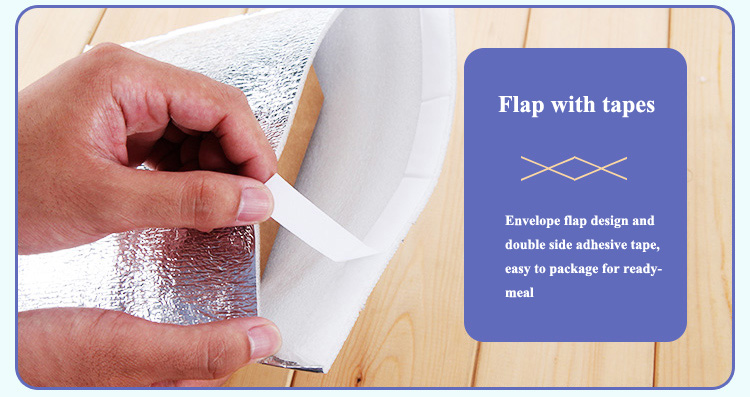
A search for single bubble insulated liner distributors usually starts with price, but the smarter buying decision combines thermal protection, freight efficiency, and supplier reliability. A well-specified liner keeps your carton simple, your pack-out repeatable, and your receiving team less dependent on guesswork. This guide explains what to ask, what to measure, and how to turn samples into a confident 2026 supply decision.
This optimized version combines buyer guidance, technical screening, and current market context so you can move from first inquiry to qualified supply with fewer costly surprises.
This Article Will Help You Answer
- How single bubble insulated liner fits different cold chain shipping lanes and payload sensitivities
- Which single bubble insulated liner specifications matter most for thermal hold time, fit, and pack-out consistency
- What to request from distributors and channel partners before sample approval or commercial rollout
- How to compare price, freight efficiency, and total landed cost instead of unit price alone
- What 2026 sustainability and compliance changes mean when sourcing single bubble insulated liner
Why Is Single Bubble Insulated Liner More Than A Packaging Line Item?
Single Bubble Insulated Liner should be evaluated as a risk-control tool, not just a packaging SKU. When buyers searching single bubble insulated liner distributors treat it like a simple commodity, they often compare only unit price and miss the bigger levers: carton fit, pack-out repeatability, freight cube, route qualification, and post-delivery claims. A stronger specification usually saves more money than aggressive quote shopping.
The format itself is usually a reflective film laminated to a single air-cell bubble layer that keeps weight low and pack-out simple. That sounds technical, but your operational question is simpler: can the liner create a stable cavity around the payload with minimal variation from one packer, warehouse, or season to the next? If the answer is yes, you get cleaner execution, fewer temperature surprises, and easier training across locations.
What makes this purchase strategic?
A well-matched liner can lower damage risk, reduce overpacking, save storage space, and simplify scale-up at the same time. That is why high-performing teams connect packaging selection to operations, procurement, and quality from the first sample stage instead of treating it as a last-minute accessory.
| Use Case | What You Need | Best Format Signal | What It Means For You |
| Meal Kit And Prepared Food Parcels | Fast pack-out and stable thermal hold | Consistent fold pattern and easy loading | Lower training time and fewer assembly errors |
| Specialty Chocolate And Confectionery | Controlled temperature with predictable fit | Tight carton match and repeatable closure | Better day-to-day execution across sites |
| Longer or hotter lanes | More thermal reserve and tighter qualification | Thicker build or upgraded coolant plan | Lower excursion risk but potentially higher cost |
Practical Tips
- Map the single bubble insulated liner format to a specific route length and season before approving a mass purchase.
- Check carton dimensions, payload fill level, and coolant placement together instead of approving the liner alone.
- Ask the supplier to show the liner both flat and fully assembled so you can judge handling speed and fit.
Case: An operations team shipping meal kit and prepared food parcels switched from a loose improvised insert to a standardized single bubble insulated liner format. The immediate gain was not a dramatic new temperature claim. It was faster pack-out, cleaner box presentation, and fewer packing variations between shifts.
How Do You Build The Right Single Bubble Insulated Liner Specification?
The right single bubble insulated liner specification starts with your operating conditions, not the supplier catalog. Before you ask for a quote, define the outer carton, product load, target temperature range, planned dwell time, coolant type, assembly steps, and success criteria. That single page removes most of the confusion that slows sampling and causes quote mismatch for single bubble insulated liner distributors projects.
Once that brief exists, suppliers become easier to score. You can compare whether they answer directly, recommend fit improvements, flag unrealistic assumptions, and show a workable sample-to-production timeline. You also see who is selling a product and who is helping you build a dependable shipping process.
In optimized sourcing, the supplier is not selected only on price. They are selected on how well they reduce hidden costs such as repacking, seasonal overpacking, storage inefficiency, complaint handling, and requalification after small design changes.
What should your purchase brief include?
Include carton internal dimensions, payload weight range, target transit window, expected ambient extremes, closure method, annual volume, and destination disposal expectations. The more precise your brief, the more useful the sample, quote, and validation plan become.
| Supplier Factor | What Good Looks Like | Warning Sign | Impact On Your Project |
| Technical intake | Asks about route, payload, coolant, and season | Only asks for quantity and size | Weak brief leads to weak fit |
| Sample process | Clear timeline with assembly guidance | Samples arrive with no instructions | Longer launch and more packing variation |
| Quality control | Lot traceability and dimensional checks | No clear inspection method | Harder troubleshooting after scale-up |
| Commercial reliability | Honest MOQ and lead time visibility | Vague supply promises | Higher stock-out or rush-order risk |
Practical Tips
- Request the same data set from each supplier so your comparison stays fair.
- Treat sample approval, commercial terms, and quality documentation as one workflow, not three separate conversations.
- Do not approve a liner design until warehouse staff can assemble it at target speed with low variation.
Case: A buyer reviewing three suppliers for single bubble insulated liner found that the most useful sample was not the cheapest one. It came with a carton-fit note, a suggested coolant layout, and a clear list of assumptions. That saved days of internal trial-and-error.
Which Material, Fit, And Validation Details Reduce Risk?
The strongest single bubble insulated liner decisions connect material choice, carton fit, and validation into one approval loop. If you optimize only one of those areas, the system stays fragile. A smart specification states the structure, expected fit tolerance, closure method, recovery needs, and acceptable temperature outcome.
That matters because hidden variation usually starts at the edges. Slightly oversized liners sag. Slightly undersized liners fight the operator and leave exposed corners. Add a different coolant pack or a heavier payload, and the same liner may behave like a completely different system.
During optimization, look for the lowest-complexity format that still meets the route requirement. Simpler pack-outs scale better, train faster, and reduce packing error. That usually creates more long-term value than a highly engineered format that only one experienced shift can assemble perfectly.
What should be written into the final spec?
Define material family, target dimensions after assembly, acceptable tolerance, closure method, recovery or pre-conditioning requirement, coolant pairing assumptions, and the route or test profile used for approval. When those items are written down, later quote comparisons become far more reliable.
| Format Option | Typical Strength | Typical Trade-Off | Best Fit |
| Reflective air-cell | Light and easy to handle | Moderate reserve for harsh lanes | Short to medium chilled routes |
| Foam or thicker hybrid | Higher thermal reserve | More storage and freight burden | Longer or hotter transit profiles |
| Paper-forward recyclable style | Better disposal story | Needs careful validation | Brands with sustainability pressure |
| Vacuum-compressed or nested | Strong freight and storage efficiency | Recovery and fit must be managed | High-volume programs |
Practical Tips
- Judge the liner after full assembly, not while it is still flat on the table.
- Ask how the structure behaves in wet, chilled, and warm handling conditions.
- Balance insulation, pack-out speed, and disposal simplicity instead of maximizing one variable alone.
Case: A fulfillment team comparing two liner stacks found that the technically thicker option did not create the best overall result. The better choice was the format that packed faster, sealed cleaner, and held a more consistent shape across multiple operators.
How Do You Score Suppliers With A Simple Decision Tool?
A useful approval package for single bubble insulated liner should let another team reproduce your result without guesswork. That is the simplest test of whether the documentation is good enough. If a new warehouse, distributor, or contract packer can follow the written method and achieve the same outcome, your sourcing decision becomes easier to defend and scale.
This is where the optimized process pulls from both buyer guidance and technical discipline. You want a specification, a sample history, a route or chamber test summary, assembly instructions, lot control, and a change-notification expectation. That sounds thorough because it is, but it prevents repeated reinvestigation later.
In practical terms, the documentation package should be simple enough for operations to use and strong enough for quality teams to trust. That balance is usually better than either extreme of no documentation or excessive paperwork with little operational value.
How can you keep compliance practical?
Write the smallest complete package: approved dimensions, material description, validated pack-out, lane assumptions, and the trigger for requalification. That gives you enough control to scale without creating a slow and bureaucratic approval cycle.
| Document | Why It Matters | Common Gap | Practical Benefit |
| Specification sheet | Defines what was bought | Too generic or incomplete | Cleaner supplier comparisons |
| Test or qualification summary | Shows route relevance | No payload or ambient detail | Better confidence before launch |
| Assembly instruction | Controls pack-out variation | Left in tribal knowledge | Fewer operator errors |
| Change control note | Protects approved performance | Unclear notification trigger | Less surprise requalification |
Practical Tips
- Tie every validation result to a specific pack-out method and ambient profile.
- Record the triggers that would force requalification, such as a material change or route extension.
- Make sure receiving teams know how to interpret data loggers, excursion reports, or arrival-condition checks.
Case: A quality team once approved a liner sample but delayed the launch because nobody had documented the coolant arrangement used in the trial. After the method was written down, the same design moved into production smoothly across two sites.
What Changed In 2026 For Compliance And Sustainability?
Optimized sourcing treats single bubble insulated liner as a total-cost lever. That means you compare unit price, inbound freight, storage burden, assembly time, pack-out error rate, refrigerant demand, and complaint exposure on one page. Once you do that, the cheapest liner on paper often stops looking like the best option.
A useful scorecard separates fixed and variable cost. Fixed cost includes tooling, sampling, and requalification risk. Variable cost includes liner price, freight, labor, and coolant. When teams can see both, they make better long-run decisions instead of chasing short-term quote wins.
If two suppliers are close, choose the one that reduces operational variation. Fewer exceptions create cleaner planning, easier training, and less time spent on packaging-related firefighting.
What belongs in the final commercial comparison?
Use an apples-to-apples model with delivered terms, pallet density, fit quality, assembly time, and expected lane success. A sourcing decision is stronger when operations and procurement both recognize their priorities in the same table.
| Cost Driver | Low-Risk Signal | Hidden Risk | Why It Changes Value |
| Unit price | Aligned specification | Quotes built on different assumptions | False price comparison |
| Inbound freight | High pallet density or flat-packed format | Bulky packaging | Bigger warehouse and transport burden |
| Pack labor | Easy and repeatable assembly | Complex folding or closure | More time and more errors |
| Failure cost | Validated route fit | Overreliance on generic claims | Claims and product loss can dominate savings |
Practical Tips
- Normalize quotes to the same carton size, route requirement, and annual volume.
- Calculate storage and inbound freight before concluding that a thinner unit price is cheaper.
- Test the design under peak season conditions before locking in annual supply.
Case: A procurement team once selected a slightly higher-priced liner because it shipped denser, packed faster, and needed less seasonal overcompensation. The line item rose, but the total landed cost moved in the right direction.
What Is The Fastest Path From Inquiry To Qualified Supply?
The fastest path from inquiry to qualified supply is a disciplined sequence: define the lane, write the spec, shortlist suppliers, run route-relevant trials, document the approved method, then scale with monitoring. That sequence sounds basic, but it prevents most of the avoidable friction that slows sourcing projects.
In 2026, that process matters even more because the external environment is shifting. FDA's 2025 draft Q1 stability guidance says a transient temperature excursion may be acceptable only when it is justified and supported by stability data. The EU Packaging and Packaging Waste Regulation entered into force on 11 February 2025 and pushes packaging placed on the EU market toward practical recyclability by 2030. Those signals encourage buyers to combine performance proof with material transparency.
When you align procurement, operations, and quality around the same specification and scorecard, supplier selection becomes faster and easier to defend. That is the real optimization: not more complexity, but fewer unclear decisions.
What is the first step after reading this guide?
Build a one-page sourcing brief and use it for every sample and quote request. Once every supplier responds to the same brief, you can compare them fairly and move to validation with confidence.
| 2026 Trend | What Changed | Packaging Response | Benefit To You |
| Evidence-based approval | More focus on route relevance | Clearer qualification support | Safer decisions |
| Sustainability pressure | More scrutiny on disposal and materials | Better material transparency | Easier customer communication |
| Higher-value payloads | Mistakes cost more | Tighter pack-out discipline | Fewer expensive excursions |
| Operational simplification | Lean teams need repeatable methods | Lower-complexity designs | Faster training and scale-up |
Practical Tips
- Review lane conditions at least seasonally instead of assuming last quarter's pack-out still fits.
- Keep the supplier informed when payload weight, coolant type, or distribution geography changes.
- Use post-launch feedback to refine the next round of orders instead of waiting for a failure.
Case: A sourcing team that documented its route profile and supplier scorecard before requesting quotes reached commercial approval faster than prior projects. The biggest time saver was not better negotiation. It was better alignment on what success looked like.
Frequently Asked Questions
How do you choose the right single bubble insulated liner size for your carton?
Start with the real internal carton dimensions, then test the liner with the actual payload and coolant arrangement. A size chart is useful, but a live fit check is what confirms whether corners close cleanly and the cavity stays consistent.
Is a lower-priced single bubble insulated liner distributors option always the better buy?
Not usually. A cheaper liner can still increase freight, labor, coolant use, or failure risk. Compare total landed cost and operating ease, not just the unit price on the quotation.
What validation data should you request before approving single bubble insulated liner distributors?
Ask for route or chamber test context, payload details, coolant assumptions, sensor placement, and assembly instructions. The goal is to understand the exact conditions behind the reported result so your team can repeat it.
When should you requalify a single bubble insulated liner program?
Requalify when route time changes, the season shifts materially, the payload or coolant setup changes, or the supplier modifies the liner structure. Small changes can alter real-world performance more than buyers expect.
Can single bubble insulated liner work for both food and pharmaceutical shipments?
The format can, but the approval pathway may differ. Food shipments often prioritize speed and cost, while healthcare lanes may require tighter documentation, route discipline, and traceability.
When is a single-bubble insulated liner enough?
It is often enough for shorter chilled routes, lighter payloads, and programs that value speed and low weight. For harder lanes, you may need a thicker or more robust structure.
Summary And Recommendations
The strongest version of single bubble insulated liner distributors sourcing combines buyer clarity, technical discipline, and current market awareness. When the specification is clear, suppliers are easier to compare, qualification becomes faster, and the final decision is easier for procurement, operations, and quality to support.
Create a one-page sourcing brief, score suppliers against it, and validate with the route conditions that matter most to your business. That is the fastest practical route to reliable 2026 supply.
About Tempk
Tempk focuses on practical cold chain packaging solutions, including single bubble insulated liner programs designed for food, healthcare, and temperature-sensitive distribution needs. We emphasize route-aware selection, consistent conversion quality, and supply formats that are easier to scale across real operations.
If you are planning a new project, a seasonal redesign, or a supplier comparison, the most productive next step is to share your carton size, temperature target, route window, and expected volume. That allows a faster discussion about fit, validation, and commercial feasibility.
















