


Dry Ice Bags for Seafood Shipping: 2025 Guide
Dry Ice Bags for Seafood Shipping: 2025 Guide
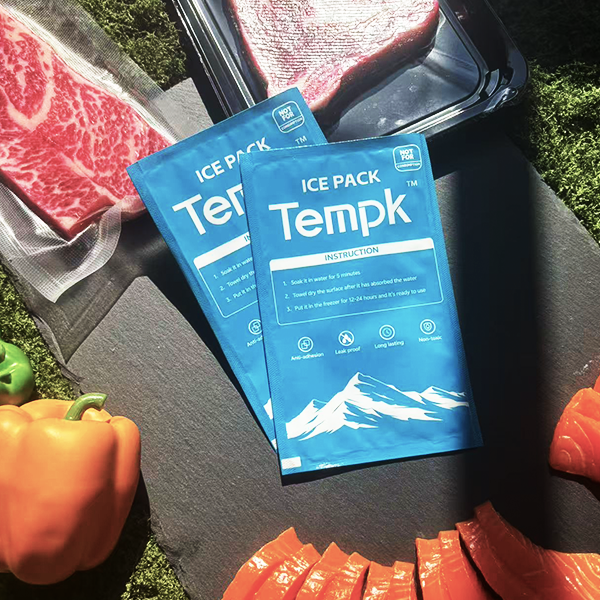
Dry Ice Bags for Seafood Shipping: What Works in 2025?
If you ship fish, shellfish, or ready‑to‑eat seafood, dry ice bags for seafood shipping keep product frozen, compliant, and protected from meltwater. You’ll learn how much dry ice to use, how to pack safely, and which upgrades extend hold time to four days or more—without leaking or breaking cartons.
How do dry ice bags for seafood shipping prevent thawing? (vented design, insulation, placement)
How much dry ice do you actually need per route? (lane‑based sizing with a simple estimator)
How do you pack and label for 2025 rules? (UN 1845, venting, net weight)
What alternatives help on hot lanes or long transits? (VIP liners, PCMs, hybrid packouts)
Which trends matter now? (smart sensors, recyclable liners, modular bags)
How do dry ice bags for seafood shipping keep products frozen?
They create a vented, sub‑zero “cold dome” above your seafood, so gravity and convection push cold air down while CO₂ safely vents out. Bags prevent direct contact damage, reduce moisture, and hold pellets or blocks where they work best—on top. In small to large coolers, this setup commonly sustains frozen conditions from one to five days when sized correctly.
Dry ice sits at about −78.5 °C (−109 °F). Place seafood below and the dry ice bag above; cold air sinks and bathes the load. Use durable PE/PP or multilayer foil bags with breathable seams so CO₂ can escape—no burst risk, no soggy cartons. Pre‑chilling the liner and minimizing empty space slows sublimation and extends hold time on the same ice weight.
Which bag materials and vents work best for seafood lanes?
Vented PE/PP or multilayer foil bags resist cracking at ultra‑low temps, contain pellets neatly, and allow CO₂ to escape. Look for strong seams, zip/Velcro closures, and light venting or permeable panels; these meet “not airtight” requirements and stabilize inner humidity so labels and corrugate stay intact. Pair the bag with an insulated liner or hard shipper for longer routes.
| Sizing Reference | Typical Bag | Dry Ice (lb) | What it means for you |
|---|---|---|---|
| Small cooler (10–20 qt) | 7×13 in | 3–7 lb | Overnight/24 h holds; courier or short lanes. Dry Ice Bag for Seafood |
| Medium cooler (20–40 qt) | 10×15 in | 8–15 lb | 48 h holds; regional 2‑day service. Dry Ice Bag for Seafood |
| Large cooler (50+ qt) | Large bag | 16–30 lb | 72–120 h with good insulation/VIP. Dry Ice Bag for Seafood |
Practical, lane‑ready tips
Hot, long lane: Pre‑chill shipper 12+ hours; add side “kicker” pieces around the perimeter to reduce warm edges.
Fragile cartons: Add a thin cardboard spacer under the bag to avoid embrittling walls.
Mixed loads: Keep seafood below the bag; place toppings or dry goods above a divider to avoid freeze damage.
Real‑world snapshot: A summer lane with a 3‑inch EPS shipper and a large bag maintained sub‑zero core temps for ~96 hours when ice mass and venting were correct—enough for a 3‑day delivery plus slack.
How much dry ice do you need for seafood—and how do you size it fast?
Start with a tested rule of thumb, then add a safety buffer for heat and delays. For frozen desserts the field‑proven range is 0.25–0.35 lb dry ice per pint per day; seafood shipments of similar thermal mass track closely, especially when product is fully frozen and pre‑chilled packaging is used. Add 10–20% for summer or remote destinations.
For context, sublimation rates often span ~5–10 lb per 24 h depending on insulation and ambient heat. Better insulation (VIP liners) reduces the required ice mass for the same hold time. Always place the dry ice bag above the seafood; fill voids to cut convective losses.
Packout estimator you can copy‑paste
Spreadsheet formula (enter pints, days, heat factor):
0.30 is the mid‑range lb/pint/day.
HeatBuffer = 0.10 (mild) to 0.20 (hot lanes).
Quick examples:
8 pints, 2 days, mild heat → ~5 lb; round to 6–8 lb.
Dry Ice Bag for Seafood
12 pints, 3 days, hot lane → base 10–13 lb + 20% → 12–16 lb; upgrade insulation for margin.
Dry Ice Bag for Seafood
How do you pack seafood with a dry ice bag safely and compliantly?
Use an insulated shipper, place seafood below, bagged dry ice on top, and keep everything vented—not airtight. Label UN 1845 and net dry‑ice mass on the outer box. Wear insulated gloves, avoid skin contact, and never store or ship in sealed containers.
Step‑by‑step (field‑tested):
Pre‑condition: Freeze product to ≤−18 °C; pre‑chill liner/shipper overnight.
Base layer: Add a cardboard/foam board to protect carton integrity.
Load: Place seafood in leak‑tight packs; leave channels around sides.
Dry ice placement: Load pellets/blocks into the bag, then place above product; add side pieces for long lanes.
Void fill: Paper or foam to minimize empty volume.
Close/label: Inner liner loosely closed for venting; seal outer box and mark “Dry ice (UN 1845)” with net weight. 2025 rules emphasize vented packaging and clear net‑weight markings.
2025 carrier & regulation checklist
Vented packaging: Required; never airtight.
UN 1845 + net weight on same face: Air and many ground carriers check at booking.
Some services cap dry ice in small‑parcel air (e.g., 5 lb per parcel on specific services); verify lane limits.
PPE & training: Gloves, goggles, and brief SOPs reduce incidents and claims.
Dry ice bags for seafood shipping vs. alternatives: which fits your lane?
Dry ice bags deliver deep‑freeze performance and no liquid residue. Gel packs hold 2–8 °C for chilled items (not frozen). PCMs (phase‑change bricks) can target specific sub‑zero setpoints (e.g., −21 °C) and reduce hazmat paperwork; many teams run hybrid layouts: dry ice for the cold dome + PCM topper to smooth temperature dips. VIP liners can extend holds to 72–120 h while cutting ice mass.
| Option | Temp Window | Primary Use | Residue | Notes |
|---|---|---|---|---|
| Dry ice bag | ≤−18 °C | Keep seafood solid | None (gas) | Best for frozen lanes; requires venting & labels. Dry Ice Bag for Seafood |
| PCM brick | e.g., −21 °C | Precision sub‑zero | None | Great topper or ice reducer; reusable. Dry Ice Bag for Seafood |
| Gel pack | 2–8 °C | Chilled seafood sides | Liquid on thaw | Pair with dry ice for mixed loads. Dry Ice Bag for Seafood |
| VIP liner | — | Insulation upgrade | — | Extends hold time; higher upfront cost. Dry Ice Bag for Seafood |
2025 cold‑chain trends for dry ice bags in seafood shipping
Trend overview: Shippers are standardizing vented, labeled packouts; adding BLE/NFC loggers for proof of temperature; adopting VIP liners to reach 96–120 h holds with less ice; and trialing recyclable paper liners to cut plastic. Several carriers emphasize net dry‑ice weight disclosure at booking, while brands move to digital traceability that plays well with seafood SKUs.
Latest progress at a glance
VIP adoption: Longer holds, smaller ice loads on heat‑exposed lanes.
Smart sensors: Routine data logging closes claims and validates SOPs.
Modular bags: Swappable PCM panels and removable trackers inside bags.
Sustainable liners: Recyclable paper/corrugate liners replacing legacy foams.
Market insight: Direct‑to‑consumer seafood and meal subscriptions keep growing; customers expect tamper‑evident, clean, and dry deliveries. Teams that combine hybrid cooling, lane‑specific sizing, and traceable packouts reduce spoilage and shipping cost per pound.
FAQs
How much dry ice do I need for a 2‑day seafood shipment?
Use 0.25–0.35 lb per pint per day as a starting point, then add 10–20% for summer or hot lanes. Upgrade insulation if weight becomes excessive.
Can I seal the inner liner tight to trap the cold?
No. Keep it vented, not airtight. CO₂ must escape to avoid pressure and off‑gassing risks—and it’s required by carriers.
Is a dry ice bag better than placing ice directly in the box?
Yes. The bag controls position, prevents contact damage, reduces moisture, and creates a stable cold dome above product.
What if the route is 3–4 days in summer?
Increase insulation (VIP liner), split ice into top + side pieces, and add a PCM topper. Many teams maintain sub‑zero cores for 72–96 h this way.
How should recipients dispose of leftovers?
Let dry ice sublimate in a well‑ventilated area. Do not put it in sinks or sealed bins; wear gloves if handling.
Summary & recommendations
Dry ice bags for seafood shipping keep product solid, dry, and compliant when you place the bag above the load, size ice by lane, and keep packaging vented and pre‑chilled. Upgrade insulation (VIP) for 72–120 h holds, and document temperatures with simple loggers. Hybrid packouts (dry ice + PCM) cut risk on hot routes.
Next steps (action plan):
Map lanes and target hold times. 2) Use the estimator to set dry‑ice mass and bag size. 3) Standardize the 6‑step packout. 4) Pilot VIP/PCM on your hottest lanes. 5) Add data loggers and SOP labels to close claims. Talk to Tempk for a tailored packout.
About Tempk
We design and manufacture cold‑chain packaging—from dry ice bags and gel/PCM systems to VIP liners—with global capacity and application support. Our R&D team validates packouts and trains your staff on vented, labeled, and data‑logged shipments, helping you meet current carrier and hazmat expectations while lowering spoilage.
Ready to optimize your lanes? Contact us for a free packout review and pilot.
Dry Ice Bag for Road Trip: The 2025 Safe Guide

Dry Ice Bag for Road Trip: How to Pack and Stay Safe
A dry ice bag for road trip keeps food frozen, cuts mess, and saves cooler space. You’ll learn exact bag sizes, step‑by‑step packing, and simple safety rules that work in real cars. Dry ice is −109.3°F (−78.5°C), lasts days in a quality cooler, and leaves no meltwater—so steaks stay solid and salads stay crisp. You focus on the drive; your cooler does the rest.
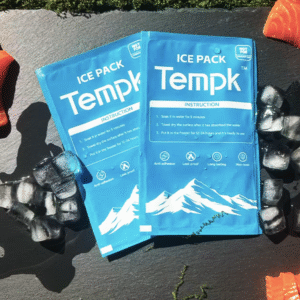
How does a dry ice bag keep food frozen for days? (dry ice in cooler, sub‑zero storage)
How much dry ice do you need for your cooler size? (how much dry ice per day)
What are the safest packing and ventilation steps in a car? (dry ice safety in car)
Which bag and cooler combo delivers the best results? (insulated paper bag, rotomolded cooler)
How does a dry ice bag for road trip keep food frozen?
Quick answer: Dry ice absorbs heat as it sublimates, holding sub‑zero temps without meltwater. Place the bag high in the cooler when you want items to stay frozen because cold air sinks. Plan roughly 5–10 lb per day depending on cooler size, insulation, and how often you open the lid.
Why it works for you: Dry ice turns from solid to gas, so it never floods your foods. A strong kraft‑paper, insulated bag slows heat gain and keeps the block off direct contact with produce. In road‑trip use, position the bag at the top for maximum freeze or under a cardboard/towel layer when you want “chilled, not rock‑hard.” Keep the cooler shaded and full to reduce warm air gaps.
How much dry ice do you actually need per day?
Rule of thumb: Start with 5–10 lb/day; scale up for hot weather, thin coolers, or frequent opening. Keep sensitive foods (greens, eggs) away from direct contact to avoid over‑freezing.
| Cooler Size & Bag Plan | Typical Dry Ice (lb) | Expected Duration | What it means for you |
|---|---|---|---|
| 20–30 qt + 1 bag | 10 | 1–2 days | Great for an overnight loop; minimal babysitting. |
| 40 qt + 2 bags | 20 | 2–3 days | Ideal family weekend; keep lid closed between stops. |
| 60 qt + 3 bags | 30 | 3–4 days | Longer trips; pre‑chill foods for best results. |
| 100 qt + 5 bags | 50 | 5–7+ days | Group travel; heavy—secure the load carefully. |
Practical tips that prevent waste
Pre‑chill or pre‑freeze everything; dry ice lasts longer when it’s not doing the heavy lifting.
Fill voids with towels or newspaper so warm air doesn’t circulate.
Split coolers: snacks on regular ice, frozen foods with dry ice.
Shade wins: reflective cover or trunk shade slows sublimation.
Real‑world snapshot: On a two‑day desert drive, a 40‑qt cooler plus 20 lb in two paper bags kept meats and ice cream frozen. After moving the cooler to a ventilated cargo area and cracking windows, CO₂ symptoms (mild headache) stopped, and the rest of the trip was uneventful.
How do you pack a dry ice bag for road trip safely?
Short take: Use a vented, insulated cooler; never seal CO₂ in. Wear gloves, keep the bag off direct food contact, and ventilate the vehicle. Limit storage in enclosed cabins; crack windows or route outside air through vents whenever you carry dry ice in the car.
Step‑by‑step packing (3 minutes):
Line the base with a thin towel or cardboard to protect plastics.
Load frozen foods at the bottom, tight‑packed.
Add the dry ice bag on top for “stay frozen” mode; add a barrier if you only want “chilled.”
Fill gaps with towels/newspaper; close the lid firmly but not airtight.
Place in a ventilated cargo area, not a sealed passenger cabin.
Ventilation rules in cars that actually matter
Keep a window cracked or HVAC on fresh‑air intake, not recirculate.
Do not sleep in a vehicle with dry ice present.
Check symptoms (headache, fast breathing). If they appear, pull over, open doors, and move the cooler to a ventilated area.
Which dry ice bag and cooler combo should you choose?
Best match: Reinforced kraft‑paper, multilayer insulated bag + rotomolded cooler with good gaskets but not airtight. Look for breathable seams or tiny vent paths so CO₂ can escape. For humid trips, consider a poly‑lined kraft bag with venting to control condensation.
Bag types compared
| Bag Type | Strengths | Watch‑outs | Best use |
|---|---|---|---|
| Open‑mouth paper | Easy loading, flexible sizing | Less structural strength | Small blocks, short trips |
| Gusseted/sewn kraft | High strength, rough‑handling ready | Slightly harder to open | Longer trips, big blocks |
| Poly‑lined kraft | Moisture barrier | Must have venting | Humid climates, summer |
| Insulated paper tote | Reusable, thicker walls, handles | Higher cost | Frequent travelers |
2025 trends that affect your dry ice bag for road trip
What’s new: Sustainable dry ice is rising as suppliers lean on recycled CO₂ and carbon‑capture. Smart cooler accessories now include temperature and CO₂ sensors that alert your phone, reducing lid‑checks. Modular coolers create two‑zone storage, so greens don’t freeze while steaks stay solid. These trends make a dry ice bag for road trip safer, cleaner, and easier than ever.
Latest at a glance
Recycled CO₂ supply: Lower footprint without sacrificing performance.
Phone‑linked sensors: Know when to vent or add ice—no lid peeking.
Modular dividers: Build frozen and chilled zones in one cooler.
Market insight: With outdoor travel and cold‑chain awareness growing, blocks and pellets still dominate, while insulated paper packaging and smart add‑ons expand. Expect clearer sustainability labels (recycled content, end‑of‑life) and more custom bag sizes that fit common cooler footprints.
FAQs about dry ice bag for road trip
1) Is it safe to drive long distances with dry ice in the car?
Yes—if you ventilate. Place the cooler in a cargo area, crack windows, avoid airtight containers, and never sleep in the vehicle with dry ice.
2) How do I stop lettuce and drinks from freezing?
Create a barrier (cardboard/towel) and keep sensitive items in a separate section or separate cooler with regular ice.
3) Can any cooler handle dry ice?
Use insulated coolers that aren’t airtight. Some thin plastics may become brittle at −109°F; protect with towels or cardboard.
4) What do I do with leftover dry ice?
Let it sublimate outdoors in a ventilated area, away from kids and pets. Don’t put it in sinks or sealed bins.
5) How much should I buy before departure?
Purchase as close to departure as practical. Plan 5–10 lb/day and adjust for heat, access frequency, and cooler quality.
Summary & next steps
In short: A dry ice bag for road trip delivers days of sub‑zero cooling without mess. Size at 5–10 lb/day, pack the bag high for freezing, and ventilate the vehicle at all times. Choose reinforced kraft bags and rotomolded coolers for maximum hold.
Do this next:
Measure your cooler and run the calculator.
Buy the right number of bags as close to departure as possible.
Pack frozen items tightly, bag on top, gaps filled, and drive with fresh‑air ventilation.
CTA: Ready to build your kit? Contact Tempk for tailored bag sizing and cooler guidance.
About Tempk
We build practical cold‑chain gear for travelers and shippers. Our dry ice bags use reinforced, recyclable kraft with multilayer insulation and breathable seams to extend ice life while protecting your food and your cooler. We also support sustainable sourcing by favoring recycled CO₂ supply where available and offer custom sizes that match popular cooler footprints.
Next step: Get expert packing advice or request a custom bag size—talk to Tempk today.
Dry Ice Bags for Medication: Ensuring Safe and Compliant Transport
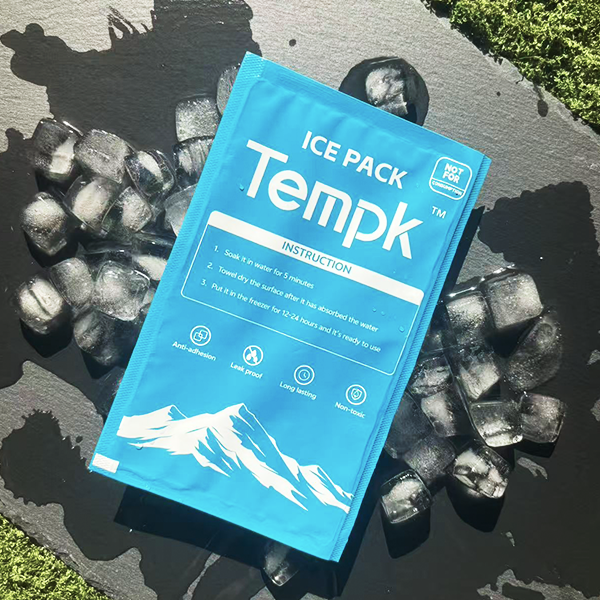
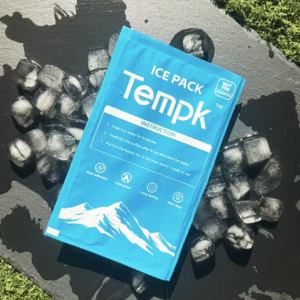
Transporting temperature-sensitive medications requires meticulous planning and adherence to safety protocols. Dry ice bags provide an effective solution for maintaining the required cold chain during transit. These bags ensure that medications like vaccines, biologics, and insulin stay within the specified temperature range. This guide will explore the benefits, best practices, and regulatory requirements for using dry ice bags to ship medication safely and efficiently.
What is a Dry Ice Bag for Medication?
A dry ice bag is a specialized container designed to hold dry ice (solid carbon dioxide) during transportation. Unlike regular ice, dry ice sublimates directly from a solid to a gas, offering consistent cooling without leaving any residue. These bags are essential for transporting medications that require ultra-low temperatures, such as vaccines, biologics, and insulin, ensuring they remain at the optimal temperature during transit.
Key Features:
Insulation: Designed to minimize heat transfer, keeping the contents cold for extended periods.
Safety: Equipped with ventilation to allow the safe sublimation of dry ice gas.
Durability: Made from robust materials to withstand the rigors of transit.
Compliance: Meets regulatory requirements for shipping hazardous materials.
Benefits of Using Dry Ice Bags for Medication Transport
1. Extended Cold Retention
Dry ice keeps medications at temperatures as low as -78.5°C (-109.3°F), ideal for those requiring ultra-cold storage.
2. No Residue
Since dry ice sublimates directly into gas, it prevents moisture from forming, avoiding damage to packaging and ensuring that medications remain dry and intact.
3. Regulatory Compliance
Dry ice bags ensure compliance with international shipping regulations, such as those from the International Air Transport Association (IATA) and the U.S. Department of Transportation (DOT), including proper labeling and venting requirements.
How to Use Dry Ice Bags for Medication Transport
Step 1: Select the Appropriate Dry Ice Bag
Choose a dry ice bag that fits your medication containers comfortably, allowing enough space for the dry ice to sublimate without causing pressure buildup.
Step 2: Handle Dry Ice with Care
Always use gloves or tongs when handling dry ice to prevent frostbite. Ensure the bag has proper ventilation to allow carbon dioxide gas to escape safely.
Step 3: Pack the Medications
Place the medications in their original packaging inside the dry ice bag. Position the dry ice around the medication containers, ensuring even distribution for consistent cooling.
Step 4: Seal and Label the Package
Seal the dry ice bag securely, and affix the appropriate shipping labels. Label the bag with “Dry Ice” and any other required hazard symbols. Ensure compliance with all regulatory requirements.
Regulatory Requirements for Shipping Medications with Dry Ice
Shipping medications with dry ice involves adherence to strict regulations to ensure safety. These regulations govern labeling, packaging, and weight limits for shipments containing dry ice.
Key Regulations:
Labeling: Dry ice shipments must be labeled with “UN 1845” (for dry ice) and “Class 9” to indicate hazardous materials.
Weight Limits: Air shipments are generally limited to 5.5 kg (12 lbs) of dry ice per package.
Ventilation: Dry ice packages must be vented to allow gas to escape safely and avoid pressure buildup.
How Dry Ice Bags Help Preserve Medication Integrity
A dry ice bag ensures medications remain within their optimal temperature range during transportation, preserving their efficacy and stability. Dry ice prevents spoilage, moisture formation, and bacterial growth, which can compromise the quality of sensitive pharmaceuticals.
How Dry Ice Bags Maintain Medication Quality:
Prevents Spoilage: Consistent cold temperatures prevent degradation of medications, ensuring they stay effective.
Non-Water Residue: Dry ice sublimates into gas, preventing moisture buildup that could harm medications.
Reduced Bacterial Growth: Cold temperatures inhibit bacterial growth, maintaining the safety of biologics and other medications.
How to Ensure Safe Shipping with Dry Ice Bags
To ensure safe shipping, it’s important to follow best practices, such as proper sealing, insulation, and labeling. Regularly monitor the dry ice during transport and adjust for weather conditions.
Best Practices for Safe Shipping:
Pack in Advance: Allow sufficient time for dry ice to sublimate slowly to maintain cold temperatures.
Account for Weather Conditions: Extreme heat can cause dry ice to sublimate more quickly. Adjust insulation or dry ice amounts accordingly.
Check Regulations: Verify the latest shipping guidelines with the carrier to ensure compliance.
Dry Ice Bags vs. Gel Packs for Shipping Medication
Dry ice bags are superior for transporting medications that require freezing temperatures, such as vaccines and biologics. Gel packs are more suitable for medications that only need to remain cool, not frozen.
| Feature | Dry Ice Bags | Gel Packs |
|---|---|---|
| Temperature Control | Keeps items frozen and sub-zero | Keeps items cool, not frozen |
| Duration | Effective for 24-48 hours | Effective for 6-12 hours |
| Ideal Use | Biologics, vaccines, frozen medications | Fresh items, non-perishable medications |
| Regulations | Subject to strict shipping rules | No specific shipping restrictions |
| Cost | More expensive | Less expensive |
2025 Trends in Dry Ice Shipping for Medication
Trend Overview:
The use of dry ice bags for medication continues to evolve. Advancements in technology, such as real-time temperature monitoring and eco-friendly packaging, are improving the reliability and sustainability of pharmaceutical shipping.
Latest Trends:
Sustainability: Growing interest in green alternatives to dry ice, such as biodegradable packaging and sustainable shipping methods.
Smart Temperature Monitoring: Real-time temperature tracking to ensure medications stay within the required range during transit.
Hybrid Cooling: Combining dry ice with phase-change materials (PCMs) to extend hold times and reduce the need for excessive dry ice.
Frequently Asked Questions (FAQ)
Q1: How long can dry ice keep medication frozen?
Dry ice can maintain freezing temperatures for up to 48 hours, depending on the amount used and the packaging.
Q2: Is dry ice safe for shipping medication internationally?
Yes, but it requires proper labeling and packaging to comply with international shipping regulations. Always check with the carrier for specific guidelines.
Conclusion & Recommendations
Using a dry ice bag for medication is crucial for maintaining the cold chain during transport. By choosing the right dry ice bag, following safety protocols, and adhering to regulatory requirements, you can ensure that your medication reaches its destination safely and in optimal condition.
Actionable Steps:
Choose the correct dry ice bag based on your medication’s temperature needs.
Follow proper packaging practices to ensure safe and efficient shipping.
Monitor regulations regularly to stay compliant with the latest standards.
About Tempk
At Tempk, we specialize in cold chain packaging solutions for the pharmaceutical industry. Our dry ice bags ensure the safe transport of temperature-sensitive products, adhering to all shipping regulations. Need assistance with your pharmaceutical shipping? Contact Tempk for expert advice and solutions.
Dry Ice Bags for Meat: Safe Shipping and Quality Preservation

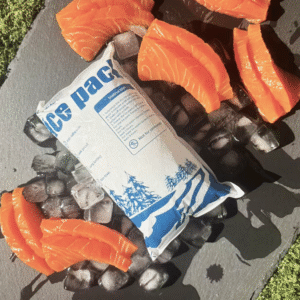
Transporting frozen meat efficiently and safely requires understanding the complexities of cold chain logistics. Dry ice bags are a top choice for maintaining sub-zero temperatures throughout the shipping process. With the ability to maintain extremely low temperatures and prevent contamination, dry ice is ideal for both short and long-distance shipments. In this article, we’ll explain how dry ice bags preserve the quality of meat, their benefits, and the latest trends in the cold chain logistics industry in 2025.
Why is a dry ice bag essential for transporting meat safely?
How does dry ice maintain freezing temperatures for meat?
What are the key benefits of using dry ice bags for meat shipping?
How do you select the right dry ice bag for your shipment?
Why is a Dry Ice Bag Crucial for Transporting Meat Safely?
Dry ice is essential to ensure that frozen meat remains safe and of high quality during transport. Unlike regular ice, which melts and can cause water contamination, dry ice sublimates directly from solid to gas, ensuring that the meat stays frozen without leaving any moisture behind. Dry ice maintains temperatures as low as -109.3°F (-78.5°C), which helps prevent thawing, bacterial growth, and spoilage during transit.
Key Benefits of Dry Ice Over Regular Ice
Temperature Control: Dry ice remains at a much lower temperature than regular ice, ensuring meat stays frozen for longer periods.
No Water Contamination: As dry ice sublimates, it releases carbon dioxide gas, preventing water buildup and contamination.
Longer Shelf Life: Dry ice bags can maintain a frozen state for up to 48 hours or more, making them ideal for longer shipments.
| Feature | Dry Ice Bag for Meat | Regular Ice Bag |
|---|---|---|
| Temperature | -109.3°F (-78.5°C) | 32°F (0°C) |
| Durability | Puncture-resistant | Melts into water |
| Cooling Duration | Up to 48 hours or more | 6-12 hours |
| Contamination Prevention | Prevents leaks and contamination | Water can cause contamination |
How Does Dry Ice Maintain Freezing Temperatures for Meat?
Dry ice bags maintain a constant low temperature during shipment. The sublimation process—where dry ice transitions directly from solid to gas—keeps the temperature well below freezing. This ensures that even in extreme conditions, the meat remains frozen throughout the entire journey.
Sublimation Process Explained
Dry ice sublimates at a constant rate, releasing a consistent amount of cold over time. A 10 lb dry ice bag can keep meat frozen for up to 24 hours, and a larger quantity of dry ice can extend this cooling period for longer shipments.
What Are the Key Benefits of Using Dry Ice Bags for Meat Shipping?
Using dry ice bags for meat shipments offers several advantages, including enhanced safety, extended freshness, and improved quality preservation:
Extended Freshness and Quality Preservation: Dry ice can keep meat frozen for extended periods (up to 48 hours), ensuring that it arrives in optimal condition.
Prevention of Thawing and Bacterial Growth: By maintaining the meat in a frozen state, dry ice prevents thawing, bacterial growth, and spoilage during transit.
No Leaks or Contamination: Since dry ice sublimates directly into gas, there’s no risk of leaks or contamination, unlike regular ice which melts into water.
Cost-Effective for Long-Distance Shipping: While dry ice may appear more expensive initially, its longer-lasting cooling power makes it more cost-effective for extended shipping times.
How to Choose the Best Dry Ice Bag for Your Meat Shipments?
When selecting the right dry ice bag for meat shipments, consider the following factors:
Shipment Size and Weight: Larger shipments require more dry ice to ensure consistent freezing.
Duration of the Shipment: For shorter shipments, a smaller amount of dry ice may be sufficient, while longer shipments will need more dry ice to maintain the required temperature.
Insulation Quality: Using high-quality insulation helps extend the effectiveness of dry ice, ensuring that the cold remains consistent throughout the transit.
2025 Latest Trends in Dry Ice Use for Meat Transportation
Trend Overview: Innovations in Cold Chain Logistics
The cold chain logistics industry continues to innovate in 2025. Dry ice bags for meat transportation are evolving with advancements in eco-friendly production, smart temperature tracking, and improved insulation materials.
Latest Developments
Smart Temperature Monitoring: Real-time temperature tracking ensures the meat stays within the safe range, allowing for immediate corrective action if needed.
Sustainable Practices: New methods of producing dry ice with reduced carbon footprints are gaining traction, contributing to more sustainable logistics operations.
Improved Insulation: New materials for insulation extend the lifespan of dry ice, allowing for longer shipments without compromising the frozen state of the meat.
Frequently Asked Questions
How long does dry ice keep meat frozen during shipping?
Dry ice can maintain sub-zero temperatures for up to 48 hours, depending on the quantity used and the quality of insulation.
Can dry ice bags be used for shipping both raw and cooked meat?
Yes, dry ice bags are effective for both raw and cooked frozen meat, though cooked meat may require less dry ice to maintain its temperature.
Is dry ice environmentally friendly?
Dry ice sublimates into carbon dioxide gas, which is more environmentally friendly than regular ice, which can lead to water contamination. However, proper ventilation is essential to avoid gas buildup.
Conclusion
In 2025, dry ice remains the most reliable method for transporting meat safely, ensuring that it stays frozen and free from contamination. By understanding the benefits of dry ice, following best practices for packing, and keeping up with the latest trends in cold chain logistics, you can ensure that your meat shipments arrive in perfect condition, while also complying with regulations.
Actionable Next Steps:
Adopt dry ice bags for your shipments: Ensure that your meat shipments are properly cooled to prevent spoilage and maintain product quality.
Optimize your packaging: Use high-quality insulation to enhance the performance of dry ice and reduce overall shipping costs.
Stay up to date with trends: Incorporate new technologies such as smart sensors and eco-friendly materials to future-proof your shipping strategy.
About Tempk
Tempk specializes in providing innovative cold chain solutions for the meat industry, offering products like dry ice bags and insulated packaging. Our solutions ensure that your products arrive at the correct temperature and comply with all food safety standards. Contact us today to learn more about how our products can enhance your cold chain logistics.
Dry Ice Bags for Lunch Bags: Keep Your Food Fresh and Safe
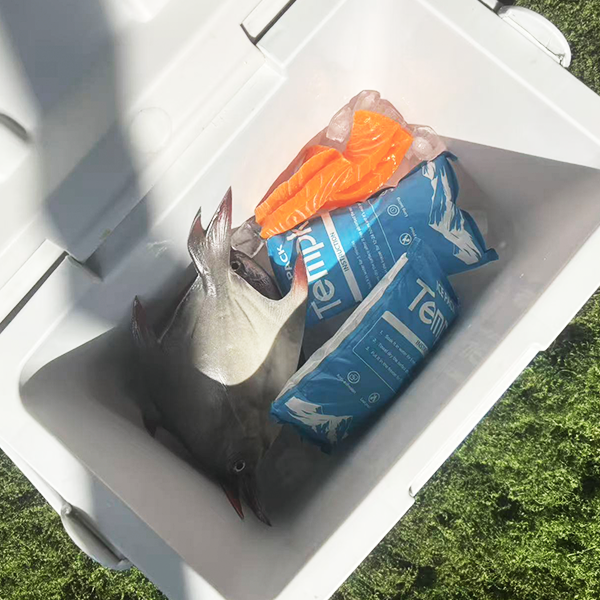
Are you tired of opening your lunch bag only to find your food spoiled? Dry ice bags are an effective solution to keep your meals fresh longer without the mess of melted ice. In this guide, we’ll explore how dry ice bags for lunch bags work, their benefits, how to use them safely, and alternative cooling options that align with the latest 2025 trends in lunchbox cooling.
What is a dry ice bag for lunch bags and how does it work?
What are the benefits of using dry ice bags for lunch bags?
How to safely use dry ice bags in lunch bags?
What are the 2025 trends in lunchbox cooling solutions?
What are the best alternatives to dry ice bags for keeping lunch fresh?
What is a Dry Ice Bag for Lunch Bags?
Dry ice bags are specially designed pouches that hold solid carbon dioxide, or dry ice, to keep food at the perfect temperature. Unlike traditional ice packs, dry ice doesn’t melt into water; it sublimates directly into gas, leaving no moisture behind. This unique feature helps maintain a dry and cool environment inside your lunch bag, ideal for preventing sogginess and keeping food fresh.
How Do Dry Ice Bags Work?
Dry ice sublimates at a temperature of -78.5°C (-109.3°F), absorbing heat from its surroundings to keep the contents cool. As dry ice turns into carbon dioxide gas, it doesn’t leave behind liquid water, making it a mess-free option for food preservation. This makes dry ice bags perfect for keeping perishable items, like dairy, meats, and salads, fresh until lunchtime.
| Cooling Method | Temperature Range | CO₂ Release | Suitability for Lunch Bags | Key Considerations |
|---|---|---|---|---|
| Dry Ice Block | –78.5°C (–109.3°F) | Releases CO₂ gas | Not suitable for sealed bags | Requires ventilation, adult supervision |
| Micro Dry Ice Sheet | -78.5°C (–109.3°F) | Minimal CO₂ release | Suitable for limited use | Use with gel packs, venting necessary |
| Gel Ice Pack | 0°C to –5°C | Releases cold water | Highly suitable for lunch bags | Safe, reusable, leakproof |
| Frozen Water Bottle | 0°C | Melts into water | Suitable for lunch bags | Economical and effective |
Benefits of Using Dry Ice Bags for Lunch Bags
Longer Cooling Duration
Dry ice keeps food cold for extended periods, making it ideal for long days at work, school, or while traveling.No Meltwater
Dry ice sublimates into gas rather than melting into water, keeping your lunch bag dry and preventing any mess.Compact and Lightweight
These bags are lightweight and easy to store, offering a space-efficient cooling solution for your lunch bag.Reusable and Eco-Friendly
Many dry ice bags are designed for multiple uses, providing a sustainable option compared to single-use ice packs.No Sogginess or Spoilage
The dry environment maintained by dry ice prevents food from becoming soggy, preserving its texture and freshness.
How to Safely Use Dry Ice Bags for Lunch Bags
1. Preparation: Always Handle with Care
Before using dry ice in your lunch bag, ensure it’s properly prepared. Wear insulated gloves to avoid frostbite, and always handle dry ice with care. You should never touch dry ice directly.
2. Packing: Keep Your Food Safe
Place the dry ice bag at the bottom of the lunch bag to allow cold air to rise. Arrange perishable items like dairy products, meats, or salads on top of the dry ice. Avoid placing food directly on the dry ice to prevent freezer burn.
3. Ventilation is Key
Dry ice sublimates into gas, and proper ventilation is essential. Leave the lunch bag slightly unzipped or use a breathable bag to ensure that carbon dioxide gas can escape. This will help avoid any pressure buildup that could damage your bag or create hazardous conditions.
4. Sealing: Keep It Tight
Seal the lunch bag properly to minimize air exchange, which can affect the cooling efficiency. However, ensure the bag isn’t airtight, as this could prevent the escape of carbon dioxide gas.
2025 Trends in Lunchbox Cooling Solutions
As we move into 2025, several innovations are shaping how we keep our lunches fresh. Here are some key trends to look out for:
Advanced Insulation Materials
New fold-flat aerogels and reflective foils are offering better thermal resistance, keeping your lunch cooler for longer without adding bulk.Phase Change Materials (PCMs)
PCMs absorb heat at specific temperatures, providing a steady and controlled cooling effect, perfect for foods that need to be kept at a precise temperature.Hybrid Cooling Systems
A combination of gel packs and dry ice sheets is becoming more common, allowing for subzero cooling without the risks of dry ice alone.Smart Cooling Solutions
Smart temperature sensors are being integrated into lunch bags, allowing users to monitor their lunch’s temperature via smartphone, ensuring optimal food safety.Sustainability in Packaging
The demand for eco-friendly refrigerants and carbon-negative dry ice solutions is on the rise, pushing manufacturers to develop sustainable alternatives to traditional cooling methods.
Alternative Cooling Options for Lunch Bags
While dry ice offers excellent cooling power, it’s not always necessary or safe for everyone. Here are some safer and more practical alternatives:
Gel Ice Packs
Gel ice packs are sealed pouches that contain a water-based gel that freezes and slowly melts. They are nontoxic, leakproof, and ideal for keeping food safe and cold for several hours.Frozen Water Bottles
A frozen water bottle is a cost-effective and easy way to keep food cool. Not only does it act as a cold source, but it also serves as a drink once it melts.Phase Change Material (PCM) Packs
PCMs are becoming popular for their ability to maintain specific temperatures without using ice or water. These packs are eco-friendly and reusable, making them an excellent choice for sustainable lunchbox cooling.
FAQs About Dry Ice Bags for Lunch Bags
Q1: Can I use dry ice in my child’s lunch bag?
No. Dry ice is not safe for children’s lunch bags due to the risks of frostbite, carbon dioxide buildup, and pressure explosions. Use gel packs or frozen water bottles for safe lunch cooling.
Q2: How long can dry ice keep food cold?
Dry ice can keep food cold for 6 to 12 hours, depending on the lunch bag’s size and insulation. Larger quantities of dry ice can extend cooling time.
Q3: Is it safe to use dry ice with hot foods?
No, dry ice is designed for keeping food cold. For hot foods, consider insulated lunch bags or containers designed to retain heat.
Q4: How should I handle dry ice safely?
Always wear insulated gloves when handling dry ice and ensure your lunch bag is well-ventilated. Avoid sealing dry ice in an airtight container to prevent pressure buildup.
Conclusion
Dry ice bags for lunch bags are a practical and efficient way to keep food fresh, especially for long days away from refrigeration. However, it’s crucial to use them correctly to avoid safety hazards. For most everyday scenarios, safer alternatives like gel packs or frozen water bottles offer a more practical solution. As we move into 2025, the cooling industry will continue to innovate, bringing smarter, more sustainable options for keeping our meals safe and fresh.
Dry Ice Bags for Lab Samples – Essential Guide for Safe and Compliant Shipping
Shipping lab samples with dry ice requires special care and attention to maintain integrity and comply with strict regulations. Dry ice, in its solid CO₂ form, plays a crucial role in preserving biological, pharmaceutical, and chemical samples during transit. However, improper handling and packaging can lead to dangerous situations, including explosions or loss of sample viability. This comprehensive guide will help you understand the importance of using dry ice bags for lab sample shipping, how to pack them safely, and how to meet regulatory requirements, while integrating the latest trends and best practices.
Understand why dry ice bags are essential for maintaining sub-zero temperatures during shipment
Learn how to select the right dry ice bags for lab samples
Follow proper packing and labeling practices to ensure compliance with safety regulations
Stay up-to-date on 2025 trends in dry ice packaging and cold chain shipping
Why Are Dry Ice Bags Essential for Lab Sample Transport?
Dry ice bags are critical for ensuring safe and effective transportation of lab samples at ultra-low temperatures. These bags are designed to contain dry ice while allowing the gas to escape, preventing dangerous pressure buildup that can lead to accidents. Dry ice sublimates at -78.5°C (-109.3°F), making it ideal for preserving biological and pharmaceutical samples that require such low temperatures to remain viable.
Key Benefits of Dry Ice Bags:
Temperature Control: Dry ice bags maintain the required sub-zero temperature range for lab samples, especially when shipping temperature-sensitive biological and pharmaceutical materials.
Pressure Relief: A vented design ensures that carbon dioxide gas can safely escape, preventing dangerous explosions.
Cost-Effective: Compared to refrigeration methods, dry ice bags can provide a more affordable solution for maintaining sub-zero temperatures.
Safety: These bags help minimize the risk of direct contact with hazardous CO₂ gas and reduce the risk of contamination during transport.
How to Select the Right Dry Ice Bag for Lab Samples?
Choosing the right dry ice bag depends on several factors, such as the type of lab sample, transit duration, and required temperature. Here are the essential elements to consider when selecting a dry ice bag:
Material Strength: Opt for durable, puncture-resistant materials that can handle the weight of the dry ice without tearing.
Size and Capacity: Choose a bag that can hold the appropriate amount of dry ice for the shipment size and duration.
Ventilation: Ensure the bag allows gas to escape safely, preventing pressure buildup.
Insulation: Insulated bags offer extra protection, especially for long-haul shipments.
Example Comparison: Dry Ice Bags vs. Ice Packs
| Feature | Dry Ice Bag for Lab Samples | Standard Ice Pack | Why It Matters |
|---|---|---|---|
| Temperature Control | Consistent sub-zero temps | Fluctuates as it melts | Dry ice bags maintain stability |
| Pressure Relief | Vent design prevents explosion | None | Prevents damage or injury |
| Insulation | Multi-layer, high-quality | Basic insulation | Dry ice bags offer superior insulation |
| Material | Durable, puncture-resistant | Thin plastic or foil | Dry ice bags last longer under harsh conditions |
Best Practices for Packing Dry Ice Bags for Lab Samples
Proper packing is essential for ensuring that your lab samples arrive safely and remain within the required temperature range. Follow these packing steps:
Step-by-Step Guide to Packing:
Pre-Chill the Cooler: Minimize thermal shock by cooling the container before adding dry ice and samples.
Use Cardboard as a Buffer: Place a layer of cardboard between the dry ice and your lab samples to prevent direct contact, which can cause freezer burn.
Top Load Dry Ice: As cold air sinks, place dry ice bags on top of the samples to maintain a consistent cold environment.
Ensure Ventilation: Always choose dry ice bags with proper venting to allow CO₂ gas to escape safely.
Secure the Lid: Make sure the cooler lid is not sealed tightly; it should allow gas to escape without compromising safety.
Packaging Checklist:
Pre-chill your cooler to avoid premature sublimation of dry ice.
Use vented dry ice bags to prevent CO₂ buildup.
Use a cardboard layer to protect samples from direct contact with dry ice.
Ensure the cooler is securely closed but not airtight.
Always include the correct labeling and documentation.
How to Comply with Safety Regulations for Lab Sample Shipping?
Compliance with safety regulations is crucial when shipping dry ice with lab samples. Dry ice transport is regulated by authorities like the U.S. Department of Transportation (DOT), International Air Transport Association (IATA), and other global standards. Ensuring your dry ice bags and packaging meet these guidelines helps you avoid fines and delays.
Key Regulations to Follow:
Labeling: Dry ice shipments must be marked with the UN1845 label and include the net weight of dry ice used.
Weight Limits: Air carriers typically limit dry ice shipments to 2.5 kg (5.5 lbs) per passenger and have stricter regulations for cargo.
Vented Bags: Using properly vented dry ice bags is a requirement to avoid pressure buildup.
Regulatory Non-Compliance Risks:
| Regulation | Dry Ice Bags for Lab Samples | Consequences of Non-Compliance |
|---|---|---|
| IATA Packing Instruction | Ventilation required | Risk of explosion or CO₂ buildup |
| Labeling | UN1845, net weight of dry ice | Fines, delayed shipments |
| Weight Limit | ≤2.5 kg per passenger (air travel) | Confiscation of shipment or fines |
| Ventilation | Essential to prevent gas buildup | Explosion risk in airtight packaging |
2025 Trends in Dry Ice Packaging for Lab Samples
The cold chain packaging industry is constantly evolving, and 2025 sees the rise of more eco-friendly and efficient solutions. Here are some of the latest trends in dry ice packaging:
Sustainable Dry Ice Bags
There is an increasing demand for biodegradable dry ice bags to reduce the environmental impact of shipping. These bags are made from eco-friendly materials, allowing for a greener approach to cold chain shipping.
Use of Phase Change Materials (PCMs)
PCMs are being used alongside dry ice to provide a more stable temperature profile and reduce the amount of dry ice required for shipments. These materials absorb and release heat as they change phases, helping maintain a consistent temperature.
Smart Packaging Solutions
Temperature loggers and IoT sensors are gaining popularity for real-time tracking and compliance. These technologies help monitor the temperature during transport and ensure the samples remain within safe temperature ranges.
Conclusion
Dry ice bags are an essential tool for safely transporting lab samples at ultra-low temperatures. By selecting the right dry ice bags, following best practices for packing, and ensuring compliance with regulatory guidelines, you can safeguard the integrity of your samples and avoid common transport pitfalls. Additionally, staying informed about the latest trends in cold chain packaging, such as sustainable materials and smart packaging, will help you keep up with industry innovations and ensure your shipping solutions remain efficient and environmentally friendly.
Next Steps:
Choose a High-Quality Dry Ice Bag: Ensure the bag is vented and properly sized for your shipment.
Follow Packing Protocols: Always use insulation and proper spacers to prevent direct contact with dry ice.
Stay Compliant: Ensure your shipment is properly labeled and meets all regulatory requirements.
Explore Advanced Packaging Solutions: Consider using phase change materials or temperature loggers for more reliable shipments.
For more information on how we can help you with dry ice packaging and cold chain logistics, please contact Tempk today.
Dry Ice Bag for Ice Cream: How to Ensure Safe Shipping and Maximum Freshness
Shipping ice cream requires careful handling to maintain its frozen texture and taste. Using a dry ice bag is one of the most effective ways to achieve this. In this article, we’ll explore how dry ice bags work, how to choose the right one, and how they can help preserve the quality of your frozen treats during transit. From the latest 2025 trends to safety guidelines, this guide ensures your shipments stay cool and compliant.
What are the best sizes and materials for dry ice bags?
How long does dry ice last for shipping ice cream?
What are the safety guidelines for using dry ice bags?
2025 trends in cold chain logistics for ice cream shipping.
What Makes a Dry Ice Bag Effective for Ice Cream Shipping?
Direct Answer:
Dry ice bags for ice cream use multi-layer insulation, durable materials, and venting features to keep the product at the right temperature during transit. These bags typically maintain sub-zero temperatures of around -78.5°C (-109.3°F), ensuring your ice cream stays frozen.
Details:
These bags are engineered with high-performance materials, such as foam and reflective liners, to slow down heat transfer and prevent the ice cream from thawing. They also feature venting mechanisms to allow CO₂ gas to escape as the dry ice sublimates, avoiding the risk of pressure buildup that could damage the bag or its contents.
How Do Dry Ice Bags Keep Ice Cream Frozen?
Direct Answer:
Dry ice works by sublimating (changing from solid to gas), absorbing heat from its surroundings, and thus maintaining an ultra-low temperature. This ensures that ice cream remains frozen for longer periods, unlike regular ice, which can melt and leave water that affects product quality.
Explanation:
When dry ice sublimates, it rapidly cools the air around it. In a sealed container, such as a dry ice bag, this process continues as long as the dry ice remains. The bag’s insulation further slows the warming of the contents, keeping the ice cream frozen. Additionally, because the bag is vented, CO₂ gas escapes, preventing the buildup of pressure that could otherwise cause the bag to burst.
How to Choose the Right Dry Ice Bag for Ice Cream?
Choosing the right dry ice bag involves considering several key factors:
Size of the Dry Ice Bag:
The bag must fit your ice cream shipment size without leaving too much empty space. A good rule of thumb is to use bags that hold the correct amount of dry ice relative to the weight of the ice cream.Small shipments (1-2 gallons): A 7×13-inch bag should suffice.
Medium shipments (3-5 gallons): A 10×15-inch bag works well.
Large shipments (5+ gallons): Larger bags (15×20 inches or more) may be necessary.
Material and Thickness:
Look for durable polyethylene or polypropylene bags. Thicker bags will provide better insulation and longer-lasting cooling. However, thinner bags may be sufficient for short-distance shipments.Venting Design:
Since dry ice sublimates into CO₂ gas, ensure the bag has proper venting to release gas without causing pressure buildup.
How Long Does Dry Ice Last for Ice Cream Shipping?
Direct Answer:
The duration of dry ice in a cooler or shipping box depends on the bag size, insulation, and environmental conditions. Generally:
Small coolers (10-20 quarts): Dry ice lasts for about 12-24 hours.
Medium coolers (20-40 quarts): Expect 1-2 days of cooling.
Large coolers (50+ quarts): Dry ice can last up to 3-5 days.
Details:
The larger the dry ice bag, the longer it will last. If you’re shipping for several days, larger quantities of dry ice or enhanced insulation materials like vacuum-insulated panels (VIPs) can help prolong the cooling period.
How to Safely Handle Dry Ice Bags for Ice Cream Shipping
Handling dry ice requires caution, as it is extremely cold and can cause frostbite. Always wear insulated gloves and avoid direct skin contact. Moreover, make sure the dry ice bag is vented to prevent dangerous CO₂ buildup.
2025 Trends in Cold Chain Logistics for Ice Cream Shipping
Trend Overview:
In 2025, the cold chain logistics industry continues to innovate, with advancements in insulation materials, sustainable packaging, and smart temperature tracking.
Key Developments:
Eco-friendly materials: More companies are opting for biodegradable or recyclable materials for dry ice bags to reduce environmental impact.
Advanced insulation technologies: New insulation materials are slowing the sublimation process of dry ice, allowing shipments to remain frozen for longer periods without additional dry ice.
Smart packaging: Real-time temperature monitoring and data logging are becoming the norm for ensuring compliance with regulatory requirements and customer satisfaction.
Common FAQs About Dry Ice Bags for Ice Cream Shipping
Q1: How much dry ice should I use for a 2-day shipment?
For a 2-day shipment, use approximately 1.5 times the weight of the ice cream in dry ice to ensure it stays frozen.
Q2: Can I reuse dry ice bags?
Yes, dry ice bags can be reused if they are not damaged. Check for holes or punctures before reusing.
Q3: Is it safe to use dry ice bags for ice cream storage?
Yes, as long as the storage area is well-ventilated. Dry ice should never be stored in airtight containers due to the risk of CO₂ buildup.
Conclusion & Recommendations
Key Points:
Choosing the right dry ice bag size and material is essential for safe and efficient ice cream shipping.
Always ensure proper handling and ventilation to avoid safety hazards.
Embrace the latest 2025 trends, including sustainable packaging and smart temperature monitoring, to optimize your shipping operations.
Next Steps:
Select the appropriate dry ice bag based on your shipment’s size and shipping time.
Train staff on safety protocols for handling dry ice.
Implement a temperature monitoring system to ensure compliance and maintain ice cream quality during transit.
About Tempk
At Tempk, we specialize in cold chain solutions, providing advanced dry ice bags, insulated liners, and other packaging materials to keep your ice cream and other frozen goods at optimal temperatures. Our solutions are designed to meet 2025 cold chain standards, ensuring safe, efficient, and eco-friendly shipping.
For a tailored packaging solution or further information, reach out to Tempk today.
Dry Ice Bags for Hurricane Prep: Best Cooling Solutions for 2025
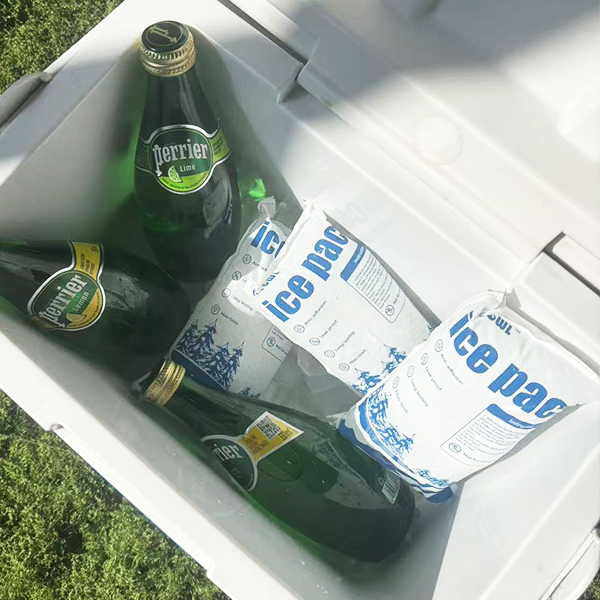
Hurricanes can leave you without power for days, and ensuring your food stays fresh during this time can be a challenge. Dry ice bags provide an efficient solution for keeping perishables frozen without the mess of regular ice. This guide explains how to use dry ice bags for hurricane prep, along with safety tips, duration expectations, and buying recommendations for 2025.
What are dry ice bags, and why should you use them during a hurricane?
How can you store food safely with dry ice bags during hurricane prep?
What are the safety precautions for using dry ice in emergencies?
How long do dry ice bags last, and how much do you need for your hurricane kit?
Where can you buy dry ice bags for hurricane preparedness?
What Are Dry Ice Bags, and Why Should You Use Them During a Hurricane?
Dry ice bags contain solidified carbon dioxide (CO₂), which sublimates directly into gas when exposed to warmer temperatures, unlike regular ice that melts into water. This makes them particularly useful during hurricanes when power outages occur, and refrigeration is unavailable.
Why Use Dry Ice Bags for Hurricane Prep?
Keeps Food Frozen Longer: Dry ice maintains freezing temperatures without melting into water, unlike regular ice that creates a mess in your cooler.
Extended Cooling Duration: Dry ice can keep food frozen for up to 48 hours, making it a reliable option for extended outages.
Ideal for Long-Term Storage: Dry ice is perfect for maintaining the cold temperature of items like meats, frozen vegetables, and ice cream.
How to Store Food Safely with Dry Ice Bags During Hurricane Prep
When preparing for a hurricane, it’s crucial to store food properly to prevent spoilage. Dry ice bags can help keep perishables frozen during extended periods of power outages.
1. Choose the Right Size Dry Ice Bag
The size of the dry ice bag depends on the number of people and the duration of the hurricane prep.
Short-Term Hurricane Prep (1-2 days): A 5 lb dry ice bag may suffice.
Long-Term Power Outages: Consider 10-20 lb bags for extended cooling.
2. Packing and Insulating Properly
Once you’ve chosen the right dry ice bag, proper packing is essential to maximize its cooling potential:
Use Well-Insulated Coolers: This slows down the sublimation of dry ice, keeping your food cold longer.
Ventilation is Key: As dry ice sublimates, it releases CO₂ gas, so ensure your cooler is ventilated to allow gas to escape safely.
Layering Dry Ice: Place dry ice between layers of food to keep everything uniformly cold.
Pro Tip: For best results, check your cooler every 24 hours to ensure that the dry ice has not completely sublimated.
Safety Precautions for Using Dry Ice in Emergencies
While dry ice is a useful tool, it also comes with certain risks that must be managed carefully.
1. Handling Dry Ice Safely
Dry ice is extremely cold and can cause frostbite if touched directly. Always wear insulated gloves when handling dry ice.
Never Touch Dry Ice With Bare Hands: Dry ice has a temperature of −78.5°C (−109.3°F), which can cause serious injury.
2. Ventilation and Storage
As dry ice sublimates, it releases carbon dioxide gas, which can be hazardous in confined spaces.
Store Dry Ice in Ventilated Areas: Ensure that your cooler is vented to allow the gas to escape.
Never Store Dry Ice in Airtight Containers: The gas buildup could lead to an explosion.
3. Disposal of Dry Ice
Never dispose of dry ice in sinks, toilets, or trash bins. Let it sublimate in a well-ventilated area until it disappears completely.
How Long Do Dry Ice Bags Last, and How Much Do You Need for Your Hurricane Kit?
The lifespan of dry ice depends on several factors such as the amount used, the cooler’s insulation, and the surrounding temperature.
Dry Ice Durations:
5 lb Dry Ice Bag: Lasts about 1-2 days.
10-20 lb Dry Ice Bag: Lasts up to 2-3 days.
For an extended power outage, plan to replace the dry ice after 24-48 hours to maintain proper food temperatures.
How Much Dry Ice Do You Need?
For Every 24-Hour Period: Use 5-10 lbs of dry ice.
The amount you need also depends on the size of your cooler and the number of perishables you’re trying to keep frozen.
Where to Buy Dry Ice Bags for Hurricane Prep
Dry ice is available from various suppliers, including big-box stores, online retailers, and specialized distributors.
Where to Buy:
Costco: Offers bulk dry ice at affordable prices.
Walmart: Local pickup or online delivery.
Specialized Distributors: Look for local suppliers to meet immediate needs.
Online Retailers: Websites like Amazon offer next-day delivery options.
Top Dry Ice Bags for Hurricane Prep
| Product Name | Capacity | Features | Price |
|---|---|---|---|
| OverBoard Dry Ice Cooler Bag | 15L | Waterproof, insulated, purge valve | $119.96 |
| Techni Ice Reusable Pack | Varies | FDA approved, long-lasting | $29.95 |
| Canyon Coolers Ice Bag | 10 lbs | Drain hose, TPU liner | $25.00 |
Conclusion
Dry ice bags are an excellent solution for hurricane prep, ensuring your food stays frozen without the mess of regular ice. By using proper storage methods, handling dry ice with care, and purchasing the right quantity, you can keep your perishables fresh throughout a power outage. Don’t forget to buy dry ice bags ahead of time and prepare your emergency kit with all the essentials.
Next Steps:
Choose the appropriate size dry ice bags based on your needs.
Store food in well-insulated coolers with dry ice on top.
Ensure you have the necessary safety equipment, including gloves and ventilated containers.
FAQ
Q1: How long will dry ice last in a cooler?
A 10 lb dry ice bag typically lasts 2-3 days in a well-insulated cooler.
Q2: Can I store dry ice in my freezer?
No, storing dry ice in a regular freezer is unsafe. Always store it in a well-ventilated cooler.
About Tempk
At Tempk, we specialize in cold chain solutions, providing dry ice bags and related products for hurricane prep. Our goal is to ensure that your food stays safe during emergencies, offering reliable products and expert advice for all your cold storage needs.
Dry Ice Bag for Groceries: 2025 Safe Shipping Guide
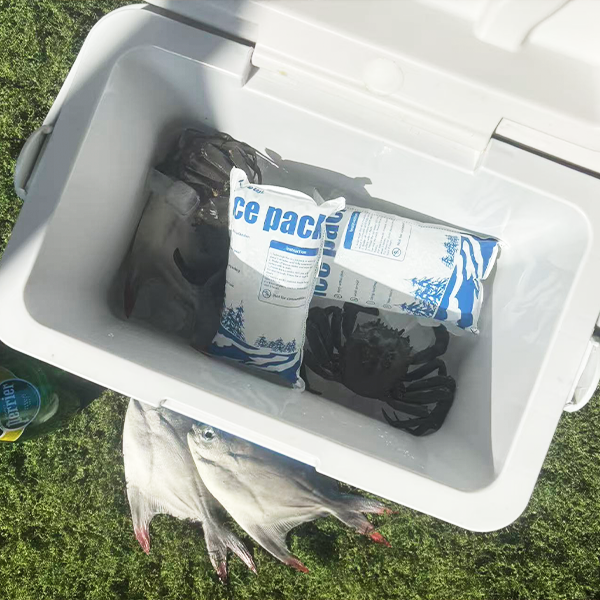
How to Use a Dry Ice Bag for Groceries Safely in 2025
When you choose a dry ice bag for groceries, you keep frozen foods solid, cut spoilage, and stay compliant during transit. This guide gives you sizing rules, step‑by‑step pack‑outs, and 2025 labeling guidance you can use today. It blends and refines your three draft articles into one best‑in‑class resource.
How a dry ice bag for groceries maintains deep‑freeze temperatures for long routes
How to pack for safety and compliance, using UN 1845 and venting best practices
How to size dry ice for time, temperature, and payload with a quick formula
When to mix dry ice with gel packs or PCM for mixed‑temperature orders
Why choose a dry ice bag for groceries in 2025?
A dry ice bag for groceries delivers colder, drier, longer‑lasting cooling than gel packs, minimizing temperature excursions. It keeps items below freezing, avoids watery residue, and stabilizes quality for ice cream, seafood, and meat over 12–48 hours depending on insulation and load.
From your perspective, you want food to arrive firm, safe, and customer‑ready. A dry ice bag for groceries vents CO₂ gas, leaving packaging dry and intact. It suits long‑distance e‑grocery, weekend travel, and backup cooling during power outages.
What are the key benefits for frozen grocery logistics?
Longer hold time, cleaner packaging, and fewer claims are the headline gains. With a dry ice bag for groceries, frozen SKUs stay below –18 °C, texture is preserved, and there’s no meltwater to weaken cartons. For mixed orders, combine a small dry ice block with gel packs to protect produce from freezing.
| Pack-out Option | Best For | Duration Window | What it means for you |
|---|---|---|---|
| Block dry ice + foam liner | Large frozen orders | 24–72 h | Deep freeze, fewer re‑packs |
| Pellets around items | Small parcels, fast pull‑down | 12–36 h | Quick chill, easy placement |
| Hybrid (dry ice + PCM) | Mixed frozen + chilled | 24–72 h | Two zones, fewer complaints |
Practical tips and quick wins
Weekend routes: Add 20% extra dry ice for potential delays.
No direct contact: Separate food with cardboard/foam to prevent freezer burn.
Vent don’t seal: Never airtight; let CO₂ escape to avoid pressure build‑up.
Real case: A meal‑kit shipper combined 1.5 kg dry ice with two PCM panels. The dry ice bag for groceries held –20 °C for 72 h, cut texture defects, and reduced refunds by 30%.
How to pack a dry ice bag for groceries step‑by‑step?
Use the right bag, insulate well, vent properly, and label clearly. Start with a tough, insulated liner. Place dry ice above or around frozen items, separated by cardboard. Fill dead space to prevent warm air pockets.
Choose your lens: if you ship all‑frozen SKUs, a dry ice bag for groceries with blocks works best. For mixed baskets, use a hybrid layout: dry ice for frozen, gel/PCM for chilled, with foam partitions between zones.
Pack-out checklist for a compliant dry ice bag for groceries
Pre‑freeze payload to reduce thermal load.
Layering: bottom foam → frozen items → top foam → dry ice on top/side.
Venting: lid ajar or built‑in vents; never airtight.
Marking: “Carbon Dioxide, Solid,” UN 1845, and net dry ice weight (kg).
Gloves & eye protection: avoid frostbite during handling.
How much dry ice does your dry ice bag for groceries need?
Estimate by payload, duration, and ambient conditions. A simple field formula keeps planning fast and conservative.
For example, a 3 kg frozen order, 28 °C ambient, 48 h transit:
dry_ice ≈ (0.35×3) + ((28–(–18))/10)×0.1×48 ≈ 1.5–1.7 kg in practice.
Sizing table for common grocery scenarios
| Scenario | Payload | Transit | Suggested Dry Ice | Why it works |
|---|---|---|---|---|
| Ice cream gift box | 0.5 kg | 24 h | 0.5 kg | Protects texture, zero thaw |
| Frozen meat order | 3 kg | 24 h | 1.0 kg | Deep freeze, sturdy carton |
| Seafood set | 2 kg | 36 h | 0.9 kg | Protein safety margin |
| Mixed basket (frozen + chilled) | 3 kg | 24 h | 0.8 kg + gel packs | Dual‑zone control |
Dry ice bag for groceries vs. gel packs: which is better?
Pick a dry ice bag for groceries when you must stay frozen; choose gel packs for chilled‑only. Dry ice holds –78.5 °C equivalent conditions and avoids meltwater. Gel packs ride near 0–5 °C and are simpler for recipients to handle.
For customer‑friendly unboxing, add a brief insert explaining dry ice handling and safe disposal. If your basket includes produce, isolate it from the dry ice zone with foam dividers.
Decision helper: which coolant should you use?
All frozen items? Use a dry ice bag for groceries with blocks or pellets.
Mixed frozen + chilled? Hybrid (dry ice + PCM/gel) with partitions.
Chilled only? Gel/PCM only; avoid accidental freezing.
Regulations and labeling for a dry ice bag for groceries in 2025
Shipments using dry ice must be vented, labeled “Dry Ice/Carbon Dioxide, Solid,” and marked with UN 1845 and net weight. Passenger baggage is typically limited to 2.5 kg (5.5 lb) per person with airline approval, while commercial carriers allow larger quantities when packaged and documented correctly. Always follow carrier SOPs and keep bags out of airtight overwraps.
Safety reminders you can post on pack lines
Wear insulated gloves and eye protection when handling dry ice.
Transport in ventilated spaces; never in sealed car trunks or closets.
Do not place dry ice in sinks or sealed bins; allow it to sublimate in open air.
2025 trends in dry ice bag for groceries
Smarter, greener, and more traceable defines 2025. Recycled‑CO₂ dry ice lowers footprint, while BLE/NFC sensors add route‑level visibility. AI‑assisted routing suggests pack‑out tweaks by weather, lane, and dwell time so your dry ice bag for groceries arrives within spec with less over‑ice.
What’s new at a glance
Hybrid cooling: Dry ice + PCM delivers two temperature zones in one bag.
IoT tags: Live temperature + location for every parcel at low cost.
Reusable shells: Rechargeable CO₂ cores for subscription deliveries.
Market insight: E‑grocery growth favors solutions that reduce spoilage, improve UX, and document compliance. Expect wider adoption of sensor‑verified pack‑outs and reusable formats.
FAQs
How long does a dry ice bag for groceries last?
Typically 12–48 h depending on bag insulation, dry ice mass, ambient heat, and fill rate. Add 20% for weekends or heat waves.
Can dry ice touch food directly?
Avoid direct contact. Use cardboard or foam to prevent freezer burn and packaging damage.
Is a dry ice bag for groceries safe in cars?
Yes—with ventilation. Keep a window cracked or HVAC on fresh‑air intake to prevent CO₂ buildup.
What labels are required?
“Carbon Dioxide, Solid,” UN 1845, and the net dry ice weight (kg), plus a Class 9 mark for hazardous materials where applicable.
What if my order includes produce?
Use a hybrid pack‑out: dry ice for frozen items, gel/PCM for chilled produce, separated by foam partitions.
About Tempk
We are cold‑chain specialists focused on practical science and measurable outcomes. Our dry ice bag for groceries portfolio includes hybrid solutions, reusable shells, and sensor‑ready liners. We pair packaging design with data to reduce waste and protect brand experience at delivery.
CTA: Speak with a Tempk cold‑chain engineer and get a custom pack‑out today.
Dry Ice Bag for Frozen Meat: 2025 Safe Shipping Guide
How to Use a Dry Ice Bag for Frozen Meat in 2025
Shipping perishable proteins is unforgiving. A dry ice bag for frozen meat lets you hold deep‑freeze temps, prevent leaks, and stay compliant while controlling cost. In this guide, you’ll get simple rules for dry ice quantity, food‑safe materials, packing steps, and 2025 labeling so your orders arrive rock‑solid and safe.
Choose the right food‑safe dry ice bag and insulation for long routes.
Calculate dry ice for 24–72 hours with a quick, reliable method.
Pack, vent, and label correctly to meet 2025 carrier rules.
Cut cost without risking thaw by sizing the shipper and bag precisely.
Why is a dry ice bag for frozen meat your best choice?
It delivers colder, drier, longer cooling than gel packs or wet ice. Dry ice sits at −109°F (−78.5°C), so the product stays well below the freezing point. It sublimates to gas—no meltwater—so your packaging stays clean, your box stays strong, and your dry ice bag for frozen meat keeps quality intact across 1–3‑day lanes.
What this means for you: fewer warm‑ups, fewer refunds, and fewer customer complaints. Because the coolant becomes gas, good venting avoids pressure spikes while steady cold slows ice crystal growth that can hurt texture. Pair the bag with tight insulation and you extend freezer‑level temps without over‑spending on coolant.
HDPE vs LDPE vs PP: which bag keeps food safest?
Food‑contact plastics matter. HDPE bags are tough and moisture‑resistant, ideal for big cuts and long routes. LDPE is flexible and resists cracking at low temps—great as inner liners. PP handles heat and cleaning cycles if you reuse inserts. Choose certified food‑contact grades and avoid brittle, non‑vented containers around dry ice. For the dry ice bag for frozen meat, 4–8 mil suits parcels; 10+ mil helps with heavy primals or sharp bones.
| Material choice | Strength & cold tolerance | Typical use | What this means for you |
|---|---|---|---|
| HDPE | High, stable at deep cold | Primary dry ice bag | Resists puncture, minimizes leaks |
| LDPE | Flexible, crack‑resistant | Secondary liner | Easier sealing, better fit |
| PP | Durable, cleanable | Reusable insert | Withstands cleaning cycles |
Practical packing tips
Sharp bones: Use bone‑guard or double‑bag to prevent pinholes.
No airtight seals: Always allow CO₂ to vent from the outer shipper.
Place coolant high: Cold sinks—keep dry ice above or around product, not only below.
Case study: A meal‑kit brand shifted to an HDPE dry ice bag for frozen meat with 1.5″ foam and vented lids. Complaints for “soft on arrival” fell by half, and coolant spend dropped ~12% after recalculating load per zone and season.
How much dry ice should your dry ice bag for frozen meat hold?
Rule of thumb: plan on 5–10 lb (2.3–4.5 kg) of dry ice per 24 hours per small parcel, adjusted for box size, insulation R‑value, ambient heat, and product mass. For 48 hours, many lanes need 10–20 lb. Start mid‑range, then tune down using real delivery data to avoid over‑cooling and cost.
Make it practical: Weigh frozen product after blast‑chill, choose the smallest shipper that fits (less air = less load), and set dry ice around and above the meat inside a dry ice bag for frozen meat. For summer lanes or hot sort hubs, add 20–30%. For winter, reduce slightly but keep venting consistent.
Labels and rules for dry ice in 2025
Dry ice used for parcels is a Class 9 hazardous material. Mark “Dry Ice” (or “Carbon Dioxide, solid”), include UN1845, and show net dry ice weight. Packaging must vent CO₂—never trap gas. If you fly parcels, follow current air‑carrier instructions; ground carriers require the same basics: durable outer box, secure inner packaging, and clear handling marks.
| Requirement | What to show | Why it matters | Your benefit |
|---|---|---|---|
| Identification | “Dry Ice” / “CO₂, solid”, UN1845 | Aligns with hazmat rules | Prevents delays & fees |
| Net weight | Pounds or kilograms | Carrier load planning | Faster acceptance |
| Venting | No airtight seal | Avoids pressure buildup | Keeps box intact |
Quick estimator (for planning):
Use actual delivery data to refine the base_per_24h and multipliers for your SKUs.
How do you pack a dry ice bag for frozen meat step by step?
Answer first: Keep meat rock‑solid, control airspace, let CO₂ out.
Prep product: Vacuum‑seal portions; pre‑freeze to −10°F or colder.
Bag the coolant: Load dry ice into a dry ice bag for frozen meat; fold but don’t seal airtight.
Layer smart: Place dry ice above/around product, not only at the bottom.
Fill voids: Use foam or liners so nothing shifts.
Close & vent: Close the shipper with a vent path for CO₂.
Mark & weigh: Add “Dry Ice,” UN1845, and net dry ice weight.
Insulation choices that extend dry ice life
Foam shippers (1–1.5″): Reliable for 24–48 hours.
Multi‑layer liners (bubble + reflective + PE): Space‑efficient; tune layers by season.
Rigid coolers with vented lids: Extend duration when paired with a dry ice bag for frozen meat; never lock lids airtight.
Food‑safe handling for your dry ice bag for frozen meat
Core idea: Protect people and product. Use food‑contact materials, PPE, and ventilation.
Wear loose, insulated gloves and eye protection; never handle with bare skin. Keep dry ice away from enclosed spaces without airflow. Do not place dry ice in a sealed plastic container; gas expansion can burst it. Keep meat separated from dry ice by packaging—cool the product, not the eater’s hands.
Storage and disposal that won’t backfire
Store in an insulated, vented cooler—lid cracked.
Keep out of walk‑in freezers and domestic fridges (risk of damage and CO₂ build‑up).
For disposal, set dry ice in a ventilated area to sublimate; keep away from kids and pets.
2025 cold‑chain trends for dry ice bags and frozen meat
What’s new: Smarter packaging and greener CO₂. In 2025, fleets lean on real‑time temperature and CO₂ sensors that ping when a box warms or pressure rises. Dry ice bag for frozen meat programs adopt recycled‑content HDPE and bio‑based PE where allowed, while improved liners raise effective R‑value without oversized boxes. Carbon‑efficient CO₂ sourcing is gaining traction to shrink footprint while holding performance.
Latest at a glance
Connected shippers: QR‑guided handling and sensor logs reduce spoilage and claims.
Higher‑performance liners: Thinner walls, same hold time—lower DIM weight.
Greener inputs: Recycled and bio‑based films in food‑contact grades.
Market insight: Parcels with frozen proteins keep rising as DTC and retail e‑commerce expand. The winners right‑size shippers, standardize dry ice bag for frozen meat SKUs, and use lane‑based coolant tables to avoid both thaw risk and over‑spend.
FAQs
Q1: How much dry ice for 10 lb of steaks over 48 hours?
Start with 10–12 lb in a dry ice bag for frozen meat, in a small or medium foam shipper, with the ice above the meat. Adjust for summer lanes.
Q2: Can dry ice touch the meat directly?
Avoid direct contact. Use the product’s vacuum bag or a liner as a barrier to prevent freeze‑burn and sticking.
Q3: Where do I place the dry ice in the box?
High and around the product. Cold sinks, so top placement improves coverage and duration.
Q4: Can I reuse the dry ice bag?
If undamaged HDPE or PP, you can. Inspect for pinholes and clean according to food‑contact practices.
Q5: Do I need special labels?
Yes—mark “Dry Ice,” show UN1845, and list net dry ice weight. Keep the outer packaging vented.
Summary & Recommendations
Key points: A dry ice bag for frozen meat delivers deep‑freeze temps without leaks, needs vented packaging and clear labels, and works best with compact, well‑insulated shippers. Plan 5–10 lb per 24 hours and tune by lane. Choose food‑contact HDPE/LDPE/PP and keep coolant high in the box.
Next steps:
Map lanes (hours & ambient) and set a coolant table per SKU.
Standardize two or three dry ice bag for frozen meat sizes.
Pilot sensors on hot routes for two weeks.
Roll updates and add clear delivery‑day instructions. Need help? Start a pilot with us today.
About Tempk
We build practical cold‑chain systems that protect product and margins. Our dry ice bag for frozen meat range uses certified food‑contact films and tested seams for puncture resistance. We pair that with right‑sized shippers and lane‑based coolant tables so you hit target temps with less spend.
Talk to us: Book a 20‑minute consultation to tune your coolant loads and packaging spec for peak season.