


Dry Ice Bag for Emergency: Why It’s Essential in Critical Situations
Dry Ice Bag for Emergency: Why It’s Essential in Critical Situations
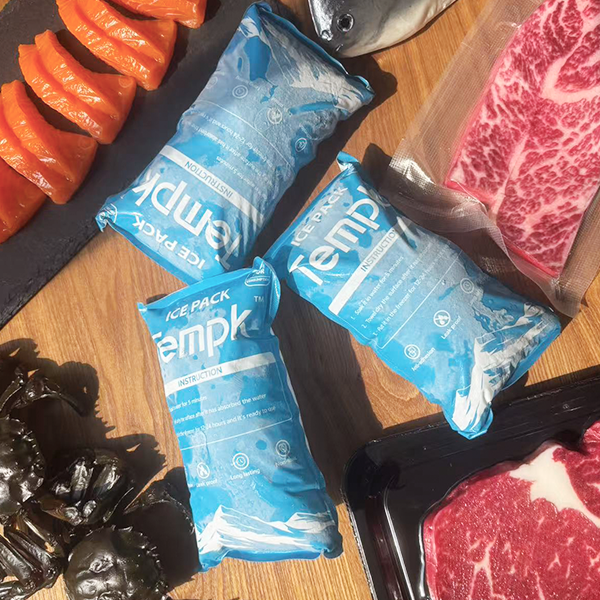
Dry Ice Bag for Emergency: Why You Need It and How It Works
The Power of Dry Ice in Emergency Situations
In emergency scenarios, especially when there is a power outage or critical transport delays, maintaining temperature control is essential for preventing spoilage and ensuring the safety of perishable items. A dry ice bag for emergency use serves as an indispensable tool that provides superior cooling, ideal for medical transportation, food preservation, and other urgent cooling needs. This article outlines why dry ice bags are crucial, how they work, and how to use them effectively in various emergency situations.
How does a dry ice bag keep items cool for extended periods in emergencies?
What are the key benefits of using dry ice in critical situations like medical transportation?
How to use dry ice bags safely and effectively during power outages and more.
What Is a Dry Ice Bag for Emergency?
A dry ice bag for emergency is a specially designed container used to hold dry ice—solid carbon dioxide. This innovative cooling solution provides extreme cold temperatures, as dry ice sublimates at -78.5°C (-109.3°F), making it ideal for temperature-sensitive items that need to stay frozen during transport or storage. These bags are designed with insulation materials to extend the duration of the cooling effect, ensuring your items remain at the required temperature for as long as possible.
How Does Dry Ice Provide Cooling?
Dry ice is unique because, unlike traditional ice, it sublimates directly into gas, skipping the liquid phase. This sublimation process absorbs a tremendous amount of heat, creating an intense cooling effect. In emergency scenarios, this process is invaluable, especially when cooling solutions like regular ice are insufficient.
Key Fact:
Dry ice sublimates at a rate of 5–10 pounds every 24 hours, providing consistent cooling without the need for electricity, making it perfect for off-grid emergencies.
Key Benefits of Using a Dry Ice Bag for Emergency Situations
1. Superior Cooling Power
Dry ice bags maintain extremely low temperatures and keep items cool far longer than regular ice. This makes them ideal for preserving medical supplies, vaccines, or food during power outages or transportation delays.
2. Mess-Free Cooling
Traditional ice can cause a mess as it melts, creating water damage or making it difficult to keep items dry. Dry ice, however, sublimates directly into gas, leaving no liquid residue behind. This is especially beneficial when transporting sensitive items like electronics or important documents.
3. Portability and Space Efficiency
Unlike bulky refrigeration units, dry ice bags are compact and easy to transport. Whether you’re moving medical supplies, perishable foods, or biological samples, dry ice bags are lightweight and portable, providing an efficient solution to your cooling needs in emergency situations.
How Dry Ice Bags Work in Emergencies
The Science Behind Dry Ice Sublimation
When dry ice sublimates, it absorbs heat, creating an immediate cooling effect. This is why it is such a powerful tool for emergency cooling. The efficiency of this process means that dry ice can preserve items for extended periods, making it a vital solution for critical scenarios such as medical transport or emergency food preservation.
How Dry Ice Bags Are Used in Medical Emergencies
In the healthcare industry, temperature-sensitive items like vaccines, medications, and organs need to be kept at subzero temperatures during transport. A dry ice bag ensures these items remain at the required temperature, even in adverse conditions. For example:
Vaccines: Some vaccines, such as the COVID-19 vaccine, require temperatures as low as -70°C during transport. A dry ice bag can help maintain these temperatures over long distances.
Organ Transplants: Dry ice is used in the transportation of organs for transplant, preserving their viability until they reach the recipient.
Using Dry Ice Bags for Food Preservation
The food industry benefits significantly from dry ice, especially during power outages. Dry ice can keep perishable goods like seafood, meats, and dairy frozen for extended periods, allowing businesses and homes to preserve their inventories until refrigeration is restored.
Safety and Handling: How to Use a Dry Ice Bag Safely
While dry ice is incredibly useful, it’s essential to handle it with care. Here are some critical safety tips to follow:
Use Proper Gloves: Always wear insulated gloves when handling dry ice. Direct contact with bare skin can cause severe frostbite due to its extremely low temperature.
Ensure Ventilation: Dry ice sublimates into carbon dioxide gas, which can displace oxygen in confined spaces. Always ensure you are in a well-ventilated area to avoid suffocation.
Avoid Airtight Containers: Never store dry ice in airtight containers as the gas buildup can cause the container to rupture. Always use a vented bag to allow the gas to escape safely.
Best Practices for Dry Ice Use During Emergencies
Emergency Cooling: Step-by-Step Instructions
Preparation:
Ensure you have enough dry ice and a proper storage bag. For freezers, use 2.5–3 pounds of dry ice per cubic foot of space for up to 24 hours of cooling.Placing Dry Ice in Refrigerators/Freezers:
For refrigerators, place the dry ice on the top shelf, as cold air sinks. For freezers, lay it on the top or in layers with regular ice to prolong its effect.Monitor and Replace:
Check the dry ice every 12 hours. If it’s half gone, replace it. Make sure the temperature remains below the safe thresholds for food safety—40°F for refrigerators and 0°F for freezers.
Trends and Innovations in Dry Ice for Emergencies (2025)
The dry ice industry is evolving rapidly, with a focus on improving the efficiency, safety, and environmental impact of dry ice bags.
Latest Trends:
Eco-Friendly Alternatives: Research into sustainable dry ice alternatives, such as phase change materials (PCMs), which can reduce CO₂ emissions by 40%.
Smart Monitoring: Integration of IoT technology for real-time monitoring of dry ice temperatures during transport.
New Technology:
Hybrid Insulation: Multi-layer systems with materials like reflective foil and foam reduce heat transfer, extending the life of dry ice bags.
Advanced Vents: Improved venting systems prevent gas buildup while maximizing insulation.
Frequently Asked Questions (FAQ)
Q1: How long can dry ice bags maintain cooling?
Dry ice bags can keep food and medical supplies frozen for 2-4 days, depending on the size of the dry ice and the quality of insulation.
Q2: Can dry ice be used for food transport?
Yes, dry ice is commonly used to transport perishable food. It is safe and does not leave any residue, making it ideal for food preservation.
Q3: How should dry ice be handled during transport?
Always use insulated gloves, ensure proper ventilation, and avoid airtight containers to safely transport dry ice.
Conclusion
A dry ice bag for emergency use is a critical tool in managing cooling needs during power outages, transportation delays, or medical emergencies. With its superior cooling power, portability, and safety when handled properly, it provides an invaluable solution for preserving perishable items, medical supplies, and more. By following proper usage guidelines, you can ensure that your temperature-sensitive goods are protected in any emergency.
About Tempk
At Tempk, we specialize in providing high-quality dry ice products and emergency cooling solutions. With years of expertise, we offer durable, insulated dry ice bags that ensure the safe transport and preservation of sensitive items in critical situations.
Ready to ensure your emergency preparedness? Contact Tempk for custom cold chain solutions tailored to your specific needs.
Dry Ice Bag for Coolers: Safe Packing for 24-72 Hours
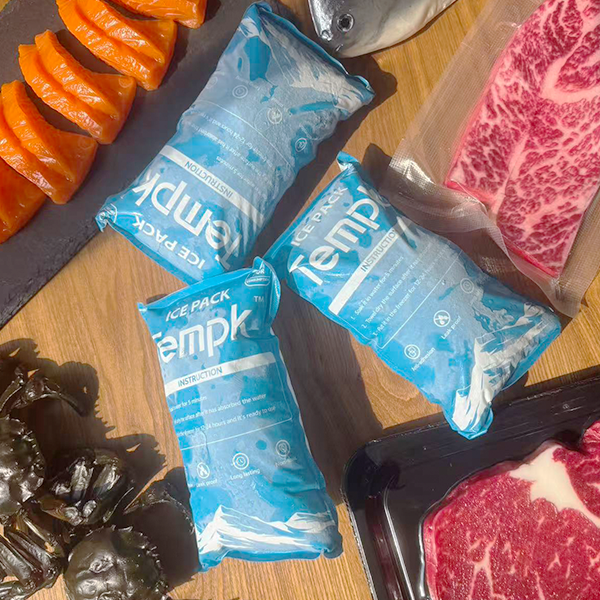
Dry Ice Bag for Coolers: How to Safely Pack for 24-72 Hours
When it comes to keeping frozen goods cold for extended periods, a dry ice bag for coolers offers a practical and reliable solution. Whether you’re shipping food, pharmaceuticals, or just heading on a long road trip, understanding how to pack dry ice properly can make all the difference in maintaining a safe temperature. In this guide, we’ll walk you through the essential steps for packing dry ice bags safely, tips for choosing the right cooler, and the latest trends in 2025 for cold chain technology.
How to determine the right amount of dry ice for your cooler.
Best practices for packing a vented dry ice bag to avoid pressure buildup.
How to prevent sealed bag failures with easy venting methods.
Food-safe and pharmaceutical use cases, including shipping tips.
Key 2025 trends in CO₂ recycling, smart loggers, and phase-change materials.
What is a Dry Ice Bag for Coolers, and Why Should You Use One?
Direct Answer:
A dry ice bag for coolers is a vented, high-strength bag designed to contain dry ice while allowing carbon dioxide gas (CO₂) to escape. Unlike regular ice, dry ice sublimes (turns directly from solid to gas) at a chilling −78.5°C, making it perfect for keeping products frozen for extended periods. Proper venting is critical—sealing the bag airtight can result in dangerous pressure buildup, leading to container rupture.
Why it matters to you:
Using a dry ice bag ensures that your frozen products remain cold for up to 72 hours, depending on the cooler’s insulation and conditions. For safety and efficiency, the bag prevents mess and freezer burn by keeping the dry ice contained while letting CO₂ vent. For any items that need to stay well below freezing—such as vaccines, seafood, or ice cream—this method is ideal.
Which Cooler Types Pair Best with Dry Ice Bags?
Direct Answer:
Not all coolers are built the same, and selecting the right one can impact how effectively your dry ice works. Rotomolded coolers with thick walls and good gaskets perform best, offering the longest insulation times. For shipping, EPS or urethane foam inserts inside cardboard shippers are another solid choice.
| Cooler Type | Insulation | Ideal Use Window | What It Means for You |
|---|---|---|---|
| Rotomolded (Premium) | PE + PU foam | 24-72 hours | Best for long-distance transport and multi-day events |
| EPS Shipper (2” Wall) | EPS foam panels | 24-48 hours | Balanced cost and performance for ecommerce |
| Soft Cooler + Insert | Thin shell + PCM/foam | 12-24 hours | Backup for short trips, prechilled helps |
| Cardboard + Foam Liner | 1-2″ foam | 12-36 hours | Economical, add gel packs to stabilize |
Pro tip: Prechill your cooler for a few hours before use, which can improve the performance of the dry ice significantly.
How Much Dry Ice Do You Need for 24-72 Hours?
Direct Answer:
For a standard 35–55 quart rotomolded cooler in warm weather, plan for around 5–10 pounds of dry ice per 24 hours. The rate scales depending on factors like ambient temperature, frequency of cooler access, and the cooler’s insulation. Use a little more dry ice for frequent openings or hotter conditions, and be sure to account for variations in your specific shipping routes.
| Cooler Size (qt) | 24 Hours (lb) | 48 Hours (lb) | 72 Hours (lb) | Notes |
|---|---|---|---|---|
| 25–35 | 5–8 | 10–16 | 15–24 | Use one vented bag, minimize headspace |
| 45–55 | 6–10 | 12–20 | 18–30 | Consider a cardboard shelf above |
| 65–75 | 8–12 | 16–24 | 24–36 | Two smaller bags freeze more evenly |
How to Pack a Dry Ice Bag for Coolers (Step-by-Step)
Direct Answer:
To ensure safety and efficiency, here’s a quick guide on packing dry ice for your cooler:
Prechill the cooler for 2–3 hours with frozen gel packs or ice.
Stage your products (they should already be frozen).
Add a cardboard spacer above the product to prevent freezer burn.
Place the dry ice in a vented bag, but close it loosely.
Place the bag on top of the contents, and fill any voids with packing material.
Add gel packs near the lid to stabilize temperature.
Close the cooler normally (no tape) and mark it with the required “Dry Ice / Carbon Dioxide, Solid—UN1845” label.
Safety tip: Never use an airtight seal for your dry ice bag—allow the CO₂ gas to vent.
2025 Trends: What’s New in Dry Ice Bags for Coolers?
Trend Overview:
In 2025, the cold chain industry continues to innovate. Companies are moving towards more eco-friendly packaging, with biodegradable dry ice bags and reusable containers on the rise. Smart temperature sensors and reclaimed CO₂ (produced from biogenic sources) are also improving safety and reducing costs in the industry.
What’s New at a Glance?
Green CO₂: Reused CO₂ from waste materials is becoming a more sustainable and cost-effective option.
Reusable Cold Chain Packaging: Expect an increase in multiuse, temperature-controlled packaging solutions, which help lower long-term costs and environmental impacts.
Smart Sensors: Affordable, cloud-connected temperature loggers make it easier to track compliance during shipments, adding an extra layer of certainty for critical deliveries.
FAQ
Q1: How long does a dry ice bag last in a cooler?
Dry ice bags keep items frozen for 24–72 hours, depending on cooler type, insulation, and ambient temperature.
Q2: Can a dry ice bag explode if sealed tightly?
Yes. Never seal dry ice in an airtight container. The CO₂ sublimates and rapidly increases in volume, causing pressure buildup that can result in rupture.
Q3: Can I use dry ice directly with food?
Yes, but ensure there’s a barrier (such as a cardboard spacer) between the dry ice and food to prevent freezer burn and ensure safety.
Conclusion & Recommendations
Key Takeaways:
A dry ice bag for coolers is an efficient way to keep items frozen during transport. By choosing the right cooler and following best practices, you can prevent mishaps like sealed bag explosions and ensure your products stay safe and cold for up to 72 hours.
Next Steps:
Select a vented dry ice bag sized for your cooler.
Prechill the cooler and pack your items securely.
Monitor your shipment with a temperature data logger to ensure compliance.
Always follow safety guidelines and correct labeling.
Call to Action:
Looking for tailored cold chain solutions? Contact Tempk’s team today for expert guidance on optimizing your packing and shipping methods.
Dry Ice Bags for Coolers: How to Choose, Use(2025 Guide)

Dry Ice Bags for Coolers: How to Choose the Right One for Optimal Cooling Efficiency
If you’re looking to maintain the freshness and safety of perishable items during transportation or storage, a dry ice bag for cooler is the perfect solution. Dry ice ensures ultra-cold temperatures that keep your goods at the right temperature, whether you’re shipping pharmaceuticals, food, or electronics. In this article, we’ll guide you on choosing the best dry ice bag for your cooler, how to use it safely, and key best practices to ensure efficient cooling.
How to choose the right dry ice bag for your cooler
The importance of proper size and insulation
Safe handling tips and precautions
Can you reuse dry ice bags?
The benefits of using dry ice in coolers
What is a Dry Ice Bag for a Cooler and How Does It Work?
A dry ice bag for a cooler is a specially designed insulated pouch that holds dry ice (frozen carbon dioxide, CO₂). Unlike traditional ice, dry ice sublimates directly from solid to gas without producing liquid, which makes it ideal for long-term cooling without the mess of melted ice. These bags are designed to keep your items frozen at temperatures as low as –78.5°C (–109.3°F) by releasing CO₂ gas gradually while insulating the contents inside.
How Does Dry Ice in Bags Work?
Dry ice sublimates when exposed to temperatures above –78.5°C, releasing CO₂ gas. As the dry ice changes directly from a solid to a gas, the gas gradually escapes through a vent in the bag, ensuring that the cooler doesn’t pressurize. This process keeps your items frozen and prevents direct contact with the cold, avoiding freezer burn.
How to Choose the Right Dry Ice Bag for Your Cooler
Choosing the right dry ice bag for your cooler is essential for achieving maximum cooling efficiency. Consider the following factors:
1. Size of the Bag
Dry ice bags come in various sizes, such as:
7×13 inches: Ideal for small coolers (up to 10-20 quarts).
10×15 inches: Suitable for medium-sized coolers (20-40 quarts).
Large Bags (15×20 inches): For large coolers or long-haul transportation.
2. Thickness of the Bag
Thicker bags provide better insulation and slower sublimation, ideal for longer durations. However, thinner bags can be more flexible and cost-effective for short trips.
3. Material Quality
Look for bags made of durable polyethylene or polypropylene, materials that resist tears and punctures while withstanding extreme cold temperatures.
How to Safely Handle Dry Ice Bags
Handling dry ice bags safely is crucial to prevent injury or damage. Follow these safety guidelines:
1. Wear Protective Gear
Always use insulated gloves or tongs to handle dry ice. Direct skin contact can result in frostbite.
2. Proper Ventilation
Dry ice sublimates into CO₂ gas, which can displace oxygen in confined spaces. Ensure the cooler is not sealed airtight and that it’s stored in a well-ventilated area.
3. Proper Storage
When storing dry ice, never seal the cooler completely. Allow CO₂ gas to escape to avoid pressure buildup.
Can Dry Ice Bags Be Reused?
Yes, many dry ice bags can be reused. To ensure the bags maintain their effectiveness:
Inspect them for damage before reuse.
Clean and store them in a dry, cool area after use.
Benefits of Using Dry Ice Bags for Coolers
1. Maintains Low Temperatures for Longer Periods
Unlike regular ice, dry ice maintains lower temperatures for extended periods, making it perfect for long-haul shipments or multi-day trips.
2. No Water Residue
Dry ice sublimates into gas without producing any water, which keeps your cooler dry and prevents the soggy mess associated with traditional ice.
3. Compact and Efficient
Dry ice occupies less space than regular ice, making it more efficient for keeping your goods cold in a smaller cooler.
Environmental Considerations
1. Carbon Emissions
While dry ice doesn’t directly emit CO₂ during usage, the production and transportation of dry ice contribute to carbon emissions. Opt for recyclable and biodegradable bags when possible to minimize environmental impact.
2. Disposal of Dry Ice Bags
After use, ensure that the bags are disposed of responsibly. Recycle them if they’re made from recyclable materials or discard them safely in the trash after they’re empty.
How to Pack a Dry Ice Bag in a Cooler for Optimal Results
For best results, follow these steps when packing dry ice in your cooler:
1. Pre-Chill Your Cooler
Before placing the dry ice, pre-chill the cooler with regular ice or by freezing it overnight. This minimizes the initial temperature difference and reduces sublimation.
2. Layering
Place the dry ice at the bottom of the cooler and separate it from the contents with a barrier such as cardboard or foam. This prevents direct contact and ensures an even cooling effect.
3. Leave Ventilation Gaps
Ensure the cooler lid is slightly vented to allow the CO₂ gas to escape. This prevents the buildup of pressure and ensures proper cooling.
4. Monitor and Adjust
Check the dry ice levels periodically. Dry ice sublimates at a rate of 5-10 pounds every 24 hours, depending on the cooler’s insulation and external temperature.
Innovations and Trends in Dry Ice Bag Technology for 2025
1. Smart Sensors and Real-Time Monitoring
With advancements in IoT, more dry ice bags are incorporating temperature sensors and CO₂ detectors to allow real-time monitoring. This helps businesses track shipments and ensure goods remain at optimal temperatures during transit.
2. Recycled CO₂ and Sustainable Materials
To minimize the carbon footprint, many dry ice bags are now made from recycled CO₂ and eco-friendly materials. This is part of the growing trend toward sustainability within the cold chain industry.
3. Hybrid Cooling Systems
Hybrid systems that combine dry ice with phase-change materials (PCMs) are becoming more popular. These systems offer long-lasting cooling and prevent overfreezing, making them ideal for mixed-temperature loads.
Dry Ice Bags vs. Gel Packs and Phase-Change Materials (PCMs)
| Cooling Method | Temperature Range | Duration | Best Use Cases |
|---|---|---|---|
| Dry Ice Bags | –78.5°C (–109°F) | 24-72 hours | Frozen foods, pharmaceuticals, biologics |
| Gel Ice Packs | 0°C (32°F) to –10°C | 24-48 hours | Meal kits, groceries, supplements |
| Phase-Change Materials (PCMs) | Customizable (0°C or –20°C) | 48-96 hours | Mixed loads (both frozen and chilled items) |
Frequently Asked Questions (FAQ)
Q1: Can dry ice bags be reused?
Yes, dry ice bags can often be reused. Inspect the bags for damage before reusing them, and store them properly to maintain their durability.
Q2: How long does dry ice last in a cooler?
Dry ice can last anywhere from 12 hours to 5 days depending on the size of the cooler and the insulation. On average, smaller coolers (10-20 quarts) last 12-24 hours, while larger coolers (50+ quarts) last up to 3-5 days.
Q3: What’s the difference between dry ice bags and gel ice packs?
Dry ice bags maintain much colder temperatures (–78.5°C) and are better suited for frozen items, while gel ice packs are best for keeping items chilled around 0-4°C. Dry ice bags also don’t produce water residue.
Conclusion and Recommendations
Using dry ice bags for coolers offers several advantages, from longer cooling durations to mess-free shipping. For the best results:
Choose the right bag size based on your cooler size and cooling needs.
Handle dry ice safely by wearing gloves and ensuring proper ventilation.
Stay updated on new innovations like smart sensors and eco-friendly materials to align with 2025 trends.
By following these practices, you can ensure that your temperature-sensitive goods are kept in optimal condition during transport.
Dry Ice Bags for Camping: Ultimate Guide for 2025 Cooling Solutions
Dry Ice Bags for Camping: A Complete Guide for 2025

If you’re planning a camping trip and want to keep your food fresh and your beverages cold, using dry ice bags for camping is an excellent solution. Dry ice offers a more efficient and long-lasting way to preserve food during outdoor adventures, especially when traditional ice isn’t enough. In this comprehensive guide, we will walk you through everything you need to know about dry ice bags for camping in 2025, including the latest innovations, safety tips, and how to get the most out of this powerful cooling agent.
What is a dry ice bag, and how does it work for camping?
How to effectively use dry ice bags during your camping trip?
What safety precautions should you follow when using dry ice for camping?
How does dry ice compare to traditional ice packs in terms of efficiency?
Where can you purchase dry ice bags for camping, and what to consider when buying?
What is a Dry Ice Bag, and How Does it Work for Camping?
Dry ice bags contain solidified carbon dioxide (CO₂), which sublimes directly from a solid to a gas at −78.5°C (−109.3°F). This extreme cold makes dry ice incredibly effective for keeping food frozen during outdoor activities, particularly camping, where refrigeration is limited or non-existent.
How Dry Ice Works for Camping
Longer Cooling Duration: Unlike regular ice, which melts and absorbs heat, dry ice sublimates, transitioning from solid to gas without leaving liquid behind. This makes it less messy and far more efficient.
Keeps Food Frozen: It’s perfect for preserving perishable items like meats, fish, and dairy products over an extended period.
Versatile Use: Dry ice can be used in coolers and storage containers, making it ideal for camping trips of any length.
How to Use Dry Ice Bags Effectively While Camping
1. Choose the Right Size of Dry Ice Bag
Selecting the correct size of dry ice bag is essential to ensure that your food stays cold for the entire trip. Factors to consider include:
Duration of the Trip: For a short trip (2-3 days), a 5 lb dry ice bag might be sufficient. For longer trips, you may need 10 lb or more.
Type of Food: Meats and frozen goods require more dry ice to maintain proper cooling.
2. Proper Packaging and Storage
Dry ice should be stored in a well-insulated cooler. Ensure that the cooler also has ventilation holes to allow the CO₂ gas to escape.
Packing Tips:
Layering: Layer dry ice with other frozen items to maximize cooling efficiency.
Placement: Place dry ice on top of the items, as cold air sinks. Avoid direct contact with food to prevent it from freezing too hard.
Wrap Dry Ice: Wrap dry ice in newspaper or a towel to prevent it from directly touching the food.
3. Handling and Safety
While dry ice is an excellent cooling tool, it must be handled with care to avoid injuries or accidents.
Use Gloves: Always wear gloves when handling dry ice, as it can cause frostbite if touched directly.
Avoid Airtight Containers: Never store dry ice in airtight containers, as the CO₂ gas buildup can cause the container to explode.
Ensure Ventilation: Always ensure proper ventilation when transporting dry ice. For example, do not place dry ice in a car’s enclosed trunk.
Are Dry Ice Bags Safe to Use During Outdoor Activities?
Yes, dry ice bags are safe for camping, but you need to follow proper safety protocols.
Safety Precautions:
Ventilation is Key: Store and transport dry ice in well-ventilated areas to allow the CO₂ gas to dissipate safely.
Avoid Confined Spaces: Never place dry ice directly in tents or sleeping areas, as the CO₂ gas can displace oxygen and cause suffocation.
Frostbite Risk: Dry ice is extremely cold and can cause frostbite if touched with bare skin.
How Do Dry Ice Bags Compare to Traditional Ice Packs for Camping?
1. Longevity
Dry ice lasts significantly longer than regular ice. While regular ice melts within hours, dry ice can last anywhere from 24 to 48 hours, depending on the amount used and the cooler’s insulation.
2. Cooling Power
Dry ice is far colder than regular ice. At −78.5°C (−109.3°F), it keeps food frozen, whereas regular ice only maintains a temperature of around 0°C (32°F).
3. Messiness
Dry ice doesn’t melt into liquid, so it prevents the mess that regular ice often causes. Traditional ice creates puddles in your cooler, making it difficult to manage.
Key Features Comparison
| Feature | Dry Ice Bags | Regular Ice Packs | Traditional Ice |
|---|---|---|---|
| Duration | 24-48 hours | 12-24 hours | 6-12 hours |
| Temperature | −78.5°C (−109.3°F) | 0°C (32°F) | 0°C (32°F) |
| Mess | None | None | Melts into water |
| Reusability | No (Sublimates) | Yes | Yes |
Where to Buy Dry Ice Bags for Camping and What to Consider When Purchasing
1. Where to Buy
Retailers: You can buy dry ice bags from big box stores like Costco and Walmart.
Local Suppliers: Many local suppliers sell fresh dry ice, which is great for immediate use.
Online Retailers: Many websites offer shipping for dry ice with next-day delivery, allowing you to plan ahead.
2. What to Consider When Purchasing
Size of the Trip: Estimate the length of your trip and the amount of food you need to keep cold.
Type of Food: For trips with bulk perishables, larger dry ice bags are necessary.
Cost: Dry ice typically costs between $1 and $3 per lb. Buying in bulk can reduce the overall price.
2025 Trends and Innovations in Dry Ice and Camping Coolers
As camping coolers and cold chain technology continue to evolve in 2025, there are several trends to look out for:
Latest Innovations:
Self-Venting Coolers: Many coolers now feature lids that automatically vent CO₂ gas at thresholds to prevent pressure buildup.
Smart Sensors: Bluetooth-enabled temperature and CO₂ sensors help monitor internal conditions, ensuring optimal food safety.
Eco-Friendly Dry Ice: Advances in CO₂ capture technology mean that dry ice is now being made in more sustainable ways, reducing its carbon footprint.
Market Insights:
Camping enthusiasts are increasingly looking for eco-friendly options and are willing to invest in high-performance coolers that use advanced insulation and features like self-venting systems. As sustainability becomes a higher priority, hybrid cooling solutions that combine dry ice and other materials like gel packs or phase-change materials (PCMs) are gaining popularity.
Common Questions About Dry Ice for Camping
Q1: How long does dry ice last in a cooler?
Dry ice lasts between 24 and 48 hours, depending on the cooler’s insulation and external temperature. A 48 qt cooler with 10–12 lbs of dry ice typically keeps food frozen for two days.
Q2: Can I mix dry ice with regular ice packs for camping?
Yes, combining dry ice with regular ice or gel packs can help extend the cooling duration. The regular ice absorbs some of the CO₂ gas and can provide backup cooling when the dry ice sublimates.
Q3: Is it safe to transport dry ice in my car?
Yes, but ensure adequate ventilation. Keep dry ice in the trunk or use a roof rack, and crack windows for airflow to prevent CO₂ buildup.
Summary and Recommendations
In conclusion, dry ice bags are a superior solution for keeping food frozen during camping trips, especially when compared to traditional ice. They provide longer cooling power, prevent messes, and ensure your food stays frozen for extended periods. To get the most out of your dry ice, choose a high-quality cooler with good insulation, ensure proper ventilation, and handle the dry ice carefully with gloves.
Actionable Next Steps:
Plan Your Trip: Estimate your cooling needs based on the trip length and group size.
Choose the Right Cooler: Opt for a cooler with thick insulation and a self-venting lid.
Use Proper Handling: Always handle dry ice with gloves, ensure ventilation, and monitor CO₂ levels during your trip.
By following these best practices and staying up-to-date with the latest innovations in camping coolers and dry ice technology, you can ensure a hassle-free, fresh, and safe outdoor experience.
Dry Ice for Shipping Frozen Breast Milk: A Step-by-Step Guide
Shipping frozen breast milk is essential for mothers who want to transport their milk to loved ones or to daycare centers. Dry ice bags are the most reliable method to maintain the milk’s frozen state, ensuring its safety and nutritional value throughout the shipping process. In this guide, you will learn the best practices for using dry ice to ship breast milk securely and efficiently.
Understand the importance of using dry ice bags for breast milk shipments.
Learn the best packing practices for long-distance shipping.
Explore regulatory compliance and safety standards.
Discover expert tips for optimal shipping performance.
Why Use a Dry Ice Bag for Shipping Breast Milk?
Direct Answer:
A dry ice bag for shipping breast milk is the safest and most efficient way to keep milk frozen during transit. Dry ice sublimes directly from solid to gas, maintaining temperatures below freezing. This is crucial to preserve the quality and safety of breast milk by preventing it from thawing and spoiling during the shipping process.
Key Benefits of Using Dry Ice Bags for Shipping:
Maintains Frozen State: Dry ice ensures that breast milk stays frozen during transit, even in longer shipments.
Extended Shipping Window: Dry ice provides longer cooling times, accommodating potential delays.
Safe and Non-Toxic: Unlike gel packs, dry ice doesn’t leave liquid residue, making it a cleaner and safer cooling agent.
Reliable Temperature Control: The dry ice bags are specifically designed to regulate the temperature, ensuring the milk remains frozen.
How to Pack Breast Milk Using Dry Ice: A Step-by-Step Guide
Step 1: Choose the Right Packaging
Ensure that you select an insulated cooler with thick walls to maintain temperature control. Use dry ice bags designed for temperature-sensitive items, as they help keep the dry ice contained while allowing gas to escape.
Step 2: Properly Store Breast Milk
Store breast milk in leak-proof, BPA-free bags or containers. Freeze these bags completely before packing to ensure they remain frozen throughout transit.
Step 3: Add Dry Ice
When packing, wrap dry ice in newspaper and place it at the bottom of the cooler. Ensure that the dry ice does not touch the milk directly to prevent damage from extreme cold.
Step 4: Seal the Cooler and Label
Seal the cooler securely with packing tape, leaving space for gas to escape. Properly label the cooler with the necessary hazardous material information, including “Dry Ice” and UN 1845.
Step 5: Choose a Shipping Carrier
Use reliable carriers that accept dry ice shipments, and confirm the carrier’s regulations and handling procedures for temperature-sensitive goods.
The Importance of Temperature Control in Shipping Breast Milk
Direct Answer:
Maintaining the correct temperature is essential for preserving the nutritional integrity and safety of breast milk. Without proper temperature control, breast milk can lose important antibodies, enzymes, and nutrients. Dry ice bags are the most reliable solution for keeping breast milk frozen during shipping, reducing the risk of spoilage.
Temperature Fluctuations and Their Effects:
When exposed to fluctuating temperatures, breast milk can deteriorate, leading to loss of nutrients. Consistent temperature control during shipping is critical to ensure that the milk arrives safely and retains its beneficial properties.
Dry Ice vs. Gel Packs for Breast Milk Shipping: Which is Better?
Direct Answer:
Dry ice is far superior to gel packs for shipping breast milk, especially for longer distances. Unlike gel packs, which only maintain cool temperatures for a short time, dry ice can maintain sub-zero temperatures for an extended period.
Dry Ice vs. Gel Packs Comparison:
| Feature | Dry Ice | Gel Packs |
|---|---|---|
| Temperature Control | Keeps milk frozen | Keeps milk cool, not frozen |
| Duration | Long-lasting cooling (up to 72 hours) | Shorter cooling time (4-8 hours) |
| Compliance | Must follow IATA & DOT regulations | No specific regulations |
| Cost | More expensive | Less expensive |
Dry ice provides reliable, long-lasting cooling, which is essential when shipping breast milk across long distances.
Dry Ice Shipping Regulations and Compliance
Direct Answer:
Shipping breast milk with dry ice is governed by strict regulations to ensure safety. The IATA (International Air Transport Association) and the DOT (Department of Transportation) provide guidelines that must be followed when shipping goods with dry ice.
Key Regulations:
IATA Guidelines: Packaging must be vented, and dry ice must be labeled with the UN 1845 marking.
DOT Regulations: Specific limits on the amount of dry ice per shipment, and ventilation requirements to ensure gas release.
Always comply with these regulations to ensure the safety of your shipment and avoid potential hazards during transit.
Best Practices for Packing and Shipping Breast Milk
Practical Tip:
For optimal performance, always calculate the required amount of dry ice based on the size of the shipment and expected transit time. Use approximately 5 lbs of dry ice per 24-hour shipment.
Key Steps for Packing:
Pre-freeze Milk: Freeze the breast milk completely before packing to ensure it stays frozen.
Select Proper Bag Size: Choose the right dry ice bag based on shipment volume and duration. A 5 lb bag works for short trips, while a 20 lb bag is ideal for international shipments.
Use Insulated Containers: Insulated coolers with thick walls are necessary to ensure effective temperature control.
2025 Trends in Breast Milk Shipping
Trend Overview:
The cold chain industry is evolving with advances in packaging technology. Sustainable materials, reusable containers, and smart temperature monitoring are becoming key trends in the breast milk shipping process.
Key Industry Developments:
Sustainable Packaging: Growing demand for eco-friendly and reusable packaging solutions.
Smart Shipping Solutions: Integration of IoT devices to monitor temperature in real-time during transit.
Alternative Cooling Methods: Use of phase change materials (PCMs) as an alternative to dry ice for reducing CO₂ emissions.
These trends reflect the growing commitment to sustainability and efficiency in cold chain shipping.
Frequently Asked Questions (FAQs)
Q1: How much dry ice should I use for shipping breast milk?
For a 24–48 hour shipment, use 5–10 lbs of dry ice depending on the shipment size. Always check with the carrier for specific guidelines.
Q2: Can I ship breast milk internationally with dry ice?
Yes, but international shipments require adherence to IATA regulations and proper documentation.
Q3: How long can breast milk remain frozen during shipping?
With the proper packing and enough dry ice, breast milk can remain frozen for up to 72 hours.
Conclusion and Recommendations
Key Takeaways:
Using a dry ice bag for shipping breast milk is the most effective method for ensuring safe, frozen transit. By following proper packing procedures and complying with regulations, you can be confident that your shipment will arrive safely.
Next Steps:
Assess the size of your shipment and select the appropriate dry ice bag.
Pack with care and ensure all required labeling is in place.
Ship early in the week to avoid delays.
About Tempk
Tempk is a leader in cold chain logistics, offering innovative packaging solutions like dry ice bags, insulated coolers, and temperature tracking devices. Our products ensure safe and compliant transportation of temperature-sensitive items, including breast milk.
Need help shipping breast milk? Contact Tempk for expert advice and tailored solutions.
Dry Ice Bag Food Safe: Essential for Safe Cold Chain Logistics & Food Transport
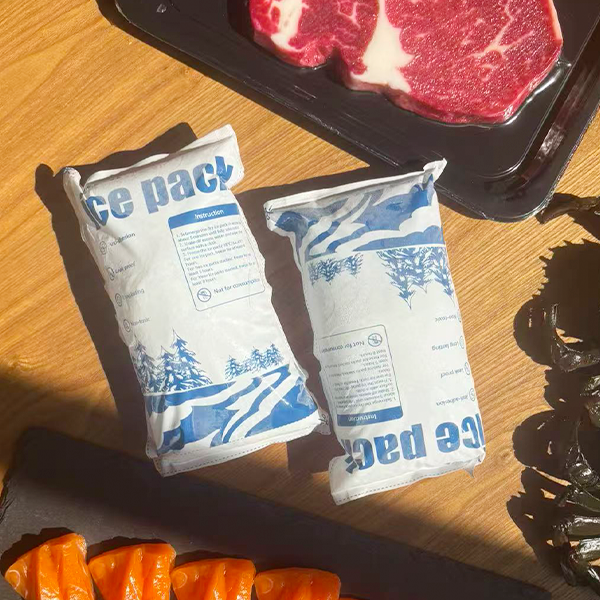
In the cold chain logistics industry, ensuring the safety and freshness of perishable goods during transportation is crucial. One of the most reliable solutions for maintaining optimal conditions is the use of food-safe dry ice bags. These specialized bags are designed to keep frozen items safe, fresh, and uncontaminated, making them indispensable for industries that rely on precise temperature control. In this article, we will explore the importance of food-safe dry ice bags, the features that make them ideal for transporting perishable goods, and how to select the right bag for your needs.
What makes a dry ice bag food safe?
How do food-safe dry ice bags enhance safety in cold chain logistics?
What are the key benefits of using dry ice bags for food transportation?
How to choose the best food-safe dry ice bag for your needs?
What Makes a Dry Ice Bag Food Safe?
Dry ice bags are specifically designed to protect the food products during transit by preventing contamination and maintaining the required low temperature. Food-safe dry ice bags are made from non-toxic, BPA-free, and durable materials. These bags are essential for industries like food manufacturing, catering, and e-commerce, where adhering to food safety regulations is vital.
Key Features:
Non-toxic and BPA-free: Food-safe dry ice bags are free from harmful chemicals that could leach into food, making them a safer option for food transportation.
Durable and Puncture-resistant: The bags are designed to withstand transportation conditions, preventing leaks and contamination.
Compliant with Regulations: These bags meet stringent food safety regulations, ensuring businesses are compliant with international and local laws.
Why Should You Care About Food-Safe Dry Ice Bags?
Health and Safety: Food-safe dry ice bags are designed to prevent chemical contamination. They are free from BPA, phthalates, and PVC, substances that are often found in traditional packaging materials, and which may leach into food during transit.
Compliance with Regulations: Many regions have strict food safety regulations. By using food-safe dry ice bags, businesses ensure that they remain compliant with these laws, which helps in avoiding penalties or shipment delays.
Consumer Trust: Consumers are increasingly concerned about food safety. By using food-safe dry ice bags, companies demonstrate a commitment to quality and safety, enhancing consumer trust and satisfaction.
| Feature | Dry Ice Bag Food Safe | Traditional Dry Ice Bag | Impact on Food Safety |
|---|---|---|---|
| Chemical Safety | BPA-free, non-toxic | May contain harmful chemicals | Safer for food products |
| Durability | Strong, puncture-resistant | Less durable | Prevents leaks and contamination |
| Regulatory Compliance | Complies with food safety standards | May not meet all food safety regulations | Ensures compliance with laws |
How Do Food-Safe Dry Ice Bags Enhance Safety in Cold Chain Logistics?
Safety is paramount in cold chain logistics. Dry ice bags are specifically designed to prevent leakage and contamination during transport, ensuring that food products maintain their required temperature.
Unlike traditional ice, dry ice sublimates directly into gas, eliminating the risk of melting water that could potentially damage packaging or contaminate food. The insulation provided by these bags helps to maintain the necessary low temperatures for extended periods, which is essential for transporting goods such as seafood, meat, dairy, and frozen foods.
Key Benefits:
No Mess, No Leaks: As dry ice sublimates into gas, there’s no water residue or mess to worry about, reducing the risk of contamination.
Enhanced Temperature Control: Dry ice maintains lower temperatures than conventional ice, ensuring perishable goods remain frozen or chilled for the entire duration of the shipment.
What Are the Key Benefits of Using Dry Ice Bags for Food Transportation?
Using dry ice bags for food transportation offers several key benefits, ensuring the preservation of food quality and safety during long shipments. These benefits include enhanced temperature control, longer shelf life, and eco-friendly packaging.
Enhanced Temperature Control
Dry ice bags are ideal for maintaining lower temperatures compared to traditional ice, which helps keep products like meat, seafood, and ice cream frozen.
Dry ice can keep goods frozen for longer periods, which is crucial for long-distance or international shipping.
No Mess, No Leaks
As dry ice sublimates directly into gas, there’s no melting water that could damage food or packaging.
Longer Shelf Life for Perishable Goods
Food-safe dry ice bags can keep products fresh for extended durations, ensuring they arrive in optimal condition even after long shipments.
Cost-Effective and Reliable
Dry ice bags offer a cost-effective cooling solution compared to refrigerated containers or other cooling methods, making them ideal for smaller shipments or special items.
Eco-Friendly Option
Many food-safe dry ice bags are made from recyclable or biodegradable materials, contributing to sustainability within the cold chain logistics sector.
How to Choose the Best Food-Safe Dry Ice Bag for Your Needs?
Selecting the right food-safe dry ice bag depends on several factors, including the size of your shipment, the duration of the transport, and regulatory requirements. Here’s how to make an informed decision:
Considerations:
Size and Weight of Food Products: Choose a bag that suits the size and weight of your food products. Larger shipments require bigger dry ice bags to maintain the necessary temperature for the entire journey.
Duration of Shipment: For longer shipments, opt for dry ice bags with better insulation or larger amounts of dry ice to ensure the goods remain at the required temperature.
Regulatory Compliance: Always ensure that the dry ice bag you select complies with local and international food safety regulations.
2025 Latest Trends in Cold Chain Logistics and Food-Safe Packaging
As we approach 2025, the cold chain logistics industry is undergoing significant transformations, especially regarding sustainability and advanced monitoring solutions.
Emerging Trends:
Smart Temperature Monitoring: Real-time temperature tracking ensures shipments stay within the safe temperature range, minimizing the risk of food spoilage.
Sustainable Packaging Solutions: The demand for eco-friendly and biodegradable packaging materials continues to grow, with an emphasis on reducing environmental impact while maintaining safety standards.
Advanced Insulation Technologies: Innovations in insulation materials are making it possible for dry ice bags to last longer and provide more reliable cooling for perishable goods.
Common Questions About Dry Ice Bags and Food Safety
Q1: How can I tell if a dry ice bag is food-safe?
Look for materials like HDPE, LDPE, or PP with FDA approval for food contact. These plastics are chemically resistant and do not leach harmful substances into food.
Q2: Can dry ice bags be reused?
Yes, if the bags are made from durable materials like HDPE or PP and remain intact without punctures. However, it’s essential to inspect the bags for wear before reuse.
Q3: How do I handle dry ice safely?
Always wear insulated gloves and goggles when handling dry ice. Ensure that the dry ice is stored in a well-ventilated area and never store it in confined spaces like refrigerators.
Conclusion
Food-safe dry ice bags are an essential part of cold chain logistics, ensuring that perishable goods are transported safely and efficiently. By choosing high-quality, food-safe dry ice bags, businesses can maintain compliance with food safety regulations, protect their products, and improve consumer trust. Investing in the right packaging solution is crucial for businesses that rely on cold chain logistics to deliver fresh and safe products.
About Tempk
Tempk specializes in providing high-quality cold chain solutions, including food-safe dry ice bags. We offer a range of packaging solutions designed to meet the highest food safety standards and ensure the safe transport of perishable goods. Contact us today to learn how we can help optimize your cold chain logistics strategy.
How to Prevent Dry Ice Bags from Exploding: Safe Handling Tips for 2025

How to Prevent Dry Ice Bags from Exploding During Shipment?
Dry ice is crucial in the transportation of perishable goods, but improper handling can lead to dangerous situations, such as explosions. In this article, we’ll explain why dry ice bags can explode when sealed, how pressure buildup occurs, and how to handle and package dry ice safely. By following 2025’s best practices, you can protect your goods and employees during transportation.
Why do dry ice bags explode when sealed?
How does pressure buildup lead to these explosions?
What are the best practices for safely sealing dry ice bags?
How can you prevent explosions during transportation?
Additional tips for safe dry ice handling in cold chain shipments.
Why Do Dry Ice Bags Explode When Sealed?
Dry ice, the solid form of carbon dioxide (CO₂), sublimates directly into a gas at -78.5°C (-109.3°F). This rapid transition from solid to gas causes a substantial volume of CO₂ to build up in a confined space. When dry ice is sealed inside an airtight bag or container, there’s no room for the gas to escape, leading to a dangerous increase in pressure.
The Science Behind Dry Ice Sublimation and Explosions
Dry ice releases about 0.8 cubic meters of CO₂ gas per kilogram as it sublimates. In a sealed container or bag, this gas expansion increases internal pressure exponentially. If the container cannot withstand this pressure, it will rupture, resulting in an explosion.
| Factor | Sealed Dry Ice Bag | Unsealed Dry Ice Bag | Impact |
|---|---|---|---|
| Pressure Buildup | Yes | No | Explosion risk in sealed bags |
| Ventilation | None | Yes | Prevents pressure buildup |
| Container Integrity | May rupture | Remains intact | Safe transport with ventilation |
| Safety Risk | High | Low | Reduced injury and damage risk |
How Does Pressure Build Up Inside a Sealed Dry Ice Bag?
Dry ice’s rapid sublimation produces CO₂ gas, which expands significantly in a confined environment. The more dry ice you pack in a sealed container, the more gas is released, leading to pressure accumulation. Additionally, variations in temperature can cause this process to accelerate, especially in warmer environments, increasing the chances of an explosion if the container is not properly vented.
Factors Contributing to Pressure Build-Up:
Sealing the Bag Too Tightly: Preventing gas escape by sealing the bag too tightly accelerates pressure buildup.
Quantity of Dry Ice: More dry ice means more CO₂, raising the risk of pressure buildup.
Temperature Variations: Higher temperatures increase sublimation rates, speeding up the pressure buildup.
Best Practices for Safe Dry Ice Packaging
1. Use Ventilated Bags
Ventilated dry ice bags allow CO₂ gas to escape safely, preventing pressure buildup. Always opt for bags with perforations or built-in ventilation systems.
2. Do Not Seal Dry Ice Bags Tightly
Leave some room for gas to escape. A loosely tied or partially sealed bag can allow the gas to vent safely, preventing an explosion.
3. Follow Manufacturer Guidelines
Manufacturers design dry ice bags with varying safety features. Be sure to follow the guidelines regarding how tightly to seal the bag and the maximum weight of dry ice.
4. Use Containers with Pressure Relief Valves
For shipments involving large quantities of dry ice, containers equipped with pressure relief valves are ideal. These valves release gas when pressure reaches dangerous levels, reducing the risk of explosion.
What Happens If a Dry Ice Bag Explodes?
Exploding dry ice bags pose several risks:
Physical Injury: Flying debris from the ruptured container can cause severe injury to handlers.
Asphyxiation: In confined spaces, CO₂ gas can displace oxygen, leading to suffocation.
Loss of Goods: Sensitive goods like pharmaceuticals or food may be destroyed by the explosion.
Safety Regulations for Dry Ice Transportation
Air Transport Regulations
When transporting dry ice by air, compliance with IATA regulations is essential to ensure safety. Some key rules include:
Weight Limits: Dry ice should not exceed 5.5 lbs (2.5 kg) per passenger in carry-on luggage and 2.5 kg in checked luggage.
Proper Ventilation: Dry ice containers must allow gas to escape.
Labeling Requirements: All dry ice shipments must be labeled with the UN 1845 marking, indicating that the package contains dry ice.
2025 Trends and Future Directions in Cold Chain Logistics
As cold chain logistics continue to evolve, 2025 brings several key trends:
Smart Packaging
IoT sensors and data loggers are increasingly used to monitor the internal conditions of dry ice shipments, ensuring that CO₂ gas does not exceed safe levels.
Sustainability
With a growing focus on sustainability, more companies are adopting alternative refrigerants like reusable gel packs and phase-change materials (PCMs) to reduce their reliance on dry ice.
Regulatory Updates
As global shipping regulations evolve, especially concerning air transport and hazardous materials, staying updated on current laws and best practices is critical for compliance.
What Are the Risks and Regulations for Shipping Dry Ice Bags?
Handling dry ice involves several inherent risks:
Explosion Hazard: If CO₂ gas builds up without venting, the container can explode.
Suffocation Hazard: CO₂ gas can displace oxygen in confined spaces, leading to asphyxiation.
Contact Hazard: Dry ice can cause severe frostbite upon direct skin contact.
To ensure safe transport:
Follow Packaging Requirements: Use vented containers, ensure proper ventilation, and label packages correctly.
Train Personnel: Ensure all handlers are aware of the potential hazards and know how to act in case of an emergency.
Monitor Shipments: Use real-time data loggers to track the internal temperature and CO₂ levels during transportation.
Alternatives to Dry Ice for Safe Cooling
For shipments that don’t require ultra-cold temperatures, consider alternatives like gel packs and PCMs, which are non-hazardous and easier to handle. These materials offer a safer and more sustainable solution for cold chain logistics.
| Cooling Method | Temperature Range | Hazard Level | Best For |
|---|---|---|---|
| Dry Ice | -78.5°C (frozen goods) | High (explosion risk) | Frozen foods, vaccines |
| Gel Packs | 0°C (chilled goods) | Low | Fresh food, pharmaceuticals |
| PCM Packs | Custom (e.g., 5°C) | Low | High-value pharmaceuticals, long-distance chilled shipments |
Conclusion: Safe Dry Ice Handling Best Practices
Key Takeaways:
Prevent explosions by ensuring dry ice is stored in ventilated containers and never sealed tightly.
Follow safety regulations for transportation, including proper labeling and packaging guidelines.
Use alternatives like gel packs or PCM for non-freezing shipments to minimize hazards.
Next Steps:
Always choose vented packaging.
Provide training on proper dry ice handling.
Regularly review and update your packaging and shipping procedures.
About Tempk
Tempk is an industry leader in cold chain packaging solutions. With over a decade of experience, we provide IATA-approved dry ice bags, PCM systems, and temperature-controlled containers designed to ensure safe and compliant transport of temperature-sensitive goods.
Need expert advice? Contact Tempk today to explore how we can support your dry ice shipping needs.
Why Choose Foil-Lined Dry Ice Bags for Efficient Cold Chain Shipping?
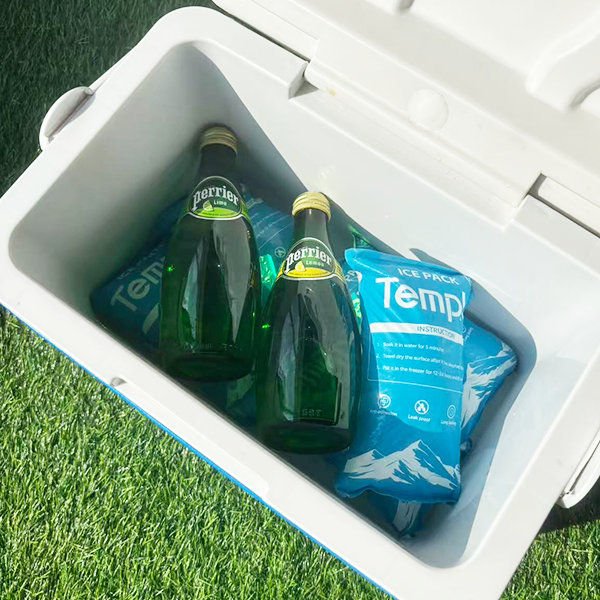
In the world of temperature-sensitive logistics, foil-lined dry ice bags stand out as an efficient solution for maintaining low temperatures during shipping. Whether transporting pharmaceuticals, food, or biological samples, these bags offer superior insulation, enhanced cooling duration, and cost-effectiveness. This guide will help you understand the benefits of foil-lined bags, how they work, and how to choose the best option for your needs.
What are the advantages of using a foil-lined dry ice bag for cold shipping?
How does a foil-lined dry ice bag enhance cooling efficiency?
What should you consider when selecting the right foil-lined dry ice bag?
Which industries benefit the most from foil-lined dry ice bags?
What trends in foil-lined packaging are shaping the future of cold chain logistics?
What Are the Benefits of Using a Foil-Lined Dry Ice Bag?
A foil-lined dry ice bag provides a cost-effective solution for maintaining a cold temperature during transit. The reflective properties of aluminum foil help prevent heat from entering the bag, keeping dry ice solid for longer periods. This insulation is ideal for shipping temperature-sensitive products, reducing the risk of spoilage.
Key Benefits:
Enhanced Insulation: The foil acts as a reflective barrier, slowing down the sublimation process of dry ice and keeping items cooler for a longer time.
Moisture Control: Prevents condensation build-up that can damage products or labels.
Cost-Effective: Foil-lined bags are often more affordable compared to other insulated shipping solutions like Styrofoam, especially when considering the reduced need for frequent replenishing of dry ice.
Regulatory Compliance: Designed to meet industry standards like IATA PI 954, ensuring safe transport of temperature-sensitive goods.
Real-World Application:
Pharmaceutical companies shipping vaccines use foil-lined dry ice bags to maintain the correct temperature for up to 72 hours. By ensuring stable temperatures, they avoid costly temperature excursions and potential loss of product integrity.
How Does a Foil-Lined Dry Ice Bag Enhance Cooling Efficiency?
A foil-lined dry ice bag works by reflecting radiant heat away from the contents while trapping cold air inside. This dual action helps slow the sublimation process of dry ice, keeping it colder longer compared to traditional non-foil bags.
How it Works:
Without a foil lining, dry ice absorbs heat from its surroundings, accelerating the sublimation process. The reflective foil layer reduces this heat transfer, allowing dry ice to sublimate at a slower rate, ensuring longer-lasting cooling.
| Packaging Type | Insulation Efficiency | Cooling Duration | Cost |
|---|---|---|---|
| Foil-Lined Dry Ice Bag | High | Long | Low |
| Foam Cooler Box | Moderate | Moderate | Moderate |
| Vacuum Insulated Panel | Very High | Very Long | High |
Practical Tip:
Pairing a foil-lined dry ice bag with high-quality insulated containers further enhances cooling efficiency. This multi-layer strategy maximizes cold retention, especially for long-distance shipments.
What Should You Look for in a Foil-Lined Dry Ice Bag?
When selecting a foil-lined dry ice bag, it’s crucial to assess the insulation quality, bag size, sealability, and ventilation options to ensure that the bag performs well under various shipping conditions.
Key Features to Consider:
High-Quality Insulation: Ensure the bag uses multi-layer construction, combining reflective foil with foam or bubble film.
Size and Fit: Choose the right bag size based on the volume of dry ice and the size of your products. A well-fitting bag optimizes insulation.
Ventilation: Look for bags with built-in vent holes to prevent gas buildup from sublimating dry ice.
Strong Seal: Ensure the bag can be tightly sealed to prevent leaks, especially for long transit times.
Regulatory Compliance: Ensure the bag adheres to industry standards like UN 1845 for dry ice shipping.
Real-World Example:
A biotech company ships biological samples using a foil-lined dry ice bag. The bag’s insulation kept the samples at the correct temperature for 48 hours, maintaining product integrity and meeting regulatory standards.
Which Industries Benefit from Foil-Lined Dry Ice Bags?
Applications Across Sectors:
Food Industry: Frozen meals, seafood, and ice cream benefit from the extended cooling duration of foil-lined bags, ensuring the products stay frozen during shipping.
Pharmaceuticals: Foil-lined bags are essential for transporting temperature-sensitive medications and vaccines, providing precise temperature control.
Biotechnology: These bags are ideal for shipping biological samples, which require strict temperature monitoring during transport.
Cosmetics: Temperature-sensitive cosmetics, like natural balms or serums, remain safe from heat exposure, thanks to the insulating properties of foil-lined bags.
Case Study:
A gourmet ice cream company switched from traditional Styrofoam coolers to foil-lined dry ice bags. The bags kept the ice cream at -20°C for over 60 hours, reducing dry ice usage by 30% and cutting inbound freight costs by 40%.
2025 Trends in Foil-Lined Dry Ice Bag Technology
The cold chain packaging industry is rapidly evolving, and 2025 is set to witness major advancements in foil-lined dry ice bags. Key trends include:
Smart Temperature Sensors: Some foil-lined bags now feature embedded temperature sensors, providing real-time data on temperature during shipping. This ensures compliance and improves logistics efficiency.
Sustainability: Manufacturers are incorporating eco-friendly materials, such as recyclable foils and biodegradable insulation, to reduce the environmental impact.
Customizable Sizes: Suppliers are offering a wider range of sizes, allowing for more flexible solutions to match different shipment volumes.
Market Insight:
The cold chain packaging market is growing steadily, with a projected CAGR of 8% as of 2025. This growth is driven by innovations in material design, venting systems, and multi-layered insulation technologies.
Frequently Asked Questions
Q1: How long can a foil-lined dry ice bag keep the ice frozen?
Foil-lined dry ice bags can keep dry ice frozen for up to 48-72 hours, depending on bag size, insulation, and ambient temperature.
Q2: Are foil-lined dry ice bags safe for food shipping?
Yes, if the bags are made from food-grade materials and comply with relevant safety standards, they are ideal for transporting food products.
Q3: Can foil-lined dry ice bags be reused?
Many foil-lined bags are reusable as long as they remain intact. Check for any signs of damage before reusing them.
Conclusion and Recommendations
Key Takeaways:
Foil-lined dry ice bags offer enhanced insulation, longer cooling durations, and cost-effectiveness. These benefits make them an ideal solution for industries such as pharmaceuticals, food, and biotechnology.
Next Steps:
Evaluate your shipping needs: Choose a foil-lined dry ice bag based on the size of your shipments and required cooling duration.
Test different options: Conduct pilot tests to compare performance before making bulk purchases.
Consult with experts: Reach out to Tempk for tailored cold chain solutions and expert advice on optimizing your packaging.
About Tempk
At Tempk, we specialize in cold chain logistics and temperature-sensitive packaging solutions, including foil-lined dry ice bags. Our products ensure optimal temperatures during transit, meeting industry regulations and protecting your valuable goods.
Need assistance with your cold chain needs? Contact Tempk for expert advice on foil-lined dry ice bags and other innovative packaging solutions.
Proper Dry Ice Bag Disposal: Safe Methods & Guidelines for 2025

Disposing of dry ice bags safely is crucial to prevent health hazards and environmental damage. Dry ice, made of frozen carbon dioxide (CO₂), sublimates directly into gas, posing potential dangers like asphyxiation and frostbite if not handled correctly. In this guide, we’ll discuss the best practices for dry ice disposal in line with the latest industry trends and regulations of 2025.

What are the best methods for disposing of dry ice bags safely and responsibly?
Can dry ice packaging be recycled, and how should it be handled?
How can businesses and individuals reduce their carbon footprint when disposing of dry ice bags?
What are the environmental impacts of improper disposal and how can we mitigate them?
What sustainable alternatives are available to reduce waste in the cold chain industry?
What Is Dry Ice and Why Is Proper Disposal Important?
Dry ice is solidified CO₂, often used for shipping temperature-sensitive goods like food, pharmaceuticals, and electronics. It sublimates (changes directly from solid to gas) without leaving a liquid residue, which makes it unique but also a challenge for disposal.
Key Reasons for Proper Disposal of Dry Ice Bags:
Safety: Dry ice can cause frostbite or burns if mishandled. Correct disposal practices ensure no physical harm when disposing of the bag.
Environmental Protection: Many dry ice bags are made from non-biodegradable plastics, which can contribute to long-term environmental damage if disposed of improperly.
Regulatory Compliance: Some jurisdictions have strict regulations around the disposal of CO₂ and packaging materials. Failing to comply could result in fines or legal issues.
Safe Dry Ice Bag Disposal Methods
1. Let Dry Ice Sublimate Completely
The first step in safely disposing of dry ice bags is to allow the dry ice to sublimate completely. This process converts the solid CO₂ into a harmless gas. Here’s how to do it safely:
Choose a Ventilated Area: Ensure that the area is open and well-ventilated, such as outdoors or in a large room with good air circulation. Never attempt to sublimate dry ice in a confined space to avoid CO₂ buildup.
Wait for Sublimation: Let the dry ice sublimate naturally before handling or discarding the bag. It can take several hours for dry ice to fully sublimate, depending on its size and ambient temperature.
Never Seal: Avoid placing dry ice in airtight containers, as the build-up of gas could lead to an explosion. Always allow the gas to escape safely into the atmosphere.
2. Proper Disposal of the Bag
Once the dry ice has completely sublimated, focus on the disposal of the packaging. Dry ice bags are typically made of plastic or foam, which can be recycled or disposed of in different ways depending on their material.
Recyclable Bags: If the dry ice bag is made of recyclable plastic, check with your local recycling facility to confirm whether it can be accepted. Many plastics used for dry ice bags are made from polyethylene or polypropylene, which are recyclable in many areas.
Non-Recyclable Bags: If the bag is made from non-recyclable materials, it should be placed in regular waste. Ensure the bag is tightly sealed to avoid any residue or debris escaping into the environment.
3. Safety First
Protective Gear: Always wear insulated gloves when handling dry ice bags. Contact with dry ice can cause severe frostbite, so use appropriate tongs or gloves to avoid direct contact.
Ensure Proper Ventilation: Make sure the area where the dry ice is sublimating is well-ventilated. CO₂ buildup can cause dizziness, asphyxiation, or even unconsciousness if inhaled in high concentrations.
Can Dry Ice Bags Be Recycled?
Yes, dry ice bags made from recyclable plastics like polyethylene or polypropylene can be recycled. However, recycling options may vary by location, so it’s essential to:
Check with Local Recycling Centers: Contact your local recycling service to confirm if they accept the plastic type used in dry ice bags. Many bags will have a recycling number (e.g., #1, #2), which helps identify their recyclability.
Recycling Alternatives: If recycling is not an option locally, consider disposing of the bag in a landfill responsibly by sealing it in a trash bag to prevent environmental contamination.
Environmental Impact of Improper Dry Ice Bag Disposal
Improper disposal of dry ice bags can have significant environmental consequences. Here’s why:
Plastic Waste: Non-recyclable dry ice bags contribute to the growing problem of plastic waste. Plastics can take hundreds of years to decompose in landfills, releasing toxins into the environment in the process.
Toxic Leachate: If not disposed of correctly, chemicals from non-recyclable materials may leach into the soil and water, potentially harming wildlife.
Carbon Footprint: The production of dry ice bags involves energy consumption and the use of fossil fuels, which contributes to a higher carbon footprint. Although dry ice sublimates harmlessly, the production and transportation processes have an environmental cost.
Eco-Friendly Alternatives for Dry Ice Disposal
Biodegradable Bags: Some companies now offer biodegradable dry ice bags that decompose more quickly and safely, reducing long-term environmental impact.
Reusable Containers: For businesses, reusable containers or phase-change materials (PCMs) offer a sustainable alternative. These materials provide cooling without the extreme cold of dry ice and can be used multiple times, reducing waste.
Compliance with Local Regulations
Dry ice disposal regulations vary by location. Some regions have strict guidelines to ensure environmental and safety compliance. Here’s how you can stay on top of the rules:
1. Know Your Local Laws
Check Local Authorities: Before disposing of dry ice bags, make sure you’re aware of your region’s regulations. Many municipalities have specific rules about the disposal of CO₂ and the packaging materials that contain it.
Review Environmental Guidelines: Familiarize yourself with environmental policies that govern plastic waste and CO₂ emissions to ensure compliance.
2. Follow Shipping Carrier Guidelines
Carrier Disposal Requirements: If you’re shipping dry ice, consult your carrier for their specific disposal guidelines. Many companies provide detailed instructions on how to dispose of dry ice bags once the goods have been delivered.
3. Sustainable Practices
Eco-Friendly Packaging: Opt for packaging that complies with environmental standards. Consider biodegradable or reusable options to help minimize your carbon footprint and reduce waste.
2025 Trends in Dry Ice Bag Disposal and Sustainability
The trend toward sustainable packaging is growing rapidly in the cold chain industry. Innovations in packaging are shaping how dry ice bags are disposed of:
Sustainability Efforts: Businesses are increasingly adopting eco-friendly solutions, such as biodegradable bags and reusable containers, driven by consumer demand for greener options.
Stricter Regulations: As sustainability becomes a priority, expect more stringent regulations governing hazardous waste disposal and CO₂ emissions from dry ice, urging businesses to act responsibly.
Advancements in Recycling: New technologies in plastic recycling are expected to make it easier to repurpose dry ice bags, turning them into useful materials for other industries.
Common Questions about Dry Ice Disposal
Q1: Can I throw a dry ice bag in the trash?
If the dry ice has fully sublimated, you can dispose of the bag in the trash. However, ensure the bag is non-recyclable, and that it is sealed tightly to prevent environmental contamination.
Q2: Are there sustainable alternatives to dry ice?
Yes, alternatives like Hydrate Dry Ice Packs and phase-change materials are more sustainable. These materials are reusable, safer to handle, and don’t require extreme temperatures.
Conclusion & Recommendations
In summary, proper dry ice bag disposal is essential for safety, environmental protection, and regulatory compliance. Follow these steps:
Allow dry ice to sublimate fully before disposal.
Recycle or dispose of the bags properly according to local guidelines.
Consider sustainable alternatives to reduce waste.
Next Steps: Ensure compliance by staying updated on local regulations. Consider switching to eco-friendly packaging solutions to reduce your environmental impact and support sustainable business practices.
About Tempk
Tempk is a leading provider of cold chain packaging solutions, committed to sustainability. We offer a range of innovative products, including eco-friendly dry ice bags, phase-change materials, and reusable containers, to help businesses reduce their environmental footprint while maintaining safe, reliable shipments.
Ready to upgrade your cold chain logistics? Contact us for expert advice on sustainable packaging solutions tailored to your needs.
What Is the Price of a Dry Ice Bag at Costco?

If you’re wondering about the cost of a dry ice bag at Costco, you’re in the right place. Dry ice is commonly used for shipping, storage, and in various industries that rely on cold chain logistics. In this article, we’ll dive into the cost of dry ice bags at Costco, the sizes available, and the best practices for using dry ice efficiently.

How much does a dry ice bag cost at Costco?
What size dry ice bags does Costco sell?
How can you use Costco’s dry ice bags effectively?
Are there better dry ice buying options outside Costco?
How does dry ice pricing vary by region and purpose?
How Much Does a Dry Ice Bag Cost at Costco?
Costco is renowned for offering competitive pricing on a variety of products, including dry ice. On average, the price of a dry ice bag at Costco varies depending on the location, season, and bulk purchase options. Typically, you can expect dry ice to cost between $1 and $3 per lb. For example, a 5 lb dry ice bag usually costs between $5 and $15, depending on your region.
Pricing Breakdown:
| Dry Ice Weight | Cost Range | Use Case |
|---|---|---|
| 1 lb | $1 – $3 | Small shipments or personal use |
| 5 lb | $5 – $15 | Shipping or small storage needs |
| 10 lb | $10 – $30 | Large shipments or long-term storage |
Key Factors That Affect Pricing:
Regional Pricing: Costs may differ depending on the state or country.
Seasonal Demand: Prices can spike during peak shipping seasons or extreme weather conditions.
Bulk Discounts: Costco members can save money by purchasing dry ice in larger quantities.
What Size Dry Ice Bags Does Costco Sell?
Costco typically offers dry ice bags in several sizes to accommodate different needs in cold chain logistics and personal storage. Here are the most common options:
1 lb Dry Ice Bags:
These small bags are great for personal use or smaller shipments requiring minimal freezing. Ideal for small-scale shipping of temperature-sensitive products.
5 lb Dry Ice Bags:
A popular option at Costco, the 5 lb bag is perfect for both personal use and businesses shipping or storing a larger volume of perishable items. This size strikes a good balance between convenience and cost.
10 lb Dry Ice Bags:
For larger shipments or items that need to remain frozen over extended periods, the 10 lb dry ice bag is ideal. Perfect for shipping pharmaceuticals, biological samples, or large frozen foods.
Tip: Be sure to use proper insulation to prevent your dry ice from sublimating too quickly. Even the best dry ice bags will lose their effectiveness without appropriate packaging.
How Can You Use Costco’s Dry Ice Bags Effectively?
Dry ice is highly versatile and can be used for both storage and shipping. Here are two common ways to use Costco’s dry ice bags effectively:
1. Shipping Perishable Goods:
When shipping items that need to remain frozen, dry ice from Costco can be an excellent solution. Here’s how to ensure proper usage:
Choose the right dry ice bag size based on shipment weight and duration.
Use insulated containers or coolers to slow down sublimation.
Calculate the amount of dry ice required based on transit time and distance.
Pro Tip: Dry ice sublimates at a rate of 5 to 10 lbs per 24 hours, so for longer shipments, consider using multiple bags or larger quantities to maintain the cold temperature.
2. Storing Frozen Items:
Dry ice is also useful for short-term storage, such as freezing food or preserving perishable items. Here are some tips for using dry ice bags in storage:
Store dry ice bags in a well-ventilated area to allow CO₂ gas to escape safely.
Keep the dry ice in an insulated container to extend its lifespan.
Regularly check frozen items, especially those that are highly sensitive, like vaccines or certain foods.
Are There Better Dry Ice Buying Options Outside Costco?
While Costco offers competitive prices, there are other options to consider if you need larger quantities or more specialized services:
1. Local Dry Ice Suppliers:
Buying from a local supplier can be a great option, especially if you need dry ice immediately. Local suppliers often provide better pricing for bulk purchases and quicker delivery times.
2. Specialty Cold Chain Suppliers:
If you need customized dry ice solutions, including insulated packaging and temperature monitoring, specialty suppliers may be a better fit. These companies often cater to industries like pharmaceuticals and biotechnology, where precise temperature control is critical.
3. Online Retailers:
If you can’t find dry ice locally, online retailers like Amazon or CryoCarb offer a variety of options for home delivery. Many of these retailers offer specialized packaging and the convenience of direct shipping.
How Does Dry Ice Pricing Vary by Region and Purpose?
Dry ice pricing can vary greatly depending on the geographical location and intended use:
Regional Differences:
Dry ice prices may be higher in urban centers with fewer suppliers or during peak demand seasons.
Areas with large shipping or pharmaceutical hubs may have slightly higher costs due to increased demand.
Usage-Based Variations:
Frequent buyers, such as those in the food industry, may get discounts for regular purchases.
If you’re buying dry ice for a specific purpose, such as shipping vaccines, the price may vary depending on the quality of service or additional requirements like real-time temperature monitoring.
FAQ – Quick Answers to Your Most Common Questions
Q1: How do I know how much dry ice to buy?
It depends on the duration of your shipment and the items being shipped. For example, a 5 lb dry ice bag typically lasts 24 to 48 hours in an insulated package.
Q2: Can I store dry ice in my freezer?
No, you should not store dry ice in a home freezer as it will sublimate too quickly, potentially damaging the freezer or affecting its efficiency.
Q3: Are there risks associated with dry ice?
Yes, dry ice is extremely cold and can cause frostbite if touched directly. It also releases carbon dioxide gas, which can be hazardous in confined spaces, so proper ventilation is essential.
Summary & Recommendations
Key Takeaways:
Costco offers affordable dry ice bags in various sizes, with prices ranging from $1 to $3 per lb, depending on location and bulk purchasing options. To get the best value, consider the amount you need and the proper insulation for your shipment or storage. For larger quantities, local suppliers or specialty cold chain companies may provide better pricing and customized solutions.
Next Steps:
Choose the correct dry ice size based on your needs.
Follow safety guidelines for handling and storage.
Consider purchasing from bulk suppliers for regular use.
About Tempk
At Tempk, we specialize in providing high-quality cold chain packaging solutions, including dry ice alternatives and custom insulation systems. Whether you need small dry ice bags or large, custom cold chain solutions, Tempk has you covered.
CTA: Contact Tempk for expert advice on optimizing your cold chain logistics or explore our dry ice solutions and temperature-controlled packaging options.