


What is a Dry Ice Bag Clamp Closure and Why It’s Vital for Safe Shipping
What is a Dry Ice Bag Clamp Closure and Why It’s Vital for Safe Shipping

Dry ice is a unique and effective material for maintaining low temperatures during transportation, but it comes with certain challenges. A dry ice bag clamp closure plays a critical role in making sure that shipments remain safe, secure, and compliant with regulations. Let’s explore why this simple but essential tool is indispensable in cold chain logistics.

Understand the role of dry ice bag clamp closures in shipping
Learn about the regulatory requirements for dry ice packaging
Explore best practices for ensuring safe dry ice transport
Discover how to avoid common shipping mistakes related to dry ice
Get insights into innovative packaging solutions in the cold chain industry
Why is a Dry Ice Bag Clamp Closure Essential for Safe Shipping?
Direct Answer:
A dry ice bag clamp closure is crucial for securing the contents of the bag while allowing gases to escape safely. Without this closure, gas build-up can cause rupture or leakage, compromising the shipment’s integrity and safety. These closures help maintain compliance with important shipping regulations, such as those by IATA and the U.S. Department of Transportation (DOT).
The Science Behind Dry Ice Sublimation and Bag Closure
When dry ice transitions from solid to gas (a process known as sublimation), it produces carbon dioxide (CO₂). In a sealed environment, this gas can create dangerous pressure. The clamp closure allows for proper gas venting, preventing dangerous pressure build-up and ensuring the package remains intact. A clamp closure, with its adjustable design, accommodates gas release, making it ideal for safe dry ice shipments.
How Does a Dry Ice Bag Clamp Closure Work?
Step-by-Step Guide
Position the Dry Ice: Place the dry ice inside the bag, leaving enough space at the top for gas expansion.
Seal the Bag: The clamp securely seals the top of the bag without making it airtight, which allows gas to escape.
Monitor the Pressure: Proper use of the clamp prevents excess pressure and leakage, maintaining the bag’s integrity.
Pro Tip:
Ensure that the clamp is not too tight to allow proper gas venting. Tight seals could create dangerous pressure levels inside the bag, leading to rupture.
Do You Really Need a Clamp Closure for Dry Ice Shipments?
Yes, a clamp closure is essential. It ensures that the dry ice remains sealed while still allowing CO₂ gas to escape. This balance is crucial for both safety and regulatory compliance. Without it, the risk of rupture or leakage increases, especially when shipping larger amounts of dry ice.
The Regulatory Requirements for Dry Ice Packaging
Compliance Guidelines
Regulations by the IATA and DOT dictate that dry ice must be shipped in containers that allow gas to vent. The packaging must be vented and should include proper labeling. A dry ice bag clamp closure helps meet these standards, reducing the risks associated with improper packaging.
Key compliance factors:
Vented Packaging: Allows for safe gas release.
Proper Labeling: Include UN 1845 and Class 9 labels.
Sealing the Packaging: Prevents leakage and ensures safe sealing of contents.
How Do Clamp Closures Enhance Safety in Dry Ice Shipping?
The clamp closure’s primary role is to prevent CO₂ gas leakage and control pressure buildup. This ensures the safe transport of dry ice, especially in larger quantities where pressure buildup is a serious concern. Additionally, it helps to prevent external moisture from entering the package, which could cause frost damage.
Key Benefits:
Prevents Ruptures: Avoids the risk of package rupture during transportation.
Enhances Safety: Keeps dry ice contained, minimizing risks to handlers.
Reduces Frost Damage: Protects the dry ice and contents from moisture.
Best Practices for Dry Ice Packaging with Clamp Closures
To ensure safe dry ice transport, follow these best practices:
Choose the Right Size Clamp: Ensure compatibility between the clamp closure and the dry ice bag size for a secure fit.
Don’t Overpack the Bag: Always leave sufficient space for gas expansion.
Check the Seal: Confirm that the closure is secure but still allows CO₂ gas to escape.
Combine with Insulation: Pair the dry ice bag clamp closure with thermal insulation to maintain low temperatures.
Risks of Not Using a Clamp Closure for Dry Ice Shipping
Shipping dry ice without a proper clamp closure can result in:
Temperature Instability: Exposure to fluctuating temperatures can compromise sensitive goods like vaccines.
Pressure Buildup: Uncontrolled pressure can cause bags to rupture or leak, creating dangerous conditions.
Non-Compliance: Improper packaging could violate IATA and DOT regulations.
How to Pack Dry Ice with Clamp Closures
For optimal safety:
Select Appropriate Packaging: Choose bags that can hold dry ice securely and are compatible with clamp closures.
Fill the Bag: Leave space at the top for gas expansion.
Apply the Clamp Closure: Ensure the closure is secure but allows gas to escape.
Add Insulation: Insulate the bag with thermal packaging for longer-lasting cold retention.
Label the Package: Ensure the dry ice bag is correctly labeled with UN 1845 and Class 9 markings.
The Future of Dry Ice Packaging in 2025
The packaging industry continues to evolve, with new sustainable materials and innovative packaging solutions emerging. In 2025, expect further developments in vented dry ice bags and smart packaging that allows real-time monitoring of CO₂ levels and temperature.
Key Trends:
Reusable Insulated Boxes: Growing demand for eco-friendly and cost-effective solutions.
Smart Packaging: Integration of IoT sensors for precise temperature and gas control.
Sustainable Materials: More biodegradable and recyclable packaging options.
FAQ
Q1: Why do I need a dry ice bag clamp closure?
A dry ice bag clamp closure ensures secure sealing while allowing for gas to escape, preventing pressure buildup that could cause rupture.
Q2: Can I ship dry ice without a clamp closure?
No. Without a proper clamp closure, pressure buildup can cause leaks and unsafe conditions.
Conclusion and Recommendations
Key takeaways:
Clamp closures are essential for safe dry ice transport and regulatory compliance.
Ensure your packaging is secure yet vented to allow for CO₂ gas escape.
Use thermal insulation and proper labeling to comply with shipping regulations.
Actionable Next Steps:
Check your packaging for proper ventilation and labeling.
Invest in reliable packaging solutions that offer both safety and efficiency for dry ice shipping.
Review IATA and DOT guidelines to ensure full regulatory compliance.
About Tempk
At Tempk, we specialize in providing innovative cold chain packaging solutions, ensuring the safe and efficient transport of temperature-sensitive goods. Our products include vented dry ice bags and reliable clamp closures, designed to meet the highest safety standards.
Ready to upgrade your cold chain packaging? Contact Tempk for expert advice and high-quality shipping solutions.
How to Choose the Best Dry Ice Bag for Safe Shipping in 2025

Choosing the right dry ice bag can make a significant difference when it comes to shipping or storing temperature-sensitive items. In 2025, proper insulation, venting, and compliance are more critical than ever. This guide will help you select the best dry ice bag for your needs, whether it’s for personal or business use.

What Should You Consider When Buying a Dry Ice Bag in 2025?
Material Quality: Opt for puncture-resistant polyethylene or multi-layered options with vapor barriers.
Size and Fit: Make sure the bag fits the specific amount of dry ice you need to transport.
Ventilation: Venting is crucial for CO₂ gas to escape safely, ensuring your dry ice remains effective during transit.
Sealability: Strong sealing mechanisms prevent leaks and spills.
Temperature Retention: Choose bags with enhanced insulation to prolong the life of your dry ice.
Why Do Dry Ice Bags Need Venting?
Answer: Dry ice sublimates by turning from solid to gas, creating pressure within closed spaces. A vented bag helps release CO₂ gas, reducing the risk of rupture or explosion. Proper venting slows down sublimation, extending the cooling period.
More Details:
A vented bag acts as a breathable barrier, allowing the gas to escape without compromising temperature retention. Always ensure the bag is not airtight; otherwise, trapped CO₂ can cause dangerous situations. This is especially important for shipping regulations that require vented containers to handle dry ice safely.
Best Practices for Venting Dry Ice Bags
Pre-chill your cooler: Before placing dry ice bags, ensure that the cooler is already cold to enhance the cooling efficiency.
Minimize air space: A tight fit prevents rapid sublimation by limiting airflow.
Seal but vent: For long-distance shipments, always leave space or use one-way vent plugs in your packaging.
| Dry Ice Features | Insulation | Venting | Compliance |
|---|---|---|---|
| DurableDry Dry Ice Bags | High-quality | Excellent | Meets UN 1845 |
| ThermoSafe Dry Ice Bags | Superior | Excellent | Meets IATA PI 954 |
| Polar Tech Dry Ice Bags | Affordable | Good | Standard |
| CoolGuard Dry Ice Bags | Heavy-duty | Excellent | Certified |
Top Dry Ice Bags to Buy for Safe Shipping
Here are some of the best dry ice bags on the market in 2025:
DurableDry Dry Ice Bags
Pros: Strong, puncture-resistant material; ideal for long-distance shipping.
Cons: May be too rigid for smaller pellets.
Best for: Cold-chain logistics, commercial use.
ThermoSafe Dry Ice Bags
Pros: Multi-layered construction; excellent for sensitive shipments like biological products.
Cons: Higher cost, but premium quality.
Best for: Pharmaceutical and medical shipments.
Polar Tech Dry Ice Storage Bags
Pros: Affordable, good balance of insulation and ventilation.
Cons: Not as puncture-resistant as higher-end options.
Best for: Home use or short-distance shipments.
CoolGuard Dry Ice Shipping Bags
Pros: Excellent venting system, ideal for large shipments.
Cons: Larger sizes take up more storage space.
Best for: Heavy-duty shipping, large quantities.
How Can You Extend the Lifespan of Your Dry Ice Bags?
Answer: The lifespan of your dry ice bag depends on how well it is insulated and vented. By following best practices, such as adding additional insulation or using the right size bag, you can extend the life of your dry ice and ensure that your goods stay cold for longer periods.
More Details:
Use high-quality bags: The thicker the material, the better the insulation.
Proper sealing and venting: Ensure that the bag allows gas to escape safely, preserving the dry ice’s cooling power.
Size matters: Overfilling a bag can lead to excessive gas accumulation, speeding up sublimation. Always choose the right size for the amount of dry ice you are using.
Real-Life Example:
A pharmaceutical company shipping vaccines found that by using multi-layered, vented dry ice bags, they could ensure that the vaccines stayed within the required temperature range for 48 hours. This strategy helped them meet IATA PI 954 standards and avoid product spoilage.
Are There Compliance Factors When Buying Dry Ice Bags?
Yes, compliance is crucial when purchasing dry ice bags for commercial use. Look for bags that meet UN 1845 and IATA PI 954 standards. These certifications ensure that the bags are designed to handle CO₂ gas safely, preventing dangerous pressure buildup and ensuring safe transport.
UN 1845 Compliance: Requires proper venting and labeling for safe dry ice transportation.
IATA PI 954: Air transport regulations for dry ice shipments.
Venting and Sealing: Bags must have ventilation systems that allow CO₂ gas to escape without compromising temperature retention.
Trends in Dry Ice Bags for 2025
In 2025, advancements in dry ice bag technology are transforming the industry. These innovations include:
Enhanced Insulation: Materials with higher R-values are now being used, which help maintain temperature longer.
Improved Venting: Next-gen bags have precision venting systems that control the release of gas without compromising bag integrity.
Smart Packaging: Temperature-sensitive dry ice bags now feature embedded sensors to monitor the conditions inside the package, providing real-time updates on the temperature.
Market Insights
The global cold chain logistics market is projected to grow at a 7.5% CAGR through 2029, with rising demand from the biotech and food sectors. These industries require packaging solutions that provide better temperature control and sustainability, which is driving innovation in dry ice bags.
Frequently Asked Questions (FAQ)
Q1: How long can dry ice bags keep products cold?
The lifespan of a dry ice bag depends on insulation quality and the amount of dry ice used. Typically, well-insulated bags can keep products cold for 12-24 hours.
Q2: Can I use a dry ice bag for home use?
Yes, simple insulated bags work well for home use. Just ensure that the bag is properly sealed to prevent leaks.
Q3: Are there reusable dry ice bags?
Yes, some manufacturers offer reusable dry ice bags made from durable materials like high-density polyethylene.
Conclusion & Recommendations
To ensure that your dry ice shipments are safe, compliant, and cost-effective, always focus on the following factors:
Material Quality: Look for puncture-resistant, insulated materials.
Venting: Properly vented bags are crucial for safe dry ice transport.
Size and Fit: Choose a bag that fits your dry ice amount to avoid unnecessary sublimation.
Next Steps:
Test your dry ice bag performance with short shipments before scaling up.
Consult with a cold chain expert to find the perfect packaging for your specific needs.
About Tempk
Tempk is a leader in cold chain logistics, providing state-of-the-art temperature-controlled packaging solutions. Our dry ice bags and other cold storage products are designed to meet stringent regulations like IATA, DOT, and PHMSA, ensuring safe transport for temperature-sensitive goods.
Contact Tempk today for expert advice on choosing the best dry ice bags for your business!
2025 Guide to Airline-Approved Dry Ice Bags: Regulations, Packaging & Trends

When it comes to transporting dry ice, especially for perishable items, ensuring compliance with airline regulations is crucial for smooth air travel. Whether you’re shipping medical supplies, frozen food, or scientific materials, choosing the right dry ice bag and adhering to current regulations ensures both safety and efficiency. This guide covers everything you need to know about dry ice transport in 2025, highlighting industry trends, packaging guidelines, and best practices to ensure a hassle-free experience.
How to ensure your dry ice bag is airline-approved in 2025
The latest trends and innovations in dry ice packaging
Key packaging, labeling, and regulatory compliance steps for safe transport
The best dry ice bags for safe and eco-friendly shipping
H2: How Can You Ensure Your Dry Ice Bag Is Airline Approved?
To meet airline requirements, dry ice bags must meet three core conditions: weight limits, venting, and labeling. Airlines generally allow up to 5.5 lbs (2.5 kg) of dry ice in carry-on luggage, but compliance is essential to avoid delays or fines.
Why Are These Rules in Place?
Dry ice, being solid carbon dioxide, sublimates directly into CO2 gas when it warms up. If this gas is trapped, it can create pressure that, if not properly released, could pose serious risks to the safety of the flight. As such, proper venting and labeling are required to ensure gas can escape safely and that the right precautions are taken.
For airline-approved dry ice bags, the following criteria are mandatory:
Venting: A vented design allows the CO2 gas to escape safely, preventing pressure buildup that could compromise safety.
Labeling: The bag must be clearly labeled with “Dry Ice” or “Carbon Dioxide, Solid,” the UN number (UN 1845), and the net weight of the dry ice. This ensures the airline and handlers are aware of the contents and can manage them accordingly.
H3: What Are the Key Regulations for Dry Ice Transport?
Understanding the regulations set by the Federal Aviation Administration (FAA), TSA, and the International Air Transport Association (IATA) ensures you stay compliant when shipping dry ice.
| Category | Maximum Weight | Additional Requirements | Implications for Shippers |
|---|---|---|---|
| Carry-On Luggage | 5.5 lbs (2.5 kg) | Must be vented, properly labeled | Ideal for small shipments like food or medical supplies |
| Checked Baggage | 5.5 lbs (2.5 kg) | Requires declaration at check-in | Useful for personal items with dry ice, but requires prior approval |
| Cargo Shipments | 200 kg per package | Must comply with IATA regulations, including documentation | Bulk shipments require specific paperwork and packaging |
H2: What Are the Latest Trends in Dry Ice Packaging in 2025?
In 2025, dry ice transport has seen significant advancements in technology and sustainability efforts. These innovations are designed to enhance safety, reduce environmental impact, and streamline shipping processes for businesses worldwide.
2025 Innovations:
Smart Dry Ice Bags: Incorporating built-in sensors, these bags monitor temperature and pressure levels in real-time, alerting you immediately if conditions go beyond safe limits. This technology helps ensure compliance with regulatory standards while maintaining the safety of the goods being shipped.
Eco-Friendly Materials: As sustainability becomes a critical concern, many manufacturers now offer dry ice bags made from biodegradable and recyclable materials. These innovations reduce the environmental footprint of shipping while maintaining the same high standards of safety and efficiency.
Increased Venting Solutions: New dry ice bags are designed with improved venting mechanisms, such as microporous membranes, that allow the CO2 gas to escape more efficiently. This reduces the chances of pressure buildup, which is crucial for safe transport.
H3: How to Pack Dry Ice Bags for Safe Airline Transport?
Proper packaging is key to ensuring dry ice bags are compliant with airline regulations. Here are the essential steps to follow:
Step-by-Step Guide to Packaging:
Hydrate and Freeze: Begin by hydrating your dry ice bag (if required) and allowing it to freeze for 12–24 hours. This helps the bag expand and ensures maximum cooling efficiency.
Select the Right Container: Always use a hard-sided cooler or insulated bag that is vented to allow CO2 gas to escape.
Vent the Bag: Ensure the bag has ventilation holes or vented caps. Never seal the bag completely, as the sublimation process will create pressure that can cause it to rupture.
Label the Package: Attach the correct labels, including “Dry Ice,” the UN number 1845, and the net weight. For cargo, include the Class 9 hazard symbol and any additional required documentation.
By following these steps, you can prevent delays and ensure the safety of your dry ice shipment.
H2: What Are the Key Features of Tempk’s Dry Ice Bags?
Tempk offers high-quality dry ice bags that are engineered to meet airline-approved standards. Here’s why Tempk’s bags stand out:
Non-Toxic Materials: Tempk’s dry ice bags are made from water and polymer materials, making them safe for use with food and pharmaceuticals.
Customizable Sizes: Tempk designs dry ice bags to fit the specific needs of your shipment, whether you’re transporting vaccines, food, or scientific samples.
Eco-Friendly: These bags are reusable and made from sustainable materials, helping you reduce waste while ensuring compliance with environmental standards.
Leakproof and Durable: The bags are sturdy, leakproof, and can withstand the rigors of air travel, ensuring safe transport without compromising on quality.
H3: Practical Tips for Shippers in Ecommerce, Pharma, and Food Industries
Whether you’re shipping food, pharmaceuticals, or ecommerce products, understanding how to use dry ice safely and effectively is essential. Here are some tailored tips for various industries:
Ecommerce Shipments:
Pre-Freezing: Hydrate and freeze your dry ice bags 24 hours before shipping to ensure they stay at optimal cooling levels during transport.
Weight Management: Always weigh the dry ice bags before shipping to ensure they meet the airline’s weight limits.
Pharmaceutical Shipments:
Temperature Sensitivity: Vaccines and biologics often require strict temperature control. Use custom-sized dry ice bags with micropellet inserts to ensure uniform cooling.
Compliance: Include a temperature logger to track conditions during transit and ensure your shipment stays within required temperature ranges.
Food Shipments:
Combine Cooling Methods: For shorter flights, consider combining dry ice with gel packs to create a balanced cooling environment for your products.
Ventilation: Always ensure that the dry ice bags used for food shipments are vented properly to avoid potential issues with pressure buildup.
H2: Dry Ice Regulations and Compliance Across Major Carriers
Dry ice shipping regulations can vary slightly between airlines and shipping carriers, but the core guidelines remain largely consistent across the board. Here’s an overview of the regulatory landscape for major carriers:
TSA & FAA Regulations:
The TSA focuses on screening dry ice shipments to ensure safety by checking that the bags are vented and properly labeled. The FAA allows up to 5.5 lbs (2.5 kg) per passenger with additional restrictions for cargo.
IATA Regulations:
The International Air Transport Association (IATA) governs dry ice transport globally, allowing up to 200 kg per cargo shipment with proper labeling, packaging, and venting.
UPS & FedEx:
Both carriers require that dry ice shipments be properly vented and labeled, with UPS permitting up to 5.5 lbs for domestic shipments and FedEx offering higher weight limits for international cargo.
Summary and Recommendations
Ensuring your dry ice bags are airline-approved in 2025 requires understanding and adhering to strict regulations, including weight limits, proper venting, and the correct labeling. By investing in high-quality, eco-friendly, and compliant dry ice bags like Tempk’s, you can guarantee safe, reliable, and efficient shipping for your temperature-sensitive goods.
Next Steps:
Consult Your Airline: Always check with your airline for specific transport regulations and approval requirements for dry ice shipments.
Use Certified Bags: Invest in airline-approved, vented dry ice bags to meet all safety standards.
Stay Updated: Keep up with the latest trends in dry ice packaging and regulations to maintain compliance and optimize your shipping processes.
About Tempk
Tempk is a trusted provider of high-quality dry ice bags, designed for safe and compliant transport. We specialize in innovative cold chain packaging solutions, ensuring your shipments arrive safely and efficiently, no matter the industry. Reach out today for more information on our products and services.
7×13 Dry Ice Bag: The Ultimate Solution for Temp-Sensitive Shipments in 2025
When shipping temperature-sensitive products, maintaining optimal conditions is critical. The 7×13 dry ice bag has become a preferred choice for cold chain logistics, offering reliability, efficiency, and safety. Whether you’re in pharmaceuticals, food, or cosmetics, the 7×13 dry ice bag can meet your temperature control needs while ensuring that your goods arrive in perfect condition. This article dives into the specifics of the 7×13 dry ice bag, its advantages, and how to effectively use it for shipping various temperature-sensitive products in 2025.
What is a 7×13 dry ice bag, and why is it ideal for cold chain shipping?
How does the 7×13 dry ice bag ensure temperature control for perishable goods?
What industries benefit most from using a 7×13 dry ice bag?
What are the latest trends and innovations in cold chain logistics for 2025?
What are the environmental impacts of dry ice shipping, and are there sustainable alternatives?
What is a 7×13 Dry Ice Bag?
A 7×13 dry ice bag is a specially designed packaging solution used to hold and transport dry ice along with temperature-sensitive products. It measures 7 inches in width and 13 inches in length, offering an ideal balance between compactness and efficiency. The bag is constructed from high-density polyethylene or similar materials to provide excellent insulation and prevent the dry ice from sublimating too quickly, ensuring that the products inside stay at the required temperature.
Dry ice bags are typically used for shipping perishable products such as frozen food, pharmaceuticals, and sensitive medical supplies. These bags are not only durable but are also specifically designed to ensure safety by preventing direct contact with dry ice, reducing the risk of frostbite or burns.
Key Features of 7×13 Dry Ice Bags:
Optimal Size: Perfect for small-to-medium shipments, the 7×13 bag provides enough space for the required amount of dry ice.
Insulation: Made from materials that offer excellent thermal protection.
Safety: Protects users from frostbite and damage to products due to direct contact with dry ice.
Cost-Effective: A practical, affordable solution for temperature-sensitive shipping.
Why Choose a 7×13 Dry Ice Bag for Shipping?
Core Benefits:
Reliability and Precision: Shipping products like vaccines, biologics, and perishable foods requires that the dry ice remains contained to maintain a consistent, low temperature. The 7×13 dry ice bag offers a secure and reliable way to ensure that the temperature-sensitive goods arrive without issues.
Space Efficiency: The compact size of the 7×13 bag makes it easier to handle and store, making it suitable for both small and medium-sized shipments.
Cost-Effectiveness: This size is an economical choice, ensuring that businesses don’t pay for unnecessary bulk, making it a practical option for regular shipments.
How Does the 7×13 Dry Ice Bag Compare to Other Sizes?
Dry ice bags come in various sizes. While smaller bags like the 5×9 are ideal for personal use, and larger ones like the 12×16 are better suited for bulk shipments, the 7×13 size offers a perfect balance between capacity and compactness. It is the most versatile option for most users.
Size Comparison Table:
| Size | Ideal Use Case | Advantages | Disadvantages |
|---|---|---|---|
| 7×13 | Small-to-medium shipments | Compact, cost-effective, ideal for many uses | Not suitable for large shipments |
| 10×14 | Medium shipments, bulk | Holds more dry ice | Requires more space, heavier |
| 12×16 | Large shipments | More capacity for extended cooling | Less flexible for smaller shipments |
| 5×9 | Personal use, small orders | Extremely compact, easy to handle | Limited insulation capacity |
The 7×13 size is ideal for businesses that ship products in moderate quantities while ensuring that the goods remain at the desired temperature without having to manage large and bulky containers.
Best Practices for Using the 7×13 Dry Ice Bag
Shipping dry ice safely is paramount to ensure the safety of both the product and the people involved. Here are some best practices:
Proper Ventilation: Dry ice sublimates into gas at a rate of about 5-10 pounds per day. Ensure the bag is vented to avoid dangerous pressure buildup during transit.
Temperature Monitoring: Use temperature loggers to ensure that the product stays at the required temperature of -78.5°C (-109.3°F) during shipping.
Insulation: Always use insulated containers alongside the dry ice bag for better cooling performance. Materials like Styrofoam or rigid insulation boards work well.
Handling Precautions: Always wear gloves or use tongs when handling dry ice to prevent frostbite or burns.
Choose Trusted Carriers: Opt for carriers familiar with dry ice regulations and best practices to ensure safe transport.
Applications for 7×13 Dry Ice Bags
The 7×13 dry ice bag is widely used across various industries, including:
Pharmaceuticals and Healthcare: Transporting vaccines, biologics, and temperature-sensitive medical supplies is made easier with dry ice bags that maintain ultra-low temperatures.
Food and Beverage: Ideal for frozen food products like seafood, meat, chocolates, and ice cream that need to stay cold throughout transit.
Cosmetics and Beauty Products: Many beauty products, including skincare items, must be shipped at specific temperatures to maintain their quality. The 7×13 dry ice bag provides the necessary cooling conditions.
Trends in Dry Ice and Cold Chain Shipping for 2025
Latest Trends:
Smart Packaging: In 2025, we’re seeing an increase in the use of smart packaging, such as dry ice bags with embedded sensors, to monitor temperature fluctuations during shipping.
Sustainability Focus: The shipping industry is increasingly focusing on eco-friendly alternatives, such as biodegradable gel packs and recyclable dry ice bags, to meet growing consumer demand for sustainable practices.
Automation in Logistics: The use of robotics and automated systems for sorting and transporting temperature-sensitive goods is transforming cold chain logistics.
Environmental Considerations and Eco-Friendly Alternatives
While dry ice is highly effective for cold chain shipping, it contributes to CO2 emissions during production and use. To reduce environmental impact, many companies are exploring sustainable alternatives such as phase change materials (PCMs), biodegradable gel packs, and recyclable dry ice bags.
Benefits of Sustainable Packaging Solutions:
Reduced Carbon Footprint: Switching to eco-friendly alternatives helps reduce the environmental impact of shipping.
Regulatory Compliance: As environmental regulations tighten, adopting sustainable practices ensures compliance with these evolving guidelines.
Consumer Demand: Today’s consumers are increasingly concerned with sustainability, and adopting green practices can improve your brand’s reputation.
FAQ – Dry Ice Bag 7×13
Q1: Can I use a 7×13 dry ice bag for food shipments?
Yes, the 7×13 dry ice bag is perfect for shipping perishable foods, such as frozen meals, meats, or chocolates, that require consistent cold temperatures.
Q2: How long does the 7×13 dry ice bag keep goods cold?
Typically, the 7×13 dry ice bag can maintain the cold temperature for 24-48 hours depending on external conditions and the amount of dry ice used. Using extra insulation can extend this duration.
Q3: Is the 7×13 dry ice bag reusable?
Yes, you can reuse the 7×13 dry ice bag multiple times, which makes it a cost-effective solution for repeated shipments.
Conclusion and Recommendations
The 7×13 dry ice bag is an excellent option for businesses looking to transport temperature-sensitive products safely and efficiently. With its compact design, cost-effectiveness, and reliable cooling capabilities, it’s an ideal choice for industries like pharmaceuticals, food, and cosmetics.
Next Steps:
Evaluate Your Shipping Needs: Consider whether the 7×13 dry ice bag fits your shipment requirements.
Optimize Packaging: Use additional insulation materials to maximize the cooling effect.
Monitor Temperature: Track temperature changes throughout the shipping process to ensure product integrity.
Explore sustainable dry ice alternatives and stay ahead of the curve with smart packaging solutions to meet your evolving shipping needs in 2025.
About Tempk
At Tempk, we provide innovative cold chain logistics and packaging solutions. Specializing in dry ice bags and eco-friendly alternatives, we ensure your products remain in optimal condition during transit, while also supporting your sustainability goals. Contact us today for expert advice on cold chain packaging solutions.
How to Safely Use a 5 lb Dry Ice Bag for Shipping and Handling?

A 5 lb dry ice bag is an essential tool for shipping temperature-sensitive products. Whether it’s pharmaceuticals, biological samples, or perishable foods, understanding how to handle and ship dry ice properly is critical for ensuring that your goods arrive safely and within the required temperature range. In this guide, we will walk you through the safe use, best practices, and key safety tips for using 5 lb dry ice bags in your cold chain logistics.
What is a 5 lb dry ice bag and why is it important for cold chain shipping?
How can you safely handle and use a 5 lb dry ice bag for shipping?
What are the best practices for packing with dry ice?
How long does a 5 lb dry ice bag last in shipping?
What are the emerging trends in dry ice shipping for 2025?
What is a 5 lb Dry Ice Bag?
A 5 lb dry ice bag is a sealed package containing solid carbon dioxide (CO₂), which is frozen at -78.5°C. Unlike regular ice, dry ice sublimates directly into gas instead of melting into water, which is ideal for keeping products frozen without creating a mess. These small yet powerful bags are perfect for smaller shipments or when you need precise temperature control during short to medium-distance transportation.
Key Features of a 5 lb Dry Ice Bag:
Compact Size: Ideal for smaller shipments that require a compact and efficient refrigerant source.
Sealed Packaging: Properly sealed to prevent gas leakage, ensuring safety during handling and transit.
Long Shelf Life: Depending on insulation and environmental conditions, a 5 lb dry ice bag can remain solid for several days.
Quick Tip:
Unlike regular ice, dry ice doesn’t melt but sublimates directly into gas, making it a “dry” coolant. This property makes dry ice ideal for shipping frozen goods without adding excess water to the package.
How Do You Safely Use a 5 lb Dry Ice Bag for Shipping?
When using dry ice for shipping, there are several safety precautions and best practices you must follow to protect both your goods and the people handling them. Here are the steps:
1. Proper Packaging
Ensure that dry ice is packed in a container that provides proper insulation, such as Styrofoam or thermal liners, to slow down the sublimation process.
Insulate the Bag: Use insulated shipping boxes to reduce the rate of sublimation.
Seal the Box Correctly: The box should be tightly sealed, but not airtight, to allow CO₂ gas to escape.
2. Shipping Regulations and Labeling
Because dry ice is classified as a hazardous material due to its sublimation into CO₂ gas, it’s essential to adhere to shipping regulations.
Proper Labeling: Ensure the box is marked with the UN1845 label and clearly states the weight of the dry ice.
Documentation: Make sure all shipping documents include details about the dry ice content to meet hazardous material regulations.
3. Safe Handling of Dry Ice
Dry ice is extremely cold and can cause frostbite if not handled properly. Always wear protective gloves and handle the dry ice with the appropriate tools.
Avoid Direct Skin Contact: Always use gloves or tongs to handle dry ice.
Ensure Ventilation: Never store dry ice in an enclosed area. CO₂ gas can accumulate to dangerous levels if not properly vented.
How Long Will a 5 lb Dry Ice Bag Keep Products Frozen?
The duration for which a 5 lb dry ice bag will maintain freezing temperatures depends on several factors:
Key Factors:
Insulation Quality: High-quality insulation slows down sublimation, helping the dry ice last longer.
Ambient Temperature: Dry ice sublimates faster at higher temperatures.
Shipping Duration: Longer shipping times may require more dry ice or larger bags.
Typically, a 5 lb dry ice bag will maintain the freezing temperature of products for 24 to 48 hours, depending on these factors.
Industry Example: A pharmaceutical company used a 5 lb dry ice bag to ship vaccines across a 36-hour distance. With high-quality insulation, the dry ice maintained the required temperature, ensuring the vaccines were kept safe during transport.
2025 Trends: Dry Ice Shipping Innovations
As the cold chain industry continues to evolve, several trends are impacting the way dry ice is used for shipping temperature-sensitive goods. Here are some of the key innovations for 2025:
1. Sustainable Dry Ice Alternatives
Many companies are now exploring more sustainable alternatives to dry ice, such as gel packs and phase change materials (PCMs), which can provide similar cooling effects without the environmental concerns associated with CO₂ emissions.
2. Improved Insulation Materials
Advancements in insulation technology, such as aerogel-based materials and multi-layered thermal blankets, are allowing for better dry ice retention, reducing the need for large quantities of dry ice.
3. Real-time Temperature Monitoring
The integration of IoT sensors into cold chain logistics is becoming more common, allowing for real-time monitoring of temperature during transit. This can alert both the sender and recipient if temperatures deviate from the specified range.
FAQ – Quick Answers to Your Most Common Questions
Q1: How can I pack a 5 lb dry ice bag for a safe shipment?
Use insulated packaging, such as Styrofoam coolers, and ensure that the dry ice is vented to prevent dangerous gas buildup. Also, be sure to label the package with the UN1845 hazardous materials label.
Q2: Can I use a 5 lb dry ice bag for long-distance shipping?
Yes, you can. However, for longer shipping times, you may need to use more dry ice or add extra insulation to ensure the goods remain frozen for the entire journey.
Q3: How should I store dry ice before shipping?
Store dry ice in a well-ventilated area and in an insulated container to minimize sublimation. Never store it in a completely sealed container.
Summary & Recommendations
Key Points:
Using a 5 lb dry ice bag is a reliable way to maintain freezing temperatures for small, temperature-sensitive shipments. By following proper packaging, handling, and labeling guidelines, you can ensure the safe transport of goods. In 2025, emerging trends like sustainable alternatives and real-time temperature monitoring are shaping the future of cold chain logistics.
Next Steps:
Ensure you have the right insulated packaging and properly vented containers.
Label the package with the required UN1845 and hazardous materials documentation.
Consider using real-time temperature monitoring if you’re shipping high-value or sensitive goods.
About Tempk
At Tempk, we offer high-quality dry ice bags and cold chain logistics solutions. Our products are designed for safe, efficient temperature control during transit, ensuring that your goods arrive at the correct temperature. We are committed to sustainability and providing innovative solutions to our customers.
CTA: Ready to optimize your cold chain strategy? Contact Tempk today to explore our dry ice bags and cold storage options for secure and reliable shipping!
Best Dry Ice Bags for Shipping 20 lbs: Safety & Compliance Guide

Best Dry Ice Bags for Safe 20 lb Shipments: A Complete Guide
Shipping 20 lbs of dry ice requires careful planning to ensure safety and compliance. Dry ice sublimates into CO₂ gas, and without the proper bag, pressure can build, leading to potential ruptures. In this guide, we’ll explore how to choose the right dry ice bag, understand key regulations, and implement best practices to ensure safe and efficient shipping of temperature-sensitive goods.

How to select the best dry ice bag for shipping 20 lbs.
Key shipping regulations and labeling requirements.
Common mistakes to avoid for safe and compliant shipping.
Best practices for temperature control during transit.
What is the Best Dry Ice Bag for Shipping 20 lbs?
When shipping 20 lbs of dry ice, vented bags or self-venting boxes are the best options. These allow CO₂ gas to escape safely as the dry ice sublimates, preventing dangerous pressure buildup. Proper labeling and packaging compliance are also crucial to ensure the shipment meets regulatory requirements.
Why Ventilation is Crucial for Dry Ice Packaging?
Venting is essential to prevent the buildup of pressure inside the packaging. As dry ice sublimates, it turns into gas, which can cause an airtight container to rupture. The IATA PI 954 and 49 CFR 173.217 regulations mandate that all dry ice shipments be vented to release CO₂ gas, ensuring safe transportation.
Key Considerations for Choosing the Right Dry Ice Bag
Material Strength: Select heavy-duty polyethylene or reinforced bags. A 2-mil thickness is recommended for durability.
Size and Fit: Ensure the bag is appropriately sized to accommodate 20 lbs of dry ice while allowing enough space for gas expansion.
Ventilation: Ensure your bag has vent holes or perforations that allow gas to escape, preventing overpressure.
Regulatory Compliance: Ensure the bag includes proper labeling, such as UN 1845 for dry ice, the weight in kilograms, and the Class 9 hazardous materials label.
| Feature | Typical Specification | Why It Matters | Practical Application |
|---|---|---|---|
| Capacity | 20 lbs (9 kg) | Ensures proper fit for dry ice | Avoids overfilling, enabling gas expansion |
| Size (W × L) | 14.5 × 24 inches | Allows easy closure and prevents puncture | Minimizes the risk of leakage and ruptures |
| Thickness | 2 mil plastic or double-wall kraft | Puncture-resistant and flexible in cold temperatures | Prevents cracks and brittleness at -78.5°C |
| Closure | Drawstring or twist tie | Ensures secure closure but allows gas escape | Avoids airtight sealing to prevent pressure buildup |
How to Properly Pack 20 lbs of Dry Ice for Safe Shipping?
Follow these steps to pack dry ice safely:
Select a Vented Dry Ice Bag: Ensure the bag is strong and vented to allow the release of CO₂ gas.
Place Insulation: Use foam or thermal liners to insulate the dry ice and protect it from temperature fluctuations.
Proper Sealing: Seal the bag loosely or leave a small gap at the top to ensure the CO₂ gas has a safe escape route.
Labeling: Ensure that the correct markings (UN 1845, net weight, Class 9 label) are visible on the packaging.
Use an Insulated Outer Container: Place the dry ice bag inside an insulated box, such as expanded polystyrene (EPS), which allows gas venting.
Common Dry Ice Shipping Mistakes to Avoid
Sealing the Package Airtight: Always leave space for gas to escape; otherwise, pressure can build and cause a rupture.
Incorrect Labeling: Labels such as UN 1845 and the Class 9 hazardous material label are legally required. Always ensure compliance to avoid shipment rejection.
Overfilling the Package: Do not exceed the recommended weight limit. The maximum dry ice amount per package is typically 200 kg (440 lbs).
Regulatory Compliance for Dry Ice Shipments
Dry ice is classified as a Class 9 hazardous material under IATA and DOT regulations. Proper packaging, labeling, and documentation are essential for compliance:
IATA Packing Instruction 954 requires vented packaging to release CO₂ gas and prevent pressure buildup.
49 CFR 173.217 mandates that shipments be marked with UN 1845 and net weight information.
Carrier Guidelines: Carriers like UPS and FedEx impose strict packaging and labeling standards. For instance, FedEx prohibits sealed plastic bags, as this could cause pressure buildup.
Labeling Requirements for Dry Ice Shipments
Every dry ice shipment must be correctly labeled with:
UN 1845 (Dry Ice or Solid Carbon Dioxide)
Net weight of dry ice (in kilograms)
Class 9 Hazardous Materials label
Handling Instructions: “Keep Dry Ice Ventilated”
Proper labeling ensures that the package is accepted by carriers like FedEx and UPS, reducing the risk of delays or rejections.
Risks of Shipping Dry Ice Without Proper Ventilation
Shipping 20 lbs of dry ice in a non-vented bag can lead to dangerous situations:
Pressure Buildup: Without proper ventilation, CO₂ gas will accumulate inside the packaging, potentially causing it to burst.
Carrier Rejection: UPS and FedEx will reject shipments that do not comply with venting and labeling regulations.
To avoid these risks, always use vented packaging to allow safe gas release during sublimation.
Cold Chain Shipping Trends for 2025
As regulations and technology evolve, the dry ice shipping industry is seeing several key trends:
Reusable Packaging: The market for reusable dry ice packaging is growing, with eco-friendly options becoming more common.
IoT Integration: Smart tracking systems are being used to monitor the temperature and CO₂ levels in real-time, ensuring safe transport.
Sustainability: More companies are opting for recyclable or biodegradable packaging solutions to reduce environmental impact while maintaining safety standards.
FAQ: Dry Ice Bags for 20 lbs Shipments
Q1: Do dry ice bags need ventilation for shipping 20 lbs?
Yes, dry ice bags must be vented to release CO₂ gas safely. Non-vented packaging can cause dangerous pressure buildup.
Q2: What is the maximum weight of dry ice per shipment?
The maximum dry ice weight per shipment is typically 200 kg, but this can vary depending on the carrier and shipping method.
Q3: Can I use regular packaging for dry ice?
No, regular packaging cannot handle the pressure buildup from sublimating CO₂ gas. Always use vented bags or self-venting boxes.
Q4: How do I properly seal a dry ice bag?
Use a drawstring or twist tie to close the bag loosely, allowing gas to escape without sealing it completely.
Conclusion: Safe Dry Ice Shipping Made Simple
Shipping 20 lbs of dry ice can be safe and efficient with the right packaging and adherence to regulatory guidelines. Always use vented packaging, ensure proper labeling, and follow the steps for safe packing. By understanding these best practices, you can confidently ship temperature-sensitive goods while maintaining compliance with global standards.
Next Steps:
Audit your dry ice packaging and ensure it meets all regulatory requirements.
Use compliant, vented packaging to avoid risks.
Stay up-to-date on the latest regulations for dry ice shipping in 2025.
About Tempk
At Tempk, we specialize in providing innovative cold chain solutions, including vented dry ice packaging, to ensure safe and compliant shipping for industries such as pharmaceuticals, food, and biotech. Explore our products and services for seamless cold chain logistics.
Ready to improve your shipping process? Contact Tempk today for expert advice and reliable packaging solutions.
Dry Ice Bag 10 lb: How It Enhances Cold Chain Logistics

How Can a 10 lb Dry Ice Bag Improve Cold Chain Logistics?
When it comes to maintaining the quality and safety of temperature-sensitive shipments, a 10 lb dry ice bag is an essential tool in cold chain logistics. Whether you’re transporting pharmaceuticals, food, or medical supplies, dry ice provides unmatched cooling power. In this article, we will dive deep into the benefits, best practices, and the critical safety measures associated with using a 10 lb dry ice bag in your cold chain operations.

What are the benefits of using a 10 lb dry ice bag in cold chain logistics?
How does dry ice compare to traditional ice for shipping goods?
What are the optimal storage and handling conditions for a 10 lb dry ice bag?
What industries can benefit from using a 10 lb dry ice bag for transportation?
What Are the Benefits of Using a Dry Ice Bag 10 lb in Cold Chain Operations?
A 10 lb dry ice bag offers unparalleled cooling efficiency for cold chain logistics, particularly for industries requiring frozen or sub-zero temperatures. Dry ice, which is solid carbon dioxide, maintains a freezing temperature of -109.3°F (-78.5°C), making it significantly colder than regular ice, which only reaches 32°F (0°C).
This colder temperature is crucial for industries dealing with perishable goods, pharmaceuticals, and biological samples, as it helps preserve their integrity during transport. Unlike traditional ice, dry ice sublimates directly into gas, preventing any leakage or water damage to sensitive items.
Ideal for Short-Duration Shipping: A 10 lb dry ice bag provides just the right amount of cooling for smaller shipments, ensuring that temperature-sensitive products are kept at the optimal temperature for 18-24 hours.
Cost-Effective and Portable: The 10 lb bag strikes the perfect balance between weight and cooling capacity, making it both affordable and easy to handle for smaller-scale operations.
How Does a Dry Ice Bag 10 lb Compare to Traditional Ice?
| Comparison Aspect | Dry Ice (10 lb) | Traditional Ice |
|---|---|---|
| Temperature | -109.3°F (-78.5°C) | 32°F (0°C) |
| Cooling Duration | Up to 24 hours | 6-12 hours |
| Leakage | No leakage | Melts into water |
| Efficiency | Superior, longer-lasting | Shorter-lasting |
Dry ice outperforms traditional ice in several critical areas. It can maintain significantly lower temperatures for longer periods, making it ideal for products that need to stay frozen or chilled, such as biological samples, medical supplies, and gourmet foods.
How Long Can a Dry Ice Bag 10 lb Keep Items Frozen?
The duration for which a 10 lb dry ice bag will maintain a freezing temperature depends on multiple factors, such as the packaging, environmental temperature, and the amount of exposure to open air. Under typical conditions, the cooling duration ranges from 18-24 hours, offering reliable cold storage for short-term transport.
However, the effectiveness of dry ice is enhanced by the use of high-quality insulated packaging, such as Styrofoam or foam-lined containers. This low thermal conductivity packaging minimizes heat transfer and can extend the dry ice’s effectiveness up to 48 hours or more.
How Does Packaging Affect Dry Ice Efficiency?
When you pair a high-quality insulated container with a 10 lb dry ice bag, you reduce the rate of sublimation. This leads to a more stable and prolonged cooling period, crucial when transporting pharmaceuticals or medical equipment that require precise temperature control.
Is a Dry Ice Bag 10 lb the Right Solution for Your Needs?
While the 10 lb dry ice bag is an ideal solution for smaller, short-term shipments, you may need to scale up to larger bags (such as 20 lb or 30 lb) for longer trips or larger shipments. If you’re dealing with goods that require extended freezing conditions, consider adjusting the amount of dry ice accordingly.
What Industries Benefit from Using a 10 lb Dry Ice Bag?
Food and Beverage Industry: Essential for keeping frozen foods like seafood, meats, and desserts at the proper temperature during transport.
Pharmaceuticals: Vital for preserving the efficacy of temperature-sensitive drugs, vaccines, and biological samples.
Event Planning: Ideal for creating fog effects or keeping perishable items fresh at large-scale events like weddings and conferences.
Safety Guidelines for Handling Dry Ice
Handling dry ice requires strict safety measures due to its extreme cold. Improper handling can lead to frostbite or suffocation if the area isn’t well-ventilated.
Key Safety Tips for Dry Ice Handling
Wear Protective Gear: Always wear insulated gloves to prevent skin burns or frostbite.
Ventilation: Ensure that dry ice is stored and handled in a well-ventilated space to prevent CO₂ buildup.
Proper Storage: Never store dry ice in airtight containers. The gas can build up pressure, causing the container to explode.
The Latest Trends in Dry Ice Use for Cold Chain Logistics (2025)
The cold chain industry is evolving with new technologies and sustainability initiatives driving innovation in dry ice production and application. In 2025, key trends include:
Smart Packaging: Real-time temperature monitoring allows companies to track the conditions of temperature-sensitive shipments, ensuring the integrity of products like vaccines and food.
Eco-Friendly Dry Ice: New sustainable production methods are reducing the carbon footprint of dry ice, making it an even more environmentally friendly option.
Advanced Insulation: New high-performance insulating materials are improving the efficiency of dry ice cooling, making it more cost-effective.
Frequently Asked Questions
What is the difference between a dry ice bag 10 lb and other sizes?
A 10 lb dry ice bag is perfect for small to medium-sized shipments, lasting up to 24 hours, while larger sizes (20 lb, 30 lb) provide extended cooling for longer trips.
Can I use a 10 lb dry ice bag for shipping food?
Yes, dry ice is commonly used to ship perishable items, such as frozen meals, seafood, and ice cream, ensuring they arrive safely frozen.
How should I store a dry ice bag once it arrives?
Store it in a well-ventilated space inside an insulated cooler to slow down the sublimation process. Never store in airtight containers.
Conclusion and Recommendations
To conclude, a 10 lb dry ice bag is a versatile, cost-effective solution for cold chain logistics, ensuring that temperature-sensitive products remain safe during transport. By using proper packaging and adhering to safety guidelines, businesses can ensure that products such as pharmaceuticals, food, and medical supplies arrive in optimal condition.
Actionable Next Steps:
Use high-quality insulation to extend the life of your dry ice during transport.
Consider temperature monitoring technology for more precise control.
Consult with experts to determine the right amount of dry ice for your specific needs.
About Tempk
At Tempk, we specialize in innovative cold chain solutions, providing high-quality dry ice bags and custom packaging for industries such as food and pharmaceuticals. Our products are designed to ensure safe and efficient transport for temperature-sensitive shipments.
Take Action Today: Contact us for professional advice and personalized solutions tailored to your cold chain logistics needs.
Best Dry Ice Alternative Packs for 2025: Safe Shipping Solutions
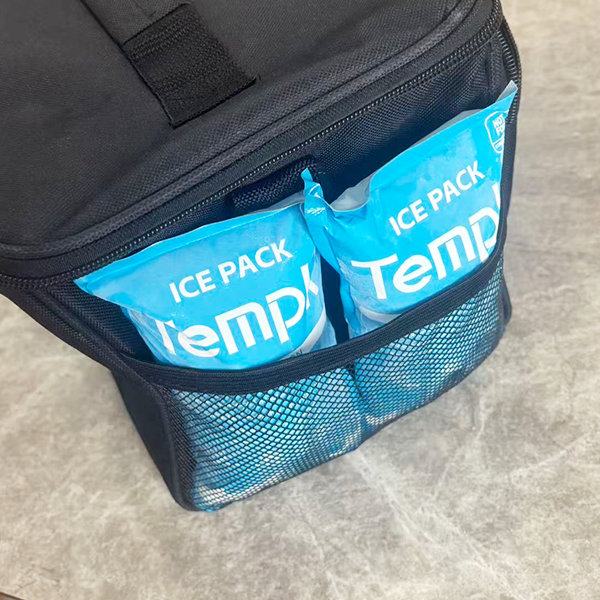
Looking for effective alternatives to dry ice for shipping temperature-sensitive products in 2025? Whether you’re shipping food, pharmaceuticals, or other perishable goods, choosing the right coolant is essential. In this article, we’ll explore the best dry ice alternatives available for your business, including gel packs, phase change materials (PCMs), and eco-friendly options that ensure safe and efficient shipping.
What are the best dry ice alternatives for shipping?
How do gel packs, PCMs, and eco-friendly options compare to dry ice?
Which products and industries benefit most from dry ice alternatives?
What are the pros and cons of each alternative?
How to choose the best dry ice alternative based on your shipping needs?
What are the Best Dry Ice Alternatives for 2025?
Dry ice alternatives like gel packs, phase change materials (PCMs), and eco-friendly options provide stable temperature control during transit. These alternatives are designed for various industries, offering flexibility, eco-conscious solutions, and cost-effective options for keeping products safe.
Here’s a breakdown of the top dry ice alternatives for 2025:
Gel Packs: Ideal for maintaining temperatures between 32°F and 60°F, gel packs are perfect for shipping refrigerated products.
Phase Change Materials (PCMs): PCMs offer precision temperature control, making them ideal for sensitive items like pharmaceuticals that need to remain within a specific range.
Biodegradable Coolants: Eco-friendly alternatives that reduce environmental impact while still providing reliable temperature control.
Why Are Dry Ice Alternatives Important in 2025?
In 2025, regulations around environmental impact and shipping guidelines are tightening. Dry ice presents several issues, including safety hazards and the requirement for specialized handling. Alternatives, such as gel packs and PCMs, are not only safer to handle but also more sustainable and cost-efficient. These alternatives help businesses comply with emerging environmental regulations and avoid the challenges of using dry ice.
Gel Packs: A Reliable Alternative for Temperature Control
Gel packs are one of the most commonly used alternatives to dry ice. These cooling packs are filled with a gel that retains cold for extended periods. They are widely used in industries like food and pharmaceuticals due to their versatility and ease of use.
How They Work
Gel packs absorb heat from the contents of the package, maintaining the desired temperature range for extended periods. They typically keep temperatures between 32°F and 60°F, which is perfect for refrigerated goods.
Why Use Gel Packs?
Cost-Effective: Gel packs are more affordable than dry ice and easier to manage.
Safer to Handle: Unlike dry ice, they do not pose safety risks and do not require special handling.
Reusable: Many gel packs are reusable, which makes them a more sustainable option for long-term use.
Pros and Cons of Gel Packs
| Pros | Cons |
|---|---|
| Easy to handle | Limited temperature range (32°F to 60°F) |
| Affordable | Not ideal for extremely low temperatures |
| Reusable | May require extra insulation for long trips |
Phase Change Materials (PCMs): Precision Temperature Control
Phase Change Materials (PCMs) are gaining popularity due to their ability to maintain specific temperatures for extended periods. These materials absorb or release heat as they change between solid and liquid states.
How They Work
PCMs are designed to melt and freeze at a specific temperature. For instance, a PCM that melts at 4°C can maintain that temperature for hours, ensuring that temperature-sensitive products remain within the desired range.
Why Choose PCMs?
Precision: PCMs provide highly accurate temperature control compared to gel packs.
Customizable: They come in various temperature ranges, making them ideal for diverse shipping needs.
Eco-Friendly: Many PCMs are non-toxic and can be recycled or reused.
Pros and Cons of PCMs
| Pros | Cons |
|---|---|
| Highly accurate temperature control | Can be more expensive |
| Ideal for sensitive products | Requires precise packaging |
| Eco-friendly and non-toxic | May require extra insulation |
Eco-Friendly Coolants: Sustainable Shipping Alternatives
In 2025, sustainability is at the forefront of the cold chain logistics industry. Eco-friendly coolants, such as biodegradable gel packs and recyclable options, offer a greener alternative to traditional cold packs. These alternatives help businesses reduce their environmental footprint.
Why Eco-Friendly Coolants Matter
Sustainability: Many eco-friendly coolants are biodegradable, reducing waste and environmental impact.
Less Environmental Damage: These coolants are often made from renewable resources, minimizing the use of non-renewable materials.
Green Certifications: Eco-friendly options are perfect for businesses looking to earn green certifications and appeal to environmentally conscious consumers.
Pros and Cons of Eco-Friendly Coolants
| Pros | Cons |
|---|---|
| Biodegradable and recyclable | May be less effective than traditional gel packs |
| Environmentally friendly | Could be more costly |
| Suitable for various temperature ranges | Less widely available compared to traditional options |
Which Industries Benefit Most from Dry Ice Alternatives?
Dry ice alternatives are essential in several industries, especially those requiring reliable temperature control during shipping.
Pharmaceuticals
Cold packs and PCMs are vital for maintaining the required temperatures for vaccines and biotech products, especially during long-distance transport.
Food Industry
Perishable food items, including dairy, chocolates, and frozen foods, benefit greatly from dry ice alternatives. These coolants ensure quality preservation during transit.
Beauty and Cosmetics
High-end cosmetic products often require temperature control to maintain their quality and stability. Dry ice alternatives help preserve sensitive beauty items during shipping.
How to Choose the Best Dry Ice Alternative for Your Needs?
When selecting the right dry ice alternative, consider several factors:
Temperature Range: Gel packs are best for chilled items, while PCMs offer precise control for a wider range of temperatures.
Shipping Duration: For longer shipments, PCMs or biodegradable options may be ideal.
Environmental Considerations: If sustainability is a priority, opt for biodegradable or recyclable coolants.
Product Sensitivity: Highly sensitive items like pharmaceuticals benefit from the precise control provided by PCMs.
What to Consider When Using Dry Ice Alternatives
Packaging and Insulation
Packaging plays a crucial role in ensuring the effectiveness of your dry ice alternative. Proper insulation is necessary to maintain the required temperature, especially during longer shipments.
Shipping Method
Choosing the right carrier is also critical. Some shipping companies have specific guidelines for handling refrigerated shipments, so make sure your chosen carrier can accommodate your cold chain needs.
Trends in Cold Chain Shipping in 2025
Sustainable Cold Chain Practices
With increasing demand for eco-friendly solutions, more companies are turning to sustainable cold chain solutions in 2025. Green logistics and eco-conscious shipping practices will continue to gain momentum.
Smart Temperature Monitoring
Advancements in cold chain technologies, such as real-time temperature tracking, will allow businesses to monitor their shipments more effectively, ensuring products stay within the ideal temperature range.
Frequently Asked Questions
Q1: Are dry ice alternative packs as effective as dry ice for shipping frozen products?
Yes! Many dry ice alternatives, such as phase change materials and gel packs, provide excellent temperature control for frozen items. They are just as effective as dry ice while being safer and more cost-efficient.
Q2: Can I reuse dry ice alternative packs?
Yes, many dry ice alternatives, including gel packs and PCMs, are reusable. They can be thawed, refrozen, and used multiple times, making them a more sustainable and economical choice for cold chain shipping.
Q3: Are there any safety concerns with dry ice alternatives?
No. Dry ice alternatives are safer than traditional dry ice. They do not have the same risks, such as sublimation or extreme cold exposure, and do not require special handling precautions.
Conclusion and Next Steps
In 2025, dry ice alternatives like gel packs, PCMs, and eco-friendly coolants are not just viable options—they’re often the better choice for safe, sustainable, and cost-effective shipping solutions. Whether you’re shipping food, medicine, or cosmetics, choosing the right coolant will ensure your products remain at the proper temperature.
Next Steps:
Evaluate your shipping needs (temperature range, duration).
Choose the best dry ice alternative (gel packs, PCMs, eco-friendly options).
Ensure compliance with shipping carrier guidelines for temperature-sensitive goods.
Optimize packaging for temperature control throughout transit.
About Tempk
Tempk is a cold chain packaging company specializing in safe and sustainable shipping solutions. Our products, including eco-friendly coolants, gel packs, and PCMs, are designed to help businesses maintain product quality while reducing environmental impact. Trust Tempk for reliable, compliant, and eco-conscious cold chain solutions.
Ready to streamline your cold chain logistics? Contact Tempk today for expert advice on temperature-sensitive shipping.
How Do Dry Ice Alternative Gel Packs Revolutionize Cold Chain Logistics?
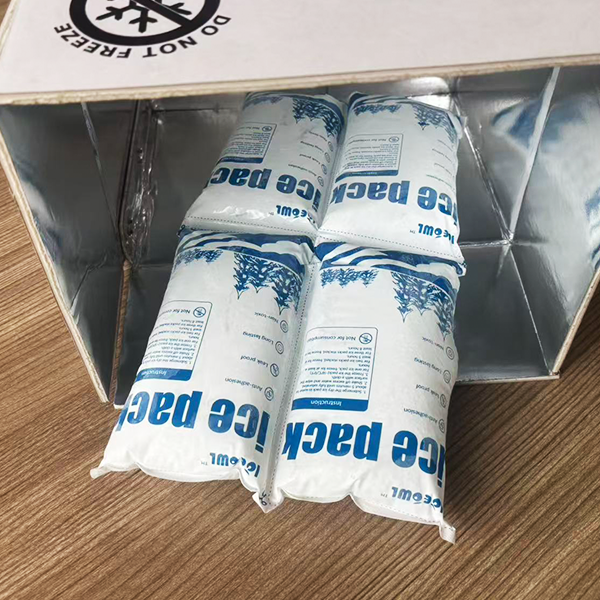
How Do Dry Ice Alternative Gel Packs Revolutionize Cold Chain Logistics?
In the evolving landscape of cold chain logistics, dry ice alternative gel packs are becoming an indispensable tool. Offering an eco-friendly, cost-effective, and safer option compared to traditional dry ice, gel packs are reshaping how temperature-sensitive goods are transported. This article will explore why these gel packs are gaining popularity in industries such as pharmaceuticals, food delivery, and biotech.
What are dry ice alternative gel packs and how do they work?
How do gel packs compare to dry ice in cold chain shipping?
What are the benefits of using gel packs in specific shipping scenarios?
How long do dry ice alternative gel packs maintain temperature?
What are the trends in gel pack technology for 2025?
What Are Dry Ice Alternative Gel Packs?
Dry ice alternative gel packs are reusable, non-toxic cooling agents made from water-based gels or hydrophilic polymers. These packs maintain stable temperatures within the required ranges (typically between 2–8°C for refrigerated goods and −18°C for frozen items). Unlike dry ice, which sublimates into CO₂ gas, gel packs offer a safer, more sustainable cooling solution.
Key Features of Gel Packs:
Sealed and non-toxic: Unlike dry ice, which releases CO₂ gas, gel packs remain sealed, ensuring no hazardous emissions.
Reusable: Gel packs can be reused multiple times, making them more sustainable and cost-effective than dry ice.
Customizable temperature range: Gel packs can be tailored to meet specific temperature needs, whether for refrigerated or frozen shipments.
Quick tip: While dry ice works best for ultra-low temperatures (−78.5°C), gel packs are better suited for maintaining temperatures between 2–8°C, ideal for most perishable goods.
How Do Gel Packs Compare to Dry Ice for Cold Chain Shipping?
Comparison Overview:
| Feature | Dry Ice | Gel Packs | Practical Impact |
|---|---|---|---|
| Temperature | Very low (−78.5°C) | Moderate (0°C to −20°C) | Dry ice freezes, gel packs chill |
| Safety | Risk of frostbite, CO₂ poisoning | Safe, non-toxic, no CO₂ release | No health risks associated with gel packs |
| Usage | Best for frozen items | Ideal for chilled goods | More versatile for a variety of shipments |
| Reusability | Single-use | Reusable up to 100 cycles | More cost-effective and eco-friendly |
| Environmental Impact | High CO₂ emissions | Minimal impact, recyclable materials | More sustainable alternative |
Key Advantages of Gel Packs:
Safety: Gel packs do not release harmful gases like CO₂, making them safer for shipping and handling.
Cost-Effective: Compared to dry ice, gel packs are more affordable, especially for smaller shipments.
Temperature Control: Gel packs provide a reliable and stable cooling effect for temperature-sensitive goods, such as pharmaceuticals and food.
When Should You Choose Gel Packs Over Dry Ice?
Gel packs are most effective in shipping refrigerated goods (2–8°C) such as food, pharmaceuticals, and clinical samples. They are also ideal for non-frozen biological products and smaller shipments that don’t require ultra-low temperatures.
Industry Example: A biotech company reduced shipping costs by 20% by switching from dry ice to gel packs for shipping clinical trial samples. The gel packs maintained the required 2–8°C temperature range for up to 48 hours, ensuring product integrity and regulatory compliance.
How Long Do Dry Ice Alternative Gel Packs Maintain Temperature?
Gel packs can maintain a stable temperature for anywhere between 12 to 72 hours, depending on several factors:
Size of the pack: Larger gel packs can keep temperatures stable for longer durations.
Temperature range: Packs designed for refrigerated goods (2–8°C) tend to last between 12–24 hours, while those for frozen goods (−18°C) can last up to 48 hours.
Insulation: Combining gel packs with high-quality insulation extends their duration.
Tip: Multiple gel packs combined with advanced insulation can extend the shipping duration, ensuring the temperature remains stable during long transits.
2025 Trends in Dry Ice Alternative Gel Packs for Cold Chain Logistics
The cold chain logistics industry is embracing sustainability, and here are some of the key trends in gel pack technology for 2025:
Smarter Material Choices: Advances in biodegradable gels and sustainable packaging materials are leading to more eco-friendly alternatives to dry ice.
Advanced Insulation: Hybrid insulation systems are being explored to work in tandem with gel packs, allowing for longer shipping durations without increasing costs.
Real-time Temperature Monitoring: IoT-enabled gel packs allow for real-time tracking, ensuring precise temperature control and enhanced visibility during transit.
Cost Reduction: As gel pack technology improves, the cost of shipping decreases, as there is no need for costly dry ice or complex compliance measures.
FAQ – Dry Ice Alternative Gel Packs
Q1: How do gel packs maintain their temperature?
Gel packs absorb heat and undergo a phase change as they melt. The energy released during this process ensures a consistent temperature for several hours.
Q2: Can gel packs replace dry ice for frozen shipments?
Gel packs are ideal for refrigerated goods but are generally not suitable for ultra-low temperatures required for frozen shipments (below −18°C). For frozen goods, dry ice is still the best option.
Q3: Are gel packs reusable?
Yes, most gel packs are reusable and can be stored in a freezer for future use, making them a more sustainable and cost-effective choice than dry ice.
Q4: Do gel packs require any special handling?
No, gel packs do not require special handling or packaging. Unlike dry ice, which needs vented containers and specific labeling, gel packs can be shipped with regular packaging.
Conclusion and Recommendations
Dry ice alternative gel packs provide a safe, cost-effective, and sustainable option for shipping temperature-sensitive goods. They offer stable temperature control, especially for refrigerated items, while being reusable and non-toxic. For industries focused on reducing environmental impact and increasing cost-efficiency, gel packs are the optimal choice.
Next Steps for You:
Evaluate your shipping needs: Determine whether your shipments require refrigerated or frozen conditions.
Select appropriate gel packs: Choose the correct size and temperature range for your goods.
Optimize packaging: Combine gel packs with high-quality insulation to maximize cooling duration.
About Tempk
At Tempk, we specialize in cold chain solutions, focusing on safety, sustainability, and efficiency. Our gel-based dry ice packs are designed to offer reliable cooling for temperature-sensitive shipments. We also offer tailored solutions to meet the specific needs of your cold chain logistics.
Call to Action: Speak with one of our experts today to find the ideal dry ice alternative for your needs!
Does Dry Ice Create Pressure and Burst Packages? Best Practices for Safe Shipping
Does Dry Ice Create Pressure and Burst Packages?
Dry ice, the solid form of carbon dioxide (CO₂), presents unique shipping challenges, especially when packed in sealed containers. As it sublimates, it turns directly into gas, and this transition can create high pressure in confined spaces. This pressure buildup can cause containers to burst, potentially damaging contents and violating shipping regulations. In this article, we will dive into why dry ice causes pressure, how to avoid package ruptures, and the best practices for complying with 2025 regulations to ensure safe and efficient shipping.
Dry ice sublimates into gas, increasing internal pressure in sealed packaging.
Proper packaging with ventilation prevents pressure buildup and package rupture.
2025 regulations such as IATA PI 954 and 49 CFR demand vented packaging for air and sea transport.
Follow best practices for labeling, packaging materials, and compliance to avoid rejection during transport.
Why Does Dry Ice Create Pressure in Packages?
Direct Answer: Yes, dry ice can create dangerous pressure in sealed packages. This is because as dry ice sublimates, it turns from solid CO₂ into gas. In an airtight environment, the gas rapidly accumulates, causing pressure to rise quickly. Without proper ventilation, this buildup can lead to ruptured packages or even explosions.
How Dry Ice Sublimates and Causes Pressure
Dry ice is unique because it doesn’t melt into a liquid. Instead, it sublimates—changing directly from solid CO₂ into gas at a temperature of −78.5°C (−109.3°F). For each kilogram of dry ice, approximately 500-550 liters of CO₂ gas are produced at room temperature. In a sealed container, this large volume of gas has nowhere to escape, resulting in dangerously high internal pressure. This is why IATA, 49 CFR, and other regulations mandate that packaging must allow gas release to prevent pressure buildup.
Packaging Regulations and Safety Standards
To mitigate the risk of bursting packages, air and sea shipments containing dry ice must follow certain packaging standards. Key regulations include:
IATA PI 954: Requires packages to allow CO₂ gas to escape to prevent pressure buildup and rupture. This is checked during the acceptance process.
49 CFR §173.217: Mandates that packaging used for dry ice shipments must be designed to permit CO₂ release, and net dry ice mass must be clearly marked.
FedEx/UPS: Both major carriers emphasize that dry ice packages must be vented, as they will reject airtight builds during acceptance.
Best Packaging Practices to Prevent Dry Ice Packages from Bursting
To avoid package rupture, consider these best practices for packaging dry ice shipments safely:
1. Use Vented or Loosely Sealed Packaging
Outer Packaging: Use corrugated fiberboard or similar materials that are strong and allow for venting.
Inner Packaging: Use insulating materials like Styrofoam or other foam-based products that do not form an airtight seal. Ensure the packaging has venting pathways to allow CO₂ gas to escape.
Tip: Avoid using airtight seals like tape or fully closed gaskets. A vented design will allow gas to dissipate, preventing dangerous pressure buildup.
2. Ensure Proper Labeling and Documentation
All shipments containing dry ice must include clear and accurate labeling. Required labels include:
“Dry Ice” or “Carbon Dioxide, Solid”.
UN 1845 (for dry ice).
Class 9 Hazard Label.
Net weight of dry ice in kilograms.
Tip: Double-check your labeling to avoid non-compliance, which could lead to shipment delays or rejection. Use job aids from FedEx/UPS to ensure accuracy.
3. Ensure Adequate Ventilation During Transport
Even if packaging is correctly designed, ventilation is crucial during transport. When handling dry ice, make sure that the transport vehicles and storage areas are well-ventilated. CO₂ can accumulate quickly in confined spaces, creating an asphyxiation risk.
Tip: Never store dry ice shipments in sealed trunks or small, poorly ventilated rooms. Always ensure airflow to safely dissipate the gas.
4. Test Packaging for Performance
To avoid unexpected failures, always test your packaging design under the expected shipping conditions:
Pressure Build-Up Simulation: Test a sample package under a dry ice load to measure how it responds to pressure over time.
Temperature Cycling: Assess how the package performs under both cold and warmer temperatures during shipping and handling.
Seal Integrity: Verify that all seals and closures on your packaging can handle the pressure and allow gas release.
Tip: Conduct these tests with various amounts of dry ice and across different temperature ranges to ensure your packaging can handle real-world conditions.
Key 2025 Dry Ice Shipping Regulations
To meet the latest standards, adhere to these 2025 rules for dry ice packaging:
1. Vented Packaging is Mandatory
Packaging must be constructed to allow CO₂ gas release. This includes avoiding completely sealed packages and using materials like foam or fiberboard that can safely vent the gas.
2. Maximum Dry Ice Limits
IATA PI 954 allows up to 200 kg of dry ice per package.
Airline-specific limits: Some airlines may set lower limits than IATA PI 954. Always check your carrier’s guidelines before shipping.
Tip: Make sure that net dry ice mass is clearly marked on the package. This is a requirement for air transport and helps prevent fines or delays.
3. Proper Training and Documentation
To comply with safety regulations, personnel must be trained on how to handle, pack, and ship dry ice safely. Additionally, ensure that all required documentation is provided, including:
Shipping manifest or waybill indicating the presence of dry ice.
Safety protocols for handling CO₂ exposure.
Tip: Regularly audit your dry ice shipments to ensure compliance with evolving regulations and minimize the risk of accidents.
Real-World Examples of Dry Ice Package Failures
In the past, packages containing dry ice have exploded due to improper sealing. For example, a shipping container with a tightly sealed screw-cap lid exploded when dry ice gas pressure exceeded the container’s structural integrity. This can happen when packaging materials like plastic or metal containers trap gas with no escape routes.
Example: A healthcare shipper used heat-sealed liner bags in their dry ice shipments. The boxes bulged during sorting, and one split during handling. After switching to a fold-closed liner and adding a vent spacer, they reduced rejections to zero.
Conclusion: How to Avoid Dry Ice Package Rupture
By following best practices for dry ice packaging, you can safely prevent pressure buildup and avoid ruptured packages. Ensure your packaging is vented, your labels are accurate, and your team is trained on the latest regulatory requirements. With the right preparation, you can safely ship temperature-sensitive goods without compromising safety.
Action Plan:
Audit your dry ice shipments for vented packaging.
Train your packaging teams on IATA PI 954 and the latest 2025 regulations.
Run real-world packaging tests to ensure safety and compliance.
About Tempk
At Tempk, we specialize in cold chain packaging solutions designed for dry ice shipments. Our packaging is engineered for compliance with IATA, UPS, and FedEx standards, ensuring safe and efficient transport of temperature-sensitive goods. Explore our vented dry ice shipping solutions and learn how we can help your team reduce rejections and improve reliability.