


Does Altitude Affect a Dry Ice Bag’s Performance?
Does Altitude Affect a Dry Ice Bag’s Performance?
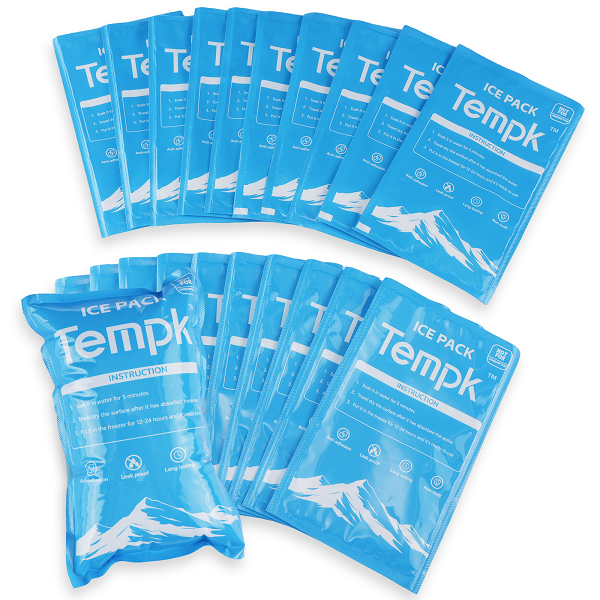
If you’re involved in shipping temperature-sensitive goods, you’ve probably wondered: does altitude affect the performance of a dry ice bag? The answer is yes, though not in the way many expect. At high altitudes, reduced air pressure and changes in cargo hold conditions can cause dry ice to sublimate faster. This article explains how altitude impacts dry ice bags and offers strategies for optimizing your cold chain shipments in 2025.
How altitude changes the performance of dry ice bags
Why vented packaging is crucial for dry ice shipments
Best practices for managing dry ice during air transport and mountain routes
Regulatory updates in 2025 affecting dry ice shipping
How Does Altitude Impact Dry Ice Bag Performance?
Dry ice sublimates faster at higher altitudes due to lower atmospheric pressure. This means that a dry ice pack will lose cooling power more quickly during air transport or over mountainous terrain, which can reduce its effectiveness for preserving temperature-sensitive goods like vaccines or biologics.
Key Mechanisms at Play:
Pressure Drop: As you ascend, the air pressure drops. For instance, at a typical cruise altitude of 8,000 ft (about 75 kPa), the surrounding pressure is much lower than at sea level (101 kPa), allowing CO₂ gas to escape from the dry ice more easily. This speeds up sublimation, which can shorten the cooling duration.
Gas Expansion: As the CO₂ sublimes, it expands into the headspace inside packaging. In non-vented packaging, this can lead to bursting or ruptured seams. Venting is critical to ensure CO₂ can escape safely and that pressure doesn’t build up excessively inside the package
Impact of Different Altitudes:
| Altitude Condition | Approx. Pressure | Dry Ice Sublimation Rate | Expected Cooling Time Impact |
|---|---|---|---|
| Sea Level (0 m) | 1 atm (101 kPa) | Baseline | Longest cooling duration |
| High-altitude City | 0.84 atm (84 kPa) | Slightly higher (~5%) | Faster sublimation; minor extra dry ice needed |
| Aircraft (Pressurized) | 0.75 atm (75 kPa) | Noticeably higher (~10%) | Dry ice depletes faster; add more dry ice for longer flights |
| Unpressurized Flight | 0.23 atm (23 kPa) | Extremely high | Not typically used, but shows extreme sublimation effects |
Why Lower Pressure Equals Faster Sublimation
At high altitudes, the pressure on dry ice is significantly reduced. This allows the CO₂ gas to escape more freely, causing the dry ice to sublimate faster. This effect, although important, is secondary to other factors like insulation quality, the size and geometry of the dry ice, and the amount of heat leakage from the environment
. For example, small pellets of dry ice with a large surface area sublimate much faster than large blocks.
How Packaging Design Affects Performance:
Dry ice bags or containers need to be designed to withstand the pressure changes during transit:
Ventilated Packaging: IATA regulations (PI 954) specify that dry ice must be shipped in vented containers to allow the gas to escape safely. These containers should be designed to prevent any buildup of pressure, which could cause container rupture
Insulation: Insulated containers with high R-values help slow the heat transfer from the environment to the dry ice, allowing it to last longer. In colder regions or flights, better insulation can help manage sublimation
Best Practices for Shipping Dry Ice at Altitude
1. Pack Extra Dry Ice
Given that dry ice sublimates faster at altitude, consider adding 10–20% more dry ice than usual for air shipments. This compensates for the increased sublimation rate at higher altitudes and ensures that your shipment stays at the required temperature longer.
2. Use High-Quality Insulation
Invest in advanced insulation materials like vacuum-insulated panels or polyurethane foam, which slow the rate of heat ingress and prevent rapid sublimation
. Superior insulation reduces the reliance on dry ice alone, maintaining stable internal temperatures.
3. Ensure Proper Venting
Ensure that your dry ice packaging allows CO₂ to escape. Venting mechanisms like one-way valves or micro-perforated films help manage the gas expansion at altitude, preventing pressure from building up inside the package. This is crucial for maintaining both package integrity and safety.
4. Pre-Chill Your Shipment
Before loading dry ice, pre-condition your products and gel packs to their target temperature. This reduces the amount of heat that the dry ice must absorb initially, extending the cooling period
2025 Regulatory Updates for Dry Ice Shipments
As of 2025, IATA and other regulatory bodies have updated dry ice shipping guidelines. These changes focus on:
Weight Limits: The total amount of dry ice allowed per package is capped at 200 kg for air shipments
Vented Packaging Requirement: The 2025 IATA checklist ensures that all dry ice shipments must comply with PI 954 venting regulations
Documentation: Net mass of dry ice must be clearly indicated on shipping labels and documents, ensuring proper compliance and preventing delays at the checkpoint
How to Comply:
Ensure packaging is properly vented.
Always include the correct labeling, including “UN1845” and “Dry Ice” with the weight of dry ice specified.
Perform a quick audit of your packaging and procedures to confirm compliance with the 2025 IATA guidelines
Frequently Asked Questions
Q1: Does altitude change how long dry ice lasts in a shipping box?
Yes, at high altitudes, dry ice sublimates faster due to lower pressure. For example, at 8,000 feet, dry ice will last about 8–10% shorter than at sea level
Q2: How much extra dry ice should I use for air shipments?
Typically, adding 10-20% more dry ice is recommended for air shipments to account for increased sublimation
Q3: Will temperature outside the aircraft matter more than pressure?
While external temperature can impact sublimation, during flight, the drop in air pressure plays a more significant role in accelerating dry ice sublimation
Conclusion and Recommendations
In summary, altitude does affect a dry ice bag’s performance, primarily due to the lower pressure that accelerates sublimation. To ensure your shipment remains at the correct temperature, always plan for extra dry ice, use high-quality insulation, and follow all IATA compliance guidelines. Regularly audit your packaging methods to stay aligned with the latest 2025 standards and make any necessary adjustments based on altitude.
Next Steps:
Review your packaging and shipping protocols for altitude routes.
Add extra dry ice for air shipments and ensure venting compliance.
Consult with Tempk for optimized packaging solutions designed for altitude and pressure management.
About Tempk
Tempk provides cutting-edge cold chain solutions, offering advanced dry ice shipping containers, PCM packs, and high-performance insulation materials designed for shipments at any altitude. We specialize in custom solutions that meet 2025 regulatory standards, ensuring your products are delivered safely, on time, and within temperature guidelines.
For personalized consultation and packaging design, contact Tempk’s cold chain experts
Does a Vented Bag Really Extend Dry Ice Life? Here’s the Science!
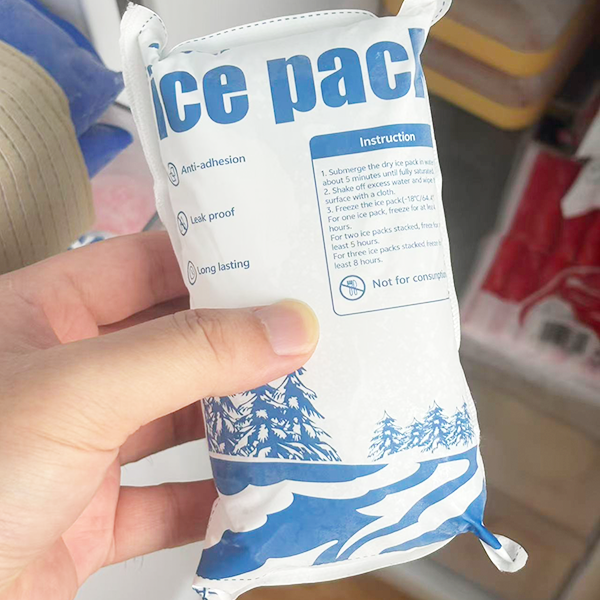
Yes, a vented bag can extend dry ice life, but only under the right conditions. Learn the science, 2025 packaging trends, and best practices to optimize your cold chain shipments. Here’s how to achieve maximum dry ice efficiency.
How vented bags slow dry ice sublimation
Why venting is critical for both safety and performance
Best packaging practices to extend dry ice life
2025 compliance regulations and trends in cold chain shipping
How Do Vented Bags Help Extend Dry Ice Life?
Vented bags help by reducing the direct exposure of dry ice to airflow, which slows down sublimation. Dry ice sublimates faster when exposed to air, as airflow accelerates heat transfer. With a vented bag, the air movement around the dry ice is reduced, which in turn helps preserve its mass.
The Role of Airflow in Dry Ice Sublimation
Airflow around dry ice increases its sublimation rate. The faster the wind or air movement, the quicker the dry ice sublimates into gas. This is why even small adjustments like using a vented bag can have a noticeable impact on how long dry ice lasts in transit.
| Packaging Type | Airflow Exposure | Sublimation Rate | What It Means for You |
|---|---|---|---|
| Loose pellets in cooler | High | Fast | Shorter lifespan; risk of premature sublimation |
| Vented poly bag around pellets | Reduced | Slower | Longer-lasting dry ice in transit |
| Airtight sealed bag | Traps CO2 & pressure | Very fast sublimation | Unsafe, non-compliant, and dangerous |
Pro Tip: If you are using small pellets, a vented bag will have more of an effect, as they have a higher surface area, leading to faster sublimation.
Why Vented Bags Should Never Be Airtight
It’s essential to never seal dry ice in an airtight bag or container. While it may seem logical to trap the cold CO2 to keep the dry ice colder for longer, this practice can lead to dangerous pressure buildup. If CO2 gas cannot escape, the pressure can cause the container to rupture, posing a safety hazard.
Key Factors That Impact Dry Ice Longevity
While vented bags can slow sublimation slightly, they are just one part of the equation. The following factors should be prioritized for the best results:
Insulation: Thick insulation, like EPS (expanded polystyrene) or VIP (vacuum insulated panels), significantly slows sublimation.
Pellet Size: Larger blocks of dry ice have a lower surface area and sublimate more slowly than smaller pellets.
Container Design: A well-sealed, insulated container with proper venting will always outperform loose pellets in open space.
How to Pack Dry Ice to Maximize Its Lifespan
Here’s a simple guide to packing dry ice effectively:
Use a high-quality insulated container (preferably VIP or EPS).
Wrap dry ice in a vented poly bag to allow gas to escape while preventing wind exposure.
Ensure proper venting in the container to allow CO2 to escape without creating airflow that could accelerate sublimation.
| Action | Impact |
|---|---|
| Use a VIP container | Minimizes heat gain and preserves dry ice longer |
| Wrap in vented bag | Reduces airflow and helps with sublimation |
| Ensure venting | Prevents pressure buildup and maintains compliance |
Common Mistakes to Avoid
Sealing the dry ice bag: This traps gas and increases pressure.
Using insufficient insulation: Thin insulation results in faster sublimation.
Ignoring the ambient temperature: Hot environments will cause dry ice to sublimate faster.
2025 Trends in Dry Ice Packaging and Sustainability
The cold chain industry in 2025 is focused on sustainability and optimizing the use of dry ice. With increased demand from the pharmaceutical and food industries, the push for using less dry ice without compromising the cold chain is becoming stronger. Companies are exploring eco-friendly materials and more efficient designs, such as advanced insulated containers and smart packaging solutions that can monitor temperature and humidity in real-time.
What’s New in 2025 Regulations?
The IATA’s 2025 rules emphasize the importance of vented packaging for safety and compliance. In addition, new sustainable packaging options are being developed to reduce CO2 emissions while maintaining dry ice’s effectiveness. Stay ahead of the curve by adopting these practices and ensuring that your packaging meets the latest standards.
FAQs on Dry Ice and Vented Bags
Q1: Does a vented bag really extend dry ice life?
Yes, it can slightly extend dry ice life by slowing airflow, but insulation and pellet size matter more for significant longevity.
Q2: Why can’t I seal a dry ice bag to trap CO2?
Sealing the bag violates safety regulations and can cause dangerous pressure buildup.
Q3: How much dry ice should I use for 48-hour shipments?
Start with around 12-16 lb of dry ice in an EPS container and adjust based on the shipping environment.
Conclusion and Recommendations
A vented bag can help extend dry ice life, but it is just one part of the overall equation. For optimal results, focus on high-quality insulation, proper pellet size, and minimizing airflow in the container. Always ensure compliance with safety regulations by keeping the package vented to allow CO2 gas to escape. For multi-day shipments, consider using advanced packaging systems like VIP containers, and always run tests to validate your packout strategy.
Call to Action:
Interested in optimizing your dry ice shipments? Contact Tempk for a customized cold chain audit and discover the best packaging solutions for your specific needs.
Does a Dry Ice Bag Work Better Than Gel Packs for Cold Chain Shipping?
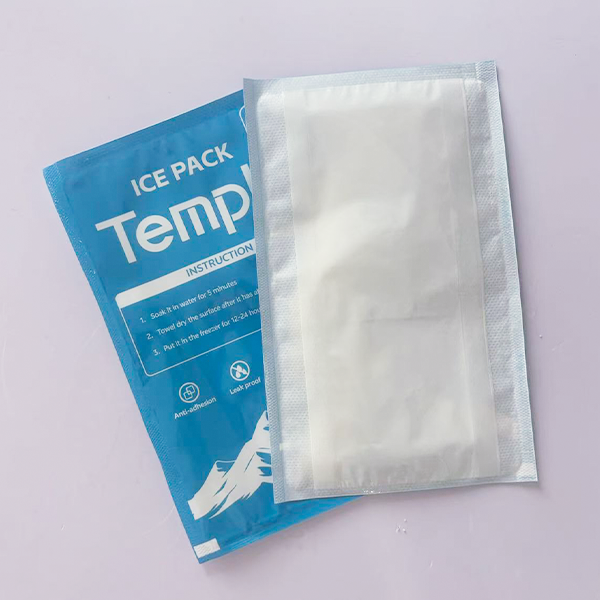
When it comes to shipping temperature-sensitive products, selecting the correct refrigerant is crucial for maintaining product quality and complying with 2025 shipping regulations. Does a dry ice bag work better than gel packs? The answer depends on your shipment’s specific temperature requirements, duration, and regulatory compliance needs. In this article, we’ll guide you through the best practices for choosing between dry ice bags and gel packs, ensuring your shipments stay cold or frozen as required while meeting all regulatory standards.
Choose the right cold source based on temperature requirements and transit time (e.g., “dry ice for 48-hour frozen shipping”).
Navigate the latest 2025 air transport regulations (IATA PI 954, UN1845, venting requirements).
Estimate cooling capacity with easy-to-understand energy math for dry ice versus gel packs.
Optimize packouts to reduce touchpoints and chargeable weight, ensuring cost-effective shipping.
Does a Dry Ice Bag Work Better Than Gel Packs for Keeping Items Frozen?
For shipments requiring temperatures of -20°C or lower, a dry ice bag is generally the best option. Dry ice, at -78.5°C, sublimates and absorbs a large amount of heat, ensuring that frozen goods stay solid over extended periods. This is crucial for shipping items like ice cream, frozen meat, or certain medical specimens. On the other hand, gel packs, which maintain a temperature near 0°C, are ideal for short-term refrigeration (2-8°C) but fail to maintain deep-freezing temperatures for long durations. Therefore, dry ice bags are superior for long-distance frozen shipments, especially when maintaining ultra-cold temperatures for up to 48 hours or longer.
Why Dry Ice Bags Excel in Frozen Shipments
Dry ice provides significant cooling capacity due to its low temperature and sublimation process. A kilogram of dry ice can absorb significantly more heat than a gel pack of the same weight, offering better performance, especially in extreme conditions. Dry ice is particularly effective in hot or extended transit routes where maintaining a frozen state is crucial.
Example Case: A seafood supplier used dry ice bags in place of gel packs for 48-hour summer shipments. As a result, frozen core temperatures remained stable, complaints about thawing reduced, and delivery times improved.
| Coolant Type | Temperature Range | Cooling Duration | Regulatory Status | Best For |
|---|---|---|---|---|
| Dry Ice Bag | ≤-20°C | 48+ hours | Hazardous (UN 1845) | Long-duration frozen shipments |
| Gel Pack | 0°C (Chilled) | Up to 24 hours | Non-hazardous | Short-term chilled shipments |
Dry Ice Bags vs Gel Packs: Key Differences
Temperature Range: Dry ice keeps products frozen, while gel packs maintain refrigeration but do not keep items frozen.
Cooling Duration: Dry ice lasts longer, up to 3 days or more depending on insulation, while gel packs typically last 24 hours.
Safety and Handling: Dry ice is classified as a hazardous material due to CO₂ release and extreme cold. Gel packs are non-hazardous and simpler to handle.
When to Choose Gel Packs Over Dry Ice Bags?
Gel packs are an excellent option for shipments requiring temperatures between 2°C and 8°C (refrigerated), such as biologics, chocolates, or certain pharmaceutical products. They are also ideal for short-duration shipments, especially those that need to stay chilled overnight or for a couple of days. Gel packs are cost-effective, reusable, and have fewer regulatory hurdles compared to dry ice.
Why Gel Packs Are Often the Better Choice
Simplicity: Gel packs are easy to use, with no need for special ventilation or hazardous material handling.
Cost-Effectiveness: They are cheaper for short-term or regular shipments.
Reusability: Gel packs can be reused multiple times, making them a sustainable choice for businesses that regularly ship temperature-sensitive goods.
Key Advantages of Gel Packs:
No special labeling or handling required.
Lower upfront and operational costs for regular use.
Ideal for items that should not freeze, like vaccines and fresh produce.
How to Choose Between Dry Ice Bags and Gel Packs for Your Shipments
Making the right choice involves considering your shipment’s temperature requirements, duration, and compliance needs. Here’s how you can quickly decide:
For Long, Deep-Freezing Shipments (≤ -20°C):
Dry Ice Bags are the better choice.
Ideal for shipments lasting 24-48 hours or more.
Comply with IATA’s regulations (UN 1845, PI 954).
For Short, Refrigerated Shipments (2-8°C):
Gel Packs are perfect.
Suitable for 1-2 day shipments, such as meal kits or pharmaceuticals.
Easier to handle, no special regulations, and cost-effective.
Compliance Considerations for 2025
In 2025, air transport regulations are stricter, especially when shipping hazardous materials like dry ice. Dry ice shipments must comply with IATA’s PI 954 guidelines, including proper labeling and venting. For gel packs, there are fewer regulations to follow, making them simpler for international and domestic shipments.
Key Regulatory Requirements for Dry Ice Shipments (2025):
Vented packaging is mandatory to allow CO₂ to escape.
Labels must include “Dry Ice,” “Carbon dioxide, solid,” and the net weight.
A Class 9 hazard label must be applied.
Gel Packs are non-hazardous and do not require such extensive labeling or special handling.
Cost and Sustainability Considerations
While dry ice provides superior cooling performance, it comes with higher costs. Dry ice is single-use and must be purchased for each shipment, which can add up over time, especially for businesses with high-volume cold chain needs. In contrast, gel packs are reusable, making them more economical in the long run. However, gel packs contribute to plastic waste if not properly disposed of or recycled.
Sustainability Tip: Opt for recyclable or drain-safe gel packs to reduce environmental impact.
2025 Trends in Cold Chain Shipping
Looking ahead to 2025, more businesses are exploring sustainable and efficient cold chain solutions. The demand for Phase Change Materials (PCM) is growing as they offer an eco-friendly alternative to dry ice and gel packs. PCM packs can maintain temperatures similar to dry ice without the same regulatory challenges and environmental concerns. Additionally, recyclable packaging and smart packaging solutions are expected to play a larger role in optimizing cold chain logistics.
Future Directions:
Sustainable PCM solutions: These offer a green alternative, with reusability and precise temperature control.
Smart tracking and IoT: Real-time temperature monitoring and tracking will be integrated into packaging to provide more reliable cold chain solutions.
Frequently Asked Questions (FAQs)
Q1: Does a dry ice bag work better than gel packs for keeping items frozen?
Yes, especially for shipments lasting more than 24 hours and requiring deep-freezing (≤ -20°C).
Q2: Are gel packs considered hazardous goods?
No, gel packs are generally non-hazardous and do not require special shipping or handling.
Q3: What are the regulations for dry ice bags?
Dry ice must be packed in vented containers, labeled with “Dry Ice,” “UN 1845,” and the net weight. A Class 9 label is required for air transport.
Conclusion: Making the Right Choice for Your Cold Chain Shipments
Choosing between dry ice bags and gel packs depends on your specific shipping needs. For long-duration, ultra-cold shipments, dry ice is your best option. For shorter, refrigerated shipments, gel packs offer simplicity, cost-efficiency, and fewer regulatory hurdles.
When selecting your shipping coolant, always consider the target temperature, duration, compliance requirements, and budget to ensure your product arrives in perfect condition, every time.
Ready to Optimize Your Cold Chain?
Contact Tempk to receive tailored advice for your cold chain shipments. Let us help you design the best solution for your needs, ensuring compliance with the latest 2025 regulations while keeping your products safe and fresh.
Does a Dry Ice Bag Sweat or Leak Water? 2025 Guide
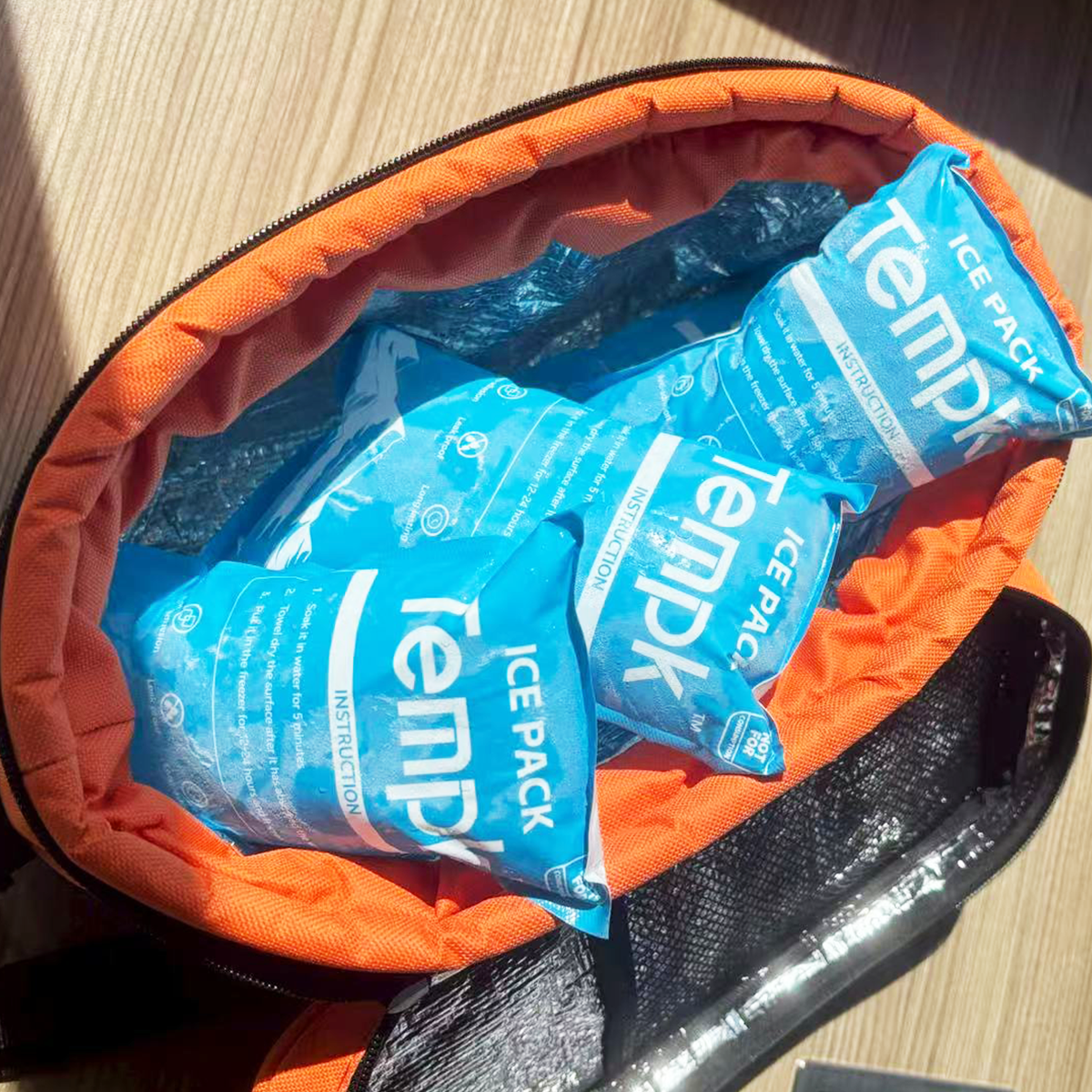
A dry ice bag does not leak meltwater. Dry ice sublimates straight to CO₂ gas, so any “wet” you see on a dry ice bag or carton is condensation from humid air, or frost thawing as the surface warms. You can stop it with insulation, a vapor barrier, smart label placement, and safe venting that meets 2025 rules.
Why “sweat” happens: Dew point physics for a dry ice bag in real warehouses and vans
How to stop drips: A 6‑step pack‑out that keeps a dry ice bag dry on the outside
Sizing the refrigerant: How much dry ice a dry ice bag needs for 24–72 h lanes
Safety & compliance: UN1845, IATA PI 954 (2025), and why venting a dry ice bag is mandatory
Dry vs. gel: When a dry ice bag beats gel packs—and when gels are smarter
Why does a dry ice bag “sweat” instead of leak water?
Core answer: A dry ice bag never makes liquid water; it makes CO₂ gas. The “sweat” is moisture from the air condensing on a surface colder than the dew point, or frost that later thaws. Think of a cold soda can on a humid day—same physics, colder surface.
What’s going on: When warehouse or last‑mile air hits a dry ice bag that is far below freezing, the outer film or carton sits under the local dew point. Water vapor becomes droplets or frost on that cold surface. As the route progresses and the surface warms, frost turns to visible water. Your dry ice bag didn’t leak; the air did. Use insulation to keep the outer surface warmer than the dew point, and add a vapor barrier to shield fiberboard.
Dew‑point thresholds for a dry ice bag
What to watch, at a glance
| Factor | Typical value | What it means | For you |
|---|---|---|---|
| Ambient temperature | 23 °C / 73 °F | Warm air carries more moisture | Higher sweat potential |
| Relative humidity | 60–75% | Higher RH → higher dew point | Plan barriers/absorbents |
| Dew point | 15–20 °C | Condensation threshold | Keep outer wall ≥ dew point |
| Outer carton surface | 5–15 °C | Below dew point in most lanes | Expect “sweat” without fixes |
Practical tips
Warm the outside, not the payload: Add insulation or a foil/PE liner so the outer wall of the dry ice bag stays at/above the dew point.
Move paperwork: Put labels on a warm sleeve or second carton panel, away from cold spots on the dry ice bag.
Limit humid air exchange: Pack fast in a cooled room; keep doors shut on muggy docks.
Field case: A seafood shipper saw soaked labels in summer. After adding a foil‑laminated liner + double‑wall carton to warm the surface and moving labels to a sleeve, “wet box” complaints fell near zero with no temperature excursions.
Will a dry ice bag leak water inside the box?
Short answer: No—any interior moisture is from humid air that got in, or frost that later thawed. Add a vapor‑tight inner liner, but keep the outer package vented so CO₂ from the dry ice bag can escape safely.
Causes of interior “wet”: Air exchange during handling, damp product packaging, and cold inner films sitting below dew point. A sealed dry ice bag is not the culprit; sealing is unsafe and non‑compliant anyway. Use a vapor barrier to trap cold at the core and protect fiberboard from moisture ingress.
Pack‑out steps to stop a dry ice bag from “sweating”
Pre‑condition shipper in a cool, dry room (30–60 min).
Load dry ice into a dry ice bag; cinch, don’t hermetically seal.
Insert into a foil/PE vapor barrier; close the liner at the top.
Use adequate insulation (EPS/EPP/VIP or high‑R paper liners).
Place labels on a warm sleeve or secondary outer carton.
Vent safely—packages must not be airtight (UN1845, IATA PI 954).
How it helps: The inner barrier reduces moisture ingress; more insulation keeps the outer wall above the dew point; venting from the dry ice bag prevents pressure and keeps performance consistent.
How much dry ice should a dry ice bag carry to avoid over‑cooling the outer wall?
Rule of thumb: Plan ~5–10 lb per 24 h depending on insulation and lane heat load. More mass holds temperature longer but can drop the carton surface further below the dew point if insulation is thin. Balance dose, insulation, and dwell time.
Quick estimator for a dry ice bag (copy/paste)
Validate with a small A/B test and data loggers; adjust for summer/winter lanes.
3‑step self‑check (engagement tool)
Is your packing room ≤20 °C and RH under control?
Is the outer wall of the dry ice bag likely ≥ local dew point?
Are vents unobstructed and labels placed on a warm sleeve?
Is a dry ice bag safe and compliant in 2025 (UN1845, IATA PI 954)?
Yes—if it’s vented and marked. Dry ice bag shipments must permit CO₂ to escape, carry UN1845 marks, and declare net dry‑ice mass. Do not make the package airtight. Worker safety: ventilate vehicles and rooms; follow exposure guidance.
Key notes for 2025:
Venting required: Never seal a dry ice bag airtight.
Marking: “Dry ice / Carbon dioxide, solid,” UN1845, and net mass (kg).
Air acceptance: Follow IATA DGR 66th Edition (PI 954).
Safety: Handle dry ice bag with gloves; ventilate to avoid CO₂ buildup.
Dry ice bag vs gel packs—when does water really matter?
If zero free water at delivery is critical, a dry ice bag wins. It generates no meltwater. For 2–8 °C lanes, sweat‑proof gels are often simpler with fewer hazmat steps. Combine wisely if you use both.
| Use case | Dry ice bag | Gel packs | What to do |
|---|---|---|---|
| Frozen foods (≤ −18 °C) | Long hold, no meltwater | Can create condensation as they warm | Prefer dry ice + barrier |
| Chilled 2–8 °C | Over‑cool risk | Tunable and non‑hazmat | Prefer sweat‑proof gels/PCMs |
| Label integrity | Needs condensation control | Needs absorbent control | Use label sleeve + barrier |
| Air compliance | UN1845 rules apply | Not dangerous goods | Choose based on temp target |
Practical scenario: Switching to a dry ice bag with a foil liner and label sleeve cut “wet box” claims by >80% in 2‑day lanes, with compliance ≥99%.
2025 trends that make a dry ice bag drier and smarter
What’s new: Reusable VIP shippers that keep outer walls warm, PFAS‑free paper liners with better barrier performance, and broader use of IoT loggers for temp/RH/CO₂. These reduce condensation windows and waste while supporting sustainability goals.
Latest at a glance
Reusable/VIP expansion: Warmer outer surfaces for the same payload window
Barrier upgrades: Foil/PE and next‑gen papers replace legacy coatings
Smarter ops: Lane analytics + self‑checks standardize dry ice bag success
Market insight: Cold‑chain packaging grows steadily on biologics and e‑grocery volumes; hybrid PCM + dry ice bag strategies right‑size dose and cut moisture‑related claims.
FAQs
Does a dry ice bag sweat or leak water?
No. Dry ice sublimates to CO₂ gas. “Sweat” is condensation or thawed frost on cold surfaces. Control dew point exposure with insulation and a vapor barrier.
Why was my carton wet after using a dry ice bag?
Fiberboard absorbs condensation when its surface sits below the dew point. Add a foil/PE liner, use dual absorbent pads, and move labels to a warm sleeve.
How much dry ice for 48 h?
Typically 12–16 lb in quality EPS; more for thin foam or hotter lanes. Validate with data loggers before scaling.
Can I seal a dry ice bag to reduce moisture?
No. Packages must vent gas by rule. Hermetic sealing is unsafe and non‑compliant. Use internal vapor barriers instead.
Summary & Recommendations
Key points: A dry ice bag doesn’t make water; the air does. Keep outer surfaces above the dew point with insulation and a vapor barrier, place labels on a warm sleeve, and keep packages vented and marked per UN1845/IATA PI 954. Plan ~5–10 lb per 24 h and validate by lane.
Next steps (CTA):
Run a 2‑box A/B this week: current vs. foil/PE barrier + sleeve.
Log temp/RH/CO₂ on one high‑humidity lane.
Standardize a 6‑step dry ice bag pack‑out in your SOPs.
Talk to Tempk for a lane‑specific “no‑sweat” pack‑out template.
About Tempk
We are a cold‑chain packaging and analytics team focused on dry ice, PCMs, and compliant shippers. We pair validated EPS/VIP systems with practical moisture control—barriers, absorbents, and process checks—so your dry ice bag shipments arrive dry and on‑spec. Typical outcomes: >80% fewer wet‑box complaints and measurable cost savings from right‑sized refrigerant loads.
Ready for a dry, compliant pack‑out? Request a dry ice bag audit and validation plan today.
XL-Size Dry Ice Packs: How Many Per Case in 2025?
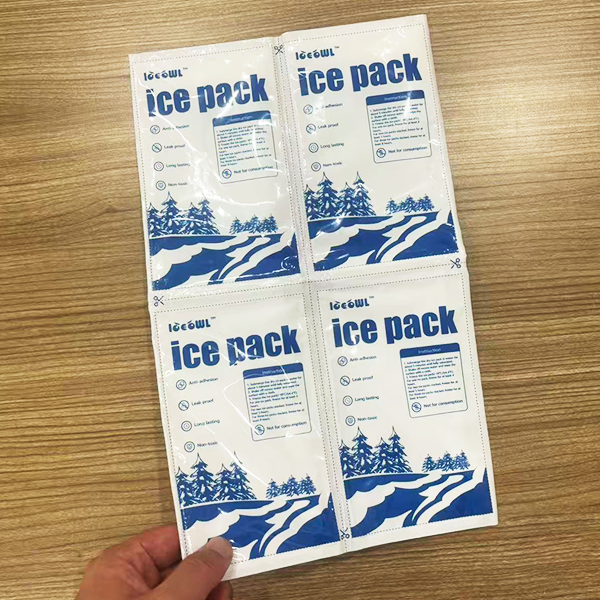
XL-Size Dry Ice Packs are available across gel and rigid “brick” formats, and case counts are predictable by size. In short: 32 oz usually ship 18 per case, 48 oz ship 12 per case, and 64 oz vary 4–10 per case depending on brand and film/foam style. You’ll also see 60 oz foam bricks at about 6 per case. This guide shows you how to choose, ship, and right-size purchases for 2025.
What counts as XL-size dry ice packs? Definitions, sizes, and when to choose gel vs. rigid bricks (long-tail: XL gel packs for frozen shipping).
How many per case, exactly? Case-count norms and why they differ by format (long-tail: 48 oz gel pack 12 per case).
How many do you need per box? A fast planning rule and validation tips (long-tail: XL dry ice packs case calculator).
Dry ice vs. −21 °C PCM? Choosing the safest, simplest option for your lane (long-tail: dry ice alternative PCM −21°C).
What counts as XL-size dry ice packs, and which size should you choose?
Answer in brief: XL-size dry ice packs typically mean 32–64 oz refrigerant packs in flexible gel or rigid brick styles. 32 oz fits narrow shippers; 48 oz is the common “large” workhorse; 64 oz delivers fewer touches and longer holds but has wider case-count swings. Dry ice packs here refer to gel/PCM coolants, not solid CO₂.
Why this matters to you: Larger packs cut picks and fill voids with fewer touchpoints. If you need 0–8 °C or moderate frozen holds, gel XL often avoids hazmat headaches. If you must keep ≤−20 °C for long durations, consider real dry ice with PI 954 labeling, or −21 °C PCM bricks when you want non-hazmat deep-frozen control. Always validate against your hottest lane profile.
How many XL-size dry ice packs per case by size?
Most teams standardize procurement using a simple map:
32 oz (gel): 18/case
48 oz (gel): 12/case
64 oz (gel): 4, 8, or 10/case (brand/film dependent)
60 oz foam brick (rigid): ~6/case
44 oz rigid brick: 18/case
56 oz rigid brick: 12/case
| Size & Style (XL) | Typical Case Count | Common Dimensions (in.) | What it means for you |
|---|---|---|---|
| 32 oz gel | 18 / case | ~10.5 × 5.5 × 1.25 | Narrow footprint; easy to stack; good for 24–48 h lanes. |
| 48 oz gel | 12 / case | ~10.5 × 7.5 × 1.25–1.5 | The “standard large”; balanced mass and placement flexibility. |
| 64 oz gel | 4–10 / case | ~11 × 8 × 1.5–2 | Fewer touches; verify brand-specific counts before ordering. |
| 60 oz foam brick | ~6 / case | ~9 × 8 × 1.5 | Rigid shape; resists compression under tight collars. |
| 44 oz rigid brick | 18 / case | ~8 × 8 × 1.75 | Stackable geometry; good for return/reuse programs. |
| 56 oz rigid brick | 12 / case | ~10.5 × 8 × 1.75 | High mass for 48–72 h frozen with robust insulation. |
Practical tips you can apply today
Frozen D2C, 24–36 h: Use one 64 oz or two 48 oz for similar mass; pick 48 oz if placement flexibility is vital.
Hot summer lanes (>35 °C), 48 h: Start with two 64 oz or three 48 oz and validate with data loggers.
2–8 °C biologics, 48 h: One 48 oz + one 24–32 oz often smooths swings better than a single large pack.
Real case: A frozen-food sender replaced four 16 oz packs with two 32 oz XL packs and cut packout time by ~25% while passing a 48-hour summer profile. The bigger units reduced leaks and improved temperature stability.
How many XL-size dry ice packs do you need per shipment?
Direct answer: Match pack mass to payload mass, insulation R-value, lane duration, and ambient swings. As a fast field rule, add one 48 oz for every 12–18 hours of extra exposure beyond a working baseline, then confirm with a chamber test or a lane pilot.
From your perspective: If you’re replacing many small packs, XL-size dry ice packs lower labor and reduce voids. For longer lanes or higher ambient heat, step up to 64 oz or add one more 48 oz. Always precondition packs fully and instrument a few shipments to measure worst-case dwell and sortation delays.
Quick sizing checklist for XL-size dry ice packs
Target temp: CRT (15–25 °C), Chill (2–8 °C), or Frozen (≤−10 °C)?
Transit hours: Door-to-door plus 20% slack for delays.
Insulation: EPS/VIP/paper liner; thicker walls reduce pack mass.
Payload: High-water foods have “free cooling”; low-moisture payloads warm faster.
Season & lane: Use a summer profile unless you have proven lane data.
XL-size dry ice packs vs. real dry ice and −21 °C PCM: which fits your lane?
Core guidance:
Use real dry ice (UN1845) for ultra-low targets or long, hot lanes. Mark “Dry Ice/Carbon dioxide, solid,” add net dry-ice mass (kg), use a Class 9 label, and keep packaging vented (IATA PI 954, 2025).
Choose −21 °C PCM bricks when you need non-hazmat frozen control (≤−18 °C) for 24–72 h with simpler ops.
Pick XL-size dry ice packs (0 °C gel) for 2–8 °C and short frozen holds without hazmat handling.
| Coolant | Regulatory status | Typical large-case counts | Your takeaway |
|---|---|---|---|
| Real dry ice (−78.5 °C) | Dangerous goods; IATA PI 954; vented pack required | Sold by weight | Maximum frozen margin; add labeling and training. |
| −21 °C PCM bricks | Not DG | 12–24 / case (large) | Deep-frozen control without hazmat paperwork. |
| 0 °C gel (XL-size dry ice packs) | Not DG | 12–18 / case (32–48 oz) | Easiest for 2–8 °C and moderate frozen holds. |
A copy‑and‑use calculator (paste into your SOP)
2025 trends shaping XL-size dry ice packs
What’s new this year: Air carriers refreshed dry-ice acceptance checklists; gel and −21 °C PCM options keep expanding for simpler ops. More senders validate to seasonal profiles to trim over-icing and reduce chargeable weight. Paper-based liners and returnable systems change coolant mass needs and case-buy planning. Updated passenger baggage rules still cap dry ice at 2.5 kg per traveler; commercial cargo follows PI 954.
Latest developments at a glance
Compliance clarity: 2025 job aids/checklists make UN1845 marks, net kg, and venting unambiguous.
Paper liners (48–72 h): Viable recyclable liners reduce gel mass requirements in some lanes.
Reusable systems: Growth in returnable shippers shifts spend from consumables to conditioning capacity.
Market insight: Pharma/diagnostics and e-grocery volumes continue to raise demand for XL-size dry ice packs and −21 °C PCM bricks. Expect pressure to reduce EPS, right-size gel mass, and document performance with data loggers.
Frequently Asked Questions
Do you offer larger or XL-size dry ice packs? How many per case?
Yes. XL typically means 32–64 oz. Expect 18/case at 32 oz, 12/case at 48 oz, and 4–10/case at 64 oz depending on format.
Are “dry ice packs” the same as real dry ice?
No. Many “dry ice packs” are gel or PCM coolants (non-hazmat). Real dry ice is solid CO₂ and regulated for air shipments.
What labels do I need in 2025 if I use real dry ice?
Mark UN1845, add the net dry-ice mass (kg), apply the Class 9 label, and ensure vented packaging per PI 954.
How many XL-size dry ice packs should I put in one box?
Start points: 1 × 64 oz for 24–36 h frozen; 2 × 48 oz for longer or hotter lanes. Validate with a lane pilot.
Can I fly with dry ice in baggage?
Passengers are limited to 2.5 kg (5.5 lb) per person with airline approval and vented packaging. Cargo uses PI 954.
Summary & recommendations
Key points: XL-size dry ice packs come in standard case counts—18/case (32 oz), 12/case (48 oz), and 4–10/case (64 oz)—with rigid bricks at 12 or 18/case by size. Choose gel XL for 2–8 °C and moderate frozen holds, −21 °C PCM for non-hazmat deep-frozen lanes, and real dry ice when you need maximum frozen margin. Validate with data loggers to match mass to your hottest lane.
Next steps (CTA):
Pick your XL format: 32 oz (18/case) for 24–48 h, or 48–64 oz for 36–72 h.
Run a one-box pilot: Instrument with a logger and use a summer profile.
Lock case forecasts: Use the calculator above and align buys with packout recipes.
Need help? Request a lane-specific packout and case plan from Tempk.
About Tempk
We design, validate, and supply cold-chain packaging that works in real lanes. Our team helps you choose between XL-size dry ice packs, −21 °C PCM, and real dry ice, then right-size case counts to hit hold times with minimal waste. Advantages you can measure: applied 7E/7D testing and supplier-agnostic optimization so you buy just enough refrigerant—no more, no less.
Call to action: Ready to size and forecast XL-size dry ice packs with confidence? Contact Tempk for a fast quote and a validated packout plan.
Amazon FBA Cold‑Pack Rules: Do Your SKUs Qualify?
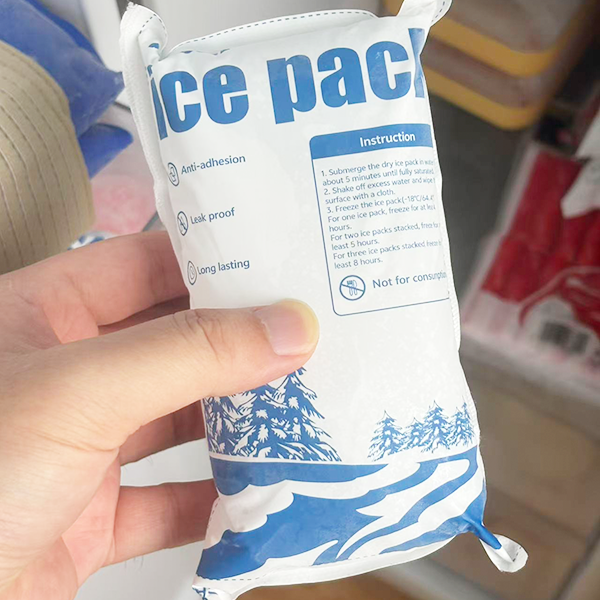
If you sell heat‑sensitive goods, you need Amazon FBA cold‑pack rules to work for you. This 2025 guide shows who qualifies, the exact meltable dates, and what to do when FBA won’t take chilled or frozen items. You’ll learn how to package, when to switch to FBM/SFP, and how to plan inventory to avoid refusals and write‑offs.
Which SKUs qualify under Amazon FBA cold‑pack rules (meltable vs. perishable)?
What are the 2025 meltable inventory dates and what changes this season?
How do you package for FBM/SFP with gel packs vs. dry ice?
When are refrigerated/frozen items never FBA‑eligible—and what are your options?
What qualifies under Amazon FBA cold‑pack rules in 2025?
Short answer: Shelf‑stable or meltable items (e.g., chocolate, gummies) can use FBA during the cool season; products requiring refrigeration or freezing are not FBA‑eligible year‑round. Cold packs don’t make an ineligible product eligible, and FBA facilities don’t provide chilled storage.
In practice: If your SKU remains safe at ambient warehouse temperatures, FBA is viable. If it must stay under fridge temps to remain safe, use FBM/SFP or a cold‑chain 3PL. For 2025, Amazon’s meltable fulfillment pauses May 1–Oct 13; receiving to stage Q4 inventory reopens Sept 22 and fulfillment resumes Oct 13. Plan send‑ins around those dates.
Meltable vs. perishable—where Amazon draws the line
Meltable = heat‑sensitive but not continuously refrigerated; allowed at FBA only outside the hot season.
Perishable = requires refrigeration/freezing at all times; not allowed at FBA any time of year.
A cold pack can protect a shipment, but it cannot convert a refrigerated SKU into FBA‑eligible inventory.
| Decision point | If “Yes” | If “No” | What it means for you |
|---|---|---|---|
| SKU remains safe at ambient temps | Likely FBA‑eligible | Use FBM/3PL | FBA for shelf‑stable; avoid cold‑dependent SKUs at FBA. Do they qualify for Amazon FBA … |
| Item is meltable but in season (Oct–Apr) | FBA is OK | Switch to FBM | Respect the May–Oct pause to avoid refusals. Do they qualify for Amazon FBA … |
| Product requires refrigeration/freezing | Not FBA‑eligible | FBM/3PL with cooling | FBA doesn’t chill or freeze, ever. Do they qualify for Amazon FBA … |
Practical tips and quick wins
Summer strategy: Run a shelf‑stable lineup at FBA; switch meltables to FBM during the pause.
Q4 prep: Land meltable FBA restocks Sept 22–Oct 12 for a clean Oct 13 restart.
Don’t use dry ice inbound: It’s Class‑9 hazmat for air and not appropriate for FC storage. Use it only for FBM/SFP.
Real case: A candy brand paused FBA in summer, switched to FBM with gel packs, and prestaged FBA inventory Sept 22–Oct 12. Refunds fell and Q4 sales rose once FBA resumed Oct 13.
Are refrigerated or frozen SKUs allowed under Amazon FBA cold‑pack rules?
No. Amazon FBA cold‑pack rules never allow items that require refrigeration or freezing. A cold pack in the box does not change eligibility, and FCs do not provide chilled storage or last‑mile cooling. Use FBM/SFP or a temperature‑controlled 3PL for these products.
What to do instead: Store in a cold facility, ship with insulated packaging and the right refrigerant, and limit transit time (1–2‑day service where possible). For frozen goods, dry ice is permissible for FBM/SFP with proper venting and labels; for chilled (32–60 °F), gel packs are typical.
Gel packs vs. dry ice—when to use which
Gel packs (refrigerated): Aim for 32–60 °F; no hazmat; watch condensation.
Dry ice (frozen): Keeps products frozen; Class‑9 for air; box must vent; label net weight.
Rule of thumb: Gel for chilled, dry ice for frozen—and never use dry ice for inbound FBA cartons.
| Pack‑out element | Chilled (gel) | Frozen (dry ice) | What it means for you |
|---|---|---|---|
| Insulation | Foam cooler / thick liner | Foam cooler / thick liner | Reduce headspace; tighter pack = longer hold. Do they qualify for Amazon FBA … |
| Coolant | Multiple gel packs | Dry ice, vented | Balance coolant mass with transit time. Do they qualify for Amazon FBA … |
| Moisture control | Poly bag + absorbent | Poly bag + absorbent | Protect labels, retail boxes, barcodes. Do they qualify for Amazon FBA … |
| Timing | Ship Mon–Wed | Ship Mon–Wed | Avoid weekend dwell to cut warm‑up risk. Do they qualify for Amazon FBA … |
Field‑tested suggestions
Hot lanes: Upgrade to faster service and add 1–2 extra gel packs in heat waves.
Condensation guard: Bag SKUs and wrap gel packs; add absorbent pads.
Proof: Spot‑test with temperature indicators or loggers to validate hold time.
Short case: A supplement brand stopped leaks by moving to foam coolers + multiple gel packs and avoiding Friday shipments; returns dropped materially.
Can cold packs “qualify” inbounds under Amazon FBA cold‑pack rules?
No. Cold packs don’t make a cold‑dependent product eligible for FBA, and dry ice in inbound cartons can trigger hazmat issues (Class‑9 for air). Amazon FBA cold‑pack rules address seller‑fulfilled packing guidance—not cold storage inside FCs. Keep coolants for FBM/SFP shipments to customers.
Inbound do’s and don’ts (quick check)
Do: Send shelf‑stable and in‑season meltables to FBA.
Don’t: Include dry ice or cold packs for in‑FC temperature control—FBA isn’t chilled storage.
Do: Meet barcode, leak‑proof, and drop‑test basics to avoid refusals.
Amazon FBA cold‑pack rules 2025: dates, planning, and inventory
Key dates (U.S. 2025): No meltable fulfillment May 1–Oct 13. Receiving reopens Sept 22 to stage inventory; FBA fulfillment resumes Oct 13. Build your calendar and merchandising around these cut‑offs.
2‑minute qualification check (interactive)
Does your SKU remain safe at ambient temps with no continuous refrigeration?
Is it non‑meltable, or if meltable, will you avoid FBA during May–Oct?
Do your cartons exclude hazardous coolants and meet labeling/leak‑proof rules?
Is the ASIN non‑hazmat (or pre‑approved) and properly prepped?
All “Yes” → Likely FBA‑eligible; any “No” → FBM/SFP or cold‑chain 3PL.
Action plan you can run this week
Classify SKUs: Shelf‑stable, meltable, or perishable.
Map channels: FBA for shelf‑stable/in‑season meltables; FBM/3PL for chilled/frozen.
Stage Q4: Land meltables Sept 22–Oct 12; flip listings to FBA Oct 13.
Codify SOPs: Insulation, gel/dry‑ice, labeling, and Mon–Wed ship cadence.
2025 cold‑chain developments and trends
What’s new: Amazon communicated meltable windows earlier and affirmed the Sept 22 intake for 2025. Brands standardized liners, absorbents, and “ship‑by‑Monday” rules. Carriers continue strict dry‑ice compliance for air. Bottom line: plan around the seasonal FBA window, and mature your FBM kit for summer.
Quick snapshot
Earlier staging: The Sept intake helps you pre‑position for Q4 without heat risk.
Clearer coolant guidance: Gel packs for 32–60 °F; dry ice for frozen.
Operational rigor: More teams adopt documented pack‑outs and QA checks.
Market insight: Successful brands pair FBA (shelf‑stable) with FBM/3PL (temp‑controlled) to sell year‑round while staying within Amazon FBA cold‑pack rules.
Frequently Asked Questions
1) Can cold packs make a refrigerated product FBA‑eligible under Amazon FBA cold‑pack rules?
No. If a SKU requires refrigeration/freezing, it’s prohibited at FBA year‑round; use FBM/SFP or a cold‑chain 3PL.
2) Can I send inbound FBA cartons with dry ice?
Avoid it. Dry ice is Class‑9 for air, and FCs aren’t temperature‑controlled; use dry ice only for FBM/SFP to customers.
3) What dates matter for meltables in 2025?
No fulfillment May 1–Oct 13; receiving reopens Sept 22; fulfillment resumes Oct 13. Verify your marketplace region.
4) What’s the simplest packing rule for FBM?
Insulate → add the right coolant → control moisture → ship early week. Gel for chilled, dry ice for frozen.
5) Does Amazon ever chill or freeze inventory for Marketplace sellers?
No. FBA is ambient. Temperature‑controlled storage requires your own FBM workflow or a 3PL.
Summary & recommendations
Key takeaways: Amazon FBA cold‑pack rules allow meltables only in cool months and never accept refrigerated/frozen goods. Cold packs protect shipments but don’t change FBA eligibility. Plan around the May–Oct pause, stage inventory Sept 22–Oct 12, and harden your FBM pack‑out (insulation, gel/dry‑ice, labels, timing).
Next steps: Classify SKUs, align channels, calendar the 2025 dates, and implement a documented FBM SOP. Need help? Book a 20‑minute consult with Tempk’s cold‑chain team to audit your catalog and pack‑outs.
About Tempk
We’re a cold‑chain packaging and analytics company helping Amazon brands ship chilled or frozen items via FBM/SFP and keep shelf‑stable lines optimized at FBA. Our kits include tested gel‑pack configurations, liner/absorber specs, and dry‑ice SOPs mapped to carrier/DOT rules—so your team spends less time troubleshooting and more time selling.
CTA: Talk to Tempk specialists for a tailored cold‑pack spec and an FBA/FBM switch‑over plan.
Do Dry Ice Packs Produce Fog Like Dry Ice?
Do Dry Ice Packs Produce Fog Like Dry Ice?
Short answer: no—dry ice packs don’t produce fog. Real fog forms when solid CO₂ at −78.5 °C chills humid air; the cloud is condensed water, not gas. Because dry ice packs are sealed coolants, they don’t off‑gas, so dry ice packs produce fog only as a brief surface haze at unboxing in very humid rooms. You get stable temperatures, cleaner presentation, and easier compliance.
Why don’t dry ice packs produce fog? Simple physics and practical proof for receivers.
When might you see a brief haze? Humidity-driven condensation, not CO₂ fog.
How do packs compare to real dry ice? Hold time, safety, and UN1845 compliance.
What’s the no‑fog packout? A repeatable method for clean deliveries.
Why don’t dry ice packs produce fog during shipping?
Direct answer:
Dry ice packs don’t off‑gas CO₂, so they don’t make fog. The visible “smoke” from real dry ice is just chilled water droplets forming in humid air. Sealed gel or PCM packs change phase to hold temperature but dry ice packs produce fog only as a momentary, harmless haze from ambient moisture.
Expanded explanation:
Think of fog like the mist on a cold mirror after a hot shower. Real dry ice creates very cold, CO₂‑rich air that condenses moisture into a sinking cloud. Packs keep the coolant inside a film or hard shell; there’s no gas plume, so dry ice packs produce fog only if warm, wet air hits a cold surface at open. It dissipates quickly, doesn’t sink, and won’t trigger hazmat concerns.
When can dry ice packs produce fog briefly at unboxing?
Details:
You might see a wispy mist if you open a pre‑chilled shipper in a humid room. That’s dew point physics, not CO₂. It clears in seconds and never behaves like a heavy, low‑lying dry‑ice cloud. To minimize even this effect, pre‑chill the shipper, limit headspace, and stage openings in moderate humidity. In data‑logged trials, dry ice packs produce fog less than two seconds in >60% RH rooms, with no safety impact.
| Cooling Option | Fog Risk | Gas Release | What It Means for You |
|---|---|---|---|
| Real dry ice (UN1845) | High in humid/warm air | Yes (CO₂) | Theatrics and CO₂—venting and labels required. |
| PCM/gel “dry ice packs” | No (brief condensation only) | No | Clean unboxing and simpler compliance. |
| Hybrid (dry ice + PCMs) | From the dry ice only | Yes | Use vented design; control presentation. |
Practical tips and no‑fog habits
Front-of-store unboxing: Stage in moderate humidity; crack lids slowly.
Use “no‑sweat” wraps: Reduce surface condensation on labels and leaflets.
Right setpoint PCMs: Match −21 °C / 0 °C / 5 °C to the lane; over‑cooling invites condensation.
Real case: A biologics lane swapped 100% dry ice for a −21 °C PCM core plus 5 °C jackets. Receivers reported no visible fog, fewer “wet box” complaints, and stable −15 to −25 °C profiles across 72 hours.
Will dry ice packs produce fog on planes or in hybrid packouts?
Direct answer:
Only the dry‑ice portion fogs. In air shipments, UN1845 dry ice must vent by design; that gas can create visible fog at handoff. PCM packs do not. In hybrids, dry ice packs produce fog only if real dry ice is present and exposed to humid air.
What to do:
Use vented shippers per IATA PI 954. Buffer the dry ice with −21 °C PCMs to flatten spikes and reduce mass. For retail or patient‑facing deliveries, choose no‑dry‑ice packouts so dry ice packs produce fog is never a concern.
Dry ice packs produce fog vs temperature goals
Details:
When targets are 2–8 °C, dry ice packs produce fog never—there’s no off‑gassing. For −20 °C lanes up to 72 hours, high‑latent −21 °C PCMs can replace or minimize dry ice. For ≤−70 °C, keep dry ice but vent correctly and message receivers about expected fog.
2025 trends: cold chain without theatrics
Trend overview:
Shippers are pivoting to PCM‑first designs, better insulation, and smarter vent paths to reduce dry‑ice mass and complaints about fog at unboxing. IoT loggers verify control without theatrics. In 2025 validations, PCM integration extends stability and cuts dry‑ice usage—so dry ice packs produce fog less often in real operations.
Latest progress at a glance
Right‑temperature PCMs: Tighter −21/0/5 °C plateaus for longer lanes.
Compliance by design: Vented hybrids align with PI 954 while limiting visible fog.
Risk reduction: Less dry ice means lower CO₂ accumulation and faster handoffs.
Market insight:
Sectors with customer‑facing deliveries (meal kits, pharmacy) prioritize “no‑fog” unboxing. Many biologics lanes now validate PCM‑only for 2–8 °C and hybridize only for deep‑frozen, keeping dry ice packs produce fog out of the experience.
FAQ
Do dry ice packs produce fog like real dry ice?
No. Packs don’t off‑gas; fog comes from cold CO₂ chilling humid air. Use packs for clean, no‑fog unboxing.
Is the white cloud CO₂?
The cloud is water droplets. CO₂ is invisible; the gas drives condensation and needs ventilation in confined spaces.
Will dry ice packs produce fog if I open in a hot warehouse?
At most a brief haze from humidity. It clears fast and isn’t a safety issue.
How do I avoid any visible cloud with hybrids?
Reduce dry‑ice mass, place −21 °C PCMs around the payload, and vent the shipper. Open slowly in moderate humidity.
Can fog indicate good cooling?
No. Trust data loggers, not visuals. Fog says “CO₂ present,” not “in‑range temperature.”
Summary & recommendations
Key points:
Dry ice packs don’t produce fog because they don’t release gas. Real dry‑ice fog is condensed moisture, not smoke. For 2–8 °C and most −20 °C lanes, PCM‑only packouts deliver stable control and clean presentation. Hybridize only when ≤−70 °C is required.
Next steps (action plan):
Define range and lane length. 2) Pick PCM setpoints and mass. 3) Pre‑condition PCMs at setpoint, not “as cold as possible.” 4) Upgrade insulation before adding coolant. 5) For hybrids, follow UN1845 and PI 954. 6) Add a receiver note explaining why dry ice packs produce fog is not expected.
About Tempk
We engineer fog‑free, audit‑ready packouts for regulated shippers. Our portfolio spans validated insulated shippers, high‑latent PCM bricks, and real‑time temperature/CO₂ logging. Customers report fewer excursions and faster, cleaner handoffs with no‑fog openings.
CTA: Talk to a cold chain specialist to spec a fog‑free packout and lane simulation today.
Do You Need Vented Packaging for Dry Ice Shipping?
Do You Need Vented Packaging for Dry Ice Shipping?
Yes—use vented packaging for dry ice to prevent CO₂ pressure, pass acceptance checks, and protect handlers. It’s required under IATA PI 954 for air and aligned with U.S. 49 CFR §173.217. Mark UN 1845, show net dry ice (kg), and avoid airtight builds. In 2025, carriers verify vent paths and labels before uplift, and operator limits may be stricter than the rules allow.
Why vented packaging for dry ice prevents pressure buildup and failures
Which 2025 rules apply (IATA PI 954, 49 CFR) and how carriers enforce them
How to pack, mark, and label with UN 1845 for fast acceptance
How much dry ice you can ship by air, and when limits are lower
How to size coolant and choose compliant packaging for your route
What does vented packaging for dry ice mean—and why now?
Core answer: Your package must release CO₂ gas; it cannot be airtight. That’s explicit in IATA PI 954 and mirrored for U.S. transport in 49 CFR §173.217. Practically, pair a rigid insulated inner (EPS/EPP) with a fiberboard outer, seat the inner lid without hermetic seals, and close the outer so gas can escape. Carriers reject airtight boxes because trapped CO₂ can bulge or burst containers.
Why it matters to you: Dry ice at −78.5 °C sublimates directly to gas. In a sealed container, pressure rises fast, risking rupture and handler injury. 2025 acceptance checks look for clear UN 1845 marks, net kilograms, and evident venting. Using vented packaging for dry ice prevents incidents, speeds counter checks, and keeps your shipment lawful across modes.
How much CO₂ does dry ice make in a small box?
A little dry ice becomes a lot of gas—roughly hundreds of liters from small masses—so a tight container can over‑pressurize quickly. Keep headspace, avoid heat‑sealed liners around dry ice, and never tape over intentional vents. Vented packaging for dry ice lets gas leave gradually without compromising hold time when insulation is sized right.
| Packaging Setup | Airtight? | Vent Path | What it means for you |
|---|---|---|---|
| Foam inner + carton outer, lid seated | No | Lid gap + carton seams | Compliant, safe pressure release |
| Gasketed plastic cooler, latches tight | Yes | None | Not compliant; change design or vent |
| Liner bag heat‑sealed around dry ice | Yes | None | Prohibited; close bag, don’t seal |
| Shrink‑wrapped overpack no holes | Yes | None | Rebuild to allow CO₂ escape |
Practical tips you can use today
If you use a liner bag: close it but don’t fully seal around dry ice.
Do I need vented packaging when…
Gasketed inners: confirm self‑venting design or switch to a vented foam shipper.
Do I need vented packaging when…
Workspace safety: follow CO₂ exposure guidance (TWA 5,000 ppm; STEL 30,000 ppm).
Do I need vented packaging when…
Real‑world case: A lab replaced airtight coolers with self‑venting foam + labeled outers. Acceptance rejections dropped to zero and packout time fell by 20% across three lanes in peak season.
How do you pack and label with vented packaging for dry ice?
Short answer: Select a vent‑permissive inner, add spacers, keep headspace, and close the outer without trapping gas. Mark “Dry ice” or “Carbon dioxide, solid,” UN 1845, net dry ice in kg, plus shipper/consignee. Many lanes don’t need a DGD, but PI 954 still applies.
Step‑by‑step you can copy:
Pick the package: rigid foam inner + fiberboard outer; avoid hermetic designs.
Load: place dry ice above/around product with spacers; don’t bag it airtight.
Close: secure outer; do not tape over vents or clamp inner lids tight.
Mark: UN 1845, proper shipping name, net kg dry ice, addresses, Class 9 label.
Mini How‑To: Marking UN 1845 correctly
Put required marks on one vertical side, legible and unobstructed: “DRY ICE” (or “CARBON DIOXIDE, SOLID”), UN 1845, NET WEIGHT: X.XX kg, shipper/consignee, Class 9 label. Keep pre‑printed labels and a kg‑only scale at packout to avoid counter delays.
Compliance checklist & decision tool: vented packaging for dry ice
Copy, answer Yes/No, then act on any “No.”
How much dry ice can you ship by air in 2025?
Up to 200 kg net per package under IATA PI 954; operators may set lower caps. For personal carry, passengers may bring ≤2.5 kg with airline approval in vented packaging. Always check service guides for route‑specific limits before packout.
Sizing coolants and choosing vented packaging for dry ice
Pick your coolant to match the target temperature band and route duration. Start with 2–6 kg per 24 h for mid‑size foam shippers, then calibrate with a data logger.
| Use case | Target band | Coolant choice | What to do |
|---|---|---|---|
| Ice cream & desserts | ≤ −18 °C | Dry ice | Use spacers; document net kg on label |
| Frozen meat/seafood | ≤ −18 °C | Dry ice or −21 °C PCM | Verify operator caps; keep vent paths clear |
| 2–8 °C pharma | +2 to +8 °C | +5 °C PCM/gel | Often no dry ice needed; if used, still vent |
| 15–25 °C sensitive | +15 to +25 °C | +20 °C PCM | Consider real‑time loggers for hot lanes |
Dry ice alternatives (ultra‑cold PCMs) can cut hazardous labels and venting needs when your product tolerates the profile—pilot before scale.
2025 trends in vented packaging for dry ice shipping
Trend snapshot (2025): Acceptance teams rely on updated checklists; clear net‑kg and unobstructed Class 9 labels are non‑negotiable. Reusable EPP inners with natural venting rise, and training materials simplify PI 954 onboarding for new packers. Expect tighter operator variations on certain routes in peak months.
Latest progress at a glance
Smarter vented containers: Self‑venting inners and clearer closure guidance reduce rework at tender.
Do I need vented packaging when…
Sustainability push: Durable, reusable EPP systems cut foam waste while meeting venting rules.
Do I need vented packaging when…
Audit readiness: Logger data and standardized labels speed root‑cause reviews after excursions.
Do I need vented packaging when…
Market insight: With frozen and biotech volumes growing, carrier screening tightens. Teams that standardize vented packaging for dry ice and label kits see fewer holds and faster acceptance in 2025.
Frequently Asked Questions
Do I always need vented packaging for dry ice by air?
Yes. PI 954 requires packages to permit CO₂ release; carriers enforce it at check‑in. Use non‑airtight builds and correct UN 1845 marks.
What’s the max dry ice per package?
Up to 200 kg under PI 954; operators can set lower limits. Check your service guide before shipping.
What exact marks must appear on the box?
“Dry ice” or “Carbon dioxide, solid,” UN 1845, net dry ice (kg), shipper/consignee, plus the Class 9 label.
Can I fully seal the liner to contain odors?
No. Close liners but don’t heat‑seal around dry ice; gas must escape safely.
Does venting shorten hold time?
Not materially. Insulation quality and ice mass dominate. Design venting correctly and size the coolant to your route.
Summary & Recommendations
Remember: Vented packaging for dry ice prevents pressure hazards and is required for air. Mark UN 1845 with net kg, use vent‑permissive inners, and respect operator variations. Most delays trace to airtight builds or missing net‑kg marks. Standardize labels, right‑size boxes, and log your lanes to dial in mass.
Next steps (fast path):
Audit your shippers for clear vent paths.
Stock UN 1845 labels and a kg‑only scale at packout.
Pilot 2–3 routes with loggers; lock SOP by lane.
Refresh PI 954 training before peak season; confirm operator caps.
About Tempk
We design cold‑chain packaging that stays compliant and simple to use. Our self‑venting EPP inners, labeling kits, and route‑tested SOPs help your team clear acceptance on the first attempt while reducing rework. Customers report fewer relabels and faster tender after standardization. Let’s make compliant cold shipping easy.
Call to action: Talk to a Tempk specialist to standardize your vented packaging for dry ice program and accelerate acceptance.
Hydrate a Dry Ice Pack Before Freezing? The Right Way
Hydrate a Dry Ice Pack Before Freezing? The Right Way
Updated: September 15, 2025
Yes—hydrate a dry ice pack before freezing when it’s a hydratable ice sheet; do not hydrate prefilled gel, PCM, or CO₂ dry ice. In the first 50 words you’ll learn how to hydrate a dry ice pack before freezing correctly, how to precondition gel and PCM packs, and what to do for CO₂ dry ice so your shipment stays in range with fewer surprises.
When to hydrate hydratable sheets and when not to, using brand‑agnostic rules
The correct activation method for sheets, gel packs, PCM, and CO₂ dry ice
Batch preconditioning times that reduce early warmups and excursions
2025 changes that affect how you hydrate a dry ice pack before freezing
When should you hydrate a dry ice pack before freezing?
Direct answer: Hydrate a dry ice pack before freezing only if it’s a hydratable ice sheet. Prefilled gel packs, PCM bricks, and true CO₂ dry ice never require hydration; they need time‑ and temperature‑specific preconditioning instead. This distinction prevents underperforming packs and compliance problems in air lanes.
Why it matters: Many suppliers label polymer ice sheets as “dry ice packs.” Those must be soaked once to activate the absorbent cells, then frozen flat. Gel packs are already filled; PCM packs are labeled with a setpoint (e.g., +5 °C, −21 °C) and must be charged to that temperature. CO₂ dry ice is solid carbon dioxide and is handled under IATA PI 954, not “hydrated.”
How to hydrate a dry ice pack before freezing (hydratable sheets)
Step‑by‑step:
Submerge the sheet in warm water for 10–15 minutes; keep it weighted so all cells stay under water.
Gently massage to expel trapped air; let cells fully expand.
Shake and pat dry to remove surface water.
Freeze flat for ≥24 hours at ≤−18 °C; interleave sheets to prevent sticking.
This method consistently boosts uniformity and hold time while avoiding “bricked” corners.
| Refrigerant | Activation Needed? | Preconditioning Target | What it means for you |
|---|---|---|---|
| Hydratable ice sheet | Yes – soak 10–15 min; dry; freeze flat ≥24 h | Freezer ≤−18 °C | Light inbound freight; shape‑conforming cold |
| Prefilled gel pack | No hydration | Frozen (≤0 °C) or 2–8 °C | Simple SOP; plan enough freeze time |
| PCM brick (+5 °C/−21 °C) | No hydration | Charge at labeled setpoint (≥24–48 h) | Narrow‑range control; safer for freeze‑sensitive goods |
| CO₂ dry ice (UN1845) | Never hydrate | N/A; ensure venting and labeling | Long frozen hold; follow IATA PI 954 acceptance items |
Practical tips you can use today
Small cells: 5–10 min soak; stubborn cells need in‑bath scrunching.
Large sheets: 10–15 min soak; blot thoroughly to stop sheets sticking.
QA checklist: note lot/date, soak time, water temp; freeze location/rack.
Real‑world case: A meal‑kit startup standardized a 12‑minute soak and 36‑hour flat freeze. Lane pass rate rose from 86% to 98%, while inbound refrigerant freight fell 42% because sheets ship dry.
Do gel or PCM packs require you to “hydrate a dry ice pack before freezing”?
Short answer: No. Do not hydrate gels or PCM. Precondition them long enough and at the correct temperature.
Working ranges that prevent early warmups:
Gels: single packs need 12–24 h to freeze; cases 24–48 h; pallets can require multiple weeks in standard cold storage.
PCM +5 °C: charge ≥24 h in a 2–8 °C fridge; verify panels are mostly solid near 4–5 °C.
PCM −21 °C: charge 24–48 h in a freezer below −21 °C; allow airflow and spacing.
This preconditioning—not hydration—drives hold‑time performance.Do I need to hydrate a dry ice …
Gel/PCM handling shortcuts that really work
Leave ~1.5 cm spacing between bricks during charge for uniform cores.
If you hear slush in +5 °C PCM, it isn’t fully charged; extend hold.
For freeze‑sensitive goods (e.g., vaccines), avoid direct contact with rock‑hard frozen packs; use +5 °C PCM or buffer layers.
Is “dry ice” the same as a “dry ice pack”—and should you hydrate a dry ice pack before freezing for CO₂ lanes?
They’re different. Dry ice packs (sheets/gels/PCM) are water‑based or phase‑change products. CO₂ dry ice is solid carbon dioxide at ~−79 °C and is never hydrated. For air transport, follow IATA DGR (PI 954) Class 9 rules: venting, UN1845 marks, net weight, and acceptance checklist. Build a 60‑second pre‑tender check so boxes aren’t rejected at the dock.
2025 trends that change how you hydrate a dry ice pack before freezing
What’s new this year: Teams are formalizing preconditioning SOPs (time, temp, airflow) to meet USP <1079> expectations, while the IATA DGR 66th edition sharpened labeling/marking for UN1845 acceptance. Ready‑to‑use pre‑charged refrigerant services are rising, and +5 °C PCM adoption keeps growing to reduce freeze risk versus hard‑frozen gels.
Latest at a glance
Checklist culture: Faster, safer IATA acceptance with PI 954‑aligned forms.
OQ mindset: Documented gel/PCM charge improves audit outcomes.
Hydratable sheets: Still popular for food/OTC due to low inbound freight and 10–15 min activation.
Market insight: Shippers are moving from “freeze and hope” to evidence‑based preconditioning. That shift lowers excursions and makes audits easier—but only if SOPs clearly state when to hydrate a dry ice pack before freezing and when to precondition instead.
FAQs
Do I need to hydrate a dry ice pack before freezing for vaccines?
Use +5 °C PCM; do not hydrate gels/PCM. Hydrate only hydratable sheets. Keep frozen bricks off vials to avoid freezing injury.
What is the correct activation method for hydratable sheets?
Soak 10–15 min, massage cells, pat dry, and freeze flat ≥24 h at ≤−18 °C.
How long to precondition +5 °C PCM?
Plan ~24 h in a 2–8 °C fridge with airflow and spacing; verify they’re mostly solid.
Should I ever hydrate gel packs?
No. Precondition gels to frozen or 2–8 °C targets; avoid shortcuts that under‑freeze packs.
Can I hydrate a dry ice pack before freezing every cycle?
No. Hydratable sheets are one‑time activation; occasional re‑soak can refresh flattened cells after many uses.
Actionable self‑check (1‑minute tool)
What’s your target range?
Frozen (≤−20 °C) → CO₂ dry ice or −21 °C PCM
2–8 °C → +5 °C PCM or refrigerated gels
What’s in hand today?
Flat cell sheet → hydrate a dry ice pack before freezing
Pillow gel / PCM brick → no hydration; precondition
Route length & weather?
≤24 h mild → single layer may work
24–48 h or hot → add top‑and‑bottom layers; minimize voids
Air shipping with CO₂?
UN1845, venting, PI 954 label/marks, net weight documented
Summary & recommendations
Hydrate a dry ice pack before freezing only for hydratable sheets: soak → dry → freeze flat.
Do not hydrate gels or PCM; precondition to target temps with adequate time and airflow.
Never hydrate CO₂ dry ice; follow PI 954 for air lanes.
Document soak/charge times, temps, and lots to reduce excursions and ace audits.
Next steps:
Implement the hydration SOP for sheets and a 36‑hour flat freeze window.
Build a charge‑time matrix for gel/PCM by batch size; verify solid state before pack‑out.
Adopt the 2025 IATA acceptance checklist for UN1845 dry ice. Talk to Tempk’s cold‑chain team to tailor these steps to your lanes.
About Tempk
We design and validate passive cold‑chain systems—from hydratable sheet workflows to +5 °C / −21 °C PCM systems and IATA‑compliant dry‑ice shippers. Our lab supports OQ profiles and MKT reviews with right‑sized documentation and measurable savings, so you spend less time troubleshooting and more time shipping on‑temperature.
Call to action: Need a one‑page SOP, a preconditioning matrix, or lane‑specific validation? Contact Tempk for a free consultation.
Do Dry Ice Packs Produce Fog Like Real Dry Ice? Key Differences Explained
Do Dry Ice Packs Produce Smoke or Fog Like Real Dry Ice?
Are you wondering whether dry ice packs produce the same dramatic fog or smoke effect as real dry ice? Understanding the differences between dry ice packs and real dry ice is crucial when shipping perishable items, especially those requiring temperature-sensitive transportation. Dry ice packs and real dry ice behave quite differently in terms of temperature control and visual effects. In this article, we’ll explain the science behind these two cooling methods, why they differ, and how to identify each during use.
Do dry ice packs produce fog or smoke like real dry ice?
What are the key differences between dry ice packs and real dry ice?
How can you tell the difference between dry ice packs and real dry ice?
Why is it important to distinguish between dry ice packs and real dry ice for safety and efficiency?
Do Dry Ice Packs Produce Smoke or Fog Like Real Dry Ice?
One of the most iconic features of real dry ice is its ability to produce fog or smoke when it sublimates. However, dry ice packs behave very differently. Dry ice packs do not produce the same fog effect because they don’t undergo the same sublimation process as real dry ice. In this section, we will explore why real dry ice produces fog and why dry ice packs do not.
Why Real Dry Ice Produces Fog
Real dry ice is the solid form of carbon dioxide (CO₂), which sublimes at very low temperatures. As the solid dry ice turns into a gas, it causes surrounding moisture to condense, forming the visible fog or smoke. This fog is a mixture of condensed water vapor, not CO₂ gas, and its density makes it hang low to the ground.
Why Dry Ice Packs Don’t Produce Fog
Unlike real dry ice, dry ice packs do not undergo sublimation. Dry ice packs are made from polymer-based gel materials or phase-change materials (PCMs) that freeze and thaw like typical ice. When these packs are activated, they do not release gases, meaning no fog is formed. These packs simply cool items without producing the dramatic fog effect associated with dry ice.
| Feature | Real Dry Ice | Dry Ice Packs |
|---|---|---|
| Composition | Solid CO₂ | Gel-based materials or PCMs |
| Cooling Duration | Long-term (48+ hours) | Short-term (12-48 hours) |
| Fog Production | Yes (produces fog) | No (no fog production) |
| Temperature | -78.5°C (-109.3°F) | 0°C to 10°C (32°F to 50°F) |
| Safety Concerns | Risk of frostbite, suffocation from CO₂ | Safer, no CO₂ gas release |
Key Differences Between Dry Ice Packs and Real Dry Ice
Dry ice packs and real dry ice may both serve as cooling agents in the cold chain industry, but they differ significantly in their composition, functionality, and safety profiles. Understanding these differences is essential for selecting the most appropriate cooling solution.
1. Composition and Materials
Real Dry Ice: Composed of solid CO₂, which sublimates into carbon dioxide gas at temperatures below -78.5°C (-109.3°F).
Dry Ice Packs: Made of gel-based materials or PCMs, which absorb and release heat when frozen or activated with water. These do not sublimate.
2. Temperature and Duration of Cooling
Real Dry Ice: Extremely cold, perfect for freezing items and long-term cooling. Dry ice keeps items frozen for extended periods.
Dry Ice Packs: Generally maintain a refrigerated temperature range (0°C to 10°C), ideal for short-term cooling (12-48 hours).
3. Safety Considerations
Real Dry Ice: Requires special handling, as it can cause frostbite on contact and may lead to suffocation in poorly ventilated spaces due to the CO₂ gas it emits.
Dry Ice Packs: Much safer to handle. They do not emit gases and are commonly used for consumer-grade shipments where safety is a concern.
How Can You Tell the Difference Between Dry Ice Packs and Real Dry Ice?
Identifying whether you are dealing with dry ice packs or real dry ice is essential, especially when handling shipments containing temperature-sensitive goods. Here are some key indicators to help you tell them apart.
1. Visual Appearance
Real Dry Ice: Appears as solid blocks or pellets and produces visible fog when exposed to air.
Dry Ice Packs: Typically look like plastic bags or flexible sheets filled with non-toxic gel or liquid and do not produce fog or smoke.
2. Temperature
Real Dry Ice: Extremely cold to the touch, often below -78.5°C (-109.3°F), which can cause frostbite if handled improperly.
Dry Ice Packs: Cold to the touch, but not dangerously so. Typically ranging from 0°C to 10°C (32°F to 50°F).
3. Handling and Safety
Real Dry Ice: Requires gloves or special equipment to handle safely due to its extreme cold and the potential risks associated with CO₂ gas buildup.
Dry Ice Packs: Safe to handle with bare hands, as they do not release any gases and are less cold, making them safer for most applications.
Why It’s Important to Distinguish Between Dry Ice Packs and Real Dry Ice
Accurately distinguishing between dry ice packs and real dry ice is important for several reasons:
1. Safety
Misidentifying dry ice packs as real dry ice can result in unsafe situations, such as frostbite from direct contact with dry ice or suffocation in enclosed spaces due to the CO₂ gas. Dry ice packs are safer for general use and do not pose these hazards.
2. Performance and Suitability
Real dry ice is best suited for deep freezing applications, especially in long-haul shipments where items need to stay frozen. Dry ice packs are more practical for items requiring refrigeration, and their cooling duration is ideal for short-term shipments.
3. Shipping Regulations
Real dry ice is classified as a hazardous material due to the potential risks of CO₂ gas. It requires special labeling, packaging, and ventilation during shipping. Dry ice packs, on the other hand, are considered non-hazardous and do not require such stringent regulations.
2025 Trends in Dry Ice and Cold Chain Logistics
The cold chain logistics industry is evolving rapidly, and with advancements in technology, the methods of using dry ice and dry ice packs are also changing. Let’s take a look at some key trends in 2025:
Latest Developments
Smart Cold Packaging: Real-time temperature sensors integrated into cold packs allow businesses to monitor shipments effectively and ensure that the correct temperatures are maintained throughout transit.
Sustainable Alternatives: Companies are increasingly looking for eco-friendly cold pack solutions. Biodegradable and recyclable alternatives to dry ice are gaining traction in response to growing sustainability concerns.
Advanced Insulation Materials: New materials are being developed that improve the performance of both dry ice and dry ice packs, enabling longer-lasting and more efficient cooling.
Market Insights
As industries such as pharmaceuticals, food delivery, and e-commerce continue to grow, the demand for cold chain solutions is increasing. Dry ice is still the go-to option for long-term frozen shipments, while dry ice packs are becoming more popular for shorter, refrigerated shipments due to their ease of use, safety, and versatility.
Frequently Asked Questions (FAQ)
Do dry ice packs produce fog like real dry ice?
No. Dry ice packs do not produce fog because they do not undergo sublimation. They are made from gel or phase-change materials that freeze and thaw like regular ice.
How can I tell the difference between dry ice and dry ice packs?
Dry ice is extremely cold and produces fog when exposed to water, whereas dry ice packs are colder than regular ice but do not produce fog or gas. Dry ice packs are safer to handle and do not require special ventilation.
Conclusion and Recommendations
Understanding the key differences between dry ice packs and real dry ice is essential for ensuring the safety and efficiency of cold chain logistics. For deep freezing shipments, real dry ice is the ideal choice, but for shorter durations and non-frozen shipments, dry ice packs provide a safer, more manageable solution.
Next Steps:
Choose the appropriate cooling solution based on your specific shipping needs (frozen vs. refrigerated).
Always follow safety protocols, especially when using real dry ice.
Consider sustainable alternatives for your shipping requirements in the future.
About Tempk
At Tempk, we specialize in providing advanced cold chain solutions for shipping and logistics. Our products, including high-performance dry ice packs and insulated containers, ensure that your products remain at the right temperature during transport.
Ready to optimize your cold chain? Contact Tempk for expert advice or to get a quote today!