


Can Dry Ice Be Used in a Soft Cooler Bag Safely? Best Practices and Alternatives
Can Dry Ice Be Used in a Soft Cooler Bag Safely? Best Practices and Alternatives
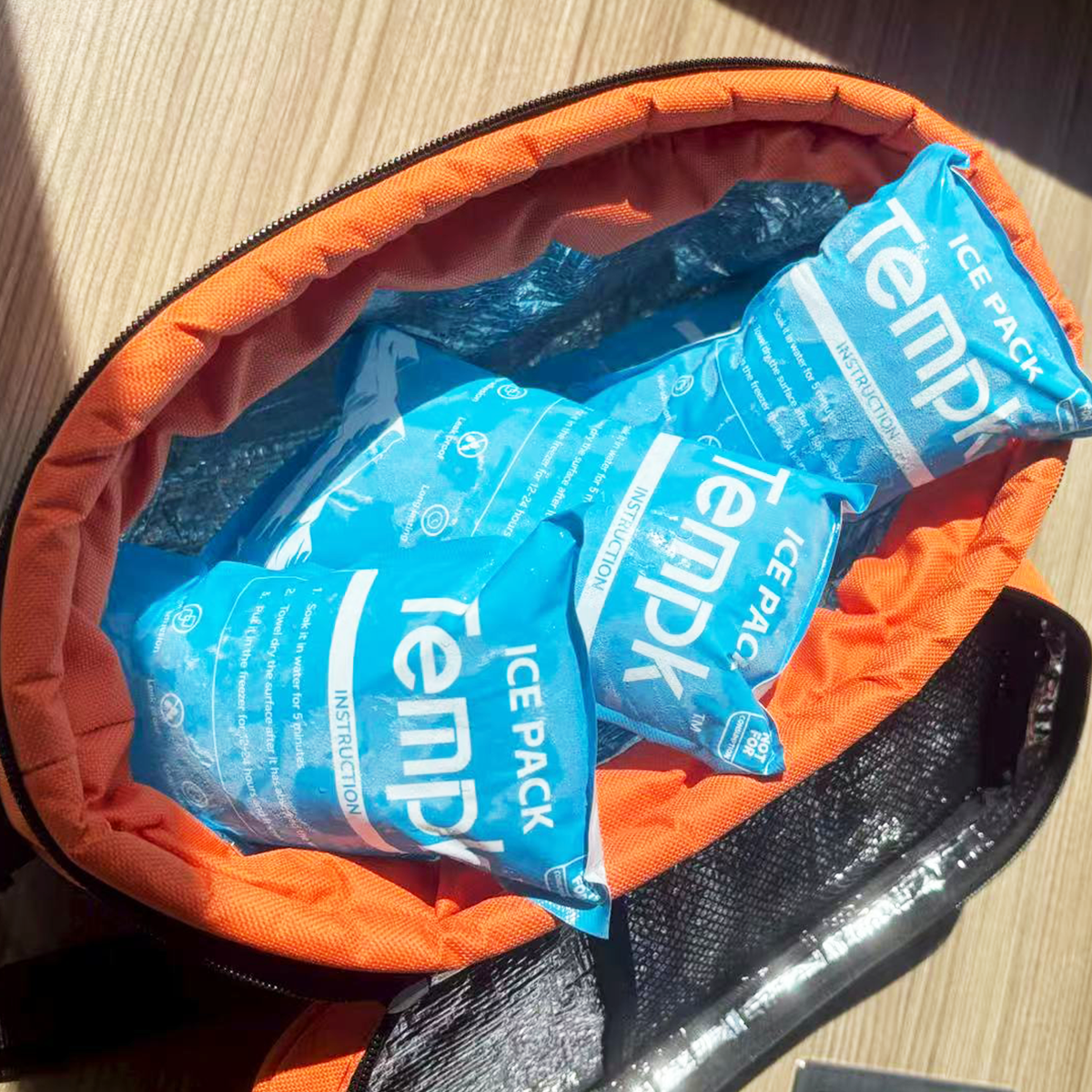
Can You Put Dry Ice in a Soft Cooler Bag?
Wondering whether you can use dry ice in a soft cooler bag? This guide breaks down the safety precautions and the best practices you need to follow to use dry ice in a cooler bag correctly. Dry ice, while a powerful cooling solution, presents unique challenges when used improperly. In this article, we’ll dive into how to use dry ice safely in soft coolers, alternative methods, and 2025 trends in cold chain logistics.

What makes dry ice different from regular ice?
Why dry ice should be handled with care in soft cooler bags?
How to safely use dry ice in a cooler bag?
Best alternatives for dry ice in soft cooler bags
The latest trends in cold chain logistics and dry ice usage
What Makes Dry Ice Different from Regular Ice?
Dry ice is not like your standard ice cubes. It’s solid carbon dioxide (CO₂), which sublimates (turns from solid to gas) at -78.5°C (-109.3°F). This makes dry ice incredibly effective for maintaining extremely cold temperatures. Regular ice melts into water, while dry ice releases CO₂ gas as it sublimates, creating unique challenges for its storage and transport.
Unlike regular ice, which is used primarily in food and beverage cooling, dry ice is crucial for industries that require ultra-low temperatures, such as the transportation of pharmaceuticals, biological samples, and frozen foods.
How Does Dry Ice Affect Soft Cooler Bags?
Soft coolers are great for short trips and everyday use, but they may not be designed for the intense cold of dry ice. Here’s what to consider:
Cold Damage to Materials
The extreme cold of dry ice can cause the materials used in soft cooler bags (such as fabric, foam, and zippers) to degrade. These materials are typically not insulated enough to withstand the direct contact with dry ice, leading to cracks or tears in the bag.
Gas Buildup
As dry ice sublimates, it releases carbon dioxide gas. If the cooler bag is sealed tightly, this gas cannot escape, leading to pressure buildup inside. The result could be a distorted or ruptured bag, or worse, a safety hazard.
Tip: Always ensure there is adequate ventilation when using dry ice in any cooler. Sealing the bag is never a safe option.
Why You Should Be Cautious with Dry Ice in Soft Coolers
Pressure Buildup and Asphyxiation Risks
Dry ice sublimates into CO₂, which is odorless and colorless. In confined spaces, like inside a soft cooler without proper venting, this gas could displace oxygen, causing a risk of asphyxiation. This is particularly dangerous if you’re transporting dry ice in enclosed environments like cars or tents.
Frostbite and Burns
Contact with dry ice can cause severe frostbite or skin damage. Even brief exposure can damage skin cells, causing chemical burns that can be dangerous if not treated immediately.
Potential Damage to the Cooler
The inner lining of a soft cooler bag may become brittle from the extreme cold, leading to cracks or holes. Always be mindful of the materials of your cooler bag before using dry ice.
How to Safely Use Dry Ice in a Soft Cooler Bag
If you must use dry ice in a soft cooler bag, follow these safety measures to minimize risks:
1. Ensure Proper Ventilation
Always choose a cooler bag with vents or one that allows CO₂ gas to escape safely. If your cooler does not have vents, consider puncturing small holes to allow gas to vent. Be cautious, as this can compromise the cooler’s insulation.
2. Wrap the Dry Ice
Wrap the dry ice in newspaper, cardboard, or a towel to create a barrier between the dry ice and the cooler bag. This protects the cooler’s materials from extreme cold while also helping to contain moisture that could build up.
3. Use Insulated Coolers
Some soft coolers are designed with extra insulation to handle extreme cold. Look for cooler bags rated for dry ice use to ensure that the materials can withstand the temperature.
4. Don’t Overfill the Cooler
Be cautious about overloading the cooler with dry ice. Too much dry ice in a confined space can create pressure that may cause the bag to rupture. Always leave room for proper gas escape.
Case Study: A customer used a soft cooler bag for transporting dry ice with frozen foods. Due to improper venting, the bag began to bulge and tear, leading to the loss of both the cooler and the frozen items.
Alternatives to Dry Ice in Soft Coolers
If you’re concerned about the risks, there are safer alternatives to dry ice that are more compatible with soft cooler bags.
Gel Packs and Ice Bricks
Gel packs are ideal for short-term cooling without the risks associated with dry ice. They maintain safe refrigerator temperatures without sublimating gas. Ice bricks and frozen water bottles are also great options for extended cooling, though they will not keep things frozen solid.
Hard Coolers for Dry Ice
If you need to transport dry ice, consider using a hard cooler. Hard coolers are designed with thicker insulation and safety features like vented drains that allow CO₂ to escape safely.
2025 Trends in Cold Chain Logistics and Dry Ice Usage
The cold chain logistics industry is evolving in response to new demands, such as increased need for biological samples and medications that require strict temperature control. By 2025, new innovations are emerging that will make dry ice transportation safer and more efficient.
Hybrid Cooling Systems
The combination of dry ice, gel packs, and phase-change materials (PCMs) is becoming popular. This hybrid system uses the benefits of each method while ensuring safe temperature regulation and gas release.
Sustainability in Cold Chain Solutions
Sustainability trends are driving the development of eco-friendly alternatives to dry ice, such as biodegradable gel packs and recyclable materials for shipping and insulation.
Common Questions About Using Dry Ice in Soft Cooler Bags
Q1: Can I Use Dry Ice in Any Cooler Bag?
No, only soft cooler bags designed for dry ice should be used. Make sure the bag allows CO₂ to escape and has sufficient insulation.
Q2: How Long Does Dry Ice Last in a Cooler Bag?
Dry ice lasts 18-24 hours in a well-insulated cooler, depending on the amount and ambient temperature.
Q3: Can I Touch Dry Ice with Bare Hands?
Never handle dry ice with bare hands. Always use insulated gloves to prevent frostbite.
Conclusion
Using dry ice in a soft cooler bag can be risky, but with careful precautions, it’s possible to transport frozen goods. For longer trips, consider hard coolers designed for dry ice, or safer alternatives like gel packs for short durations.
Action Plan: Ensure proper ventilation and wrapping, avoid overfilling your cooler, and always check manufacturer recommendations.
About Tempk
At Tempk, we specialize in safe and efficient cold chain solutions. Our products, including dry ice-compatible coolers and sustainable cold chain solutions, ensure your products are transported at the right temperature. Reach out today for advice on the best cooling solution for your needs.
For a route-specific decision, review cold-chain packaging solutions, route risk, and custom packaging options.
Can You Safely Store Dry Ice in a Ziplock Bag? 2025 Guidelines
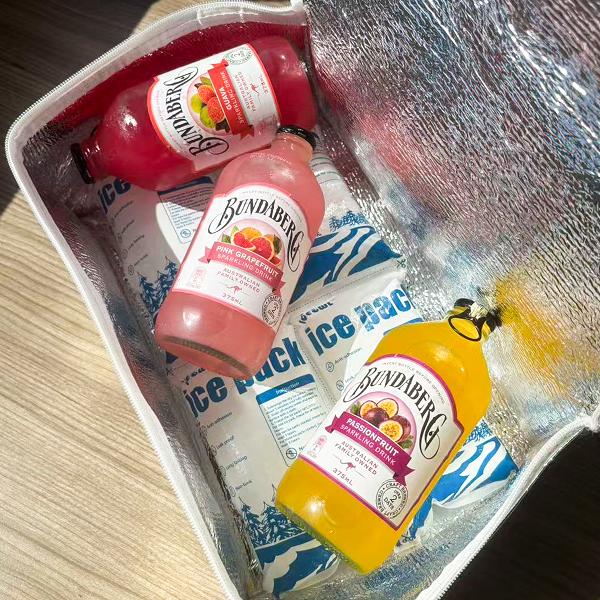
Dry ice, solidified carbon dioxide (CO₂), plays a crucial role in temperature-sensitive industries such as cold chain logistics and food transportation. However, storing dry ice in an airtight container like a Ziplock bag can lead to dangerous consequences. In this article, we’ll explore why this is unsafe and provide alternative solutions for dry ice storage, all aligned with the latest 2025 cold chain innovations.

What are the risks associated with Ziplock bags for dry ice storage?
What are the best practices for safe dry ice handling and transport?
What 2025 trends are shaping the future of dry ice packaging and transportation?
Can Dry Ice Be Safely Stored in a Ziplock Bag?
The Risks of Using Ziplock Bags for Dry Ice Storage
Dry ice sublimates at an extremely low temperature of -78.5°C (-109.3°F), converting directly into CO₂ gas. If this gas is trapped inside a Ziplock bag, the pressure buildup can cause it to burst or even explode. Sealing dry ice in a Ziplock bag creates a hazardous environment, as the plastic material cannot withstand the intense cold, and the gas pressure may rupture the bag, posing risks to both people and products.
Key Insight: Ziplock bags are not designed to allow gas to escape, which is why using them for dry ice storage is risky and can result in “dry ice bombs”—explosive ruptures caused by excessive CO₂ pressure buildup.
Why Is Using a Ziplock Bag Dangerous?
Pressure Buildup: As dry ice sublimates, it releases significant amounts of CO₂ gas. If sealed in a Ziplock bag, this gas cannot escape, leading to rapid pressure accumulation. Over time, this pressure will cause the bag to swell and potentially burst, releasing CO₂ gas violently.
Explosion Risk: The high-pressure buildup inside a sealed Ziplock bag can turn it into a bomb. As CO₂ gas expands, the force generated can rupture the plastic, causing serious injury or damage.
Asphyxiation: CO₂ is a colorless, odorless gas that displaces oxygen. In an enclosed space, the rapid release of CO₂ can lead to asphyxiation, which may cause dizziness, loss of consciousness, or even death.
Real-World Example: A logistics company once experienced a rupture while transporting dry ice in a Ziplock bag. The uncontrolled gas buildup resulted in a mess, and the shipment integrity was compromised, highlighting the importance of using proper containers for dry ice.
Best Practices for Storing and Transporting Dry Ice
1. Use Proper Containers for Dry Ice
Rather than using a Ziplock bag, store dry ice in containers that are designed to handle the unique needs of CO₂. This includes vented coolers, specialized dry ice bags, or insulated containers. These containers allow gas to escape while maintaining the cold temperature of the dry ice, preventing dangerous pressure buildup.
Tip: Choose vented dry ice bags or insulated coolers with built-in gas release mechanisms to ensure both safety and effectiveness during transport.
2. Ensure Ventilation for Gas Release
Proper ventilation is crucial when handling dry ice. Always opt for vented or open containers that allow the CO₂ gas to safely escape. This prevents the dangerous buildup of pressure that could otherwise lead to explosions. Never store dry ice in completely airtight containers.
3. Handle Dry Ice Safely
When transporting or handling dry ice, ensure proper safety measures are taken to avoid frostbite or injuries. Always use insulated gloves, tongs, or other safety equipment when touching dry ice. Never handle it with bare hands, as its extreme cold can cause severe skin damage.
Handling Tip: Store dry ice away from sensitive items like food, electronics, and fragile materials to prevent freezer burn or damage.
4. Monitor Temperature and CO₂ Levels
If transporting dry ice over long distances, temperature monitoring tools and CO₂ detectors should be employed. These devices will ensure the temperature stays within the desired range and that CO₂ gas does not accumulate to dangerous levels during the journey.
Alternatives to Ziplock Bags for Dry Ice Storage
1. Vented Coolers and Insulated Bags
Opt for vented coolers or insulated dry ice bags to maintain a safe temperature while allowing the gas to escape. These containers are specifically designed to ensure safe handling and transport, as they are equipped with gas release valves that prevent dangerous pressure buildup.
2. Dry Ice Storage Boxes
Specialized dry ice storage boxes are available that allow controlled sublimation of CO₂ gas. These containers are designed to handle the extreme cold and ensure that the gas is safely released.
3. Specialized Dry Ice Bags
Certain manufacturers provide dry ice bags made from materials designed to withstand cryogenic temperatures. These bags often feature ventilation holes that allow the safe escape of gas.
| Container Type | Pros | Cons | Best For |
|---|---|---|---|
| Vented Coolers | Excellent insulation, gas release | Heavier and more expensive | Long-distance transport |
| Insulated Dry Ice Bags | Lightweight, portable, CO₂ release valve | May not last as long for large amounts | Short-term transport or storage |
| Dry Ice Storage Boxes | Built for dry ice, safe and insulated | Requires more space | Safe storage in warehouses |
2025 Trends in Dry Ice Packaging and Transportation
Emerging Innovations in Dry Ice Handling
The dry ice packaging industry is evolving to meet modern safety and environmental needs. Some key trends emerging in 2025 include:
Smart Packaging Solutions: With the rise of IoT technologies, dry ice containers now feature temperature and CO₂ sensors. These smart systems provide real-time data on the condition of the dry ice, helping companies maintain safe and optimal temperatures throughout transport.
Eco-Friendly Packaging: The focus on sustainability continues to grow, with biodegradable bags and microperforated plastic bags becoming more common. These innovations reduce plastic waste while providing a safer method for handling dry ice.
Automation in Cold Chain Logistics: Automation in the logistics sector is enhancing the precision of temperature-sensitive shipments. Robotic systems are used to handle dry ice and other refrigerants more safely, reducing human error and increasing efficiency.
Market Insights
The demand for safe dry ice storage and transport solutions continues to grow. Consumers and businesses alike are prioritizing eco-friendly and cost-effective solutions while ensuring safety and efficiency. With the advancement of smart packaging and automated systems, the future of dry ice handling looks poised to enhance both safety and sustainability.
FAQ
Can I use a Ziplock bag for dry ice storage?
No, a Ziplock bag cannot release CO₂ gas safely, which can lead to dangerous pressure buildup and rupture. Always use a vented container.
What’s the best way to store dry ice?
Use a vented cooler or specialized dry ice bag that allows CO₂ to escape. Never store dry ice in an airtight container.
How can I transport dry ice safely?
Ensure your dry ice is stored in a vented container with proper insulation. Always ensure adequate ventilation and handle with safety gear.
Conclusion and Recommendations
In summary, placing dry ice in a Ziplock bag is highly unsafe due to the risks of pressure buildup, explosion, and asphyxiation. Always use containers designed for dry ice storage, such as vented coolers or insulated dry ice bags. Incorporating proper ventilation and safety protocols ensures the safe transport and handling of dry ice.
Action Step: For safer dry ice storage and transport, invest in vented containers and use temperature monitoring tools to ensure the safe and effective use of dry ice in your logistics operations.
About Tempk
At Tempk, we specialize in providing advanced cold chain solutions that ensure temperature-sensitive products stay within the required range. Our products, including vented coolers and specialized dry ice bags, are designed for maximum safety and efficiency during shipping. Trust Tempk to provide the most effective cold chain logistics for your needs.
Take action today! Contact us for expert advice on optimizing your cold chain logistics and improving the safety and efficiency of your dry ice transport.
Can You Cut Dry Ice Bags to Custom Size? | Safety & Best Practices
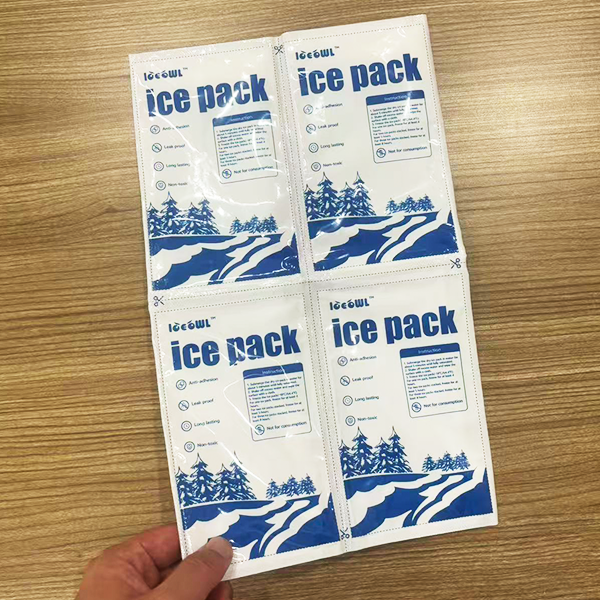
Can You Cut Dry Ice Bags to Custom Size? Expert Guide for Safe and Efficient Handling
When shipping temperature-sensitive goods, dry ice plays a crucial role in maintaining a low temperature. But can you cut a dry ice bag to custom size for your packaging needs? In this guide, we’ll explore when it’s safe to cut dry ice bags, the necessary precautions, and the best practices to follow for effective and compliant cold chain solutions.

Is it safe to cut a dry ice bag to custom size?
What are the best safety practices when handling dry ice?
How can you safely customize dry ice bags for shipping?
What 2025 innovations are improving dry ice handling?
Is Cutting a Dry Ice Bag Safe and Practical?
Yes, you can cut certain types of dry ice bags, but it’s important to follow key safety guidelines. Flexible dry ice sheets, such as hydrate packs, can often be trimmed along perforated seams. However, sealed bags containing dry ice pellets or blocks should never be cut, as doing so exposes the dry ice to the air, which increases the sublimation rate and can result in dangerous gas release.
Understanding Dry Ice Pack Types and Customization
There are different types of dry ice packaging used in the cold chain industry, each with its own set of guidelines for safe cutting and handling.
| Type of Container | Description | Can Be Cut? | Risks |
|---|---|---|---|
| Hydrate Dry Ice Sheet | Flexible sheets with multiple cells filled with polymer crystals | Yes, along seams | Cutting incorrectly may cause leaks or loss of cooling power |
| Sealed Dry Ice Bag | Heavy-duty plastic bags filled with dry ice pellets or blocks | No | Cutting exposes dry ice, causing rapid sublimation and potential CO2 buildup |
| Gel Ice Pack | Water-based gel pack used for cooling in lunchboxes | Yes, along seams | No significant risk if handled properly |
Key Safety Risks
Handling dry ice requires caution. Below are some of the primary safety concerns:
Frostbite Risk: Dry ice is extremely cold (-109.3°F or -78.5°C), and direct contact with the skin can cause severe frostbite. Always wear insulated gloves or tongs when handling dry ice.
Suffocation Hazard: Dry ice sublimates into CO2 gas, which can displace oxygen in enclosed spaces. This increases the risk of suffocation. Always ensure adequate ventilation.
Explosion Risk: If dry ice is stored in airtight containers, pressure can build up and potentially lead to an explosion. Always use containers that allow gas release.
How to Safely Cut a Dry Ice Bag
If you need to customize a dry ice pack, follow these safety guidelines:
Wear proper protective gear: Use insulated gloves and eye protection to avoid frostbite and injuries.
Choose the right cutting tool: A sharp knife or scissors works best, but ensure they are clean to avoid contamination.
Work in a well-ventilated area: Dry ice sublimates into CO2 gas, so ensure there is proper airflow to prevent gas buildup.
Best Practices for Customizing Dry Ice Bags
When cutting a dry ice bag, it’s important to consider both the material of the bag and the size you need.
Use hydrate dry ice sheets for easy cutting. These can be trimmed along the seams without exposing dry ice to the air.
Avoid cutting sealed dry ice bags. Instead, purchase pre-cut or appropriately sized dry ice bags for your needs.
Consider the environment: Cutting dry ice into smaller pieces can cause it to sublimate faster, reducing its cooling power. Only cut if absolutely necessary.
Storage and Handling of Dry Ice
Storing dry ice safely is just as important as handling it correctly. Here are some storage tips:
Never seal dry ice in an airtight container, as this can cause pressure buildup.
Use insulated coolers or thermal boxes to store dry ice. These help slow down the sublimation process and keep dry ice effective for longer periods.
Ensure the storage area is well-ventilated to allow CO2 gas to dissipate safely.
2025 Innovations in Dry Ice Handling and Packaging
The cold chain industry is evolving, and new innovations in dry ice packaging are making it easier to customize and handle dry ice safely. Some of the latest advancements include:
Smart Packaging Materials: New bioPE films and micropellet cores are being used in hydrate dry ice packs to improve cold retention by 10-12 hours, reducing sublimation rates.
Real-Time Temperature Monitoring: Advanced temperature monitoring systems are being integrated into cold chain logistics to track dry ice conditions in real-time, ensuring shipments remain at the required temperature.
Sustainable Dry Ice Solutions: Innovations in CO2 capture and the use of biodegradable films are helping reduce the environmental impact of dry ice in the cold chain industry.
Trends in Dry Ice Packaging
The demand for customizable dry ice solutions has grown with the rise of e-commerce and the pharmaceutical industry. The use of AI-powered sizing tools is helping companies reduce freight costs by matching the amount of dry ice used to the weight of the product, resulting in more efficient and sustainable shipments.
Common Questions About Cutting Dry Ice Packs
Can I cut a dry ice sheet to use in a lunchbox?
Yes, hydrate dry ice sheets can be safely cut to size using scissors. Just ensure you hydrate them first to avoid tearing.
Is it safe to cut a solid dry ice block with a knife?
No. It’s not safe to cut solid dry ice with a knife, as the material is brittle and can shatter. Use a hammer or tongs instead.
How should I handle dry ice safely during transportation?
Always follow the regulatory guidelines for labeling and packaging dry ice, especially for air and cargo shipments. Ensure CO2 venting to prevent pressure buildup.
Conclusion and Recommendations
Cutting dry ice bags to custom size is feasible, but safety is paramount. Always use the proper protective equipment, follow manufacturer guidelines, and ensure your environment is well-ventilated. Consider using pre-packaged dry ice sizes to simplify the process and avoid unnecessary risk. Stay updated on the latest innovations in dry ice handling and packaging to optimize your cold chain logistics in 2025.
Next Steps:
Choose the right dry ice pack: Select products that can be safely customized.
Prioritize safety: Always wear insulated gloves and work in a ventilated area.
Stay compliant: Ensure your shipments meet the latest regulatory requirements for packaging and labeling.
About Tempk
At Tempk, we specialize in cold chain solutions, offering customizable dry ice products and advanced packaging options. Our products are designed to keep your perishable goods safe during transportation. Contact us today to learn how we can enhance your cold chain logistics with our safe, efficient, and sustainable solutions.
Can You Combine Gel Packs with Dry Ice for Cold Chain Shipping? | 2025 Guide
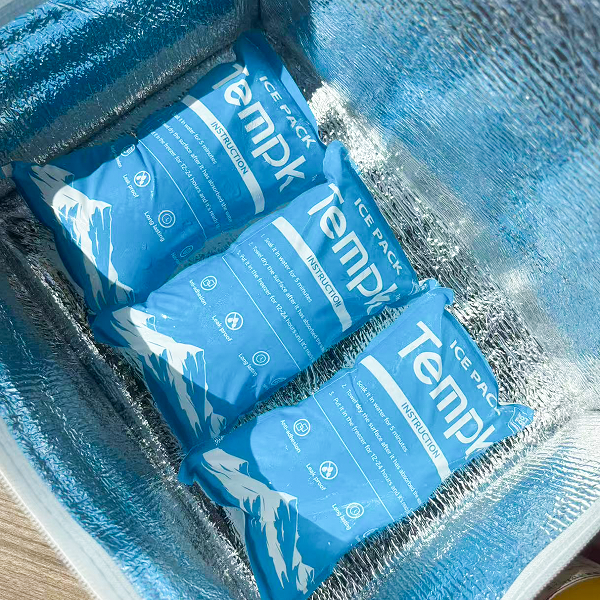
When shipping temperature-sensitive goods, particularly perishables or pharmaceuticals, it’s crucial to maintain an optimal environment. The question arises—can gel packs and dry ice be used together for efficient cold chain shipping? This article explores the best practices, benefits, and safety concerns associated with combining gel packs with dry ice to extend the shelf life of sensitive goods during transit.

How to combine gel packs and dry ice effectively?
What benefits do gel packs and dry ice offer when combined?
How can you ensure the safety of using both together?
What are the latest trends in cold chain logistics in 2025?
Can Gel Packs and Dry Ice Be Used Together in Cold Chain Shipping?
Yes, combining gel packs and dry ice in cold chain logistics can be an effective solution. While each cooling method has its advantages, proper layering and packaging are essential to ensuring both work together efficiently.
Gel packs maintain cool but not freezing temperatures (2–8°C), while dry ice provides ultra-cold temperatures (below –20°C). By combining the two, you can manage different temperature needs in one shipment, which is especially useful for shipping products like medications or frozen foods that require both cooling and freezing.
How Do They Work Together?
Dry ice offers an immediate, intense cooling effect that keeps products frozen.
Gel packs offer stable, long-term cooling for items that need to stay cold but not frozen.
Using both helps extend shipping times, ensuring that products remain at the correct temperature from the warehouse to their destination.
What Are the Benefits of Combining Gel Packs with Dry Ice?
Here are the main advantages of combining both cooling methods in your shipments:
1. Enhanced Temperature Control
Gel packs provide consistent, stable cooling for longer durations, while dry ice ensures frozen items stay solid. Together, they create a layered temperature system, which is essential for shipments that contain a variety of products with different temperature needs.
2. Extended Cooling Duration
While dry ice sublimates quickly, its cooling effect can be extended when paired with gel packs. Gel packs take over once the dry ice sublimates, helping keep the products within the required temperature range for longer durations.
3. Cost-Effectiveness
Using gel packs alongside dry ice allows you to use less dry ice, reducing shipping costs without compromising the quality of the cold chain.
| Cooling Method | Duration | Ideal Use | Pros |
|---|---|---|---|
| Dry Ice | Short-term | Freezing, quick refrigeration | Very cold, fast cooling |
| Gel Packs | Long-term | Maintaining cool temperatures | Consistent, stable cooling |
| Combined Approach | Extended | Perishables, pharmaceuticals | Balanced, longer cooling time |
How to Safely Combine Gel Packs and Dry Ice
Proper packaging is crucial when combining these cooling methods. Follow these steps for maximum safety and efficiency:
Step 1: Choose the Right Packaging
Select insulated containers capable of withstanding the extreme temperatures of dry ice. These containers should also allow gas release to prevent pressure buildup due to dry ice sublimation.
Step 2: Layer Gel Packs and Dry Ice
Place gel packs at the bottom of the container to ensure they maintain the correct temperature for longer.
Add dry ice on top, ensuring it does not directly touch the gel packs. This separation prevents the gel packs from freezing and ensures the proper cooling conditions.
Step 3: Add Products and Seal the Package
Place the temperature-sensitive products between the gel packs and dry ice. Ensure the product is well-insulated and protected from any extreme cold. Seal the container tightly and label it to indicate the presence of dry ice.
Step 4: Monitor the Temperature
Use a temperature monitoring device to track conditions inside the container during transit. This ensures that the product remains at the optimal temperature throughout the journey.
Are There Any Safety Concerns When Using Both Together?
While combining gel packs and dry ice can be effective, there are several important safety precautions to follow:
Proper Ventilation: Dry ice sublimates into carbon dioxide gas, which can displace oxygen. Ensure your packaging allows for gas release to avoid suffocation.
Handling Dry Ice: Always wear insulated gloves when handling dry ice to prevent frostbite. Avoid contact with bare skin.
Packaging Integrity: Ensure the packaging can withstand the extreme cold of dry ice and prevent leaks or cracks.
2025 Trends in Cold Chain Logistics: The Future of Hybrid Cooling
In 2025, the cold chain logistics industry continues to innovate. Here’s what we can expect in the coming years:
1. Hybrid Cooling Solutions
Innovative hybrid refrigerants, such as Phase Change Materials (PCMs), are becoming more popular. These materials work alongside gel packs and dry ice to extend cooling duration while reducing the need for excessive dry ice.
2. Sustainable Refrigerants
Eco-friendly alternatives are gaining traction, including biodegradable gel packs and carbon-neutral dry ice. These innovations help reduce the environmental impact of cold chain shipping.
3. Smart Temperature Monitoring
Advancements in real-time temperature monitoring systems allow for better tracking and reporting during transit, ensuring products are kept within the required temperature range.
Frequently Asked Questions
Can I combine gel packs with dry ice for air shipping?
Yes, gel packs and dry ice can be used together for air shipping. However, ensure your packaging complies with airline regulations, and that dry ice is properly vented.
How long can dry ice last with gel packs?
Dry ice lasts longer when paired with gel packs. The gel packs absorb heat and help slow the sublimation rate of dry ice, extending its cooling duration.
What types of goods should never be shipped with dry ice?
Avoid using dry ice for live animals, raw produce, or carbonated beverages. These products can be damaged by the extreme cold or the sublimation of carbon dioxide.
Conclusion
Combining gel packs and dry ice is an excellent way to optimize cold chain shipping for temperature-sensitive products. By following proper packing procedures, ensuring safety regulations, and monitoring temperatures throughout transit, you can extend shipping durations while maintaining product quality.
Next Steps:
Review your shipment’s temperature requirements and determine whether gel packs, dry ice, or both are necessary.
Consult with your logistics provider about specific regulations for shipping with dry ice and gel packs.
Monitor temperature using real-time tracking systems to improve your future shipping strategies.
About Tempk
Tempk specializes in providing advanced cold chain logistics solutions, including high-performance gel packs, dry ice coolers, and smart PCM-based products. Our customized solutions help you ship perishables, pharmaceuticals, and sensitive goods safely and efficiently.
Ready to plan your next shipment? Contact us for expert advice on how to enhance your cold chain shipping process.
Can Combining Gel Packs with Dry Ice Extend Cooling Duration for Long-Haul Shipments?
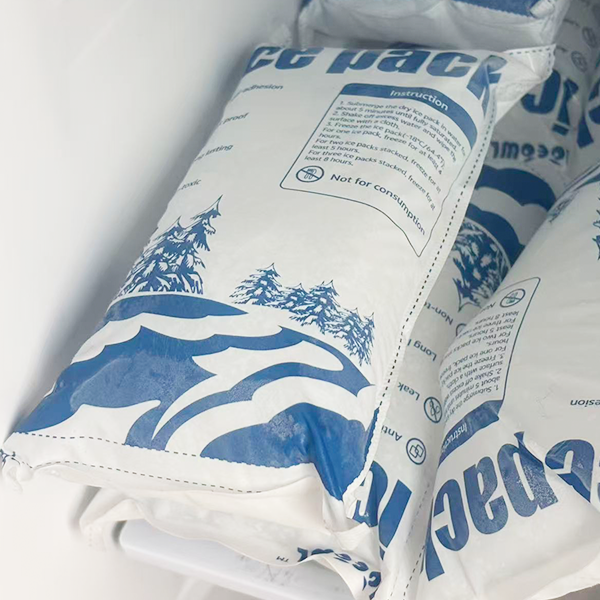
Can Combining Gel Packs with Dry Ice Extend Cooling Duration?
In cold chain logistics, maintaining optimal temperatures is crucial for preserving the quality of temperature-sensitive products. Whether you’re transporting pharmaceuticals, perishable foods, or biological samples, using both gel packs and dry ice can significantly improve your cooling strategy. By combining these two cooling agents, you can extend the hold time and ensure that products remain within their required temperature range for longer durations, especially during long-haul shipments.

Can combining gel packs with dry ice increase the cooling duration?
What are the key benefits for industries like pharmaceuticals and food transport?
What precautions should be taken when using gel packs and dry ice together?
How to optimize the combination for different types of shipments?
Can Combining Gel Packs with Dry Ice Extend Hold Time?
Combining gel packs with dry ice offers a distinct advantage for cold chain shipments by providing stable and long-lasting cooling. Dry ice offers rapid and intense cooling, ideal for frozen goods, while gel packs offer a steady, moderate cooling effect. By layering these two cooling agents, you create a more reliable temperature control system.
How the Combination Works
Extended Cooling Duration: Dry ice sublimates quickly, but gel packs slow down this process by providing supplementary cooling. As a result, the cooling duration can be extended, reducing the need for larger quantities of dry ice and thus lowering shipping costs.
Steady Temperature Control: Dry ice may cause sharp temperature drops, which could harm certain products. Gel packs help buffer these fluctuations, providing a more consistent cooling environment.
Real-world Example: A pharmaceutical company used this combination to ship temperature-sensitive vaccines. The gel packs slowed down the sublimation rate of dry ice, keeping the temperature within the required range for the entire transit duration.
What Benefits Does This Combination Offer for Various Industries?
Different industries have different needs when it comes to temperature management, and combining gel packs and dry ice provides a versatile solution that meets these needs effectively.
Pharmaceutical Industry
Pharmaceutical shipments, particularly those involving vaccines and biologics, require consistent temperature control. Combining gel packs with dry ice can extend the cooling time while ensuring the temperature remains within the ideal range for the products. This combination is particularly important for long-distance shipments or in regions where temperature variations are common.
Food Transport Industry
In the food transport industry, maintaining freshness is essential. Combining gel packs with dry ice ensures that perishable items such as meat, dairy, and seafood are kept at the right temperature, preventing spoilage and maintaining food safety standards during transit.
Biotechnology and Research
For biotech shipments, particularly biological samples like DNA, enzymes, or tissue samples, precise temperature control is vital. The combination of gel packs and dry ice helps preserve these delicate materials by preventing the temperature from fluctuating too much during transit.
| Industry | Benefit | Key Considerations |
|---|---|---|
| Pharmaceutical | Extended cold chain with temperature stability | Use data loggers to track temperature in real-time |
| Food Transport | Long-lasting cooling to maintain freshness for perishables | Ensure proper packaging that supports both cooling methods |
| Biotechnology | Precise temperature control for sensitive biological materials | Ensure proper insulation for extended transport |
What Precautions Should Be Taken When Using Both Gel Packs and Dry Ice Together?
Although combining gel packs and dry ice offers significant benefits, it is essential to follow certain precautions to ensure safety and optimal cooling performance.
Ventilation and Safety Guidelines
Ensure Proper Ventilation: Dry ice sublimates into carbon dioxide gas, which can displace oxygen in confined spaces, potentially leading to asphyxiation. Always use containers that allow gas to escape and avoid sealed, airtight containers.
Use Protective Gear: Handling dry ice requires proper protective equipment, such as insulated gloves and goggles, to prevent frostbite and other injuries.
Important Safety Tip: Ensure that any cooler used for shipping has ventilation holes to allow CO₂ gas to escape. This will prevent dangerous pressure buildup inside the container.
How to Optimize the Combination for Different Shipments?
The way you layer and position gel packs and dry ice within a shipping container is crucial to maintaining temperature stability.
Layering Strategy:
Layer the Cooling Agents: Place dry ice at the bottom of the container to maintain frozen temperatures. Add gel packs on top to create a buffer zone for products that need to remain refrigerated. This setup ensures optimal cooling from both agents, reducing temperature fluctuation.
Insulation and Packaging:
Use thick foam coolers or insulated boxes to minimize external temperature fluctuations.
Fill empty spaces with crumpled paper or packing peanuts to prevent the dry ice from sublimating too quickly.
Real-world Example: An e-commerce company shipping seafood used gel packs and dry ice to maintain product quality for 3 days. By properly layering the agents and using insulated packaging, they ensured that the seafood arrived fresh and undamaged.
Trends in Cold Chain Logistics (2025)
The cold chain industry continues to evolve with new technologies and strategies. Key advancements include:
Smart Packaging: Real-time temperature sensors and smart packaging solutions are becoming more common in the cold chain logistics industry. These innovations help ensure that both dry ice and gel packs are used efficiently.
Sustainability: As environmental concerns grow, companies are exploring sustainable alternatives to traditional dry ice and gel packs, such as biodegradable refrigerants and reusable phase-change materials (PCMs).
Automation in Logistics: The rise of automation in the logistics sector is helping optimize cold storage systems, reducing human intervention while improving the efficiency of temperature management.
Frequently Asked Questions
Can I use gel packs and dry ice together in the same shipment?
Yes, combining gel packs and dry ice is effective for maintaining consistent temperature control. Ensure proper layering and ventilation to avoid safety risks.
How do I prevent my product from coming into direct contact with dry ice?
Always use a barrier, such as gel packs, cardboard, or plastic liners, to prevent direct contact with dry ice, which could cause freezer burn or product damage.
How can I monitor temperature during transit?
Utilize temperature loggers or real-time monitoring devices to ensure that your products remain within the required temperature range throughout the shipping process.
Conclusion and Recommendations
Combining gel packs with dry ice provides a versatile, cost-effective solution for extending cooling duration and maintaining consistent temperatures in cold chain logistics. By following safety guidelines, optimizing the layering strategy, and considering industry-specific needs, you can significantly improve the efficiency of your temperature-sensitive shipments.
Action Step: Consider using gel packs and dry ice together for your next shipment. Optimize your cooling strategy by layering the agents correctly, using insulated packaging, and monitoring temperature throughout the journey.
About Tempk
Tempk provides innovative cold chain solutions, specializing in temperature-controlled shipping products such as gel packs, dry ice, and phase-change materials. With a commitment to sustainability and regulatory compliance, we help businesses safely transport temperature-sensitive goods while ensuring their integrity.
Get in Touch: Contact us today for a consultation and learn how our solutions can optimize your cold chain logistics.
Can You Combine Dry Ice and Gel Packs in One Shipment? A Comprehensive Guide (2025)
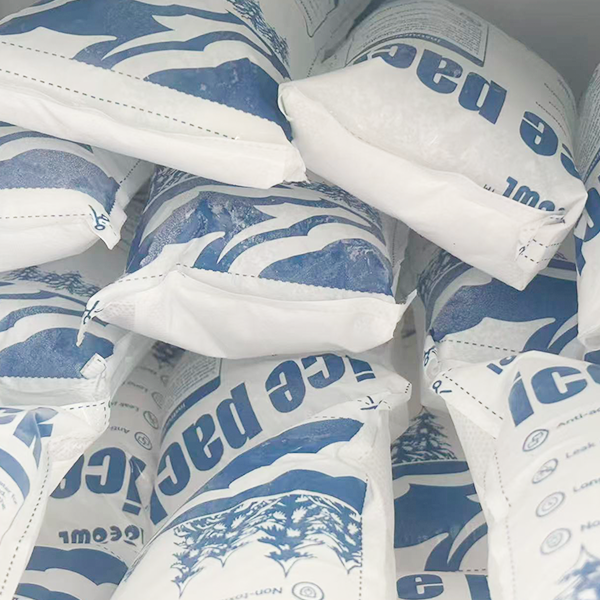
Can You Combine Dry Ice and Gel Packs in One Shipment?
Are you looking to combine dry ice and gel packs in one shipment for transporting temperature-sensitive goods? The good news is that it’s not only possible but also highly effective when done correctly. Combining these two cooling methods can extend the shelf life of your products, provide versatile temperature control, and ensure safety throughout the journey. In this article, we’ll explain how to combine dry ice and gel packs for maximum efficiency, safety, and compliance with the latest regulations in 2025.

What Are Dry Ice and Gel Packs?
What Is Dry Ice?
Dry ice is solid carbon dioxide (CO₂) that sublimes directly from a solid to a gas at -78.5°C (-109.3°F). Its ultra-low temperature makes it an ideal cooling agent for keeping products frozen during transportation. Dry ice is used for shipping a variety of perishable goods, including food, pharmaceuticals, and biological samples. However, due to its extremely cold temperature and the release of CO₂ gas during sublimation, handling dry ice requires caution.
What Are Gel Packs?
Gel packs are water-based cooling agents that freeze to a solid and maintain a moderate temperature (typically between 0°C and 5°C). Unlike dry ice, gel packs provide steady cooling and are often used to keep goods chilled but not frozen. Commonly employed for food, medical supplies, and delicate items, gel packs are non-toxic and safer to handle than dry ice. They are versatile and reusable, making them a popular choice in cold chain logistics.
Benefits of Combining Dry Ice and Gel Packs in One Shipment
How Does Combining Dry Ice and Gel Packs Help?
Combining dry ice and gel packs allows you to cater to different temperature requirements in the same shipment. This approach offers several distinct advantages:
Extended Cooling Time: Dry ice sublimes quickly, but gel packs can slow down this process. By using both, you can extend the total cooling duration, ensuring products stay within their desired temperature range for longer.
Temperature Control: For shipments containing both frozen and refrigerated items, combining dry ice and gel packs allows you to create a stable temperature environment, avoiding the risk of products freezing or overheating.
Cost Efficiency: Using gel packs in combination with dry ice can reduce the amount of dry ice required, which can lower shipping costs while still maintaining proper temperature control.
Reduced Frostbite Risk: Gel packs, unlike dry ice, do not pose a frostbite hazard to handlers, making them a safer option for packaging and unpacking shipments.
How to Safely Pack Dry Ice and Gel Packs Together?
Packing Guidelines
Proper packaging is critical when combining dry ice and gel packs to ensure the safety and effectiveness of the cooling solution. Here’s how to pack them correctly:
Layering the Cooling Agents: Start by placing the gel packs near the products that need to be kept at a moderate temperature (0°C to 5°C). Dry ice should be placed on top or in an outer layer, ensuring that it doesn’t come into direct contact with the products to prevent freezing.
Insulation: Use high-quality insulated containers, such as Styrofoam boxes or vacuum-insulated panels (VIPs), to keep the temperature stable. Insulation helps control the rate at which dry ice sublimates and extends its cooling time.
Ventilation: Dry ice sublimates into CO₂ gas, which can build up pressure in an airtight container. Ensure that the packaging is ventilated to allow the gas to escape safely. Never seal dry ice in an airtight container, as this could lead to an explosion.
Moisture Barriers: Use moisture-absorbing materials such as poly bags or bubble wrap to prevent water from affecting the products due to condensation from the gel packs.
Packaging Example:
| Packaging Step | Action | Benefit |
|---|---|---|
| Layering | Place gel packs below, dry ice above | Maintains desired temperature |
| Insulation | Use high-quality insulated containers | Extends cooling time |
| Ventilation | Ensure ventilation holes for CO₂ gas | Prevents pressure build-up |
| Moisture Barrier | Use moisture-absorbing materials | Prevents product damage |
Safety Considerations for Shipping with Dry Ice and Gel Packs
1. Proper Ventilation
As dry ice sublimates, it releases CO₂ gas. In confined spaces, this can lead to asphyxiation. Always ensure your packaging is vented properly to allow the gas to escape. Additionally, dry ice can cause frostbite, so make sure to handle it with care.
2. Handling Protective Gear
When handling dry ice, wear insulated gloves, safety goggles, and long sleeves to prevent frostbite. While gel packs are safer to handle, they should still be managed according to the manufacturer’s instructions.
3. Packaging Materials
Ensure the materials used for packaging are strong enough to withstand the extreme cold of dry ice without breaking. High-quality, insulated containers made from Styrofoam or polyurethane are often recommended.
4. Labeling and Documentation
Shipments containing dry ice must be clearly labeled according to regulatory requirements. The package should be marked with the correct UN number (UN1845) and should include a warning about the presence of dry ice. If the shipment exceeds 2.5 kg of dry ice, it may require additional documentation and special handling instructions.
2025 Trends in Cold Chain Logistics and Temperature Control
As we approach 2025, the cold chain logistics industry is seeing significant changes in the ways temperature-sensitive goods are transported. Some of the latest trends include:
Smart Packaging: With advancements in IoT and smart sensors, real-time monitoring of temperature and humidity during transport is becoming increasingly common. This enables businesses to track the conditions of their shipments and make adjustments when necessary.
Sustainable Cold Chain Solutions: There is a growing focus on sustainability in the cold chain sector, with companies adopting eco-friendly materials and cooling solutions such as reusable gel packs and biodegradable dry ice alternatives.
Hybrid Coolant Systems: The combination of dry ice and gel packs, known as hybrid coolant systems, is gaining popularity as businesses look for ways to balance cost, efficiency, and sustainability.
Common Questions About Combining Dry Ice and Gel Packs
Q1: Is it safe to use dry ice and gel packs together?
Yes, when done properly, combining dry ice and gel packs is safe. Just make sure to follow the recommended packaging guidelines and safety measures.
Q2: How do I prevent products from freezing when using dry ice and gel packs?
By placing gel packs near temperature-sensitive items and ensuring that dry ice is kept away from those items, you can prevent accidental freezing.
Q3: How long will dry ice and gel packs last in transit?
Dry ice typically lasts 24-48 hours depending on the quantity and packaging, while gel packs can maintain a moderate temperature for up to 3-5 days.
Conclusion and Recommendations
Combining dry ice and gel packs in a single shipment is an effective strategy for controlling temperature during transport, especially for shipments with mixed temperature requirements. By following the proper safety protocols, packaging guidelines, and regulations, you can ensure that your products remain safe and in compliance with the latest standards.
For the best results:
Use high-quality insulated containers.
Follow the recommended layering and ventilation techniques.
Monitor temperatures using data loggers.
Invest in sustainable cold chain solutions to reduce your environmental impact.
For more assistance or to optimize your cold chain strategy, contact us today.
Can You Carry Dry Ice on an Airplane? | Limits & Labeling Explained

Can You Carry Dry Ice on an Airplane? Comprehensive 2025 Guidelines for Carry-On & Checked Luggage
When flying with temperature-sensitive items, dry ice is a common solution for keeping goods frozen. However, it’s crucial to follow strict guidelines to ensure safe transport on both domestic and international flights. In this guide, we’ll explore the 2025 regulations for carrying dry ice in carry-on and checked luggage, detailing weight limits, labeling requirements, safety precautions, and the latest trends in air travel with dry ice. Whether you’re transporting food, medical supplies, or other sensitive goods, understanding these rules is essential for a hassle-free journey.

Weight limits: Maximum of 5.5 pounds (2.5 kg) of dry ice allowed in carry-on and checked luggage.
Packaging requirements: Must use containers with proper ventilation to release carbon dioxide gas.
Labeling: Dry ice must be clearly labeled with specific markings, including the UN 1845 symbol and net weight.
Airline approval: Prior approval from the airline is necessary before traveling with dry ice.
Can You Carry Dry Ice in Carry-On and Checked Luggage?
Direct Answer
Yes, you can carry dry ice on both carry-on and checked luggage, but there are limitations and conditions that must be met to ensure safe travel. The Transportation Security Administration (TSA) and the International Air Transport Association (IATA) impose guidelines on the amount of dry ice allowed, as well as how it should be packed and labeled.
Why the 5.5-Pound Rule Exists
The 5.5-pound (2.5 kg) limit is crucial for safety. As dry ice sublimates (changes directly from solid to gas), it releases carbon dioxide, which can lead to oxygen displacement in confined spaces. This poses a risk of suffocation, especially in sealed environments. Limiting the quantity ensures that ventilation systems on planes can handle the gas properly, reducing the risk of dangerous CO₂ buildup.
Carry-On vs Checked Luggage: What You Need to Know
| Scenario | Allowed Quantity | Approval Required | Special Notes |
|---|---|---|---|
| Carry-On | ≤ 5.5 lbs (2.5 kg) | Yes | Container must vent gas; product must be frozen solid if it contains liquids or gels over 100 ml. |
| Checked Luggage | ≤ 5.5 lbs (2.5 kg) | Yes | Package must be marked “Dry Ice” with the net weight. |
| Cargo Shipment | Up to 200 kg per package | Yes, with additional requirements | Class 9 labeling required; restricted to commercial shipments. |
What This Means for You
For personal travel, you can carry dry ice in both carry-on and checked luggage, but you need to ensure that the packaging meets the TSA and IATA requirements. Make sure that the container is vented and not airtight, as this could lead to pressure buildup. Always notify your airline in advance, especially if you plan to carry more than the allowed amount of dry ice. Additionally, if your goods contain liquids or gels exceeding 100 ml, they must be frozen solid at the security checkpoint.
How to Pack Dry Ice for Air Travel
Step-by-Step Packing Guide
Confirm Airline Approval: Always notify your airline before your flight. Some carriers may have specific forms or requirements for dry ice, particularly for medical shipments.
Weigh Your Dry Ice: Use a kitchen scale to ensure that you don’t exceed the 5.5-pound limit.
Choose the Right Container: Opt for a hard-sided cooler or insulated bag with ventilation holes or a pressure-relief valve. Avoid sealed or airtight containers.
Prepare Ventilation: Ensure that the packaging allows CO₂ gas to escape. This could be through vent plugs or a loose-fitting lid.
Wrap Dry Ice: Use insulated gloves or tongs to handle dry ice, as it can cause frostbite. Wrap it in cloth or paper to slow down sublimation.
Layer Your Goods: Arrange items in the cooler, placing dry ice around and on top of them. Fill any gaps with crumpled newspaper or gel packs to minimize air pockets.
Label Properly: Clearly mark the container with “Dry Ice (UN 1845)” and the net weight. Ensure that it is visible and legible.
Declare at Check-In: When you check in, inform the airline staff about the dry ice. They will inspect the packaging and issue a special baggage tag.
Minimize Handling: Avoid frequently opening the cooler, as exposure to warm air can speed up sublimation. Store the cooler in a cool, dry location once you board the plane.
Safety Precautions
Handling dry ice requires caution due to its extreme cold and potential safety hazards:
Frostbite Risk: Dry ice can cause severe frostbite if handled directly. Always use insulated gloves or tongs when touching it.
Pressure Buildup: Sealed containers can cause dangerous pressure buildup. Always ensure that your packaging allows gas to vent.
Ventilation: Never store dry ice in a confined, unventilated space. Doing so can cause dangerous CO₂ buildup, leading to oxygen displacement and possible suffocation.
Labeling Requirements
Proper labeling of dry ice is essential for compliance and safety:
Dry Ice Label: The package must be marked with the words “Dry Ice” or “Carbon Dioxide, Solid” in letters no smaller than 0.25 inches in height.
Net Weight: The exact net weight of the dry ice must be indicated on the label.
Hazardous Material Label: A Class 9 diamond-shaped label must be attached to the container for cargo shipments.
Contents Description: The package must also list the items being cooled, such as “Frozen Food” or “Medical Samples.”
2025 Trends in Dry Ice Transportation
As of 2025, there are emerging trends and innovations in the transport of dry ice that make air travel safer and more efficient:
1. Smart Vent Plugs
These devices change color when airflow is blocked, offering a quick visual cue to handlers about whether the container is properly vented.
2. QR Code Labels
QR code labels are being introduced as part of the IATA’s 66th edition. These labels allow for quicker verification and less manual oversight during the check-in process.
3. Carbon-Negative Dry Ice
Suppliers are sourcing CO₂ from industrial exhausts, significantly reducing the environmental footprint of dry ice production and transportation.
4. Reusable Vent Caps
New reusable vent caps help reduce plastic waste while maintaining safe ventilation in coolers. These caps replace traditional drilled holes, improving both safety and sustainability.
FAQ
Can I bring dry ice in my carry-on luggage?
Yes, you can carry up to 5.5 pounds (2.5 kg) of dry ice in your carry-on, as long as it’s packed in a vented container and properly labeled.
Do I need airline approval for dry ice?
Yes, prior approval from your airline is required. Always check with the airline before your flight to confirm their specific regulations.
Can I combine gel packs with dry ice?
Yes, but ensure that the gel packs are frozen solid at the security checkpoint to avoid confiscation under TSA’s liquids rule.
Conclusion
Carrying dry ice on an airplane is entirely possible when following the rules and regulations set by the TSA and IATA. Make sure you pack your dry ice in a well-ventilated, properly labeled container, and always obtain prior approval from your airline. Stay informed of the latest regulations and trends to ensure safe and efficient travel with temperature-sensitive goods.
Next Steps:
Check Airline Guidelines: Always confirm with your airline about specific dry ice policies before traveling.
Pack Properly: Use insulated, ventilated containers and make sure to label them correctly.
Follow Safety Measures: Handle dry ice carefully, using gloves and ensuring proper ventilation to avoid hazards.
About Tempk
Tempk is a leader in cold chain solutions, specializing in dry ice, temperature-controlled packaging, and safe transport logistics. Our products meet the highest standards of safety, reliability, and environmental sustainability.
For more information or personalized guidance on packing dry ice for travel, contact us today. We’re here to help you transport your temperature-sensitive goods with confidence.
Can I Bring a Dry Ice Bag on a Plane? | 2025 TSA & Airline Rules

Traveling with perishable items requires planning, and dry ice offers a safe way to keep items frozen during flights. The short answer is yes; you can bring dry ice on a plane. However, there are strict regulations to ensure safety. This guide explores the rules for transporting dry ice in 2025, including packaging, labeling, and the latest trends to make your journey smoother and safer.

Dry Ice Weight and Labeling Rules: Learn about the 2.5 kg limit, proper labeling, and packaging guidelines.
Packing Dry Ice for Safe Air Travel: Step-by-step tips on how to pack your dry ice effectively.
Common Mistakes to Avoid: Discover the common errors that could result in your dry ice being confiscated.
Alternatives to Dry Ice: Explore other cooling options like gel packs and phase-change materials.
2025 Innovations in Cold Chain Travel: Understand the latest trends in air travel and cold storage technology.
Why Is Dry Ice So Popular for Air Travel?
Dry ice, or solid carbon dioxide, has a sublimation point of -109°F (-78.5°C), making it an ideal solution for keeping items frozen without creating a mess. Unlike regular ice, it doesn’t leave liquid residue, and it keeps things frozen much longer. However, the extreme cold and the gas it releases can pose certain risks, which is why its transport on planes is regulated by the FAA and TSA.
Risks Associated with Dry Ice
Suffocation Hazard: Dry ice sublimates into carbon dioxide gas, which can displace oxygen, leading to dizziness, unconsciousness, or even suffocation in confined spaces if not vented properly.
Overpressurization: If dry ice is sealed in an airtight container, the gas expansion could cause the container to rupture violently.
Frostbite/Burns: Dry ice can cause severe burns if it comes into direct contact with skin, requiring protective gloves when handling.
How Much Dry Ice Can You Bring on a Plane?
In 2025, the TSA and FAA allow passengers to carry up to 5.5 pounds (2.5 kg) of dry ice in both carry-on and checked luggage, as long as the packaging allows gas to escape. Exceeding the 2.5 kg limit means the dry ice must be shipped as cargo, subject to stricter regulations.
Dry Ice in Carry-On vs. Checked Baggage
Both carry-on and checked baggage are permissible for transporting dry ice. However, you need to ensure the container is vented and labeled according to regulations.
| Baggage Type | Max Weight | Packaging Requirements | Key Action |
|---|---|---|---|
| Carry-On | 2.5 kg (5.5 lbs) | Vented, labeled “Dry Ice” | Declare at check-in |
| Checked | 2.5 kg (5.5 lbs) | Vented, labeled “Dry Ice” | Declare at check-in |
| Cargo | Varies | Must meet IATA requirements | Special approval |
Why Ventilation is Crucial
Without proper ventilation, the carbon dioxide gas released by the dry ice can build up pressure inside the container, potentially causing it to rupture. Always use a container with vents or loosable lids to allow the gas to escape. Some containers, such as soft coolers or styrofoam boxes, may not meet the required safety standards due to their inability to vent effectively.
How to Pack Dry Ice for Safe Air Travel
Packing dry ice properly is essential to ensure both safety and compliance with regulations.
Step-by-Step Packing Tips:
Choose the Right Container: Use a hardside cooler or insulated box that has vents. Avoid airtight containers like styrofoam coolers.
Pre-Chill the Container: This helps reduce the sublimation rate of dry ice, keeping it colder for longer.
Wrap and Position the Dry Ice: Wrap the dry ice in paper or cloth to protect your hands and help slow the sublimation process. Place it on top of your perishable items, as cold air sinks.
Leave Space for Gas Venting: Never pack the container too full. Leave some airspace for proper ventilation.
Label the Package: Clearly label the container with “Dry Ice” or “Carbon Dioxide, Solid” and include the net weight.
Packing Material Comparison
| Material/Container | Venting Capability | Cold Tolerance | Suitability for Air Travel |
|---|---|---|---|
| Rotomolded Mini Cooler | Excellent (screw-crack lid) | Excellent (-109°F) | Best option for long holds |
| High-Density Polyethylene Mailer Box | Good (pre-drilled ports) | Good (short trips) | Suitable for smaller shipments |
| Smart PCM Cooler | Excellent (automatic valve) | Good (adjustable range) | Long hold time with monitoring |
| Soft Fabric Cooler Bag | Limited (may trap gas) | Poor (may crack) | Avoid for dry ice transport |
2025 Trends in Dry Ice Transportation
Innovations in Cold Chain Travel:
As the cold chain industry evolves, new trends in packaging and transportation are emerging, including:
Smart Sensors: Devices that monitor temperature, humidity, and gas release in real-time, ensuring better management during transit.
Blockchain Technology: Enhancing transparency in the tracking of dry ice shipments for better quality control and dispute resolution.
Eco-Friendly Packaging: The shift towards sustainable materials, such as biodegradable coolers and packaging, reduces environmental impact.
What This Means for You:
These trends suggest that air travel with dry ice will become safer, more efficient, and more environmentally friendly, thanks to innovations in logistics technology and packaging solutions.
FAQ: Common Questions About Dry Ice in Air Travel
Q: Can I bring dry ice in my carry-on bag?
Yes, you can bring up to 2.5 kg (5.5 lbs) of dry ice in your carry-on bag, provided the container vents and is clearly labeled.
Q: What happens if I don’t get airline approval?
Without airline approval, you risk your dry ice being confiscated at the security checkpoint, or worse, being delayed or fined.
Q: How do I dispose of leftover dry ice?
Always allow dry ice to sublimate in a well-ventilated outdoor area. Never dispose of it in sinks or toilets as the extreme cold can damage plumbing.
Conclusion and Recommendations
Traveling with dry ice is possible, but it requires careful planning to avoid safety hazards and comply with regulations. Ensure your container is properly vented, labeled, and that you inform the airline in advance. With these simple steps, you can enjoy a smooth flight without any issues related to transporting dry ice.
Actionable Advice:
Plan Ahead: Always contact your airline before departure to confirm specific dry ice regulations.
Pack Carefully: Use a vented, insulated container and wrap the dry ice appropriately.
Stay Informed: Keep up-to-date with the latest regulations and trends in air travel with dry ice.
About Tempk
At Tempk, we specialize in providing innovative cold chain solutions that ensure the safe transport of temperature-sensitive goods. From advanced insulation to temperature monitoring systems, we help you maintain the correct conditions during your journey.
For more information or to explore our product range, visit Tempk.
Can Dry Ice Packs Be Used with Solid CO₂ Dry Ice? Ventilation & Safety Precautions
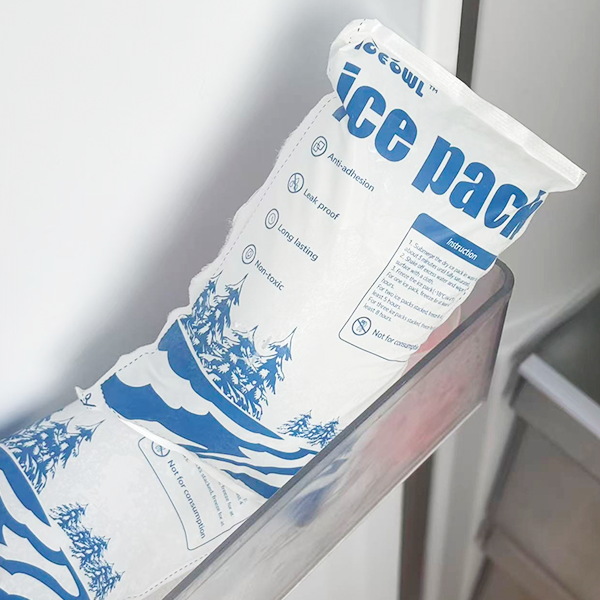
Can Dry Ice Packs Be Used with Solid CO₂ Dry Ice? What Ventilation Precautions Are Needed?
In the cold chain logistics industry, ensuring the safe and efficient transport of temperature-sensitive goods is critical. A common question arises: can dry ice packs be used with solid CO₂ dry ice, and what safety precautions must be followed? This article will provide you with in-depth guidance on how to safely combine these two cooling methods, address necessary ventilation measures, and explain the best practices for maintaining an optimal cold chain.

How can dry ice packs be effectively used with solid CO₂ dry ice?
What ventilation measures are critical when using both types of dry ice?
How should you store and transport goods using both forms of dry ice safely?
What are the best practices for industries such as pharmaceuticals and food transport?
Can Dry Ice Packs Be Used with Solid CO₂ Dry Ice Effectively?
Dry ice packs and solid CO₂ dry ice both play pivotal roles in cold chain logistics, but they work in slightly different ways. Dry ice packs are essentially gel-based containers that are frozen using CO₂, providing steady and controllable cooling. In contrast, solid CO₂ dry ice directly sublimates from a solid to gas at a temperature of -109.3°F (-78.5°C), offering intense cooling.
So, can these two types of cooling agents work together? Yes, they can. The combination of dry ice packs and solid CO₂ dry ice can offer enhanced flexibility and control over temperature. Dry ice packs provide a stable, long-lasting cooling effect, while solid CO₂ dry ice offers powerful bursts of extreme cold when required. By strategically using both, you can create a more robust cooling environment for long-term storage or transport.
Why Combine Both Dry Ice Packs and Solid CO₂ Dry Ice?
Using both cooling methods gives you better control over the temperature management, especially during long-distance shipments. Dry ice packs can keep items at a steady temperature, while solid CO₂ dry ice can handle extreme cooling. This combination is beneficial for industries that require precise temperature maintenance, such as pharmaceuticals and food logistics.
Real-World Example: A pharmaceutical company successfully used both dry ice packs and solid CO₂ dry ice during a long-haul shipment of vaccines, ensuring a controlled cooling environment for over 48 hours.
Ventilation Safety: Why Is It Crucial When Using Dry Ice?
The critical concern when using solid CO₂ dry ice is the sublimation process, where solid CO₂ turns directly into carbon dioxide (CO₂) gas. This gas can displace oxygen in confined spaces, leading to asphyxiation and potential danger to people around it. Proper ventilation is essential to prevent the buildup of CO₂ gas and ensure that the space remains safe.
Ventilation Guidelines
Use Well-Ventilated Containers: Always opt for coolers and storage units that allow CO₂ gas to escape. Never seal containers tightly, as this can cause pressure buildup, leading to potential rupture.
Ensure Air Circulation: For larger containers, vented lids or vent holes allow sublimating CO₂ gas to escape. When transporting dry ice, ensure adequate airflow in the vehicle or storage area.
CO₂ Detectors: In enclosed spaces such as laboratories, warehouses, or transport vehicles, CO₂ detectors are critical to monitor gas buildup. These detectors can alert you if the CO₂ levels reach unsafe limits.
Avoid Airtight Containers: Containers used for storing or transporting dry ice must not be airtight. Sealed units will trap CO₂ gas, causing dangerous pressure increases.
Best Practices for Storing and Transporting Goods with Dry Ice Packs and Solid CO₂ Dry Ice
To safely transport goods using both dry ice packs and solid CO₂ dry ice, follow these best practices:
1. Layering the Dry Ice
Place the solid CO₂ dry ice at the bottom of the cooler. This ensures that cold air sinks, helping to maintain consistent cooling.
Position the dry ice packs above to create a more gradual cooling effect, preventing direct contact between goods and the extremely low temperatures of the solid CO₂ dry ice.
2. Use Insulated and Vented Containers
Select coolers designed for CO₂ sublimation with built-in ventilation systems. These containers will allow gas to escape safely, keeping the temperature steady and ensuring that the pressure does not build up.
3. Avoid Fully Sealed Containers
Make sure there is a slight gap in the lid or opening of the cooler. This allows CO₂ gas to vent out as the dry ice sublimates.
4. Label Containers Clearly
For safe transport, label containers with a “Dry Ice” symbol, and ensure compliance with shipping regulations.
5. Store in a Cooler Environment
Keep your cooler in a cool area to prevent excessive sublimation from heat sources or direct sunlight, which could cause the dry ice to evaporate faster.
Industry-Specific Considerations for Using Dry Ice
Different industries have unique requirements when it comes to using dry ice. Here’s how dry ice packs and solid CO₂ dry ice are applied in specific industries:
| Industry | Best Practices | Key Considerations |
|---|---|---|
| Pharmaceuticals | Use both for controlled shipments of temperature-sensitive products. | Track temperature with real-time data loggers. |
| Food Transport | Layer dry ice packs and solid CO₂ for perishable goods. | Regularly monitor CO₂ levels, especially on long trips. |
| Biotech | Insulate coolers and combine both types for long-term cooling. | Always use CO₂ detectors during transportation. |
| Medical Supplies | Use insulated, ventilated storage containers for safety. | Prevent direct contact with dry ice to avoid product damage. |
Example of Best Practice
In one case, a biotech company used a combination of dry ice packs and solid CO₂ dry ice to transport vaccines across international borders. By layering the two, they successfully maintained a steady temperature for over 72 hours, ensuring the vaccines’ quality and viability throughout transit.
2025 Trends in Dry Ice Usage and Cold Chain Logistics
As we move into 2025, the cold chain logistics industry is evolving with several key trends:
Sustainable Cold Chain Solutions: There is a growing focus on eco-friendly dry ice solutions and alternative cooling materials. Innovations such as biodegradable dry ice materials and CO₂ capture systems are being explored to reduce environmental impact.
Smart Containers and Monitoring Systems: Smart containers with integrated temperature sensors and CO₂ monitoring systems are transforming how companies manage and track cold chain shipments in real-time.
Phase-Change Materials (PCMs): PCMs are emerging as a new alternative to traditional gel packs, providing more precise temperature control and reusability, aligning with sustainability goals.
What Does This Mean for Your Cold Chain Operations?
These developments are shaping the future of cold chain logistics, and businesses that embrace these trends will have a competitive edge, benefiting from improved efficiency, sustainability, and safety.
Commonly Asked Questions (FAQ)
Q1: Can dry ice packs be used in a sealed cooler with solid CO₂ dry ice?
A1: No, using sealed coolers is unsafe as it prevents gas from escaping. This can cause pressure buildup, leading to potential hazards. Always opt for vented coolers.
Q2: How do I know if CO₂ levels are unsafe?
A2: Elevated CO₂ levels can cause symptoms such as dizziness, shortness of breath, and confusion. Install CO₂ detectors in enclosed spaces to monitor these levels.
Q3: How should dry ice be disposed of?
A3: Never dispose of dry ice in sealed containers or drains. Allow it to sublimate in a well-ventilated area, preventing hazardous situations.
Conclusion and Recommendations
In conclusion, combining dry ice packs with solid CO₂ dry ice is an effective way to maintain a consistent cold chain for temperature-sensitive products. However, safety precautions, particularly with ventilation, are critical. Be sure to use appropriate vented coolers, monitor CO₂ levels, and carefully package your goods to prevent safety hazards.
Action Steps:
Assess your needs: Determine if using both dry ice packs and solid CO₂ dry ice fits your product’s transport requirements.
Ensure compliance: Always follow local regulations for dry ice handling and transportation.
Plan ahead: Invest in smart cold chain solutions to stay ahead of the curve and ensure the safety of your goods.
About Tempk
At Tempk, we specialize in cold chain logistics solutions, offering advanced packaging and monitoring systems tailored to industries such as pharmaceuticals, food transport, and biotech. Our products are designed to ensure that your sensitive goods remain at the right temperature throughout their journey.
Take the next step: Contact Tempk today for a personalized consultation on how we can improve your cold chain operations.
Can Dry Ice Packs Be Used with CO₂ Dry Ice? Safety Guide

Can Dry Ice Packs Be Used Together with Real CO₂ Dry Ice? Comprehensive Guide on Safety and Best Practices
Are you wondering if dry ice packs can be used alongside real CO₂ dry ice? Yes, they can, but it’s essential to understand how to combine them effectively and safely. Dry ice packs offer consistent, long-lasting cooling, while real CO₂ dry ice provides rapid and intense cooling. This article will guide you through the key safety precautions, best practices, and how you can optimize their use in cold chain logistics for temperature-sensitive goods.

Understand the cooling dynamics of dry ice packs and real CO₂ dry ice
Learn crucial safety precautions to ensure safe handling
Compare the different cooling effects and duration between dry ice and dry ice packs
Explore best practices for combining both cooling agents effectively
Stay updated on the 2025 trends and innovations in cold chain logistics
Can You Use Dry Ice Packs and Real CO₂ Dry Ice Together?
The Answer: Yes, You Can Safely Combine Them
Dry ice packs and real CO₂ dry ice can be used together, provided that certain guidelines are followed. Dry ice packs offer long-duration cooling and are safer to handle, while real CO₂ dry ice offers rapid cooling but needs careful management due to its extremely low temperature and gas sublimation. Combining the two provides both immediate and sustained cooling, ideal for sensitive shipments such as pharmaceuticals, frozen food, or biologics.
When Should You Use Dry Ice Packs with CO₂ Dry Ice?
For extended cooling durations: Dry ice packs help slow down the sublimation of CO₂ dry ice, prolonging its cooling effects, which is especially useful for long shipping durations.
When managing mixed temperature zones: If you are transporting goods that need different temperatures, dry ice packs and CO₂ dry ice can work together to maintain the right temperature for each item.
For temperature-sensitive shipments: Some items, like vaccines, may require ultra-low temperatures that dry ice alone can’t maintain for long periods. Using both cooling agents can ensure that the temperature stays consistent throughout transit.
Safety Precautions When Using Dry Ice Packs with CO₂ Dry Ice
While combining dry ice packs and real CO₂ dry ice can be efficient, safety is paramount. Here are the necessary precautions to avoid accidents:
1. Ensure Proper Ventilation
The sublimation of CO₂ dry ice releases carbon dioxide gas, which can displace oxygen in confined spaces. This poses a suffocation hazard. Therefore, always use CO₂ dry ice in well-ventilated areas. If transporting it, ensure that the container is vented to allow the gas to escape.
Tip: For shipping, make sure that the packaging allows gas release to avoid CO₂ buildup, which could lead to an explosion.
2. Wear Protective Gear
Handling CO₂ dry ice can be hazardous due to its extremely low temperature. Always wear insulated gloves and protective eyewear to prevent frostbite and injury from direct contact with the ice.
3. Monitor Temperature Regularly
Temperature monitoring is critical when using both types of ice. Use temperature loggers or sensors to track and adjust the cooling conditions to ensure that the temperature stays within the required range, particularly for sensitive goods.
4. Never Seal Dry Ice in Air-Tight Containers
Sealing CO₂ dry ice in a completely sealed container without a vent is dangerous. As the dry ice sublimates, the gas builds pressure, which could lead to an explosion. Always use vented containers to allow the gas to escape.
Real-life Example: A logistics company previously suffered a shipment loss because dry ice was improperly packed in an airtight container. The gas buildup caused a rupture, leading to temperature fluctuations and spoiled products. They have since adopted safer practices and better ventilation protocols.
Combining Dry Ice Packs and CO₂ Dry Ice: Best Practices
When using both cooling agents together, it’s important to follow these best practices to maximize their efficiency and safety:
1. Layer Your Cooling Agents
To optimize the cooling process, layer dry ice packs below the CO₂ dry ice. The dry ice packs will provide sustained cooling, while the CO₂ dry ice delivers an initial cooling burst.
2. Precondition Dry Ice Packs
Before use, freeze your dry ice packs at a low temperature to ensure they start at their maximum cooling potential. Cold packs should be as cold as possible to help balance the rapid sublimation of CO₂ dry ice.
3. Use Insulated Containers
Choose high-density insulated containers, such as EPS (expanded polystyrene) coolers, for shipping or storage. These will ensure that both dry ice and dry ice packs work efficiently by preventing temperature fluctuation.
| Refrigerant | Temperature Range | Typical Duration | Best Use Case | Impact on Goods |
|---|---|---|---|---|
| Dry Ice (loose CO₂) | –78.5°C | 24-48 hours (10 lbs/24 hrs) | Frozen goods, biologics | Can cause freezer burn |
| Dry Ice Packs | –20°C to –50°C | 24-72 hours | Long-haul frozen shipments | Slower sublimation, less fog |
| Gel Packs | 0°C to 8°C | 24-48 hours | Fresh produce, dairy | Non-hazardous, reusable |
| Combination (Dry Ice + Gel Packs) | < –20°C (near dry ice) & 0–4°C (near gel packs) | 48+ hours | Mixed loads, extended transit | Can overfreeze sensitive goods |
4. Keep Items Separate
In cases where goods require different temperatures, ensure that sensitive items, such as fresh produce, are not exposed to direct contact with the dry ice. Use dividers, such as cardboard or foam, to separate frozen items from refrigerated goods.
2025 Trends in Dry Ice and Cold Chain Logistics
As we head into 2025, there are several key trends and advancements in dry ice technology and cold chain logistics:
Sustainability Focus: Innovations in dry ice production are helping reduce the environmental impact of CO₂ emissions. Companies are exploring carbon capture methods and developing more eco-friendly cooling agents.
Smart Packaging: Real-time temperature monitoring integrated into packaging ensures optimal conditions during transit, preventing spoilage and improving efficiency.
Reusable Dry Ice Packs: Advances in dry ice pack technology have led to the development of vented, reusable packs that significantly reduce waste and cost, benefiting businesses and the environment alike.
Market Insights: Cold Chain Industry
The demand for sustainable cold chain solutions continues to grow. By 2025, over 60% of businesses are expected to integrate eco-friendly practices into their shipping processes. These include using biodegradable packaging, smart monitoring tools, and more efficient cold chain systems.
Frequently Asked Questions
Q1: Can I combine dry ice packs and CO₂ dry ice for refrigerated goods?
For goods requiring temperatures between 2–8°C, it’s best to use gel packs. Combining CO₂ dry ice with these items may cause overfreezing.
Q2: Is it safe to use dry ice packs and real CO₂ dry ice together for shipping?
Yes, it is safe if done correctly. Follow all safety guidelines, including using vented containers and wearing protective gear.
Q3: How do I store dry ice packs and real CO₂ dry ice?
Store both types of cooling agents in well-ventilated, insulated containers. Never store them in confined spaces without proper airflow.
Conclusion
Using dry ice packs alongside real CO₂ dry ice is a highly effective strategy for managing the temperature of sensitive goods during transit. By understanding the cooling dynamics, following safety precautions, and adhering to industry best practices, you can ensure that your shipments arrive safely and on time. Always remember to monitor temperatures regularly, ensure adequate ventilation, and handle both cooling agents with care.
About Tempk
At Tempk, we specialize in providing sustainable and advanced cold chain solutions. We offer eco-friendly dry ice packs, gel packs, and custom logistics solutions to ensure safe and efficient transport of temperature-sensitive products. Whether you need reusable packaging or more efficient cooling strategies, Tempk is here to help.
Consult with us today to optimize your cold chain logistics with safe and sustainable practices.