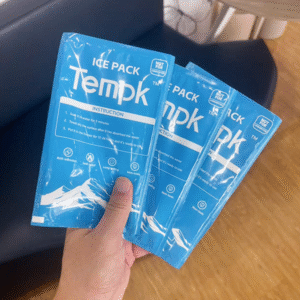
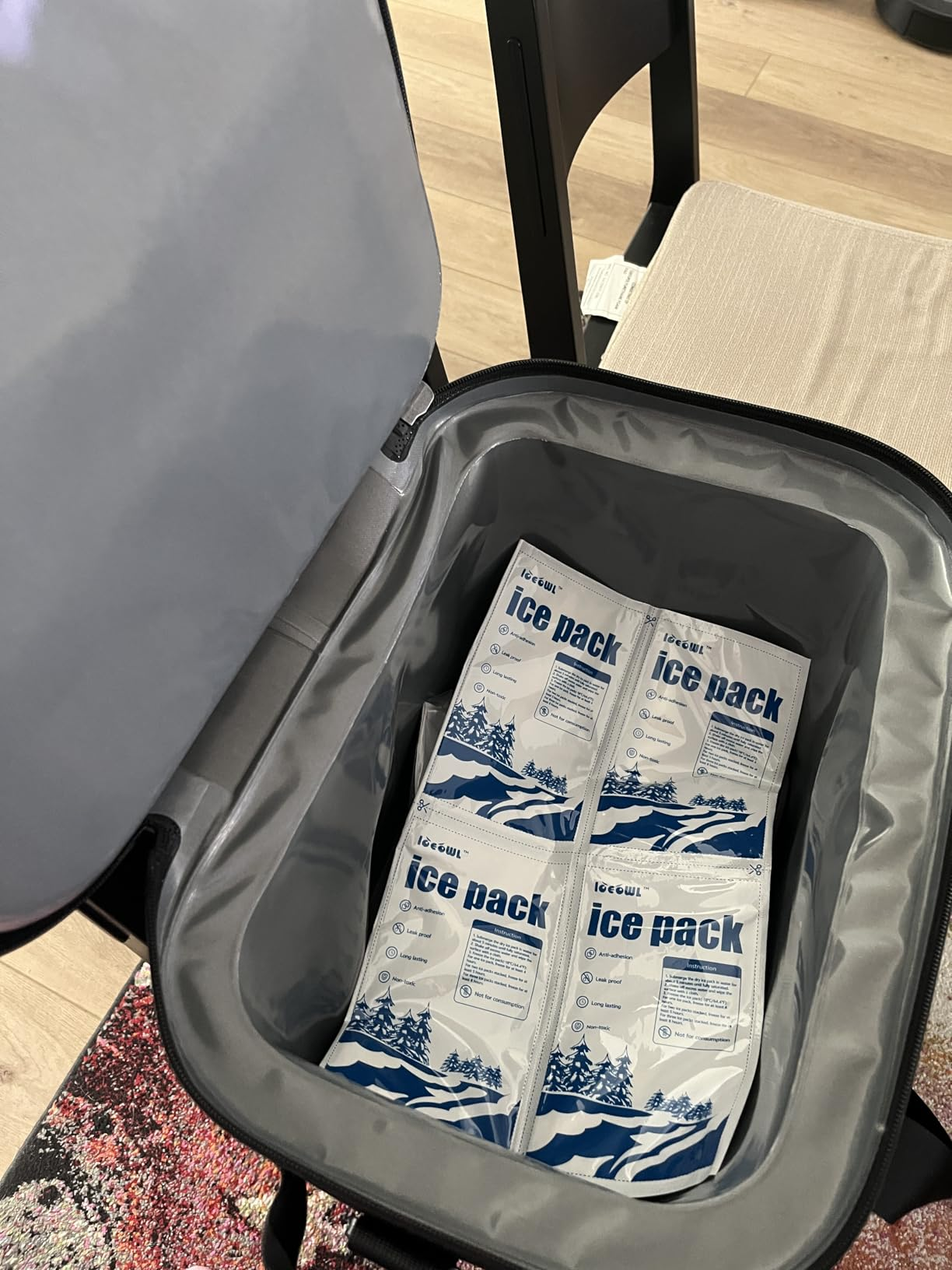
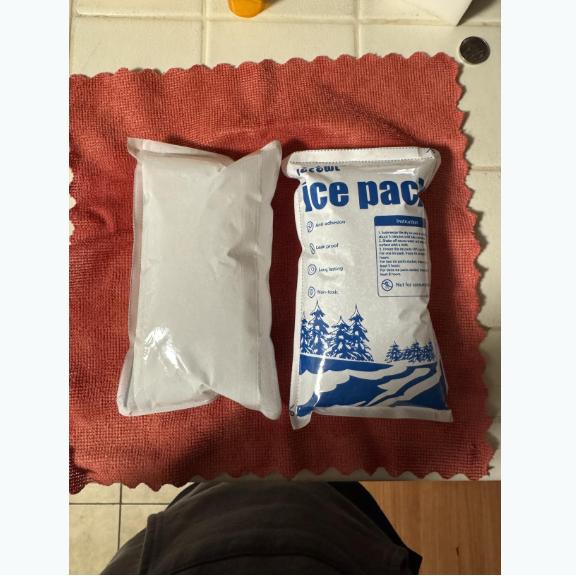
Can Layering Dry Ice at the Top and Bottom of a Shipment Enhance Cold Retention?
In the cold chain shipping industry, ensuring perishable goods remain at optimal temperatures is paramount. One effective method for cold retention is layering dry ice at both the top and bottom of shipments. But is this the best strategy to enhance cold retention, and when should it be used? In this article, we will explore how dry ice works, how layering improves cold retention, and the best practices to follow in 2025 for safe and effective shipping.
How Does Layering Dry Ice at the Top and Bottom Impact Cold Retention?
Direct Answer: Yes, layering dry ice at both the top and bottom of a shipment can improve cold retention by creating a more uniform cooling environment. Cold air naturally sinks, so placing dry ice at the top allows the cold air to cascade downward, keeping the goods consistently cold from all directions. Layering at the bottom can further enhance this effect, ensuring the temperature stays balanced throughout the entire shipment.
Expanded Explanation: Layering dry ice at both the top and bottom provides several advantages. First, it ensures that cold air is evenly distributed, preventing temperature fluctuations that could negatively impact sensitive products. The dry ice sublimates into carbon dioxide gas, and as it cools, the dense cold air sinks, naturally maintaining a low temperature. For longer journeys or goods that need extended cold retention, layering at both ends provides redundancy, helping to maintain the integrity of the shipment even if one layer sublimates faster than the other
Why Does Heat Transfer Matter for Dry Ice Layering?
Heat transfer plays a significant role in determining the effectiveness of dry ice placement. Cold air sinks, so placing dry ice on top maximizes the cooling effect as it helps the cold air travel down to the goods. Without proper insulation and airflow, heat from the environment could compromise the shipment’s temperature. Layering dry ice at both the top and bottom ensures that cold air reaches every part of the shipment.
Layering Method
Best For
Pros
Cons
What It Means for You
Top-only
Frozen foods, pharmaceuticals, long hauls
Maximizes cooling and long-lasting cold retention
Can cause freezer burn or overcool sensitive items
Ideal for goods that must remain frozen, with a barrier to avoid freezing.
Bottom-only
Chilled products like drinks, produce
Keeps goods cool without freezing
Less efficient; cold remains concentrated at the bottom
Best for items that need to stay cold but not frozen.
Suitable for critical shipments, such as medical supplies and frozen food, where failure is not an option.
Best Practices for Layering Dry Ice in Shipments
To ensure maximum cold retention, proper dry ice layering is essential. Follow these steps for effective cold chain shipping:
Choose Insulated Containers: Use strong, insulated boxes such as Styrofoam coolers or hard-shell containers that maintain internal temperatures. Avoid soft-sided coolers as they allow quicker temperature fluctuations
Wrap Dry Ice: Always wrap dry ice in materials like newspaper or place it in vented pouches to slow down sublimation and prevent direct contact with goods
Pre-Chill the Shipment: Before packing, pre-chill your shipping container and items to reduce the initial temperature load, giving dry ice more time to maintain its low temperature
Ventilation is Key: Ensure the container allows carbon dioxide gas to escape. Improper ventilation can lead to dangerous pressure buildup, potentially causing a rupture in the container
Monitor Sublimation Rates: Regularly check how much dry ice has sublimated to ensure it lasts for the duration of the journey
Safety Considerations When Using Dry Ice
Dry ice is extremely cold (-78.5°C or -109.3°F), and improper handling can lead to serious injuries or hazards. Here’s how to stay safe:
Hazards of Dry Ice
Frostbite: Direct contact with dry ice can cause severe frostbite. Always use insulated gloves or tongs to handle it
Asphyxiation: Dry ice sublimates into carbon dioxide gas, which can displace oxygen in confined spaces. Never store dry ice in an airtight container
Pressure Buildup: If dry ice is stored in a sealed container, the gas buildup can cause the container to rupture. Always provide adequate ventilation
Safety Practices for Handling Dry Ice
Wear Protective Gear: Always use insulated gloves and handle dry ice with tongs
Ventilate Properly: Ensure proper ventilation in storage and transport containers
Dispose of Dry Ice Safely: Allow unused dry ice to sublimate in an open, well-ventilated area, away from children and pets
2025 Trends in Cold Chain Shipping and Dry Ice Innovations
Latest Innovations in Dry Ice Usage
The cold chain industry is rapidly evolving, with several innovations reshaping how we use dry ice for shipments:
Eco-Friendly Dry Ice Production: In 2025, the industry is seeing a shift towards sustainable dry ice production methods. Companies are utilizing carbon-negative dry ice, made from CO₂ captured from industrial sources, helping reduce environmental impact
Smart Packaging: Advances in smart packaging technology include temperature-monitoring solutions and multi-layered insulation to provide more reliable cold retention for shipments
Hybrid Cooling Solutions: Companies are now combining dry ice with other cooling agents like plant-based gels to enhance the cold retention capabilities of their shipments
Market Insights
The demand for dry ice and other cold chain solutions is expected to grow as global shipping needs increase. With the expansion of e-commerce, pharmaceuticals, and the biotechnology industry, cold chain logistics is poised for growth. Businesses that embrace new technologies, such as eco-friendly dry ice and smart packaging, will have a competitive edge
Frequently Asked Questions (FAQs)
Q1: How much dry ice should I use in my shipment? Use 1-2 pounds of dry ice for every 10 pounds of perishable goods. Adjust this ratio based on the shipment’s size and transit duration
Q2: Can dry ice be used for international shipments? Yes, dry ice can be used for international shipments, but it is subject to specific regulations, particularly for air transport
Q3: What if I don’t want my goods to freeze with dry ice? Place a barrier (like cardboard or insulated pads) between the dry ice and the goods to prevent direct contact and freezing
Conclusion
Layering dry ice at both the top and bottom of a shipment is an effective strategy for maximizing cold retention, especially for long-distance or high-value shipments. Following the proper procedures for insulation, ventilation, and dry ice placement will ensure that perishable goods remain in optimal condition. Stay informed on the latest trends, such as eco-friendly dry ice production and smart packaging, to enhance your cold chain shipping practices in 2025.
Actionable Steps:
Assess Shipment Needs: Determine whether your products need to stay frozen or simply chilled.
Calculate Dry Ice Requirements: Follow the 2025 guidelines for how much dry ice is necessary based on shipment duration and weight.
Prepare Your Containers: Pre-chill, insulate, and carefully layer your dry ice to maximize cold retention.
Monitor Shipments: Use real-time temperature tracking for enhanced visibility and reliability.
About Tempk
Tempk provides cutting-edge cold chain solutions, from dry ice products to smart packaging technologies. Our eco-friendly solutions help ensure that your temperature-sensitive shipments arrive safely and efficiently. Contact us today to optimize your shipping strategy.
Can Dry Ice Damage Cooler Lining in a Bag? Expert Insights
Can Dry Ice Damage the Cooler Lining in a Bag?
Dry ice is widely used for keeping perishable items frozen, especially during long shipments or outdoor activities. However, the question remains: Can it damage the cooler’s lining when placed in a bag? The answer depends on the cooler material, packing methods, and precautions taken. This guide will explore the risks and provide actionable advice to ensure your cooler stays intact while benefiting from the long-lasting cold that dry ice offers.
Does using dry ice in a bag affect cooler integrity?: Understanding the role of bags in protecting cooler linings.
What precautions should you take when using dry ice in coolers?: Key safety measures and best practices.
How to choose the best cooler for dry ice: Cooler materials that can withstand the extreme cold of dry ice.
How Does Dry Ice Interact with Cooler Linings?
Dry ice, made from solid carbon dioxide (CO₂), is incredibly cold, reaching temperatures as low as -109°F (-78.5°C). When placed in a cooler, it draws heat from the surrounding environment, causing the temperature inside to plummet rapidly.
Can Dry Ice Damage Your Cooler Lining?
Yes, dry ice can damage the cooler lining if not handled carefully. The extreme cold of dry ice can cause materials like thin plastic or fabric to become brittle and crack, especially when the cooler is not adequately insulated. If dry ice directly contacts the cooler’s lining, it may lead to cracks, warping, or even degradation of the material over time.
Why Cooler Material Matters
Coolers made from thin plastics or fabrics are more susceptible to thermal shock. This is why high-quality, rotomolded coolers are better suited for dry ice use as they are designed with thicker insulation and durable materials.
Does Using Dry Ice in a Bag Affect Cooler Integrity?
Using a bag with dry ice can offer some protection but is not foolproof. A bag serves as a barrier to contain the dry ice, preventing direct contact with the cooler’s lining. However, the bag does not offer sufficient insulation to fully protect against thermal shock from dry ice. Therefore, it’s important to add a protective layer like cardboard or foam between the dry ice and the cooler’s interior.
Why is Ventilation Important?
Dry ice sublimes into carbon dioxide gas, and if this gas is unable to escape, it can build up pressure inside the cooler. This can damage the cooler’s seals and increase the risk of the cooler bursting. To avoid this, ensure the cooler is ventilated by leaving the lid slightly ajar or removing the drain plug.
How to Protect Your Cooler When Using Dry Ice
To avoid damage to your cooler and enhance its lifespan, follow these expert recommendations:
Choose the Right Cooler: Opt for a rotomolded cooler with thick walls and strong insulation. These coolers are best suited for dry ice use and can withstand extreme temperatures. Soft coolers or cheap plastic ones should be avoided when using dry ice.
Use Insulating Barriers: Always use a cardboard or foam barrier between the dry ice and the cooler’s lining to distribute the cold more evenly and prevent direct contact.
Wrap the Dry Ice: Wrapping the dry ice in newspaper or a cloth bag helps slow down sublimation and protects your cooler from extreme cold.
Ventilation: As dry ice releases carbon dioxide gas, proper ventilation is critical. Make sure the cooler is vented to prevent dangerous gas buildup.
What Are the Risks of Using Dry Ice Without Proper Precautions?
When used incorrectly, dry ice can present several risks:
Frostbite: Dry ice can cause severe frostbite on contact with skin. Always handle it with protective gloves or tongs.
Suffocation Hazard: In poorly ventilated spaces, the sublimation of dry ice can displace oxygen, leading to suffocation risks.
Damage to Cooler Lining: As discussed, the extreme cold from dry ice can cause cracks or warping in the cooler lining if it’s not properly insulated.
How to Choose the Best Cooler for Dry Ice?
When selecting a cooler for dry ice, consider the following factors:
Heavy-Duty Insulation: Choose coolers with thick foam or polyethylene insulation that can handle extreme cold.
Ventilation Features: Coolers with built-in ventilation systems or airflow vents are ideal for dry ice use.
Durability: High-quality rotomolded coolers last longer and provide better protection against thermal shock.
Cooler Type
Insulation & Thickness
Dry Ice Suitability
Practical Advice
Rotomolded Coolers
Thick, seamless polyethylene
Highly suitable with ventilation
Ideal for long-term use with dry ice
Injection Molded Coolers
Medium insulation, less thick walls
Suitable with precautions
Use a barrier between dry ice and cooler lining
Soft Coolers
Thin insulation, fabric
Not recommended for dry ice
Avoid or use with extreme caution
2025 Trends in Cooler Design for Dry Ice Use
As we enter 2025, cooler manufacturers are developing more sophisticated solutions for dry ice storage:
Improved Insulation Materials: New, advanced materials are being used in cooler linings, such as aerogels and phase-change materials (PCMs), which offer enhanced insulation properties without compromising weight.
Eco-Friendly Designs: Sustainable coolers made from biodegradable materials are gaining traction, while maintaining the durability needed for dry ice use.
These innovations are set to make coolers safer, more efficient, and better equipped to handle the extreme cold of dry ice.
Frequently Asked Questions
Q1: Can dry ice damage my cooler’s lining if used for short periods? Dry ice can damage cooler linings if exposed for extended periods. However, using coolers with thick insulation and protective barriers can help prevent damage during short-term use.
Q2: Can I use dry ice in soft coolers? Using dry ice in soft coolers is generally not recommended, as the material is too thin to handle the extreme cold. If necessary, ensure you use a thick foam barrier and ventilate the cooler properly.
Q3: How long does dry ice last in a cooler? Dry ice lasts approximately 18–36 hours depending on the cooler’s insulation, the amount of dry ice used, and the external temperature.
Conclusion and Recommendations
Dry ice can cause significant damage to cooler linings, especially when not used properly. By following the right precautions—such as using insulating barriers, selecting the appropriate cooler, and ensuring ventilation—you can safely store perishable items for extended periods. Opt for high-quality coolers and always take protective measures to extend the life of both your cooler and dry ice.
Next Steps:
Always use insulating materials like cardboard or foam to prevent direct contact with the cooler lining.
Choose coolers specifically designed for dry ice use, with proper insulation and ventilation.
Regularly check your cooler’s condition after using dry ice to maintain its efficiency.
About Tempk
At Tempk, we specialize in providing high-performance coolers built for extreme conditions. Our coolers are equipped with top-tier insulation, ventilation systems, and eco-friendly materials, making them ideal for storing dry ice and perishable items. Contact us today to find the perfect cooler for your cold chain needs.
Can Dry Ice Bags Be Used with Pelican or Yeti Coolers? | 2025 Guide
Dry ice is often the go-to choice for those looking to keep perishables frozen during transportation, especially in challenging environments. But can you use dry ice bags in Pelican and Yeti coolers? The answer is yes, but there are important guidelines to follow to ensure that you’re using them safely and effectively. In this article, we’ll explore the compatibility of dry ice with these two popular cooler brands, outline best practices for its use, and provide insights into new advancements in cold chain technology.
Why dry ice is effective for use in Pelican and Yeti coolers
The precautions to take when using dry ice in these coolers
How to optimize your cooler’s performance when using dry ice
The latest trends in cold chain logistics and dry ice usage in 2025
Why is Dry Ice Effective for Pelican and Yeti Coolers?
Dry ice, the solid form of carbon dioxide, is far colder than regular ice—typically at a chilling temperature of around -109°F (-78.5°C). Its ability to sublimate directly from a solid to gas without leaving behind water makes it an efficient and mess-free option for maintaining sub-zero temperatures. When used in Pelican or Yeti coolers, dry ice helps maintain colder conditions for much longer than regular ice, which is especially important for long trips or sensitive cargo like pharmaceuticals or perishable food items.
A cooler packed with dry ice can maintain a much lower temperature for up to three times longer than a cooler filled with regular ice. This makes dry ice ideal for scenarios where keeping contents frozen for extended periods is necessary, such as during medical shipments, long camping trips, or transporting frozen foods. It’s also lighter and more space-efficient, requiring much less volume to maintain the same level of cold compared to water ice.
Precautions When Using Dry Ice with Pelican and Yeti Coolers
Although dry ice is an excellent cooling agent, it must be handled with care. Here are several safety considerations when using dry ice with Pelican and Yeti coolers:
1. Ventilation is Crucial:
Both Pelican and Yeti coolers have excellent seals, but they can also trap carbon dioxide gas if the cooler is sealed completely. Carbon dioxide buildup can lead to dangerous suffocation risks, especially in confined spaces. Therefore, it is critical that the cooler is kept in a well-ventilated area and that the lid is left slightly ajar or the drainage plug is opened to allow the CO₂ gas to escape safely.
2. Handle Dry Ice with Care:
Dry ice can cause severe frostbite or skin burns if handled directly. Always wear insulated gloves and safety goggles when handling dry ice. Using tongs or thick gloves to handle dry ice will help prevent any direct contact with your skin.
3. Do Not Store Dry Ice in a Sealed Container:
Even though Pelican and Yeti coolers are robust, storing dry ice in a completely sealed container can lead to pressure buildup. This can cause the cooler to rupture. To avoid this risk, ensure that the cooler is properly vented, and the dry ice is not in direct contact with the cooler’s walls to prevent damage from extreme cold.
4. Use Insulation Between Dry Ice and Contents:
To protect your items from the extremely low temperatures of dry ice, it is advisable to place a layer of regular ice, newspaper, or a cloth between the dry ice and the contents of the cooler. This prevents direct exposure to the freezing cold of the dry ice, especially for items that are sensitive to extreme temperatures.
How to Optimize Your Cooler for Dry Ice Use
Using dry ice in Pelican and Yeti coolers requires proper packing and setup to maximize its cooling efficiency and prevent damage to your cooler. Here’s how to pack your cooler for optimal performance:
1. Pre-Chill Your Cooler:
Before adding dry ice, it’s a good practice to pre-chill the cooler and its contents. This reduces the need for dry ice and helps maintain the low temperatures for a longer period. You can achieve this by adding regular ice or freezing the cooler overnight.
2. Proper Positioning of Dry Ice:
Dry ice is best placed at the top of the cooler or just beneath the contents. Since cold air tends to sink, placing dry ice on top allows the cool air to circulate and effectively cool the entire contents. Alternatively, you can create a barrier inside the cooler to keep the dry ice from directly touching the food or other sensitive items.
3. Use Insulating Material:
Wrap the dry ice in several layers of newspaper, cloth, or a towel before placing it in the cooler. This slows down the sublimation rate, allowing the dry ice to last longer while protecting your cooler and contents from direct exposure to extreme cold.
4. Leave Space for Ventilation:
Carbon dioxide gas needs to escape from the cooler. Always ensure that there is enough space around the cooler’s seal for the gas to vent. Never seal the cooler completely—either leave the lid slightly open or open the drain plug periodically during transport.
Comparing Pelican and Yeti Coolers for Dry Ice Use
Pelican and Yeti are two of the most trusted cooler brands, but they each have unique features that affect their performance with dry ice.
Feature
Pelican Coolers
Yeti Coolers
Your Practical Consideration
Insulation Quality
Advanced foam insulation
Permafrost™ Insulation
Both offer excellent insulation for dry ice use.
Seal Tightness
Very tight seal; requires ventilation
Tight seal; requires ventilation
Both seals prevent heat entry but need ventilation to avoid pressure buildup.
Durability
Rugged and long-lasting
Extremely durable
Both are highly durable, with Pelican offering more portable options (models with wheels).
Portability
Models with wheels available
No wheels on smaller models
Pelican’s wheeled coolers are better for heavy loads, including dry ice.
Pelican Coolers:
Pelican coolers are designed with pressurized relief valves and advanced rotomolded construction that make them highly resistant to damage from the extreme cold of dry ice. Their rugged build ensures long-lasting durability, making them ideal for rough environments and long-haul shipments.
Yeti Coolers:
Yeti coolers, particularly the Tundra® and Roadie® lines, are also well-suited for dry ice use. These models feature freezer-style gaskets that maintain a tight seal while allowing for gas venting. Yeti coolers are highly durable, although they don’t offer the same portable options as Pelican coolers.
2025 Trends in Cold Chain Logistics and Dry Ice Use
As we move into 2025, new innovations are reshaping the cold chain logistics industry. Dry ice is becoming increasingly eco-friendly, with advancements in biodegradable dry ice and smart cold chain solutions.
2025 Cold Chain Innovations:
Biodegradable Dry Ice: Research into biodegradable dry ice is underway, aiming to reduce its environmental footprint while maintaining its effectiveness in cold storage.
Smart Coolers: The advent of IoT-enabled coolers is making it easier to monitor the internal temperature in real-time. These smart systems can alert users if temperatures fall outside of safe ranges, ensuring your products are kept at optimal conditions during transport.
Latest Developments:
AI Route Optimization: Artificial intelligence is being used to optimize delivery routes, helping to minimize the sublimation rate of dry ice and ensuring timely delivery of temperature-sensitive goods.
Sustainable Packaging: Environmental concerns are driving the development of sustainable alternatives to traditional packaging, including plant-based insulation and reusable dry ice bags.
Frequently Asked Questions
Q1: Can I use dry ice in a soft cooler? No, both Pelican and Yeti explicitly warn against using dry ice in soft coolers due to the lack of pressure relief mechanisms, which can lead to damage and dangerous pressure buildup.
Q2: How long does dry ice last in a Pelican cooler? Dry ice can last 18-24 hours in a well-packed Pelican cooler, depending on external conditions. Ensure proper insulation and ventilation to maximize its effectiveness.
Q3: Can dry ice be used with regular ice in a cooler? Yes, dry ice can be used in combination with regular ice to extend the cooling period, particularly when you need to keep some items colder than others.
Conclusion and Recommendations
Dry ice is a powerful cooling agent that works exceptionally well in Pelican and Yeti hard coolers. By following safety guidelines—such as ensuring proper ventilation, using protective gear, and packing your cooler efficiently—you can safely use dry ice for extended cooling.
Action Step: If you plan on using dry ice for long trips or temperature-sensitive cargo, consider investing in a high-quality cooler like Pelican or Yeti and always ensure proper ventilation. Monitor internal temperatures with a thermometer to guarantee your goods remain at the correct temperature.
About Tempk
Tempk specializes in advanced cold chain solutions, offering insulated coolers and dry ice packs designed to maintain optimal temperatures for sensitive goods. Our products are engineered for durability and efficiency, ensuring your products remain in perfect condition during transport.
Take the next step: Contact us for personalized advice on cold chain logistics and safe dry ice usage.
Can Dry Ice Bags Be Recycled Curbside? 2025 Guide
Can Dry Ice Bags Be Recycled Curbside? A 2025 Guide to Responsible Disposal
Are dry ice bags recyclable curbside? This question has become more relevant as people seek to reduce their environmental impact. While dry ice bags are often used for shipping and storing perishable goods, many people are unaware that they cannot typically be recycled curbside. This guide will explore why, along with proper disposal methods and eco-friendly alternatives.
What makes dry ice bags different from regular plastic bags?
How can you safely dispose of dry ice bags?
What are some sustainable alternatives for dry ice bags?
What are the latest trends in dry ice bag recycling in 2025?
What Are Dry Ice Bags Made Of and Why Can’t They Be Recycled Curbside?
Dry ice bags are often made from plastic films like polyethylene (PE), a recyclable material. However, the specific types of films and potential contamination make them difficult to process through curbside recycling systems. For instance, thin plastic bags and films (such as low-density polyethylene) often cause problems in recycling plants by clogging equipment or contaminating other recyclables.
Why is Plastic Film Hard to Recycle Curbside? Plastic films, including dry ice bags, are typically not accepted in curbside recycling programs. They often contain moisture, food residues, or other contaminants that prevent proper recycling. Even if the bags are made from recyclable materials, the contamination and structural complexity hinder the recycling process.
Dry Ice Bag Composition: Paper vs. Plastic
Kraft Paper Bags: Made from thick kraft paper without a plastic lining, these bags are fully recyclable and biodegradable. You can place them in your curbside recycling bin if they are dry and free from contamination.
Plastic Film Bags: Typically made from low-density polyethylene (LDPE), these bags are not suitable for curbside recycling. They must be dry and clean before being taken to specialized drop-off locations.
Hybrid Bags (Paper-Lined with Plastic Film): These bags combine materials that make them difficult to recycle in curbside programs. The best practice is to take them to a store drop-off program after ensuring that all dry ice has sublimated and the bag is clean.
How to Dispose of Dry Ice Bags Safely and Responsibly
1. Check Local Recycling Guidelines
Recycling guidelines differ by location. Some areas accept clean plastic bags at curbside, while others require you to take them to specific drop-off centers. Always check your local recycling facility for the most accurate disposal instructions.
2. Utilize Retail Drop-Off Locations
Many grocery stores and retailers offer collection bins for plastic bags and films. Participating stores partner with programs like NexTrex, which turn collected plastic films into composite materials. Ensure your dry ice bags are free of any residue before dropping them off.
3. Reusing Dry Ice Bags
Reusing dry ice bags is an eco-friendly option. You can repurpose them for storing other frozen goods, or even use them as makeshift freezer packs for picnics or sports injuries. Reusing extends the bag’s life and reduces waste.
4. Proper Disposal of Contaminated Bags
If your dry ice bags are contaminated with food residues or other materials, do not recycle them. Place them in the trash to prevent contamination of recyclable materials.
What Are the Best Alternatives to Dry Ice Bags?
Sustainable Packaging Options
Businesses and consumers are increasingly turning to greener alternatives to dry ice bags. Here are a few:
Biodegradable Dry Ice Bags: Made from plant-based materials, these bags decompose more quickly than traditional plastic, providing a more sustainable option.
Reusable Containers: Consider using durable, reusable containers for dry ice transportation. These containers can last for years, reducing packaging waste.
Cooling Gel Packs: Some businesses are replacing dry ice with cooling gel packs, which often have a lower environmental impact and are easier to dispose of than dry ice bags.
2025 Trends in Sustainable Packaging and Disposal
In 2025, there has been a marked shift towards sustainable packaging in cold chain logistics. Companies are exploring compostable materials, reusable containers, and systems that reduce reliance on plastic. A report from the Sustainable Packaging Coalition found that 70% of U.S. consumers are more likely to choose brands that prioritize eco-friendly shipping methods.
FAQ: Dry Ice Bags and Recycling
Q1: Can I recycle dry ice bags at my local recycling center? Most centers do not accept dry ice bags due to their material composition. Check with your local facility to see if there are any special programs in place.
Q2: Can dry ice bags be reused? Yes, dry ice bags can often be reused if they are still in good condition. Just ensure they are clean and dry before reusing them.
Q3: What should I do if no recycling options are available? If no specialized recycling options exist in your area, it’s best to dispose of dry ice bags in the trash. However, make sure they are clean and dry to prevent contamination.
Q4: Where can I drop off plastic film for recycling? Many grocery stores and big-box retailers offer plastic film drop-off bins. Check with your local stores to find a nearby drop-off location.
Summary and Recommendations
Dry ice bags, especially plastic film types, are not suitable for curbside recycling due to contamination risks and material complexity. However, there are alternative disposal methods, including store drop-off programs and reusing the bags when possible. Opting for sustainable packaging alternatives such as biodegradable bags or reusable containers can also reduce environmental impact.
Next Steps:
Identify the type of dry ice bag: Check if it’s paper or plastic.
Sublimate dry ice safely: Let dry ice evaporate outdoors before handling the bag.
Find drop-off locations: Locate nearby stores that accept plastic film for recycling.
About Tempk
Tempk is a leader in cold chain logistics and sustainable packaging solutions. We provide eco-friendly alternatives to traditional dry ice bags, including biodegradable bags and durable containers. Our products help businesses reduce waste and ensure the safe transportation of perishable goods, all while minimizing their environmental footprint.
Consult with us today to explore our innovative solutions for sustainable packaging and shipping!
Wondering if dry ice bags can keep your ice cream frozen overnight? The answer is yes! Dry ice, at an extreme temperature of -109.3°F (-78.5°C), ensures your frozen treats stay solid during long trips or power outages. Let’s explore how dry ice works, the best methods for using it, and key safety tips to consider.
What’s the right amount of dry ice? Find out how much dry ice is needed based on the weight of your ice cream.
Is it safe to use dry ice bags at home? Discover safety precautions for handling dry ice.
Best packing methods for overnight freezing. Maximize effectiveness with simple techniques.
2025 trends in dry ice use for food preservation. New innovations in cold chain logistics.
How Does Dry Ice Keep Ice Cream Frozen Overnight?
Dry ice works by sublimating from a solid to a gas without turning into liquid, making it ideal for cooling without mess. With a core temperature of -78.5°C (-109.3°F), it absorbs heat from its surroundings, ensuring your ice cream stays frozen longer. Unlike regular ice, dry ice does not melt into water, which prevents soggy packaging and keeps the environment around your ice cream cold for up to 48 hours.
Why is Dry Ice More Effective Than Regular Ice?
Dry ice offers temperatures far colder than regular ice, which only reaches 32°F (0°C). Regular ice melts into water, losing its cooling power, whereas dry ice continues to sublimate into CO₂ gas, maintaining its cooling power without water residue. This feature makes it superior for transporting perishable goods like ice cream over long distances.
How Much Dry Ice Do You Need?
The amount of dry ice required depends on the amount of ice cream and the duration of your trip. Here’s a basic guideline:
Ice Cream Weight (kg)
Dry Ice for 24h (kg)
Dry Ice for 48h (kg)
Dry Ice for 72h (kg)
2
1
2
3
4
2
4
6
10
5
10
15
For a 24-hour trip, use approximately 1 pound of dry ice for every 5-10 pounds of ice cream.
Best Practices for Packing Ice Cream with Dry Ice
Proper packing is essential to extend the freezing duration. Here’s how to pack efficiently:
Choose the Right Cooler: Use a high-quality insulated cooler to retain cold temperatures effectively. Styrofoam or plastic coolers work best.
Use a Layering System: Place a layer of cardboard between dry ice and ice cream to prevent freezer burn.
Add Dry Ice Properly: Place dry ice above the ice cream, as cold air sinks. Ensure it’s insulated and wrapped in towels or newspapers to slow sublimation.
Pro Tip: Always pre-chill the cooler to enhance the cooling effect before placing the ice cream and dry ice inside.
Is Dry Ice Safe to Use?
While dry ice is highly effective, it requires careful handling:
Wear Protective Gear: Always use gloves or tongs to handle dry ice to avoid frostbite.
Ventilation Is Crucial: Dry ice sublimates into CO₂, which can displace oxygen in confined spaces. Always use dry ice in well-ventilated areas.
Don’t Seal Containers: Never store dry ice in airtight containers. Allow the gas to escape to avoid pressure buildup, which could cause explosions.
Common Dry Ice Risks and Precautions:
Hazard
Cause
Precaution
Why It Matters
Frostbite
Direct contact with dry ice
Use insulated gloves or tongs
Prevent painful injuries
Asphyxiation
CO₂ displacing oxygen in confined spaces
Ensure ventilation, never use in sealed areas
Protects breathing and prevents dizziness
Explosion
Pressure buildup in airtight containers
Avoid sealing containers
Prevents cooler damage or dangerous explosions
What Are the Latest 2025 Trends in Dry Ice Use?
2025 brings innovations in cold chain logistics, improving both efficiency and sustainability:
Carbon-Negative Dry Ice Production: Using CO₂ captured from industrial processes reduces the carbon footprint of dry ice production.
Smart Temperature Monitoring: New NFC-enabled temperature tags allow real-time tracking of conditions during transport.
Sustainable Materials: Biodegradable aerogels and eco-friendly packaging materials are gaining traction in the cold chain industry.
These innovations are not only enhancing the effectiveness of dry ice but also making it more eco-friendly and efficient for use in food transport.
FAQs
Q1: Can I use dry ice to keep ice cream frozen for longer than 48 hours? Yes, with additional dry ice and better insulation, freezing can be extended up to 72 hours.
Q2: Is it safe to use dry ice in a car? Yes, provided the car is well-ventilated, and the dry ice isn’t stored in a sealed container.
Q3: What’s the best way to prevent freezer burn on ice cream? Ensure ice cream containers are tightly sealed and use dry ice to maintain sub-zero temperatures during transport.
Conclusion and Recommendations
In summary, dry ice is an excellent option for keeping ice cream frozen overnight when packed properly and handled safely. Ensure you use the correct amount of dry ice, select the right cooler, and prioritize ventilation. By following these best practices, you can keep your ice cream frozen and prevent freezer burn for up to 48 hours.
Next Steps:
Calculate Your Dry Ice Needs: Determine the weight of your ice cream and use the recommended dry ice guidelines.
Prep Your Cooler: Pre-chill your cooler, line it with cardboard, and gather protective gloves.
Pack and Vent: Position the dry ice above the ice cream, seal the cooler loosely, and avoid frequent openings.
About Tempk
Tempk specializes in providing state-of-the-art cold chain solutions, ensuring your frozen goods are transported safely and effectively. With advanced insulation materials and sustainable dry ice options, we help maintain the perfect temperature for your ice cream and other perishable products during transport.
Actionable Advice: Contact our experts today for tailored solutions on maintaining frozen goods during transport.
Can Couriers Pick Up Dry Ice From Home? – Shipping Rules & Tips
Yes, couriers can pick up packages containing dry ice from your home, but it requires following specific regulations and safety guidelines. Dry ice, the solid form of carbon dioxide, sublimates into gas at extremely low temperatures, which can pose safety risks if not properly handled. Whether you’re shipping food, pharmaceuticals, or scientific samples, understanding the guidelines is crucial for ensuring safe and compliant shipments. This article explains the essential steps for packaging, labeling, and scheduling a pickup.
What are the packaging, labeling, and documentation requirements for dry ice shipments?
How do you safely prepare dry ice packages for home pickup?
What are the risks of shipping dry ice, and how can they be mitigated?
What are the latest 2025 trends in cold chain logistics?
Can Couriers Pick Up Dry Ice Packages from Home?
Yes, Couriers Can Pick Up Dry Ice Shipments, but There Are Guidelines
FedEx, UPS, and DHL do offer services for dry ice pickups at your home or business. However, there are critical steps to ensure compliance and safety. These include proper packaging, labeling, and documentation. All couriers treat dry ice as a hazardous material, so understanding the specific rules for each carrier is vital.
FedEx: On-Call Pickup Services Available
FedEx offers dry ice pickup services with the requirement that the shipment complies with proper packaging and labeling. The process is relatively straightforward: schedule an on-call pickup, ensure the packaging allows for gas release, and mark the package with the appropriate hazardous materials labels, including “Dry Ice” and UN1845.
However, it’s essential to note that dry ice must not be shipped in standard FedEx boxes. Instead, vented containers are required to prevent pressure buildup from the sublimating carbon dioxide.
UPS: Requires Hazardous Materials Contract
UPS allows dry ice pickups, but only if the sender has a hazardous materials contract. For smaller quantities (under 2.5 kg), shipments can be handled without the contract, but they must still meet all the packaging and labeling requirements. UPS restricts dry ice shipments at retail locations, so you must schedule a pickup through your UPS account.
USPS: Restrictions and Uncertainty Around Pickup Services
The USPS does allow dry ice shipments for domestic mail, but it’s less clear about whether it offers home pickup services for such packages. USPS requires dry ice shipments to be properly vented and labeled. Due to the regulatory nature of hazardous materials, it’s advisable to confirm directly with your local post office or arrange for drop-off at a designated USPS location.
DHL: Pre-Approval Required for Dry Ice Shipments
DHL requires pre-shipment approval for dry ice shipments, making it more complex than other carriers. DHL’s services are available only for customers with a dangerous goods account. Customers must ensure that the packaging complies with regulations, including certification and labeling.
How to Prepare Dry Ice Packages for Pickup
Proper preparation is critical for ensuring that your dry ice shipment adheres to all regulations and arrives safely. Follow these essential steps:
1. Packaging
Use Ventilated Containers: The container must allow for gas release. Fiberboard, plastic, or wooden boxes with ventilation holes are ideal.
Avoid Airtight Containers: Dry ice sublimates into carbon dioxide gas, and if contained in an airtight box, the buildup of pressure can cause rupture.
Proper Insulation: Use Styrofoam or similar materials inside the box to ensure the dry ice maintains its temperature during transit.
2. Labeling
Correct labeling is required to inform couriers about the contents of the shipment. Every dry ice package must have:
The mark “Dry Ice” or “Carbon Dioxide, Solid”
The UN number 1845
The net weight of the dry ice in kilograms
A Class 9 hazardous materials label if shipping by air
3. Documentation
Complete all required documentation, which may include a shippers’ declaration of dangerous goods for air transport. Ensure the required forms are attached and accessible for courier inspection.
What Are the Risks of Shipping with Dry Ice?
Dry ice, while effective for temperature-sensitive shipments, can pose several risks:
1. Gas Build-Up and Pressure Risks
As dry ice sublimates into gas, it can create high internal pressure if not vented properly. This could result in an explosive rupture of the container. Always ensure proper ventilation to allow gas to escape safely.
2. Health Hazards
In confined spaces, carbon dioxide can displace oxygen, posing suffocation risks. Always use dry ice in well-ventilated areas, and never transport it in airtight containers.
3. Shipping Delays
Delays can occur with international shipments due to customs inspections or logistical issues. To mitigate delays, ensure that all packaging, labeling, and documentation are in order and comply with the regulations of both the sending and receiving countries.
2025 Trends Affecting Dry Ice Shipments and Cold Chain Logistics
The field of cold chain logistics is evolving rapidly, influenced by new technologies and market dynamics. Below are the top trends for 2025:
1. Sustainability Efforts in Dry Ice Production
Increasing environmental concerns are prompting many companies to adopt eco-friendly dry ice production methods and recyclable packaging solutions. This shift toward sustainability could lower shipping costs and reduce the carbon footprint of dry ice shipments.
2. Smart Packaging and IoT Tracking
The rise of smart packaging allows for real-time tracking of temperature-sensitive shipments. IoT-enabled sensors now offer continuous monitoring of temperature and humidity, ensuring that perishable goods and pharmaceuticals stay within safe ranges during transit.
3. Expansion of Temperature-Controlled Logistics
As the global market for temperature-controlled logistics grows, new developments in advanced insulation and refrigerant materials are improving the efficiency and safety of dry ice shipping, especially for pharmaceuticals and biologics.
Frequently Asked Questions
Q1: Can I use dry ice for shipping food?
Yes, dry ice is widely used for shipping frozen foods and other temperature-sensitive goods, ensuring they remain at the correct temperature during transit.
Q2: How do I schedule a pickup with FedEx for dry ice shipments?
You can schedule a FedEx pickup through their website. Ensure your package is properly labeled and ventilated, and provide the necessary documentation for the dry ice.
Q3: What should I do if my dry ice shipment is refused by the courier?
Check the packaging, labeling, and documentation to ensure everything is compliant with the regulations. If there are issues with the packaging or labeling, they need to be addressed before rescheduling the pickup.
Conclusion and Recommendations
Shipping with dry ice is possible with proper preparation, packaging, and compliance with regulations. Major couriers like FedEx, UPS, and DHL offer home pickup services, but each has specific requirements. By adhering to these guidelines, you ensure the safe and efficient transport of temperature-sensitive goods.
For businesses regularly shipping perishable items, staying up-to-date with 2025 cold chain logistics trends can help streamline operations and reduce costs. Embrace the use of smart packaging and sustainability initiatives to stay competitive.
Next Steps:
Review the weight limits and packaging guidelines of your chosen courier.
Schedule your pickup and ensure all required documentation is included.
Invest in smart packaging solutions for better shipment tracking and reduced environmental impact.
About Tempk
Tempk is a leading provider of innovative cold chain logistics solutions. We specialize in the safe and compliant transportation of temperature-sensitive goods. With our flexible dry ice and smart packaging solutions, we help businesses ensure the integrity of their products while reducing environmental impact. Contact us today for personalized guidance on your dry ice shipping needs.
How Can Dry Ice Bags Ensure Vaccines Stay Within the 2–8°C Range?
Transporting vaccines requires strict temperature control to maintain their efficacy. The 2–8°C range is crucial, as even small temperature fluctuations can compromise their effectiveness. So, how can dry ice bags keep vaccines within this critical range? Dry ice, typically used for ultra-cold storage, requires careful management to ensure it doesn’t freeze the vaccines. This article delves into how dry ice bags, when used with the right technology, can maintain vaccines within the 2–8°C range during transit.
Dry ice can help transport vaccines at the 2–8°C range when used with phase-change materials (PCMs) and proper insulation.
Temperature monitoring systems are essential for ensuring the cold chain remains intact during transit.
Real-time tracking of vaccine shipments is a growing trend in cold chain logistics.
Sustainable and eco-friendly materials are increasingly used in dry ice bags to reduce environmental impact.
Can Dry Ice Bags Keep Vaccines Within the 2–8°C Range?
The simple answer is yes, but with some key caveats. Dry ice sublimates at -78.5°C, which makes it unsuitable for directly maintaining a 2–8°C range. However, dry ice can be used effectively for vaccine transport when combined with insulated containers and phase-change materials (PCMs). PCMs help regulate the temperature by absorbing or releasing heat as they change phases, ensuring that the temperature remains stable within the desired range.
Core Points:
Proper Insulation: Insulated containers designed for pharmaceutical transport help minimize temperature fluctuations and protect vaccines from external heat sources.
PCMs for Temperature Stability: PCMs are pre-conditioned to maintain the 2–8°C range. When used alongside dry ice, they buffer any temperature fluctuations, ensuring the vaccines remain safe.
Real-time Monitoring: Data loggers and temperature sensors are essential tools for tracking the temperature during transport. Alerts can notify the handlers if the temperature goes beyond the acceptable range, allowing for quick corrective actions.
How Does Dry Ice Work in Vaccine Transport?
Dry ice helps maintain low temperatures, but the cold it generates must be carefully managed. When used in shipping, dry ice sublimes, converting from a solid to a gas. This process can keep the vaccines cool, but without proper insulation and temperature regulation, it could potentially freeze them.
Key Practices for Using Dry Ice Bags
Pre-conditioning PCMs: Before packing, ensure that PCMs are conditioned to the 2–8°C range to regulate the temperature efficiently during transit.
Temperature Monitoring: Continuous temperature tracking with data loggers ensures the cold chain stays intact and any deviations are immediately addressed.
Compliance with Health Guidelines: Transporting vaccines requires adherence to strict guidelines from health organizations such as the CDC and WHO to ensure the vaccines remain effective.
Practical Applications and Case Studies
Case Study 1:COVID-19 Vaccine Distribution During the COVID-19 pandemic, dry ice was used in combination with insulated packaging and PCMs to maintain the required temperature for vaccines, ensuring their effectiveness throughout transit.
Case Study 2:Routine Vaccine Deliveries For routine vaccine deliveries, dry ice bags combined with PCMs have proven effective in maintaining the 2–8°C range, even in remote locations with limited access to refrigeration.
What Factors Impact the Effectiveness of Dry Ice in Vaccine Transport?
Dry ice is not a one-size-fits-all solution. The effectiveness of dry ice in transporting vaccines depends on several factors:
Quantity of Dry Ice: Using more dry ice can extend the cooling duration. However, too much dry ice can cause temperatures to fall below the safe range, potentially freezing the vaccines.
Insulation Quality: High-quality insulated containers, such as those with thermal blankets or foam insulation, are critical for regulating temperature.
External Environmental Conditions: External temperature and humidity can affect the sublimation rate of dry ice, requiring adjustments to the amount used.
Real-world Example:
A pharmaceutical company successfully transported vaccines using dry ice bags, PCMs, and insulated packaging, achieving a stable 2–8°C temperature range for over 72 hours despite extreme environmental conditions.
Key Factors for Successful Dry Ice Vaccine Transport
Factor
Best Practices
Impact on Transport
Quantity of Dry Ice
Ensure optimal amount based on shipment duration
Controls how long the cooling effect lasts
Insulation Quality
Use insulated containers with phase-change materials
Ensures stable temperature and prevents freezing
External Conditions
Monitor and adjust based on climate
Prevents excessive sublimation and temperature deviations
How to Control Dry Ice Usage for Vaccine Transport?
To ensure vaccines stay within the 2–8°C range, it’s important to control the amount of dry ice used:
Estimate Shipment Duration: Shorter trips require less dry ice, while longer trips need more to compensate for sublimation loss.
Monitor Sublimation Rates: Track how quickly the dry ice sublimates using data loggers, adjusting as needed based on environmental factors.
Temperature Monitoring for Safe Vaccine Transport
Temperature monitoring is essential to ensure vaccine safety. Even with the best packaging, there can be subtle fluctuations that compromise the vaccines. Using data loggers or smart sensors, the temperature can be continuously tracked throughout the transport process, with real-time alerts sent if the temperature goes outside the safe range.
Essential Tools:
Temperature Loggers: Track the temperature inside the package to ensure the cold chain remains intact.
Smart Sensors: Provide instant notifications if the temperature fluctuates beyond the required range.
Future Trends in Vaccine Transport Solutions
In 2025, the focus on cold chain logistics continues to evolve, with new technologies enhancing the efficiency and sustainability of vaccine transport.
Latest Developments in Cold Chain Logistics:
Sustainable Packaging Materials: There’s a push towards biodegradable PCMs and eco-friendly packaging materials to reduce the environmental impact of vaccine transport.
Advanced Insulation Technologies: New innovations in insulation materials are making it easier to maintain stable temperatures while using less dry ice.
IoT Integration: Temperature monitoring systems are becoming more integrated with IoT devices, allowing for real-time tracking and predictive maintenance during transportation.
Key Trends:
Biodegradable and Recyclable Materials: As eco-consciousness grows, many companies are shifting to environmentally friendly solutions.
Integration of AI for Temperature Control: AI can now help predict temperature fluctuations, optimizing dry ice usage for greater efficiency.
Common Questions About Dry Ice Bags and Vaccine Transport
Q: Can dry ice bags maintain 2–8°C for long periods? Yes, when used with proper insulation and PCMs, dry ice bags can maintain the 2–8°C range for up to 96 hours, depending on the quality of the packaging and monitoring systems.
Q: How can I ensure that the vaccines stay safe during transport? Monitor the temperature continuously using data loggers and ensure that the packaging is compliant with health regulations to maintain efficacy.
Q: What are the risks associated with using dry ice in vaccine transport? While dry ice is effective, improper use can lead to temperatures falling too low, potentially damaging vaccines. Additionally, dry ice sublimates into carbon dioxide, which can displace oxygen in enclosed spaces. Proper handling and ventilation are essential.
Conclusion
Dry ice bags can indeed help maintain vaccines within the critical 2–8°C temperature range when used properly. By pairing dry ice with high-quality insulated containers and PCMs, and employing temperature monitoring systems, it is possible to ensure vaccine efficacy during transport. With the continued advancement of cold chain technologies, the future of vaccine transport looks more secure and environmentally friendly.
About Tempk
Tempk provides cutting-edge cold chain logistics solutions to ensure the safe and effective transport of vaccines and other temperature-sensitive products. Our products are designed to meet the highest standards, including FDA compliance, and provide reliable, sustainable transport options for the pharmaceutical industry. Contact us today to learn more about how our solutions can support your vaccine transport needs.
Can a Dry Ice Bag Go in Checked Luggage? 2025 Guidelines & Packing Tips
Traveling with dry ice in checked luggage can be essential for keeping temperature-sensitive items cold, but there are strict regulations to follow. Understanding how to safely pack dry ice, the restrictions on weight, and the necessary packaging are crucial to ensure a smooth journey. This article will cover all the essential information you need to know, from FAA guidelines to 2025 trends in cold chain logistics.
What are the FAA and TSA regulations? Overview of how dry ice is regulated for air travel.
How to safely pack dry ice for air travel? Packing tips to comply with safety standards.
What are the alternatives to dry ice? Exploring other cooling options for checked luggage.
What are the 2025 trends in cold chain logistics? How the industry is evolving for better safety and sustainability.
What Is Dry Ice and Why Is It Regulated?
Dry ice is solid carbon dioxide (CO₂) at a temperature of -78.5°C (-109.3°F), commonly used for shipping perishable goods and pharmaceuticals. The reason it’s regulated is due to its sublimation properties—it transitions directly from a solid to a gas, releasing carbon dioxide (CO₂). In confined spaces, such as aircraft cargo holds, this gas can cause dangerous pressure buildup or displace oxygen, creating hazardous conditions.
Key Fact:
In confined spaces, CO₂ can displace oxygen, posing suffocation or explosion risks, which is why strict regulations are in place for its transport
Can You Carry Dry Ice in Checked Luggage?
Yes, dry ice can go in checked luggage, but there are specific rules to follow to ensure safety. According to the Federal Aviation Administration (FAA) and Transportation Security Administration (TSA), you can carry up to 5.5 pounds (2.5 kg) of dry ice in your checked luggage, provided the packaging is appropriate and the gas is able to escape.
Key Regulations for Carrying Dry Ice in Checked Luggage:
Amount of Dry Ice:
Limited to 5.5 pounds (2.5 kg) per passenger.
Exceeding this limit may require special arrangements or be subject to cargo restrictions
Packaging:
Must be packed in a vented container to allow CO₂ gas to escape as the dry ice sublimates.
Do not use airtight containers
Labeling:
Label the bag with “Dry Ice” or “Carbon Dioxide Solid” along with the net weight or a statement indicating it doesn’t exceed the limit of 5.5 pounds
Airline Policies:
Always check with your airline as they may have specific rules regarding dry ice transport .
Pro Tip: Contact your airline ahead of time to avoid last-minute surprises regarding dry ice transport regulations
How to Safely Pack Dry Ice for Air Travel
When packing dry ice, safety is key to avoiding accidents or mishaps. Here are essential tips to pack it properly for air travel:
Use Ventilated Containers:
Opt for insulated coolers or specially designed dry ice containers with venting holes. These containers allow the CO₂ gas to escape safely.
Avoid Plastic Bags:
Never pack dry ice in plastic bags or airtight containers as they can cause dangerous pressure buildup
Use Insulation:
To ensure your items stay at the right temperature, wrap the dry ice in cloth or paper, and place items inside the cooler.
Ensure Adequate Ventilation:
Containers should have sufficient ventilation holes, preferably near the top, to let CO₂ escape
Proper Labeling:
Ensure your bag is clearly labeled with “Dry Ice” or “Carbon Dioxide Solid,” along with the weight information.
While dry ice is ideal for ultra-cold transport, it may not always be the best option for every situation. Here are some alternatives:
1. Gel Packs:
Gel packs are a common alternative to dry ice for transporting items that need to stay cold but not frozen. These are safe for air travel, reusable, and don’t pose the risks associated with dry ice. However, they only maintain moderate temperatures.
2. Frozen Water Bottles:
A simple option for keeping items cool is to freeze water bottles before packing them. While this solution is less effective than dry ice, it can maintain the temperature for a short duration.
3. Phase Change Materials (PCMs):
PCMs are substances that absorb or release heat at specific temperatures. They provide a stable temperature environment and are a sustainable alternative to dry ice. They are gaining popularity due to their environmental benefits.
2025 Trends in Cold Chain Shipping and Dry Ice Transport
The cold chain logistics industry is evolving with new technology and increasing demand for sustainability. Here are the top trends for 2025:
Smart Packaging Technologies:
Real-time tracking of dry ice and temperature-sensitive goods is becoming more common with smart packaging, ensuring products remain at the correct temperature.
Sustainable Alternatives:
There is an increasing demand for eco-friendly solutions, such as biodegradable gel packs and phase change materials (PCMs), reducing the reliance on traditional dry ice
Stricter Regulations:
As safety concerns grow, stricter regulations are being introduced, especially for the transport of dry ice by air .
Frequently Asked Questions (FAQ)
Q1: How much dry ice can I carry in checked luggage? You are allowed to carry up to 5.5 pounds (2.5 kg) of dry ice in your checked luggage, as long as it’s packed in a vented container and labeled correctly.
Q2: Can I carry dry ice in my carry-on bag? Yes, you can carry dry ice in your carry-on, but the same weight limit of 5.5 lbs applies. The container must also vent CO₂ and be clearly labeled.
Conclusion & Recommendations
In summary, carrying dry ice in checked luggage is permissible under strict guidelines. Make sure to follow the weight limits, pack in a vented container, and label your bag correctly. Additionally, consider alternative cooling methods like gel packs or PCMs for safer, more sustainable options.
Next Steps:
Pack Correctly: Always pack dry ice in a vented container and ensure the weight does not exceed the limit.
Declare at Check-in: Notify the airline of your dry ice at check-in to avoid delays.
Stay Updated: Keep an eye on 2025 trends in cold chain logistics to explore sustainable alternatives for your travel.
About Tempk
At Tempk, we specialize in providing innovative cold chain solutions for transporting temperature-sensitive goods. We offer a range of options from dry ice to reusable gel packs and phase change materials, ensuring safe and reliable shipping.
Contact us today for more information on cold chain shipping solutions!
What’s the Best Dry Ice Bag for Safe Transport in 2025?
Dry ice bags are vital in ensuring that ultra-cold goods, such as biological specimens, vaccines, and perishable foods, remain at the required temperatures during transport. Dry ice sublimates at –78.5°C, which means that temperature management is a significant challenge during shipping. In this guide, we will help you navigate the key factors for choosing the best dry ice bag in 2025, considering the latest cold chain standards and advancements.
Understanding the role of dry ice bags in maintaining temperature integrity during shipping.
Discovering the critical factors to consider when selecting the best dry ice bag for your cold chain needs.
Exploring different types of dry ice bags suitable for various shipping conditions and requirements.
Learning about the latest trends and regulations for dry ice bags in the 2025 cold chain landscape.
Why is Selecting the Best Dry Ice Bag Important for Shipping?
Choosing the best dry ice bag is crucial for preserving temperature control during transportation. Low-quality bags can lead to excessive sublimation of dry ice, which compromises the integrity of your products. This is particularly critical for products like biological specimens, vaccines, or frozen foods. A high-quality dry ice bag helps reduce sublimation rates, prevents CO₂ leakage, and offers better insulation, keeping shipments at optimal temperatures for longer durations.
What to Look for in a Dry Ice Bag?
1. Insulation and Sublimation Control
A good dry ice bag should have high-quality insulation properties that slow down sublimation. This ensures that your dry ice maintains its ultra-cold state for as long as possible. Additionally, the bag should be CO₂ permeable to allow gas to escape and prevent pressure buildup.
2. Durability and Strength
Dry ice bags should be able to withstand the stresses of transport, including being loaded into trucks and planes, and stored in warehouses. The material must be tear-resistant to avoid punctures and leaks.
3. Size and Fit
Proper sizing is essential. If the bag is too large, it will allow the dry ice to sublimate more quickly. On the other hand, if the bag is too small, it may not hold the required amount of dry ice, resulting in insufficient cooling. Always ensure the bag is properly sized for your shipment’s volume.
Why Do Dry Ice Bags Need to Be CO₂ Permeable?
CO₂ permeability is a key feature for dry ice bags because dry ice sublimates into CO₂ gas as it transitions from solid to gas. A non-permeable bag could cause dangerous pressure buildup, potentially bursting. CO₂-permeable bags allow the gas to escape while still maintaining the necessary insulation to keep the product cool.
What Are the Best Materials for Dry Ice Bags?
The best dry ice bags are typically made from multi-layered materials designed for insulation and CO₂ permeability. Here are some of the materials commonly used:
Polyethylene (PE): Durable and CO₂-permeable, PE resists tearing.
Foam Insulation: Often used in combination with PE for added insulation.
Mylar or Aluminum Foil Linings: These linings help prevent heat transfer and improve insulation.
Types of Dry Ice Bags and Their Uses
1. Standard Dry Ice Bags
These bags are typically used for shipping non-sensitive frozen goods for short to medium durations (12–48 hours). They provide decent insulation and CO₂ permeability, but they may not be suitable for longer shipments or extremely high sublimation rates.
Best for:
Short shipments (12–48 hours)
Non-sensitive frozen goods
2. Heavy-Duty Dry Ice Bags
These bags have thicker insulation and are designed for longer shipments, up to 72 hours or more. They offer superior tear resistance and enhanced protection against CO₂ loss, making them ideal for pharmaceuticals, biologics, or high-value products.
Best for:
Longer shipments (up to 72 hours)
Temperature-sensitive biological goods
Heavy-duty use in industrial transport
3. Thermal Insulation Bags with Reflective Linings
These bags are designed to further reduce heat transfer from the external environment. They are used for ultra-sensitive shipments requiring precise temperature control, such as pharmaceuticals and medical shipments.
Best for:
Ultra-sensitive pharmaceuticals
Precise temperature control for medical shipments
Comparing Different Types of Dry Ice Bags
Type of Dry Ice Bag
Insulation Level
Best For
Shipping Duration
Standard Dry Ice Bag
Moderate insulation
Non-sensitive frozen goods
12–48 hours
Heavy-Duty Dry Ice Bag
High insulation
Longer shipments, biologics
72+ hours
Thermal Insulation Bags
Very high insulation
Sensitive pharmaceuticals
24–48 hours
What Are the Key Considerations When Choosing a Dry Ice Bag?
1. Shipping Timeframe
The duration of the shipment plays a key role in determining the best dry ice bag. For shorter trips, a standard bag may suffice, but for longer shipments, you may need a heavier-duty bag with enhanced insulation.
2. Product Sensitivity
For sensitive products, like biological materials or medications, it’s critical to use high-quality thermal bags with reflective linings to ensure the temperature stays stable.
3. Size of Shipment
Always ensure that the bag is properly sized for the quantity of dry ice needed. A bag that is too small might lead to excessive sublimation, while one that’s too large will result in inefficient cooling.
Real-World Example: Choosing the Right Dry Ice Bag
Imagine shipping insulin vials for a 24-hour transit. You would want to choose a heavy-duty dry ice bag with thermal insulation to ensure the temperature stays between 2–8°C, especially if external temperatures fluctuate. A standard dry ice bag might cause the sublimation rate to rise, which could lead to temperature excursions. In such cases, advanced thermal insulation offers more peace of mind.
Trends and Innovations in Dry Ice Bags for 2025
As 2025 approaches, advancements in materials science and the cold chain industry are shaping the future of dry ice bags. New innovations include the use of biodegradable polymers and CO₂-permeable films that are both eco-friendly and more effective in temperature control.
Key Trends for Dry Ice Bags in 2025:
Sustainable materials: Increased use of biodegradable and recyclable materials.
Improved CO₂ permeability: Advanced films that allow for more efficient gas release.
Embedded tracking technology: Some dry ice bags now feature built-in temperature loggers to monitor the shipment’s status in real-time.
Common Questions About Dry Ice Bags
Q1: How long can dry ice stay frozen in a bag? Dry ice will sublimate at a rate of approximately 5–10 lbs per 24 hours, depending on the bag’s quality and external temperature. High-quality bags with better insulation help to reduce sublimation rates and extend cooling time.
Q2: Can I use dry ice bags for shipping pharmaceuticals? Yes, dry ice bags are suitable for shipping pharmaceuticals that require frozen storage. For ultra-sensitive medications, choose bags with reflective linings and high-quality insulation to maintain precise temperature control.
Q3: Are all dry ice bags CO₂ permeable? Not all dry ice bags are CO₂-permeable. Ensure that the bags you choose allow for the slow release of gas to avoid pressure buildup during transport.
Conclusion & Recommendations
Key Takeaways:
The best dry ice bags offer high insulation to slow sublimation and are CO₂-permeable to prevent pressure buildup.
Heavy-duty bags are ideal for longer shipments, while thermal bags are necessary for sensitive products like pharmaceuticals.
The latest trends focus on sustainability and improving CO₂ permeability to enhance both performance and environmental impact.
Next Steps:
Assess your shipment’s needs and determine if a standard, heavy-duty, or thermal bag is required.
Ensure the proper bag size is selected to match the amount of dry ice needed.
Verify that your shipment complies with all relevant shipping regulations, including ventilation and weight limits.
Consider using temperature loggers for added tracking during transit.
Call to Action: Need help choosing the right dry ice bag for your shipment? Contact Tempk’s cold chain specialists for personalized recommendations and solutions.
About Tempk
At Tempk, we specialize in high-quality cold chain solutions designed to protect temperature-sensitive goods such as pharmaceuticals, biologicals, and perishable foods. Our dry ice bags and thermal packaging are engineered to meet the highest standards of safety and efficiency during transit.
Get in touch today to consult with one of our experts and discover the best dry ice bag solution for your business.
Gel Packs vs Dry Ice: Which Cooling Method is Best for Your Shipment?
Shipping temperature-sensitive products like food, pharmaceuticals, or biological samples demands careful selection of the appropriate cooling method. When it comes to cooling solutions, gel packs and dry ice are two of the most commonly used options. In this comprehensive guide, we’ll delve into the differences between these cooling agents, the benefits and drawbacks of each, and the factors that will help you determine which is best suited for your needs.
Explore the 2025 cold chain shipping trends that will influence your decision-making
What Are Gel Packs and Dry Ice?
Gel Packs
Gel packs are flexible and reusable cold packs filled with a water-based gel that freezes to provide cooling during transit. They are commonly used for shipping refrigerated items like fresh food, pharmaceuticals, and medical supplies that need to stay cool but not frozen. Key Characteristics:
Composition: A water-based gel sealed in a puncture-resistant outer layer.
Temperature Range: Typically, gel packs maintain temperatures between 32°F (0°C) and 40°F (4°C), ideal for items that require refrigeration.
Reusability: Gel packs are reusable and can be refrozen multiple times.
Safety: Gel packs are generally safe to handle, non-toxic, and do not release gases or require special ventilation.
Dry Ice
Dry ice is the solid form of carbon dioxide (CO₂), which sublimates directly from solid to gas at -109.3°F (-78.5°C). This makes it the go-to solution for products requiring deep freezing, such as frozen foods, certain pharmaceuticals, and biological samples. Key Characteristics:
Composition: Solid CO₂, which sublimates into gas without melting into liquid.
Temperature Range: Dry ice maintains extremely low temperatures, ideal for deep freezing requirements, often reaching -109.3°F (-78.5°C).
Sublimation: As dry ice sublimates, it releases CO₂ gas, which requires careful packaging and ventilation to avoid safety hazards.
Regulatory Requirements: Dry ice is classified as hazardous material and subject to strict shipping regulations, including special labeling and ventilation requirements.
Gel Packs vs Dry Ice: Which Cooling Method Should You Choose?
Shipping Duration and Distance
For short-haul shipments or deliveries within a single day, gel packs are often sufficient, as they provide cooling for 6-24 hours depending on the conditions. However, if your shipment is likely to be delayed or requires long-distance travel over several days, dry ice is typically the better choice. Dry ice’s longer cooling duration (up to 48 hours or more) can maintain freezing conditions over long trips or under higher ambient temperatures.
Temperature Sensitivity of Products
Gel packs are designed for items that need to stay cool but not frozen. They are best for products like fresh produce, dairy, and medical supplies that need to stay within a narrow temperature range of 2-8°C (35-46°F).
Dry ice is ideal for items that require sub-zero temperatures such as frozen foods, vaccines, and certain biological samples that demand ultra-low temperatures (below -18°C (0°F)).
Safety and Handling Requirements
Gel packs are non-hazardous and do not pose any significant risks. They are easy to handle without gloves, though it’s still advisable to wear them for prolonged exposure.
Dry ice, however, requires careful handling due to its extremely low temperatures and the risk of frostbite or burns. It also releases CO₂ gas during sublimation, necessitating proper ventilation and handling procedures. Always use insulated gloves and ensure adequate ventilation when handling dry ice.
Cost and Sustainability
Gel packs tend to be more affordable upfront and are reusable for multiple cycles, making them an eco-friendly choice for low-cost, short-term shipments. They are also less regulated, reducing paperwork and shipping complications.
Dry ice is more expensive both in terms of purchase price and shipping costs due to its hazardous material classification. However, for shipments requiring prolonged freezing or long-distance transport, dry ice may be worth the additional investment.
2025 Trends in Cold Chain Shipping
As cold chain shipping continues to evolve, several trends are shaping the future of how temperature-sensitive products are transported:
Sustainability Focus
Environmental impact is becoming a major concern, with an increasing shift toward sustainable cold chain packaging solutions. Companies are turning to biodegradable gel packs and plant-based packaging materials to minimize waste. Furthermore, advancements in dry ice production methods are reducing CO₂ emissions, helping companies meet environmental, social, and governance (ESG) goals.
Smart Packaging and IoT Integration
Smart sensors and IoT-enabled packaging are becoming mainstream in the cold chain logistics industry. Real-time tracking allows companies to monitor temperature, humidity, and location throughout the transit process, improving efficiency and ensuring products stay within safe temperature ranges. This innovation also helps comply with regulatory standards, ensuring products like pharmaceuticals and biologics maintain their integrity.
Automation and Robotics
The automation of cold chain logistics, including robotic handling in warehouses and packaging, is improving operational efficiency. Automated systems streamline packaging processes, enhance product safety, and ensure uniformity in the packaging of gel packs and dry ice.
Gel Packs and Dry Ice in Cold Chain Logistics: Advantages and Disadvantages
Feature
Gel Packs
Dry Ice
Temperature Range
32°F – 40°F (0°C – 4°C)
-109.3°F (-78.5°C)
Cooling Duration
6-24 hours
24-48 hours
Reusability
Yes, reusable
No, single-use
Cost
Lower upfront cost
Higher upfront cost
Regulatory Requirements
Minimal
High (hazardous material)
Safety
Non-hazardous
Requires special handling and ventilation
Frequently Asked Questions
Q1: Can I use gel packs for shipping frozen food? Gel packs are generally not suitable for frozen food that requires ultra-low temperatures. For frozen foods, dry ice is the better option to maintain sub-zero conditions.
Q2: Are gel packs environmentally friendly? Yes, gel packs are often made from non-toxic materials and are reusable, which makes them an eco-friendly option. Many manufacturers are also incorporating biodegradable materials to reduce their environmental impact.
Q3: Can dry ice be reused? No, dry ice cannot be reused. It sublimates completely and disappears as gas, so fresh dry ice must be used for each shipment.
Q4: What should I do if dry ice is not available? If dry ice is unavailable, look for phase change materials (PCMs) or other cooling alternatives that can provide similar cooling effects, depending on your specific needs.
Conclusion and Recommendations
To choose the best cooling solution for your shipment, consider factors such as the temperature sensitivity of your products, the duration of transit, cost, safety, and environmental impact.
For chilled goods requiring moderate cooling, gel packs are cost-effective and convenient.
For frozen products or items requiring ultra-low temperatures, dry ice is necessary despite its higher cost and handling complexity.
By staying informed on the latest trends and innovations in cold chain logistics, you can optimize your packaging solutions to ensure safe, efficient, and compliant deliveries.
About Tempk
At Tempk, we provide reliable and eco-friendly cold chain solutions for businesses that require precise temperature control. Our gel packs and dry ice solutions meet industry standards and offer long-lasting performance to ensure your goods arrive at their destination safely and securely. Contact us today to explore our innovative cold chain shipping products and services.