


Are Dry Ice Packs Safe for Transporting Insulin or Medical Products?
Are Dry Ice Packs Safe for Transporting Insulin or Medical Products?

When transporting temperature-sensitive medical products like insulin, ensuring proper storage conditions is vital. You may wonder, “Are dry ice packs safe for transporting insulin or medical products?” The answer is yes, but certain precautions are necessary. This article explores the safety considerations of using dry ice for medical transport, including temperature control, packaging, and regulatory compliance to ensure the safety of your shipments.

Are dry ice packs safe for transporting insulin or medical products?
What precautions are needed when using dry ice for medical shipments?
How do temperature control and packaging ensure product safety?
What are the latest trends in medical cold chain logistics?
Are Dry Ice Packs Safe for Transporting Insulin or Medical Products?
Yes, dry ice packs are safe for transporting insulin and other medical products, provided they are used correctly. Dry ice, with a temperature of -78.5°C (-109.3°F), is ideal for maintaining a consistent low temperature. However, it’s critical to follow guidelines and use the right packaging to avoid risks such as freezing or pressure buildup, which can damage the product.
For transporting insulin, the required temperature range is between 2°C and 8°C (35.6°F to 46.4°F). Dry ice can maintain cold temperatures but must be used in a way that ensures this specific range is preserved without causing damage to the medication.
How Can Dry Ice Help Maintain Safe Temperature for Medical Products?
Dry ice works by transitioning directly from solid to gas (sublimation), keeping moisture from accumulating, which can damage sensitive medical products. However, proper temperature monitoring is crucial to prevent overcooling, which could make insulin and other products ineffective.
The dry ice sublimation rate varies based on factors like packaging insulation and ambient temperature. Choosing the right insulated container is essential to regulate this rate and maintain a consistent temperature.
| Benefits | Challenges |
|---|---|
| Temperature Consistency: Maintains low temperatures effectively | Risk of overcooling if not carefully monitored |
| No Water Residue: Prevents moisture damage | Requires proper ventilation to avoid pressure buildup |
| Ideal for Cold Chain: Ensures safe shipping | Needs careful packaging and handling |
Practical Applications for Dry Ice in Medical Transport
Dry ice is indispensable for shipping temperature-sensitive goods like vaccines, biological samples, and insulin. For example, insulin must remain within a narrow temperature range, and dry ice helps prevent exposure to temperatures that could compromise its effectiveness during transit.
What Precautions Must Be Taken When Using Dry Ice for Medical Shipments?
Using dry ice in medical transport comes with inherent risks, but careful precautions can mitigate potential issues. These include choosing the right packaging, ensuring proper ventilation, and monitoring temperature during transit.
Key Precautions for Using Dry Ice:
Ventilated Containers: Dry ice sublimates into carbon dioxide gas. If the packaging is airtight, pressure can build up, leading to rupture. Always use containers with adequate ventilation to allow the gas to escape safely.
Temperature Monitoring: Always include temperature-sensitive indicators or data loggers to track temperature conditions in real-time during transport.
Proper Packaging: Choose packaging designed to handle dry ice’s sublimation rate, especially since this can vary with ambient temperature. Insulated packaging helps prevent temperature fluctuations that can jeopardize the product’s safety.
Regulatory Compliance: Ensure that your packaging meets FDA and WHO guidelines. Non-compliance can lead to serious issues, including product rejection and legal complications.
Case Study: A logistics company transporting insulin failed to account for the necessary amount of dry ice, causing the product to be exposed to fluctuating temperatures, which compromised its effectiveness.
Why Is Temperature Control So Important in Medical Transport?
Medical products like insulin are incredibly sensitive to temperature changes. Overcooling can cause freezing, which degrades the medication, while excessive warmth can cause degradation. Dry ice helps maintain the cold chain, but monitoring its use is crucial to prevent product damage.
| Precaution | Impact on Medical Transport | Example |
|---|---|---|
| Ventilation | Prevents pressure buildup in packaging | Ruptured packaging causes product loss |
| Temperature Control | Ensures products stay within safe temperature range | Insulin freezes or degrades when not controlled |
| Packaging | Prevents temperature fluctuations | Exposure to fluctuating temperatures reduces effectiveness |
How Do Packaging and Ventilation Work Together?
Ensuring safe medical transport requires both proper insulation and ventilation. Insulated packaging ensures that the temperature remains stable, while ventilation allows the safe release of gas from the sublimating dry ice. Both elements are essential to prevent overcooling or exposure to unsafe temperatures.
What Are the Latest Trends in Medical Cold Chain Solutions?
In 2025, cold chain logistics for medical products is advancing, with new innovations in temperature-controlled packaging, real-time monitoring, and sustainable materials. These developments are enhancing both safety and efficiency in medical transport.
Latest Trends in Medical Cold Chain:
Temperature-Controlled Packaging Innovations: New developments in phase change materials (PCMs) help regulate temperature fluctuations during transport.
Real-Time Temperature Monitoring: Bluetooth-enabled sensors allow for continuous tracking of temperature during transport.
Sustainable Solutions: Eco-friendly packaging and materials are gaining popularity in cold chain logistics to reduce environmental impact.
Frequently Asked Questions
Q1: Can dry ice be used for transporting insulin?
Yes, dry ice can be used for transporting insulin, but it requires careful handling. Make sure to monitor temperature and use ventilated containers to avoid freezing the product.
Q2: What should I do to prevent damage to medical products during shipping with dry ice?
Ensure proper packaging, including ventilated containers and insulated materials. Always monitor the temperature throughout transit.
Conclusion
Dry ice is an excellent solution for transporting temperature-sensitive medical products like insulin, but careful precautions must be taken. Proper ventilation, temperature monitoring, and regulatory compliance are essential for maintaining product integrity during transport.
Actionable Steps:
Use Ventilated Packaging: Always choose containers that allow gas to escape without causing pressure buildup.
Monitor Temperature: Include real-time data loggers to track the temperature throughout transport.
Follow Regulations: Ensure that your packaging and practices comply with FDA and WHO guidelines to avoid legal complications and ensure safety.
About Tempk
Tempk is a leader in cold chain logistics, specializing in the safe transport of temperature-sensitive medical products. We offer FDA-compliant packaging and real-time monitoring technologies to ensure the safe delivery of your products. Our solutions help safeguard medical products during transport, ensuring they arrive at their destination in optimal condition.
Next Step:
Contact Tempk today to discuss your medical transport needs and explore our cold chain solutions tailored to your products.
Dry Ice vs Polymer Gel Refrigerant Packs: Which is Best?
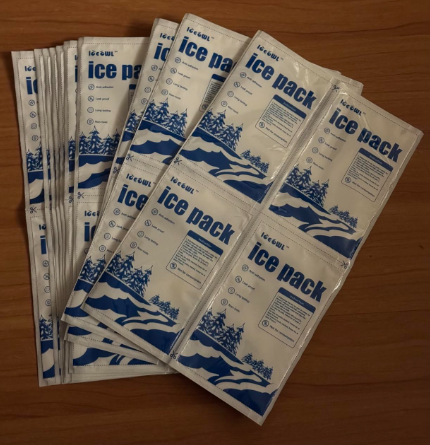
When transporting temperature-sensitive goods like pharmaceuticals or perishable foods, the choice of cooling solution is crucial. Are dry ice packs or polymer gel refrigerant packs better for your shipment? This article breaks down the differences, benefits, and safety considerations of both options to help you choose the right solution for your specific needs.
What are the safety implications of using dry ice and gel packs?
When should you choose dry ice over gel refrigerant packs and vice versa?
What are the environmental and regulatory concerns?
How do the latest trends in cold chain logistics impact your shipping decisions?
What are Dry Ice Packs and Polymer Gel Refrigerant Packs?
Dry ice packs are made of solid carbon dioxide (CO₂), which sublimates directly into gas at -78.5°C (-109.3°F). It is primarily used for ultra-cold shipping requirements, such as frozen foods, vaccines, and biological samples. Polymer gel refrigerant packs, on the other hand, are typically made from water and polymers like sodium polyacrylate. These packs absorb heat and are designed to maintain temperatures in the 2–8°C (35.6–46.4°F) range, making them suitable for temperature-sensitive medicines and perishable goods.
Key Differences
| Feature | Dry Ice Packs | Polymer Gel Packs |
|---|---|---|
| Temperature Range | -78.5°C (-109.3°F) | 2°C–8°C (35.6°F–46.4°F) |
| Cooling Duration | Extended (depending on insulation) | Moderate (24-48 hours) |
| Safety | Requires careful handling (frostbite risk) | Safe to handle, no special precautions |
| Regulatory Requirements | Special labeling and documentation required | Few regulations, easier handling |
| Reusability | Single-use | Often reusable |
Dry Ice Packs: When and Why Should You Use Them?
Dry ice packs are ideal for ultra-cold shipping needs, especially for items that need to remain frozen during transport. For example, biological samples, frozen foods like meat, seafood, and ice cream, or medications that must stay at subzero temperatures can benefit from dry ice’s extreme cooling power.
Advantages of Dry Ice Packs:
Extended cooling: Dry ice’s low temperature keeps products frozen for long durations.
No residual liquid: Dry ice sublimates directly into gas, preventing liquid mess.
Space efficiency: Dry ice is compact and allows more room in shipping containers.
Disadvantages of Dry Ice Packs:
Handling precautions: Requires gloves and safety protocols to avoid frostbite and cold burns.
Regulatory requirements: Dry ice must be labeled and handled according to IATA (International Air Transport Association) guidelines for air transport.
Limited duration: Over time, dry ice sublimates into gas, reducing its cooling efficiency.
Real-World Application:
A pharmaceutical company shipping vaccines at ultra-low temperatures uses dry ice to maintain a consistent temperature of -80°C. The cooling duration, paired with regulatory compliance (vented packaging and appropriate labeling), ensures safe delivery without temperature excursions.
Polymer Gel Refrigerant Packs: When Should You Use Them?
Polymer gel refrigerant packs are best for temperature-sensitive shipments that require cooling but not freezing. These include medications like insulin, temperature-sensitive foods like dairy products, and cosmetics that need to stay cool during transit.
Advantages of Polymer Gel Refrigerant Packs:
Non-toxic and safe to handle without special equipment.
Cost-effective: Lower initial cost compared to dry ice, especially for shorter transit durations.
Reusable: Can be used multiple times, reducing waste and lowering shipping costs.
Disadvantages of Polymer Gel Refrigerant Packs:
Limited cooling duration: Best suited for shipments of 24-48 hours, as their cooling effect fades over time.
Risk of freezing: If not properly managed, gel packs may freeze delicate items, rendering them ineffective.
Real-World Application:
An online food delivery service uses polymer gel packs to ship fresh produce and meal kits. The packs maintain a stable temperature within the required 2-8°C range, ensuring product freshness while offering customers an easy-to-handle solution.
Choosing Between Dry Ice and Polymer Gel Refrigerant Packs
When deciding which cooling solution to use, consider these factors:
Temperature Requirements: Use dry ice for products that need to stay frozen (-20°C or below) and polymer gel packs for those that need to remain cool (2–8°C).
Regulatory Compliance: Dry ice requires strict labeling and special handling procedures due to its potential hazards, whereas polymer gel packs are non-hazardous and easier to handle.
Duration of Shipment: Dry ice lasts longer and is better suited for long-distance shipping, while gel packs are ideal for short to medium transit times.
Cost and Environmental Impact: While dry ice may be more expensive due to handling and packaging requirements, polymer gel packs are cost-effective, reusable, and environmentally friendly.
Example Decision-Making Process:
For a biotech company shipping insulin, polymer gel packs are the preferred solution, as they keep the temperature within the required 2–8°C range and ensure the medicine remains safe without the risk of freezing. If the shipment were for frozen biological specimens, dry ice would be the better choice due to its ability to maintain ultra-low temperatures.
2025 Trends in Cold Chain Logistics
The cold chain logistics industry is evolving to meet the growing demand for eco-friendly solutions, cost efficiency, and compliance. Here are some key trends shaping the future of cooling technologies:
Eco-Friendly Packaging: Expect more sustainable cold chain packaging options, such as recyclable gel packs and biodegradable materials.
Smart Temperature Monitoring: With IoT and AI, real-time tracking of shipments will become the norm, ensuring product safety and regulatory compliance.
Hybrid Solutions: Combining dry ice and polymer gel packs will create multi-zone temperature environments for shipments requiring different temperature ranges.
Frequently Asked Questions
Q1: Can I use dry ice to transport insulin?
A1: While dry ice can maintain ultra-cold temperatures, it may cause insulin to freeze, which makes polymer gel packs a better choice for transporting insulin.
Q2: Are polymer gel refrigerant packs safe to use?
A2: Yes, polymer gel refrigerant packs are non-toxic and safe to handle. However, it’s recommended to follow the manufacturer’s guidelines to avoid potential issues with leaks.
Q3: Can I reuse gel packs?
A3: Yes, many polymer gel packs are reusable. Make sure to clean and store them properly for future use.
Conclusion and Recommendations
In conclusion, dry ice and polymer gel refrigerant packs both have distinct advantages depending on your shipping needs. If your shipment requires ultra-cold conditions, dry ice is the clear choice. For cooling needs within the 2–8°C range, polymer gel packs are the safer, more cost-effective option. Always assess your product’s temperature tolerance, transit time, and regulatory requirements before making a decision.
For a more tailored solution, contact Tempk, experts in cold chain logistics, to help you select the right packaging and cooling solutions for your business.
About Tempk
Tempk is a leader in cold chain logistics, offering advanced packaging solutions for temperature-sensitive shipments. Specializing in dry ice and polymer gel refrigerants, we provide eco-friendly, cost-effective, and compliant solutions tailored to your needs. Let us help you safeguard the quality and efficacy of your products during transport.
For personalized advice and solutions, contact Tempk today!
Are Dry Ice Packs Food-Grade, BPA-Free, or FDA Certified? 2025 Guide

When transporting perishable goods, maintaining temperature control is crucial. One of the most popular methods involves using dry ice packs. But are these packs food-grade, BPA-free, and FDA certified? This article delves into these safety standards, helping you understand how these factors impact the transportation of sensitive products.
What Does “Food-Grade” Mean for Dry Ice Packs?
Why Are BPA-Free Dry Ice Packs Important?
How Do FDA Certifications Ensure Dry Ice Pack Safety?
What Are the Latest Trends in Dry Ice Pack Safety?
What Does “Food-Grade” Mean for Dry Ice Packs?
Food-grade dry ice packs are designed with materials that meet strict safety standards, ensuring they are safe for direct contact with food. These materials are free from harmful chemicals and contaminants, which could otherwise compromise the quality and safety of food during transportation.
Key Factors:
Purity: Food-grade dry ice packs are made with high-purity materials, minimizing the risk of contamination.
Safety Standards: These packs meet rigorous regulations, including FDA guidelines, ensuring they don’t leach harmful substances into food.
Food-grade dry ice is tested to meet high standards. Non-food-grade alternatives might contain harmful chemicals that pose a risk to health.
Why Is Food-Grade Material Essential for Dry Ice Packs?
Food-grade dry ice packs are critical for industries like food delivery, pharmaceuticals, and cold chain logistics. They ensure the preservation of products like frozen meals, vaccines, and more, without contamination.
Practical Application:
Cold Chain Logistics: Whether you’re shipping food or medical products, choosing food-grade dry ice packs guarantees the integrity of your products.
Are Dry Ice Packs BPA-Free, and Why Does It Matter?
BPA (Bisphenol A) is a chemical commonly used in plastic manufacturing. Exposure to BPA can lead to health issues like hormonal imbalances and increased risks of certain cancers. While dry ice itself doesn’t contain BPA, many ice packs are encased in plastic that may contain this harmful chemical.
Why BPA-Free Is Crucial for Dry Ice Packs:
Health Protection: BPA-free packs prevent chemicals from leaching into the contents being transported.
Eco-Friendly Options: Many manufacturers now prioritize using BPA-free materials to align with consumer demand for health-conscious products.
BPA-Free Dry Ice Packs vs. Standard Dry Ice Packs:
| Type | Material | Health Safety | Environmental Impact |
|---|---|---|---|
| BPA-Free Packs | BPA-free plastics | Safer for food | Environmentally friendly |
| Standard Packs | Potential BPA plastics | Possible chemical leaching | Higher risk of contamination |
How Do FDA Certifications Impact the Safety of Dry Ice Packs?
FDA certifications are vital for dry ice packs, especially those used in food and pharmaceutical transportation. These certifications ensure that the materials in the dry ice packs meet safety standards for indirect food contact.
Why FDA Certification Matters:
Regulatory Compliance: FDA-compliant dry ice packs are regularly tested to ensure they meet safety standards and do not release harmful substances into the environment.
Guaranteed Safety: By choosing FDA-certified packs, you are ensuring that your products are transported safely and within regulatory requirements.
FDA-Certified Dry Ice Packs:
| Type | Certification | Safety Assurance |
|---|---|---|
| FDA Certified | Meets FDA guidelines | Safe for food and medical products |
| Non-Certified | May not meet required standards | Higher risk of contamination |
Real-World Example:
In the pharmaceutical industry, where product integrity is critical, using FDA-certified dry ice packs ensures that vaccines remain safe during transport, meeting strict temperature control regulations.
2025 Trends in Dry Ice Pack Safety and Regulations
The dry ice pack industry is continuously evolving, driven by consumer demand for safer, eco-friendly products. Here are the latest trends:
Sustainable Materials: Manufacturers are now exploring biodegradable packaging options to reduce environmental impact.
Advanced FDA Guidelines: New regulations are pushing for more stringent safety standards in cold chain logistics, ensuring better product safety.
Enhanced Performance: Many dry ice packs are now designed to retain cold temperatures longer, making them more efficient and reducing waste.
Commonly Asked Questions
Q1: Are all dry ice packs food-safe?
Not all dry ice packs are food-safe. Look for packs specifically labeled as food-grade or FDA-certified to ensure they meet necessary safety standards.
Q2: How can I confirm if my dry ice pack is BPA-free?
Check the product label or contact the manufacturer. BPA-free dry ice packs are typically made from materials like polypropylene or polyethylene.
Summary and Recommendations
Choosing the right dry ice pack is essential for safe and efficient transportation. Ensure the packs are:
Food-Grade: Made from high-purity, non-contaminating materials.
BPA-Free: Free from harmful chemicals that could leach into your products.
FDA Certified: Ensuring compliance with safety standards for food and medical products.
Actionable Steps:
Always check for FDA certifications and BPA-free labeling before purchasing.
Select food-grade dry ice packs for transportation, especially for perishables and pharmaceuticals.
Stay informed on emerging trends in dry ice pack technology, such as sustainable and reusable options.
About Tempk
Tempk provides high-quality dry ice solutions for the food and pharmaceutical industries, ensuring compliance with FDA regulations and offering BPA-free products. Our dry ice packs provide superior performance, maintaining temperature control and ensuring the safety of your products throughout transportation.
Next Step: Contact us for personalized recommendations and expert advice on selecting the best dry ice solution for your needs.
Dry Ice Packs: Leak-Proof & Puncture-Resistant Guide

When transporting temperature-sensitive items like pharmaceuticals, food, or vaccines, ensuring the integrity of your cooling solution is paramount. Dry ice packs, known for their cooling efficiency, are often chosen to maintain the required temperatures. But, the critical question is: Are dry ice packs truly leak-proof and puncture-resistant? In this guide, we will explore how modern dry ice packs are engineered to be leak-proof and puncture-resistant, ensuring safe and secure shipping.

What materials make dry ice packs durable?
How to ensure compliance with safety standards?
What are the benefits of using leak-proof and puncture-resistant dry ice packs?
How to choose the right dry ice pack for your shipping needs?
Are Dry Ice Packs Leak-Proof and Puncture-Resistant?
Yes, high-quality dry ice packs are specifically designed to be both leak-proof and puncture-resistant. These features are crucial for maintaining the safety and integrity of the cold chain. The effectiveness of dry ice packs depends largely on the materials used in their construction and the manufacturing process. While not all dry ice packs are created equal, the best options incorporate advanced materials and technologies to ensure durability and safety.
The Importance of Leak-Proof Packaging
Dry ice sublimates into carbon dioxide (CO₂) gas, which can be hazardous if not properly contained. Leak-proof packaging ensures that CO₂ remains securely contained within the dry ice pack, preventing dangerous gas leakage. This is especially important when shipping perishable items like pharmaceuticals or food, where any disruption in temperature could lead to spoilage. Additionally, leak-proof designs prevent moisture from escaping the pack, ensuring no damage to the shipment due to moisture buildup.
Why Puncture-Resistant Features Matter
Puncture resistance is just as critical in maintaining the safety and functionality of dry ice packs. A puncture can compromise the integrity of the packaging, causing it to rupture or leak. By using puncture-resistant materials, dry ice packs maintain their structural integrity even under rough handling, ensuring that the contents remain secure and the cooling effect is sustained throughout transit.
What Materials Make Dry Ice Packs Durable?
The durability of dry ice packs largely depends on the materials used in their construction. These materials must withstand extreme temperatures and prevent any loss of CO₂ or leakage of contents. Here are some of the most commonly used materials for making dry ice packs:
1. Polyethylene Film (PE)
Polyethylene is one of the most common materials used for dry ice pack packaging. High-density polyethylene (HDPE) is preferred because it is both strong and flexible, making it ideal for withstanding the stresses of shipping. HDPE also provides excellent puncture resistance, especially when used in thicker layers.
2. Styrofoam or Insulated Foam
Styrofoam is often used to provide insulation to dry ice packs. It not only maintains the low temperatures necessary for preserving temperature-sensitive goods but also contributes to the puncture resistance of the pack. Foam insulation keeps the dry ice from sublimating too quickly and helps in cushioning the pack during transit.
3. Multi-Layer Plastic Coatings
Some high-end dry ice packs use multi-layer plastic coatings that provide additional strength. These layers, made from materials like polyethylene combined with other synthetic polymers, create a reinforced barrier that prevents punctures and ensures the pack remains leak-proof.
4. Metalized Foil Laminates
A newer, more advanced option for dry ice packs is the use of metalized foil laminates. This material combines the insulating properties of foil with a robust plastic barrier, enhancing both puncture resistance and leak-proof characteristics.
How Can You Ensure Dry Ice Packaging Meets Safety Standards?
To ensure that your dry ice packaging is up to standard, there are several regulatory and safety compliance requirements to consider. These guidelines ensure that your packaging not only performs effectively but also meets the necessary legal requirements for safe transportation.
1. Compliance with IATA and IMDG Regulations
Shipping dry ice must comply with the International Air Transport Association (IATA) and the International Maritime Dangerous Goods (IMDG) regulations. These standards define the types of materials and packaging methods that must be used to safely transport dry ice. Adhering to these regulations ensures that the dry ice pack is capable of maintaining its integrity during transit.
2. Working with Certified Packaging Suppliers
One of the best ways to guarantee the quality of your dry ice packaging is to source it from certified packaging suppliers. These suppliers provide products designed specifically for the safe transportation of dry ice, often performing rigorous quality tests to ensure puncture resistance and leak-proof performance.
3. Proper Labeling and Documentation
Dry ice shipments must include accurate labeling and documentation, including the UN1845 classification for dry ice. Properly labeling your package with the correct hazard class and net weight helps ensure compliance and guarantees safe handling during transit.
Benefits of Leak-Proof and Puncture-Resistant Dry Ice Packs
Using dry ice packs that are both leak-proof and puncture-resistant offers several benefits, not just for safety but also for efficiency and cost savings.
1. Prevents Gas Leakage
Leak-proof packaging ensures that CO₂ gas does not escape during transport, reducing the risk of hazardous situations and maintaining the integrity of your shipment, especially in temperature-sensitive industries like pharmaceuticals or food delivery.
2. Protects Goods from Damage
Puncture-resistant dry ice packs protect the contents from damage during shipping. Whether transported by land, sea, or air, these packs remain intact, preventing any risk to the goods inside, even when subjected to rough handling.
3. Ensures Regulatory Compliance
By using leak-proof and puncture-resistant packaging, businesses can ensure compliance with safety regulations, avoiding penalties and reducing the risk of delays or incidents during transit.
4. Improves Operational Efficiency
Durable dry ice packaging improves overall handling and storage efficiency, reducing the likelihood of spills, contamination, or breakages. This ensures a smoother shipping process, saving time and reducing the risk of product loss.
How to Choose the Right Dry Ice Pack for Your Shipping Needs?
Selecting the appropriate dry ice pack depends on various factors, including the type of product being shipped, the duration of the shipment, and the required temperature. Here’s how to choose the right pack:
1. Temperature Requirements
Consider the required temperature range of the product being shipped. Different dry ice packs offer varying levels of insulation, so it’s essential to select a pack that ensures the necessary cooling throughout the shipment.
2. Duration of Shipment
Short-term shipments may require a basic dry ice pack, while longer shipments may need more advanced, multi-layered options that provide better insulation and puncture resistance.
3. Volume of Dry Ice
Larger shipments or longer transit times may require more dry ice to maintain the appropriate temperature, and therefore, stronger, more durable packaging will be necessary.
4. Shipping Method
Air, sea, or land transport all have different regulations and conditions. Choose dry ice packaging that complies with the specific requirements of your chosen shipping method to avoid delays and penalties.
2025 Trends in Dry Ice Packaging
As the demand for temperature-sensitive goods rises, the packaging industry is evolving. Here are some of the latest trends in dry ice packaging:
Sustainability
The shift toward eco-friendly materials continues, with more manufacturers offering biodegradable or plant-based dry ice packs that don’t compromise on performance.
Smart Packaging
Advancements in packaging now include smart sensors that track temperature, humidity, and even gas leakage during transit, providing real-time data and alerts.
Advanced Insulation Materials
New materials are being developed to improve the performance and durability of dry ice packs, ensuring longer-lasting cooling effects and enhanced puncture resistance.
Frequently Asked Questions
Q: Are dry ice packs leak-proof and puncture-resistant?
Yes, high-quality dry ice packs are designed to be both leak-proof and puncture-resistant. These features ensure safety and reliability during transport.
Q: How do I ensure compliance with shipping regulations?
Follow IATA and IMDG regulations, work with certified packaging suppliers, and ensure proper labeling and documentation for your shipments.
Conclusion
Choosing the right dry ice pack is crucial for ensuring the safety and integrity of your shipments. By selecting leak-proof and puncture-resistant packaging, you can prevent leaks, damage, and potential regulatory issues. Be sure to consider the materials, certifications, and durability of your chosen dry ice pack to ensure the best protection for your temperature-sensitive goods.
For more personalized advice and packaging solutions, contact a cold chain expert like Tempk.
Are Dry Ice Packs Suitable for Transporting Insulin?
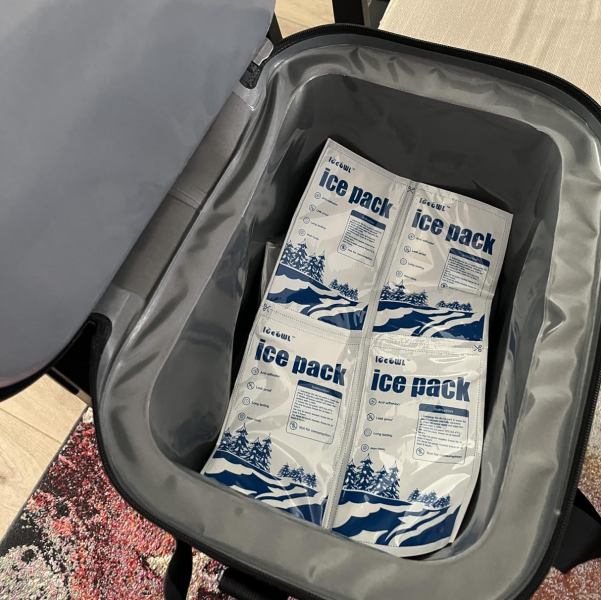
Are Dry Ice Packs Safe for Insulin and Temperature-Sensitive Medicines?
Transporting insulin and other temperature-sensitive medicines requires precise temperature control to maintain their efficacy. In many cases, dry ice is considered as a solution due to its ability to keep items extremely cold. However, is it the best choice for transporting such sensitive goods? In this article, we will explore the pros, cons, and best practices for using dry ice in the shipment of insulin and other temperature-sensitive medicines.
What Makes Dry Ice Ideal for Transporting Temperature-Sensitive Medicines?
Dry ice, or solid carbon dioxide (CO₂), is widely used as a cooling agent in pharmaceutical transport because it maintains temperatures as low as -78.5°C (-109.3°F), far colder than regular ice or gel packs. This feature makes dry ice a valuable asset for shipping biologics and vaccines that require ultra-low temperatures, often in the -20°C to -80°C range. While this is ideal for certain pharmaceuticals, it is not always suitable for insulin, which requires a much higher temperature range.

Long-lasting Cooling: Dry ice can sustain low temperatures for long durations, often up to 48 hours, making it ideal for short-duration shipments.
Cost-Effective: It’s generally more affordable compared to other refrigerants like liquid nitrogen, particularly for shorter shipments.
Efficient for High-Volume Shipments: Dry ice can effectively cool large amounts of pharmaceuticals without risk of water leakage, which can be an issue with regular ice.
While these benefits make dry ice attractive for certain types of transport, its suitability for insulin and other temperature-sensitive medicines needs careful consideration.
Why Dry Ice is Not Suitable for Insulin Transport
Insulin, as well as many biologics and vaccines, must remain within a narrow temperature range (2°C–8°C, or 36°F–46°F). When exposed to temperatures outside this range, especially freezing, the chemical structure of insulin can degrade, rendering it ineffective.
Risks Involved in Using Dry Ice for Insulin Transport
Freezing Damage: Direct contact with dry ice can cause insulin to freeze, which destroys its potency.
CO₂ Gas Build-Up: Dry ice sublimates into carbon dioxide gas. If this gas accumulates in a sealed space, it can displace oxygen, leading to asphyxiation hazards.
Frostbite and Burns: Dry ice is extremely cold, and improper insulation can cause severe cold burns to both the product and personnel handling it.
Therefore, while dry ice is beneficial for some pharmaceuticals, it is unsuitable for insulin, which must avoid freezing at all costs.
Safer Alternatives for Insulin Transport
Given the risks of using dry ice, it is essential to select safer, more appropriate cooling methods for insulin and other temperature-sensitive medicines.
1. Gel Packs
Gel packs are typically used for shipments requiring cooling at 2°C–8°C. They maintain consistent temperatures within this range and are much safer for insulin transport.
Ideal for: Insulin, vaccines, and other biologics that require cooling within the 2°C–8°C range.
Benefits: Safe, easy to handle, and reliable for short to medium-duration shipments.
2. Phase-Change Materials (PCMs)
PCMs are substances that absorb or release heat at a specific temperature. For insulin transport, PCMs with a melting point of 4°C–5°C offer a stable and controlled environment to prevent freezing while maintaining the appropriate temperature range.
Ideal for: Insulin and other biologics requiring tight temperature control.
Benefits: Highly accurate temperature control with minimal risk of overcooling.
3. Portable Refrigerated Containers
For long-duration shipments, refrigerated containers provide an active cooling environment that maintains the desired temperature range for extended periods.
Ideal for: Large-scale shipments or long-distance travel.
Benefits: Reliable, efficient, and capable of maintaining precise temperature control over extended durations.
Best Practices for Packing Insulin and Temperature-Sensitive Medicines
When shipping insulin or other sensitive medicines, it is crucial to follow the right packing procedures to ensure that the product remains within its required temperature range. Here are some key tips:
Insulated Packaging: Use well-insulated boxes or coolers to protect the medication from temperature fluctuations.
Use of a Temperature Logger: Always include a temperature logger inside the shipment to monitor the internal temperature throughout the journey. This ensures that the product has remained within the acceptable range.
Avoid Direct Contact with Coolants: Ensure that there is no direct contact between the cold packs (gel packs, PCMs, or dry ice) and the medication. Use spacers or insulation material to create a protective buffer.
How to Package Insulin for Transport:
Line the shipping box with insulation.
Place the insulin in its original packaging.
Add phase-change material (PCM) packs pre-conditioned to 4°C–5°C.
Seal the box and include a temperature logger for monitoring.
Regulatory Considerations for Transporting Insulin
When using any cooling method, including dry ice, it is essential to comply with regulations from governing bodies such as the International Air Transport Association (IATA), the FDA, and the CDC.
Compliance Requirements:
IATA Regulations: For dry ice shipments, ensure that the packaging is vented and clearly marked as “Dry Ice/UN1845”. Keep the net weight of the dry ice below the allowed limits for air transport.
FDA Labeling Guidelines: Insulin must always be labeled with its storage requirements, including the temperature range (2°C–8°C), and must not be exposed to freezing conditions.
2025 Trends in Cold Chain Logistics
As the cold chain industry evolves, we see several key trends emerging, especially for temperature-sensitive medications:
Recyclable Packaging: Increasing demand for sustainable solutions is driving the use of recyclable insulation and PCM systems that still meet the stringent temperature requirements of pharmaceutical transport.
IoT Integration: Smart sensors and tracking devices allow real-time temperature monitoring, offering enhanced visibility and control over shipments.
CEIV Pharma Certification: More companies are adopting the CEIV Pharma certification, ensuring that their cold chain practices meet the highest standards for safety and compliance.
Frequently Asked Questions
Q1: Can I use dry ice to transport insulin or temperature-sensitive medicines?
No. Dry ice is too cold and can cause freezing, which compromises insulin’s efficacy. Use gel packs or phase-change materials (PCMs) for these medications instead.
Q2: What temperature range should insulin be kept at during transport?
Insulin should be kept between 2°C and 8°C (36°F to 46°F) to remain effective.
Q3: How can I ensure insulin is transported safely without dry ice?
Use insulated packaging, gel packs, or PCMs and include a temperature logger to monitor the temperature throughout the journey.
Q4: Are there any exceptions where dry ice may be used for insulin transport?
Generally, dry ice is not recommended for insulin, but in specific cases, such as for extremely short transport durations with proper insulation and monitoring, it may be used. Consult with a logistics expert.
Conclusion
While dry ice is effective for maintaining ultra-low temperatures, it is not suitable for transporting insulin and most 2–8°C medications. The risk of freezing and degrading these products outweighs the benefits. Safer alternatives, such as gel packs, phase-change materials, and refrigerated containers, provide reliable solutions to ensure the safe transport of temperature-sensitive medications.
For more information on how to safely transport insulin and other critical medicines, or to get personalized cold chain solutions, contact Tempk today.
About Tempk
Tempk provides validated cold chain solutions for the pharmaceutical industry, including insulated containers, phase-change materials, and real-time temperature monitoring systems. We ensure your sensitive products stay safe and effective throughout their journey.
Contact Tempk for more information.
Dry Ice Packs vs Gel Packs: Which is Best for Cold Chain Shipping?
When it comes to shipping temperature-sensitive products, especially perishable goods, maintaining a consistent and optimal temperature is crucial. Two common methods for achieving this are dry ice packs and gel packs. While they both serve similar purposes, they are quite different in terms of composition, cooling capabilities, duration, and safety. Understanding these differences is essential to selecting the right cooling solution for your cold chain logistics needs.

What are dry ice packs?
What are gel packs?
How do dry ice packs and gel packs differ in terms of cooling performance?
When is each cooling solution most appropriate for shipping temperature-sensitive products?
What are the key considerations for selecting the right cold chain solution?
Dry Ice Packs: What Are They and How Do They Work?
Dry ice packs are cooling agents that are designed to mimic the properties of solid carbon dioxide (CO₂), but they do not actually contain dry ice. They are typically composed of a flexible, non-toxic gel or liquid that freezes and remains dry during the cooling process. This makes them a useful tool for temperature-sensitive shipping needs that require sub-zero temperatures.
Key Benefits of Dry Ice Packs:
Extended Cooling Duration: Dry ice packs are capable of maintaining extremely low temperatures for extended periods. This makes them ideal for long-distance shipments of items like pharmaceuticals, vaccines, and biological samples.
No Liquid Residue: Unlike regular ice, dry ice sublimates into gas without leaving behind any water, which prevents potential water damage to products.
Space Efficiency: Dry ice packs are compact and more efficient in terms of space utilization in shipping containers compared to traditional ice packs or gel-based cooling solutions.
How Do Dry Ice Packs Work?
Dry ice packs work by absorbing heat from their surroundings, causing the solid CO₂ to sublimate into carbon dioxide gas. This process keeps the surrounding products extremely cold. As dry ice sublimates, the temperature of the surrounding air drops, which is ideal for goods like seafood, pharmaceuticals, and laboratory samples during transit.
Considerations for Using Dry Ice:
Handling Safety: Dry ice is extremely cold and requires careful handling to avoid injuries, such as frostbite.
Limited Duration: Since dry ice sublimates over time, its effectiveness is limited to a few days, making it unsuitable for long-term cooling.
Regulations: Shipping dry ice may require adhering to specific regulations due to its sublimation process and potential asphyxiation risk in enclosed spaces.
Gel Packs: What Are They and How Do They Work?
Gel packs are another common solution for cold chain shipping. They are flexible pouches filled with a gel-like substance that can be frozen and reused multiple times. Gel packs are typically used for products that need to be kept cool but not frozen.
Key Benefits of Gel Packs:
Non-Toxic and Safe: Gel packs are generally considered safe for transporting food and medical products, as they are non-toxic and pose minimal risks.
Reusable: Many gel packs are designed for multiple uses, making them a more sustainable and cost-effective option for ongoing shipments.
Variety in Temperature Ranges: Gel packs can be engineered to maintain different temperature ranges, depending on the cooling needs of the product.
How Do Gel Packs Work?
Gel packs work by using a phase transition from liquid to solid as the gel inside freezes. Once frozen, the pack can maintain a constant, low temperature for several hours. The duration of cooling depends on factors such as the gel composition, insulation, and external environmental temperature.
Considerations for Using Gel Packs:
Limited Cooling Duration: Gel packs generally do not provide cooling as long as dry ice, making them less suitable for long-distance shipments or items requiring deep freezing.
Temperature Range: Gel packs are typically designed to maintain temperatures above freezing, making them unsuitable for items that need ultra-low temperatures like vaccines or some pharmaceuticals.
Space Efficiency: Gel packs are often bulkier than dry ice, which can be a concern when space is limited in shipping containers.
Dry Ice vs. Gel Packs: Which Is Best for Your Cold Chain Needs?
Choosing between dry ice packs and gel packs largely depends on the specific requirements of your shipment. Here’s a comparison of the two cooling solutions to help guide your decision:
| Feature | Dry Ice Packs | Gel Packs |
|---|---|---|
| Temperature Range | -78.5°C to -20°C | 2°C to 8°C |
| Cooling Duration | Long-lasting (1-3 days) | Short to moderate (12-48 hours) |
| Safety Considerations | Risk of frostbite and asphyxiation; requires ventilation | Generally safe, non-toxic |
| Reusability | Not reusable | Reusable after refreezing |
| Cost | Higher due to specialized handling | Generally lower, affordable |
When to Use Dry Ice Packs:
When products require extremely low temperatures (below freezing), such as pharmaceuticals, vaccines, or lab samples.
When long-lasting cooling is required and water residue cannot be tolerated.
For shipments where space is not a concern, and the cooling duration needs to extend for multiple days.
When to Use Gel Packs:
For moderately chilled products like food, beverages, and cosmetics that require cooling but not freezing.
When reusability and cost-effectiveness are important considerations.
For short-distance shipments or when you can ensure that the packs will be used within a few hours.
How to Choose Between Dry Ice and Gel Packs for Shipping
To determine which cooling solution is right for your cold chain shipment, consider the following factors:
Temperature Requirements: If your product needs to remain frozen (below -20°C), dry ice is your best option. For products requiring refrigeration (0°C to 8°C), gel packs are sufficient.
Shipping Duration: Dry ice provides long-lasting cooling, making it ideal for longer shipments. For short trips, gel packs are a more affordable and practical choice.
Product Sensitivity: Highly sensitive products like pharmaceuticals require the extreme cold provided by dry ice. On the other hand, gel packs are great for everyday items that need to remain cool but not frozen.
Latest Trends in Cold Chain Solutions for 2025
As the cold chain logistics industry evolves, new trends are emerging in 2025 to improve sustainability, efficiency, and safety in temperature-sensitive shipping.
Key Trends to Watch:
Eco-Friendly Alternatives: There is a growing demand for biodegradable gel packs and dry ice alternatives that reduce carbon emissions and environmental impact.
Smart Packaging: Temperature-controlled packaging solutions are increasingly using IoT technology for real-time shipment monitoring, ensuring products stay within safe temperature ranges throughout transit.
Increased Use of Dry Ice for Pharmaceuticals: The rise in temperature-sensitive drugs is driving a higher demand for dry ice shipments in the pharmaceutical sector.
Frequently Asked Questions
Q: Are dry ice packs safe for shipping food?
Yes, dry ice packs are safe for shipping food, as long as proper handling precautions are followed. Ensure that the food is securely wrapped and that the packaging is properly ventilated to avoid suffocation from CO₂ buildup.
Q: How long do gel packs stay cold?
Gel packs typically stay cold for between 12 and 48 hours, depending on factors such as the pack’s size, insulation, and external temperature.
Q: Can dry ice packs be reused?
While many dry ice packs are designed for multiple uses, it’s important to follow the manufacturer’s instructions for proper reuse. Some may not maintain their effectiveness after repeated use.
Conclusion
Choosing the right cold chain solution requires careful consideration of your product’s temperature needs, shipping duration, and safety requirements. Dry ice packs are ideal for ultra-low temperature shipments that need to stay frozen for extended periods, while gel packs provide a more cost-effective and sustainable option for items that need to remain cool but not frozen.
By understanding the key differences between these two options, you can select the best solution to ensure your products arrive at their destination in optimal condition.
Next Steps
If you are shipping highly sensitive or temperature-critical items, consult with a cold chain logistics expert to determine the best solution for your needs.
For regular shipping, consider using gel packs for their affordability and reusability, especially for short-duration shipments.
About Tempk
At Tempk, we specialize in providing advanced cold chain solutions that ensure safe and efficient transportation for a variety of temperature-sensitive goods. Whether you need dry ice packs, gel packs, or custom cold storage solutions, we are committed to providing the highest quality products and services. Reach out to us for expert advice and personalized solutions to meet your cold chain needs.
Are There Restrictions on Shipping Dry Ice Packs Internationally?

Are There Restrictions on Shipping Dry Ice Packs Internationally?
Shipping dry ice internationally is regulated to ensure safety during transport. The solid form of carbon dioxide, dry ice, sublimates into gas, which can build up pressure and cause explosions in sealed containers. This article discusses the primary regulations for shipping dry ice, covering packaging requirements, international limits, carrier policies, and how current logistics trends shape these regulations.
What are the international regulations for shipping dry ice?
How do major carriers handle dry ice shipments?
What packaging and labeling standards must be followed?
How does the cold chain evolve in 2025 regarding dry ice shipments?
Which countries impose restrictions on dry ice shipments?
What Are the Key Regulations for Shipping Dry Ice Internationally?
Shipping dry ice internationally is highly regulated due to its hazardous nature. As it sublimates into CO₂ gas, it can pose risks such as suffocation and explosion if not handled properly. Here are the major regulatory frameworks:
International Air Transport Association (IATA)
IATA’s Dangerous Goods Regulations (DGR) apply to air shipments and specify several critical guidelines:
Packaging: Dry ice must be transported in well-ventilated packaging that allows gas to escape safely.
Labeling: The package must be clearly marked with “UN1845” (Dry Ice), along with its net weight and other required labels.
Quantity Limits: For air transport, the maximum amount of dry ice per package is typically limited to 200 kg.
Documentation: A Shipper’s Declaration for Dangerous Goods is often required, specifying that dry ice is being shipped and detailing the weight and handling instructions.
International Maritime Dangerous Goods (IMDG) Code
For sea shipments, the IMDG Code governs dry ice transport:
Packaging: Similar to air transport, dry ice must be in vented containers to prevent the build-up of CO₂.
Labeling: Shipments must display appropriate hazard labels and documentation for safe handling.
Carrier-Specific Guidelines
Different carriers, such as FedEx, UPS, and DHL, have their own regulations:
FedEx: Requires prior consultation for international shipments, capping dry ice at 200 kg per package. Specific packaging rules apply, and a Class 9 hazard label is necessary
UPS: Requires a signed contract for international shipments and specifies vented containers with clear labeling
DHL: Like FedEx and UPS, DHL demands that dry ice shipments comply with international labeling and packaging standards
Country-Specific Restrictions
Shipping dry ice across borders can be subject to additional restrictions. Some countries prohibit dry ice shipments altogether, while others may accept only specific quantities or shipments inbound. For example:
European Union: The EU imposes stringent regulations for the transport of hazardous materials, including dry ice
United States: Dry ice is subject to strict regulations from the Department of Transportation (DOT), and air shipments are governed by the Federal Aviation Administration (FAA)
Asia-Pacific: Countries like Japan and Australia have specific guidelines on the transport of hazardous materials, including dry ice
How Do You Prepare Dry Ice Shipments for International Transport?
Preparation for international dry ice shipments involves several key steps:
1. Understand the Restrictions and Regulations
Before preparing a shipment, verify the specific regulations of your destination. For instance, the EU may have stricter regulations than the U.S., especially for air shipments. Be prepared to complete necessary permits and customs paperwork.
2. Select the Right Packaging
Proper packaging is crucial. Containers must be vented to allow CO₂ gas to escape and prevent dangerous pressure buildup. Suitable packaging includes:
Insulated boxes to slow sublimation.
Ventilated containers to ensure safe gas release.
Specialized dry ice containers designed to meet international shipping standards.
3. Proper Labeling and Documentation
Ensure all shipments are properly labeled and documented. Required elements include:
UN 1845 marking: This identifies the shipment as containing dry ice.
Dangerous Goods Declaration: A form stating the hazardous nature of the shipment.
Packing List: Detailed information about the contents and weight of the shipment.
4. Temperature Monitoring
For sensitive goods like pharmaceuticals, use temperature monitoring devices to track the conditions of the shipment. Some countries require these devices for compliance
What Are the Key Safety Requirements for Shipping Dry Ice?
Safety is paramount when shipping dry ice. Key safety requirements include:
Ventilation: Ensure containers allow CO₂ to escape.
Proper Handling: Packaging and labeling should alert handlers to the hazardous nature of the goods.
Temperature Monitoring: For perishable goods, temperature monitoring is critical.
Training: Anyone handling dry ice should be properly trained in safety procedures and emergency protocols.
What Are the Trends Shaping Dry Ice Shipping in 2025?
As the cold chain industry evolves, several key trends are shaping the shipping of dry ice:
1. Digitalization and Monitoring
Advancements in digital technologies, such as real-time CO₂ and temperature monitoring, are becoming standard for dry ice shipments, especially in the pharmaceutical industry
2. Sustainability in Cold Chain Logistics
There is growing interest in sustainable shipping practices, including the use of biodegradable packaging and reusable dry ice pack systems. These innovations help reduce the environmental impact of shipping while maintaining compliance with safety standards
3. Regulatory Tightening
As the demand for international shipping increases, governments are tightening regulations to ensure the safe transport of hazardous materials like dry ice. This includes stricter labeling, packaging, and documentation requirements
Frequently Asked Questions (FAQs)
Q1: What are the restrictions on shipping dry ice internationally?
Yes, shipping dry ice internationally is regulated by the IATA, IMDG, and individual carriers. Restrictions include quantity limits, packaging, and labeling requirements.
Q2: How do I prepare dry ice for international shipping?
Ensure proper insulation, ventilation, and labeling. Complete all necessary documentation, such as a Dangerous Goods Declaration, and verify customs requirements.
Q3: Can I ship dry ice internationally by air?
Yes, dry ice can be shipped by air, but specific regulations apply. These include packaging, labeling, and the declaration of dangerous goods.
Conclusion and Recommendations
Shipping dry ice internationally requires adherence to strict regulations to ensure safety and compliance. Follow guidelines from IATA, IMDG, and individual carriers, ensure proper packaging and labeling, and stay informed about country-specific restrictions. By staying compliant, you will ensure safe and efficient shipments, regardless of the destination.
About Tempk
Tempk provides expert cold chain logistics solutions, specializing in the safe and efficient transportation of temperature-sensitive goods. Our commitment to sustainability and compliance ensures that your dry ice shipments are handled with the utmost care, meeting all regulatory requirements for safe transport.
Contact Tempk for professional guidance on shipping dry ice and other temperature-sensitive items across borders.
Are Dry Ice Packs Reusable? Safety Tips & Practical Advice

Are Dry Ice Packs Reusable? Safe Answers and Practical Guidance for 2025
Introduction: Dry ice packs are indispensable tools for shipping perishable goods, medical samples and culinary delights. But can you reuse them? The short answer is yes—but only under specific conditions. When there is still solid dry ice remaining, it can be reused if you handle it properly and store it in a ventilated container; once it fully sublimates, it can no longer be reused. This article digs into the science of dry ice, explains why normal freezers can’t refreeze ithhs.nd.gov, and provides step‑by‑step guidance on storage, transport and reuse based on authoritative safety guidelines. You’ll learn how to protect yourself from hazards, reduce waste and save money, all while following the latest cold‑chain trends of 2025.

What makes dry ice packs unique and why are they so cold? — Understand the physics behind dry ice and why it sublimates rather than melts.
Can dry ice packs be reused safely? — Learn how to check for remaining solid dry ice and store it correctly for reuse, using long‑tail keywords like reusable dry ice packs for shipping.
How should you store and transport dry ice packs? — Discover ventilation requirements and why airtight containers are dangerousehs.washington.edu.
What are the environmental and cost benefits of reuse? — Explore sustainability and how proper reuse reduces waste and expenses.
What are the latest trends in cold‑chain packaging for 2025? — Get up‑to‑date insights on innovative materials, green packaging and regulations.
What are dry ice packs and how do they work?
Dry ice fundamentals: Dry ice is the solid form of carbon dioxide (CO₂). Unlike water ice, it transitions directly from solid to gas (sublimation) at −109.3°F (−78.5°C)ehs.washington.edu. This property makes dry ice extremely cold and ideal for keeping products frozen without leaving liquid residue. Each pound of dry ice produces about 250 liters of carbon dioxide gas as it sublimateshhs.nd.gov, which means that the gas release must be managed carefully. Because the gas can displace oxygen, using dry ice in confined spaces can lead to difficulty breathing or suffocationehs.washington.edu.
Why dry ice packs excel: Dry ice packs contain compressed CO₂ in block, pellet or slice form and are wrapped in protective material to prevent frostbite. They offer rapid cooling, maintain low temperatures longer than gel packs and generate no messy melt water. This combination is why the food, pharmaceutical and logistics industries rely on them for cold‑chain shipments.
Health and safety considerations: The extremely low temperature can cause severe frostbite; therefore, always handle dry ice with insulated gloves or tongsehs.washington.edu. Additionally, as the dry ice sublimates, the expanding CO₂ can create pressure; never store it in a sealed container such as a jar or airtight coolerehs.washington.edu. Even normal freezers cannot keep dry ice frozen because it is much colder than the freezer’s operating rangehhs.nd.gov.
Composition and comparison with other coolants
Dry ice packs differ from gel packs and frozen water in several ways:
| Coolant type | Phase change | Typical temperature range | Practical implications |
|---|---|---|---|
| Dry ice pack (CO₂) | Sublimes from solid to gas | −109 °F / −78.5 °Cehs.washington.edu | Provides extremely cold temperatures, leaves no liquid residue; requires ventilation to avoid CO₂ buildup. Reusable only while solid remainsfaskitchen.com. |
| Gel ice pack | Freezes and melts into liquid | 32 °F / 0 °C to ~14 °F (−10 °C) | Produces a slower temperature change suitable for refrigerated goods; easy to refreeze; not regulated as a hazardous material. |
| Water ice | Freezes and melts into liquid | 32 °F / 0 °C | Leaves water as it melts; not suitable for shipments requiring sub‑freezing temperatures; risk of leaks. |
| Dry ice with containment | Dry ice plus insulated packaging | −109 °F / −78.5 °C | Extends longevity by reducing sublimation; packaging must allow gas ventingehs.washington.edu. |
Real‑world example: how dry ice cools shipments
When shipping vaccines or frozen foods, companies often combine dry ice blocks with insulated styrofoam containers. The container slows down sublimation, and the cold CO₂ gas sinks, keeping the products below freezing. However, the shipping box must allow the gas to escape to avoid pressure build‑upehs.washington.edu. This simple yet effective method has kept biologics stable across continents during the COVID‑19 vaccine roll‑out and continues to be used for precision medicines.
Can you reuse dry ice packs safely?
Straight answer: Yes, you can reuse dry ice packs if there is still solid dry ice remaining inside the pack and the packaging is intact. According to the food‑safety resource Fa’s Kitchen, leftover dry ice can be reused when stored in an insulated container like a cooler until neededfaskitchen.com. If the dry ice has completely sublimated into gas, there is nothing left to reuse; you will need a new dry ice pack.
Why you can’t refreeze dry ice: Dry ice is already the frozen form of CO₂. Once it sublimates, there is no liquid stage to refreeze. Authoritative safety guidance notes that normal freezers cannot keep dry ice frozenhhs.nd.gov. To create new dry ice, CO₂ gas must be compressed and cooled in specialized equipment; this process isn’t feasible at home. Attempting to “refreeze” dry ice by placing it in a household freezer is dangerous because the freezer will warm it rather than cool it, causing rapid sublimation and potential damage to the freezer’s thermostatair-source.com.
Conditions for reuse:
Solid remaining: Check the pack for remaining solid CO₂. If you still hear or feel solid dry ice, it can be reused. If the pack feels soft or empty, the dry ice has sublimated completely and cannot be reused.
Ventilated storage: Place the pack in a well‑ventilated cooler or insulated container that allows gas to escapeehs.washington.edu. Never seal it in an airtight container.
Time frame: Use it within 24–48 hours for best results, as typical sublimation rates range from 5 to 10 pounds per dayups.com. Keeping the container in a cooler ambient environment can slow sublimation and extend its life.
Safety gear: Always use insulated gloves or tongs when handling the packehs.washington.edu to prevent frostbite.
How to store and transport reusable dry ice packs
Proper storage: Dry ice should be stored in an insulated container such as a styrofoam cooler but never in a standard refrigerator or freezerehs.fiu.edu. Standard appliances cannot maintain the necessary low temperatures and may be damaged by the extreme coldair-source.com. Containers should be vented to prevent CO₂ gas buildupehs.fiu.edu and placed in well‑ventilated areas away from sunlight and heat sourcesehs.fiu.edu.
Transportation guidelines: When transporting dry ice, keep the vehicle well‑ventilated. The FIU safety quick guide notes that transporting dry ice in a car or van for more than 15 minutes without circulating fresh air can cause headaches and increased respiration due to CO₂ exposureehs.fiu.edu. Use the original manufacturer’s packaging if possible and secure the container upright to avoid spills or damageehs.fiu.edu.
Handling tips:
Wear insulated gloves and eye protectionehs.washington.edu.
Use tongs to avoid direct contact and droppingehs.washington.edu.
Educate others about the presence of dry ice by labeling containers clearlybakersdryice.com.
Reusing the shipping box
Dry ice is often shipped in heavy‑duty boxes with insulated foam liners. Oregon State University’s shipping guide states that you may reuse a dry ice shipping box if you remove all markings, labels and barcodes and verify that the box is clean and structurally soundehs.oregonstate.edu. However, do not reuse boxes that previously contained infectious materials unless you can confirm they are uncontaminatedehs.oregonstate.edu.
Benefits and limitations of reuse
| Factor | Benefit of reuse | Limitations |
|---|---|---|
| Cost savings | Reusing leftover dry ice can reduce purchase frequency and save money, especially when shipments are frequent. | Sublimation reduces the usable quantity over time; not all shipments leave enough residual dry ice to reuse. |
| Environmental impact | Reuse reduces waste and the energy required to manufacture new dry ice and packaging materials. Recycling packaging helps cut down on polystyrene waste. | Dry ice itself sublimates into CO₂, which contributes to greenhouse gas emissions. Proper ventilation is necessary to avoid localized CO₂ buildup. |
| Time efficiency | Having leftover dry ice on hand speeds up preparations for subsequent shipments, reducing delays. | Must monitor remaining solid and store correctly; leftover dry ice loses cooling capacity after one or two days, limiting the reuse window. |
| Safety | Handling leftover dry ice according to safety guidelines reduces the risk of accidents and ensures compliance with regulations. | Improper storage (airtight containers) can cause explosions; reusing contaminated packaging can pose a hazard. |
Environmental and economic impacts of reusing dry ice packs
Sustainability considerations: Dry ice itself is manufactured from recovered CO₂; however, producing it still consumes energy. Reusing packs reduces demand for new dry ice and packaging materials, thereby lowering emissions. Many suppliers are exploring recyclable insulation materials to replace polystyrene; UPS notes that greener packaging options can reduce environmental footprints while maintaining insulation performanceups.com. Reusing shipping containers also keeps bulky foam out of landfillsehs.oregonstate.edu.
Waste management: Properly disposing of spent dry ice involves letting it sublimate in a secure, well‑ventilated areaehs.fiu.edu. Never dispose of dry ice in sinks, toilets or garbage cansehs.fiu.edu; the extreme cold can damage plumbing and cause pressure build‑up. If your supplier offers recycling or buy‑back programs for unused dry ice, take advantage of these servicesbakersdryice.com.
Cost analysis: Although dry ice is relatively inexpensive, rising CO₂ prices and supply chain disruptions can affect availability. Buying larger quantities lowers the per‑pound costups.com, but the savings diminish if significant portions sublimate unused. Reusing leftover dry ice can offset these costs. Additionally, reusing packaging (foam coolers and liners) reduces the need to purchase new containers for each shipment.
User‑centric tips and advice
For home cooks: If you receive meal kits with dry ice, check for remaining solid pieces. Store them in an insulated cooler with the lid ajar and reuse them within a day to keep picnic foods cold.
For laboratories: Label and segregate leftover dry ice for reuse in future experiments. Ensure lab personnel are trained in handling CO₂; never store dry ice in confined cold roomsehs.fiu.edu.
For e‑commerce sellers: Combine leftover dry ice from multiple packs, if feasible, and use them to pre‑chill packaging before adding fresh dry ice. This extends the life of new dry ice blocks.
Actual case: A small biotech firm shipping samples weekly began collecting residual dry ice from inbound shipments. By storing these leftovers in a vented cooler and combining them, the firm saved about 15% on dry ice costs over a quarter and reduced the number of EPS coolers purchased, while still complying with safety rulesfaskitchen.com.
How to dispose of dry ice safely when reuse isn’t possible
Once the solid CO₂ has fully sublimated or if reuse isn’t practical, proper disposal is essential. Authoritative guidance recommends the following steps:
Allow sublimation in a ventilated area: Place dry ice in a well‑ventilated area at room temperature and let it sublimate naturallyehs.washington.edu. Do not leave it unattendedehs.fiu.edu.
Avoid sealed containers: Never dispose of dry ice in airtight trash cans or bags. The build‑up of CO₂ can cause explosionsehs.washington.edu.
Keep away from sinks and plumbing: Dry ice can damage pipes; do not put it in sinks, toilets or drainsehs.fiu.edu.
Don’t bury or burn: Burying or burning dry ice can create uncontrolled CO₂ release and pose safety risksbakersdryice.com.
Return or donate: If you have excess dry ice, contact your supplier or local organizations that might reuse itfaskitchen.com. Some universities and labs accept donations for temporary cooling needs.
2025 trends: innovations in reusable dry ice packs and cold‑chain logistics
Recyclable insulation: Companies are developing biodegradable insulation materials that match the thermal performance of polystyrene. UPS Healthcare reports that packaging teams now offer fully recyclable options that maintain low sublimation ratesups.com. These materials include molded pulp, corn‑starch foam and mycelium‑based panels that decompose after use.
Smart monitoring: IoT‑enabled cold‑chain solutions monitor temperature and CO₂ levels inside shipments. Sensors alert handlers when dry ice levels drop, enabling them to add replenishment or switch to gel packs. Some systems even track sublimation rates to optimize reuse windows.
Alternative refrigerants: Gel packs infused with phase‑change materials (PCM) can bridge the gap between dry ice and water ice by maintaining sub‑freezing temperatures without venting. Hybrid systems combine reusable PCM packs with small amounts of dry ice to achieve deep cold while reducing CO₂ emissions.
Circular programs: Major suppliers are launching take‑back programs for insulated containers and unused dry ice. Customers can return boxes and liners for refurbishment and reuse, promoting a circular economy. Expect regulations that incentivize such programs to become more widespread.
Carbon reporting: Carbon accounting requirements are pushing companies to report emissions from cold‑chain logistics. Reusing dry ice packs and adopting greener packaging contribute to lower carbon footprints. Tools that calculate the environmental impact of each shipment are becoming standard.
Latest advancements at a glance
Biodegradable insulation: Compostable foams and molded pulp liners offer the same thermal performance as polystyrene, reducing landfill waste.
IoT sensors: Real‑time monitoring ensures proper ventilation, tracks sublimation and predicts when reuse is feasible.
Hybrid refrigerants: Combining dry ice with PCM gel packs creates safer, reusable systems for medium‑duration shipments.
Supplier take‑back schemes: Return programs for boxes and leftover dry ice streamline reuse and recyclingehs.oregonstate.edu.
Digital compliance tools: Platforms help shippers calculate necessary dry ice quantity and proper labeling to meet IATA and DOT regulations.
Market insights: Demand for cold‑chain logistics is rising due to the growth of biologics, meal kits and e‑commerce. According to industry reports, the global dry ice market is expected to grow steadily, driven by pharmaceutical shipments and food deliveries. Sustainability pressures are encouraging manufacturers to invest in eco‑friendly packaging and carbon capture technologies. As supply chains become more transparent, customers are favoring providers who can demonstrate responsible handling of dry ice, including reuse and recycling.
Frequently asked questions (FAQ)
Q1: How long do dry ice packs last?
Typical sublimation rates range from 5 to 10 pounds per 24 hoursups.com, so a one‑pound dry ice pack may last roughly 12–24 hours depending on insulation and ambient temperature.
Q2: Can I refreeze dry ice in my freezer?
No. Household freezers operate at temperatures above dry ice’s sublimation point, so they cannot refreeze or maintain dry icehhs.nd.gov. Attempting to do so will make it sublimate faster and may damage your applianceair-source.com.
Q3: Is it safe to reuse a dry ice pack?
Yes, if there is still solid dry ice remaining. Store it in an insulated container with ventilation and use it within 24–48 hoursfaskitchen.com. Always wear gloves and keep it away from children.
Q4: How should I dispose of dry ice if I can’t reuse it?
Place it in a well‑ventilated area at room temperature and let it sublimateehs.washington.edu. Do not dispose of it in sinks, toilets or airtight trash cansehs.fiu.edu.
Q5: Can I reuse the shipping container?
Yes. Remove all labels and ensure the container is clean and structurally soundehs.oregonstate.edu. Do not reuse containers that were used for hazardous or infectious materials unless you can verify they are uncontaminated.
Q6: How do reusable dry ice packs compare to gel packs?
Dry ice packs offer much lower temperatures and are suitable for keeping goods frozen. Gel packs are better for refrigerated temperatures and can be refrozen repeatedly. Dry ice packs can be reused only while solid remainsfaskitchen.com.
Q7: What safety gear do I need?
Use insulated gloves, eye protection and tongs to handle dry iceehs.washington.edu. Avoid touching it with bare skin.
Summary and recommendations
Key takeaways: Dry ice packs provide extremely cold temperatures through sublimation, making them ideal for shipments that require deep freezing. You can reuse dry ice packs when solid CO₂ remains by storing them in a ventilated container and using them within 1–2 daysfaskitchen.com. Normal freezers cannot refreeze dry ice, so once it sublimates, it cannot be reusedhhs.nd.gov. Always handle dry ice with protective gear, avoid airtight containers and dispose of spent dry ice by letting it sublimate in a well‑ventilated areaehs.washington.edu. Reusing shipping boxes and leftover dry ice reduces costs and environmental impactehs.oregonstate.edu.
Action plan:
Assess your needs. Use dry ice only when necessary; consider gel or PCM packs for shipments that don’t require extreme cold.
Reuse responsibly. Check for remaining solid dry ice, store it in a vented cooler and plan to reuse it within 48 hours.
Ensure safety. Always handle with insulated gloves, store in ventilated areas and avoid sealed containers.
Dispose properly. Let unused dry ice sublimate in open air and never dispose of it in sinks or trash cansehs.fiu.edu.
Optimize packaging. Remove labels and inspect shipping boxes before reuseehs.oregonstate.edu. Explore eco‑friendly insulation options and take‑back programs.
About Tempk
Our mission: At Tempk, we specialize in cold‑chain solutions for the food, pharmaceutical and logistics sectors. Our reusable dry ice packs and innovative gel packs deliver consistent performance, ensuring your products stay at the right temperature from origin to destination. We invest in sustainable materials and precision manufacturing to reduce environmental impact while maintaining quality.
Why choose us: We offer expert support, fast shipping and custom solutions tailored to your needs. Our products are rigorously tested for safety and compliance, and we provide training resources to help you handle dry ice responsibly. Join the many clients who trust Tempk for reliable temperature control.
Next step: Ready to optimize your cold‑chain operations? Contact Tempk to discuss reusable dry ice solutions, request a quote or receive personalized advice.
Are Dry Ice Packs Safe for Insulin and Temperature‑Sensitive Medicines?

Insulin and many biological medicines must be kept cool but never frozen. They typically require storage between 2 °C and 8 °C, and both heat and freezing will damage themfda.gov. Dry ice, on the other hand, sits around –78 °C, which can freeze medications if used incorrectly. This guide answers whether dry ice packs are suitable for transporting insulin or other temperature‑sensitive medicines, explains safer alternatives like gel packs and phase‑change materials (PCMs), and highlights how 2025 cold chain innovations are transforming pharmaceutical logisticstempcontrolpack.com. By the end, you’ll know how to keep your medicines safe during travel or shipping while complying with current regulations.

Understand why insulin and similar medicines need refrigeration and must not be frozen
Assess whether dry ice packs are appropriate for your medicine’s temperature range
Discover safer alternatives such as gel packs and phase‑change materials
Learn about 2025 innovations like IoT sensors, sustainable packaging and smart logistics in the cold chain
Find answers to common questions about traveling with insulin and dry ice
Why Temperature Matters: Insulin and Medicine Storage Explained
The Science Behind Insulin Storage
Insulin is highly sensitive to temperature fluctuations and quickly loses potency if exposed to extremesfda.gov. Regulatory guidelines from the U.S. Food and Drug Administration (FDA) advise storing insulin between 36 °F and 46 °F (2 °C–8 °C) and keeping it away from direct heat or sunlightfda.gov. When left at room temperature (59 °F–86 °F), most insulin formulations remain stable for about 28 days, but they must never be frozenfda.gov. Harvard Health notes that if insulin has been frozen—even once—it should not be used because freezing degrades the protein molecules and diminishes its therapeutic effecthealth.harvard.edu. Similar caution applies to other biologics, where freezing can cause irreversible aggregation or precipitation.
At the other end of the spectrum, heat can destroy insulin just as quickly. The Centers for Disease Control and Prevention (CDC) warns that high temperatures accelerate insulin breakdown and can render it ineffectivecdc.gov. That’s why travellers are advised to keep insulin in insulated pouches and avoid leaving it in hot cars or in direct sunlight. For people who rely on insulin every day, maintaining a steady refrigerated environment is critical; even minor temperature spikes or dips can lead to hyperglycemia or hypoglycemia episodes due to inconsistent dosing.
Not All Medicines Share the Same Temperature Range
While insulin needs refrigeration, not all pharmaceuticals fall into the 2 °C–8 °C range. Some vaccines—such as mRNA COVID‑19 vaccines—must be kept between –90 °C and –60 °C, whereas other biologics like monoclonal antibodies require –25 °C to –15 °Ctempcontrolpack.com. Antibiotics reconstituted for injection often share insulin’s 2 °C–8 °C requirement. This variation underscores why knowing your medicine’s exact storage range is essential before choosing a cooling method.
Comparing Storage Requirements for Different Medicines
| Medicine Type | Safe Temperature Range | Dry Ice Compatible? | Practical Meaning |
|---|---|---|---|
| Insulin | 2 °C–8 °C | ❌ No | Use gel packs or PCMs; avoid freezingtempcontrolpack.com |
| mRNA Vaccine | –90 °C to –60 °C | ✅ Yes | Dry ice or ultra‑cold freezers requiredtempcontrolpack.com |
| Monoclonal Antibody | –25 °C to –15 °C | ✅ With buffer | Requires dry ice but must be separated by a spacer to avoid crackingtempcontrolpack.com |
| Reconstituted Antibiotic | 2 °C–8 °C | ❌ No | Use gel packs or refrigerated carrierstempcontrolpack.com |
The table above shows that insulin and many common injectable medicines are not compatible with dry ice because their safe range is above freezing. Direct contact with dry ice can freeze and ruin these productstempcontrolpack.com. Only medicines explicitly labeled “keep frozen” (e.g., certain vaccines) should be packed with dry ice.
Tips for Keeping Insulin Safe During Travel
Use gel packs or phase‑change packs designed for 2 °C–8 °C. These maintain a cool environment without freezing the medicine.
Place insulin in an insulated pouch and keep the pouch inside a cooler for extended trips. Avoid direct contact between the medicine and ice packs.
Monitor the temperature using a portable data logger or thermometer. Many travel cases include built‑in sensors.
Never store insulin in checked luggage when flying; temperature in cargo holds can be extreme. Carry it in your hand luggage with an explanatory doctor’s note.
Inspect insulin vials for cloudiness or clumps after travel. If you suspect freezing or overheating, consult a healthcare professional before use.
Real Case: During Hurricane Katrina, many diabetics lost access to refrigeration. Emergency guidelines from the American Diabetes Association recommend using reusable gel packs and caution that dry ice should not be used because it will freeze medicationdiabetes.org. People who followed these guidelines maintained their insulin’s efficacy until they regained access to regular supplies.
Are Dry Ice Packs Suitable for Insulin?
Understanding Dry Ice
Dry ice is the solid form of carbon dioxide (CO₂) and maintains a temperature around –78.5 °C (–109.3 °F) as it sublimates. It offers powerful cooling and is widely used for shipping frozen foods and ultra‑cold vaccines. However, its extreme cold makes it unsuitable for medicines that must not freeze. According to shipping guidelines, dry ice should only be used when the product’s safe temperature range is below –20 °C and there is no risk of damageipcpack.com. Even then, the product should never touch the dry ice directlyups.com.
Why Dry Ice Can Damage Temperature‑Sensitive Medicines
Direct contact with dry ice can freeze medicines that require only refrigeration. The cooling element at –78 °C can cause crystallization and structural damage in proteins like insulin. A 2025 guide from cold chain manufacturer Tempk notes that if a medicine only needs 2–8 °C, direct contact with a –78 °C dry‑ice pack can freeze and ruin ittempcontrolpack.com. The guide advises placing a buffer layer—such as phase‑change gel packs or a 1‑inch foam spacer—between the medication and dry ice to prevent freeze shocktempcontrolpack.com.
Furthermore, major health organizations advise against using dry ice for insulin. The American Diabetes Association’s emergency preparedness plan states: “Do NOT use dry ice and do not freeze the medication” when storing insulin during power outagesdiabetes.org. The American Association of Clinical Endocrinology similarly recommends a cooler with re‑freezable gel packs and warns not to use dry iceaace.com. The reason is clear: once insulin freezes, the protein structure denatures and the vial must be discarded.health.harvard.edu
When Dry Ice Is Appropriate
While dry ice is not appropriate for insulin, it is essential for medicines that require subzero or ultra‑cold temperatures. mRNA vaccines must be kept between –90 °C and –60 °C, and certain monoclonal antibodies require –25 °C to –15 °Ctempcontrolpack.com. For these products, dry ice provides the necessary ultra‑cold environment. However, even in these cases, packaging must include a buffer layer to prevent glass vials from crackingtempcontrolpack.com and to allow CO₂ gas to vent safely.tempcontrolpack.com
Safe Packing Steps for Dry Ice
If you are shipping products that are compatible with dry ice, follow these 2025 safety steps:
Wear cryogenic gloves to prevent skin burns when handling dry icetempcontrolpack.com.
Line the bottom of the cooler with a corrugated board to absorb condensation and protect packagestempcontrolpack.com.
Add a layer of dry ice packs, then place a buffer sheet (foam or cardboard) over the dry icetempcontrolpack.com.
Place the medicine in a sealed pouch with a temperature probe so you can monitor conditionstempcontrolpack.com.
Add additional dry ice packs, leaving a small headspace for expansiontempcontrolpack.com.
Vent the container; CO₂ gas must escape to avoid pressure builduptempcontrolpack.com.
Label the shipment “Dry Ice (≤2.5 kg), UN1845, Class 9” to comply with airline and shipping regulationstempcontrolpack.com.
Interactive Tip: Need to calculate how much dry ice your shipment requires? Use our Pack‑Size Calculator to determine the exact weight based on your cooler size and journey time.
Alternatives to Dry Ice: Gel Packs and Phase‑Change Materials
Why Gel Packs Are Safer for Insulin
Gel packs, often called cold packs or ice packs, contain a phase‑change material that melts around 0 °C to 4 °C. This moderate temperature keeps medicines cool without freezing. An article comparing cold packs with dry ice notes that cold packs are best for maintaining the temperature of chilled goods above 32 °F (0 °C) and are more appropriate for injectable medicines like insulin, which need 2 °C–8 °Cipcpack.com. Dry ice, by contrast, is best for items that need to remain frozen and should never be packed with products sensitive to freezingipcpack.com.
Another reference from tempcontrolpack emphasizes that ice packs are perfect for maintaining 2–8 °C for medical items and notes that phase‑change gel packs ensure temperatures stay within the safe range for insulintempcontrolpack.com. Because gel packs do not reach subzero temperatures, there is no risk of freezing the medication.
Introduction to Phase‑Change Materials (PCMs)
Phase‑change materials absorb and release large amounts of latent heat during melting and solidification. By engineering PCMs to melt at specific temperatures—such as 5 °C—manufacturers create cooling packs that maintain a consistent temperature within a narrow range. PCMs offer several advantages:
Precision: They maintain a stable temperature for hours or days, reducing the risk of temperature excursions.
Reusability: Many PCM packs can be recharged hundreds of times, cutting down on waste.
Sustainability: PCMs are increasingly developed using eco‑friendly materials, making them a greener alternative to single‑use gel packsarchivemarketresearch.com.
Regulatory compliance: Integrated data loggers and smart packaging options simplify regulatory reporting.
A 2025 market report highlights that the global cold chain logistics PCM market is estimated at US $500 million and expected to grow at 8 % CAGR from 2025 to 2033, driven by demand from pharmaceuticals and vaccinesarchivemarketresearch.com. The report notes that organic PCMs currently hold a larger share than inorganic PCMs because of their better environmental profile and suitability for medical applicationsarchivemarketresearch.com. Innovations such as nano‑encapsulation and integrated PCM packaging are being developed to improve thermal properties and ease of usearchivemarketresearch.com.
Choosing the Right Cooling Method: Gel Packs vs Dry Ice vs PCMs
| Cooling Method | Temperature Range Maintained | Best Use Cases | Pros | Cons |
|---|---|---|---|---|
| Gel Packs | ~0 °C–8 °C | Insulin, antibiotics, vaccines requiring refrigeration | Safe for medicines that must not freeze; inexpensive; widely available | Limited duration; may require multiple packs for long trips |
| Phase‑Change Materials (PCMs) | Customizable (e.g., 2 °C–8 °C, –20 °C) | High‑value biologics requiring precise control | Stable temperature for extended periods; reusable; eco‑friendly options; can integrate sensors | Higher upfront cost; heavier than gel packs |
| Dry Ice | –78 °C | Medicines labeled “keep frozen” (e.g., some vaccines, cell therapies) | Maintains ultra‑cold temperatures; essential for frozen shipments | Will freeze insulin and similar medicines; requires buffer layers; regulated for air travel |
Using Gel Packs Correctly
To maximize gel pack performance for insulin:
Pre‑freeze gel packs for at least 24 h before use.
Wrap gel packs in a cloth to prevent condensation from touching medicine containers.
Use an insulated container to slow down warming; fill empty spaces with crumpled paper or foam.
Add a PCM brick on top of the gel packs if you need to maintain 2 °C–8 °C for more than 24 h.
Monitor temperature with a data logger and replace gel packs if they warm above 8 °C.
Internal Link Suggestions
Learn more about choosing the best gel packs for insulin travel (anchor text: “insulin travel cases with gel packs”).
Read our guide on phase‑change materials for medical shipments (anchor text: “PCM cold chain solutions”).
Explore dry ice safety for vaccines (anchor text: “dry ice shipping regulations”).
Discover insulated medical cooler bags that integrate temperature sensors (anchor text: “insulated cooler bags for medicines”).
See how smart data loggers improve compliance (anchor text: “IoT temperature monitoring devices”).
2025 Innovations Transforming the Cold Chain
Sensor Technologies and Digital Monitoring
Cold chain logistics is rapidly shifting from reactive containment to proactive, data‑driven control. Press releases on temperature‑controlled packaging emphasize that industry innovation is being driven by sensor technologies and data analyticsbusinesswire.com. Real‑time monitoring allows stakeholders to see the exact temperature, humidity, and location of shipments and to take immediate corrective action if a deviation occursbusinesswire.com.
In Southeast Asia, IoT‑enabled smart sensors are already transforming pharmaceutical logistics. These devices attach to packaging and transmit temperature and GPS data in real time. If a sensor detects that the temperature is moving out of range, it can alert logistics teams through text or app notifications, enabling them to intervene before the medicine is damagedpharmanow.live. These sensors also support predictive maintenance of refrigeration units and improve route planning by providing live traffic updates.pharmanow.live
Sustainable Packaging and Eco‑Friendly Materials
Sustainability is becoming a central pillar of cold chain design. Pressure to reduce plastic waste and carbon emissions is prompting companies to adopt recyclable insulated containers, biodegradable thermal wraps, and reusable cold packspharmanow.live. The same article notes that sustainable packaging not only protects temperature‑sensitive products but also reduces the environmental footprint of pharmaceutical distributionpharmanow.live. Market research highlights a move toward eco‑friendly phase‑change materials, noting that organic PCMs hold a larger market share due to their lower environmental impactarchivemarketresearch.com.
Blockchain for End‑to‑End Traceability
Blockchain technology is emerging as a powerful tool for secure, tamper‑proof tracking in the cold chain. By creating a distributed ledger of transactions, blockchain ensures that every shipment step—from manufacturing to delivery—is recorded and verifiable. This transparency safeguards sensitive medical data and intellectual property, and fosters trust among stakeholderspharmanow.live. In the context of vaccine distribution, blockchain can log temperature readings at each checkpoint and provide regulators with instant proof of compliance.
Solar‑Powered Cold Storage and AI‑Powered Route Optimization
Innovators in Southeast Asia are deploying solar‑powered cold storage units to address unreliable power grids. These units reduce energy costs while providing sustainable refrigeration for rural clinicspharmanow.live. Similarly, artificial intelligence (AI) is being used to optimize delivery routes for temperature‑sensitive medicines. AI algorithms analyze real‑time traffic and weather data to plan the fastest, safest route, reducing transit times and preventing product spoilagepharmanow.live. Combined with IoT sensors, AI can predict temperature excursions before they happen and trigger corrective actions.
Portable Cryogenic Freezers and Ultra‑Cold Logistics
Portable cryogenic freezers are a new solution for biologics and cell therapies requiring –80 °C to –150 °C. These mobile units maintain ultra‑cold temperatures even in remote or infrastructure‑poor environmentspharmanow.live. Real‑time temperature tracking systems and warning alerts protect these high‑value therapies during transitpharmanow.live. While such devices are not necessary for insulin, they underscore the diversity of temperature requirements across pharmaceutical products.
Cold Chain Market Growth and Tariff Impacts
The temperature‑controlled packaging market is poised for rapid expansion. A 2025 industry report notes that the realm of temperature‑controlled packaging plays a crucial role in maintaining the integrity of biologics, vaccines and sterile injectables, and innovations are shifting the industry toward proactive, intelligent and data‑driven modelsbusinesswire.com. Segmentation by packaging type distinguishes between active systems (electric coolers and PCM‑equipped units) and passive systems (foam insulation, gel packs, dry ice), with each tailored to product thermal sensitivitybusinesswire.com.
The report also points out that new U.S. tariffs in 2025 have increased costs for temperature‑controlled packaging components, pushing companies to explore near‑shoring and diversified supply strategiesbusinesswire.com. Despite these challenges, investment in IoT integration and sustainable materials continues to acceleratebusinesswire.com.
Five Innovations to Watch
Blockchain traceability: Transparent tracking for vaccines and biologicspharmanow.live.
Solar‑powered cold storage: Off‑grid refrigeration for remote clinicspharmanow.live.
IoT smart sensors: Real‑time monitoring and predictive alertspharmanow.live.
AI‑powered route optimization: Faster delivery with reduced spoilagepharmanow.live.
Portable cryogenic freezers: Ultra‑cold transport for cell therapiespharmanow.live.
These innovations reflect a broader trend toward sustainable, connected and intelligent cold chains, giving healthcare providers and patients greater confidence that medicines arrive potent and safe.
Frequently Asked Questions
Q1: Can I use dry ice to keep my insulin cool during a long flight?
No. Dry ice is around –78 °C and will freeze insulin. Health organizations specifically advise against using dry ice for insulin and recommend gel packs or PCM-based travel cases insteaddiabetes.orgtempcontrolpack.com. Use an insulated case with gel packs and keep insulin in your carry‑on bag.
Q2: How long do gel ice packs keep insulin cold?
High‑quality gel packs pre‑frozen for 24 h can maintain a 2 °C–8 °C environment for 12–24 h, depending on ambient temperature and container insulation. For longer trips, add a PCM brick or swap out gel packs every 24 h.
Q3: Do airlines allow dry ice for medical shipments?
Yes, but with strict limits. Most airlines cap dry ice at 5.5 lb (2.5 kg) per passenger and require a vented container labeled “Dry Ice (≤2.5 kg), UN1845, Class 9.” Always inform the airline in advancetempcontrolpack.com. However, unless your medicine requires subzero temperatures, gel packs are easier and less regulated.
Q4: Are phase‑change materials safe and reusable?
Absolutely. PCMs are engineered to melt and solidify at specific temperatures, maintaining a stable environment for many hours. Many PCM packs are reusable for over 100 cycles and are available in eco‑friendly formulationsarchivemarketresearch.com. Choose a PCM with a melting point appropriate for your medicine (e.g., 5 °C for insulin).
Q5: How can I monitor my medicine’s temperature during travel?
Use a digital data logger or smart sensor that logs temperature and alerts you when values approach the upper or lower limit. Some travel cases include Bluetooth sensors that transmit data to your smartphone, giving you real‑time visibility and peace of mindtempcontrolpack.com.
Summary & Recommendations
Proper temperature control is critical for insulin and other biologics. Insulin should never be frozen and must be stored between 2 °C and 8 °Cfda.gov. Because dry ice is around –78 °C, it is unsuitable for insulin and medicines with similar temperature requirementstempcontrolpack.com. Instead, use gel packs or phase‑change materials that maintain a safe range without risking freeze damageipcpack.comtempcontrolpack.com. For medicines labeled “keep frozen,” dry ice is appropriate but must be separated by buffer layers and used under strict safety protocolstempcontrolpack.com.
Emerging innovations in 2025—such as IoT sensors, blockchain traceability, AI route optimization and sustainable packaging—are making cold chains smarter and more reliablepharmanow.live. The global market for phase‑change materials is growing and offers eco‑friendly, precise temperature controlarchivemarketresearch.com. Whether you’re a patient, pharmacist or logistics professional, staying informed about these developments will help you make better decisions and ensure that every dose of medicine arrives potent and safe.
Action Plan
Identify your medicine’s temperature requirements (check labels or consult your pharmacist).
Choose an appropriate cooling method: gel packs or PCMs for refrigerated medicines; dry ice only for items requiring subzero storage.
Pack properly: pre‑freeze gel packs, use insulated containers, and avoid direct contact between medicine and ice.
Monitor temperatures with a data logger or smart sensor; respond to alarms promptly.
Stay informed about new cold chain technologies. Subscribe to our newsletter for updates on IoT devices, sustainable packaging and regulatory changes.
Contact our cold chain specialists for personalized guidance on packaging and compliance.
About Tempk
Tempk is a leader in cold chain packaging solutions, offering insulated shippers, phase‑change material bricks and smart data loggers that safeguard pharmaceuticals for up to 120 hours. Our products are CNAS‑accredited and undergo rigorous stress tests to ensure reliability in clinics, clinical trials and last‑mile deliveriestempcontrolpack.com. We prioritize sustainability by developing reusable and recyclable packaging and by integrating real‑time temperature monitoring into our solutions. Whether you’re shipping insulin across town or biologics across continents, we tailor our systems to your needs.
Ready to protect your medicines? Contact Tempk’s cold chain experts today for a free consultation.
Are Dry Ice Packs Reusable? Extend Their Service Life with Expert Tips

Are Dry Ice Packs Reusable? How Can You Extend Their Service Life?
Are dry ice packs reusable and can you really make them last longer? Yes—but it depends on the type of “dry ice pack” you’re using. Solid carbon‑dioxide packs cannot be refrozen once they sublimate, yet special gel‑based packs can be refrozen countless timestempcontrolpack.com. By storing them correctly in insulated, ventilated containersemorydryice.com and following a few simple maintenance steps, you can dramatically extend their cooling power. This comprehensive guide answers all your questions, from reusability and safety to the latest 2025 trends, so your cold‑chain shipments stay colder, longer.

Are dry ice packs reusable? The difference between true dry ice and reusable gel packs, including safety considerations.
How to extend the service life of dry ice packs using proper storage, insulation and handling techniques.
Step‑by‑step refreezing instructions for gel‑based dry ice packs, plus signs of wear to watch for.
Comparisons of cooling technologies—dry ice, gel packs and hybrid systems—so you choose the best option.
2025 trends in cold‑chain packaging and sustainability, including hybrid packs, closed‑loop CO₂ systems and market growth projectionstempcontrolpack.com.
Are Dry Ice Packs Reusable?
Yes and no—reusability depends on the type of pack. Traditional dry ice is solid carbon dioxide held at around –78 °C/‑109 °F. It sublimates directly from solid to gas and cannot be refrozen once it evaporatestempcontrolpack.com. Gel‑based “dry ice packs,” on the other hand, use a special phase‑change material (PCM) that freezes at temperatures well below zero. These packs can be refrozen multiple times as long as the outer film remains intactshopnicepacks.com. They provide similar ultra‑cold performance to dry ice without the hazards of CO₂ gas build‑up.
Explanation and Key Details
Dry ice packs fall into two main categories:
Solid CO₂ dry ice packs. These packs are literally small blocks of dry ice. They deliver –78 °C cooling and absorb more heat per gram than water‑based gel packstempcontrolpack.com. Once the dry ice sublimates into gas, it cannot be refrozen or “recharged”—you must add fresh dry icetempcontrolpack.com. However, if some solid CO₂ remains after a shipment, you can reuse the leftover pieces for a short period by storing them in a well‑insulated, vented containertempcontrolpack.com.
Reusable gel‑based dry ice packs. These products, offered by brands like Tempk, Techni Ice and Nice Packs, are thin sheets or bricks filled with a proprietary gel. When hydrated and frozen, they achieve extremely low temperatures. Unlike CO₂, the gel does not sublimate; instead it cycles between solid and liquid. You can refreeze these packs indefinitely—there is no set limit to the number of freeze‑thaw cyclesshopnicepacks.com. As long as the outer film remains intact and there are no leaks, the packs maintain their cooling performanceshopnicepacks.com.
Comparing Cooling Options
| Cooling Technology | Temperature Range | Typical Duration | Reusability | What It Means for You |
|---|---|---|---|---|
| Dry Ice (solid CO₂) | –78 °C to –20 °C | 24–72 h when stored in a vented insulated boxtempcontrolpack.com | Single‑use – cannot be refrozen once sublimatedtempcontrolpack.com | Delivers ultra‑cold temperatures for frozen cargo but must be replenished after each shipment |
| Reusable dry ice gel packs | –40 °C to –5 °C (depending on formulation) | 24–48 h in insulated containers | Multi‑use – refreeze for 6–12 h until solidshopnicepacks.com | Offers comparable cold without CO₂ handling risks; ideal for repeated shipments and reduces consumable costs |
| Standard gel packs | 0 °C to 5 °C | 12–24 h | Multi‑use | Best for chilled shipments (2–8 °C); not cold enough for frozen goods |
Practical Tip for Choosing the Right Pack
If you need ultra‑cold shipping (below –20 °C), choose either solid CO₂ or high‑performance dry ice gel packs. For frequent shipments, the reusable packs offer lower long‑term costs and easier handling.
For chilled or refrigerated goods, standard gel packs suffice, and using dry ice would over‑freeze perishable items like fresh produce.
Real‑world case: A biotech firm switched from gel packs to reusable dry ice packs for antibody kits shipped from San Diego to Berlin and cut spoilage rates by 75 %tempcontrolpack.com. The switch provided longer frozen hold times without the risk of gel thawing too soon.
How to Extend the Service Life of Dry Ice Packs
Proper storage and handling can dramatically extend the lifespan of both solid‑CO₂ packs and reusable gel packs. Here’s how:
1. Use Insulated, Vented Containers
Insulation slows sublimation and maintains temperature. The Emory University dry‑ice safety guide recommends using vented coolers or styrofoam containers to keep dry ice cold while allowing gas to escapeemorydryice.com. This prevents pressure build‑up and potential explosion. Avoid airtight containers and never store dry ice in sealed jars or glass bottlesemorydryice.com.
For reusable packs, insulation keeps the cold energy in the gel longer. Choose thick‑walled coolers or vacuum‑insulated boxes; these can hold –20 °C for 48 hours or moretempcontrolpack.com.
2. Ensure Adequate Ventilation
Storing dry ice (or gel packs containing CO₂) in well‑ventilated areas prevents CO₂ buildup. The Emory guide warns that enclosed spaces can accumulate gas and displace oxygen, posing suffocation risksemorydryice.com. Keep dry ice in a shaded, open room or vented trunk when transporting.nexair.com emphasises cracking car windows during transport to keep CO₂ below 0.5 % concentration.
3. Avoid Home Freezers for Solid CO₂
Dry ice is much colder than a typical home freezer. Storing it in your freezer can damage the thermostat and shut down the whole systemnexair.com. A Tasting Table guide notes that freezers set at 0 °F are far too warm for dry ice to remain solid; the CO₂ will sublimate quickly and may explode if confinedtastingtable.com. Always use insulated coolers designed for dry ice.
4. Pre‑Chill Your Cooler and Minimize Opening
A pre‑chilled cooler extends ice life. Fill your cooler with sacrificial ice or freeze packs overnight, then replace them with your dry ice or gel packs just before loading shipments. The Tasting Table article highlights that the thicker the insulation, the longer dry ice stays solid. Keep the cooler out of direct sunlight and open the lid as little as possible.
5. Use More Ice for Longer Trips
The amount of dry ice or gel used matters. For trans‑pacific shipping, Tempk recommends adding 30 % more dry ice than the minimum requirement, and placing packs on top of the payload because cold sinks downwardtempcontrolpack.com. For 24‑hour lanes, about 2 kg of dry ice per 5 kg of cargo is effectivetempcontrolpack.com. More mass slows sublimation, letting your shipment stay frozen longer.
6. Combine Dry Ice with Gel or PCM Packs
Hybrid systems pair dry ice with gel or phase‑change materials to extend hold times and protect items that must not freeze. Tempk’s 2025 guide notes that hybrid packs and PCM sleeves help buffer temperature swings and are trending in the industrytempcontrolpack.com. Place gel near goods that need to stay above 0 °C and separate them with cardboard or foamtempcontrolpack.com.
7. Store Leftover Dry Ice Properly
If you have unused dry ice after a shipment, store it in a ventilated, insulated container away from children and pets. Tempcontrolpack suggests repacking leftover CO₂ pieces in a new cool box and reusing them within a day or twotempcontrolpack.com. Monitoring the remaining mass helps you decide when to purchase new ice.
Practical Example: A seafood exporter layers dry ice on the bottom of a cooler, separates it with cardboard, and covers the fish with more ice. They keep the cooler closed and in the shade. Using 10 lbs of dry ice this way keeps the fish frozen for a two‑day journey—far longer than if the ice were loosely stacked or exposed.
How to Refreeze Reusable Dry Ice Packs
Reusable dry ice packs (gel‑based) can be refrozen indefinitely with proper care. Here’s a simple procedure:
Clean the pack: Wipe the surface with a damp cloth to remove dirt or residue.
Dry thoroughly: Ensure the pack is completely dry before freezing to prevent frost buildup.
Lay flat in the freezer: Place the pack flat to ensure even freezing. Use a freezer capable of reaching below –5 °C for optimal results.
Freeze for 6–12 hours: Allow the pack to refreeze for at least six hours or overnight.
Check solidity: Before reuse, make sure the pack is fully solid; if it feels slushy, give it more time.
There is no set limit to how many times you can refreeze these packs—the gel is designed for multiple cycles. Replace packs only if you notice leaks, reduced cold duration or the film becoming brittle. Store your packs in a cool, dry place when not in use, and rotate between multiple packs to reduce wear.
Safety Tips for Refreezing
Avoid direct skin contact: Frozen packs can cause mild frostbite; handle with gloves or a cloth.
Keep away from sharp objects: Punctures can lead to gel leakage.
Do not ingest the gel: Even non‑toxic gels may irritate if swallowed.
Why Reusing Dry Ice Packs Matters
Reusing and refreezing dry ice packs benefits your business and the planet:
Cost savings: Reusing leftover dry ice or gel packs reduces ongoing procurement costs. Tempcontrolpack notes that repacking leftover CO₂ pieces can be cost‑effectivetempcontrolpack.com. Gel packs require no new dry ice, further lowering expenses.
Environmental impact: Reusing reduces carbon emissions and waste. Using gel‑based packs avoids sublimated CO₂ gas and allows repeated use. Plant‑based gel packs, like Nortech’s biodegradable structured packs, use recycled plastic and FDA‑approved materials.
Regulatory compliance: Using packs with FDA‑approved films ensures they are safe for direct food contact. Techni Ice’s heavy‑duty packs are FDA approved and non‑toxic, making them suitable for medical and food industries.
Choosing the Best Reusable Dry Ice Packs: Product Highlights
Tempk Reusable Dry Ice Packs
Tempk offers reusable dry ice gel packs that deliver –20 °C to –40 °C temperatures for extended durations. They come as flexible sheets, are space‑saving, and can be cut to size. The packs are non‑toxic, leak‑proof and tested in a CNAS‑accredited lab. Customers appreciate their long hold times and global availability. Moreover, Tempk continuously innovates; their R&D team develops hybrid packs and closed‑loop CO₂ systems to cut CO₂ use by 15 %tempcontrolpack.comtempcontrolpack.com.
Techni Ice Heavy Duty Dry Ice Packs
Techni Ice’s heavy‑duty reusable dry ice packs are patented and FDA approved for food safetytechniice.com. These packs start as flat sheets; you hydrate them and freeze. They are lighter than conventional ice and last up to six times longer than the same volume of ice or three times longer than gel packs. They can be cut to size and reused many times.
Nortech Structured Gel Packs
Nortech Labs produces structured gel packs with a plant‑based interior and FDA‑approved exterior film. The packs are biodegradable, reusable, leak‑proof and food‑safe. They provide consistent cold without harmful chemicals and align with sustainable packaging goals.
Nice Packs Reusable Ice Packs
Nice Packs sells flexible, reusable gel packs that can be refrozen indefinitely. Their blog offers detailed instructions for refreezing and highlights that there is no set refreeze limit. Signs of wear include punctures, reduced cold time and brittle material. With proper care, Nice Packs can last many cycles and are a budget‑friendly choice for small businesses.
Tips for Selecting a Pack
Match temperature to product. Use ultra‑cold packs for frozen vaccines; use gel or PCM packs for chilled food.
Check certifications. Look for FDA approval or food‑contact compliance to ensure safety.
Evaluate reusability. Opt for packs that can be refrozen without losing performance. Avoid one‑off CO₂ blocks if you want to reduce waste and cost.
Expert Tips and Advice for Users
For Pharmaceutical Shipments
Pre‑condition your packs in a freezer at –40 °C if possible to ensure maximum cold.
Use temperature monitors to log data; some Tempk boxes come with optional temp sensors.
Follow IATA regulations: Dry ice shipments must declare net weight and use UN‑tested vented packagingtempcontrolpack.com.
For Food & Beverage Delivery
Layer packaging: Place cardboard or foam between dry ice packs and fresh items to prevent over‑freezingtempcontrolpack.com.
Alternate packs: Rotate between reusable packs to prolong their life.
Choose plant‑based options when possible to meet sustainability goals.
For Laboratory & Biotech Samples
Bundle multiple packs to create a uniform cold environment; more mass equals longer hold time.
Plan shipping windows: Combine express shipping with proper insulation to ensure sample integrity.
Dispose responsibly: Allow leftover dry ice to sublimate in a ventilated area; never flush down drains or sinks.
Case Study: A clinical lab shipped serum samples using reusable dry ice packs inside a Tempk vacuum‑insulated panel (VIP) box. By pre‑conditioning the box and using three gel packs per shipment, the samples remained below –30 °C for 60 hours, exceeding the 48‑hour requirement. The lab reduced packaging costs by 40 % compared to single‑use dry ice.
2025 Trends and Innovations in Dry Ice Packaging
The dry ice packaging industry is evolving rapidly, driven by sustainability, regulations and market demand. Here are the latest trends:
Closed‑Loop CO₂ Systems: Some logistics hubs are piloting systems that capture CO₂ gas vented from dry ice and re‑compress it into new blockstempcontrolpack.com. This circular approach reduces greenhouse emissions and lowers costs.
Hybrid Packs and PCM Sleeves: Combining dry ice with phase‑change materials extends hold times while protecting chill‑only itemstempcontrolpack.com. Expect more hybrid products in 2025.
Market Growth: The global dry‑ice market is forecast to reach US $2.79 billion by 2032tempcontrolpack.com. The growth is driven by booming biotech shipments, e‑commerce grocery delivery and cross‑border trade.
Improved Insulation: New materials like vacuum‑insulated panels (VIP) and recyclable plant‑based foams offer longer cold retention with less bulk. These improvements help reusable packs last longer and cut CO₂ usage by 15 %tempcontrolpack.com.
Smart Monitoring: IoT‑enabled packaging with temperature and location sensors gives real‑time alerts when temperatures drift, enhancing accountability.
Market Insights
Consumers and regulators are increasingly demanding eco‑friendly cold‑chain solutions. Plant‑based gels, biodegradable films and closed‑loop CO₂ systems are gaining tractionnortechlabs.com. Pharmaceutical firms seek packaging that meets IATA Class 9 requirements and includes tamper‑evident featurestempcontrolpack.com. The e‑commerce food sector favors reusable gel packs that avoid hazardous materials shipping fees. By adopting these innovations, your business can improve reliability while aligning with environmental goals.
Frequently Asked Questions
Q1: Are all dry ice packs reusable?
No. Solid CO₂ dry ice packs cannot be refrozen after the dry ice has sublimatedtempcontrolpack.com. Gel‑based dry ice packs, however, can be refrozen indefinitely as long as they remain intactshopnicepacks.com.
Q2: How long do dry ice packs last?
Solid dry ice packs keep shipments frozen for 24–72 hours, depending on the amount of ice and insulationtempcontrolpack.com. Reusable gel packs typically maintain ultra‑cold temperatures for 24–48 hours in a high‑quality cooler.
Q3: What’s the best way to store unused dry ice?
Store unused dry ice in a vented, insulated container and keep it in a cool, well‑ventilated placeemorydryice.com. Never place dry ice in an airtight container or household freezer.
Q4: How do I know when to replace a reusable dry ice pack?
Replace packs if you see punctures, leaks or cracks, if they no longer stay cold as long as they used to, or if the material becomes brittle.
Q5: Are reusable dry ice packs food‑safe?
Many reusable packs use FDA‑approved materials for direct food contact. Always check the manufacturer’s certifications.
Summary and Recommendations
Dry ice packs are vital tools for keeping perishables frozen, but their reusability hinges on their construction. Solid CO₂ packs deliver the coldest temperatures but are single‑use: once the dry ice sublimates, you must replace ittempcontrolpack.com. Reusable gel‑based packs provide dry‑ice‑level cooling and can be refrozen multiple times, offering significant cost and environmental benefits. To extend the service life of any pack, use insulated vented containers, maintain proper ventilation, pre‑chill your coolers, avoid home freezersnexair.comtastingtable.com, and use adequate ice mass and hybrid systemstempcontrolpack.com. When refreezing gel packs, follow cleaning and freezing guidelines and monitor for wear.
Action Steps
Assess your needs: Determine the temperature range and duration required for your shipments. Choose solid dry ice for ultra‑cold transport or reusable gel packs for repeat use.
Invest in quality packaging: Use vented insulated coolers or boxes with thick walls. Consider hybrid systems that combine dry ice and PCM for extended hold times.
Follow safe handling procedures: Wear gloves, avoid airtight containers and ensure ventilation.
Monitor performance: Use temperature loggers to verify hold times and replace packs when performance declines.
Explore sustainable options: Opt for FDA‑approved, plant‑based or reusable packs like those from Tempk, Techni Ice, Nortech or Nice Packs.
By adopting these practices, you can keep your cargo at the right temperature, save money on consumables and support sustainability goals.
About Tempk
Tempk is a global leader in cold‑chain packaging, specializing in reusable dry ice packs, gel packs and insulated shipping systems. With an ISO‑certified manufacturing facility and a CNAS‑accredited research center, we engineer products that maintain ultra‑cold temperatures for longer while reducing CO₂ use by 15 %tempcontrolpack.com. Our packs are food‑grade, reusable and leak‑proof, and our R&D team continually innovates hybrid solutions and closed‑loop CO₂ systems to meet evolving regulations and sustainability requirements. Whether you’re shipping vaccines, gourmet desserts or lab samples, we provide tailored solutions and expert support to ensure your goods arrive safely and on time.
Ready to keep your cool? for a consultation or . Let’s transform your cold chain and extend the life of every pack you use.