


Dry Ice Pack Reuse & Storage: 2025 Cold Chain Guide
Dry Ice Pack Reuse & Storage: 2025 Cold Chain Guide
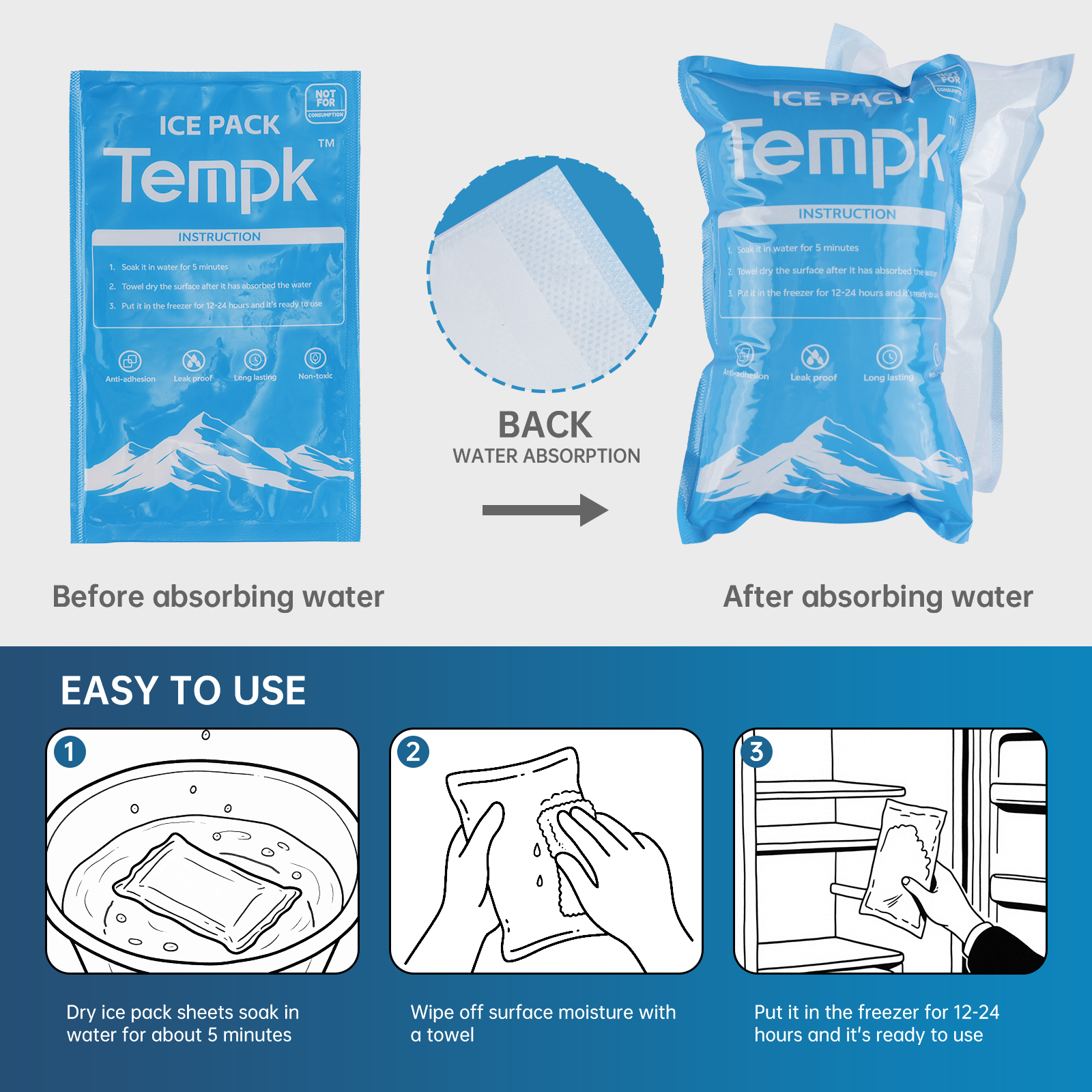
Dry Ice Pack Reuse & Storage: What You Need to Know in 2025
Do you wonder if dry ice packs are reusable and how to store them properly? With the growth of meal‑kit deliveries, pharmaceutical shipments, and global cold chains, it’s important to manage cold‑pack resources wisely. This comprehensive guide, written from a cold chain expert’s perspective, helps you distinguish between true dry ice (solid CO₂) and modern “dry ice pack” alternatives, explains reusability and storage best practices, and highlights emerging industry trends. By understanding how to reuse and store these cooling tools effectively, you can reduce costs, improve sustainability, and keep your shipments safe.
Differences between solid CO₂ and gel‑based dry ice packs – Clear up confusion about what “dry ice” really means and why it matters for reuse.
Step‑by‑step guidance on reusing dry ice and gel packs – Learn when each type can be reused and how to handle them safely
Proper storage methods for multiple uses – Discover where to keep your packs between shipments and which containers to use
Safety and handling precautions – Understand hazards like CO₂ buildup and frostbite, plus best practices for disposal
Comparison of cooling solutions – See how dry ice packs stack up against gel and phase‑change materials (PCMs) in terms of temperature, duration and reuse cycles
2025 market trends and innovations – Get insights on emerging materials, smart sensors and growth of the reusable ice pack market
Practical FAQs – Answers to the most common questions about reusing and storing dry ice packs.
Understanding Dry Ice Packs: Solid CO₂ vs. Gel Packs
Before diving into reuse and storage, it’s crucial to recognise that the term “dry ice pack” can refer to two distinct products:
Solid CO₂ dry ice packs – These contain pure carbon dioxide in frozen form (–78.5 °C). They offer intense cooling but cannot be refrozen once the CO₂ sublimates to gas. However, if you retrieve unused dry ice after a shipment, you can save and reuse ittempcontrolpack.com.
Gel‑based dry ice packs – Many manufacturers call their high‑performance gel packs “dry ice packs,” even though they don’t contain CO₂. These flexible pouches use super‑cooled gels or phase‑change materials to reach sub‑zero temperatures (often down to –40 °C) and stay dry as they thaw. They are fully refreezable and can be reused dozens of times
Understanding this distinction helps you make informed decisions about reuse, storage and regulatory compliance. Let’s explore each type in detail.
Solid CO₂ Dry Ice Packs
Dry ice is made by compressing and cooling carbon dioxide gas until it forms a solid block or pellets. As it warms, it doesn’t melt into liquid; instead, it sublimates directly into gas. This property gives dry ice its cooling power and also limits how you can reuse it.
Reusability: You can reuse dry ice only if solid CO₂ remains after the first shipment. Once all the dry ice has sublimated, there’s nothing left to refreeze. However, when some dry ice remains, you can salvage it for a subsequent shipment. To do this safely:
Use insulated, ventilated storage – Transfer leftover dry ice into a well‑insulated cooler or specialized vented box. Ventilation prevents CO₂ gas from building up and causing pressure explosions
Handle with proper PPE – Wear heavy insulated gloves and protective glasses or goggles when handling dry ice. Direct skin contact can cause severe frostbite
Keep unused dry ice separate – Don’t store dry ice with other chemicals or in sealed containers; it should be kept upright in a dedicated storage area away from heat sources
Use quickly – Even in insulated containers, dry ice sublimates at about 5–10 pounds per day. Plan your reuse within a couple of days to maximize remaining CO₂
Gel‑Based Dry Ice Packs
Gel packs marketed as “dry ice” or “dry ice pack sheets” are filled with a super‑cooled gel or phase‑change material that can be frozen repeatedly. Some advanced sheets developed in 2025 hold temperatures of −12 °C to −18 °C for up to 48 hours, outperforming traditional gel bricks by double or moretempcontrolpack.com. They can be reused over 30 cycles with less than 10% capacity losstempcontrolpack.com.
Reusability: Unlike solid CO₂, gel packs can be frozen again and again:
Clean after use – Wipe the pack with a damp cloth to remove condensation or residue. Let it dry completely before freezing.
Freeze flat in a cold freezer – Lay the packs flat in your freezer (ideally at −20 °C or colder). Freeze for 6–12 hours until fully solid.
Rotate your inventory – Alternate between multiple packs so each has adequate time to freeze and recover. This practice extends their lifespan.
Discard damaged packs – Replace any pack that leaks, tears or no longer freezes solid.
Environmental benefits: Because gel packs are reusable, they reduce waste and carbon emissions. Using them can lower your packaging costs by as much as 75% compared with single‑use dry ice pelletstempcontrolpack.com, and they eliminate hazardous materials fees associated with shipping solid CO₂tempcontrolpack.com.
Step‑By‑Step Instructions for Reusing Dry Ice Packs
Knowing the basic principles is one thing; putting them into practice is another. This section provides step‑by‑step processes for reusing both types of dry ice packs.
Reusing Solid CO₂ Dry Ice
Collect leftover dry ice. After a shipment, open your package in a well‑ventilated area. Wearing cryo‑gloves, identify any pieces of dry ice that have not fully sublimatedthermosafe.com.
Transfer to a vented cooler. Using tongs, place the remaining dry ice into a foam or thick plastic cooler with a loosely fitting lid. Avoid glass or brittle containers because they can crack under extreme coldreliantdryice.com.
Keep the cooler vented. Leave the lid ajar or open a vent; never seal it tightly. Gas must escape to avoid pressure buildupoxygenservicecompany.com.
Store in a ventilated area. Place the cooler in a garage or outdoor shed away from living spaces and heat sourcesehs.fiu.edu. Avoid storing in refrigerators or freezers, which are too warm and can be damaged by the extreme coldfaskitchen.com.
Use within a few days. Monitor the remaining dry ice and use it in your next shipment within two to three days. Sublimation will reduce its volume, so adjust the quantity needed accordinglytempcontrolpack.com.
Tip: If you have partially sublimated dry ice that you won’t use, consider donating it to a local lab or restaurant. Dry ice cannot be recycled, but organizations may accept it for immediate usefaskitchen.com.
Reusing Gel‑Based Dry Ice Packs
Inspect and clean. After unpacking your shipment, check each gel pack for punctures or leaks. If intact, wipe off condensation and allow it to dryshopnicepacks.com.
Flatten and freeze. Lay the packs flat in the coldest part of your freezer. For large orders, use a commercial freezer at –20 °C or colder and freeze for at least 6–12 hoursshopnicepacks.com.
Rotate inventory. Have at least two sets of gel packs: one set in use and another freezing. Rotating them ensures that each pack goes through full freeze‑thaw cycles, maintaining longevityshopnicepacks.com.
Protect during storage. Store unused gel packs in a clean, dry area away from sharp objects and sunlight. For longer storage, place them in protective sleeves or bubble wrapshopnicepacks.com.
Repeat indefinitely. Gel packs can be refrozen indefinitely until they show signs of wear, such as poor freezing or external damageshopnicepacks.com.
SOP for Modern Dry Ice Pack Sheets
Newer products like dry ice pack sheets have specific preparation steps. According to a 2025 guide, these sheets are pre‑hydrated and sealed before freezing. The recommended process includes:
Hydrate the sheets. Submerge in cold water for 3–5 minutes. The cells will expand and absorb watertempcontrolpack.com.
Freeze flat at ≤ –25 °C. Lay the hydrated sheets flat on a rack in an ultra‑low freezer and freeze for at least 10 hourstempcontrolpack.com.
Pre‑chill your shipper. Place empty gel sheets or ice packs in your shipping container ahead of time to bring the internal temperature down before loadingtempcontrolpack.com.
Pack the product. Wrap fragile items, fill voids and position sheets around the product for maximum coveragetempcontrolpack.com.
Seal and label. Close the box, add a monitoring logger and label the package with appropriate handling instructionstempcontrolpack.com.
Dispatch and track. Use NFC or Bluetooth trackers to monitor temperatures and ensure timely deliverytempcontrolpack.com.
This SOP demonstrates how specialized dry ice pack sheets combine high performance and reusability, often achieving ROI in just a few shipmentstempcontrolpack.com.
How to Store Dry Ice Packs Between Uses
Proper storage extends the lifespan of your packs and protects people from harm. The best method depends on whether you’re dealing with solid CO₂ or gel.
Storage for Solid CO₂ Dry Ice
Choose the right container – Use a thick, insulated container made of foam or high‑density plastic. Polystyrene bins are common in laboratoriesreliantdryice.com. Avoid brittle containers like glass, which can crack under extreme coldreliantdryice.com.
Avoid airtight seals – Never place dry ice in a sealed container or airtight freezer. Sealed systems trap CO₂ gas and create explosion hazardsoxygenservicecompany.com.
Ventilate the storage area – Store the vented container in a well‑ventilated area, such as a garage or outdoor shedehs.fiu.edu. Carbon dioxide is heavier than air and can displace oxygen if confined; good airflow ensures safety.
Do not use household freezers – Dry ice is much colder than a typical freezer. Placing it inside a freezer may cause the thermostat to shut off or damage the compressorfaskitchen.com.
Keep away from living spaces – Carbon dioxide can accumulate in closed rooms. To prevent asphyxiation, store dry ice far from inhabited areasehs.fiu.edu.
Storage for Gel‑Based Dry Ice Packs
Refrigerate or freeze – For long‑term storage, place gel packs flat in the freezer so they’re ready when neededshopnicepacks.com. If not freezing, keep them in a cool, dry cupboard.
Use protective covers – Wrap gel packs in sleeves or bubble wrap to prevent punctures and to keep surfaces cleanshopnicepacks.com.
Organize and label – Separate thawed and frozen packs to avoid confusion. Labeling helps you rotate and track freeze cycles.
Avoid heat and sunlight – High temperatures degrade the gel; store packs in a shady location away from heat sourcesshopnicepacks.com.
Storage Guidelines for Dry Ice Containers
Safe handling extends beyond the packs to the storage boxes themselves. ThermoSafe, a major manufacturer of dry ice containers, highlights several do’s and don’ts for maintaining the boxesthermosafe.com:
| Task | Do | Don’t | Why It Matters |
|---|---|---|---|
| Keeping hinges and gaskets clear | Clear away any dry ice from hinges and gaskets before closing the lid. | Don’t allow dry ice to fill hinges or crush the top edge when closing. | Prevents damage to the container and ensures a proper seal, reducing sublimationthermosafe.com. |
| Loading capacity | Fill containers according to manufacturer specifications. | Don’t overfill containers or leave the lid unlatched. | Overfilled containers may break or fail to maintain cold. Unlatched lids allow excessive sublimationthermosafe.com. |
| Moving the container | Use proper lifting techniques and secure lids before transport. | Don’t move containers with the lid open. | An open lid can allow dry ice to fall out or expose workers to CO₂thermosafe.com. |
| Stacking | Stack no more than two containers high. | Don’t stack more than two high or store containers outside with lids open. | Stacking too high risks falling containers, while storing outside may allow condensation and weather damagethermosafe.com. |
These simple practices keep your storage boxes in top condition and protect your investment.
Safety & Handling: Avoiding Common Hazards
Both solid CO₂ and gel‑based dry ice packs offer great cooling performance, but they come with safety considerations.
Hazard: CO₂ Gas Buildup
When dry ice sublimates, it releases carbon dioxide gas. In confined spaces, CO₂ can displace oxygen and pose suffocation risks. Avoid this hazard by:
Ventilating storage areas – Store dry ice in open or well‑ventilated spacesehs.fiu.edu.
Using vented containers – Ensure containers have vents or loosely fitting lidsoxygenservicecompany.com.
Keeping CO₂ away from people – Do not transport dry ice in the passenger area of a vehicle without proper ventilationehs.fiu.edu.
Hazard: Frostbite & Burns
Solid CO₂ is extremely cold. Contact with skin can cause frostbite in seconds. To avoid injury:
Wear insulated gloves – Use heavy cryogenic gloves or leather gloves when handling dry icethermosafe.com.
Use tongs or scoops – Avoid direct contact by using tools to move dry icethermosafe.com.
Limit exposure – Keep dry ice away from children and pets, and never allow them to handle it unsupervisedehs.fiu.edu.
Hazard: Exploding Containers
Airtight containers with dry ice can rupture because of CO₂ pressure. Prevent explosions by:
Never sealing containers – Even a small gap allows gas to escape safelyoxygenservicecompany.com.
Avoiding glass jars and PET bottles – Brittle materials can shatter under pressurereliantdryice.com.
Leaving space in the container – Don’t overfill the cooler; leave room for gas expansionthermosafe.com.
Hazard: Freezer Damage
Storing dry ice in a regular freezer can cause thermostat failure because the dry ice lowers the freezer’s internal temperature drasticallyfaskitchen.com. Always store dry ice separately in a vented cooler.
Safe Disposal
When your dry ice is spent:
Let it sublimate naturally – Place dry ice in an open container in a well‑ventilated area until it evaporatesoxygenservicecompany.com.
Don’t pour it down sinks or toilets – Rapid gas expansion can damage pipesthermosafe.com.
Recycle gel packs if possible – Many gel packs contain non‑toxic materials, but check with your supplier on proper disposal or recycling programscoldkeepers.com.
Comparing Cooling Solutions: Dry Ice, Gel Packs & PCM Packs
Selecting the right cooling medium depends on temperature requirements, duration, regulatory factors and reusability. This table summarizes key differences and benefits:
| Cooling Solution | Temperature Range | Duration | Reusability | Hazmat Label Required | Storage Considerations | Ideal Use |
|---|---|---|---|---|---|---|
| Solid CO₂ Dry Ice | –78.5 °C | 6–24 hours depending on packing and insulationtempcontrolpack.com | Limited: Only if unused CO₂ remainstempcontrolpack.com | Yes – Class 9 Hazardous Materialtempcontrolpack.com | Must be stored in vented insulated containers; not in freezersreliantdryice.comoxygenservicecompany.com | Deep freezing for vaccines, ice cream, meat and scientific samples |
| Gel‑Based Dry Ice Pack Sheets | –12 to –18 °C (advanced sheets)tempcontrolpack.com | Up to 48 hours for premium sheetstempcontrolpack.com | High: 30+ reuse cycles with <10% capacity losstempcontrolpack.com | No – Non‑hazardoustempcontrolpack.com | Freeze flat and store in protective sleevesshopnicepacks.com | Meal kits, pharmaceuticals, meal deliveries requiring sub‑zero temperatures |
| Traditional Gel Packs | –40 °C to 0 °Cshopnicepacks.com | 12–36 hoursshopnicepacks.com | Very high: indefinite refreezingshopnicepacks.com | No | Freeze and store at –20 °C or cooler; protect from puncturesshopnicepacks.com | Meal kits, fresh produce, pharmaceuticals, home use |
| Phase‑Change Material (PCM) Packs | Custom – can be engineered to hold 2–8 °C, –20 °C, etc.tempcontrolpack.com | 24–72 hours depending on PCM and packagingtempcontrolpack.com | High: Reusable with proper recharging | No | Recharge in appropriate freezer; precise maintenance required | Biologics, biotech shipments requiring narrow temperature ranges |
This comparison shows that while solid CO₂ excels at deep freezing, gel packs and PCM packs offer reusability and regulatory advantages. Choosing the right tool ensures product quality and operational efficiency.
2025 Cold Chain Trends: Sustainability & Smart Packaging
The cold chain industry is undergoing rapid transformation. Understanding these trends can help you plan your packaging strategy.
Market Growth
Explosive industry expansion: The U.S. cold chain packaging market was valued at $7.97 billion in 2024 and is projected to grow at a CAGR of 15.6% from 2025 to 2030. Globally, the sector is forecast to expand from around $34 billion in 2025 to nearly $90 billion by 2034, reflecting rising demand for safe transport of perishable foods and vaccines.
Reusable packaging on the rise: The reusable cold chain packaging market (which includes reusable ice packs and containers) is predicted to nearly double from $4.97 billion in 2025 to $9.13 billion by 2034, with a CAGR of roughly 7%. Businesses are investing in durable packaging solutions to reduce waste and comply with sustainability goals.
Reusable ice pack sector growth: Industry analysts estimate that the reusable ice pack market will reach around $800 million in 2025 and grow at 7% annually through 2033, driven by e‑commerce, healthcare and eco‑conscious consumers.
Sustainability Innovations
Biodegradable materials: New dry ice pack sheets use bio‑polymer films that degrade naturally after many uses, reducing plastic wastetempcontrolpack.com.
Embedded NFC & Bluetooth sensors: Next‑generation packs include embedded sensors that record temperature and location in real time. These sensors connect to mobile apps via NFC, helping companies monitor cold chain integritytempcontrolpack.com.
AI route planning: Generative AI algorithms optimise delivery routes and packing configurations, reducing transit times and energy consumptiontempcontrolpack.com.
Subscription reuse pools: Some companies now offer subscription services where businesses can borrow, use and return reusable dry ice pack sheets. This model reduces capital investment and ensures proper maintenancetempcontrolpack.com.
Case Studies
Meal‑Kit Service Success: A meal‑kit brand replaced traditional dry ice pellets with four reusable dry ice pack sheets. This switch eliminated hazmat surcharges, reduced spoilage claims by 43%, and delivered return on investment within three weeks.
Pharma & Biotech Efficiency: A biotech firm integrated NFC‑enabled dry ice packs in 2025. Real‑time temperature data allowed them to detect a transit delay and reroute the shipment, saving valuable samples. They also reused the packs for over 30 cycles without loss of performance.
Consumer & Regulatory Drivers
Health and safety concerns: The COVID‑19 pandemic heightened awareness of vaccine and biologics integrity, pushing governments to tighten regulations for transport temperatures. Companies must prove their cold chain is reliable, increasing demand for quality reusable packaging.
E‑commerce boom: Online grocery sales and meal‑kit subscriptions continue to expand. Consumers expect fresh, unspoiled deliveries, making robust cold chain solutions essential.
Sustainability mandates: Many corporations have set ambitious environmental targets. Reusable packs help companies meet these goals by reducing waste and carbon emissions.
Frequently Asked Questions (FAQs)
Q1: Are dry ice packs reusable or single‑use?
Answer: Gel‑based dry ice packs and modern dry ice pack sheets are reusable. They can be frozen repeatedly and typically maintain performance for at least 30 cycles. Solid CO₂ dry ice packs can only be reused if some dry ice remains after initial use.
Q2: How do I store dry ice between uses?
Store dry ice in a ventilated, insulated container—never in a sealed cooler or freezer. Keep it in a cool, well‑ventilated area away from people and pets.
Q3: Can I refreeze gel‑based dry ice packs immediately after use?
Yes. Wipe them clean, dry them, and lay them flat in the freezer. Freeze for at least 6 hours before reuse.
Q4: Are gel packs and dry ice packs the same thing?
Not exactly. Gel packs use super‑cooled gels or PCMs to provide cold temperatures and are fully refreezable. Many modern gel packs are marketed as dry ice packs because they reach sub‑zero temperatures. True dry ice is solid CO₂ and cannot be refrozen once fully sublimated.
Q5: How can I maximise the lifespan of my gel packs?
Rotate your packs, store them flat, and protect them from punctures. Replace any pack that leaks or fails to freeze fully.
Q6: Are there regulations for shipping with dry ice?
Yes. Shipments containing dry ice require hazard labels and are restricted to certain weights, typically around 5 kg per parcel. Check carrier guidelines before shipping.
Conclusion & Recommendations
Reusing dry ice packs isn’t just possible—it’s a smart strategy to save money, reduce waste and maintain product safety. Remember the key differences: solid CO₂ dry ice can only be reused if some of the original ice remains; salvage and store it in a vented container. Gel‑based dry ice packs and modern dry ice pack sheets, however, are designed for repeated freeze‑thaw cycles and often deliver better performance and cost savings. Proper storage—vented containers for CO₂ and protective sleeves for gel packs—prevents accidents and prolongs lifespan
As you plan your cold chain in 2025 and beyond, consider investing in reusable dry ice pack systems. They not only reduce your environmental footprint but also align with rising regulatory and customer expectations. Keep up with innovations like smart sensors, biodegradable materials and subscription reuse programs. By following the best practices outlined here, you’ll protect your products, your budget and the planet.
About Tempk
Tempk leads the way in advanced cold chain packaging solutions. With decades of expertise, we develop next‑generation dry ice pack sheets, gel packs and PCM systems that are FDA‑approved, sustainable and reusable. Our products feature bio‑polymer films, embedded sensors for real‑time monitoring and insulation designs that extend cold times beyond industry standards. We serve food delivery, pharmaceutical, biotech and research sectors worldwide, helping them achieve safe, efficient and eco‑friendly shipments.
Ready to upgrade your cold chain? Contact Tempk for a personalized consultation. We’ll tailor a solution to your temperature requirements, teach you how to reuse and store packs safely, and support your sustainability goals.
Are Dry Ice Packs Reusable? Extend Their Service Life with These Tips
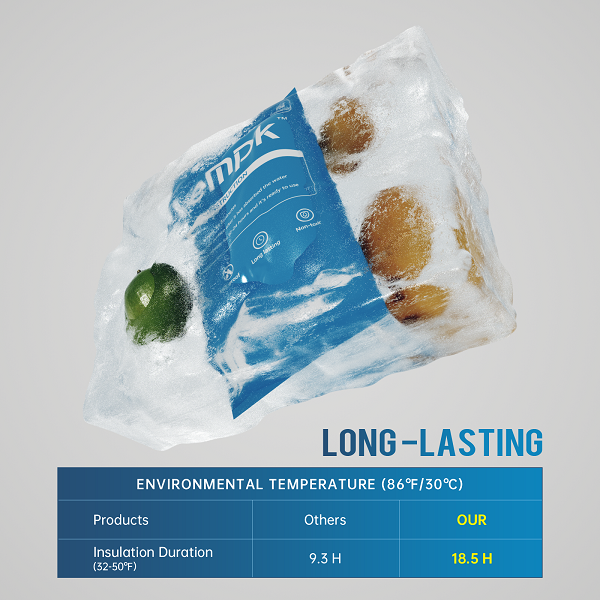
Dry ice packs are vital components in the cold chain logistics sector, used to maintain the temperature of perishable items, pharmaceuticals, and more. But are dry ice packs reusable, and how can their service life be extended? In this guide, we will explore the science behind dry ice packs, how to handle and store them effectively, and techniques to enhance their reusability. Read on for practical insights on how to optimize your cold chain processes with dry ice.
Dry Ice Packs: The Ultimate Solution for Cold Chain Logistics
Dry ice packs are critical in the cold chain logistics industry for maintaining ultra-cold temperatures during shipping. They differ from regular ice because they are made of solid carbon dioxide (CO₂), which sublimates (turns directly from solid to gas) without creating any liquid. This process allows dry ice packs to keep items colder for much longer than water ice, making them ideal for shipping temperature-sensitive goods like vaccines, fresh seafood, or biologics.
How Do Dry Ice Packs Work?
Dry ice packs work by maintaining a sub-zero temperature that keeps the contents inside a package cold. These packs contain a special refrigerant gel or liquid that remains at a freezing temperature for extended periods. Unlike traditional ice, dry ice does not melt into water but sublimates directly into carbon dioxide gas, which makes it particularly effective in maintaining cold temperatures without causing any mess.
Why Dry Ice Packs Are Crucial for Cold Chain Logistics
In industries like food distribution, pharmaceuticals, and biotech, the preservation of temperature-sensitive goods is essential. Dry ice packs offer several key benefits:
Extended cooling time: Dry ice packs maintain ultra-low temperatures for longer than regular ice, ensuring the integrity of sensitive products during transit.
Mess-free cooling: Unlike water ice, dry ice sublimates into gas, leaving no residue and preventing leaks that could damage goods or packaging.
Versatility: Dry ice is used for everything from shipping vaccines that require sub-zero temperatures to keeping frozen foods at their optimal storage levels.
Are Dry Ice Packs Reusable?
Dry ice packs themselves are designed to be used multiple times, unlike traditional dry ice, which sublimates after a single use. However, the key to reusability lies in how the packs are handled and stored.
While the dry ice (CO₂) inside the packs cannot be reused once it sublimates, the packaging materials, including insulated containers or Styrofoam boxes, are often durable enough for reuse. The gel or liquid refrigerant inside the packs can be frozen and thawed multiple times, provided there are no signs of damage such as punctures or leaks.
How to Extend the Service Life of Dry Ice Packs
To maximize the longevity of dry ice packs and maintain their effectiveness over multiple uses, follow these best practices:
1. Proper Freezing and Storage
Store in a cool, dry place: To minimize sublimation, store dry ice packs in cool, dry environments when they are not in use. Ensure that they are kept in insulated containers to slow down the sublimation process.
Avoid rapid temperature changes: When storing or using dry ice packs, avoid exposing them to sudden temperature changes. This can lead to instability in the gel or liquid inside, reducing its cooling efficiency.
2. Minimize Air Exposure
Seal dry ice packs tightly: If possible, use airtight containers to limit air exposure to the dry ice. However, make sure that there is some venting to allow gas to escape, as dry ice sublimates into CO₂ gas. Too much pressure from the gas could damage the container.
Limit the number of openings: Once the dry ice pack is in use, avoid opening the container too frequently. Each exposure to air increases the rate of sublimation, shortening the pack’s cooling duration.
3. Proper Handling and Maintenance
Use gloves for handling: Always handle dry ice packs with gloves to avoid frostbite or burns from direct contact with the extremely cold material.
Check for signs of damage: Regularly inspect the dry ice packs for any leaks, punctures, or cracks. Damaged packs are less effective and should be replaced immediately.
4. Choose the Right Size and Quantity of Dry Ice Packs
Using the correct amount of dry ice is critical for maximizing performance. Consider the shipping duration and the volume of products being transported when selecting the size and number of dry ice packs. Larger quantities of dry ice will last longer, making them more suitable for longer journeys.
Real-World Example: Efficient Cold Chain Management
A global logistics company that specializes in pharmaceutical shipping uses advanced temperature monitoring systems to track the effectiveness of their dry ice packs during transit. By using temperature loggers and monitoring sublimation rates in real time, they ensure that vaccines remain within the required temperature range, preventing any loss of efficacy.
Latest Trends in Dry Ice and Cold Chain Solutions (2025)
Advancements in Dry Ice Technology
The cold chain logistics sector is evolving rapidly, and 2025 is set to bring new innovations in dry ice technology. Some of the most exciting developments include:
Sustainable Dry Ice: Research is focusing on reducing the environmental impact of dry ice production, aiming for more eco-friendly manufacturing processes that retain the same cooling power.
Smart Packaging: Real-time monitoring of temperature and sublimation rates is becoming increasingly common in dry ice packaging, giving businesses greater control over the shipping process and reducing the risk of temperature excursions.
Advanced Insulation Materials: New materials are being developed to improve insulation, allowing dry ice to last longer and reducing the overall amount needed for long-distance shipments.
Market Insights
The demand for dry ice and cold chain logistics solutions is projected to grow at a rapid pace, especially in industries like pharmaceuticals and food distribution. As businesses and consumers alike place more emphasis on sustainability and eco-friendly solutions, dry ice technology will continue to evolve. Companies that adopt sustainable practices and cutting-edge cold chain technologies will have a competitive edge in the market.
Commonly Asked Questions About Dry Ice Packs
1. Can dry ice packs be reused?
Yes, dry ice packs are reusable if the packaging is intact and not damaged. While dry ice itself cannot be reused once it sublimates, the insulation and gel packs can be refrozen for future use.
2. How long do dry ice packs last?
The duration of cooling depends on factors like the size of the pack, the insulation quality, and the external temperature. Generally, dry ice packs can stay cold for 24 to 48 hours, though this can vary.
3. How do I know when to replace my dry ice pack?
If your dry ice pack shows signs of wear, such as punctures, leaks, or a reduced cooling capacity, it’s time to replace it. Regular inspections are essential for maintaining optimal performance.
4. Are dry ice packs safe for food or pharmaceuticals?
Yes, dry ice packs are commonly used for shipping temperature-sensitive products like food and pharmaceuticals. However, ensure that the outer materials of the pack are food-grade certified to prevent contamination.
Conclusion
Dry ice packs are an essential tool for maintaining cold chain integrity in industries that deal with temperature-sensitive products. While they are not reusable in the same way as traditional ice, with proper care and storage, their lifespan can be extended, ensuring cost-efficiency and reducing waste. By following the outlined strategies for handling, storing, and maintaining dry ice packs, businesses can maximize their effectiveness and optimize their cold chain logistics processes.
Next Steps:
Check your dry ice pack’s condition: Regularly inspect your dry ice packs and replace any that show signs of damage.
Optimize storage conditions: Ensure that you store dry ice in cool, dry areas to prevent sublimation and extend its service life.
Adopt new technologies: Stay up-to-date with the latest trends in sustainable and smart cold chain technologies.
For more expert advice on cold chain logistics, contact Tempk for tailored solutions and guidance on maximizing your dry ice efficiency.
Are Dry Ice Packs Reusable? Safe Handling, Maintenance, and 2025 Trends
Are Dry Ice Packs Reusable? A Comprehensive Guide to Safe Handling, Maintenance, and Trends
Dry ice packs are essential for transporting temperature-sensitive items such as medical supplies, food, and biological samples. But are dry ice packs reusable? This question is commonly asked by industries that rely on them for maintaining sub-zero temperatures during transit. The answer is yes, dry ice packs can be reused under certain conditions. In this article, we will explore how to safely reuse dry ice packs, best practices for their maintenance, the factors that influence their longevity, and the latest trends in 2025 cold chain solutions. You’ll also learn about compliance with international regulations and the environmental impact of reusing dry ice.

Can dry ice packs be safely reused?
What are the best practices for maintaining dry ice packs for reuse?
How do storage conditions and material quality affect the longevity of dry ice packs?
What are the latest trends in dry ice technology and cold chain packaging for 2025?
Can Dry Ice Packs Be Reused Safely?
Yes, dry ice packs can be reused if handled and stored correctly. However, the reusability depends on several critical factors, including the pack’s material quality, its ability to vent CO2 gas, and the remaining solid CO2.
Key Considerations for Reusability:
Material Durability: Dry ice packs made from high-quality, insulated materials are more durable and can withstand multiple uses. High-density polyethylene (HDPE) is commonly used for its resilience to extreme temperatures.
Ventilation: To prevent dangerous CO2 gas buildup, packs need to be stored and transported in containers that allow for the release of gas. Failure to do so can cause pressure buildup, leading to ruptures.
Storage Conditions: Dry ice packs should be stored in a cool, dry environment. Exposure to high temperatures can accelerate sublimation, reducing the pack’s cooling effectiveness and lifespan.
How to Maintain Dry Ice Packs for Reuse
To ensure that dry ice packs last as long as possible, here are the recommended maintenance steps:
Inspect Regularly: Before reusing a dry ice pack, inspect it for any damage such as cracks, leaks, or degradation of the insulating material. A damaged pack should not be reused.
Proper Storage: After each use, store dry ice packs in a ventilated area, away from heat or moisture, to preserve their structural integrity and insulation.
Use Suitable Packaging: Ensure that the dry ice pack is specifically designed for reuse. Packs labeled as reusable are made with stronger materials that can handle multiple cycles.
Safe Reuse of Dry Ice Packs
Follow these steps to safely reuse dry ice packs:
Inspect for Damage: Check for any signs of wear or tear.
Clean the Pack: Wipe the pack clean of any residue left from the sublimated dry ice.
Store Properly: Keep the pack in a cool, dry place.
Refill with Fresh Dry Ice: Ensure that the fresh dry ice is placed securely in the pack with adequate space for gas release.
What Factors Impact the Longevity of Dry Ice Packs?
Several factors influence how long a dry ice pack can be reused. These include:
Material Quality: Dry ice packs made from durable materials last longer and are better equipped to handle multiple cycles.
Temperature Fluctuations: Extreme heat accelerates the sublimation process, shortening the pack’s lifespan.
Ventilation and Gas Release: Proper ventilation prevents pressure buildup, which can cause pack rupture. Packs with vented compartments are more durable and reusable.
| Factor | Impact on Longevity | Best Practice |
|---|---|---|
| Material Durability | Stronger materials extend reuse | Use high-quality, insulated packaging |
| Temperature Fluctuations | Extreme heat accelerates sublimation | Store in temperature-controlled environments |
| Ventilation | Prevents rupture from gas buildup | Use vented packaging to ensure safe CO2 release |
2025 Trends in Dry Ice Pack Technology and Reusability
As cold chain logistics evolve, new trends in dry ice technology are emerging. Companies are focusing on sustainability, efficiency, and smart technology.
Latest Advancements in Dry Ice Packs:
Smart Dry Ice Packs: Some manufacturers are developing dry ice packs with built-in sensors that monitor temperature and gas levels. These smart packs help users track sublimation rates and ensure timely replacement, enhancing safety and efficiency.
Eco-Friendly Materials: With growing environmental concerns, the cold chain industry is moving towards more sustainable solutions. Eco-friendly dry ice packs made from recyclable materials are being developed to reduce the environmental footprint.
Improved Insulation: Innovations in insulation materials, such as biodegradable foam, are allowing for longer-lasting dry ice packs that can maintain sub-zero temperatures for extended periods.
Market Insight:
The demand for dry ice is rising, driven by industries such as pharmaceuticals, e-commerce, and food services. Companies are increasingly looking for cost-effective, sustainable solutions to maintain the quality of temperature-sensitive products during transport. This has led to a surge in innovation in packaging and insulation materials for dry ice.
Handling, Transport, and Disposal of Dry Ice Packs
Safe Handling of Dry Ice:
Protective Gear: Always handle dry ice with insulated gloves or tongs to prevent frostbite.
Ventilation: Ensure that dry ice is stored and transported in containers with proper ventilation to allow CO2 gas to escape safely.
Avoid Confined Spaces: Never store or transport dry ice in poorly ventilated areas, as CO2 buildup can lead to suffocation.
Disposal of Dry Ice:
If you cannot reuse dry ice, proper disposal is essential to avoid hazards:
Allow the dry ice to sublimate naturally in a well-ventilated area. Do not dispose of it in sinks, toilets, or airtight trash containers, as this can cause pressure buildup or plumbing damage.
Frequently Asked Questions
Q1: How long can dry ice packs be reused?
Dry ice packs can be reused multiple times, typically for 10 to 15 cycles, depending on material quality and storage conditions.
Q2: Can I reuse dry ice packs if they are damaged?
No, damaged dry ice packs should not be reused. Always inspect for cracks, leaks, or wear before reuse.
Q3: How should I store dry ice packs for reuse?
Store dry ice packs in a cool, dry, well-ventilated area. Avoid storing them in freezers or areas exposed to direct sunlight.
Q4: What should I do if I can’t reuse the dry ice?
Allow the dry ice to sublimate in a well-ventilated space. Never dispose of it in an airtight container.
Conclusion and Recommendations
Key Takeaways:
Dry ice packs can be safely reused with proper maintenance and storage.
Material quality, ventilation, and temperature control are critical factors that affect the reusability of dry ice packs.
Stay informed on the latest trends in dry ice technology to enhance your cold chain logistics and sustainability efforts.
Next Steps:
Regularly inspect and maintain your dry ice packs.
Ensure safe handling and storage according to best practices.
Consider upgrading to eco-friendly and smart dry ice packs for enhanced efficiency and sustainability.
About Tempk
At Tempk, we specialize in providing innovative, sustainable cold chain solutions. Our reusable dry ice packs are designed to meet the highest safety standards, ensuring that your temperature-sensitive products remain safe throughout the shipping process.
For more information or to consult our experts, visit Tempk or contact us directly at (123) 456-7890.
Are Dry Ice Packs Hazardous? Ingestion & Skin Contact Risks Explained
Are Dry Ice Packs Hazardous? Ingestion and Skin Contact Risks Explained
Dry ice packs, made from solid carbon dioxide (CO₂), are essential in industries like shipping, food preservation, and medical transport. However, their extreme cold temperature and sublimation properties make them hazardous if mishandled. This article delves into the risks of skin contact and ingestion, providing safety guidelines to minimize potential harm.

What is Dry Ice and Why is it Hazardous?
Dry ice is the solid form of CO₂, which sublimes (turns from solid to gas) at -78.5°C (-109.3°F), making it far colder than regular ice. While its unique properties make it a valuable tool for cooling, it also poses significant risks when handled improperly. These include severe frostbite, internal injuries from ingestion, and suffocation from CO₂ buildup in confined spaces.
Why Is Dry Ice So Dangerous?
The extreme cold of dry ice can cause severe burns or frostbite on contact with skin. Additionally, as dry ice sublimates into CO₂ gas, it can displace oxygen in poorly ventilated spaces, leading to suffocation.
| Hazard Type | Risk Level | Safety Measure |
|---|---|---|
| Skin Contact | High | Wear thick gloves, handle carefully |
| Inhalation | High (confined) | Ensure proper ventilation |
| Ingestion | Very High | Never ingest, keep away from children |
Skin Contact Risks: How Dangerous is Dry Ice for Your Skin?
Direct skin contact with dry ice is one of the most common risks associated with handling it. The extreme cold can cause frostbite, similar to a first-degree burn, and in severe cases, can lead to tissue necrosis. Immediate medical attention may be required for significant exposure.
What Happens if Dry Ice Touches Your Skin?
When dry ice makes contact with the skin, it freezes the skin cells, causing frostbite and even tissue damage. Symptoms can include redness, pain, blisters, and in extreme cases, permanent skin damage. To avoid injuries:
Always wear thick gloves or protective clothing when handling dry ice.
If skin contact occurs, immediately immerse the affected area in warm water for 10-15 minutes.
Do not rub the area, as this can worsen the injury.
Ingestion Risks: What Happens If Dry Ice is Swallowed?
Ingesting dry ice is extremely dangerous and can cause severe internal injuries. Dry ice will rapidly sublimate in the stomach, releasing CO₂ gas. This can lead to a dangerous buildup of pressure, potentially causing the stomach or intestines to rupture, which could be fatal.
Symptoms of Dry Ice Ingestion:
Severe internal burns: The extreme cold can freeze the tissues in the mouth, throat, and digestive system.
Perforation of internal organs: The sublimation process generates pressure that can cause ruptures in the gastrointestinal tract.
Suffocation: CO₂ buildup in the body can cause suffocation, especially in confined spaces.
How to Prevent Accidental Ingestion
Always keep dry ice out of reach of children and pets.
Never ingest dry ice or use it in beverages or food unless it is part of a professionally controlled setup.
Safe Handling and Storage Practices for Dry Ice
While dry ice can be highly beneficial, it must be handled with extreme caution. Adhere to the following safety practices to reduce risks:
Safe Handling Tips
Wear protective gloves: Always use thick gloves designed for extreme temperatures.
Ensure proper ventilation: Store dry ice in well-ventilated areas to avoid CO₂ buildup.
Avoid airtight containers: Never store dry ice in sealed containers as pressure buildup can cause explosions.
Proper Storage Techniques
Use insulated containers, but not airtight ones, to allow CO₂ gas to escape safely.
Avoid storing dry ice in confined spaces where CO₂ gas can accumulate.
First Aid Measures for Dry Ice Exposure
Skin Contact: If skin contact occurs:
Remove the affected area from the dry ice immediately.
Immerse the area in warm water for 10-15 minutes (do not rub the area).
Seek medical attention immediately if frostbite symptoms are severe.
Ingestion: If dry ice is ingested:
Do not induce vomiting.
Seek emergency medical help immediately.
Provide information about the amount and time of ingestion to medical personnel.
2025 Trends and Developments in Dry Ice Safety
The safety of dry ice handling continues to improve, with ongoing advancements in technology and regulations. In 2025, key trends include:
Biodegradable packaging: To reduce environmental impact while maintaining safety.
Improved safety protocols: Enhanced training and better handling equipment.
Eco-friendly alternatives: Ongoing research into alternative cooling methods to reduce reliance on dry ice.
These advancements are making dry ice safer for both consumers and professionals.
Frequently Asked Questions
Is it safe to use dry ice in a closed room?
No, dry ice should never be used in a closed room without proper ventilation. CO₂ gas can displace oxygen and cause suffocation.
How long does dry ice last?
Dry ice lasts for approximately 18-24 hours in an insulated container, depending on the amount and insulation used.
Can dry ice be shipped safely?
Yes, dry ice can be shipped safely in specialized containers that allow gas to escape, preventing pressure buildup.
Conclusion: Safely Handling Dry Ice
Dry ice packs are invaluable tools across various industries, but their hazards must be taken seriously. By understanding the risks associated with skin contact and ingestion, and following proper handling and storage procedures, you can minimize potential harm.
Actionable Tips for Safe Handling:
Always wear protective gloves and use tongs when handling dry ice.
Store dry ice in well-ventilated areas to ensure safe sublimation of CO₂.
Educate others about the dangers of dry ice, particularly children and pets.
About Tempk
At Tempk, we specialize in providing safe and reliable cold chain solutions, including dry ice for refrigeration. With years of industry experience, our products adhere to the highest safety standards to ensure the proper use of dry ice without risks. Contact us today for professional advice on safe dry ice usage and cold chain management.
Are Dry Ice Packs Safe for Food Shipping in 2025? Best Practices for Cold Chain Solutions

Are Dry Ice Packs Food-Safe for Shipping Perishables?
Dry ice packs are a widely used solution in the food industry for shipping perishable items. Their ability to maintain ultra-low temperatures makes them ideal for keeping food frozen during transit. But are dry ice packs food-safe? This article answers that question by exploring dry ice’s properties, its use in food preservation, safety protocols, and best practices for handling.

What Are Dry Ice Packs, and Why Are They Important for Food Safety?
Dry ice, a solid form of carbon dioxide (CO₂), sublimates directly into gas at -78.5°C (-109.3°F), bypassing the liquid phase of normal ice. This unique property allows dry ice to maintain low temperatures for extended periods, making it an essential tool for preserving frozen food during shipping. However, proper handling is necessary to ensure safety.
How Does Dry Ice Work to Preserve Food?
Dry ice is extremely effective in preventing food spoilage during transportation by maintaining frozen states, especially for sensitive products like ice cream, meats, and seafood. It does this by keeping the temperature consistently below freezing, which prevents thawing and bacterial growth.
Are Dry Ice Packs Safe for Food?
Dry ice itself is non-toxic, but it poses risks due to its extreme cold. Direct contact with dry ice can cause frostbite or cold burns on food, leading to undesirable texture changes, freezer burn, or even food damage. The key safety principle when using dry ice is to prevent direct food contact.
Best Practices for Using Dry Ice in Food Shipping
Here are some crucial guidelines for ensuring the safe use of dry ice for food applications:
Packaging & Separation
Use insulated containers that prevent direct contact between dry ice and food. Ensure proper separation using foam coolers, bubble wrap, or cardboard layers.Ventilation is Key
Always use packaging that allows the sublimated CO₂ gas to escape. Avoid airtight containers, as they can cause pressure buildup, which could be hazardous.Handling and Storage
Always wear cryogenic gloves and safety goggles when handling dry ice. Store dry ice in well-ventilated spaces, away from heat or direct sunlight, to avoid dangerous buildup of CO₂ gas.Transportation and Compliance
When shipping, ensure vehicles are well-ventilated to prevent CO₂ accumulation. Always follow the regulatory guidelines for shipping hazardous materials and include “Contains Dry Ice” labeling as per regulations.
What Alternatives to Dry Ice Are Available for Safe Food Shipping?
While dry ice is effective for longer shipments, gel packs and phase-change materials (PCMs) are becoming more popular for short-term shipments. These alternatives are safer and easier to handle as they don’t involve hazardous CO₂ gas.
| Cooling Agent | Dry Ice Packs | Gel Packs | PCMs |
|---|---|---|---|
| Temperature Control | Extremely cold (-78.5°C) | Moderate cold (0°C to -20°C) | Customizable for specific ranges |
| Safety | Requires special handling; hazardous | Non-toxic, food-safe | Non-toxic, safe for direct contact |
| Duration | Long-lasting (12-48 hours) | Shorter duration | Longer than gel packs, but varies |
| Environmental Impact | CO₂ emissions | Biodegradable or recyclable | Biodegradable, eco-friendly |
Hybrid Solutions: Combining Dry Ice and Gel Packs
For shipments that require both deep freezing and refrigeration, combining dry ice with gel packs can create a stable temperature environment. This hybrid solution works especially well for longer transit times, ensuring that sensitive food products stay frozen or refrigerated without risk of rapid thawing.
Common Mistakes and How to Avoid Them
Never Store Dry Ice in Airtight Containers – CO₂ gas needs to escape to avoid dangerous pressure buildup.
Avoid Direct Contact with Food – Use insulation layers between the dry ice and food to prevent freezer burn.
Wear Protective Gear – Never handle dry ice with bare hands. Use insulated gloves and safety goggles.
How to Safely Ship Different Types of Food
Frozen Seafood (24-36 hours):
Combine dry ice with gel packs. Place seafood in an airtight plastic wrap, then surround it with gel packs and a layer of dry ice (separated by cardboard).
Meal Kits (24 hours):
Use gel packs and an insulated liner to maintain the appropriate refrigeration temperature. Place one gel pack above and one below the food for balanced temperature control.
Vaccines (48-72 hours):
Use certified medical shipping containers with built-in ventilation, combining dry ice with PCMs to maintain a steady temperature.
2025 Trends in Cold Chain and Dry Ice Usage
The cold chain packaging market is projected to grow from USD 29.1 billion in 2025 to USD 50.5 billion by 2035. Key trends shaping the future of dry ice use in food shipping include:
Sustainable Materials – Use of biodegradable and recyclable gel packs and insulation materials.
IoT & Real-Time Monitoring – Integration of sensors and RFID tags to monitor food temperature throughout the shipping process.
Smarter Packaging Solutions – Advancements in phase-change materials for better temperature control.
Conclusion & Recommendations
Dry ice packs are a safe and effective solution for shipping frozen food, provided that direct contact with food is avoided, and safety guidelines are followed. Always use insulated containers, ensure ventilation, and wear protective gear to prevent injuries. For shorter shipments, gel packs and phase-change materials are viable alternatives.
Take Action Today:
Assess your shipment needs: Choose dry ice for frozen items, gel packs for refrigerated goods.
Ensure proper packaging: Use insulated boxes and separate dry ice from food.
Educate your team and customers: Provide handling instructions and safety warnings.
About Tempk
Tempk is a trusted provider of dry ice solutions and cold chain packaging for the food industry. We specialize in creating safe, efficient, and eco-friendly shipping solutions to ensure that your products stay fresh from point A to point B. Contact us today for more details on how we can help your business maintain the integrity of your cold chain.
Are Dry Ice Packs Food-Contact Safe and FDA Approved?

When shipping temperature-sensitive items like pharmaceuticals and perishable foods, safety is a top priority. Dry ice packs, commonly used for cooling, raise the question of whether they are safe for food contact and FDA approved. This article addresses these concerns, providing clarity on regulations, materials, and best practices to ensure compliance with safety standards.

What it means for dry ice packs to be food-contact safe
How FDA regulations apply to packaging materials
Best practices to maintain safety and regulatory compliance
The latest trends in dry ice packaging for the food industry
What Does “Food-Contact Safe” Mean for Dry Ice Packs?
To be food-contact safe, dry ice packs must be constructed using materials that do not leach harmful chemicals when in contact with food. The FDA does not regulate dry ice directly but does regulate materials that come into direct contact with food. Packaging for dry ice must meet FDA requirements for food safety to ensure there is no risk of contamination.
Why Food-Contact Safety Matters
When dry ice is used in food shipping, the safety of the packaging is critical. If the outer material of the dry ice pack is not food-grade, it can potentially contaminate the food with chemicals. For pharmaceutical shipments, contamination risks can compromise drug efficacy. For food businesses, contamination can lead to spoilage, recalls, and damage to brand reputation.
| Component | Typical Material | Food-Safety Significance | Benefit to You |
|---|---|---|---|
| Outer film | FDA-approved polyethylene or multilayer films | Prevents chemical migration to food | Ensures regulatory compliance and reduces contamination risks |
| Refrigerant gel | Food-grade superabsorbent polymer | Nontoxic and inert, avoids leaching | Ensures long-lasting cold without harmful chemicals |
| Sealants & adhesives | Food-grade hotmelt adhesives | Ensures secure, contamination-free seals | Protects against leaks and contamination |
Key Considerations for Using Dry Ice Packs
Ventilation: Ensure that dry ice packs have proper ventilation to allow CO₂ gas to escape, reducing suffocation risks.
Handling: Always handle dry ice packs with insulated gloves to avoid frostbite or burns.
Packaging: Use packaging designed for safe dry ice containment that prevents direct contact with food, ensuring food safety during transport.
Example: A company specializing in pharmaceutical shipping uses dry ice packs to maintain cold storage during transportation. They ensure the outer film is FDA-approved to prevent contamination of vaccines during transit.
How Does FDA Approval Apply to Dry Ice Packs?
FDA approval is vital for any material that directly contacts food, but dry ice itself isn’t FDA-approved as it sublimates into a gas. The materials used in dry ice packaging are subject to FDA regulation to ensure they meet food safety standards. For instance, materials like Styrofoam or biodegradable plastics may be FDA-approved for use in food shipping if they meet specific criteria.
Verifying FDA Compliance
When purchasing dry ice packaging, always request certification from the supplier confirming that the materials used are FDA-approved. This ensures your packaging complies with safety regulations and prevents potential contamination risks.
Dry Ice vs. Gel Packs: What’s the Difference?
Dry ice packs and gel packs serve similar purposes but differ significantly in performance and safety. Dry ice packs provide ultracold temperatures but require careful handling due to their extreme cold. Gel packs, on the other hand, are safer to handle and reusable but typically only reach higher temperatures, making them ideal for refrigerated goods.
| Type | Temperature Range | Handling | Food-Contact Considerations |
|---|---|---|---|
| Dry Ice (CO₂) | -78°C | Requires gloves; vented packaging | Safe if packaging is food-safe |
| Gel Packs | 0°C to -20°C | Easy to handle; non-hazardous | Must be food-safe and properly labeled |
| Hybrid Dry Ice Packs | -50°C to -78°C | Non-hazardous, reusable | FDA-approved food-grade packaging |
FDA Regulations and Food Safety: Best Practices
To maintain the integrity of both food safety and regulatory compliance, follow these best practices for shipping with dry ice:
Use FDA-Compliant Packaging: Ensure all materials used in the dry ice packaging are certified as food-safe.
Properly Seal Food Items: Prevent direct contact between dry ice and food to avoid contamination risks.
Monitor Temperature: Use temperature loggers to monitor conditions inside the packaging and ensure the food remains within safe temperature ranges.
Case Study: A global logistics company successfully shipped frozen food products using FDA-approved dry ice packaging. They ensured proper sealing and temperature monitoring, which helped preserve the food quality and comply with food safety regulations.
2025 Trends in Dry Ice Packaging and Food Safety
The cold chain industry is evolving, and innovations in dry ice packaging continue to shape the future of food safety. As environmental concerns grow, sustainable packaging materials like biodegradable films and plant-based gels are gaining traction.
Latest Innovations in Dry Ice Packaging:
Smart Packaging: New technologies include sensors and real-time tracking for temperature and humidity.
Sustainability: Biodegradable and recyclable materials are on the rise, meeting both safety and environmental standards.
Reusable Packs: Reusable dry ice packs reduce waste and offer cost-effective, sustainable cooling solutions.
Common Questions About Dry Ice Packs
Q1: Are dry ice packs FDA-approved for food use?
Dry ice itself is not FDA-approved, but the packaging materials used to contain dry ice must meet FDA food safety standards.
Q2: How can I verify my dry ice packaging is food-safe?
Request certification from your supplier to confirm that the materials used in the packaging comply with FDA food-contact safety standards.
Q3: Are gel-based dry ice packs safer than solid dry ice?
Yes, gel packs are easier to handle and non-hazardous, but they require FDA-approved materials for food safety.
Conclusion
Dry ice packs can be considered safe for food-contact applications if used correctly and with FDA-approved packaging materials. Ensuring compliance with food safety standards is essential for maintaining the integrity of perishable goods during transport. By following proper guidelines and choosing reliable suppliers, businesses can confidently use dry ice for shipping while meeting all regulatory requirements.
Next Steps:
Verify packaging compliance with FDA regulations.
Choose sustainable and FDA-approved dry ice packaging for better food safety and environmental responsibility.
Monitor temperatures during transit to ensure optimal conditions for perishable goods.
About Tempk
Tempk provides high-quality, FDA-approved dry ice packaging solutions for the food and pharmaceutical industries. Our products ensure safe, reliable shipping while adhering to the highest food safety standards. Contact us today to learn more about how we can help your business maintain safe and compliant cold chain operations.
Are Dry Ice Bags Compliant with IATA Rules in 2025?
Are Dry Ice Bags Compliant with IATA Rules in 2025?
When shipping perishables, pharmaceuticals, or biological specimens by air, the use of dry ice is common. However, dry ice is classified as a dangerous good, and shipping it improperly can result in fines, delays, or even confiscation. This article provides a comprehensive overview of IATA’s regulations, focusing on dry ice shipping, packaging, and compliance in 2025.
Understand the IATA classification for dry ice and why it matters
Learn the essential packaging and labeling requirements
Identify key compliance factors for dry ice bags
Discover the latest trends and updates in dry ice shipping compliance
What is IATA’s Classification for Dry Ice?
IATA classifies dry ice as UN 1845, Carbon dioxide, solid, under Class 9: Miscellaneous Dangerous Goods. This classification exists due to dry ice’s sublimation properties, where it turns into carbon dioxide gas. In confined spaces, this gas can displace oxygen and lead to asphyxiation hazards.
Dry ice must be packaged and transported according to Packing Instruction 954 as specified by IATA’s Dangerous Goods Regulations (DGR). These regulations ensure that dry ice is handled safely, preventing accidents and maintaining regulatory compliance. The 2025 update emphasizes clear packaging and labeling, with special focus on venting and weight limits.
Key Considerations:
Dry ice sublimates at −79°C, releasing carbon dioxide gas.
Proper packaging is vital to prevent dangerous pressure buildup from gas accumulation.
IATA rules allow up to 200 kg of dry ice in a cargo shipment but limit 2.5 kg for passenger baggage.
How Can You Ensure Dry Ice Bags Meet IATA Standards?
Ensuring dry ice bags meet IATA standards requires specific measures to handle safety and compliance. Here are the steps to make sure your shipments are fully compliant:
Step 1: Select the Right Packaging
Dry ice packaging must have ventilation systems that allow gas to escape safely. Sealed or airtight containers are not allowed as they can cause dangerous pressure build-up, potentially leading to rupture. Vented bags or containers with breathable membranes should be used.
Many suppliers now provide vented dry ice bags that comply with IATA standards. These bags are designed to release sublimated CO₂ gas through permeable materials or vent holes. Additionally, using micropellet dry ice offers better temperature control and reduced pressure risk during transit.
Step 2: Labeling and Documentation
Correct labeling is a critical component of compliance. The dry ice bag must clearly display:
The UN number (1845) along with the words “Dry Ice” or “Carbon dioxide, solid”.
The net weight of the dry ice in kilograms.
A Class 9 hazard label indicating it is a miscellaneous dangerous good.
Documentation such as the Air Waybill must also include the UN number, shipping name, weight, and number of packages.
Step 3: Air Carrier Requirements
Different air carriers may have additional requirements for dry ice shipments. While IATA’s guidelines provide a global standard, airlines can implement variations. Always consult with the airline to ensure compliance with their specific policies. For instance, the maximum weight per package for dry ice can vary based on carrier-specific limits, even though the global limit is 200 kg.
What Are the Safety Concerns for Shipping Dry Ice?
Dry ice shipping, while essential for certain industries, poses significant safety concerns if not handled properly. The primary risk associated with dry ice is the release of carbon dioxide (CO₂) gas, which can accumulate in confined spaces.
Key Risks and Solutions:
CO₂ Buildup: Without proper ventilation, CO₂ gas can build up in the shipping container. This is especially dangerous in air cargo holds or confined spaces like aircraft cabins. Solution: Use bags with adequate venting to safely release the gas.
Frostbite: Dry ice is extremely cold, and direct contact can cause severe frostbite. Solution: Handlers must wear protective insulated gloves to prevent skin damage.
Packaging Failure: Without durable packaging, dry ice can cause leaks or explosions due to pressure buildup. Solution: Choose bags that are both leak-proof and able to withstand temperature fluctuations during transit.
Packaging Compliance Checklist:
| Requirement | Details | Why It Matters |
|---|---|---|
| Ventilation | Bags must allow CO₂ release through vents | Prevents pressure buildup and ensures safe transport |
| Labeling | Include UN 1845, weight, and hazard symbol | Helps handlers identify the contents and manage risks |
| Documentation | Air Waybill, hazardous goods declaration | Ensures compliance and avoids shipment delays |
| Temperature Monitoring | Use temperature sensors for perishable goods | Ensures the dry ice maintains the required temperature |
Latest Trends in Dry Ice Shipping Compliance (2025)
The dry ice shipping industry has seen some key developments in 2025, driven by both safety considerations and environmental concerns.
Technological Advancements:
AI-powered Temperature Monitoring: Companies are now using AI-driven systems to monitor and control dry ice temperatures in real-time. These systems can alert shippers if conditions deviate from the required ranges.
Sustainability: The trend toward more sustainable packaging solutions is growing. Manufacturers are incorporating bioPE liners and recycled CO₂ sources to lower the carbon footprint associated with dry ice production.
Improved Venting Solutions: New packaging materials and designs are being developed to enhance the efficiency of CO₂ release, while minimizing the risk of dry ice leakage.
Common Questions About Dry Ice Shipping
Q1: Can I ship dry ice in sealed packaging?
No, sealed packages are not compliant. The packaging must allow the release of CO₂ gas to prevent pressure buildup, which can cause rupture.
Q2: What documentation is required for dry ice shipments?
An Air Waybill listing the dry ice UN number, weight, and number of packages is necessary. A Shipper’s Declaration is only required if dry ice is used with other dangerous goods.
Q3: How much dry ice can I ship per package?
You can ship up to 200 kg of dry ice per package for cargo shipments. For passenger baggage, the limit is 2.5 kg per person.
Conclusion: Best Practices for Dry Ice Shipping
To ensure your dry ice shipments are compliant and safe, remember to:
Use vented packaging to allow CO₂ gas release
Ensure proper labeling and documentation
Stay up to date with 2025 IATA regulations to avoid penalties
By following these guidelines, you can ensure the safe transport of dry ice while complying with IATA regulations.
Next Steps:
Review your dry ice packaging to ensure proper venting and labeling.
Train your staff on the latest dry ice shipping practices and regulations.
Stay informed about regulatory updates and adopt the latest technology solutions to enhance compliance and safety.
About Tempk:
At Tempk, we provide top-of-the-line cold chain solutions, including IATA-compliant dry ice bags. Our packaging ensures that your products stay within the required temperature ranges, while meeting all regulatory standards. For safe and efficient dry ice shipping, contact our team for expert advice and customized solutions.
Are Dry Ice Bags Allowed by UPS and FedEx? (2025 Regulations)

Dry ice is a critical component in shipping perishable goods, pharmaceuticals, and biological samples. If you’re wondering whether dry ice bags are allowed by UPS and FedEx in 2025, the answer is yes—both carriers permit dry ice shipments, but only under specific safety, packaging, and labeling conditions. In this article, we will explore the regulations governing dry ice shipments, the correct packaging and labeling, and the best practices to ensure safe and compliant transport.
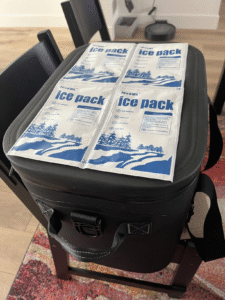
What is dry ice, and how does it differ from other coolants?
What are the UPS and FedEx regulations for dry ice shipments in 2025?
How do you properly package and label dry ice shipments?
What are the common mistakes when shipping dry ice, and how can you avoid them?
What Is Dry Ice, and Why Use It for Shipping?
Dry ice, or solid carbon dioxide, is widely used in shipping to keep goods at sub-zero temperatures during transit. Unlike traditional ice, which melts into water, dry ice sublimates directly from solid to gas, which makes it ideal for preserving products that need to remain frozen during shipping.
Why Choose Dry Ice Bags Over Other Coolants?
Dry ice bags are specially designed to hold dry ice pellets or blocks in a vented pouch, providing a consistent temperature for extended periods. Unlike gel packs or foam insulation, which cannot maintain sub-zero conditions for long durations, dry ice bags are used for shipments that require ultra-low temperatures, making them ideal for biological samples, pharmaceuticals, and frozen foods.
| Packaging Type | Temperature Performance | Reusability | Common Use Cases |
|---|---|---|---|
| Dry Ice Bags | Up to 72 hours at −78.5°C | Single-use | Frozen food, vaccines, biologics |
| Gel Packs | 12-24 hours at 0–15°C | Reusable | Fresh produce, pharmaceuticals |
| Foam Insulation (EPS) | 24-48 hours with dry ice | Reusable | General shipping of chilled items |
Dry ice bags outperform gel packs when sub-zero conditions are required. However, they are subject to hazardous material regulations because they contain carbon dioxide.
2025 UPS and FedEx Regulations for Dry Ice Shipments
Both UPS and FedEx follow stringent safety protocols for shipping dry ice to ensure compliance with hazardous material regulations. These include specific weight limits, packaging requirements, and labeling standards.
UPS Regulations for Dry Ice Shipments
UPS allows dry ice shipments with clear guidelines for packaging, labeling, and weight limits:
Weight Limits: For domestic shipments, the maximum amount of dry ice per package is 5.5 pounds (2.5 kg) for air and ground shipments.
Packaging: UPS mandates that dry ice be shipped in vented containers to allow carbon dioxide to sublimate safely.
Labeling: Packages must be marked with “Dry Ice” and UN 1845 along with the net weight and any special contents (e.g., medical).
For international shipments, UPS follows IATA regulations and may require a Hazardous Materials Agreement for quantities over 2.5 kg.
FedEx Regulations for Dry Ice Shipments
FedEx enforces similar rules but is stricter when it comes to training and documentation:
Weight Limits: Like UPS, FedEx allows up to 5.5 pounds (2.5 kg) of dry ice per package for domestic air shipments. For international shipments, the weight limit extends to 200 kg.
Packaging: FedEx insists on using vented containers such as fiberboard, plastic, or wooden boxes.
Labeling: Packages must include the UN 1845 marking, “Dry Ice”, and net weight, with Class 9 hazard labels for air shipments.
Tip: Always consult the FedEx Dangerous Goods hotline for specific queries related to shipments.
How to Package Dry Ice for Shipping: Step-by-Step Guide
Proper packaging is critical to ensure dry ice sublimates safely and does not build up dangerous pressure within the container. Follow these steps:
Choose Vented Containers: Ensure the container allows carbon dioxide gas to escape. Use boxes made from fiberboard, plastic, or wood, which are suitable for venting.
Calculate the Right Amount of Dry Ice: The common guideline is 1 lb per hour per cubic foot of package space. Add extra dry ice to account for potential shipping delays.
Pack the Dry Ice Bag: Place the dry ice in the bag, ensuring it is surrounded by proper insulation like foam or bubble wrap to maintain a consistent temperature.
Leave Venting Openings: Do not seal the bag or box completely. Ensure some gas can escape to avoid pressure buildup.
Label Correctly: Use the correct labels such as “Dry Ice”, UN 1845, net weight, and any additional markings required for medical or hazardous goods.
Common Mistakes to Avoid:
Sealing dry ice in airtight containers: This can lead to dangerous pressure buildup. Always use vented bags.
Incorrect labeling: Missing UN 1845 or failing to mark the net weight can cause delays or rejections.
How to Avoid Common Dry Ice Shipping Errors
Shipping dry ice involves several regulations and safety precautions. To ensure smooth shipping, follow these tips:
Use the Right Packaging Materials: Ensure your packaging can withstand the cold temperatures and allows proper venting.
Always Vent Your Dry Ice: Never seal it in airtight packaging.
Double-Check Labels: Always mark your package with the correct UN number and weight details.
By following these guidelines, you can ensure that your dry ice shipments are handled safely and comply with the latest regulations from both UPS and FedEx.
Latest Trends in Dry Ice Shipping (2025)
The cold chain logistics industry continues to evolve. In 2025, there are several notable trends influencing the way dry ice is used:
Sustainability Initiatives: New biodegradable packaging and recyclable liners are becoming common to reduce the environmental footprint of dry ice shipments.
Automated Packaging Systems: Automation is improving efficiency in cold chain logistics, ensuring the right amount of dry ice is used and minimizing waste.
Advanced Insulation: Vacuum-insulated panels (VIPs) combined with dry ice are extending package hold times without increasing size.
Market Insights: With the rise of e-commerce, there’s a growing demand for reliable cold chain solutions for frozen food and biopharmaceuticals, driving continued innovation in dry ice packaging and shipping techniques.
Frequently Asked Questions (FAQ)
Q1: Can I ship dry ice in a sealed plastic bag with UPS or FedEx?
No, both UPS and FedEx prohibit sealed plastic bags because they do not allow for gas venting, which can lead to dangerous pressure buildup.
Q2: How much dry ice can I ship without needing hazardous materials paperwork?
UPS allows up to 2.5 kg (5.5 lbs) of dry ice without hazardous materials documentation for domestic air shipments. FedEx requires dangerous goods classification for all dry ice shipments, regardless of weight.
Q3: What are the costs associated with shipping dry ice?
Shipping dry ice can involve charges based on dry ice weight, packaging costs, and potential surcharges for hazardous materials handling. Always check with the carriers for specific pricing details.
Conclusion and Recommendations
Shipping dry ice with UPS or FedEx is feasible, but it requires careful attention to packaging, labeling, and compliance with hazardous material regulations. Ensure that you follow all guidelines to avoid delays and ensure the safety of your shipments. Regularly check for updated 2025 regulations from both carriers to stay ahead of any changes.
Next Step: Plan your dry ice shipments carefully by consulting with UPS or FedEx for the most current guidelines. Proper training and documentation are key to safe and efficient shipping.
About Tempk
At Tempk, we specialize in cold chain logistics, offering dry ice shipping solutions that meet or exceed industry standards. Our team provides customized packaging options to ensure your goods are delivered safely and on time, preserving their quality during transit. Contact us for expert advice and to explore our packaging solutions tailored to your shipping needs.
Best Guide to Yeti Dry Ice Packs for Coolers
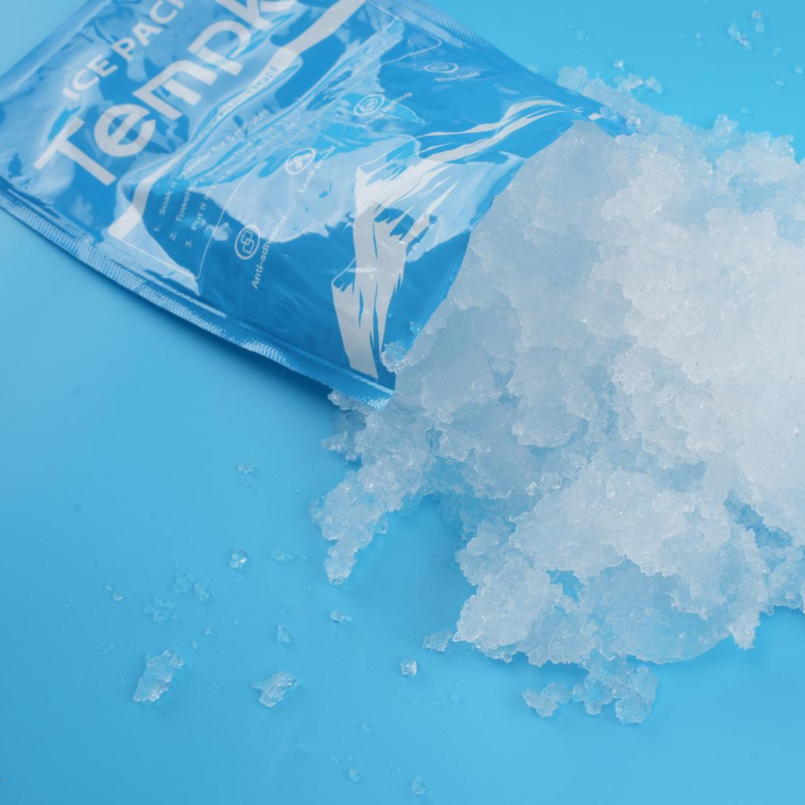
Yeti Dry Ice Packs for Coolers: What Works in 2025?
If you’re choosing yeti dry ice packs for coolers in 2025, this guide shows when they shine, when true dry ice is required, and exactly how to pack for B2B shipping. Expect clear safety rules, tested durations, and a packing recipe that reduces thaw risk from hours to days so your products arrive cold.
Pick the right coolant for 2–8 °C chilled vs. sub‑zero loads (long‑tail: cold chain gel packs vs dry ice).
Pack smarter so yeti dry ice packs for coolers deliver longer holds with fewer returns (long‑tail: how to pack a Yeti for shipping).
Compare options—Yeti gel packs vs. true dry ice and PCM sheets (long‑tail: PCM vs dry ice for pharma).
Apply 2025 trends to boost retention and sustainability (long‑tail: 2025 cold chain packaging trends).
What makes yeti dry ice packs for coolers effective for B2B shipping?
Short answer: They’re rugged, reusable gel packs (freeze point ~–2 °C) that keep cargo safely chilled without hazmat rules. They’re ideal for same‑day or overnight routes, food kits, and vaccines that must not freeze. For multi‑day or frozen shipments, you’ll need true dry ice or lower‑temperature PCMs.
Why this matters to you: The “dry ice” phrase is confusing—Yeti “Ice” is not CO₂ dry ice; it’s a phase‑change gel tuned to hover just below 0 °C. That’s perfect for beverages, produce, and 2–8 °C medical supplies, and it avoids the paperwork and ventilation risks of actual dry ice (hazmat by air). In real tests, adding Yeti packs extended cold hold roughly half a day in a quality cooler; use more packs and better insulation for longer lanes.
Which shipments exceed yeti dry ice packs for coolers?
Details: Loads that must stay frozen (<0 °C) or deep‑frozen (–15 °C to –25 °C) will outlast gel packs. For these, combine insulation upgrades with dry ice or specialized PCM packs. If you scale nationwide, also weigh freezer capacity, pack cost, and reconditioning time across turns.
| Requirement | Best Coolant | Typical Hold | What it means for you |
|---|---|---|---|
| 2–8 °C, ≤24 h | Yeti gel packs | ~12–18 h in a good cooler (longer with more packs) | Safe, simple, no hazmat—great for local lanes. Yeti Dry Ice Packs for Coolers |
| 2–8 °C, 24–48 h | High‑quality PCMs + insulation | 24–48 h+ | Stable temps with validated shippers; fewer surprises. Yeti Dry Ice Packs for Coolers |
| ≤ –15 °C frozen | Dry ice or sub‑zero PCMs | 48–72 h in engineered shippers | Required for frozen seafood/biologics; plan for venting and SOPs. Yeti Dry Ice Packs for Coolers |
Practical tips and quick wins
Pre‑chill everything: Cool products and the container before packing to avoid “wasting” pack capacity.
Right quantity: Start with ≥1 lb pack per ~5 L internal volume; double for >12 h routes. Fill air gaps.
Insulation first: Upgrading the shipper often doubles hold time before changing coolants.
Real case: A regional pharmacy moved from ad‑hoc gel packs to a validated 2–8 °C pack‑out with reusable coolants and a data logger. After optimization, 48‑hour deliveries arrived at ~5 °C with spoilage near zero and ~20% lower consumable cost.
How do yeti dry ice packs for coolers compare with true dry ice?
Short answer: Yeti gel packs keep items chilled cleanly and safely; true dry ice holds frozen for much longer and much colder, but introduces safety, labeling, and operating complexity. Choose by temperature target and duration.
Deeper take: Gel packs are reusable, food‑safe, and drop‑resistant, with no puddles. True dry ice sits at –78 °C with roughly triple the cooling per pound vs water ice—excellent for multi‑day frozen but requires gloves and ventilation and, for air, hazmat marking. Many shippers blend strategies: gel packs for stability, dry ice for ultra‑cold reserve.
Cost, storage, and scalability for growing programs
Details: Retail‑grade blocks (e.g., Yeti) are premium and bulky to refreeze in volume. Flexible B2B sheets that ship flat and hydrate once save freezer space and conform around product—useful when you manage hundreds of weekly turns. Reuse cycles drive ROI versus one‑and‑done dry ice.
| Factor | Yeti gel packs | Dry ice (CO₂) | Your takeaway |
|---|---|---|---|
| Temperature | ~–2 °C freeze point → chilled zone | –78 °C → deep‑frozen | Use gel for 2–8 °C; dry ice for frozen. Yeti Dry Ice Packs for Coolers |
| Duration | +12–24 h in good pack‑outs | 48–72 h in engineered shippers | Duration tracks with insulation + mass. Yeti Dry Ice Packs for Coolers |
| Safety/Compliance | No hazmat; easy handling | Hazmat by air; needs SOPs, venting | Train teams if you add dry ice. Yeti Dry Ice Packs for Coolers |
| Scalability | Freezer space limits | Procurement & ventilation limits | Pick the limiter you can manage. Yeti Dry Ice Packs for Coolers |
How should you pack yeti dry ice packs for coolers safely in 2025?
Short answer: Pre‑condition (freeze packs solid), pre‑chill product and container, load product, then place yeti dry ice packs for coolers above and around items to “blanket” cold air down. Minimize headspace, seal, and keep the shipper ventilated during transport. Gloves if you also use dry ice.
Step‑by‑step pack‑out (copy/paste SOP):
Safety checklist for yeti dry ice packs for coolers
Hand safety: Gel packs are safe to touch; if adding true dry ice, wear insulated gloves.
Ventilation: Never fully seal CO₂ dry‑ice containers; avoid confined spaces.
Compatibility: Use dry ice only in dry‑ice‑compatible hard coolers (not soft coolers).
Quick selector (tick what applies):
2–8 °C for ≤24 h → gel packs only
2–8 °C for 24–48 h → gel packs + premium insulation
Frozen or >48 h → dry ice or sub‑zero PCM + validated shipper
2025 trends for yeti dry ice packs for coolers and cold chain
Overview: In 2025 the market leans toward smarter insulation, reusable PCMs, and lane‑level monitoring. Many shippers are swapping single‑use consumables for validated, reusable systems and adding IoT sensors to verify performance on every route. Industry growth remains strong—cold chain logistics is expanding around ~8% annually.
Latest progress at a glance
Next‑gen PCMs: Longer holds at specific setpoints (including sub‑zero) enable 2–5‑day performance without active refrigeration.
VIP/VPU shippers: Vacuum insulation panels drastically cut heat gain; pair well with gel or dry ice for multi‑day lanes.
Hybrid systems: PCM + dry ice combos tame thermal spikes while preserving ultra‑cold reserves.
Market insight: More providers now offer reusable packs, validated boxes, and lab data (e.g., CNAS‑tested performance) to meet tighter pharma/food expectations and reduce waste while improving delivery reliability.
FAQs
1) Do yeti dry ice packs for coolers actually contain dry ice?
No. They are gel‑based phase‑change packs (~–2 °C). They’re ideal for chilled shipments, not frozen cargo.
2) How long will yeti dry ice packs for coolers hold temperature?
Typically ~12–18 h in a well‑insulated cooler; add more packs and better insulation for 24–48 h routes.
3) When must I use true dry ice instead?
Use dry ice for sub‑zero or multi‑day frozen shipments (ice cream, –15 °C foods, some biologics). Follow glove/venting SOPs.
4) Are gel packs easier to ship by air than dry ice?
Yes. Gel packs are not hazmat; dry ice is regulated for air and needs labeling and training.
5) Can I mix gel packs and dry ice in the same pack‑out?
Yes. Keep gel packs near sensitive goods for stability; add a small dry‑ice buffer on top for ultra‑cold reserve in validated, vented shippers.
Summary and next steps
Key points: Yeti dry ice packs for coolers are rugged, reusable, and great for chilled lanes, extending hold by ~12–24 h with good insulation. For frozen or multi‑day routes, step up to dry ice or sub‑zero PCMs in validated shippers. Pre‑chill, right‑size your coolant mass, remove headspace, and log temperature on test runs before scaling.
Action plan:
List lane duration and target temps.
Choose coolant (gel vs. CO₂ vs. PCM) by those needs.
Run a datalogged pilot and tune pack count/insulation.
Standardize an SOP; train teams; add QA checks. Ready to optimize? Contact us for a tailored pack‑out.
About Tempk
We design and validate reusable coolants, insulated shippers, and SOPs for food and pharma. Our packs are built for repeat freeze‑thaw cycles and tested in accredited labs, helping you reduce spoilage and consumable costs while proving compliance. We’ll help you match coolant type to route and scale it with confidence.
Yeti Dry Ice Packs for Coolers
CTA: Need a lane‑specific pack‑out? Talk to a Tempk engineer to get a data‑backed recommendation and a fast pilot plan.
World-Bio Dry Ice Pack Sheet: 2025 Shipping Guide
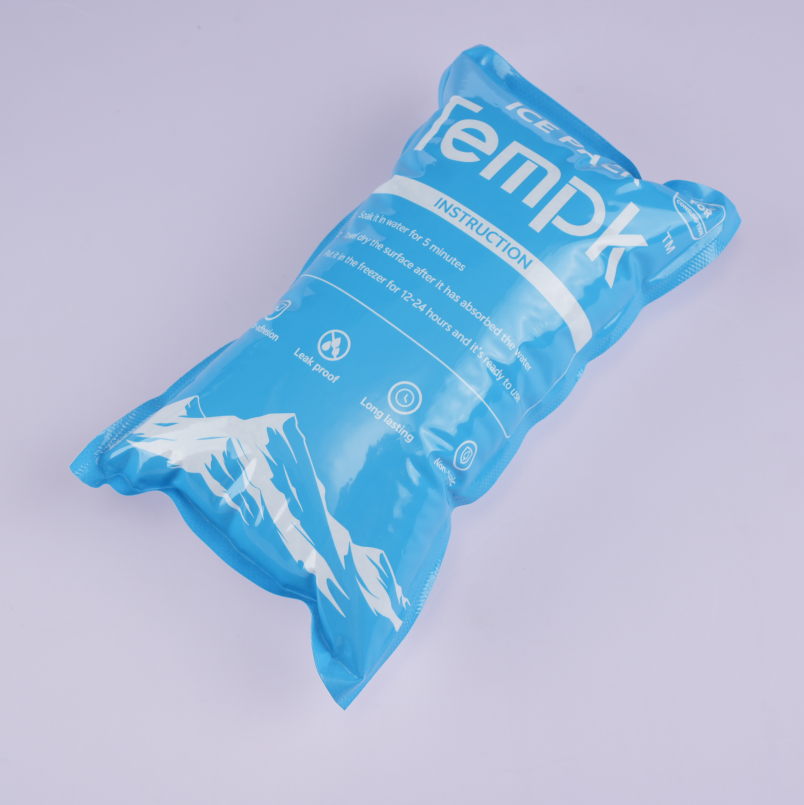
World-Bio Dry Ice Pack Sheet for Shipping: 2025 Guide
You want shipments to arrive cold, safe, and compliant. A world bio shipping dry ice pack sheet gives you flat‑shipping convenience, 24–48‑hour hold times in insulation, and simpler handling than dry ice. Below, you’ll learn when to use it, how to size it, and how to stay audit‑ready in 2025—without guesswork.
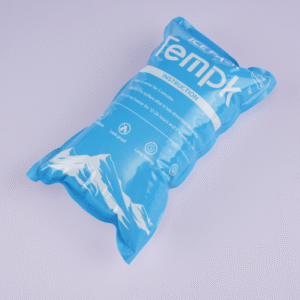
What is a world bio shipping dry ice pack sheet? How it works and why it stays dry to the touch.
How do you use and size it? A hydrate‑freeze‑pack routine and quick estimator.
Dry ice vs gel vs PCM: Which fits your lane and temperature target.
Compliance in 2025: Using PI 954 only when you truly ship dry ice.
Trends: Where a world bio shipping dry ice pack sheet shines in 2025.
What is a world bio shipping dry ice pack sheet and how does it work?
It’s a reusable gel sheet, not solid CO₂ dry ice. You soak it, freeze it flat, and it becomes a flexible “cold blanket” that lines or wraps products. The world bio shipping dry ice pack sheet keeps items in a chilled range for long routes, with less mess than loose ice and fewer hazards than real dry ice.
How it helps you: It ships and stores flat, cuts to fit, and won’t flood cartons as it warms. That means cleaner deliveries, easier SOPs, and fewer customer complaints about wet packaging.
Hydrate–Freeze–Pack: the fast routine for a world bio shipping dry ice pack sheet
Steps you can trust: Submerge 3–5 minutes until cells swell, pat dry, freeze flat 8–12 hours, then place sheets close to product inside insulation. A world bio shipping dry ice pack sheet can be cut along cell seams to hug odd shapes and reduce hot spots.
| Key Spec Snapshot | Typical Value | Range by Build | What it means for you |
|---|---|---|---|
| Cold profile | ~0–8 °C (refrigerated) | Depends on insulation | Ideal for produce, chocolate, 2–8 °C meds |
| Cold duration in insulation | 24–48 h | Temperature & mass dependent | Overnight and weekend lanes without leaks |
| Reusability | Many cycles | If intact & clean | Lower cost per shipment over time |
Practical tips and pro moves
Pre‑chill everything: Cold product + cold box = longer holds.
360° coverage: Top/bottom/sides to avoid warm corners.
Spacer layer for freeze‑sensitive goods: Add paper or bubble to soften cold face.
Real‑world case: A regional butcher lined EPS shippers with two medium sheets and added a top sheet. Summer lanes at 30 °C still delivered at ~3–5 °C, while returns and “wet box” complaints dropped.
Dry ice vs world bio shipping dry ice pack sheet—which fits your lane?
Quick answer: Use dry ice when you must keep items frozen hard for multi‑day transit. Use a world bio shipping dry ice pack sheet when you need refrigerated cold without hazmat rules. For 2–8 °C precision, pair with a 2–8 °C PCM (phase‑change material) pack.
Cost & safety angle: The world bio shipping dry ice pack sheet avoids hazardous‑goods handling, off‑gassing, and frostbite risk. That simplifies training and paperwork while keeping customer unboxing safer.
Sizing rules for a world bio shipping dry ice pack sheet
Aim for enough coolant mass to cover duration and thermal load. Start here, then validate with lane tests.
| Target | Starter Rule | Tweak When | What it means |
|---|---|---|---|
| Chilled 2–8 °C | ~0.5–0.7 kg gel/PCM per 5 L payload per 24 h | Thin liners or hot lanes | Add 20–30% mass buffer |
| Frozen ≤ –10 °C | ~1.0–1.5 kg gel sheet per 5 L per 24 h | >48 h routes | Consider mixing in dry ice |
| Porch dwell | +20–30% | Summer or long dwell | Protects last‑mile exposure |
Will a world bio shipping dry ice pack sheet keep you compliant?
Yes—when you use gel or PCM, you’re typically not shipping Dangerous Goods. If you do add real dry ice, follow PI 954: vent packaging, mark UN 1845 and net dry‑ice mass on each package and, if using an overpack, on the overpack. Train staff on acceptance checklists and carrier job aids. These steps speed tender and cut rejection risk.
In practice: Many teams standardize two builds—one with a world bio shipping dry ice pack sheet only (chilled), one hybrid with a small dry‑ice slab for deep‑frozen SKUs—so planners can pick per lane.
2025 cold‑chain trends: where a world bio shipping dry ice pack sheet shines
Sustainability and reusability: Flat‑shipping sheets lower storage space and waste. Reuse slashes coolant spend and supports greener ops in 2025.
Smarter monitoring: Low‑cost data loggers make it easy to validate a world bio shipping dry ice pack sheet packout, tune mass, and document performance for audits.
Market expansion: Cold‑chain demand keeps growing; hybrid builds (gel + PCM) reduce spoilage and freight compared with over‑icing.
Latest progress at a glance
Reusable packaging programs: Easier returns and refreezing boost ROI.
Better insulation: Thin liners with higher R‑value extend a world bio shipping dry ice pack sheet past 24 h.
Training refresh: 2025 DG checklists make dry‑ice moves faster for teams that still need ultra‑cold.
Market insight: Estimates for the global cold‑chain market in 2025 cluster in the ~$370–$420 billion range, with strong growth through the decade—use this momentum to standardize validation and SOPs now.
FAQ: world bio shipping dry ice pack sheet basics
Q1: Is a world bio shipping dry ice pack sheet actual dry ice?
No. It’s a water‑based gel sheet you hydrate and freeze. Dry ice is solid CO₂ at –78.5 °C and triggers DG rules.
Q2: How long will it stay cold?
In a good insulated shipper, expect 24–48 hours. Add mass or insulation for hotter lanes or longer dwell.
Q3: Can I cut the sheet to fit?
Yes. Most sheets have cell grids you can trim so the cold blanket wraps tight and reduces hot spots.
Q4: What if I need strict 2–8 °C?
Use a 2–8 °C PCM along with your world bio shipping dry ice pack sheet to buffer temperature and avoid freezing.
Q5: When do I still need dry ice?
Use it for hard‑frozen payloads or multi‑day frozen routes. Mark UN 1845 and net mass and vent packaging.
Summary & recommendations
Key points: A world bio shipping dry ice pack sheet is reusable, cut‑to‑fit, and ideal for chilled lanes. Use PCM for tight 2–8 °C control and reserve real dry ice for deep‑frozen needs. Validate with data loggers, add a 20–30% buffer for summer, and document SOPs for repeatability.
Next steps:
Define target temp and transit time.
Build two templates: gel‑only and gel + PCM.
Size coolant with the quick estimator below and run a one‑week PQ.
Add compliance checks only when shipping real dry ice.
CTA: Need a lane‑specific packout? Talk to our team today.
Quick estimator (interactive checklist you can run in minutes)
About Tempk
We are cold‑chain specialists with validated packouts for food and life‑science lanes. Our reusable gel sheets, PCM builds, and audit‑ready SOPs help you cut spoilage and freight without over‑icing. We back every design with lane testing and simple operator training so you scale with confidence.
Action: Need a 15‑minute sizing consult? Contact Tempk for a fast, lane‑ready bill of materials.